iPhone Duo and Google Pixel 11 Pro Fold represent two very different approaches to the next generation of foldables. Apple’s highly anticipated Duo brings a familiar iPhone experience into a foldable design, while Google’s Pixel 11 Pro Fold focuses on a larger inner screen, versatile cameras, and Android flexibility. For buyers considering premium foldables, this is a particularly interesting head-to-head.
The iPhone Duo takes a distinctly premium approach with a titanium frame, Ceramic Shield 2 glass, and a titanium hinge. It also carries an IP68 rating and supports stylus input. The Pixel 11 Pro Fold uses an aluminum frame, Gorilla Glass Victus 2 on the rear, and a glass-ceramic cover. Both feel flagship-grade, but Apple’s materials give the Duo a more luxurious character.
The biggest design difference appears when these phones are opened. The Duo has a wide 7.6-inch inner OLED with a subtle crease, while the Pixel offers an even larger 8-inch foldable OLED with a near-square aspect ratio. Both panels run at 120Hz and support HDR, but the Pixel reaches a higher 3600-nit peak brightness. Apple’s anti-reflective, nano-texture treatment should make the Duo particularly pleasant for reading and outdoor use.
The Pixel 11 Pro Fold wins for sheer screen real estate, but the iPhone Duo feels like the more refined premium device, particularly for users who value Apple’s materials and display treatment.
2. Specifications Including Battery
Performance
The iPhone Duo uses Apple’s A20 Pro chip, built on a 2nm process, paired with 12GB RAM and storage options reaching 2TB. The Pixel 11 Pro Fold runs Google’s Tensor G6 on a 3nm process, with 16GB RAM and up to 1TB storage. Raw performance should favor Apple, while Google’s extra memory suits heavy multitasking.
Battery specifications reveal a more substantial advantage for Google. The Pixel packs a 4806mAh battery, supports 30W wired charging, 25W magnetic wireless charging, and bypass charging. Apple offers wired charging capable of reaching 50% in 20 minutes, alongside 25W MagSafe or Qi2 wireless charging. The Pixel’s bypass charging is a useful addition for demanding users who keep the phone plugged in for extended periods.
Verdict
The iPhone Duo looks stronger for performance, while the Pixel 11 Pro Fold offers the more practical battery package. For demanding multitaskers, Google’s approach feels more flexible.
3. Camera
Main and Secondary Lenses
The iPhone Duo features dual 48MP cameras, combining a wide sensor with a 120-degree ultrawide. Its video capabilities are particularly impressive, including 4K recording up to 120fps, Dolby Vision HDR, ProRes, and spatial video. The Pixel 11 Pro Fold counters with a triple-camera system featuring a 48MP main sensor, 10.8MP 5x telephoto, and 10.5MP ultrawide.
That dedicated telephoto gives the Pixel a clear advantage for zoom photography. Google also adds Pixel-focused features such as Best Take, Pixel Shift, Ultra-HDR, and Zoom Enhance. Apple’s camera setup is less versatile on paper, but its video toolkit is considerably more advanced. For creators, the Duo’s combination of Dolby Vision, ProRes, and high-frame-rate recording is hard to overlook.
Selfie Camera
The Duo includes an under-display selfie camera plus a 12MP cover camera with autofocus, while the Pixel uses 10MP cameras on both the inner and cover displays. The Pixel offers a simpler, consistent setup, but Apple provides more flexibility across its displays.
Verdict
The Pixel 11 Pro Fold wins for photographic versatility and optical zoom, while the iPhone Duo is the stronger choice for serious video recording and content creation.
4. Pricing
The iPhone Duo is priced around $2,000 or ₹3,00,000, putting it firmly into ultra-premium territory. The Pixel 11 Pro Fold is priced around $1,900 or ₹1,87,000, making Google’s foldable notably more affordable despite offering more RAM and a larger inner display.
That difference matters because both phones target essentially the same luxury segment. The Pixel delivers a triple-camera system, 16GB RAM, 1TB storage, and a larger foldable panel for less money. The Duo, meanwhile, commands a substantial premium for Apple’s ecosystem, design language, software experience, and highly anticipated entry into foldables.
Is the price justified?
The Duo’s price will make sense primarily for buyers already invested in Apple’s ecosystem or those specifically seeking Apple’s first major foldable experience. The Pixel is easier to justify purely on hardware value.
Verdict
The Pixel 11 Pro Fold offers better value for money, while the iPhone Duo is the more aspirational purchase. Apple’s premium makes sense mainly for buyers who specifically want the iPhone foldable experience.
Disclaimer: Prices are approximate and may vary based on country, region, launch timing, and applicable taxes. Always check whether the listed price is for a China unit or a global/international variant when purchasing.
5. Conclusion
The iPhone Duo stands out with its titanium construction, Ceramic Shield 2, nano-texture inner display, A20 Pro chip, 2TB storage option, advanced Dolby Vision and ProRes video, and MagSafe/Qi2 charging. It also brings the enormous excitement surrounding Apple’s long-awaited entry into foldables, making it arguably the hottest device in this comparison.
The Pixel 11 Pro Fold answers with an 8-inch inner screen, 16GB RAM, a 5x optical telephoto camera, 4806mAh battery, bypass charging, and up to seven major Android updates. It is the more feature-packed value proposition and arguably the more practical foldable for multitasking and photography. Yet the Duo feels like the more significant product, particularly for existing Apple users.
Verdict
Overall best: iPhone Duo — especially if the priority is the most premium and exciting foldable experience. Best practical buy: Pixel 11 Pro Fold — it gives you more hardware for considerably less money.
FAQs
1. Which phone is better for everyday use? The iPhone Duo offers a polished iOS experience, while the Pixel 11 Pro Fold excels at multitasking and Android customization.
2. Which phone is better for photography? The Pixel 11 Pro Fold has the edge for photography thanks to its dedicated 5x telephoto and computational photography features.
3. Which phone is better for gaming and demanding apps? The iPhone Duo should have the performance advantage, with the A20 Pro built on a newer 2nm process.
4. Which phone should you buy for longer battery use? The Pixel 11 Pro Fold has a 4806mAh battery and bypass charging, making it better suited to extended heavy use.
5. Which foldable offers better value for money? The Pixel 11 Pro Fold offers stronger hardware value, particularly with 16GB RAM, three cameras, and a significantly lower price.
Disclaimer: Prices, specifications, and availability may vary by region and retailer. Recommendations in this article are based on editorial opinion, feature-based value, and market positioning at the time of writing. Readers are advised to do their own research before making a purchase.
Xiaomi’s Xring O3 is the company’s latest mobile chipset, and a successor to the Xring O1. But why did the company skip the O2? Xiaomi hasn’t commented on this, but tests show O3 delivers a two-generation improvement in energy efficiency. The performance gains and NPU capabilities are also worth more than a generational leap.
The Xring O3’s CPU features an all-big-core CPU design, featuring ARM’s powerful C1-series cores at higher speeds. The new 16-core GPU also delivers big on performance and efficiency, plus the NPU has been upgraded to achieve 200 TOPS, up from 44 TOPS. There are more major upgrades to the O3 that we’ll discuss later in this detailed comparison.
Let’s begin with the spec sheet:
Xring O3
Xring O1
Announced
August 2026
May 2025
Process node
3nm (TSMC)
3nm (TSMC)
Transistor count
24 billion
19 billion
Die size
133 sq. mm.
114.7 sq. mm.fl
CPU
2 x 4.35 GHz (C1-Ultra) 4 x 3.68 GHz (C1-Premium) 4 x 3.15 GHz (C1-Pro)
2 x 3.9 GHz (Cortex-X925) 4 x 3.4 GHz (Cortex-A725) 2 x 1.9 GHz (Cortex-A725) 2 x 1.8 GHz (Cortex-A520)
An Xring O3-powered Xiaomi device is yet to reach Gizmochina’s office, so we used the benchmark numbers posted by a Chinese outlet, Xiaobai’s Tech. The test was performed using Xiaomi’s recently-launched Pad 9 Pro Max. For Xring O1, we’ve already performed tests using the Xiaomi 15s Pro.
Geekbench score
In the Geekbench 6 CPU test, the Xring O3-powered Xiaomi Pad 9 Pro Max achieved a 2,910 single-core score, about 27% higher than the Xring O1. The gap only widens in the multi-core testing.
The Xring O3’s multi-core score is massive. It stands at 14,350, which is higher than any other mobile chipset, including the Apple A19 Pro and Snapdragon 8 Elite Gen 5. When compared with Xring O1, the newer O3 delivers a 57% higher score.
Xring O3
Xring O1
Single core
3,699
2,910
Multi core
14,350
9,153
3DMark Wild Life Extreme
The GPU gains are substantial. In the 3DMark Wild Life Extreme test, the Xring O3 posts a total score of 11,378, while the O1 gets 5,998. That’s over 89% jump for the Xring O3 – one of the reasons why Xiaomi named it O3 instead of O2.
Xring O3
Xring O1
score
11,378
5,998
The benchmark numbers are pretty solid for the Xring O3. But what has actually changed inside the new silicon? Let’s look at the major hardware upgrades to get better clarity.
Xring O3 vs Xring O1 – What has actually changed?
The Xring O3 uses TSMC’s 3nm node, the same as the O1, instead of the newer 2nm node. The difference here is that O3 uses the ‘N3P’ version, which delivers slightly better performance than the ‘N3E’ version used for the O1.
24 Billion Transistors
Xiaomi reveals that the Xring O3 has 24 billion transistors, up from 19 billion on the Xring O1. As a result, the die size has also grown to 133 sq mm, from O1’s 114.7 sq mm.
All-Big-Core CPU Design
The CPU brings pretty significant upgrades, now featuring a completely redesigned all-big-core CPU, designed to unlock maximum performance. The new chip features C1-series cores, which deliver better performance and efficiency compared to those in the O1. Plus, they run at higher speeds, further enhancing performance. The Xring O3 has a peak speed of 4.35 GHz, while the O1 can reach up to 3.9 GHz.
Massive Uplift in GPU Performance
The GPU upgrades are even more substantial. The Xring O3 features a 16-core Mali-G2 Ultra NX GPU for the first time in a mobile chipset. It has 8 standard graphics cores and 8 dedicated “NX” neural network units. The NX units allow games to render at low internal resolution and use a trained neural network to upscale the image and generate extra frames.
World’s first mobile chipset with LPDDR6
The peak GPU frequency has also jumped 25% to 1.6 GHz. The Xring O3 is the first mobile chipset to use next-generation DDR6 memory, allowing the chip to run at 10,667 Mbps. It can deliver a massive 113.8 GB/s of peak memory bandwidth, nearly 48% larger than LPDDR5T on Xring O1.
Massive 200 TOPS AI Capability
The GPU upgrades combined deliver a multi-generational leap in graphics performance, which is reflected in benchmark numbers. The older Xring O1 uses Mali-G925 Immortalis MP16 GPU with no “NX” units, and it also suffered from high thermal output and power drain.
The Xring O3 can perform massive 200 trillion operations per second (TOPS), while the O1 is limited to 44 TOPS. This massive speed will allow O3-powered devices to run complex AI assistants, advanced photo editing, and other AI actions on the device without an internet connection.
iPhone Duo and Samsung Galaxy Z Fold 8 represent two very different takes on the premium foldable. Apple is entering a category Samsung has shaped for years, while Samsung is responding with a slimmer, lighter Fold that remains focused on productivity. For buyers spending flagship money, the choice is about more than screen size.
The iPhone Duo stands out with Apple’s ecosystem, A20 Pro chip, 2TB storage option and a large foldable OLED with a matte, anti-reflective finish. The Galaxy Z Fold 8 counters with DeX, S Pen support, Android flexibility, and a more conventional foldable design. This makes the comparison especially interesting because each phone targets a different definition of a premium foldable.
Major Features:
Category
iPhone Duo
Samsung Galaxy Z Fold 8
Winner
Design & Build
Titanium frame, Ceramic Shield glass, IP68
Armor Aluminum, Gorilla Glass, IP48
Apple — More premium materials and stronger water resistance
Inner Display
7.6-inch OLED, 120Hz, 3,000 nits, Nano Texture
7.6-inch LTPO AMOLED 2X, 120Hz, 3,000 nits
Apple — Nano Texture and anti-reflective finish give it a more premium viewing experience
Cover Display
5.4-inch OLED, 120Hz
5.5-inch Dynamic AMOLED 2X, 120Hz
Samsung — Slightly larger cover screen and practical foldable layout
Processor
A20 Pro, 2nm
Snapdragon 8 Elite Gen 5, 3nm
Apple — Stronger next-generation chip architecture
RAM & Storage
12GB, up to 2TB
Up to 16GB, up to 1TB
Apple — 2TB maximum storage offers more capacity
Battery
Li-Ion, fast wired charging, 25W wireless
4,800mAh, 45W wired, 20W wireless
Samsung — Larger stated capacity and faster wired charging
Main Camera
48MP wide + 48MP ultrawide
50MP wide + 50MP ultrawide
Apple — Stronger creator-focused video features and stabilization
Video
Up to 4K 120fps, Dolby Vision, ProRes, spatial video
Up to 8K 30fps, 4K 120fps
Apple — More advanced professional video tools
Selfie Camera
Under-display inner camera + 12MP cover camera
10MP inner + 10MP cover camera
Apple — Under-display camera creates a cleaner inner-screen experience
Productivity
iOS 27 multitasking
One UI 9, Samsung DeX, S Pen support
Samsung — DeX and S Pen make it more versatile for work
Connectivity
Wi-Fi 7, Bluetooth 6, UWB, satellite features
Wi-Fi 7, Bluetooth 6, UWB
Apple — Satellite connectivity adds useful emergency features
Price
Priced around $2,000 / ₹3,00,000
Priced around $1,900 / ₹1,80,000
Samsung — Offers broader functionality at a significantly lower price
Overall
Premium Apple foldable with powerful hardware and ecosystem integration
More mature productivity-focused foldable with better value
Samsung — Better overall balance of price, productivity and versatility
Disclaimer: Specs are based on available data. Actual performance may vary. Verify details from official sources before buying.
The iPhone Duo takes a distinctly Apple approach, combining a titanium frame and hinge with Ceramic Shield glass and IP68 protection. Its foldable design feels more like an oversized iPhone transformed into a tablet, while the matte inner display is an unusual touch for a foldable. It also offers satellite-based Emergency SOS and Find My features.
Samsung uses Armor Aluminum, Gorilla Glass protection, and IP48 resistance, with Flex Titanium technology helping its foldable construction. The Fold 8 feels more established as a productivity device, particularly with its wider landscape-oriented inner screen. For everyday versatility, Samsung’s software-first design feels more mature, while Apple’s hardware approach is arguably more distinctive.
Display Quality
Both phones feature 7.6-inch 120Hz LTPO OLED panels with peak brightness reaching 3,000 nits. Apple adds HDR10, Dolby Vision, an anti-reflective coating, and a Nano Texture finish, potentially making the Duo particularly appealing for reading and outdoor viewing. Its smaller 5.4-inch cover screen also keeps the folded experience closer to a compact phone.
The Fold 8 offers a 4:3 inner display with 2,448 x 1,848 resolution and HDR10+, alongside a 5.5-inch cover display. Samsung’s inner panel is more square and productivity-friendly, while Apple’s display could deliver a more premium visual experience. The Duo gets the edge for display refinement; Samsung remains stronger for multitasking.
Verdict
The iPhone Duo wins for display sophistication, anti-reflective technology, and premium materials, while the Galaxy Z Fold 8 remains the more productivity-oriented foldable.
2. Specifications Including Battery
Performance
Apple’s A20 Pro chip gives the iPhone Duo a major performance advantage on paper, with a 2nm design and a seven-core GPU. It also offers up to 12GB RAM and an unusually high 2TB storage option. iOS 27 should make the hardware particularly attractive to users already invested in Apple’s ecosystem.
Samsung counters with the Snapdragon 8 Elite Gen 5, up to 16GB RAM and UFS 4.x storage. Its eight-core processor and Adreno 840 GPU make it a serious flagship performer, while Android 17 and One UI 9 provide more customization. Samsung’s 16GB configuration is compelling for power users, but Apple’s chip could make the Duo the more exciting performance proposition.
Battery and Charging
Samsung packs a 4,800mAh battery with 45W wired charging, 20W wireless charging and 4.5W reverse wireless charging. That combination gives the Fold 8 a clear hardware advantage for users who prioritize charging flexibility and battery capacity. Reverse charging also makes it more useful as part of a larger accessory ecosystem.
The iPhone Duo uses a Li-Ion battery with 50% charging in around 20 minutes through wired charging, while MagSafe and Qi2 wireless charging reach 25W. Apple does not provide a stated capacity here, making direct capacity comparisons difficult. Samsung looks more versatile, although Apple’s charging ecosystem remains more polished.
Verdict
The Galaxy Z Fold 8 wins on battery capacity and charging flexibility, but the iPhone Duo looks stronger for raw performance thanks to its A20 Pro chip.
3. Camera
Main and Secondary Lenses
The iPhone Duo uses a 48MP main camera with sensor-shift stabilization alongside a 48MP ultrawide with a 120-degree field of view. Its video credentials are particularly ambitious, including 4K recording at up to 120fps, Dolby Vision HDR, ProRes and spatial video. This makes the Duo unusually focused on creators for a foldable.
Samsung also uses a 50MP main camera and 50MP ultrawide, with autofocus on the latter and support for 8K video at 30fps. The higher-resolution ultrawide and 8K recording give Samsung useful versatility. However, Apple’s combination of advanced stabilization, Dolby Vision, ProRes and spatial capture makes the Duo feel like the more serious video machine.
Selfie Camera
The iPhone Duo has an under-display selfie camera, complemented by a 12MP cover camera with autofocus. The cover camera is particularly interesting because its multi-aspect design is built around flexible framing rather than simply offering another basic selfie sensor. That could make the folded shooting experience more natural.
Samsung uses a 10MP inner selfie camera and another 10MP cover camera. These are conventional solutions and should handle calls and casual selfies well, but they lack the novelty of Apple’s under-display approach. Samsung’s simpler setup may produce predictable results, while Apple’s implementation better preserves the uninterrupted inner-screen experience.
Verdict
The iPhone Duo takes the camera win, particularly for video, stabilization, and creator-focused features, although Samsung offers 8K recording and a stronger-looking ultrawide setup.
4. Pricing
The iPhone Duo is priced around $2,000 / ₹3,00,000, putting it firmly into ultra-premium territory. Its 2TB configuration, titanium construction, and Apple ecosystem help explain the positioning, but the asking price makes it a luxury purchase even among foldables.
The Galaxy Z Fold 8 is priced around $1,900 / ₹1,80,000, depending on market and configuration. That gives Samsung a substantial advantage, particularly for buyers who want a high-end foldable without reaching Apple’s pricing level. The difference becomes even more meaningful for users who do not need the Duo’s maximum storage or ecosystem benefits.
The iPhone Duo can justify its premium through the A20 Pro chip, advanced camera capabilities, titanium build, 2TB storage, and Apple-specific features such as satellite services. However, those benefits matter most to users already committed to Apple’s ecosystem or demanding the highest-end configuration.
Samsung offers a more balanced proposition. DeX, 16GB RAM, a large productivity-focused display and S Pen support make the Fold 8 feel like a phone, tablet and lightweight workstation combined. For most buyers, Samsung provides more functionality per rupee, while Apple feels aimed at enthusiasts willing to pay for exclusivity.
Verdict
The Galaxy Z Fold 8 offers significantly better value for money. The iPhone Duo is more aspirational, but Samsung delivers broader functionality at a lower price.
Disclaimer: Prices are approximate and may vary based on country, region, launch timing, and applicable taxes. Always check whether the listed price is for a China unit or a global/international variant when purchasing.
5. Conclusion
The iPhone Duo’s biggest strengths are its A20 Pro processor, 2TB storage ceiling, titanium construction, Nano Texture foldable display, Dolby Vision video and Apple ecosystem integration. Its under-display inner camera and satellite connectivity further separate it from conventional foldables. More importantly, it introduces a distinctly Apple interpretation of the category.
The Galaxy Z Fold 8 remains the more versatile workhorse. Samsung DeX, S Pen support, 16GB RAM, 8K video, reverse wireless charging and Android’s flexibility make it better suited to users who want their foldable to replace more traditional computing devices. The Duo feels more luxurious; the Fold 8 feels more useful.
Samsung Galaxy Z Fold 8 is the overall winner for its stronger value, productivity features and versatility, while the iPhone Duo is the more exciting choice for Apple fans and premium-focused buyers.
FAQs
1. Which phone is better for photography, iPhone Duo or Galaxy Z Fold 8? The iPhone Duo offers a more creator-focused camera system, especially for video recording and stabilization.
2. Which phone delivers better gaming performance? The iPhone Duo’s A20 Pro should deliver excellent gaming performance, while Samsung offers more RAM for demanding multitasking.
3. Which foldable has better battery life? The Galaxy Z Fold 8 has a 4,800mAh battery and faster 45W wired charging.
4. Is the iPhone Duo worth its higher price? It can be worthwhile for Apple users wanting premium hardware, advanced video features and up to 2TB storage.
5. Should you buy iPhone Duo or Galaxy Z Fold 8? Choose the iPhone Duo for Apple’s ecosystem and premium features; choose Samsung for productivity and better value.
Disclaimer: Prices, specifications, and availability may vary by region and retailer. Recommendations in this article are based on editorial opinion, feature-based value, and market positioning at the time of writing. Readers are advised to do their own research before making a purchase.
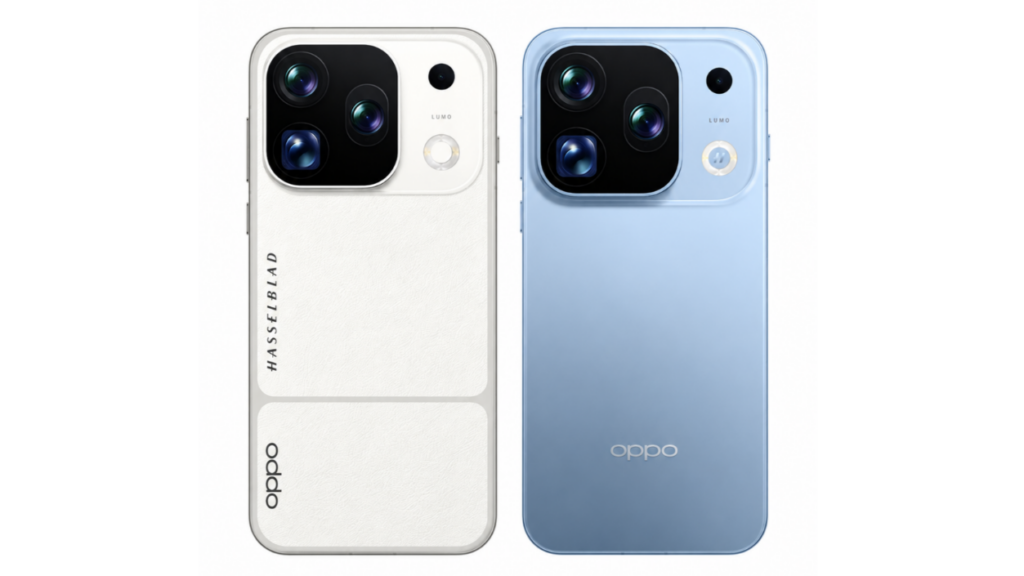
Digital Chat Station has shared a new leak about the Oppo Find X10 series, and this time, the details are more conclusive. It covers both the standard Find X10 and the higher-end Find X10 Pro Max.
Starting with the Find X10, the tipster says the phone will feature a 200MP f/1.6 main camera alongside a 200MP f/2.6 periscope telephoto camera. This matches earlier reports about dual 200-megapixel cameras on the standard model.
The phone is also expected to pack an 8,000mAh battery, with 80W wired and 50W wireless charging. The 80W wired charging was already spotted in 3C certification, which also revealed support for 50W wireless charging.
The latest leak adds some details about the display. The Find X10 is said to have a 0.99mm ultra-narrow bezel, likely made possible by LIPO packaging technology. Earlier reports suggested that this technology could be used across the entire Find X10 lineup.
Oppo is also said to offer Hasselblad teleconverter support with the standard Find X10.
Find X10 Pro Max gets three 200MP cameras
The Find X10 Pro Max takes the camera setup to a whole new level. It will have a 200MP f/1.5 main camera using a large sensor designed for high dynamic range, along with a 200MP 13mm ultra-wide camera and a 200MP f/2.1 periscope telephoto camera.
The periscope camera is also expected to support 10cm macro photography. Everything matches the details Oppo recently revealed about the phone, including the f/1.5 main camera and macro-capable periscope lens.
The Pro Max is also said to use the same 8,000mAh battery as the standard model, along with 80W wired and 50W wireless charging. Under the hood, it is expected to run on MediaTek’s 2nm Dimensity 9600 Pro chip.
On paper, the main difference between the two models is in the camera setup. The Find X10 has two 200MP cameras, while the Pro Max adds a third 200MP sensor for ultra-wide shots. The Pro Max also gets a slightly wider f/1.5 aperture for its main camera compared with the f/1.6 aperture on the standard model.
We’ll have to wait for Oppo’s official announcement to see how these differences translate into real-world camera performance and whether the Pro Max’s upgrades will justify its higher price.
Samsung’s upcoming clip-on earbuds are starting to look more real. Back in April, a Samsung app revealed references to a device called Galaxy Buds Able. The device used an unusual SM-U600 model number instead of the SM-R series seen on Samsung’s previous Galaxy Buds models.
The earbuds are now reportedly known as the Samsung Galaxy Buds On. New design vector graphics have surfaced through SammyGuru, showing the earbud in black.
Galaxy Buds On could use head gestures and automatic volume
The more interesting details are about how the earbuds could work in everyday use. According to the leaked graphics, the Galaxy Buds On will support head gestures that Samsung introduced with Buds 4 and Buds 4 Pro. The leak doesn’t say exactly which commands will be supported, but playback and call controls are likely possibilities.
The earbuds are also said to feature automatic volume adjustment based on the surrounding noise. If you’re in a busy train station or airport, the volume could increase to make the audio easier to hear. When you move somewhere quieter, it could automatically drop again.
Such a feature makes sense for a clip-on, open-ear design. Unlike traditional in-ear earbuds, these don’t seal the ear canal, so outside noise can compete more easily with the audio you’re listening to.
Voice controls are also reportedly part of the package. Users could start a voice memo or activate Gemini and Bixby without reaching for their phone.
Another feature mentioned in the leak is sleep detection. If the earbuds detect that you’ve fallen asleep, they could automatically pause the audio instead of continuing to play through the night.
Samsung has yet to officially confirm the Galaxy Buds On. There is also no confirmed launch date or final specification list, so these features could still change before release.
Huawei’s newest flagship just went on sale and people are clearly interested in its unusual shape. The Pura X View, which is the world’s first wide-screen non-foldable smartphone, saw solid demand right out of the gate.
It launched on September 7 in China with special gifts for buyers and exclusive university student benefits worth up to 944 yuan (~€121). According to Wall Street News (via ITHome), the phone sold more than 180,000 units on its first day. For some context, the earlier Pura X and Pura X Max have already shipped over 2.9 million units combined.
Under the hood it’s running a Kirin 9030S processor and a pretty large 6,400 mm² vapor chamber for cooling. The front is a 6.39″ flat OLED with a 2232 × 1320 resolution and a slightly wider 16:9.5 aspect ratio. The bezels are tiny at just 1.05 mm on all four sides, giving it a 96.1% screen-to-body ratio. You also get 120 Hz refresh rate, 2160 Hz high-frequency PWM dimming, a local peak of 6500 nits, and Kunlun glass protection.
The camera setup is a quad system on the back: a 200 MP RYYB main camera (1/1.28″ sensor, f/1.8, OIS), a 50 MP periscope telephoto (f/2.6, OIS, 88 mm equivalent), an 8 MP ultra-wide, and Huawei’s second-generation red maple primary color camera. Up front sits a 40 MP camera with a 1/2.55-inch sensor. It ships with HarmonyOS 7 and adds Huawei Share’s remote data transfer feature.
Battery life looks strong too: a 7000 mAh silicon-anode cell with 66 W wired and 50 W wireless charging. The phone itself is about 6.68 mm thick and weighs roughly 201 g. Color options are Shadow Red, Linen Gray, Zero White, and Midnight Black. It also has IP68 and IP69 ratings, two-way BeiDou satellite messaging, and eSIM support.
A wider screen in a regular slab phone, a big battery, and a solid first-day sales number make the Pura X View an interesting new entry in Huawei’s Pura lineup.
iQOO looks ready to drop a small but serious gaming tablet. Official teasers and confirmations point to a late-September launch in China, lined up right alongside the company’s next flagship phone.
The iQOO Pad Ultra will have an 8.8″ screen. It’s surprisingly slim and light for what it’s packing: just 5.74 mm thick and 298 g. iQOO has already confirmed a built-in cooling fan that measures 30×30×3.5 mm. That little fan covers 1,661 mm² of heat dissipation area, spins up to 14,500 rpm, and pushes out 0.94 CFM of airflow, basically there to keep the tablet from throttling when you’re deep into a long gaming session.
Two dedicated accessories are coming with it. One is a stretchable game controller that has its own USB-C port, micro-switches, and a Hall-effect joystick for better precision. The other is a simple back grip meant to make long play sessions more comfortable.
Earlier leaks say it’ll use an OLED panel with a centered single hole-punch camera and narrow bezels all around. Expect a square Deco design with an air vent. Power should come from a 2nm Snapdragon 8 Elite Gen 6, paired with a battery in the 9,000 mAh range. Colors so far are listed as Shadow Black and Star Silver.
Full specs and pricing still aren’t official, but the combination of a compact form factor, active cooling, and gaming-focused accessories makes it clear this is aimed at people who want performance on the go. For now it looks like a China-only release, with no global plans confirmed yet. More details should start rolling out as the launch gets closer.
Apple’s first foldable only just got announced, and one of its coolest little software tricks has already shown up on a Samsung.
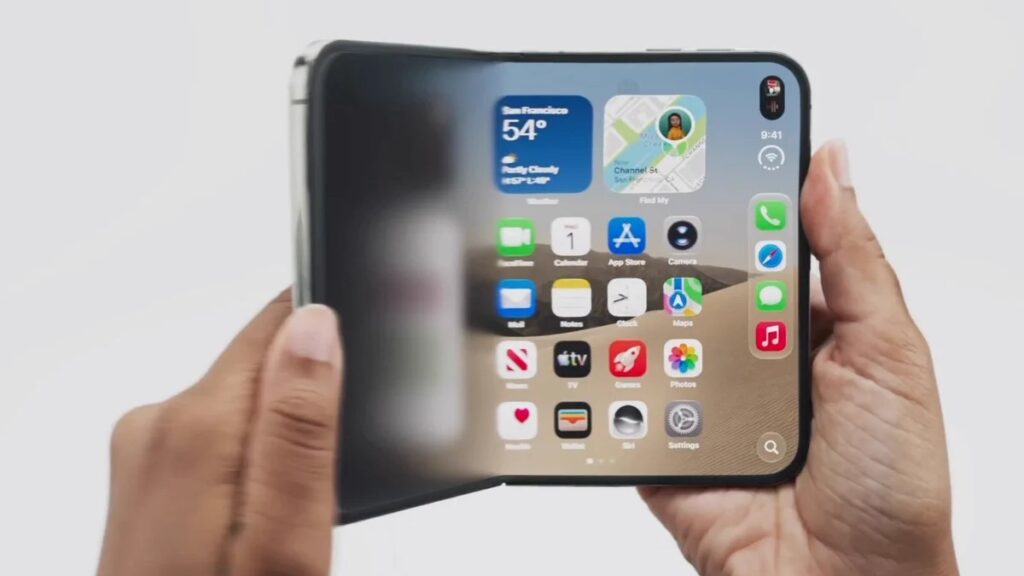
People have been pretty positive about the iPhone Duo so far, especially the way iOS 27 handles the dual-screen setup. The detail that stood out the most is this smooth transition animation when you open or close the phone. As the device folds, the wallpaper kind of dissolves and looks like it’s sliding through the moving half of the screen before popping up on the other side. It’s a clever visual trick that uses motion data and gradients so it doesn’t just feel like a hard cut between displays.
A Galaxy Z Fold 8 owner on Reddit (moomanjohnny) saw it and got a bit of FOMO. He posted that after watching Apple’s demo he poked around and realised the Fold 8 also has a really accurate hinge sensor. From there it was pretty straightforward: grab the hinge sensor values and use them to drive a similar transition on both screens.
The result looks surprisingly close. The half of the display that’s opening or closing goes semi-transparent so you can see the content underneath, just like the iPhone version. Same idea: sensors plus visual tricks, not actual see-through screens.
WTF!! A Reddit user already recreated the iPhone Duo animation on Galaxy Z Fold 8 🥵 pic.twitter.com/63tE45HeYq
It’s still just a proof-of-concept, not a real system feature. The guy used home-screen screenshots, some shaders, and the hinge-angle data Android already makes available. Samsung doesn’t currently let third-party apps dig deep enough into the system to make this a native One UI thing. Even so, the Reddit crowd was impressed by how quickly someone pulled it off.
Apple’s version looks polished, but the almost-instant Android recreation (although just a proof-of-concept) shows the hardware side is already capable of doing something very similar, if the brand ever decides to build it in themselves.
Xiaomi has released and open-sourced Xiaomi-CocktailASR-1, a speech recognition model designed to handle one of the harder problems in audio transcription: picking out one person’s voice when multiple people are speaking at the same time.
Xiaomi calls this the “cocktail party problem.” Most speech recognition models work well when only one person is talking, but things get much harder when several voices overlap. This can lead to garbled text, merged sentences, or parts of a conversation being assigned to the wrong speaker.
Representational Image | AI-generated
The challenge is similar to what Xiaomi addressed with its OmniVoice text-to-speech model, although CocktailASR-1 works in the opposite direction by isolating and transcribing speech rather than generating it.
How Xiaomi-CocktailASR-1 works
To use CocktailASR-1, you first need to provide a short audio clip of the person you want to track. The model uses that clip as a voice reference and then searches through a recording with multiple speakers to identify and transcribe only that person’s speech.
Xiaomi built CocktailASR-1 around an end-to-end LLM architecture. The company says it has achieved state-of-the-art results across several multi-speaker speech recognition benchmarks, outperforming existing approaches designed for the same task.
The model is not limited to noisy group conversations, either. With just one speaker, Xiaomi says CocktailASR-1 performs at around the same level as standard automatic speech recognition (ASR) models. This means users do not have to give up single-speaker performance to get better results in crowded audio.
It can also avoid making unnecessary guesses. If the selected speaker does not appear in a recording, the model returns empty text instead of trying to transcribe another person’s voice.
CocktailASR-1 also includes a chain-of-thought reasoning mode, allowing users to inspect the reasoning associated with a transcription rather than only seeing the final text.
Xiaomi-CocktailASR-1 is the latest in a growing list of AI models that Xiaomi has open-sourced. It follows releases such as MiMo-V2-Flash and Xiaomi Robotics-0. The model is now available on GitHub and Hugging Face for developers to try and explore.
Samsung is giving Indian buyers another way to get its latest flagship smartphones. The Galaxy S26 and Galaxy S26 Ultra have now joined Samsung’s Certified Re-Newed program. This brings the two devices to Samsung’s official refurbished sales channel at lower prices.
The Galaxy S26 Certified Re-Newed model with 256GB storage is priced at Rs 74,799, while the 512GB version costs Rs 91,799. The Galaxy S26 Ultra starts at Rs 1,18,999 for 256GB and goes up to Rs 1,35,999 for the 512GB model. Samsung says the refurbished devices can be priced at up to 85% of their original launch prices, with availability and configurations depending on stock.
The company’s renewal process includes inspection, cleaning, refurbishment, and testing. Samsung uses genuine components when replacements are required, while each phone gets a certified battery that meets its quality and performance requirements. The devices are also reset to remove previous user data and updated to the latest available software before sale.
The Galaxy S26 features a 6.3-inch Dynamic AMOLED 2X display with a 120Hz refresh rate, an Exynos 2600 chipset, up to 12GB RAM and 512GB storage. Its camera setup includes a 50-megapixel primary camera, a 10-megapixel telephoto camera with 3x optical zoom and a 12-megapixel ultrawide camera, along with a 4,300mAh battery and 25W wired charging.
The Galaxy S26 Ultra steps things up with a 6.9-inch Dynamic AMOLED 2X display featuring a 120Hz refresh rate and built-in Privacy Display. It uses the Snapdragon 8 Elite Gen 5 for Galaxy, offers up to 16GB RAM and 1TB storage, and packs a 200-megapixel main camera alongside 50-megapixel periscope and ultrawide cameras and a 10-megapixel telephoto camera. A 5,000mAh battery supports 60W wired and 25W wireless charging.
DailyObjects has announced its largest-ever phone case collection around the latest iPhone lineup. The range also includes a new approach to protecting Apple’s first foldable iPhone, alongside refreshed designs for the Pro models.
DailyObjects expands its iPhone 18 case lineup
The new collection covers the iPhone 18 Pro and iPhone 18 Pro Max, with DailyObjects expanding its Stack modular case range through new materials and colour options. The Stack Leatherette cases come in Iris Black, Dune, Twilight Blue and Dahlia Red, featuring a fine-grain finish, anodised aluminium buttons, reinforced corners and a raised camera bezel. They also include a conductive Camera Control cover that retains click and swipe functionality while protecting the control.
Stack Signature cases add Fig and Lagoon colour options, designed to match the finishes of the new iPhone models. The cases work with DailyObjects’ wider Stack ecosystem of stands, wallets, grips and lanyards, allowing users to build different accessory combinations.
For users who prefer a transparent case, Stack Clear is available in Raven and Flamingo. It uses a UV coating aimed at improving scratch resistance and reducing the yellowing that can affect clear cases over time. The new collection starts at Rs 2,299, while the Stack Leatherette option is priced at Rs 3,099.
DailyObjects is also preparing Span, its first case designed for the iPhone Duo, Apple’s first foldable iPhone. Rather than using two separate shells connected by a gap, the one-piece design incorporates its own hinge and extends protection across the phone’s spine. It is scheduled to arrive in October in Carbon, Indigo and Slate, with matching magnetic kickstands available separately.
More than 50 artist-led designs for the iPhone 18 series are also planned for later this month. The collection is available through DailyObjects’ website and retail stores, while the brand says its phone case business is growing 41% year on year.
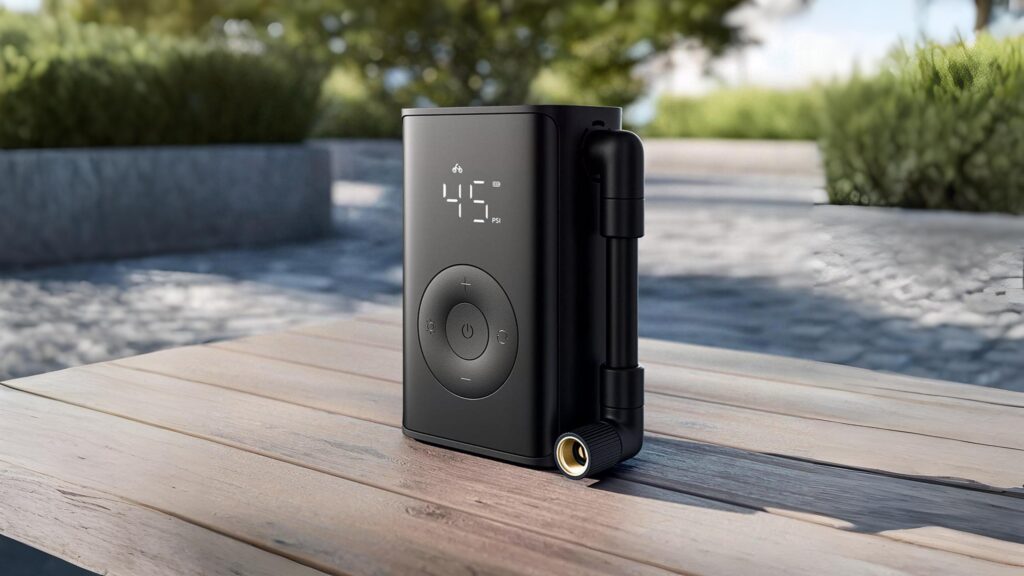
Xiaomi first introduced the Mijia Portable Inflator on Xiaomi Youpin last September as a crowdfunding gadget for 159 yuan. A year later, the pump is now available on JD.com for 199 yuan.
The portable pump is designed for topping up bicycle, electric vehicle, and motorcycle tires, as well as sports balls. You can also keep it in your car as a backup for adding air to a tire during an emergency.
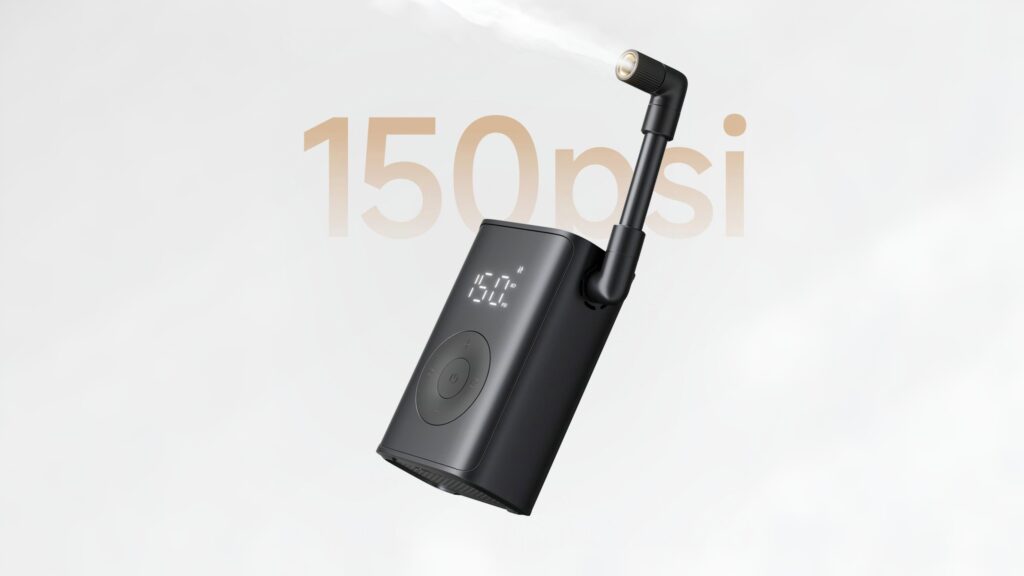
At 240g, the inflator is light enough to carry in a bag without adding much weight. It has a matte IML finish designed to resist scratches and everyday wear. An adjustable L-shaped air hose connects to different types of valves, while the multi-segment display shows the remaining battery level. Its compact design also makes it easy to store.
Xiaomi Mijia Portable Air Inflator features
The pump uses a high-precision die-cast alloy cylinder that can reach pressures of up to 150psi. Xiaomi says it can inflate a bicycle tire from empty in around 60 seconds.
There are preset modes for motorcycles, bicycles, and balls, along with a custom mode. The custom mode remembers your last pressure setting, so you don’t have to enter it again when inflating the same type of tire. It also has a built-in light on the bottom that can provide a constant white light or an SOS flashing signal.
Power comes from a 2000mAh lithium-ion battery, which Xiaomi says is enough to inflate up to eight empty bicycle tires on a single charge. The pump can measure tire pressure within ±1psi and automatically calibrates itself every time it is turned on. Once the selected pressure is reached, the inflator automatically stops pumping.
The portable model is not Xiaomi’s only new inflator. The company recently launched the Mijia Air Pump 3, which is a larger model with two 2500mAh batteries and is aimed more at faster car-tire inflation.
For smaller jobs involving bicycles, scooters, motorcycles, or balls, the Mijia Portable Air Inflator offers a more compact option. It is now available on JD.com for 199 yuan (~ $30).
The PicoGo Pro AH22 Digital Display Fast Charger 3C 100W, which Baseus first showed us in August as part of its Dark Cherry Collection for iPhone 18 Pro, has now launched globally.
The charger has three USB-C ports with up to 100W of total output. A single port can also deliver the full 100W, which is enough to charge a MacBook Pro without needing a separate laptop charger. Baseus uses two GaN chips, its AHB architecture, and a graphene thermal layer to improve efficiency and heat management. The company says the charger can reach nearly 95% conversion efficiency.
The main feature is the small display on the back, which shows real-time power output for each connected device. Baseus used a similar screen on the PicoGo 100W charger last year, but the AH22 makes the display more useful.
It can recognize the type of device connected, whether that’s a MacBook, iPhone, or another gadget. Instead of only showing charging numbers, the display can provide battery and charging information based on the connected device. There are also Peeko animations running in the background, although you can simply ignore them if you only want to check the charging data.
The AH22 also offers three charging modes. Smart mode automatically balances charging speed and safety, while Turbo mode sends as much power as possible through the first port. Gentle mode limits the output to reduce heat and battery stress, making it more suitable for overnight charging.
There is also a power-off feature that monitors the device’s charging level. Once the battery is sufficiently charged, it stops sending unnecessary trickle current.
Measuring 54 x 52 x 32mm, the AH22 is roughly the size of an AirPods case. Its folding prongs also make it easier to carry while traveling. The charger supports 100-240V input, so it can be used with outlets in the US and other regions. Baseus also includes a 100W USB-C cable in the box.
For compatibility, the charger supports PD 3.2, QC 3.0, PPS, and several regional fast-charging protocols. This should allow it to reach its rated speeds with a wide range of phones, tablets, and laptops.
The Dark Cherry finish is designed to match the iPhone 18 Pro’s headline color option. Baseus is also offering two power banks in the same color, giving users the option to build a matching charging setup.
It retails for $59.99 in the US and is also available in Black variant.
The Xiaomi 18 series is expected to debut in China this month as Xiaomi’s next flagship lineup. While the global launch usually follows several months later, the standard Xiaomi 18 has now appeared in a regional certification. The listing reveals some key details and could also hint at an earlier international release.
Xiaomi 18 global variant appears in NCC database
The Xiaomi 18 global variant has reportedly appeared on Taiwan’s NCC certification platform with model number 2611FPNFAG. The same model was previously spotted on Europe’s EEC certification database in July, although neither listing explicitly confirms the Xiaomi 18 name.
According to the certification, the phone will reportedly be available with 256GB and 512GB storage options. The respective variants are said to offer at least 198GB and 469GB of usable storage. The listing also mentions an IP68 rating for dust and water resistance.
The certification lists the accompanying charger as model MDY-19-EX. A cross-check with its TÜV Rheinland certification indicates support for 100W wired charging. This would give the global Xiaomi 18 a notable charging capability alongside its flagship hardware.
The timing of the NCC appearance is particularly interesting. The Xiaomi 17 reached the same certification database towards the end of October 2025 before eventually launching internationally in February 2026. The Xiaomi 18 appearing more than a month earlier could indicate that Xiaomi is preparing a faster global rollout this time.
Reports have suggested that Xiaomi may launch only the Xiaomi 18 Pro and 18 Pro Max in China this month. The standard Xiaomi 18, meanwhile, is expected to debut alongside the Xiaomi 18 Ultra in December. Hence, there is a possibility that Xiaomi could hold a single global launch event in December to announce the Xiaomi 18 and 18 Ultra across all markets, including China.
Honor is preparing to unveil its next flagship smartphone family in China later this month. The Magic 9 series has already started drawing attention with its camera-focused features and new hardware. However, the exact device lineup has remained unclear, with a new leak now shedding more light on the models expected to debut.
Honor Magic 9
Honor Magic 9 series
Tipster Smart Pikachu claims the Magic 9 family will include the Magic 9, Magic 9 Pro Max, and a Magic 9 Super Power Edition. According to the leak, the standard Magic 9 will feature a 6.37-inch display, an 8,000mAh battery, dual 200-megapixel ARRI cameras, a single 3D facial recognition system, and last year’s Snapdragon 8 Elite Gen 5 chipset.
According to tipster Digital Chat Station, the camera setup will include a 50-megapixel ultra-wide camera, and one of the 200-megapixel cameras will be a 1/1.56-inch periscope telephoto sensor. For security, it will have an ultrasonic in-screen fingerprint sensor.
According to another tipster, the Magic 9’s screen bezels are said to be slightly narrower than those of the Pro Max, which has 0.98mm bezels. In terms of build, it will have a unibody cold-carved glass design.
Honor Magic 9 Pro Max
The Magic 9 Pro Max is tipped to step things up with a 6.8-inch display, an 8,800mAh battery, and dual 200-megapixel ARRI cameras. It could also feature dual 3D facial recognition sensors arranged in a 1:1 layout, while the all-new Snapdragon 8 Elite Gen 6 is expected to handle processing.
In terms of design, the Magic 9 Pro Max has a unibody metal design, and the screen bezels are quite narrow at 0.98mm. Being a Pro Max edition, it will have a Black Diamond screen, which offers deeper blacks and a brighter, clearer viewing experience, while the standard Magic 9 does not have this display technology.
Honor Magic 9 Super Power Edition
The Honor Magic 9 Super Power Edition is aimed more heavily at performance. It could come with a 6.8-inch glass-fiber body, an 11,000mAh battery, a 165Hz display, and active cooling. Its camera setup is said to include a 50-megapixel sensor alongside a 12-megapixel and another 50-megapixel camera, while the Snapdragon 8 Elite Gen 5 could power the phone.
The Magic 9 Super Edition is different from the gaming and performance-focused Win series, as it comes with a telephoto lens and a larger battery than the Win series.
The iQOO 16 is getting closer to its official launch later this month, and the company has started revealing more about its design. A new ‘Chasing Light’ color has now been shown off, bringing a distinctive visual treatment to the upcoming flagship. iQOO has also revealed some details about the camera module and the technology behind its new finish.
A holographic finish built to change with the light
iQOO 16
The iQOO 16’s Chasing Light variant uses a holographic rear panel developed around what iQOO describes as an industry-first laser holographic imaging technology. The finish combines four precision processes to create a three-dimensional light effect that remains visible from different viewing angles. As the phone moves, red holographic patterns interact with blue flowing light, giving the rear panel a changing appearance rather than a static colour.
The camera design follows the same futuristic theme. iQOO says the module takes inspiration from a spacecraft porthole, with three cameras connected through a mechanical structure. Together, they form a visual element resembling a navigation marker. The camera island also sits above a hexagonal technical pattern and uses transparent glass as part of the overall design. Apart from Chasing Light, the iQOO 16 will also come in Track and Legend.
The iQOO 16 is expected to arrive as one of the first smartphones powered by Qualcomm’s next-generation Snapdragon 8 Elite Gen 6 Pro (tentative name). The chip is reportedly built using TSMC’s 2nm process and features a 2+3+3 CPU cluster with peak clock speeds of up to 5.01GHz, alongside an Adreno 850 GPU.
Other expected specifications include a 6.85-inch 2K Samsung display with a 165Hz refresh rate, a dedicated Q4 gaming chip and an 8,400mAh battery. The rear camera setup is expected to include a 50-megapixel main camera with a 1/1.3-inch sensor, a 50-megapixel ultra-wide camera and a 50-megapixel periscope telephoto camera.
The phone is also expected to carry IP68 and IP69 ratings for dust and water resistance. Storage options are tipped to include 12GB+256GB, 12GB+512GB, 16GB+512GB, and 16GB+1TB configurations, with the launch expected by the end of September.
I spent an afternoon with PrimeBOT at a small showcase in Berlin, and I walked away with a thought I didn’t expect: personal robots might finally be ready for the family. Because different from industrial-level robots, PrimeBOT is coming at this from a completely different angle. Their tagline isn’t “Your Most Efficient Worker.” It’s “Your First Personal Robot.” And after seeing both the Q1 and T1 up close, I think that distinction actually matters.
PrimeBOT Q1: He Is Intelligent
Let’s start with the Q1. It’s a humanoid robot, but it’s small, as tall as 88cm, ultra-miniaturized is the word they use, and it’s accurate, because it can be tucked away in a backpack, to be with you anywhere. The team told me that the size makes the robot less aggressive, and should be more acceptable to the whole family. It’s also light enough that I can carry it under one arm, and designed with what the company calls “consumer CMF”, basically, it looks and feels like a consumer gadget, not lab equipment.
The Q1 is being pitched as the world’s first consumer-grade personal humanoid robot. The keyword is “consumer-grade”, so it’s meant to sit on your desk, hang out in your living room, or travel with you. The team emphasized that it’s a “portable research tool for embodied intelligence,” which sounds nerdy, but what it means in practice is that makers and developers can actually tinker with it.
I watched the Q1 stand in a relaxed pose, arms slightly bent, wearing what looked like tiny sneakers. There’s something intentionally approachable about the design. The lines are smooth, the proportions are human-like but not unsettling, and there is a hidden cooling system and a patented metal frame that keeps it from feeling fragile. It comes in white and a darker variant, and honestly, it looks more like a high-end collectible figure that happens to be alive somehow.
For the Q1, you can hold his hand like you hold a kid’s hand, then walk with him. The steps are stable, and the pace is adjustable. You can talk to him, in about 9 languages now. You can ask for basic information like the weather or anything else, then get a response from the speaker. It also has AI intelligence inside, the brand told me that he can help kids with some life questions. I asked him a question: If another kid hit me at school, can I hit back? Then Q1 told me not to, and advised me to record the evidence, and report it to the teacher. This is the meaning of a companion robot, it helps the kid in the right way.
The Q1 is about safe multi-scenario interaction and embodied intelligence—meaning it learns by being in the world. It’s the kind of device you might set up next to your laptop while you code, or place on a shelf where it observes, responds, and becomes part of your environment. The company talks about “breaking size, scenario, and accessibility barriers,” and after seeing it in person, I get it. The Q1 is small enough not to dominate your space, smart enough to be interesting, and open enough that you can actually make it yours. So this one can truly be your first Personal Robot.
PrimeBOT T1: The One That Transforms
Then there’s the T1, it is described as “Your First Transformable Personal Robot,” it actually changes shape. In its default mode, the T1 looks like a compact humanoid, but it can reconfigure itself into a kind of robot dog. But there is one thing different, the front are not with wheels, rather “hands”. so it walks like a dog or cat, not rolling like a car.
The T1 is designed to solve what PrimeBOT calls the “core drawbacks of traditional consumer robots.” According to them, those drawbacks are fixed single-form structures, poor cross-scenario adaptability, passive functional interaction, and most interestingly, the absence of emotional and creative capabilities. What this means is that, you can interact with T1 like any other intelligent robot, T1 will respond with sound, and the screen will show the contexts. Then in the rolling mode, it can carry things on the back, so if you are shopping or buying grocery, T1 can help. With the special shaped hand, it can also hold the camera and follow you, shoot the video for you, this might be just the perfect Vlog companion.
It’s aimed at tech enthusiasts or modern families. Basically, people who want a robot that can hang out in different places without being useless outside of its one programmed task. When I see the T1 transform between a standing humanoid and a rolling mode, I start to understand the logic. A robot that can stand at your desk while you work, then lower itself and roll into the kitchen when you move, then stand back up when your kid wants to interact with it.
Where These Robots Actually Fit
So who are these robots for? After spending time with both concepts, the use cases became clearer than I expected.
The Q1 is good enough for creators, developers, and anyone who wants a hands-on relationship with AI. Because it’s an open platform, you can program it, modify its behaviors, and use it as a physical testbed for embodied intelligence experiments. It is also good for the household, because it’s small enough to live besides you, which makes it ideal for homes, dorms. I could see it in education too, universities or high schools teaching robotics and AI could hand these to students without needing a massive lab budget. And because it’s portable, it’s the kind of robot you bring to a friend’s house. This is indeed the idea of being your first personal robot.
The T1 is also good for families and social spaces. Its transformable design means it can navigate a home more naturally. It can roll across open floors, stand up to interact at a table, and adapt its posture depending on whether it’s “working” or “hanging out.” For modern families , the T1 fills a gap that static smart speakers and stationary screens simply can’t. It’s also a natural fit for hospitality or retail environments where a robot needs to move around but still feel approachable and human-like.
Looking Ahead
PrimeBOT‘s vision is pretty ambitious: they want to bring personal robots into every home and define what they call the “Personal Robot Era.” Right now, both the Q1 and T1 feel mature enough to do many things. The Q1’s open platform approach means the community will likely push its capabilities further. And the T1’s transformable design suggests a future where robots won’t be stuck with one body or one function, they’ll shape-shift depending on what we need from them. And once people start living with robots that respond, adapt, and feel present in their daily lives, we will be enjoying the company of robots like these.
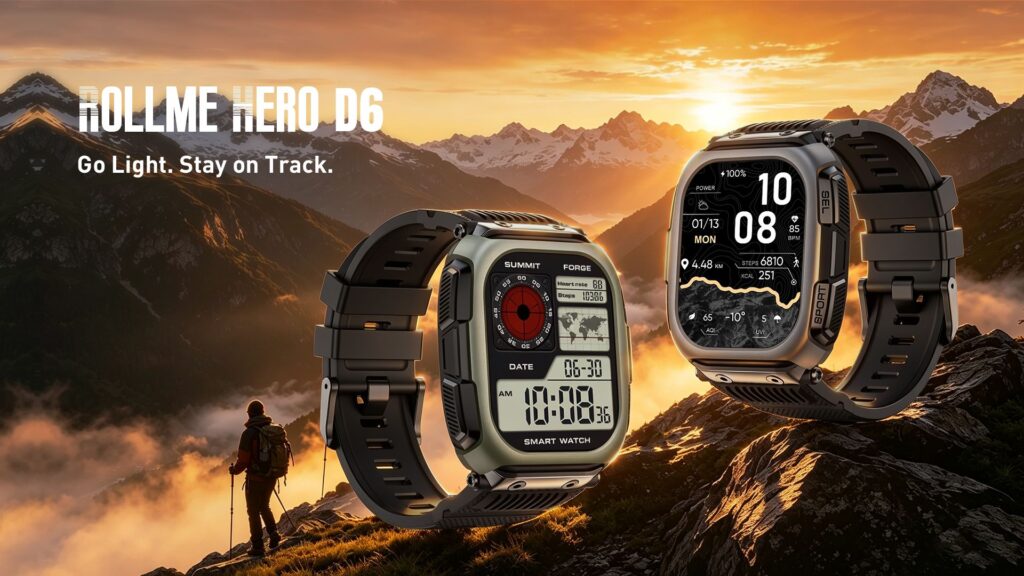
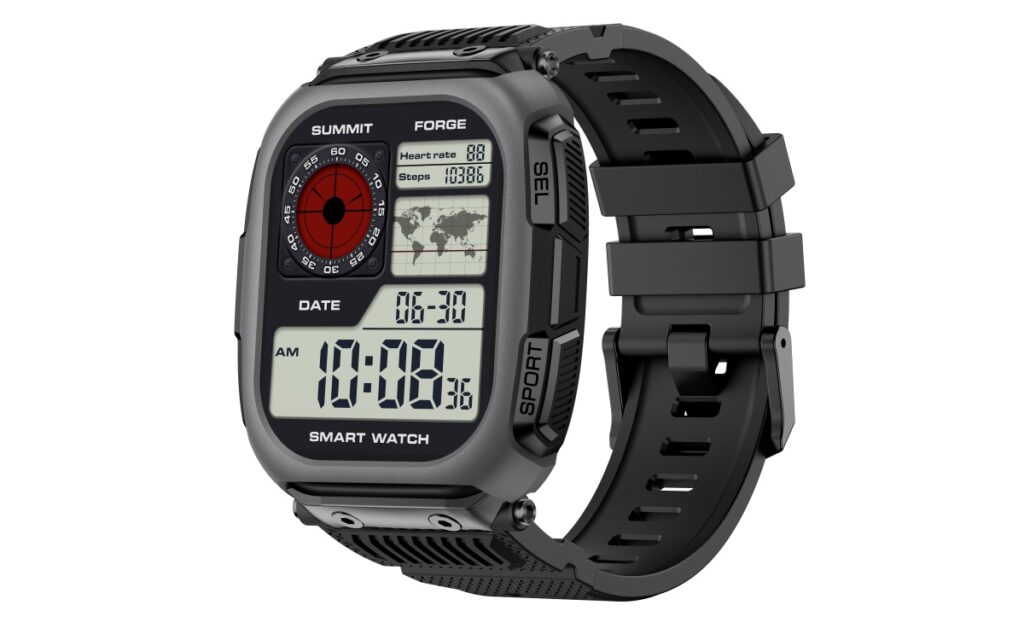
Rollme has released the Hero D6, a new smartwatch aimed at outdoor use. It includes practical features like full-color offline maps and an 850mAh battery, while keeping the overall build relatively lightweight.
The watch is built with a polycarbonate and TPU plastic chassis featuring reinforced edges and protective corners. This material choice keeps it light enough for everyday wear while still meeting MIL-STD-810H testing standards for shock, vibration, and environmental resistance.
On the front, it has a 2.13-inch rectangular AMOLED screen with a 410 x 502 resolution. The display uses On-Cell touch technology, which is designed to help with general responsiveness and outdoor sunlight visibility.
In terms of navigation, the Hero D6 supports L1 and L5 dual-band GPS, which can provide more accurate positioning under heavy tree cover or across challenging terrain.
You can also download full-color topographic maps directly to the watch, making it possible to check routes and use the track-back feature without a nearby phone or active cellular connection. The watch also includes a built-in compass and barometric altimeter for outdoor activities.
Inside, the device runs on an ATS3085S chip with a dual-core architecture designed to reduce power consumption while handling the display and GPS. It packs an 850mAh battery, which is relatively large for a smartwatch of this size. Rollme claims the watch can deliver 12 to 15 days of battery life with normal use, up to 37 hours with continuous GPS tracking, and as much as 70 days on standby.
For daily tracking, it covers the standard health metrics with an optical sensor for heart rate, blood oxygen, sleep, and stress monitoring. The software includes over 170 sports modes and customizable watch faces.
It is also 5ATM water-resistant, meaning it can handle swimming and basic water activities. Additionally, it features Bluetooth 5.3 for phone calls, using basic environmental noise cancellation to block out background sound.
The Rollme Hero D6 is now available for purchase through the company’s official website for $79.99. It comes in two color options: Trail Green and Storm Gray.
In related news, Rollme has recently launched affordable AI smart glasses featuring a 12MP Sony camera, AI object recognition, and live translation, alongside the AirCam open-ear headset with an 8MP camera, AI translation, and object recognition.
For more daily updates, please visit our News Section.
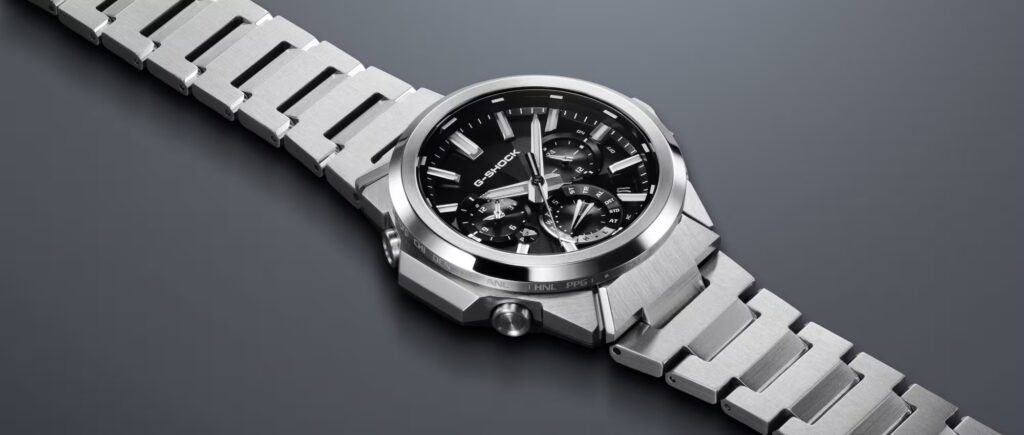
Casio is updating its G-Steel lineup this October with the GST-W1000 series, a trio of new watches launching initially in Japan. The release includes three models, the GST-W1000AD-2A, GST-W1000D-1A, and GST-W1000D-3A, that step away from the traditional, bulky G-Shock aesthetic in favor of a more integrated stainless steel design.
Design Details
The new watches measure 50 x 45.5 x 13.2 mm and weigh 138 grams. To make the watch wear smaller than its 45.5mm diameter suggests, Casio shortened the bezel lugs and integrated them directly into the bracelet’s end pieces. The mounting screws are hidden, which cleans up the sides of the case.
The exterior steel uses a mix of mirror, circular hairline, straight hairline, and honing finishes to break up the visual mass of the metal. Inside, the watch relies on a carbon core guard structure made from bio-based resin to protect the internal components without adding unnecessary weight. The dial is covered by sapphire crystal with an anti-reflective coating.
The watch features the new Tough MVT.2 movement, which is designed to protect the analog hands from misalignment caused by strong impacts and magnetic fields. Its shock detection system detects hard impacts and automatically realigns the hands when necessary.
There is also a built-in magnetic field sensor that temporarily stops the hands when strong magnetism is detected, preventing them from shifting away from their reference positions. Once the watch is moved away from the magnetic field, the hands automatically return to the correct time and resume normal operation.
For timekeeping and power, the GST-W1000 relies on the Tough Solar charging system. It syncs the time automatically via Bluetooth using the Casio Watches smartphone app, and falls back on Multiband 6 radio-wave reception if a phone isn’t nearby.
The watches also include standard G-Shock specifications, such as 200-meter water resistance, a Super Illuminator LED for visibility in the dark, a countdown timer, daily alarms, and a 1-second stopwatch.
Pricing and Availability
The GST-W1000 series will be available in Japan starting in October 2026. The standard GST-W1000D-1AJF and GST-W1000D-3AJF models are priced at ¥110,000 ($712), while the GST-W1000AD-2AJF will cost ¥115,500 ($748).
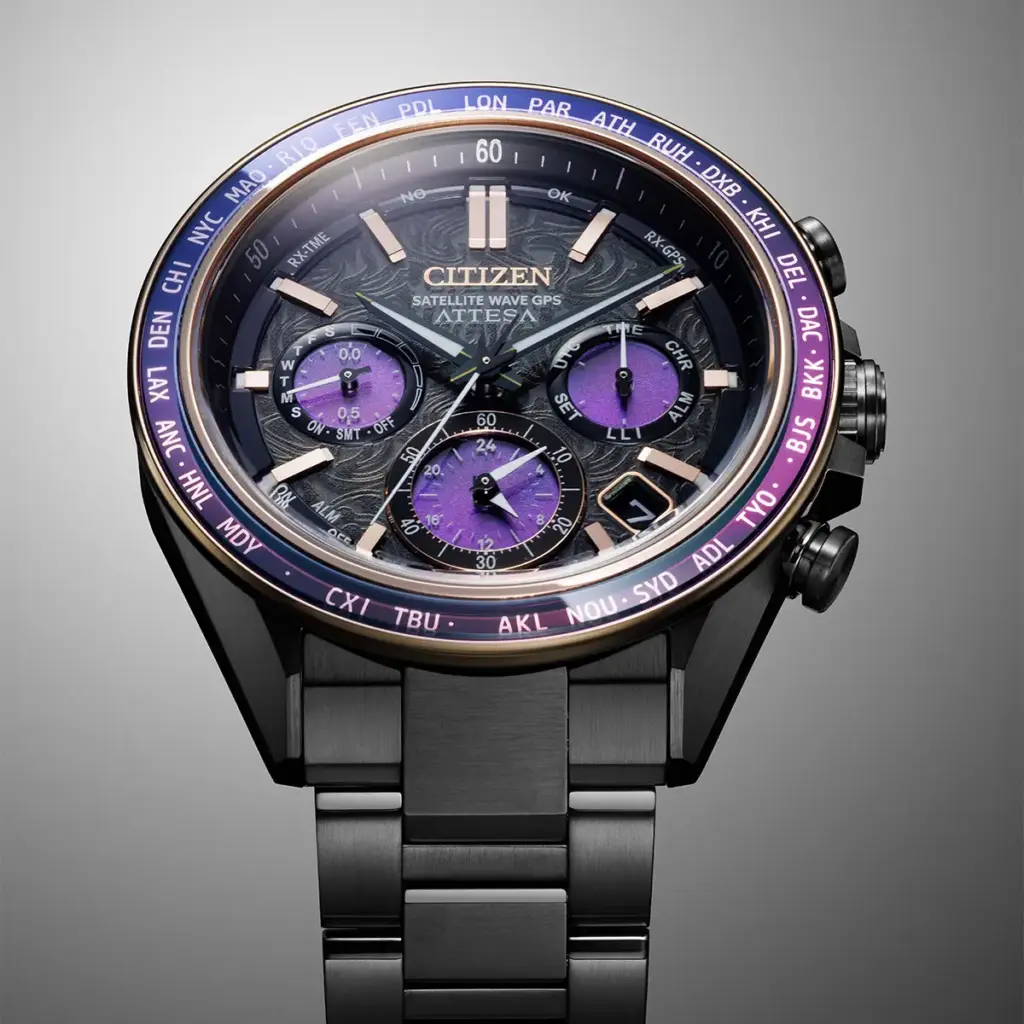
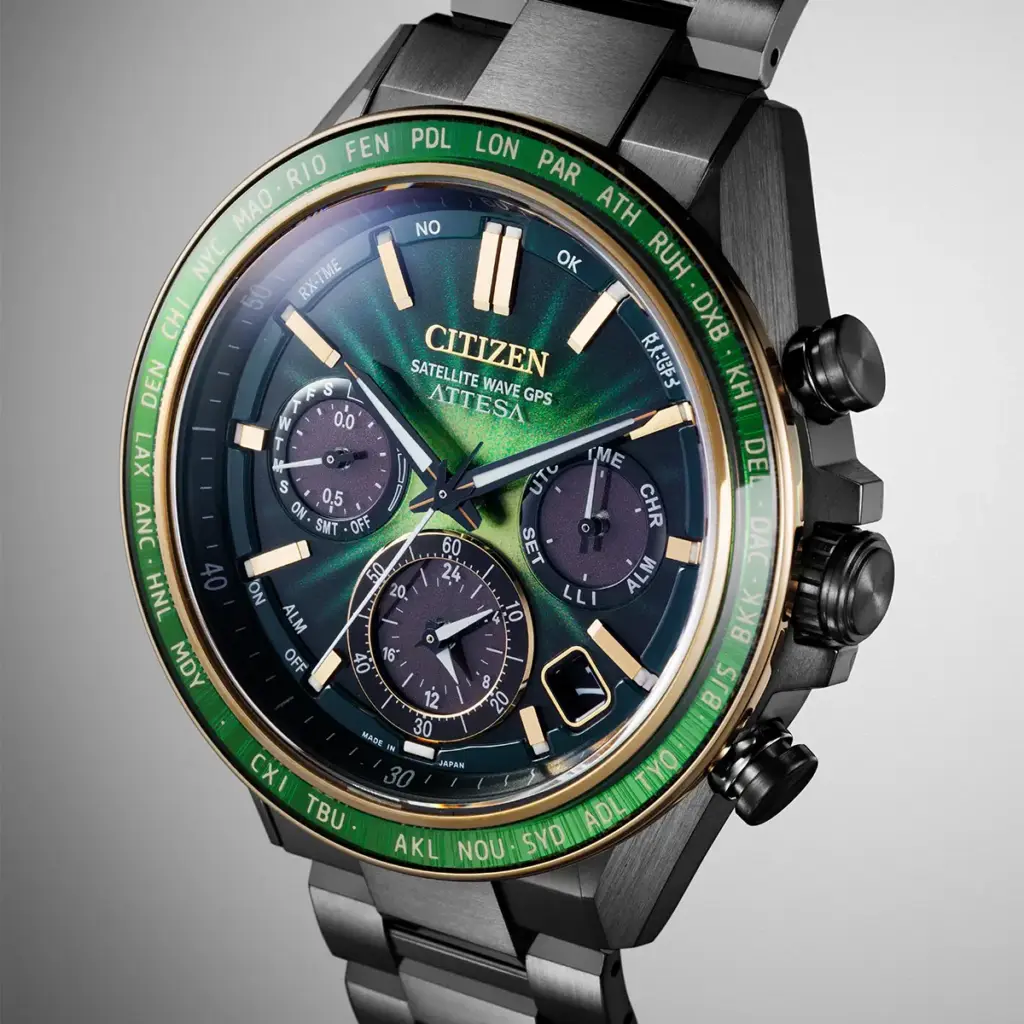
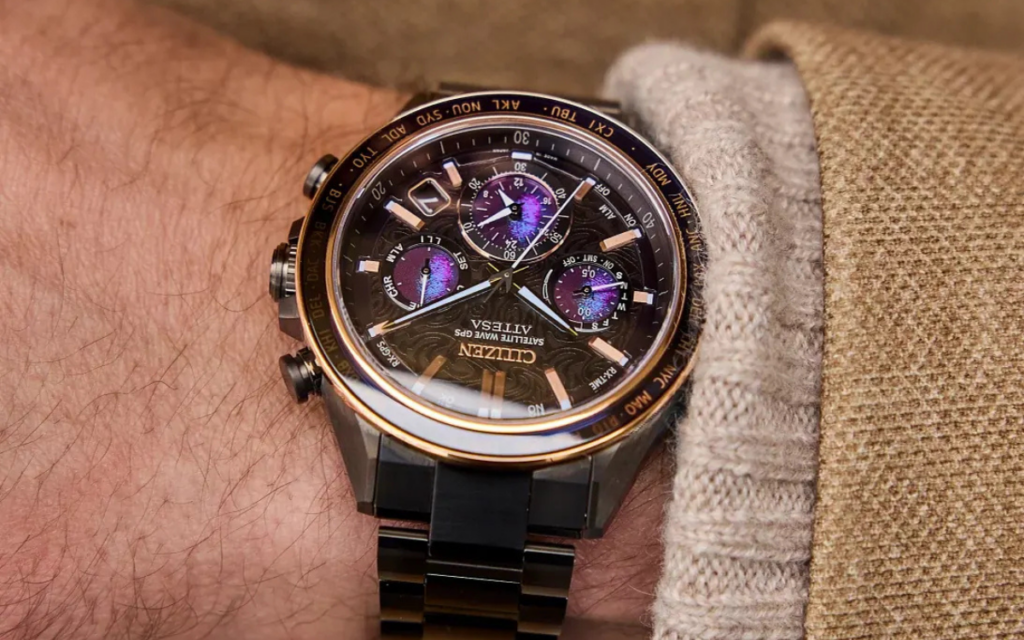
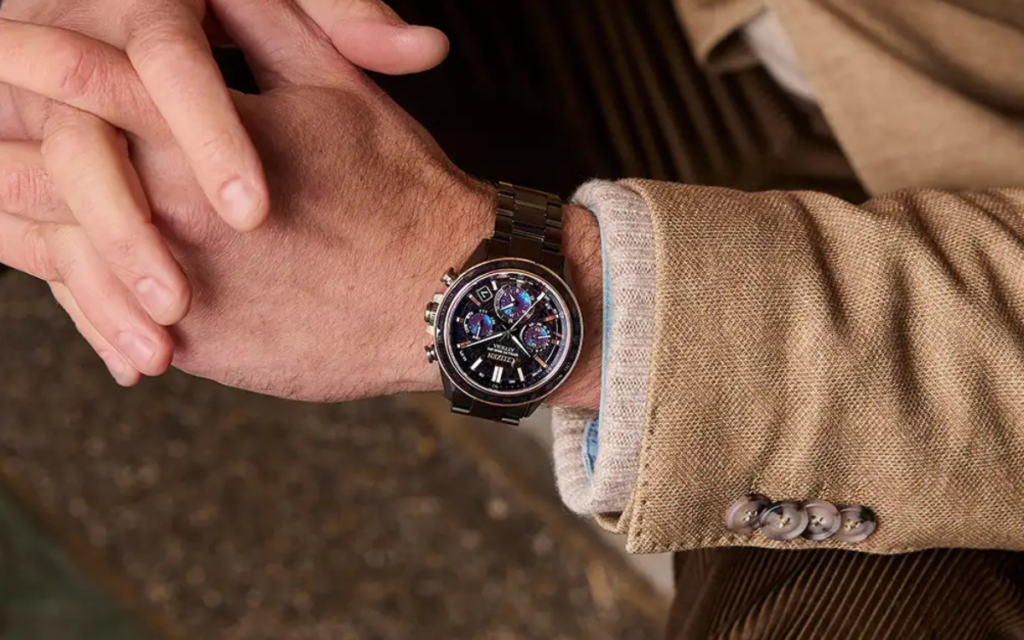
Citizen has released two new limited-edition watches in its Attesa lineup: the CC4085-81Z and the CC4084-83Z. Both models are currently available in the UK for £1,595. In the US, only the CC4085-81Z is listed so far, priced at $2,295.
Both watches share the same physical dimensions and internal hardware. They feature a 44.6mm case made from Citizen’s Super Titanium, which is treated with a black diamond-like carbon (DLC) coating to improve scratch resistance.
The matching black titanium bracelet uses a standard safety fold-over clasp with push buttons. The dials are covered by sapphire crystal, and both watches are rated for 100 meters of water resistance, meaning they are perfectly fine to wear while swimming or showering.
Inside, the watches run on Citizen’s Calibre F950 movement. This uses the company’s long-standing Eco-Drive technology, which charges the watch using ambient light rather than relying on replaceable batteries. The main technical feature here is the Satellite Wave GPS.
Rather than pairing with a smartphone app via Bluetooth to keep the time accurate, the watch connects directly to GPS satellites. This allows it to automatically update the time and date based on your current location anywhere in the world. The movement also handles a perpetual calendar, world time tracking, and basic chronograph functions.
The differences between the two models are entirely cosmetic. The CC4085-81Z has a purple and black design, featuring a dark dial with violet accents, rose gold-tone markers, and purple ink tones in the subdials. The CC4084-83Z uses a green color scheme, combining a black dial with a green center gradient and a green insert on the world time bezel.
Citizen is capping production at 1,500 units for each model globally. The watches are unnumbered, but the limited production run applies to both the purple and green variants.
We use cookies on our website to give you the most relevant experience by remembering your preferences and repeat visits. By clicking “Accept”, you consent to the use of ALL the cookies.
This website uses cookies to improve your experience while you navigate through the website. Out of these, the cookies that are categorized as necessary are stored on your browser as they are essential for the working of basic functionalities of the website. We also use third-party cookies that help us analyze and understand how you use this website. These cookies will be stored in your browser only with your consent. You also have the option to opt-out of these cookies. But opting out of some of these cookies may affect your browsing experience.
Necessary cookies are absolutely essential for the website to function properly. This category only includes cookies that ensures basic functionalities and security features of the website. These cookies do not store any personal information.
Any cookies that may not be particularly necessary for the website to function and is used specifically to collect user personal data via analytics, ads, other embedded contents are termed as non-necessary cookies. It is mandatory to procure user consent prior to running these cookies on your website.