Advertisement

TP-Link launches new security camera with a touchscreen for video calls

TP-Link has launched the Tapo C825, an indoor security camera with a 4-inch touchscreen and a one-tap button for two-way video calls. It is the first dedicated video calling camera in the Tapo range. Family members at home can place or answer a call from the screen, and the camera can also monitor a room in 2K and flag people or pets without a subscription.

A touchscreen camera built for family video calls

Tapo C825 video call camera
Tapo C825 video calling

After setup in the Tapo app with a Tapo ID, someone at home can place or answer a call from the touchscreen or the call button. Calls work between the camera and the Tapo app, or from one C825 to another. Contacts are added in the app with a family member’s email address or another camera’s MAC address. Incoming and outgoing calls require a Wi-Fi connection, and third-party video calling is not supported.

The 4-inch full-color touchscreen shows contacts, call logs, settings, and reminders for routines such as taking medication. Text size can be enlarged, and the idle display can show a clock, weather, or a personal wallpaper. During a call, automatic tracking pans through 360 degrees and tilts across 156 degrees to keep the person in frame, with a 114.5-degree field of view.

The camera records 2K video at 2560 x 1440 and up to 30 frames per second, with infrared night vision up to 40 feet. On-device detection can recognize people, pets, motion, and familiar faces without a subscription. Footage can be stored on a microSD card of up to 512GB, sold separately, while an optional Tapo Care plan adds cloud backup.

A physical Privacy Mode tilts the lens upward and out of sight, pausing monitoring, and Privacy Zones in the app can block selected areas from being recorded. The plug-in camera connects over 2.4GHz and 5GHz Wi-Fi and works with Amazon Alexa, Google Assistant, and Samsung SmartThings. It follows earlier TP-Link outdoor cameras and video doorbells, and it joins other indoor cameras that add a built-in screen for video calls, a category that has grown since 2024. The camera is now available to buy in the United States for $149.99 on Amazon and Tapo.com, with 2-pack and 3-pack options also available.

For daily updates, please visit our News Section.
Epson Korea launches two 4K laser projectors with 500-inch displays

Epson Korea has launched two 4K laser home cinema projectors, the EH-LS7000 and EH-LS5000, that can throw a picture as large as 500 inches. Both are listed as real 4K (3,840 x 2,160) models with a laser light source. The EH-LS7000 is brighter at 3,600 ISO lumens, the EH-LS5000 is rated at 2,500 ISO lumens, and both use Epson’s 3LCD system so color brightness matches white brightness.

4K laser picture and a quieter, easier install

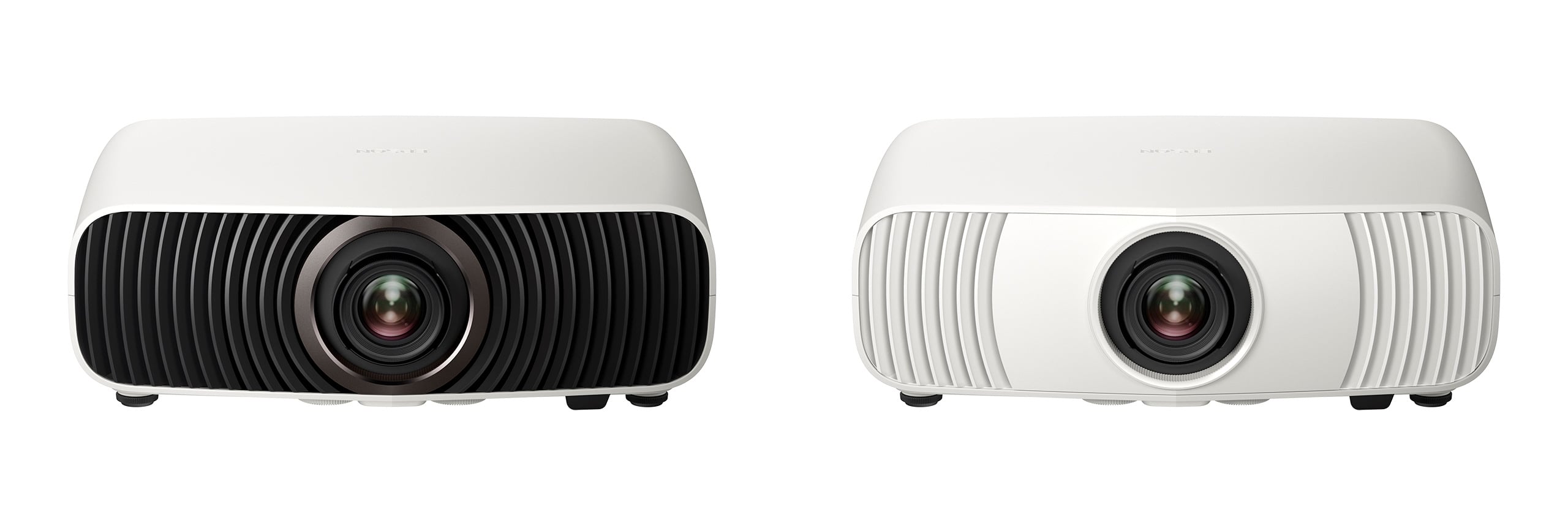
Epson EH-LS7000 and EH-LS5000 projectors
Epson EH-LS7000 (left) and EH-LS5000 (right)

The main split is brightness and contrast. The EH-LS7000 is rated at 3,600 ISO lumens with a 5,000,000:1 dynamic contrast ratio, while the EH-LS5000 is rated at 2,500 ISO lumens and 3,000,000:1. Epson says the laser light source lasts 20,000 hours in normal mode. Epson also claims color brightness and color gamut are up to three times those of single-chip DLP projectors.

AI Super Resolution upscales lower-resolution content to sharpen detail. AI PQ Scene 2.0+, AI contrast, and MEMC motion compensation are meant to keep film-like scenes natural and make fast sports or game footage look smoother. HDR10, HLG, and dynamic tone mapping are supported, along with HDMI ports that include eARC. The new models join earlier Epson 4K laser projectors such as the Pro Cinema LS9000.

Screen size can be set from 40 inches (102 cm) to 500 inches (1,270 cm), with a throw distance of about 1.1 meters to 14.7 meters. That is a longer throw than compact living-room models such as the Epson EF-51, and it suits a home cinema setup or a room where a projector might replace a large TV.

A center lens design with vertical and horizontal lens shift of up to 59 percent and 21 percent helps line up the picture without moving the chassis, and a front exhaust makes shelf placement easier. They also work with Epson ceiling mounts and accessories. Fan noise is listed at 25 dB in normal mode, 10 dB quieter than the previous model, and 22 dB in eco mode. Headphones or a soundbar can be connected, and both units use a rounded white finish aimed at living rooms. In Korea, the EH-LS7000 is priced at 3.79 million won (about $2,830) and the EH-LS5000 at 2.59 million won (about $1,930).

For daily updates, please visit our News Section.
Best Ugreen Black Friday 2026 Deals: Chargers, Power Banks, Docks and NAS Systems

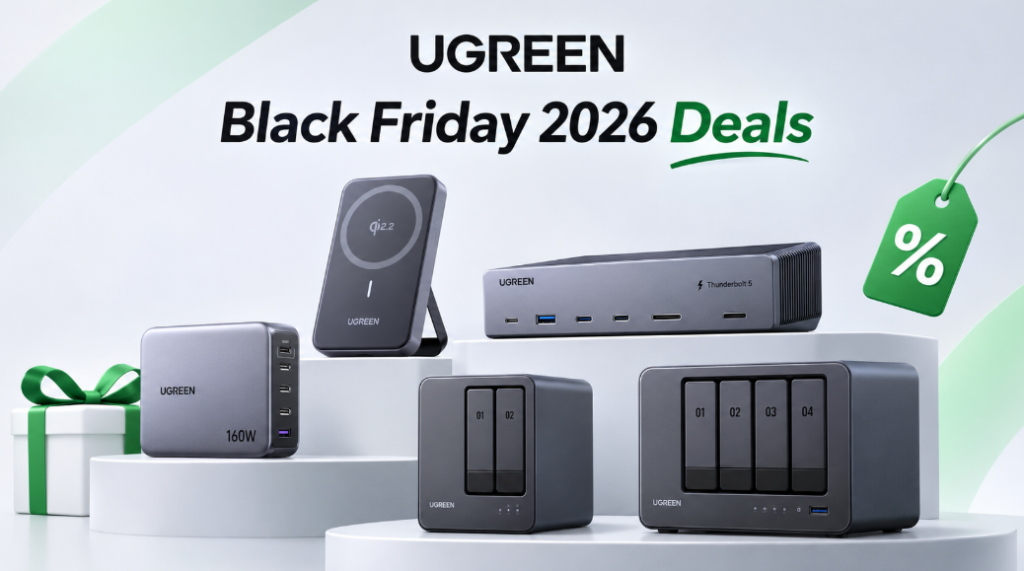
Ugreen’s Black Friday 2026 sale is bringing impressive discounts on chargers, wireless power banks, Thunderbolt 5 docks and NAS storage systems. With prices dropping on some of its popular accessories, this could be a great time to upgrade your tech setup without spending a fortune. Here are six Ugreen deals worth checking out before the Black Friday offers disappear.

Ugreen chargers, power banks, docks, and NAS systems displayed for Black Friday 2026 sales.

Best Ugreen Black Friday 2026 Deals 

ProductOriginal PriceDeal PriceRetailer
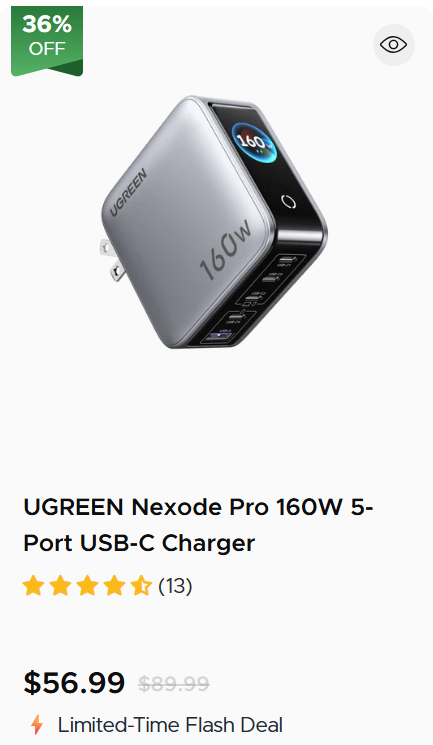
Ugreen Nexode Pro 160W Charger$89.99$56.99Ugreen US
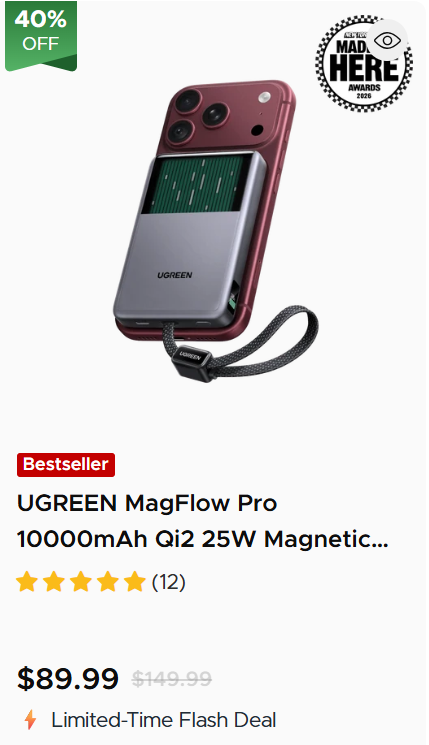
Ugreen MagFlow Pro Qi2.2 Power Bank$149.99$90.23Amazon
Ugreen Maxidok Thunderbolt 5 Dock$499.99$319.99Amazon
Ugreen NASync DH2300$269.99$199.99Amazon
Ugreen NASync DXP4800 GT$729.99$527.99Amazon
Ugreen NASync DXP6800 Ultra$1,449.99$1,159.99Amazon

Amazon prices were checked on Amazon US on November 27, 2026. The Nexode Pro 160W price is from Ugreen’s own store. Prices and availability may change during the sale.

Ugreen Nexode Pro 160W: Best Everyday Charger Deal

Ugreen Black Friday 2026 Deals

The Nexode Pro 160W drops from $89.99 to $56.99, making it one of the most practical offers in the sale. Its 160W output and multi-port design allow users to charge laptops, tablets and smartphones using a single adapter. It’s a useful upgrade for people carrying multiple devices or looking to simplify their desk setup.

MagFlow Pro Qi2.2: Best Wireless Power Bank Deal

Ugreen Black Friday 2026 Deals

Priced at $90.23 instead of $149.99, the MagFlow Pro is worth considering for compatible iPhone users. Its standout feature is Qi2.2 wireless charging support at up to 25W, offering a convenient magnetic charging experience without connecting a cable. However, users who primarily need basic wired charging may find a conventional power bank more economical.

Maxidok Thunderbolt 5 Dock: Best Workstation Upgrade

The Maxidok Thunderbolt 5 Dock gets a substantial price cut, falling from $499.99 to $319.99 on Amazon. Designed for demanding desktop setups, it offers high-speed data connectivity, multiple display connections and support for up to 8TB of M.2 NVMe storage. Content creators and professionals working with large files or multiple monitors are likely to benefit most.

Ugreen NASync Deals: Best for Personal Cloud Storage

Ugreen’s NASync lineup offers three interesting options at different price points.

The two-bay NASync DH2300, now $199.99 instead of $269.99, supports up to 64TB of storage and includes NFC Quick Connect. It’s a good starting point for users moving away from external hard drives towards personal network storage.

For more demanding requirements, the four-bay NASync DXP4800 GT drops from $729.99 to $527.99. Powered by an AMD Ryzen Embedded R2514 processor, it supports up to 144TB of storage and dual 10GbE networking, making it suitable for advanced home servers, creators and small businesses.

At the premium end, the NASync DXP6800 Ultra falls from $1,449.99 to $1,159.99. It is aimed at buyers who need a more capable storage system for demanding data-management workloads.

Keep in mind that storage drives generally need to be purchased separately, adding to the overall cost.

When Do Ugreen Black Friday Deals End?

Ugreen’s Black Friday 2026 campaign runs from November 9 to December 3, with its Mega Sale ending November 29. A separate Cyber Monday Clearance Sale follows from November 30 to December 2, offering additional savings on selected products while stocks last. However, individual Flash Sale prices may not carry over to Cyber Monday, so check Ugreen’s official store for the latest offers before purchasing.

Framework wants you to ditch your Logitech keyboard for its $99 wireless model

Framework’s Wireless Touchpad Keyboard is finally available for pre-order with a built-in touchpad, multi-device connectivity, and open-source firmware for $99. 

The keyboard was announced in April alongside the Framework Laptop 13 Pro, but Framework has only now revealed its price and shipping timeline.

Framework Wireless Touchpad Keyboard Specifications

The keyboard costs $99 in the US, £99 in the UK, CAD $139 in Canada, and €119 in the Eurozone. Pre-orders require a $50 refundable deposit, with the remaining balance due before shipping. The first batches are expected to ship in Q1 2027, while later orders will arrive in Q2.

Framework says the keyboard has attracted the largest email waitlist of any product it has made. At the time of writing, the first 13 batches were already sold out, with only Q2 batches 14 and 15 still available.

Framework Wireless Touchpad Keyboard Specifications 

The keyboard measures 357 x 118.7 x 16.4 mm and weighs 484.9 g. It has a 0.8 mm steel plate for added rigidity and scissor-mechanism keys with 1.5 mm travel. The touchpad sits to the right of the keys, measures 68.8 x 85.6 mm, and supports 120Hz operation and multi-finger gestures on Windows.

Connectivity includes a USB-A wireless dongle, three additional Bluetooth channels, and a wired USB-C mode with 8kHz polling. Users can switch between four devices, while compatibility extends to Windows and Linux PCs, Macs, phones, tablets, game consoles, Raspberry Pis, and smart TVs.

Framework Wireless Touchpad Keyboard Design

Powering the keyboard is a replaceable 1,200mAh battery which can deliver more than a month of use with several hours of daily typing, or over a year with occasional use. The firmware is based on open-source ZMK, and users can remap keys through ZMK Studio. Framework has also released CAD files for custom 3D-printed accessories.

The keyboard is built as an alternative to the Logitech K400 Plus, which costs $34.99. At nearly three times that price, Framework’s version is considerably more expensive, but it brings a replaceable battery, open firmware, a sturdier build, and broader customization options.

Ugreen launches liquid-cooled magnetic power bank with 10000mAh capacity

Liquid cooling is slowly finding its way into accessories beyond phones and gaming devices. Ugreen has already tried it with the MagFlow Pro, and now it’s bringing the technology to a more affordable magnetic power bank. The new Ugreen P8 combines a liquid cooling system with a built-in USB-C cable, 45W wired charging, and 15W magnetic wireless charging.

The P8 goes on sale in China on December 3 for 459 yuan (around $67).

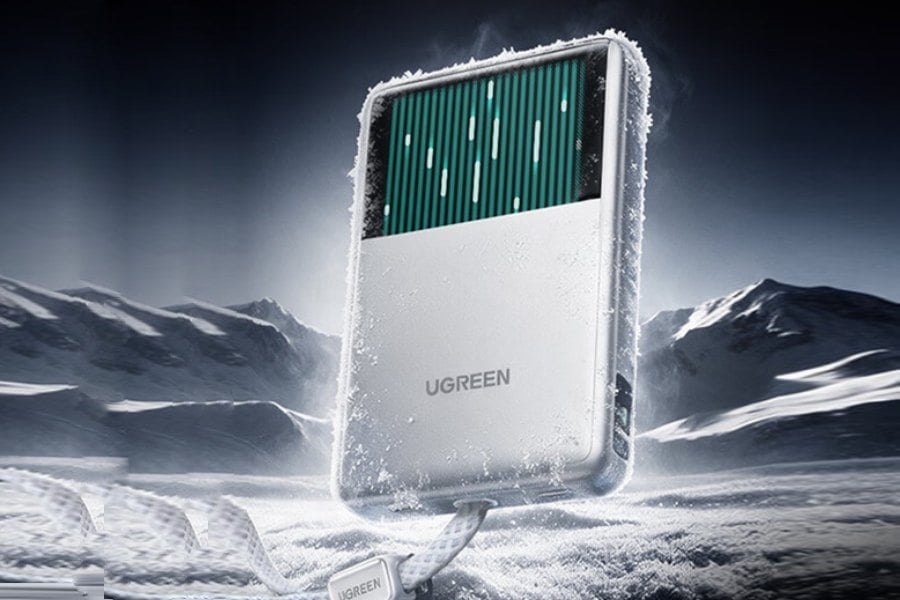
Ugreen P8 magnetic power bank displayed against a snowy mountain landscape background.

The cooling system is called the Icefall Liquid Cooling Temperature Control Matrix. It uses a micro-pump to circulate coolant through the power bank’s body, and Ugreen claims this system reduces peak temperatures by an additional 13°C and improves heat dissipation efficiency by 38%.

To illustrate the difference, Ugreen has shared a laboratory chart comparing the P8 with its first-generation PB561 magnetic power bank. The P8’s temperature curve levels off noticeably lower than the older model.

Ugreen P8 brings 45W wired and 15W wireless charging

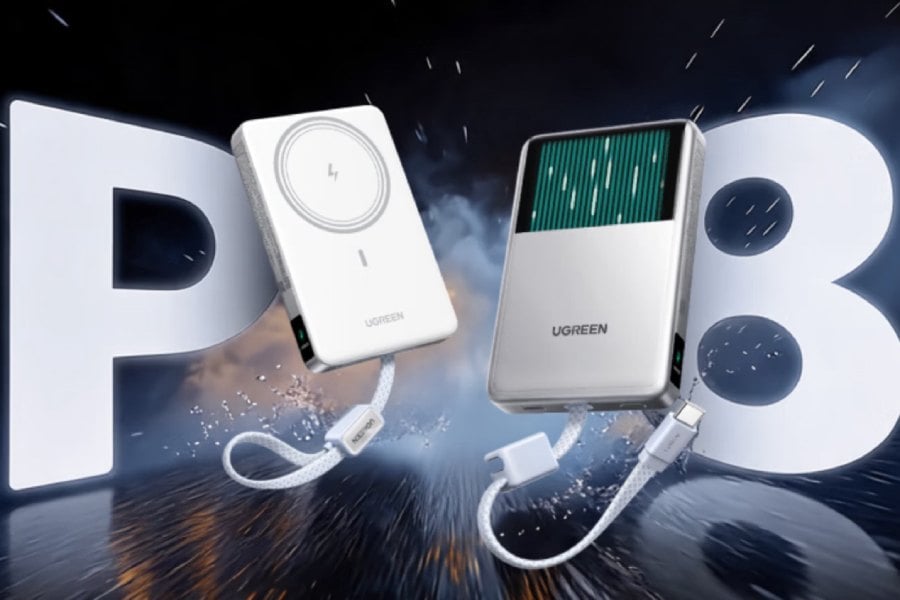
The P8 can charge devices through its built-in USB-C cable or a magnetic wireless charging pad. The cable supports up to 45W output and Apple’s AVS dynamic protocol, while wireless charging tops out at 15W with MagSafe compatibility.

There’s also support for a wide range of charging standards, including PD, AVS, QC, AFC, SCP, FCP, and PPS. This should make the power bank compatible with a variety of phones and other USB-C devices, although wireless charging is slower than what Ugreen’s more expensive model can manage.

Two Ugreen P8 magnetic power banks with integrated cables displayed against a stylized background.

Inside, the P8 uses two 5,000mAh ATL battery cells connected in series. The rated energy capacity is 39.2Wh at 7.84V. Ugreen also lists an energy density of 773Wh/L and says the power bank has received the new national standard certification.

Despite the liquid cooling hardware, the P8 measures 108.4 x 70.5 x 16.2mm. Ugreen also claims the cells retain more than 80% of their health after 800 charging cycles. For comparison, the new national standard requires 300 cycles.

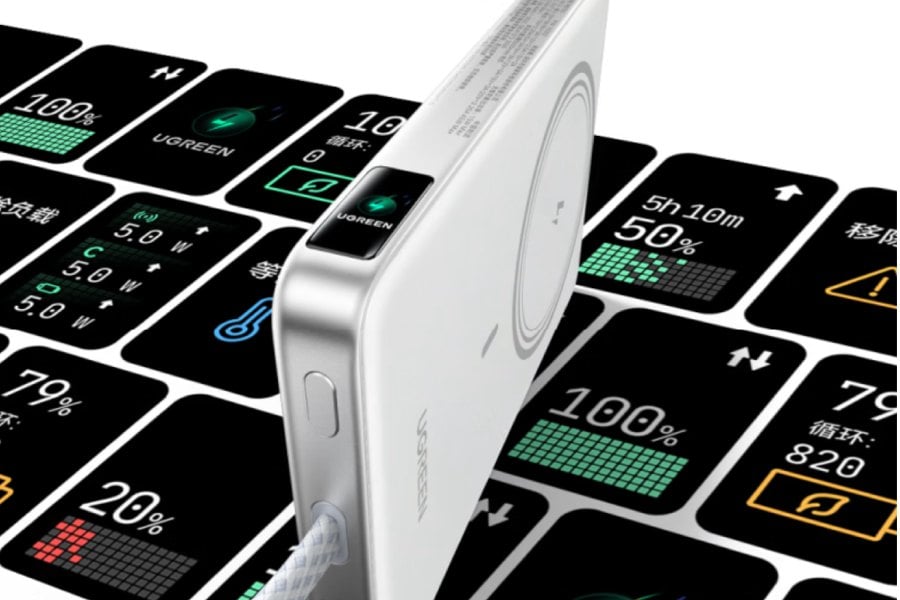
Another addition is a TFT smart display built into the edge of the power bank. It provides charging information in real time, including output power for each port, remaining battery level, estimated time left, and charging cycle count. The P8 also comes with a 24-month warranty.

Ugreen P8 magnetic power bank displayed against a background of digital charging status screens.

The launch follows the Ugreen P7 45W 20000mAh power bank, which arrived in China in early October. At 459 yuan (around $67), the P8 costs less than half the MagFlow Pro’s $149.99 US price. There is a trade-off, though: the older model supports 25W Qi2 wireless charging, compared to 15W on the P8.

For now, Ugreen has only announced the P8 for China, with no word on an international release.

Gaming consoles could get even more expensive in 2027, and tariffs are to blame

If you’ve been wondering why tech companies don’t just move their factories out of China to avoid import taxes, the reality is they already tried. Sony, Microsoft, and Nintendo shifted a ton of console assembly to Vietnam over the last few years.

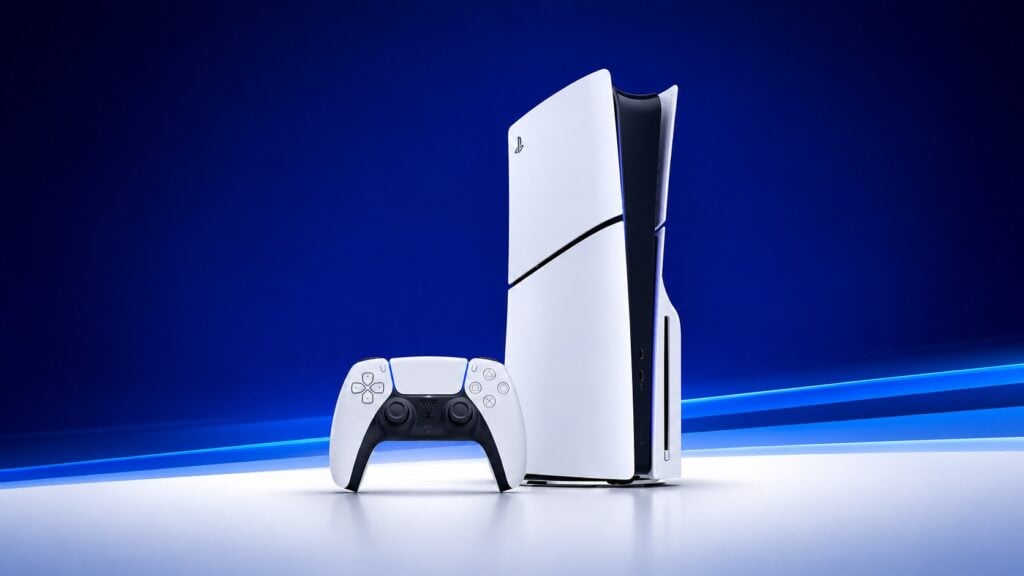
Sony PlayStation 5

But under a newly proposed US trade policy, Vietnam is now facing potential import taxes of up to 35%. Plus, even if a console is put together somewhere else, crucial parts like batteries and power supplies are still sourced directly from China.

The US government is utilizing Section 301 of the Trade Act to push these new tariffs through, targeting 14 countries in total by January 2027. China could see rates hit 40%. This comes at a tough time for hardware manufacturers, who are already competing with the massive AI industry for limited silicon and memory components. Building a console is just fundamentally getting more expensive from the ground up.

So, what does this mean for your wallet? Historically, older consoles get price cuts, but we are actually seeing the opposite right now. While no major brand has announced a direct price hike specifically because of this new policy yet, Microsoft has already cautioned that Xbox costs could rise in 2027.

We might see some consumer electronics get exemptions before the rules finalize, and companies usually stockpile inventory to delay price bumps. But don’t expect manufacturers to eat the extra costs indefinitely.

After all, when the Supreme Court struck down a previous round of tariffs a while back and gave tech giants massive refunds, those savings never made it to the consumer. The baseline cost of gaming hardware is simply shifting upward.

In related news, Ayaneo has recently launched the Konkr Pocket Block, a retro gaming handheld featuring a 4:3 display and running Android 12.

(Source, Via)

Seiko launches two stunning open-heart Lukia automatic watches outside Japan

Seiko has released two new automatic watches from its Lukia line in Australia. The watches, officially named the SSVM060J and SSVM062J, were previously only available in Japan. Now, they are being sold through the Australian Seiko Boutique for AUD $525 each.

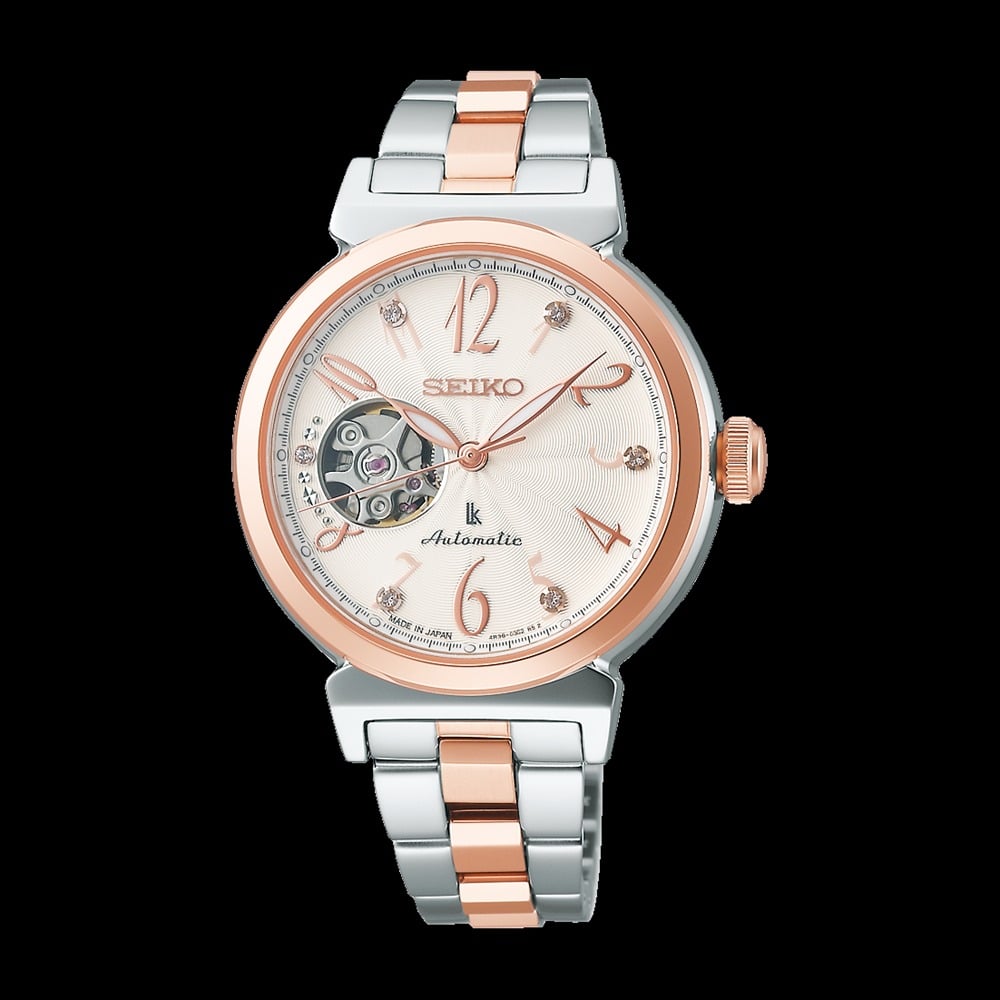
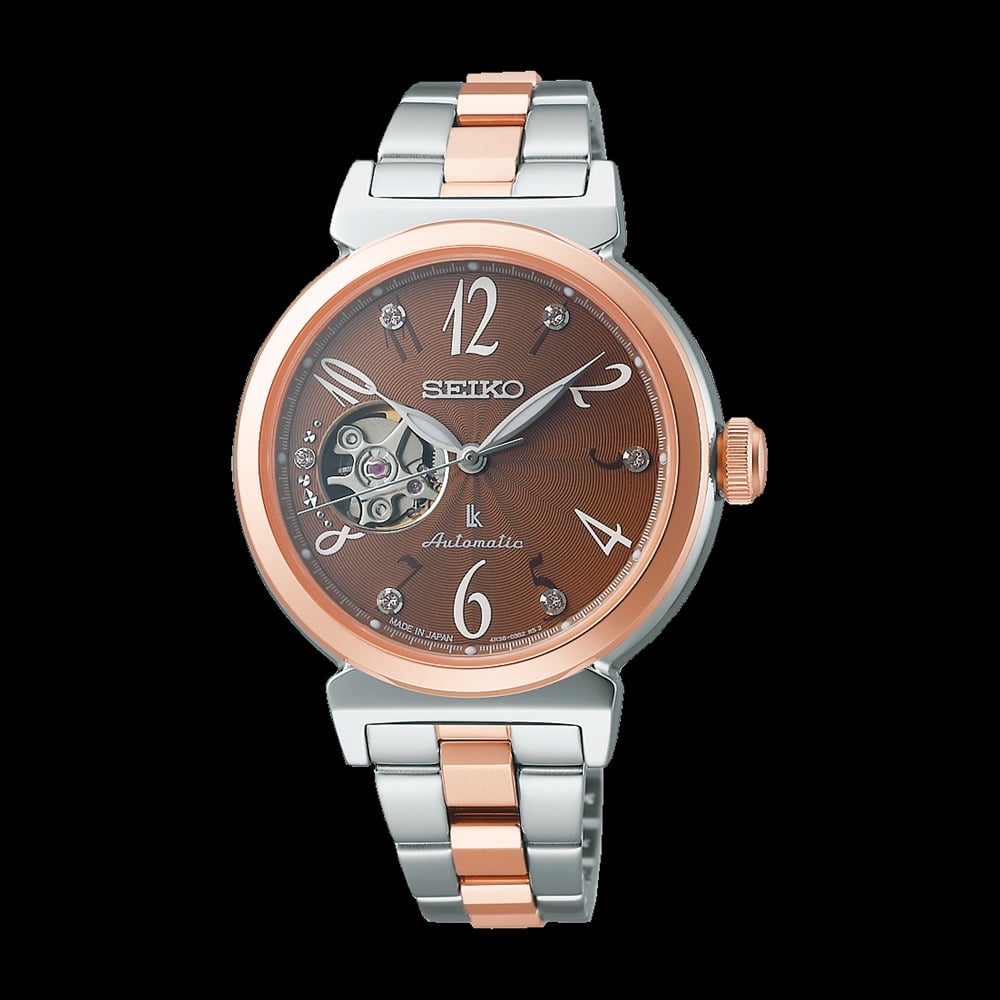
Seiko SSVM06 watches
Edited

Design Details

Both watches are identical in terms of their hardware and dimensions, with the only difference being the color of the dial. The SSVM060J has a white dial, while the SSVM062J comes with a brown dial.

They are categorized as women’s watches and feature a two-tone stainless steel design that mixes silver and pink gold across both the case and the bracelet.

The case itself measures 34.6mm across and 10.3mm thick. The distance from lug to lug is 42.2mm, and the lug width is 15mm. At 85 grams, the watches are relatively lightweight for everyday wear.

Seiko has used sapphire glass for the crystal, which is the standard material for preventing scratches on watches in this price range. They also have a water resistance rating of 100 meters, so they can handle rain or being submerged in shallow water without issue.

The most noticeable design detail on both models is the open-heart dial. There is a circular cutout on the left side of the watch face that exposes the mechanical movement inside, allowing you to see the gears moving.

Instead of standard printed numbers, the dial uses six small crystals to mark the hours, along with a basic three-hand setup for the hours, minutes, and seconds.

Inside, the watches are powered by Seiko’s in-house 4R38 automatic movement. Because it is an automatic mechanical watch, it does not require a battery. It winds itself using the physical movement of your wrist as you wear it.

If you take it off, the watch will keep running for about 41 hours before the power reserve runs out and it stops. It also has a hand-winding feature, meaning you can manually turn the crown to keep it ticking if you aren’t wearing it for a couple of days.

In related news, Seiko has recently launched a sleek new Mazda chronograph with interchangeable straps, alongside its panda-dial chronographs in India.

(Seiko 1,2 / Via)

Citizen launches limited-edition Series8 GMT watch with a bold black and gold design

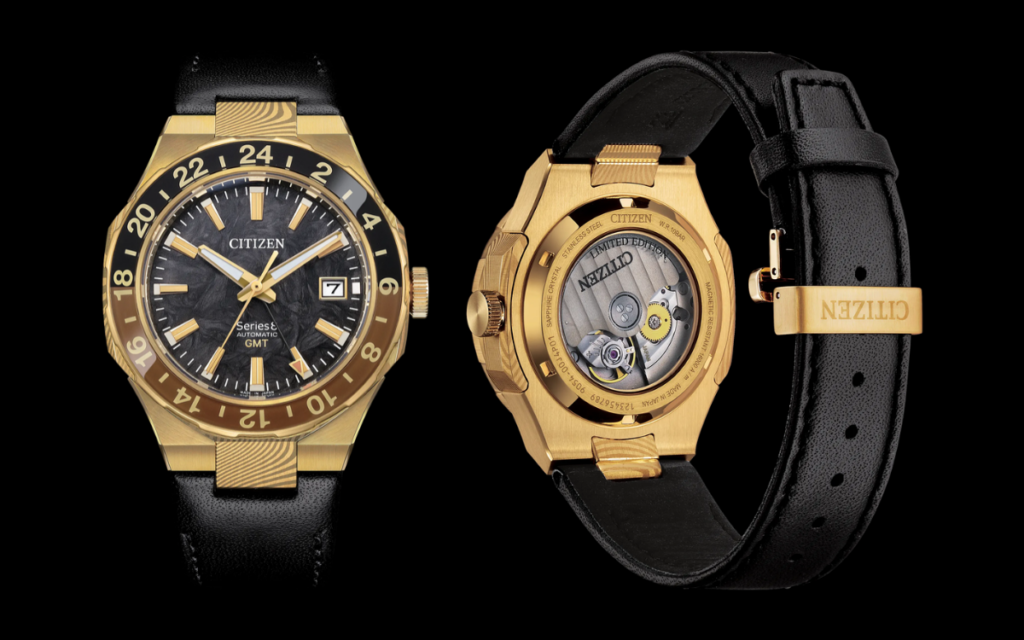
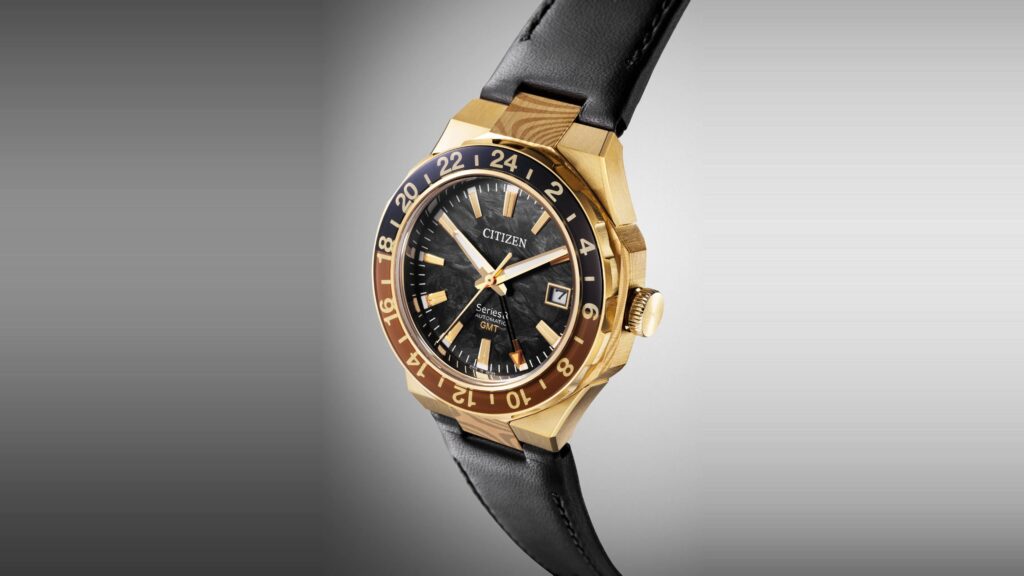
Citizen has officially released the Series8 880 GMT (model NB6092-01E) in the United States. The mechanical watch is currently available for purchase directly through the company’s US website and is priced at $2,195. Citizen is manufacturing a limited run of this specific model, capping production at exactly 1,400 unnumbered pieces globally.

Citizen Series8 880 GMT watch

Citizen Series8 880 GMT Specifications

The exterior of the watch is built around a 41-millimeter stainless steel case. Citizen is using a mix of materials and finishes for this model, specifically a gold-tone damascus pattern combined with black-tone stainless steel. The watch face features a black forged carbon dial.

Because forged carbon is manufactured by compressing small, chopped pieces of carbon fiber and resin under high pressure, the resulting marbled pattern is inherently different on every dial produced. This means no two watches in the 1,400-piece run will look exactly the same.

Citizen Series8 880 GMT watch

The dial is covered by an anti-reflective sapphire crystal to prevent scratching and reduce glare, and it includes standard luminous markers for visibility in the dark.

Inside the case, the Series8 880 GMT runs on Citizen’s caliber 9054 automatic movement. Because it is a mechanical watch, it does not use a battery. Instead, it relies on an internal oscillating weight that winds the mainspring as the wearer moves their arm throughout the day. When fully wound, the movement provides a 50-hour power reserve.

In terms of functionality, the watch includes standard hours, minutes, and seconds hands, along with a date window located at the 3 o’clock position. It also features a dedicated GMT hand, which allows the wearer to track the time in a second time zone simultaneously.

Citizen Series8 880 GMT watch

For everyday durability, the watch is built with internal magnetic resistance to prevent interference from common electronic devices like laptops and smartphones, which can easily disrupt mechanical movements.

It also carries a water resistance rating of 100 meters (10 Bar). This rating means the watch can handle swimming, showering, and snorkeling, though it is not intended for diving. The hardware comes paired with a grey leather strap that secures to the wrist using a fold-over clasp with hidden push buttons.

In related news, Citizen has recently launched a new titanium Eco-Drive Attesa watch with a blue moonphase dial, alongside three limited-edition Series8 watches featuring stunning gradient dials.

(Citizen)

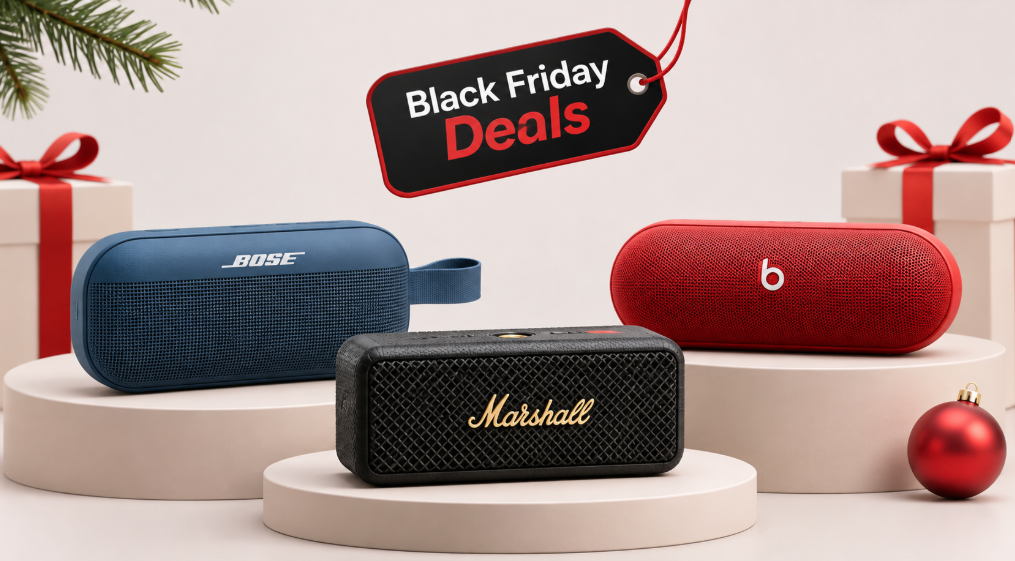
Best Bose, Marshall and Beats Speakers at Their Lowest Prices for Black Friday 2026

Black Friday 2026 brings some attractive discounts on portable speakers from Bose, Marshall and Beats. From the compact Bose SoundLink Micro to the powerful SoundLink Plus and Marshall Emberton III, several popular models are now available at reduced prices on Amazon. 

If you are planning to upgrade your audio setup or looking for a Christmas gift, these deals are worth checking out. However, not every discount represents an all-time low, so it is worth looking beyond the percentage savings before making a purchase.

Best Black Friday speaker deals 2026

Bose, Marshall and Beats Speaker Deals 

ProductOriginal priceDiscounted priceRetailer
Bose SoundLink Micro (2nd Gen)$129$79Amazon
Bose SoundLink Flex (2nd Gen)$159$99Amazon
Bose SoundLink Flex (Blue Dusk)$159$99Amazon
Bose SoundLink Plus$269$179Amazon
Beats Pill$149.95$94.95Amazon
Marshall Emberton III$179.99$89.99Amazon

Are These Really the Lowest Prices Ever?

Some of these deals are particularly interesting when compared with their previous pricing. The Bose SoundLink Flex (2nd Gen) at $99 matches its tracked lowest price for certain colour options, while the Blue Dusk version drops further to $89.

The Beats Pill at $94.95 is another attractive deal, bringing a popular portable speaker below the $100 mark. The Bose SoundLink Plus at $179 is also worth considering. 

Marshall Emberton III: A Discount Worth Considering

The Marshall Emberton III stands out with its $89.99 Black Friday price. Originally launched at $179.99, it offers a more accessible entry into Marshall’s portable speaker lineup.

However, buyers should be careful with inflated reference prices. The Emberton III has previously appeared at substantially lower prices, so comparing its current deal against its actual retail history gives a more realistic picture of the savings.

At $89.99, it is still an interesting option for anyone who appreciates Marshall’s signature styling and wants a compact Bluetooth speaker.

Which Speaker Should You Buy?

The Bose SoundLink Flex (2nd Gen) is a strong all-round choice. Its IP67 rating provides water and dust resistance, and its floating design makes it particularly useful around pools and during outdoor activities. It offers up to 12 hours of battery life, although its sound customisation options are relatively limited.

The Beats Pill is another practical choice, especially for people who want a compact speaker with IP67 protection. Meanwhile, the Bose SoundLink Micro suits buyers who prioritise portability, while the larger SoundLink Plus is worth considering for those who want a bigger speaker.
If design is equally important as sound, the Marshall Emberton III deserves attention. Its compact build and distinctive retro-inspired styling make it an appealing everyday speaker.

Best Christmas Gifts From These Black Friday Deals

These speakers also make excellent Christmas gifts for music lovers. The Beats Pill is a good pick for someone who enjoys taking music everywhere, while the Bose SoundLink Flex makes a practical gift for travellers and outdoor enthusiasts. For someone who appreciates classic styling, the Marshall Emberton III is an attractive option. If you want to spend a little more, the Bose SoundLink Plus offers a larger speaker experience.

Should You Buy Now or Wait for Cyber Monday?

Amazon’s Black Friday sale runs through November 30, 2026, so there is still time to grab these offers. However, additional discounts could appear around Cyber Monday, making it worth keeping an eye on prices if you are not in a hurry.

Bose also has a price-match provision extending through December 25, subject to its terms and conditions. This offers some additional reassurance for eligible purchases.

Note: Prices and availability are subject to change. Amazon deals may end earlier or remain available beyond the advertised Black Friday sale period. 

MacBook Neo briefly drops to $599 on Amazon, undercutting Apple’s official price

Shoppers looking for an affordable way into the Mac ecosystem have a timely opportunity. Amazon has cut the 13-inch MacBook Neo in colors including Blush, Citrus and Silver down to $599, roughly a 14% discount that brings it close to its original launch price and among the lowest figures seen since release.

Buy on Amazon (8GB + 256GB): Silver $599.99 · Blush $599.99 · Citrus $599.99 · Indigo $649. Prices checked on Amazon US on November 27, 2026.

Apple MacBook Neo

The MacBook Neo debuted earlier this year at $599 as Apple’s entry-level laptop. Mid-year, the company raised the starting price to $699, citing sharply higher costs for memory and storage components driven by surging demand from AI data centers. The current Amazon deal effectively restores access at the lower figure for select configurations during the holiday sales period.

Under the hood sits the Apple A18 Pro chip, the same high-end silicon that powered the iPhone 16 Pro series. It features a 6-core CPU and 5-core GPU. It offers solid everyday performance, long battery life under moderate loads, and completely silent operation thanks to its fanless design.

In benchmarks, its CPU performance lands only about 6% behind a MacBook Air 13-inch with the M3 chip, with overall system performance nearly matching it. That makes the Neo well-suited for web browsing, social media, YouTube, documents, and school or light office work.

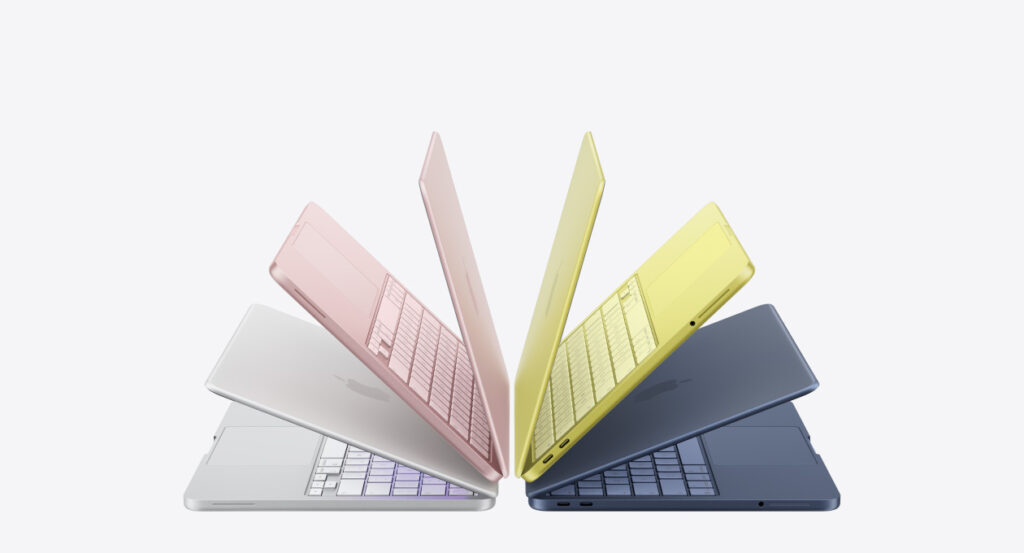
Apple MacBook Neo all color options

Key specifications include a 13″ Liquid Retina IPS display (2408 x 1506 resolution) with 500 nits of brightness, a 36.5 Wh battery, a 1080p webcam, two USB-C ports (one supporting higher speeds and DisplayPort), and a 3.5 mm headphone jack. Apple includes a 20W USB-C charger. The aluminum chassis is available in several colorful finishes and feels consistent with more expensive MacBooks.

There are clear trade-offs. Memory (8 GB unified) and storage are soldered and not user-upgradeable. The base model lacks a backlit keyboard, and the limited ports may require adapters for some users. Graphics performance trails even the older M1 MacBook Air, so it is not intended for gaming or heavier creative workloads.

For students, casual users, or anyone seeking a quiet everyday Mac, the current pricing makes the Neo an appealing option while the deal lasts.

(Source: Amazon)

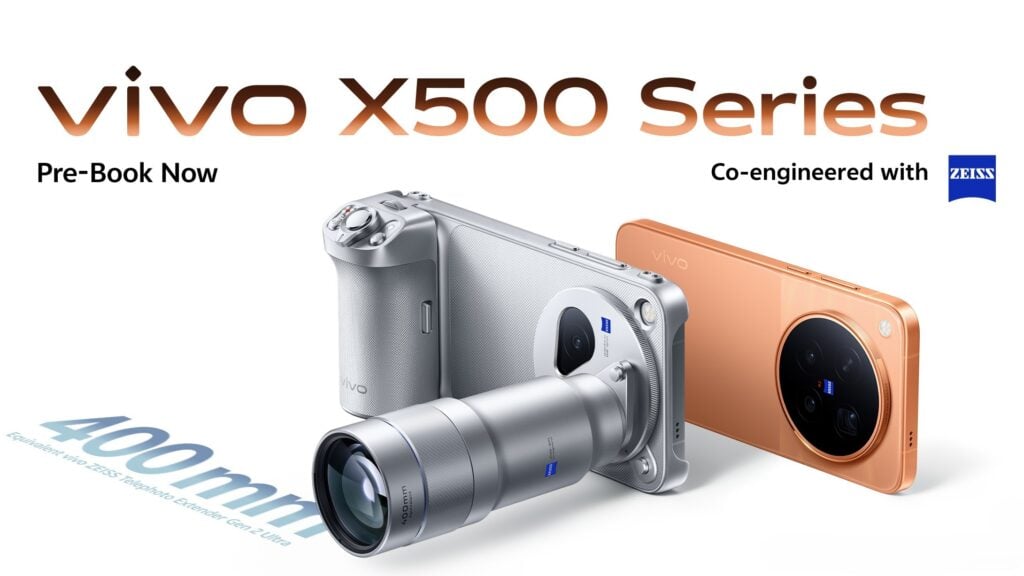
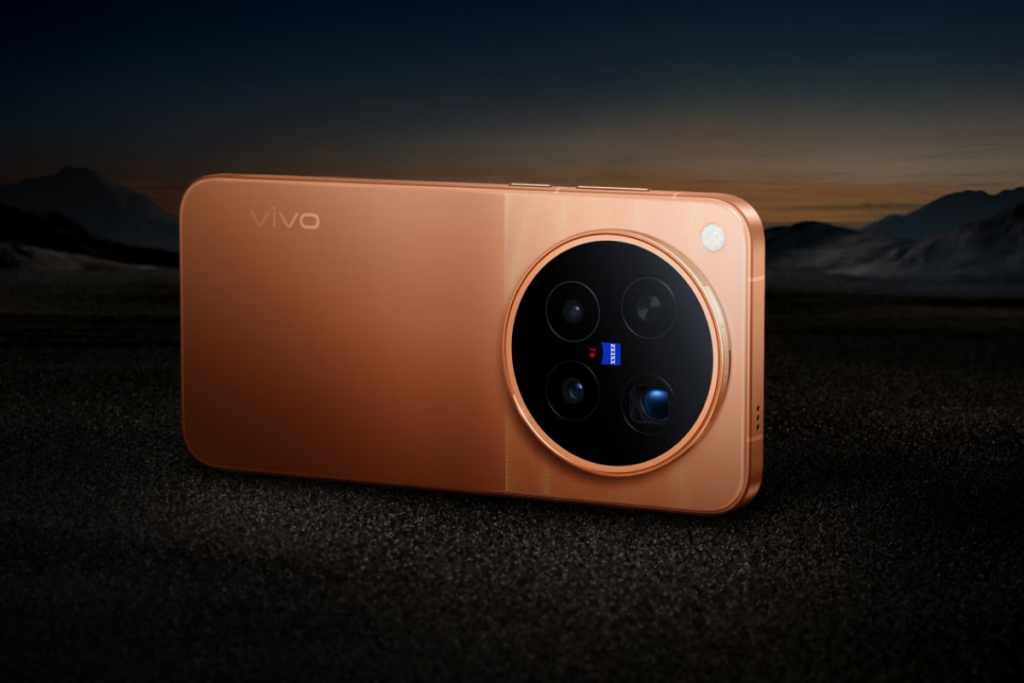
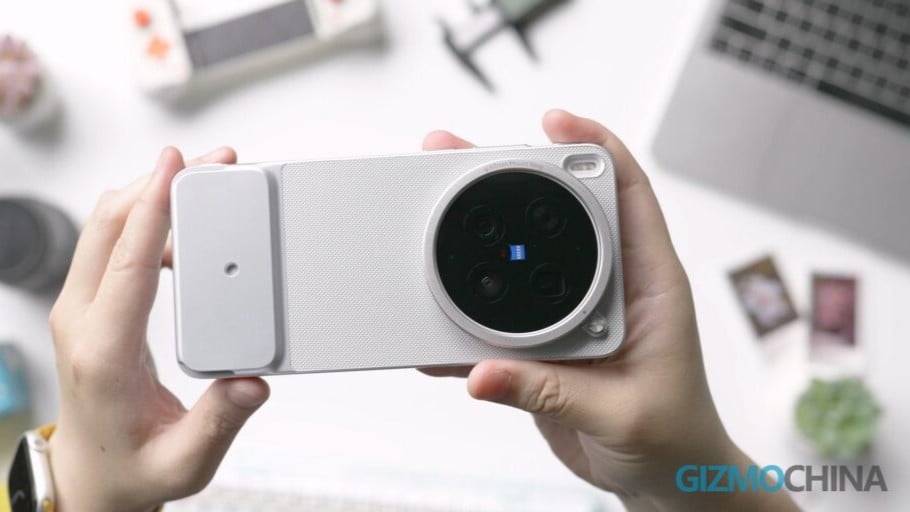
Vivo X500 Pro and X500 Pro Max debut in India with ZEISS-tuned cameras, 200mm/400mm teleconverters, Dimensity 9600 Pro

Vivo has expanded its flagship smartphone lineup in India with the X500 series. Both the X500 Pro and X500 Pro Max bring upgraded ZEISS-tuned cameras, MediaTek’s latest flagship chipset, and a new software experience with OriginOS 7. While the Pro Max focuses on long-range photography and extended battery life, the standard Pro offers much of the same flagship experience in a more compact form factor.

Vivo X500 Pro Max and X500 Pro

The Vivo X500 Pro is priced at Rs 1,49,999 for the 12GB + 256GB variant. The X500 Pro Max starts at Rs 1,64,999 for the same configuration, while its 12GB + 512GB variant costs Rs 1,79,999. Both models come in Eternal Black and Apex Orange colour options and will go on sale on December 3 through Vivo’s online store, Flipkart, Amazon, and offline retailers. Pre-bookings are now open.

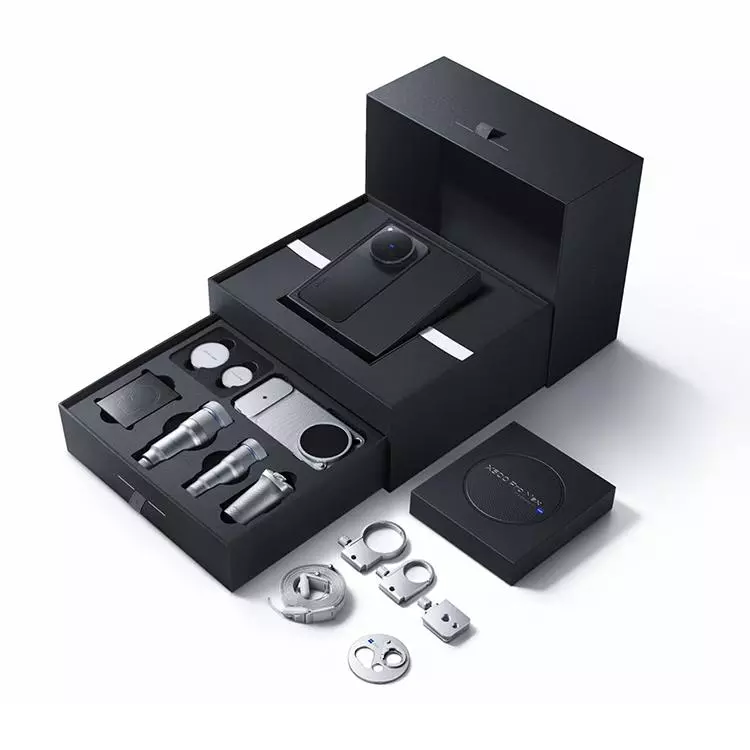
Vivo X500 Pro Max Photographer Kit

The X500 Pro Max also has a Photographer Kit priced at Rs 2,29,999. It includes the 12GB + 512GB variant, the 200mm ZEISS Telephoto Extender Gen 2, and the 400mm Gen 2 Ultra. There’s no bundled Photographer Kit for the Pro model. However, it is compatible with the 200mm lens, which users can purchase separately for Rs 15,999.

Both phones feature IP68 and IP69 ratings, and the MediaTek Dimensity 9600 Pro chipset. However, their displays differ considerably. The Pro Max gets a 6.85″ 2K LTPO AMOLED panel with a 144Hz refresh rate, while the Pro has a smaller 6.36″ 1.5K LTPO AMOLED display with the same refresh rate.

The camera hardware is another key difference. The X500 Pro Max features a 50MP main camera, a 50MP ultrawide camera, and a 200MP ZEISS APO telephoto shooter.

The X500 Pro retains the same main and ultrawide cameras but replaces the 200MP telephoto sensor with a 64MP unit. Both support CIPA 7.0 stabilization and advanced subject tracking, while the main camera supports native 4K 240fps slow-motion recording.

Both models run OriginOS 7 based on Android 17, bringing desktop-style multitasking through Origin Workbench, AI-powered cross-app interactions, and improved connectivity with Apple devices.

Battery capacity is another major difference. The Pro Max packs a 7,800mAh battery, compared to 6,510mAh on the Pro. Both support 90W wired and 40W wireless charging.

(Sources: X500 Pro | X500 Pro Max | X500 Pro Max Photographer kit)

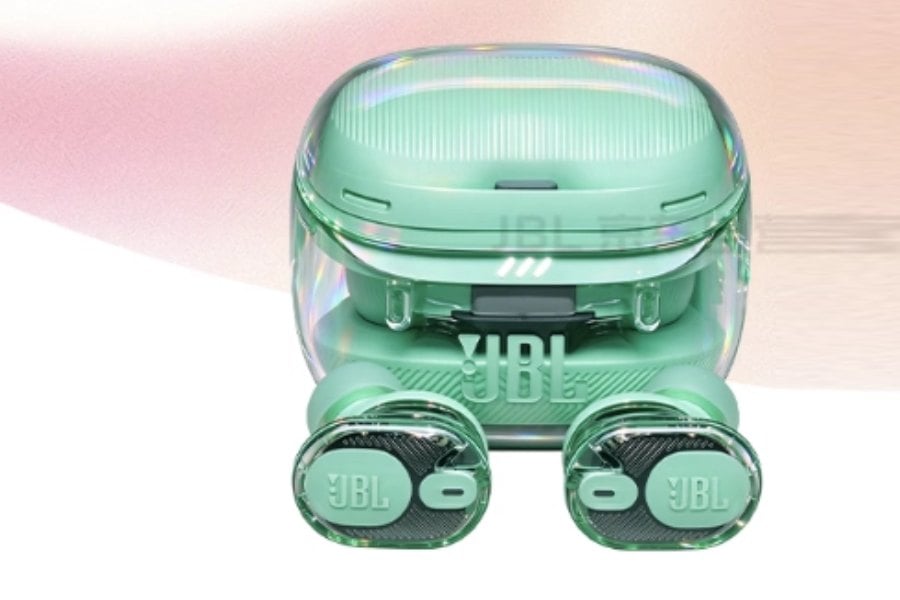
JBL’s new translucent earbuds get a striking jade green finish

JBL is giving its latest wireless earbuds a slightly different look in China. The new JBL Tune Buds 3 come with a semi-transparent design that reveals parts of the charging case’s internals, while the earbuds themselves get a matching clear finish. The styling gives them a more distinctive appearance than the usual glossy plastic earbuds, and JBL is offering three color options.

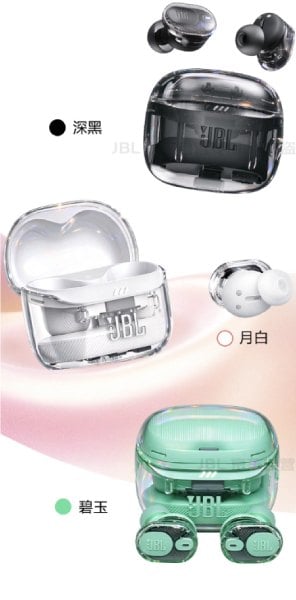
You can choose the buds in Deep Black, Moon White, and Jade. The white version has a subtle sheen on the case lid.

A person holds a translucent black JBL Tune Buds 3 charging case.

This isn’t JBL’s first experiment with translucent finishes in China. The company previously introduced the Tourmaline Red special edition of the Soundgear Clips in October, following an Emerald Green version in May. The Tune Buds 3 bring a similar treatment to a more conventional pair of wireless earbuds.

Each earbud weighs around 5.9g, while the charging case comes in at 40g. They also carry an IP54 rating for dust and water resistance.

JBL Tune Buds 3 specifications and features

Underneath the transparent shell, each earbud houses a 10mm dynamic driver with a dual-layer composite polymer diaphragm. The Harman audio team has tuned the sound for balanced frequency response and low distortion. JBL also includes Personi-Fi 3.0, which lets users personalize the listening experience.

The Tune Buds 3 also has active noise cancellation that uses four microphones to monitor surrounding sounds in real time. The system can reduce low-frequency noise as well as mid- and high-frequency sounds, adjusting to changes in the environment. The microphones have a sensitivity rating of -38 dBV/Pa at 1kHz.

Translucent jade green JBL Tune Buds 3 charging case and matching wireless earbuds.

The earbuds can play music for up to 12 hours with noise cancellation turned off, or 10 hours with ANC enabled. Those figures are for the earbuds alone, while the charging case extends total playback time to 48 hours.

A full charge takes around two hours, but you don’t always need to leave them plugged in that long. A quick 10-minute charge provides up to four hours of playback. For wireless connectivity, the Tune Buds 3 use Bluetooth 6.0.

JBL Tune Buds 3 shown in black, white, and jade green translucent color options.

JBL Tune Buds 3 price and availability

The JBL Tune Buds 3 are listed on JD.com in China, with sales scheduled to begin on December 3. The initial price is 729 yuan (approximately $109).

JBL has not announced availability or pricing for other markets. For now, the translucent earbuds appear to be a China-focused launch.

iPhone 20 Pro and Pro Max: Everything We Know About the 20th-Anniversary iPhone

Updated 25 Nov 2026 · Labels: Confirmed = official or a certification · Leak = supply chain, renders, prototype parts or a tipster · Rumour = a single unconfirmed report

At a glance

iPhone 20 Pro iPhone 20 Pro Max
What it is Apple’s 20th-anniversary iPhone, the successor to the iPhone 18 Pro (Leak) Same, the larger model (Leak)
Name “iPhone 20” is reported. Apple may skip “iPhone 19”. Not confirmed Same
Codename V73 (Leak) V74 (Leak)
Expected launch September 2027 (Leak) September 2027 (Leak)
Expected price No leak yet. The iPhone 18 Pro costs $1,199 in the US (256GB) No leak yet. The iPhone 18 Pro Max costs $1,299 in the US (256GB)
Display About 6.41-inch, about 2686 × 1236, about 460 ppi (Leak, test units) About 6.96-inch, about 2912 × 1340, about 460 ppi (Leak, test units)
Design Glass front that curves on all four sides, glass back, metal frame (Leak) Same (Leak)
Front camera and Face ID Under the display, a punch-hole or a Dynamic Island: leaks disagree Same
Buttons Solid-state, with no moving parts (Leak) Same (Leak)
Chip A21 Pro, second-generation 2nm (Leak) A21 Pro (Leak)
Main camera Apple’s own stacked LOFIC sensor (Leak) · 200MP (Rumour) Same
Battery Silicon-anode cells (Leak). No capacity leak yet Same

What changed recently

  • 23 Nov: reports say Samsung, Xiaomi and Oppo are working on curved-glass flagships that follow the iPhone 20 Pro. Story
  • 21 Nov: a tipster says Apple tests four prototypes: two with curved glass and two flat ones as a fallback. Bezels measure about 1mm. A video claims a 200MP main camera (Rumour). Story
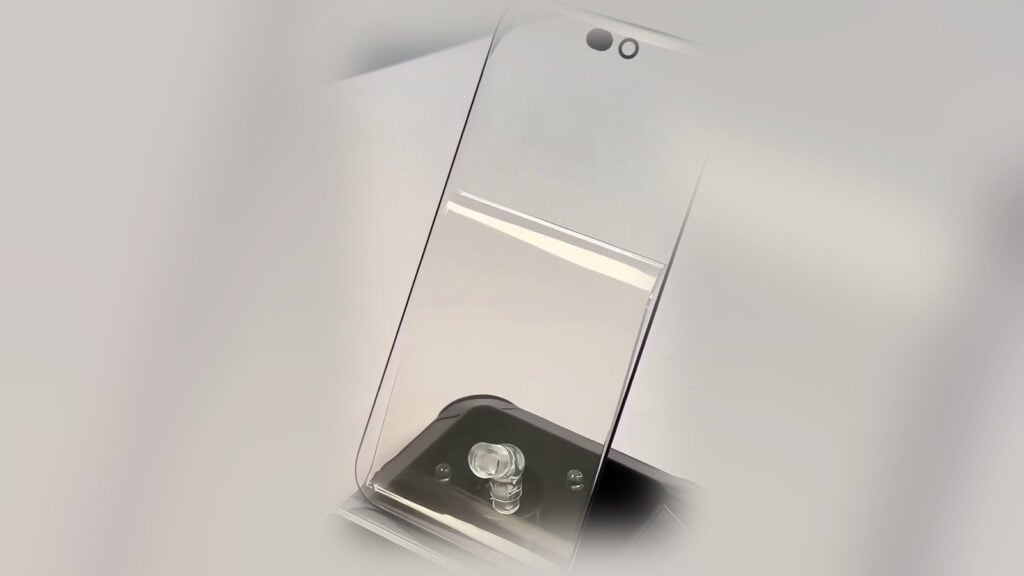
  • 16 Nov: a second video shows the quad-curved front glass, with a Dynamic Island-style cutout. Story
  • 14 Nov: a tipster shows an approved 3D quad-curved cover glass sample on video. Story

iPhone 20 or iPhone 19: what is it called?

Apple has not named it.

Apple's 20th anniversary iPhone
  • “iPhone 20”: reports say Apple skips “iPhone 19” to mark 20 years of the iPhone. Apple did the same in 2017, when it skipped the iPhone 9 for the iPhone X. Our 24 May story
  • “iPhone 19”: one tipster calls the 2027 Pro models “iPhone 19” and says the name is tentative. Our 29 Jun story

Design: the quad-curved display

  • The glass: the front glass curves gently on all four sides. It hides most of the metal frame, so the phone looks almost borderless (Leak). The back is glass too (Leak).
  • Physical samples: two videos show a quad-curved front glass sample, with rounded corners and an even, very thin black border (Leak, 14 and 16 Nov). Our 14 Nov story
  • Bezels: about 1mm, and the curve makes them hard to see from the front (Leak).
  • The panel: a custom Samsung OLED. It may drop the polarizer layer, which makes the screen thinner (Leak, April). Our 25 Apr story
  • Not final: a tipster says Apple tests two curved and two flat prototypes. Earlier reports said Apple worked with Samsung and LG to fix brightness loss at the curved edges.

Display size: iPhone 20 Pro Max

  iPhone 20 Pro (leaked) iPhone 20 Pro Max (leaked) iPhone 18 Pro iPhone 18 Pro Max
Size About 6.41-inch About 6.96-inch 6.3-inch 6.9-inch
Resolution About 2686 × 1236 About 2912 × 1340 2622 × 1206 2868 × 1320
Pixel density About 460 ppi About 460 ppi 460 ppi 460 ppi

The sizes come from test units, so they can change (Leak, September and November). Our 21 Sep story

Front camera and Face ID: the leaks disagree

  • No cutout: a May concept render video put the front camera and Face ID under the display (Rumour).
  • Punch-hole: a September leak from test units showed a punch-hole cutout (Leak).
  • Dynamic Island: the November glass samples have a pill-and-circle cutout. A 21 Nov report says the Dynamic Island stays, maybe smaller, because under-display cameras are not ready (Leak).
  • Still in testing: under-display Face ID and an under-display front camera (Leak, 12 Nov).

The latest leaks point to a Dynamic Island. Treat it as open.

Buttons

The side, volume, Action and Camera Control buttons are tipped to go solid-state: pressure sensors and haptic motors, with no moving parts. They stay where they are today (Leak). Our 12 Nov story

iPhone 20 Pro

Release date

Expected: September 2027 (Leak). Apple usually locks big design choices about a year before launch, so the glass samples fit that timeline.

For context: Apple launched the iPhone 18 Pro and Pro Max on 9 Sep 2026, and the standard iPhone 18 is tipped for spring 2027.

Cameras, chip and battery

  • Main camera: Apple’s own stacked image sensor with LOFIC technology, for up to 20 stops of dynamic range (Leak). One video claims 200MP (Rumour).
  • Chip: the A21 Pro, a second-generation 2nm chip. Stacked memory is possible (Leak).
  • Battery: silicon-anode cells, for more capacity in the same space (Leak). The May concept video said silicon-carbon. No capacity has leaked.
  • Modem: Apple’s third-generation in-house modem (Leak).

Price

No price leak yet..

  • For reference: in the US, the iPhone 18 Pro launched at $1,199 and the Pro Max at $1,299, both for 256GB. Our launch story calls this a price increase over previous generations.
  • Memory costs: a report says Apple pays Samsung about 33% more for RAM from Q1 2027, which makes another price hike for the 2027 iPhones a realistic possibility. Our 21 Sep story

iPhone 20 Pro vs iPhone 18 Pro

  iPhone 20 Pro (expected) iPhone 18 Pro
Launch September 2027 9 Sep 2026; on sale 18 Sep
US price No leak $1,199 (256GB)
Display About 6.41-inch, curved on all four sides 6.3-inch, 2622 × 1206
Front Dynamic Island or punch-hole: open Dynamic Island, smaller than before
Chip A21 Pro A20 Pro, 2nm
Main camera Stacked LOFIC sensor; 200MP claimed 48MP, variable aperture f/1.48 to f/4.0
Battery Silicon-anode; no capacity yet 4,288mAh US / 4,056mAh China (3C, rated)
Modem Third-generation Apple modem Apple C2
Build Glass front and back, metal frame Glass back, aluminum frame

iPhone 18 Pro product page · iPhone buying guide

Should you wait?

Our view, from the facts above: the iPhone 20 Pro is about ten months away, and its front design is not settled. If you need a phone now, the iPhone 18 Pro is on sale. Wait only if the new design is the point for you, and expect the price to stay high.

Leak timeline (newest first)

FAQ

When does the iPhone 20 come out? Leaks point to September 2027. Apple has not confirmed it.

Will it be called iPhone 20 or iPhone 19? Reports say iPhone 20, for the iPhone’s 20th year. One tipster still uses “iPhone 19” as a tentative name. Apple has not named it.

What is the quad-curved display? A front glass that curves gently on all four edges, so the frame almost disappears from the front. Two videos of glass samples show it.

How big is the iPhone 20 Pro Max? About 6.96 inches, as leaked from test units. The iPhone 18 Pro Max has a 6.9-inch display.

Does the iPhone 20 Pro have a Dynamic Island? Leaks disagree. The latest glass samples show a Dynamic Island-style cutout.

How much will the iPhone 20 Pro cost? No price has leaked. The iPhone 18 Pro starts at $1199 in the US.

Xiaomi’s new dual-drum washer-dryer is built specifically for your delicates

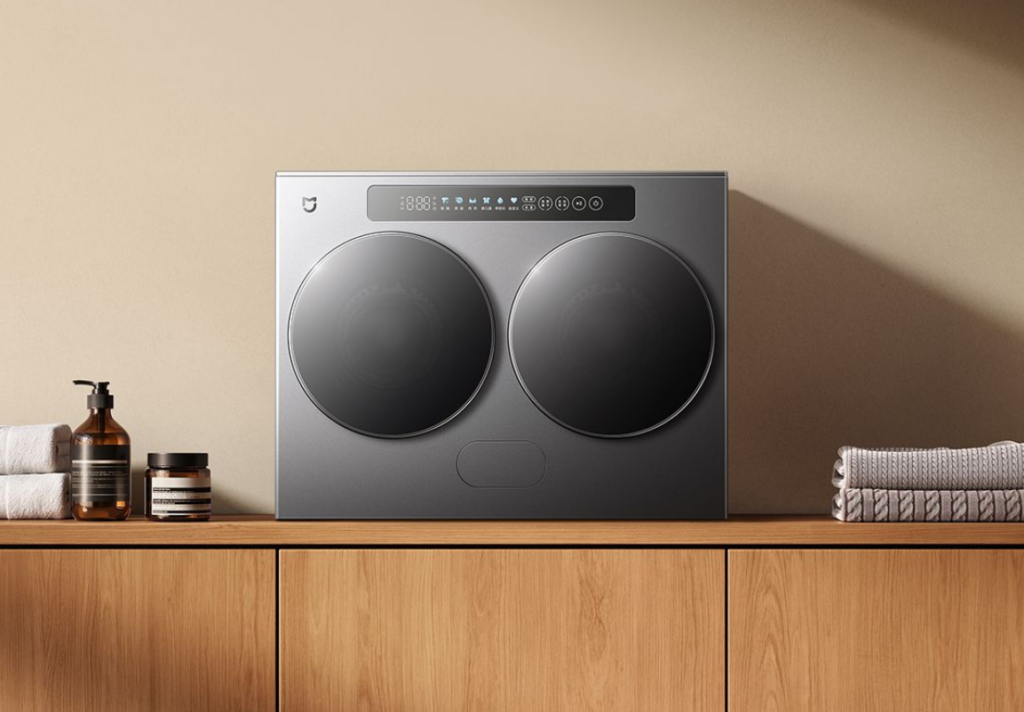
Xiaomi has launched the Mijia Health Wash Pro 2kg Dual-Drum Washer-Dryer in China, designed to wash small and delicate garments separately. It is priced at 2,199 yuan ($330) after government subsidies, down from its suggested retail price of 2,999 yuan ($450).

Xiaomi Mijia Healthy Washing Machine Pro Dual-Tub Washer-Dryer 2kg

Mijia Health Wash Pro Washer-Dryer Specs

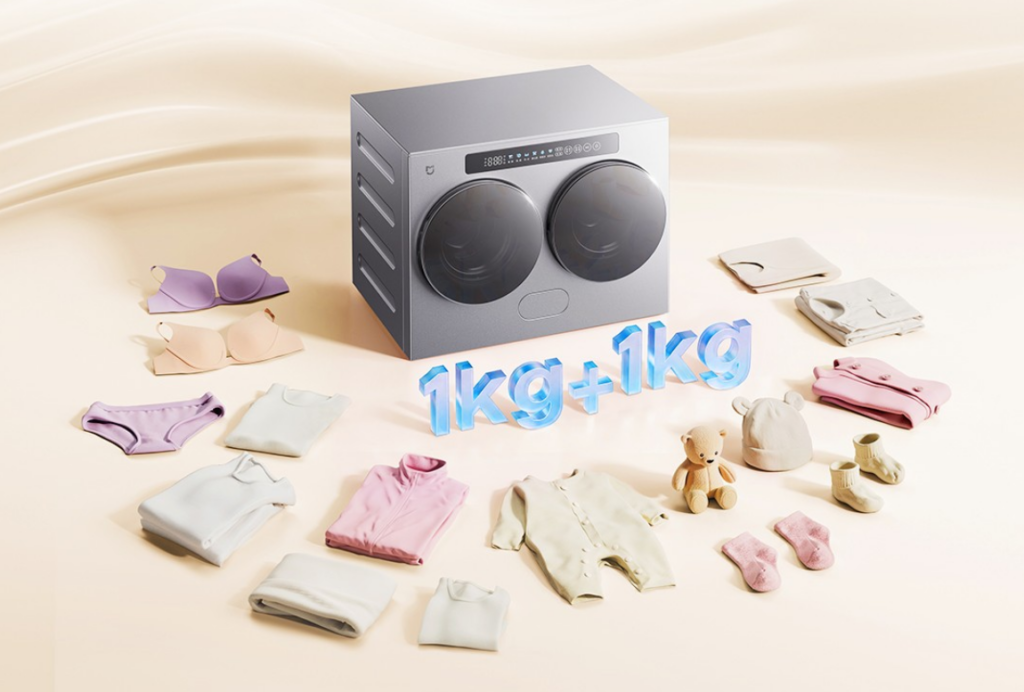
The device features a dual-drum design with a total washing capacity of 2kg and a drying capacity of 1kg, both evenly split between the two drums. This means each drum can handle 1kg of washing and 0.5kg of drying.

To make this practical for separating items like socks and undergarments, or baby clothes and silk, Xiaomi built independent water circulation systems and drying ducts for each drum. This physical separation is intended to prevent cross-contamination between the two loads.

Internally, the washer uses a direct-drive motor to regulate drum speed and reduce fabric wear. The drums have a 228mm diameter, which provides a longer tumbling path for the clothes. Xiaomi’s testing indicates a protein stain removal ratio of 1.87 and a bloodstain removal ratio of 1.92.

For daily use, the machine includes a dual-channel automatic detergent dispenser. The 200ml compartments are self-cleaning and hold enough detergent to last roughly a month of typical use, automatically adjusting the dosage to limit residue.

Xiaomi Mijia Healthy Washing Machine Pro Dual-Tub Washer-Dryer 2kg

The software includes 34 specific stain-removal programs, alongside a 40-minute quick wash-and-dry cycle for lightweight items. For drying, it uses moisture sensors to stop the cycle when clothes are dry, and includes a 40°C low-temperature mode for sensitive fabrics like silk.

If a cycle finishes and the clothes are left inside overnight, a fresh-air circulation system turns on automatically to prevent odors and inhibit bacterial growth. The machine also includes high-temperature sterilization and a 95°C drum cleaning cycle, carrying specific hygiene certifications for maternal, infant, and underwear care.

Physically, the unit is 438mm deep and has a flat front profile. It does not require wall drilling for installation and can be placed on the floor, on a counter, or stacked on top of a standard washing machine.

Because it is a Xiaomi product, it integrates directly into the company’s smart home ecosystem. It connects to the Mijia app, supports HyperConnect, and responds to Xiao AI voice commands, including commands issued from compatible Xiaomi vehicles.

In related news, Xiaomi has recently introduced a new Mijia Heated Blanket that allows couples to set their preferred temperatures independently.

(Xiaomi Youpin)

Harman Kardon’s Allure 2 is a smaller light-up speaker with 360-degree lighting and 60W audio output

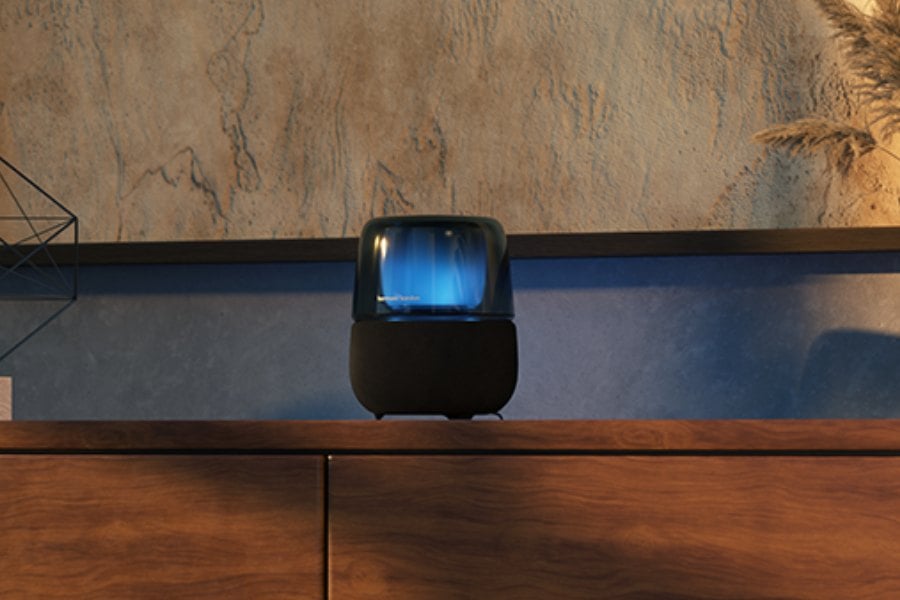
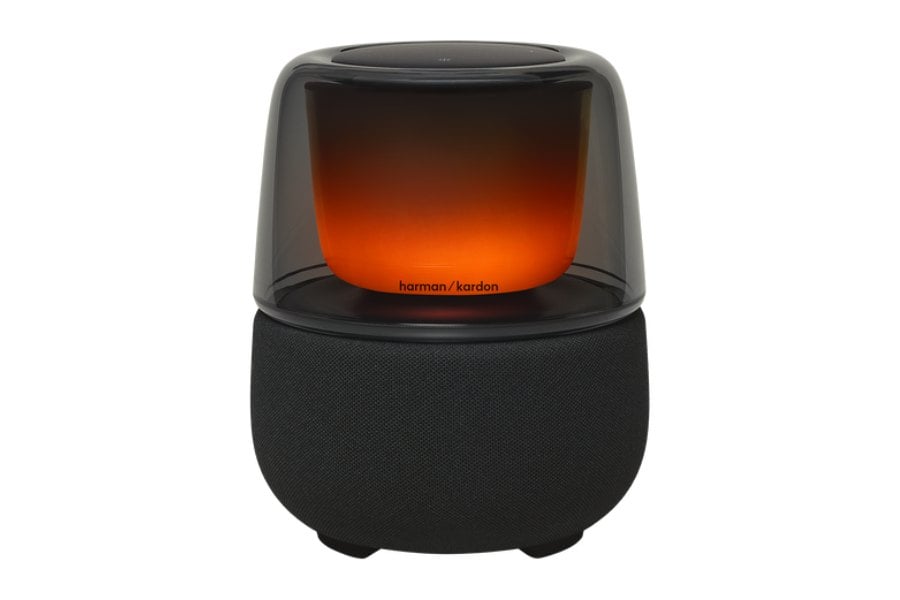
Harman Kardon is bringing back one of its more recognizable speaker designs. The new Allure 2 combines a transparent dome with a fabric-covered body and a circular light ring that reacts to music. It is a familiar look for anyone who remembers the original Allure from 2017, although the new model gets updated connectivity and app controls.

The speaker has launched in Japan, where it goes on sale today. Unlike portable Bluetooth speakers, however, the Allure 2 is meant to stay plugged in. It measures 166 x 166 x 203mm and weighs 2.2kg, with no built-in battery for taking it outside or moving it around without a power outlet.

Harman Kardon Allure 2 speaker with a glowing dome sits on a wooden surface.

Harman Kardon Allure 2 specifications and features

Inside the dome-shaped speaker are three 38mm full-range drivers and an 89mm downward-firing subwoofer. The system delivers 60W RMS output, split into two 30W channels, with a frequency response of 40Hz to 20kHz (-6dB). Harman Kardon has also equipped it with AI Sound Boost, which analyzes audio in real time to reduce distortion and improve bass response.

The audio isn’t the only part that changes with your music. It has a 360-degree ambient light ring that runs around the speaker, reacting to whatever is playing.

You can adjust its brightness, colors, and lighting effects through the Harman Kardon One app, which also provides access to the equalizer settings.

Harman Kardon Allure 2 speaker featuring a glowing orange light inside a transparent dome.

It’s a more visual approach than what you’d get from a conventional wireless speaker, particularly if you plan to use it in a living room or as part of a desk setup.

For connectivity, you get a newer Bluetooth 5.4 standard with dual device connectivity. The Allure 2 also supports Auracast, allowing it to synchronize playback with other compatible Harman Kardon speakers.

You can also pair two Allure 2 units for stereo playback, although Harman Kardon hasn’t published a complete list of compatible speakers for its Auracast feature.

The new speaker sits below the company’s more powerful Aura Studio 5, which launched in China last year with 160W output and projection lighting. Harman Kardon has also used recycled materials in the speaker’s construction, including recycled plastic, aluminum, and neodymium magnets in its drivers. The packaging uses FSC-certified paper and soy-based ink.

Price and Availability

The Harman Kardon Allure 2 costs 34,100 yen (approximately $213) in Japan, including tax. It is available in black through the Harman International Japan online store.

Harman Kardon is using an open-price model, meaning individual retailers can decide their own selling prices. There is no word yet on pricing or availability in other markets.

Vivo X500s could use customized Dimensity 9600 Pro

The Vivo X500s could be another example of Vivo getting more out of MediaTek’s flagship chips than other phone makers. The company is reportedly testing the phone with the new Dimensity 9600 Pro, but the interesting part is that Vivo will also get its own customizations for the processor.

The X500s is still an engineering prototype, so the final hardware and software details are not confirmed yet.

Three Vivo smartphones in pink, gold, and grey with large circular camera modules.

The Dimensity 9600 Pro is manufactured using a 2nm process and has an eight-core CPU arranged in a 2+3+3 configuration. It has two C2-Ultra cores running at up to 4.55GHz, while three C2-Pro cores operate at 4.35GHz and another three run at 3.1GHz. The processor also packs 34.5MB of total cache, with support for LPDDR6 memory and UFS 5.0 storage.

Vivo has already customized MediaTek’s flagship chips

Vivo isn’t new to this kind of collaboration. The company previously worked with MediaTek on the Vivo X Fold6, which became the first phone to use the Dimensity 9500 Super Edition.

Rather than simply using the standard processor, both companies tuned it around the demands of a foldable phone, particularly multitasking, multi-window use, and on-device AI.

The resulting improvements were quite specific. The peak NPU performance increased by 111% over the previous generation, while power consumption dropped by 56%. The X Fold6 also handled offline voice transcription seven times faster, with text summarization and AI-powered Q&A running 20% faster.

The X500s is a different proposition, though. Unlike the foldable, it has a conventional straight-screen design with an emphasis on photography. That means Vivo’s latest chip customizations could target image processing, gaming, and on-device AI.

There is no word yet on exactly what Vivo has changed in the Dimensity 9600 Pro. Since the X500s is still in the engineering prototype stage, some hardware and performance details could also change before the phone reaches the market.

(Source)

Best phones with at least 7000mAh batteries in Europe

A 7,000mAh battery is quickly becoming the new benchmark for Android phones, with manufacturers increasingly moving beyond the traditional 5,000mAh capacity. The extra capacity means longer screen time, more gaming, and fewer charging breaks.

Here are some of the best phones with 7,000mAh or larger batteries available or launching in European markets in 2026.

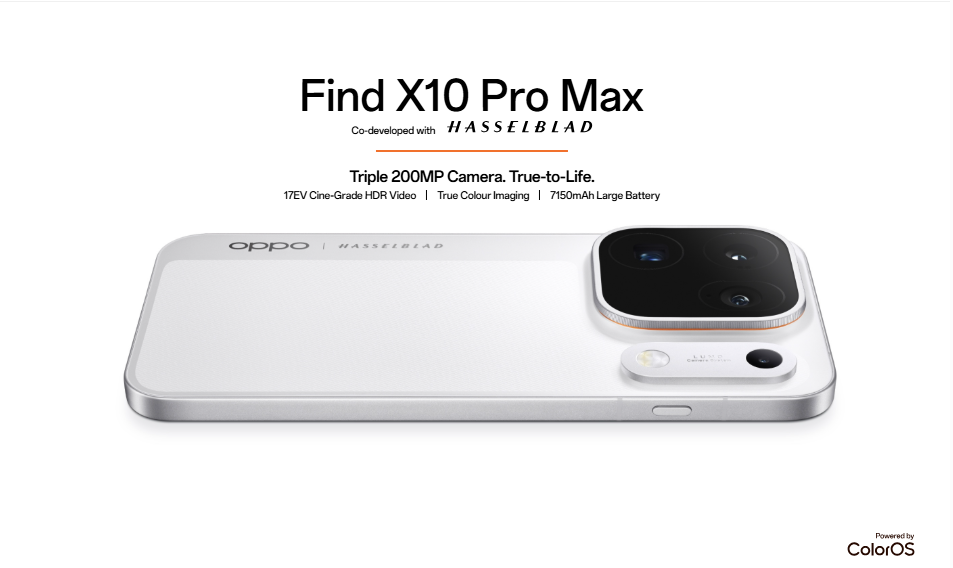
OPPO Find X10 Pro Max

Oppo Find X10 Pro Max

The OPPO Find X10 Pro Max combines a large battery with flagship-grade hardware and an impressive camera setup. Its European variant packs a 7,150mAh battery, paired with the MediaTek Dimensity 9600 Pro chipset and 12GB of RAM.

The phone features a 6.78″ AMOLED display with a 120Hz refresh rate and a versatile rear camera system comprising three 200MP sensors for the main, ultrawide, and telephoto cameras. It supports 80W wired and 50W wireless charging, making it one of the most capable options in this list.

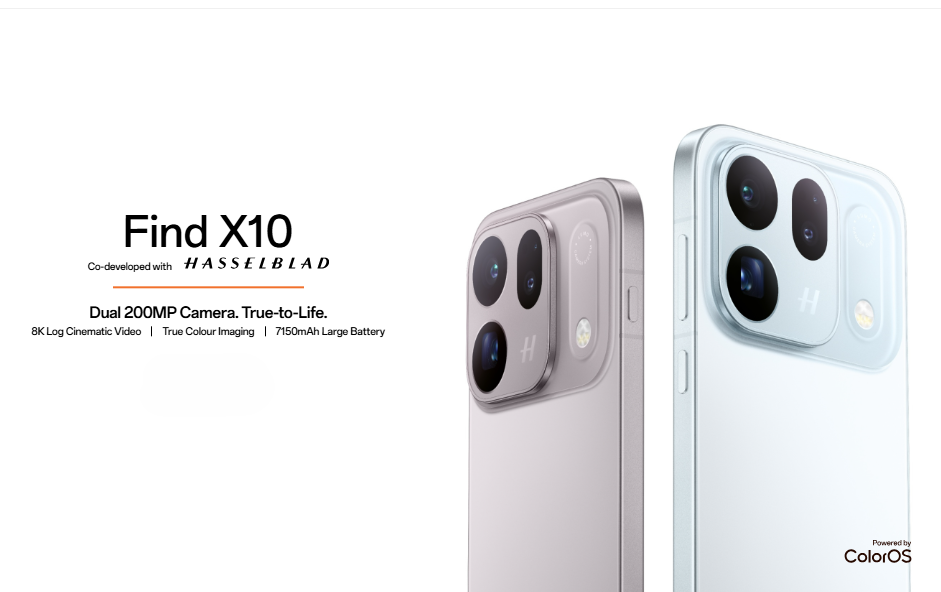
OPPO Find X10

Oppo Find X10

If you want a slightly more compact alternative, the standard Find X10 also packs a 7,150mAh battery in its European configuration. It runs on the MediaTek Dimensity 9600M chipset and features a 6.59″ AMOLED display with a 120Hz refresh rate.

The phone comes with 12GB of RAM and 512GB of storage, along with 80W wired and 50W wireless charging. It retains much of the premium experience of the Pro Max while offering a smaller form factor.

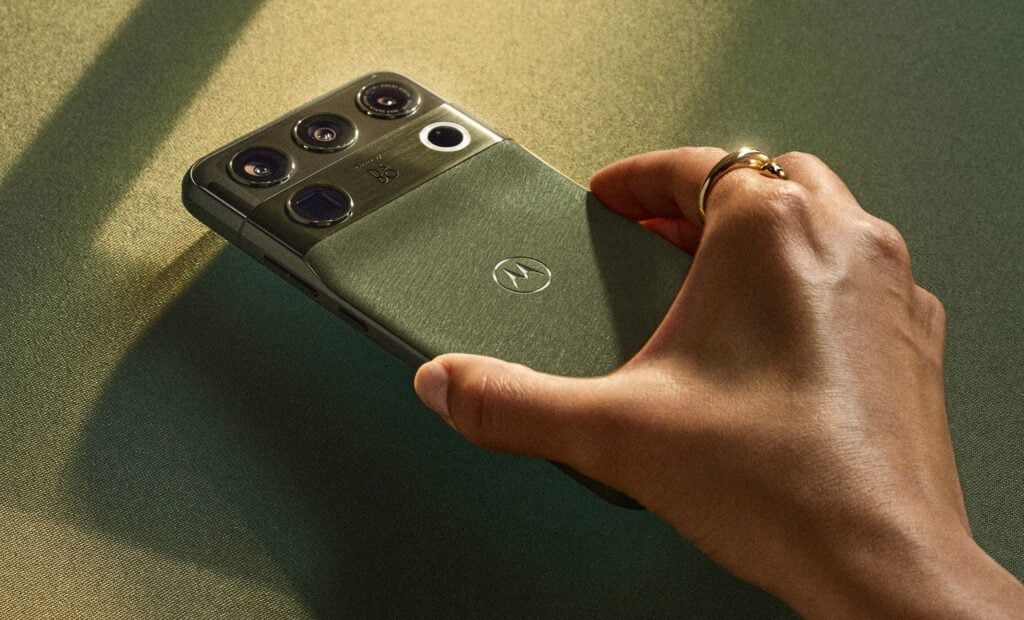
Motorola Signature 27

Motorola Signature 27

Motorola’s Signature 27 is a premium flagship powered by Qualcomm’s Snapdragon 8 Elite Extreme Gen 6 chipset. It features a 7,000mAh battery in most markets, supported by 90W wired and 50W wireless charging.

However, there is an important regional difference. The German variant comes with a smaller 5,500mAh battery, while other European markets receive the larger 7,000mAh configuration.

The phone also offers a premium camera system, a high-end display, and IP68/IP69-rated protection, making it one of the more feature-packed options in this list.

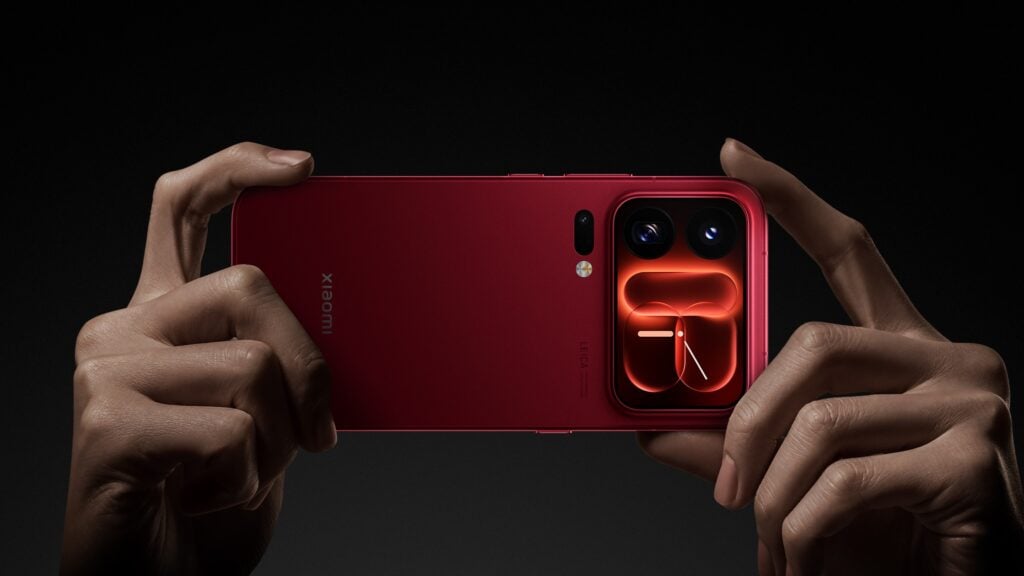
Xiaomi 18 Pro Max

Xiaomi 18 Pro Max

The Xiaomi 18 Pro Max brings a 7,050mAh silicon-carbon battery to the flagship segment. It is powered by the Snapdragon 8 Elite Extreme Gen 6 chipset and supports 100W wired and 50W wireless charging.

Its other highlights include a 6.9″ 120Hz AMOLED display, a 200MP Leica main camera, a 200MP telephoto camera, and a 50MP ultrawide shooter. The phone also features a secondary 2.9″ AMOLED display on the back and IP68-rated protection.
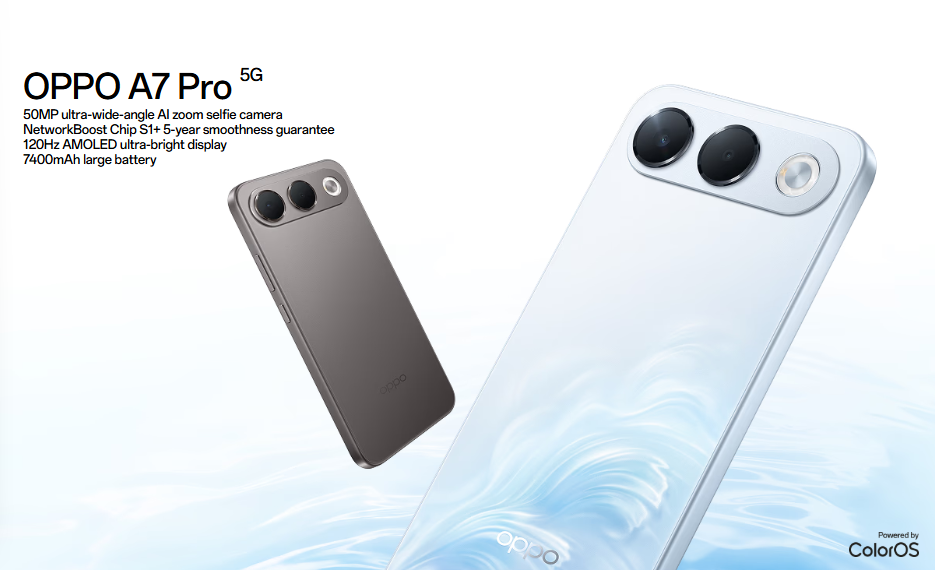
OPPO A7 Pro 5G

Oppo A7 Pro Max

For buyers who don’t need flagship-level performance, the OPPO A7 Pro 5G offers an even larger 7,400mAh battery at a more accessible level. It is powered by the MediaTek Dimensity 6360 MAX chipset and features a 6.57″ FHD+ AMOLED display with a 120Hz refresh rate.

The camera setup includes a 50MP rear camera and a 50MP autofocus selfie camera with a 100-degree field of view. It also supports 80W SUPERVOOC wired charging, making it an interesting option for buyers who prioritize battery life over raw performance.

This Lenovo retractable cable handles 240W charging, 4K video, and 20Gbps transfers

Retractable USB-C cables are convenient, but they don’t always offer the bandwidth and charging power needed for laptops and other demanding devices. Lenovo‘s latest thinkplus accessory tries to solve that problem with a cable that combines 240W charging, 20Gbps data transfer, and 4K video output in a retractable design.

The thinkplus USB4 Full-Featured Retractable Data Cable is now available on Lenovo’s official Chinese website for 149 yuan (~$22). That’s considerably more than the thinkplus Qingfeng 240W retractable cable, which arrived last August for 69 yuan (~$10). The higher price brings USB4 connectivity and video output alongside high-power charging.

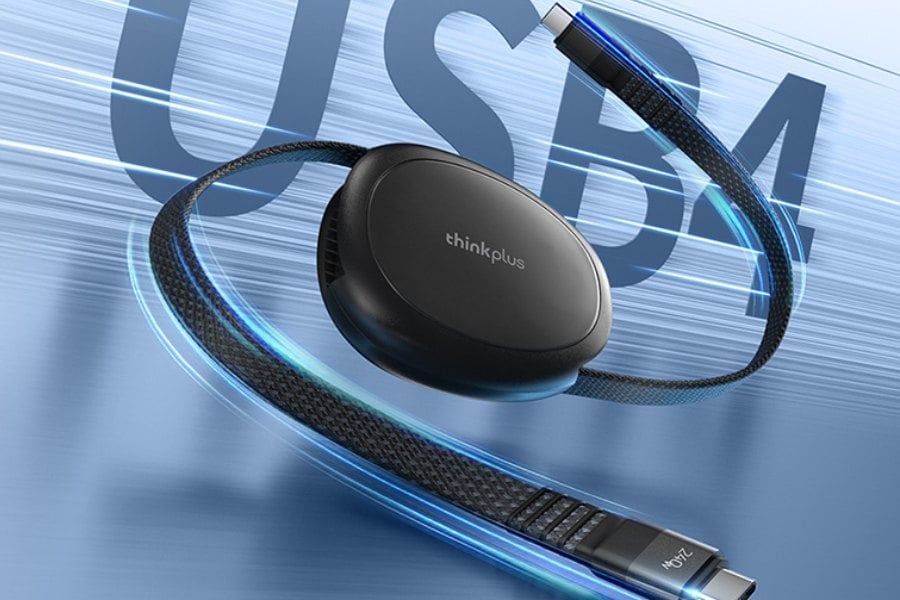
Lenovo thinkplus retractable USB4 cable with 240W charging capability on a blue background.

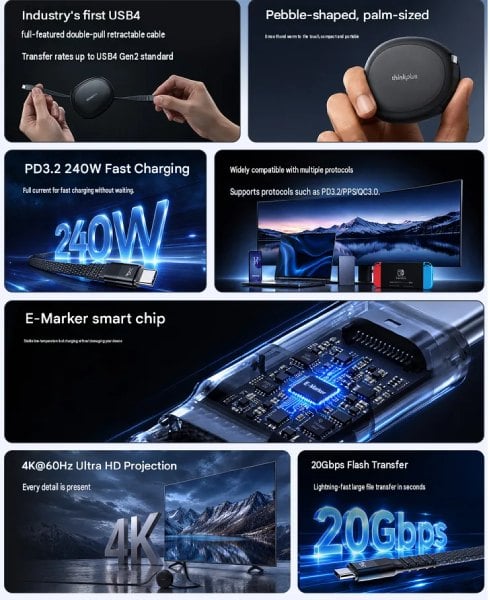
Lenovo calls it the first full-featured USB4 cable with a dual-pull retractable design. It supports PD 3.2 charging at up to 240W, data transfer speeds of up to 20Gbps, and video output at 4K resolution and 60Hz. That means the same cable can charge a compatible laptop, transfer large files, or connect it to an external display.

Lenovo thinkplus USB4 cable design and lengths

Rather than winding the cable around a separate spool, Lenovo houses it inside a pebble-shaped case that fits in the palm. Both ends can be pulled out independently, with four locking lengths available: 0.3 meters, 0.6 meters, 1 meter, and 1.2 meters.

The shorter setting works for keeping a desk setup tidy, while the longer options give you more room when using a laptop or phone on a sofa, bed, or inside a car.

Collage showing features of the Lenovo thinkplus retractable USB4 cable and its capabilities.

The cable itself uses a flat braided construction, measuring 10.1mm wide and 2.2mm thick. Lenovo combines 3D two-color braiding with a 48-spindle high-density weave. The USB-C connectors also have reinforced braided tails to reduce stress around the connection points.

Lenovo claims it has passed more than 10,000 bend tests and over 20,000 plug-and-unplug cycles. The complete accessory weighs around 102 grams.

Inside the connector, there’s an E-Marker chip that identifies the cable’s supported capabilities so connected devices and chargers can negotiate an appropriate power level. Alongside PD 3.2, the cable supports PPS and QC 3.0 charging protocols.

(Source)

Vivo X500 Ultra: Everything We Know About Vivo’s Next Camera Flagship

Updated 25 Nov 2026 ·

Labels: Confirmed = official, a certification or a regulatory listing · Leak = supply chain, renders or a tipster · Rumour = a single unconfirmed report

What we know at a glance

  Vivo X500 Ultra
What it is Vivo’s next camera flagship. It sits above the X500 Pro Max, which is the top X500 model today.
Expected launch March or April 2027, in China (Confirmed: a Vivo vice president gave this window on 21 Sep)
Global version A global model, V2660, is listed in the IMEI database, plus a Jovi X500 Ultra (J2613) for Brazil (Confirmed: database listing). No global date yet.
Expected price No price leak yet. The X300 Ultra launched in China at CN¥6,999 (12GB + 256GB).
Chip Snapdragon 8 Elite Extreme Gen 6 (Leak)
Display 6.85-inch flat BOE LTPO panel, 2K+, 144Hz (Leak)
Rear cameras 50MP + 50MP + 200MP (Leak). The 200MP camera is expected to be the periscope telephoto.
Selfie camera 50MP (Leak)
Battery About 7,000 to 8,000mAh (Leak; reports differ)
US release No US plans reported. Vivo’s flagship phones rarely reach the US. Our 16 Nov story

The expected specs on one sheet: Vivo X500 Ultra specs

Hands holding a silver Vivo X300 Ultra smartphone with a large circular camera module.
Pictured: the Vivo X300 Ultra, the current model.

What changed recently

  • 10 Nov: a tipster described an Ultra phone, very likely this one, with a 50MP Sony LYT-L910 main camera (1/1.28-inch), the same sensor in the ultrawide, and an HPU periscope lens. Story
  • 7 Nov: a tipster said the phone is in normal refinement and expects a March or April launch. Story

Release date

Expected : March or April 2027 in China. This is Vivos own window. Huang Tao, a Vivo vice president, gave it after the X500 launch event on 21 Sep. Our 22 Sep story

  • A tipster has repeated the same window since (19 Oct, 7 Nov).
  • For comparison: the X300 Ultra launched in China on 30 Mar 2026. Story
  • Older claim: in February, a tipster said the Ultra could launch earlier than expected; our story guessed late 2026 or January 2027. Vivo’s window replaced that claim. Story

Price

No price leak yet.

  • Predecessor: the X300 Ultra launched at CN¥6,999 for 12GB + 256GB in China (launch price). In September, Vivo raised its China prices. The base model now costs CN¥7,499 (current price). Price rise story
  • The X500 Pro Max, the model the Ultra sits above, starts at CN¥6,999 (12GB + 256GB) in China. Story
  • Our view: with the X300 Ultra’s own price going up, don’t expect the X500 Ultra to start below CN¥7,000.

Specs: display, chip and battery

  • Chip: Snapdragon 8 Elite Extreme Gen 6 (Leak, repeated since 19 Oct). Earlier leaks in April and September used the name Snapdragon 8 Elite Gen 6 Pro. The other X500 models use MediaTek chips. Story
  • Display: a 6.85-inch BOE LTPO panel with 2K+ resolution and 144Hz (Leak). It is flat, with even bezels and large rounded corners.
  • Battery: the leaks disagree. One said about 7,000mAh (19 Oct), another about 8,000mAh (22 Oct), and the latest says 7,000 to 8,000mAh (2 Nov). The X300 Ultra has 6600mAh.
  • Unlocking: a 3D ultrasonic fingerprint sensor (Leak).
Vivo X500 Pro Max
Pictured: the Vivo X500 Pro Max.

Cameras

The latest leaks point to three rear cameras: 50MP + 50MP + 200MP (Leak, 2 Nov and 7 Nov).

  • Main: 50MP Sony LYT-L910, 1/1.28-inch, with LOFIC for wider dynamic range, at a 35mm focal length (Leak). Vivo also tested a 200MP 1/1.12-inch main sensor. The latest leaks favor the 50MP one.
  • Ultrawide: 50MP, the same Sony LYT-L910 sensor (Leak, 10 Nov).
  • Telephoto: a 200MP periscope (Leak). The sensor size is still open:
  • July: three sizes in testing: 1/1.12, 1/1.3 and 1/1.4-inch;
  • 22 Oct: 1/1.2-inch, larger than the X300 Ultra’s 1/1.4-inch. Story
  • No 10x lens: a 2 Jun leak said Vivo was testing a 10x periscope. A later June report said Vivo dropped it for one 200MP periscope with in-sensor zoom (as recapped in our 17 Jul story). Story
  • Selfie: 50MP (Leak).
  • What Vivo says: its imaging will improve a lot over the X500 Pro Max, and the phone targets professional creators (Vivo vice president, per our 7 Nov story).

Global and US availability

  • Global: a global model (V2660) and a Jovi model for Brazil (J2613) appeared in the IMEI database. That points to a launch outside China, but not to dates or countries. Story
  • Doubt: a 6 Nov report said Vivo’s Ultra had been tipped for changes to its global plans, though it was still in development for 2027. Story
  • US: no US release has been reported.

Vivo X500 Ultra vs X300 Ultra

  X500 Ultra (expected) X300 Ultra
Launch (China) March or  April 2027 30 Mar 2026
China price No leak CN¥6,999 launch · CN¥7,499 now (12GB + 256GB)
Chip Snapdragon 8 Elite Extreme Gen 6 Snapdragon 8 Elite Gen 5
Display 6.85-inch, 2K+, 144Hz, flat 6.82-inch, 2K, 144Hz
Main camera 50MP Sony LYT-L910, 1/1.28-inch, 35mm 200MP Sony LYTIA 901, 35mm
Ultrawide 50MP Sony LYT-L910 50MP, 14mm
Telephoto 200MP periscope, 1/1.2-inch (latest leak) 200MP Samsung HP0, 1/1.4-inch, 85mm
Battery About 7,000 to 8,000mAh 6,600mAh
Charging No leak 90W wired, 40W wireless
Software at launch No leak OriginOS 6 on Android 16

Should you wait or buy the X300 Ultra? Our view:

  • Wait if you want the larger telephoto sensor and the biggr battery. The launch is four to five months away.
  • Buy the X300 Ultra if you want its 200MP main camera now. Don’t expect a discount soon: its China price went up in September.

Leak timeline (new first)

Related

Galaxy Watch 8 series gets Watch 9 health features in One UI 9 Watch update

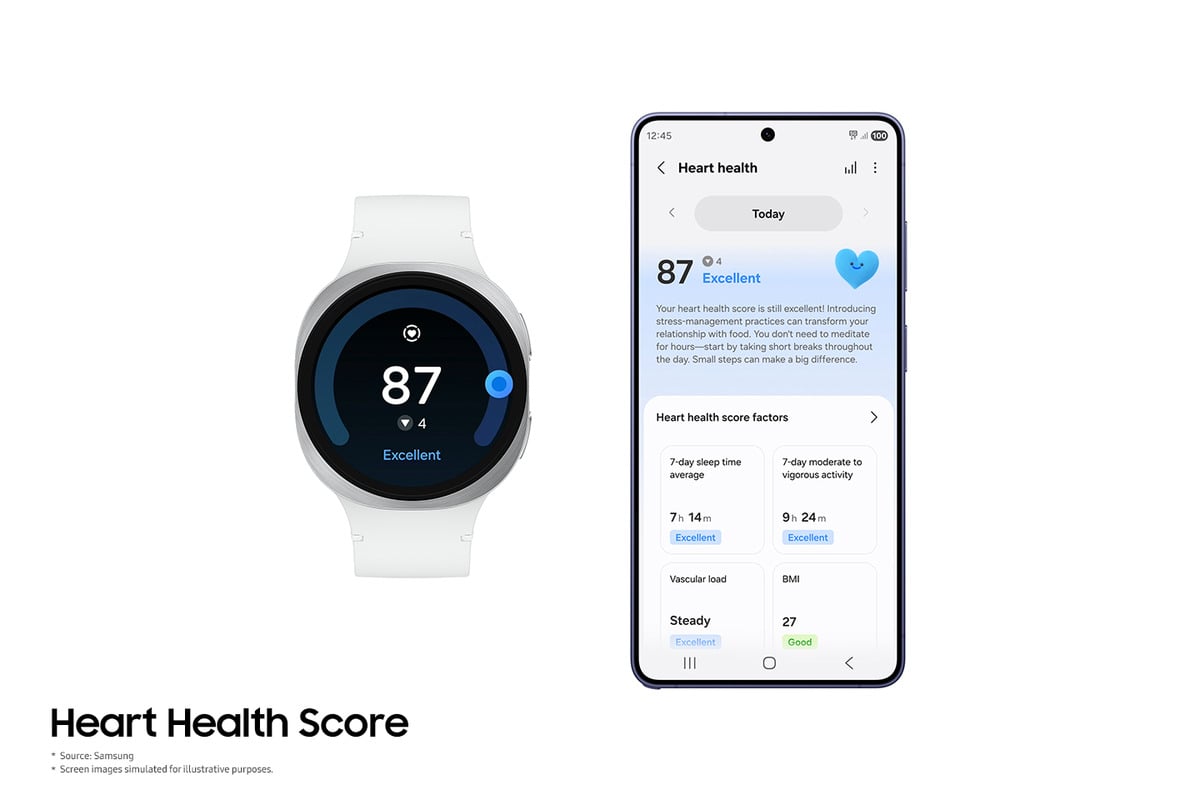
Samsung is bringing health features first seen on the Galaxy Watch 9 and Galaxy Watch Ultra 2 to the Galaxy Watch 8 and Galaxy Watch 8 Classic through a One UI 9 Watch update. The package includes Vitals, Heart Health Score, Daily Cardio Load, and Fitness Index, plus upgraded Sleep Coaching and Sleep Apnea tools. The rollout began in mid-November, though availability varies by region.

What the One UI 9 Watch health update adds

Galaxy Watch 8 Heart Health Score
Heart Health Score on the Galaxy Watch 8

They reach the Galaxy Watch 8 and Galaxy Watch 8 Classic through the watch software and the Samsung Health and Samsung Health Monitor apps, after debuting on the Galaxy Watch 9 and Galaxy Watch Ultra 2. Vitals tracks five overnight signals: heart rate, heart rate variability, respiratory rate, skin temperature, and blood oxygen saturation. It builds a personal baseline and can flag notable deviations. Heart Health Score rolls sleep, activity, and other indicators into one figure. Neither feature is intended to diagnose or treat a medical condition.
Daily Cardio Load measures the strain workouts and daily activity place on the heart and suggests a load range for exercise and recovery, while Fitness Index combines several metrics into one overview and can recommend matching workouts.
Sleep Coaching can start with three days of sleep data from the past two weeks, with weekly guidance that adapts as patterns change. The upgraded Sleep Apnea feature received US FDA clearance in July 2026 and approval from Korea’s Ministry of Food and Drug Safety in October 2026. It uses AI to review how often breathing disruptions occur per hour of sleep and sorts results as minimal, occasional, or frequent. Results appear in the Samsung Health Monitor app after two valid nights within a 10-day period.

The update also adds a Portrait Watch Face that recognizes people in photos and arranges the clock around them, plus Compass waypoints and Track Back to retrace a route. Samsung says the One UI 9 Watch rollout began in mid-November, with availability varying by country, model, and carrier. Some tools need a separate Samsung Health or Samsung Health Monitor app update. The drop comes as Samsung leans on software to support current watches, after reports it may skip a 2027 Galaxy Watch hardware refresh.

For daily updates, please visit our News Section.