Huawei’s upcoming Nova 16 SE has gone on pre-order in China starting today. Pre-orders opened today at 12:08 China Time, while the phone itself will go on sale in China on August 5.
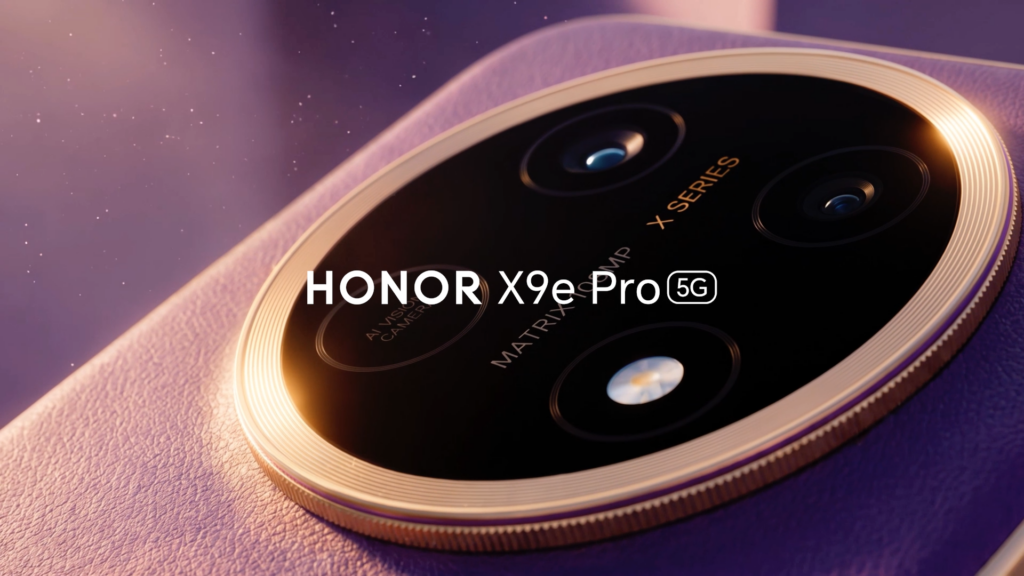
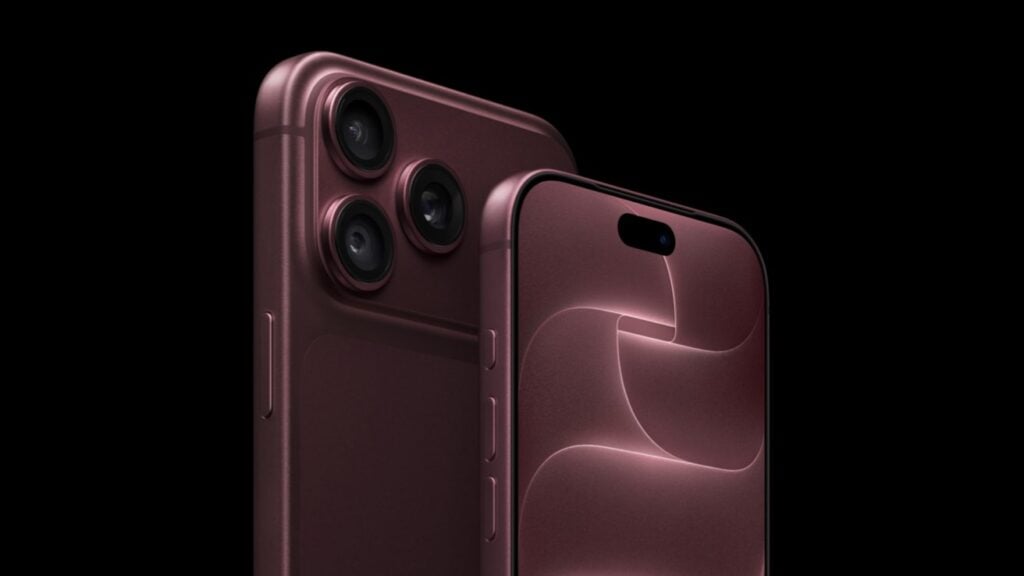
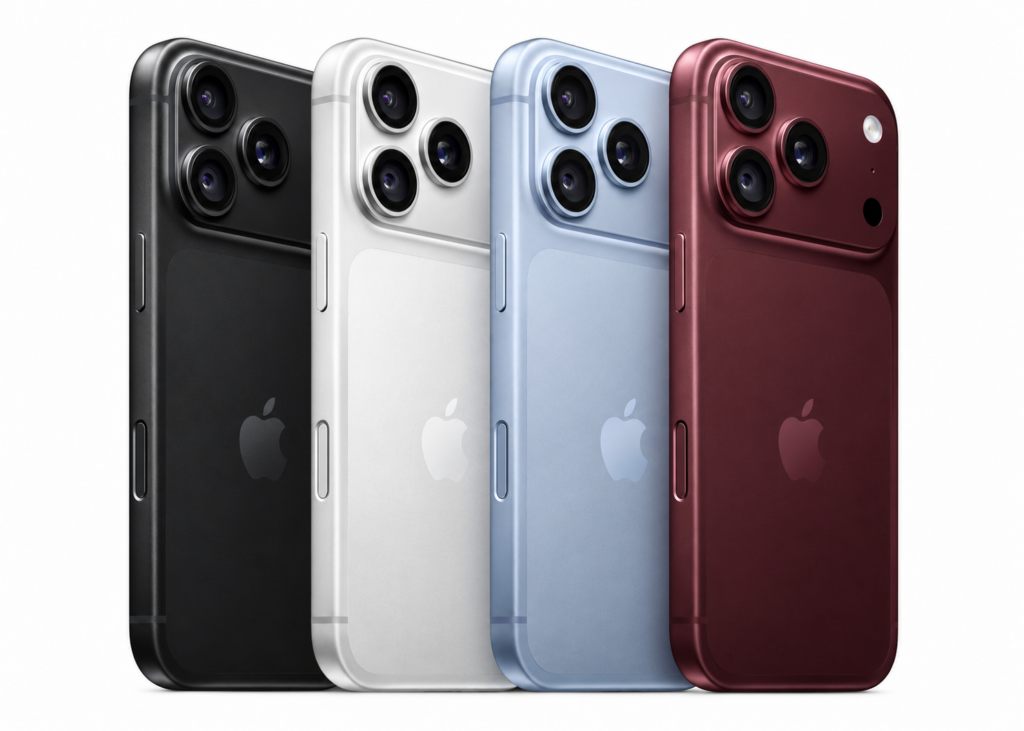
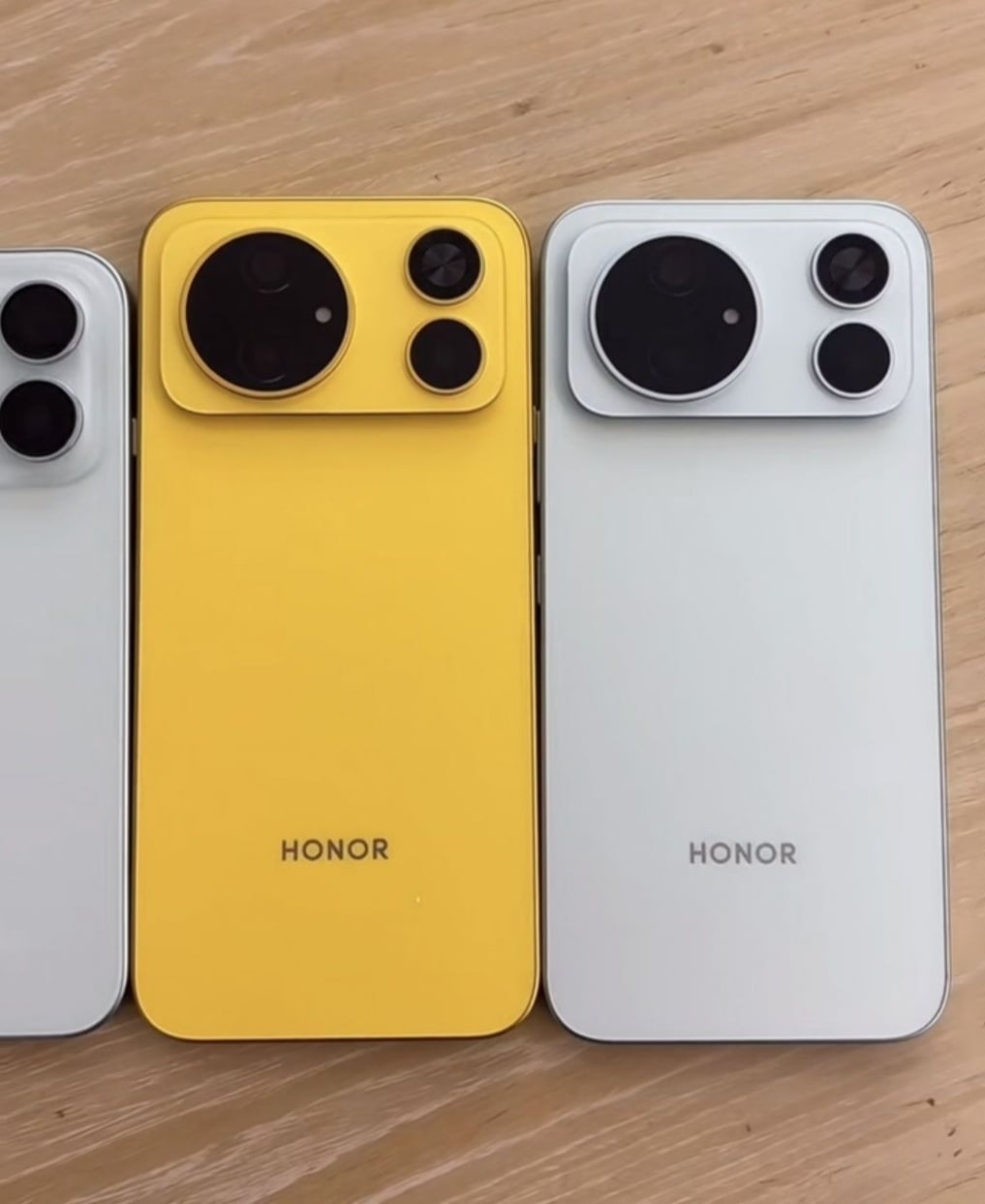
The announcement comes alongside a poster that reveals Nova 16 SE’s design. The phone has an iPhone 17 Pro-like camera island with three lenses making up the rear setup. The front has a hole-punch cutout in the middle for the selfie camera, while the edges are rounded.
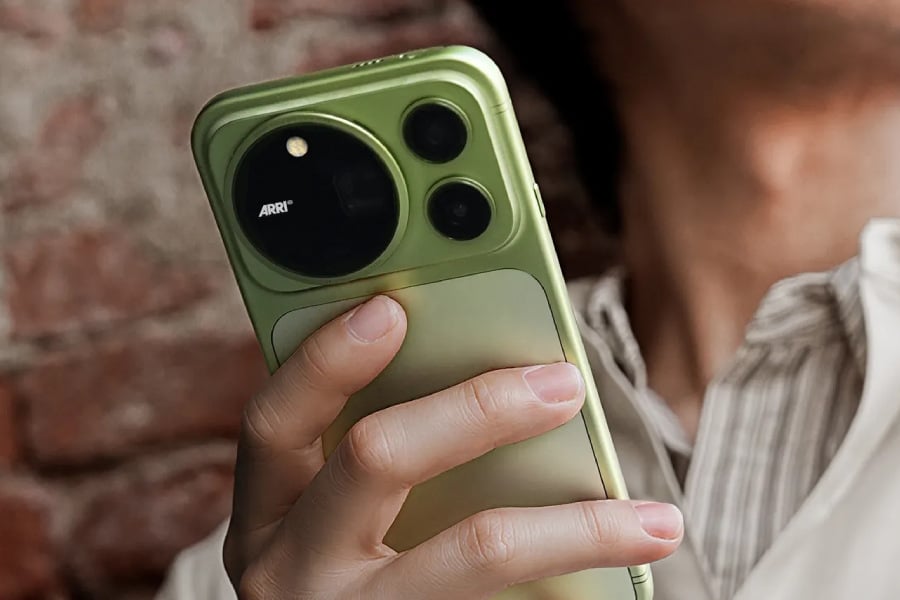
Meanwhile, tipster Digital Chat Station on Weibo has shared key specs before launch. Digital Chat Station had already confirmed that the Nova 16 SE will feature a design that closely mirrors the Honor Power 2.
Huawei Nova 16 SE Specifications (Rumored)
The Nova 16 SE is now rumored to carry a 6.84-inch flat LTPS OLED panel with 1.5K resolution and a peak brightness rated at 8000 nits. It will be powered by Huawei’s Kirin 8020 chipset, backed by an 8500mAh battery with 66W wired charging.
On the imaging side, the phone uses a 50MP main sensor built around Huawei’s RYYB setup and Red Maple color processing. Connectivity extras include BeiDou satellite messaging, and the build rounds out with a plastic frame and a side-mounted fingerprint reader rather than an in-display sensor.
With these specs, the Nova 16 SE may not be a new phone altogether. The phone is said to be a rebadged Enjoy 90 X Premium Edition, repositioned under the Nova name so Huawei can justify a price point near 2000 yuan despite rising memory costs industry-wide. Whether that take holds up may become clearer once official pricing lands.
The Nova 16 SE isn’t launching alone. It will launch alongside the Enjoy G9, the Supreme V800 and V680, the MateBook Fold Master, the MateBook Pro S, and the MatePad Pro.
For more daily updates, please visit our News Section.
Vivo has just started to recruit testers for the OriginOS 7 beta program, which will later allow select users to gain early access to the software ahead of the stable release. The company has revealed which Vivo and iQOO devices are eligible to take part in the beta program.
As always, the beta testing program has gone live in China first, with other regions expected to join the party in the coming weeks.
Which Vivo, iQOO devices are eligible for the OriginOS 7 beta program
For the first phase of beta testing, Vivo is accepting applications from users carrying any of these devices:
To become an OriginOS 7 beta tester, you must have an eligible device (see above) and that you live in China. The beta recruitment started on the 30th of July at 10:00 AM China time, and will be live until the 4th of August at 11:59 China time.
To submit your entry, tap on the participation link given above and fill in some basic details.
For global users, Vivo hasn’t shared any details regarding the OriginOS 7 beta program. However, if past rollouts are anything to go by, the beta program should launch globally in September.
A gaming PC or console is only as good as the display it’s connected to. You could have the latest graphics card pushing triple digit frame rates, but if your monitor is stuck at 60Hz, you are leaving a lot of performance on the table. However, a right gaming monitor can make all the difference, letting you get the best possible gaming experience.
The good news is that gaming monitors have become far more affordable over the years. Today, you can easily find Full HD and QHD gaming monitors with high refresh rates and fast response times without stretching your budget. To make your search easier, we’ve rounded up some of the best budget gaming monitors you can buy in India.
How to choose a gaming monitor
When buying a gaming monitor, most people just look at the refresh rate. But that’s just not it. There are multiple factors you need to consider before choosing a gaming monitor.
You can start by deciding the resolution that matches your graphics card. Full HD (1920 x 1080) remains the sweet spot for competitive gaming, while QHD (2560 x 1440) delivers sharper visuals and is ideal if you have a mid-range or high-end GPU. A 4K monitor offers incredible detail, but you’ll need powerful hardware to drive modern games smoothly. But, if you are limited by a budget, going for a 4K monitor isn’t a great idea.
Refresh rate is the next thing to consider. A 120Hz monitor already feels significantly smoother than a standard 60Hz panel, while 144Hz, 165Hz, and even 240Hz displays provide an extra edge in fast-paced shooters like Valorant and CS2. Pair that with a low response time of 1ms or less to minimise ghosting during intense gameplay.
Finally, pay attention to the panel type and adaptive sync technology. IPS panels generally offer better colours and viewing angles, making them suitable for both gaming and content creation. VA panels usually deliver deeper blacks and stronger contrast for immersive single-player games. Also look out for AMD FreeSync or NVIDIA G-Sync compatibility, to help eliminate screen tearing and stuttering.
If you are stepping into PC gaming for the first time or upgrading from a standard office monitor, the Acer V247Y is an good budget pick. It sports a 24-inch Full HD IPS panel with a 120Hz refresh rate and AdaptiveSync support, which will make the gameplay feel significantly smoother than your standard 60Hz screen.
While it’s a decent panel for gaming, it has one major drawback, and that’s the 4ms response time. It’s slower than the 1ms offered by many newer gaming monitors, but casual gamers are unlikely to notice the difference. However, competitive FPS players may experience slightly more motion blur during fast-paced gameplay.
That said, if you are going to play competitive titles, you’d want to look out for the next monitor on this list. But if you are shopping on a tight budget and plan to play casually, you can still go with the Acer V247Y.
The MSI MAG 255F E20 offers serious value, especially for competitive gamers. It packs a 24.5-inch Full HD Rapid IPS panel with a 200Hz refresh rate, a 0.5ms response time, and AMD FreeSync Premium support, making fast-paced games feel incredibly smooth and responsive.
So, if you play esports titles like Valorant, CS2, or Apex Legends, this is one of the best gaming monitors you can buy in its segment. It also comes with added features like HDR support and AI Vision to enhance your viewing experience.
The Lenovo Legion 24-10 is another option that can be safely called the most complete gaming monitor on a budget. While it gets the standard 23.8-inch Full HD IPS panel, fast 180Hz refresh rate, and 0.5ms response time, it stands out with factory-calibrated colour accuracy (99% sRGB) and an ergonomic stand with height, swivel, and tilt adjustments.
These are features you don’t often find in this price range, making it a great choice for both action-adventure games, like RDR2, and competitive FPS titles, like Valorant and CS2.
If you are ready to move beyond Full HD, and your PC has the horsepower to drive it, the BenQ EW270Q is a great QHD gaming monitor on a budget. It features a larger 27-inch QHD (2560 x 1440) IPS display with a 200Hz refresh rate, offering noticeably sharper visuals and smoother gameplay. The larger screen also makes open-world and story-driven games feel far more immersive.
Despite its bigger display, the monitor still delivers a fast 1ms response time, making it equally capable in competitive FPS titles. Unlike many gaming monitors in this segment, the EW270Q also comes with built-in speakers, so you won’t necessarily need a separate pair of speakers or headphones for casual gaming.
If you enjoy getting lost in story-driven games, the LG UltraGear 32GS60QC should be your pick. Its boasts a larger 32-inch QHD display and 1000R curved panel that will pull you deeper into the action. What that means is everything from sprawling open worlds to racing simulators will feel more immersive. The extra screen real estate also makes it a great option for watching movies.
As for the other features, it supports a 180Hz refresh rate, a 1ms response time, and support for AMD FreeSync Premium, so it can comfortably handle fast-paced FPS titles as well.
This one’s for serious competitive gamers. The Alienware AW2525HM is built for esports gaming, featuring a modest 24.5-inch Full HD display that lets you see the entire screen at a glance, making it easier to spot opponents and react quickly in games like Valorant, CS2, and Rainbow Six Siege.
Its biggest highlight is the ultra-fast 320Hz refresh rate, paired with a 0.5ms response time, and AMD FreeSync Premium support for a smoother gameplay. The monitor also gets a sturdy build quality and adjustable stand, that supports tilt and swivel moments.
The Samsung Odyssey G5 is one of the most premium QHD monitor in this price segment. It features a 27-inch QHD IPS display for a crisp picture and a 180Hz refresh rate for a smoother gameplay. It also comes with a 1ms response time, NVIDIA G-Sync Compatibility, and AMD FreeSync Premium support for a smooth, tear-free gaming experience.
To top it off, you get a fully ergonomic stand with height, tilt, swivel, and pivot adjustments. And despite being part of Samsung’s premium Odyssey lineup, it’s still priced at around Rs 20,000, making it one of the best value-for-money QHD gaming monitors you can buy today.
The Lenovo Legion 24-10 is currently the best budget gaming monitor in India, as it offers 180Hz refresh rate, a fast 0.5ms response time, an IPS panel with 99% sRGB colour coverage, and a fully ergonomic stand.
Which gaming monitor offers the best value for money?
The MSI MAG 255F E20 offers the best value for money, as it supports the fastest 200Hz refresh rate in the segment, a 0.5ms response time, and AMD FreeSync Premium support at a competitive price.
Which is the best QHD gaming monitor?
The BenQ EW270Q is currently the best QHD gaming monitor you can buy on a budget, as it features a larger 27-inch QHD IPS display, 200Hz refresh rate, 1ms response time, and built-in speakers.
Which gaming monitor is best for FPS games?
The Alienware AW2525HM is the best option for competitive FPS games, as it supports 320Hz refresh rate and 0.5ms response time, making it ideal for titles like Valorant, CS2, and Rainbow Six Siege.
Should I buy a 24-inch, 27-inch, or 32-inch gaming monitor?
A 24-inch monitor is best for FPS games, a 27-inch monitor offers the best balance for both competitive and immersive gaming, while a 32-inch monitor is ideal for cinematic, story-driven games. But if you are choosing a 32-inch monitor, make sure it has a QHD display for the best viewing experience.
So, which of these gaming monitors is your pick? Let us know in the comments below.
Software updates are supposed to make your phone better and more secure, but every now and then they bring some unwanted side effects. A growing number of Samsung Galaxy S25 Ultra and Galaxy S24 Ultra owners are saying the latest July security patch has left them dealing with serious battery drain and overheating.
The complaints have been popping up on the Samsung Community forum, Reddit, and a few tech sites over the past few days. One S25 Ultra user said their battery used to behave normally, but after the update it went from about 85% at midnight down to nearly 5% by midday, with only two hours of screen-on time. The same person also noticed the phone losing 5–7% an hour just sitting idle, something that never happened before.
An S24 Ultra owner reported that their phone used to easily last a full day, but now the battery life is noticeably worse after the July update. Plenty of other people in the same threads (and in separate posts) are describing the same issues. On top of the rapid drain, a lot of them say their phones are running much hotter than usual, even during light use or while just sitting there. Some have also noticed slower charging that doesn’t go away no matter what they try.
The reports seem mostly concentrated on the Ultra versions of the S24 and S25, and people keep mentioning the July patch firmware. Not everyone is affected, but the number of similar complaints is high enough that it looks like a software problem rather than a bunch of random hardware failures.
So far Samsung hasn’t put out any official statement admitting there’s an issue or confirming a fix is on the way. That leaves affected owners mostly waiting for the next update and hoping it sorts things out. In the meantime, some people have tried the usual battery-saving tricks, including limiting background apps, hunting for rogue processes, and so on, but many say it hasn’t made much difference.
Battery and heat problems after a big security patch aren’t unheard of on Android, and Samsung has fixed similar issues with follow-up updates before. Until something official comes out, people dealing with this might want to keep a close eye on their battery stats and drop detailed logs on Samsung’s support channels so the company has more data to work with.
Samsung typically rolls out a new security update to its smartphones and tablets first, followed by its wearables. However, this month things took an unexpected turn. The July 2026 security update went live for the Galaxy Watch 8 and Galaxy Watch 7 series before it was released for the Galaxy S26 series.
The latest security patch is now available for dozens of Galaxy devices across the smartphone, tablet, and wearable lineups. We’ve prepared a list of Galaxy devices that are getting the July 2026 security update below.
The July 2026 security update is rolling out to these Galaxy devices
Galaxy S series
Galaxy S26, S26+, S26 Ultra
Galaxy S25, S25+, S25 Ultra, S25 FE, S25 Edge
Galaxy S24, S24+, S24 Ultra, S24 FE
Galaxy S23, S23+, S23 Ultra
Galaxy Z series
Galaxy Z TriFold
Galaxy Z Fold 7
Galaxy Z Flip 7
Galaxy Z Flip 7 FE
Galaxy Z Fold 6
Galaxy Z Flip 6
Galaxy Z Fold 5
Galaxy Z Flip 5
Galaxy Z Fold 4
Galaxy Z Flip 4
Galaxy A, M series
Galaxy A57, A56, A55, A54
Galaxy A35, A33
Galaxy A27, A26, A25
Galaxy A17, A16, A15
Galaxy M34
Galaxy Tab series
Galaxy Tab S11, Tab S11 Ultra
Galaxy Tab S10 Lite, Tab S10+, Tab S10 Ultra
Galaxy Tab S10 FE, Tab S10 FE+
Galaxy Tab S9, Tab S9+, Tab S9 Ultra
Galaxy Tab S9 FE, Tab S9 FE+
Galaxy Tab Active 5
Galaxy Tab A11
Galaxy Watch series
Galaxy Watch 8
Galaxy Watch 8 Classic
Galaxy Watch 7
Galaxy Watch Ultra
Galaxy Watch 6
Galaxy Watch 6 Classic
Still, there are many Galaxy devices waiting for the July security update. We’ll try to update the list regularly so it remains up to date.
Please note that Samsung rolls out software updates in batches. So, the availability depends on your region. You can head over to the Settings app and navigate to Software updates > Download and install to check for available updates.
While the update doesn’t bring any visual changes or new features, it’s still important because it patches dozens of security vulnerabilities to protect your device. To be specific, the July security patch fixes 57 vulnerabilities across Android and One UI. Of those, 41 are from Google, which includes 5 critical and 36 high-level vulnerabilities, while the remaining 16 are Samsung-specific fixes. You can read more about the security patch here.
Vivo is expected to bring the S-series back to India soon, and a fresh leak has now revealed what looks like official promo material for the Vivo S2 5G. The leaked images show clean renders, a full spec sheet, colour options, and even the expected price tags for different memory variants.
Vivo has not confirmed any of this yet, so treat the details below as unofficial until the company holds its launch event.
Vivo S2 Specifications (Expected)
According to a leak by Passionategeekz, the Vivo S2 5G will come with a 6.83-inch AMOLED screen that runs at a 120Hz refresh rate. Powering it is a MediaTek Dimensity 7360-Turbo chip, backed by 8GB of RAM. For storage, users will get a choice between 128GB and 256GB.
On the camera side, the phone is tipped to carry a 50MP main sensor paired with a 2MP secondary lens, while a 32MP camera up front will handle selfies and video calls. Keeping everything powered will be a 7,050mAh cell and 44W FlashCharge support.
The leak also points to solid build quality, with IP68 and IP69 ratings for dust and water resistance, plus USB reverse charging so the phone can top up accessories like earbuds. Colour options in the leaked renders include Sapphire Blue, Regal Bronze, and Silk White.
On pricing, the leak suggests the 8GB+128GB model will cost ₹51,999, while the 8GB+256GB version goes up to ₹55,999. That would place the S2 well within the range earlier reports had predicted for Vivo’s premium mid-range comeback.
Redmi will showcase its next-generation K-series flagship lineup tomorrow at the ChinaJoy 2026 event in China. According to a tipster, the brand is expected to unveil the Pro-series models, tentatively called the Redmi K100 Pro and Redmi K100 Pro Max. One of these devices, bearing the model number M511CD, recently appeared on the Geekbench benchmarking platform. Now, another Redmi K100 Pro series phone has surfaced on Geekbench ahead of the official announcement.
Redmi K100 Pro series phone’s Geekbench listing
The screenshot above shows that a Xiaomi phone with the model number M098FE has appeared on Geekbench 7. The listing reveals that it is powered by the SM8850 chipset, which is the Snapdragon 8 Elite Gen 5. The same chip also powers the previously spotted M511CD variant.
The Geekbench 7 listing further reveals that the device is equipped with 16GB of RAM and runs Android 16. It scored 2,065 points in the single-core test and 10,064 points in the multi-core test. The same device has also appeared in China’s 3C certification database, suggesting that it may support 100W charging.
Earlier leaks indicate that the Redmi K100 Pro and Redmi K100 Pro Max will feature flagship-grade OLED displays with a 185Hz refresh rate and an ultrasonic in-display fingerprint sensor. The Redmi K100 Pro is rumored to pack an 8,500mAh battery, while the Redmi K100 Pro Max could feature a larger 9,000mAh battery. Both models are expected to support 100W wired and wireless charging.
The Redmi K100 Pro is also tipped to feature a 200-megapixel primary camera, a 50-megapixel ultra-wide lens, and a 50-megapixel telephoto macro camera. The Redmi K100 Pro Max, meanwhile, is expected to replace the telephoto macro camera with a 50-megapixel periscope telephoto lens for enhanced zoom capabilities. Other rumored features include premium stereo speakers, a large X-axis linear vibration motor, and IP68/IP69-rated dust and water resistance.
These devices are also expected to launch globally as the Poco F9 Pro and Poco F9 Ultra.
For more daily updates, please visit our News Section.
Poco is gearing up to launch the Poco M8 Power on Aug. 4 in India. So far, the brand has only revealed the orange variant of the device. Now, a fresh set of images and a video that have surfaced on X appear to reveal the M8 Power’s design and colour options.
Poco M8 Power hands-on
The new images showcase the Poco M8 Power in multiple shades, including orange, mint green, and black. The back panel of the phone features a raised rectangular camera module housing dual 50-megapixel cameras, an LED flash, a microphone, and Poco branding.
The hands-on images also show a speaker grille, a USB-C port, a microphone, and a SIM card slot at the bottom. On the right edge, the device has a volume rocker and a power button. It seems to feature a flat display on the front.
Poco M8 Power specifications
Coming to the specifications, the Poco M8 Power houses a huge 8,000mAh battery that promises around 28 hours of non-stop video playback. It supports 45W wired charging and 22.5W reverse wired charging.
On the front, the M8 Power features a flat 6.9-inch AMOLED display with an in-screen fingerprint sensor. It supports an FHD+ resolution, a 120Hz refresh rate, a peak brightness of 1,800 nits, and 960Hz PWM dimming with DC dimming.
While the above specifications have already appeared on the M8 Power’s Flipkart microsite, the rest of its details are yet to be revealed.
For more daily updates, please visit our News Section.
Oppo has been teasing the arrival of the Oppo A7 Pro Max in China over the past few days. The biggest highlight of the upcoming smartphone is its massive battery, which is set to be the largest ever on an Oppo phone. Today, the company confirmed the device’s launch date, while also sharing a few more details about its design.
Oppo A7 Pro Max launch date confirmed
Oppo A7 Pro Max launch date
The Oppo A7 Pro Max will launch on August 4 as the brand’s first smartphone to feature a 10,000mAh battery. The pre-order listing confirms that the handset will come in three shades, such as black, orange, and gradient white. It will be sold in variants, such as 8GB+128GB, 12GB+256GB, and 12GB+512GB.
Oppo is positioning the handset as a “next-generation durability legend” and claims the battery is designed to retain long-term performance for up to seven years. The phone will also support 80W wired fast charging, helping reduce charging times despite the large battery capacity.
To keep the device relatively slim, Oppo has adopted a silicon-carbon anode single-cell battery design instead of the conventional dual-cell approach. According to the company, this reduces the space required for internal wiring and power management components. As a result, the phone measures 8.47mm thick and weighs 226g, figures that are notable for a device carrying a five-digit battery capacity.
The Oppo A7 Pro Max is expected to feature a 6.78-inch OLED flat display with a 1.5K resolution and a 120Hz refresh rate. It is tipped to run on Qualcomm’s Snapdragon 4 Gen 5 chipset and will be available in a variant with 12GB of RAM. The phone is also expected to retain a 3.5mm headphone jack and include a side-mounted fingerprint scanner.
For photography, the handset is expected to include a vertically arranged dual rear camera setup featuring a 50-megapixel primary sensor and a 2-megapixel secondary camera, while selfies will be handled by a 50-megapixel front camera. It will come preloaded with ColorOS 16-based Android 16. At present, there is no information about the phone’s global availability.
For more daily updates, please visit our News Section.
Xiaomi is well-known for its wide range of gadgets, though historically, many of these products launched exclusively in China and never reached the global market. In recent years, however, Xiaomi has steadily expanded its Mijia ecosystem to many other countries, making these smart home devices much more accessible.
If you live in one of these regions, you now have a variety of practical, well-designed appliances to choose from. In this article, we are going to talk about the Xiaomi Mijia gadgets that you can actually buy in 2026.
Indoor air quality is a common concern, and the Mijia Smart Air Purifier 6 Plus addresses it with a straightforward, high-capacity approach. Designed for larger living spaces, it can cover up to 91 square meters. It uses a dual-impeller and dual-filter structure, which allows it to pull in air from three sides and output it from two. This design helps it cycle the air in a standard room quite quickly.
Beyond standard HEPA filtration, it includes a UVC module intended to reduce airborne bacteria and viruses, alongside an activated carbon layer for odors and formaldehyde. The inclusion of five distinct sensors, including a dedicated PM1 sensor for ultra-fine particles, means the device can adjust its fan speed accurately based on real-time air quality. It is a quiet, capable appliance that simply does its job in the background.
Robot vacuums have improved significantly over the years, and the Xiaomi Robot Vacuum 6 Max incorporates several features that solve common automated cleaning frustrations. The vacuum comes with the bionic dual mechanical leg system, which allows it to lift itself over thresholds and single steps up to 6cm high. If your home has uneven flooring or thick rugs, this prevents the vacuum from getting stuck.
It also features a retractable LiDAR sensor that physically lowers to help the vacuum fit under low-clearance furniture, reaching spaces as low as 9.3cm. For cleaning performance, it offers a strong 35,000Pa suction capacity and an extendable side brush to reach into corners. The base station handles the maintenance, washing the mop pads with 85°C water and drying them with warm air, which keeps maintenance to a minimum.
Standard air conditioners often create uncomfortable drafts of cold air. The Mijia Air Conditioner GentleAir 5.2 kW mitigates this using micro-hole air flaps. By pushing the air through these tiny perforations, the unit softens the airflow, cooling the room without blowing a harsh, direct breeze on anyone sitting nearby.
It is also designed for efficiency. It features a full DC inverter system and a cloud-based AI energy-saving mode that optimizes power usage based on your habits and the room’s temperature, potentially lowering energy consumption by around 20%. With a low-noise operation mode that drops down to 20dB(A) and smart scheduling via the Xiaomi Home app, it is a very practical upgrade for a bedroom or home office.
This is the kind of tool that is easy to store and very useful to have on hand. Weighing only 240g, this portable air compressor is compact enough to fit in a glovebox or a backpack. Despite its small size, it can output up to 150psi, making it suitable for bicycles, electric scooters, motorcycles, and sports balls.
It runs on a 2000mAh internal battery, which holds enough charge to top up a car tire in an emergency. The interface is simple: you select a preset mode (like bicycle or ball), and the device automatically stops inflating once it reaches the correct pressure. It also includes a built-in light for nighttime use, making it a reliable utility gadget.
Opening a bottle of wine shouldn’t require a struggle, and the Mijia Electric Wine Opener provides a clean, automated solution. It features a simple two-button design and a built-in foil cutter. You place it over the neck of the bottle, press the uncork button, and an internal motor removes the cork in about 10 seconds.
Pressing the second button releases the cork from the device. It weighs 244g and has a matte, skin-friendly finish that makes it comfortable to hold. It is a small, specific tool, but it performs its task smoothly and quietly.
The Mijia Electric Shaver Pro offers a comfortable, close shave without the premium price tag often associated with high-end grooming brands. It utilizes a magnetic levitation linear motor and durable ceramic blades that resist wear over time.
The floating shaver heads adjust to the contours of your face, reducing the need to press hard against the skin. It is fully IPX7 waterproof, meaning it can be easily rinsed under the tap or used in the shower. The battery life is dependable, and it charges via a standard USB-C port, making it very convenient for travel.
For spot cleaning and deep carpet vacuuming, the cordless Mijia Vacuum Cleaner 4 Pro is a very capable companion to a robot vacuum. It provides strong suction and features an anti-tangle brush design that cuts hair as it cleans, which is particularly useful for pet owners.
The vacuum also includes a green laser dust detection system built into the main floor head. It illuminates fine dust, dirt, and small debris on hard floors that can be difficult to spot under normal lighting. This practical feature helps reveal hidden messes in real time, making it easier to clean more thoroughly and avoid leaving dust behind.
Air fryers are convenient, but they can sometimes dry out certain foods. The Mijia Smart Steam Air Fryer 7L addresses this by adding a micro-steam injection feature. By introducing a small amount of steam during the cooking cycle, it helps retain moisture inside the food while still crisping the outside.
The 7-liter capacity is large enough to handle meals for a family, easily accommodating a whole chicken or large batches of vegetables. The controls are managed through a simple OLED dial on the front, and like most Mijia products, it connects to the app so you can monitor cooking times remotely.
If you like to track your health metrics, the S400 Pro is a detailed and accurate tool. It uses dual-frequency bioelectrical impedance analysis (BIA) to measure more than just your weight. It provides data on body fat percentage, muscle mass, water retention, and visceral fat.
It can even measure your standing heart rate. The scale features a clean, tempered glass design that looks unobtrusive in a bathroom. All the data syncs automatically to the Xiaomi health app, allowing you to track your trends over time without having to log anything manually.
Electric toothbrushes have become increasingly sophisticated, and this model focuses on improving your brushing technique. It uses a servo-oscillation motor that vibrates while sweeping at a 60-degree angle, which mimics the dentist-recommended Bass brushing method for better plaque removal along the gumline.
The handle features a small color screen that displays your brushing time and alerts you if you missed any zones in your mouth. It also has a pressure sensor that flashes red and reduces the motor’s power if you press too hard, protecting your gums from damage. With a battery that lasts up to 180 days on a single charge, it is incredibly low maintenance.
Rounding out the list is the Mijia Capsule Coffee Machine. It is a compact, straightforward appliance designed for people who want a quick cup of coffee without a complicated brewing process. It uses a 19Bar ULKA pump to ensure consistent water pressure and features a rapid heating system that is ready to brew in 25 seconds.
It supports most standard coffee capsules, operates quietly at around 55dB(A), and includes a magnetic capsule holder for convenient storage. Its compact design makes it well suited for small kitchens and limited counter space.
Samsung’s Galaxy A27 5G and Vivo’s T5e target budget-conscious buyers, but they take very different approaches. One focuses on premium features like an AMOLED display, powerful hardware, and long software support, while the other prioritises affordability and battery life. Here’s a detailed comparison to see which smartphone delivers the better overall value for your money.
Major Features:
Category
Samsung Galaxy A27 5G
Vivo T5e
Winner
Display
6.7-inch FHD+ Super AMOLED, 120Hz
6.74-inch HD+ IPS LCD, 90Hz
Samsung – Sharper AMOLED panel with 120Hz refresh rate
Build Quality
Gorilla Glass Victus+ front & back, IP64
Plastic build, IP64, MIL-STD-810H
Samsung – More premium materials
Performance
Snapdragon 6 Gen 3 (4nm), Adreno 710
Unisoc T7225 (12nm), Mali-G52 MP1
Samsung – Faster and more efficient chipset
Software
Android 16, One UI 8.5, 6 Android upgrades
Android 16, OriginOS 6
Samsung – Much longer software support
RAM & Storage
Up to 8GB RAM, 256GB, UFS 3.1
4GB RAM, 64GB, eMMC 5.1
Samsung – Faster storage and better memory options
Expandable Storage
microSD (shared slot)
Dedicated microSD slot
Vivo – Dedicated expansion slot
Rear Camera
50MP OIS + 5MP Ultrawide + 2MP Macro
8MP Single Camera
Samsung – Better quality and versatility
Selfie Camera
12MP
5MP
Samsung – Sharper selfies
Video Recording
Up to 4K@30fps
1080p@30fps
Samsung – Higher-resolution video
Battery
5,000mAh
5,500mAh
Vivo – Larger battery capacity
Charging
25W wired
15W wired
Samsung – Faster charging
Audio
Stereo speaker, No 3.5mm jack
Loudspeaker, 3.5mm jack
Vivo – Headphone jack included
Connectivity
NFC (region dependent), Wi-Fi ac
FM Radio, Bluetooth 5.2
Samsung – NFC adds convenience
Security
Side-mounted fingerprint
Tie – Similar implementation
Durability
Gorilla Glass Victus+, IP64
IP64, MIL-STD-810H
Samsung – Better display protection
Price/Value
Priced around $260 / ₹22,000
Priced around $170 / ₹14,000
Vivo – More affordable for budget buyers
Overall Winner
Premium display, performance, cameras, and long software support
Affordable with excellent battery life
Samsung – Better all-round smartphone
Disclaimer: Specs are based on available data. Actual performance may vary. Verify details from official sources before buying.
The Samsung Galaxy A27 5G delivers a noticeably more premium experience with Gorilla Glass Victus+ on both the front and back, paired with a plastic frame and an IP64 rating for dust and splash resistance. Vivo T5e also carries an IP64 certification and adds MIL-STD-810H compliance for extra durability claims, but its plastic back and entry-level construction make it feel less refined. Samsung’s cleaner One UI design and premium materials give it a more polished everyday experience, while Vivo focuses on practicality and affordability.
Display Quality
Samsung takes a commanding lead with its 6.7-inch Full HD+ Super AMOLED display featuring a 120Hz refresh rate. The panel delivers richer colours, deeper blacks, and smoother animations, making everything from streaming to gaming look far more impressive. Vivo T5e relies on a 6.74-inch HD+ IPS LCD with a 90Hz refresh rate and 570 nits brightness. While perfectly usable for daily tasks, the lower resolution and LCD technology limit sharpness and contrast. The display is one of the biggest real-world differences between these phones.
Samsung Galaxy A27 5G clearly offers the superior design and display package. Vivo T5e remains functional for basic users, but Samsung’s premium materials and flagship-inspired AMOLED screen create a far more enjoyable viewing experience.
2. Specifications Including Battery
Performance
The Samsung Galaxy A27 5G is powered by the Snapdragon 6 Gen 3 chipset built on a modern 4nm process, paired with fast UFS 3.1 storage and up to 8GB RAM. Daily multitasking, gaming, and long-term software performance are significantly stronger. Samsung also promises up to six major Android upgrades, making it a future-ready investment. Vivo T5e uses the older 12nm Unisoc T7225 processor with eMMC 5.1 storage and 4GB RAM. It comfortably handles messaging, social media, and light apps, but demanding games and heavier multitasking quickly expose its limitations.
Battery and Charging
Vivo T5e gains an advantage with its larger 5,500mAh battery and reverse wired charging, providing excellent endurance for light users. However, Samsung counters with a capable 5,000mAh battery and much faster 25W charging that reaches 45% in around 30 minutes. Faster charging often proves more valuable than a slightly larger battery during busy routines.
Verdict
Samsung Galaxy A27 5G is the stronger performer by a comfortable margin thanks to its faster processor, quicker storage, extended software support, and better charging. Vivo appeals mainly to users prioritising battery life on a tighter budget.
3. Camera
Main and Secondary Lenses
Samsung Galaxy A27 5G offers a versatile triple-camera setup led by a 50MP primary sensor with Optical Image Stabilisation, accompanied by a 5MP ultra-wide camera and a 2MP macro lens. OIS improves low-light performance and keeps videos steadier, while the ultra-wide camera adds creative flexibility. Video recording extends up to 4K at 30fps, making Samsung a capable content creator in its segment. Vivo T5e features a single 8MP rear camera capable of 1080p recording. It captures acceptable daylight photos but lacks detail, dynamic range, and versatility compared to Samsung.
Selfie Camera
Samsung continues its advantage with a 12MP front camera that records 1080p video and produces sharper selfies with better colour accuracy. Vivo’s 5MP selfie camera is suitable for casual video calls but struggles with finer details and low-light photography. Social media users will notice the difference immediately.
Verdict
Camera performance is comfortably in Samsung’s favour. Better sensors, optical stabilisation, 4K recording, and multiple focal lengths make Galaxy A27 5G a much more complete photography package, while Vivo T5e focuses only on essential imaging needs.
4. Pricing
Samsung Galaxy A27 5G is priced around $260 (₹22,000), while the Vivo T5e is priced around $170 (₹14,000). Samsung demands a noticeable premium, but it also delivers meaningful upgrades across nearly every category, including display quality, processing power, cameras, software longevity, storage speed, and overall build quality. Vivo positions itself as an affordable smartphone for first-time buyers or users with basic everyday requirements, keeping costs low by using simpler hardware.
Samsung’s higher asking price feels well justified because the improvements are immediately noticeable in everyday use and remain valuable over several years. Vivo offers solid value for buyers with limited budgets, especially those who mainly browse, stream occasionally, and use social media. The lower cost makes it accessible, but compromises are evident in several key areas.
Verdict
Samsung Galaxy A27 5G provides stronger long-term value despite its higher price, while Vivo T5e remains a sensible purchase for users seeking the lowest possible entry cost without expecting premium features.
Disclaimer: Prices are approximate and may vary based on country, region, launch timing, and applicable taxes. Always check whether the listed price is for a China unit or a global/international variant when purchasing.
5. Conclusion
Samsung Galaxy A27 5G stands out with its 120Hz Super AMOLED display, Snapdragon 6 Gen 3 processor, Gorilla Glass Victus+ protection, OIS-equipped 50MP camera, 4K video recording, UFS 3.1 storage, and six generations of Android updates. These features create a smartphone that feels considerably more premium and remains relevant for years. Vivo T5e focuses on affordability with a large 5,500mAh battery, dedicated microSD slot, reverse wired charging, FM radio, and MIL-STD-810H certification. These additions make it practical for users who prioritise endurance and essential functionality over advanced hardware.
Verdict
Samsung Galaxy A27 5G is the clear winner for most buyers because it offers a dramatically better display, faster performance, stronger cameras, longer software support, and a more premium overall experience. Vivo T5e succeeds as an entry-level smartphone with excellent battery life and an attractive price, but the compromises in display, performance, and cameras make it better suited to basic everyday use rather than long-term ownership.
Disclaimer: This comparison is based on the specifications provided and is intended for general informational purposes. Actual performance, camera results, battery life, and overall experience may vary depending on real-world usage, software updates, and individual preferences.
Casio is bringing a new limited-edition Oceanus Manta S7000 series watch to the US market. Following an initial release in Japan this past April, the OCWS7000AP1A model is now available stateside. It is priced at $1,900, and Casio is limiting production to 800 units globally.
Design Details
The watch is built primarily from titanium, which keeps the overall weight down to 83 grams. Both the case and the solid titanium band are treated with a titanium carbide coating to prevent scratching. For a connected, solar-powered analog watch, the S7000 maintains a relatively slim profile. It measures 9.5mm thick, with a case footprint of 47.5mm by 42.8mm. The band secures with a one-touch, slide-adjustable, three-fold clasp.
Visually, the design incorporates traditional Japanese materials. The watch face features a textured pattern, but the most distinct hardware detail is the three inset dials. These are made from white mother-of-pearl and dyed using natural Awa indigo, a traditional dye sourced from Tokushima Prefecture. The main dial is protected by a dual-curved sapphire crystal with an anti-glare coating, while the bezel is also made of sapphire crystal, finished with a vapor deposition process to create a blue gradient.
Internally, the S7000 runs on Casio’s Tough Solar system, allowing the internal battery to recharge using ambient light. For timekeeping accuracy, it relies on Multi-Band 6 radio control.
The watch also includes Bluetooth connectivity. By pairing it with the Casio Watches smartphone app, you can automatically sync the local time, manage world time settings across 38 time zones and 300 cities, log time and location data, and trigger a phone finder feature.
It also includes 100-meter water resistance, a tachymeter, a one-second stopwatch, and a full auto-calendar. Battery life is rated for approximately five months of normal operation on a single charge without any light exposure. If left in total darkness, a built-in power-saving function temporarily halts the analog hands, extending the standby battery life to 19 months.
The Oceanus Manta S7000 is now available to purchase through Casio’s website.
Red Magic is releasing a new mobile cooling fan, the Magnetic Cooler 6 Pro+. This comes after the recent Cooler 8 Pro launch. The accessory is currently available for reservation on Chinese e-commerce sites and goes on regular sale on July 31 for 209 yuan ($30), with an early-bird price of 189 yuan ($28).
Red Magic Magnetic Cooler 6 Pro+ Specs
The device operates at a sustained 30W and can peak at 33W. To manage thermal transfer, Red Magic is using a thermoelectric cooling (TEC) plate, which is the same high-density component found inside its Red Magic 8 Pro smartphones. This plate includes 124 pairs of semiconductor junctions spread across a 1,640 mm² surface area.
Alongside the TEC plate, the cooler includes a dual-layer thermal silicone pad that sits against the back of the phone, a cold-forged aluminum heatsink, and a seven-blade fan that spins at up to 6,000 RPM. The fan operates at around 34 decibels, which is relatively quiet given the rotational speed.
According to Red Magic, the device can reduce a phone’s temperature by up to 77 degrees Celsius under load, and the cooling surface itself can drop to -21 degrees Celsius in ideal lab conditions. As with most manufacturer testing, everyday users likely won’t see numbers quite that extreme in a standard room-temperature environment, but the 33W power limit indicates it should be more than capable of handling standard mobile processor heat.
You can control the cooler through a companion app. The software includes a smart mode that adjusts the fan speed based on how hot the phone gets, a manual adjustment mode, and a maximum output setting that Red Magic calls Destroyer Mode.
The unit weighs 102 grams and attaches to the back of a phone using a standard 14N magnetic ring. If a phone doesn’t have built-in magnets, there is an optional clip attachment, though it is sold separately. It runs off a standard USB-C connection and features an air duct design meant to push warm exhaust air away from your hands while holding the phone horizontally.
In related news, Ugreen has recently introduced a new 30W magnetic phone cooler that offers temperatures as low as -25°C, while also featuring an integrated display and customizable RGB lighting.
For more daily updates, please visit our News Section.
Machenike has released a new pair of wireless earbuds in China, the TH66, which are currently available on JD.com for 149 yuan ($22). The earbuds are positioned primarily for mobile gaming, offering active noise cancellation and a low-latency mode at a budget-friendly price point.
Machenike TH66 Specifications
The TH66 earbuds feature an in-ear design with a white, mecha-inspired look and transparent casing elements. Each earbud weighs 4.4 grams, which is a standard weight for this form factor, intended to remain comfortable during regular daily use or longer gaming sessions. They also carry an IPX5 water resistance rating, meaning they can handle sweat or light rain without sustaining damage.
Inside, the earbuds use 10mm bio-diaphragm dynamic drivers. Because these are geared toward gaming, Machenike has included a specific FPS audio tuning profile. This setting is designed to emphasize specific in-game sounds, like footsteps, gunshots, and voice communication, to help players track audio cues.
To keep the audio synced with on-screen action, the earbuds have a low-latency gaming mode that reduces audio delay to 40 milliseconds. You can switch between this gaming profile and standard music modes depending on the media you are consuming.
For noise reduction, the TH66 includes active noise cancellation (ANC) that lowers ambient background noise by up to 28 decibels, covering a frequency bandwidth of up to 5,000Hz. The earbuds also use AI-assisted noise reduction and wind suppression to isolate the user’s voice during phone calls or multiplayer voice chat.
The earbuds connect via Bluetooth 6.0 and support basic SBC and AAC audio codecs. They allow for dual-device connectivity, so you can link them to a phone and a computer at the same time and switch between them. Machenike also provides a companion app where users can adjust EQ settings and manage the gaming-specific audio features.
In terms of battery life, the earbuds offer up to 7 hours of playback on a single charge. It also features fast charging, with a 10-minute top-up providing up to 2 hours of listening time, while touch controls allow users to manage playback, calls, ANC, and gaming modes directly from the earbuds.
In related news, Huawei has recently introduced the FreeClip 2 S to global markets with an open-ear design, 10.8mm dual drivers, and spatial audio, while Rollme has announced the AirCam, an open-ear headset equipped with an 8MP camera, AI-powered translation, and object recognition features.
For more daily updates, please visit our News Section.
Xiaomi has introduced a compact uninterruptible power supply (UPS) designed specifically for its NAS, which the company unveiled last month. The Xiaomi Smart Storage Power Outage Protection Power Supply is currently available in China on Xiaomi Youpin for an introductory price of 349 yuan (about $49).
Specifications
The device is designed to prevent data corruption and file loss when the power goes out. It includes a built-in 18Wh lithium-ion battery. If the main power drops, this battery keeps the connected NAS running just long enough to complete a safe, normal shutdown.
When the electricity comes back on, the UPS automatically powers the storage unit back up. This means the drive becomes accessible on your network again without you needing to manually restart it.
Setup is straightforward. The UPS uses a plug-and-play design, sitting directly between the existing power adapter and the storage device. It doesn’t require an extra USB data cable to communicate with the drive, which helps keep desktop setups tidy. The unit is compatible with original Xiaomi power adapters that deliver up to 12V/8.5A.
Xiaomi is clear that this is a single-purpose accessory. The company says the UPS is intended exclusively for its own NAS and does not recommend using it with other electronics. It’s a simple, targeted add-on for users who want basic power backup for their Xiaomi network drives.
Qualcomm has been the preferred choice among Android users for years, but MediaTek has worked really hard to close the gap. Take the Dimensity 9500, for example: it goes toe-to-toe with the Snapdragon 8 Elite Gen 5 in benchmarks and real-world use. This year will be much more crucial for the two brands as they gear up to unveil their first 2nm chips.
The Snapdragon 8 Elite Gen 6 and Dimensity 9600 will be among the first smartphone chips to utilize the cutting-edge 2nm process node. The two chips will also bring upgraded hardware and software features. So, it’s exciting to see how these two flagship chipsets will stack up against each other.
When will the chips be announced?
Qualcomm will announce its new chips at the upcoming Snapdragon Summit, scheduled to take place from September 22nd to 24th. Alongside the standard Snapdragon 8 Elite Gen 6, the chip giant is expected to unveil the Snapdragon 8 Elite Gen 6 Pro.
MediaTek hasn’t announced a date for its next event, where it will unveil next-generation mobile chipsets, but it usually happens a few days before Qualcomm’s event. So, we can expect the new Dimensity flagships to drop around the second or third week of September.
Much like Qualcomm, MediaTek will also reportedly have multiple chips in the Dimensity 9600 series. Leaks say there could be at least three variants: the standard Dimensity 9600, Dimensity 9600 Pro, and Dimensity 9600s.
While there are still a few weeks left for official announcements, we’ve already gathered enough details from credible leaksters to give you a bigger picture of what’s to come.
Note: A recent leak suggests MediaTek may skip the standard Dimensity 9600. Instead, it’s said to announce three chipsets in the lineup: Dimensity 9600s, Dimensity 9600 Pro, and Dimensity 9600 Pro Max. Since there isn’t enough solid evidence around that, it’s best to take it with a pinch of salt.
Snapdragon 8 Elite Gen 6 vs Dimensity 9600: Here’s what to expect
One of the biggest highlights of the Snapdragon 8 Elite Gen 6 and Dimensity 9600 is that both chipsets will use TSMC’s most advanced 2nm process. It is expected to bring a major reduction in power consumption. This means the chips would consume less power for the same level of performance and deliver better thermal efficiency.
Regarding the CPU layout, the Snapdragon 8 Elite Gen 6 is said to feature a new “2+3+3” layout instead of the regular “2+6” arrangement, prioritizing efficiency over raw CPU performance. It could come with 16MB of L2 cache and 6MB of system-level cache.
The Dimensity 9600 is also said to feature the same “2+3+3” CPU layout, but it will use new-generation ARM cores, whereas the Snapdragon chip uses custom-designed Oryon cores.
Leaks suggest that the Snapdragon 8 Elite Gen 6 will feature a new Adreno 845 GPU with 12MB of GMEM (dedicated graphics memory). In contrast, the Dimensity 9600 is said to feature ARM’s next-generation Immortalis GPU, codenamed “Magni”. The GPU is said to have hardware-level support for frame generation, which will allow games running at 60fps to be upscaled to 120fps directly on the silicon, bypassing software-based interpolation that can introduce latency.
Both chips are expected to offer support for LPDDR5X memory and UFS 5.0 storage.
According to leaks, the Snapdragon 8 Elite Gen 6 will feature an upgraded Snapdragon X90 5G modem with advanced AI hardware directly on the baseband chip. Rumor has it that it could reach a peak cellular speed of 15Gbps, up from 12.5Gbps on the Snapdragon 8 Elite Gen 5. The Dimensity 9600 should also bring connectivity upgrades, but those are yet to surface in any leaks.
Snapdragon 8 Elite Gen 6 vs Dimensity 9600: Spec sheet (leaked)
This spec sheet is based on leaked and rumored details about the Snapdragon 8 Elite Gen 6 and the Dimensity 9600.
Snapdragon 8 Elite Gen 6
Dimensity 9600
Launch
September 2026
September 2026
Process node
2 nm (TSMC)
2 nm (TSMC)
CPU
2 x prime cores 3 x performance cores 3 x efficiency cores
Cache
16MB (L2) 6MB (SLC)
–
GPU
Adreno 845 12MB GMEM memory Snapdragon Elite Gaming features ray tracing support
next-gen Immortalis GPU (codenamed “Magni”) native resolution upscaling ray tracing support MediaTek HyperEngine Gaming features
Memory
LPDDR5X
LPDDR5X
Storage
UFS 5.0
UFS 5.0
Connectivity
Snapdragon X90 5G modem download speed: up to 15Gbps Wi-Fi 8 Bluetooth 7
–
We’ll update the article regularly as we receive fresh details. You can bookmark this page or join our Telegram channel to stay updated.
The battle for the best premium flip phone is more competitive than ever. The Samsung Galaxy Z Flip 8 brings next-generation performance, long-term software support, and Samsung’s polished foldable experience, while the Motorola Razr Ultra 2026 fights back with a stunning display, flagship cameras, and class-leading battery life. Here’s a closer look at how these two premium foldables compare to find out which one truly deserves a place in your pocket.
Major Features:
Category
Samsung Galaxy Z Flip 8
Motorola Razr Ultra 2026
Winner
Build & Durability
Armor Aluminum frame, Gorilla Glass Victus 2, IP48, Samsung DeX
The Samsung Galaxy Z Flip 8 and Motorola Razr Ultra 2026 both represent the latest generation of premium flip phones, but they approach design differently. Samsung focuses on durability with an Armor Aluminum frame, Gorilla Glass Victus 2 protection on the cover display, and IP48 dust and water resistance. It also supports Samsung DeX, adding extra versatility beyond the foldable experience. Motorola matches the IP48 rating but uses Gorilla Glass Ceramic on the outer display and delivers a slightly more luxurious feel with Dolby Atmos integration. Samsung’s cleaner software support and long-term durability promise make it feel like a device built for years of ownership, while Motorola prioritises premium entertainment features.
Display Quality
Samsung offers a 6.9-inch Dynamic LTPO AMOLED 2X display with a smooth 120Hz refresh rate and a bright 2,600-nit peak brightness. Its 4.1-inch cover display is larger and more practical for daily tasks. Motorola counters with a stunning 7-inch LTPO AMOLED panel featuring a 165Hz refresh rate, Dolby Vision support, one billion colours, and an incredible 5,000-nit peak brightness. The external display is equally impressive with a 165Hz refresh rate and 3,000 nits of brightness. Motorola’s display simply feels more immersive and visually striking, especially for media consumption.
Verdict
Samsung wins for software longevity and practical usability, but Motorola delivers the more premium display experience with brighter panels, higher refresh rates, and richer visual technologies.
2. Specifications Including Battery
Performance
Samsung equips the Galaxy Z Flip 8 with either the Snapdragon 8 Elite Gen 5 or Exynos 2600 depending on the market, paired with 12GB RAM and fast UFS 4.x storage. It launches with Android 17 and promises seven major Android upgrades, making it one of the most future-proof foldables available. Motorola uses the Snapdragon 8 Elite with a generous 16GB RAM and UFS 4.0 storage. Everyday performance is outstanding on both phones, but Samsung’s newer chipset in supported regions and unmatched software commitment make it a stronger long-term investment. Motorola’s extra RAM, however, gives demanding multitasking a noticeable edge.
Battery and Charging
Samsung includes a 4,300mAh battery with 25W wired, 15W wireless, and reverse wireless charging. Motorola steps ahead with a much larger 5,000mAh battery alongside significantly faster 68W wired and 30W wireless charging. The larger battery combined with quicker charging makes Motorola much more convenient for heavy users who spend long hours away from a charger.
Verdict
Samsung leads in software longevity and platform support, while Motorola clearly dominates battery capacity, RAM, and charging speed, making it the stronger overall hardware package.
3. Camera
Main and Secondary Lenses
Samsung features a 50MP primary camera alongside a 12MP ultrawide sensor capable of detailed daylight photography, reliable colour reproduction, and HDR10+ video recording. Motorola also uses a 50MP main sensor but pairs it with a much higher-resolution 50MP ultrawide camera, offering greater detail and flexibility. Video recording is another major advantage, supporting up to 8K recording along with Dolby Vision and 4K at 120fps. Samsung continues to produce dependable and consistent results, particularly with image processing, but Motorola delivers a more feature-rich camera system for enthusiasts looking to capture both photos and cinematic videos.
Selfie Camera
Samsung uses a 10MP front camera that performs well for video calls and occasional selfies. Motorola upgrades this significantly with a 50MP selfie camera capable of detailed images and 4K recording. Although most users will rely on the rear cameras while folded, Motorola still offers noticeably stronger front-camera hardware.
Verdict
Samsung delivers dependable image processing and consistency, but Motorola offers the more complete camera system with higher-resolution sensors, advanced video capabilities, and a superior selfie camera.
4. Pricing
Price Comparison
The Samsung Galaxy Z Flip 8 is priced around $1,200 (₹125,000), making it the more affordable flagship flip phone. The Motorola Razr Ultra 2026 is priced around $1,500 (₹143,000), placing it firmly in the ultra-premium category. The price difference reflects Motorola’s brighter displays, larger battery, faster charging, additional RAM, and stronger camera hardware. Samsung, however, delivers outstanding software support with seven years of Android upgrades, which adds meaningful long-term value that many buyers will appreciate. Those planning to keep their device for several years may find Samsung’s pricing easier to justify despite offering slightly fewer premium hardware features.
Samsung provides better overall value thanks to its lower asking price and industry-leading software support. Motorola justifies its premium pricing with flagship hardware, but the higher cost makes it a better fit for buyers seeking the very best specifications regardless of budget.
5. Conclusion
Samsung’s biggest strengths lie in its seven years of Android upgrades, Samsung DeX support, practical cover display, and polished One UI experience. These features create a foldable that remains useful well beyond its launch year. Motorola answers with arguably the most impressive hardware package in the flip-phone market, featuring an exceptional 165Hz Dolby Vision display, 5,000mAh battery, 68W charging, 16GB RAM, and versatile cameras capable of 8K video recording. Samsung focuses on long-term ownership, while Motorola aims to impress immediately with premium specifications. Both strategies are successful, but they appeal to different buyers.
Verdict
Choose the Samsung Galaxy Z Flip 8 for software longevity, productivity features, and better overall value. Choose the Motorola Razr Ultra 2026 if display quality, camera performance, battery life, and top-tier hardware matter more than long-term software updates.
Samsung offers the smarter long-term purchase, while Motorola delivers the more exciting flagship experience today.
Disclaimer: This comparison is based on the specifications provided and is intended for general informational purposes. Actual performance, camera results, battery life, and overall experience may vary depending on real-world usage, software updates, and individual preferences.
If you’ve been looking into fitness wearables lately, you’ve probably noticed a frustrating trend: almost everything requires a subscription. You buy the hardware, but to actually see your sleep insights or long-term health trends, you have to pay a monthly fee. It’s an annoying model. I recently got the Gabit Smart Ring as a review unit, and it takes an entirely different approach.
This titanium smart ring offers a straightforward proposition: you buy the ring, and you get access to all your data and the companion app for free, for life.
I’ve spent the last few weeks wearing it to see if it can actually compete with the bigger, subscription-heavy names in the market. It has some quirks, but overall, it’s a solid device that does what it promises. Here is what it’s actually like to live with it.
Design and Daily Wear
When it comes to a device you’re supposed to wear 24/7, comfort is the most important factor. The Gabit ring is made of titanium and weighs just 3.1 grams. It’s genuinely lightweight, to the point where I often forget I have it on my finger while typing or going about my day.
Before you get the actual ring, Gabit sends you a sizing kit. I highly recommend taking this step seriously. I wore the plastic sizing ring for a full day to make sure it fit right. You want it snug enough that the sensors stay in contact with your skin, but not so tight that it’s uncomfortable when your hands naturally swell a bit during a workout or in warmer weather. Getting the right fit makes all the difference in how comfortable the ring is long-term.
The build quality is good. The paint job feels premium, and while I’ve accidentally knocked my hand against a few doors and desks, I haven’t noticed any glaring scratches. You’d have to look very closely under a bright light to see any wear and tear. It’s also rated for 5ATM water resistance, meaning it handles daily water exposure just fine. I’ve washed my hands, showered, and done the dishes without taking it off, and it’s held up perfectly. Gabit also sells different skins if you want to change the look of the ring to match an outfit, which is a nice option to have.
There is one minor annoyance with the design, though. The ring uses optical sensors that emit a green light to track your heart rate. In a dark room at night, that green light can be surprisingly bright. If you sleep with your hand near your face, you might notice it flashing, which takes a little getting used to.
Tracking and Accuracy
The Gabit Smart Ring tracks a standard array of health metrics: continuous heart rate, heart rate variability (HRV), sleep stages, skin temperature, stress levels, and daily activity like steps and calories.
I’m usually a bit skeptical of how well finger-based sensors perform, so I tested the ring’s heart rate readings against a standard medical pulse oximeter. I checked it while sitting at my desk and right after a workout. Both times, the ring’s readings matched the pulse oximeter almost perfectly. The step counter is also reliable. Like most wearables, it might be off by 100 or 200 steps by the end of the day, but that’s a normal margin of error and gives you a clear enough picture of your daily activity.
However, I do need to clear up some confusion regarding blood oxygen (SpO2) tracking. If you look around online, you might see mentions of SpO2 support. But in practice, it doesn’t seem to be there. When I asked the app’s built-in AI coach about my blood oxygen, it clearly stated that the ring doesn’t support it. If SpO2 tracking is an absolute must-have for you, you should keep this in mind.
On the other hand, the app does include a VO2 Max feature. It estimates your cardiovascular fitness based on your activity data, which is a practical metric to have if you want to monitor your long-term endurance and overall fitness levels.
Sleep and Stress Monitoring
Sleep tracking is where I got the most value out of this ring. To be completely honest, my daily routine was pretty terrible before I started testing this. I’m a night owl, and I frequently find myself going to sleep after 5 AM.
The ring breaks down your sleep into Light, Deep, and REM stages, and compares your total time asleep to your total time in bed. Every morning, you get a Sleep Quality Score, along with your overnight resting heart rate and HRV. Seeing my sleep habits laid out in clear data was helpful. While I haven’t entirely fixed my schedule yet, checking my stats every morning has actually motivated me to try and get to bed a bit earlier. It makes you more aware of your sleep debt.
It also tracks your stress levels throughout the day based on your heart rate and HRV. I found the stress index to be fairly accurate, it usually spiked during busy work hours or when I was rushing around, which serves as a good reminder to take a minute and breathe.
App Experience
A smart ring is only as good as its app, and Gabit has done a really nice job here. The interface is clean, the graphics are easy to read, and it doesn’t feel overly complicated.
Food logging is where Gabit really impressed me. If you’ve ever tried to log Indian food in mainstream fitness apps, you know it can be a hassle. Gabit’s database is very well optimized for Indian diets. Almost every local dish I searched for showed up easily. It also supports voice logging; you just tap a button, say what you ate, and it logs it for you. It’s a small feature, but it makes tracking your calories much less tedious.
The app also features an AI health coach called PEP, which gives you insights based on your data. It looks at your sleep, activity, and recovery levels to tell you if you should push yourself in a workout or take a rest day. It’s a helpful way to tie all the raw data together into something actionable.
Battery Life
The ring itself has great battery life. I consistently got about 7 days of use before needing to charge it, which means you only really have to think about the battery once a week.
However, the charging experience is the main downside of this product. Unlike wireless earbuds or some other smart rings that come with a battery-equipped case, the Gabit charging case doesn’t hold a charge on its own. You have to physically plug the case into a wall outlet or power bank every time you want to charge the ring.
The case itself also feels a bit flimsy and prone to scratching compared to the premium feel of the ring. Additionally, it takes about two hours to charge the ring from zero to full, and I noticed the ring gets a little warm while it’s on the charger. It’s not a dealbreaker since you only have to do it once a week, but it’s definitely an area where Gabit could improve in future versions.
Verdict: Should You Buy It?
The Gabit Smart Ring is a very practical device. It includes almost all the features you’d expect from a modern smart ring while getting the fundamentals right. It’s comfortable, the sensors are accurate, and the app is genuinely useful, especially with its localized food tracking.
At ₹13,883, it’s priced competitively. But the real selling point is the lack of a subscription. Being able to buy a piece of hardware and actually own your data without paying a monthly fee is really great. If you’re looking for a reliable way to keep tabs on your sleep, stress, and daily activity without committing to a long-term subscription, the Gabit Smart Ring is definitely worth considering.
Boat has announced two new products designed specifically for children, bringing together smart connectivity and everyday entertainment. Continue reading ahead to know everything about the newly unveiled Boat Sailor Nav smartwatch and Sailor Play headphones.
Boat Sailor Nav 4G smartwatch: Key features and price
Boat Sailor Nav 4G smartwatch
The Boat Sailor Nav is a 4G-enabled smartwatch that allows parents to monitor their child’s location through real-time Google Maps tracking. It supports five-point positioning, location history, battery status updates and geo-fencing, enabling parents to create safe zones around places such as schools or homes and receive alerts when children enter or leave those areas. The smartwatch also supports two-way voice and video calling through a built-in 4G SIM, allowing children to stay connected without carrying a smartphone.
The smartwatch features a 1.44-inch HD touchscreen and includes a 2-megapixel camera with remote photo capture. Other features include Audio Chat for voice messages, an SOS button, daily step tracking, offline games, Class Mode, Stranger Call Protection, Video Chat Disable, Shutdown Restriction, Dial Pad Disable, along with utility tools such as an alarm, calculator and stopwatch. The Boat Sailor Nav is priced at Rs 6,499 and comes in Fairy Pink and Sky Blue colour options.
Boat Sailor Play: Key features and price
Boat Sailor Play headphones
Alongside the smartwatch, Boat has also launched the Sailor Play wireless headphones for children. They feature 40mm dynamic drivers and an 85dB volume limit to help protect young listeners’ hearing during extended use.
The headphones also include Bluetooth 5.4 connectivity, a built-in microphone, multifunction controls, USB Type-C charging, adjustable earcups and a lightweight design for everyday comfort.
Boat claims the Sailor Play can deliver up to 60 hours of playback on a single charge. The headphones are compatible with smartphones, tablets, laptops and other Bluetooth-enabled devices. They are priced at Rs 1,499 and are available in Bubblegum Pink, Shark Blue and Coral Blue.
Colorful has introduced a new laptop aimed at students, professionals and content creators looking for a balance between portability and performance. Called the Colorful Rimbook L1 Plus, the laptop combines AMD’s Ryzen 7 processor with a slim metal design and a high-resolution display for everyday productivity and creative workloads.
Rimbook L1 Plus specifications and features
Colorful Rimbook L1 Plus
The Colorful Rimbook L1 Plus is powered by the AMD Ryzen 7 7735HS processor featuring eight cores, 16 threads and boost clock speeds of up to 4.75GHz. It is paired with integrated AMD Radeon 680M graphics, 16GB LPDDR5-6400 RAM and a 512GB PCIe Gen4 NVMe SSD. The laptop also includes two PCIe Gen4 x4 M.2 SSD slots, allowing users to expand storage without replacing the existing drive.
Despite its performance-focused hardware, the laptop weighs only 1.4kg and measures 16.65mm thick. It features a matte metal top cover for a premium finish, while a 65Wh battery and 65W USB Type-C Power Delivery charging make it easier to charge using compatible USB-C adapters instead of carrying a dedicated charger.
Colorful Rimbook L1 Plus
The Rimbook L1 Plus features a 16-inch IPS display with a 2560 x 1600 resolution, a 16:10 aspect ratio and a 120Hz refresh rate. It also offers 100% sRGB colour coverage, 300 nits of brightness and a 92.52% screen-to-body ratio with slim bezels. The taller display provides additional vertical workspace, while the colour-accurate panel is suitable for photo editing, graphic design and video editing.
The laptop runs Windows 11 Home and comes with WPS Office pre-installed, allowing users to start working on documents, spreadsheets and presentations immediately after setup. It also supports Wi-Fi 6 and Bluetooth 5.2 for wireless connectivity. Colorful has not yet announced pricing or availability for the Rimbook L1 Plus, saying those details will vary by market.
For more daily updates, please visit our News Section.
We use cookies on our website to give you the most relevant experience by remembering your preferences and repeat visits. By clicking “Accept”, you consent to the use of ALL the cookies.
This website uses cookies to improve your experience while you navigate through the website. Out of these, the cookies that are categorized as necessary are stored on your browser as they are essential for the working of basic functionalities of the website. We also use third-party cookies that help us analyze and understand how you use this website. These cookies will be stored in your browser only with your consent. You also have the option to opt-out of these cookies. But opting out of some of these cookies may affect your browsing experience.
Necessary cookies are absolutely essential for the website to function properly. This category only includes cookies that ensures basic functionalities and security features of the website. These cookies do not store any personal information.
Any cookies that may not be particularly necessary for the website to function and is used specifically to collect user personal data via analytics, ads, other embedded contents are termed as non-necessary cookies. It is mandatory to procure user consent prior to running these cookies on your website.