Advertisement

TSMC plans on launching its 2nm production in 2025: Report

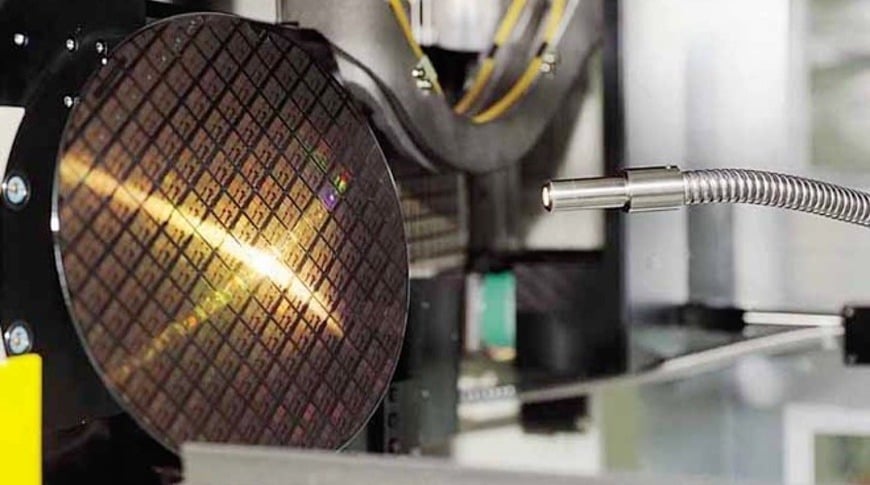
TSMC has been working on launching its 3nm process technology sometime next year, with risk production of the node already being underway. But now, a new report has suggested that the company might already have plans to shrink its process node even further.

TSMC

According to a WccFTech report, the world’s largest contract chipmaker is seeking to build a second 2nm production facility on a gold course next to the Zhonke Park in Taichung, Taiwan. Apparently, Taiwan Semiconductor Manufacturing Company’s CEO, C.C. Wei paid a surprise visit to the Taichung city government last week. The mayor of Taichung, Shiow-Yen Lu, stated that the cost to set up this new 2nm fab might be a staggering 1 trillion New Taiwan Dollars (roughly 36 billion US Dollars).

Another major hurdle is that city officials are concerned about the environmental impacts of this facility. On the other hand, the production site would also create a number of new jobs and bring an inflow of money to the region as well, helping in its development. Thus, the mayor suggested that the chipmaker use renewable energy for the electricity requirements of this plant.
TSMC

Since mass production through its 3nm process is expected to start in the second half of 2022, the production of the 2nm process would possibly be in 2025. With the smaller process node, the number of transistors inside the chip can be raised again, making it more energy efficient as well. However, it is still too early to tell if the plans to build the 2nm production site will actually go through, so stay tuned for more updates.

RELATED:


Samsung Galaxy S10 series gets a taste of Android 12 with stable One UI 4 update

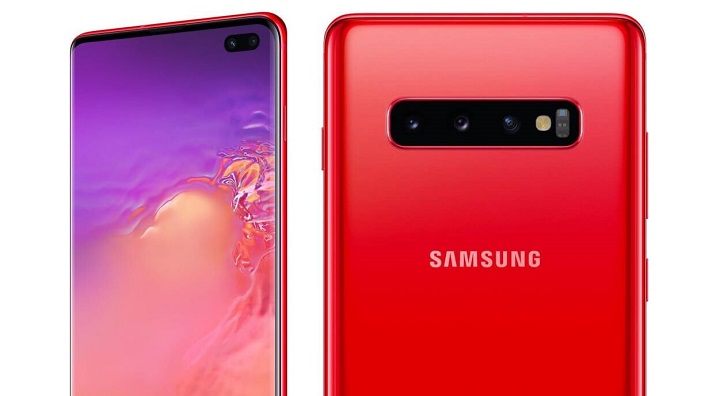
Samsung on Wednesday released One UI 4 based on Android 12 for the Galaxy S10 series, making it yet another flagship lineup from the company to get the update after the S21 and S20 series.

The rollout has hit the Galaxy S10e, Galaxy S10, and the Galaxy S10+ and is currently limited to some regions, with Germany being one of the very first. The new updated firmware version is G97xFXXUEGULB and includes the December security patch that fixes a few privacy and security vulnerabilities.

Galaxy S10+ Cardinal Red featured

No ETA has been given out for when the update will be released in other regions but we imagine it to be quite soon, that is, if everything goes well and no bugs are reported during the initial rollout.

Also, now that the Galaxy S10 series has been treated to One UI 4, it is safe to assume that the Galaxy Note 10 series will be the next in line.

To check if you have received the update on your Galaxy S10e, Galaxy S10, or Galaxy S10+, simply head over to Settings > Software update. If available, then just tap on Download and install.

One UI 4 is based on Android 12 and brings along a number of changes including dynamic wallpaper-based theming, re-designed widgets, new animations, tweaked quick settings panel, and some new features.

RELATED:

Xiaomi crowdfunds MIJIA LCD Blackboard Storage Edition

Xiaomi has launched multiple MIJIA LCD Blackboards in the past. But those merely differ in terms of size. Today, the company has started crowdfunding a new model with internal storage and Bluetooth connectivity. Let’s take a look at what the new variant is all about.

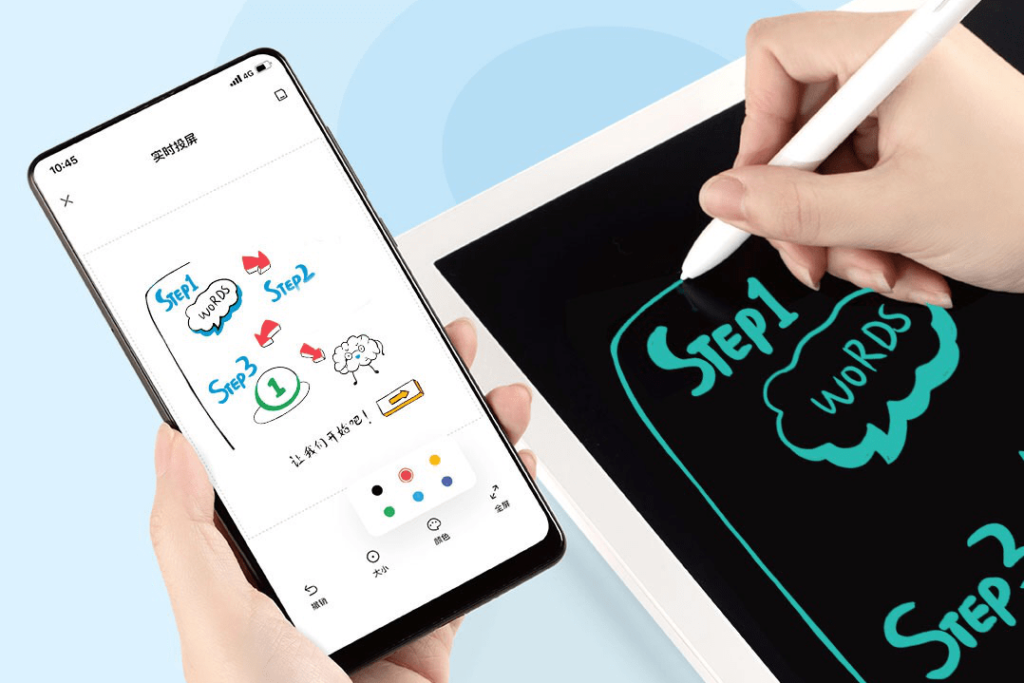
Xiaomi MIJIA LCD Blackboard Storage Edition A

The new LCD blackboard from Xiaomi is called MIJIA LCD Blackboard Storage Edition. As the name suggests, it features 121MB of internal storage. On top of that, it also supports synchronization with smartphones and tablets via Bluetooth 5.0.

Both these features are not found in the previous MIJIA LCD Blackboards. Hence, it is costlier than the older models.

The Xiaomi MIJIA LCD Blackboard Storage Edition comes in a single 13.5-inch size and it is priced at ¥349 ($55) in China. However, its crowdfunding price is only ¥299 ($47). For comparison, the regular 13.5-inch model of the product retails at ¥89 ($14).

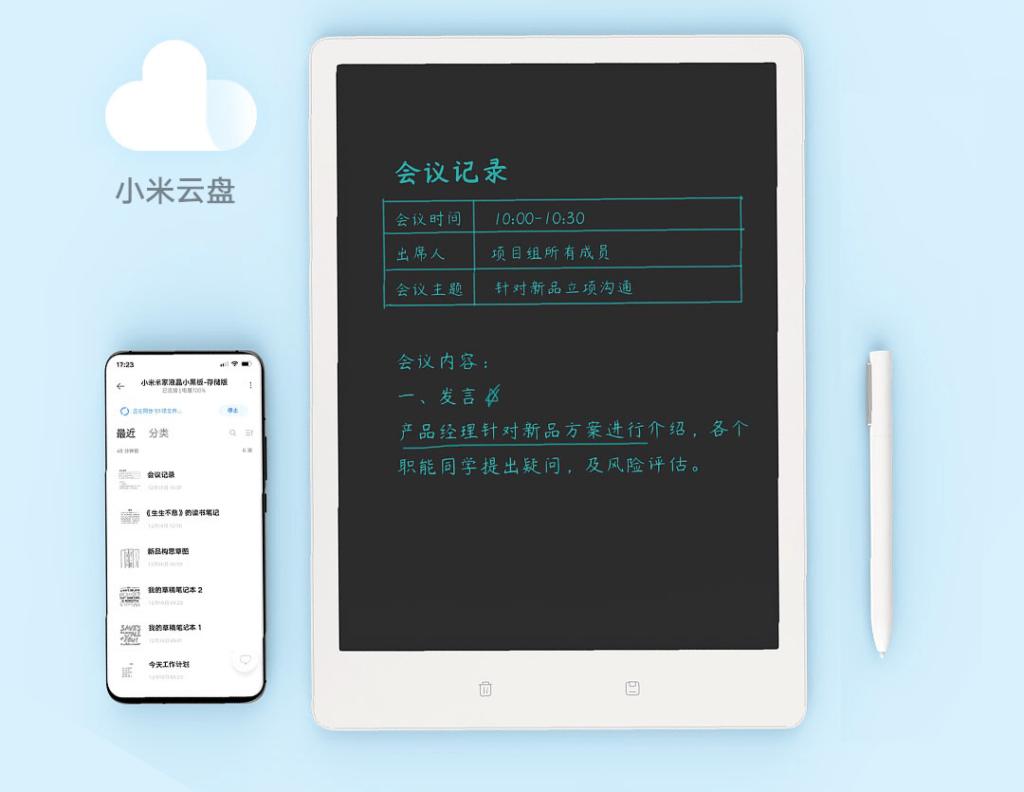
Xiaomi MIJIA LCD Blackboard Storage Edition B

Thanks to Bluetooth and storage space, users can connect this blackboard to their smartphone or tablet using the MIJIA app and Mi Cloud. By doing so, users can share content vice versa.

As for other features are concerned, the screen offers 2048 levels of pressure sensitivity, the device is backed by a 1,000mAh battery with a rated endurance of a week on a full charge, and the 0.7m nib of the stylus is made of ‘super-steel polymer.’


RELATED:


Samsung C-Lab 2022 will show off a smart guitar with LED guide and much more

Samsung has lifted the curtains on this year’s C-Lab incubator projects with the aim of gauging the marketability and customer response to help cherry-pick the projects worth advancing.

The initiatives are all a product of Samsung employees themselves who are afforded the ability to create pet projects. While products and ideas showcased as their part aren’t always exactly practical, they can be quite interesting.

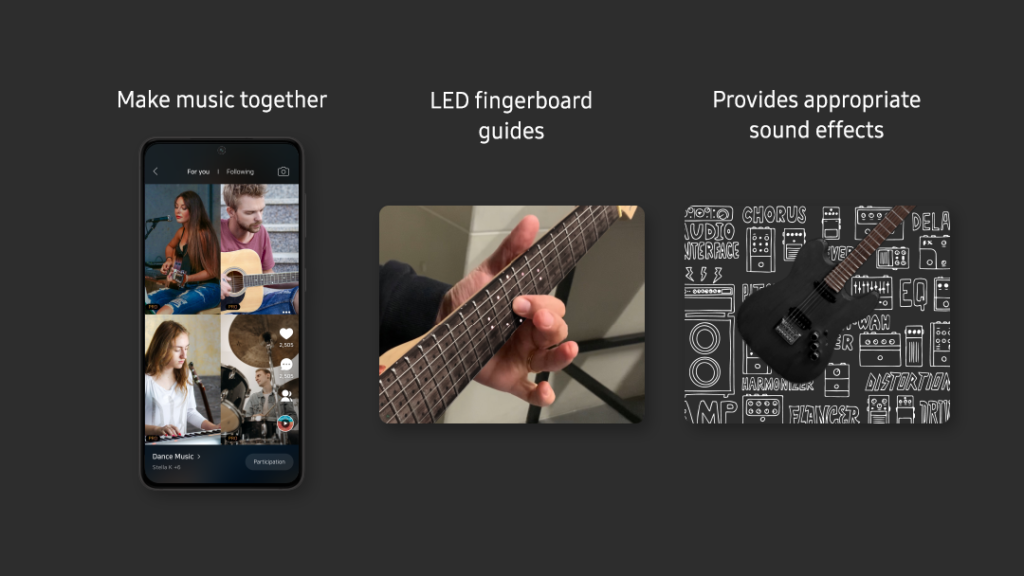
samsung smart guitar c lab

The star of the show is easily ZamStar. This one allows a user to sync up your music with other musicians around the world to almost create an online band of sorts. The feature is assisted by lights on the fretboard that sync with a given song and guide you on where to put your fingers.

Another interesting project but arguably more important in today’s age is Piloto – an AI solution that aims to help kids develop proper smartphone usage habits by teaching them “self-regulation skills.”

samsung pibo c lab

Innovision, meanwhile, is “a daily life eye-care system with a nursery mobile to catch suspicious symptoms of the strabismus and monitor visual ability development status for babies.” And finally, there is PROBA, an AI-based online exam service for administrators, test-takers, and supervisors.

Along with the aforementioned inside incubators, there is also a C-Lab Outside comprised of nine startups that are ready for the global market, one of which is Petnow — an AI-based biometric recognition solution for pets

RELATED:

U&i launches four new affordable wireless earphones in India

U&i, one of India’s most progressive Gadget Accessory & Consumer Electronics brands, offers a wide variety of products in their lineup. Now, the company officially brings four new wireless earphones to their lineup. The new release offers a diverse range of wireless earphones with something for everybody. So let’s take a closer look at these products.

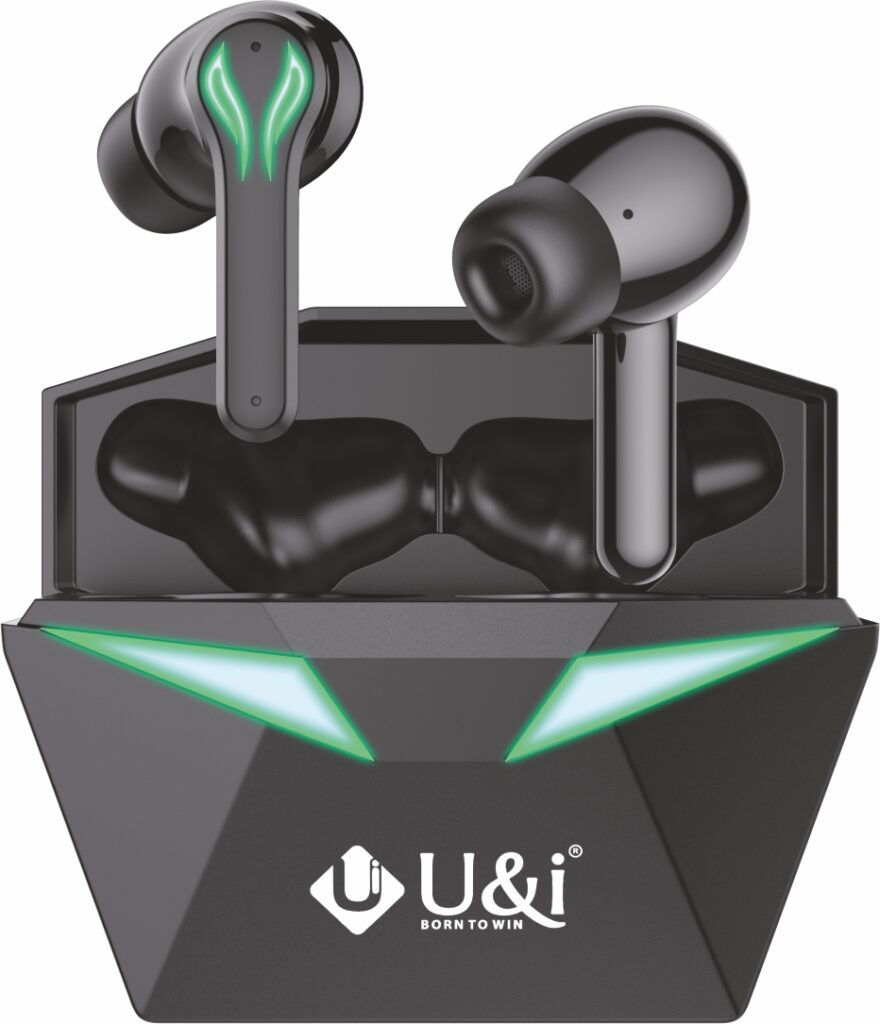
U&i Batman Series Wireless Earphone

U&i BATMAN

The U&i Batman Series is a TWS offering that comes with up to 30-hour of battery backup. The device comes equipped with a 40mAh battery built into the earphones that grant it up to 6 hours of talk time. The charging case comes with a 350mAh battery and is capable of charging from 0-100% in just 1 and a half hours. Similarly, the earphones also take 1.5 hours to charge from zero to 100%.

The TWS offers a 5V/100mA output which is in line with the market standards and uses Bluetooth version 5.1+EDR for connectivity up to 10 meters. Additionally, the TWS has a standby time is 500 hours. U&i has priced this product at Rs. 3,499 ($47 approx)

U&i Missile Series Wireless Earphone

U&i MISSILE SERIES earphones

The Missile series is the next TWS offering from U&i which comes in a green camo theme. It is equipped with a touch sensor offering you control over functions like volume management, track switching, etc. on your fingertips. The device has 5V/100mA and offers 4 hours of talk time with its 30mAh inbuilt battery. With its case, the battery backup can be extended up to 20 hours with up to 400 hours of standby time. The TWS offers 10 meters connectivity range thanks to Bluetooth 5.0+EDR and has a total charge time of 1 hour for the earphones and 1.5 for the case. U&i has priced the Missile series wireless earphones at Rs. 3,499 ($47 approx)

U&i Pink Series Wireless Neckband

U&i Pink Series Wireless Neckband

The next offering from the brand is the Pink Series Wireless Neckband which comes with Bluetooth 5.1 with a transmission distance of 10metres, and offers a standby time is 2100 hours. The talking time, as well as music time of this neckband, is 25 hours each. This U&i Pink Series Wireless Neckband has a battery capacity of 210mAh and takes 1-3 hours to fully charge. Moreover, it comes with a C-Type charger.

Its input power is 1.0A and that of output is 3mWX2, which means comparatively, it takes much less power to charge as compared to its performance. U&i Pink Series Wireless Neckband is available at Rs 2,499 ($33 approx).

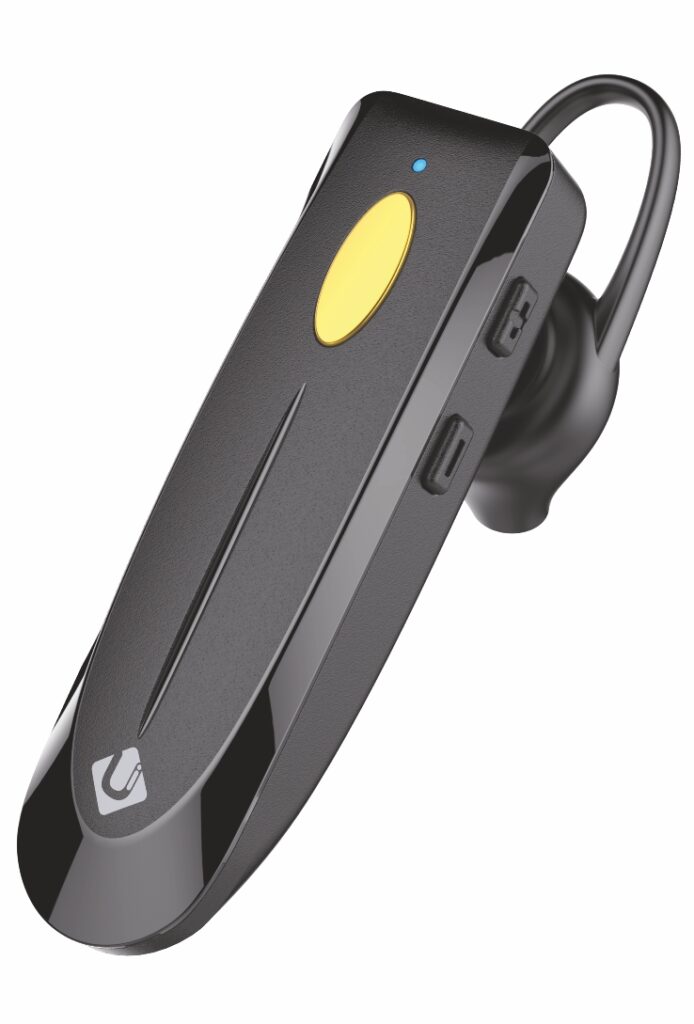
U&i Screw Series Wireless Single Earphone

U&i Screw Series Wireless Single Earphone

The U&i Screw Series Wireless Single Earphone is a single earpiece aimed at professionals and has a talk time of 24 hours. It comes with a Bluetooth version of V5.0 and its frequency ranges from 20-20000Hz. This earphone comes with a sensitive microphone at -85dBm to make sure nothing you say is missed and offers freedom to walk around with a wireless distance of 10m.

The device has a charging time and standby time of 2 hours and 20 hours each. It contains a lithium battery of 3.7V, with a capacity of 60mAh. The file formats supported by this earphone are A2DP/HFP/HSP/ AVRCP, easing the process of connectivity. U&i Screw Series Wireless Single Earphone is available for just Rs 799 ($11 approx).

RELATED:


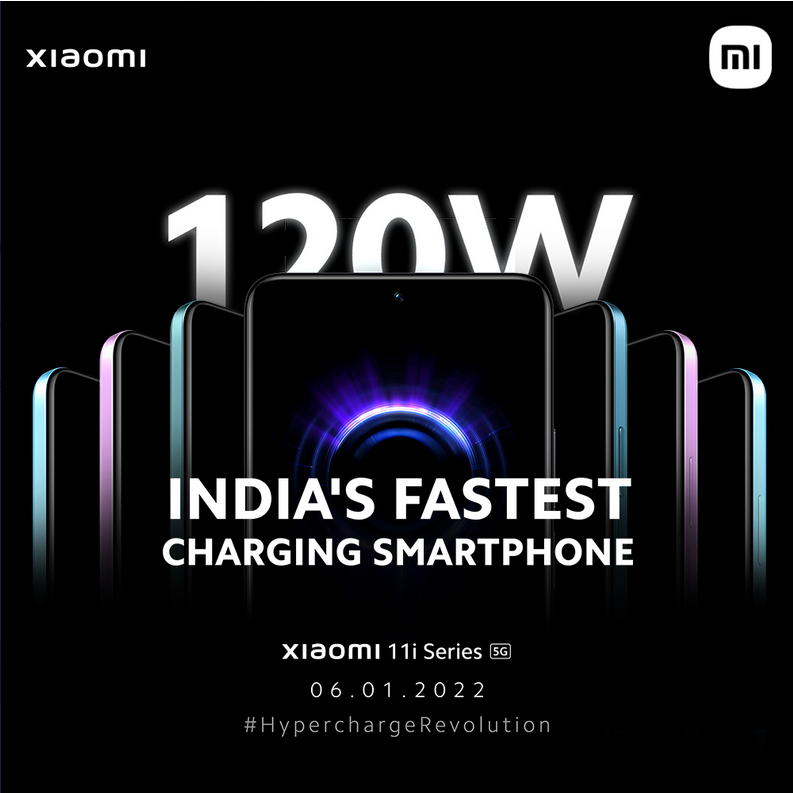
Xiaomi 11i Series to be one of the first to feature Dimensity 920 SoC in India

Xiaomi 11i Series is set to launch in India soon. Now, a company official has revealed that the upcoming lineup will be among the first smartphones in India to feature the MediaTek Dimensity 920 chipset.

Xiaomi 11i HyperCharge 120W fast charging

While we already know that the Chinese tech giant is gearing up to launch the 11i series of 5G smartphones in India in a few days, finer details regarding these devices were still at large. But now, a MySmartPrice report has revealed some interesting information about the upcoming handsets, which include the Xiaomi 11i HyperCharge and a base 11i model as well. Raghu Reddy, Chief Business Officer of the company’s India unit told MySmartPrice that “The Xiaomi 11i is going to be the first, or among one of the first to feature the MediaTek Dimensity 920 SoC.”

For those unaware, the Dimensity 920 SoC was announced back in August and has already been powering smartphones in China, although, this chip has yet to make its way to India. In other words, the 11i lineup will be among the first to bring the 5G MediaTek chipset to India. Unfortunately, the senior executive refrained from revealing any finer details regarding the new devices.

Xiaomi 11i HyperCharge

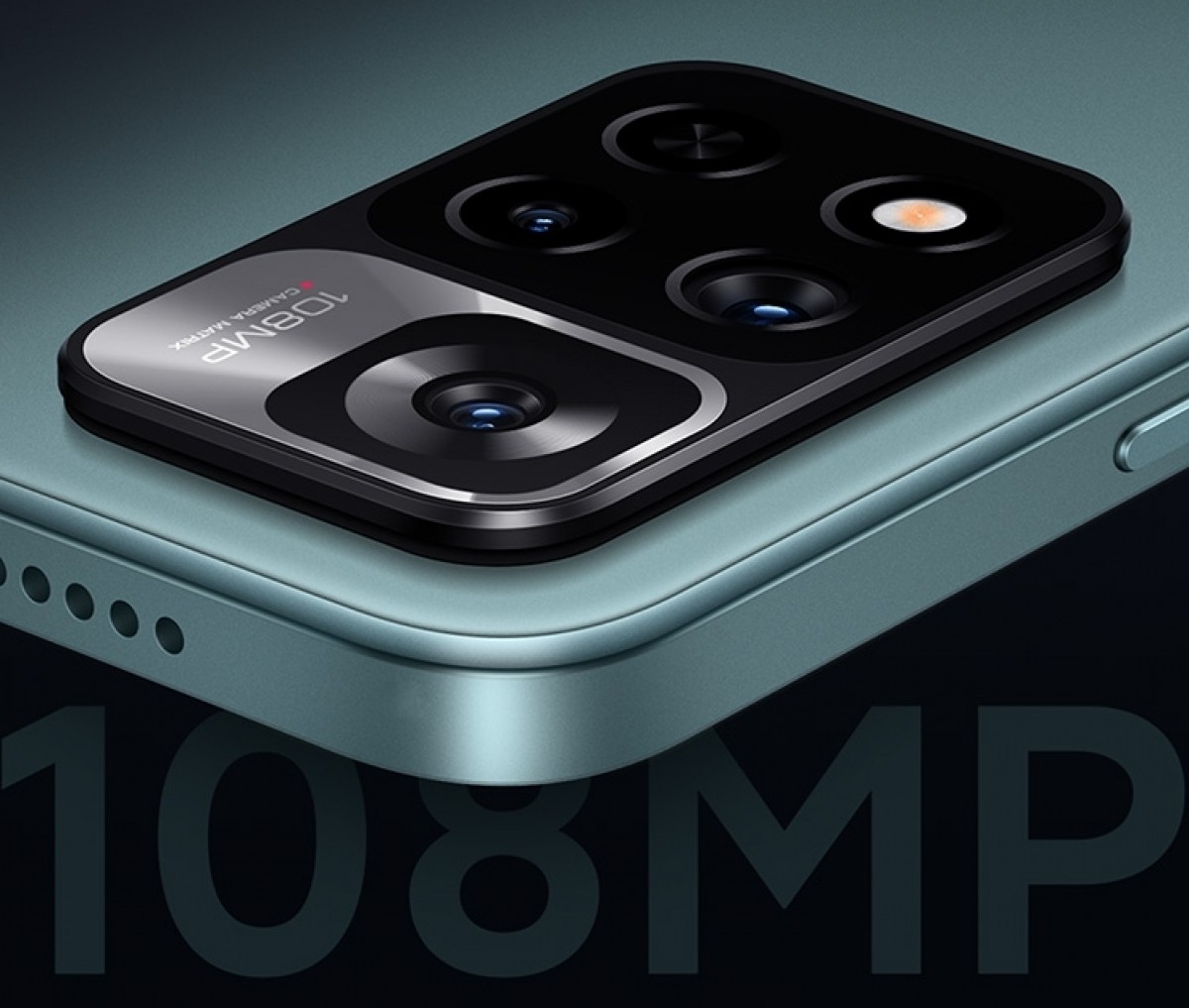
Talking about the upcoming smartphones, the Xiaomi 11i and 11i HyperCharge will be based on the Redmi Note 11 series in China. The Note 11 Pro will be the base 11i while the Pro+ variant will be the HyperCharge version. Most specifications are expected to be the same if not identical, but we will have to wait for an official announcement to know for sure.

RELATED:


Lenovo teases 2022 Legion Y7000P gaming laptop’s design, thinner than last gen

Earlier today (29th December 2021), Lenovo shared a new teaser for an upcoming gaming laptop. The new gaming notebook will be a part of the company’s Legion branding, with the new teaser officially revealing the design of the Legion Y7000P.

Lenovo Legion

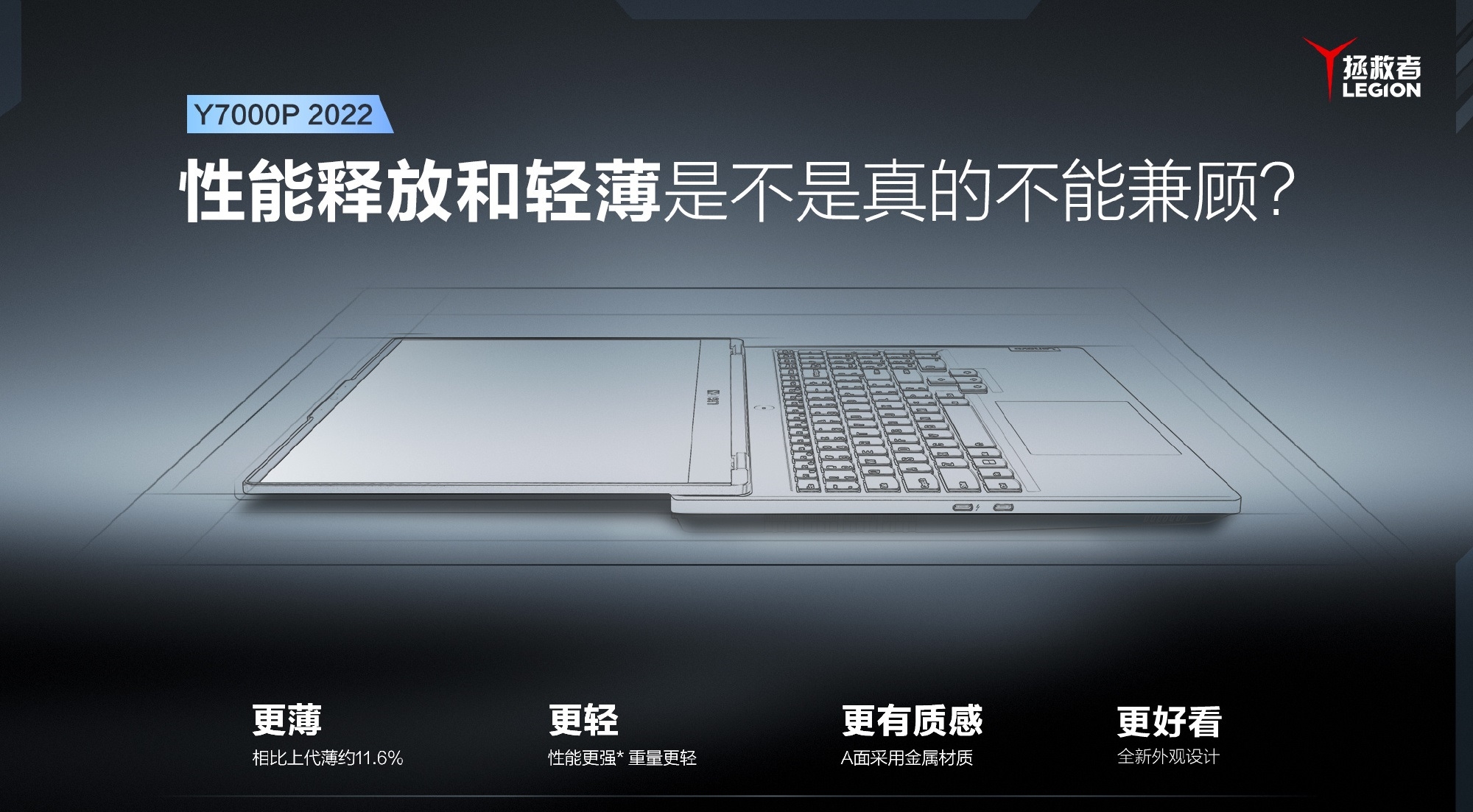
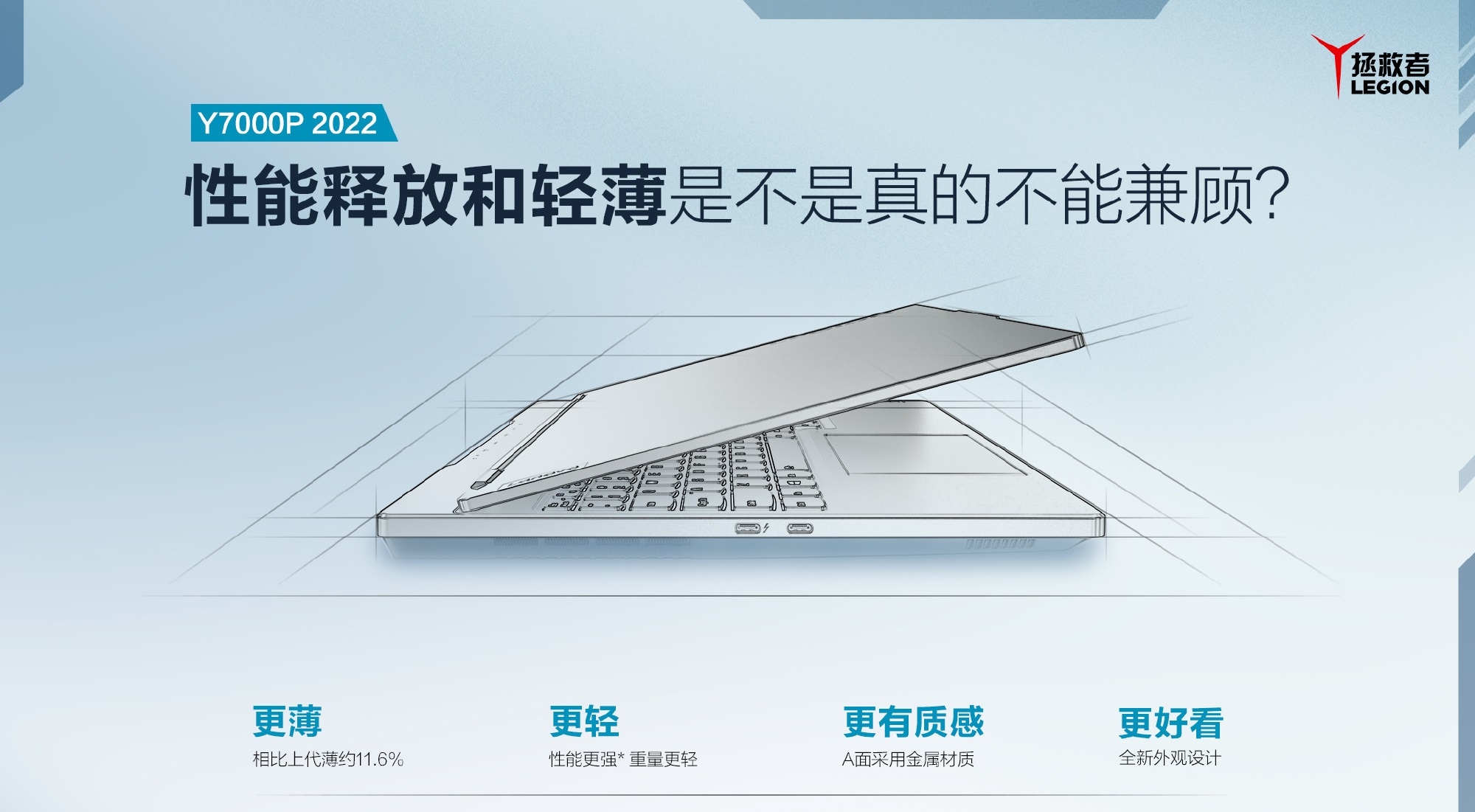
The new teaser was shared on the company’s official Weibo account (a Chinese microblogging website) and showcases the design of the Legion Y7000P prior to its official launch. Looking at this image poster, we can tell that the laptop’s hinge can support up to 180 degree movements. In other words, the display can be bent backward till it is completely flat. Although, the highlight of the design wasn’t its hinge, rather, its thinness.

The Chinese brand has managed to make the latest Legion laptop even thinner than its previous iteration, with an emphasis on making it thin and light. As per official notes, the 2022 Legion Y7000P adopts a new design that makes it appear more squarish, with a unique “industrial aesthetic.” Furthermore, it appears that the new gaming laptop will also feature more metallic material for its build.

Lenovo Legion

Lenovo further added that the 2022 Legion Y7000P is about 11.6 percent thinner than the previous generation is and also lighter than its predecessors. As per previously released official teasers, the Legion Y7000P gaming laptop is set to feature a 2K display with a 16:9 aspect ratio and a 165Hz refresh rate. Unfortunately, other finer details are still unknown at the moment, but the company is expected to launch a number of new laptops from its Legion lineup soon. So stay tuned for more updates.

RELATED:


Xiaomi 12 series Android 12 kernel sources released on launch day itself

The Xiaomi 12 series comprised of the Xiaomi 12, Xiaomi 12 Pro, and Xiaomi 12X was launched in China yesterday with some really impressive sets of specifications. Highlights include the Snapdragon 8 Gen 1 processor on the Xiaomi 12 and 12 Pro, with the latter even coming with triple 50MP shooters at the rear.

While incentives to install custom ROMs and root Androids continue to dwindle, especially since multiple OEMs including Xiaomi have begun to offer 3 or more years of Android updates, a dedicated community for the same continues to exist. This community would be pleased to know that the Android 12 kernel sources for the entirety of Xiaomi’s 2022 flagship series have gone live, that too on the same day as launch.

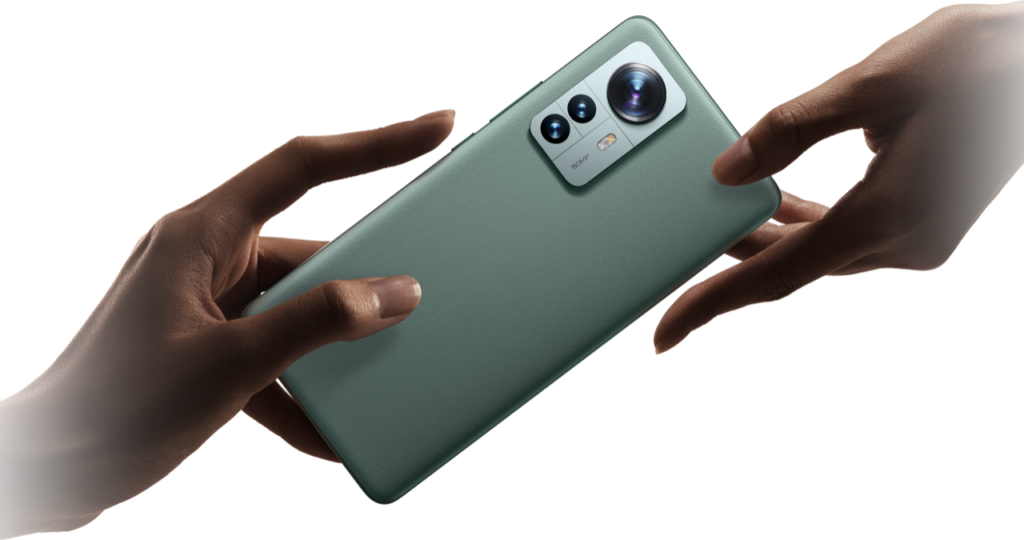
xiaomi 12 pro green

For those unaware, every Android smartphone manufacturer is obliged to release kernel sources for every device under GNU General Public License version 2 (GPLv2). Xiaomi used to be rather slothful in this regard but has been making improvements lately, and the case of the Xiaomi 12 is a good example of that.

Nevertheless, if interested, you can download the Android 12 kernel source code with its full commit history at Xiaomi’s official GitHub page under the “zeus-s-oss” and “psyche-r-oss” repositories for the Xiaomi 12/12 Pro and Xiaomi 12X, respectively (via XDA Developers).

The Xiaomi 12 series boots into Android 12-based MIUI 13 out of the box. While not a major update by any means, you do get a couple of new features including reworked widgets, paired with improvements to performance and fluidity. You can read all out the latest version of Xiaomi’s Android skin from here.

RELATED:

Realme is the fastest growing 5G smartphone brand, records massive 831% jump

A new report has just revealed interesting information about the 5G Android smartphone market. The segment has seen great growth in recent times, with Realme taking the crown for being fastest growing brand in the market.

Realme

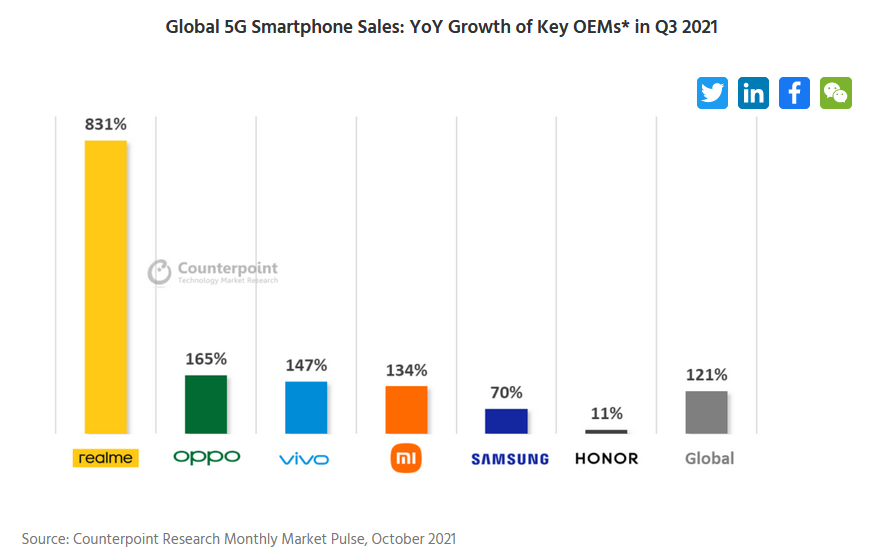
According to a Counterpoint Research report, the Chinese smartphone brand saw a massive 831 percent growth in the third quarter of this year. The sizeable jump was thanks to its great performance in regions like India, China, and Europe. Counterpoint added that the brand even managed to out pace the market with its 5G smartphones sales growing 831 percent year on year, which is a lot higher than the global rate of 121 percent.

Varun Mishra, Senior Director at Counterpoint noted that “realme with its strong multi channel strategy and a wide 5G portfolio across price-bands helped it grow the fastest.” Similarly, the smartphone maker’s CEO and Founder Sky Li said that “Our goal is to help at least 100 million young people worldwide to enjoy the benefits brought by 5G technology with 5G powered smartphones at the core.”

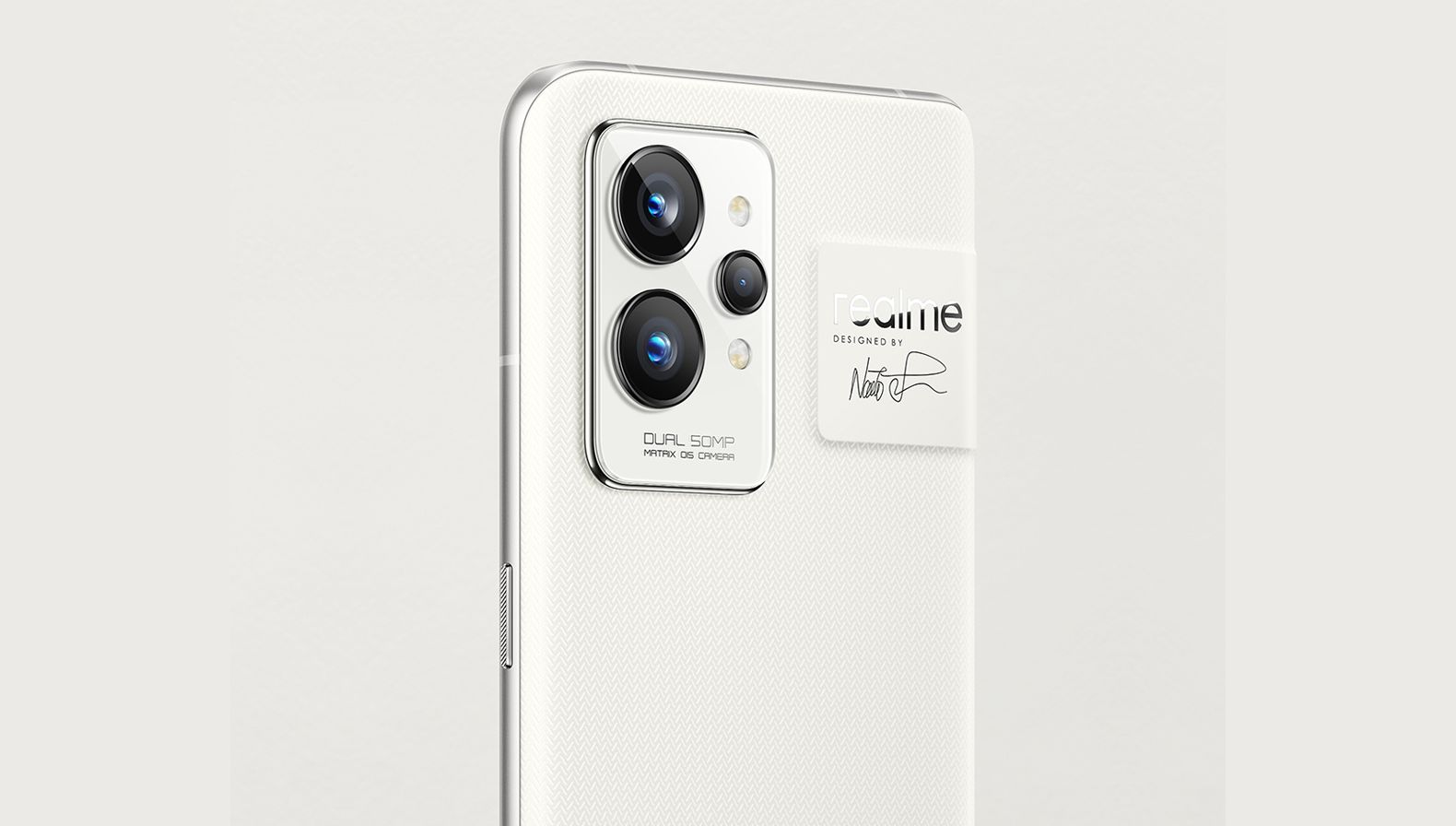
Realme GT2 Pro

As of right now, the company is also the world’s fifth largest Android smartphone maker. In other words, its overall growth can also be attributed to its strong focus on 5G technology. Realme has invested heavily in 5G smartphones’ research and development while also seeking to diversify its product line as well. So despite being a “young” company compared to some of its rival tech giants, it has still managed to acquire an overall 5G phone market share of 15.5 percent in Q2 2021.

RELATED:


HONOR Play 20 gets a new 4GB + 64GB variant priced at only ¥799 ($125)

The HONOR Play 20 made its debut at the end of April in China. The entry-level smartphone from the brand was launched in three memory configurations. Now, eight months after its announcement, the phone gets a fourth memory variant.

HONOR Play 20 Featured A
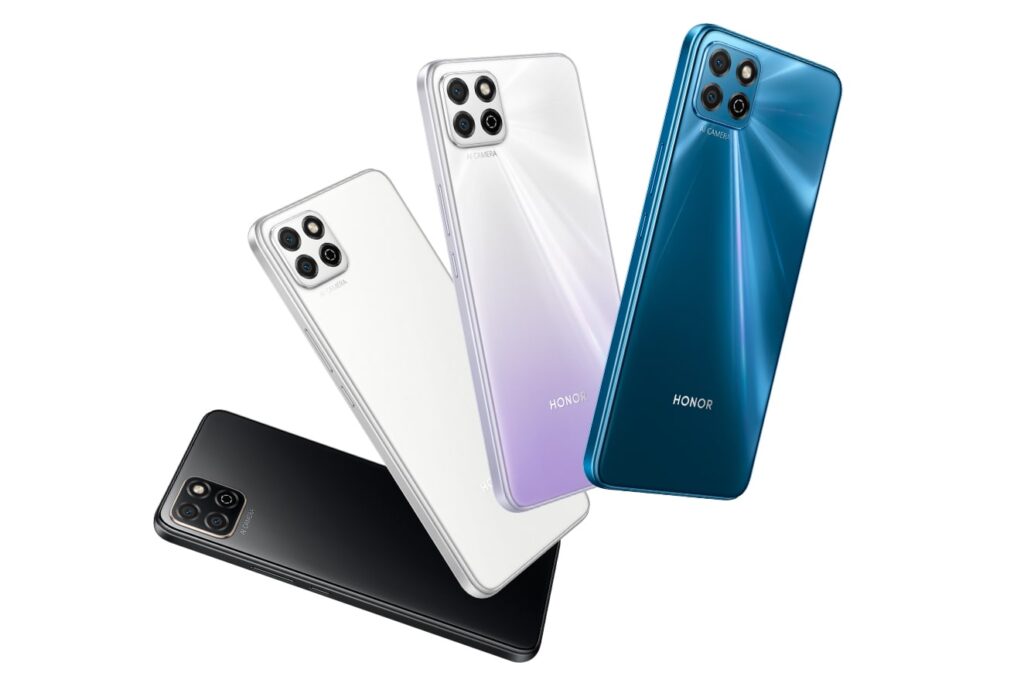
HONOR Play 20

Honor has quietly introduced a new 4GB + 64GB variant of HONOR Play 20 in China. This version of the handset is priced at ¥799 ($125). Thus, the starting price of the smartphone has been now lowered by ¥100 ($16).

The remaining variants cost the name. This means the 4GB + 128GB, 6GB + 128GB, and 8GB + 128GB versions still retail at ¥899 ($141), ¥1,099 ($173), and ¥1,399 ($220) respectively. 

Customers can avail the phone in either of these four colors – Magic Night Black, Iceland White, Aurora Blue, and Titanium Silver. Interestingly, the newly introduced 4GB + 64GB configuration does not come in white color.

Talking about specifications, the HONOR Play 20 arrives with a 6.5-inch HD+ TFT LCD screen sporting a dewdrop notch, a UNISOC T610 SoC, 13MP (wide) + 2MP (depth) dual rear camera setup, and a 5MP front-facing camera.

Other features include dual SIM card slots, 4G, single-band WiFi, Bluetooth 5.0, MicroSD card slot, 3.5mm headphone jack, MicroUSB port, Magic UI 4.0 based on Android 10, 5,000mAh battery, and 10W charging.


RELATED:


Realme GT2 series teased, features Diamond Ice Core Cooling Plus & VC Liquid Cooling

Prior to the launch of the Realme GT2 series, the company has released another teaser for the upcoming smartphones. In the latest promotional move, the brand has showcased the devices’ thermal management systems that should help keep the temperature of its flagship level internal specs in check.

Realme

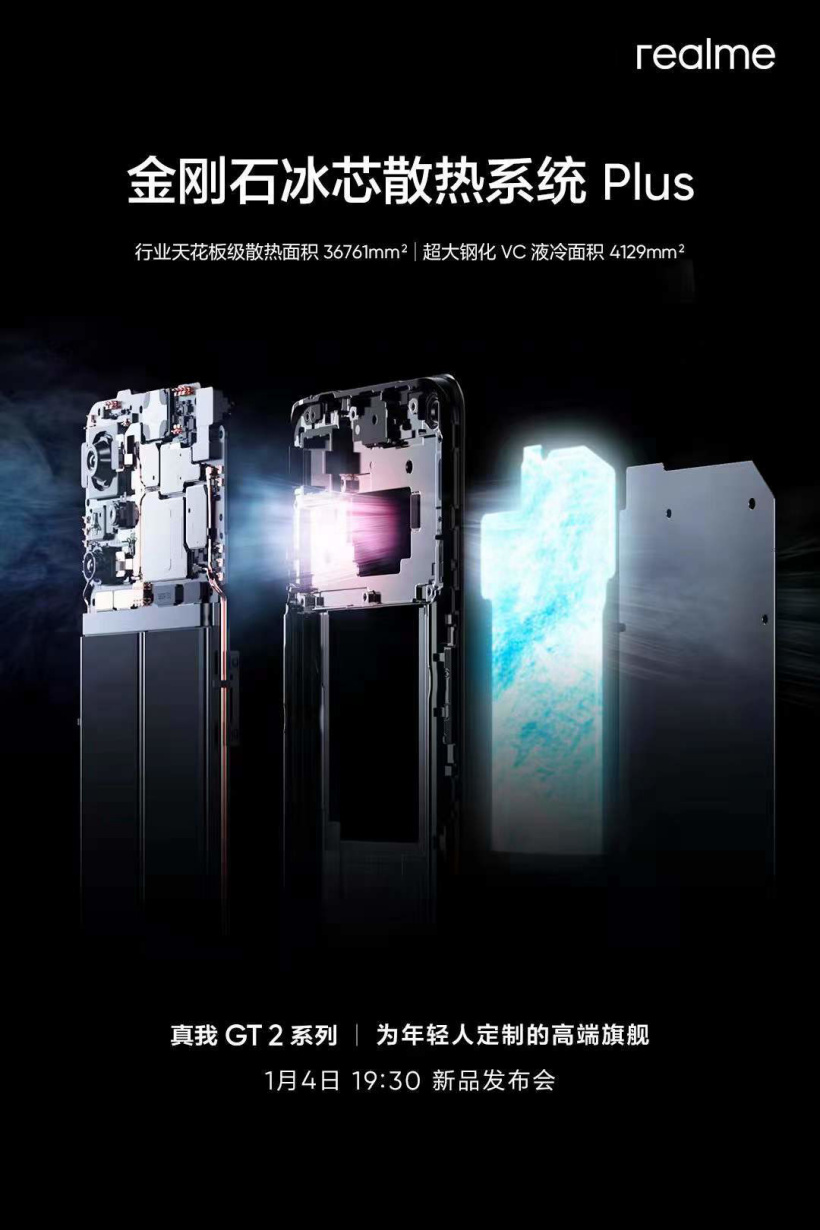
The teaser was shared on the company’s official Weibo account (a Chinese microblogging website) and highlights its new Diamond Ice Core Cooling System Plus. We had seen a version of this technology being used in the past, with the GT Neo2 featuring the system as well. Although, it appears that this iteration of the cooling system is a new and improved variant.

Furthermore, the Chinese smartphone maker also added that the smartphone features VC liquid cooling system as well to help keep thermals low even during intense tasks like gaming. Realme stated that its VC liquid cooling plat covers an area of 4129mm² while its Diamond Ice Core Cooling System Pls has a cooling area of 36761mm². The former completely covers the motherboard region along with a large portion of the battery area as well.

Realme GT2 Pro

With the device featuring Qualcomm’s latest and greatest Snapdragon 8 Gen 1, it arrives as no surprise that cooling is an important aspect that Realme placed an emphasis on. The GT2 series is set to be unveiled on the 4th of January 2021. So stay tuned, as we will be covering the launch event and any new teasers that the company shares.

RELATED:


Redmi Note 11s bags NBTC, BIS, and EEC certifications

Redmi announced the Redmi Note 11, Note 11 Pro, and Note 11 Pro+ in October in China. Reports have claimed that the company may announce the Note 11 series with different specs in the global markets by Q1 2022. Fresh information reveals that the Redmi Note 11s has bagged approval from multiple certification platforms.

As tipster Abhishek Yadav revealed, a Xiaomi handset with model number 2201117SG has been certified by Thailand’s NBTC authority. The listing has confirmed that it will be debuting in the country with the Redmi Note 11S name.

The same model along with its variant such as 2201117TG, 2201117TY, and 2201117SY have also been certified by the EEC authority in Europe. In addition, the Indian edition of the phone with model number 220111TSI has been approved by the BIS authority. These listings have no information on the specs of the device.

Last week, the 2201117TI and 2201117TG models were spotted at BIS and NBTC certification sites, respectively. The NBTC listing revealed that this device will be launching as Redmi Note 11 4G. Its appearance at Camera-V5 revealed that it will be equipped with a 50-megapixel primary camera and a 13.1-megapixel front-facing camera.

The global edition of the Redmi Note 11 Pro+ handset with model number 20191116UG was approved by the FCC authority, which confirmed that it is heading towards the global markets. However, it did not reveal any details on its specs.

This year in March, Redmi announced Redmi Note 10, Note 10 5G, Note 10S, and Note 10 Proin multiple markets. Hence, there is a possibility that the company may unveil the Redmi Note 11 lineup for the global markets by March 2022.

RELATED:

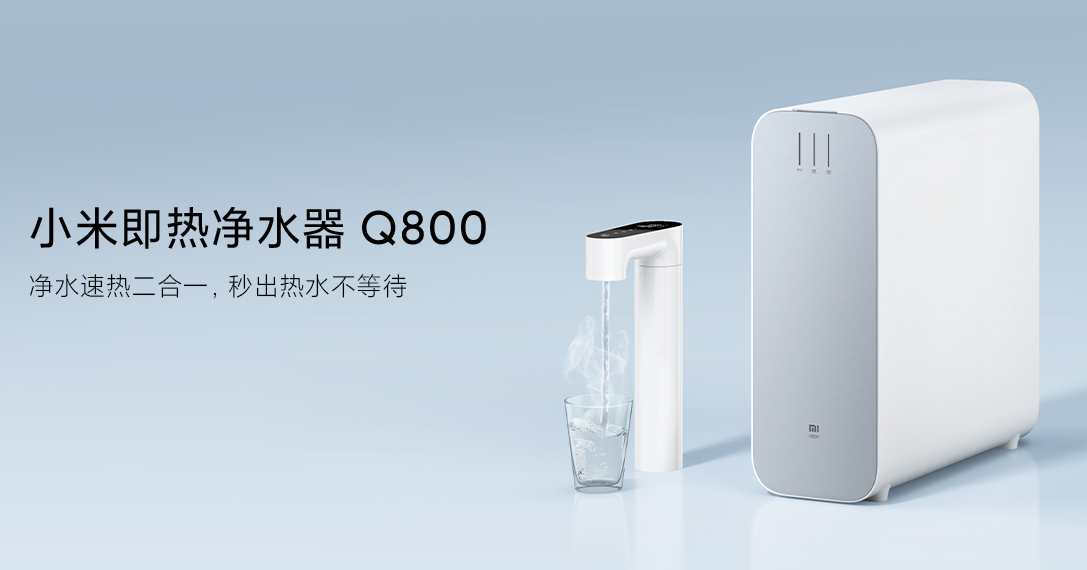
The Xiaomi Instant Water Purifier Q800 can also boil your water in just a second

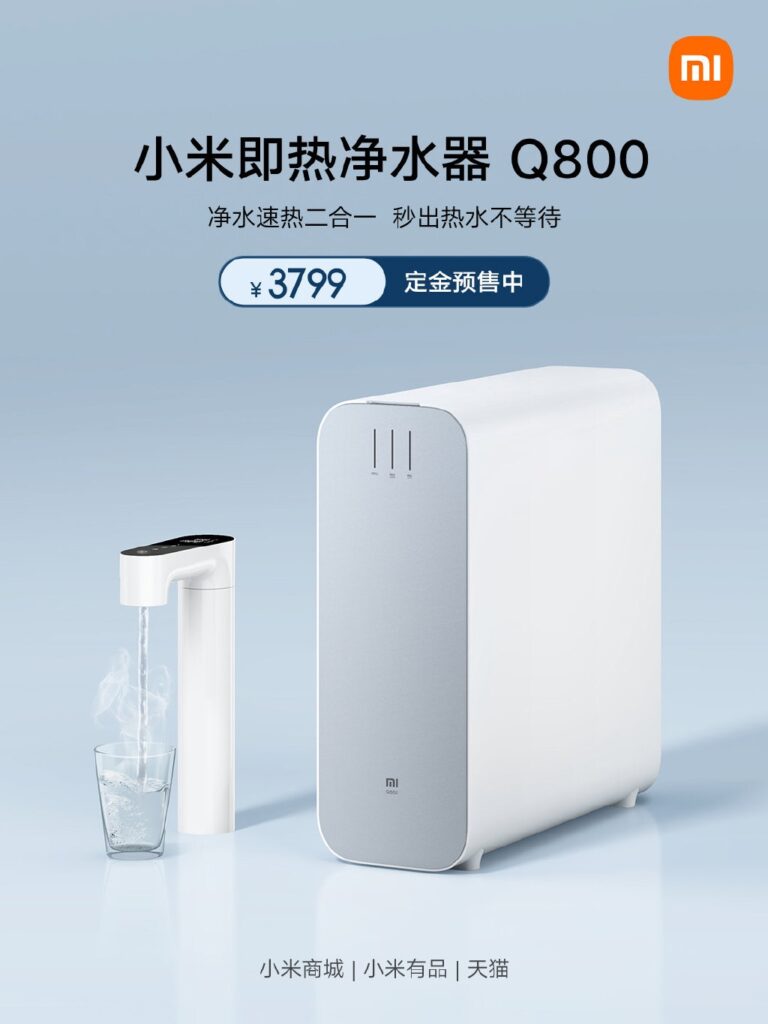
Xiaomi‘s Weibo handle for its smart home products on Tuesday announced the release of the Mi Instant Water Purifier Q800, with a starting price of 3,799 Yuan or around $596.

The true specialty of the device lies in its heating capabilities, however, as it gives out hot water in just a second, that too all filtered and ready to drink. Four presets are offered for this feature, namely normal temperature mode (25°C), milk mode (45°C), coffee mode (85°C), and boiling water mode (95°C). A couple of custom presets can also be created through the Mijia app.

Xiaomi Instant Water Purifier Q800

For filtration, the Xiaomi Instant Water Purifier Q800 comes with a new primary RO filter that’s been paired with a secondary RO filter. The life of the filter unit has been claimed to be increased by 150% along with a 50% improvement in the pure to wastewater ratio. The ratio is now as high as 3:1 and the wastewater can still be used for stuff like washing dishes, watering flowers, and mopping the floor.

An anti-clogging tech has also been put in place, protecting the secondary RO filter and allowing the main filter to last for up to 5 years.

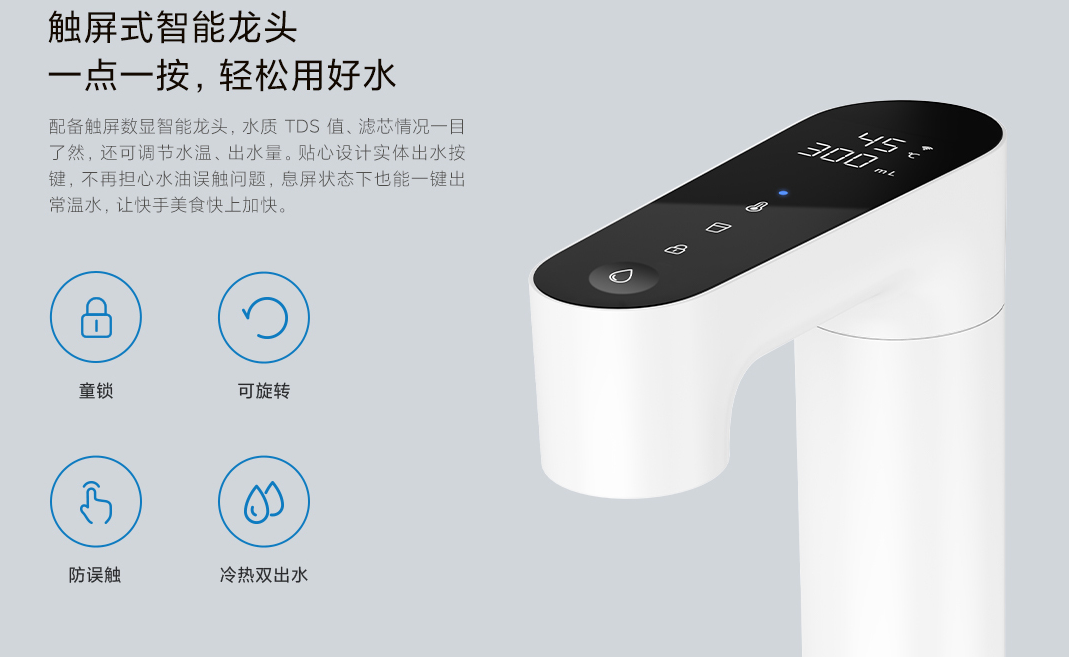
For interface, the Q800 is equipped with a touch screen display that has been integrated into the top of the smart faucet. The water quality TDS value and filter element status are shown through it and it even lets you adjust the water temperature and output.

Last but not least, the water output button adopts a physical design, meaning you shouldn’t have to worry about it being rendered inoperational when wet.

RELATED:

Redmi K50 series phone bags TENAA certification, may launch soon in 2022

Xiaomi has recently launched the Xiaomi 12, Xiaomi 12X, and Xiaomi 12 Pro flagship phones in China. Now, its sub-brand seems to be gearing up to introduce the Redmi K50 series lineup. If it arrives early, it may impact the sales of the Xiaomi 12 lineup. Hence, it is likely to go official in January or February 2022. However, it appears that the launch of the first K50 series phone may not be too far away as it bagged approval from the TENAA authority of China.

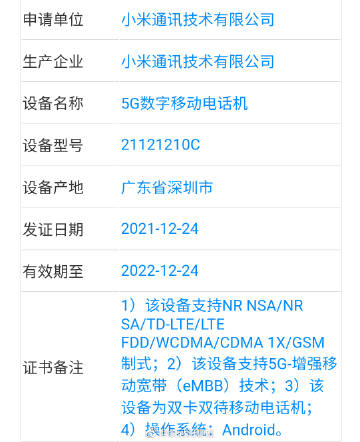
An upcoming Redmi phone with model number 21121210C has received approval from TENAA (via). Unfortunately, the listing has no information on its specifications. The same model was previously seen in the database of the CMIIT certification site earlier this month.

Redmi K50 21121210C series TENAA

Rumors surrounding the 21121210C model have claimed that it could be a Redmi K50 Gaming series smartphone. It is speculated that the device will come with the device will be equipped with an OLED panel a punch-hole design and Gorilla Glass Victus protection. The screen is expected to support a 120Hz or 144Hz refresh rate. It will come preinstalled with MIUI 13 based Android 12 OS.

The Redmi K50 Gaming is likely to feature the Dimensity 9000 chipset. Its rear camera setup may house a 64-megapixel Sony IMX686 primary camera, a 13-megapixel ultrawide lens, an 8-megapixel telemacro snapper, and a 2-megapixel macro camera. It is speculated that there is a higher variant of the phone that features a 108-megapixel Samsung HM2 main camera instead of the 64-megapixel lens.

Reports have also revealed that there are global and Indian variants of the same phone. It is likely that the handset will be sold as a POCO F4 GT in other markets.

RELATED:

vivo Y21T with Snapdragon 680 SoC to launch in India on Jan 3: Tipster

Chinese smartphone brand vivo is all set to launch the vivo V23 series in India next week. According to a reliable source, the company may debut yet another handset in the county at around the same time. This phone dubbed as vivo Y21T will be a budget offering, as per its specifications.

vivo Y32 Featured C
vivo Y32

Popular tipster Ishan Agarwal has partnered with 91Mobiles to shed details on the upcoming vivo Y21T for India. The leakster says that the smartphone will launch in the country on January 3, two days ahead of the vivo V23 series announcement.

Further, he has even shared some of the key specs of this handset. Going by the details shared by him, the phone could be a rebranded vivo Y32 that went official a few days back. But unfortunately, we don’t have any render of the device to confirm.

Talking about features, the vivo Y21T will arrive with an LCD screen sporting a dewdrop notch, a rectangular camera module, a Qualcomm Snapdragon 680 chipset, 4GB RAM, 128GB internal storage,  and a 50MP triple camera, setup. Finally, it will draw power from a 5,000mAh battery with support for 18W fast charging.

Unfortunately, the source says nothing about the smartphone’s price. Anyway, we can expect it to be priced around ₹15,000 ($201) or more in India. 


RELATED:


Xiaomi to inject over $15 billion into R&D over the next 5 years

Outside of China, Xiaomi still has the impression of being a budget-friendly brand that exists for the sole purpose of offering more for less. While the strategy has served the company quite well since its advent, Xiaomi knows that in order to keep up growth, it has to rise above the competition. And what better way to do so than improving research?

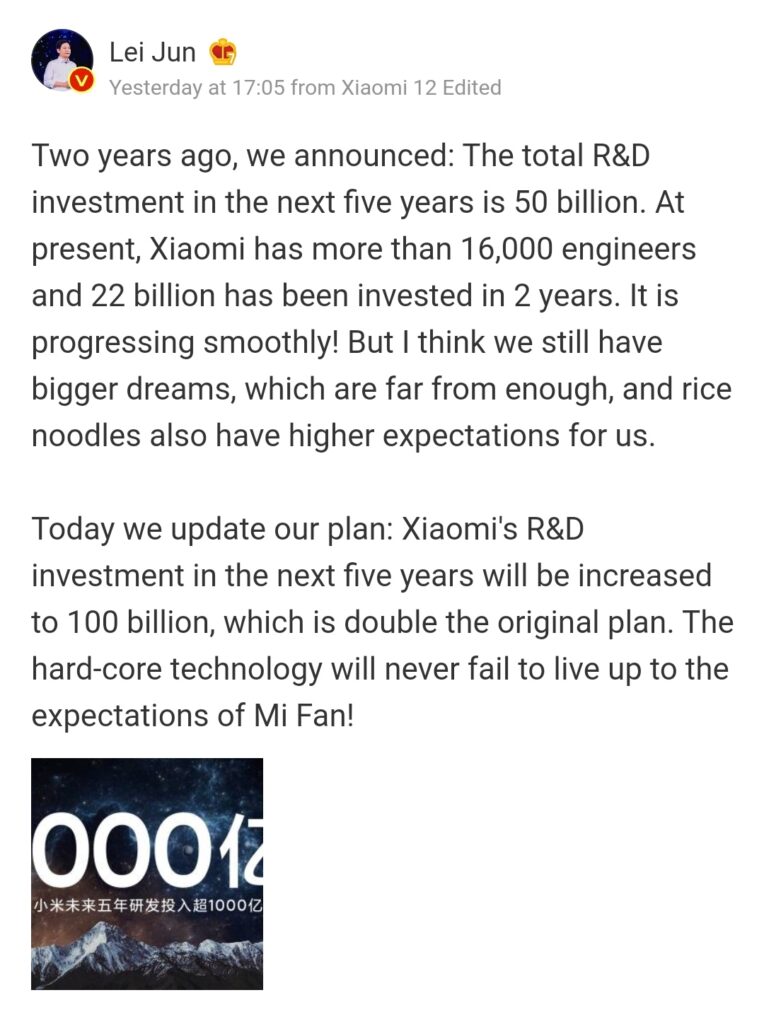
With that likely in mind, Xiaomi chairman and founder Lei Jun yesterday announced that the company’s goals for investment into R&D in the next 5 years have been increased to 100 billion Yuan or around $15 billion. The company’s previous announcement from a couple of years back had set the amount at 50 billion Yuan, so the upgraded plans impart a perfect two-fold increase.

lei jun xiaomi R&D investment

The CEO further revealed under the same post that 22 billion Yuan had already been invested over the past two years and that Xiaomi now has 16,000 engineers, meaning things have been going smoothly and in accordance with plans. He says that all of it is being done to “live up to the expectations of Mi Fans.”

And it’s not like all the money flowing into R&D has been fruitless as results have indeed been reflecting on its latest products — a good example being the Xiaomi 12‘s self-developed CyberFocus and Image Brain tech on its cameras that promises strides in object tracking and image processing speeds. The investment also very likely has a major role to play in getting the company to diverge into other businesses including smart home products and even EVs.

RELATED:

iQOO 9, 9 Pro battery, charging capabilities confirmed before launch

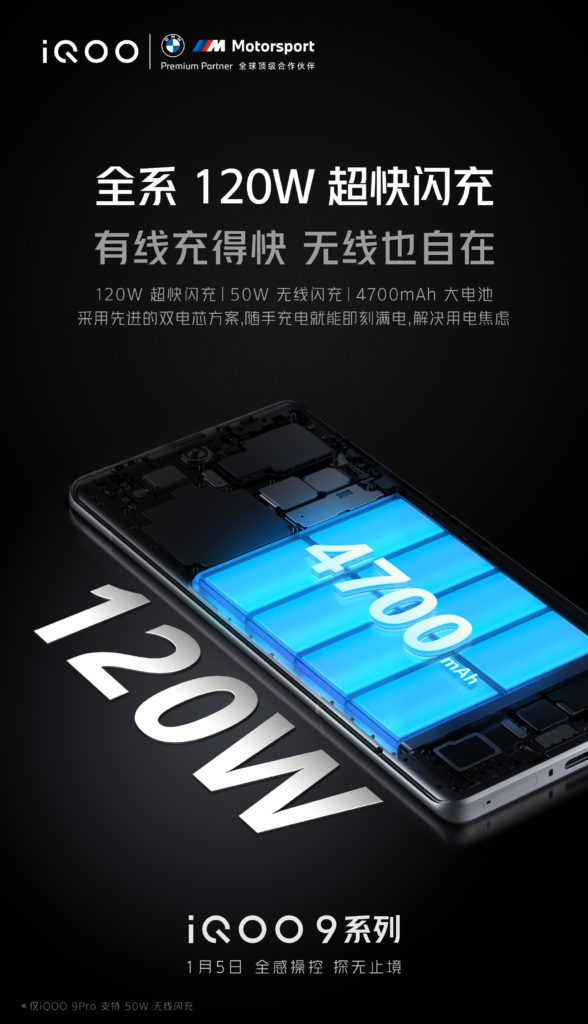
The iQOO 9 series of flagship phones are all set to launch on Jan. 5 in China. Today, the company released a new poster to reveal the battery size and charging capabilities of the iQOO 9 lineup.

The poster reveals that the iQOO 9 series has a 4,700mAh battery. Reports have claimed that the iQOO 9 Pro will house a 4,700mAh battery, while the vanilla model may get a smaller battery.

The image further mentions that the iQOO 9 series supports 120W rapid charging and 50W wireless charging. The image confirms that the wireless charging capabilities will be available only on the Pro model.

iQOO 9 series battery, charging

Reports have claimed that the iQOO 9 Pro will be equipped with a 6.78-inch AMOLED display with curved edges. It may offer Quad HD+ resolution and a 120Hz refresh rate. The rear camera setup of the Pro model may feature a gimbal-OIS enabled 50-megapixel Samsung GN5 main camera, a 150-degree 50-megapixel Samsung JN1 ultrawide snapper, and an OIS-ready 16-megapixel telephoto camera with 2.5x optical zoom.

On the other hand, the iQOO 9 may house a 6.78-inch 120Hz FHD+ AMOLED display with a flat design. Its rear-facing triple camera module will be headlined by a 50-megapixel Samsung GN5 camera. It is likely to be accompanied by a 120-degree FOV 13-megapixel superwide lens and a 12-megapixel Sony IMX663 telephoto lens. The iQOO 9 and 9 Pro are said to be powered by the Snapdragon 8 Gen 1 chipset, up to 12 GB of LPDDR5 RAM, and Android 12 OS.

RELATED:

Samsung Galaxy S22 Ultra could come with 1TB internal storage

Samsung is gearing up to launch its next-generation Galaxy S-series flagship lineup which is expected to include the Galaxy S22, S22 Plus, and S22 Ultra. Ahead of the launch, many details about the phones have surfaced online.

According to the latest report, it is being reported that the top-end model in the lineup, the Samsung Galaxy S22 Ultra, could come with a 1TB internal storage variant.

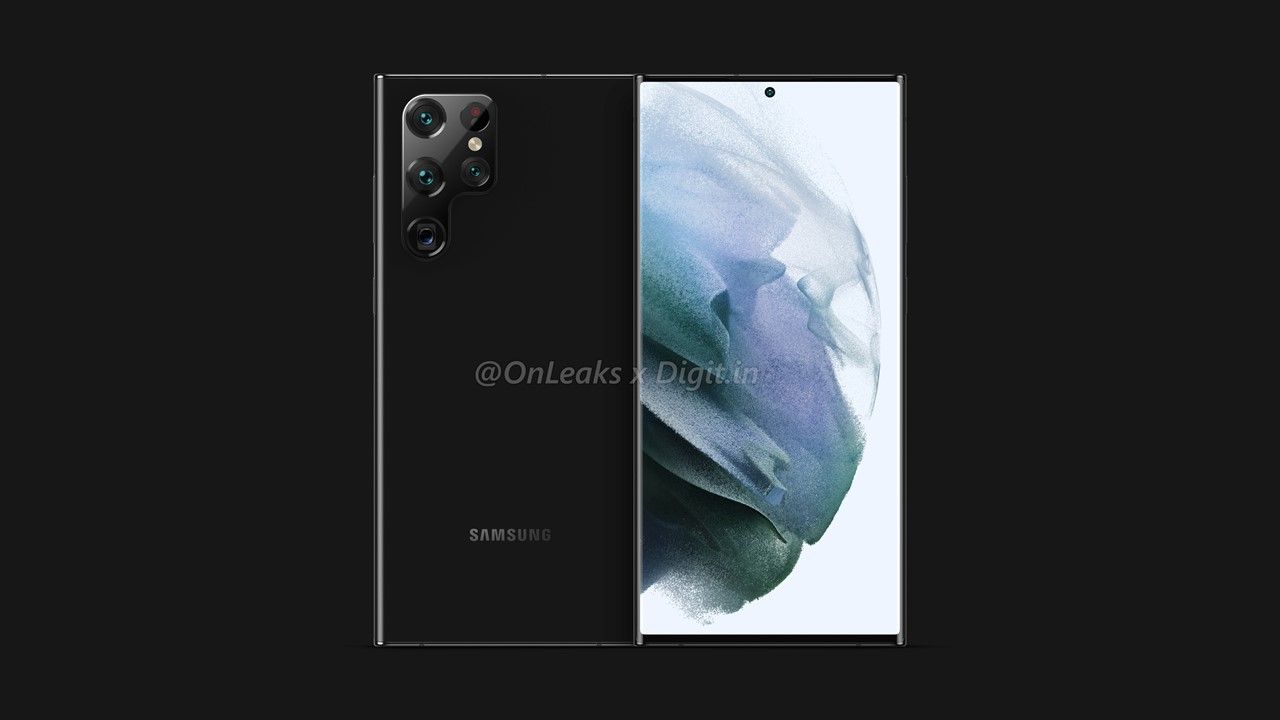
Samsung Galaxy S22 Ultra gets leaked in the form of early renders

Earlier, the reports indicated that the Galaxy S22 Ultra smartphone would max out at 512GB of internal storage but now it is being said that there will be a 1TB storage version for the top-of-the-line offering.

This makes sense given that the S22 Ultra is like a spiritual successor to the Galaxy Note series phones which seems to have been discontinued by the South Korean giant.

However, this won’t be the first time Samsung offers a 1TB storage version for its smartphone. A couple of years back, in 2019, the company had launched the Galaxy S10 Plus with 1TB of internal storage as well as a microSD card slot.

If this turns out to be true, then Samsung will be up against Apple’s latest iPhone models which also offer up to 1TB of storage. Further, the Galaxy S22 Ultra is expected to come with a dedicated slot for storing the S-Pen stylus.

Based on the leaks, it’s likely that the 1TB internal storage model will come packed with 16GB of RAM. There will also be a 12GB RAM model and three other internal storage options — 128GB, 256GB, and 512GB.

All the models in the Galaxy S22 series will come powered by the Snapdragon 8 Gen 1 chipset or the unannounced Samsung Exynos 2200 SoC, depending on the region. As for the availability, the devices are expected to go on pre-sale from 8th February in South Korea but the official launch may get delayed to the end of February or early March.

RELATED: 

ColorOS 12 open beta goes live for OPPO Ace2, Reno5 K 5G, K9 5G, A93 5G

OPPO has been rolling out beta as well as stable builds of Android 12-based ColorOS 12 for eligible devices ever since the software went official in mid-September. Now, four more smartphones from the company have joined the ColorOS 12 open beta program before the end of 2021 in China. These devices are OPPO Ace2, OPPO Reno5 K 5G, OPPO K9 5G, OPPO A93 5G.

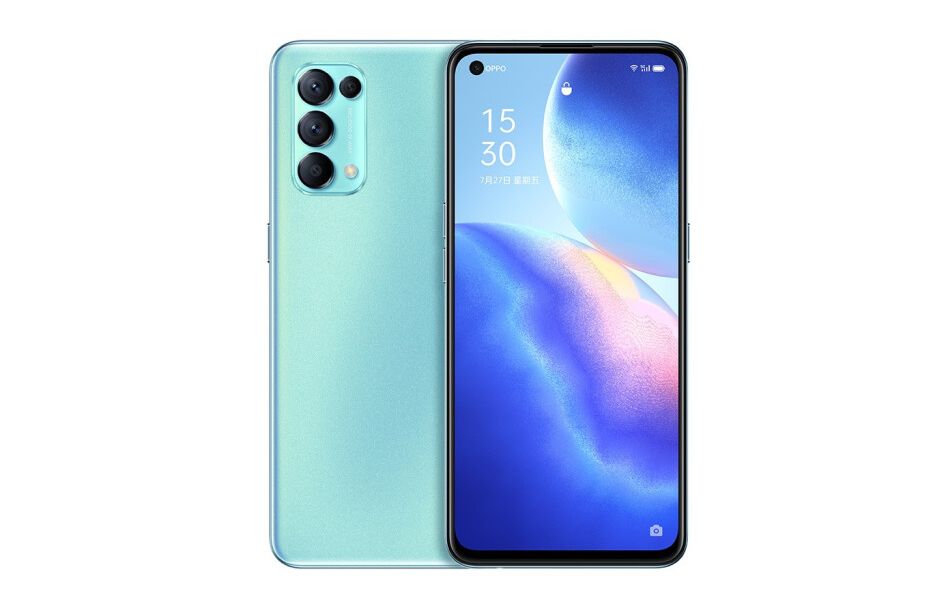
OPPO Reno5 K
OPPO Reno5 K 5G

In order to participate in the ColorOS 12 open beta program, users should be on the following firmware versions.

The beta registrations for the first batch have already ended for OPPO Ace2 and OPPO A93 5G. Whereas, they are live until today (December 29) for OPPO Reno5 K 5G and OPPO K9 5G.

To register, users will have to navigate to Settings > Software Update > Gear Icon > Apply for Beta Version > Update Beta Version and follow the on-screen instructions. Selected applicants will receive the update via OTA within 3 working days from the selection.

Since OPPO has been releasing stable builds around a month after the beta release, these handsets will most likely get access to ColorOS 12 stable by the end of January 2022 or early February 2022.


RELATED:


Xiaomi rolls out MIUI 13 Beta update to first batch of devices in China

Xiaomi recently announced its latest Android 12-based MIUI 13 operating system for its smartphones. The newly released Xiaomi 12 series phones come pre-installed with the latest MIUI and the company has shared a release timeline for other phones.

Now, internal beta testers with the devices in the first phase of the release scheduled have received the latest MIUI 13 Beta update for their smartphones. Do note that this is just a beta release and the stable version will be available next month.

MIUI 13 Logo Featured B

The update, based on the Android 12 operating system, that is being pushed by the company carries version number 21.12.27. It comes with optimized performance, strengthened privacy, and integration of smart ecology products from Xiaomi, and more.

The smartphones from Xiaomi that are eligible for the MIUI 13 Beta version in China include Xiaomi Civi, MIX 4, Redmi K40 Game Enhanced Edition, Redmi Note 10 Pro, Xiaomi 11, 11 Pro, 11 Ultra, 11 Youth Edition, Mi Pad 5, Pad 5 Pro, Pad 5 Pro 5G, Xiaomi 10S, Redmi K40, K40 Pro, K30S Extreme Edition, K30 Extreme Edition, Mi 10 Extreme Edition, Mi 10, 10 Pro, Redmi K30, K30 5G, K30i 5G, K30 Pro, Mi 10 Youth Edition, Redmi Note 9, Note 9 4G, Note 9 Pro, Note 10, Note 11 5G, 10X Pro, 10X, and Xiaomi CC9 Pro.

Here’s the summary of the official changelog for the MIUI 13 Beta update from Xiaomi:

  • Added some functions of Mi Magic with support for interconnection of mobile phones and tablets for seamlessly content flow between devices

  • Added face verification protection and privacy watermark functions

  • Added full-link electrical fraud protection to secure from telecommunications fraud

  • Added a new system font MiSans, which is visually clear and comfortable to read

  • Added live wallpaper beautiful scientific crystals, showing the beauty of science under the microscope

  • Added widget system to support rich application widgets and personalized widgets

  • Add a fully customizable Xiao Ai classmate, your personal intelligent assistant

  • Optimize the basic experience faster and more stable

The rollout of the stable MIUI 13 will being from next month, starting with devices like Xiaomi 11, 11 Pro, 11 Ultra, Mi Pad 5 Pro 5G, Mi Pad 5 Pro, and Mi Pad in the first phase while the timeline for the second and third phase will be revealed later.

RELATED: