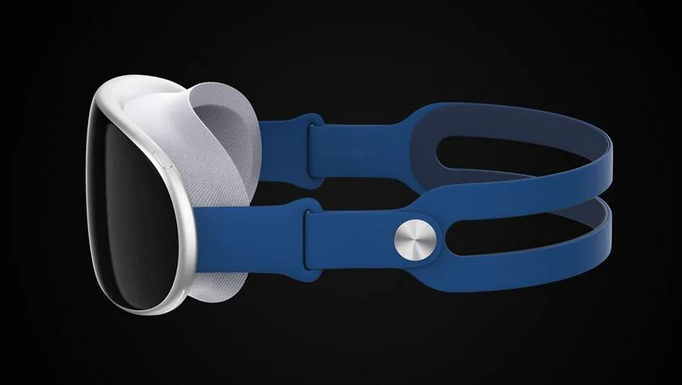
Apple has been rumored to be working on its first AR device and the operating system for powering such product is also reportedly being developed by the technology giant.
Now, a new report has surfaced online which claims that the upcoming Apple VR headset will come powered by the Apple Silicon’s M1 processor. It also goes on to add that the device will have a micro OLED display.
Sources aware of the development in the supply chain have said that Apple is entering the second round of pre-production tests on the AR headset.
Earlier, analyst Ming-Chi Kuo had said that the Cupertino-based giant will launch the headset “with the same computing power level as the Mac,” with its chip design being the major difference between the AR headset from other brands.
While the launch date for the Apple AR headset isn’t known at this time, reports indicate that the device could go official sometime in the fourth quarter of this year.
South Korean tech giant Samsung is also working on its first AR headset and the company has reportedly formed a task force that is focused on working with Microsoft to develop further AR headsets.
Samsung’s AR headset is said to use hologram technology and has been developed over an extended period by the Samsung Advanced Institute of Technology. It is said to be based on the Exynos processor and will use Google’s Android as the operating system.
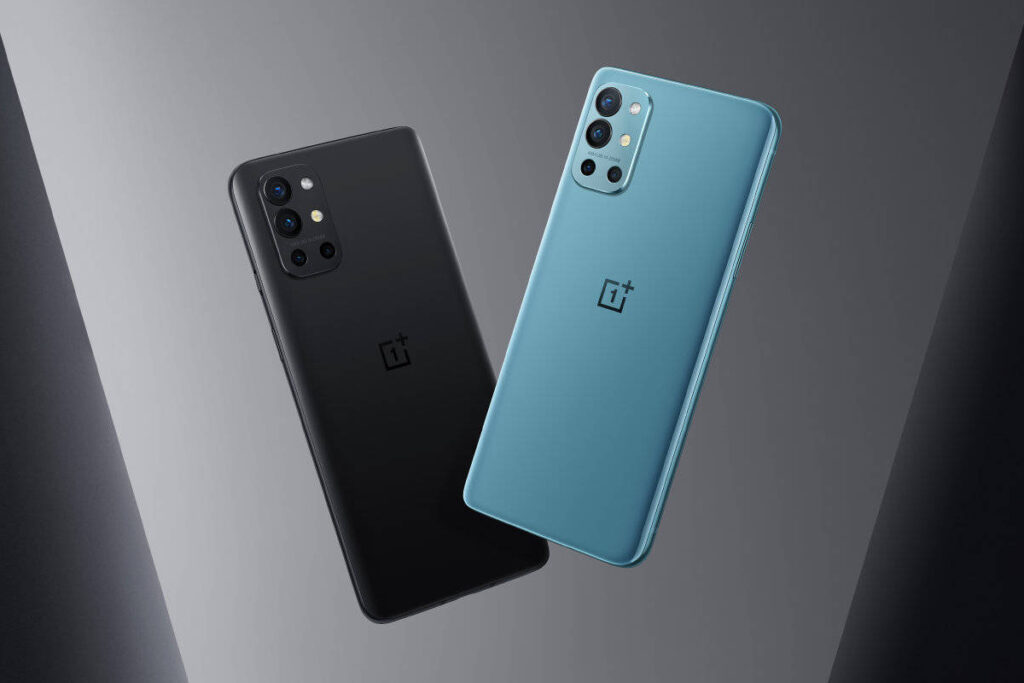
OnePlus kicked off the Android 12-based ColorOS 12 beta program for the OnePlus 9R ahead of Christmas. Almost two months, as scheduled, the brand has now started rolling out the stable update for this handset. On the other hand, the international variant, which is sold exclusively in India, only recently entered the OxygenOS 12 Open Beta program.
OnePlus 9R
According to the official announcement post on OnePlus Community China, users need to be at least on firmware version A.15 to receive the ColorOS 12 stable update on their OnePlus 9R.
If they meet the criteria, then they head over to Settings > Software Update > Gear Icon > Upgrade Early Adopters > Application for Official Version. On this page, agree to the privacy policy, click on ‘Apply Now’, followed by ‘Check’ to download and install the Android 12 stable update.
Users need to go through these steps as the update is currently limited to those who want to try it by choice. If these early adopters don’t face any major issues, the release will be made available for everyone in the coming days.
Though the latest system update for the OnePlus 9R is called ‘stable’, OnePlus does mention a bug. The brand says that the lock screen flashes while unlocking with a large number of notifications. The only solution for this right now is to clear notifications.
That said, as mentioned earlier, the international OnePlus 9R just got access to Android 12 beta. Hence, the stable rollout for it will likely take a month or two.
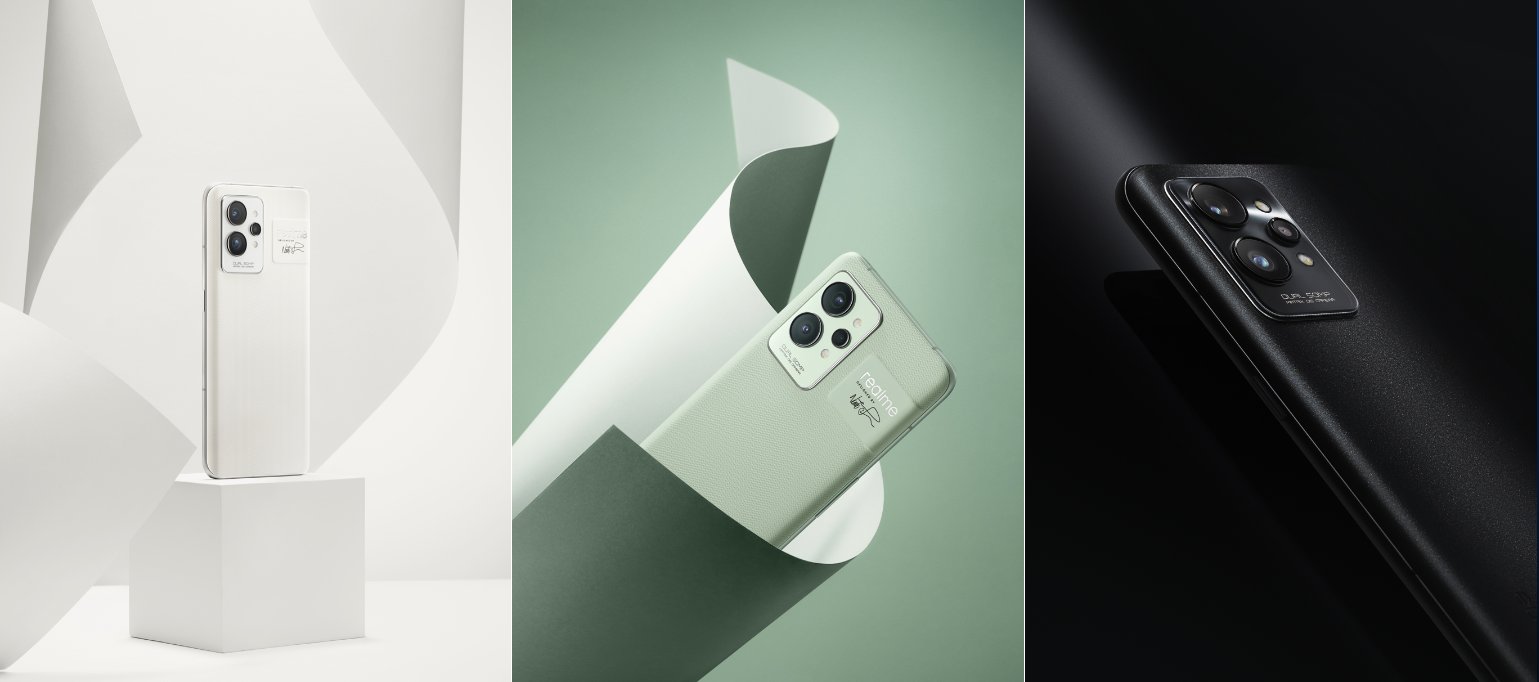
Realme will be holding a global launch event on Feb. 28 during the upcoming Mobile World Congress (MWC) 2022 event to announce the Realme GT2 and GT2 Pro. A fresh leak by tipster Sudhanshu Ambhore has revealed the pricing, variants, and color options of the GT2 and GT2 Pro for the European markets.
Realme GT2, GT2 Pro pricing (rumored)
The Realme GT2 is expected to arrive in two variants such as 8 GB RAM + 128 GB storage and 12 GB RAM + 256 GB storage in Europe. Both models are likely to be priced at 539 euros (~$604) and 589 euros (~$660). The handset could be available in colors such as Paper White, Paper Green, and Steel Black.
The Realme GT2 Pro will come in a sole version offering 12 GB of RAM and 256 GB of storage in Europe. It may carry a price tag of 789 euros (~$885). Like the vanilla model, the GT2 Pro may arrive in Paper White, Paper Green, and Steel Black colors.
Realme GT2, GT2 Pro specifications
The Realme GT2 has a 6.62-inch AMOLED FHD+ 120Hz display, a 16-megapixel front camera, and a 50-megapixel (main, with OIS) + 8-megapixel (ultrawide) + 2-megapixel (macro) triple camera unit. It is equipped with the Snapdragon 888 chip and a 5,000mAh battery.
The Realme GT2 Pro has a 6.7-inch AMOLED LTPO QHD+ 120Hz screen, a 32-megapixel selfie snapper, and a 50-megapixel (main, with OIS) + 50-megapixel (ultrawide) + 3-megapixel (microscope) triple camera system. The Snapdragon 8 Gen 1 chip powers the device with a 5,000mAh battery.
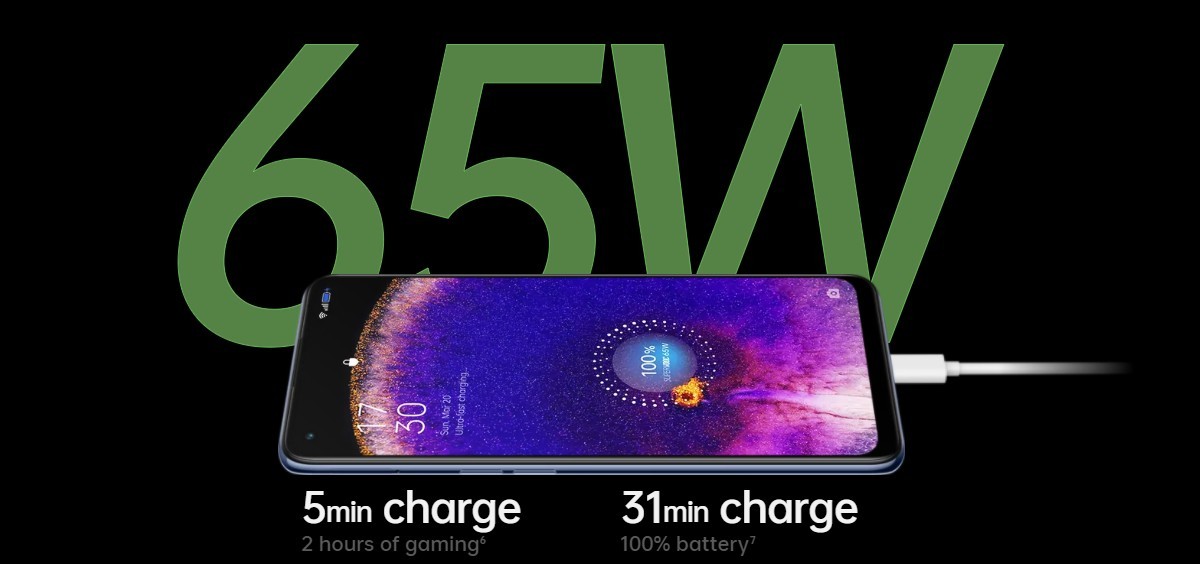
The GT2 series is preinstalled with Android 12 OS and Realme UI 3.0. It offers other key features such as LPDDR5 RAM, UFS 3.1 storage, an in-screen fingerprint scanner, and 65W fast charging.
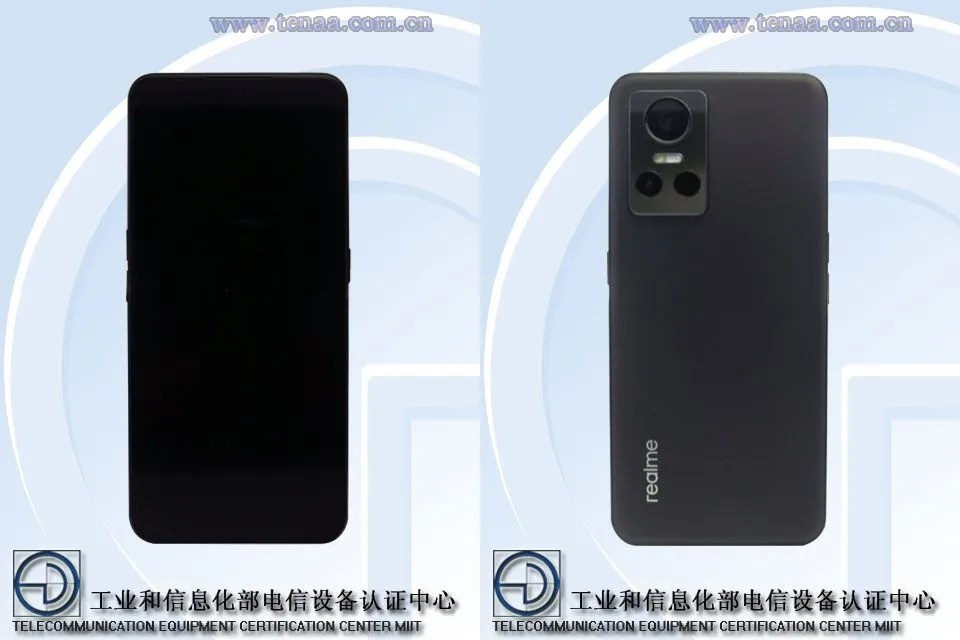
Realme GT Neo3 is in the works. Recently, new Realme phones with RMX3560 and RMX3562 appeared with full specifications in the TENAA certification site of China. Rumors have it that these are two variants of the GT Neo3 for the Chinese market. Fresh information shared by reliable tipster Mukul Sharma and Pricebabasuggests that the GT Neo3 could be also coming to India soon.
The below-shown screenshot shared by the publication shows that the Realme GT Neo 3 name has appeared in the source code of Realme India’s website. Unfortunately, the website does not have any other information about the smartphone. The mere appearance of the phone’s name on the official site is a good hint that its India launch may not be far away.
TENAA images Realme RMX3560/2
Realme GT Neo3 specifications (rumored)
The Realme GT Neo3 will feature a 6.7-inch AMOLED display with a centrally aligned punch-hole. It will produce a Full HD+ resolution and a 120Hz refresh rate. For selfies, it will be equipped with a 16-megapixel front camera, and a 50-megapixel + 8-megapixel + 2-megapixel triple rear cameras.
The upcoming Dimensity 8100 chip is likely to power the GT Neo3. It may ship with 8 GB / 12 GB of RAM and 128 GB / 256 GB / 512 GB of internal storage. The handset is expected to arrive with Realme UI 3.0 flavored Android 12 OS preinstalled. It will be equipped with an in-screen fingerprint scanner.
The RMX3560 variant of the GT Neo3 will feature a 4,500mAh battery, which will carry support for 150W rapid charging. On the other hand, the RMX3562 model may come packed with a 5,000mAh battery with 80W fast charging support. Probably, the GT Neo3 will debut in March in China.
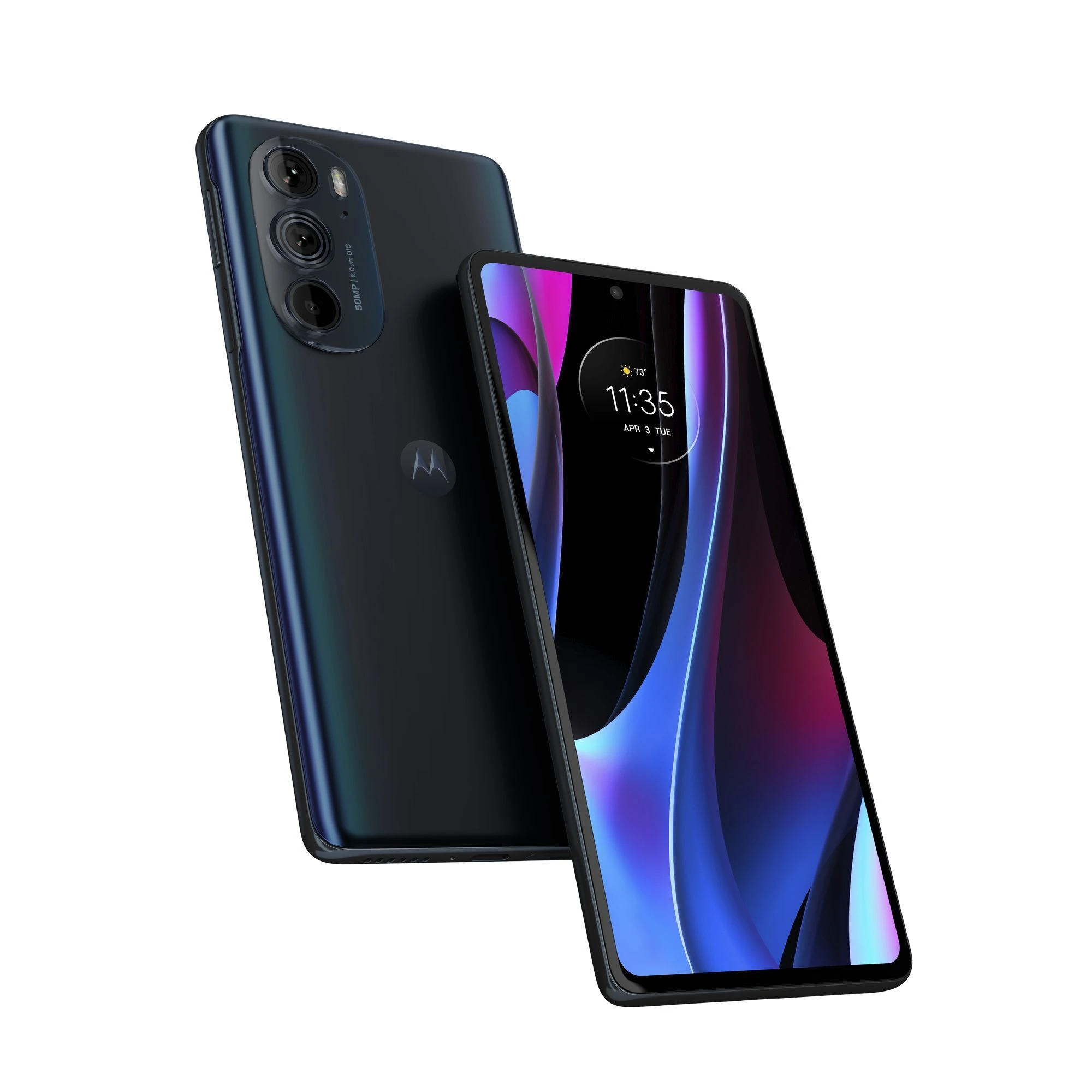
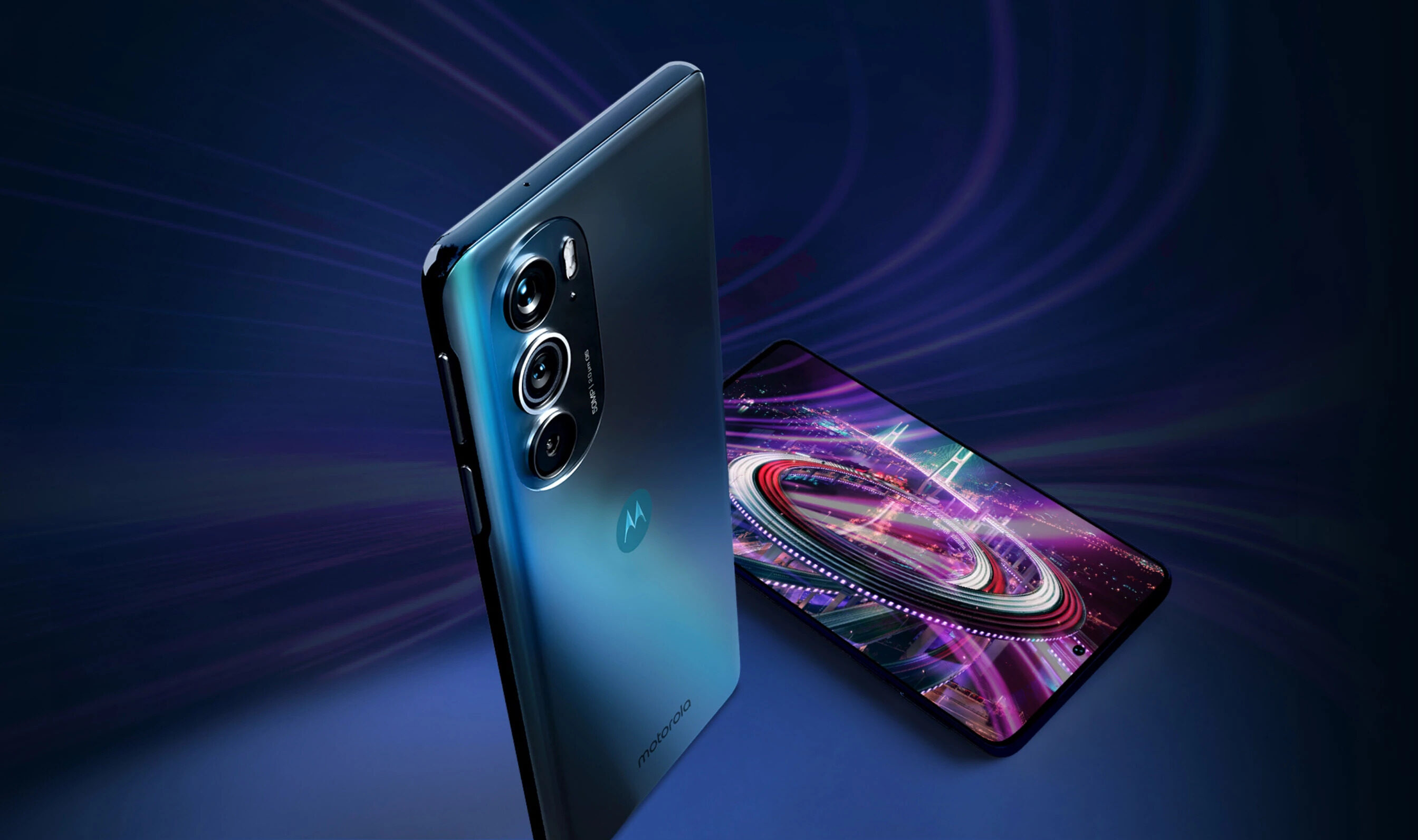
Lenovo-owned smartphone brand Motorola has launched its latest smartphone in the United States — Motorola Edge Plus 2022. The device is a rebranded version of the recently launched Moto Edge 30 Pro smartphone.
The smartphone has a starting price of $999.99 in the United States but the company is offering a limited-time launch discount which brings down the phone’s price to $899.99.
It features a 6.7-inch Full HD+ P-OLED display that offers a 144Hz refresh rate, a 360Hz touch sampling rate, 10-bit color depth, DCI-P3 color gamut, and HDR+ support. Under the hood, the device is powered by the Qualcomm Snapdragon 8 Gen 1 chipset.
The device comes packed with 8GB or 12GB LPDDR5 RAM and three options to choose from in terms of internal storage — 128GB, 256GB, and 512GB.
In the camera department, there’s a triple-camera setup on the back that includes a 50-megapixel primary sensor, a 50-megapixel ultrawide sensor, and a 2-megapixel depth sensor. On the front side, there’s a 60-megapixel snapper for taking selfies and video calling and comes with the Auto Smile Capture feature.
The smartphone is running the latest Android 12 operating system out-of-the-box with the company’s own My UX custom user interface on top. The device is powered by a 4,800mAh battery but unlike the European and Indian variant which has 68W fast charging support, this US variant supports 30W fast charging.
The Motorola Edge Plus 2022 comes in two color options — Cosmos Blue and Stardust White. Those who are interested in purchasing this smartphone can register their interest on the company’s website.
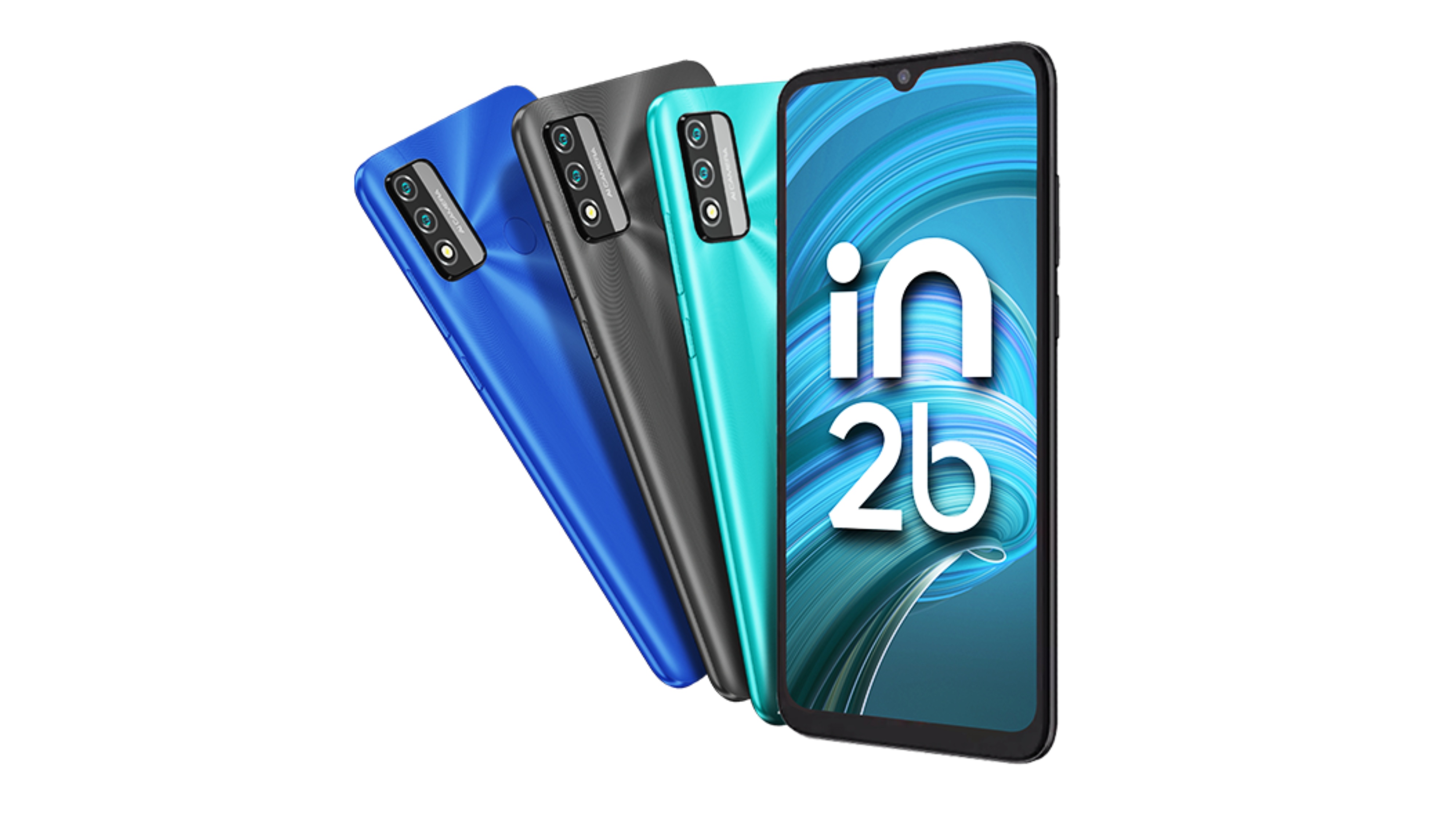
Micromax announced the Micromax In Note 2 as its first smartphone of the year 2022. Fresh information suggests that the Micromax In 2c could be the company’s next handset. The moniker has appeared has now surfaced in the database of the Google Play supported devices list, which indicates that it may go official soon.
As can be seen in the screenshot shared by tipster Abhishek Yadav, the Micromax In 2C has surfaced with model number E6533 in Google Play supported devices list. This model number has been previously spotted at the Bureau of Indian Standards (BIS) and Geekbench benchmarking site.
The Micromax In 2C’s Geekbench listing had surfaced back in June 2021. It revealed key specifications such as a Unisoc T610 chipset, 4 GB of RAM, and Android 11 OS. In the single-core and multi-core tests of Geekbench, the handset scored 347 and 1127 points, respectively. As the name suggests, the In 2c will be replacing the Micromax In 2b smartphone from last year.
Unfortunately, there is no information on the specifications of the Micromax In 2c specifications. Probably, the company may unveil the device in March. The device is likely to debut with a sub-Rs 10,000 (~$133) pricing in the country. Hopefully, newer reports will reveal more details about the In 2c in the coming days.
Micromax In 2b
The Micromax In Note 2 introduced last month features a 6.43-inch AMOLED FHD+ display with Gorilla Glass protection, a 16-megapixel front-facing camera, and a 48-megapixel (main) + 5-megapixel (ultrawide) + 2-megapixel (macro)+ 2-megapixel (depth) quad-camera unit. The Helio G95 powered handset offers 4 GB of RAM, 64 GB of storage, a 5,000mAh battery with 30W charging, Android 11 OS, and a side-facing fingerprint scanner.
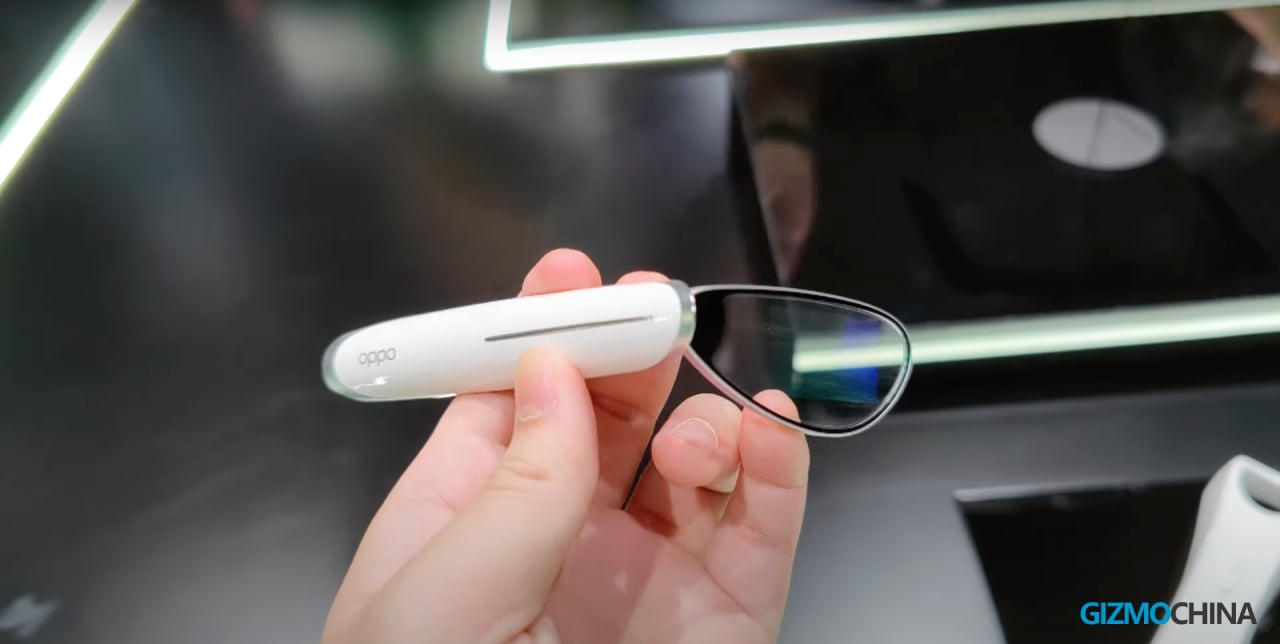
A couple of months ago, OPPO had unveiled its first wearable smart glasses, dubbed as OPPO Air Glass, making the company’s entry in the assisted reality (AR) category.
Now, the company has confirmed that the OPPO Air Glass will be available for purchase in its home country China from 3rd March for the price of 4,999 yuan (~$791). The OPPO Air Glass will be available for purchase in two color options — Silver Wing and Black Mirror, along with two custom frame kits.
OPPO says that the Air Glass has four main characteristics — Beauty, Lightness, Universality, and Utility. The product aims to become the “third screen” for the users apart from smartphones and smartwatches.
It has a single glass design with a proprietary Spark Micro Projector and cutting-edge micro-LED. It adopts a custom optical diffraction waveguide, supporting two display modes – 16-level grayscale and 256-level grayscale – and can deliver up to 1400 nits in average brightness while projecting. It supports four methods of interaction — touch, voice, hand motions, and head movements.
Under the hood, the product is powered by the Qualcomm Snapdragon Wear 4100 chipset and supports functionalities like weather reminders, schedule reminders, a Health app, and a teleprompter which will benefit users with speeches, presentations, and more.
It also comes with a real-time translation feature with support for Chinese-English two-way translation while Chinese-Japanese and Chinese-Korean translations are slated to be offered in the future. Another important feature baked into the smart-glass is the real-time on-display navigation which provides directions via visual queues.
An upcoming Vivo phone with V2170A model number has been approved by China’s 3C authority. Tipster WHY LAB from China has claimed that this device will be debuting with Vivo X Note name in the home market. He also shared the key specifications of the device.
According to the tipster, the V2170A was previously expected to launch as the NEX 5, but as mentioned above, it will be launching as the Vivo X Note. Its 3C certification reveals that the device may ship with an 80W charger. The handset has also bagged TENAA certification, but its details haven’t appeared yet.
Vivo X Note specifications (rumored)
The Vivo X Note will house a massive 7-inch Samsung AMOLED E5 display with slightly curved edges and a centred punch-hole. It will offer a Quad HD+ resolution and a 120Hz refresh rate. Tipster Bald is Panda mentioned that the device measures 168 x 76 x 9.2mm and weighs 221 grams.
Vivo NEX 3
There is no information on the front camera of the Vivo X Note. The back panel of the device will house a quad-camera unit featuring a 50-megapixel Samsung S5KGN1 primary camera, a 48-megapixel Sony IMX598 lens, a 12-megapixel Sony IMX663 snapper, and an 8-megapixel OV08A10 camera with 5x zoom.
The X Note will be backed by a 5,000mAh battery that will support 80W charging. It will be a flagship phone powered by the Snapdragon 8 Gen 1. With important certifications under the belt, the X Note may debut as early as March. It is speculated Vivo’s foldable phone will debut in the same month.
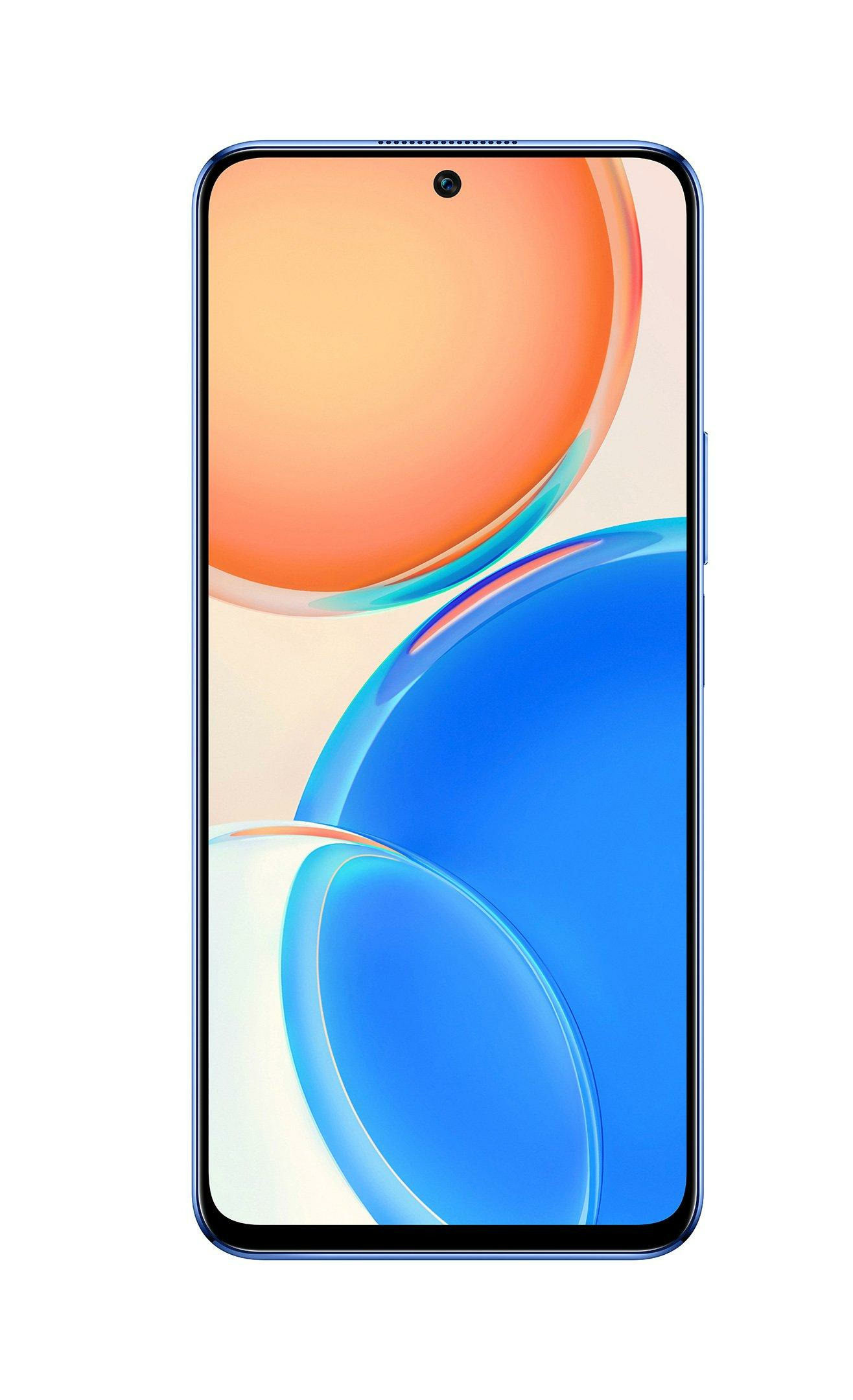
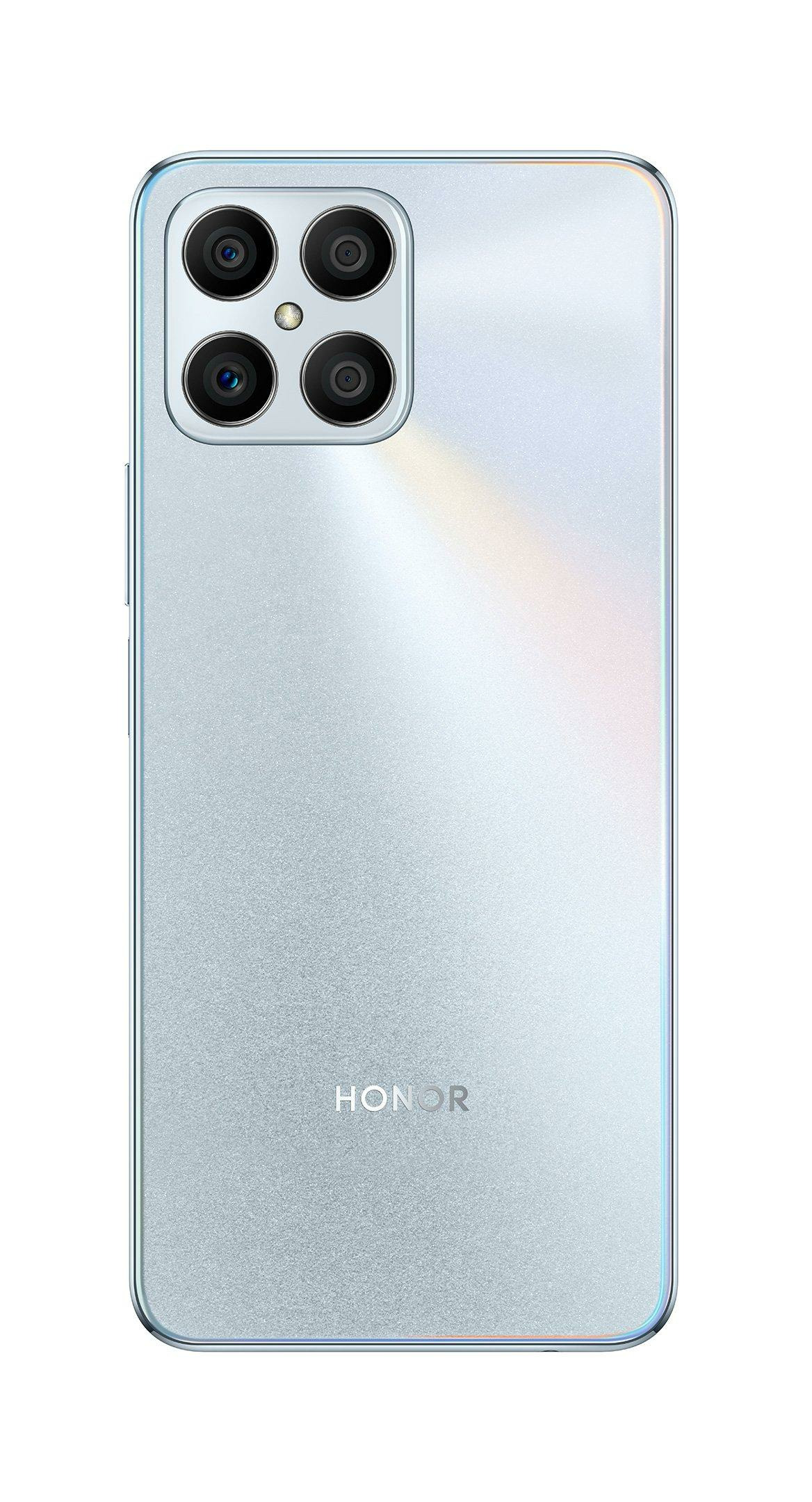
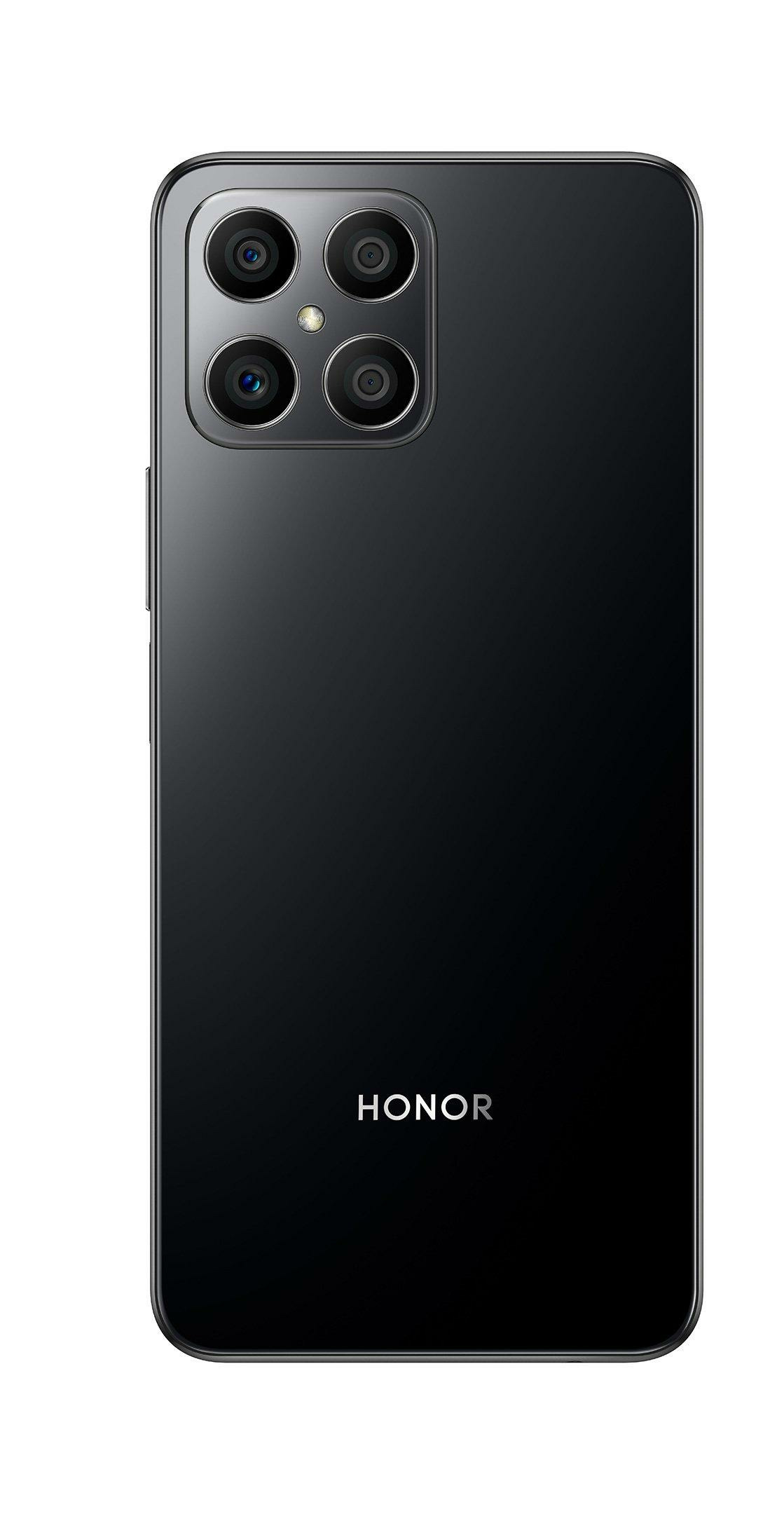
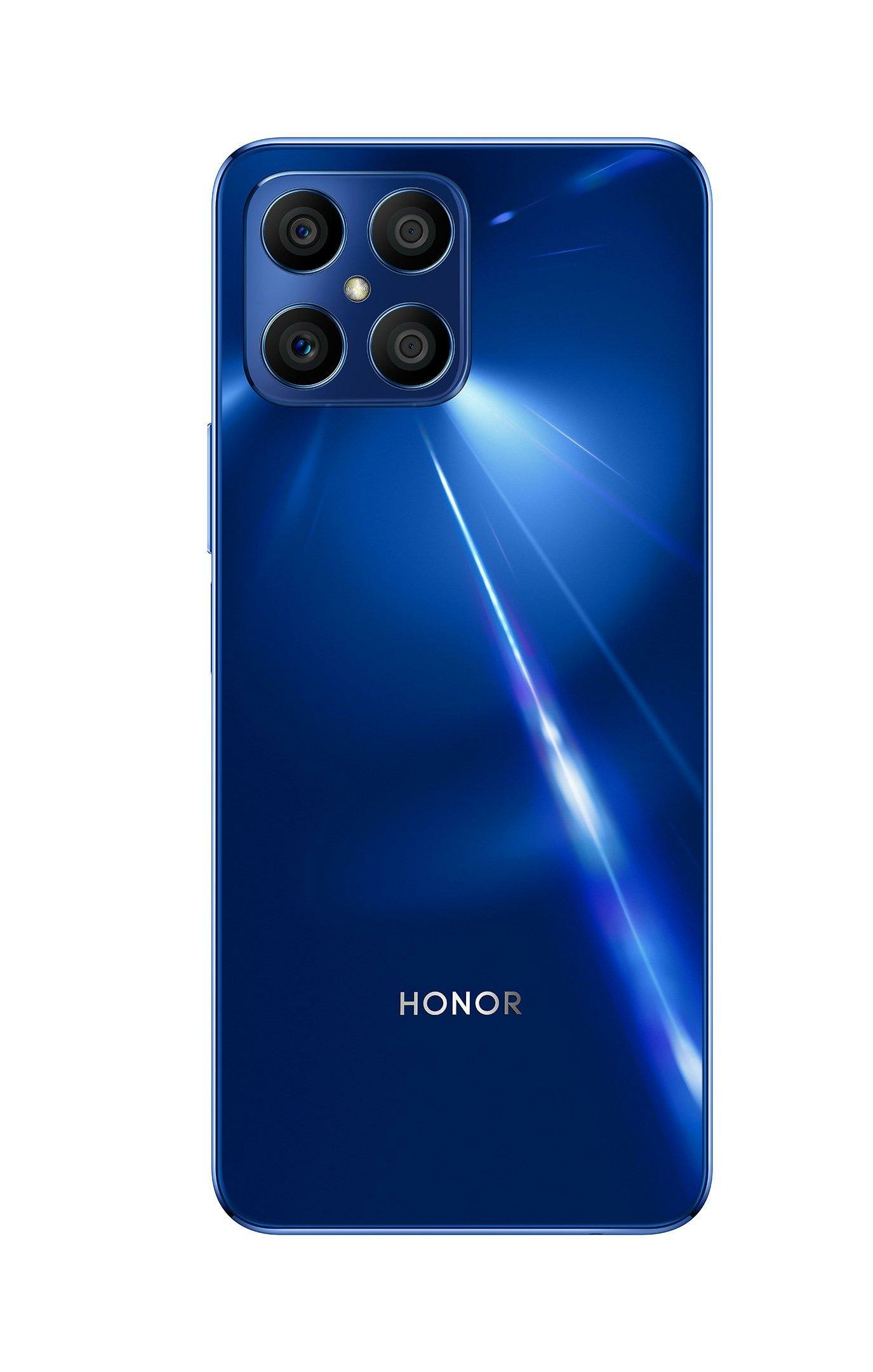
Honor is reportedly working on the Honor Magic 4 series of flagship phones. A fresh report by Winfuture.de claims that the Chinese manufacturer is also working on a mid-range phone called the Honor 8X for some regions of the world. The publication has shared all the information on its specifications and renders of the Honor X8 before its official announcement.
Honor X8 specifications (rumored)
The Honor X8 is based on the Honor X30i that was announced in Chinese markets in the recent past. The X30i is a 5G-ready device, whereas the X8 is an LTE handset. The device is equipped with a 6.7-inch LTPS LCD panel with a punch-hole design. It offers a Full HD+ resolution of 1080 x 2388 pixels.
The front side of the Honor X8 features a 16-megapixel camera. The rear side of the phone has a squarish camera module that includes a 64-megapixel primary camera, a 5-megapixel ultrawide lens, a 2-megapixel macro camera, and a 2-megapixel depth helper.
1 of 4
Honor X8
Honor X8
Honor X8
Honor X8
The device is powered by an unknown ARM chipset that includes four Cortex-A73 performance cores working at up to 2.4GHz and four Cortex-A53 CPU cores working at up to 1.9GHz. It is assisted by 6 GB of RAM and 128 GB of built-in storage. Even though it is a mid-range device, it lacks a microSD card slot.
The Honor X8 has a 4,000mAh battery, which can be charged using the USB-C port. For security, it has a fingerprint scanner integrated into the power button. It will come preinstalled with Android 11.
Honor X8 pricing and availability
The Honor X8 is likely to be priced around 200 euros. As can be seen in the above renders, it will be available in colors like blue, silver, and black.
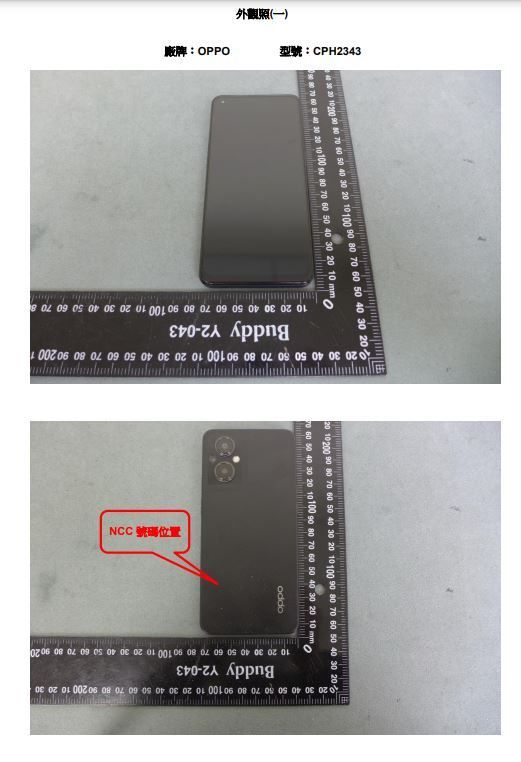
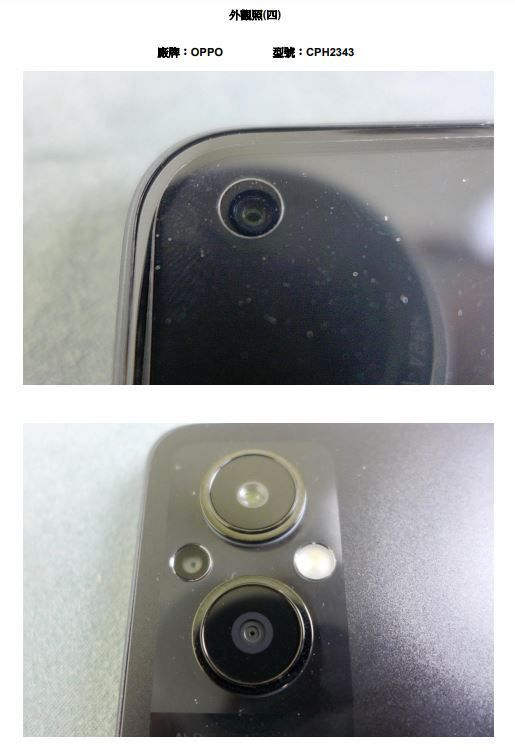
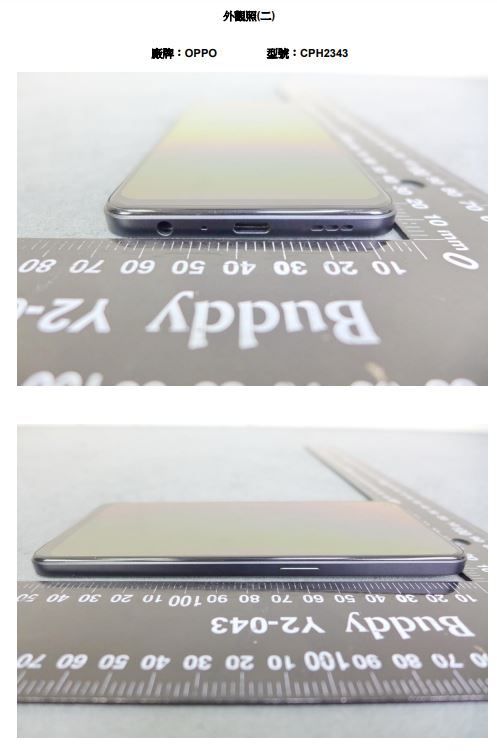
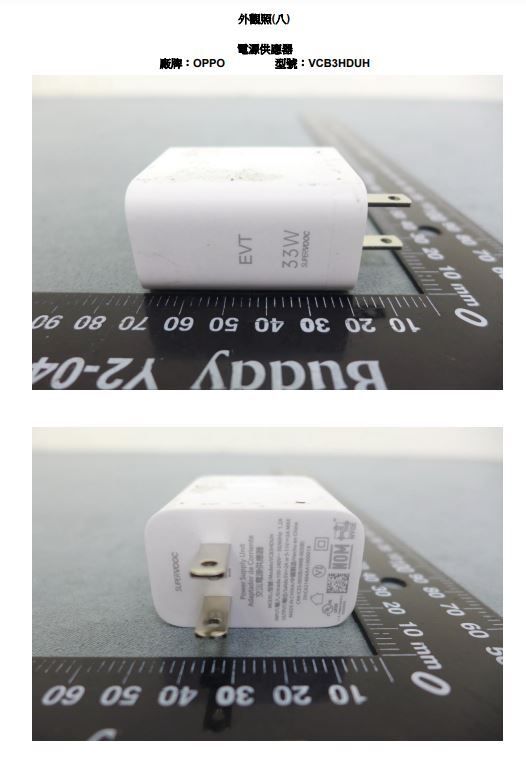
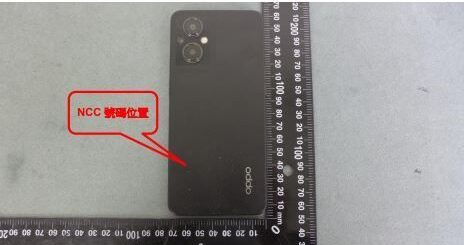
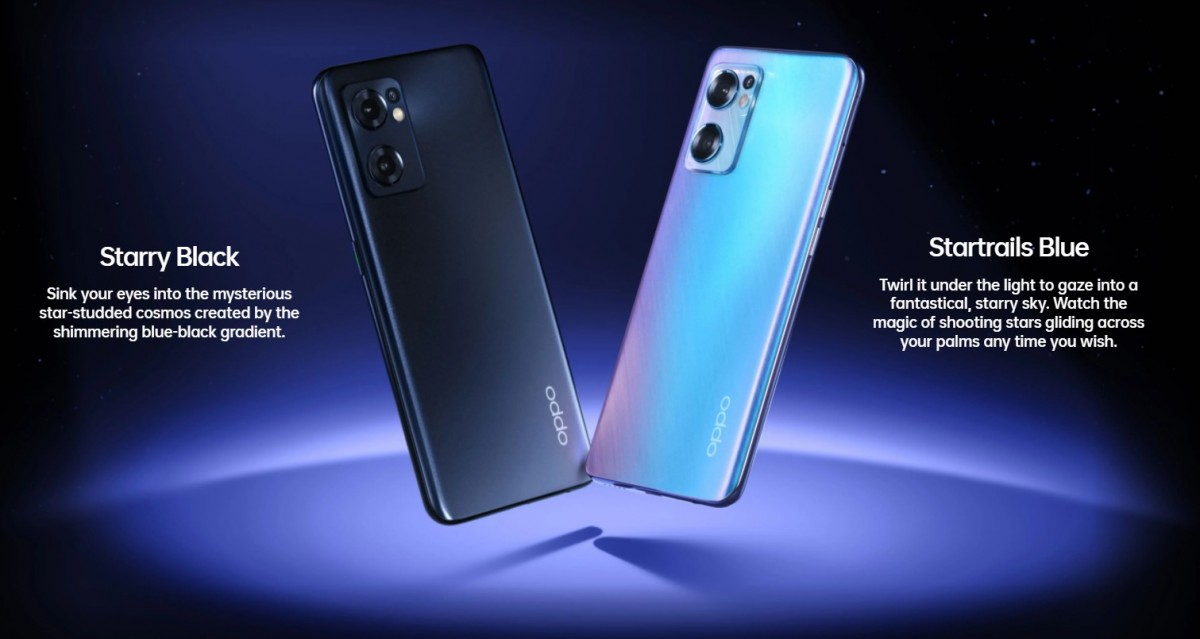
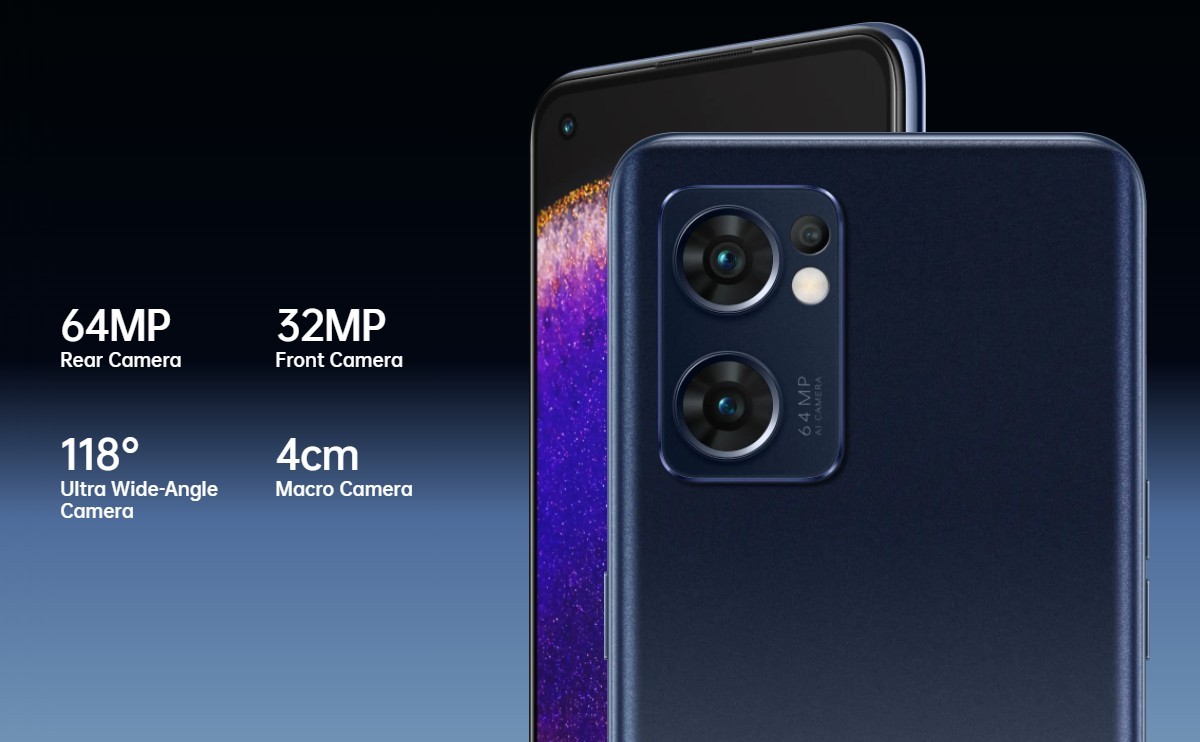
Last week, Oppo unveiled the Reno7 series, comprising the Reno7 and Reno7 Pro in the Indian market. Now, the company is expected to launch the much-leaked Reno7 Z. The smartphone was previously found listed on the Oppo Indonesia website, and now, the phone has cleared the NCC certification.
The NCC certification of the device shows the live images of the smartphone. The images reveal the punch-hole display on the device. It sports a triple camera system at the rear and has an LED flash beside the lenses. The setup looks similar to the recently launched Oppo A96 5G.
1 of 4
Coming to the details, the phone has a punch-hole screen which is expected to be a 6.43-inch FHD+ panel, similar to the A96 5G. The camera specs of the device are still under wraps but we can expect the secondary lens to be an ultra-wide unit.
The smartphone is expected to come powered by the Snapdragon 480+ SoC paired with 8GB of RAM and 128GB of internal storage. As per the images, the device has a 33W fast charging support. The battery inside the device is expected to be a 4,500mAh cell.
The smartphone can be seen in the Black color variant in the images. As per leaks, the phone is also expected to launch in a bright Gradient shade that has a mix of gold, green, and pink.
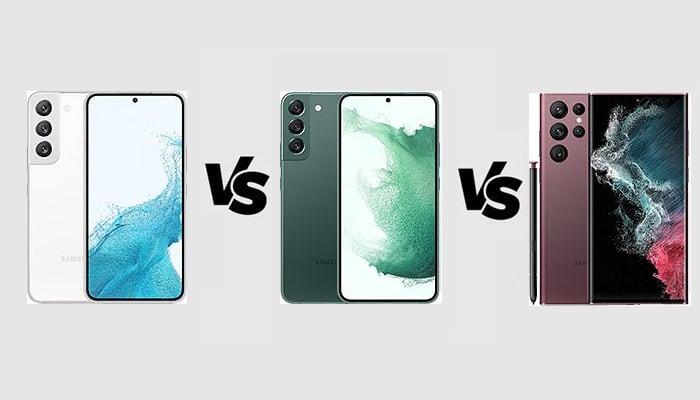
The Samsung Galaxy S22 series is having a huge success. According to the latest data the new lineup set new records in the Indian market and this means that Samsung released three very interesting devices. Are you among the ones wondering which one to buy between the Samsung Galaxy S22, the Samsung Galaxy S22 Plus, and the Samsung Galaxy S22 Ultra? If so, then you are in the right place. Through this comparison between their specifications, we will explain what changes between each variant in order to let you understand which one is the best for your needs.
Samsung Galaxy S22 vs Samsung Galaxy S22 Plus vs Samsung Galaxy S22 Ultra
The vanilla Samsung Galaxy S22 and the Galaxy S22 Plus have almost the same design. The camera modules have the same form factor and their design is an upgraded version of the Galaxy S21 series. The Samsung Galaxy S22 Ultra, instead, is totally different from its two siblings. It comes with a design reminiscent of the Galaxy Note series, as well as four cameras placed directly in the back cover without a camera module. It is bigger and it has a slot for the S Pen. Further, unlike its two internal rivals, it has a curved screen at the sides. All the phones from the Samsung Galaxy S22 series are waterproof and dustproof with the IP68 certification, they sport a glass back protected by Gorilla Glass Victus+ and an aluminum frame.
Display
Besides having a different design, the Samsung Galaxy S22 Ultra comes with an improved display if compared to the vanilla and the Plus version. It is an AMOLED panel with a diagonal of 6.8 inches, an adaptive refresh rate from 1 to 120 Hz, a Quad HD+ resolution of 1440p, and the HDR10+ standard. The Samsung Galaxy S22 and S22+ come with the same display specifications and what changes between these two models is the diagonal: the Galaxy S22 is very compact thanks to a 6.1-inch display, while the Plus has a standard 6.6-inch panel. In both cases, you get a Full HD+ resolution instead of Quad HD+.
Specs & Software
All these phones are equipped with the same processors: Snapdragon 8 Gen 1 in select markets and Samsung Exynos 2200 in the remaining ones. The Samsung Galaxy S22 and the Plus offer 8 GB of RAM and either 128 or 256 GB of native storage, while the Galaxy S22 Ultra is actually better because it sports up to 12 GB of RAM and up to 1 TB of internal storage. The whole series runs Android 12 out of the box and will get the same software treatment with four years of major updates.
Camera
Samsung Galaxy S22 and S22+ are great camera phones packing a 50 MP main camera with OIS, a 10 MP telephoto sensor with 3x optical zoom, and a 12 MP ultrawide camera. But the Galaxy S22 Ultra is way better as it replaces the 50 MP main camera with a better 108 MP one and it adds a 10 MP periscopic sensor with 10x optical zoom and OIS. Even the front camera is superior with its 40 MP resolution and 4K video recording at 60 fps.
The Samsung Galaxy S22 has the smallest battery with just 3700 mAh, the Plus comes with 4500 mAh, and the Ultra has a whopping 5000 mAh battery. The Plus and the Ultra also get a faster 45W charging technology.
Price
Samsung Galaxy S22 is priced at $800/€850, the Plus costs $999/€1050, and the Ultra starts from $1200/€1250. Despite the price, the S22 Ultra wins the value for money comparison thanks to the S Pen, a superior display, a big battery, and better cameras.
Samsung Galaxy S22 vs Samsung Galaxy S22 Plus vs Samsung Galaxy S22 Ultra: PRO and CONS
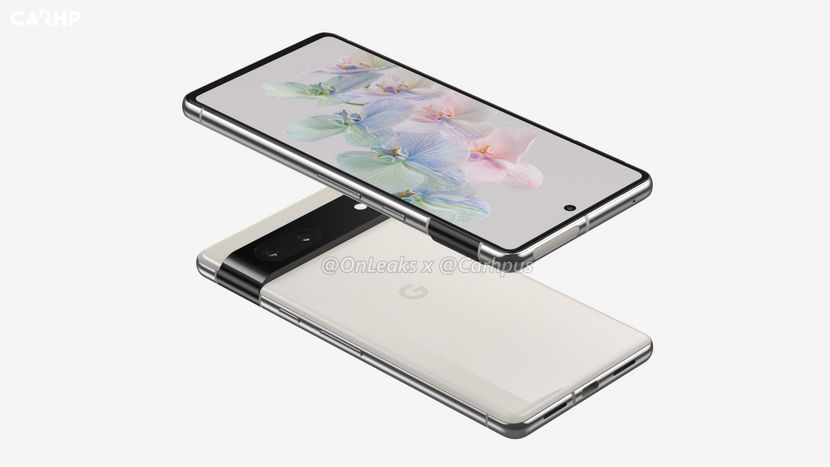
Google appears to be working on the upcoming Pixel 7 smartphones. Earlier today, the Pixel 7 Pro renders were surfaced online, and now, CARHP(viaOnleaks) has shared the renders of the vanilla Pixel 7.
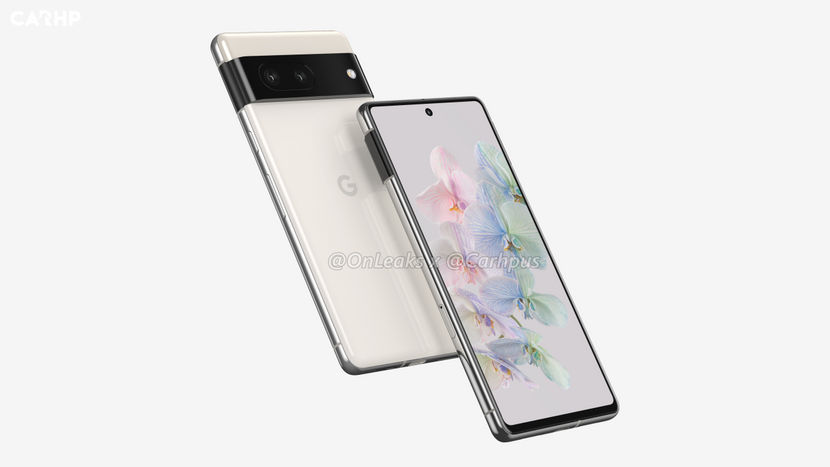
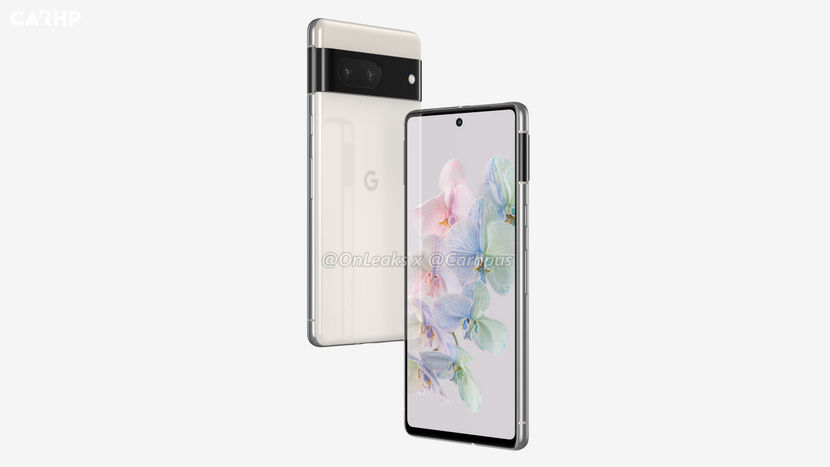
The Google Pixel 7 renders show the design of the device and also reveal its key details. At a glance, the Pixel 7 looks identical to the existing Pixel 6. The phone has a punch-hole display at the front and a dual-camera system at the rear. We get to see the Cloudy White color in the image.
This screen is said to be somewhere around 6.2-inch or 6.4-inch. It is has a 20:9 aspect ratio and has the following measurements – 155.6mm x 73.1mm x 8.7mm. These measurements are slightly different than the Pixel 6(158.6mm x 74.8mm x 8.9mm). It means that the Pixel 7 will be a little slimmer by only 0.2mm. Having said that, we can expect a different battery size.
1 of 2
Coming to the rear, the device is touted to have a 50MP dual-camera system. The secondary lens will be a wide-angle sensor. Upfront, the phone will likely have the same 8MP sensor as the predecessor. The phone is expected to have an upgraded Tensor processor paired with up to 512GB of internal storage.
This time around, the Pixel 7 is expected to come in Stormy Black, Kinda Coral, Sorta SeaFoam, and Cloudy White shades. As for the launch, the device is expected to debut in September or October this year alongside the Pixel 7 Pro.
The Indian government has recently banned the popular mobile battle royale game, Free Fire. The app is owned by Singapore-based tech group Sea Ltd, with Tencent having a major stake. The game has been developed by 111dots Studio and published by Garena, a Singapore-based games publisher.
For those unaware, the Indian government has recently banned another 53 applications suspected of sending user data to servers in China, which includes certain apps that had resurfaced as clones of previously banned Chinese apps.
In a report by Reuters, sea ltd said that “the company does not transfer to, or store any data of their Indian users, in China.” Singapore, reportedly, reached out to Indian authorities and inquired as to why the app had been targeted in the government’s crackdown on Chinese apps.
The oddity of the ban is more pronounced and confusing as Sea is headquartered in the city-state and therefore the concern by Singapore as to whether the app had been “banned unintentionally”.
Garena, released a statement post-ban of free fire stating: “We are aware that Free Fire is currently unavailable in the Google Play and iOS app stores in India and that the game is currently not operable for some users in the country,” reads the statement. “We are working to address this situation, and we apologize to our users for any inconvenience.”
The Indian IT Department hasn’t yet released a statement regarding the specific ban of Garena’s Free Fire.
The game had gained immense popularity and had a thriving esports culture. Recently it was announced that European esports organization Team Vitality, formed a new Free Fire esports team in India.
As of yet, the game is not available for download either on Google Play Store or the App Store.
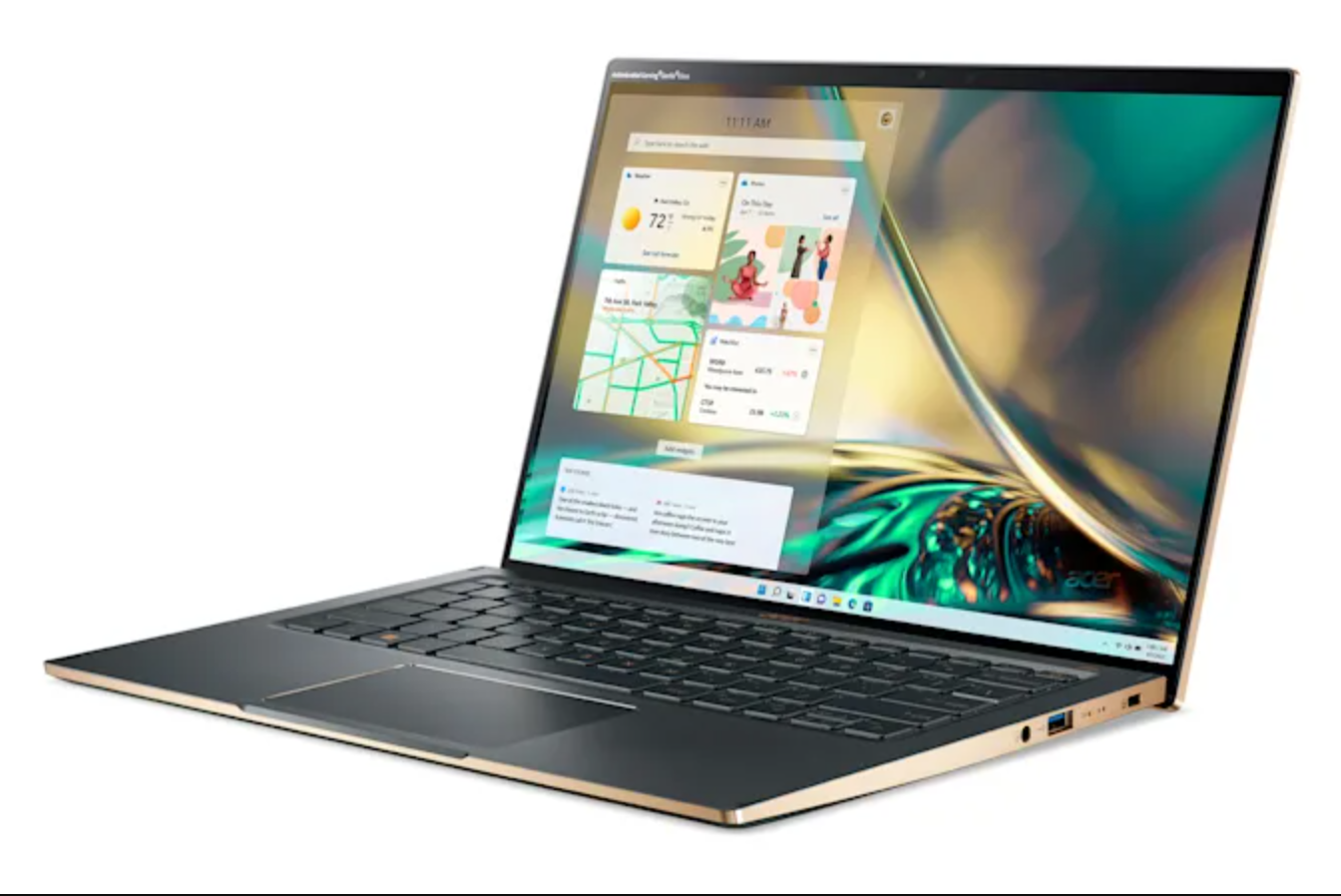
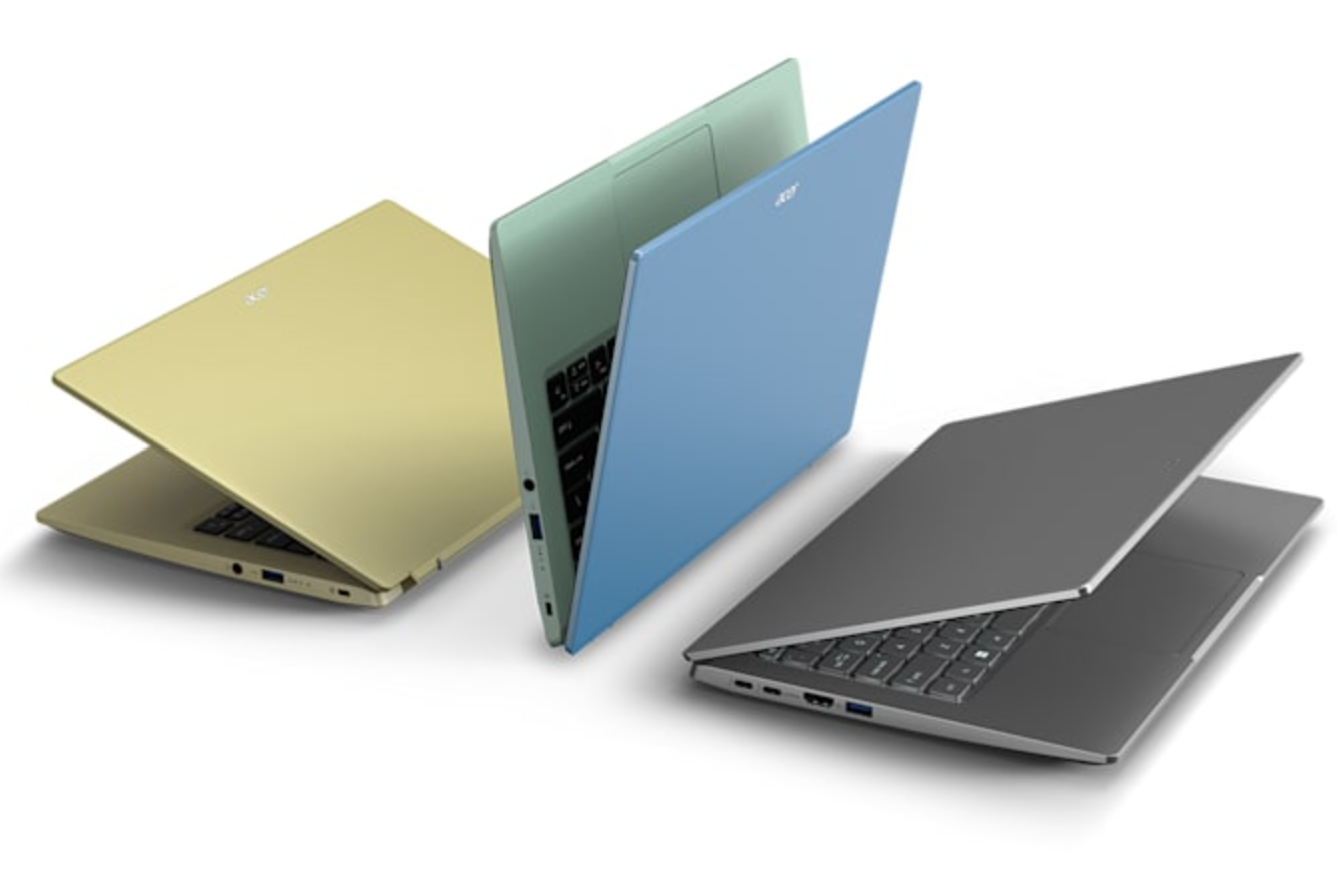
The latest versions of the Acer Swift 5 and Swift 3 laptops have been unveiled and they come with some impressive features. Acer’s latest laptops will use Intel’s 12th-gen ultraportable processors together with a handful of upgrades above the previous models.
The new Acer Swift 5 has a 16:10 display that will help to view vertical content more comfortably unlike the 16:9 configuration which suffers from the chin problem. In addition, the two-tone aluminum shell of the new Swift 5 reflects an exquisite design. With 16GB of RAM and 2TB of SSD storage, the Swift 5 comes well kitted for high performance and multiple applications without the laptop being unnecessarily slowed down. The battery offers up to 10 hours of activity on a full charge, with fast charging support also available. The collection of ports available for the device offers lots of options in connectivity. The Acer Swift 3 still sports a 16:9 display and 2TB of SSD storage. A similar width in connectivity options is also available with the new Swift 3 laptop. It also comes in several color options.
The two Acer’s latest laptops will begin shipping from June 2022 with a starting price of $850 for the Swift 3 and $1,499 for the Swift 5. It remains to be seen, however, how the increased price of the Swift 5 will sit in the market since its predecessor was sold back in 2020 for $1,000. Maybe the company has its target upscale audience well figured out.
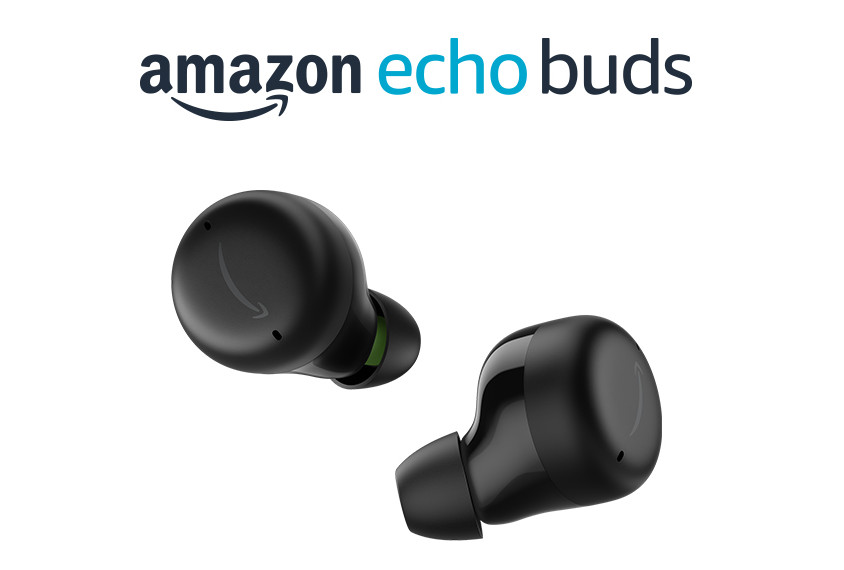
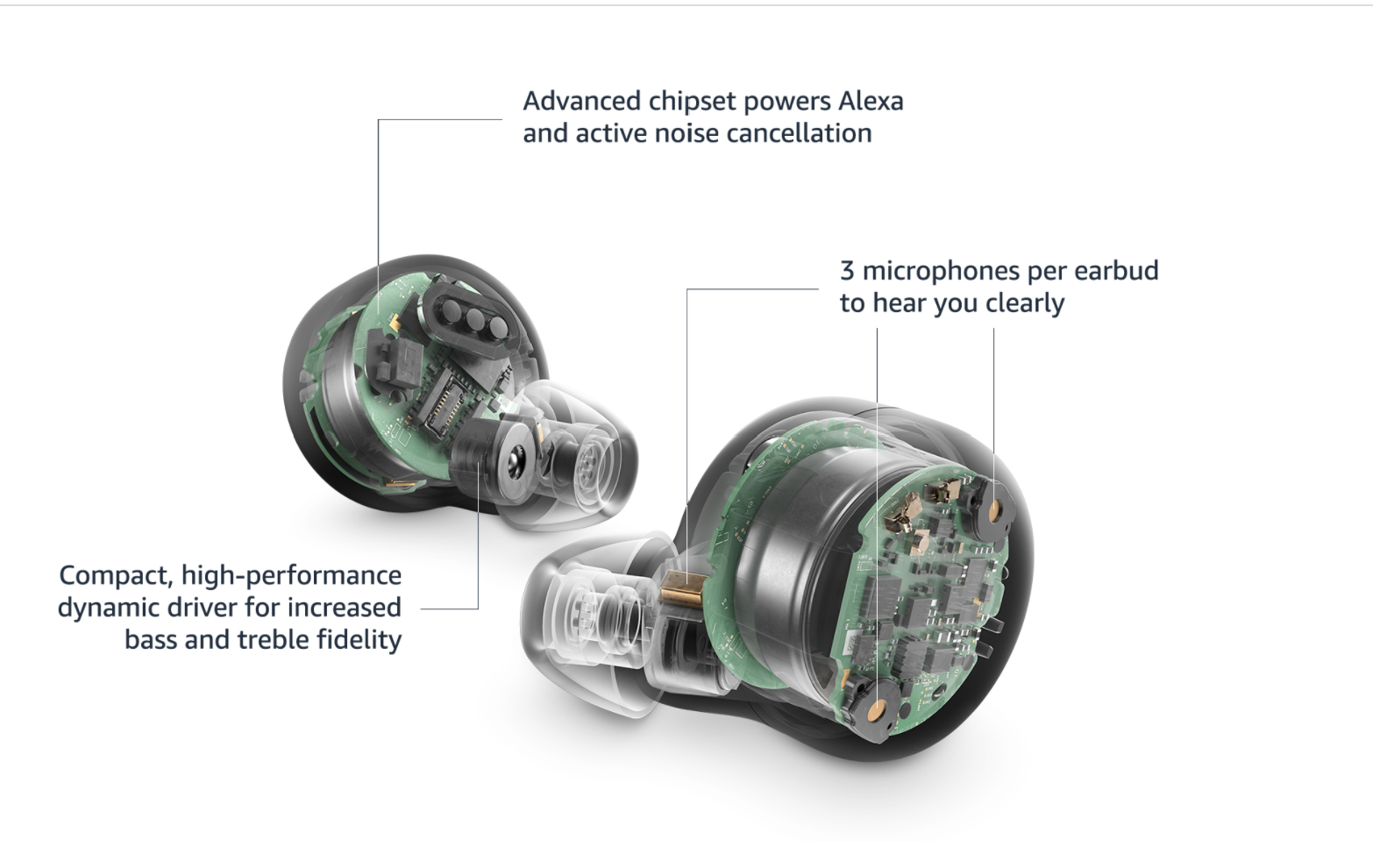
Amazon Echo Buds 2nd Gen was launched back in April 2021. The pair of truly wireless earbuds have now been unveiled in India and is presently on sale via Amazon’s website.
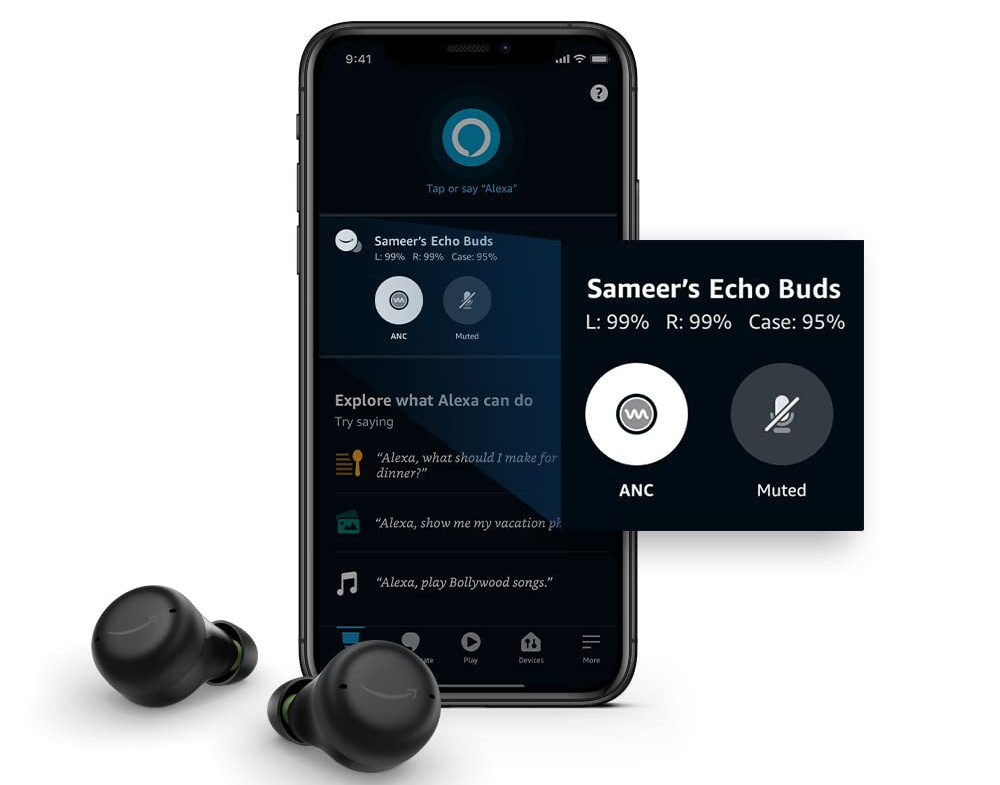
The Amazon Echo Buds 2nd Gen has Active Noise Cancellation (ANC) for enhanced audio quality, wireless charging functionality, and hands-free access to Alexa, and it is the company’s first truly wireless earbuds in India. The Amazon Echo Buds 2nd Gen can be used with an Android or iOS device and supports Google Assistant and Siri via its customizable tap controls.
The true wireless Amazon Echo Buds 2nd Gen has a 5.7mm dynamic driver which delivers premium, balanced and high-quality sound to the user. Connectivity of the device is via Bluetooth 5.0 and ANC is accomplished by an advanced chipset. The Pass-Through Mode is also available and it allows the user to hear the sound around if desired. The Echo Buds 2nd Gen are sweat-resistant and come with four ear tip sizes as well as two wingtips. With Alexa support, the user can take the ear-tip fit test to get an optimal size to use.
The Echo Buds come with lots of functionality and a seamless transition between another Echo device and the Echo Buds can be achieved when listening to music. The music will continue to play from where it was paused in the previous device, which is impressive. The Echo Buds offer up to 5 hours of playback on a single charge which can be scaled up to 16 hours when shorn of ANC and Alexa wake word.
As per pricing, the USB-C charging option model of the Echo Buds is priced at Rs. 11,999 (~$160), while the wireless charging case model will cost Rs. 13,999 (~$187). Currently, there is an Rs. 1,000 (~$14) discount on both models when purchased from Amazon India.
Motorola has officially launched the Edge 30 Pro flagship smartphone in the Indian and European markets. The device comes with the powerful Snapdragon 8 Gen 1 chipset and has a 144Hz screen refresh rate. Let’s take a look at its pricing and full specifications.
The Motorola Edge 30 Pro comes at a price tag of Rs. 49,999(~$660) for the lone 8GB RAM and 128GB storage variant. Interestingly, the device can be picked up for as low as Rs. 44,999(~$595) if you have SBI bank cards.
It is priced at €799(~$895) for the 12GB RAM + 256GB variant in the European market. The phone has two colors namely Cosmos Blue and Stardust White.
In India, the sale commences on March 4 via Flipkart and other offline retail stores. The company is yet to reveal the sale details for the European market.
Motorola Edge 30 Pro Specifications
The Motorola Edge 30 Pro sports a 6.7-inch P-OLED display with a Full-HD+ resolution. It has a 144Hz refresh rate and a 360Hz touch sampling rate. The screen has a 10-bit color depth, DCI-P3 color gamut, and HDR+ support.
It sports a triple camera system at the rear with a 50MP main lens, a 50MP ultra-wide sensor, and a 2MP depth lens. The highlighting part of the phone’s specs sheet is the selfie camera. On the front, it has a 60MP selfie snapper that comes with the Auto Smile Capture feature.
Under the hood, it is powered by the Qualcomm Snapdragon 8 Gen 1 chipset paired with LPDDR5 RAM and UFS3.1 internal storage. It has a 4,800mAh battery that supports 68W fast charging technology.
It also has 15W wireless and 5W reverse wireless charging support. The phone runs on Android 12 out of the box and has a side-facing fingerprint scanner. It also has NFC, Wi-Fi 6E, and IP52 rating.
While the hype on Oppo’s unveiling even was focused on the flagship Find X5 series, the Oppo Find X5 Lite was also part of the lineup released today. The Find X5 Lite is a reincarnation of the Reno 7 5G and the hardware features are not different from the Find X5 lineup although the designs take a bit different direction.
The Oppo Find X5 Lite has a smaller 6.43-inch screen than the Find X5 which has a screen size of 6.55 inches. The display supports HDR10+ with a lower display refresh rate of 90 Hz. While the screen is protected by Gorilla Glass 5 although there is no water/ sweat resistance rating present for the device. The Oppo Find X5 Lite is powered by MediaTek’s Dimensity 900 chipset with a memory configuration of 8GB/256GB for the RAM/ internal storage. Both the RAM and internal storage could be scaled up as the smartphone will run on Android 12, with the ColorOS 12.1 available.
The Find X5 Lite has a 64MP main camera together with an 8MP ultra-wide sensor and a 2MP macro with the telephoto option absent. The ultra-wide sensor is capable of up to 119 degrees in range. The main camera is capable of recording 4K videos although the 4K Ultra Night mode for videos is absent.
The battery and a few other features of the Find X5 Lite are scaled-down replicas of the standard model but they remain a decent package for its price which is €480 ($544). There is no specific date for the release of the Find X5 Lite at this time.
OnePlus has recently confirmed the existence of a problem in its Gallery app that users have been experiencing for quite some time now. Its users have complained that the Gallery app freezes when they are trying to share pictures from the app.
In a community forum post, OnePlus explained and acknowledged that the cause of the ‘freezing experience’ is ‘related to the Google Messages app’ and that the problem should be fixed in ‘about a week.’ Meanwhile, OnePlus also shared a way to temporarily solve this issue while waiting for the company to release a fix.
For a temporary fix to the freezing bug, users can go to the Google Play Store and search for the Google Messages app. Then tap the ‘Uninstall’ button. Because it is a system app, it should only uninstall the updates and return the app to an older version. Then, in the upper right corner, look for the three-dot button and make sure the auto-update is switched off.
In case the Google Messages app doesn’t appear when you search for it in the search bar, tap on your account in the Google Play Store app, then go to “Manage apps & devices,” and then tap on “Manage.” After that, search for the Google Messages app there, and when you find it, follow the instructions above.
OnePlus also said that when it releases the fix for the freezing issue for the Gallery app, users can activate the auto-updates for the Google Messages app again.
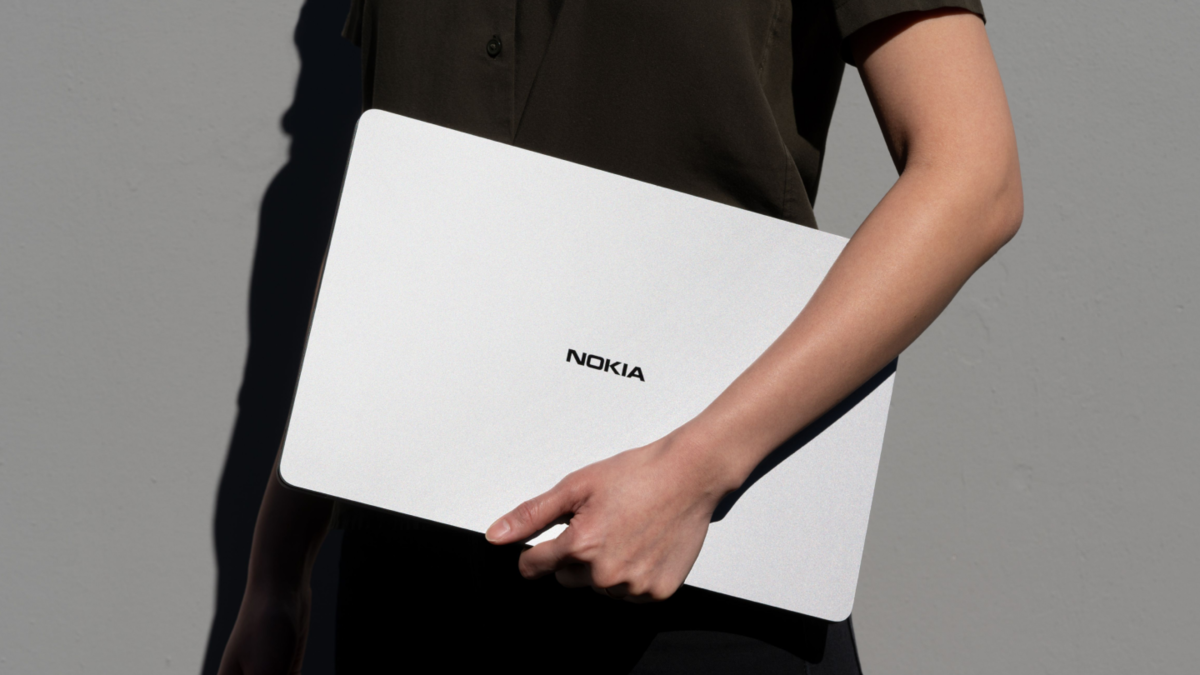
Nokia has announced a new laptop under the Purebook series. The Nokia Purebook Pro laptop will be available to select countries in the global market. This is due to a new licensing agreement between Nokia and OFF Global. The Nokia branded laptop had been previously available only in India, but with the new arrangement, customers in several other countries can now have the opportunity to have a feel of the new laptop.
OFF Global is a fast-rising French startup and it has just announced a licensing agreement with Nokia for the design and sale of Nokia-branded laptops. All the processes from the conceptualization, to the design, manufacture, advertisement, and sale of the laptops will be overseen by OFF Global. OFF Global also announced that the Nokia PureBook Pro laptop which comes in two display sizes will be available in multiple jurisdictions as a consequence of the new licensing agreement.
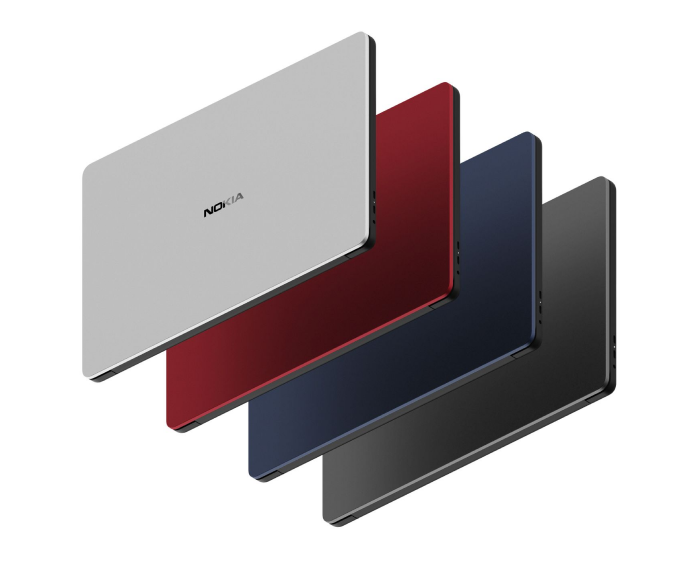
The Nokia PureBook Pro laptop will be available in 15.6-inch and 17.3-inch versions. Both laptops will come with a Full HD display, Intel Core i3-1220P processor, 8GB of RAM, and 512GB of SSD storage, as well as the Windows 11 operating system. Several color options are available for the Nokia PureBook Pro laptop including blue, dark grey, and red. There is no mention at this time of the specific countries where the Nokia PureBook Pro will be available, but its price will be from €699 (~$791).
As per the expected release date of the Nokia PureBook Pro laptop, there are scant details currently, but we expect more information in the coming days. Keep a tab on Nokia’s website for more details.
Earlier today OnePlus unveiled its largest-ever experience store globally in Bengaluru, India named “OnePlus Boulevard”.
Located in India’s silicon valley-Brigade Road, is one of a kind structure consisting of two floors with more than 39,000 square feet of retail space with multiple entries and exit points.
The store is designed with an aim towards providing the customers with a holistic, premium offline experience to interact closely with the brand’s offerings. As the name suggests (OnePlus Boulevard”) the store has a lot of natural and earthy elements giving the space a lot of warmth and elegance.
Some design elements include the terracotta material finish for the walls, and several clay and ceramic artworks sourced from artists across India.
The ground floor has a vast experience center where customers can interact with all OnePlus products by touching and feeling them. There is a dedicated community zone that features a community lounge, gaming zone as well as an auditorium to host events. The OnePlus Boulevard also features the signature coffee experience zone and a special unboxing zone for customers to open and set up their newly bought products.
Addressing the launch of the new OnePlus Boulevard, Navnit Nakra, India CEO and Head of India Region, OnePlus India, shared “Right from the start of our India journey in 2014, our community in India has always received our products very positively. The India community has played a significant role in our brand’s growth and continues to do so. Owing to this, we believe that India region would make for the perfect venue to house our largest OnePlus Experience Store, called the “OnePlus Boulevard.” This is also a testament towards our commitment to provide our community with the best user experience across all offerings of our brand.
He also added, “OnePlus’ journey in India began right here, in our country’s biggest tech hub, Bengaluru. And we are excited to bring our largest OnePlus Experience Store in the world to our India community here.”
The expansion of offline stores in India is a part of the brand’s ongoing endeavor to enhance its offline presence using an omni-channel strategy and provide more retail touchpoints for consumers to interact with the brand on a more intimate level. One plus has invested INR 100 crore towards offline expansion in India and is looking forward to operating 15,000+ offline stores, including partnered stores, by end of the year.
The store is offering its customers all the latest OnePlus products including the newly launched OnePlus Nord CE 2 thereby bringing the brand closer to its diverse user community.
The OnePlus Boulevard has kept in mind the safety of its staff and customers by prioritizing safety and hygiene measures in its offline stores and is complying with government guidelines on Covid-19.
We use cookies on our website to give you the most relevant experience by remembering your preferences and repeat visits. By clicking “Accept”, you consent to the use of ALL the cookies.
This website uses cookies to improve your experience while you navigate through the website. Out of these, the cookies that are categorized as necessary are stored on your browser as they are essential for the working of basic functionalities of the website. We also use third-party cookies that help us analyze and understand how you use this website. These cookies will be stored in your browser only with your consent. You also have the option to opt-out of these cookies. But opting out of some of these cookies may affect your browsing experience.
Necessary cookies are absolutely essential for the website to function properly. This category only includes cookies that ensures basic functionalities and security features of the website. These cookies do not store any personal information.
Any cookies that may not be particularly necessary for the website to function and is used specifically to collect user personal data via analytics, ads, other embedded contents are termed as non-necessary cookies. It is mandatory to procure user consent prior to running these cookies on your website.