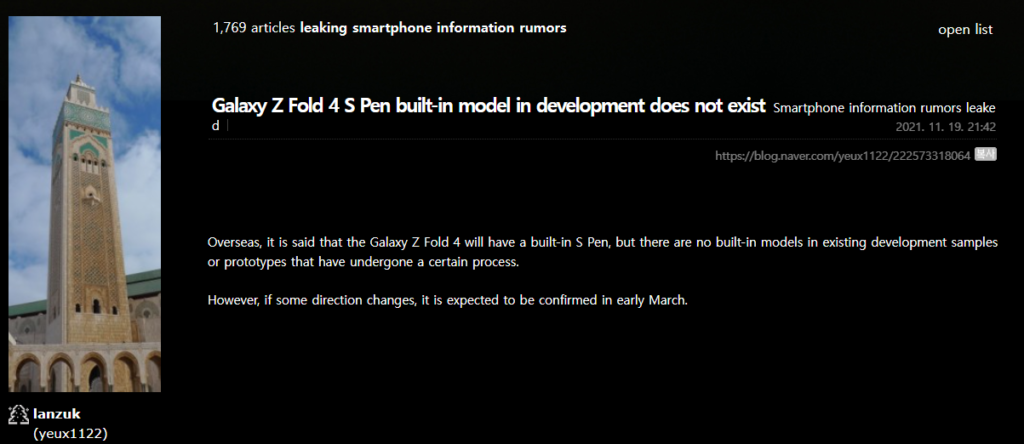
According to previous reports, Samsung is gearing up to launch their next-gen Fold4 around Q3 of 2022 with improved cameras. And now, more leaks have surfaced, with the latest one claiming the smartphone won’t feature a dedicated slot for the S Pen.
As per tipster Lanzuk, it appears that the upcoming Galaxy Z Fold4, like its predecessor, may not feature an S Pen slot. The phone will still support a stylus but you may need a back cover to hold the S Pen like the current Galaxy Z Fold3.
The tipster previously reported that the Galaxy Z Fold4 will come with an improved Under display camera (UDC) on both the internal and external screens. The overall primary camera setup is also getting an upgrade to bring the Galaxy Z Fold4 on par with the camera quality offered by the current flagship in the market.
The rumored foldable smartphone is also expected to feature the upcoming Snapdragon 8 Gen1 (Snapdragon 898), with the same screen size and battery size (4,400mHz). The Samsung Galaxy Z Fold4 may also have a lower starting price.
With the tipped launch date being nine months away, it is still too early to tell what features the phone may or may not hold. So we advise all our readers to take these leaks with a pinch of salt.
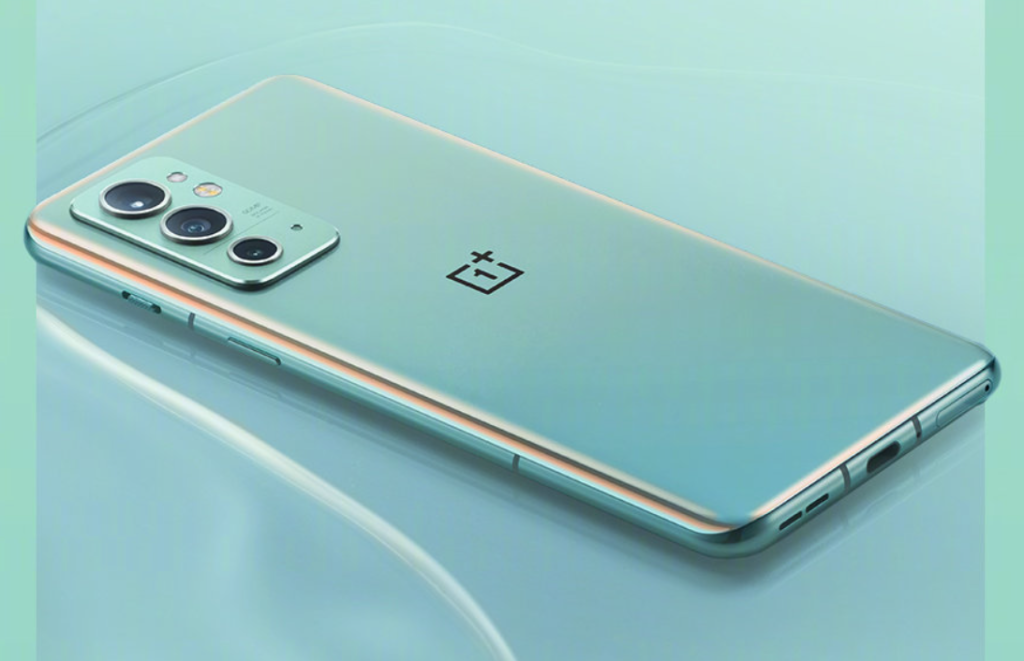
On October 13th, OnePlus released the OnePlus 9RT in China. The smartphone was expected to launch in the Indian market in November with a price between ₹40,000 to ₹44,000 ($533-587), but OnePlus regarding the launch has made no official announcements.
Earlier today, the reliable tipster Mukul Sharma reported that the OnePlus 9RT had been listed on the Google Supported Devices List and Gooogle Play Listing website but with a different name. According to the tipster, the OnePlus 9RT (model number OP5154L1) will hit the Indian markets under the name of OnePlus RT.
Interesting. OnePlus 9RT has been listed as OnePlus RT on the Google Supported Devices list and Google Play Console listing. The same model build has received the BIS certification in the past.#OnePlus#OnePlus9RT#OnePlusRTpic.twitter.com/kmo2YGHFoq
The OnePlus 9RT features a 6.62-inch E4 OLED display with up to 120Hz refresh rate, 1300nits peak brightness, HDR10+ support, and 600Hz touch sampling rate. The device is powered by the Qualcomm Snapdragon 888 SoC, with up to 12GB of RAM and 256GB internal storage.
The phone’s rear consists of a triple camera setup that features a 50MP f/1.8 Sony IMX766 primary lens with OIS and EIS support, 16MP f/2.2 ultra-wide lens, and a 2MP macro shooter. The 9RT gets a 16MP selfie snapper at the front, located in the top left corner as a punch-hole setup. The smartphone is powered by a 4,500mAh battery and supports 65W fast charging. Connectivity options include 5G, 4G LTE, Wi-Fi 6, Bluetooth v5.2, GPS/ A-GPS, NFC, and a USB Type-C port. Sensors onboard include an accelerometer, ambient light sensor, gyroscope, magnetometer, and proximity sensor.
With no word from OnePlus on the matter, we suggest you take the above leaks with a pinch of salt.
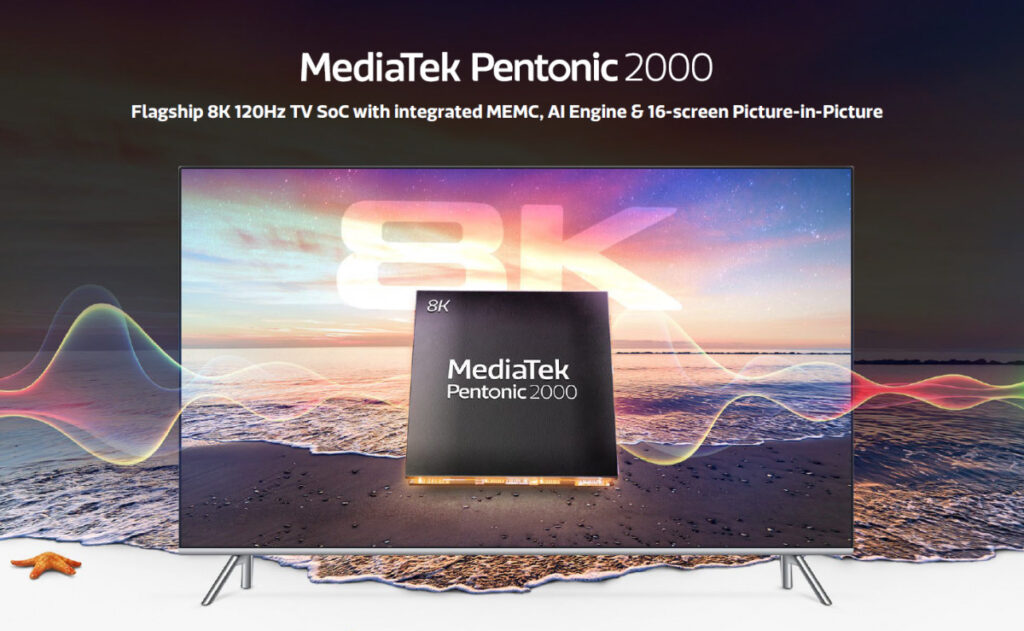
MediaTek today lifted the curtains on its new Pentonic smart TV family of processors with the introduction of the Pentonic 2000 chip. It is built on MediaTek’s innovative technologies in display, audio, AI, broadcasting, and connectivity, and will power next-gen flagship 8K TVs.
The Pentonic 2000 is the world’s first commercial TV chip made using TSMC’s N7 (7nm-class) process, delivering next-level performance and efficiency. The processor not only supports 8K 120Hz displays but can even support 144Hz gaming PCs and the latest-gen consoles.
Advanced tech such as support for MEMC is also built-in, paired with a MediaTek APU that intelligently upscales lower resolution content while also performing real-time quality enhancements. There’s even support for MediaTek’s Intelligent View technology that allows multiple picture-in-picture (PiP) or picture-by-picture (PbP) screens.
MediaTek claims that the chip features the TV industry’s fastest CPU and GPU, fueled by an ultra-wide memory bus and ultra-fast UFS 3.1 storage. The chip can be paired with MediaTek’s Wi-Fi 6E or even 5G cellular modems to provide the fastest wireless internet connectivity for 8K content streaming.
The MediaTek Pentonic 2000 is also the first commercial 8K TV chip with Versatile Video Coding (VVC) H.266 media support, which offers improved compression efficiency. This is complemented by support for Dolby’s latest imaging and audio technologies to provide a true cinematic experience through Dolby Vision and Dolby Atmos.
The MediaTek Pentonic 2000 chip will power next-gen flagship 8K TVs expected to launch globally next year.
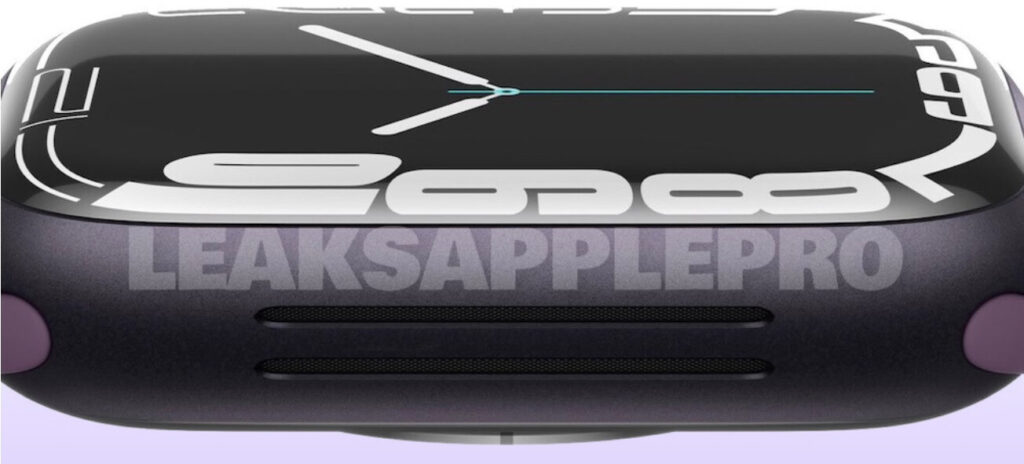
The Apple Watch Series 7 was unveiled this September and came as a major surprise, especially to various tipsters who had tipped that the watch would feature a boxy design similar to the iPhone 12. However, the reality was that the Watch Series 7 was barely any different from its predecessor save for the increase in display size from 41mm to 45mm.
Subsequently, tipsters began to think that the boxy design renders were actually for the Apple Watch Series 8. But it now appears that they may be wrong once again.
Image: LeaksApplePro
Renders made by LeaksApplePro based on CADs and leaked images (via PhoneArena) point towards Apple recycling the old design for the Watch Series 8 too, with the only change involving the speaker grille. The speaker grille has been split from being a single long piece to a duo of smaller ones, with one on top of the other.
Again, these are just renders so it’s hard to take them with certainty. Still, it won’t be surprising if Apple sticks to rounded edges for another year, or perhaps even never brings the flat-edged design to fruition ever.
And as for the stuff other than the design, the display of the Apple Watch Series 8 may once again get upped in size, according to display industry insider Ross Young. The watch is expected to get some major capability upgrades in the sensor department as well, with the star of the show being a blood glucose monitor. This has the potential to help millions of diabetics that currently rely on invasive methods to measure their sugar levels – methods that are expensive and painful.
Other new features include a body temperature scanner, a fertility sensor, and improvements to the ECG and sleep tracking sensors.
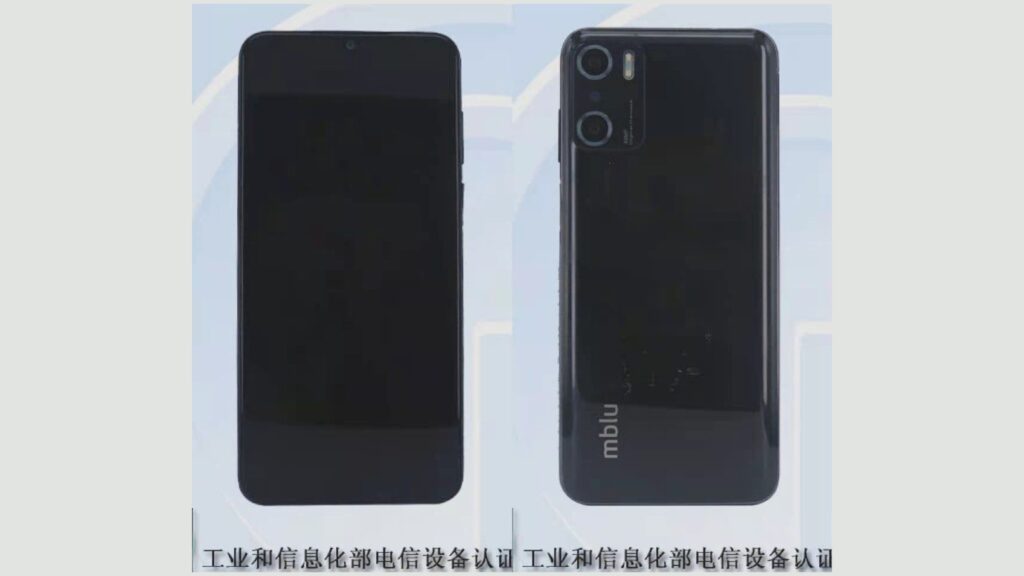
Meizu’s Mblu brand is expected to launch its first smartphone in over 3 years dubbed as mblu 10 in the coming days. Recently, the company confirmed that this device will be targeting the ¥1,500 ($235) price segment. Ahead of its official announcement, the handset now gets certified by TENAA revealing some of its specs.
Meizu mblu 10 | Source: TENAA via ITHome
According to ITHome, the upcoming Meizu mblu 10 has been certified by TENAA. The certification reveals the design of the phone, which we already know from a promotional banner on Suning. Additionally, the listing also exposes some of the features of this device.
As per TENAA, the Meizu mblu 10 with model number M2110 will be a 4G-only handset powered by a 2GHz octa-core processor. It will sport a 6.5-inch LCD panel with a resolution of 1600 x 720 pixels (HD+) and a dewdrop notch. It will house a vertically aligned triple camera setup on the rear, however, details about it are not known.
As far as power is concerned, the phone will get its juice from a 5,000mAh battery with support for 10W charging. Lastly, it will measure 9.3mm in thickness, weigh 201g, and will be available in three colors (white, green, black).
Meizu has plans to reach 50 million smartphone shipments in China. With budget models like the mblu 10, it has the potential to achieve the goal.
Meizu mblu is yet to officially reveal the name as well as the launch date of mblu 10.
MediaTek is on a roll currently and has announced a number of upcoming products for smartphones, IoT devices, and Windows laptops during its Executive Summit. And yesterday, the chipmaker held a brief session on its Chromebook and PC efforts where the MediaTek Kompanio 1200 chipset was showcased.
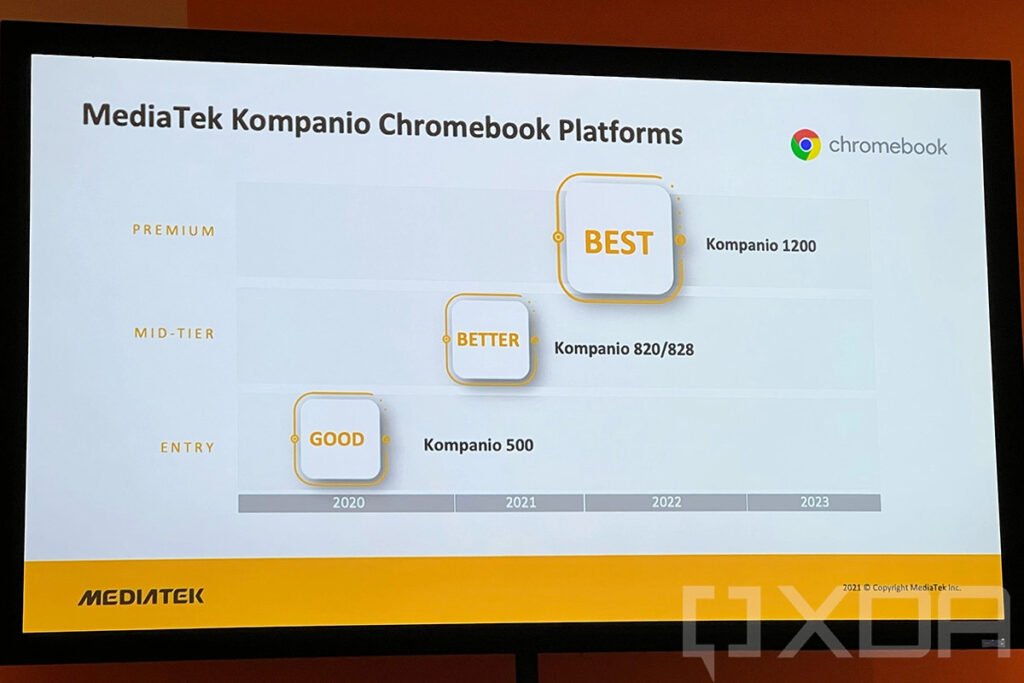
To recall, the Kompanio 1200 was announced last year with an MT8195 codename. While MTK had also announced that the MT8192 (now called the Kompanio 820) was coming in Q2, there wasn’t any particular date given for the MT8195. It was thus speculated that the chip will be going live in 2021. But that’s not going to be the case as it is now expected to be launched only next year.
Image: XDA Developers
The Kompanio 1200 is built on a 6nm process using Cortex-A78 (via XDA). MediaTek has aimed the offering at the premium Chromebook tier, which is not something done by any ARM vendor before. Intel still dominates that segment and ARM-based chipsets have only made it as far as budget Chromebooks to date.
Do note here that when MediaTek mentions premium, it’s talking about Chromebooks that cost over $400. The Kompanio 1200 will still be competing with the entry-level Core i3 from Intel but will aim to undercut it in the battery department – something that ARM-based chips have always been better at than their x86 counterparts.
The chipmaker also teased another future processor that will likely be going against Intel’s flagship i7 series of chips. Based on the company’s naming scheme, it may be called the Kompanio 2000.
As for the MediaTek Kompanio 1200, the launch date is expected to be early 2022, and as such, we could see it happen in CES that takes place in January.
Earlier this week, two Xiaomi smartphones codenamed Thor and Loki were spotted in MIUI code. They were suggested to be Xiaomi 12 Ultra Enhanced and Xiaomi 12 Ultra respectively. But according to recent certifications, these pones will be called something else.
Xiaomi Thor and Loki with model numbers 2203121C and 2203121AC respectively have been now spotted on a certification agency by Xiaomiui. According to the listings, these smartphones will be part of the ‘Xiaomi MIX’ series.
Hence, they will not be called Xiaomi 12 Ultra Enhanced and Xiaomi 12 Ultra. Instead, they will have MIX branding and their exact names are a mystery as of now. Additionally, the certifications also reiterate that these devices will be exclusive to China, as per their model numbers ending with ‘C’.
As per the previous report by the same source, the Xiaomi Thor and Loki will be powered by the next-gen Qualcomm 800 series SoC. This chipset was previously rumored as Snapdragon 898. But now, it is said to go official as Snapdragon 8 Gen 1. The silicon is known by its model number SM4350.
Lastly, the duo is expected to house at least four rear cameras, such as a 50MP primary sensor and three 48MP auxiliary sensors. There’s no information about its front camera.
The Xiaomi Thor and Loki are anticipated to launch in Q1 2022.
Xiaomi has confirmed to unveil MIUI 13 before the end of 2021. Since we are only a month away from the stipulated timeline, the announcement for the latest version of MIUI may come anytime soon. Ahead of that, details regarding initial builds emerge.
Xiaomi MIX 4
According to Xiaomiui, MIUI 13 builds are currently ready for the following 9 devices. All of these are premium Xiaomi and Redmi smartphones.
MIUI 13 Initial Builds
Xiaomi MIX 4
V13.0.0.1.SKMCNXM
Xiaomi Mi 11 Ultra / Xiaomi Mi 11 Pro
V13.0.0.3.SKACNXM
Xiaomi Mi 11
V13.0.0.3.SKBCNXM
Xiaomi Mi 11 Lite 5G
V13.0.0.3.SKICNXM
Xiaomi Mi 10S
V13.0.0.2.SGACNXM
Redmi K40 Pro+ / Redmi K40 Pro
V13.0.0.3.SKKCNXM
Redmi 40
V13.0.0.2.SKHCNXM
Unfortunately, the above-listed software builds are not available for download at the moment. Xiaomi might release them exclusively for beta testers in the coming days.
Since the software is ready for multiple handsets, we think that the company may soon announce the date for MIUI 13 launch conference. At the same time, it might also open registrations for beta testers for whom these initial builds will be rolled out first.
MIUI 13 is said to fix issues faced by Xiaomi, Redmi, and POCO users. But only time will tell whether Xiaomi manages to pull it off.
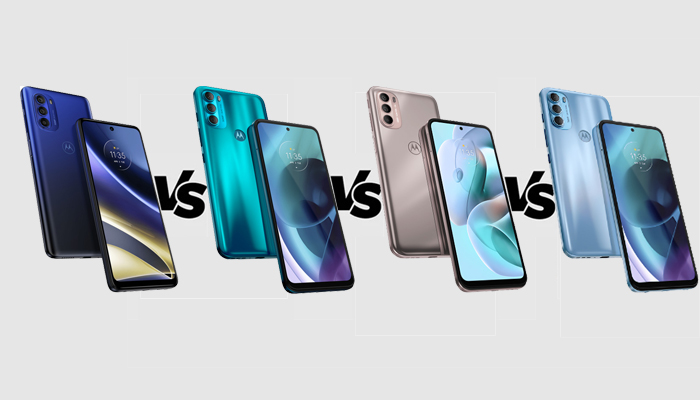
Alongside the new Moto G200 5G, Motorola launched 4 mid-range smartphones in a row: Moto G71, G51, G41, and G31, covering different price ranges. Two of them feature the 5G connectivity, while the remaining ones do not support 5G. This comparison will explain to you the differences between the four new value for money devices by Motorola.
Motorola Moto G71 5G vs Motorola Moto G51 5G vs Motorola Moto G41 vs Motorola Moto G31
Motorola Moto G71 5G
Motorola Moto G51 5G
Motorola Moto G41
Motorola Moto G31
DIMENSIONS AND WEIGHT
161.2 x 73.9 x 8.5 mm,
179 g
170.5 x 76.5 x 9.1 mm,
208 g
161.9 x 73.9 x 8.3 mm,
178 g
161.9 x 73.9 x 8.6 mm,
181 g
DISPLAY
6.4 inches, 1080 x 2400 pixels (Full HD+), AMOLED
6.8 inches, 1080 x 2400 pixels (Full HD+), IPS LCD
Triple 50 + 8 + 2 MP, f/1.8 + f/2.2 + f/2.4
16 MP f/2.2 front camera
Triple 50 + 8 + 2 MP, f/1.8 + f/2.2 + f/2.4
13 MP f/2.2 or 16 MP f/2.2 front camera
Triple 48 + 8 + 2 MP, f/1.7 + f/2.2 + f/2.4
13 MP f/2.2 front camera
Triple 48 + 8 + 2 MP, f/1.8 + f/2.2 + f/2.4
13 MP f/2.2 front camera
BATTERY
5000 mAh, fast charging 30W
5000 mAh
5000 mAh, Fast Charging 30W
5000 mAh
ADDITIONAL FEATURES
5G, dual SIM, water-repellent
5G, dual SIM, water-repellent
5G, dual SIM, water-repellent
5G, dual SIM, water-repellent
Design
Motorola Moto G71 5G, G51 5G, G41, and G31 feature similar designs, but they are not identical. The Moto G71 5G has the most suggestive color variants, while the Moto G51 5G provides the highest screen-to-body ratio. However, the Moto G51 5G is a lot bigger in size because it packs a wider display. All the others have more or less the same dimensions since they sport the same display diagonal.
Display
With the exception of the Motorola Moto G51 5G, all of these devices come with the same display: an AMOLED panel with a diagonal of 6.4 inches and a Full HD+ resolution of 1080 x 2400 pixels. The Moto G51 5G has a very wide 6.8-inch panel with a Full HD+ resolution and a higher 120 Hz refresh rate, but it is just an IPS panel and this means that the image quality provided by Moto G71 5G, G41, and G31 is better.
Specs & Software
The most powerful device of the lineup is the Motorola Moto G51 5G sporting a midrange-class Snapdragon 695 mobile platform and up to 8 GB of RAM. Right after, we got the Moto G51 5G with the Snapdragon 480+ 5G chipset and up to 8 GB of RAM. Both Moto G41 and G31 are equipped with an Helio G85 chipset, but the G41 offers more RAM: up to 6 GB instead of 4 GB. The phones are all based on Android 11.
Camera
The most advanced camera department is provided by Moto G71 5G and G51 5G, both packing a triple camera with a 50 MP main sensor, an 8 MP ultrawide lens, and a 2 MP macro camera.
The four handsets all come with the same battery capacity: 5000 mAh. But the Moto G71 5G is able to provide the longest battery life because its processor is built with a better production process and is more energy-efficient. Moto G71 5G and G41 support 30W fast charging, while Moto G51 5G and G31 do not support fast charging.
Price
The Moto G71 5G has a €399/$450 starting price, Moto G51 5G starts from €279/$315, Moto G41 costs €269/$305, and Moto G31 is priced at €239/$270 in its base variant (prices vary depending on the market). The Moto G71 5G is naturally the best one, but its price is high. Moto G51 5G is not the best for everyone as it comes with a very wide IPS display, while the Moto G31 is the one offering the highest value for money.
Motorola Moto G71 5G vs Motorola Moto G51 5G vs Motorola Moto G41 vs Motorola Moto G31: PRO and CONS
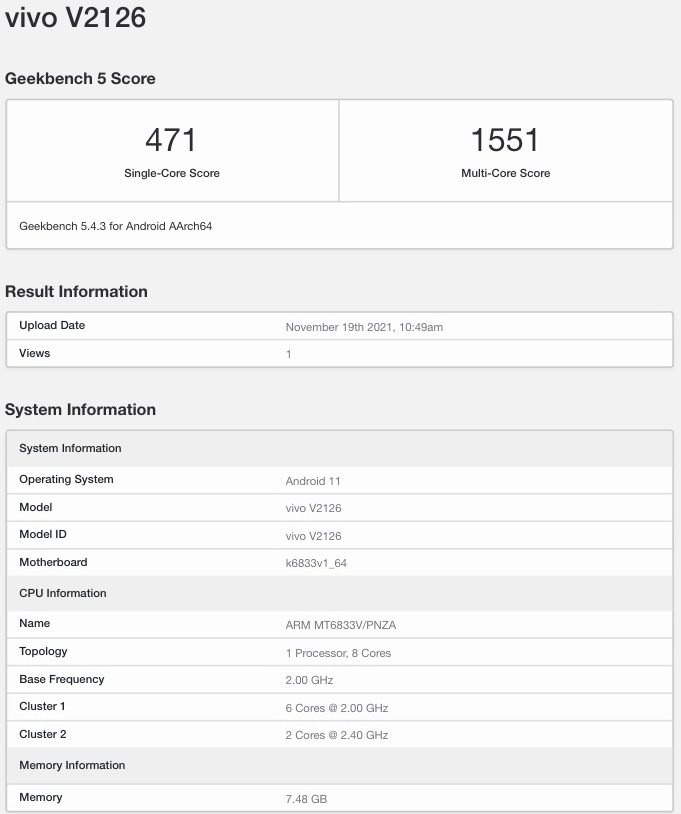
Vivo V23e 5G, the new smartphone from the Chinese brand, is set to launch on November 23 in Thailand. Ahead of the launch, the device has appeared on Geekbench with the model number V2126. The listing reveals some key Vivo V23e 5G specifications, such as the Android version, RAM, and chipset.
According to the Geekbench database, the Vivo V23e 5G, model number V2126, is powered by MT6833V/PNZA, aka the MediaTek Dimensity 810 SoC. The RAM of the device is observed to be 8GB. The phone has scored 471 points and 1,551 points in the single-core and multi-core tests, respectively. The phone is expected to come preloaded with Android 11 out of the box, with a custom FuntouchOS skin.
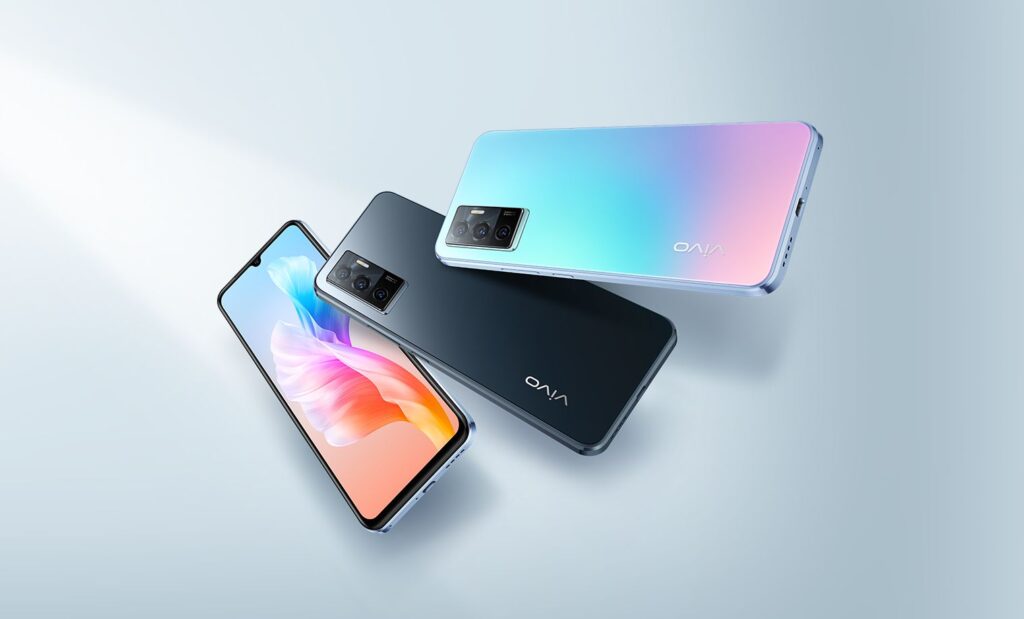
Vivo V23w 5G
In the looks department, the Vivo V23e 5G looks identical to the 4G variant, thanks to the website live in Thailand, which has revealed its looks and some other features before the launch. The power button and volume rocker are present on the right side of the phone. The USB Type-C port, speaker grills, and microphones are at the bottom. The triple camera sensors are arranged in a rectangular module along with an LED flash. The triple camera layout will include a primary sensor, an ultra-wide-angle lens, and a macro sensor. The phone has a flat screen with thin bezels and a notch that houses a 44MP selfie snapper. As previously revealed by a tipster, the smartphone will come in a single variant featuring 8GB of RAM and 128GB of built-in storage and two color variants, namely Sunshine Coast and Moonlight Shadow.
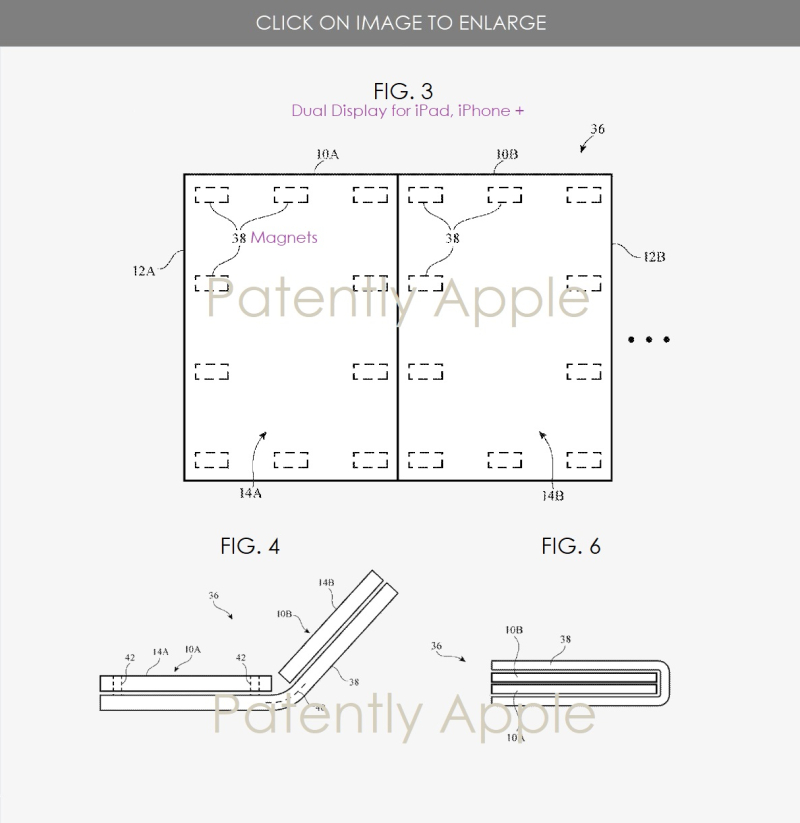
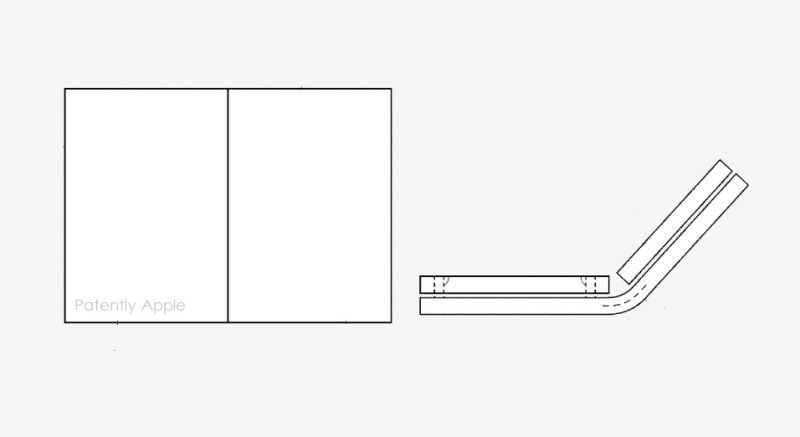
Apple has gotten approval for a patent from the United States Patent and Trademark Office for a dual foldable device. The patent relates to an iPad-like and Notebook-like future product with a foldable display. The futuristic device will be able to go into a joint operating mode where the image splits into two or presents data with one large image.
According to the patent documents, when the device is in the joint operating mode, images may extend across displays, speakers in respective devices may be used to play different channels of an audio track, cameras, and sensors in different devices may be used in cooperation with each other, and other resources may be shared.
The Cupertino-based tech powerhouse says the design concept is very close to Microsoft’s Surface Neo and could double as a notebook device. The patent covers multiple electronic devices and displays being used together in an expanded system. The pairing devices may use a combination of sensors and other details to detect when an edge of a first device is adjacent to an edge of a second electronic device. When the adjacency is determined between the edges, the devices may transition from an independent operating mode in which each device operates separately to the joint operating mode.
There will be magnetic components to secure the devices together in several orientations. In addition, the magnetic components will combine with the beveled housing edges for a greater grip. These structures will hold devices in planar and non-planar configurations.
The newly patented Apple foldable device may also function as a notebook-like device with a virtual keyboard. There are no indications yet as to the expected release date for the futuristic device.
Autonomous vehicle insurance is an aspect of the auto insurance industry that is in its infancy. The legal and regulatory framework, as well as the appropriate insurance coverage, are areas seemingly in constant flux.
Now, Swiss reinsurer Swiss Re and Chinese tech giant Baidu are teaming up to help advance autonomous driving, according to a statement issued by the Swiss company. The partnership will see Swiss Re providing the needed risk management expertise and autonomous vehicle-focused insurance products for Baidu’s autonomous driving fleet. There were no financial details in the statement, so we are still in the dark about the size of the initial package.
Swiss Re says the new collaboration with Baidu will advance risk management research and insurance protection for autonomous vehicles. This signals an important step forward in the quest to build a comprehensive ecosystem of mobility services.
The provision of insurance products for autonomous vehicles remains an area undergoing rapid evolution amidst the need to provide robust products. A poorly structured insurance product could put insurance companies in adverse situations.
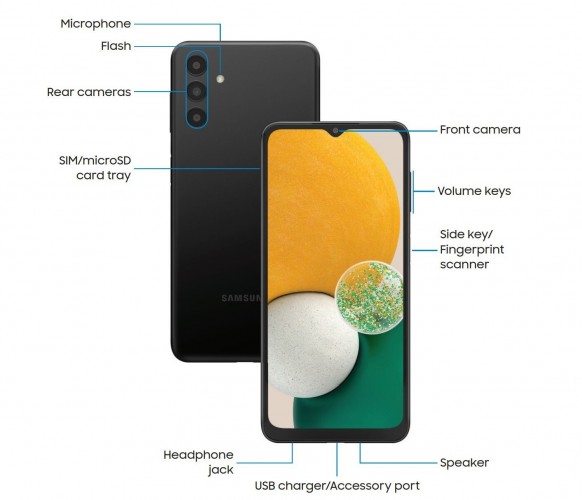
Samsung Galaxy A13 5G has been subject to multiple leaks and certifications. Earlier this month, the device passed FCC certification and yesterday, the phone’s high-resolution renders were surfaced. Today, the official user manual of the Galaxy A13 5G has been surfaced confirming its key specifications.
The user manual showcases the smartphone and reaffirms its design. It does match the recently leaked renders as it has the water-drop display at the front and a triple camera system at the rear. It is confirmed to have a 50MP main camera lens and macro sensor. Unfortunately, the resolution and the sensor size of the third lens is unknown.
Furthermore, the manual revealed that the phone will boot on Android 11 out of the box and will run on the OneUI. It will have dual-SIM support and feature a 3.5mm headphone jack and a USB Type-C port.
In addition to this, the older reports suggested that the Samsung Galaxy A13 5G will be powered by the MediaTek Dimensity 700 octa-core SoC. It will be paired with 4GB/6GB of RAM and 64GB/128GB internal storage. The smartphone will pack a 5,000mAh battery and is expected to have support for 25W fast charging technology.
Apart from this, the smartphone is touted to come in four colour variants like the Black, White, Orange, and Blue. Although Samsung has not revealed any information about the phone, we expect Samsung to soon confirm its launch date.
Earlier today, Krafton released version 1.7 of BGMI (Battlegrounds Mobile India) to both the Google Play Store and iOS App Store. The update features the new ‘League of Legends, Arcane,’ Netflix series, based event called the Mirror World Theme mode. The update also brings new gameplay elements and mechanics like piggybacking and grenade indicators. The former will allow the players to pick up a downed teammate or enemy.
BGMI X ARCANE
The Mirror Wold Theme is available in Erangel, Livik, and Sanhok starting today. The Mirror World, marked by a blue indicator on the map, appears in the sky after some time passes after entering the maps. Players can enter the mode by using the Wind Wall on the ground, which will transform the player into one of the four legends—Jinx, Vi, Jayce, and Caitlyn—of League of Legends, Arcane, the Netflix series. The player can kill a monster on the Mirror Island with the Arcade character’s weapons and skills. Players can get “Hextech Crystals” as a reward if they kill a monster that can be used to exchange with various battle items. Once the character dies or playtime on the Mirror Island ends, they can return to the normal battlegrounds.
The Mirror world mode also features the Nimbus islands, which you can land on as soon as you get off the plane. Yellow indicators mark these islands on the map. You get a timer of 5 minutes on this island during which you can play on this island. After you die or the timer runs out, you will be kicked off the island and land below the map.
Liverpool FC event
You’ll Never Walk Alone will be an event coming to BGMI starting November 20, featuring the famous football team, Liverpool FC. Krafton confirmed the collaboration with the football club earlier today. The event will offer rewards such as the Liverpool FC parachute, the Liverpool FC backpack, and even the much-coveted Liverpool FC jersey.
Balance and gameplay changes
This update also brings us some balance and gameplay changes. The beloved DP28 has been nerfed with increased recoil when equipping bigger sights and reducing long-range damage. The DMRs like the SLR, SKS, and mini14 have received a buff to their damage on long ranges. On the other hand, changes to gameplay come in the form of a grenade indicator that shows the grenade’s exact location. The piggyback feature will allow the players to pick up a downed teammate or enemy, and while carrying, the player’s movement is slowed, and one cannot use items or ride a vehicle. The carried player’s HP decreases during the carry.
Royal Pass and more
The Royale Pass month 5 rolls out at 360UC starting today, on the theme of the mysterious Mirror Realm. Krafton says the update also brings certain improvements after collecting feedback from the game enthusiasts to allow for greater finesse, control, and strategy during the game. Krafton also teased the fan favourite modes, including Vikendi map, Metro Royale, Survive Til Dawn, and more modes, that will be brought back equentially.
Today, MediaTek announced their latest flagship SoC, the Dimensity 9000, making it the first SoC based on TSMC‘s 4nm process. The SoC is set to compete against the upcoming Qualcomm Snapdragon 8 Gen1 (Snapdragon 898). It looked like MediaTek will skip the 5nm process altogether, but that might not be the case.
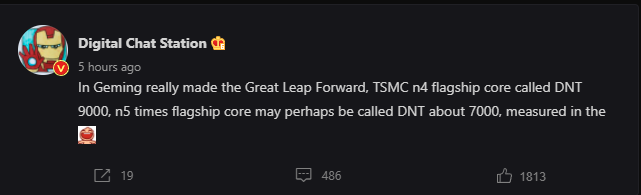
A few hours after the announcement of the 4nm SoC, the reliable tipster Digital Chat Station posted on Weibo (a Chinese microblogging website) that MediaTek’s 5nm SoC, which is apparently going through the testing phase, might be called the MediaTek Dimensity 7000. If we go by the earlier launch of Dimensity 9000, we can expect the SoC to be based on ARM’s new v9 architecture. The Dimensity 7000 may replace the current 6nm lineup offered by MediaTek, like the Dimensity 1200, and compete with Qualcomm’s 5nm offering, the Snapdragon 888.
If the rumor turns out to be accurate, with the announcement of their 4nm flagship SoC, the Dimensity 9000, MediaTek might be gearing up to compete against Qualcomm in every market segment. The Dimensity 7000 might be a premium mid-range offering by MediaTek that may force Qualcomm to offer a competative 5nm solution in the premium mid-range as well. All in all, the rumor makes us excited for the future of the mid-range smartphone market. However, these are still rumors and educated guesses, so we advise you to take it with a pinch of salt.
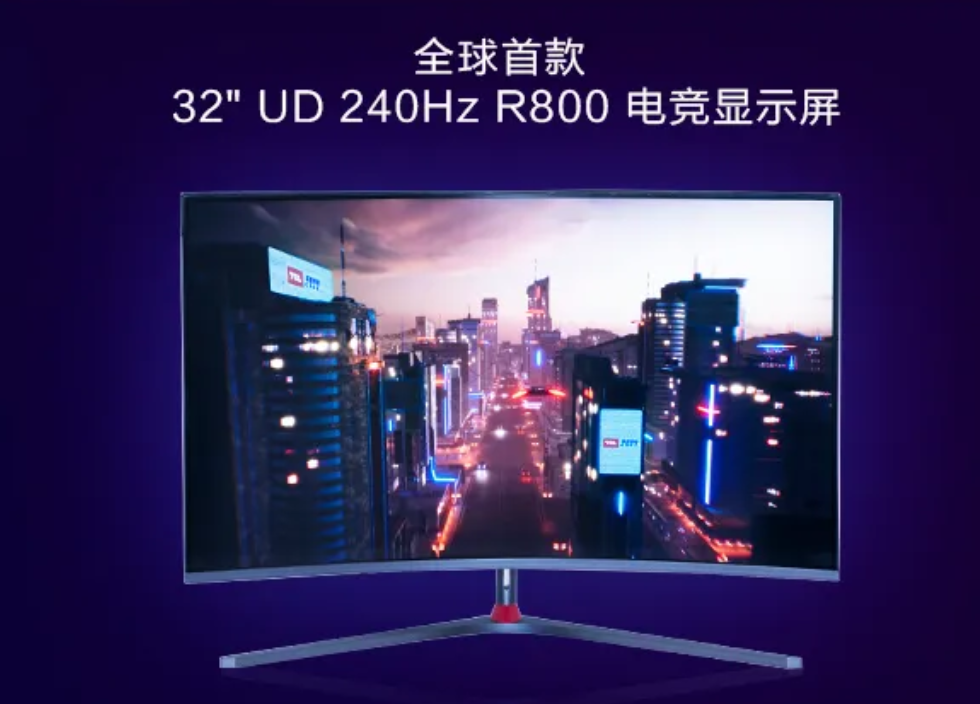
TCL‘s China Star Optoelectrics held its Global Display Ecological Conference in Shenzhen, China yesterday where it showcased products equipped with two core technologies, MLED and OLED. In addition, TCL also showcased a 4K 240Hz monitor with specifications ahead of the current 4K 144Hz model on the market.
The monitor is touted to be the world’s first 32-inch UD 240HZ R800 gaming display. The monitor has a 4K ultra-high resolution as well as a 240Hz refresh rate, 1ms response time and the brand’s self-developed image quality compensation algorithm. The monitor outputs an ultra-smooth experience while providing the ultimate high-definition and detailed picture.
Present display technology does 144 Hz 4K HDR and it is proprietary to Nvidia. because it is outside of any current standards. Thus, the 144 Hz 4K displays are still relatively new and only next-generation consoles that come with support for the 4K 144Hz displays. It is expected that when DP 2.0 becomes popular, more 4K 240Hz high-resolution and ultra-high refresh rate gaming monitors may become available. For now, it is sort of an overkill considering most consoles with lower specs GPU can output 240Hz refresh rates. However, there is a growing drive to release powerful gaming devices with up to 240Hz frame rates.
There is no word yet on the pricing and availability but we expect the monitor to become available very soon.
Xiaomi announced plans to enter the smart electric vehicle (EV) industry earlier this year. To harp on the importance of the drive to launch its own EVs, the Chinese tech giant unveiled the Xiaomi EV Company Limited, the vehicle through which it hopes to achieve the dream of manufacturing electric vehicles.
Perhaps, in a bid to add more vigor to the drive, the company has now unveiled its second car company known as Xiaomi Automobile Technology Co., Ltd. The company which is registered in Beijing is said to have a registered capital of 1 billion yuan and the business scope includes new energy vehicles, vehicle manufacturing, and technology development.
The registered capital is one tenth that of the Xiaomi Automobile Co., Ltd which was kickstarted in September with a registered capital of 10 billion yuan. We can’t say for sure what the scope of the business will be like but we expect this new company to handle peripherals and accessories while the first company will be responsible for the actual vehicle manufacture.
Xiaomi’s founder Lei Jun recently disclosed that the brand was expected to start mass producing its own EVs in the first half of 2024. The company seems to have got all aspects of the emerging EV business figured out as Xiaomi’s exec Lu Weibing disclosed that the Xiaomi Home stores will be responsible for the sales and after-sale services in the future.
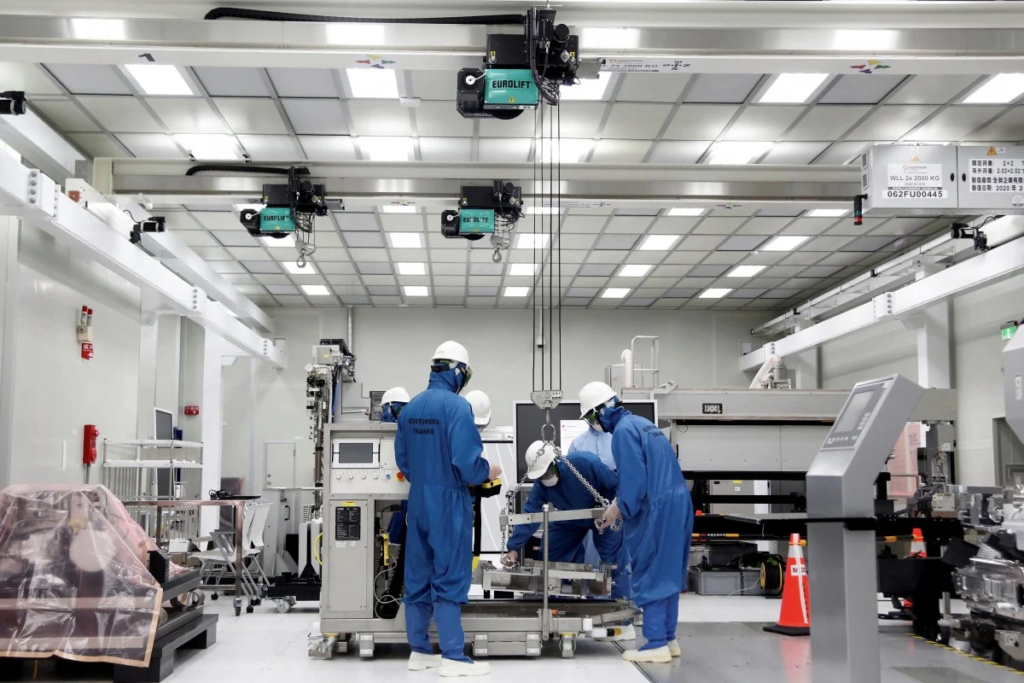
Earlier today, ASML, a Dutch semiconductor equipment maker, said that the company sees demand for its products remaining strong in China, with around 2 billion euros ($2.3 billion) in sales in 2021.
According to a report published by the Economic Times, the Chief Financial Officer of ASML, Roger Dassen, said that ASML, which is currently operating at maximum capacity amid the ongoing global chip shortage, thinks that the sales levels will remain the same in China for the upcoming year of 2022.
He stated that “For next year I wouldn’t expect a dramatic increase in that numbers, but we would expect that number to be sustained, so also next year pretty strong sales.”
For those unaware, ASML Holding engages in the development, production, marketing, sale, and servicing of advanced semiconductor equipment, consisting of lithography-related systems, which is the technology used to create the circuitry of computer chips.
Due to growing trade tensions between the U.S. and China and the concerns of the U.S. military, the allied Dutch government has not granted ASML permission to conduct sales of its most advanced lithography equipment with China. However, Chinese companies are major buyers of ASML’s earlier generation products due to the relatively recent drive to make homegrown chips for self-sustenance and compete internationally.
Peter Wennink, the CEO of ASML Holding, has previously stated that trying to control chip and technology exports to the region (China) will be detrimental to the U.S.
Roger Dassen, however, stated that “if for whatever reason, something were to happen on the China front, for instance more stringent regulations…in all likelihood that demand would be hoovered up someplace else.”
The CFO also added that ASML was weighing how much extra capacity the company would need to meet the increasing demand for its products as a result of plans by the United States, European Union, and other governments to increase regional semiconductor manufacturing capacity due to strategic considerations.
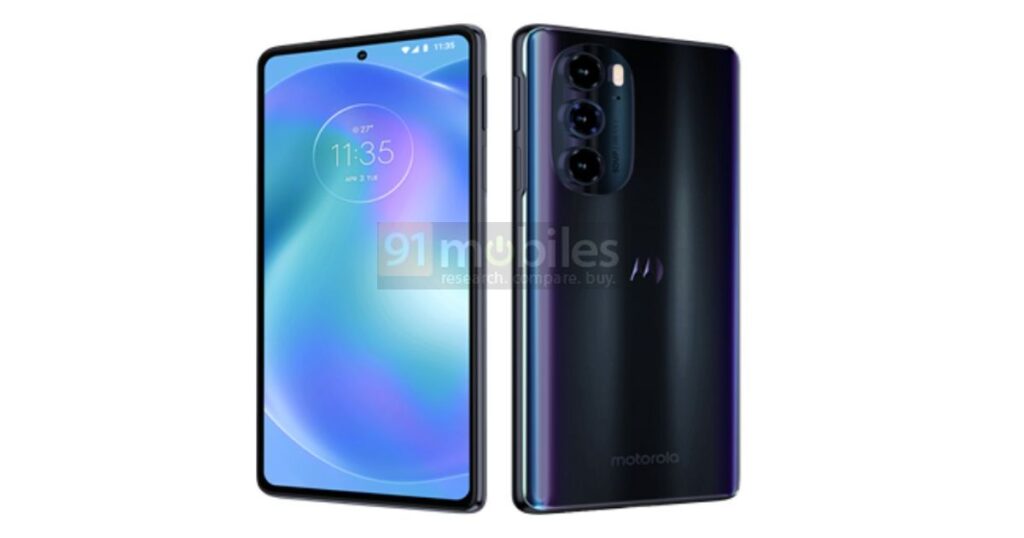
New renders of the rumored Motorola flagship, the Motorola Edge 30 Ultra, have surfaced, showing the phone in a gradient blue color. Previously, leaks have revealed the code name ‘Rogue,’ the model number XT2201, and a black color variant of the upcoming Edge 30 Ultra.
Image: 91mobiles
The new leaks provided by 91mobiles show the render of the upcoming smartphone in a gradient blue color finish. This confirms that the Edge 30 Ultra will at least have two color variants. The leaks have also claimed that two Motorola smartphones other than Rogue (Motorola Edge 30 Ultra) will hit the market in the upcoming year code-named Milan (Moto G Stylus 2022) and Austin.
From its looks, the Motorola Edge 30 Ultra might come with a metal body coated with glass. The display is surrounded by slim bezels and features a hole-punch at the center for the selfie camera. The volume control and power buttons appear to be present on the right side, and a single button on the left side could be a dedicated Google Assistant button. The device carries a rounded camera module to house a triple camera setup, an LED flash, and a microphone on the rear. The fingerprint scanner is likely to be located under the display or embedded in the Moto logo on the back. The Type C port, primary microphone, and speaker grille will be located at the bottom of the frame.
The upcoming Moto Edge 30 Ultra is rumored to sport a 6.6-inch OLED display with a 144Hz refresh rate and HDR10+. The camera setup on the device is speculated to be a 50-megapixel (OmniVision OV50A) as the primary lens, a 50-megapixel (Samsung JN150) ultrawide lens, and a 2-megapixel (OmniVision OV20B1B) depth sensor. On the front, the phone is rumored to feature a 60MP selfie snapper.
Other features of the Moto Edge 30 Ultra might include a Qualcomm Snapdragon 898 chipset paired with 8GB/12GB LPDDR5x RAM and 128GB or 256GB UFS 3.1 storage options. The smartphone will be powered by a 5,000mAh battery and is expected to have fast charging support. The device will be equipped with stereo speakers, IP52 rating, 5G, 4G LTE, Wi-Fi 6, NFC, Bluetooth 5.2, and GPS.
Chinese display manufacturer BOE is in the process of ramping up its production to meet the demand for flexible smartphone OLED panels by Apple.
This will be done by converting three of its existing factories, namely B7, B11, and B12 into OLED suppliers for Apple, analyst firm UBI Research has claimed (via The Elec). Because of this, BOE will likely overtake LG display by 2023 to bag the second spot in the list of companies supplying OLED panels for iPhones.
BOE’s flexible OLED panel production capacity will be hitting 144,000 substrates per month by the fourth quarter of next year, up from the present capacity of 96,000. This is level with Samsung Display’s current capacity of 140,000 substrates per month.
As for LG Display, its capacity stands at 30,000 substrates per month but the company plans on expanding it to 45,000 substrates per month for flexible OLED panels and 15,000 for rigid OLED panels.
BOE was also converting B7, B11 and B12 from their current low-temperature polycrystalline silicon (LTPS) thin-film transistors (TFT) setup to low-temperature polycrystalline oxide (LTPO) TFT.
The display manufacturer currently relies on B7 and B11 factories to manufacture OLED for Apple, both of which are located in Sichuan province in China. B7 handled the front-end process while B11 the back-end for the iPhone 12. And for the iPhone 13, B11 is handling both the front and back-end processes.
BOE will be able to supply 15 million units of OLED panels to Apple for iPhone 12 and 3 million units for iPhone 13 this year, Choong Hoon Yi, CEO of UBI Research has said. All in all, it will account for 10% of the total OLED panels used by Apple on the iPhone this year.
For 2022, Apple is expected to ship 240 million units of the iPhone. Samsung will accordingly aim for 150 million units, LG Display for 70 million, and BOE for 50 million units. BOE will thus be able to overtake LG only by 2023.
We use cookies on our website to give you the most relevant experience by remembering your preferences and repeat visits. By clicking “Accept”, you consent to the use of ALL the cookies.
This website uses cookies to improve your experience while you navigate through the website. Out of these, the cookies that are categorized as necessary are stored on your browser as they are essential for the working of basic functionalities of the website. We also use third-party cookies that help us analyze and understand how you use this website. These cookies will be stored in your browser only with your consent. You also have the option to opt-out of these cookies. But opting out of some of these cookies may affect your browsing experience.
Necessary cookies are absolutely essential for the website to function properly. This category only includes cookies that ensures basic functionalities and security features of the website. These cookies do not store any personal information.
Any cookies that may not be particularly necessary for the website to function and is used specifically to collect user personal data via analytics, ads, other embedded contents are termed as non-necessary cookies. It is mandatory to procure user consent prior to running these cookies on your website.