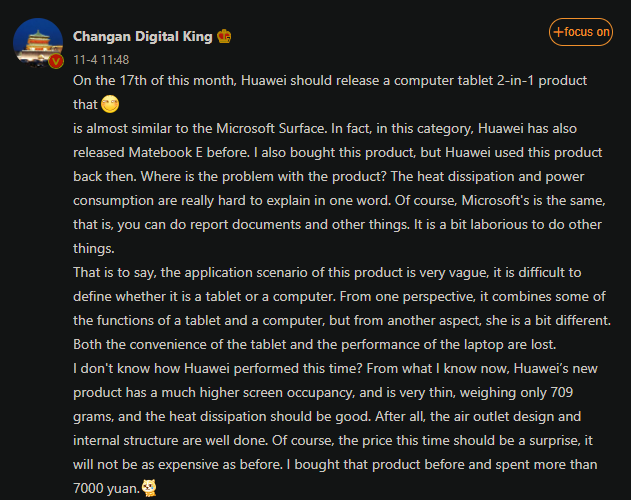
A new leak has revealed that Huawei is gearing up for the launch of a new laptop from its MateBook series later this month. However, the laptop in question will apparently feature a design similar to the Microsoft Surface series.
The leak was shared on Weibo (a Chinese microblogging website) by @长安数码君. The tipster revealed that the brand is planning to release a new 2 in 1 laptop in China this month. This means that it would be a product similar to the Microsoft Surface. Looking at the leaked image poster, we can see that the upcoming 2 in 1 laptop sports a high screen to body ratio and is a thin and light PC.
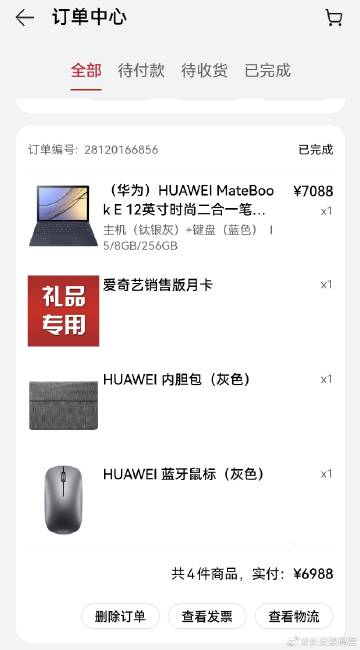
The image also revealed other information like a weight of just 709 grams but with a price tag that will be higher than previous MateBook E 2 in 1 laptops. For those unaware, this is not the first time the company has launched a notebook of this format. Back in 2017, the brand had first released the first 2 in 1 as apart of the new MateBook E series. Furthermore, its successor was released in China in 2019.
Now, it like a newer generation will be launching later this month. Unfortunately, finer details regarding this laptop like its specifications is unknown as of right now. Although, we do know that it would reportedly be launching on 17th November 2021 for a price of 7,088 Yuan (roughly 1,100 US Dollars).
Google has gone big on personalization this year with Android 12 and has implemented the ‘monet’ theme engine. This one extracts colors from the current wallpaper and splashes it across the system UI and supported apps, giving users greater control than ever over what their phone’s software looks like. However, the new engine has some unwarranted side effects affecting gamers.
A bug was opened on the Google Issue Tracker a couple of months back stating that games like Wild Rift and Pokémon Go crash as soon as the wallpaper is changed in the background on Android 12.
Android 12’s monet in action
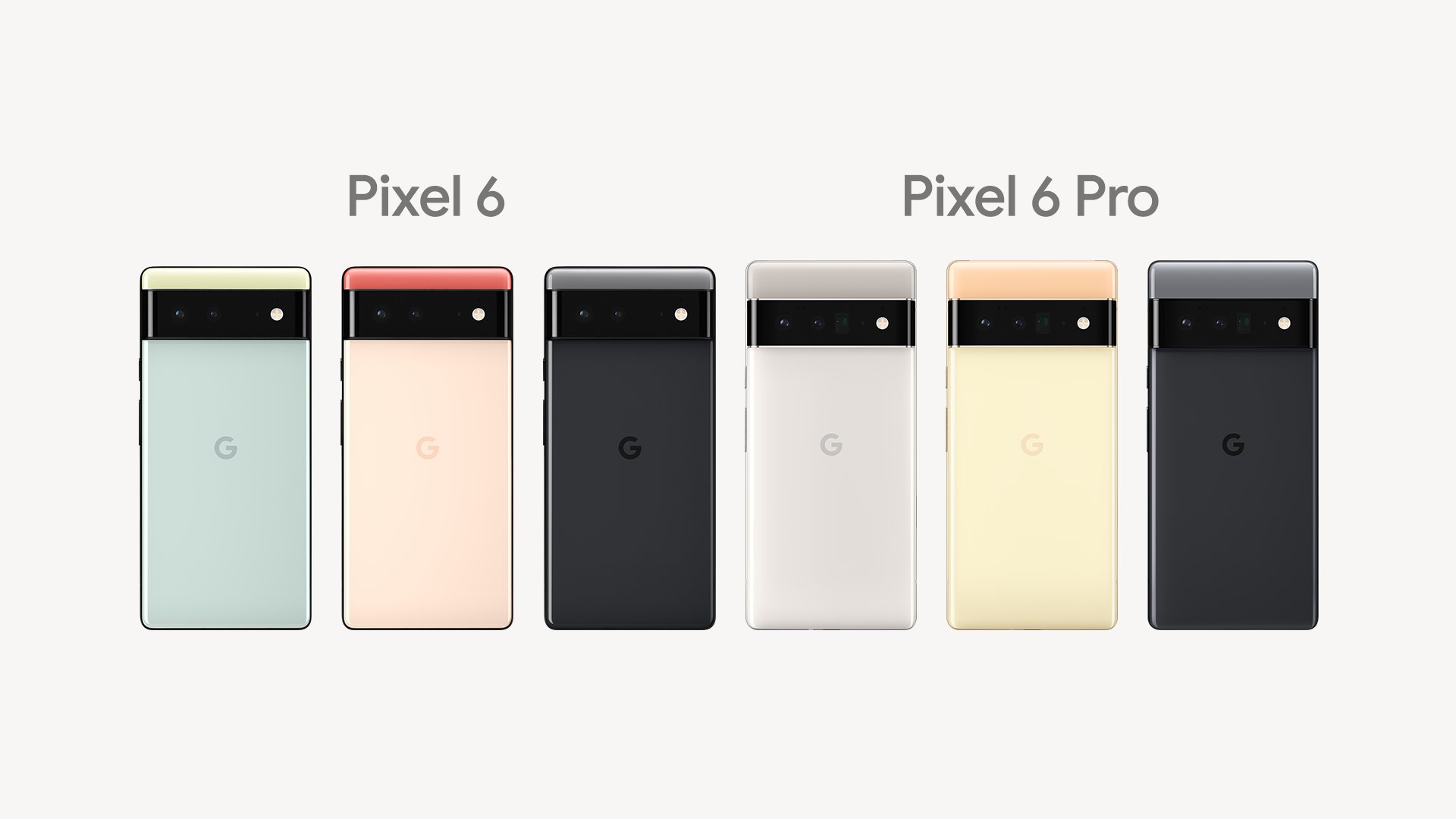
But as it stands, the issue can actually be reproduced across all games. XDA Developers tested Genshin Impact, Call of Duty: Mobile, PUBG Mobile, and Minecraft on a Google Pixel 6 Pro and found that all of them force closed upon switching the wallpaper.
While the use case where one changes the wallpaper while gaming is quite a rare one (who even does that?), the bug is still quite a bummer for those who rely on auto wallpaper changer apps.
Thankfully, the root cause of the problem has seemingly been spotted – Android configuration changes. A wallpaper change happens to be a configuration change on Android along with other activities like dark mode, screen rotation, and locale changes. Games typically used to ignore such changes but that isn’t the case anymore with Android 12.
Google has introduced a new change on the OS that forces activities to be recreated when the wallpaper is changed. This is reasonable enough for apps that need to respond to a wallpaper switch and color shift themselves accordingly, but is a problem for games as it triggers a force close.
Unfortunately, there isn’t any way to work around the problem. What’s even worse is that developers can’t get around it either. Google hasn’t provided an option to opt-out of the forced activity restart upon wallpaper switching yet, and games are suffering as a result.
The only solution at the moment is disabling any automatic wallpaper switchers while gaming and not changing wallpapers if you got a game running in the background.
Apple is apparently planning on shipping its newer models of iPad Pro and MacBook Pro with a new OLED panel. This new screen technology would enable the tablet and laptops to offer even higher brightness than existing models.
According to TheElec, the upcoming iPad Pro and MacBook Pros from the Cupertino based giant will sport a new double stack OLED panel that features two layers of light emitting diodes that could offer double the brightness over previous generation. Unfortunately, this new display technology will not be arriving anytime soon since the manufacturing process for the panels are still not fully developed and the screen is too expensive at the moment.
Additionally, sources close to the matter have revealed that first units with the new display will not arrive till at least 2023 or even 2024. The sources further added that the price of the panels would allow the iPhone maker to used those only on the larger 11 inch and 12.09 inch iPad Pro models and even MacBook Pro notebooks as well. These displays are also expected to feature LTPO tech for the TFT and could even offer control over the refresh rate. Meaning, variable refresh rate on the panel that can be anywhere between 10Hz and 120Hz.
Apart from the new OLED screens, Apple is also look to delve even deeper into micro LED displays for its future products. Currently, it is reported that the company is already investing in the research and development of the newer display technology and aims to replace the OLED panels for various benefits that it would offer.
Microsoft has announced that they will be integrating Mesh, the next step in the evolution of Microsoft Teams. The Mesh will be an interactive platform for virtual experiences inside the Teams platform. This announcement comes just days after Facebook reincarnated to Meta and revealed its future vision for a metaverse.
Microsoft Mesh appears to be the next step in AR technology. Some new features revealed by Microsoft consist of a ‘Together Mode’ which is designed to create a virtual avatar of a person that will aid in better engagement during meetings. The idea was inspired after seeing so many users experience pandemic fatigue due to excess screen time.
Microsoft Teams will be equipped with new 3D avatars to facilitate a metaverse environment, which won’t require a VR headset. These avatars can represent the user, both in 2D and 3D meetings. This provides the user with the option of not turning on the webcam if he or she doesn’t want to. “It’s not binary, so a person can choose how they want to show up, whether it’s video or an avatar, and there’s a variety of customized options to choose from, as to how one wants to be presented in a meeting,” says Katie Kelly, principal product manager for Microsoft Mesh.
Additionally, according to Katie Kelly, these technologies, or should we say prototypes work better with VR or AR headsets, these features will be accessible by most of the devices. Also, because it is based on realistic experiences, the human presence such as talking, eye contact, and reactions are going to be important. This upgrade also focuses on removing language barriers by including a built-in app translation support, which will be a blessing in the post-pandemic scenario wherein companies have remote workers across the globe. The great news is that Microsoft has promised that these features are going to be accessible as soon as early 2022.
The addition of this feature will enable the corporations to model their own virtual spaces, or metaverses inside Teams. This seems to be Microsoft’s own metaverse.
Apple’s silicon producer TSMC is struggling with the manufacturing of its next-gen 3 nm-based process, revealed in a report today from The Information. The report takes a closer look at the inner workings of their business relationship and also sheds light on TSMC’s struggle to transition to a 3nm process.
Looks like the iPhone 14 might be stuck on 5nm chips as reports suggest TSMC is having issues with its 3nm silicon process, which it had promised to deliver by the second half of 2022. The 3nm chips would have offered a more powerful, energy-efficient processor in the device without a significant increase in the die size.
Regardless of this setback, the iPhone 14 might still receive an upgrade in its processor over the last generation as TSMC is all set to manufacture its N4P process which is an improvement of the 5nm processor(N5P) currently being used in the iPhone 13. As the third major enhancement of TSMC’s 5nm family, N4P is claimed to deliver an 11% performance boost over the original N5 technology. Compared to N5P, N4P will also deliver a 22% improvement in power efficiency as well as a 6% improvement in transistor density. In addition, N4P lowers process complexity and improves wafer cycle time, which is the need of the hour in the ongoing global chip shortage.
On the other hand, this delay also creates opportunities for competing chip manufacturers such as Samsung to catch up to TSMC and even be the first to reach the 3nm process.
While this might be the case, Apple is said to have secured an early shipment of the N4P chips to gain an edge over its competition Qualcomm, which is also setting up to release their upcoming snapdragon 898 on TSMC’s 4nm process.
The POCO M4 Pro 5G will be debuting in the global markets on Nov. 9. Yesterday, a Vietnamese publication shared concept renders based on the actual M4 Pro handset. Now, Shadow Leak has shared the leaked render of the handset’s yellow variant to showcase its attractive rear design.
The POCO M4 Pro 5G features a large-sized module on its back panel, which features a 50-megapixel camera unit on the left and the POCO branding on the right. The left spine has a SIM card slot, but its right edge has a volume rocker and a power key.
The M4 Pro 5G’s top edge has a microphone, an IR blaster, and a speaker. Its bottom edge has a microphone, a USB-C port, and another speaker unit. As far as the front side is concerned, its display a centrally placed punch-hole and a slightly thick chin.
POCO M4 Pro 5G’s leaked render
POCO M4 Pro 5G specifications (Rumored)
The POCO M4 Pro 5G has a 6.6-inch IPS LCD panel that delivers FHD+ resolution and a 90Hz refresh rate. It has a 16-megapixel camera on the front. Its back panel has a dual-camera unit featuring a 50-megapixel primary camera and an 8-megapixel ultrawide snapper.
The device runs on MIUI 12.5 based Android 11, and it is powered by the Dimensity 810 chipset. It may come with up to 8 GB of RAM and up to 128 GB of storage. It has a 5,000mAh battery that supports 33W fast charging.
The POCO M4 Pro 5G is expected to arrive as a rebranded version of China’s Redmi Note 11 5G. At present, there is no word on the pricing of the handset.
A Reddit user has just shared an interesting turn of events that they went through. The user had ordered a new Google Pixel 6 smartphone. However, the delivery arrived without this model, but did have a surprising upgrade.
As per his story, he was also supposed to receive a pre paid mailer through which he could send back the unit being traded for the Pixel 6. But, when the the delivery arrived, he found that the box was what he described as “trashed.” Although the inside featured two smaller boxes with one for the Pixel 6 while the other that had the Pixel 6 Pro. The odd incident doesn’t just end there as the packaging box for the Pixel 6 was torn open with nothing on the inside.
On the other hand, the Pixel 6 Pro that the user had not ordered was still in the box with all of the other contents as well. Meanwhile, the mailer for the trade was also not included in this entire packaging. In other words, the man got lucky and despite his Pixel 6 being reportedly stolen, he received a free upgrade to the Pixel 6 Pro which is the higher end model in the newly launched series.
In the Reddit post, the user asked that “Obviously I’d be happy to upgrade to the Pro, but would I be able to make warranty claims?” Another few questions also include “Would anyone besides Google be getting screwed if I keep it? On the other hand, if I bring this to Google’s attention, do you think they’ll make me send it back without first sending a replacement, given the shortage going on?” But the real question that he asked is “why on earth would someone steal a Pixel 6 and replace it with a Pixel 6 Pro???”
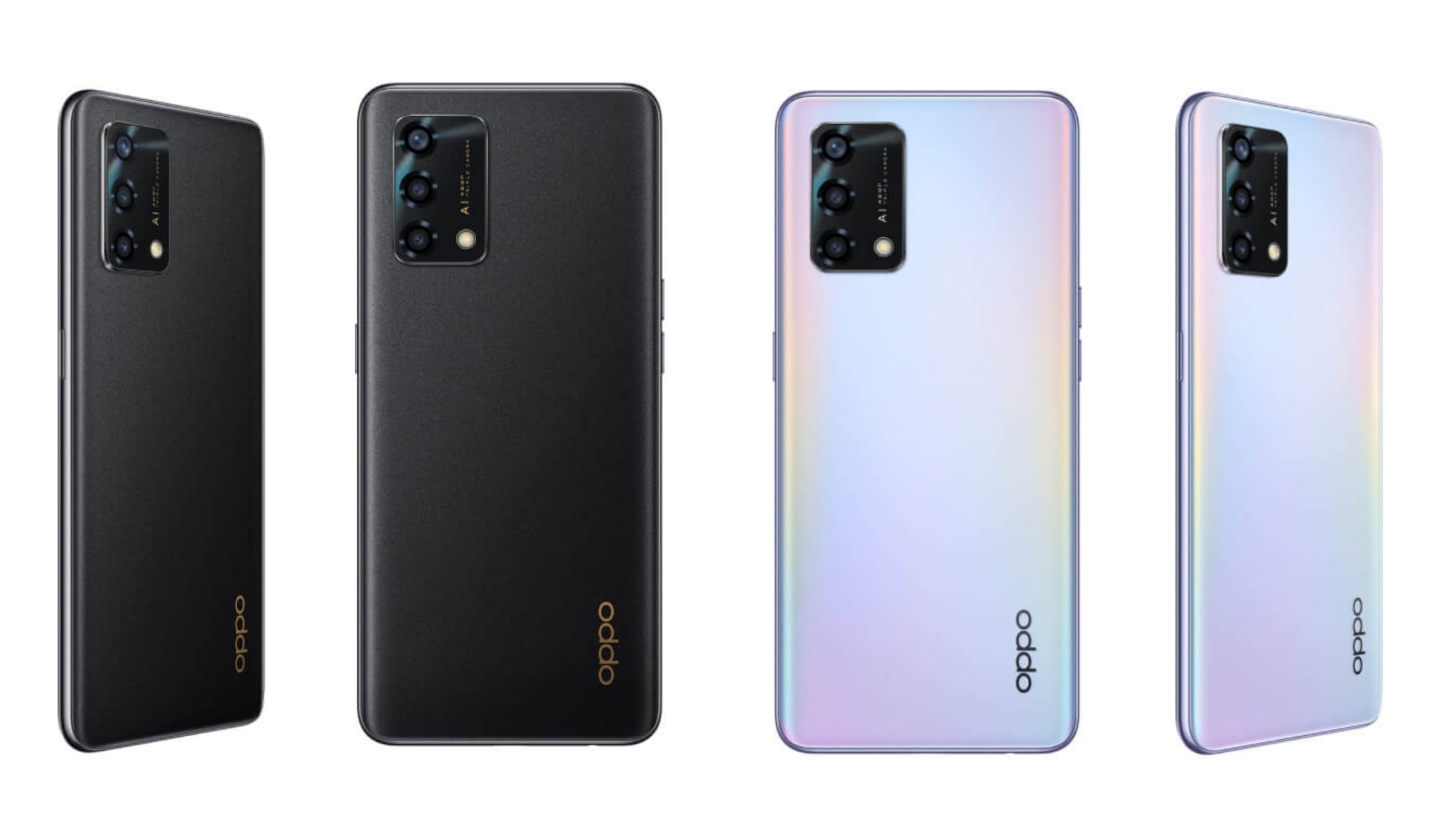
The OPPO A95 4G can be seen in Starry Black and Rainbow Silver color variants in the new renders. The handset can be seen sporting a punch-hole AMOLED panel and a rear-facing triple camera unit. The left spine of the device has volume buttons, and its right edge features a power key.
OPPO A95 4G
The specifications of the OPPO A95 4G are under wraps. However, rumors surrounding it claim that it will be a rebranded version of the OPPO F19 that debuted in India in the recent past.
OPPO A95 specifications (expected)
The OPPO A95 is expected to house a 6.43-inch AMOLED display, which will offer a Full HD+ resolution, an in-screen fingerprint scanner, and a 60Hz refresh rate. The device is likely to be powered by the Snapdragon 662 mobile platform and 8 GB of RAM.
OPPO A95 4G
The device may offer 128 GB of built-in storage and a microSD card slot for additional storage. It may run on ColorOS 11.1 based Android 11. It may feature a 16-megapixel front camera and its back panel may house a 48-megapixel primary camera, an 8-megapixel ultrawide lens, a 2-megapixel depth sensor, and a 2-megapixel macro camera. It may house a 5,000mAh battery that carries support for 33W fast charging.
OPPO is also rumored to be working on Reno6 Lite for Colombia. This model is also said to be a rebranded version of F19.
Market research firm Counterpoint Research has released a new report for the US smartphone market share in the third quarter of this year, i.e. Q3 2021. It reveals that despite component shortages and supply chain issues, companies managed to keep the market recovery ongoing.
However, the highlight of the report is that the Lenovo-owned Motorola has now entered the list of top three smartphone makers in the United States as the company managed to grab the market share of LG.
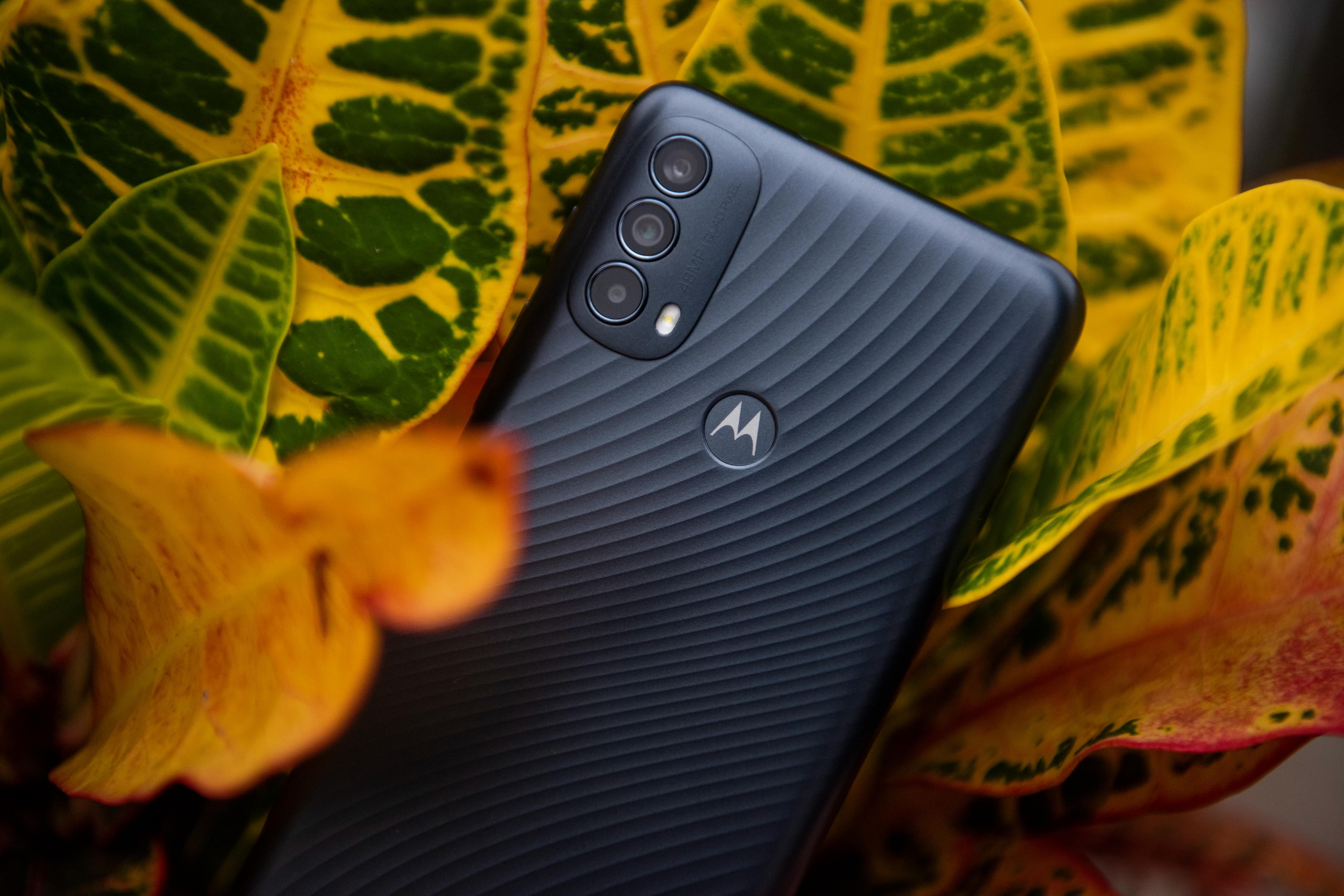
Motorola’s top three models in Q3 2021 include Moto G Play, Moto G Power, and Moto G Stylus, which is a 5G device. The company wasn’t much affected by the Vietnam factory shutdowns as it manufactures its devices in China.
As noted, with LG exiting the smartphone market, Motorola managed to gain new customers. While it managed to grab the third spot in the US market, with just an 8 percent share, it’s nowhere near the top two leading brands.
Apple remains the leading smartphone brand in the United States with a 42 percent market share, which represents an increase of 9 percent year-on-year. South Korean giant Samsung remains in the second position with a 35 percent market share and the company grew its presence by 18 percent year-on-year.
The report adds that the newly launched iPhone 13 series contributed to 17 percent of Apple’s sales in the third quarter of this year. With the holiday season, the company is expected to strengthen the fourth quarter as well.
On the other hand, Samsung didn’t launch its Galaxy Note-series flagship this time but instead, the brand launched two new foldable smartphones which have exceeded the company’s own goals in terms of sales. On top of that, it also managed to push the Galaxy A32 5G, its most affordable 5G smartphone through carriers.
Redmi is reportedly working on the Redmi K50 series of smartphones. The K40 lineup was unveiled in the first quarter this year. Hence, it is likely that the company may unleash the K50 lineup around the same time next year. Today, reliable tipster Digital Chat Station shared a few key specs of Xiaomi’s I11 series phone. The leak suggests that he could be talking about the Redmi K50 models.
The leak reveals that the Xiaomi phone will feature a high-quality curved edge display, a Snapdragon 8-series flagship chipset, and a large-sized battery that supports 67W fast charging.
Redmi K40 Pro+
For photography, it will be equipped with a 108-megapixel primary camera. The handset will offer other features like an x-axis motor and JBL dual stereo speakers. Since JBL is a brand that Redmi cooperates with on the Note 11 lineup, it can be said that the tipster could be talking about the Redmi K50 series phone. To be precise, he seems to have revealed the specs of the Redmi K50 Pro/Pro+ handset.
The K40 lineup included three phones such as the K40, K40 Pro, and K40 Pro+. It is being speculated that the K50 series will also comprise of three devices namely, K50, K50 Pro, and K50 Pro+.
A recent leak claimed that the K005 models will be equipped with an in-screen fingerprint scanner. This indicates that the K50 phones will be arriving with an AMOLED panel. The K50 may feature the Snapdragon 888 or 870 chip, whereas the K50 Pro/Pro+ is expected to arrive with the forthcoming Snapdragon 898 chip.
Vivo is reportedly working on the Vivo V23 series of smartphones. The lineup seems to include at least three devices such as Vivo V23e, Vivo V23, and Vivo V23 Pro. A hands-on video of the V23e had appeared at the beginning of this week to reveal its appearance and key features. Hence, it appears that the V23e may go official soon. Today, tipster Chun shared a banner image of the smartphone. The image reveals its design and some of the key features.
As can be seen in the image below, the Vivo V23e’s display will have a u-shaped notch and a noticeable chin. Its bottom edge has a microphone, a USB-C port, and a speaker grille. Like the predecessor model, it seems to feature an OLED panel with an in-screen fingerprint scanner.
The image states that the Vivo V23e will feature a 50-megapixel front-facing camera and a 64-megapixel rear camera. The handset will come in colors like black and gradient blue.
Rumors surrounding the V23e has revealed that its 64-megapixel triple camera unit will include an 8-megapixel ultrawide camera and a 2-megapixel macro lens. The device will be backed by a 4,030mAh battery that supports 44W fast charging.
The device will run on FunTouch 12 based Android 11. It will ship with 8 GB of RAM. There is no clear information on the chipset of the V23e. The tipster had previously claimed that it has a 5G-ready SoC. The handset is speculated to cost around VND 10,000,000 (~$440).
Huawei, the Chinese smartphone manufacturer is all set to make its comeback in the premium or flagship category with the launch of the Huawei Mate 50 series smartphones.
Now, it is being reported that the phones in this lineup will be launched in the first quarter of 2022 but no specific timeline has been revealed by the company. If the previous reports are to be believed, then the launch is likely to happen in March 2022.
Earlier, the Huawei Mate 50 series phones were supposed to launch sometime this year but given that the P50 lineup was launched in July this year, much late than its usual timeline of March, the launch of the next-generation Mate series phones was then postponed.
The smartphones in the lineup are expected to come powered by the Qualcomm Snapdragon 898 chipset. Unlike this processor powering other smartphones, it will be different in the Mate 50 series as instead of having 5G support, the chipset will only support 4G connectivity.
Also, the Qualcomm Snapdragon 898 chipset will be manufactured by Samsung using its 4nm process and three-cluster architecture design. The flagship processor is set to go official next month, i.e. December 2021.
The phone is expected to come equipped with an LTPO display — the same technology that we are seeing in the Apple iPhone 13 Pro series. This could mean that the phone will have support for adaptive refresh rate, with support for a high refresh rate of 120Hz.
It could also come with support for satellite connectivity when the cellular network isn’t available. The satellite connectivity will be used to communicate via short message service (SMS) in a situation where a cellular network isn’t an option. For this, the company has reportedly opted for the Beidou Satellite System.
Samsung is reportedly working on the Galaxy A13 mid-range. Since the Galaxy A12 was announced in November last year, the South Korean company is likely to unveil the Galaxy A13 around the same time this year. It was reported in September that the A13 will come equipped with a 50-megapixel rear camera. Fresh information shared by the South Korean publication The Elecalso claims that the A13 will feature a 50-megapixel camera.
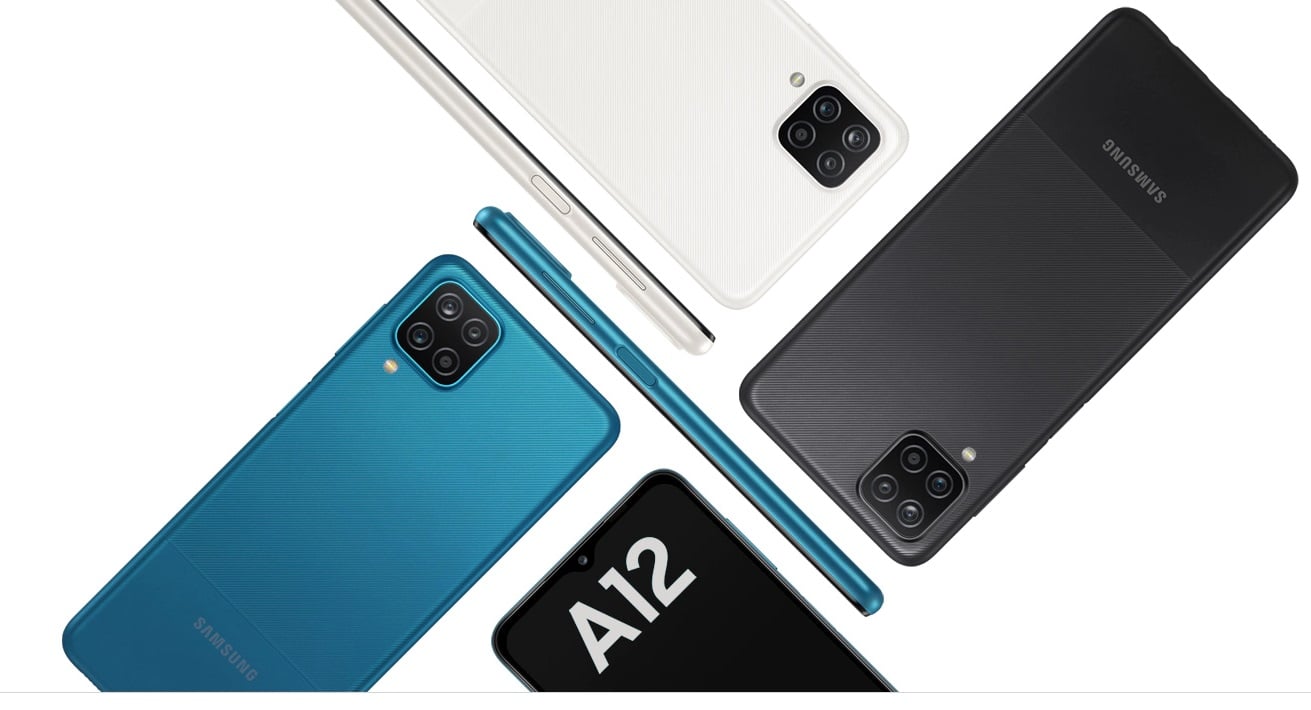
According to the publication, the Galaxy A13 5G’s rear camera setup will include a 50-megapixel autofocus enabled main camera, a 5-megapixel ultrawide lens, a 2-megapixel macro sensor, and a 2-megapixel depth assist camera. To recollect, the Galaxy A12’s quad-camera unit include a 48-megapixel primary camera and the same auxiliary lens.
Galaxy A12
For selfies, the Galaxy A13 5G may feature an 8-megapixel front-facing camera. It seems that the company will be the Galaxy A12’s selfie camera on the A13. Rumors surrounding the A13 claim that it could be Samsung’s most affordable 5G phone.
Recent reports have revealed that the Galaxy A13 5G has a 6.48-inch LCD FHD+ display with a waterdrop notch. It could be powered by the Dimensity 700 chipset and a 5,000mAh battery, which may support 25W charging. The handset may come in RAM variants like 4 GB, 6 GB, and 8 GB and storage models such as 64 GB and 128 GB. For security, it may feature a side-facing fingerprint scanner.
The Galaxy A13 5G is likely priced at around $249. As mentioned above, the A13 may go official this month or in December.
Motorola is gearing up to enter feature phone market in India. Fresh information reveals that the Lenovo-owned brand is soon going to launch feature hones such as Moto A10, Moto A50, and Moto A70. YTechb has shared the first images and key specifications of all three phones.
The Moto A10 and Moto A50 will feature a 1.8-inch display and MediaTek MT6261D chipset. Both models will come with support for five Indian languages such as Hindi, Tamil, Telugu, Malayalam, and Kannada. These phones will also offer other features like adjustable font size, auto-call recording, and wireless FM radio.
Moto A10
The Moto A50’s back panel has a camera and a torch. These features are not available on the Moto A10. Both devices will also carry support for dual SIMs and a microSD card.
The Moto A70 comes with a bigger 2.4-inch display and a Unisoc chip. It has a VGA camera and an instant LED torch on the back. It can store 100 SMS and up to 2,000 contacts. Users can also photos and icons to contacts. It also supports wireless FM with a recording function and auto-call recording.
Moto A50
The A70 has a 1,750mAh battery. The same battery is also available on the A10 and A50. The retail package of the new A-series Motorola phones will include a 5W charger and cable. The large-sized battery will allow the A-series phones to last for up to 1 or 2 days.
Moto A70
The Moto A-series feature phones will come with a 2-year replacement guarantee. The after-sales service will be provided by the Indian phone brand Lava. The exact launch date of the A10, A50, and A70 are not known yet. The A10 could be priced around Rs 1,500, whereas the remaining two may cost around Rs 2,000. These phones are expected to come in colors such as blue, silver (only for A70), and gold. Motorola is expected to release these handsets in five states of India, including Uttar Pradesh.
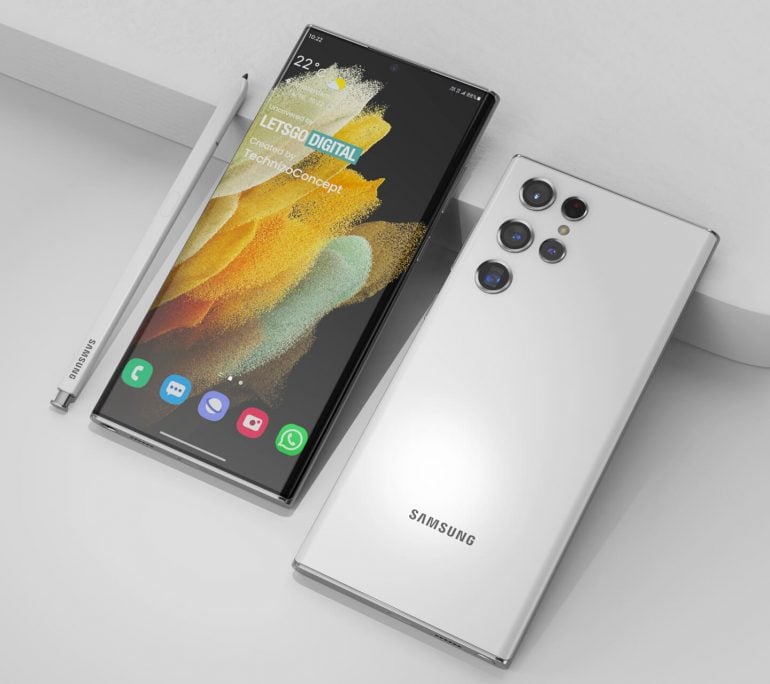
Samsung is working on the next generation of Galaxy S-series flagship smartphones — Galaxy S22, S22 Plus, and S22 Ultra. This time, the company is expected to launch its devices in the month of February instead of January.
Now, ahead of the launch of the smartphones, their color options have leaked online. The standard Galaxy S22 and S22 Plus will come in four colors — Black, Green, Pink, Gold, and White while the Galaxy S22 Ultra will come in Black, Dark Red, Green, and White colors.
Samsung Galaxy S22 Ultra Render
Do note that not all the color options will be made available in every region as some of the hues will be exclusive to certain regions. Currently, there’s no information about the color options based on the region of availability.
As for the production, Ross Young recently predicted that the Samsung Galaxy S22 series smartphone will enter mass production during the first week of December. If that’s true, then the company will need some more time to reach a level where it is satisfied with the number of units getting produced.
This basically means that the Galaxy S22 series smartphones will be made available for purchase in February. The Samsung Galaxy S21 series, which entered production in late October or early November last year, was made available earlier this year in January.
If the reports are to be believed, then the Samsung Galaxy S21 FE smartphone will be announced in January this year during CES 2022. This is being attributed as a reason behind the South Korean giant delaying the S-series flagship by a few weeks.
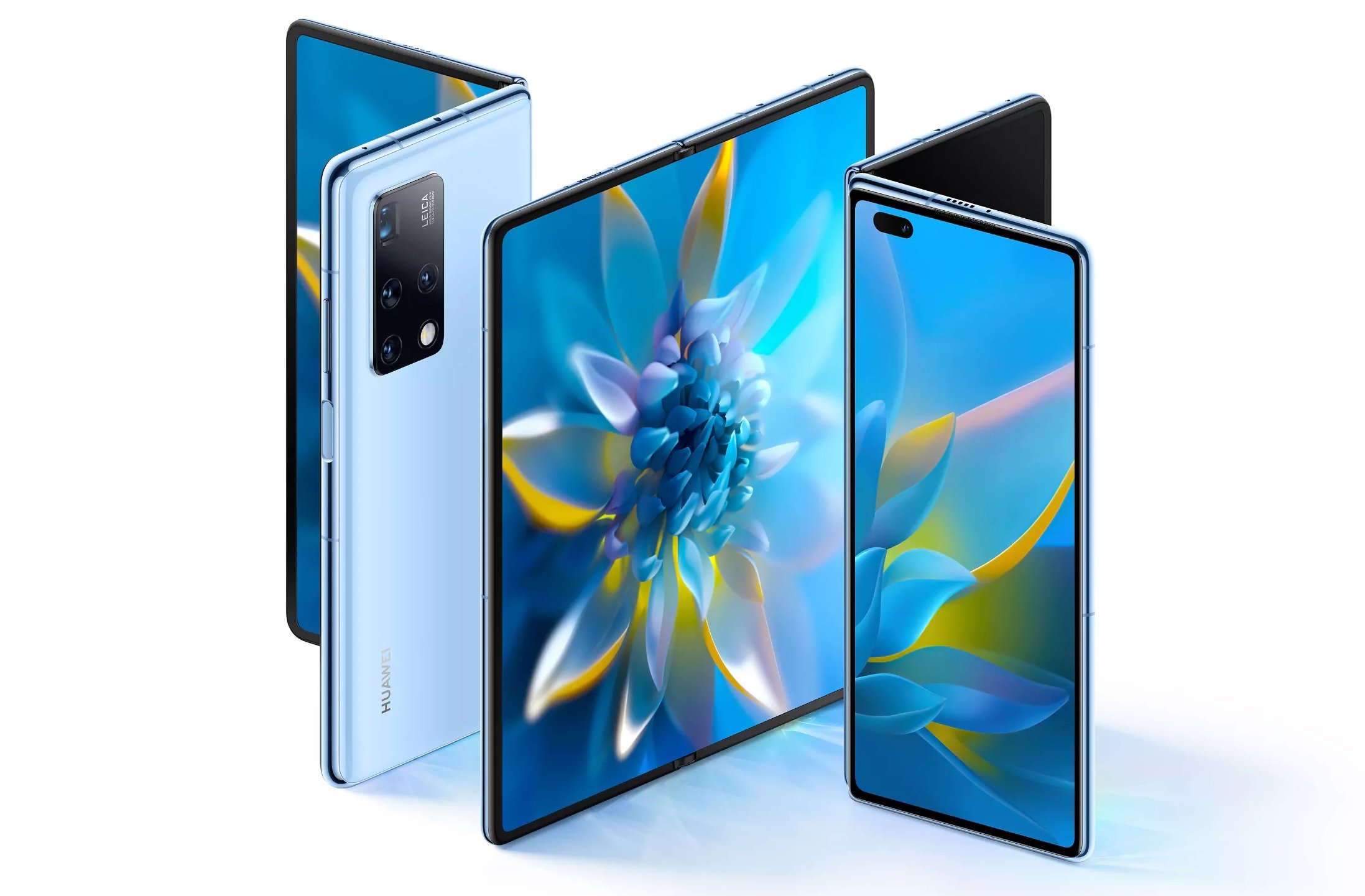
Huawei already launched a few foldable smartphones in the market, including the Mate X, Mate Xs, and the Mate X2. Now, the China-based technology giant is gearing up to launch a new foldable smartphone in the market.
Now, the Chinese company is expected to launch its successor and a new report coming from Digital Chat Station claims that Huawei is expected to follow its usual timeframe of launching a new Mate X-series foldable smartphone in the month of February.
Thus, the next-generation foldable device from the company will be launched in the month of February next year, most probably along with the flagship Mate 50 series phones which have already been delayed.
Further, the report adds that the company is currently testing the under-display fingerprint sensor and the OLED screen for the next generation of foldable smartphones. The phone is expected to come with a POL-LESS OLED technology which is developed by Samsung Display, which could increase the brightness by 20 percent to 30 percent.
If the rumors are to be believed, then Huawei is working on another foldable smartphone that will come with a clamshell design, similar to the Samsung Galaxy Z Flip3. The phone, which could be named Huawei Mate V, is said to come powered by the company’s own HiSilicon Kirin 9000 chipset and will be a 4G model.
The Huawei Mate V (name not yet confirmed) with a clamshell-like foldable design is expected to get launched by the end of this year. The device, when launched, will compete against the likes of the Samsung Galaxy Z Flip series.
Apart from Huawei, there are a few other China-based manufacturers working on their own foldable smartphones that were rumored to go official this year, including brands like OPPO and Vivo. Xiaomi, which has already launched its first foldable smartphone, is expected to launch a new model.
The Redmi Note 11 series went official and it contains some of the most affordable 5G phones in the market. Even the Redmi Note 11 this year comes with 5G connectivity, as well as a new chipset, a new sensor for the camera setup, and other interesting specifications. But is it enough to beat the other budget 5G phones in the market or there is something better released this year? This is a comparison between the specifications of the Redmi Note 11, the Realme 8 5G, and the Samsung Galaxy M32 5G: three of the best and most affordable 5G phones released this year which might cannibalize the sales of the Redmi Note 11.
Xiaomi Redmi Note 11 vs Realme 8 5G vs Samsung Galaxy M32 5G
Triple 48 + 2 + 2 MP, f/1.8 + f/2.4 + f/2.4
16 MP f/2.1 front camera
BATTERY
5000 mAh, 33W fast charging
5000 mAh, fast charging 15W
5000 mAh, fast charging 18W
ADDITIONAL FEATURES
Dual SIM slot, 5G
Dual SIM slot, 5G
Dual SIM slot, 5G
Design
My favorite design belongs to the Realme 8 5G: it looks cleaner and more minimal. But a lot of people may prefer the Redmi Note 11 due to its amazing gradient color options. Its big and bicolor camera module does not match my tastes, but I have to recognize that Redmi Note 11 is a very interesting device in terms of aesthetics. Further, it has the IP53 certification making it dust resistant and splash resistant. The Samsung Galaxy M32 5G has a very beautiful rear design with sensors placed directly in the cover and without a camera module, but its front panel is uglier because it comes with a waterdrop notch.
Display
The Samsung Galaxy M32 5G loses the display comparison because it has an inferior panel. It is a TFT display, while Redmi Note 11 and Realme 8 5G come with a better IPS panel. Further, the Samsung Galaxy M32 5G has a lower HD+ resolution and a lower refresh rate (standard with 60 Hz). With Redmi Note 11 and Realme 8 5G, you get a Full HD+ resolution and a higher 90 Hz refresh rate. The Redmi Note 11 has a slightly wider display with a diagonal of 6.6 inches, while Realme 8 5G stops at 6.5 inches.
Hardware/Software
Redmi Note 11 has the most advanced hardware department because it comes with a stronger processor: the new Mediatek Dimensity 810 5G built at 6 nm with a max frequency of 2.4 GHz. The chip is paired with up to 8 GB of RAM and up to 256 GB of internal storage. Realme 8 5G takes the silver medal with a Mediatek Dimensity 700 SoC, up to 8 GB of RAM, and up to 128 GB of UFS 2.1 internal storage, but Samsung Galaxy M32 5G is not so far: it actually comes with a better processor, but it has an inferior eMMC storage. All of these phones run Android 11.
Camera
The most versatile camera department belongs to the Samsung Galaxy M32 5G which sports a quad camera 48 MP main sensor, an 8 MP ultrawide lens, a 5 MP macro camera, and a 2 MP depth sensor. Redmi Note 11 has just two cameras on the rear, but the main camera is superior: a newer 50 MP sensor provides a better photo quality. Realme 8 5G loses because it lacks an ultrawide camera.
Battery
The battery capacity is the same on all of these devices: 5000 mAh. But the Samsung Galaxy M32 5G should offer a longer battery life because of its lower resolution and refresh rate. Redmi Note 11 has faster charging (33W).
Xiaomi Redmi Note 11 vs Realme 8 5G vs Samsung Galaxy M32 5G: Price
Redmi Note 11 starts from €160/$185 in China and it is still not available globally. Realme 8 5G and Samsung Galaxy M32 5G cost less than €200/$232 globally. The Redmi Note 11 is a superior handset thanks to its better chipset, faster charging, and better main camera sensor.
The global shortage of important components for a wide array of tech products, it seems, is yet to abate, as multiple industry projections indicate that the chip shortage will extend beyond December 2021. Arm CEO, Simon Segars views the worsening situation as possible of harming sales of tech products including smartphones during the year-end festive period. Segars sees a widening gap between demand and supply, which he viewed as the most extreme he had seen.
The global glut is even projected to extend up to December 2022, as chipmakers grapple with clearing the backlog of unfulfilled orders from manufacturers. The Arm boss also feels that consumers will be affected in getting their orders for devices on a schedule. His views are not different from sentiments shared by chipmakers and industry experts, even with some extensive efforts to bridge the demand-supply gulf.
The chip shortage is seen to be worsening in some cases, affecting production deadlines and stalling critical aspects of the production schedule. It is unclear the level of damage the chip shortage had done to the tech industry, but it could be rising. Some of the heavy hitters in the chipmaking business have continued to expand their operations and technologies to address the chip shortage. Some governments have also made interventions to monitor and enhance the supply chain to curb inefficiencies and delays in the chain. These moves seem not to have yielded the full desired result as of now.
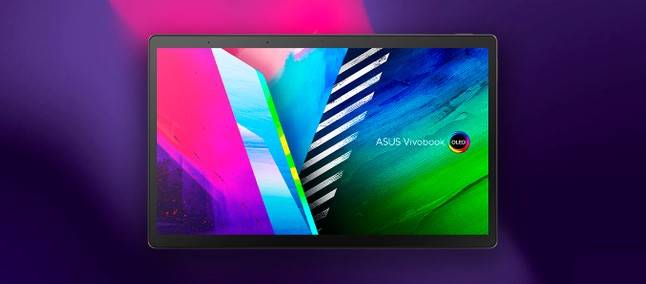
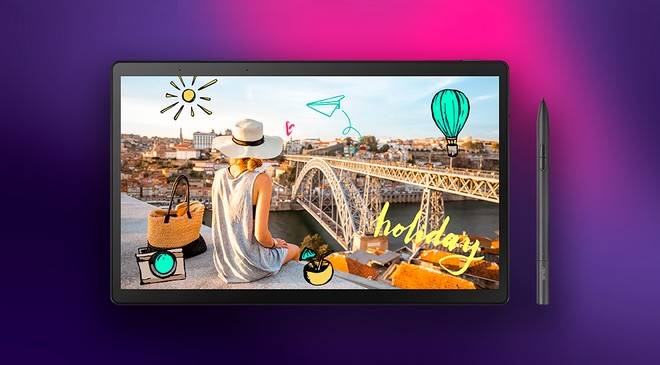
ASUS has officially announced the all-new Vivobook 13 Slate in the market. The ASUS Vivobook 13 Slate comes with 2-in-1 pen input and a detachable keyboard. The device is currently available in the US for $599.
As of now, the sale details are unknown but we can expect it to start selling soon in the US. The device might as well launch in more markets after the initial sale.
1 of 2
The ASUS Vivobook 13 Slate has a 13.3-inch FHD OLED display. It carries the model number T3300 and features a 16:9 aspect ratio. It has a 266Hz of the touch sampling rate. The device is powered by the Intel Pentium Silver N6000 processor paired with up to 8GB of RAM and 256GB of NVMe internal storage. However, it is also available in 4GB RAM and 64GB eMMC storage.
TheSlate has a detachable keyboard that has a large trackpad and chiclet-style keys. It runs on Windows 11 out of the box. It has support for ASUS Pen 2.0 and 4,096 pressure levels. It comes with dual USB 3.2 Type-C ports and a microSD card reader.
It packs a 50WHr battery with support for 65W fast charging technology. Interestingly, it also features a 13MP primary camera at the rear and a 5MP single camera setup at the front. As for security, it has a fingerprint reader.
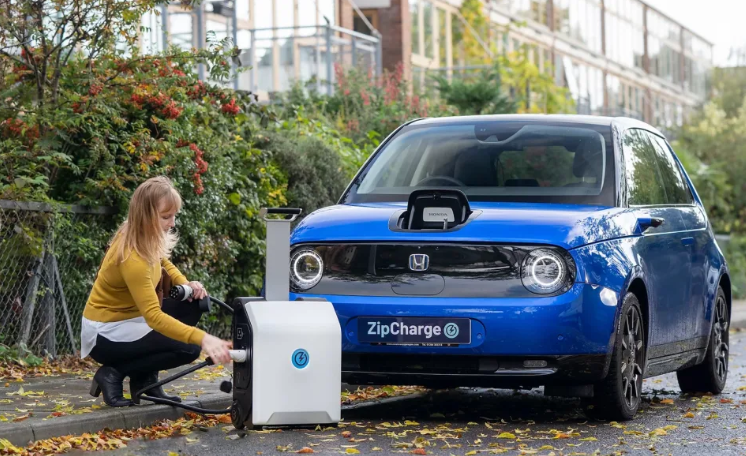
British startup ZipCharge has launched its innovative mobile charging solution for electric vehicles. The ZipCharge Go is a suitcase-sized power bank that can be used to charge a depleted electric vehicle with little hassles. The ZipCharge innovative charging solution seeks to assuage the fears of EV users who may be worried about the range of their vehicles. The company introduced the ZipCharge at the ongoing Cop26 UN Climate Change Conference in Glasgow, Scotland.
The ZipCharge Go mobile charger weighs about 23kg (50 pounds), looks like a suitcase with wheels and a retractable handle. It can be kept at the vehicle’s trunk and deployed when needed to boost the depleting power in the electric vehicle. Although the company says that the Go can provide up to 20 miles of drive time for a 30-minute charge, a higher-capacity model that could double the range to 40 miles is in the works. The ZipCharge Go is compatible with any plug-in hybrid or EV with a Type 2 socket.
The charging process of the EV using the Go is as seamless as it can get and it could fully charge the vehicle within an hour. The ZipCharge Go itself can be easily changed and the user can control and monitor the process via an app. The user can also use the app to schedule charging sessions at off-peak periods for cheaper costs.
The first deliveries of the ZipCharge Go are projected for the fourth quarter of 2022 (about a year away). The company will likely release two versions of the EV power bank – 4 kWh and 8 kWh versions. Pricing details are still sketchy at this time but the ZipCharge Go will have lease arrangements around $67 per month.
We use cookies on our website to give you the most relevant experience by remembering your preferences and repeat visits. By clicking “Accept”, you consent to the use of ALL the cookies.
This website uses cookies to improve your experience while you navigate through the website. Out of these, the cookies that are categorized as necessary are stored on your browser as they are essential for the working of basic functionalities of the website. We also use third-party cookies that help us analyze and understand how you use this website. These cookies will be stored in your browser only with your consent. You also have the option to opt-out of these cookies. But opting out of some of these cookies may affect your browsing experience.
Necessary cookies are absolutely essential for the website to function properly. This category only includes cookies that ensures basic functionalities and security features of the website. These cookies do not store any personal information.
Any cookies that may not be particularly necessary for the website to function and is used specifically to collect user personal data via analytics, ads, other embedded contents are termed as non-necessary cookies. It is mandatory to procure user consent prior to running these cookies on your website.