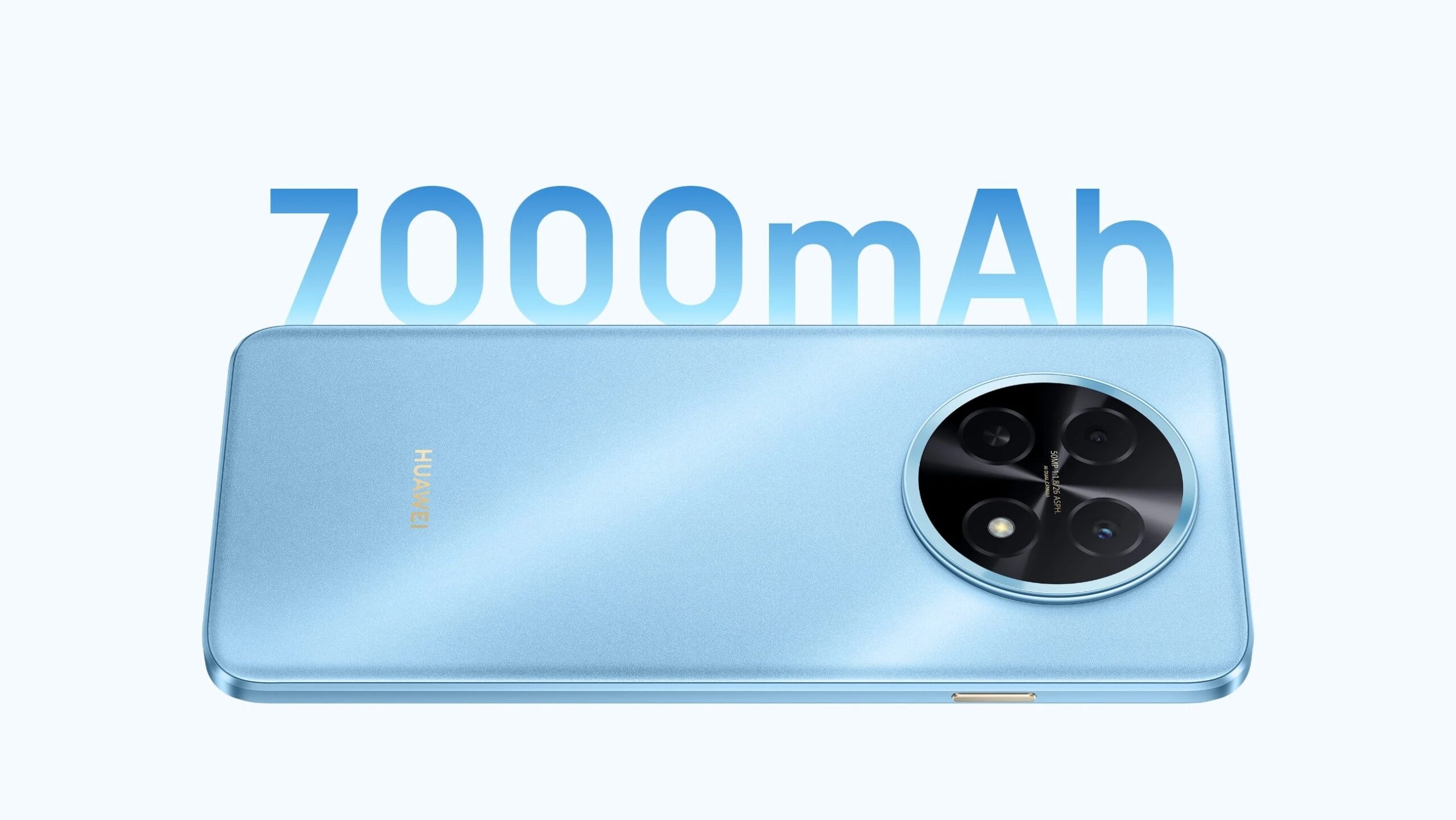
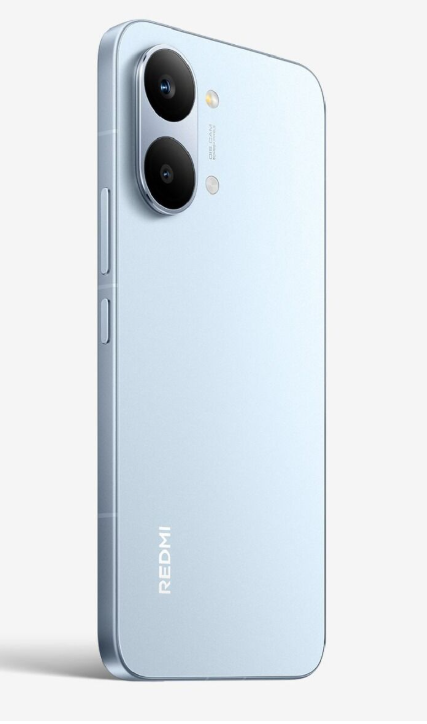
A few months back, Huawei unveiled the Nova 14i smartphone in China, and now, it has finally made it available for buyers in Hong Kong. It is a rebadged version of the Nova Y91, also known as the Huawei Enjoy 60x, both of which were originally introduced around three years ago. As a result, the Nova 14i brings older internals under a refreshed product name.
Huawei Nova 14i features
The Nova 14i is powered by the Qualcomm Snapdragon 680 chipset, which includes four Cortex-A73 cores clocked at 2.4 GHz and four Cortex-A53 cores running at 1.9 GHz. The phone comes with 8 GB of RAM and 256 GB of internal storage. On the software side, it runs EMUI 14.2 out of the box.
The front of the phone is dominated by a 6.95-inch LCD display with an FHD+ resolution of 2376 × 1080 pixels. The panel supports a 90 Hz refresh rate and up to a 270 Hz touch sampling rate. Color output is rated at 16.7 million colors.
Battery life is one of the device’s main highlights. The Nova 14i packs a large 7,000 mAh battery with support for 22.5 W wired charging over USB Type-C. According to Huawei, the phone can deliver up to 26 hours of video playback on a single charge.
For photography, the Nova 14i features a dual rear camera setup consisting of a 50 MP main sensor with an f/1.8 aperture and phase detection autofocus, alongside a 2 MP depth sensor. Video recording is limited to 1080p. On the front, there is an 8 MP camera with an f/2.0 aperture for selfies and video calls.
In terms of physical dimensions, the phone measures 171.6 × 79.9 × 8.9 mm and weighs approximately 216 grams. Connectivity options include dual-SIM 4G LTE, dual-band Wi-Fi, Bluetooth 5.0, multi-constellation GPS, and a USB Type-C port that also handles audio output.
Pricing & availability
The Huawei Nova 14i is priced at HKD 1,588, roughly $203, for the 8 GB RAM and 256 GB storage variant. It will go on sale starting February 6 in Hong Kong via Huawei’s official website.
For more daily updates, please visit our News Section.
IKEA has launched a new portable speaker in Europe called the Grejsimojs Portable Bluetooth speaker. The product is part of the Grejsimojs range, which focuses on playful designs made for kids.
The Grejsimojs Portable Bluetooth speaker is built around a single 1.6-inch full-range driver. It delivers a total power output of 2 W and covers a frequency range of 150 to 19,000 Hz. The maximum sound pressure level is rated at 73.8 dB. Audio is streamed over Bluetooth. The Grejsimojs speaker is described as a “musical mouse.” It features a purple ABS plastic body with four legs and two ears. Sound is emitted from the front of the mouse’s face. A braided polyester carry loop at the back is designed to look like a tail. Silicone rubber is used for the buttons and feet.
The speaker supports a multi-speaker mode. This allows it to connect with other IKEA Bluetooth speakers that also support this feature so the same audio can be played from multiple speakers at the same time. It does not support stereo mode, and Spotify Tap is not available. IKEA notes that the suitable distance between the connected device and the speaker is at least 10 meters without interference. When using multi-speaker mode, the distance between the main speaker and additional speakers should also be at least 10 meters.
Battery life is rated at up to 24 hours at 50 percent volume. The speaker charges via USB-C, but the USB-C cable and USB power adapter are sold separately. The speaker cannot play audio while charging and should always be charged by an adult. A built-in volume limit is included to protect children’s sensitive hearing. The speaker measures 8.6 x 13.0 x 9.0 cm and has an IP44 rating for dust and splash resistance.
The IKEA Grejsimojs Portable Bluetooth speaker is now available in countries including the UK, Germany, and Sweden for £12.00, €14.99, or SEK 179. IKEA has not confirmed if or when it will be released in other markets.
For more daily updates, please visit our News Section.
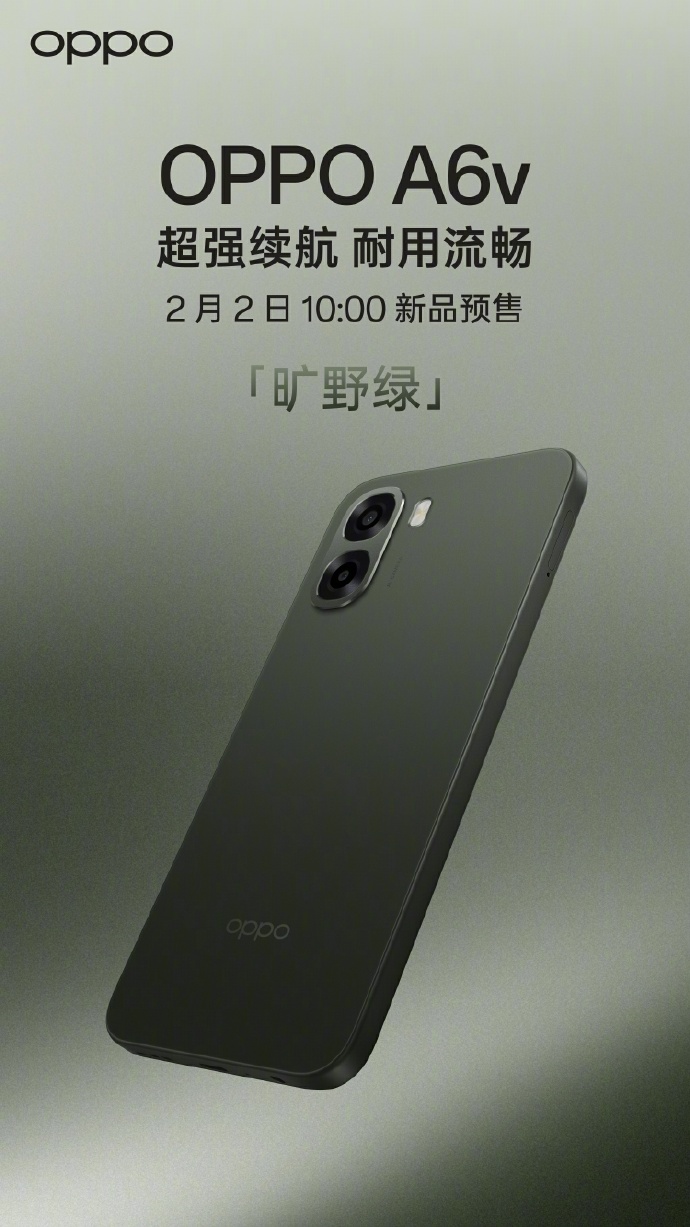
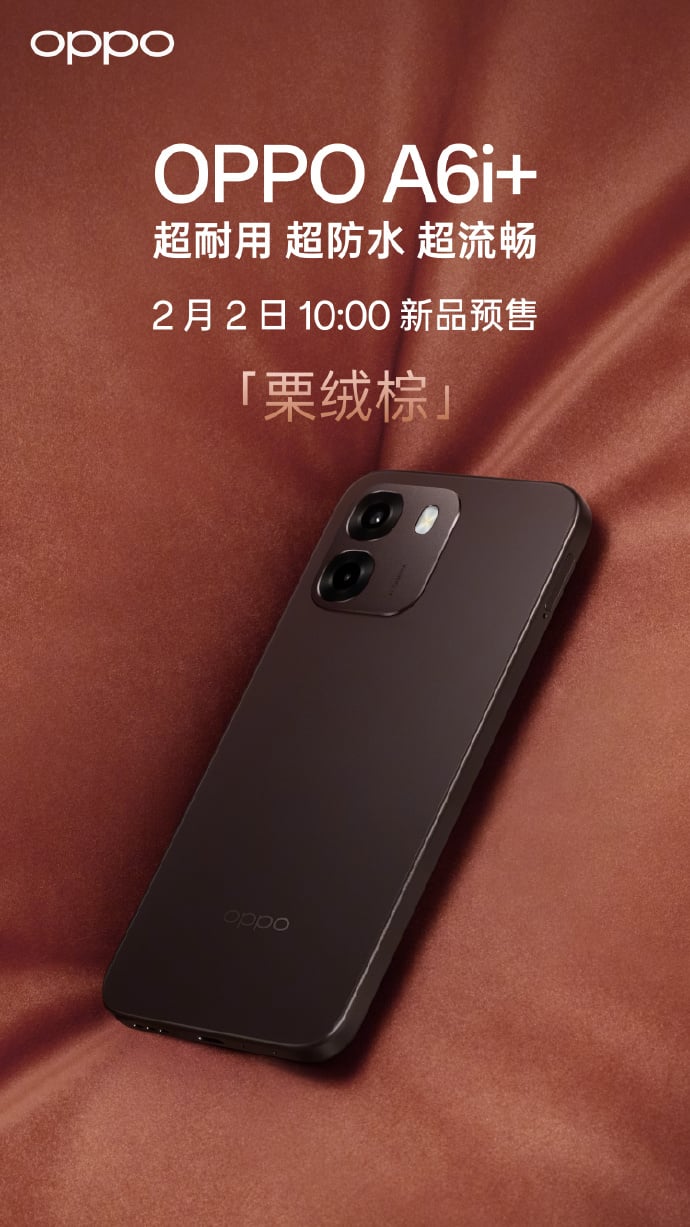
Oppo has confirmed that two new smartphones, the Oppo A6v and Oppo A6i+, will launch in China on February 2 at 10 AM local time. Pre-orders for both models will open at the same time. The announcement was shared through official Weibo teasers, which also confirmed the color options for each device.
The Oppo A6v will be available in Glacier Blue, Titanium Rock Purple, and Wild Green. Oppo positions the A6v as a compact phone with a flat display that is easy to hold and carry. The Glacier Blue finish reflects soft light tones, Titanium Rock Purple has a darker and calmer look inspired by stone textures, and Wild Green takes cues from natural landscapes.
The Oppo A6i+ is aimed at users who prefer a larger display. It will launch in Glacier White and Chestnut Brown. Glacier White has a clean and bright finish inspired by ice reflections, while Chestnut Brown features a soft matte texture with a darker tone. Oppo highlights the A6i+ as a phone built around an immersive big-screen experience.
Oppo has not yet shared the full specifications for either model. Based on their position in the lineup, they are expected to sit alongside existing A6 series devices such as the Oppo A6L. The details of the Oppo A6L are listed below to offer a reference point for what the upcoming Oppo A6V and Oppo A6i+ may bring.
Oppo A6L features
The Oppo A6L sits higher in the range. It comes with a 6.8-inch flat OLED display with FHD resolution, a 120Hz refresh rate, and up to 1,600 nits peak brightness. It runs on the Snapdragon 7 Gen 3 chipset with 12GB LPDDR4x RAM and 256GB UFS 3.1 storage. The phone has a 7,000mAh battery with 80W fast charging and runs ColorOS 15 based on Android 15. Camera specs include a 50MP OIS-enabled main camera, a 2MP secondary sensor, and a 32MP front camera. It also offers dual speakers, 5G, Wi-Fi, Bluetooth, GPS, NFC, USB, an in-display fingerprint sensor, IP68 and IP69 ratings, military-grade durability, a thickness of 7.86mm, and a weight of around 204 grams.
More details about the Oppo A6v and A6i+ are expected at launch.
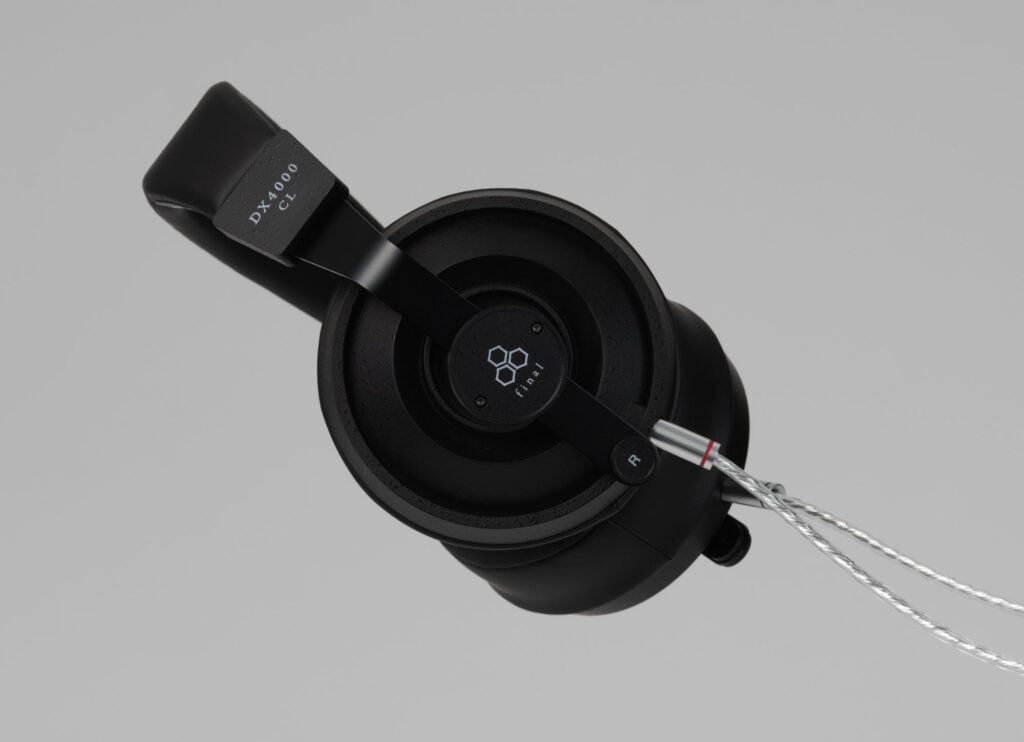
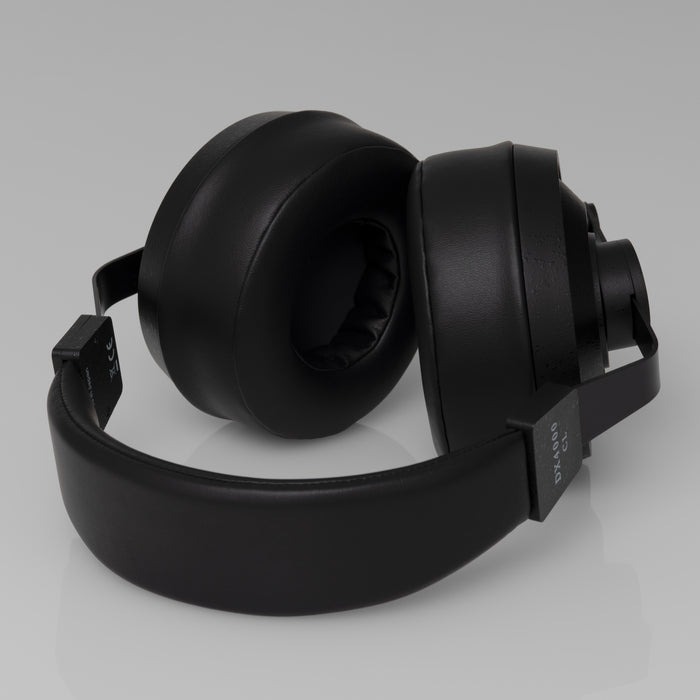
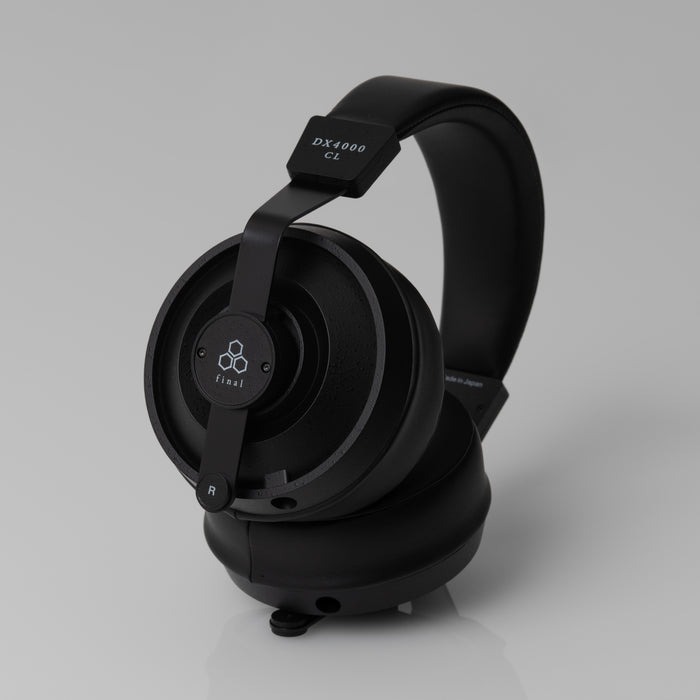
Final Co., Ltd. has announced the DX4000 CL, a closed-back, over-ear headphone designed to deliver a wide, open soundstage typically associated with open-back designs. The company will start accepting pre-orders in Japan on January 30, 2026, with sales beginning on February 6, 2026.
Closed-back headphones often struggle to sound open due to their sealed structure, which can reduce transparency and create a boxed-in listening feel. The DX4000 CL addresses this by using newly developed 30 mm thick low-resilience ear pads that increase the distance between the driver and the ear. This design choice helps reduce the sense of pressure and improves spatial presentation. Combined with a low-distortion driver and an internal structure designed to suppress unnecessary resonance, the headphones aim to deliver a sense of openness that feels closer to an open-back model.
The driver uses a composite diaphragm made from washi paper blended with carbon. Paper has long been used in audio diaphragms for its light weight and high internal damping, while the added carbon improves strength. To allow smoother diaphragm movement, final has adopted a free edge structure with no grooves along the edges. The front plate that secures the driver is made from a special glass-reinforced resin, which is both lightweight and rigid, helping to reduce distortion during playback.
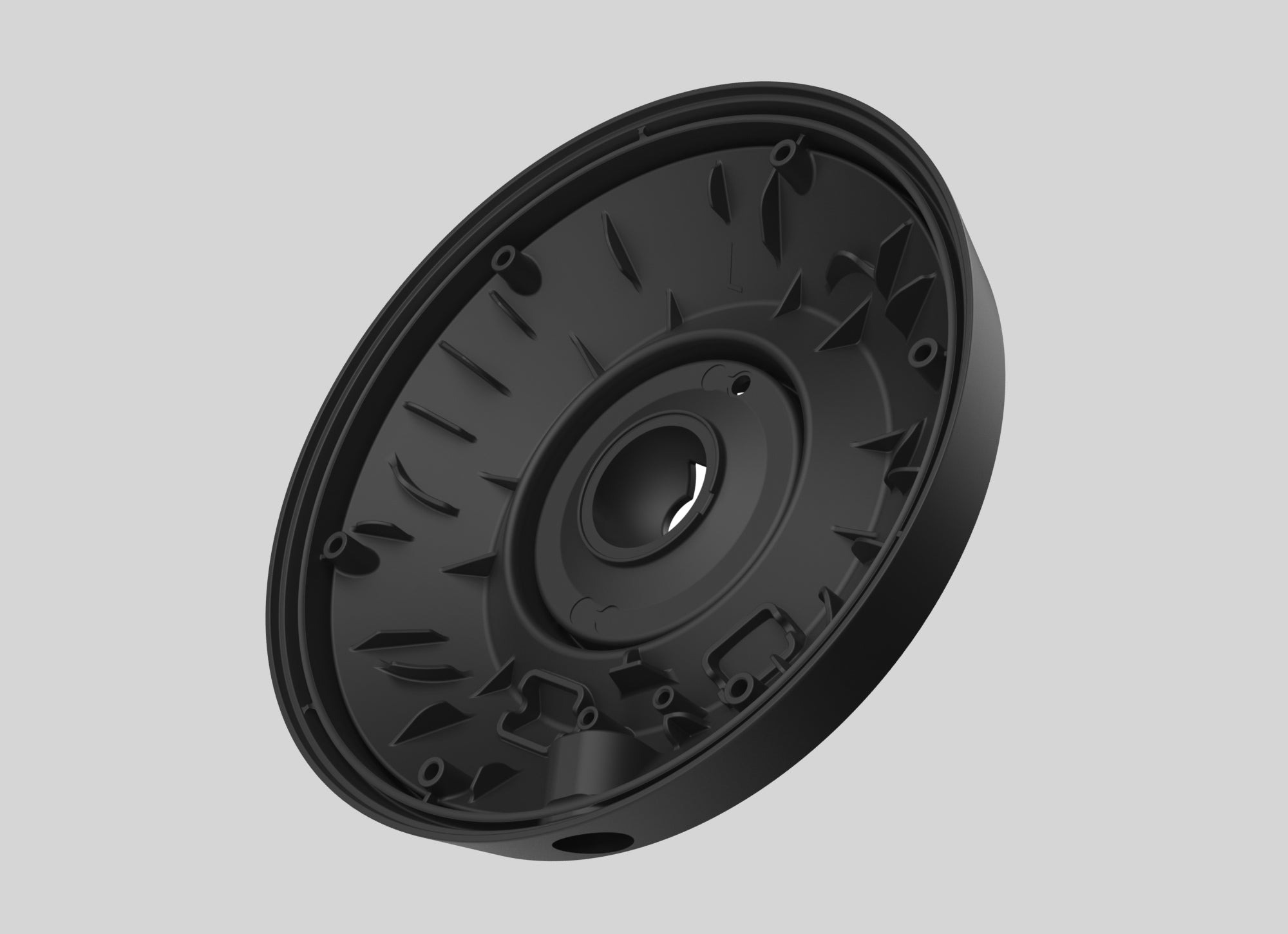
Behind the driver, the DX4000 CL features Final’s proprietary Rear Diffuser Array Structure. This design uses fine ribs with different shapes and spacing to eliminate parallel surfaces inside the housing. By diffusing sound reflections, it suppresses unwanted internal resonance and helps maintain cleaner sound.
The headphones are designed for long-term use. Adhesive use is kept to a minimum, and the housing is assembled with O-rings and precision screws to allow repairs. The 30 mm thick ear pads are made from synthetic leather and memory foam, offering strong sealing and comfort. They can be replaced without tools. The hanger connecting the headband and housing is made from super duralumin, a material also used in aircraft.
The DX4000 CL includes the Final’s original silver-coated 2 m cable with a 4.4 mm plug, along with a 4.4 mm to 6.3 mm adapter. The textured paint finish helps resist fingerprints and sebum. Pricing is set at 128,000 yen, or about $829, with deliveries starting February 6, 2026.
For more daily updates, please visit our News Section.
Realme is getting ready to launch the Realme 16 5G in India. The device has now appeared on the BIS certification database, confirming that an India launch is coming soon. The phone was recently launched in Vietnam, and the Indian version is expected to carry the same hardware.
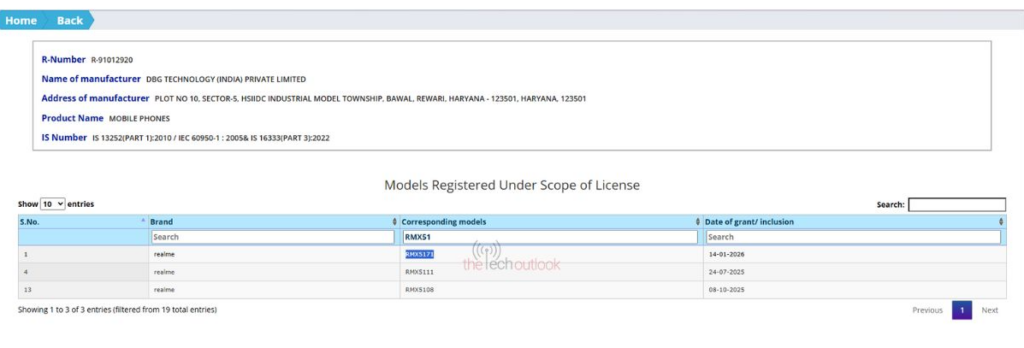
Image via TheTechOutlook
The BIS listing (spotted by TheTechOutlook) shows the model number RMX5171 with the brand name Realme. The certification was granted on January 14, 2026. While the product name is not mentioned on the BIS website, this model number has already been linked to the Realme 16 5G. Tipster Abhishek Yadav earlier revealed the memory and color options for the Indian variant and confirmed RMX5171 as the model number. The same model number also appears on the Google Play Console supported devices list under the Realme 16 5G name, which confirms its identity.
Based on earlier information, the Realme 16 5G will launch in India in two configurations. These include 8GB RAM with 128GB storage and 12GB RAM with 256GB storage. Color options for India are expected to include Air Black and Air White.
Realme 16 5G
Realme 16 5G specs
The Realme 16 5G has a 6.57-inch FHD+ AMOLED display with a 2372 × 1080 resolution and a 93 percent screen-to-body ratio. It supports a 120Hz refresh rate and 240Hz touch sampling. Brightness reaches 1000 nits normally, 1400 nits in high brightness mode, and up to 4200 nits peak. DT Star D+ glass protects the screen.
The Realme 16 5G houses a 50MP Sony IMX852 main camera and a 2MP monochrome sensor. The camera bar also includes a built-in selfie mirror with the LED flash placed around its edge. On the front, the phone has a 50MP selfie camera with an 86-degree field of view. Camera features include LumaColor processing and AI Edit Genie tools for quick edits.
The phone is powered by the MediaTek Dimensity 6400 Turbo chipset, paired with either 8GB or 12GB of LPDDR4X RAM and up to 256GB of UFS 2.2 storage. It supports microSD expansion and USB OTG. Software is realme UI 7.0.
Battery capacity stands at 7000mAh typical, rated at 6830mAh. The phone supports 60W fast charging and wired reverse charging. Cooling is handled by a 6050mm² vapor chamber. The device carries IP66, IP68, IP69, and IP69K ratings for dust and water resistance. An official India launch date has not been announced yet.
For more daily updates, please visit our News Section.
AOC has started selling a new Mini LED gaming monitor in China. The company has launched the Agon AG275UXM2, which sits above the recently announced Q27G4SMN.
The Agon AG275UXM2 uses a 27-inch Fast IPS panel with a 16:9 aspect ratio and a native 4K resolution of 3840 x 2160. AOC has equipped the monitor with a QD Mini LED backlight made up of 9,216 LEDs and 2,304 independent local dimming zones. This setup allows the display to reach up to 1,600 nits of HDR peak brightness, while typical SDR brightness is rated at 600 nits. The monitor carries VESA DisplayHDR 1400 certification and offers a typical contrast ratio of 1000:1, with a dynamic contrast ratio rated at 80,000,000:1.
At its native resolution, the monitor supports refresh rates up to 160 Hz. It also features a dual-mode display that drops the resolution to 1920 x 1080 and increases the refresh rate to as high as 320 Hz. Response times are rated at 0.5 ms MPRT and 1 ms gray-to-gray, with MPRT dropping to 0.3 ms when running at lower resolutions. Adaptive-Sync support with FreeSync is included to reduce screen tearing and stutter.
Color performance is a key focus. The AG275UXM2 covers 100 percent of the sRGB color space and 98 percent of DCI-P3, with factory calibration targeting an average Delta E below 1. Quantum dot technology is used to improve color volume and consistency.
Connectivity includes two HDMI 2.1 ports, DisplayPort 1.4, USB-C with DisplayPort Alt Mode and up to 65 W power delivery, three USB 3.2 Gen 1 ports, USB upstream, and an audio output. The monitor also features a built-in KVM switch, picture-in-picture and picture-by-picture modes, and AGON Gaming Light FX ambient lighting. The stand supports height, tilt, swivel, and pivot adjustments and uses a VESA 100 x 100 mm mount.
Pricing & availability
In China, the Agon AG275UXM2 is priced at CNY 3,999, which is about $475. There is no confirmation yet on availability outside China.
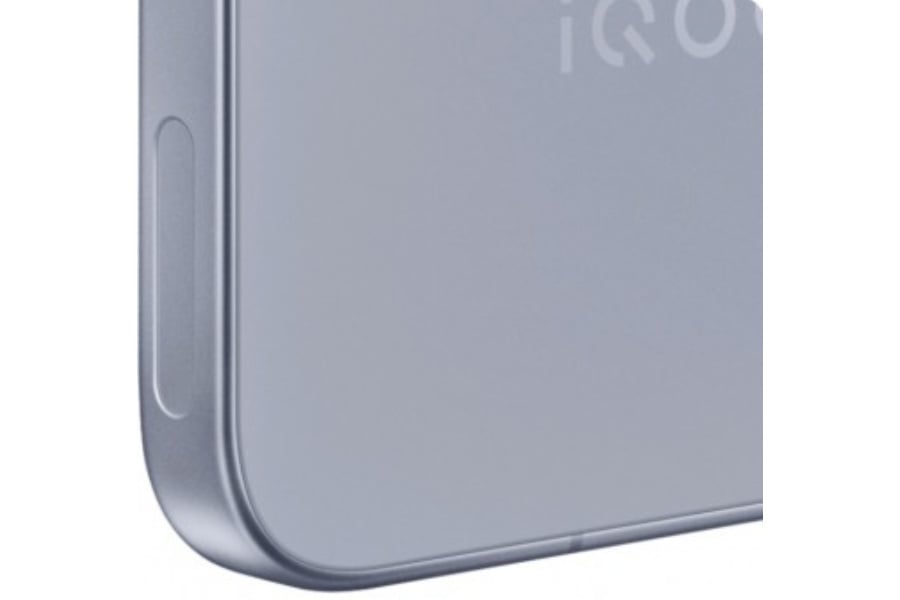
iQOO is gearing up to launch its next flagship, the iQOO 15 Ultra, at an upcoming event in China. Geared toward hardcore gamers, the phone is designed to squeeze out every possible frame, offering an elite-level experience across performance, visuals, and connectivity.
The brand has been running an aggressive teaser campaign on Weibo, gradually revealing major hardware features. The latest official post focuses on connectivity and signal optimization. The iQOO 15 Ultra will come equipped with 29 surround antennas that automatically adjust based on how the device is held.
It supports the N79 5G band and integrates the AI Esports Signal Engine 2.0, which enhances Wi-Fi signal penetration through up to four walls. iQOO has also confirmed the Universe Metro Gaming Network, a dedicated feature that ensures low-latency ranked gameplay even in subway environments.
As for performance, the phone is expected to be powered by the Snapdragon 8 Gen 5 Elite, paired with the in-house Q3 gaming chip. The device supports up to 24GB of RAM and 1TB of storage. It also includes features such as 2K native resolution upscaling, 120fps frame interpolation, and full-scene ray tracing at max settings.
The phone sports a 6.85-inch 2K flat LTPO display sourced from Samsung. It can run Honor of Kings at 144fps with Ultra image quality and upgraded map details. Cooling is handled by the Ice Dome Air Cooling System, which includes a built-in fan. The phone also features capacitive shoulder triggers, an enhanced gyroscope, and highly responsive touch input.
The rear camera setup includes three 50MP sensors with a 3x periscope telephoto lens, while the front uses a 32MP sensor. The device packs a 7,400mAh battery with 100W wired and wireless charging, stereo 1115 coaxial speakers with Dolby Atmos, advanced haptics, 144fps livestreaming support, an ultrasonic fingerprint sensor, and a bold design in 2077 Black and 2049 Silver.
You can also read our iQOO 15 Ultra roundup to know more about its rumored and official key specs.
For more daily updates, please visit our News Section.
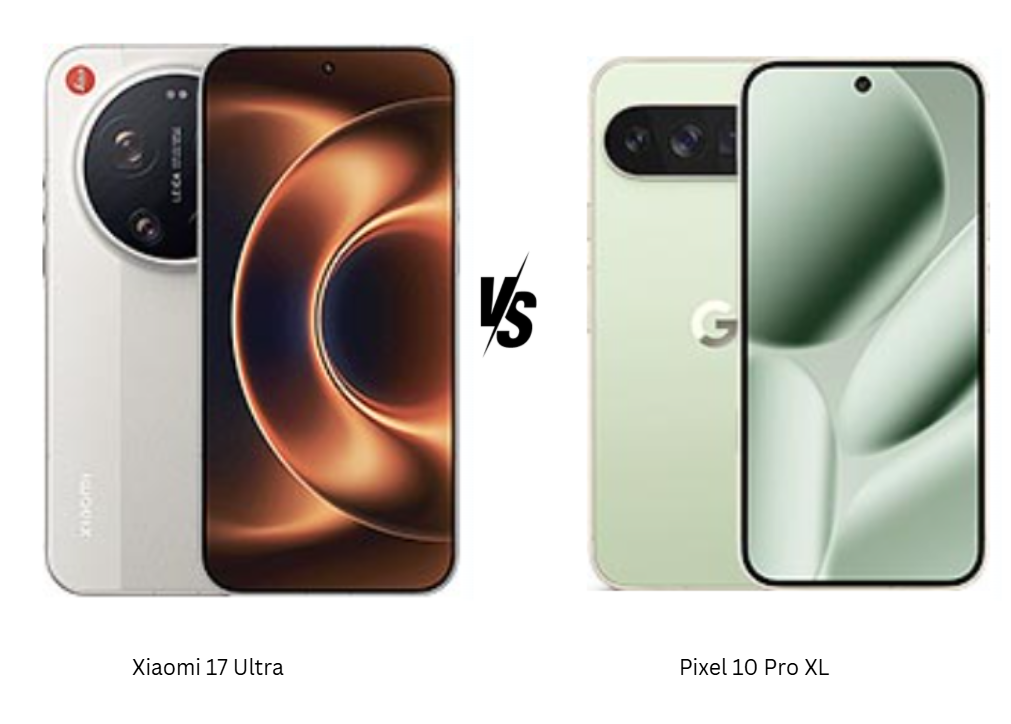
Xiaomi 17 Ultra and Pixel 10 Pro XL are two of the most powerful Android phones you can buy right now. Both promise top-tier performance, excellent cameras, and premium features, but they go about it very differently. One focuses on bigger hardware and faster charging, while the other leans on software and smart features. This comparison breaks down which one actually delivers the better flagship experience.
Xiaomi 17 Ultra goes for a bold, camera-centric identity that feels engineered for power users. Its materials and visual weight give it a professional, almost tool-like presence. The Pixel 10 Pro XL takes the opposite route with a restrained, minimalist design that blends seamlessly into daily life. Xiaomi feels more expressive and experimental, while Pixel feels calmer and more refined. One draws attention, the other avoids it, and that difference is immediately noticeable in everyday handling.
Display Quality
Both phones deliver flagship LTPO panels with excellent HDR and adaptive refresh rates. Xiaomi prioritizes visual punch with extremely high brightness and contrast, making content feel cinematic and vibrant. Pixel focuses on accuracy, offering cleaner whites, more natural colors, and consistent tuning across apps. Xiaomi’s display feels more dramatic, while Pixel’s feels more controlled and reliable over long use.
Verdict
Xiaomi wins on visual impact. Pixel wins on balance and refinement.
2. Specifications
Performance
Xiaomi 17 Ultra is built for raw performance. Its Snapdragon chipset delivers top-tier speed for gaming, multitasking, and heavy camera use with ease. Pixel 10 Pro XL, powered by Google’s Tensor chip, emphasizes AI-driven efficiency rather than peak benchmarks. Everyday tasks feel smooth and intelligent, but it lacks the headroom power users may expect. Xiaomi feels faster under pressure; Pixel feels optimized for routine use.
Battery and Charging
Battery life strongly favors Xiaomi thanks to its much larger capacity and extremely fast wired and wireless charging. Long days feel less stressful, and short charging sessions go a long way. Pixel’s battery life is stable and predictable, but charging speeds are conservative. Google clearly prioritizes longevity and thermal stability over speed.
Verdict
Xiaomi dominates in endurance and charging. Pixel focuses on efficiency and consistency.
3. Camera
Main and Secondary Lenses
Xiaomi’s camera setup is aggressively hardware-driven. Its large main sensor and high-resolution periscope lens deliver excellent detail, strong low-light results, and standout zoom performance. It feels designed for users who enjoy versatility and control. Pixel relies more on computational photography, producing consistently natural images with excellent dynamic range and dependable color science. Xiaomi often delivers more dramatic shots; Pixel delivers safer, more predictable results.
Selfie Camera
Both phones perform well, but the Pixel’s front camera excels in focus reliability and social-ready processing. Xiaomi offers more detail, while Pixel offers better consistency.
Xiaomi 17 Ultra is priced at approximately $1000, while the Pixel 10 Pro XL sits higher at around $1200. This gap significantly changes the value conversation. Xiaomi delivers stronger battery life, faster charging, and more aggressive camera hardware for less money. Pixel positions itself as a premium experience rather than a spec-heavy bargain.
Is the Price Justified?
Xiaomi feels generous, offering flagship hardware that clearly exceeds expectations at its price. It appeals to users who want maximum capability per dollar. Pixel’s higher price is tied to long-term software updates, deep AI integration, and ecosystem reliability. That premium makes sense for users who value longevity and simplicity over raw specs.
Verdict
Xiaomi offers superior value. Pixel charges more for software polish and long-term support.
Disclaimer: Prices are approximate and may vary based on country, region, and applicable taxes.
5. Conclusion
Xiaomi 17 Ultra stands out with its massive battery, ultra-fast charging, powerful chipset, and camera system built for versatility and zoom. It feels like a device designed to push limits. The Pixel 10 Pro XL differentiates itself through clean software, advanced AI tools, and years of guaranteed updates. It feels designed for stability, intelligence, and long-term reliability rather than experimentation.
Final Verdict
Xiaomi 17 Ultra is the better overall smartphone. It delivers stronger performance, a far better battery and charging, more advanced camera hardware, and a lower price. Pixel 10 Pro XL remains an excellent choice for users deeply invested in Google’s ecosystem, but Xiaomi offers a more complete flagship experience with fewer compromises.
You’ve probably seen smartphone and laptop ads boldly claim “Military-Grade Certified”. This sounds impressive, implying that the device is tough enough for battlefield use. But what does that actually mean for everyday gadgets? Is it just marketing, or does it genuinely translate to a more rugged design? So here’s a detailed breakdown on what military-grade certification means and what it covers for consumer tech.
When manufacturers talk about military-grade certification, they’re typically referencing MIL-STD-810, which is a US military standard developed by the Department of Defense to test equipment resilience under harsh conditions. But this standard isn’t a single test.
Rather, it is a suite of environmental tests designed to simulate extreme scenarios such as high and low temperatures, humidity, shock, vibration, dust, and more. In the context of smartphones and laptops, passing MIL-STD-810 doesn’t mean the device is actually used by the military. It just means that the brand has put the device through a series of lab tests that help evaluate its durability outside of typical use cases.
2. How Devices Are Tested
MIL-STD-810 includes a wide range of potential tests, but common ones for consumer gear include:
Temperature Extremes: Devices are exposed to very high and very low temperatures to check if components survive thermal stress.
Humidity & Moisture: Long exposure to high humidity conditions to ensure internal circuits and coatings resist moisture.
Shock & Drop: Gadgets are dropped repeatedly to simulate accidental drops or rough handling.
Vibration: Continuous vibration tests mimic vehicle travel or machinery operation.
Dust & Sand: Devices are exposed to blowing dust or sand to check sealing and blockage resistance.
Manufacturers choose which tests to run based on the specific condition they want to certify against. So passing a humidity and temperature test doesn’t mean a device has been tested for drop resistance unless that was explicitly part of its certification.
3. What It Means for Smartphones & Tablets
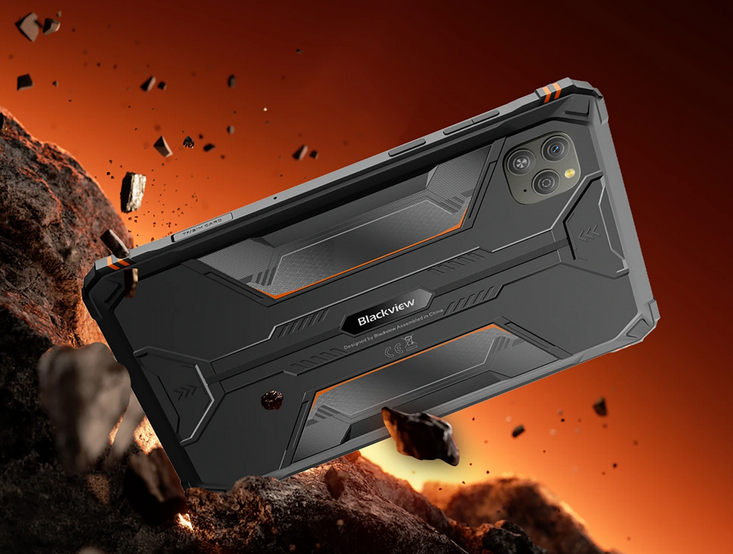
Blackview Active 5 Rugged Tablet
When a smartphone brand claims military-grade certification, it may seem like the handset is more rugged, but it might actually mean different things. Most certifications typically are for drop resistance, testing devices against repeated drops from specific heights and angles. So you can expect the device to better survive everyday falls. Apart from this, there are also the common IP ratings for water and dust resistance and temperature tolerance, where military tests are simulated with very hot and cold conditions.
4. What It Means for Laptops
ASUS Zenbook 14 with MIL-STD 810H certification
These military tests are quite practical for laptops, especially for work and travel. Just like smartphones, you get the thermal stability tests based on ambient temperature, while others check overall durability. This can include testing hinges and other moving parts, along with keyboard and chassis durability with vibration, repeated motions, and drop tests. That said, military certification isn’t a guarantee of indestructibility; it only shows that your laptop has passed specific lab controlled tests.
5. The Marketing vs Reality
It’s crucial to understand that “military-grade certified” is not a universal seal of bulletproof reliability. Manufacturers self-select which parts of the MIL-STD standard to test against, and there’s no single global authority enforcing uniform application for consumer products. Some brands may choose to advertise the most favourable tests while skipping other ones. For example, a device might be tested for dust ingress and temperature, but not shock or vibration. These are still technically “MIL-STD certified,” but it doesn’t mean comprehensive ruggedness.
6. The Takeaway
Military-grade certification is real, symbolizing a set of standardized tests that evaluate a gadget’s ability to resist environmental stresses. For both smartphones, tablets, and laptops, passing such tests usually means an extra layer of durability that gives peace of mind for travel, outdoor work, or accidental mishaps. But one must keep in mind that this does not make it bulletproof. Use military grading as one factor in your purchase decision alongside IP ratings, but don’t simply expect your device to be invulnerable to harm.
For more daily updates, please visit our News Section.
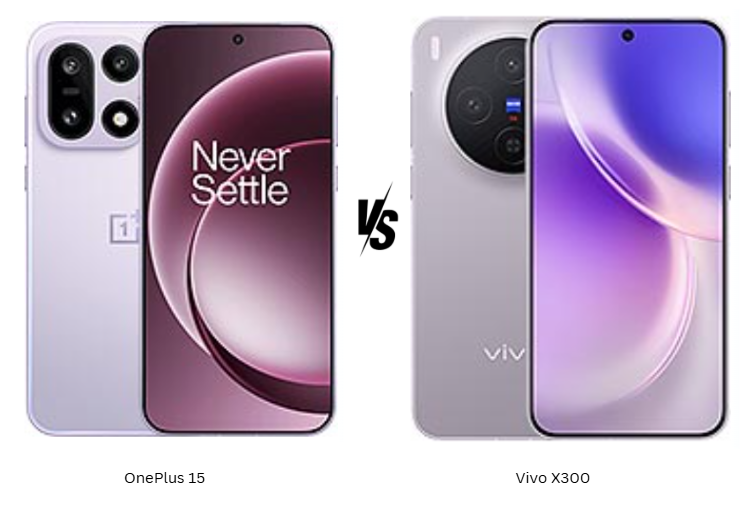
The flagship Android space in 2026 is no longer about one phone doing everything best. The OnePlus 15 and Vivo X300 take two clearly different approaches, one built around raw performance and ultra-fast charging, the other centered on camera quality, display impact, and everyday refinement. Both target premium buyers, yet their priorities could not be more different. This comparison looks beyond specs to highlight which phone feels more satisfying in real-world use, and which one delivers better value depending on what matters most.
Major Features:
Feature
OnePlus 15
Vivo X300
Winner
Design & Build
Premium feel with stronger durability and IP rating
Sleeker, more refined everyday design
Vivo X300 – Cleaner design feels more premium and easier to live with
Display
165Hz AMOLED, super smooth and responsive
Bright AMOLED with excellent outdoor visibility
Vivo X300 – Better brightness and visual pop for media
Performance
Snapdragon 8 Elite Gen 5 – raw power
Dimensity 9500 – balanced performance
OnePlus 15 – Slight edge for sustained high performance
Battery & Charging
Larger battery + extremely fast wired & wireless charging
Reliable fast charging, more conservative
OnePlus 15 – Wins with flexible and faster charging options
Main Camera
Balanced triple setup, reliable results
200MP primary + Zeiss optics
Vivo X300 – Superior sensor and optics for standout photos
Selfie Camera
Solid 32MP
Strong 50MP autofocus
Vivo X300 – Better selfie quality and versatility
Value for Money
~$900 / ₹80,000
~$650 / ₹76,000
Vivo X300 – Better overall value with strong features
The OnePlus 15 leans into a bold, performance-driven design with premium materials and stronger durability credentials. It feels engineered for long-term, heavy use and carries a more aggressive flagship identity. The Vivo X300, in contrast, prioritizes elegance and comfort, with a cleaner, more refined look that feels easier to live with day to day. Its design feels less about showing power and more about quiet polish.
Display Quality
OnePlus delivers a high-refresh AMOLED display focused on smoothness and responsiveness. Scrolling, gaming, and animations feel exceptionally fluid, reinforcing its performance-first personality. Vivo counters with a display that emphasizes brightness and visual punch. Colors look vivid, highlights stand out more, and outdoor visibility feels superior, especially for media consumption.
Verdict
OnePlus 15 suits users who value durability and ultra-smooth interaction, while the Vivo X300 feels more refined and visually impressive in everyday use.
2. Specifications
Performance
OnePlus 15 is tuned for raw power, offering fast app launches, stable gaming, and sustained performance under load. It feels unapologetically built for enthusiasts who demand speed. The Vivo X300 focuses on balanced performance, delivering smooth multitasking and reliable day-to-day responsiveness without pushing extremes.
Battery and Charging
OnePlus clearly leads in charging versatility, combining a large battery with extremely fast wired and wireless charging options. It feels designed for heavy users who dislike downtime. Vivo takes a more conservative approach, offering dependable fast charging that comfortably supports daily usage without aiming to impress with numbers alone.
Verdict
OnePlus 15 is better for power users and gamers, while the Vivo X300 offers a more efficient, well-rounded performance experience.
3. Camera
Main and Secondary Lenses
Vivo places a strong emphasis on camera hardware, led by a high-resolution main sensor and Zeiss tuning. Photos show excellent detail, strong dynamic range, and pleasing color consistency, especially in portraits. The OnePlus 15 focuses on balance, delivering reliable results across all lenses without heavily stylized processing.
Selfie Camera
Vivo’s front camera stands out with higher resolution and autofocus, making it better suited for video calls and content creation. OnePlus offers dependable selfies, though the experience feels more functional than standout.
Verdict
Vivo X300 is the stronger option for photography-focused users, while the OnePlus 15 delivers consistent, no-surprise camera performance.
4. Pricing
OnePlus 15 is positioned as a premium flagship at around $900 or ₹80,000. It targets users who want top-tier performance and advanced charging features. The Vivo X300 comes in lower, at roughly $650 or ₹76,000, making it more accessible while still offering flagship-grade hardware.
Is the Price Justified?
OnePlus justifies its higher price through performance headroom and charging technology, though not everyone will need that level of power. Vivo’s pricing feels more balanced, offering strong cameras and display quality without pushing into ultra-premium territory.
Verdict
Vivo X300 delivers better value overall, while OnePlus 15 charges extra for performance-focused priorities.
Disclaimer: Prices are approximate and may vary based on country, region, and applicable taxes.
5. Conclusion
OnePlus 15 stands out for its speed-focused tuning, charging flexibility, and hardware choices. It feels purpose-built for users who push their phones hard. Vivo X300 emphasizes refinement, camera quality, and visual appeal, creating a more relaxed and polished daily experience.
Verdict
If you have to choose only one, the Vivo X300 emerges as the better overall pick for most users. It delivers stronger camera performance, a more polished display experience, and better value for money at its price point. While the OnePlus 15 excels in raw power and ultra-fast charging, those advantages mainly benefit power users and enthusiasts. For everyday use, balanced performance, and long-term satisfaction, especially if photography and display quality matter, Vivo X300 is the smarter choice
Gmktec has launched the NucBox K13, its latest ultra-compact desktop PC powered by Intel’s new Core Ultra 7 256V processor. The device targets AI developers, content creators, and professionals seeking powerful performance in a space-saving design.
Gmktec NucBox K13 Specifications
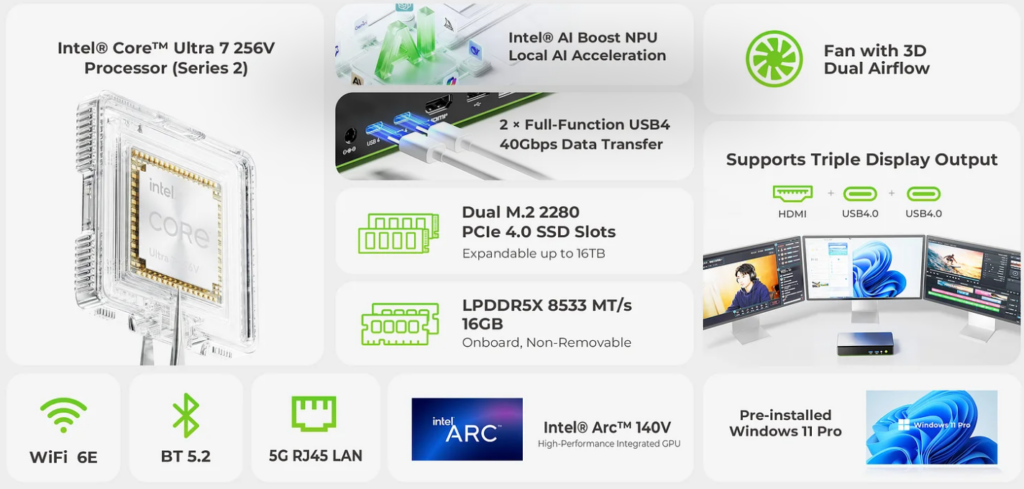
The NucBox K13 features the Intel Core Ultra 7 256V chip, built on TSMC’s 3nm N3B process. It comes with 8 cores, 8 threads, and clock speeds up to 4.8GHz. The system includes a 64 TOPS Arc 140V GPU and a 47 TOPS Intel AI Boost NPU, enabling a total peak AI compute of 115 TOPS (INT8). This setup supports advanced local AI inference, making the K13 suitable for tasks such as automation workflows, creative processing, and multitasking.
Gmktec confirmed that the K13 supports native deployment of Clawdbot, a local AI agent for intelligent scripting and automation. This gives users the ability to run smart workflows without relying on cloud infrastructure.
The NucBox K13 also debuts a new compact chassis in Gmktec’s lineup. It measures 186 x 88 x 36.6 mm and weighs about 523 grams. Inside, the device uses dual copper heat pipes and a single turbine fan for thermal management, along with intelligent fan control and a dust-resistant design.
Memory is fixed at 16GB LPDDR5X running at 8533 MT/s. For storage, the device includes two PCIe 4.0 M.2 2280 SSD slots with a maximum combined capacity of 16TB. Gmktec ships configurations with either a 512GB or 1TB SSD.
The K13 supports triple 4K displays via one HDMI 2.1 port and two USB4 ports. These USB4 ports also support 40Gbps data transfer, PD 3.0 100W charging, and DisplayPort 1.4 output. Other rear ports include a 5Gbps RJ45 Ethernet jack, USB 2.0, and DC-in. The front panel houses two USB 3.2 Gen2 ports and a 3.5mm audio jack.
Wireless connectivity includes Wi-Fi 6E (up to 2.4Gbps) and Bluetooth 5.2. The device runs Windows 11 Pro out of the box and also supports Linux and Ubuntu.
Pricing and Availability
Gmktec has priced the 512GB SSD model at $669.99 and the 1TB variant at $719.99. Both are available now through the company’s global web store.
In related news, Minisforum has unveiled the AtomMan G7 Pro gaming mini PC powered by an Intel Core i9-14900HX and an RTX 5070 GPU, while Gmktec has launched the budget-focused G3 Pro mini PC featuring an Intel Core i3-10110U, Wi-Fi 6, and 16GB of DDR4 memory.
For more daily updates, please visit our News Section.
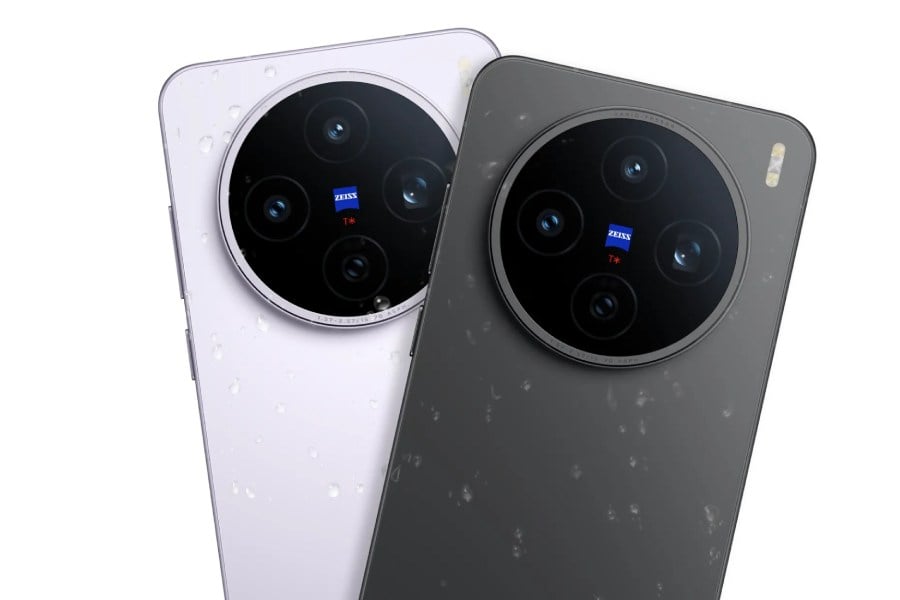
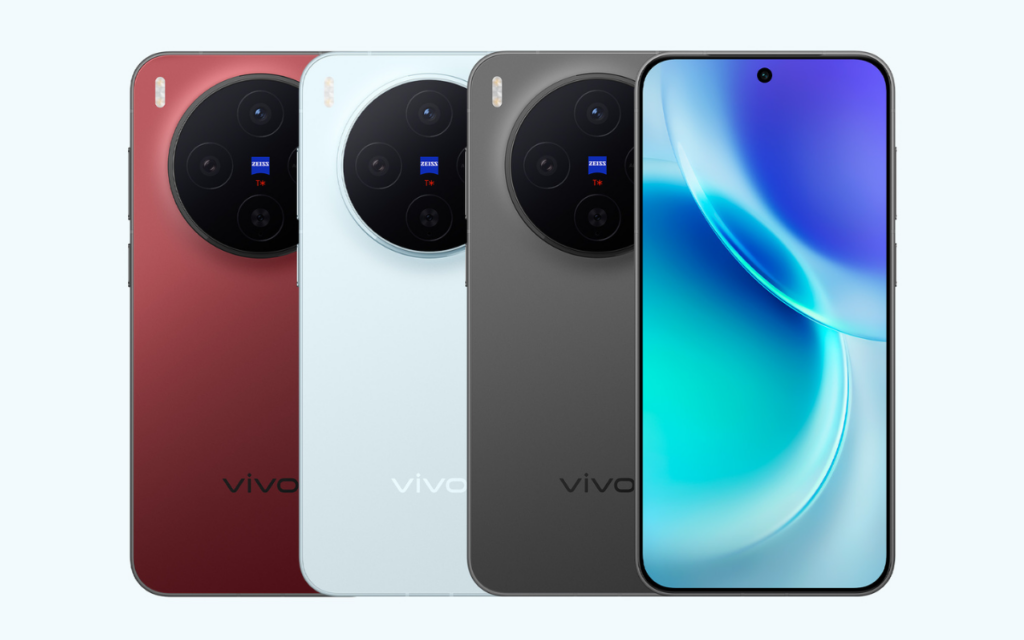
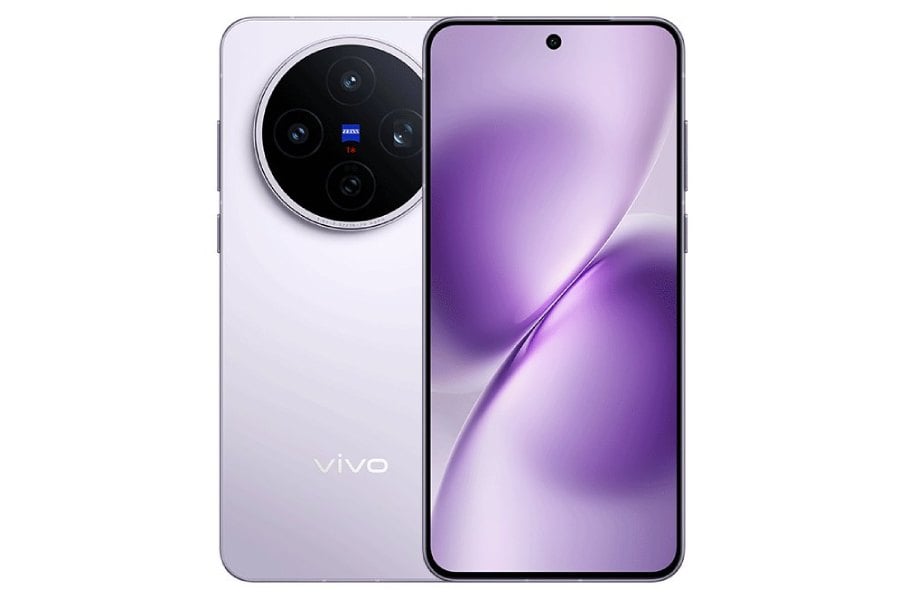
Vivo brought in a new premium smartphone in the Indian market with the Vivo X200T. Positioned as a flagship killer, this model brings high end specs and features at a more approachable price point. But just a couple of weeks ago, the Vivo X300 debuted as the brand’s true flagship model alongside the X300 Pro. So we have one model aimed squarely at delivering flagship-class experience at a slightly more accessible price, and the other positioned as a true flagship with top-tier imaging and performance. Choosing between them isn’t just about price, so here’s a detailed comparison to help you decide which smartphone makes more sense.
Design & Display
At first glance, both Vivo X200T and X300 share a similar design language, blending a premium glass back with a metallic side frame. The sides, front, and back are all flat, with the rear also featuring a big circular camera island. Other identical design elements include uniform bezels on the front and an IP68 + IP69 rating for water and dust resistance. The differences are quite subtle between the two, so you’re not seeing any compromise with the X200T, despite its cheaper price tag.
Vivo X200T
But once you turn the phones around, it becomes apparent that the Vivo X300 is a compact flagship. It sports a 6.31-inch LTPO AMOLED display with a 1.5K resolution, a 120Hz refresh rate, 2160Hz PWM dimming, Armor Glas protection, and a peak brightness of up to 4,500 nits. In comparison, the Vivo X200T is a standard sized smartphone with a 6.67-inch 1.5K 120Hz AMOLED panel with a 2160Hz high frequency PWM dimming and up to 5000 nits peak brightness.
The smaller screen size also helps the X300 be lighter (190 grams) than the X200T (205 grams). Another major advantage of the Vivo X300 is support for LTPO technology, which brings variable refresh rate for better energy efficiency.
Performance
Under the hood, the Vivo X200T is powered by MediaTek’s Dimensity 9400+, a flagship-class chipset built on a 3nm process that handles everyday tasks, multitasking, and most demanding games with ease. It offers strong performance for its price and is paired with OriginOS 6 based on Android 16, promising a smooth UI experience.
Vivo X300
In contrast, the Vivo X300 moves up a step with MediaTek’s Dimensity 9500, which delivers measurable performance gains in CPU and GPU workloads. Benchmark comparisons suggest that the Dimensity 9500 can be around 15-30 % faster in key tasks and benchmarks than the 9400+.
For most users, the X200T’s performance is more than capable and close to flagship-level, but the X300’s newer and more powerful SoC gives it a clear edge in long-term performance and graphically intense mobile games.
Camera
Vivo X300 Camera
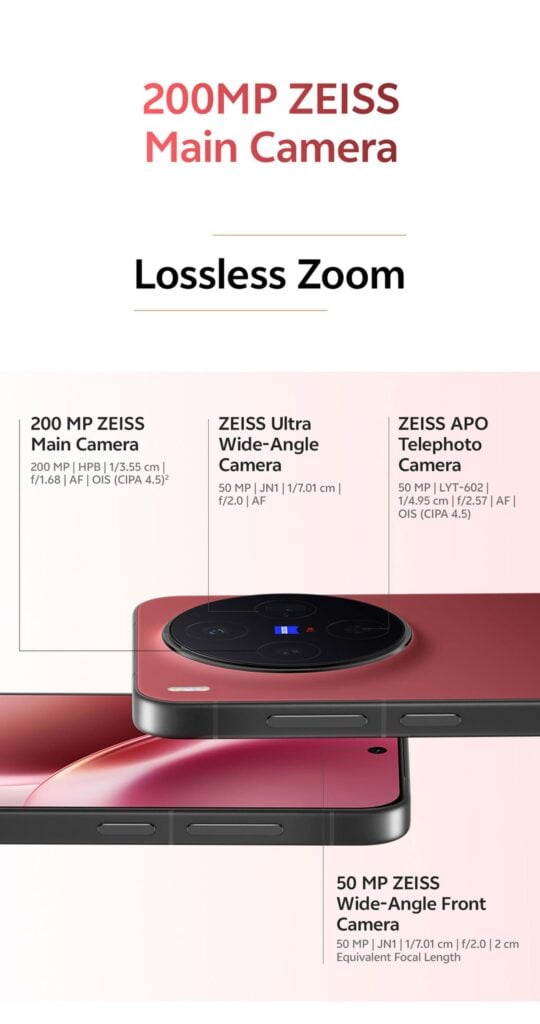
Just like the design, the camera setup is nearly identical between the Vivo X200T and Vivo X300. The 50MP triple rear camera setup for both models features a similarly sized periscope telephoto shooter and ultra wide angle lens. But the Vivo X300 pulls ahead with a large 200MP 1/1.14-inch primary camera and a 50MP selfie shooter. Meanwhile, the Vivo X200T has a smaller 1/1.56-inch main sensor and a 32MP camera on the front. These differences could still seem minor, but Vivo employs Zeiss optics on the X200T, while the X300 gets the Zeiss T* coating, Zeiss optics, and V3+ imaging chip for improved image quality.
Battery & Charging
Battery life is another area where both phones hold their ground, though with slight differences. The X200T is equipped with a 6,200mAh battery that supports 90W wired fast charging and 40W wireless charging. This means all-day endurance and quick top-ups, making it excellent for heavy day-long use.
Vivo X200T
On the other hand, the Vivo X300 supports the same fast charging suite and wireless charging, but its battery is marginally smaller (6,040mAh). Still, coupled with the more efficient LTPO screen and newer chipset, real-world battery life remains competitive and close to what the X200T offers.
Verdict
The Vivo X200T does exactly what it sets out to: deliver a balanced premium smartphone experience with strong performance, excellent battery life, solid cameras, and long-term software support, without the premium flagship price tag (Rs 59,999). It is a compelling choice for those who need flagship like experience and a competent photography experience.
The Vivo X300 is a true flagship in every sense, featuring more powerful hardware, an advanced imaging system with a 200MP primary shooter, and a compact yet efficient LTPO display. So if photography, peak performance, and future proofing matter the most, the Vivo X300 justifies its higher price tag (Rs 75,999).
For more daily updates, please visit our News Section.
Vivo X200 Ultra is now available on Giztop at a massively reduced price, making this one of the strongest flagship phone deals right now. With a straight $350 savings, this limited-time offer brings an ultra-premium smartphone into a much more affordable range.
What makes this deal stand out is how little compromise there is at $849. The Snapdragon 8 Elite chipset delivers elite performance for gaming, heavy multitasking, and long-term use. Everything feels fast, smooth, and future-proof, helped by Android 15 and Vivo’s refined OriginOS 5.
Camera performance is another major reason this deal is so compelling. The 200MP Zeiss APO telephoto camera headlines a powerful imaging setup designed for sharp zoom, detailed shots, and strong low-light performance. This is flagship-level photography without flagship pricing.
A large 6000mAh battery paired with 90W fast charging ensures all-day use with minimal downtime, adding real everyday value.
At $849 on Giztop, this deal is ideal for power users and camera-focused buyers who want top-tier hardware while saving $350. If value matters, this is the moment to buy.
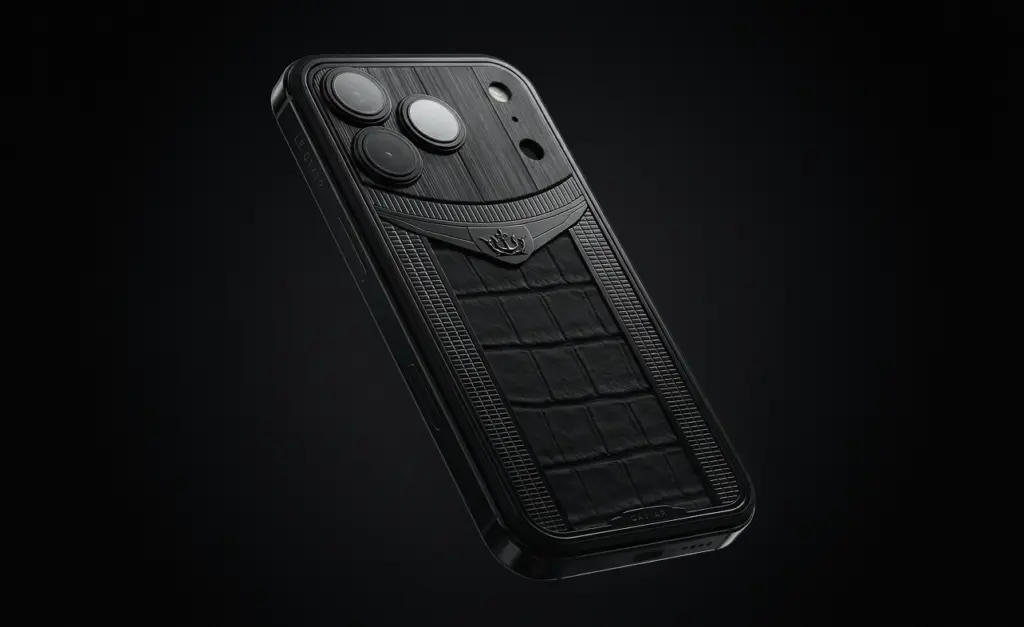
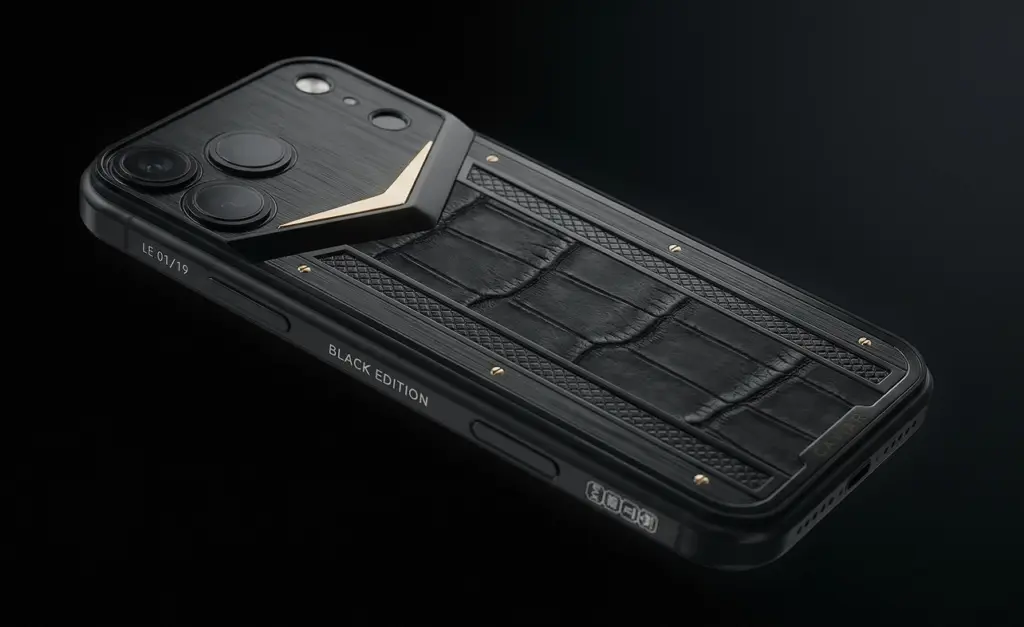
Caviar has introduced a new line of custom iPhone 17 Pro Max models under its Black Edition collection. The launch comes in response to Apple’s decision to remove the classic black color option from the iPhone 17 Pro series. While Apple focused on new shades like Cosmic Orange and Deep Blue, Caviar chose to reintroduce black with a luxury approach aimed at collectors and enthusiasts.
Design and Model Breakdown
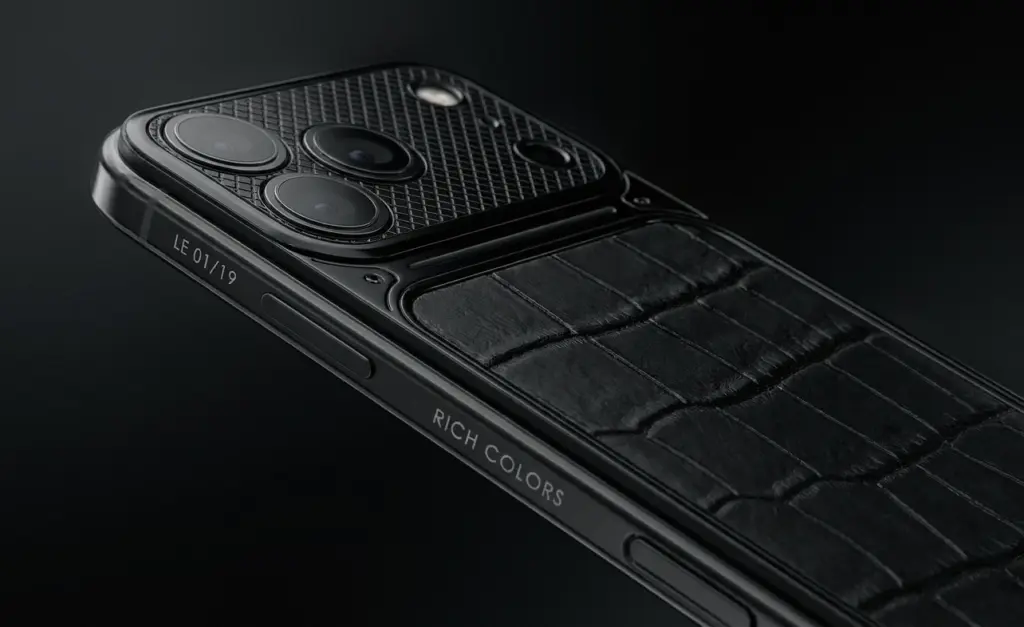
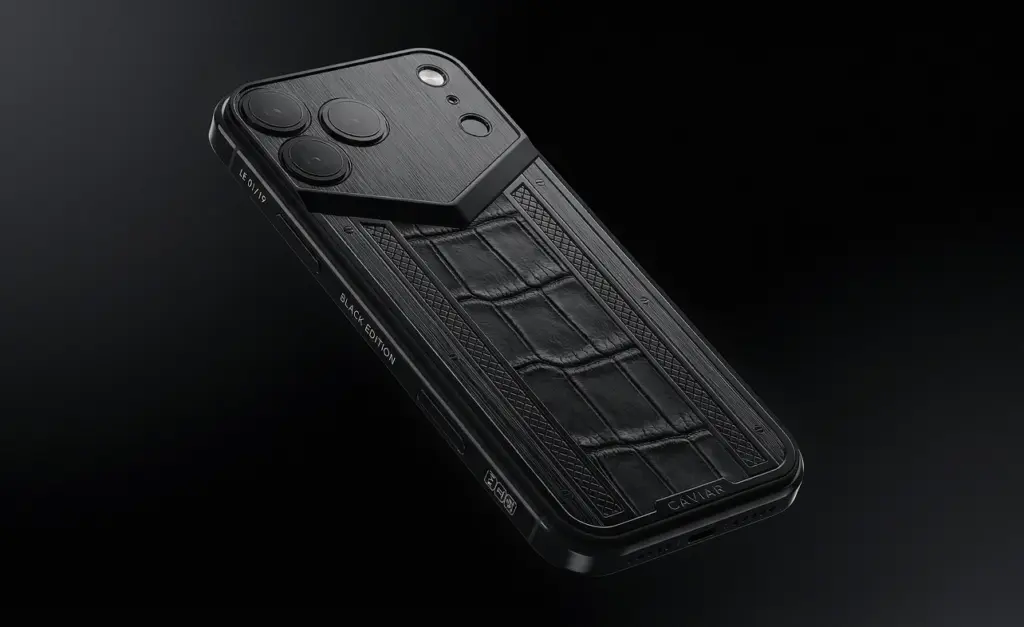
The Black Edition includes four distinct models: Black is Back, Shadow, Spark, and Obsidian Black Edition. All four feature a matte black chassis constructed from aerospace-grade titanium. Each model also includes a crocodile leather panel on the lower portion of the phone. Caviar used anodizing and PVD coating to create a deep black finish that matches Apple’s previous Black Titanium aesthetic in both appearance and durability.
The Black is Back model features a simple black titanium frame and crocodile leather finish. It focuses on a clean, understated look for those who want a modern version of the classic black iPhone design.
Black is BackShadow
The Shadow edition adds a more refined touch. It uses the same titanium and leather combination but keeps everything monochrome, including the decorative screws. The result is a minimalist look with subtle texture and contrast.
The Spark variant introduces decorative accents in 24K gold. Caviar used gold-plated screws and inserts to contrast against the black frame. This model targets buyers who prefer a bold and expressive aesthetic while retaining the black base.
Obsidian BlackSpark
The Obsidian Black Edition sits at the top of the lineup. It features the same materials and coatings as the other models but uses a richer black tone throughout the body. Caviar describes it as a design that reflects strength and luxury.
Availability and Pricing
Caviar limited the production of the Black is Back, Shadow, and Spark models to just 19 units each. The Obsidian Black Edition is available in 99 units. All models are built on the iPhone 17 Pro Max and include luxury-grade packaging along with a collector’s coin and a gold-plated Caviar key.
Pricing for the Black Edition lineup starts at $9,130 for the Black is Back model, with the Spark version starting at $9,840. The Shadow and Obsidian Black Edition variants both start at $10,410. Reservations for all four models opened on January 28 via Caviar’s official website.
Redmi Turbo 5 Max is designed for users who want top-level performance, a massive battery, and a premium display without paying flagship prices. Starting at $399, this phone focuses on power, endurance, and smooth everyday use. With a large AMOLED screen, a cutting-edge MediaTek processor, and ultra-fast charging, it clearly targets heavy users, gamers, and content lovers. Now available on Giztop, the Redmi Turbo 5 Max can be purchased with Express and Global shipping, making it accessible to buyers worldwide with faster delivery options.
Display and Design
The Redmi Turbo 5 Max features a 6.83-inch 1.5K AMOLED display with a 120Hz refresh rate. The screen looks sharp and vibrant with a resolution of 2772 × 1280 pixels. Support for HDR10+, HDR Vivid, and Dolby Vision ensures excellent contrast and rich colors. With a peak brightness of 3500 nits, the display remains clear even under bright sunlight, making it ideal for video streaming and gaming.
Performance and Software
At its core is the 3nm MediaTek Dimensity 9500s processor, clocked up to 3.71–3.73GHz. Combined with 12GB or 16GB LPDDR5X RAM, the phone delivers fast app launches, smooth multitasking, and stable gaming performance. The device runs Xiaomi HyperOS 2, offering a clean, fast interface with full-screen gesture support for easy navigation.
Camera Experience
The phone comes with a 50MP primary camera using the Light Hunter 600 sensor. With an f/1.5 aperture, OIS, and 12.5EV dynamic range, it captures sharp photos with good detail and balanced lighting. The 8MP ultra-wide camera is useful for group shots and landscapes, while the 20MP front camera handles selfies and video calls well.
Battery and Connectivity
A huge 9000mAh battery powers the Redmi Turbo 5 Max, easily lasting more than a full day of heavy use. 100W wired fast charging quickly tops it up when needed. Connectivity options include 5G and Wi-Fi 7, ensuring fast and stable internet speeds. An in-display fingerprint scanner adds secure and convenient unlocking.
Redmi Pad 2 Pro Harry Potter Edition isn’t just another Android tablet; it’s a carefully crafted collector’s piece designed for fans of the Wizarding World. Built on a solid mid-premium hardware foundation, this limited edition blends everyday performance with deep Harry Potter-themed aesthetics, making it equally appealing to collectors and users who want a standout tablet that feels truly special.
Enchanting Design & Collector-Grade Accessories
What sets this edition apart is its immersive physical design. The back of the tablet features a Hogwarts school crest engraving, instantly giving it a premium, keepsake feel. The included wand-styled stylus adds a playful but functional touch, while the spellbook-inspired protective case reinforces the magical theme. Redmi also includes a school-style carrying bag, making the unboxing experience feel like receiving a Hogwarts acceptance package. Custom packaging, themed stickers, and hidden Easter eggs elevate this from a device to a full collector’s bundle.
Display, Performance & Battery Essentials
Beyond the visuals, the tablet delivers strong everyday specs. You get a 12.1-inch 2.5K LCD with a 120Hz refresh rate, ideal for streaming, reading, and casual gaming. Powering it is the Qualcomm Snapdragon 7s Gen 4 octa-core processor, offering smooth multitasking and reliable performance. An 8MP rear camera and 8MP front camera handle video calls and basic photography, while the massive 12000mAh battery ensures long usage, supported by 33W fast charging.
Magical Software Experience with HyperOS
The Harry Potter theme continues in software. Running on Xiaomi HyperOS, this edition features a customized Magic Theme with wizarding-inspired wallpapers, custom icons, themed system sounds, and UI accents like Platform 9¾. These touches don’t affect performance but significantly enhance the emotional and visual appeal for fans.
Price & Availability
Redmi Pad 2 Pro Harry Potter Edition is now available for $499 via Giztop, with express and global shipping supported. As a themed and limited-run product, availability may be limited, making it an attractive buy for collectors and Harry Potter enthusiasts looking for something truly unique.
iQOO is getting ready to launch its absolute best smartphone for 2026. The iQOO 15 Ultra is scheduled to debut in China on February 4. In the weeks leading up to the announcement, the company has been open about what the device is trying to be. The iQOO 15 Ultra is a phone built for sustained performance, especially gaming.
iQOO 15 Ultra
As we’ve covered the device throughout this journey so far, it’s only natural for us to bring everything together in one article. So here’s a roundup of iQOO 15 Ultra, based on official sources, leaks, certifications, and benchmarks.
At the heart of the iQOO 15 Ultra is Qualcomm’s Snapdragon 8 Elite Gen 5 chipset. The phone recently appeared on Geekbench, revealing some eye-catching numbers. The device scored 3,601 in the single-core test and 11,434 in the multi-core test on Geekbench 6.
The AnTuTu scores are even more aggressive. According to iQOO Product Director Galant V, the iQOO 15 Ultra has crossed 4.51 million points on AnTuTu, currently the highest score recorded on the platform. He also noted that this is not the phone’s final performance ceiling, suggesting further optimisation is still ongoing ahead of launch.
The benchmark testing also confirms the phone has 16GB of RAM and is running Android 16.
2. Active cooling and thermal design
One of the most defining features of the iQOO 15 Ultra is its built-in active cooling fan. And this isn’t some visual flourish. iQOO has confirmed that the phone uses a combination of a large vapour chamber, liquid metal heat transfer materials, and the active fan to keep temperatures under control during extended gaming sessions.
The intake vent for the fan is discreetly placed beneath the camera module, and the company is even offering a dedicated fan protection plan that reportedly covers up to five years.
Active cooling remains relatively rare in mainstream smartphones, but it has become a defining feature in gaming-focused devices like Nubia’s Red Magic series. iQOO branding the 15 Ultra as a performance phone means it’s logical for the brand to follow suit.
3. Shoulder buttons without moving parts
Another major focus area is control input. The iQOO 15 Ultra introduces what the company calls “Super-Sensitive Touch Shoulder Buttons.” Unlike traditional mechanical triggers, these are touch-based zones placed on both sides of the frame where fingers naturally rest in landscape orientation.
The shoulder buttons operate at a 600Hz touch sampling rate and use dual independent control chips, allowing each side to register inputs separately. iQOO says this reduces latency and improves accuracy, particularly in competitive FPS games.
Because there are no physical moving parts, the buttons avoid mechanical wear and reset delays. Tactile feedback is simulated using a linear motor. The flush design also improves resistance to sweat, water, and dust, while an anti-sweat algorithm is meant to maintain accuracy during extended play.
4. Display specs are equally good
The iQOO 15 Ultra is expected to feature a 6.85-inch Samsung LTPO flat display with 2K resolution and a 144Hz refresh rate. The use of an LTPO panel means the refresh rate can dynamically adjust based on on-screen content, helping balance smoothness and power efficiency.
For gaming, a flat panel is often preferred over curved displays, and iQOO’s decision here reflects that priority. We can also expect an ultrasonic in-display fingerprint sensor for biometrics.
5. Cameras
Despite its gaming focus, the iQOO 15 Ultra doesn’t completely neglect cameras. The phone is expected to feature a 32-megapixel front camera and a triple 50-megapixel setup on the back. This includes a main sensor, an ultra-wide lens, and a 3x periscope telephoto camera with CIPA 4.5-rated stabilization.
6. Battery, charging, and configurations
Battery capacity is another area where the iQOO 15 Ultra goes big. Most reports point to a 7,400mAh battery paired with fast 100W wired charging and wireless charging. It also supports bypass charging, as expected of a gaming phone.
Some leaks have hinted at even faster charging speeds, possibly up to 200W, though this hasn’t been confirmed by iQOO yet.
In terms of memory and storage, the phone is expected to launch in 16GB RAM with 512GB storage and a top-tier 24GB RAM with 1TB storage configuration.
7. Design and visual identity
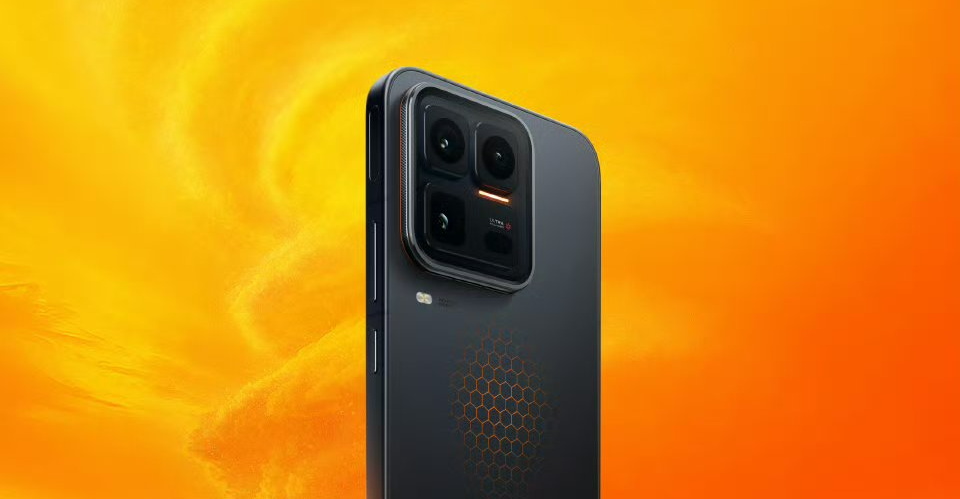
Design-wise, the iQOO 15 Ultra embraces a futuristic, cyberpunk-inspired aesthetic. It will be available in two color options: 2077 Flowing Orange and 2049 Ice Blue. The naming alone signals the phone’s sci-fi influences.
The back panel features a hexagonal honeycomb texture, while the large camera module includes a transparent finish and a horizontal light strip that acts as a breathing light.
8. Who is the iQOO 15 Ultra for?
There’s no denying that the iQOO 15 Ultra is squarely aimed at gamers who want stable performance over long sessions, low input latency, and physical-like controls without the drawbacks of mechanical buttons. In that sense, it’s a direct competitor to gaming-centric phones like the Red Magic 11 Pro series.
For users who prioritise camera systems, slim designs, or ecosystem features, the iQOO 15 Ultra may feel excessive. But for its intended audience, excess is the point.
For more daily updates, please visit our News Section.
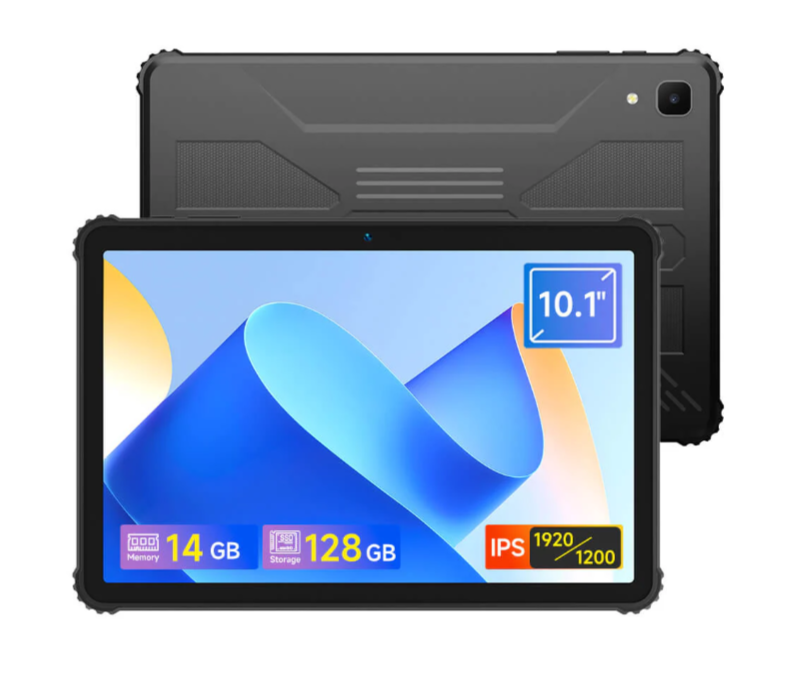
BMAX I10 S Pro (MaxPad I10 S Pro) is a rugged Android tablet designed for tough environments and everyday reliability. Built for industrial work, outdoor adventures, travel, navigation, and entertainment, this tablet focuses on durability, long battery life, and stable performance. It runs on Android 14, offering a modern, smooth, and secure user experience right out of the box.
BMAX I10 S Pro is currently available at a discounted price of $199.99, making it a strong value for a rugged Android tablet in this segment. Buyers can also register their device to receive an 18-month extended warranty, adding extra peace of mind for long-term outdoor and industrial use.
Rugged Build & Durability
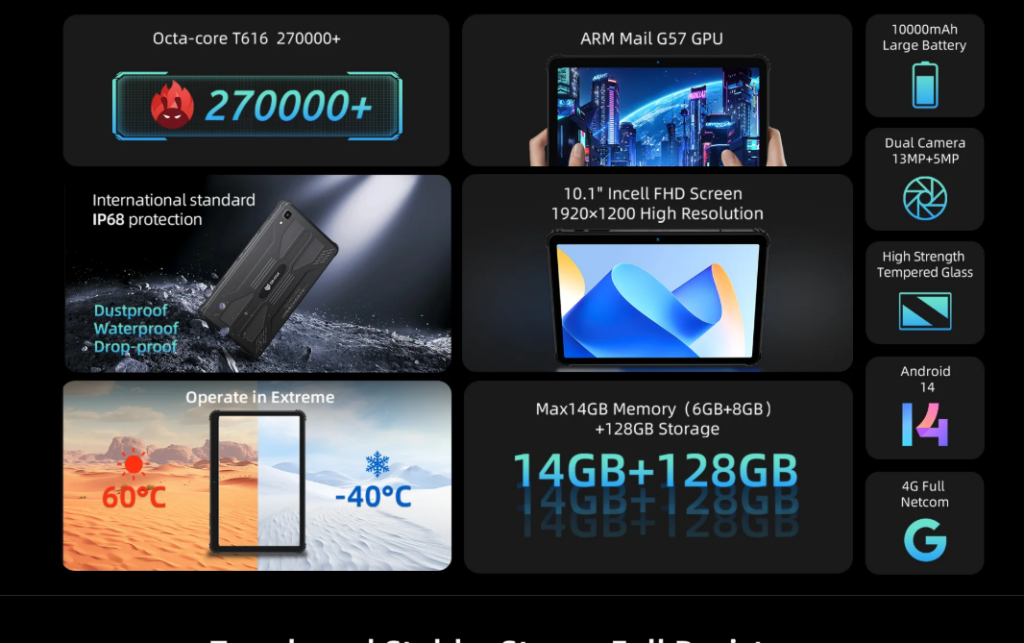
The tablet comes with IP68 certification, making it fully waterproof, dustproof, and drop-resistant. It has passed a 1.2m drop test and can survive 1.5m underwater for up to 30 minutes. The body uses high-strength engineering plastic with thickened anti-fall corners and sealed ports, ensuring protection during harsh use. It is also built to operate in extreme temperatures, from −40°C to +60°C, making it reliable in both freezing and high-heat conditions.
Display & Touch Experience
The 10.1-inch IPS LCD offers a 1920 × 1200 FHD+ resolution with in-cell full lamination. Colors look vivid, brightness is strong, and the screen remains clear outdoors. The reinforced tempered glass is scratch-resistant and explosion-proof. 10-point multi-touch ensures accurate and responsive touch control, even during field use.
Performance, Camera & Battery
Powered by the Unisoc T616 octa-core processor with a Mali-G57 GPU, the tablet handles multitasking, navigation, office work, and media smoothly. It includes 6GB RAM with 8GB virtual expansion and 128GB storage, expandable up to 1TB. The 10,000mAh battery delivers long usage, supporting extended work shifts without frequent charging. Cameras include a 13MP rear and 5MP front, suitable for video calls, scanning, and documentation.
The Oppo Find X9 series launched globally in October 2025 with the Find X9 and Find X9 Pro. Now, Oppo is apparently planning to expand the lineup further with three new models, according to Yogesh Brar on X.
According to the leaker, the Oppo Find X9s and Find X9 Ultra could launch globally sometime in the second quarter of this year. Meanwhile, Oppo’s next foldable phone, the Find N6, is said to arrive earlier, possibly as soon as March, but only in selected regions outside China.
Oppo Find X9 Pro
The leak also sheds light on the expected colour options for these devices. The Oppo Find X9s may be available in Titanium, Orange, and Blue shades. The Find X9 Ultra, on the other hand, could come in Orange, Black, and Brown finishes. As for the foldable Find N6, Oppo is reportedly planning to offer it in Orange and Titanium colours.
What can you expect?
In terms of specifications, earlier reports suggest that the Oppo Find X9s could feature a 6.3-inch flat display with 1.5K resolution. It is expected to come with a triple rear camera setup, led by a 200-megapixel primary sensor, alongside a 200-megapixel telephoto camera and a 50-megapixel ultra-wide shooter. The phone may be powered by MediaTek’s Dimensity 9500+ chipset.
The Oppo Find X9 Ultra is tipped to sit at the top of the lineup. It could sport a larger 6.82-inch flat AMOLED display with 2K resolution and a 120Hz refresh rate.
OPPO Find N5
Unlike the other Find X9 models, the Ultra variant may use Qualcomm’s Snapdragon 8 Elite Gen 5 chipset, built on a 3nm process. The phone is likely to sport a quad rear camera setup and a 50-megapixel front-facing camera.
As for the Oppo Find N6, it is rumoured to be the first foldable phone powered by the Snapdragon 8 Elite Gen 5 chip, along with a 200-megapixel main camera.
Since Oppo has not officially announced any of these devices, all details should be treated cautiously for now. More clarity is expected in the coming weeks as the company moves closer to launch.
For more daily updates, please visit our News Section.
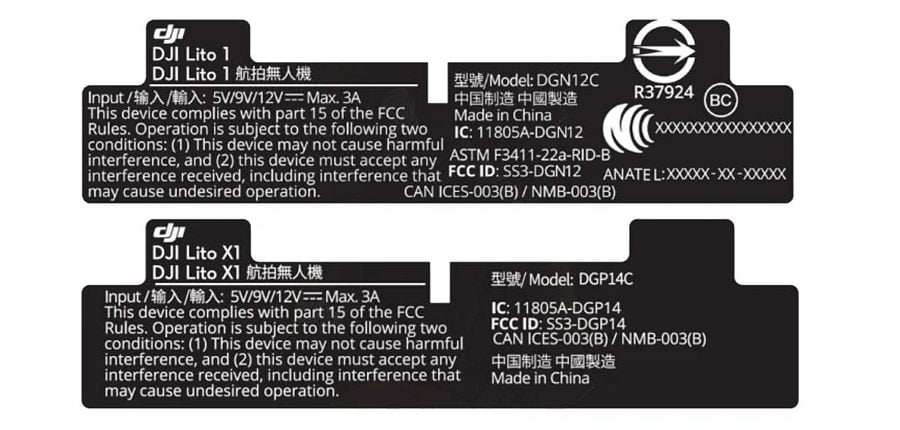
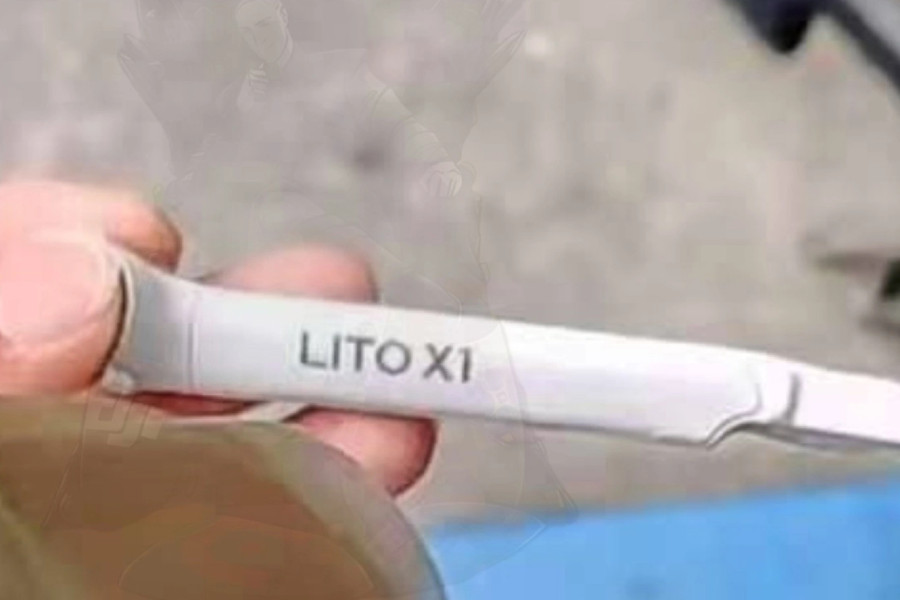
DJI could soon introduce a new line of consumer drones in the market. According to the outlet thenewcamera, certification filings with the U.S. Federal Communications Commission (FCC) suggest that DJI is working on two new drones: the DJI Lito 1 and the DJI Lito X1.
As with many DJI leaks, the details come from regulatory paperwork rather than official announcements. The documents reveal internal codenames, early hardware references, and just enough hints to sketch out where these drones might sit in DJI’s lineup.
DJI Lito 1
The DJI Lito 1 seems to be the more affordable of the two. Listed under the codename SS3-DGN12, the Lito 1 is believed to be an entry-level drone intended to replace the current Mini 4K. It could start at around $330.
While the certification documents don’t go deep into camera or flight features, storage is listed at 22GB. Expect it to be for light photo and video use rather than more demanding production work.
DJI Lito X1
The Lito X1, on the other hand, looks like a serious upgrade. Codenamed SS3-DGP14, this model is expected to replace the Mini 5 Pro and focus more heavily on video creation. The starting price is rumored to be around $759.
One of the more notable details in the FCC filings is the mention of “SDR Transceiver 2” for the Lito X1. So the drone could use DJI’s next-generation O5 image transmission system. And if true, that would allow transmission distances of over 20 kilometers (about 12.4 miles).
There’s also speculation that DJI could integrate 5G cellular connectivity through SDR technology, although this remains unconfirmed.
Moreover, the Lito X1 may also get a 360-degree omnidirectional obstacle avoidance support that combines a fisheye optical lens, a LiDAR-like sensor with a 10-meter detection range, and an infrared module. The drone is also expected to support voice commands like “Hey, take off,” along with motion-based controls.
The Lito X1 is said to come in two versions: a standard model with around 30 minutes of flight time while staying under 250 grams, and a Plus version that extends flight time to roughly 50 minutes. Internal storage on the Lito X1 is reportedly increased to about 42GB.
As for timing, FCC confidentiality agreements typically last 180 days. That means DJI must publicly disclose the products by May 25, 2026, or the documents will be automatically released.
The report suggests DJI could launch the drones between late February and early April.
For more daily updates, please visit our News Section.
We use cookies on our website to give you the most relevant experience by remembering your preferences and repeat visits. By clicking “Accept”, you consent to the use of ALL the cookies.
This website uses cookies to improve your experience while you navigate through the website. Out of these, the cookies that are categorized as necessary are stored on your browser as they are essential for the working of basic functionalities of the website. We also use third-party cookies that help us analyze and understand how you use this website. These cookies will be stored in your browser only with your consent. You also have the option to opt-out of these cookies. But opting out of some of these cookies may affect your browsing experience.
Necessary cookies are absolutely essential for the website to function properly. This category only includes cookies that ensures basic functionalities and security features of the website. These cookies do not store any personal information.
Any cookies that may not be particularly necessary for the website to function and is used specifically to collect user personal data via analytics, ads, other embedded contents are termed as non-necessary cookies. It is mandatory to procure user consent prior to running these cookies on your website.