Advertisement

iPhone 17 Pro’s selfie revolution: DxOMark crowns it the new front camera king

In the age of selfies and short-form videos, front cameras matter more than ever — and Apple just took the crown. According to DxOMark’s latest rankings, the iPhone 17 Pro now sits at the very top for selfie performance, edging out rivals from Honor and Google. The big secret? A new square-sensor front camera that changes how you shoot yourself.

iPhone 17 Pro series

The entire iPhone 17 lineup — from the base model to the Pro Max — gets a major upgrade this year: an 18MP f/1.9 front camera with a unique square sensor. It replaces the older 12MP unit from the iPhone 16 Pro and introduces something we haven’t seen before on a smartphone — the ability to switch between portrait and landscape shots without physically rotating the phone. It’s a smart nod to creators who rely on vertical and horizontal framing for social content.

DxOMark gave the iPhone 17 Pro an impressive 154 points, putting it ahead of the iPhone 16 Pro and Honor Magic6 Pro (both scored 151). The iPhone 15 Pro followed at 149, while Google’s Pixel 9 Pro XL landed at 148. That three-point jump may sound small, but it’s enough to push Apple to the top of the global selfie charts.

The improvements come from both hardware and Apple’s image processing tweaks. The front camera now delivers better exposure balance, wider dynamic range, and richer color tones — though, in true Apple fashion, skin tones stay on the warmer side. The slightly wider 20mm focal length (up from 23mm on last year’s Pro) also helps fit more people into frame without distortion.

That said, it’s not perfect. Low-light selfies still show a bit of noise, and heavy movement can throw off stabilization. But those are small trade-offs in what’s otherwise a major leap forward.

For anyone who spends time in front of the camera — vloggers, streamers, or just selfie lovers — the iPhone 17 Pro feels like a serious step up. Apple didn’t just add more megapixels; it rethought how the front camera works. And for once, that innovation clearly shows in the results.

Don’t miss a thing! Join our Telegram community for instant updates and grab our free daily newsletter for the best tech stories!

For more daily updates, please visit our News Section.

Apple Just Changed How China Uses SIM Cards Forever: Here’s How

Apple’s latest release, the iPhone Air, has officially brought eSIM technology to China for the first time. Approved by regulators as part of a “commercial trial” involving China Mobile, China Unicom, and China Telecom, the device marks an important turning point in China’s telecom development.

The iPhone Air sold out within minutes of its release on Friday. According to Apple’s official website, retail stores are currently out of stock, and home delivery orders are delayed by about a week. Priced from RMB 7999, customers can buy it in three interest-free installments of RMB 2666 per month, with a limit of two units per person.

Domestic Brands Respond Quickly

Following Apple’s success, Chinese smartphone makers are moving fast. Oppo has introduced its Find X9 Pro with eSIM support, while Huawei is expected to launch its own version soon. This shows that Apple’s move is likely to accelerate eSIM adoption across China’s smartphone market.

iPhone Air

What is eSIM and Why It Matters

An eSIM is a digital SIM card built directly into the device. It allows users to store multiple mobile profiles, switch carriers easily, and eliminates the need for a physical SIM slot. This innovation makes devices thinner, lighter, and more water-resistant, one reason why the iPhone Air’s design is just 5.5 mm thick.
Carriers’ Different Strategies

Among China’s three major operators, China Unicom has been the most proactive in promoting eSIM services, having launched wearable eSIMs back in 2018. China Mobile and China Telecom have been more cautious, focusing on limited trials. After a temporary suspension in 2023 for “system upgrades,” all three carriers resumed eSIM activations alongside the iPhone Air’s release.

Early Trials and Limitations

Currently, eSIM use in China is still at a trial stage. Users must visit physical stores for activation and provide a government ID for real-name verification. Online self-activation is not yet available. Each iPhone Air supports two eSIM profiles, but foreign eSIMs cannot be activated in mainland China, limiting cross-border usage.

Balancing Innovation and Security

Experts note that while eSIMs make connectivity simpler, they also raise cybersecurity concerns. Authorities worry that digital SIMs could be used for unverified virtual numbers or illegal activities. For this reason, the government is keeping a close watch on how telecom operators manage eSIM infrastructure.

The launch of the iPhone Air is more than just a product release; it represents a step forward in China’s telecom modernization. It combines innovation with strong state oversight, aiming to balance convenience, competition, and national security. 

Read More:

  1. NVIDIA’s Market Share in China Drops from 95% to Zero Amid US Export Restrictions
  2. China Overtakes US in Scale: AI Users Surge to 515 Million in Just Six Months
  3. iPhone Air Vanishes in Minutes: Sells Out Instantly in China

Oppo Reno 15 Pro Max’s camera specifications, Reno 15 Pro’s key details tipped

The upcoming Oppo Reno 15 series is rumoured to include a new model called the Oppo Reno 15 Pro Max. This device is expected to launch in addition to the Reno 15 and Reno 15 Pro in China. New Weibo posts released by reliable tipster Digital Chat Station (DCS) have revealed key details about the Pro Max and Pro models.

Oppo Reno 15 Pro Max key specifications

Oppo Reno 15 Pro Max leak by DCS

According to DCS, the Reno 15 series will include three models with different screen size options, such as 6.31-inch, 6.59-inch, and 6.78-inch. These devices are reportedly dubbed Reno 15, Reno 15 Pro, and Reno 15 Pro Max, respectively.

In the above leak, while the tipster has not specified the name of the device, it appears that he could be referring to the Reno 15 Pro Max. Its camera setup will have a 200-megapixel Samsung HP5 main camera and a pair of Samsung JN5 sensors for ultra-wide and periscope telephoto cameras.

The tipster revealed that the Reno 15 Pro Max has a 6.78-inch LTPO OLED panel with a flat design and an ultra-narrow, four-sided symmetrical bezel. The screen will support a 1.5K resolution, and the device will feature a metal middle frame and a large battery with wireless charging support. He added that the chipset will not be the major highlight of the device, and the entire lineup will focus heavily on camera performance and design refinement.

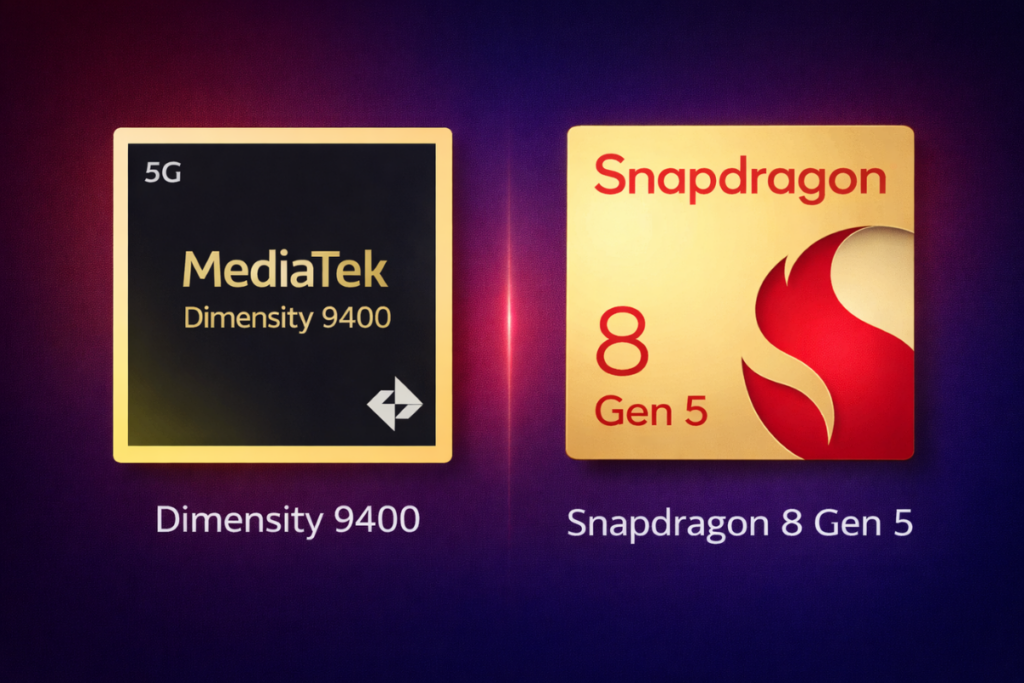
According to a previous leak, the Reno 15 Pro Max will pack a 6,500mAh battery and will be powered by the Dimensity 9400 chipset.

Oppo Reno 15 Pro key details tipped

Oppo Reno 15 Pro leak by DCS

As per the leak, the Oppo Reno 15 Pro will arrive with a 6.5x-inch display that supports a 1.5K resolution, with ultra-thin and symmetrical bezels on all four sides. It will also feature a 200-megapixel Samsung HP5 main camera paired with an upgraded GP lens module for improved image clarity and performance. Despite having a slim profile, the device is expected to house a large battery.

The Oppo Reno 15 series is expected to launch in November in China. While the Reno 15 and Reno 15 Pro devices are expected to debut globally by Q1 2026, the Pro Max edition may remain exclusive to China.

For more daily updates, please visit our News Section.

Stay ahead in tech! Join our Telegram community and sign up for our daily newsletter of top stories.

iPhone 17 models outsold their predecessors thanks to meaningful upgrades

Apple‘s iPhone launches have long been a barometer for tech trends, but this year’s iPhone 17 lineup is rewriting the script with a reasonably good demand—except for one model that’s failing to take flight. While Pro variants dominate and the base edition surprises, whispers of production cuts swirl around the ultra-sleek iPhone Air. What’s fueling this uneven success story?

iPhone 17 Pro series

Fresh data from Counterpoint Research paints a rosy picture for Apple’s iPhone 17 series, which outsold the iPhone 16 lineup by 14% in the first 10 days across the US and China.

The Pro models are the undisputed stars, capturing 75% of total sales right out of the gate—a typical launch pattern driven by early adopters and enthusiasts. Sales of the iPhone 17 Pro and Pro Max are ramping faster than their iPhone 16 counterparts, thanks to enhanced carrier subsidies in the US and compelling upgrades like a brighter display and a refreshed design.

But the iPhone 17 base model is stealing the show among non-Pro buyers, with sales jumping nearly 33% thanks to several meaningful upgrades such as a 120Hz display, doubled base storage to 256GB at the unchanged $799 price point. Counterpoint analyst Mengmeng Zhang calls it “very compelling,” crediting discounts that amplify its value in retail and carrier channels.

In contrast, the iPhone Air—Apple’s thinnest-ever flagship at 5.6mm—is struggling, snagging just 3% of sales in the initial window, edging out the iPhone 16 Plus’s 4% but signaling weak demand. Priced at $999 (only $100 below the Pro), its 3,149mAh battery—26% smaller than the Pro’s 4,252mAh (eSIM only model)—raises endurance concerns.

For Apple, it’s a win overall—but a reminder that battery life remains a key priority for most users.

Don’t miss a thing! Join our Telegram community for instant updates and grab our free daily newsletter for the best tech stories!

For more daily updates, please visit our News Section.

(Source: Counterpoint Research)

Poco Pad M1 bags new certification, launch imminent

The upcoming Poco Pad M1 tablet has been gradually bagging new certifications. In the recent past, the tablet has been found listed in the databases of Google Play Console Supported Devices and the FCC. Its optional keyboard, dubbed the Poco Pad M1 Keyboard, has also been spotted on certification platforms in Malaysia, Singapore, Indonesia, and the UAE. In a new development, the UAE’s TDRA certification has also approved the Poco Pad M1 tablet.

Poco Pad M1 TDRA certified

Poco Pad M1 TDRA listing

The Poco Pad M1 tablet, bearing the model number 2509ARPBDG, has received TDRA certification in the UAE. The listing confirms that the device only supports Wi-Fi connectivity. Its supported accessories, such as the Pad M1 Keyboard and the Focus Pen, have also been approved by the TDRA.

Poco Pad M1 specifications

Redmi Pad 2 Pro

Details that have surfaced through the Pad M1’s FCC and Console Supported Devices listings have revealed that it could be a rebranded version of the Redmi Pad 2 Pro. Therefore, the Pad M1 is expected to pack the same specifications as the Redmi device.
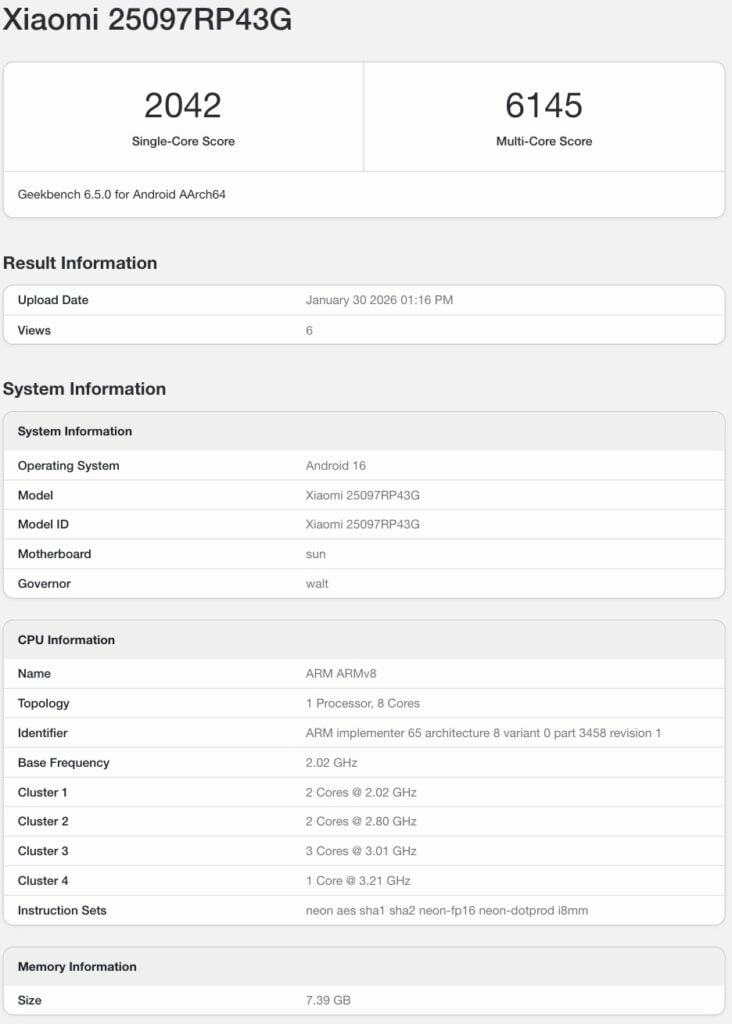
The Redmi Pad 2 Pro has a 12.1-inch LCD screen that supports a 1600 x 2560-pixel resolution and a 120Hz refresh rate. Under the hood, the device is equipped with the Snapdragon 7s Gen 4 chip, 6GB / 8GB of RAM, 256GB of internal storage, and a microSD card slot. It houses a 12,000mAh battery with 33W fast charging and 27W reverse charging support.

The Pad 2 Pro is equipped with four Dolby Atmos-powered speakers. It runs on Android 15 with a layer of HyperOS 2 on top. For photography, it has a pair of 8-megapixel cameras, one on the front and the other on the back.

For more daily updates, please visit our News Section.

Stay ahead in tech! Join our Telegram community and sign up for our daily newsletter of top stories.

iQOO 15 sets new sales record in brand’s history

The iQOO 15 has made a strong debut in China, breaking sales records within minutes of launch. In a market packed with heavy-hitting flagships, the new gaming-focused phone has managed to grab the spotlight — and the wallets — of gamers and power users alike.

According to iQOO, the phone’s launch sales set a new all-time record for the brand, surpassing the entire day’s sales of the iQOO 13 within just 30 minutes of going live. The milestone highlights the huge anticipation surrounding this release, driven by its mix of top-end specs, gaming features, and surprisingly competitive pricing.

The iQOO 15 starts at 4,199 yuan (around $589), with limited-time subsidies bringing the base variant down to just 3,699 yuan (around $520). The limited Honor of Kings 10th Anniversary Collector’s Edition (16GB + 512GB) priced at 5,499 yuan sold out instantly, with a restock planned for October 24.

Under the hood, the iQOO 15 packs Qualcomm’s Snapdragon 8 Elite Gen 5 chip. The new Q3 gaming chip acts as a dedicated graphics accelerator, enabling up to 144FPS at 2K resolution in supported games. iQOO says the phone can even deliver 120FPS ray tracing — rare for a mobile device.

On the camera front, the iQOO 15 gets a big leap with a 3x periscope telephoto lens using Sony’s IMX882 sensor (1/1.95″), capable of up to 100x digital zoom. Up front, there’s a 6.85-inch 2K Samsung Everest AMOLED display using M14 material — offering up to 6,000 nits of peak brightness and TÜV Rheinland-certified eye protection.

Powering everything is a 7,000mAh battery, one of the largest in a flagship phone, with 100W wired and 40W wireless charging support for quick refills.

With record-breaking sales and hardware that rivals pricier flagships, the iQOO 15 is shaping up to be the company’s biggest hit yet — a true blend of performance, endurance, and value that’s hard to ignore.

Don’t miss a thing! Join our Telegram community for instant updates and grab our free daily newsletter for the best tech stories!

For more daily updates, please visit our News Section.

(Via)

Realme’s TechLife Pad Plus 12 LTE tablet launch date confirmed, specifications, price revealed

Realme has a sub-brand, TechLife, that has been gradually launching a few products over the past few years. In 2024, the TechLife Cinesonic TV range and Studio H1 headphones debuted in India. Surprisingly, this came after Realme stated in 2023 that it had rebranded TechLife to Narzo in India. The TechLife brand has been quite active in Malaysia, as it launched the Smartwatch Neo and Clip-On Earbuds in February, followed by the Pad Neo in May. Now, the brand is all set to unveil the Pad Plus 12 LTE on Oct. 30 in Malaysia.

TechLife Pad Plus 12 LTE launch date

Realme TechLife Pad Plus 12 LTE launch date

Shown above is the TechLife Pad Plus 12 LTE’s official poster that confirms that it has a 12-inch screen and will be available in silver and dark grey shades. However, according to Lowyat.net, the tablet is already available for pre-orders through a few Malaysian retailers like SS Solutions and KTS.

TechLife Pad Plus 12 LTE specifications, price

Realme TechLife Pad Plus 12 LTE specs

As per the retailer listing, the TechLife Pad Plus 12 LTE will have a 12-inch display, which appears to be an LCD panel. It will support a 2K resolution and a 90Hz refresh rate.

Powered by the MediaTek Helio G91 chip, the tablet will offer 8GB of RAM, 8GB of virtual RAM, and 256GB of built-in storage. It will house a massive 8,000mAh battery with 18W fast charging and 5W reverse charging support.

The tablet will run on Android 15, and will come with support for Google Gemini. It will feature a 5-megapixel front camera and an 8-megapixel camera with LED flash on the back. The device will also have features, such as quad speakers, face unlock, and a microSD card slot. And of course, as the moniker goes, it will have LTE connectivity support.

Priced at 799 RMB (~$190), the TechLife Pad Plus 12 LTE will be sold in two colors: Moonlight Silver and Storm Grey.

For more daily updates, please visit our News Section.

Stay ahead in tech! Join our Telegram community and sign up for our daily newsletter of top stories. (source 1, 2 | via)

Huawei’s new router looks more like home decor than tech

If you fancy a router that doesn’t look like it, Huawei may have the perfect gadget for you. The company is introducing the Huawei Router X3 Pro in China this November, and at first glance, you might mistake it for home decor instead of networking hardware.

The X3 Pro abandons the familiar slab-or-square design we’re used to seeing on traditional routers. Instead, it features a cylindrical body with a transparent upper section, housing a mountain-like structure that glows softly from within.

The asthetic gives it a feel of sunset-lit mountain, or snow covered peak. Either way, it looks more like a modern décor piece you’d place in a minimalist living room than something built to beam Wi-Fi across your home.

Huawei’s promo images show the internal light in both red and white, but we are not sure whether it has customizable lighting or the router will be sold in separate color variants.

Also you can see in the images, Huawei is pairing the main unit with a smaller companion device with same asthetics. It’s a range extender, which means the Router X3 Pro will support wireless mesh networking, allowing users to extend their Wi-Fi coverage without additional cabling.

While Huawei hasn’t released the full technical specifications yet, it’s safe toe expect that the Router X3 Pro will support the Wi-Fi 7 protocol and integrate a NearLink gateway.

The device could also work as a central hub for Huawei’s smart home ecosystem to control connected devices throughout the house and enable seamless multi-device collaboration.

For more daily updates, please visit our News Section.

Stay ahead in tech! Join our Telegram community and sign up for our daily newsletter of top stories.

Realme GT 8 Pro receives TDRA certification, global launch drawing near

Later today, Realme will announce the Realme GT 8 and GT 8 Pro flagship phones in China. Next month, the Pro model is expected to debut in India. A new certification now indicates that it will also reach other international markets soon.

Realme GT 8 Pro TDRA certified

Realme GT 8 Pro TDRA certified

As shown in the recent listing, the Realme GT 8 Pro, bearing the model number RMX5210, has been approved by the UAE’s TDRA authority. This certification suggests that the device’s global launch is imminent, although the listing does not include any specific details about its hardware or features.

Realme GT 8 Pro specifications

Realme-GT-8-Pro-camera-specs
Realme GT 8 Pro

According to reports, the Realme GT 8 Pro will feature a 6.78-inch flat BOE Q10+ OLED panel supporting a 2K resolution and 144Hz refresh rate. To enhance gaming performance, the display will be paired with the R1 chip for improved graphics rendering.

On the front, the device will include a 32-megapixel selfie camera, while the rear camera system will house a 50-megapixel main sensor (1/1.56-inch, OIS), a 50-megapixel ultra-wide lens, and a 200-megapixel Samsung HP5 periscope telephoto camera with 3x optical zoom. It will also support an interchangeable camera module and Ricoh GR colour profiles for improved photography.

Under the hood, the Realme GT 8 Pro will be powered by the Snapdragon 8 Elite Gen 5 chipset and a massive 7,000mAh battery. The device will support 100W wired and 50W wireless charging. It will ship with Realme UI 7 based on Android 16. Additional features include 1115E dual speakers, an 0816 x-axis linear motor, an ultrasonic in-screen fingerprint sensor, and an IP68/69-rated chassis for water and dust resistance.

As for global availability, Realme has yet to confirm whether the standard GT 8 will also launch in markets outside China.

For more daily updates, please visit our News Section.

Stay ahead in tech! Join our Telegram community and sign up for our daily newsletter of top stories.

(via)

Redmi Turbo 5 tipped to launch in November, Dimensity 8500, 9,000mAh+ battery expected

While Redmi is gearing up for the Redmi K90 series’ Oct. 23 China launch, fresh news about the Turbo 5 phone has emerged. In a new Weibo post, tipster Smart Pikachu has not only highlighted some of its key features but also revealed that it will debut earlier than its predecessor.

Redmi Turbo 5 key specifications, launch timeframe

Redmi Turbo 5 leak by Smart Pikachu

According to the tipster, Redmi is aiming for a first-mover advantage with the release of the Redmi Turbo 5. This could be because it is said to feature a brand-new MediaTek Dimensity chip, described as a flagship platform for mid-tier phones. It appears that he could be referring to the Dimensity 8500 Ultra, which is also expected to power the likes of the Oppo Reno 15 Pro, Honor Power 2, and Realme Neo 8.

He revealed that the Redmi Turbo 5 has a simple camera module design and a metal middle frame. For security, it will feature an ultrasonic in-screen fingerprint sensor and a larger battery than the previous generation.

A previous leak revealed that the Redmi Turbo 5 will house a flat 1.5K OLED LTPS panel with large, rounded corners and a 9,000mAh+ battery with 100W charging. It will also have full-level waterproofing, hinting that it may offer IP68/69-rated dust and water resistance.

Redmi Turbo 5 November launch tipped by Smart Pikachu

The same leak claimed that the Redmi Turbo 5 will launch in Q1 2026. However, now that the brand is accelerating its launch, the tipster claims that it will debut much earlier in November this year. To recall, the Redmi Turbo 4 debuted in January this year. The early arrival of the Turbo 5 seems possible as it has already bagged radio certification in China.

The series also includes the Redmi Turbo 5 Pro. However, it appears that the device may launch in the first half of 2026.

Poco X8 Pro rebranding

The Poco X7 Pro, which debuted earlier this year in the global market, was a rebranded version of the Redmi Turbo 4. Therefore, the Poco X8 Pro, which has already been approved by Europe’s EEC certification, could be a rebadged version of the Turbo 5.

For more daily updates, please visit our News Section.

Stay ahead in tech! Join our Telegram community and sign up for our daily newsletter of top stories.

Huawei Mate 70 Air in the works, images, key specifications emerge

While it is unclear whether there will be successor editions for the Samsung Galaxy S25 Edge and iPhone Air ultra-thin phones, as they have reportedly encountered poor sales, some Chinese brands are preparing to launch “Air” branded slim smartphones. In September, Nubia unveiled the Nubia Air with a 6.7mm profile, and the Moto X70 Air with a 5.99mm chassis is set to debut in China by the end of this month. A new development now reveals that the Huawei Mate 70 Air will also arrive in the country soon.

Huawei Mate 70 Air key details

Huawei Mate 70 Air’s China Telecom listing

The upcoming Huawei Mate 70 Air, bearing the model number SUP-AL90, has appeared in China Telecom’s product database. The listing shows that the device features a 6.9-inch display supporting a Full HD resolution of 1920 x 1080 pixels. It will run on HarmonyOS 5.0 and wiill be available in two configurations: 12GB+256GB and 12GB+512GB, and will be offered in color options such as Golden Black, Feather White, and Silver Brocade.

Other specifications of the Mate 70 Air, including its thickness, remain under wraps. Typically, Huawei phones with 5G support include “AN00” in their model numbers, but this one carries “ALXX,” indicating that it may not support 5G connectivity. More details about the Mate 70 Air are expected to surface soon.

Reports also suggest that Huawei is preparing to launch the Mate 80 series in China. Expected to debut in November, the lineup may include several models such as the Mate 80Mate 80 ProMate 80 Pro+, and Mate 80 RS. The Mate X7 foldable phone may also launch alongside the Mate 80 lineup.

For more daily updates, please visit our News Section.

Stay ahead in tech! Join our Telegram community and sign up for our daily newsletter of top stories.

Oppo Reno 15 Pro Max won’t be making its Indian or global debut

Oppo just wrapped up the Find X9 series launch in China, and the phones are scheduled for a global debut on October 28. Now, the next devices from Oppo could come from the Reno lineup.

This year’s Reno 15 series is expected to include three models: the Reno 15, Reno 15 Pro, and Reno 15 Pro Max. However, a new leak suggests that Oppo may have changed its roadmap for the global market.

Tipster Yogesh Brar posted on X that the company has cancelled the global release of the Reno 15 Pro Max. Instead of three models, the global Reno 15 series will now reportedly consist of only the standard Reno 15 and the Reno 15 Pro, while the top-end Pro Max could remain a China-only device.

Oppo Reno 15 Pro Max Specifications (Rumored)

The Reno 15 Pro Max will put a strong emphasis on its camera system. According to a previous leak, the phone features a triple-camera setup headlined by a 200-megapixel Samsung HP5 sensor, along with a 50-megapixel telephoto lens and an ultra-wide camera.

The device is also said to include Oppo’s in-house Lumo imaging tech, and the front camera is reportedly another 50-megapixel sensor.

On the front, the phone is expected to feature a 6.78-inch flat OLED LTPO display with a 1.5K resolution and a variable refresh rate ranging from 1Hz to 120Hz. Under the hood, it will be powered by the Dimensity 9400 chipset and Android 16 based ColorOS 16.

The phone will reportedly pack a 6,500mAh battery, an under-display fingerprint scanner, Wi-Fi 7, and NFC support. Despite the change in its global plans, the device is still expected to launch in China by the end of this year.

For more daily updates, please visit our News Section.

Stay ahead in tech! Join our Telegram community and sign up for our daily newsletter of top stories.

iQOO 15 Ultra seemingly confirmed, to be a gaming-focused productivity flagship

iQOO recently launched the iQOO 15 in China, featuring a 2K 144Hz Samsung display, Snapdragon 8 Elite Gen 5, a periscope telephoto camera, and 100W charging. Reports have revealed that the company will add new models to the iQOO 15 series in the coming year. In a recent media interaction, Luo Feng, Vice President of iQOO, revealed that the company is working on an even more premium version of the iQOO 15 series. This could be the rumoured iQOO 15 Ultra.

iQOO 15 Ultra: What to expect?

According to Feng, the upcoming model will be designed for a specific group of users. Without revealing its name, he described the device as a “gaming productivity tool”, suggesting it will target gaming creators, streamers, and competitive players. The executive explained that this high-end version is still under active development and will offer features suited to professional gaming and high-performance tasks.

As mentioned above, previous leaks have claimed that this device will be called the iQOO 15 Ultra when it hits the Chinese market next year. Reports say that its specs could be similar to the iQOO 15, but it may include some differentiating features like an active cooling fan and gaming shoulder buttons.

Apart from the iQOO 15 Ultra, the brand is also said to be working on a compact phone tentatively dubbed the iQOO 15 Mini. Both phones are expected to debut in the first half of 2026. The Mini model is expected to arrive with key specs such as a 6.31-inch display, a Dimensity 9500 or 9500+ chip, and a battery of around 7,000mAh capacity.

For more daily updates, please visit our News Section.

Stay ahead in tech! Join our Telegram community and sign up for our daily newsletter of top stories.

(source 1, 2)

Gigabyte MO27Q28G OLED Gaming Display Debuts in the UK with 280Hz Refresh Rate and 0.03ms Speed

Gigabyte has started offering its new MO27Q28G Tandem OLED gaming monitor in the UK. The monitor was first announced at Computex 2025. It is now available for preorder on Amazon UK for £499.99, with shipping set to begin on October 29.

Gigabyte MO27Q28G Tandem OLED monitor

The Gigabyte MO27Q28G is a 27-inch QHD monitor that uses the latest 4th Gen LG Display WOLED panel with Primary RGB Tandem OLED technology. It delivers a 280Hz refresh rate, 0.03ms response time, and a 99 percent screen-to-body ratio thanks to its four-sided borderless design.

Gigabyte MO27Q28G Tandem OLED monitor

The screen supports a resolution of 2560×1440 pixels and covers 99.5 percent of the DCI-P3 and 84 percent of the BT.2020 color gamut. It offers a contrast ratio of 1.5 million to 1 and HDR peak brightness up to 1500 nits, while typical SDR brightness sits at 335 nits. It meets the VESA DisplayHDR True Black 500 certification and reduces power use by 20 percent compared to older OLED panels. For eye comfort, it is certified Flicker-Free, Discomfort Glare Free, and Low Blue Light under Gigabyte’s All-Around Eyecare suite.

For gamers, it includes Gigabyte’s Tactical Features such as Tactical Switch 2.0 for one-click aspect ratio changes, Ultra Clear for better motion clarity, and VRR Anti-Flicker to reduce flicker at low frame rates. Game Assist adds on-screen tools like crosshairs and timers for better accuracy.

Connectivity options include two HDMI 2.1 ports, one DisplayPort 1.4, one USB Type-C port with 18W power delivery, three USB 3.2 ports, and a headphone jack. It has dual 5W speakers and supports tilt, swivel, height, and pivot adjustments with VESA 100×100 mounting. Power use is 35W during operation and less than 0.5W in power-saving mode.

For more daily updates, please visit our News Section.

Stay ahead in tech! Join our Telegram community and sign up for our daily newsletter of top stories!

(via: Notebookcheck)

Samsung Odyssey OLED G50SF Brings 2K OLED Gaming Performance at a Wallet-Friendly Price

Samsung has released the Odyssey OLED G50SF gaming monitor in China, Taiwan, New Zealand, and Indonesia. The new model follows the 27-inch Odyssey OLED G60SF, which offered a 500Hz refresh rate and 1440p resolution for $999.99 but now sells for around $819 in the US. The G50SF takes a more affordable approach while keeping strong gaming specs.

Samsung Odyssey OLED G5 G50SF

Samsung Odyssey OLED G50SF features

The Odyssey OLED G50SF has a 27-inch flat QD-OLED display with a QHD resolution of 2560×1440. It supports a 180Hz refresh rate through DisplayPort and 144Hz through HDMI. The response time is 0.03ms (GTG), providing smooth and clear visuals during fast action. The panel covers 99 percent of the DCI-P3 color gamut and supports HDR10, offering deep blacks, bright highlights, and sharp details. The viewing angle is 178 degrees horizontally and vertically.

Samsung Odyssey OLED G5 G50SF

Samsung added several comfort features such as Glare-Free technology to reduce reflections, Eye Saver Mode, and Flicker Free performance to lower eye strain. The monitor includes tilt adjustment, VESA mounting support, and a simple black design. It also comes with burn-in protection and temperature management for longer durability. The Quantum Dot OLED panel delivers vibrant colors and a static contrast ratio of 1,000,000:1, with a typical brightness of 200 cd/m².

Connectivity options include one DisplayPort 1.2, one HDMI 2.0 port, and a headphone jack. It is compatible with FreeSync and G-Sync for smoother gameplay. The monitor runs on an external power adaptor and consumes 28W typically, with a maximum power draw of 78W. It weighs 3.3 kg with the stand and 2.5 kg without it. The stand supports tilt angles from -2 to 15 degrees and can be wall-mounted using a 100×100 VESA setup.

Pricing & availability

The Odyssey OLED G50SF is available in New Zealand for NZD 899 (about $517), in China for CNY 2,649 (about $372), and in Taiwan for TWD 13,900 (about $455). In Indonesia, it sells for Rp7,999,000 (about $482). Samsung has not confirmed a global rollout yet, but the monitor is expected to launch worldwide later this year.

For more daily updates, please visit our News Section.

Stay ahead in tech! Join our Telegram community and sign up for our daily newsletter of top stories!

Samsung’s Exynos 2600 may power the entire Galaxy S26 lineup

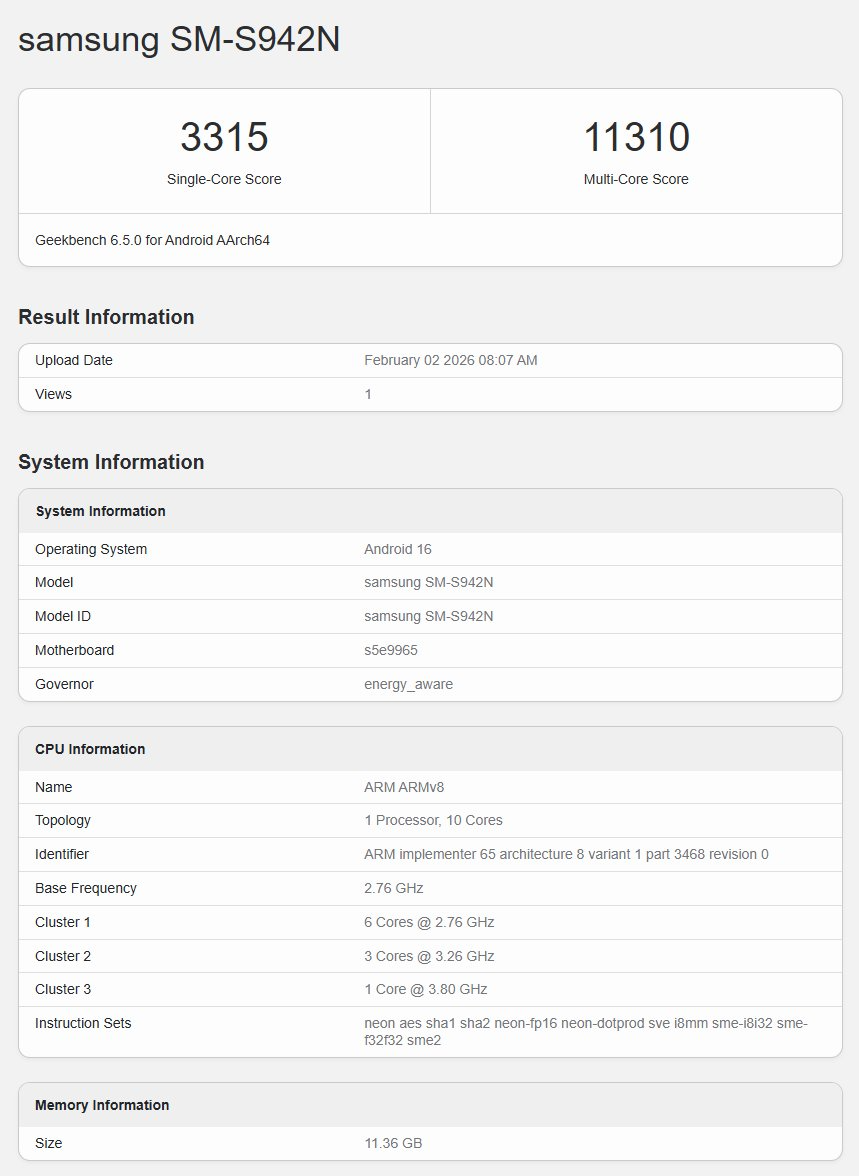
Samsung plans to equip the upcoming Galaxy S26 series with its new Exynos 2600 chipset, according to multiple reports from Korean media and industry sources. The company has already started mass production of the chip on its advanced 2nm Gate-All-Around (GAA) process. The move marks a major shift, with Samsung expected to use Exynos not just in base and Plus models, but possibly in the Galaxy S26 Ultra as well.

Exynos 2500
Exynos 2500

Galaxy S26 Ultra could run on Exynos 2600

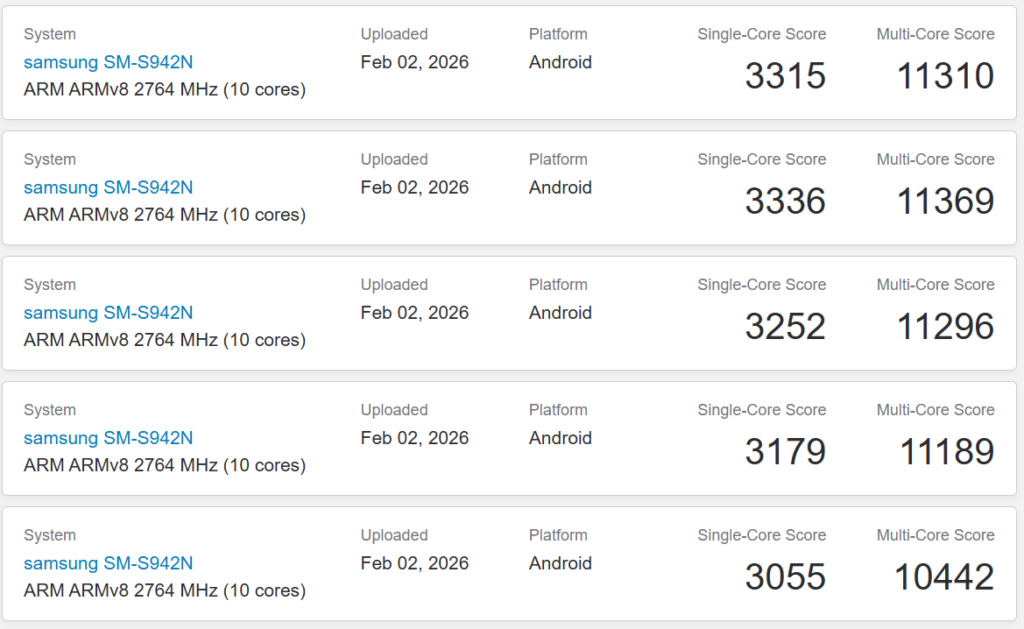
According to reports, the Exynos 2600 delivers six times higher AI performance than Apple’s A19 Pro, which powers the iPhone 17 Pro. It also provides a 75% improvement in GPU performance and a 14-15% gain in multi-core CPU performance compared to Apple’s chip. Against Qualcomm’s Snapdragon 8 Gen 5 Elite, the Exynos 2600 reportedly achieves 30% better AI and 29% better GPU performance.

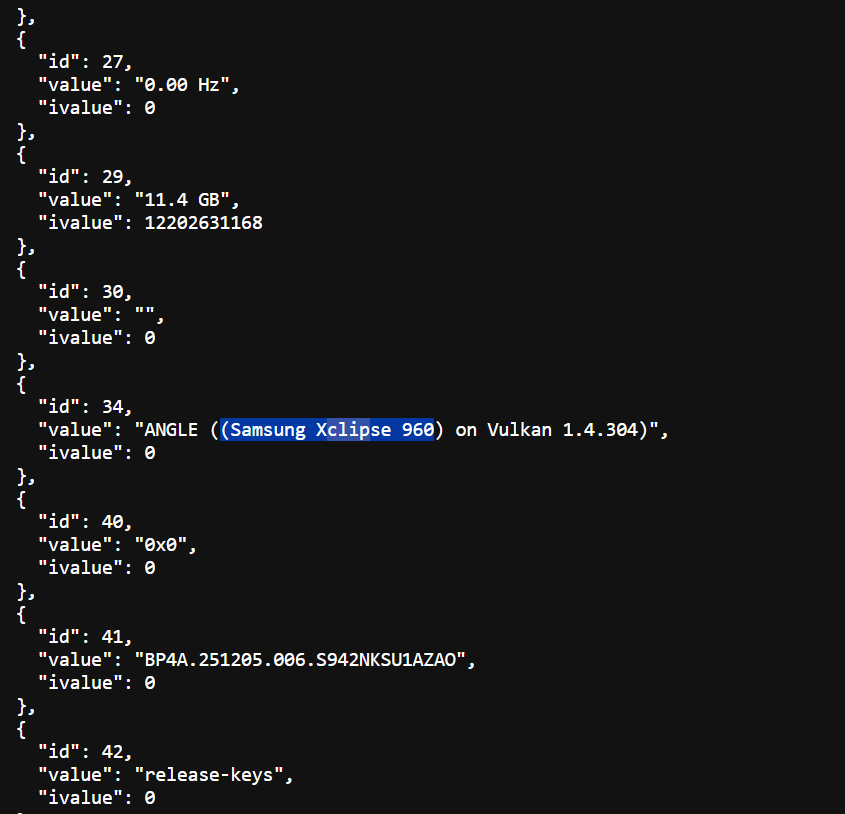
Samsung designed the chip with a 10-core CPU cluster, including a 3.80GHz high-performance core. It also decoupled the modem from the main SoC, allowing more space for computing components and improving power efficiency. The company has introduced Heat Pass Block (HPB) and Fan-Out Wafer Level Packaging (FOWLP) to address overheating and thermal performance.

Samsung traditionally uses Exynos chips in Galaxy phones sold in Korea and Europe, while markets like the US, Japan, and China receive Snapdragon variants. This strategy is expected to continue, but reports suggest that Samsung may use Exynos chips in all S26 variants in select regions, including the Ultra model, for the first time since the Galaxy S22 series.

The Exynos 2600 is a critical part of Samsung’s turnaround strategy. Strong performance gains and improved foundry yields could help the company recover losses in its semiconductor and System LSI businesses, which have been under pressure in recent years.

For more daily updates, please visit our News Section.

Stay ahead in tech! Join our Telegram community and sign up for our daily newsletter of top stories! 💡

(Source 1,2,3 / Via)

OnePlus Ace 6 full specs leak, to feature an 8MP ultrawide camera

OnePlus is preparing to launch its Ace 6 smartphone alongside the OnePlus 15 in China next week. But before the official reveal, a new leak on Weibo appears to have spoiled most of the surprises, including nearly every key spec of the upcoming device.

According to the post, the OnePlus Ace 6 will feature a 6.83-inch display with a 1.5K+ resolution and Dolby Vision support. The screen is said to offer a 165Hz refresh rate, albeit it could be based on LTPS technology. 

The leak also mentions “Pro XDR ultra-dynamic display” support, with HDR Vivid and HDR10+ certification. Speaking of HDR, the phone reportedly reaches up to 1,800 nits at its peak and has 2160Hz PWM dimming. 

Powering all of this will be Qualcomm’s Snapdragon 8 Elite chipset paired with LPDDR5X RAM and UFS 4.1 storage. The leak also mentions support for Fengchi Gaming Core 2.0. 

OnePlus Ace 6

This is a chip-level gaming technology developed by OnePlus to improve mobile gaming performance by optimizing the Android kernel for smoother gameplay, lower frame drops, and reduced heat. 

Powering all that is a 7,800mAh which can reportedly retain at least 80 percent capacity even after 2,000 charge cycles. That’s paired with 120W wired charging. 

For cameras, the phone could offer a 50MP main camera and an 8MP ultra-wide on rear. Other notable features include an ultrasonic in-display fingerprint sensor, IP65 water and dust resistance, super linear dual speakers, a bionic vibration motor, infrared remote, and a new cooling system to handle all that performance.

The OnePlus Ace 6 will reportedly come in silver, white, and black, with configurations up to 16GB of RAM and 1TB of storage.

For more daily updates, please visit our News Section.

Stay ahead in tech! Join our Telegram community and sign up for our daily newsletter of top stories.

(Source)

iQOO TWS 5 Earbuds Launches in Racing Yellow and Electric White with Up to 48-Hour Battery

iQOO has launched the iQOO TWS 5 earbuds in China. The new wireless earbuds focus on delivering clear sound, strong noise cancellation, and long battery life at an affordable price. These earbuds have debuted alongside the iQOO 15 smartphone, the Watch GT 2 and the Pad 5e tablet.

iQOO TWS 5

The earbuds use 11mm dynamic drivers powered by the BES2710Y sound platform and feature second-generation ceramic tungsten diaphragms. They support LDAC, AAC, SBC, and LC3 codecs, covering an audio range of 16Hz to 48kHz. The iQOO TWS 5 provides adaptive noise cancellation up to 60dB and 5500Hz wideband noise reduction. It also includes AI call noise reduction and dual transparency mode.

For smooth performance during gaming or video use, the earbuds offer a low latency of 42ms. They also support 360-degree spatial audio through a professional sound field engine that provides four spatial sound effect modes. Each earbud weighs 4.8 grams and includes a 56mAh battery that lasts up to 12 hours with ANC off or 6 hours with ANC on. The charging case weighs 42.5 grams, holds a 513mAh battery, and extends total playback up to 48 hours with ANC off or 24 hours with ANC on.

The iQOO TWS 5 supports Bluetooth 5.4 LE and has an IP54 rating for dust and splash resistance. The case measures 60×23.8×46 mm, while each earbud measures 22.05×23.6×30.27 mm. The earbuds come in Racing Yellow and Electric White colors, priced at 399 yuan (about $56). Sales begin on October 25 in China.

For more daily updates, please visit our News Section.

Stay ahead in tech! Join our Telegram community and sign up for our daily newsletter of top stories!

Why phones now come with multiple IP ratings?

Not long ago, a single IP rating was the norm for smartphones. It meant your phone could take a splash, survive in a dusty environment, and maybe even handle a quick dip in the pool. But lately, phone makers have started stacking multiple IP ratings on a single device.

why phones have multiple IP ratings 2025

The new Realme GT 8, for instance, flaunts IP66 + IP68 + IP69 water and dust resistance. The OPPO Find X9 proudly lists all three, too. It sounds impressive to have multiple ratings, but for normal users, this is more confusing than reassuring. 

Because if IP69 is the highest in the series, shouldn’t it already cover what IP66 and IP68 promise? So why bother listing all three? Let’s break down what’s actually happening here.

1. What IP ratings actually mean

Let’s start with the basics.
“IP” stands for Ingress Protection, an international standard that measures how well a device resists dust and water. The rating always comes in the format IPXY, where:

  • X is for dust protection (from 0 to 6)
  • Y is for water protection (from 0 to 9)

So, for example:

  • IP66 means dust-tight and protected against high-pressure water jets.
  • IP68 means dust-tight and protected against long immersion under water.
  • IP69 means dust-tight and protected against high-temperature, high-pressure water jets.

Each number represents a different kind of test, done in a different way.

That’s where things get interesting. The tests for IP66, IP68, and IP69 don’t overlap, they test different stress conditions. That’s why some modern phones list all three.

2. Why one rating doesn’t cover everything

Let’s say your phone has IP68 certification. That means it has survived being dunked in fresh water (not salt water), usually at 1.5 meters for 30 minutes. But IP68 doesn’t test for water jets, meaning it’s not guaranteed to withstand a shower of high-pressure water from all angles.

That’s where IP66 and IP69 come in.

  • IP66 tests the device’s ability to withstand powerful water jets (around 100 liters per minute).
  • IP69 takes it a step further, using hot water at 80°C and even higher pressure (80–100 bar).

So a phone might pass IP68 (immersion) but fail IP69 (pressure). Conversely, something could survive high-pressure jets but leak slowly when submerged. They’re different failure modes, and manufacturers want to prove protection on all fronts.

In short:

IP68 ≠ IP69. They test different things.

3. The rise of multi-IP-rated phones

A few years ago, most phones including flagships stuck to IP67 or IP68. That was enough for normal life like rain and spills. But in 2024 and 2025, we’ve seen more brands bragging about IP69 or having two or three ratings. So what changed?

Partly, it’s a mix of engineering maturity and marketing psychology.

Smartphone construction has improved a lot in recent years. Adhesives, gasket designs, and nano-coatings now make it easier to pass these extreme tests. On the marketing side, brands know that “IP69” sounds cool but not everyone knows what it means. So listing multiple ratings together creates the impression of total coverage.

4. Breaking down the tests doffer

Here’s a clearer breakdown of how these tests differ:

RatingDust ProtectionWater ProtectionReal-world meaning
IP54Limited protection against dust (not fully dust-tight)Protected from water splashes from any directionGood for light rain or sweat, not immersion
IP64Fully dust-tightProtected from splashing waterGreat for dusty areas, fine in drizzle
IP65Fully dust-tightProtected against low-pressure water jetsCan handle a short shower or light hose spray
IP66Fully dust-tightProtected against high-pressure water jetsCan resist stronger sprays — like a garden hose blast
IP67Fully dust-tightCan be immersed in up to 1 meter of water for 30 minutesSurvives accidental drops in sinks or puddles
IP68Fully dust-tightCan be immersed deeper than 1 meter, usually up to 1.5m for 30 minsCan handle pools or bathtubs (freshwater only)
IP69Fully dust-tightProtected against high-pressure, high-temperature water jets
Pressure washing, industrial cleaning

You can see why no single test can cover all scenarios. A phone could technically survive immersion but fail when hit by boiling water from a pressure gun. Real-world accidents don’t come with uniform conditions, so having multiple IP certifications is a more complete safety net.

5. But do we really need all three?

For most people, no. Unless you’re planning to pressure wash your phone (please don’t), IP68 alone is more than enough. You can take photos in the rain, spill coffee, or drop it in a bathtub, and it’ll likely survive.

The higher IP69 rating is more relevant for industrial devices, rugged phones, and military-grade equipment, where they might face high-pressure cleaning or extreme dust conditions. But since smartphone makers love one-upmanship, we’re now seeing mainstream phones borrow those ratings too.

For more daily updates, please visit our News Section.

Stay ahead in tech! Join our Telegram community and sign up for our daily newsletter of top stories! 💡

LG launches 136-inch Magnit Active Micro LED TV with 4K 144Hz display & 100W sound system

LG has launched the Magnit Active Micro LED TV, a 136-inch 4K display designed for luxury home cinema installations. The new model is now available in South Korea and will expand to key global markets including North America.

LG Magnit Active Micro LED TV

LG Magnit Active Micro LED TV Specs

The Magnit Active Micro LED TV features a 4K resolution of 3840 x 2160 pixels and a 144Hz refresh rate. LG uses Active Matrix Micro LED technology to give each pixel independent control. This approach enhances detail, contrast, and color accuracy by allowing every pixel to emit its own light rather than relying on traditional row-and-column control used in Passive Matrix systems.

The display achieves a contrast ratio of 1,000,000:1 and supports Dolby Vision. LG has applied a low-reflection surface treatment to improve black levels and minimize the effects of ambient lighting. The modular design aligns the Micro LED panels with high precision to reduce visual seams and create a unified screen.

The display runs on LG’s Alpha 9 AI Processor 6th Generation, which analyzes and adjusts scenes in real time to improve sharpness, reduce noise, and highlight facial and object details. LG has integrated a 4.2-channel speaker system that delivers 100W of output. The system supports enhanced Audio Return Channel (eARC) for lossless audio playback.

LG Magnit Active Micro LED TV

The TV supports LG’s webOS platform, which includes access to LG Channels, OTT apps, and LG Gallery+ for displaying art or themed content. The model is compatible with both AirPlay 2 and Miracast for screen sharing from iOS and Android devices.

LG received TÜV Rheinland’s Color Consistency Wide Viewing certification for the Magnit Active Micro LED, confirming consistent color performance at wide viewing angles. The product also meets residential safety and electromagnetic compatibility standards under FCC and British Standards Institution regulations.

The company plans to evolve the Magnit Active Micro LED into a scalable video wall solution for professional and commercial spaces.

In related TV news, Hisense has recently launched the 116U75QG and 100UX Mini LED TVs in the US, featuring Dolby Vision 2 support and a 165Hz refresh rate. Samsung has also opened pre-orders for its 115-inch Micro RGB Vision AI TV, with deliveries scheduled to begin in mid-December

For more daily updates, please visit our News Section.

Stay ahead in tech! Join our Telegram community and sign up for our daily newsletter of top stories! 💡