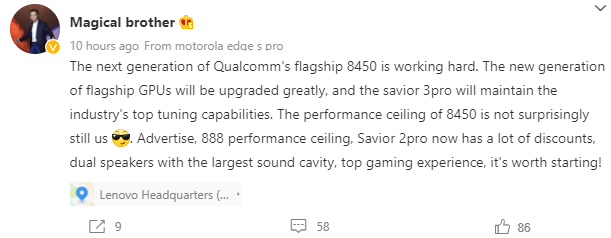
The General Manager of Lenovo China Mobile Division, Chen Jin, took to Weibo earlier today to talk about Qualcomm’s upcoming processor with part number SM8450. Multiple reports have revealed that it will launch as the Snapdragon 898.
The post mentioned that the chipset, which will power the Legion Phone 3 Pro, will bring a new flagship GPU with a significantly upgraded performance. He also claims that the flagship phone will feature industry-leading fine-tuned performance.
Mr. Jin also took the chance to market the Legion Phone 2 Pro. He stated that the Snapdragon 888-powered phone is now discounted and worth buying.
It is also worth noting that it appears Lenovo does not plan on launching another gaming phone this year even though its competitors are planning to or have already launched refreshed models powered by the Snapdragon 888 Plus processor.
The Snapdragon 898 should launch by the end of the year going by Qualcomm’s previous announcements. The chipset should be announced at the annual Qualcomm summit and if all goes well, we may even see the first smartphones powered by the processor get announced before the year ends.
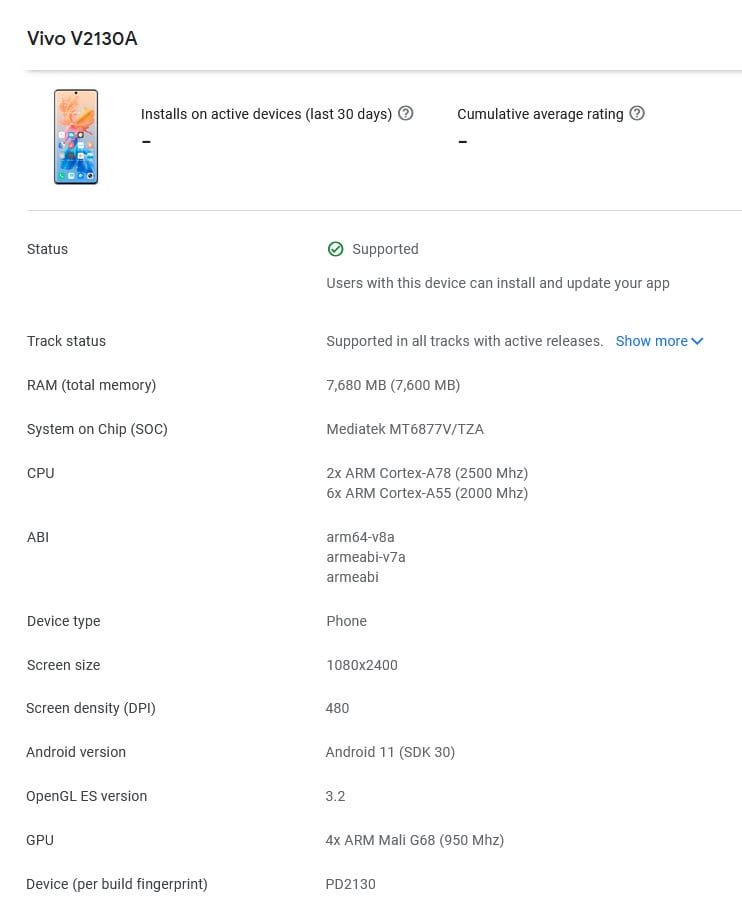
A Vivo smartphone powered by MediaTek Dimensity 900 processor has been spotted on the Google Play console, pointing to an imminent launch of the device. This is coming after the recent certification of the Vivo X70, which sources had predicted was to be the next smartphone offering by the company.
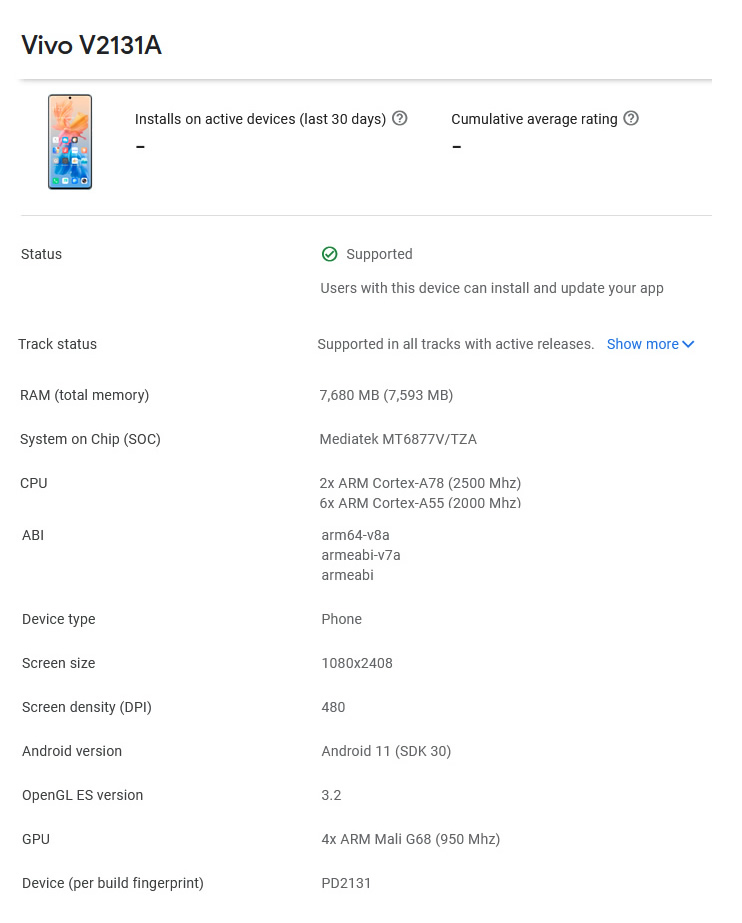
The model number of the device spotted on Google Play Console however indicates that the imminent model that could be released soon will be from the V21 series. It has a model number of V2130A, and together with the Dimensity 900 chipset, points to the direction of the V21 series.
Some specs details for the incoming Vivo smartphone include 8GB of RAM, Android 11 operating system from the box, full HD+ screen resolution, a conventional panel with a punch-hole screen. Going by the nature of the Dimensity 900 chipset, which is below Qualcomm Snapdragon 870, we expect the Vivo V21 upcoming smartphone to be a mid-ranger.
There is no official statement by Vivo yet at this time. A Google Play Console listing always indicates the imminent release of a device, although the fine details about the device name and other specifications could be absent. Subsequent information from the OEM and even leaks will possibly unmask the device listed on the Google Play Console.
For now, we have no information on the pricing, availability, and other specs of the Vivo smartphone with model number V2130A.
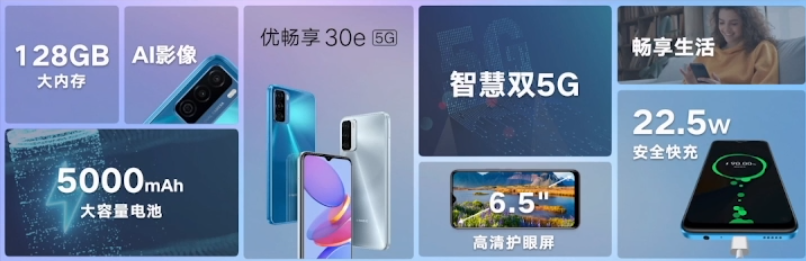
One of China’s three major carriers China Mobile earlier this year unveiled a new smartphone brand dubbed U-Magic. The telecoms giant has now launched a new 5G mobile phone under the series. The device is dubbed China Mobile U-Magic 30e 5G.
The U-Magic 30e 5G features a 6.5-inch high-definition display with a waterdrop notch at the top. The mobile phone is powered by a Qualcomm Snapdragon 480 5G chipset which we have seen on premium mid-rangers like the Redmi Note 10 JE, Maimang 10 SE 5G, Moto G Stylus 5G and others. The processor is an 8nm chipset with CPU consisting of two 2.0GHz A76 large cores + six 1.8GHz A55 small cores. It is also the first Qualcomm chip to support dual 5G and integrates the Adreno 619 GPU.
At the back, there is a dual camera setup consisting of a 13-megapixels main shooter and a 2-megapixel depth sensor. The device crams a massive 5000mAh battery and it has support for 22.5W fast charge. The U-Magic 3e 5G runs on a deeply customized version of Android 11 which is said to be similar to Huawei’s EMUI OS.
The phone will be available in three color options: Moonlight Silver, Magic Sea Blue, and Elegant Black. In terms of the price, the U-Magic 3e 5G will retail for 1599 yuan (~$247). The device is presently on pre-sale while the first sale will kick-off on September 1 in China via major China Telecom business halls, authorized retailers and authorized e-commerce platforms. A MediaTek-powered version is also expected to be launched in due course.
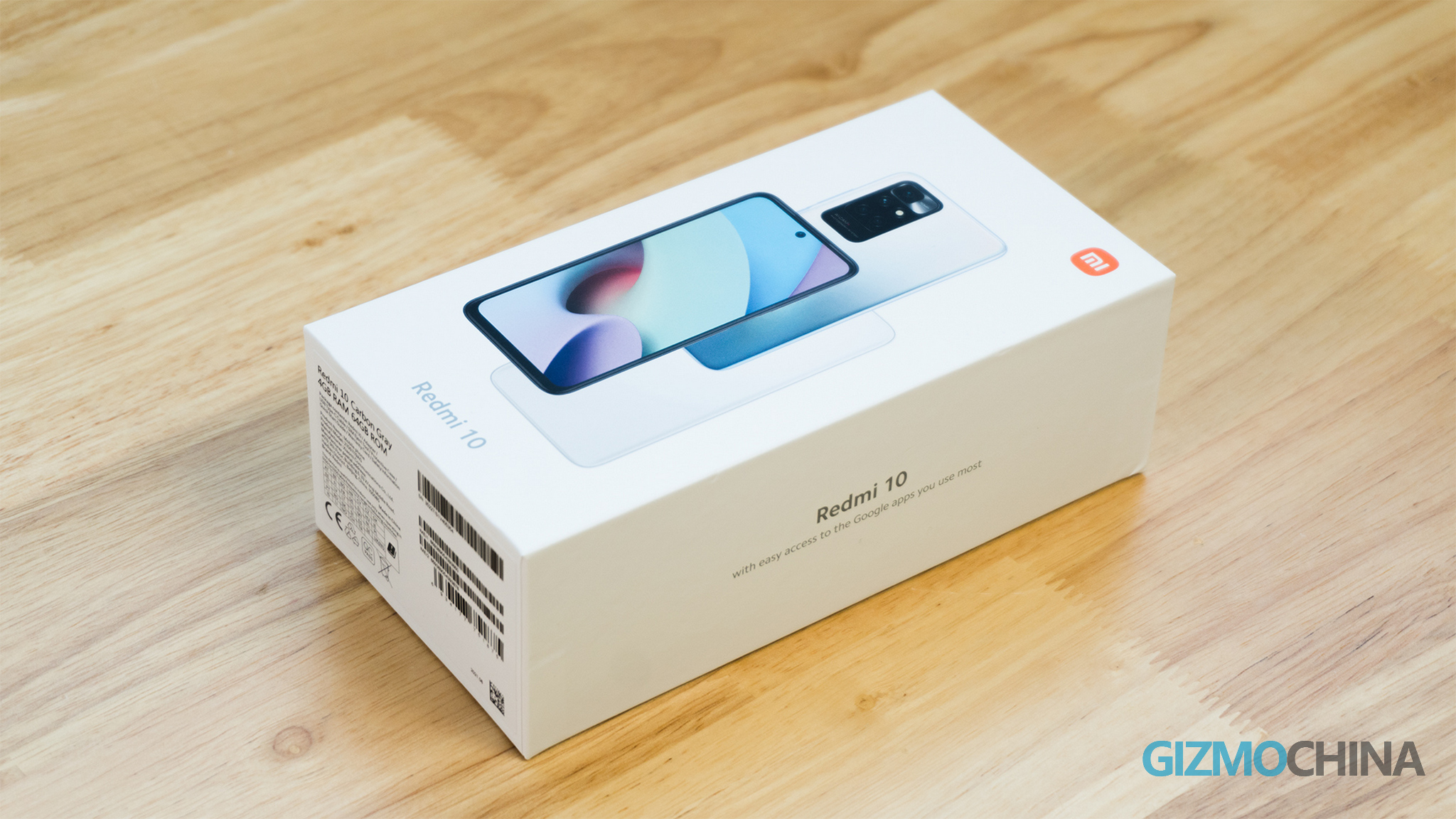
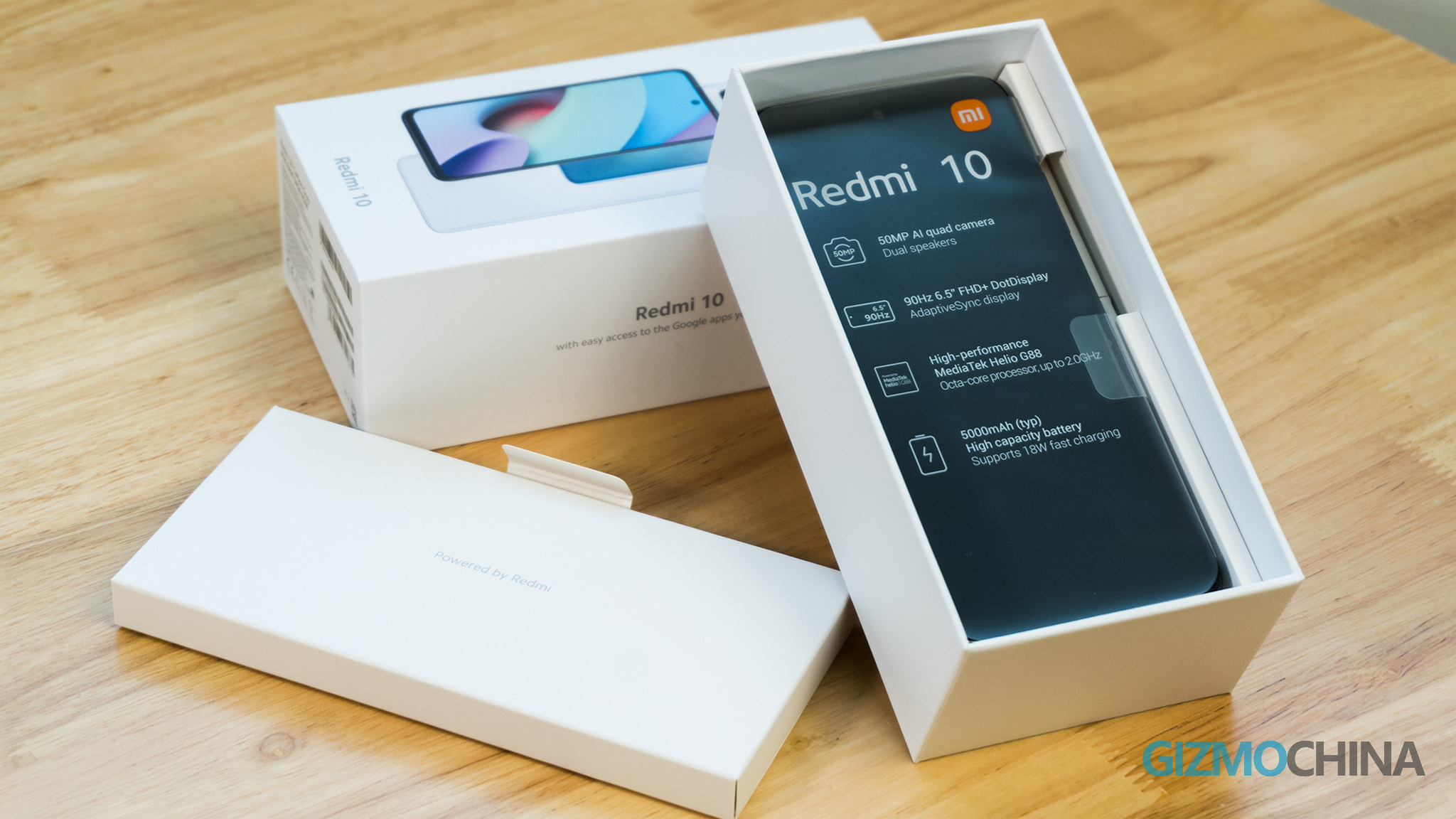
Redmi 10 got a silent launch earlier this month, with Malaysia being the first market to get the device. However, this budget device will be launched in more markets in the coming weeks, including India (confirmed as Redmi 10 Prime). And those who can’t wait to get their hands on this device, you can already buy the Redmi 10 as low as $149 from Aliexpress.
Redmi 10 Hands-on
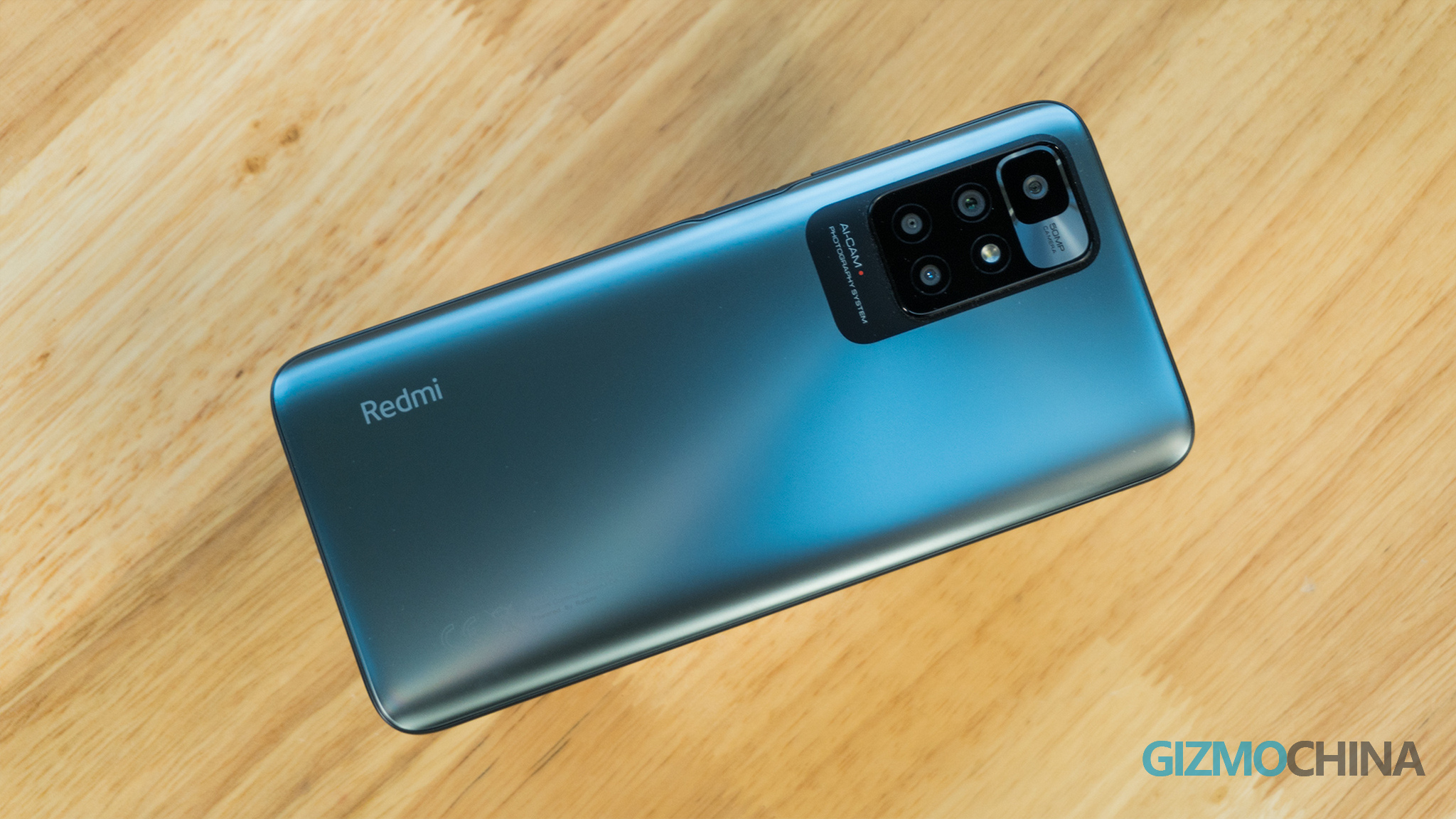
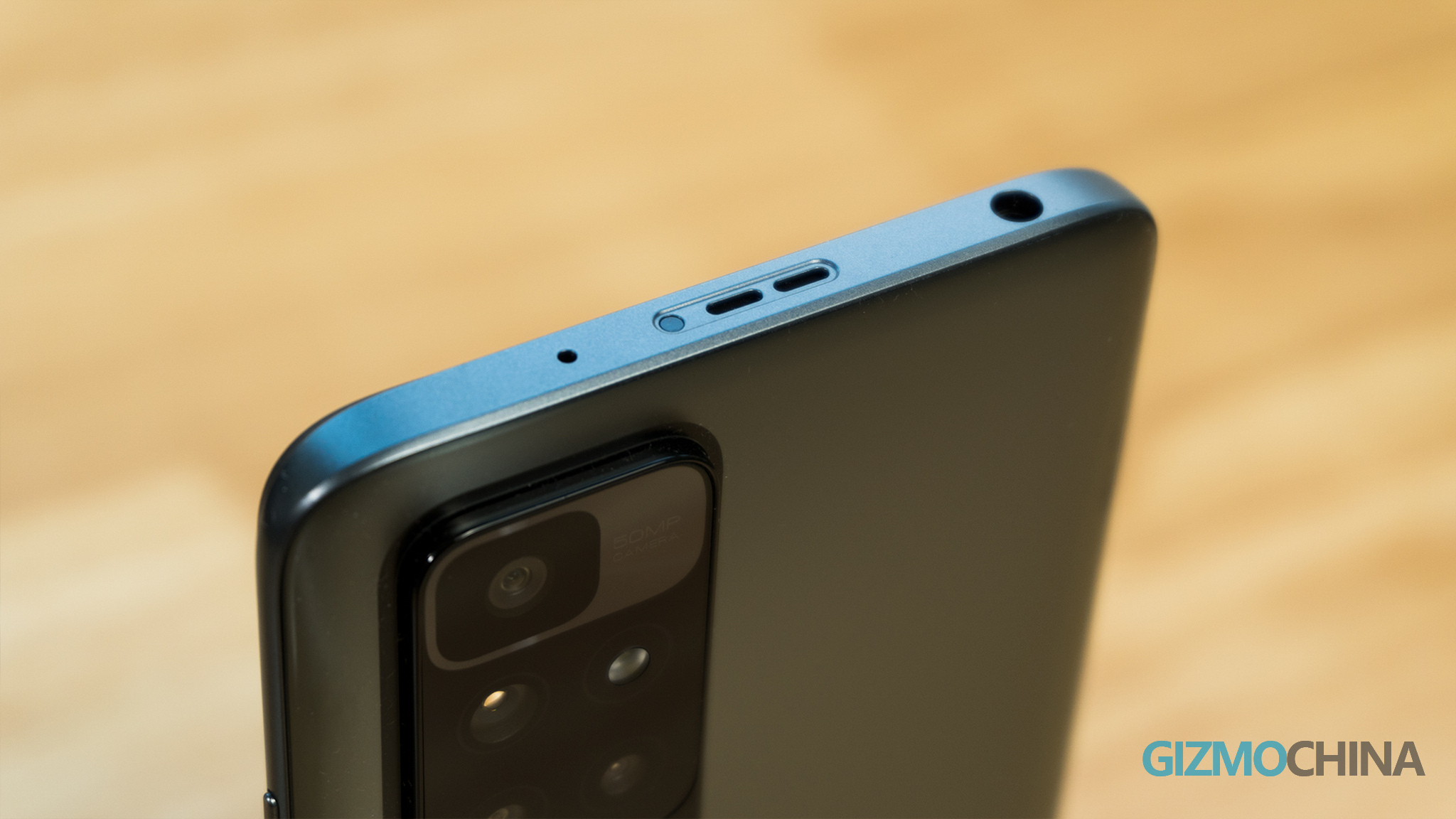
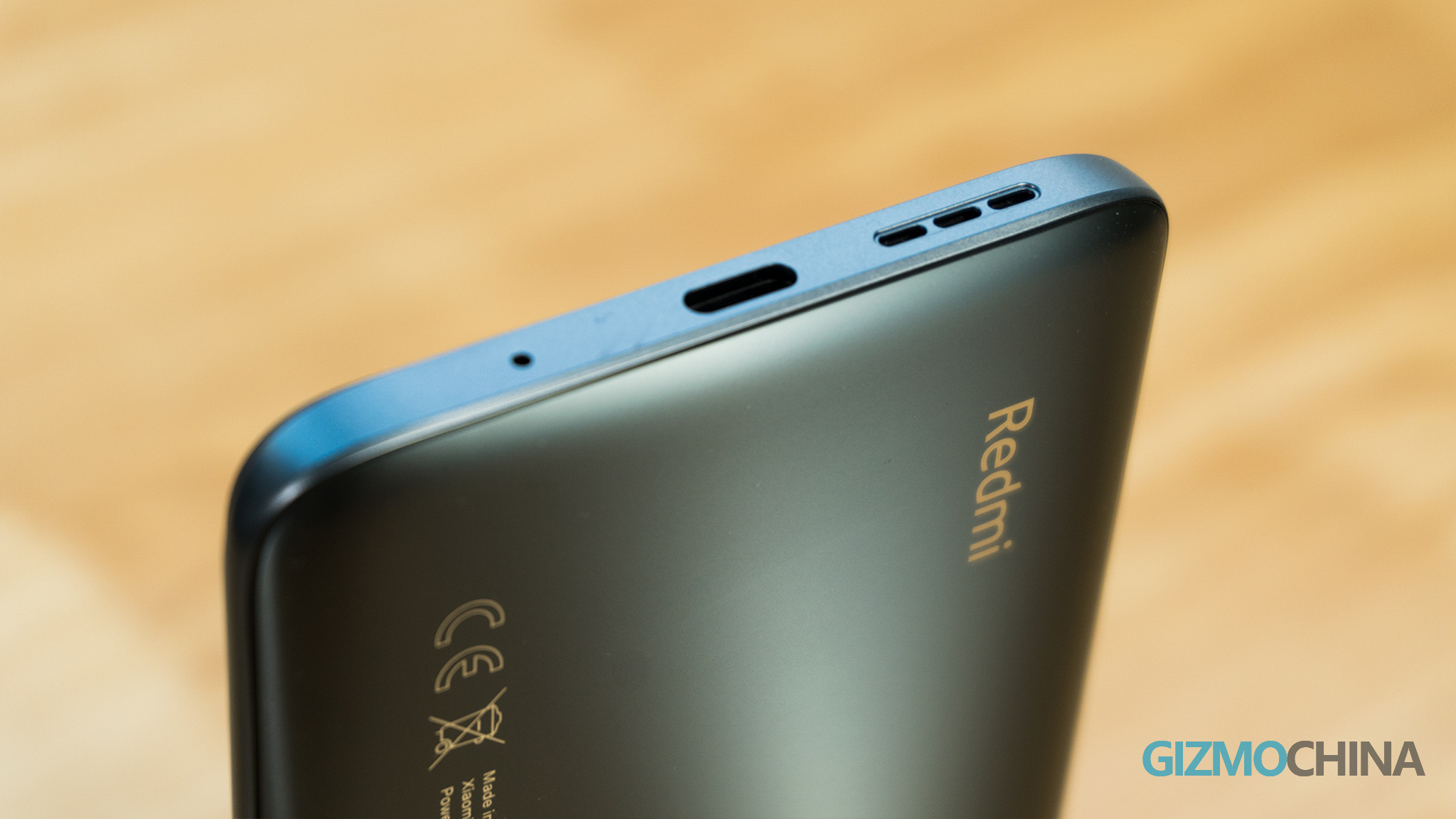
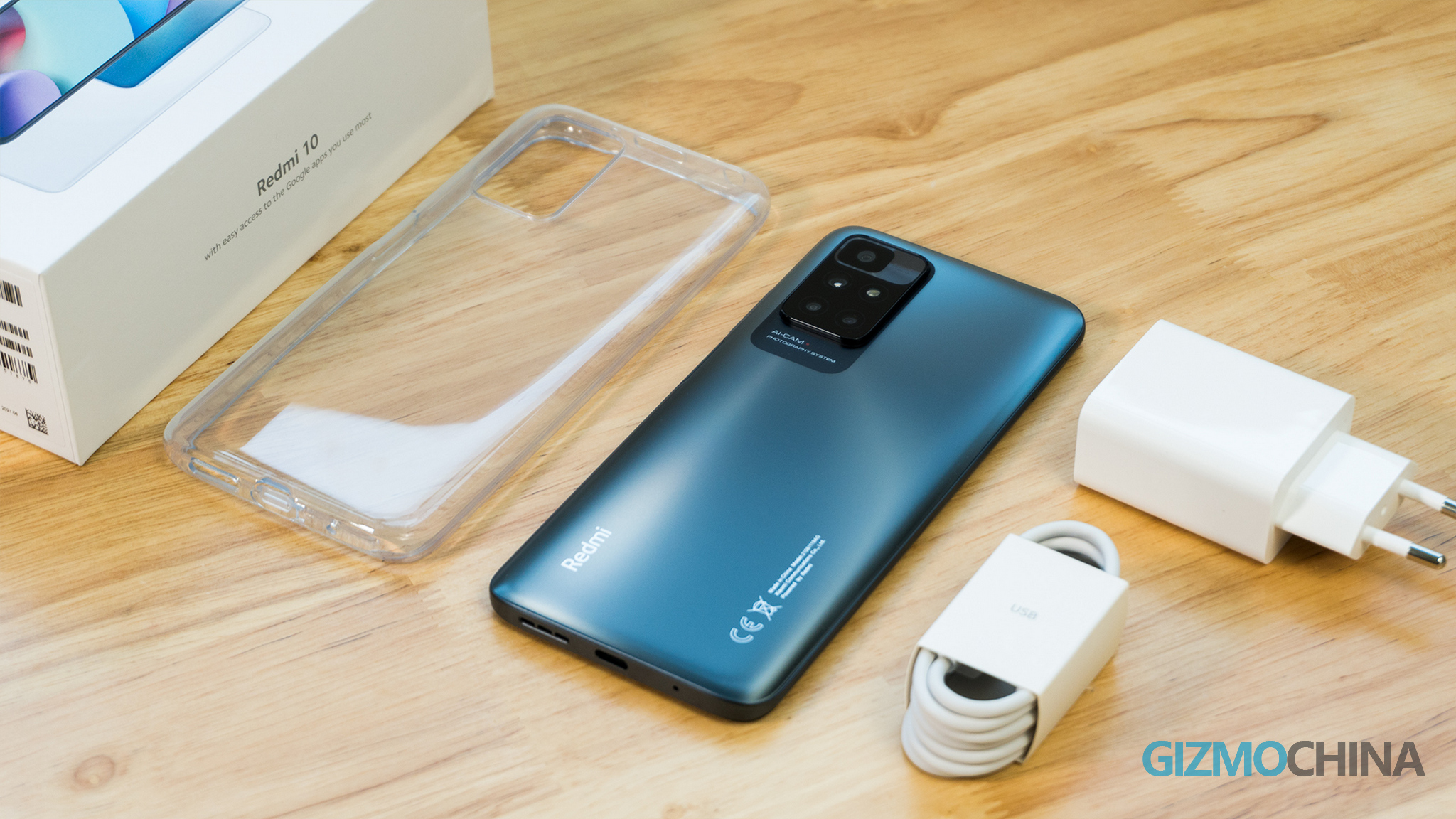
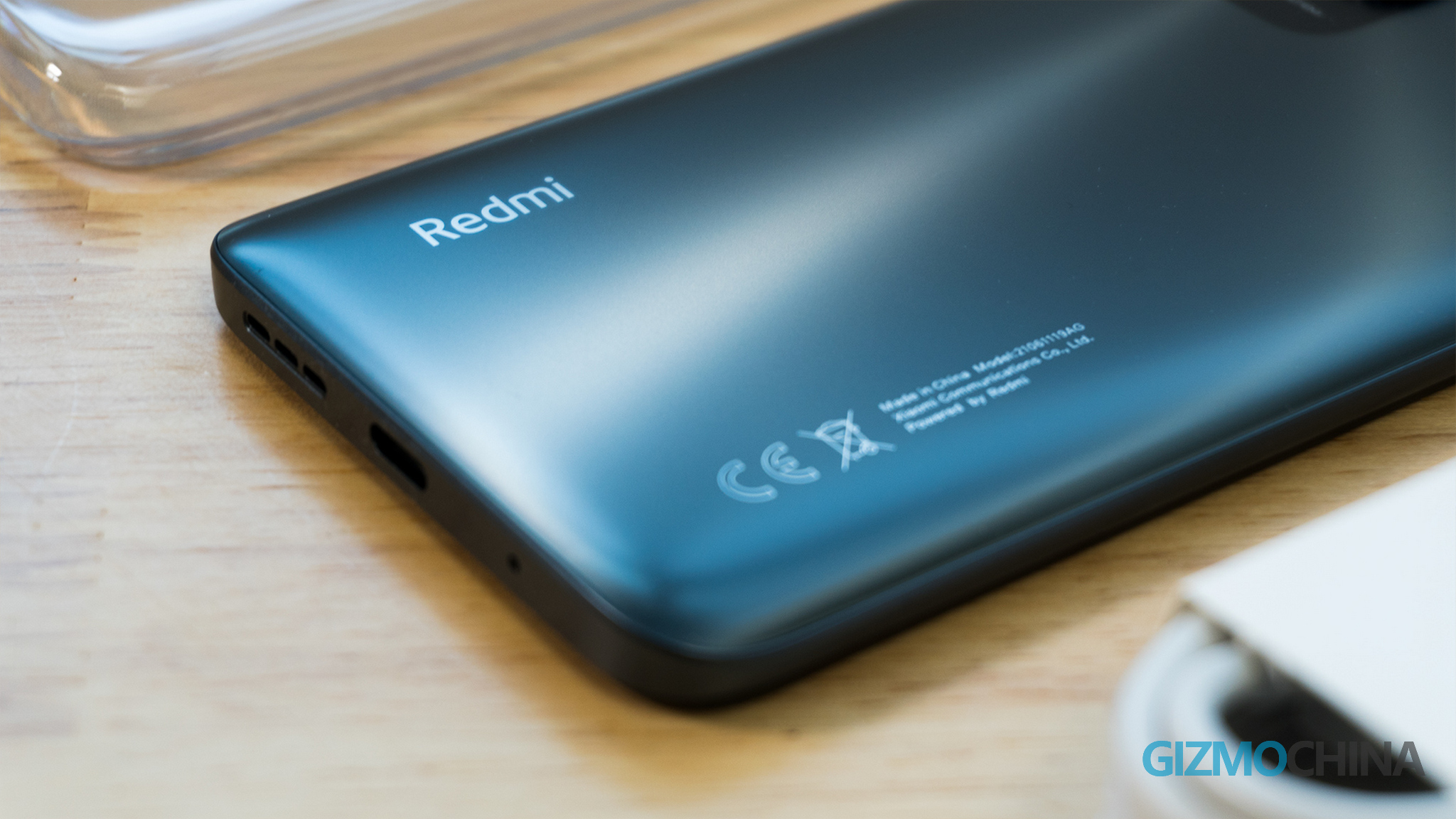
The Redmi 10 unit we’ve got is the Carbon Gray color variant. But the phone is available in two more colors, Pebble White and Sea Blue. The gray color looks very premium for a phone in this price range and is a safe bet for those who don’t know which color to choose. However, we feel the gradient Sea Blue shade will also be an interesting option for the Redmi 10, especially for those who want to stand out.
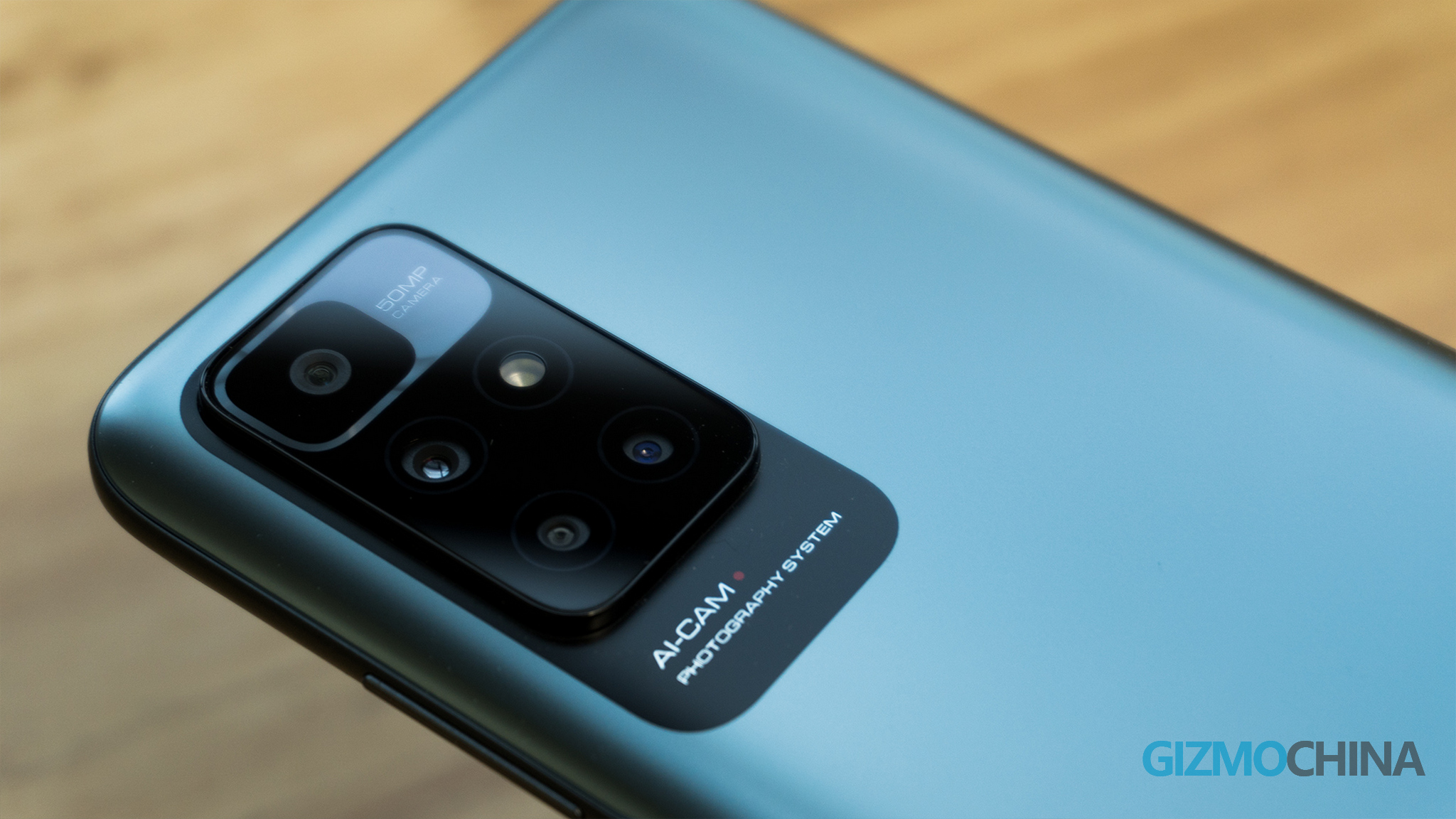
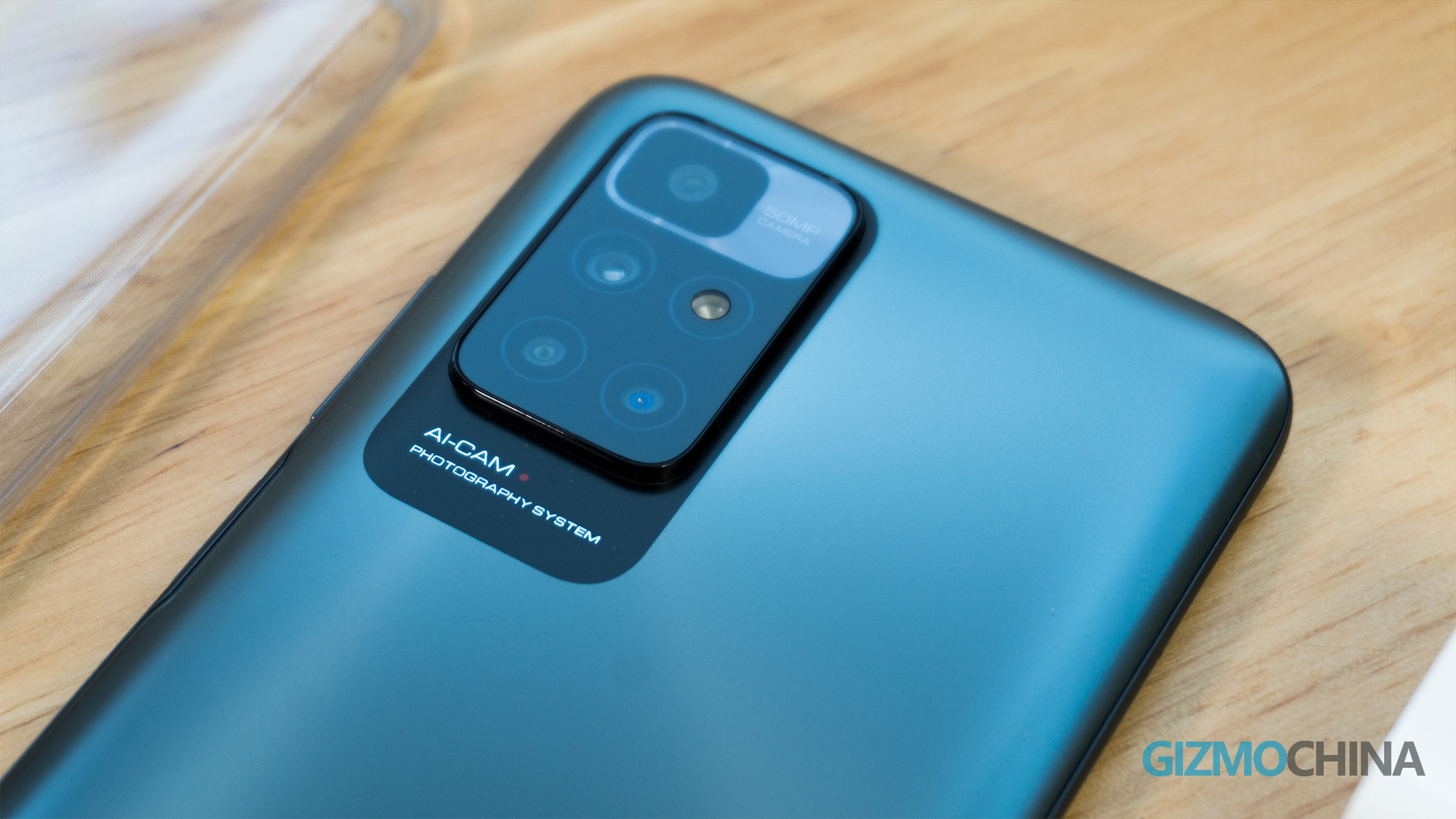
The Redmi 10 comes with solid upgrades in the design department, including a new camera module design inspired by its much more expensive siblings. Despite its plastic body, the phone doesn’t feel cheap and looks way more premium than a $150 smartphone. However, in time, the back has a tendency to attract fingerprint smudges.
It weighs 181 grams and is under 9mm in thickness. So it’s pretty easy to hold and carry around, which is a big plus considering it has a 5000mAh battery inside.
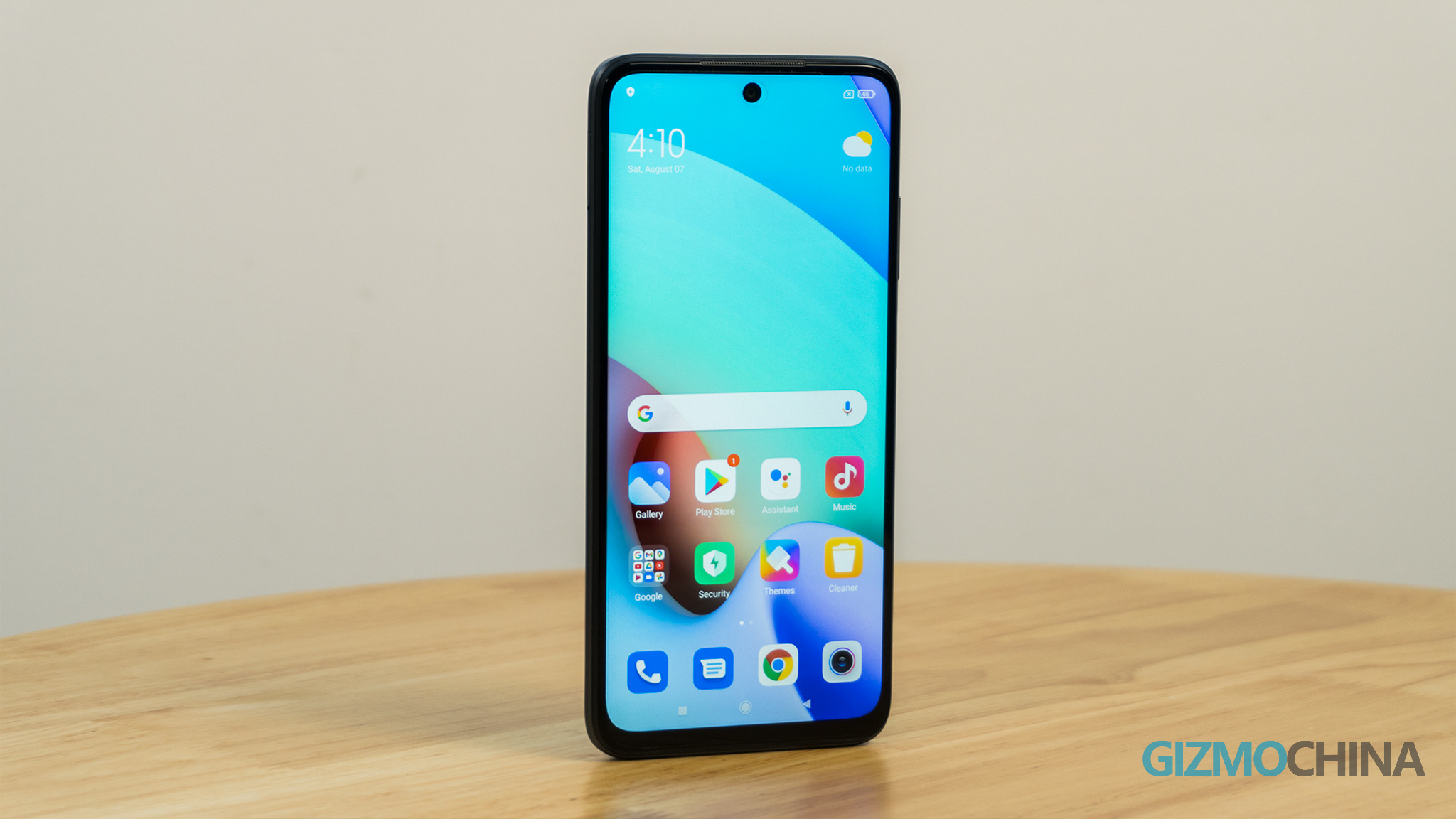
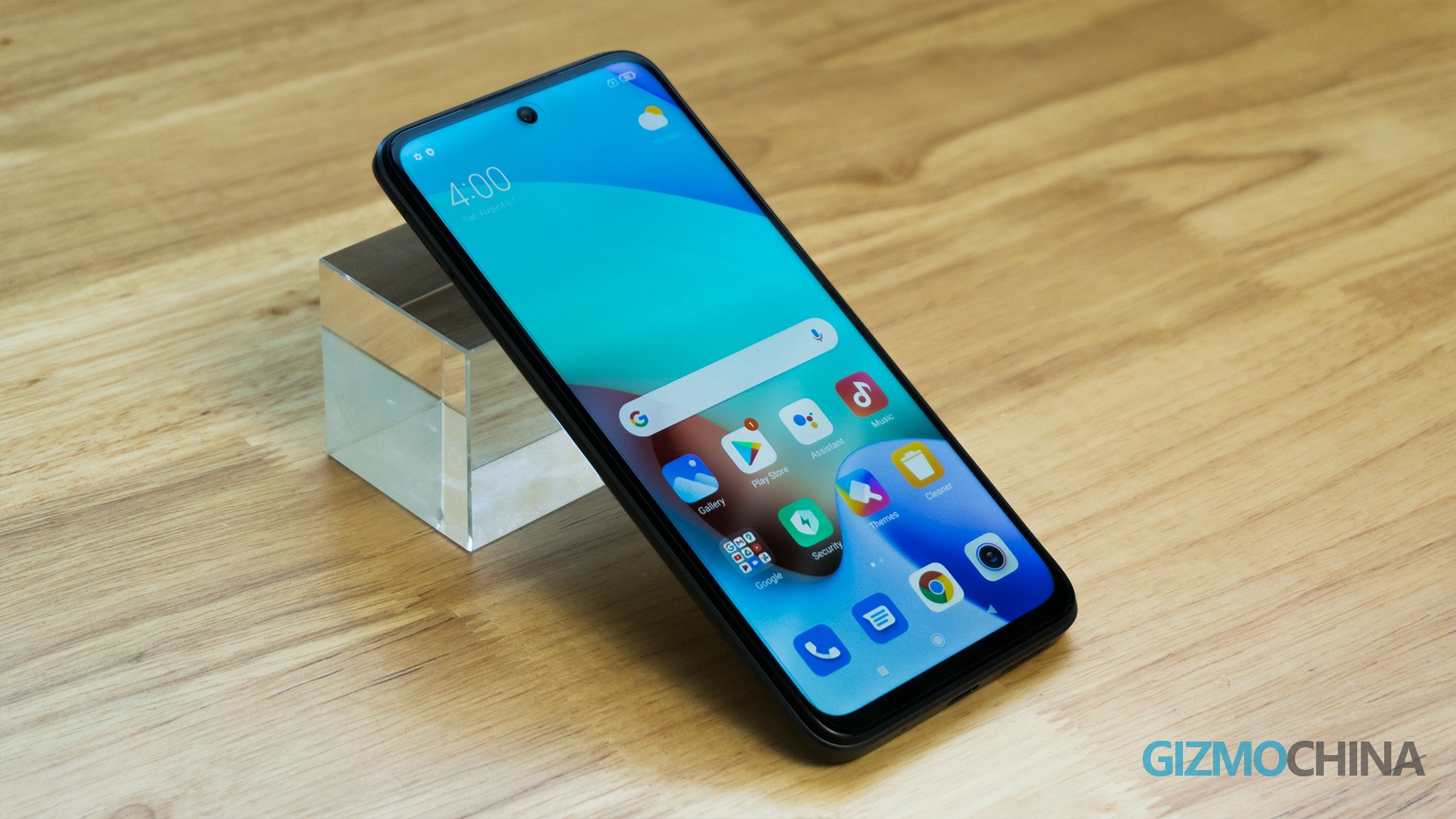
The Redmi 10 comes with a 6.5-inch 2400 x 1080 LCD panel with AdaptiveSync refresh rate (45Hz, 60Hz, 90Hz), and a centered punch-hole. Yes, this budget device gets a high refresh rate display panel that supports both Reading mode 3.0 and Sunlight display.
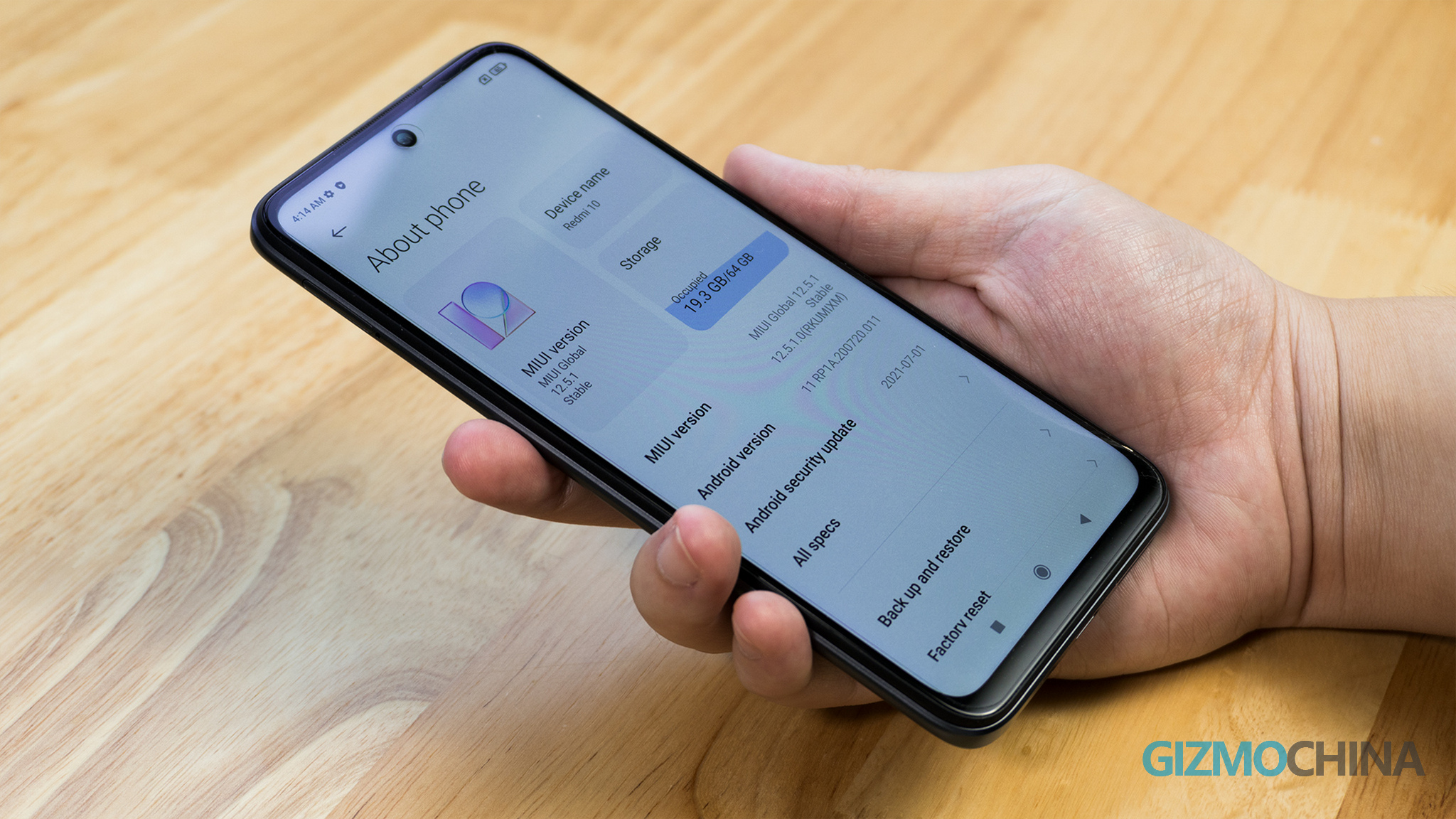
The new Redmi budget device is powered by the MediaTek Helio G88 chip with up to 6GB RAM and 128GB internal storage. It runs MIUI 12.5.1 based on Android 11.
At the back, the phone features a large 50MP primary camera along with an 8MP ultra-wide, a 2MP macro shooter, and a 2MP depth sensor. Honestly, the last two sensors are pretty much useless, but we were quite impressed with the 50MP sensor. While the preview often comes out grainy, when you check the gallery, you’ll see that the samples retain a lot of good details and colors.
We’ll talk about the camera in detail in our Redmi 10 review.
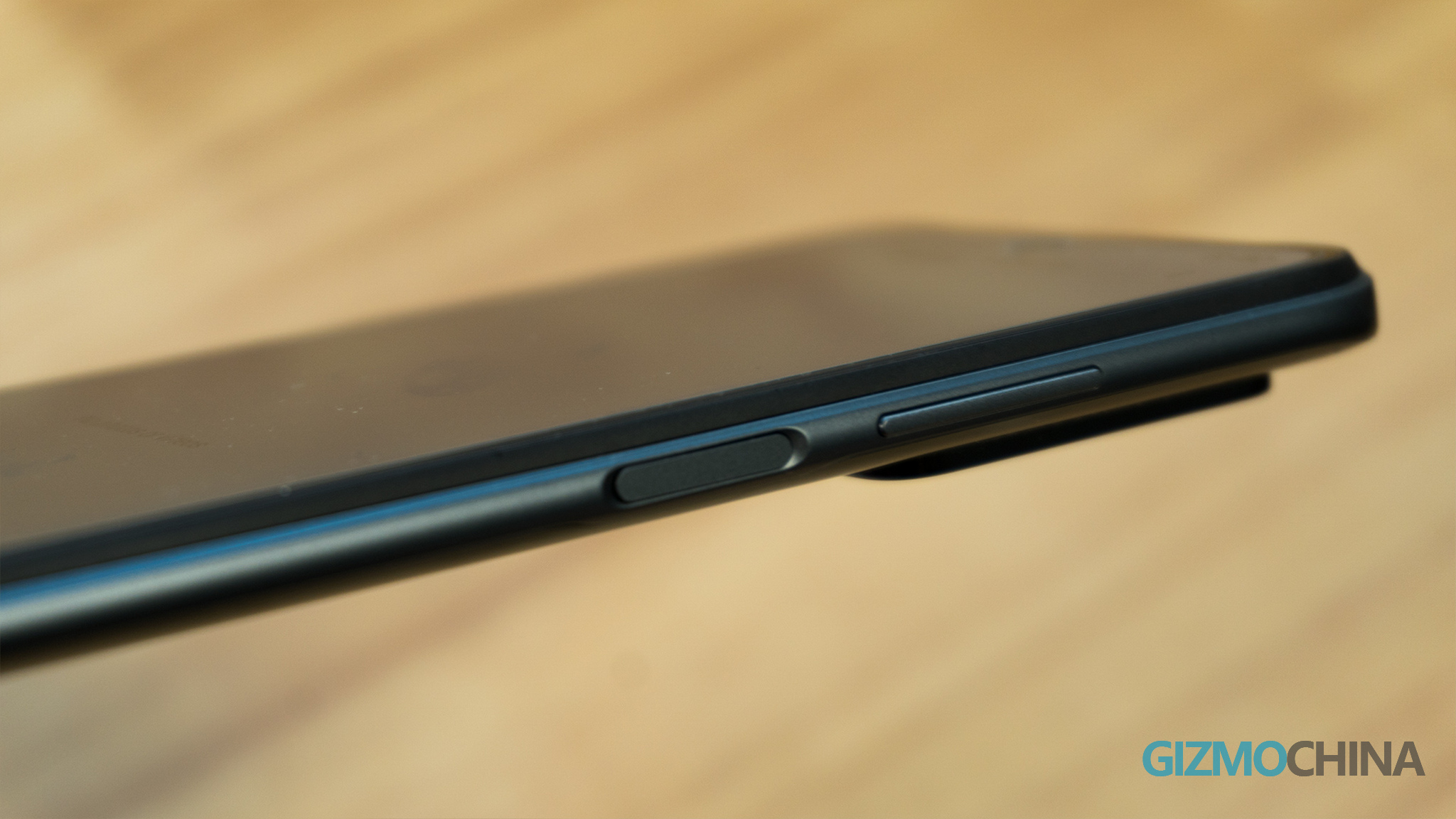
On the connectivity front, the Redmi 10 is well loaded, featuring dual stereo speakers, a dedicated 3.5mm headphone jack, side fingerprint sensor, MicroSD card support, IR Blaster, and a USB-C port.
The phone features a large 5000mAh capacity battery inside with 18W charging. The company provides a 22.5W charger inside, so you can charge other devices at a faster rate but on the Redmi 10, it’ll be capped at 18W.
Redmi
So this was our first impression of the Redmi 10. The phone looks well loaded for a $150 device.
What are your thoughts?
If you have any questions, let us know in the comments down below. We’ll try to address them in our review.
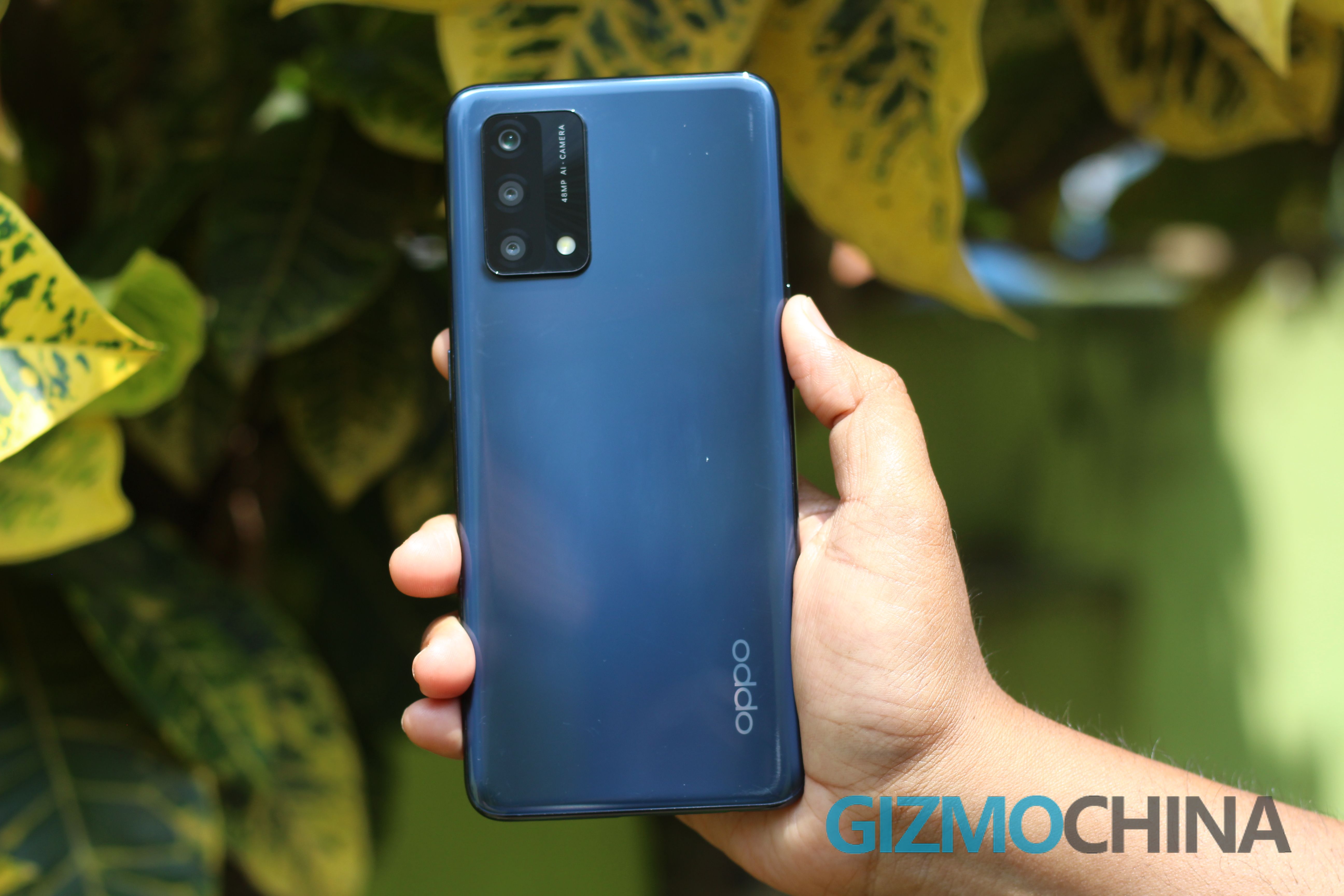
OPPO currently sells smartphones under five series, namely A, F, K, Reno, and Find. According to a tipster, the brand’s total lineup may increase to six soon. This is said to happen with the re-introduction of the OPPO N series.
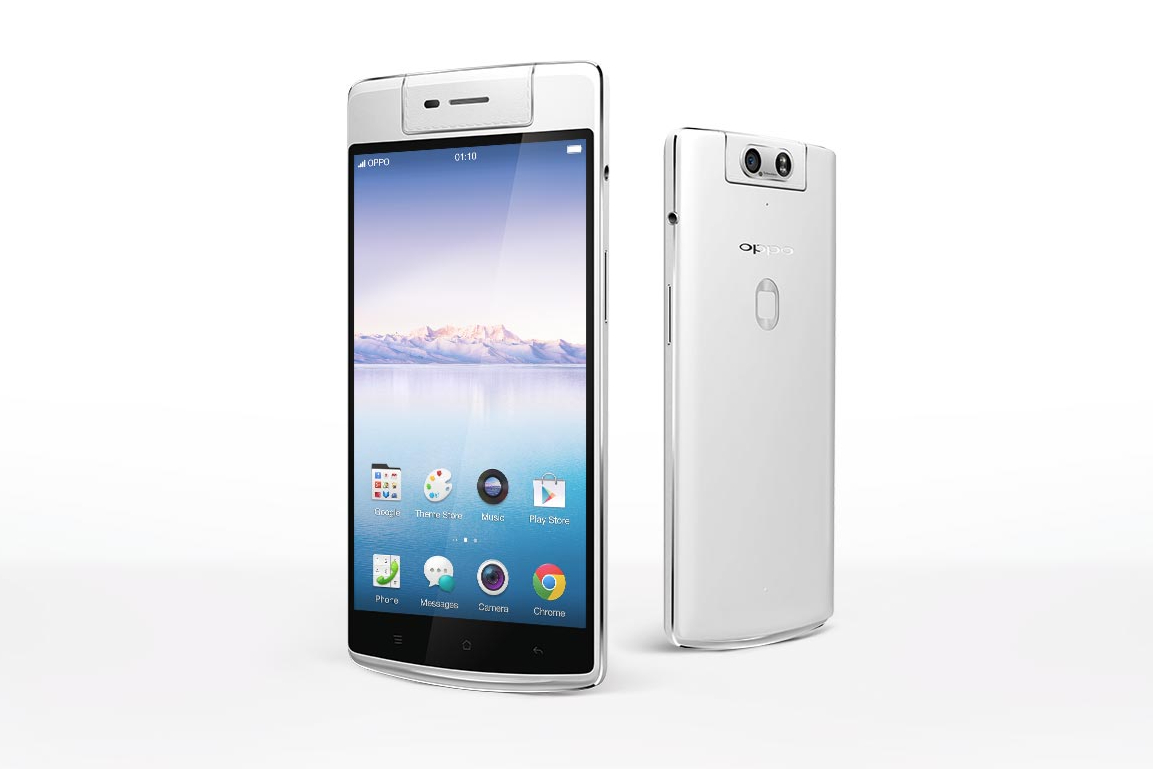
OPPO N3
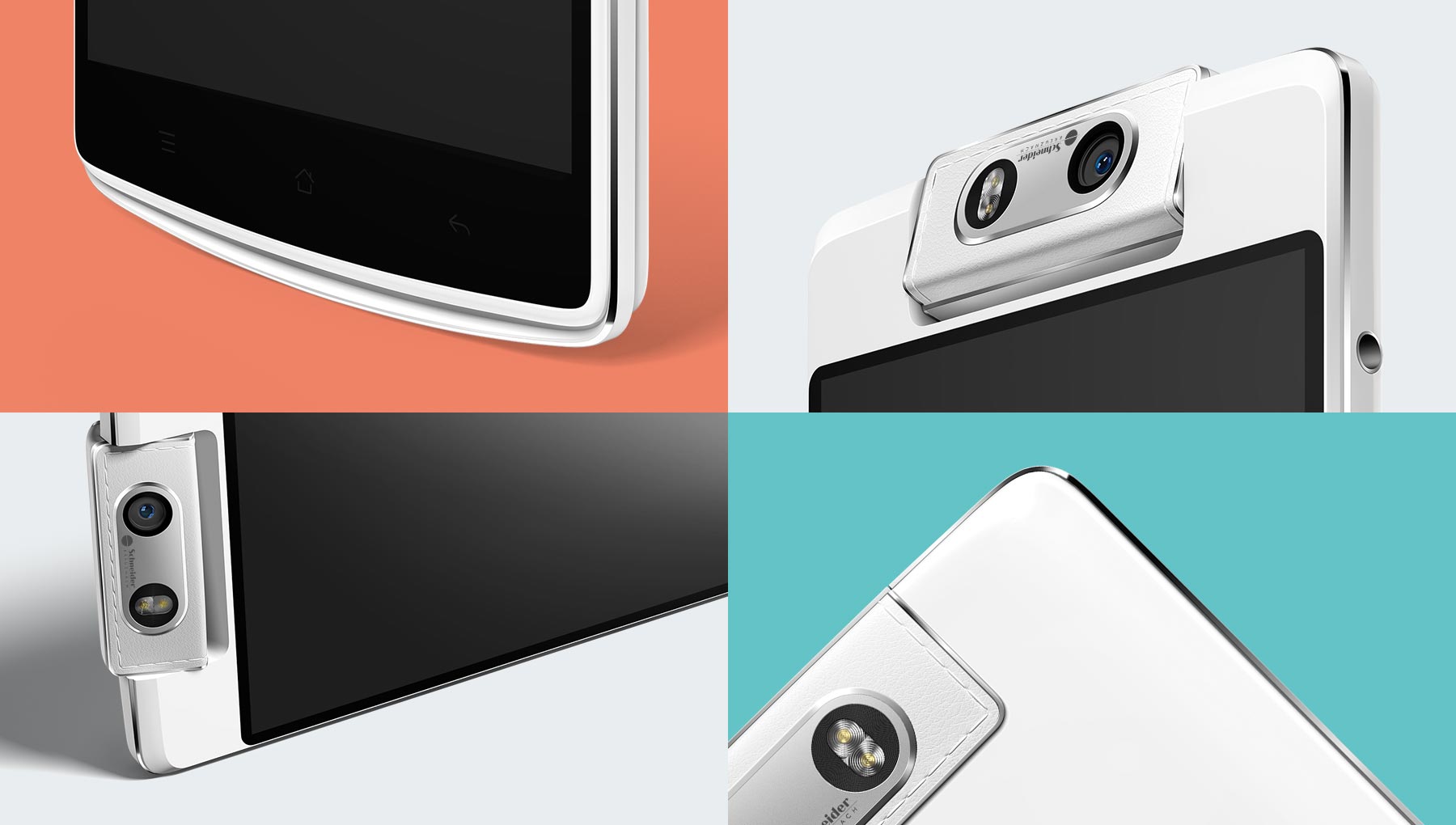
OPPO launched only three devices under the OPPO N series. These were OPPO N1, OPPO N1 mini, and OPPO N3. All three phones had a unique rotating camera module, which enabled users to click high-quality selfies from the primary rear camera.
The camera modules on the first two OPPO N handsets had to be rotated manually. On the other hand, the third device had a motorized rotating camera module.
OPPO stopped releasing new phones under the N series after OPPO N3. In fact, the company dropped the rotating camera module design altogether.
OPPO N3
Right now, the trend is under-display cameras. Hence, if the leaker is right and OPPO indeed brings back the OPPO N series from the dead, then there’s a chance that these phones may feature an in-screen camera.
As per Digital Chat Station, a reliable tipster from China, this lineup may cost around ¥4,000 ($618). In other words, the alleged new OPPO N series will sit between the OPPO Find and OPPO Reno series.
OPPO is yet to issue a statement regarding the OPPO N series. Until then, we cannot say for sure if the lineup will return.
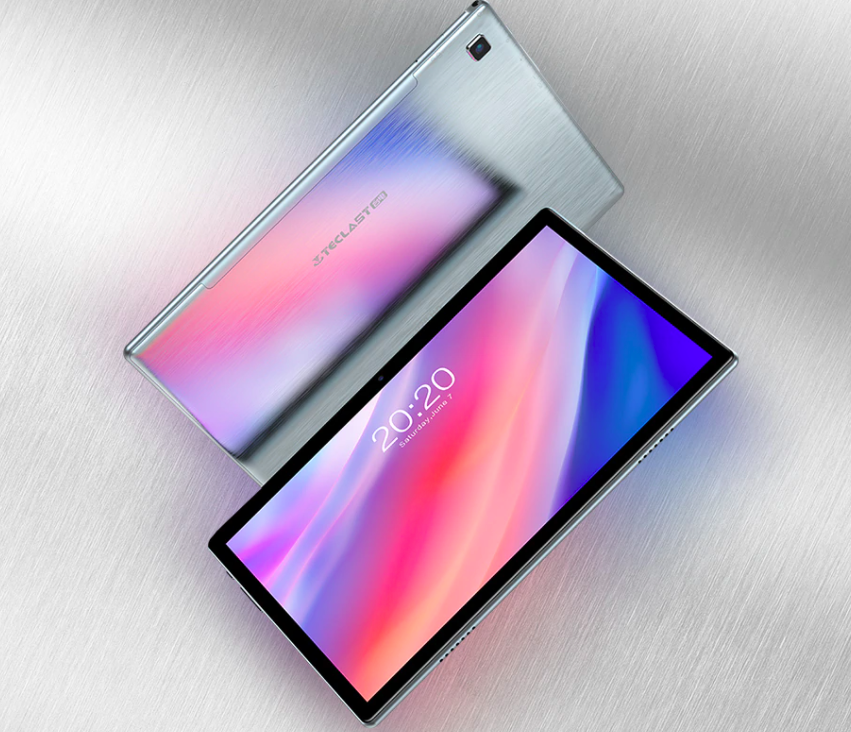
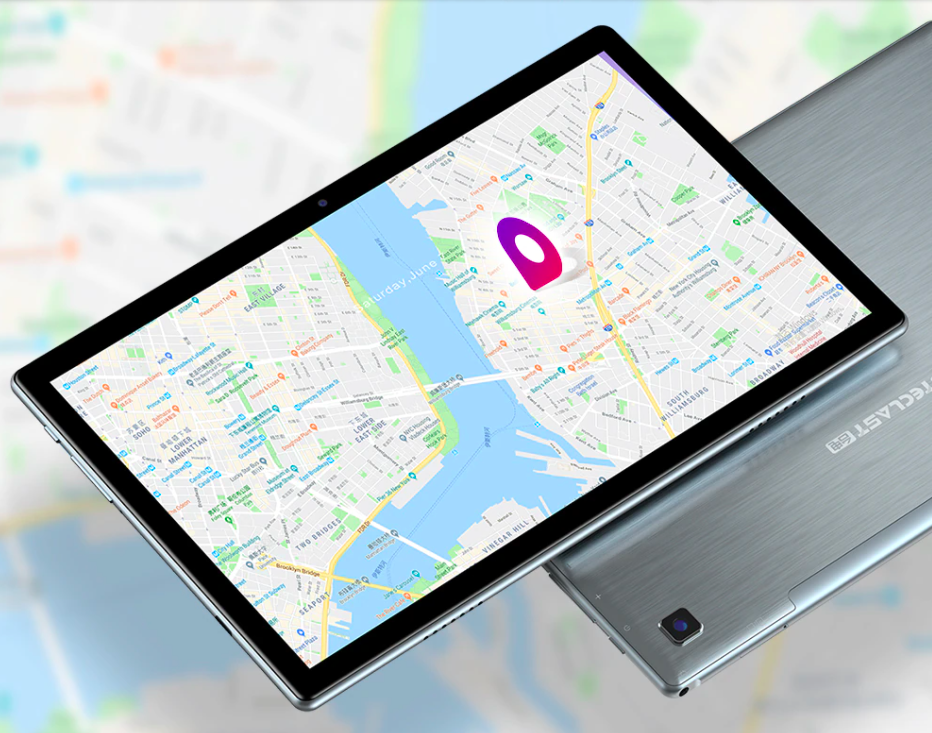
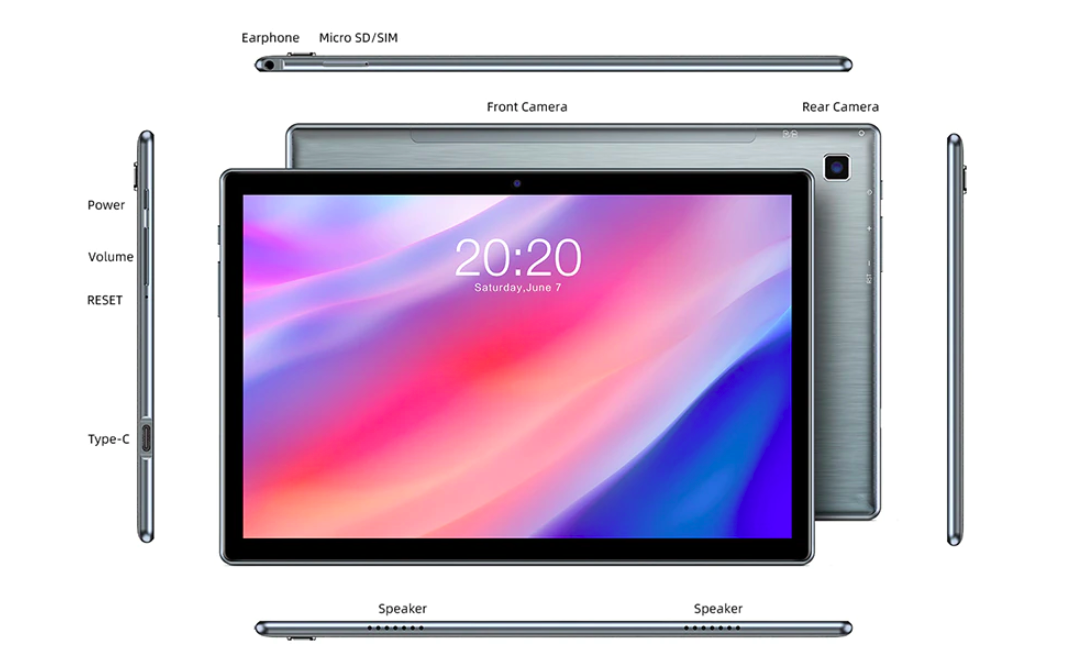
Teclast P20HD Tablet which generally retails for $180 is now available at a discounted price of $143.15 only at AliExpress EOS Sale. Please note that the price is region-specific and may go as low as $129.82 in some regions. This super deal ends on 27 August, 11.59 PM PT.
Generally retailing for $180, you can now buy Teclast P20HD Tablet at a discounted price of $143.15 only at AliExpress. This price is applicable to the EU plug variant ordered from the China warehouse. The final price may be lower or higher depending on the shipping region and warehouse. This deal ends on 27 August. So place your order asap.
For more information on such exciting deals and offers check out ourdeals hub.
* Please Note: When you buy something using the links in our articles, we may earn a small commission at no cost to you.
The Xiaomi brand has been a huge success story since it began as a business concern. The Chinese company seems to have arisen from the shadows of Huawei in the wake of its problems with the US government. Xiaomi has now become the leading global smartphone brand, even with minimal presence in some major markets. The rise of the company within the past year has been meteoric, driven by strong sales of its array of product ranges between mid-range and flagship offerings.
Xiaomi is also known to have several product offerings apart from smartphones, all underscored by its innovative design policy, affordability, and bespoke products for specific markets and demographic segments. Xiaomi sells products from the lifestyle, smart home, computing, and mobility categories. Its array of products include laptops, televisions, refrigerators, smartwatches, scooters, robots, and much more.
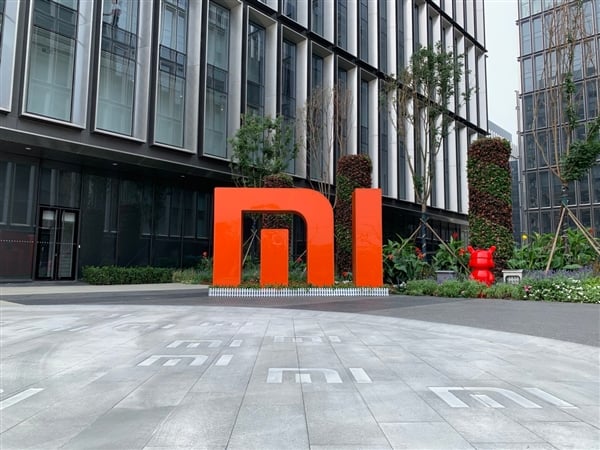
The Chinese company had used the moniker Mi to preface some of its products for about 10 years. However, a new branding campaign will see Xiaomi dropping “Mi” from its product names going forward, according to a report by XDA Developers. The change has already begun with the Xiaomi Mix 4 released just weeks back, and there is some in-house confirmation that this would be the case for subsequent products.
Since 2011 when Xiaomi unveiled its first-ever smartphone the Mi 1, it has blossomed tremendously. It was among the first Xiaomi products that started using the Mi moniker, although Xiaomi’s pioneer user interface MIUI was the very first to bear the name. The Mi 1 was a flagship offering at the time, and thus birthed the company’s tradition of delivering cutting-edge, innovative products on the high-end of the spectrum.
A Spokesperson has provided an official statement affirming this new development. The statement reads;
“Starting in 2021 Q3, Xiaomi’s product series “Mi” will be renamed to “Xiaomi”. This change will unify our global brand presence and close the perception gap between the brand and its products. This change may take some time to take effect in all regions.
With the introduction of the new brand identity, two distinct product series will sit beneath the parent brand. Xiaomi products represent the pinnacle of technology and offer a premium experience. Redmi products bring big innovation at a more accessible price point and are aimed at younger audience. This differentiation is also reflected in our updated logos, with both the Xiaomi and Redmi logotypes under the parent brand logo.
The product series naming convention — Xiaomi and Redmi — will also be applied to our ecosystem and IoT products over time.”
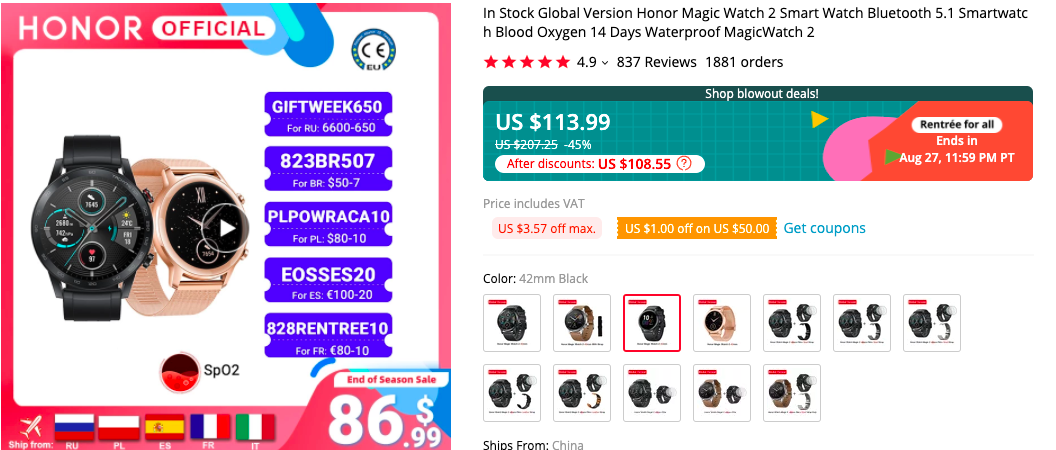
Honor Magic Watch 2 (42mm) which generally retails for $200 is now available at a heavily discounted price of $108.55 only at AliExpress. Please note that the price is region-specific and may go as low as $86.99 in some regions. This deal ends on 27 August, 11:59 PM PT.
5ATM water-resistant: Can wear in the pool or bath
Color: Black
Generally retailing for $200, you can now buy Honor Magic Watch 2 (42mm) for a discounted price of $108.55 only at AliExpress EOS Sale. Please note that this deal ends on 27 August. So place your order asap.
For more information on such exciting deals and offers check out ourdeals hub.
* Please Note: When you buy something using the links in our articles, we may earn a small commission at no cost to you.
Baseus S1 ANC Earbuds which generally retails for $60 is now available for as low as $47.19 only at AliExpress. This super deal ends on 27 August, 11:59 PM PT.
5 hours playback time on a single charge and 24 hours with the case
Charging time: 1.5 hours
Charging Interface: Type C
Sensitive touch control
Ergonomic and comfortable in-ear design
Generally retailing for $60, you can now buy Baseus S1 ANC Earbuds for as low as $47.19 only at AliExpress EOS Sale. Please note that the price mentioned above is region-specific and may change according to the shipping region and warehouse. This deal ends on 27 August. So place your order asap.
For more information on such exciting deals and offers check out ourdeals hub.
* Please Note: When you buy something using the links in our articles, we may earn a small commission at no cost to you.
Yesterday, Redmi India began teasing the arrival of a new smartphone. The teasers did not reveal the name of the device, but only showcased its key features. Today, the company confirmed that it will be announcing the Redmi 10 Prime at 12 PM (local) on Sept. 3 in India.
— Redmi India – #Redmi10Prime | All-round Superstar (@RedmiIndia) August 24, 2021
Redmi 10 Prime specifications (expected)
The Redmi 10 Prime is likely to feature a 6.5-inch LCD panel with a punch-hole design that offers a Full HD+ resolution and a 90Hz refresh rate. It may feature a front camera of 8-megapixel, and its rear panel may house a 50-megapixel primary camera, an 8-megapixel ultrawide lens, a 2-megapixel depth sensor, and a 2-megapixel macro snapper.
Redmi 10 Prime
The handset will be equipped with an Helio G88 chipset and 6 GB of RAM. It will be backed by a 5,000mAh battery that supports 18W fast charging. It will come preinstalled with MIUI 12.5 based Android 11 OS.
The 10 Prime may come with a side-mounted fingerprint sensor. It may offer other features like dual 4G VoLTE, Wi-Fi, Bluetooth, GPS, IR blaster, USB-C, and a 3.5mm audio jack. In India, the device may arrive within a price range of Rs 11,000 (~$148) and Rs 15,000 (~$202).
The OPPO F19 series made its debut in India in March. Initially, the brand introduced two models, namely OPPO F19 Pro and OPPO F19 Pro+. A month later in April, the company released the vanilla OPPO F19 in the country. Now, four months from that, the Chinese smartphone maker is tipped to launch yet another model in the lineup.
OPPO F19
According to a report by 91Mobiles, OPPO is gearing up to launch a new device called OPPO F19s in India. This smartphone will be a special edition of the already available OPPO F19 (review).
Unfortunately, the publication has no details about this phone. It merely speculates the handset to retail around ₹19,000 since the regular OPPO F19 also costs the same.
For those unaware, the OPPO F19 sold in India is also known as OPPO A74 in some markets. The phone comes with a 6.43-inch FHD+ AMOLED display, Qualcomm Snapdragon 662 SoC, 48MP (wide) + 2MP (macro) + 2MP (depth) triple camera setup, 16MP selfie camera, ColorOS 11.1 based on Android 11, and a 5,000mAh battery with support for 33W fast charging.
Other features include dual SIM card slots, an in-display fingerprint sensor, a dedicated MicroSD card slot, a 3.5mm headphone jack, a USB Type-C port, an 8mm thickness, and a 175g weight.
The OPPO F19s, which is said to launch during the upcoming festive season in India could have a similar set of specifications. Maybe, it could be just an OPPO F19 in different color like the OPPO F17 Pro Diwali Edition.
The upcoming Mi 11T models will not be called Mi 11T and Mi 11T Pro. Xiaomi has reportedly decided to drop “Mi” branding from the names of its upcoming devices for the global markets. Hence, it appears that the upcoming flagship phones will be called the Xiaomi 11T and Xiaomi 11T Pro.
Xiaomi Mi 10T Pro 5G and Mi 10T 5G
The 11T and 11T Pro will be arriving in two variants such as 8 GB RAM + 128 GB storage and 8 GB RAM + 256 GB storage. The European retailer listed the Mi 11T’s 128 GB and 256 GB storage variants for £633.96 (~$871), whereas the 256GB model is priced at £660.95 (~$908).
The Mi 11T Pro’s variants such as 128 GB and 256 GB were spotted with price tags £758.69 (~$1,042) and £785.42 (~$1,079). These models are expected to arrive in three colors such as Celestial Blue, Moonlight White, and Meteor Grey.
Rumors have it that the Mi 11T and Mi 11T Pro will feature a 120Hz OLED panel. The vanilla model will come with Dimensity 1200 chip and a 64-megapixel triple camera system, whereas the Pro model may offer Snapdragon 888, a 108-megapixel triple camera unit, and a 5,000mAh battery with 120W fast charging support.
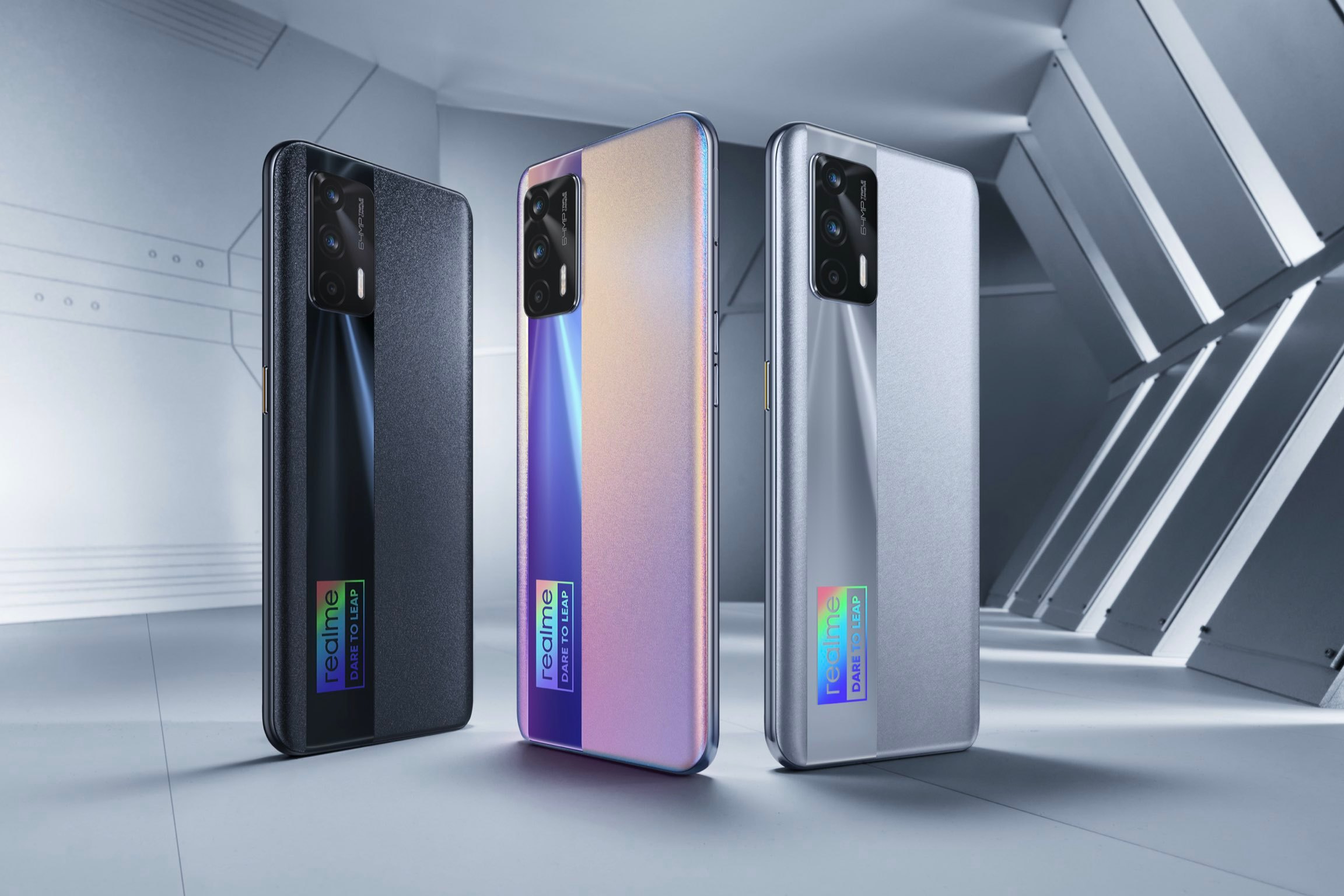
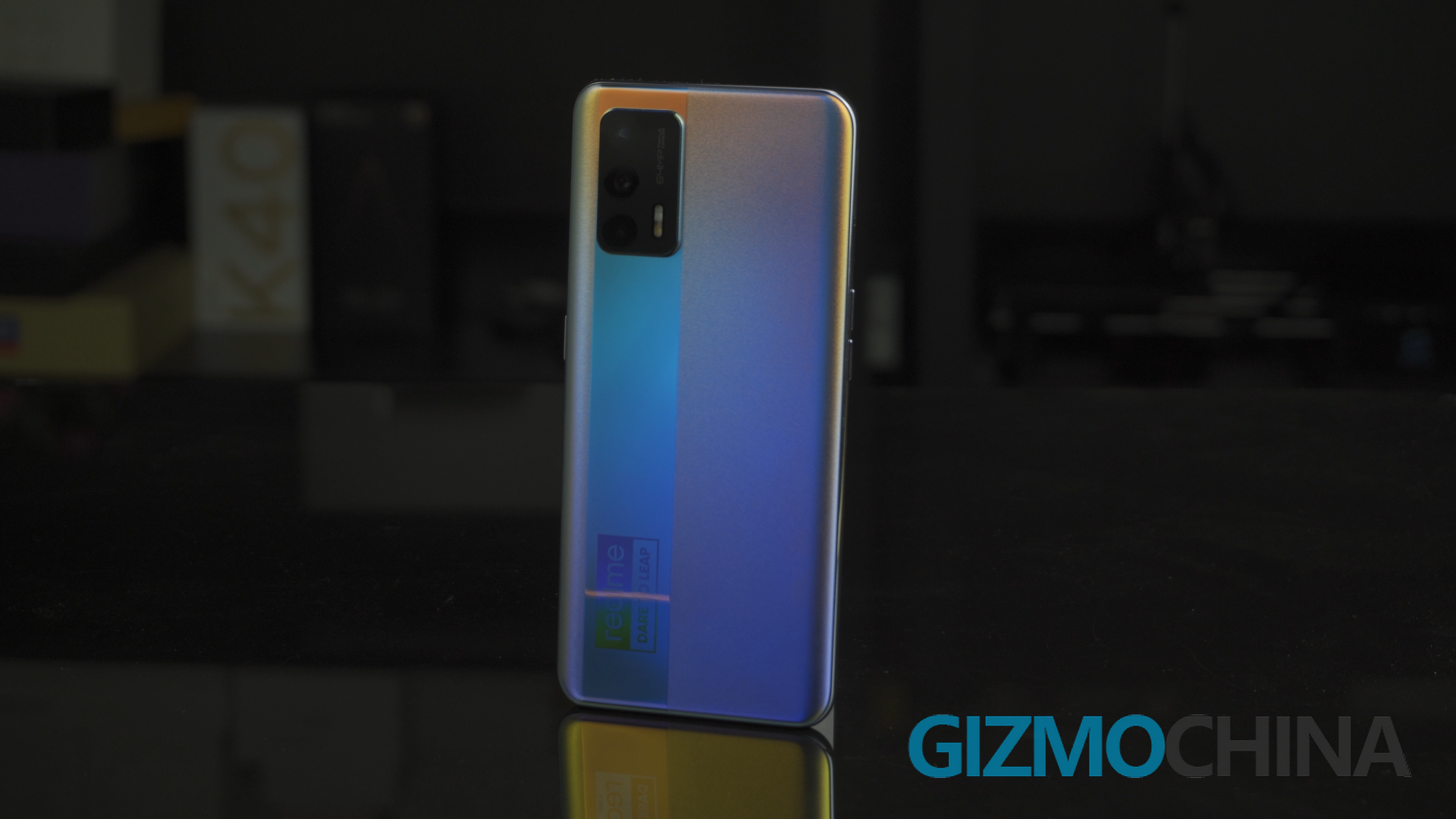
Chinese handset maker realme just launched the realme GT Master Edition in both China as well as global markets. A few days from that, the brand is now tipped to release yet another GT series phone called realme GT Neo Enhanced Edition.
realme GT Neo
The realme GT Neo made its debut at the end of March. The same smartphone is also sold as realme X7 Max in India. In late May, the brand releasedrealme GT Neo Flash Edition. Three months later, specs of a new device in the lineup called realme GT Neo Enhanced Edition have emerged.
According to a tipster who goes by the name of Arsenal on Weibo, realme will be soon releasing a new phone called realme GT Neo Enhanced Edition. The leaker says that the actual name of the device could be something else. Apart from revealing the existence of a new realme GT smartphone, he also revealed its specifications.
As per the leakster, the upcoming realme handset with sport a 6.43-inch Samsung E4 Super AMOLED display with a resolution of 2400 x 1080 pixels (FHD+), a 120Hz refresh rate, an in-screen fingerprint sensor, and Gorilla Glass 5 protection. It will be powered by a Qualcomm Snapdragon 870 SoC coupled with LPDDR4x RAM and UFS 3.1 storage.
realme GT Neo
The phone will house a triple rear camera setup on the back consisting of a 64MP OmniVision OV64B primary sensor, an 8MP Sony IMX355 ultra-wide-unit, and a 2MP monochrome sensor. Whereas, on the front, the device will use a 16MP Sony IMX471 selfie camera.
Other features of the handset will include a glass back with a diamond crystalline pattern, an aluminum frame, dual stereos speakers with support for Dolby Atmos, Z-axis linear vibration motor, and NFC.
As per the tipster, the smartphone could be priced at ¥2,399 ($370) and ¥2,699 ($417) for the 8GB + 128GB and the 12GB + 256GB storage configurations respectively. Unfortunately, it’s not known when this so-called realme GT Neo Enhanced Edition will go official.
Samsung is a technology giant which has been dominating the markets globally for decades now. With such a strong presence, the company obviously has thousands of patents to its name and the list keeps on growing.
Last year, the South Korean company was the second-biggest applicant for the smart home patents. 5G is being seen as the next big thing in technology and Samsung holds hundreds of patents for this new communication technology.
Now, as per the report from Business Korea, Samsung is secured around 7,000 patents this year and there are still a few months left before the year ends, meaning the number of patents for the year could grow in the coming months.
The report adds that Samsung owns a large majority of patents in the USA and is leveraging around 80,633 patents for various technologies. The next major region for the brand is its home country South Korea with 44,271 patents, followed by Europe with 39,288 patents. In China and Japan, Samsung owns 18,879 and 9,584 patents, respectively. In other regions, the company holds about 13,161 patents.
Overall, the South Korean giant holds more than 200,000 patents globally, which cover technology ranging from semiconductors and communications to smartphones and Smart televisions. Samsung is also the world’s leading spender when it comes to Research & Development, resulting in new patents as the company keeps developing new technologies.
Xiaomi is one of the few smartphone OEMs known for selling laptops. All the notebooks sold by the company run Microsoft Windows 10. As the Redmond-based software giant is now set to release Windows 11 this holiday season, Xiaomi has officially revealed the list of eligible Mi Notebooks and RedmiBooks that will be updated to the latest version of Windows.
Xiaomi Mi Notebook Pro 14
Microsoft unveiled Windows 11 at the end of June. The company started rolling out Insider builds a few days after that. Since then, the firm has been polishing the upcoming version of its operating system before its official release later this year.
Ahead of the Windows 11 stable rollout, Xiaomi has disclosed the list of its laptops, which will be getting the update. Below-listed are the Mi Notebooks and RedmiBooks that will be receiving Windows 11.
Xiaomi Windows 11 Supported/Eligible Laptops
Mi Notebook Series
Mi Notebook Pro 14
Mi Notebook Pro 15 OLED
Mi Notebook Pro X
Mi Notebook Pro 15.6”
Mi Notebook 15.6”
Mi Notebook Air (Intel 8th Gen Models)
Mi Gaming Notebook (Intel 8th Gen Models)
RedmiBook Series
RedmiBook Pro 14
RedmiBook Pro 15
RedmiBook Air 13
RedmiBook 13
RedmiBook 14
RedmiBook 14 Ⅱ
RedmiBook 16
Redmi G Gaming Notebook
The Windows 11 rollout for the above-listed laptops is said to start at the end of 2021 and last until 2021. Also, it is worth noting that this list is only applicable for the notebooks sold in China. Xiaomi is yet to reveal a similar list for international markets.
Last week, South Korean technology giant Samsung, which is also the world’s leading smartphone manufacturer, confirmed that it will remove advertisements from its own applications on its devices.
Now, just days after that announcement, the company has started taking steps towards that promise. In its first move, Samsung has now stopped showing advertisements in its stock Weather application, as reported by Twitter user @FrontTron.
This is just a start and all the other applications developed by Samsung for its smartphones will soon stop showing ads. While the Weather has stopped show ads, they are still present in the Samsung Pay and Samsung Themes apps.
With the introduction of its revamped custom user interface One UI, the South Korean giant had started showing ads in some of the most used applications. But after user complaints as well as complaints from the Samsung employees, the company announced that it will be removing ads from its smartphones via future One UI software updates.
The South Korean firm was seeking new growth opportunities in the fields of content and advertising services, aiming to provide useful information that customers need through search and recommendation in the content service or Galaxy Store. This led to showing advertisements in Samsung smartphones.
Samsung has said that the update should be ready by the end of this year but there’s no exact timeline available. The rough estimate from the company hints that the upcoming One UI 4.0 which is based on the latest Android 12 operating system won’t have advertisements for the company’s own apps.
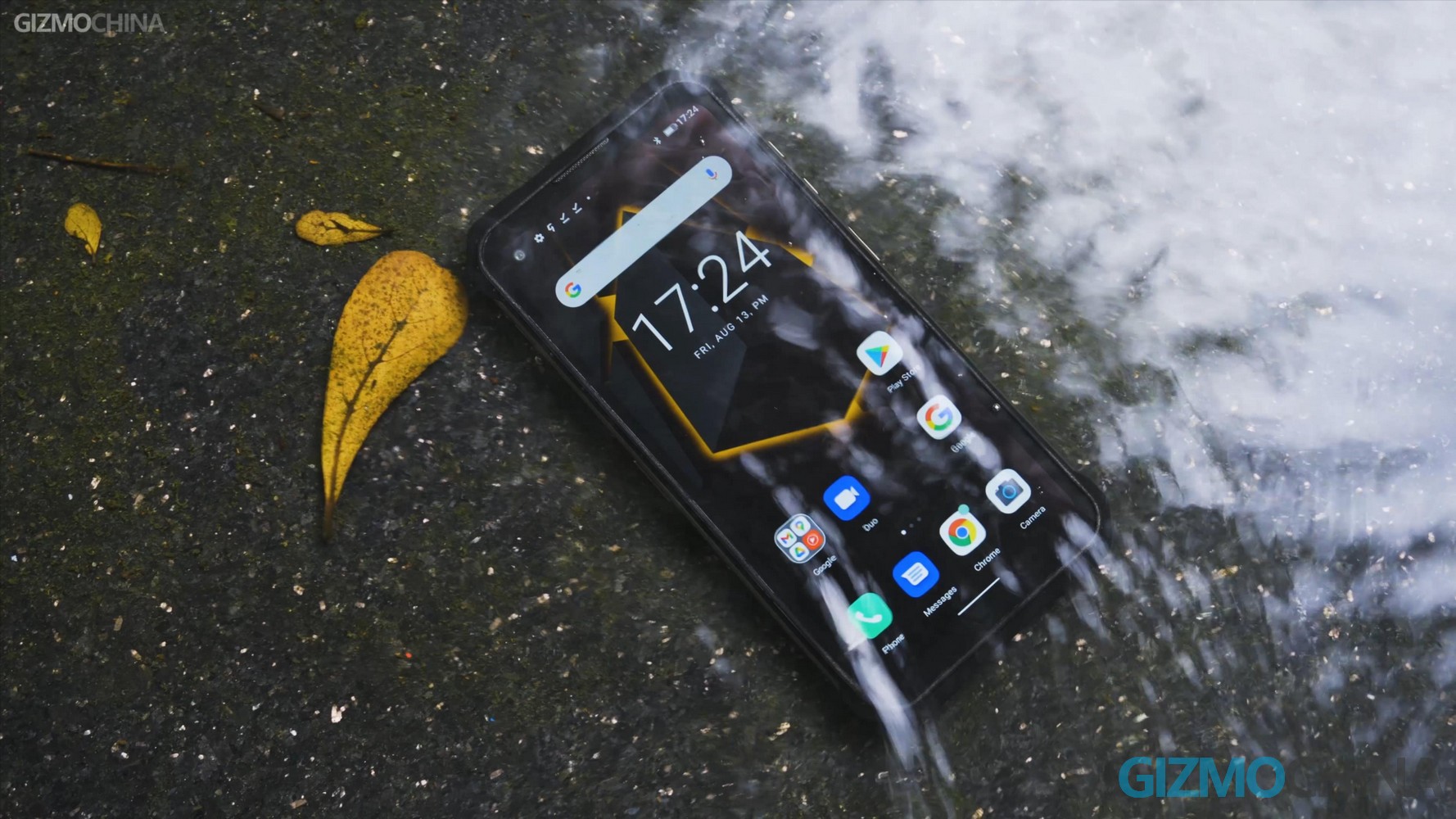
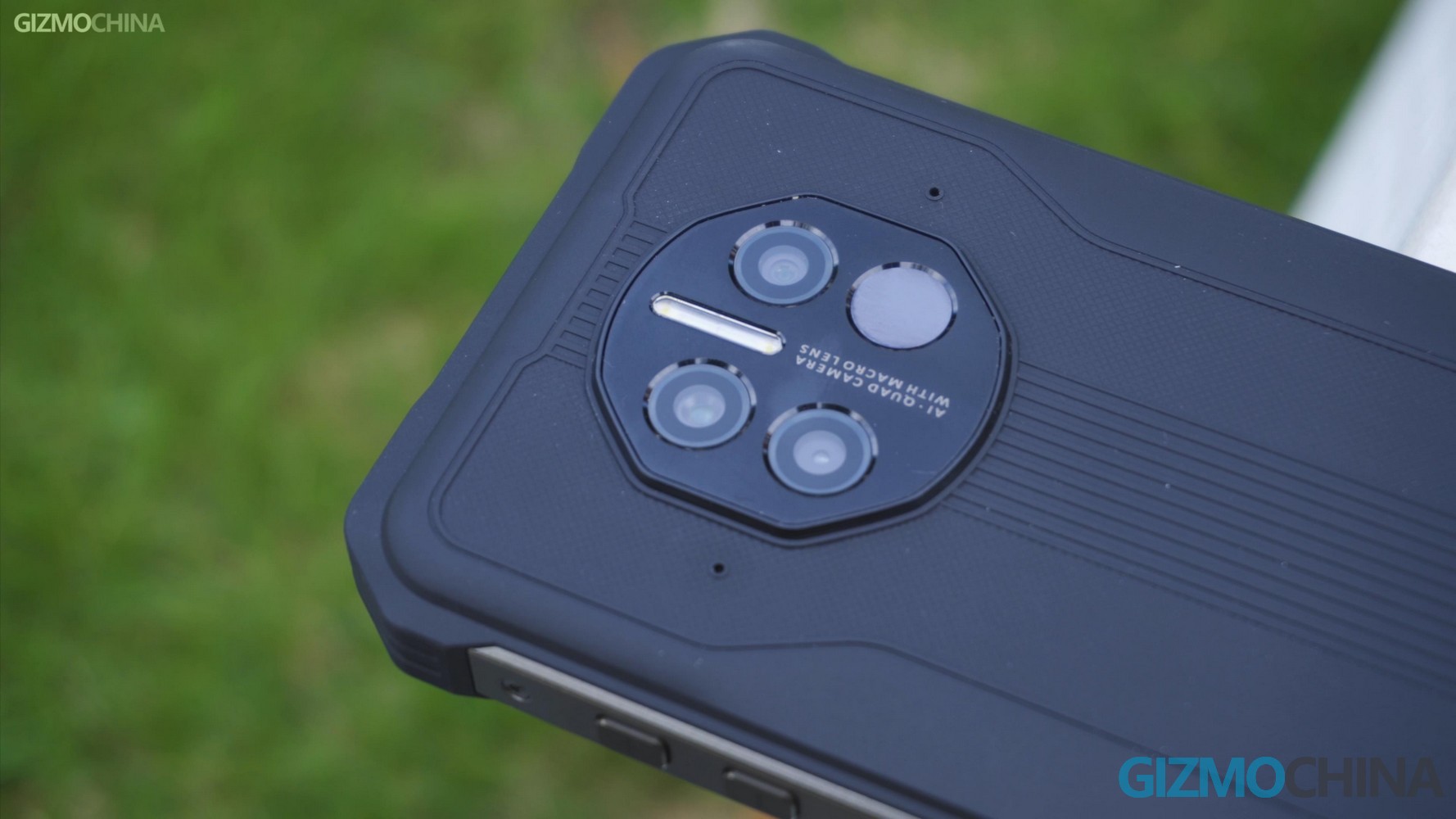
Renowned rugged phone manufacturer Doogee has gained popularity for its lineup of rugged phones. The company has just announced a new update in its rugged lineup, and it is dubbed the Doogee V10. In terms of durability, the V10 keeps up with its predecessor, coming with a waterproof and rugged build. And it’s powered by the popular MediaTek Dimensity 700 chipset supporting 5G network.
So yes, now you can also find a 5G option among rugged models. In addition to those common features, what else does the latest V10 bring us?
Rugged Design
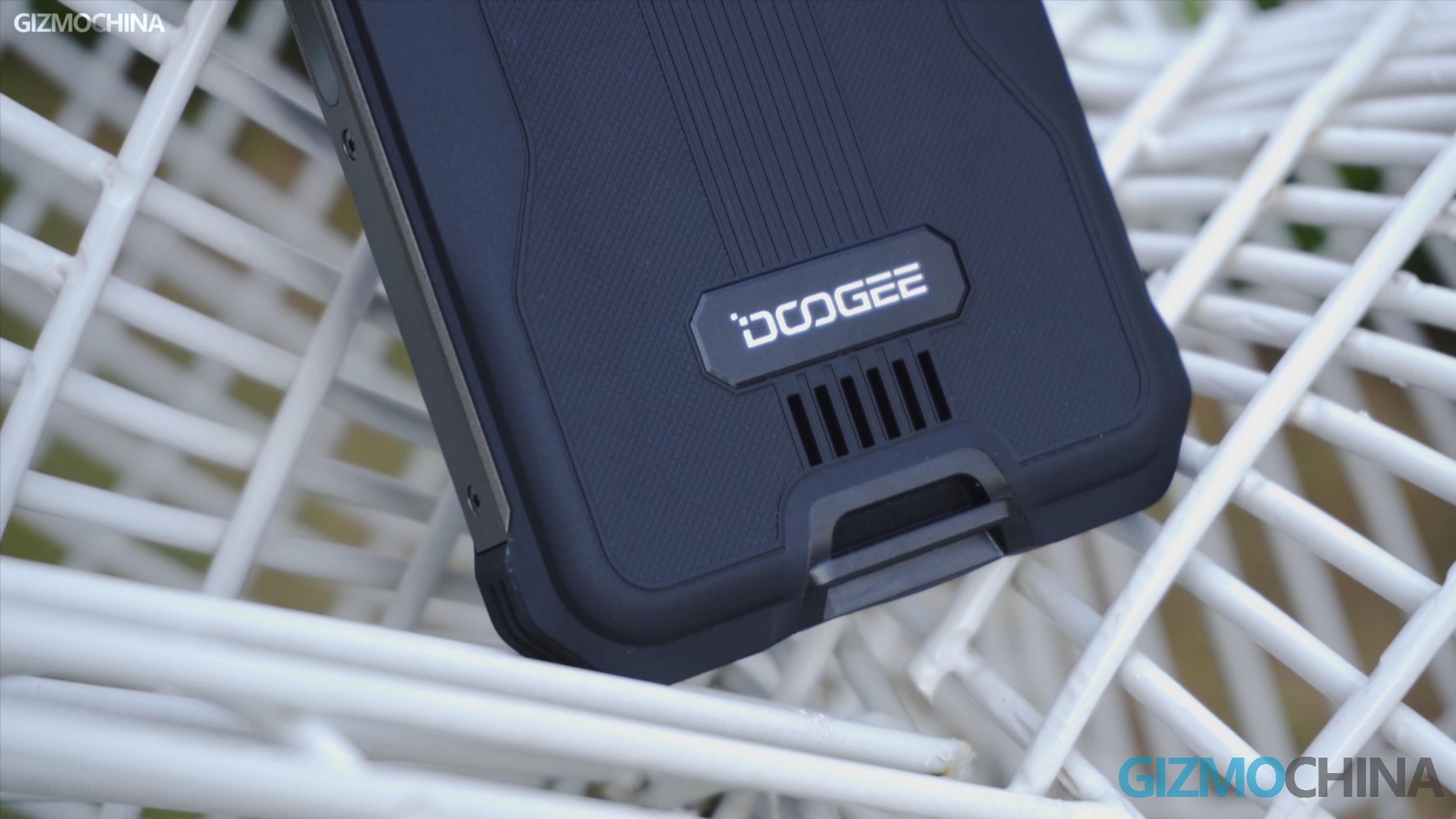
Let’s start with its design. The V10 continues the iconic rugged design of Doogee, but also adds some soft lines to the rear. Although the phone is much heavier than regular phones, it’s still justified with the kind of protection the body offers. Like its predecessors, it’s armed with a solid metal frame and special rubber protection, which allow the Doogee V10 to enter harsh circumstances without breaking a sweat. The phone is specially designed to withstand high temperatures. It’s rated IP68 and IP69K, which is on top of the usual dust and water resistance. And the rating also means that the device is drop-proof from a height of up to 1.5 meters.
In our actual drop-tests, even when dropped from a height of 1.8m on a concrete floor, there was no damage on the phone. Especially, the thickened rubber protection on four corners could sustain the impact of dropping, thereby protecting the display.
And thanks to the strong ruggedness of these phones, the Doogee series is very popular for fieldwork uses.
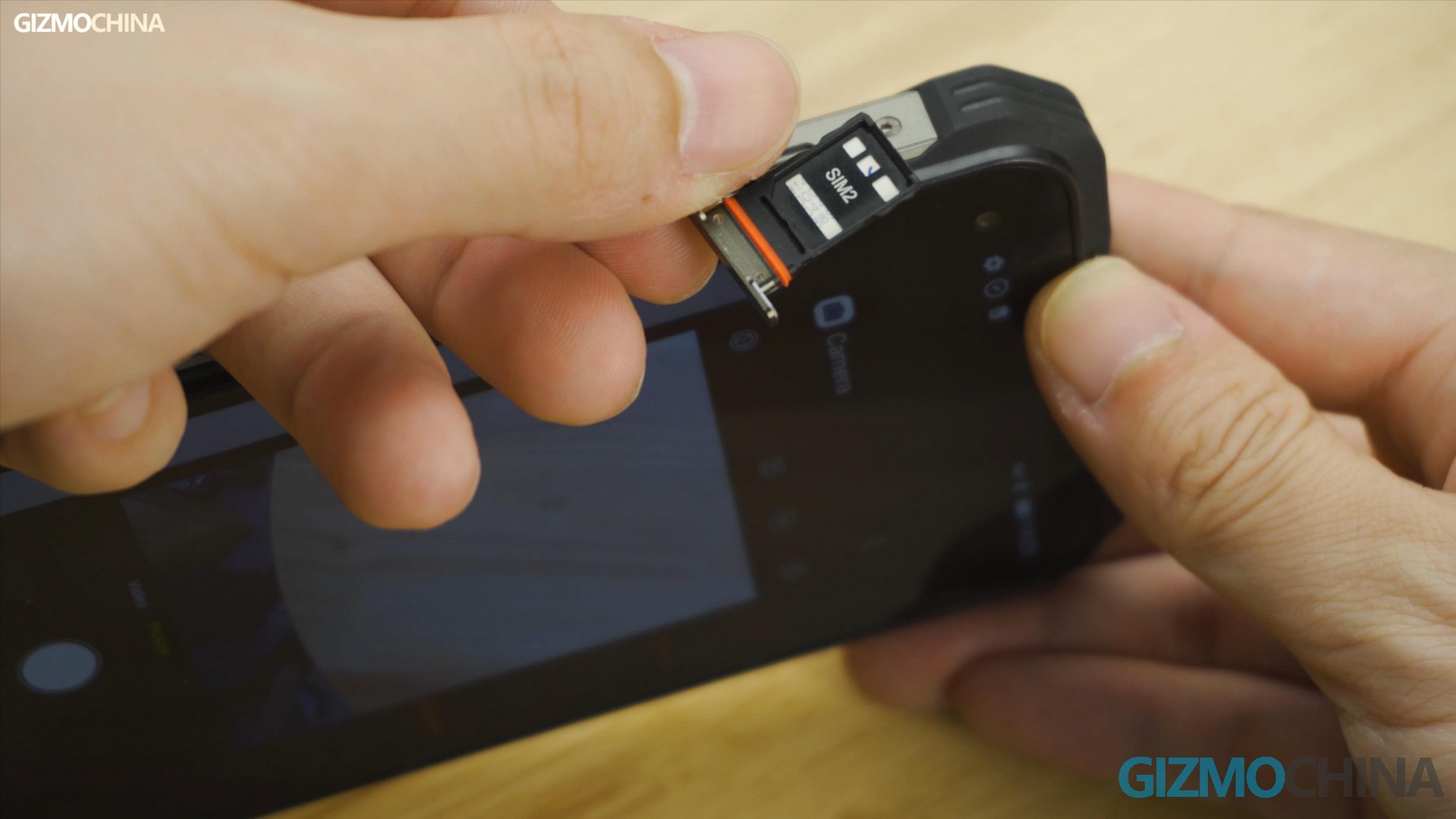
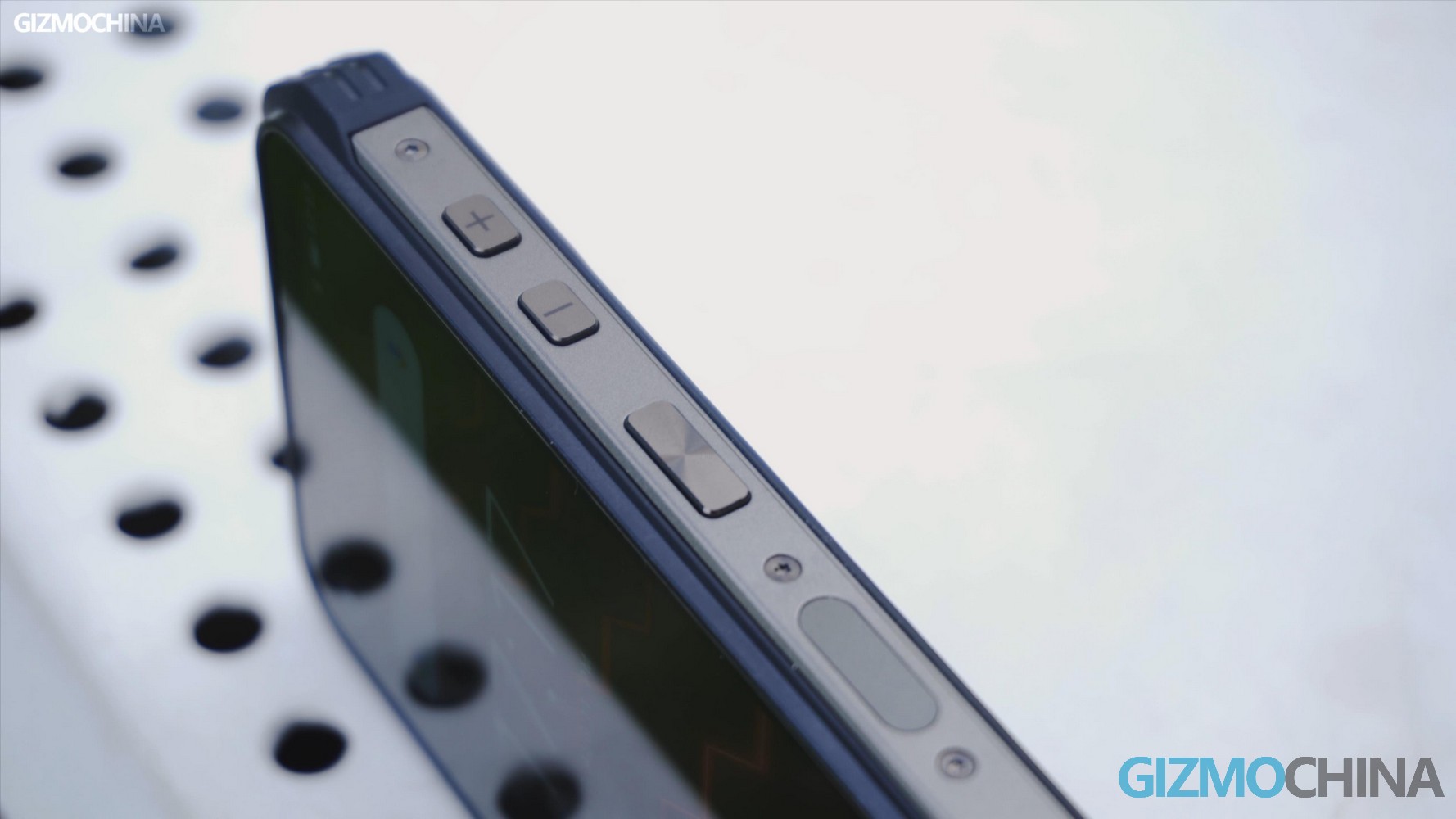
The sim-card tray on the metal frame shows that the phone supports dual-sim-card standby. And we can see the rubber ring on the loader for reliable waterproofing. On the other side, the fingerprint reader is independent of the power button.
5G ready
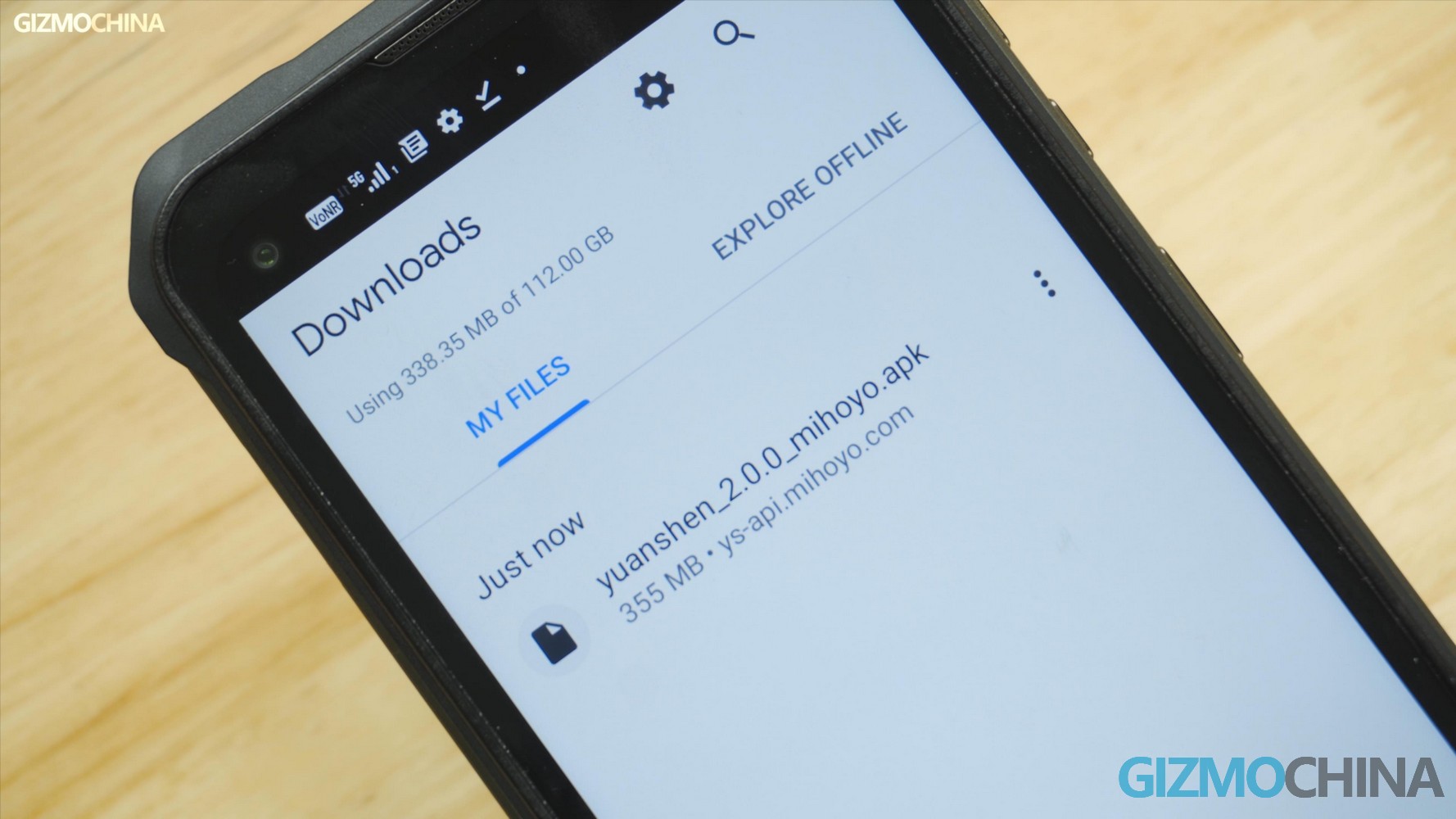
The Doogee V10 features a 6.39-inch HD+ display with Corning Gorilla Glass protection on top. The punch-hole display houses a selfie camera on the left side. It’s a 16MP front camera for selfies and video calling. Under the hood, the device is powered by Dimensity 700 SoC coupled with an octa-core processor based on 7nm technology. The chipset also supports up to 8 GB LPDDR4X RAM and 128GB UFS2.2 ROM. And thanks to this chipset, it features support for 13 5G bands, which no doubt would help the phone stand out from the competition in the market. In addition, the phone also supports NFC functions, which should be a widely popular feature for those who use mobile payment.
Cameras & Infrared thermometer
The phone is equipped with triple cameras on the back, including a Samsung 48MP camera, an 8MP ultrawide camera of 117°, and a 2MP portrait lens.
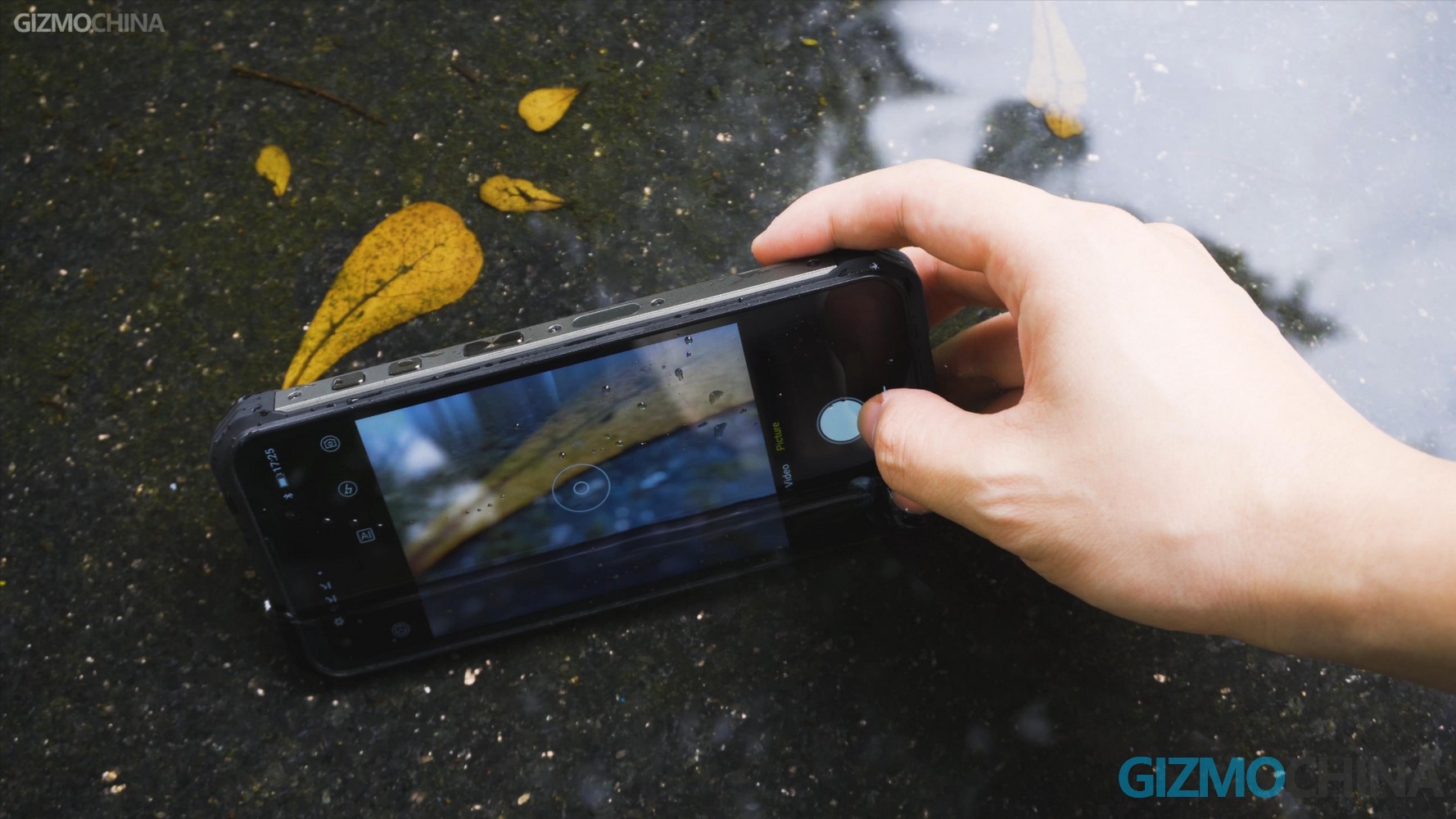
And thanks to the tough, rugged design, the V10 allows users to operate cameras for both videos and photography underwater without any accessories.
Along with the rear camera, Doogee has also included an infrared thermometer, which is something new for the industry. It can help users to measure both body and an object’s temperature anytime, anywhere. More importantly, it’s probably also a commonly used feature for self-health management.
Here are the camera samples we shot on the V10. Well as a rugged phone, the camera quality is usually not what we value very much, but from the samples, the phone actually performs pretty decently.
Battery
You can also achieve your task easily without interruption due to the long-lasting 8500 mAh battery and fast wired charging of 33W support. That means you don’t really need to bother about frequent charging of your device. And the V10 supports OTG reverse charging, which can even turn it into a power bank for another device in case of an emergency.
Performance
The Doogee V10 runs on the Android 11 system. The system is up-to-date with the June 2021 security patch level. As for its performance, it’s known that most Rugged phones would not compare to the flagship performance of the mainstream models, and it’s no exception for the V10. But we still want to say that the Dimensity 700 provided good support for the phone. During the limited experience we had, the V10 works pretty well as a rugged device.
Verdict
For a solid rugged phone, indeed we give more value to its ruggedness and ability to adapt to harsh conditions.
Overall, the Doogee V10 looks fine and will be a great option for hardcore users with 5G connectivity. This device can definitely work as a rugged phone and does its job pretty well. And without having to use an overly bulky body, it amazingly features an 8500mAh large battery, which is equal to the battery capacity of two mainstream smartphones. With an affordable price tag, the Doogee V10 is not just one of the alternative options to a regular smartphone, but also a better choice for those who enjoy outdoor activities or have to work outdoors.
The newly announced Doogee V10 now is available for sale on AliExpress from August 23rd. If you are interested in the phone, you can enter the smartphone giveaway, where the company is offering some units for free and providing a super bird price (60% discount). Just click here to learn more.
Last month, OnePlus launched the Buds Pro TWS earphones with the latest Bluetooth V5.2 and impressive features like ANC, IP55 water resistance, and Qi-certified wireless charging. Given that it has Bluetooth v5.2, the pairing process and the range is quite good. It is also fairly simple to switch between one device to other by disconnecting and connecting to the new one. But, it still misses out on one significant feature which lets the buds connect to two devices simultaneously.
The earbuds miss out on a feature called Bluetooth multipoint that allows the earbuds to connect to two devices at once and switch to any of the devices easily. This feature is useful when you want to listen to music on your phone and immediately switch to the desktop for some audio work. Well, OnePlus seems to bring this missing feature to the OnePlus Buds Pro soon and it could be called – dual connection.
OnePlus in talks with the folks at XDAdevelopers revealed that the company will bring a feature called “dual connection” in future software updates. The feature will let users switch between two devices without any hassle.
Although it is coming, we aren’t sure if it will work similarly to what other wireless pairs of buds offer with their multi-point pairing. Nonetheless, we’ll have to wait for the next OTA update. Once, we receive some more information on the same, we’ll update the post.
The OnePlus Buds Pro comes with 11mm dynamic drivers and has a shiny chrome-plated stem. It has Smart Adaptive Noise Cancellation and Low Latency High-Definition Audio Codec support. The earbuds along with the case are claimed to last for up to 38 hours on a single charge. There’s also Qi-certified wireless charging onboard that will offer 10 hours of music playback with just 10 minutes of charging.
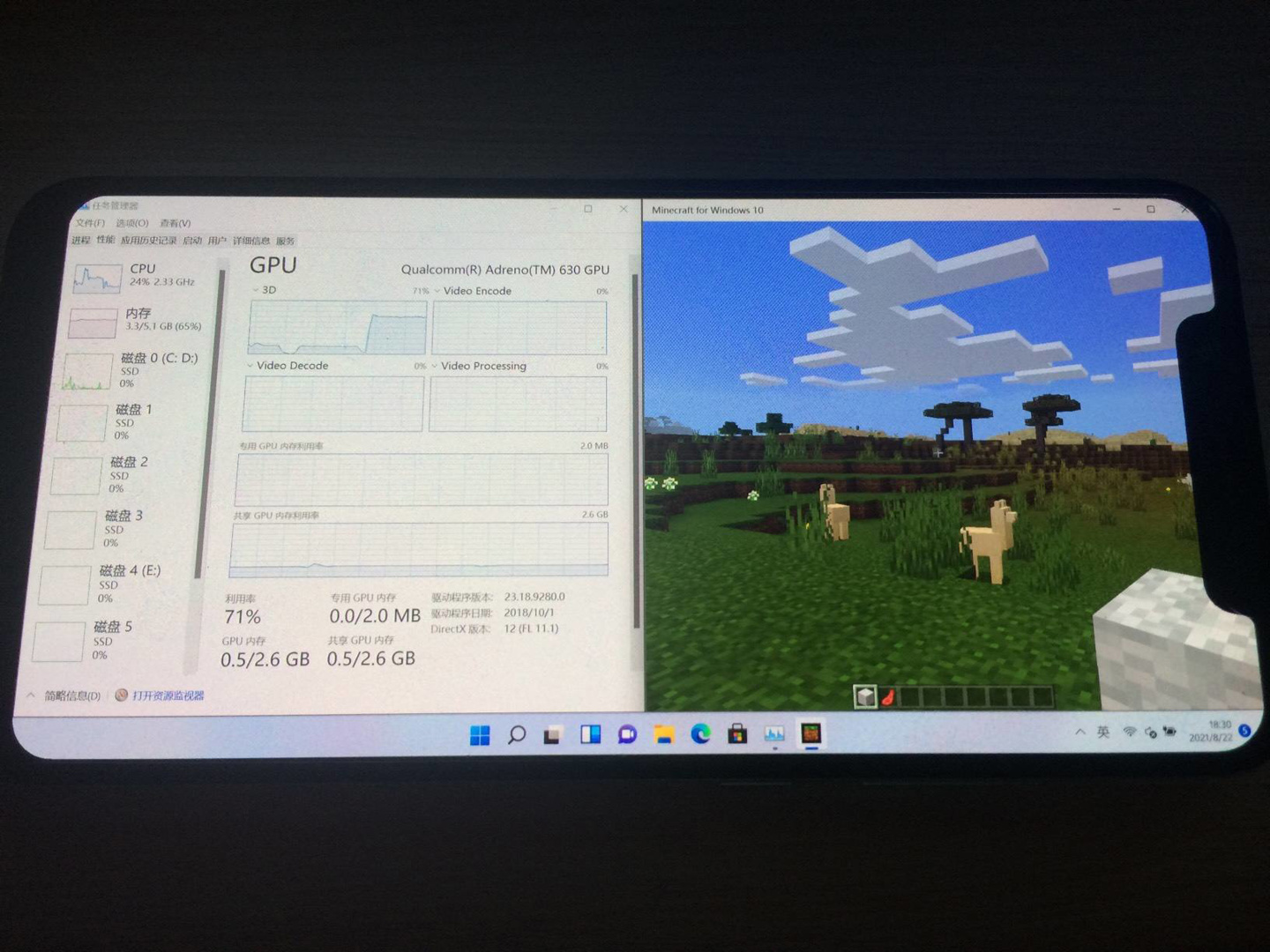
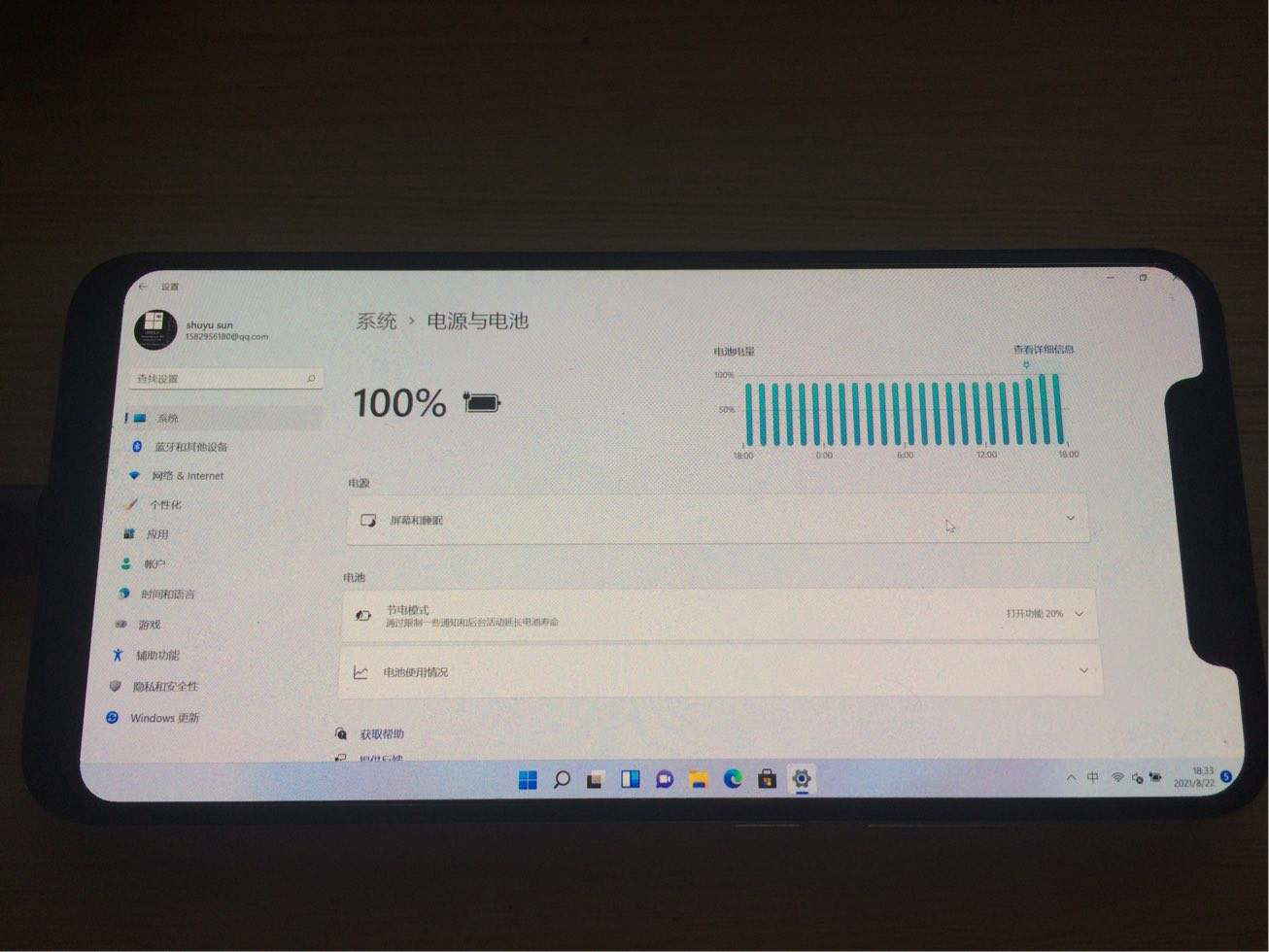
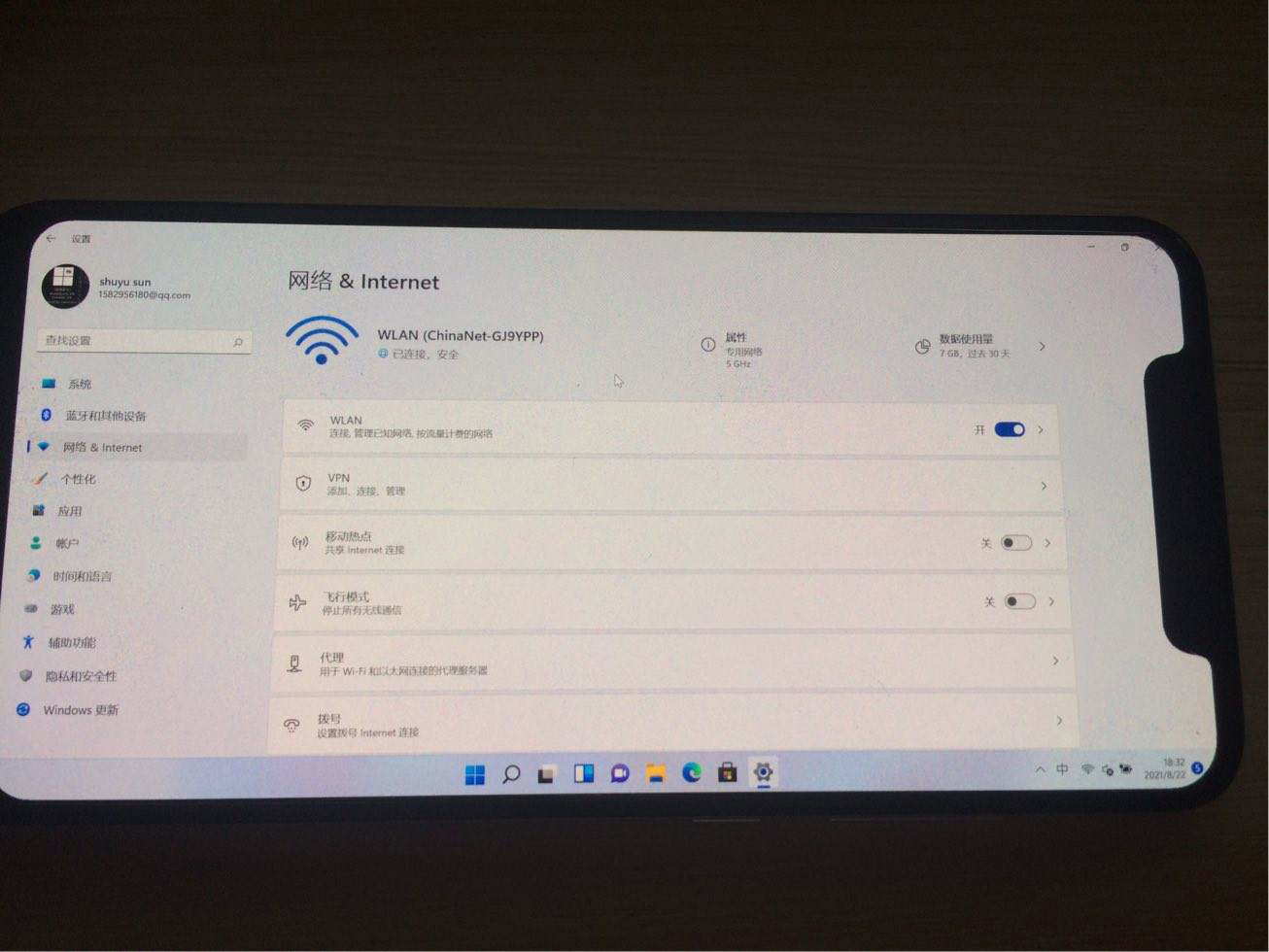
Now, a new report claims that the project of flashing the Windows 11 operating system on the Xiaomi Mi 8 smartphone has made significant progress. A video related to the project reveals support for GPU, power management, Wi-Fi, and some other features working normally on the device.
However, nothing everything is working as intended. For instance, there are still issues with the Bluetooth driver and the graphics processor cannot render x64 programs. But we expect many of the issues will get resolved in the coming weeks or months, as the development keeps going on.
The Microsoft Lumia 950 XL and the Xiaomi Mi 8 aren’t the only smartphones running the Windows 11 operating system. As per the report, several devices powered by the Qualcomm Snapdragon 845 SoC have successfully run the latest Windows OS.
The list of such smartphones includes OnePlus 6, OnePlus 6T, Xiaomi Mi MIX 3, Xiaomi Pocophone F1, Meizu 16th, Meizu 16th Plus, Hammer Nut R1, Black Shark Phone 1, OPPO Find X, Xiaomi MIX2S, LG G7, Samsung S9+, Nubia X, Nokia 9 PureView, ASUS ZenFone 5Z, and Vivo NEX dual-screen version, among others.
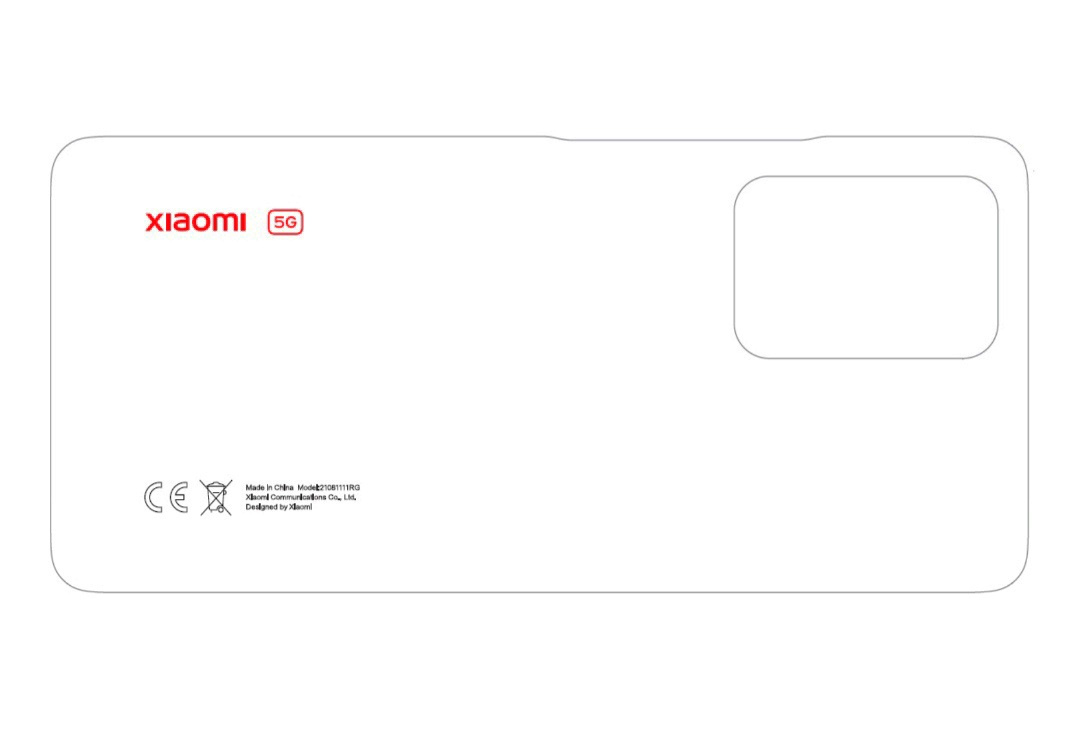
Over the weekend, a new Xiaomi phone with model number 20181111RG was certified by the Federal Communications Commission (FCC). This same device was previously seen at an Indonesian certification site. It is believed that the 20181111RG will be debuting in the market as Xiaomi Mi 11T. The FCC listing revealed a little information on its specs.
The FCC listing only revealed that it is a 5G-ready device that carries support for 5G bands such as n5, n7, n38, n41, n66, n77, and n78. It runs on MIUI 12.5 and carries support for NFC connectivity.
Shown below is a schematic of the phone that has appeared in the FCC documents. It reveals that the Mi 11T will arrive with a larger camera module as compared to its predecessor.
Xiaomi Mi 11T specifications (Rumored)
Reports have claimed that the Xiaomi Mi 11T will be sporting an OLED panel that offers a 120Hz refresh rate. The Dimensity 1200 chip could be present under the hood of the device.
For photography, it may come equipped with a 64-megapixel triple camera setup. It is speculated that this device may get rebranded as Redmi K40S or K40 Ultra in China.
The Mi 11T Pro (model number M2107113SG) that is expected to debut alongside the Mi 11T is likely to feature a 120Hz OLED screen, Snapdragon 888, and a 5,000mAh battery that supports 120W fast charging. For photography, it may feature a 108-megapixel triple camera unit.
Xiaomi will be holding a global launch event on Sept. 15. It is likely that the company may unleash the Mi 11T series and the Mi Pad 5 lineup for the global markets.
We use cookies on our website to give you the most relevant experience by remembering your preferences and repeat visits. By clicking “Accept”, you consent to the use of ALL the cookies.
This website uses cookies to improve your experience while you navigate through the website. Out of these, the cookies that are categorized as necessary are stored on your browser as they are essential for the working of basic functionalities of the website. We also use third-party cookies that help us analyze and understand how you use this website. These cookies will be stored in your browser only with your consent. You also have the option to opt-out of these cookies. But opting out of some of these cookies may affect your browsing experience.
Necessary cookies are absolutely essential for the website to function properly. This category only includes cookies that ensures basic functionalities and security features of the website. These cookies do not store any personal information.
Any cookies that may not be particularly necessary for the website to function and is used specifically to collect user personal data via analytics, ads, other embedded contents are termed as non-necessary cookies. It is mandatory to procure user consent prior to running these cookies on your website.