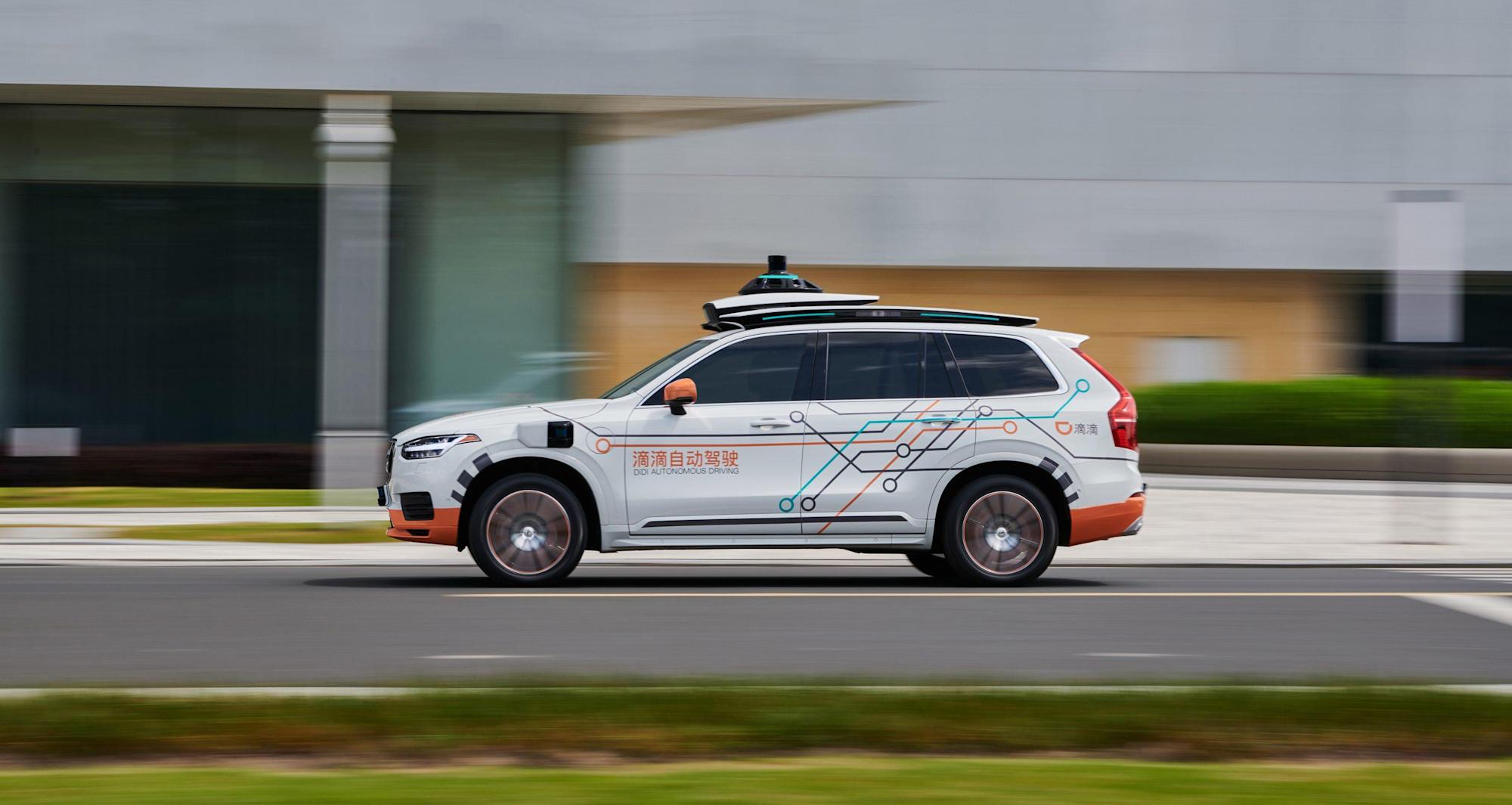
Didi has announced plans to configure Volvo’s XC90 SUVs for its new fleet of autonomous vehicles to be deployed on Chinese roads. The global Robotaxi rollout of the ride-hailing app, which acquired Uber China in 2016, is in line with its business development strategy. The company continues to make investments in deploying autonomous vehicles to Chinese public roads.
Volvo is owned by Chinese automaker Geely, since its acquisition in 2010. The Swedish automaker has a track record of safety and luxury in vehicle manufacturing. Didi will leverage this by combining its self-driving system, called Gemini, with Volvo’s safety and convenience features to produce a car that will no longer need safety drivers, with a backup to bring a car to a halt in situations of system failure.
Didi also offers a range of mobility services and added services like financial services to its drivers, and continues to expand. The company recently flagged its initial public offering of $100 billion, targeting research to enhance and expand its mobility service portfolio to include the driverless XC90 SUVs already customized for autonomous driving.
As should be expected, there is stiff competition in the world’s largest auto market for self-driving vehicles. The Robotaxis was pioneered by AutoX a couple of years ago, and some other companies have entered the market, offering a variety of services to a wide array of customers. Huawei last week also signaled its desires in the market with the unveiling of its homemade HarmonyOS operating system, thus opening new vistas in self-driving and autonomous vehicle development in China.
A report by Economic Timessays that Samsung Display has started making smartphone display panels in India. The company, which is a Display arm of Samsung, already makes more than 70% of displays for TVs, mobiles, tablets, etc. in Asian countries like China, Vietnam, and South Korea.
Citing people familiar with the matter, the report says that South Korean giant has started making smartphone display panels at a facility in Noida, UP, from April 2021. This move is said to offer jobs to 500 people directly and to about 1,300 people indirectly.
This comes months after reports of India offering financial incentives to Samsung for setting up a Display factory in Noida, Uttar Pradesh. Indian govt has been taking a lot of measures to ensure the country remains a Manufacturing hub of the world.
The South Asian country recently approved a $1.02 billion incentive to boost local manufacturing and reports say that it is also mulling chip makers to start local production. Anyway, the Samsung Display has invested about 4,825 Crores INR(~$653 million) for the relocation of mobile and IT display production units from China to India.
Samsung will get about 250 Crores INR from the state UP govt as financial provisioning for this project for 5 years and about 460 crores INR from the Centre’s Scheme for Promotion of Manufacturing Electronic Components and Semiconductors.
Speaking of production, Samsung is said to expand this display making to other peripherals like monitors and other IT products in the future. This move is a step forward in boosting local production, make in India initiative, and benefit from the PLI scheme too.
The company is said to be the only one of the 15 approved handset makers to have met the targets for the PLI scheme 2020-2021. Apparently, the target was making mobile phones with an invoice value of INR 15,000 (around $200).
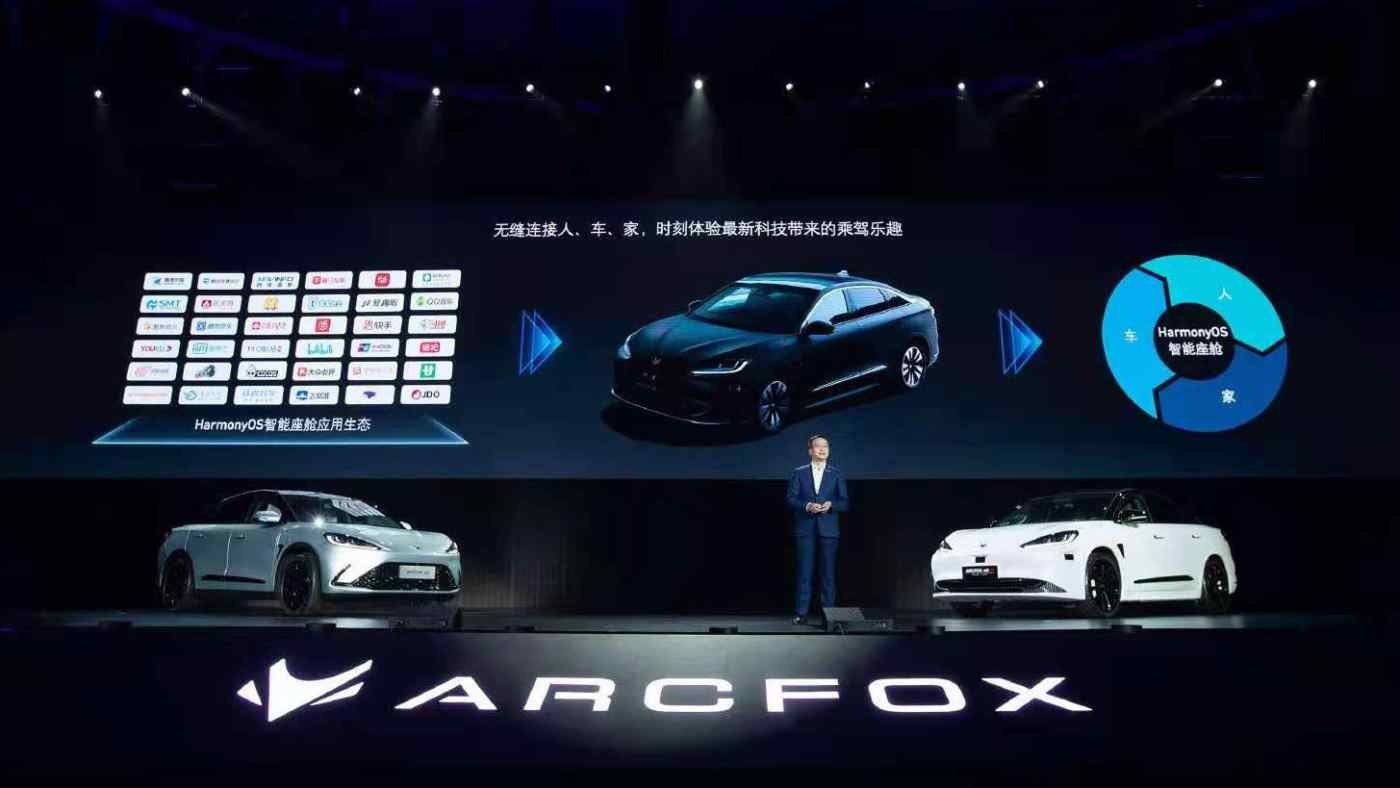
Huawei has made a bold statement in its pursuit of a foothold in the EV market with the launch of its electric vehicle with the HarmonyOS operating system last weekend. The launch was followed up yesterday with the unveiling of five automated driving solutions deployed in cars later this year.
The product launch is a culmination of the Chinese tech giant’s investment in autonomous vehicles and EV research and development, grossing over $1 billion. As the company continues to expand beyond tech hardware and gadgets, it is already a global leader despite sanctions by the United States and its allies. Huawei seeks to become a significant player in the EV and self-driving segment of the industry by providing innovative solutions and partnerships that produce its electric vehicle in collaboration with BAIC.
The two versions of the Arcfox Alpha S EV unveiled at the weekend are co-developed by Huawei’s intelligent automotive solutions arm; and BAIC Group’s Arcfox. They are both high-end luxury electric vehicles fitted with Huawei’s homegrown HarmonyOS.
According to Wang Jun, president of the automotive arm of Huawei, the company has formed extensive partnerships and cooperation with several automakers and industry partners in its quest to continue to extend its expertise to the automotive industry. Huawei will focus on providing solutions to automakers rather than manufacturing the car itself, as it feels it can create a niche for itself in that segment.
The implication of the deployment of the HarmonyOS operating system in EVs provides exciting possibilities for EVs in terms of innovation and quality.
The Huawei EVs cost 388,900 yuan (~$59769) and 429,900 yuan (~$66,070) respectively, and reflect Huawei’s diversification outside its core business portfolio. The vehicles have a range of about 708km on a full charge, which is higher than the range of the Tesla Model Y which has a range of 594 km.
Huawei has a few other partnerships with automakers apart from BAIC Group. Chongqing Changan Automobile and Guangzhou Automobile Group are also collaborating with the 5G global leader to develop autonomous and automated vehicles.
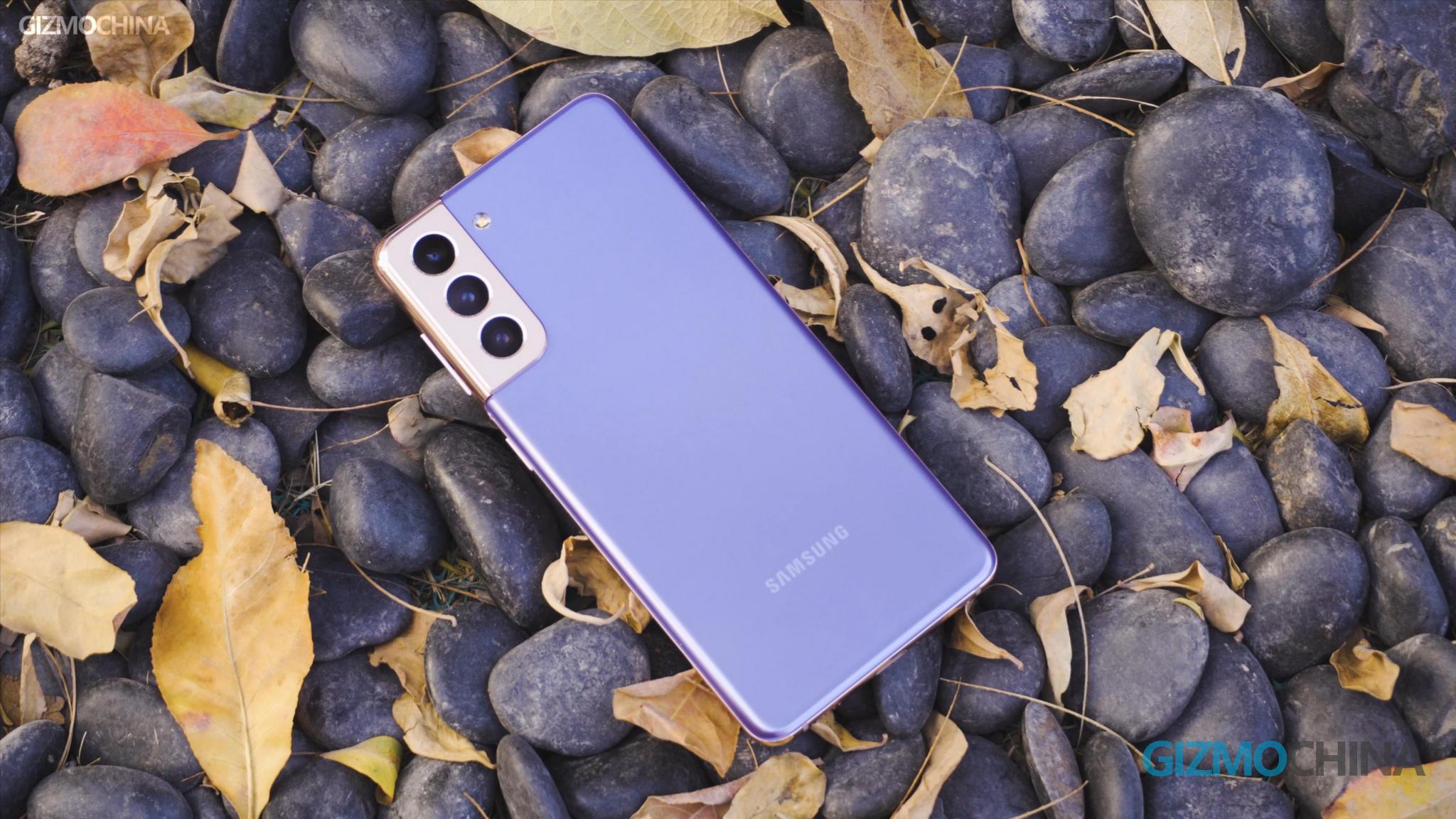
Samsung launched the Galaxy S10 back in 2019 with a ToF sensor. Later, the company continued it till the Galaxy S20 series but ditched it on the Galaxy Note 20 and the 2021’s Galaxy S21 series. Now, a report by ETNews says that the company will do the same for the upcoming Galaxy S-series (Tentatively: Galaxy S22).
Representative image: Galaxy S21
Apple’s LiDAR sensors work similar to the Time of Flight sensors on Samsung and help in depth information like distance measurement. Its prowess is showcased more in areas of AR, VR apps, and games.
However, the difference between Samsung and Apple in the past was that the former used an indirect ToF sensor which works well only when the light is strong enough. The Depth Vision ToF sensors on the Galaxy S20 series had a range of 3 meters while Apple made sure they cover as long as 6 meters.
This led to a lot of inaccuracy and eventually, Samsung removed it last year. This year, it continued the momentum and as quoted in the report(via Sammobile), a Samsung executive says that users are happy with the camera features on the Galaxy S21 and hence, there’s no need for a ToF lens on the successor(probably Galaxy S22).
Either way, it’s too early to talk about the Galaxy S22 series right now considering we are just three months past the Galaxy S21 launch. However, we can expect the company to reveal them around the Q1 of 2022.
Earlier this year, Samsung announced the Galaxy A32 5G smartphone in Europe. It appears that the company is now gearing up to launch a variant of the phone with the Galaxy Jump moniker. Tipster Mukul Sharma revealed that this phone is now listed in the Google Supported Devices. Also, this device has also appeared in the database of Google Play Console.
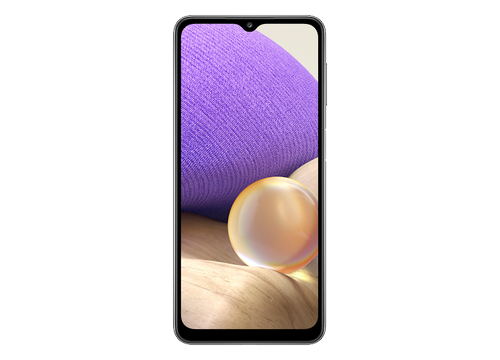
The Google Supported Devices list shows that the Samsung phone with SM-A326K model number will be released as the Galaxy Jump. The image of the phone reveals that it will sporting a waterdrop notch screen.
The Google Play Console listing revealed that it supports an HD+ resolution of 720 x 1339 pixels and a pixel density of 300ppi. The phone is loaded with Android 11 OS and it is powered by the Dimensity 720 chipset, which is mentioned as MT6853V/NZA in the listing. The SoC is coupled with 6 GB of RAM and the Bluetooth SIG certification of the device had revealed support for Bluetooth 5.0. It is speculated that the Galaxy Jump could be a phone designed for the South Korean markets.
Samsung Galaxy Jump
The other details like the battery details and camera configurations of the Galaxy A32 5G are not known yet. It remains to be seen whether there are any differences between the Galaxy A32 5G and Galaxy Jump.
The Samsung Galaxy A32 5G features a 6.5-inch IPS LCD screen with support for 720 X 1600 pixels resolution, Dimensity 720, up to 8 GB of RAM, up to 128 GB of storage, and a 5,000mAh battery with 15W fast charging support. It has a front camera of 13-megapixel and a 48-megapixel + 8-megapixel + 5-megapixel + 2-megapixel quad-camera system.
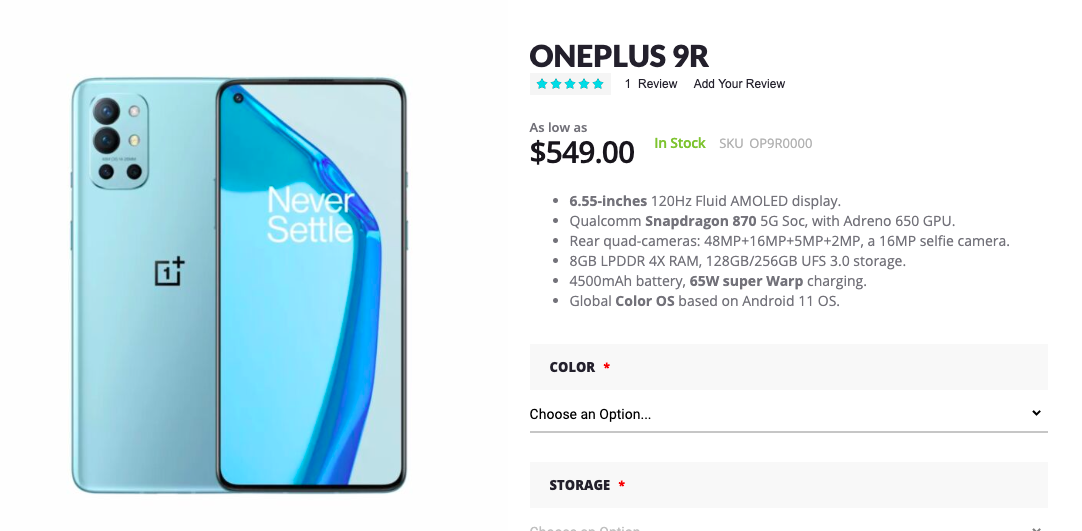
OnePlus 9R is powered by Qualcomm SM8250-AC Snapdragon 870 5G (7 nm) chipset and comes with a 6.55-inches 120Hz Fluid AMOLED display. The smartphone features a rear quad camera setup with a 48MP main camera and 16MP + 5MP + 2MP secondary cameras. The front sports a 16MP selfie camera.
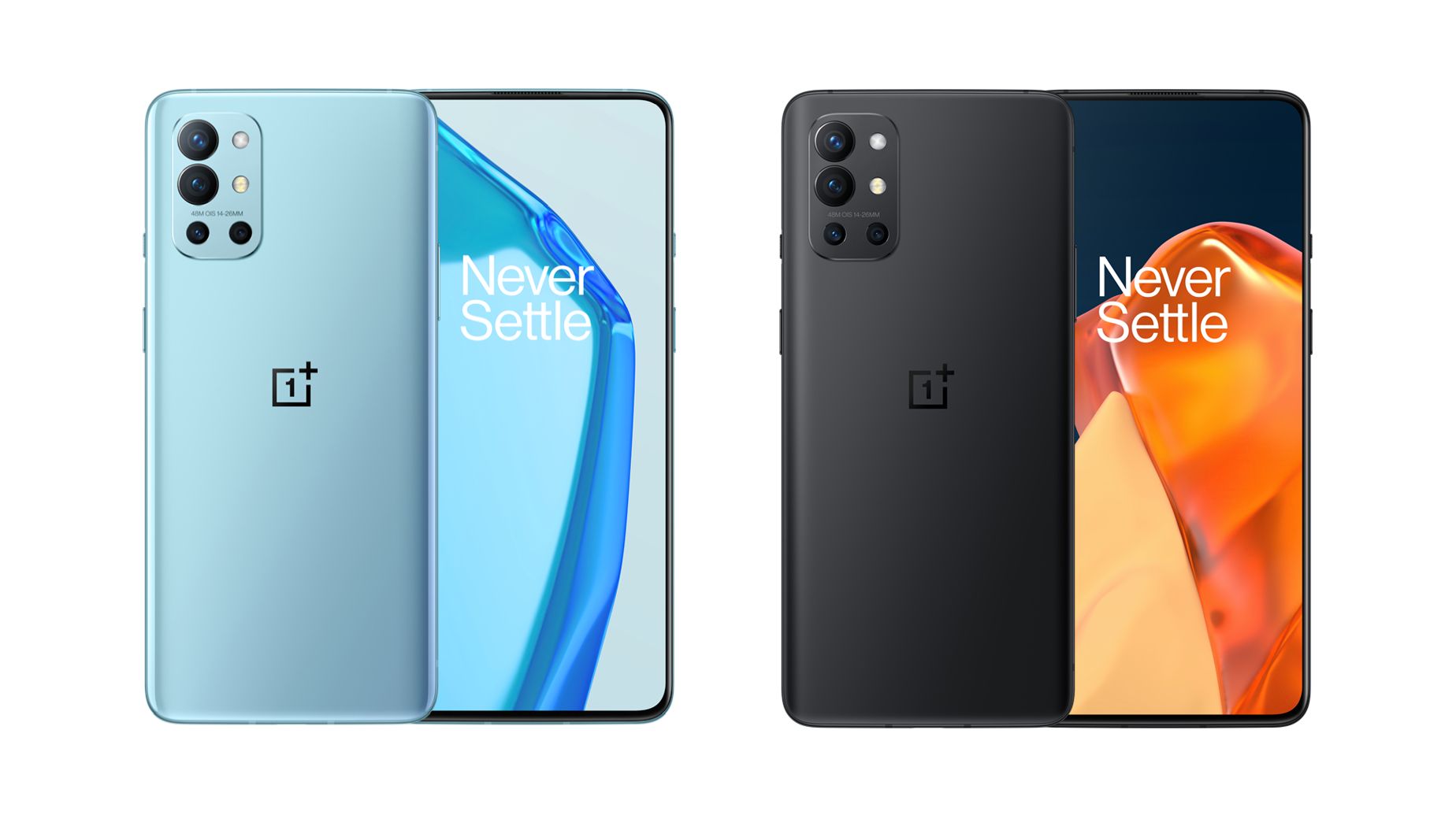
OnePlus 9R
OnePlus 9R comes in three storage variants viz: 8GB + 128GB , 8GB + 256GB, 12GB + 256GB and is fueled by a 4500mAh battery and supports 65W Super Warp charging. Retailing at $549 you can now buy the OnePlus 9R for a discount of $20 via coupon code: OP9R20. Please note that this discount is applicable on both the Black and Blue color variant. So order your discounted OnePlus 9R before the deal expires.
Please note that the above-mentioned price is only for the base variant. The final price may vary according to the variant and shipping cost.
For more information on such exciting deals and offers check out ourdeals hub.
Transsion Holdings has been the market leader in Africa for a while now with its three brands Tecno, Itel, and Infinix. The combination of these three brands gives it the largest market share in the continent. However, 2020 was the first time one of its brands actually took the top spot and overtook Samsung.
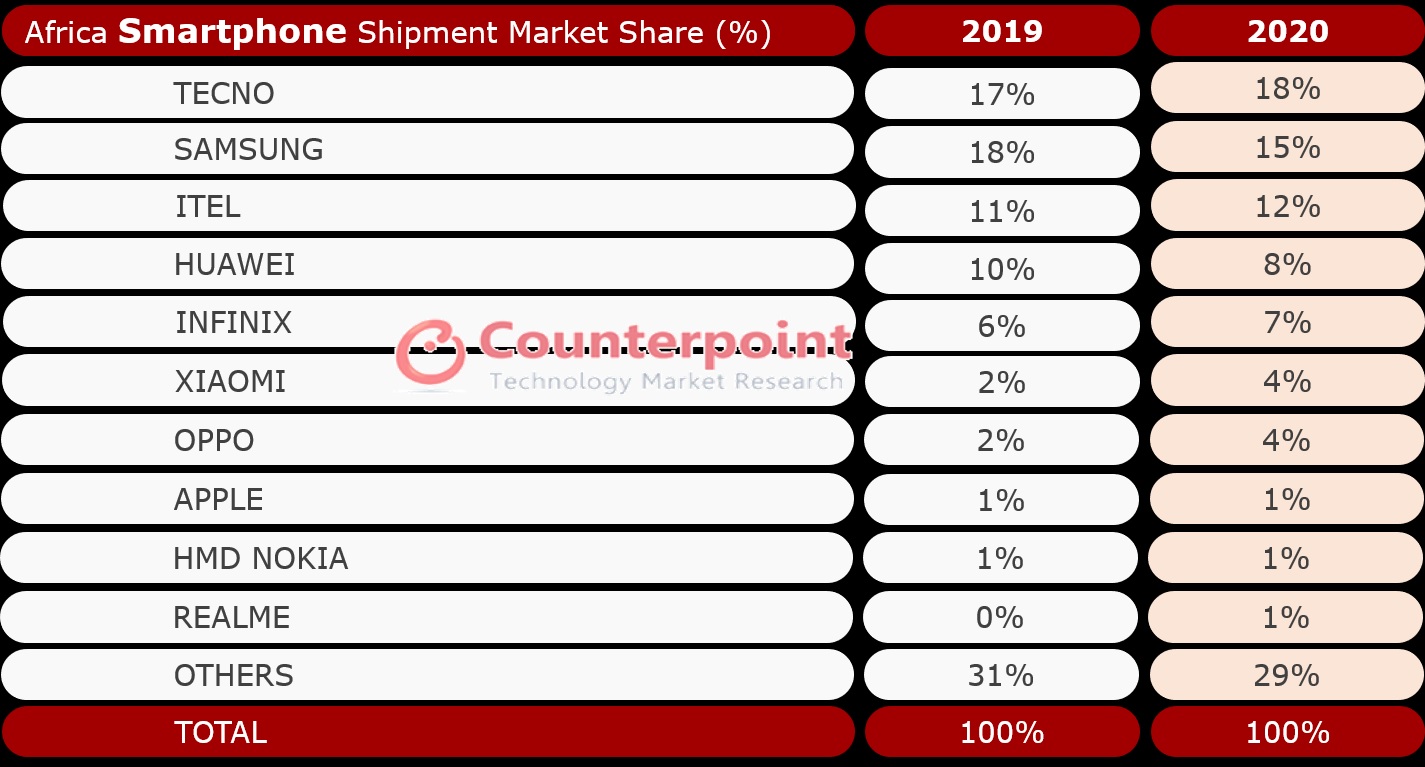
According to a Counterpoint report, Tecno toppled Samsung to claim the top spot in 2020. The smartphone brand saw its market share rise to 18% even though the market experienced a 6.7% drop in smartphone shipments YoY. The report revealed the COVID-19 pandemic also disrupted the market in the first half of 2020 with the second quarter being the worst as countries went into lockdown. However, by July, sales significantly improved. The market even recorded a 1.5% gain YoY in the fourth quarter of the year.
Samsung who had a market share of 18% in 2019 saw it drop to 15% in 2020 no thanks to issues with supply chain due to the pandemic and a slow reaction towards the end of the year. Things should get better for Samsung this year as it has already launched its new Galaxy A smartphones in multiple markets in the continent.
Itel, another Transsion Holdings brand takes the third spot with a market share of 12%. Itel offers more affordable phones than its sister brands Tecno and Infinix. You wouldn’t be wrong to call its lineup entry-level and as we can see, that segment has helped it enter the top three.
Huawei still keeps the fourth spot in Africa despite the challenges it is facing. Counterpoint says the first three quarters were strong but its shipments declined significantly in the fourth quarter. We can attribute that to the trade ban which has prevented it from getting components and thus affected the launch of new models in the market. Its market share has dropped from 10% to 8% and is expected to drop even further as things haven’t improved this year even with the new U.S. administration.
Infinix, the third Transsion Holdings brand closes the top 5 with a market share of 7%. Counterproint reports that they recorded strong market gains in the second half of the year and it is the transsion brand with the highest average selling price. However, it has begun to lower its prices based on market realities and is expected to grab a larger share of the market this year.
Xiaomi saw its market share double from 2% in 2019 to 4% by the end of 2020. Its shipments increased by 126% YoY, thanks to increased sales in key markets such as Egypt, Kenya, Morocco, and Nigeria. Xiaomi is also said to be expanding its offline presence in the continent and by directly managing channels, it should record an increase in market share this year. Xiaomi has already announced its Redmi Note 10 series in key markets like Nigeria where they will slug it out with Samsung’s new Galaxy A series smartphones.
OPPO also doubled its market share from 2% to 4% and saw its shipments grow 57% YoY. It made its entry into the continent a few years ago and has already recorded success in markets such as Egypt and Algeria. OPPO is also building its offline channels and is partnering with key operators in the continent.
Apple and HMD Global (Nokia) both retain their 1% market share. The latter hasn’t recorded significant success in the continent, no thanks to better offerings at lower prices from the competition. Another name on the list is Realme who didn’t have a market share in 2019 but now controls 1%. The brand is yet to launch in some markets such as Nigeria but we won’t be surprised if they do so this year.
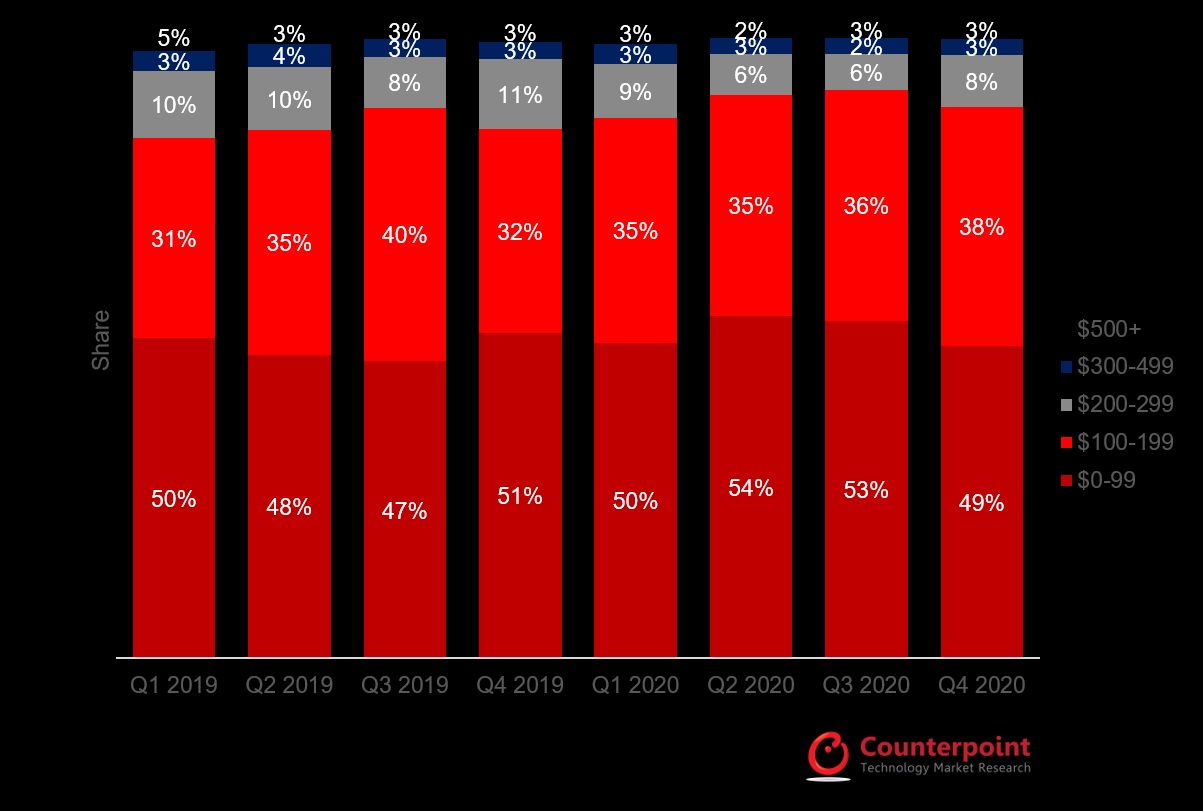
Counterpoint also revealed that most of the sales recorded, over 80% to be specific, come from smartphones in the sub-$200 category and that trend is expected to continue. 5G smartphones are not popular yet in the region and will most likely not be in the next few years since deployment is yet to commence in several countries, nevertheless, a few 5G devices are already being sold.
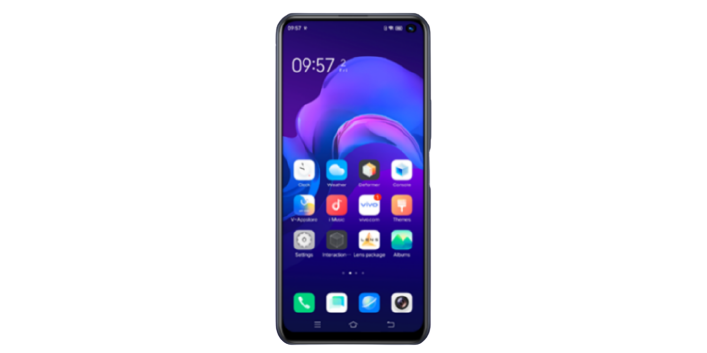
Last year in December, Vivo launched the Exynos 1080 SoC powered Vivo X60 and Vivo X60 Pro phones in China. These phones were made available in India recently with Snapdragon 870. The Indian variant of the Vivo X60 has a V2045 model number, whereas the Vivo X60 Pro has a V2046. A mysterious Vivo phone with a V2118A model number has appeared in the database of the Google Play Console. The listing reveals that it will be yet another phone with Snapdragon 870 from the brand.
It is not clear whether the image of the phone available in the Google Play Console is the actual render of the Vivo V2118A smartphone. The handset can be seen sporting a punch-hole at the upper-right corner of the screen. The right edge of the device has a volume rocker and a side-facing fingerprint scanner.
Vivo V2118A
The listing states that it is powered by a Qualcomm chipset that has a part number of 8250ac. This model number reveals it features the Snapdragon 870, which is the next best chip after the Snapdragon 888. The SD870 chip is accompanied by 8 GB of RAM and the device runs on Android 11 OS.
The V2118A’s screen supports a Full HD+ resolution of 1080 x 2408 pixels and a pixel density of 480ppi. The other details of the smartphone are under wraps. It is not clear whether this device will be arriving as a Vivo or iQOO branded phone. It is advisable to wait for further reports to know more about the V2118A.
In related news, iQOO will be soon launching the iQOO 7 Legend and iQOO 7 phones in China. The iQOO 7 is expected to arrive as a rebadged version of the iQOO Neo5, which was announced in China in February.
Looks like Samsung has decided to rebadge its own devices and the upcoming Galaxy M42 5G is an example. Now, a new smartphone probably called the Galaxy M32 has appeared on DEKRA certification and it could be a rebadged Galaxy A32.
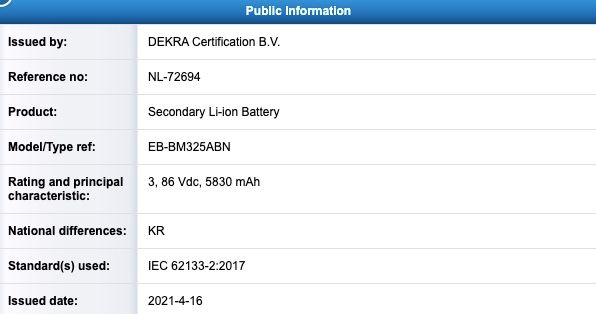
The new listing on the DEKRA certification agency page shows a battery with model number EB-BM325ABN. The rated capacity of the battery is listed as 5,830mAh which could be marketed as a 6,000mAh battery.
In the past, the model numbers of Samsung devices have had a saying in their marketing names. Going by this, the device carrying this battery could launch as the Galaxy M32. And, it could share a lot of similarities with the Galaxy A32.
credit: 91mobiles
Now, you may wonder which of the Galaxy A32 model as there are two versions of the device- 4G and 5G. If you recall, both the 5G and the 4G models have 5,000mAh batteries but the one certified above has typically 1,000mAh more.
So, we cannot say if it’s a 4G or a 5G device just yet but it looks like any other M-series phone with upgraded battery. Considering Samsung is bringing the 5G connectivity with Galaxy M42 5G to India on April 28, the Galaxy M32, which would probably fall below the Galaxy M42, could be a 4G device.
Samsung hasn’t confirmed any of this, so take it with a pinch of salt for now. If the Galaxy M32 turns out to be similar to Galaxy A32, it may have a 6.4-inch Super AMOLED 90Hz display, Helio G80 chipset, 64MP quad-camera setup, 20MP selfie camera, and run Android 11 OS.
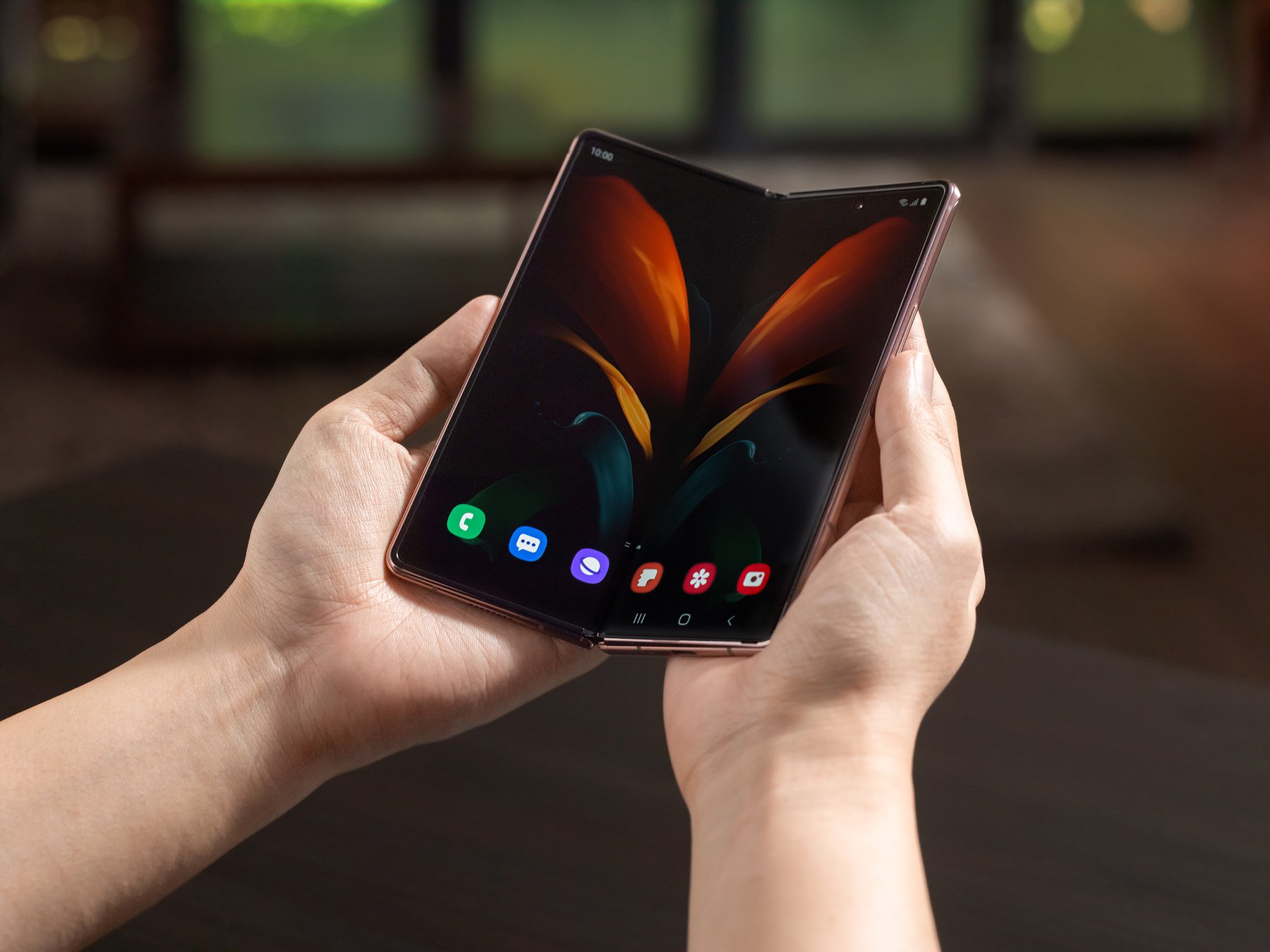
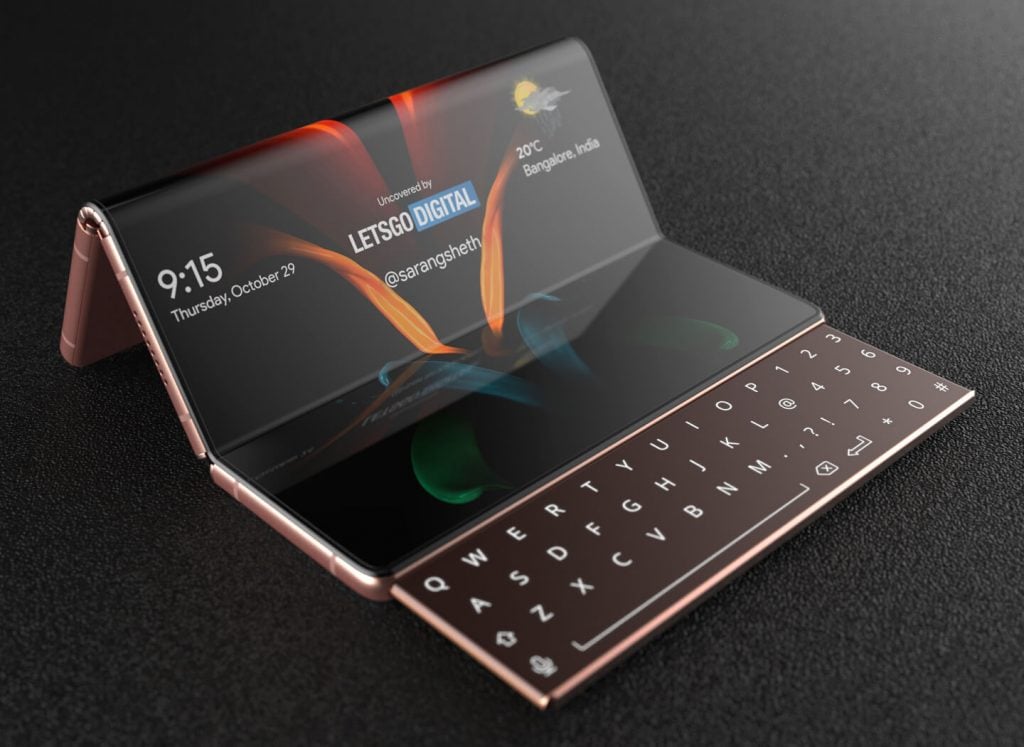
Samsung is expected to launch two new foldable smartphones later this year. This includes the Galaxy Z Fold 3 and the Galaxy Z Flip 3, which are reportedly set to arrive with key design upgrades.
According to a TechRadarreport, LetsGoDigitalfound a new trademark application from the South Korean tech giant. This trademark carried the term ‘Armor Frame,’ although, the application did not reveal finer details regarding what this term implies. However, this likely related to the company’s upcoming foldable smartphones. At the moment, the Galaxy Fold and Galaxy Flip feature an aluminum based frame that aren’t as strong as the stainless steel alternative.
Another disadvantage of using aluminum is that it tends to lose its strength over a period of time, which is especially bad for a handset that is centered around bending. Furthermore, while the trademark doesn’t specifically mention any other materials either. But it could be probable that the company might offer carbon and titanium to add extra strength to the frame of the Galaxy Z Fold 3 and Galaxy Z Flip 3.
This also offers an inherit advantage of making the devices lighter as well. Currently, we haven’t heard any rumors or reports regarding a new frame from the company or any mention of a Armor Frame. So take this report with a pinch of salt for now, and stay tuned for more updates.
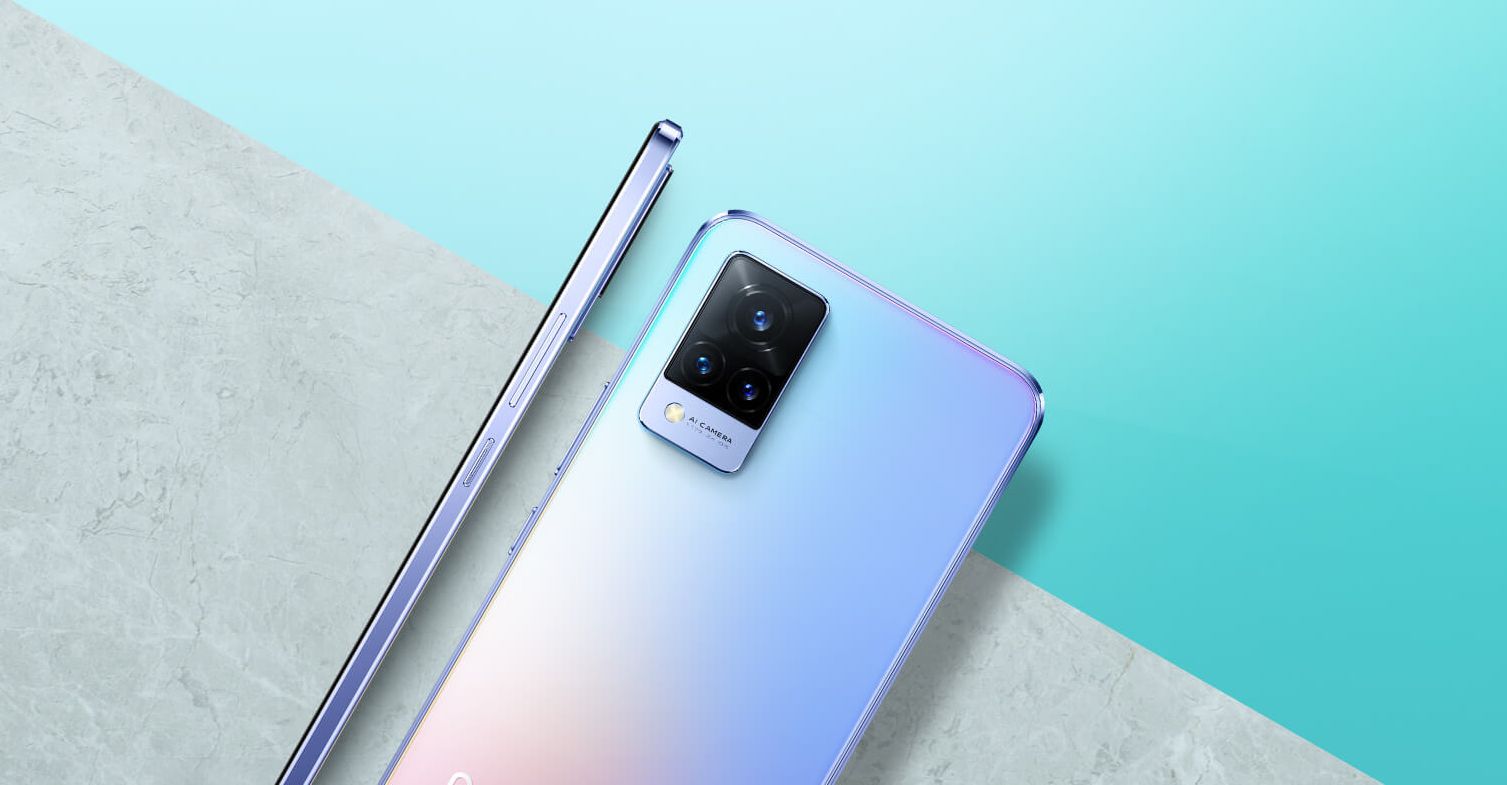
Vivo is bringing the V21 series to Malaysia on April 27. And, it has confirmed today that V21 5G is coming to India too. Ahead of the launch, Sudhanshu on Twitter has posted the specs of the Vivo V21 5G.
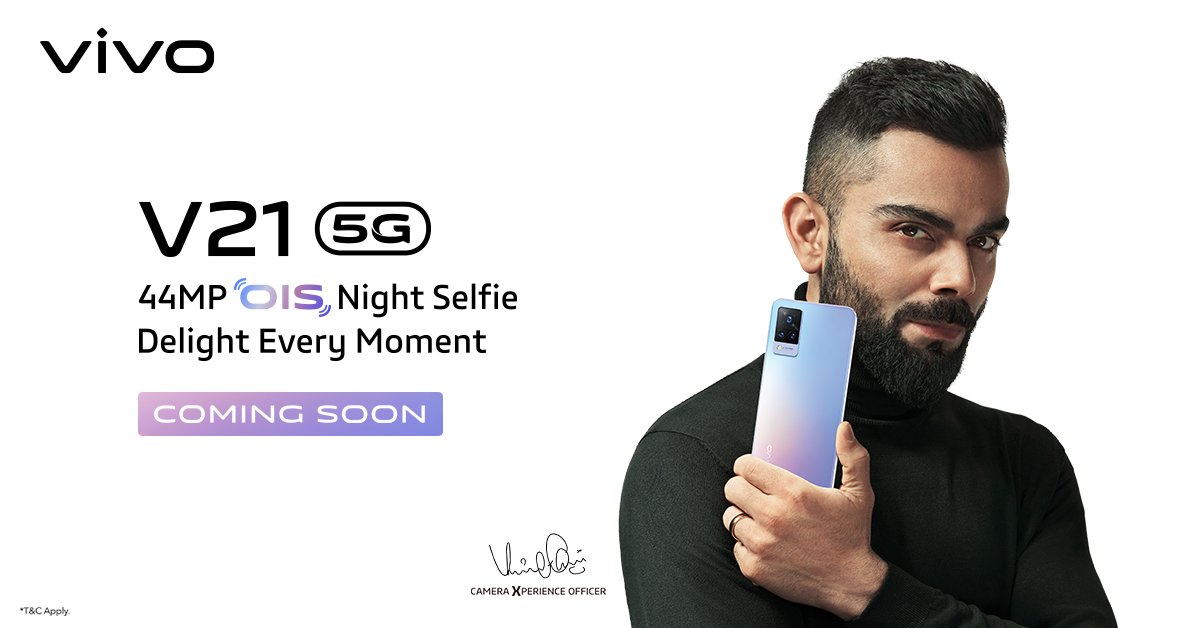
Vivo India has now posted a teaser on Twitter confirming the Vivo V21 5G moniker for India. As per the poster image, the device will have a 44MP selfie camera with features like OIS-assisted night selfies.
Besides, Sudhanshu says that Vivo V21 5G will feature a Dimensity 800U chipset. This is a 5G chipset that we have been seeing on many devices like the recently launched OPPO F19 Pro+, OPPO A94, and even the realme Narzo 30 Pro.
If this is true, it’s a transition from the Qualcomm Snapdragon 765G on the Vivo V20 Pro 5G. However, just like the V20 Pro, the V21 5G is also said to skip the 3.5mm audio jack and feature a hybrid SIM slot for storage expansion.
Vivo included a 3.5mm jack to Type-C adapter in the box for the V20 Pro and we can expect the same for the Vivo V21 5G. As for the optics, we already know that it will have a 64MP triple-camera setup on the back.
Along with that, the V21 5G is said to have an 8MP ultrawide and a 2MP macro sensor. Upfront, it will have a 44MP selfie shooter as mentioned above. Expected camera features include Eye Auto Focus (AF) on the selfie camera, OIS.
The Vivo V21 will also have memory fusion like RAM effect tech, dual-SIM 5G, and run Android 11 OS out of the box and we can expect Funtouch OS 11 UI on top. A report by Moneycontrol says that Vivo will initially bring only the V21 to India on April 27.
On the contrary, the Malaysian launch will have several devices like Vivo V21 4G, Vivo V21e along with the V21 5G. Another device, allegedly Vivo V21 SE, has appeared on the Google Play console but we will have to wait and see if it launches next week.
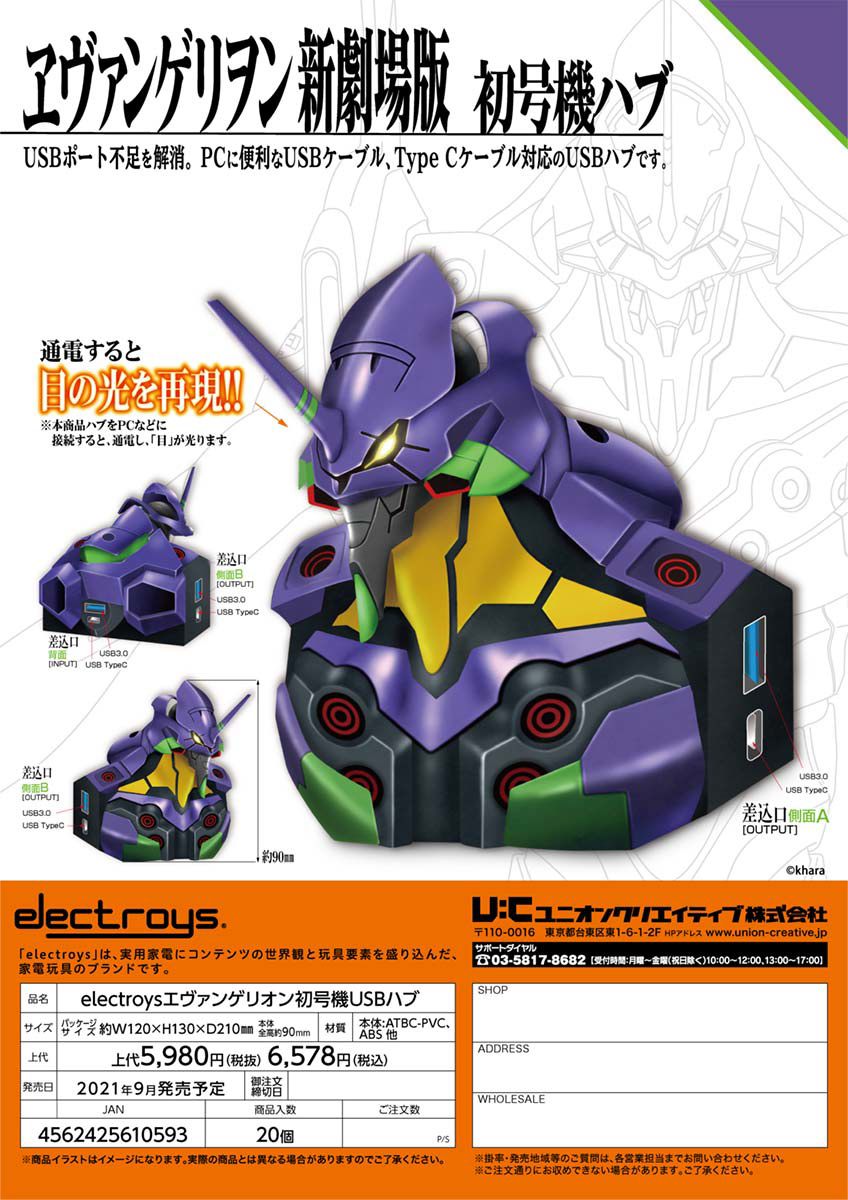
A Japanese company has just launched a new product in its home market that is quite unique. While it is fairly common USB Hub, it is designed around the iconic anime, Neon Genesis Evangelion.
The Evangelion themed USB Hub features a design completely inspired by one of the anime’s primary mecha (giant human piloted robots). Thus, it arrives with an angular design that is based on the upper body region of the highly recognizable mecha, the Evangelion Unit 01. So, the USB Hub has a color scheme of purple and green. This product is set to launch in Japan and will be available for purchase starting from September 2021.
Talking about the dimensions of the product, the Neon Genesis Evangelion themed USB Hub has a size of 8×9×16.5cm. At the moment, the company has only released certain renders of the product, but these images offer us a close look at the mecha’s design. The head of the mecha is clearly visible in great detail, while it offers customers USB Type A 3.0 ports and Type C ports as well. The product is currently available for pre orders at the moment.
As per ITHome, the USB Hub’s shell is made up of PVC and ABS materials. The price of the product in Japan is 6,578 yen after tax (roughly 60 US Dollars). So for those looking for a new USB Hub and love the classic anime, this new product might be the one you’re looking for.
Two Republican lawmakers in the US are calling for the expansion of restrictions against export of chip making tools to China. This arrives after the US government recently added seven new Chinese supercomputing based entities in its trade blacklist.
According to a BloombergQuintreport, Michael McCaul of Texas, the top Republican on the House Foreign Affairs Committee, and Arkansas Senator Tom Cotton have asked the US Department of Commerce to make it mandatory for American based tech firms that make electronics design automation tools, which are used to help design computer chips, to obtain a license from the government before allowing export of any products to China.
As per McCaul and Cotton wrote in a letter to Commerce Secretary Gina Raimondo, “There is clear evidence that companies linked to the Chinese Communist Party military are using this software technology to develop advanced weaponry.” Previously, the US added seven Chinese supercomputing based firms into its trade blacklist, which prevents them from receiving exports from American companies. The reason for the blacklisting is due to alleged national security risks.
The two lawmakers also asked the State and Commerce departments to find a way to “mitigate the risk of Taiwanese companies providing services and technologies to entities of concern,” further adding that the Taiwan Semiconductor Manufacturing Company (TSMC) shouldn’t be making advanced chips for China’s military. We also reported on TSMC officially suspending new orders from one of the companies blacklisted by the American government.
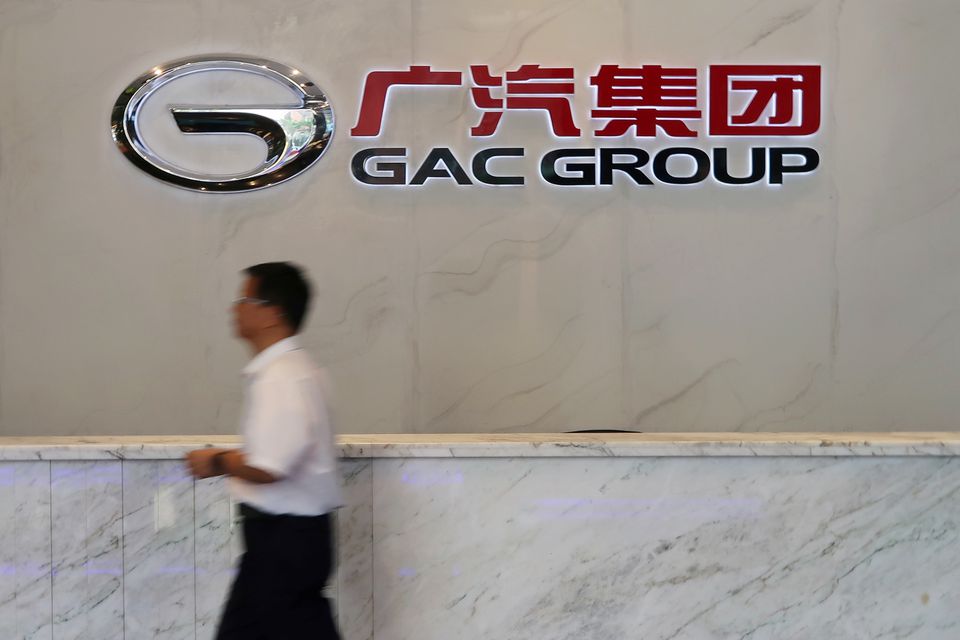
China’s GAC Motors is apparently planning on launching its first car model that supports self driving technology after 2024. The company is partnering with Huawei Technologies for its autonomous driving technology.
According to a Reutersreport, GAC’s General Manager, Feng Xingya, made the announcement at the 2021 Shanghai Auto Show earlier today (19th April 2021). The official also added that GAC is seeking to have half of its sales to be electric in 2035, with hybrid cars accounting for the other half. In other words, the company is aiming on a major shift of its vehicle production within the next decade.
For those unaware, Huawei is known to be working on self driving technology. The company even explained why it didn’t work on building its own cars and how it aims to build supplementing technology like the autonomous systems. Furthermore, the Chinese tech giant is also investing heavily in self driving technology and other electric vehicle technologies that surpasses Tesla, as per an SCMPreport. The company is set to invest 1 billion US Dollars on researching self driving and electric car technologies.
The move from the company arrives as an attempt to raise its efforts to compete with Tesla and Xiaomi in the world’s largest electric vehicle market. As per the report, Huawei’s autonomous driving systems has already overtaken Tesla in certain areas. An example being the former’s cruise allows for more than 1,000 kilometers of travel without human input. Additionally, the Chinese company is also set to partner with automakers that will use its self driving technology, including BAIC Group, Chongqing Changan Automobile Co, along with GAC.
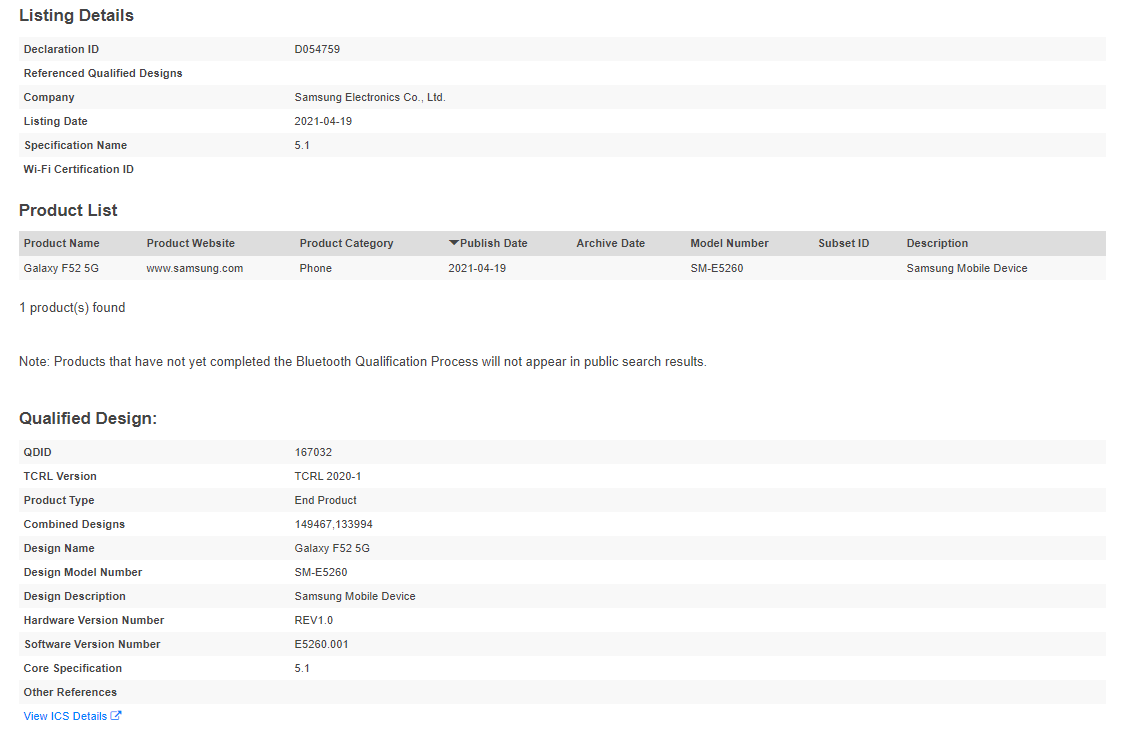
Samsung has recently launched a couple of F-series of smartphones such as the Galaxy F62, Galaxy F12, and Galaxy F02s. A fresh listing of the Galaxy F52 5G at the Bluetooth SIG authority suggests that it could be the next F-series phone from the brand.
A new Samsung phone with model number SM-E5260 has appeared at the Bluetooth SIG authority. The listing has confirmed that it will carry support for Bluetooth 5.1, and it will be arriving in the market as the Galaxy F52 5G.
It will be the first F-series phone from the brand to carry support for 5G connectivity. The Bluetooth listing has no other information on its specifications. Since the above-mentioned F-series phones are available in India, it is likely that the F52 5G could also be arriving in the country in the near future.
A variant of this phone with model number SM-E5260 was certified by the 3C authority of China. The listing revealed that it may arrive with support for 25W fast charging. Hence, it appears that China could be the other market that will be treated with the F52 5G.
There is a possibility that the Galaxy F52 5G could be a rebranded version of an existing Samsung phone. In related news, the South Korean company is gearing up to launch a handset named Galaxy M42 5G on April 28 in India. This phone is expected to arrive as a rebadged version of the Galaxy A42 5G, which was announced last year in European markets.
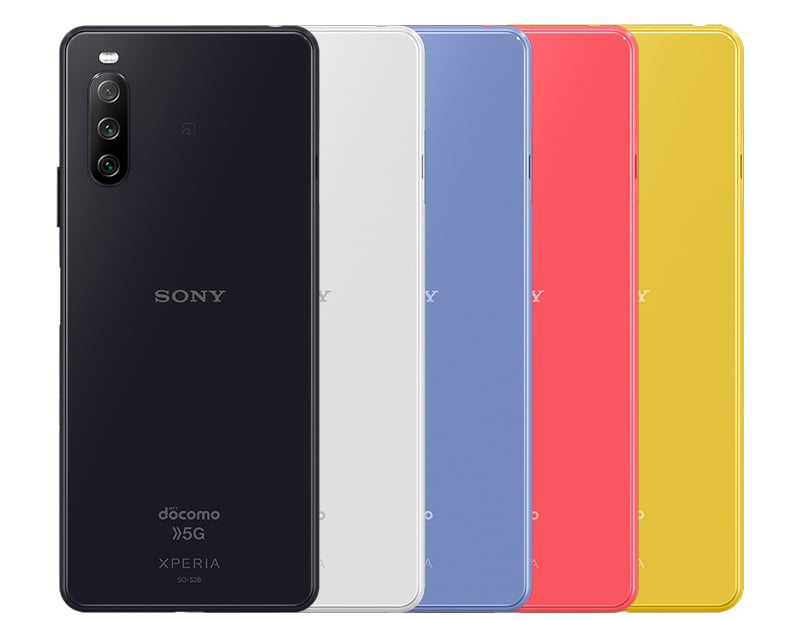
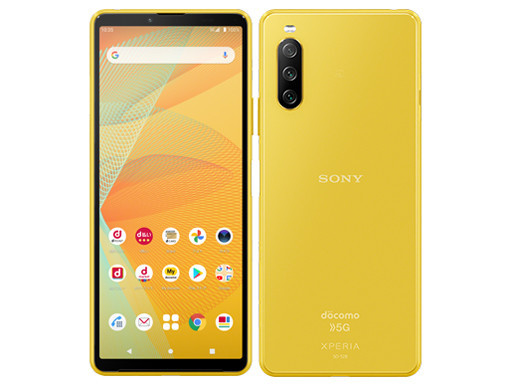
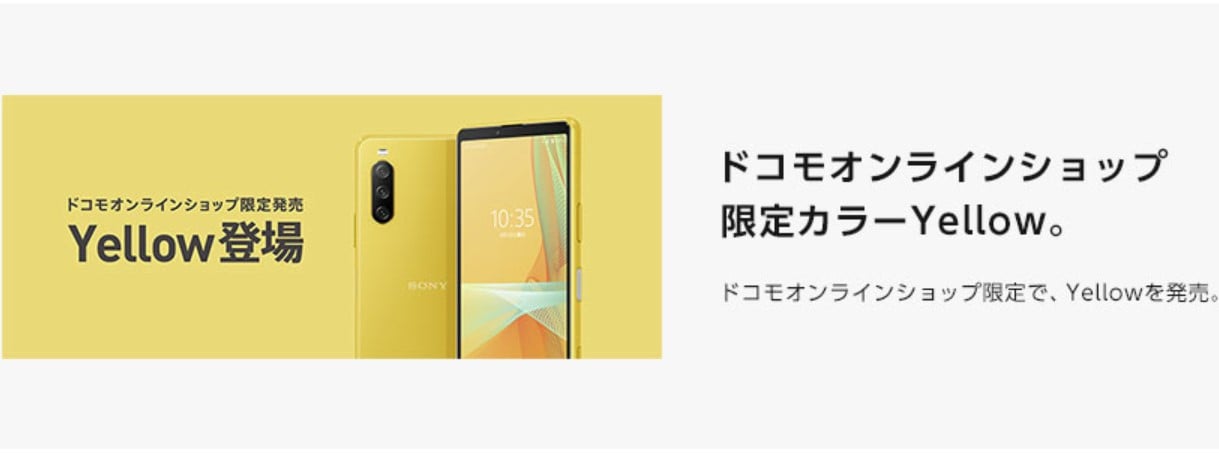
Sony launched the Xperia 10 III along with Xperia 1 III and 10 III a few days ago. Now, it has revealed a Yellow color variant of the Xperia 10 III in Japan.
Xperia 10 III All Colors Featured
Sonyhas partnered with NTT Docomo Mobile network operator in Japan to announce the new color variant of the Xperia 10 III. This edition is said to be exclusive for Japan and above all, the website listing shows that it’s a color limited only for Docomo carrier users.
Originally, the Xperia 10 III launched in four color options- White, Black, Pink, and Blue. This Yellow color marks the fifth color variant of the mid-range 5G device. Just like the other models, the power button of the Yellow color variant is in a different shade(here, Blue) for identification.
Apart from this, the rest of the device looks the same. As for the specs, the Xperia 10 III marks the entry of 5G connectivity to the mid-range Xperia devices.
1 of 2
Xperia 10 III Yellow
All the colors are under reservation on Docomo’s official website. The device is said to go on sale in early Summer(mid-June 2021 in Japan). You can look at the specifications below:
Sony Xperia 10 III Specifications and Features
The Sony Xperia 10 III features a 6-inch wide FHD+ OLED HDR display. This display has a 21:9 aspect ratio, 2520×1080 pixel resolution, 60Hz refresh, and 120Hz touch sampling rate, 97% DCI-P3 color gamut, 10-bit tonal gradation, and Corning Gorilla Glass 6 protection.
Inside, we have the Qualcomm Snapdragon 690 5G chipset paired with 6GB RAM and 128GB storage.
For cameras, we have a Triple-camera layout on the back with a 12MP f/1.8 main lens, 8MP f/2.2 ultra-wide-angle lens, and an 8MP f/2.4 Telephoto sensor. Upfront, there is an 8MP f/2.0 selfie shooter with a 78-degree FOV.
Other features include a 4,500mAh battery, side-mounted fingerprint sensor, IP65/IP68 rating, 3.5mm audio jack with LDAC and Hi-Res audio support, Hi-Res Audio wireless, DSEE Ultimate, Stereo Recording, Qualcomm® aptX™ HD audio.
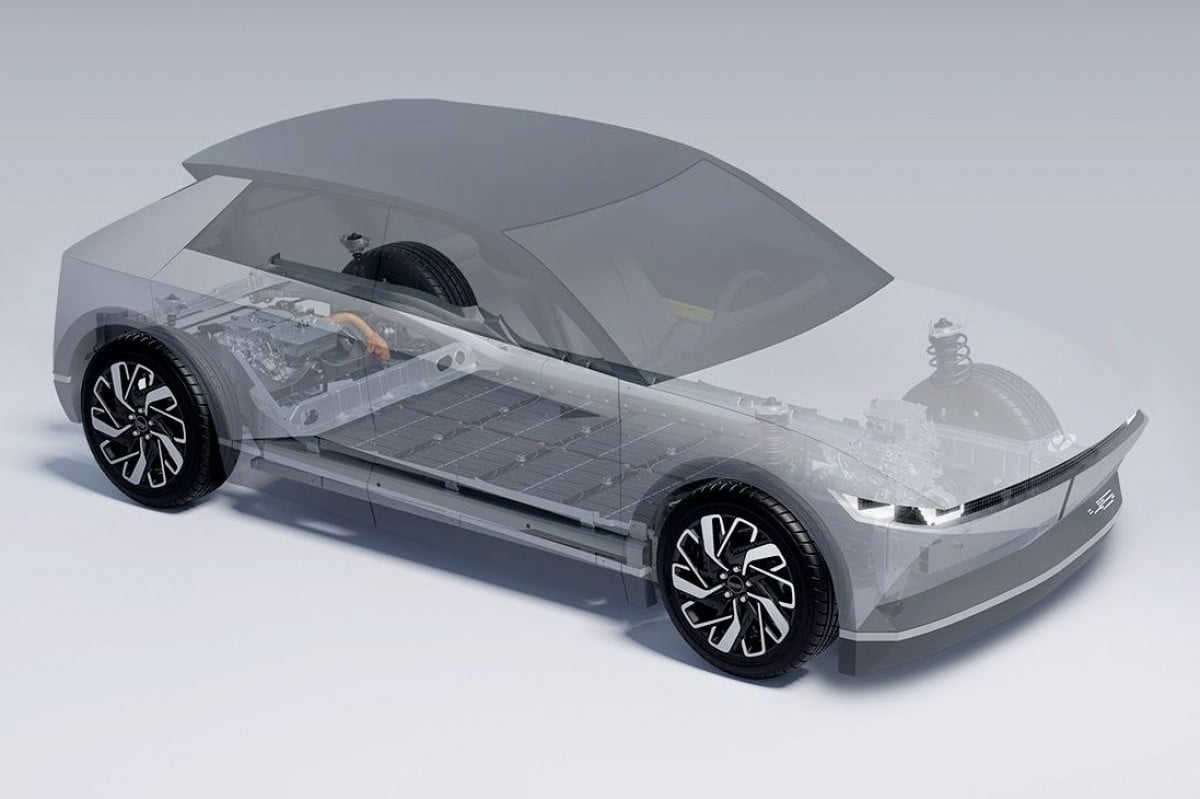
The LG and Magna automotive joint venture is apparently close to signing a deal for the production of the Apple Car. Dubbed “LG Magna e-Powertrain”, the firms are reportedly ‘very near’ to signing a deal with the iPhone maker for its first electric vehicle’s production.
According to TheKoreaTimesreport (Via 9to5Mac), the contract would reportedly have LG and Magna International venture manufacture the initial rounds of Apple Car production. At the moment, the Cupertino based giant is expecting to launch its own electric vehicle by the year 2025. To produce its EVs, the company might cooperate with the LG and Magna partnership, which is expected to be completed later this year and will have the iPhone maker as their primary customer.
Earlier this year, we had reported on various rumors and reports regarding the Apple’s first electric car. We had also reported on potential production partners, which included Hyundai and Kia, with a reported valuation of 4 billion US Dollars. Although, this was later confirmed to not be the case as the discussions ended back in February 2021. From what we know so far, the car will solely be branded under Apple’s banner. Meaning, the production partners will only act as links in the supply chain, similar to its partnership with Foxconn and others for the iPhone. This is the reason why Kia and Hyundai backed out of the deal initially.
For those unaware, Apple has been rumored to be working on its own electric vehicle since 2015. The upcoming car is expected to feature self driving technology and arrive with various in house electronics as well. So stay tuned for more, as we will be providing updates when additional information is available regarding this matter.
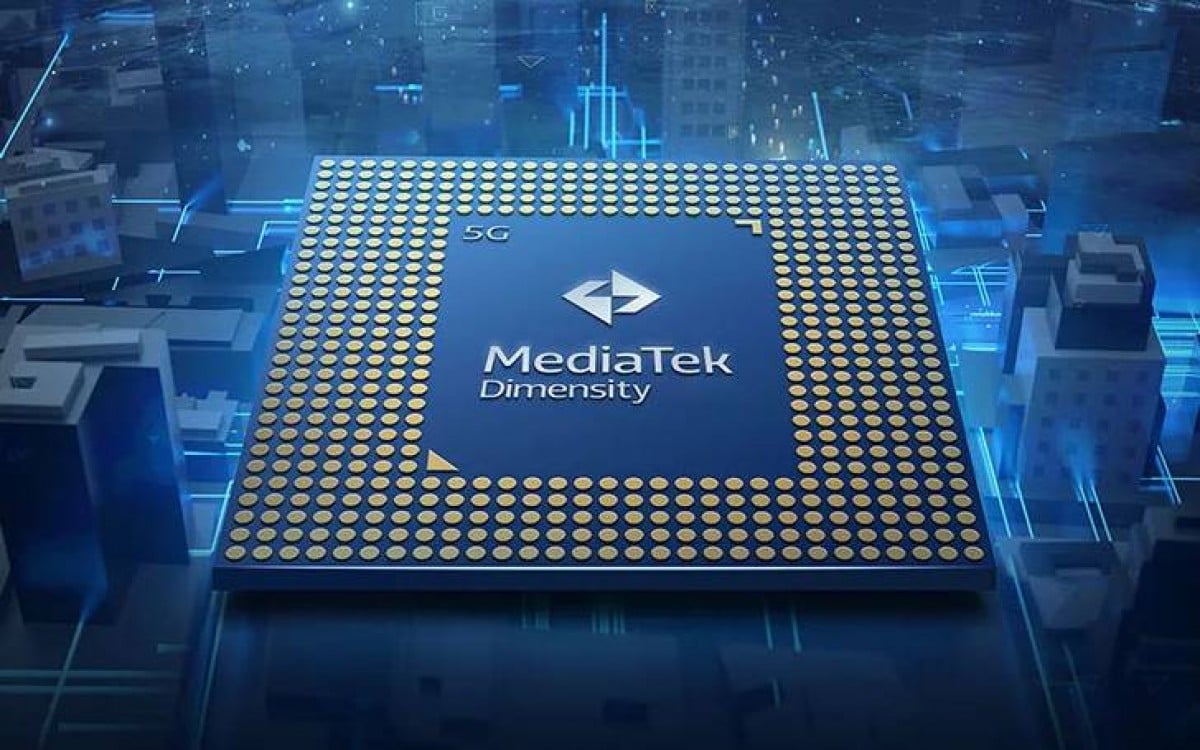
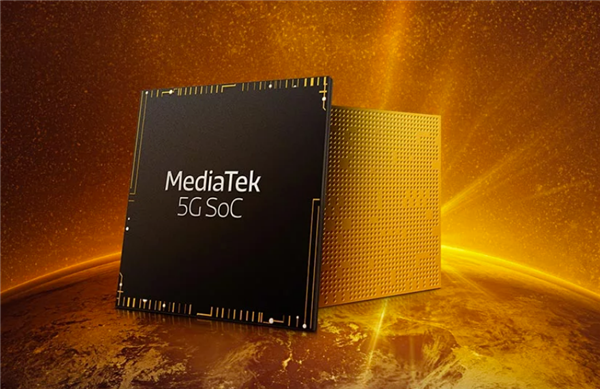
MediaTek is apparently working on shifting towards newer advanced chip manufacturing processes. This shift will have the company move towards the advanced 4nm process, which is a jump from the previously rumored 5nm based chips from the company.
According to a MoneyUDNreport, the chipmaking giant will be one of the first firms to place an order with TSMC, world’s largest contract chip maker, for 4nm based chips and even the next gen 3nm based chips as well. In other words, the company is also one of TSMC’s first customers for the 3nm process, with others like being Apple and Qualcomm in the future. Furthermore, this has also led MediaTek to see an influx of orders from various Android smartphone makers like Oppo, Vivo, and Xiaomi.
Meaning, the company will become a key supplier of 5G enabled chipsets to upcoming high end devices that will launch in the near future. Notably, this would also mark the first time MediaTek has been a proper contender in the high end flagship market and has also kept pace with or even surpassed its primary rival, Qualcomm. Simply put, the shift towards more advanced manufacturing process would only benefit the company in the smartphone market.
For those unaware, the 4nm process and even the 3nm process is more advanced that the current gen 5nm process. Since the technology is more advanced the cost of 5G enabled chips from the company is expected to rise from 30 to 35 US Dollars to 80 US Dollars, which could also lead to a significant rise in revenue as well. Unfortunately, the company has yet to offer any specifics regarding this matter, so stay tuned for more updates.
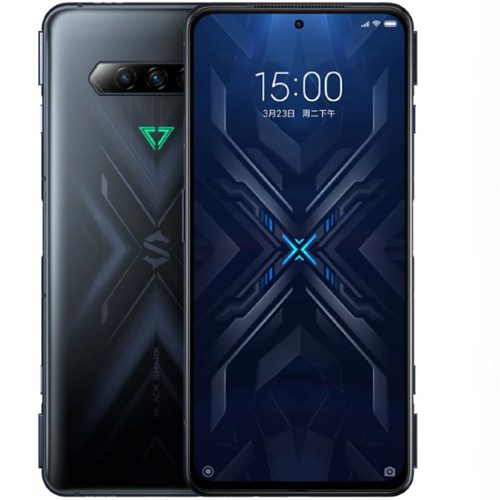
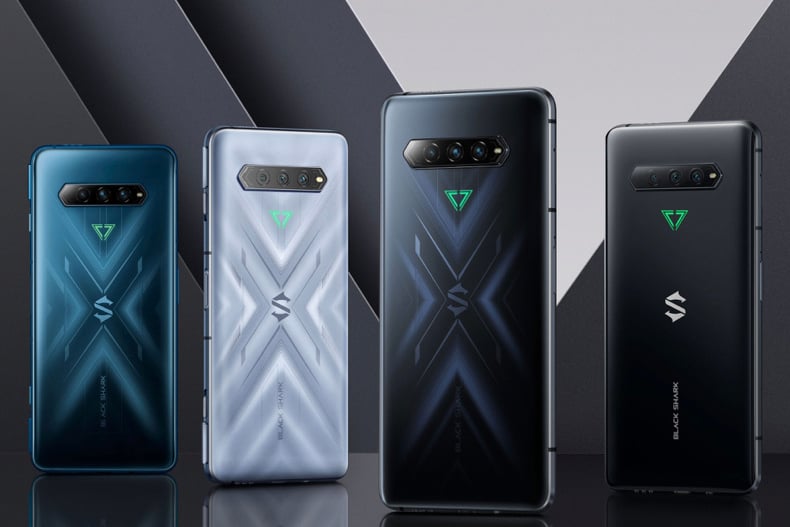
The world is currently facing a major shortages of semiconductors. This has impacted various industries across the globe, including the smartphone market. Now, the shortage of chip supply has even caused the Black Shark 4 Pro to go out of stock.
According to a TechSinareport, the Chinese smartphone maker’s CEO, Luo Yuzhou stated in a post that the lack of chips have led the company’s latest flagship series to go out of stock, especially the Black Shark 4 Pro. The senior executive added that the shortage is quiet serious and that the company is working to raise the output of the production of its smartphones. For those unaware, the chip shortage began last year and has impacted multiple industries like automobiles, smartphones, home appliances, and others.
Furthermore, it is also expected that the prices for various products will rise due to this shortage. This rise will most likely impact consumer electronic products like smartphones, and other home appliances. The Black Shark 4 Pro is equipped with a Qualcomm Snapdragon 888 processors, which is based on a 5nm process. This chipset is one of the higher end processors that can be found in most flagship devices.
Unfortunately, while the senior executive has stated that the company is working to raise the inventory for its latest Black Shark 4 series, he has yet to offer any specifics at the moment. So stay tuned for more, as we will be providing updates when additional updates are available.
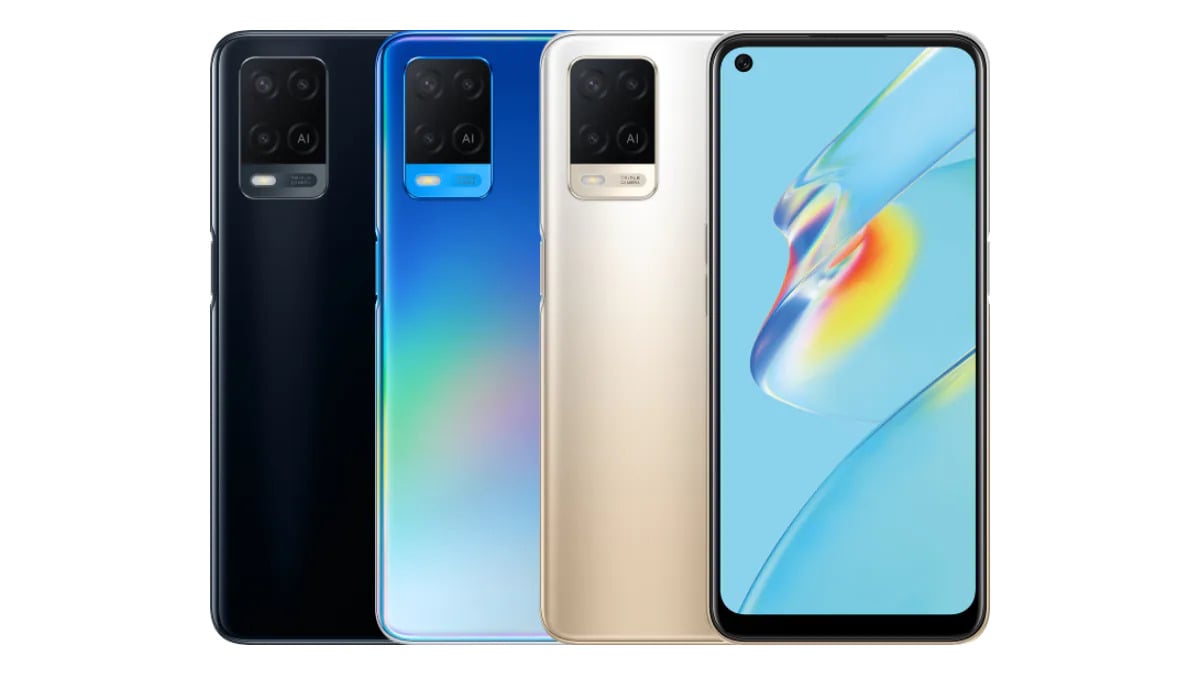
OPPO has today launched a new smartphone under its A-series in the Indian market, dubbed as OPPO A54. The device was first launched in Indonesia last month. The launch of this smartphone in India comes a day ahead of the scheduled launch of OPPO A74 5G.
The smartphone features a 6.51-inch HD+ LCD display that offers a 1600 x 720 pixels screen resolution with a 60Hz refresh rate, 120Hz touch sampling rate, 89.2 percent screen-to-body ratio and 269ppi pixel density.
Under the hood, the device is powered by the MediaTek Helio P35 chipset which comes in three memory configurations — 4GB RAM + 64GB Storage, 4GB RAM + 128GB Storage, and 6GB RAM + 128GB Storage. It also comes with a microSD card slot that enables expanding the storage capacity.
Coming to the camera department, there’s a triple-camera setup on the back that includes a 13-megapixel primary sensor, a 2-megapixel macro lens, and a 2-megapixel bokeh camera. On the front side, it features a 16-megapixel selfie snapper.
The phone is running the Android 10 operating system with ColorOS 7.2 on top. Connectivity options on the device include 4G, Wi-Fi, Bluetooth 5, GPS, a 3.5mm audio jack, and a USB Type-C port. It is powered by a 5,000mAh battery and comes with support for 15W fast charging.
The OPPO A54 comes in three color options in India — Crystal Black, Moonlight Gold, and Starry Blue. The 4GB + 64GB model is priced at Rs 13,490 (~$180) while the 4GB + 128GB model costs Rs 14,490 (~$194). The 6GB RAM model costs Rs 15,990 (~$214). All three models will be available for purchase from 20th April through Flipkart.
We use cookies on our website to give you the most relevant experience by remembering your preferences and repeat visits. By clicking “Accept”, you consent to the use of ALL the cookies.
This website uses cookies to improve your experience while you navigate through the website. Out of these, the cookies that are categorized as necessary are stored on your browser as they are essential for the working of basic functionalities of the website. We also use third-party cookies that help us analyze and understand how you use this website. These cookies will be stored in your browser only with your consent. You also have the option to opt-out of these cookies. But opting out of some of these cookies may affect your browsing experience.
Necessary cookies are absolutely essential for the website to function properly. This category only includes cookies that ensures basic functionalities and security features of the website. These cookies do not store any personal information.
Any cookies that may not be particularly necessary for the website to function and is used specifically to collect user personal data via analytics, ads, other embedded contents are termed as non-necessary cookies. It is mandatory to procure user consent prior to running these cookies on your website.