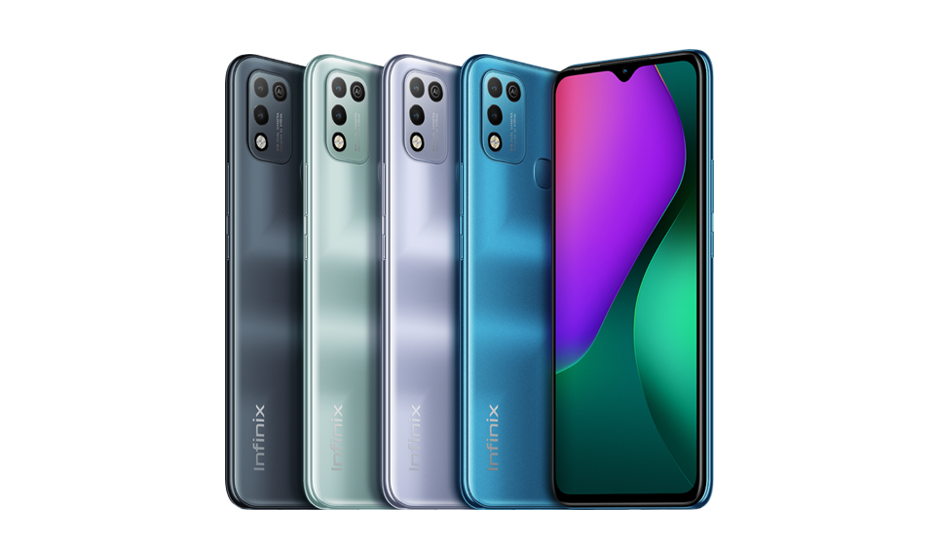
Infinix has announced the Infinix Hot 10 Play smartphone in India today. The handset features a huge display and behemoth battery. For performance, it offers users a gaming-friendly MediaTek chipset and it has a 13-megapixel dual-camera system for photography.
Infinix Hot 10 Play specifications and features
The Infinix Hot 10 Play features a massive 6.82-inch LCD screen that produces an HD+ resolution of 720 x 1640 pixels and a 20.5:9 aspect ratio. The teardrop notch of the display serves as a home for its 8-megapixel selfie camera.
Infinix Hot 10 Play
The AI-assisted rear camera setup of the Infinix Hot 10 Play has a 13-megapixel primary camera, an AI depth assist lens, and an LED flash. The rear shell of the device features a traditional fingerprint scanner. The smartphone comes preinstalled with XOS 7 based Android 10 OS.
The MediaTek Helio G35 chipset is present under the hood of the device. The SoC is coupled with 4 GB of RAM. The device offers an internal storage of 64 GB and it has a microSD card slot for more storage. The device is backed by a 6,000mAh, which only supports 10W charging. Lastly, the phone is packed with usual connectivity features like Wi-Fi 802.11n, Bluetooth 5.0, GPS, USB-C, and a 3.5mm audio jack.
Infinix Hot 10 Play pricing and availability
The Infinix Hot 10 Play has arrived in India with a price tag of Rs 8,499 (~$113) and it will be available for purchase from April 26 through Flipkart. The handset will sell in colors like Aegean Blue, Morandi Green, Obsidian Black, and Purple.
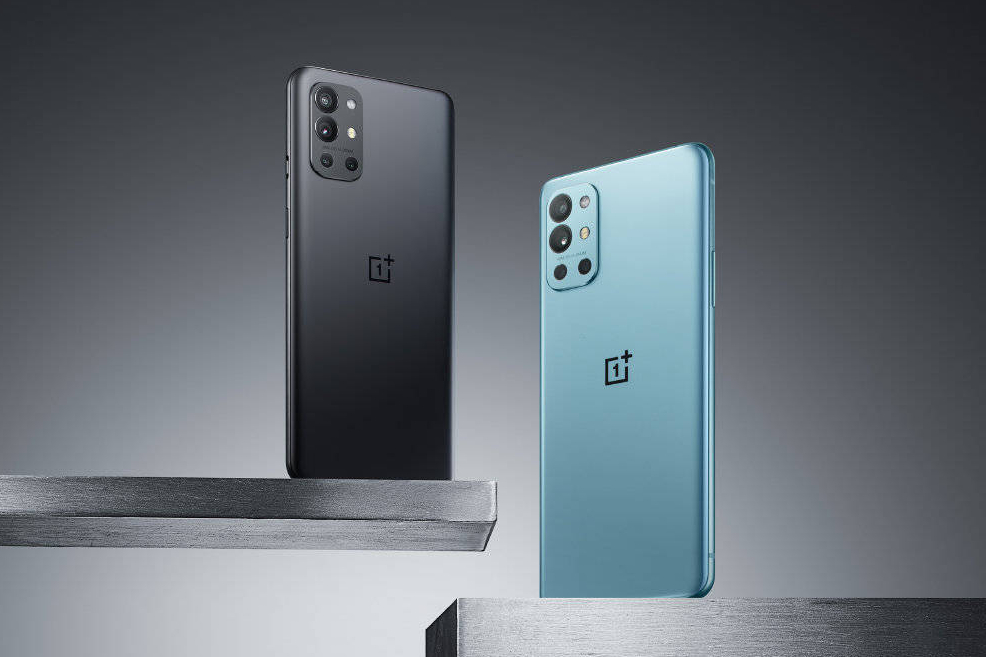
The OnePlus 9R is the cheapest model in the OnePlus 9 series. The handset made its global debut in India alongside the other two devices in the lineup. Last week, it launched in the brand’s home country. A few days later, information regarding a new storage variant as well as a new color option has popped up on the internet.
A blogger on Weibo suggests that the OnePlus 9R will be available in a 12GB + 256GB variant in China in the coming days. For those unaware, the smartphone already comes in this storage configuration in India.
Additionally, he also says that the phone will be also getting a new ‘Green’ color paint job. Currently, the handset comes in two colors (Black, Blue) and two storage versions (8GB + 128GB, 8GB + 256GB) in China.
Unfortunately, he does not clarify whether the Green color option will be limited to the 12GB + 256GB configuration. However, he does say that the new storage variant may not be sold on OPPO group’s unified online store – Huantai Mall.
Lastly, he neither mentions any timeline for this variant’s launch nor its price. He merely asks interested customers to wait further. Also, the blogger’s Weibo post does not say anything about whether the new color will make its way to India.
The OnePlus 9R sold in China is basically the same smartphone that is available in India with four key differences. The Chinese version is cheaper, runs ColorOS 11, comes with a 2-year warranty, and has a mascot (Ultraman).
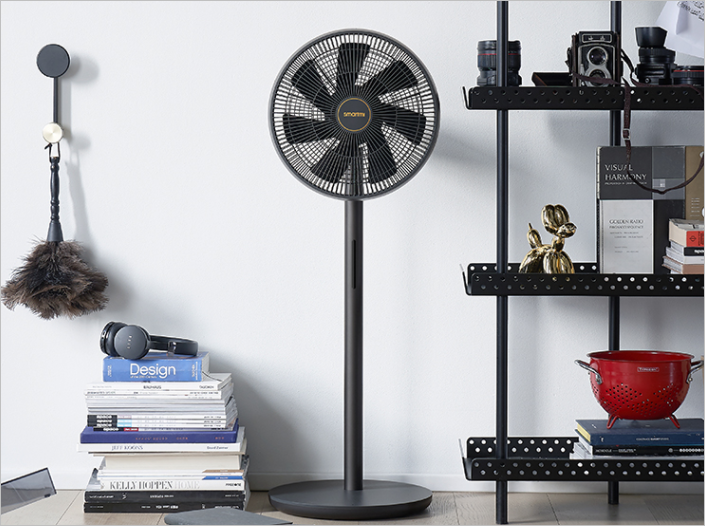
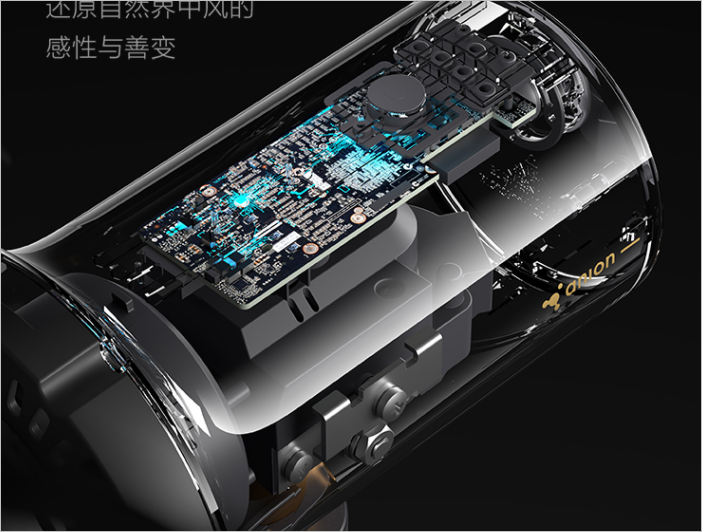
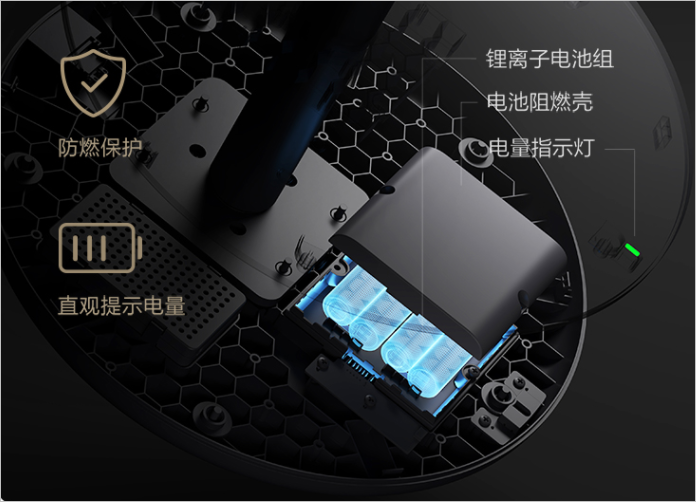
Xiaomi‘s ecological chain company Smartmi has launched a new product dubbed Smartmi DC Inverter Floor Fan 3. The product is designed with the needs of homeowners in mind as it produces low noise which shouldn’t disturb your sleep. The black and gold colour mix will ensure that the product blends with the dark when it is lights out. The product, which is also known as the Smartmi DC Inverter Floor Fan 3 Black Gold Edition, features a built-in lithium-ion battery that can be fully charged in 4 hours and supports 20 hours of wireless battery life.
The DC fan adopts Minebea’s brushless DC motor with a double-layer enclosed motor compartment, streamlined air deflector, and 7-feather soft fan blades, making it quieter. The fan also features Smartmi’s dynamic-wind sensor algorithm, which highly restores nature’s irregularly changing wind. At the same time, the built-in temperature and humidity sensor automatically change speed according to the ambient temperature, keeping a comfortable wind speed at all times.
In addition, the fan also has a built-in negative ion generator that continuously releases negative ions, reduces dust and reduces static electricity, and restores the freshness of the natural world.
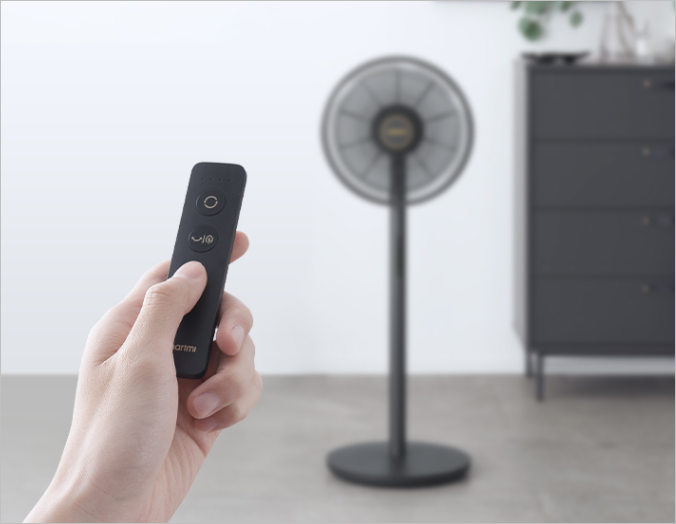
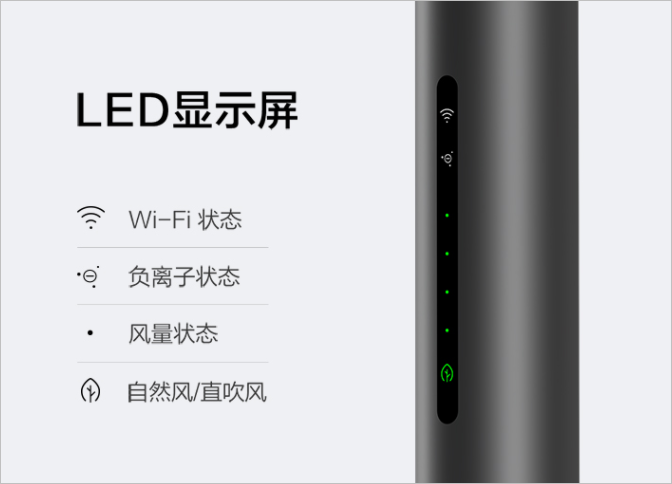
In terms of intelligence, the Smartmi DC Floor fan features support for MIJIA app control. Through the app, users can preset a startup time, adjust the brightness of the display, set the head angle, check the indoor temperature and humidity, etc. Users can also adjust the wind speed from the MIJIA app.
The DC fan is presently up to pre-order from Jingdong for 699 yuan (~$107) and will go on sale on April 18.
The COVID-19 pandemic has created a lot of disruption around the world and hardware-based technology companies are facing several issues related to production. It has also created a global shortage of chipsets.
Now, Xiaomi has announced that due to the global supply and demand issues, and the fluctuating exchange rates, the company is increasing the prices of TVs. This is mainly due to the varying prices of core components, including display panels and chips and the company believes that it will be a long time before the prices go down.
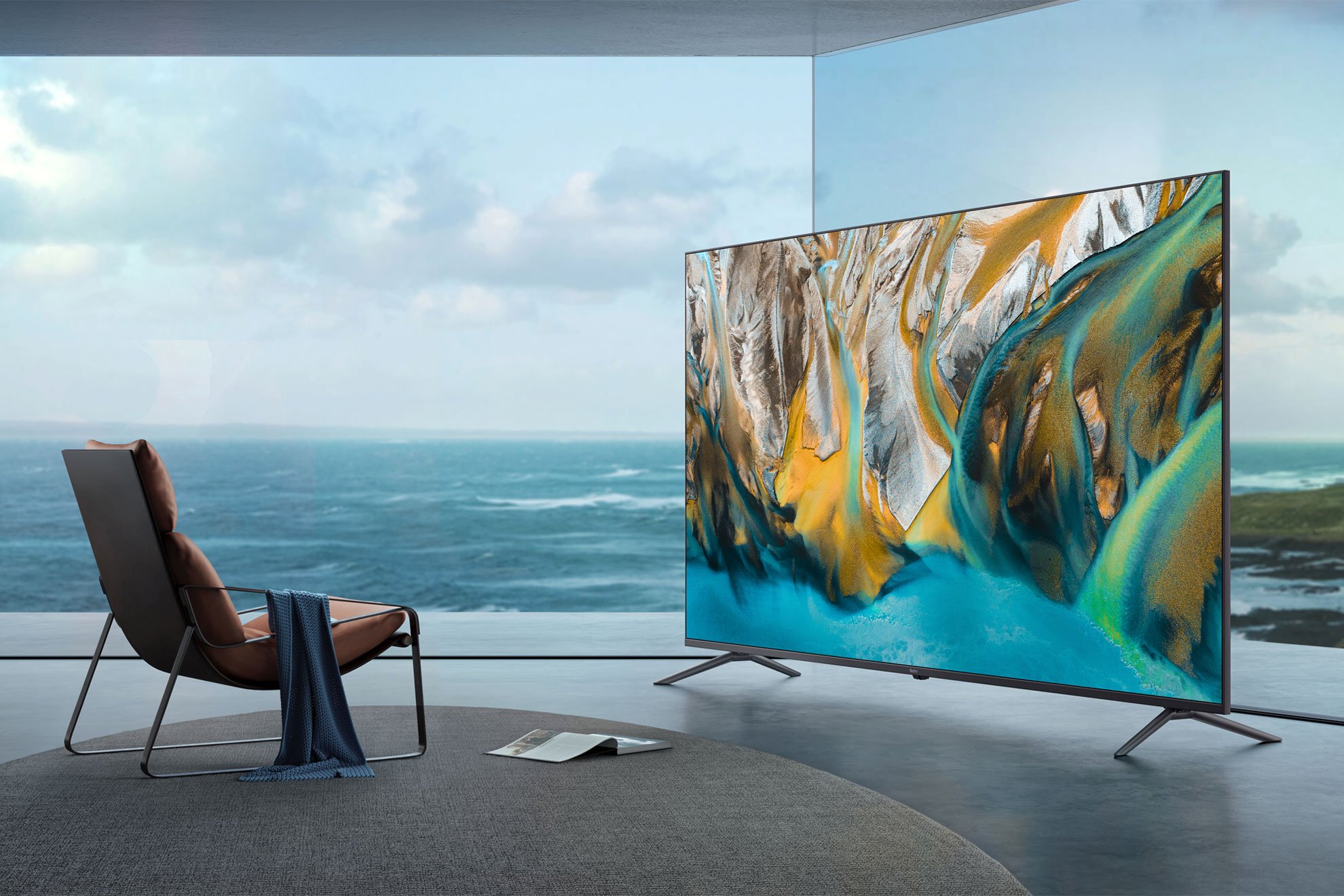
Currently, the pricing of the Redmi MAX 86-inch has risen to 9,999 yuan, which is approximately $1,532. This represents an increase of 2,000 yuan (~$306) as the earlier pricing was 7,999 yuan (~$1,226).
The Redmi MAX series flaunts an 86-inch LED-backlit LCD 4K panel with a screen resolution of 3840 × 2160 pixels and a 120Hz refresh rate and support for MEMC. The screen supports 10-bit color, HDR, HDR10, HDR10+, HLG, Dolby Vision, and covers 92% of the DCI-P3 color gamut with color accuracy of ΔE ≦2. It also has the usual 178° viewing angle.
It is powered by an unknown chipset with a quad-core CPU (ARM Cortex-A73), ARM Mali-G52 MC1 GPU, 2GB of RAM, and 32GB of internal storage. It runs MIUI for TV 3.0, which includes content integration and smart features like Xiao Ai voice assistant and more.
As for connectivity and ports, the television sports dual-band WiFi, Bluetooth 5.0, Infrared, 2 X USB Type-A, AV, ATV/DTMB, S/PDIF, Ethernet, and 3 x HDMI. One of the three HDMI ports is v2.1 with support for 120Hz VRR and ALLM. So, users can connect their Sony PS5 or Microsoft Xbox Series X to experience 4K 120Hz gaming. It comes with 2 x 12.5 speakers to deliver the sound output of 25W and also support Dolby Atmos and DTS-HD.
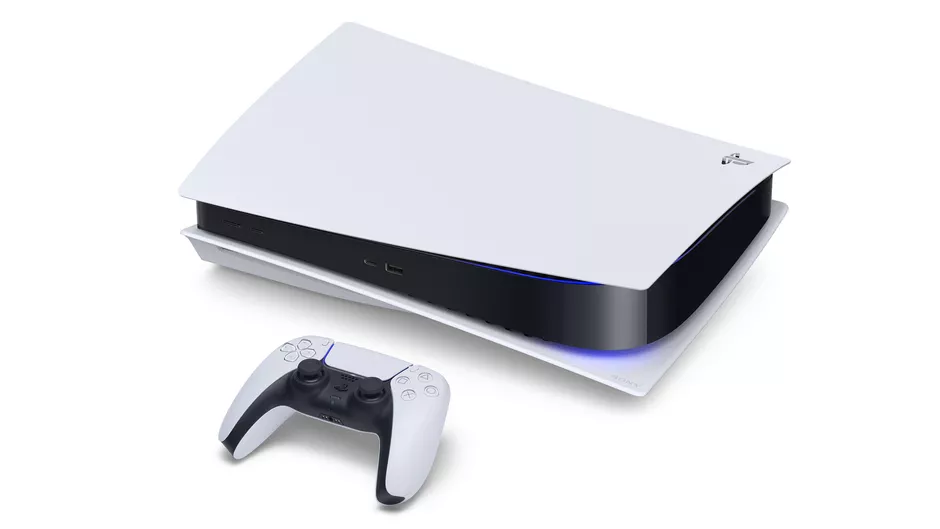
Last year, Sony launched its next-generation gaming console — Sony PlayStation 5, starting with the United States and Japan in November, and later it was made available in more regions the same month.
Now, the Sony PS5 has officially become the fastest-selling console in US history. According to the analysis by NPD Group, the latest console tops the charts in terms of both units sold and “dollar sales” since its release five months ago.
NPD Executive Director Mat Piscatella said that the Nintendo Switch has become the highest-selling hardware platform in the first quarter of this year while the PlayStation 5 from Sony ranked the first in the United States in terms of sales value.
The data shows that the overall gaming hardware sales in the March of this year were 47 percent higher when compared to the same period last year, setting a record of $680 million. The total amount spent this year is $1.4 billion, representing an increase of 81 percent over the same period last year.
As for the latest PlayStation, Sony believes that as of 31st March 2022, the company can sell more than 12.8 million units of the PS5, exceeding the sales of the PS4 in the second year of its release.
Sony also led in terms of accessories sales, with the PS5 DualSense controller being the leading accessory in dollar sales for March and the first quarter of 2021.
In related news, the Japan-based company rolled out a new PS5 update earlier this week that enables extended storage for the console and One-Touch Play, which turns the TV on when the console is turned on. It also gives players the ability to see their controller’s battery percentage while charging, and 120Hz support for “some” 1080p/120 Hz PC monitors, allowing 120fps gameplay.
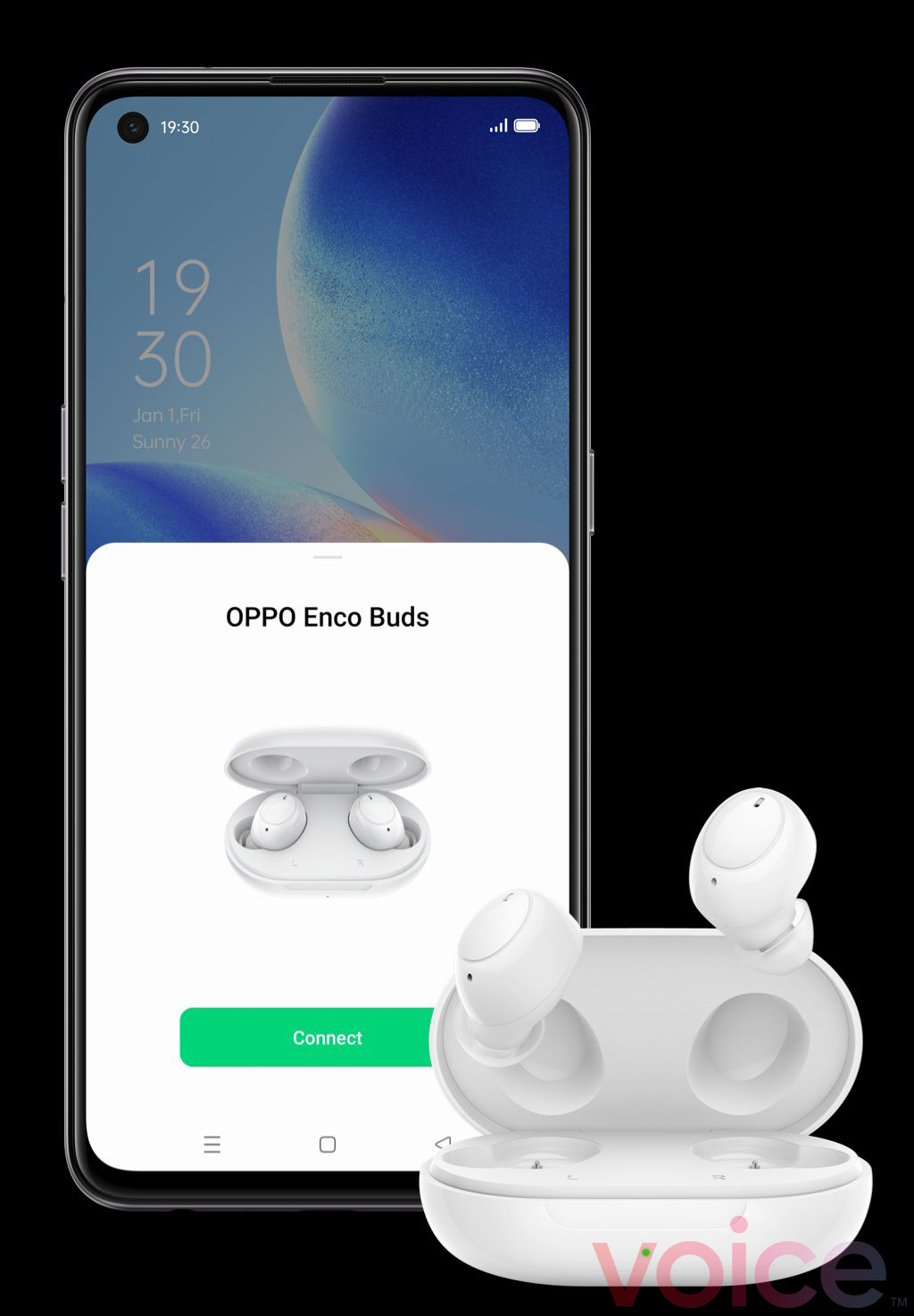
OPPO, the China-based smartphone maker is now actively focusing on accessories and a new report claims that the company is soon going to launch its new true wireless earphones in the market — OPPO Enco Buds.
Well-known leakster Evan Blass has shared official-looking renders of the upcoming OPPO Enco Buds TWS earphones. In terms of design, the device looks quite similar in design to the OPPO Enco W11 earphones.
In comparison, the TWS earbuds look quite similar to the Samsung Galaxy Buds+ and the similarity doesn’t end at the design of the device but the charging case also looks the same. The earbuds and the charging case are shown in White colors in the leaked renders.
We expect similar features to its predecessor, Enco W11, including 20-hour battery life, IP55 dust and water resistance, touch controls, and silicone tips for a better fit. There could be support for Bluetooth 5.2 connectivity as well as a USB-C port.
Currently, the exact launch date of the OPPO Enco Buds is not known but it is expected to hit the markets by the end of this month. We expect more information about this in the coming days, as the launch date nears.
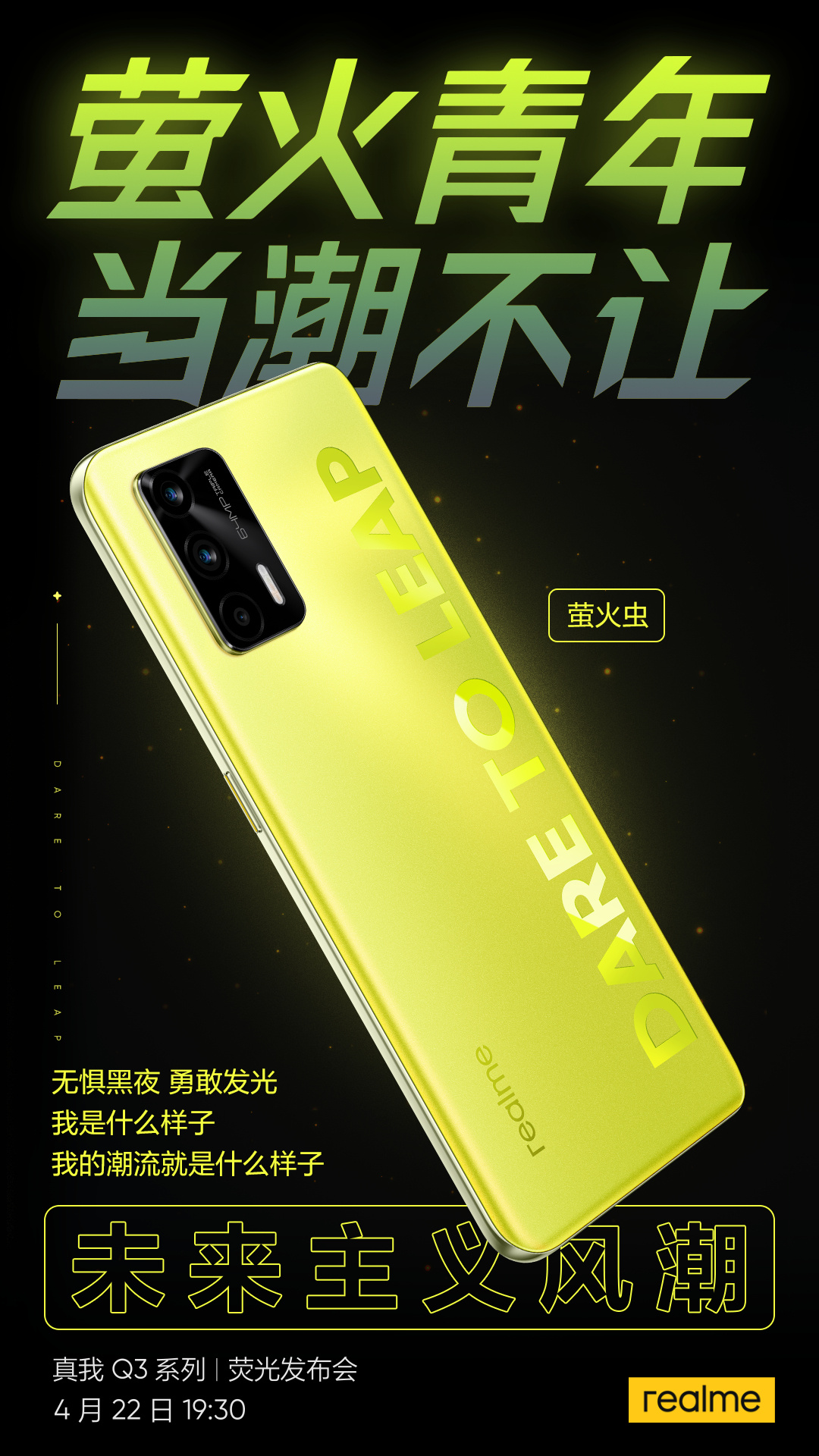
Realme confirmed today that it will be announcing the Realme Q3 series of smartphones on April 22 in China. Last year’s Realme Q2 series included three models as Realme Q2i, Realme Q2, and Realme Q2 Pro. This year’s lineup may at least include two models such as Realme Q3 and Realme Q3 Pro.
Apart from confirming the launch date of the Realme Q3 series, Realme China’s CMO shared a poster of the Realme Q3 Pro smartphone. The handset can be seen sporting a luminous fluorescent back with a shiny matte appeal.
The back also features a large-sized “Dare to Leap” branding on the back. Its top-left corner has a triple camera system with a 64-megpaixel primary camera and an LED flash. The Chinese manufacturer is yet to confirm the details of the smartphone.
The rear appearance of the phone suggests that it could be the Realme RMX2205 handset that was recently approved by the TENAA authority of China. The RMX2205 is expected to offer specs like a 6.43-inch AMOLED FHD+ display with an in-screen fingerprint reader, a 4,500mAh battery, and Android 11 OS.
Other reports have revealed that the display of the phone is expected to support a high refresh rate of up to 120Hz. It is speculated to arrive with support for 65W rapid charging and it sports a slim profile of 8.4mm.
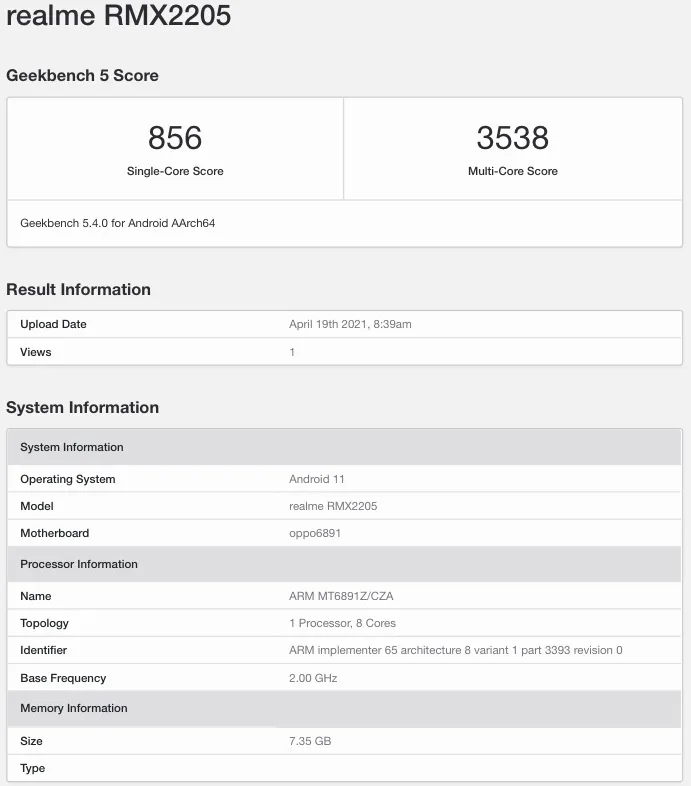
The RMX2205 handset has also appeared on the Geekbench benchmarking platform (via). The listing reveals that it is powered by the Dimensity 1100 chipset and 8 GB of RAM. The other details of the smartphone are currently under wraps. In the single-core and multi-core tests of Geekbench, it scored 856 and 3538 points, respectively.
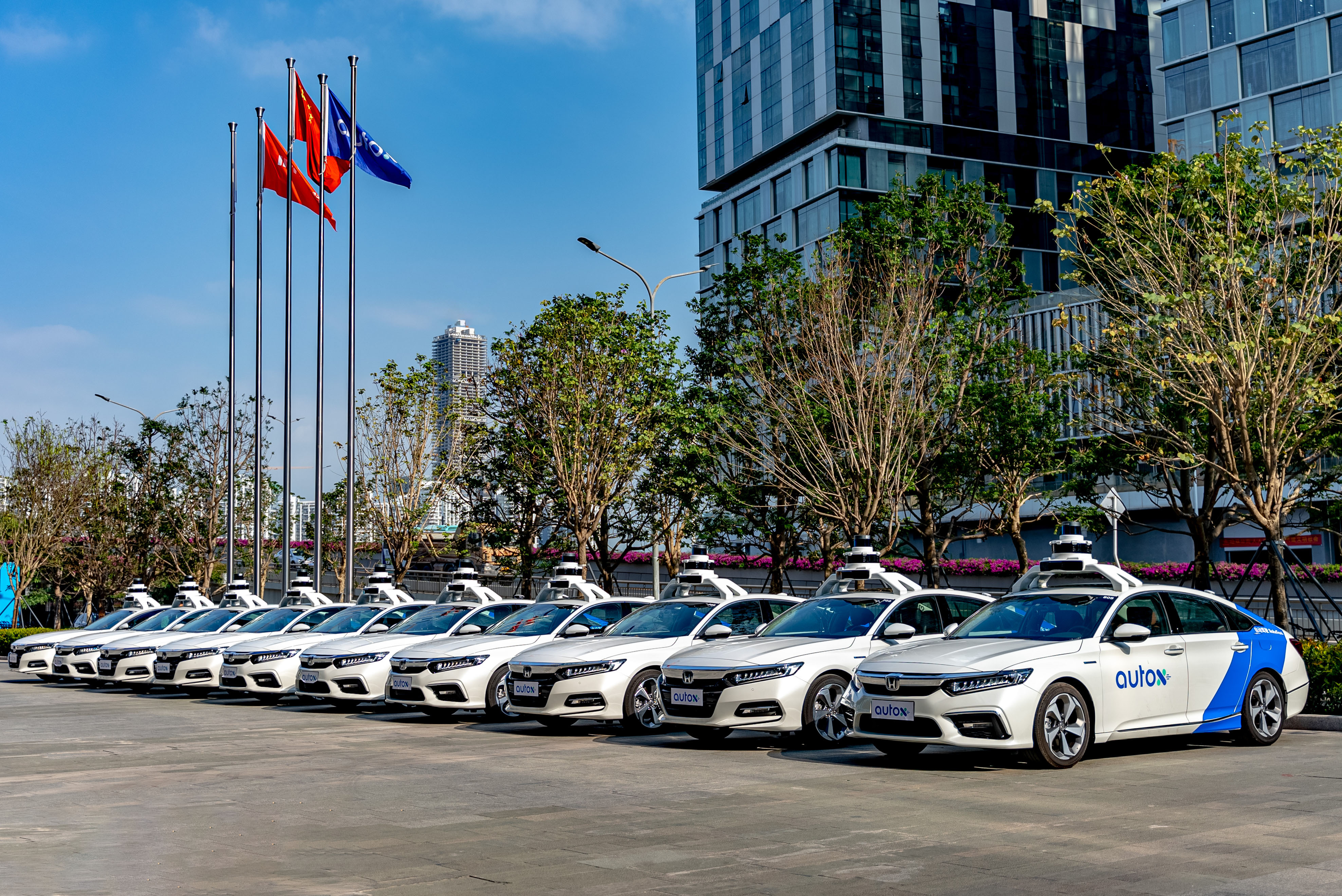
China’s leading autonomous driving technology provider AutoX has announced a partnership with Honda China to deploy Honda cars fitted with AutoX’s autonomous vehicle technology for testing on public roads in China. In a press release, the company disclosed that Honda China will provide two of its models, the Honda Accord and Inspire vehicles, to deploy AV technology and testing in some of China’s most populous cities.
AutoX runs the Robotaxi service (with a fleet of about 100 vehicles) across some of China’s leading cities after successfully testing the Level 4 autonomous vehicles in China last year. AutoX’s AI self-driving platform is highly developed and can handle the densest and most dynamic traffic systems, having pioneered the Level 4 AV Robotaxis. AutoX’s mission is to provide autonomous transportation solutions to a broader segment of the population using its self-driving technology, which it terms democratizing autonomy.
Honda will bring its automotive expertise to the partnership as it hopes to deepen its understanding of the Chinese traffic ecosystem, establish acceptance and safety of the self-driving technology, and explore new autonomous technology solutions to tackle road traffic accidents. Honda’s SENSING technology was deployed in China in 2015 and has proved effective in reducing road crashes from SENSING-enabled vehicles. Last month, Honda began industrial production of Level 3 AVs in Japan and would seek to draw from Level 4 tech available from AutoX for subsequent AV development.
The success of the testing process for the cars will determine the direction of the partnership between Honda and AutoX. A successful testing regime across public roads in China’s most densely populated cities could see mass production of such vehicles for the Chinese market. But this could take a few years to come to fruition.
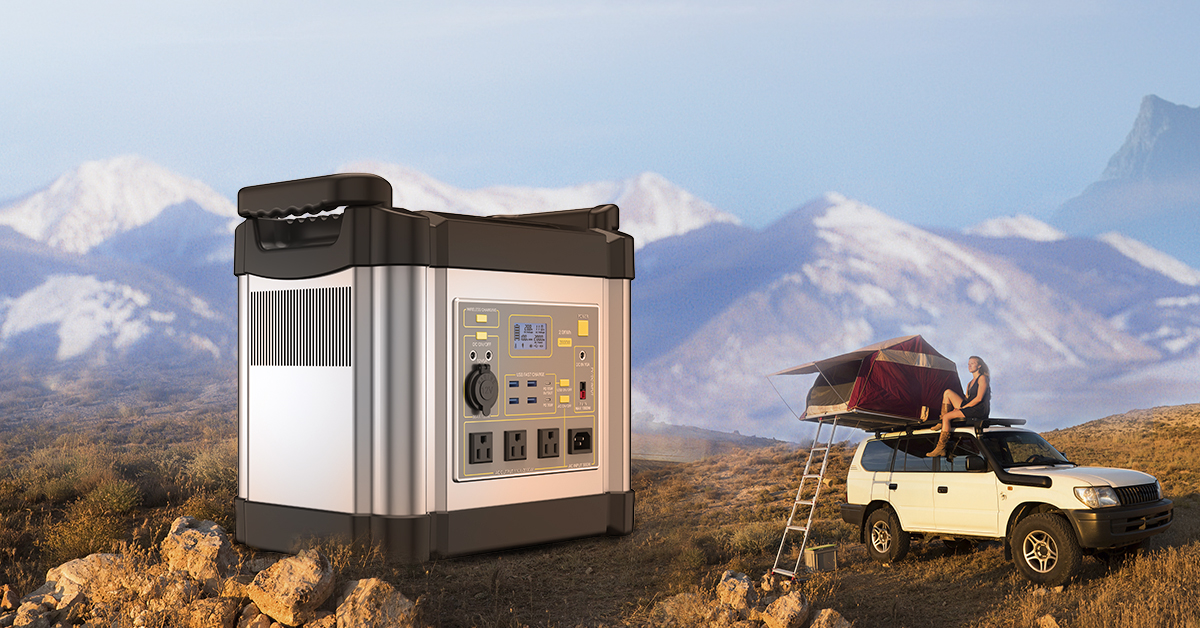
Mango Future Technology debuts its first portable Power Station – Power Explorer with a 2000Wh battery having a maximum power output of 2000W. It offers several benefits to the buyers on the go. It is retailing for the price of $1199 via the official Mango Website store.
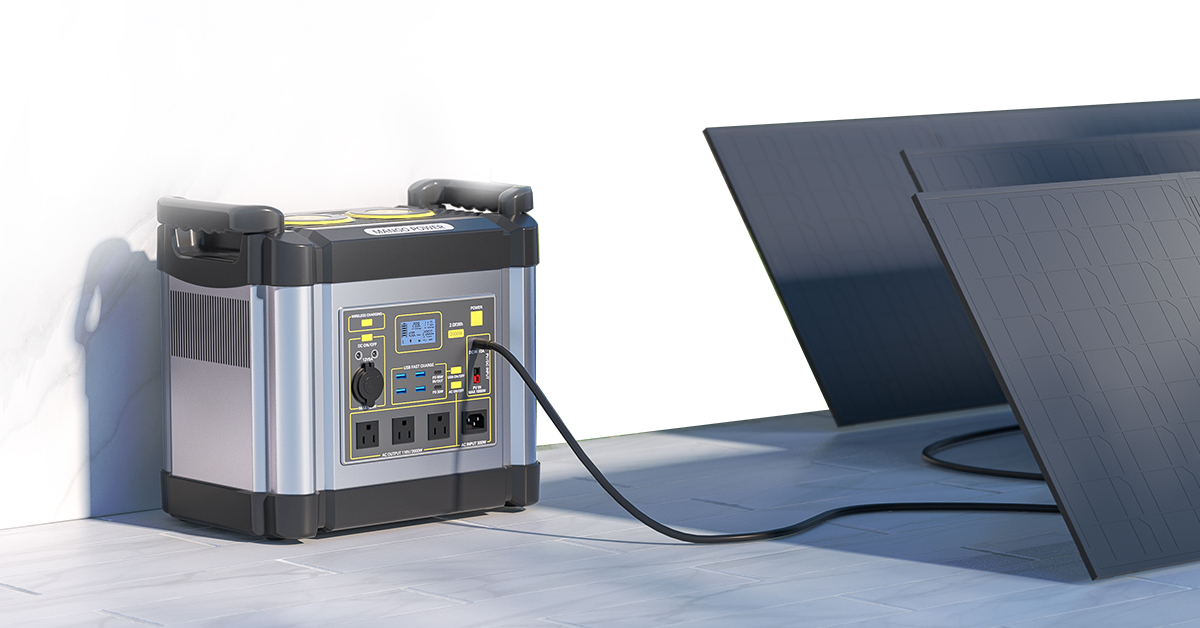
Mango Power Station is a perfect fit for off-grid-life, home and professional use. It can act as a life savour at the time of emergency when grid power is not present. Mango Power Explorer supports a maximum 2000W AC output and has a battery capacity of 2000Wh. The Explorer can be easily charged via simultaneous sources using a solar panel, wall outlet, DC Adapter and a USB-C PD input at 1000W, 200W, 150W and 65W, respectively. Such an intake from several sources enhances charging speed.
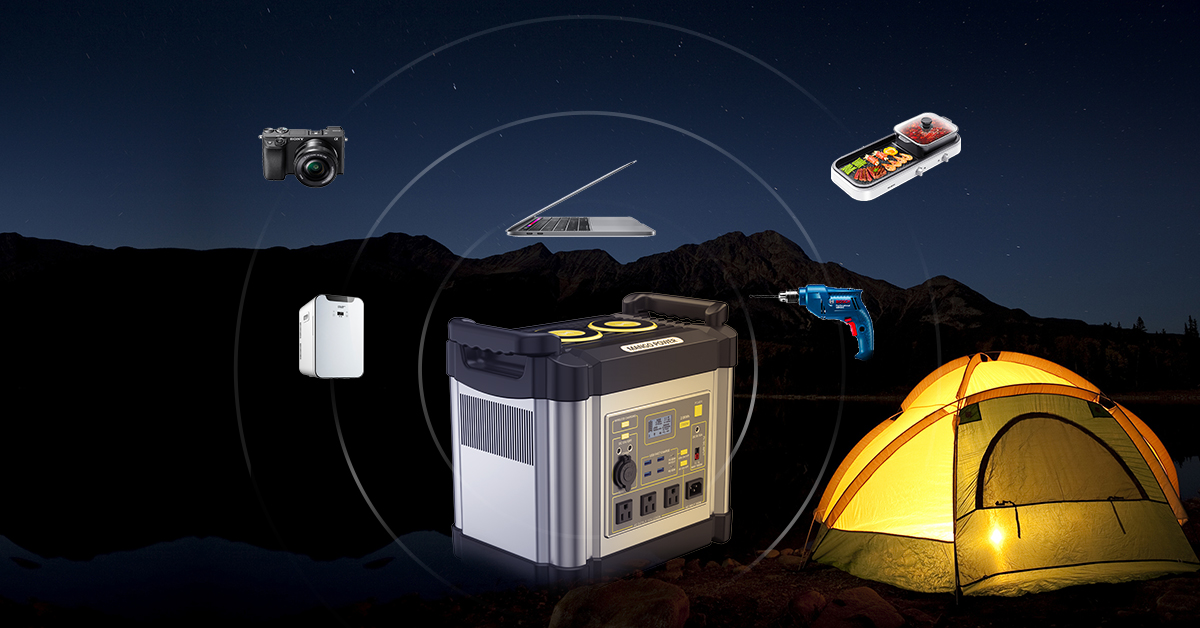
It can power almost every household appliance including refrigerator, lights, laptops, power tools, etc. Surprisingly, you can even power Tesla using Mango Power Explorer.
Mango Future technology always supports eco-friendly initiatives. The company. The Mango Power Explorer’s every solar change reduces 143kg of CO2 emissions in the air which is equivalent to the absorption of 23.7 trees in a day.
Mango Future Technology CEO Chengwu Wang commented, “We will continue to bring competitive products to consumers and would like to see every family enjoying the latest technology in the green energy industry “
Mango Power Explorer can easily fuel your digital charging needs easily as it carries 14 different ports and two charging pads. The users can easily charge their earpods and any other appliance wirelessly anywhere in the remote area. It is an ideal solution for adventure lovers and users who often travel to remote and distant places. It can be handy for the workaholics as the device reassures that everything will work.
Mango Power Explorer can run some heavy appliances such as heaters, clothes dryer, and air conditioners too. It can be your perfect companion in any climate. It is a useful device that is available for the price of $1199 via the official Mango Website store.
Redmi is expected to announce a gaming-focused smartphone powered by the Dimensity 1200 chipset this month. It is believed that the M2104K10C smartphone that was recently approved by the 3C authority of China could be the upcoming gaming phone by Redmi. Sina Finance, a Chinese publication has shared a few key specs of the handset.
The publication revealed that the Redmi gaming phone will be equipped with a Samsung AMOLED E4 display with a centrally positioned punch-hole. The screen will carry support for up to 144Hz refresh rate for an excellent gaming experience. The smartphone is also expected to come with gaming shoulder buttons similar to the Black Shark series phones for an enhanced gaming experience.
The Dimensity 1200 chipset powered phone is expected to carry support for 67W fast charging. Unfortunately, there is no word on the battery capacity of the device. Past reports have suggested that the device could be sporting a quad-camera system with a 64-megapixel Sony IMX686 primary camera. The device may cost around 2,000 Yuan (~$306).
Rumors surrounding the smartphone have revealed that this phone will be also releasing in India. The Indian variant of the phone, which has a model number of M2104K10I was recently certified by the BIS authority. The IMEI listing of M210K410I revealed that it could be hitting the Indian markets with a POCO branding. There is a possibility that this device may break cover as an F-series phone.
In related news, Redmi is gearing up to launch a couple of other phones in China. The Redmi 20X could be coming as a rebranded version of the Redmi Note 10 5G global edition. A rebadged edition of the Redmi Note 10 4G and a new Snapdragon 4-chipset powered 4G phone are also expected to arrive in the home market. It remains to be seen whether these handsets are made official alongside the Dimensity 1200 powered gaming phone.
Not a week goes by without at least one product announcement. Last week was packed with the launch of new phones from TCL, Sony, and ZTE as well as a new computer from Microsoft and a few new smartwatches. If you missed out on these announcements, then here is your chance to get up to speed with this recap of the top stories from last week:
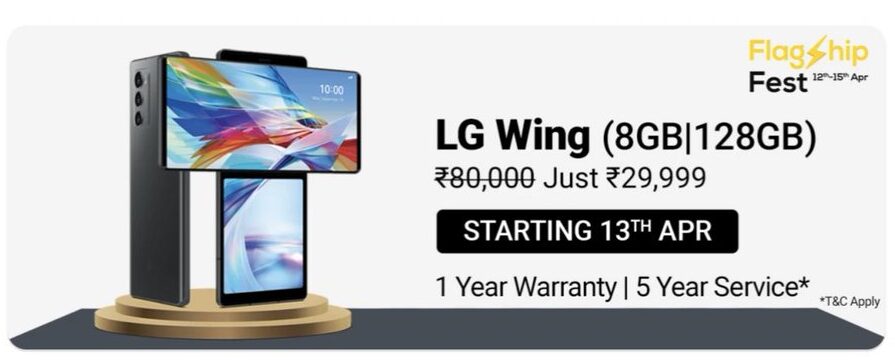
LG Wing gets a massive price cut in India (and the US)
If you are wondering if this is a good buy, maybe the fact that there is practically no device like this will convince you. Also, even though it is no longer making phones, LG has promised that it will update the Wing through to Android 13. That is three OS upgrades in total as the phone launched with Android 10 out of the box.
Microsoft’s new Surface Laptop 4 comes in blue
If you are a fan of Microsoft’s Surface lineup, then you will like the new Surface Laptop 4. The new notebook is available in two sizes – 13.5 inches and 15-inches – and in Intel and AMD variants. There is also a new blue color that is exclusive to the 13.5-inch model. Microsoft also announced a couple of hardware to enhance your work from experience.
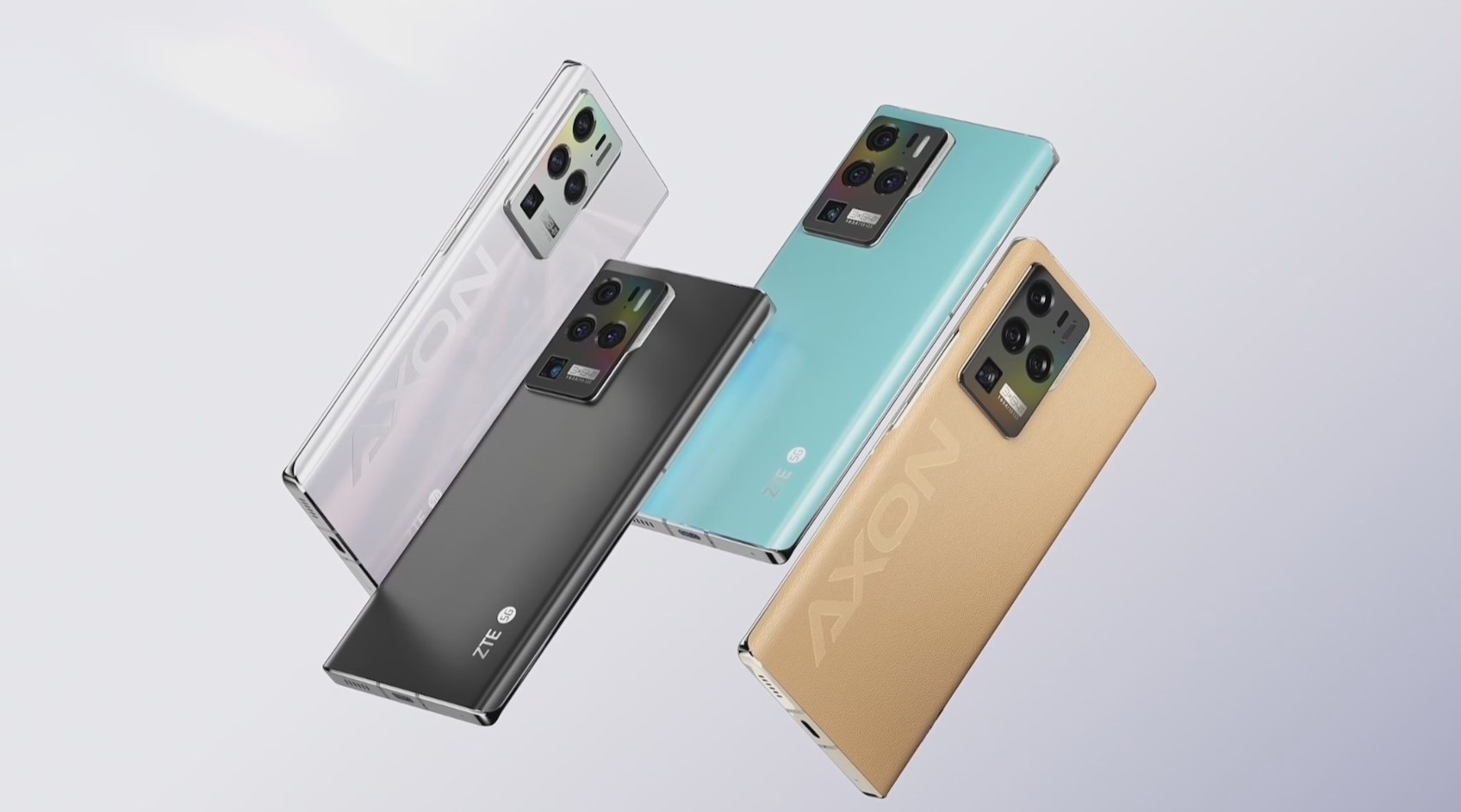
ZTE Axon 30 Pro and Axon 30 Ultra are the latest Chinese flagships
The Ultra has a curved display with a 144Hz refresh rate, four rear cameras with three being 64MP sensors, a 4600mAh battery, and support for 66W fast charging. The Pro model has a flat display and drops the refresh rate to 120Hz refresh rate. It also has four rear cameras but only two of them are 64MP sensors and its battery is smaller at 4200mAh and charges slower at 55W.
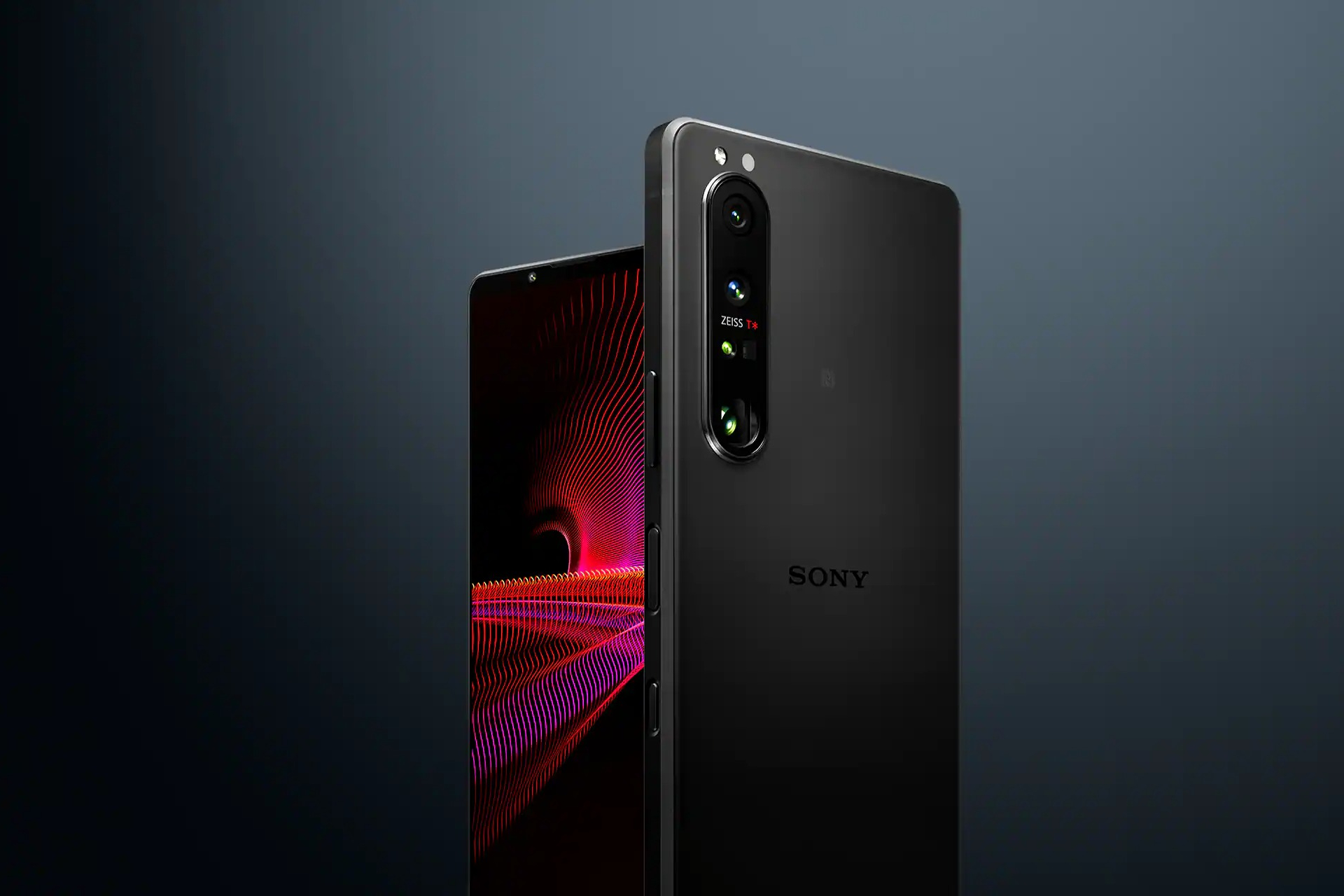
Sony’s new Xperia flagships bring new camera features but no price tags yet
Sony also announced two new flagship phones last week – the Xperia 1 III and the Xperia 5 III. The new phones are the first in the industry to have a telephoto camera that can switch between two focal lengths (70mm and 105mm for 2.9x and 4.4x optical zoom). They both have a MicroSD card slot and audio jack, two features you will hardly find on a flagship these days. Sony has also increased the battery capacity and charging speed in both phones when compared to their predecessors.
If you don’t want a flagship, then there is the Xperia 10 III, a Snapdragon 690-powered phone. It has an OLED display like its more powerful siblings but drops the 120Hz high refresh rate for the standard 60Hz. While its battery capacity is the same at 4500mAh, it charges slower at 18W compared to the 30W the other two support.
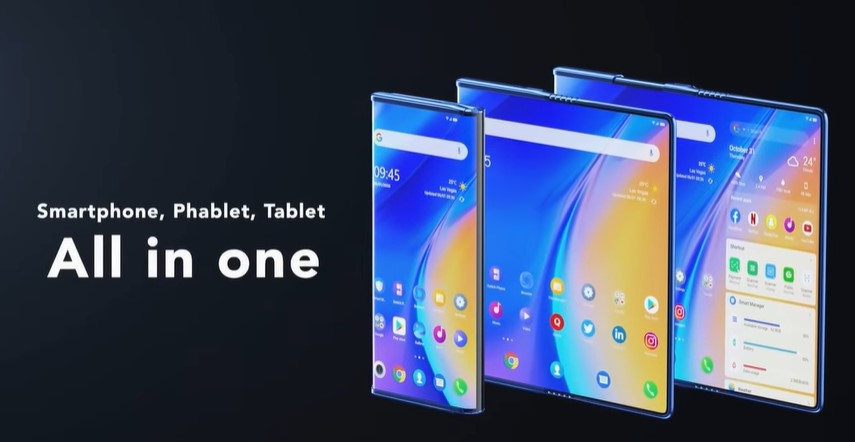
New TCL 20 phones but the TCL Fold ‘n Roll is the device we want but can’t have
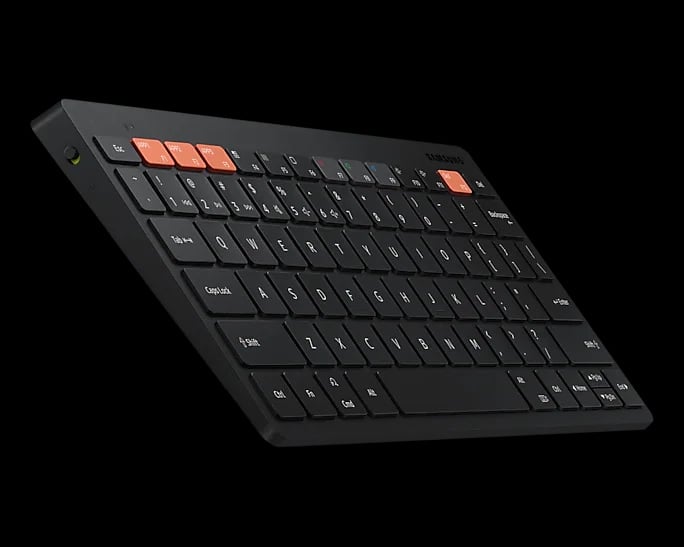
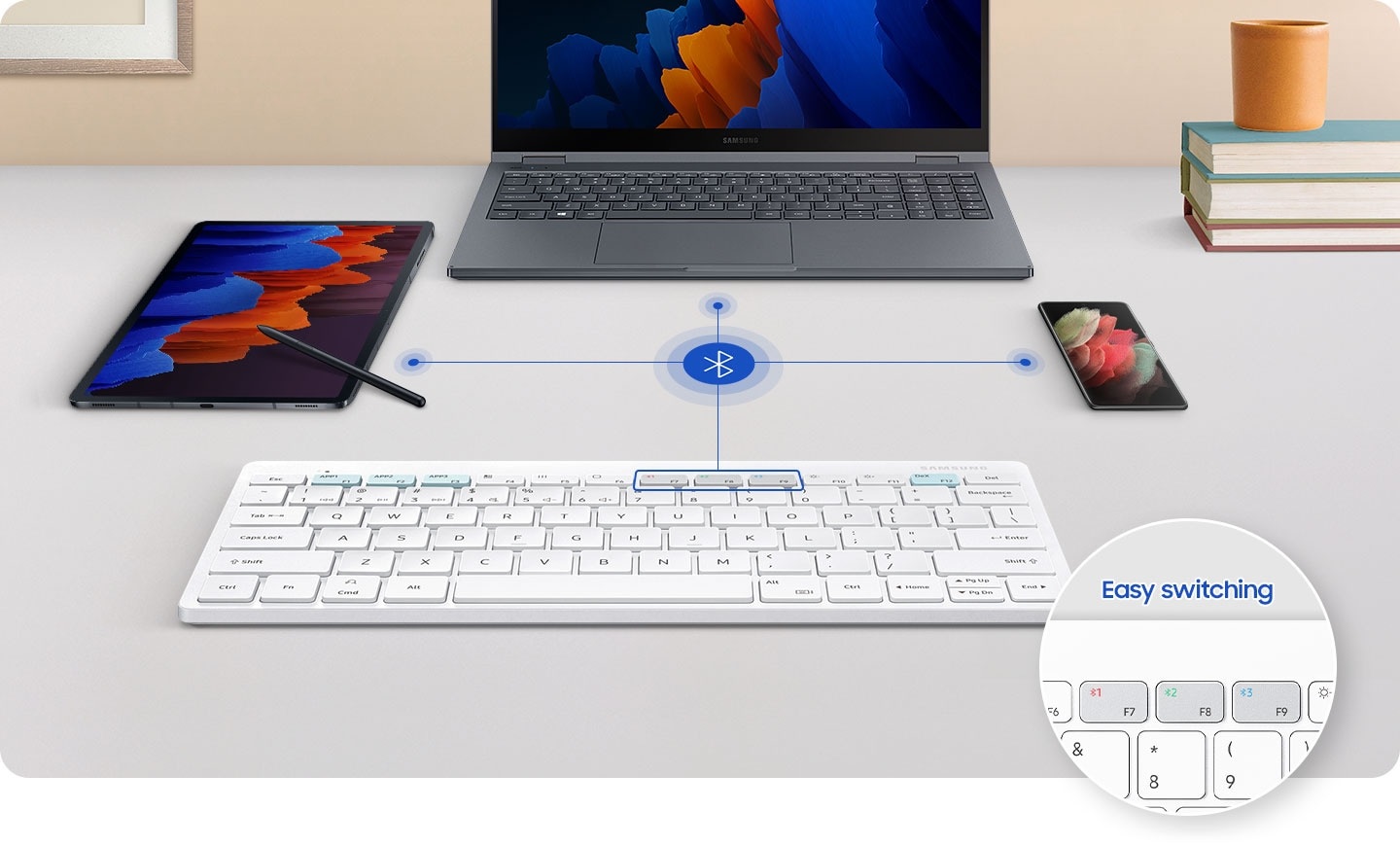
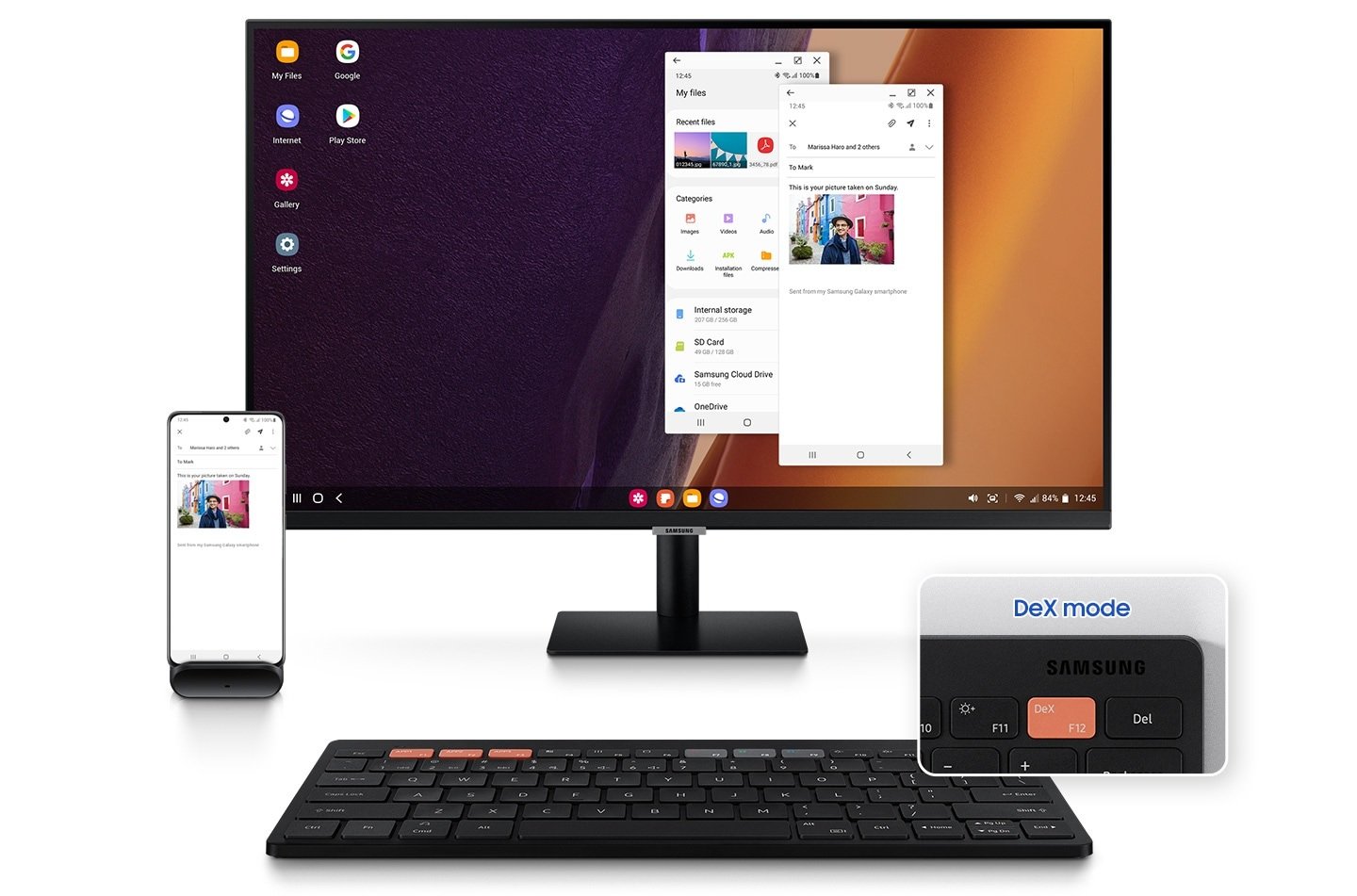
Samsung has a new wireless keyboard that it is yet to officially announce but there is already a listing of the device on its website. Called the Samsung Smart Keyboard Trio 500, the wireless keyboard is designed to pair with up to three different devices.
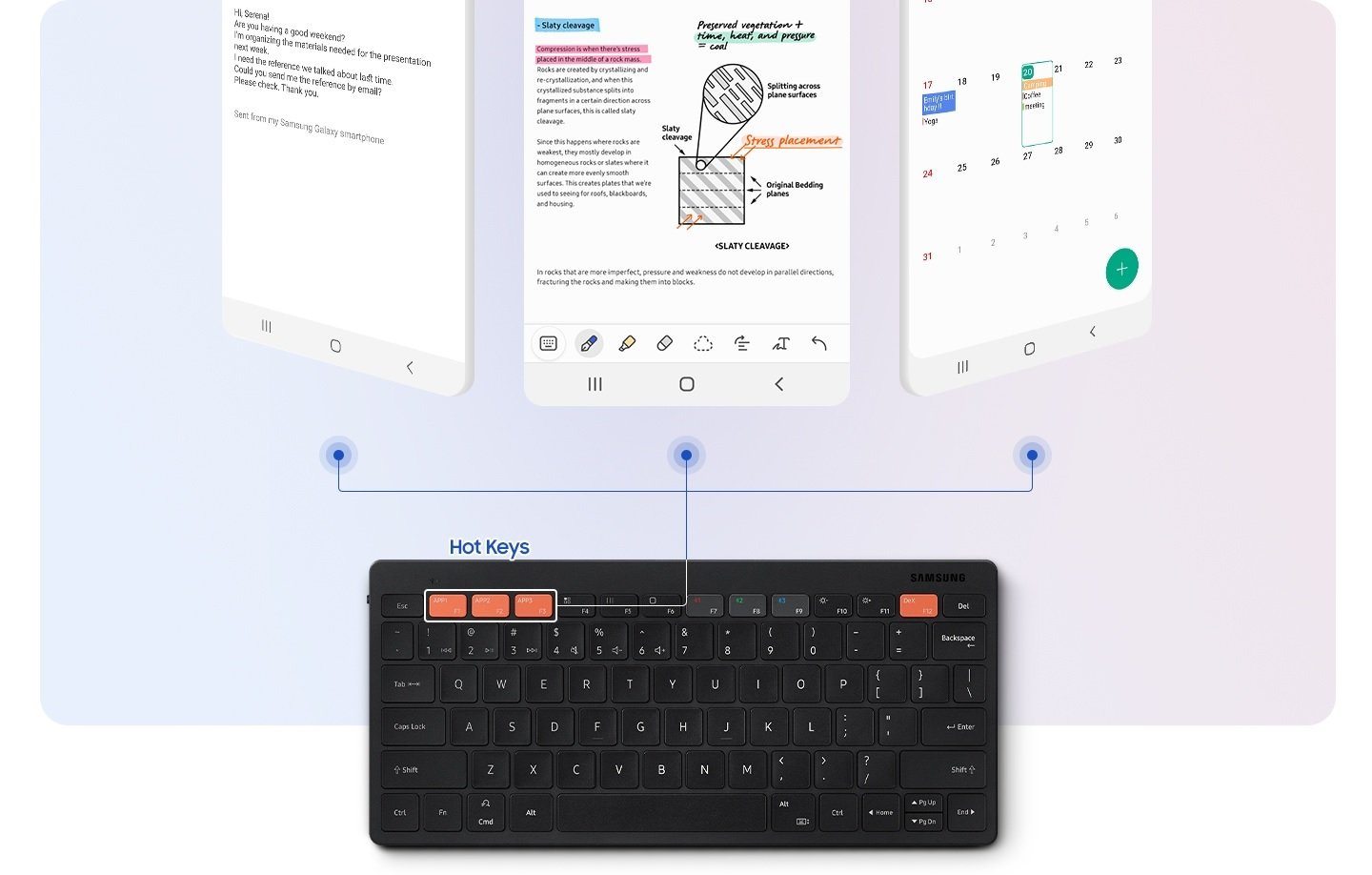
The Samsung Smart Keyboard Trio 500 comes in two colors – Black and White. The former has some of its keys in orange which include three hotkeys for quickly launching select apps and a shortcut key for DeX. There are also three grey keys that are for easy switching between the three connected devices. On the white variant, the orange keys are light blue.
While this is a Bluetooth keyboard that should work with any device that has Bluetooth, some of its features are exclusive to Samsung devices. For example, the hotkey function is exclusive to Samsung Galaxy phones and tablets running One UI 3.1 with March 2021’s security patch or later. DeX is also only available on select phones and tablets.
1 of 3
The Samsung Smart Keyboard Trio 500 has 78 keys, uses two AAA batteries, and connects via Bluetooth 5.0. It weighs 412.3 grams and measures 280.4 x 127.4 x 15.4 millimeters. While it doesn’t have feet to raise it, the keyboard has an angled design and thus slopes downwards. There are also slip-resistant pads underneath to keep the keyboard in place when in use.
We do not know when Samsung will unveil the keyboard and how much it will cost but Max Jambor of AllAboutSamsung who appears to have first spotted the keyboard thinks it may be an extra accessory for the new Galaxy Book models set for launch on April 28. So maybe Samsung will announce it on that day.
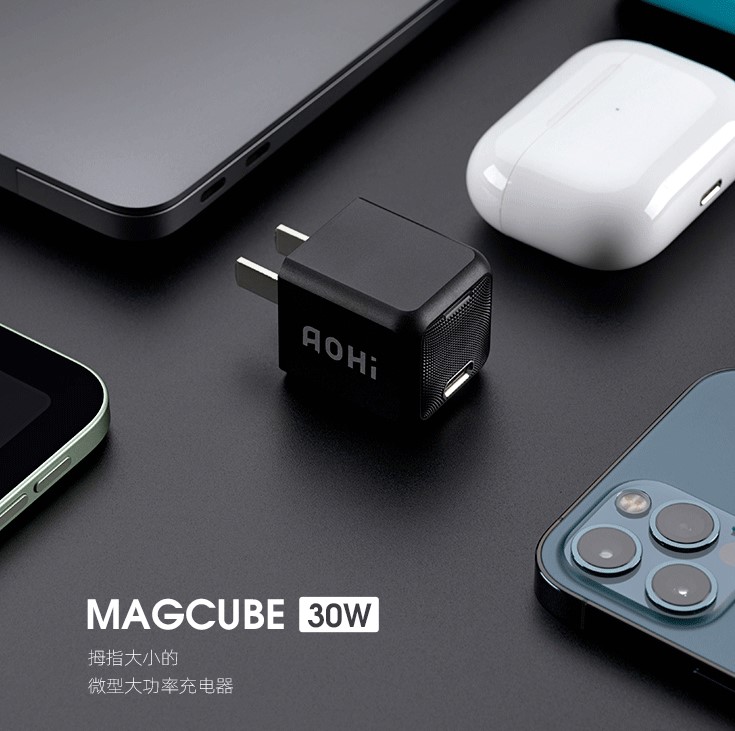
Chargers/wall adapters/power bricks have become significantly smaller these days, thanks to a combination of new technologies and the use of new materials such as Gallium Nitride (GaN). It is not unusual to see a charger that outputs up to 120W and fits in your palm. For those with lower power output, they are even smaller. Take for example the 30W charger below which might as well be the smallest 30W charger in the world.
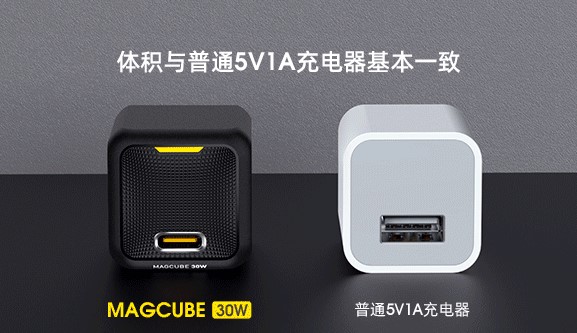
Called the AOHi MAGCUBE 30W, this charger weighs 42 grams and measures 28 x 28 x 32 millimeters. According to the manufacturer, the charger is about the size of Apple’s 5W charger.
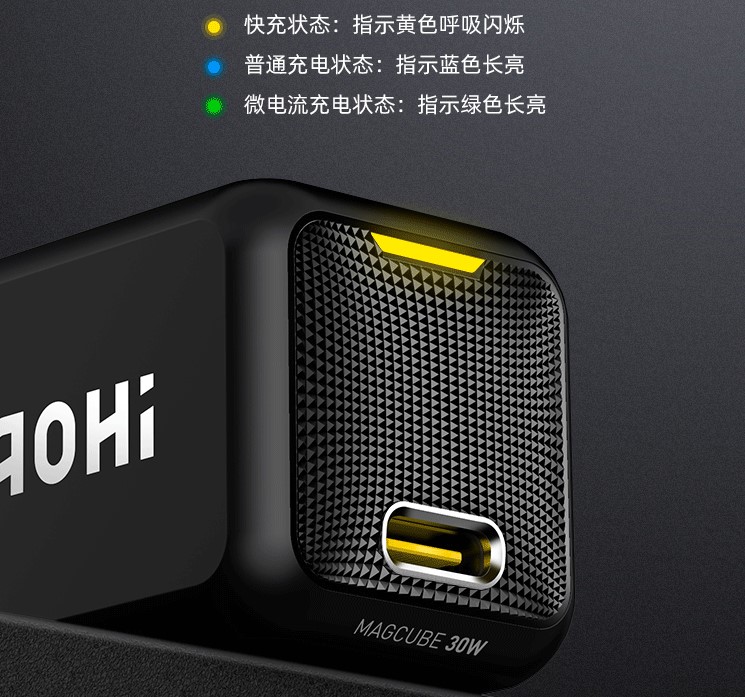
The AOHi MAGCUBE 30W has a USB-C port and also has a built-in LED indicator that turns amber when your device is fast charging, switches to blue when it is charging at a standard speed, and turns green when it is trickle charging.
1 of 2
While the charger has a maximum power output of 30W and can charge the iPhone 12 series at 20W, it also supports a variety of charging protocols such as Power Delivery 2.0 and 3.0, PPS, Apple 2.4, BC 1.2, and Quick Charge 2.0, 3.0, and 4.0+. It is also compatible with the Nintendo Switch and even has a micro-current mode for charging small devices such as earphones, smartwatches, and fitness trackers.
The AOHi MAGCUBE 30W is priced at ¥199 (~$30) and is available for purchase on AOHi’s Tmall store. There is also a special bundle that includes a USB-C to lightning cable for ¥206 (~$32), saving you ¥121 (~$18) if you bought them separately.
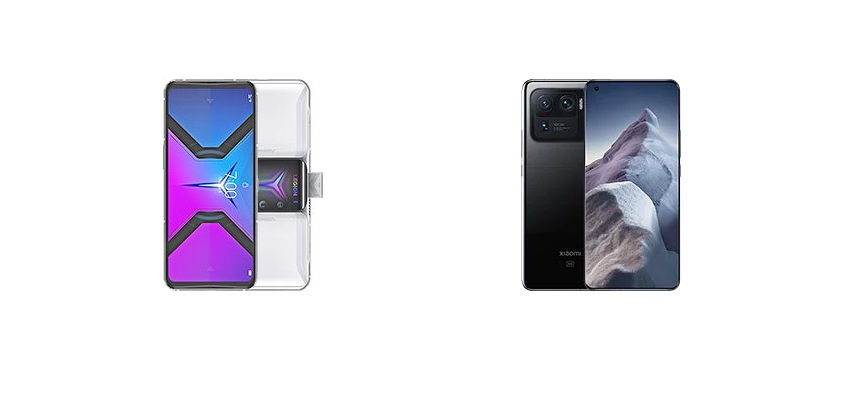
Lenovo just launched a new gaming phone in the global market: the Legion Phone Duel 2. Now, gaming phones are the only Lenovo-branded phones sold globally. But gaming-centric phones are not the only devices very comfortable for gaming. Top-tier flagships are another kind of phone perfect for the most demanding gamers, despite these phones lack of some very cool gaming-centric features. Should you go for a gaming phone or for a normal phone with a top-tier hardware department? This is a comparison between the most advanced Chinese gaming phone and the best flagship released by Xiaomi until now: the Xiaomi Mi 11 Ultra. It will hopefully help you to choose a good handset to enhance your gaming skills.
The Xiaomi Mi 11 Ultra has a more sober design since it is a normal phone, while the Lenovo Legion Phone Duel 2 has aggressive aesthetics since it is a phone for gamers. The Lenovo Legion Phone Duel 2 has several pressure-sensitive zones, two of which are also known as gaming triggers. You do not get this feature with the Xiaomi Mi 11 Ultra. Further, it has an RGB illumination on the rear side, a side-mounted pop-up camera for streamers and it comes with dedicated gaming accessories. However, if you want the best design and build quality overall, you should go for the Xiaomi Mi 11 Ultra. It has a sturdier body, a curved screen with narrower bezels, and it is waterproof with the IP68 certification.
Display
The Lenovo Legion Phone Duel 2 offers a display that is very helpful for gamers because it comes with an incredibly high touch sampling rate and a high 144 Hz refresh rate. Further, it has a very wide 6.92-inch panel. But if we exclude the dimensions, the refresh rate, and the touch sampling rate, Xiaomi Mi 11 Ultra is superior in every aspect. It has a higher Quad HD+ resolution, better color reproduction, and support to HDR10+ and Dolby Vision. Further, the Xiaomi Mi 11 Ultra comes with a secondary display on the rear side allowing to use of the rear cameras to shoot selfies.
Specs & Software
The Lenovo Legion Phone Duel 2 and the Xiaomi Mi 11 Ultra are powered by the same chipset: the Snapdragon 888 mobile platform. It is paired with up to 16 GB of RAM and up to 512 GB of UFS 3.1 native storage. Given that the hardware side is the same, the performances these phones can reach are similar. But the Lenovo Legion Phone Duel 2 has a more advanced cooling system.
Camera
There is no challenge: Xiaomi Mi 11 Ultra is the best camera phone of this comparison and one of the best camera phones ever. It packs a triple camera with a 50 MP main sensor and a pair of 48 MP cameras for optical zoom (periscopic) and ultrawide shots. On the other hand, Lenovo Legion Phone Duel 2 boasts a superior front camera (with a 44 MP resolution) that can be used by streamers while playing in landscape mode since it is side-mounted.
The Lenovo Legion Phone Duel 2 has a bigger 5500 mAh battery and it can provide a longer battery life, but the difference with the Xiaomi Mi 11 Ultra is not huge. The Mi 11 Ultra has a slower 67W fast charging technology, but unlike the Legion Phone Duel 2 (90W), you do not need two cables to reach the fastest charging speeds. The Xiaomi Mi 11 Ultra also supports wireless charging, while its rival does not.
Lenovo Legion Phone Duel 2 and Xiaomi Mi 11 Ultra: Price
Lenovo Legion Phone Duel 2 starts from €999/$1200 in the global market, while the starting listing price of the Xiaomi Mi 11 Ultra is €1200/$1440. There is no doubt: Xiaomi Mi 11 Ultra is a superior phone. But if you are a gamer/streamer and you are looking for the best gaming phone, then Lenovo Legion Duel 2 is a better option due to gaming triggers, a side-mounted selfie camera, an advanced cooling system, and more.
Lenovo Legion Phone Duel 2 vs Xiaomi Mi 11 Ultra: PRO and CONS
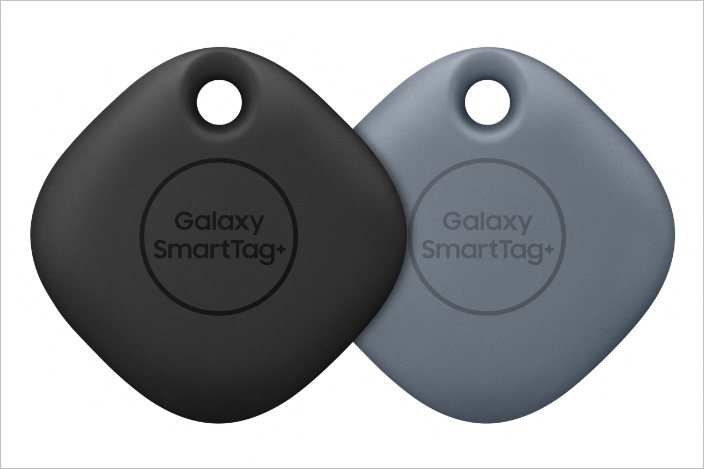
The scheduled rollout of the Samsung Galaxy SmartTag+ in the United States did not happen on April 16. There is no online availability of the device at various online platforms, including Samsung’s website. However, the Galaxy SmartTag+ has successfully berthed in South Korea, Samsung’s home turf, and is available in two color variants across online stores and platforms. The SmartTag+ is available in black or denim blue colors and sells at KRW 39,600 (about $36) via Samsung’s online store, Samsung Digital Plaza stores across the country, and other online retail outlets.
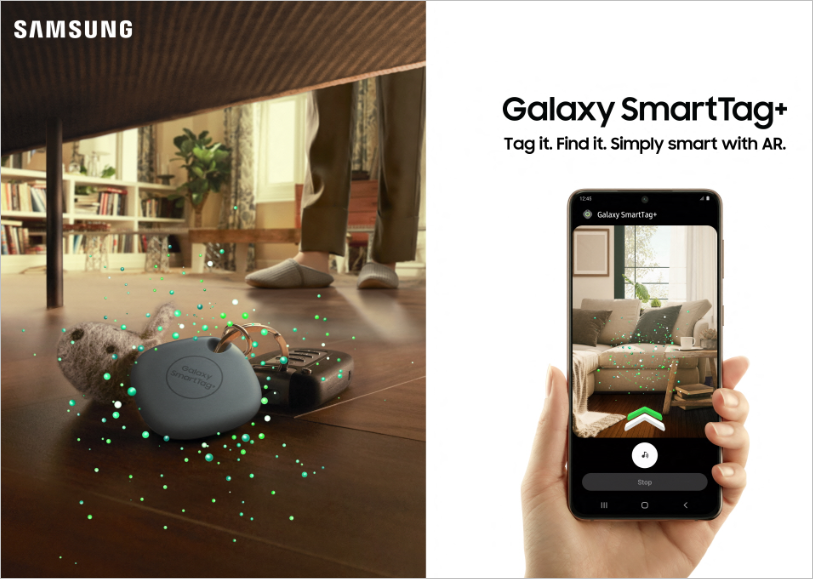
The trajectory of the SmartTag+’s development was well captured when we had hinted in December 2020 of the SmartTag+ patent and a few weeks back about its scheduled rollout on April 16. The SmartTag+ is an improved version of Samsung’s SmartTag. It uses Bluetooth LE technology and ultra-wideband (UWB) technology, making it have a greater range (120m) and a capacity to locate devices outside the Bluetooth range using the UWB technology and the SmartThings Find service on a UWB-enabled phone. The SmartTag+ also uses augmented reality (AR) technology to enhance its ability to pinpoint a missing item’s location more accurately.
The SmartTag+ provides a few solutions, from locating a lost item to tracking a stolen item, with the help of the SmartThings Find service. The tag can be configured to interface with your smart home devices, making it possible to operate the gadgets via your WEB-enabled smartphones. The SmartThings Find service can only be effective in places where there are a sufficiently large number of users of the service to draw from the pooling resources of users in the vicinity of the stolen or missing device.
No information is available yet on the availability in the US market. We still expect that US consumers would get the gadget within a short while, possibly days.
The POCO M2 launched last September as a rebadged Redmi 9 a.k.a. Redmi 9 Prime in India. Since its launch in India, the phone has sold over 1 million units. POCO India is now set to announce a new version of the phone that will be sold as the POCO M2 Reloaded.
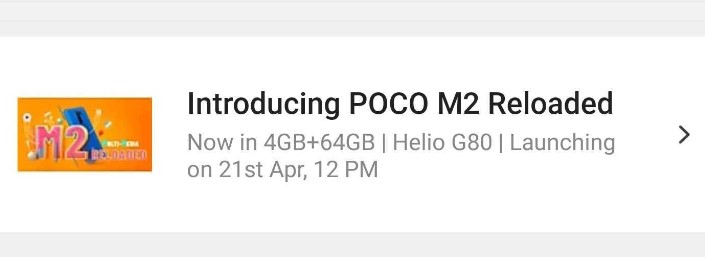
The official POCO India Twitter account has announced that the POCO M2 Reloaded will be announced on April 21. The phone will be announced at 12 PM and will go on sale on Flipkart at 3 PM on the same day. So what’s new with the POCO M2 Reloaded?
— POCO – Madder By the Minute (@IndiaPOCO) April 18, 2021
The POCO M2 Reloaded is just a new variant with a different configuration from the original. Unlike the POCO M2 which is available in two configurations – 6GB of RAM with 64GB or 128GB of storage, the POCO M2 Reloaded will have 4GB of RAM and 64GB of storage. Save for this change, the rest of the specifications are the same.
The phone will have a 6.53-inch FHD+ LCD display with a waterdrop notch. There is a MediaTek Helio G80 processor under the hood and a dedicated MicroSD card slot for storage expansion. The POCO M2 Reloaded will have a 13MP main rear camera, an 8MP ultrawide angle camera, a 5MP macro camera, and a 2MP depth camera. For selfies, you get an 8MP camera.
The phone will also have a 5000mAh battery capacity, support for 18W fast charging, a rear-mounted fingerprint scanner, an audio jack, dual-SIM support, water-repellent coating, and run Android 10 out of the box.
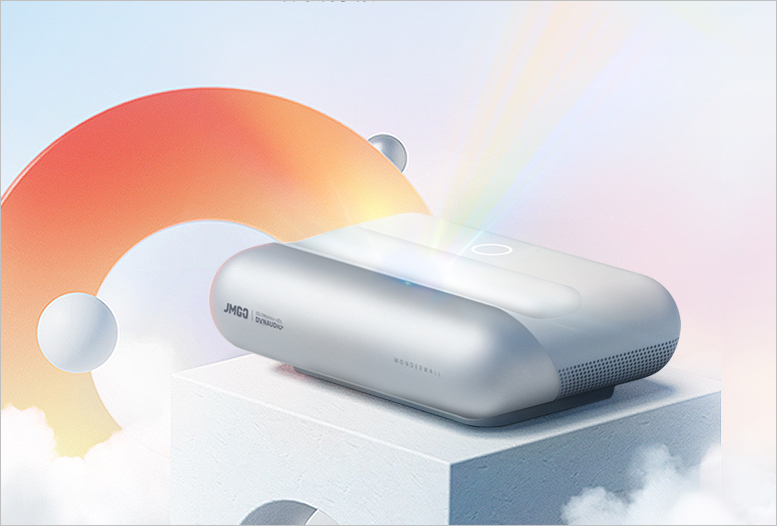
Chinese projector manufacturer JMGO Thursday held an event where it officially announced a new home projector. The JMGO Smart Wall O1 home projector is a close-range projection device equipped with innovative projection technology developed by JMGO.
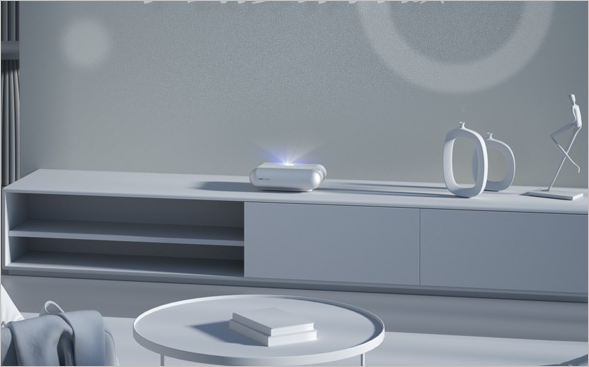
The Smart Wall O1 is a brand new category from JMGO Projector and it doesn’t need to be placed very far from the screen in order to achieve a large picture size. Instead, at a distance of just 27 cm from the screen, it can project a picture the size of a traditional projector.
The product adopts a brand-new design with improvements in form and function. In terms of appearance, the JMGO Smart Wall O1 draws inspiration from the arc of the runway, and the color scheme of moonlight silver brings a minimalist design style. It uses ultra-short throw technology and its biggest feature is the fact that it can be projected very close to the wall, and its projection ratio (ratio of projection distance to screen width) is as small as 0.25:1, while the projection ratio of traditional high-end projection is generally 1.2:1. This means that users can place the product 27 cm away from the wall and project an 80-inch screen.
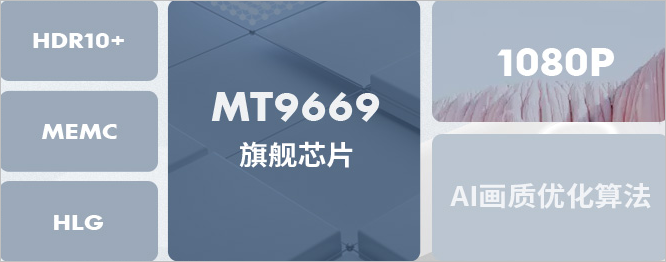
The projector has a resolution of 1920×1080 pixels. It equally has the smallest picture distortion rate and the highest coverage color gamut so far among JMGO’s products. The company says it took their engineers 12 months to achieve a reduction of the projection distance while ensuring that the image quality is not affected as much as possible.
One major advantage of the shortened projection distance is that users do not have to worry about blocking the projector when walking around at home. Also, users don’t have to rearrange the home furniture to achieve a suitable projection distance.
Further, the JMGO Smart Wall O1 is also equipped with a color temperature sensor, which adjusts the color temperature for different colored walls. In terms of the hardware, the Smart Wall O1 is equipped with the MediaTek MT9669 chip, which can realize intelligent noise reduction, support high dynamic range imaging and motion compensation. Thanks to the zero-perception picture speed correction technology, the product can automatically adjust the picture skew caused by the machine placement problem and refocus.
For sound, JMGO partnered with Dynaudio, and the speaker is tuned by Dynaudio. The projector is equipped with two 7W speakers. The projector features four customized sound effect modes: standard, movie, event, and music modes.
JMGO also added during the press conference that there is a Smart Wall O1 Pro projector in the works. For that model, the company is teaming up with Leica for joint optimization of the optical and mechanical designs, lens selection, imaging standard formulation, image optimization, and other aspects tailored towards enhancing the picture quality experience.
The JMGO Smart Wall O1 home projector has a starting price of 3899 yuan (~$598). The product will go on sale from April 29 but is already up for pre-orders in China via Jingdong (JD.com).
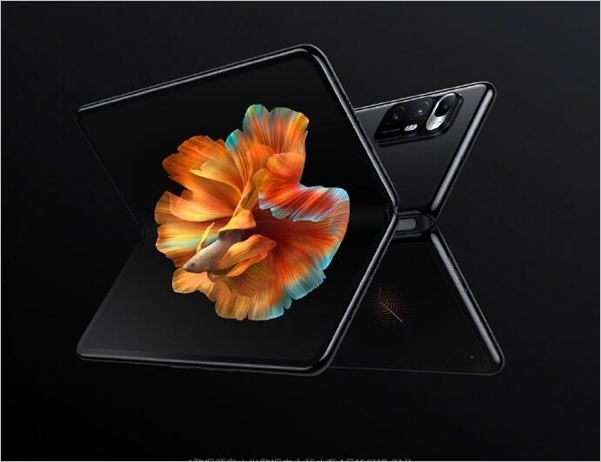
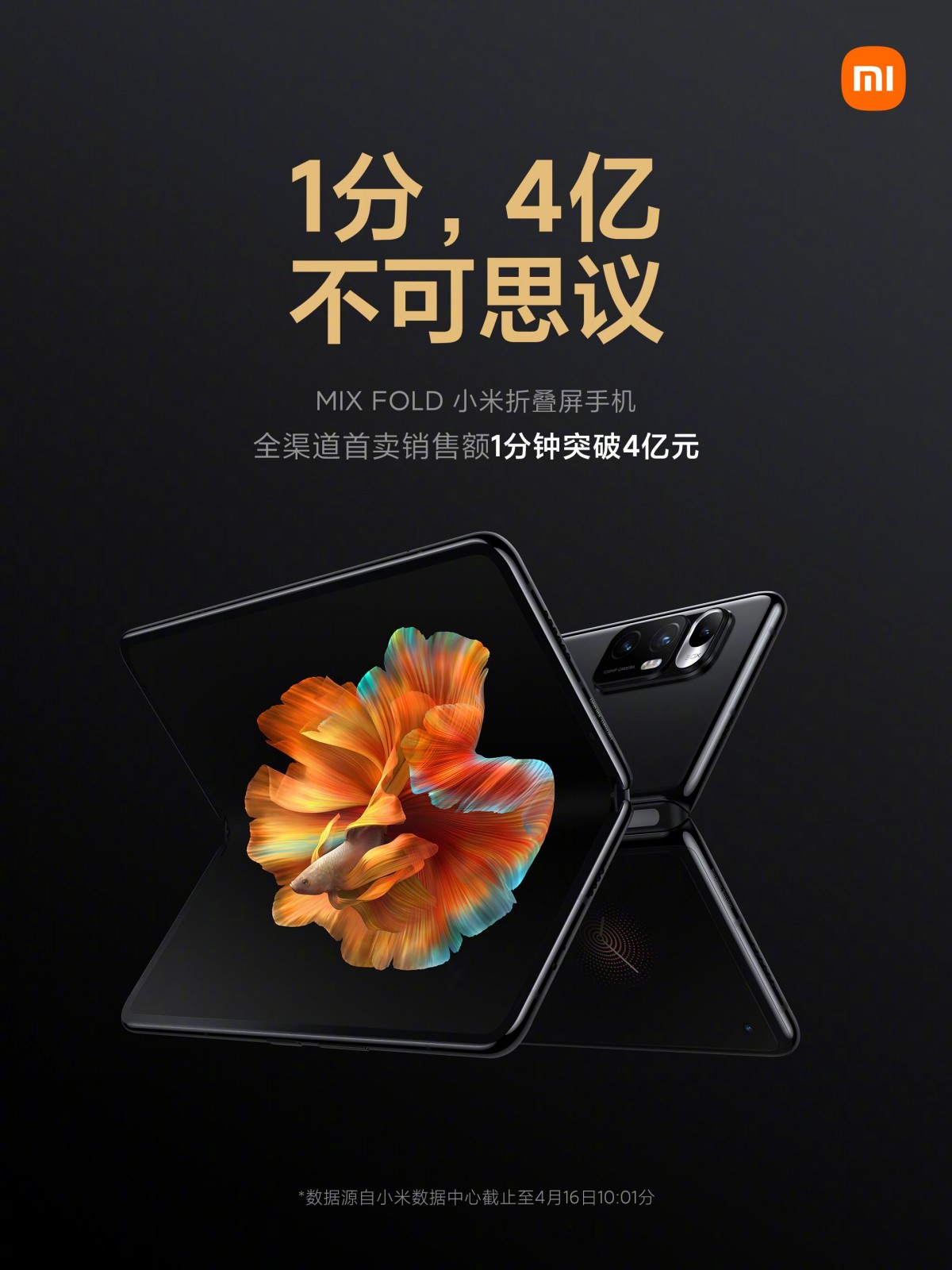
Xiaomi announced the Mi Mix Fold on March 30 as the brand’s first foldable smartphone. The foldable phone went on sale for the first time yesterday and data released by the company indicate that Mi Mix Fold units worth 400 million yuan (over $61 million USD) were sold in one minute. In other words, the phone was sold out in just a minute. While the actual number of units sold wasn’t revealed, taking into consideration the highest price of foldable device which is 12,999 yuan (~$2,000), the company may have sold over 30,000 units.
Xiaomi has often been seen as a company that sells premium products at affordable prices but the company has gradually started changing that stance. The Mi MIX Fold is the brand’s first smartphone that will retail for up to 10,000 yuan. The base model of the Mix Fold is priced at 9,999 yuan (~$1,530). Thus, it is interesting to see that there is still a tremendous level of interest from fans.
The Mi Mix Fold adopts an in-folding design and in terms of aesthetics, it is indisputably beautiful. The smartphone display comes in at 8.01 inches in the unfolded state with a resolution of 2480×1860 pixels as well as a pixel density of 387PPI. The main display also has a 4.300000:1 contrast ratio, HDR10+, 1.07 billion colors, DCI-P3 wide color gamut, and supports Dolby Vision.
In the folded state, the phone packs a 6.52-inch flexible AMOLED screen with a resolution of 2520×840 pixels. It also has a refresh rate of 90Hz, 700nits brightness, and equally supports Dolby Vision.
The foldable phone is powered by a Snapdragon 888 chipset and is available in three memory configurations; 12GB+256GB storage, 12GB+512GB storage, and a hefty 16GB+512GB storage version. You also get a 108MP main shooter teaming up with a 13MP ultrawide sensor and an 8MP telephoto lens in a triple camera arrangement.
There is no word yet on when the flagship will go on sale again or when it will be launched for the global market.
There are multiple announcements scheduled for next week across the globe. From Apple’s Spring event in the US to Lenovo’s Spring conference in China to Xiaomi’s Mi 11X series event in India, these are the important events set for the third week in April:
OPPO A54 and OPPO A74 5G – April 19 and April 20
OPPO India will announce two new phones a day apart next week. The first is a mid-range phone called the OPPO A54 and it will be unveiled on Monday, April 19. The phone will have a punch-hole display, four rear cameras, and a 5000mAh battery capacity. The next day, it will announce the OPPO A74 5G which has a similar display but three rear cameras. It will also have a 5000mAh battery capacity.
Apple Spring Event – April 20
Apple will hold an event on Tuesday at its headquarters, and the tech giant is expected to announce new iPad Pro models, a new iPad Mini, its long-awaited AirTags, a new Apple TV, new iMacs, and the AirPods 3.
Moto G40 Fusion and Moto G60 Indian launch – April 20
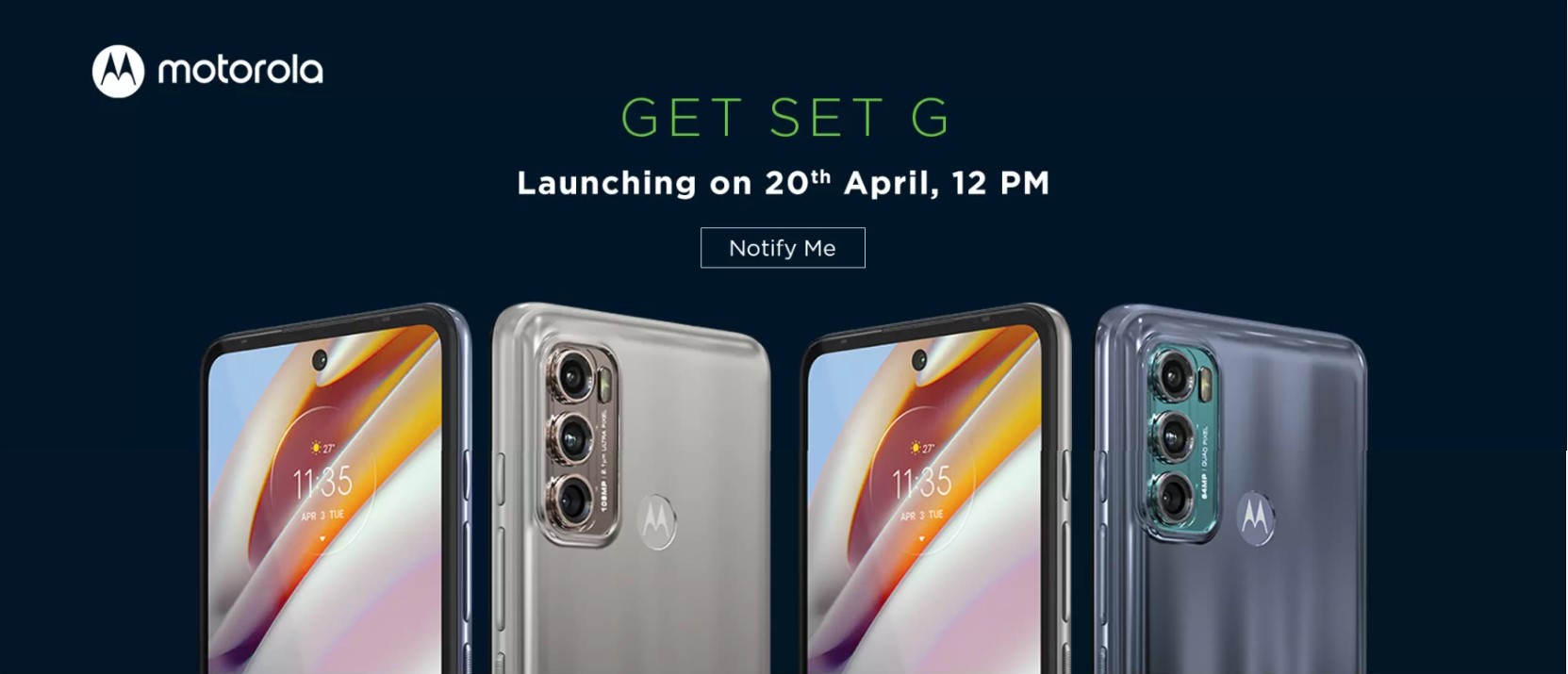
Motorola India will announce two new smartphones on April 20. These new phones are the Moto G40 Fusion and the Moto G60 which are both powered by the Snapdragon 732G processor and both have a 6000mAh battery capacity. The former will have a 64MP main rear camera while the Moto G60 will have a 108MP sensor.
Lenovo will announce a handful of new computers on April 22. The world’s biggest computer company will launch new YOGA 2-in-1 computers and new notebooks under its Xiaoxin line.
Xiaomi Mi 11X series heads to India – April 23
Xiaomi India has a big event scheduled for April 23. The manufacturer will announce three new phones which are the Mi 11x a.k.a. Redmi K40/POCO F3, the Mi 11X Pro a.k.a. Redmi K40 Pro+/Mi 11i, and the Mi 11 Ultra. Also, it has been reported that Xiaomi will announce the Mi Smart Band 6 in the country.
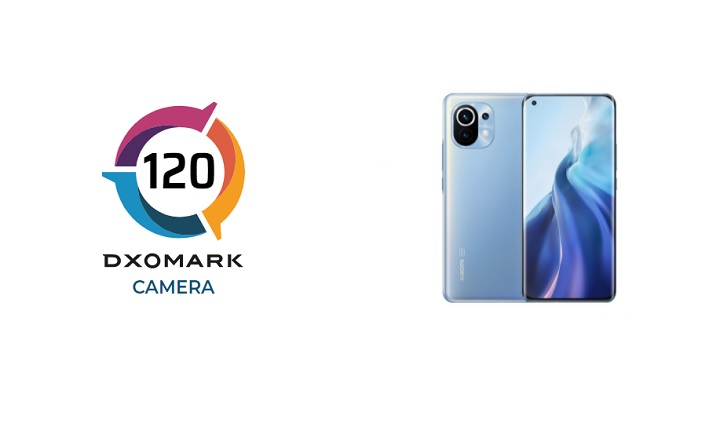
Four months after its launch, DxOMark has released its camera review of the Mi 11 flagship phone. The first of the Mi 11 series which has a 108MP camera was awarded a score of 120 points, thus tying with several phones such as the Pixel 5. However, this score puts it way behind its sibling, the Mi 11 Ultra, which tops DxOMark’s smartphones list with 143 points.
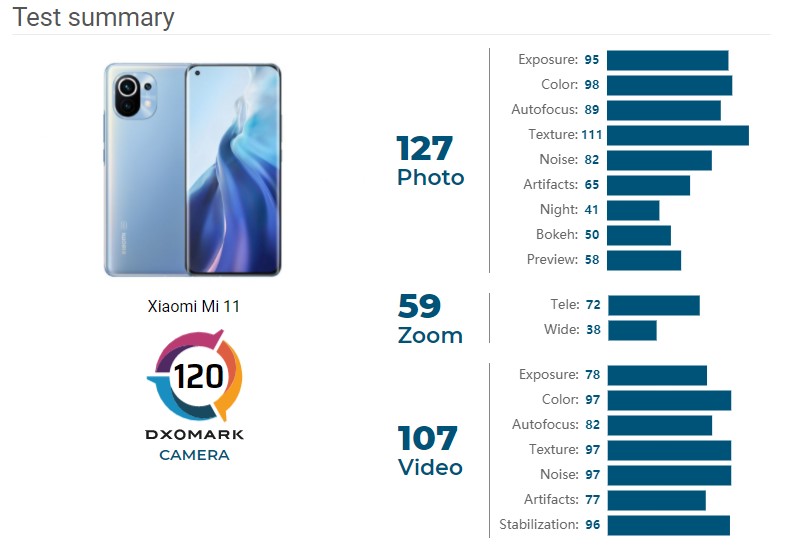
The breakdown of the overall score shows the Mi 11 score 127 points for photo, 59 points for zoom, and 107 points for video. When compared to the Mi 10T Pro which also has a 108MP triple camera setup, the Mi 10T Pro 5G scores higher in zoom with 61 points and in the video category with 110 points but has a lower photo score of 121 points.
According to the review, the Mi 11 usually exposes properly but sometimes underexposes in some cases which results in clipped shadows. However, these are rarely problems due to the phone’s fairly wide dynamic range.
DxOMark praises the main camera’s highly detailed images, it even earns a new high score of 111 points for texture. The autofocus is not great when compared to some other flagships as it slows down in low light but is fast and accurate when there is sufficient light. The ultrawide camera also does a good job but some of the drawbacks are softness in the corners and color fringing.
The Mi 11 would have scored higher if it had a telephoto camera which would have helped its zoom score but Xiaomi decided to go with a 5MP macro camera instead. The side effect of this is that you begin to lose details when you begin to zoom in.
For portraits, the Mi 11 does a good job with subject separation from the background but the results can sometimes be inconsistent and artifacts often appear in the images which throw off the illusion of a shallow depth of field.
The high-resolution main camera also helps the Mi 11 with its high video score. The noise levels are said to be “impressively low” and there are lots of details when recording in 4K. Unfortunately, it suffers from a drop in color accuracy when recording in low light.
If you want more details, you can read the full review here.
We use cookies on our website to give you the most relevant experience by remembering your preferences and repeat visits. By clicking “Accept”, you consent to the use of ALL the cookies.
This website uses cookies to improve your experience while you navigate through the website. Out of these, the cookies that are categorized as necessary are stored on your browser as they are essential for the working of basic functionalities of the website. We also use third-party cookies that help us analyze and understand how you use this website. These cookies will be stored in your browser only with your consent. You also have the option to opt-out of these cookies. But opting out of some of these cookies may affect your browsing experience.
Necessary cookies are absolutely essential for the website to function properly. This category only includes cookies that ensures basic functionalities and security features of the website. These cookies do not store any personal information.
Any cookies that may not be particularly necessary for the website to function and is used specifically to collect user personal data via analytics, ads, other embedded contents are termed as non-necessary cookies. It is mandatory to procure user consent prior to running these cookies on your website.