Remember when smartphones came with chargers, cables, and even earphones in the box? These good days are long gone, and the retail box for your new smartphone has gotten a lot emptier. But things might be getting even worse soon. A new rumor suggests that USB cables might be the next casualty. So here’s what you need to know.
Smartphone Makers Are Now Ditching USB Cables Too
After charging bricks were quietly phased out in the name of “sustainability,” new reports suggest that USB cables might be the next casualty. One user on the Linus Tech Tips subreddit, who recently purchased the Sony Xperia 10 VII, got a retail box that was devoid of the charging brick and charging cable. Looking at the picture shared by @Brick_Fish, the Xperia 10 VII can be seen with just the basic documentation.
This could be an isolated incident or a hint towards a bleak possibility. Keep in mind that Sony isn’t a major player in the smartphone market, only selling its devices in select regions. On the other hand, this has the potential of becoming a new trend in the industry with over smartphone makers making a similar move in a few years. If this does end up happening, brands would likely use the “sustainability” argument once again.
Apple is a great example of this, as it was the first to ditch the charging brick, and even recently removed the USB cables from its AirPods 4 and AirPods Pro 3. While this would help avoid more electronic garbage making their way to the landfills, customers might opt for cheaper alternatives that won’t last as long, leading to more waste over a longer period.
For more daily updates, please visit our News Section.
Casio is bringing the G-Shock x Evangelion GA-110EVA30-7A to the UK. This limited-edition model celebrates 30 years since the original Neon Genesis Evangelion anime first aired in 1995. The watch was first revealed in September 2025 for the Japanese market.
The design was created by Ikuto Yamashita, the mechanical designer behind Evangelion. He produced new artwork for this collaboration that captures the look and feel of the series. The GA-110 model, which was also used for the first G-Shock x Evangelion watch in 2010, serves as the base.
EVA Unit-01 is the main design theme. Its horned headgear appears on the short band, its face is on the bezel, and its arm holding the Spear of Longinus stretches from the lower bezel to the long band. Casio used advanced surface-finishing techniques to reproduce Yamashita’s illustrations in detail.
The dial includes more references to the anime. The sub-dial at 9 o’clock represents the Third Angel, Sachiel, while a Y-shaped component reflects the CAUTION motif from the show. The band loop is printed with “NEON GENESIS,” the NERV logo appears at the tip, and a 30th-anniversary emblem is engraved on the case back.
The watch measures 55 × 51.2 × 16.9 mm and weighs 72 g. It has a resin case and band, mineral glass, and water resistance up to 200 meters. It is also shock-resistant and magnetic-resistant. The battery lasts about two years on a CR1220 cell. Features include world time for 29 time zones (48 cities), a 1/1000-second stopwatch, 24-hour countdown timer, five alarms, hourly time signal, amber LED light with auto switch, and full auto-calendar until 2099. Accuracy is ±15 seconds per month. The watch supports 12/24-hour formats.
Pricing & availability
The GA-110EVA30-7A will be priced at £259 in the UK. It is listed as “Available soon” on Casio’s online store, with an email sign-up for launch alerts. As for EU, the watch will be priced at €279. Pre-orders began in Japan on October 1, with general sales starting the following week.
For more daily updates, please visit our News Section.
Samsung has announced the ISOCELL HP5, a new 200MP (16,384 x 12,288) image sensor featuring the world’s smallest pixel size at just 0.5µm. The sensor is now in mass production and is expected to appear in upcoming flagship smartphones, including the Oppo Find X9 Pro.
Samsung ISOCELL HP5 Specifications
The ISOCELL HP5 is designed to improve image quality despite the reduced pixel size. Samsung uses Front Deep Trench Isolation (FDTI) and Dual Vertical Transfer Gate (D-VTG) to increase Full Well Capacity, which helps the sensor capture more light and reduce image noise. The company also applies DTI Center Cut (DCC) technology to improve conversion gain by 150% and reduce random noise by up to 40%.
Samsung has added High Precision Microlenses and High Transmittance anti-reflective coatings to the HP5 to increase light absorption and minimize reflection. The sensor also uses High Sensitivity DTI, which features oxide-based insulation to reduce signal interference and improve color accuracy in low light.
The ISOCELL HP5 supports Samsung’s Tetra²pixel technology, which merges or unmerges pixels based on ambient lighting. It can operate as a 12.5MP sensor at 2.0μm, a 50MP sensor at 1.0μm, or at full 200MP resolution with 0.5μm pixels. This allows better adaptability to different lighting conditions.
The sensor supports 2x in-sensor zoom on wide-angle cameras. When paired with a 3x telephoto module, it enables up to 6x zoom without relying heavily on digital cropping. Samsung says this allows more flexibility in camera design.
Samsung also includes Smart ISO Pro and staggered HDR features for improved dynamic range. The HP5 supports 13-bit color depth and can express over 550 billion color combinations. Its AI-based remosaic engine can process full 200MP images in under two seconds.
The ISOCELL HP5 outputs in RAW formats up to 14-bit and supports video capture at up to 8K 30fps and 4K 120fps. It uses an electronic rolling shutter and Super QPD autofocus. The sensor is built on a 1/1.56-inch optical format and supports both D-PHY and C-PHY interfaces.
Samsung expects the ISOCELL HP5 to appear in multiple high-end smartphones launching later this year.
For more daily updates, please visit our News Section.
AOC has launched a new 27-inch gaming monitor in China, the Q27G41ZDF, featuring a 2K 240Hz QD-OLED panel and native 10-bit color depth. The monitor is now available on JD.com at an introductory price of 1,999 yuan ($280).
AOC Q27G41ZDF Monitor Specifications
The Q27G41ZDF uses a 2560 × 1440 resolution QD-OLED panel with a refresh rate of 240Hz and a rapid 0.03ms GtG response time. The display supports a static contrast ratio of 1,500,000:1, aimed at delivering deeper blacks and sharper image detail during fast-paced gameplay.
AOC has equipped the monitor with true 10-bit color and factory-calibrated color accuracy. Each unit undergoes a 25-point BU calibration process, with a Delta E of less than 2. The panel covers 98% of the Adobe RGB color space and 99% of the DCI-P3 gamut. These specifications make the monitor suitable for creative professionals who require high color fidelity.
The monitor reaches a peak brightness of 400 nits and carries VESA’s ClearMR 13000 certification, confirming its motion clarity performance. It features AOC’s AGLR anti-glare glass, which minimizes reflections and improves visibility in bright environments. The display also comes with TÜV Rheinland certification for flicker-free output and low blue light performance, helping to reduce eye strain.
The Q27G41ZDF supports Picture-in-Picture (PIP) and Picture-by-Picture (PBP) split-screen modes. AOC also includes a gaming suite powered by AI, which offers features such as dynamic crosshair assistance, a sniper zoom function, and a Dark Boost mode that increases visibility in dark areas without overexposing highlights.
In terms of connectivity, the monitor includes HDMI 2.0, DisplayPort 1.4, and a 3.5mm audio jack. It supports tilt adjustment from -5 to 23 degrees and is VESA-compatible with a 100 × 100mm mounting pattern. The internal design uses a graphene-based cooling system to help control panel temperature, reduce burn-in risk, and maintain long-term color accuracy.
After a series of teasers and leaks, Vivo has officially launched the V60e smartphone in India. It sits alongside the standard V60 in the lineup as a more affordable variant.
Powered by the MediaTek Dimensity 7360 Turbo chipset, the device is priced at Rs 29,999 for the base 8GB/128GB model. The 8GB/256GB and 12GB/256GB variants cost Rs 31,999 and Rs 33,999, respectively.
Vivo V60e Specifications
For the price, you get a 6.77-inch AMOLED display with a 120Hz refresh rate, 1600 nits of peak brightness, 10-bit color depth, and Low Blue Light certification for eye protection. The display is protected by a layer of Diamond Shield Glass.
There’s also a 50MP front camera with AI Aura Light Portrait support, a feature that uses dual physical lights and AI-powered 3D fill lighting to deliver studio-quality illumination and accurate skin tones for more flattering portraits.
On the back, the V60e features a 200MP main camera with a 1/1.4″ Samsung HP9 sensor, f/1.88 aperture, and OIS, accompanied by an 8MP ultra-wide lens with an f/2.2 aperture and Aura Light. It supports 4K video recording.
The software side is handled by FunTouch OS 15 based on Android 15, and Vivo promises three major Android updates and five years of security patches.
Keeping all things powered is a 6500mAh battery with support for 90W fast charging. The rest of the specs include IP68 and IP69 dust and water-resistant ratings, 5G and dual-band WiFi support, and an in-display fingerprint sensor.
The phone comes in Elite Purple and Noble Gold color options and will be available in India through the company’s official online store.
For more daily updates, please visit our News Section.
HMD has officially launched its new Touch 4G in India, a compact hybrid phone that bridges the gap between feature phones and smartphones. For a budget price tag, the Hybrid Phone packs a full touchscreen experience and other key features from smartphones into a tiny feature phone body.
The Tiny HMD Touch 4G Could Be India’s Most Affordable Smart Feature Phone Yet
Looking at the HMD Touch 4G, the device is what the brand calls a hybrid phone. It is expected to bridge the gap between the affordable feature phones with the versatility of a true smartphone. So you can consider this a smart feature phone. Its overall form factor is just like a feature phone, but the front has a full touchscreen panel that measures 3.2 inches tall. Other aspects that make it like a smartphone are the support for WiFi with hotspot and a selfie camera for selfies and video calls.
HMD Touch 4G
You even get access to cloud phone services to get access to news, weather, Express Chat app, texting, video calls, and much more. Under the hood, the HMD Touch 4G features the UNISOC T127 SoC, which is paired with 4GB of RAM and 128GB of internal storage. Users can even expand storage by up to 32GB via a microSD card slot. The front camera has a 0.3MP resolution, while the rear has a 2MP camera with flash. On a single full charge, HMD claims that the Touch 4G can last for up to 30 hours thanks to its 1,950mAh battery.
Other notable features include Bluetooth 5.0 support, GPS, Beidou, a 3.5mm audio jack, and an IP52 rating for dust and splash resistance. The HMD Touch 4G was just announced in Cyan and Dark Blue in the Indian market. It carries a 3,999 INR price tag, and can be purchased from the brand’s official website as well as online and offline retailers.
For more daily updates, please visit our News Section.
Shokz has launched the OpenFit 2 Plus, a new version of the OpenFit 2 earbuds that came out earlier this year. The new model has an open-ear design and lightweight fit, along with improved sound.
Shokz OpenFit 2 Plus features
The OpenFit 2 Plus features a sleek two-tone design, a customizable physical button, and responsive touch controls. Each earbud weighs 9.4 grams and carries an IP55 rating for dust and water resistance. Including the 56-gram charging case, the total weight comes to just 74.8 grams. The earbuds are available in Black, Gray, and a special HYROX Edition finished in gold and black.
The biggest upgrade is the addition of Dolby Audio, which gives a wider soundstage and more natural sound. Shokz has also added DirectPitch 2.0 technology, which improves the way sound is delivered and helps reduce sound leakage.
The earbuds include a customizable EQ with four preset modes and DualBoost technology that uses two separate drivers for low and high frequencies to create a cleaner mix. Each earbud has two microphones that use noise cancellation and AI-powered beamforming to cut background noise during calls.
The earbuds can last up to 11 hours per charge and up to 48 hours with the case. The case now supports wireless charging, in addition to USB-C wired charging. A 10-minute quick charge provides about 2 hours of playback.
Shokz x HYROX Partnership
Shokz is now the Official Headphone Partner of HYROX North America for the 2025–26 season. The partnership will include 14 races across the U.S. and Canada, including Miami, New York City, Las Vegas, and Vancouver, with over 150,000 participants expected. To celebrate, Shokz has released the HYROX Co-branded Edition OpenFit 2+, which comes in a gold and black colorway.
Price and Availability
The Shokz OpenFit 2 Plus is priced at $199.95 and is available now on the official Shokz website. Buyers get a free gym bag while supplies last. The earbuds are also available on Amazon, where they come with a protective case instead.
For more daily updates, please visit our News Section.
OriginOS is finally coming to Vivo and iQOO users outside China, and this could be the biggest software upgrade in recent years. The company has already confirmed that OriginOS 6 will be unveiled globally on October 15. Soon after the launch, it will start rolling out to eligible devices. So, if you’re waiting for the Android 16-based OriginOS 6 update, review the list below to find out if your phone is eligible for it.
OriginOS 6 eligible devices list
Vivo X series phones
Vivo X series phones typically receive at least three major Android updates, while the X200 series promises an extra OS upgrade. So, those launched with Android 13 or newer versions should be upgraded to Android 16-based OriginOS 6.
Vivo X200
Vivo X200 Pro
Vivo X200 Ultra
Vivo X200 FE
Vivo X200s
Vivo X200 Pro mini
Vivo X100
Vivo X100 Pro
Vivo X100 Ultra
Vivo X100s
Vivo X100s Pro
Vivo X90
Vivo X90 Pro
Vivo X90 Pro+
Vivo X90s
Vivo X series foldable phones
Like the regular smartphones, the foldable phones also receive at least three major upgrades, so the condition remains the same. Here’s the list based on that eligibility criteria:
Vivo X Fold 5
Vivo X Fold 3 Pro
Vivo X Fold 2
Vivo X Flip
Vivo V series phones
Older Vivo V series phones, including the V20 and V30, were promised just two Android updates, but this was later expanded to three, starting with the V40 series. The latest in the lineup, the Vivo V60, promises up to four OS updates.
Based on the launched OS, the Vivo V30 and all newer V-series phones should receive the Android 16-based OriginOS 6 update. Here’s the complete list:
Vivo V60
Vivo V60e
Vivo V60 Lite
Vivo V60 Lite 4G
Vivo V50
Vivo V50e
Vivo V50 Lite
Vivo V50 Lite 4G
Vivo V40
Vivo V40e
Vivo V40 Lite
Vivo V40 Lite 4G
Vivo V40 SE
Vivo V40 Pro
Vivo V30
Vivo V30e
Vivo V30 Pro
Vivo V30 SE
Vivo V30 Lite
Vivo T series phones
The company typically offers two major Android updates to its T-series smartphones. However, some recent models, including the Vivo T4 Pro and Vivo T4 Ultra, offer up to four OS updates. So, T-series phones launched with Android 14 or later should receive the OriginOS 6 update. Here’s the complete list:
Vivo T4
Vivo T4 Lite
Vivo T4 Pro
Vivo T4 Ultra
Vivo T4x
Vivo T4R
Vivo T3
Vivo T3 Lite
Vivo T3 Pro
Vivo T3 Ultra
Vivo T3x
Vivo Y series phones
Vivo doesn’t have a clear-cut update policy for cheaper models. Most of them are limited to just one Android upgrade, while some may get two.
Here’s the list of phones that may get the OriginOS 6 update:
Vivo Y400
Vivo Y400 4G
Vivo Y400 Pro
Vivo Y300
Vivo Y300 Plus
Vivo Y300 Pro
Vivo Y300 Pro+
Vivo Y300 GT
Vivo Y300t
Vivo Y300i
Vivo Y200 4G
Vivo Y200+
Vivo Y200 Pro
Vivo Y200e
Vivo Y200 GT
Vivo Y200i
Vivo Y200t
Vivo Y39
Vivo Y29 4G
Vivo Y29s
Vivo Y19
Vivo Y19s Pro
iQOO flagship phones
The high-end iQOO phones get at least three Android OS updates, while the iQOO 12 and newer models get four updates. So, those launched with Android 13 or newer should be upgraded to Android 16 and OriginOS 6. Here’s a list of those devices:
iQOO 13
iQOO 12
iQOO 12 Pro
iQOO 11
iQOO 11s
iQOO 11 Pro
iQOO Neo series phones
The Neo phones typically receive three major Android OS updates. Based on this, here’s a list of devices upgrading to Android 16:
iQOO Neo 10
iQOO Neo 10R
iQOO Neo 9
iQOO Neo 9 Pro
iQOO Z series phones
The budget-friendly iQOO Z series gets two major Android updates. So, those launched with Android 14 should be upgraded to Android 16 and OriginOS 6. Here’s a list of such devices:
iQOO Z10
iQOO Z10R
iQOO Z10 Lite
iQOO Z10X
iQOO Z9
iQOO Z9x
iQOO Z9s
iQOO Z9s Pro
iQOO Z9 Lite
Please note that Vivo has not yet published an official list of devices upgrading to OriginOS 6. The above list is mostly based on the existing software update policy and a little bit of guesswork.
Vivo has already begun registration for the OriginOS 6 Preview program, starting with the Vivo X200 Pro and iQOO 13. More devices may become available for registration in the coming days, while the beta update is expected to be released after the official launch on October 15.
We’ll keep you updated with the latest developments around Android 16 on this website. Do remember to regularly visit our Android 16 section for the latest updates. You can also join our Telegram channel for instant updates about the latest happenings in tech.
Motorola has launched the Moto G06 Power in India, its new budget 4G smartphone. The phone was launched alongside other Moto G06 series devices in the European market last month.
Moto G06 features
The phone features a 6.88-inch HD+ LCD display with a 120Hz refresh rate, 20.5:9 aspect ratio, up to 600 nits peak brightness, and Corning Gorilla Glass 3 protection.
It runs on the MediaTek Helio G81-Ultra processor with an octa-core setup (Dual 2GHz Cortex-A75 + Hexa 1.7GHz Cortex-A55) and ARM Mali-G52 MP2 GPU. The phone comes with 4GB LPDDR4X RAM, 64GB of internal storage, and supports expandable storage up to 1TB through a microSD card. It runs Android 15 out of the box and will receive two years of security updates.
The Moto G06 Power has a 50MP rear camera with f/1.8 aperture and LED flash, and an 8MP front camera with f/2.0 aperture. It includes stereo speakers with Dolby Atmos, a 3.5mm headphone jack, and a side-mounted fingerprint scanner. The phone has IP64 certification for dust and splash resistance.
Connectivity options include Dual 4G VoLTE, Wi-Fi 802.11 ac (2.4GHz and 5GHz), Bluetooth 6.0, GPS, and USB Type-C. It measures 171.35 x 77.50 x 8.82mm and weighs 220 grams.
The phone packs a 7000mAh battery that Motorola claims can last up to three days on a single charge. It supports 18W fast charging and comes with a charger in the box. The company says the battery retains over 80% health even after 1000 charge cycles.
Pricing & availability
The Moto G06 Power will be available in Tendril, Tapestry, and Laurel Oak colors. It is priced at ₹7,499 for the 4GB + 64GB variant and will be on sale starting October 11 through Flipkart, motorola.in, and retail stores.
For more daily updates, please visit our News Section.
Look, I get it. That massive black rectangle dominating your living room wall isn’t exactly the aesthetic dream we all signed up for. And lately, the idea of swapping it out for a sleek projector has gotten way more realistic. Projectors aren’t what they used to be; they’re smaller, brighter, and honestly? Pretty damn smart now.
With brands like Xgimi, Dangbei, and Formovie dropping some seriously impressive stuff this year, the whole TV versus projector debate feels different. It’s not about whether projectors can replace your TV anymore. It’s about whether they should.
What’s Changed in 2025?
TVs are still crushing it, don’t get me wrong. Companies like TCL, Hisense, LG, and Samsung keep pushing the envelope with Mini LED panels that hit up to 7000 nits of brightness (which is absolutely wild). You’re getting 4K and 8K options, 240Hz refresh rates, and all the HDR bells and whistles like Dolby Vision IQ and IMAX Enhanced. Basically, these things look incredible no matter what time of day it is.
But here’s where it gets interesting: projectors have seriously closed the gap.
Take Formovie’s new X5 Pro. This thing pumps out 4K resolution with 2500 CVIA lumens, supports HDR10+, and can throw an image up to 1,000 inches wide. Yeah, you read that right. It’s got AI to fix the picture automatically, built-in speakers tuned by Denon, and costs around $1,115. That’s insane value when you think about it.
Then there’s Dangbei’s MP1 Max at $1,999. It pushes 3100 ISO lumens with this triple-laser plus LED setup, covers 110% of the BT.2020 color space, and has certified Netflix built right in through Google TV. The stand tilts 135 degrees and spins 360, plus it handles all the setup stuff automatically with AI. No more fiddling with keystone adjustments for twenty minutes.
And if you want something portable? Xgimi’s MoGo 4 series is where it’s at. These little guys run on batteries, have Google TV and Netflix, and the Laser version actually fits triple-laser projection into something you can toss in a backpack.
The Big Screen Experience
This is where projectors still have a massive advantage. Literally. Most TVs tap out around 98 to 110 inches unless you’re ready to drop serious cash. Projectors? They laugh at that. Going 150 or 200 inches is totally normal, and these new models from Xgimi, Dangbei, and Formovie don’t even break a sweat doing it.
But here’s the catch: if you’re watching stuff in a bright room, TVs still win hands down. Even the best projectors struggle when sunlight’s streaming in. You can help this with ultra-short-throw models and special screens, but that adds to your budget. So if you mostly watch during the day or have a really bright living room, a TV is probably still your best bet.
Can You Actually Move It?
One thing that’s really cool about modern projectors is how portable they’ve become. The MoGo 4 models literally fit in a backpack and run for 2.5 to 5 hours on battery. The Dangbei MP1 Max is bigger, but you still don’t need to mount it to a wall or anything. Just plop it down and you’re good to go.
TVs? Once they’re up, they’re staying put. They need a wall mount or a stand, and moving them between rooms isn’t exactly practical. If you want flexibility or plan to use it in different spots, projectors make way more sense.
Smart Features That Actually Work
Here’s something that’s changed big time: projectors now run the same smart platforms as your TV. Xgimi, Formovie, and Dangbei have Google TV with AI features. Setup is automatic now; Dangbei’s InstanPro and Xgimi’s ISA tech handle focusing, fitting the screen, and fixing angles without you lifting a finger. Voice control works with Google Assistant and other systems too.
TVs do have one clear advantage though: gaming. If you’re serious about your PlayStation 5 or Xbox Series X, TVs from LG and TCL with HDMI 2.1, VRR, and low latency are still the way to go. Most projectors have higher input lag and skip the gaming-specific features, so they’re not ideal if you’re competitive or really into fast-paced games.
What About Your Wallet?
A decent 75-inch TV starts around $1000 these days, with high-end OLED and Mini LED models running $3000 or more. Projectors like the Formovie X5 Pro and Dangbei MP1 Max sit in that same price range, but you’re getting a way bigger screen for your money. The MoGo 4 series is even cheaper, starting under $500.
If you’re chasing the biggest screen possible without emptying your bank account, projectors give you better bang for your buck. But TVs are more efficient and perform better in bright rooms, so it depends on your situation.
So… Which Should You Get?
Honestly? It depends on how you actually live your life.
Stick with a TV if you watch a lot during the day, need the best HDR quality, or you’re into gaming. TVs are still the most practical choice for those situations.
But if you want that movie theater feeling at home, prefer a cleaner setup without a giant screen dominating your wall, or you like the idea of taking your entertainment outside or to different rooms, projectors are genuinely worth considering now.
Projectors aren’t just for dedicated home theaters anymore. They’re legitimate everyday devices. The decision isn’t really about which technology is “better”, it’s about what fits your lifestyle and how you actually watch stuff.
And that’s honestly a pretty cool problem to have.
For more daily updates, please visit our News Section.
If you’re in the market for a smartwatch, it’s easy to get lost in specs and marketing. But at the end of the day, the most useful watch is the one that fits your life.
Much of the friction with smartwatches comes from whether the watch integrates seamlessly with your phone. If you own an iPhone, the Apple Watch is undoubtedly the best choice, and we all probably know why.
For Android users, the options are endless, but only a few brands truly offer the best experience for this ecosystem. For instance, Samsung’s watches usually provide a more refined experience, with their own perks layered on top of Google’s Wear OS.
Meanwhile, Google sells its own watches, with their main strength being tighter integration with Google services. Then there are brands like Garmin for fitness enthusiasts and Amazfit for budget-conscious users.
So which smartwatch brands should you opt for? The answer depends on a few factors, but we’ve outlined the main considerations below.
It’s almost second nature for iPhone users to say that the Apple Watch pairs like no other smartwatch. That’s because of its tight integration across Apple’s entire ecosystem of devices. You can use your Apple Watch for everything from answering messages to unlocking your MacBook, all seamlessly.
The Apple Watch Series 11 and the Watch Ultra 3 are the company’s most recent wearables, having launched just in September. These devices offer precise health tracking, a sharp OLED display, and apps that feel like they were built for a watch.
The health tracking is solid, too. The heart rate accuracy is dependable, the ECG and blood oxygen sensors are FDA-approved in many regions, and Apple’s software now includes hypertension notification, which can detect signs of high blood pressure and notify you.
The new wearables also offer extended battery life. The Series 11 has a run time of up to 24 hours on normal use, while the Ultra 3 offers up to 42 hours of daily use. Low Power mode increases the run time even further.
Please Note: When you buy something using the links in our articles, we may earn a small commission at no cost to you.
2. Best for Android
Galaxy Watch 8 Classic
Samsung’s Galaxy Watch series has grown into the strongest rival to the Apple Watch, and for Android users, it’s arguably the best overall pick.
The Galaxy Watch 8 and Galaxy Watch Ultra combine Samsung’s best hardware with Google’s Wear OS. Users get access to Play Store apps, Google Assistant, and seamless integration with Android phones.
If you own a Samsung smartphone, you’ll get extra perks like ECG readings and blood pressure tracking (though those features might not work with non-Samsung phones).
You also get a one-of-a-kind rotating bezel of the latest Watch 8 Classic, which allows for intuitive scrolling and navigation through menus and lists on the smartwatch.
And undoubtedly, the design is premium, the AMOLED displays are crisp and bright, and the battery life lasts around two days on average. Samsung also offers an Apple equivalent level of health and fitness features on the Galaxy watches.
Please Note: When you buy something using the links in our articles, we may earn a small commission at no cost to you.
3. If AI is what you seek
If not Samsung, the Pixel Watch is another great option to pair with your Android smartphone. The latest in the lineup is the Pixel Watch 4.
The smartwatch brings an AI-powered experience with Gemini baked in. You can raise your wrist and ask questions with Gemini, be it to reply to messages or pull info from apps like Gmail and Calendar.
It can also tell you about your hotel bookings, open maps with directions, or curate a Spotify playlist for the ride. Plus, it will be the first watch to get new AI features when Google rolls them out.
The Pixel Watch 4 also includes a supporting co-processor that powers these features without putting much strain on the battery.
The Pixel Watch’s design is another major selling point. It’s minimalist, comfortable, and feels premium thanks to its domed glass face. The latest Pixel Watch 4 comes in two sizes: 41 mm and 45 mm.
If you’re a Pixel user or someone who prefers Google’s clean software aesthetic, the Pixel Watch 4 is a pleasure to use. It feels cohesive in a way that many other smartwatches don’t.
Please Note: When you buy something using the links in our articles, we may earn a small commission at no cost to you.
4. For fitness enthusiasts
Garmin Venu 4
Garmin watches might not be the prettiest or most “smart” in the traditional sense, but when it comes to fitness and outdoor tracking, they probably offer the best bang for buck.
The company’s lineup includes a range of models from the Forerunner and Venu series to the rugged Fenix and Instinct, which are made for people who actually care about running metrics, VO₂ max, heart rate variability, and GPS accuracy.
Garmin’s strength is its data depth. You don’t just see how far you ran, you see detailed metrics like recovery time, training readiness, and even how your body’s energy levels fluctuate throughout the day.
More important is the battery life they offer. Garmin’s watches in minimum offer at least 4 to 5 days of battery life.
The downside is that Garmin’s watches are not as “smart” as the others. You can get notifications, control music, and use basic apps, but there’s no rich app ecosystem like Google or Apple, as they run on their proprietary OS.
Please Note: When you buy something using the links in our articles, we may earn a small commission at no cost to you.
5. Best all-rounder
If your budget is moderate and you want the “most features for the money,” Amazfit is often the brand that surprises. The Amazfit Active 2 is frequently praised for how much it offers at its price point.
It offers solid health tracking, a bright display, and a battery life of up to 10 days, all for a price of $100.
However, it’s not an option if you’re looking for broad app ecosystem support like the Apple Watch or Pixel Watch. Like Garmin, the reason is its proprietary Zepp OS.
An in-house system gives the brand full control to optimize the software for its hardware, ensuring smooth performance and efficient battery use. But it also means fewer third-party apps, limited integrations, and a software experience that can feel more closed off compared with watches running Wear OS or watchOS.
Still, if you want to test what a smartwatch can do without spending “top tier” money, Amazfit gives you a lot of runway.
Samsung’s 2022 flagship lineup, the Galaxy S22, S22+, and S22 Ultra, is finally joining the One UI 8 club. After arriving first on the Galaxy S25 series in mid-September and later expanding to the S23 lineup at the end of the month, the update has now started rolling out to S22 devices in select regions.
The update has been spotted in Europe and India and weighs in at around 3.1GB. It brings One UI 8, which is based on Android 16, along with the latest September 1, 2025, security patch. As usual, the rollout is expected to expand gradually to more markets over the coming days and weeks.
Final Android update for Galaxy S22 series
For S22 owners, this is a bittersweet update. Samsung had promised four major Android upgrades for the series, and since the phones launched with Android 12, this will mark their final big update, unless Samsung unexpectedly extends it.
That seems unlikely, though, as the company has now moved on to a seven-year update promise for newer flagships like the Galaxy S24 and S25 series.
Another disappointment for S22 users is that One UI 8 doesn’t bring any of the new Galaxy AI features. It’s a puzzling omission, especially since the Galaxy S23 FE, which uses the same Exynos 2200 or Snapdragon 8 Gen 1 chipset (depending on region), has received all the AI additions.
It is also unclear if the devices will get the One UI 8.5 update. As it is based on Android 16, the S22 series should technically be eligible for it.
Still, the lineup isn’t completely out of support. It will continue to receive security patches until sometime in 2026, fulfilling its originally planned five-year support cycle, which began after its release in February 2022.
For more daily updates, please visit our News Section.
Apple is facing an investigation in France over the collection and use of voice recordings made through its Siri voice assistant. The Paris prosecutor’s office confirmed the probe on October 6 and said it has referred the case to the Office for Combating Cybercrime.
The investigation follows a complaint filed earlier this year by the French human rights organization Ligue des Droits de l’Homme. The complaint is based on testimony from Thomas Le Bonniec, a former subcontractor who worked for Apple’s partner Globe Technical Services in Ireland in 2019. Le Bonniec said he reviewed thousands of Siri recordings during his time with the company, including conversations that involved sensitive personal information.
French authorities are looking into whether Apple collected and processed user voice data without proper consent. Le Bonniec said the recordings could contain intimate details and that some were identifiable. He had previously raised the issue with European data regulators, including France’s CNIL and Ireland’s Data Protection Commission, but those efforts did not lead to an investigation.
Apple declined to comment directly on the case. In a January blog post, the company stated that it does not retain Siri audio recordings unless users explicitly opt in. Apple said it uses those recordings solely to improve Siri and does not share them with marketers or sell them to advertisers. The company also said it had strengthened Siri’s privacy controls in 2019 and again in 2025.
The complaint has also led to a class-action lawsuit in France. The suit follows a similar case in the United States, which ended in a $95 million settlement last year. Apple did not admit to any wrongdoing in that case.
French prosecutors have not disclosed further details about the scope of the current investigation.
For more daily updates, please visit our News Section.
If you’re eyeing a new phone, laptop, or gadget upgrade, you might want to hit pause. Several major sales events like Black Friday, Cyber Monday, major Indian festival sales, and year-end discounts are right around the corner. So here’s why waiting could save you significantly more than any small “early-bird” discount you might grab today.
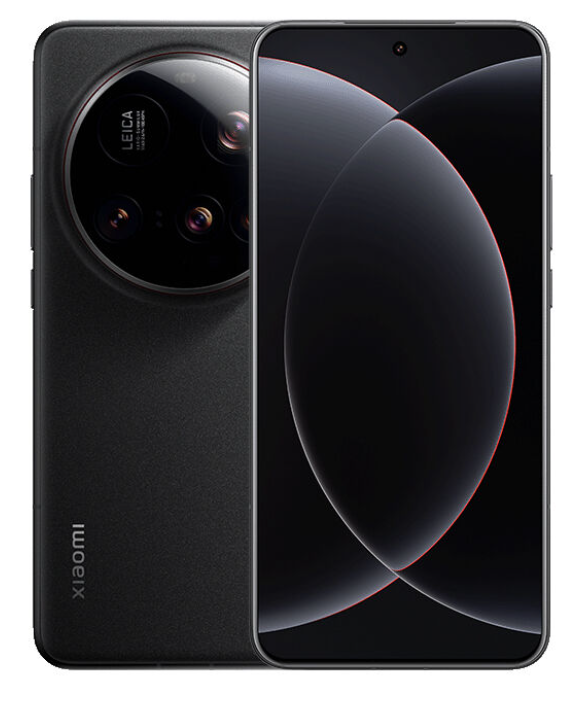
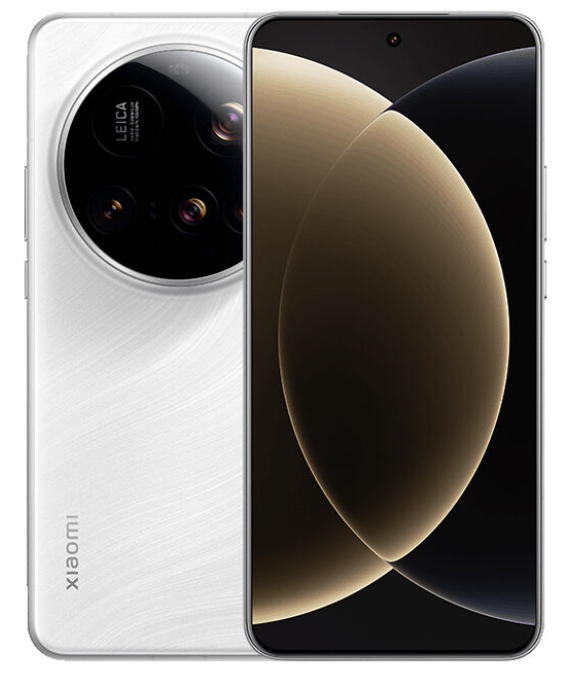
Apple iPhone 17 Pro Max and Xiaomi 17 Pro Max
Upcoming Seasonal Sales Bring Deeper Discounts
Retailers time their biggest discounts to festive or holiday seasons. For example, the biggest festival in India is almost here, so there will be plenty of Diwali discounts in the Indian market. Similarly, Halloween is arriving soon as well, and we can expect a bunch of new deals during this period.
But that’s not all, one of the biggest tech product sales of the year is also coming soon, thanks to the Black Friday 2025 deal. Various gadgets will go on sale during Black Friday 2025, which is set for 28th November 2025. Right after this, we have Cyber Monday just two days later, which is another major discount day for tech.
Avoid Fake Discounts
A common tactic often used by sellers is to hike up the price a few weeks before sales so the advertised “discount” looks bigger. Platforms and independent trackers often catch these fluctuations. So it is often advised to use some form of price tracking before the sale to make sure you’re not getting scammed by a deal that seems too good to be true. So waiting also helps you gain time to monitor genuine price drops and use tools to compare historic pricing to avoid overpaying, even on newly launched gadgets like smartphones, laptops, TWS earbuds, and more.
Newer Tech & Models Debut Soon
If you’re eyeing a premium smartphone today, you may want to hold off just a while longer. The next wave of flagship models powered by next-generation chips is right around the corner, bringing improved performance, battery life, AI powered tools, the latest software, and refined designs. So buying a device right now could make your new smartphone seem obsolete in just a couple of weeks. Waiting lets you see what’s new and whether that shiny thing is actually worth the extra premium.
Better Payment & Bundle Deals
Sale seasons bring more than simple discounts. Expect bank cashback offers, no-cost EMIs, “buy 1 get 1” or bundle deals (for smaller gadgets like accessories), and extra warranty packages. None of this tends to show up during random off-season “discounts.”
When It Might Still Make Sense to Buy Now
While we do urge you to be patient, you can definitely consider an upgrade or buy new gadgets depending on certain circumstances. For example:
If your device is failing irreparably or preventing you from working/studying, you might not be able to wait.
If a gadget you like will be discontinued soon in favor of the newer, more expensive model.
If a one-time offer (e.g., trade-in or upgrade bonus) is only valid now, it won’t reappear.
Amazon Prime Day is bringing some serious steals for audio lovers, and one of the best bargains comes from JBL. The company’s ultra-compact Go 4 Bluetooth speaker, known for its pocket friendly design, is selling for dirt cheap right now in the US. So here’s everything you need to know.
JBL Go 4 Speaker Gets a Big Price Cut This Amazon Prime Day
To recall, the popular audio company unveiled the JBL Go 4 as an ultra portable speaker with Auracast support and a weather resistance body back in March 2024. It featured an IP67 rating for a dustproof design and water resistance design. This model connects via Bluetooth 5.3, and brings JBL’s unique acoustic algorithms to deliver reach audio and a wide frequency response.
JBL Go 4 Bluetooth Speakers
The JBL Go 4 also features the new Auracast technology, and the brand even lets you connect two Go 4 speakers for stereo sound. These speakers has a tiny 3-inch body with a small loop that you can use to attach your jeans, backpack, and others. It delivers 5W audio output and promises to last for up to 9 hours on a single full charge (with Playtime Boost mode).
JBL initially announced the Go 4 speakers for around 60 US Dollars, so it was already quite affordable. However, the JBL Go 4 typically goes on sale for around 50 US Dollars. But during Amazon’s October Prime Day sale, the JBL Go 4 compact Bluetooth speakers is selling for just under 40 US Dollars. It arrives in multiple color options, with the black, white, and blue variants being priced around 38 US Dollars.
Known luxury car brand, Mercedes-Benz, is working on a new premium over-the-ear audio experience. The Mercedes-Benz Wireless Headphone 2 was just spotted getting a new certification, so here’s everything we know so far.
New Mercedes-Benz Wireless Headphones 2 Poised to Launch After Recent Certification
Mercedes-Benz’s next wireless headphones have just surfaced on the TDRA certification database in UAE. The premium headphone was spotted carrying the MB WHP 2 model number and has been listed as a Bluetooth enabled device. As the name suggests, the Mercedes-Benz Wireless Headphone 2 appears to be the successor to the original Mercedes-Benz Wireless Headphones, which debuted back in 2020. For those unaware, this model was launched with a distinct over the ear design and carried the brand’s iconic logo.
Mercedes-Benz Wireless Headphone
So while the display mostly featured a black body, it had a nice contrast with a silver three-pointed star enclosed in a thick circular border. Unfortunately, the TDRA certification did not reveal any details of the Mercedes-Benz Wireless Headphone 2, but it likely brings various upgrades over its predecessors. To recall, the first gen model features Bluetooth 5.0 for wireless connectivity as well as a 3.5mm audio jack for a wired connection.
These also housed an integrated microphone, a touchpad for quick and convenient controls, and support for 3D surround sound. On a single full charge, the first Mercedes-Benz Wireless Headphone could last for up to 1 8hours of battery life. So the next gen model should get improved audio drivers, ANC support, additional mics, and a lot more. Unfortunately, this is all the information we have at the moment, so stick around for more.
For more daily updates, please visit our News Section.
Huawei’s upcoming Mate 80 Pro has just surfaced in what appears to be its first real-world image, giving fans an early glimpse at the flagship’s redesigned rear. Huawei seems to be refining the aesthetics of its next gen flagship, so here’s what we know.
Is This Our First Look at the Huawei Mate 80 Pro?
Expected to be the Huawei Mate 80 Pro
Just recently, the Chinese tech giant’s Mate 80 series had one of the first real live images leaked. However, these didn’t showcase the actual device and merely revealed the rear panels. Now, a fresh leak from a Weibo tipster offers us a first proper look at the Mate 80 series. While the actual model number hasn’t been confirmed, this is expected to be the higher end Mate 80 Pro.
Looking at the images, the Mate 80 Pro features a gigantic circular camera module. This island is surrounded by a shiny metallic ring and houses a triple camera setup and dual LED strips. The triple camera setup forms a triangular pattern with the top lens likely being a periscope telephoto shooter, while the two sensors on the bottom are the primary and ultra wide angle lenses.
The leaked real live images also showcase the smartphone in black and gold, while the earlier leak showcased the Mate 80 series in white. So Huawei might be planning on launching the Mate 80 lineup in bright new colors, apart from just the classic white and black colorways. Based on what we know so far, the Mate 80 series will likely include the Mate 80, Mate 80 Pro, Mate 80 Pro+, and even the Mate 80 RS Edition that could offer a titanium frame.
For more daily updates, please visit our News Section.
BYD has overtaken Tesla in global electric vehicle (EV) sales through the first nine months of 2025. The Chinese automaker delivered 1.61 million battery-electric vehicles (BEVs) from January to September, compared to Tesla’s 1.22 million units. This marks a lead of 388,000 vehicles for BYD, based on data released by both companies.
BYD’s sales increased 37% year-on-year, while Tesla’s sales declined by 6%. This is the fourth consecutive quarter where BYD has outsold Tesla in global BEV sales. The data suggests that BYD is likely to finish the year as the top-selling EV brand globally.
Tesla posted a record quarter between July and September with 497,100 global deliveries. However, it still trailed BYD, which shipped 582,500 BEVs in the same period. Tesla’s strong quarter came as U.S. customers rushed to take advantage of federal EV subsidies that expired at the end of September.
Tesla’s performance in China also received a boost with the launch of the Model Y L, a six-seat long-wheelbase SUV. The model reportedly received 120,000 orders shortly after launch. However, Tesla continues to face pressure in Europe and Australia, where competition from local and Chinese brands has intensified.
While Tesla remains a BEV-only manufacturer, BYD continues to sell both BEVs and plug-in hybrids. This strategy has helped BYD maintain high volume despite intense price competition in China. Analysts expect BYD to deliver 2.17 million BEVs by the end of 2025, while Tesla is projected to reach around 1.61 million.
Tesla CEO Elon Musk has warned of a “rough few quarters” ahead. The company has shifted focus to autonomous driving and robotics, though these areas have yet to make a significant financial impact.
BYD’s lower average selling price and broad product portfolio have allowed it to capture market share rapidly. The company’s ability to sustain momentum in international markets will likely determine whether it can retain its lead into 2026.
For more daily updates, please visit our News Section.
Tablets are the best choice for those who enjoy artistic hobbies, casual gaming, reading, and taking notes, among other activities. It has become an essential must-have device among students, employees and older adults. If you are someone looking for a tablet in the budget segment, then let me introduce you to the Redmi Pad Pro, which costs around Rs. 16999/ after all the discounts.
Redmi Pad Pro Deal Details
Earlier Redmi Pad Pro was launched for Rs. 21,999, and is now available at Rs. 18999 only. On top, there are bank offers like an instant discount of Rs. 2000 on any bank debit card or credit card, which brings the effective price around Rs. 16,999. You can exchange your previous device for up to Rs. 17,850, too. The top variant of the device costs around Rs. 23,999/.
Please Note: When you buy something using the links in our articles, we may earn a small commission at no cost to you.
Redmi Pad Pro Specification and Features
Redmi Pad Pro comes powered with the Snapdragon 7s Gen2 chipset. The tablet has a 12.1-inch, 2.5K resolution, 120Hz XL display with peak brightness of 600 nits. Like any other tablet in this segment, the Redmi Pad Pro also comes with a face unlock feature, which is super convenient. For seamless wireless file transfer, it comes with the Wi-Fi 6 feature. To make an entertainment and gaming experience better, the Redmi Pad Pro has AdaptiveSync Refresh and triple eye-care technology.
In terms of audio, the device has Quad Speakers and supports Dolby Vision Atmos. Redmi Pad Pro has a 10000mAh battery, and the company claims the device will give 33.9 days of standby or 16 hours of HD video playback on a single charge. The device comes with 33W fast charging in the box.
If you are looking for an affordable, feature-packed tablet, the Redmi Pad Pro is the best option to go with. Follow for more Deals.
The Dimensity 9500 is the latest and greatest mobile chipset from MediaTek, promising a significant boost to performance and power efficiency across CPU and GPU. The NPU, camera, and connectivity have also received notable upgrades, making it a well-rounded option for high-end devices.
Built on TSMC’s 3nm (N3P) process node, the latest Dimensity chip adopts a third-generation “All Big Core” CPU design featuring ARM’s latest C1-series processors, which promises a significant boost to performance and power efficiency. The new 12-core Mali-G1 Ultra GPU also delivers notable performance gains and enhancements for ray tracing.
The Dimensity 9500 looks excellent on paper, but how big of an upgrade is it over last year’s Dimensity 9400? Let’s look at the benchmark scores to find out.
Dimensity 9500 vs Dimensity 9400: benchmark score
Note: The benchmark scores were obtained from leaked listings of Vivo X300 Pro (Dimensity 9500). For Dimensity 9400, we used the Vivo X200 Pro.
Geekbench score
On the Geekbench 6 platform, the Dimensity 9500 gets 3,177 in single core, which is about 18% higher than the Dimensity 9400. The gap widens further in multi-core, where the Dimensity chip has posted a total score of 9,701, while its predecessor couldn’t cross the 8,000 mark. That’s a solid 25% gain in multi-core score for the newer chip.
Geekbench 6
Dimensity 9500
Dimensity 9400
Single core
3,177
2,681
Multi core
9,701
7,752
AnTuTu score
On the AnTuTu benchmarking platform, the Dimensity 9500’s total score crosses the 4 million mark, which is a big achievement in itself. This is about 57% higher than Dimensity 9400.
The breakdown reveals that the Dimensity 9500’s CPU achieves a significantly higher CPU score (1,043,247 vs 591,239). That’s a solid 76% increase. The GPU gets a 32% higher score (1,510,982 vs 1,144,638). The memory (667,254 vs. 411,334) and the UX (790,449 vs. 394,544) have also gained about 62% and 100% higher scores, respectively.
The latest advancements to the Dimensity 9500 are the driving factors behind this significant gap, but this is also partly due to differences in AnTuTu versions. The AnTuTu score for the Vivo X200 Pro (powered by Dimensity 9400) is from AnTuTu v10, while the X300 Pro (powered by Dimensity 9500) is tested on a newer version, v11. So, we’ll update the score for Dimensity 9400 after benchmarking on the same AnTuTu version for a fair comparison.
Dimensity 9500
Dimensity 9400
AnTuTu score
4,011,932
2,541,756
CPU
1,043,247
591,239
GPU
1,510,982
1,144,638
Memory
667,254
411,334
UX
790,449
394,544
Dimensity 9500 vs Dimensity 9400: spec sheet
Dimensity 9500
Dimensity 9400
Announced
September 2024
October 2024
Process node
TSMC’s 3nm (N3P)
TSMC’s 3nm (N3E)
CPU cores
8-core
8-core
CPU cores
1 x 4.21 GHz — C1-Ultra 3 x 3.5 GHz —C1-Premium 4 x 2.7 GHz — C1-Pro
1 x 3.62 GHz — Cortex-X925 3 x 3.3 GHz — Cortex-X4 4 x 2.4 GHz — Cortex-A720
GPU
Mali-G1 Ultra MP12 120 FPS ray traced mobile gaming MediaTek HyperEngine Gaming Technology MRFC 3.0 technology Vulkan Ray Tracing Pipeline support MegaLights, Nanite support in Unreal Engine
Mali-G925 Immortalis MP12 Ray tracing support MediaTek HyperEngine Gaming Technology
NPU
MediaTek NPU 990
MediaTek NPU 890
Memory
LPDDR5X, up to 5.3 GHz
Storage
4-lane UFS 4.1
UFS 4.0
Camera
MediaTek Imagiq 1190 ISP Up to 320MP single camera Up to 8K video recording 4K/120fps video recording (EIS) 4K/60fps cinematic video capture Supports real-time semantic segmentation
MediaTek Imagiq 1090 ISP Up to 320MP single camera Up to 8K video recording Supports real-time semantic segmentation
Connectivity
3GPP Release-17 5G modem Maximum speed: 7.4 Gbps Wi-Fi 7 (peak speed: 7.3 Gbps) Bluetooth 6.0
3GPP Release-17 5G modem Maximum speed: 7 Gbps Wi-Fi 7 (peak speed: 7.3 Gbps) Bluetooth 6.0
Key upgrades to Dimensity 9500
The Dimensity 9500 brings comprehensive upgrades across all major components. It’s built on TSMC’s 3nm (N3P) process node, which offers better performance and power efficiency over the N3E node used for Dimensity 9400.
CPU, GPU, and NPU
The latest Dimensity chip adopts MediaTek’s third-generation “All Big Core” CPU design, featuring ARM’s latest C1-series processors. The chipmaker claims a 32% uplift in single core performance and a modest 17% jump in multi-core performance. Remarkably, the Ultra core achieves 55% lower power consumption at peak performance, while there’s a 37% reduction in power consumption at peak CPU usage. The overall chip is 30% more power efficient during multitasking in gaming and social audio applications.
The Dimensity 9500 also brings significant upgrades to graphics capabilities and gaming experience. The new 12-core ARM Mali-G1 Ultra GPU, combined with MediaTek HyperEngine Gaming Technology, offers 33% faster GPU performance and 42% improved power efficiency at peak performance. Furthermore, the Dimensity 9500 claims a 119% boost to raytracing performance.
The chip introduces MRFC 3.0 technology to upgrade 60fps titles to 120fps. In fact, it’s the first mobile chipset to support 120FPS raytraced mobile gaming. Furthermore, the Dimensity 9500 debuts two first-to-market features: support for the Vulkan Raytracing Pipeline and native Unreal Engine 5.5+ integration, further enhancing the gaming experience. The GPU also supports advanced gaming technologies, including MegaLights and Nanite, enabling console-class rendering and lighting effects on mobile devices.
The Dimensity 9500 introduces the ninth-generation MediaTek NPU 990, paired with Generative AI Engine 2.0 doubles the computer power for seamless and immediate AI execution. Furthermore, it offers 100% faster 3 billion parameter LLM output, 128K token long text processing, and 4K ultra-high-definition image generation on-device. On top of this, the peak power consumption has reduced by 56%.
Storage, Camera, and Connectivity
The storage read/write speed has doubled compared to UFS 4.0 in the Dimensity 9400. This also helps in 40% faster loading of AI models. There’s no change to memory, though — still LPDDR5X at 10667 Mbps.
The Dimensity 9500 still supports up to 320MP camera, but it introduces a new Imagiq 1190 ISP with higher bandwidth and lower latency, and brings support for RAW-domain pre-processing for cleaner detail and color fidelity. It introduces a powerful AI denoise technology, which works with up to 200MP camera capture. The video capture capabilities have also improved, with the inclusion of support for 4K/120fps video capture with EIS and 4K/60fps cinematic video capture. In contrast, the Dimensity 9400 only supports 4K/60fps video capture.
The connectivity part has also received several upgrades, including a 10% reduction in power consumption for 5G, a 20% reduction in power consumption for Wi-Fi, and a 50% reduction in latency, thanks to AI-assisted technologies. The AI also helps to achieve 20% higher signal accuracy. The peak connection speed on a 5G network has increased to 7.4Gbps (up from 7Gbps), while the peak Wi-Fi speed remains unchanged at 7.3Gbps.
We use cookies on our website to give you the most relevant experience by remembering your preferences and repeat visits. By clicking “Accept”, you consent to the use of ALL the cookies.
This website uses cookies to improve your experience while you navigate through the website. Out of these, the cookies that are categorized as necessary are stored on your browser as they are essential for the working of basic functionalities of the website. We also use third-party cookies that help us analyze and understand how you use this website. These cookies will be stored in your browser only with your consent. You also have the option to opt-out of these cookies. But opting out of some of these cookies may affect your browsing experience.
Necessary cookies are absolutely essential for the website to function properly. This category only includes cookies that ensures basic functionalities and security features of the website. These cookies do not store any personal information.
Any cookies that may not be particularly necessary for the website to function and is used specifically to collect user personal data via analytics, ads, other embedded contents are termed as non-necessary cookies. It is mandatory to procure user consent prior to running these cookies on your website.