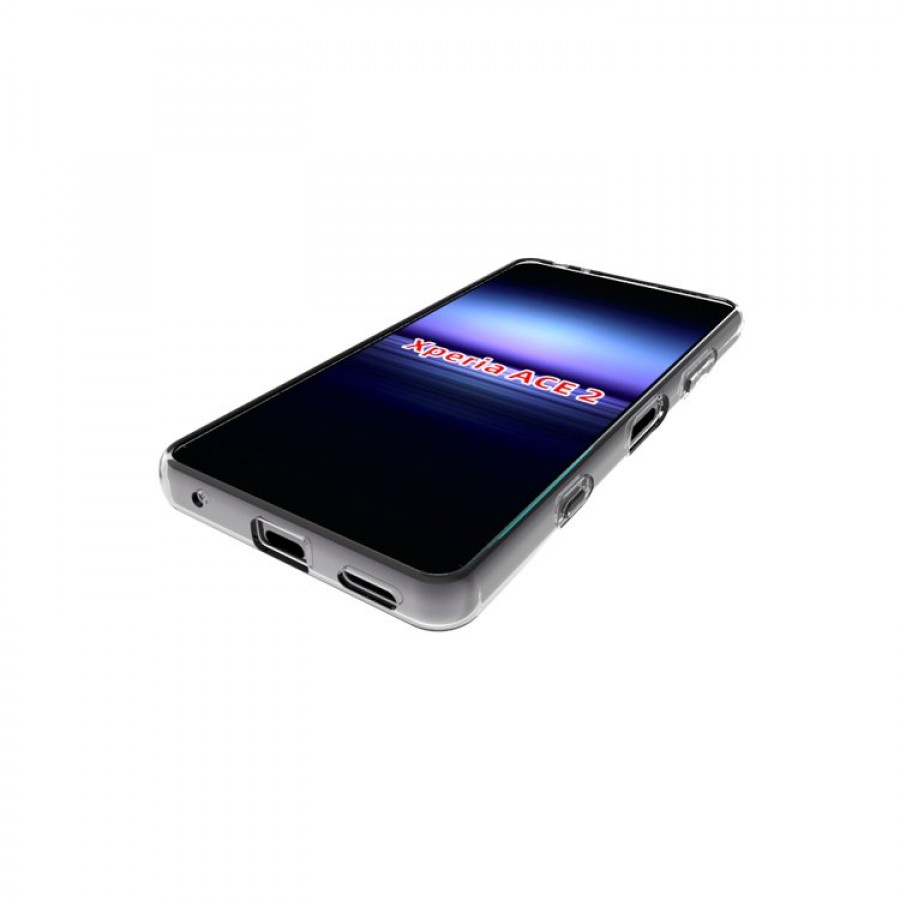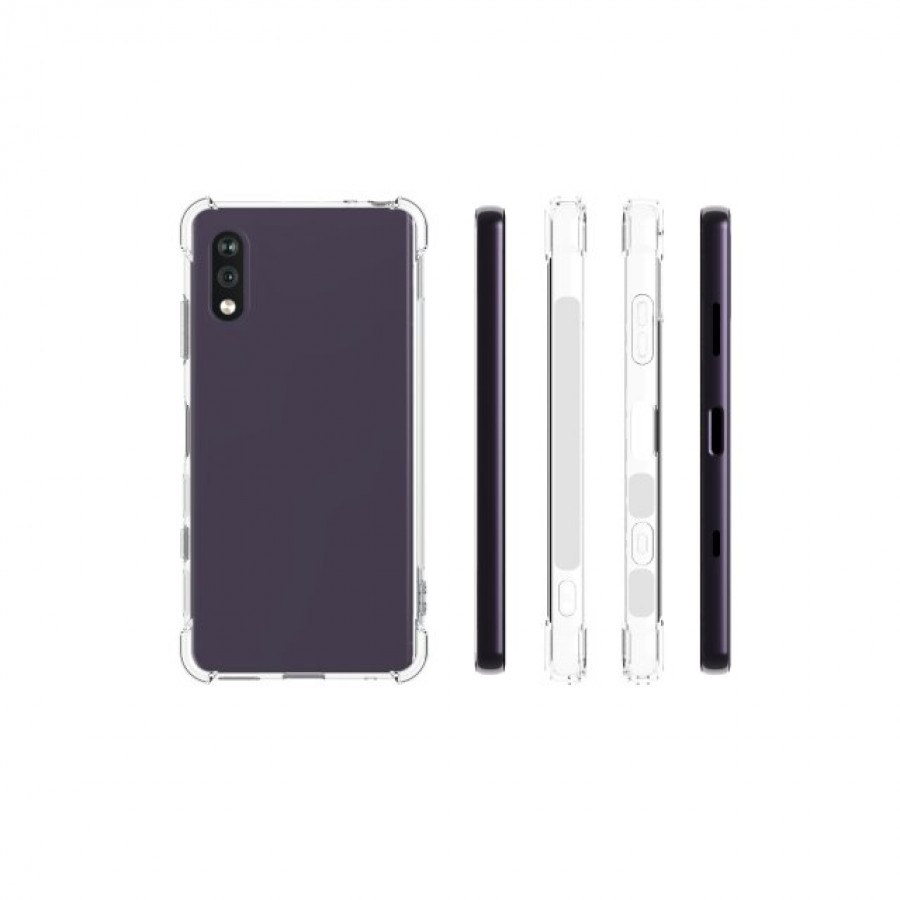
Samsung Galaxy Tab A7 is one of the best-selling Android tablets available in the market when it comes to the mid-range category and now the company seems to be focusing on the budget segment with the launch of a ‘Lite’ variant of the same.
Recently, it was claimed that the Samsung Galaxy Tab A7 Lite tablet will be launched in the month of June. Ahead of the launch, the device has now passed through the TENAA certification process, revealing some details about the device.
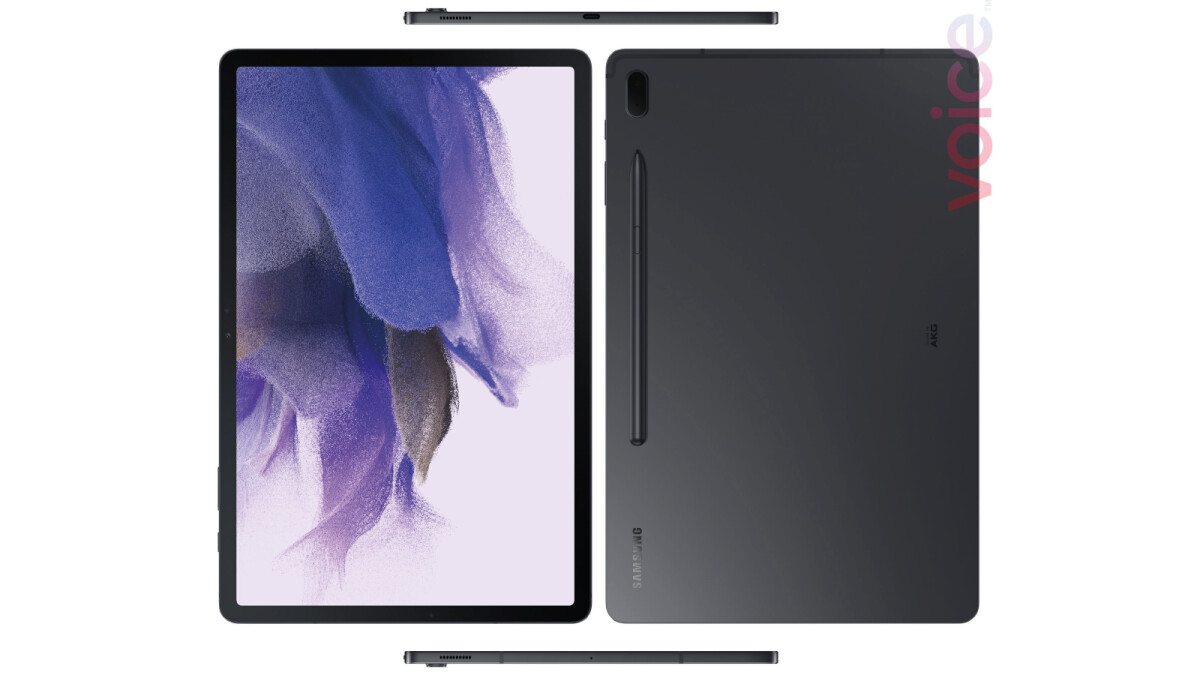
Based on the images surfaced online through the TENAA listing, the device features the same design as the Galaxy Tab A7. It is similar to the render of the tablet recently shared by Evan Blass on Twitter.
Earlier, it was revealed that the tablet will have an 8.4-inch LCD panel. The leak also adds that the device could be powered by the MediaTek Helio P22T chipset, coupled with 3 GB of RAM. It will come packed with a 5,100mAh battery and run the Android 11 operating system. There are also cameras on the front and back, without LED flash.
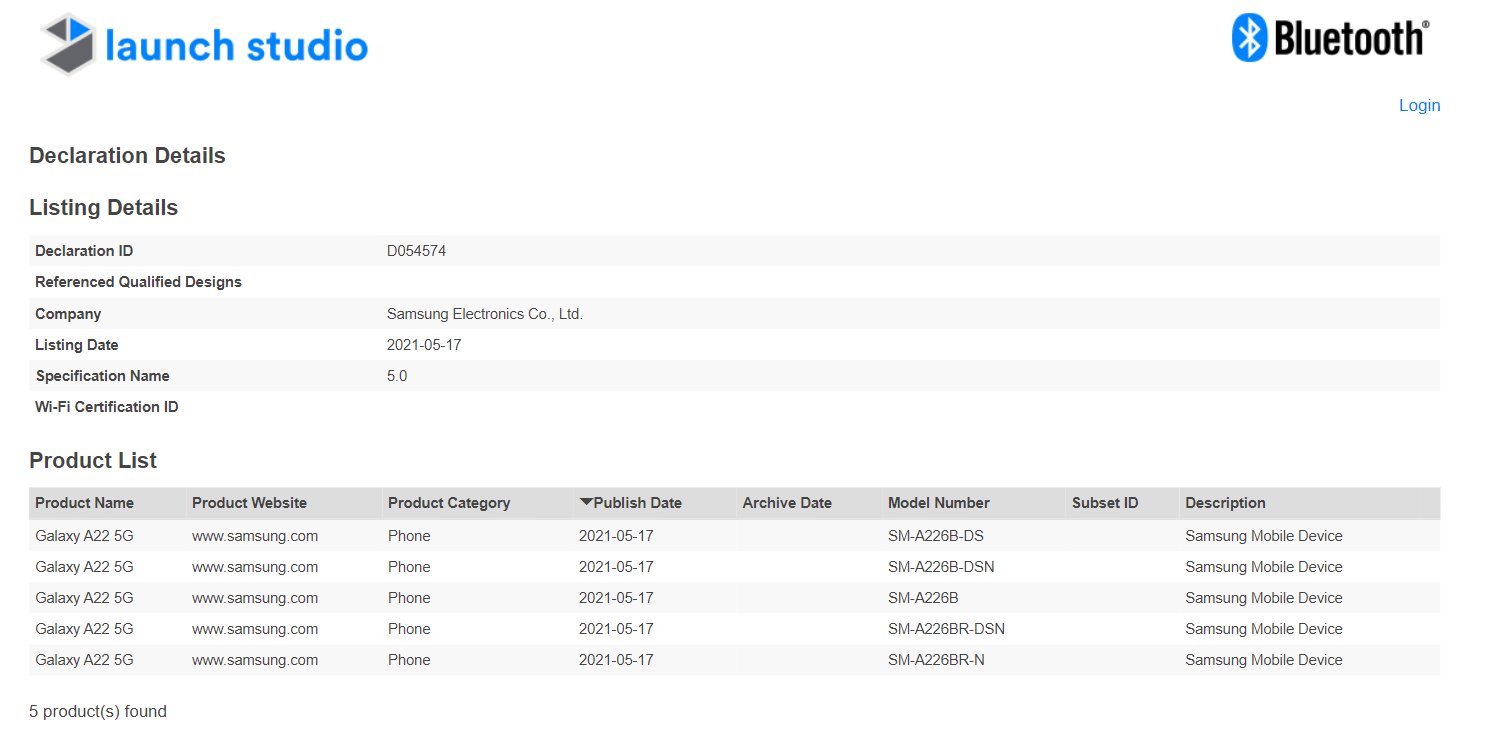
The device has also bagged FCC certification and it was approved by the Bluetooth SIG body last month. The FCC appearance did not reveal any information, but its Bluetooth listing only revealed that it carries support for Bluetooth 5.0.
A report also claims that the Galaxy Tab A7 Lite could be launched along with the Galaxy Tab S7 Lite which is expected to come in three variants — Wi-Fi, 4G LTE, and 5G. It is expected to come with multiple color options — Black, Silver, Pink, and Green.
HMD Global renewed its whole lineup of smartphones and decided to go for three series of phones: the C series with the most affordable ones, the G series which is the intermediate one, and the X series which is the most advanced series. Despite being the most expensive lineup, the X series is still composed of affordable phones. The newly-announced handsets are Nokia X10 and X20. If you are wondering what are the differences between their specifications, you are in the right place. Here is a specs comparison between Nokia X10 and X20 which will highlight their pros and cons.
The Nokia X10 and the Nokia X20 have the same design. It consists of a punch-hole display with a hole placed in the middle and a rear side made of polycarbonate with a circular camera module and a LED flash on the left. The two models differ in the color variants: the Nokia X10 is available in Forest and Snow hues, while the Nokia X20 was launched in two different color variants: Midnight Sun and Nordic Blue. Nokia X10 and Nokia X20 come with a side-mounted fingerprint reader doubling as a power key placed on the right side. Both the phones are pretty heavy and thick (they weigh more than 200 grams) because they pack big batteries.
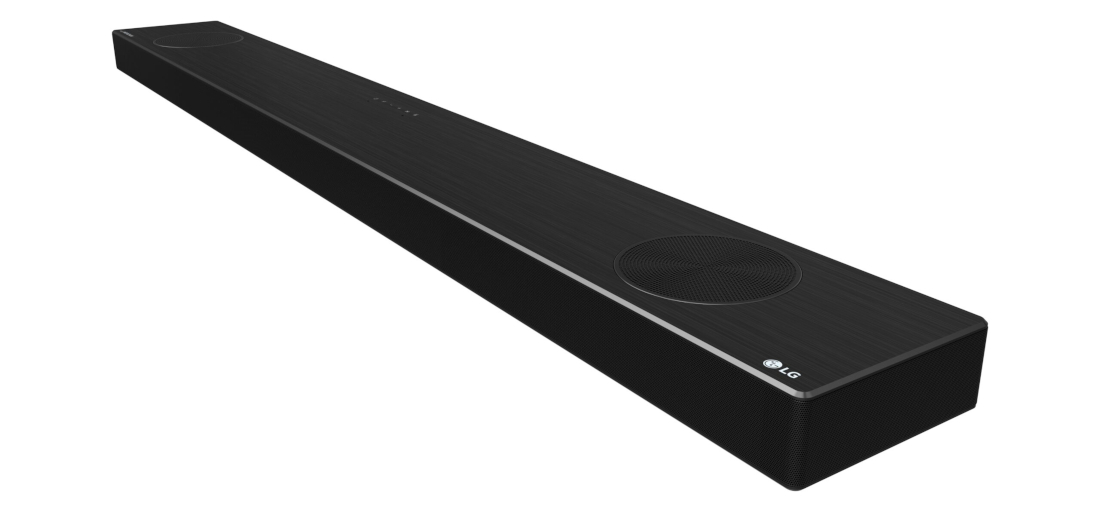
Display
Not only the same design: the Nokia X10 and the Nokia X20 also come with the same display. It is an IPS LCD panel with a 450 nit typical brightness, a diagonal of 6.67 inches, and a Full HD+ resolution with 1080 x 2400 pixels. It is not a wonderful display, but it is acceptable for everyone due to its good level of definition. We are talking about IPS panels, so you do not get an amazing color reproduction, but at least they are both more than sufficient panels.
Specs & Software
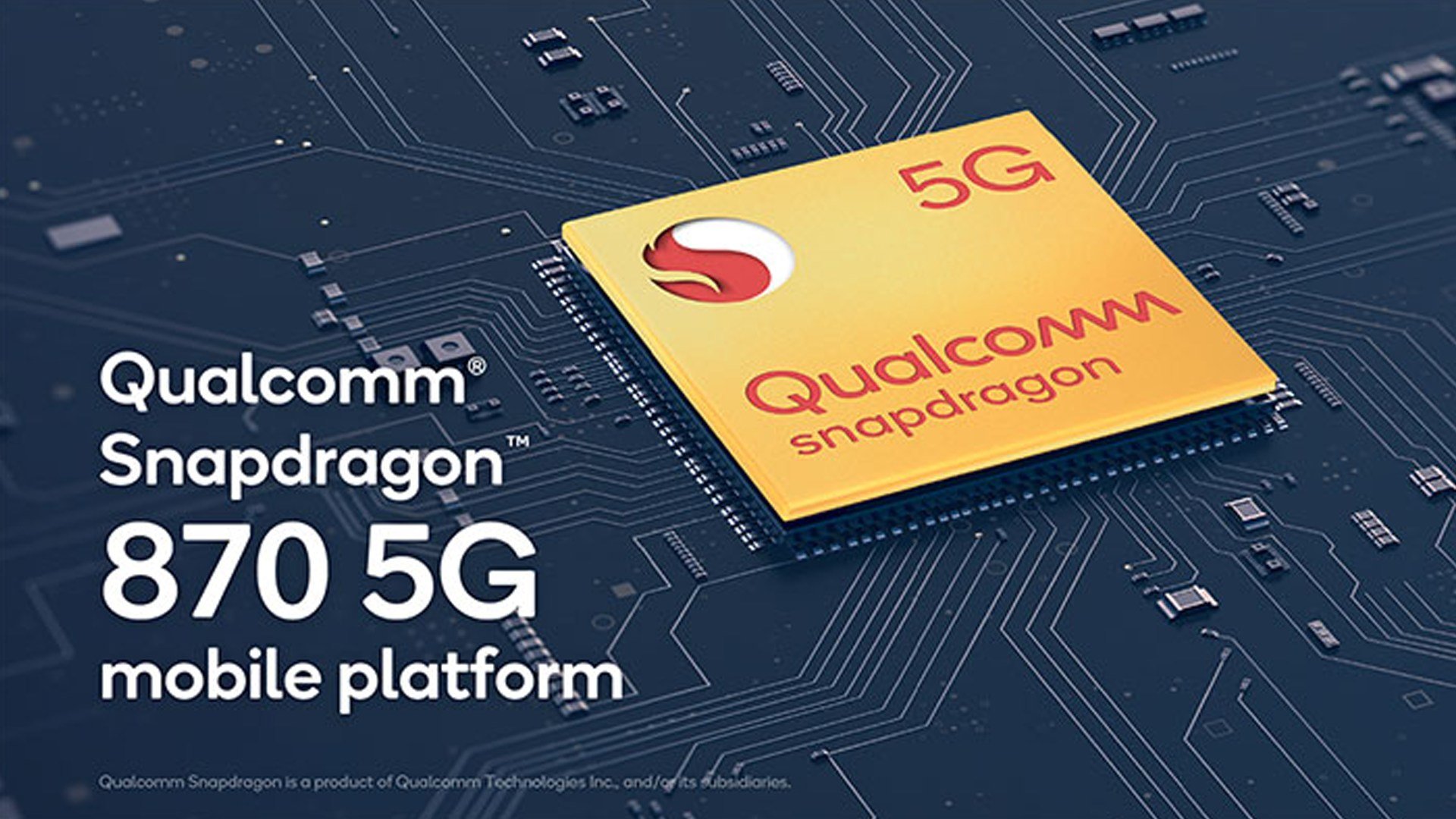
Nokia X10 and Nokia X20 are powered by the Snapdragon 480 mobile platform supporting 5G connectivity. The processor is the same, but the memory configurations are different. With the Nokia X10, you get three memory configurations: 6/64 GB, 4/128 GB, and 6/128 GB. The Nokia X20 comes in a configuration with 6 GB of RAM and 128 GB of native storage and a higher-end one with 8 GB of RAM and 128 GB of storage. The phones run Android 11
Camera
The most important differences between the Nokia X10 and the Nokia X20 are in the camera department. We are specifically talking about the main sensor of the quad camera placed on the rear side. The Nokia X10 has an inferior 48 MP camera, while the Nokia X20 has a definitely better 64 MP sensor. The phones offer a pretty nice photo quality if compared to the price tag, not only for the sensors but especially because of the Carl Zeiss optics. The front cameras are different too: the Nokia X10 has a below-average 8 MP selfie snapper, while the Nokia X20 comes with an amazing 32 MP selfie camera.
While the camera departments are different, the batteries of these devices are the same. We are talking about a battery with a capacity of 4470 mAh supporting 18W fast charging. The battery life is great, they are not among the best battery phones but they last more than one day with moderate usage.
Price
Nokia X10 has a starting price tag of €310/$370 for the base variant with 6 GB of RAM and 64 GB of internal storage, while Nokia X20 starts from €350/$417 for the configuration with 6 GB of RAM and 128 GB of native storage. If we only consider the specifications, the price tags are a bit high. But you should not consider only that: the strongest point of these phones is the software support. Nokia X10 and X20 will get three years of major Android updates, three years of security updates, and even three years of warranty. Unlike other midrange phones, these devices will get software support comparable to the most expensive flagships released by brands like Google and Samsung. Obviously, the Nokia X20 wins the comparison thanks to its better cameras, but if you do not mind having the best camera quality, you will get exactly the same user experience with the Nokia X10 and you will save money at the same time.
Yeelight GU10 is a next-gen smart LED bulb that can light up your home or office in more than 16 million colors. The smart LED bulb supports different voice assistants like Google, Alexa, etc, and can be easily controlled and used through the Yeelight App, by connecting the bulb to the wi-fi network.
The smart bulb features advanced functions like Game sync, Music Sync, Voice control, etc, and can be used to illuminate every nook and corner of your home simultaneously thanks to its group control function.
With dimmable and adjustable color temperature function and an environment-friendly energy-saving model, the Yeelight Gu10 Smart LEd bulb is a must to enhance the beauty of your home/office space.
Generally retailing at $20 Yeelight Gu10 Smart Bulb is now available for $13.99 only at Banggood. Please note that this offer is valid only till 25 April 2021. So grab your heavily discounted Yeelight Smart Bulb asap.
For more information on such exciting deals and offers check out ourdeals hub.
* Please Note: When you buy something using the links in our articles, we may earn a small commission at no cost to you.
Microsoft is splurging on acquisitions these days. After completing its acquisition of Zenimax last month for $7.6 billion, the tech giant has announced today that it will be buying Nuance, the company behind the now discontinued keyboard app, Swype, for $16 billion.
According to a press release, Microsoft revealed it has entered into an agreement to purchase Nuance Communications Inc. for $56 per share, a 23% premium over the company’s closing price on Friday. The total deal is valued at $19.7 billion and includes Nuance’s net debt.
Microsoft is acquiring the company which is a leader in cloud and AI software with decades of experience in healthcare and enterprise AI. The press statement says that Nuance’s CEO, Mark Benjamin, will retain his position but will report to Scott Guthrie, who is the Vice President of Cloud & AI at Microsoft.
Nuance’s products include Dragon Ambient eXperience, Dragon Medical One, and PowerScribe One for radiology reporting. All are said to be clinical speech recognition SaaS offerings that are built on Microsoft Azure. The company’s products are said to be used by more than 55% of physicians and 75% of radiologists in the United States and in 77% of hospitals in the country.
The acquisition has been reported to double Microsoft’s Total Addressable Market (TAM) in healthcare, bringing it to almost $500 billion.
Microsoft will also use Nuance’s solutions for Interactive Voice Response (IVR), virtual assistants, and digital and biometric solutions to provide next-gen customer engagement and security solutions.
Origem HS-3 Pro headphone offering powerful bass and excellent audio experience is available on Amazon at flat 50% OFF using a coupon code. So, if you’re out there looking for a headphone then you ought to check this out.
Amazon listing shows a $49.59 selling price on which you can avail an extra 50% OFF using the coupon code: XRP9JZ6E. Hence, you can grab the headphone for $24.8. The coupon code is valid from March 30 to April 30, so don’t forget to redeem it before the expiry.
Coming to the features and specs of the Origem HS-3Pro. It outputs High-Definition Sound and comes with a Mic-based Noise-Cancelling feature. Powered by the APTXHD lossless decoding technology, the Bluetooth headphone promises to deliver crystal clear audio and rich deep bass – or in other words infinitely close to lossless sound quality.
The headphone also comes with Qualcomm CVC8.0 noise reduction technology. Other features worth bragging about are its long battery life and Quick Charging capability. With the support of Qualcomm’s latest low-power chips and fast charging technology, it’s rated to give up to 9 hours of non-stop music playback time.
You can pick the headphone either in black or red colour with the price being the same for both variants – $24.8 with the coupon code applied. So, go get the headphone using the link given earlier.
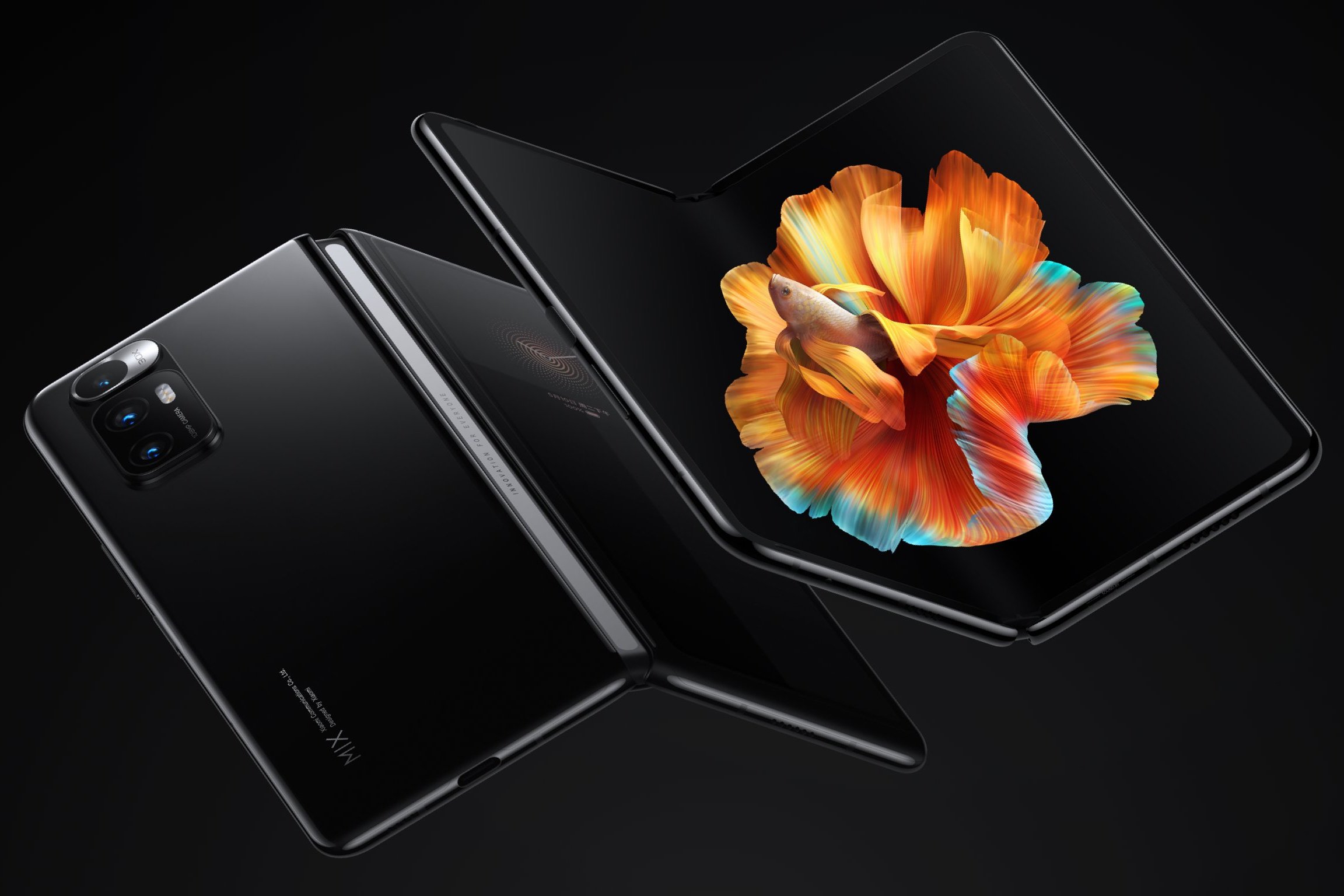
Xiaomi recently took the industry by storm with the launch of its first foldable screen smartphone dubbed Mi MIX Fold. The premium foldable phone marks the launch of a new MIX series phone after a two-year hiatus since the last Mi MIX 3 was released. To commemorate the launch, Xiaomi has unveiled a limited edition Mi MIX Fold exclusive gift box.
The Mi MIX Fold exclusive gift box is made up of the Mi MIX Fold ceramic version, a Mi Band 5 NFC Edition, and an Armani Men’s perfume. The gift box will need to be purchased through a lottery as there are only 100 units of the edition available. It carries a retail price of 12,999 yuan (~$1,984 USD). The price is the same as that of the regular Ceramic Edition of the Mix Fold.
As stated, there are only 100 sets of this model available but already, as of press time, 9167 people have participated in the activity. The result of the lottery will be announced at 10:00 am on April 16.
The Mi MIX Fold Ceramic Edition features 16GB of RAM and 512GB of internal storage. Like the regular model, it packs a 6.52-inch AMOLED cover display with a resolution of 2520 x 840 pixels, a 90Hz refresh rate, and a 180Hz touch sampling rate. It has a 27:9 aspect ratio, a maximum brightness of 900 nits, and HDR10+. The main foldable display is an 8.01-inch WQHD+ OLED panel with a 4:3 aspect ratio.
The gift box equally utilizes a unique design. The pattern of the cover of the gift box is composed of multiple arc lines made up of two colors of black and gold, giving it a premium look.
The smart band comes with a 1.47-inch rectangular AMOLED display and multiple watch faces via the Watch Face Store app. With a 14-day battery life on a full charge and 10-day life on heavy usage, the band is powerful enough for your daily needs.
Huawei Band 6 comes with a variety of health management functions like All-Day SpO2 Monitor, sleep and stress monitor, heart-rate monitor, etc, and features 96 sports mode and a special menstrual cycle tracking for women.
Available in Orange, Black, Pink, and Green colors the watch comes in two different variants viz: Standard and NFC. The 5ATM waterproof smart band is available at Giztop for as low as $59.99. So place your orders asap while the stock lasts.
For more information on such exciting deals and offers check out ourdeals hub.
There was a mistake regarding the investment amount in the PR sent to us. realme is investing $300 million in the 5G development. The changes have been made accordingly.
Original story as follows…
realme has been on a mission to bring the 5G to users around the globe. It is gearing up to launch the 5G version of the realme 8 series soon and has even launched flagships like realme X7 Pro in markets of SEA, India, and other global markets. To accelerate the company’s vision to democratize 5G, it is investing more and setting up new R&D centers.
In a press release, the company’s CEO Sky Li says that the company is a “popularizer
of 5G” in the global arena. realme has always voiced towards the expansion of 5G and in the latest efforts, it ramping up the scale to a greater extent.
The company’s area of focus seems to be in high-performance and affordable 5G products that will cover 70% of its global portfolio in two years. As mentioned above, it is targeting younger generation users in countries like India, Southeast Asia, and Europe.
In the future, it is also planning to set up 10 5G pop-up stores with experience zones exclusively for young people(Gen Z users) to experience first-hand 5G technology in cloud gaming and ultra HD live broadcasts with AR.
realme started its 5G journey with the launch of realme X50 5G back in January 2020. Following this, it has launched several products at aggressive prices and the latest Narzo 30 Pro 5G is an example of it. To make the 5G rollout easier, the company is now investing $300 million $30 million and setting up 7 R&D centers across the globe.
Specifically, it says that it will allocate nearly 90% of the R&D resources for the development of 5G technology, products, and application scenarios. This year, i.e, 2021, it is setting up pilot testing plants in 10-15 markets.
Apart from the roster mentioned above, realme says it also contributes to the construction of 5G networks by working with industry partners, such as major telecoms operators, Internet providers, and application developers to explore new high-end 5G technologies.
Not just that, realme is also aware of the AIoT market and is taking the “smartphone and AIoT” dual approach to catalyze the process. It has already committed to launching more than 100 AIoT products in 2021.
realme was the fastest-growing smartphone brand to hit 50 million shipments last year and the push for 5G will only aid the company further this year. Nevertheless, we wish the company good luck in keeping up the momentum going into 2021 and beyond.
Blackview is giving out a fantastic deal on Blackview BV5100 Global version at AliExpress. The rugged and sturdy smartphone which generally retails for $199.99 is now available for $139.99 only at AliExpress.
Blackview BV5100 is one of the best outdoor smartphones in its price range. The rugged smartphone is powered by an MTK6762 Octa-Core processor and features a 5.7-inch display. The phone comes with a double rear camera setup with a SonyIMX134 16MP main camera and 8MP + 0.3MP secondary cameras and a 13MP front camera serves all your selfie needs.
The smartphone is tried and tested in the harshest environment and comes with IP68, IP69K, and MIL-STD-810G certification. This means the phone is tough as nails and drop-proof, shockproof, and waterproof. With Blackview BV5100 you can go camping, hiking, backpacking, or even underwater diving without worrying about the safety of your smartphone.
Fueled by a 5580mAh battery the smartphone gives you 550 hours of standby and supports wireless charging. Fitted with global navigational systems like GPS, GLONASS, Beidou and Galileo the smartphone will always find your way out of the toughest and scariest terrains and additional features like NFC, FM, OTG, FACE ID, etc makes this smartphone a perfect companion for all globe trotters and adventure travelers.
Generally retailing for $199.99, you can now get Blackview BV5100 for $139.99 only. Please note that this amazing deal is applicable only on 4GB + 64GB storage and multiple color variants viz: Black, Orange, and Yellow. The super deal expires on 25 April 2021. So go grab this tough and rugged smartphone at a highly discounted price asap.
For more information on such exciting deals and offers check out ourdeals hub.
Logitech has announced its newest ergonomic keyboard in China. The ERGO K860 keyboard was launched earlier this year in other markets but has just made its way to China.
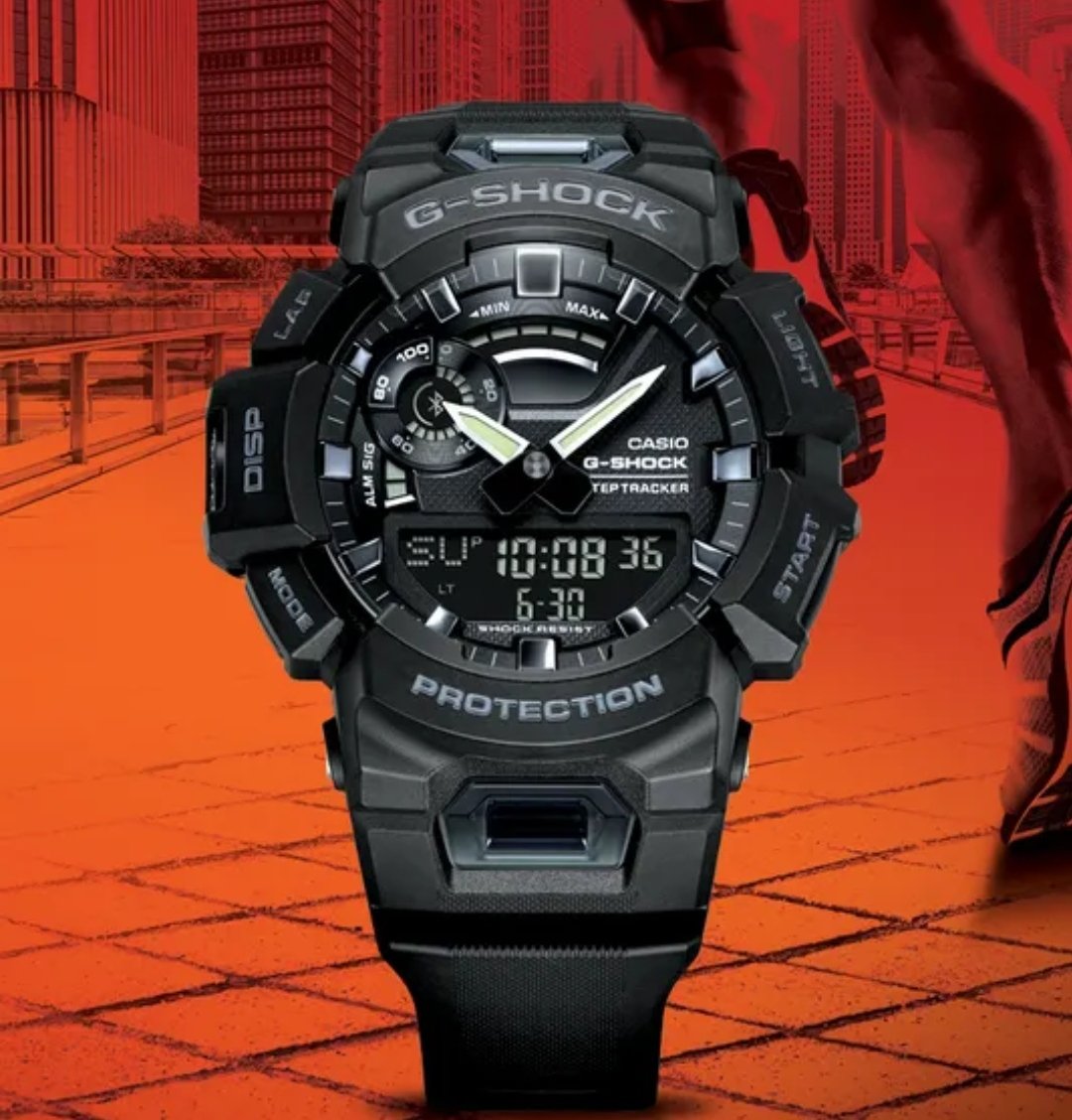
The keyboard, which connects via Bluetooth 5.0 and 2.4GHz Wi-Fi (wireless receiver), has a curved and split design that is said to provide “ a better typing posture, less strain, and more support”.
The sloping design should reduce the strain on your wrists and forearms. Logitech claims it has been proven to reduce muscle activity in the upper trapezius muscle. The keyboard also has a pillowed rest for your forearms. This pillow rest provides 54% more wrist support and reduces wrist bending by 25%.
The pillow support is made up of three layers – a knitted fabric surface layer that is durable, stain resistant, easy to clean, and smooth to the touch; a support layer made of high-density foam that disperses pressure; and a comfort layer made of memory foam that offers a pleasing and personalized give and improves the feeling of comfort and relaxation.
Another feature of the keyboard is the tilted legs under the palm rest that give your wrists a lift when using the keyboard in a standing position. The legs can be set to 0°, -4°, and -7°.
The keyboard is available for purchase on JD.com for ¥999 (~$153) which is a bit higher than the $130 selling price in the US.
If you watched the big Xiaomi launch a couple of weeks ago, you’ll know that the company is calling the Mi 11 Ultra the “Light of Android”. That’s a pretty big title. So far no one has dared to exalt themselves like that, including Samsung.
So how good is the Mi 11 Ultra that Xiaomi has called it the “Light of Android”?
Let’s take a look at the Mi 11 Ultra and see if it can live up to its title as the most powerful Android phone.
Xiaomi Mi 11 Ultra Review: Design
To be the most powerful Android phone, looks and design are important. So does the Mi 11 Ultra have a good-looking design?
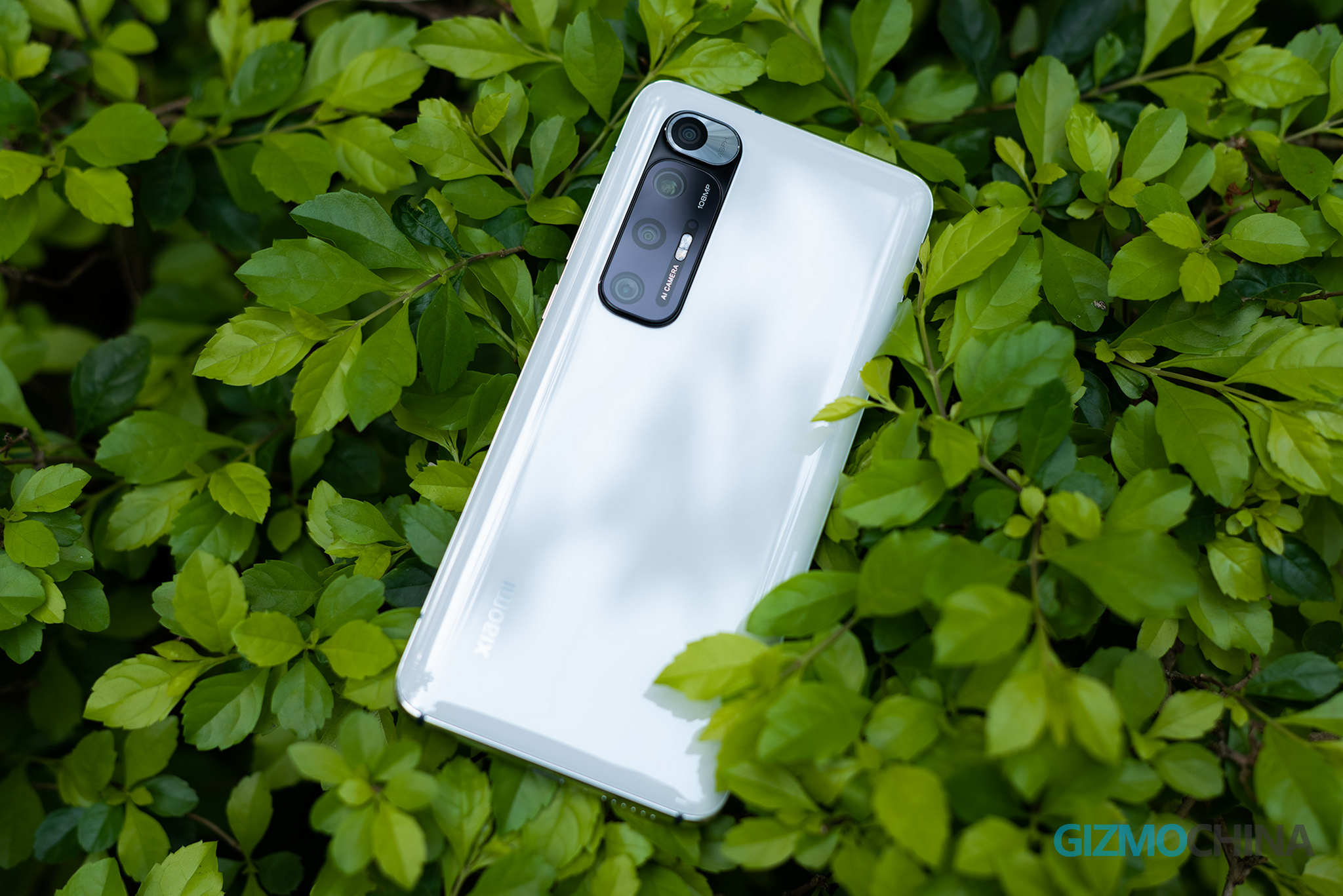
From my perspective, yes, it looks good. Its camera module is unlike anyone else’s. The large module takes up almost a third of the entire phone. On the left half of the module are the super-sized three lenses, and on the right is a small display. Although the module sticks out very much, the phone doesn’t wobble because it’s big and centered.
The top-heaviness is definitely there, but it’s actually not as big of an issue as one might expect. Because the backplate is ceramic, it is only available in black, white, and textured marble white. All three colors are very subdued and elegant. But you also have to bear the weight of 234g as a result. Although it is heavy, it is not thick. 8.38mm thick is even thinner than the vegan leather version Mi 11. So it doesn’t look bulky. The glass trim strip on the top, the chamfered camera module, and the placement of the bottom speaker to the right also show that Xiaomi is starting to pay attention to the details of the design.
If there are two words to describe its appearance, they are “refined” and “dominant”. A premium phone with an unforgettable and distinctive look is a design success. I think the Mi 11 Ultra does that.
Xiaomi Mi 11 Ultra Review: Display
The screen is the first gate to human-machine interaction. Is the screen of the Mi 11 Ultra good enough?
The screen on the Mi 11 Ultra is actually the same as the Mi 11’s. There is a 2k and 120hz refresh rate, as well as Corning’s latest Victus glass. The quad-curved screen also enhances the experience of full-screen gesture. You can pause for a closer look at the other parameters. There are some subtle differences that come from the software. For example, the peak brightness has been increased by 300nit and Dolby Vision is supported. If there is a downside, it would be the lack of LTPO and Truetone display support. But other than that you won’t find any other drawbacks and it’s still one of the best screens of the year.
Xiaomi Mi 11 Ultra Review: Gaming & Performance
If you’re going to be at the top of the Android phone list, the performance has to be very powerful. So how is the performance of the Mi 11 Ultra?
Honestly, not that great. On AnTuTu, it scores around 770,000, which is lower than the 800,000 points of its Mi 11 sibling. But 3DMARK’s 5545, Geekbench 5’s single-core score of 1105, and a multi-core score of 3497 brings it at par with other flagship phones. Xiaomi claims that the Mi 11 Ultra uses a new phase-change thermal conductivity material. The thermal conductivity has been improved by 100%. But the gaming experience is not improved from a practical point of view.
Games like PUBG are certainly not a problem for flagships, averaging at 89 fps. Genshin Impact also had an average of 54 fps because Xiaomi had targeted optimizations.
The temperature didn’t surpass 50°C either. But when it came to games that are heavy on performance and are not optimized for the device like Brightridge, the gaming experience is very bad. The average frame rate is not bad at all.
But even though Xiaomi says it has used new cooling materials, the temperature still breaks 50°C. Because the metal frame of the Mi 11 Ultra conducts heat better, the frame feels very hot when playing games. And it prompts an overheating warning after exiting the game. This results in your phone limiting the screen refresh rate, camera, etc. So we would recommend getting a cooling back clip if you want to play these kinds of games.
Xiaomi Mi 11 Ultra Review: Camera Performance
Here comes the most important question, with such a large camera module, the Mi 11 Ultra must be good at taking photos right? The main camera of the Mi 11 Ultra is a GN2 sensor from Samsung, with a humongous sensor size of 1/1.12″ inches.
It’s the largest CMOS size of any recently released phone. Both the ultra-wide lens and telephoto lens are Sony’s IMX586, a sensor that was used as the main camera in most phones the year before, but now the Mi 11 Ultra is using this popular sensor for its ultra-wide lens and periscopic telephoto lens, which is a very extravagant act.
Main Camera
The Mi 11 Ultra’s color tones are biased towards reproducing realistic scenes without being too vibrant. Colour accuracy is also much improved over the previous generation. It performs consistently in most scenes. The bokeh from the larger CMOS size is also more pronounced. The background light spot is larger. The more evenly spotted light also indicates an improvement in the quality of the lenses. Performance in dark conditions is excellent, with good detail retention. However, the sharpening is a little heavy. It doesn’t look very natural. Other than that it is difficult for me to pick out any other faults.
Ultra-Wide Camera
At first, I thought Mi 11 Ultra’s wide-angle lens would be the biggest improvement over its predecessor, the Mi 10 Ultra. But that wasn’t the case. The ultra-wide lens’ improvement is barely noticeable in most daytime scenes. Only at night in auto mode, you can see more noise in the dark areas, but the difference is reduced again when you turn on night mode. So although the IMX586 is also used for the ultra-wide angle, the improvement is not as pronounced as you might expect. The lens also has an integrated macro mode. But the closest focusing distance is the same in macro mode and normal mode. So you can ignore this mode. It’s also a step backward compared to its predecessor. The Mi 11 Ultra is still using a 12mm lens, with more distortion around the photo, which needs to be noted.
Telephoto Camera
The 5x telephoto lens has not changed in terms of hardware, but there are software improvements. This lens can now be used in night mode. But it doesn’t really matter because the dynamic range of the telephoto lens is much better on the Mi 11 Ultra as compared to the Mi 10 Ultra, even without the night mode on. I think since it’s a flagship phone, the periscopic telephoto lens is still important. Because it can help you take very good photos in cluttered environments.
Video Shooting
You don’t have to worry about the Mi 11 Ultra’s performance in video shooting either. It performs very well. All three lenses support 8K and 4K 60 fps. And you can switch lenses in 4K 30 fps recording too. Notably, the Mi 10 Ultra can only do that in 1080P 30 fps video.
Check out our video review for video samples.
Issues
The Mi 11 Ultra is really impeccable when it plays well, but there’s a problem with Xiaomi’s new phones. It’s that the firmware can be very problematic at first. The most common problem is the very high shutter lag and the particularly slow HDR compositing. There’s also the old Xiaomi problem of wavering white balance, but it is much better than the previous Xiaomi phones in this video. The telephoto strategy is also a bit strange. The Mi 10 Ultra zoomed in to 5x in the same scene calls for a periscopic 5x telephoto shot, while the Mi 11 Ultra zoomed in to 5x is a cropped version from the main camera sensor, so you need to be careful when you shoot. Even if you were fine with the previous bugs, this one will be hard to ignore. Sometimes at the end of a photoshoot, you’ll find that the photo you’ve taken has been zoomed in multiple times for no apparent reason, making it completely unusable. This problem has occurred twice in the last few days of taking photos. Hopefully, Xiaomi will fix these issues in the next version soon.
Xiaomi Mi 11 Ultra Review: Charging & Battery Life
As with the Mi 11 and Mi 10s, the charger and charging cable are not included in the box. They are packaged separately. This time the battery of the Mi 11 Ultra uses a new negative material. It allows the battery to increase its power storage capacity. That’s why you can see that there is actually a 5000mAh battery crammed into an 8.38mm body.
The charging power isn’t as aggressive as the 120w of last year’s Mi 10 Ultra. But 67w of wired charging plus 67w of wireless charging is top-notch, especially wireless charging. In testing, wired charging charges the phone to 22% in 5 minutes, 90% in 30 minutes, and it takes only 36 minutes to fully charge to 100%. Wireless charging charged up the phone to 14% in 5 minutes, 78% in half an hour, and it took 43 minutes to fill up to 100%. For supporting such a powerful wireless charging phone, Xiaomi has also launched an 80w wireless charging dock. The styling is very cool. It can charge horizontally and vertically and is able to control whether the cooling fan is on or not. As for why the charging dock is 80w instead of 67w, I guess Xiaomi’s new mobile phones launched in the near future will continue to break the record of the fastest wireless charging technology in mass-produced phones.
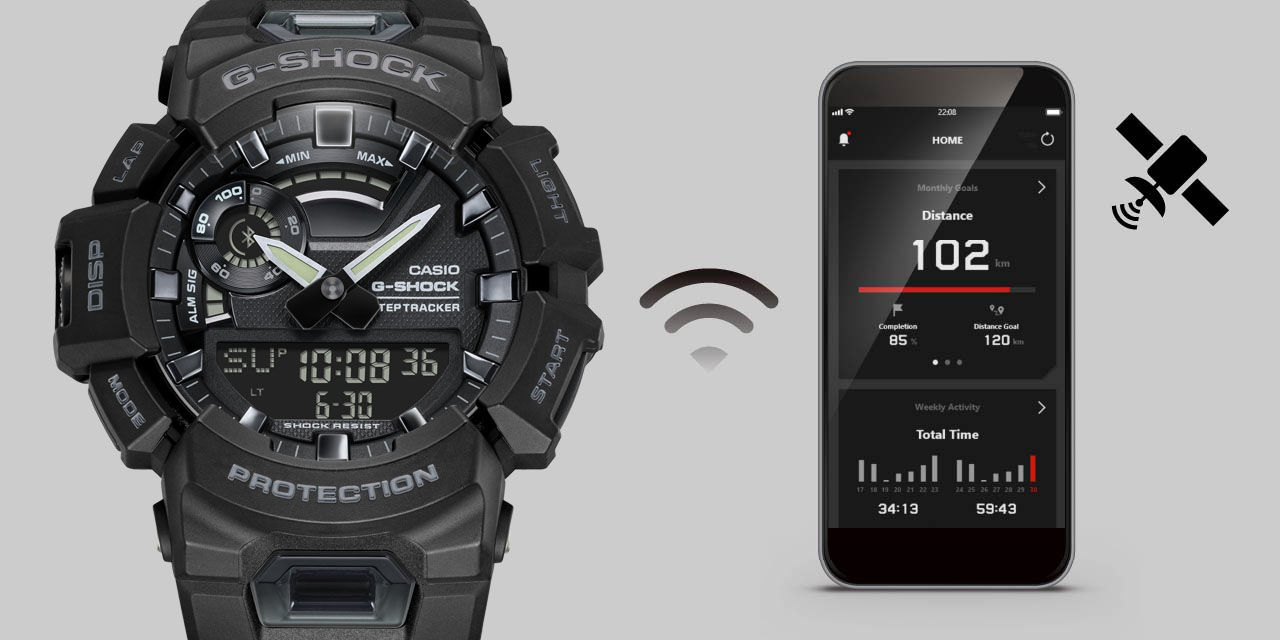
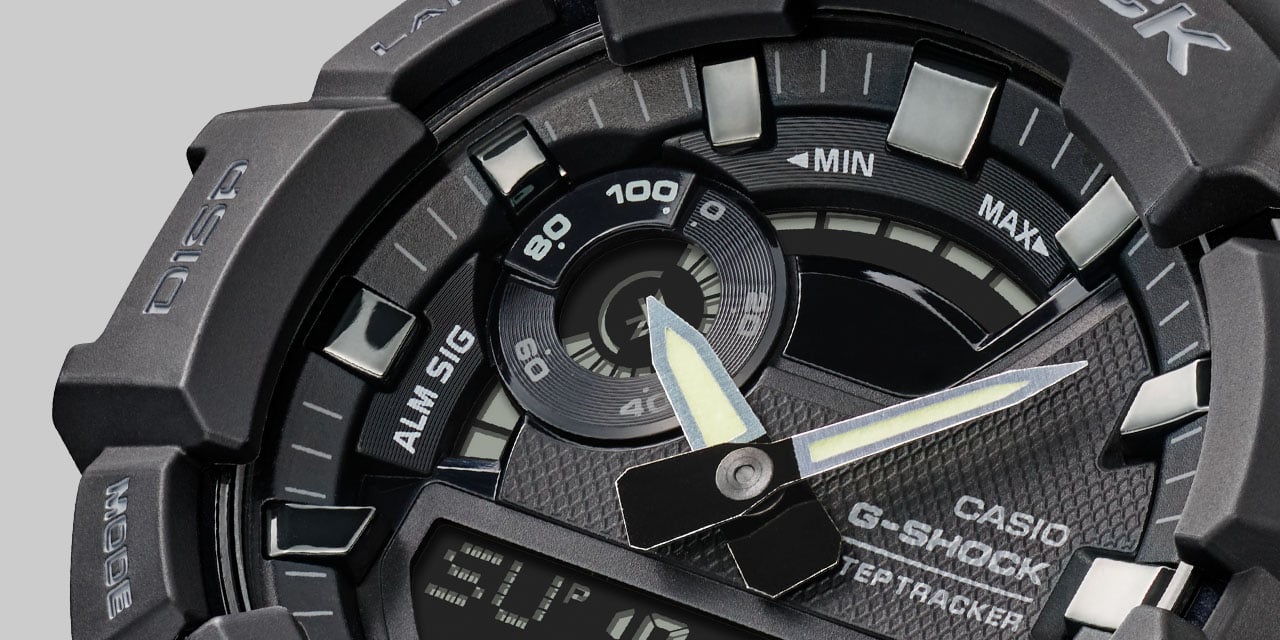
Because of its huge battery, its battery life should be great, right? Half an hour of Tiktok and 1080p video playback uses 5%, 28 minutes of PUBG uses 12%, GenshinImpact for 30 minutes uses 17% and Brightridge for 20 minutes drains 15% of the battery. It seems to be pretty well optimized for light use, and about the same as any other phone for heavy use.
Xiaomi Mi 11 Ultra Review: Rear Camera Screen
Mi 11 Ultra brings the best hardware of 2021, but does it have any other highlights? Remember that little screen on the back of the phone? It allows you to check the time, but also messages, charging animations, and more.
But the best thing about it is that it can be used for selfies. And the rear lens doesn’t have beauty effect, keeping your selfies realistic. Unfortunately, the screen doesn’t support video recording yet, but I guess Xiaomi will update this feature soon.
There’s no shortage of infrared transmitters and NFC, but the USB is still 2.0. I have to criticize Xiaomi on this point. However, the phone does support IP68 water resistance, making it the first Xiaomi phone to have IP68 water resistance in 11 years. Another highlight is Harman Kardon’s stereo dual speakers. The sound quality is a step up from the Mi 11. Again, please check out Mi 11 Ultra review video for the speaker quality.
Xiaomi Mi 11 Ultra Review: Verdict
Having read this review, have you come up with an answer to the question of whether the Mi 11 Ultra is the “light of Android”?
It does have the potential to be the most powerful Android phone because its hardware is really very good. But it’s not ready yet, because it’s not the best in terms of software. Wait a few months for Xiaomi to make up for its software shortcomings. Maybe it will really become the “light of Android”. But by then the competition will be even stronger.
Let’s wait and see who will release the best Android phone this year.
Samsung Galaxy M42 5G isn’t that far away from debuting as the first M-series 5G phone in India. Leakers have already started teasing the device and today, IANS has come up with new intel, and this time it’s the price of the device.
Representative image: Galaxy A42 5G, The upcoming Galaxy M42 5G could look similar to this
As per the report, the Samsung Galaxy M42 5Gwill launch in India later this month. This goes in line with the earlier report and looking at these, we can expect the launch date to be somewhere in the last week of April.
Moving on, citing industry sources, the report says that the device will be priced between ₹20,000- ₹25,000 in India. This is an area that Samsung touched upon recently with the Galaxy A32 4G. However, if the reports are true, the Galaxy M42 5G would be far better than this.
Besides, Samsung also has the Galaxy F62 at ₹23,999 on Flipkart and although it has its own pros, the Galaxy M42 at this price range will cater to those who are in need of getting a 5G device.
The device is said to share similarities with the Galaxy A42 5G retailing in Europe but comes with few improvements. So far, reports say that the device will likely feature a 6.6-inch Super AMOLED FHD+ display and feature Qualcomm Snapdragon 750G 5G chipset.
Other expected specs include a quad-camera setup with a 64MP primary camera, 32MP selfie camera, 6,000mAh battery, in-display fingerprint sensor, fast charging support up to 15W, and One UI 3.1(Android 11).
Recent reports said that Samsung might partner with Camera giant Olympus for its future smartphones. Now, the latest report from GalaxyClub.nlsays that it is already working on a sensor-shift stabilization technology.
Representative image: Galaxy S21
You might have already come across the term sensor-shift tech before. Apple brought this for the first time on its iPhone devices with the iPhone 12 Pro Max. Typically, a sensor-shift feature means your camera sensor will move for canceling the shakes in photos/videos.
Apple brought this as sensor-shift optical image stabilization. Larger than a typical camera sensor, the primary 12MP wide sensor on the iPhone 12 Pro Max will move along the axis with the help of magnets placed in the corners.
Apple said that this tech is capable of making the 7P lens handle the light better, improve ISO sensitivity to about 87%, and improve stabilization. You can look at this video by Zack of Jerryrigeverything to know more about it. Coming back, the report says that Samsung is working on bringing this tech to its devices.
Apparently, it is already testing a phone with a sensor-shift stabilization technique for a while, and looking at the past, we may think that it could debut on the Galaxy S-series(maybe Galaxy S22) now that the Galaxy Note series is out of the equation.
However, rumors say that Samsung’s foldable devices, which are usually marketed with different USPs, could get the tech in a Galaxy Z Fold3 Special Edition version. That said, Samsung hasn’t confirmed anything about the details of the devices mentioned above so let’s wait for more info.
Do note that this technique is quite different from the regular optical image stabilization we have seen before. There, the camera lens, and not the image sensor, is hooked on to a mount for moving along the axis to counter the shakes.
Whether or not Samsung will partner with Olympus to do this, it is likely that we will see a significant upgrade in the next flagship of the South Korean giant.
Xiaomi has already confirmed the impending launch of the premium Mi 11 Ultra smartphone in India billed to take place on April 23. The Chinese tech giant has now confirmed that it will launch a new ‘X’ Flagship series in India on the same date.
The company didn’t reveal the exact name of the models under the X series but it did tease that the series will offer Xtreme performance, feature Xceptional Display, and Xquisite design. Also, the phones are said to have been customized for India.
Going by previous rumors and confirmation by the Mi India marketing head, the smartphones belong to the Mi 11 series. The models include the Mi 11X and Mi 11X Pro. The models are said to be rebadged Redmi K40/ POCO F3 and Redmi K40 Pro+/Mi 11i respectively.
Cut Above The Best!
Xtreme performance Xceptional display, camera & sound Xquisite design Xclusive / customized for India
The models are expected to be powered by the flagship Snapdragon 888 chipset and this falls in line with a recent hint by Xiaomi India head Manu Kumar Jain that the company will launch several phones with Snapdragon 888 in India. The vanilla Mi 11 is also expected to complete the quartet of smartphones that will be launched on that day.
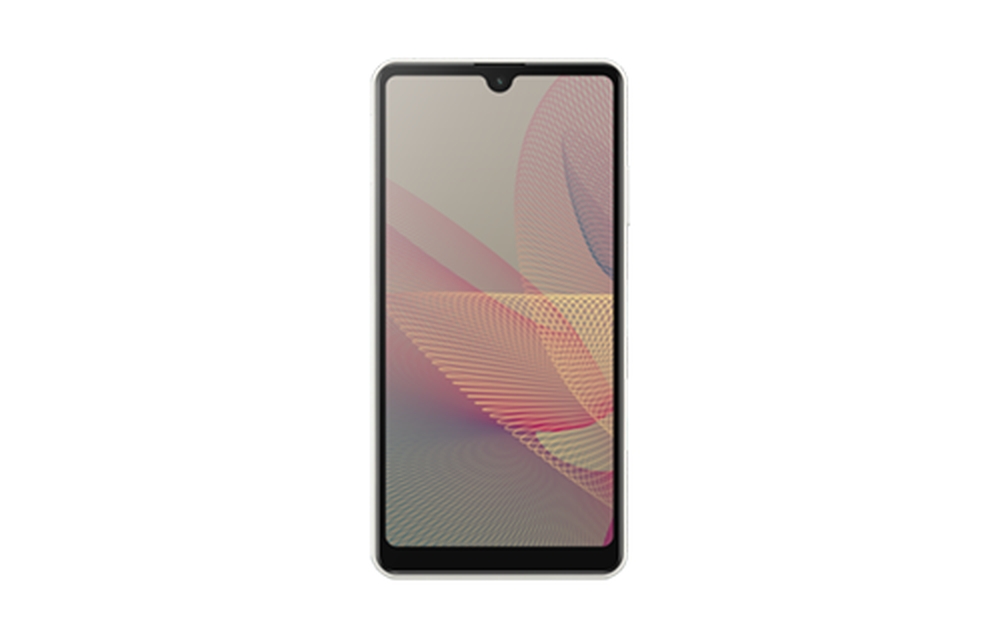
Apart from smartphones, Xiaomi will also release the Mi Band 6 which will launch as Mi Smart Band 6. The Mi Watch Lite is expected to also launch during the same event. This is yet to be confirmed but we expect an official teaser to be released in that regard anytime from now.
Chinese tech giant Xiaomi has officially unveiled the DIIIB Supercharged Smart Toilet under crowdfunding on the Youpin platform. Although the device carries a retail price of 4,499 yuan (~$686), the device will be sold for 2,299 yuan (~$350) during the crowdfunding period.
The smart toilet is a solution to issues of low water pressure experienced by persons living in high-rise buildings or other places where the water pressure makes it difficult to flush the toilet in one fell swoop. The DIIIB Supercharged Smart Toilet comes with a built-in dual-engine power pressurized flushing system. Compared with conventional smart toilets, it has very low water pressure requirements. It does not need to be picky about installation conditions, and it can achieve speed without modifying the original pipeline.
In terms of working principle, the smart toilet has a dual-control drain valve with pressurization technology and an innovative internal buoyancy structure that can drive the drain valve to open instantaneously to achieve a second-speed and large-displacement flush. After the flushing is over, it will automatically reset quickly to save water consumption. The smart toilet utilizes mechanical and physical controls which allows it to still be cleaned even if the power is cut off.
The DIIIB Supercharged Smart Toilet features two specifications. The standard version provides dual-engine pressurization + instant heat + digital display + remote control operation + pressurization pulse washing function, while the upgraded version is 300 yuan more expensive than the standard version. The foot feeling flushing, anti-freeze crack filter function.
As a smart toilet, it supports seat heating, water temperature heating, warm air drying, activated carbon deodorization, soft night light, and other functions. It also features an LCD display that shows the current water temperature.
Chinese smartphone maker vivo is expected to launch the vivo V21 series in the coming days. The vanilla model in the lineup called vivo V21 5G was recently certified in Indonesia. A few days later, this handset has cleared India’s BIS certification as well.
vivo S9e
The upcoming vivo v21 series will be the successor to the vivo V20 series. For those unaware, the vivo V20 series includes a single 5G device called vivo V20 Pro 5G. Whereas, the vivo V21 series may include at least two 5G models.
That’s because the standard vivo V21 has been certified as a 5G smartphone in both Indonesia and India with model number V2050. Since the previous-gen Pro model is a 5G-ready device, we expect vivo V21 Pro to support 5G as well.
Further, the vivo V20 Pro 5G is a rebranded vivo S7 5G, which is sold in China. Hence, the vivo S9 5G could launch as vivo V21 Pro 5G. Similarly, we think that vivo S9e could be the vivo V21 5G.
Anyway, it is just speculation from our end. We are yet to come across any proof that could prove this theory. As of now, all we can say is that vivo V21 5G could release in Indonesia and India.
Last but not least, the vivo V21 series will reportedly include vivo S21 SE as well.
The Huawei Global Analyst Conference was held earlier today (12th April 2021) in Shenzhen, China. In the event, the company’s rotating chairman explained why the brand does not build cars.
During the event, Xu Zhijun, the rotating chairman of the Chinese tech giant was asked why the company did not build cars. The question even pointed at the rival brand Xiaomi as an example. Zhijun responded that the company will continue to increase its investment into smart car softwares for the growth of intelligence, automation, and the shift of the automobile industry to electric vehicles. But, he emphasized that Huawei’s position in the industry is relatively small, as it is just a component supplier in the field of smart connected vehicles.
The senior official further added that the decision for Huawei to not build a car was made after many years of discussions. Apparently, the company has internally assessed entering the automobile industry since 2012. Furthermore, car related research also began around that time, with ‘Internet of Vehicles’ laboratory being established by the brand in the same year. This was back when the company was studying the concept of electric vehicles, smart cars, and autonomous driving systems.
Since then, Xu Zhijun said that Huawei found that its technology was becomingly increasingly more common in automobiles, along with its value in the self driving market growing as well. Thus, the company decided against building cars, rather, they would shift the focus to provide ICT capabilities to help make better smart cars, which is reflected by its partnership with various automobile makers. Apart from just the software, the company also seeks to include Huawei branded electronic products that can be found inside the car.
POCO F has its own fanbase in India and has become sort of a cult despite the absence since 2018. The company has, however, pitched about the resurrection a few months back, and now POCO India Director Anuj Sharma says it is in progress and will cost way more when launched.
Representative image, credit: POCO
Answering a user’s query on Twitter, Anuj said that the work regarding the POCO F-series device is in progress. Now, we can safely say that the successor of POCO F1 will also be a proper flagship as Anuj already confirmed that it won’t feature any midrange chipset.
The company’s global division recently launched the POCO F3 in European markets. Of course, it succeeds the 2020’s POCO F2 Pro globally but we don’t have any of those in India. And looking at recent reports, the POCO F3, which is itself a Redmi K40 rebrand, could launch in India as Mi 11X.
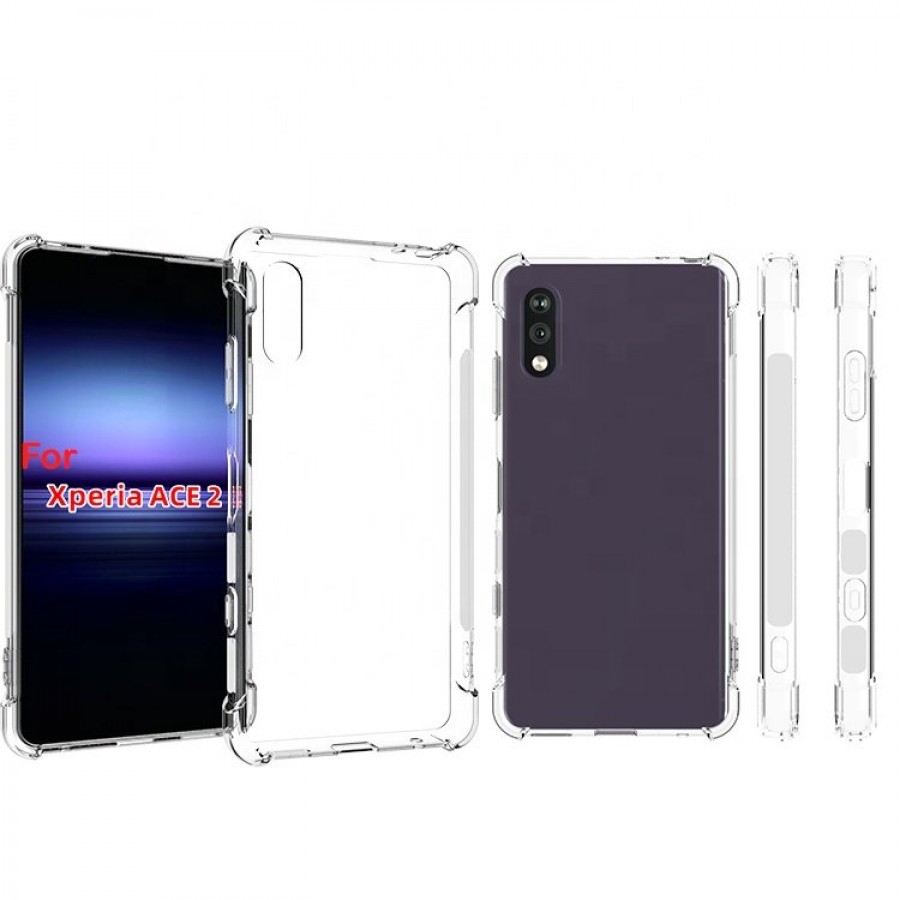
Hence, we request you not to fixate yourself on a name just yet. That said, you might ask what is the POCO flagship for India then? Well, Xiaomi is all set to launch a gaming smartphone in China, probably this month(April 2021), and reports say that this could be arriving in India under POCO.
The gaming smartphone is likely having the model number M2104K10C in China and an Indian version of this has already appeared on the IMEI database under POCO branding. And now, a vague tip given to Abhishek Yadav says that this device will launch in India as POCO F2 for ₹27,000($359).
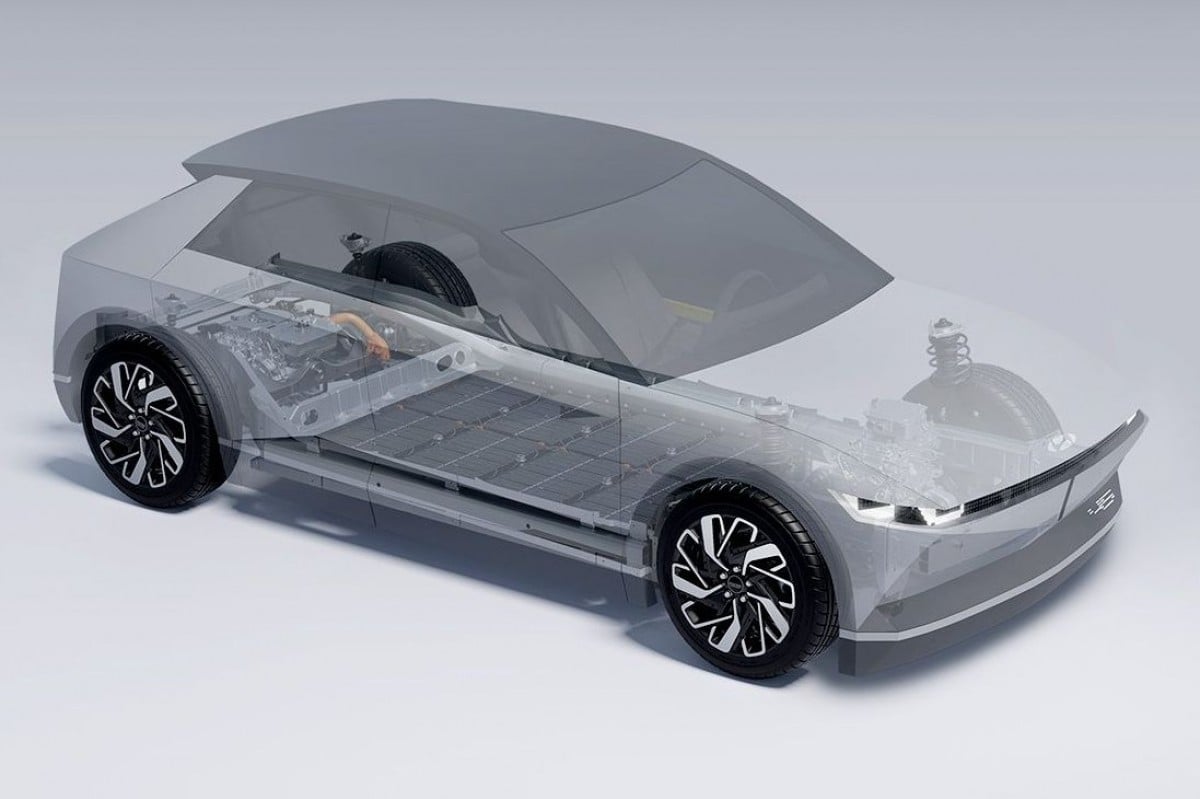

The Redmi gaming device is said to feature a MediaTek Dimensity 1200 chipset and have 65W charging support. But, there are chances of this being a separate device, while the successor of POCO F1 will continue to have a QualcommSnapdragon flagship chipset as well.
All these are early guesses and hence, we request you to take them with a heap of salt. Whatever is the case, as Anuj says, don’t expect the flagship to launch at a lower price like POCO X3 Pro or in Twitterati terms, at a flagship killer price.
There is a growing preference for robopets which are robots using artificial intelligence (AI) to perform sometimes extraordinary tasks. US-based firm Boston Dynamics is a leading light in robotics, with its famous robotic dog called Spot. A Chinese tech firm, Welian has now developed the Chinese version of Spot, called AlphaDog, which is already on sale in China for 16,000 yuan ($2,400). Compared to the $74,500 price tag of Spot, this is, without doubt, a far cheaper version.
AlphaDog uses sensors and artificial intelligence (AI) to perform several tasks, and Welian says that future upgrades will further expand the robotic dog’s capability to carry out a whole host of applications, including guiding the visually impaired, barking, and even carrying out voice commands from its owner.
Welian says AlphaDog is very similar to a real dog, and it can get to a top speed of 9 miles per hour, placing it among the fastest robots presently. AlphaDog also can retain its balance even when kicked by humans. It can determine the amount of friction and ground conditions to adjust its height, adjust its pace, and adapt to its environment, according to Welian’s chief technical officer, Ma Jie.
Welian has deployed 5G technology to make AlphaDog carry out tasks autonomously. More than 1,800 units have been sold within the first month of the release of AlphaDog. According to Welian, much of the current orders were from computer developers, tech enthusiasts, and kids.
It remains to be seen how soon Welian will incorporate all the necessary upgrades that would transform AlphaDog into a visually impaired guide, a dog capable of deterring intruders through a menacing barking spree, and being able to communicate via voice prompts from its owner. These aspects are obviously under development by several robotics firms across the world.
Recall that Boston Dynamics’ Spot recently participated in a combat exercise involving humans and robots in France, carrying out reconnaissance missions during the exercise.
Samsung is expected to launch the Galaxy Quantum2 in South Korea on April 23. Ahead of its official announcement, this smartphone has leaked extensively revealing almost everything about it. Now, a new unboxing video appears on the internet.
The Samsung Galaxy Quantum2 unboxing video confirms the device to sport a curved display. The edges of the phone’s screen are curved minutely. Hence, they were not clearly visible in the leaked images. The video also reveals that the handset will ship with a 15W charger and a USB Type-A to Type-C cable.
Other than the above-mentioned specifics, this video does not reveal anything else that wasn’t known earlier. The Galaxy Quantum2 is expected to launch as Galaxy A82 in global markets.
Talking about the design, this upcoming Samsung smartphone will look identical to the recently released Galaxy A52 and Galaxy A72. However, unlike those handsets, this one will feature a metal frame, a triple camera setup, and will be only available in three colors (Grey, White, Violet).
1 of 3
Samsung Galaxy Quantum 2 (aka. Galaxy A82 5G)
Samsung Galaxy Quantum 2 live shots
Further, the phone will be powered by a Qualcomm Snapdragon 855+ SoC coupled with 6GB RAM and 128GB storage with support for MicroSD cards. On the front, the device will flaunt a 6.7-inch 120Hz WQHD+ Dynamic AMOLED Infinity-O curved display with an in-screen ultrasonic fingerprint sensor and a 10MP auto-focus selfie camera inside the punch-hole.
The back of the handset will house a vertically-aligned 64MP (wide, OIS) + 12MP (ultrawide) + 5MP (macro) triple camera setup. Other features of this smartphone include Samsung Pay with MST, IP67 rating for dust and water resistance, Dolby Atmos speakers, One UI 3.x based on Android 11, 4,500mAh battery, and 25W fast charging.
Last but not least, the Galaxy Quantum2 (aka Galaxy A82) will measure 161.9 x 73.8 x 8.1mm in dimensions, weigh 176g, and will retail for KRW 699,600 ($622) in South Korea.
We use cookies on our website to give you the most relevant experience by remembering your preferences and repeat visits. By clicking “Accept”, you consent to the use of ALL the cookies.
This website uses cookies to improve your experience while you navigate through the website. Out of these, the cookies that are categorized as necessary are stored on your browser as they are essential for the working of basic functionalities of the website. We also use third-party cookies that help us analyze and understand how you use this website. These cookies will be stored in your browser only with your consent. You also have the option to opt-out of these cookies. But opting out of some of these cookies may affect your browsing experience.
Necessary cookies are absolutely essential for the website to function properly. This category only includes cookies that ensures basic functionalities and security features of the website. These cookies do not store any personal information.
Any cookies that may not be particularly necessary for the website to function and is used specifically to collect user personal data via analytics, ads, other embedded contents are termed as non-necessary cookies. It is mandatory to procure user consent prior to running these cookies on your website.