Earlier today (17th March 2021), Xiaomi announced that the World Intellectual Property Organization (WIPO) had released its results of the 2020 international registration of patents, trademarks and industrial designs. In this report, it was revealed that the smartphone maker arrives first in China and fifth worldwide for the total number of design patents awarded.
According to the WIPOreport (Via ITHome), the registration results of the International Design System found that the number of Chinese companies in the listing increased by 22.7 percent. Out of which, 516 design registrations were awarded to Xiaomi. this had the company arrived first in its home country and fifth globally. Furthermore, the report also found that as of March 2021, the Chinese tech giant and its ecosystem have won more than 600 international and domestic design awards as well.
Meanwhile, South Korean consumer electronics maker, Samsung, topped the list in the Hague filers for the fourth consecutive year as it was awarded with 859 designs in published applications; the brand was followed by Procter & Gamble of the US and (623), Fonkel Meubelmarketing of the Netherlands (569), Volkswagen of Germany (524). Additionally, China remained the largest user of WIPO’s PCT System, with 68,720 applications, marking a 16.1 percent year on year growth. This was followed by the US with 59,230 applications, and Japan with 50,520 applications.
OnePlus has already confirmed that it will bring out its first-ever Smartwatch on March 23. The Watch has already appeared on multiple certifications and some of its info including design has been out before. Now, the entire specs and features of this OnePlus Watch have been leaked before launch.
Leaker Ishan Agarwal has partnered with Pricebaba to reveal the information regarding the OnePlus Watch. According to him, the Smartwatch will come in a 46mm size of Watch dial. Further, it will come in two colors- Silver, Black and launch in both standard and LTE variants.
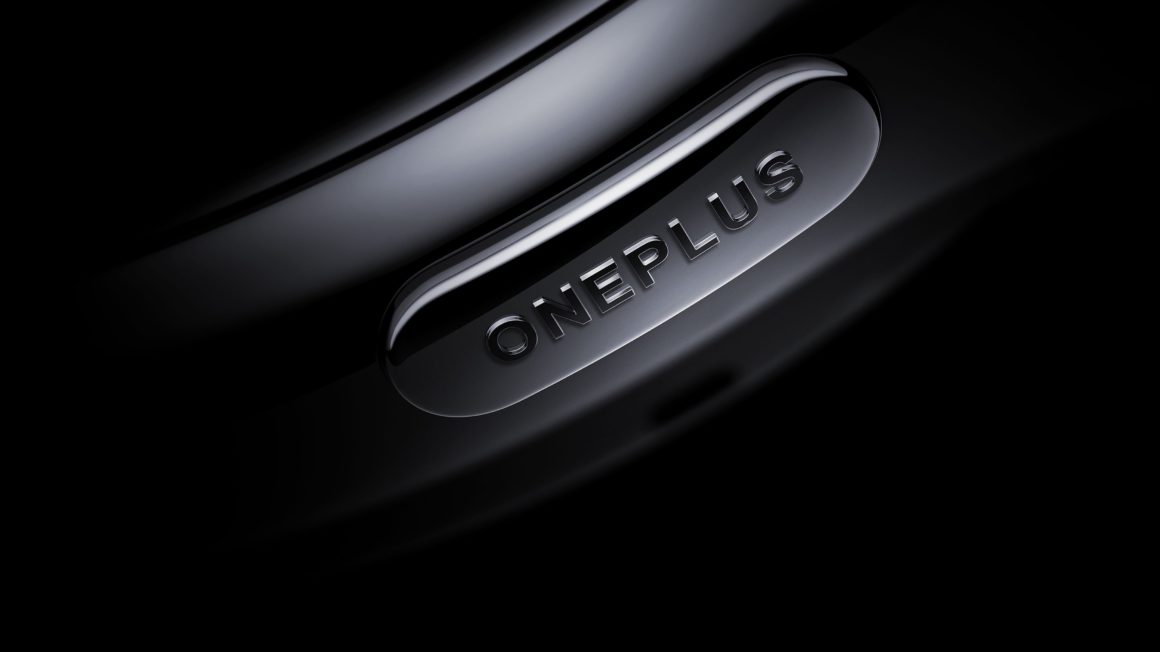
One of these variants has already been teased by the company and we can see the OnePlus logo etched onto a button. Anyway, Ishan says that the device will support heart-rate(PPG) and Blood Oxygen monitoring(SpO2 sensor). Along with this, the OnePlus Watch would be able to track your sleep, stress levels.
The Smartwatch is also said to have many activity tracking including automatic workout detection, swimming mode, and more. Below are some of the smart features that is coming to the OnePlus Watch:
Apart from this, the OnePlus Watch is also said to feature a 4GB internal storage. However, we aren’t sure of this processor and the underlying OS just yet. Previous reports have already said that the Chinese smartphone maker would skip Google’s Wear OS and Ishan says the same.
Other features of the smartwatch include IP68-rating, support for Warp Charge technology, and if Ishan’s right, the OnePlus Watch will charge completely in just 20 minutes. Let’s wait for more info at next week’s launch event.
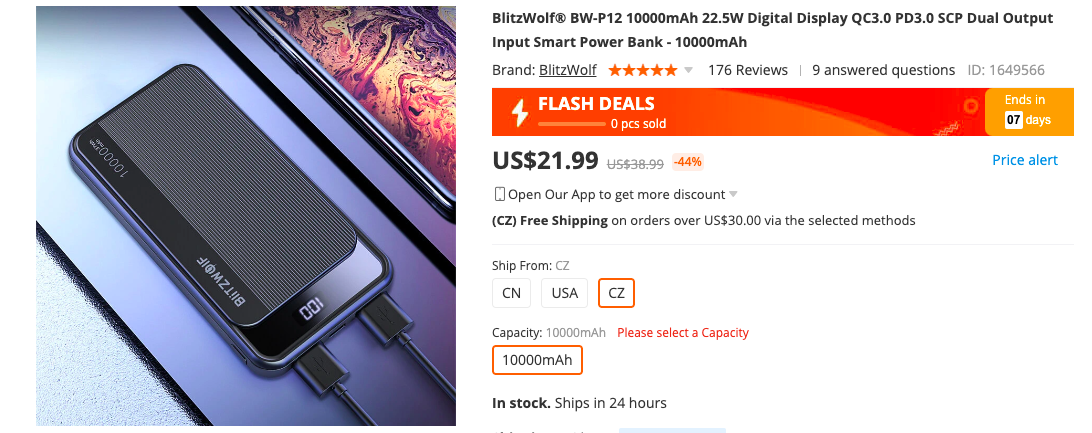
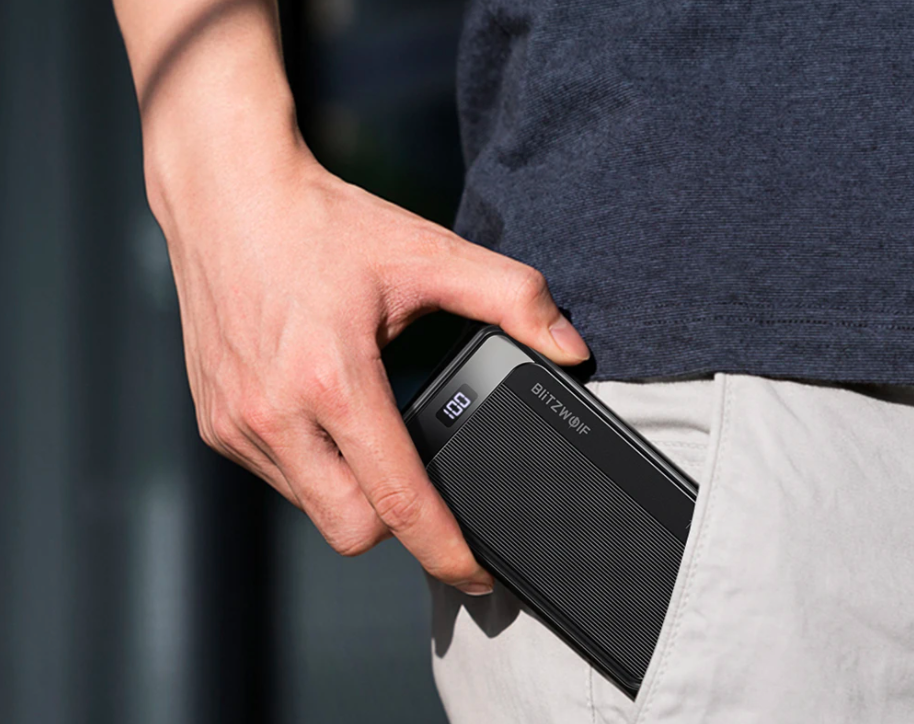
Banggood is giving a flash deal on BlitzWolf BW-P12 10000mAh power bank. The power bank which generally retails at $30 is now available for $21.99 only.
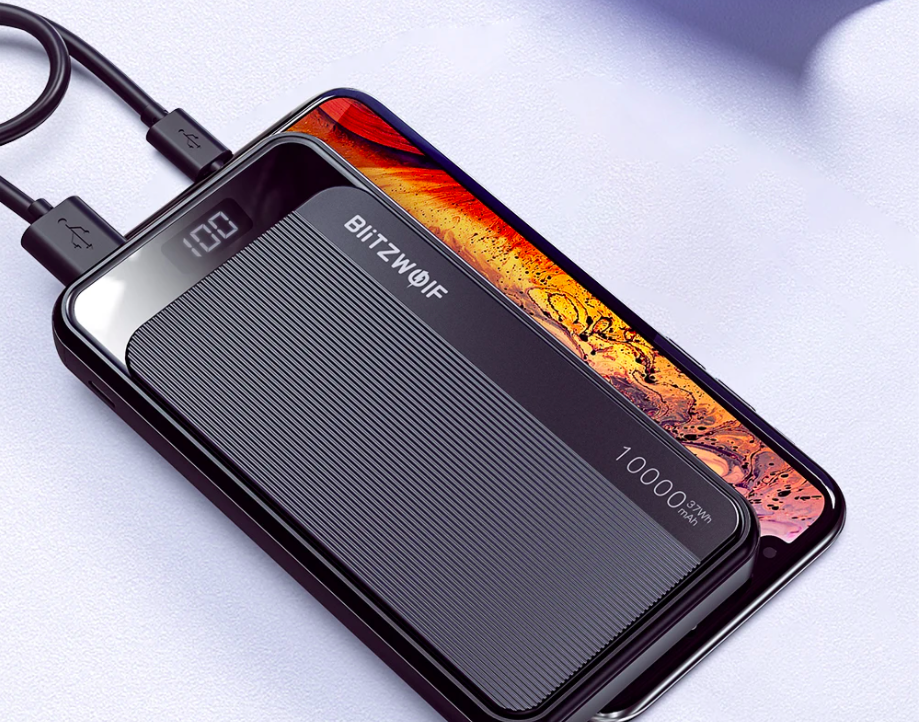
BlitzWolf BW -P12 10000mAh power bank comes with a real-time digital battery display, dual QC3.0 + PD18W Type-C output, and Micro + PD18W Type-C input. This means it is compatible with almost all fast-charging protocols and you can charge the power bank at lightning speed.
Designed with style and grace, the power bank comes with a striped case, slim and light body, and a chic mirror display screen. With safe charging functions which protect over voltage, over current, overheating and short circuit, this power bank with universal compatibility is a perfect companion for your adventures.
Generally retailing at $30, you can now buy BlitzWolf BW-P12 power bank for $21.99 only from Banggood. Please note that this offer is valid only for the next 7 days and on products ordered from the CZ warehouse. Additional shipping charges may be applicable to your region. So grab your discounted BlitzWolf Powerbank before the deal expires.
For more information on such exciting deals and offers check out our deals hub.
* Please Note: When you buy something using the links in our articles, we may earn a small commission at no cost to you.
Huawei has just announced that its AI based Assistant will now offer users up to date news regarding the esports industry, with live scores and more from major gaming events and tournaments from across the globe.
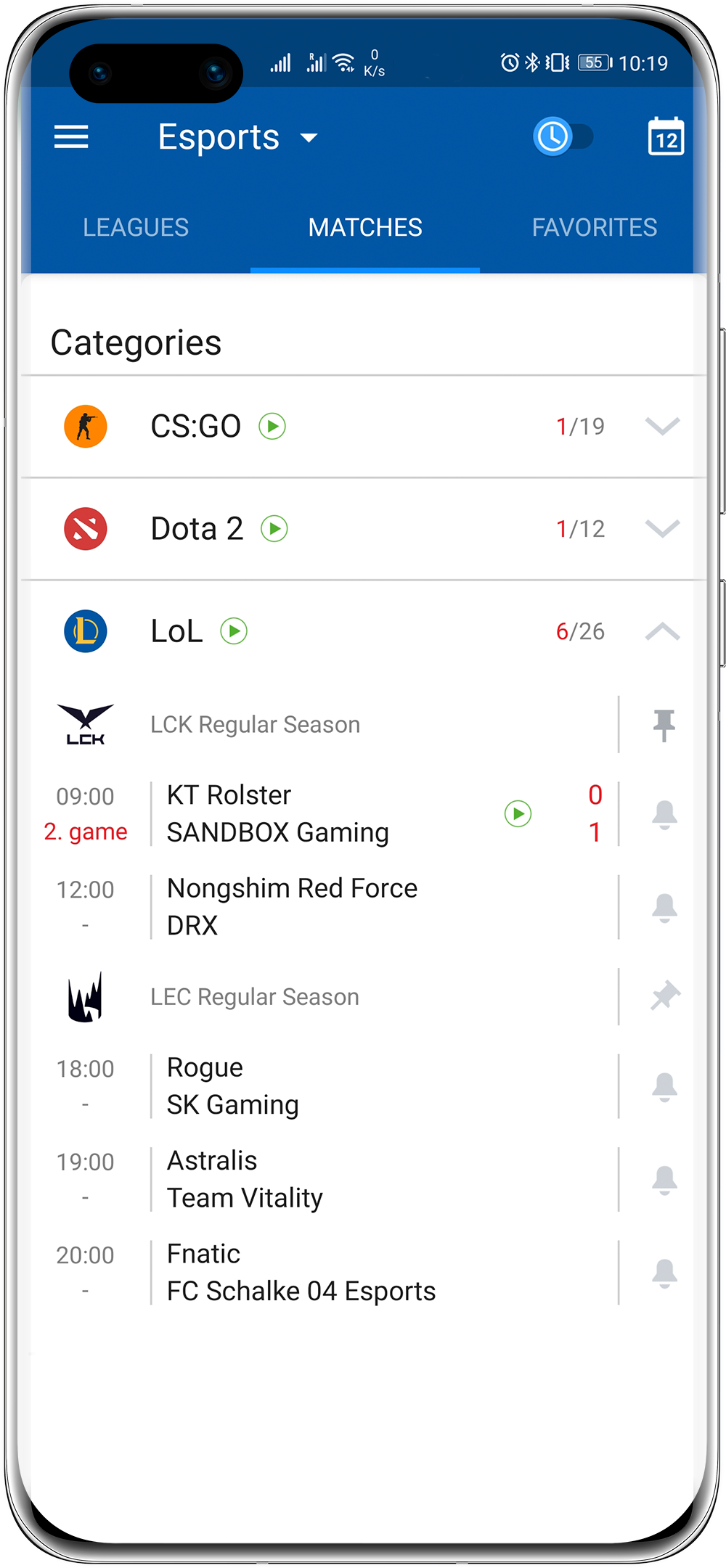
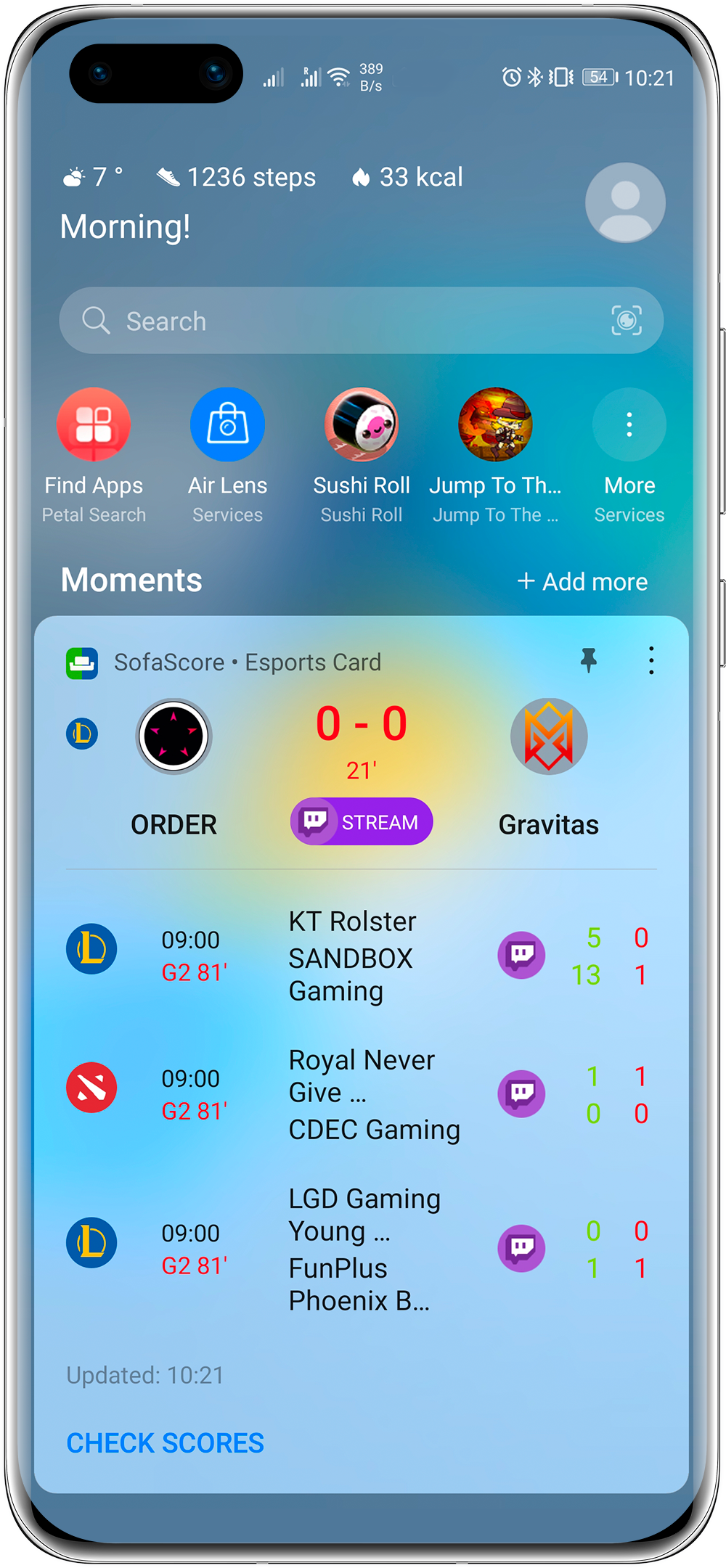
As per an official press release, the Chinese tech giant will now support esports cards in their Huawei Assistant, which users can access with a single swipe. The company stated that this would make it the first virtual smartphone assistant to support esports ‘card’. These cards would offer “up to the minute scores, results and news from major gaming events, leagues and tournaments all over the world.” For those unaware, esports has become one of the largest markets in the entertainment industry and is an ever growing platform as well.
In Europe alone, esports enthusiasts are expected to rise to 113 million individuals by 2023. Notably, Huawei is exclusively partnering with live score app developer SofaScore to integrate its new ‘esports discipline’ into the Assistant. At the moment, the esports market is growing rapidly in Europe, while global revenues is estimated to reach 1.1 billion US Dollars within the next three years with audiences from across the globe numbering at 495 million.
SofaScore is currently listed on AppGallery and specializes in offering detailed esports related data and analytics. The data from the app is provided in real time from various sporting events, leagues, and championships that are live from all over the world. The app is supported in over 30 languages and covers more than 20 disciplines with over 20 million active monthly users. The three major leagues include: CS:GO (Counter-Strike: Global Offensive), Dota 2 (Defense of the Ancients 2), and LoL (League of Legends).
The Xiaomi Mi 11 Lite is in the news for a very long time. However, the company is yet to officially announce the launch date of this smartphone. This handset is expected to arrive in both 4G and 5G variants. We also know some of their specs, thanks to multiple certifications and leaks. Now, we get to see the design of this device for the first time via a leaked image.
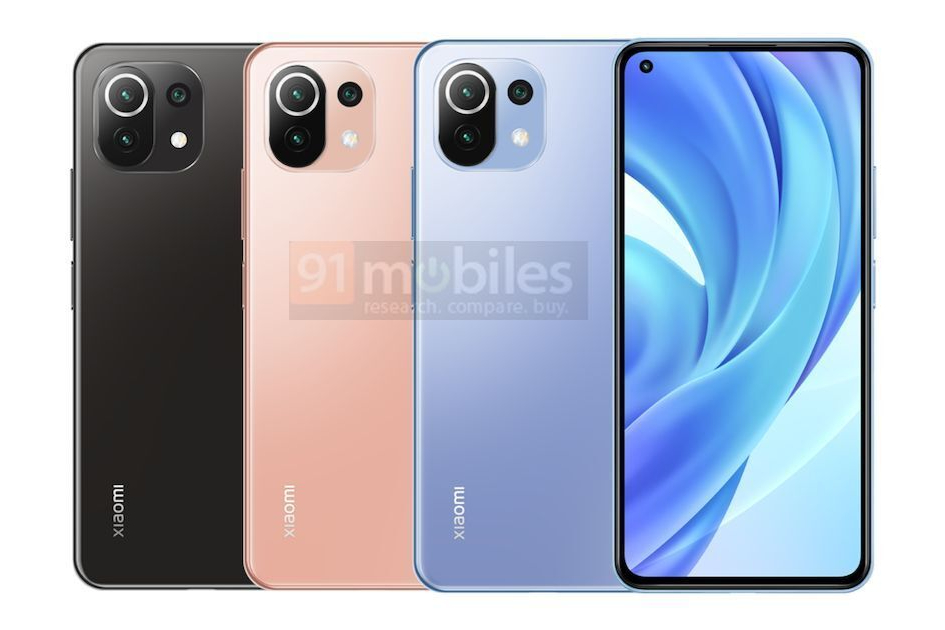
Xiaomi Mi 11 Lite | Source: Ishan Agarwal via 91Mobiles
Popular leaker Ishan Agarwal has partnered with 91Mobiles to share a press image of the upcoming Xiaomi Mi 11 Lite. This single picture shows the smartphone’s front and rear design. It also reveals three colors.
Talking about the appearance first, the Mi 11 Lite will look similar to the Mi 11 in terms of rear camera placement. However, it will flaunt a flat display instead of a curved panel. This screen will also include a punch-hole located at the top left corner.
As far as colors are concerned, the Mi 11 Lite will be available in three colors, namely black, peach, and blue, as per the picture.
According to previous reports, the Xiaomi Mi 11 Lite 5G will come with an unannounced Qualcomm Snapdragon 775G SoC, 6.55-inch display, 6GB/8GB RAM, 128GB/256GB internal storage, dual-band WiFi, Bluetooth 5.2, NFC, MIUI 12, 64MP primary camera, 5x optical zoom camera, and 6.81mm thickness.
On the other hand, the Xiaomi Mi 11 Lite 4G variant is said to feature a 90Hz 10-bit color OLED display, Qualcomm Snapdragon 732G SoC, 64MP triple camera setup, 4,250mAh battery, and 33W fast charging
After our Redmi K40 and K40 Pro reviews last week, today, we are bringing another flagship killer, the Realme GT. If you have been following the brand and this phone over the past few weeks, you must already know which model this phone is targeted at. The placement of the Realme GT is like the brand making a bold announcement — ‘we are coming for the Redmi K40 Pro’.
Even when Redmi had announced the pricing of the K40 Pro, Realme just came forward and said that the GT was going to be priced lower. And the brand didn’t go back on its word. The 8+128GB version only sells for 2799RMB, which is 200RMB cheaper than the same version of the K40 Pro.
So how exactly does this flagship killer compare to an already great smartphone – the Redmi K40 Pro?
Let’s find that out!
Realme GT Review: Design
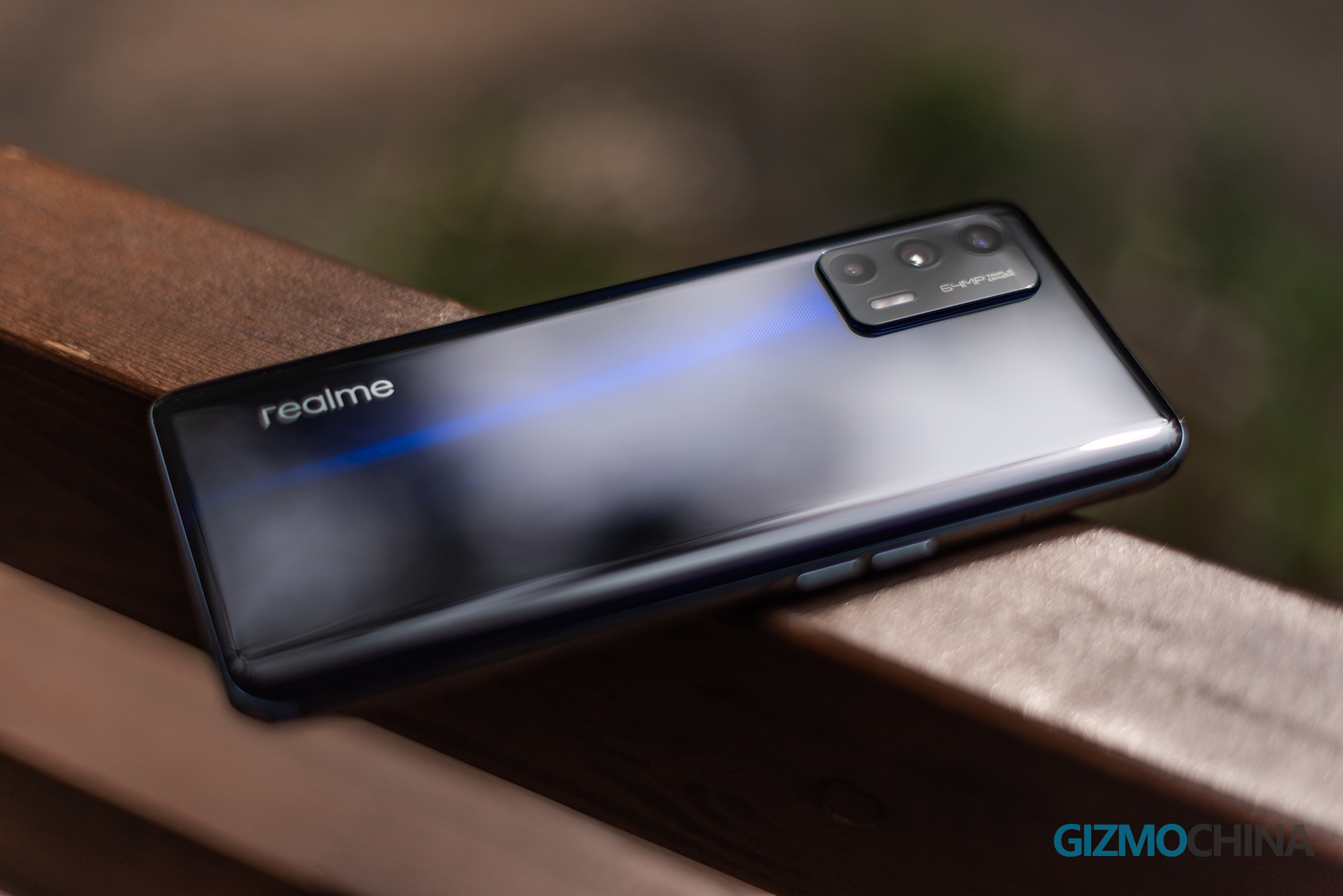
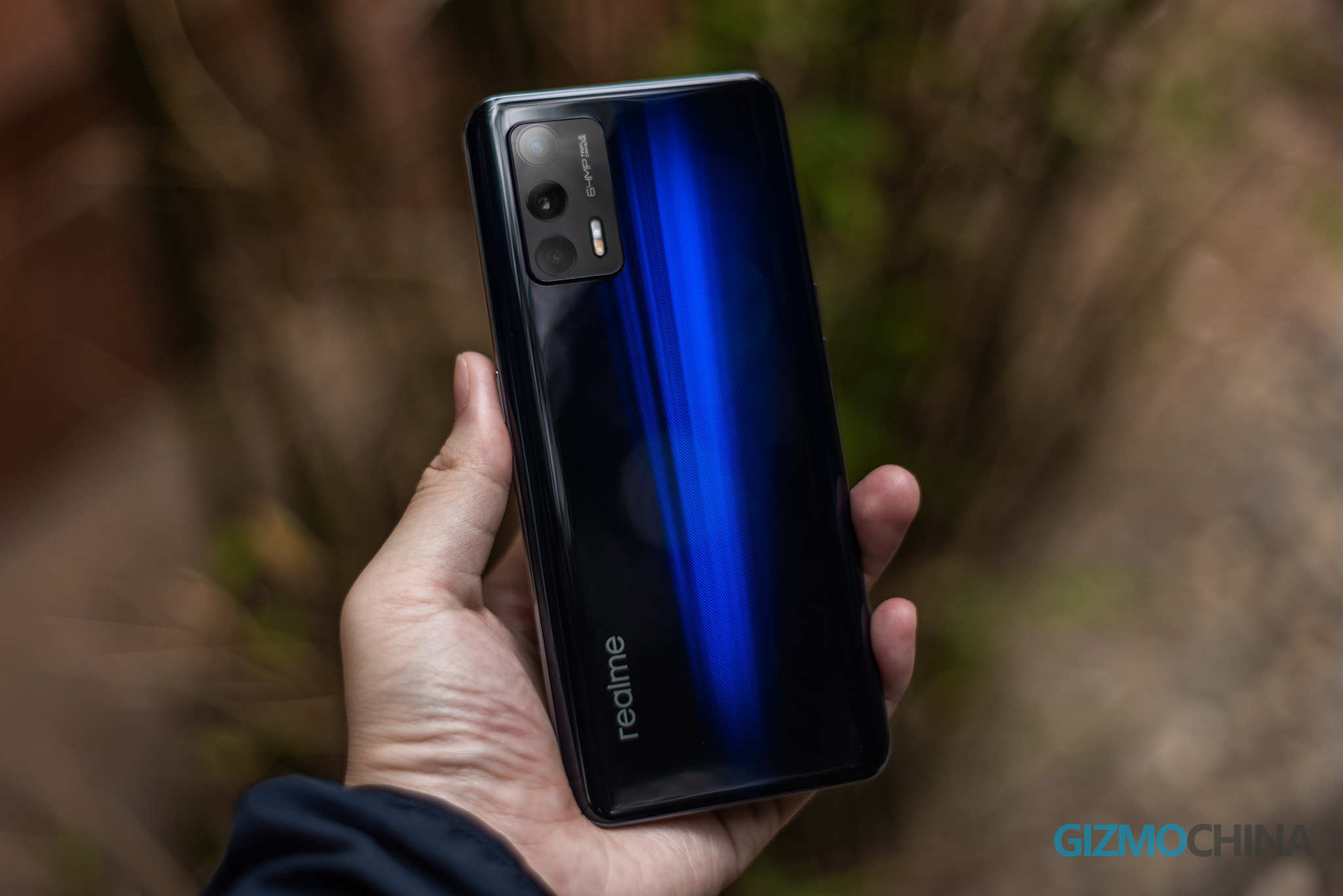
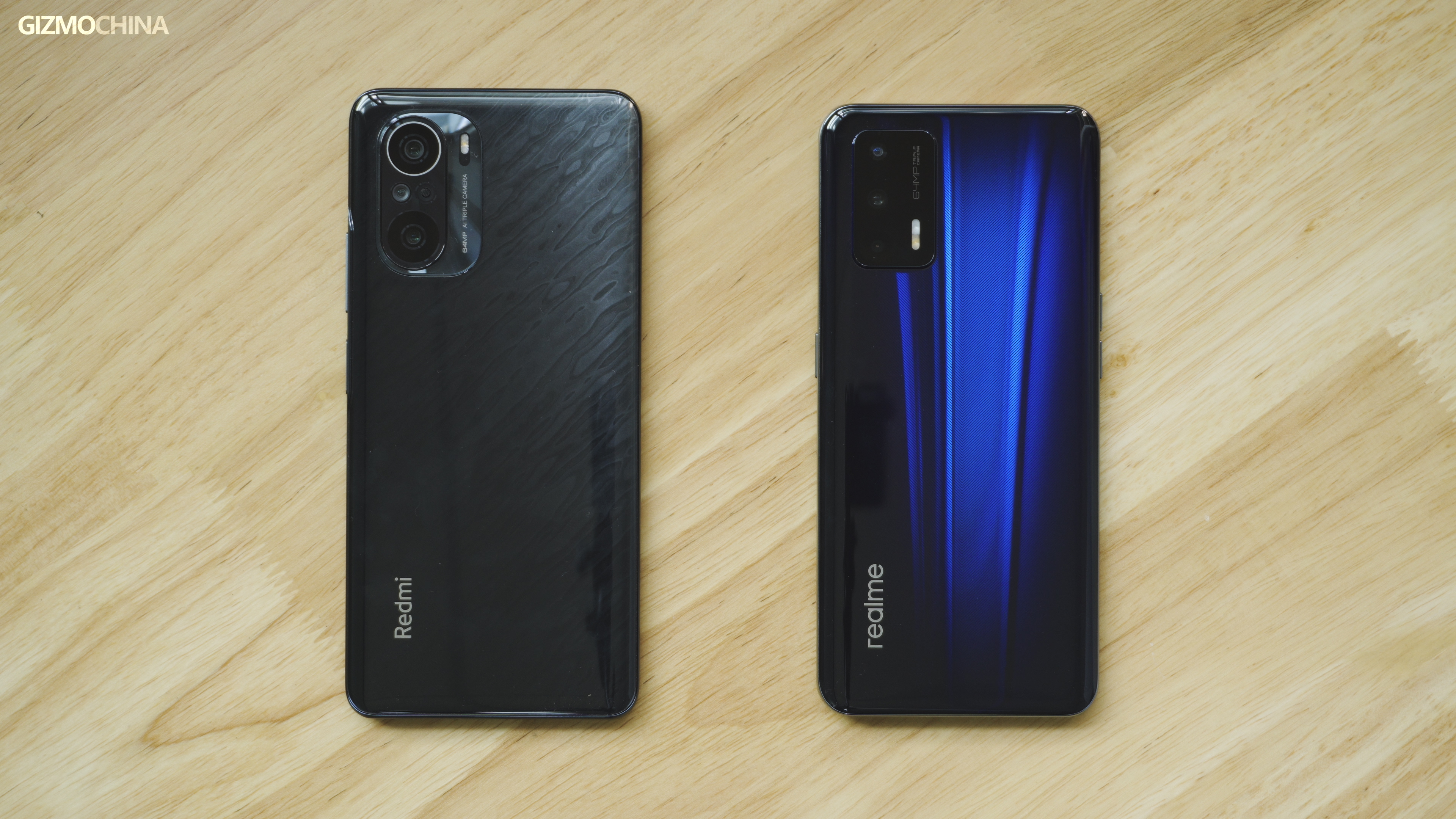
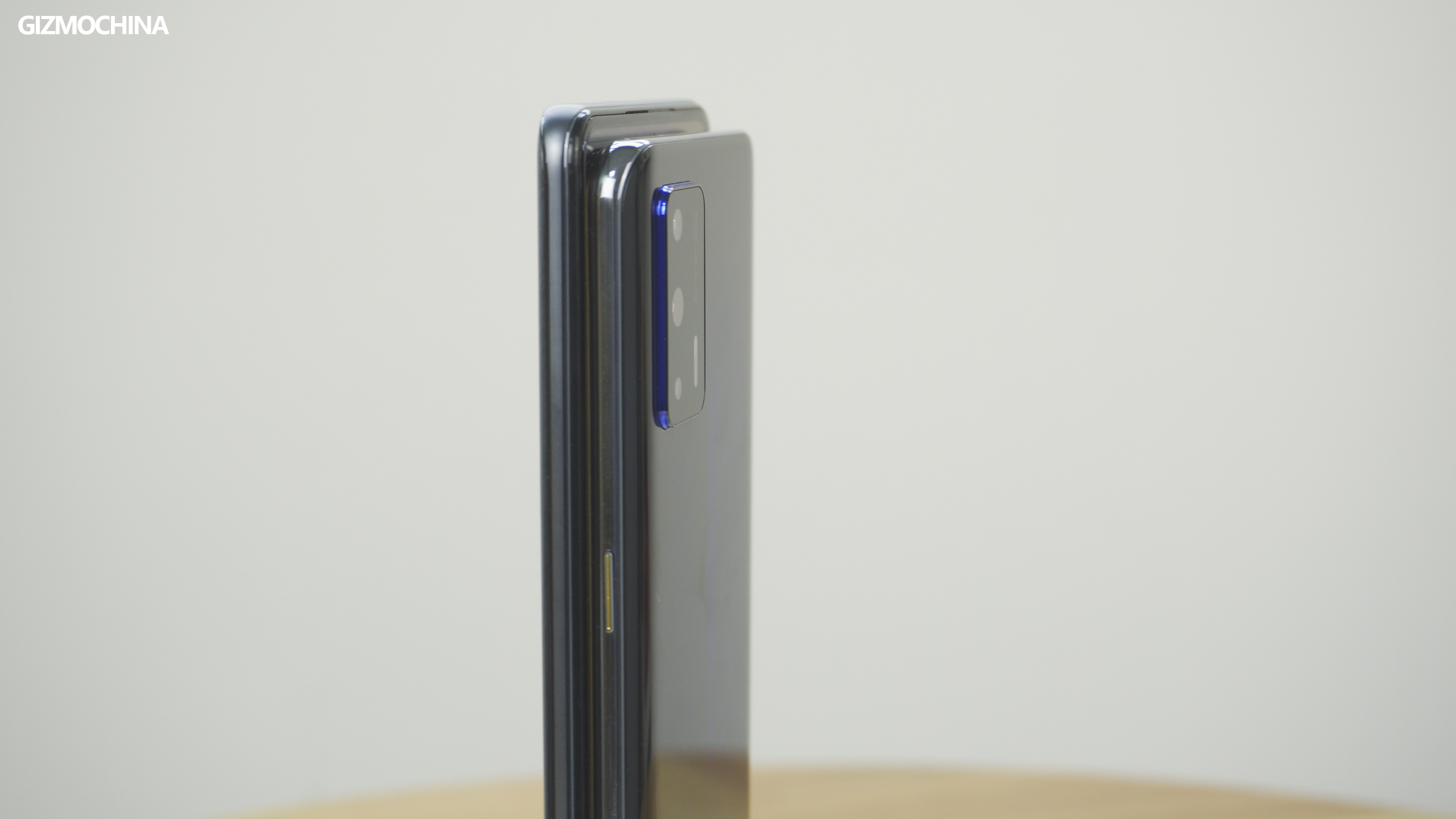
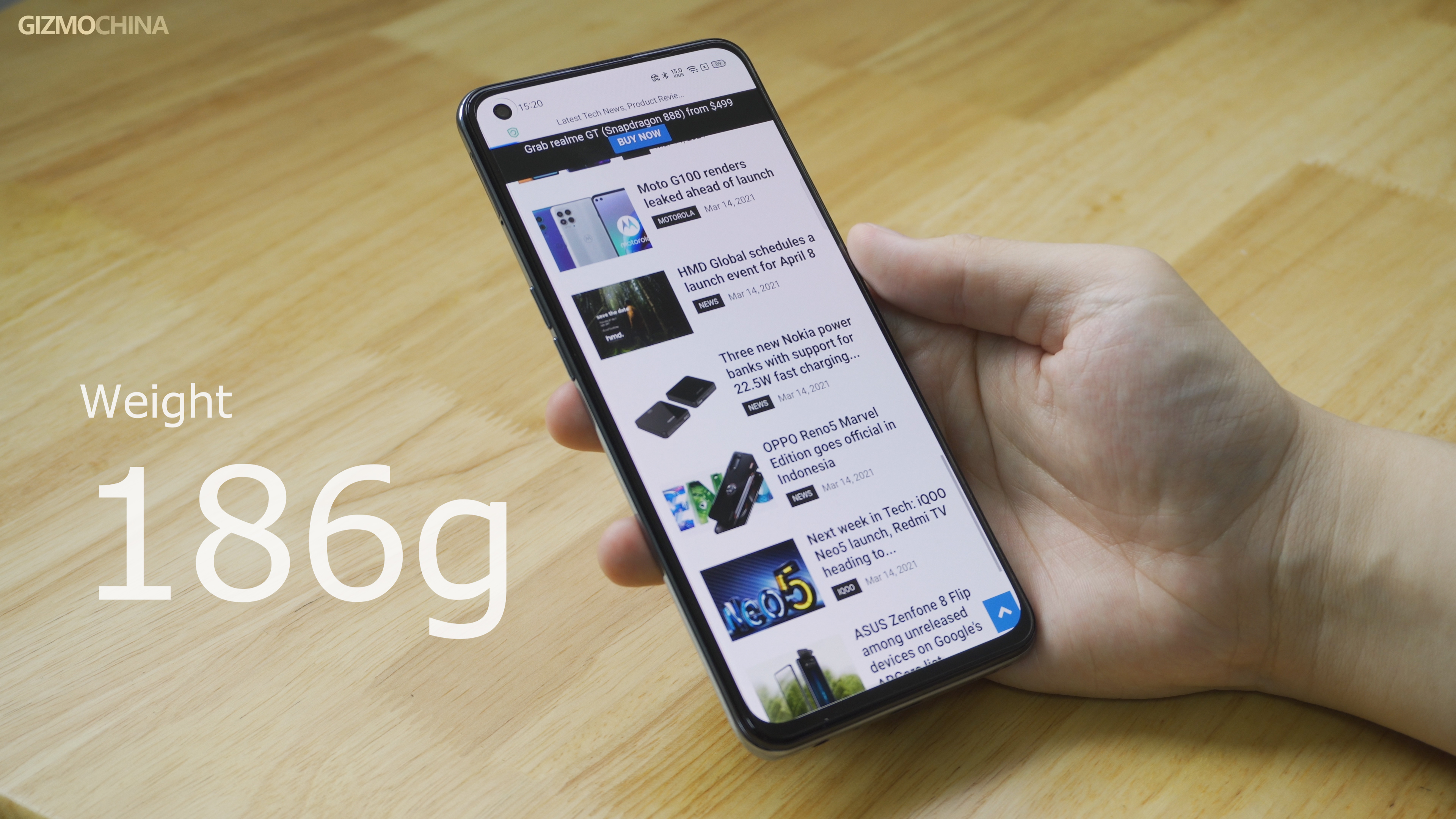
At first glance itself, we realized that the Realme GT had little chance to defeat the K40 Pro in the design department. But the good news is that the Realme GT is even more compact than the K40 Pro, which had already surprised us with its thin and light body. The GT weighs only 186g but at the same time features a slightly smaller 6.43-inch display.
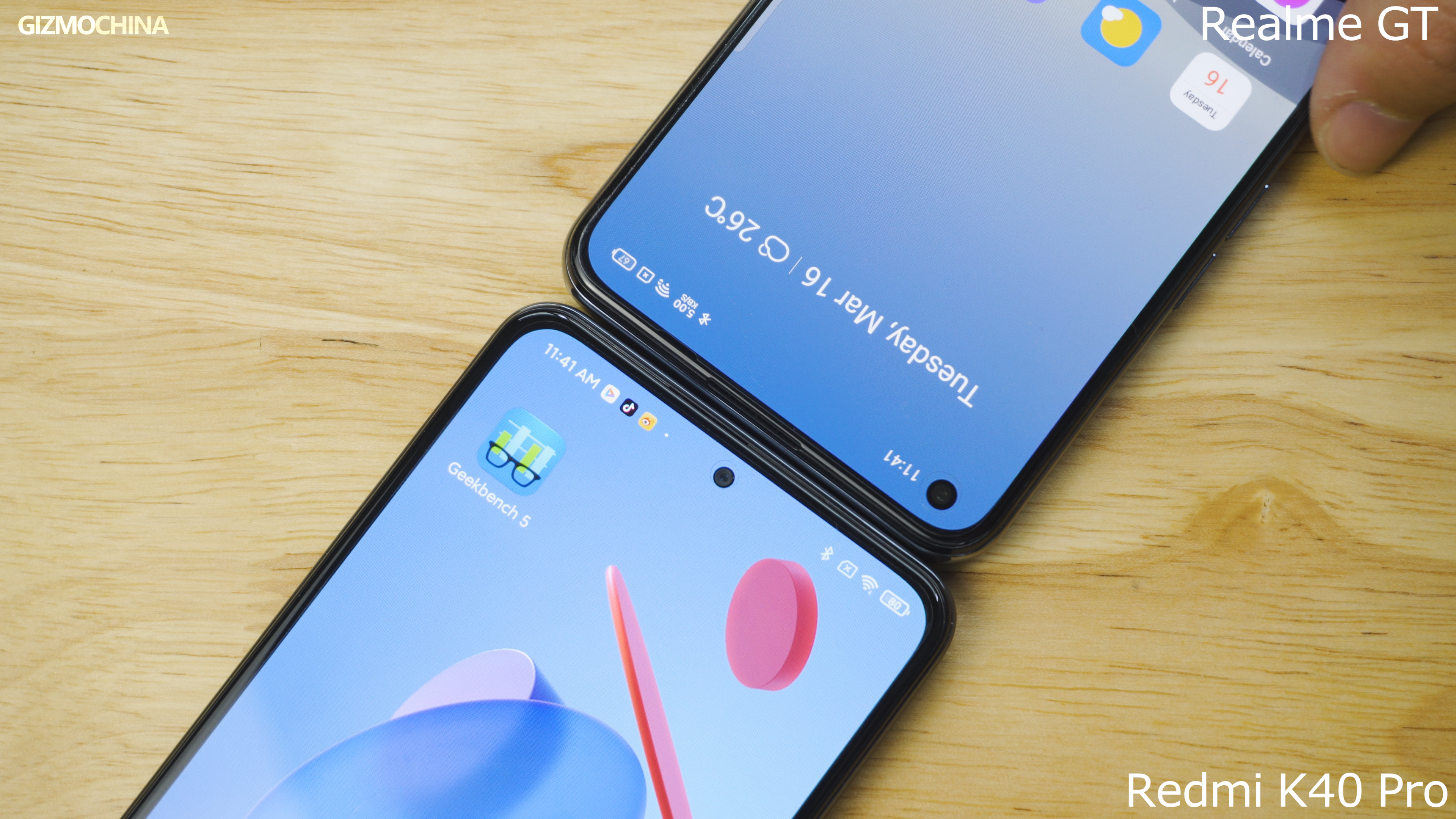
Thanks to its smaller display, It is easier to hold the Realme GT as compared to the K40 Pro.
Realme GT Vs Redmi K40 Pro
Realme GT Vs Redmi K40 Pro
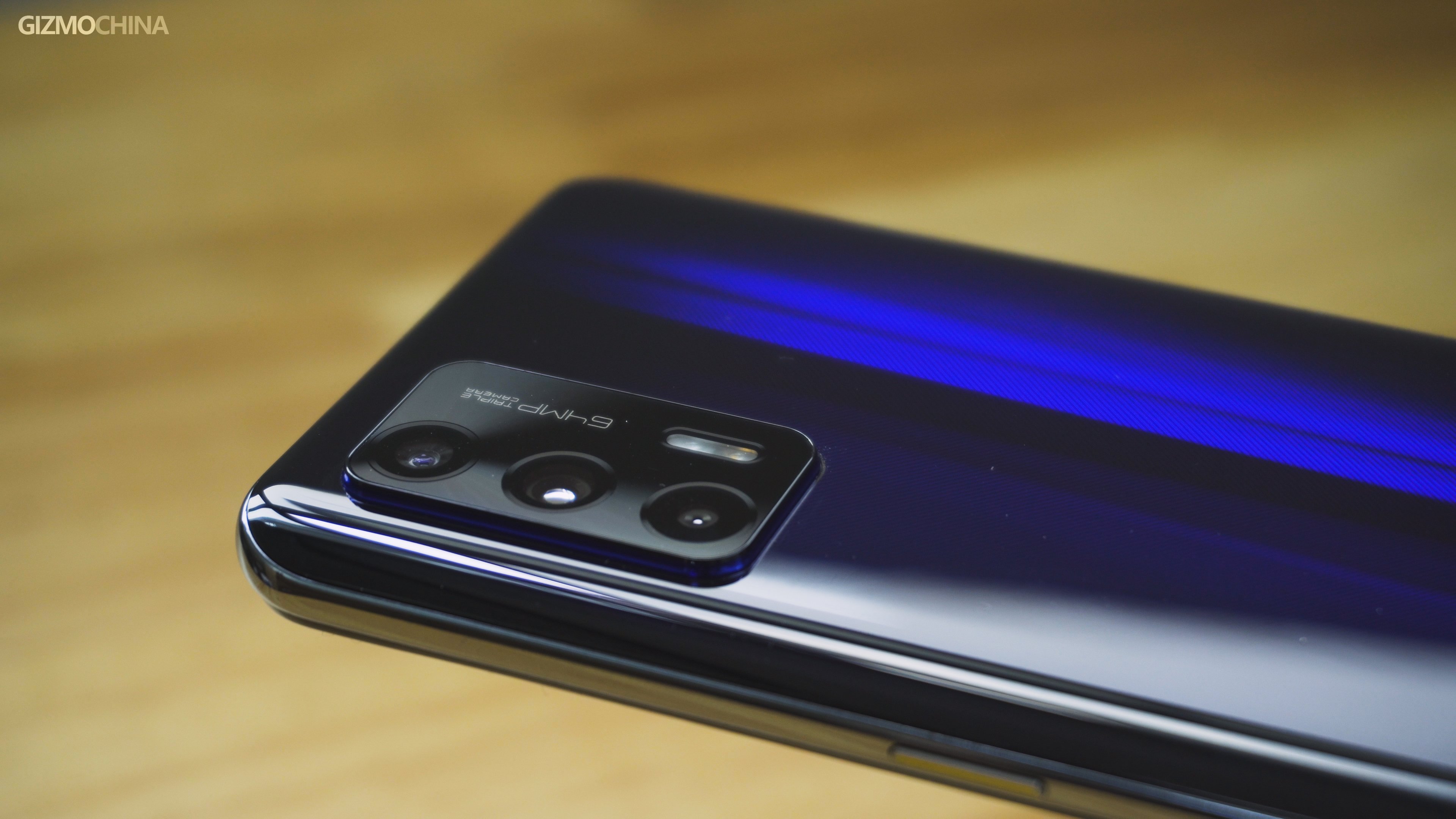
Perhaps due to cost limitations on such an aggressively priced model, the camera module on the Realme GT is still a matrix design. This design is shared by almost all of Realme’s smartphones. And after looking at so many models using this camera module style, it’s hard not to feel a little bored with this design. The blue and silver color versions are also the same color schemes that have been used before. The yellow leather-like version is kind of nice, however, it is only available for the 12GB RAM + 256GB ROM variant.
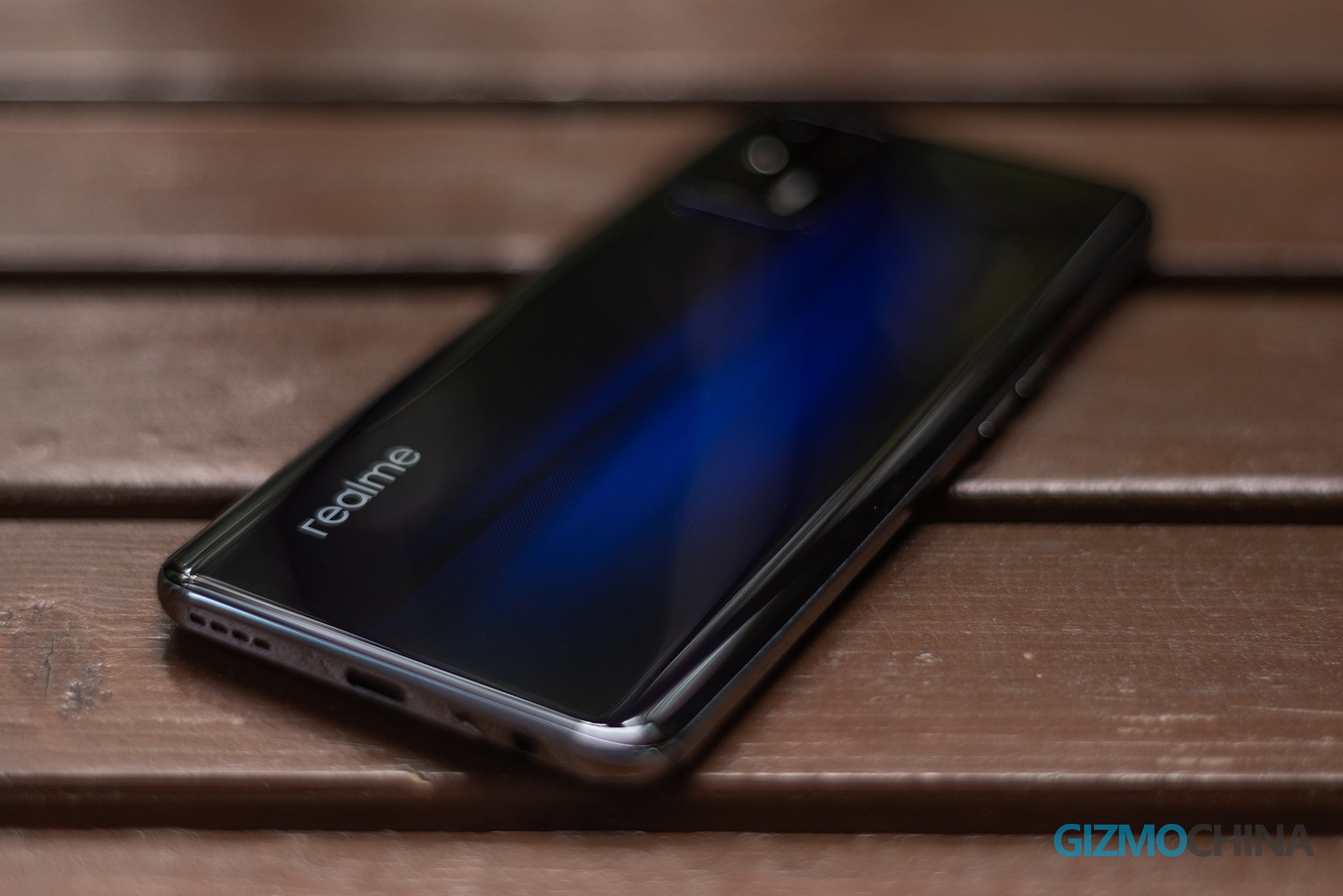
Realme GT weight
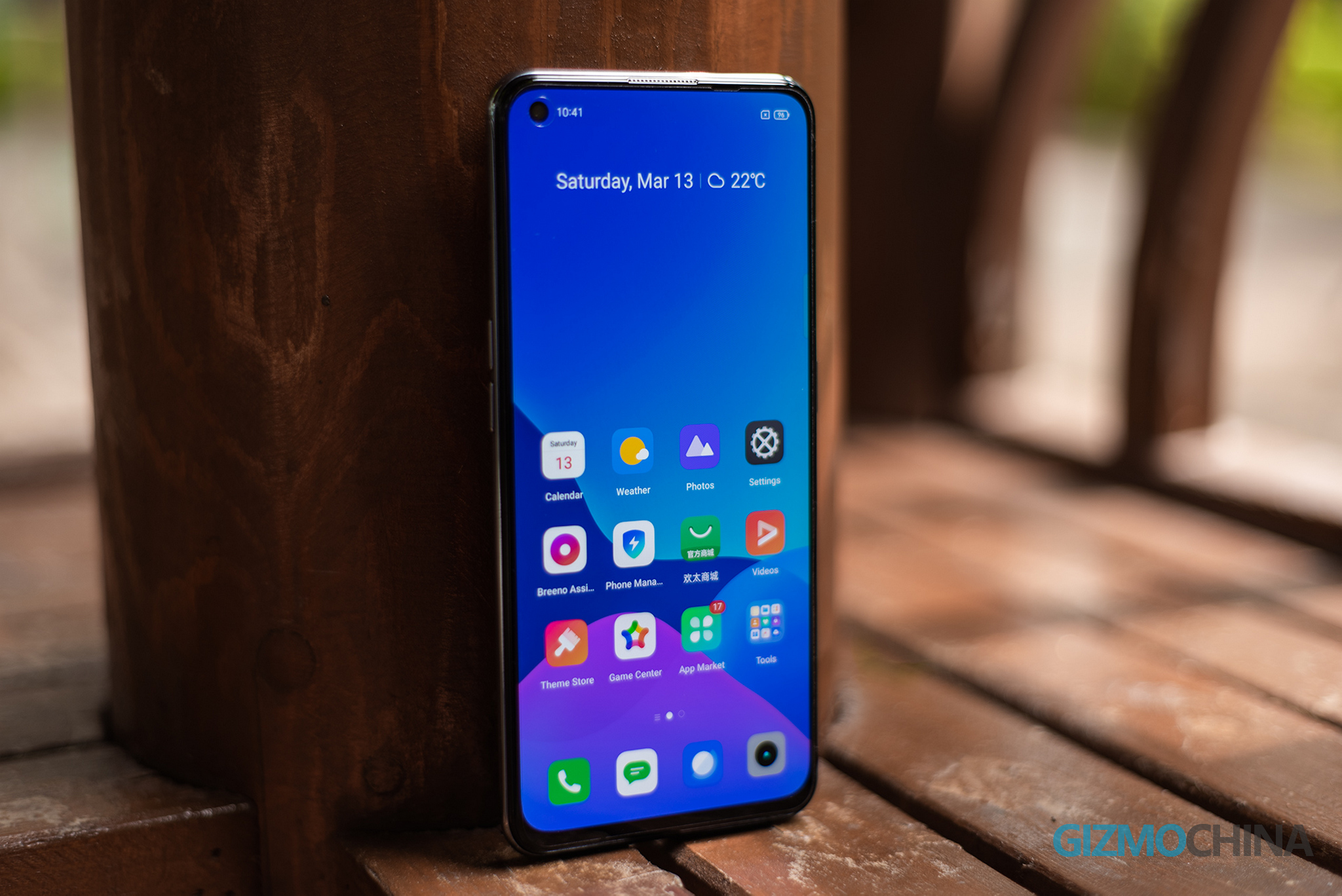
The Realme GT has, the now rare, 3.5mm headphone jack, which is almost hardly seen on smartphones these days. I have to give the brand some credit for including this dedicated port. But all in all, I don’t think the Realme GT looks good enough to please most people.
Realme GT vs Redmi K40 Pro display notch
The 6.43-inch Super AMOLED display features a resolution of 2400 x 1080, a refresh rate of 120Hz but it doesn’t use the latest E4 light-emitting screen. The hole-punch area is also relatively larger if we compare it to the K40 series. This display is still one of the most popular options for a 2021 mainstream model, however, there’s nothing that stands out. One thing to note here is that the overall maximum brightness of the Realme GT’s display is only around 600 nits while the K40 Pro has an overall maximum brightness of 900 nits. So when using the GT under direct sunlight, the insufficient brightness makes it a bit difficult to look at the display especially when compared to the K40 series.
Realme GT Review: Benchmarks & Hardware
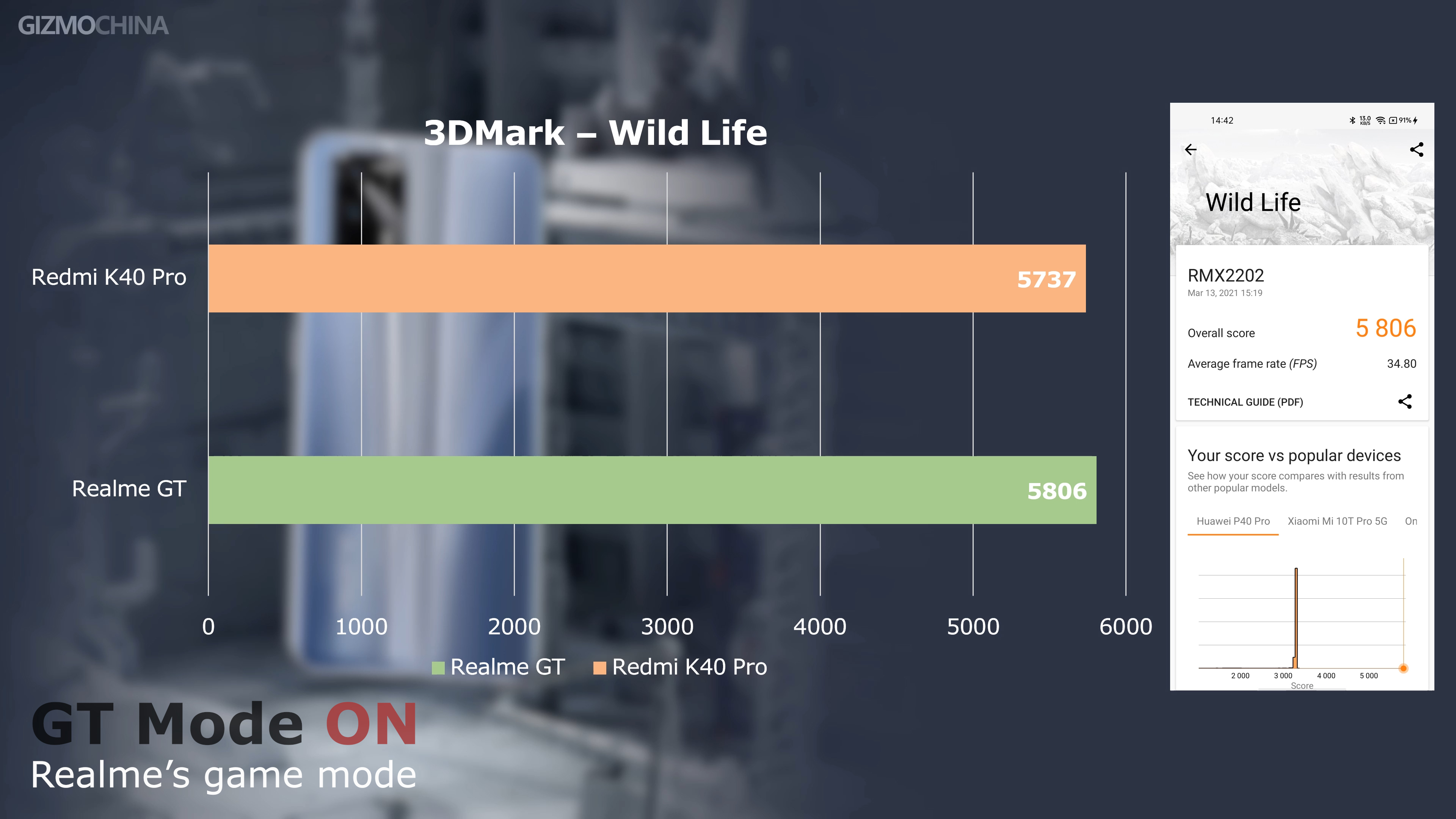
Since the phone comes with the letters GT in its name, Snapdragon 888, LPDDR5, and UFS 3.1 are naturally not absent. All of this performance-related hardware are the best options for an Android Phone in 2021. With GT mode on, in Antutu Benchmark, the Realme GT scores over 740,000, and in 3D Mark, it scores around 5800.
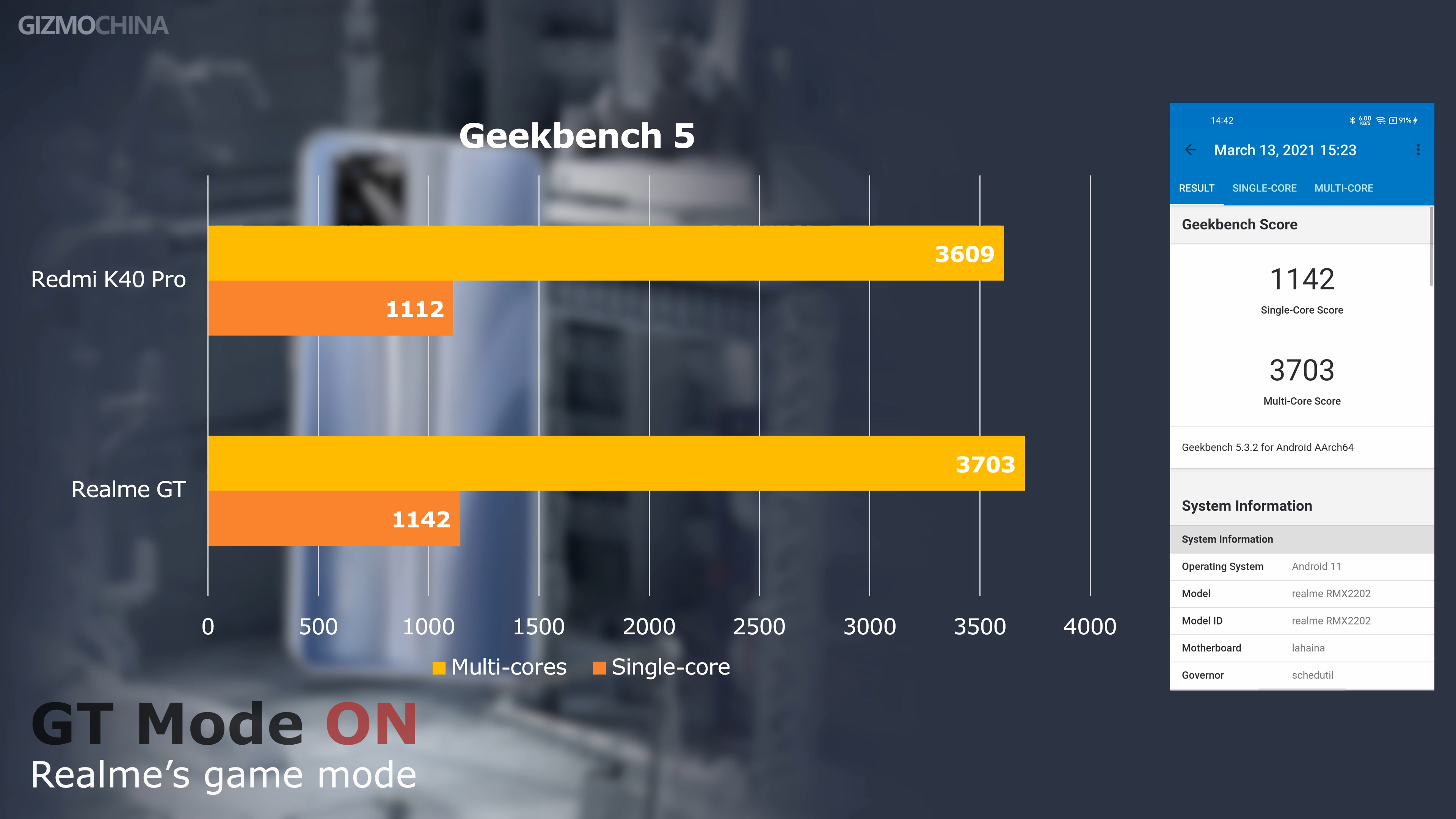
Realme Gt vs Redmi K40 Pro Benchmark Geekbench 5
In another benchmark, the Geekbench 5, we got a result of 1142 points in the single-core test, and 3703 points in the multi-core test. So from all the results we mentioned, the GT achieved a similarly high level of performance as the other snapdragon 888 phones and was even a bit better than most Android phones we’ve ever tested.
Realme GT Review: Gaming
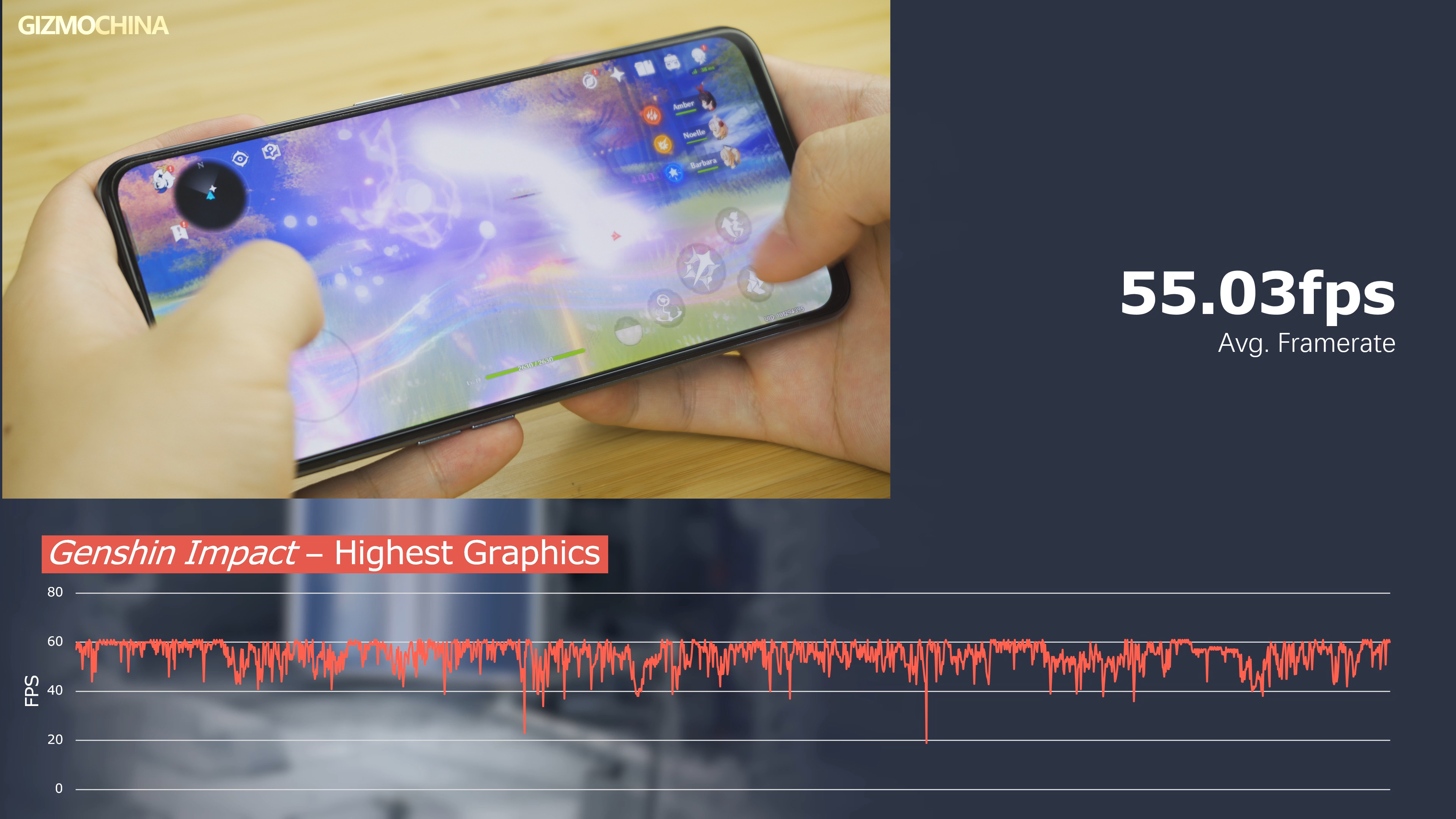
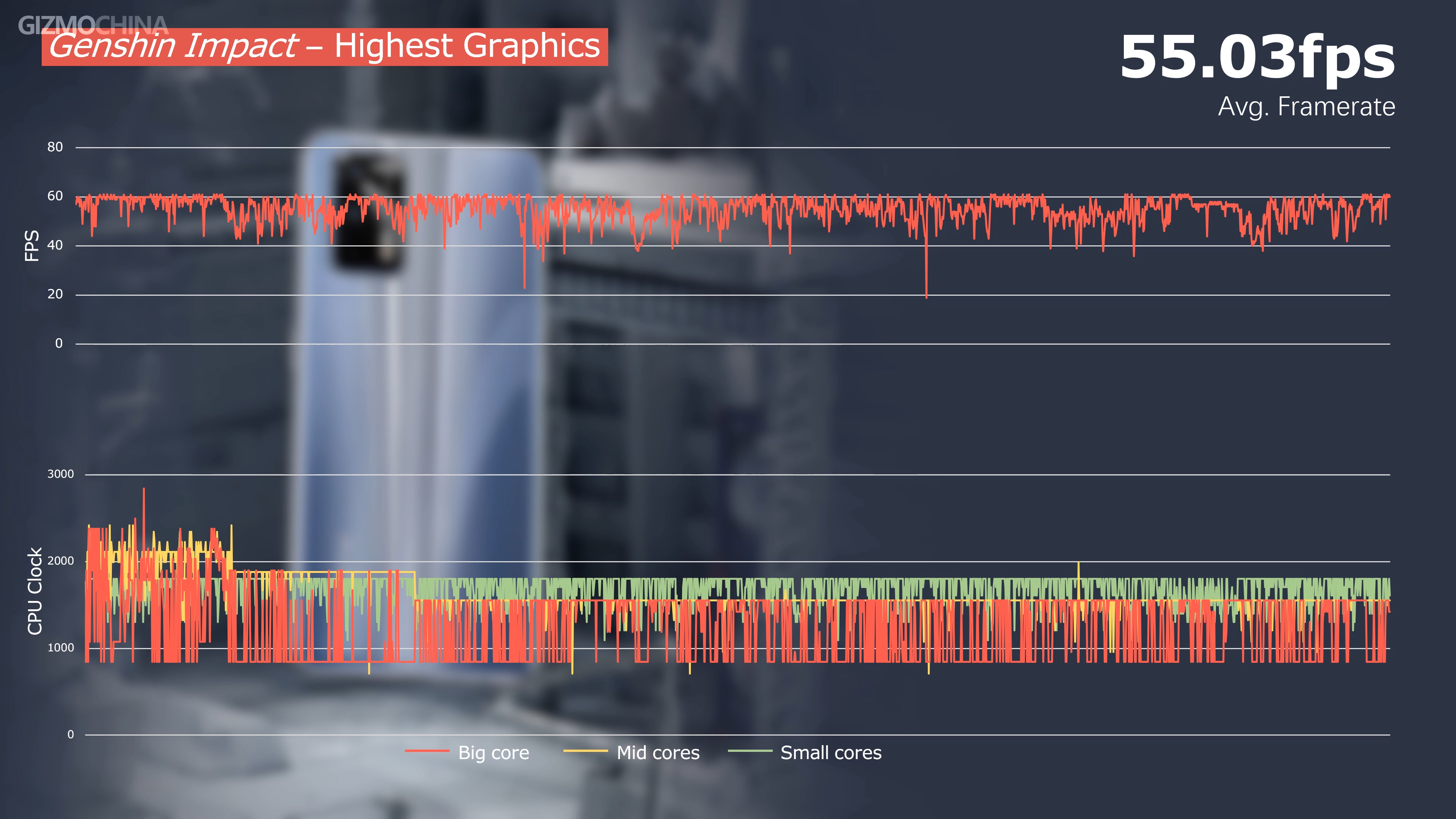
In the actual gaming test, the results are also excellent. In the thirty-minute test of Genshin Impact, the GT achieved an average frame rate of 55.03 fps. It started to throttle down the CPU clock speed after three and a half minutes, but still managed to maintain a good gaming experience.
Realme GT Genshin Impact Gaming
Realme GT Genshin Impact Gaming
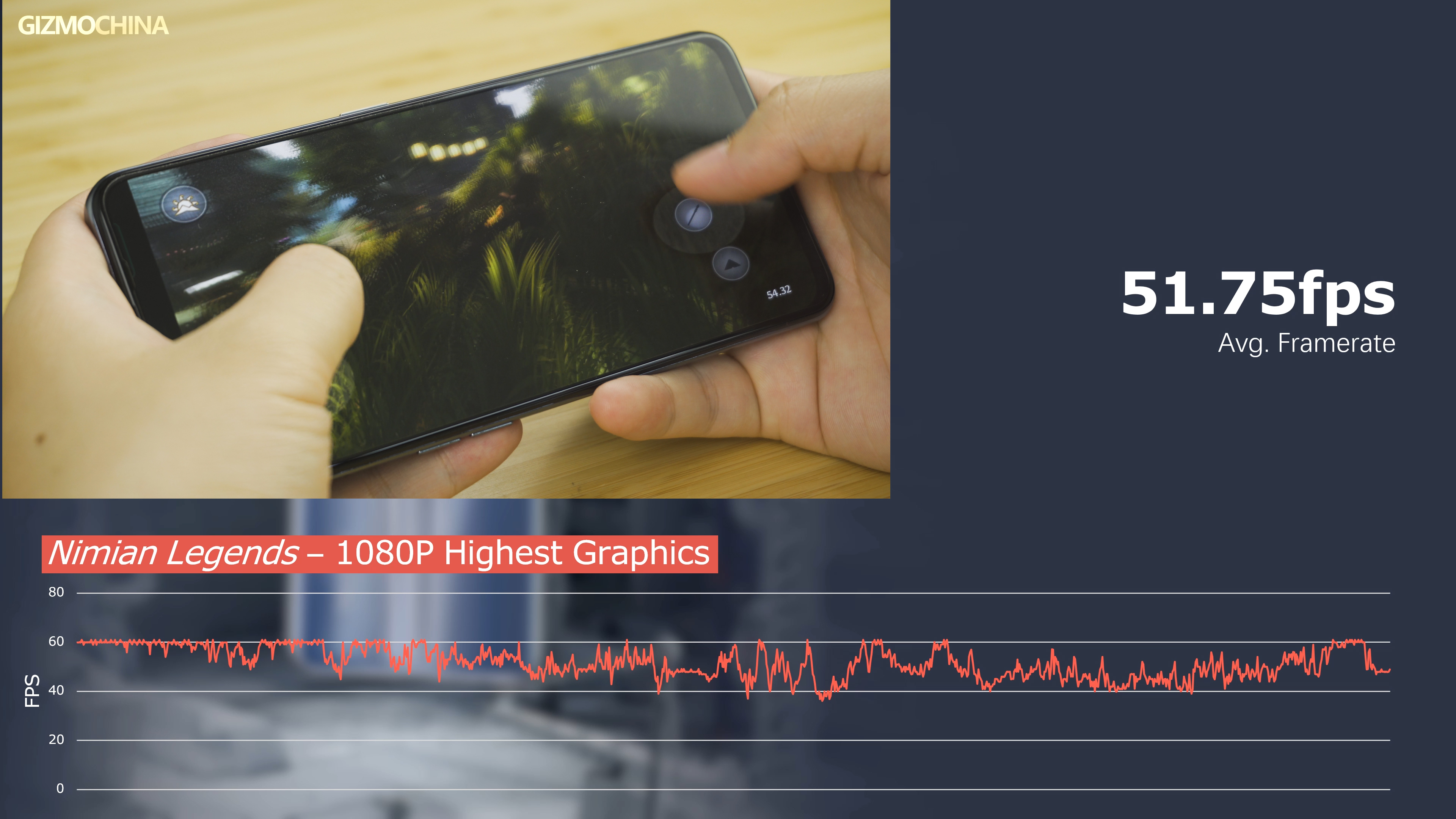
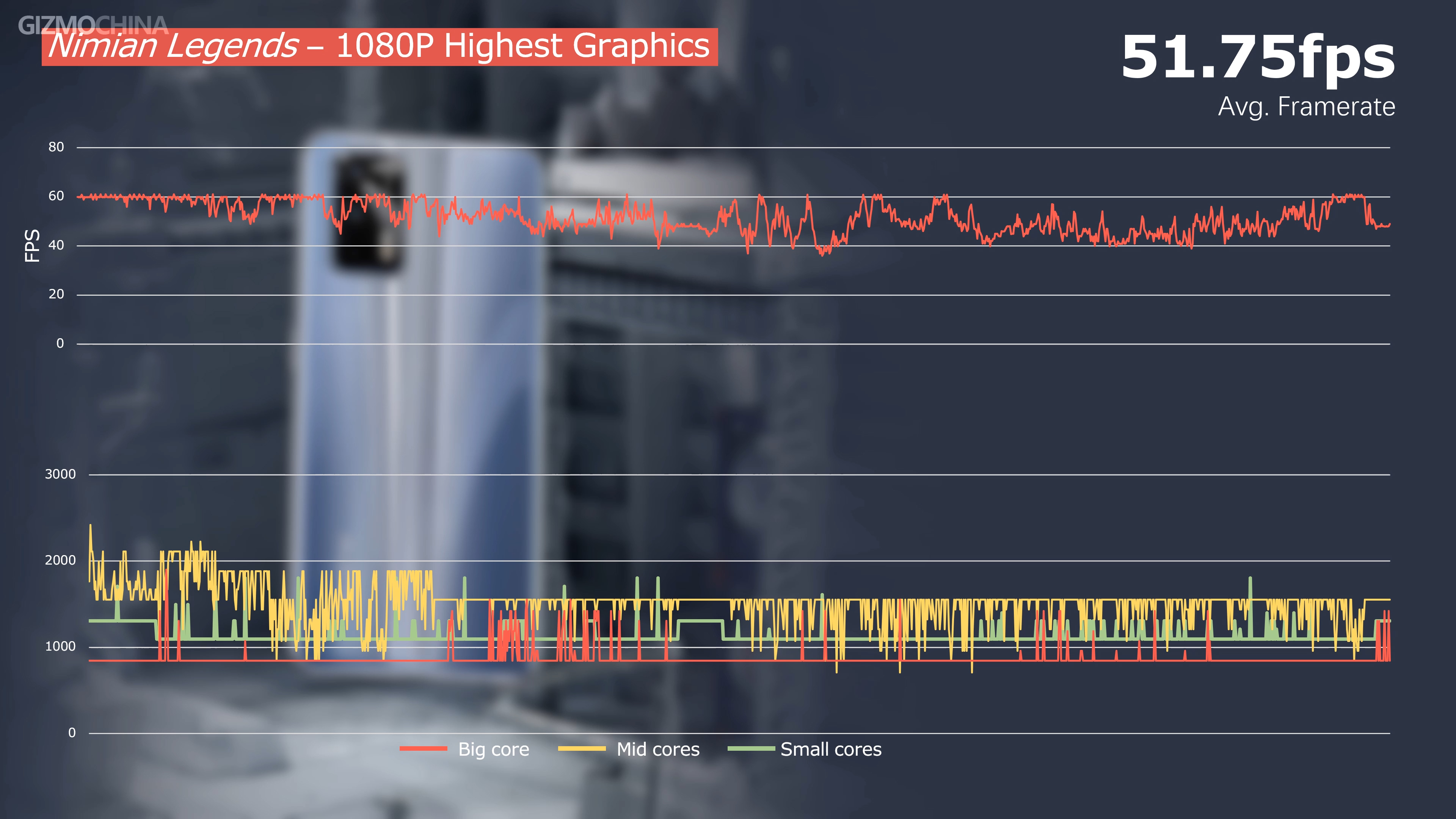
And in another game, the Nimian Legends, the Realme GT surprised us with an average frame rate of 51.75 fps, considering this game especially tested the phone’s cooling effects. Like Genshin Impact, it experienced a slight performance down throttling but still maintained a good gaming experience thanks to the excellent cooling effect.
Realme GT Nimian Legends Gaming
Realme GT Nimian Legends Gaming
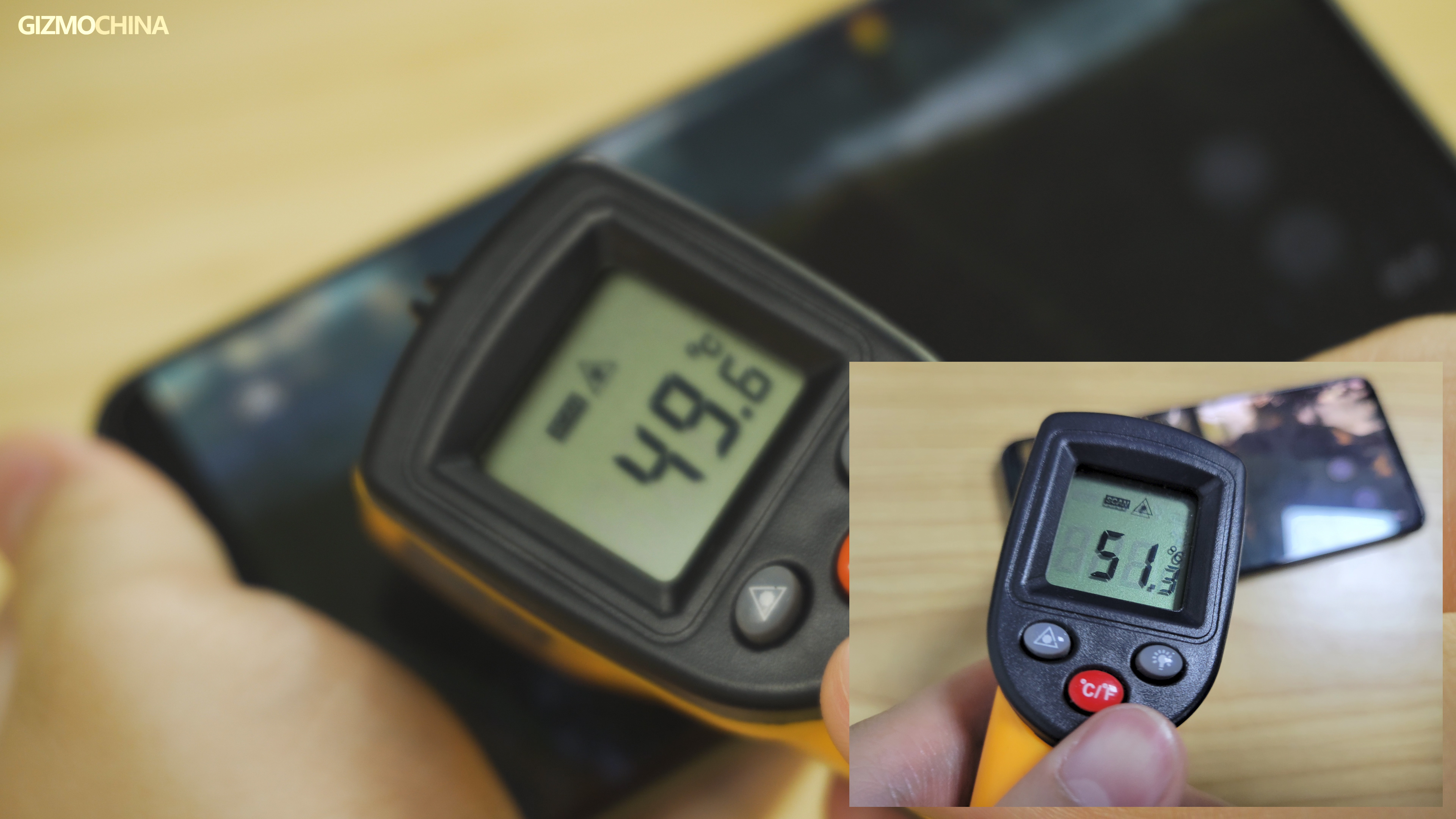
And the hottest it got was around 51℃. I wouldn’t say this temperature is low, but at least it’s better than many Snapdragon 888 models which struggled to maintain such high performance. From our tests, it looks like the Realme GT is worthy of its GT name.
Realme GT gaming temperature
Realme GT Review: Camera
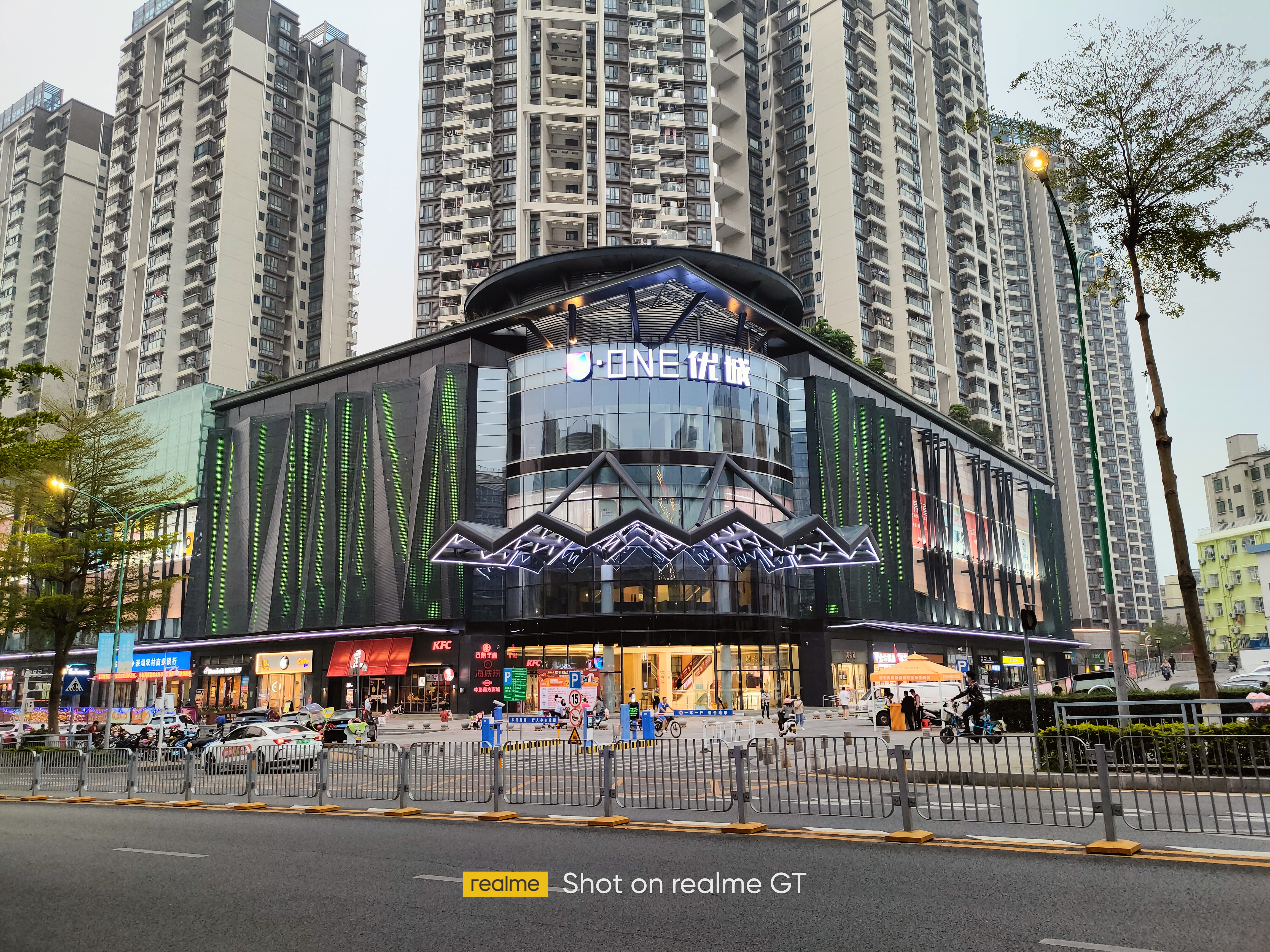
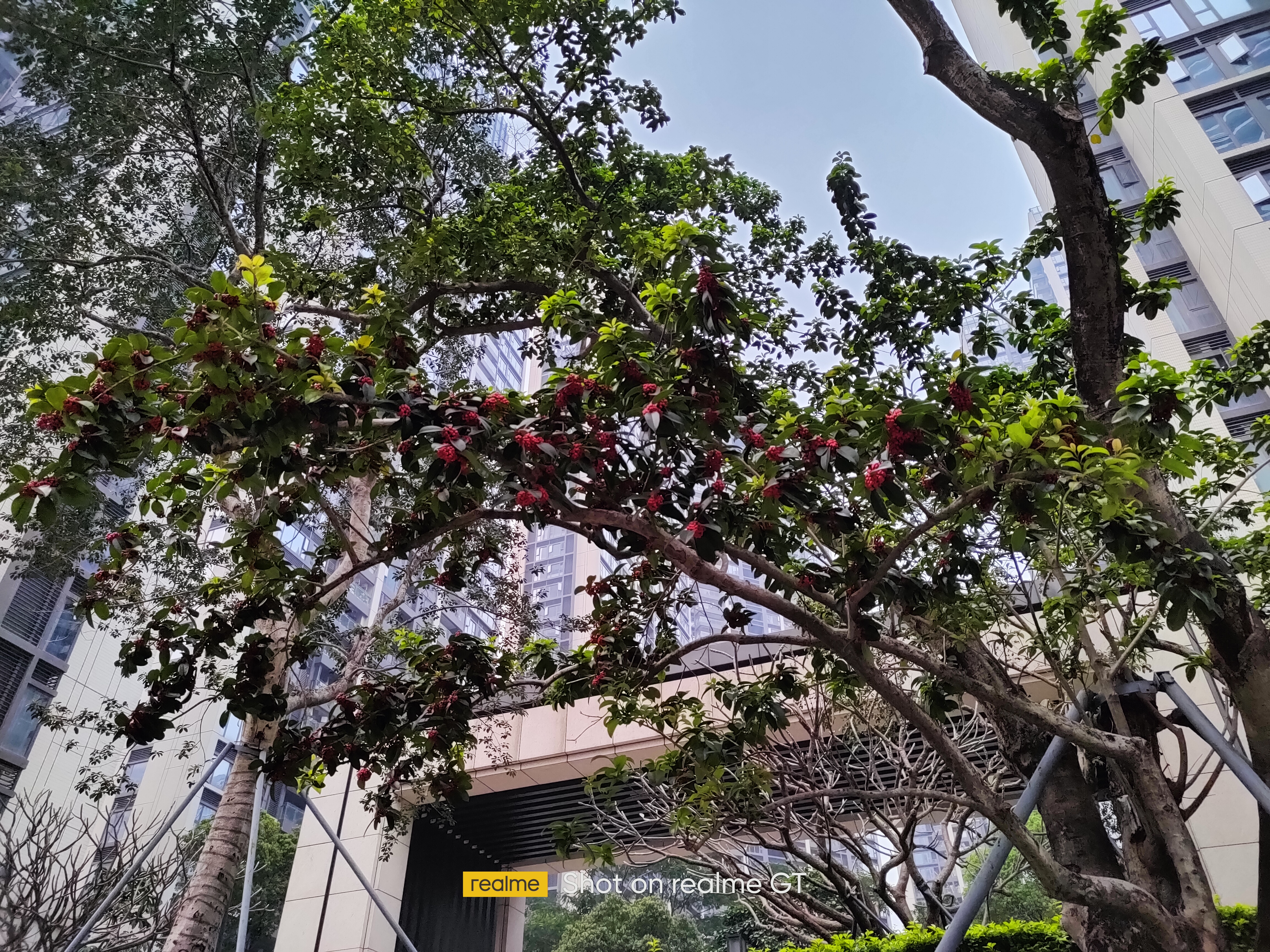
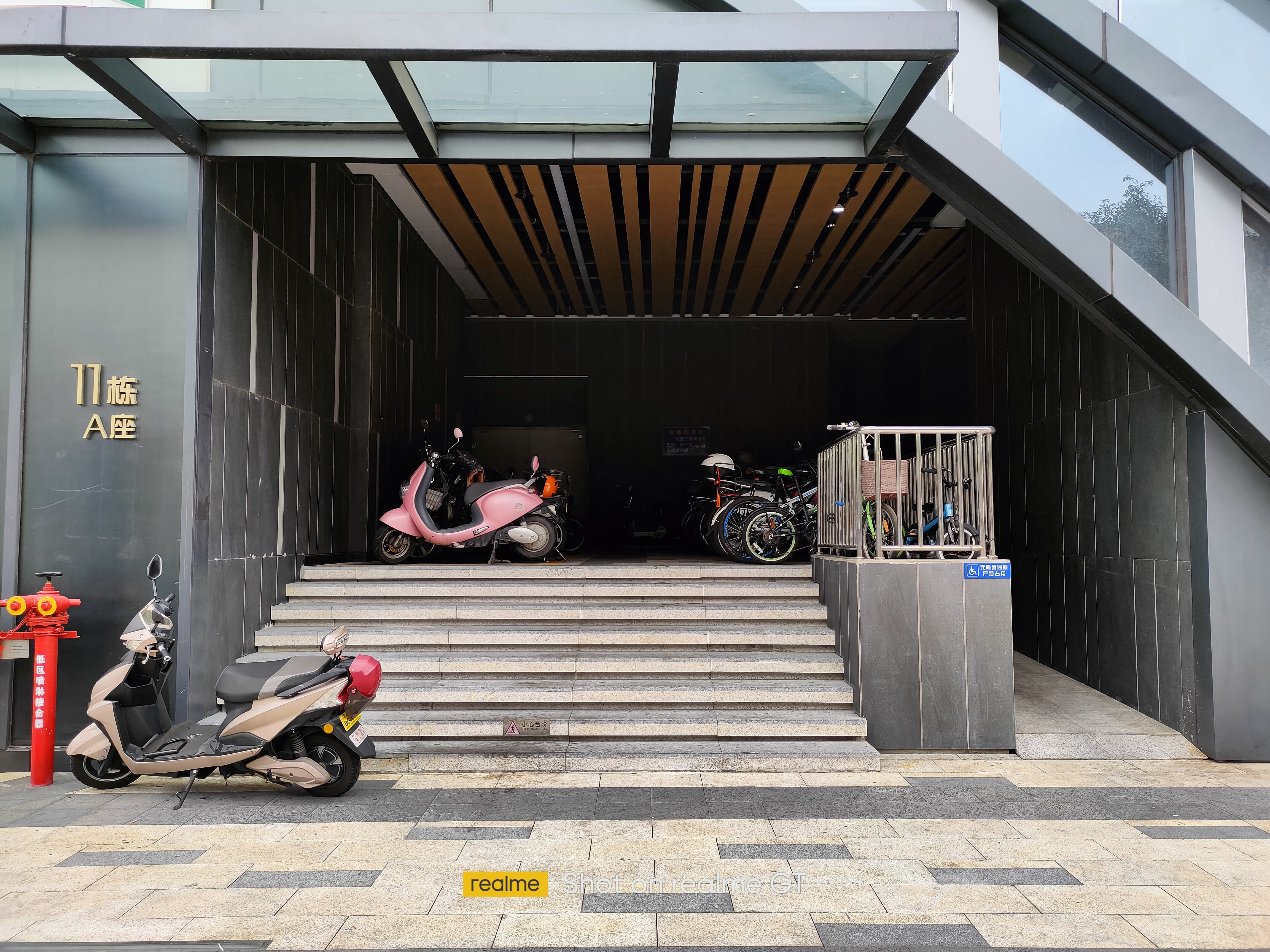
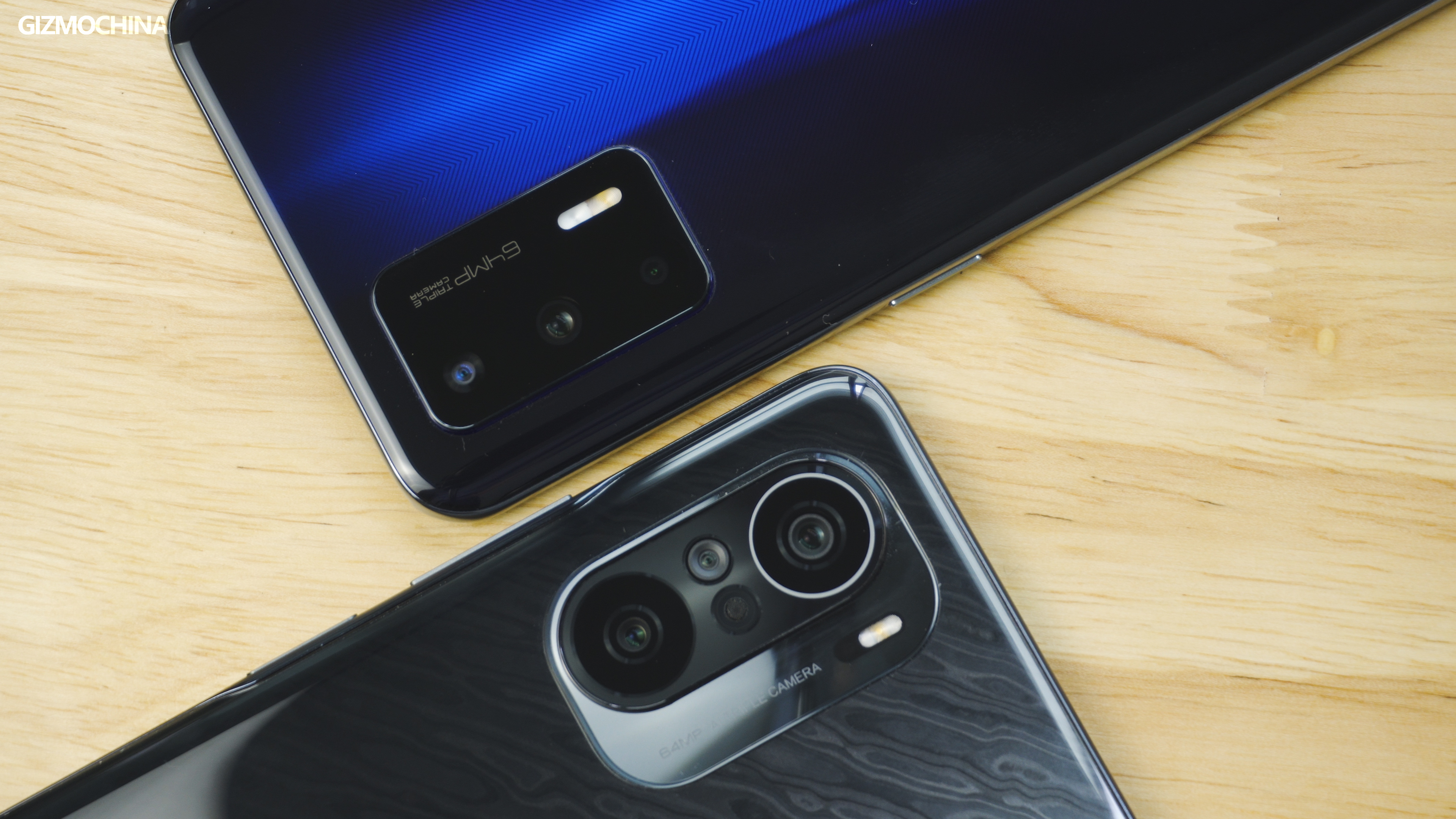
Like the K40Pro, the camera system is also GT’s weak point, so let’s talk briefly about its camera performance. The Realme GT comes with a 64MP main camera, an 8MP ultra-wide-angle lens, and another 2MP macro lens.
Just to be clear, the general sample shots are taken with AI colour on, auto HDR and the rest are left at default, except for special scenes.
Primary Camera
The main camera outputs strong and vivid colors with a good dynamic range. The color contrast is high and colour gradation is relatively natural. The general images often showed an eye-pleasing style.
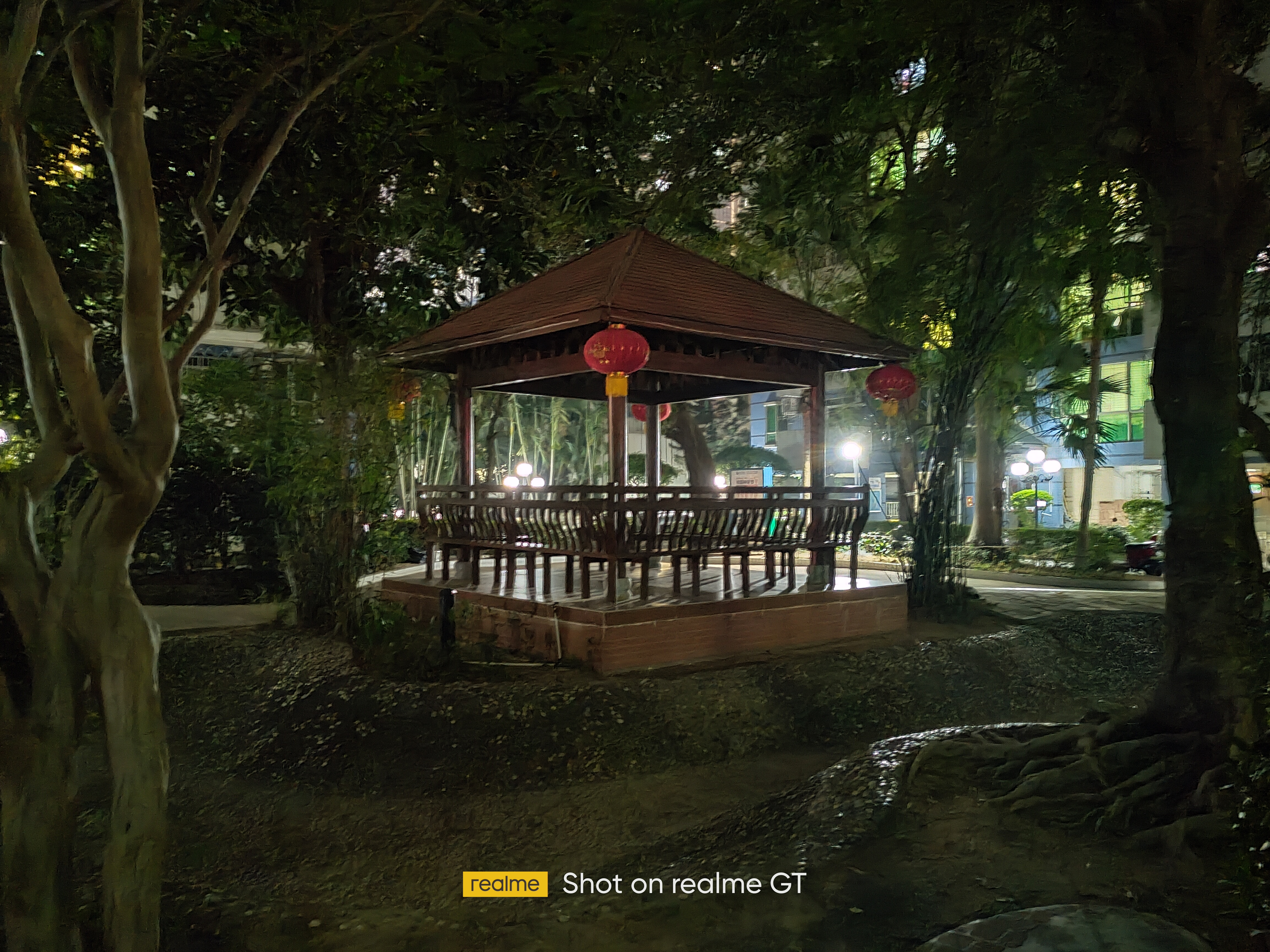
Night – Primary Camera
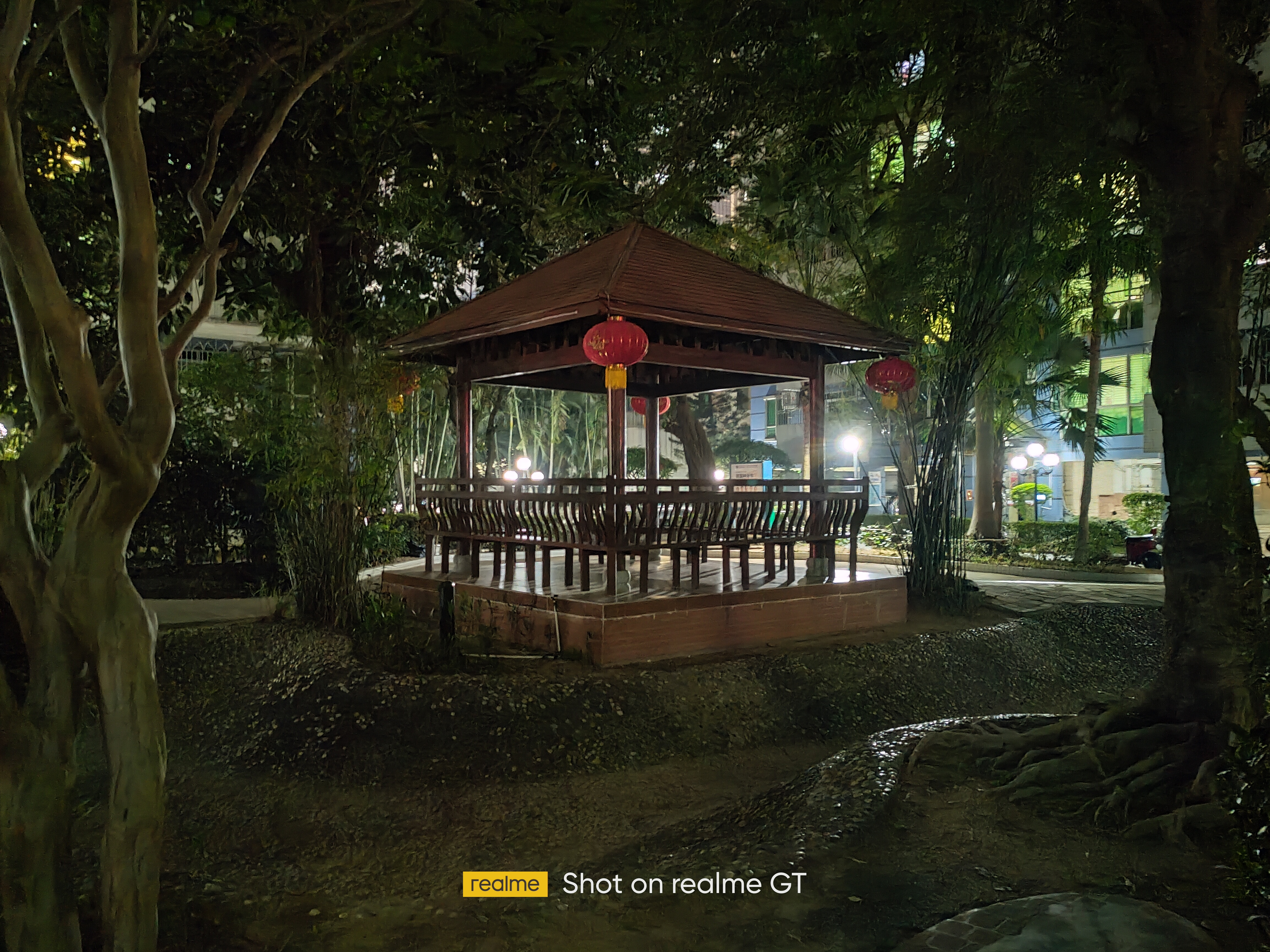
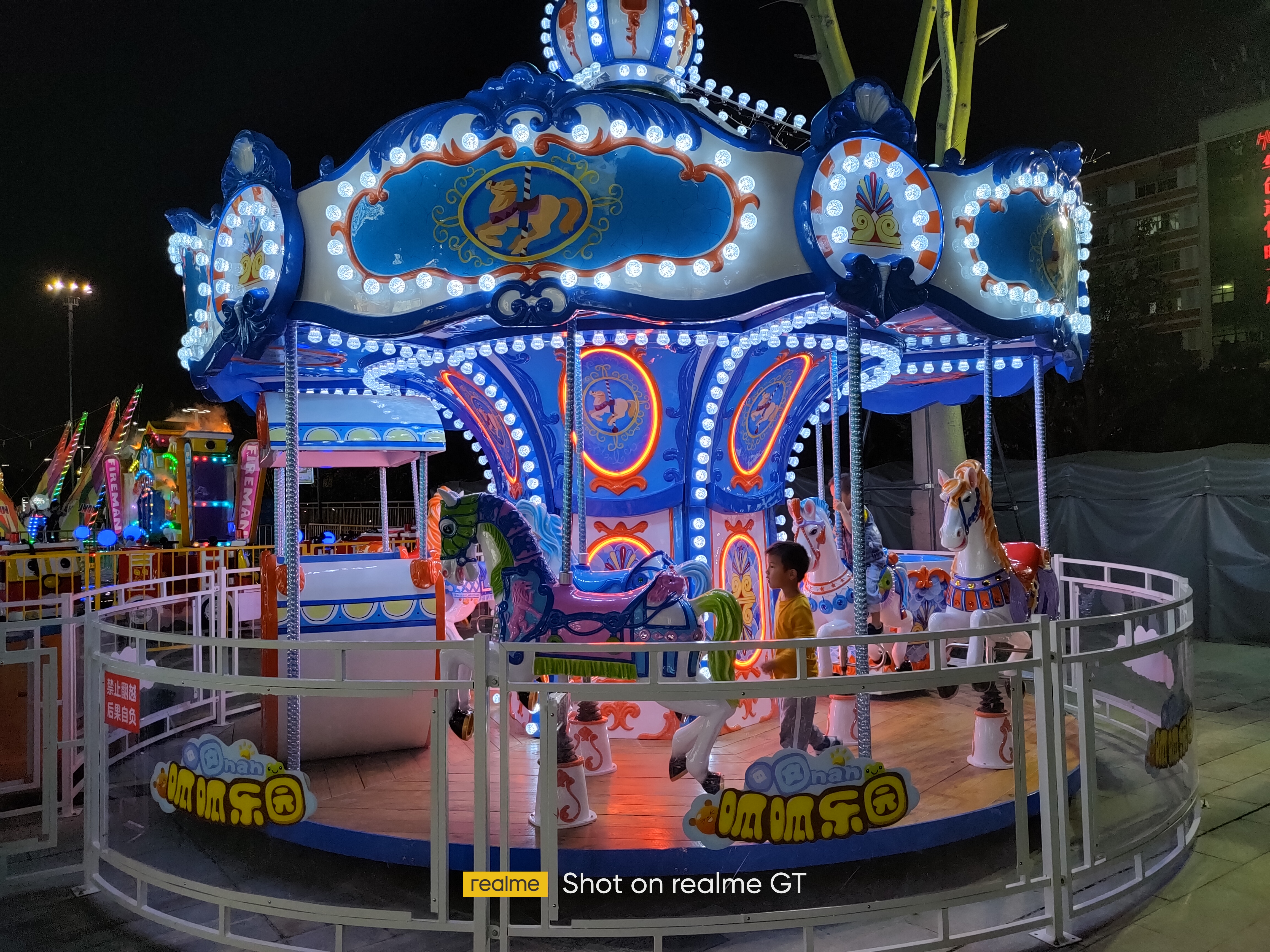
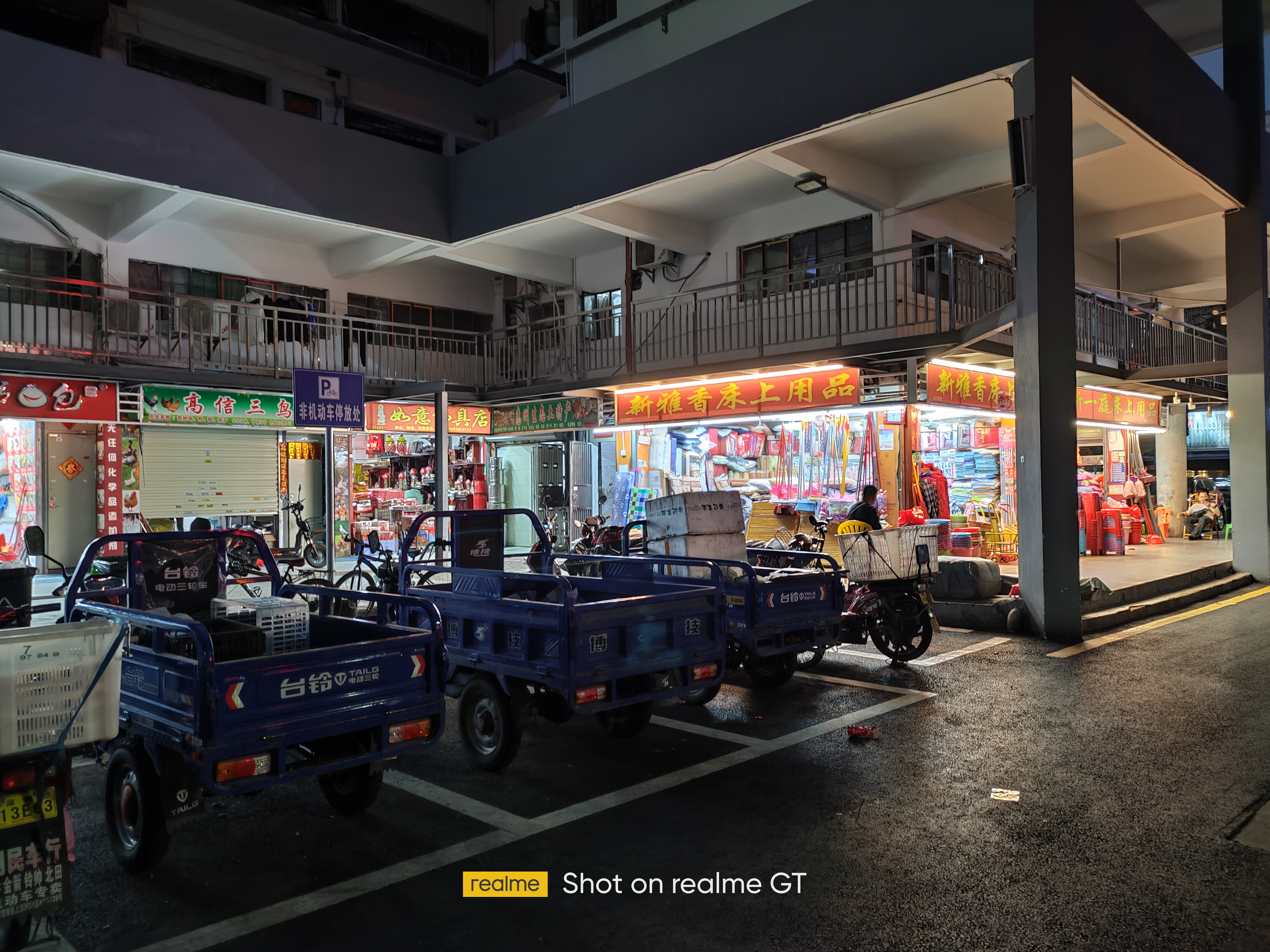
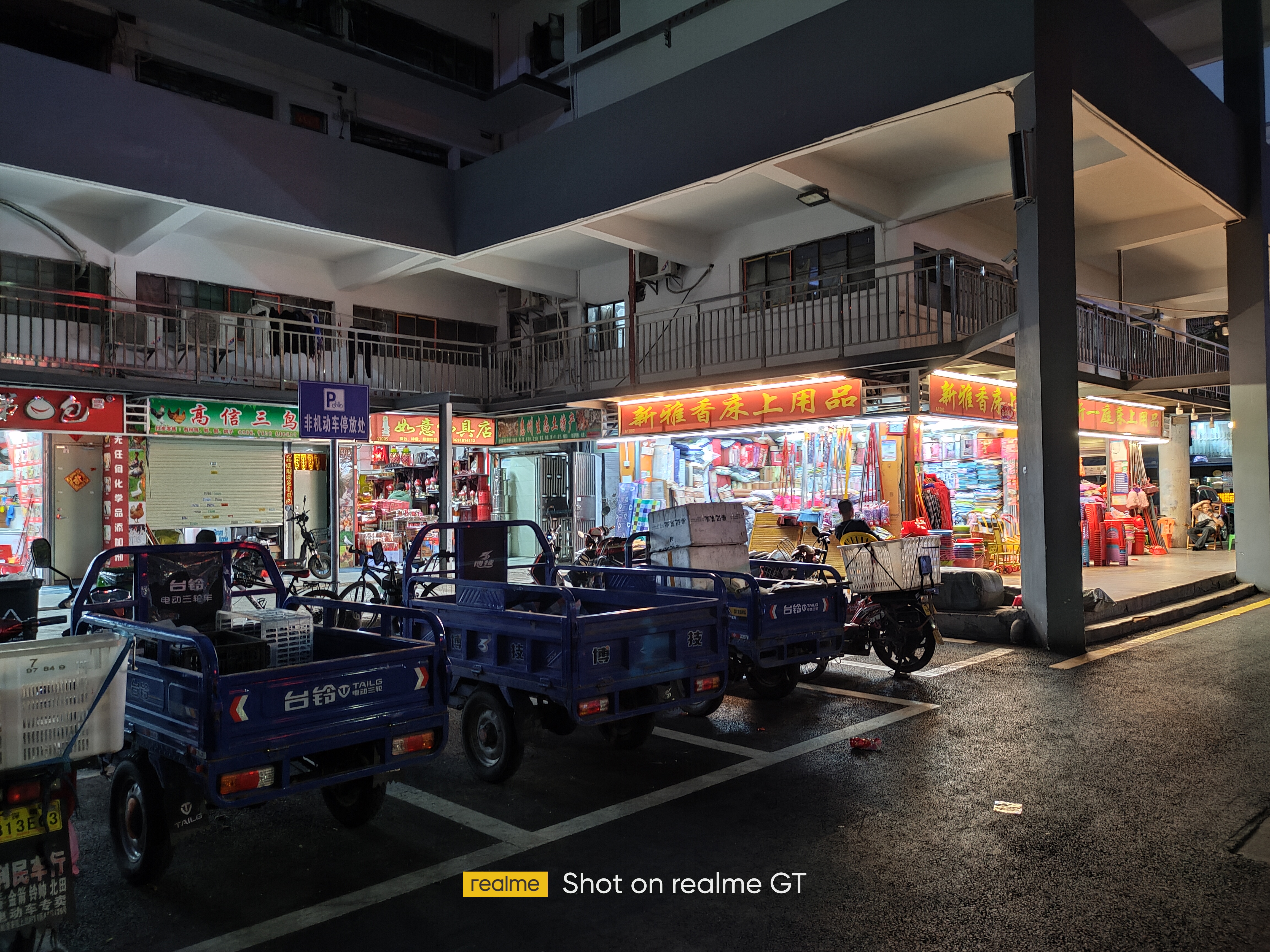
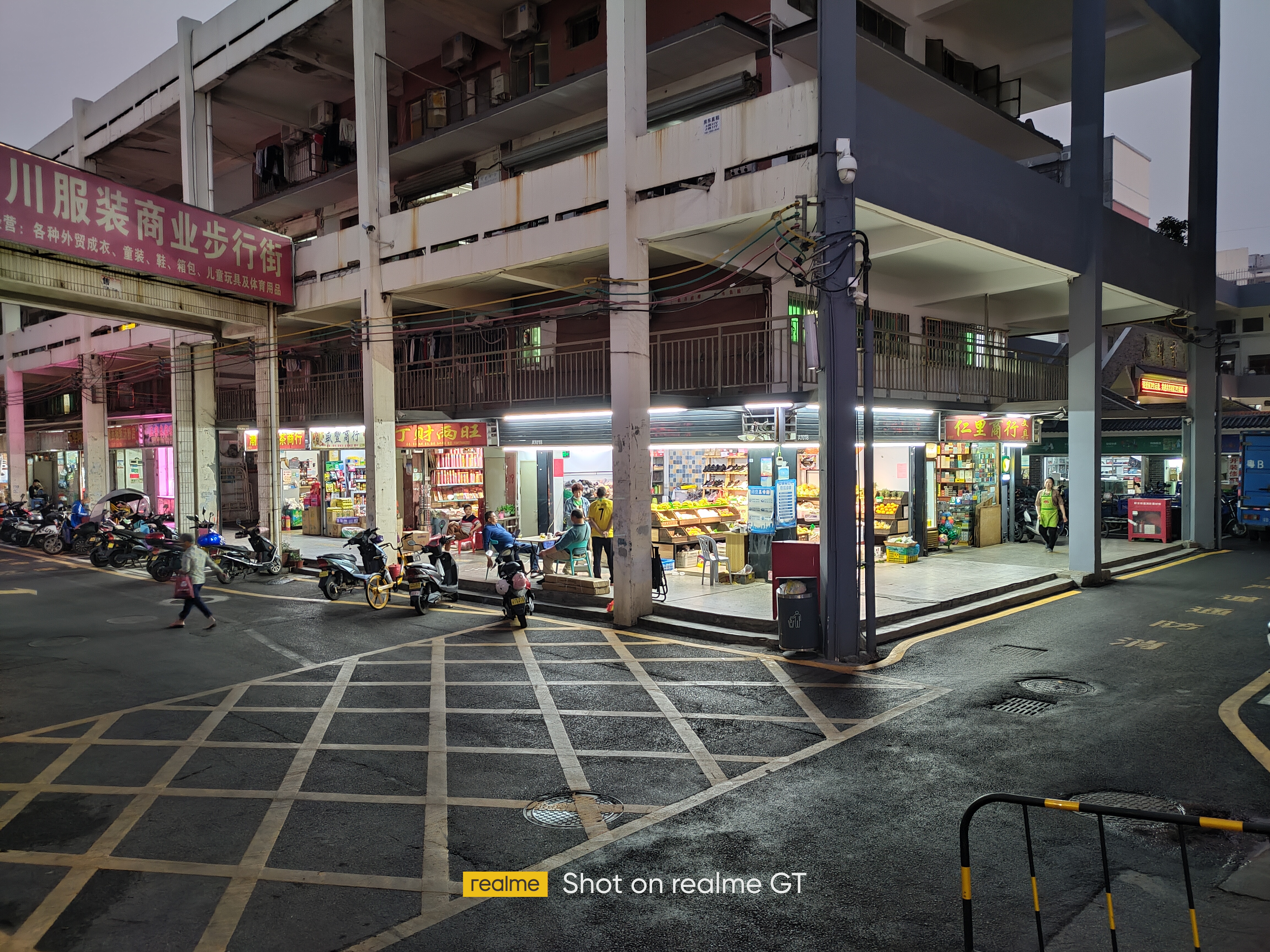
At night, the Realme GT’s Auto mode performs very well, with good exposure and accurate colours. Compared to the K40 Pro, the GT also performs much better in the dynamic range and image detail departments. And because Realme GT’s night-scene algorithm was automatically activated in its auto mode, there was little difference in the night images when we manually turned on the Night mode.
Night
Night
Night
Night
Night
Night
Ultra Wide Angle Camera
The images shot on the Realme GT’s wide-angle camera are basically the same as what we had on the main camera. But the purple fringing issue is a bit remarkable for the wide-angle samples. In normal night scenes, except for the dynamic range which is slightly better on the Realme GT, there is no obvious difference between GT and the K40 Pro. Because the K40’s Wide-angle camera doesn’t integrate the night algorithm for auto mode, it suffers in extremely dark conditions.
Night
Night
Night
Night
Macro Camera
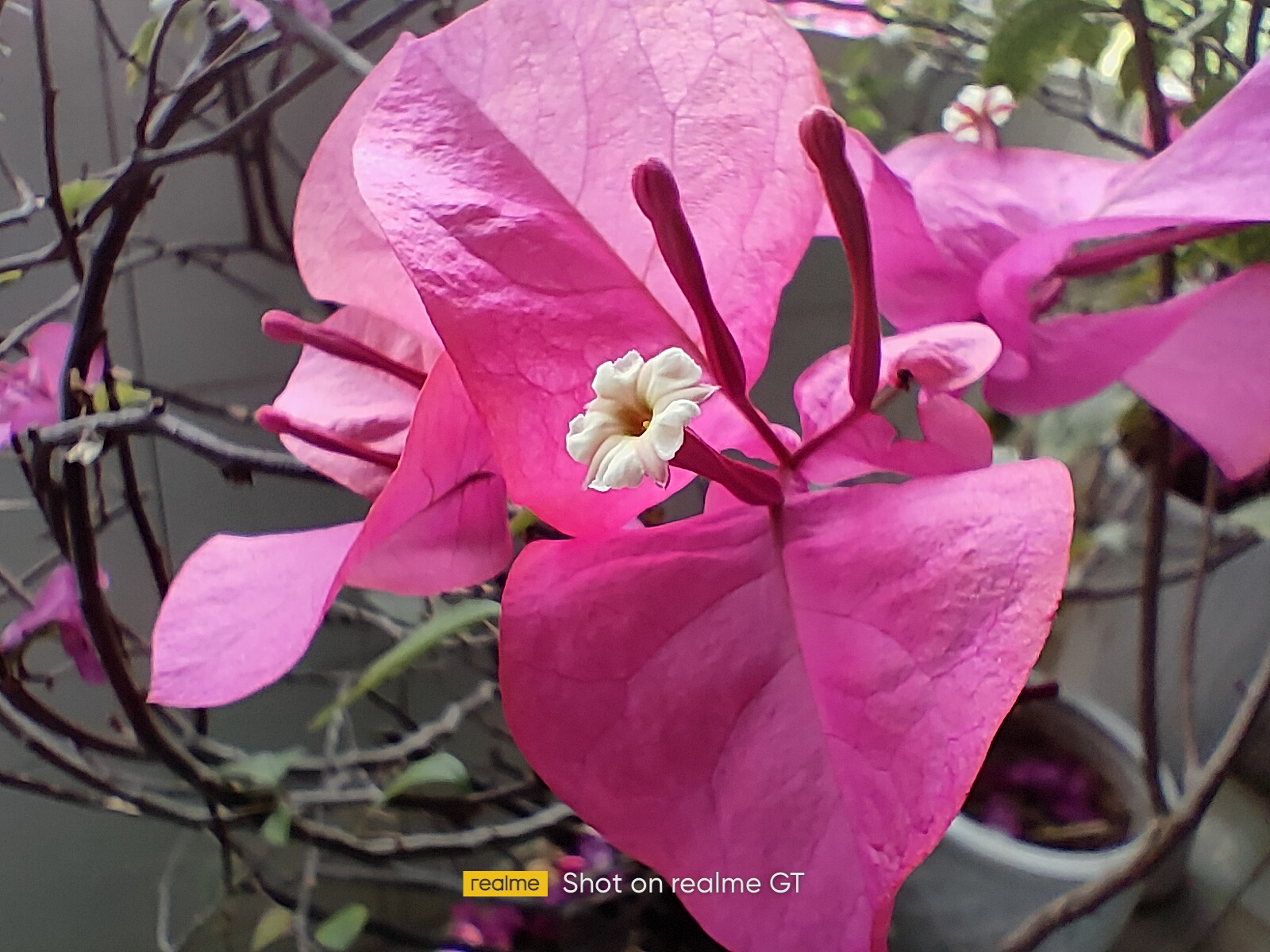
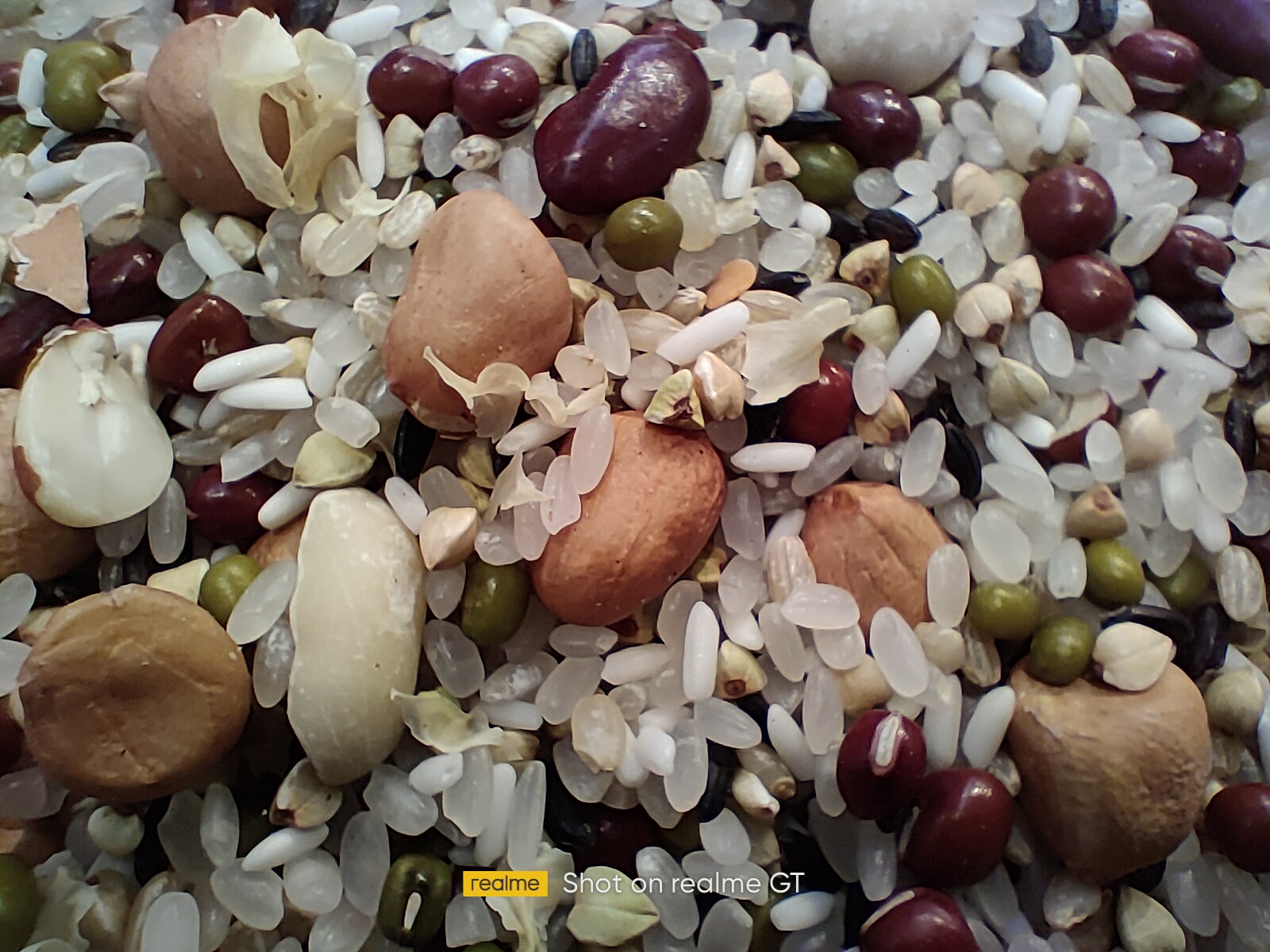
For macro shooting, the samples shot on the Realme GT’s macro lens cannot even compare to the images cropped from the original samples of the main camera. And this macro camera’s closest point of focus is limited to 4cm, so this sensor is pretty much useless and you may even assume it doesn’t exist.
Realme GT Review: Charging
Realme GT Charging Speed
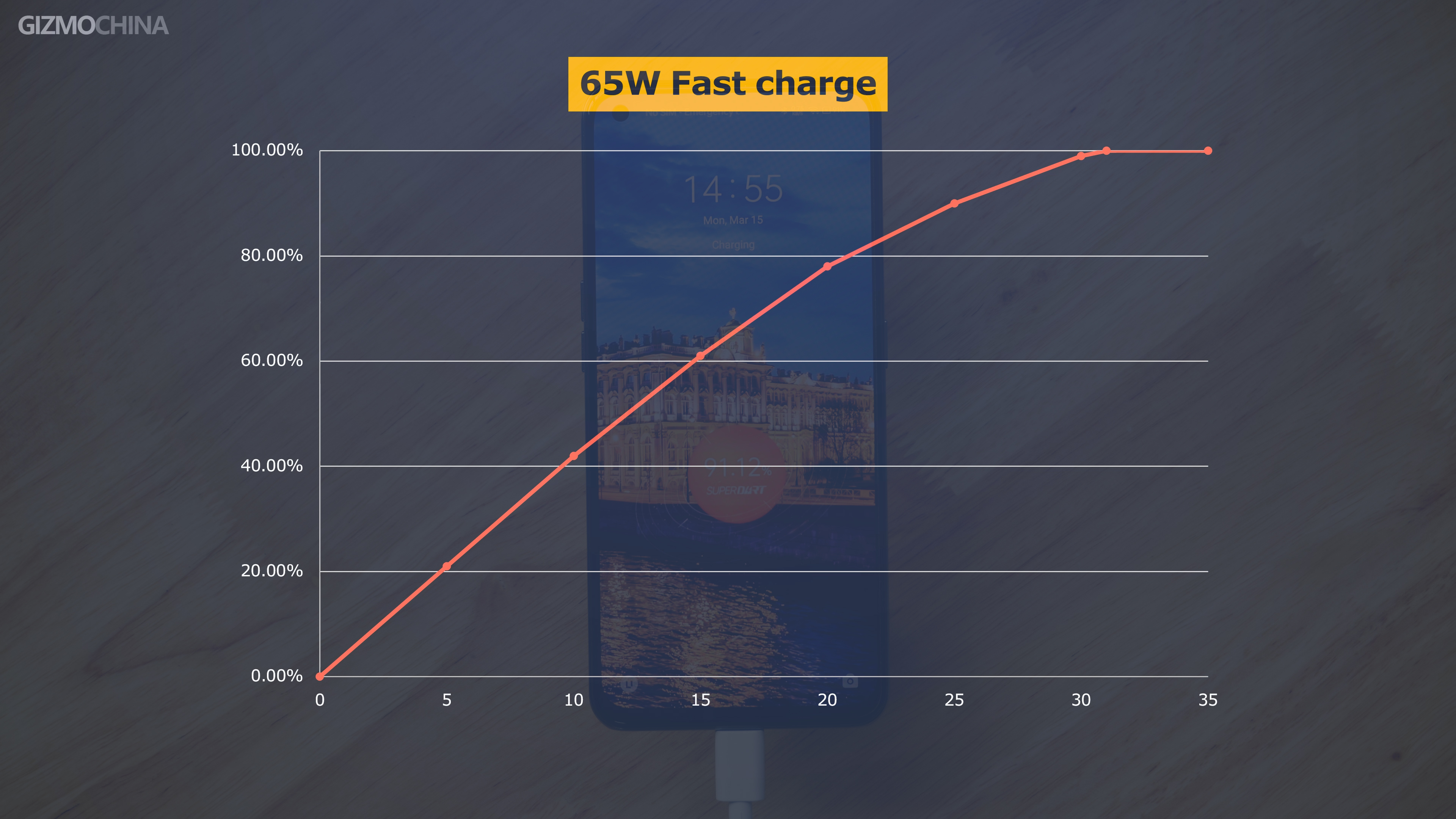
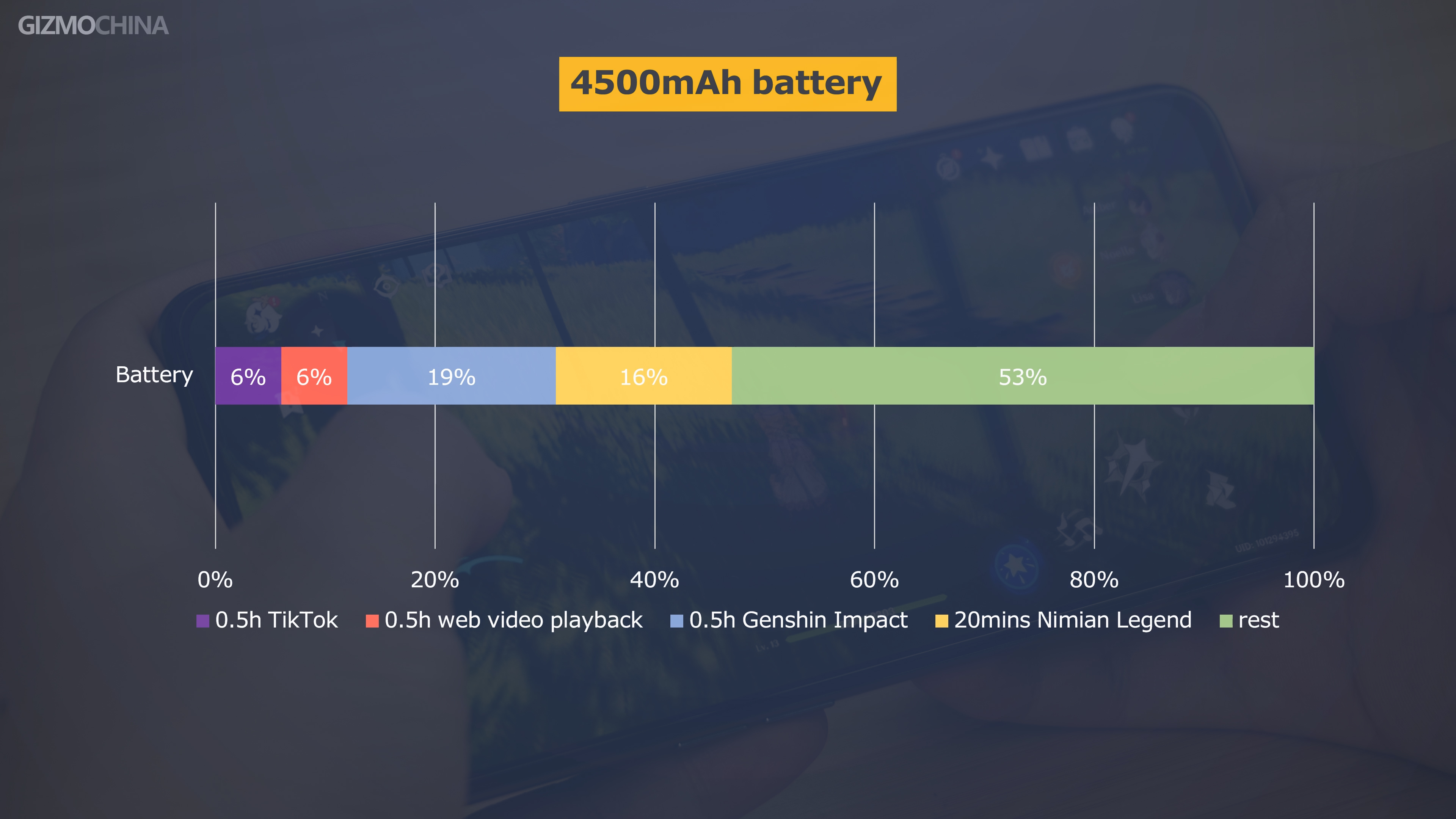
If we had to point out something that is really well-done on the Realme GT, it is the 65W charging technology. The phone charges to 21% in just five minutes, 61% in 15 minutes and it took just 31 minutes to charge to 100%. Although it’s not the fastest charging speed we’ve ever seen, it is still the best in its price segment when you compare it with rivals. Despite its high charging power, it doesn’t sacrifice battery capacity. With a 4500mAh battery, it consumed 6% of power each for 30-minute tiktok and 30-minute web video playback, 19% for 30-minute Genshin Impact gaming and 16% for 20-minute Nimian Legend gaming.
Realme GT Battery Life
Considering its excellent gaming performance, battery life performance is really impressive.
Realme GT Review: Verdict
So that’s what you should expect from the Realme GT. The phone really did a great job in the performance and gaming departments. Even when compared to the K40 Pro which was released aroundthe same time, the Realme GT seems to have been able to better optimize the 888 chipset.
Realme GT vs Redmi K40 Pro
As a challenger trying to win the competition against the K40 Pro, Realme knows it needs solid features in order for the GT to come out as a better value for money product. And they have managed to do this to a considerable extent. But it’s a bit disappointing that its design and camera module didn’t bring us much surprise. While, at least on the K40 series, we were excited about its new design profile.
So which model are you going to pick between the K40 Pro and the Realme GT? And for what reason? Please leave your comments down below and share your views with us.
In February, Xiaomi CEO Lei Jun confirmed that the company will be launching a new Mi MIX series smartphone this year. Since it will be a fourth-generation model, it is speculated to arrive as the Mi MIX 4. Twitter handle Xiaomiui, which is known for spilling information about the upcoming Xiaomi phones, has shared the key specifications of the alleged Mi MIX 4.
Xiaomiui has claimed that it has come across a new Xiaomi device with the model number K2B in the MIUI code. The device is codenamed ODIN. Since it is speculated to arrive with some advanced features like an in-screen selfie camera and support for mmWave 5G, it is speculated that it could be a premium device from Xiaomi. Probably, this handset could be the upcoming Xiaomi Mi MIX 4.
The alleged Mi MIX 4 could be featuring a Quad HD+ resolution supporting AMOLED display. It may offer users a 120Hz refresh rate. The screen could be integrated with a fingerprint scanner. The Snapdragon 888 chipset is expected to power the handset.
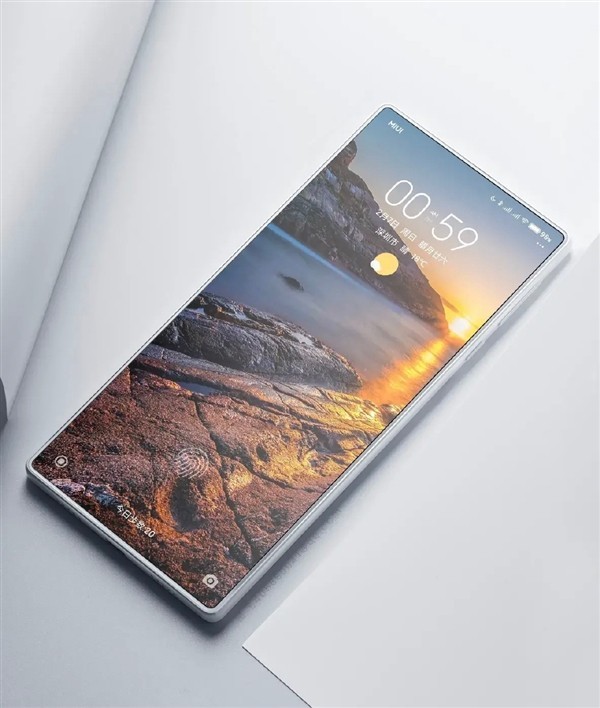
Concept render of the Xiaomi Mi MIX 4
For photography, it could be equipped with a Sony IMX766 50-megapixel primary camera, a 48-megapixel ultrawide lens, and a 48-megapixel telephoto lens with 5x optical zoom. It may offer users features like 120x hybrid zoom, 15x video zoom, 1920fps slow-motion video shooting, and support for 8K video.
Readers are advised to digest the Mi MIX 4 specs leak with a pinch of salt. Hopefully, the specs of the next-generation Mi MIX phone will appear through other sources in the coming days.
In related news, Xiaomi is reportedly working on a foldable smartphone. Display analyst Ross Young recently claimed that it could be called the Xiaomi Mi MIX 4 Pro Max. He added that it may arrive with an in-folding design.
A Samsung Electronics senior official announced earlier today (17th March 2021) that the issues with chip supply poses a ‘slight problem’ for the company in the second quarter of this year.
According to a Reutersreport, the South Korean tech giant’s co-CEO and mobile chief koh Dong-jin announced that the current imbalance within the IT sector over supply and demand and other related components was “very serious” and the second quarter “poses a slight problem.” The executive made the announcement while addressing the consumer electronics manufacturer’s annual general shareholders’ meeting.
In other words, the company is continuing its efforts to address the supply issues, which is currently affecting various industries across the globe. For those unaware, the world is suffering from a major shortage of semiconductors. At the moment, there is a global shortage of chips, which has even affected industries like the automobile sectors and even the smartphone market as well. Previously, we had also reported on Samsung’s Austin chip plant halting production that would further worsen the chip supply issue for the consumer electronics manufacturer.
The Austin plant in Texas, US, shut production due to the cold wave that has affected North America. Notably, the chip plant has a production capacity of 20,000 wafers per month. Usually, the company stocks up a month and a half of inventory for components, so that they won’t be affected by any short term suspension of production. However, the Austin site halted operations around two weeks ago.
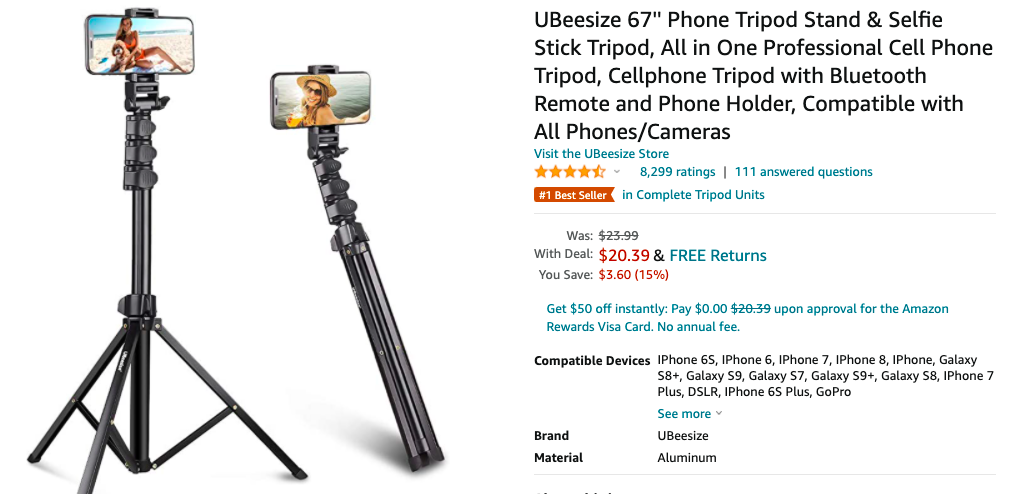
If you are in the market for a selfie stick or tripod check out this fantastic deal on UBeesize all-in-one selfie stick and tripod. The tripod which generally retails for $25 is now available for $20.39 only on Amazon US.
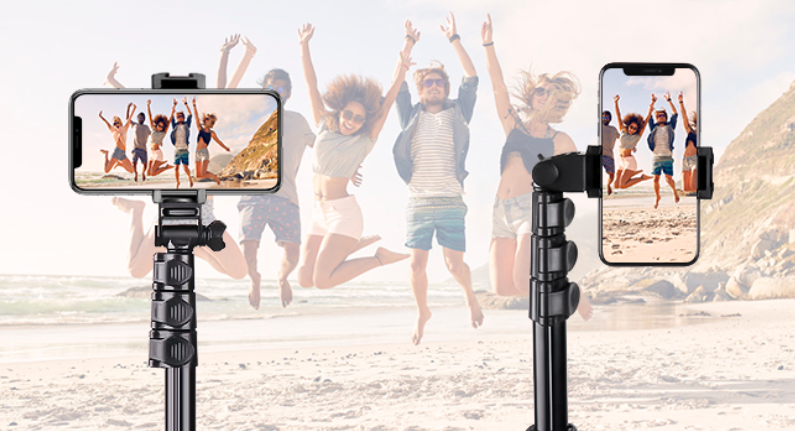
UBeesize is a 67-inch long selfie stick that can also be converted into a sturdy tripod. This means using one single device you can fulfill almost all your photography needs. If you want to take individual or group selfies, simply switch the device to selfie stick mode and use its 67-inch long stick to take beautiful panoramic selfies. And when you want to take group photos or videos simply convert the device into a tripod stand and start shooting anywhere and everywhere.
UBeesize all-in-one selfie stick cum tripod comes with a phone holder for mobile phones, BC parts for Go pro as well as a Bluetooth Remote for long-distance control thus making it the perfect companion for content creators and social media influencers. The universal phone holder fits most smartphones with or without a case and a universal 1/4 inch screw, makes it compatible with DSLR, SLR, action camera, webcam, camcorder, etc.
Generally retailing at $25 you can now buy the UBeesize selfie stick cum tripod for $20.39 only at Amazon US. This offer is valid only for a limited period. So grab your UBeesize selfie stick cum tripod asap.
For more information on such exciting deals and offers check out our deals hub.
* Please Note: When you buy something using the links in our articles, we may earn a small commission at no cost to you.
Google has announced that the company is reducing the commission it takes from Android developers that are hosting their applications on the Play Store and offering in-app purchases. The tech giant has lowered the service free on the first $1 million in revenue every year from 30 percent to 15 percent.
The company has clarified that the reduced fee will start from 1st July 2021 and Google adds that “99 percent of developers globally that see digital goods and services with Play will see 50 percent reduction in fees.” It will levy a 30 percent cut on every dollar developers generate through Google Play beyond the first $1 million in a year.
Announcing this, Sameer Samat, Vice President of Android and Google Play, said: “We’ve heard from our partners making $2 million, $5 million, and even $10 million a year that their services are still on a path to self-sustaining orbit. This is why we are making this reduced fee on the first $1 million of total revenue earned each year available to every Play developer that uses the Play billing system, regardless of size. We believe this is a fair approach that aligns with Google’s broader mission to help all developers succeed.”
It has also revealed that about 3 percent of developers globally offer paid apps or IAPs. The change comes months ahead of Google Play requiring Android apps to use its in-app billing system from September this year.
Apple has opted for a bit different route. Last year, Apple said that it would collect a 15 percent cut instead of 30 percent of App Store sales from companies that generate less than $1 million in revenue. This isn’t applicable to iOS apps on the Apple platform that generates more than $1 million in revenue.
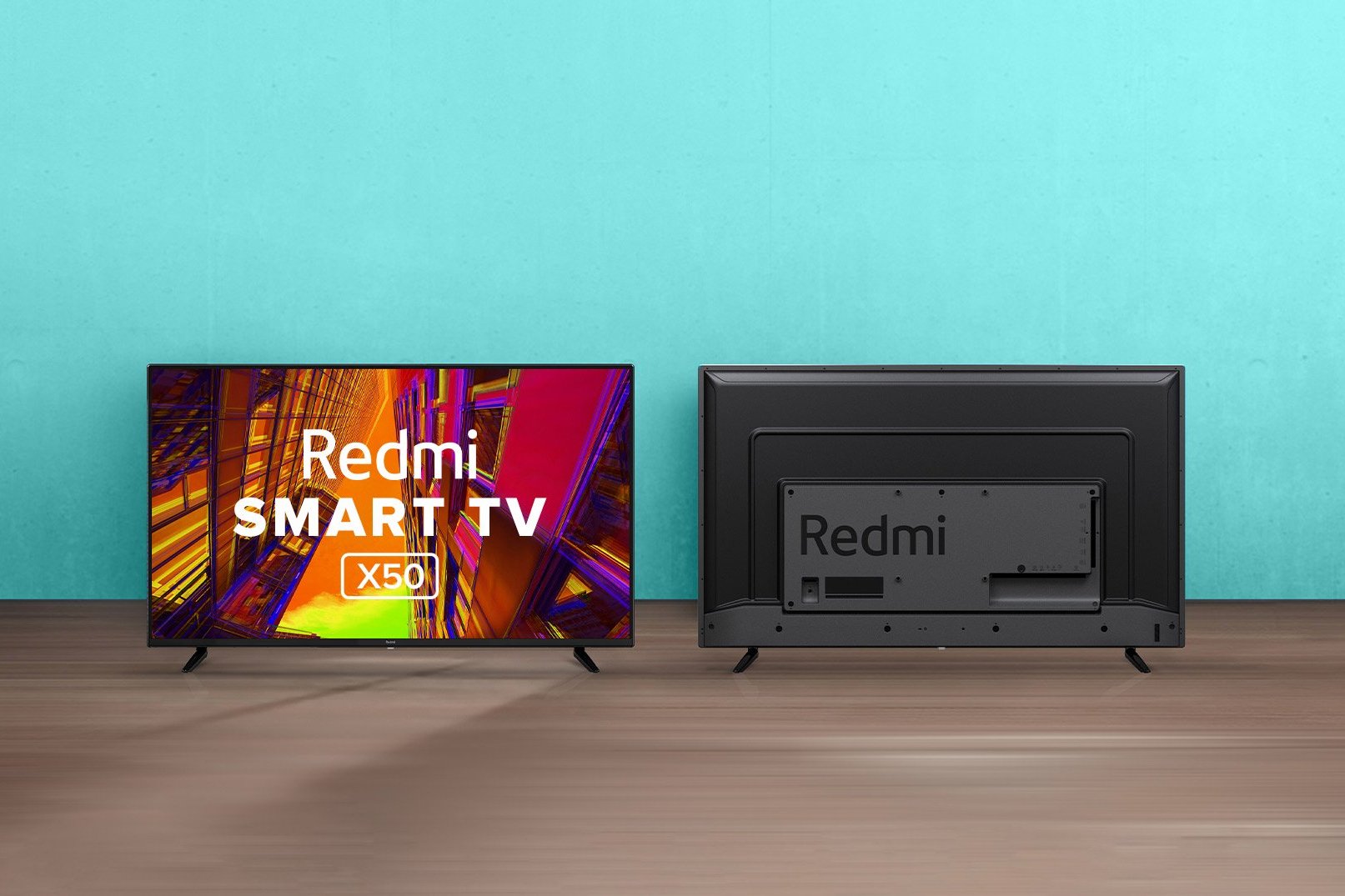
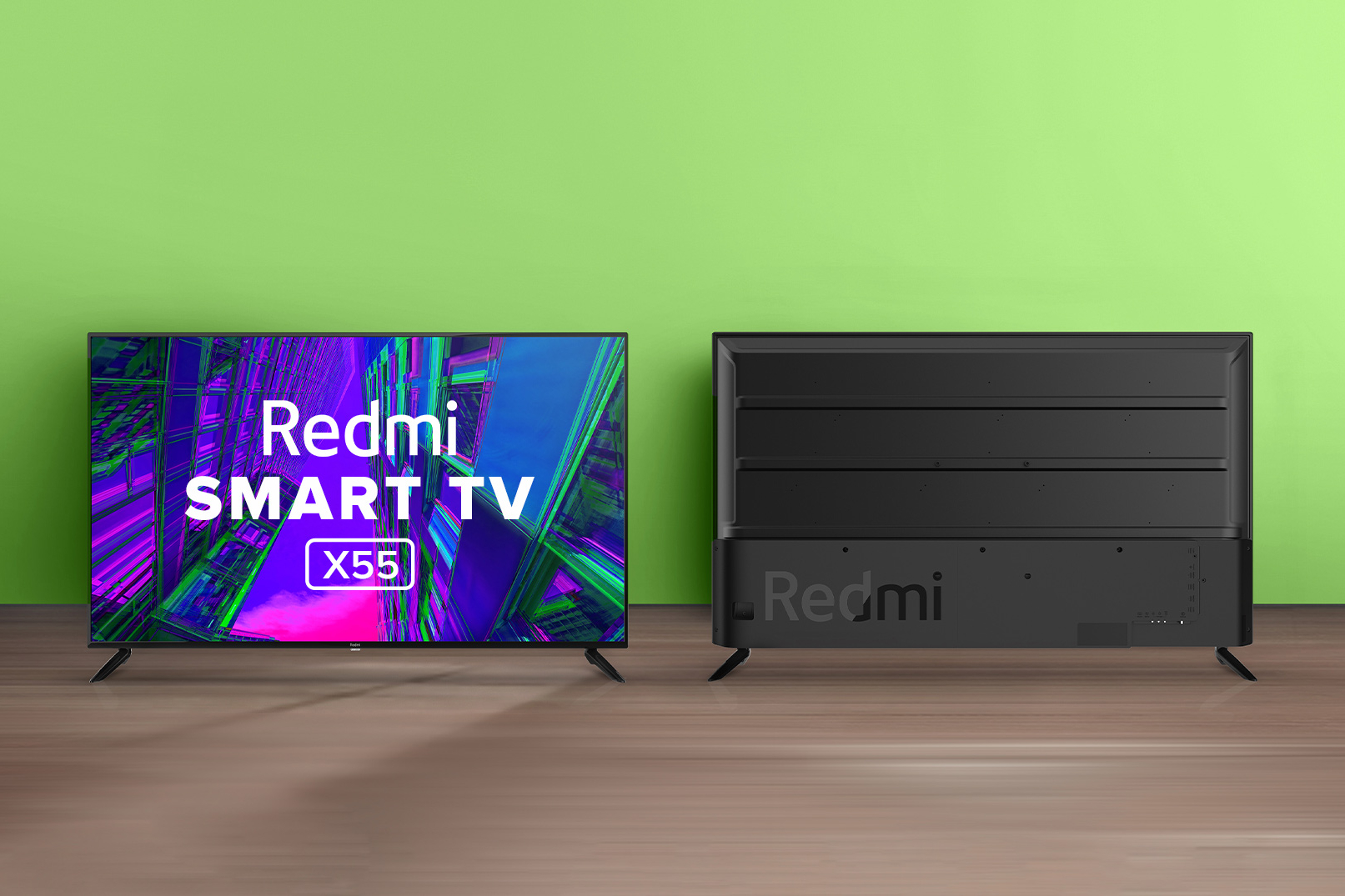
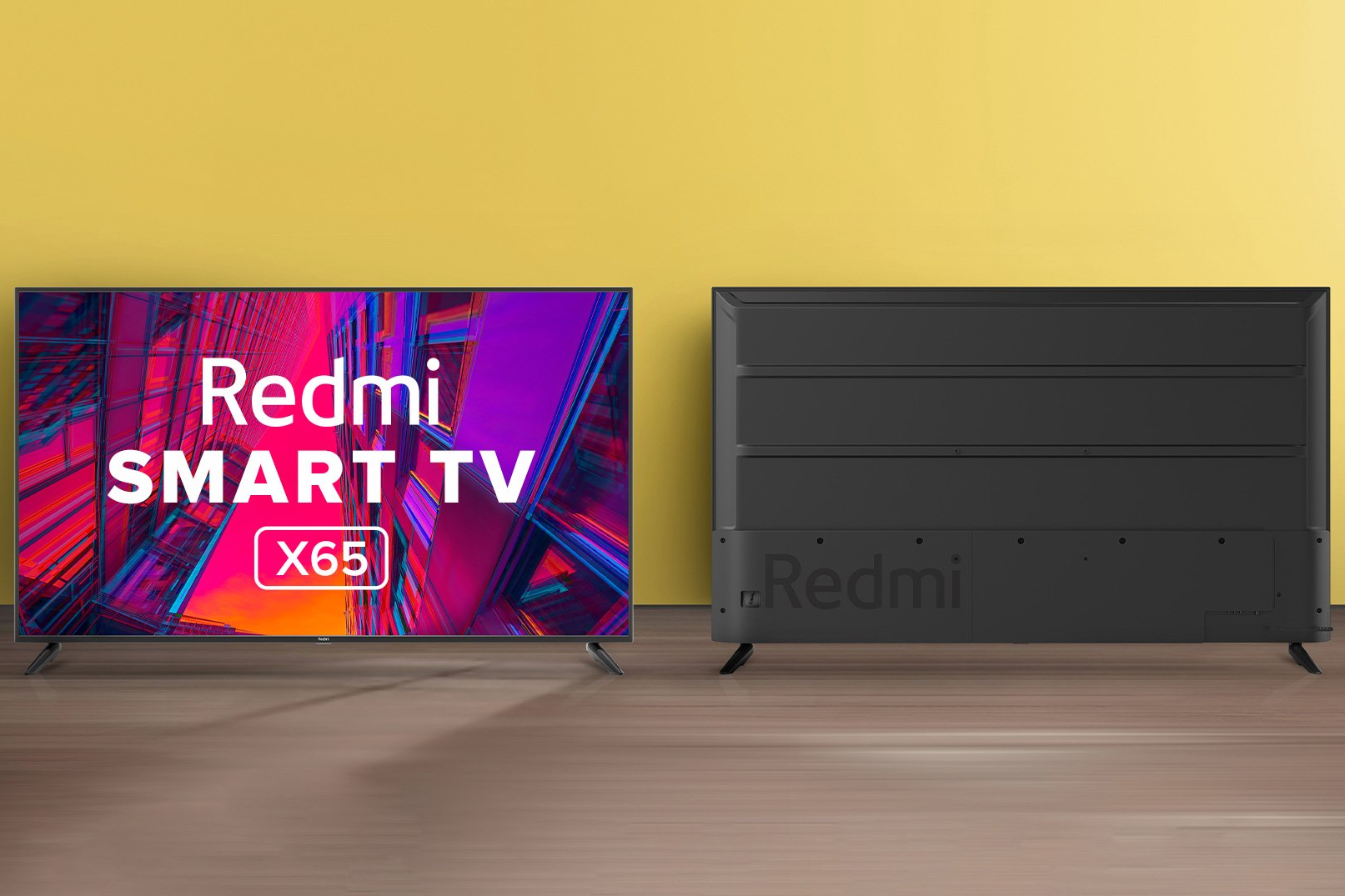
Xiaomi has officially introduced Redmi-branded smart televisions in India with the launch of the Redmi Smart TV X series. The lineup includes a total of three models (X65, X55, X50), which only differ in size and not specs. Also, it is worth noting that the products announced in India are different than the original Redmi Smart TV X series that was unveiled in late May 2020 in China.
Redmi Smart TV X65 / X55 / X50 India Specifications and Features
The newly launched Redmi Smart TV X series in India flaunts a LED-backlit LCD panel with a resolution of 3840 x 2160 pixels (4K), 85% NTSC color gamut, and 92% DCI-P3 color gamut. The screen also supports Reality Flow (software-based MEMC), Vivid Picture Engine (proprietary color profile), all the popular HDR standards, such as HDR10, HDR10+, HLG, and Dolby Vision.
As far as size is concerned, like their name suggests, the X65, X55, and X50 feature a 65-inch, 55-inch, and 50-inch display respectively.
Further, these televisions are powered by an unknown 64-bit SoC with a quad-core ARM Cortex-A55 CPU and ARM Mali G52 MP2 GPU. They come with 2GB RAM, 16GB internal storage, and run Android TV 10 with PatchWall content aggregation launcher.
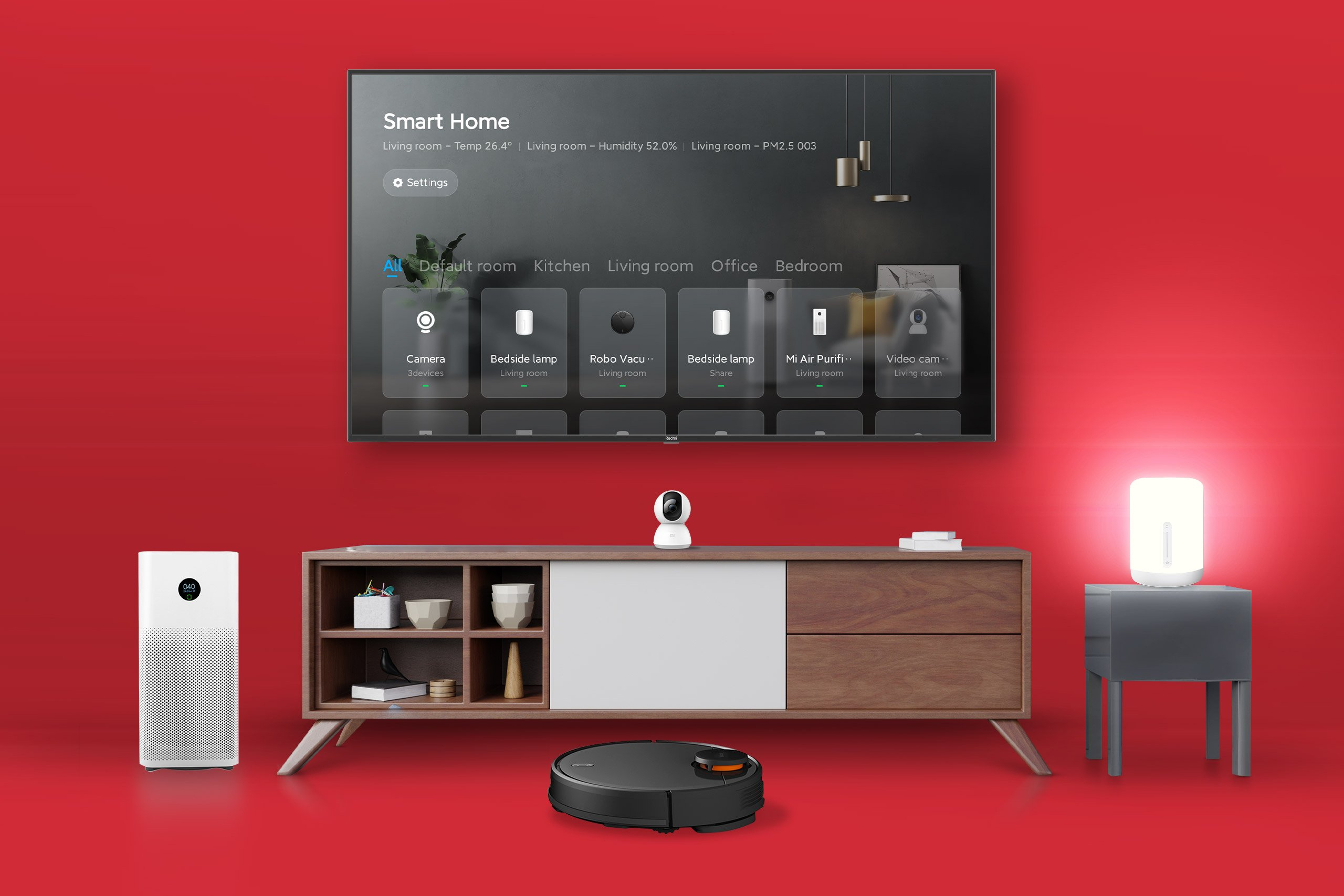
Xiaomi Mi Home app on the Redmi Smart TV X series
The TVs support almost all the popular streaming services (25+), Chromecast Built-in, Google Assistant, and even ships with the Mi Home app (for the first time in India) to manage Xiaomi smart products.
On the connectivity front, the televisions come with dual-band WiFi, Bluetooth 5.0, 3 x HDMI 2.1 with support for ALLM (Auto Low Latency Mode) and eARC (only one, Dolby Atmos pass-through), 2 x USB 2.0, AV input, 1 x optical, antenna, 3.5mm headphone jack, and ethernet.
Taling about audio, these TVs sport 2 x 15W speakers, which are capable of providing a maximum output rate of 30W. These speakers support Dolby Audio, DTS-HD, and DTS Virtual: X (via OTA update).
1 of 3
Redmi Smart TV X50
Redmi Smart TV X55
Redmi Smart TV X65
Other features of these Redmi televisions include a new remote control (slightly different than Mi TV remote), Quick Wake (boot up in 5 seconds), Quick Settings (long press PatchWall button), Mute (Double-click Volume Down key), Universal Search. Kids Mode, Smart Recommendations, Live TV, User Centre, Celebrity Watchlist, and India’s Top 10.
Last but not least, the cardboard box of the Redmi Smart TV X series can be used to build a DIY bookshelf.
Redmi Smart TV X65 / X55 / X50 India Price and Availability
The Redmi Smart TV X series will go on sale for the first time at 12 PM, March 26 for the following price tags.
Redmi Smart TV X65 – ₹57,999 ($799)
Redmi Smart TV X55 – ₹38,999 ($537)
Redmi Smart TV X50 – ₹32,999 ($455)
These televisions can be purchased from Mi.com, Amazon India, Mi Home stores, and Mi Studio stores. For a limited time, customers can avail a flat ₹2,000 discount by using an ICICI Credit Bank credit card. Also, they can save up to ₹1,700 on subscriptions of Zee5, Aha, Hungama Play, and Hoichoi.
The Redmi Smart TV X series will be also available at partner retail stores across India in the near future.
Huawei announced that it witnessed its largest ever jump in patent ownership last year. This included a variety of patents that it owns, which arrives after the company ramped up its analysis and growth effort in 2020.
According to a FinancialTimesreport, the Chinese tech giant raised its efforts in innovation after it was placed in the Entity List trade ban, which essentially made it mandatory for US based firms to acquire license to trade with Huawei. Furthermore, the company also had its chip supply from TSMC cut off after the Trump administration reinforced restrictions on the company. Due to this, the brand’s smartphone shipments fell sharply within the final quarter of last year.
Thus, the smartphone maker ramped up its patent applications, with the firm holding more than 100,000 patents in 2020. This is up from 85,000 patents from a year prior, marking the highest annual jump of patents from the company. Notably, Huawei also ranks as the biggest patent holder, accounting for a large share of patents for a variety of fields like telecom equipment, 5G technology, and more.
The company has even filed for patents in applied sciences as well, including artificial intelligence. Additionally, the company was also the largest applicant in the World Intellectual Properaty Organization (WIPO). This move is also a part of the company’s efforts to raise its revenue from patent licensing, with it pushing for 5G mobile tech related patents in the US.
China based firms that were previously targeted by the ban imposed by the Trump administration are now considering filing lawsuits against the US government. This news arrives after a federal judge suspended a similar ban earlier this month, which was imposed on Xiaomi.
According to a Reutersreport, lawyers close the matter with a few of the blacklisted Chinese companies are in talks with various law firms like Steptoe & Johnson and Hogan Lovells. These firms are eyeing a lawsuit after US District Judge Rudolph Contreras’s preliminary order halted the inclusion of Chinese tech giant, Xiaomi, on the list of companies that allegedly have ties to the Chinese military. For those unaware, these blacklisted firms faced an investment ban in the US.
As per Wendy Wysong, managing partner of the Hong Kong office of Steptoe & Johnson, “Companies are reaching out to lawyers to challenge the listings and the grounds for the listings.” However, Wysong and sources close to the matter from Hogan Lovells have declined to name the companies involved in discussions. Notably, the process for including companies in the investment ban has been called “deeply flawed” by Contreras.
This is due to blacklisted companies on two key criteria, which is its development of 5G technology and artificial intelligence. The latter is what the Defense Department alleges are “essential to modern military operations.” Washington lawyer Brian Egan stated that “The facts that led to Xiaomi’s designation are almost laughable, and I think it absolutely is going to lead to additional companies seeking relief.”
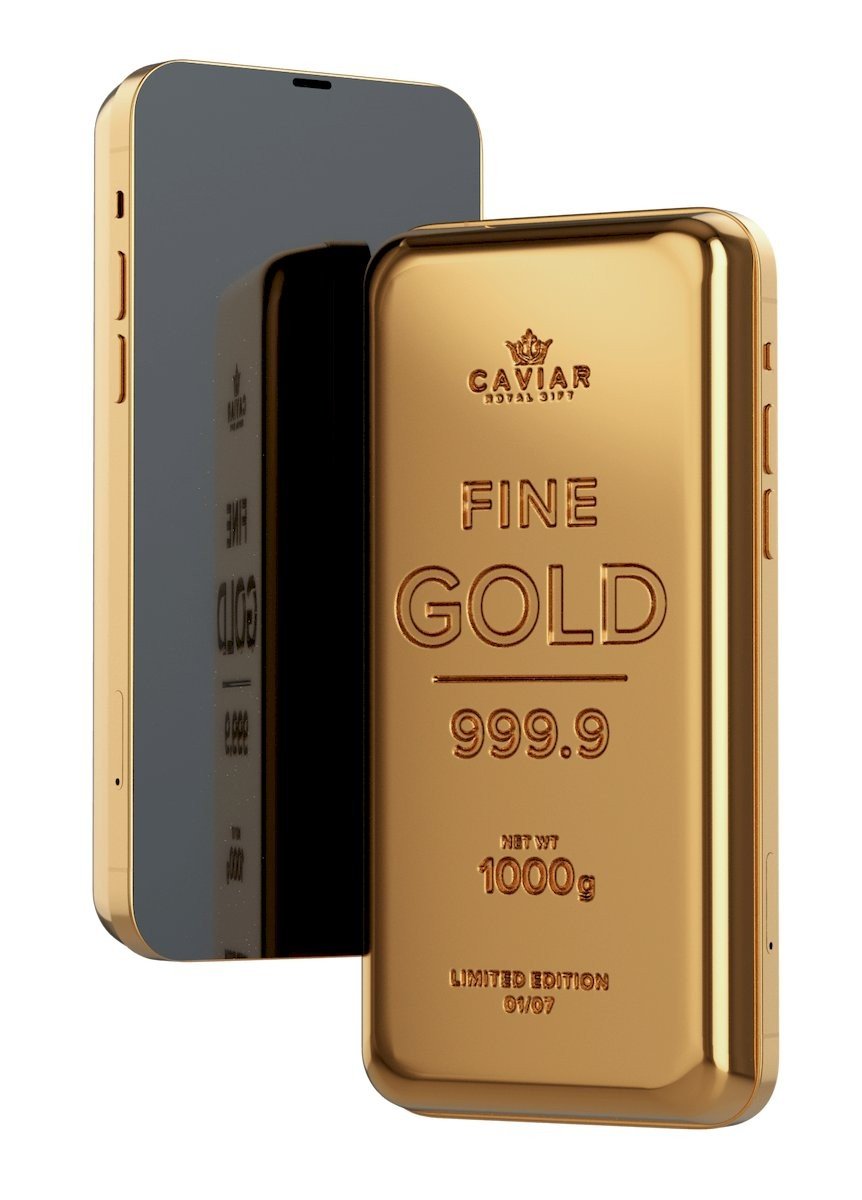
Apple iPhone 12 Pro and Samsung Galaxy S21 Ultra are two of the most advanced smartphones from these brands available in the market. Now Caviar, a Russian company that turns devices into luxury products, is given those two phones a gold treatment.
Both the smartphones — iPhone 12 Pro and Galaxy S21 Ultra, redesigned by Caviar uses 24-carat gold. This is the first time the Russian company is using purest 999.9 gold as the company has so far used 18-carat gold.
The devices come in the shape of a gold bar, weighing 1 kilogram each. While the company has managed to retain most of the features of these smartphones, they have compromised the camera module for the gold bar look.
On the back of the phones, there’s a Caviar logo, right below the engraved text that says “Fine Gold 999.9” and the weight of the device. There’s also a “Limited Edition” engraving on the phone as the company has said that there are only 7 units of them.
Given that gold is a very soft metal, the usage of pure gold means that the phones are not suitable for daily use. The smartphones will be shipped by the company in a luxurious white case-safe that is secured by a combination lock. As for the pricing, they start at $159,000, making them unaffordable for most people.
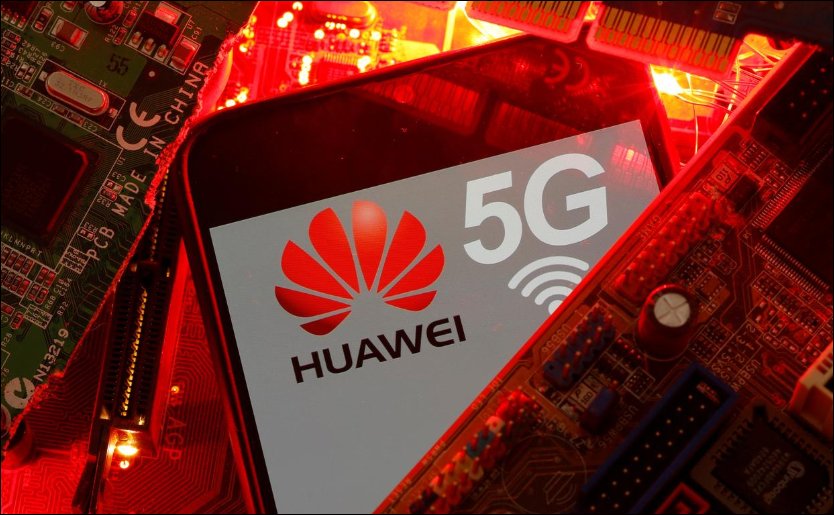
Earlier this week, Huawei Technologies revealed its royalty rate for licensing its 5G mobile technology for the first time since the company and other China based firms were designated as national security threats.
According to a SCMPreport, Jason Ding, the head of intellectual property at Huawei, made the announcement and revealed its licensing push during a speech on Tuesday at an innovation forum event in Shenzhen, China. During the event, the Chinese tech giant introduced its latest intellectual property white paper as well. As per Ding, “We believe licensing should balance return on investment and cost pressures of implementation in the industry. For every phone that complies with 5G standards, we will not seek a royalty rate higher than US$2.5 per unit.”
Through this, the smartphone maker hopes that the rates “will give implementers of 5G technology a clear number they can rely on for cost estimation and investment decisions. Our goal is to promote broader adoption of 5G across all industries.” For those unaware, Huawei was placed in the trade blacklist by the Trump administration back in 2019, despite being the largest technical contributor to global 5G standards.
As per the report, the company’s revenue from patent licensing alone between 2019 and 2021 is estimated to be somewhere around 1.2 billion US Dollars to 1.3 billion US Dollars. Notably, the effort for licensing its 5G technology and generating revenue also highlights the company’s current situation as it struggles due to the various sanctions against it. The company has had restrictions ranging from access to advances chips, to even technology made in the US imposed on it.
The upcoming iQOO Z3 is in the news since January. This smartphone was certified by 3C earlier this month. A few days later, some of its specs were tipped by a leakster. Now, not only the company officially teases this phone’s launch but it also appears on Google Play Console.
The official Weibo account of iQOO has shared a teaser poster for new smartphones. The company calls one of these devices‘ ‘little prince of speed’. The teaser image clearly hints at the phone’s name with a Z made of three stripes – iQOO Z3.
At the same time, this handset has been also spotted on Google Play Console. According to the listing, the iQOO Z3 with model number vivo V2073A will be powered by Qualcomm Snapdragon 765G.
The device will come with 6GB RAM and an FHD+ display with a resolution of 1080 x 2408 pixels Further, the screen will have a DPI of 480 and the handset will run Android 11.
As per previous reports, the forthcoming iQOO Z3 will arrive with 55W fast charging, a centered punch-hole display, 144Hz refresh rate, LPDDR4X RAM, UFS 2.2 storage, 4,500mAh battery, and a 48MP Sony IMX589 primary camera.
A leaker even claimed it to feature a MediaTek Dimensity 1200 SoC but that may not be the case going by the Google Play Console listing.
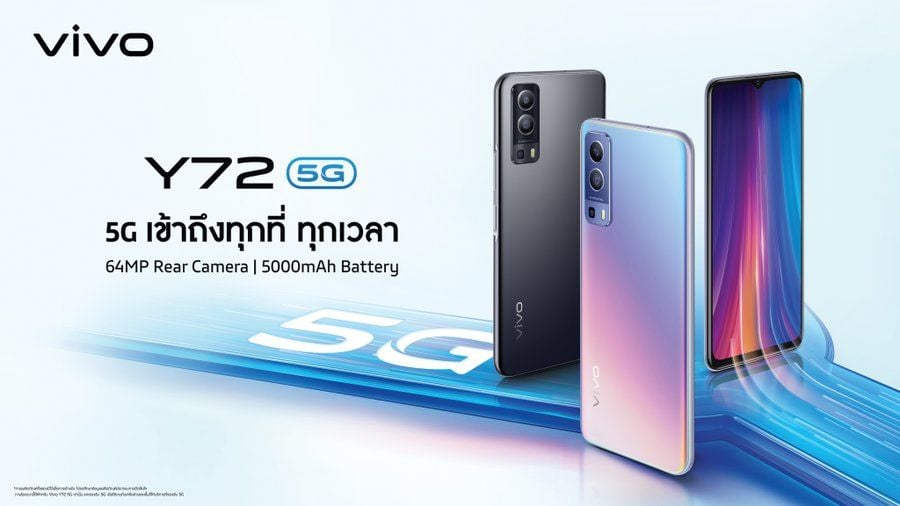
Vivo Thailand has confirmed that it will be launching a new smartphone called the Vivo Y72 5G on March 22. The official launch poster has revealed the design of the smartphone. At the same time, it has appeared at the Google Play Console (first spotted by Pricebaba) with some of its key specs.
According to Vivo, the Vivo Y72 5G will be the company’s first 5G-enabled Y-series in global markets. The handset features a teardrop notch on the front. The Google Play Console listing revealed that it supports a Full HD+ resolution of 1080 x 2408 pixels and a 440ppi pixel density.
The rear side of the Vivo Y72 5G has a vertical camera module that houses a triple camera unit led by a 64-megapixel primary camera. It is equipped with a side-mounted fingerprint scanner.
Vivo Y72 5G
The Play Console listing revealed that it is powered by the MediaTek MT6833V chip, which is the Dimensity 700 chip. The SoC is coupled with 8 GB of RAM. It is preinstalled with Android 11 OS. The official poster confirms that the device is backed by a 5,000mAh battery.
Rumors have it that the Vivo Y72 5G houses a 6.58-inch LCD screen and it may come with a 16-megapixel front-facing camera. Its triple camera setup may include an 8-megapixel superwide lens and a 2-megapixel macro/depth sensor. It may arrive with support for 18W fast charging. The color variants of the Y72 5G may carry Graphite Black and Dream Glow monikers.
Huawei has been working on its own operating system named HarmonyOS (HongMeng OS in China) for a couple of years and the company recently announced the updated second-generation operating system.
The software appears to be finally ready to be adopted for smartphones and Huawei is expected to use it on its upcoming flagship smartphones. The company also has plans to offer the mobile operating system to other manufacturers.
Answering a question from investors, ZTE’s executive clarified that the company has no plans of adopting Huawei”s HarmonyOS for its smartphones in 2021. In the current year, the company is putting in efforts to adopt 5G technology and unify its subsidiaries of smartphones — ZTE, Nubia, and Red Magic.
Huawei launched the HarmonyOS in 2019, soon after the company was barred from using Google’s Android operating system because of the sanctions imposed by the United States government. At the time, it was reported that the software developed by Huawei could be adopted by other Chinese smartphone manufacturers.
The Chinese giant is aiming to have over 200 million of Huawei’s own equipment running the HarmonyOS. It is also expecting around 100-200 million additional third-party equipment running the same operating system. We will just have to wait to know how many devices actually end up running this software by the end of this year.
Xiaomi recently started selling its Mi 11 flagship smartphone and is now gearing up to launch new devices in the coming weeks. It is set to launch a new variant of the Mi 11 smartphone, which could be Mi 11 Pro or Ultra, and a 67W charger for the same, with model number MDY-12-EF, which has already passed 3C certification.
In line with that, well-known leakster ‘Digital Chat Station’ now claims that Xiaomi is gearing up to launch several new products in the month of March and April. This includes flagship-grade phones, a foldable-screen phone, a new gaming smartphone, an ultra-thin phone, and an entry-level 5G phone.
Xiaomi Mi 11 Ultra Leak
Some reports indicate that the Xiaomi Mi 11 Ultra could soon get launched, with support for a 120x zoom, similar to what the company used in the Mi 10 Ultra. It is expected to pack 50MP + 48MP wide-angle lens + 48MP zoom camera. The device will be running the MIUI 12.5 custom UI and have 67W wireless charging support.
As for the smartphone with a foldable screen, a device with model number M2011J18C has passed the TENAA certification but more information about the smartphone isn’t available yet. This will be the company’s first foldable smartphone and is expected to have an inward folding mechanism.
Another device with model number M2101K9C has passed TENAA certification which features a 6.55-inch display with a punch-hole in the top-left corner and has a battery capacity of 4,150mAh. The device is quite thin in measurement and is expected to be the Mi 11 Youth Edition.
Coming to the gaming smartphone, it is likely to be a device under the Black Shark lineup. The company has already confirmed that it will be launching its next-generation gaming smartphone — Black Shark 4 on 23th March in China.
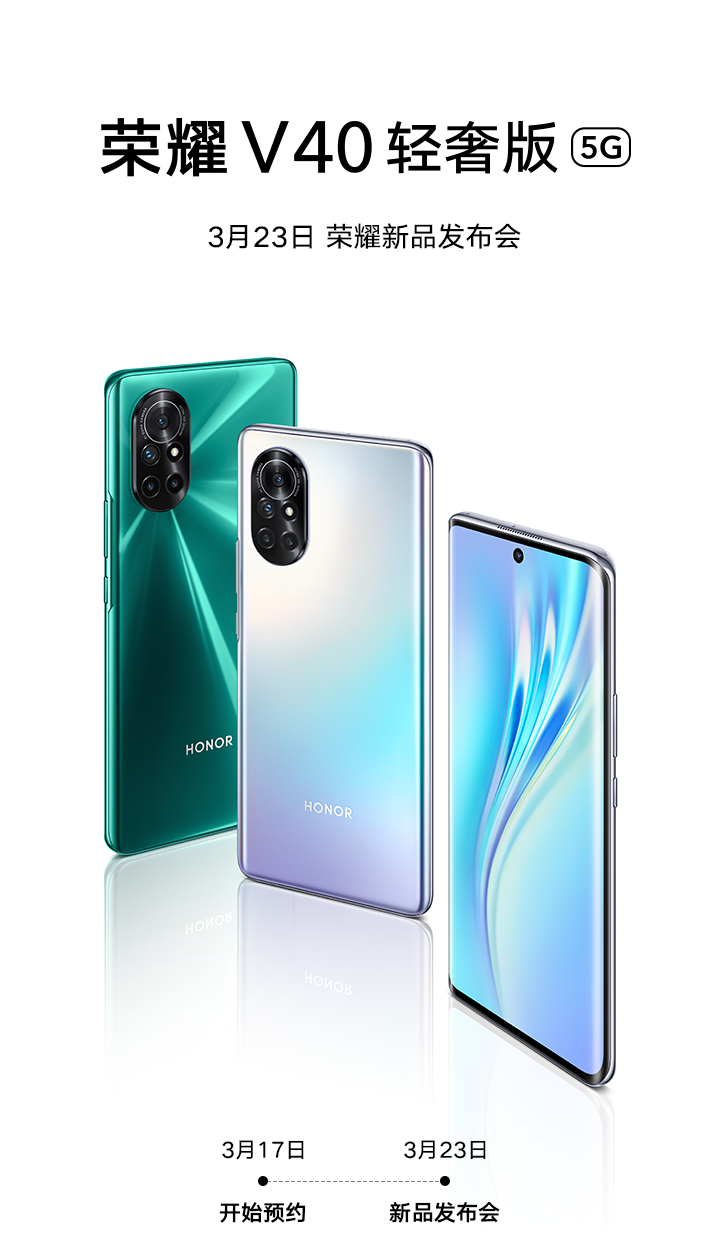
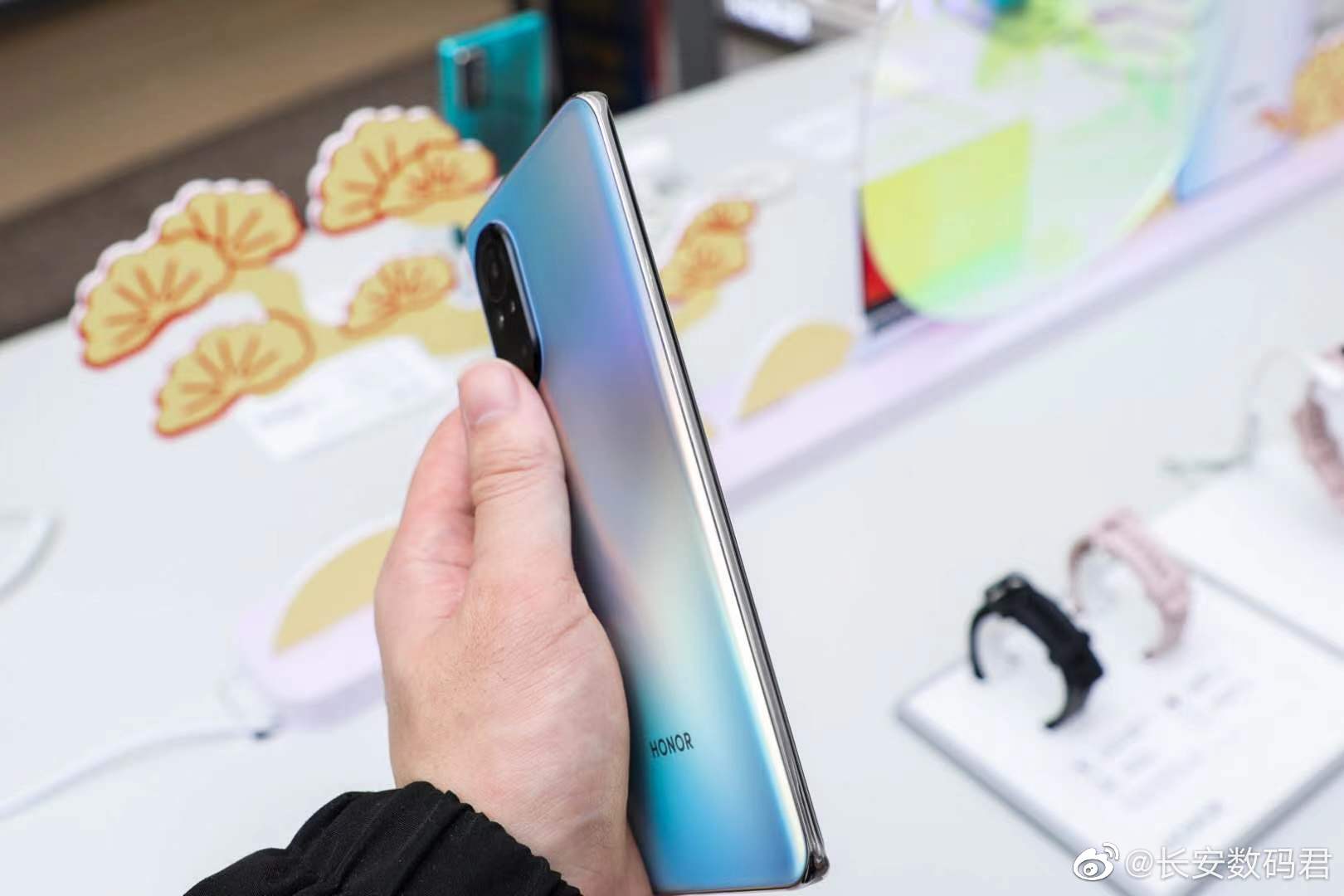
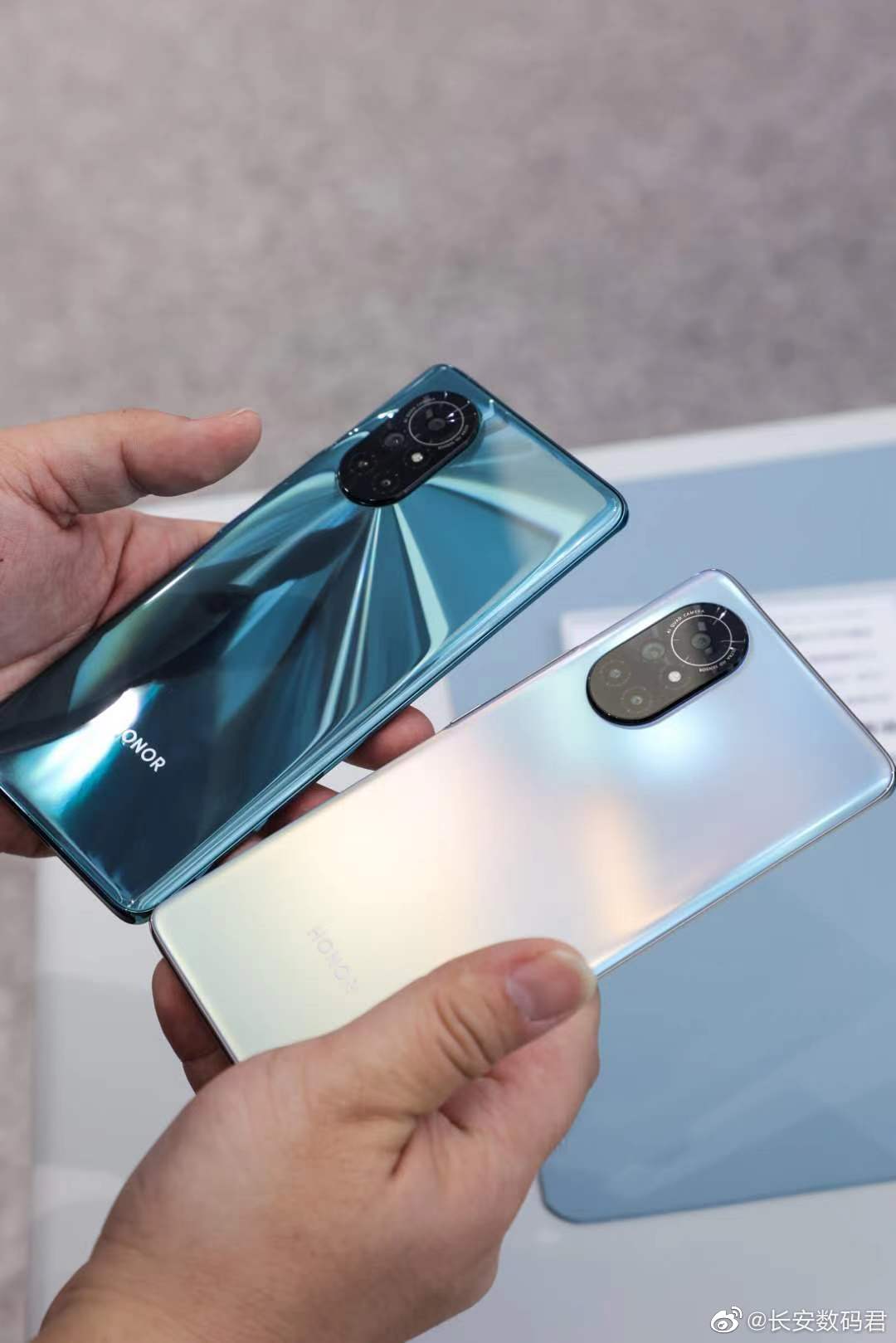
Today, Honor took to Weibo to confirm that a new smartphone named the Honor V40 Light Luxury Edition will debut on March 23 in China. Ahead of the launch, a couple of live shots of the smartphone have surfaced on the Chinese microblogging site.
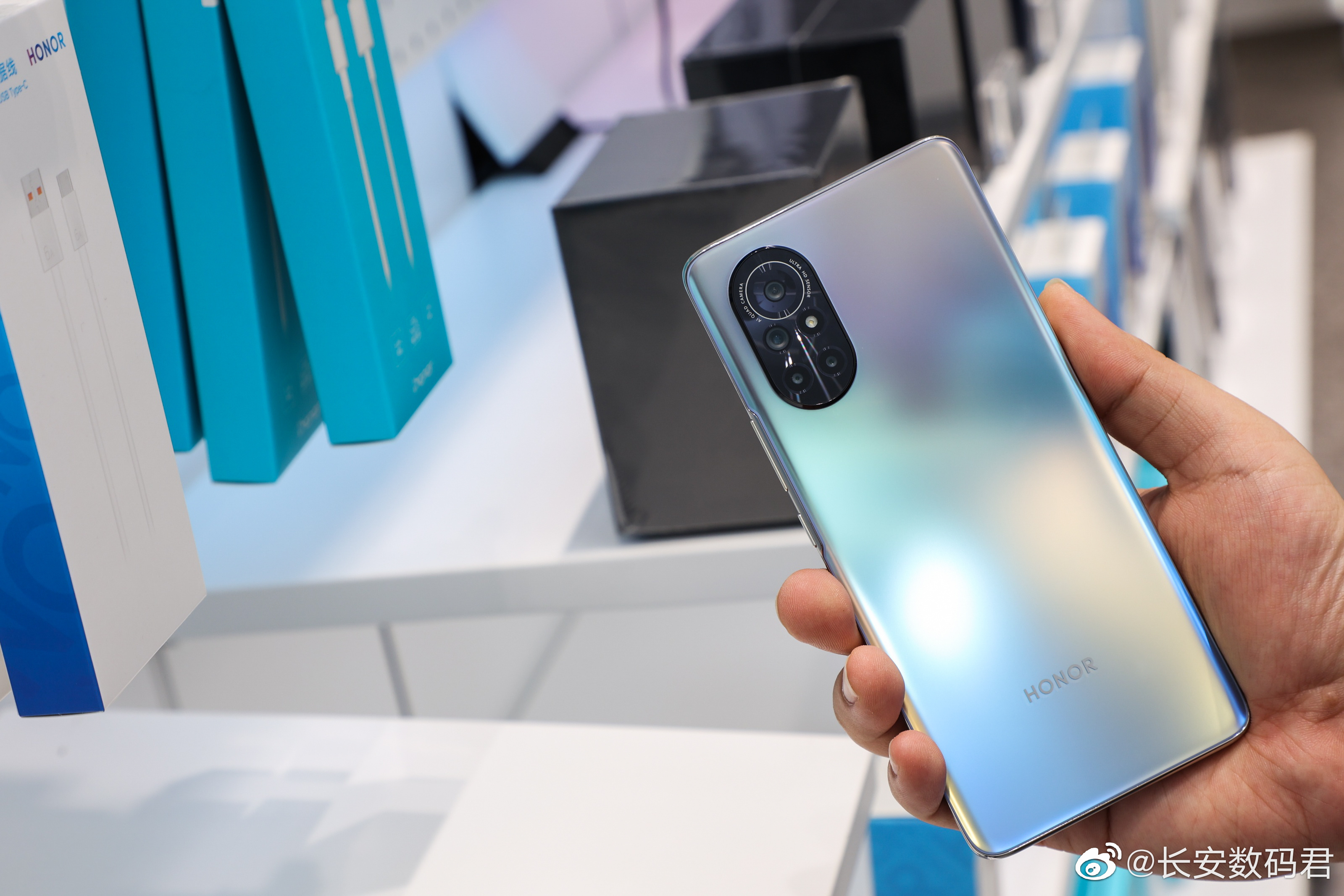
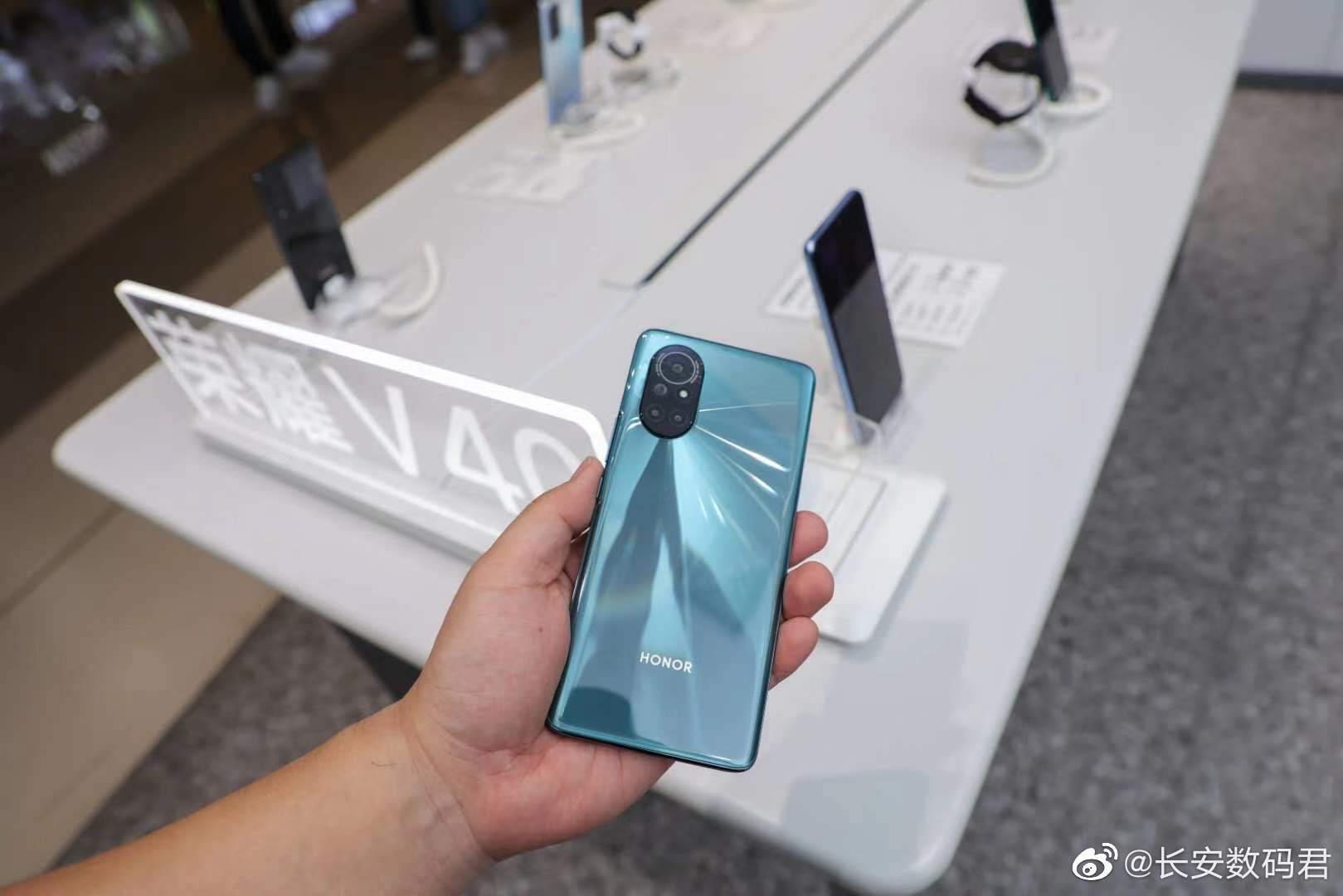
The Honor V40 Light Luxury Edition will be coming in hues such as green and white. In terms of appearances, the handset bears a resemblance to the Huawei Nova 8 5G, which debuted at the beginning of this year. It is now available for registrations through multiple retailers in China until March 23.
The smartphone flaunts a curved edge screen with a hole-punch cutout at the top-center position. The display is integrated with a fingerprint scanner. An oval-shaped camera island with four cameras and an LED flash is available on the backside of the phone. Shown below are some of the real-life images of the handset.
The Honor V40 Light Luxury Edition has a 6.57-inch OLED screen that delivers a Full HD+ resolution, a 10-bit color depth, 90Hz refresh rate, and a 240Hz touch sampling rate. It will come preinstalled with Android 11 OS.
The rear camera module of the Honor V40 Light Luxury Edition has a primary shooter of 64-megapixel, a superwide lens of 8-megapixel, and two 2-megapixel snappers for depth effects and macro images. For selfies, it is fitted with a 32-megapixel camera. The 3,800mAH battery of the Honor V40 Light Luxury Edition will be equipped with 66W fast charging support.
The Honor V40 Light Luxury Edition is expected to sell as the Honor V40 Lite in global markets. There is no word on the pricing of the device.
We use cookies on our website to give you the most relevant experience by remembering your preferences and repeat visits. By clicking “Accept”, you consent to the use of ALL the cookies.
This website uses cookies to improve your experience while you navigate through the website. Out of these, the cookies that are categorized as necessary are stored on your browser as they are essential for the working of basic functionalities of the website. We also use third-party cookies that help us analyze and understand how you use this website. These cookies will be stored in your browser only with your consent. You also have the option to opt-out of these cookies. But opting out of some of these cookies may affect your browsing experience.
Necessary cookies are absolutely essential for the website to function properly. This category only includes cookies that ensures basic functionalities and security features of the website. These cookies do not store any personal information.
Any cookies that may not be particularly necessary for the website to function and is used specifically to collect user personal data via analytics, ads, other embedded contents are termed as non-necessary cookies. It is mandatory to procure user consent prior to running these cookies on your website.