Advertisement

Huawei HMS for Car will feature on the 2021 Mercedes-Benz S-Class

In an effort to keep its business afloat after the US government blocked access to components for its smartphones, Huawei turned to other businesses that weren’t affected by the US ban. One such aspect is the development of smart cloud solutions for cars. One of such solutions is the HMS for Car solutions.Huawei HMS for Car

After the US ban prevented Huawei from using Google Mobile Services, it unveiled its own version dubbed  Huawei Mobile Services (HMS). The company, later on, showcased a custom version for cars called Huawei HMS for Car. Last year, Huawei’s rotating chairman Guo Ping disclosed that the company was in talks with manufacturers to use the HMS. Apparently, German car maker Mercedes will be deploying the HMS for Car on the 2021 Mercedes Benz S-Class. This was disclosed by Yu Chengdong, the CEO of Huawei’s consumer business. Huawei HMS for Car
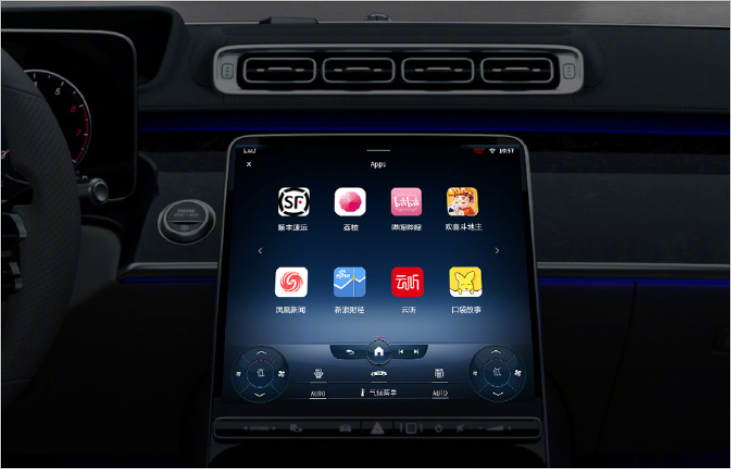
The Huawei CEO touts HMS for Car to deliver a fast application service that will allow users to enjoy various in-car leisure and entertainment functions such as reading news, listening to stories, watching videos, and playing games while driving. He also disclosed that as a smart car cloud service solution, HMS for Car will continue to provide everyone with a high-quality travel life based on the rich application ecosystem of Huawei cloud services.

The accompanying posters show that the smart display installed on the car will feature several apps with icons of various apps such as SF Express, Lychee, Bilibili, etc. seen on the display screen. There is likely going to be more apps and we expect the users to have access to Huawei’s app store to download more apps as desired.
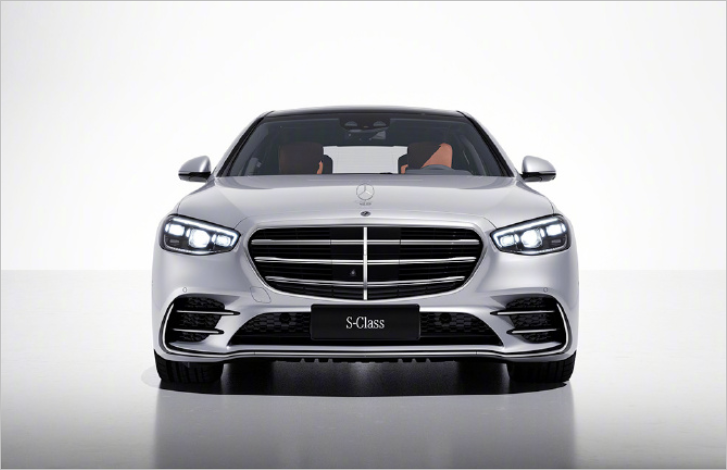
We can’t say for sure if this solution will be on the China models of the S-Class but we believe it will be for China only since Mercedes already uses Android Auto for most of its models in Europe and elsewhere.

The Mercedes Benz S-Class is said to include the S400L, S450L, and S500L models, with prices starting at 899,000 yuan (around $139,046. The car’s central control screen utilizes a massive 12.8-inch OLED screen having a resolution of 1888×1728 pixels. The in-vehicle system onboard the sleek ride also includes a voice assistant and the software can be updated remotely via OTA push.

Recall that BYD General Manager Zhao Changjiang recently disclosed also that the company will utilize Huawei HMS for Car on the BYD Han. This brings to two the number of car manufacturers that are already deploying Huawei’s cloud solution. We expect more brands to come on board soon.

RELATED;

(via)

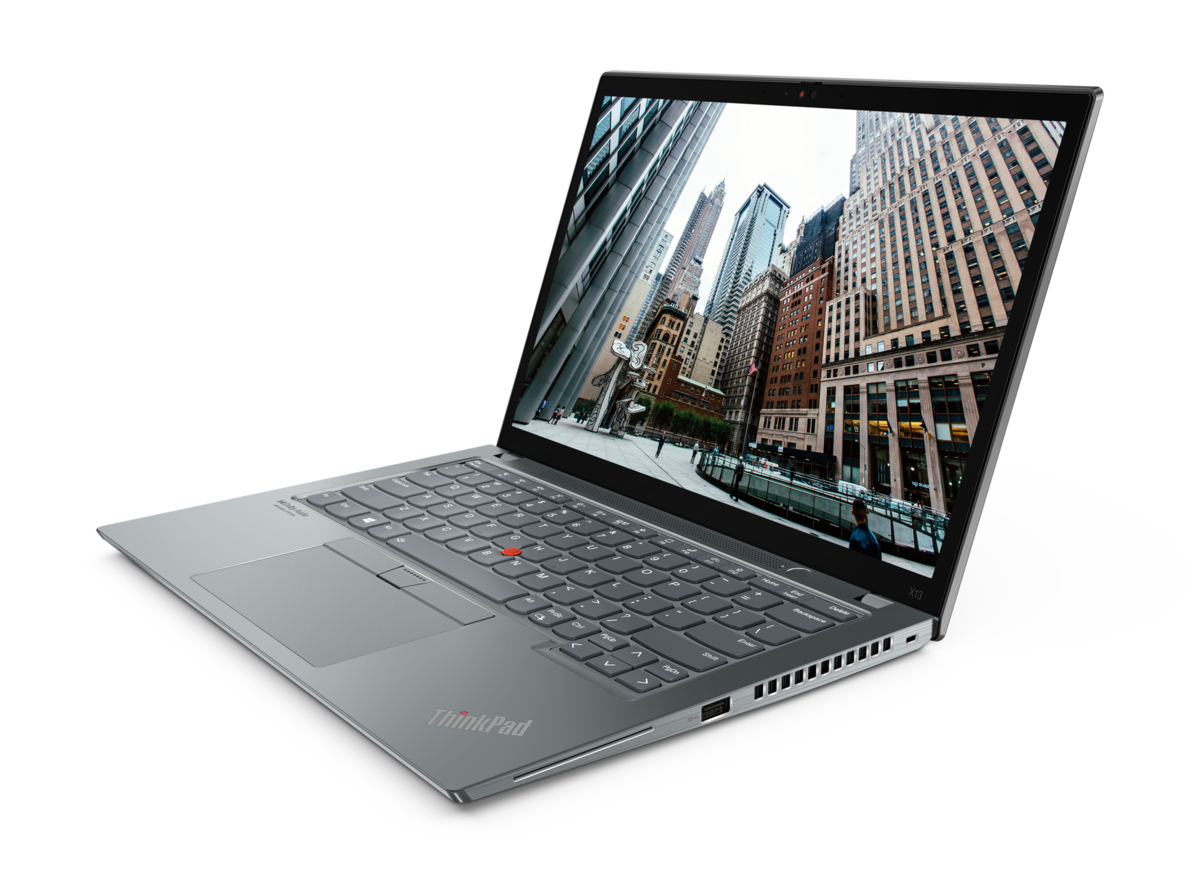
Lenovo ThinkPad X13 Gen 2 launched with 16:10 display, Wi-Fi 6e, and optional 5G support

Lenovo has announced the newly refreshed Lenovo ThinkPad X13 Gen 2 which the company continues to offer in two options — Intel and AMD chipsets, upgraded to the latest processors from both the companies.

The first major update is in the form of display. It now comes with a taller aspect ratio of 16:10, which is said to be better suitable for productivity work. The company continues to offer several 13.3-inch options in WUXGA and WQXGA resolutions.

Lenovo ThinkPad X13 Gen 2

To differentiate between different models, the company has decided to call the laptops powered by the Intel chipsets ThinkPad X13 Gen 2 i, which will be powered by the latest 11th generation Intel Core i7 chips with vPro support.

On the other hand, the AMD-powered models will come with the latest AMD Ryzen 5000 chips. This model removes the Thunderbolt 4 port and the user only has USB-C. The company is yet to reveal full specs of this model.

The Intel-powered model has two USB-A ports, two Thunderbolt 4 ports, a full-size HDMI port, and an analog audio port. For connectivity, the device offers options that range from Wi-Fi to Wi-Fi 6E as well as LTE 4G and 5G modem.

It also comes with an option for a 1080p webcam along with support for Windows Hello biometric support. The company is offering two options for the battery — 54.7Wh or 41Wh.

The Lenovo ThinkPad X13 Gen 2 i (Intel model) will be available for purchase from next month for a price of $1,299 while the AMD-powered model will be available from May this year, with its price starting at $1,139.

RELATED: 

Samsung Galaxy Z Fold 3 could be the spiritual successor to Galaxy Note 20

Samsung, breaking with the tradition, started offering the S-Pen stylus with the Galaxy S-series phones, starting with the Galaxy S21 lineup. Earlier, the support for stylus was limited to the Galaxy Note series only.

The reason behind this change is rumored to be the discontinuation of the Galaxy Note series. Several reports have pointed out that Samsung is done with the Note-series and isn’t expected to launch the Note 21 series this year.

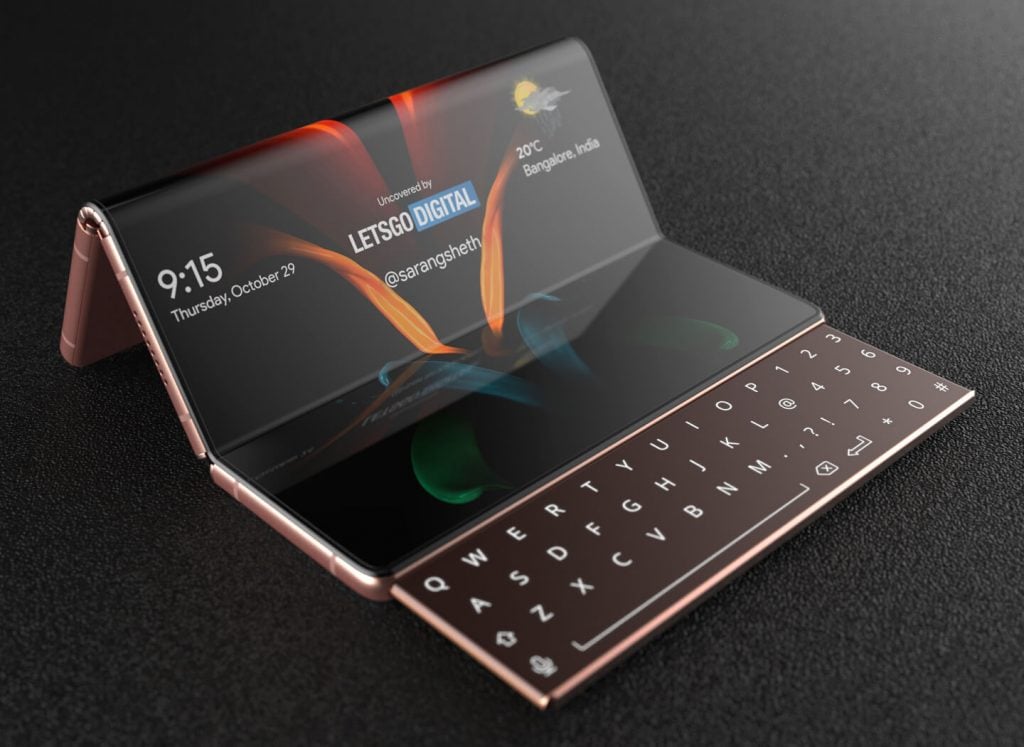
Samsung Galaxy Z Fold 3 Concept
Samsung Galaxy Z Fold 3 Concept Render

Now, the latest report from ‘Ice universe’ claims that the upcoming Samsung Galaxy Z Fold 3 will be the spiritual successor of the Note 20 lineup. It is said to double up as a Note series device and come with the latest cutting-edge technologies.

There is also speculation that the Galaxy Z Fold 3 will become the second non-Note series smartphone from Samsung to come with support for the S-Pen stylus. The phone could also be the first from the South Korean giant to feature under-display camera sensor.

While not much is known about the phone’s specifications at this time, we expect the device to come powered by the Qualcomm Snapdragon 888 chipset with at least 256GB of internal storage. It will be running the latest Android 11 operating system with the company’s own One UI 3.5 on top.

Reports indicate that Samsung will start mass producing the upcoming Galaxy Z-series foldable smartphone around June and thus, the device should get launched around September, similar to its predecessor, the Galaxy Z Fold 2.

RELATED: 

Message Scheduling comes to Google Messages

Google lets you schedule when you want an email sent on Gmail. Now, a similar feature is rolling out to Google Messages.

Google Messages Logo Featured

Called “Schedule Send”, users will now be able to set when they want a message sent to a recipient. Android Police reports that the feature was first available for a few users back in November 2020. Now, it is getting a wider rollout.

Schedule Send is pretty easy to use. Once you type your message, press and hold the send button. You get a dialog box that shows you some preset times and dates that you can choose to have the message sent. There is also an option to choose your own date and time. Once done, tap the send button and the message will have a “Scheduled message” tag underneath it.

Users will be able to update or delete the message before the chosen date and time. You can also choose to have the message sent immediately. Do note that the message will only send if your phone is turned on at that time or connected to the internet (in case you use the chat feature of Google Messages).

Schedule Send is rolling out as a server-side switch, so even if you have the latest version of Google Messages, it doesn’t mean you have the feature already. We expect it to be available to most users in the next few days.

This is a nice feature to have but many Android phones will be missing out on it as a lot of manufacturers ship their phones with their own messaging app. However, you can install the Google Messages app from the Play Store and set it as your default messaging app if this is a feature you really want.

RELATED:

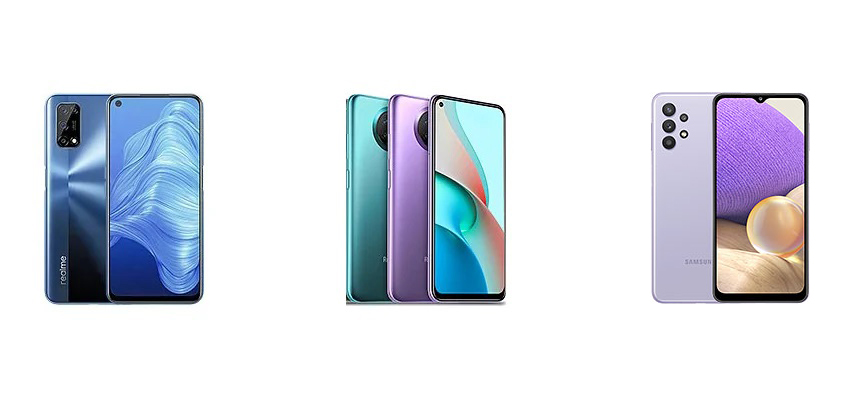
Realme 7 5G vs Redmi Note 9T 5G vs Samsung Galaxy A32 5G: Specs Comparison

I recently got a unit of the Realme 7 5G which is actually one of the most affordable 5G phones in the global market. I was impressed by its potentialities and I realized that most people do not even need a higher-end device to get a great user experience and 5G in the same phone. But there are also a lot of other affordable 5G phones in the global market. Among the most interesting ones in the actual market, we got the Redmi Note 9T 5G by Xiaomi and the Galaxy A32 5G by Samsung. We decided to publish this specs comparison because we wanted to help our readers to make the best choice while looking for an affordable 5G phone among the latest ones.


Realme 7 5G vs Xiaomi Redmi Note 9T 5G vs Samsung Galaxy A32 5G

Realme 7 5G Xiaomi Redmi Note 9T 5G Samsung Galaxy A32 5G
DIMENSIONS AND WEIGHT 162.2 x 75.1 x 9.1 mm, 195 grams 161.2 x 77.3 x 9.1 mm, 199 grams 164.2 x 76.1 x 9.1 mm, 205 grams
DISPLAY  6.5 inches, 1080 x 2400p (Full HD+), IPS LCD 6.53 inches, 1080 x 2340p (Full HD+), 395 ppi, 19.5:9 ratio, IPS LCD 6.5 inches, 720 x 1600p (HD+), 270 ppi, 20:9 ratio, TFT LCD
PROCESSOR Mediatek Dimensity 800U, octa-core 2.4 GHz Mediatek Dimensity 800U, octa-core 2.4 GHz Mediatek Dimensity 720, octa-core 2 GHz
MEMORY  6 GB RAM, 128 GB – 8 GB RAM, 128 GB – micro SD slot 4 GB RAM, 64 GB – 4 GB RAM, 128 GB – micro SD dedicated slot 4 GB RAM, 64 GB – 4 GB RAM, 128 GB – 6 GB RAM, 128 GB – 8 GB RAM, 128 GB – micro SD slot
SOFTWARE  Android 10, Realme UI Android 10, MIUI Android 11, One UI
CONNECTIVITY  Wi-Fi 802.11 a/b/g/n/ac, Bluetooth 5.1, GPS Wi-Fi 802.11 a/b/g/n/ac, Bluetooth 5.1, GPS Wi-Fi 802.11 a/b/g/n/ac, Bluetooth 5, GPS
CAMERA  Quad 48 + 8 + 2 + 2 MP, f/1.8 + f/2.3 + f/2.4 + f/2.4
16 MP f/2.1 front camera
 Triple 48 + 2 + 2 MP  f/1.8, f/2.4 and f/2.4
13 MP f/2.3 front camera
Quad 48 + 8 + 5 + 2 MP f/1.8, f/2.2, f/2.4 and f/2.4
13 MP f/2.2 front camera
BATTERY 5000 mAh, fast charging 30W  5000 mAh
Fast charging 18W
5000 mAh, Fast charging 15W
ADDITIONAL FEATURES Dual SIM slot, 5G Dual SIM slot, 5G Dual SIM slot, 5G

Design

If we look at the rear sides of these phones, the Samsung Galaxy A32 5G has the most interesting one, at least in my opinion. Its rear cameras are integrated on the back cover without an invasive square-shaped or rectangle-shaped camera module. On the other hand, if we look at the front panel, the Samsung Galaxy A32 5G is the most disappointing because of a lower screen-to-body ratio and the waterdrop notch. With the Realme 7 5G and the Redmi Note 9T 5G you get a higher screen-to-body ratio and a punch-hole design. In each case, you get a side-mounted fingerprint reader.


Display

The display of the Samsung Galaxy A32 5G is all but exciting. It is a below-average TFT LCD panel with a below-average HD+ resolution. You would expect such a display from an entry-level phone, but not a mid-ranger. The Redmi Note 9T 5G sits in the middle with its 6.53-inch IPS display boasting a Full HD+ resolution. The best one is definitely the Realme 7 5G with its Full HD+ display sporting a 120 Hz refresh rate. Besides its very high refresh rate, the Realme 7 5G also offers a higher brightness (the typical brightness is 480 nits, against 450 nits offered by Redmi Note 9T 5G).


Hardware/Software

Not only the best display: Realme 7 5G is even equipped with the best hardware setup. The phone packs the Dimensity 800U chipset by MediaTek, just the Redmi Note 9T 5G, but it ships with more RAM. You get either 6 or 8 GB, while Redmi Note 9T 5G only comes with 4 GB of RAM. The internal storage is 128 GB. The Samsung Galaxy A32 5G loses the comparison again with a Dimensity 720 SoC, but it has 8 GB of RAM, unlike the Redmi Note 9T 5G. Further, Samsung Galaxy A32 5G runs Android 11 out of the box (Realme 7 5G and Redmi Note 9T 5G are still based on Android 10) and it will likely get longer software support.


Camera

The most advanced rear cameras are on board of the Samsung Galaxy A32 5G: it packs a 48 MP main sensor and an 8 MP ultrawide sensor like the Realme 7 5G, but the macro camera has a higher 5 MP resolution (the Realme 7 5G has an inferior 2 MP macro camera). On the other hand, the Realme 7 5G is a better selfie phone with its 16 MP front snapper. Redmi Note 9T 5G is disappointing as it lacks an ultrawide sensor and it has an inferior selfie camera as well.


Battery

Redmi Note 9T 5G, Realme 7 5G, and Samsung Galaxy A32 5G have the same battery capacity: 5000 mAh. But the Samsung Galaxy A32 5G should have a longer battery life because its display has an inferior HD+ resolution. On the other hand, Realme 7 5G charges faster with its 30W fast charging technology.


Price

Realme 7 5G is priced at €279/$339 in the global market, Redmi Note 9T 5G starts from €229/$278, and Samsung Galaxy A32 5G costs €299/$363. The Realme 7 5G wins the comparison due to its better hardware, display, and faster charging.


Realme 7 5G vs Xiaomi Redmi Note 9T 5G vs Samsung Galaxy A32 5G: PRO and CONS

Realme 7 5G

PROS

  • 120 Hz display
  • 30W fast charging
  • Great selfie camera
  • Reverse charging

CONS

  • Nothing particular


Xiaomi Redmi Note 9T 5G

PROS

  • Stereo speakers
  • Affordable price
  • Water-repellent
  • IR blaster

CONS

  • No ultrawide sensor


Samsung Galaxy A32 5G

PROS

  • Longer software support
  • Android 11 out of the box
  • Better rear cameras
  • Good rear design

CONS

  • Inferior display


RELATED

Check the latest videos from our YouTube channel and subscribe:

Retail box of the Redmi Note 10 reveals it has an AMOLED display

Just a day after an image of the Redmi Note 10 Pro’s retail box was posted on the internet, baring the design of the upcoming phone, another image, this time of the retail box of the Redmi Note 10 has surfaced too.

We get a good look at the Redmi Note 10 via a photo of its retail box which was shared on Twitter by Abhishek Yadav (@yabhishekhd). However, unlike the retail box of the Redmi Note 10 Pro which only has the photo of the phone, this includes a few key specs as well, one of which fans will be excited for.

As shown in the photo, the Redmi Note 10 will have an FHD+ AMOLED DotDisplay. The screen has a centered punch hole for the camera and has a bit of bezel at the bottom. It doesn’t mention a high refresh rate, so the screen is most likely a 60Hz one.

The retail box also says that the phone has 48MP quad (rear) cameras. The design of the camera array is similar to that of the Redmi Note 10 Pro albeit with some little differences. For example, there is no silver accent around the main camera of the Redmi Note 10 and it has a pill-shaped flash rather than a circular one. Another difference is that the Redmi Note 10 Pro appears to have a laser focus system for better focusing.

The Redmi Note 10 is shown in green on the retail box. We expect there will be other colors too and you will be able to tell what color is inside the box by the image outside.

One key info we should note is that this is the Redmi Note 10 for India. The one that will be sold in Europe and some other markets might be different.


RELATED:


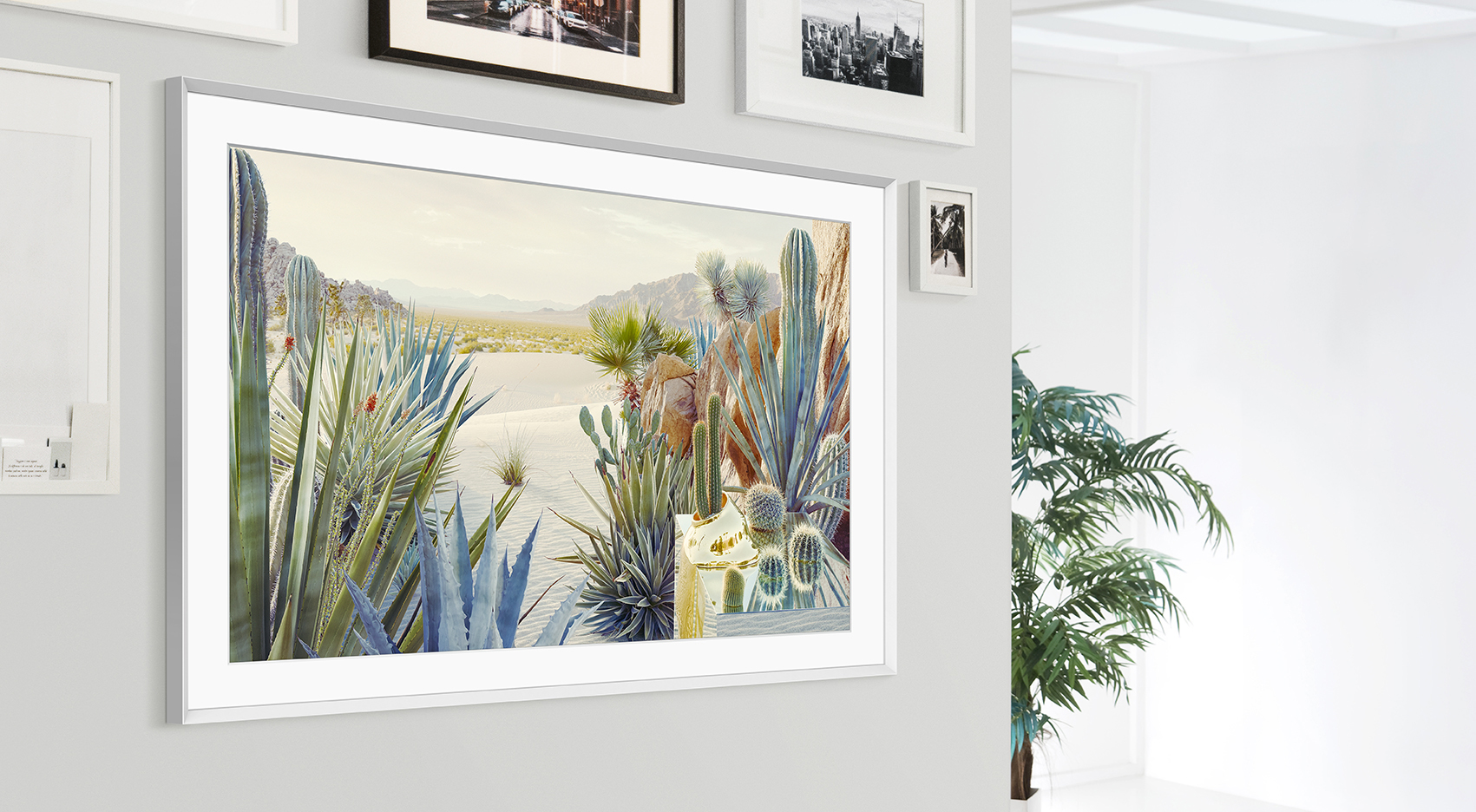
Samsung reveals the prices for the 4K QLED TV series & The Frame 2021

In January, South Korean electronics giant Samsung unveiled its 2021 lineup of the Frame smart TV alongside the Neo 4K QLED TV at CES 2021. Since then, there has been no word about the pricing and availability even though the Neo QLED TV was recently crowned as the best TV of all time by German AV magazine.

The 2021 Frame
The Frame (2021)

The prices of the TV models have now been announced by Samsung , since customers were kept in suspense about the prices during the CES event last month. The prices released show that interested fans or customers will part with a minimum of $549 for the base model.

The unique concept behind the Frame TV is that it serves a dual purpose of both a television and a picture frame, and can be deployed to display choice works of art whether in landscape or portrait view. The Frame 2021 and 4K QLED TVs come in different sizes and reflect significant improvements in quality and sleekness over their predecessors.

The Samsung 4K QLED TV series has the Q60A as the lowest-priced model. In total, there are eight different screen sizes beginning with the 43-inch Q60A priced at $549, while the 85-inch model at the other end of the spectrum goes for a steep $2,599.

The prices of the Q70A series start from $950 for the 55-inch model, while the 85-inch model goes for about $3,000. In addition, the premium offering for 2021 is the Q80A series costing between $1,300 for the 55″ model and a princely $3,700 for the 85″ model.

On the other hand, the prices of the Frame TVs begin at $999 for the 43-inch model. There are also 50″, 55″, 60″, 65″ and 75 inches models with the 75-inch model priced at $2,999.

Samsung also indicated that most of the models in the entire lineup will start shipping next month while some of the sizes will be released in April.

RELATED;

(source)

Samsung’s upcoming watches are codenamed Wise & Fresh, possibly hinting at Wear OS

This week, two videos detailing the workings of Samsung’s Augmented Reality (AR) glasses were leaked online. The AR glasses could be used for several applications and it was said that mid-air gestures won’t work for the device, but rather it would be operated using a Samsung smartwatch. Now, another report has revealed that indeed Samsung may soon release two separate smartwatch models and the codenames of the models have also featured in the rumour mills.Samsung Galaxy Watch 3 Featured

Not too long ago, a leak emerged about Samsung’s 2021 lineup of Galaxy smartwatches having the model numbers SM-R86x and SM-R87x. Going by the tradition of Samsung, these models will likely be different sizes of the Galaxy smartwatch. It is also rumoured that at least one of the smartwatch models could have the Android’s Wear OS instead of the usual Tizen OS, reflecting an improvement in the model.

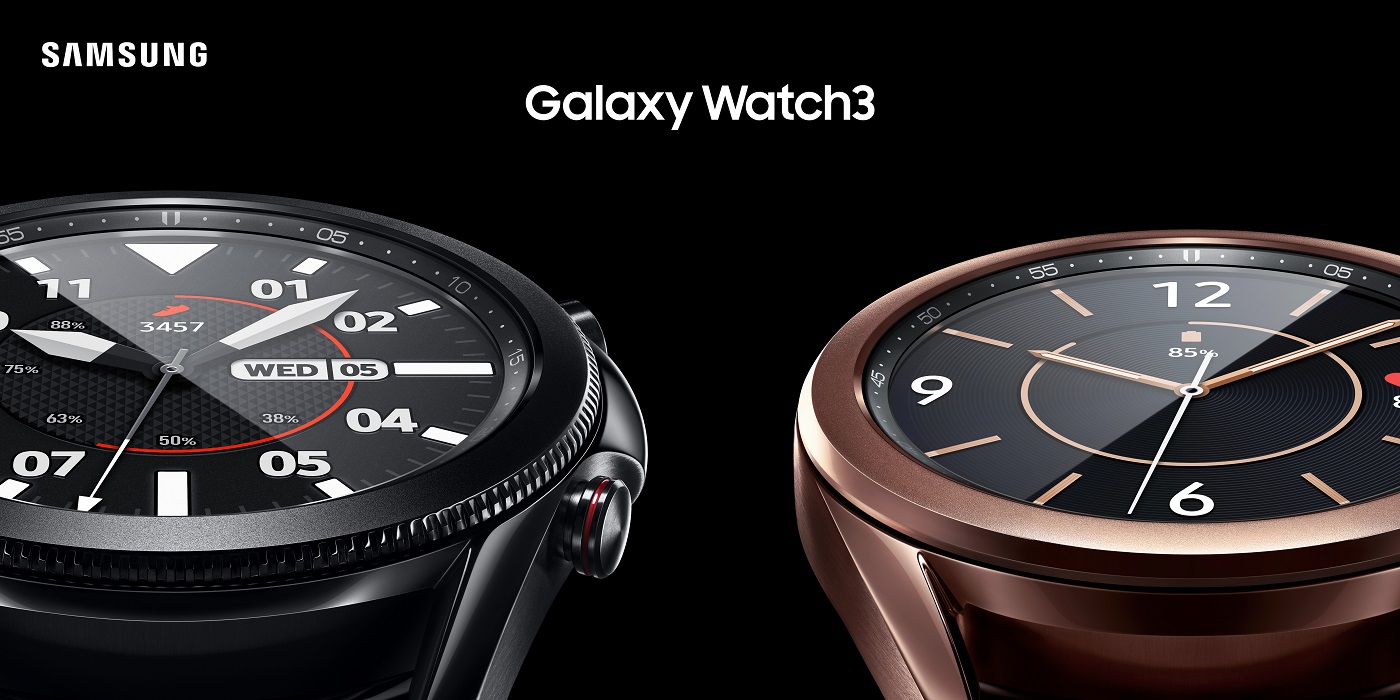
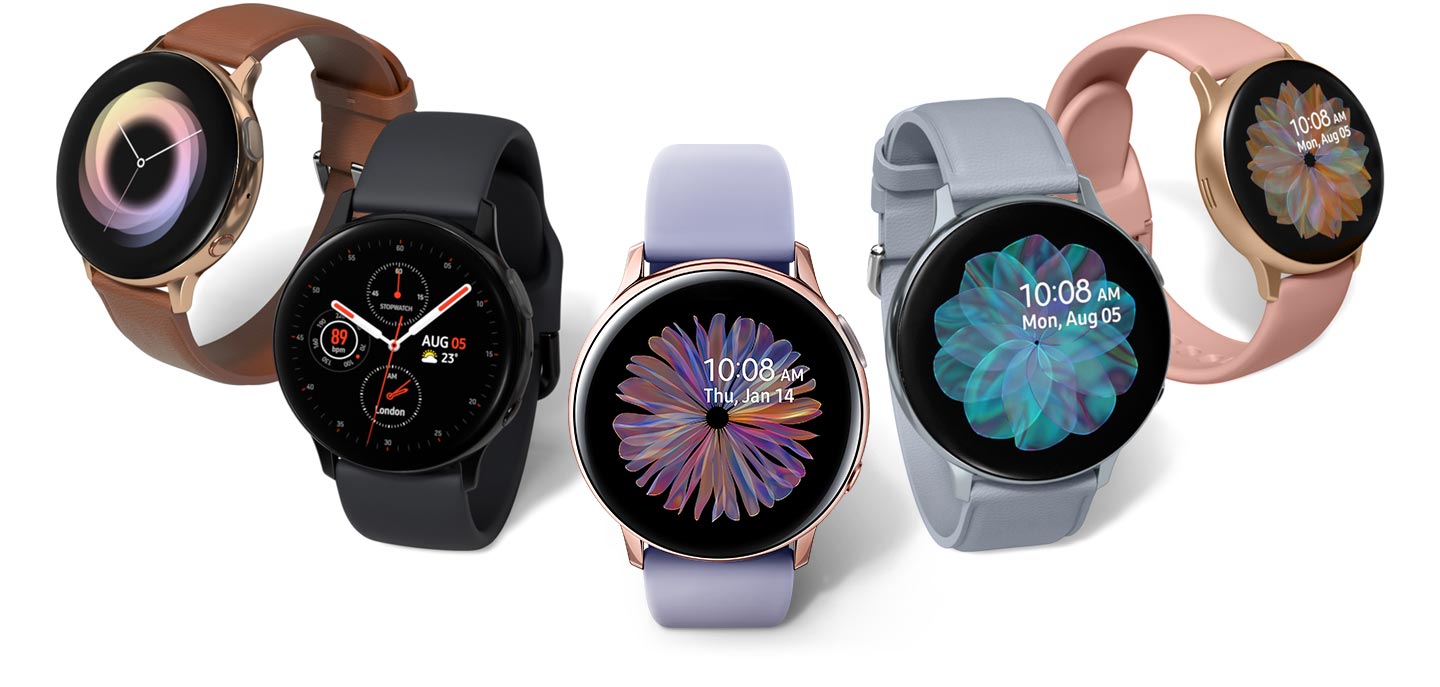
This rumor seems to have been lent more weight with the discovery by the guys at GalaxyClub that the Korean giant was working on two smartwatches with codenames Wise and Fresh. The codenames are being interpreted in some quarters as reflecting that Samsung is indeed planning to introduce a fresh approach to its smartwatches by unveiling the Wear OS smartwatch which reflects a new direction for the company’s watches.Galaxy Watch Active2

The Android integration for Samsung’s smartwatches holds a lot of promise. The integration will open a wide array of opportunities and possibilities on tasks that can be accomplished by the new smart wearable device. Obviously, the company would have its own AR glasses in mind while developing the soon-to-be unveiled smartwatches, as it continues to expand the frontiers of technology along the lines of augmented reality (AR) and virtual reality (VR).

Samsung is yet to make any statement on the impending release of its Galaxy Watch lineup for 2021, but the speculations remain rife about a shift to the Wear OS for one of the models.

RELATED;

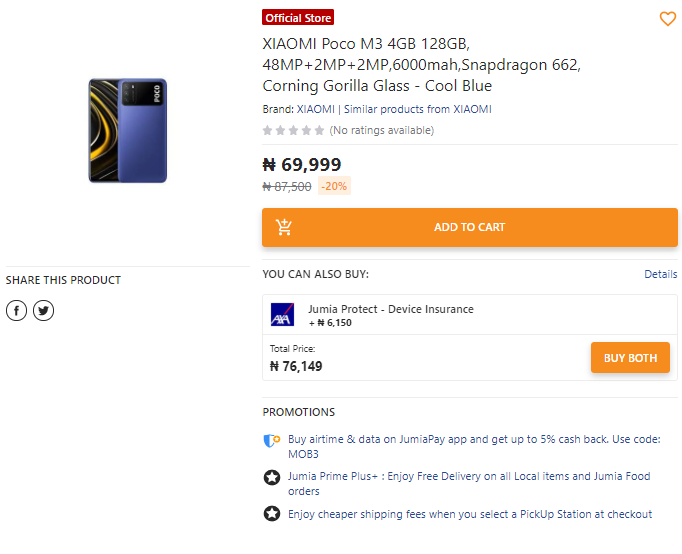
Xiaomi brings the POCO M3 to Nigeria; but the POCO Yellow color is MIA

The POCO M3 was recently announced in India. It has been selling like hotcakes since it went on sale and as of yesterday, over 250,000 units have been sold in the country in just under 10 days. Now, the phone has made its way to Nigeria and it remains to be seen if it can replicate its success here.

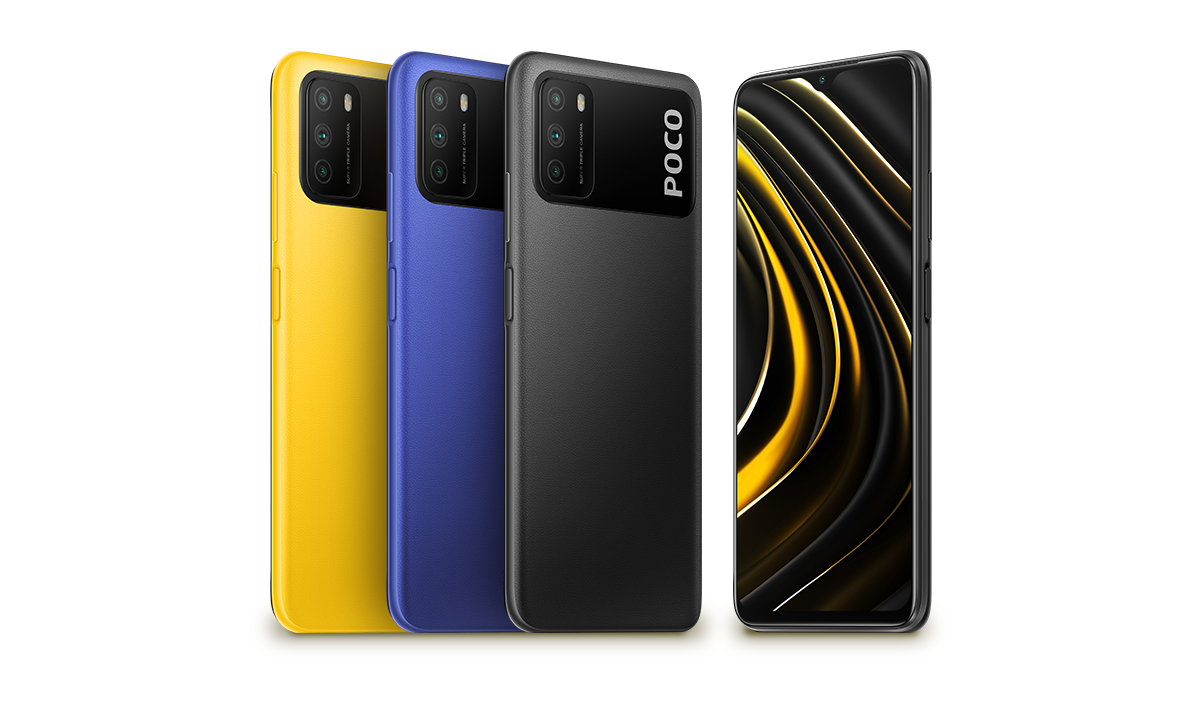
POCO M3

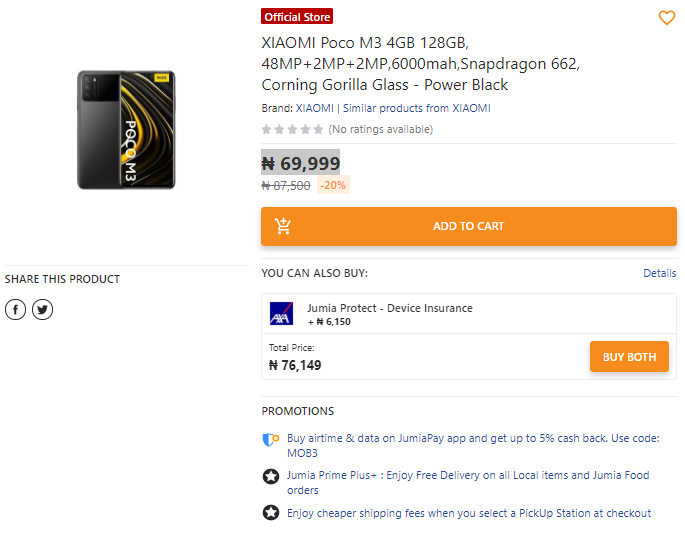
POCO doesn’t have an official presence in Nigeria, so just like Redmi, its phones will be sold under its parent company, Xiaomi. There wasn’t a proper launch for the POCO M3 but interested buyers can purchase the phone right now on Xiaomi’s official store on Jumia Nigeria.

The POCO M3 is available in two configurations – 4GB RAM + 64GB and 4GB RAM + 128GB for ₦ 64,999 and ₦ 69,999 respectively. Unfortunately, the popular POCO Yellow colorway isn’t available so you can only pick it up in  Power Black and Cool Blue.

The POCO M3 is a mid-range phone with a 6.53-inch FHD+ display and the screen has a waterdrop notch that is home to an 8MP camera. There is a Snapdragon 662 processor under the hood and it is paired with up to 6GB of RAM in some markets. The 64GB version uses UFS 2.1 storage while the 128GB version uses UFS 2.2 storage. There is a dedicated MicroSD card slot for storage expansion.

POCO ships the phone with three rear cameras – a 48MP primary camera, a 2MP macro camera, and a 2MP depth camera. The phone also has a side-mounted fingerprint scanner, an infrared port, an audio jack, and a USB Type-C port. Under the polycarbonate body is a massive 6000mAh battery capacity with support for 18W fast charging. It also supports reverse wired charging. The phone runs MIUI 12 based on Android 10 out of the box.

RELATED:


Video: Ulefone Armor 11 5G fares well in another durability test

Ulefone Armor 11 is the latest addition to the popular rugged smartphone series. It hosts some exciting features that make the device durable and worth every penny. The rugged smartphone carries high-end specifications and supports 5G connectivity. Ulefone is proving its durability by performing several tests in the video below. However, the company performs the same tests before a unit leaves the factory.

Must See: Ulefone Armor 11 5G Infrared Night Vision Camera undergoes rigorous testing, reveals video 

Ulefone Armor 11 5G smartphone can be seen passing rigorous testing in the company facility.  It goes through all type of tests like button pressing, soft pressing, USB endurance, mini-drop endurance, screen touches, etc. Ulefone even verifies its durability and reliability through ball impact test, tumble test, 1.5m directional dropping, and even high and low-temperature testing.

While testing, the phone undergoes extreme weather conditions and temperatures from 55-degree Celcius to minus 20-degree Celcius. The sand and dust testing verify certain certifications. After such extensive torture, the phone passes all the tests and keeps working and proves that it is really IP68/IP69K certified and carries a military-grade toughness.

On the other hand, the Ulefone Armor 11 5G comes powered with MediaTek Dimensity 800 5G SoC, 8GB RAM and 256GB internal storage. The device offers 5G connectivity and seamless multi-tasking. In the camera department, the smartphone offers a Penta-rear camera module featuring a 48MP primary camera and a 20MP night vision camera.

It comes with a 6.1-inch waterdrop display along with the support for NFC and Google Pay. The interested users can even enter the Armor 11 5G giveaway to grab the device for free. There’s also a chance to grab Ulefone Watch as the company is offering 10 units for free via giveaway. Don’t forget to hit this link to participate and know more about the giveaway.

Related: Ulefone Armor 11 5G will be a maiden Night Vision 5G rugged smartphone, launch due in February

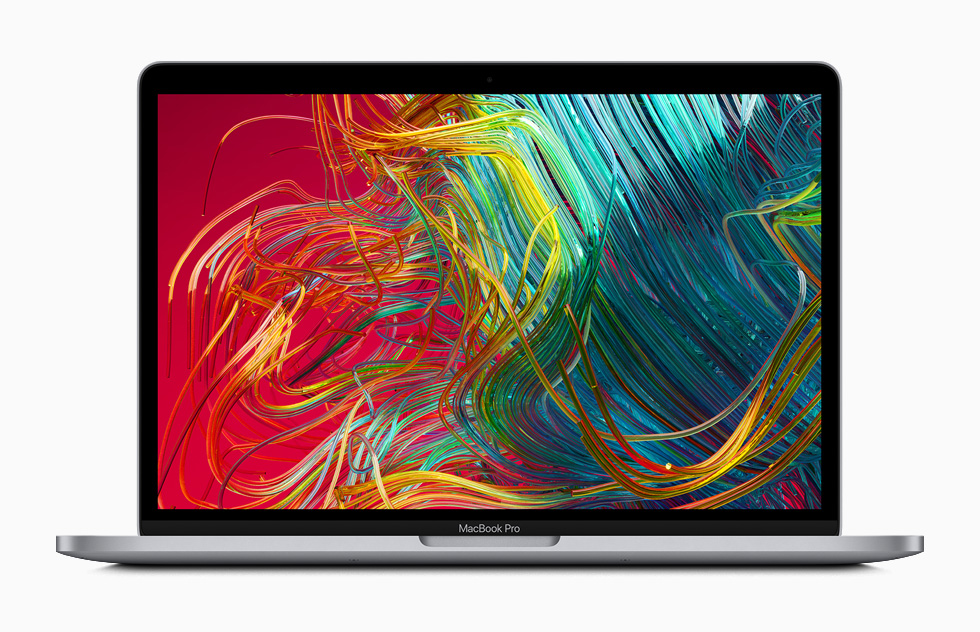
Apple to launch two 2021 MacBook Pro models with HDMI port and SD Card reader: Report

Apple’s MacBooks are expected to bring back the MagSafe connectors this year. Now, Ming-Chi Kuo has come back with another report stating that two of the 2021 MacBook Pro models will feature an SD card reader and HDMI port.

According to Ming-Chi Kuo, Apple is planning at least two new MacBook Pros with significant changes to design and specs. Some of the critical changes would be the inclusion of an SD card reader and HDMI port.

Last month, Kuo had given details of the 2021 MacBook Pro’s design. He said that the laptops would have squared-off sides in both the top and bottom parts. That is, they would draw a lot of inspiration from the iPad Pro and iPhone 12 models.

Besides, the SD Card slot feature was first tipped by Mark Gurman of Bloomberg last month. So far, Kuo says Apple would remove the Touch Bar on the 2021 MacBook Pros while Mark Gurman had claimed minor changes.

Apple’s lineup of 2021 MacBook Pros will likely come in two sizes- 14-inch and 16-inch models. Considering the company grabbed a good amount of attraction with its Apple M1 chipset, these models could very well feature upgraded processors.

Either way, Kuo says that Taiwan’s Genesys Logic will be Apple’s exclusive supplier of SD card readers. Also, these two ‘Pro’ models are reportedly set for a launch somewhere in the Second half of 2021(2H 2021). Let’s wait for more details in the coming days.

Meanwhile, Apple is likely to launch new iPad Pro models and AirTags next month.

RELATED:


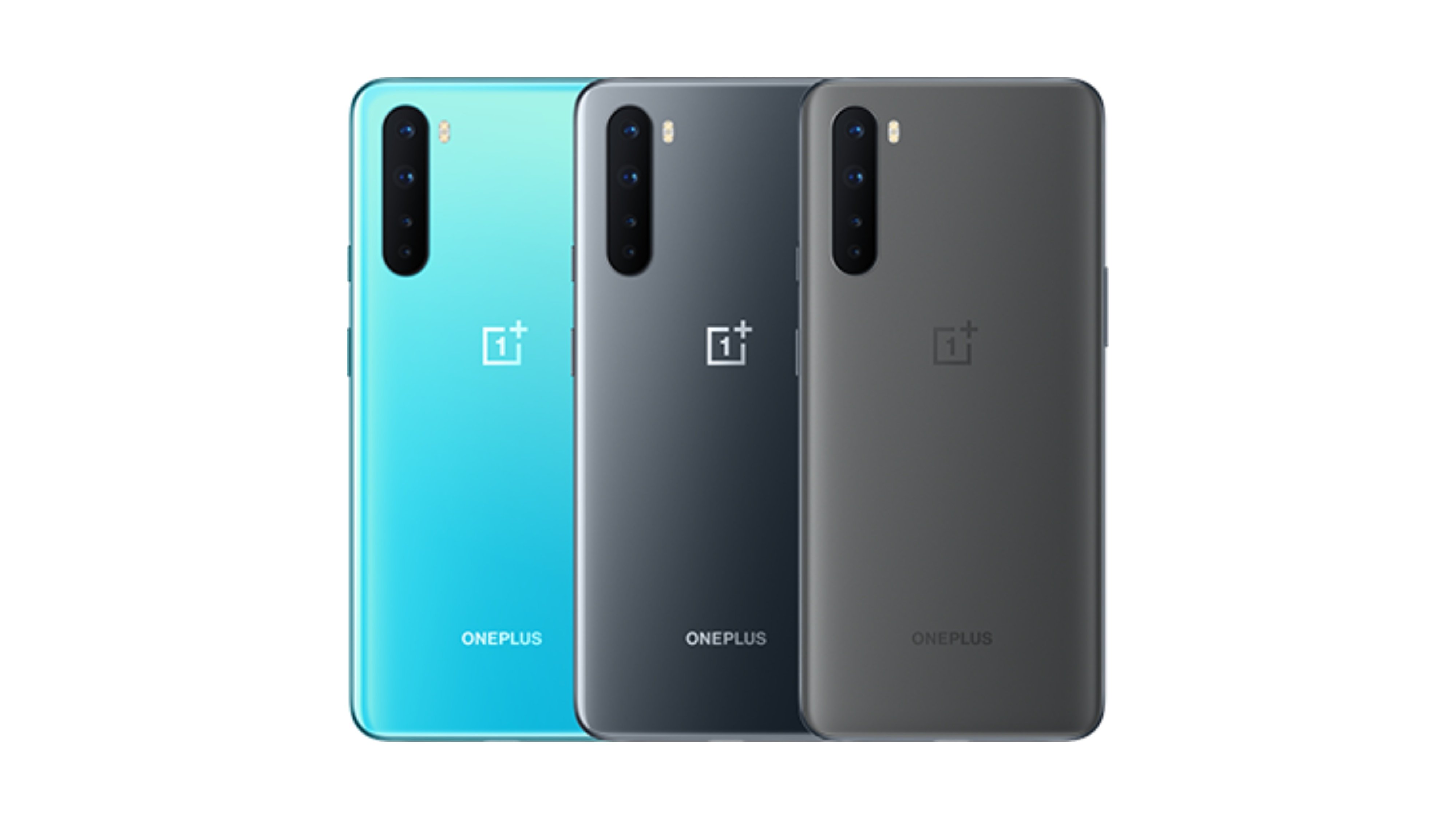
OnePlus Nord gets January 2021 security patches via OxygenOS 10.5.11 update

OnePlus is readying to release the much-awaited Android 11-based OxygenOS 11 update for the OnePlus Nord. The smartphone has been receiving the OxygenOS 11 Open Beta builds since last month. Ahead of the Android 11 stable release, the company is now rolling out a new stable update with build number OxygenOS 10.5.11 globally.

OnePlus Nord Blue Marble Gray Onyx Gray Ash Featured

The OxygenOS 10.5.11 update for the OnePlus Nord does not bring any new features. It only bumps up the security patch level to January 2021. Additionally, it is also said to improve system stability.

The update comes with the following build numbers for the three different variants of the handset sold worldwide.

  • IN: 10.5.11.AC01DA
  • EU: 10.5.11.AC01BA
  • GLO: 10.5.11.AC01AA​

OnePlus Nord OxygenOS 10.5.11 Official Changelog

  • System
    • Updated Android Security Patch to 2021.01
    • Improved system stability

Like any other system update, the latest OTA update for the OnePlus Nord is being seeded in a batched matter across the world. Therefore, it may take time to reach your unit. Anyway, you can head over to Settings to check for the update manually.

Having said that, it is worth noting that OnePlus’ update track record has become poorer than ever before. The brand has managed to release OxygenOS 11 stable update for only two devices so far.

The company is supposed to release the Android 11 update for nine more smartphones, while the first Android 12 Developer Preview is already out.


RELATED:


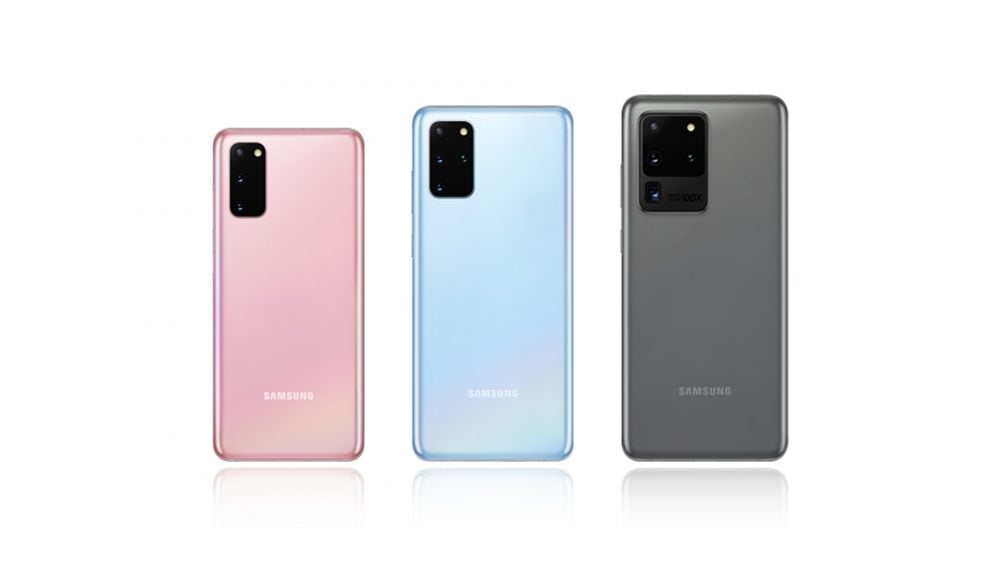
Samsung Galaxy S20 gets the eSIM functionality with the One UI 3.1 update

Samsung started rolling out the One UI 3.1 update for various devices including the Galaxy S20 series recently. Along with the update, it seemed to have enabled the eSIM functionality in regions like India.

Samsung Galaxy S20 Series Featured

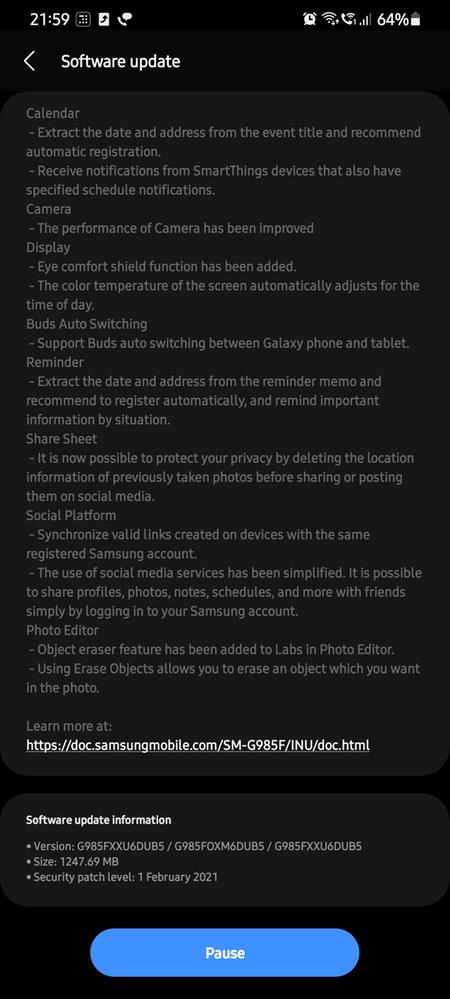
As reported by Piunikaweb, the One UI 3.1 update for India has the firmware version G98xFXXU6DUB5. It weighs 1246.69MB and brings the latest UI to the Galaxy S20+(SM-G985F) variant. Certain users in Samsung community forums have confirmed that e-SIM functionality is enabled after this update.

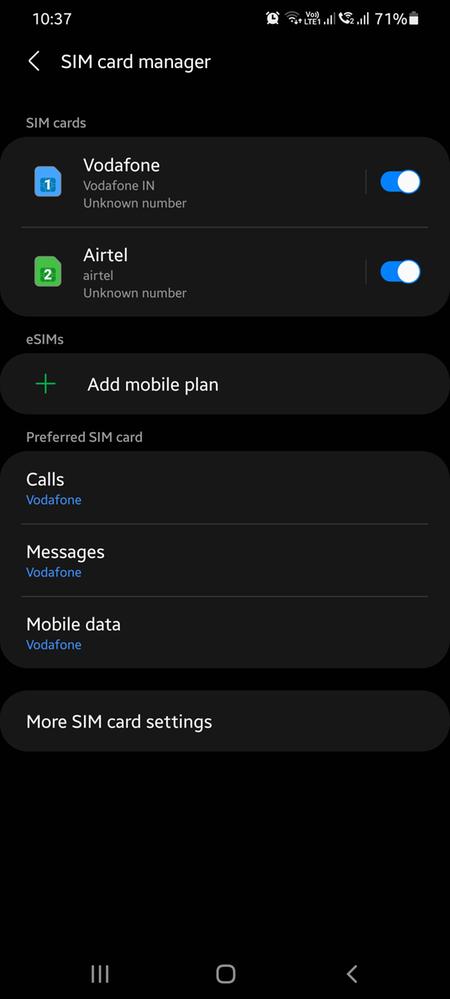
As you can see below, the screenshot on the forums shows the eSIM options inside settings-> SIM Card Manager. If you recall, Samsung launched the Galaxy S20 series in February 2020. Back then, the devices in India had the support for eSIM but Samsung had disabled it.

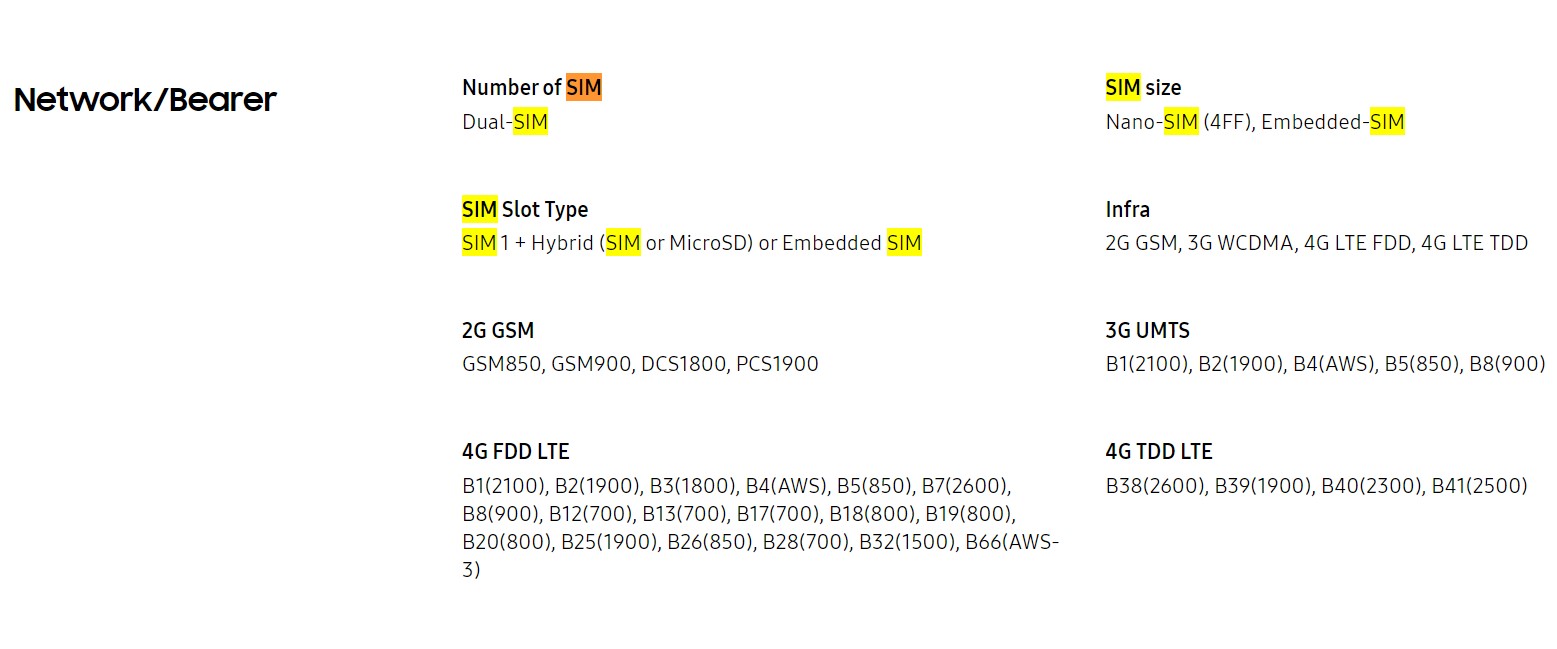
So, for using a secondary SIM card, one had to take out the memory card out and use the slot for another network. For the unware, Samsung Galaxy S20 comes with a Hybrid-SIM slot i.e., users can use a nano-SIM + microSD card or two nano-SIMs at a time.
Anyway, with eSIM enabled, you can now use the device with two networks and an SD card simultaneously.

Also, that’s not the only thing the One UI 3.1 update brings to the table. Just like other regions(South Korea, UK, Europe), the Indian region also brings  Improved performance, Private Share, GPS location data removal on Images, more Lock screen widgets, Background Video Calling, Zoom Lock(in camera), and more.

That said, the update should enable the eSIM features for other regions(like the USA) as well.

Recently, Samsung upped the ante yesterday by extending security update support for 4 years in total. The eligible devices including the Galaxy Z, S, Note, A, M, XCover, and Tab series will receive monthly/quarterly updates accordingly.

RELATED:


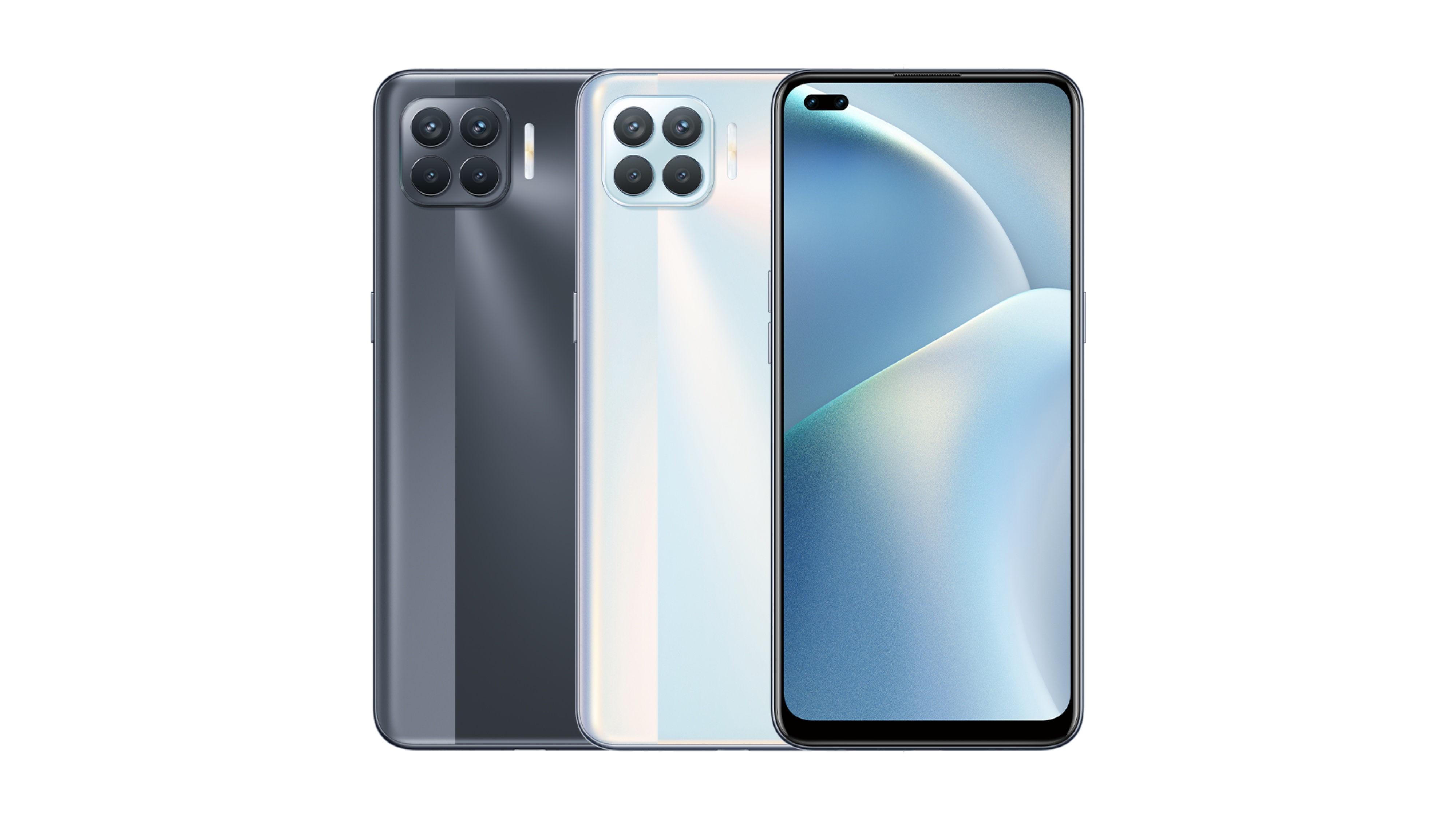
OPPO A93 receives ColorOS 11 (Android 11) update

OPPO has been rolling out the Android 11-based ColorOS 11 update to its smartphones ever since the company announced it back in September 2020. A number of devices are already running the stable build, whereas some are rocking the beta build. Joining this list is the mid-range OPPO A93.

OPPO A93 Matte Black Metallic White Featured

For those unaware, OPPO A93 is a rebranded OPPO F17 Pro for some SEA counties. The F17 Pro had already received the ColorOS 11 update in November 2020. However, the A93 has started getting it only now.

According to PiunikaWeb, the company kicked off a beta program for this handset in January. A month later, the firm is now seeding the stable release. In case you own this device, then head over to Settings > Software update to check if your unit has got the OTA update yet.

Like any other system update, the OPPO A93 Android 11 update is probably rolling out in a staged manner. Therefore, the update may take some time to arrive on your phone.

That said, as per the ColorOS 11 update timeline for February 2021, OPPO will be releasing the first beta build for OPPO A91 on February 27 in Indonesia. On the other hand, the OPPO Reno3 Pro 5G will get a stable build in Russia and Kazakhstan on February 27.

That’s not all, the following smartphones are/ will be receiving a stable release in the European regions this month.


RELATED:


Sony announces new PlayStation VR system is coming but it won’t launch this year

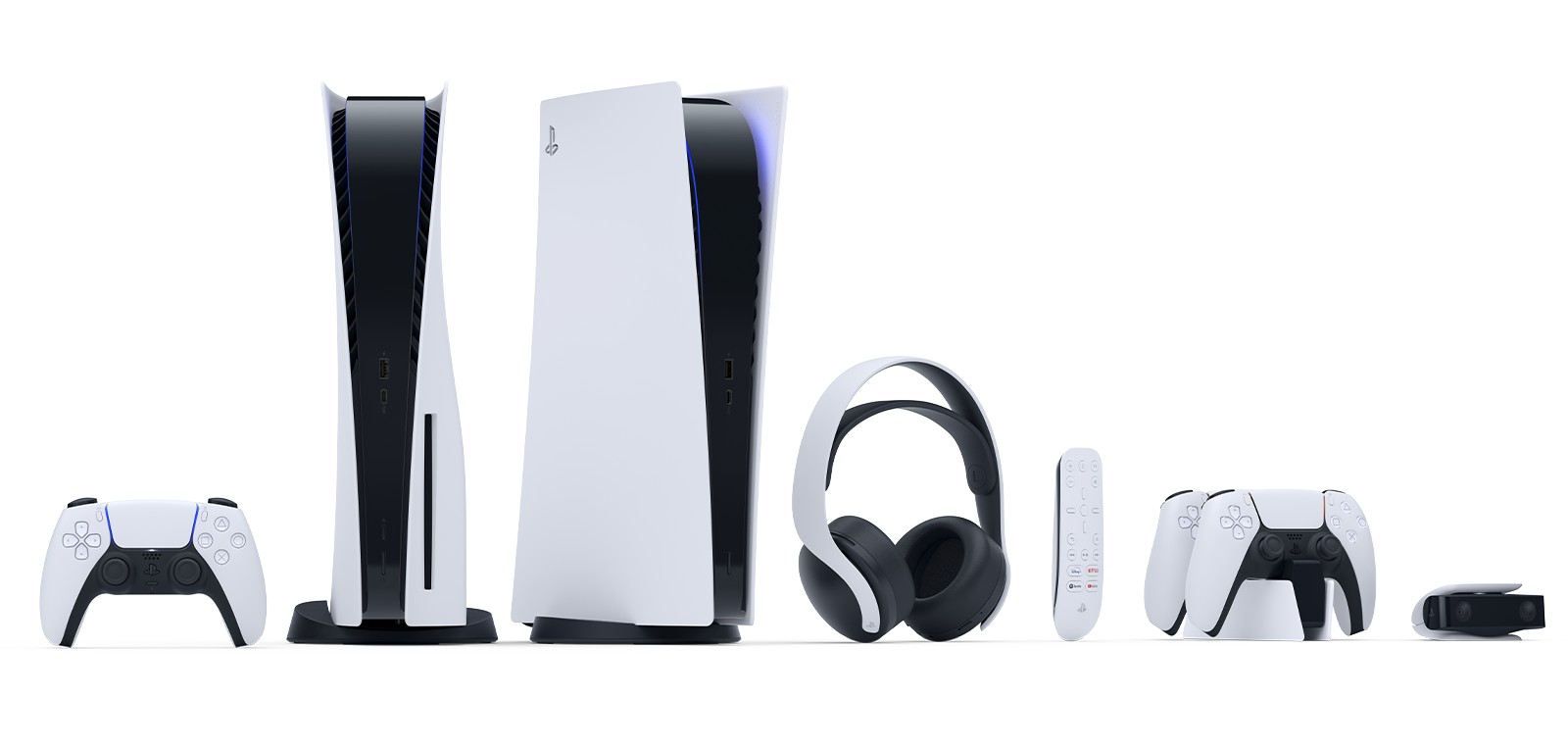
Sony announced the PlayStation 5 console last year along with a bunch of new accessories such as the Pulse 3D Wireless Headset, the PS5 Media Remote, DualSense charging station, and HD Camera. However, Sony didn’t announce a new VR system. Today, the tech giant has revealed details of its next-gen PlayStation VR system and when to expect it.

PlayStation 5 and accessories

In the blog post, Sony revealed that its next-generation VR system will be coming to the PlayStation 5. The new system will provide users with an even more immersive experience than the previous generation.

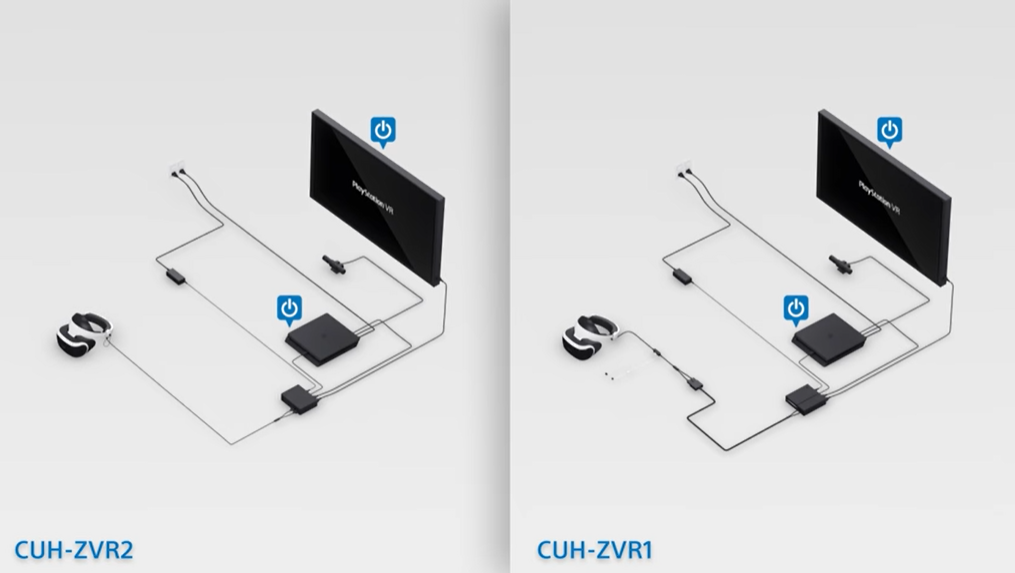
The new PS VR will have enhanced resolution, field of view, tracking, and input. It will also connect to the PlayStation 5 via a single cable. The second statement is the more exciting part of the announcement considering that setting up the current PS VR system is a herculean task.

PS VR setup
What a connected PS VR setup looks like

Another upgrade the next-gen PS VR system will get is a new controller that will have some of the key features of the DualSense wireless controller. Our guess is that the controller will have immersive haptic feedback and adaptive triggers similar to that of the PS5 controller.

Sony has said that development is still underway for the new system and that it won’t be launching this year. Sorry folks, we know you are excited about it but seeing as there is not even sufficient stock for the console itself, there is a chance the VR system won’t be readily available even if Sony was ready to launch it this year.

Nevertheless, PlayStation 5 owners can still make use of the current PS VR system. The new console is backward compatible with some PS VR games and there a handful of new PS VR games coming such as After The Fall, Sniper Elite VR, and Humanity, so you have what to play. Don’t forget that you have to get a new camera adapter (can be requested free of charge) to use the camera of the PS VR with the PS5.


RELATED:

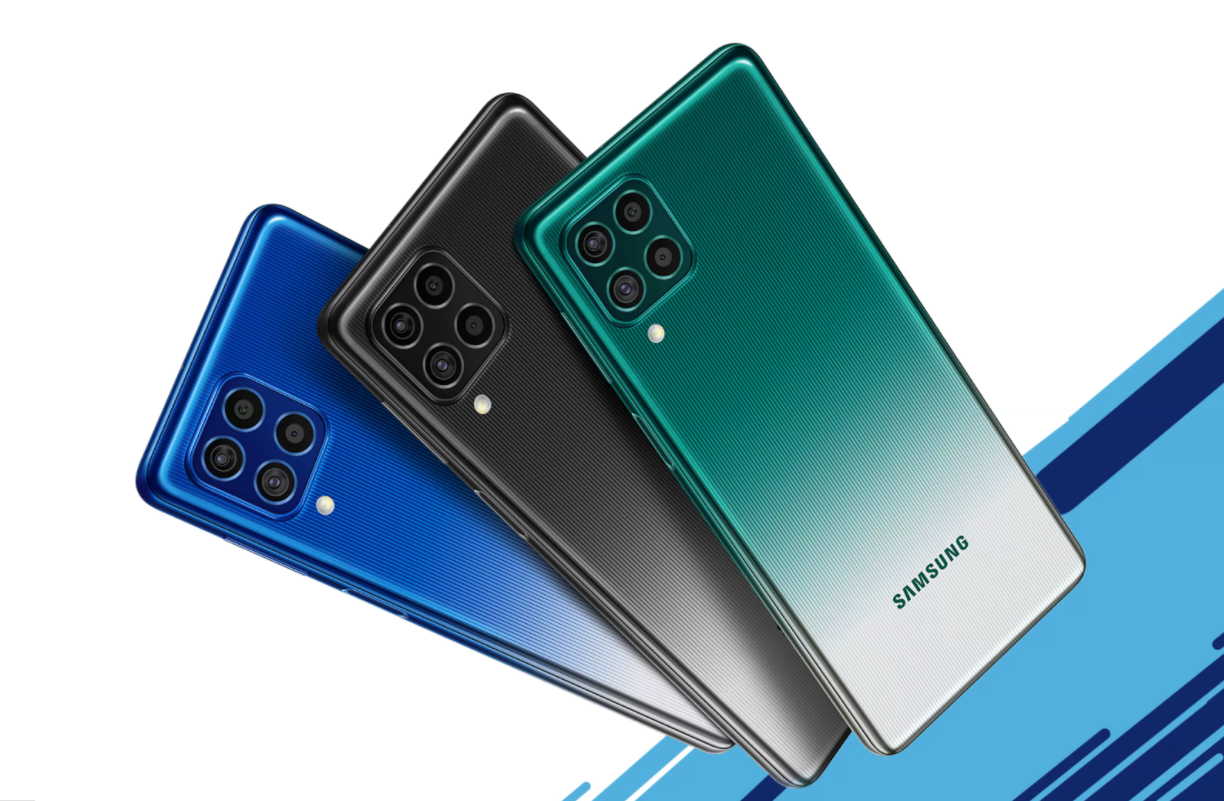
Samsung Galaxy F62’s first software update delivers camera improvements

Samsung is known for delivering regular and prompt updates to its smartphones. Thus, it is no surprise that the tech giant has pushed a new software update for the Galaxy F62. The Samsung Galaxy F62 was first introduced just last week and only went on sale in India for the first time yesterday.Samsung Galaxy F62 revealed;

The new update arrives with the firmware number E625FDDU1AUB4 and has a file size of about 180MB. The changelog shows that the update brings some improvements to the phone’s camera stability and performance. It also delivers some enhancement to the overall device performance. The update is already rolling out to some units via OTA. But if you don’t get the update, you can manually check for the update manually by heading to the phone’s Settings > Software update menu.

As a reminder, the Samsung Galaxy F62 sports a 6.7-inch sAMOLED+ display with an Infinity-O design with Full HD+ resolution of 1080 x 2400 pixels. The display has a 20:9 aspect ratio, 420nits brightness, 1000000:1 contrast ratio, and up to 110 percent NTSC color gamut. The device is powered by the Exynos 9825 SoC paired with 6GB/8GB RAM and 128GB storage.Samsung Galaxy F62 The phone sports a 32-megapixel front camera for selfies housed inside a punch-hole opening at the front. At the rear, the Galaxy F62 features a quad-camera setup made up of a 64MP primary, a 12MP ultrawide, a 5MP macro, and a 5MP depth of field sensor. Other features onboard the device include a side-mounted fingerprint reader and a monstrous 7,000mAh battery charged through a USB-C port at up to 25W.

The premium mid-range smartphone starts at Rs.23,999 ($330) while the 8GB RAM variant is priced at Rs. 25,999 ($360). The phone is sold only in India at the moment. There is no word on when it will be released in other regions.

RELATED;

(via)

realme announces “Dual-platform Dual-flagship” strategy

realme has unveiled a new Strategy at the MWC 2021. Accordingly, it is going to launch two flagship series with different focus under points going forward.

As seen in the official tweet, the ‘Dual-Platform Dual-Flagship Strategy’ will focus on ‘performance’ and ‘camera’ aspects in each series. That is, realme will launch two devices one with Qualcomm 8xx and the other with MediaTek Dimensity 5G flagship chipsets. The company believes that this will help gain more share in the mid-to-high-end product segment.

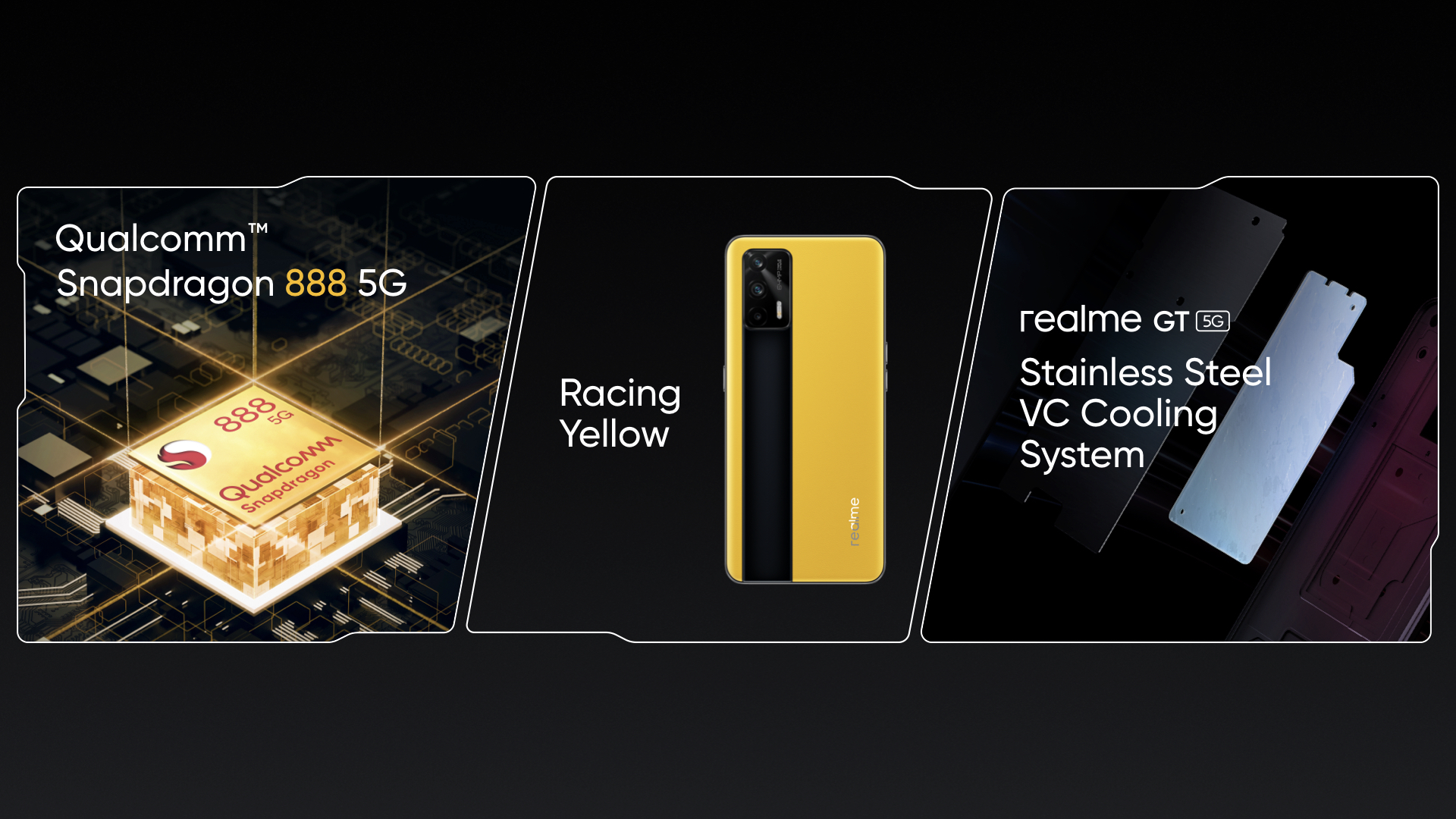
Further, the realme GT that is debuting in China on March 4 will be the first device under this strategy. Speaking of which, the company also showcased a preview of the stainless steel VC cooling system on the realme GT at MWC Shanghai 2021 event.

This 3D cooling system will ensure that the CPU will reduce by up to  15-degree Celsius with the help of a 100% dissipation area. Earlier today, we saw the official posters of the realme GT in ‘Racing Yellow’ color. This will adopt a Dual-tone leather finish which the company says is a Vegan Leather.

Coming back, now that we know that the realme GT with Snapdragon 888 will focus on ‘performance’ and gaming, we can expect the MediaTek flagship later in the year to embrace ‘mobile photography’ more.

Soon after the MediaTek’s Dimensity 1200 announcement, realme had confirmed that it would bring a smartphone chipset soon. While it hasn’t spoken much about it since then, this could very well be the next realme Camera flagship.

Details about the same are bleak at the moment, but if realme were to launch a camera-focused flagship, we can expect features like a 108MP main camera, Telephoto Lens, and more. These are just our guess so let’s wait for the official details.

Talking about the strategy, VP, realme, and CEO of realme India & Europe, Madhav Sheth says, “I am confident that The dual-platform dual-flagship strategy will help us achieve a significant share in the mid-to-high-end products segment as a part of our brand development”.

RELATED:


(via)

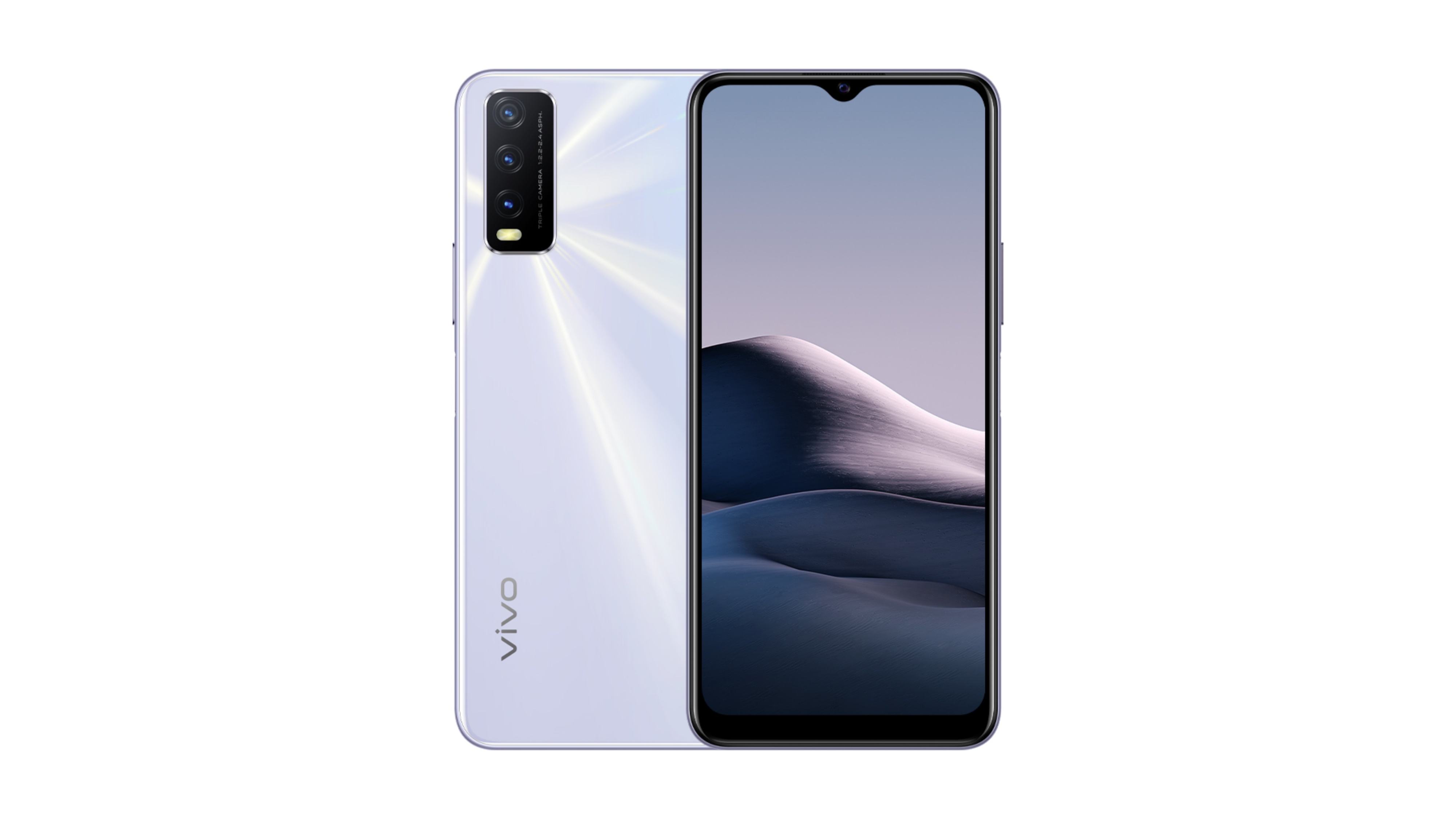
vivo V2044 appears on EEC and Geekbench with Helio P35 and 3GB RAM

Chinese smartphone maker vivo is reported to launch 11 smartphones in India by April. Some of these handsets are expected to be the premium vivo X60 series and mid-range vivo V20 series. The list could also include budget vivo Y series models. One of these affordable devices has been now spotted on Geekbench and EEC.

vivo Y20 2021 Dawn White Featured

According to PriceBaba, a vivo smartphone with model number V2044 has cleared EEC certification. The publication believes this handset to be a vivo Y series device. Because its model number differs by that of vivo Y20 (2021) only by a single-digit (V2043). Hence, it could be either a successor or a toned-down version of the already official phone.

Further, as per Geekbench, this smartphone will be powered by MediaTek Helio P35 SoC. It will come with 3GB RAM and will run Android 11 (Funtouch OS 11) out of the box. However, there could be other storage configurations as well.

As far as scores are concerned, the phone bags 137 points in the single-core test and 451 points in the multi-core test respectively.

Although nothing else is known about this device, we can expect the vivo V2044 to feature a large HD+ display, triple camera setup, a huge battery, dual-SIM, MicroSD card slot, and 3.5mm headphone jack.


RELATED:


Samsung 50MP ISOCELL GN2 camera sensor announced with several upgrades over the GN1

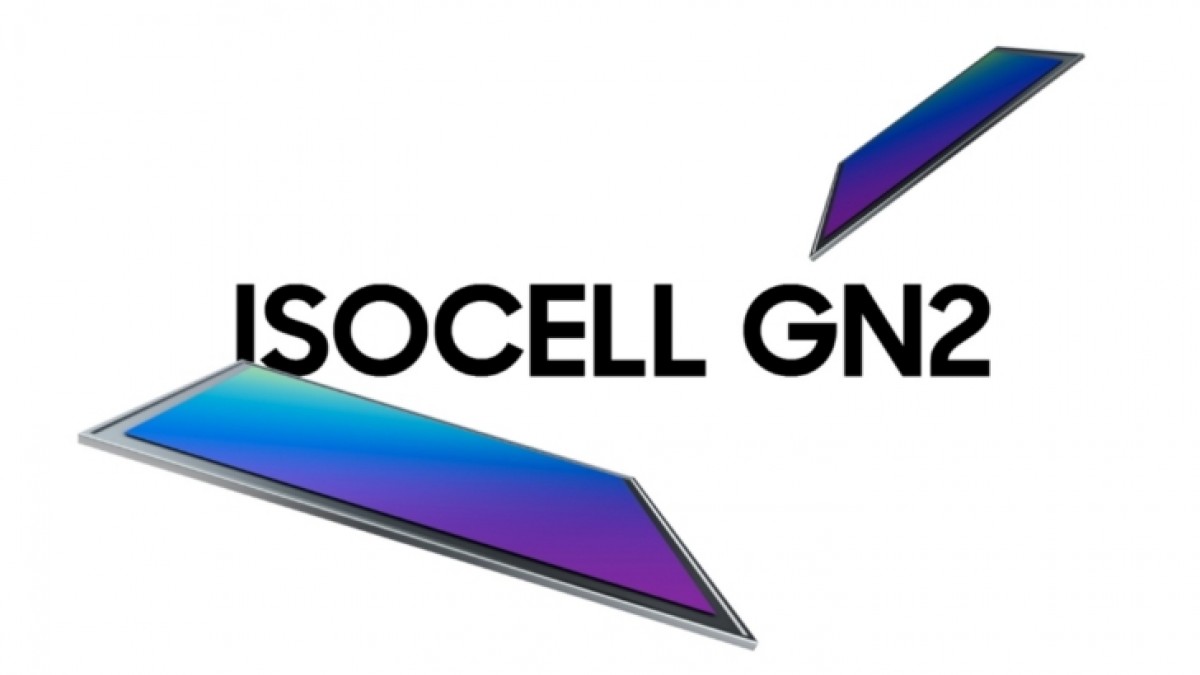
Korean tech giant Samsung has announced a new 50MP camera sensor dubbed ISOCELL GN2. The sensor is an upgrade of last year’s model the ISOCELL GN1 which was announced with a faster auto-focus. Although the new GN2 still retains a 50MP sensor size, it features bigger pixels as well as improved energy consumption. The sensor also comes with a new Phase Detection Autofocus (PDAF) dubbed Dual Pixel Pro. Samsung ISOCELL GN2

The ISOCELL GN2 has a pixel size of 1.4μm  while the sensor has a size of 1/1.12-inch, the largest you can find in a smartphone. Samsung claims the large 1.4μm pixel size is capable of delivering “exceptionally detailed photographs in regular settings”. The sensor also deploys the four-pixel-binning technology to achieve a 2.8μm pixel size in order to deliver quality images in a low-lit environment.

Further, the new Samsung sensor is capable of capturing 100MP photos by re-organizing the color pixels through what Samsung calls “an intelligent re-mosaic algorithm”. How this works is that the sensor captures three 50 MP layers in Green, Blue, and Red, which are then overlaid, upscaled, and merged to produce the high-resolution photograph.

Another key highlight of the ISOCELL GN2 is the Phase Detection Auto-Focus (PDAF) feature which Samsung christened Dual Pixel Pro. This is the first sensor with this feature which is said to be Samsung’s most advanced PDAF solution. The technology involves splitting the green pixels diagonally instead of splitting the red, green, and blue pixels vertically. This allows the top and bottom to read phase differences in addition to the left and right sides. In this way, the autofocus is swift and precise even in adverse conditions such as the low-light environment or fast-moving object.

Samsung says the camera sensor is already being mass-produced. There is no indication when we’ll find it in smartphones but whenever it comes, the sensor will feature Smart ISO Pro which is creating instant HDR images with fewer motion-artifacts. The sensor also supports 1080p @ 480 fps or 4K @ 120 fps video recording.

RELATED;

(source)

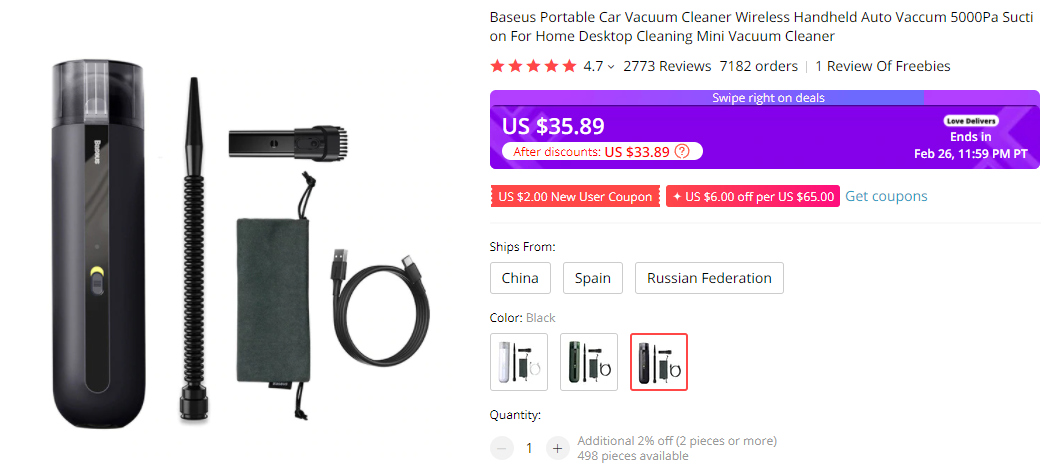
Best Price: Baseus A2 Car Vacuum Cleaner Available for $35.89 (Original Price $50)

Baseus A2 car vacuum cleaner is available at a heavily discounted price of $35.89 (original price $50), at AliExpress. 

baseus a2 vacuum 1

This portable and stylish vacuum cleaner is so small and lightweight that you can carry it around in your purse or keep it in your car’s cup holder. The vacuum cleaner comes with a 60ml large dust bin and an 18-minute battery duration with a single charge. This means enough power and storage for thorough cleaning of your car, desktop, work/study table, etc. 

A  Type-C charging port makes it easy to charge in almost every environment and an additional air hose with suction and blow function, helps to thoroughly clean the gaps and corners.

baseus a2 vacuum 3AliExpress is selling this 5000pa suction, wireless handheld vacuum cleaner for $35.89 only. The discount is applicable till 26 February 2021 and all three color variants are available at the China warehouse while only the Green and Black color variants are at the Spain Warehouse. 

With free shipping to Europe and the USA, this super deal on Baseus A2 Car Vacuum Cleaner is simply too good to be true. So without wasting any more time, grab your vacuum cleaner asap.