The HMS application services from Huawei has been making its way to cars and various automobile brands. Now, the company’s app services will also arrive in vehicles from the known Chinese car making brand BYD.
According to BYD senior official, Zhao Changjiang, the company’s Han series of mid size sedans will soon arrive with the Chinese smartphone maker’s HMS fast application services. The executive made the announcement on his official Weibo account, a Chinese microblogging website. For those unaware, Huawei has recently diversified its service into the automobile industry, seeking to offer its software and product services for the other car makers.
Its HMS for Car is a solution made to leverage its cloud services to provide in vehicle services and applications. Furthermore, HMS arrives with the company’s smart assistant as well, while the application program also acting as a control panel, which can be used immediately and does not require an installation process. An official image poster from Huawei had showcased various applications like F Express, Lychee, Bilibili, and more.HMS smart display. These apps might be pre loaded in the car or could be installed later on.
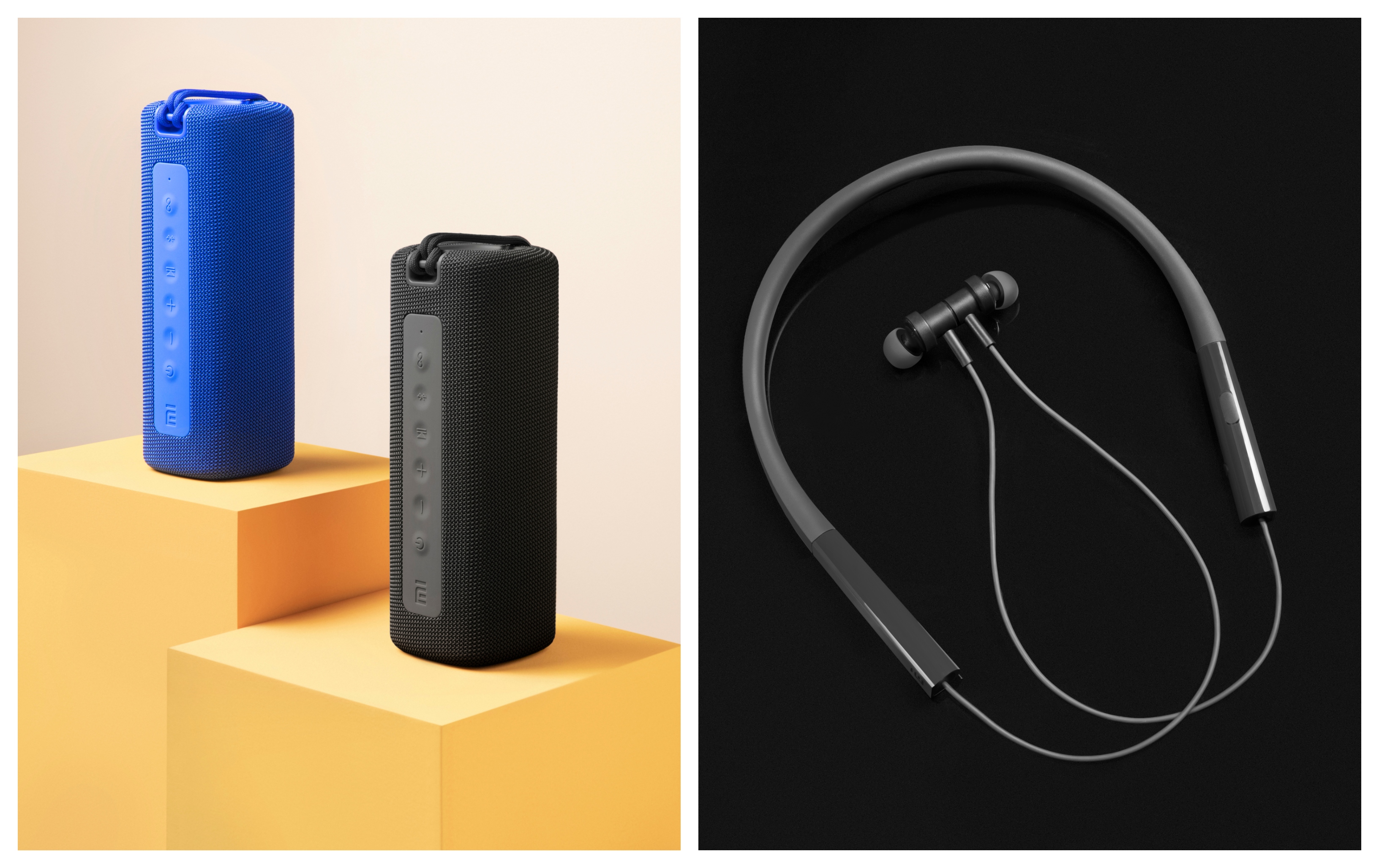
As expected, Xiaomi has officially launched the Mi Portable Bluetooth Speaker (16W) and Mi Neckband Bluetooth Earphones Pro in India. The former product is already available in certain markets, whereas the latter has made its global debut. Let us take a look at their specs, features, pricing, and availability
Mi Portable Bluetooth Speaker (16W) Specifications, Features, & Price
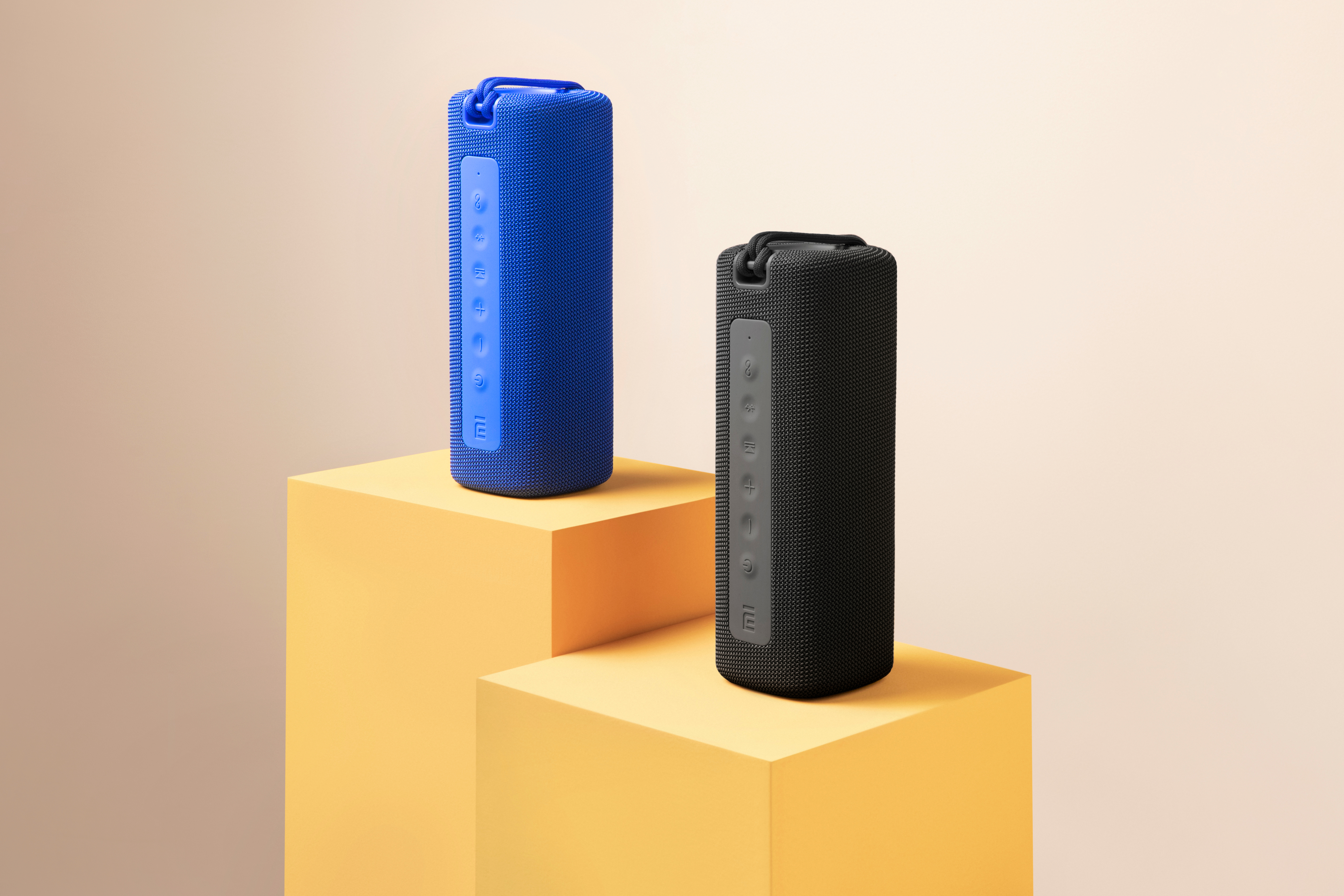
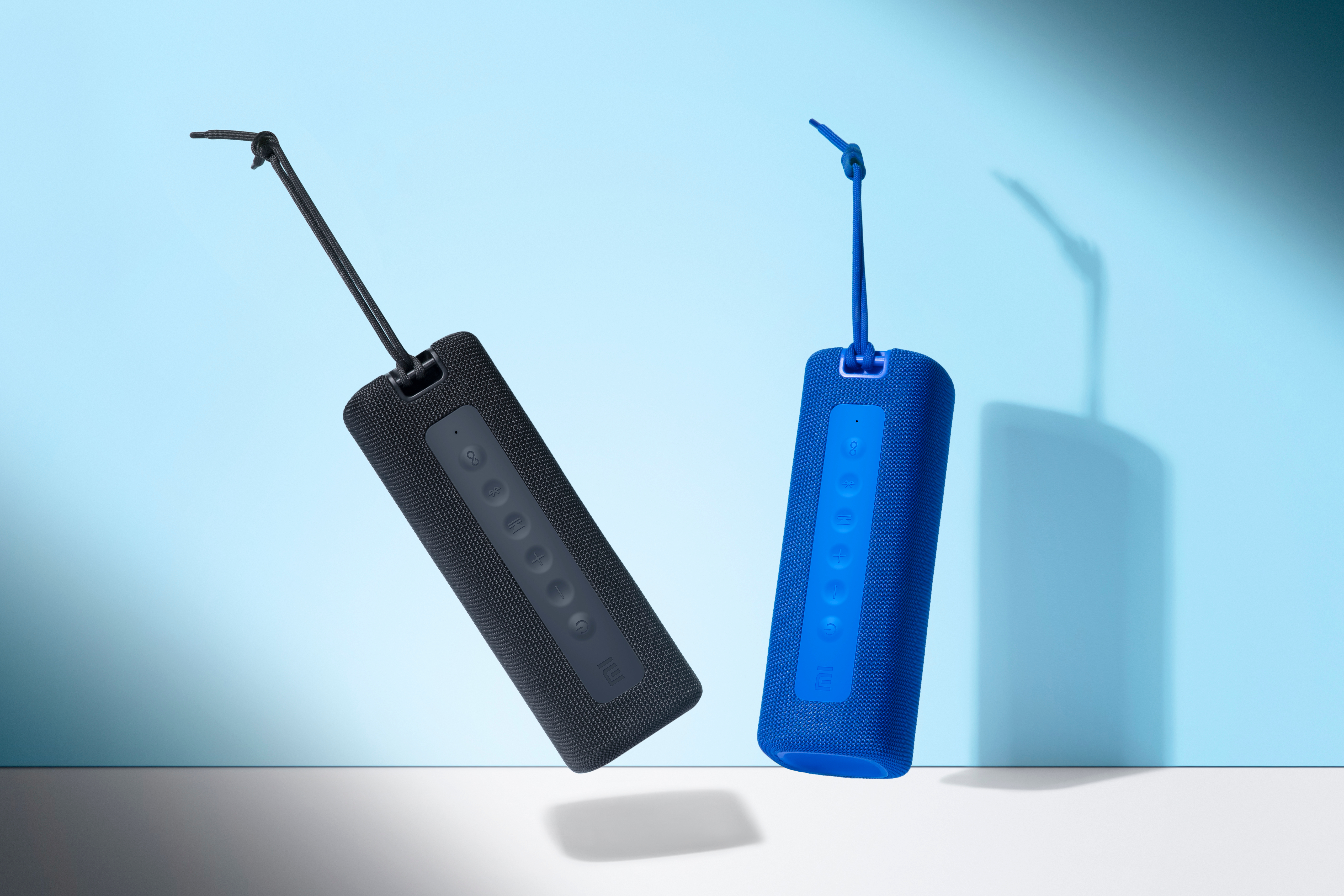
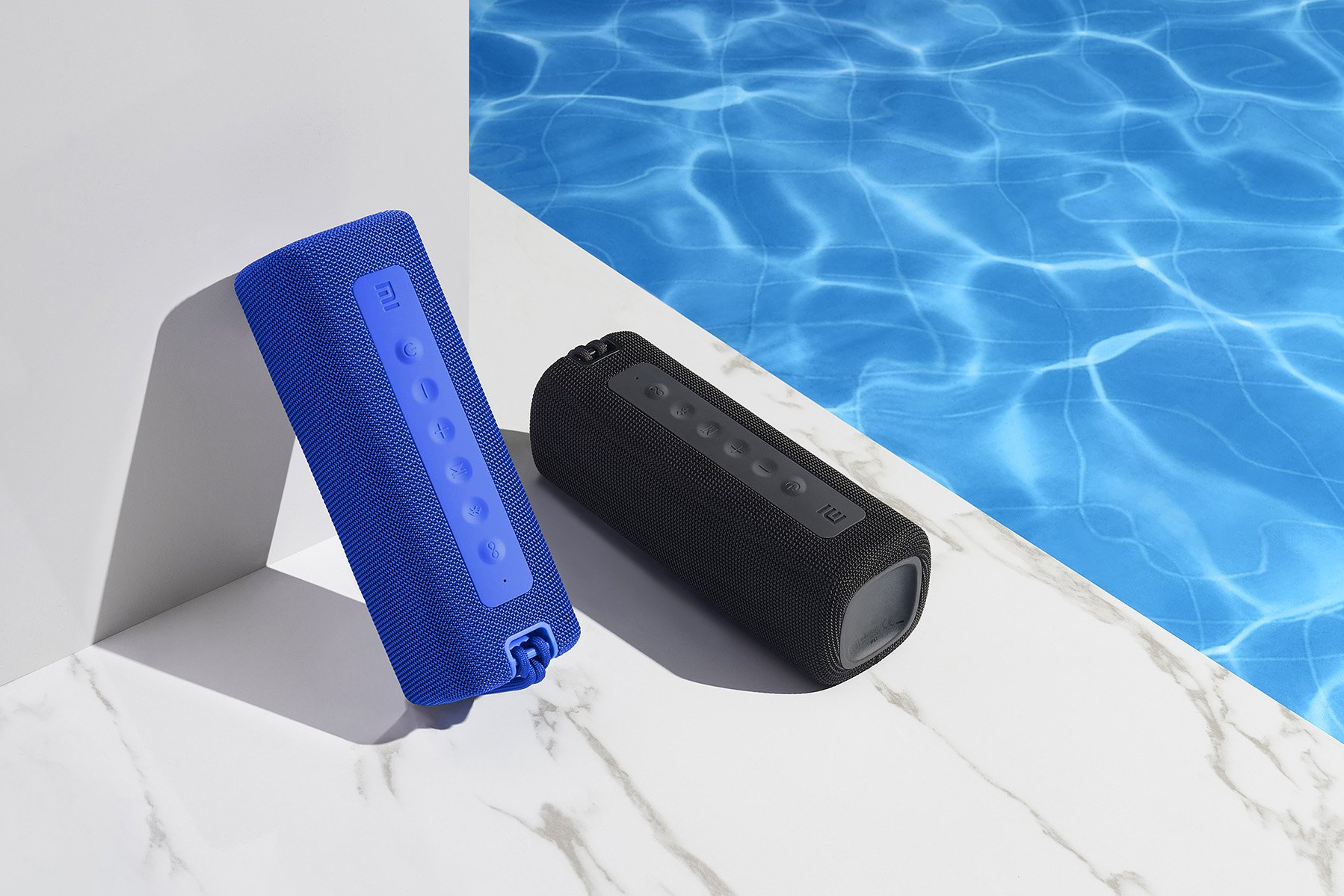
The new Xiaomi Bluetooth speaker for India is rectangular in shape with a mesh-like design all around it and a lanyard. It features 2 x 8W speakers to give a maximum output rate of 16W. This speaker comes with dual sound modes (normal, deep bass) to choose from.
Additionally, users can pair two units to experience a surround sound experience (stereo). Further, the speaker includes physical buttons to power on/off, pause/play track, control volume, toggle Bluetooth mode, and enable Stereo mode.
1 of 3
The speaker can not only connect via Bluetooth 5.0 but also through 3.5mm aux-in. It even has an in-built microphone to make calls and is IPX7 certified for water resistance.
Lastly, the company claims 13-hour battery life (at 50% volume) from its 2,600mAh battery that charges via USB Type-C port. The product measures 213 x 74 x 74mm in dimensions, weighs 790g, and comes in two colors (Black, Blue).
Xiaomi has priced the Mi Portable Bluetooth Speaker (16W) at ₹2,499 ($35) It can be bought from Mi.com and Mi Home stores starting today (February 22). It will be also available on Amazon from 1st March.
Mi Neckband Bluetooth Earphones Pro Specifications, Features, & Price
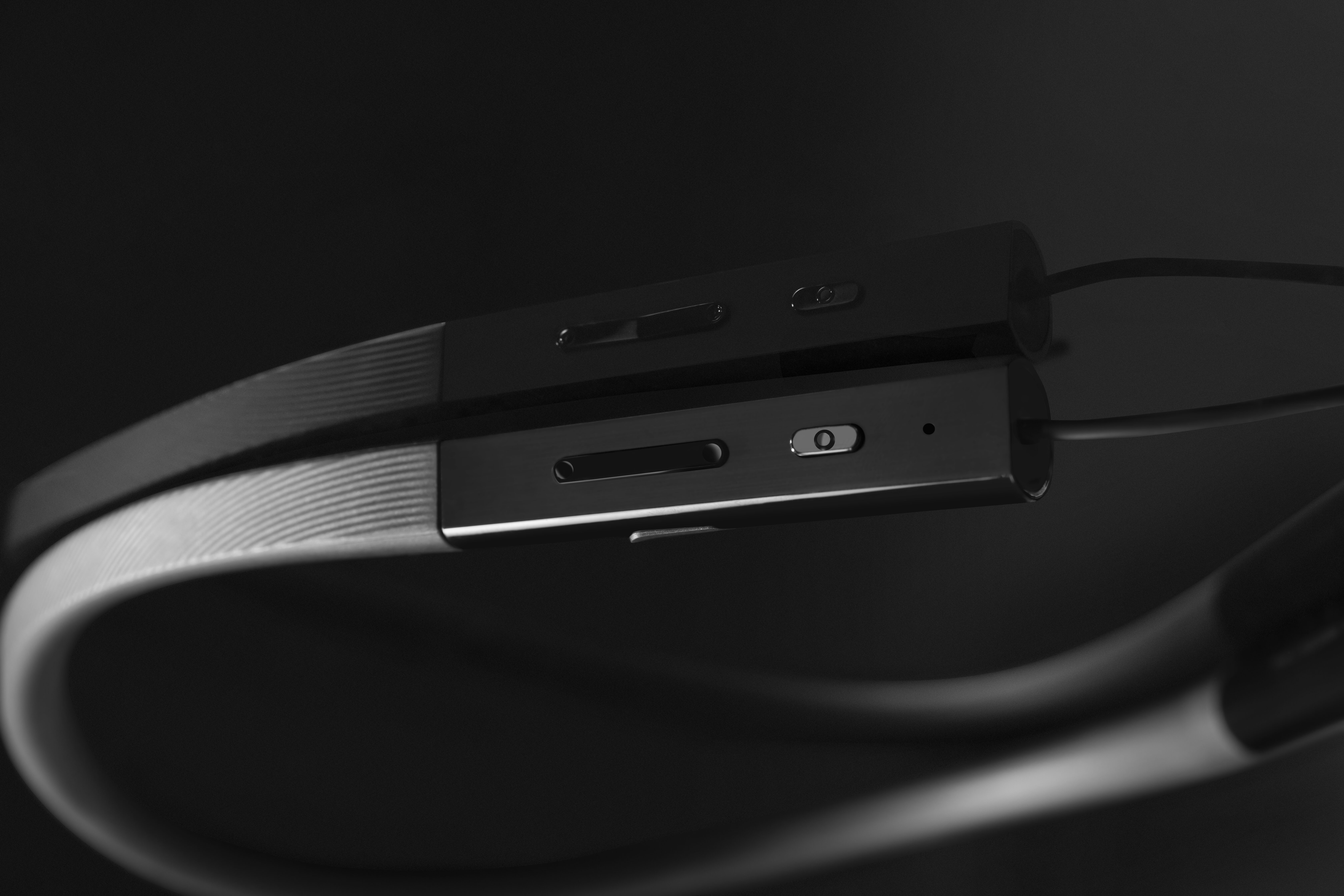
This new pair of neckband-style wireless earphones are the higher variant of the already available Mi Neckband Bluetooth Earphones. The latest model brings notable upgrades for just ₹200 more.
First and foremost, these earphones support both ANC (Active Noise Cancellation) and ENC (Environmental Noise Cancellation). The company claims that this product is capable of reducing the surrounding noise to up to 25dB. The older model does not have any of these.
1 of 3
Further, it features 10mm drivers, and the speakers sport an anti-blockage net to avoid small particles enter inside. It also has some anti-cerumen design that helps in keeping the buds clean and wax-free.
Additionally, the product is IPX5-certified for splash resistance and is backed by a 150mAh battery that can offer up to 20-hour battery life at 50% volume. Last but not least, the new Xiaomi neckband earphones connect via Bluetooth 5.0, weigh 36g, charge through MicroUSB, and comes in a single color option (Blue).
The Xiaomi Mi Neckband Bluetooth Earphones Pro are priced at ₹1,799 ($25). It can be purchased from either Mi.com, Mi Home stores, or Amazon India from February 22 (today). It will also be sold by leading offline retailers starting 1st March.
Xiaomi had recently been rumored to be apparently working on building its own car. This project was reportedly going to be led by the company’s Lei Jun. However, the company has officially responded to these rumors and confirmed that there are currently no projects that have been approved.
According to a TechSinareport, the Chinese tech giant recently addressed the recent rumors. In a statement titled “Clarification of Reports Regarding Entering the Electric Vehicle Industry,” the brand stated that we will have to “wait and see” and nothing is confirmed as of yet on the Hong Kong Stock Exchange. The company also added that it had noticed several media reports of it planning on entering the electric vehicle market, but it has yet to to formally establish a project yet.
For those unaware, Xiaomi was rumored to be planning on building its own car back earlier this month. These rumors had originally surfaced back in 2014 and recently started appearing as well. Notably, the company’s response on the matter does not explicitly denied that it might be working on a car, only that there is no established project at the moment. in other words, the company might just be in the early development or planning stages right now.
In recent times, various tech firms have been showing increasing interest in the automobile industry, especially the electric vehicle market. This includes Chinese brands like Baidu, Ali, and even major global firms like Apple. Unfortunately, it is still too early to know for sure, so stay tuned as we will be providing more updates regarding the matter when additional information is available.
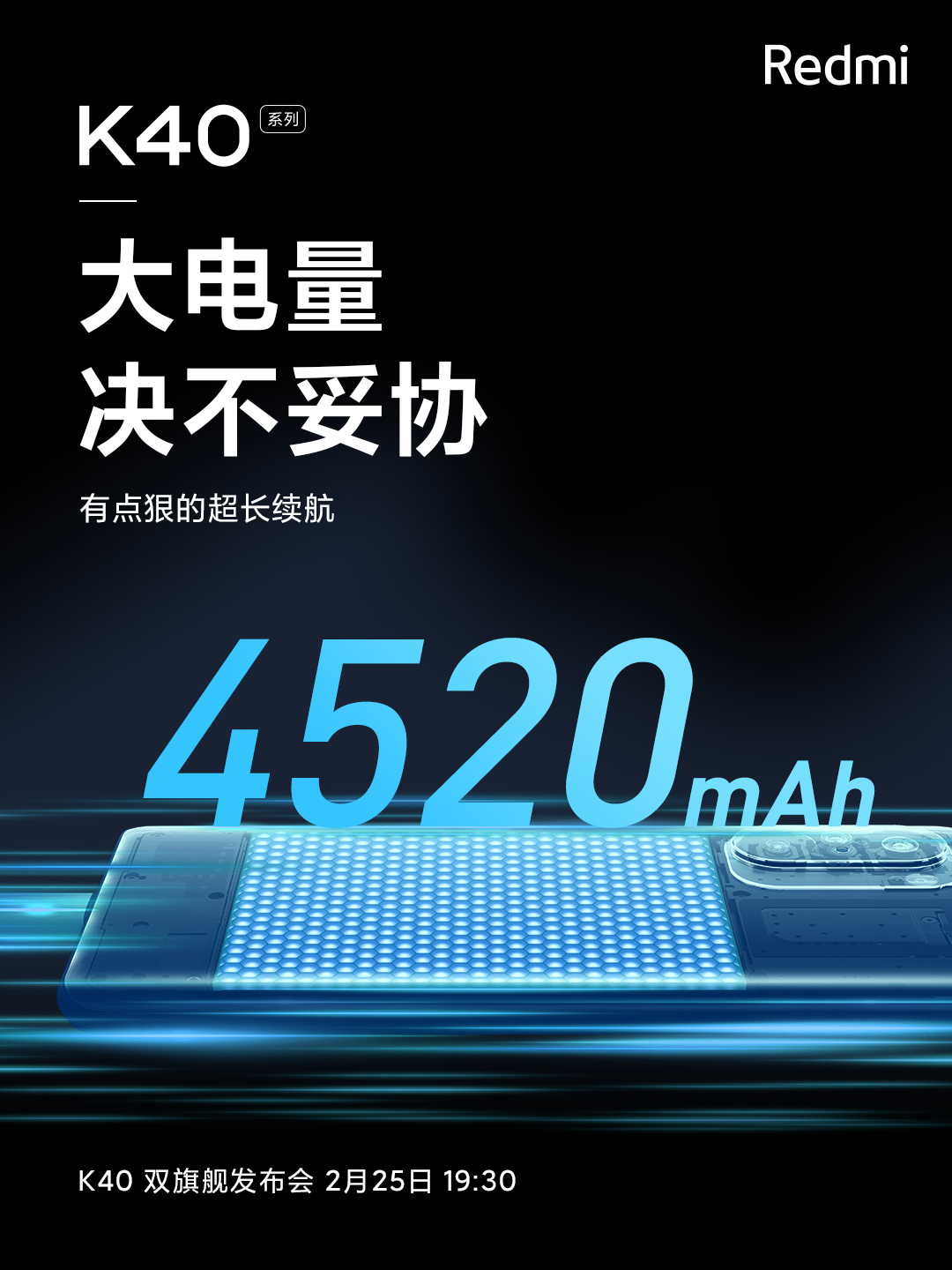
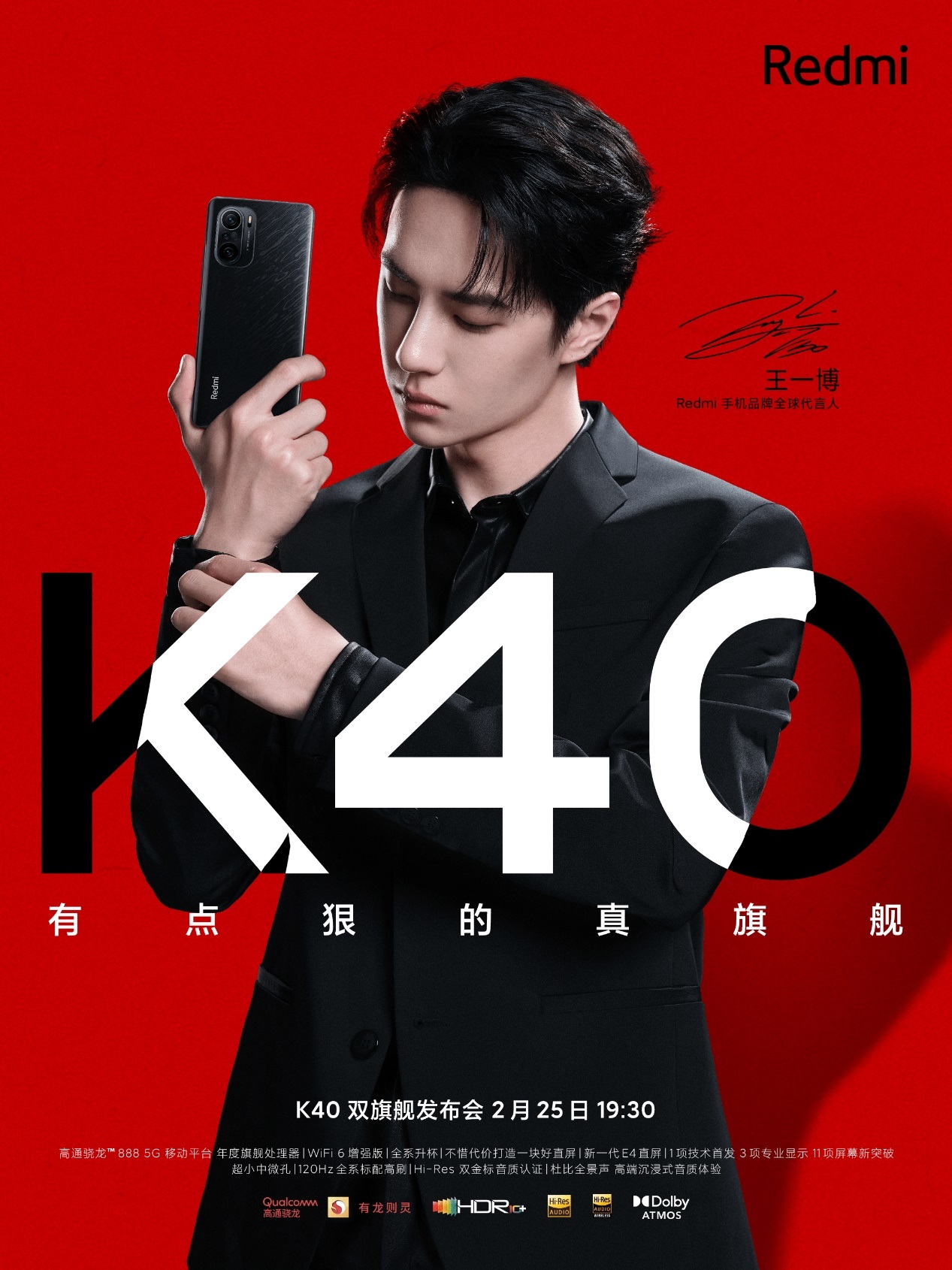
Earlier today (22nd February 2021), the Redmi K40 was teased again by the company. This time, the brand shared an image poster on its official Weibo account, a Chinese microblogging website, which revealed the 4,520mAh battery capacity of the upcoming smartphone lineup.
The Redmi K40 series ‘Dual Flagship‘ launch is just around the corner, with the Chinese tech giant set to unveil the devices on the 25th of February. At the moment, finer details regarding the smartphones are unknown, but the company has revealed a few specifications thus far. One of these teasers revealed that the K40 Pro variant is set to feature a Qualcomm Snapdragon 888 chip under the hood, and now, the brand has confirmed the battery capacity for both devices.
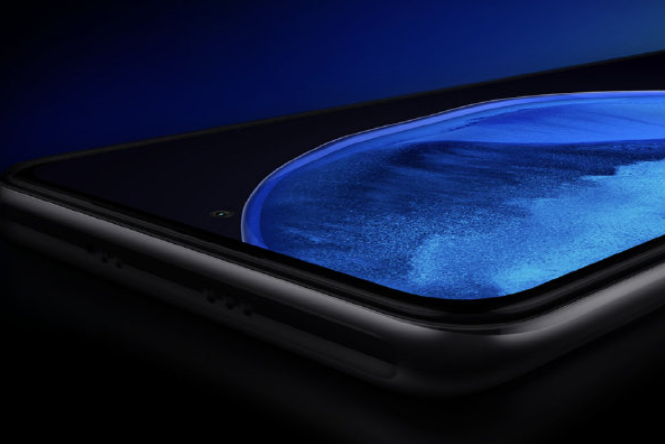
Previously, we had reported on a Chinese certification that revealed the exact measurements of the devices, which were 163.7×76.4×7.8mm. In other words, the company isn’t compromising with the form factor or the battery pack’s size. Talking about the other specs, the K40 features a 6.67 inch display with a punch hole selfie shooter on the front. The screen arrives with a high 120hz refresh rate as well.
On the rear, the K40 Pro will arrives with a quad camera setup on the rear with a 108 megapixel primary lens. The device will also support up to 33W fast charging along with support for Dolby Atmos audio and dual Hi-Res small gold standard certification. So stay tuned, as we will be covering the launch event and providing more updates as additional information is available.
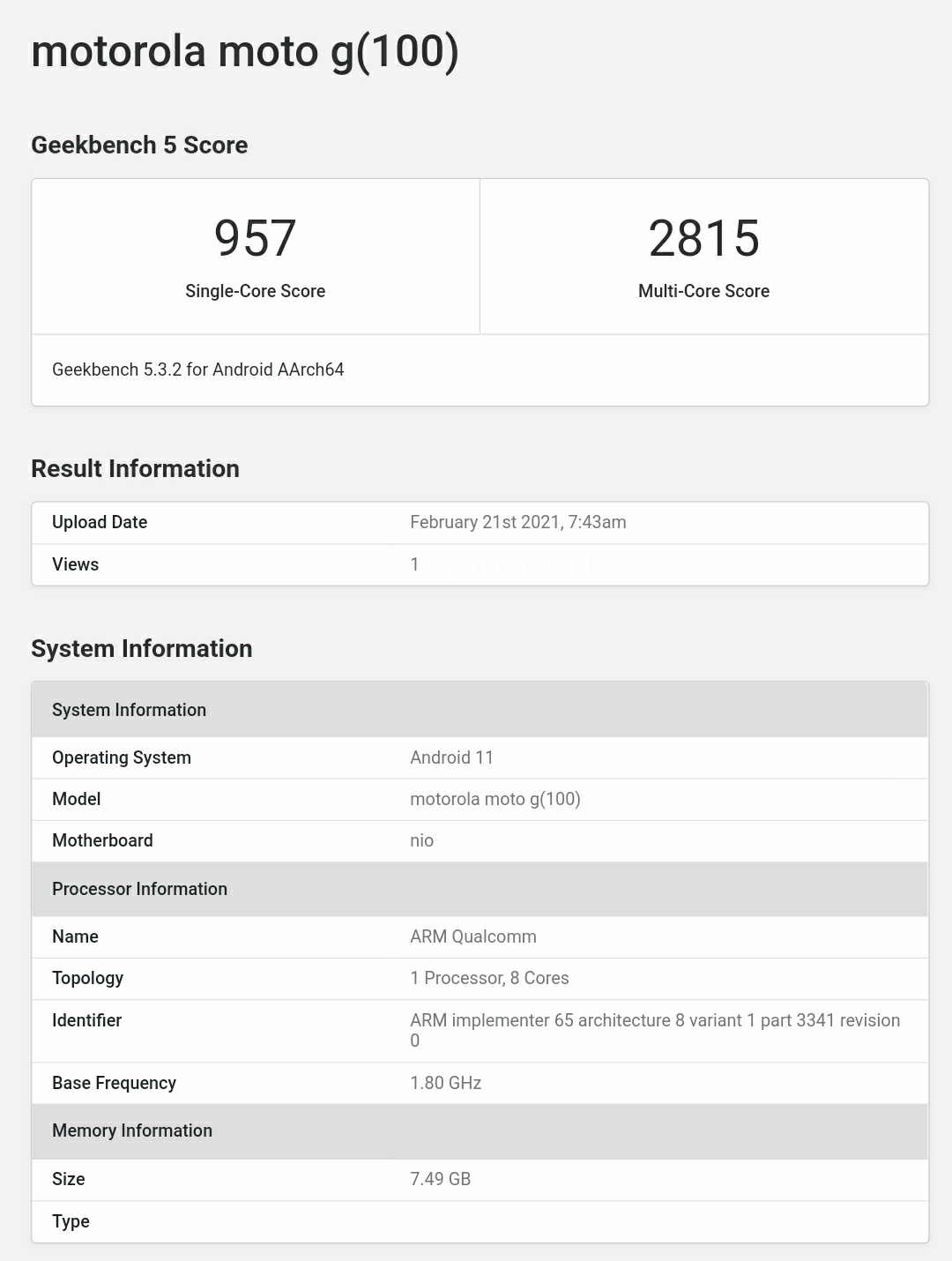
Last month, Motorola launched the Motorola Edge S in China as the world’s first smartphone fueled by the Snapdragon 870 mobile platform. Rumors have claimed that the device will be heading to global markets as the Moto G100. Hence, it is likely to end up as the most powerful G-series phone from the brand. It appears that the arrival of the device could be close at hand as the Moto G100 has appeared at Geekbench’s database (via).
Before the Motorola Edge S moniker was confirmed, it was referred to as the ‘Nio’ codename. The same codename is mentioned in the Geekbench 5 listing of the Motorola Moto G100. The processor is mentioned with a 1.80GHz base frequency. The source code of the listing has revealed that the SoC can reach maximum speeds of 3.19GHz and it has Adreno G50 graphics. Hence, it is confirmed that it is equipped with the Snapdragon 870 chipset.
The Moto G100 variant that has appeared at Geekbench has 8 GB of RAM and it boots to Android 11 OS. In the single-core and multi-core tests, the G100 scored 957 and 2815 points, respectively. The company could be internally testing the performance of the device before making it official. As mentioned above, it is likely to end up as a global version of the Edge S phone. It remains to be seen whether the Moto G100 goes official within Q1. A recent report claimed that it may launch in India this month.
Motorola Edge S specifications
The Motorola Edge S has a 6.7-inch Full HD+ IPS LCD display that offers a 21:9 aspect ratio and a 90Hz refresh rate. The Snapdragon 870 SoC is coupled with 6 GB / 8 GB of RAM. It comes in UFS 3.1 storage choices like 128 GB and 256 GB.
At the front, the Edge S has a 16-megapixel main selfie camera and an 8-megapixel ultrawide shooter. Its rear camera module has a 64-megapixel main lens, a 16-megapixel ultrawide shooter, and a 2-megapixel depth sensor. Its 5,000mAh battery is coupled with 20W fast charging support.
Last year, Reliance Jio had announced Google’s investment of Rs 33,737 crore for a 7.7 percent stake in the company. Along with that, it was also revealed that both the companies will be collaborating for making a low-cost Android smartphone.
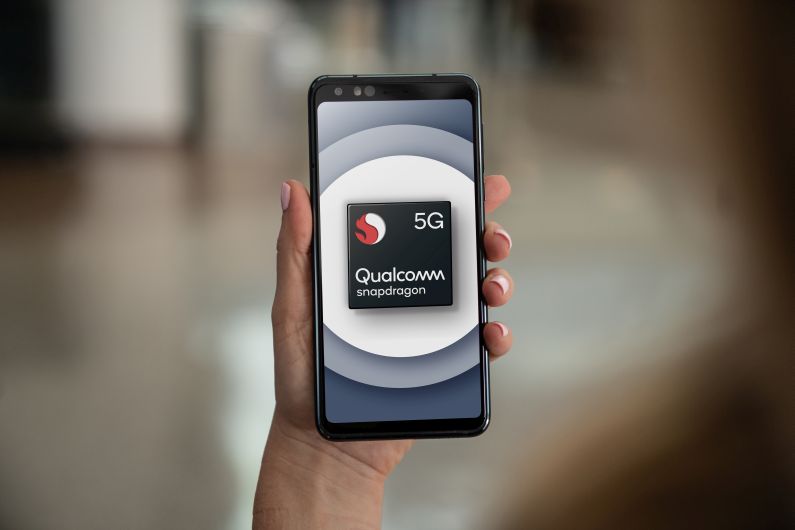
Now, it is being reported that Qualcomm will also be playing a key role for this upcoming entry-level smartphone. With budget smartphones, Jio is trying to convert feature phone users, especially its JioPhone users, into first-time smartphone users.
Rajen Vagadia, President of Qualcomm India, told ET that the company will continue the legacy of collaborating and supporting Jio in bringing new devices and offerings, across price tiers in the market.
Qualcomm’s 400-series chipsets are likely to be used for the budget smartphones — both for 4G as well as 5G. However, the company hasn’t confirmed reaching a deal for the same, saying that such deals would be confidential.
As per the previous reports, Reliance Jio had planned to launch the budget smartphone made in collaboration with Google, by December 2020. However, the release of the device has been postponed and is now expected to get launched in the first quarter of this year.
The upcoming budget smartphone is expected to be priced around Rs 4,000 (approximately $55) to attract the masses in the Indian market. Another report claims that the Jio is expected to roll out around 200 million units within two years in hopes to rope in new users to maintain its lead in the market.
It will be interesting to how the upcoming Jio-Google budget smartphone performs in the market. Google has been trying to focus on the budget offerings with services like Android Go and Android One, but so far hasn’t been able to provide support after initial few months. Indian smartphone market is already highly competitive and it remains to been seen if Jio’s smartphones can be a threat to the likes of Xiaomi and Realme.
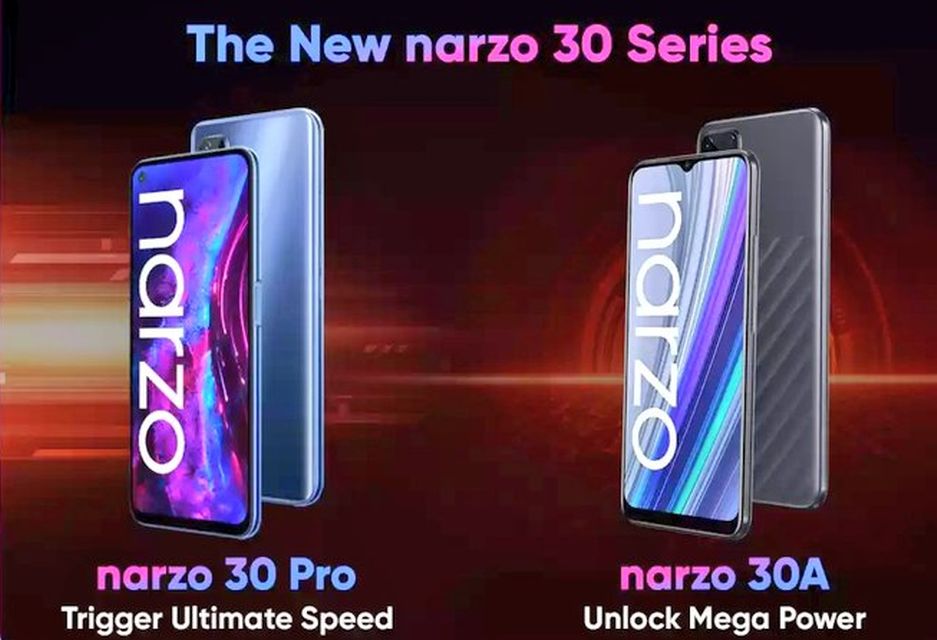
On Wednesday, Realme will take off covers from the Narzo 30 Pro 5G and Narzo 30A smartphones in India. Fresh leaks that appeared yesterday revealed that Narzo 30 Pro 5G will soon dethrone Realme X7 5G to become India’s cheapest 5G smartphone.
Earlier this month, Realme announce the Realme X7 5G with a price tag of Rs 19,999 (~$275) in India. It is currently selling as the most affordable 5G phone in the country. Like the Realme X7 5G, the Narzo 30 Pro 5G is powered by Dimensity 800U. However, the Narzo 30 Pro 5G is packed with slightly weaker specs as compared to the X7 5G. Hence, it is expected to cost lower than the X7 5G.
According to tipster Debayan Roy and Techbloat, the Realme Narzo 30 Pro 5G will come in two options such as 8 GB RAM + 128 GB storage and 6 GBR AM + 64 GB storage. He further revealed that these models will cost Rs 17,999 (~$248) / Rs 18,999 (~$262) and Rs 15,999 (~$220) / Rs 16,999 (~$234), respectively. It will come in two colors like Sword Black and Silver.
Realme Narzo 30 Pro 5G and Narzo 30A
The leak further states that the Narzo 30A will come in two options such as 4GB RAM + 64 GB storage and 3 GB RAM + 32 GB storage. Both models will be priced at Rs 9,999 / Rs 9,499 and Rs 8,999 / Rs 8,499. It will be available in two colors like Laser Black and Laser Blue.
The Narzo 30 Pro 5G is rumored to arrive with specs like a 120Hz display, a 5,000mAh battery, 30W rapid charging, and 48-megapixel triple cameras. The Narzo 30A is expected to feature a 6.5-inch screen, Helio G85 chipset, a 6000mAh battery, 18W charging, 13-megapixel dual cameras, and an 8-megapixel selfie camera.
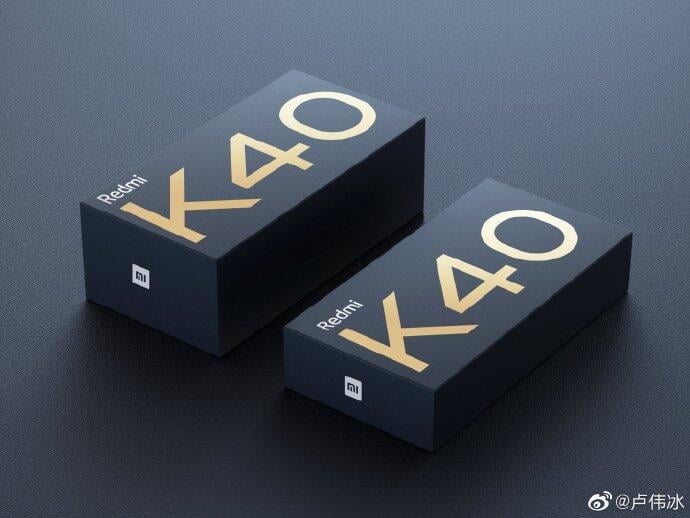
Redmi is set to launch two of its latest smartphones — Redmi K40 and Redmi K40 Pro on 25th February in China. Ahead of the launch, the company has also started taking reservations for the devices.
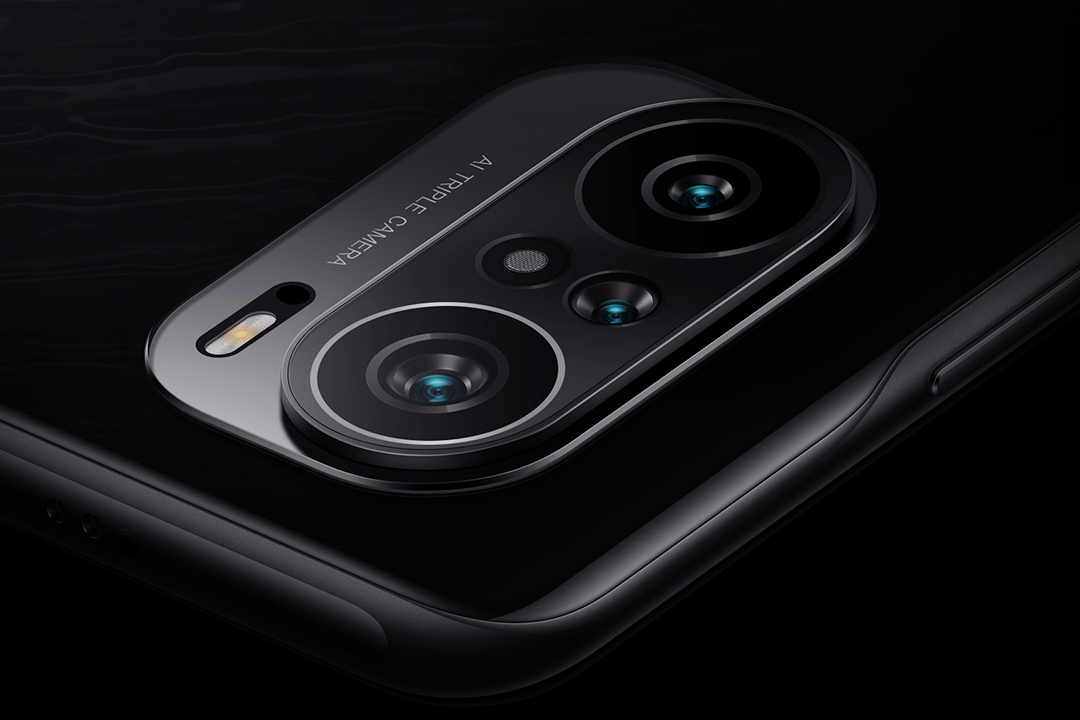
Now, with just a couple of days left for the official announcement, the company has today shared a teaser image for the smartphone which reveals its back panel design. It also confirms that the device is being endorsed by Wang Yibo.
The teaser image showcases the back panel, which isn’t a solid color but features a water-like pattern that has diagonal strokes moving from upper right to downwards. This is also the first full appearance of the Redmi K40 Black Edition.
Both the smartphones in the Redmi K40 series will come with a 6.67-inch display with E4 Samsung AMOLED Full HD+ panel and 120Hz refresh rate. They will also have a punch-hole cutout for housing the front-facing camera.
The Pro model will be powered by the Qualcomm Snapdragon 888 chipset while the standard model is expected to have Snapdragon 700-series chipset or the Snapdragon 870 SoC. Apart from that, the devices are expected to come packed with up to 8GB DDR5 RAM and 256GB UFS 3.1 storage.
Redmi K40 Series Camera Module
They will have support for 5G, Wi-Fi 6, Bluetooth 5.2, Dual Stereo Speakers, and more. The difference will be in the camera configuration, although both are expected to have AI triple-camera setup on the back. While the standard model may have 64MP primary sensor, the Pro model may come with an 108MP sensor.
In the software department, the devices are expected to be running the latest Android 11 operating system with the company’s own MIUI 12.5 on top. The phones are said to be powered by a 4,420mAh battery with 33W fast charging support.
After opening reservations a couple of days back, the Redmi K40 series has already received more than 230,000 reservation requests. Ahead of the launch, the company has already hinted that the Redmi K40 Pro could start at 2,999 yuan (approximately $462).
The Mobile World Congress (MWC) Shanghai 2021 will begin tomorrow. One of the phones that will be showcased at the tech exhibition is the Realme GT 5G smartphone that is set to launch in China on March 4. Today, the company released two posters to give a first look of the rear design of the Realme GT 5G.
As it is known, the Realme RMX2202 that was recently approved by the TENAA and 3C certification platforms will be debuting in China as the Realme GT 5G. At TENAA, the handset was spotted with a punch-hole display, a rectangle-shaped camera module, and a GT logo on the back.
Realme is expected to release the Realme GT 5G in leather and glass back editions in China. The official posters showcase the glass edition of the device. While the GT logo is absent in the new poster, the other design elements of the smartphone match with its TENAA image. Chinese actor and singer Yang Mi will be promoting the smartphone in China.
The Realme GT 5G’s official posters confirm that it will be arriving with a 64-megapixel triple camera system. A look at its bottom edge shows that it has a loudspeaker, a USB-C port, and a 3.5mm audio jack.
Reports have revealed that the Realme GT Pro will be arriving with specifications like a 120H refresh rate supporting AMOLED screen, Snapdragon 888 mobile platform, 65W fast charging, 12 GB of RAM, 256 GB of UFS 3.1 storage, and Realme UI 2.0 based Android 11 OS. It is speculated that there could be a Pro version, which may feature a 160Hz refresh rate display, Snapdragon 888 mobile platform, and 125W UltraDart fast charging technology.
Xiaomi-backed Redmi is gearing up to launch its latest Redmi K40 lineup smartphones in its home market China on 25th February. With just a few days left for the official launch, the company has started taking reservations for the same.
The Redmi K40 series went up for reservation in China through JD.com on 19th February and now the company has confirmed that it has received more than 230,000 reservations within two days.
While the numbers are decent, they are not as impressive as the brand’s previous models. Xiaomi is expected to launch two models in the lineup — Redmi K40 and Redmi K40 Pro. Ahead of the official announcement, specs of the devices have leaked online.
Both the smartphones are expected to share a lot of the specifications between them, at least that’s what TENAA listing suggests. The phones will come with a 6.67-inch display, likely with E4 Samsung AMOLED Full HD+ panel and 120Hz refresh rate.
As for the internals, the Redmi K40 Pro will be powered by the Qualcomm Snapdragon 888 chipset while the standard model is expected to have Snapdragon 700-series chipset or the Snapdragon 870 SoC.
The difference will be in the camera configuration, although both are expected to have AI triple-camera setup on the back. While the standard model may have 64MP primary sensor, the Pro model may come with an 108MP sensor.
Coming to the memory configuration, the devices are expected to come packed with up to 8GB DDR5 RAM and 256GB UFS 3.1 storage. They will have support for 5G, Wi-Fi 6, Bluetooth 5.2, Dual Stereo Speakers, and more.
In the software department, the devices are expected to be running the latest Android 11 operating system with the company’s own MIUI 12.5 on top. The phones are said to be powered by a 4,420mAh battery with 33W fast charging support.
Ahead of the launch, the company has already hinted that the Redmi K40 Pro could start at 2,999 yuan (approximately $462), which is quite aggressive given that its predecessor was also priced the same.
Apple has a very successful AirPods lineup of true wireless earphones, which have now become one of the best-selling products from the company. To keep the momentum going, the company is gearing up to launch the third-generation model of the AirPods.
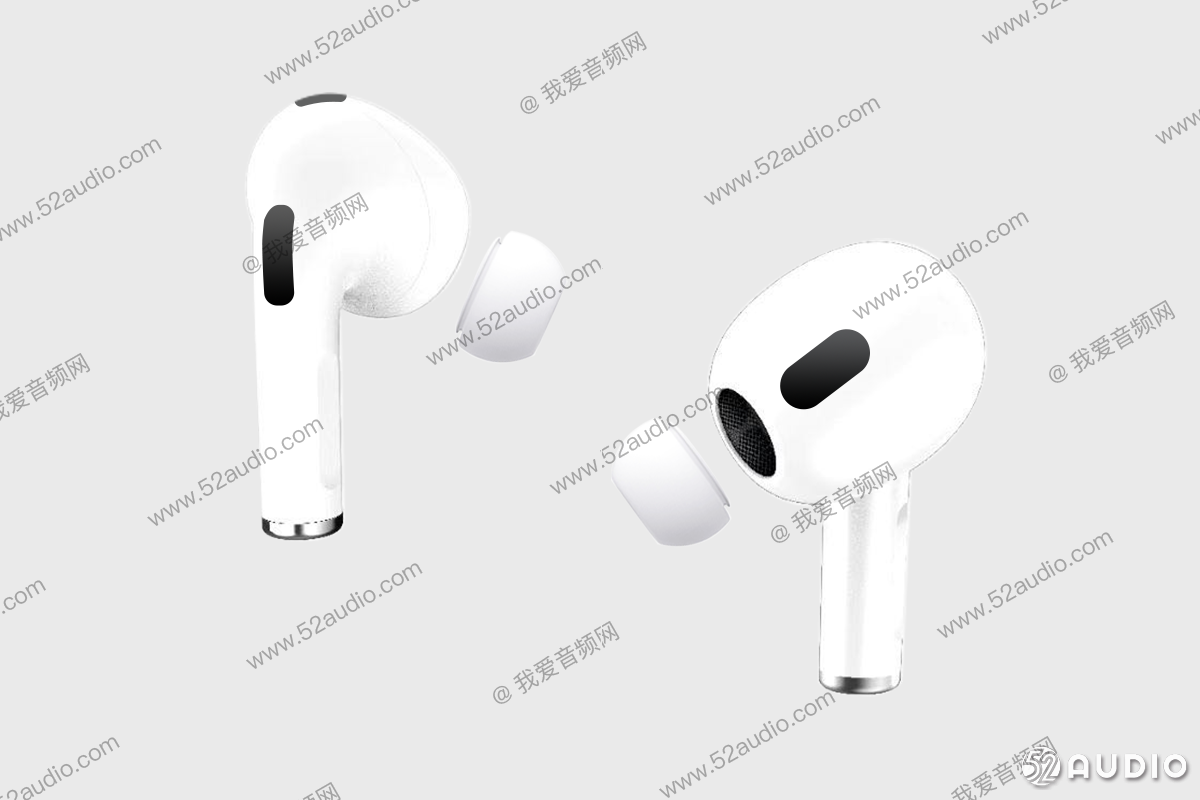
Now, alleged photos of the AirPods 3 have surfaced online which showcases that we will be getting a new design for the earphones. Leaked images show that the upcoming AirPods will feature a flat edge with a slight change in the placement of the device’s sensors.
In line with the previous rumors, the Apple AirPods 3 will have a shorter stem and will come with support for replaceable ear tips, similar to what we have seen with the company’s AirPods Pro.
The report from 52Audio also claims that the next-generation AirPods may come with support for Active Noise Cancellation (ANC). In that case, we expect Apple to have something major to offer with the next-generation AirPods Pro to justify the “Pro” tag as well as higher pricing.
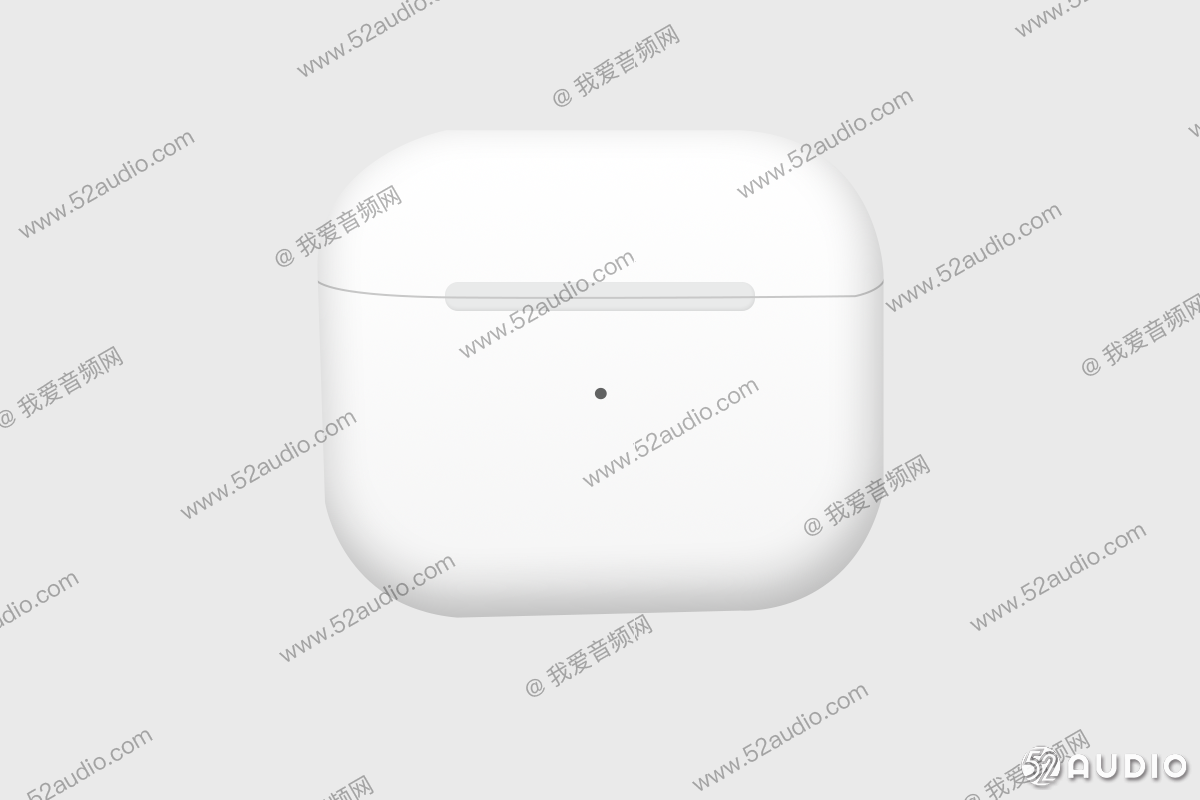
Coming to the charging case, it seems very similar to the AirPods Pro case with a rectangular body instead of square. There’s a charging light on the front of the case, suggesting that it will support wireless charging.
Apple has been rumored to gearing up to launch a newly refreshed audio product lineup in the market. Recently, it was reported that the third-generation AirPods as well as the second-generation AirPods could get launched in early 2021.
While the launch dates are not yet announced by the company, it is being reported that Apple may launch these new AirPods models in the coming weeks.
Vivo has been working on a new S-series smartphone which is expected to go official in the first week of March. Today, the company has confirmed that the Vivo S9 will be announced on 3rd March in China.
The company has also roped in the well-known Thai musician and singer LiSA from the Kpop group Blackpink as an ambassador for the smartphone. Going by the teaser video shared by Vivo, the company seems to have changed its focus for the device this time.
The video teaser shows tag-lines like “Illuminating My Beauty” and “Very Night Soft Light Selfie”, which indicates that the company is now focusing on the front-facing camera technology instead of the primary camera in the previous models.
Coming to the specifications, leaks have revealed that it will be the first smartphone to be powered by the 6nm MediaTek Dimensity 1100 chipset. Reports indicate another smartphone named Vivo S9e could also be launched, powered by MediaTek Dimensity 820.
As per the TENAA listing, the smartphone will come with a 6.44-inch display offering 90Hz refresh rate and will feature a 44-megapixel dual camera setup on the front side. As for the camera configuration on the back panel, the device has a 64-megapixel primary sensor but nothing much is known.
Now, coming to the memory configuration, the device is expected to pack up to 12GB of RAM. For connectivity, it supports 5G Enhanced Mobile Broadband (eMBB). The phone will be powered by a 4,000mAh battery with support for 33W fast charging technology. It runs the latest Android 11 operating system out-of-the-box, likely with the company’s own OriginOS custom interface on top.
Huawei has reportedly informed suppliers of key smartphone components that they should expect a drop in orders of up to 60% of its components. This is coming in the wake of the US ban which has almost crippled the company’s smartphone business.
Huawei recently hinted that it wasn’t considering selling the smartphone business. But it can’t be business as usual as the Chinese tech giant has obviously almost run out of chip inventory and unless there is an intervention from the new US administration, the company will totally run out of inventory soon.
Asian Nikkei reports that the Chinese tech giant is only planning to order components for between 70-80 million phone units for the entire year. Although the US ban was in effect last year, Huawei shipped 189 million units which means the company expects a 60% drop in phone shipments this year. It should be noted that last year’s shipment was a far cry from the 240 million phones Huawei shipped in 2019.
In addition, the telecommunications giant won’t be releasing too many flagship models this year, as a result of its inability to source components for 5G phones. Instead,m the company will release 4G phones more. However, we still expect to see a few 5G models such as the Mate X2 and Huawei P50.
Sadly, we can’t tell when things will return to normal for Huawei. US Commerce secretary nominee has told a Senate committee during her screening that she has seen “no reason” to lift the trade restrictions off Huawei, maintaining that the company poses a risk to national security.
The Honor business is already a casualty as Huawei was forced to sell-off. Could the current state of things force Huawei to sell its smartphone business as well? Let us know what you think in the comments section
The leaked details on the RAM, storage, and color editions of the Xiaomi Redmi Note 10, Note 10 Pro, and Note 10 Pro Max had appeared in the previous week. The rumor mill revealed the existence of the Redmi Note 10 Pro Max for the first time. On Saturday, 91mobiles released a leak in collaboration with reliable tipster Ishan Agarwal. It once again revealed the RAM, storage, and color variants of the Redmi Note 10 Pro Max.
The leak claimed that the Redmi Note 10 Pro Max will be arriving in two options such as 6 GB RAM + 128 GB storage and 8 GB RAM + 128 GB storage. It further mentioned the handset will be available in three colors as Blue, Black, and Bronze. As the name goes, the Pro Max model will be positioned higher than the Note 10 Pro.
The RAM and storage information of the Redmi Note 10 Pro Max shared by the publication matches with last week’s report, which mentioned that the Snapdragon 768G would power it. The SoC was used by Xiaomi to power the Redmi K30 5G Racing Edition smartphone last year in China. This model is also expected to arrive with other features like a 120Hz IPS screen, a 108-megapixel quad-camera system, and a 5,050mAh battery. The presence of SD768G suggests that it will carry support for 5G connectivity.
The previous week’s leak claimed that the Note 10 Pro will come in models such as 6 GB RAM + 64 GB storage, 6 GB RAM + 128 GB storage, and 8 GB RAM + 128 GB storage. It further revealed that the phone may come with specs like a 120Hz IPS display, Snapdragon 732G chipset, a 64-megapixel quad-camera system, and a 5,050mAh battery.
Lastly, it was also revealed the Redmi Note 10 will come with specs like an IPS screen, Snapdragon 678 chipset, and a 48-megapixel quad-camera setup. It may come in variants like 4 GB RAM + 64 GB storage and 6 GB RAM + 128 GB storage and it could be available in colors like White, Green, and Black.
Xiaomi India is scheduled to announce the Redmi Note 10 series on March 4 in India.
Huawei has quietly launched the FreeBuds 4i in China. The product is presently listed on Huawei’s official website and is on preorder on the company’s online store – Vmall. It carries a price tag of 499 yuan (~$76).
The Huawei FreeBuds 4i is the successor to the FreeBuds 3i which was first launched around May last year. The model comes with some upgrades one of which is support for up to 10 hours of continuous music playback. The wireless earbuds also come with active noise cancellation, something that was also on the FreeBuds 3i. The noise cancellation is capable of reducing the ambient noisein places such as a noisy station, a lively shopping mall, or a subway.
The earbuds adopts a similar design with its predecessor, that is an in-ear design with a long stem just like the Airpod. Each earbud has a dual-microphone design which helps to accurately pick up human voices. The special windproof structure design can improve the earphone’s ability to reduce wind noise.
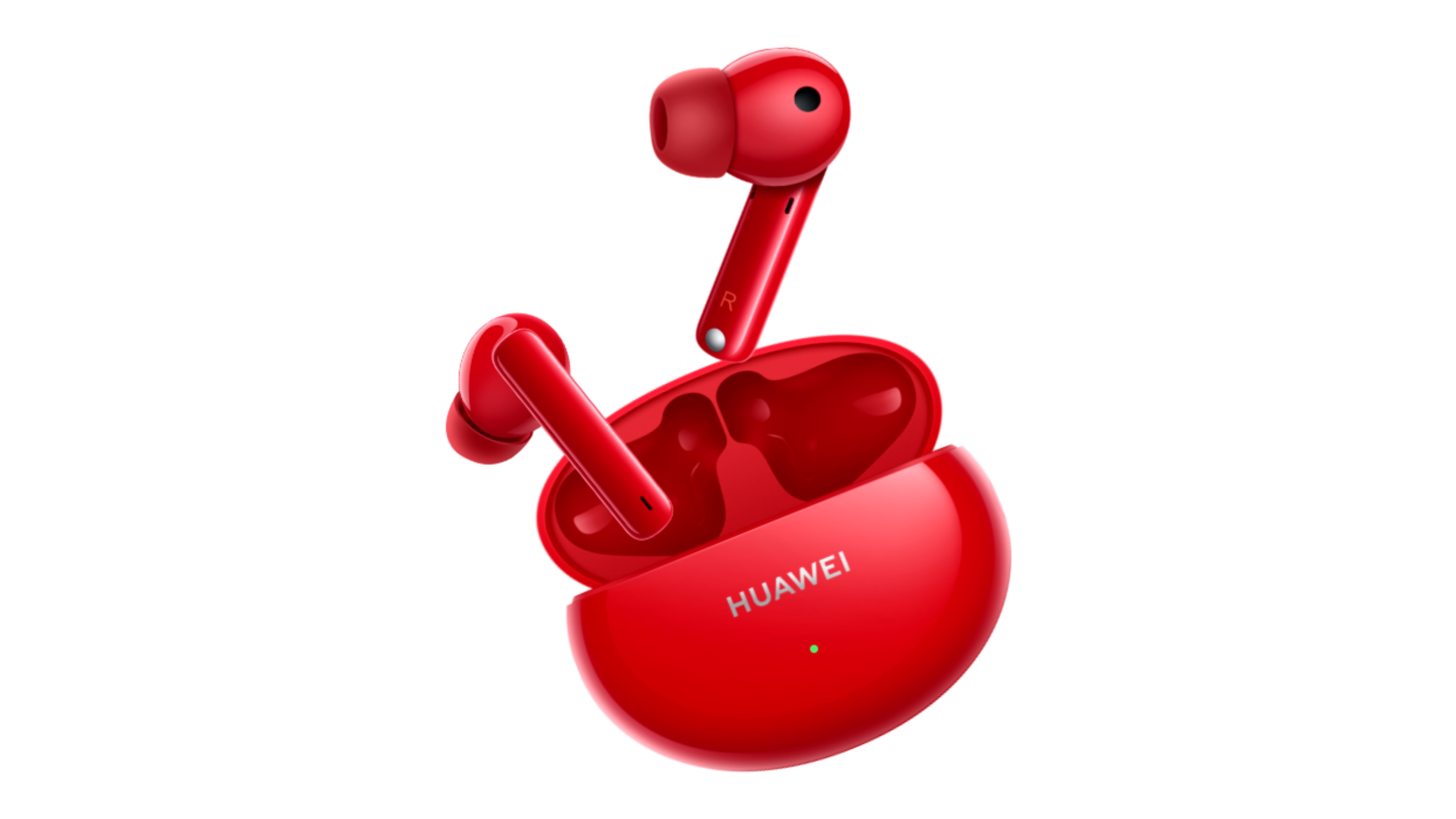
HUAWEI FreeBuds 4i Honey Red
It has a lightweight body which ensures there isn’t too much strain on the ear, thus giving the user a comfortable wearing experience. The compact earphones come with a built-in 10 mm dynamic coil unit, with polymer composite diaphragm to deliver vivd vocals.
The earbuds also come with a portable, round storage box which also doubles as a charging case. A ten-minute charge can deliver up to 4 hours of playback.
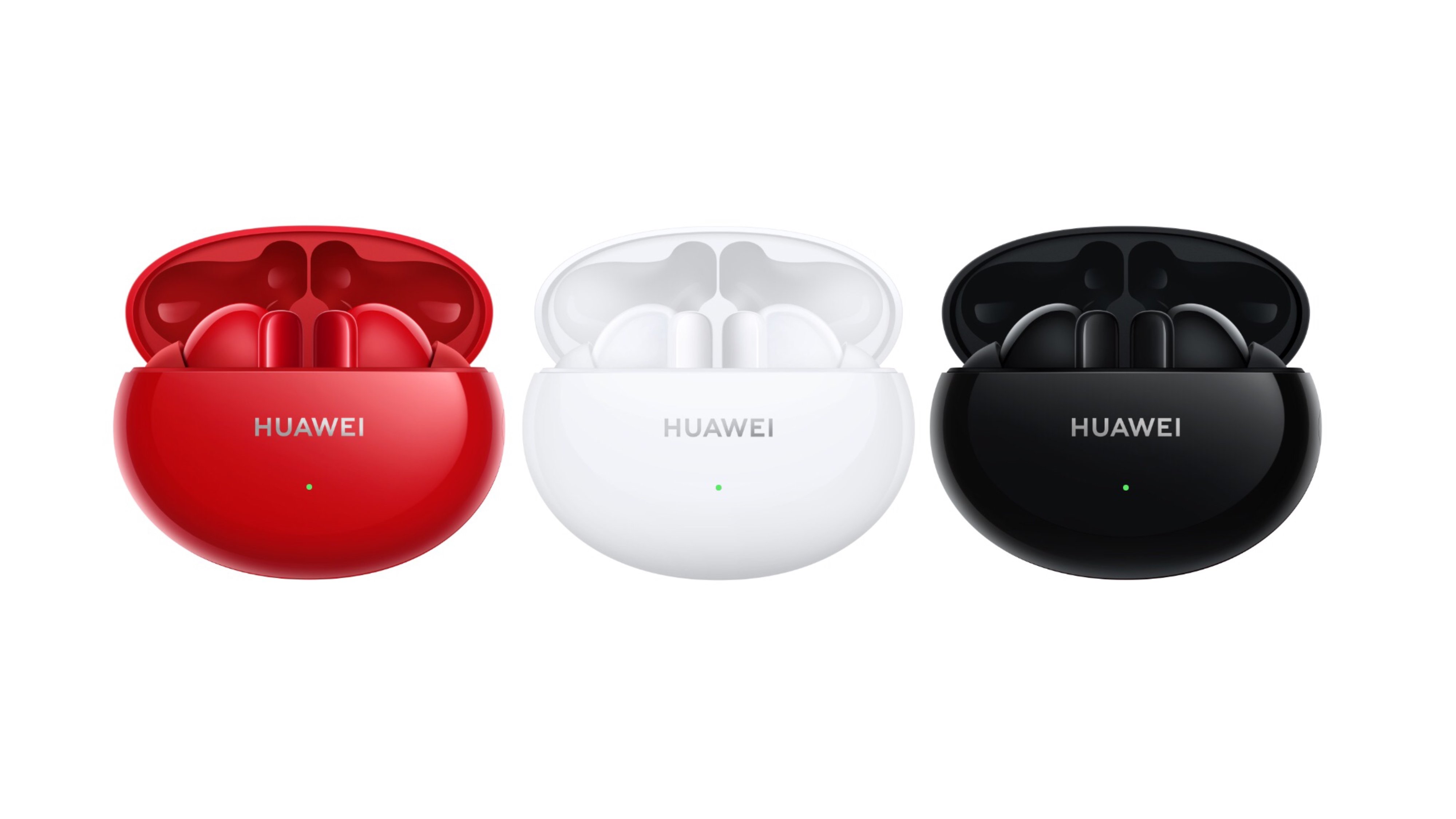
HUAWEI FreeBuds 4i | Honey Red, Ceramic White, and Carbon Crystal Black
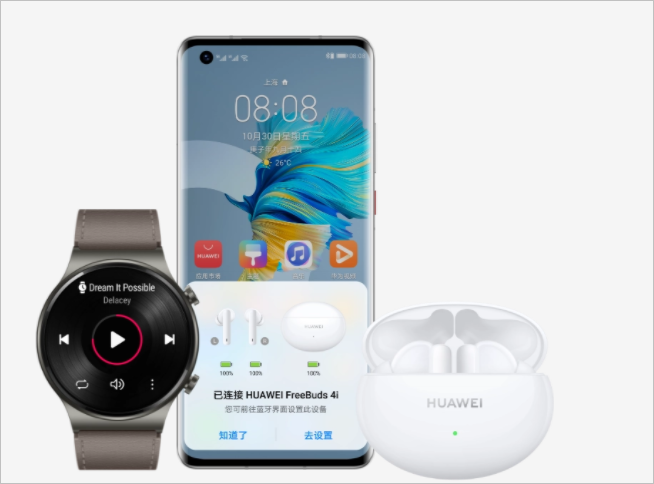
Further the FreeBuds 4i delivers a more intuitive connection method whereby you just pop open the carry case and it pairs automatically with the smartphone after the first pairing. It also enables touch control whereby with a simple double tap, you can play or pause a song playing or answer/hang up calls.
The earbuds are available in Red, Black and White colours. There is no word yet on when this product will be available outside China.
Last week was packed full of announcements and new developments in the mobile tech industry. If you missed out, here is your chance to get brought up to speed.
Essential is now a part of Nothing; you too can own (a part of )Nothing
Nothing also opened up investment into the company to the general public. The new startup is offering $1.5 million worth of shares to interested community members, allowing them to own a part of the company before it goes public. In just 24 hours after its announcement, the company had recorded registered interest valued at over $18 million from over 14,000 individuals.
POCO India goes Mad with its rebranding
POCO India has announced it is rebranding barely more than a year since the Xiaomi-owned brand became an “independent company”. The company unveiled a new logo alongside a mascot last week that it says is “Made of Mad”.
A little over a Year Ago, Poco and Mi became two different entities.
On This Day, we’re letting you in on the real reason. 😉
Several devices eligible for the Android 11 update are yet to get it but that is not Google’s concern. The tech giant has released the first developer preview (DP1) of the next version which will be released later this year as Android 12.
Those who have gotten have shared some of the new features that we should expect when the stable version is released later this year. If your device won’t be getting Android 12, that is a bummer, but you can download one of the new wallpapers here.
Rather than settle for an all-digital event, the plan is to have an in-person event with several safety measures put in place. What’s our advice? Stay at home!!!
Motorola unveils a handful of budget phones
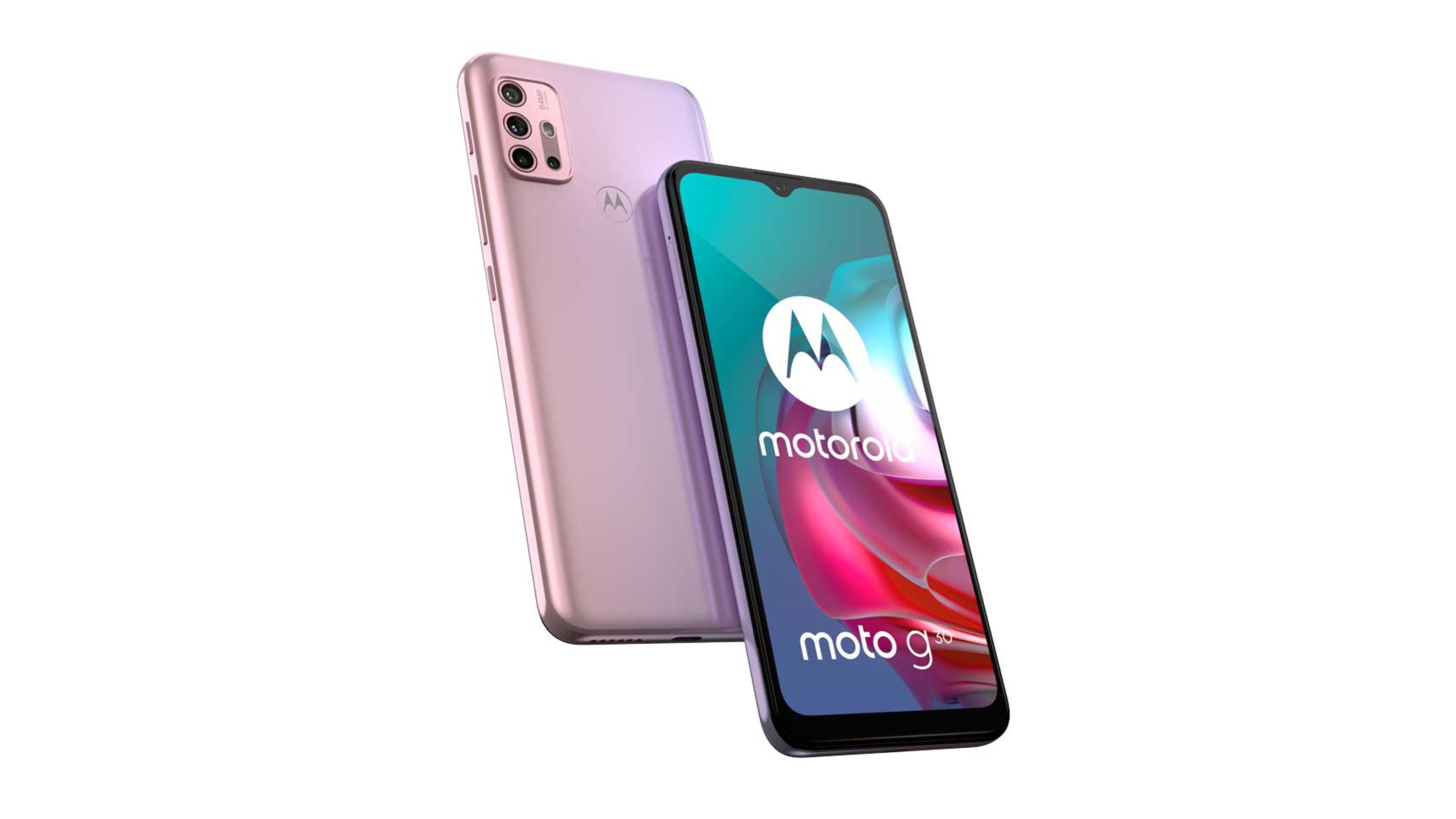
Motorola announced three new phones last week. First, it announced the Moto G10 and Moto G30 in Europe. Both phones have support for 4G, are powered by Snapdragon processors, have 5000mAh batteries, and are priced under 200 Euros.
Motorola Moto G30
It also announced the Moto G7 Power in India. An Helio G25-powered phone with dual rear cameras, a 5000mAh battery, and a starting price of ₹7,499 (~$103).
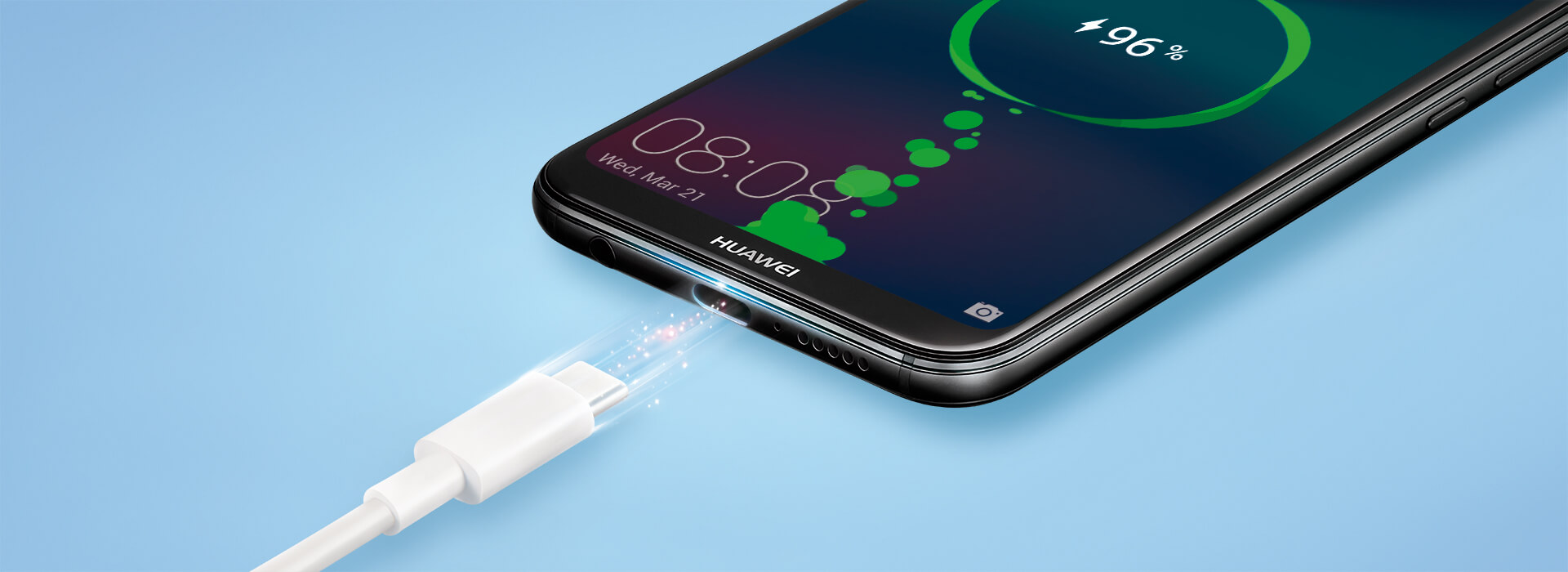
If you want a phone with the fastest wired charging technology available, your options include the Mi 10 Ultra, iQOO 5 Pro, and the iQOO 7. All of these phones support 120W fast wired charging and allow you to fully charge them in less than 30 minutes.
That is a big jump from what was available some five years ago where only a very few phones charged at a rating higher than 18W. Things began to change around 2018 when phones like the OPPO Find X Lamborghini Edition launched with support for 50W fast charging. Since its debut, we have seen manufacturers try to outdo themselves with different fast-charging technologies.
The arrival of these incredibly fast charging technologies has received mixed reviews. There are folks who are excited and want the fastest charging technology available and there are those who want to play it safe and will rather go for a device that charges much slower.
For this week’s poll, we want to know which fast charging speed our readers think is enough for a phone. So please take the poll and also drop a comment telling us what you think about the current fast charging trends.
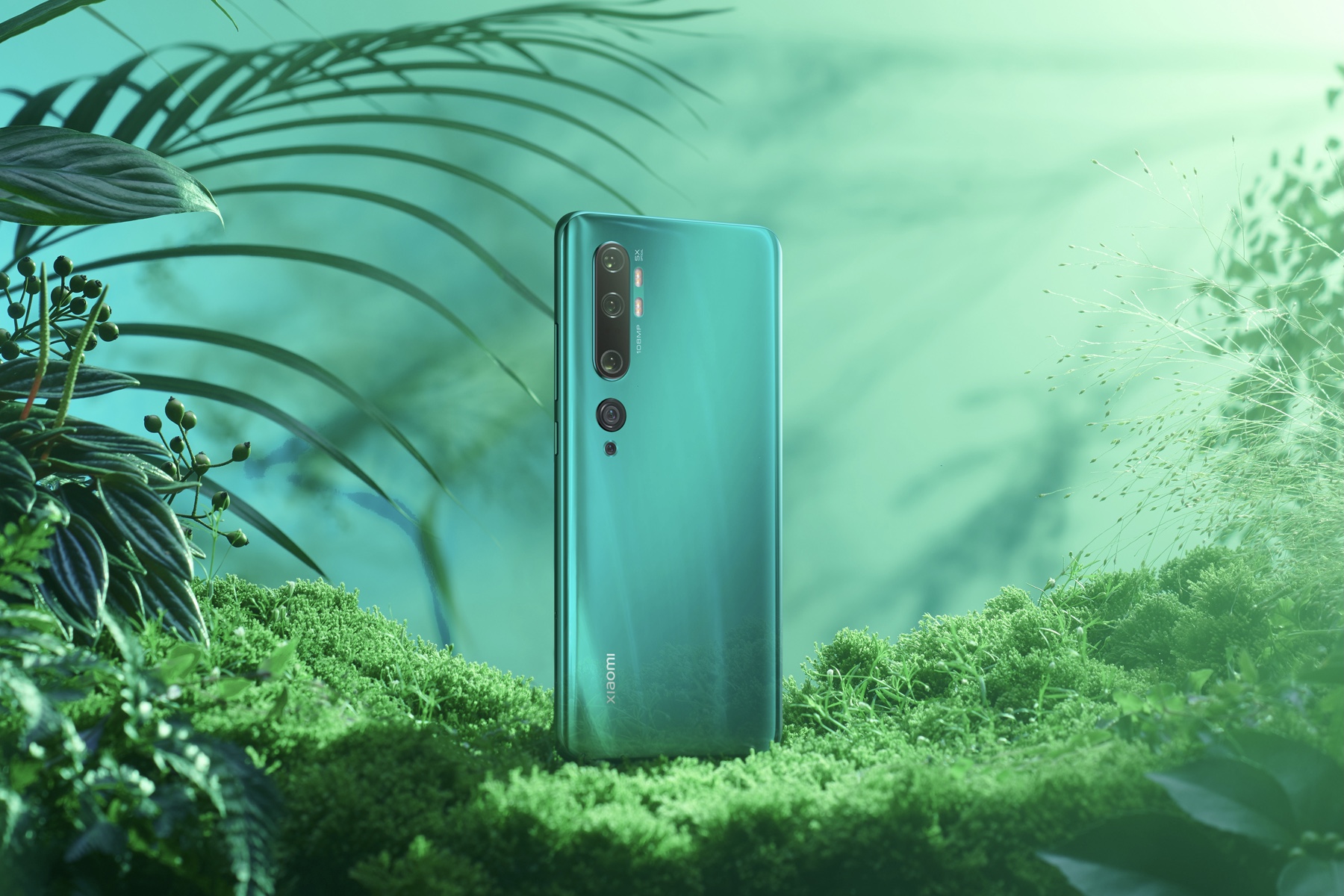
Xiaomi launched the Mi Note 10 and Mi Note 10 Pro as the world’s first 108MP smartphones. These handsets debuted with MIUI 11 based on Android 9.0 Pie. They were later updated to Android 10 and MIUI 12. Now, this duo has started receiving the Android 11 update.
For those unaware, Mi Note 10 and Mi Note 10 Pro were sold as Mi CC9 Pro and Mi CC9 Pro Premium Edition in India. These smartphones run the same MIUI build since their entire hardware is similar except for the type of lens used on the more expensive model (Note Pro and Premium Edition).
The original Chinese version of these phones got the Android 11 update in early January. We expected the international variant to receive the update a few weeks later. However, that did not happen as it is being seeded only now.
That said, the Android 11 update for the Xiaomi Mi Note 10 and Mi Note 10 Pro are currently only available for the EEA variant. The update comes with build number V12.1.3.0.RFDEUXM and brings along February 2020 security patch.
As of now, this build is in the ‘Stable Beta’ phase and therefore, it is only available for a limited number of users. Anyway, the update should be available for all the users, including the other regional variants of these handsets, namely Global, Russia, and Indonesia in the coming days.
Going by Xiaomi’s update track record, the Mi Note 10, Mi Note 10 Pro, Mi CC9 Pro, and Mi CC9 Pro will no longer receive any Android update. But they should get at least one more MIUI update.
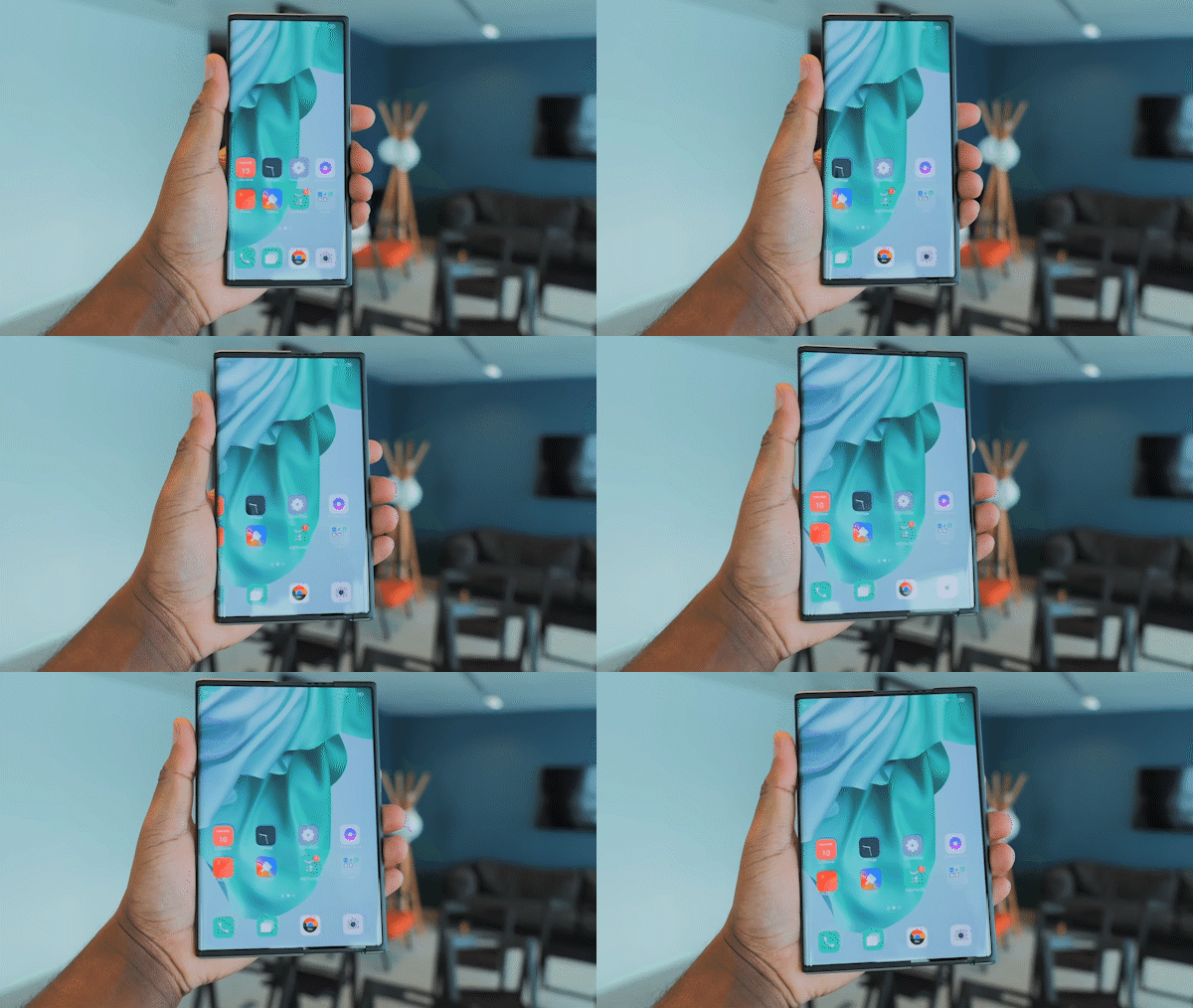
Chinese tech giant and one of BBK subsidiaries OPPO last year announced what should be the world’s first rollable smartphone, aptly referred to as OPPO X 2021 ‘concept’ device. The company went on to state that the product was no vapourware and that the device is more durable than could be imagined. It even backed that up with a durability test. Well, looks like the X 2021 will be commercialized soon. OPPO has given out some units of the concept rollable to Youtubers. We have now come across a couple of review videos of the OPPO X 2021.
The videos give us our first look at the device in real skin showing us all the externals from the front and rear designs to the rollable mechanism and the user interface. In one of the videos by French YouTuber Brandon LeProktor, the Oppo rollable phone can be seen in all its glory with a spectacular and impressive look.
The video which is in French gives us an idea of how the phone retracts and rolls out at the press of a button. One aspect that would be of concern to many is how the interface is adapted to intuitively transition between the entended and contracted form-factor of the device. The video shows the software changes seamlessly.
A second video by Youtuber Sami Tech Tips provides a hands-on review of the device in English even though it may not the best of accents we’ve heard. The Youtuber gave answers to some burning questions about the Find X 2021 such as the selfie camera and what happens when you accidentally open it inside your pocket.
Interestingly, there is no selfie camera. Even more interesting is the discovery that the phone will open if the screen is left unlocked inside the pocket and the slide is accidentally triggered. In this situation, it will keep trying to expand even when the space is not wide enough. We believe this is still a work in progress and OPPO will modify that to retract if an obstacle is met.
You can check out both videos from above to get more insight into the OPPO X 2021.
Over the years Android OS has received several new refinements since its inception. Every iteration has improved the overall experience of smartphones, and now the search giant finally unveiled Android 12 Developer Preview 1 featuring several new advancements and features. It brings Developers access to highly effective APIs which will further improve the overall stability of the Android OS and adds several new features.
The Android 12 “Snow Cone” is still half a year away from its stable release. However, the Developer Preview of the same has allowed us to enjoy the majority of the new features.
Google is following the same release date as Android 11 last year. It seems the final build will also follow the same suit this year.
There’s a lot more new for the developers as several new APIs have been introduced to make the Android ecosystem more user-friendly. Apart from the developer’s material, there’s a lot for the common Android user. The latest Android iteration brings several new features, privacy improvements, and carries UI changes while the following Material NEXT design. We are listing all the prominent changes that we have seen in the Android 12 Developer Preview.
Best Android 12 Features
New UI – Material NEXT Design: Material Design was first introduced by Google in 2014. It was actually based on the principles of Shadow and Depth, and Google made it available across its vast brochure of services. Later came Material Design 2.0 and now the Material NEXT Design with some expressive improvements.
New Notification UI: Notifications are an important aspect of a smartphone OS. There are significant visual changes with smoother transitions and tweaks across the notifications area. Google has introduced a translucent background in the Notification pane, it was missing in Android 11. The icons remain the same but the color changes are present.
Moreover, the notifications will be more responsive and rapid in comparison with the old Android version.
Settings Panel: There are such big changes but much-needed refinements are part of the package. Bigger toggles are present for easy accessibility in the panel. Moreover, it resembles a bit like the OneUI skin from Samsung. Maybe, it is due to the blue background or something else.
LockScreen: A slight change on the lock screen is also seen if you’re using a pattern to unlock. It even includes a translucent background.
Optimized for large display devices: Google is optimizing Android 12 for large display devices such as tablets, foldable devices, and TVs.
A step ahead of modified skins, Android 12 now offers WiFi sharing to all nearby contacts by pressing the “Nearby” button. Rather than sharing the barcode scanner with every known contact, the user can simply share it with all using the “Nearby” button.
Better Screenshots
Android 12 brings improved editing options for screenshots. The latest additions in editing tools are the ability to add texts, Emojis, and stickers. It might reduce the dependence on third-party apps if running vanilla Android.
Improved Audio
Multi-channel audio: Android 12 brings support for MPEG-H while audio mixers can now bring 24 channels support.
Easy Audio Source Selection: Android 12 enhances the media player present in the Quick Settings. The user can now allow you to turn off media player in quick settings for YouTube, Spotify, etc, or vice versa.
One-Handed Mode
Smartphones are getting bigger, and it has become quite difficult for users to use them single-handedly. As a solution, the Android 12 has come up with a One-Handed mode on the line of Samsung’s OneUI and OnePlus OxygenOS.
Android Updates via Google Play
As expected, Android Runtime (ART) is finally making its way to the Play system updates program which is known as Project Mainline. It means Google will allow third-party developers or companies to push key updates via Google Play.
Improved Gestures
The latest iterations improve the gesture navigation while using the immersive mode. It is now easier and more consistent in Android 12.
Scrolling Screenshots
Finally, a year after it was initially spotted on Android 11 DP, the scrolling screenshots have again made it to the Android 12 Developer Preview. The same feature is present for the past couple of years on customized skins like Samsung’s OneUI, OnePlus’s OxygenOS, and Xiaomi’s MIUI.
Stackable Widgets
Yes, the iOS-like Smart Stack have finally made their way through Android 12 DP. The users would be able to enjoy multiple widgets of the same size via the same placeholder. It will be a quite useful addition to the Android ecosystem and will significantly boost the usage of widgets.
Notifications Snooze
It is an important option that is since Android Oreo but is a bit complex to use. Now, a single snooze button is made available which is easily accessible by heading to Settings>Apps and notifications>Notifications>Allow notification snoozing.
Behind the UI Changes
Enhanced Cookie handling
Android 12 is natively bringing the SameSite cookie to action while using WebView. However, this type of cookie handling is already present for prominent Android browsers.
Haptic-feedback to gaming controllers
Earlier, there were rumors that Android 12 could come with a Game Mode. However, it is not seen yet in Android 12 Developer Preview 1, but haptic-feedback to game controllers is present. It will allow the users to pass on the vibration to the connected gaming controllers.
Enhanced Media transcoding
Android 12 is offering App developers to use a native transcoding layer so that they can take advantage of video compression. It is just an in-case solution, however, Google recommends the app developers to make their own apps compatible with new compression standards such as HEVC.
AVIF Image Format
As like Webp format for images to save disk space and improve website’s speed, Google has introduced support for a new image format – AVIF. It is a better image format than JPEG and offers improved image quality with a smaller file size.
These are some prominent changes that are part of Android 12. We expect some more changes to surface before the official stable build rolls out in Q3 of this year. Until then, you can enjoy beautiful Android 12 stock wallpapers.
We use cookies on our website to give you the most relevant experience by remembering your preferences and repeat visits. By clicking “Accept”, you consent to the use of ALL the cookies.
This website uses cookies to improve your experience while you navigate through the website. Out of these, the cookies that are categorized as necessary are stored on your browser as they are essential for the working of basic functionalities of the website. We also use third-party cookies that help us analyze and understand how you use this website. These cookies will be stored in your browser only with your consent. You also have the option to opt-out of these cookies. But opting out of some of these cookies may affect your browsing experience.
Necessary cookies are absolutely essential for the website to function properly. This category only includes cookies that ensures basic functionalities and security features of the website. These cookies do not store any personal information.
Any cookies that may not be particularly necessary for the website to function and is used specifically to collect user personal data via analytics, ads, other embedded contents are termed as non-necessary cookies. It is mandatory to procure user consent prior to running these cookies on your website.