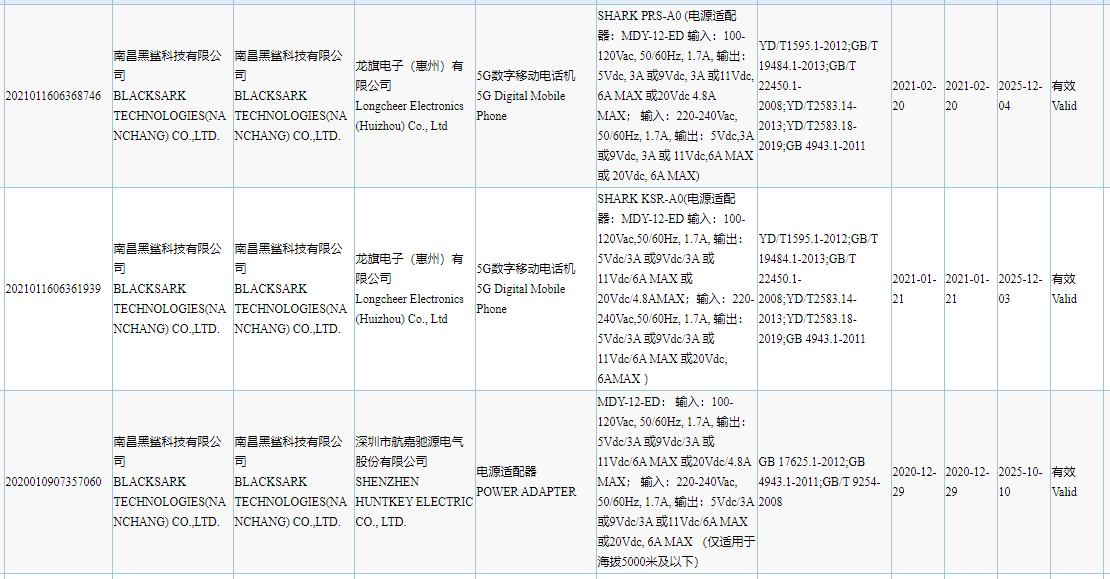
Black Shark is expected to announce the Black Shark 4 series of smartphones either by the end of this month or early in March. It is known through TENAA certification that KSR-A0 and PRS-A0 are the model numbers of the two phones that are said to belong to the Black Shark 4 lineup. Earlier this month, the KSR-A0 model was certified by the 3C authority of China. Now, the PRS-A0 variant has bagged the 3C certification.
The 3C certification of the Black Shark 4 (KSR-A0) revealed that it could be shipped with an MDY-12-ED charger that supports up to 120W fast charger. The PRS-A0 model has appeared with the same 120W rapid charger at 3C’s database today.
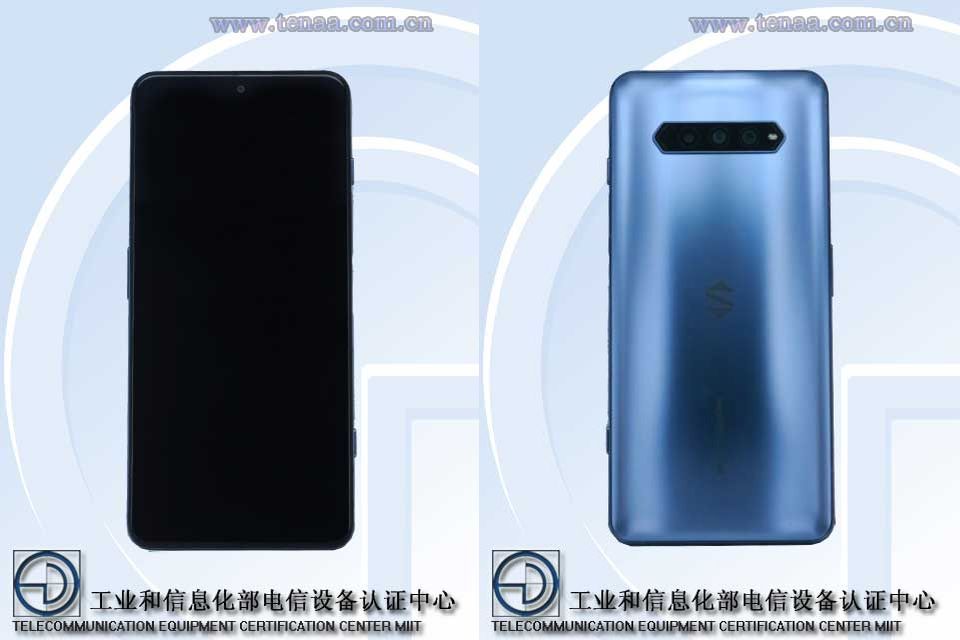
The TENAA images of the PRS-A0 variant revealed that it could be a cheaper gaming smartphone compared to the KSR-A0 phone. The reason behind it is that the PRS-A0 model was spotted with a plain rear design. The images of the KSR-A0 have not yet appeared at TENAA. However, the listing revealed that the KSR-A0 has a 6.67-inch display, Android 11 OS, a 4,500mAh battery, and 163.83 x 76.35 x 10.3mm dimensions.
Black Shark 4 PSR-A0 TENAA images
The KSR-A0 model is expected to feature the Snapdragon 888 mobile platform. According to a reliable tipster, the PSR-A0 is equipped with the Snapdragon 870. He added that it will be arriving as the most affordable gaming phone with a 120W fast charger.
The PSR-A0 model was recently spotted at the Google Play Console. The listing had incorrectly mentioned its SoC as Snapdragon 835. It revealed other specs like a Full HD+ resolution, 12 GB of RAM, and Android 10 OS.
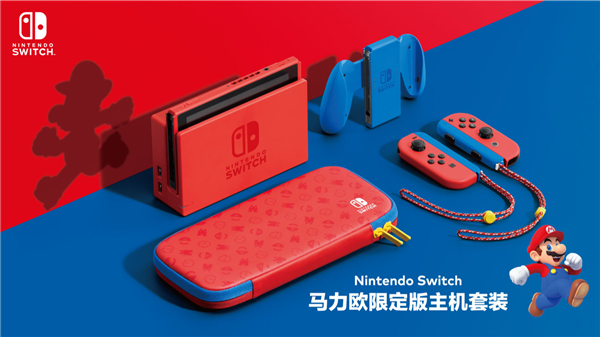
Nintendo Switch has been a popular gaming console and the company is expected to launch an upgraded version of the same, dubbed Nintendo Switch Pro. Now, the company’s insider has revealed that the new model will support 4K.
It has also been revealed that the Nintendo Switch Pro will be officially launched later this year. However, do note that the company has not yet confirmed the launch date or even the existence of the Switch Pro.
The rumors about the Nintendo Switch Pro started surfacing online around the launch of Sony PlayStation 5 and Microsoft Xbox Series X. It has been four years since Nintendo launched Switch and so people are expecting the company to launch an upgraded version in the near future.
A couple of months ago, Doug Bower, who is leading Nintendo in America, debunked Switch Pro rumors and said that the Switch Lite is performing well in the market and thus the company is not working on a new devices. However, experts are not convinced.
Industry leader Nate Drake said in a new forum post on Reset Era that he is “confident it [Switch Pro] gets announced this year.” He also added that “hope remains for a 2021 launch,” but if there is any sort of delay until 2022, this should be announced within the next few months.
The Nintendo Switch Pro is expected to come with the company’s resolution upgrade tool called DLSS and support for 4K functionality. It is also believed to have an improved portal mode and should have a few other meaningful upgrades.
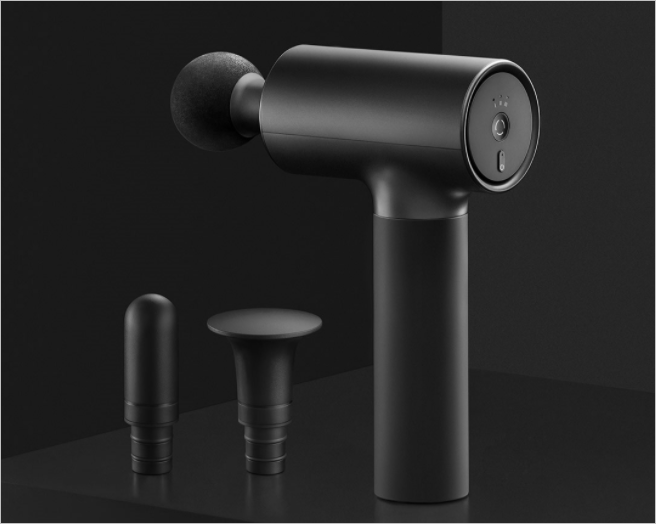
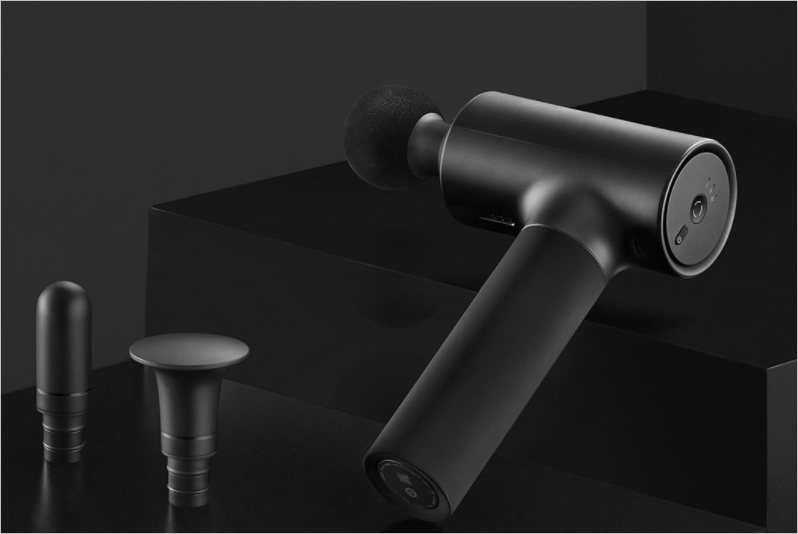
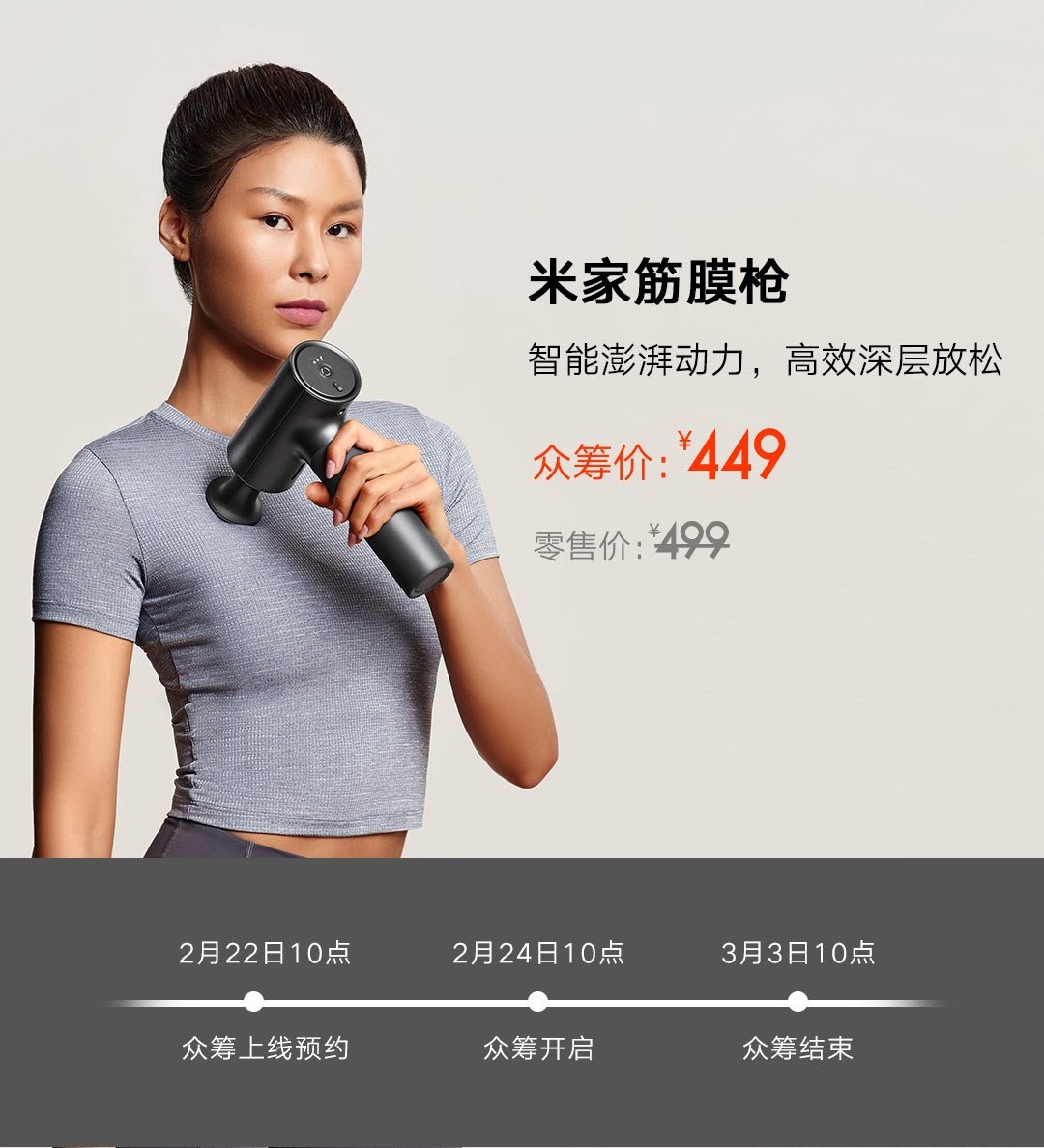
Xiaomi is about launching its own branded massage gun dubbed MIJIA Fascia Gun. The product page has already gone live on Xiaomi Mall while the crowdfunding will commence on February 24.
From the details on the product page, we can grab that the fascia gun or massage gun uses a high-speed brushless motor that supports three frequencies of 1,800 Hz, 2,400 Hz, and 3200Hz. The massage gun also comes with a reminder feature whenever excessive pressure is applied. The product also has a low working noise said to be just 45dB.
What makes this stand out is perhaps the portable design. The Mijia Fascia Gun weighs 856g and it has a handle with a diameter of 47mm. Further, the fascia gun is crammed with a decent 2600mAh lithium battery which charges over the USB Type-C interface. XIoami says the massage gun can be used for up to 12 hours but we believe that’ll depend on the usage style.
The MIJIA Fascia Gun will retail for 499 yunz (~$77) but it will be on crowfunding right now for 449 yuan (~$69). As stated erlier, the crowdfunding exercise will go live at 10 am on February 24.
Apple recently launched the iPhone 12 series smartphones and with that, the company also introduced support for PD 20W fast charging. Since then, many manufacturers have launched fast charging products for these new devices and now Xiaomi has joined the list.
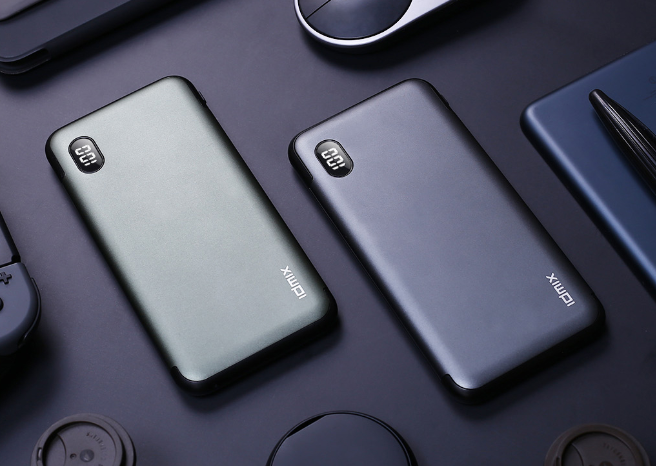
Xiaomi has launched the IDMIX P10 Pro power bank in China through its Xiaomi Youpin platform. The power bank is priced at 199 yuan (approximately $31) but the green version is currently available for 189 yuan, which is around $29.
The IDMIX P10 Pro power bank comes with support for 10,000mAh capacity and the highlight is that it is equipped with a MiFi-certified Lightning interface. It supports Apple PD 20W fast charge, which is claimed to charge the iPhone 12 up to 50 percent in just 30 minutes. Apart from that, there is also support for Huawei SCP 22.5W fast charge.
There is a Lightning input port and USB Type-C port for both input and output. The company notes that as loon as the device is equipped with a Lightning cable certified by IDMIX brand MiFi, it can be charged and self-charged.
It has an ergonomic double-sided arc design and the thickness measures only 12.8mm. The front side of the power bank is equipped with a small display that shows the remaining battery power in real-time.
With the 10,000mAh battery capacity, the power bank can charge two devices at the same time. As per the company’s claims, the iPhone 12 can be charged 3.1 times, Huawei P40 can be charged 1.8 times and the Xiaomi 10 can be charged 1.7 times.
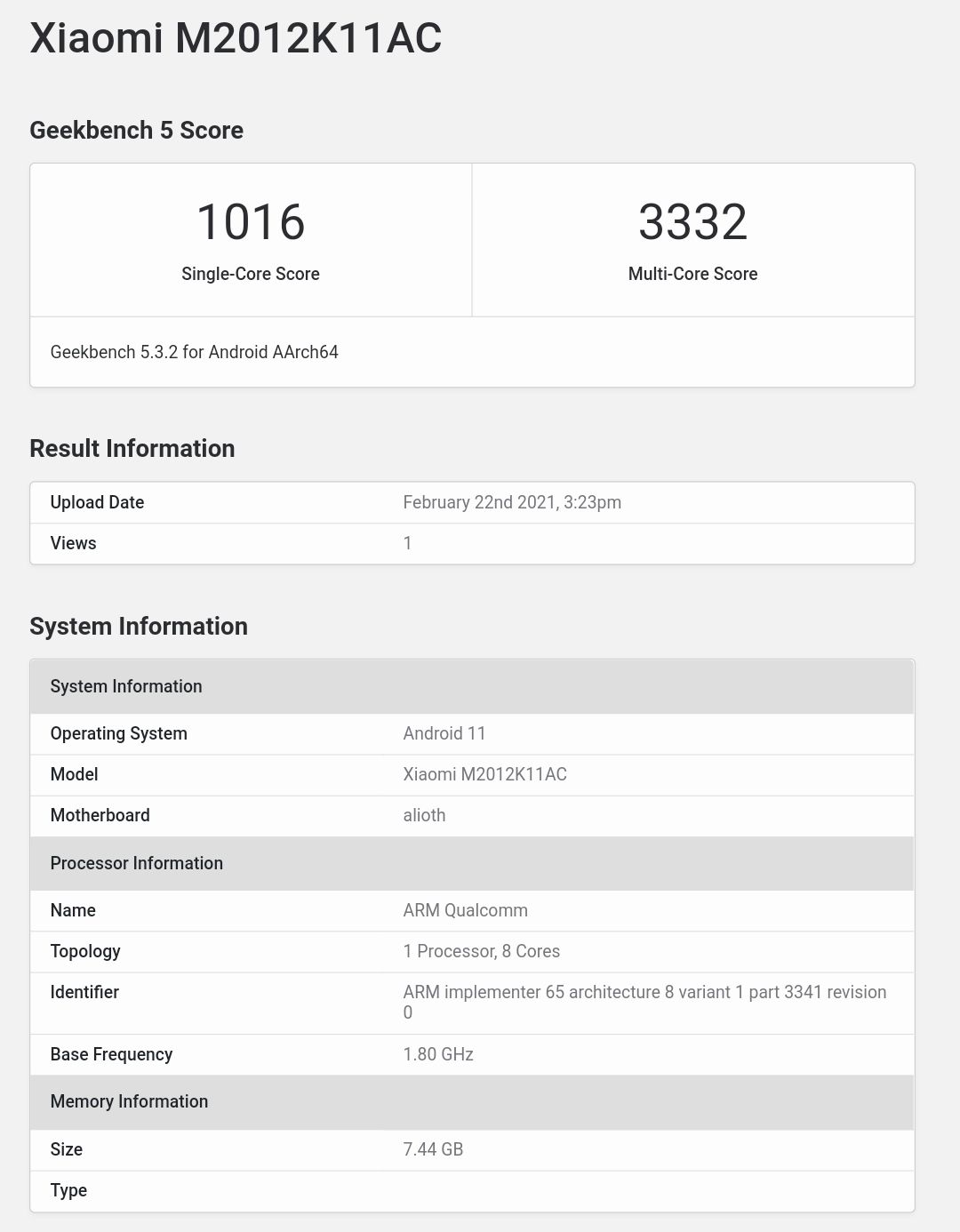
Reports have revealed that model numbers such as M2012K11AC and M2012K11C belong to the Redmi K40 and Redmi K40 Pro smartphones. While the Pro model is expected to arrive with the Snapdragon 888 mobile platform, it is unclear which processor will be fueling the K40. Some reports have claimed that the vanilla could be equipped with Snapdragon 870, while other reports have said it could be featuring the Dimensity 1100 / 1200 or the upcoming Snapdragon 7-series chip. The Redmi K40 has emerged on Geekbench (via) benchmarking platform to reveal its processor.
On Geekbench, the Redmi K40 has appeared with its M2012K11AC model number and ‘alioth’ codename. The listing reveals that it is a 1.80GHz Qualcomm processor, 8 GB of RAM, and Android 11 OS.
1 of 2
Redmi K40 Geekbench
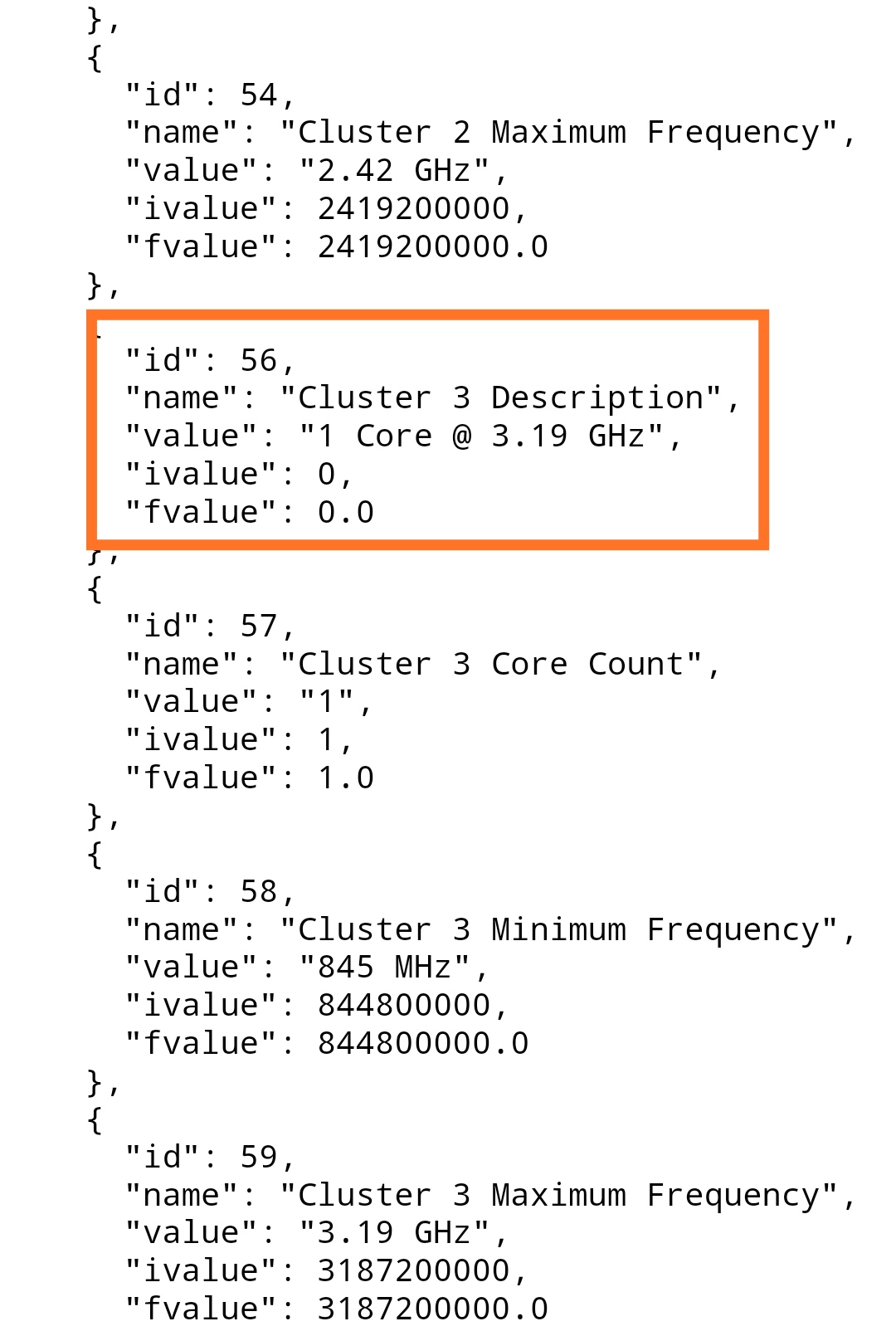
Redmi K40 Geekbench source code
The source code of the Geekbench listing shows that the Qualcomm chip can achieve maximum speeds of 3.19GHz. This indicates that the device could be featuring the Snapdragon 870 mobile platform. It scored 1016 points in the single-core test and it recorded a score of 3332 in the multi-core test.
So far, it is known that the Redmi K40 will be flaunting a 6.6-inch Samsung AMOLED E4 display with a top-centered selfie camera cutout. The screen will support a Full HD+ resolution and a 120Hz refresh rate. It is backed by a 4,520mAh battery that supports 33W fast charging.
The Redmi K40 and Redmi K40 Pro are expected to arrive with identical specs, and they are expected to differ mainly in two departments like SoC and camera. Both phones are equipped with quad cameras, but their configurations are not known yet. The Redmi K40 series is scheduled to go official in China on Feb. 25.
ZTE is one of the early adopters of the under-display camera technology for smartphones. Now, the Chinese company seems to have improved the tech and will be introducing it with the Axon 30 Pro smartphone.
Ahead of the launch of the smartphone, ZTE’s Business Unit President and President of the Nubia Technology, Ni Fei, has confirmed that the next-generation under-display camera technology will be unveiled at MWC Shanghai.
Ni Fei has now shared a teaser image on his personal Weibo account which gives us a hint at the improved technology. It appears that the in-display camera has less visible issues with the panel and offers improved image quality.
This new technology for the in-display camera sensor is expected to be the first to utilize the under-screen 3D structured light. Given that the Axon 30 Pro, which will feature this new tech, is said to be a flagship smartphone powered by Qualcomm Snapdragon 888 SoC, the image quality should have improved drastically to consider it a flagship-worthy.
The ZTE Axon 20 was the first smartphone to feature an under-display camera sensor, which was developed by Visionox. For the newer version also, we expect ZTE to continue working with Visionox. We will be getting more information about this in a few hours, when ZTE takes stage at MWC Shanghai.
OPPO is gearing up to launch its latest OPPO Find X3 lineup in which the company is expected to unveil four devices — OPPO Find X3, Find X3 Pro, Find X3 Neo, and Find X3 Lite. While the company has not yet confirmed the official launch date, it has been tipped by Jon Prosser.
According to the latest information coming via Jon Prosser, the OPPO Find X3 series flagship smartphones will be officially launched on 11th March. He has also revealed that the company will start taking pre-orders for the same from 31st March while the devices will be available for purchase from 14th April.
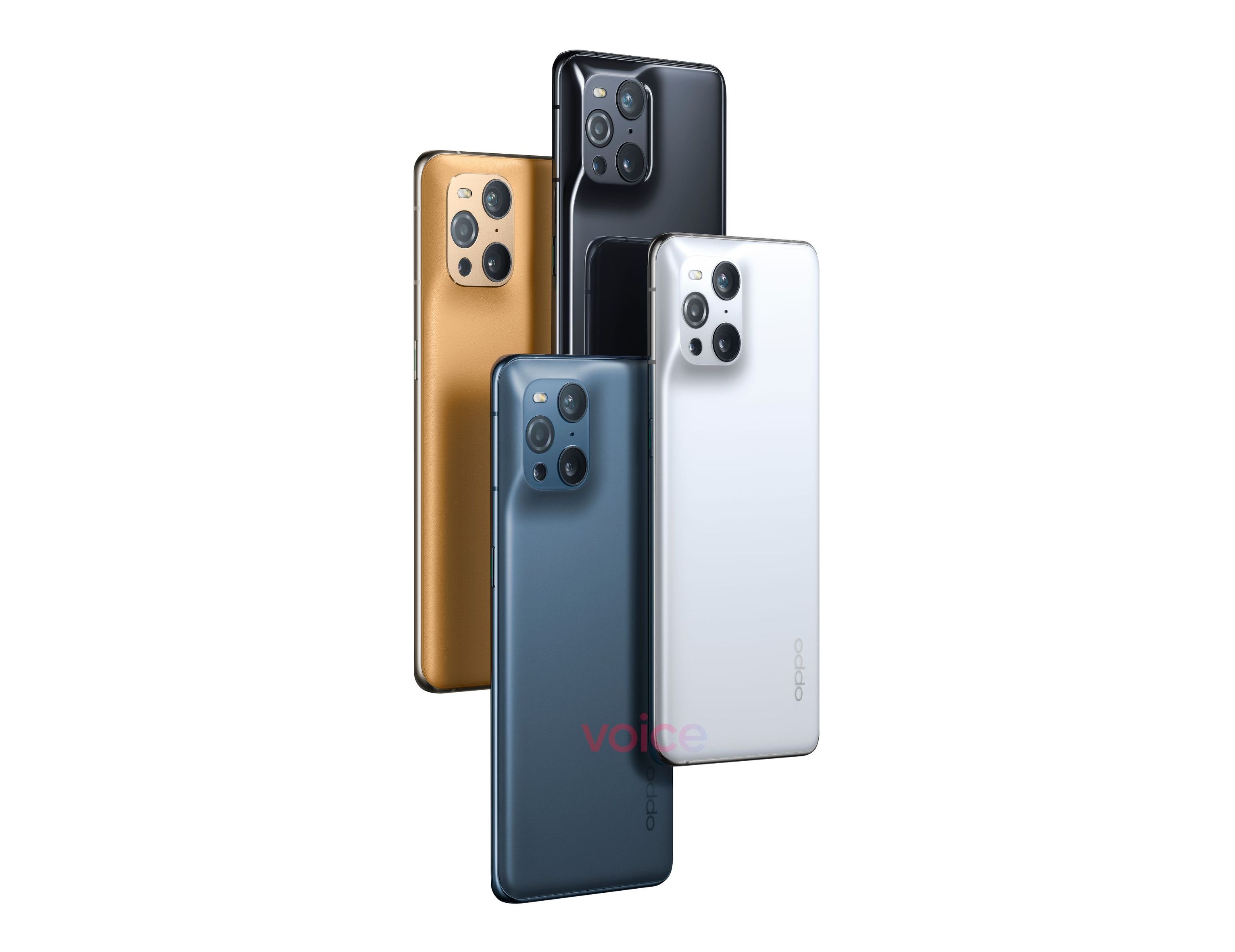
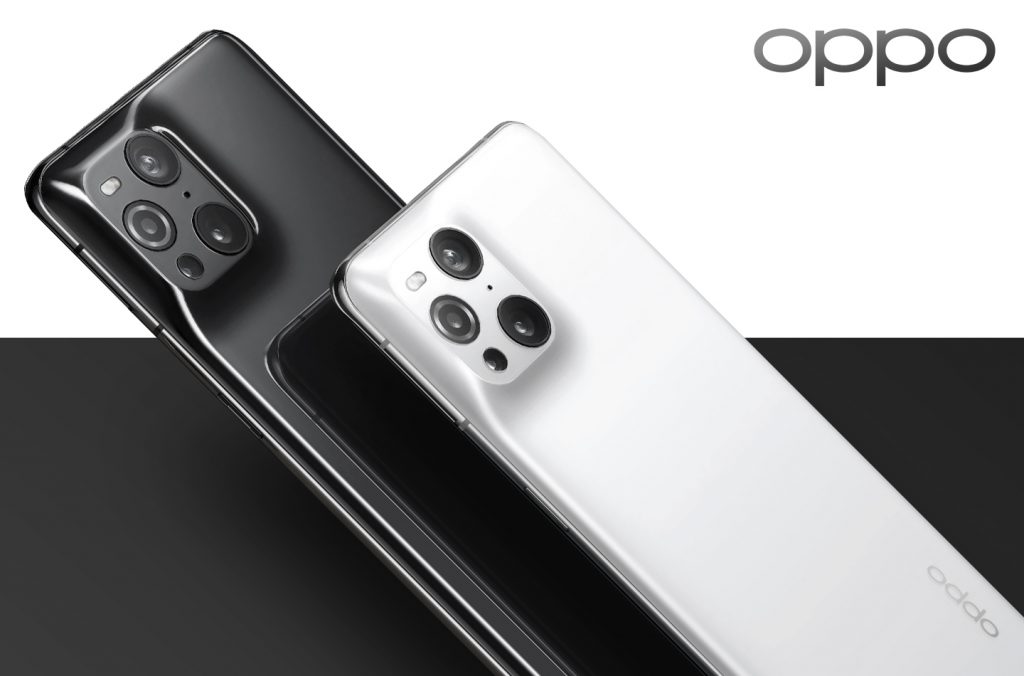
Leaked OPPO Find X3 Pro Render by Evan Blass
Based on the leaked images, it seems that the Find X3 Neo and Find X3 Pro will come with an edge-to-edge display. All these phones will feature a punch-hole cutout on the top-left corner of the screen.
Coming to the display, it is said that the Find X3 Pro will have a 6.7-inch AMOLED display with Quad HD+ screen resolution and 120Hz refresh rate support. The Neo variant is also said to have the same size of screen while the Lite model will feature a 6.4-inch display.
The Pro variant is expected to come powered by the Qualcomm Snapdragon 888 chipset while the standard model is said to pack Snapdragon 870 SoC. The Pro model may come with a 4,500mAh battery and support for 65W SuperVOOC 2.0 fast charging and 30W VOOC Air wireless charging.
In the camera department, the Find X3 Pro will have a quad-camera setup which is expected to have 25x “microscope” macro zoom. It is also expected to feature two 50MP Sony IMX766 sensors.
It is believed that the OPPO Find X3 Lite will be a rebranded version of OPPO Reno5 5G and will have a flat display. Recently, we reported that the Find X3 Neo appears to be a rebranded version of the OPPO Reno5 Pro+.
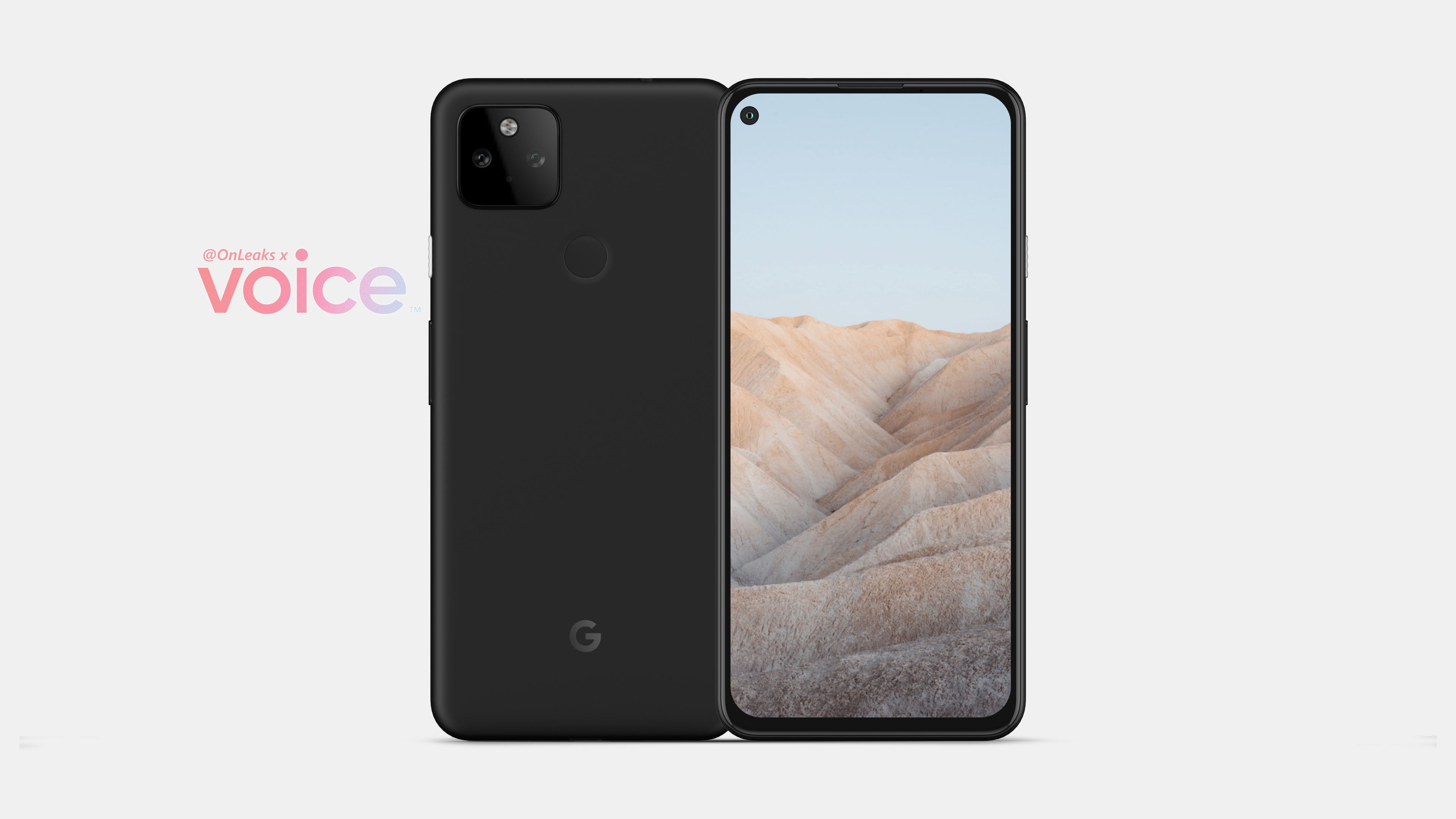
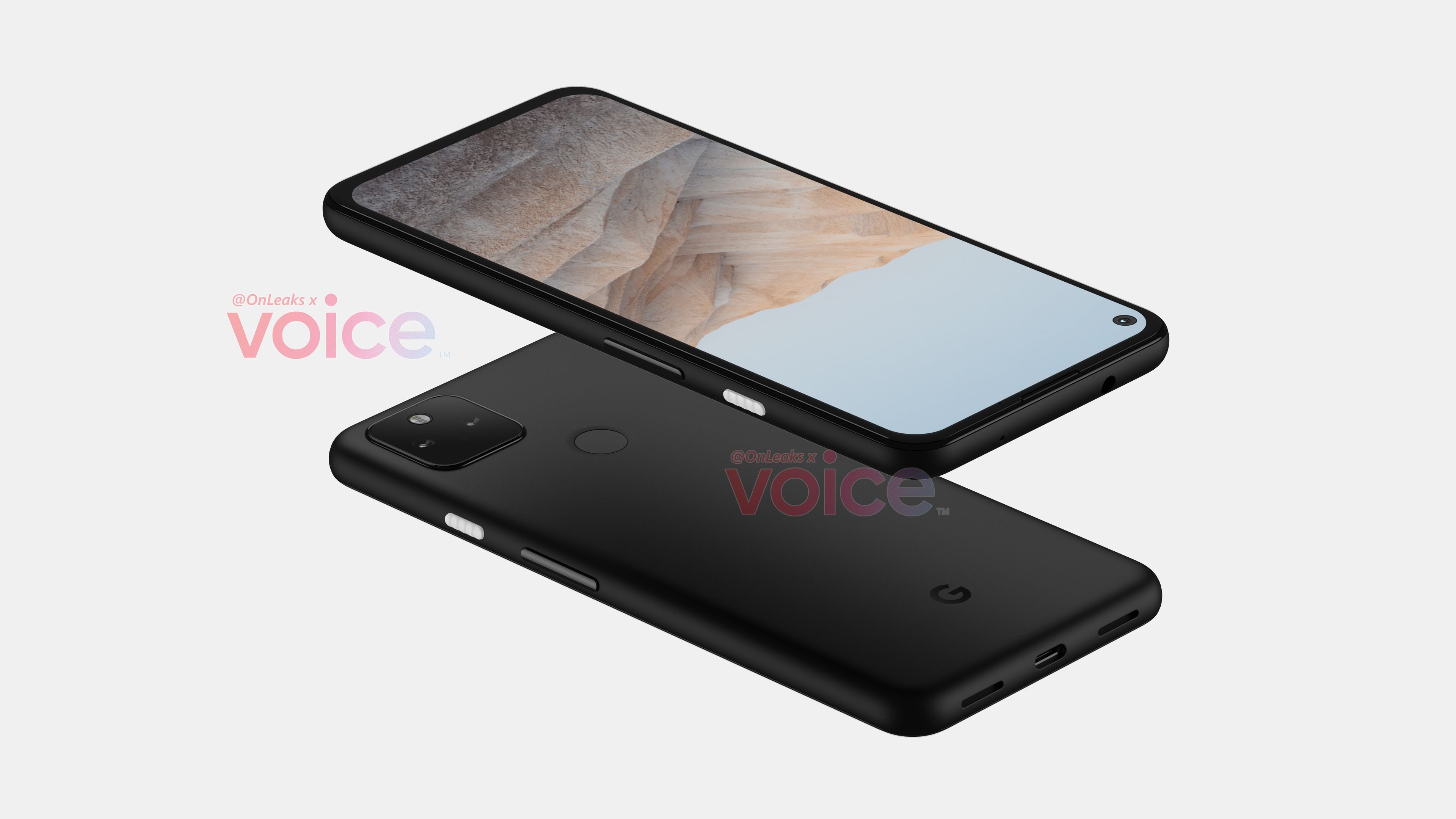
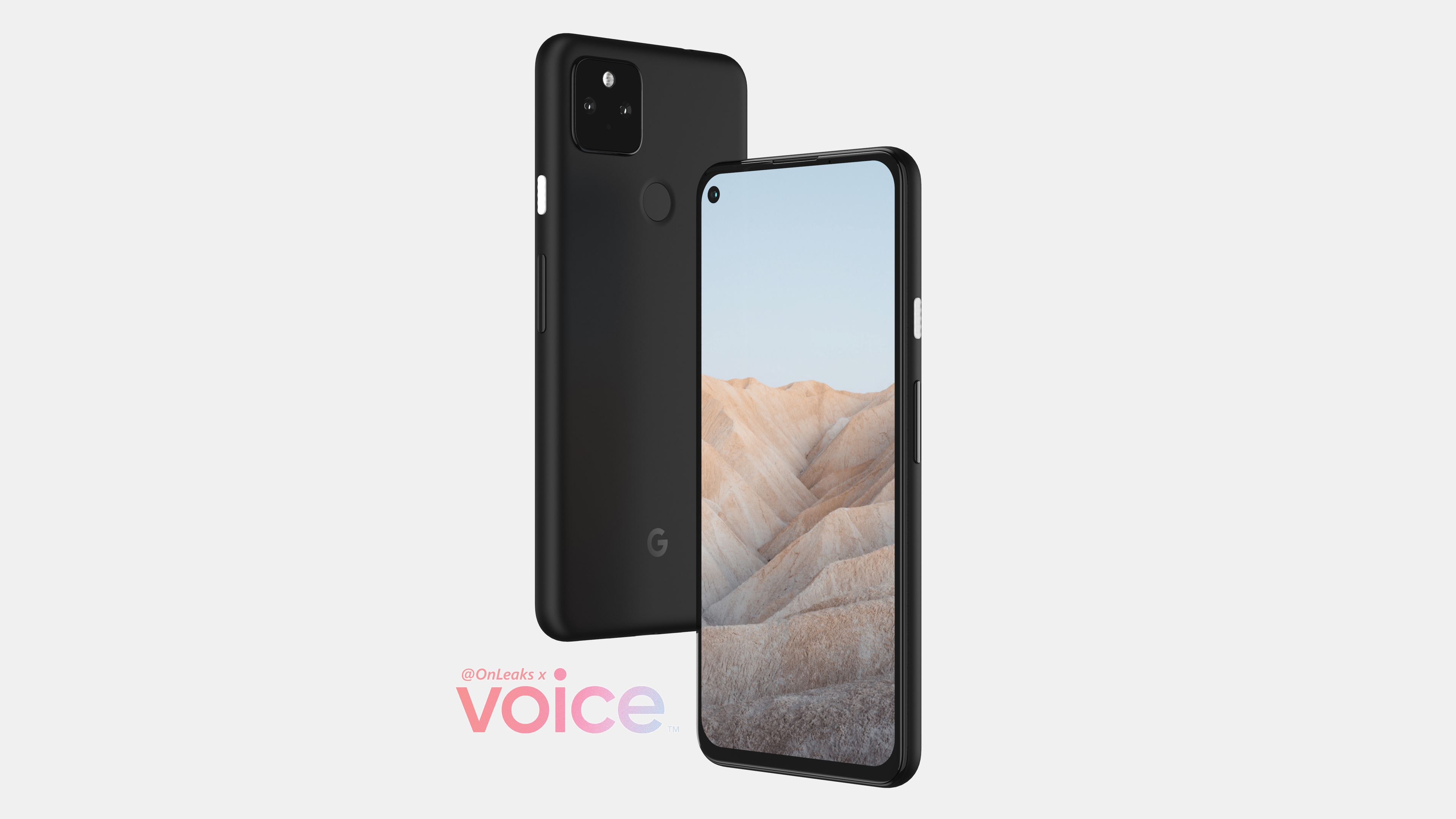
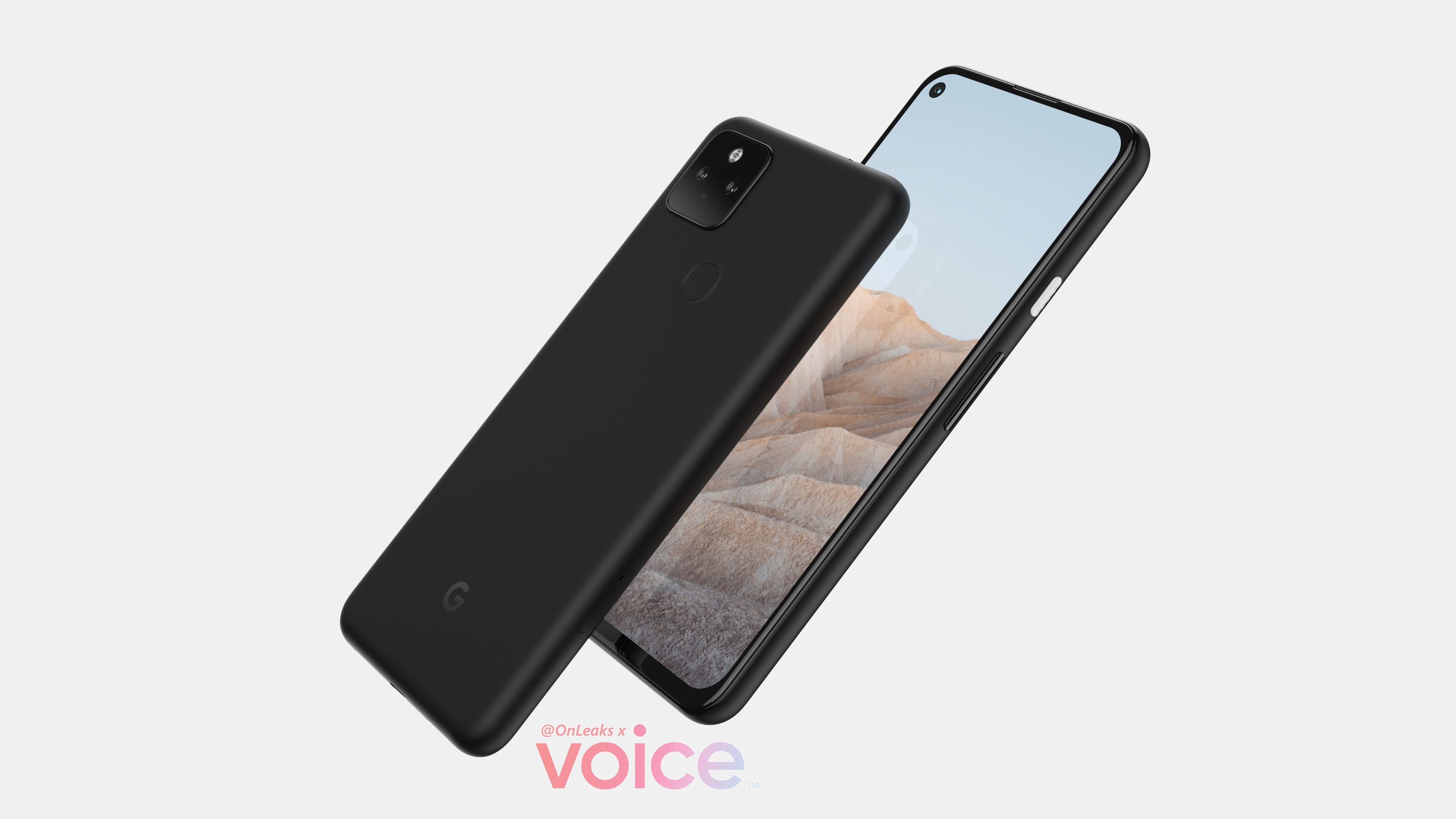
Just like the Pixel 4 before it and the Pixel 3, the Pixel 5 will also be getting a more affordable variant which will launch as the Pixel 5a (no 5G). The renders show that the phone shares a striking resemblance to the Pixel 4a 5G.
The renders were posted on Voice by Steve Hemmerstoffer who is best known by the moniker OneLeaks. The leaker has given us not only our first look at Google’s next budget Pixel phone but also some details.
The Pixel 5a is shown as having a flat display with a punch hole at the top left corner for a camera. On the back, it has a squircle-shaped camera module with two sensors and an LED flash. There is also a rear-mounted fingerprint scanner on the device.
Google will keep the audio jack on the Pixel 5a and the image above shows it will reside at the top. The bottom of the phone is home to the USB-C port which is flanked on each side by a slit. On the right-hand side is a textured power button that is painted white and below it is a volume rocker.
The Pixel 5a is said to have a 6.2-inch FHD+ OLED display just like the Pixel 4a 5G but there is no mention of it having a high refresh rate. The back of the phone is said to be made of plastic which isn’t surprising considering it will be Google’s most affordable phone this year.
The renders show the phone in black but we hope Google releases it in more colors. The Pixel 4a was announced in Just Black and Barely Blue while its 5G variant is sold in only one color – Just Black. The Pixel 5’s dimensions are given as 156.2 x 73.2 x 8.8 mm (9.4mm when you add the camera bump).
A lot of the specs of the upcoming phone are unknown but we can expect a bigger battery capacity, a more powerful processor, and better cameras than the Pixel 4a released last year.
There is no news of a release date too but more details should surface in the coming weeks.
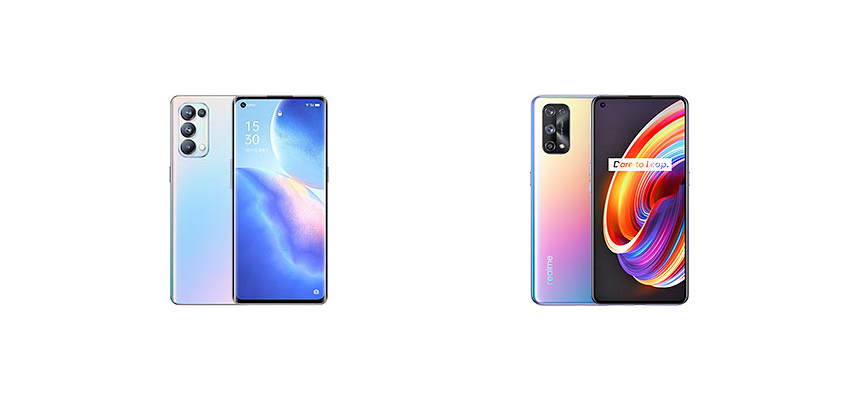
Realme X7 Pro was recently launched in India after months from the first release in China. Despite several months passed, it is still one of the most impressive flagship killers out there. But at the end of the last year, even OPPO decided to release an amazing flagship killer: the Reno5 Pro 5G. Unlike the Reno4 Pro, the new handset is not a mid-ranger but it comes with a high-end chipset, one of the best by MediaTek. Is it better to spend a bit more and grab a unit of the OPPO Reno5 Pro 5G or Realme X7 Pro is a smarter purchase? This comparison will clear your ideas in regards.
4500 mAh, Fast Charging 65W or Fast Charging 50W (market dependent)
ADDITIONAL FEATURES
Dual SIM slot, 5G, reverse charging
Dual SIM slot, 5G
Design
If you prefer having the most beautiful and gorgeous phone, then you should go for the OPPO Reno5 Pro 5G without thinking twice. First of all, it has a display with curved edges making it way more elegant. Further, it is a thinner and lighter device. Even the build quality is better: the phone is a glass sandwich protected by Gorilla Glass 5 and it has an aluminum frame. Even the screen-to-body ratio is higher compared to the Realme X7 Pro. The latter still comes with a good design and build quality, but the Reno5 Pro has flagship-like aesthetics which can be considered objectively superior.
Display
Do you need the best display in terms of image quality or for gaming? If you are a gamer, then you may prefer the Realme X7 Pro due to its higher 120 Hz refresh rate. But for all the other activities, the OPPO Reno5 Pro 5G is actually better: unlike the Realme X7 Pro, it features the HDR10+ certification and it even comes with a higher peak brightness (up to 1100 nits just like expensive flagships). Both the handsets come with an in-display fingerprint scanner and a punch-hole design.
Specs & Software
OPPO Reno5 Pro 5G and Realme X7 Pro are powered by the same flagship-class chipset: the Dimensity 1000+ by MediaTek. But there is a difference when it comes to the memory configurations. The OPPO Reno5 Pro 5G packs up to 12 GB of RAM, while you can get a max of 8 GB RAM with the Realme X7 Pro. Even when it comes to the software there is an important difference: Realme X7 Pro is still based on Android 10, while OPPO Reno5 Pro 5G ships with Android 11 out of the box.
Camera
If we talk about the camera setup, OPPO Reno5 Pro 5G and Realme X7 Pro are more or less at the same level, but the OPPO Reno 5 Pro 5G is slightly better. It has a brighter focal aperture for both the main rear camera and the front camera, which should allow for better photo quality, especially in low light conditions. For the rest, they have the same secondary sensors including an 8 MP ultrawide lens and a pair of 2 MP sensors for macros and depth.
The Realme X7 Pro is a slightly better battery phone because it has a slightly bigger battery: its capacity is 4500 mAh against the 4350 mAh offered by the OPPO Reno5 Pro 5G. Both feature 65W fast charging (SuperVOOC and Dart, different names for the same technology), but the OPPO Reno5 Pro 5G is faster to reach 100 percent because of its smaller battery. According to Realme, the X7 Pro needs about 35 minutes to go from 0 to 100 percent of the battery charge. However, you should note that OPPO Reno5 Pro 5G ships with Android 11 out of the box which provides further battery optimizations which could help you in a few scenarios.
Price
You can grab a unit of the Realme X7 Pro in India for Rs. 29,999 / $415 (for the configuration with 6 GB of RAM and 128 GB of internal storage), while you need Rs. 35,990 / $497 to get an OPPO Reno5 Pro 5G (for the 8/128 GB configuration). We believe there is no doubt about the fact that OPPO Reno5 Pro 5G is a better device: it provides a better display quality, cameras, and design. But you can save money by choosing the X7 Pro and, despite that, you do not have to face big compromises.
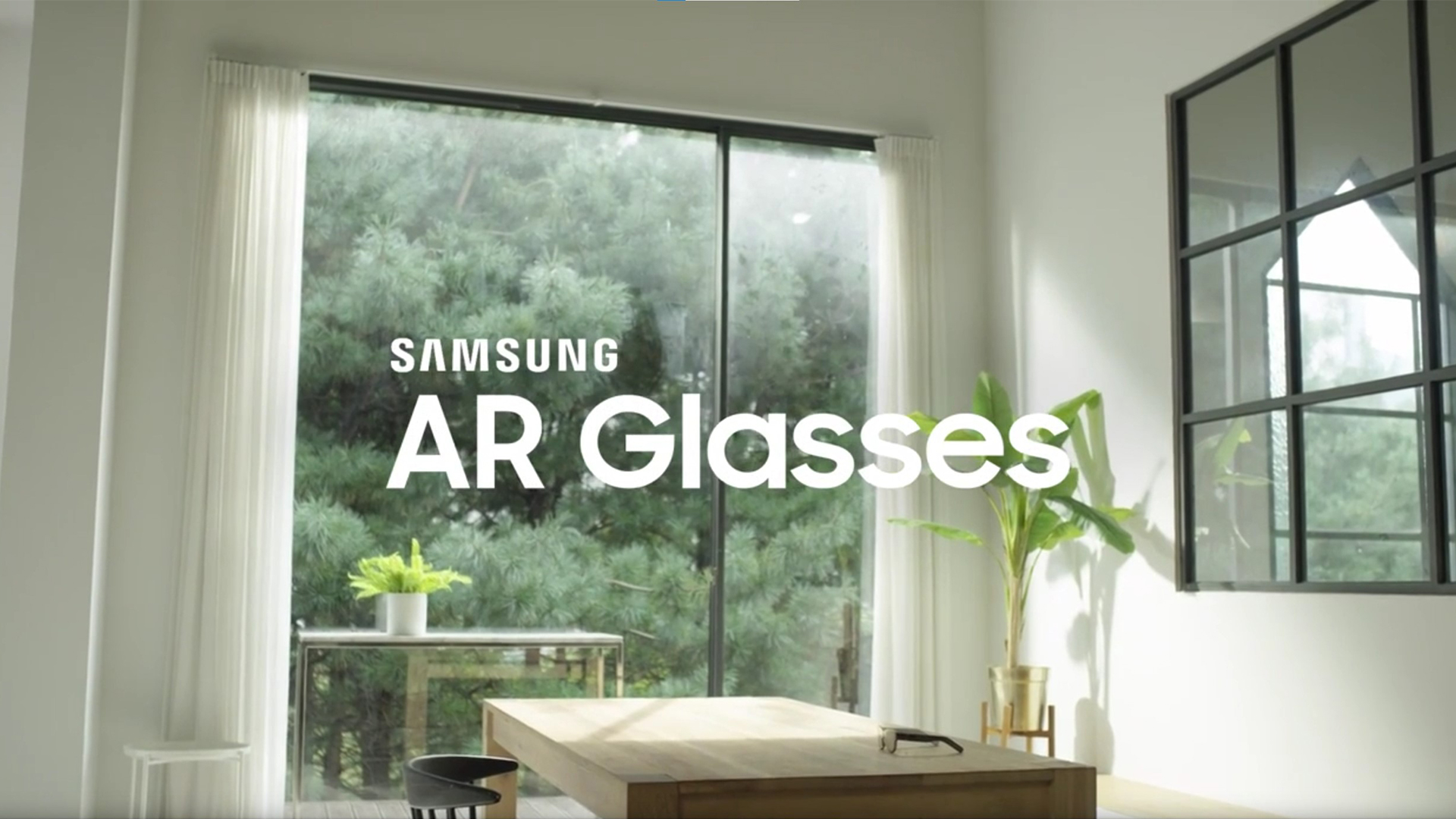
Last year, it was revealed that Samsung was granted a patent for its augmented reality (AR) glasses technology. With previous efforts at developing AR and VR (virtual reality) technologies in the past not yielding the desired results, it was expected that the new patent was indicative of tremendous progress made by the company in developing an improved and easier navigation system.
A couple of leaked videos may have further shown that indeed the South Korean tech giant may have perfected the design of its AR glasses, as we now know how they may look and some of their exciting features. From the videos themselves and the reviews from other tipsters, the Samsung Glasses Lite, as the AR glasses are called, are capable of projecting a virtual screen in front of the user’s eyes, making it possible to watch videos or play games while putting on the AR glasses. The incorporation of Samsung’s Dex Mode will also help users to carry out some of these tasks without a monitor or a PC.
The company has tinkered with a number of AR and VR patents and products in recent years, like the Gear VR headsets. The AR glasses come at a time when global rival Apple had been rumored with a soon-to-be-released AR headset.
The leaked concept videos also showed that the AR glasses will not be controlled by mid-air gestures but rather the control will come from a Samsung smartwatch. This is similar to the principles underlying Apple’s AR headsets and even a similar device being conceptualized by Facebook.
The possibilities of deploying the AR glasses for other applications hold a lot of promise. The glasses could be deployed in drones to provide a better view from the drone’s camera. They can also serve as sunglasses with the Sunglasses Mode and a host of augmented reality features for a compelling viewing experience.
Chinese tech giant Huawei has had a mixed bag of fortunes within the past year. It had come under severe and debilitating restrictions by the US government which accused it of being a front for the Chinese government and as such, a huge security threat that US businesses should not relate with. The impact of the ban is still being felt by the tech giant as it altered significantly the growth plans of its smartphone business and led to the sales of the Honor brand to shore up its investment and possibly ensure the Honor smartphone arm did not collapse under the weight of the sanctions.
Huawei however continues to insist that it had no ties with the Chinese government and is not on any espionage for the Chinese government. It claims it has suffered a grave injury under the unfair and unwarranted US restrictions that have completely alienated the company from its US suppliers. Huawei has been unable to access 5G chips and hardware for its base stations, as well as software components for its flagship 5G smartphones.
Now, Huawei is turning its attention to other business models and one of them is about providing its advanced tech expertise to assist pig farmers to personalize the monitoring and dieting process by using facial recognition technology. This is in addition to a number of non-core technological areas the company is gradually delving into like mining. Earlier on, it was revealed that the computer was also shifting focus to cloud computing.
Huawei continues to develop its brand along these non-core lines as it seeks to come out from the burden of the US sanctions, which industry watchers say might not be lifted anytime soon even with the change of government from Trump to Biden.
The company, it has to be stated, has not completely jettisoned its smartphone business. It is still pursuing growth in that segment, with a scheduled release of two high-end smartphones shortly deploying its Harmony OS on the devices. This will be a significant leap for the company, as it continues to sidestep the US restrictions.
Ulefone always prefers to bring the actual performance and durability of their smartphones by stressing them under harsh conditions. They even publish videos of these rigorous tests to verify the claims. Similarly, Ulefone Armour 11 5G has already stood tall in resilence and durability tests, and now its Night Vision camera was put under lens. You can check detailed camera comparison video to analyse the actual camera performance.
Ulefone Armor 11 rugged smartphone houses a 20MP infrared night vision camera which helps the users to take exemplary photos in the low light environment. However, we can see how it fares well against the iPhone 12, Xiaomi Mi 10 Ultra while snapping low-light photos. The Ulefone Armor 11 5G 20MP night vision camera clearly shows the object in the frame without the need for any external light. Meanwhile, the other two photos showed nothing but darkness.
Moreover, Xiaomi Mi 10 Ultra and iPhone 12 shutter opened for more time than the Armor 11 5G. The images taken by the Armor 11 5G were more clear and even the reflection is easily visible. The night vision camera also enables 2X zoom on an object to get a better view. Overall, it provides you with a better option while shooting at night and can be a good companion for users who love outdoor activities.
On the other hand, the Armor 11 5G comes with a powerful Dimensity 800 5G SoC, 8GB RAM and 256 GB storage. It delivers lightning-fast 5G connectivity along with better protection. You can know more information about the device by heading to the Ulefone Official Website.
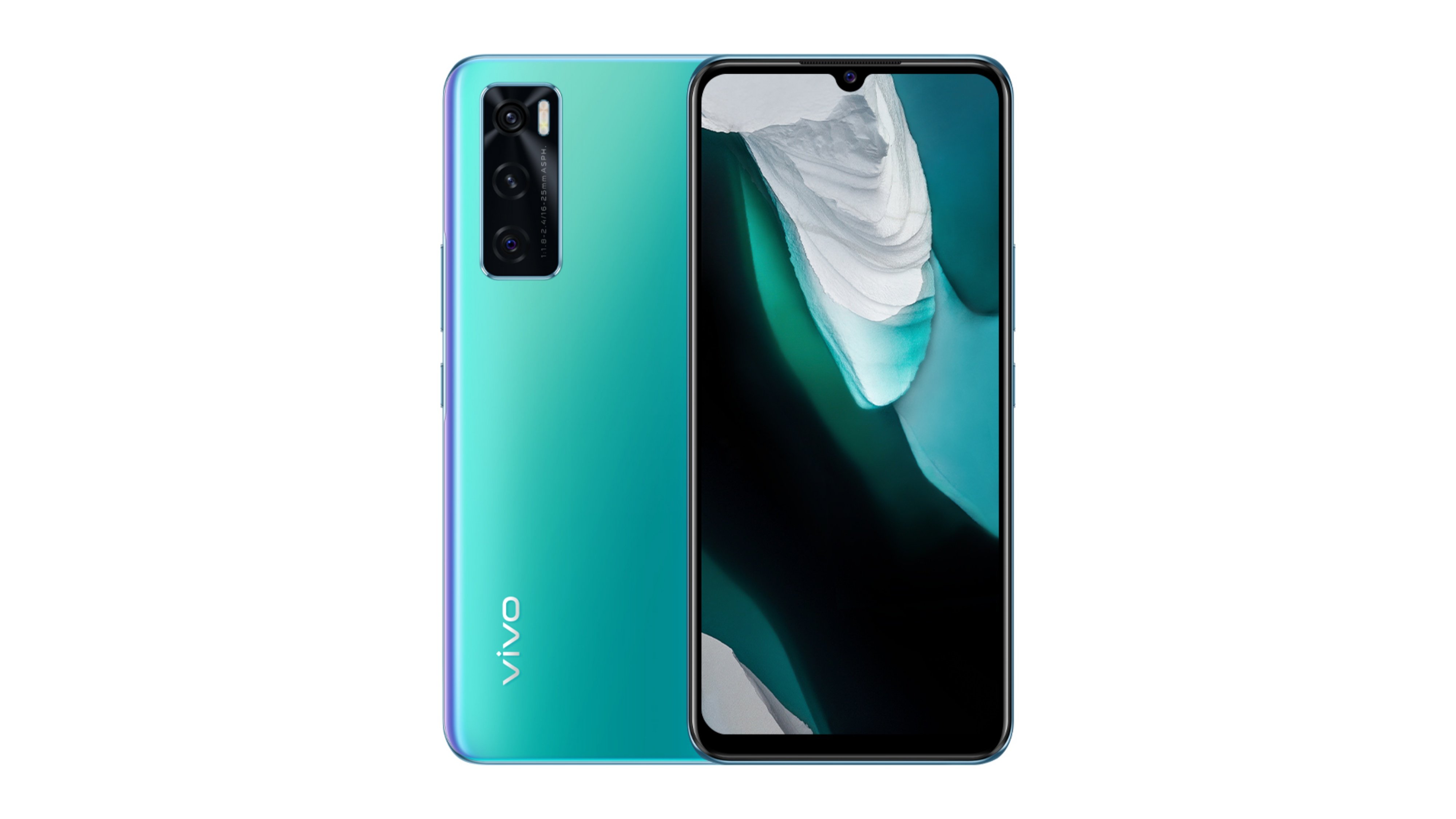
Chinese smartphone maker vivo launched the vivo V20 SE in early November. The handset debuted with Funtouch OS 10 based on Android 10. Now, a little over three months later, the phone has started receiving Android 11-based Funtouch OS 11 update.
According to a report by PiunikaWeb, vivo has started rolling out the Android 11 update for vivo V20 SE. The update comes with build number PD2038CF_EX_A_1.70.6 for the Indian variant of the device.
The OTA update weighs 3.59GB and therefore, make sure to have enough space left on your unit, in addition to an appropriate data plan. As of now, it is not known if the update is being released under greyscale testing.
In case you do not know, vivo’s greyscale testing is similar to Xiaomi’s Stable Beta releases. In this phase, the update is only seeded out to a select few users to test the stability in public. If this is the case with vivo V20 SE Funtouch OS 11 update, then the update will take some time to reach every user.
That said, with vivo V20 SE receiving the Android 11 update, all the three models in the vivo V20 series now run the latest version of Android with Funtouch OS on top of it. For those unaware, vivo debuted with vivo V20 with the newest software out of the box but the vivo V20 Pro 5G was updated soon after its release.
Additionally, the new update is also being rolled out to the older vivo V19 and the expensive vivo X50. The much older vivo V17, vivo V17 Pro, vivo V15 Pro, and vivo S1 will start getting the update starting March, as per schedule.
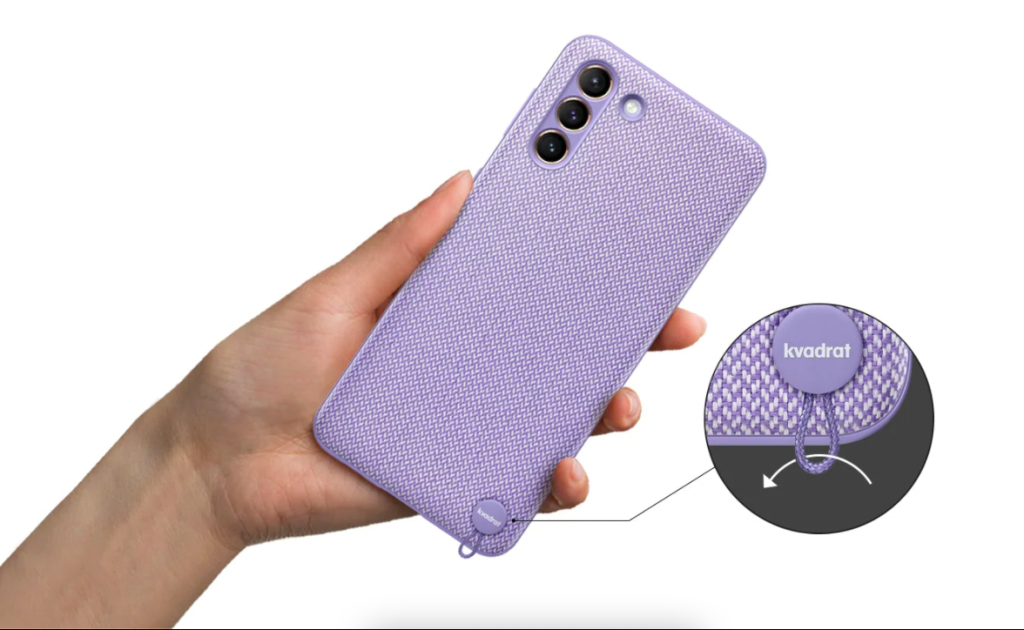
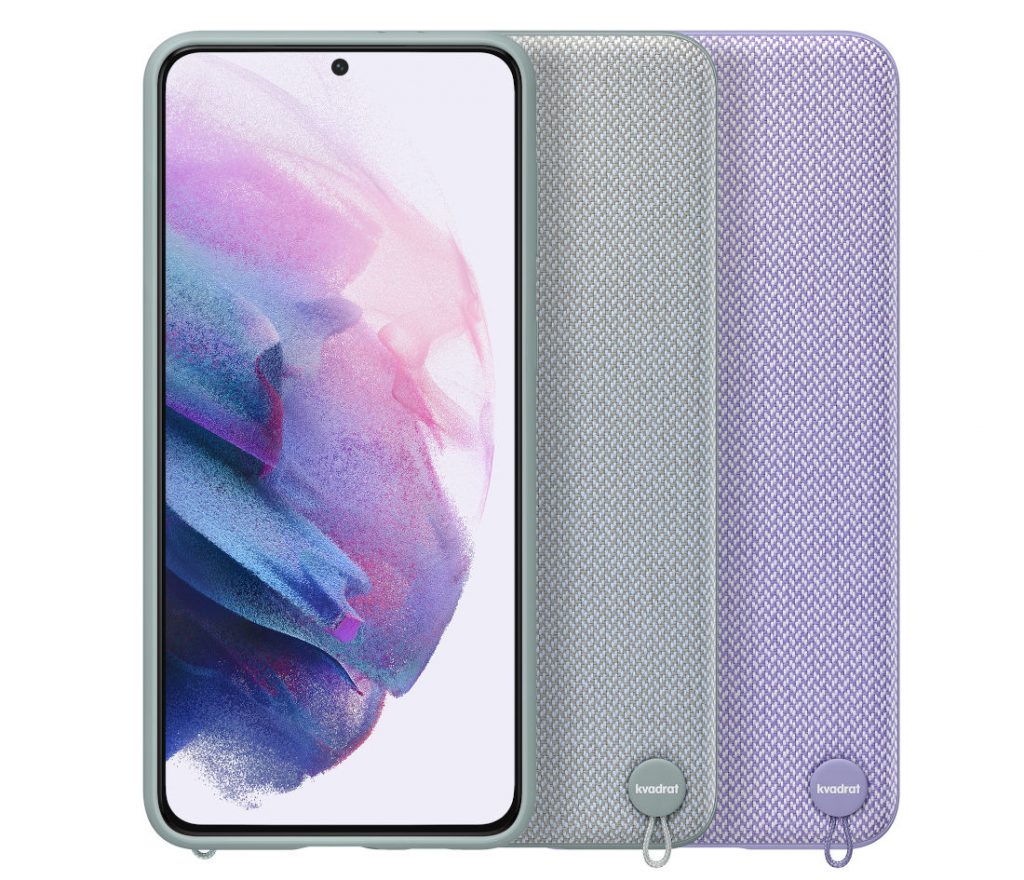
Samsung joined Apple to remove the charging adapter from the retail box of its flagship Galaxy S21 series, citing the need to conserve the environment. Curiously, the action was carried out not too long after Samsung mocked Apple for the adapter removal. But now, to demonstrate its newfound love for environmental conservation, the Korean tech giant has teamed up with a premium textile brand in India called Kvadrat to launch eco-friendly protective cases for the Galaxy S21+ 5G.
The partnership will see both firms produce mobile accessories that are recyclable and promote sustainable production methods. Kvadrat claims the exterior, interior, and hooks of the protective case are manufactured using upcycled materials and a production method that sustains the environment. In case you don’t know, Upcycling is the process of transforming end-of-life products into new materials that offer superior quality than the original product and also benefit the environment. The process is also known as ‘creative reuse’
In addition, the company disclosed that the new protective cases will be shipped in sustainable packaging that is produced entirely from paper which is biodegradable. There is absolutely no plastic that leaves behind wastes that are non-degradable.
Talking about the phone case, they are manufactured from re-purposed 500ml plastic bottles that are converted into textile yarns through melting and reformation processes. The recycled yarns help reduce the number of plastic bottles which are a challenge to marine life. Samsung also noted that the melting and reformation processes are carried out in a way that reduces the amount of carbon dioxide emitted during manufacturing as compared with traditional material processes.
As for the pricing, the Galaxy S21+ 5G Kvadrat case carries a decent price tag of Rs. 2499 (~$34) and comes in Violet and Gray colours. The cases are available from Samsung India online and offline stores.
A few years ago, Samsung used to be terrible at releasing updates for its devices but that is no longer the case now. The smartphone market leader is only bested by Google when it comes to updates. Now, Samsung is taking it to another level and even surpassing Google by extending the duration of security updates for several of its phones.
In a press statement released today, Samsung revealed that it will be extending updates for several of its Galaxy products launched since 2019. These phones, which include models from the Galaxy “Z, S, Note, A, M, XCover, and Tab series will now receive at least four years of security updates”.
Samsung says that it has had to work with its OS and chipset partners as well as more than 200 carriers to ensure that its Galaxy devices receive timely security patches.
While Samsung doesn’t say, not all of these devices will receive updates monthly. A lot of them will receive security updates every quarter while some will fall under the “other regular” security updates group.
Below are the devices that will receive security updates for four years:
Galaxy Foldable devices: Fold, Fold 5G, Z Fold2, Z Fold2 5G, Z Flip, Z Flip 5G
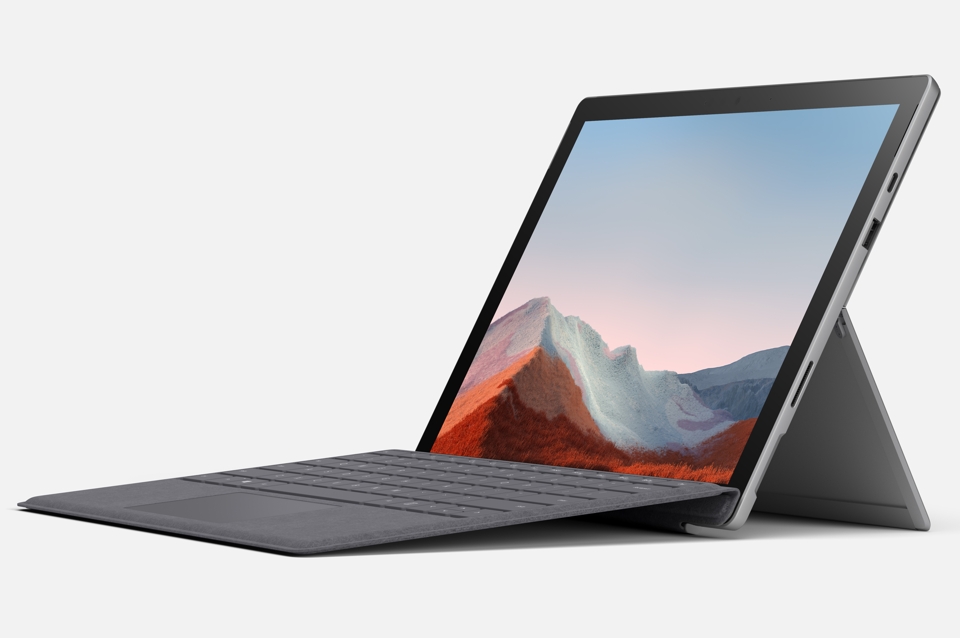
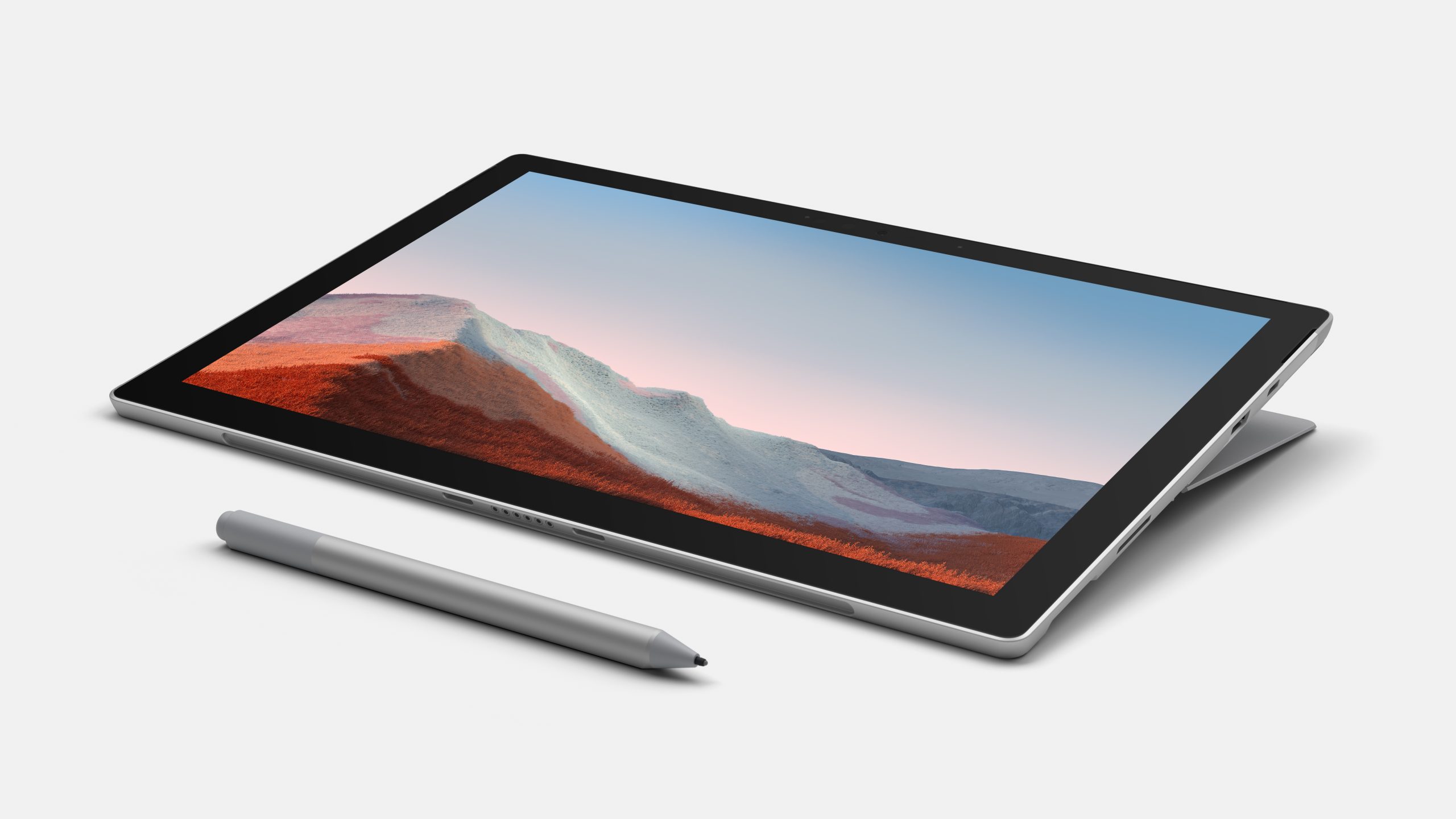
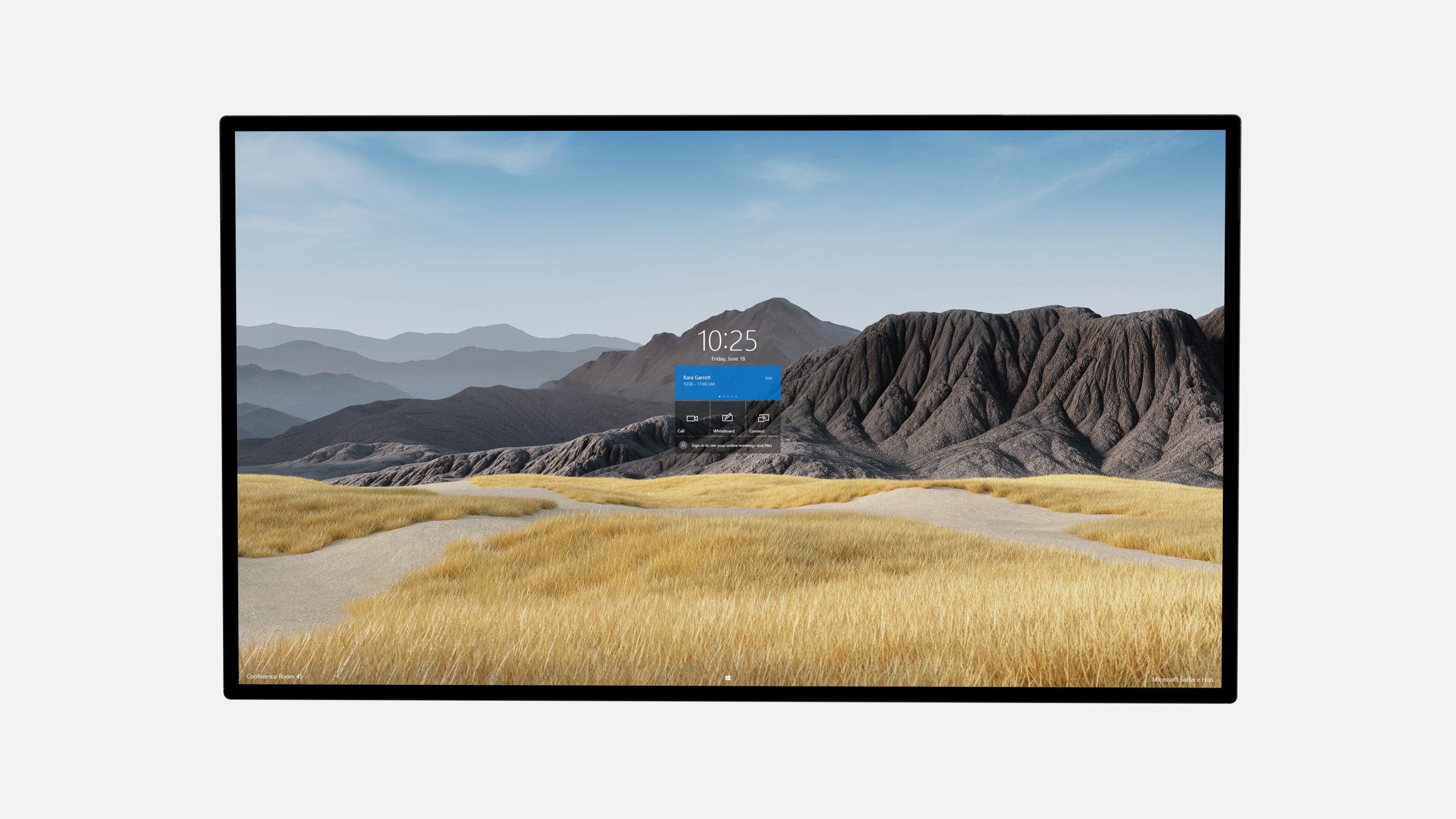
Microsoft recently launched the Surface Laptop Go in India starting at ₹71,999. Today, the company has brought the Surface Pro 7+ starting at ₹83,999 for Business and educational users and a Surface Hub 2S 85-inch to the country.
Microsoft Surface Pro 7+, Surface Hub 2S 85-inch India Price, Availability
Microsoft has launched the Surface Pro 7+ in Black and Platinum color options. It, however, has up to 11 different configurations of CPU and Storage. The starting price is a bit expensive compared to the US. Let’s look at their pricing below:
11th Gen Intel Core- i3(8GB RAM + 128GB SSD)- ₹83,999
11th Gen Intel Core -i5(8GB RAM + 128GB SSD)- ₹93,499
11th Gen Intel Core -i5(16GB RAM + 256GB SSD)- ₹139,999
11th Gen Intel Core -i7(16GB RAM + 256GB SSD)- ₹149,499
11th Gen Intel Core -i5, LTE(16GB RAM + 256GB SSD)-₹153,999
11th Gen Intel Core -i7(16GB RAM + 512GB SSD)-₹183,999
11th Gen Intel Core -i7(16GB RAM + 1TB SSD)- ₹222,499
11th Gen Intel Core -i7(32GB RAM + 1TGB SSD)-₹258,499
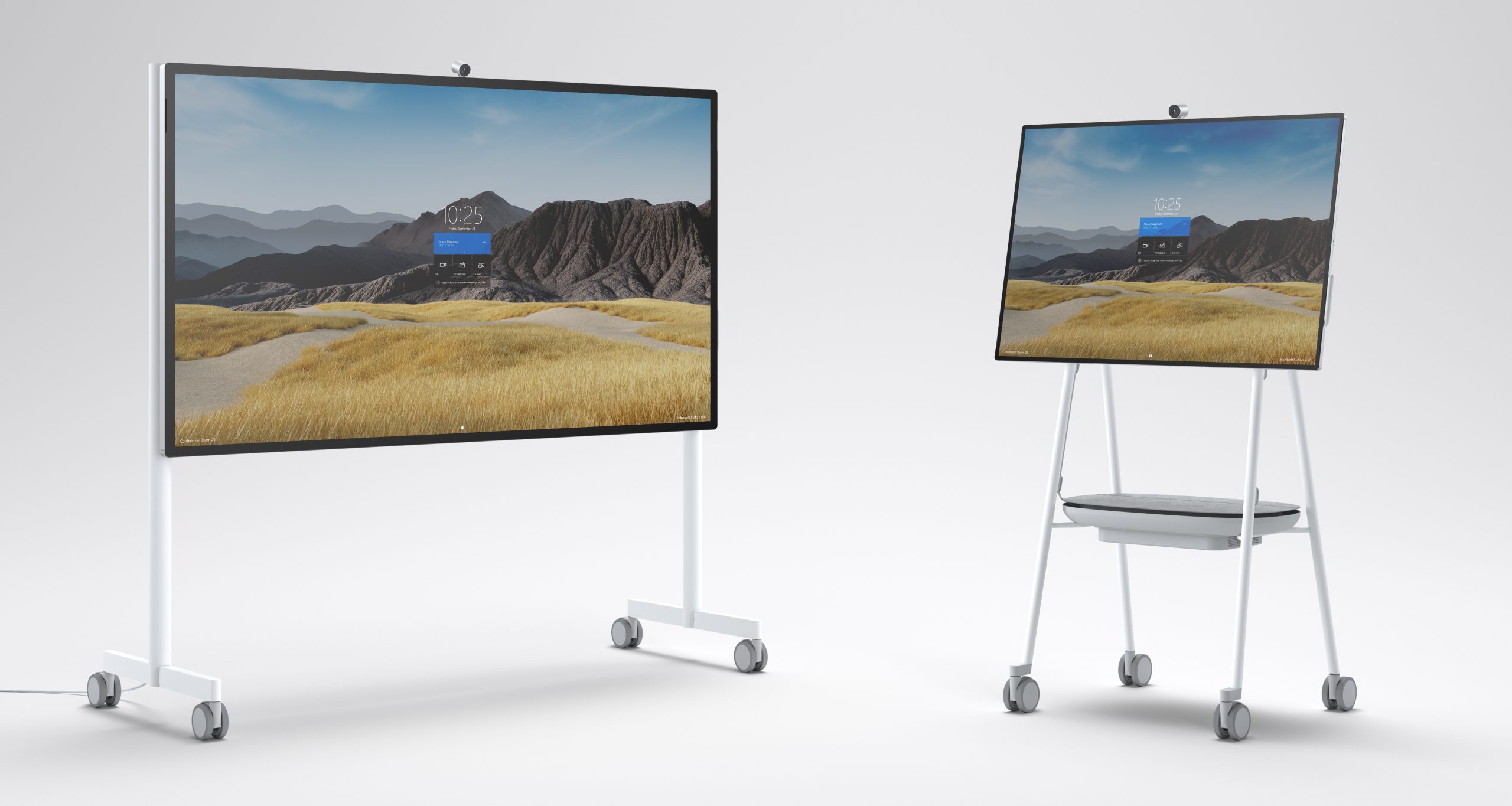
Apart from this, the company has also launched the Microsoft Surface Hub 2S 85-inch variant in India for ₹21,44,999. Users can get the Surface Pro 7+ from today at their local resellers while the Surface Hub 2S will be available from March 3.
Microsoft Surface Pro 7+ Specifications and Features
The Surface Pro 7 Plus has quite a few changes compared to the Surface Pro 7 from 2019. It features a 12.3-inch PixelSense Display. This one has a 2736 x 1824 resolution, 267 PPI, and 3:2 aspect-ratio.
1 of 2
As seen above, it is an upgrade from 10th-gen Intel on the predecessor. That is, it starts from 11th-gen Intel i3 and goes all the way up to Intel Core-i7 CPUs. This is paired with Intel UHD/Intel Xe Graphics, up to 32GB LPDDR4x RAM, and 1TB SSD storage.
For Connectivity, you get an optional LTE variant(4G-nanoSIM). However, do note that only the core-i5 models have this support. Other options include Wi-Fi 6, Bluetooth 5.0, USB Type-C port, a USB Type-A port, 3.5mm headphone jack, and microSD card reader.
You can also hook up an external display using the USB-C and optional Surface Dock 2 if you want. Other features include a 50.4WHr battery, dual far-field microphones, 5MP selfie camera. Finally the Surface Pro 7+ measures 292x201x8.5mm.
Microsoft Surface Hub 2S 85-inch Features
Unlike any other 4K displays, the Surface Hub 2S 85-inch has an 85-inch screen with a 4K PixelSense Touch Display. This one has a 3,840×2,160 pixel resolution and a 16:9 aspect-ratio.
1 of 2
It has the following ports and connectivity features:
1xUSB Type-A, 3xUSB-C
Mini-DisplayPort, HDMI
USB Type-C with DisplayPort
RJ45 Gigabit Ethernet, Wi-Fi 5, and Bluetooth 5.0.
Under the hood, it is powered by an 8th-gen Intel Core-i5 processor paired with 8GB RAM, 128GB SSD. Other features include a 90-degree horizontal field of view, three-way stereo speakers, camera with 4K support, and more.
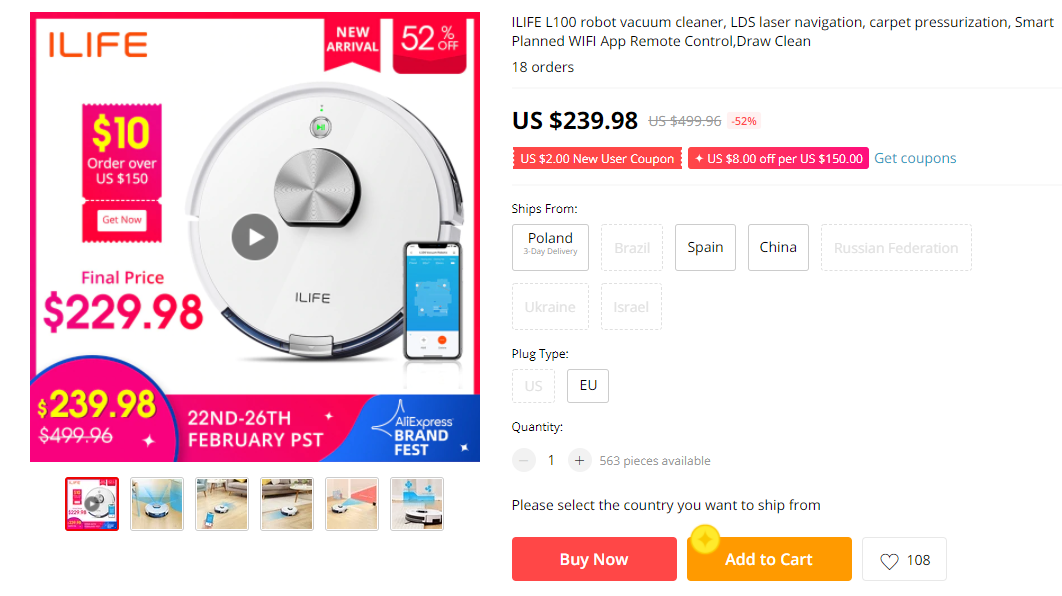
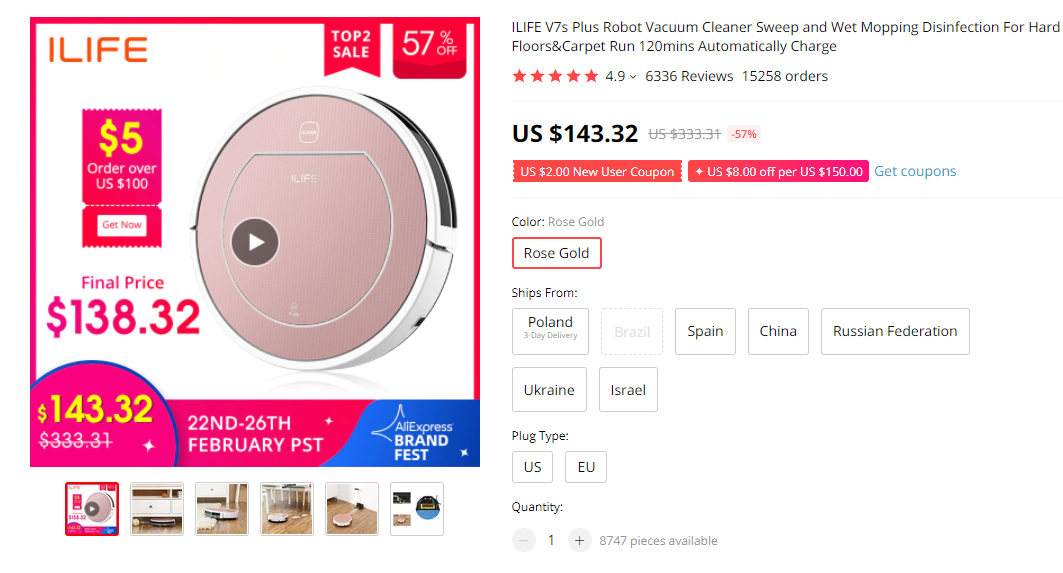
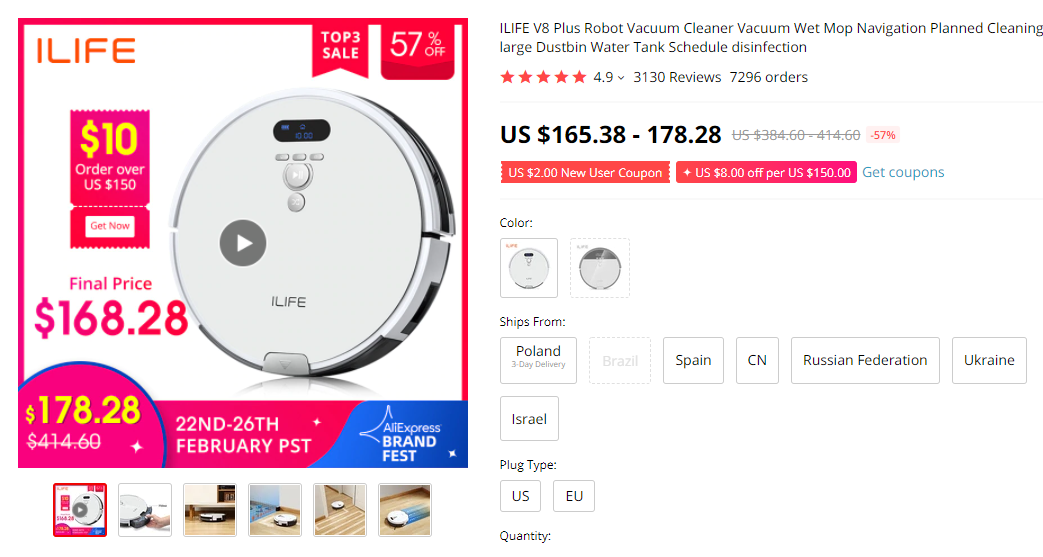
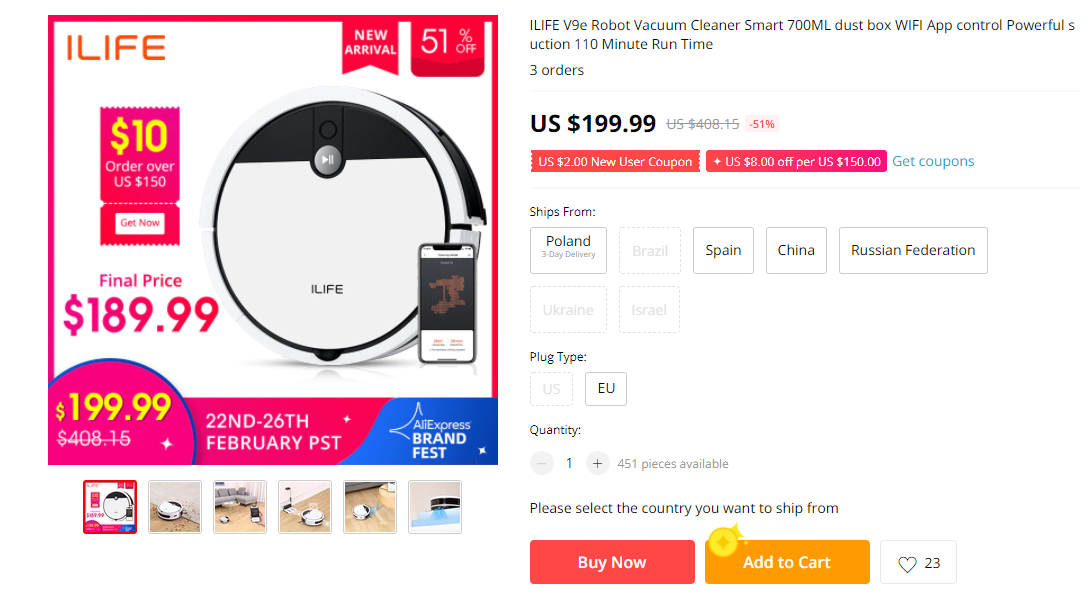
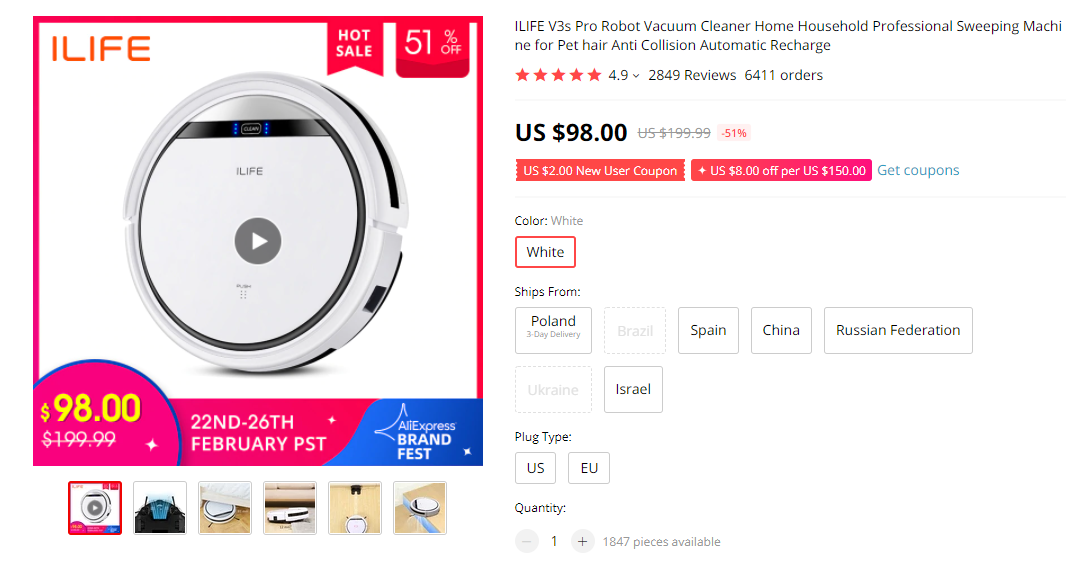
The biggest ILife sale of 2021 is now live at AliExpress. With this mega sale, ILife is giving out more than $100 discounts on a variety of products.
ILife is a prominent name in the intelligent cleaning industry. They have created simple yet smart cleaning robots, designed to cater to different home and office needs. They have designed different bots for different purposes like sweeping, wet mopping, disinfecting, shining, polishing, etc. Winner of multiple awards like the LAZADA Top Brand 2020 and RedDot design award, the company churns out high-quality advanced cleaning bots for their consumers. Moreover, their in-house R&D labs and large-scale manufacturing centers ensure high tech, great quality, and ever-evolving bots, reach their customers across the globe.
From 22 February 2021 to 26 February 2021 ILife is offering its biggest sale of the year. The company is giving great discounts and coupons on a variety of products, exclusively at AliExpress. So for our loyal readers here are some great deals handpicked by our editor at GizmoChina.
Features: Sweep and Wet mop, Disinfection, ideal for multiple hard and soft surfaces and different floorings, OBS All Terrain Detection system, i-dropping technology, Anti-fall and Anti-collision, 120 minute working time, Self-charging, etc.
Features: Multiple cleaning modes, 120-minute working time, Auto dock and recharge, Obstacle avoidance and Cliff detection sensor, Airway filtering, Scheduled cleaning, etc.
All the above deals are available only at AliExpress as a part of their Brand Fest. Additional shipping charges may apply to different countries from different warehouses. New user coupons and additional discount coupons are also available at AliExpress. So grab this megadeal before it expires on 26 February 2021.
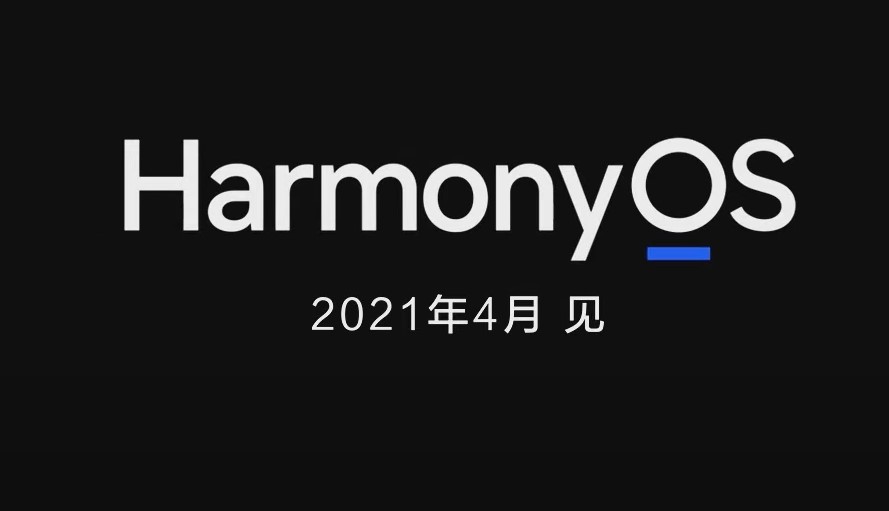
Back in September at the HDC 2020, Huawei confirmed that it would bring the HarmonyOS to its Smartphones. Standing by its word, it has already rolled out a Beta Version of the HarmonyOS 2.0 to some devices. Now, the company has said that the stable Android alternative OS is finally coming to flagship devices.
HarmonyOS rollout
Starting from April 2021, Huawei flagship devices will start getting the HarmonyOS upgrade. This finally will transition the company’s smartphones into an ecosystem of its own.
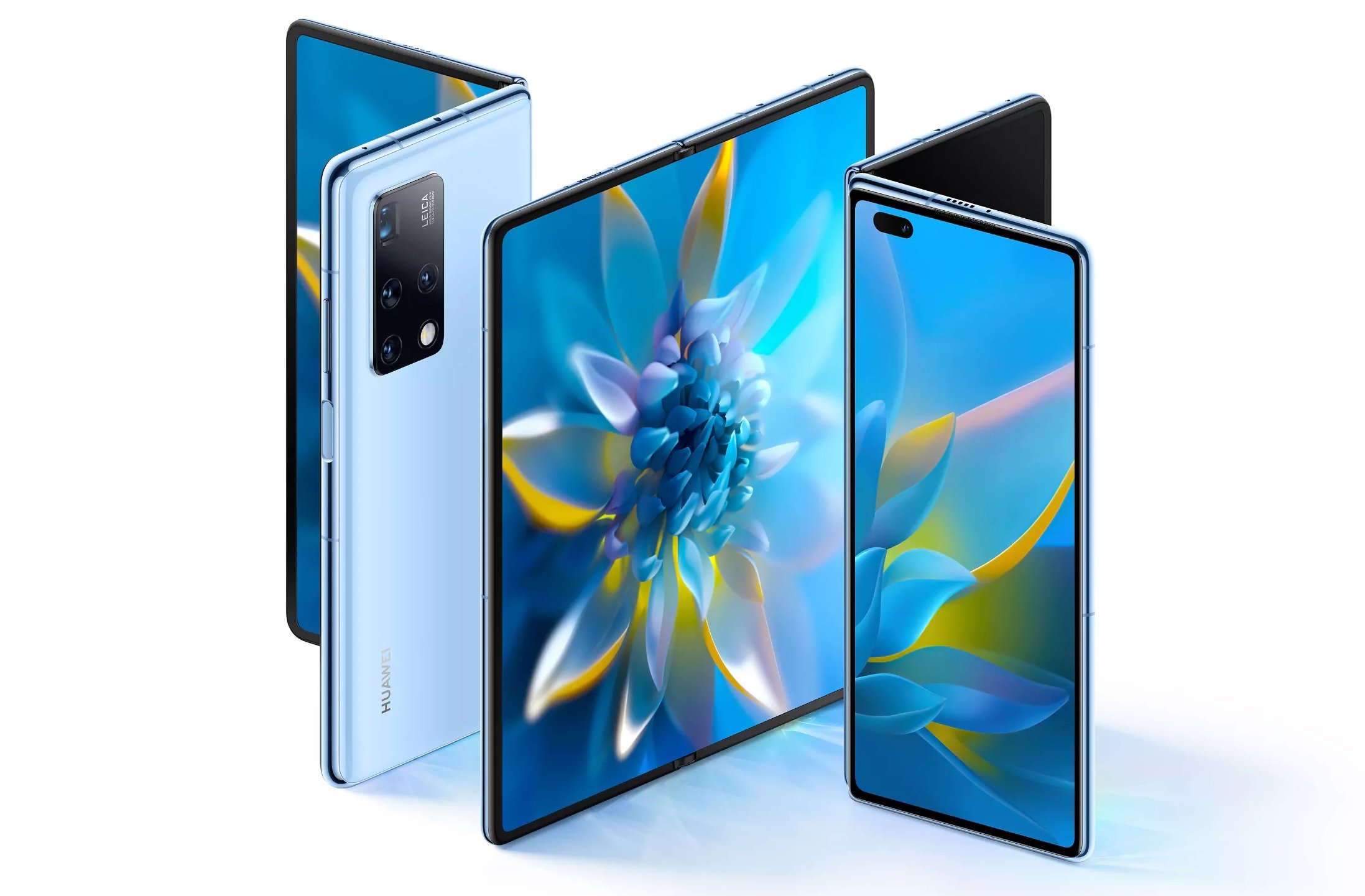
At the launch, the company also said that the newbie HUAWEI Mate X2 will be among the first to get it. This means that the device will run EMUI 11.0 (Based on Android 10) till then.
Assuming that the HUAWEI P50 series launches in a couple of months, it should also get it alongside the 2021 foldable first. HUAWEI brought the HarmonyOS ecosystem as a way to evade the tussle with the US and the subsequent ban on Google Mobile Services(GMS).
This new Operating System is also considered as an infrastructure to get deep into the roots of smart IoT devices including Smart TVs. The company Last year upped the ante by bringing the HarmonyOS 2.0.
As mentioned above, it extended the support for IoT devices initially. Following this, it released the SDK and Developer Toolkit for Smartphones in December 2020 and Beta versions from Jan’21.
Now, it has finally found the groove for the Flagships, and hence, expect the stable versions to roll out before H1 2021 ends. We don’t have an exact list of devices that will be getting the update yet. However, it is likely to arrive on the Huawei P, Mate, and Nova devices gradually.
Not just the HarmonyOS, Huawei is working hard to improve the App Gallery market as well. As of 2020, it had up to 500 million monthly active users worldwide and is expanding further.
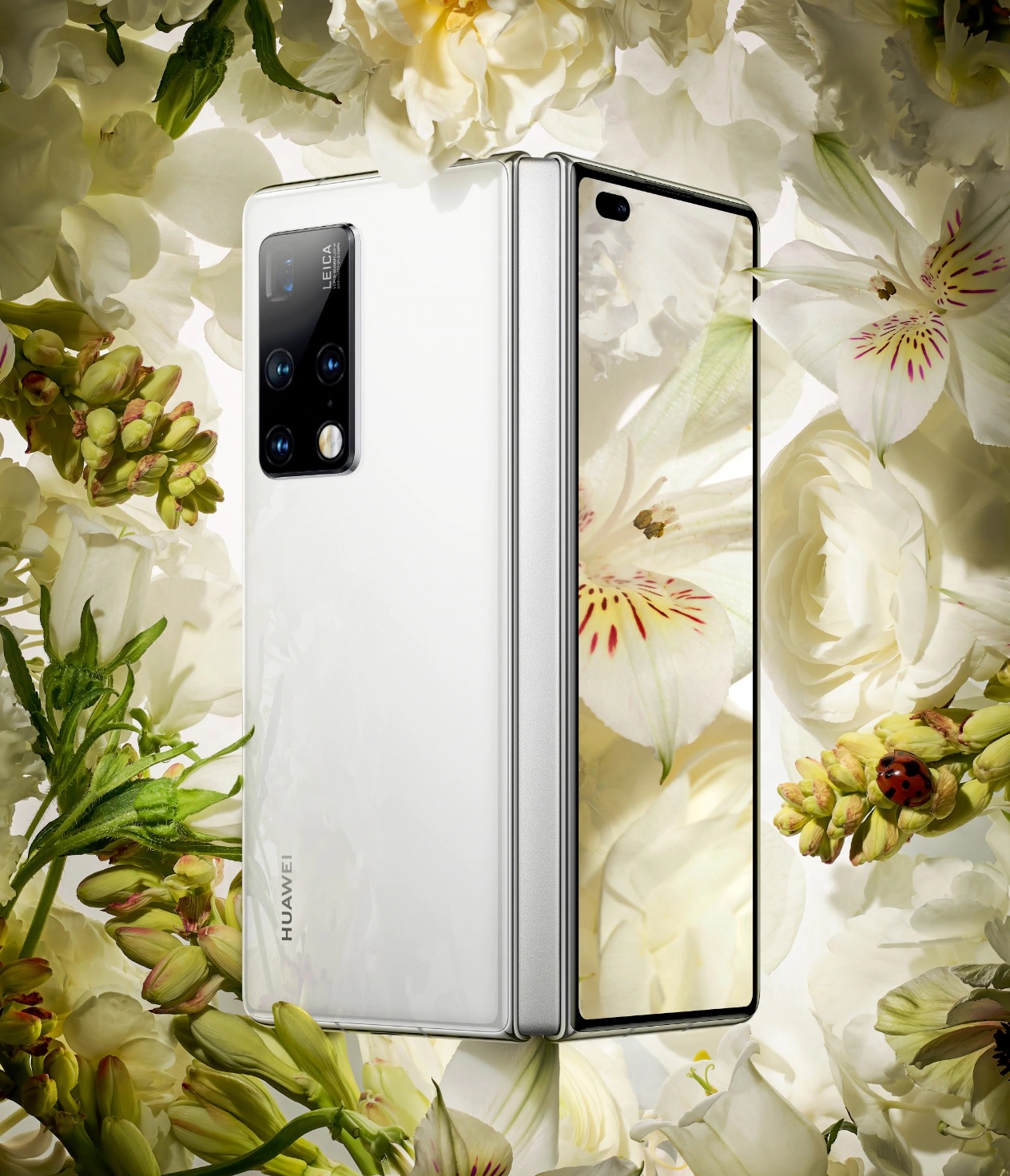
Almost nearly a year since it announced the Mate Xs, Huawei is back with a new foldable device called the Mate X2. The foldable smartphone comes with a new folding design that differs from that of its siblings. It also has Huawei’s most powerful mobile processor, two high refresh rate displays, and a Leica-branded camera setup that surpasses that of the Mate 40 Pro. However, all these features have resulted in a high price tag.
Huawei Mate X2 Design
Huawei has ditched the outward fold design of the Mate X and Mate Xs for an inward folding design. This switch in design means that the Mate X2 has two displays – an outer screen that looks like a smaller and flat version of the Mate 40 Pro’s own screen and an inner display that is devoid of a notch or punch hole. It also means that the device has a new hinge design. Huawei says it used zirconium-based liquid metal for the hinge system.
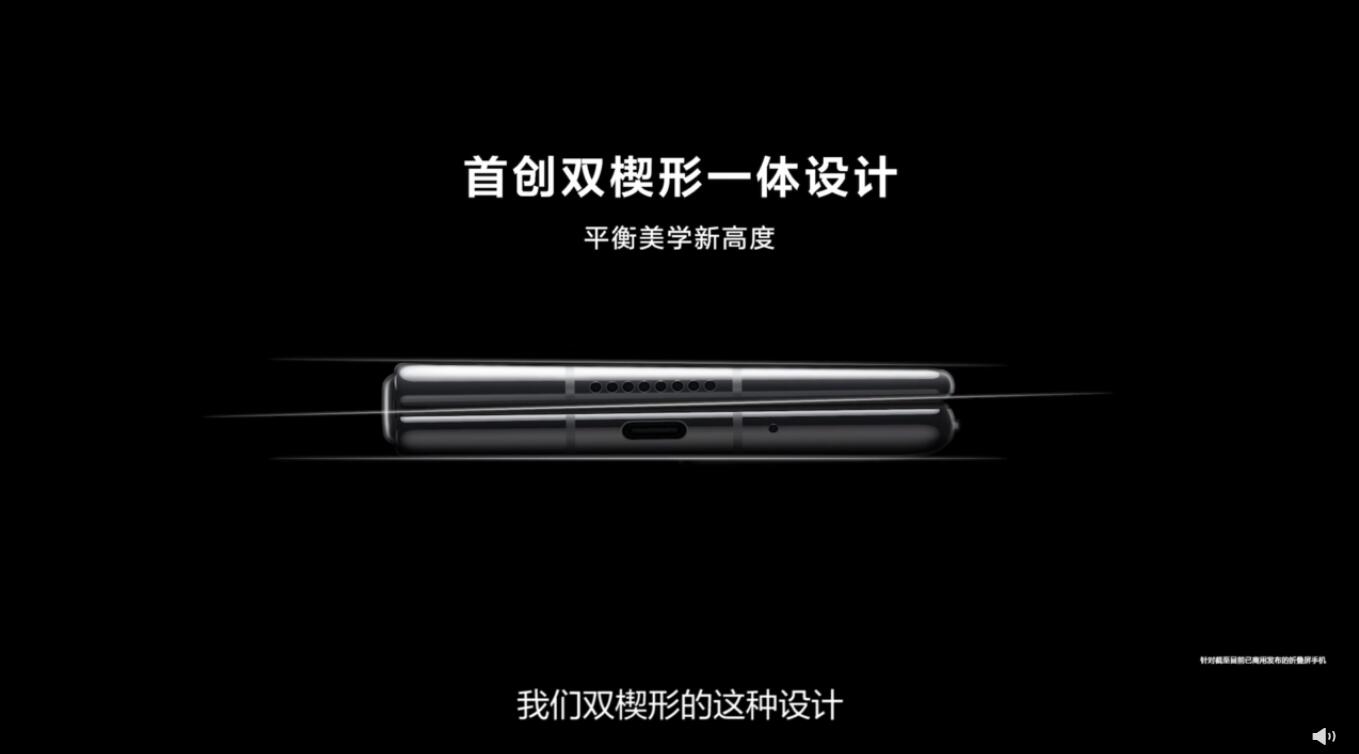
The unique design of the Mate X2 allows for a seamless fold
A more interesting part of the design is the Seamless Foldable Design. The right half of the device slopes inwards while the left part slopes in the opposite direction. Huawei says that the advantage this brings is that the phone is perfectly balanced whether unfolded or folded even though the point of balance is no longer at the center. Another advantage this design brings is that there are no gaps when the device is folded unlike in the case of the Galaxy Z Fold 2.
Huawei finishes the design by providing the Mate X2 with four different color finishes. There is Glaze White, Black, Crystal Blue, and Crystal Pink.
Huawei Mate X2 Specifications
The Huawei Mate X2 has a 6.45-inch OLED external screen that has a pill-shaped punch hole at the top left corner for two front-facing cameras. The display has a 2700 x 1160 resolution (456 ppi), a 90Hz refresh rate, and a 240Hz touch sampling rate.
The inner display is 8-inches in size when unfolded and boasts a 2480 x 2200 resolution (413 ppi) and a P3 wide color gamut. It is also an OLED panel and has a 90Hz refresh rate but its touch sampling rate is lower at 180Hz.
There is a Kirin 9000 processor under the hood along with 8GB of RAM and 256GB or 512GB of storage. Huawei has added support for storage expansion (256GB max) via its proprietary NM card slot.
The Mate X2 has a side-mounted fingerprint scanner, stereo speakers, dual-band Wi-Fi, Bluetooth 5.2, NFC, dual-frequency GPS, an infrared sensor, and a USB 3.1 GEN1 Type-C port.
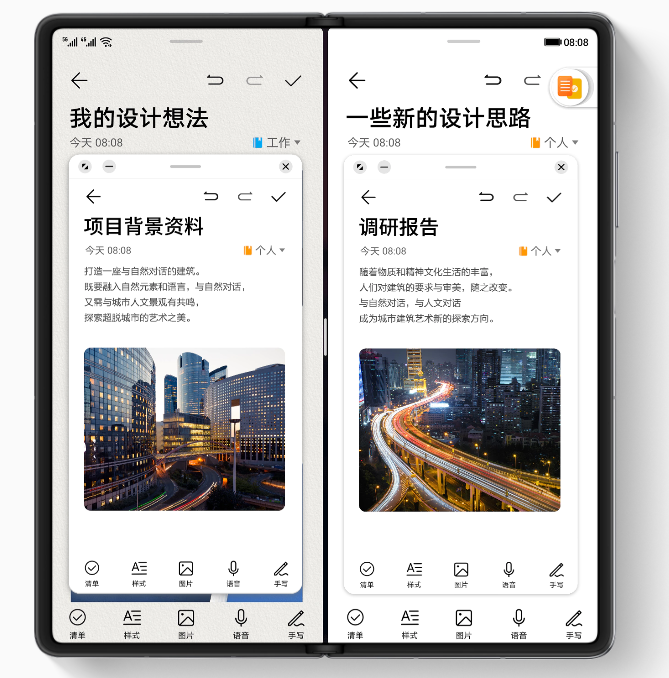
You can use two instances of the same app on the Mate X2
Huawei ships the phone with EMUI 11 based on Android 10 out of the box. However, it says it will be upgraded to HarmonyOS in April. It also revealed that the top 200 apps have been optimized to take advantage of the phone’s form factor. Users will be able to minimize apps into bubbles, open two instances of an app for better multitasking, and more.
Surprisingly, there is no support for a stylus which would have given it an upper hand over the Samsung Galaxy Z Fold 2.
There is a 4500mAh battery capacity inside with support for 55W fast wired charging. Unfortunately, there is no support for wireless charging. Huawei ships the phone with its 66W SuperCharge charger.
Huawei Mate X2 Camera
The camera configuration of the Huawei Mate X2 is unmatched when it comes to foldable smartphones. The main camera is a 50MP f/1.9 RYYB sensor with OIS and it comes along with a 16MP f/2.2 ultra-wide-angle camera, a 12MP f/2.4 telephoto camera with OIS, and an 8MP f/4.4 RYYB periscope camera that also has OIS and brings 10x optical zoom. The phone also has 100x digital zoom and a 2.5cm super macro mode.
The Mate X2 has a 16MP front-facing camera but users can take super selfies with the rear cameras when the device is unfolded. In this mode, the external display serves as the viewfinder.
Huawei Mate X2 Price and Availability
The Mate X2 is not cheap even in Huawei’s home country. The base model is priced at RMB 17,999 (~$2785) while the 512GB RAM version is RMB 18,999 (~$2940). It will go on sale in China on February 25 and will come with a Huawei SuperCharge charger, a Type-C data cable, a pair of Type-C earphones, and a leather protective case included inside the box.
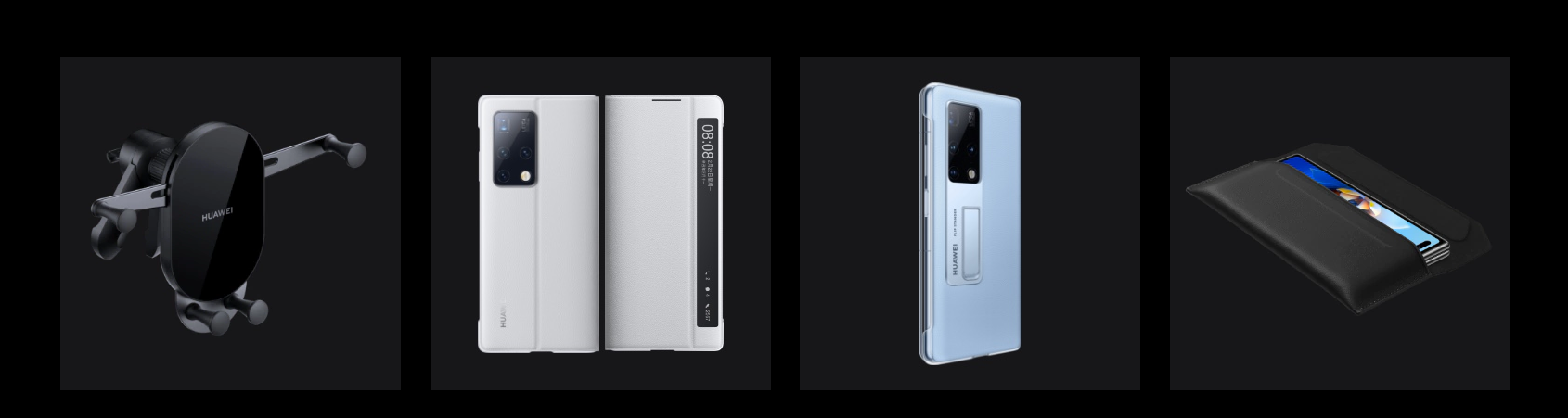
Huawei also announced a bunch of accessories for the Mate X2. There is a case with a kickstand that is priced at RMB 299 (~$46), an RMB 399 (~$62) car mount that allows you to use the device in its unfolded state, a windowed case that is priced at RMB 399 (~$62), and a leather sleeve case that is RMB 699 (~$108).
Samsung took the industry by storm when it launched the Neo QLED TV, its first mini-LED-based smart TV at CES 2021. The TV is expected to go on sale worldwide from March 2021. Ahead of the sales, Germany’s AV magazine has published the first independent review of the Neo QLED TVs, giving the TV awesomely favorable ratings.
The magazine rated that smart TV as the ‘Best TV of All Time.’ The magazine got its hands on the 75-inch 8K variant of Neo QLED TV with model number GQ75QN900A. The guys at AV magazine gave the TV model a score of 966 points. This is about 10 points higher than the score clinched by the best Samsung QLED TV from 2020 which received a score of 956 points.
The review team showered encomium on the TV for its impressive contrast ratio, deep blacks, high brightness, and precise local dimming as a result of the Mini-LED technology. Further, the Samsung Neo QLED TV was praised for its outstanding design, innovation, and the magazine has selected it as its ‘Reference’ TV.
As a reminder, the Neo QLED panel is based on mini-LED backlighting technology that features smaller LEDs that can focus light on a smaller area. The panel is equipped with up to 40 times smaller LEDs than conventional LEDs with full-array back-lighting. Adding more LEDs in a smaller area makes it possible for the display panel to offer precise backlighting control, improved HDR, higher contrast, and better brightness.
Samsung crams the Neo Quantum Processor image processor inside the Neo QLED panel which is used for AI upscaling with 16 neural networks to upscale image quality to the native resolution of the panel. The Neo QLED panel is built for Samsung’s QN900A 8K and QN90A 4K models. The new TVs featuring Neo QLED panels will offer features like super-slim bezels, 21:9 and 32:9 aspect ratios, a new audio system with object tracking and spatial optimization, and more.
We use cookies on our website to give you the most relevant experience by remembering your preferences and repeat visits. By clicking “Accept”, you consent to the use of ALL the cookies.
This website uses cookies to improve your experience while you navigate through the website. Out of these, the cookies that are categorized as necessary are stored on your browser as they are essential for the working of basic functionalities of the website. We also use third-party cookies that help us analyze and understand how you use this website. These cookies will be stored in your browser only with your consent. You also have the option to opt-out of these cookies. But opting out of some of these cookies may affect your browsing experience.
Necessary cookies are absolutely essential for the website to function properly. This category only includes cookies that ensures basic functionalities and security features of the website. These cookies do not store any personal information.
Any cookies that may not be particularly necessary for the website to function and is used specifically to collect user personal data via analytics, ads, other embedded contents are termed as non-necessary cookies. It is mandatory to procure user consent prior to running these cookies on your website.