Advertisement

Premature Flipkart listing reveals Vivo V60e price before official launch

Vivo is not done with its V-series refresh yet. Just days after launching the Vivo V60 Lite 5G as the first phone powered by MediaTek’s Dimensity 7360-Turbo, the company seems to be lining up another model, the Vivo V60e 5G.

The upcoming device has surfaced in a leak from tipster Paras Guglani on X, who shared images and specifications that reveal what to expect.

Vivo V60e 5G Specifications 

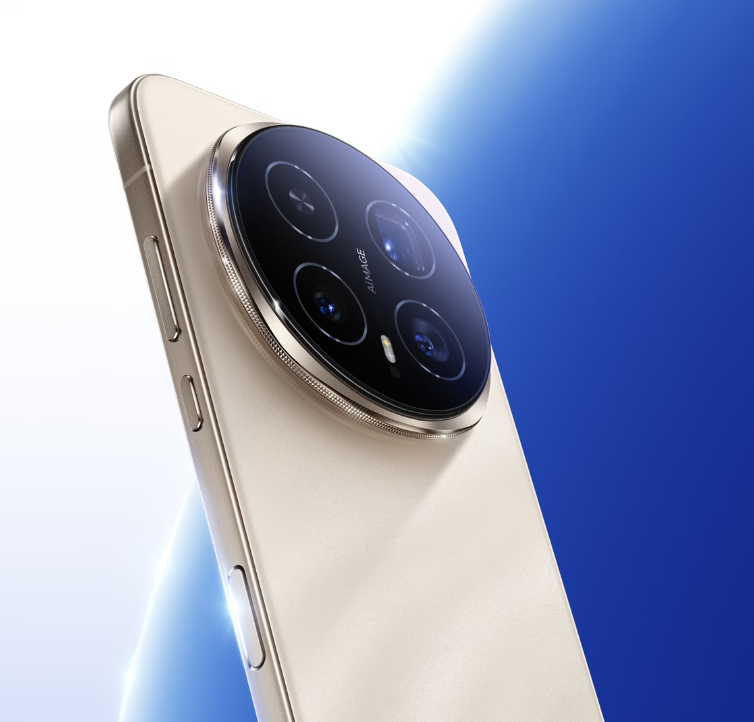
The headline upgrade is the camera. Vivo is reportedly claiming the V60e 5G as the “first 200-megapixel main camera in the segment,” which is paired with an 85mm telephoto lens.

The V60e will carry an IP68 and IP69 rating for dust and water resistance. The company quotes that it can survive immersion in 1.5 meters of water for up to 120 minutes. 

Powering the phone is a massive 6,500mAh battery, supported by 90W fast charging. It’s not the fastest charging speed we’ve seen, but paired with a battery this large, it could mean serious endurance.

Interestingly, Flipkart has already listed the device in three storage configurations along with pricing. The base 8GB + 128GB variant is priced at ₹34,999 (₹28,749 with offers), while the 8GB + 256GB option comes in at ₹36,999 (₹30,749 with offers). The top-tier 12GB + 256GB model is listed at ₹38,999 (₹32,749 with offers).

Vivo V60e Design

The phone will arrive in two finishes: Noble Gold and Elite Purple. Though the design isn’t that different from the Vivo V60 Lite, per se. The company has not confirmed a launch date yet, but with listings already live, the official announcement should not be far of.

For more daily updates, please visit our News Section.

Stay ahead in tech! Join our Telegram community and sign up for our daily newsletter of top stories.

(Source)

Xiaomi 15T vs 14T: Should You Upgrade in 2025?

Xiaomi 15T and 14T are consecutive flagship-level releases, offering strong performance, display, and camera features. This comparison is important for users deciding whether the incremental upgrades in the 15T, like improved chipset, battery, and durability, justify the higher price. By highlighting the key differences, this guide helps buyers understand which model delivers better value and whether upgrading is worthwhile, especially for power users, gamers, or those seeking enhanced media and durability features.

1. Design and Display

Build and Feel:
Xiaomi 15T upgrades to Gorilla Glass 7i on the front and a glass fiber back, improving durability compared to the 14T’s Gorilla Glass 5 and standard glass back. The IP68 rating is slightly enhanced, allowing immersion up to 3m for 30 minutes versus 2m in the 14T. These changes make the 15T feel more premium and robust, particularly for users concerned with accidental drops or water exposure.

Display Quality:
The 15T has a slightly larger 6.83-inch AMOLED display versus 6.67 inches on the 14T. While the 15T offers 3200 nits peak brightness, the 14T reaches 4000 nits peak. The 15T’s display has a lower refresh rate (120Hz vs 144Hz) but includes Dolby Vision and HDR10+, along with better PWM handling. The upgrade improves HDR content, color accuracy, and overall media experience, though the slightly lower refresh rate may affect extremely smooth scrolling.

Verdict:
The Xiaomi 15T’s display and build upgrades enhance durability and HDR media quality, making it more appealing for premium use. The 14T remains strong but lacks the refined protection and HDR optimization.

2. Specifications

Performance:
The 15T uses the Dimensity 8400 Ultra, which has higher clock speeds and a more advanced GPU (Mali-G720 MC7) than the 14T’s Dimensity 8300 Ultra (Mali G615-MC6). Storage is upgraded to UFS 4.1 from UFS 4.0, which improves app load times and file transfers. These enhancements provide a noticeable boost in gaming, multitasking, and overall system responsiveness.

Battery and Charging:
Battery capacity increases from 5000 mAh to 5500 mAh. Charging remains at 67W, with the 15T fully charging in 50 minutes compared to 45 minutes for the 14T. The additional 500 mAh provides longer endurance, especially for power users, though the difference may be moderate for average users.

Verdict:
The 15T offers meaningful performance and endurance improvements, making it a better choice for gamers and heavy users, while the 14T is adequate for general use.

3. Camera

Main and Secondary Lenses:
Both phones have a triple Leica camera setup: 50 MP wide, 50 MP telephoto, 12 MP ultrawide. The 15T telephoto lens uses a slightly shorter focal length (46mm vs 50mm) and includes a color spectrum sensor for improved color accuracy. Video capabilities are similar but slightly optimized on the 15T for HDR10+ capture.

Selfie Camera:
The front camera is slightly upgraded with a wider f/2.2 lens on the 15T compared to f/2.0 on the 14T, offering improved framing and HDR video support.

Verdict:
Camera improvements are incremental. The 15T delivers slightly better color accuracy and HDR performance, but the 14T remains capable for casual photography.

4. Pricing

The 15T is priced at $760, $160 higher than the 14T at $600. The price difference covers the upgrades in build, chipset, battery, and minor camera improvements. For users valuing performance and durability, the 15T is worth the extra cost. Budget-conscious users may find the 14T offers most of the core experience at a lower price.

Disclaimer:
Prices are approximate and may vary based on country, region, and applicable taxes.

5. Conclusion

The 15T’s notable upgrades include Gorilla Glass 7i, glass fiber back, Dimensity 8400 Ultra chipset, 5500 mAh battery, improved HDR display, and a color spectrum sensor for more accurate imaging. These enhancements target users seeking premium performance, durability, and media quality.

Verdict:
Upgrading to the 15T is worthwhile for those who prioritize performance, endurance, and premium display. The 14T remains a strong option for those satisfied with slightly lower specs at a more affordable price.

Read More:

AOC AGON Pro AG276QKD2 500Hz QD-OLED Gaming Monitor Priced at €949 in Europe, £679 in UK

AOC has confirmed the pricing for its latest high-refresh QD-OLED gaming monitor, the AGON Pro AG276QKD2. First unveiled in May, the 26.5-inch monitor is built around a Samsung-made QD-OLED panel with a native 2560 x 1440 resolution and a 500Hz refresh rate, making it one of the fastest displays available in the market.

AOC AG276QKD2

The AG276QKD2 offers a 10-bit panel with strong color performance, covering 100% sRGB, 99% DCI-P3, and 98% Adobe RGB. It supports DisplayHDR 500 True Black with a peak brightness of 1000 nits and a static contrast ratio of 1.5 million to 1. At 110 pixels per inch, the pixel density provides sharp visuals for its 1440p resolution, while the panel’s effective screen area utilization is rated above 90% by AOC.

AOC AG276QKD2

For ergonomics, the stand supports 130mm height adjustment, -5° to +23° tilt, ±30° swivel, and full portrait pivot. It is also VESA mount compatible and includes dual 5W speakers. The design features a dual-tone black and gun gray finish with integrated RGB lighting effects on the rear.

Connectivity includes two HDMI 2.1 ports with DSC, one DisplayPort 2.1, two USB 3.2 Gen 1 Type-A ports, one USB 3.2 Gen 1 Type-B upstream port, and a 3.5mm audio jack. A notable omission is USB-C, which has become common in many modern monitors.

For gaming, the monitor supports Adaptive-Sync, AMD FreeSync, Dynamic Crosshairs, Game Color, Shadow Control, and multi-tasking features such as Picture-in-Picture and Picture-by-Picture. Users can also fine-tune settings via AOC’s G-Menu software. QD-OLED Care is included to mitigate long-term burn-in risk.

AOC has priced the AGON Pro AG276QKD2 at €949 in the Eurozone and £679 in the UK, positioning it as a premium option for competitive gamers seeking top-tier speed and visual quality.

For more daily updates, please visit our News Section.

Tech enthusiast? Get the latest news first! Follow our Telegram channel and subscribe to our free newsletter for your daily tech fix!

(via: Notebookcheck)

OnePlus 11R Gets September Update with Map Album, Privacy Upgrades & Latest Security Update

OnePlus has started rolling out OxygenOS 15.0.0.860 for the OnePlus 11R. The update is live in India and is being released in batches. A limited number of users will receive it today, with a broader rollout planned over the next few days. The build version is CPH2487_15.0.0.860(EX01).

OnePlus-11R

The update focuses on improving system animations, privacy options, and photo management features. Animations when tapping Live Alerts or notifications on the lock screen have been refined for a smoother experience. A new map album has been added that allows users to view all images with location details on a map. Photos that are moved from the Private album to public will now automatically return to their original locations, making them easier to find.

Privacy settings have also been updated. Users can now change their privacy password directly from each secondary page of Private Safe and from the Locked album in Photos. In addition, App management under Phone Manager now shows both daily and weekly screen time, giving users a clearer view of how they use their device.

The IR Remote feature has received an update as well, with a redesigned layout of the remote control panel buttons for easier access. On the security side, the September 2025 Android security patch has been integrated to strengthen system protection and fix known issues.

For more daily updates, please visit our News Section.

Stay ahead in tech! Join our Telegram community and sign up for our daily newsletter of top stories.

(Source)

Realme GT 8 key specifications leaked, scores 3.32M on AnTuTu

Realme is preparing for the launch of the Realme GT 8 series in October, and the upcoming standard edition has already started generating attention. According to Realme Vice President Wang Wei and tipster Digital Chat Station, the device is expected to bring some Pro-level specifications to the standard version. Here’s a look at the details shared by them.

Realme GT 8 AnTuTu score revealed

Realme GT 8 key specs tipped

The Realme GT 8 will feature the same 2K resolution 144Hz OLED screen as the GT 8 Pro. It supports global peak brightness of 2000 nits and introduces Realme’s 4000-nit sunlight display technology, allowing up to 20 percent of the panel to reach this brightness level for outdoor visibility. The display also integrates Realme’s new tactile control chip with an instant sampling rate of 3200Hz and 360Hz multi-finger touch sampling, enhancing responsiveness during gaming sessions.

Realme GT 8 series display

On the performance side, the phone will run on the Snapdragon 8 Elite chipset, paired with a dedicated display processor. Early benchmarks shared by DCS show an impressive AnTuTu score of 3,322,942.

Realme GT 8 AnTuTu listing

Externally, the GT 8 is said to adopt a refined design with a frosted metal frame, glass back panel, and rounded R-angle corners. It is also tipped to support 3D ultrasonic fingerprint recognition for improved security. Other reports have revealed that it may pack a 7,000mAh battery, and the series will debut with Realme UI 7.0, based on Android 16.

The Realme GT 8 Pro is already confirmed to launch as India’s first Snapdragon 8 Elite Gen 5 phone. However, it is unclear whether the GT 8 will be released in markets outside of China.

For more daily updates, please visit our News Section.

Stay ahead in tech! Join our Telegram community and sign up for our daily newsletter of top stories.

OnePlus 15’s Sand Storm shade officially revealed, live shots emerge

OnePlus has started receiving pre-orders of the OnePlus 15 ahead of its October launch in China. The brand has also rolled out official images of the device to give a good look at its front and rear design. Additionally, well-known tipster Digital Chat Station has shared live shots of the device.

OnePlus 15 design revealed

As can be seen, the OnePlus 15 sports a completely new camera deco as compared to its predecessor. It looks similar to the OnePlus 13T / 13s, which debuted earlier this year. The front view of the phone reveals that its screen is surrounded by ultra-thin bezels. Its left edge has a Plus key, whereas the right edge has a volume rocker and a power button.

Speculations are rife that the OnePlus 15 will come in two other shades, like Mist Purple and Absolute Black. Reliable tipster Digital Chat Station previously revealed that the OP15 will come in multiple variants, such as 12GB+256GB, 12GB+512GB, 16GB+256GB, 16GB+512GB, and 16GB+1TB. Speaking of DCS, he has shared the following real-life images of the OnePlus 15.

The OnePlus 15 will come equipped with a 165Hz OLED panel with 1.15mm ultra-thin bezels. Under the hood, it will feature the Snapdragon 8 Elite Gen 5 SoC and a 7,000mAh battery. It is expected to support 100W wired and 50W wireless charging.

The OnePlus 15’s rear camera setup may include a 50-megapixel main camera with OIS, a 50-megapixel Samsung JN5 periscope camera, and an ultra-wide lens. It will run on ColorOS 16-based Android 16 in China, whereas its global version will offer the OxygenOS 16 experience.

A new teaser released by the brand suggests that the OnePlus 15 may hit the global market in November or December.

For more daily updates, please visit our News Section.

Stay ahead in tech! Join our Telegram community and sign up for our daily newsletter of top stories.

OnePlus Ace 6’s chipset, battery, and fast charging capabilities revealed and its not Snapdragon 8 Gen 5

OnePlus is all set to unveil the OnePlus 15 in October in China. A recent Weibo post by tipster Digital Chat Station revealed that the company cancelled the OnePlus Ace 6 Pro, which was expected to feature the Snapdragon 8 Elite Gen 5 like the OnePlus 15. This could be the reason why the OnePlus Ace 6 is now expected to debut alongside the OnePlus 15 in China. In a newer Weibo post, DCS has leaked the chipset, battery size, and charging capabilities of the Ace 6.

OnePlus Ace 6 key details tipped

OnePlus Ace 6 leak

DCS has mentioned in the above leak that an upcoming OnePlus phone will feature the SM8750 chipset, a 7,800mAh battery, and support 120W fast charging. While he has not mentioned the actual name of the device, it seems that he could be talking about the OnePlus Ace 6.

Therefore, it can be said that the OnePlus Ace 6 will arrive with the Snapdragon 8 Elite onboard, instead of the upcoming Snapdragon 8 Gen 5. To recall, OnePlus recently teased that it will launch a Snapdragon 8 Gen 5 phone in the coming days. Since the Ace 6 is expected to feature the Snapdragon 8 Elite, the upcoming Snapdragon 8 Gen 5 could be reserved for the all-new OnePlus Turbo series, which is expected to launch by the end of 2025 in China.

Other reports surrounding the OnePlus Ace 6 suggest that it could be equipped with a 6.83-inch OLED panel and may support a 165Hz refresh rate. The other details of the device are under wraps. Although the camera specifications of the device are not yet known, it may not excel in this department, as it is a performance-focused phone. Hopefully, upcoming reports will shed more light on its other specs.

As per reports, a modified version of this phone is expected to debut as the OnePlus 15R in India.

For more daily updates, please visit our News Section.

Stay ahead in tech! Join our Telegram community and sign up for our daily newsletter of top stories.

Samsung’s Galaxy Z TriFold leak reveals 100x zoom

Samsung’s latest foldable, the Z Fold7, has impressed with its slim yet durable build. It also boasts a big camera upgrade—a 200MP main sensor that can capture a good amount of detail when there’s sufficient light. But it is still far from the much cheaper bar flagship, the S25 Ultra, when it comes to zoom. That could be changing with Samsung’s upcoming Galaxy Z TriFold.

The leak, spotted on X by tipsters @TechHighest and @evowizz, shows a series of animations highlighting the TriFold’s interface. While much of it covers multitasking features—like dragging apps across panels and DeX support for desktop-style use—the standout detail is in the camera app. One animation reveals a zoom option going all the way up to 100x, something no Samsung foldable has offered to date.

If true, this would be a significant step forward. Since the original Galaxy Z Fold in 2019, Samsung’s foldables have been limited to a modest 3x telephoto zoom, while the company’s Galaxy S Ultra series boasts an additional periscope telephoto (5x on the S25 Ultra) and can zoom up to 100x. Unfortunately, the leak didn’t reveal the resolution or focal length of the periscope module. Nonetheless, it will be interesting to see a dual telephoto setup on Samsung’s first-generation tri-fold, which must remain slim to avoid becoming too bulky when folded.

The TriFold is also rumored to feature a 200MP main sensor, similar to the Galaxy S25 Ultra, which further suggests Samsung could finally bring its foldable lineup closer to its camera-centric flagships.

Of course, it’s worth stressing that this is still an unconfirmed leak. Samsung hasn’t revealed any official details, and with the TriFold likely to cost over $2,000 (the Z Fold7 starts at $1,999), expectations will be sky-high. Still, if the 100x zoom makes it to the final product, it could mark a turning point—making foldables not just about flexible displays, but about uncompromised flagship experiences across the board.

Rumors point to a November launch event, where Samsung may finally lift the curtain on its first tri-fold phone. Until then, the leaks have already set high expectations, especially for smartphone photography fans.

Don’t miss a thing! Join our Telegram community for instant updates and grab our free daily newsletter for the best tech stories!

For more daily updates, please visit our News Section.

(Source)

Xiaomi 15T Pro vs iPhone 15: Is Apple’s 2023 Flagship Still Worth It?

Xiaomi 15T Pro and iPhone 15 represent two different philosophies in the smartphone market, Xiaomi pushes hardware innovation, while Apple focuses on ecosystem and reliability. Although the iPhone 15 was released back in 2023, it remains relevant due to Apple’s long-term software support, strong resale value, and consistent performance. This comparison is important as it weighs whether Xiaomi’s latest upgrades truly surpass the enduring appeal of Apple’s older but still competitive flagship.

1. Design and Display

Build and Feel:
Xiaomi 15T Pro comes with a rugged build featuring Gorilla Glass 7i on the front, an aluminum frame, and a glass fiber back. It boasts impressive rigidity ratings, ensuring durability against bends and pressure. The iPhone 15 uses Apple’s Ceramic Shield front and a simple glass-aluminum sandwich design, which is sleek but less tested for toughness. Both devices are IP68-rated, but the iPhone 15 supports immersion up to 6m compared to Xiaomi’s 3m. Overall, the Xiaomi 15T Pro feels more reinforced, while the iPhone 15 emphasizes lightweight comfort.

Verdict: Xiaomi offers stronger durability, while iPhone prioritizes minimalism.

Display Quality:
Xiaomi equips the 15T Pro with a massive 6.83-inch AMOLED panel featuring 144Hz refresh rate, HDR10+, Dolby Vision, and an impressive 3200 nits peak brightness. This makes it ideal for gaming and HDR content. The iPhone 15’s Super Retina XDR OLED is smaller at 6.1 inches with a peak brightness of 2000 nits and a standard 60Hz refresh rate, though Apple’s color calibration ensures accuracy and consistency. For multimedia enthusiasts, Xiaomi offers a more advanced display, while Apple caters to casual users seeking balance.

Verdict: Xiaomi clearly wins on display tech, but Apple remains strong on color fidelity.

Verdict:
For design and display, the Xiaomi 15T Pro provides cutting-edge durability and display technology, making it more appealing for heavy users. The iPhone 15, though more compact and premium in feel, falls behind on refresh rate and brightness.

Verdict: Xiaomi 15T Pro is the better choice for display and build advancements.

Please Note: When you buy something using the links in our articles, we may earn a small commission at no cost to you.

Please Note: When you buy something using the links in our articles, we may earn a small commission at no cost to you.

2. Specifications

Performance:
Xiaomi 15T Pro is powered by the Mediatek Dimensity 9400+ built on a 3nm process, paired with Immortalis-G925 GPU and up to 12GB RAM. This hardware ensures excellent performance in multitasking, gaming, and AI-driven applications. The iPhone 15, using Apple’s A16 Bionic with a 4nm process and Apple’s optimized GPU, delivers strong performance and efficiency, though it’s technically last-generation compared to Apple’s Pro models. While Apple’s software integration still ensures fluid performance, Xiaomi’s raw hardware is more future-ready.

Verdict: Xiaomi edges ahead with more modern specs, though iPhone wins on optimization.

Battery and Charging:
Xiaomi fits a massive 5500mAh battery with 90W wired and 50W wireless charging, achieving full charges under an hour. The iPhone 15’s 3349mAh battery is smaller, offering 50% in 30 minutes on wired charging and 15W wireless via MagSafe or Qi2. While Apple prioritizes safety and long-term health of the battery, Xiaomi’s high-speed charging and larger capacity offer unmatched convenience.

Verdict: Xiaomi dominates in battery endurance and charging speeds.

Verdict:
On specifications and battery, Xiaomi 15T Pro provides superior hardware, a larger battery, and much faster charging. The iPhone 15 balances efficiency with safety but lags in overall advancements.

Verdict: Xiaomi 15T Pro is the more powerful and practical device.

3. Camera

Main and Secondary Lenses:
Xiaomi offers a triple Leica-tuned camera system: a 50MP main sensor, a 50MP 5x periscope telephoto, and a 12MP ultrawide. With 8K video, HDR10+, and professional color handling, it’s designed for photography enthusiasts. The iPhone 15 uses a dual setup: a 48MP main wide and 12MP ultrawide. Apple’s strength lies in its computational photography, with consistent results across lighting conditions and Dolby Vision HDR video. While iPhone photos may be more reliable for casual users, Xiaomi’s periscope zoom and Leica optics provide greater versatility for advanced shooters.

Verdict: Xiaomi wins on versatility, while Apple maintains simplicity and stability.

Selfie Camera:
Xiaomi 15T Pro features a 32MP front camera with 4K HDR10+ video support, ideal for high-quality vlogging and video calls. The iPhone 15 sticks to a 12MP selfie lens but adds SL 3D sensors for Face ID and depth mapping, enhancing both security and AR applications. For raw image and video detail, Xiaomi performs better, but Apple’s depth sensing provides unique functionality.

Verdict: Xiaomi offers sharper selfies, but the iPhone’s Face ID and 3D sensing make it more functional.

Verdict:
Xiaomi delivers more versatile camera hardware and higher-resolution imaging, while iPhone provides consistency, strong video quality, and biometric depth sensing.

Verdict: Xiaomi leads for advanced photography, iPhone for reliable everyday shooting.

4. Pricing

Xiaomi 15T Pro is priced around $900, while the iPhone 15 comes in at about $750. Apple’s device undercuts Xiaomi by $150, making it more budget-friendly for users who value brand ecosystem and software support. However, Xiaomi justifies its higher cost with superior display, battery, charging speeds, and advanced camera hardware.

Verdict: iPhone 15 wins on affordability, while Xiaomi 15T Pro provides more value for power users.

Disclaimer:
Prices are approximate and may vary based on country, region, and applicable taxes.

5. Specs Comparison

FeatureXiaomi 15T ProiPhone 15
Body & BuildGlass front (Gorilla Glass 7i), aluminum frame, glass fiber backGlass front (Ceramic Shield), glass back, aluminum frame
SIMNano-SIM + Nano-SIM + eSIM + eSIM (max 2 at a time)Nano-SIM + eSIM + eSIM (max 2 at a time; US/International)
Water ResistanceIP68, 3m for 30 minIP68, 6m for 30 min
Display TypeAMOLED, 68B colors, 144Hz, Dolby Vision, HDR10+, 3200 nits peakSuper Retina XDR OLED, HDR10, Dolby Vision, 1000 nits HBM / 2000 nits peak
Display Size6.83 inches6.1 inches
Resolution1280 x 2772 pixels (~447 ppi)1179 x 2556 pixels (~461 ppi)
Display ProtectionCorning Gorilla Glass 7i, Mohs 6Ceramic Shield glass
OSAndroid 15, HyperOS 2iOS 17, upgradable to iOS 26
ChipsetMediatek Dimensity 9400+ (3 nm)Apple A16 Bionic (4 nm)
CPUOcta-core (1×3.63 GHz Cortex-X925 & 3×3.3 GHz Cortex-X4 & 4×2.4 GHz Cortex-A720)Hexa-core (2×3.46 GHz Everest + 4×2.02 GHz Sawtooth)
GPUImmortalis-G925Apple GPU (5-core graphics)
RAM & Storage12GB RAM, 256GB / 512GB / 1TB, UFS 4.16GB RAM, 128GB / 256GB / 512GB, NVMe
Main CameraTriple: 50MP wide (OIS), 50MP telephoto 5x OIS, 12MP ultrawideDual: 48MP wide (OIS), 12MP ultrawide
Camera FeaturesLeica lens, Color spectrum sensor, Ultra HDR, LED flash, HDR, panoramaDual-LED dual-tone flash, HDR (photo/panorama)
Video8K@30fps, 4K@30/60/120fps, 1080p up to 960fps, gyro-EIS, 10-bit Rec. 2020, HDR10+4K@24/25/30/60fps, 1080p up to 240fps, HDR, Dolby Vision HDR up to 60fps
Selfie Camera32MP, HDR, 4K@30fps12MP, SL 3D, HDR, 4K@24/30/60fps
Speakers & AudioStereo speakers, Dolby Atmos, Hi-Res audioStereo speakers, no Hi-Res mentioned
3.5mm JackNoNo
ConnectivityWi-Fi 802.11 a/b/g/n/ac/6e/7, Bluetooth 6.0, NFC, IR, GPS, USB-C 2.0Wi-Fi 802.11 a/b/g/n/ac/6, Bluetooth 5.3, NFC, UWB, GPS, USB-C 2.0, DisplayPort
SensorsFingerprint (under display, optical), accelerometer, gyro, proximity, compassFace ID, accelerometer, gyro, proximity, compass, barometer, UWB
Battery5500 mAh, 90W wired, 50W wireless3349 mAh, PD2.0 wired, 15W wireless (MagSafe/Qi2), 4.5W reverse wired
Charging Time100% in 36 min wired, 100% in 56 min wireless50% in 30 min wired

6. Conclusion

Xiaomi 15T Pro stands out with its Leica partnership, 144Hz AMOLED display, massive 5500mAh battery, and ultra-fast 90W charging. Its hardware is aimed at enthusiasts who demand the latest technology. The iPhone 15 brings Apple’s unmatched ecosystem, reliable software updates up to iOS 26, MagSafe accessories, and satellite SOS features, unique tools for long-term usability and emergency reliability.

Verdict:
Xiaomi 15T Pro is the better choice for users prioritizing raw performance, display quality, and versatile cameras. The iPhone 15, while less advanced in hardware, offers smoother integration, lighter design, and stronger long-term support.

Verdict: Xiaomi 15T Pro suits power users and creators, while iPhone 15 is for those who value reliability, compactness, and the Apple ecosystem.

Read More:

Redmi Pad 2 Pro vs Redmi Pad Pro: Key Differences and Buyer’s Guide

Redmi Pad 2 Pro vs Redmi Pad Pro comparison is important because both tablets target mid-range users seeking large displays, strong performance, and long battery life at affordable prices. With the Pad 2 Pro arriving as a newer upgrade over the Pad Pro, buyers need to know whether the improvements in processing power, battery capacity, and extra features justify the higher price. This comparison helps clarify which device offers better value depending on whether you prioritize future-proof specs or a more budget-friendly option.

1. Design and Build

Both tablets feature an aluminum frame and back with a glass front for a premium look. The Redmi Pad 2 Pro adds optional matte glass, reducing fingerprints and glare, while the Pad Pro uses Gorilla Glass 3, offering decent but older scratch resistance.

The Pad Pro is lighter, making it easier to carry, whereas the Pad 2 Pro feels sturdier thanks to its heavier build. Bezels are nearly identical, giving both a balanced screen-to-body ratio.

Verdict: Redmi Pad 2 Pro is more durable with better protection, while the Pad Pro suits those prioritizing portability.

Please Note: When you buy something using the links in our articles, we may earn a small commission at no cost to you.

2. Display

Both pack a 12.1-inch 2.5K IPS LCD with 120Hz refresh rate and Dolby Vision, delivering smooth visuals and vibrant colors. The Pad Pro supports 68B colors, while the 2 Pro supports 1B, but this difference is minimal in daily use.

Brightness peaks at 600 nits on both, enough indoors but average outdoors. Stylus support is available for creative tasks. The Pad 2 Pro’s matte option offers better glare reduction compared to the Pad Pro’s reflective Gorilla Glass.

Verdict: Both excel in multimedia, but the Pad 2 Pro’s matte display improves usability in varied lighting.

3. Performance

The Pad 2 Pro runs on Snapdragon 7s Gen 4 with Adreno 810, clearly faster than the Pad Pro’s 7s Gen 2 with Adreno 710. This ensures smoother gaming, multitasking, and creative workloads.

Both tablets use UFS 2.2 storage with microSD expansion, but the 2 Pro provides higher storage options up to 256GB. For heavier users, it’s the more capable choice.

Verdict: Redmi Pad 2 Pro is more powerful and future-proof, while the Pad Pro remains solid for casual use.

4. Software and Ecosystem

Redmi Pad 2 Pro launches with Android 15 and HyperOS 2, giving it longer update support and new features like Circle to Search. The Pad Pro ships with Android 14, making it more likely to reach end-of-support earlier.

Both integrate well into Xiaomi’s ecosystem, supporting clipboard sync, file sharing, and stylus accessories. App availability is the same, but optimization will favor the newer Pad 2 Pro.

Verdict: Redmi Pad 2 Pro offers longer software life and better features, while the Pad Pro is fine for short-term use.

5. Battery and Charging

The Pad 2 Pro has a 12,000 mAh battery, outlasting the Pad Pro’s 10,000 mAh in streaming and multitasking. Both support 33W wired charging, but the 2 Pro adds 27W reverse charging, doubling as a power bank for smaller devices.

This makes the newer model more versatile for travel or extended work sessions, while the Pad Pro may require more frequent charging.

Verdict: Redmi Pad 2 Pro clearly wins with a bigger capacity and reverse charging support.

6. Camera and Audio

Both tablets feature 8MP front and rear cameras with 1080p video, good enough for video calls. The Pad 2 Pro adds HDR and a color sensor, improving photo balance slightly.

Audio is stronger on the Pad 2 Pro with Dolby Atmos, enhancing immersion, while both include quad speakers and a 3.5mm jack with Hi-Res audio.

Verdict: Neither excels in cameras, but the Pad 2 Pro offers better sound and small imaging improvements.

7. Productivity and Accessories

Both support Xiaomi’s magnetic stylus and keyboard accessories. Latency is low on each, but the Pad 2 Pro’s stronger chipset ensures smoother performance in creative apps.

USB-C 2.0 and a headphone jack are shared, with external monitor support available via adapters. Circle to Search on the Pad 2 Pro improves multitasking.

Verdict: Both work well for productivity, but the Pad 2 Pro has the edge thanks to added performance and smarter features.

8. Connectivity

Neither supports cellular, NFC, or GPS, but both offer Wi-Fi 6. The Pad 2 Pro improves with Bluetooth 5.4 for better wireless stability versus 5.2 on the Pad Pro.

Both support OTG peripherals via USB-C, but the newer standard ensures smoother pairing with modern accessories on the Pad 2 Pro.

Verdict: Redmi Pad 2 Pro leads with newer Bluetooth and more reliable connectivity.

9. Pricing and Value

The Pad Pro launched at $250, delivering strong mid-range value. The Pad 2 Pro starts at $300, but justifies the price with a stronger chip, bigger battery, Dolby Atmos, and longer support.

For light users, the Pad Pro remains affordable and reliable. For professionals or gamers, the Pad 2 Pro is the smarter choice.

Verdict: Pad Pro is more budget-friendly, but the Pad 2 Pro offers better long-term value.

Specs Comparison

SpecificationRedmi Pad 2 ProRedmi Pad Pro
Release DateSept 2025Apr 2024
Price (approx.)$300$250
Dimensions279.8 x 181.7 x 7.5 mm280 x 181.9 x 7.5 mm
Weight610 g571 g
BuildGlass front, aluminum frame & backGlass front (Gorilla Glass 3), aluminum frame & back
Stylus SupportYes (magnetic)Yes (magnetic)
Display TypeIPS LCD, 1B colors, 120Hz, Dolby Vision, 600 nits (HBM)IPS LCD, 68B colors, 120Hz, Dolby Vision, 600 nits (HBM)
Size & Ratio12.1″, 16:10 (~83.5% STB ratio)12.1″, 16:10 (~83.4% STB ratio)
Resolution1600 x 2560 (~249 ppi)1600 x 2560 (~249 ppi)
ProtectionMohs level 6, optional matte glassGorilla Glass 3
OSAndroid 15, HyperOS 2Android 14, HyperOS
ChipsetSnapdragon 7s Gen 4 (4 nm)Snapdragon 7s Gen 2 (4 nm)
CPU1×2.7 GHz Cortex-A720 + 3×2.4 GHz Cortex-A720 + 4×1.8 GHz Cortex-A5204×2.40 GHz Cortex-A78 + 4×1.95 GHz Cortex-A55
GPUAdreno 810Adreno 710
Memory Options128GB 6GB RAM, 256GB 8GB RAM128GB 6GB RAM, 128GB 8GB RAM, 256GB 8GB RAM
Storage TypeUFS 2.2UFS 2.2
Card SlotmicroSDXC (dedicated)microSDXC (dedicated)
Main Camera8 MP, f/2.0, HDR, LED flash, color spectrum sensor8 MP, f/2.0, LED flash
Main Video1080p@30fps1080p@30fps
Selfie Camera8 MP, f/2.38 MP, f/2.3
Selfie Video1080p@30fps1080p@30fps
SpeakersStereo, 4 speakers, Dolby AtmosStereo, 4 speakers
3.5mm JackYesYes
Hi-Res Audio24-bit/192kHz24-bit/192kHz
WLANWi-Fi 6Wi-Fi 6
Bluetooth5.4 (aptX HD, aptX Adaptive)5.2 (aptX HD, aptX Adaptive)
Positioning / GPSNoNo
NFCNoNo
RadioNoNo
USBUSB Type-C 2.0, OTGUSB Type-C 2.0
Extra FeaturesCircle to Search
SensorsAccelerometer, gyro, compass, proximity (accessories only)Accelerometer, gyro, compass, proximity (accessories only)
Battery Capacity12,000 mAh10,000 mAh
Charging33W wired (PD3.0, QC3+), 27W reverse wired33W wired (PD3.0, QC3+)

10. Conclusion

Redmi Pad 2 Pro improves nearly every aspect with a newer chipset, larger battery, Dolby Atmos, matte display option, and longer software support, making it ideal for professionals, students, and multimedia users.

The Pad Pro remains a good choice for casual streaming and lighter workloads, especially for budget-conscious buyers.

Verdict: Redmi Pad 2 Pro is the stronger all-rounder, while the Pad Pro still appeals to those seeking affordability and portability.

Read More:

OxygenOS V110P04 Update Now Rolling Out With IR Remote, Map Album, and Privacy Upgrades

OnePlus has started rolling out version V110P04 as part of its regular system updates. The rollout began on September 15, 2025, and will continue in stages until October 9, 2025. The update can also be installed immediately without waiting for the over-the-air release.

OxygenOS V110P04 - September 2025 Update

The version numbers are V110P04(BRB1EX01) for phones and V110P04(BRB3EX01) for tablets. The update brings changes to apps, privacy settings, photos, and system performance.

In the IR Remote app, available on OxygenOS 15 and above, the layout of the control panel buttons has been improved. Under Security and Privacy, available on OxygenOS 14 and above, photos that are moved from the Private album to public view will now return to their original locations. Phone users can check daily and weekly screen time under App Management in Phone Manager. Privacy passwords can now be changed from every secondary page of Private Safe and in the Locked album of Photos.

The Photos app now has a map album that shows images with locations on a map. System stability has also been improved.

The rollout covers multiple devices depending on OxygenOS version.

OxygenOS 14 and 15: OnePlus Open, OnePlus 13, OnePlus 13R, OnePlus 12 series, OnePlus 10 series, OnePlus Nord 5 5G, OnePlus Nord CE5, OnePlus Nord 4 5G, OnePlus Nord CE4 series, OnePlus Nord 3 5G, OnePlus Nord CE 3 series, OnePlus Pad, OnePlus Pad 2, and OnePlus Pad 3.

OxygenOS 14: OnePlus 9 series, OnePlus 8T, OnePlus Nord 2T 5G, OnePlus Nord CE 2 Lite 5G, and OnePlus Pad Go.

OxygenOS 13.1.0: OnePlus 8 and OnePlus 8 Pro.

OxygenOS 13.0.0: OnePlus Nord 2 5G, OnePlus Nord CE 2 5G, and OnePlus Nord CE 5G.

The update is rolling out incrementally, so not all users will receive it at once. Some features may vary depending on the model and hardware. Users can check for updates by going to Settings > About device > OxygenOS card. After downloading, the phone will prompt for installation and restart automatically.

Don’t miss a thing! Join our Telegram community for instant updates and grab our free daily newsletter for the best tech stories!

For more daily updates, please visit our News Section.

(Source)

Oppo Find X9 specs just leaked ahead of launch

Oppo has officially locked in October 16th as the launch date for its next flagship, the Find X9 series. And thanks to a new leak from Digital Chat Station (DCS), we already have a pretty complete picture of what the Find X9 5G will look like on paper.

Oppo Find X9 Specs (Expected)

At the heart of the Find X9 is MediaTek’s Dimensity 9500 chip, the brand’s newest high-end processor built to compete with Qualcomm’s Snapdragon 8 Elite Gen 5. It’s paired with a 6.59-inch flat OLED display that has a 1.5K resolution and a smooth 120Hz refresh rate. 

The Find X9 5G reportedly carries a triple 50MP setup: a Sony LYT808 sensor for the main camera, a JN5 ultra-wide, and a LYT600 periscope zoom lens. Oppo has also added a 2MP True Chroma sensor, which is supposed to help capture more accurate colors. On the front, a 32MP selfie camera sits in the punch-hole cutout. And of course, the cameras will have Hasselblad tuning.

As for the battery, the Find X9 is said to feature a massive 7,025mAh cell, significantly larger than most flagships. That’s paired with 80W wired charging and 50W wireless charging, which should mean quick top-ups despite the size of the battery.

Other standout features include an ultrasonic fingerprint sensor for faster and more reliable unlocking, Oppo’s ColorOS 16 running on top of Android 16, and an IP69 rating. 

Oppo has also confirmed that the Find X9 and Find X9 Pro will also soon debut globally. A recent report claimed that the global launch event will take place on October 28.

For more daily updates, please visit our News Section.

Stay ahead in tech! Join our Telegram community and sign up for our daily newsletter of top stories.

(Source)

Nubia Z80 Ultra chipset, major camera upgrade officially confirmed; camera sample revealed

Nubia is preparing the Z80 Ultra, its next camera-focused flagship, and the company has started dropping hints about what to expect. The new device will follow the Z70S Ultra, which launched earlier this year with an under-display selfie camera and a main lens designed to mimic the look of a 35mm camera.

According to Nubia manager Zhang Lei, the Z80 Ultra will once again feature a display without a notch or punch-hole, keeping the full-screen experience intact. The front camera will still sit under the panel, but improvements to the technology should deliver clearer selfies and reduce the hazy effect that earlier versions sometimes produced. The display itself is expected to refresh at 144Hz, with touch sampling speeds that can peak as high as 3,000Hz in gaming mode.

As for imaging improvements, the phone features a larger 1/1.55-inch ultrawide sensor, compared to the 1/2.88-inch sensor used in the Z70 Ultra, Z70S Ultra, and many competing flagships such as the Xiaomi 17 Pro (1/2.76-inch) or the Galaxy S25 Ultra (1/2.5-inch). Nubia is highlighting that the Z80 Ultra doesn’t compromise on its ultrawide camera—an area where many rivals still cut corners—giving its system a clear advantage in certain shooting scenarios.

Company executives also confirmed that the phone will be powered by Qualcomm’s new Snapdragon 8 Elite Gen 5 processor, which delivers gains across CPU, GPU, and AI performance. Qualcomm says the chip offers around 20% faster CPU speeds, a 23% boost in GPU performance, and a 37% improvement in NPU efficiency.

The battery capacity is rumored to increase to 7,100mAh, up from the 6150 mAh of the Z70 Ultra and 6600 mAh of the Z70S Ultra. The Z80 Ultra is tipped to arrive in November.

Don’t miss a thing! Join our Telegram community for instant updates and grab our free daily newsletter for the best tech stories!

For more daily updates, please visit our News Section.

(Sources: 1, 2, 3)

Xiaomi’s 17 Series Breaks Sales Record: One of Brand’s Fastest-Selling Flagship Yet?

Xiaomi just unveiled its latest generation of flagship smartphones. The brand’s latest premium lineup features the new Xiaomi 17, Xiaomi 17 Pro, and Xiaomi 17 Pro Max. While the company just announced these high end devices, Xiaomi kicked off the open sales for the Xiaomi 17 series soon after in its home market of China, and let’s just say, it has been a smashing hit.

Xiaomi 17 Series Sets New Sales Record with Snapdragon 8 Elite Gen 5 Power

The Chinese tech giant took to Weibo to share the sales achievements of its latest flagship smartphones. Looking at the poster, the company claims that the Xiaomi 17, Xiaomi 17 Pro, and Xiaomi 17 Pro Max have already set a new sales record for its flagship smartphone series. Notably, this new record was set just five minutes after the trio went on open sales.

Xiaomi 17 Series Sales Record
Xiaomi 17 Series Achieves a New Sales Record for Xiaomi’s Flagship Phones

As of right now, the brand has yet to share an exact figure. But the explosive initial sales could help the Xiaomi 17 lineup become one of the best selling flagship smartphone from the company. To recall, last year’s Xiaomi 15 series initially debuted with only two models in the family. This included the Xiaomi 15 and Xiaomi 15 Pro, with the Xiaomi 15 Ultra making a global debut alongside the base model a few months after.

So the higher sales figure could also be boosted by the third model. The Pro models are definitely a game changer, and the company also offers customers those models in a compact and tall form factor.

For more daily updates, please visit our News Section.

Don’t miss a thing! Join our Telegram community for instant updates and grab our free daily newsletter for the best tech stories!

(Via)

Grab OnePlus Watch 2R for as Low as ₹8,449

Amazon Great Indian Festival is showering offers on offers, and our readers are making the most of these deals. We’re working hard to highlight the best discounts, and we’ve uncovered a fantastic offer on the OnePlus Watch 2R, now available for as low as ₹8,449.

The actual offer price listed on Amazon says ₹9,999. But SBI Credit Card users can grab it for ₹8,449 after instant discounts, saving up to ₹1,549. Sweeten the pot with Amazon’s exchange program: trade in your old wearable and pocket up to ₹9,400 extra off. Plus, an extended warranty starts at just ₹679 for the peace of mind.

This sleek smartwatch is an excellent companion for fitness enthusiasts and tech lovers alike. Boasting a 4.3-star rating from 429 reviews and Amazon’s Choice badge, it’s flying off shelves. Over 500 units have been sold in the past month alone.

Please Note: When you buy something using the links in our articles, we may earn a small commission at no cost to you.

OnePlus Watch 2R Specifications and features

The OnePlus Watch 2R runs on Wear OS 4 and a Snapdragon W5 chipset. OnePlus Watch 2R comes with 2GB RAM and 32GB internal storage, offering ample space for apps and media. It has a 1.43-inch vibrant AMOLED display that is perfect for tracking workouts with dual frequency GPS accuracy. Whether you’re hitting the trails or the gym, it shines with 100+ sports modes, IP68 water resistance, and 5ATM depth rating for worry-free swims. Stay connected seamlessly via Bluetooth calling, and enjoy its lightweight design, which is not a burden on the hand.
 
In terms of endurance, the Watch 2R delivers up to 100 hours of battery life in Smart Mode, up to 48 hours with heavy use, and an impressive 12 days in Power Saver Mode. With VOOC fast charging, it reaches a full charge in just 60 minutes, and even a quick 10-minute charge provides 24 hours of use. Altogether, the OnePlus Watch 2R blends performance, style, and advanced fitness tracking into a lightweight yet powerful smartwatch.

As the festive season is here, there will be many sales out there with huge discounts. To know and get these discounts on your favourite products, just keep track of our deals section.


Hisense launches E7Q U+ Mini LED TV with 4K 170Hz, 4,224 zones & 7000 nits brightness

Hisense has officially announced the E7Q Mini LED TV in the Chinese market, featuring a 4K 170Hz native refresh rate and a 4,224-zone U+ Mini LED panel. The company claims this model offers flagship-grade performance with advanced display and audio technologies. It is available in 65, 75, 85, and 100-inch sizes, with prices starting at 7999 yuan ($1,121).

Hisense E7Q TV

Hisense E7Q TV Specifications

The E7Q uses a U+ Mini LED panel with 4,224 local dimming zones. It supports XDR Pro and reaches up to 7,000 nits of peak brightness. Hisense says it can maintain 4,800 nits in sustained high-brightness scenes. The TV also features an Obsidian Screen Pro anti-reflective coating with a reflectivity of just 1.8%, which improves visibility under bright lighting conditions.

Hisense equips the E7Q with its latest Hi-View H6 Extreme Edition image processor. The chip offers 24-bit grayscale control and delivers 16 times higher light precision compared to previous generations.

It supports AI-powered enhancements such as scene detection, depth optimization, super-resolution upscaling from 2K to 4K, and adaptive tone mapping based on content type. The panel covers 98% of the DCI-P3 color gamut and holds certifications for Pantone Validated, Dolby Vision IQ, HDR10+, and IMAX Enhanced.

Hisense E7Q TV

The E7Q supports a native 4K 170Hz refresh rate and system-level boost up to 330Hz. Hisense includes support for AMD FreeSync Premium Pro, VRR, ALLM, and Dolby Vision Gaming. These features aim to provide smooth gameplay for both console and PC users.

The audio system is delivered through a 2.1.2-channel setup paired with a 3.4-liter sound cavity. Hisense collaborated with Devialet to tune the sound, delivering a maximum power output of 165W. The system produces bass as deep as 45Hz and integrates AI-driven enhancements to improve voice clarity.

The TV runs on a MediaTek MT9655 12nm chipset with 4GB RAM and 128GB storage. It offers HDMI 2.1 (48Gbps), USB 3.0/2.0, AV, optical, Ethernet, Wi-Fi 6, and Bluetooth 5.4. The system runs on a custom Hisense platform with a 4K interface, voice assistant, multi-screen casting, and NAS cloud integration.

In related news, Haier has recently launched the S90 100-inch 4K QLED TV with Dolby Atmos, FreeSync Premium Pro, and HDR10+, while Xiaomi introduced the TV S Pro Mini LED Series 2026 with 4K HDR and Dolby Vision.

For more daily updates, please visit our News Section.

Stay ahead in tech! Join our Telegram community and sign up for our daily newsletter of top stories! 💡

Nothing’s CMF Headphone Pro Teased with Impressive 100 Hour Battery Life

Nothing’s sub-brand CMF is working on another audio product. A few days ago, the company shared a teaser for their upcoming CMF Headphone Pro, which is expected to be a budget headphones that is positioned below the Nothing Headphone (1). Now, a new video trailer has revealed the hearables’ impressive battery life.

CMF by Nothing Teases Headphone Pro with Marathon 100-Hour Battery

CMF just uploaded a teaser video on X (formerly Twitter), which confirms the CMF Headphone Pro with 100 hours of audio playback. In comparison, the high end Nothing Headphone (1) offers just 35 hours of playback with ANC enabled and up to 80 hours with ANC turned off. So this 100 hour figure is likely with ANC disabled on the CMF Headphone Pro, assuming it even offers Active Noise Cancelling technology.

CMF Headphone Pro
CMF Headphone Pro teased with a massive 100 hour battery life

The trailer also showcases some of the design elements, like the buttons, slider, 3.5mm audio jack, and the earcup. The brand’s earlier teaser showcased what appeared to be a modular design with replaceable earcups, but this new teaser doesn’t reveal any similar detail. But Nothing’s design focused philosophy will likely make a return here again.

Based on what we know so far, the CMF Headphone Pro will be a more affordable pair of headphone similar to the CMF Buds 2, CMF Buds 2+, and CMF Buds 2a that launched earlier this year. Nothing is set to debut its first over-the-ear headphones from its sub brand on 29th September 2025. So stick around for more as we will be covering the headphone’s launch next week.

For more daily updates, please visit our News Section.

Tech enthusiast? Get the latest news first! Follow our Telegram channel and subscribe to our free newsletter for your daily tech fix! ⚡

Honor MagicPad 3 Pro confirmed as first tablet with Snapdragon 8 Elite Gen 5

Honor has confirmed that its next high-end tablet, the MagicPad 3 Pro, will be powered by Qualcomm’s new Snapdragon 8 Elite Gen 5 processor. The company shared the news following Qualcomm’s Snapdragon Summit in Maui, Hawaii, and plans to launch the tablet in China in October alongside the Magic 8 series flagships.

The MagicPad 3 Pro is positioned as a more capable alternative to the MagicPad 3 released in July. The earlier model used the Snapdragon 8 Gen 3 and earned praise for performance but showed limits in sustained workloads. Qualcomm says the Gen 5 platform brings a 20% CPU uplift, a 23% GPU boost, and a 37% faster Hexagon NPU compared with the previous generation, which should help with multitasking, generative AI-based on-device workloads, and gaming.

The teaser also confirms the design of the MagicPad 3 Pro, which looks identical to the standard model. That includes the squarcle camera island with two lenses, a flash, and branding, along with the same button placement, Honor logo in the middle of the back panel, and an overall flat design. It will likely keep the aluminum build of its predecessor.

The MagicPad 3 already offers a large 13.3-inch display for a tablet, and reports suggest the upcoming Pro model will retain the same size. The standard version features a 3.2K (3200 x 2136 pixels) LCD panel with up to a 165Hz refresh rate.

The Snapdragon 8 Elite Gen 5 supports native frame rate interpolation and upscaling for games, and OnePlus has already confirmed it will make use of these features. With the high-resolution, high-refresh display of the MagicPad 3 Pro, it will be interesting to see if Honor leverages the chip’s AI capabilities to further enhance the gaming experience.

Pricing of the MagicPad 3 Pro has not been announced, but the Pro’s higher-end hardware points to a premium above the MagicPad 3’s roughly $599 starting price, possibly closer to $800. After its Chinese debut, wider availability is expected in the months ahead.

If Honor delivers on these specifications, the MagicPad 3 Pro could give Samsung’s Galaxy Tab S11 Ultra and Apple’s latest iPad Pro a strong new Android competitor in raw processing power.

Don’t miss a thing! Join our Telegram community for instant updates and grab our free daily newsletter for the best tech stories!

For more daily updates, please visit our News Section.

(Source)

Realme Watch 5 quietly debuts with design that mirrors Apple Watch Ultra

Realme is stepping back into the smartwatch market after a year-long break with the new Realme Watch 5. The company’s new Realme Watch 5 has quietly popped up on Amazon Germany, where it’s already available to add to cart, though shipping won’t start until early November.

Realme Watch 5 Specifications

The Watch 5 comes with a 1.97-inch rectangular AMOLED display at 390×450 resolution, a 60Hz refresh rate, and 600 nits of peak brightness. Its battery life is rated for up to 14 days on a single charge, partly thanks to a 460mAh cell and partly to the lightweight OS that Realme is using here instead of Google’s Wear OS. 

On the health and fitness side, Realme is offering 108 workout modes, continuous heart rate monitoring, SpO2 tracking, and an IP68 rating for dust and water resistance. The watch also has built-in GPS and GNSS, more than 300 customizable watch faces, and support for NFC payments.

As for the design, its chunky case and strap options make the Watch 5 look like an Apple Watch Ultra 2. Even the strap styling looks familiar. 

The watch is likely to be available in black and silver, and Amazon’s listing mentions the latter as “Titanium Silver”, though it’s unclear whether titanium is part of the construction or simply a marketing label.

A previous leak suggests Realme will also bundle in Bluetooth calling and a new Bluetooth intercom mode, which could allow direct device-to-device communication without a phone. There’s also mention of NFC-based access cards and a built-in compass for navigation.

The Realme Watch 5 is priced at €70 in Germany. However, the earliest delivery date is listed as November 3, meaning Realme’s official launch is just a week away.

Don’t miss a thing! Join our Telegram community for instant updates and grab our free daily newsletter for the best tech stories!

For more daily updates, please visit our News Section.

(via)

MSI launches a new 2K 240Hz QD-OLED gaming monitor with 0.03ms response

MSI has launched its latest gaming monitor, the MAG 272QP QD-OLED X24, in China. The monitor is priced at 2,999 yuan ($420) and is now available on JD.com.

MSI MAG 272QP QD-OLED X24

MSI MAG 272QP QD-OLED X24 Specs

The display features a 26.5-inch QD-OLED panel with a 2K resolution (2560 × 1440) and a 240Hz refresh rate. It uses a new-generation QD-OLED panel supplied by Samsung Display, which combines self-emissive OLED pixels with quantum dot technology to deliver enhanced color accuracy and wider color coverage.

MSI claims the panel covers 99% of the DCI-P3 color gamut, 98% Adobe RGB, and 138% sRGB. It supports 10-bit color depth and can display up to 1.07 billion colors. Each unit comes factory-calibrated with a color accuracy rating of ΔE ≤ 2.

The monitor is designed for fast-paced gaming. It offers a GtG response time of 0.03ms and is certified with VESA ClearMR 13000 for motion clarity. It supports Adaptive Sync to prevent screen tearing and stuttering. Brightness levels reach 200 nits in SDR and 400 nits in HDR. The display delivers a dynamic contrast ratio of 1,500,000:1, allowing for deep blacks and bright highlights.

MSI has included several gaming-focused features. The monitor supports a smart crosshair that adjusts automatically based on background color and a visual enhancement tool that improves shadow detail in dark scenes.

It also comes with OLED Care 2.0, which includes pixel shifting, pixel refresh, brightness limiting, and a 24-hour screen refresh cycle. These measures aim to reduce burn-in and extend panel lifespan. MSI offers a three-year burn-in warranty with the monitor.

The monitor uses a fanless cooling design based on a graphene heatsink. It supports tilt (-5° to 20°), swivel (±30°), height adjustment (up to 110mm), and pivot rotation. It is also VESA 100×100 compatible. The MAG 272QP QD-OLED X24 weighs 5.7kg and features MSI’s Flowing Light design with a joystick for quick OSD navigation.

In terms of connectivity, the monitor includes two HDMI 2.1 ports, one DisplayPort 1.4a, a USB Type-C port with DisplayPort Alt Mode and 15W reverse charging, and a 3.5mm headphone jack. MSI includes a magnetic light-shielding hood with the monitor. The device is certified by TÜV Rheinland for blue light filtering, anti-flicker, and anti-glare protection.

In related news, LG introduced the UltraGear 27GX704A gaming monitor with a 26.5-inch 240Hz QHD WOLED panel, while Hisense unveiled the G7 Ultra gaming monitor featuring a 4K 160Hz Mini LED display with 1,152 zones.

For more daily updates, please visit our News Section.

Stay ahead in tech! Join our Telegram community and sign up for our daily newsletter of top stories! 💡

(JD)