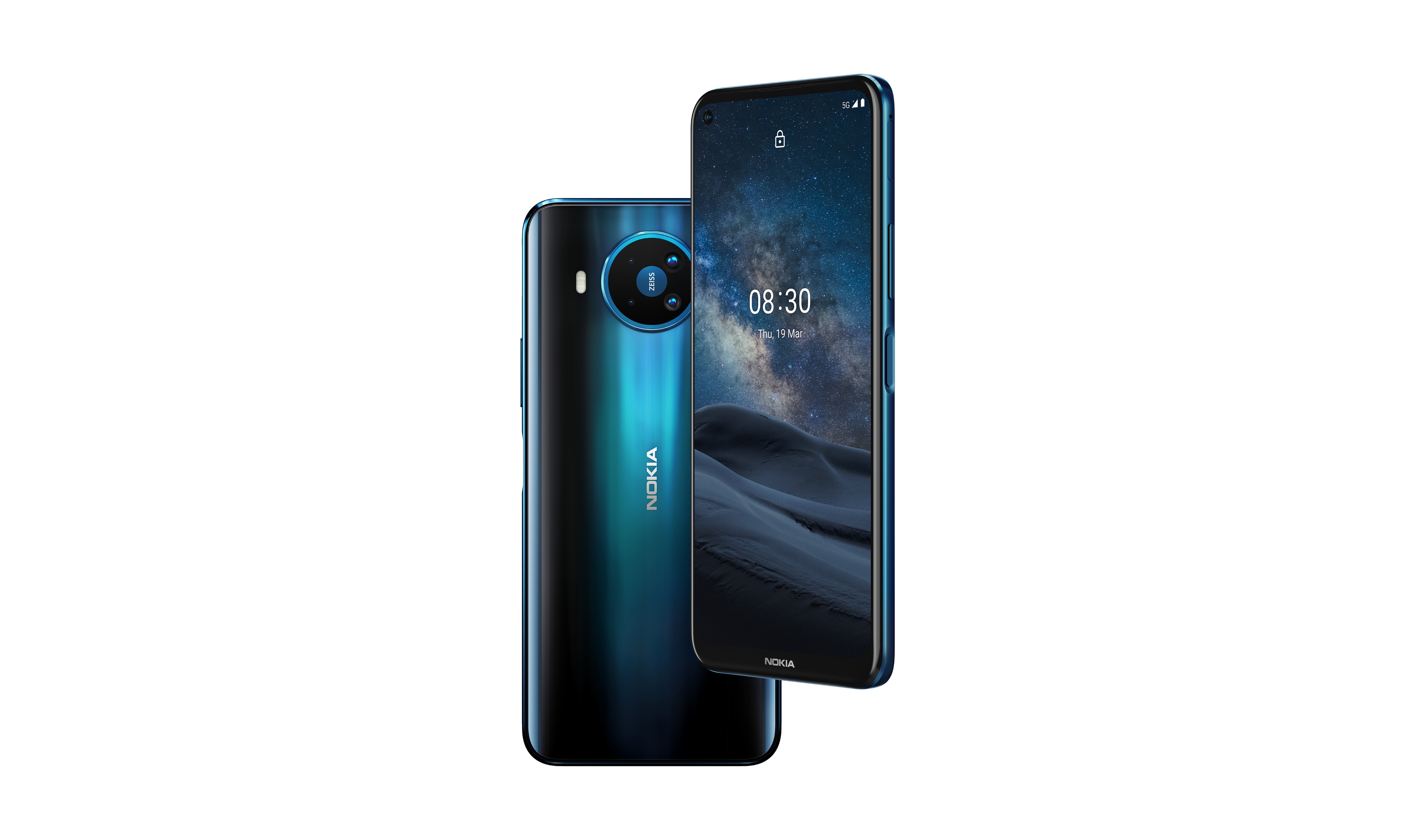
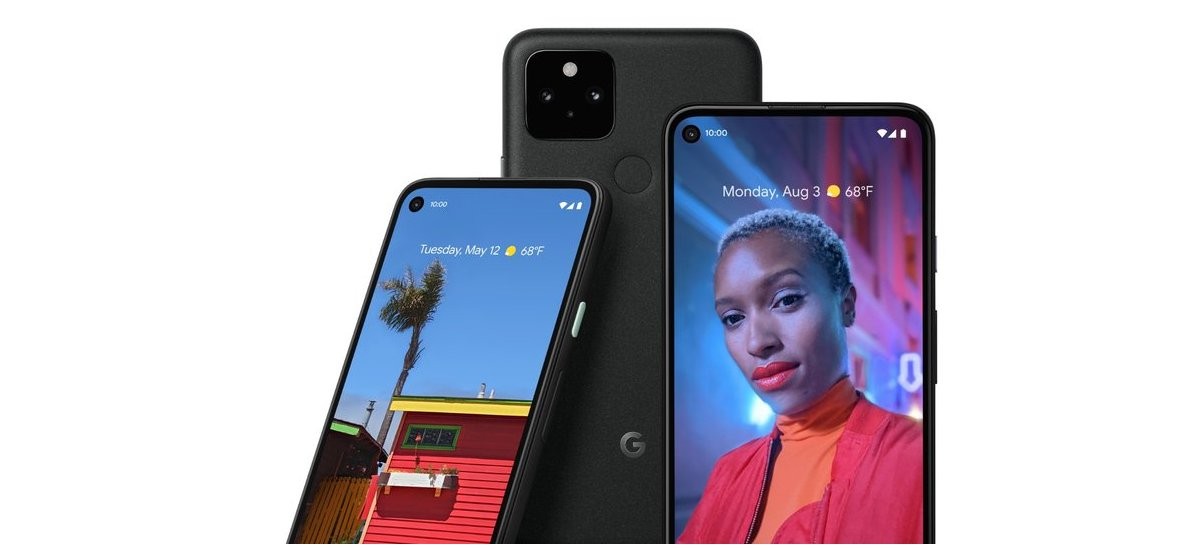
Last year, HMD Global unveiled the Nokia 8.3 as its first 5G-ready smartphone. Fresh information shared by Nokia Power Userreveals that the company is now working on the successor edition of the Nokia 8.3 5G. The publication has shared some vital information on the specs of the device.
A recent report revealed that HMD Global is planning to adopt a new naming convention for its upcoming smartphones. Hence, it seems that the successor of the Nokia 8.3 5G will not be called the Nokia 8.4 5G. There is a possibility that this device will launch as the Nokia G10.
Nokia 8.3 5G successor specifications (Rumored)
According to the publication, the Nokia 8.3 5G’s successor will feature a new chipset, which will be an upgraded version of the Snapdragon 765/765G. Recent reports have revealed that this chipset has a model number of SM7350, and it may arrive in the market as the Snapdragon 775 / 775G.
The smartphone is speculated to flaunt a 6.5-inch PureDisplay V4 with support for Quad HD+ resolution and a 120Hz refresh rate. It may draw power from a massive 5,000mAh battery.
The report claims that the Nokia 8.3 5G will be equipped with a ZEISS branded 108-megapixel penta-lens camera system. The camera module is likely to include an ultrawide lens, a telephoto snapper, a macro shooter, and a depth helper. It is also expected to carry support for OZO Audio.
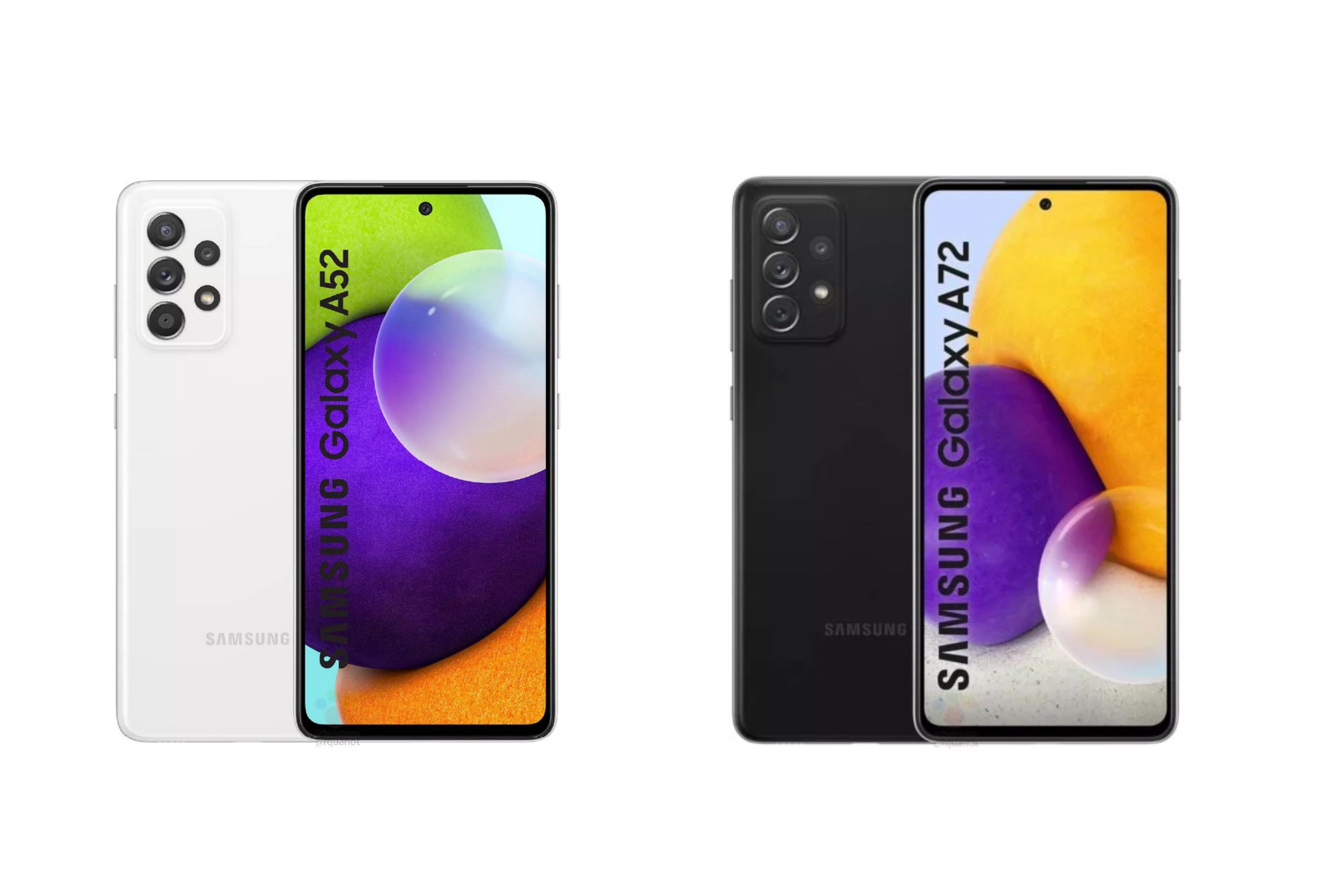
There’s a lot going on in Samsung’s camp lately. The company is bumping up the displays on budget devices to 90Hz, planning to bring more 5G phones in 2021. But before that, it is holding an Awesome Galaxy Unpacked event on March 17 where it is said to unveil the Galaxy A52 and A72 smartphones. Amidst a flurry of leaks, their pricing for India has now been leaked.
Galaxy A52, A72 Press Renders(via WinFuture.de)
To clear your mind, Samsung is likely to reveal only the 4G version of Galaxy A52 and the Galaxy A72 in India. The Galaxy A52 5G might launch in the future under the M-series but let’s focus on what’s coming next week. Below are the prices, memory variants of the devices courtesy of MySmartPrice:
Although the price of Galaxy A52 is a bit less than the expected European pricing, it is sad to see that Samsung is skipping the 256GB storage variant for India. It’s also worth noting that the Galaxy A72’s starting price is about ₹5,000 than the predecessor’s launch price.
Talking about the differences of the Galaxy A52 4G and 5G models, the devices will differ in display, chipset but share a lot of similarities. The Galaxy A52 4G is expected to feature a 6.52-inch Super AMOLED Full HD+ display with 2400 x 1080 pixels screen resolution.
Here, the 4G variant will probably get a 90Hz refresh rate and 5G would get a 120Hz screen. Under the hood, the Galaxy A52 4G is said to feature Snapdragon 720G chipset. Having skipped the 5G on the Galaxy A72, Samsung will likely launch the exact same 4G device in multiple markets.
If you are unaware of the complete specs, features of the upcoming mid-rangers, you can refer to our coverage on the same:
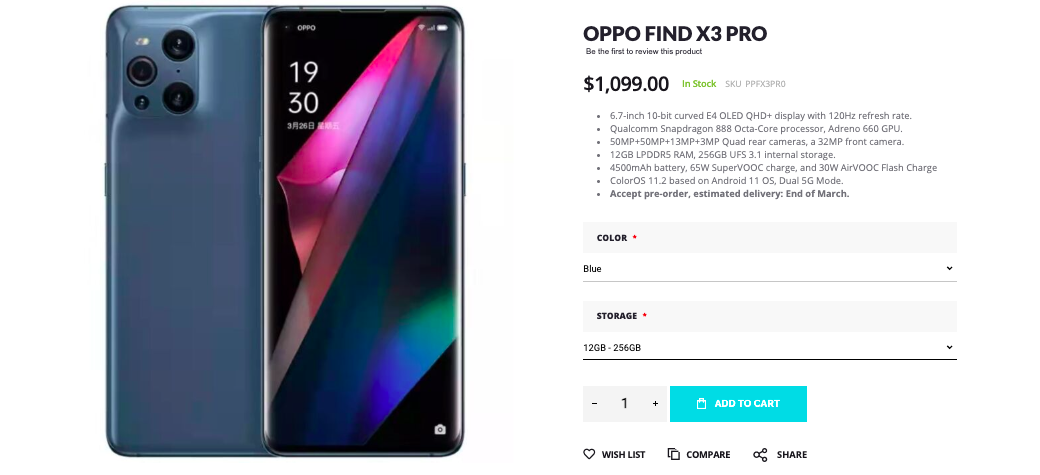
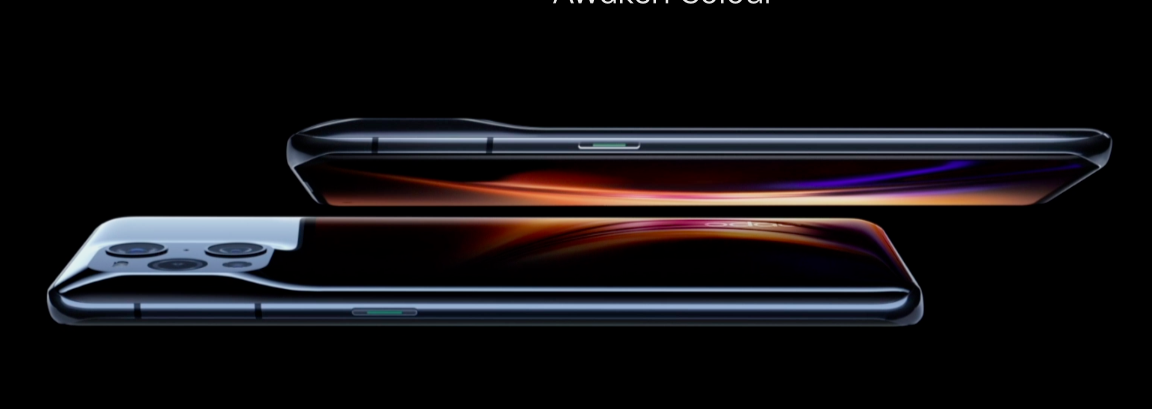
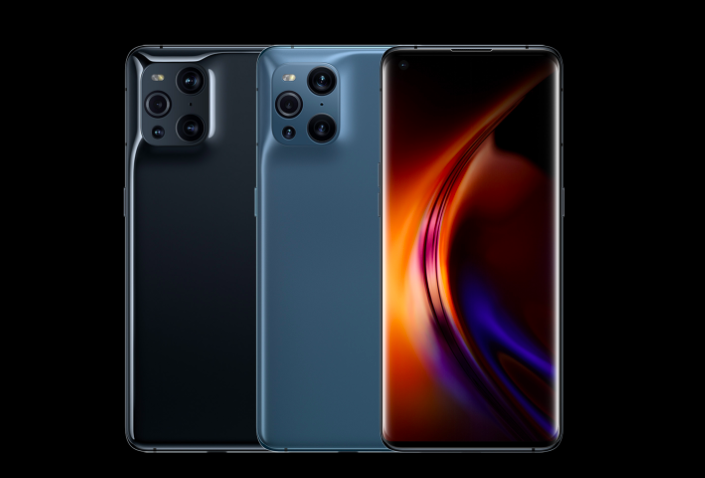
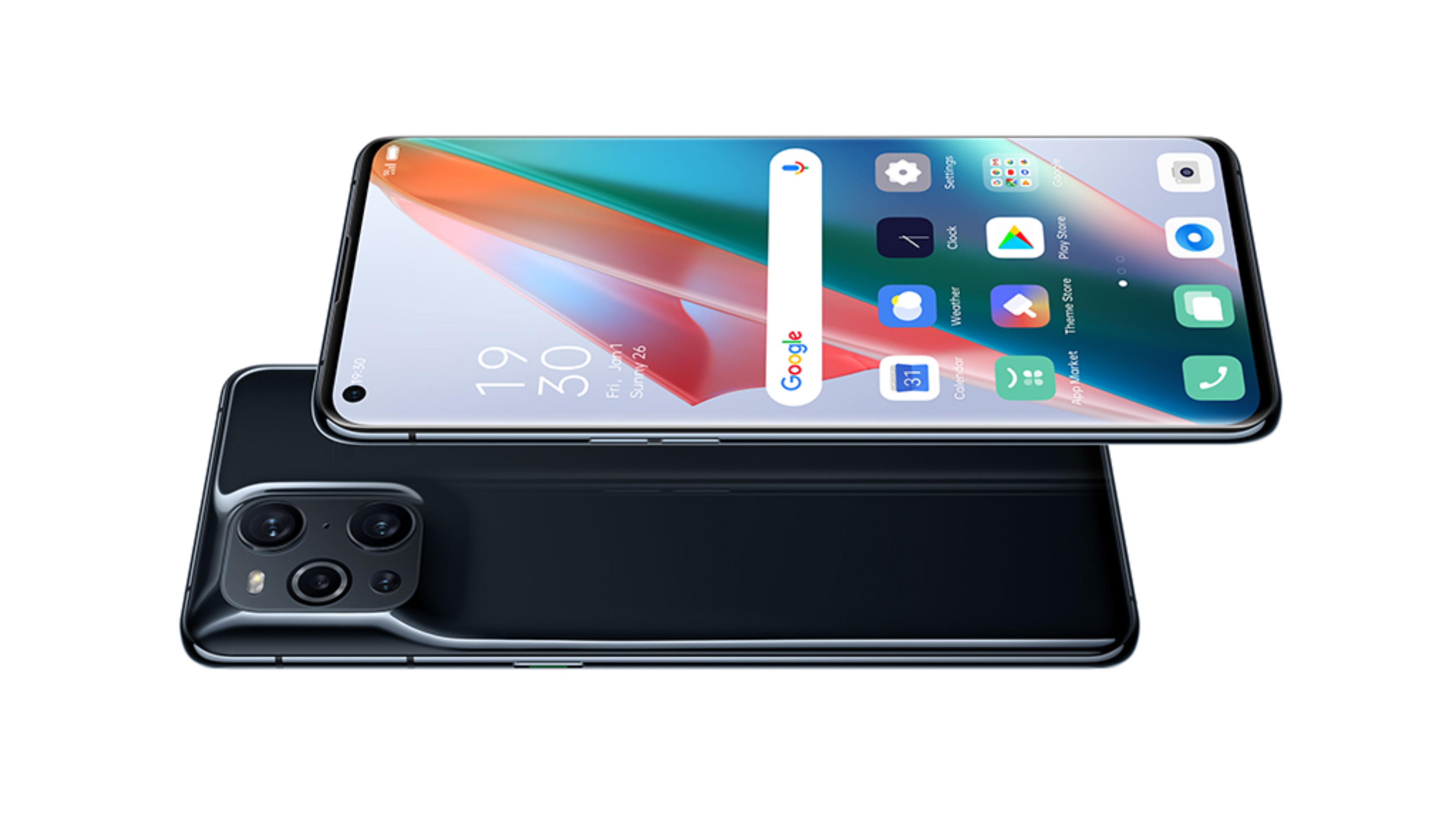
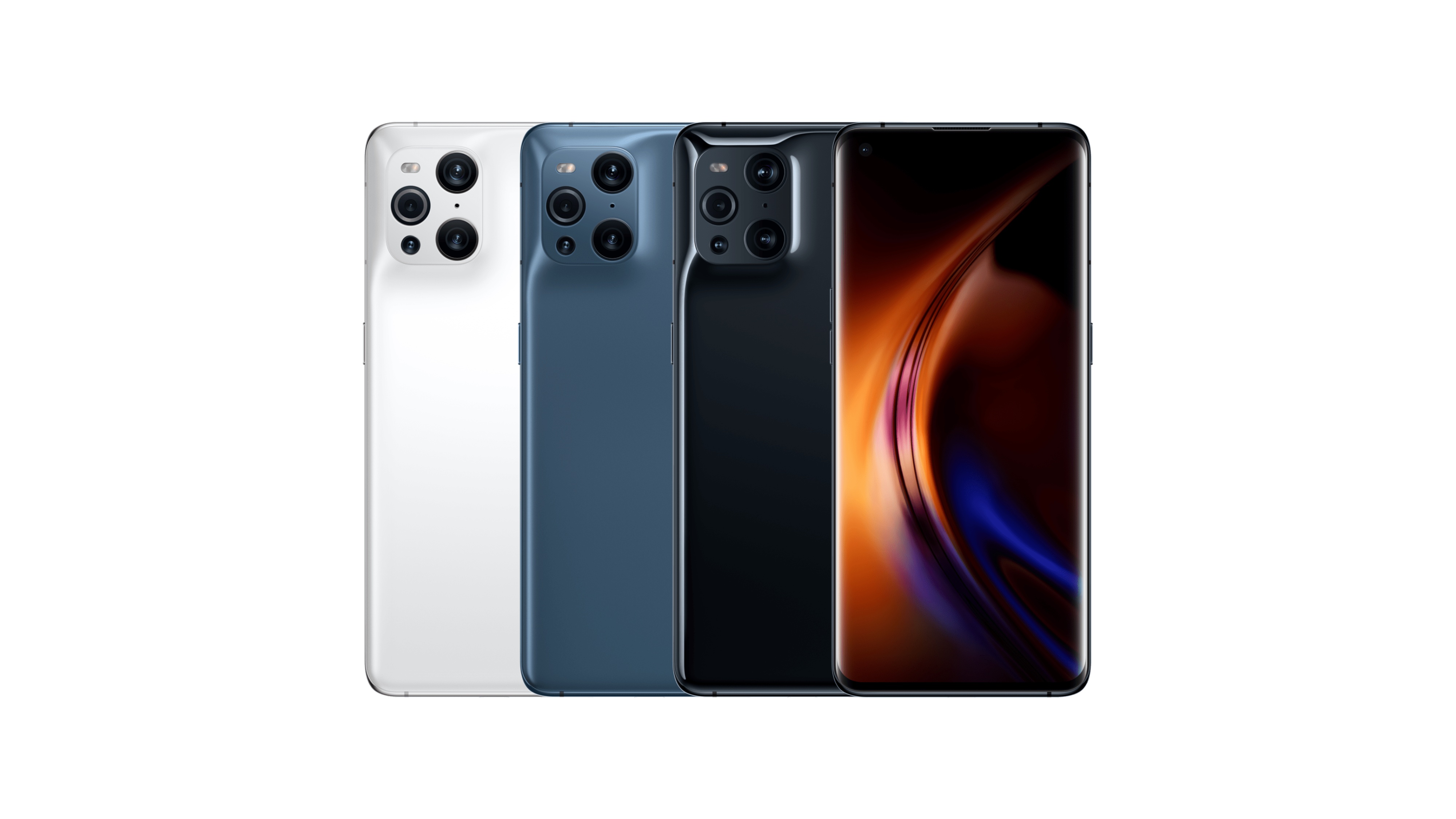
Oppo Find X3 Pro is a premium flagship smartphone that comes with a 6.7-inch 10-bit curved E4 OLED QHD+ display and Qualcomm Snapdragon 888 Octa-Core processor. Fueled with a 4500mAh battery, the smartphone supports a 65W SuperVOOC charge and a 30W AirVOOC Flash Charge.
The highlight feature of Oppo Find X3 Pro is its amazing rear quad camera setup. Two 50MP cameras with ultra-large sony sensors, a 3MP microlens camera for super close-up shots, and a 13MP telephoto camera make up the rear camera setup of Oppo Find X3 Pro. The selfie camera is a 32MP cam that gives out bold and bright pictures, ideal for candid portraits.
Oppo Find X3 Pro is available in a single memory variant of 12GB RAM and 256GB ROM and three colors viz: White, Black, and Blue. For more information on the smartphone check out this article on Gizmochina.
Giztop is now taking pre-orders for Oppo Find X3 Pro at $1099 only with estimated delivery by the end of March. Please note that this smartphone is unlocked, without a contract, and is pre-installed with Global software, Google play service, and supports OTA updates.
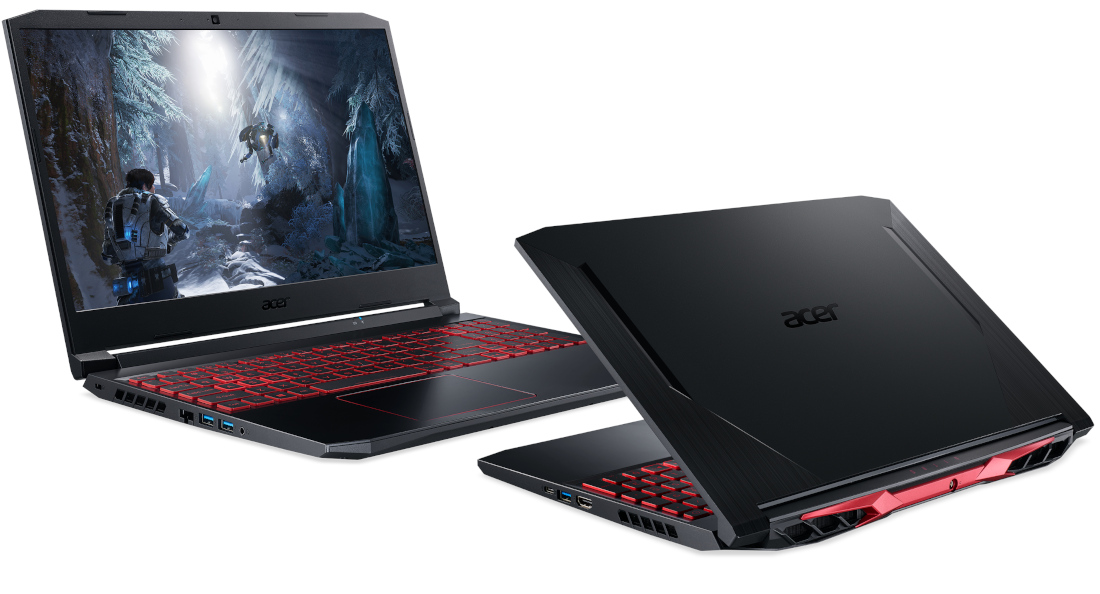
Taiwanese tech giant Acer has launched a new gaming laptop under the Nitro series. The Acer Nitro 5 is a trimmed-down version from the product bearing the same moniker that was launched in Germany packing a Ryzen 7 5800H processor and Nvidia RTX 3080.
The new Nitro 5 laptop is equipped with a 15.6-inch IPS display with FHD resolution, 144Hz refresh rate, and a 3ms response time. The laptop features a full-size keyboard equipped with 4-zone RGB backlighting with a 1.6mm travel distance. It also comes with the Killer Ethernet E2600 Wi-Fi 6 card with support for 2×2 MU-MIMO technology. Keeping the light on is a 57.5Wh battery that can provide up to 10 hours of regular usage.
The Nitro 5 also comes with Bluetooth 5.0 capabilities, an HDMI port, three USB 3.0 ports, a single USB 3.1 port, and a 3.5mm audio jack. It also comes with DTS X audio codec which brings optimized bass, loudness, speaker protection with up to 6 custom content modes by smart amplifier.
The Acer Nitro 5 is powered by a 10th Gen Intel Core i5 processor that can turbo up to 4.5GHz. For graphics, it packs an NVIDIA GeForce RTX 3060 graphics card with 6GB of dedicated GDDR6 VRAM which is upgradeable to 32GB. There are also two slots for M.2 PCIe SSDs. The laptop runs on Windows 10 operating system.
As for the pricing and availability, the Acer Nitro 5 carries a price tag of Rs. 89,999 (~$1236) and is up for grabs already on Amazon India. It comes in Obsidian black colour only.
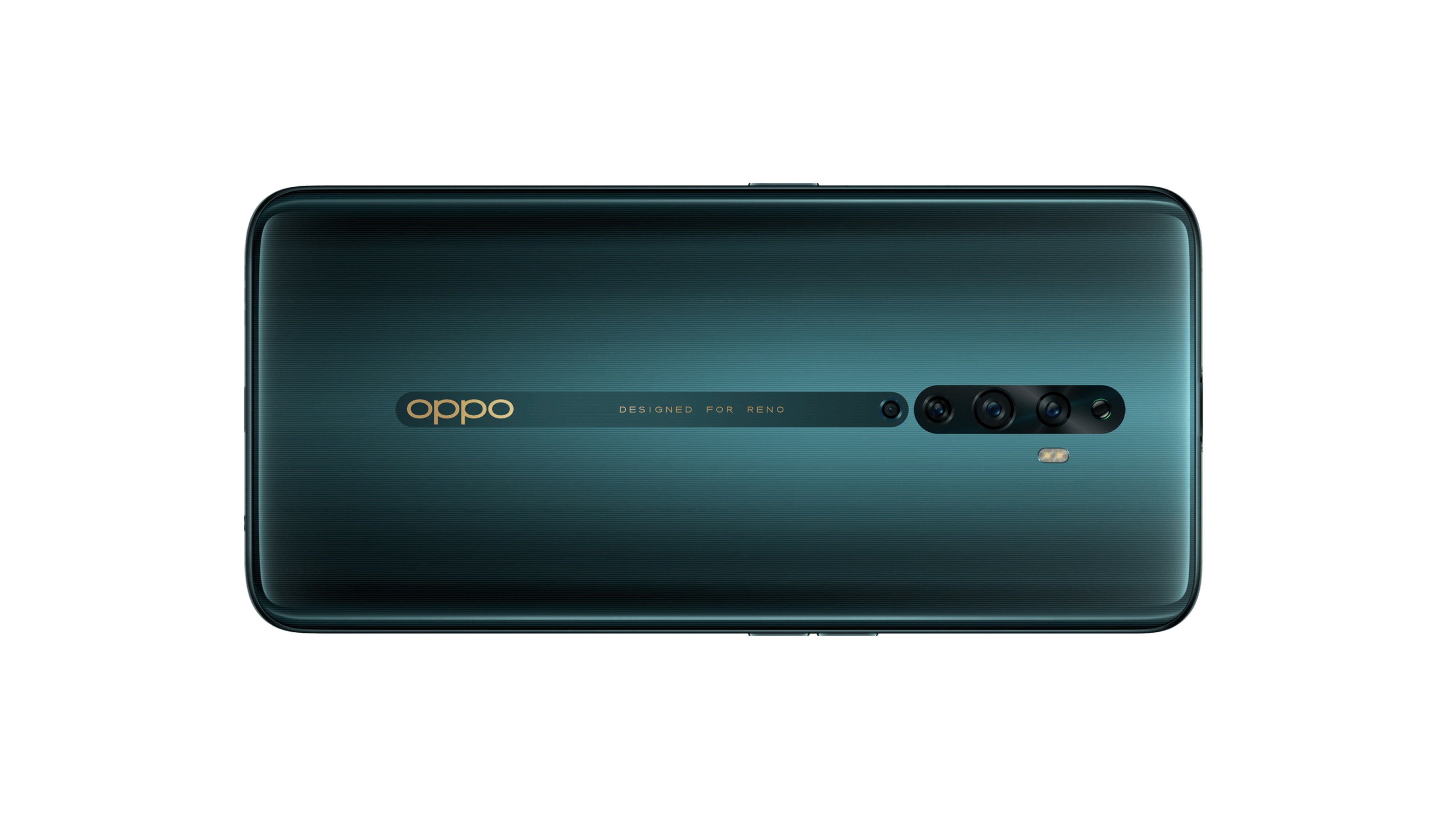
In late January, OPPO kicked off the Android 11-based ColorOS 11 beta program for the OPPO Reno2 F in India. Now, almost two months later, this handset has started receiving the stable update in the country.
According to OPPO’s ColorOS 11 update plan for the month of March, the OPPO Reno2 F was expected to get the stable update from March 16 in India. However, the company has started rolling out the update a few days ahead of schedule.
As per the announcement post on ColorOS Community, the OPPO Reno2 F Android 11 stable update is currently available for users in India who are on build number C.19. Interested users will have to manually apply to download the OTA update with firmware version F.11.
To do so, they will have to head over to Settings > Software Updates > Gear Icon > Official Version Application and tap on ‘Apply Now’ after marking the ‘I Agree’ checkbox. Once done, users can download and install the update to enjoy all the new ColorOS 11 features that are available for their device.
That said, just like the OPPO Reno 10x Zoom, ColorOS 11 (Android 11) could be the last major software update for the OPPO Reno2 F. Because OPPO is not known for providing three generations of Android updates like Samsung.
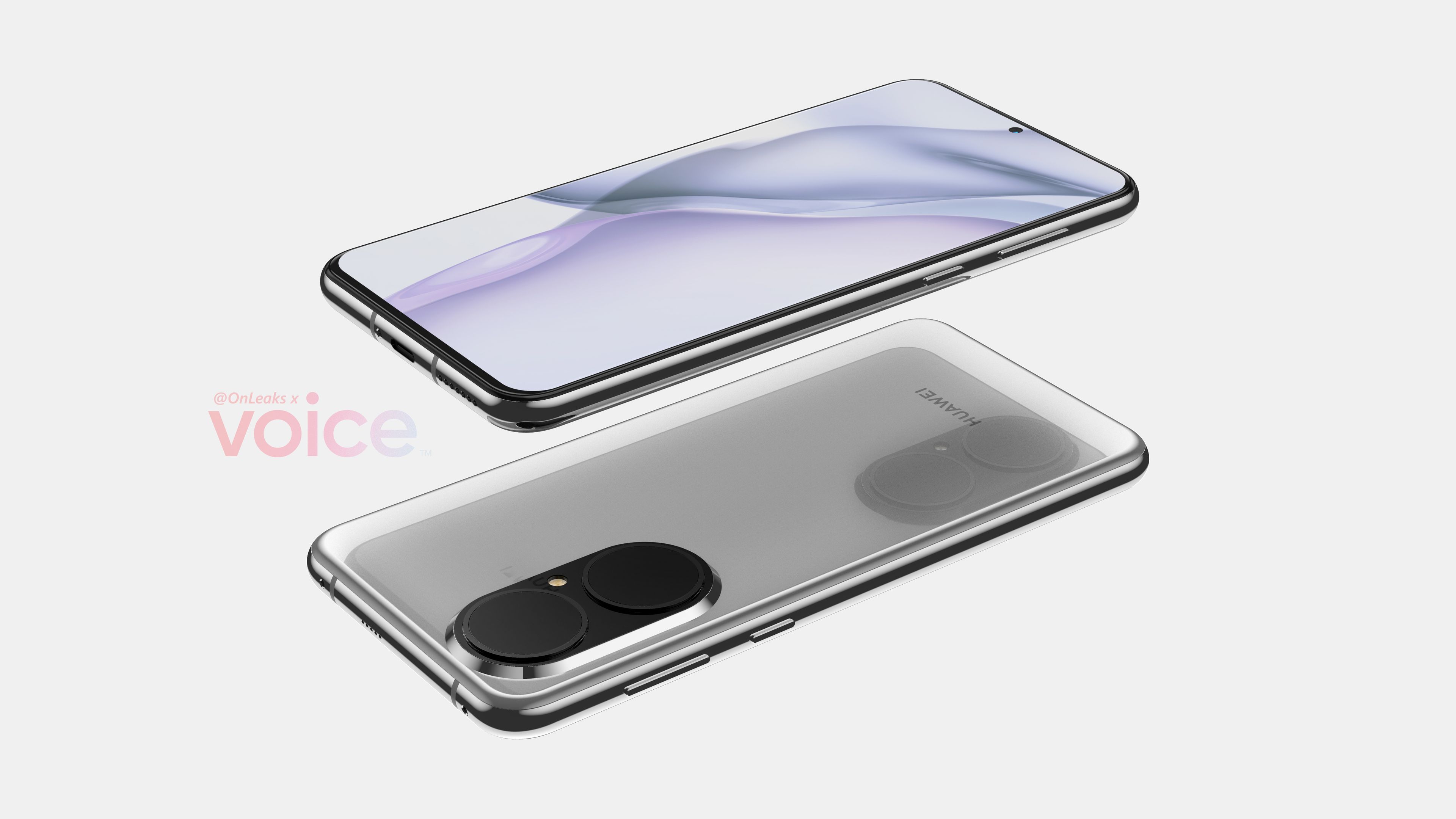
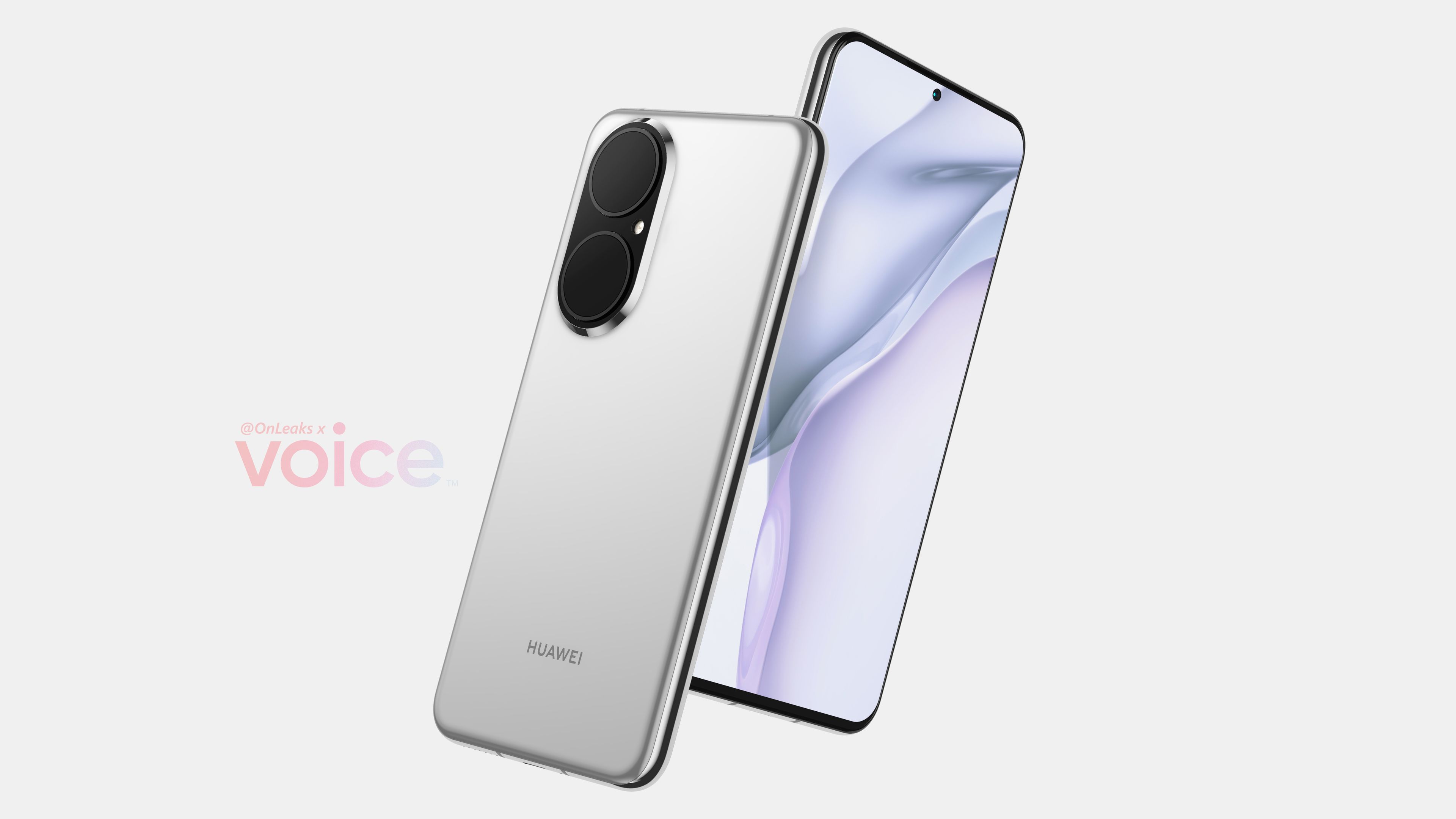
Yesterday, Steve Hemmerstoffer(@Onleaks) revealed the Huawei P50 Pro CAD renders. Today he is back with the renders and specs of the vanilla Huawei P50.
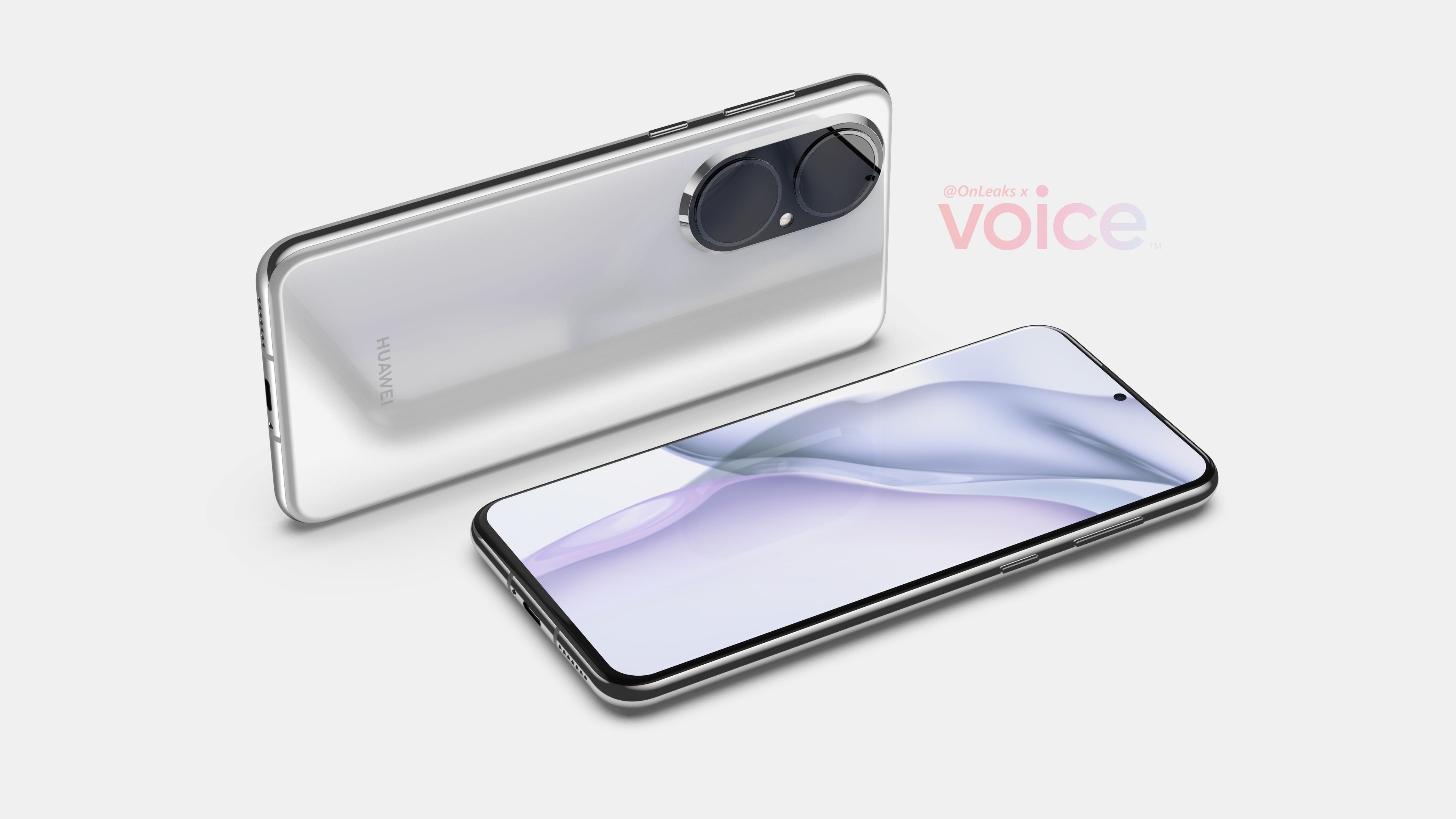
Huawei P50 render Credit: Steve (@Onleaks)/Voice
Right off the bat, we see that the renders show a similar pill-shaped camera layout with a bump and two huge cutouts inside. However, the device has a flat display and not a curved one like the Huawei P50 Pro.
Huawei P50 Design and Specs(Expected)
Just like the Pro, the Huawei P50 is said to come with a rear glass panel and a metallic frame. The device will likely measure 156.7 x 74 x 8.3mm. If you are wondering the thickness is fairly less, it bumps up to 10.6mm on including the rear camera layout which is a whopping 2.3mm increase in thickness.
If Steve’s render is accurate, the non-Pro variant will also a 0.3mm more thickness(with camera bump) than the Huawei P50 Pro. That said, the silver color variant shown in the renders has Type-C, speakers, antenna lines at the bottom, another speaker & IR blaster at the top, volume & power buttons to the right.
1 of 3
Huawei P50 render Credit:Steve (@Onleaks)/Voice
Huawei P50 render Credit:Steve (@Onleaks)/Voice
Huawei P50 render Credit:Steve (@Onleaks)/Voice
As for specs, steve says that the Huawei P50 will come with a 6.3-inch flat display with a punch-hole at the center. The display has bezels slightly bigger than the ‘Pro’ variant. Although we are yet to know the number of sensors inside the camera layout, Huawei is expected to include an industry-first 1-inch Sony IMX800 sensor.
If reports are to be believed, the Huawei P50 series will feature the same Kirin 9000 flagship chipset. Other expected specs include a in-display fingerprint scanner, run HarmonyOS out of the box. Let’s wait for more leaks as the speculated April 17 launch gets closer.
Recently, Twitter introduced a new feature named Spaces, which is an audio chat room, taking on the likes of Clubhouse. Earlier this month, the feature was made available for users of the Twitter Android app.
However, the feature is not yet available for everyone and is limited to select countries. The company has now confirmed that it is aiming to make the Spaces live audio feature available to all of its users by April.
Twitter started testing the feature for Android with around 1,000 users in late February and started rolling it out to more users around the world earlier this month. The company has said that for now, Android users will not be able to host spaces but will be able to join and talk in spaces. It also added that support for host spaces for Android users is coming.
As noted above, the feature enables users to create public and private audio chat rooms on the microblogging platform. The feature was first announced in December last year but had been limited to iOS only and is now expanding to more users.
Twitter says that these are early days for Spaces and the first priority for the company is to build moderation. This is why it is taking a cautious approach to bringing more features.
HONOR hasn’t launched any new product apart from HONOR V40 5G since its sale by HUAWEI. However, the brand is reported to release a number of devices in the coming days in both China and global markets. We have come across multiple certifications for those unreleased products. Now, another upcoming HONOR smartphone pops up on FCC.
The FCC (Federal Communications Commission) has certified an HONOR smartphone with model number CHL. The certification does not reveal much about this handset except for a few tidbits.
For starters, this device has already been certified by EEC. it will be a 4G phone and therefore, we can expect it to be a budget smartphone. Apart from LTE, it will also have support for 3G, 2G, WiFi, Bluetooth 5.1, and downlink carrier aggregation.
Further, the listing confirms the device’s rated battery capacity to be 3,900mAh. In other words, this handset will be backed by a 4,000mAh battery (typical). Also, the phone will be TÜV Rheinland-certified for low blue light emission and will be shipping with a bundled pair of wired earphones.
The most interesting information of all is that the forthcoming HONOR CHL could run Magic UI 5.0 out of the box. FCC clearly states the handset’s software version to be 5.0.1.69(C900E12R1P2).
For those unaware, HONOR is yet to officially announce Magic UI 5.0. In fact, it is still rolling out Magic UI 4.0 stable update to eligible devices worldwide. Hence, the software build number could be a typo.
Anyhoo, we expect to learn more about this phone before its official launch via leaks, benchmarks, and more certifications, just like any other smartphone these days.
Earlier today (12th March 2021), Dang Zhuangli, the Product Line Director of Oppo, explained why the company opted for 30W wireless fast charging for its newly launched flagship Find X3 series.
In an interview with ITHome, the senior official of the Chinese tech giant responded to various questions and concerns, one of which was regarding the wireless charging rate of the new lineup. The executive stated that the company is not targetting for an instantaneous charge through a higher charging rate, rather, it went for 30W wireless charging to maintain a continuous high speed charging that is consistent throughout the duration.
In other words, the company went with 30W so that the charging rates could be maintained for a longer period of time, which also improves charging efficiency. Furthermore, the company director also talked about the Z-axis motor housed in the Find X3 series, saying that the choice of hardware used does not negatively impact the users’ experience.
He further added that Oppo has used a mix of software and motors to adjust the vibration curve to offer the best experience, despite the limited hardware. In other words, despite the Find X3 series not sporting the X-axis motor found in the previous gen Find X2 series, it still offers a great experience and good user feedback via the vibration system.
Last month, new ASUS phones with model numbers ZS590KS and ZS672KS were approved by the Eurasian Economic Commission (EEC). These devices are likely to launch as the ZenFone 8 series smartphones. Today, ReaMEIZU shared a few pieces of information of the alleged ZenFone 8 models.
ReaMeizu revealed that the ZS590KS smartphone (codenamed as Sake) is powered by the Snapdragon 888. The model number of its display is AMS592YP01. A background check about this screen reveals that it is a 5.9-inch OLED panel. The screen resolution of this device is not known, but the leak mentions that it carries support for a 120Hz refresh rate.
Considering the size of the display, it is being speculated that this device may break cover as the ZenFone 8 Mini. It is expected to feature 64-megapixel Sony IMX686 and Sony IMX663 cameras.
The source also shared information about two other handsets that are codenamed PICASSO and VODKA. The former has a ZS675KW model number, which suggests that it could be equipped with a 6.75-inch screen. This handset will be sporting a 24-megapixel OmniVision QV24B1Q front-facing camera and its triple rear camera setup has a Sony IMX686 64-megapixel camera, a 12-megapixel Sony IMX363 lens, and an 8-megapixel OV08A lens.
ASUS Zenfone 7
It is unclear whether the PICASSO handset is a ZenFone 8 series handset. If it is a ZenFone 8 model, the presence of a front camera suggests that the phone may ditch the swivel camera system that was made available on the predecessor model. Also, the rear camera setup of the phone seems to be exactly the same as the ZenFone 7 Pro.
Coming to the VODKA codenamed handset, the only thing that is known about it is that it is equipped with Snapdragon 888 mobile platform. The source also speculated on an ASUS phone with a ZS673KS model number. This phone has already launched as the ASUS ROG Phone 5.
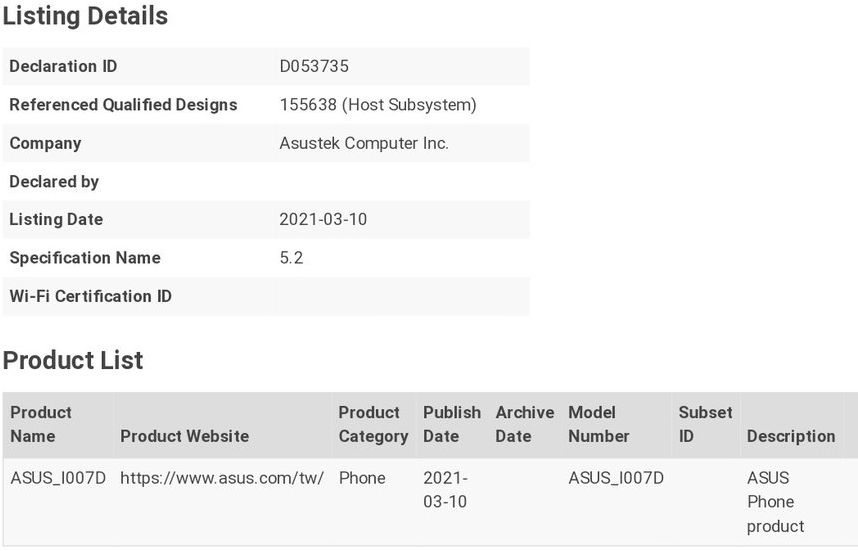
Recently, an ASUS phone with model number ASUS_I007 was approved by the Bluetooth SIG authority (via). The listing revealed support for Bluetooth 5.2. It is speculated that it could be a ZenFone 8 series smartphone.
Readers are advised to digest the above report with a grain of salt.
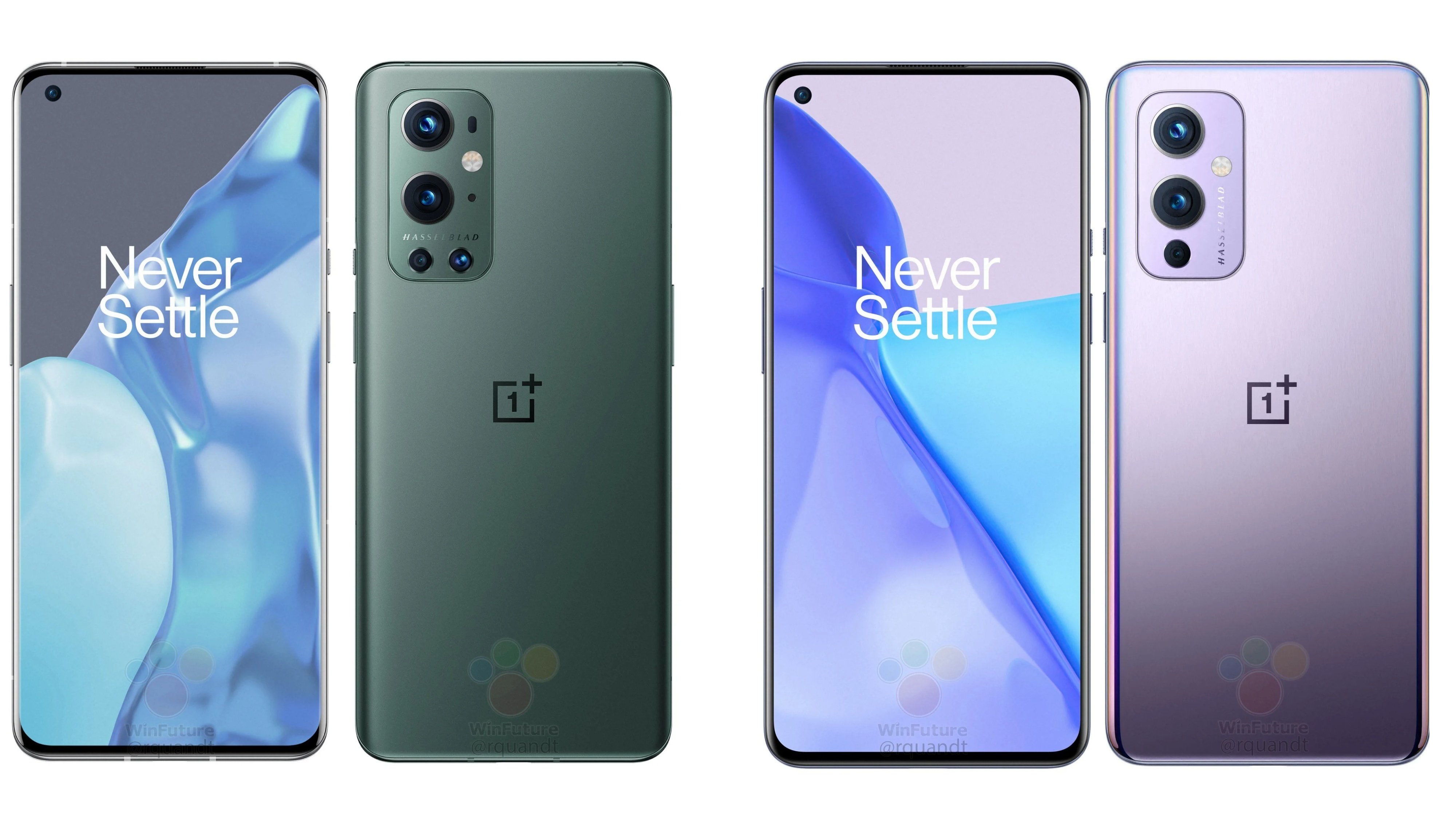
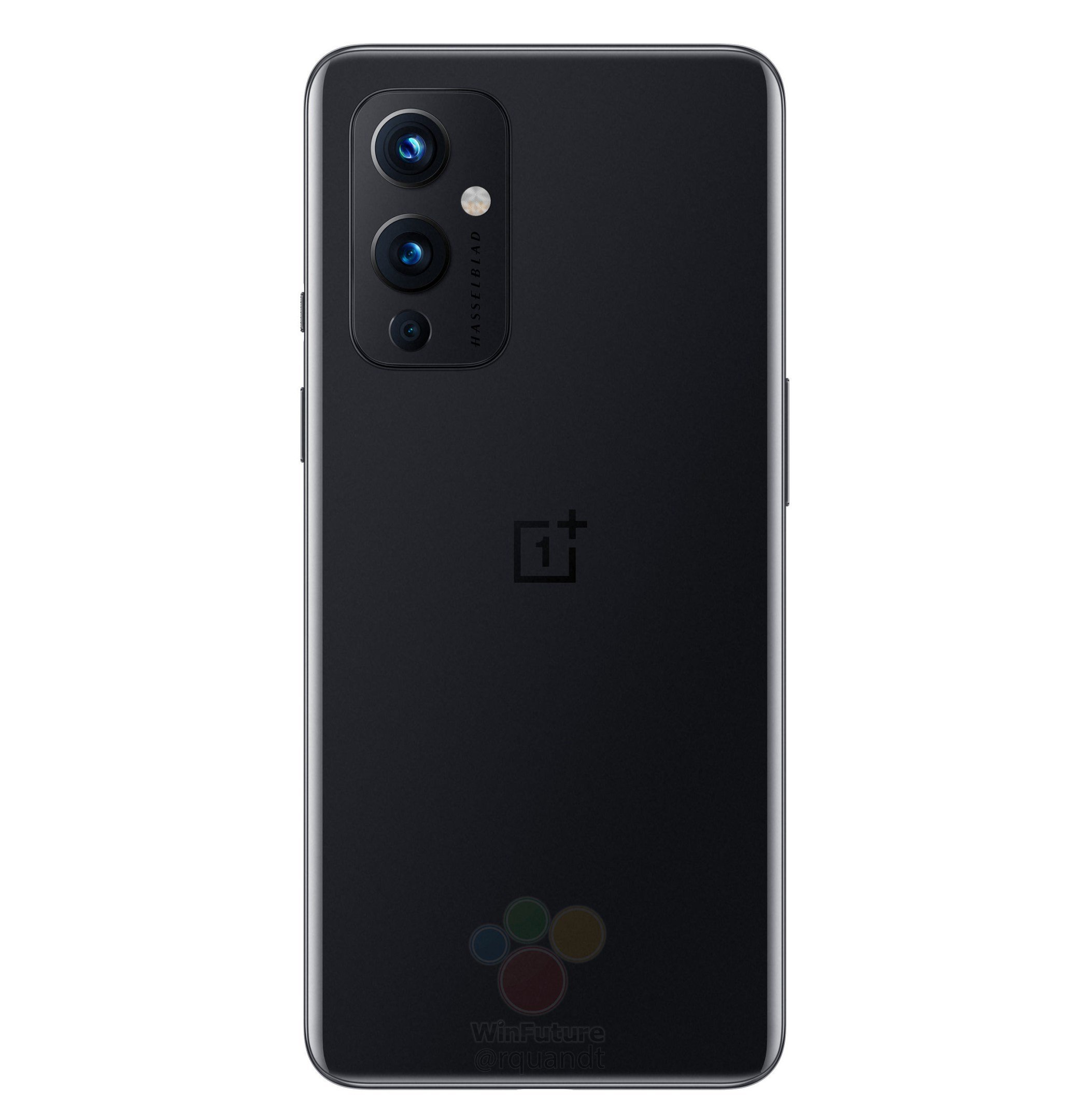
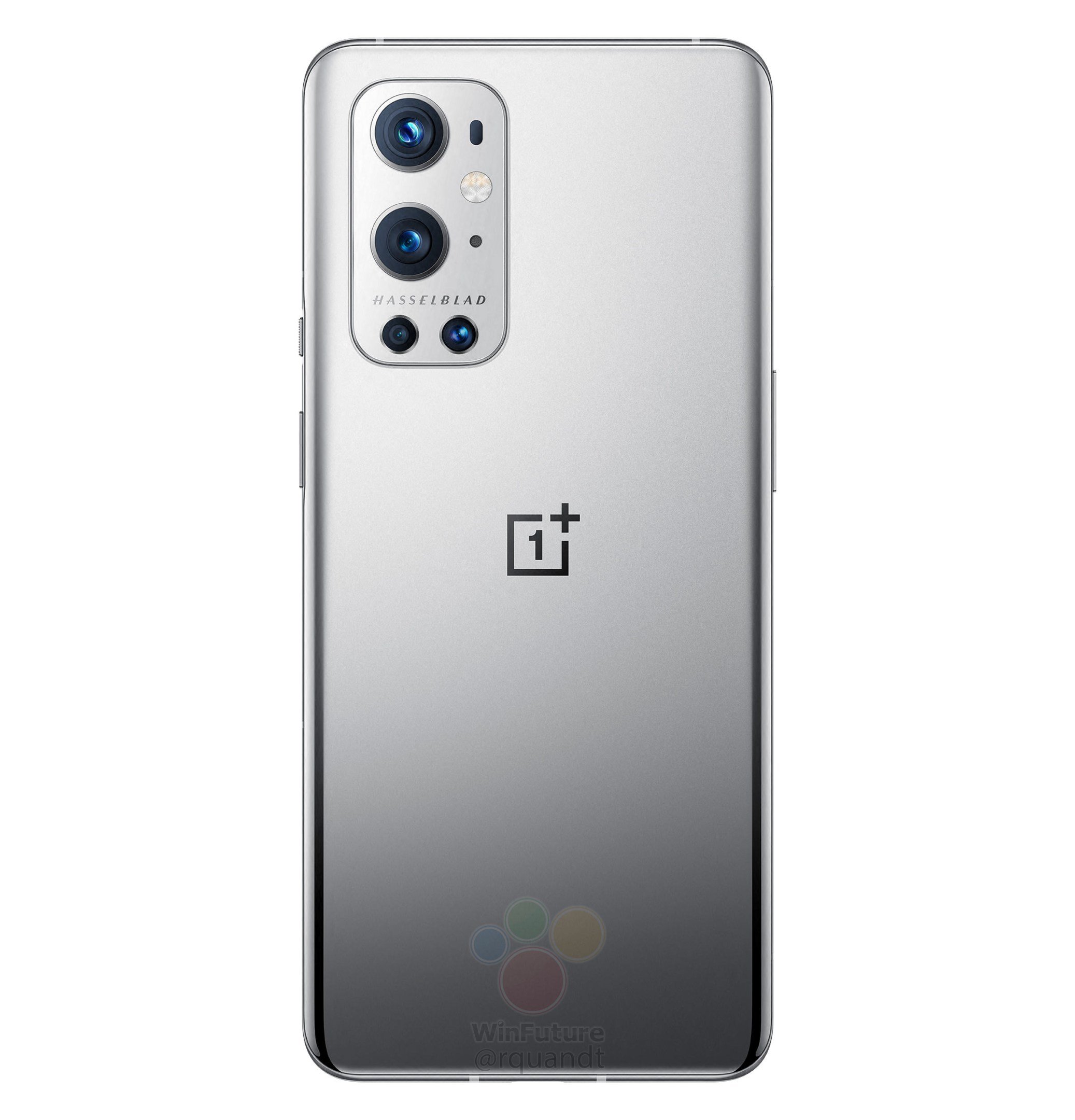
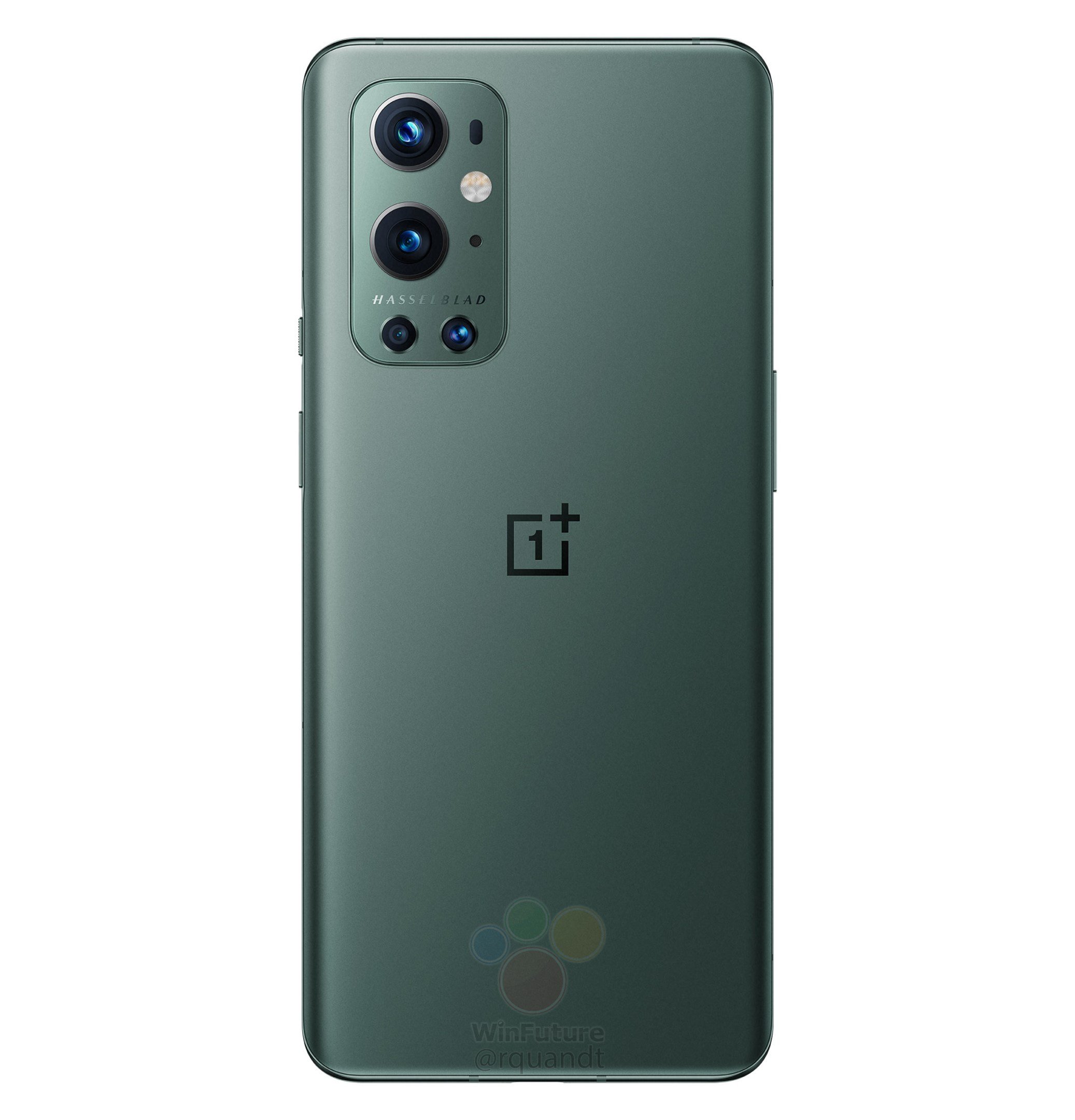
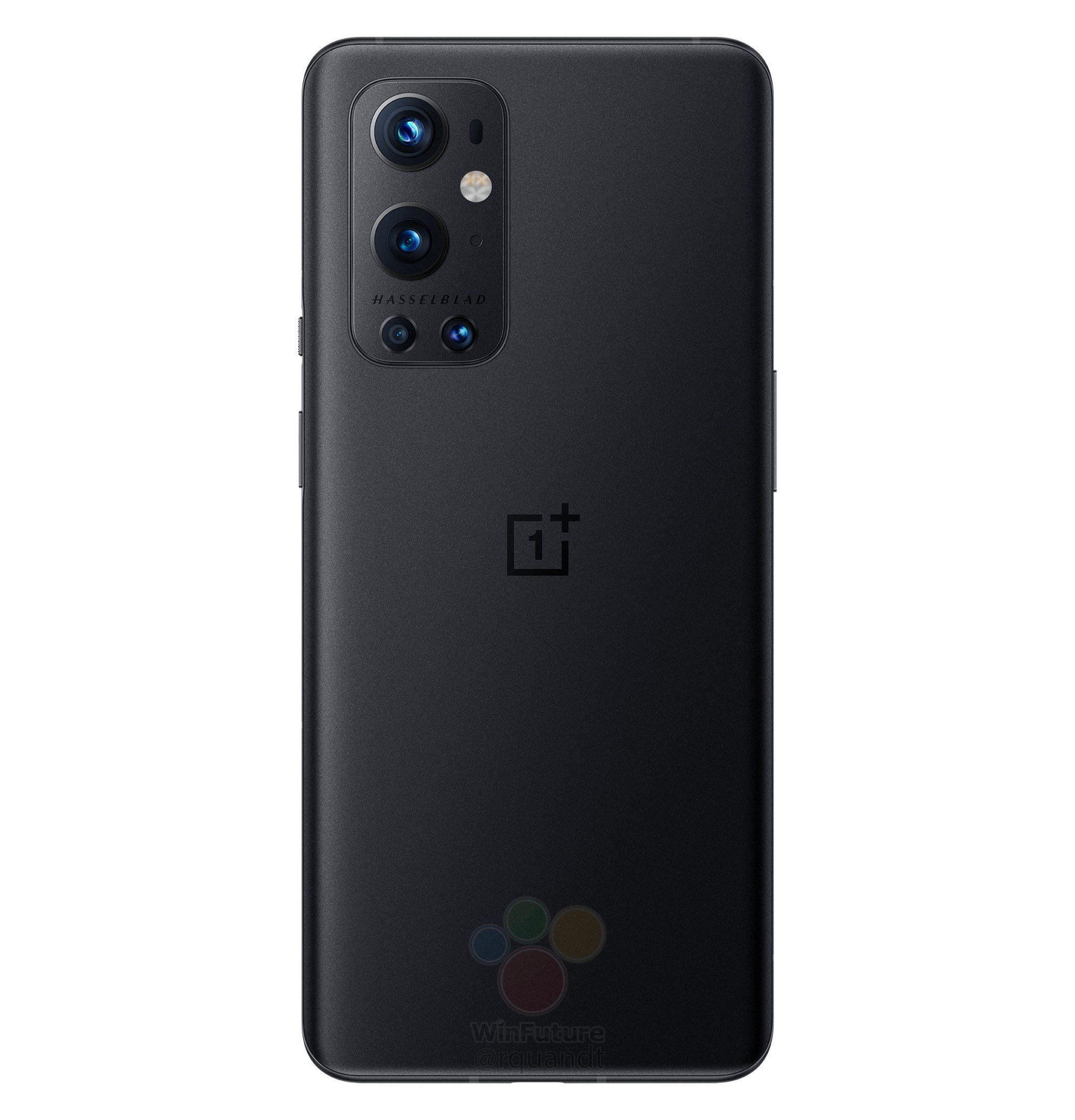
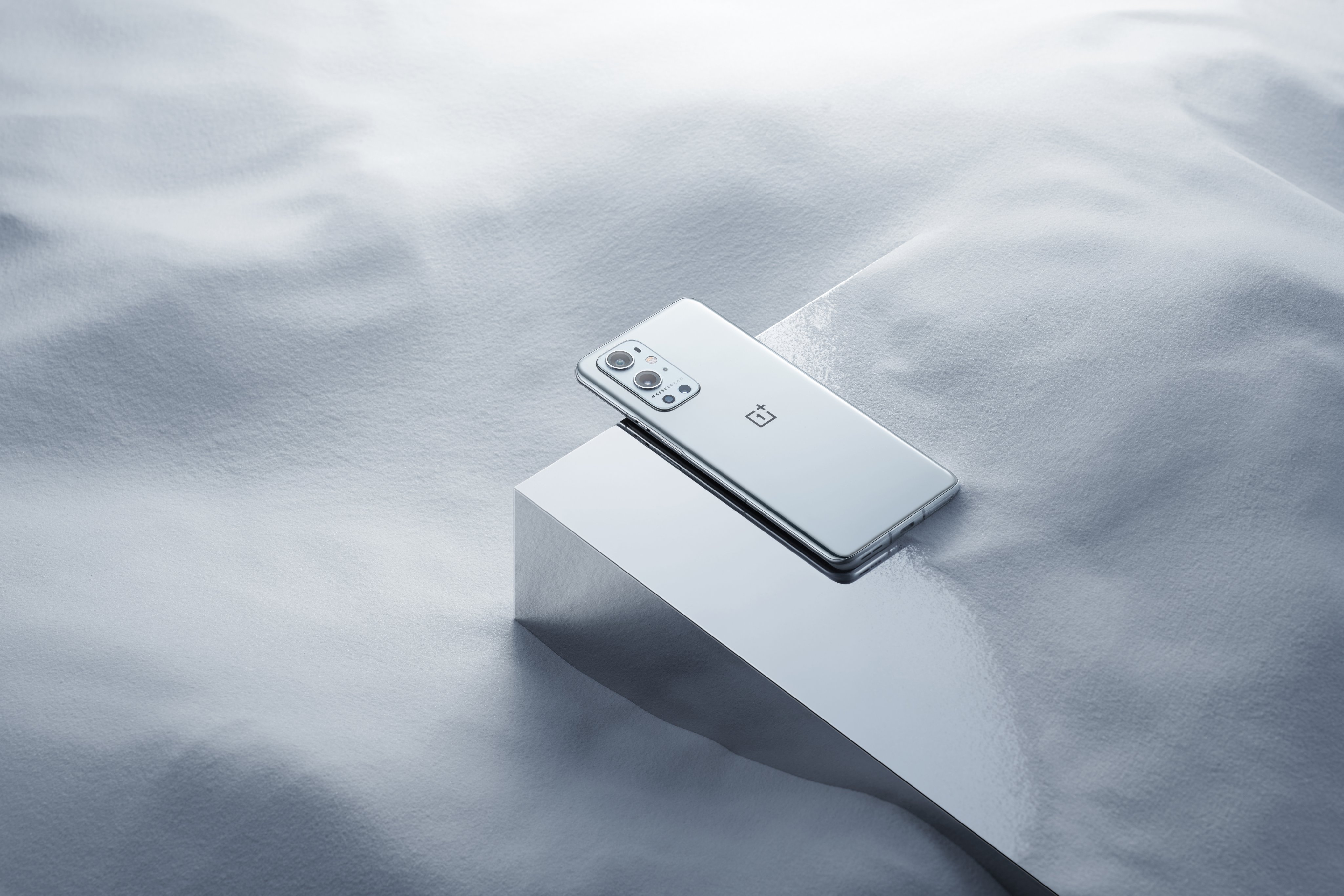
The OnePlus 9 series is said to debut in multiple countries on March 23 at 10:00 AM ET and March 24 at 2 PM Beijing Time in China. The launch event will include four products – OnePlus 9, OnePlus 9 Pro, OnePlus 9R(for India), and the OnePlus Watch. Let’s take a look at the expected specs, features, and prices of the OnePlus 9 devices ahead of launch.
Left: OnePlus 9 Pro, Right: OnePlus 9
OnePlus 9 series- What’s New?
Unlike the past, OnePlus has built quite the hype for the OnePlus 9 series cameras with the announcement of the Hasselblad partnership. The company will jointly develop natural color calibration with the Swedish camera maker. This partnership will continue for the next three-years as OnePlus invests about $150 million in its R&D labs situated around the world.
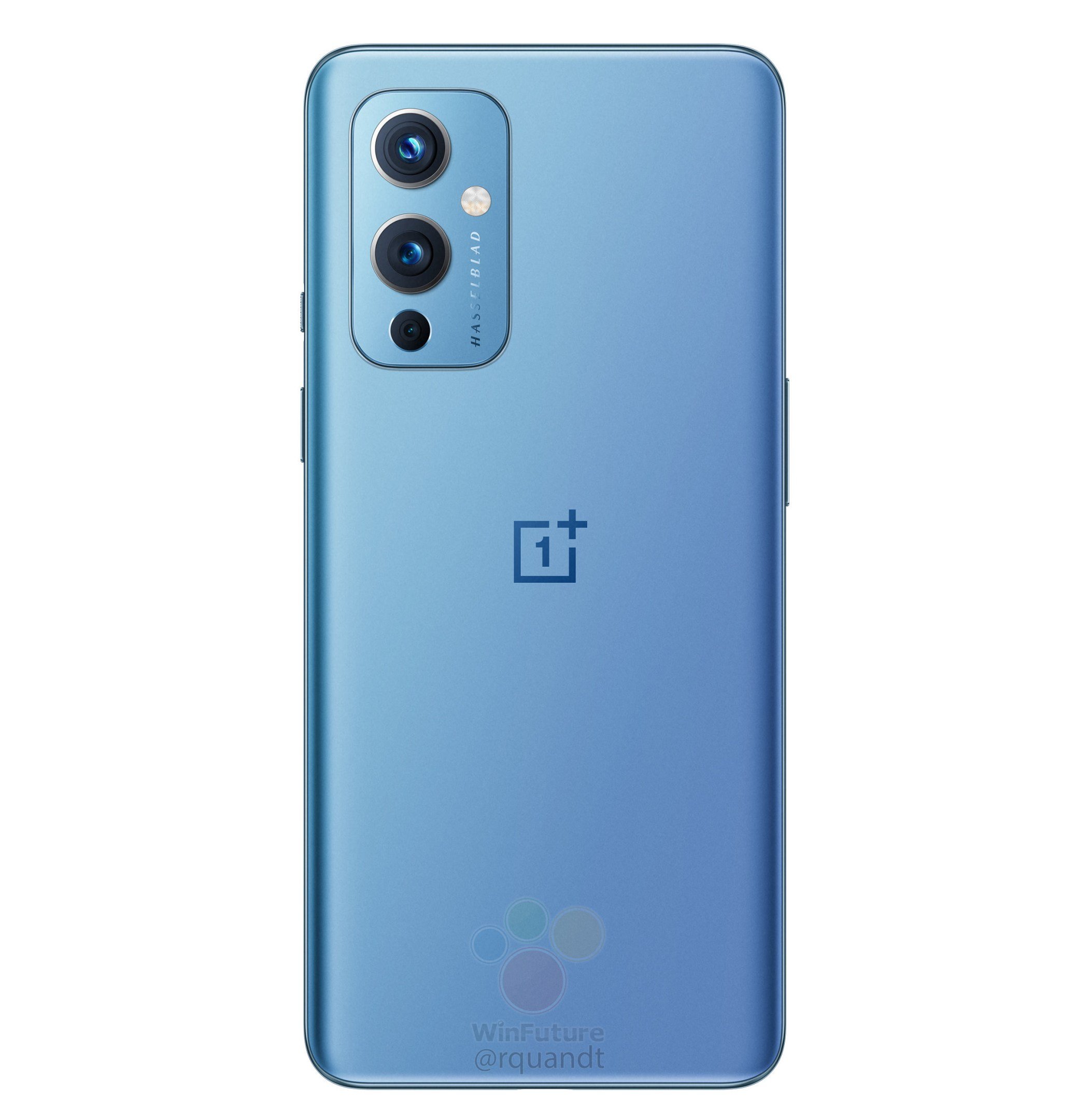
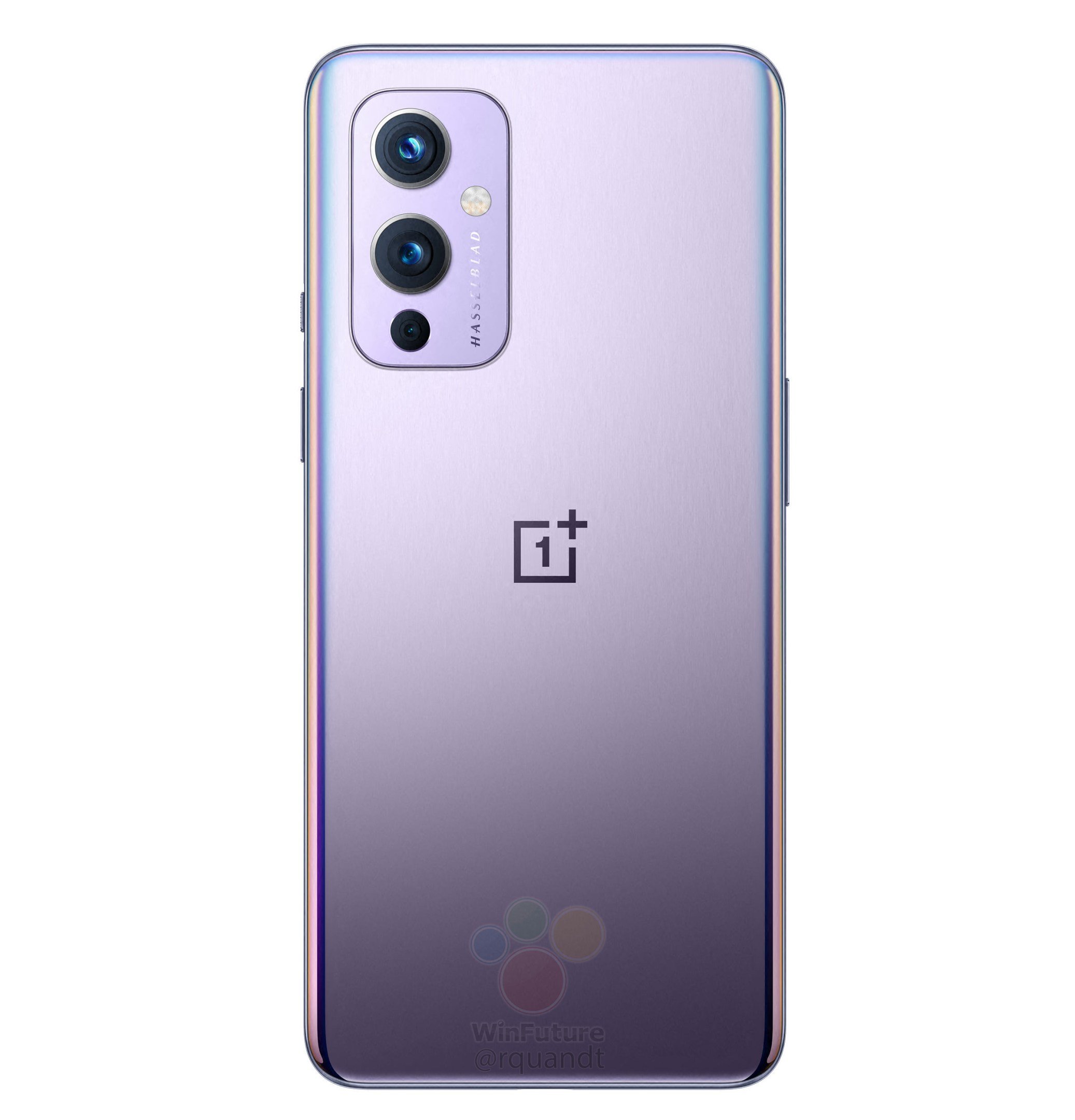
Talking about the design, high-quality renders show a revamped camera layout. We see the Hasselblad branding on both the models suggesting that the above-mentioned software tech could be available for both.
Either way, the camera layout gets a more refined finish as compared to the OnePlus 8T. Specifically, it looks like OnePlus has taken inspiration from the OPPOReno series of smartphones.
1 of 6
OnePlus 9
However, unlike OPPO, the camera lenses inside are stacked in varying sizes. The OnePlus 9 Pro has quad-cameras while the non-Pro is said to stick with the triple-camera setup. The devices will launch in the following colors:
Colors- Stellar Black(sandstone-like finish), Forest Green, and Morning Mist(Silver)[2]*
As for the OnePlus 9R, the third device would be a first in the series[5](and launch in countries like India) as the OnePlus flagship lineup traditionally featured a standard and a Pro variant (if we exclude the special editions). The device is expected to feature a Snapdragon 870 chipset and provide a flagship experience at a more affordable price.
1 of 6
Not just the press renders, the static and live wallpapers of the devices have also been leaked. As you can see in the renders above, the wallpapers have a mix of color variants in them.
OnePlus 9 series Specifications and Features(Expected)
Below are the expected specifications for the OnePlus 9, OnePlus 9 Pro. This time, OnePlus is likely to separate the above-mentioned devices in Display, and Wireless charging but unite it in Camera department. Let’s take a look at them below:
However, it’s hard to believe this leak and we think it will be more of color calibration on the non-Pro. Either way, let’s take this with a pinch of salt and wait for official info.
Quad-cameras with 48MP Sony IMX789 main lens, 50MP ultra-wide 140-degree FOV Sony IMX766, 8MP Telephoto(3.3x Optical), 2MP monochrome
Front: 32MP selfie shooter(possibility)
Camera features:4K video at 120FPS and 8K video at 30FPS, dual-native ISO, full-pixel Omnidirectional AF, Freeform lens for minimal distortion(ultra-wide), 12-bit RAW support, Digital Overlap HDR, Nightscape. Camera samples- [2]*
Other features: 5G, Wi-Fi 6, Bluetooth 5.2, GNSS, IP68-rating for water and dust resistance
OS: OxygenOS 11 based on Android 11(Global), ColorOS 11(China)[4]
OnePlus 9 series- Price, Availability
The OnePlus 9 series is expected to begin at $699. Specifically, the OnePlus 9 will likely cost around 699 euros for 8/128GB while the ‘Pro’ variant could begin at 899 euros for the base model as per WinFuture.de[3].
As for availability, registrations have already begun in China despite the launch being a day later than the global one. We can expect the global variants to be available across the majority of Europe, the USA, and Asia.
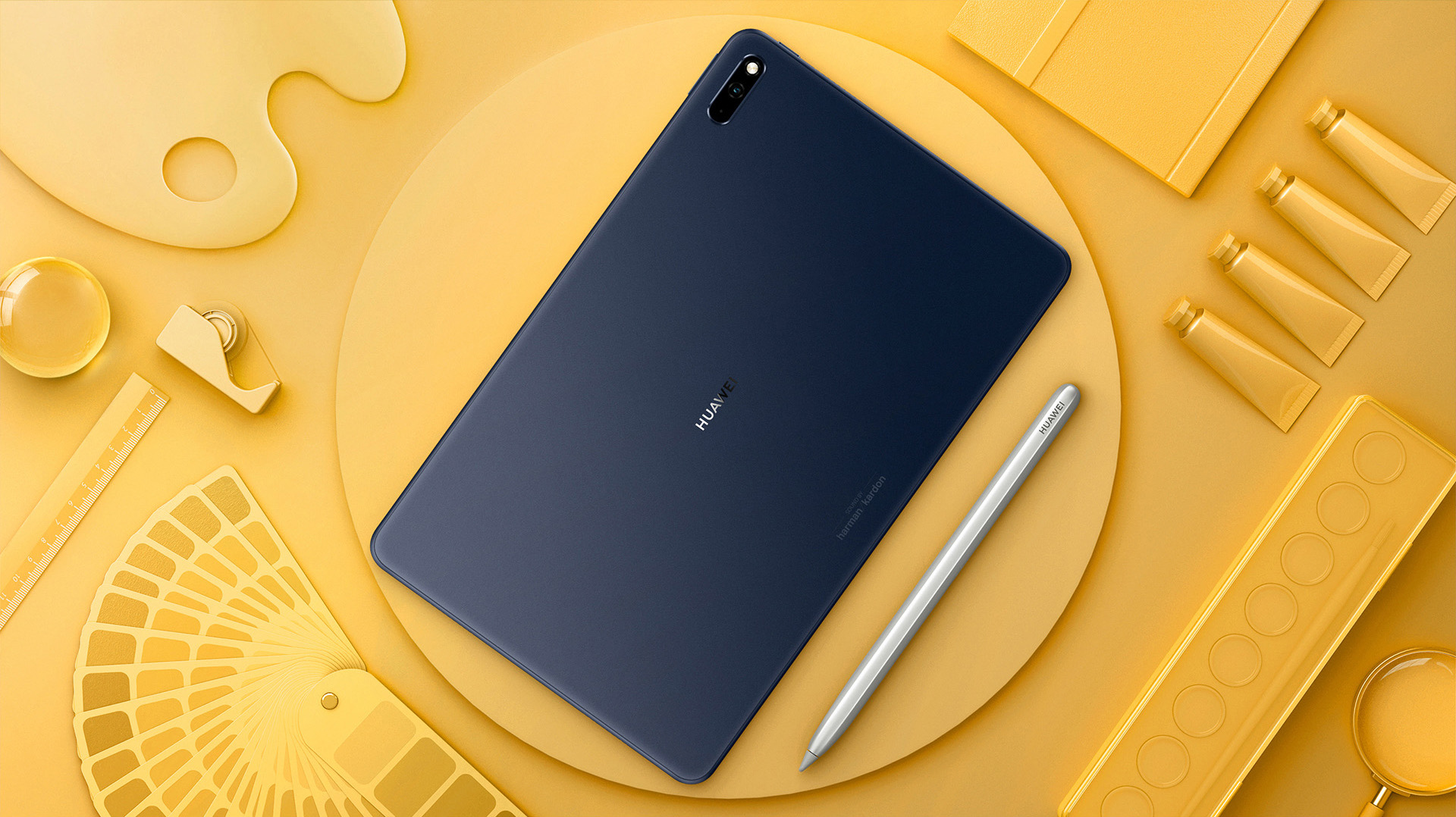
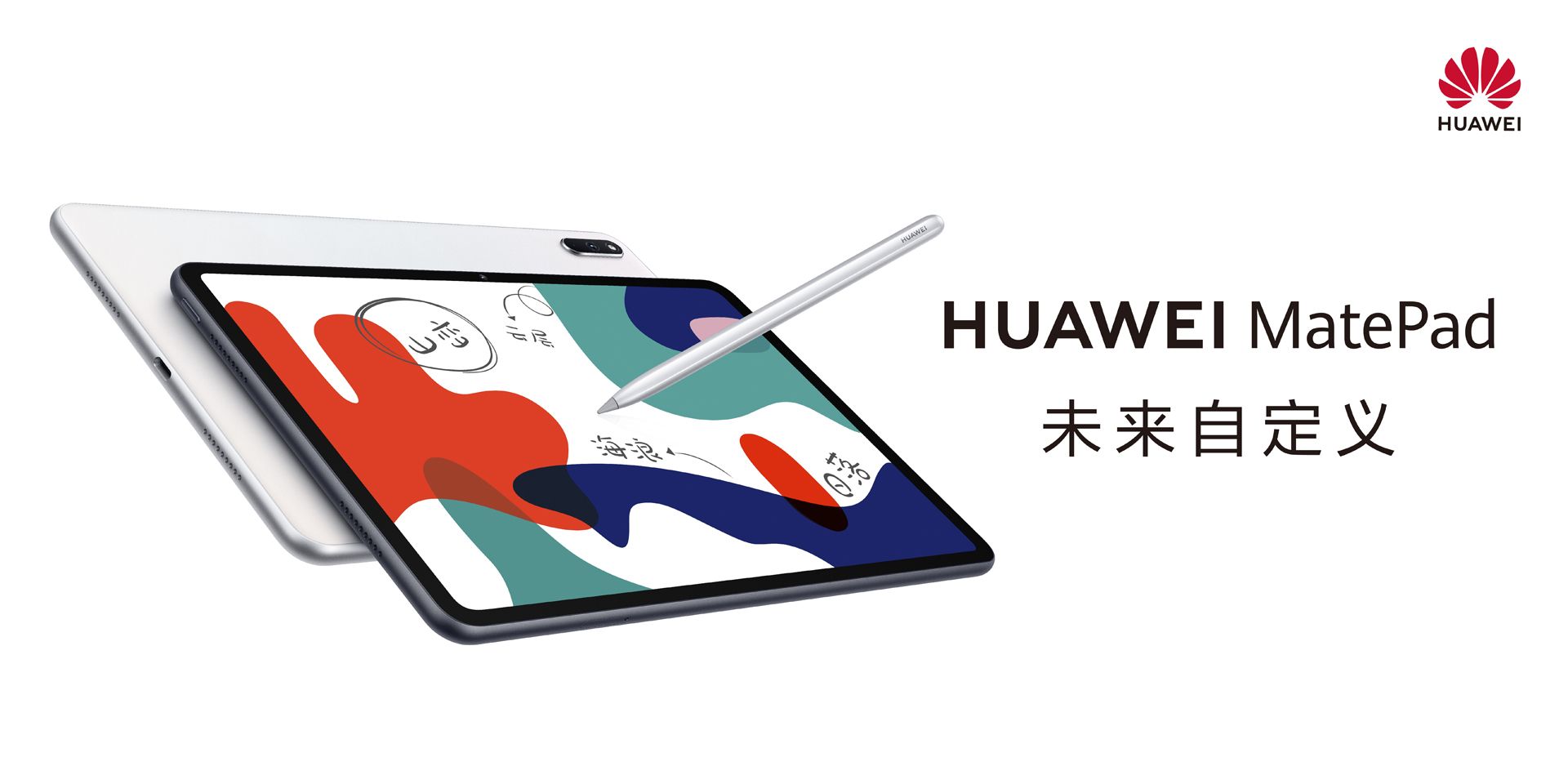
The Huawei MatePad 10.4 is arriving in Malaysia later this month. The company has just made announced that its tablet will be arriving with refreshed specs, over its predecessor that launched last year.
According to a Lowyatreport, the updated iteration of the MatePad 10.4 is the successor to the one that launched back in May 2020. It is a refreshed variant since it still features a 10.4 inch IPS display with a 2000 x 1200px resolution. The newer version also arrives with an M Pencil stylus and sports a quad speaker system tuned by Harmon Kardon. For photography, the device sports an 8 megapixel sensor on the front and the back.
Under the hood, it houses 4GB of RAM and is powered by a large 7,250mAh battery pack. Arriving at the refreshed specs part, the MatePad 10.4 from the Chinese tech giant features the newer HiSilicon Kirin 820 SoC, which boasts slight improvements over the Kirin 810 processor, which was equipped in its predecessor. Furthermore, the new tablet will also arrive with support for Wi-Fi 6 and has its internal storage expanded to 128GB.
Talking about the availability, the Huawei MatePad 10.4 will be launching in Malaysia on the 20th of March 2021. Unfortunately, while the launch date has been revealed, the consumer electronics maker has yet to reveal the exact pricing details of the new tablet. Although, last year’s model carried a price tag of 1399 RM (roughly 340 US Dollars). So, we can expect the refreshed model to arrive at a similar price point.
Last year, Wistron’s facility in India was struck by violence, with certain members of staff went on a rampage inside the site. The group destroyed factory equipments and more during the violent incident. While the supplier had initially claimed that an unrelated and unidentified outside group had been responsible for the events, local media found that many of the workers of the site were involved in the violence. These workers even claimed that Wistron had not paid them fully for four months and were even forcing extra shifts on them as well.
Since then, Apple put Wistron on probation while conducting an audit and found that the supplier had failed to implement a proper working hour management process. This led to “payment delays for some workers in October and November,” as per a MacRumorsreport. For those unaware, the plant was set up in the region to hire over 20,000 workers and was responsible for manufacturing the iPhone SE model.
However, its operations were put on hold by Apple until Wistron addressed the treatment of the workers. Furthermore, the new report also added that the supplier even cooperated with independent auditors along with the iPhone manufacturing team to resume production after readying the necessary systems and equipment. Notably, Apple announced last month that the workers would receive a new training program as well, to ensure they are educated over their rights and how to raise any concerns.
In late February 2021, Xiaomi relaunched MiTalk as a Clubhouse clone in China for both Android and iOS platforms. The app is also known as ‘Jushou’ (Hands Up) and it is marketed as a voice chat app for professionals. Almost a month later, a new report from China says that a Xiaomi-backed company has released another audio-based social app.
Back in 2015, Xiaomi acquired a company called Metso Software Design (Beijing) Co., Ltd. According to MyDrivers, the smartphone maker spun-off Metso as a legal entity before its IPO in 2018. However, Metso is still said to be owned by Xiaomi.
Coming back to the topic, Metso has released an app called Heyy on Xiaomi Mi App Store. Unlike the new MiTalk (Jushou), Heyy is an audio-based dating app.
It allows users to connect with other users via one-to-one voice chats, group chats, and games. The group chatrooms are categorized based on sports, karaoke, and games to name a few. There are several other options to socialize with users on the platform.
In simpler words, Heyy is targeted at single youngsters who are looking to meet new people via voice. On the other hand, MiTalk is for professionals to share their insights, just like Clubhouse.
What are your thoughts on the rise of audio-based social media platforms? Do let us know in the comment section below.
It’s been a few months since Vivo launched its X60 series of smartphones in its home market China and now the company is rolling it out to other regions. After confirming its launch in Malaysia later this month, the company has now revealed its India launch date.
Vivo X60 series is finally getting launched in India on 25th March. There are three models in the lineup — Vivo X60, X60 Pro, and X60 Pro+. We are not sure if the company plans to launch all three models in India.
As the teaser for this upcoming Vivo smartphone series has gone live on both Flipkart and Amazon, it has been confirmed that the devices won’t be exclusive to any one platform.
The Vivo X60 lineup launched in China comes powered by the Samsung Exynos 1080 chipset but reports indicate that the global variants will come powered by the Qualcomm Snapdragon 870 SoC. In Malaysia, the phone is getting the SD870 variant but the company has not confirmed the chipset for the Indian models.
As for the specifications, all three models are equipped with 6.56-inch AMOLED FHD+ displays with 120Hz refresh rate support. In China, the X60 Pro+ model is powered by the SD888 chipset while the other two are powered by Exynos 1080 SoC.
The Vivo X60 Pro+ features a quad rear camera setup that includes a 50-megapixel primary sensor with an f/1.57 lens, a 48-megapixel ultra-wide-angle sensor with an f/2.2 lens that doubles as a macro shooter, a 32-megapixel portrait shooter with f/2.08 aperture, and an 8-megapixel periscope camera with an f/3.4 aperture.
Vivo X60 Pro
On the other hand, the X60 Pro features a 48-megapixel primary sensor with an f/1.48 lens and OIS support, a 13-megapixel ultra-wide-angle shooter, a 13-megapixel portrait shooter, and an 8-megapixel periscope shooter with an f/3.4 aperture.
The Vivo X60 comes with a triple-camera setup, featuring a 48-megapixel primary lens, a 13-megapixel portrait camera, and a 13-megapixel ultrawide lens. All three models come with a 32-megapixel front-facing snapper.
The standard model is powered by a 4,300mAh battery, whereas the Pro version has a 4,200mAh battery. The smartphones are running the Android 11 operating system out-of-the-box with the company’s own OriginOS on top but the global variant is likely to come with its FunTouch OS.
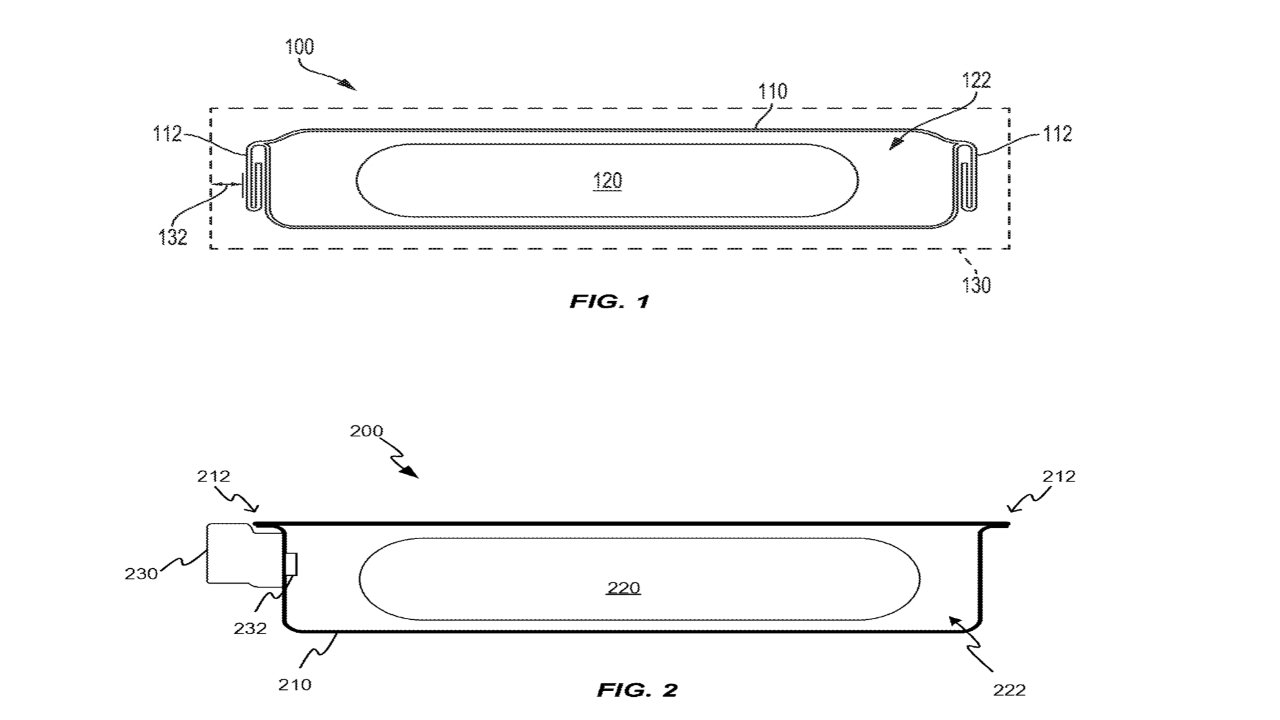
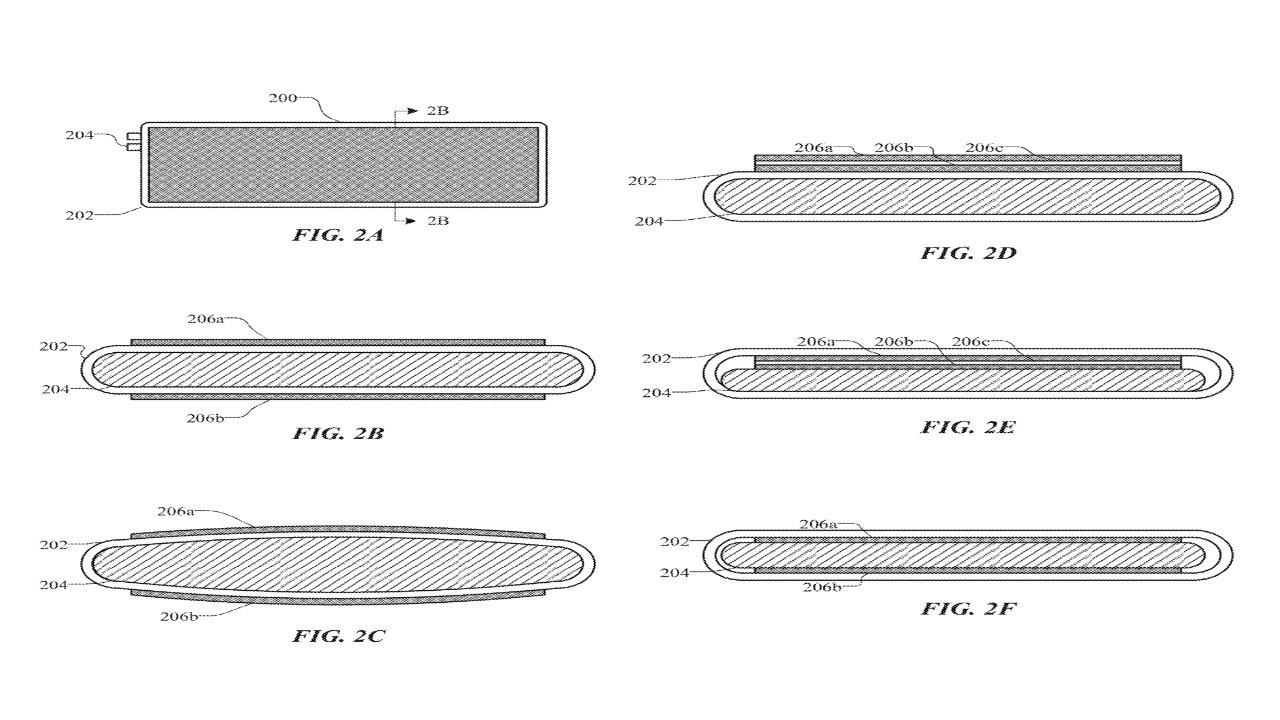
Apple is apparently looking into the battery swell issue that occasionally affects the aging batteries of its iPhones. The company has filed two new patents that describe a new system that can detect the battery swelling problem at its early stages.
According to an AppleInsiderreport, the Cupertino based giant plans on tackling the issue by detecting its early signs. The two patents are related to reducing the size o the device, while also allowing it to detect battery swelling. Both the technologies will go hand in hand and will work together for a smaller handset that can still guarantee the safety of the users. The technologies will also be an important part of the company’s goals to achieve in making smaller devices that users can carry or wear on a daily.
Thus, the patent arrives as a means to ensure it can reach its goal without compromising on safety, since reducing the battery casing size would also need to have the battery swelling issue to be taken into account. Battery swelling is an issue that plagues every kind of cell that uses the lithium ion design. Hence, Apple is working on positioning components that surround the battery. This new system would then enable larger devices in the device enclosure without damaging other parts.
Furthermore, the patent also describes the use of a metal shell that will be placed around the battery housing. This will be grounded and would allow for components to be packed closer to the battery, which will reduce the chances of damage to such parts even if the battery swells up. The second patent describes using multiple solutions to detect and mitigate battery swelling. Apart from just detecting, the system could use a processor to best determine how to slow the expansion or to even prevent it. Unfortunately, this is just a patent at the moment so there is still a while before we’ll see this technology being used. So stay tuned.
Telecommunication operators in India are seeking clarity in regards to all networking gear, without exception, from Huawei and ZTE, and whether they are on the list of “trusted” products.
According to an ETTelecomreport, the Department of Telecommunications amended telecom related permits last year. In the new changes, the agency made it mandatory for operators to only use networking equipment that is in the list of “trusted source,” which is listed as per the government. However, since then, there has been uncertainty looming over Chinese telecom equipment makers, Huawei and ZTE, and their future in the region as well as the upcoming 5G trials over security concerns.
As per a person close to the matter, “Telcos and network vendors are likely to seek clarity from the NCSC on whether Huawei and ZTE will be outside the government’s list of trusted network vendor sources on security grounds or if some non-core network equipment from these Chinese suppliers could be certified and deemed as trusted products for future 4G and 5G network deployment.” For those unaware, the NCSC is a newly formed body that oversees telecom equipment procurements.
Thus, telecom operators and other vendors are urging the NCSC for a clear definition of “trusted sources” to source networking equipment. Furthermore, the firms are also pushing for a defined road map regarding the identification of trusted network products and the necessary security parameters that are required. The Cellular Operators Association of India, which includes local telcos like, Airtel, Reliance Jio, and Vodafone Idea, along with foreign network gear providers Nokia and Ericsson, are seeking an early meeting with the NCSC over this matter.
Apple recently launched its first chipset under Apple Silicon — M1 and the company have already started transitioning from the Intel-based chips to its own ARM-based processors. While the user’s response has been pretty good, we keep hearing about issues facing the new M1-powered devices as time goes by.
In the latest development, security researchers have discovered a first browser side-channel attack that is JavaScript-free and it appears that the new Apple M1 chips may be vulnerable to the attack.
Researchers at Cornell University started with the goal of exploring the effectiveness of disabling or restricting JavaScript for mitigating attacks. During the research, they created a new side-channel proof of concept in CSS and HTML which could open the door to “microarchitectural website fingerprinting attacks.” It works even if script execution is completely blocked on a browser.
The vulnerability allows attackers to eavesdrop on a user’s web activity by leveraging features in the target’s packet sequence. Not only can it bypass JavaScript but it also disregards privacy technologies like VPNs or TOR.
The team tested the attack on Intel Core, AMD Ryzen, Samsung Exynos, and Apple M1 chips and while almost all CPU architectures are susceptible to the attack, the researchers claim that Apple M1 and Samsung Exynos chips are more vulnerable to their exploits.
This is the second vulnerability found to affect Apple M1 chip that has surfaced in recent weeks. Last month, researchers discovered a mysterious malware strain called Silver Sparrow that had the ability to run natively on Mac devices with M1 chips.
LG Energy Solution is apparently aiming to make advanced battery cells for Tesla Inc in 2023. These new battery technologies will be for the automobile maker’s electric vehicles and are looking at the US and Europe as potential production sites.
According to a Reutersreport, people close to the matter said the South Korean tech giant is seeking to make the new advanced batteries for Tesla, although, the latter has yet to agree to a deal. Meaning, LG has yet to expand its role within the electric vehicle maker’s supply chain. Previously, the battery maker told reporters that it is planning on building battery production sites in the US that will be aimed at EVs or energy storage systems, which will also cater to the US and global clients, including startups.
Back in September 2020, Tesla CEO, Elon Musk announced the company’s official plans on developing new cells in house. This, in turn, made its suppliers like LG and Panasonic push forward with ‘unproven’ technology to retain their major client. As per one of the sources, LG has already made samples for the 4680 large-format cylindrical cells. However, the company is currently facing technological challenges and difficulties in scaling up production.
According to one source, “LG plans to produce 4680 cells at its new U.S. factory. They plan to build a new 4680 cell line to supply Tesla’s Giga Berlin in Europe.” Meanwhile, another source added that “Tesla is a major customer, and LG can take risks.” Unfortunately, the company has yet to respond or comment on the matter, while the Tesla officials were also unavailable for a response.
Google has a Pixel series of smartphones and the company is now focusing on offering a good user experience instead of top-of-the-line specifications. The company is now launching two devices in a year.
In line with that, Google is expected to launch the Pixel 6 as well as Pixel 5a this year. While the Pixel series is getting traction, it doesn’t launch the standard model in markets like India and only brings the toned-down models.
GGoogle Pixel 5
Now, a new report claims that Google will be increasing its inventory of Pixel smartphones in the Indian market this year with the launch of Pixel 5a. Last year, the company did the same when it launched the Pixel 4a.
Further, the company is also exploring possibilities of shifting a portion of its manufacturing to India for both domestic demand and export needs. This should help the company bring down the phone’s cost as it won’t have to pay import duties.
Google is not bringing the standard model to the Indian market mainly because it packs 5G support, which is still not available in India. And because of that, the company isn’t expected to launch the upcoming flagship smartphone Pixel 6 in India.
So far, the company has not confirmed when the Google Pixel 5a smartphone will be officially launched but going by the recent leaks and reports, it’s likely that the device will be made official on 11th June. To know for sure, we will have to wait a few more weeks.
We use cookies on our website to give you the most relevant experience by remembering your preferences and repeat visits. By clicking “Accept”, you consent to the use of ALL the cookies.
This website uses cookies to improve your experience while you navigate through the website. Out of these, the cookies that are categorized as necessary are stored on your browser as they are essential for the working of basic functionalities of the website. We also use third-party cookies that help us analyze and understand how you use this website. These cookies will be stored in your browser only with your consent. You also have the option to opt-out of these cookies. But opting out of some of these cookies may affect your browsing experience.
Necessary cookies are absolutely essential for the website to function properly. This category only includes cookies that ensures basic functionalities and security features of the website. These cookies do not store any personal information.
Any cookies that may not be particularly necessary for the website to function and is used specifically to collect user personal data via analytics, ads, other embedded contents are termed as non-necessary cookies. It is mandatory to procure user consent prior to running these cookies on your website.