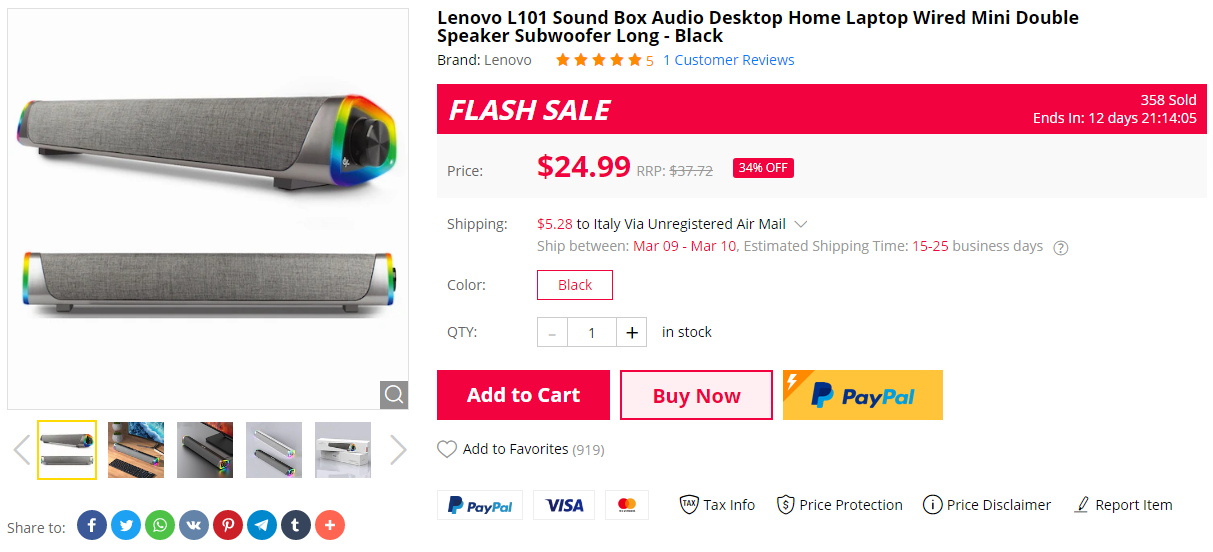
If you are still wondering what to gift your significant other for Valentines Day, the sale from Gearbest might help resolve the issue. The website is currently offering a discount on Lenovo USB Soundbar and is available for just $24.99. It has a decent sound quality, a straightforward design and comes in a budgeted price range.
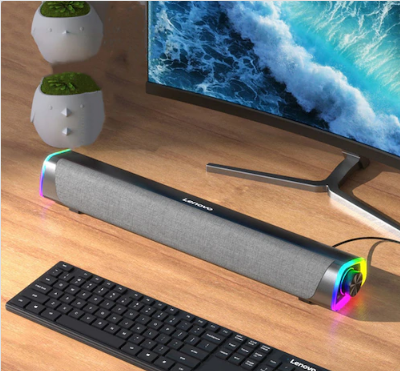
Lenovo USB Soundbar features a stereo sound to give you a cinematic experience. Its has a dual speaker system with 1.25 + 1.25 Watts of output. With its sleek and lightweight design, this piece fits snugly in tight spaces and blends well with most decors. This Lenovo speaker is suitable to be used for web broadcasts, multimedia presentations, and other applications that require audio. It is compatible with the Lenovo ThinkVision Monitor. The lighting accents on the side enhance its visual appeal.
Packed with a host of features, this speaker offers a decent performance. Currently, it is up for sale at Gearbest and is available for just $24.99. This is a limited time offer, and the deal ends on 21st February. This speaker can be an ideal gifting option for your loved ones.
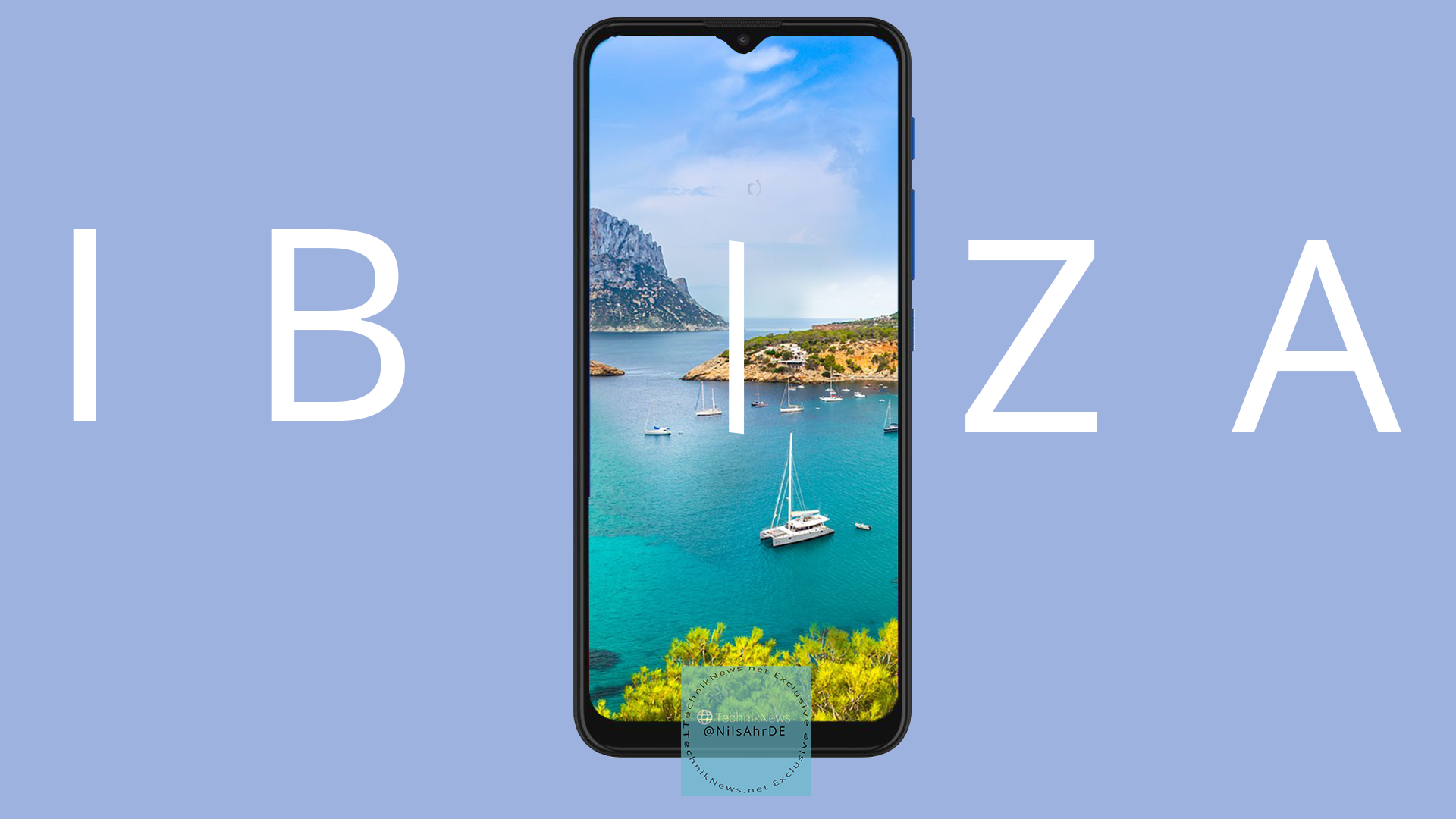
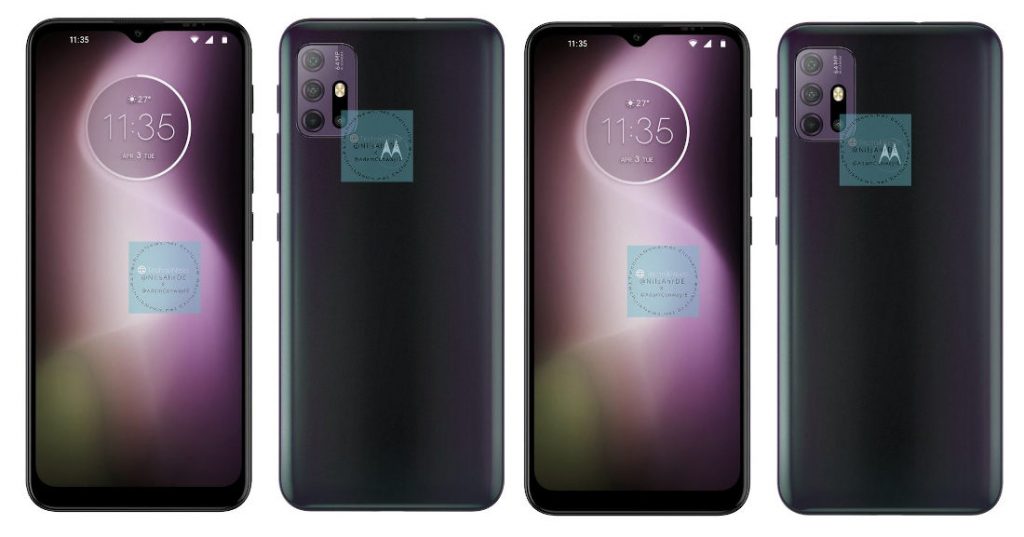
Inside sources may have confirmed that Motorola will soon launch the Moto G10, Moto G30, and Moto E7 4G smartphones and Moto G40 affordable 5G smartphone. Now the complete specifications of the Moto G10, Moto G30, and Moto E7 Power have emerged, due mainly to XDA and a German-based TechnikNews. Motorola is also planning to launch a new budget 5G smartphone 90Hz LCD screen in India soon, according to tipster Mukul Sharma and this might be the Moto G40 that recently surfaced as Motorola Ibiza.on GeekBench and the Wifi Alliance.
Mockup Image by TechnikNews
The Moto G10 is expected to feature a 6.5-inch HD+ (720 x 1600 Pixel) MaxVision display. It is powered by Octa-Core Snapdragon 460 Mobile Platform with 600MHz Adreno 610 GPU. The processor pairs with 4GB RAM while there are 64GB / 128GB storage options, expandable via microSD card. The phone will feature a 48MP main rear camera with Samsung GM1 sensor, 8MP ultra-wide-angle camera, a 2MP depth, and 2MP macro cameras. At the front, there will be an 8MP selfie camera which provides a strong support for still photos and video.
The phone has a 3.5mm audio jack, Google Assistant button, as well as
rear-mounted fingerprint scanner, dual 4G VoLTE, Wi-Fi 802.11 b /g /n (2.4GHz), Bluetooth 5.0, GPS + GLONASS, USB Type-C, and a
5,000 mAh battery.
Two-color variants are possible with Iridescent Pearl or Aurora Gray touted.
On its part, the Moto G30 comes with a 6.5-inch HD+ MaxVision display with a 90Hz refresh rate and is powered by the Octa-Core Snapdragon 662 11nm Mobile Platform (Quad 2GHz Kryo 260 + Quad 1.8GHz Kryo 260 CPUs) with Adreno 610 GPU. The memory options are either 4GB RAM, 64GB / 128GB storage or 6GB RAM with 128GB storage. It also has microSD expandable memory.
The camera system consists of a 64MP rear camera, 2MP depth, and 2MP macro cameras, as well as an 8MP front camera. The Moto G30 also has a 3.5mm audio jack, Google Assistant button, and a fingerprint scanner at the rear. Other features of the G30 are Dual 4G VoLTE, Wi-Fi 802.11 ac (2.4GHz|5GHz), Bluetooth 5.0, GPS + GLONASS, NFC, USB Type-C, and a 5,000 mAh battery with 20W Turbocharging. The phone will also be available in two colour variants: Phantom Black or Pastel Sky.
As for the budget Moto G40 5G, it will sport an HD+ (720 x 1600 pixels) MaxVision display with a 90Hz refresh rate. The phone will also be powered by an Octa-Core Snapdragon 480 chipset with Adreno 619 GPU. The processor is backed by 4GB RAM and there is 128GB of expandable storage.
The camera system is signposted by a 48MP rear camera with a Samsung GM1 sensor, a 2MP depth, and a 5MP macro camera while there is a 13MP front camera. It runs on the Android 11 operating system, with a 3.5mm audio jack, and a rear fingerprint scanner. Other features include Dual SA/NSA 5G band, Dual 4G VoLTE, Wi-Fi 802.11 ac (2.4GHz+ 5GHz), Bluetooth 5.1, GPS + GLONASS, NFC, USB Type-C and 5,000 mAh battery.
No definitive pricing template yet for all the leaked models.
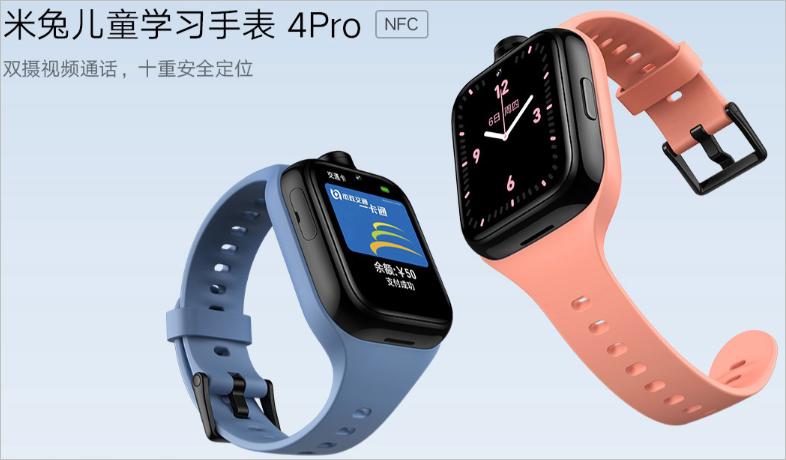
The Chinese tech giant has now announced the addition of a new feature on the smartwatch which is support for the WeChat app, allowing children to socialize more freely. The function allows the kids to chat with friends, send photos, and make voice and video calls.
The Mitu Children Learning Watch 4Pro features a 1.78-inch display that offers a pixel density of 326PPI and the surface is protected by a layer of 2.5D curved Gorilla Glass 3 with a diamond-like coating process and hardness of 9H, making it resistant to scratches and drops.
Apart from the high-definition dual cameras, the Mitu Children Learning Watch 4Pro has dual-frequency GPS positioning that offers 24-hour tracking. Other connectivity options on the device include 4G LTE and NFC.
The dual camera upfront includes a 5-megapixel wide-angle camera sensor with f/2.4 aperture and 82-degree field-of-view. There is also an 8-megapixel zoom camera on the side with f/2.2 aperture and 84.9-degree field-of-view with T-LENS ultra-fast focus.
Xiaomi says the dual cameras can capture the kid and at the same time show the surrounding environment so that you can see your child as well as his surrounding at the same time. The smartwatch uses ten-fold Al positioning and is equipped with L1 + L5 dual-frequency GPS coordinated positioning system.
Under the hood, the device is powered by Qualcomm Snapdragon Wear 2500 SoC, coupled with 1GB of RAM and 8GB of internal storage. While the device is running the Android 8.1 operating system, it is heavily customized to make it suitable for easy use for children.
It comes with support for AI learning machine and XiaoaAI voice assistant, using which the user can select a variety of high-quality learning apps, covering Chinese, English, math, social, fun, logical thinking, and other content. It also supports interactive English learning tool with support for oral practice at any time, AI assessment of children’s pronunciation accuracy, American pronunciation, among others.
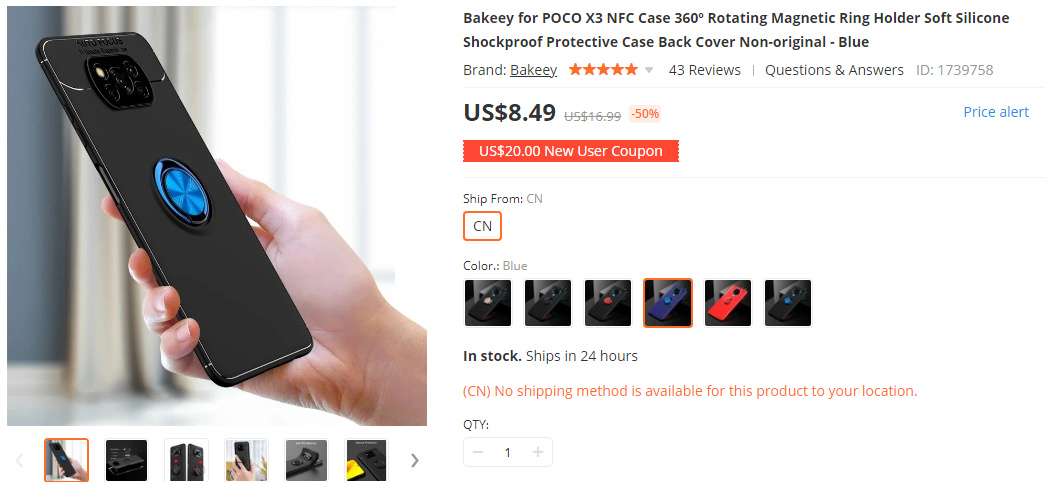
Most of the smartphones nowadays feature metal or glass builds, so keeping them safe and free from damage can be quite difficult. The Bakeey POCO X3 Case claims to do just and much more. It comes with a 360º rotating magnetic ring holder. This case is currently up for sale on Banggood and available for only $8.49 (original price: $16.99).
Bakeey POCO X3 Case is made using TPU material that is ultra-soft and is shockproof to prevent damage caused due to impact. Its textured form offers a firm grip. This cover supports NFC payments and magnetic car mount. It can be used as a stand and grip, thanks to the 360º rotating ring holder. This Bakeey cover features precisely cut-out holes for the speaker, jack, camera and charger.
Blackview is primarily known for its cost-effective rugged smartphones across the globe. The company keeps refreshing its rugged smartphone portfolio with devices consisting new innovative features. Similarly, Blackview is on the verge to launch BV6600 rugged smartphone which will feature a massive battery.
Smartphone has become an essential part of our life, and it always should be working without any issues. The unusable smartphone may get you into more trouble and may lead to hurdles in your personal and professional life. However, sometimes battery of these devices gets exhausted upon extensive usage throughout the day.
The normal smartphones hardly work for a single day upon a full charge. But, Blackview BV6600 will carry a huge battery which will enable it to run for straight 3-5 days with a single full charge. Via the means of a pre-video from Blackview, we have got the glimpse of some features present on the BV6600.
The users need not charge the Blackview BV6600 daily, it’s like charge once a week. The large battery allows the user to use the phone heavily without thinking about battery life. It delimits the conservative use of smartphones and helps in being more productive. Furthermore, the user can extensively use it to watch videos, play games and browse social media at the same time.
The video confirms the smartphone of being waterproof, dustproof and shockproof. Blackview BV6600 will be way different from the normal smartphones in terms of battery life, ruggedness and overall design. However, the user can know more about the device by adding it to the cart from here.
Asian chipmakers are making moves to ramp up their production capacity in order to benefit from the global shortage of chips affecting vehicle manufacturers and electronics makers. However, it will take some time before these expansions are felt and a reduction in the supply gap. They warn that the supply gap may take many months to bridge as they struggle to keep up with the rising demand for chipsets.
Several production plants have had to scale down their activities or even shut down completely due to the unprecedented shortage, including General Motors and Honda Motor. The political connection is not lost in the situation which may have been exacerbated by a dip in US-China relations.
Global demand for cars is gradually picking up in spite of the coronavirus-induced economic crisis. Likewise, the demand for laptops and mobile phones in regions still battling the pandemic is also going up.
The global concerns about the chip shortage were pinpointed in recent quarterly earnings reports by several companies including Taiwan Semiconductor Manufacturing Co Ltd (TSMC) and South Korea’s SK Hynix, stressing the need to expand capacity to bridge the demand gap even though the effects would not be felt until several months at the least.
TSMC, although has said it was going to prioritize auto-related chip production through its wafer fabs and reallocating wafer capacity, as well as increase investment on the production and development of advanced chips up to $28 billion this year, with a higher quantum of capital funds as much as 60% higher than the 2020 numbers.
United Microelectronics Corp (UMC), another Taiwanese chipmaker, hopes to spend $1.5 billion on capital investments this year, above its investment in 2020. Another Asian chipmaker, SK Hynix, which is the world’s No.2 memory chip maker, said it was fast-tracking plans to relocate its 8-inch production plants to China, as a cost-cutting measure. The company is moving ahead of initial plans to quickly complete the relocation ahead of an initially planned two-year period.
The combination of supply shortages and surging demand has contributed to the rising prices of chips. UMC projects that there could be from 4-6% increase in prices this year due to supply constraints likely to last till Q4 2021.
Few details have emanated from Japanese companies producing automotive semiconductors on the demand-supply situation.
WhatsApp recently faced a backlash for forcing users to accept its new Privacy Policy and Terms of Service changes. Later, the company had to extend the cut-off date and explain the intricacies of the changes. Besides, the company is working on a lot of features to improve the users’ experience. One such is the ‘mute’ option while sharing videos.
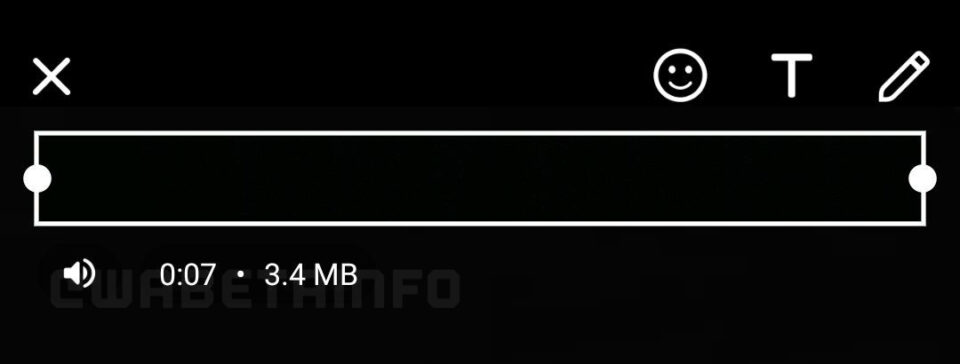
As spotted by WhatsAppBetaInfo, WhatsApp is rolling out a feature to Beta Testers that gives a new option to “Mute Videos” before sharing it. This comes after the recent update to the Beta i.e., the 2.21.3.13 version.
Accordingly, a “Volume icon” as shown below will appear in the Edit menu before Sharing a video. Pressing on it will mute the video and pressing it again will bring the volume back. As such, it seems to be located below the video seek bar that lets you choose the part of the clip for sharing.
Other features like Adding a Smiley, Text, and Sketch options are the same. The feature, which isn’t available in Stable version yet, will probably allow to either cancel out the entire audio of the clip to be shared/enable it. So don’t expect WhatsApp out of nowhere to allow you to clip out audio from the particular part.
Parallelly, the company is also working on a multi-device support feature, which going by recent developments, should land on the stable version soon. The report says that Beta Users on the older version also might get this feature as a server-side trigger but be sure to update it to the latest version just in case.
The company recently brought a lot of improvements to the Web/Desktop versions as well. They include Audio/Video call support and a biometric authentication feature. Either way, let’s wait and see if WhatsApp brings the feature to the stable version soon.
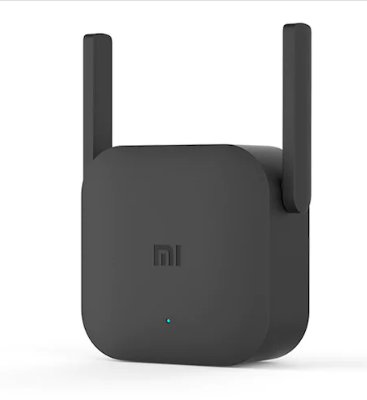
Thanks to Xiaomi’s evergrowing product category, we come across many innovative and high-tech products that make our life more convenient. One such product is Xiaomi Mi WiFi Extender Pro; it is designed to amplify the WiFi signal and cover a large area. Originally it is sold for around $15.99, but currently, Gearbest is offering a discount on it, and interested users can buy it for just $12.89.
Xiaomi Mi WiFi Extender Pro features 2 powerful antennas that offer higher coverage. This amplifier supports the 2,4 GHz network and supposedly has a 300MBps transmission rate. It allows the connection of up to 64 devices for efficient use. The users can also manage the network settings with the Xiaomi Mi WiFi app. This amplifier automatically downloads the upgrade for seamless use. Its plug and play design enables convenient setup.
Xiaomi WiFi Extender Pro is compatible with most routers for versatile use. Currently, it is up for sale on Gearbest and can be purchased for just $12.89 (originally sold for around $15.99). This is a limited time deal and ends in the next 24 hours, so make the most of it while you can.
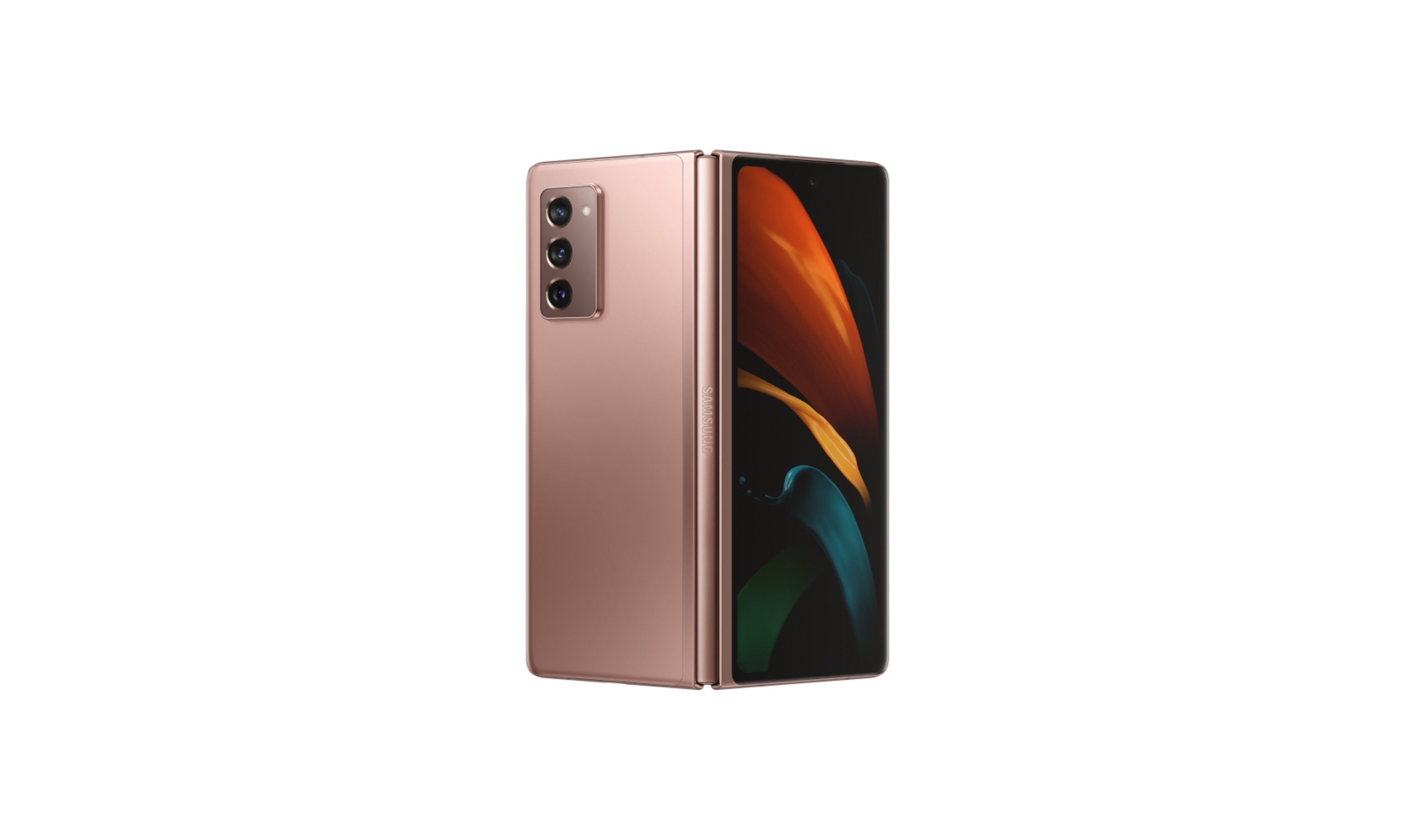
Samsung Galaxy Z Fold3 and Z Flip3(Tentative) are reportedly launching in July as per the latest leak. Now, a report by Sammobile has some exclusive info on the devices.
The report says that the next Foldable device(probably Samsung Galaxy Z Fold3) will carry the model number SM-F926 and the next clamshell device(probably Samsung GalaxyZ Flip3) SM-F711. Both the device will debut with Android 11 and One UI 3.5 on top. If the report is true, Samsung should have started development on the UI by now.
Further, the Foldable will get at least 256GB as the storage option whereas the Z Flip3 will get lower 128/256GB versions. If you recall, the Galaxy Z Fold2 debuted with the same storage variant and so did the last Clamshell device, the Galaxy Z Flip 5G.
Anyway, regarding the rumored “Z Flip Lite”, the report says that as of now, there is no existence on the device. However, analysts like DSCC Ross Young have said in the past that Samsung will bring a ‘Lite’ version of the Galaxy Z Flip in 2021. Either way, let’s wait for more leaks.
The Galaxy Z Fold3 is expected to be the first foldable phone to come with S-Pen support. Further, it is also rumored to sport an under-display camera to offer users with full-screen experience. Expected specs include a 7.55-inch main display, 6.21-inch cover display whereas the Z Flip3 is said to get a 6.70-inch main 120Hz LTPO and a 1.81-inch cover display.
Regarding the launch, Samsung usually debuts the intermediate version with the Galaxy Note series in H2 of a year, and with Galaxy Note 21’s existence still not outrightly confirmed, we will have to wait for a bit to know the exact timeline.
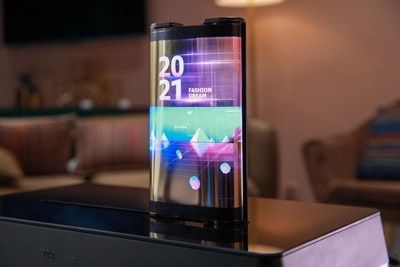
According to TheElecreport, stretchable display will require elastic substrates and circuits. These components will also have to endure the pressure from three axes, as per Soonchunhyang University professor Moon Dae-gyu. Furthermore, displays that are capable of stretching without distorting the screen is considered “superior” to both foldable panels and rollable displays. To put things simply, foldable and rollable panels only receive pressure from just a single axis, but stretchable screens would have to face pressure from x-axis, y-axis and z-axis.
Additionally, the stress on the display will also be proportional to how long it stretches and the strain on it. On the other hand, the stress will be inversely proportional to the curvature radius of the screen, with small curvature radius causing higher degrees of stress on the panel. These strains could also cause the display to get creases and cracks on the screen. meaning, a stretchable display would have to be flexible, reliable, durable and usable.
This would also require the manufacturers to solve any issues related to the substrates and drivers, and also any problems with the pixel must also be resolved together, as per the professor. He further added that it is impossible to stretch ceramic materials. Meaning, a new material would have to be used to make the needed stretchable substrate. On top of this, the TFT and OLED layer would be added that include stretchable circuits.
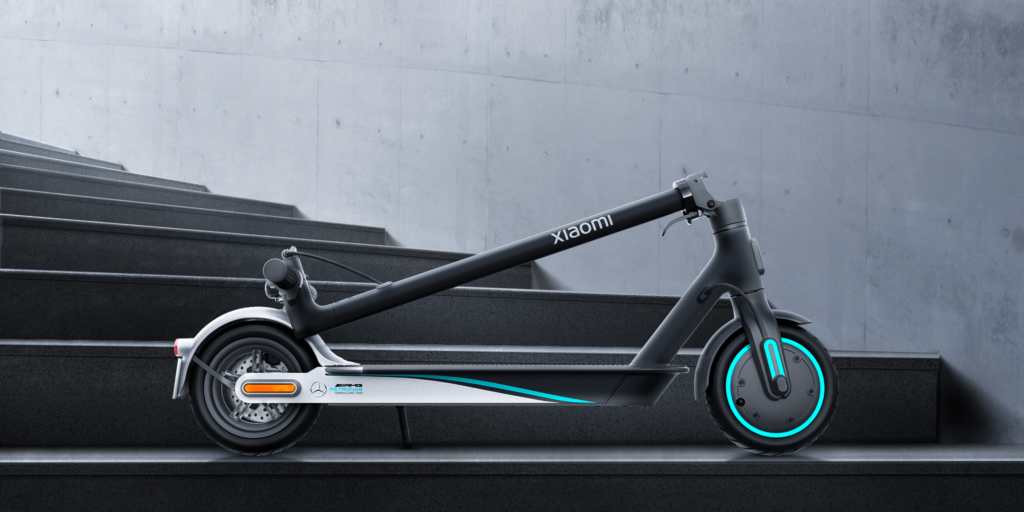
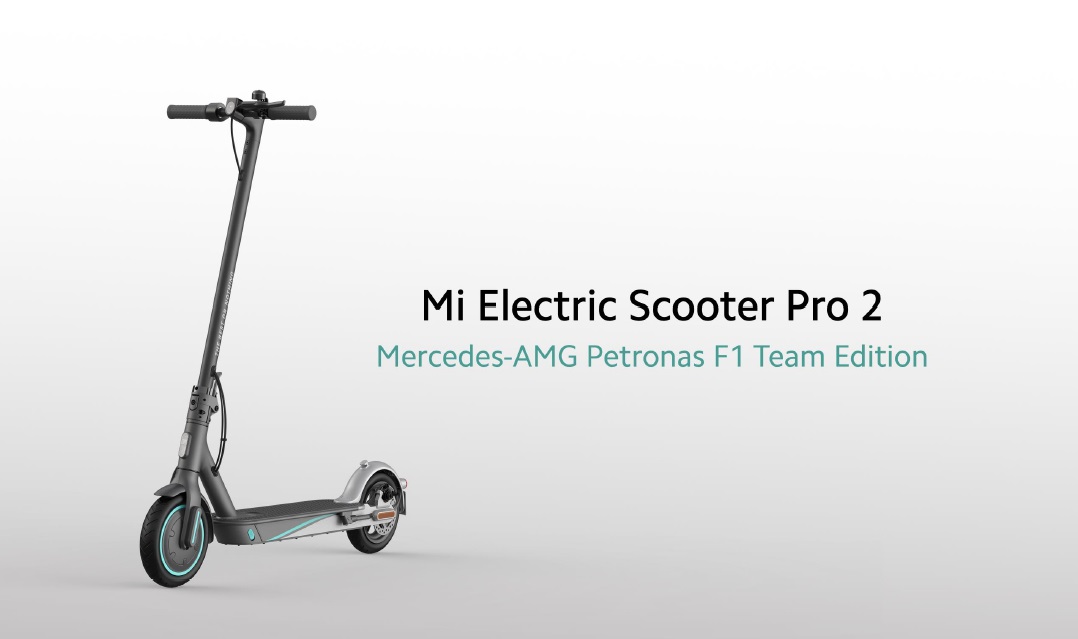
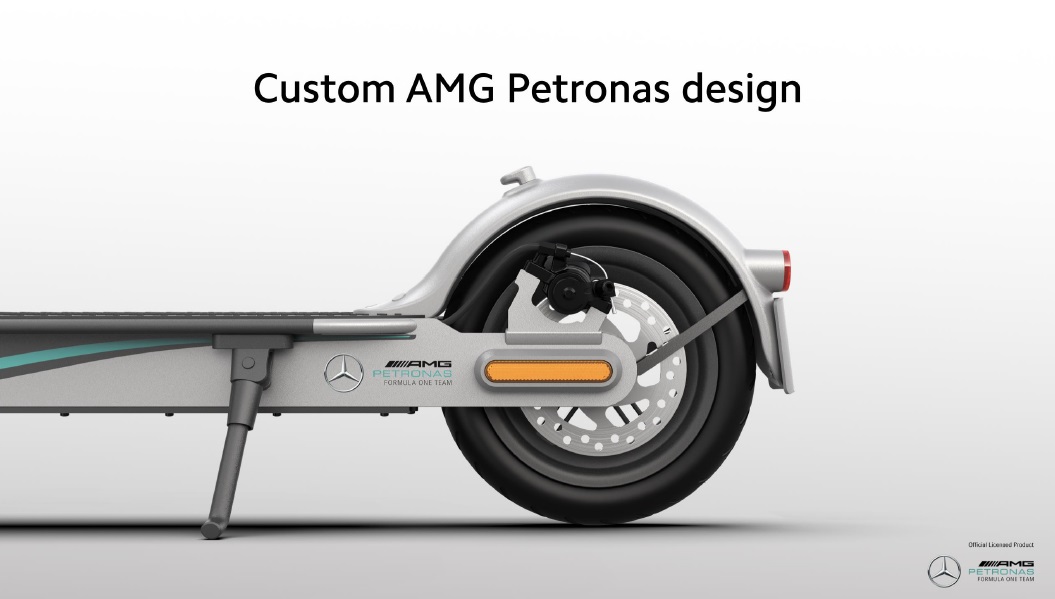
In addition to the Mi 11 smartphone and Mi TV Q1 75-inch, Xiaomi also officially unveiled the Mi Electric Scooter Pro 2 Mercedes-AMG Petronas F1 Team Edition. The special edition of the Mi Scooter Pro 2 was teased in July last year when the company announced the Mi Electric Scooter Pro 2 and Scooter 1S.
The Mi Electric Scooter Pro 2 Mercedes-AMG Petronas F1 Team Edition combines design elements from leading automobile companies Mercedes-AMG with Xiaomi’s advanced scooter engineering, thus delivering on reliability, style, and convenience without compromise. The scooter features unique teal accents and is slapped with the distinctive AMG branding near the rear wheel.
The specifications are the same with those of the Mi Electric Scooter Pro 2. One of the several improvements on the scooter includes an extended range of 45km while the top speed can hit 25km/h. The scooter can climb 20% incline hills effortlessly making it ideal for daily commutes.
The scooter also features a built-in LCD screen that lets riders view and control a wide range of parameters for a convenient, hassle-free riding experience. The display helps users check the real-time speed, choose a riding mode, connect to Bluetooth, and even monitor headlight status with one quick glance.
The Mi Electric Scooter Pro 2 Mercedes-AMD Petronas F1 Team Edition also features a 300W powerful motor, reliable double braking system, shock-absorbing pneumatic tires, and easy folding design for elevated urban mobility.
Designed with safety at its core, Mi Electric Scooter Pro 2 sports front, rear, and side reflectors as well as an upgraded 2W headlight that illuminates up to 10 meters ahead, for improved visibility. First-time riders will also receive safety reminders and tips once connected through their mobile devices for an added layer of safety.
The Mi Electric Scooter Pro 2 Mercedes-AMG Petronas F1 Team Edition carries a recommended retail price of EUR 799. It is already available for purchase.
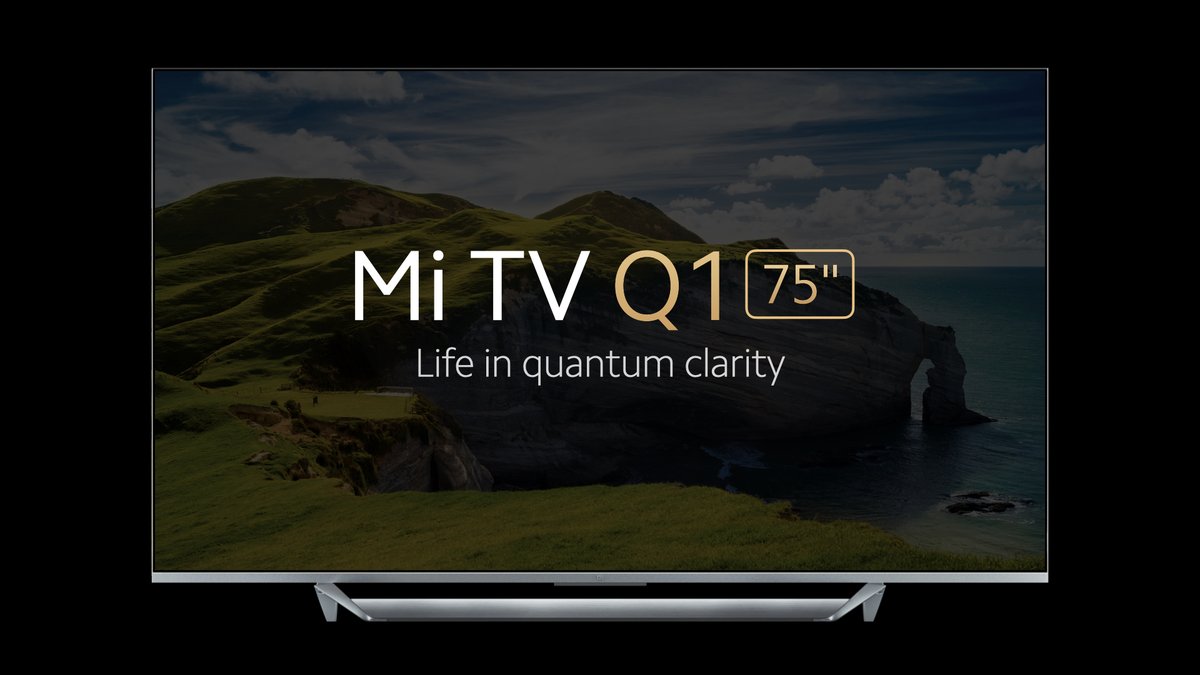
Chinese tech giant Xiaomi has launched the Mi TV Q1 75-inch smart TV. The TV emerges as the brand’s highest premium TV with QLED 4K screen. The smart TV arrives alongside the Mi 11 and Mi Electric Scooter Pro 2 Mercedes-AMD Petronas F1 Team Edition.
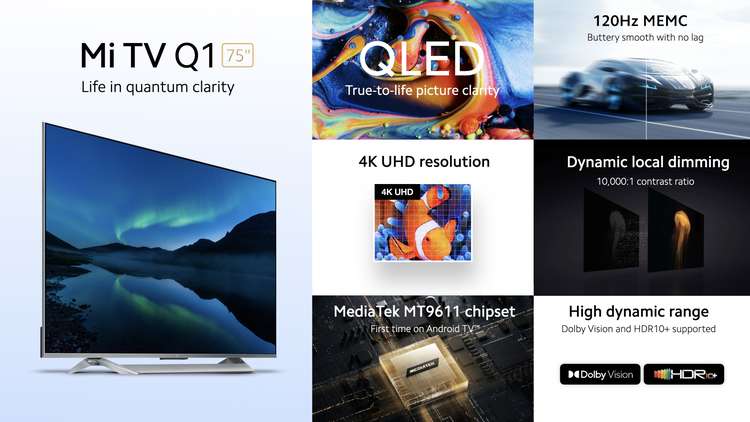
Just as the name implies, the smart TV features a massive 75-inch display panel and utilises quantum dot technology, as well as Android TV 10 system and an enhanced smart TV experience. In terms of the design, the Mi TV Q1 75-inch packs an elegant and minimalistic design with a sleek supporting blade. The smart TV offers a true-to-life cinematic experience with its 4K UHD resolution display and quantum dot technology. The massive 75-inch display uses an edge-to-edge, bezel-less display with a premium metal finish and an epic 178° viewing angle.
When it comes to picture quality, Mi TV Q1 75” is a step above the rest with its 4K QLED display panel that accommodates 100% NTSC color range with 1.07 billion color variations and 1,024 different color shades. Equipped with 192 zones of full array dynamic local dimming, Mi TV Q1 75” maintains unrivaled image contrast – achieving a stellar contrast ratio of 10,000:1. With support for Dolby Vision and HDR10+, Mi TV Q1 75” offers expanded dynamic range and vibrant colors for the utmost viewing experience.
Further, the Mi TV Q1 75” promises a powerful 120Hz refresh rate and it packs HDMI 2.1 ports and Auto Low Latency Mode (ALLM), making it a good 4K TV for gamers and streamers alike.
For audio, the Mi TV Q1 packs an impressive setup. It outputs cinematic sound from its 30W stereo speaker system that utilizes six speakers – two tweeters and four woofer – for crystal clear sound. The smart TV also supports Dolby AudioTM and DTS-HD for users with an ear for best-in-class audio enhancement.
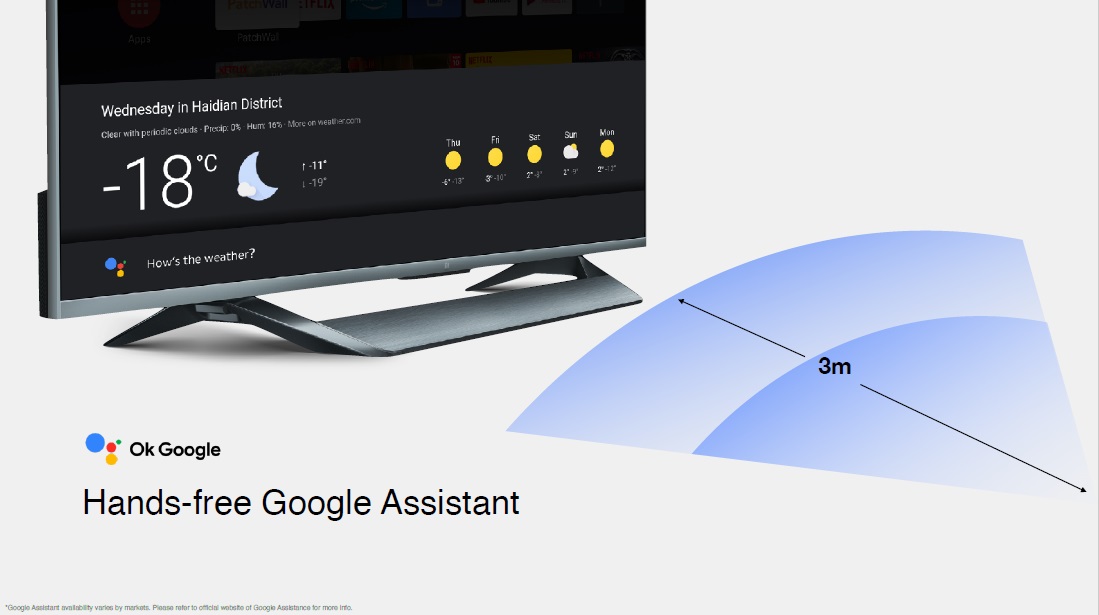
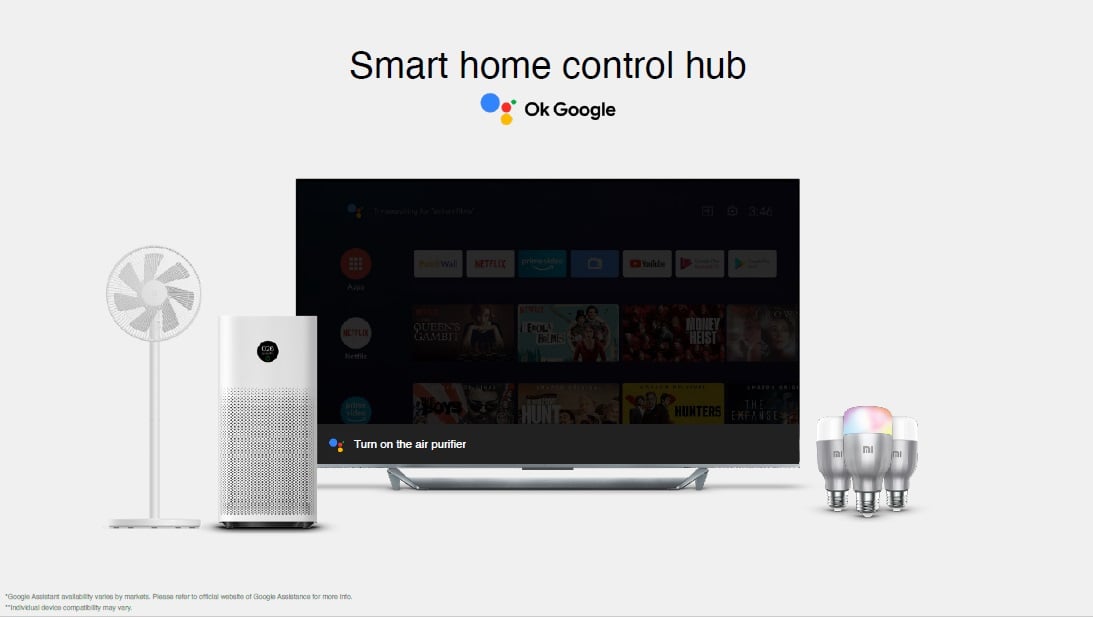
Another impressive feature of the smart TV is the 360 degree Bluetooth remote that it comes with. This makes it possible to control the TV while facing any direction. The smart TV also comes with Google Assistant support and can be activated using the OK, Google” command. It also works with Amazon Alexa. There are dedicated microphones for far-field voice control (up to 3 meters), allowing users to enjoy hands-free control over their TV and other connected smart devices.
The Mi TV Q1 75’’ will be available for purchase at a recommended retail price of EUR 1,299 from March 2021. A limited number will be available for purchase at an early bird price of EUR 999 on the first day of sale.
A few days back, Samsung Galaxy A51 got the One UI 3.0 based on the Android 11 update. Today, the company has started pushing the update for its 5G versions of Galaxy A51 and A71 devices.
As reported by Piunikaweb, Samsung Galaxy A51 5G, and Samsung Galaxy A71 5G are getting the latest One UI 3.0(Android 11) update in the US. That is, the Verizon Galaxy A51 5G(SM-A516V) is getting it with build number A516VSQU1CUA3 and Sprint Galaxy A71 5G(SM-A716U) with A716USQU2CUA7 as per the company’s website.
With this update, users can enjoy the latest Android 11 features, you can witness new chat bubbles(conversations), media controls, improved permission management, and organized notifications. On top of this, One UI 3.0 also brings improvements to UI and icons, Dark Mode, Digital Wellbeing & parental controls, and more AOD clock styles, etc.
You can visit the official update changelog of Galaxy A51 5G and A71 5G to know the entire features the update brings to the devices. Samsung began the One UI 3.0 rollout back in December.
so far has updated models like the Galaxy S20, Note 20, Note 10, S10 series, and budget devices like the Galaxy M31, M21, F41, and more. The Galaxy A51 was the first A-series to get it and now the list is expanding with A51 and A71 5G devices.
Regarding the wider rollout, users in other regions can expect the update to drop in a few days. Meanwhile, reports say that the next One UI 3.1 will officially make it to the yesteryear A-series devices and newcomers like Galaxy A52, A72 might debut with it.
A year ago, Xiaomi launched the Redmi 8A Dual budget smartphone in India. This handset debuted with MIUI 11 based on Android 9.0 Pie. The device was later updated to Android 10 in September. Now, it has started receiving the promised MIUI 12 update.
The MIUI 12 update for the Redmi 8A Dual in India comes with build number V12.0.1.0.QCQINXM. Like any other new MIUI release, the latest build for this smartphone is currently in the Stable Beta phase.
Hence, the update is only available for select users. If the early adopters don’t come across any major issues, we expect the company to roll out the build to a wide audience in the coming days. Similarly, the Redmi 8A Dual is sold as Redmi 8A Pro in Indonesia. Hence, that device should also get the MIUI 12 very soon.
Usually, Xiaomi provides a single Android update and two MIUI updates for its Redmi A series of smartphones. Hence, the Redmi 8A Dual has a chance of getting MIUI 13. But we cannot tell for usre as lately the company has been cancelling updates for certain low-end handsets citing performance issues.
Anyway, if you happen to own this smartphone, then head over to Settings > About Phone > MIUI version and check for updates to see if your unit has received the OTA update.
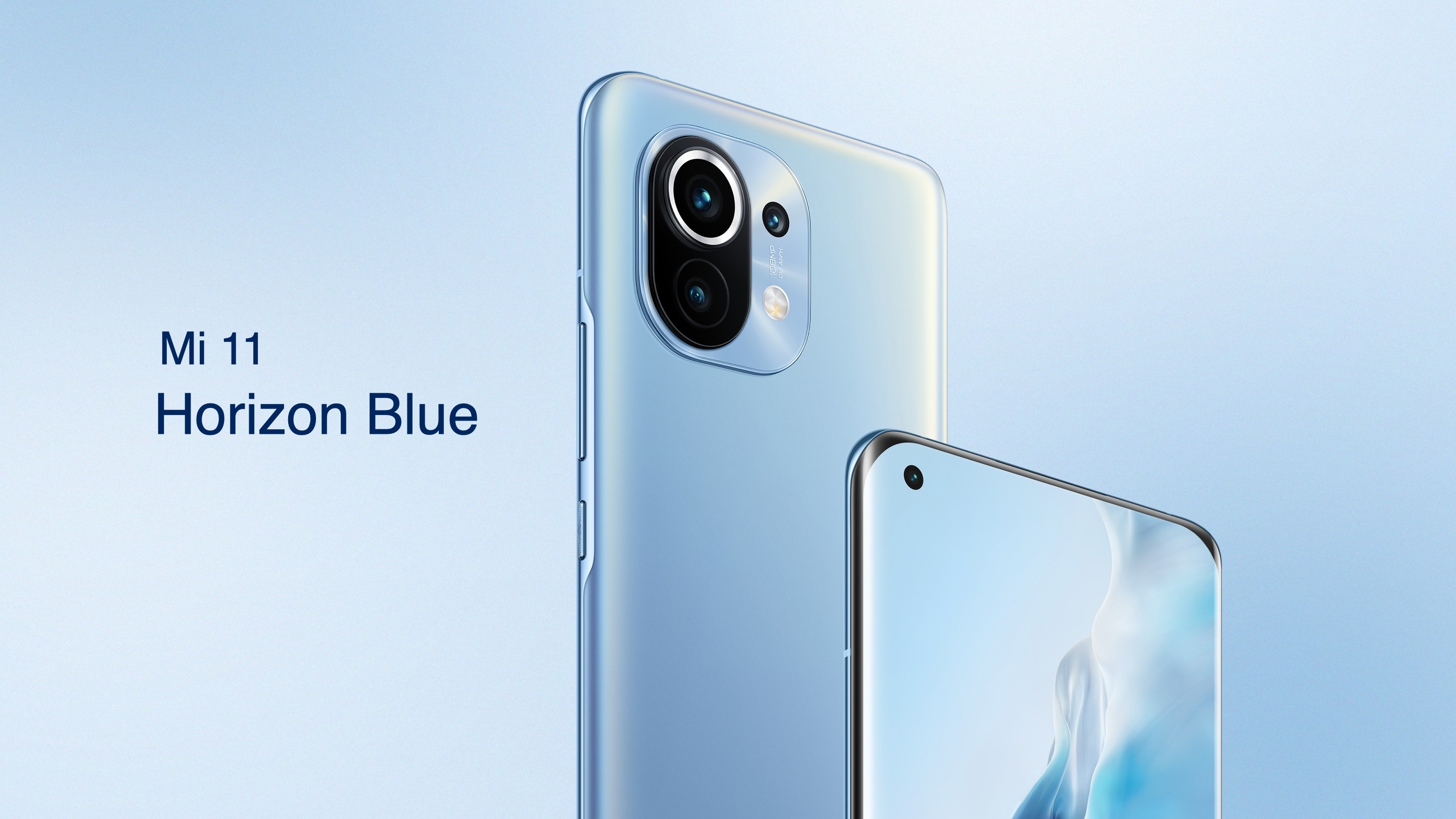
Xiaomi has announced its latest flagship for 2021, the Mi 11, for global markets. The phone was announced back in China in December, and just like during the Chinese launch, there is no Mi 11 Pro. We expect that model to launch later.
Xiaomi Mi 11 Specifications and Features
The Mi 11 has a curved AMOLED display that measures 6.81-inches with a 3200 x 1440 resolution and a punch-hole at the top left corner for the front-facing camera. The display has a 120Hz AdaptiveSync refresh rate, and what this means is that it automatically switches between 30Hz to 120Hz refresh rates based on the content on the screen. The screen is covered with Gorilla Glass Victus while the curved back is covered in Gorilla Glass 5.
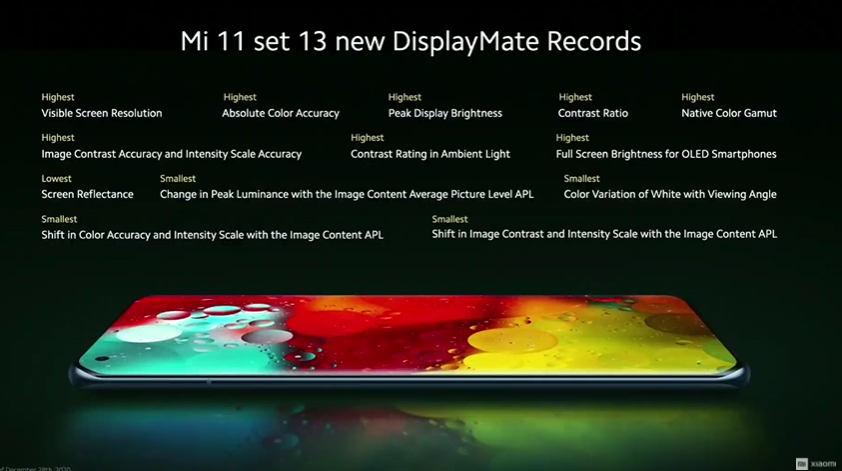
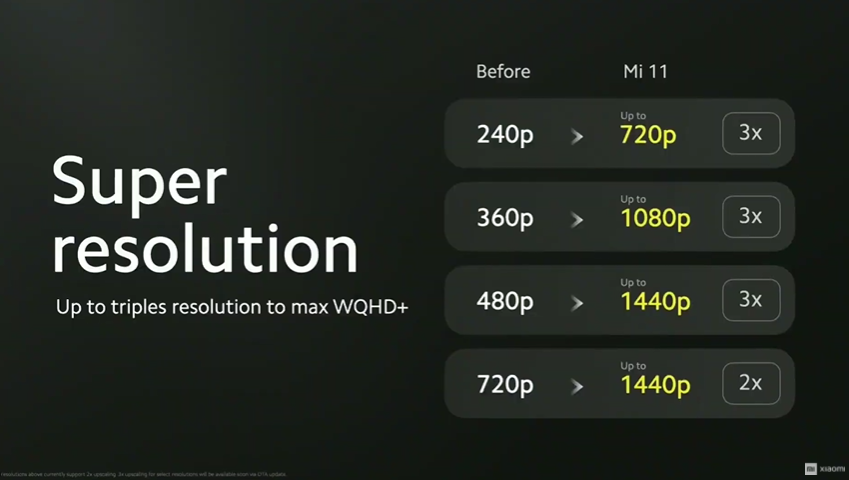
Xiaomi says the phone has set 13 new DisplayMate Records including the phone with the highest native color gamut, highest contrast ratio, and highest visible screen resolution. The Mi 11 can also upscale content to up to 3x their original resolution. Another feature of the display is an in-display heart rate scanner that allows the user to measure their heart rate at any time.
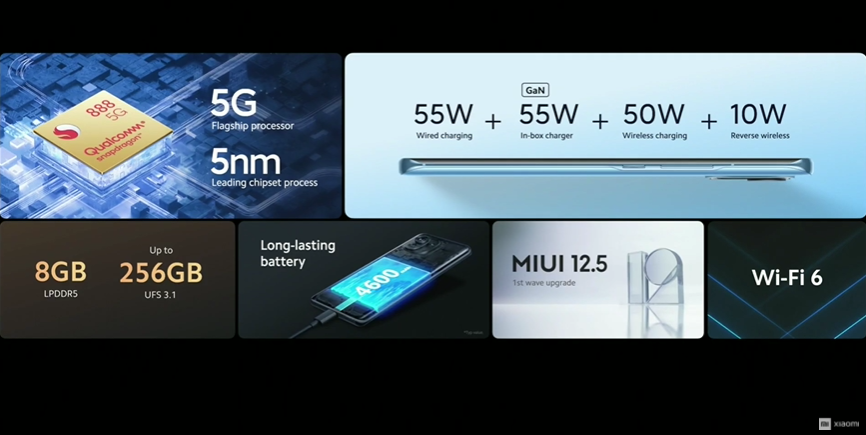
The new flagship phone is the first in the world to be powered by the Snapdragon 888 processor. Unlike the Chinese variant that comes in 8GB RAM and 12GB RAM variants, the global version is only available with 8GB of LPDDR5 RAM and comes in 128GB and 256GB storage options.
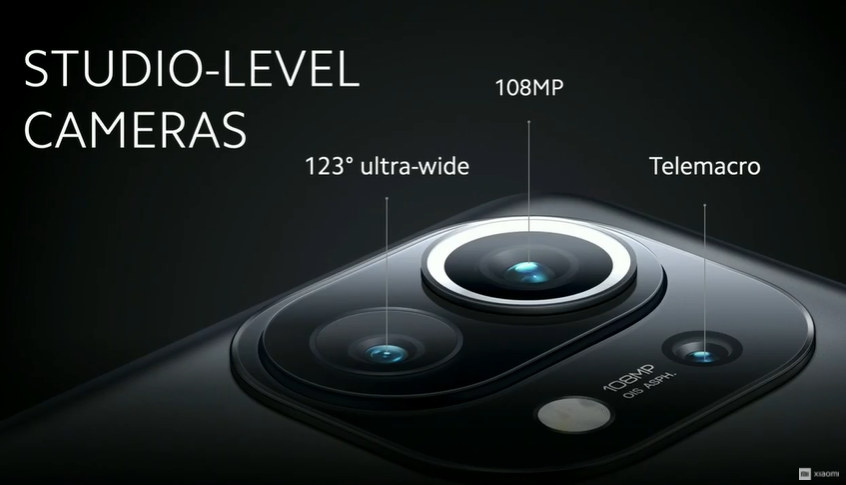
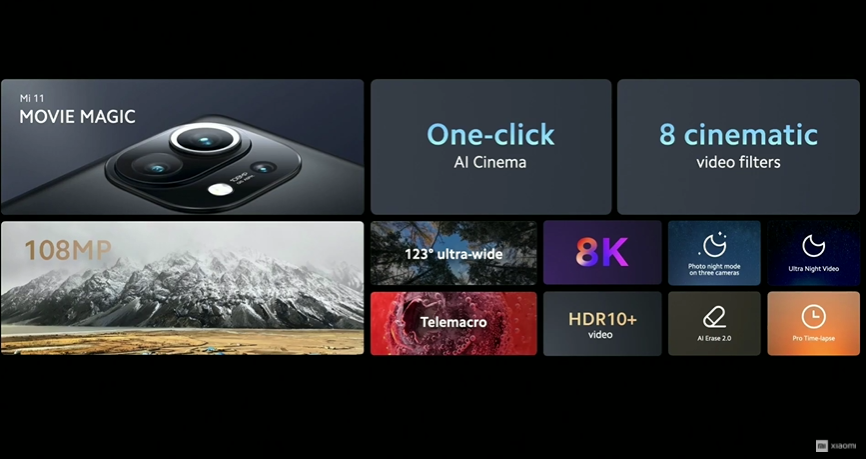
There are three cameras on the back of the Xiaomi Mi 11. The primary sensor is a 108MP wide-angle camera and included with it is a 13MP 123° ultrawide angle camera and a 5MP “telemacro” camera. Save for the 5MP macro camera, all the other cameras including the 20MP selfie camera have support for Night Mode photography.
Xiaomi is marketing the phone as a camera powerhouse that can be used to shoot movies.Some of its camera features include support for 8K and HDR10+ video recording. It also has an ultra night video mode and 8 cinematic video filters to give your videos that professional look.
The Mi 11 packs a 4600mAh battery capacity and supports 55W fast wired charging, 50W fast wireless charging, and 10W reverse wireless charging. Both the wireless and fast wireless charging technology allows you to charge the phone from empty to full in less than 1 hour. And unlike the Chinese version which doesn’t come with a charger in the box (users can get a charger for free), the global version of the phone is bundled with a 55W GaN charger in the box. It also comes with an antibacterial screen protector and case.
Other features of the phone are Bluetooth 5.2, WiFi 6, an in-display fingerprint scanner, Harman Kardon stereo speakers, an IR blaster, and a USB-C port. The phone runs MIUI 12.5 based on Android 11 out of the box.
Xiaomi Mi 11 Price and Availability
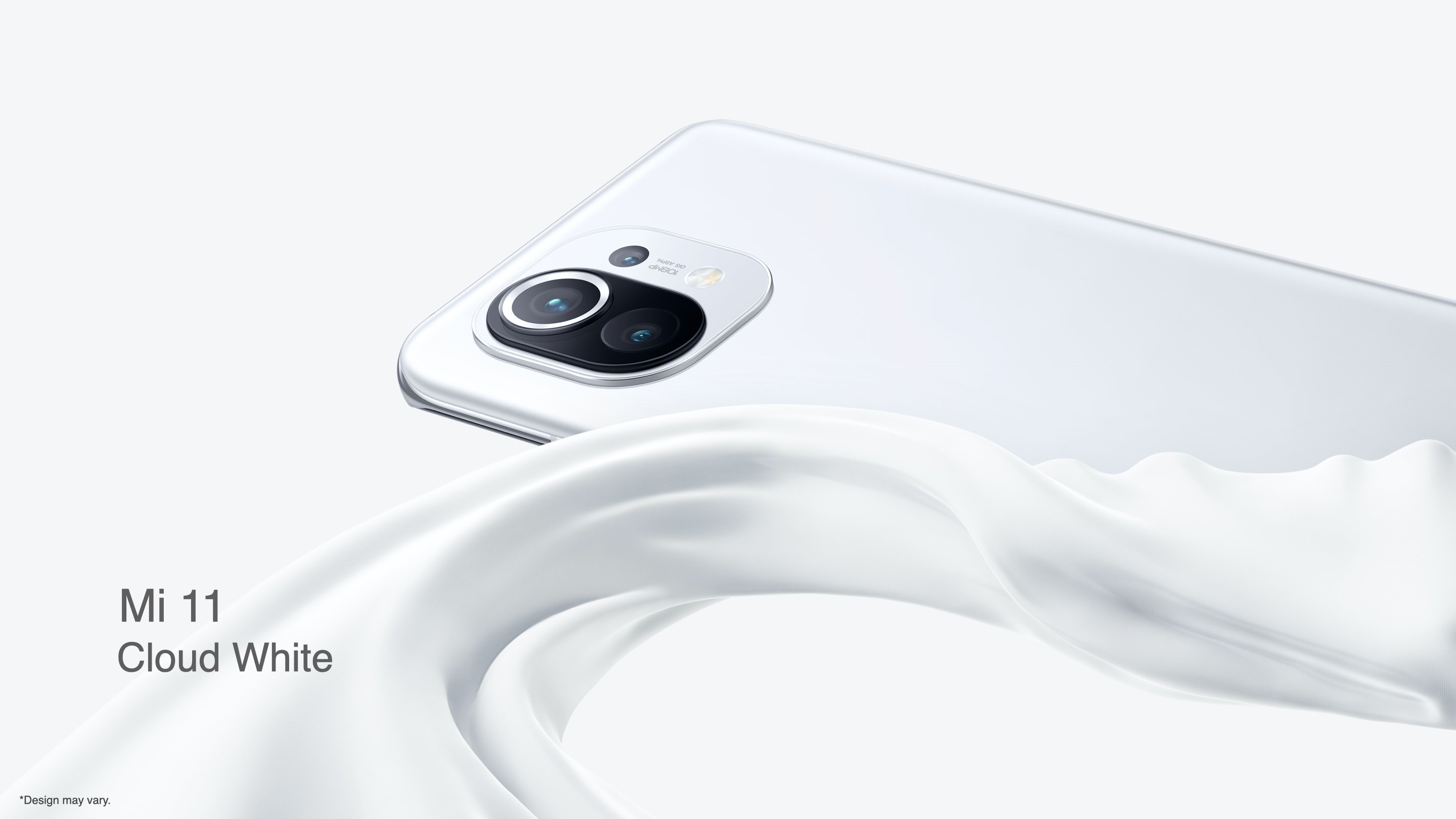
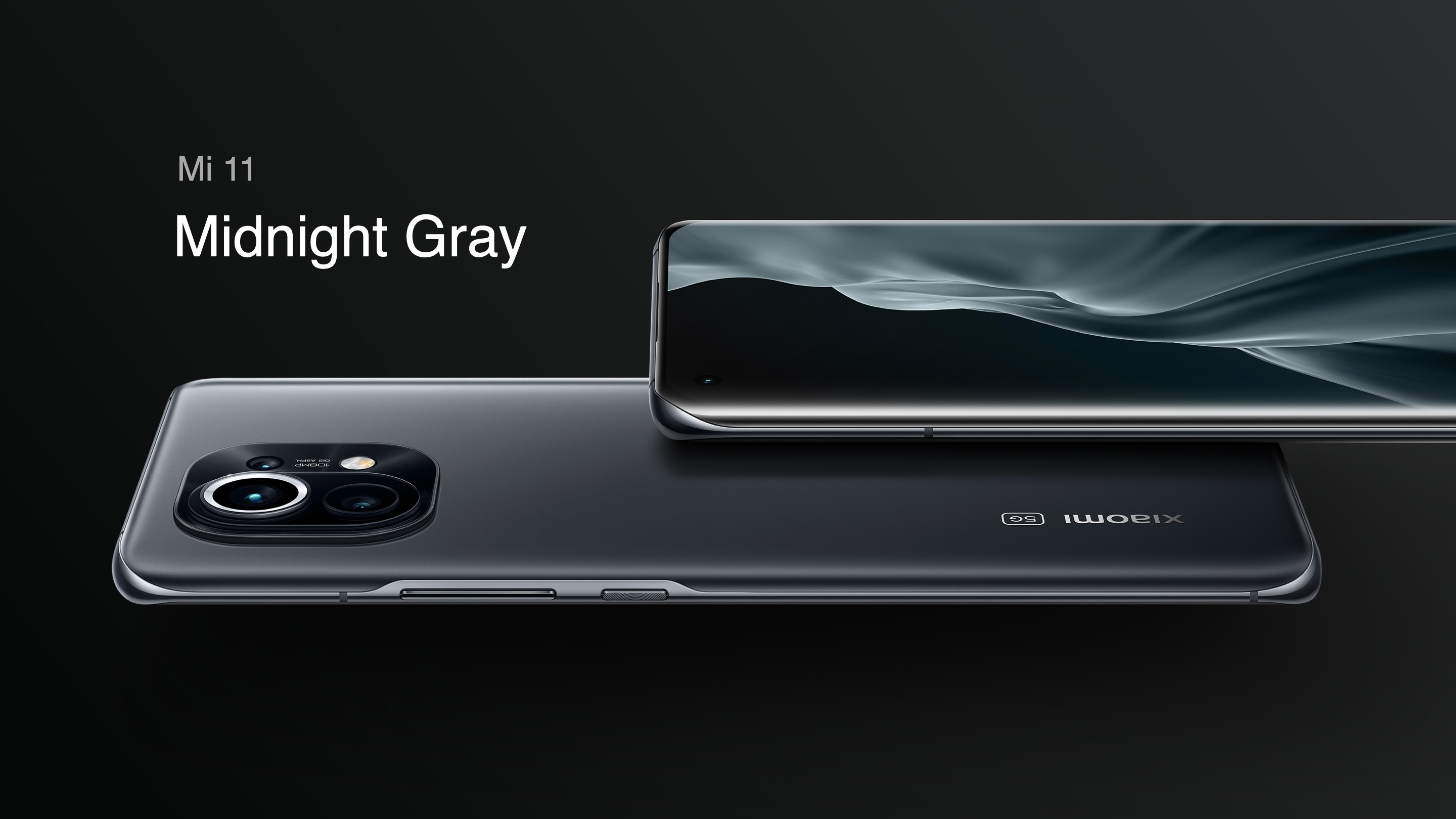
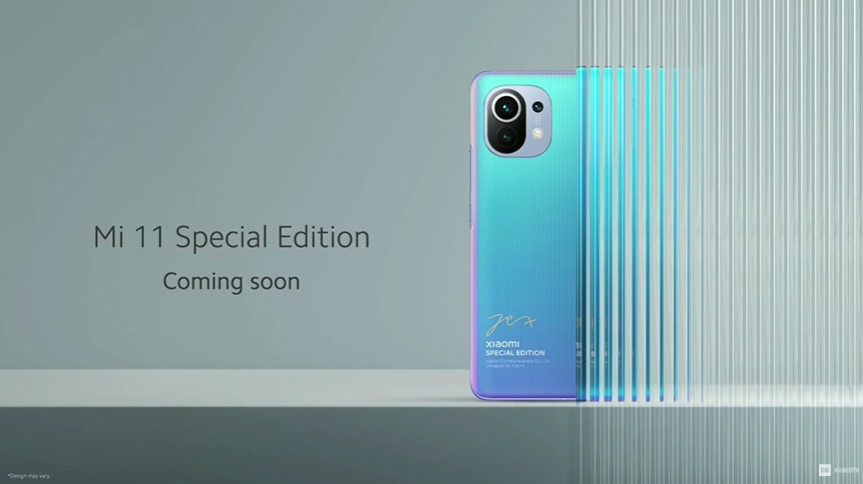
The Mi 11 will sell for €749 for the 8+128GB version while the 8+256GB version will sell for €799. The phone will be available in Cloud White, Midnight Gray, and Horizon Blue. Xiaomi says that the Mi 11 Lei Jun edition will also be available in limited quantities at a later date.
1 of 4
Xiaomi Mi 11 Lei Jun edition global edition
Xiaomi is offering a 2-year warranty for the Mi 11 and one free screen repair within the first year. The phone will be sold by various carriers in Europe and will also be sold by partner stores including AliExpress.
Xiaomi has finally unveiled the intermediate MIUI 12.5 Globally. Just like the earlier versions, the company has emphasized more performance, revamped UI with improvements to CPU and power consumption. The company has also shared the MIUI 12.5 update rollout details in the event.
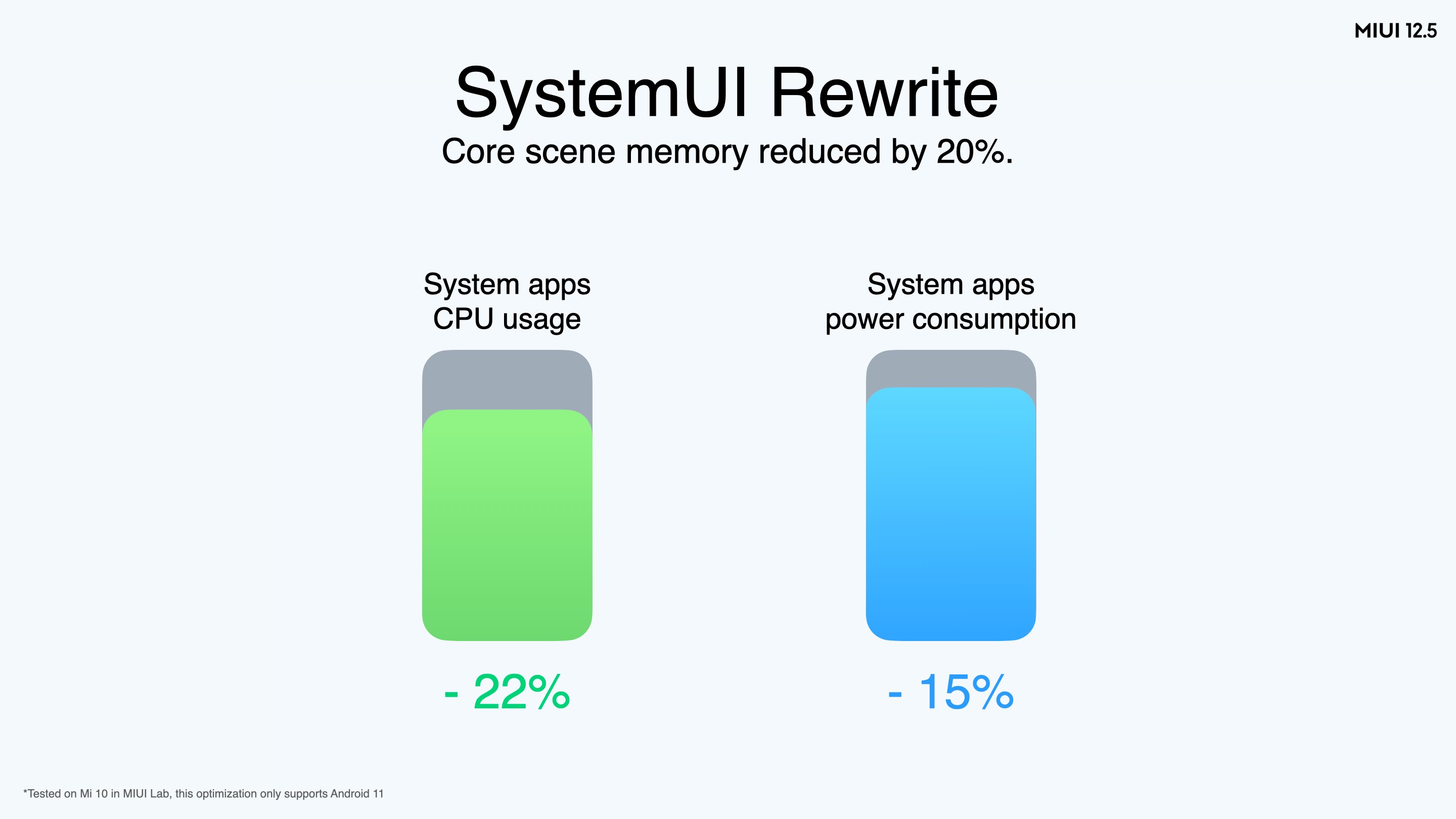
Xiaomi begins the event by saying that MIUI 12.5(based on Android 11) focuses more on System optimizations more. It mentions that the overall core scene memory is reduced by 20%. This means an optimized UI will contribute to 22% less CPU usage and also keep the power consumption down by 15% than before.
This somewhat corroborates with the MIUI 12.5 Chinese variant however, the company didn’t mention many of the features from China like MIUI+, Natural Sounds & Haptics, Privacy features like Sandbox mechanism and the updated Super Wallpapers. Anyway, Xiaomi did talk about the improved and smooth UI experience with revamped Gestures and task rendering.
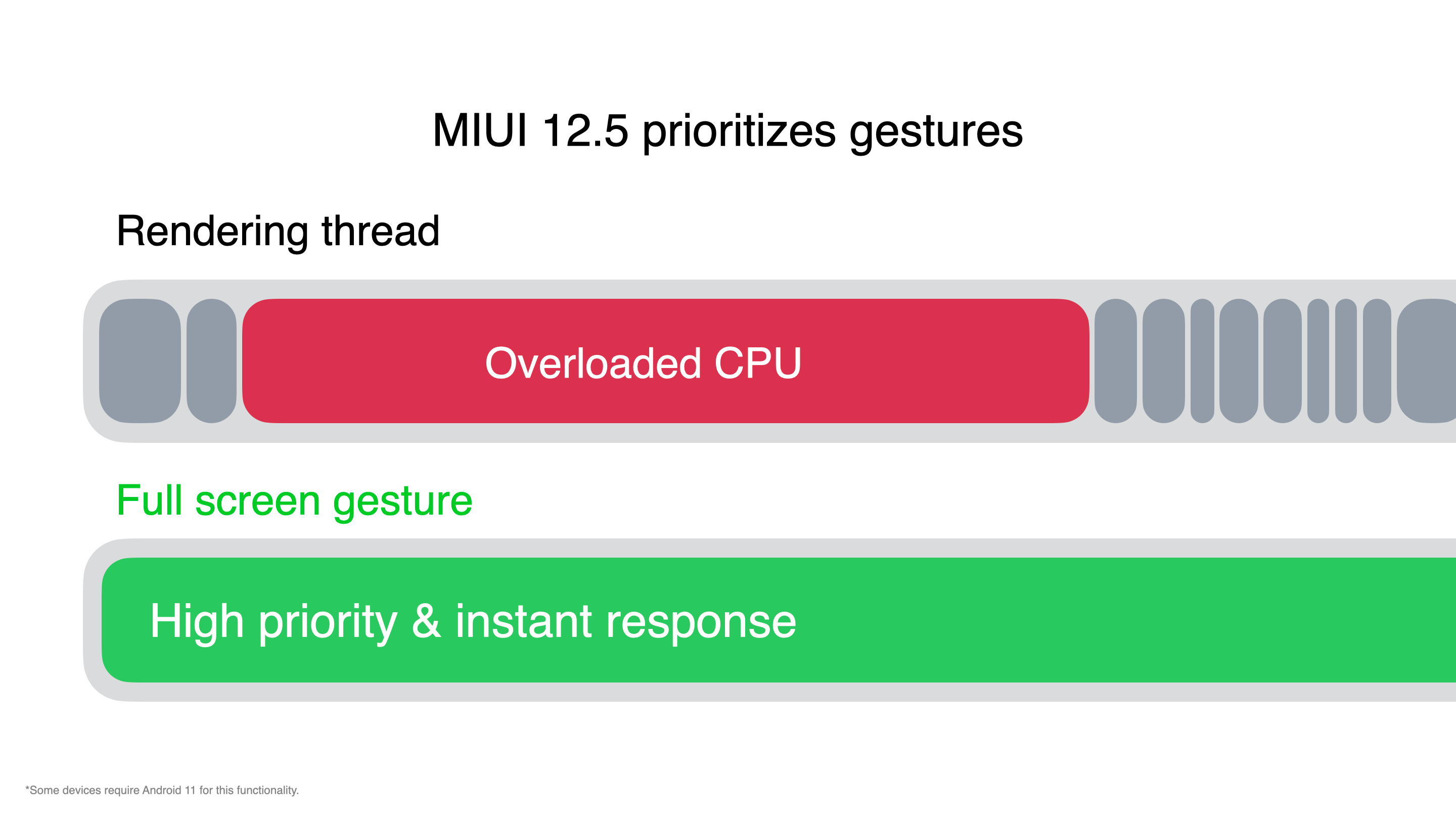
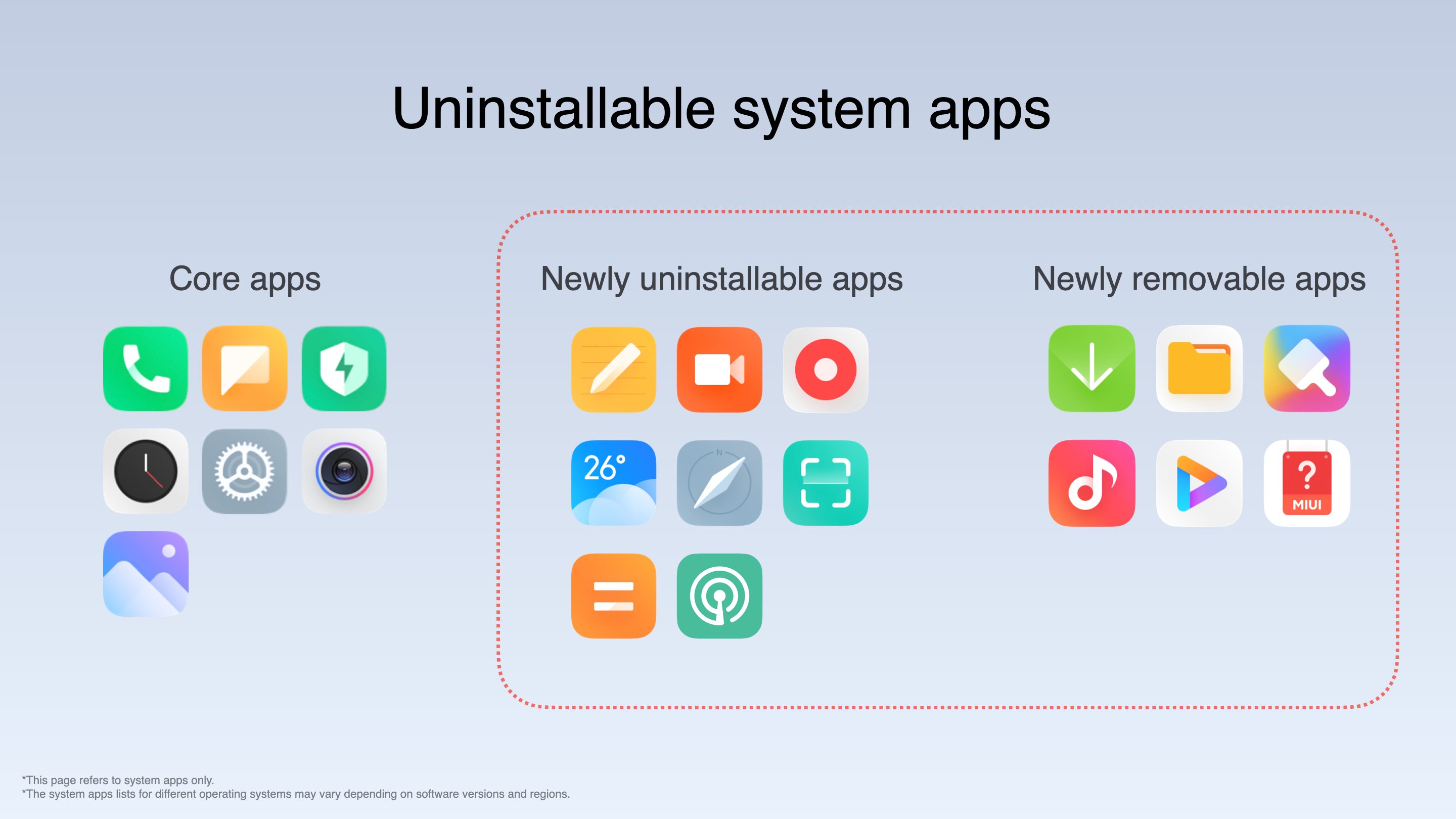
That is, unlike previous versions where Gestures and other Tasks were rendered in a single Core Thread, the MIUI 12.5 gestures get a separate Thread so that CPU doesn’t get overloaded. And the interface is faster and smoother. Next, the MIUI 12.5 Global will allow users to uninstall more System apps.
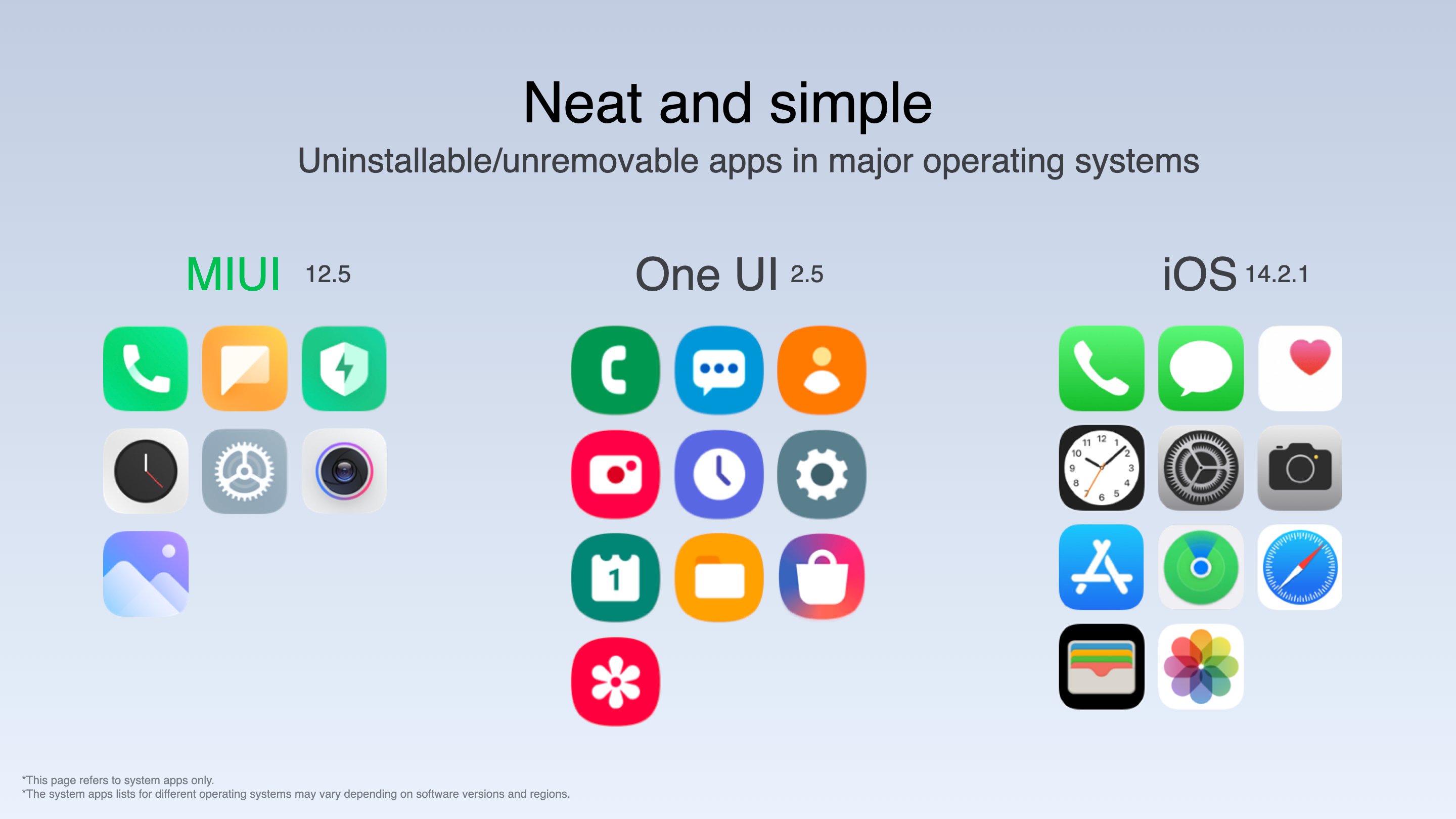
The company even compared with giants like One UI 2.5, iOS(14.2.1) and said that majority of apps can be uninstalled now. Additionally, you can also hide the other apps if you don’t like them.
Some of the newly uninstallable System Apps include Mi Calculator, Notes App, Weather, Compass, Scanner, Mi Recorder, and more. The ones you can hide include Mi Music, Themes, Mi Video, Downloads, and Mi File Manager.
1 of 3
Gesture (Dedicated CPU Thread)
Comparison with One UI, iOS
Uninstallable apps
MIUI 12.5 update rollout schedule
Lastly, Xiaomi revealed the update rollout schedule for MIUI 12.5. Starting Q2(Maybe around April), the company will rollout the updates gradually. For now, it has unveiled the First and Second wave of rollout schedule.
For those wondering, the Xiaomi Mi 11 is also on the list and it could be one of the first ones to get it considering it’s the newest of the lot. You can take a look at it below:
Almost all flagship smartphones available in the market support high capacity fast charging. But this cannot be said for Samsung phones. That’s because the South Korean tech giant has only released two 45W charging phones so far (Galaxy Note10+, Galaxy S20 Ultra), whereas the rest of its premium and mid-range devices are either capped at 25W or 15W. However, that could change soon as the company’s 65W charger has been now certified by TÜV SÜD.
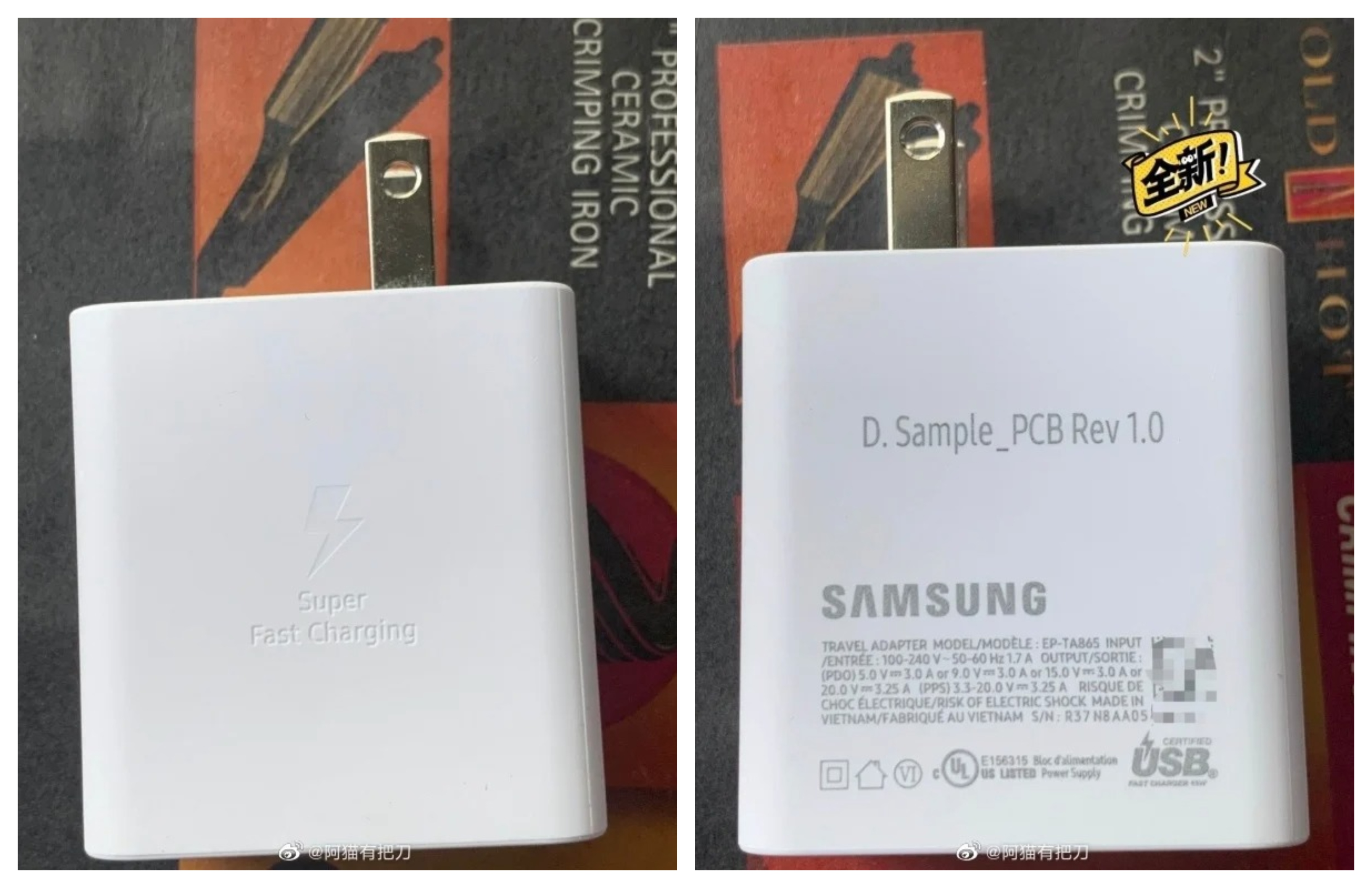
This is not the first time we are hearing about a 65W Samsung charger. This very same power adapter with model number EP-TA865 had already cleared South Korea’s NRRA certification in September 2020.
The said charger in white color even leaked in live images (pictured above) last month ahead of the Galaxy S21 series launch event. Now, with TÜV SÜD certification, we can expect this charging brick to launch soon in the coming days.
As per the latest certification, the upcoming Samsung 65W charger will have a maximum output rate of 20V/3.25A. Also, the adapter will support the latest USB-IF PD (Power Delivery) standard, which includes a specification called Programmable Power Supply (PPS).
That said, the first Samsung smartphone with 65W charging support is still a mystery. It could be possibly a high-end Galaxy A series model. However, the Samsung EP-TA865 charger may release ahead of the phone as it can be also used to charge laptops.
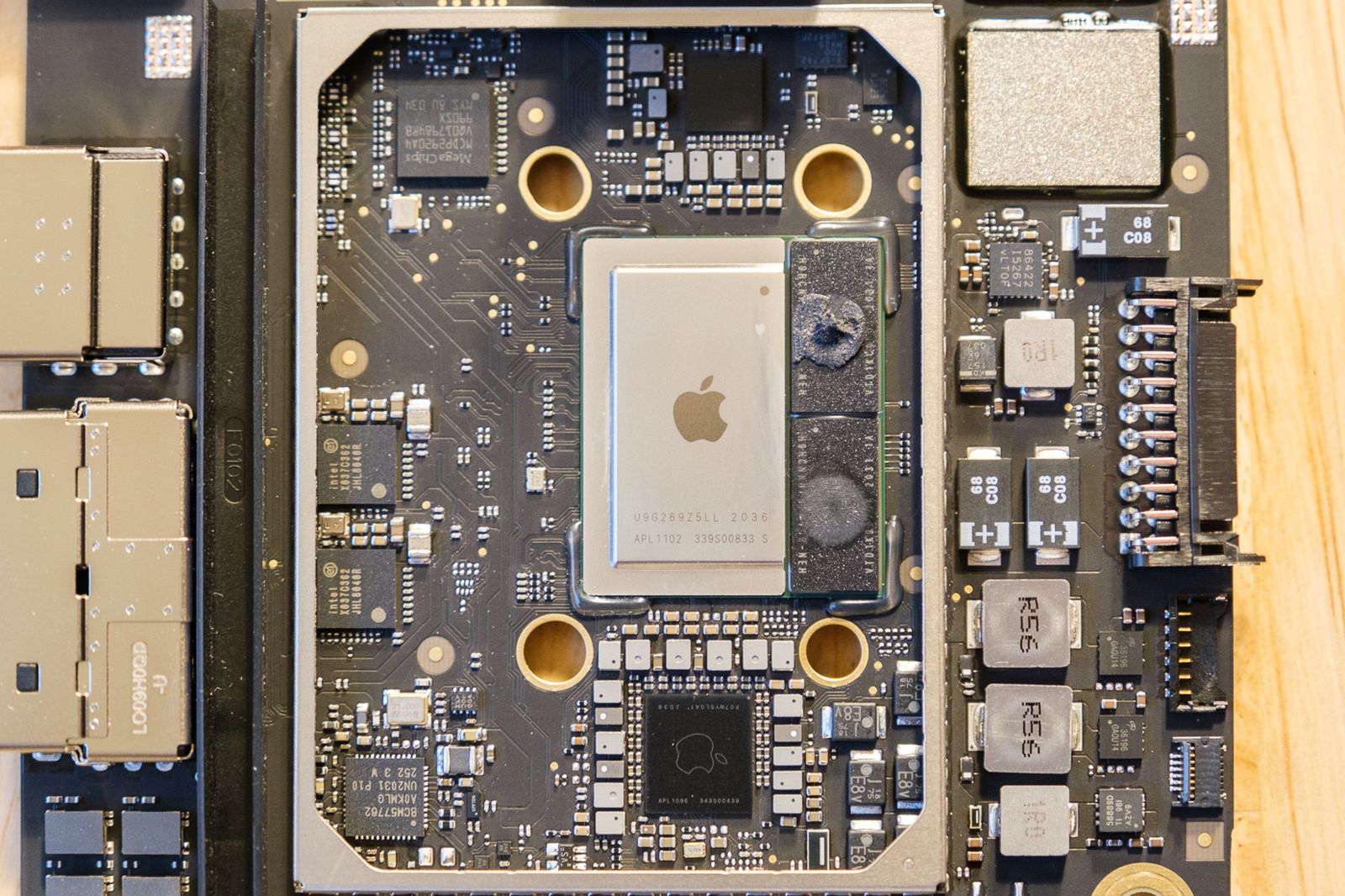
A new leak has revealed that Apple is apparently working on new SoCs (system on chip). If this news is true, then the company is working on four new chips that could be featured in its products soon.
Upcoming Apple SoCs: T600x: t6000, t6001 T811x: t8110, t8112
According to known leakster, Longhorm, the Cupertino based giant is currently developing new and upcoming chips. Notably, these processors will be from two different families of SoCs, namely the T6000x series and the T811x series. Within the former, the T6000 and the T6001 chips will be launched while the latter will have the T6110 and T8112 chips. Unfortunately, the source did not mention what purpose these chips serve and which products will they power.
Although, the Apple smartphones and tablet based chips have recently carried the internal 8000 series model numbers, so we can make an educated guess in saying that the T811x lineup could be designed for future iPhone series, iPads, or even smaller Mac computers. However, this also means that the purpose of the T6000 series chips are unknown at the moment. The company might be designing these chips for more powerful computers like the iMacs, MacBook Pros, or maybe even the rumored Mac Pro Mini, as per a TomsHardware report.
Keep in mind that this is still an unconfirmed report, so take this news with a pinch of salt for now. We would have to wait for additional reports or an official company announcement to know more about these chips since we have very little to go on at the moment. So stay tuned for more updates as well.
5G hasn’t really gained momentum in India and recent reports by the country’s parliamentary panel on IT suggests it is nowhere near nation-wide deployment. However, this hasn’t stopped smartphone manufacturers from launching 5G-enabled handsets. Last year, realme brought the realme X50 Pro as a 5G flagship to India. Cut back to 2021, it has recently launched realme X7 series in the country. Now, the company’s head Madhav Sheth says that all the devices launching above ₹20,000(~$275) in 2021 will have 5G support.
In an interview with Indian Express, realme India and Europe CEO Madhav Sheth says 50% of realme products launching in 2021 will support 5G connectivity. And as mentioned above, the company seems to target users with 5G-enabled devices above ₹20k segment but with democratized prices and price-performance value.
As for the 5G rollout, although giants like Reliance Jio and Bharti Airtel are ready with the latter conducting Advanced Tests, the Govt. is yet to conduct the auctions for the 5G spectrum. realme recently brought the realme X7 5G as low as ₹19,999 in India. This region of 5G devices was unexplored until Moto broke the market with Moto G 5G.
Later, Xiaomi brought its Mi 10i, and several other companies like Motorola and Nokia are now planning to go even deeper. As such, the race for bombarding 5G devices is catching the heat in 2021.
Madhav also adds that technology like 5G will help trigger faster connectivity in areas like education and healthcare and smart homes. He says that the next-gen network will play a pivotal role in building a smart lifestyle for the people. Speaking of which, the company has said that it will launch over 100 Smart AIoT products this year.
Some of the contenders include realme Laptops, the successor of realme Buds Q, the realme Buds Q2, Smart Trimmers, Motion-Activated lights, and more.
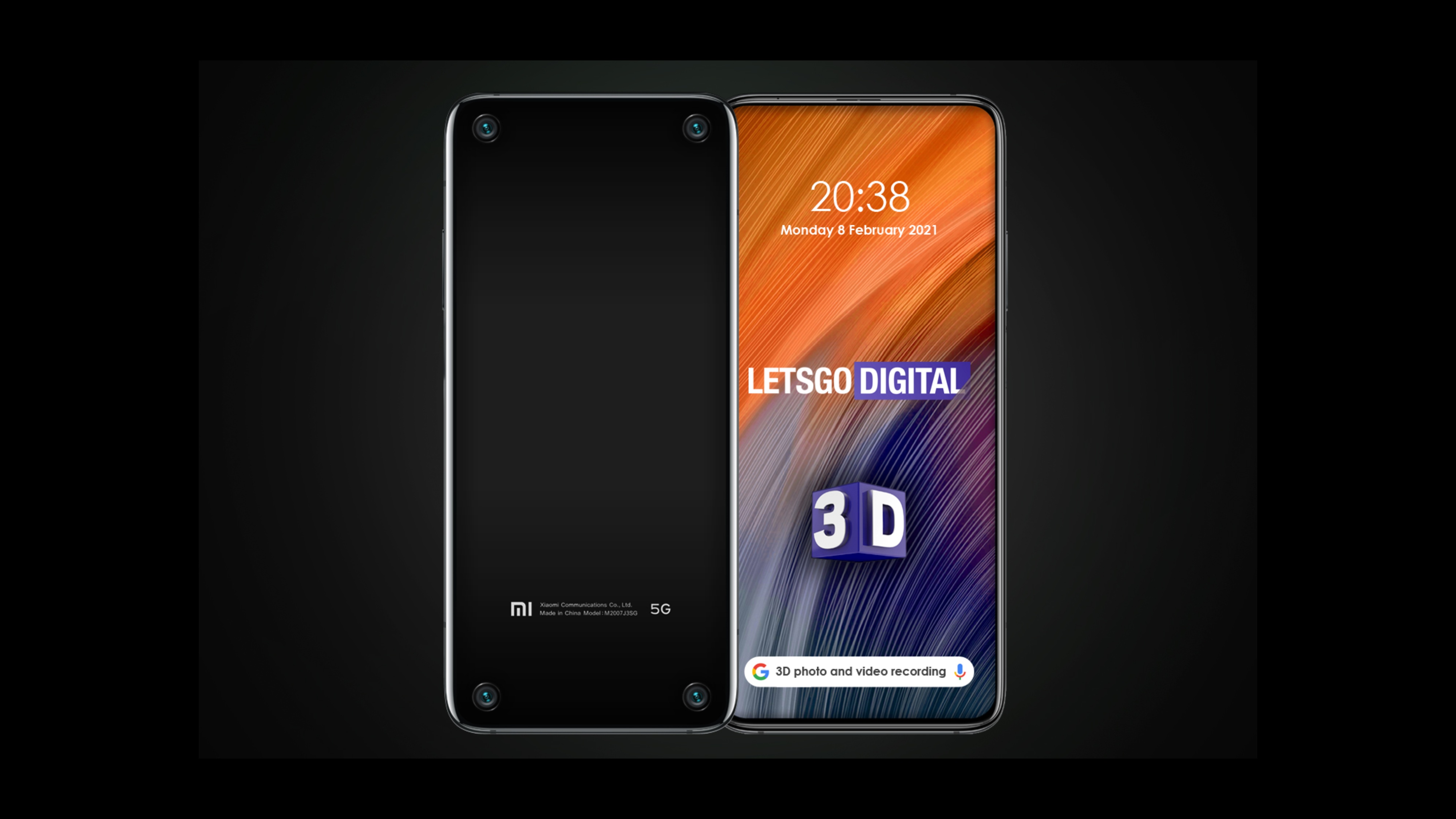
There have been multiple 3D smartphones in the past, however, none of them took off. Hence, major companies did not try investing in it. But now, out of the blue, Xiaomi has patented a design for such a handset.
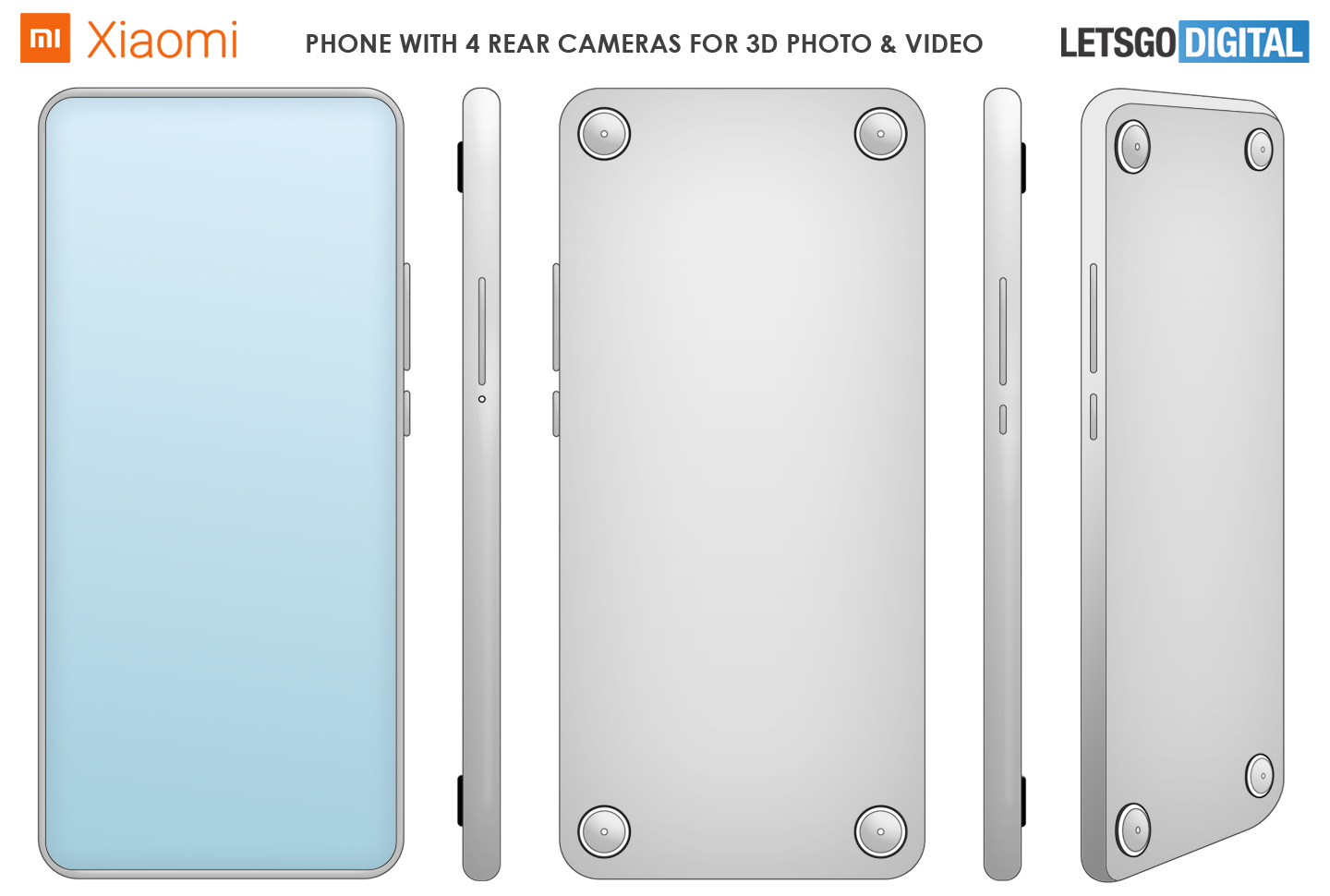
According to LetsGoDigital, Beijing Xiaomi Mobile Software applied for this design patent with The Hague International Design Bulletin, part of the WIPO (World Intellectual Property Office) last month (January 2021). But surprisingly, the application for this patent was approved within a month and its documentation was published on February 5, 2021.
The design showcases a smartphone with no notch, punch-hole, or pop-up module. Hence, it could feature an under-display camera. Further, on the back, the device houses a total of four cameras, one on each corner.
Whereas, the right side includes a power key along with a volume rocker and the left side features a SIM card slot. Lastly, the bottom of the handset houses a USB Type-C port, a 3.5mm headphone jack, and holes for a speaker as well as a microphone.
As far as those four cameras are concerned, they can be used for 3D photography and videography. Like we mentioned in the beginning, there were many phones in the past like HTC Evo 3D and LG Optimus 3D with similar functionalities. But they did not succeed. In fact, 3D has been now replaced by AR and VR in entertainment.
Therefore, we don’t see Xiaomi launching a 3D smartphone in the near future.
We use cookies on our website to give you the most relevant experience by remembering your preferences and repeat visits. By clicking “Accept”, you consent to the use of ALL the cookies.
This website uses cookies to improve your experience while you navigate through the website. Out of these, the cookies that are categorized as necessary are stored on your browser as they are essential for the working of basic functionalities of the website. We also use third-party cookies that help us analyze and understand how you use this website. These cookies will be stored in your browser only with your consent. You also have the option to opt-out of these cookies. But opting out of some of these cookies may affect your browsing experience.
Necessary cookies are absolutely essential for the website to function properly. This category only includes cookies that ensures basic functionalities and security features of the website. These cookies do not store any personal information.
Any cookies that may not be particularly necessary for the website to function and is used specifically to collect user personal data via analytics, ads, other embedded contents are termed as non-necessary cookies. It is mandatory to procure user consent prior to running these cookies on your website.