Chinese smartphone maker realme is expected to release a plethora of new products in global markets in the coming days. Some of these devices have been now certified by SIRIM. Hence, they could launch in Malaysia like most realme products.
The devices that have received certifications from the Standard and Industrial Research Institute of Malaysia (SIRIM) include two handsets and two pairs of wireless earphones. These products are as listed below.
The certifications do not reveal anything about these devices except for their product category. The phones are listed with support for 4G connectivity, while the two models of realme Buds TWS are certified as wireless earphones.
Talking about the smartphones first, there’s nothing much known about the realme C21 and realme narzo 30A although both of them have bagged multiple certifications. However, realme India has begun to promote the vanilla realme narzo 30 in India. This phone is also a mystery.
On the other hand, some details of the realme Buds Q2 are out, thanks to FCC. It is expected to feature a similar design as the original model, MicroUSB port, 40mAh battery for buds, 400mAh battery for the charging case, and at least two colors (Black, Green).
Lastly, just like the handsets, nothing is known about the realme Buds Air 2.
Redmi is riding high with the success of selling 200 million Note Series devices Globally. As guessed before, the company has now officially started teasing its next Redmi Note 10 series launch in India.
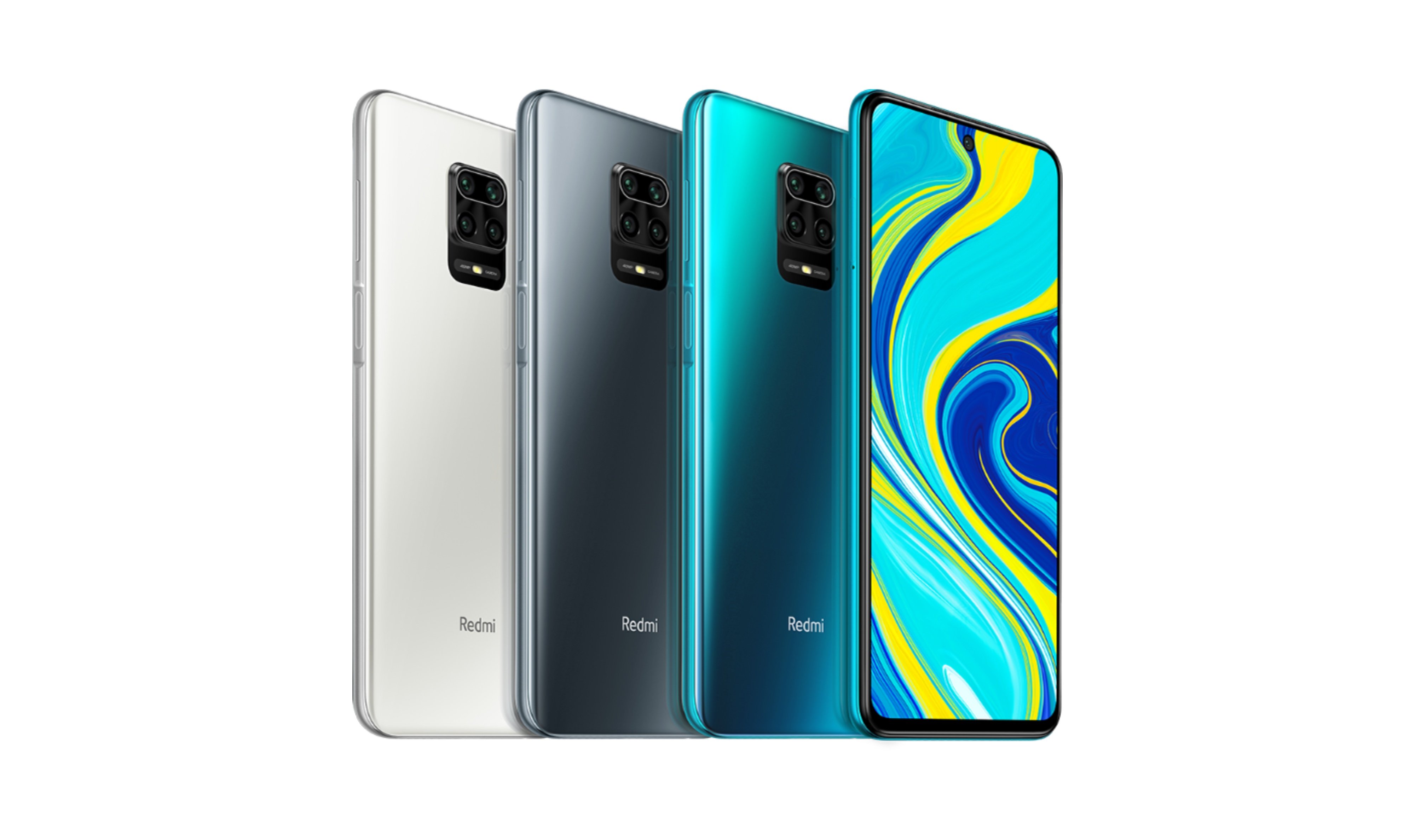
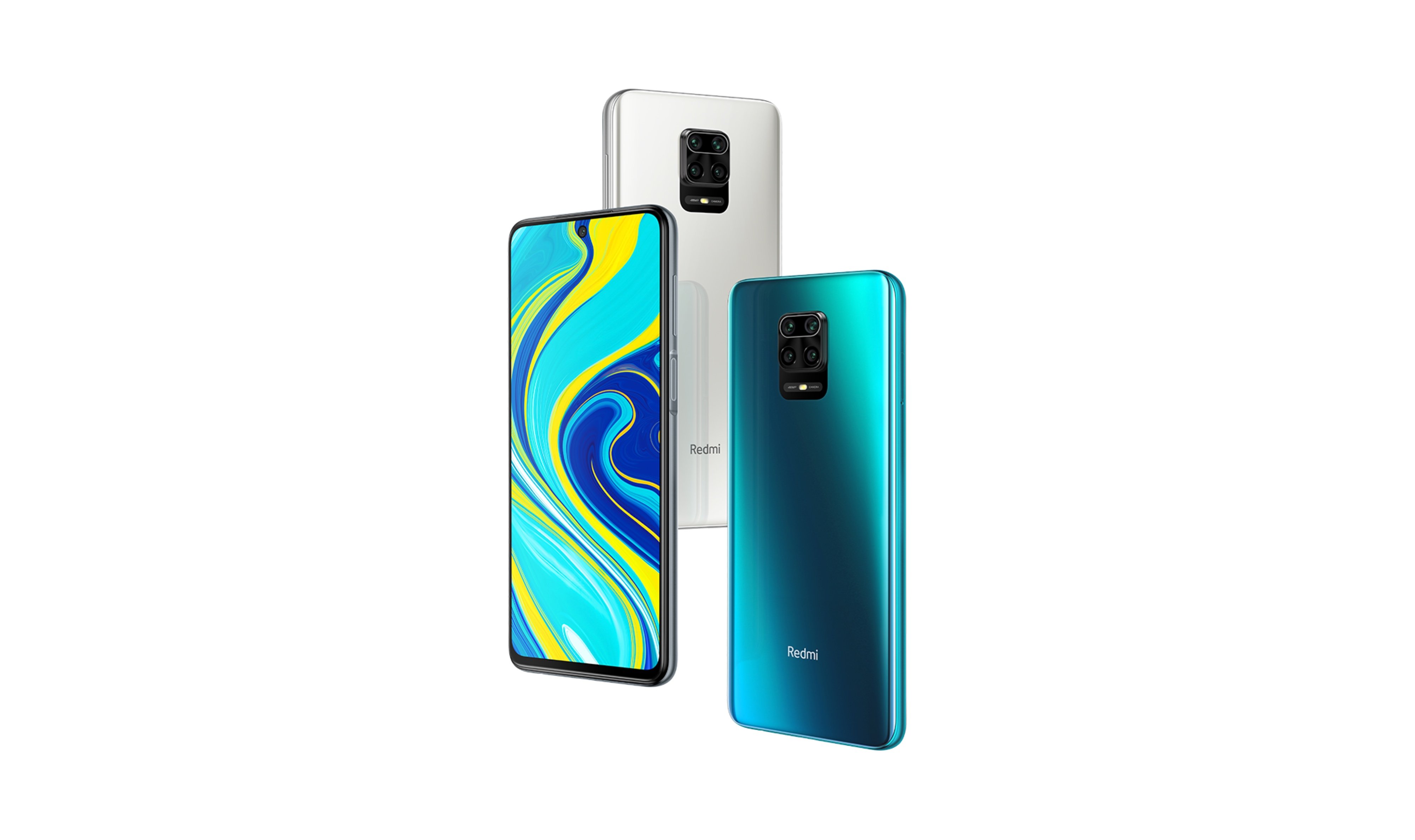
Representative image: Redmi Note 9S
Global VP of Xiaomi and MD, Xiaomi India, Manu Kumar Jain, and a lot of other Redmi employees have posted teasing the launch of Redmi Note 10 in India. Every video of them includes a #SM10THChallenge. In the video, he says the company will make an announcement on February 10 at 10:00 AM IST.
He also says in a tweet that a Smoothest Smartphone from Redmi India is coming. All this clearly hints that he is talking about the Redmi Note 10 launch in India. Earlier, tipster Ishan Agarwal had tipped that Xiaomi will bring the Redmi Note 10 series to the country this month.
Further, the “smoothest” keyword in every teaser suggests that the Note 10 series will finally bring displays having a high refresh rate. If you recall, all the POCO mid-range(POCO X2, X3) and Xiaomi’s newly launched Mi 10i support 120Hz displays.
Got the moves to be as smooth as the smoothest @RedmiIndia smartphone yet? 😎
𝚃𝙷𝙴 𝙱𝙸𝙶𝙶𝙴𝚂𝚃 𝙉𝙊𝙏𝙀-𝙁𝙄𝘾𝘼𝙏𝙄𝙊𝙉 𝙾𝙵 𝚃𝙷𝙴 𝚈𝙴𝙰𝚁 𝙸𝚂 𝙰𝙻𝙼𝙾𝚂𝚃 𝙷𝙴𝚁𝙴! Unlock it with Me! ⚡️
Upload your dance move with #SM10THChallenge. 10 fans to win BIG!
However, the yesteryear Redmi Note 9 series that launched in India back in March 2020, came with a 60Hz LCD. Although high refresh rate wasn’t really a trend back then, competitors like realme brought the realme 6 Pro with 90Hz panels. Still, Xiaomi managed to sell a good amount of Note 9 series in the country.
That said, we aren’t sure if the devices would have LCD or AMOLED but it’s most likely the former with a 120Hz panel. Anyway, Xiaomi is expected to launch two devices inside the Redmi Note 10 series- Redmi Note 10 (M2101K7AG) and a Redmi Note 10 Pro (M2101K6AG). The former will come in White, Green, or Grey colors while the latter will be available in Bronze, Blue, and Grey variants.
As for Specs, nothing concrete is known yet but the devices have already received India’s BIS certification. The ‘Pro’ variant might sport POCO X3’s design and a Snapdragon 732G chipset inside but it’s just a guess right now.
A recent tip also says that Redmi Note 10 will come in 4/6GB RAM, 64GB storage while the Note 10 Pro will have 6/8GB RAM, 64/128GB option.
Electronic Arts has just announced that it is planning on acquiring another gaming studio. With a deal of 2.4 billion US Dollars, the company aims to acquire Glu Mobile by the second quarter of this year.
As per a VentureBeatreport, the new deal marks the second major acquisition from EA in recent weeks, with it previously buying out publisher Codemasters. For those unaware, Glu is best known for a Kim Kardashian Hollywood game, along with other mobile games like Tap Sports Baseball, Dine Dash Adventures, and Disney Sorcerer’s Arena. The publisher is a known for mobiles titles with big budget that often include full 3D visuals. Despite this, it still offers its games as free to play titles that run for years and generate revenue through in app microtransactions.
Notably, this business model is what Electronic Arts wishes to switch towards in the future, and has even repeatedly informed its investors as well. EA CEO Andrew Wilson said that “Our acquisition of Glu combines amazing teams and deeply-engaging products to create a mobile games leader with proven expertise across many fast-growing genres. Mobile continues to grow as the biggest gaming platform in the world, and with the addition of Glu’s games and talent, we’re doubling the size of our mobile business.”
Similarly, Nick early, Glu chief executive also added that “This transaction is the culmination of the tremendous work of the Glu team to deliver world-class interactive experiences for our players, while driving business momentum that has led to strong financial and operational results. It represents a terrific outcome for all of our stockholders and other key constituents. This transaction is the culmination of the tremendous work of the Glu team to deliver world-class interactive experiences for our players, while driving business momentum that has led to strong financial and operational results. It represents a terrific outcome for all of our stockholders and other key constituents.”
Huawei Technologies Founder, Ren Zhengfei, stated earlier today (9th February 2021) that it will be “extremely difficult” for the US to reverse its sanctions against the company, but he hopes the new Biden administration will bring a more “open policy.”
According to a Reutersreport, the senior executive of the Chinese tech giant said that he hoped the new US President, Joe Biden, would keep the US business interests in mind while making new policies. The founder believes that it is “conducive” to the financial performance of US based companies that supply to Chinese corporations. Despite its struggling smartphone operations, Huawei still managed to see positive growth last year for both revenue and net profit.
Ren further added that “We hope the new administration will harbor an open policy for the benefit of the American firms and also the economic development of the US.” Furthermore, he said that he would also welcome a call from Biden. For those unaware, the previous US President, Donald Trump, added Huawei to the US trade blacklist, over national security concerns. Additional sanctions thereafter effectively hampered the company’s smartphone unit as well.
Zhengfei Ren, Huawei founder and CEO
Due to the blacklist, the company could no longer procure goods or technology from US based firms. In other words, it now faced issues sourcing crucial components, especially after being cut off from its primary chip supplier TSMC. Ren believes it would still be “extremely difficult” for the brand to be taken off the entity list, but he continues to hope to buy “large volumes” of US made equipment and materials if the Biden administration allows it.
Although Xiaomi sells expensive smartphones, the company’s cheaper handsets are popular worldwide. In fact, in India. Xiaomi is known as Redmi among commoners, thanks to value for money phones like Redmi A series, Redmi number series, and Redmi Note series. The latter series has now achieved a huge milestone, as per Xiaomi.
Yesterday, ahead of the Mi 11 global launch event, Xiaomi India announced a brag-worthy achievement on its various social media handles.
The Chinese smartphone maker revealed that it has shipped over 200 million units of Redmi Note series phones globally to date. This data is sourced from the firm’s own ‘Xiaomi Data Center’.
It is not surprising to learn that the global shipments of the Redmi Note series have exceeded 200 million units since its inception. This series has been the heart of Xiaomi’s product lineup ever since it was introduced.
Redmi Notes have been unbeatable in their price segment for a very long time. However, that began to change when realme entered the scene. But being an established product lineup, they are still as popular as they were before.
That said, Xiaomi is known for announcing its milestones ahead of releasing new devices. Hence, we think the Redmi Note 10 series is just around the corner. The upcoming series is reported to include two models, namely Redmi Note 10 and Redmi Note 10 Pro. As of now, we are only aware of the storage configurations and color variants of these handsets.
The smartphone shipments in China have recovered to a level that is similar to the one before the Coronavirus pandemic caused a market slump. A new Government report has revealed that smartphone shipments in China have nearly doubled this January, over the same month last year.
According to a Reutersreport, shipments in the region has surged significantly by 94.3 percent annually, reaching 39.6 million units in January 2021. The information was published by the China Academy of Information and Communications (CAICT). Back in January 2020, smartphone shipments only reached 20.4 million units, which is lower than the 32.1 million units shipped in January 2019. In other words, the first month of this year has already outperformed the year before COVID-19 hit and even managed to show a sizeable recovery over last year.
Furthermore, the supply chain complications and reduced consumer spending due to the pandemic also caused the decline of industry as a whole. Although now, the segment has recovered along with the local economy. Experts project that shipments and sales in China will mostly recover this year, however, the nation’s top OEM, Huawei, is still weighed by the US sanctions that have hampered its smartphone business.
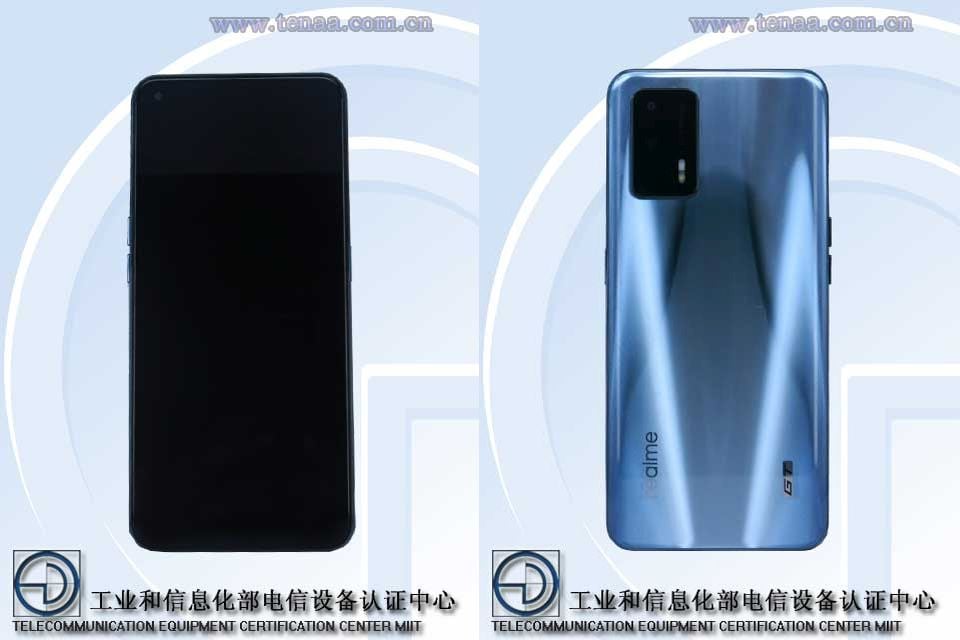
Yesterday, the Realme Race smartphone (RMX2202 model number) appeared in the database of China’s TENAA authority. The listing only revealed the images of the device. A careful look at the rear shell of the Race’s back revealed the presence of “GT” branding at the bottom-right corner. Fresh information reveals that the handset could be heading to India as a Realme GT series phone.
Realme has claimed that many times in the recent past that Race is just the codename of the device and its actual product name will be revealed later. Fresh information shared by popular tipster Mukul Sharma reveals that the Realme has trademarked the “Realme GT” moniker in India.
So yes, as I told yesterday, the Realme Race series could very well launch as the Realme GT series. The moniker has been trademarked in India. Feel free to retweet.#Realme#RealmeRace#RealmeGTpic.twitter.com/itPGbpHYBc
The Realme RMX2202 was recently certified by the Bureau of Indian Standards (BIS) recently. It is likely that this device could be arriving in the Indian market with the Realme GT name.
Realme Race specifications (Rumored)
Leaked information that appeared in December revealed that the Realme Race will be fueled by the Snapdragon 888 mobile platform and 12 GB of RAM. The device may ship with 256 GB of internal storage. It is expected to come loaded with Realme UI 2.0 based Android 11 OS.
Realme Race’s TENAA images
Another leak that appeared a few days back claimed that there is a Realme Race Pro handset with a 160Hz 6.81-inch OLED screen with 3K resolution support, 12 GB of LPDDR5 RAM, up to 512 GB of storage, and a 5,000mAh battery with 125W superfast charging support. The device could be featuring a 64-megapixel + 13-megapixel + 13-megapixel triple camera system.
Google has been working on a newer version of the Android mobile operating system and is likely to get released this year in the fall if the company sticks to its usual schedule. Before the official rollout, there will be several beta versions.
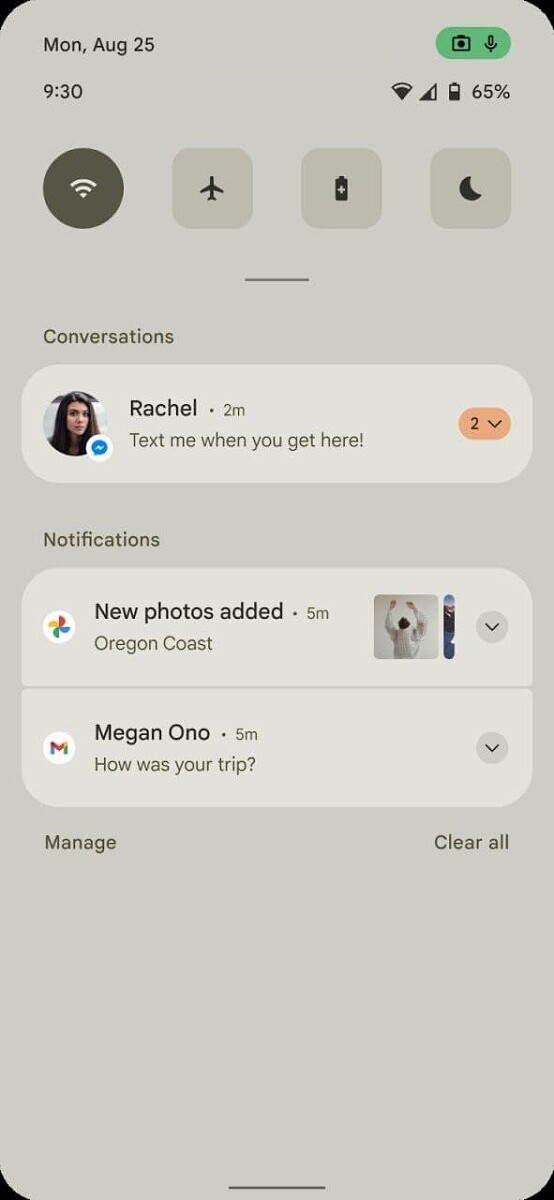
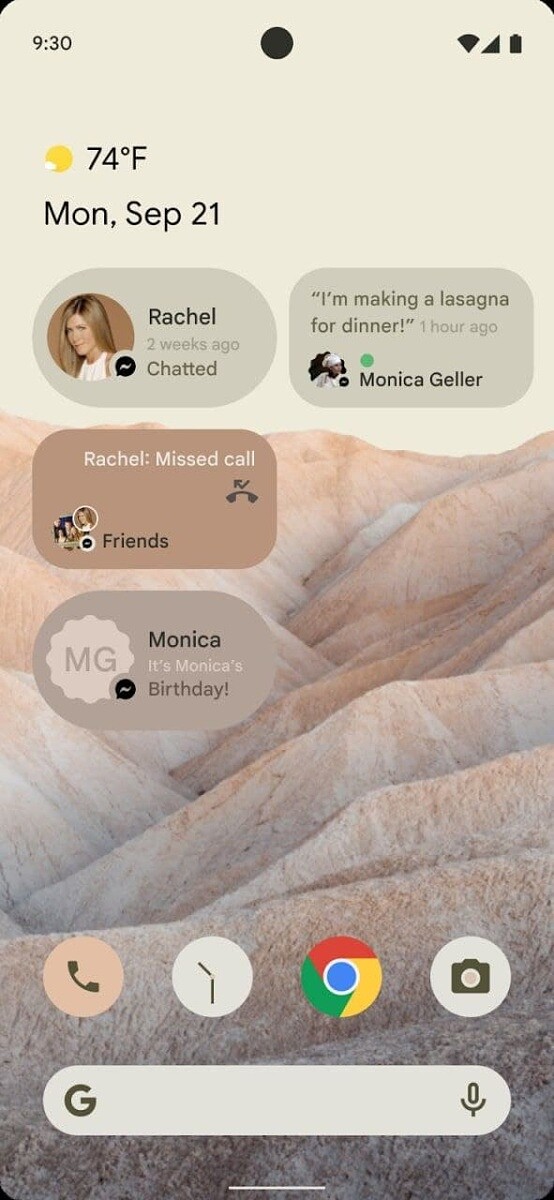
However, ahead of all that, a few screenshots of the upcoming Android 12 have leaked online, which reveals that the operating system will have a newly redesigned user interface. The source of the leaked images is said to be a document from Google for summarizing the changes in the new version.
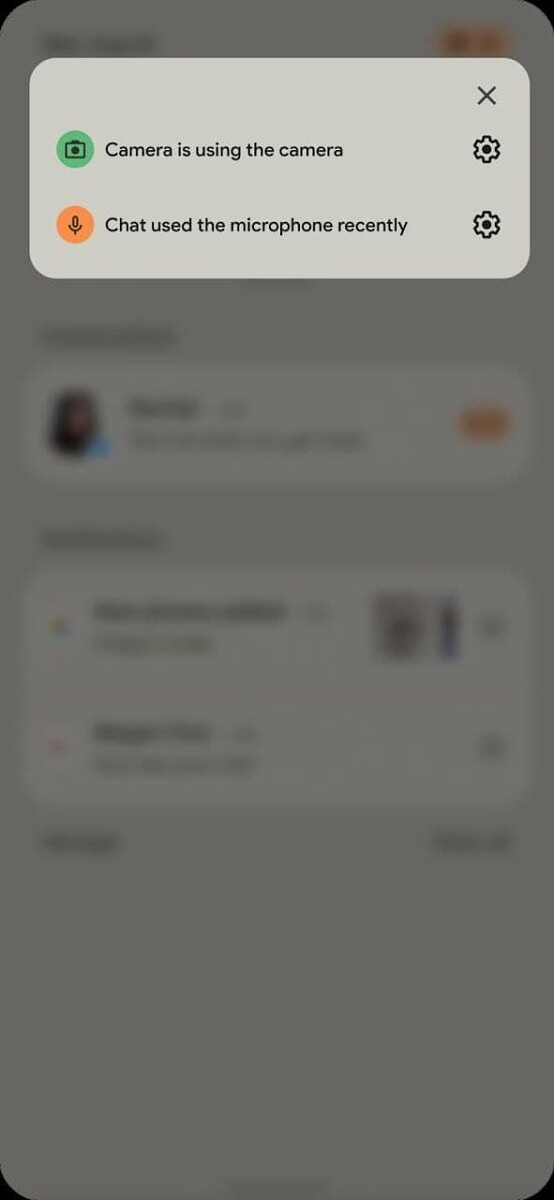
The company seems to have doubled-down the privacy-related features. From the leaked images, it appears that there will be a small icon in the top-right corner that will notify if the camera or microphone is being used. Tapping on that icon will reveal which application is what and there will be a quick way to disable the access.
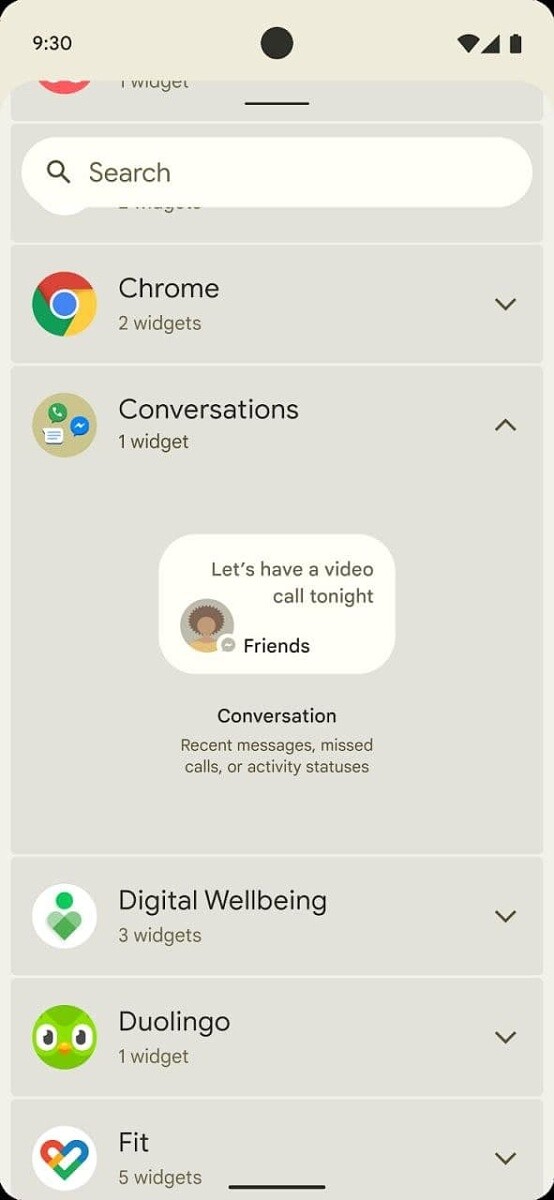
It appears that new widgets are also coming with the newer version of Android. There’s a new Conversations widget, highlighting recent messages, missed calls, as well as activity statuses. The size of the widget is small and thus only one item shows up at a time. The quick access area now holds fewer icons, making them easier to access.
The upcoming Android 12 is expected to come with several features, including app pairs, a double-tap on the back panel to trigger an action, sharing Wi-Fi passwords, an improved theme engine, support for emojis decoupled from system updates, and an app hibernation feature, among others.
While the authenticity of the leaked screenshots has not been confirmed yet, folks at XDA-Developers claim to have seen the document from which the images have come. The first Developer Preview of Android 12 is expected to be available in a few weeks but to get to know the list of features, we will have to wait a bit longer.
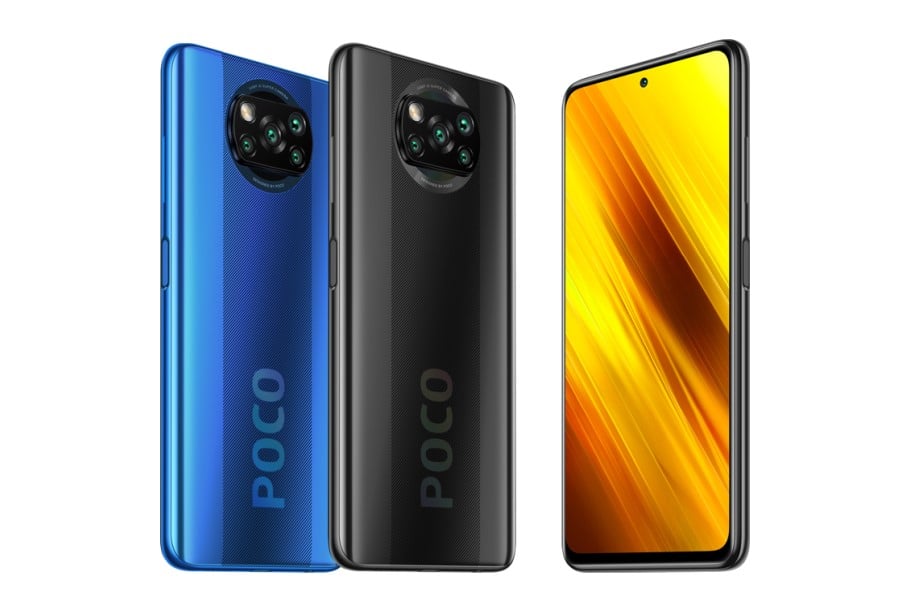
Xiaomi is expected to launch the Redmi Note 10 series in the coming days. Similarly, POCO may also release POCO X3 Pro. Ahead of their official announcement, these smartphones are being certified by multiple organizations. Hence, they have now received SIRIM certification as well.
Redmi Note 9 Pro (aka Redmi Note 9S)
For those unaware, SIRIM stands for Standard and Industrial Research Institute of Malaysia. The certification issued by this institution is a must for companies to import and sell their products in the country.
Hence, the upcoming Redmi Note 10 (M2101K7AG), Redmi Note 10 Pro (M2101K6AG), and POCO X3 Pro (M2102J20SG) from the house of Xiaomi may launch in Malaysia. Anyway, the exact release date of these handsets is a mystery just like their specs.
As of now, we are aware of the storage configurations and color variants of the Redmi Note 10 series for India. The vanilla Redmi Note 10 is reported to come in 4G + 64GB and 6GB + 64GB variants, whereas the Redmi Note 10 Pro is said to be available in 6GB + 64GB, 6GB + 128GB, and 8GB + 128GB versions.
POCO X3 NFC
Further, customers will be able to pick up the non-pro model in either White, Green, or Grey color options, while the Pro model will be sold in Bronze, Blue, and Grey color variants.
On the other hand, POCO X3 Pro is a complete mystery. We are yet to learn anything about this smartphone. But we are certain that these three phones will run MIUI 12.
The Xiaomi Mi 11 Lite is the name of an upcoming mid-range phone from Xiaomi. This moniker has previously appeared in the NBTC listing in Thailand and IMEI database. Today, the phone appeared in the database of Bluetooth SIG authority. At the same time, the handset has also appeared at Malaysia’s SIRIM regulatory body (via. Pricebaba).
At the SIRIM certification, the Xiaomi Mi 11 Lite has appeared with the M2101K9AG model number. The latter belongs to its global version. The SIRM listing reveals that it supports Wi-Fi 802.11ac, NFC, GPS, and VoLTE. On the other side, the Bluetooth certification revealed that the M2101K9AG model number is associated with Mi 11 Lite. It carries support for Bluetooth 5.2 connectivity.
Before arriving at the above-mentioned certification sites, the Mi 11 dLite has receive certification from the FCC authority of the U.S, the EEC regulatory body of Russia, and Thailand’s NBTC. It was revealed only through the FCC certification that the Mi 11 Lite will be arriving with 6 GB of RAM and storage editions like 128 GB and 256 GB.
The Mi 11 Lite’s FCC filings had further revealed that it will run on MIUI 12 and will receive power from a 4,520mAh battery. The device is expected to arrive with support for 33W rapid charging.
An Indian version of the Xiaomi Mi 11 Lite with model number M2101K9AI was spotted at the BIS regulatory body. Hence, it appears that India will be one of the markets that will be treated with the Mi 11 Lite.
Other leaks have suggested that the Mi 11 Lite has a 120Hz LCD panel and could be equipped with a side-mounted fingerprint reader. The Snapdragon 732G SoC could power the Mi 11 Lite. Lastly, it has expected to feature a 64-megapixel as the primary lens in its triple camera system.
Tesla, one of the leaders in the autonomous driving sector, has announced that it has invested around $1.5 billion in Bitcoin. Further, the company is also expected to start accepting payment for its cars and other products through Bitcoins in the near future.
Soon after the announcement, Bitcoin surged 14 percent, hitting a new record high above $44,000. Analysts believe that this latest move by Tesla, one of the world’s best-known companies, could prove to be a game-changer for bitcoin.
In its filing with the Securities and Exchange Commission (SEC), the electric carmaker stated “we expect to begin accepting Bitcoin as a form of payment for our products in the near future, subject to applicable laws and initially on a limited basis.”
The company noted that it updated its investment policy to provide the company with more flexibility. This is to further diversify and maximize returns on its cash that isn’t required to maintain adequate operating liquidity.
Apple recently announced that its longtime hardware engineering chief Dan Riccio will be stepping down to focus on a “new project” within the company. While the company has not revealed what that project is, a new report claims that it is the company’s upcoming augmented reality, virtual reality, or mixed reality headset.
Currently, Mike Rockwell is overseeing the development of an AR headset at Apple but things don’t seem to be going well. With Dan Riccio into the mix, Rockwell will handle the day-to-day work on the project while Riccio will have oversight over the efforts.
Riccio has already handed over top-level management of the Apple iPhone to John Ternus, who will also be the new head of hardware engineering. It has also been confirmed that Johny Srouji will handle the development of a new camera and display technology. He is the same executive that headed the design and engineering of Apple Silicon.
As per the reports, Apple is working on an ultra-high-end 8K VR headset that could possibly cost around $3,000. This is surprising given that so far, the company’s work has been on AR and not VR. The company has been building ARKit, which is a developer API enabling the creation of AR experiences using cameras and sensors of iPhones and iPads.
Based on the information available so far, it seems that the upcoming AR/VR device from Apple will primarily be focusing on the developers or creators and not the mass adoption. We expect to know more about this product in the coming months.
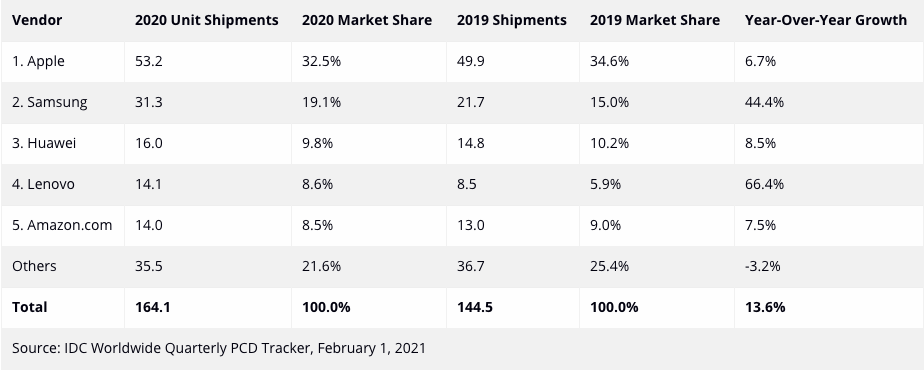
Last year witnessed growth in the computer market as well as tablets as people were stuck at home because of the COVID-19 pandemic. As per the latest report coming from IDC, the tablet market witnessed a growth of 13.6 percent in terms of sales in the year 2020.
In total, 164.1 million tablets were shipped, which is more than 144.5 million devices shipped a year prior to that. Unsurprisingly, Apple was the market leader throughout the year in this segment.
The report claims that Apple managed to ship 19 million iPads in the four quarter of 2020 alone, showcasing its dominance in the market. In total, the Cupertino-based giant managed to ship 53.2 million units last year, covering 32.5 percent market.
Samsung came in at the second position with shipments of 10.1 million Galaxy Tabs in Q4 2020, which is a growth of 45 percent compared to the same period previous year. The company got a market share of 19.1 percent.
Despite struggling to keep its consumer electronics business afloat, Chinese giant Huawei managed to be in the top 5 tablet brands for the year 2020, thanks to the company’s shipment of 16 million units in the last year, getting 9.8 percent market share.
Lenovo, the China-based company, stood fourth with 5.6 million shipments in Q4 2020, up 2.5 million shipments in Q4 2019. In total, the company shipped 14.1 million units last year and managed to get 8.6 percent market share.
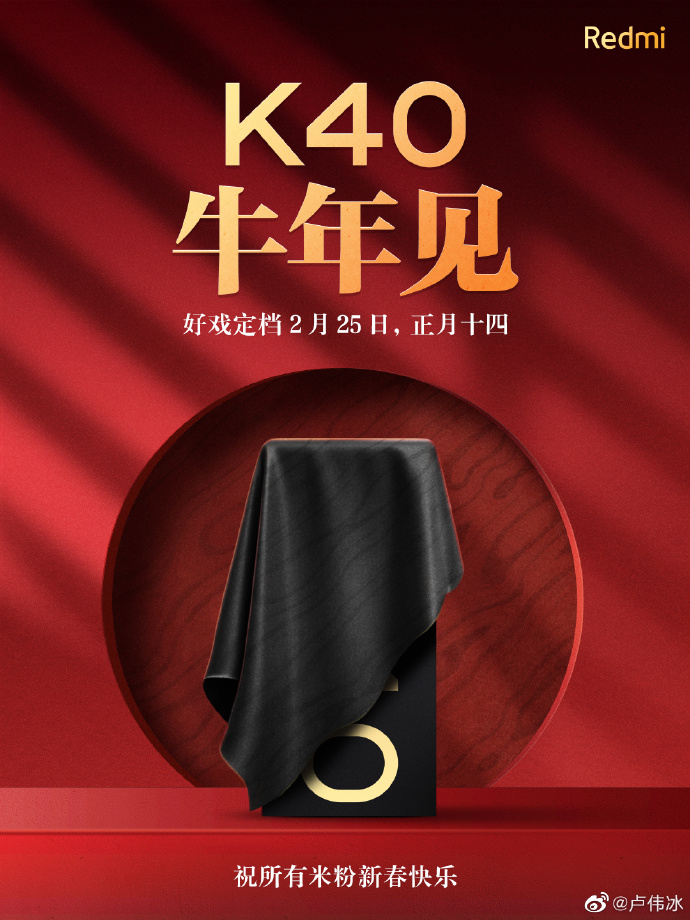
In January, Redmi confirmed that it will be unleashing the Redmi K40 series in February. Today, the company released an official confirmation that the K40 launch event will be held on Feb. 25.
Redmi has promised to deliver a new design and a new experience through the Redmi K40 series. However, the launch poster has no information on the specs of the K40 models. Rumors surrounding the K40 series have revealed that it will be coming with a top-center positioned punch-hole display with support for a high refresh rate. A recent report claimed that the K40 series may flaunt the smallest punch-hole ever seen on a smartphone.
The Redmi K40 vanilla model could be featuring the upcoming Snapdragon 7-series SoC or Dimensity 1200 chip. The higher K40 Pro is most likely to feature the Snapdragon 888 mobile platform. The K40 retail box images that were shared by the company last month suggested that it may ship without a charger. The K40 models are also expected to arrive with stereo speakers.
It was revealed by the Chinese firm last month that the Redmi K40 series will offer users the most expensive flat display, Snapdragon 888 mobile platform, and a battery that is bigger than a 4,000mAh battery. The K40 Pro could be arriving in the Chinese market with a starting price of 2,999 Yuan (~$464).
It is speculated that the Redmi K40 has a mode number of M2012K11AC and the Redmi K40 Pro has a model number of M2012K11C. These phones were recently certified by the 3C authority of China. The 3C certification revealed that these are 5G-ready devices that may carry support for 33W fast charging. The other specs of the K40 models are currently under wraps.
At the Redmi K40 series launch event, the company may also announce the RedmiBook Pro 15 featuring the 11th generation Intel processors.
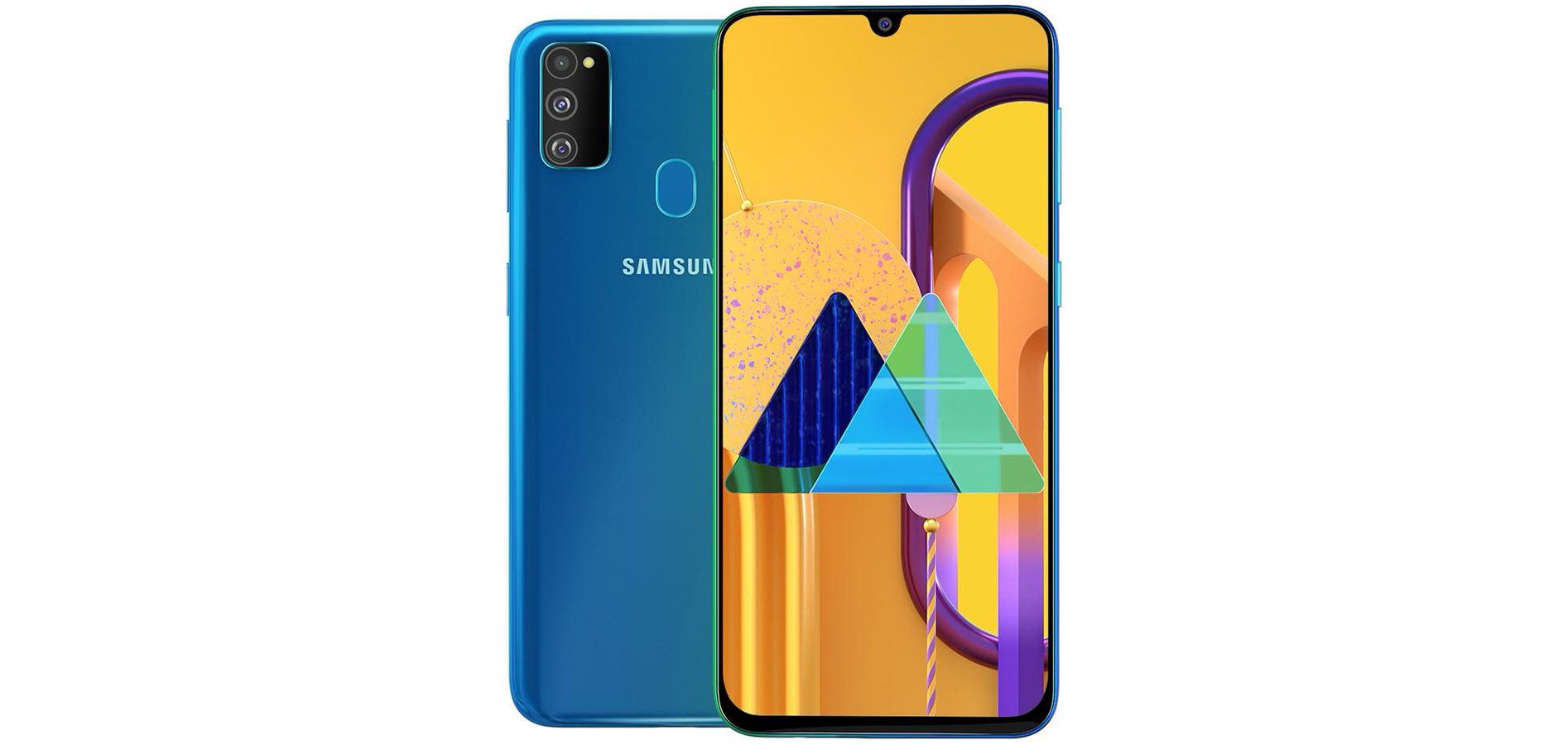
Samsung has been actively trying to update its smartphones with the latest version of operating system and now it’s the turn of the Samsung Galaxy M30s. The smartphone has started receiving the Android 11 update with the One UI 3.0 custom user interface.
Along with the latest version of the Android operating system, the update also brings the February 2021 security patch. It comes with support for features like chat bubbles, prioritized notifications in the notification shade, and one-time permissions.
While the update is now being rolled out to the users, some may need to wait a bit longer compared to others given that the company is rolling out this new update in a phased manner, but it shouldn’t be more than a few days.
Coming to the specifications, the Samsung Galaxy M30s features a 6.4-inch Full HD+ Infinity-U Super AMOLED display with 2340 x 1080 pixels screen resolution. Under the hood, it is powered by Samsung Exynos 9611 10nm processor with Mali-G72MP3 GPU.
It comes packed with up to 6GB of RAM and 128GB internal storage. There’s also a microSD card slot for expanding the storage capacity up to 512GB. As for the camera, the smartphone comes with a triple rear camera setup.
There’s a 48-megapixel primary sensor with LED flash, f/2.0 aperture, Samsung GW2 sensor, a 5-megapixel depth sensor with f/2.2 aperture, and an 8-megapixel 123-degree ultra-wide-angle camera with f/2.2 aperture. On the front, there’s a 16-megapixel snapper for taking selfies.
Connectivity options on the device include Dual 4G VoLTE, Wi-Fi 802.11 ac (2.4 GHz + 5 GHz), Bluetooth 5, GPS + GLONASS, and USB Type-C port. When launched, the phone was running the Android 9 out-of-the-box. It is powered by a 6,000mAh battery and has support for 15W fast charging.
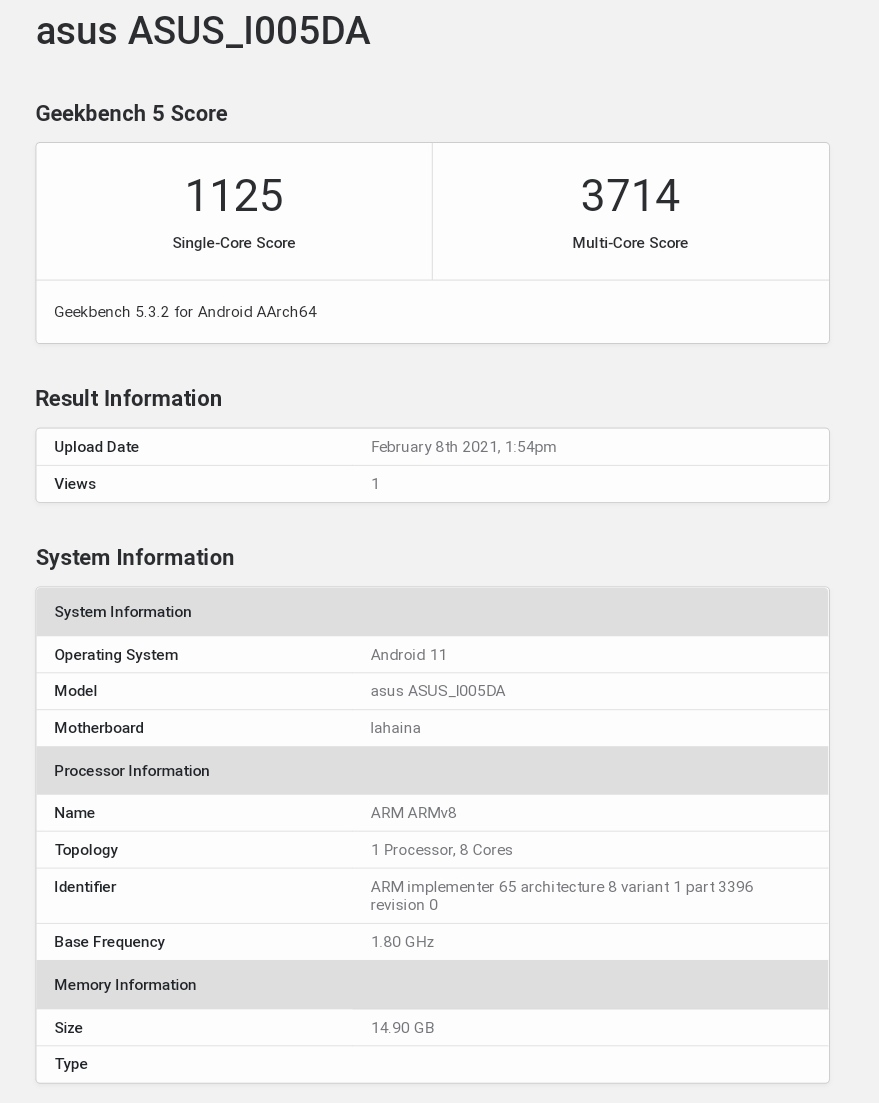
The arrival of the ASUS ROG Phone 5 may not be far away as it was recently certified by the TENAA and 3C authorities of China. Today, the smartphone emerged in Geekbench’s database (via). It appears that the Taiwanese tech giant could be testing the performance of the device before making it official.
On Geekbench, the ASUS_I005DA (model number of ASUS ROG Phone 5) smartphone has appeared with Snapdragon 888 mobile platform. The SoC which is mentioned with its ‘lahaina’ codename is coupled with 16 GB of RAM. The handset can be seen running on Android 11 OS. In the single-core and multi-core tests of Geekbench, the handset scored 1125 and 3714, respectively. Back in December, the 8 GB RAM variant of the device was seen at Geekbench.
The TENAA listing of the phone had revealed that its dimensions are 172.834 x 77.252 x 10.29mm and it houses a massive display of 6.78 inches. It could be featuring an OLED panel with support for a high refresh rate.
The ROG Phone 5 is backed by a 6,000mAh dual-cell battery. Its 3C certification revealed that it could be arriving with support for 65W rapid charging.
ASUS is yet to confirm the launch date of the ROG Phone 5. Rumors have it that a slew of new phones is going to launch in China after the Chinese New Year, which falls on Feb. 12. Hence, it is likely that the ROG Phone 5 may debut by the end of this month or early March.
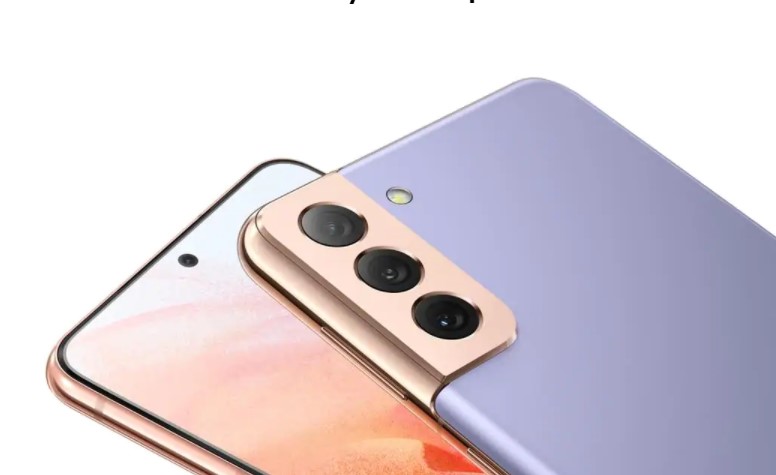
Starting with the Galaxy S7, Samsung’s Galaxy S line of smartphones is known to have an IP68 rating for dust and water resistance. Even the Galaxy S5 had an IP67 rating but Samsung decided to skip the feature when it announced the Galaxy S6. All three models of the new Galaxy S21 series also have an IP68 rating.
Following the launch of the new flagships, we have seen durability and drop tests of various models. Now, one YouTuber has decided to put the Galaxy S21 through an insane water resistance test…..and it has been going on for 11 days and counting!
The YouTube Chanel, Photo Owl Time Lapse, has been running a “waterproof test” on Samsung’s latest phone, the Galaxy S21 for more than a week now. The channel is known for its time-lapse videos but is currently live-streaming the test on YouTube.
If you are wondering how the phone is being charged, the explanation provided is that there is a wireless charger that is charging the device through the walls of the water tank.
The description of the video says that they have had to bring out the phone twice to reset the timer as the built-in stopwatch doesn’t go beyond 99 hours 59 minutes and 59 seconds.
The description also reveals that the phone gave a moisture detection warning after being under the water for 117 hours and 53 minutes. The screen was also unresponsive at this point and the phone jumped from app to app on its own. After 241 hours, they decided to test to see how the speakers were holding up but they were barely working.
The Galaxy S21’s IP68 rating is an indication that the phone will survive immersion in water up to 1.5 meters deep for 30 minutes. The water tank used for the test is not even up to half the maximum depth supported which explains why the test is likely going on for so long.
Like other manufacturers with an IP68 rating, Samsung will not honor the warranty of a phone if it gets damaged by water. So don’t go testing your device to see if its water-resistant claims are true.
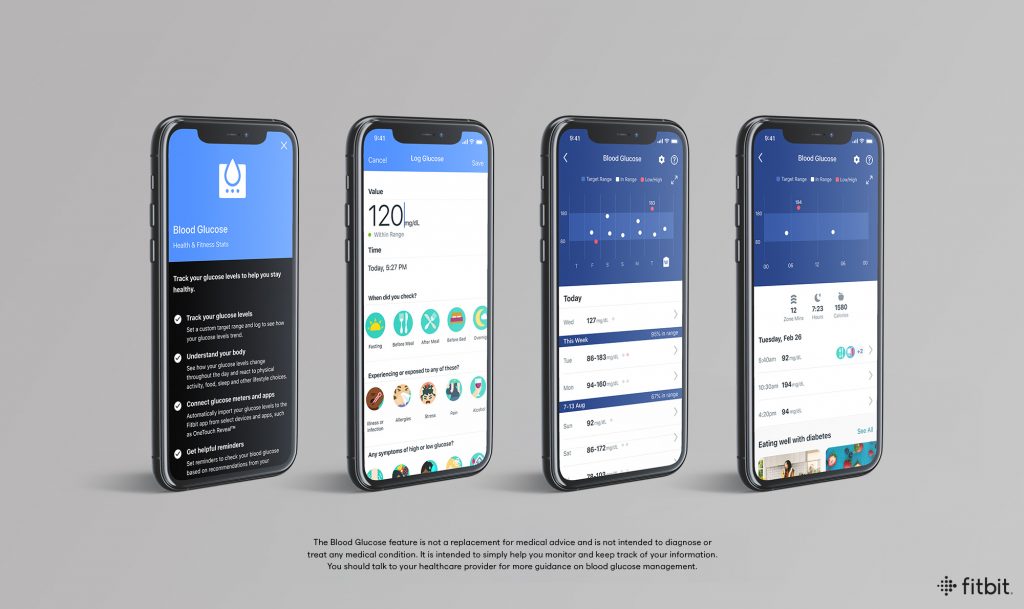
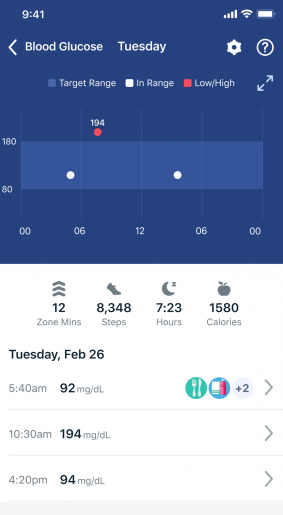
The Fitbit app just got a new feature that gives it an edge over the competition, including those from Xiaomi and Huami (Amazfit). The new feature which has begun rolling out to users in the U.S.A. allows users track their Blood Glucose level inside the app.
No, you can’t use your Fitbit watch to measure your sugar level. The press release says that users will be able to manually enter the details or have the data automatically imported from compatible glucose meters and apps such as OneTouch Reveal. Fitbit says that support for other apps and meters is coming soon
The benefit you get from the feature is having your data in one place and seeing how your daily activities affects your blood glucose levels. Users will be able to set a range within the app so as to know when they are within, above, or below it. They will also be able to see which of their daily activities affects their glucose level.
1 of 2
Fitbit Blood Glucose.jpg
Fitbit Blood Glucose.jpg
There is an option to have the app send alerts to your fitbit device, thus reminding you to log your data. Fitbit Premium + Health Coaching users will also get an adjusted action plan from their Health Coach based on the data recorded. Fitbit Premium users also get access to seeing how their sugar level falls within their range over a 30-day period and will also be able to share their glucose levels as a part of their Wellness Report with their healthcare provider. Results will be displayed as an easily understandable graphs.
The Blood Glucose feature can be added to the Today screen on the Fitbit app by going to Discover > Health and Fitness Stats today and adding Blood Glucose. There is no info on when the feature will be available in other regions.
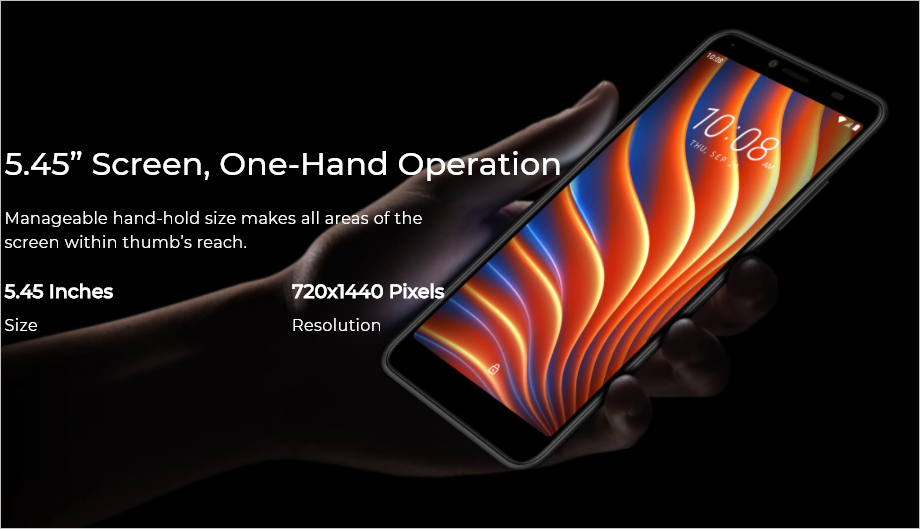
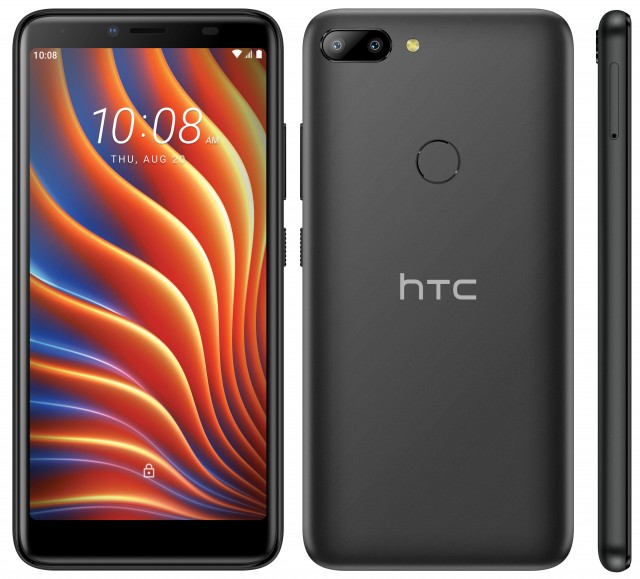
Legendary Taiwanese smartphone maker HTC may be out of the perking order of preferred smartphone brands in the word but the company sure ranks as one of those with a good design. The brand is showcasing its latest budget smartphone that is already up for grabs in a few markets. The device is dubbed HTC Wildfire E Lite and is on sale in Russia and South Africa. The Wildfire E Lite is a budget smartphone and this is reflected in the design and the hardware configuration. The device packs a 5.45-inch LCD display which utilises an 18:9 aspect ratio but there is a sizabe amount of bezels at the top and bottom edges. The side bezels are trimmed down to a large extent. The top bezel houses the front camera as well as flash and front speaker.
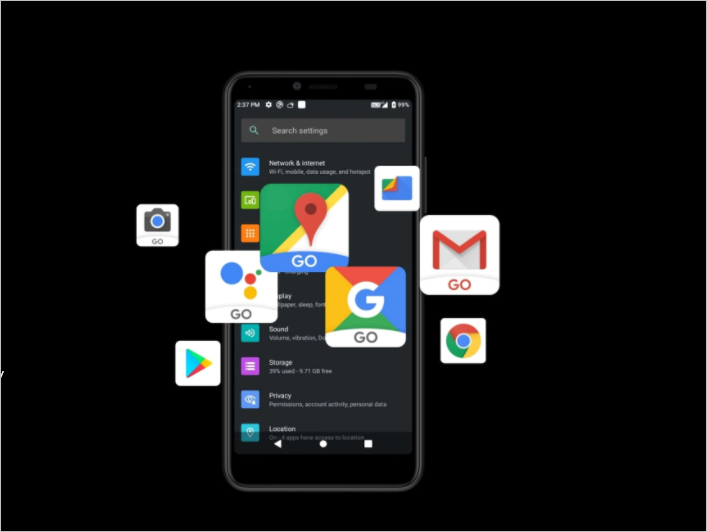
As for the power, the HTC Wildfire E Lite is powered by a MediaTe Helio A20 processor paired with 2GB of RAM. There is 16GB of storage which can be expanded via microSD slot. On the software side of things, the smartphone runs on Android 10 (Go Edition)
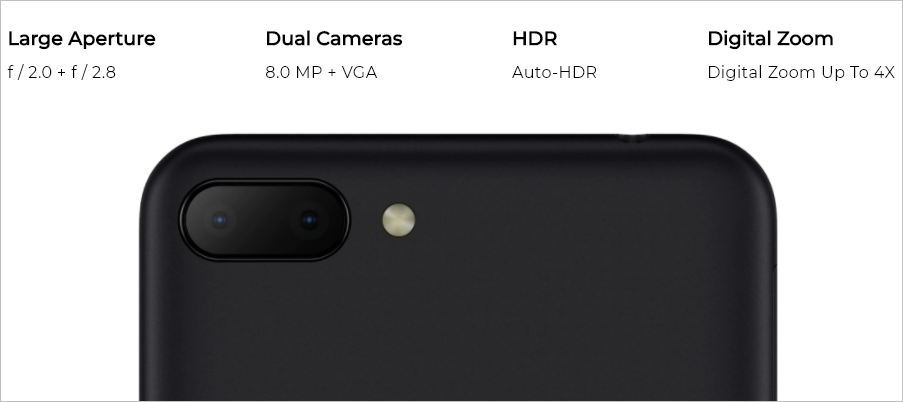
For photography, the Wildfire E Lite packs an 8MP camera at the rear aspect as well as a VGA depth helper. For selfies, there is a 5MP selfie shooter. The cameras are arranged vertically in a module while the LED flash lies at the side. The device also crams a 3,000mAh battery under the hood which charges over the dated microUSB port. Also, you get a rear-mounted fingerprint sensor.
As for the pricing and availability details, the HTC Wildfire E Lite carries a price of ZAR 1,549 ($103) in South Africa while in Russia, the smartphone will retail for RUB 7,790 ($104).
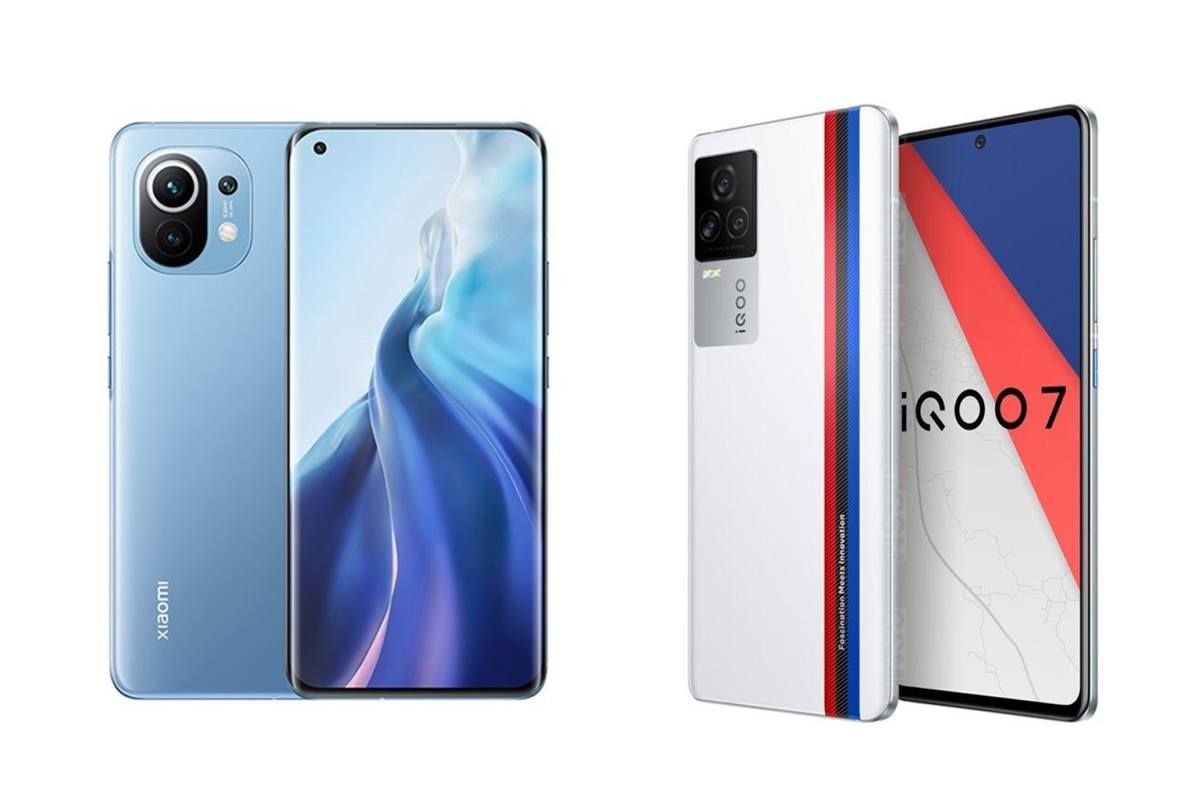
A few hours ago, Xiaomi Mi 11 made its official debut in the global market. The world knows it as the most affordable phone with Snapdragon 888 launched in the global market, but if you go to China things change. There is an even more affordable device than the Mi 11 in the Chinese market: the iQOO 7. It is still powered by the Snapdragon 888 mobile platform, but it can be found at a lower price. Is it worth spending more on the Mi 11 or you should prefer to save some money for the iQOO 7? We will try to give you the answer through a comparison between their specifications.
Triple 108 + 13 + 5 MP, f/1.9 + f/2.4 + f/2.4
20 MP front camera
Quad 48 + 13 + 13 MP, f/1.8 + f/2.5 + f/2.2
16 MP f/2.0 front camera
BATTERY
4600 mAh, fast charging 50W, wireless charging 50W
4000 mAh, fast charging 120W
ADDITIONAL FEATURES
Dual SIM slot, 5G, reverse wireless charging 10W
Dual SIM slot, 5G
Design
Unless you choose the BMW special edition of the iQOO 7, you actually get a more attractive design with the Xiaomi Mi 11. Unlike the iQOO 7, it has a curved display, as well as a more beautiful camera module and rear side. The iQOO 7 is more compact, but in my honest opinion, the Mi 11 is more original and beautiful. Further, its front glass is protected by Gorilla Glass Victus, the latest protection by Corning. Unfortunately, none of these devices is protected against water and dust with an IP rating.
Display
Besides offering a more attractive design at first glance, the Xiaomi Mi 11 has a better display than the iQOO 7. First of all, it features a higher resolution: Quad HD+ against Full HD+. Further, it has a higher peak brightness. Last but not least, it shows up to one billion colors, so it has a better color reproduction than the iQOO 7. But the iQOO 7 still offers a pretty nice display with the AMOLED technology, a refresh rate of up to 120 Hz, and the HDR10+ certification. Both feature an in-display fingerprint reader, but on the Mi 11, it can also be used to measure the heart rate.
Specs & Software
As mentioned in the intro of this comparison, Xiaomi Mi 11 and iQOO 7 are powered by the Snapdragon 888 mobile platform. This means that they provide flagship-class performances and they are amazing gaming phones. Alongside the Snapdragon 888, you get up to 12 GB of RAM and up to 256 GB of fast UFS 3.1 internal storage. In terms of hardware, it is essentially a draw. The phones are based on Android 11 with a highly-customized user interface on board.
Camera
The camera departments of Xiaomi Mi 11 and iQOO 7 have their pro and cons. The Xiaomi Mi 11 actually comes with a better 108 MP main camera, while the iQOO 7 has better secondary sensors. With the iQOO 7, you get a telephoto sensor with a 2x optical zoom for portraits, while the Xiaomi Mi 11 has a 2 MP macro camera instead. Both have a 13 MP ultrawide camera too. Xiaomi Mi 11 is slightly better due to its great main camera supporting 8K video recording.
Xiaomi Mi 11 wins the battery life comparison simply because it features a bigger battery with a 4600 mAh capacity. On the other hand, the iQOO 7 is one of the fastest charging phones in the market thanks to a fast charging technology with a power of 120W. Its 4000 mAh battery is able to charge from 0 to 100 percent in just 15 minutes: a record. The Xiaomi Mi 11 has slower wired charging with 55W power, but unlike the iQOO 7, it features wireless charging and reverse wireless charging.
Price
The listing price of the base variant of the Xiaomi Mi 11 in China is about €603/$727, while the iQOO 7 starts from $588/€488 in the Chinese market. The Mi 11 starts from €749 in Europe, while the iQOO 7 is not available globally. The Xiaomi Mi 11 is definitely a better phone, but the iQOO 7 offers amazing features such as 120W fast charging and optical zoom at an incredibly low price.
We use cookies on our website to give you the most relevant experience by remembering your preferences and repeat visits. By clicking “Accept”, you consent to the use of ALL the cookies.
This website uses cookies to improve your experience while you navigate through the website. Out of these, the cookies that are categorized as necessary are stored on your browser as they are essential for the working of basic functionalities of the website. We also use third-party cookies that help us analyze and understand how you use this website. These cookies will be stored in your browser only with your consent. You also have the option to opt-out of these cookies. But opting out of some of these cookies may affect your browsing experience.
Necessary cookies are absolutely essential for the website to function properly. This category only includes cookies that ensures basic functionalities and security features of the website. These cookies do not store any personal information.
Any cookies that may not be particularly necessary for the website to function and is used specifically to collect user personal data via analytics, ads, other embedded contents are termed as non-necessary cookies. It is mandatory to procure user consent prior to running these cookies on your website.