Advertisement

Honor Magic 8 Pro’s 200MP periscope telephoto camera samples officially released

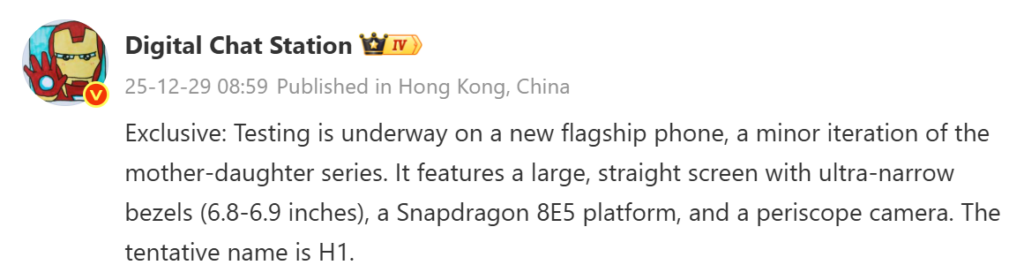
Honor is all set to launch the Honor Magic 8 series of flagship phones in October in China. Like the Vivo X300 Pro and Oppo Find X9 Pro, the Honor Magic 8 Pro will also sport a 200-megapixel periscope telephoto camera. At the same time, reliable tipster Digital Chat Station has shared some details about the said periscope camera. 

Honor Magic 8 Pro camera samples

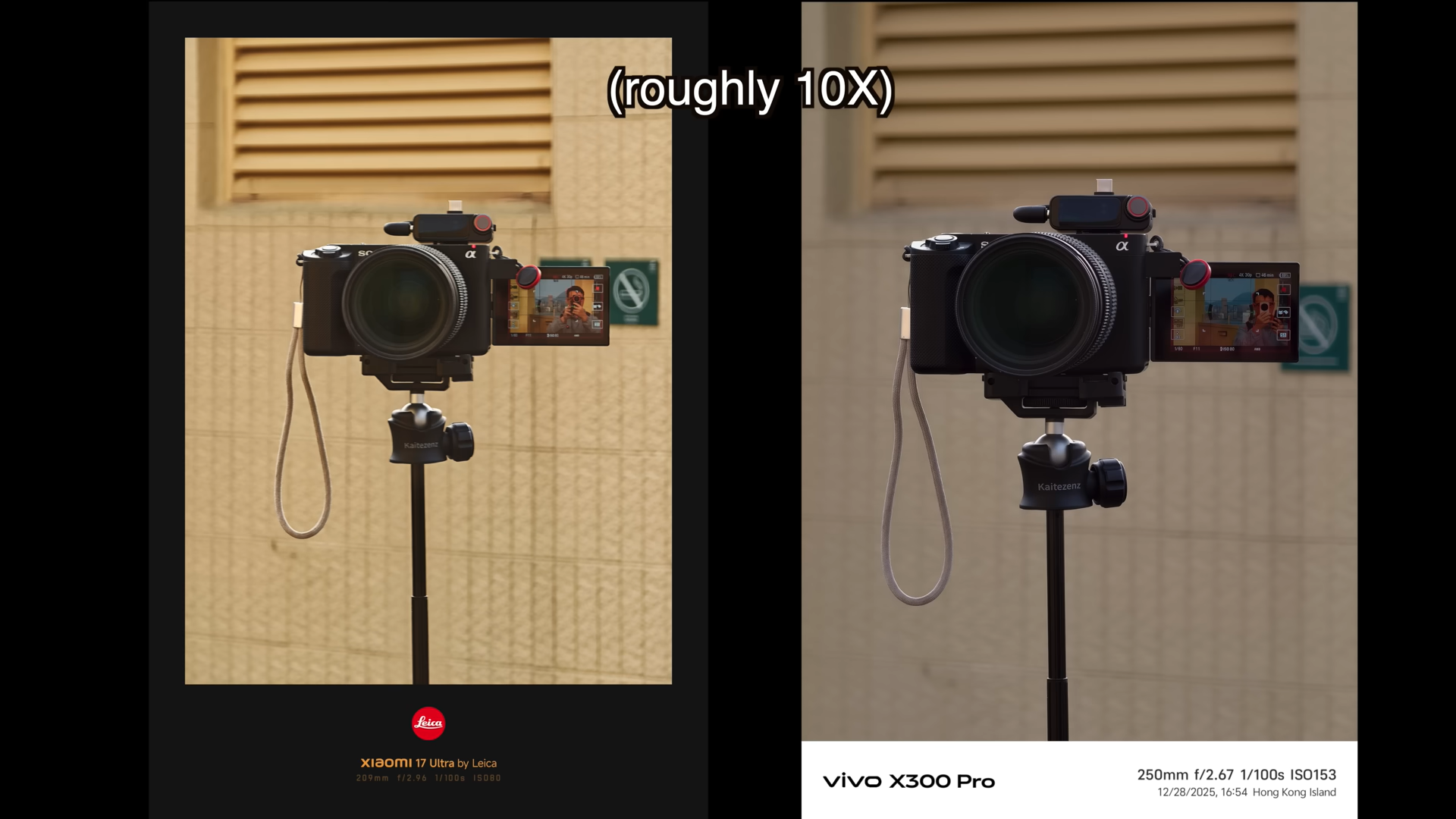
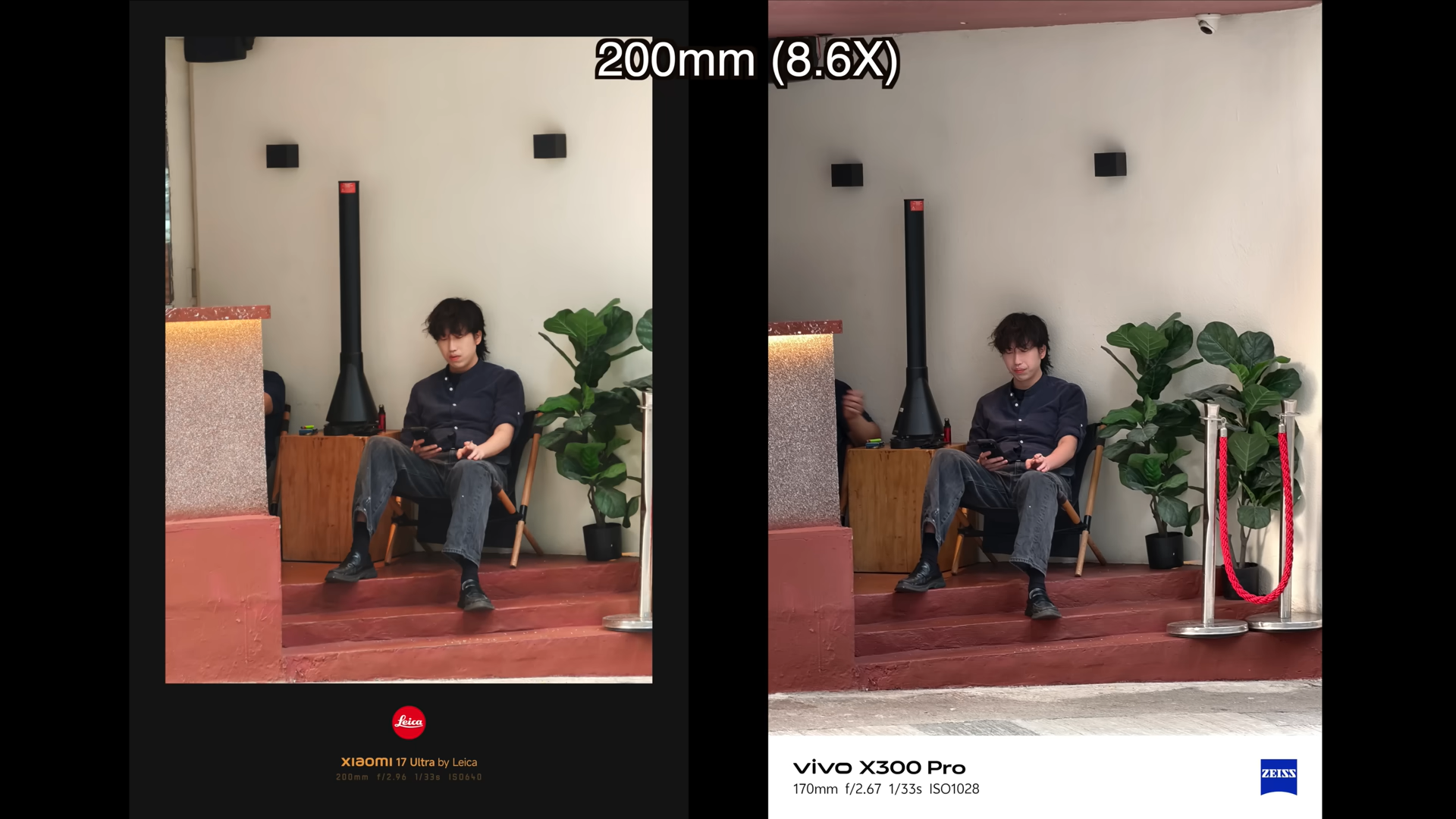
Apart from sharing the camera samples captured using Honor Magic 8 Pro’s 200-megapixel periscope telephoto camera, digital blogger Ouyang Tongxuan shared some insights from a 4-hour closed-door session on Honor’s imaging technology, attended by Honor CEO Li Jian and key teams.

He highlights Honor’s openness to feedback, which has driven rapid progress in mobile photography over the past two years. In blind tests across 50+ scenarios, Honor’s phones won over 90% of the time, especially in night telephoto shots, where they balanced highlights, shadows and colours better than rivals.

Early use of the upcoming Honor Magic8 Pro shows it delivers stunning results in all conditions, with its 200-megapixel ultra-night telephoto, AI night mode, and stage mode with strong stabilisation, making handheld 10x shots in low light sharp and detailed.

According to DCS, the Honor Magic 8 Pro is equipped with a 200-megapixel 1/1.4-inch periscope telephoto camera featuring an 85mm focal length, f/2.6 aperture, and 3.7x optical zoom, with support for 10x hybrid zoom and CIPA-grade optical stabilisation. There’s no clarity whether it features the 200-megapixel Samsung HP5 or HP9 camera sensor.

The main camera, reported elsewhere to be a 50-megapixel sensor, has a 23mm lens with an f/1.6 aperture. This imaging setup is being promoted under the nickname “Night God”, emphasising its powerful night photography performance. As per other reports, the camera setup will also include a 50-megapixel Samsung JN5 ultra-wide snapper.

For more daily updates, please visit our News Section.

Stay ahead in tech! Join our Telegram community and sign up for our daily newsletter of top stories.

Which Apple Watch should you buy in 2025?

Apple recently dropped its 2025 smartwatch trio: the all-powerful Apple Watch Ultra 3, the refined Apple Watch Series 11, and the upgraded budget-friendly Apple Watch SE 3. All three run the new watchOS 26, support Apple Intelligence, and bring enhanced health, fitness, and connectivity features. But with prices ranging from $249 to $799, which Apple Watch is right for you?

Let’s break it down.

Apple Watch Ultra 3

Apple-Watch-Ultra-3

If you want the absolute best Apple has to offer, no compromises, this is it.

The Ultra 3 isn’t just a smartwatch. It’s a rugged satellite-connected survival tool, high-performance fitness companion, and luxury watch in one titanium-clad package. It features Apple’s largest and brightest display yet, thanks to a new LTPO3 and wide-angle OLED panel with 24 percent thinner bezels. The always-on display now updates once per second, meaning you actually see a real ticking second hand, stopwatch, or timer at a glance.

It’s the first Apple Watch to integrate two-way satellite communications, so you can send texts and your location while off the grid. Perfect for hikers, skiers, and endurance athletes. Add 5G cellular, 42 to 72 hour battery life, 20 hour GPS workouts, and advanced health tools like hypertension notifications and sleep score, and you’re looking at a beast built for anything.

Buy it if:
You need extreme battery life, outdoor navigation, adventure-ready durability, satellite messaging, or just want the most overengineered smartwatch ever made.

Starting price: $799

Apple Watch Series 11

Apple Watch Series 11

Sitting squarely in the middle, the Series 11 hits the sweet spot for most people.

It brings the same hypertension notifications and sleep score as the Ultra 3 but packages them into a sleeker, lighter body with improved Ion X cover glass that’s twice as scratch-resistant. You still get 5G cellular, a redesigned Workout app, and the new Workout Buddy experience powered by Apple Intelligence.

Battery life is solid at 24 hours, and fast charging means 15 minutes gets you 8 more hours. Perfect for overnight sleep tracking. It even supports wrist flick gestures and Live Translation in Messages, thanks to Apple Intelligence.

What you miss from the Ultra 3 are satellite communications, extreme battery life, and ultra-premium build. But for most, that’s a fair trade-off.

Buy it if:
You want all the core health, fitness, and smart features in a lighter, more wearable, and less rugged design.

Starting price: $399

Please Note: When you buy something using the links in our articles, we may earn a small commission at no cost to you.

Apple Watch SE 3

Apple-Watch-SE-3

The new Apple Watch SE 3 is no longer just the cheap option. It’s a surprisingly capable smartwatch in its own right.

Thanks to the S10 chip, it now supports an Always-On display, fast charging, 5G, and even some Apple Intelligence features like Workout Buddy and the wrist flick gesture. You still get the new Sleep Score, wrist temperature sensing, sleep apnea notifications, and a surprisingly durable Ion X glass build.

There’s no hypertension detection, no blood oxygen sensor, and no ECG, but for many users, these are bonuses, not essentials. The SE 3 also supports Apple Watch for Kids, making it an excellent family-friendly option.

Buy it if:
You’re new to Apple Watch, don’t need deep health features, or want an affordable model with all-day battery life, a solid display, and fast performance.

Starting price: $249

Please Note: When you buy something using the links in our articles, we may earn a small commission at no cost to you.

For more daily updates, please visit our News Section.

Stay ahead in tech! Join our Telegram community and sign up for our daily newsletter of top stories! 💡

OnePlus 11 Users Get OxygenOS 15.0.0.860 Update With Improved Animations and September Security Patch

OnePlus has started rolling out OxygenOS 15.0.0.860 for the OnePlus 11 in India, Europe, and global regions. The update is being released in batches and will first reach a small percentage of users before expanding to more devices in the coming days.

OnePlus 11

The software versions are CPH2447_15.0.0.860(EX01) for India and CPH2449_15.0.0.860(EX01) for Europe and global users.

The update includes several improvements and new features. Animations for Live Alerts and notifications on the lock screen have been improved for smoother interaction.

In the Photos app, a new map album lets users view all images with location data directly on a map. When photos from the Private album are made public again, they will return to their original locations for easier access. Users can now change their privacy password on each secondary page of Private Safe and also in the Locked album.

Phone Manager now shows daily and weekly screen time under App Management, giving users more visibility into device usage. At the system level, the update brings the September 2025 Android security patch, which improves overall system security.

The rollout is incremental, so not all users will receive the update right away. A wider rollout will follow in the next few days. Users can also check for the update manually in system settings if they have not received the notification.

For more daily updates, please visit our News Section.

Tech enthusiast? Get the latest news first! Follow our Telegram channel and subscribe to our free newsletter for your daily tech fix!

(Source)

AI just created a virus that kills bacteria—should we be scared?

Picture this: a computer sitting in a lab, essentially “thinking up” brand new forms of life from scratch. That’s exactly what just happened at Stanford and the Arc Institute, where researchers used artificial intelligence to design viruses that can actually kill bacteria. And yes, these AI-created viruses work in real life.

Here’s how wild this is, it’s the first time anyone has used AI to dream up an entire viral genome from nothing. No copying nature’s homework, no tweaking existing designs. Pure digital creativity turned into living biology.

The AI system, called Evo, works kind of like ChatGPT, except instead of being trained on books and articles, it learned from 2 million different virus genomes. When researchers asked it to design new versions of a simple virus called phiX174, Evo created 302 completely original genetic blueprints. The kicker? Sixteen of them actually came to life in the lab and successfully infected E. coli bacteria.

“This was like watching digital code become biology,” said Brian Hie, who runs the lab. You can practically hear the excitement, and maybe a little nervousness, in his voice.

The potential upside is huge. We’re talking about supercharged treatments for antibiotic-resistant infections, which kill hundreds of thousands of people every year. Imagine having an AI design custom viruses to hunt down specific bacteria that antibiotics can’t touch anymore. Or think about gene therapy, using these designer viruses as tiny delivery trucks to fix genetic diseases.

But here’s where things get uncomfortable. J. Craig Venter, basically the godfather of synthetic biology, didn’t sugarcoat his concerns. He called this “a faster version of trial and error” and warned that the same technology could potentially be misused to create much nastier viruses than simple bacteria killers.

Right now, Evo only knows about viruses that don’t harm humans. But the underlying technology? That could theoretically be retrained on more dangerous stuff. It’s like having a recipe generator that currently only knows how to make cookies, but could learn to make dynamite if someone fed it the wrong cookbook.

We’re still years away from AI creating entire synthetic cells, those would need millions of genetic letters instead of the thousands in these simple viruses. But companies like Ginkgo Bioworks are already working on fully automated systems that could go from AI design to living organism without human hands touching the process.

It’s honestly breathtaking and unsettling at the same time. We might be witnessing the moment when life itself becomes programmable, when the line between digital code and biological reality finally disappears. The question isn’t whether this technology will change everything, it’s whether we’re ready for what comes next.

In related AI news, Huawei has recently unveiled its powerful Atlas 950 and 960 SuperPoDs in a direct challenge to Nvidia, while Tencent has introduced a groundbreaking 3D AI tool that is available completely free.

For more daily updates, please visit our News Section.

Stay ahead in tech! Join our Telegram community and sign up for our daily newsletter of top stories! 💡

(Via)

DJI launches Osmo Nano modular action camera with 1/1.3-inch sensor & 4K/60fps support

DJI has officially launched the Osmo Nano, a modular action camera designed for portable content creation and outdoor shooting. The camera features a dual-sided magnetic design that allows users to switch between selfie mode and forward-facing shooting instantly.

DJI Osmo Nano

DJI Osmo Nano Specifications

The camera weighs 52 grams and includes a 1/1.3-inch CMOS sensor with a 143° ultra-wide field of view. It supports video recording at up to 4K/60fps and can shoot slow-motion video at 4K/120fps. DJI also provides advanced stabilization modes such as RockSteady 3.0 and HorizonBalancing for smoother footage. The device supports 10-bit D-Log M color recording and offers a dynamic range of up to 13.5 stops.

DJI has equipped the Osmo Nano with a 530mAh internal battery and a 1,300mAh battery inside the included Multifunctional Vision Dock. The combined setup can record up to 200 minutes of 1080p video. The Vision Dock also supports fast charging, with the main camera reaching 80 percent charge in 20 minutes. DJI states the camera can shoot continuously at 4K/60fps for over 50 minutes in endurance mode.

DJI Osmo Nano

The camera body is waterproof up to 10 meters without a housing. When attached to the Vision Dock, the setup offers IPX4 splash resistance. The device includes dual microphones for stereo audio and supports direct wireless connection with two microphone transmitters via DJI’s OsmoAudio system.

The 1.96-inch OLED touchscreen on the Vision Dock enables real-time preview and remote control. The Osmo Nano supports USB 3.1 for wired data transfer and Wi-Fi 6 for high-speed wireless transfers. The DJI Mimo app offers editing templates, filters, and motion overlays.

DJI Osmo Nano

Pricing and Availability

DJI has confirmed that the Osmo Nano will not launch in the U.S. through official channels at this time. The camera is, however, available in Canada, the UK, and Europe through DJI’s online store and authorized retailers.

In Canada, the 64GB version is priced at $419 CAD, while the 128GB version costs $459 CAD. In the UK, both models are priced at £239 and £259. In China, the Osmo Nano is sold in two storage options, 64GB and 128GB, priced at 1,998 yuan and 2,298 yuan, respectively.

In related news, DJI recently launched Mini 5 Pro with a 1-inch CMOS sensor and up to 20km transmission range.

For more daily updates, please visit our News Section.

Stay ahead in tech! Join our Telegram community and sign up for our daily newsletter of top stories! 💡

Samsung’s new “The Movingstyle” smart TV has a QHD touchscreen and a wheeled, height-adjustable stand

Samsung has launched a new kind of smart TV in its home market, and it’s designed to move with you. The 2025 The Movingstyle Smart TV is a 27-inch display mounted on a wheeled, height-adjustable stand, allowing it to be rolled from one room to another.

The device is priced at 1,440,000 won (around $1,035) and follows the Movingstyle Edge, which went on sale a few weeks earlier. Samsung is aiming this model at users who want more flexibility than a traditional, wall-mounted set offers.

The TV features a 27-inch QHD touchscreen with a resolution of 2,560 x 1,440 pixels and a 120Hz refresh rate. It can be rotated between portrait and landscape orientations depending on the task, whether that’s streaming video, browsing social apps, or making video calls.

One of the standout features is that the display detaches from the stand. Once removed, it works like a portable monitor with a built-in handle and kickstand. A rechargeable battery provides up to three hours of use, and charging is handled through USB-C.

Other hardware includes 10W stereo speakers, Wi-Fi 5, Bluetooth 5.3, HDMI, and dual USB-C ports. Buyers can also add Samsung’s slim-fit camera accessory for video calls. On the software side, the TV runs Tizen OS with Bixby and Google Assistant support for voice commands.

The Movingstyle Smart TV takes a similar approach to LG’s StanbyME, but Samsung has added a touchscreen and detachable design to broaden its use cases. For now, the product is limited to South Korea, and the company hasn’t confirmed if or when it will be sold in other markets.

Don’t miss a thing! Join our Telegram community for instant updates and grab our free daily newsletter for the best tech stories!

For more daily updates, please visit our News Section.

(Source)

ASUS ExpertBook P3 Refreshed with Ryzen AI Pro 300 Pro Chips for Smarter Productivity

ASUS has refreshed its ExpertBook P3 lineup, this time packing AMD’s newly announced Ryzen AI Pro 300 series processors. The updated launch offers a solid blend of performance and efficiency on the latest Ryzen CPUs that also feature a dedicated NPU. So here’s everything you need to know.

ASUS ExpertBook P3: What’s new?

The brand just unveiled the ExpertBook P3 in two size variants, namely a 14-inch and a 16-inch model. Both models are equipped with AMD’s latest Krackan Point CPUs. So buyers can opt for either the Ryzen AI Pro 7 350 (eight cores) or the Ryzen AI Pro 5 330 (four cores). On the front, you get a WUXGA (2100 x 1920) resolution panel that have anti glare and a 144Hz refresh rate.

ASUS ExpertBook P3
ASUS ExpertBook P3 Series with AMD Ryzen AI 300 Pro Processors

A 70Wh battery pack powers both models. Connectivity options include triple band WiFi 7, Bluetooth 5.4, two USB 3.2 Gen 2 Type-C ports, two USB Type-A ports, an HDMI port, and a 3.5mm headphone jack. ASUS’s new ExpertBook P3 arrive with military grade durability (MIL-STD-810H), which offers protection against drops of up to 100mm. Other notable features included a Kensington lock slot and a backlit chiclet keyboard.

ASUS announced the 14-inch and 16-inch variants in two storage configurations. The Ryzen AI Pro 5 330 option with 16GB of RAM and a 512GB SSD is priced at 1,149.99 US Dollars for the 14-inch laptop, while the 16-inch version costs 1,179.99 US Dollars. On the other hand, the Ryzen AI Pro 7 350 with 32GB of RAM and 1TB of SSD storage is priced at 1,479.99 US Dollars and 1,509.99 US Dollars, respectively. The duo will go on sale in Q4 2025.

For more daily updates, please visit our News Section.

Tech enthusiast? Get the latest news first! Follow our Telegram channel and subscribe to our free newsletter for your daily tech fix! ⚡

Baseus launches 100W Mini Cube GaN charger with 2C+1A ports & foldable plug

Baseus has launched the EnerFill FN11 Mini Cube GaN charger in China. The charger is listed on JD.com at 199 yuan (around $28) and includes a 1.5-meter USB-C cable.

Baseus EnerFill FN11

Baseus EnerFill FN11 Specifications

The charger delivers up to 100W of power from a single USB-C port, enough to charge a 14-inch MacBook Pro with M3 Pro in about 1 hour 40 minutes. It comes with two USB-C ports and one USB-A port, allowing up to three devices to charge at the same time.

The USB-A port supports up to 22.5W output. When multiple devices are connected, the charger distributes power intelligently. The setup supports 70W + 30W across both USB-C ports, or 60W, 22W, and 18W when all three ports are in use.

Baseus EnerFill FN11

Baseus has added support for major fast charging protocols, including PD 3.0. The charger works with laptops, tablets, smartphones, cameras, and handheld consoles. The company claims it can deliver up to 55 percent charge in 30 minutes for the iPhone 16 Pro Max and up to 47 percent for the Huawei Mate 60 Pro.

The charger uses Baseus Cooling Technology (BCT) to keep temperatures under control. It applies nano-infrared resonance to accelerate heat dissipation. The device also features eight protection layers against overcurrent, overvoltage, overheating, static interference, and short circuits.

The Mini Cube has a compact design that measures 65 × 43 × 44 mm and weighs 183 grams. It uses foldable prongs for easier portability. The charger supports 100-240V wide-range voltage input, making it suitable for global travel.

In related news, Baseus has recently launched the PicoGo 100W fast charger featuring three ports and a mini display, alongside the PrimeTrip VD1 Pro dash cam with solar power and 14-day parking monitoring.

For more daily updates, please visit our News Section.

Stay ahead in tech! Join our Telegram community and sign up for our daily newsletter of top stories! 💡

(JD)
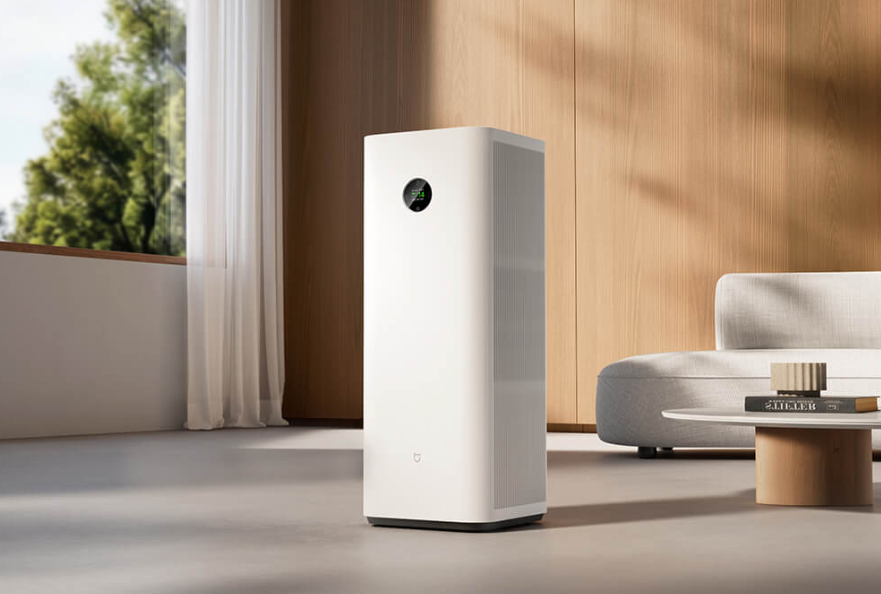
MediaTek launches Dimensity 7360, but it’s mostly a renamed 7300

MediaTek followed up the launch of its flagship Dimensity 9500 with a new mid-range chip, called the Dimensity 7360. Despite the new name, this one isn’t exactly a ground-up design. It’s more of a refresh of last year’s Dimensity 7300.

At its core, the Dimensity 7360 is built on a familiar setup of four Arm Cortex-A78 performance cores running up to 2.5GHz, paired with four Cortex-A55 efficiency cores.

That’s a fairly standard layout for this segment, but MediaTek is leaning on its software optimizations to make the difference. The chip now supports Adaptive Gaming Technology 3.0, which promises smoother frame rates by balancing visuals and performance while keeping battery drain in check. 

The company claims the chip can deliver up to 20 percent better frame rates and efficiency compared to rival platforms, though those numbers will ultimately depend on how it performs in real-world devices.

On the imaging front, the Imagiq 950 ISP supports cameras up to 200 megapixels, with features like real-time HDR video recording, motion-compensated noise reduction, and faster live focus processing. MediaTek says its HDR video can achieve over 50 percent wider dynamic range than competitors.

The chip also includes MiraVision 955 for improved display rendering on WFHD+ panels with 10-bit color support. The connectivity option includes 5G with up to 3CC carrier aggregation, VoNR, WiFi 6E, Bluetooth LE Audio, Dual Link stereo, and what MediaTek calls Lightning Connect, which essentially speeds up Bluetooth connections.

For AI, the chip has NPU 655, which brings support for mixed precision data types to help with efficiency in visual and camera-related tasks. It supports LPDDR4x and LPDDR5 RAM, alongside UFS 3.1 storage.

For more daily updates, please visit our News Section.

Stay ahead in tech! Join our Telegram community and sign up for our daily newsletter of top stories! 💡

Hisense unveils G7 Ultra gaming monitor with 4K 160Hz 1152-zone Mini LED panel

Hisense has officially announced the G7 Ultra gaming monitor. The company has confirmed that it will launch on September 26. Pre-orders are now open across major platforms in China.

Hisense G7 Ultra

Hisense G7 Ultra Specifications

The Hisense G7 Ultra features a 27-inch 4K flat Fast IPS panel with 1152 local dimming zones powered by Mini LED backlighting. Each dimming zone is managed by an AM driving chip, which reduces blooming and ensures consistent contrast. The same halo-control algorithm used in Hisense’s premium Mini LED TVs has also been applied to enhance picture quality.

It achieves a peak brightness of 2000 nits and carries HDR1400 certification. The screen uses a custom “Obsidian Screen” layer that reduces glare to 1.8% and enhances viewing clarity in bright rooms. The panel supports 178-degree STW viewing angles and a 1000:1 contrast ratio.

Hisense has added dual refresh rate modes, giving the monitor the ability to run at 160Hz in 4K resolution or 320Hz in Full HD. This allows players to choose between sharper visuals and faster gameplay. The display supports FreeSync Premium and achieves a 1ms GTG response time.

The G7 Ultra covers 99% of DCI-P3, 100% of Adobe RGB, 99% of sRGB, and 85% of the BT.2020 color gamut. It delivers a color accuracy of ΔE<2 and supports 10-bit color depth (8-bit + FRC). The panel also features a QD quantum dot layer to improve color reproduction across different lighting conditions.

For connectivity, the monitor includes DP 2.1, HDMI 2.1, and USB-C with 90W power delivery. The USB-C port supports reverse charging and KVM switching for controlling two devices with one set of peripherals. It also includes USB-A, USB-B, and a headphone jack. Eye comfort features include DC dimming and a dedicated low blue light mode.

The monitor comes in a Moon Shadow Grey color with a slim three-sided bezel. The stand supports tilt, swivel, height, and pivot adjustments and includes VESA mount compatibility.

Hisense also includes several gaming features such as customizable crosshairs, timers, dark detail enhancement, and game-specific picture modes, including one optimized for Black Myth: Wukong.

In related news, Thunderobot has recently introduced a 26.5-inch 2K gaming monitor with a 500Hz refresh rate powered by Samsung’s fourth-generation QD-OLED panel, while AOC has rolled out a 31.5-inch 4K QD-OLED monitor that supports 240Hz refresh and USB-C with 65W power delivery.

For more daily updates, please visit our News Section.

Stay ahead in tech! Join our Telegram community and sign up for our daily newsletter of top stories! 💡

These $1500 B&O Beo Grace Earbuds Make AirPods Pro 3 Look Cheap

Luxury audio just got a whole new meaning. Bang & Olufsen has unveiled the Beo Grace that carries a jaw dropping price tag that makes every other premium TWS, like the new AirPods Pro 3, feel a lot more affordable. So here’s everything you get for earbuds that cost more than the iPhone 17 Pro Max.

Bang & Olufsen Beo Grace: A True Audiophile Statement?

Bang & Olufsen Beo Grace TWS Earbuds

With the new Beo Grace, Bang & Olufsen aims to offer a true high end audio experience. These are the brand’s most expensive pair of earbuds yet, bringing premium build quality and advanced sound tech. The changing case alone is built with high quality aluminum with an IP57 rating for water and dust resistance. This also gets a pearl finish that can be paired with a bespoke leather pouch for an additional $400.

For $1500, the Beo Grace features Spatial Audio tech optimized by Dolby Atmos and an advanced Adaptive Active Noise Cancellation technology, which is apparently four times more effective than the previous flagship earbuds. The ANC is powered by six studio grade microphones that adjust the ANC levels in real time. One interesting feature is tactile controls that allow users to press the earbuds for quick access to music controls and volume levels.

Bang & Olufsen Beo Grace TWS Earbuds

Bang & Olufsen is also advertising a TrueTransparency mode that claims to offer a more natural transparency mode for improved environmental awareness. The earbuds connect via Bluetooth via the earbuds or USB-C/AUX with the charging case. Other notable features include 12mm titanium drivers, AAC and SBC audio codecs support, and 4.5 hours of playback with ANC enabled, which can be bumped up to 17 hours with the charging case. These earbuds will go on sale on 17th November 2025.

For more daily updates, please visit our News Section.

Tech enthusiast? Get the latest news first! Follow our Telegram channel and subscribe to our free newsletter for your daily tech fix! ⚡

Here’s Why the Galaxy S26 Series May Come with a Price Hike

There are already plenty rumors going around regarding the various upgrades in Samsung‘s upcoming Galaxy S26 series of flagship smartphones. But all of this might come at a cost (literally). A recent leak has revealed that many of the changes could come with a heftier price tag.

Brace for a Price Jump on the Samsung Galaxy S26

MediaTek just unveiled its flagship Dimensity 9500 SoC, which is based on TSMC’s third-generation 3nm process node (N3P). Similarly, even Qualcomm is using the same line from TSMC for its next gen Snapdragon 8 Elite Gen 5 chip. A large chunk of these new chips will be dedicated to Samsung’s Galaxy S26 series, bringing a more power efficient chip despite offering performance gains. However, this will be one of the major reasons for the Galaxy S26 series’ price hike.

Samsung Galaxy S26 Edge

According to a China Times report, Qualcomm and MediaTek are paying around 24 percent and 16 percent higher rates (respectively) to TSMC for the new chips. So the brands receiving the latest processors will likely have the customers bear the cost of these pricier components. Apart from this, the various new upgrades will also cause the Galaxy S26 models to become more expensive.

In our recent report, the Galaxy S26 Ultra could finally use Samsung’s M14 OLED panel alongside the CoE display tech. These devices might also be getting new cameras for an improved photography experience. That’s not all, the Galaxy S26 and Galaxy S26 Pro models might feature the new Exynos 2600 SoC, which is expected to be based on Samsung Foundry’s cutting edge 2nm process.

For more daily updates, please visit our News Section.

Don’t miss a thing! Join our Telegram community for instant updates and grab our free daily newsletter for the best tech stories!

Galaxy Tab A11 debuts with only a few changes over its two-year-old sibling

Samsung has officially launched the Galaxy Tab A11 in India. It’s a no-nonsense tablet from the brand that succeeds the two-year-old Galaxy Tab A9. However, not much has changed on the surface. The tablet has the same design, build, and internals as its predecessor. 

One of the few hardware changes is that the 8.7-inch screen now refreshes at 90Hz. It’s still an HD+ (1340 x 800 pixels) LCD panel. Samsung has also upgraded the front camera from 2MP to 5MP. Beyond that, the A11 sticks closely to what came before it.

Galaxy Tab A11 feels like a repack

The rear has an 8MP camera with autofocus, which supports Full HD video recording at 30fps. Powering the device is MediaTek’s Helio G99 chip, the same processor found in its predecessor, paired with up to 8GB of RAM and 128GB of storage. 

There is an option for a microSD slot to extend storage up to 2TB. Software-wise, the Galaxy Tab A11 runs One UI 7.0 based on Android 15, and Samsung is promising an unusually generous seven years of OS updates and security patches. That means this tablet could be supported all the way up to Android 22.

The tablet houses a 5,100mAh battery with 15W charging. Connectivity options include Wi-Fi 5, Bluetooth 5.3, USB-C, and a 3.5mm headphone jack, while the LTE model adds 4G support and GNSS positioning.

As for the pricing, it starts at ₹12,999 for the 4GB + 64GB Wi-Fi version and goes up to ₹20,999 for the 8GB + 128GB LTE variant. Here’s the complete pricing breakdown in India:

  • 4GB + 64GB (Wi-Fi): ₹12,999
  • 4GB + 64GB (Wi-Fi + 4G LTE): ₹15,999
  • 8GB + 128GB (Wi-Fi): ₹17,999
  • 8GB + 128GB (Wi-Fi + 4G LTE): ₹20,999

For a limited time, Samsung is also offering an instant ₹1,000 discount for customers using select bank cards.

For more daily updates, please visit our News Section.

Tech enthusiast? Get the latest news first! Follow our Telegram channel and subscribe to our free newsletter for your daily tech fix! ⚡

MediaTek Dimensity 9500: Specs and Benchmarks

MediaTek Dimensity 9500 benchmarks

MediaTek has just announced the Dimensity 9500, and it brings serious upgrades over its predecessors. The latest chip features MediaTek’s third-generation All Big Core design and ARM’s latest C1 series CPU cores, offering a significant boost to performance and efficiency. The new G1-Ultra GPU also offers a much better gaming experience while drawing substaintially less power.

The chipmaker promises huge upgrades for the Dimensity 9500, but we’re more interested in what the benchmarks have to say. While we are yet to test the chip, company officials have already published its raw performance data from AnTuTu and Geekbench. We’ll also look at the spec sheet and the biggest upgrades to the chip later in this post.

MediaTek Dimensity 9500 Geekbench Score

During the launch event, MediaTek revealed that the Dimensity 9500 scores 4,007 points in single-core and 11,217 points in multi-core on the Geekbench v6.4 platform. That’s a 32% increase in single-core score and 17% in multi-core score over last year’s Dimensity 9400.

Geekbench v6.4
Single core4,007
Multi core11,217

Please note that these are official figures from MediaTek, and it’s likely that the chip is tested under optimal conditions. Anyway, we’ll update the score once we do the testing.

Apple’s A19 Pro (4,019/11,054) recently became the first smartphone chip to surpass the 4000 mark in single-core performance, now joined by the Dimensity 9500. The latter also matches Apple’s latest silicon in multi–core performance. Qualcomm’s Snapdragon 8 Elite Gen 5 is also expected to put on a tough show against these two chips.

MediaTek Dimensity 9500 AnTuTu Score

MediaTek didn’t share the AnTuTu score for the Dimensity 9500 at the event, but a Vivo executive, Han Boxiao, recently shared the AnTuTu (v11) score for Vivo X300 Pro, which runs the same chipset. The latest Dimensity chipset surpassed the 4 million AnTuTu mark, becoming the first smartphone chip to achieve this feat.

Here’s a breakdown of the AnTuTu score:

AnTuTu v11
AnTuTu score4,011,932
CPU1,043,247
GPU1,510,982
Memory667,254
UX790,449

That’s an impressive 40% jump in the overall AnTuTu score from last year’s Vivo X200 Pro, powered by the Dimensity 9400, scoring 2.88 million AnTuTu points.

MediaTek Dimensity 9500 Spec Sheet

Dimensity 9500
AnnouncedSeptember 22, 2025
Process nodeTSMC’s 3nm (N3P)
CPUOcta core
CPU cluster1 x 4.21 GHz — ARM C1-Ultra
3 x 3.50 GHz — ARM C1-Premium
4 x 2.70 GHz — ARM C1-Pro
GPUArm Mali-G1 Ultra MC12
120FPS raytraced mobile gaming
MediaTek HyperEngine Gaming Technology
NPUMediaTek NPU 990
2nd gen Gen-AI Engine
CameraImagiq 1190 ISP
200MP camera support
30fps continuous focus tracking
ConnectivityMediaTek 5G modem
Up to 7.5Gbps speed
Wi-Fi 7 (peak speed: 7.3Gbps)
Bluetooth 6.0

The Dimensity 9500 is fabbed using TSMC’s 3nm (N3P) process, which offers slightly better performance and efficiency than the N3E process used for Dimensity 9400. It features ARM’s latest C1 architecture, enabling the chip to deliver up to 32% faster single-core performance. The Ultra core achieves 55% lower power consumption at peak performance, while the overall chip is 30% more power efficient.

There’s a new 12-core Mali-G1 Ultra GPU with significant upgrades. MediaTek says the new GPU offers a 33% performance uplift and 42% better power efficiency at peak performance, and supports 120fps raytracked gaming and 119% ray tracing improvements.

The chip also gets better at AI capabilities, thanks to ninth generation MediaTek NPU 990 with 2nd gen Gen-AI Engine. It enables 2x faster token generation speed, 4K text-to-image generation, and offers up to 56% reduced power consumption at peak AI performance.

The Dimensity 9500 features a new MediaTek Imagiq 1190 ISP with support for 200MP capture with 30fps continuous focus tracking and 4K 60fps portrait video recording with advanced RAW-domain pre-processing. The connectivity portion has also undergone several upgrades, including a 10% power savings with AI traffic prediction, a 50% reduction in latency with AI congestion prediction, a 20% power saving on Wi-Fi, and a 20% improvement in location accuracy. There’s also some boost to the connection speed.

Overall, the Dimensity 9500 looks promising. It has got a faster and efficient CPU, a more powerful GPU with excellent ray tracing capabilities, enhanced AI capabilities, and more robust connectivity features. However, it remains to be seen how this MediaTek’s flagship fares against the Snapdragon 8 Elite Gen 5.

We’ll soon post a comparison between the Dimensity 9500 and Snapdragon 8 Elite Gen 5. Be sure to follow us on Telegram so you stay up-to-date with the latest happenings in tech.

How often do you charge your smartphone?

Seriously, how often do you charge your smartphone? Most of us don’t really have a set routine for it. Some plug it in at night and wake up to a full battery, some wait until it hits zero, some charge whenever they see an outlet, and those who are more battery-conscious prefer to keep it within certain levels.

Most of us fall into one of those camps. But have you ever wondered what’s actually the right way to do it? Should you only charge when your phone is nearly dead, or is it better to plug in whenever you get the chance?

The short answer is that there isn’t one perfect method. But there are a few things that can help keep your battery healthier for longer.

1. Why phone charging feels confusing

Smartphones use lithium-ion batteries, and they don’t behave like the older batteries some of us grew up with. Nickel-based batteries from the past had what was called the “memory effect,” which meant if you recharged too early, the battery would “forget” its full capacity. With lithium-ion, that’s not the case.

Instead, lithium-ion batteries slowly wear out with every charge cycle. A charge cycle means using 100 percent of the battery’s capacity, though not necessarily all at once. For example, if you use 50 percent of your battery today and then recharge it to full, and use another 50 percent tomorrow, that counts as one cycle.

Most modern phones are rated for somewhere around 500 to 800 cycles before their capacity noticeably drops. After that, you might still get by, but you’ll start noticing shorter battery life. That’s why how often and how you charge your phone matters.

2. The myth of full discharges

A common question is whether you should let your phone battery drain completely before plugging it in. The short answer is no. In fact, letting your phone drop to zero regularly puts extra stress on the battery.

Lithium-ion batteries don’t like extreme lows or highs. Keeping your battery between roughly 20 and 80 percent is often considered the sweet spot. This range helps reduce wear on the battery and extends its lifespan.

That doesn’t mean you should panic if your phone occasionally drops to 5 percent, or if you charge it to 100 percent before a long trip. Phones are built to handle this. But if you make it a habit, your battery may age faster.

3. Overnight charging: good or bad?

This is probably the most common routine: plugging your phone in before bed and letting it charge to 100 percent while you sleep. Many people worry that leaving the phone plugged in overnight will “overcharge” the battery.

Fortunately, that’s not really an issue anymore. Modern smartphones include built-in protections to stop charging once the battery hits 100 percent. Some phones even use software to slow down the final part of the charge if you leave it plugged in for hours, so the battery isn’t sitting at maximum voltage the whole time.

That said, staying at 100 percent for long stretches does create extra strain on the battery over months and years. Below is a table from Battery University that shows the number of usable cycles depending on the habitual depth of discharge. 

For those unaware, Depth of Discharge is the percentage of a battery’s total capacity that has been used, while a discharge cycle (or charge cycle) is the process of charging a rechargeable battery and then discharging it. They are inversely proportional.

So if you want to be careful, you can use charging features built into many modern phones, like “optimized charging” on iPhones or “adaptive charging” on Android devices, that delay charging past 80 percent until right before you typically wake up.

4. Should you top up during the day?

There’s nothing wrong with plugging your phone in for a short top-up during the day. In fact, smaller, more frequent charges are easier on lithium-ion batteries than constantly draining them down to near zero.

For example, if you’re at 40 percent in the afternoon and you plug in for half an hour to reach 70 percent, that’s actually healthier than waiting until you’re nearly dead and then doing a full recharge.

Portable chargers and wireless charging pads make this habit more convenient, but keep in mind that heat is the enemy of battery health. If you notice your phone getting hot while charging—especially on a wireless pad—it’s better to unplug once you have enough charge to get through the day.

5. Fast charging vs. slow charging

Most modern smartphones support fast charging, which can take your battery from nearly empty to 50 percent in half an hour. It’s a great feature when you’re in a hurry, but does it harm the battery?

In general, occasional fast charging is fine. But constant high-speed charging does generate more heat, and heat shortens battery lifespan. If you don’t need the speed, using a slower charger can be gentler on the battery over time.

Some phones now offer a setting to limit charging speeds, which can be useful if you usually charge overnight or while sitting at your desk..

6. The bottom line

Batteries are consumable parts, which means they’re going to wear out no matter what. Even if you follow all the best practices, your phone’s battery will eventually lose capacity after a few years. That’s normal.

The goal isn’t to make your battery last forever—it can’t—but to slow down the wear so your phone stays useful for as long as possible. Charging smartly, avoiding extremes, and using the tools built into your phone are usually enough.

So, how often should you charge your phone? As often as you need to—but if you keep your battery hovering between 20 and 80 percent when you can, avoid overheating, and don’t stress about the occasional overnight charge, your battery should stay healthy well past the time you’re ready to upgrade.

For more daily updates, please visit our News Section.

Tech enthusiast? Get the latest news first! Follow our Telegram channel and subscribe to our free newsletter for your daily tech fix! ⚡

Motorola Edge 70 Leak Teases Ultra-Slim Body: New iPhone Air & Galaxy S25 Edge Rival?

Super slim smartphones are the latest fad in the smartphone industry, with the Edge 70 being Motorola‘s very own answer to the new Apple iPhone Air and Galaxy S25 Edge. A new leak has finally offered us a proper look at the upcoming Edge 70, showcasing a premium razor thin body.

Moto Edge 70: The Thinnest Motorola Yet?

We finally get a first look at the Moto Edge 70 via known tipster Evan Blass. In his recent tweet, Motorola’s next gen Edge series smartphone had its full design revealed via a leaked teaser poster, showcasing the super slim body. Looking at the picture, the Edge 70 is seen with the words “Impossibly Thin and Incredibly Tough”. Smartphones with a thin body typically need to be tough to avoid bending, with premium models like the iPhone Air and Galaxy S25 Edge, using tough materials like titanium.

Motorola Edge 70
Motorola Edge 70

While it is unlikely that Motorola employs a similar alloy, we can expect the frame to be built using a tough aluminum alloy. The brand often uses the iconic vegan leather material for its smartphones’ rear panels. But this time around, the green color option appears to use a glass back. Notably, even the frame matches the overall color scheme with a green hue. Motorola’s flagship lineup is its foldable Razr series, while the Edge family of devices are mid range phones.

There are already a very limited number of thin smartphones in the market, and the popular ones are quite expensive flagship models. So the Edge 70 is finally bringing the high end premium design to a more affordable price range. The upcoming device can also be seen with a triple camera setup on the front and an AI Key. To recall, the Edge 60 measured a 7.9mm design, so the Edge 70 will likely be around 7mm or thinner body.

For more daily updates, please visit our News Section.

Tech enthusiast? Get the latest news first! Follow our Telegram channel and subscribe to our free newsletter for your daily tech fix! ⚡

Vivo V60 Lite 5G launched as the world’s first Dimensity 7360-Turbo phone

Vivo has officially launched the V60 Lite 5G in Taiwan as a mid-range offering in the V60 series lineup. Positioned below the standard Vivo V60, the Lite model brings a large AMOLED display, the brand-new Dimensity 7360-Turbo processor, a slim IP65-rated body, and a massive 6,500mAh battery with 90W charging. Read ahead to know all about the Vivo V60 Lite 5G’s specifications, features, and pricing.

Vivo V60 Lite 5G specifications and features

Vivo V60 Lite 5G featured

The Vivo V60 Lite 5G features a 6.77-inch AMOLED display with an FHD+ resolution of 2392 x 1080 pixels, 120Hz refresh rate, and HDR10+ support. On the front, a 32-megapixel camera handles selfies and video calls.

On the back, the V60 Lite comes equipped with a dual rear setup featuring a 50-megapixel Sony IMX882 main sensor with OIS and an 8-megapixel ultra-wide lens. It runs Android 15 with Funtouch OS 15 on top.

Powering the device is the new MediaTek Dimensity 7360-Turbo processor, which has just gone official. For those unfamiliar, it is essentially identical in core specifications to the Dimensity 7300. The chipset is paired with up to 12GB RAM, up to 12GB of vritual RAM, and 256GB of UFS 3.1 storage. The phone packs a massive 6,500mAh battery with support for 90W fast charging.

The V60 Lite 5G also includes an in-display fingerprint sensor, dual speakers, NFC, dual SIM support, Wi-Fi 6, Bluetooth 5.4, and USB-C connectivity. The device carries an IP65 rating for dust and water resistance, measures 7.59mm/7.69mm in thickness depending on the color variant and weighs 194 grams.

Vivo V60 Lite 5G price and availability

The Vivo V60 Lite 5G is priced at NTD 13,990 (~$460) for the 8GB+256GB variant and NTD 14,990 (~$495) for the 12GB+256GB model. When it comes to color options, the V60 Lite can be bought in shades like Vitality Pink, Titanium Mist Blue, and Midnight Black.

Additionally, a 4G variant powered by the Snapdragon 685 chipset is expected to debut soon with the same specifications as the 5G version.

For more daily updates, please visit our News Section.

Stay ahead in tech! Join our Telegram community and sign up for our daily newsletter of top stories.

Samsung’s New Smart TV Doubles as a Portable Touchscreen Monitor with Built-in Battery & Kickstand

Samsung is blurring the lines between home entertainment and productivity with its latest Smart TV. The new model isn’t just another living room centerpiece, it can double as a portable touchscreen monitor that can function standalone without needing to be plugged in for power. So here’s everything you need to know about Samsung’s new Movingstyle Smart TV.

This Samsung Smart TV Packs a Kickstand, Battery, and Touchscreen for On-the-Go Use

Samsung Movingstyle Smart TV

The South Korean tech giant’s latest smart TV is a versatile and portable gadget. The Movingstyle TV is equipped with a 27-inch panel that has a QHD resolution (2560 x 1440p), a 120Hz refresh rate, and supports touchscreen functionality. This compact TV is typically placed on top of a rolling stand, which supports height adjustment. Users can even use the TV as a monitor in both portrait and landscape modes.

But what really makes it stand out is the detachable design that allows you to use the Movingstyle TV as a desktop monitor. One can even carry it for on-the-go use, thanks to its integrated handle. This even doubles as a kickstand, which lets it be placed on a surface without needing a dedicated stand. It is fully functional in its portable mode as it houses a built-in battery. On a single full charge, Samsung claims that this smart TV can offer up to 3 hours of run time. It is powered via a USB Type-C port.

Samsung Movingstyle Smart TV

Other notable features include Samsung’s Tizen OS with Bixby and Google Assistant support, 2 channel 10W speakers, HDMI and two USB-C ports, WiFi 5, and Bluetooth 5.3 support. Samsung unveiled the Movingstyle TV in its home market of South Korea for 1,440,000 won, which is roughly around 1,035 US Dollars. It is unclear if the company plans to release this model in the global market.

For more daily updates, please visit our News Section.

Don’t miss a thing! Join our Telegram community for instant updates and grab our free daily newsletter for the best tech stories!

iPhone 17 Pro vs Xiaomi 15 Ultra Full Comparison and Verdict

iPhone 17 Pro and Xiaomi 15 Ultra represent two different approaches to flagship smartphones in 2025: Apple’s focus on refined ecosystem integration versus Xiaomi’s hardware-driven innovation. Both devices push boundaries in design, performance, and imaging, making this comparison essential for anyone deciding between Apple’s seamless experience and Xiaomi’s cutting-edge specifications.

1. Design and display

iPhone 17 Pro
iPhone 17 Pro

Build and Feel

The iPhone 17 Pro continues Apple’s minimalist design with Ceramic Shield 2 protection and an aluminum alloy frame. It feels refined and durable, with excellent IP68 water resistance rated up to 6 meters. In contrast, the Xiaomi 15 Ultra offers a more versatile design, featuring glass-fiber or eco-leather backs with aerospace-grade reinforcement. Its IP68 rating is also strong but slightly less durable underwater. Xiaomi’s design adds character and choice, while Apple sticks with premium consistency.

Verdict: Xiaomi offers more variety and ruggedness, but Apple’s sleek durability may feel more polished for daily use.

Display Quality

Apple’s 6.3-inch LTPO Super Retina XDR OLED delivers up to 3000 nits peak brightness, Dolby Vision, and superb color accuracy. Xiaomi counters with a larger 6.73-inch LTPO AMOLED panel, pushing 3200 nits peak, QHD+ resolution, and advanced HDR formats including HDR Vivid. The 1920Hz PWM dimming also helps reduce eye strain. While Apple’s display is incredibly bright and calibrated for precision, Xiaomi edges ahead with higher resolution and broader HDR support.

Verdict: Xiaomi’s display is more versatile for media, but Apple ensures an unmatched visual balance and ecosystem tuning.

Please Note: When you buy something using the links in our articles, we may earn a small commission at no cost to you.

Please Note: When you buy something using the links in our articles, we may earn a small commission at no cost to you.

2. Specifications

Xiaomi 15 Ultra
Xiaomi 15 Ultra

Performance

The iPhone 17 Pro runs on the Apple A19 Pro chip, known for its efficiency and optimized performance within iOS 26. Multitasking, gaming, and media editing benefit from its dedicated Apple GPU and NVMe storage. Xiaomi 15 Ultra uses the Snapdragon 8 Elite with Oryon cores and Adreno 830 GPU, delivering sheer raw power, higher RAM options, and Android flexibility under HyperOS 2. Apple ensures better sustained performance and ecosystem stability, while Xiaomi pushes raw speed and customization.

Verdict: Xiaomi is stronger in specs on paper, but Apple wins on stability and long-term efficiency.

Battery and Charging

Apple provides up to 4252 mAh with fast wired and wireless charging (25W MagSafe/Qi2, 50% in 30 minutes). Xiaomi counters with 5410–6000 mAh, depending on the market, along with blazing 90W wired and 80W wireless charging. It also includes 10W reverse wireless support. Xiaomi clearly leads with bigger capacity and faster refueling, making it ideal for power users. Apple’s smaller cell is offset by efficiency but cannot match Xiaomi’s speed and longevity.

Verdict: Xiaomi dominates battery and charging, offering more flexibility for heavy users.

3. Camera

iPhone 17 Pro
iPhone 17 Pro

Main and Secondary Lenses

Apple equips a triple 48 MP system with wide, ultrawide, and 4x periscope telephoto, complemented by a LiDAR scanner. It excels in video with Dolby Vision HDR at 120fps and ProRes RAW. Xiaomi takes a bolder step with a quad setup, 50 MP wide with a 1-inch sensor, 50 MP telephoto, 200 MP periscope telephoto with 4.3x zoom, and 50 MP ultrawide. Backed by Leica optics, laser AF, and filter ring support, it offers unmatched hardware versatility. Apple remains king of video, but Xiaomi’s hardware pushes photography boundaries.

Verdict: Xiaomi wins in still photography, while Apple leads in cinematic video.

Selfie Camera

Apple’s 18 MP ultrawide selfie camera integrates Face ID hardware, OIS, Dolby Vision HDR, and ProRes RAW support, making it one of the most advanced front-facing setups. Xiaomi offers a 32 MP camera with higher resolution and solid HDR support, but lacks Apple’s advanced depth sensing and pro-level video tools.

Verdict: Apple delivers a more advanced selfie and biometric experience, while Xiaomi caters better to high-resolution shots.

4. Pricing

iPhone 17 Pro
iPhone 17 Pro

The iPhone 17 Pro starts around $1100, while the Xiaomi 15 Ultra is priced closer to $1500. Xiaomi justifies its premium with a larger battery, faster charging, and an advanced quad-camera setup. However, Apple provides a more optimized and polished ecosystem at a lower cost, with longer guaranteed software support.

Verdict: Apple offers better value for money, while Xiaomi demands more but delivers unmatched hardware upgrades.

5. Conclusion

Xiaomi 15 Ultra
Xiaomi 15 Ultra

The iPhone 17 Pro stands out with ProRes RAW video, Face ID depth sensing, satellite SOS, and tight ecosystem integration. Meanwhile, the Xiaomi 15 Ultra introduces two-way satellite communication, Leica optics with a 200 MP periscope, and ultra-fast 90W charging, making it one of the most spec-heavy devices on the market.

Verdict

The iPhone 17 Pro is ideal for users who value stability, video creation, and a balanced flagship at a lower price. The Xiaomi 15 Ultra, on the other hand, caters to enthusiasts wanting the best hardware, a bigger battery, and professional-grade photography tools.

Both are excellent, but the decision depends on whether the buyer prefers ecosystem refinement (Apple) or maximum innovation (Xiaomi).

Read More:

POCO Pad M1 could launch globally as a rebranded Redmi Pad 2 Pro

Xiaomi is apparently working on a brand new tablet from its POCO sub brand, which could be arriving in the global market soon. A fresh sighting has revealed that the POCO Pad M1 might be a rebranded version of another upcoming Redmi tablet, so here’s what we know.

POCO Pad M1: What we know so far

The Chinese tech giant’s new POCO Pad M1 would be the first entry in POCO’s Pad M series of tablets. These are likely mid range/budget models that would debut globally. The new tablet was just spotted on Xiaomi’s official product software support page, and even surfaced on the FCC database, which confirmed some of its specs and hinted at being a rebadged Redmi Pad 2 Pro.

Poco Pad 5G
Poco Pad 5G

However, it doesn’t appear to be a one-to-one copy. While both models were spotted in Xiaomi’s HyperOS code with the P83 internal model number, the POCO Pad M1 is expected to launch with Qualcomm’s Snapdragon 7s Gen 3 chipset. To recall, the Redmi Pad 2 Pro packed the newer Snapdragon 7s Gen 4 SoC. Unfortunately, there aren’t a lot of details on the hardware features yet. But we can make some speculation by looking at the specs of the Redmi Pad 2 Pro.

So, the POCO Pad M1 might also sport a tall 12.1-inch LCD panel with a 2.5K resolution and a 120Hz refresh rate. We can expect it to also feature at least one variant with 6GB of RAM and 128GB of internal storage. A massive 12,000mAh battery pack could power this tablet, which might support 27W wired fast charging. POCO’s new Pad M1 will likely run on HyperOS 2. This is all the information we have at the moment, so stick around for more.

For more daily updates, please visit our News Section.

Tech enthusiast? Get the latest news first! Follow our Telegram channel and subscribe to our free newsletter for your daily tech fix! ⚡

(Via)