Advertisement

Google shuts down Loon, its venture to provide internet through balloons

Google’s parent company Alphabet has confirmed that it is shutting down Loon, a venture that aimed to provide wireless internet connectivity to remote regions of the world through high-altitude balloons.

Alastair Westgarth, CEO of Loon, said that the decision to shut down the venture comes because of the lack of willing partners and the inability to build a sustainable business model around this effort.

Google Loon

In a blog post making this announcement, he said, “While we’ve found a number of willing partners along the way, we haven’t found a way to get the costs low enough to build a long-term, sustainable business. Developing radical new technology is inherently risky, but that doesn’t make breaking this news any easier.”

EDITOR’S PICK: Even after shutting down, Smartisan says after-sales services and support not affected and the OS will be maintained

Last year, it announced launching a fleet of 35 balloons in Kenya to offer internet service to more than 50,000-kilometer region to the subscribers of Telekom Kenya. Recently, the company had started deploying a new navigation system that was capable of teaching itself how to navigate balloons better than the original navigation system.

Prior to launching the first commercial project in Kenya, Project Loon was granted an experimental license by the Federal Communications Commission (FCC) for 30 Project Loon balloons to fly over Puerto Rico and the U.S. Virgin Islands.

The Project Loon, which started in 2012, was earlier a part of the Google X division. In 2018, it was spun out as an independent company under Alphabet, alongside Wing, the tech giant’s drone business. In 2019, the venture had secured around $125 million from SoftBank-backed fund.


Xiaomi sold over 1 million units of Mi 11 in just 21 days

Last month, Xiaomi introduced its latest flagship smartphone, dubbed Mi 11. With that, it became the world’s first smartphone to come powered by the latest Qualcomm Snapdragon 888 flagship chipset. Days after its official announcement, the phone went on sale in China.

Today, the company has revealed the sales number of the Mi 11 flagship smartphone, which hints at the immense popularity of the device. Xiaomi revealed that it managed to sell more than one million units of Mi 11 in just 21 days, which is quite impressive.

Xiaomi Mi 11 Million Units Sold

The smartphone comes in three variants — 8GB RAM + 128GB Storage for 3,999 yuan (~$611), 8GB RAM + 256GB Storage for the price of 4,299 yuan (~$657), and 12GB RAM + 256GB storage, which costs 4,699 yuan (~$719).

Coming to the device’s specifications, the smartphone features a 6.81-inch 2K display that offers 3200 x 1440 pixels screen resolution, 120Hz refresh rate, 480Hz touch sampling rate, and Gorilla Glass Victus protection.

Under the hood, the device is powered by the Qualcomm Snapdragon 888 SoC, coupled with up to 12GB of RAM and 256GB of internal storage. It comes with an in-display fingerprint scanner and a heart-rate scanner.

EDITOR’S PICK: Kia will reportedly lead Apple Car project work under Hyundai

In the camera department, there’s a triple-camera sensor on the back that features a 108MP primary sensor with f/1.85 aperture, a 13MP super wide-angle lens with a 120-degree field of view, and a 5MP telephoto-macro lens. On the front side, the device has a 20MP snapper for taking selfies and video calling.

The smartphone runs the Android 11 operating system out-of-the-box with the MIUI 12 on top, although the company has officially released the MIUI 12.5 custom interface. It is powered by a 4,600mAh battery that supports 55W fast wired charging, 50W fast wireless charging, and 10W reverse wireless charging.

Meanwhile, the company is now gearing up to launch the Mi 11 Pro smartphone in its home country. Ahead of the launch, its renders and some key features have been leaked online. While the exact launch date of the Mi 11 Pro is not yet known, the phone will get launched after the Spring Festival in China.

Check out our review of the Xiaomi Mi 11 smartphone by clicking here.


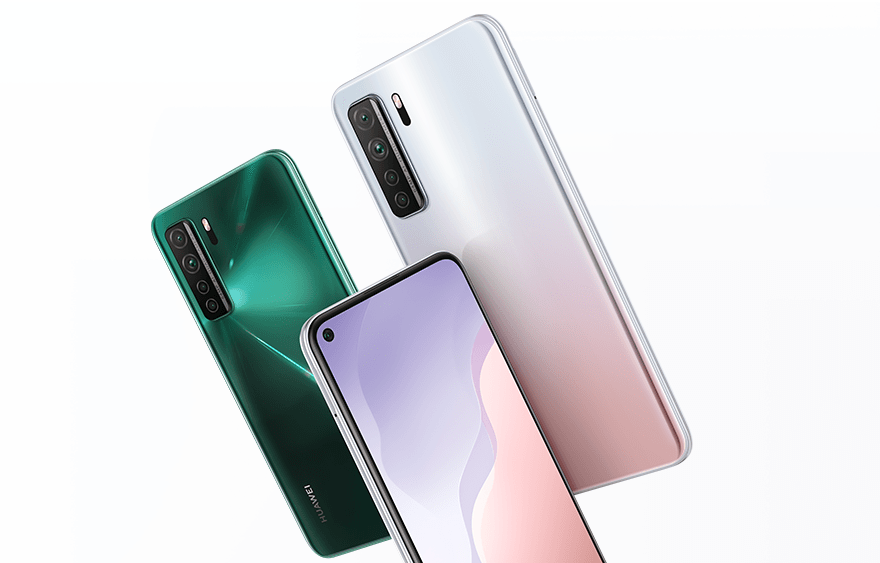
Huawei Nova 7 SE 5G LOHAS Edition with new Kirin 820E launched; specifications and pricing

Huawei has announced the Huawei Nova 7 SE 5G LOHAS Edition smartphone in China. The major highlight of the smartphone is that it is equipped with a new chipset named Kirin 820E.

Huawei Nova 7 SE 5G LOHAS Edition specifications and features

The Huawei Nova 7 SE 5G LOHAS Edition features a 6.5-inch IPS LCD punch-hole screen. It offers a Full HD+ resolution of 1080 x 2400 pixels and a 20:9 aspect ratio. The device runs on EMUI 10.1 based Android 10 OS. It is equipped with a side-mounted fingerprint scanner for security.

The 7nm Kirin 820E chipset that includes the all-new Kirin 820E, which is a lower version of the Kirin 820 SoC powers the Huawei Nova 7 SE 5G LOHAS Edition. It is a hexa-core processor that comprises of 3 x Cortex-A76 cores clocking at 2.2GHz and 3 x Cortex-A55 that works at 1.84GHz along with Mali-G57 GPU. The SoC is accompanied by 8 GB of RAM. It has 128 GB of internal storage and an NM card slot for additional storage.

Huawei Nova 7 SE 5G LOHAS Edition

Selfies can be shot using the 16-megapixel front camera of the Nova 7 SE 5G LOHAS Edition. The rear-facing quad-camera system of the phone has a 64-megapixel primary camera with f/1.8 aperture, an 8-megapixel ultrawide lens, a 2-megapixel depth sensor, and a 2-megapixel macro lens.

The Huawei Nova 7 SE 5G LOHAS Edition carries support for 40W fast charging for its 4,000mAh battery. The usual connectivity options such as dual SIM, 5G, Wi-Fi 802.11ac, Bluetooth 5.1, USB-C, and 3.5mm audio jack are also available on the device.

The original Nova 7 SE 5G that was announced in April has been discontinued. In Q4 2020, the company introduced the Huawei Nova 7 SE 5G Vitality Edition with Dimensity 800U. The only major difference between the LOHAS and Vitality Edition is the presence of a new chip.

Huawei Nova 7 SE 5G LOHAS Edition pricing and availability
The Nova 7 SE 5G LOHAS Edition has arrived with a pricing of 2,299 Yuan. The phone comes in four colors like silver, green, black, and purple. It will go on sale from Jan. 23.
 

Will the Samsung Galaxy A82 resurrect the slider design once again?

2018 and 2019 might be remembered as the year slider phones made a brief comeback. One of the phones with a slider design announced during this period is the Galaxy A80. Now it has been reported that a successor, called the Galaxy A82, is coming and the big question is if it will bring back the slider design.

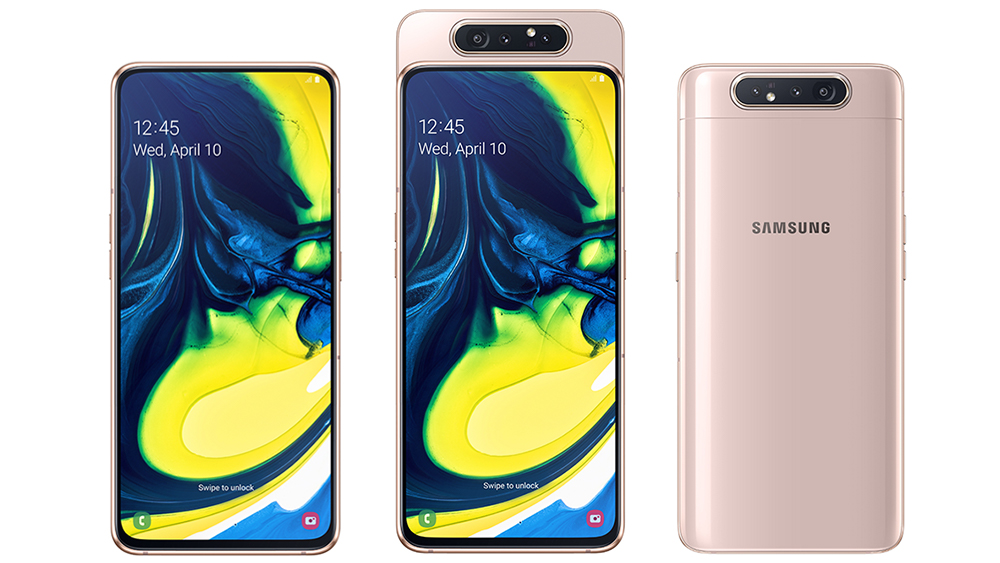
Samsung Galaxy A80
Samsung Galaxy A80

The Galaxy A82 was first heard of in early 2020 when Samsung applied for a trademark for a bunch of Galaxy A smartphones, some of which have already launched. It has been reported that the phone will have 5G support. However, there is no information about how it looks, so we do not know if it will keep the slider + rotating camera design of the Galaxy A80.

The Galaxy A80 launched with a 6.7-inch FHD+ display that didn’t have a notch or hole in the screen. Its sliding + rotating mechanism allowed for the triple rear cameras to slide upwards and then rotate to double as the front-facing cameras.

The phone also packed a Snapdragon 730G processor, 8GB of RAM, 128GB of storage, and 48MP+8MP+TOF triple rear cameras. It launched with a 3700mAh battery capacity with support for 25W fast wired charging.

Since the Galaxy A82 chipset will have 5G, it should come with a 5G chipset from Samsung, MediaTek, or Qualcomm; though our guess is that it will be powered by a Snapdragon chipset. We expect the phone to pack a bigger battery capacity than its predecessor and run Android 11 out of the box.

The Galaxy A82 is expected to be announced during or after summer, so there is still a bit of waiting to do. We expect more details to surface as time goes on. Nevertheless, please let us know in the comment box if you will like the phone to bring back the slider design of its predecessor or if you prefer the current punch hole trend.


POCO C3 sold over a million units in India since its launch

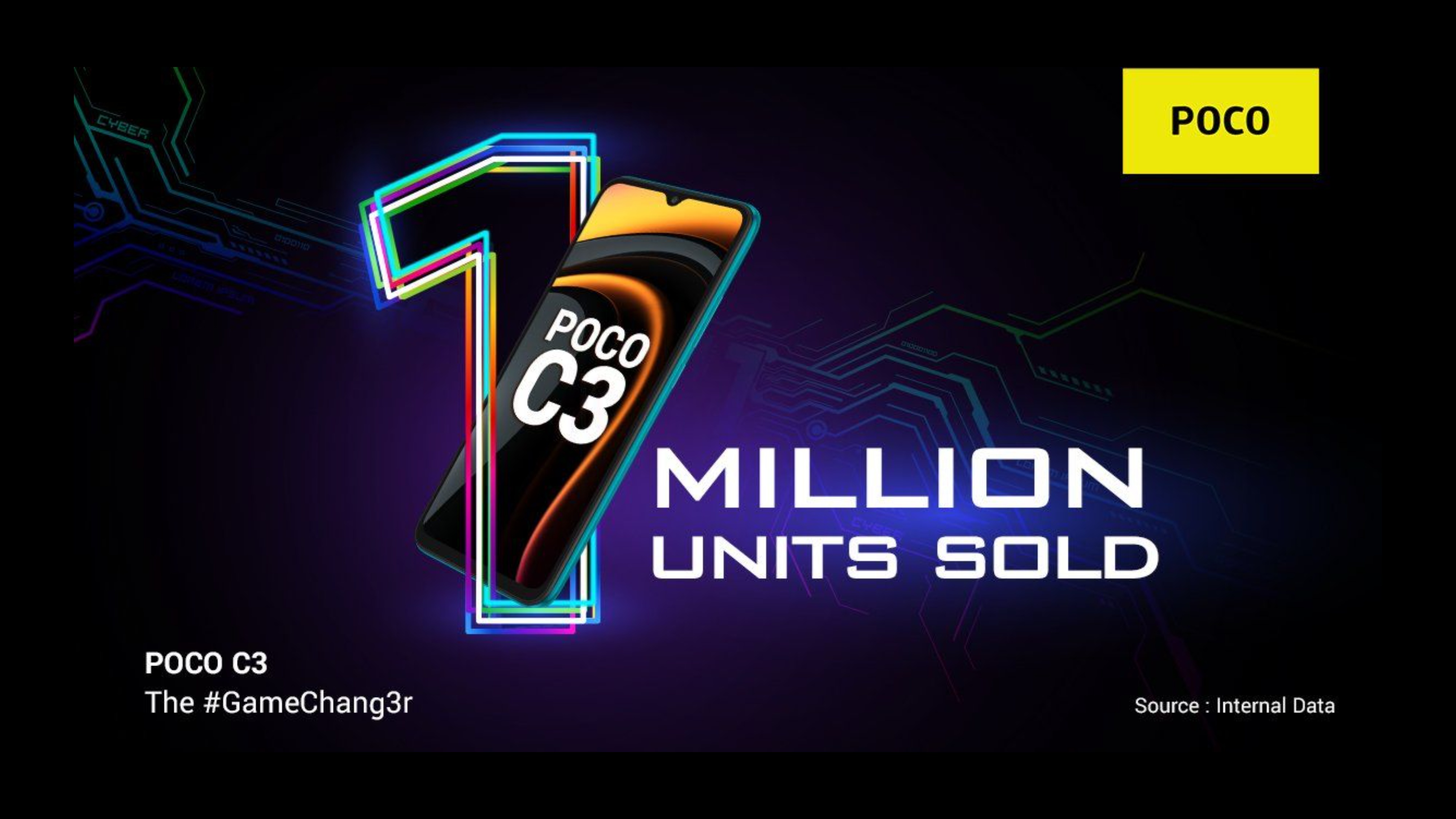
POCO was introduced as a flagship killer brand with the iconic POCO F1 aka POCOPHONE F1. But Xiaomi did not release the much-awaited successor – POCO F2 the next year. Instead, it spun off the division into an independent brand focussed on budget handsets in 2020. In the same year, the brand launched its cheapest smartphone in the form of POCO C3. This India-exclusive phone has now sold over 1 million units since its release.

POCO C3 1 Million Units Sold Featured

The POCO C3 was unveiled in early October, a month ahead of Diwali festive season. It debuted at ₹7,499 for the base 3GB + 32GB variant and ₹8,999 for the higher 4GB + 64GB version. Soon after this handset’s release, POCO managed to sell over 1 million units of smartphones during the Flipkart Big Billion Days sale event.

Then, earlier this month, POCO slashed the price of the POCO C3 higher variant by ₹500. A few days later, the brand announced that it was the third largest smartphone brand online in India in the month of November 2020. That’s not all, POCO C3 was the number three selling smartphone during that time.

Now, the brand says that it has sold over a million units of POCO C3 since its launch in India. Also, as part of ongoing Republic Day sale on Flipkart, both the variants of this phone are now discounted by ₹500. And customers can get it for even cheaper by availing the partner bank offer.

It is interesting to see POCO C3 sell these many units despite it being online (Flipkart) and India-exclusive handset. We think the brand achieved this because its most-affordable phone, though being based on the Redmi 9 series, is cheaper and offers better value.


LG launches the 32-inch UltraFine Display Ergo 4K monitor in India

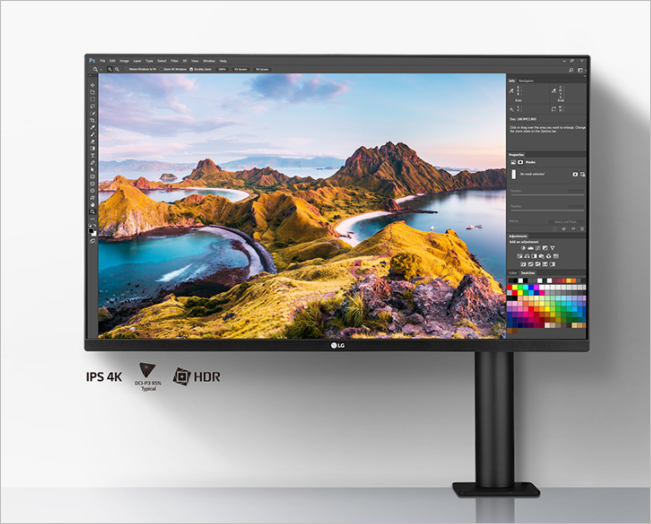
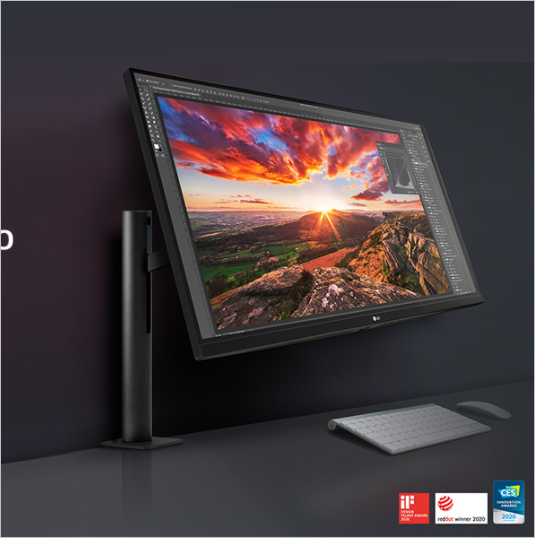
LG Electronics is known for its quality displays and it is bringing one of the top-notch monitors equipped with a 4K display to India. The LG Ultrafine Display Ergo 4K Monitor (32UN880) adopts a 31.5-inch display with a resolution of 3840 x 2160 pixels. The display also supports HDR10, 95% DCI P3 color accuracy, 5ms response time, and 350nits brightness.LG Ultrafine Display Ergo 4K Monitor

The Ergo series was first unveiled at CES 2020 and comes in 32 inches and 27 inches models. The monitor features a space-saving stand with a C-Clamp attachment that clasps to your desk. The stand can extend outward or be positioned close to the wall, moved up to eye-level, or lowered to the desk. It can even swivel to face the opposite direction for convenient sharing of information with an office colleague. It can also be positioned at the perfect height, distance, and angle for a far more comfortable and more sustainable user experience.LG Ultrafine Display Ergo 4K Monitor

Further, you get a USB-C One Cable solution onboard the monitor that also conveniently provides fast data transfer and power for laptop charging through a single cable. The monitor has built-in 10W (two 5W) speakers and supports AMD FreeSync. It also comes with two HDMI ports, a DisplayPort and a Headphone Out.LG Ultrafine Display Ergo 4K Monitor

The LG 32UN880 UltraFine Display Ergo 4K HDR10 Monitor is priced at Rs. 59,999 (~$822) and is available from Amazon.in online as well as offline stores.

Commenting on the launch, Hak Hyun Kim, Director- Home Entertainment, LG Electronics stated that the lockdown, occasioned by the economically disruptive coronavirus pandemic, has significantly increased the amount of time people spend at their desks. This, he noted, has led to an increase in work-related health issues and affected the productivity of employees. He then added that the new UltraFine Ergo is specially designed to help users experience maximum productivity and efficiency during this period due to the product’s ability to allow users to customize their workstation.

UP NEXT: Two OnePlus smartwatches receive BIS certification


Smartisan says after sales services and support not affected; operating system will continue to be maintained

Last week, we reported that ByteDance has shut down Smartisan Mobile and that no new smartphones will be released by the Chinese manufacturer. The news must have gotten owners of Smartisan phones worried, especially those who picked up the Nut R2 flagship that was announced just three months ago. The manufacturer has released a statement that allays their fears and concerns.

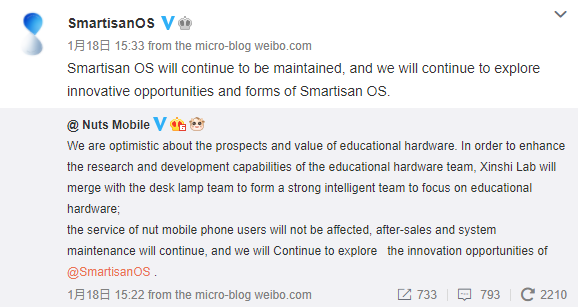
The official Smartisan Mobile Weibo account confirmed in a post a few days ago that its research and development team is indeed being merged with the educational hardware team at ByteDance to focus on educational products. That was the decision ByteDance took following the shutdown of the mobile phone brand.

Smartisan OS

In the same post, it was revealed that after-sales service and system maintenance for its current lineup of Smartisan phones will not be affected. So if you own a Smartisan phone and run into an issue, you should still be able to get support when you contact the company.

The official Smartisan OS Weibo account also quoted the post and added that Smartisan OS will continue to be maintained and that they will continue to explore innovative opportunities for the operating system.

Smartisan OS may not be popular but the operating system offers several features that stock Android doesn’t have. From the ability to run more than two apps side by side, to productivity features that allow you to easily extract key information from documents to a more advanced copy and paste feature.

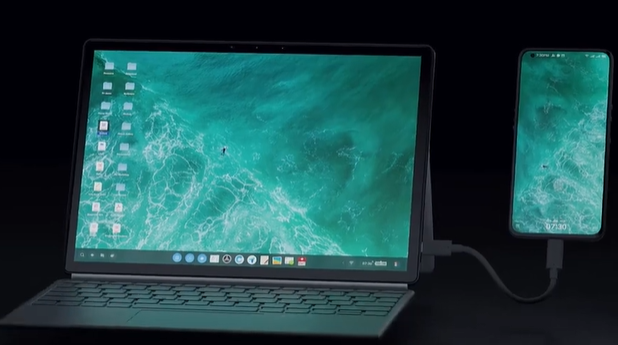
Smartisan OS also has a desktop mode which is practically like a different OS built into the main OS that is called TNT OS. When a supported device is connected to an external display, a monitor, or a projector, it switches to this desktop mode. TNT Desktop OS not only provides a desktop-like experience but is also packed with productivity tools that are not available when you are in ”mobile mode”.

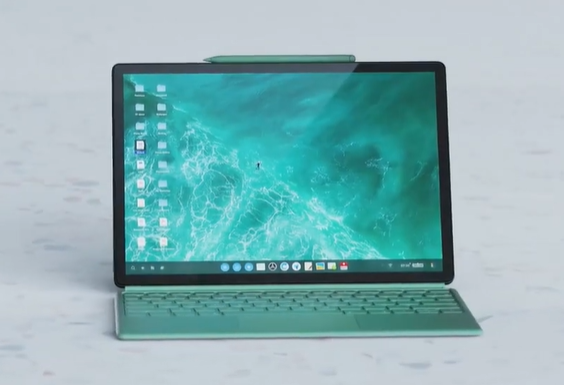
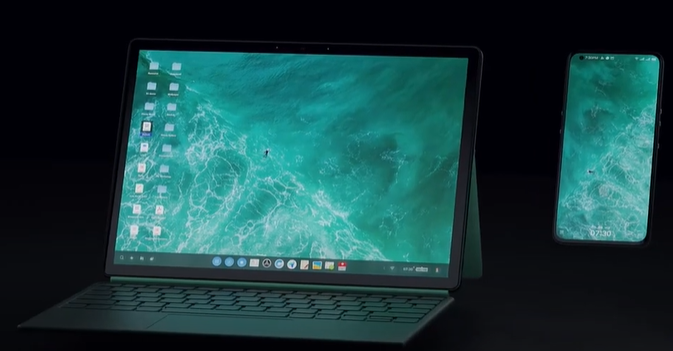
Last year, Smartisan announced the TNT Go, a Surface Go-like 2-in-1 device that provides on-the-go access to TNT OS. The device is powered by the Smartisan Nut R2 as it doesn’t have a built-in operating system. It works by connecting the Nut R2 phone to it via a cable or wirelessly. When connected, it automatically brings up TNT OS so the owner can work in a desktop-like environment wherever they might be. The TNT Go has a 2K touchscreen display, a detachable keyboard, and a stylus with 4096 levels of pressure sensitivity.

While there is no news of that happening yet, we hope this is not the end of Smartisan Mobile and look forward to seeing it rise again.


Kia will reportedly lead Apple Car project work under Hyundai Motor

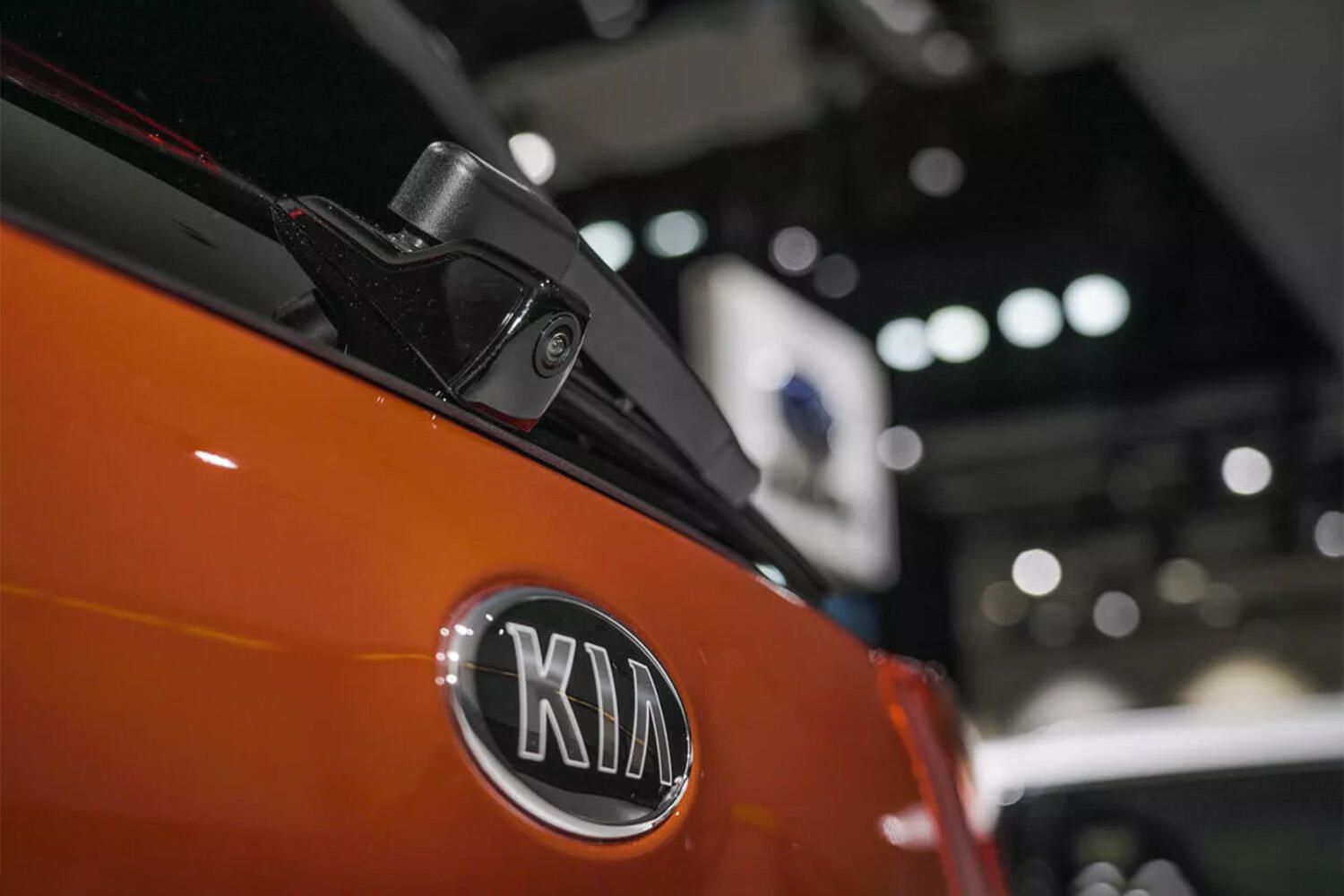
Reports from South Korea had indicated that Korean automaker Hyundai may be the preferred manufacturer that will lead the charge in the much awaited Apple car project. Rumours are rife that Hyundai Motor is close to penning a partnership agreement with the company.Apple car Kia

Hyundai, in a statement on Wednesday, said it is looking at cooperation with foreign firms with capacity and expertise in self-driving and electric cars. The statement by Hyundai is instructive, as the company had, on several occasions, refused to comment on any speculation surrounding work on an Apple Car.

However, tipsters have continued to predict that the Apple car project is still alive, and progressing with its development. This month, a raft of reports had mentioned Apple and its progress in developing the Apple car. Some reports have also projected that the car will be ready as early as 2024.

A prototype may be unveiled in 2022, according to another report, while it was even mentioned that the production plant will be Kia’s factory in Georgia. It should be noted that the Kia brand is owned by Hyundai Motor Corporation.

Seemingly, the wave of rumours and leaks concerning the Apple car could indicate that we may be approaching a big announcement from Apple in terms of the development of the much expected electric smart vehicle.

Research on evolving battery technology for electric vehicles and autonomous mobility systems could be the potential catalyst that could yield a revolutionary car, and Apple wants to be at the fire of such a breakthrough by researching those aspects actively.

Choosing an established automaker to handle final production is certainly an inevitable and logical choice since Apple does not have the expertise to build any car, much more smart cars.

So, we keep our fingers crossed while we await what becomes of this new partnership between Apple and Kia.

UP NEXT: Two OnePlus smartwatches receive BIS certification


(source)


JBL C115 TWS Earbuds with Bluetooth 5.0 support hits India for Rs. 4999 (~68)

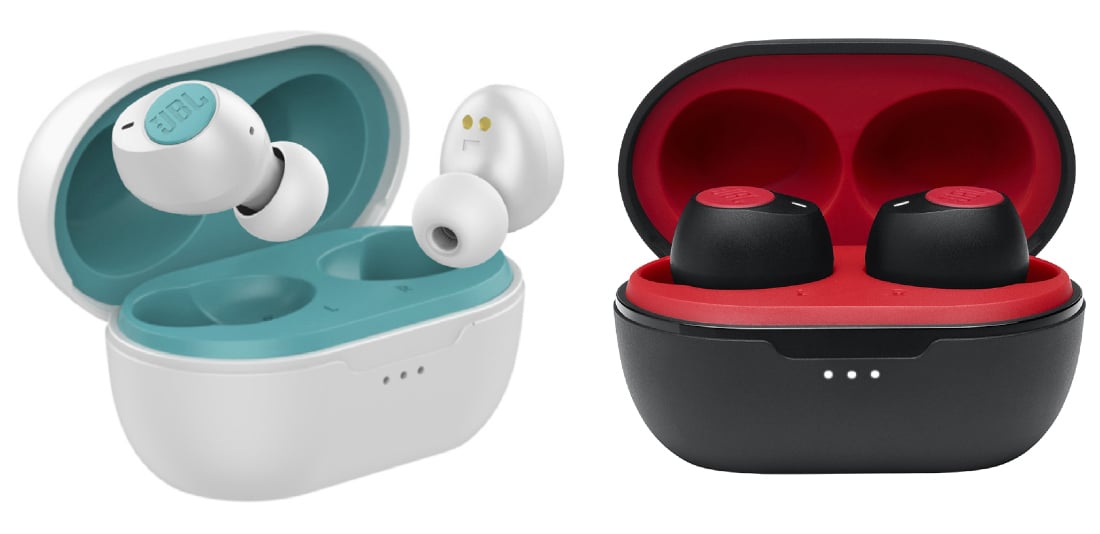
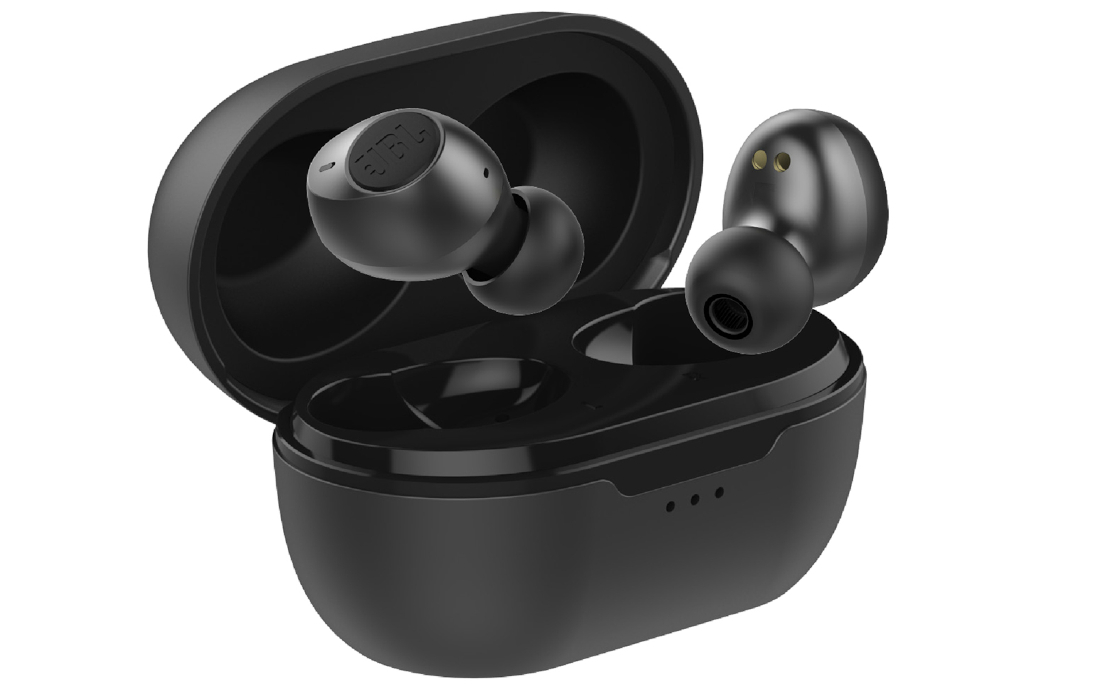
JBL C115 TWS Earbuds has just made its way into the Indian market. The earbuds offer a rewarding sound experience with lthe Pure Bass sound technology. It also has an ergonomic balance, voice assistant support, and longer battery life.JBL C115 TWS bluetooth earbuds

TWS earbuds are now very popular devices among youths in India, and this release by JBL will have to compete with Apple, Samsung, and others who already have TWS  earbuds and had made inroads into the Indian market.

The C115 earbuds each have a 5.88mm dynamic driver with the sound system providing JBL Pure Bass sound technology for undistorted bass and precise sound. The earbuds connect via Bluetooth 5.0, offering quick and stable connectivity, and it supports the Autonomous Listening, capability, which allows each earbud to function independently in a healthy manner.

The design of the earbuds is such that it offers ergonomic appeal as it is well suited for listening to several hours of audio without stress.  

The battery can power the device for 6 hours on a single, full charge, and a further 15 hours when the charging case is used. They are fitted with microphones for taking calls, and it supports Google Assistant and Amazon’s Alexa.JBL C115 TWS earbuds

The JBL C115 TWS earbuds come in 4 variants — Black, White, Mint, and Red; they can be gotten from Amazon.in for Rs. 4999 (~68).

Commenting on the launch, Vikram Kher, Vice-President, Lifestyle Audio, HARMAN India said that the release of the earbuds is a milestone for the company in the 75 years of its existence. He expressed joy that with the release of the C115 for the youths segment of the population. it will be a highly affordable gadget which also appeals to other segments of consumers. 

UP NEXT: OPPO Reno 5 Pro 5G Hands-on: Premium in the Right Areas

Apple’s first-ever AR/VR headset will reportedly adopt a premium pricing, expected in 2022

A recent Bloomberg report has revealed that US tech giant, Apple could launch a  tech-loaded VR-AR headset within a year. The report says that the virtual reality and augmented reality headset may actually be the precursor of more applications using AR glasses. Apple

Apple has been a leader in research and development relating to AR and VR technology for several years, even CEO, Tim Cook had stated that augmented reality was promising.  

The headset, which is expected to be quite expensive, could usher in a new way of producing smartphones using augmented reality glasses.  2022 is the expected year of release of the headset by Apple and it will square up against other VR headsets like Facebook’s Oculus and PlayStation VR, from Sony. 

The VR-AR headset is a culmination of active research and development in the area by Apple for several years, as the company deployed components of VR and AR devices and software. Last year the LiDAR technology was deployed in the sensor of the iPhone 12 Pro, making the device to be more versatile and in performing augmented reality activities.

The technology used for the VR headset could be scaled up and adjusted so that Apple could indeed come up with thinner and premium looking smart glasses touted to replace the iPhone within the decade. 

The new VR-AR headset is primarily a virtual reality gadget, with a remarkable 3D digital environment on display, which enables the user to carry out any task from watching a video to playing his favorite game, as well as a number of other tasks. However, the VR=AR headset may have much limited AR capability, as this is an area of continuing research, as they inch towards firming up the technology for more revolutionary applications.

The headset, like the existing stuff of this nature, will have a battery that powers its operations and does not require a console, unlike Sony’s PlayStation equivalent headset, PSVR.  However, it is projected that the price of the VR-AR headset from Apple will be much higher than that of its current competitors.

From the Bloomberg report, there could be single sales of the device daily at its various retail locations, as a strategy to ramp up the cost and demand of the flagship product from Apple. It is also seen in some quarters as a gamble by Apple into the uncharted territory of augmented reality, an area that is still in development. The design of the headset may after all, just be a prototype of a more enduring device or gadget using smart AR glass technology.

The risk of such release of seemingly revolutionary products is the possibility of it turning to a flop. A clear case is the Google glass product, launched in 2013 but collapsed two years later.

UP NEXT: Two OnePlus smartwatches receive BIS certification


(via)


Ninebot S MAX self-balancing e-Scooter with a steering wheel launched on Indiegogo

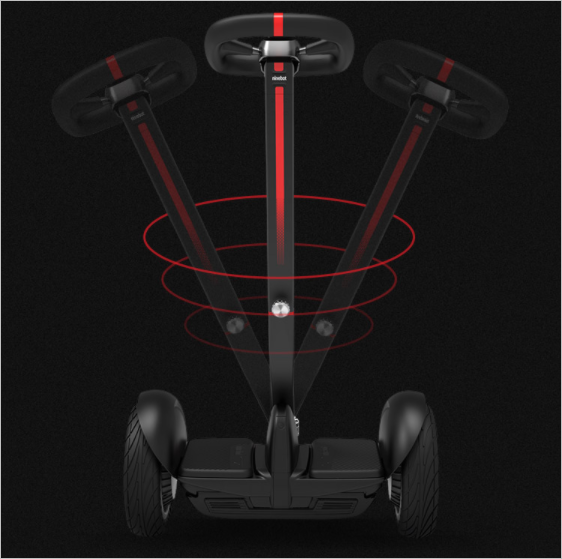
Xiaomi‘s partner, Segway-Ninebot has launched its latest self-balancing electric scooter for the global market.  The product dubbed Ninebot S MAX is similar to the Ninebot Self-balancing Scooter MAX Sports version which was launched in China last year. Ninebot S MAX

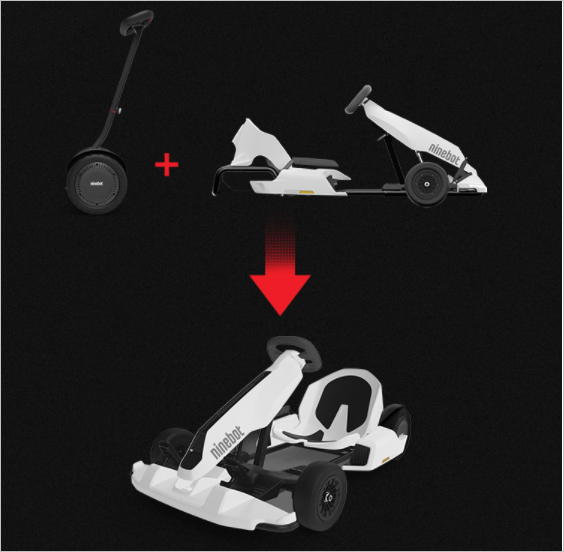
Just like the Chinese version, this international version is designed for use as a single unit or attached to the GoKart Pro/Lamborghini edition that was also launched on Indiegogo last year. The new self-balancing scooter offers three ways of usage – as a standalone, with the handlebar and attached to the GoKart.

The Max sports version is the most powerful scooter from Ninebot so far. It offers a maximum speed of up to 20km/h and a range of 38km when used as a standalone scooter. While when attached to the Gokart, it achieves a boosted high-speed of 37km/h while the range is reduced to 25km which is still impressive.

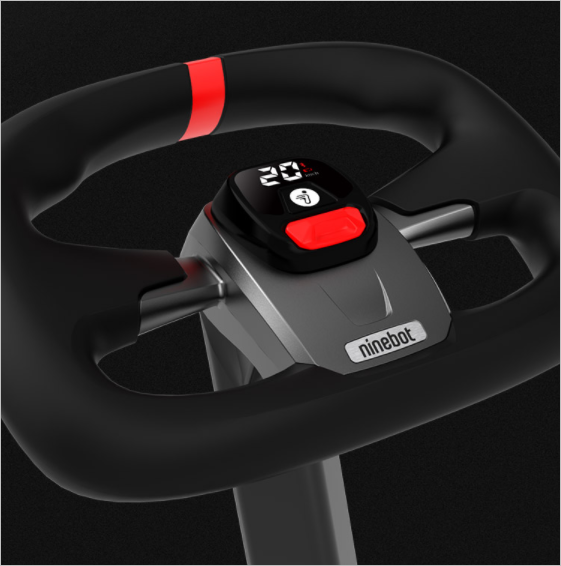
The Ninebot S Max is significantly bigger than the previous-gen self-balancing scooter. It also brings support for a handlebar just like the original Segway scooters sold in the US. The handlebar not only provides support but makes steering the e-scooter easier. It is shaped like a racing car steering wheel and there is equally a display on top which shows the traveling speed. The height of the handlebar is adjustable from 1.3m to 1.8m to suit the height of different users.Ninebot Self-balancing Scooter MAX Sports version

The Ninebot S Max has a net weight of 22.8kg. It is equipped with Ninebot’s Leansteer control technology. The sensitivity of the steering stick is as high as 0.01 seconds and it can be controlled as smoothly as an arm makes a finger. The scooter also automatically maintains the balance of the body when it detects that a person is standing, allowing you to get on the car as simple as stepping up, and you can easily control it with a little adaptation. This feature was first introduced on the Ninebot Nano Self-balancing scooter launched in May 2020.

It also has the same thoughtful 15-fold safety technology as the Ninebot Nano ranging from standing on the scooter to moving forward, steering, stopping the scooter as well as charging.

You can back the Ninebot S MAX self-balancing e-Scooter on Indiegogo with a starting price of $849.

UP NEXT: Chip Battle: Snapdragon 870 5G vs Dimensity 1200, which flagship killer chipset is better?


TCL plans Android 11 update for its 2019 and 2020 TVs but it may bring Google TV

When Google announced the Chromecast with Google TV last year, it revealed that the new interface will come to other Android TV devices. It appears TCL may be one of the first manufacturers to bring Google TV to its existing smart TVs.

The Chinese manufacturer had revealed to FlatpanelsHD that it plans to update its 2019 and 2020 lineup of Android TVs to Android 11 for TVs. Google announced Android 11 for TVs last September but TCL says that the update is scheduled for Q3 2021 when Android 12 must have been released.

In its statement to the blog, TCL said that it has not yet been decided if the update will bring the new Google TV system, the official Twitter account for TCL Europe said in a tweet that ”Your experience will be upgraded from Android TV to the new Google TV system…”.

EDITOR’S PICK: TCL adopts Google TV for the upcoming 2021 models in the United States

We will advise that you don’t get too excited until there is an official announcement that specifically says that the 2019 and 2020 models will get Google TV. However, TCL has confirmed that its 2021 TVs will get Google TV while TVs from 2018 and earlier will not be updated.

Android 11 for TVs brings a number of new features such as Auto Low Latency Mode and low latency media decoding. It also brings privacy features such as one-time permissions. Other known features that come with the update are extended gamepad support, silent boot mode for system updates, and inactivity prompts.


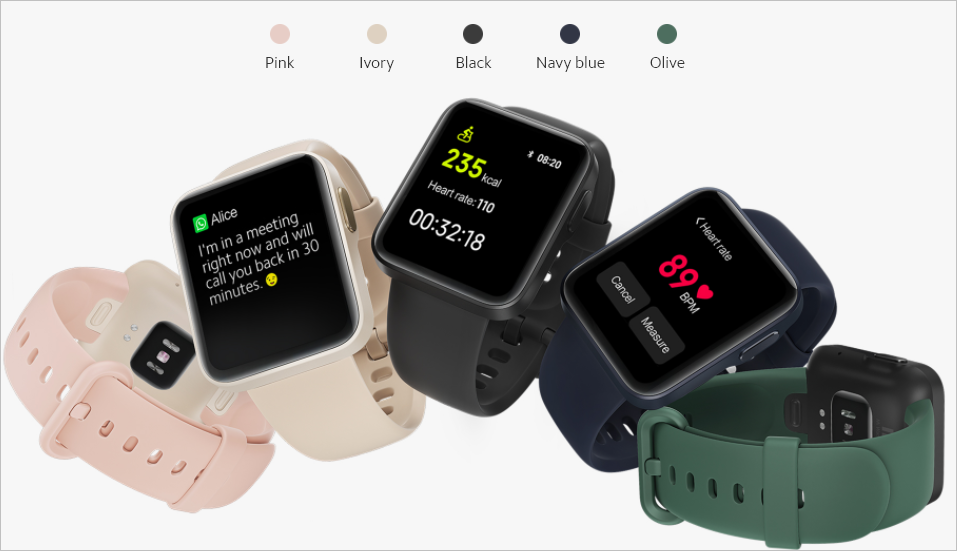
Mi Watch Lite gets BIS Certification; India launch imminent

Xiaomi announced the Mi Watch Lite for the Global markets back in December. This is a tweaked version of the Redmi Watch in China. This Mi Watch Lite Global edition could soon launch in India as it clears BIS certification.

Xiaomi Mi Watch Lite

Spotted by Mukul Sharma, a Smartwatch with model number REDMIWT02 appears on the BIS database under Redmi Branding. Now, you might get confused with the ‘Redmi’ branding here. To make you clear, two smartwatches got certified a while ago on Bluetooth SIG.

One of them had the same model number with ‘REDMI’ on it but ‘Mi Watch Lite‘ moniker. Later, it turned out to be the Mi Watch Lite for Global markets. Hence, there is a possibility that Xiaomi might bring this version and not the Chinese variant to India.

We also have a few reasons to believe this. The Mi Watch Lite primarily differs from Redmi Watch in sports modes, GPS, AI Assistant, NFC, and battery life. That is, the Mi Watch Lite has 11 sport modes(4 more than Redmi Watch), built-in GPS+GLONASS(absent on Redmi Watch).

However, it lacks features like NFC, a built-in AI assistant, microphone that are present on the Redmi Watch. Redmi launched its first Smartwatch as the Redmi Watch back in November in China. Despite sporting the same battery(230mAh), it has lesser battery life than Mi Watch Lite(7 days vs 9 days).

All this suggests that Xiaomi might bring the more sensible version to India but we do not know if it will come under Xiaomi/Redmi branding yet. Either way, the Smartwatch will likely feature a 1.4-inch 320x320p display with 323 PPI, 2.5D curved glass.

It has over 120 watch faces, Heartrate and Sleep monitoring, 5ATM Water resistance, Bluetooth 5.0 BLE(Low-Energy), Six-Axis Motion and Ambient Light sensors, Barometer and is available in Ivory, Black, Navy Blue colors.

Let’s wait to see how Xiaomi prices this in India but it is already available at $60/CNY299 in Global/China respectively.


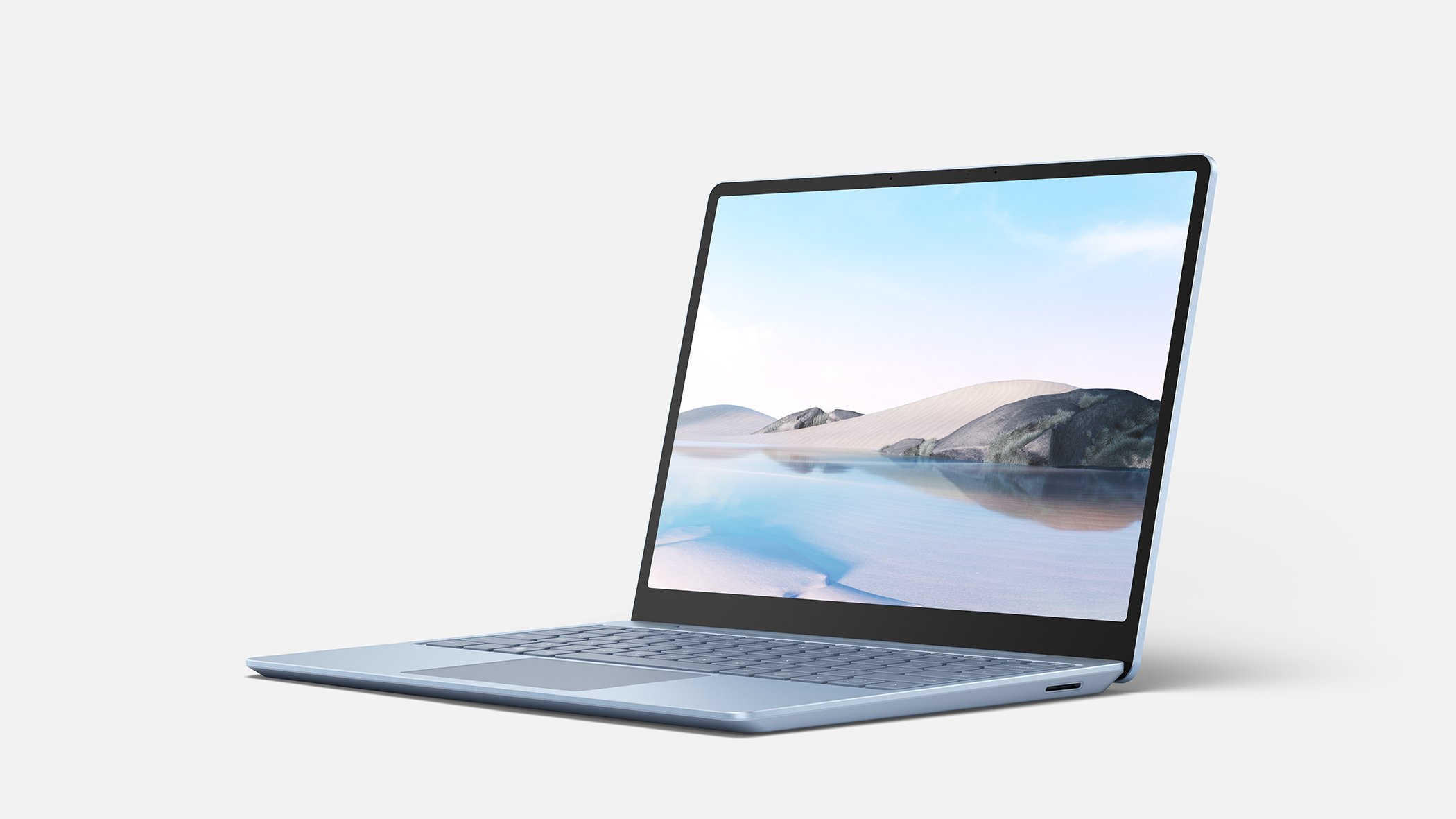
Microsoft Surface Laptop Go launched In India; Consumer Version starts at ₹71,999($987)

Microsoft has finally launched the Surface Laptop Go in India. The laptop technically starts at ₹71,999($986) for consumers while Enterprises can get it as low as ₹63,499($870).

Microsoft Surface Laptop Go India – Price, Availability

According to Microsoft Official Press Release, Surface Laptop Go will be available in four memory variants- 4GB RAM and 64GB, 8GB RAM and 128/256GB, 16GB RAM and 256GB storage options. All of them will have the same Intel Core i5 10th gen processor.

However, only the 8GB version will be available for sale to normal customers(consumers SKUs). You can take a look at the pricing of those variants below:

  • 8GB RAM + 128GB storage- ₹71,999($987)
  • 8GB RAM + 256GB storage- ₹91,999($1,261)

Microsoft says that the 4GB RAM and 16GB RAM variants of Surface Laptop Go falls under Commercial SKUs*. This means, only Enterprise Firms and other business companies can get it in India and the prices of them are below:

  • 4GB RAM + 64GB storage- ₹63,499($870)
  • 16GB RAM + 256GB storage- ₹1,10,999($1,521)

Additionally, the 8GB RAM, 128GB, and 256GB storage variants are also available for Enterprises but their price is higher than above at ₹76,999 and ₹92,999 respectively.

As for the availability of Consumer SKUs, Microsoft says that you can buy them from January 22 on Major e-commerce sites like Amazon, Reliance Digital, Authorized Resellers, and Retail partners across India. Offers like no-cost EMI up to 9 months starting at ₹8,000/month will also be available.

*SKU- Stock Keeping Unit


Microsoft Surface Laptop Go India- Features

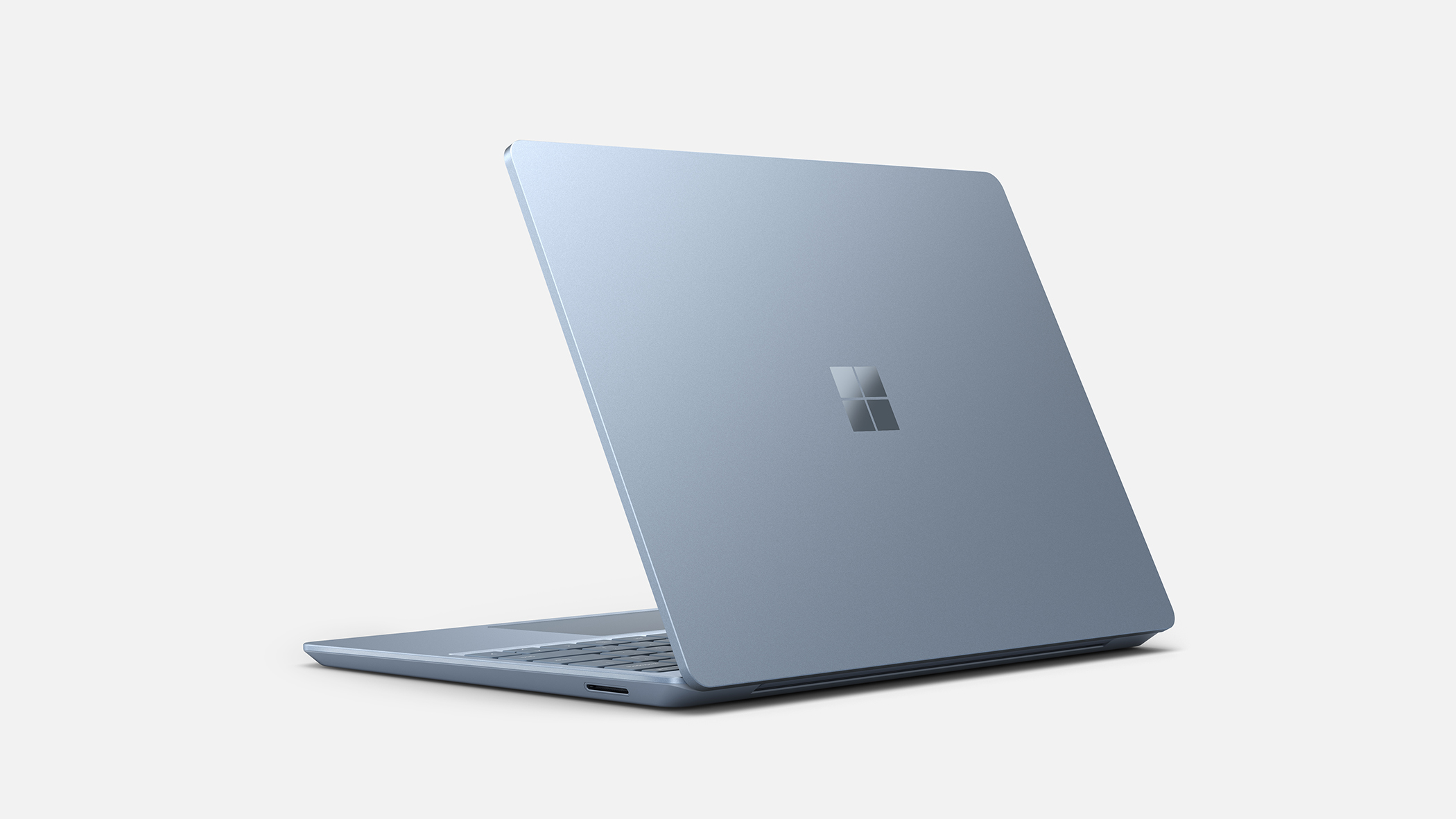
Although the Surface Laptop Go shines in Platinum, Ice Blue, and Sandstone colors in markets like the US, you can get it only in Platinum color in India. The device, which weighs about 1.1kg, features Intel Core i5-1035G1 Ice Lake processor paired with LPDDR4x RAM and eMMC(only 64GB version)/SSD storage.

The display is a 12.4-inch PixelSense touchscreen which has a resolution of 1536 x 1024-pixels resolution and a 3:2 aspect ratio. For connectivity, we get 1 x USB-C port, 1 x USB-A port, a Surface Connect port, and a 3.5mm audio jack, Bluetooth 5.0, and Wi-Fi 6.

Other features include a full-size keyboard with 1.3mm travel, fingerprint scanner(not on 4GB variant), 720p HD webcam, Omnisonic speakers with Dolby Audio, Dual far-field Studio Mics, Top Aluminium Cover, and polycarbonate resin with Glass fiber base.


(via XDA)

Motorola Capri Plus aka Moto G30 receives BIS certification

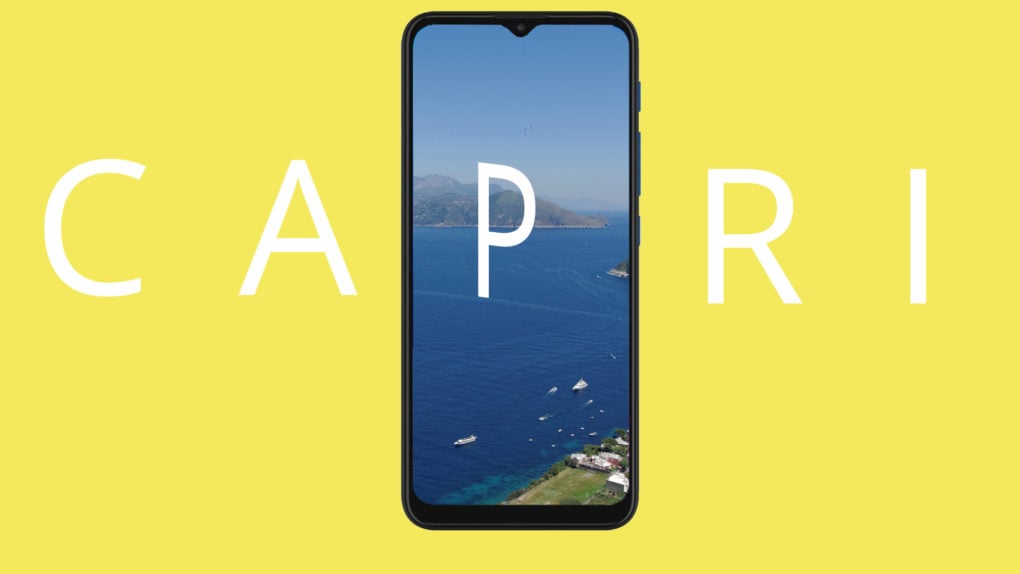
Earlier this month, the specifications of two Motorola smartphones codenamed Capri and Capri Plus were leaked. These handsets are expected to go official in Q1 2021 itself. A few days back, the plus model’s branding was revealed to be Moto G30 via NBTC certification. Now, this very same phone has been certified by India’s BIS as well.

Motorola Capri mockup
Motorola Capri mockup by TechNikNews

The Motorola Capri Plus smartphone with model number XT2129-2 has received BIS certification. Hence, we can expect the company to launch this handset in India but we cannot tell for sure if it will release as Moto G30 or something else.

According to previous reports, this upcoming Motorola phone will sport a 90Hz HD+ display. It will be powered by Qualcomm Snapdragon 662 chipset paired with 4GB/6GB RAM and 64GB/128GB internal storage. 

Further, the device will feature a 13MP Samsung S5K4H7 sensor on the front and a quad-camera setup on the back consisting of a 64MP OmniVision OV64B sensor with a wide-angle lens, a 13MP Samsung S5K3L6 sensor with an ultra-wide lens, a 2MP OmniVision OV02B sensor for depth sensing, and a 2MP GalaxyCore GC02M1 sensor with a macro lens.

Other features include a 5,000mAh battery with support for 20W fast charging, dual-SIM, NFC, and Android 11 operating system. Lastly, although it is not confirmed, we can expect this device to come with a MicroSD card slot and a 3.5mm headphone jack like any other budget Motorola smartphone.


POCO M3 launched with an Introductory Price of Rp.1,799,000($129) in Indonesia

POCO Indonesia has finally launched the budget M3 smartphone in the country. This device has already debuted in Europe back in November. Starting at Rp.1,799,000 in Indonesia, it features Snapdragon 662 chipset, 48MP Triple-camera, and more.

POCO M3 Indonesia – Price, Availability

POCO M3 will be available in two storage variants in Indonesia- 4GB RAM, 64GB storage, and 6GB RAM and 128GB storage options. You can take a look at the official pricing below:

  • POCO M3(4GB + 64GB)- Rp.1,899,000($136)
  • POCO M3(6GB + 128GB)- Rp.2,299,000($164)

However, POCO has an introductory Online offer for both the variants. Accordingly, 4GB RAM will be available for Rp.1,799,000($129) and 6GB variant for Rp.2,199,000($157). The first sale of the POCO M3 will be on January 26 at 10:00 WIB(UTC+07:00).

As for availability, POCO says that users can purchase the device online via mi.com(Indonesia), LazadaLazadaLazada, Akulaku, and Mi Authorized stores across the country. The device will also be available on erafone and other Mi Authorized retail shops soon.


POCO M3 Specifications

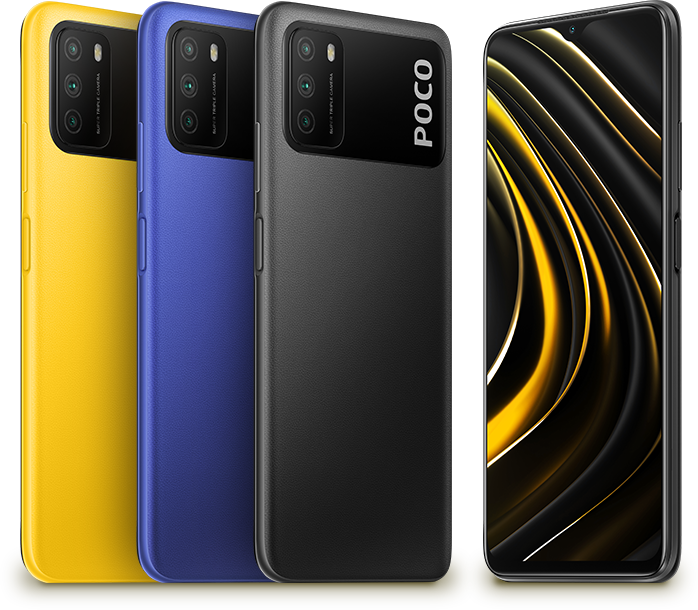
POCO has retained the same build and color of the POCO M3. That is, it sports a faux leather finish on the back and comes in POCO Yellow, Cool Blue, and Power Black color options. The larger all-black housing that hosts the rectangular triple-camera layout has a POCO logo beside it.

It features the 6.53-inch FHD+ LCD display with Dot-drop notch, 2340x1080p resolution, 395 PPI, 19.5:9 aspect ratio. The display also covers 70% NTSC color gamut, has 1500:1 contrast ratio, TUV Rheinland certification for Low-Blue light emission, and is protected by Corning Gorilla Glass 3.

Under the hood, Snapdragon 662 SoC powers the device paired with LPDDR4x 4/6GB RAM, 64GB(UFS 2.1), and 128GB(UFS 2.2) storage. You also get a microSD card slot to expand the storage up to 512GB. For Cameras, we have the same 48MP f/1.79 main lens, two 2MP macro and depth sensors.

Other features include an 8MP f/2.0 front camera, a 6,000mAh battery with 18W charging(22.5W charger in-box), Type-C, 3.5mm audio jack, dual-Speakers, dual-SIM 4G, Wi-Fi 5GHz, Bluetooth 5.0, FM Radio, GPS, and MIUI 12 based on Android 10.


Vivo X60 Pro+ launched with Snapdragon 888 and two main rear cameras

The Vivo X60 Pro+ has finally launched as Vivo’s first flagship smartphone of the year. The phone not only has the Snapdragon 888 processor under its hood but also has two main rear cameras – one from Sony and the other from Samsung.


vivo X60 Pro Plus Featured 06

Vivo X60 Pro+ design

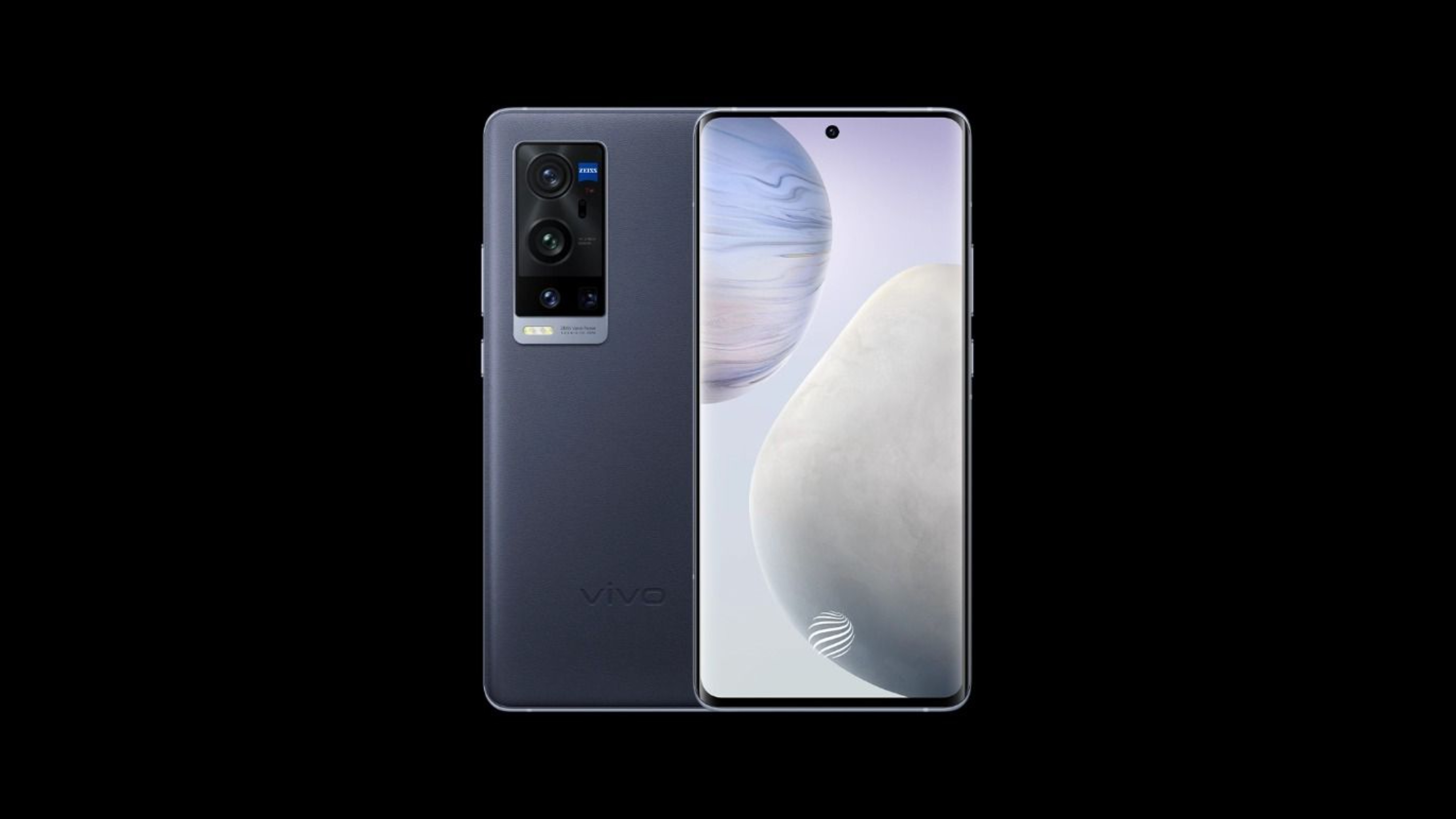
The phone has a curved display with a centered punch hole for the selfie camera. Just as we have seen with some other manufacturers such as OnePlus and Xiaomi, Vivo has also paid attention to the display of the X60 Pro+. The manufacturer claims that the screen has an average ΔE score of 0.506 and that each display was individually calibrated.

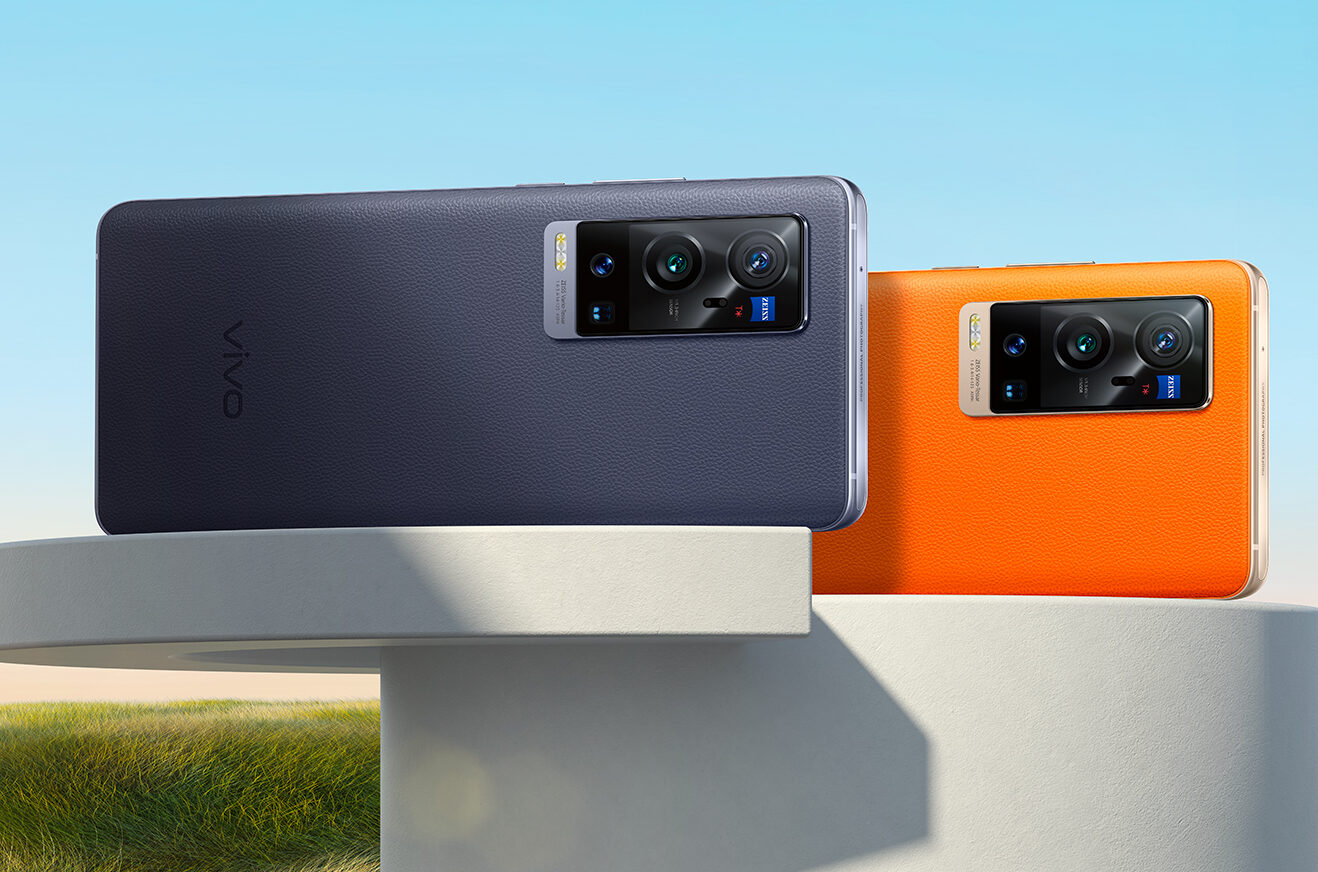
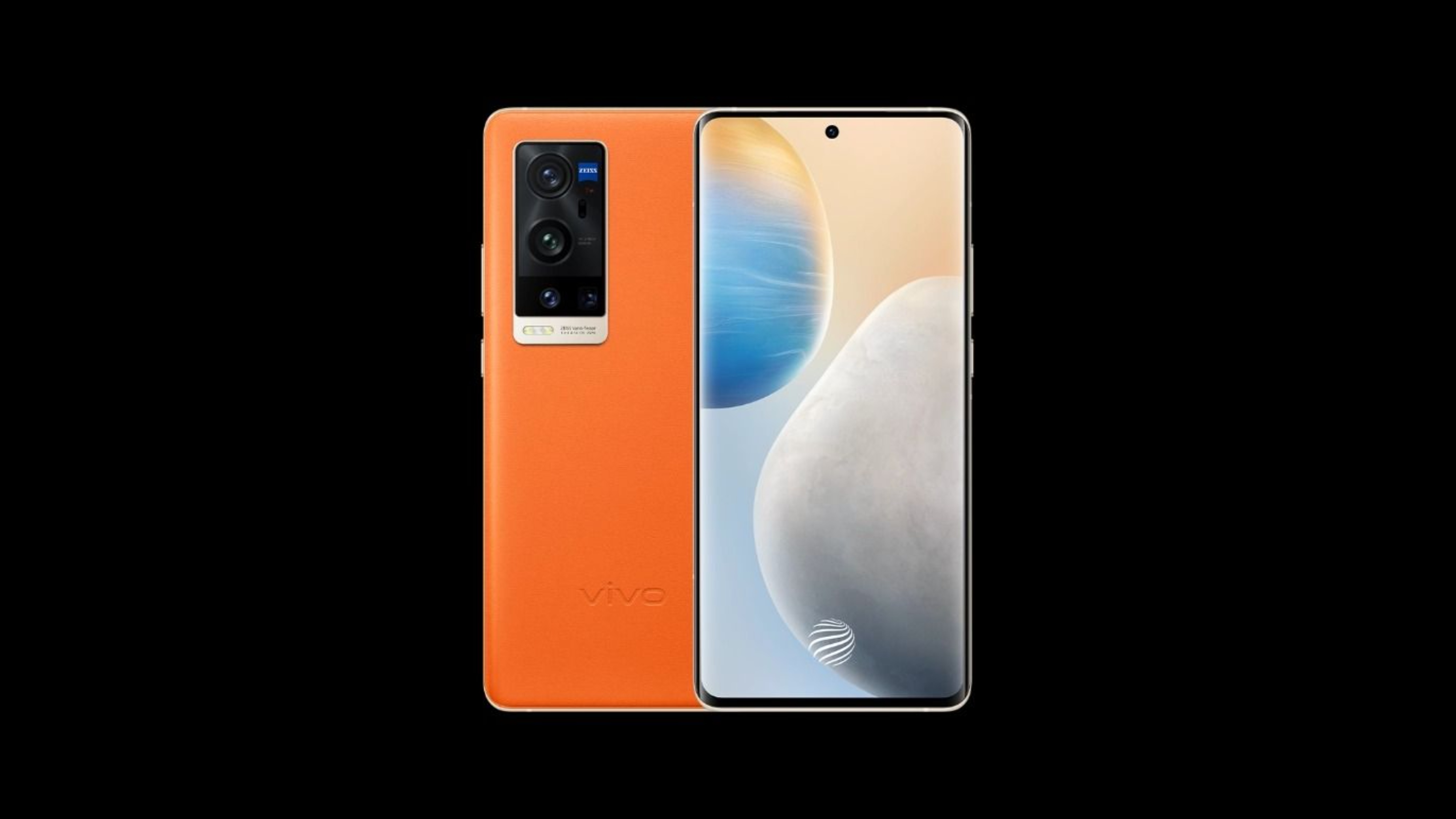
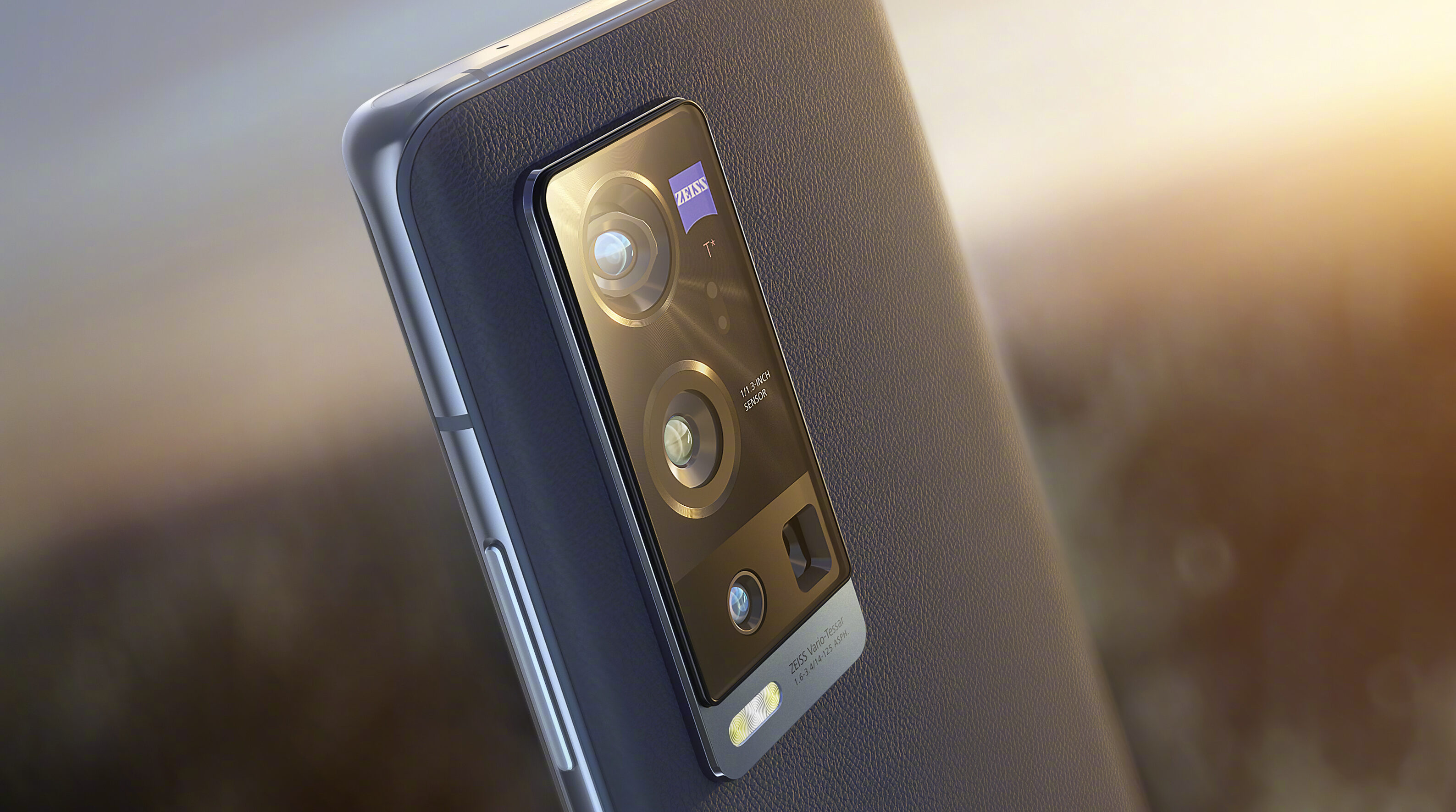
The back of the phone is covered in high-quality plain leather with the option to choose between Classic Orange and Phantom Blue. Sitting on the back is a rectangular island made of metal and glass that houses four cameras. The camera housing protrudes and is quite large, thanks to the phone having two main cameras, one of which has a gimbal system.

The overall design screams premium and we don’t have anything to be displeased about.

Vivo X60 Pro+ specs

The Vivo X60 Pro+’s display measures 6.56 inches and it has a resolution of 2376 x 1080. Its refresh rate is 120Hz refresh rate while its touch sampling rate is 240Hz. It also has HDR10 and HDR10+. There is no mention of the type of protection the screen has.

The Snapdragon 888 processor is paired with 8GB or 12GB of LPDDR5 RAM. The 12GB version has a feature called Memory Fusion Technology that allows you to use 3GB from the storage as additional RAM. The phone comes in 128GB or 256GB UFS 3.1 storage options.

The Vivo X60 Pro+ has dual SIM support (Nano only), an in-display fingerprint scanner, face unlock, NFC, Bluetooth 5.2 with support for SBC, AAC, aptX HD, and LDAC. It runs OriginOS 1.0 based on Android 11. It packs a 4200mAh battery with support for 55W flash charge.

EDITOR’S PICK: Vivo reveals Funtouch OS 11 (Android 11) update schedule for India

Vivo X60 Pro+ cameras

The camera department is where Vivo goes all out. It has collaborated with ZEISS optics for the cameras. The X60 Pro+ also has Zeiss T* coating which helps with guiding light transmission through the lens of a camera. The addition of this coating makes a significant difference in the quality of images taken by the phone.

vivo X60 Pro Plus Featured 02

The first main camera is a 48MP f/2.2 micro pan-tilt Sony IMX598 camera with a focal length of 14mm, a 114° ultrawide angle, and 4-axis OIS. The second main camera is the 50MP Samsung GN1 with an f/1.57 aperture and a 1/1.3” large sensor size. There is also a 32MP f/2.08 portrait camera with a 50mm focal length and an 8MP f/3.4 periscope camera that has OIS 5x optical zoom and 60x super zoom. The selfie camera is a 32MP f/2.45 sensor.

Vivo says all four rear cameras support AF autofocus and video stabilization. You can also record in 8K and record slow-motion videos at up to 1080p.

Vivo X60 Pro+ price and availability

The Vivo X60 Pro is priced at ¥4998 for the 8GB+128GB version and ¥5998 for the 12GB+256GB version. It is available for pre-order now on the Vivo online shop and on Jd.com. It will go on sale on Saturday 23rd of January.

Vivo did not announce a Snapdragon 870 version of the phone at the evet and neither did it announce a tablet.


Lenovo China’s GM shares AnTuTu score of Snapdragon 870 running on Motorola Edge S

Motorola Edge S is scheduled to launch in China on January 26. The company already confirmed that the device will feature Snapdragon 870 chipset. Ahead of the launch next week, Lenovo China’s GM has shared the AnTuTu score of the Edge S.

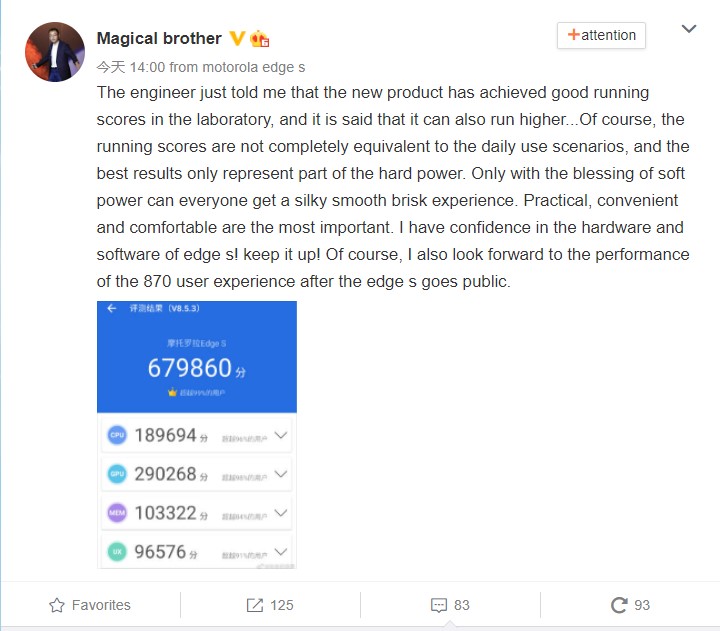
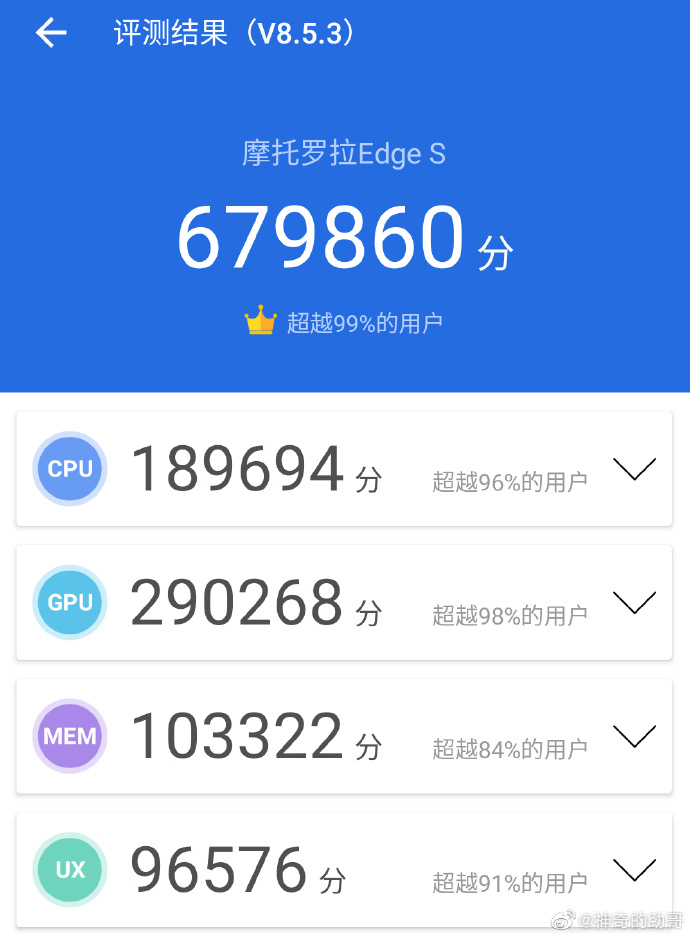
Chen Jin shared the AnTuTu benchmark score of the upcoming Motorola Edge S on Weibo. In the screenshot, you can see the overall score to be around 679,860. Although the average score is a bit far from Snapdragon 888(ref: Black Shark 4), things get interesting in the Graphics category.

If you look at the GPU split up score, it is around 290,268 points whereas a typical gaming smartphone like iQOO 7 scores around 314,968. It is a no-brainer that AnTuTu scores differ with scenarios and as Jin says, Motorola Edge S could be capable of achieving more as well. That said, the Edge S scores 189,694, 103,322, 96,576 in CPU, Memory, and UX categories respectively.

Snapdragon 870 chipset was announced a couple of days ago. Carrying the part number SM8250-AC, the processor with Kryo 585 CPU@ 3.2GHz frequency is supposed to overpower Snapdragon 865 & 865+. Accordingly, the AnTuTu score of Motorola Edge S beats devices like Mi 10 Ultra, iQOO 5 Pro from December AnTuTu report.

Anyway, we will have to wait till the launch to know more about the real-world performance and software optimization(UX) on the Edge S. The next flagship Smartphone is reportedly the Chinese variant of the Motorola ‘Nio’ Global version. It is expected to feature a 6.7-inch FHD+ dual punch-hole display with a refresh rate up to 105Hz.

Other expected specs include a 64MP quad-camera, 16MP+8MP dual front cameras, 5,000mAh battery, 8/12GB RAM, 128/256GB storage, and run Android 11 out of the box.


Nokia Quicksilver spotted on Geekbench with Snapdragon 480 and Android 11

HMD Global has been releasing mediocre Nokia-branded Android smartphones for quite a while now. It could be one of the reasons why their market share has dropped by a high margin. But the company is persistent in releasing new products, which can be considered positive. That said, a few days back, a report revealed that the firm will be releasing more 5G handsets in 2021. One of those devices has been now spotted on Geekbench.

A Nokia smartphone codenamed ‘HMD Global Quicksilver’ has been benchmarked on Geekbench. According to the listing, this phone will run Android 11 and will be powered by the newly announced Qualcomm Snapdragon 480 5G SoC paired with 6GB RAM.

Unfortunately, nothing else is known about this handset as we are hearing about it for the first time. Apart from the above-mentioned specs, all we can say right now is that this device can score around 468 points and 1457 points in Geekbench’s single-core and multi-core tests respectively.

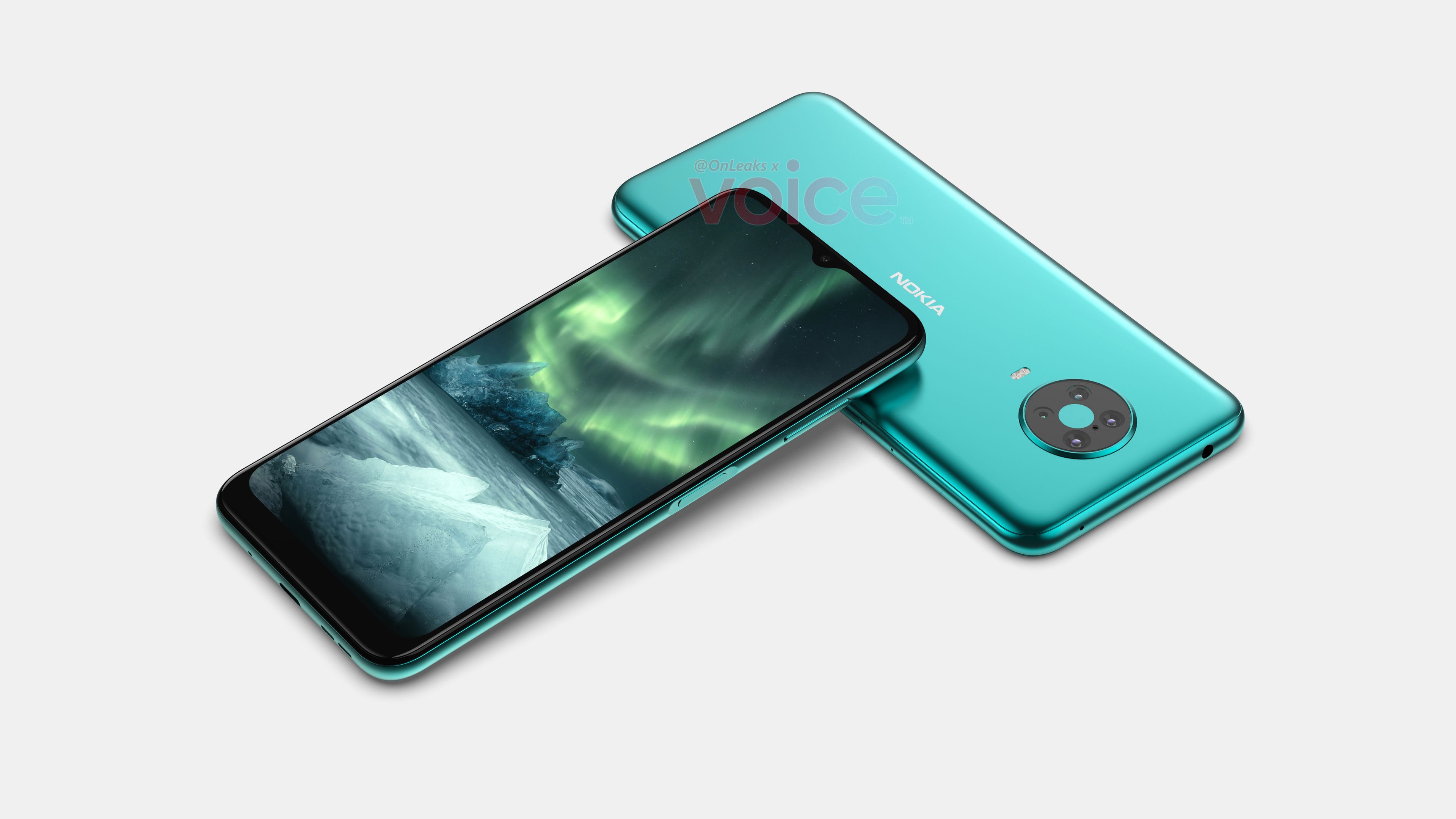
That said, the marketing name of this phone is a mystery. But we think it could be the recently leaked Nokia 6.3/6.4/6.5. Anyway, whatever it may be, we expect to learn more about this smartphone before its official announcement in the coming days.

So far, we only have two Snapdragon 480 devices in the form of vivo Y31s and OPPO A93 5G. Hence, this Nokia handset has a chance of becoming the third product with this new budget 5G chipset from Qualcomm.


Infinix Hot 10 Play launched with Helio G25 chipset, 6,000mAh battery, & more

After a lot of leaks, Infinix has finally announced the Hot 10 Play today. The device, which starts as low as $90, has a fingerprint scanner, 6,000mAh battery, Dual-Camera, and more.

Infinix Hot 10 Play – Price, Availability

Infinix has announced the Hot 10 Play handset in Pakistan and the Philippines. The device has a 2GB RAM, 32GB storage variant. This will retail for PKR16,999($106) in Pakistan and PHP4,290($90) in the Philippines.

Pakistan users can get the device via Xpark while customers in the Philippines can buy it through the Lazada, LazMall e-commerce platform from January 23. On the first day, the device will reportedly sell for a discounted price of PHP3,790($79).

As for Pakistan, the pre-orders run through to January 24, and users who pre-order get a chance to win Infinix Earbuds XE08 worth PKR2,699($16.82).

Infinix Hot 10 Play Specifications and Features

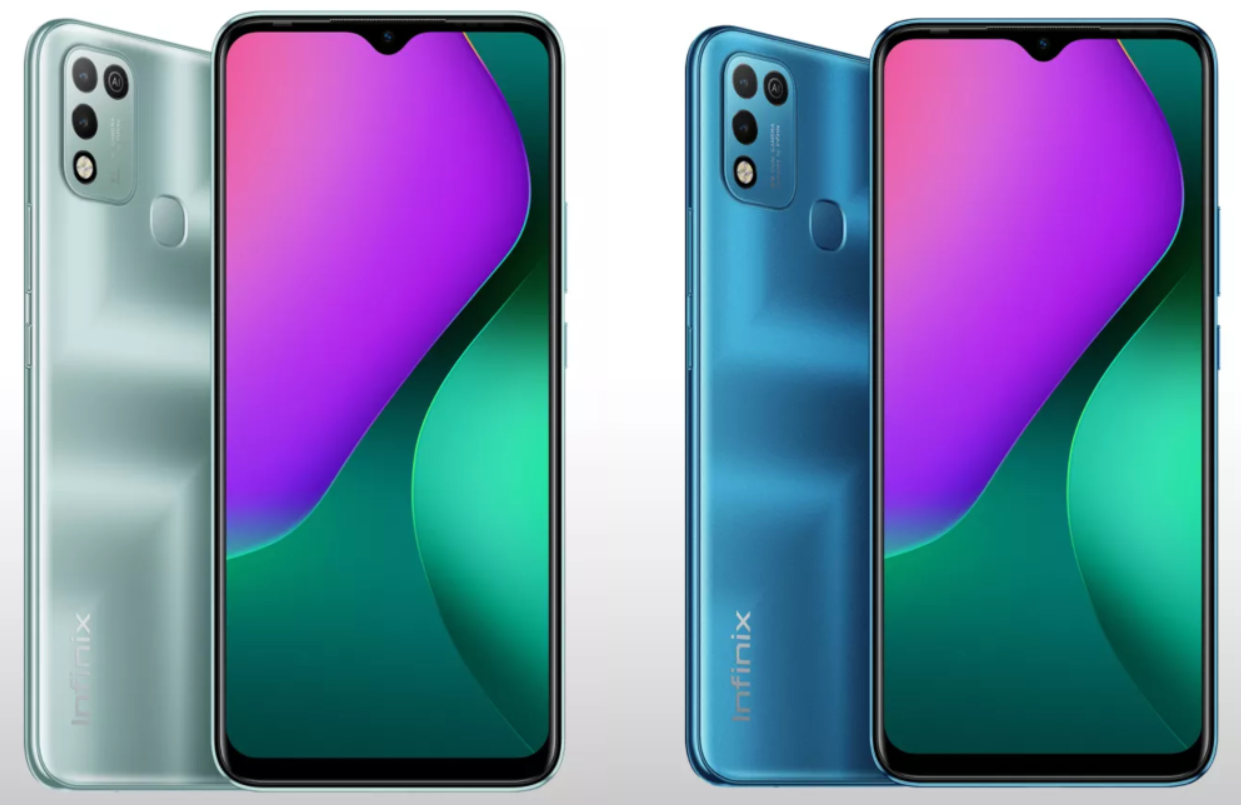
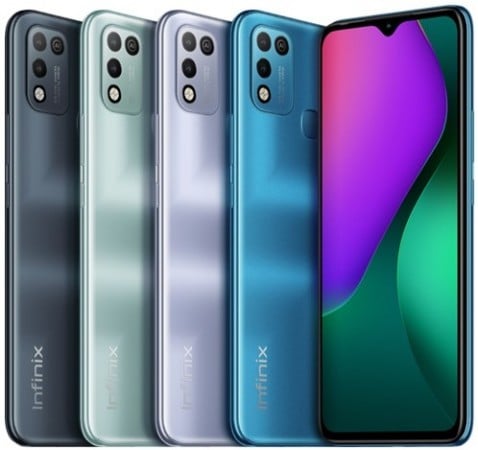
From the specs, you will know that the Infinix Hot 10 Play is an entry-level smartphone. It features a 6.82-inch HD+ display with a water-drop notch. The device has four color variants in Total- Aegean Blue, Morandi Green, Obsidian Black, and 7° Purple options with glaze-like textured patterns.

Under the hood, MediaTek Helio G25 chipset powers the device. Apart from 2GB variant, a GSMArena report says it also has a 4GB RAM, 64GB option. However, currently only 2GB Variant is listed in Pakistan and the Philippines. For storage expansion, you can use the microSD card slot up to 512GB.

For cameras, it has a Dual-Camera setup on the back with a 13MP main, and an AI lens(depth). Upfront, you get a single 8MP sensor for selfies. Other features include a 6,000mAh battery with 10W charging via micro-USB, 3.5mm audio jack, and XOS 7.0 based on Android 10 Go Edition.


(via)