Advertisement

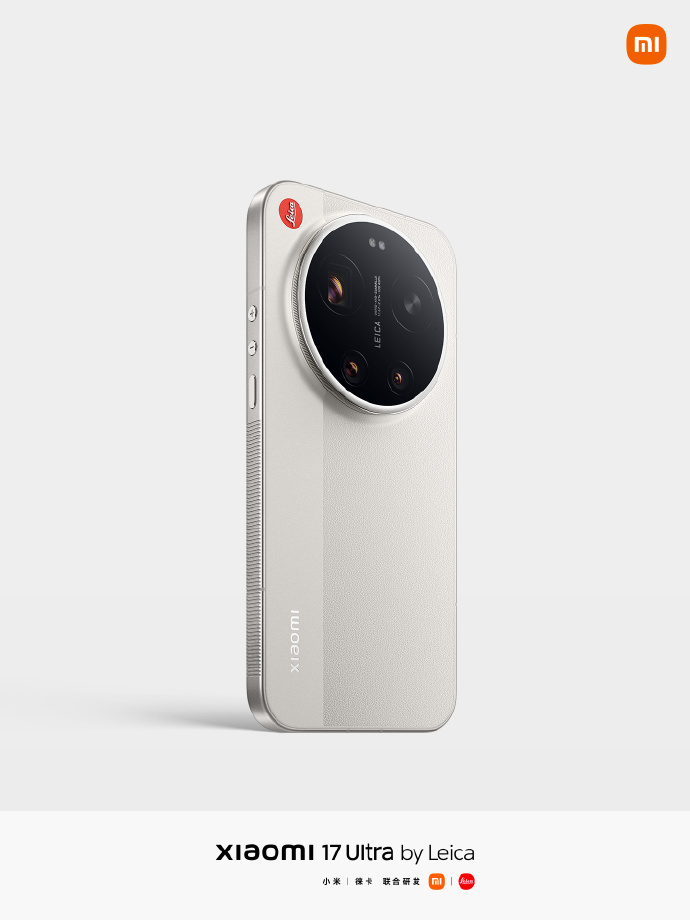
Xiaomi 17 Ultra bags radio certification well before 2026 launch

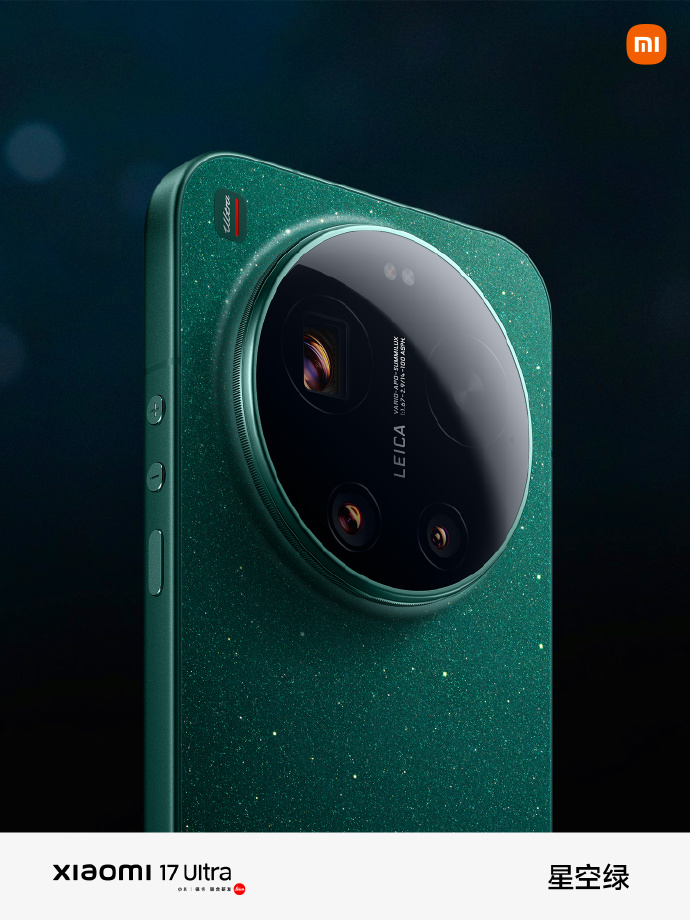
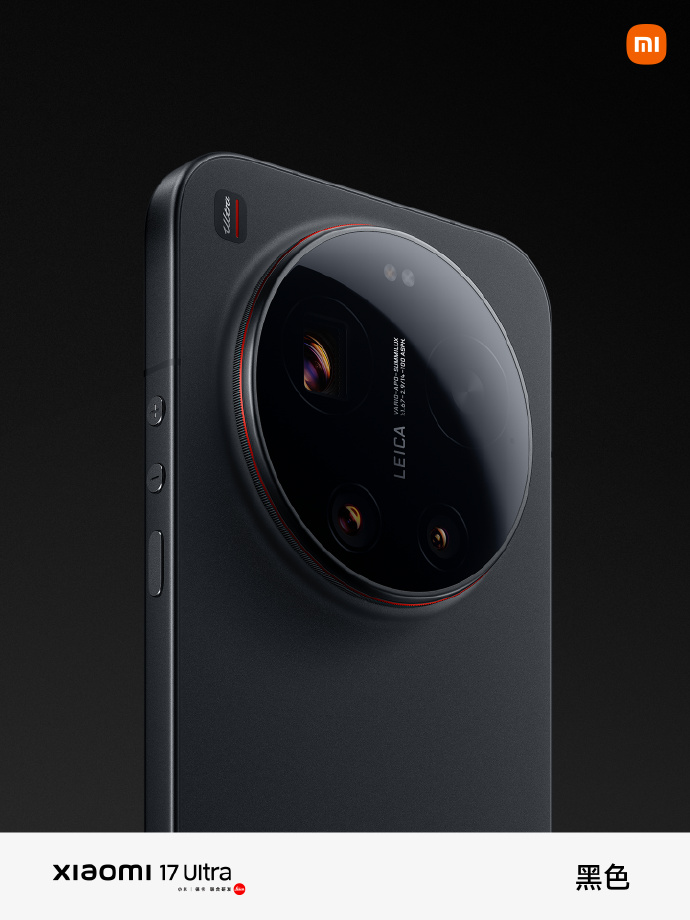
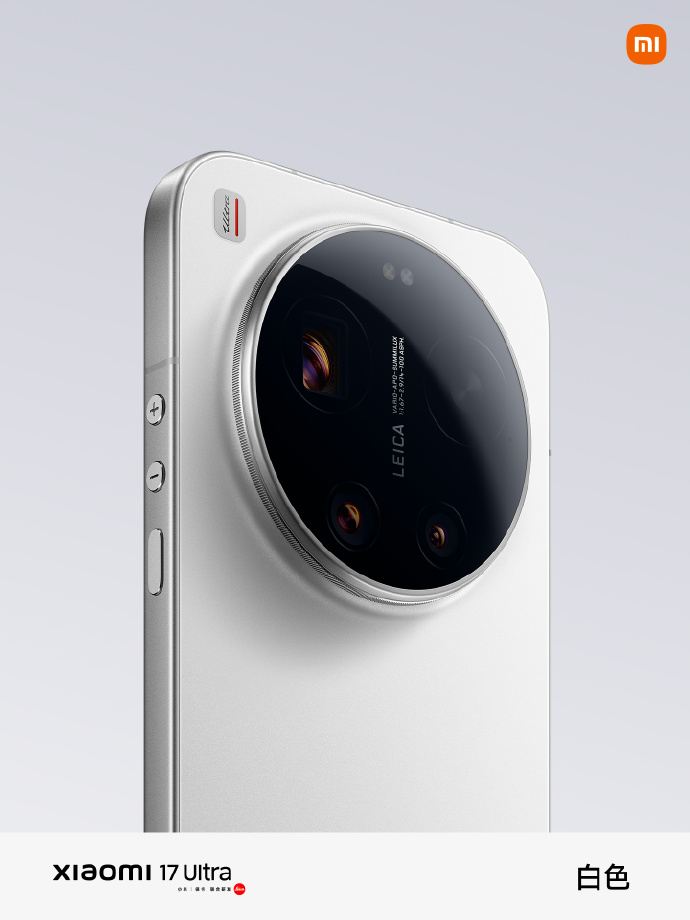
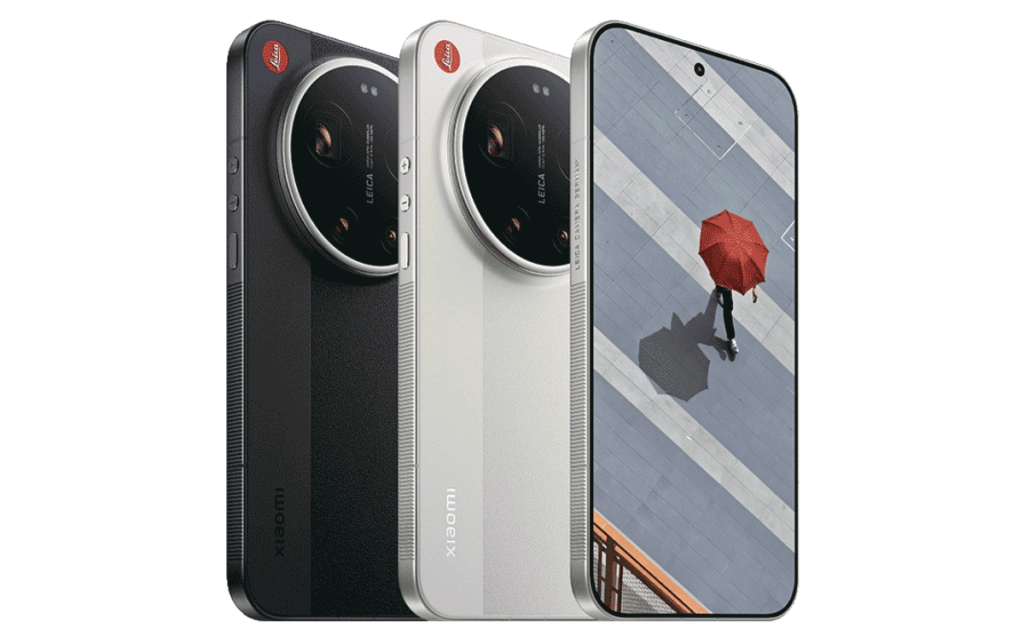
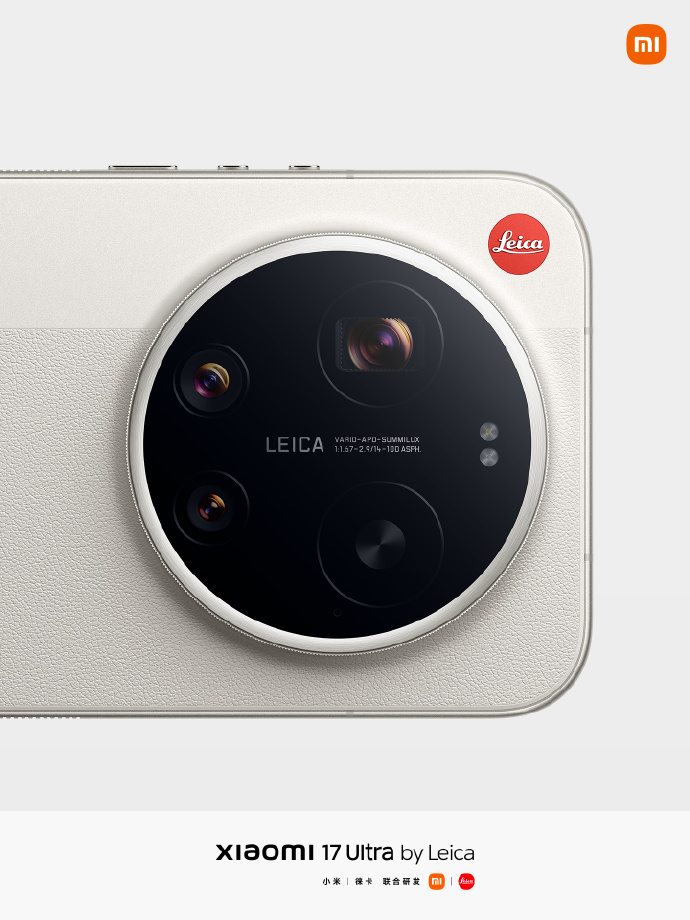
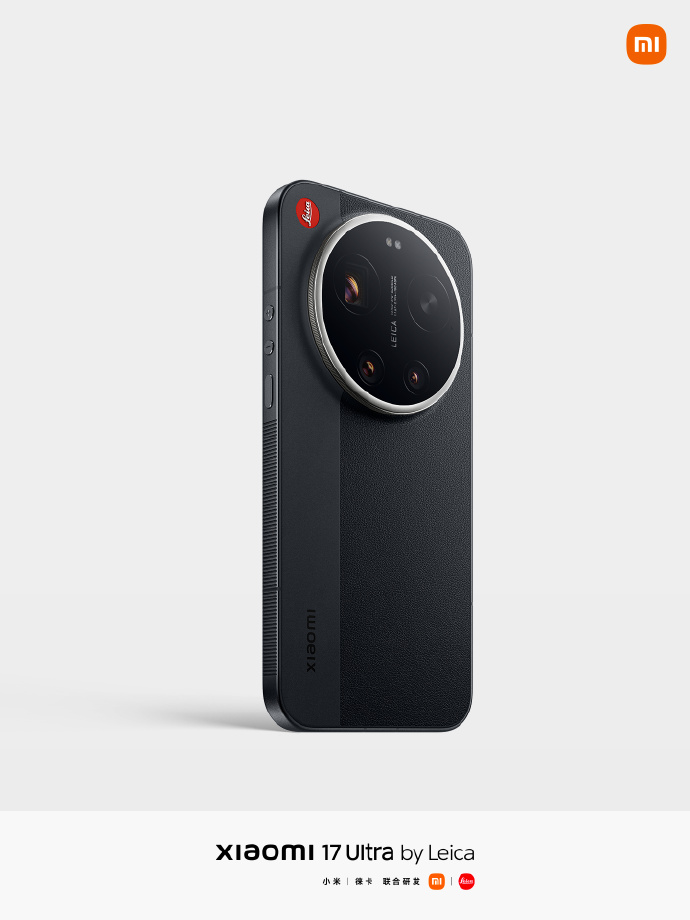
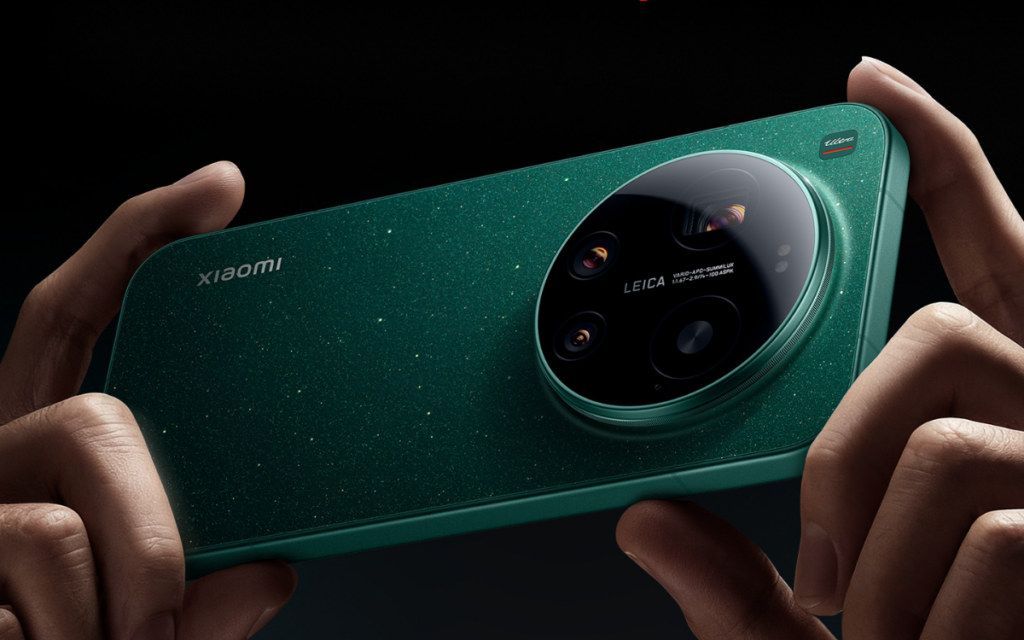
Xiaomi is expected to unveil the Xiaomi 17, 17 Pro, and 17 Pro Max on Sept. 30 in China. The lineup is also expected to include other models, such as the Xiaomi 17 Ultra and Xiaomi 17S Pro, as successors to the previous generation’s Xiaomi 15 Ultra and Xiaomi 15S Pro. Recently, a new Xiaomi device bearing the model number 2512BPNDAC surfaced in the database of China’s radio certification platform. This device is believed to be the Xiaomi 17 Ultra, which is expected to launch in 2026.

Xiaomi 17 Ultra radio certified in China

Xiaomi 17 Ultra radio certified

As seen above, the Xiaomi 2512BPNDAC has received radio certification in China. The listing reveals one key detail: the device will support Ultra-Wideband (UWB) connectivity.

The global and Indian variants of this device, with respective model numbers such as 2512BPNDAG and 2512BPNDAI, were spotted in the GSMA IMEI database in July. There have been reports that Xiaomi may not launch premium smartphones in India. Therefore, there is no clarity on whether any of the Xiaomi 17 series will make it to the Indian market.

The “2512” numbers in the model number indicate that it may debut in China. However, since the Xiaomi 15 Ultra was announced in February 2025, the 17 Ultra is expected to hit the Chinese market in February 2026.

Xiaomi 17 Ultra specifications (rumored)

As far as specs are concerned, the Xiaomi 17 Ultra’s camera setup is expected to include a customized 50-megapixel 1-inch primary camera, a 50-megapixel Sony LYT-600 ultra-wide lens, and a 200-megapixel periscope telephoto camera with 3x to 5x continuous optical zoom.

Like the Xiaomi 17 and 17 Pro series, the Ultra edition could be equipped with the Snapdragon 8 Elite Gen 5 chipset. At the same time, the brand is also said to be working on the next-generation Xring O2 chip. So, it remains to be seen whether the Xiaomi 17 Ultra features the Snapdragon 8 Elite Gen 5 or the Xring O2.

For more daily updates, please visit our News Section.

Stay ahead in tech! Join our Telegram community and sign up for our daily newsletter of top stories.

Fire-Boltt FireLens Vision AI debuts in India with camera, translation and AI features

Fire-Boltt has introduced FireLens, a smart eyewear line combining technology with everyday wear. The range includes FireLens Audio and FireLens Vision AI, offering hands-free calls, music, AI-powered assistance, real-time translation, and high-quality imaging in lightweight, prescription-ready frames. Continue reading ahead to learn more about these products.

FireLens Audio and FireLens Vision AI

FireLens F1, F2, and F2 Pro

The FireLens Audio brings sound and productivity into a pair of regular glasses. Built with directional speakers and a discreet microphone, it allows users to listen to music, handle phone calls, and interact with voice assistants without needing earphones. The design keeps the frames fashionable and comfortable, making them suitable for daily use at work or on the move.

FireLens Vision AI takes eyewear beyond audio by integrating an 8-megapixel camera powered by Fire-AI technology. Photos and Full HD videos can be captured using either a side button or simple voice commands such as “Hey FireLens, take a photo”. Its AI capabilities extend to exploring landmarks, providing cultural and local information, identifying objects, plants or signs, and offering instant translations in more than 35 languages. Users can record notes and conversations for later recall, set reminders, and access tips about their surroundings.

The glasses feature dual microphones for clearer voice pickup and 32GB of onboard storage to save captured content. They also integrate with Siri, Google Assistant, and Bixby, while ChatGPT support enables on-the-go AI queries.

The FireLens series will be available in three different versions to cater to varied user needs. The FireLens F1 is a standard fit option that comes with a 220mAh battery and delivers essential AI and audio functions.

For those seeking a larger frame and longer power backup, the FireLens F2 offers a 300mAh battery along with more advanced AI features. At the top of the range is the FireLens F2 Pro, designed with a large fit and equipped with a 390mAh battery, providing access to the full Vision AI suite for an enhanced experience.

The eyewear is splash-resistant, available in different silhouettes and colours, and prescription-ready. They include magnetic charging pins, sturdy metal hinges, an LED indicator for camera activity, and a touchpad for easy control on the temple. Transitions® lenses make them adaptable for indoor and outdoor use.

The FireLens AI companion app links the glasses with smartphones, allowing firmware upgrades, translation services, media management, and AI meeting logs.

FireLens Audio and Vision AI price and availability

FireLens Audio is available at Rs 3,499, whereas the FireLens Vision AI series will be priced between Rs 9,999 and Rs 14,999. These products will be sold via Fire-Boltt.com and Flipkart.

For more daily updates, please visit our News Section.

Stay ahead in tech! Join our Telegram community and sign up for our daily newsletter of top stories.

Hisense launches 150-inch Xplorer X1 Ultra sound-emitting Laser TV

Hisense has officially launched the world’s first 150-inch screen-sound laser TV in China. The new model, called the Hisense Xplorer X1 Ultra (also known as Discovery X1 Ultra), expands the existing lineup that previously included 100-inch and 120-inch versions. The company has now introduced new 139-inch and 150-inch variants in the Chinese market.

Hisense Xplorer X1 Ultra

Hisense Xplorer X1 Ultra Specifications

The Xplorer X1 Ultra appears to be the Chinese version of the TriChroma Laser TV L9Q, which is expected to be sold globally. Hisense uses a dual MCL39 tri-color RGB laser light engine co-developed with Texas Instruments. The display delivers 1000 nits of full-screen brightness and supports 110% of the BT.2020 color gamut. The contrast ratio is rated at 5000:1, and the TV supports Dolby Vision, IMAX Enhanced, and MEMC motion smoothing.

Hisense has equipped the X1 Ultra with a new SST-architecture DMD chip, also developed with Texas Instruments. The chip allows pixel-level light control and eliminates the halo effect.

To maintain image fidelity in well-lit rooms, Hisense uses a Nano Spectrum Selective Screen Pro with less than 1% reflectivity. The screen surface is 2H-hardened, scratch-resistant, and foldable. The ultra-short throw design has a 0.18 throw ratio, allowing the display to sit nearly flush with the wall.

Hisense Xplorer X1 Ultra

The TV includes a 9.1.4-channel audio system developed with Harman Kardon. It features 15 speaker units, a wireless subwoofer with an 11.9L acoustic chamber, and a peak output of 206W. The system supports Dolby Atmos, Hi-Res Audio, and screen-vibration-based directional sound that matches audio to on-screen action.

The X1 Ultra packs a MediaTek MT9655 chip with 4GB RAM and 1TB storage. It supports Wi-Fi 7, 4K MAX high-bitrate playback, a native 4K smart UI, and uses Hisense’s DeepSeek AI for context-aware voice control and real-time scene tips.

The connectivity options include four HDMI 2.1 ports, USB 3.0 and 2.0, Ethernet LAN, RS232, optical and coaxial audio out, and antenna input. The remote control includes NFC for tap-to-cast smartphone mirroring.

Hisense Xplorer X1 Ultra

The Xplorer X1 Ultra has a 2 cm wall-mounted screen, weighing 20 kg with a 13.1 kg main unit. It draws about 350 W, offers TÜV eye protection, low blue light, ambient light adaptation, diffused reflection, and shows 6.9 billion colors with ΔE≈0.6.

Hisense has announced pricing for all four sizes:

  • 150-inch: 99,999 yuan (~$13,700)
  • 139-inch: 79,999 yuan (~$11,200)
  • 120-inch: 69,999 yuan (~$9,800)
  • 100-inch: 49,999 yuan (~$7,000)

For more daily updates, please visit our News Section.

Stay ahead in tech! Join our Telegram community and sign up for our daily newsletter of top stories! 💡
(Source, Via)

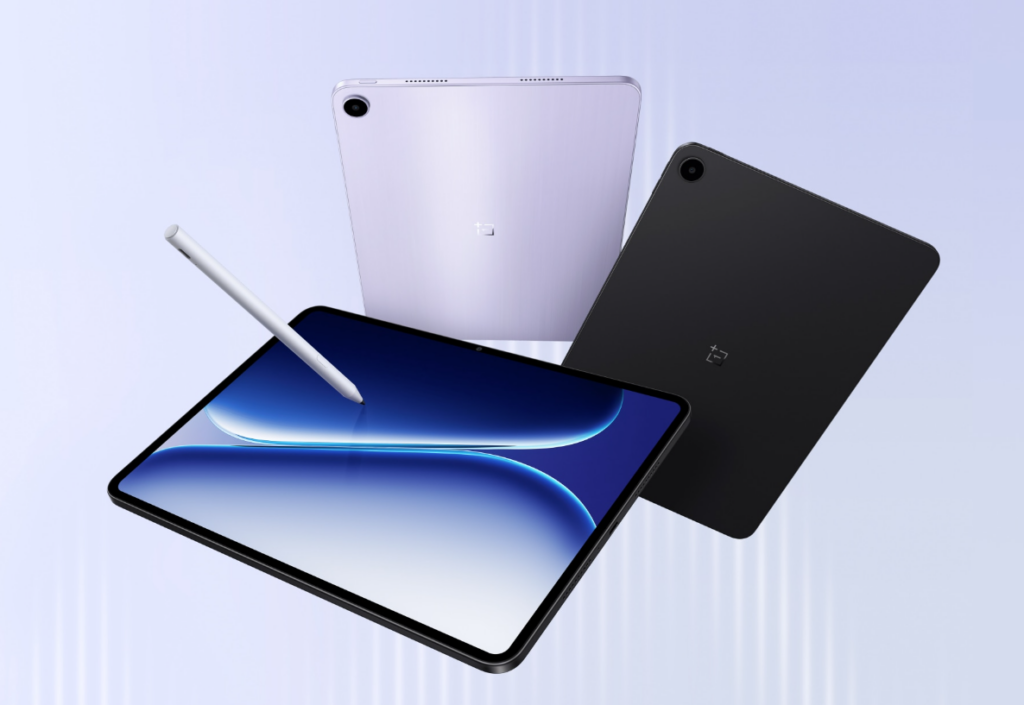
Xiaomi Pad 8 real images, chipset, battery, and Geekbench score revealed ahead of launch

Xiaomi’s upcoming launch event isn’t just about the new Xiaomi 17 series phones. The company is also preparing to roll out the Pad 8, and thanks to a steady stream of leaks, we already have a decent picture of what’s on the way.

The Pad 8 is shaping up as the base model in Xiaomi’s refreshed tablet lineup, sitting below the Pad 8 Pro. A recent Geekbench entry for a device tagged as 25097RP43C suggests it’s running on Qualcomm’s Snapdragon 8s Gen 4, paired with 12GB of RAM. Early scores land around 1,984 for single-core and 6,323 for multi-core. That’s slightly shy of phones like the Poco F7 or Nothing Phone (3) using the same chip, but that’s not unusual for pre-release hardware.

Xiaomi has already teased some of the specs, including an 11.2-inch LCD screen with a sharp 3.2K resolution and a fast 144Hz refresh rate—clearly targeting gamers and heavy content consumers. Powering everything is a 9,200mAh battery with 45W fast charging. Despite packing in that much juice, the tablet is impressively thin at 5.75mm and weighs just 485g, which puts it nearly on par with the Pro version.

Other details floating around include a 13MP rear shooter, an 8MP selfie cam, quad speakers, quad microphones, and a USB-C 3.2 Gen 1 port for faster transfers. On the software front, it’s expected to ship with HyperOS 3, designed to integrate more smoothly with the rest of Xiaomi’s ecosystem.

Leaked hands-on images show a clean, flat-edged design with slim bezels, keeping in line with the brand’s recent devices. With the official reveal coming later this month, the Pad 8 looks set to offer a more affordable tablet option that still ticks a lot of the right boxes.

Don’t miss a thing! Join our Telegram community for instant updates and grab our free daily newsletter for the best tech stories!

For more daily updates, please visit our News Section.

(Sources: Lei Jun on Weibo, Geekbench)

Samsung’s Tri-Fold phone launch reportedly delayed

Samsung’s plans for its next wave of futuristic devices appear to have shifted. The company had been expected to showcase its first tri-fold smartphone alongside the upcoming XR headset this month, but new reports suggest the foldable won’t be ready in time. Instead, the spotlight will fall solely on the headset, leaving foldable fans waiting a little longer.

According to ETNews, Samsung is preparing to launch the Project Moohan XR headset on October 21. The device will mark Samsung’s official entry into mixed reality, with features like AI-assisted controls, advanced eye and hand tracking, and support for a wide range of Android apps. It’s powered by Qualcomm’s Snapdragon XR2+ Gen 2 and uses a high-resolution display, positioning it as a strong challenger to Meta’s Quest series and Apple’s Vision Pro.

The Galaxy Tri-Fold, however, has reportedly been pushed back. The inward folding tri-fold was initially tipped to launch together with the headset. Samsung is said to be holding off until late November, giving the device more time for final quality checks while also spacing out its big launches.

Samsung has already proven itself a leader in book-style foldables with the Galaxy Z Fold lineup, but the Tri-Fold represents a bigger leap—and with that comes added complexity. By separating the launches, the company ensures that each product gets its own moment, and that the Tri-Fold’s debut isn’t overshadowed by the excitement around XR.

The delay may test the patience of fans who have been waiting years for a true tri-fold phone, but it doesn’t look like the project is in jeopardy. Instead, Samsung seems to be playing it safe, aiming to close out the year with back-to-back showcase products: Moohan for XR in October, and the Tri-Fold foldable soon after.

Tech enthusiast? Get the latest news first! Follow our Telegram channel and subscribe to our free newsletter for your daily tech fix!

For more daily updates, please visit our News Section.

(Source: ETNews)

JerryRigEverything had to step up its testing to bend iPhone Air

Apple’s thinnest iPhone, the iPhone Air, has just faced one of the harshest durability trials—JerryRigEverything’s infamous bend test. At only 5.6mm thick, many feared the ultra-slim design would revive memories of the iPhone 6 Plus “Bendgate” saga. But thanks to its titanium middle frame, the slimmest iPhone held up impressively—at least until JerryRigEverything pushed it to the limit. In his latest durability test, the iPhone Air went through an unusual round of torture, and the result might surprise you.

The durability run began with scratches. Apple’s new Ceramic Shield 2 glass held up impressively, resisting marks until level 7 on the Mohs hardness scale. That’s a step above most phones, including Samsung’s Galaxy S25 Ultra with Gorilla Armor 2, which showed scratches at level 6. Nelson even joked, “Apple ruined my line,” since his go-to scratch commentary didn’t quite apply here.

However, not every claim lived up to expectations. Apple’s much-touted anti-reflective coating didn’t perform as well as promised. Under bright lighting, it showed more glare than Samsung’s older Galaxy S24 Ultra, leaving a small dent in Apple’s otherwise strong display performance.

Then came the big moment—the bend test. Apple has been promoting the Air’s grade 5 titanium frame as being twice as rigid and 60% more elastic than aluminum. When Nelson applied pressure from the back, the frame barely budged. Bending it from the front produced some flex, but the phone quickly returned to shape without permanent damage.

Of course, Nelson pushed things further. Using a crane scale, he applied up to 216 pounds (about 98kg) of force, which finally cracked the front glass and bent the frame beyond recovery. Even then, the back glass didn’t shatter, and the phone remained operational.

The iPhone Air has proven that being thin doesn’t have to mean fragile. With a titanium frame and stronger Ceramic Shield 2 glass, it easily shrugs off normal daily abuse and puts fears of a “Bendgate 2.0” to rest. The only real disappointment is the anti-reflective coating, which doesn’t live up to Apple’s marketing. Still, durability-wise, the iPhone Air stands as one of the toughest devices in Apple’s 2025 lineup.

Don’t miss a thing! Join our Telegram community for instant updates and grab our free daily newsletter for the best tech stories!

For more daily updates, please visit our News Section.

(Source)

Xiaomi Air Conditioners Just Got a Huge Upgrade: 10-Year Free Warranty

Xiaomi just pulled off something that has the entire air conditioning industry doing double-takes. They’ve extended their warranty on all Mijia air conditioners in China from 6 years to 10 years of free coverage, and here’s the kicker: it applies to people who already bought them too.

Xiaomi Air Conditioner

When Lu Weibing, one of Xiaomi’s top executives, made this announcement during a livestream, it caught the industry off guard. This covers everything, wall units, tower styles, and even those complicated central air systems that usually get minimal coverage.

The wild part? If you installed a Mijia AC anytime after January 1st, 2025, you’re automatically covered. Bought yours in 2024, but installed it this year? You’re in too.

When Xiaomi says free, they mean it. No repair fees, no service charges, no surprise costs. Free diagnostics, parts, labor, and even refrigerant refills. The catch? It only covers performance failures due to product quality issues, not damage you cause yourself. But for manufacturing defects and natural wear, you’re completely covered for a decade.

Xiaomi Air Conditioners 10yrs warranty

Xiaomi sold 7.5 million AC units this year. Their extended warranty usually costs 200 yuan ($28) per unit. By offering this for free, they’re giving away 1.5 billion yuan ($210 million) worth of service coverage. That’s a massive bet on customer loyalty.

Lu Weibing didn’t just announce a policy; he threw down the gauntlet to every AC manufacturer, calling them out to stop cherry-picking warranty coverage and start treating customers fairly.

For anyone who’s dealt with appliance warranty headaches, this sounds refreshing. No fine print, no discovering your model doesn’t qualify.

This feels bigger than marketing. Xiaomi is so confident in their quality that they’re backing it with real money for real people. By making it retroactive, they’re showing existing customers that loyalty goes both ways.

For more daily updates, please visit our News Section.

Stay ahead in tech! Join our Telegram community and sign up for our daily newsletter of top stories! 💡
Baseus PicoGo 100W fast charger launched with three ports and a mini display

Baseus is rolling out a new fast charger called the PicoGo AE21 Digital Display Fast Charger. It’s already on sale in China and is now heading to Europe and North America with a price tag of €59.99 in the EU.

The charger uses GaN tech to stay compact and efficient while still pushing out plenty of power. It has two USB-C ports, each supporting up to 100W, plus a USB-A port rated at 33W. That means you can charge a laptop and a phone at the same time, or even run two laptops if needed—though in that case the USB-A shuts off and the two Type-C ports split the output, with 65W on the first port and 35W on the second.

If the connected devices don’t demand that much—say a Galaxy S25, which tops out at 25W—the charger adjusts to a 45W + 30W split across the USB-C ports while keeping the USB-A active at 18W. That’s enough to charge a phone, a power bank, and a pair of earbuds at once, all at decent speeds.

But what makes this fast charger stand out is the little digital display on the front. It shows live charging data like voltage, wattage, and even temperature, so you can see exactly how your devices are pulling power. Baseus says it uses graphene materials and smart thermal controls to keep heat under control, even when running at full tilt.

Despite packing all this, the PicoGo stays compact. It measures 6.7 x 3.3 x 5.3 cm and has foldable prongs, so it’s easy to toss into a bag without adding bulk.

For anyone who needs one charger to handle a laptop, a phone, and maybe a pair of earbuds all at once, the PicoGo looks like a strong option. With a global launch expected soon, it might be one of the more practical travel chargers you’ll see this year.

Don’t miss a thing! Join our Telegram community for instant updates and grab our free daily newsletter for the best tech stories!

For more daily updates, please visit our News Section.

One UI 8.5 spotted on Galaxy S25 Ultra

Just days after the stable One UI 8 rollout began for the Galaxy S25 series, traces of One UI 8.5 have been spotted on the Galaxy S25 Ultra. The early appearance suggests Samsung is moving faster than usual with its mid-cycle software refresh.

Samsung One UI 8.5 leak

The stable One UI 8, built on Android 16, brings tweaks to Galaxy AI, more customization tools, and smoother performance. The rollout is still making its way across regions. But while users are still waiting for that, a test build for One UI 8.5 has already popped up on Samsung’s servers.

The firmware carries the version number S938BXXU5CYIA/S938BOXM5CYIA/S938BXXU5CYIA. It can’t be downloaded—Samsung patched the loophole that once allowed sideloading test builds—but its presence is enough to confirm development is well underway.

So what’s in it? Nothing official yet, but past mid-cycle updates have brought UI refinements, smoother animations, and extra Galaxy AI features. It’s possible One UI 8.5 will follow the same path.

Interestingly, developer @Feruzbek_101 managed to get a test build running on his Galaxy S21+. He shared a few images that reveal some of the early UI tweaks.

Samsung is also working in parallel on the Galaxy S26 series, which means One UI 8.5 might launch first with that hardware before it reaches current S25 owners. If so, it could be early 2026 before S25 Ultra users see the stable version.

Still, the fact that it’s already showing up is a good sign. Samsung’s software teams are clearly pushing updates quicker, keeping pressure on rivals like Google and Xiaomi. Expect more leaks in the coming months.

Don’t miss a thing! Join our Telegram community for instant updates and grab our free daily newsletter for the best tech stories!

For more daily updates, please visit our News Section.

(Source)

OnePlus 15’s middle frame claimed to have a coating 4x harder than titanium

The OnePlus 15 may look and feel quite different from its predecessor, the OnePlus 13. A new report from tipster Digital Chat Station, who claims to have gone hands-on with the upcoming flagship, points to some notable changes in both design and materials.

OnePlus 13 Arctic Dawn
OnePlus 15 render

According to the leaker’s post on Weibo, the OnePlus 15 will feature a flat display with rounded corners and is described as “much smaller” than the 6.9-inch iPhone 17 Pro Max. Previous leaks suggested a 6.78-inch screen, slightly more compact than the 6.82-inch panel on the OnePlus 13 (review).

Interestingly, the middle frame is said to use a special coating that’s “four times harder than titanium.” It reportedly comes in a matte, earthy tone inspired by Dune, moving away from the glossy finish of the OnePlus 13.

The biggest uncertainty surrounds the camera housing. Early rumors hinted at a square module — a shift from the round layout of the OnePlus 13 — but Digital Chat Station now suggests those renders were inaccurate. The actual design remains under wraps, leaving fans waiting for OnePlus to confirm the details.

Under the hood, things appear clearer. The OnePlus 15 is expected to run on Qualcomm’s new Snapdragon 8 Elite Gen 5. Benchmark listings spotted earlier indicate about a 20% boost in CPU performance compared to the Snapdragon 8 Elite inside the OnePlus 13, promising smoother multitasking, gaming, and AI-powered features.

OnePlus is set to unveil the phone in October 2025. If these leaks prove accurate, the company’s next flagship could deliver a refreshed design alongside a major performance upgrade — though the final word will only come once OnePlus makes it official.

Don’t miss a thing! Join our Telegram community for instant updates and grab our free daily newsletter for the best tech stories!

For more daily updates, please visit our News Section.

(Source: DCS on Weibo)

SanDisk launches ELE portable SSDs with 400MB/s read speeds

SanDisk has launched a new lineup of portable solid-state drives under the ELE series name in China. The new drives serve as a direct successor to the popular WD Elements SE series, which existed before the split between Western Digital and SanDisk.

SanDisk ELE SSD

SanDisk ELE SSD Specifications

The SanDisk ELE series portable SSD features sequential read speeds of up to 400MB/s. This makes the drive approximately 2.5 times faster than conventional external hard drives. It is available in two storage options: 1TB and 2TB.

The drive is built to handle everyday storage needs, including file transfers, mobile content creation, and general productivity. It uses a USB 5Gbps interface and supports both USB Type-A and Type-C connectivity. SanDisk includes a Type-C adapter in the box.

SanDisk has designed the drive with portability in mind. The ELE SSD has a square body measuring 64.5mm on each side, with a thickness of 8.7mm. It weighs about 45 grams, making it easy to carry in a pocket or bag. The drive also supports drop resistance of up to 2 meters, offering protection against accidental falls.

The SSD is compatible with Windows 10 and later versions, as well as macOS 11 and newer. It operates within a temperature range of 0°C to 45°C and can handle storage temperatures from -20°C to 85°C. These ratings ensure the device can withstand routine use and safe storage in a range of conditions. SanDisk provides a three-year limited warranty with the ELE series.

Pricing and Availability

The 1TB model is priced at 499 yuan (around $70), and the 2TB version costs 819 yuan (about $115). SanDisk has not confirmed global availability yet.

In related news, Samsung has unveiled its 8TB 9100 Pro PCIe 5.0 SSD with read speeds up to 14,800 MB/s, while SanDisk introduced the WD Blue SN5100 SSD, offering up to 4TB capacity and read speeds reaching 7100 MB/s.

For more daily updates, please visit our News Section.

Stay ahead in tech! Join our Telegram community and sign up for our daily newsletter of top stories! 💡
(Source, Via)

One UI 8.5 leaked video shows plenty of UI changes

Samsung One UI 8.5 leak

The stable One UI 8 rollout has just begun, but leaks have already started revealing important details about its next iteration, One UI 8.5. We already know that Samsung has been working on it for months, and recently, the Galaxy S25 Ultra was spotted on the test server with One UI 8.5 build. Now, a leaked video has surfaced on the internet, giving us our first look at the software well ahead of its official release.

A developer, @Feruzbek_101, was able to somehow modify the One UI 8.5 internal beta build and run it on a Galaxy S21+. The video shared by him reveals Samsung is making UI changes across various apps and functions, including the Settings app, Galaxy Themes, and Studio Editor.

The changes become visible right from the boot screen. There’s a new One UI 8.5 logo on the boot screen with gradients around it, giving it a colorful experience. Samsung has been showing a minimalist “Samsung Galaxy” text on the boot screen for years. It’s good that Samsung’s making some changes there.

One UI 8.5 boot screen UI

The Setting app is also getting some notable UI tweaks. The menu options are now compact, and there are no subtitle texts as well. The search bar is now located at the bottom, which is easier to reach, and there’s an overflow gradient on both top and bottom edges. There are also drop shadows on all containers and the search bar. The expanded search page now shows different categories in a three-column grid.

More changes are visible inside the Settings app when you tap on a specific item. The back button floats above the content and gets a drop shadow of its own, which looks similar to iOS 26. Furthermore, the One UI Home Screen page within the Settings page replaces the dummy icons with real ones.

One UI 8.5 phone app

The Phone app may be getting a big UI overhaul in One UI 8.5. As the video shows, the traditional three-tab structure is replaced with a pill-shaped design, making it easier to access options while also extending the screen’s usability. The Galaxy Studio is also getting a pill-shaped UI element. This could be implemented in more stock apps to offer users a streamlined user experience.

One UI 8.5 also brings design changes to the Galaxy Themes app. The app launch page features a giant brush icon, perhaps aiming to convey a colorful and tweaking vibe. Inside, the app shows pill-shaped buttons. The Device Care section gets a revamped UI, featuring a card design for the device health status. The individual options below show long progress bars.

You can click this link to watch the complete leaked video of One UI 8.5.

Related: Samsung devices that are eligible for One UI 8.5 update

The One U 8.5 is currently in an early phase of development, and therefore, these changes are not final yet. The stable build is expected to debut with the Galaxy S26 series in early 2026. That’s when we’ll see the full version of One UI 8.5 along with all new features and upgrades.

Remember to regularly visit our One UI 8.5 section for the latest updates on this topic. You can also follow us on Telegram to stay on top of the latest tech trends and updates.

Huawei Nova Flip S first leak reveals storage variants and price

Huawei launched the Nova Flip last year as its most affordable foldable. It looks like the company is now working on its successor. According to reliable tipster Digital Chat Station, the company is working on a new device called the Nova Flip S.

The device will reportedly come in multiple memory options: 12GB of RAM paired with 256GB, 512GB, or even 1TB of storage. The color option is said to include Sakura Pink, Zero White, Sky Blue, Starry Black, Feather Sand Black, and New Green.

On the software front, the phone will run HarmonyOS 5.0, Huawei’s latest operating system. The original Nova Flip launched with the Kirin 8 series chipset, and while this leak doesn’t confirm the processor for the Flip S, it’s reasonable to expect an upgraded chip for smoother performance.

As for price, Digital Chat Station suggests the Nova Flip S will land somewhere around 5,000 yuan (roughly $700 USD). 

Huawei Nova Flip Specifications

While other specs of Nova Flip S are yet to come, let’s take a quick recap of the specs of Nova Flip. The device measures 169.8 x 75.4 x 6.9 mm when unfolded and 87.6 x 75.4 x 15.1 mm folded, weighing about 195g. 

Huawei Nova Flip
Huawei Nova Flip

It features a 6.94-inch LTPO OLED foldable display with a 120Hz refresh rate and a 2.14-inch OLED cover screen. The main camera system includes a 50MP wide lens with OIS and an 8MP ultrawide lens, while the front houses a 32MP selfie camera capable of 4K video.

Other highlights include stereo speakers, no headphone jack, Wi-Fi 6 support, NFC, and a 4400mAh battery with 66W fast charging and 5W reverse charging. Security was handled by a side-mounted fingerprint scanner.

For more daily updates, please visit our News Section.

Stay ahead in tech! Join our Telegram community and sign up for our daily newsletter of top stories! 💡
Galaxy S25 Ultra vs iPhone 17 Pro Max: zoom test shakes things up

Samsung and Apple have gone head-to-head in another camera battle, this time focused on zoom. Popular reviewer SuperSaf recently compared the Galaxy S25 Ultra and iPhone 17 Pro Max across different zoom ranges, and the outcome wasn’t quite what many expected.

Starting at 3x zoom, Samsung looked strong. Thanks to its dedicated telephoto lens, the S25 Ultra produced crisper and more natural images than Apple, which relies on a crop from the main sensor at that level. For anyone shooting quick portraits or closer details, Samsung has the early edge.

Things turned around at 4x. That’s where Apple brings in its own telephoto hardware, and the results were immediately sharper and cleaner than Samsung’s hybrid approach. From 4x through about 4.9x, the iPhone delivered photos with noticeably better definition and less noise.

At 5x, both phones came out nearly tied, with similar sharpness and detail. From there up to 10x, it was hard to declare a clear winner, as both held up well in everyday scenarios.

When zooming way in at 20x and even 40x, the Galaxy S25 Ultra started to show its strength again. Under good lighting, Samsung’s image processing pulled out finer details, especially when capturing distant signs or text.

But in low light, the iPhone stole the show. Its larger telephoto sensor consistently produced brighter, more usable shots at every zoom level, while the S25 Ultra struggled with grain and artifacts due to artificial sharpening.

In the end, Samsung still has the edge in extreme daylight zoom, but Apple’s strong noise control, especially in low-light, makes this one of the closest battles yet between the two brands.

For those curious, here’s a comparison between the S25 Ultra and last year’s iPhone 16 Pro Max, which shows just how much Apple has improved with the latest model. On Samsung’s side, the upcoming S26 Ultra, expected in January, is rumored to keep almost the same imaging hardware as the S25 Ultra, with a stronger push toward AI-based image enhancements, similar to what we’ve seen with Google’s Pixel 10 series.

Don’t miss a thing! Join our Telegram community for instant updates and grab our free daily newsletter for the best tech stories!

For more daily updates, please visit our News Section.

Gmktec launches NucBox M5 Ultra Mini PC with Ryzen 7 7730U, up to 64GB RAM & triple 8K display

Gmktec has launched its latest Mini PC, the NucBox M5 Ultra, featuring AMD’s Ryzen 7 7730U processor and a compact chassis. The new model is now available globally and in Europe through Gmktec’s official online stores. It targets professionals, content creators, and users who need workstation-grade performance in a small form factor.

Gmktec NucBox M5 Ultra

Gmktec NucBox M5 Ultra Specifications

The NucBox M5 Ultra comes equipped with an AMD Ryzen 7 7730U processor, based on the Zen 3 architecture. The chip includes 8 cores and 16 threads, with a base frequency of 2.0GHz and a max boost clock of 4.5GHz.

It uses TSMC’s 7nm process and supports three power profiles: Silent (10W), Balanced (15W), and Performance (35W peak). Graphics is handled by integrated AMD Radeon Graphics, featuring 8 cores running at 2000MHz.

Gmktec pairs the CPU with dual-channel DDR4 RAM (3200 MT/s), offering configurations of 16GB or 32GB and support for up to 64GB. The system includes a 512GB PCIe 3.0 M.2 SSD by default and can be upgraded to 8TB per slot, totaling up to 16TB using the dual M.2 2280 slots. One slot supports both PCIe and SATA, while the second is PCIe-only.

The Mini PC supports triple display output via HDMI 2.0 (4K@60Hz), DisplayPort (up to 8K@60Hz), and USB-C DP (up to 8K). It also features dual 2.5G RJ45 Ethernet ports, Wi-Fi 6E, and Bluetooth 5.2.

The I/O selection includes 2× USB 3.2 Gen2, 2× USB 2.0, a 3.5mm headphone jack, and a Type-C port with DisplayPort and Power Delivery support.

Gmktec ships the M5 Ultra with a 19V/3.42A power adapter, VESA mount, and HDMI cable. The bare unit weighs 528g and measures 128.8 × 127 × 47.8 mm.

Pricing and Availability

The NucBox M5 Ultra is available in multiple configurations, including Barebone, 16GB RAM with 512GB SSD, and 32GB RAM with 1TB SSD. Gmktec has priced the 16GB model at $309.99 and the 32GB variant at $359.99.

As part of the launch promotion starting September 19, buyers can get a $12 / €10 discount using the code GMKM5UPR on the Global store or PRM5Ultra10 on the EU store.

For more daily updates, please visit our News Section.

Stay ahead in tech! Join our Telegram community and sign up for our daily newsletter of top stories! 💡
DJI Osmo Nano specs leak ahead of launch with 1/1.3-inch sensor and 10-bit D-Log profile

The Osmo Nano is DJI’s upcoming compact action camera that’s been floating around in rumors for quite a while. Its launch is set for September 23, but publication DroneXL spotted an early listing on an Australian retailer’s site, complete with a full spec sheet.

DJI Osmo Nano Specifications (Rumored)

At the core of the Osmo Nano is a new 1/1.3-inch sensor capable of shooting 4K video at 60fps, or slowing things down with 4K/120fps recording. The dynamic range is rated at 13.5 stops, and there’s a 10-bit D-Log M color profile for those who want more flexibility in post-production. DJI is also adding a Super Night Scene mode for low-light shooting.

For action-packed shots, the Osmo Nano doesn’t skimp on stabilization. It comes with DJI’s familiar RockSteady 3.0 stabilization along with Horizon Balancing, both of which support 4K/60fps recording. The camera also has a 143-degree ultra-wide lens.

Moreover, DJI claims the cam can offer up to 200 minutes of 1080p recording, and with fast charging, you can reportedly reach 80 percent in just 20 minutes. Other useful touches include USB 3.1 high-speed transfer, microSD expansion, and waterproofing up to 10 meters without a case. With the optional Osmo Pod, the device is rated at IPX4 splash resistance, making it more versatile for outdoor shoots.

The Osmo Nano also has creator-friendly features, like gesture controls, pre-recording, quick switching between landscape and portrait, and live previewing. 

There’s even Wi-Fi 6 support for faster wireless transfers. On the audio side, DJI is offering a direct Osmo Audio connection with dual microphones, removing the need for a separate receiver.

As for pricing, the 64GB model is expected to cost €369, while the 128GB version will be priced at €399.

For more daily updates, please visit our News Section.

Don’t miss a thing! Join our Telegram community for instant updates and grab our free daily newsletter for the best tech stories!

(Source)

Garmin Bounce 2 Official: LTE, Text Messaging, Amazon Music, and Geofencing

Garmin has launched the Bounce 2, a smartwatch for kids with LTE connectivity that allows parents to stay in touch through two-way calling, text messaging, and real-time location tracking. The watch also offers fun and activity-focused features for children.

Bounce 2

Garmin Bounce 2 features:

Using the Garmin Jr. app on a compatible smartphone, parents and approved contacts can call or send messages to their child. Bounce 2 has a built-in speaker and microphone for calls and voice messages. Kids can respond with voice messages or use the full keyboard to send texts. Voice message transcriptions allow parents to read messages when listening is not possible.

The watch shows the child’s location in real-time and supports temporary geofencing. Parents are notified when the child enters or leaves a designated area.

Bounce 2 tracks running, walking, bicycling, jump roping, pickleball, and team sports. Kids can access animations, watch faces, and color themes. The watch also supports Amazon Music, allowing children to download songs to listen on the watch or compatible headphones (Amazon Music for Prime or Unlimited required). Voice commands let kids call parents or start timers.

The watch has a round 1.2-inch AMOLED display, touchscreen, and two side buttons for navigation. It is swim-friendly and built to handle daily activities. The battery lasts up to 2 days.

Availability and Pricing

Bounce 2 is available in light purple, turquoise, and slate gray. The retail price is $299.99. Garmin smartwatch plans cost $9.99 per month. Early buyers may receive additional offers.

For more daily updates, please visit our News Section.

Don’t miss a thing! Join our Telegram community for instant updates and grab our free daily newsletter for the best tech stories!

(Source)

Huawei Watch GT 6 Global Launch: Titanium Build, AMOLED Display, and Long Battery

Alongside the Watch Ultimate 2, Huawei has also introduced the Watch GT 6 and Watch GT 6 Pro for global markets. The lineup features improved durability, extended battery life, and new health tools.

Huawei Watch GT 6

Huawei Watch GT 6

The Watch GT 6 comes in 41mm and 46mm sizes, while the Pro version is only available in 46mm. Both retain the sharp-angle design from the GT 5 series but with a more refined finish. The 41mm version uses a round case and targets a more fashionable look, while the 46mm models feature an octagonal frame. The smaller model has a 1.32-inch AMOLED display, while the larger ones use a 1.47-inch AMOLED panel.

The Watch GT 6 Pro offers a brighter and stronger build than its predecessor, with up to 3,000 nits of brightness, sapphire crystal glass, and an aerospace-grade titanium alloy case. The design is both lightweight and durable, rated IP69 and 6 ATM water resistant.

Huawei Watch GT 6

Battery performance is a key upgrade. The 46mm version delivers up to 12 days of battery life in normal use and up to 21 days with power-saving mode. The 41mm model offers 7 days of standard use and up to 14 days in power-saving mode. These improvements are driven by high-silicon stacked batteries, which increase energy density by 37 percent, effectively doubling endurance compared to earlier models.

The new lineup supports ECG, heart rate, SpO2, and sleep monitoring. It also adds virtual cycling, allowing cyclists to track performance through advanced metrics.

Price and Availability

The Watch GT 6 starts at £229.99 for both the 41mm and 46mm versions, with price variations depending on straps and the Outdoor Edition. The Watch GT 6 Pro is priced at £329.99. Early buyers will receive £30 off and a free strap for a limited period.

For more daily updates, please visit our News Section.

Tech enthusiast? Get the latest news first! Follow our Telegram channel and subscribe to our free newsletter for your daily tech fix!

Huawei Watch Ultimate 2 Announced: Design, Underwater Features, Battery, and More

Huawei has launched the Watch Ultimate 2 (Review) globally with a stronger design, advanced underwater functions, and improved connectivity. The first Watch Ultimate came out in March 2023, and the new model builds on it with refreshed looks and new features.

Design and Display

The Watch Ultimate 2 is available in Black and Blue. The Black version measures 48.5 x 48.5 x 12.9mm with a black fluoroelastomer strap. The Blue version measures 47.8 x 47.8 x 12.9mm and comes with a titanium strap plus long blue and white fluoroelastomer straps. Both support wrist sizes of 140-210mm, weigh 80.5 grams, and use a zirconium-based liquid metal case for protection. The screen uses sapphire glass and is a 1.5-inch LTPO 2.0 AMOLED panel with 466 x 466 resolution and 3500 nits peak brightness.

Features

The Watch Ultimate 2 is the first smartwatch rated for diving up to 150 meters. It supports audio features underwater with a waterproof structure. The device also includes sonar-based communication that allows messaging up to 30 meters below the surface. Users can add up to 50 diving partners, test messaging above water, and choose from modes such as recreational, technical, scuba, and free dive. The watch shows dive data including depth, time, speed, NDL, and PO2. All dive history and messages can be reviewed on the watch and in the Huawei Health app.

Between its two crowns is the multi-sensing X-Tap control, which provides access to heartbeat, ECG, and other health data. The watch supports eSIM calling with AI noise cancellation and stable signals. Expedition Mode lets users import routes and download offline maps, supported by the Sunflower Positioning System.

Battery life reaches 11 days in light use, 6 days in typical use, and 4 days with Always-On Display. Standard mode lasts 4.5 days on Android and 3.5 days on iOS. Other functions include fall detection, action camera control, zoomable course maps, golf tracking, ball trajectory sharing, smart gestures, payments, and AppGallery support.

Pricing & availability

The Watch Ultimate 2 will go on sale in October. Pricing has not yet been revealed. Early subscribers can receive 10% off or a £100 coupon.

For more daily updates, please visit our News Section.

Tech enthusiast? Get the latest news first! Follow our Telegram channel and subscribe to our free newsletter for your daily tech fix!

Huawei FreeBuds 7i Debuts Globally with Gesture Controls, AI Call Clarity and Multi-Platform Support

Huawei launched the FreeBuds 7i at its Product Launch Event in Paris on September 19, 2025. The new earbuds bring gesture controls, AI-based call clarity, and support for multiple platforms.

Huawei FreeBuds 7i

The main feature is Intelligent Dynamic ANC 4.0. This system adjusts to background noise in real time, reacting within half a second. It uses three microphones and updated AI algorithms to cut noise levels of up to 90 dB, helping deliver clear calls even in loud environments.

HUAWEI FreeBuds 7i

The FreeBuds 7i can connect to two devices at once and work with both Android and iOS. For sound, they include 3D spatial audio powered by an Inertial Measurement Unit and head-tracking technology. This setup changes the direction of sound as the listener moves their head, creating a three-dimensional effect.

The earbuds are IP54 certified for resistance against dust and splashes, making them fit for outdoor use and workouts. Huawei has included four ear tip sizes and an ergonomic shape for longer listening comfort. For hands-free use, calls can be answered or rejected with a simple nod or shake of the head.

Pricing & availability

Huawei priced the FreeBuds 7i at 99.99 EUR at launch. A promotional offer is available in select regions as part of the global rollout.

For more daily updates, please visit our News Section.

Tech enthusiast? Get the latest news first! Follow our Telegram channel and subscribe to our free newsletter for your daily tech fix!