Advertisement

Huawei patents Identification Module and Storage Method for drones

Huawei makes a number of products apart from telecom equipment and smartphones. The company is also exploring new categories like UAV (Unmanned Aerial Vehicle). Hence, the firm has patented a technology related to drones.
Huawei Logo Featured

Huawei Technologies Co., Ltd. filed a patent with the CNIPA (China National Intellectual Property Administration) for ‘Unmanned Aerial Vehicle Identification Module and Storage Method’ in June 2019. However, it got approved and published on December 8, 2020. In simpler words, this patent details how the company’s future drones can be identified.

For those unaware, phones come with two physical identifiers – MAC (Media Access Control) and IMEI (International Mobile Equipment Identity). The former is used for WiFi and Bluetooth, whereas the latter is used by SIM cards. Since these identifiers are unique, the device with a particular identifier can be easily recognized by the system.

Drones also use similar identifiers and like any other gadget, they are also prone to hacking. Hence, the identification system needs to be secured. Therefore, Huawei has created a new system for its drones and has patented them.

Hence, this patent only details how the physical identifier and storage method works to read and track information of a drone during its whole life-cycle.

As of now, Huawei is yet to launch a consumer drone. We don’t think the firm will ever release such products. Its UAV business should be mostly for commercial usage only.


(Via)
Huawei Mate 40 sold out in just under 1 minute in China

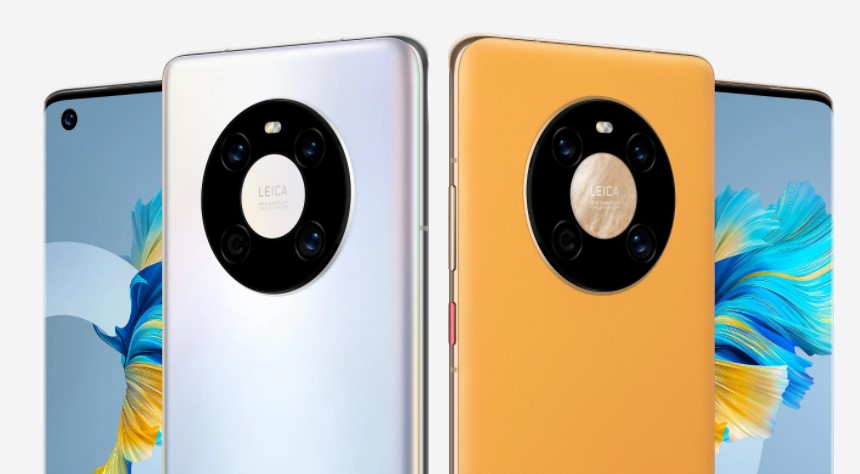
Despite being announced a while ago, the Huawei Mate 40 only recently went available for pre orders. Since then, the device went on pre sales and was sold out in just under a minute, as the device went live online.

Huawei Mate 40 featured

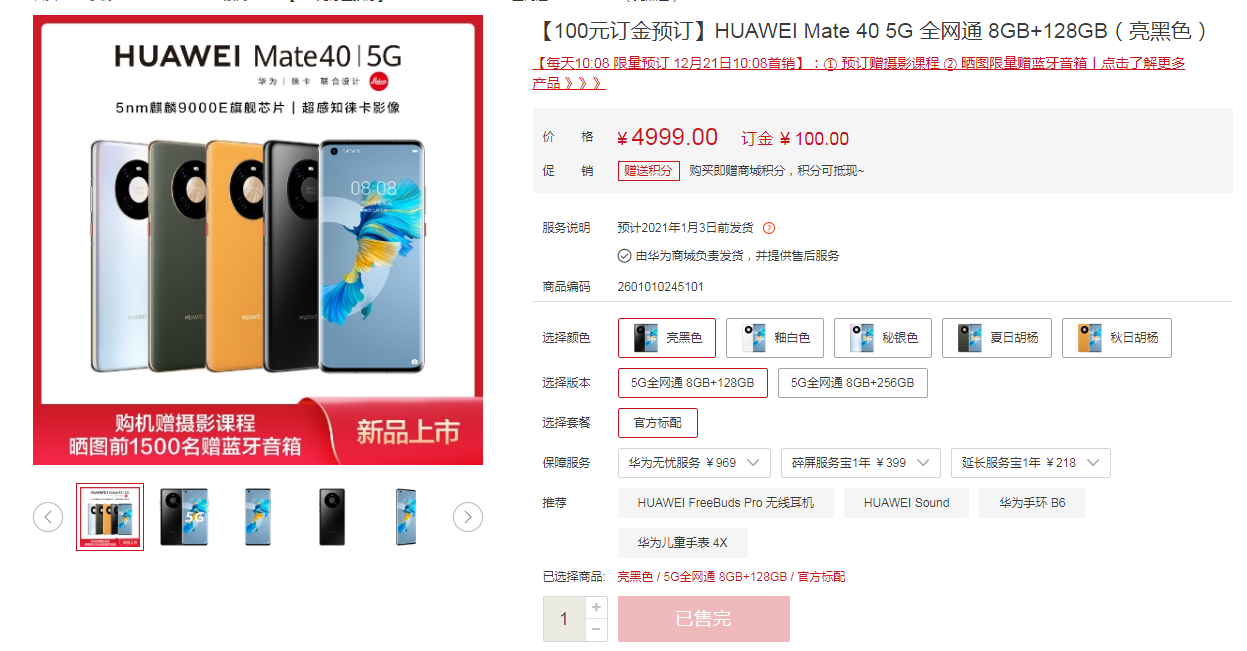
According to a Sohu report, the pre sales for the base model of the Huawei Mate 40 officially began on 16th December 2020 around 10:08 am. But just within a minute, the number of prospective buyers and overwhelming demand had the website display “sold out.” In other words, the premium grade flagship is already out of stock even before its actual December 21 release date. Apparently, many even believed the device to be one of the last to feature the company’s proprietary Kirin chipset, which led to a rise in demand.

For those unaware, Huawei lost its primary chip supplier TSMC, due to US sanctions. But, the company did have deadline to complete its existing orders with the world’s largest contract chipmaker, which allowed it to stock up on the Kirin 9000 series chips. Although, the Huawei Mate 40 series might be the last to arrive with its self designed chips. So, at the very least, the device is already successful in its home country China.

Huawei

The company will be releasing the device on 21st December as well, so we might see a similar demand in the arriving official sale as well. Keep in mind, this is still a flagship device, so its quite impressive to see such a high end model being sold out in just under a minute, especially when its prices are 4,999 Yuan and 5,499 Yuan (roughly 763 US Dollars to 839 US Dollars). Unfortunately, we do not know how many units were up for sale.


Xiaomi emerges as the best-selling phone brand in Malaysia & SEA during 12.12

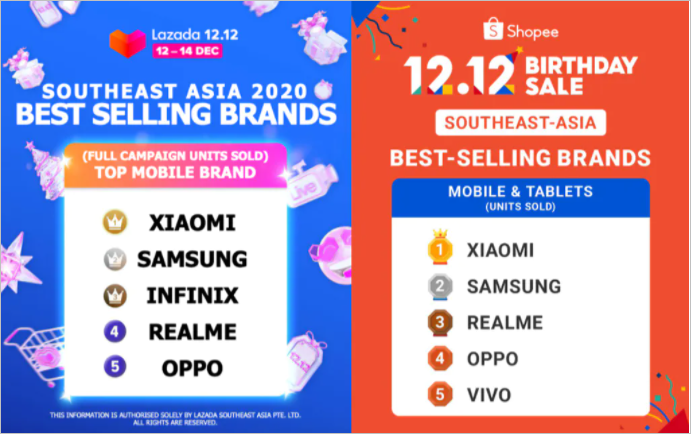
Xiaomi Malaysia has today disclosed that the brand emerged as the best-selling smartphone brand both in the country and also in entire southeast Asia during the Double 12 sales campaign. The feat was achieved on the two top e-commerce platforms Lazada and Shopee. Xiaomi Malaysia

The data released shows that the recently launched POCO M3 was Xiaomi’s top-selling smartphone model on Lazada. The company raked in a cool 25,000 units in sales during the campaign.

On Lazada, Xiaomi ranked number one followed by Samsung and then Infinix, a Transsion Holding brand. The fourth spot is occupied by Realme, with OPPO completing the top 5 spots.

Xiaomi still topped the chart on Shopee with Samsung following closely. Realme was ranked as number three while OPPO and Vivo completed the top 5.

The Double 12 record for Southeast Asia is a continuation of where the Chinese brand left off during the 11.11 sales festival. From November 1st to 11th, Xiaomi was able to set a number of new records. Xiaomi’s mobile phones, smart TV, and other categories emerged as the top-sellers on multiple platforms such as JD.com, Tmall, and Suning. Among them, Xiaomi smart TV brand ranked as number one on the TV category in both JD.com and Suning Tesco both ranked first in sales.

For this year’s Double 11, Xiaomi distributed 1 billion yuan in subsidies across all platforms which includes Xiaomi Mall, Xiaomi Home, Xiaomi Youpin, Tmall, JD.com, Suning, and others. The subsidies and discounts cover all major Xiaomi product brands including smart TV, notebooks, and AIoT products, covering all major brands under Xiaomi Category.

It is worthy of note that Xiaomi has been the top brand on Tmall’s singles’ day sales for seven consecutive years, that is since 2013.

UP NEXT: Xiaomi Mi QLED TV 4K 55 launched in India: Android TV 10, Dolby Vision, and 30W speakers


(via)
 

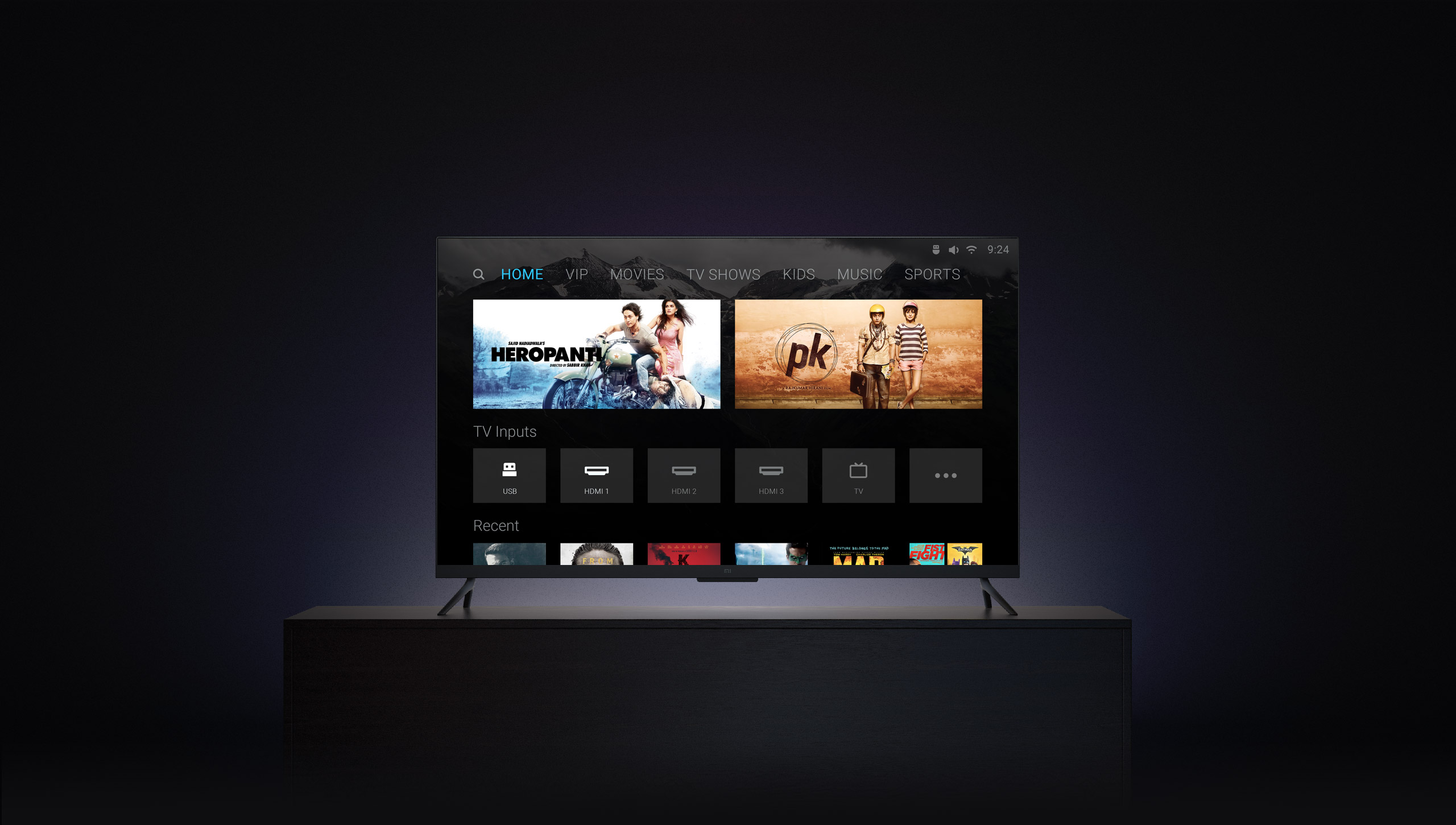
Xiaomi has shipped 5 million Mi TV units in India in just over 2 years

Xiaomi has just shared a milestone that it achieved via a tweet. On Twitter, the company announced that its Mi TV lineup, which it introduced in India back in 2018, has reached 5 million units in shipments.

Xiaomi Mi QLED TV 4K 55 Featured 01

The Chinese tech giant made the announcement with the sales numbers arriving from the Xiaomi Data Center. Its first Mi TV model was the Mi TV 4 which launched back in February 2018. At the time, Xiaomi called it the world’s thinnest LED TV, which had it garner a lot of attention. Since then, the company has become one of the most popular smart TV brand in the Indian subcontinent, with part in due to its budget friendly pricing strategy paired with notable specifications.

The tweet was shared by the company’s official Mi India Twitter handle and announced reaching the 5 million Mi TV units being shipped. Xiaomi India also expressed its gratefulness to its customers and userbase in the tweet, and even asked their supportive fans regarding which Mi TV model they owned. Back in March 2020, the popular smartphone maker had announced that it had hit the 4 million mark for its Mi TV models in India, and in just 9 months, the figure has reach 5 million, which arrives as the company launched multiple new models in this year.

Xiaomi

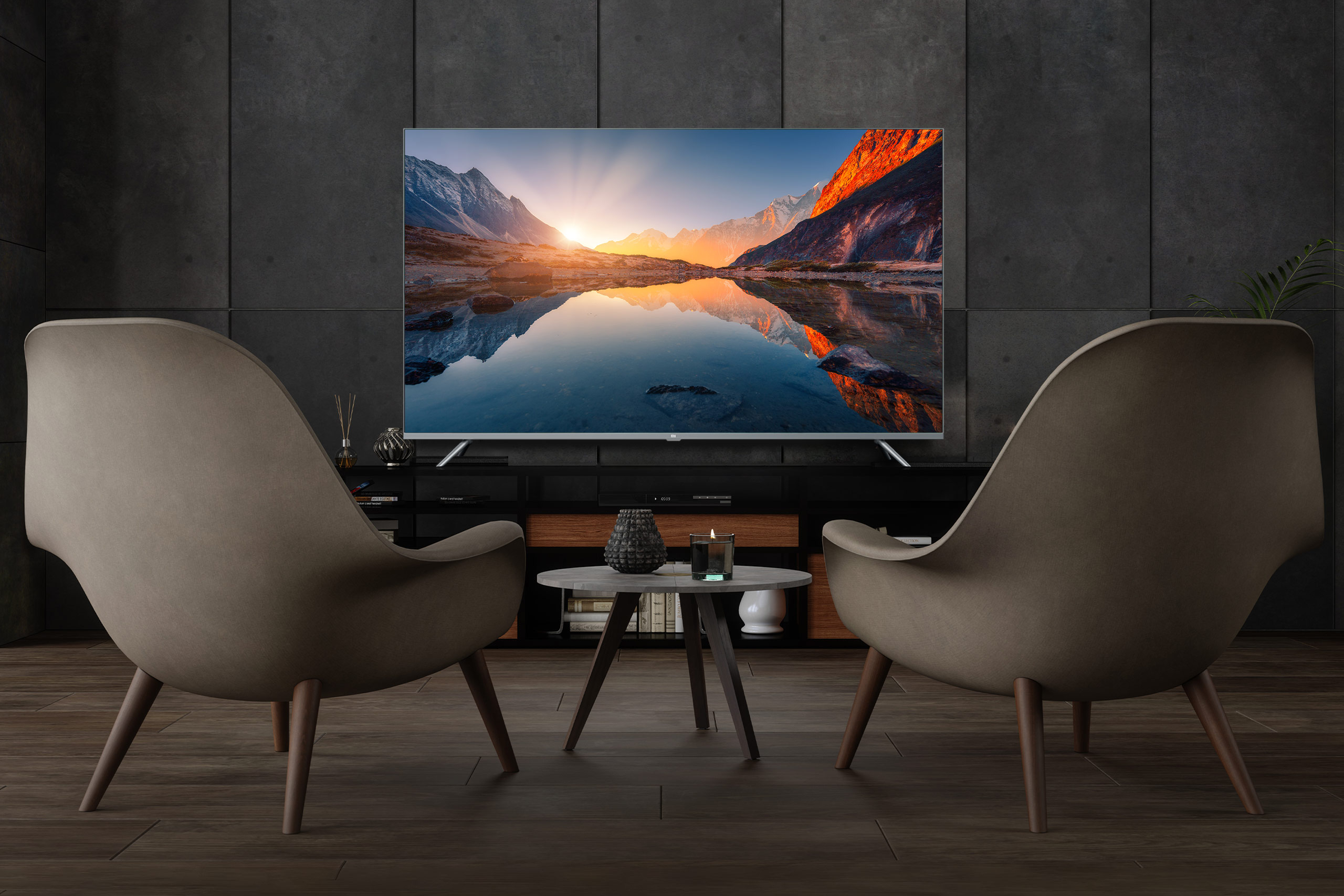
This includes a 2020 edition of the  Mi TV 4X 55 inch, which is powered by a quad core Amlogic A53 processor and has 2GB of RAM. It runs on Android TV 9 and sports 20W speakers. Similarly, it also launched the Mi TV 4A Horizon Edition that is available in a 32 inch and 43 inch variant, and arrive with some highly competitive prices. The latest launch in Mi TV lineup is the recently launched Mi QLED TV 4K, which has a 55 inch QLED Ultra HD display.


Sony PlayStation 5 breaks Console sales number records in the US

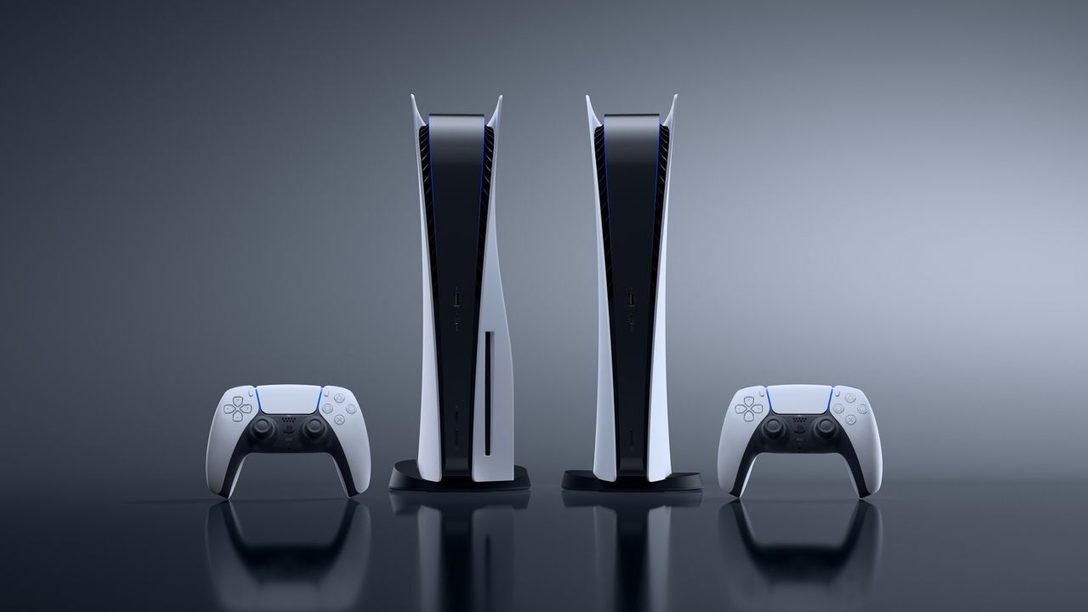
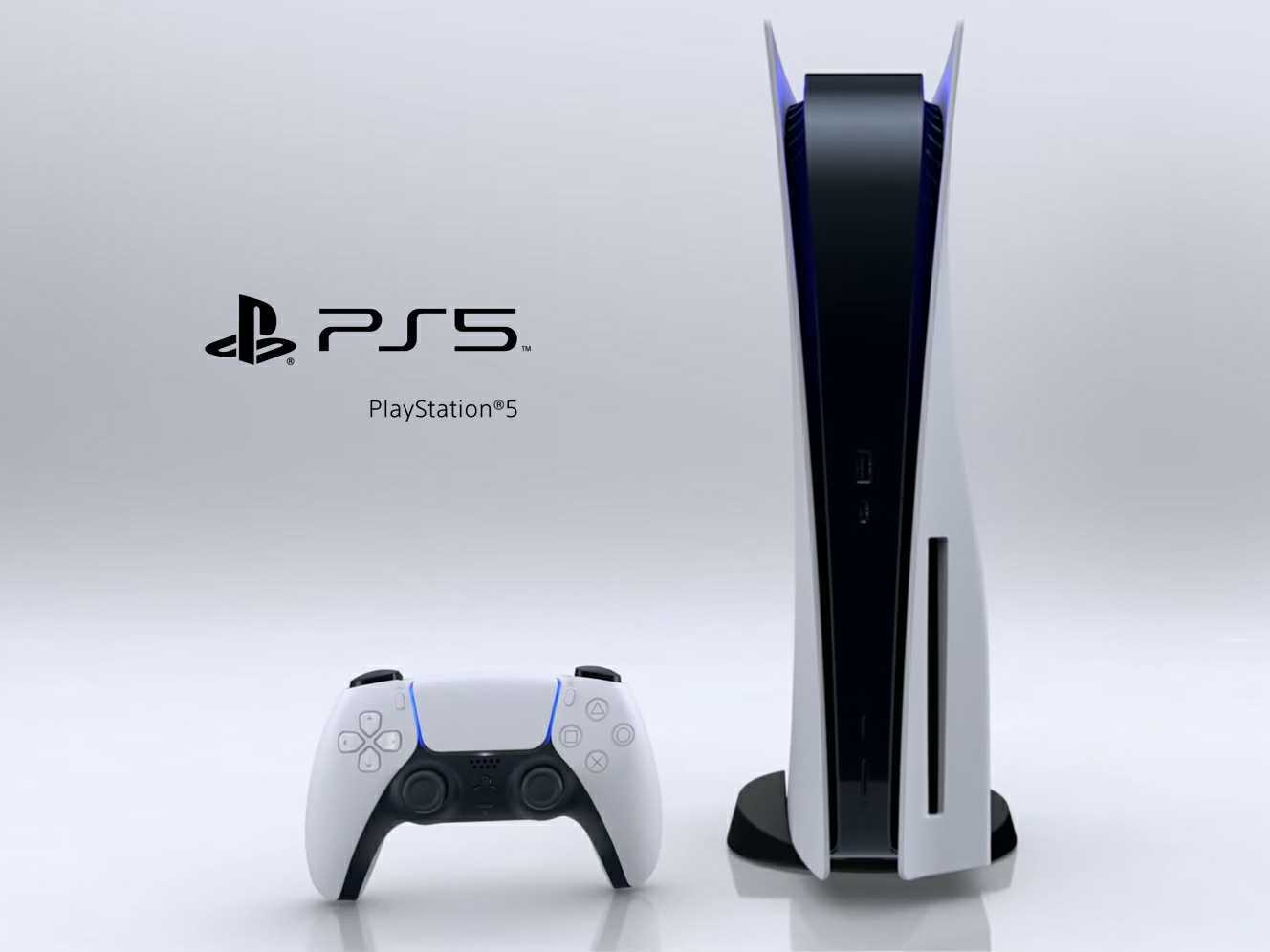
The newly launched Sony PlayStation 5 is already breaking sales number records in the US. The next gen gaming console is surpassing records set by some of the most popular consoles that launched in the past.

Sony

Sony and its PlayStation lineup has always been successful in the market, but the PlayStation 5 sales numbers suggest that the latest generation is performing quite well in comparison to the first month launches of older PlayStation models. Although, the record breaking feat does not end there, as it turns out, the the PS5 is actually beating any other video game console sales numbers in the US. This is a major achievement for the company, despite there being such a short supply for the new console.

At the moment, many stores are sold out or are selling out of stock in just minutes after fresh inventory arrives. So, we can clearly surmise that the demand is already there and the sales numbers could have been even higher. The PS5 has reached the highest launch month sales in US history, surpassing its previous iteration, the PlayStation 4, as per an AndroidHeadlines report.

Sony

Notably, the report also states that the PS5 is the highest selling console in US history for both number of units sold and the dollar amount as well. It is important to keep in mind that this is just the launch month, and the overall sales could still not be as impressive. So, there is still a chance for that to happen. But, we can assume that the new console from the Japanese tech giant already has a head start in the new console generation.


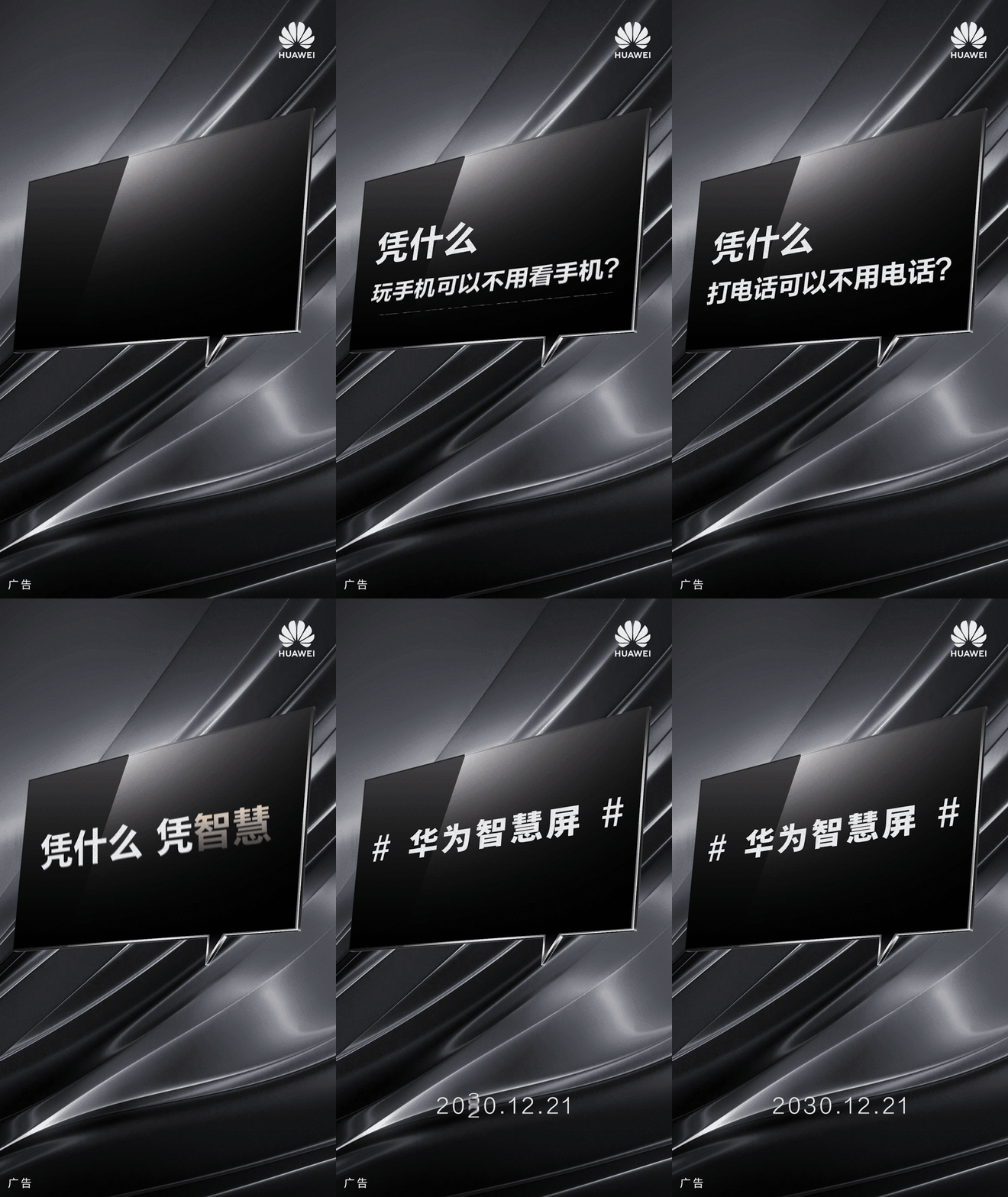
Huawei releases launch poster for a new smart screen coming on December 21

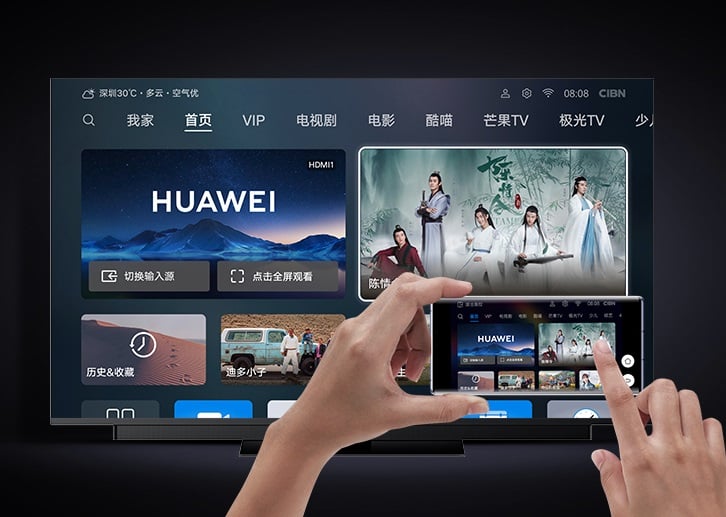
Huawei has officially announced that it would launch a new smart screen product on December 21. The company released a teaser poster which shows that the smart screen will among other things, usher in the ability to change the channel without the remote control.

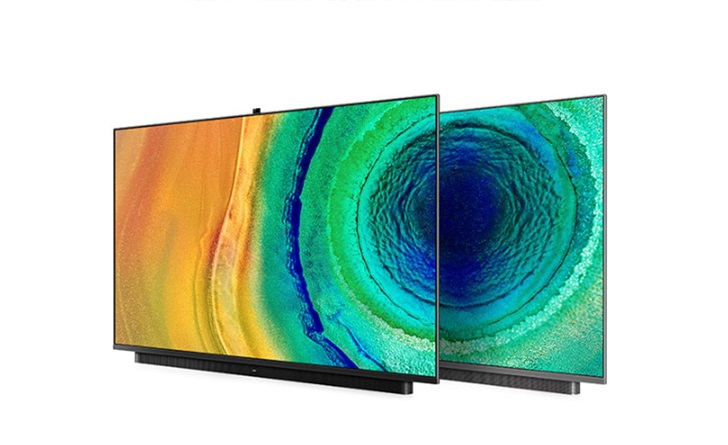
Previous rumors had hinted that the Chinese tech giant was planning to announce a smart screen before the end of the month. A tipster also added that the product to be released in an entry-level device dubbed Huawei Smart Screen S series. The product is said to feature a 55-inch display size with a 60Hz refresh rate. The smart TV will also have 3GB of RAM and 32GB of storage onboard.Huawei Smart Screen S series

In April this year, Huawei released a new smart screen V55i, equipped with AI smart eyes, support for Huawei Share smart multi-screen, Huawei Sound smart audio, and other functions. After that, in May, Honor released the Honor Smart Screen series, offering three versions of 65-inch, 55-inch, and 50-inch. We believe the new Smart Screen S series will also be available in different sizes.

Huawei also disclosed at the end of September that the Huawei Smart Screen will be the first batch of terminal products to upgrade to the new HarmonyOS 2.0. In October this year, Huawei’s smart screen series started to recruit for the new version of smart screen UX 2.0.

It is reported that the UX 2.0 user interface will bring functions similar to the operating system of smartphones to smart screen products, such as the pull-down notification center, which can more conveniently set some functions and parameters of the TV. UX 2.0 will also add multi-tasking and multi-device control.

UP NEXT: Xiaomi Mi QLED TV 4K 55 launched in India: Android TV 10, Dolby Vision, and 30W speakers


(source)

Xiaomi Youpin launches voice-controlled Wall Lamp that costs 99 yuan ($15)

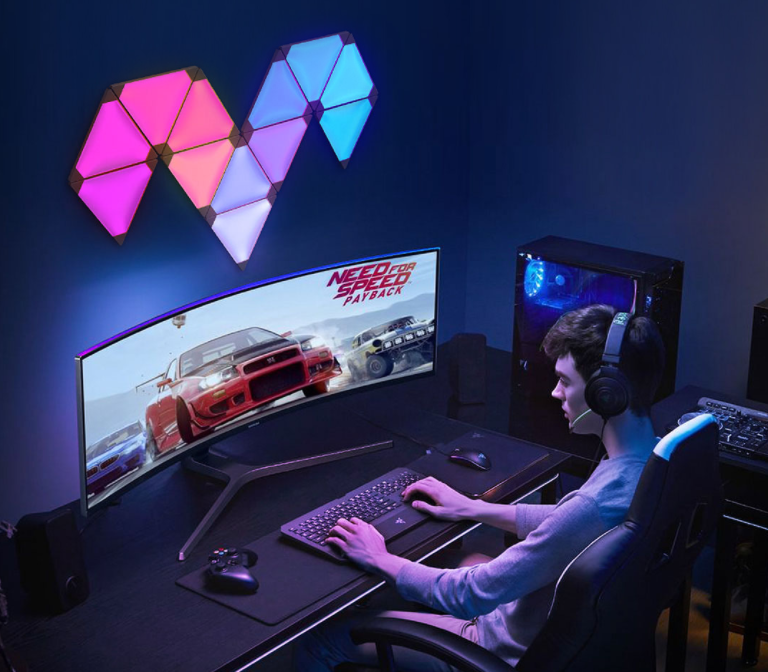
Xiaomi Youpin has today launched a new product on its Youpin crowdfunding platform, a voice-activated wall lamp, for a price of 99 yuan, which is roughly $15. The store is also offering a nine-piece bundle for 699 yuan, roughly $107.

Xiaomi Youpin Voice-Controlled Wall Lamp

The highlight of this new voice-controlled lamp is that it changes the color based on the audible sound. There’s a Music Rhythm feature that is created for the game space which can interact with the sound of the game to change the light color.

EDITOR’S PICK: Google and Qualcomm promise big with 4 years of Android updates, But here’s what you need to know

Xiaomi Youpin Voice-Controlled Wall Lamp

The smartboard for the lamp can be spliced as well as combined on the wall and ceiling as per the user’s choice to design creative patterns. Xiaomi Youpin adds that it can be spliced up in any shape that the user wants to give it a more personalized look. It can also be used as a background for various activities, such as shooting video, streaming, or taking photos.

It comes with support for 16 million colors and can also be controlled through the color temperature line in the Mijia mobile application as well as the external sound volume. Apart from controlling it through the app, there’s also support for XiaoAI that brings voice-command-based control to this product.


Google and Qualcomm promise big with 4 years of Android updates, But here’s what you need to know

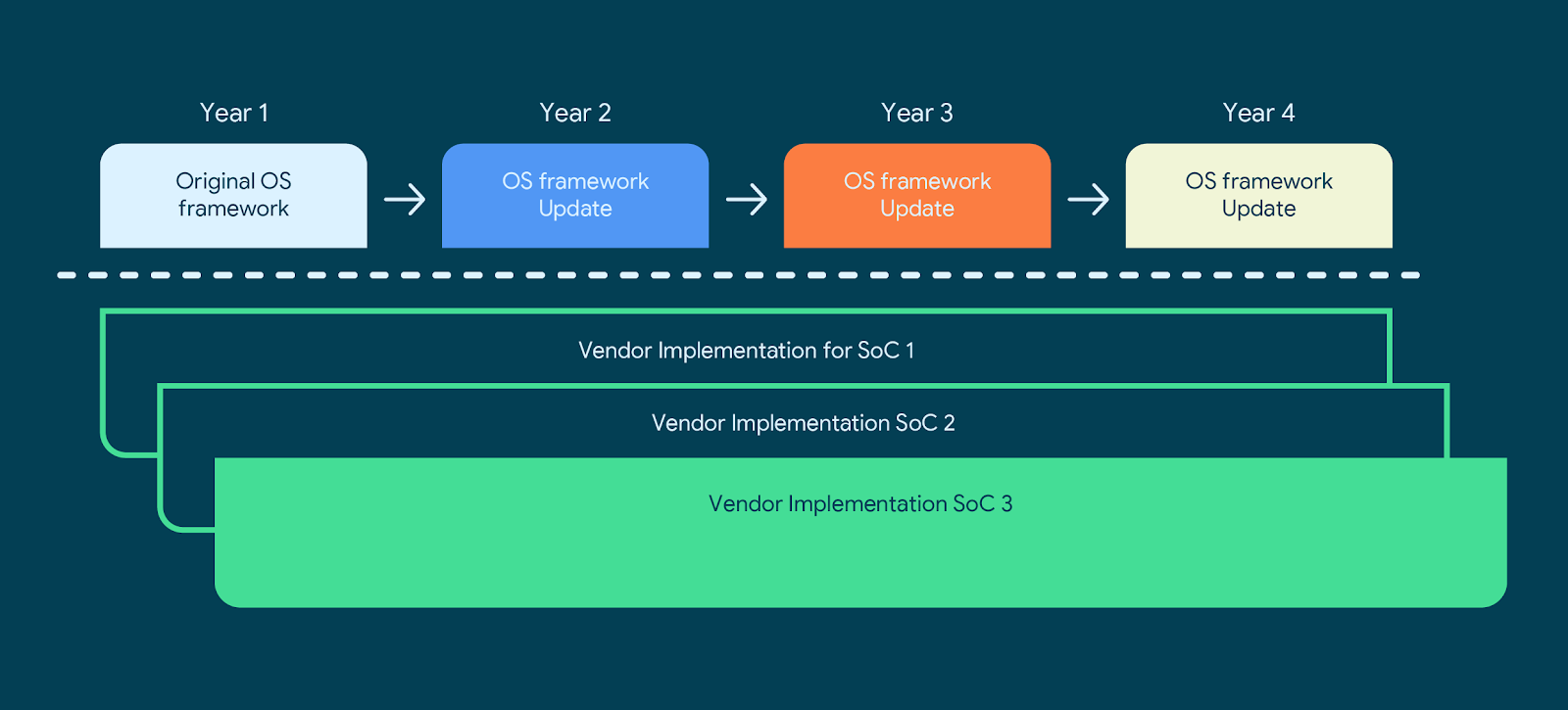
Earlier today (17th December 2020), Google and Qualcomm announced a major improvement in the existing update cycle for Android smartphones. This largely had most believing that Android devices will now soon be eligible for “four years” of Android updates, which is an additional year over what certain manufacturer’s like Google or Samsung offer with their flagship smartphones. Although, this is not actually what both companies implied with the new announcement.

Google

Apparently, the news and the headlines of various reports have been a bit confusing or even misleading to a certain degree, but that is only due to the original announcement from the chipmaker and search engine giant. According to an AndroidPolice report, very little is actually changing with this announcement of four year of Android updates. For those unaware, Google and Samsung currently offers about three major OS updates on their popular smartphones.

However, today’s announcement from both companies does not actually add to this figure. Rather, this just makes policy that was already an optional extra for smartphone OEMs who work with Qualcomm. In reality, it does not actually extend the lifespan of Qualcomm’s top end chips in any manner. This is all really confusing owing to how well Google and Qualcomm announced the entire news, but there are two major points to note:

  • Qualcomm will support three major Android OS updates for its entire portfolio of smartphone chips going forward, starting with the Snapdragon 888.
  • Smartphone OEMs will likely be able to now offer four full years of Android security updates going forward (based on our reading of the announcement).

Google

These points from the original basically imply that four years of updates is being promised and not four years of Android OS updates. So, don’t expect four major OS version upgrades anytime soon. Google already offers about 36 months of security patch updates, which will now be extended to 48 months after this announcement. Furthermore, this also only applicable to all Android smartphones that feature Qualcomm’s latest Snapdragon 888 SoC for now.


Redmi 9 Power launched in India with 6,000mAh battery, Snapdragon 662, and 48MP quad-camera

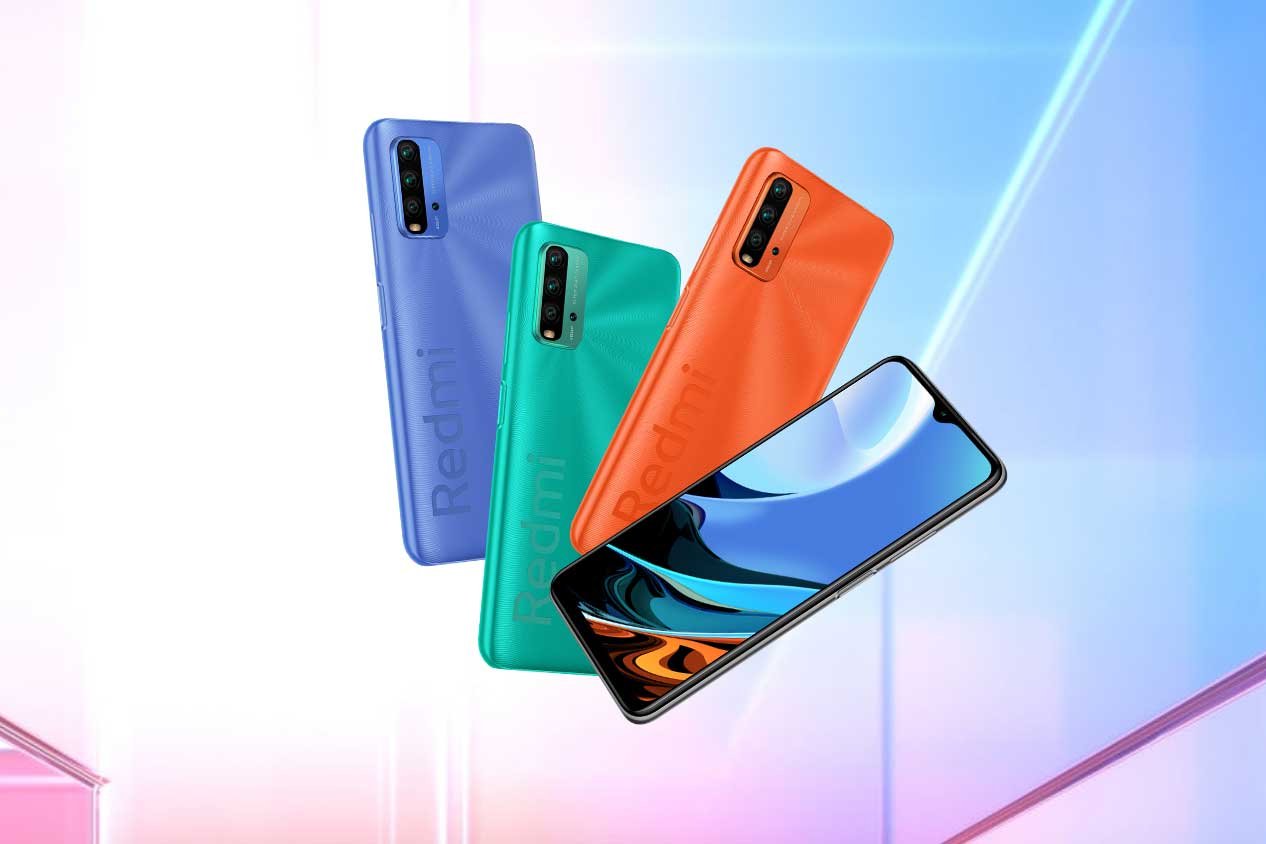
After teasing for the past few days, Xiaomi India has finally launched the Redmi 9 Power in India. As expected, this smartphone is a tweaked version of the Redmi Note 9 4G that debuted in China last month. Let us take a look at the specs, features, and price of this handset.

Xiaomi Redmi 9 Power Featured

Redmi 9 Power Specifications and Features

The new Redmi-branded smartphone sports a 6.53-inch IPS LCD panel on the front with a resolution of 2340 x 1080 pixels (FHD+), 19.5:9 aspect ratio, and a typical brightness level of 400 nits. The display also includes a dew-drop notch at the top for an 8MP selfie camera. Moreover, the screen is protected by Corning Gorilla Glass 3 and it is also certified by TÜV Rheinland for low blue light emission (Reading Mode).

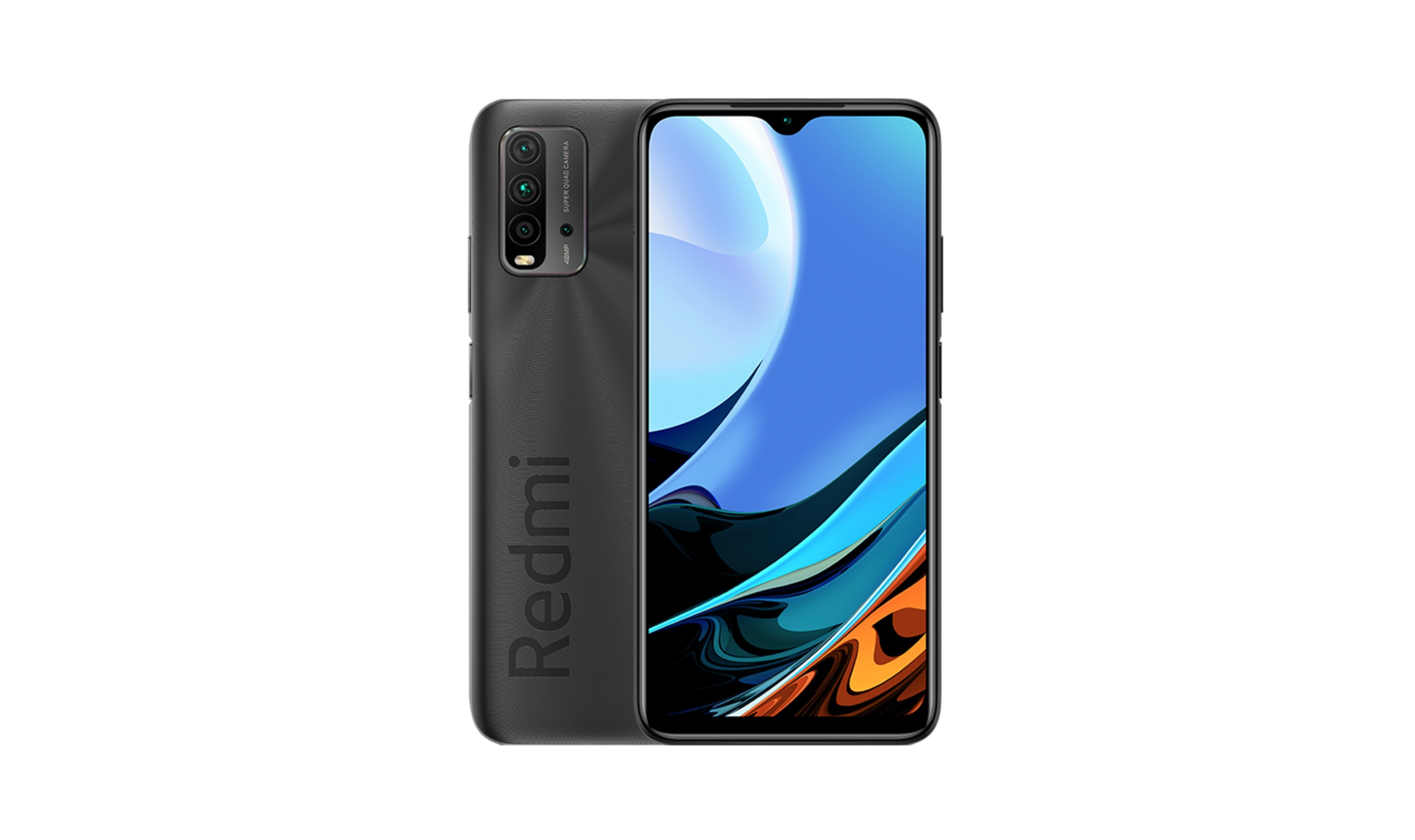
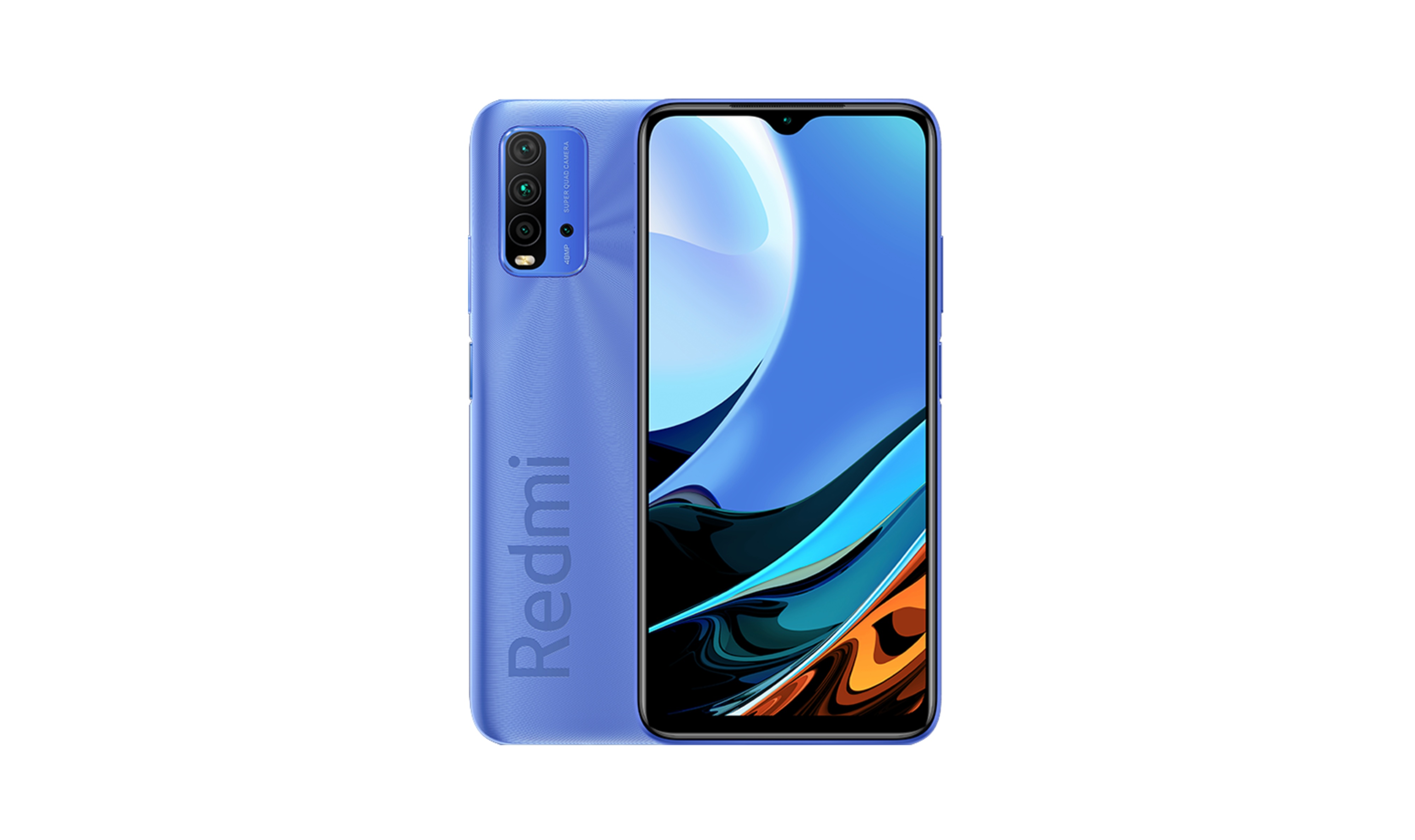
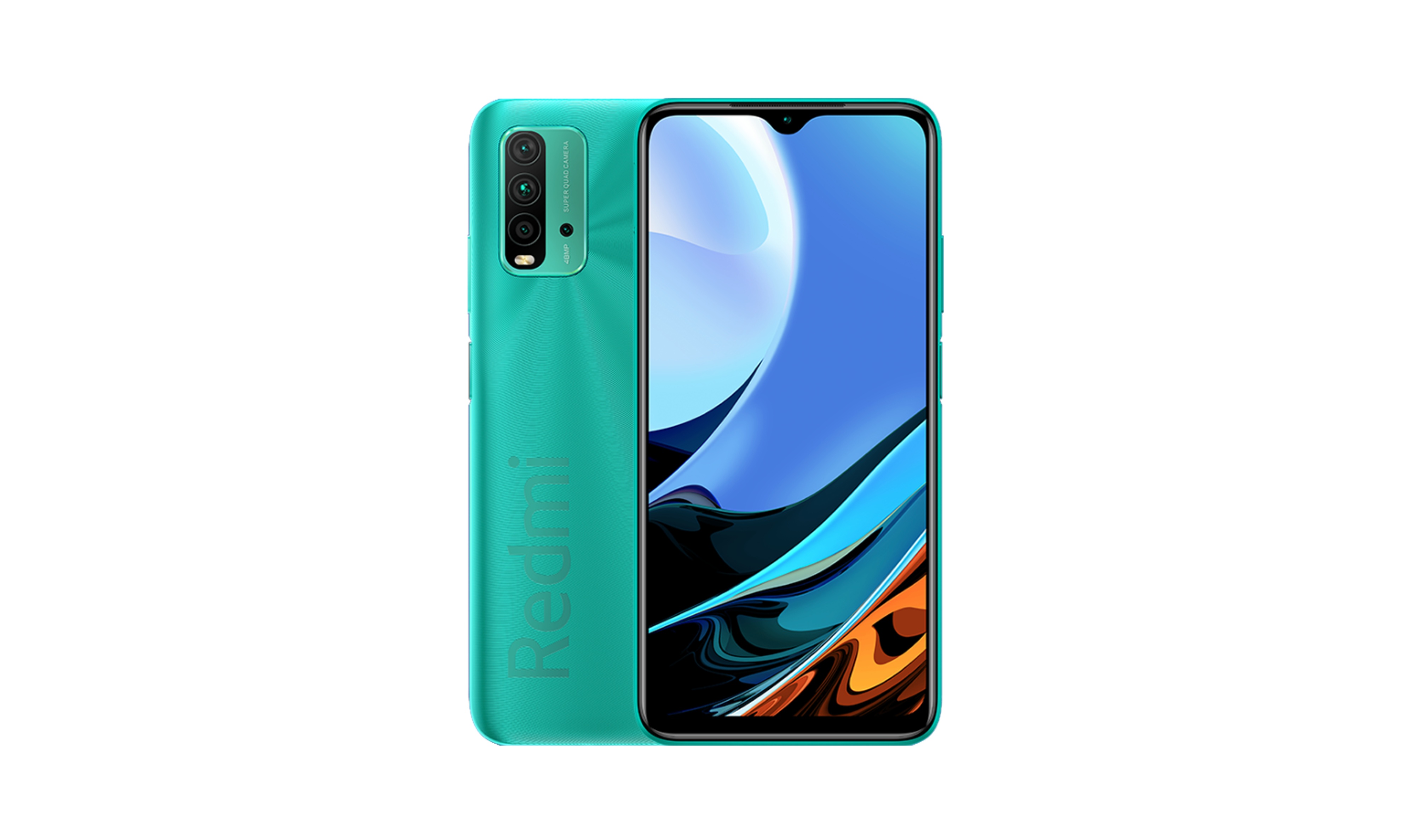
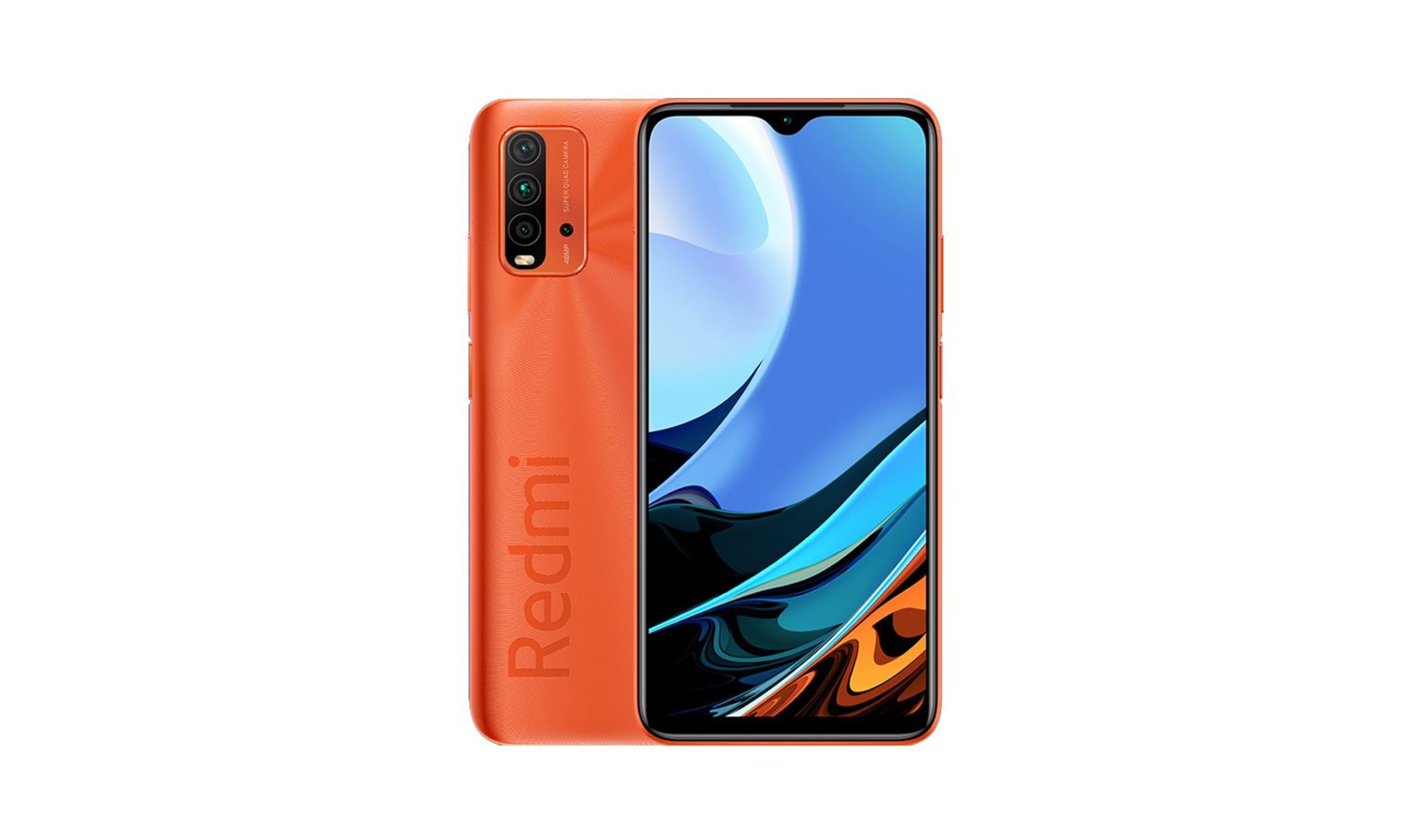
The polycarbonate rear panel of the phone flaunts a large vertically aligned ‘Redmi’ branding and a quad-camera setup consisting of a 48MP primary sensor, an 8MP ( 120˚ field-of-view) ultra-wide unit, a 2MP macro shooter, and a 2MP depth sensor. Whereas, the power key with an embedded fingerprint sensor and the volume rocker are located on the right side


Further, the left side of the device includes a 2+1 triple card slot for dual-SIM and a microSD card (up to 512GB), the top houses an IR blaster and a secondary microphone hole, and finally, the bottom includes a USB Type-C port, a 3.5mm headphone jack (Hi-Res Audio), a primary microphone hole, and a speaker grille. 

Powering the device is the Qualcomm Snapdragon 662 chipset paired with 4G LPDDR4X RAM and 64GB (UFS 2.1)/128GB (UFS 2.2) internal storage. The handset is backed by a massive 6,000mAh battery with support for 18W fast charging. But interestingly, the company ships the phone with a 22.5W fast charger and it claims the battery to last for up to 3 years, thanks to ELB (Enhanced Lifespan Battery) technology.

Other features of this budget smartphone include 4G LTE, VoLTE, VoWiFi, dual-band WiFi 5, Bluetooth 5.0, GNSS (GPS, A-GPS, GLONASS, BeiDou), accelerometer, ambient light sensor, proximity sensor, compass, splash-proof nano-coating, rubberised ports, auto-cleaning stereo speakers, and MIUI 12 based on Android 10.

Last but not least, the Redmi 9 Power measures 162.3 x 77.3 x 9.6mm in dimensions, weighs 198g, and comes in four colors namely Mighty Black, Blazing Blue, Electric Green, and Fiery Red.

Redmi 9 Power Pricing and Availability

Xiaomi has priced the Redmi 9 Power at ₹10,999 for the 4GB + 64GB variant and ₹11,999 for the higher 4GB + 128GB version. The first sale for the phone is scheduled for December 22 at 12 PM. It can be purchased from either Amazon India, Mi.com, or Mi Home stores.

Like any other Xiaomi handset, it will be also available from leading offline retailers in the coming days.


Google faces yet another antitrust lawsuit in the US, this time for its advertising business

Earlier this month, we reported that several states in the United States are planning to file new antitrust lawsuits against Google and Facebook. That turned out to be true when last week Facebook was sued by the US federal regulators and more than 45 state prosecutors.

Now, around ten states of the U.S., led by Texas attorney general, has filed a lawsuit against Google, accusing the company of working with Facebook in an unlawful manner that violated antitrust law.

Google Logo Featured

It accuses the tech giant of abusing its monopoly over the digital advertising market, allowing its own exchange to win ad auctions even when others bid higher and overcharging publishers for ads.

With such practice, the company aimed to boost its already-dominant online advertising business, claims the lawsuit. It adds that Google unlawfully acquired, attempted to acquire, or maintained a monopoly in several steps of the online ad market including both buying and selling sides.

EDITOR’S PICK: Xiaomi Mi QLED TV 4K 55 launched in India: Android TV 10, Dolby Vision, and 30W speakers

Further, it alleges that the search engine giant also engaged in unlawful tying arrangements between its ad products, forcing publishers to use another Google tool if they chose to operate on its ad exchange.

The lawsuit is seeking compensation for damages and also asks for “structural relief” which usually means divesting some assets. For those who are unaware, Google controls one-third of the global online advertising industry.

This latest lawsuit is the second major from regulators against Google and the fourth overall in the United States. The company is also expected to face another lawsuit this week from another coalition of bipartisan state AGs which also targets its search services.


POCO M3 Indian variant receives TUV certification, Could be launching soon

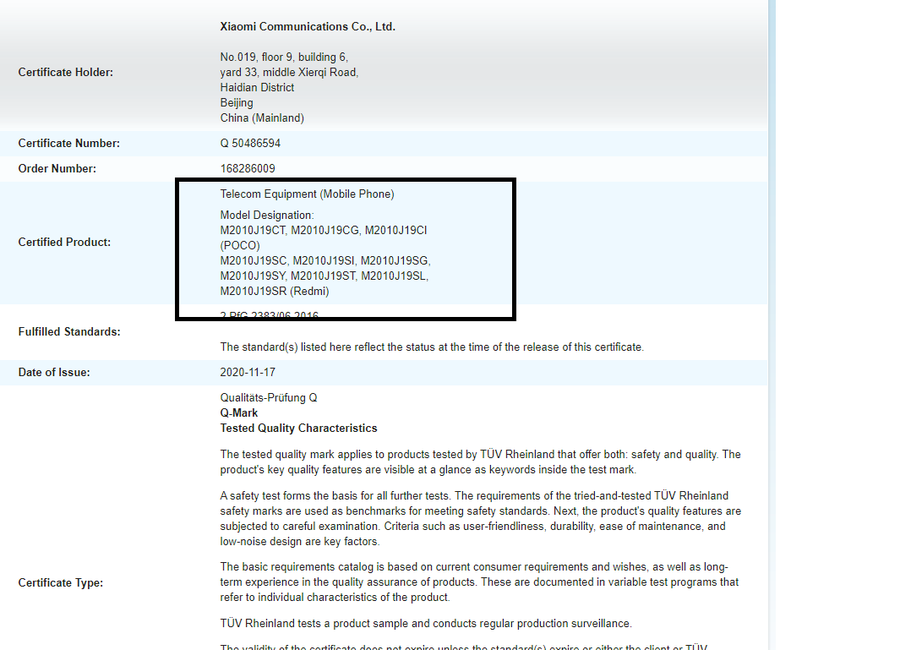
Last month, POCO globally announced the POCO M3 smartphone just before the Black Friday shopping festival. It appears that the company may soon hold a dedicated launch event in India for the POCO M3 as its Indian edition has received TUV Rheinland certification.

The Indian edition of the POCO M3 that has a model number of M2010J19CI and its other variants such as M2010J19CG (global) and M2010J19CT have appeared in TUV’s database. China’s Redmi Note 9 4G with the model number (M2010J19SC) is also mentioned in the listing along with its other country variants.

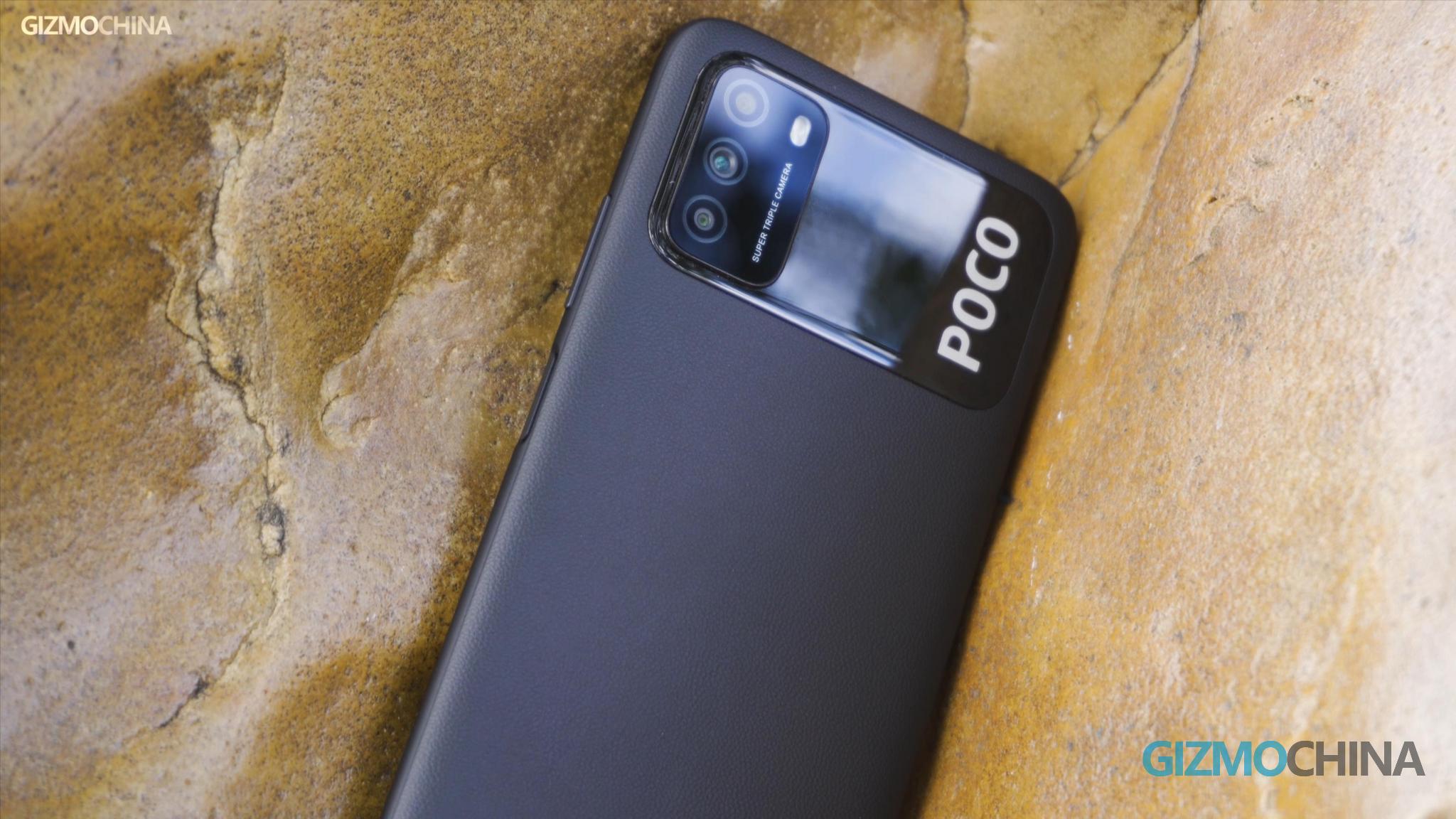
As it is known, the POCO M3 and Redmi Note 9 4G have almost identical specs. They mainly differ in the rear camera configurations and back panel design. A few months back, POCO had launched the POCO M2 smartphone in India. With TUV certification in tow, it is likely that the POCO M3 may soon arrive in the country as its successor. It is unclear whether the POCO M3 will go official in India before the end of 2021.

POCO M3 specifications

The POCO M3 has a 6.53-inch IPS LCD display that offers a Full HD+ resolution. The Snapdragon 662 powered phone comes with up to 6 GB of LPPDR4x RAM and up to 128 GB of UFS 2.2 storage. There is a microSD card slot on the device, and it runs on Android 10 OS.

Poco M3 review 04

The POCO M3 has an 8-megapixel front-facing camera and it houses a 48-megapixel + 2-megapixel (macro) + 2-megapixel (depth) triple camera system on its rear. The phone is backed by a 6,000mAh battery that supports 18W fast charging. The POCO M3 is available in two options in global markets. The 4 GB RAM + 64 GB (UFS 2.1) variant is priced at $129 and the 6 GB RAM + 128 GB (UFS 2.2) model costs $149.


(via)
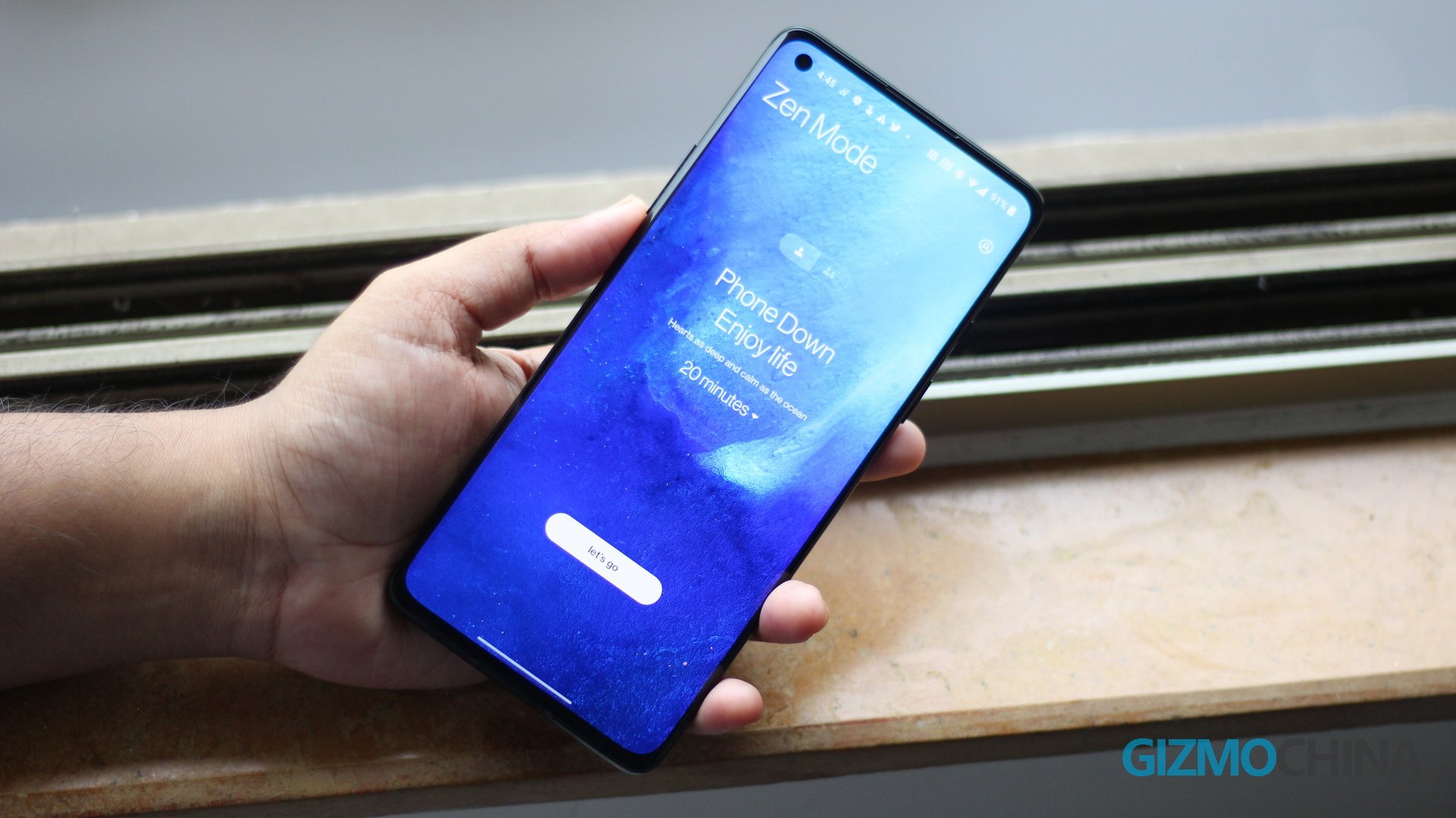
OnePlus 7 and 7T series Android 11 update delayed due to technical issues

It’s been some time since Android 11 released in the market and smartphone companies are now working on rolling out this new updated to their devices. OnePlus has already released the new OxygenOS update based on the Android 11 operating system to the flagship OnePlus 8 lineup.

Going by the roadmap shared by the company, the next devices in line to get the update this year is the OnePlus 7 and 7T. However, based on the new development, it seems that the new Android 11 update for these devices could get delayed.

OxygenOS 11 based on Android 11

EDITOR’S PICK: Honor CEO Zhao Ming confirms to launch flagship smartphones in the future, including Mate and P-series

The company has posted a message on OnePlus Forum informing users that the OnePlus 7 and OnePlus 7T series smartphones are facing data decryption failer issues after upgrading the phones to Android 11. Thus, the company says that there will be a delay and it may not be able to stick to its original plan for the update rollout.

OnePlus also added that it is working with Qualcomm‘s technical team to fix this issue as soon as possible and it seems that the solution should be available within a week. The company added that if everything goes as per the plan, then the closed beta could be released this month and open beta soon after that.

Meanwhile, details of the company’s upcoming OnePlus 9 series flagship smartphones have started surfacing online. Recently, hands-on images of the OP9 were leaked online, showcasing its design as well as some key specifications. The next-generation smartphone series is expected to go official in March next year.


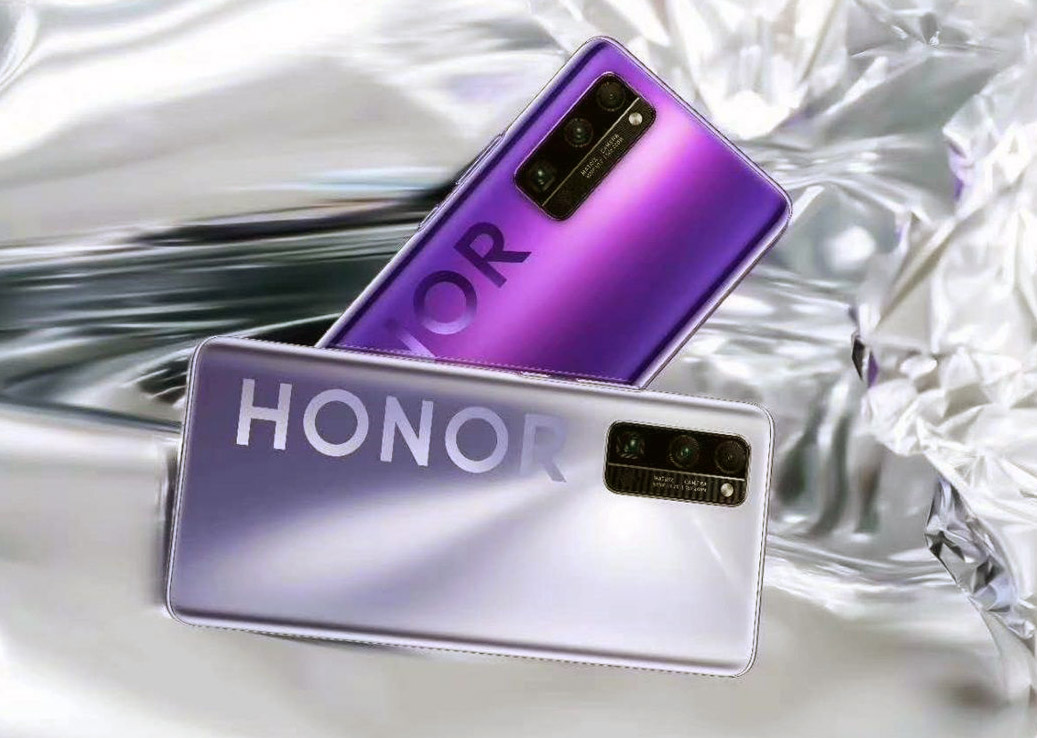
Honor CEO Zhao Ming confirms to launch flagship smartphone in the future

Honor recently went independent after the brand was sold off by its former parent company Huawei to Zhixin New Information Technology Co. Ltd. Now, as the brand celebrates its seventh anniversary, the company’s future plans have been revealed.

Zhao Ming, Chief Executive Officer of the newly formed Honor brand recently confirmed in a letter shared on Weibo that the company will soon launch its first product after going independent. We expect this to happen next month but there’s no official confirmation of the same from the company.

Honor Logo

However, Zhao Ming held a small meeting with some Honor fans, where he revealed the company’s plan for the future. He has confirmed that the brand plans to have a super flagship smartphone. From this, it seems like the company is gearing up to launch a device with top-of-the-line specifications.

Further, he added that the Honor-branded Mate-series and P-series smartphones could also get launched, which will showcase the technological advancement of the Honor, similar to how Huawei showcases its advanced technologies with Mate- and P-series phones.

EDITOR’S PICK: Amazon finally opens up its Luna cloud gaming platform to Android devices

He also added that there has always been a competition between Huawei and Honor regarding making better products and meeting the customers’ demand. But that seems to be the past as the days of friendly competition are over.

The company is now aiming to become the leading smartphone vendor in its home country China, which is currently being dominated by Huawei. As per the reports, Zhao Ming has set a target of shipping 100 million units in 2021 and it will be interesting to see how Honor manages to achieve that goal.

In order to achieve this target, Honor has already started working on setting up its supply chain by getting vendors on board. The company is also expanding its offline presence by opening up new stores in various cities.


HMD Global launches online store to sell Nokia smartphones in the US

HMD Global, the Finnish company that is making and selling smartphones under the Nokia brand, has now launched its own online store in the United States, enabling the brand to sell its devices directly to the customers.

The launch of Nokia’s online stores comes just in time for the holiday season. The company is also offering delivery before Christmas, i.e. 25th December for some models, if the order is placed by 19th December.

Nokia Logo

EDITOR’S PICK: Xiaomi Mi QLED TV 4K 55 launched in India: Android TV 10, Dolby Vision, and 30W speakers

Ignoring the holiday season shipping, the company has promised to offer two-day free shipping to everyone, without charging the customer anything for shipping. It’s noteworthy that the eCommerce stores of Nokia don’t sell all the smartphone models and clicking on some models will redirect users to another store.

Currently, the company is selling Nokia 8.3 5G, Nokia 3.4, and Nokia 225 4G smartphones and Nokia Power EarBuds directly on its website. For all the other products, customers will be redirected to Amazon, BestBuy, etc.

It should be interesting to see how this works in the market where most of the users are dependent on their network carriers for the new smartphone. While there are devices getting sold directly to customers, but that is from established brands. Nokia certainly is an established brand but has it reached that status where customers directly purchase its smartphones in the U.S., which we will get to know soon.


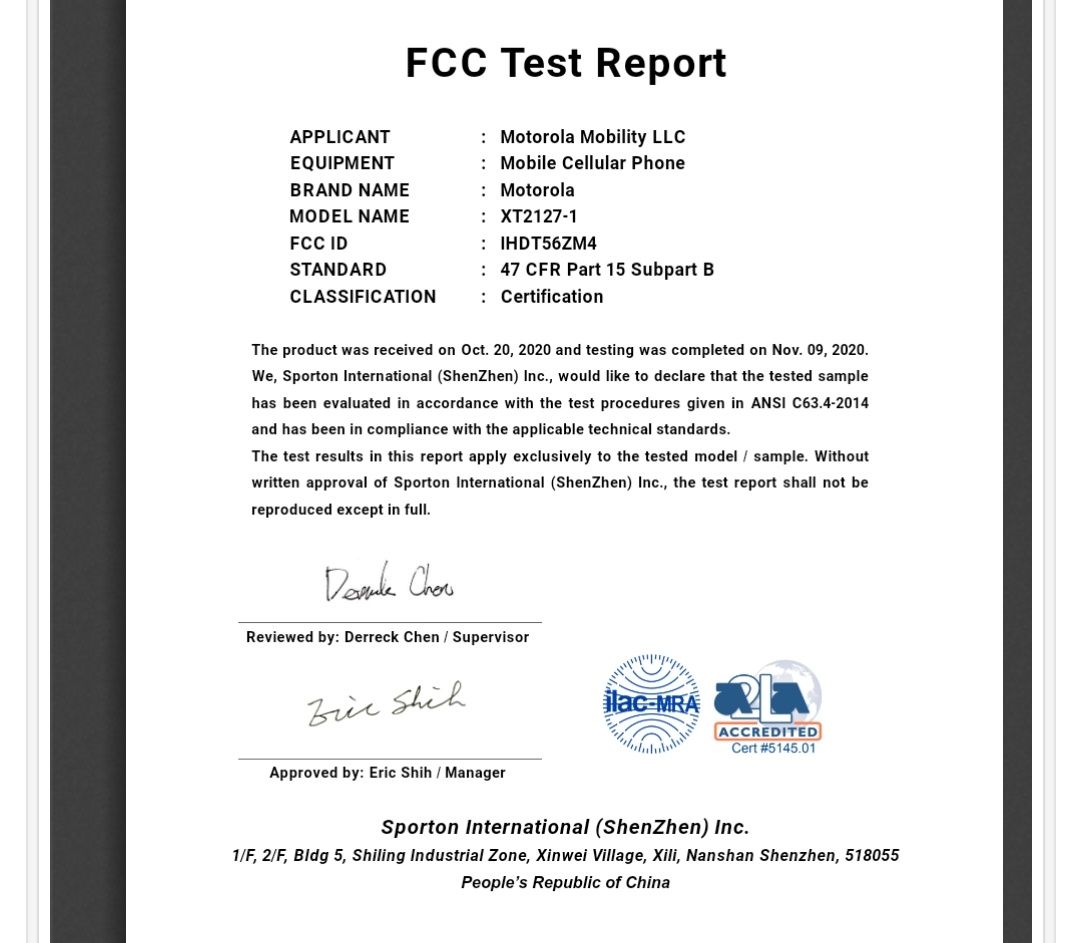
Motorola Capri receives FCC certification; Launch could be near

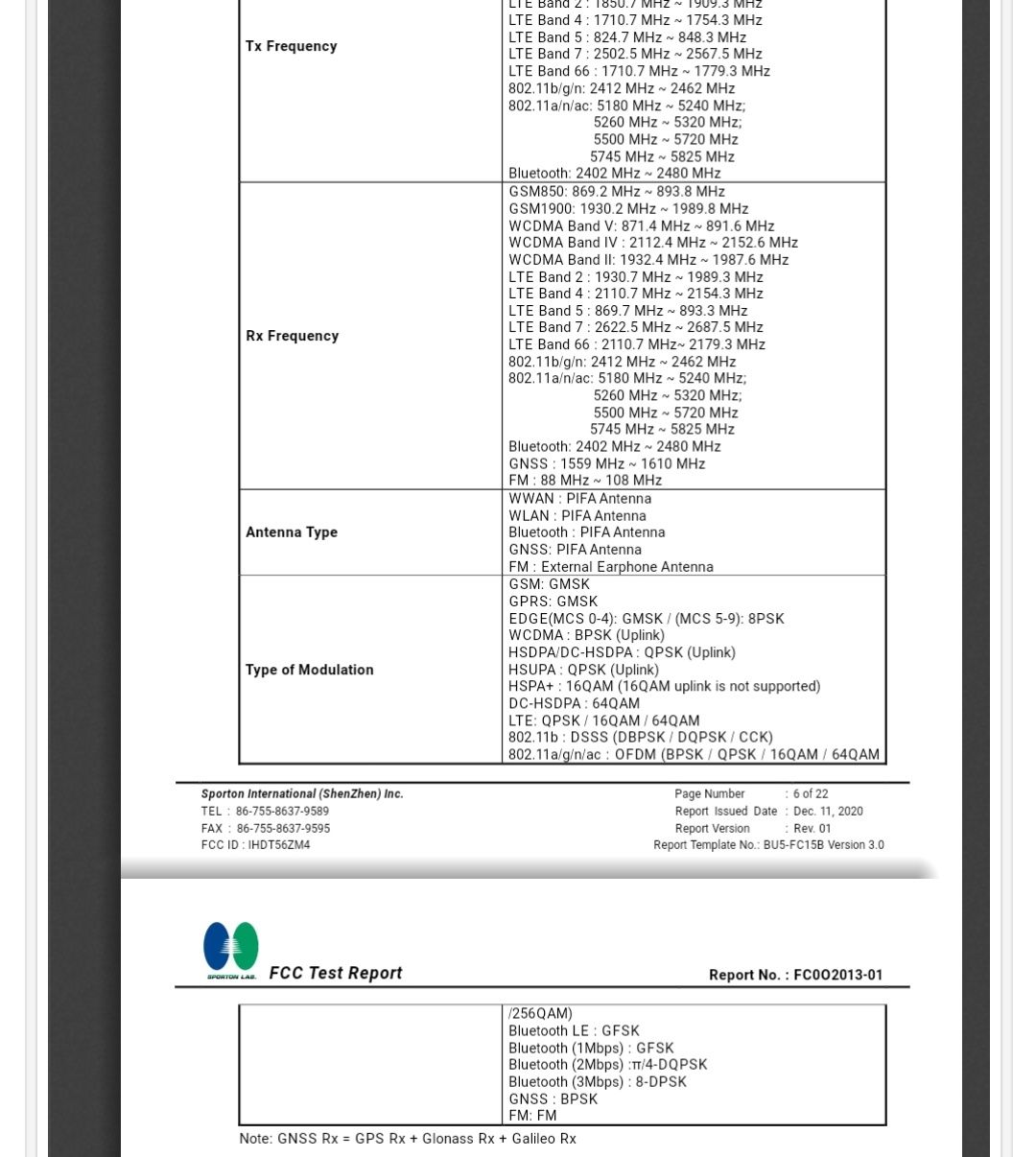
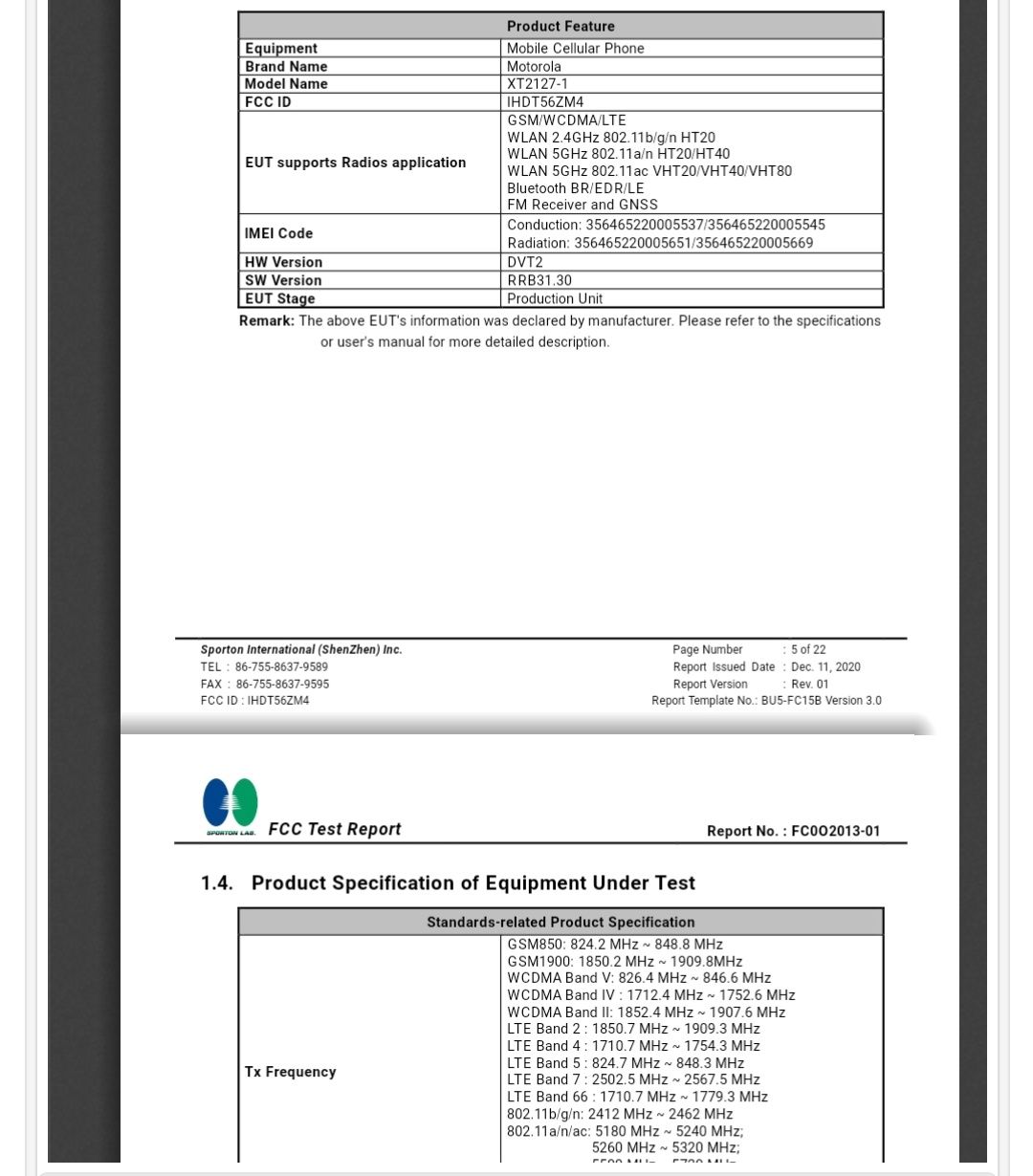
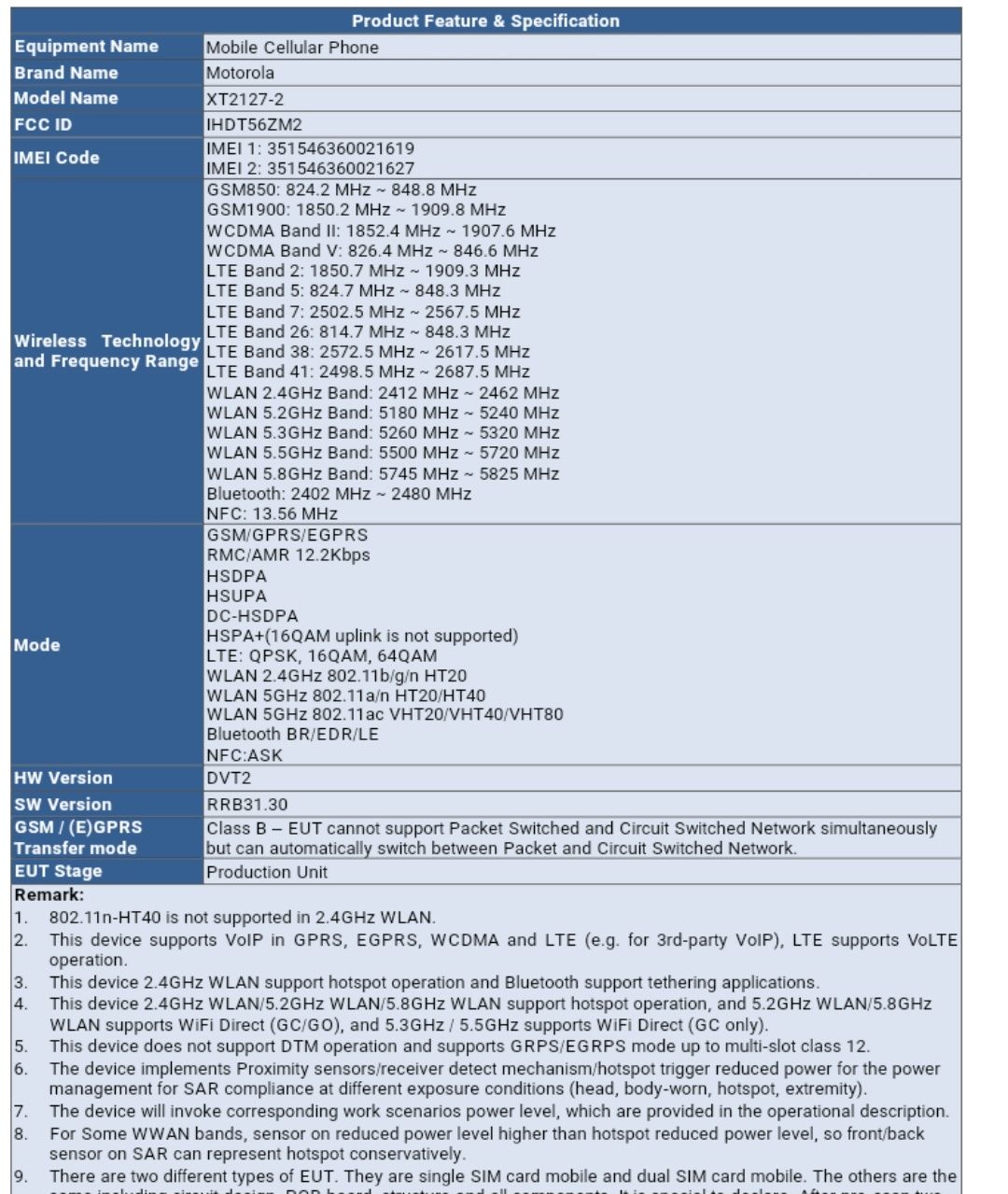
Earlier this month, TechnikNews had leaked about the existence of two upcoming mid-range Motorola phones that are codenamed as Capri and Capri Plus. The leak revealed that the XT-2127 model number belongs to the Motorola Capri phone, whereas the Plus edition has an XT-2129 model number. The XT-2127 smartphone has today bagged certification from the Federal Communications Commission (FCC) in the U.S., which indicates that its launch may not be far away.
The FCC appearance of the Motorola Capri has not revealed any of its major specs. The listing shows that it carries support 4G LTE, dual-band Wi-Fi, Bluetooth,and NFC. The exact product name of the Motorola Capri is not known yet.

Previous reports have revealed that the Motorola Capri is a Snapdragon 460 powered smartphone. It is expected to feature a waterdrop notch display that supports an HD+ resolution of 720 x 1600 pixels. Its exact screen size is not known yet. It is expected to arrive with 4 GB of RAM and 64 GB of storage.

For capturing selfies, it could be featuring an 8-megapixel lens. The backside of the phone is expected to feature a quad-camera system housing a 48-megapixel primary shooter, an 8-megapixel ultrawide lens, a 2-megapixel macro lens, and a 2-megapixel depth assist lens.

On the other side, the Motorola Capri Plus is expected to feature a 90Hz HD resolution display and a selfie camera of 13-megapixel. The rear camera setup of the phone may feature a 64-megapixel main camera, a 13-megapixel superwide lens, a 2-megapixel macro lens, and a 2-megapixel depth helper. It is unclear which processor is present under the hood of the device. It is likely to arrive in two RAM versions like 4 GB and 6 GB and storage choices like 64 GB and 128 GB. The Capri and Capri Plus are expected to go official in Q1 2021.


(via)

Huawei Nova 8 Pro real images ahead of launch

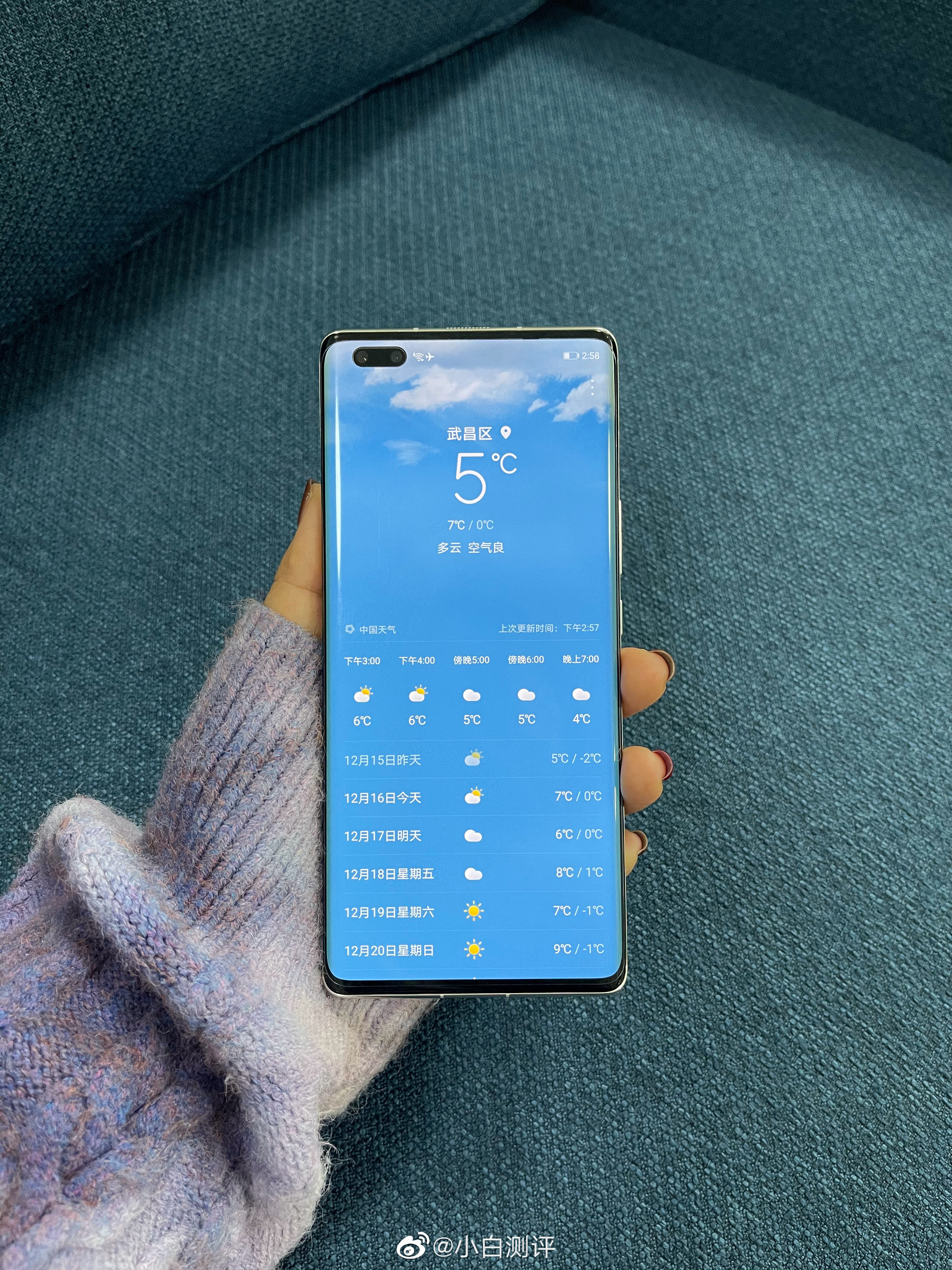
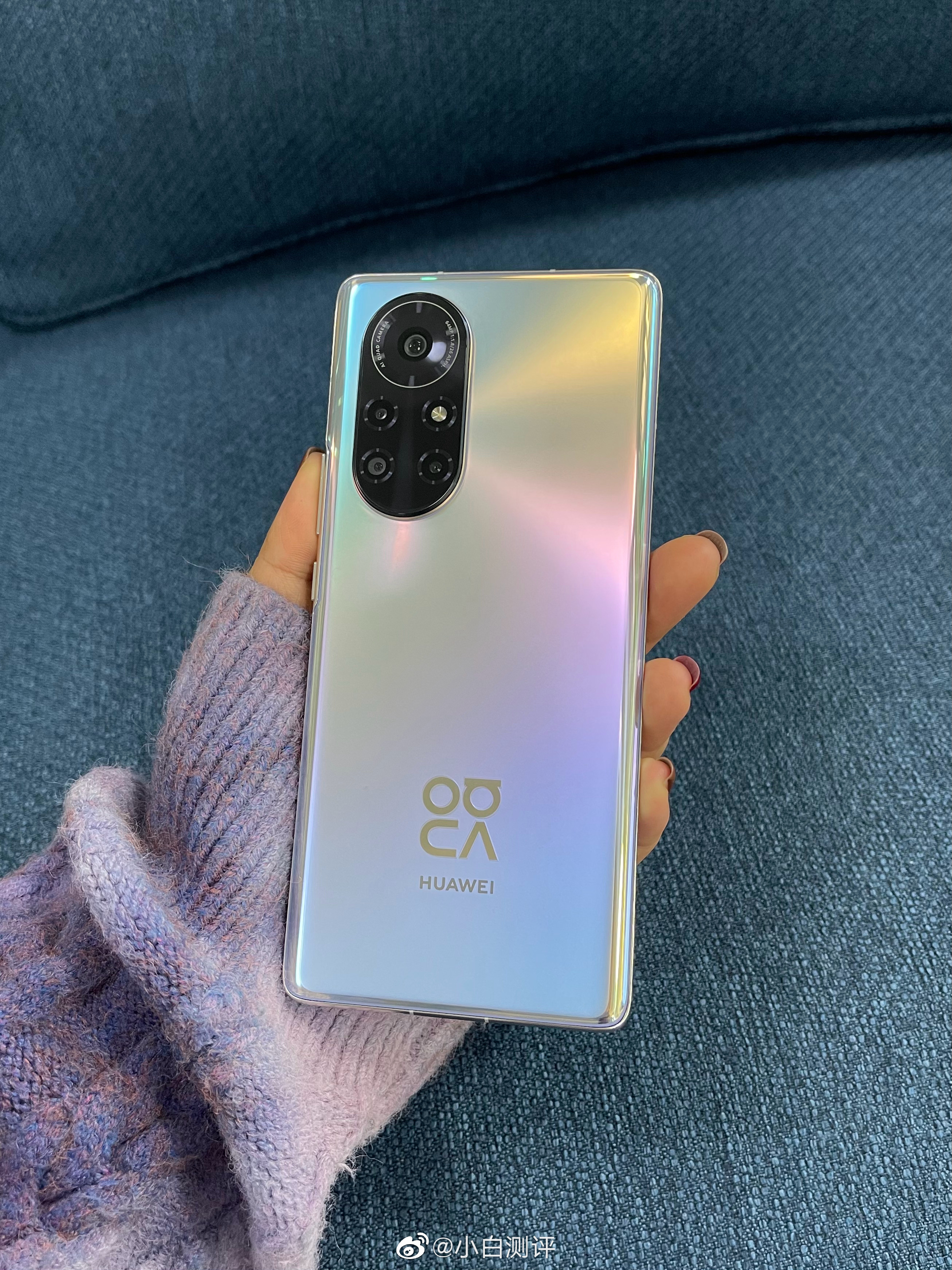
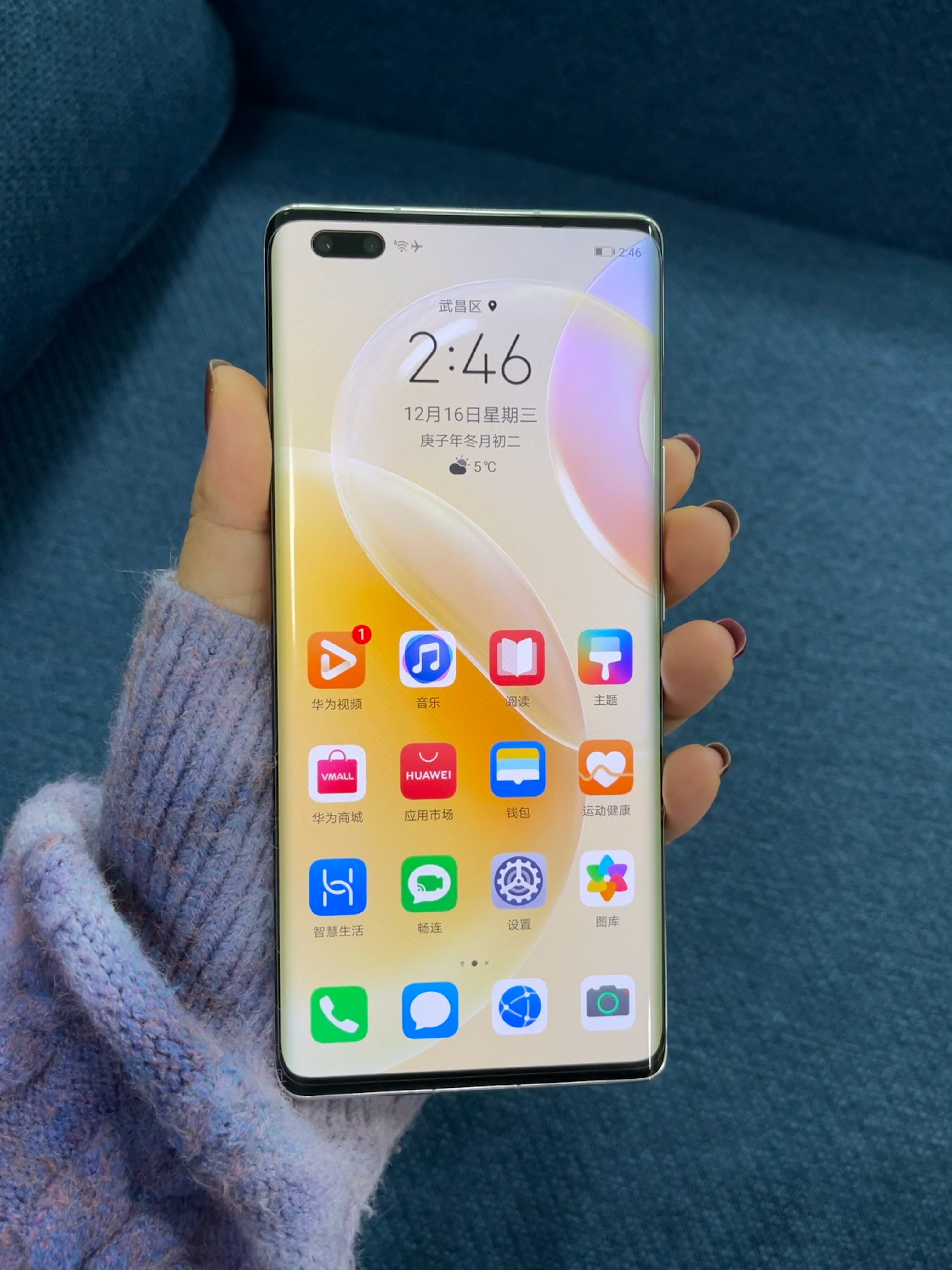
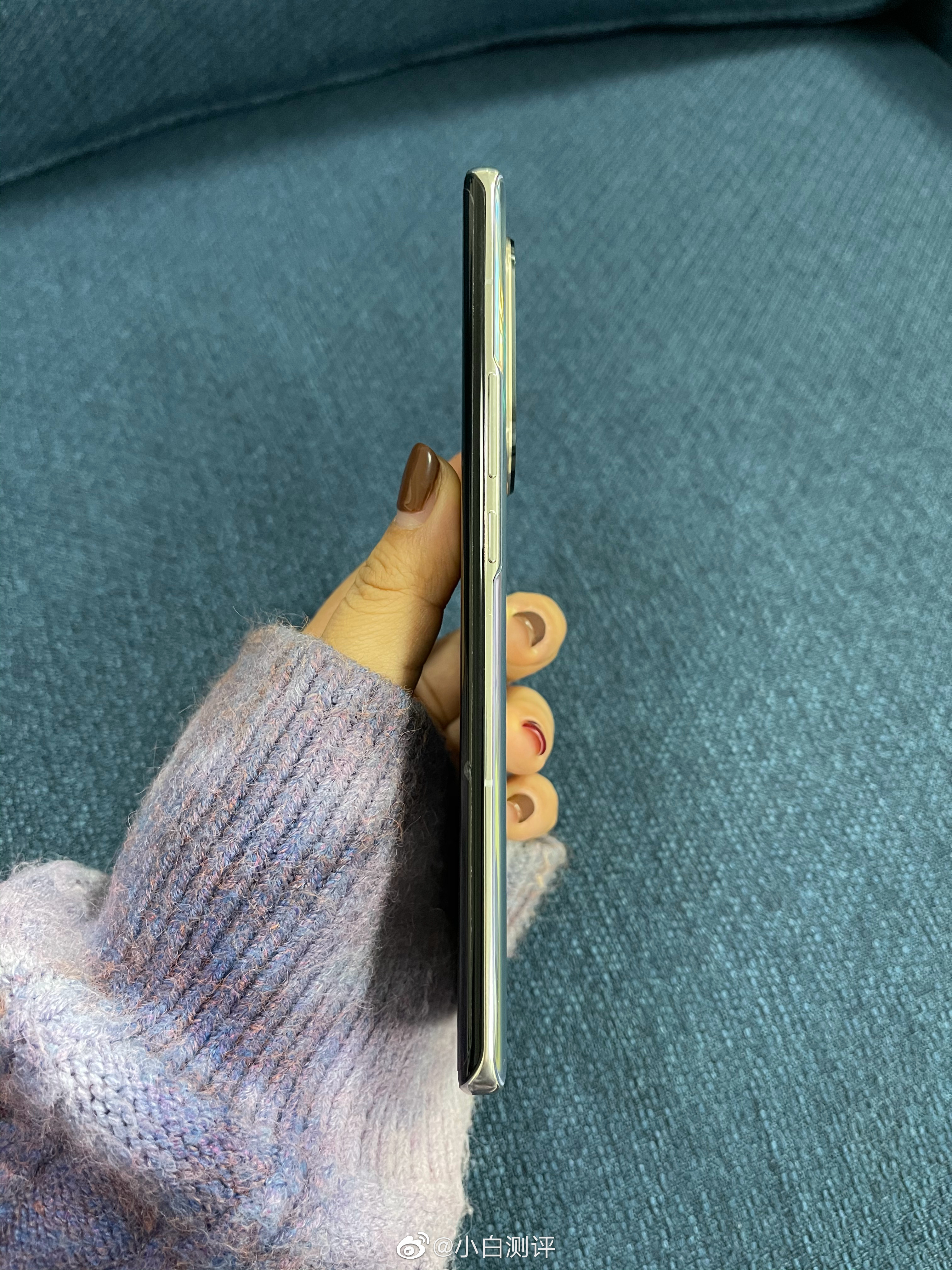
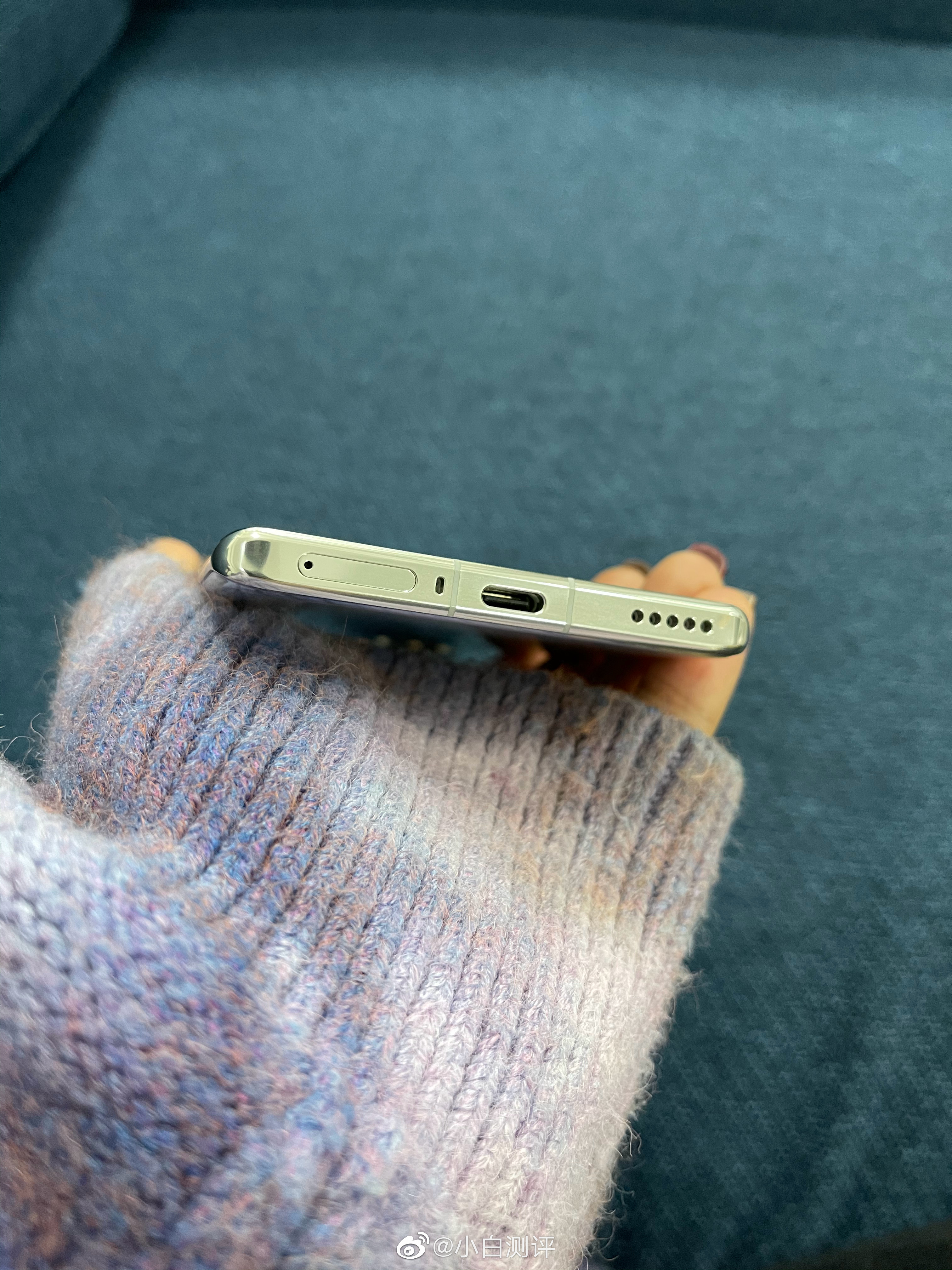
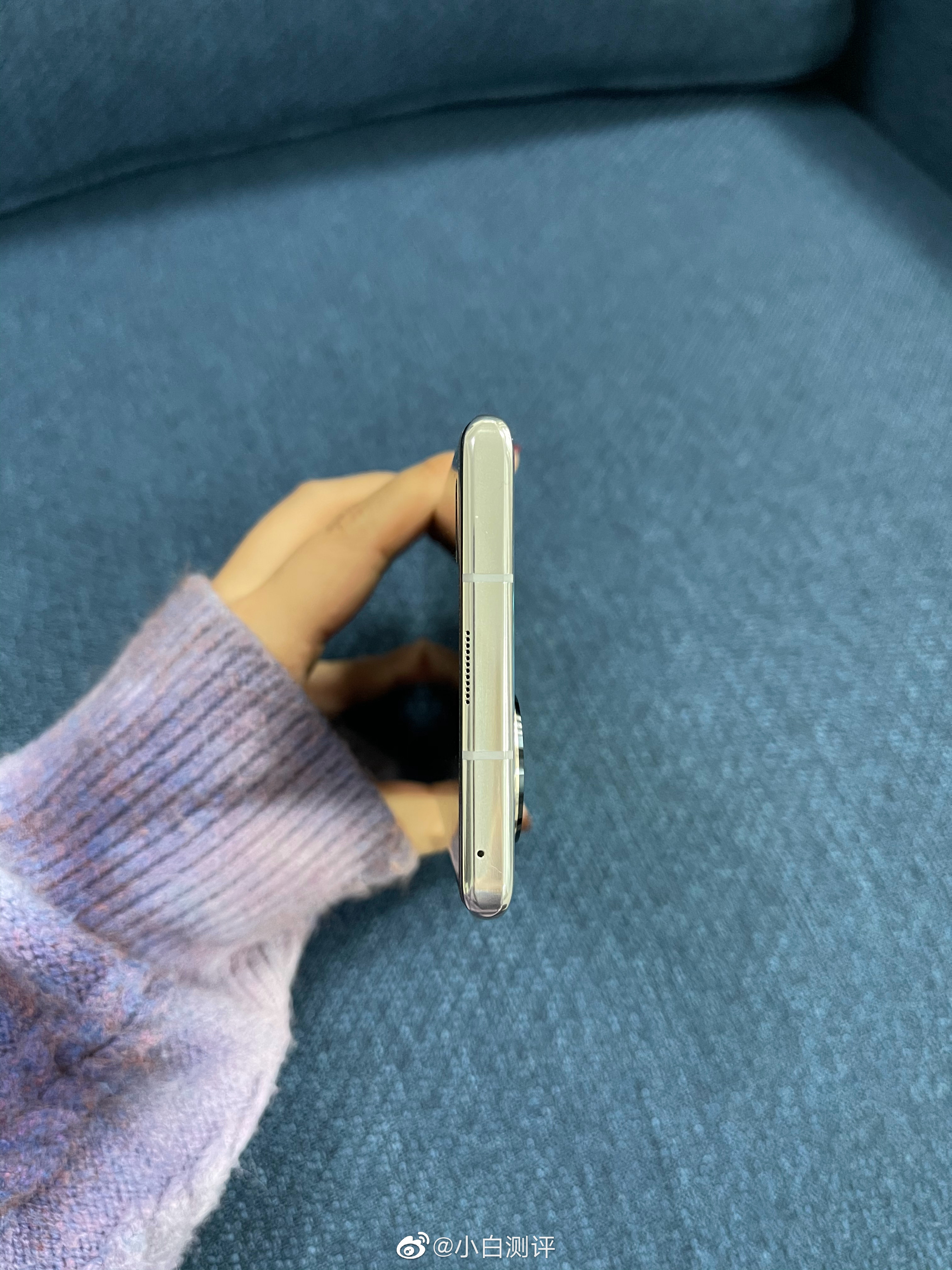
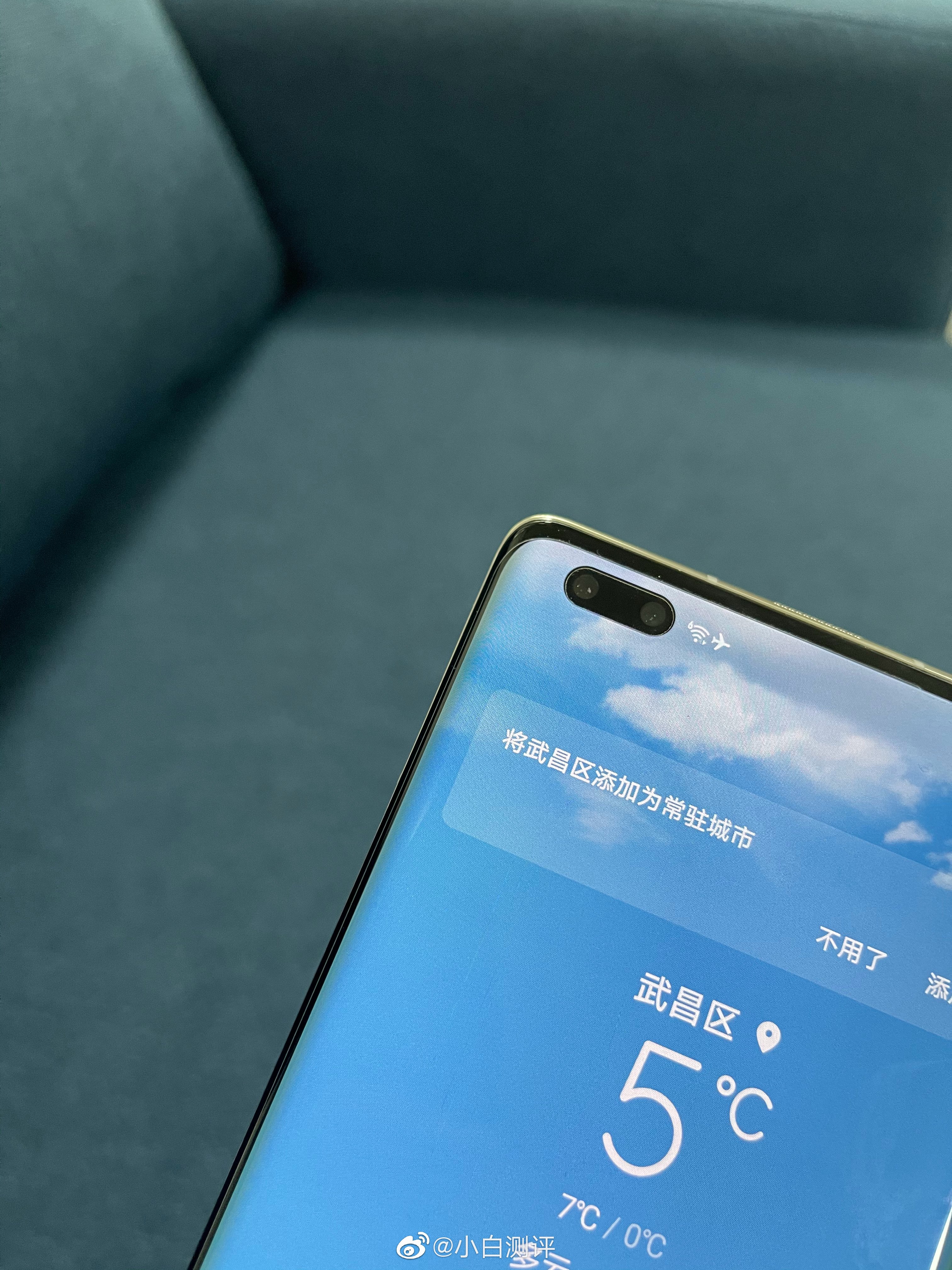
Yesterday, a Weibo user shared the live shots of the Huawei Nova 8 smartphone that is all set to break cover on Dec. 23. A few hours later, another Weibo user released the real-life images of the Huawei Nova 8 Pro to showcase its design.

Huawei Nova 8 Pro real-life images

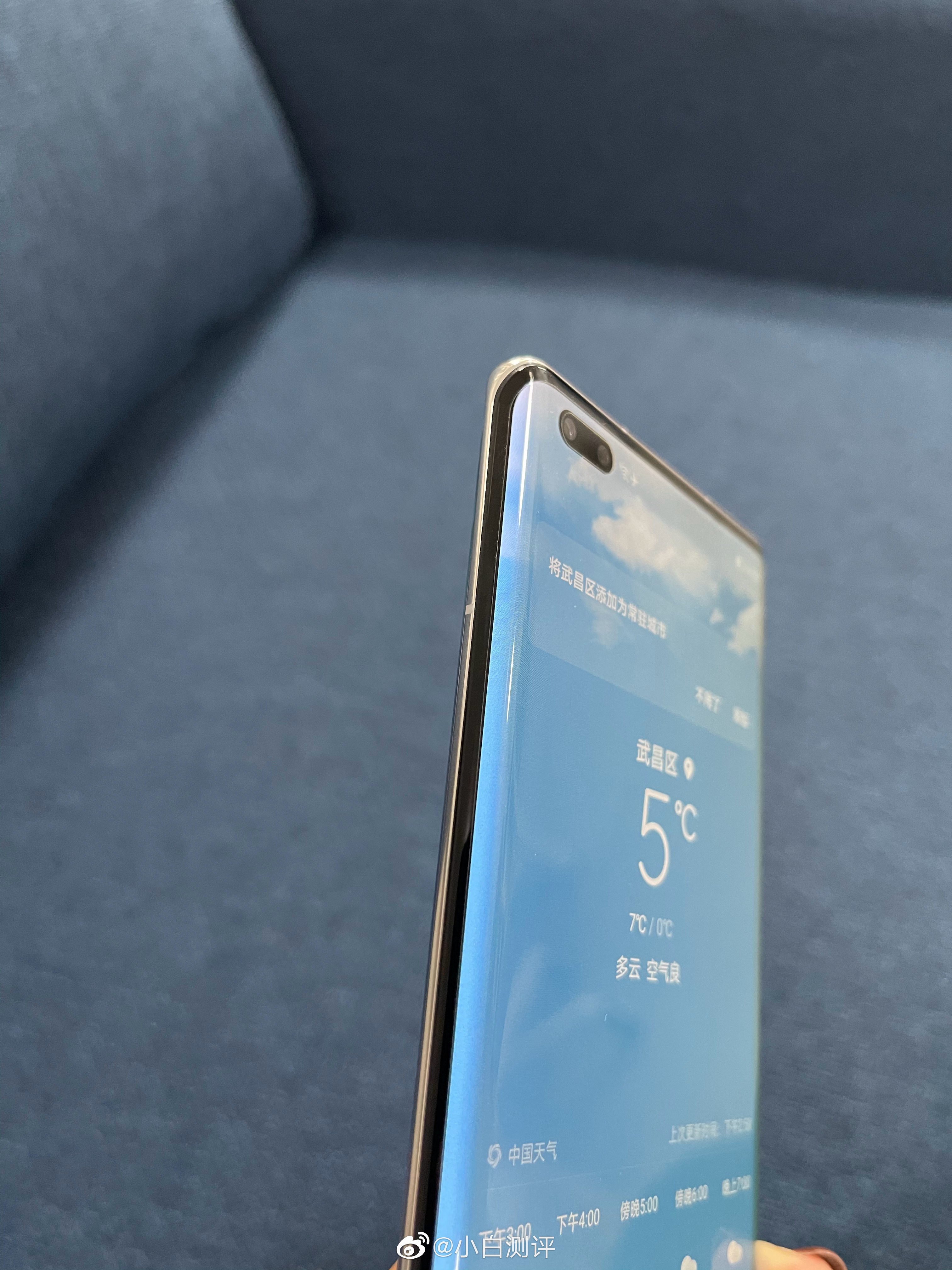
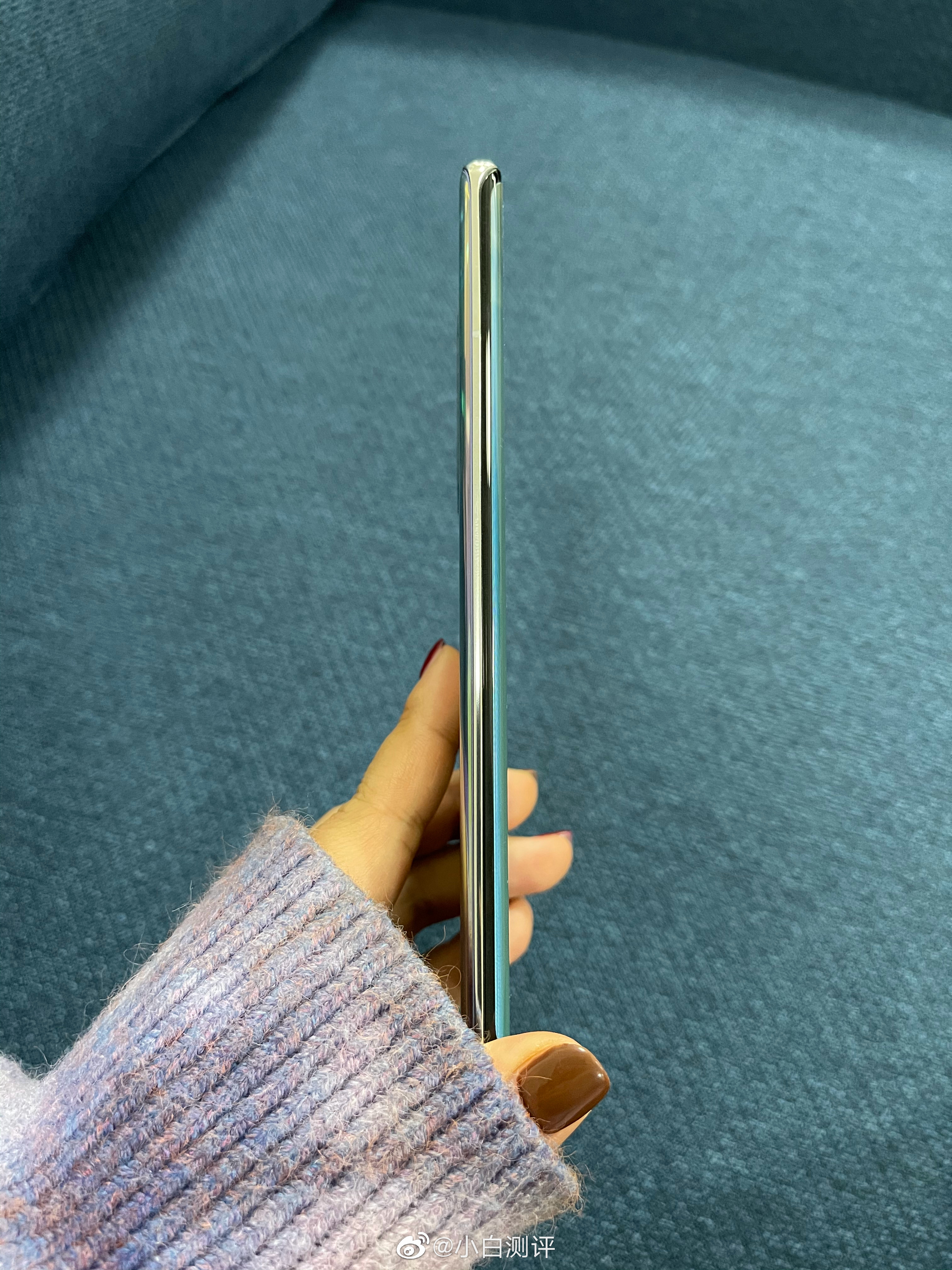
As it was seen yesterday, the Huawei Nova 8 has a top-center selfie camera cutout on its display. However, the Nova 8 Pro can be sporting a curved edge screen with a pill-shaped camera cutout at the top-left corner. The camera cutout houses dual selfie snappers.

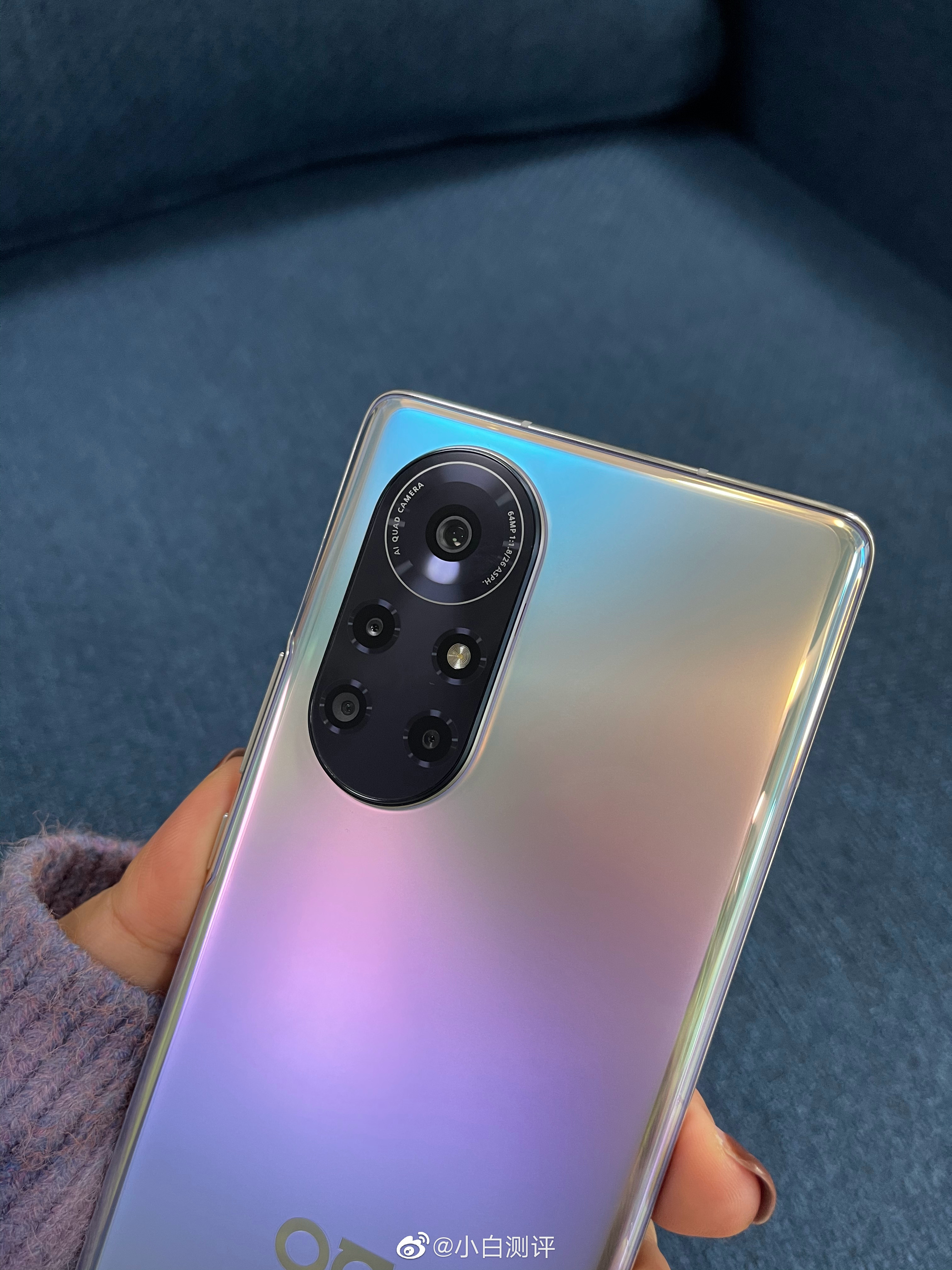
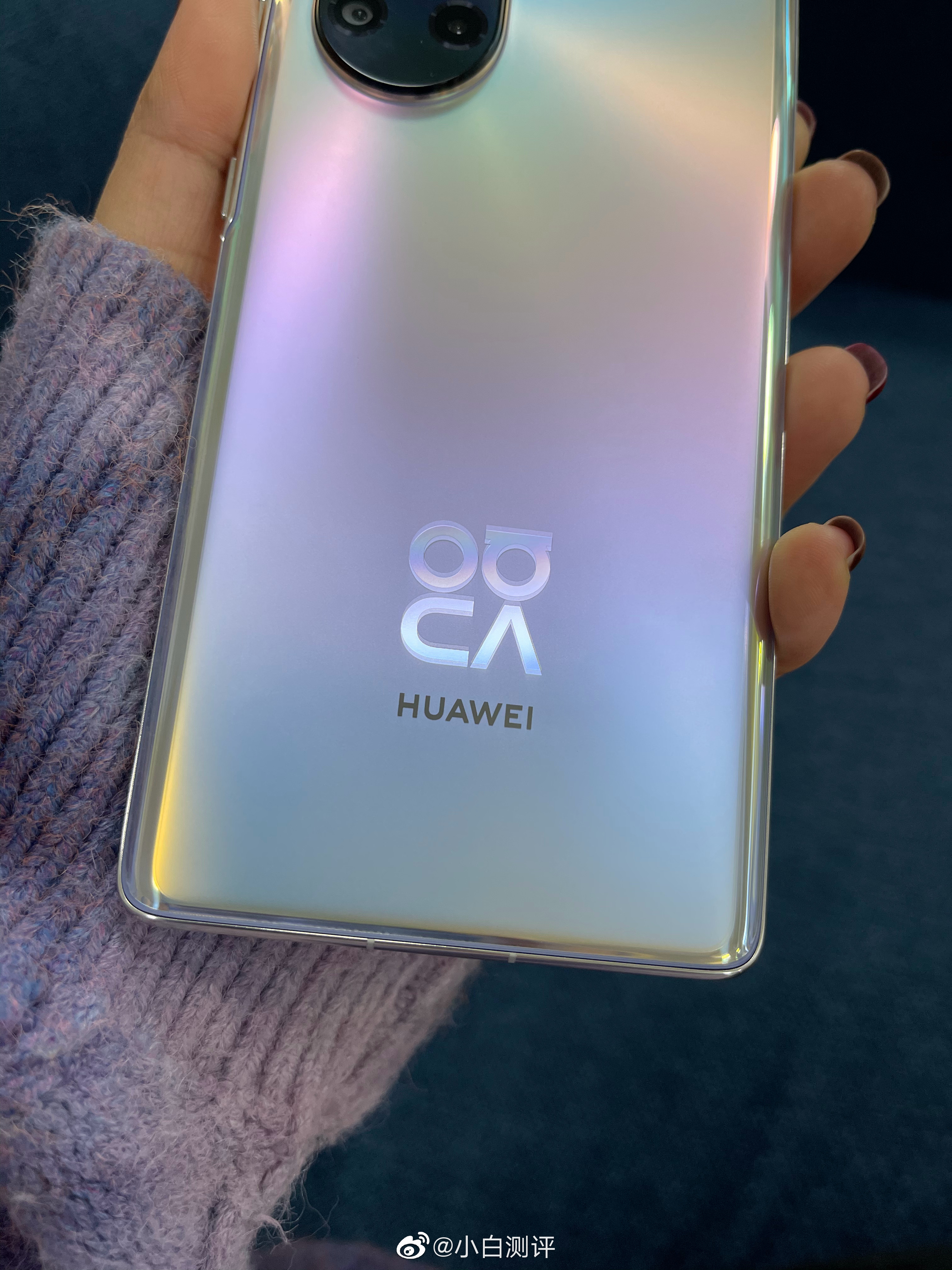
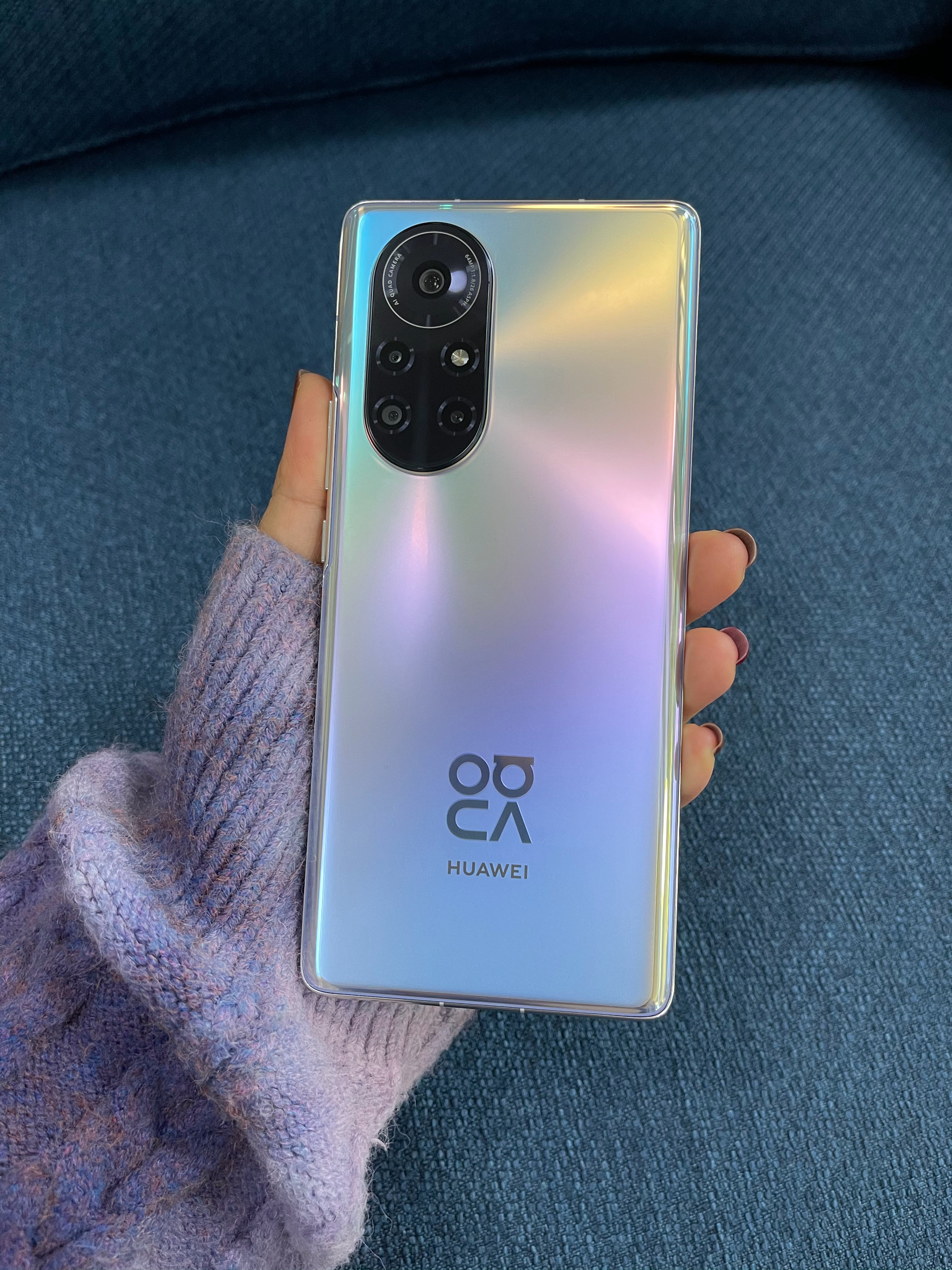
The back panel of the Huawei Nova 8 Pro has the same oval-shaped camera module found on the vanilla model. The Nova and Huawei brand names can be seen towards the bottom of the phone’s back panel.

While the top edge of the Huawei Nova 8 Pro has a microphone, its bottom has a SIM card slot, another microphone, a USB-C port, and an external speaker. A volume rocker and a power key can be found on the right edge of the phone.

Huawei Nova 8 Pro specifications

The Huawei Nova 8 Pro has a 120Hz supporting OLED panel with 80-degree curvature at its edges. It is equipped with a 16-megapixel dual selfie camera setup. The rear shell of the phone has a 64-megapixel + 8-megapixel (ultrawide) + 2-megapixel (macro) + 2-megapixel (depth) quad-camera system. The smartphone supports dual scene recording through the front and rear cameras simultaneously.

The Nova 8 Pro will arrive with a 66W fast battery. However, its battery size is not known yet.  The handset is expected to arrive in 8 GB RAM + 128 GB storage and 8 GB RAM + 256 GB storage versions. It is expected to carry a starting price of 4,000 Yuan (~$612).


Samsung Galaxy A72 5G renders reveal it is an enlarged A52 5G

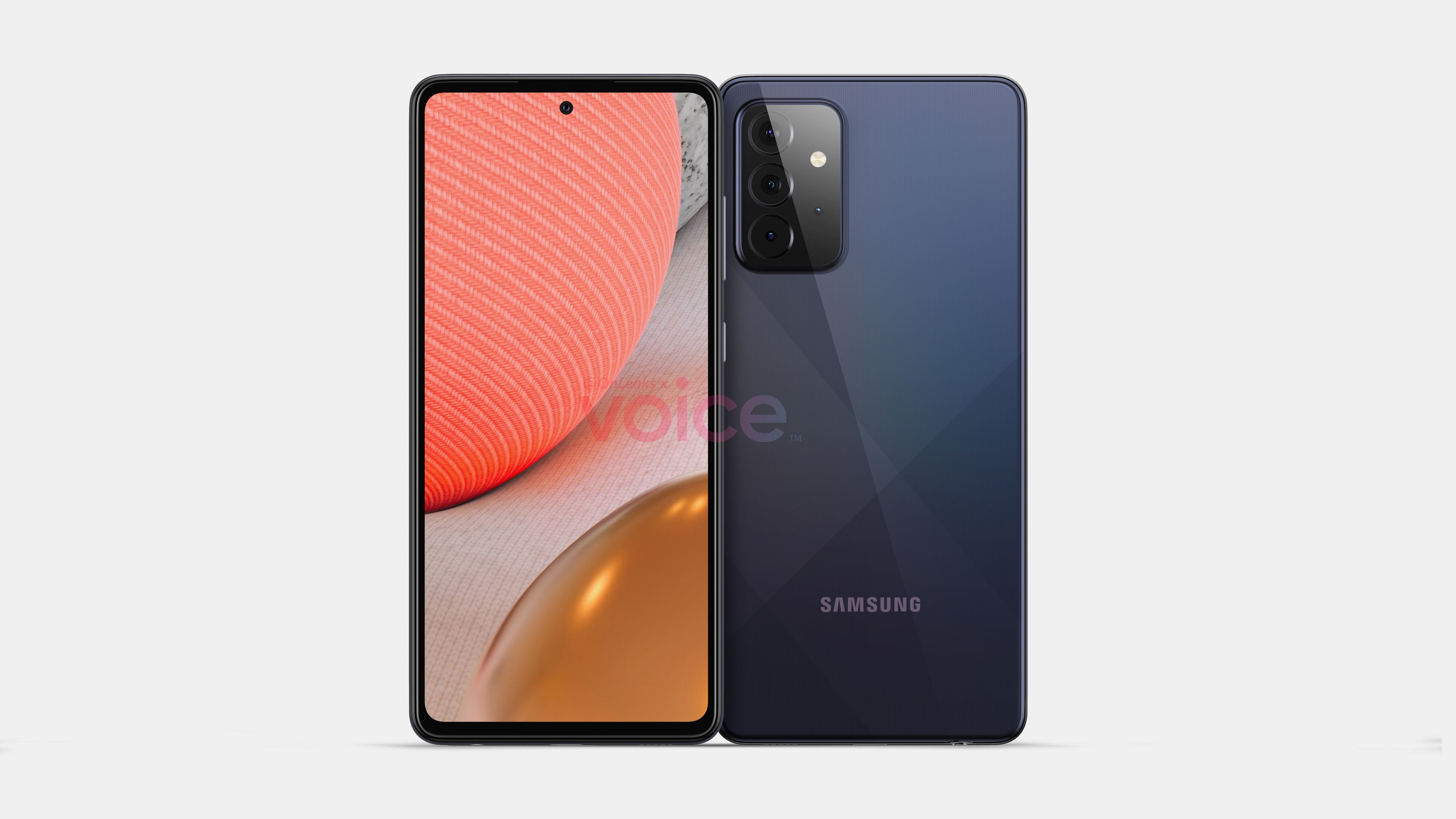
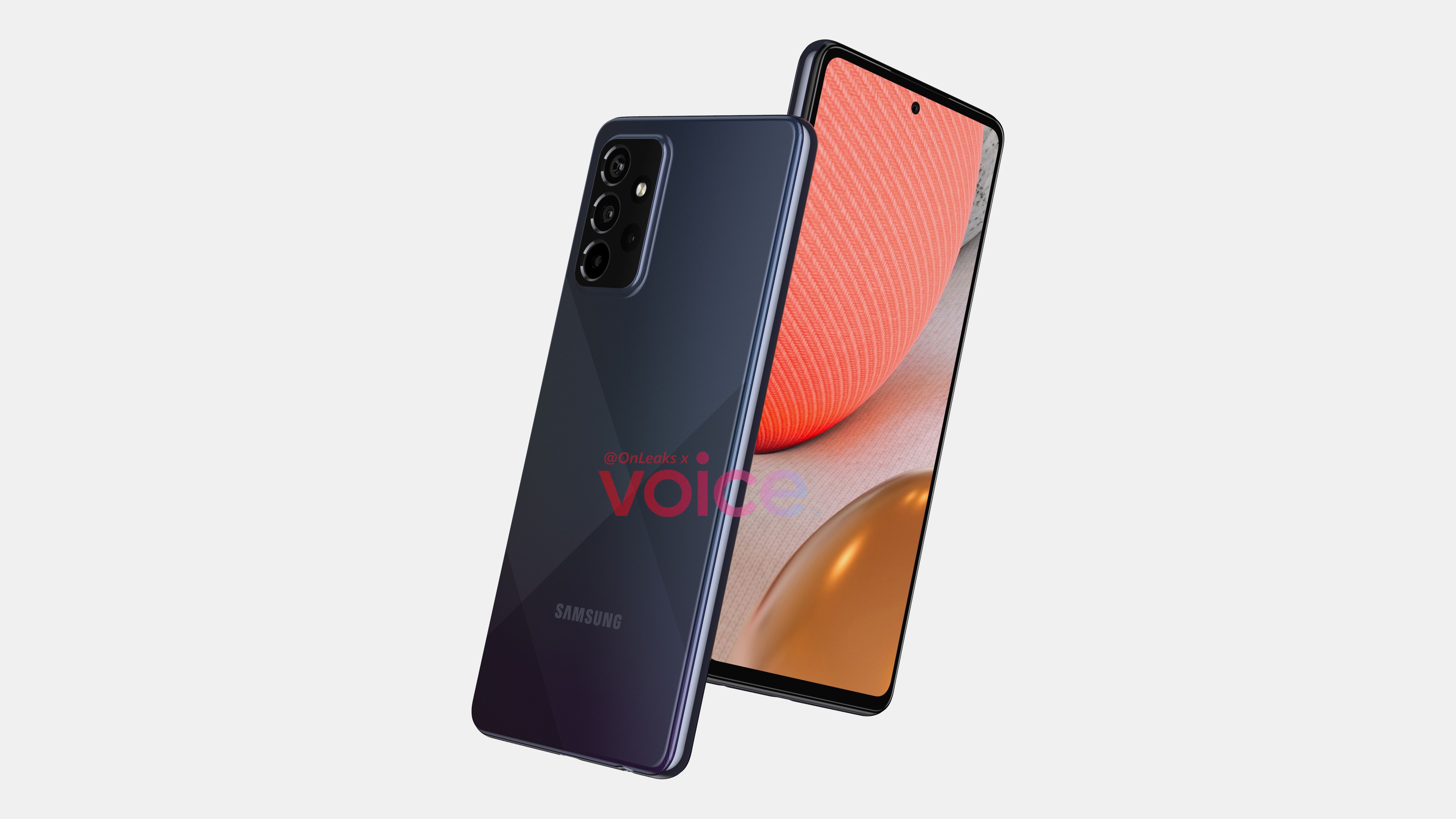
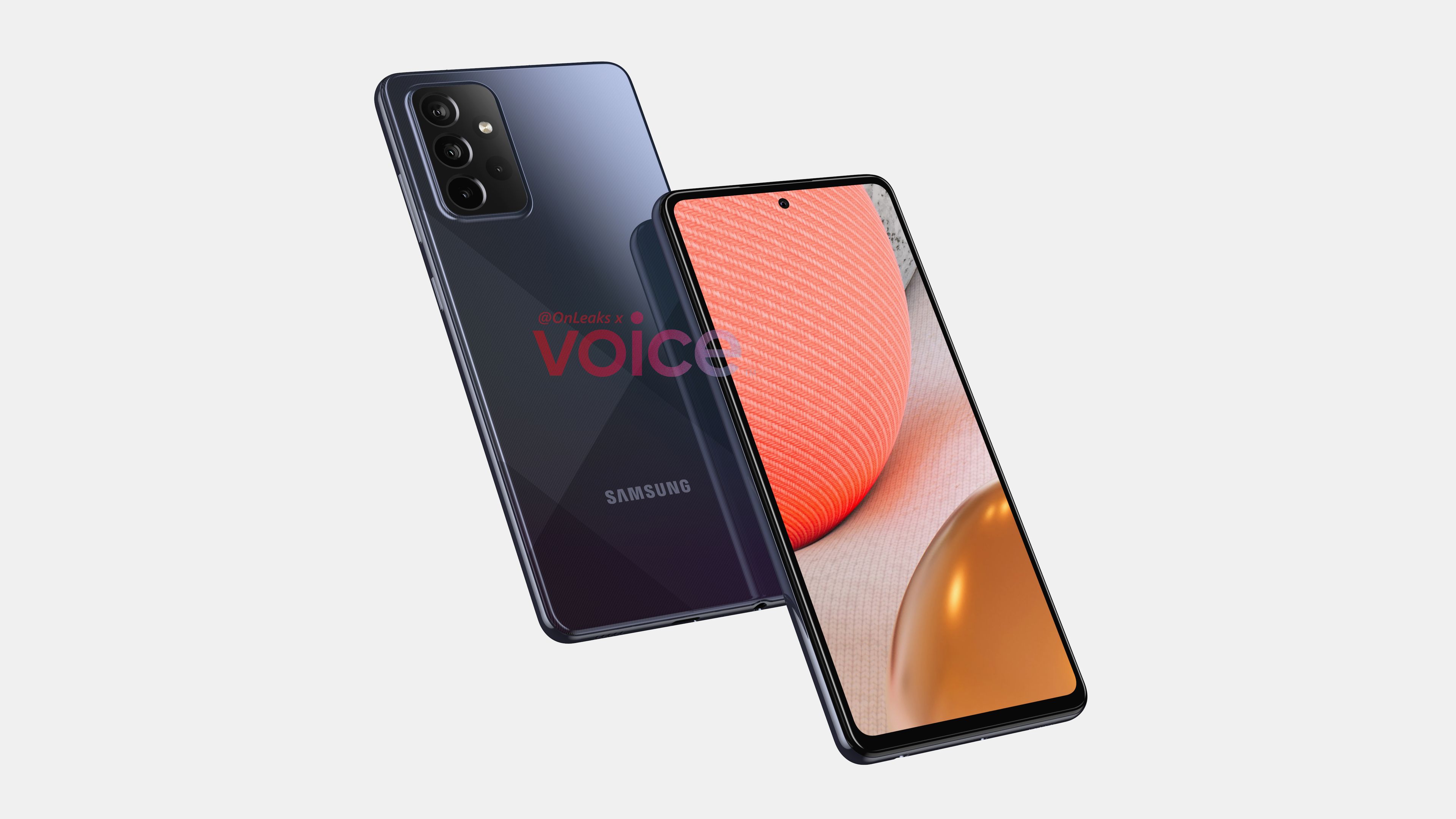
The Galaxy A72 5G is a mid-range phone Samsung is expected to announce next year. The phone first appeared in the news back in September when a leak said it will have five rear cameras. However, another leak surfaced recently that said the phone will have four rear cameras. CAD-based renders have now surfaced and they confirm that the Galaxy A72 5G will indeed have a quad-camera setup on the rear.

Galaxy A72 5G render

The A72 5G is the successor to the Galaxy A71 5G that was announced in April and its design doesn’t seem to have changed much. It has a centered punch hole which appears to be smaller in diameter than that of its predecessor and the back is home to four rear cameras that are housed in rectangular glass.

EDITOR’S PICK: Samsung records highest smartphone shipments in 3 years in Q3 2020

Steve Hemmersoffer a.k.a. OnLeaks, who published the renders on Voice, says the rear panel of the Galaxy A72 5G is “glasstic” while the frame that goes around it is aluminum. The general appearance of the phone is very similar to that of the Galaxy A52 5G whose renders leaked last week with the only visual difference being the size of both phones.

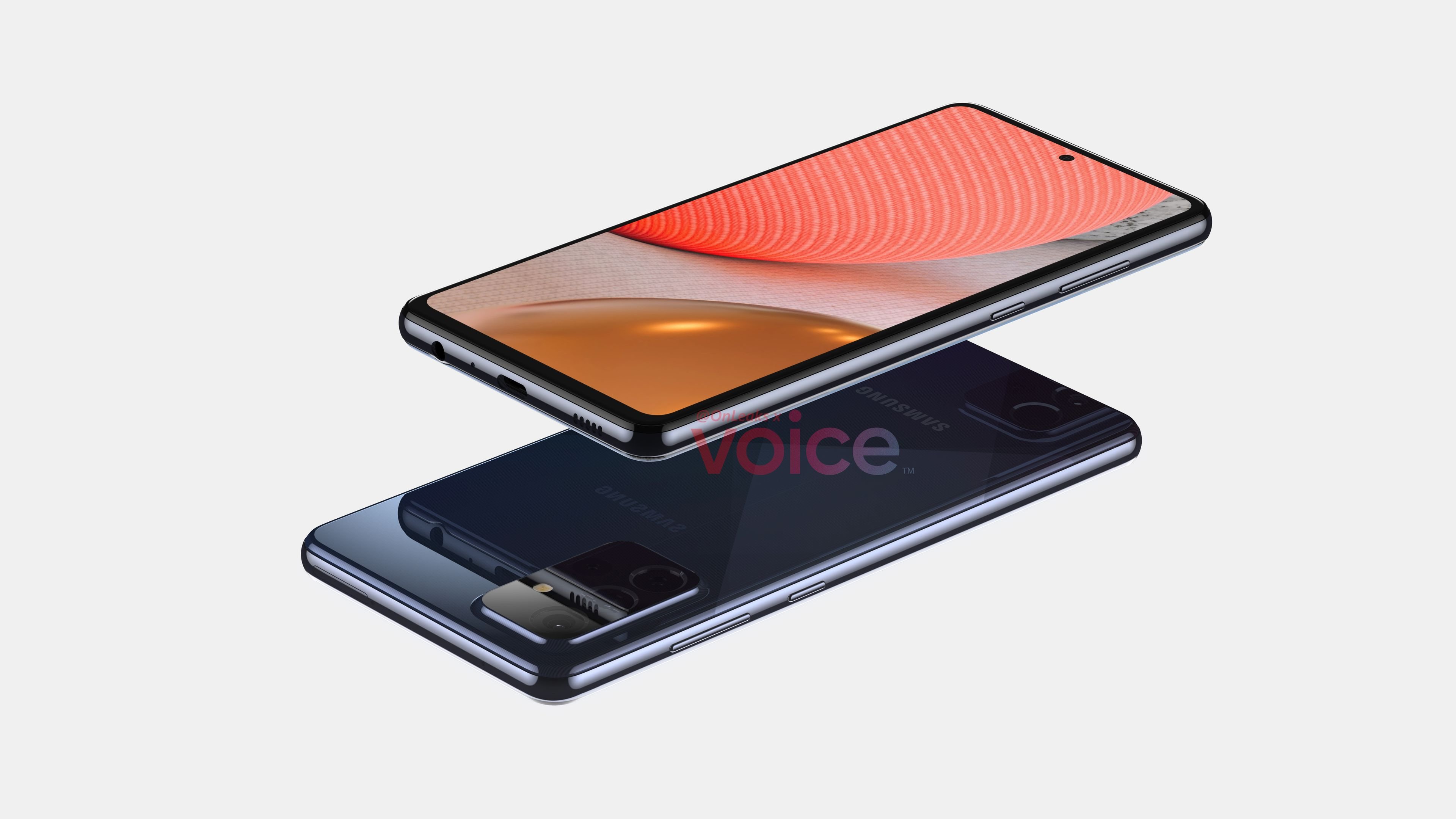
The Galaxy A72 5G is said to pack a 6.7-inch display which should be a Super AMOLED panel with a 1080p resolution. The display is flat, has slim bezels around it, and will have a fingerprint scanner behind it.

The renders show the phone has an audio jack at the bottom along with a USB-C port and a five-hole speaker grille. The dimensions of the phone are given as 165 x 77.4 x 8.1 mm. The thickness goes up to 9.1 mm when you add the camera bump.

The Galaxy A72 5G should come with the 5nm Exynos 1080 processor that will make its debut in the Vivo X60 series later this month. It should run One UI 3.0 based on Android 11 out of the box. When Samsung launches the phone next year, its price tag is expected to be about $599.


Amazon opens up its Luna cloud gaming service to Android devices

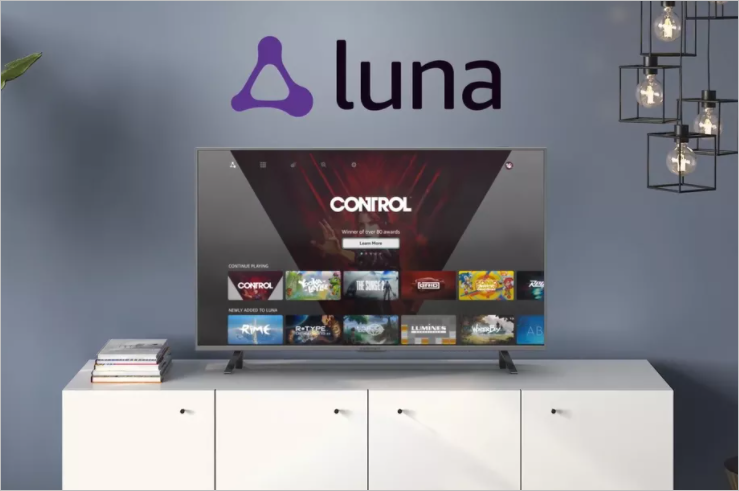
Amazon’s cloud gaming service, Luna, has now been extended to Android devices, the company announced on Tuesday. Similar to what obtains with the iOS version of Luna, users can directly access the cloud gaming services via the Chrome web browser, as there is no need to download any app.Amazon Luna

Luna came on stream a few months back, specifically in October and it was at that time, only available on PC, Mac, Fire TV, iPhone, and iPad (through web apps). There is a monthly fee, payment of which guarantees access to a channel of games for the interested user. 

Presently, only two channels are functional. The Luna Plus channel has a monthly fee of  $5.99, while the  Ubisoft Plus channel with an access fee of $14.99-per-month offers Ubisoft games and can connect to Ubisoft Plus on PC and on Google’s cloud gaming service, Stadia. Luna is presently only available in the US, and access can be gotten from here.

Luna’s Android version currently works on a few devices like Pixel, Samsung, and OnePlus, and it is expected that Luna will have support for more Android devices as it expands access in the coming months.

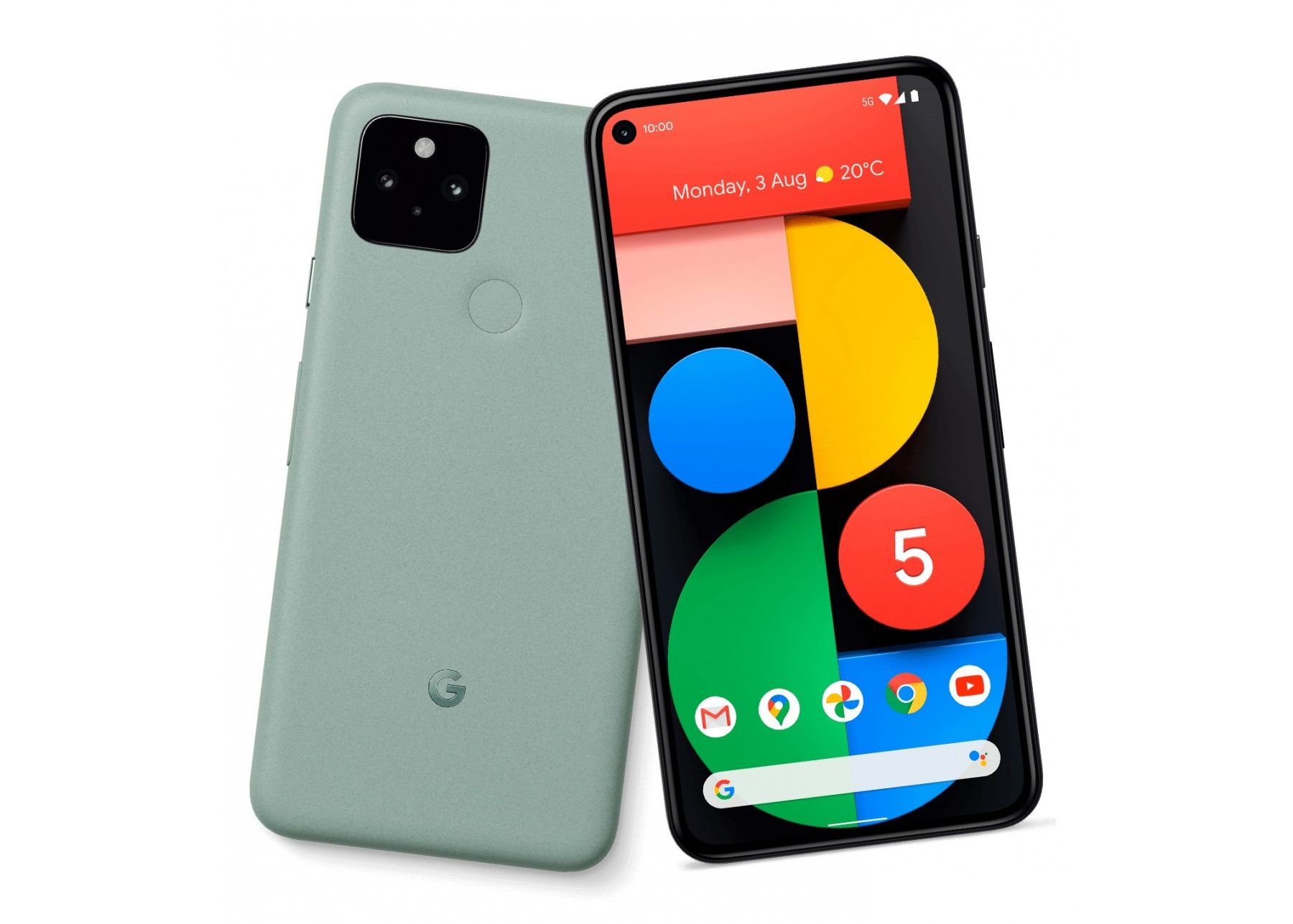
The following devices now have Luna functionality: Pixel 4XL, 4A, 4A 5G, 5; Samsung Galaxy S10, S10 Plus, Note 10, Note 10 Plus, S20, S20 Plus, S20 Ultra, Note 20, Note 20 Ultra, OnePlus 7, 7 Pro, 7 Pro 5G, 8, 8 Pro, and Nord 7T, 7T Pro, 7T Pro 5G smartphones.

Luna is compatible with Android 9 or higher and Chrome version 86 or newer. Gaming enthusiasts can now play games from a wide array and it is also possible to link up with Luna controller as well as the PlayStation 4 or Xbox One controller.

UP NEXT: Exclusive: Xiaomi Mi 11 scheduled for December 29 launch


(via)


Google Stadia is now available for iOS devices in beta

Apple has made it difficult for game streaming services to provide an iOS app for iPhone and iPad owners. The solution these streaming services have adopted is to provide access via the web browser on these devices. The latest to do so is Google Stadia as they have finally brought their services to Apple devices more than a year after launching on other platforms.

The announcement was made today on Twitter by the official Stadia account. The tweet includes a short video teaching users how to access the service and it is pretty straightforward. Below are the steps:

  • Launch your Safari iOS browser
  • Go to Stadia.com
  • Sign in with your Google account
  • Begin to play

You can add a web app shortcut to the homescreen to make it easier to access as shown in the video.


EDITOR’S PICK: Apple iPad launching in Spring 2021 to feature bigger display and better chipset

Stadia on iOS works with the official Stadia Controller and also works with the DualShock 4 and Xbox One Controllers. All of these controllers connect to the iPhone or iPad via Bluetooth. If you don’t have a controller, you can enable the touch gamepad feature when you launch a game.

Google’s iOS launch comes shortly after Microsoft announced that it will be bringing its Xbox cloud gaming service to PCs and iOS next year. However, Google is not the first to do it, other game streaming services such as NVIDIA’s GeForce NOW  announced the service can now be accessed via the Safari browser back in November. Amazon’s Luna is also available via a web app for iPhones and iPads.


Twitter acquires video chat and screen-sharing startup, Squad

Twitter has acquired video chat app Squad, and it seems plans are already afoot by the company to incorporate the app’s group video chat feature as a new feature on Twitter.

The Squad app allowed users to share their screens in both mobile and desktop settings in group video chat mode. Reports emanating from TechCrunch says that the app has been shut down by Twitter as the interfacing seems to have begun in earnest. Twitter

Ilya Brown from Twitter’s Product team let us into the unfolding development by sharing the news in a tweet a few days back. Brown expressed excitement to be afforded the opportunity to share the information that the Squad team will be joining Twitter to provide new and exciting ways for people to interact, express themselves, and join in the public conversation. Brown went further to state in the tweet that interactive audio and video chats are very important requirements in the future direction of the app and align with the type of conversations Twitter is hoping to introduce.  

With hints provided by Brown on having a similar feature on Twitter very soon, it was expected that the Squad app will be out of service almost immediately. The Squad app was subsequently shut down on December 12.  

A group video chat tool would certainly not be the first new feature to change the way that users interact with each other on Twitter. The social media giant launched the fleets feature in November 2020, which allowed users to express their thoughts in a temporary, story-like template that disappears after 24 hours.

Twitter account holders could see the number of persons that had viewed their fleets, and also respond to individual fleets via direct message.Squad

Twitter’s fleet feature follows the precedence laid by Snapchat, Instagram, Facebook and a few others who already have a story feature in their platform.

Twitter has also announced that stickers and live broadcasting would be integral parts of fleets, going forward. 

We keep our fingers crossed as we wait to see whether Twitter will provide Squad-like video and screen-sharing in the app soon.

UP NEXT: Xiaomi Mi QLED TV 4K 55 launched in India: Android TV 10, Dolby Vision, and 30W speakers