Recent reports have revealed that Samsung is working on the Galaxy A52 5G smartphone. The handset had appeared with its model number SM-A526B and Snapdragon 750G chipset at the Geekbench benchmarking platform last month. A new variant of the phone with model number SM-A525F has appeared (via) on the same benchmarking site. It appears to be the 4G edition of the device.
The Geekbench 5 listing reveals that the Galaxy A52 4G is driven by an “atoll” processor, which is nothing but the Snapdragon 720G SoC. The listing further reveals that the phone has 8 GB of RAM and it runs on Android 11 OS.
The Galaxy A52 4G scored 546 in Geekbench’s single-core test and it recorded a score of 1703 in the multi-core test. There is no word on the other specs of the Galaxy A52 4G. It remains to be seen whether its other specs are identical with its 5G model.
The Galaxy A52 5G was spotted with Snapdragon 750G, 6 GB of RAM, and Android 11 OS in the Geekbench 5 tests. The renders of the 5G variant surfaced earlier this month revealed that it will be arriving with a punch-hole display and a rectangle-shaped camera module with four cameras on its glass-like plastic rear. The handset measures 159.9 x 75.1 x 8.4mm and houses a 6.5-inch FHD+ display. The handset is also expected to feature an in-screen fingerprint reader.
The Galaxy A52 5G is likely to arrive with a pricing of $499. It is likely that the smartphone may go official before the end of 2020 or in early January.
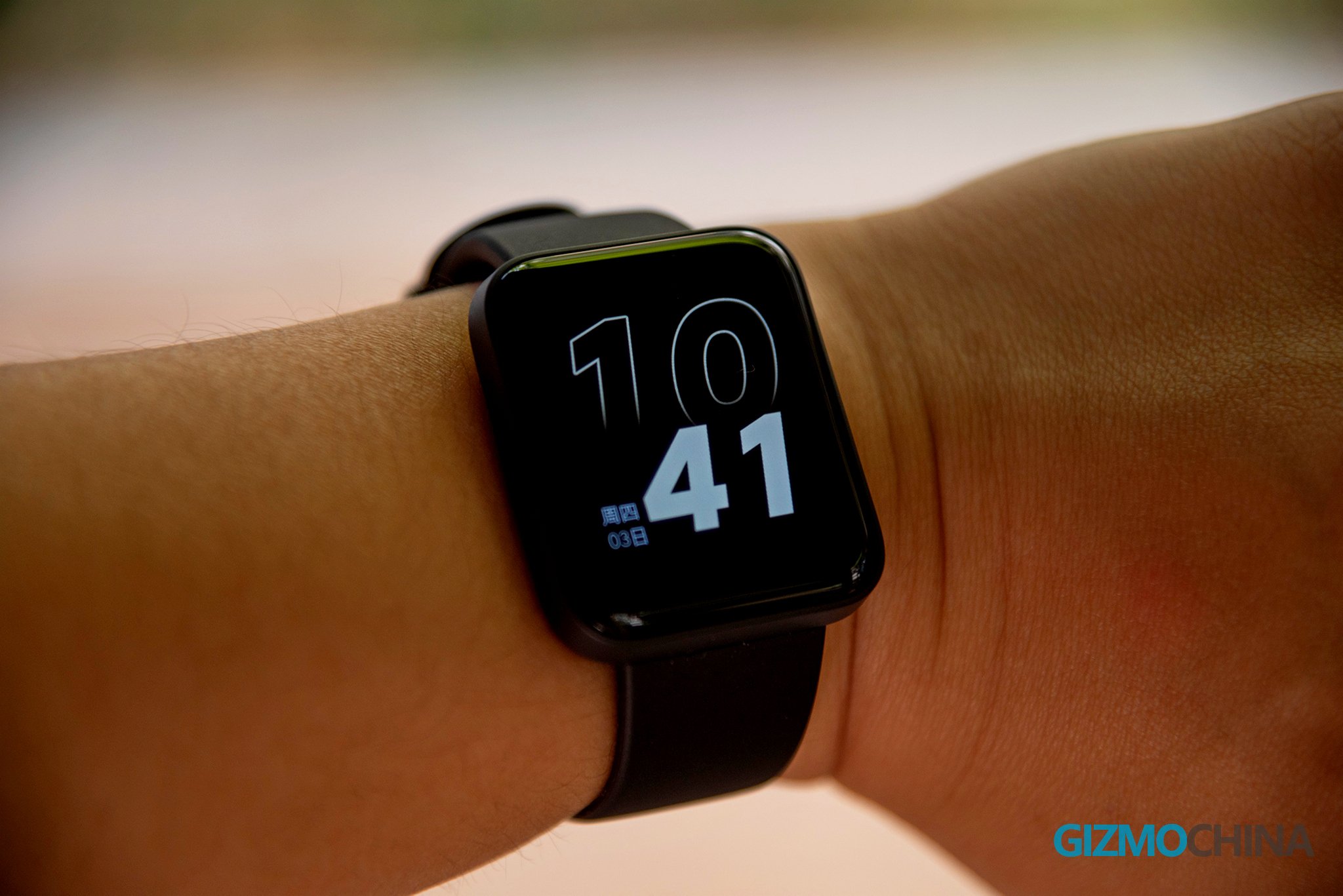
We finally got the Redmi Watch in our China office last week. So this is our quick Redmi Watch hands-on and we hope we answer most of the questions you have about the new watch.
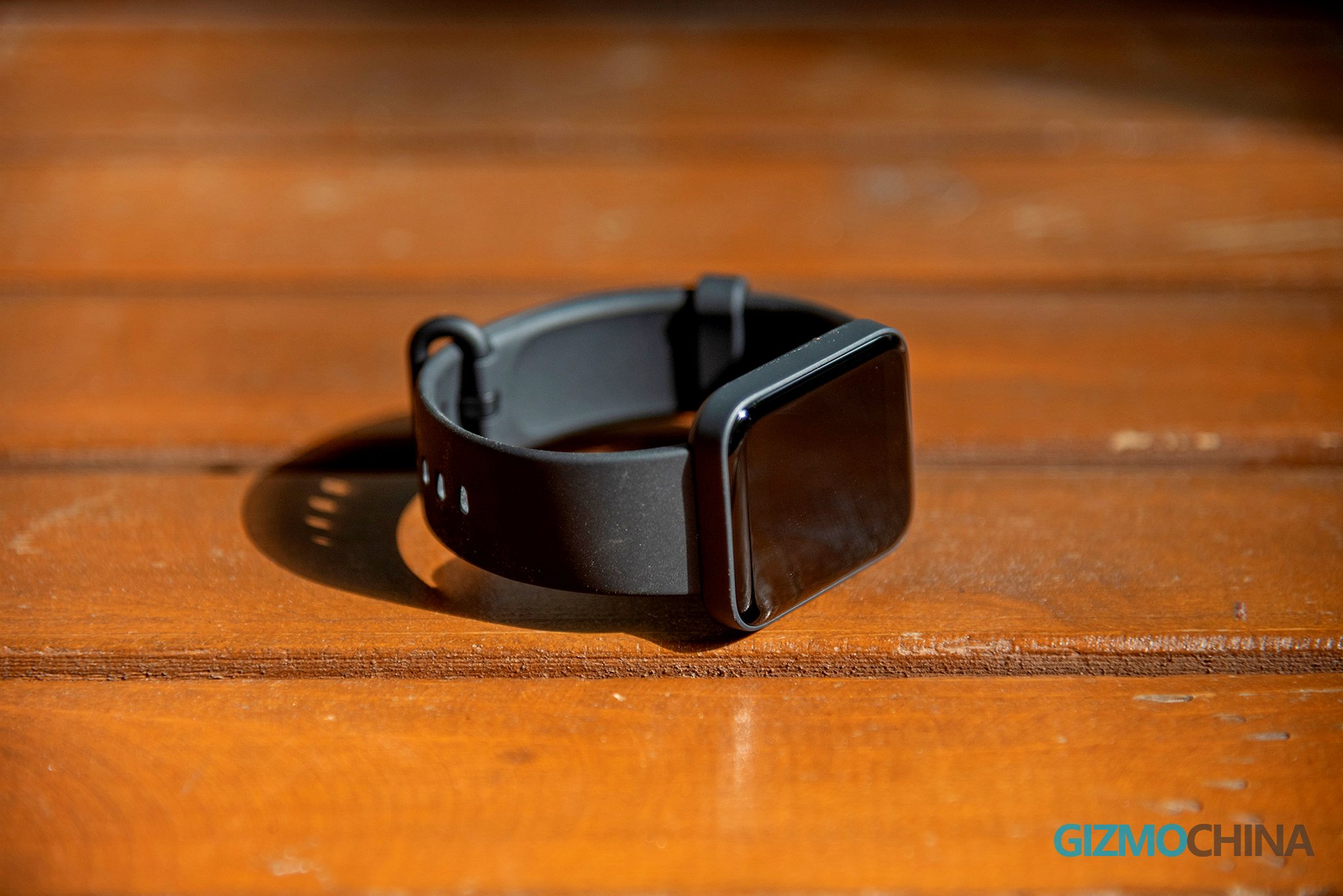
Redmi Watch has a Simple Square design
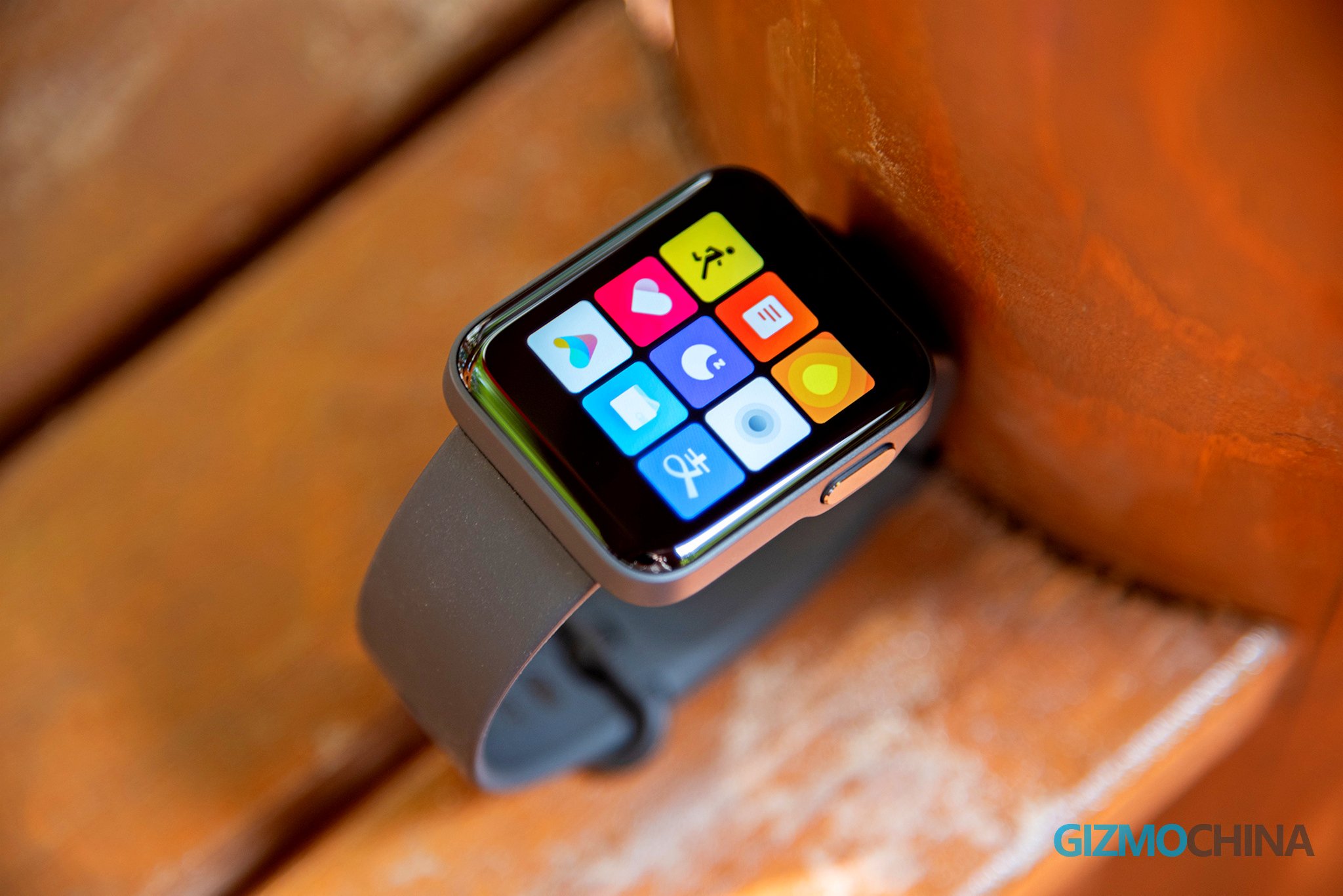
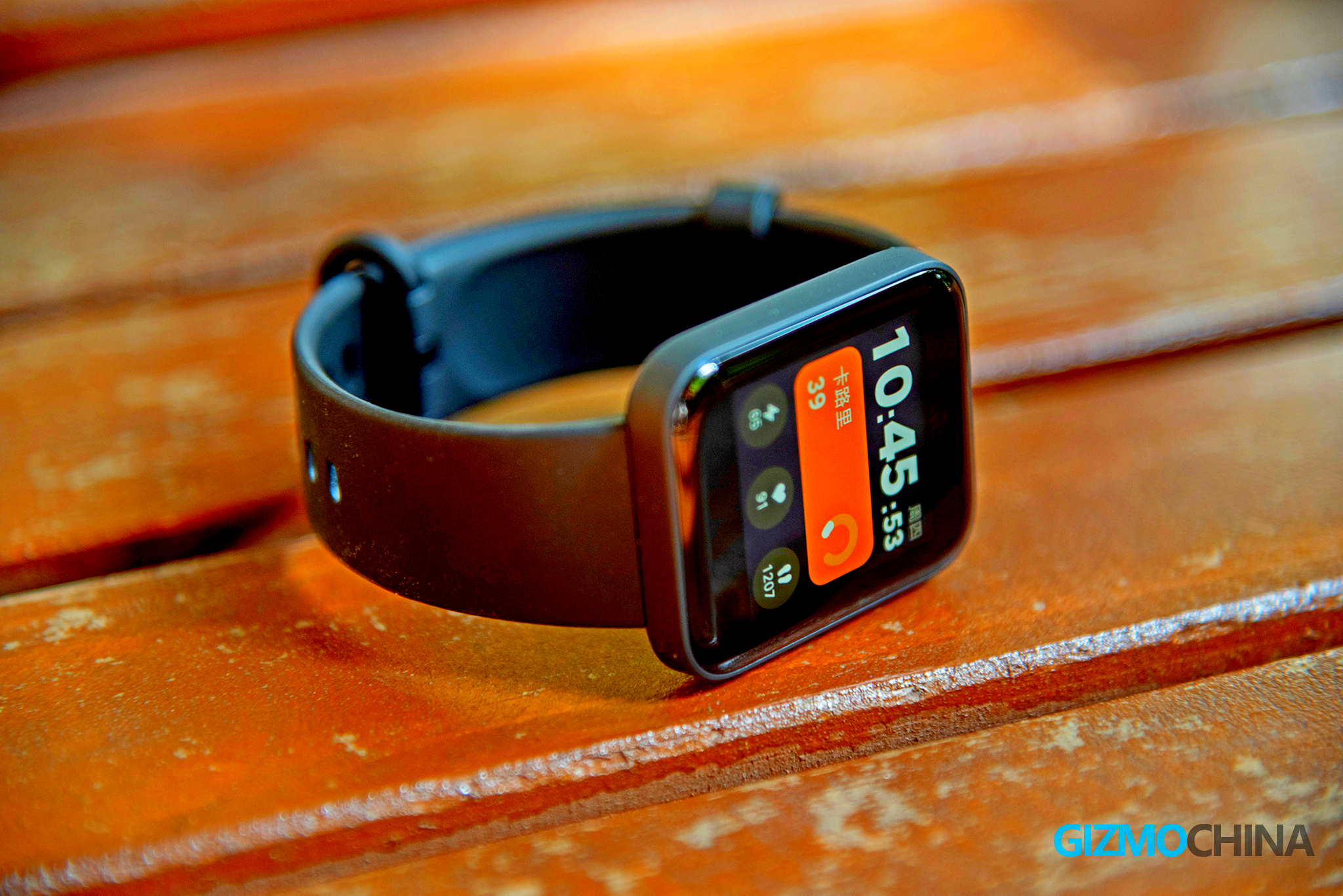
The Redmi watch has a simple square 2.5D curved display, similar to the Apple Watch series. You get a single button on the right side, but most of the operations can be performed via the touch screen.
The square display has its set of advantages. You get a more screen real estate to display text messages and other data as compared to a traditional round dial smartwatch.
Note that the display area is quite small and there are thick black bars on the top and bottom part of the 1.4-inch 320 x 320 pixel resolution screen. However, the black background in the interface helps hide these thick bezels.
Redmi Watch is Light-weight and Compact
The Redmi watch is pretty compact with the following dimensions: 41mm x 35mm x 10.9mm. It weighs just around 35 grams, so you can wear it all the time even while sleeping.
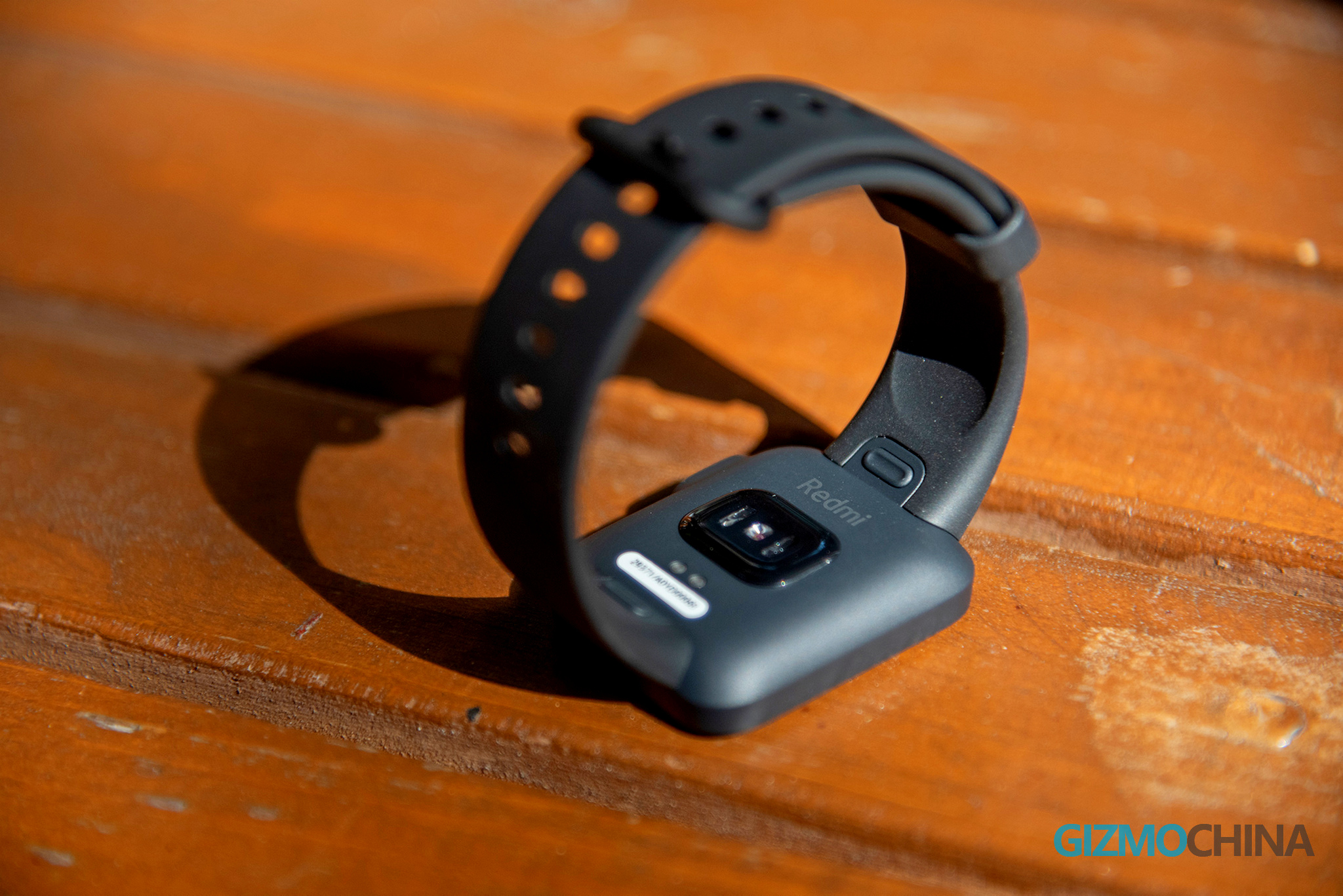
The back sensors don’t protrude much from the body, so the wearing experience is good. The sides of the watch is also polished and curved, so it doesn’t feel cheap.
The watch comes with an optical heart rate sensor, six-axis sensor, geomagnetic sensor, and an ambient light sensor.
Features a Multipurpose Single button
The Redmi watch comes with a single button on the right side. The button serves multiple functions like lighting up the screen, opening up the tile-based list of app menu, returning to the previous menu, and even calling up XiaoAI assistant (Chinese only).
Its Features are similar to the Mi Watch
Almost 80% of the features of the Redmi Watch is similar to the Xiaomi Mi Watch, including switching songs, controlling the volume, receiving messages, measuring heart rate, sports tracking, and so on. The biggest difference between the two watches is that the Redmi Watch lacks the ability to accept or make phone calls since it doesn’t feature an eSIM.
Note that Redmi’s new watch cannot accept calls or reply to text messages. Also, you need to manually change the language of the watch via the connected app. We couldn’t find an option inside the watch settings.
The Watch can be used to make NFC payments/ bus cards
Redmi Watch comes with NFC support so you can make retail payments as well as access transport cards using the watch in China.
You should get around 7 days of battery life with its 230mAh battery.
For 299 yuan ($46), the new watch offers a lot of value for your money. It has a simple square design with most of the features that you would expect from a smartwatch. NFC support (in China) is definitely an added plus. Retailers like Giztop has the watch listed for sale for $59.
So what do you think of the Redmi Watch? Are you planning to get one? The Redmi Watch is available for $49 on Giztop before December 15.
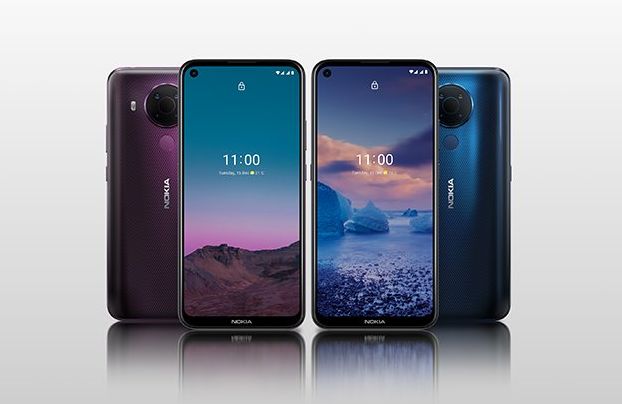
After months of leaks, the Nokia 5.4 mid-range phone has finally gone official in Europe. It has arrived as the replacement for the Nokia 5.3 that went official in March this year. While the handset features a round-shaped camera module like its predecessor, it has a refreshing punch-hole display design on the front. Some of the major highlights of the Nokia 5.4 handset include a tall aspect ratio screen, a Snapdragon 6-series chipset, 48-megaipxel quad cameras, and a large-sized battery.
Nokia 5.4 specifications and features
The Nokia 5.4 has a 6.39-inch IPS LCD display that produces an HD+ resolution of 720 x 1560 pixels and a 19.5:9 aspect ratio. The phone boots to Android One edition of the Android 10 OS and it comes with a dedicated physical key to access the Google Assistant. A fingerprint reader is placed on the backside of the smartphone.
Sitting on the front side of the phone is a 16-megapixel selfie snapper. The round-shaped camera module on the backside of the phone has a 48-megapixel primary shooter, a 5-megapixel superwide lens, a 2-megapixel macro camera, and a 2-megapixel depth helper. For an enhanced experience, while video shooting, the Nokia 5.4 comes with built-in OZO audio with wind noise cancellation.
The Snapdragon 662 SoC fuels the Nokia 5.4 with up to 6 GB of RAM. The phone offers users up to 128 GB of native storage. HMD Global has offered 10W charging support for the 4,000mAh battery of the smartphone. On the connectivity front, the Nokia 5.4 offers users options such as dual SIM support, 4G VoLTE, Wi-Fi 802.11ac, Bluetooth 5.0, USB-C, and a 3.5mm audio jack. The polycarbonate-bodied handset measures 160.97 x 75.99 x 8.7mm and it weighs 180 grams.
Nokia 5.4 pricing and availability
The Nokia 5.4 has arrived in the European markets in options like 4 GB RAM + 64 GB storage, 6 GB RAM + 128 GB storage, and 6 GB RAM + 64 GB storage. The base model carries a price tag of 189 euros (~$229) and it has arrived in color options such as Polar Night and Dusk. The smartphone will be heading to other markets like North and South America, the Middle East, Africa, and India.
The Nokia 5.4 buyers can avail accessories like a Nokia Clear Case, and a Grip and Stand Case. Apart from launching the Nokia 5.4, the Finnish brand also announced other products such as an 18W fast wall charger and an 18W fast car charger.
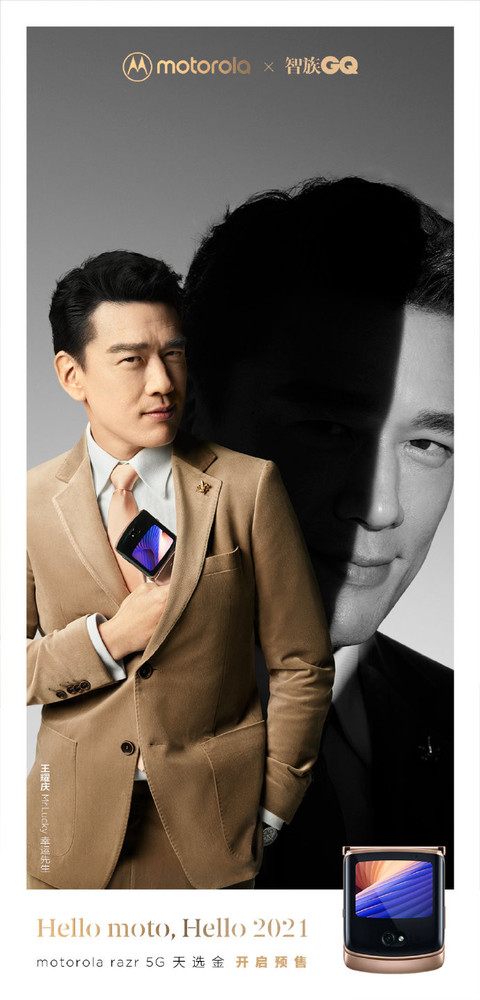
Earlier today (15th December 2020), the official Weibo account, a Chinese microblogging website, of Motorola announced that its Gold variant of the Razr 5G will be available for pre orders starting from 22nd December 2020.
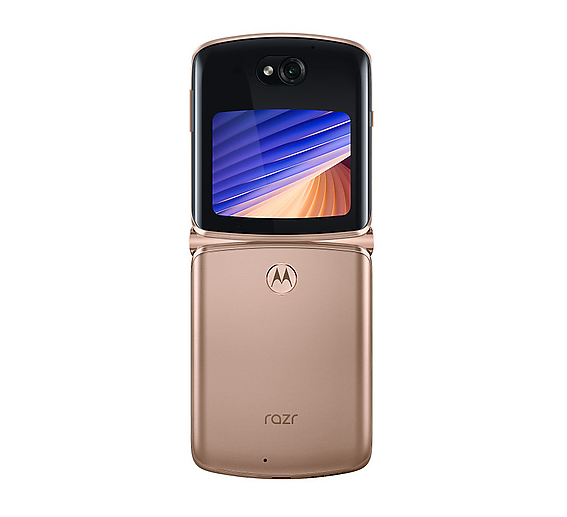
Looking at the promotional image poster, we can observe that the device in question is a Motorola Razr 5G model but features a Gold color scheme. This gold color tint covers the rear of the smartphone, along with the sides and bottom. This model is exclusively available in China alone, with its official name being Motorola Razr 5G Tian Xuan Gold.
The Motorola Razr 5G was officially announced back in September and featured a 6.2 inch foldable display that featured a clamshell design. Under the hood, a Qualcomm Snapdragon 765G processor runs the device, which is powered by a 2,800mAh battery pack. The device also houses a 2.7 inch secondary display on the outside, with its body being built from 7000 series aluminum for the frame and a stainless steel hinge.
Despite being a special edition, the Tian Xuan Gold variant is identical in terms of specs and also sports the 48 + 12 megapixel dual camera setup on the rear and 20 megapixel on the front. The company will begin taking preorders from 22nd December 2020, so for those interested, you can check out this luxury smartphone, which will likely arrive with a hefty price tag.
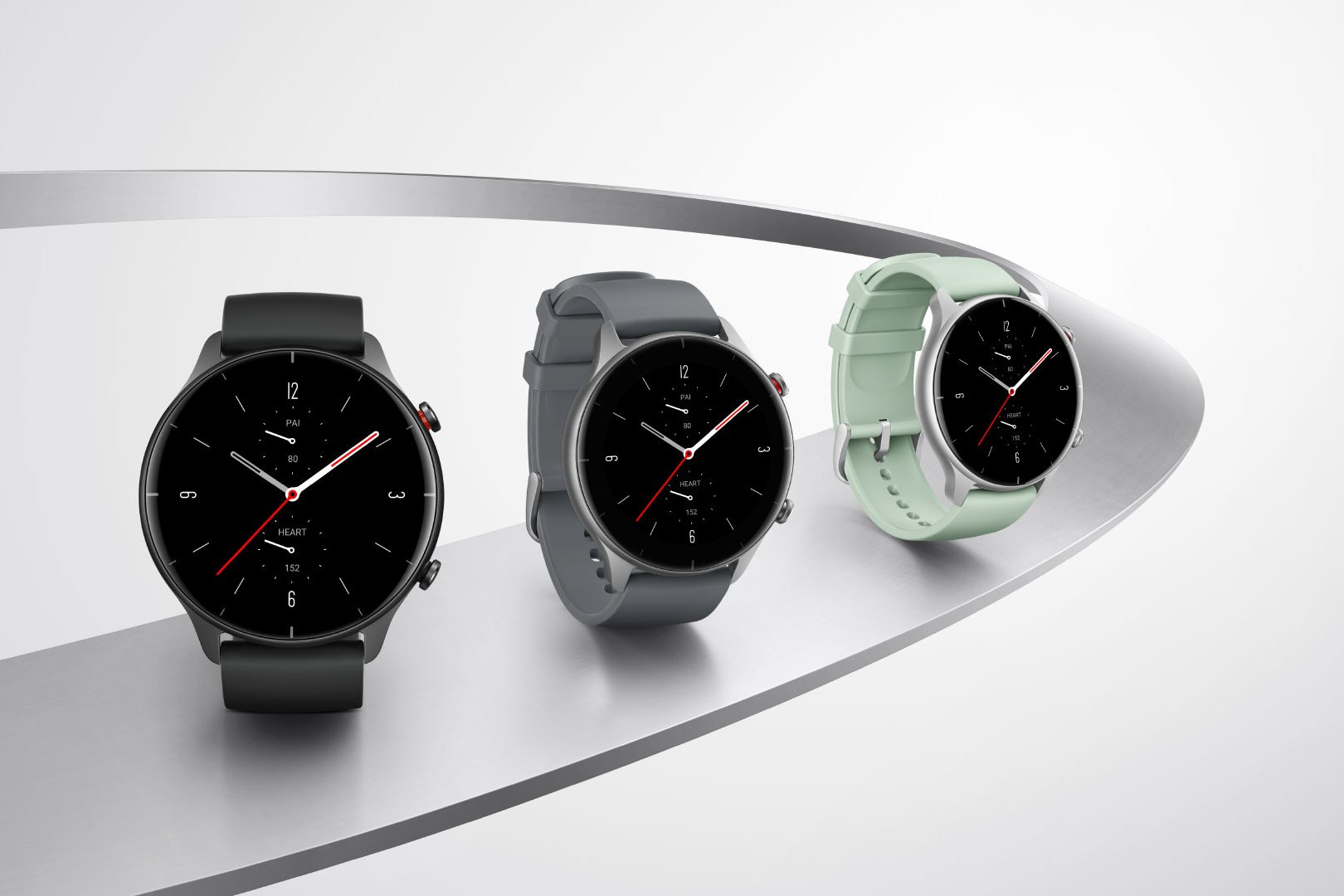
Huami has launched two new smartwatches in its home country China. These models, dubbed as Amazfit GTR 2e and Amazfit GTS 2e are exactly the same as regular models in looks but with certain minor changes under the hood. Both of them are priced at ¥799 ($122) and are already up for pre-order. They will go on sale starting December 24.
Amazfit GTR 2e
The newly unveiled Amazfit GTR 2e and Amazfit GTS 2e are cheaper than the standard Amazfit GTR 2 and Amazfit GTS 2. But they offer a much better battery life with the same capacity battery as they lack WiFi.
For instance, Huami claims 24-day battery life in normal usage and a whopping 45-day battery in basic watch mode on Amazfit GTR 2e. On the other hand, the regular Amazfit GTR 2 with the same 471mAh battery is said to run for 14 days and 38 days in these two modes respectively.
Similarly, the Amazfit GTS 2e with its 246mAh battery is advertised to offer 14-day and 24-day battery life in normal usage and basic watch mode, as opposed to 7-day and 20-day on the standard Amazfit GTS 2 with the same capacity battery.
Further, the two new wearables feature a temperature sensor, which is absent in the regular models. But to keep the price down, they neither have sufficient internal storage for the music player nor a speaker for calls. But they do come with a microphone for Xiaomi XiaoAI voice assistant.
Amazfit GTS 2e
Last but not least, there’s a negligible difference between the dimensions and weight of the newer and standard models. Also, the latest models only come in the following sporty colors.
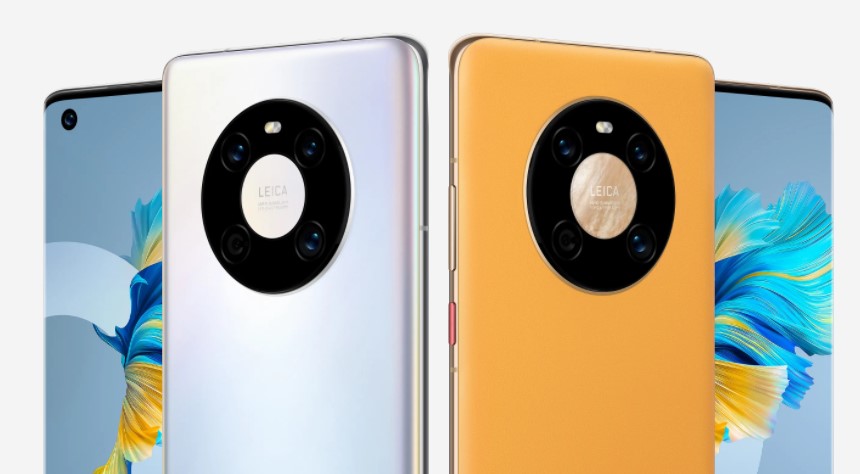
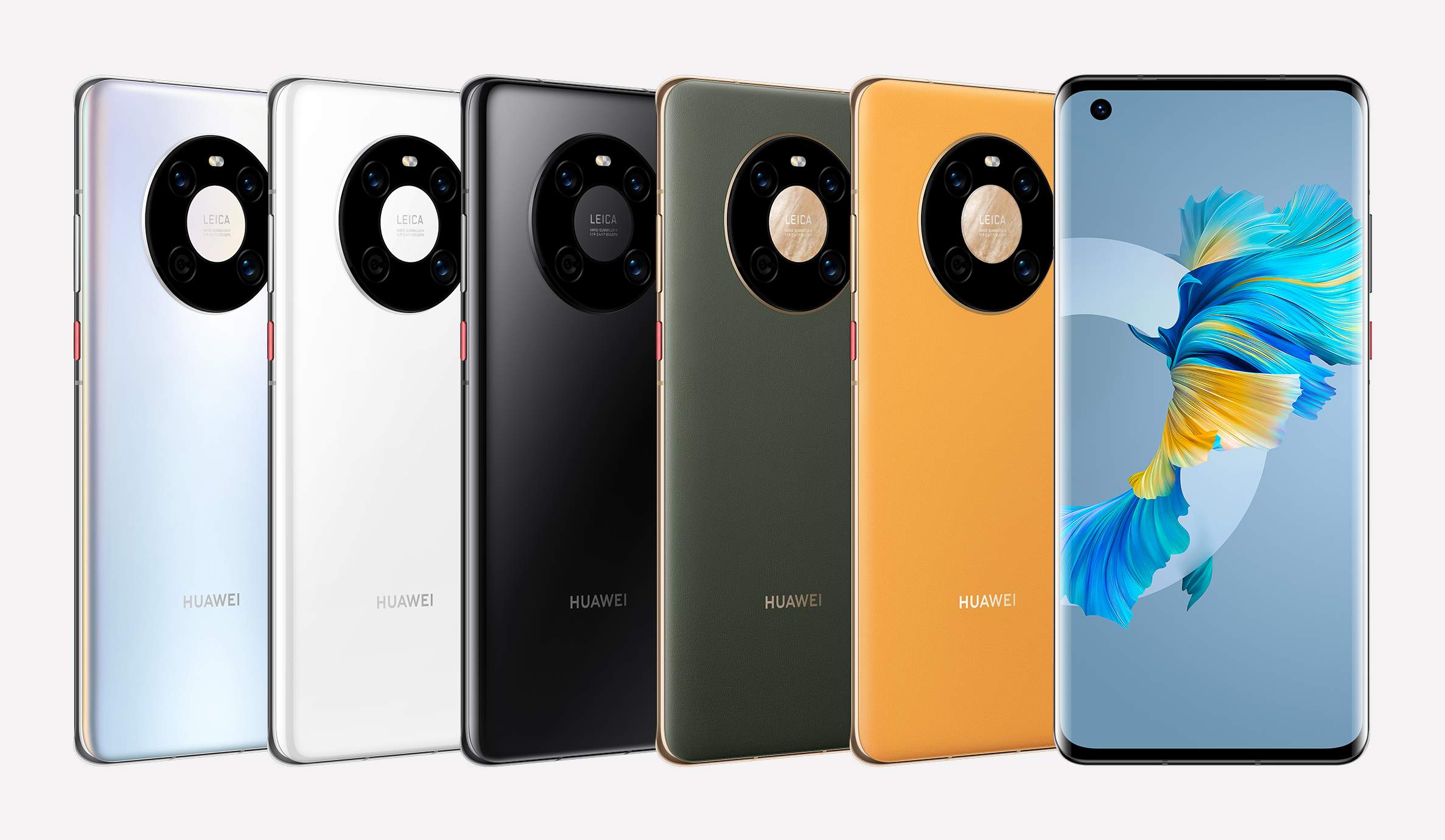
Despite being launched back in October, the Huawei Mate 40 is finally available for preorders as of today (15th December 2020) and its first sales starting from 21st December 2020.
For those unaware, the Mate 40 from the Chinese tech giant is the company’s 2020 flagship and arrives with the 5nm Kirin 9000E chip. It sports a 6.5 inch curved display with a 2376×1080 resolution and a 90Hz refresh rate. The touch sampling rate on the device is 240Hz and it even supports a P3 color gamut. Under the display, a fingerprint scanner is housed and it also offers face recognition technology as well.
Arriving at the camera, the Huawei Mate 40 houses a single front facing punch hole camera, while the rear sports a 50 megapixel primary sensor, a 16 megapixel ultra wide angle camera, and an 8 megapixel telephoto lens with 5x optical zoom. The flagship is powered by a large 4,200mAh battery pack, which supports 40W fast charging as well. We had also previously reported on the preorders yesterday.
Huawei Mate 40
Looking at the preorders, the Huawei Mate 40 5G is priced at a range between 4,999 Yuan to 5,499 Yuan (roughly 763 US Dollars to 839 US Dollars) for the 8GB RAM and 128GB storage variant and 8GB of RAM and 256GB of storage variant respectively. It is currently available online on Vmall.com. The device will be available in multiple color variants including Mystic Silver, White, Black, Green, and Yellow.
Apple launched the iPhone 12 series smartphones a couple of months back, marking the first-ever lineup of phones in which every model features an OLED display panel.
With the increased demand, Apple is now expected to ship the highest number of OLED-featuring iPhones next year. And with that, Samsung Display is reportedly the one to benefit, thanks to the increased supply of OLED panels.
The Cupertino-based giant is expected to ship around 160 to 180 million units of iPhones with OLED displays next year, which includes the combined estimate of iPhone 12 and the upcoming iPhone 13 models.
A report from The Elec, citing sources aware of the matter, claims that Samsung is expected to ship OLED panels for around 140 million iPhones next year. On the other hand, LG Display is expected to supply around 30 million panels while the remaining 10 million panels will be sourced from China-based BOE.
While the Korean companies predict that Apple will source around 10 million OLED screens from BOE, the Chinese company is estimating that number to be 20 million. However, it remains to be seen if Apple actually ends up getting panels from BOE given that the company has failed to meet Apple’s standard twice this year.
Further, the display technology for the upcoming iPhone 13 is expected to be advanced compared to the iPhone 12 models. As per the reports, two of the four models debuting next year will use low-temperature polycrystalline oxide (LPTO) thin-film transistors (TFT) but BOE lags behind in this compared to Samsung Display and LG Display.
Ericsson has filed a lawsuit against Samsung in the United States, accusing the South Korean giant of not adhering to its contractual commitments for various licensing patent agreements. It claims that Samsung is failing to adhere to fair, reasonable, and non-discriminatory (FRAND) terms and conditions.
The company is seeking to attain a declaration that it has complied with its FRAND commitment and that Samsung has not. Ericsson claims that Samsung’s FRAND commitment is a contract between Samsung and European Telecommunications Standards Institute and it has the right to enforce this commitment as a third-party beneficiary.
For those who are unaware, several most common technological standards are protected by patents held by companies, including Wi-Fi and Bluetooth. Such technologies being essential, the patent holders are obliged to grant licenses on FRAND terms.
In this instance, the FRAND commitment is related to various global cross-licenses that cover patents from both the companies related to 2G, 3G, 4G, and 5G cellular standards. These standards are used in smartphones, other mobile devices, and cellular infrastructure.
With several of the licensing deals set to expire next year and negotiations still ongoing, Ericsson said the payment of IP royalties may be delayed. In such case, Ericsson predicted its operating income could decline by $118-177 million per quarter from 2021 onwards.
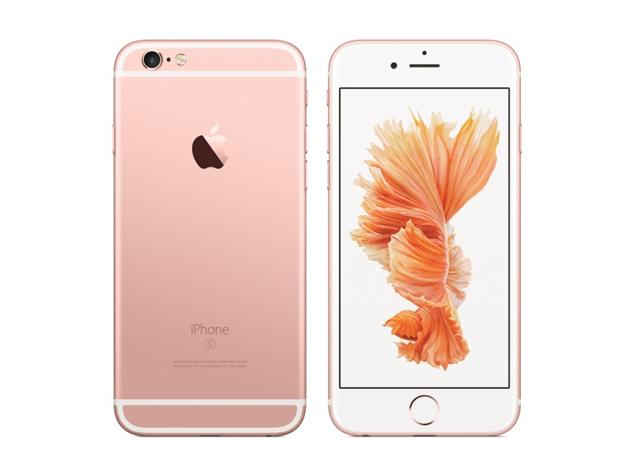
We all worry about dropping our smartphones, which is why put up various kinds of covers and other forms of protection on the display. While a regular drop from the pocket or the accidental slip of the hand could cause some damage, a fall from a plane should be a death sentence for a handset. However, this one Apple iPhone 6s went through such an ordeal and lived to tell the tale.
According to a 9To5Macreport, Galiotto was flying over a beach located in Cabo Frio, Rio de Janeiro, for one of his projects. But while he was holding his iPhone 6s to capture the images and videos from the window of a small plane, the wind tore it away from his hand and sent his phone tumbling down. The filmmaker had already assumed the worst and expected to his iPhone to be gone for good.
Although, through some bizarre turn of events and a lot of luck, the device survived. Once on the ground, Galiotto decided to check the Apple Find My app, and was surprised to find that his iPhone 6s was alive and still functioning. Pinpointing the location he set off to find the handset in the middle of the beach. When he reached the spot he was in for even more of a surprise as the device was still intact and had almost no intense damage on its chasis.
While it did have a few minor scratches, it was mostly unaffected and was only covered with a regular screen protector and a regular silicon case. Interestingly, the iPhone was recording a video when it fell, so it even captured the entire turbulent ordeal after being accidentally dropped. The event as Galiotto put it, is ” something that, if you tell someone, they won’t believe.” You can watch the video of the events by clicking on this link here, and check out the original Portuguese report from G1.
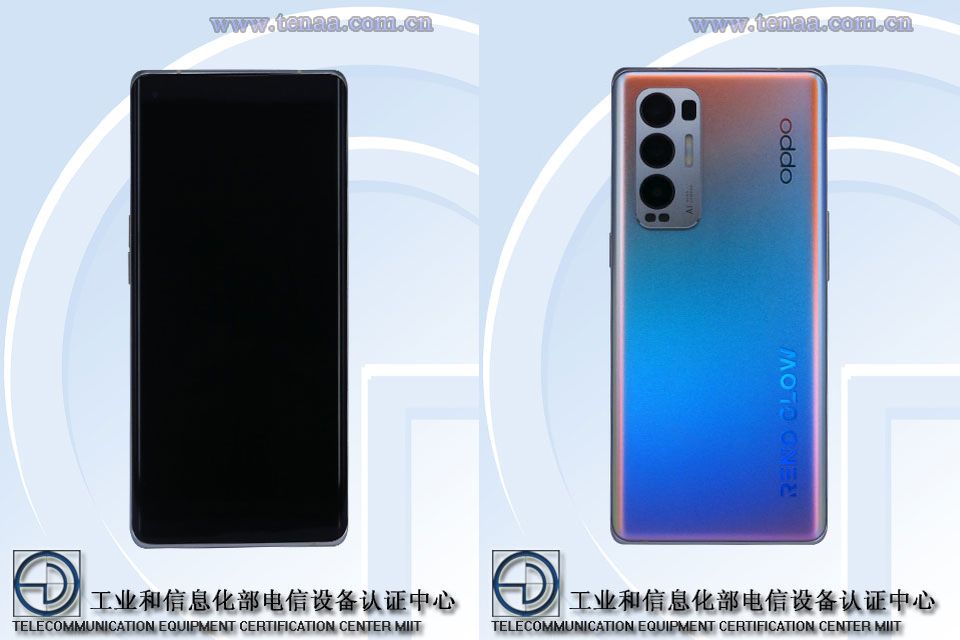
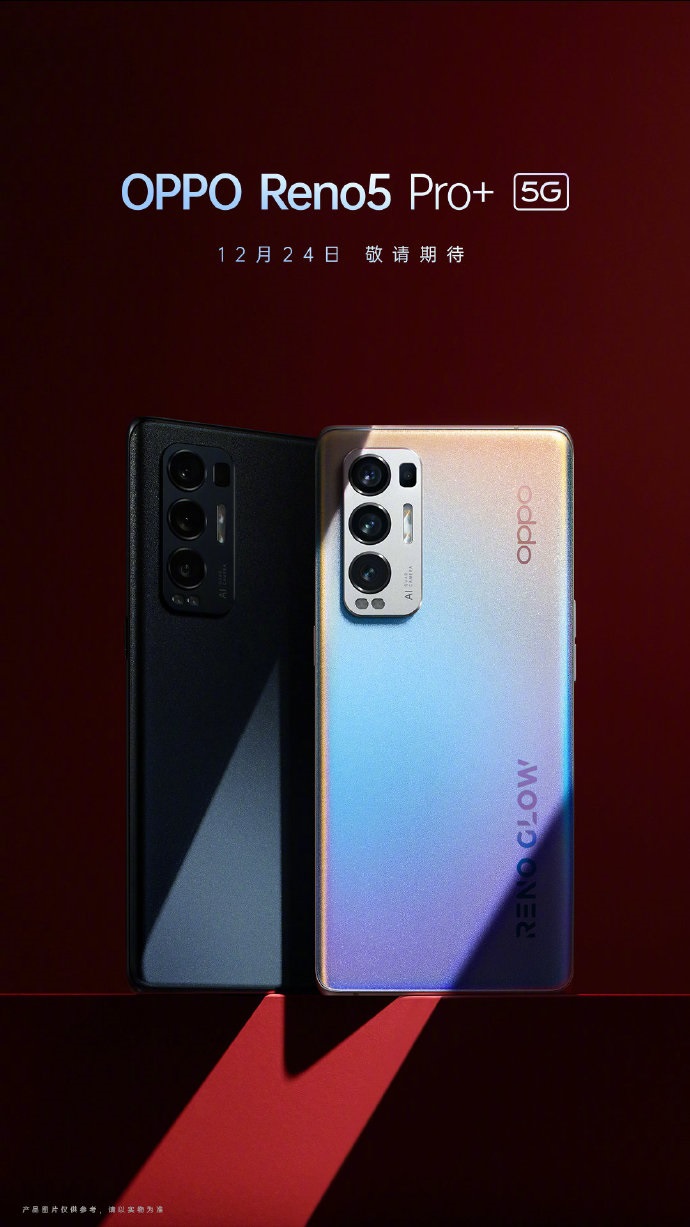
On Dec. 10,OPPO took off covers from the Reno5 5G and Reno5 Pro 5G smartphones in China. At the end of the event, the Chinese brand confirmed that it will be unveiling the Snapdragon 865 mobile platform powered Reno5 Pro+ 5G on Dec. 24. Ahead of the official announcement, the handset was spotted at the Geekbench benchmarking platform yesterday. Today, the entire specs of the device along with its images have appeared at TENAA.
OPPO Reno5 Pro+ 5G design
The Reno5 Pro+ 5G has 159.9 x 72.5 x 7.99mm dimensions and it weighs 184 grams. It is equipped with an AMOLED display with curved edges along with a punch-hole positioned at the upper-left corner. The smartphone is likely to release in China in hues such as black and gradient blue.
Rumors are rife that it could be the first mass-produced phone with an electrochromic rear. The rectangle-shaped camera module three vertically arranged cameras, a square-shaped fourth camera, an elongated dual-LED flash unit, and two unknown sensors.
The Reno5 Pro+ 5G has a 6.55-inch AMOLED display that offers a 1080 x 2400 pixels Full HD+ resolution. The screen is also expected to arrive with support for a 90H refresh rate and an in-screen fingerprint reader. It has a dual-cell battery with one of its batteries having a rated size of 2,200mAh battery. Past reports have claimed that it has a 4,500mAh battery and it will carry support for 65W rapid charging.
TENAA reveals that the Reno5 Pro+ 5G has a 32-megapixel and a 50+16+13+2-megapixel quad camera setup. Rumors have claimed that it has a Sony IMX766 50-megapixel primary camera, a 16-megapixel ultrawide lens, a 13-megapixel telephoto shooter, and a 2-megapixel macro camera.
The Reno5 Pro+ 5G is driven by the 2.8GHz Snapdragon 865 SoC. China may receive the smartphone in 8 GB and 12 GB RAM editions and storage variants like 128 GB and 256 GB. It will come preloaded with Android 11 OS. There is no word on its pricing. While it is expected to release in China by the end of this month, it is unlikely to make it to the global markets.
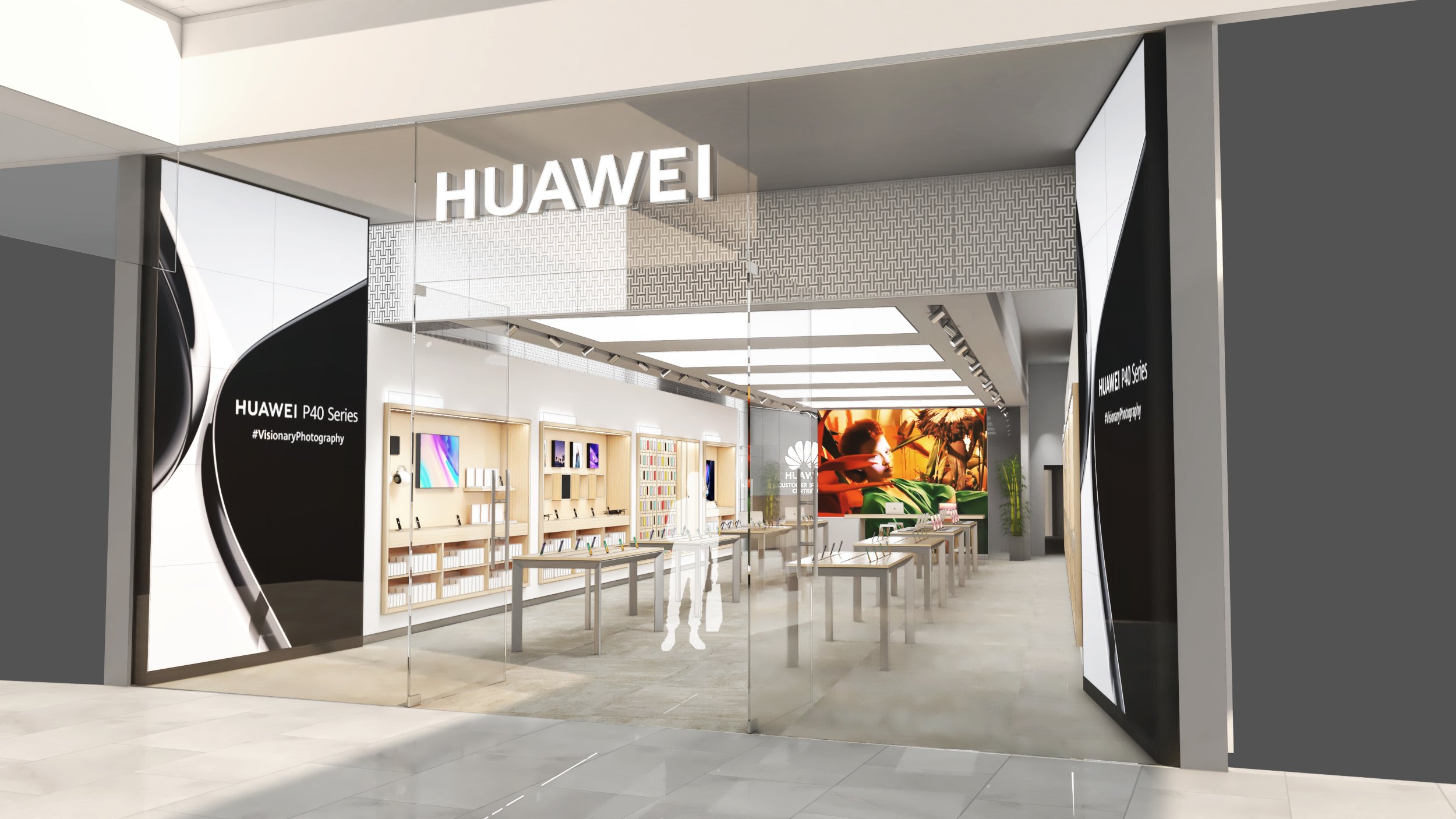
Huawei has opened the doors of its first ever physical retail store in the UK. The company called the region a “hugely important market” and believes that this will “open up more jobs” and “help support the British economy.”
The new store from the Chinese tech giant will sell a wide variety of products ranging from its flagship smartphones to its “extensive range” of wearable, hearables, tablets and PC products, as per a Chargedreport. As per the company’s official notes, Huawei has been trading in the UK for over two decades now, with the new store being just one of the three stores that it plans on opening in the arriving months. The new store alone brings 15 new jobs for the Westfield Stratford City and its locals.
Notably, the store had originally been slated to open back in October 2020, with the second one being planned to open soon after in London. Apart from just offering its products, the Huawei store will also provide product training, technical support and even house a personalized consultation service for its customers. As per Huawei Technologies director Sir Andrew Cahn, “2020 has been a difficult year for all of us, not least the UK high street.”
He further added that, “Huawei has faced its own challenges in the UK, but we remain as committed as ever to serving the UK market and in particular our legions of customers who enjoy our retail products. This wonderful new store, and the opportunities it creates, is a great sign of that commitment, our faith in Westfield and business in the UK as a whole.” Similarly, Anson Zhang, Huawei Business Group’s chief executive stated that “The UK is a hugely important market for us, and we’re pleased to be able to offer customers the opportunity to pick up new technology in-store, in addition to a superior customer service experience.”
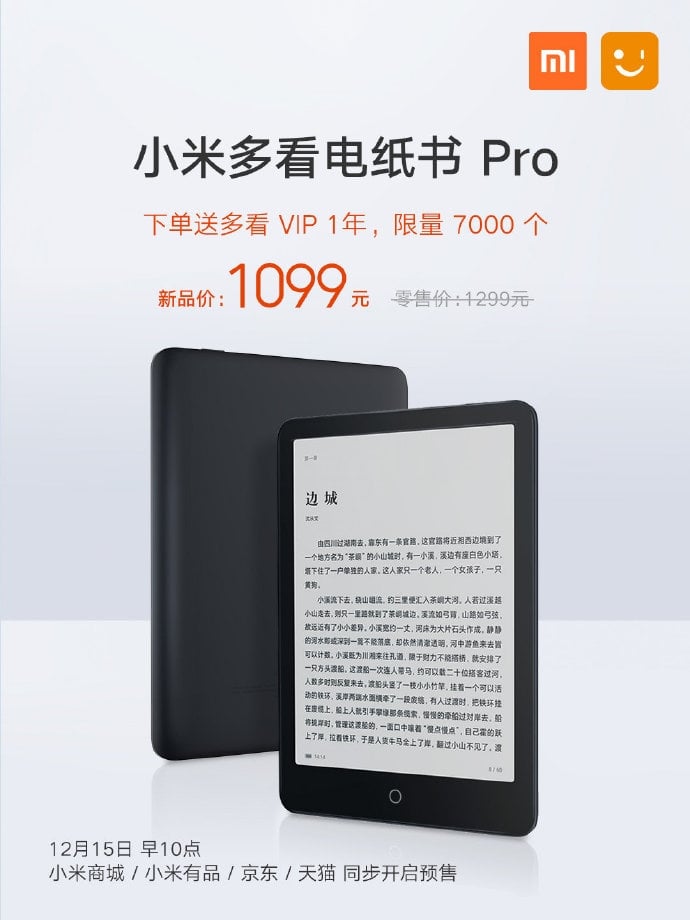
As expected, Xiaomi has today officially launched its latest product in the market — Xiaomi eBook Reader Pro. Now up for pre-order, the device is currently priced at 1,099 yuan, which is about $168 instead of its original price of 1,299 yuan (~$198).
The name clearly indicates that the device is an upgraded variant of the Xiaomi eBook Reader that was launched in November last year. The new model comes with a bigger 7.8-inch e-ink screen, compared to the 6-inch panel on the original model.
It offers 1872 x 1404 pixels screen resolution and 300PPI pixel density. The device offers 24 different levels of screen adjustment — from cool to warm light. Further, there’s support for several library import methods, including Baidu Netdisk, WLAN Transfer, etc.
Under the hood, the Xiaomi eBook Reader Pro is powered by a quad-core high-performance and low-power consumption processor. It has built-in hardware EPDC controller for smoother page turn operation. The company also adds that users can quickly find what they are looking for by typing or through voice commands.
The company says that the size is closer to the A5 paper and the device is portable and lightweight as it measures just 7mm in thickness and weighs 251 grams. Xiaomi says that the device lasts for up to 70 days when it is fully charged.
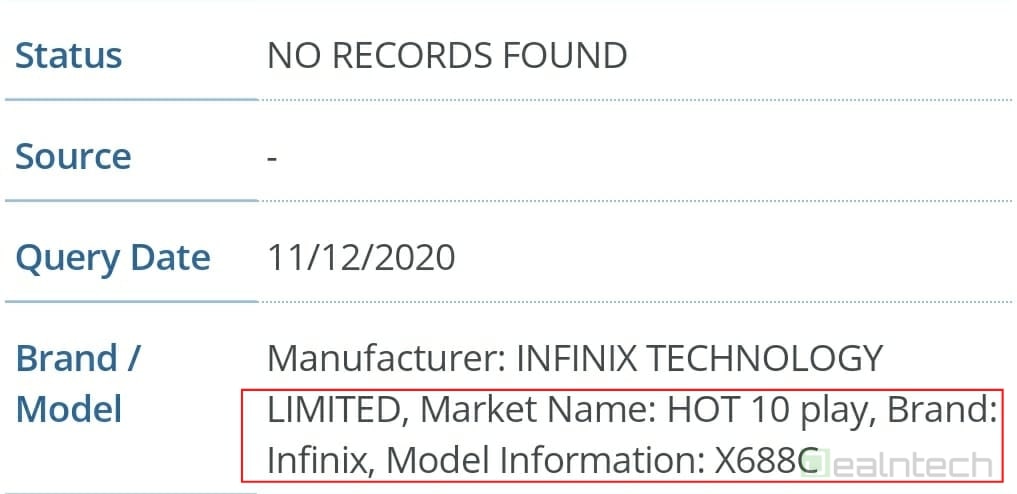
Infinix announced the Infinix Hot 10 smartphone in Pakistan in September and later it also arrived in India. Some of the African markets received the Infinix Hot 10 Lite smartphone. According to a new listing at the database of the Federal Communications Commission (FCC) of the U.S. (via), the Chinese brand could be gearing up to launch a phone named Infinix Hot 10 Play.
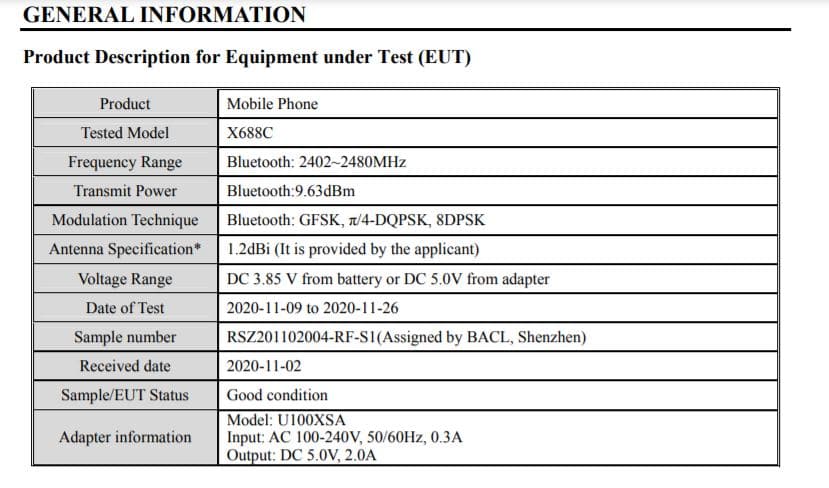
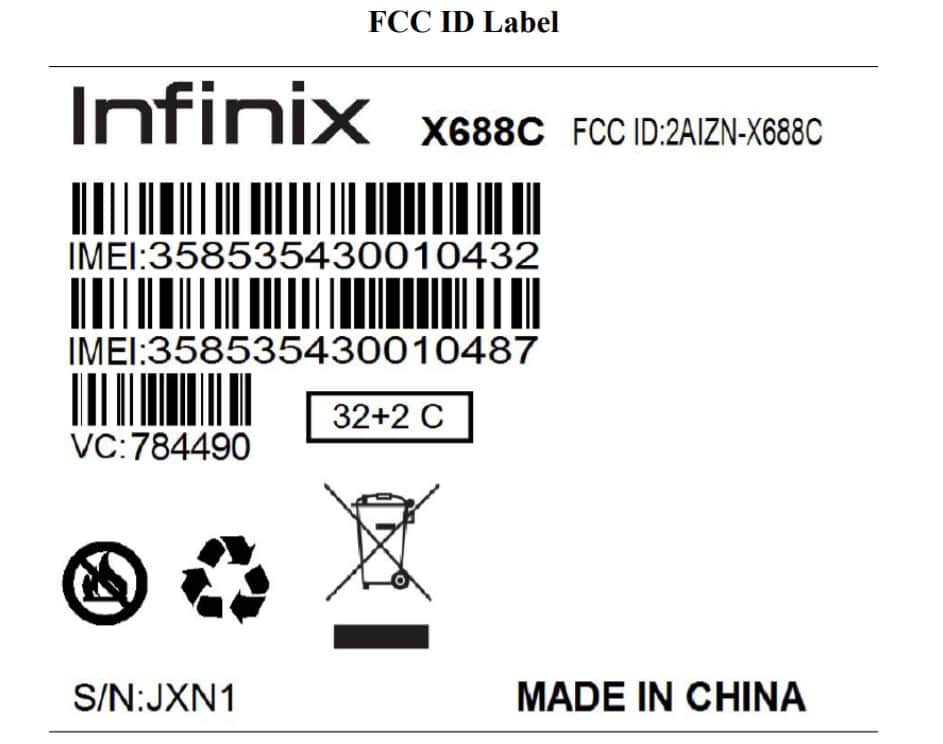
The FCC listing reveals has revealed that the upcoming Infinix Hot 10 Play smartphone has an X688C model number. The listing has revealed a couple of other information about the Hot 10 Play such as it will come with 2 GB of RAM, 32 GB of native storage, and 10W charging.
1 of 4
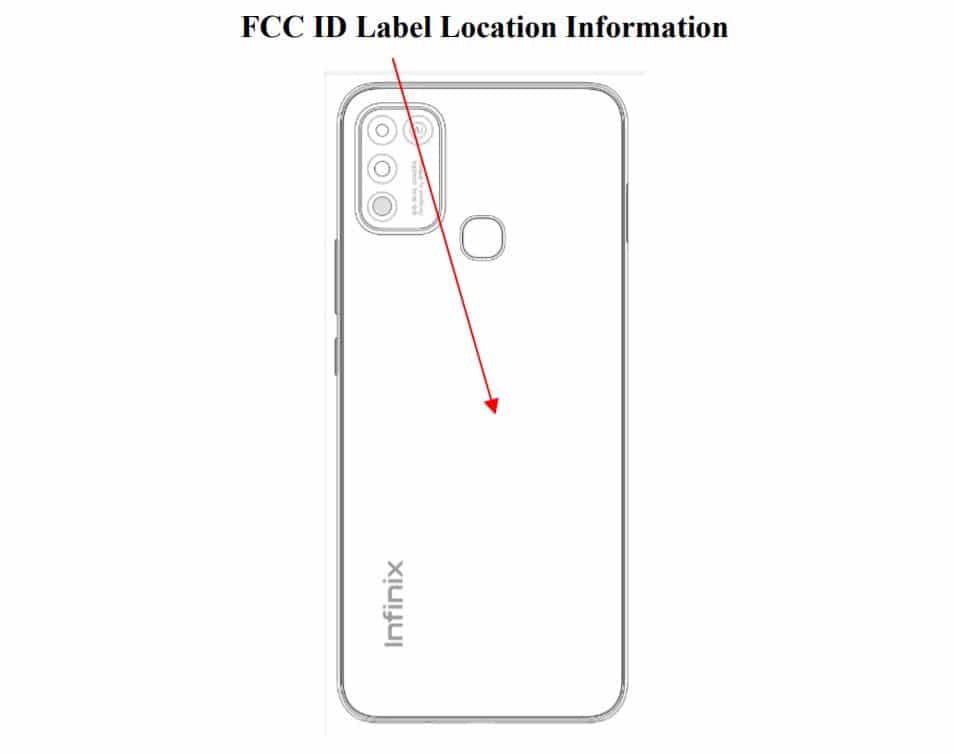
A schematic of the rear shell of the Infinix Hot 10 Play reveals that it has a rear-facing fingerprint scanner and a rectangle-shaped camera module. The latter has two cameras and an LED flash unit. These specs suggest that it will be positioned lower than the Infinix Hot 10 and Hot 10 Lite. It is unclear which markets will be receiving the Hot 10 Play.
The Infinix Hot 10 and Hot 10 Lite feature 6.78-inch and 6.6-inch HD+ displays, respectively. The Hot 10 has a punch-hole screen, whereas the Hot 10 Lite has a waterdrop notch. Both smartphones are fitted with an 8-megapixel selfie camera. The Hot 10 has a 16-megapixel quad-camera setup, while the Lite variant has a 13-megapixel triple camera system.
The Hot 10 is powered by 3 GB of RAM, Helio G70 SoC, 5,200mAh battery, and Android 10 OS. On the other side, the Hot 10 Lite has 2 GB of RAM, an Helio A20 chipset, and a 5,000mAh battery, and an Android 10 Go edition.
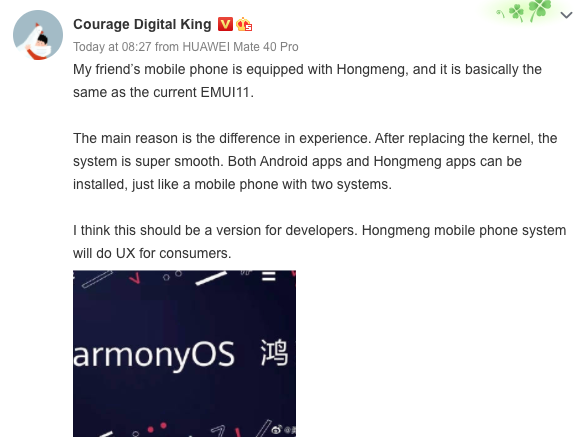
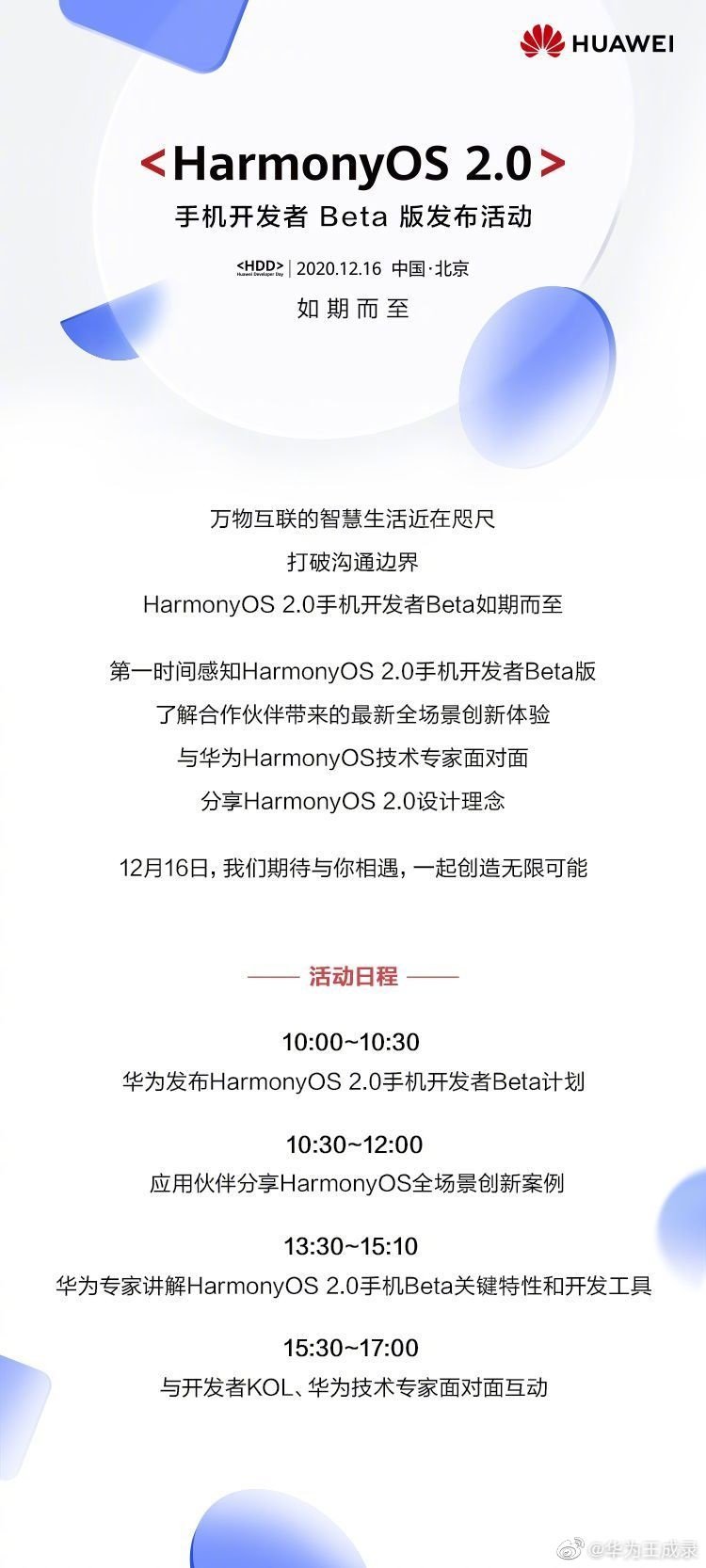
Huawei recently unveiled the HarmonyOS 2.0 for a range of products and now the Chinese giant is expected to launch the same for smartphones tomorrow (16th December), starting with Developer Beta build.
Additionally, a report coming from a leaker claims that the HarmonyOS 2.0 Beta for smartphones has already been shipped to some developers and it seems that the kernel has been updated to make the OS smoother.
It also adds that the user interface is almost similar to the EMUI 11 but it could be different when the company ships the stable build, with a focus on enhancing the user experience. Further, the report adds that the newer version of the operating system supports both Android as well as HarmonyOS applications.
If true, then this is a major step by Huawei towards replacing the Android operating system on its smartphones. For those who are unaware, the Chinese giant has been trying to replace Android ever since the company was banned from using Google’s Android by the United State, by imposing sanctions.
After releasing the HarmonyOS 2.0 Smartphone Developer Beta version in China on 16th December at around 10:00 AM local time, the company’s experts will explain the key features and development tools.
Meanwhile, the company is expected to launch a HarmonyOS-powered smartwatch in the coming weeks. It is also said to be gearing up to launch a tablet powered by its own operating system, which could debut along with the P50-series flagship smartphones.
Xiaomi is expected to launch its next-generation flagship smartphone, the Xiaomi Mi 11 series powered by the Qualcomm Snapdragon 888 chipset, on 29th December. Now, ahead of the official launch, some details about the phone have surfaced online.
From what’s known so far, there will be two devices under the lineup — Xiaomi Mi 11 and Xiaomi Mi 11 Pro. Now, a new report claims that there will be a third device in the series, dubbed as Xiaomi Mi 11 Pro+.
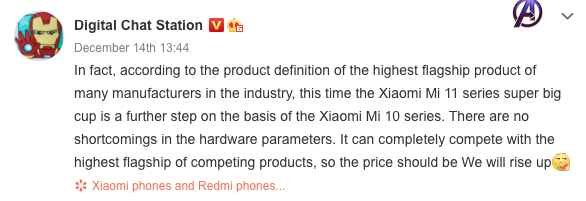
It is also being claimed that the top-end variant in the lineup won’t have any shortcomings and will be competing against any other flagship smartphone. It seems that the phone will feature a display with 2K+ screen resolution along with support for a 120Hz refresh rate.
The device will be powered by the latest Qualcomm Snapdragon 888 chipset and will be among the first smartphones to come powered by this SoC. It is also expected to have support for 100W fast charging and high power wireless fast charging.
The report coming from China also hints at the pricing for the upcoming flagship device. It claims that the pricing will on the higher side, compared to what the priced the Mi 10 Extreme Edition flagship smartphone, which starts at 5,299 yuan (~$809). This hints that the phone’s pricing could be around 5,500 yuan (~$839), but it’s just speculation.
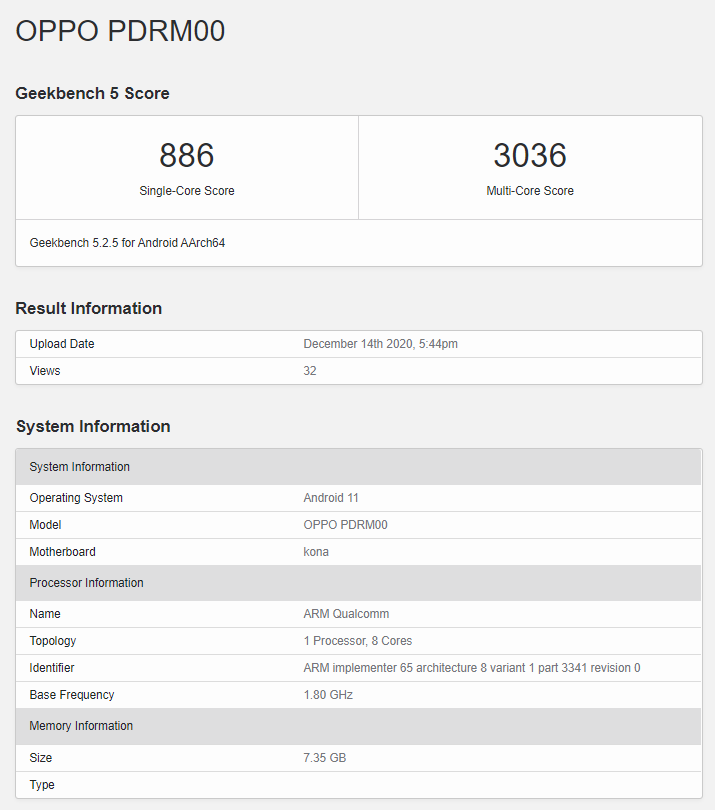
Last week, OPPO announced the Reno5 and Reno5 Pro smartphones in China. At the end of the event, the company also confirmed the existence of the Reno5 Pro+ flagship phone. It revealed that the Snapdragon 865 powered smartphone will go official on Dec. 24. Ahead of the announcement, the Reno5 Pro+ has appeared on the Geekbench benchmarking platform.
On Geekbench 5, the Reno5 Pro+ has appeared with its PDRM00 model number. The listing reveals the presence of specs like the Snapdragon 865 mobile platform (mentioned with “Kona” codename), 8 GB of RAM, and Android 11 OS. In the single-core and multi-core tests of Geekbench 5, the handset has scored 886 and 3036 points, respectively.
At the Reno5 launch event, the company revealed that the Reno5 Pro+ will be available in black and gradient blue colors. Past reports have revealed that the Reno5 Pro+ could be equipped with electrochromic technology.
The Reno5 Pro+ could be sporting a punch-hole AMOLED display with curved edges. The FHD+ display is likely to support a 90Hz refresh rate. It could be sporting the same 32-megapixel front camera as the other Reno5 models. The rear-facing quad-camera system of the phone is said to be equipped with a 50-megapixel Sony IMX766 main lens, a 16-megapixel superwide lens, a 13-megapixel telephoto snapper, and a 2-megapixel macro shooter. It could be housing a 4,500mAh battery that supports 65W fast charging.
At present, there is no word on the pricing of the Reno5 Pro+ 5G. The Reno5 and Reno5 Pro phones are expected to arrive in global markets in January. However, the Reno5 Pro+ 5G is likely to remain exclusive to the Chinese markets.
On Dec. 23, Huawei will be taking off covers from the Huawei Nova 8 series in China. A recent leak revealed that the company will also announce a budget-friendly 5G phone named the Huawei Enjoy 20 SE as well as the Huawei Watch Fit at the same event. The Watch Fit could be the very same model that debuted in global markets a few months back. A tipster from China with a good track record has shared the key specs of the Huawei Enjoy 20 SE.
As per the leak, the Huawei Enjoy 20 SE will be arriving with a 6.67-inch display with a top-center punch-hole cutout. The LCD screen offers a Full HD+ resolution of 1080 x 2400 pixels and a 20:9 aspect ratio.
For snapping selfies, the Enjoy 20 SE has a front camera of 16-megapixel. The back panel of the phone features a quad camera setup that includes a 48-megapixel main camera, an 8-megapixel lens, and a pair of 2-megapixel auxiliary sensors.
The Huawei Enjoy 20 SE will be equipped with the Dimensity 700 5G-ready chipset, which was announced by MediaTek in November. The leak has no information on the RAM and storage capacities of the Enjoy 20 SE.
The leak states that the Enjoy 20 SE has a big battery of 5,000mAh capacity that supports 22.5W fast charging. It also features a side-mounted fingerprint reader.
In related news, the same tipster also revealed the key specs of the upcoming Nova 8 and Nova 8 Pro smartphones. While there were speculations that these phones could be powered by Kirin 9000 or Dimensity chipset, it is now known that they will be fueled by the Kirin 985 SoC.
Only about six months back, Amazon announced the acquisition of self-driving startup Zoox, and today the company pulled the wraps off its first autonomous vehicle. Instead of following the pathway, several other tech firms such as AutoX have followed which is automating a standard car built with a human driver in mind, the Zoox robotaxi is built specifically for autonomous driving in dense urban environments.
The robotaxi is just 3.63 meters long which is quite compact. That is mostly because there is no luggage compartment or a front hood housing a sophisticated mechanical engine. Instead, Zoox robotaxi has a cabin-like design where four passengers sit facing each other in pairs.
The Zoox Fully Autonomous, All-electric Robotaxi adopts four-wheel steerings and bi-directional driving in that there is no front or rear side. The vehicle also doesn’t have a steering wheel.
Despite its compact size, Zoox’s robotaxi can reach speeds up to 75 MPH. It’s powered by two individual battery packs that provide about 16 hours of run time before they need to recharge, so a single robotaxi should be able to do a day’s worth of work before it needs a power-up.
The carriage also has some unique safety features to go along with its unconventional design, including an airbag system specially built for its bi-directional design. Zoox says that all four seats get the equivalent of five-star crash safety protection. Meanwhile, the camera, LIDAR, and radar system provide a 270-degree field of view from all four corners of the robotaxi, which basically eliminates blind spots.
The tech start-up disclosed that the robotaxis are already being tested in Las Vegas, San Francisco, and Foster City, CA. We can’t say for now if riders can hail a ride on the robotaxi.
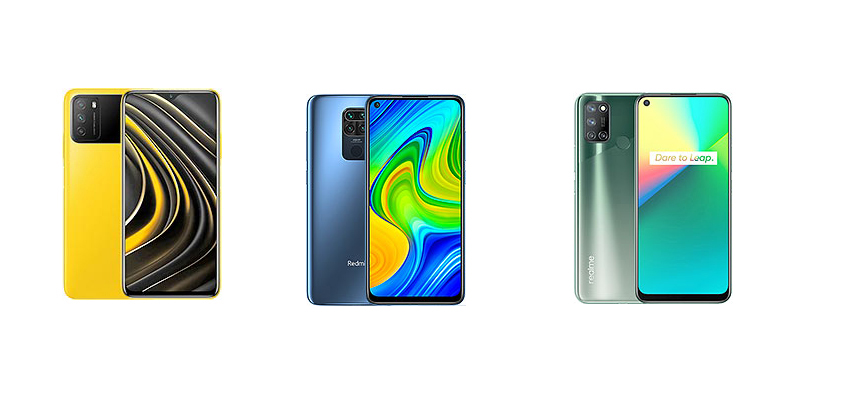
Lower-midrange smartphones is a very good niche for those who do not need the best multimedia device but still want great performance and battery life while saving money. Thanks to Xiaomi and Realme, there are several lower-midrange devices with a very high value for money in the market. Realme just decided to launch its latest one, Realme 7i, in the global market. That is the reason why we decided to publish this lower-midrange comparison. Realme 7i will compete with best-sellers such as POCO M3 and Redmi Note 9, but who is really the best? This comparison will highlight the differences and try to answer this question.
Xiaomi POCO M3 vs Xiaomi Redmi Note 9 vs Realme 7i
Xiaomi POCO M3
Xiaomi Redmi Note 9
Realme 7i
DIMENSIONS AND WEIGHT
162.3 x 77.3 x 9.6 mm, 198 g
162.3 x 77.2 x 8.9 mm, 199 g
164.1 x 75.5 x 8.9 mm, 188 g
DISPLAY
6.53 inches, 1080 x 2340p (Full HD+), IPS LCD
6.53 inches, 1080 x 2340p (Full HD+), IPS LCD
6.5 inches, 720 x 1600p (HD+), IPS LCD
PROCESSOR
Qualcomm Snapdragon 662, octa-core 2.0 GHz
MediaTek Helio G85, octa-core 2 GHz
MediaTek Helio G85, octa-core 2 GHz (Snapdragon 662 in Asia)
The POCO M3 is very affordable but it does not have the most elegant design out there. It comes with a waterdrop notch and a very big area for the camera module. Even though the yellow variant is attractive, its two rivals are definitely a better choice. Xiaomi Redmi Note 9 is great because it sports a glass back and a water-repellent design, but Realme 7i is beautiful as well. Redmi Note 9 and Realme 7i also look more modern because they have a punch-hole display instead of the waterdrop notch found on the POCO M3.
Display
The Realme 7i is the only device of this comparison featuring a 90 Hz refresh rate, but it still loses the display comparison because it has a below-average HD+ resolution. With the POCO M3 and the Redmi Note 9, you actually get a Full HD+ display with a higher level of detail, which we consider more important than a higher refresh rate. If you are a gamer, you might prefer the Realme 7i because the 90 Hz refresh rate offers big advantages during gaming sessions, but for the rest, you should go for the POCO M3 as it comes with a 1080p display and stereo speakers offering a better audio experience.
Hardware/Software
A lot of people trust Qualcomm processors more than MediaTek ones. But the Helio G85 found on the Redmi Note 9 is actually more impressive than the Snapdragon 662 found on the POCO M3 and the Asian version of the Realme 7i. If you are from Europe, then you get the Helio G85 even with the Realme 7i, so you should choose it as it offers up to 8 GB of RAM instead of the 6 GB found on the Redmi Note 9. But if you are from Asia, then Redmi Note 9 is a more powerful handset.
Camera
The camera king here is the Realme 7i for a simple reason: it has a better main sensor. We are talking about a 64 MP main camera paired with an 8 MP ultrawide sensor and a pair of 2 MP lenses for macro and depth. With Realme 7i, you even get a better front camera with a higher 16 MP resolution. Given its better main camera and front camera, Realme 7i is the best camera phone.
Battery
The battery capacity of the Realme 7i changes depending on the region: in Asia, you get just 5000 mAh, while the European Realme 7i has 6000 mAh. If you are from Europe and you need the best battery phone, the Realme 7i is your choice. Otherwise, you should go for the 6000 mAh battery of the POCO M3.
Price
All of these phones are priced around €150/$180, but you may find different street prices depending on the region. The European Realme 7i is the best phone of the comparison if we exclude the display resolution. If you want a Full HD+ display, then Redmi Note 9 is a better option, but POCO M3 offers a longer battery life than Redmi Note 9 and stereo speakers (but on the other hand, it lacks an ultrawide camera).
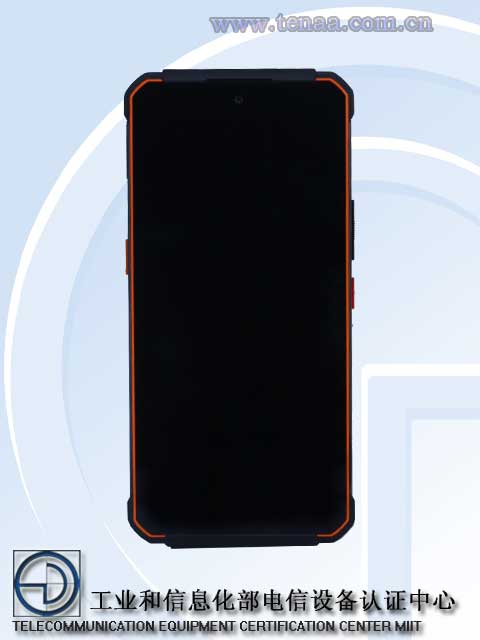
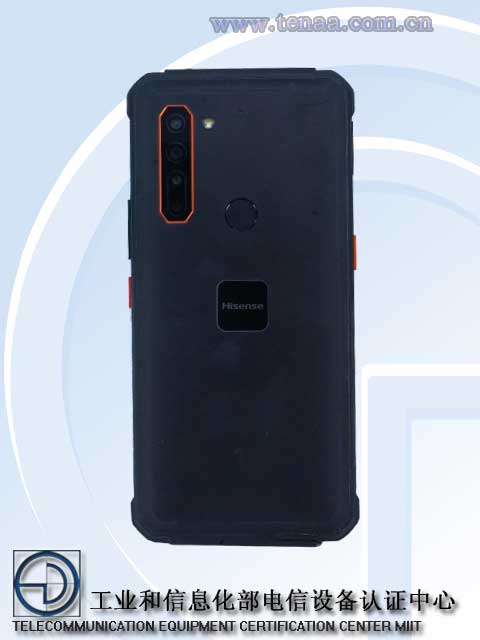
While there are several 5G phones already available on the market, only a few of them are rugged phones. Now, Hisense wants to add to the growing list with a new phone called the Hisense D50 5G that has just been certified by TENAA.
The Hisense D50 5G has a 6.53-inch display with a 2340 x 1080 resolution and a camera in the middle of the display. We are not sure if this is a hole punch or a notch but it looks like the former.
1 of 3
There is a 2.0GHz octa-core processor under the hood. We want to believe this is the Unisoc T7510 which Hisense has been shipping its recent 5G smartphones with. Hisense will offer the phone in three RAM variants – 4GB, 6GB, and 8GB – and it will come with 64GB, 128GB, or 256GB of storage. The Hisense D50 has four rear cameras – a 16MP + 8MP + 2MP + 2MP setup arranged vertically in a housing with an orange accent. There is a fingerprint scanner on the back of the phone too.
Hisense crams a 4900mAh battery into the phone but the TENAA listing does not mention if the device has fast charging support. While the specs of the phone look decent, what is disappointing is that Hisense will be shipping the phone with Android 9 Pie.
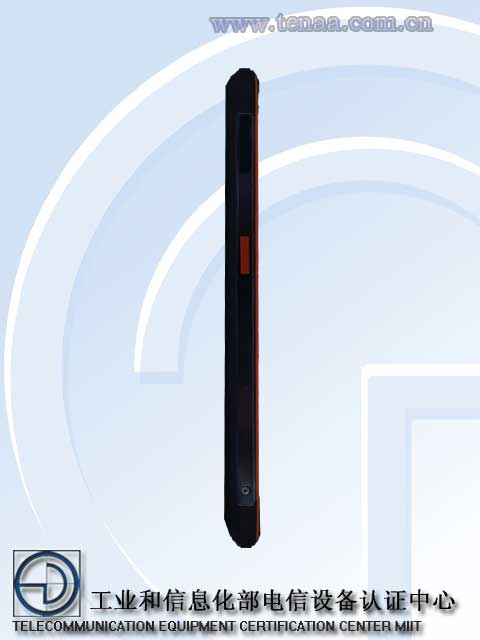
The Hisense D50 5G has reinforced corners that can absorb shocks when the phone drops on the ground. The listing does not say but the phone should have an IP68 rating which makes it resistant to water up to a certain depth and also dust. The phone completes its look with an orange-colored power button on the right and a similarly colored button on the left.
Hisense is yet to announce a launch date for the phone but we won’t bank on it arriving before the end of the year.
We use cookies on our website to give you the most relevant experience by remembering your preferences and repeat visits. By clicking “Accept”, you consent to the use of ALL the cookies.
This website uses cookies to improve your experience while you navigate through the website. Out of these, the cookies that are categorized as necessary are stored on your browser as they are essential for the working of basic functionalities of the website. We also use third-party cookies that help us analyze and understand how you use this website. These cookies will be stored in your browser only with your consent. You also have the option to opt-out of these cookies. But opting out of some of these cookies may affect your browsing experience.
Necessary cookies are absolutely essential for the website to function properly. This category only includes cookies that ensures basic functionalities and security features of the website. These cookies do not store any personal information.
Any cookies that may not be particularly necessary for the website to function and is used specifically to collect user personal data via analytics, ads, other embedded contents are termed as non-necessary cookies. It is mandatory to procure user consent prior to running these cookies on your website.