Advertisement

realme Buds Q2 FCC listing shows a similar earbud design and battery as the predecessor

realme is getting in the groove of its usual launch cycle again. The company has already teased the realme Watch S and S Pro in India and confirmed the realme X7 Pro’s global debut in Thailand. Now, an FCC listing suggests that the second-iteration of Buds Q wireless earbuds isn’t that far away from launch.

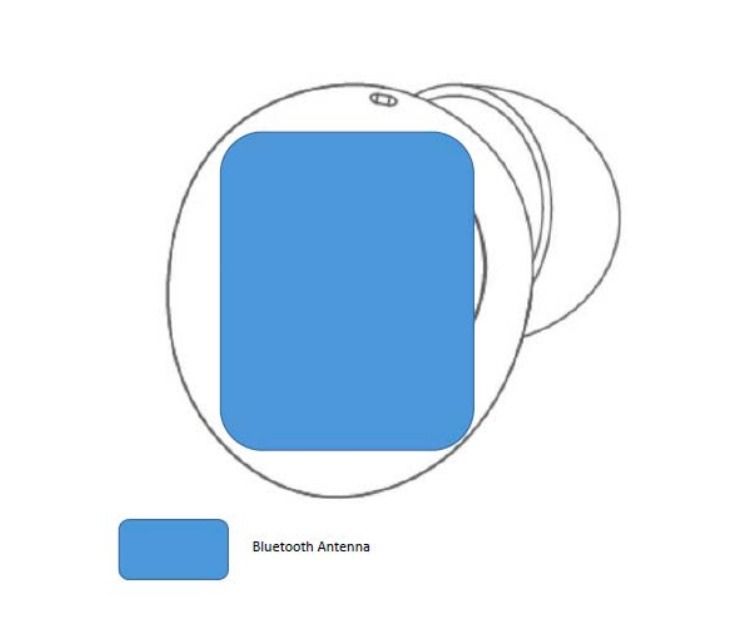
As cnBeta reports, the realme Buds Q2 appears on FCC certification with a model number RMA2008. If we recall, the predecessor realme Buds Q had the model number RMA215. Although the model number isn’t following a pattern, it looks like the design will. The FCC listing shows that the Buds Q2 will have a similar round-shaped in-ear earbud as the predecessor.

This suggests that the company will stick to what it called the “cobblestone design” on the Buds Q. Anyway, the design of the earbud isn’t visible clearly due to the Bluetooth Antenna tag hiding the majority of it. Besides, there is a small cutout on the top of the earbud which is probably for the microphone. Apart from the design, the listing also shows the possible battery capacity of the earbuds.
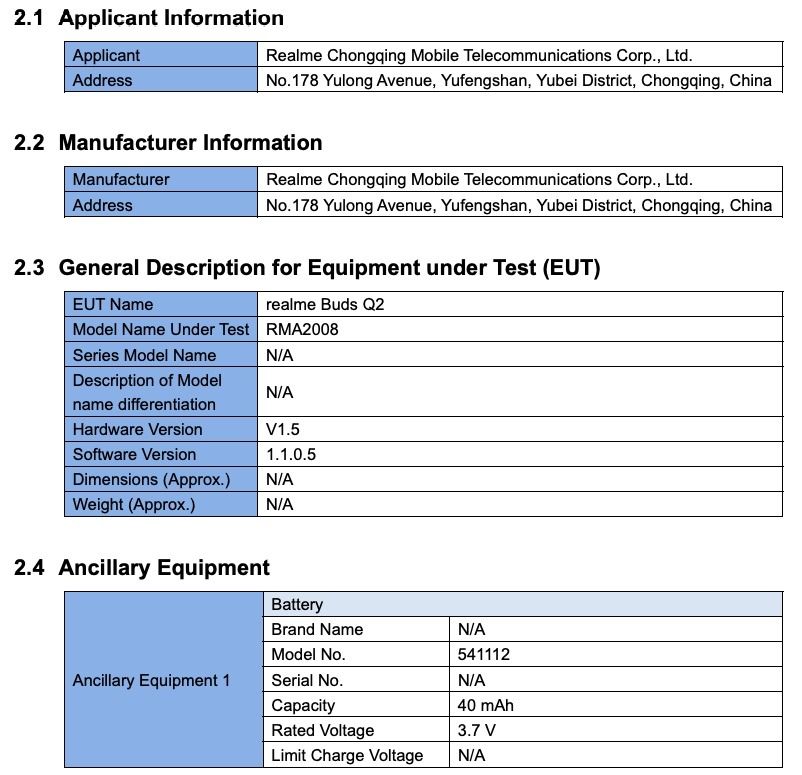
Accordingly, the Buds Q2’s earbuds will have a 40mAh capacity each. Again, this is the exact same capacity on the earbuds of the original Buds Q. That said, the listing doesn’t have the capacity of the battery case which is understandable considering the particular listing is only for an earbud.

Anyway, the above details(including Bluetooth) suggest that Buds Q2 will borrow a lot of specs from the predecessor, if not be a replica. Previously, the TWS earbuds revealed themselves as the Buds Q2 at Indonesia Telecom certification. And although the version of Bluetooth isn’t mentioned, it should have the Bluetooth 5.0 just like the previous version.

Unfortunately, details like the charging case, audio driver, latency modes, and Touch controls aren’t known yet. The realme Buds Q2 appears just days after the realme Buds Air 2‘s FCC listing, and hence, we expect them to launch very soon.
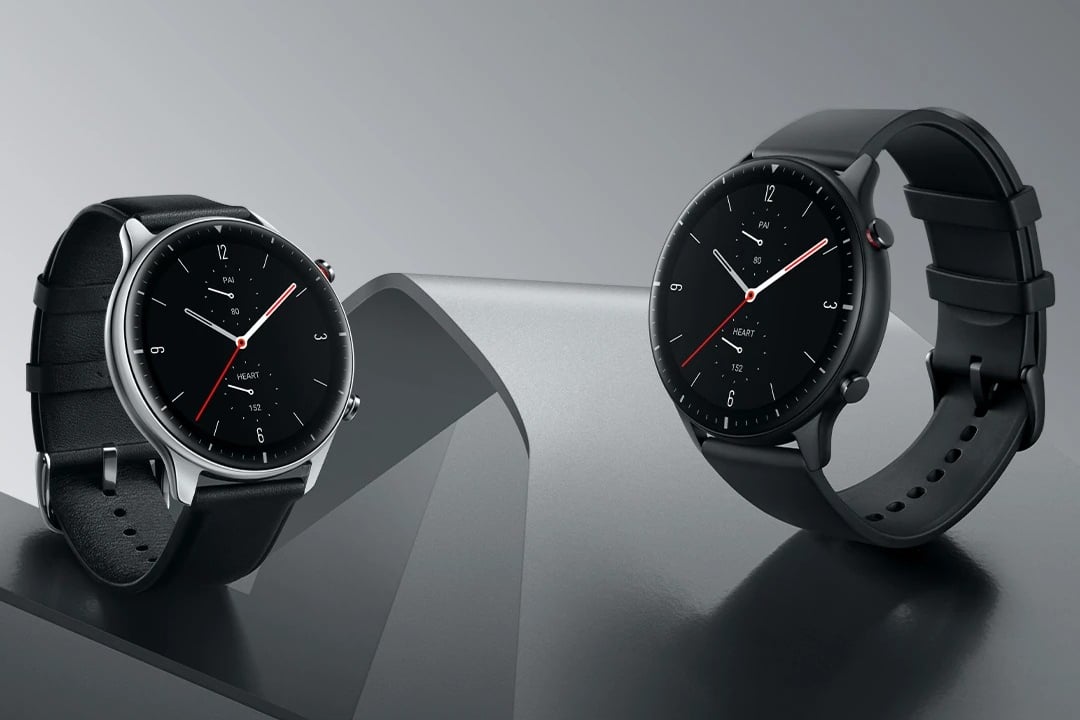
Amazfit GTR 2 starts at ₹12,999($176) in India; pre-orders begin today

Last week, Huami confirmed the arrival of Amazfit GTR 2 to India. Now, ahead of December 17 launch, the pricing and features of the wearable have been revealed.

Huami Amazfit GTR 2 Featured

Amazfit GTR 2 India Price, Availability

As reported by XDADevelopers, Amazfit GTR 2 price has been revealed on Flipkart, and it’s official website. You can take a look at the price of the Classic, and Sports edition below:

  • Sports Edition- ₹12,999$($176)*
  • Class Edition- ₹13,499($183)*

As mentioned above, the Amazfit GTR 2 will be available for purchase on both the Amazfit website and Flipkart after the official launch. Now, the device is up for pre-orders on the official website whereas Flipkart shows the  ‘Coming soon’ message and a ‘Notify Me’ button. Additionally, the Amazfit website says the Delivery will start from December 17 suggesting the sale date.

*- users who pre-order the fitness tracker before the launch date will get an additional strap for free.

Amazfit GTR 2 Specifications, Features

Although Huami lists the specifications and features of the GTR 2, we already know that from the China launch back in September. The wearable is merely a fitness tracker but hides under the look of a Smartwatch. It comes in two modes- Classic and Sports Edition.

Measuring 46.4*46.4*10.7mm, the GTR 2 weighs 31.5g(Sport) and 39g(Classic) and comes in Obsidian Black color. You get a Round display upfront and two circular crowns on the right side. Amazfit says the body is made of Aluminum alloy(Sport), Stainless steel(Classic), and the touch screen with tempered glass, Anti-fingerprint, and ODLC coating.

It features a 1.39-inch AMOLED display with a resolution of 454×454, 450 nits brightness, and 326 PPI. For connectivity, you get built-in GPS, Bluetooth 5.0, NFC, and Wi-Fi (2.4GHz). A 471mAh battery backs all this and it charges via a Magnetic charging stand. Amazfit claims that one charge will give a typical battery life of up to 14 days.

As for features, the GTR 2 has a self-developed BioTracker™, 2 PPG with blood oxygen monitoring. It also supports 24-hr heart rate monitoring, stress and sleep monitor,  12 sport modes, PAI health assessment, Amazon Alexa built-in, and more. Apart from GTR 2, Amazfit has already confirmed that it will launch the Amazfit GTS 2, and GTS 2 Mini in India.

Samsung patents a clamshell foldable phone design with zero-gap hinge & larger cover display

Samsung is the market leader in the foldable smartphone category. The Galaxy Z Flip is the world’s best setting foldable handset. Its successor is reported to launch in spring 2021. Ahead of it, the company has patented a design for a similar phone with improvements.

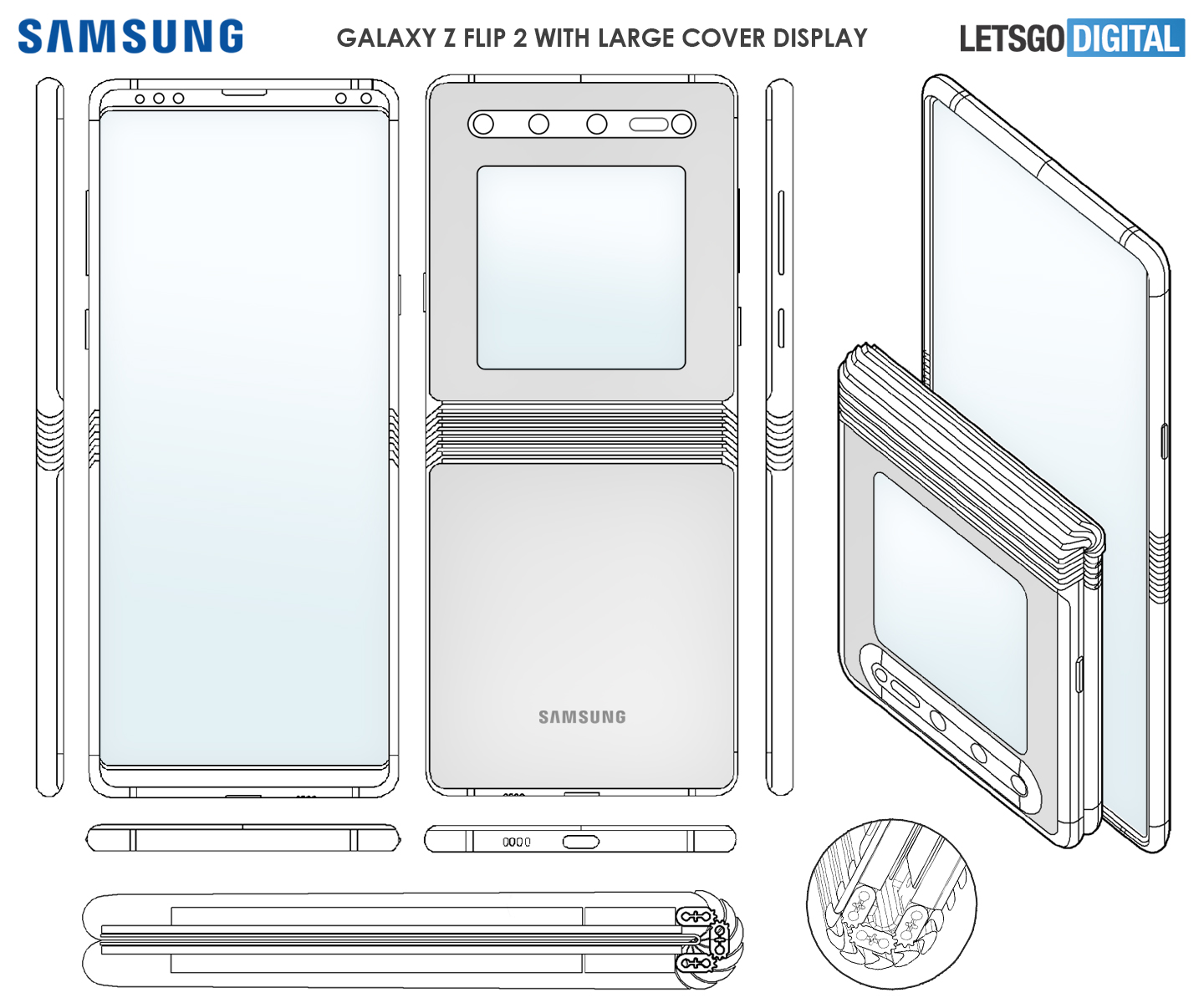
Samsung Clamshell Foldable Smartphone Design Patent Large Cover Display Triple Camera Zero Gap Hinge

According to LetsGoDigital, Samsung Electronics filed a design patent titled ‘Foldable electronic device’ with the WIPO (World Intellectual Property Office) in June 2020. After its approval, the documentation for this patent got published on December 10.

The clamshell foldable smartphone in this design patent is similar to the Galaxy Z Flip and Galaxy Z Flip 5G but with a larger cover display, more cameras, and a better hinge. Hence, we can expect the same elements in the upcoming Galaxy Z Flip 2.

The cover display in this design is located at the center like on the Motorola razr 5G but it seems to be comparatively smaller. Anyway, it is larger than the tiny screen present in the current-gen Galaxy Z Flip.

Further, it features a triple camera setup instead of a dual-camera module along with an LED flash. Interestingly, there’s no punch-hole camera in the inner display. It looks like one of those circular things on the top bezel could be for the front-facing camera.

Lastly, but most importantly, this design sports a redesigned hinge that not only supports Flex Mode but also shuts the phone with zero-gap.


iFFALCON K61 4K TV launched in India with Dolby Audio, HDR10 support, and more

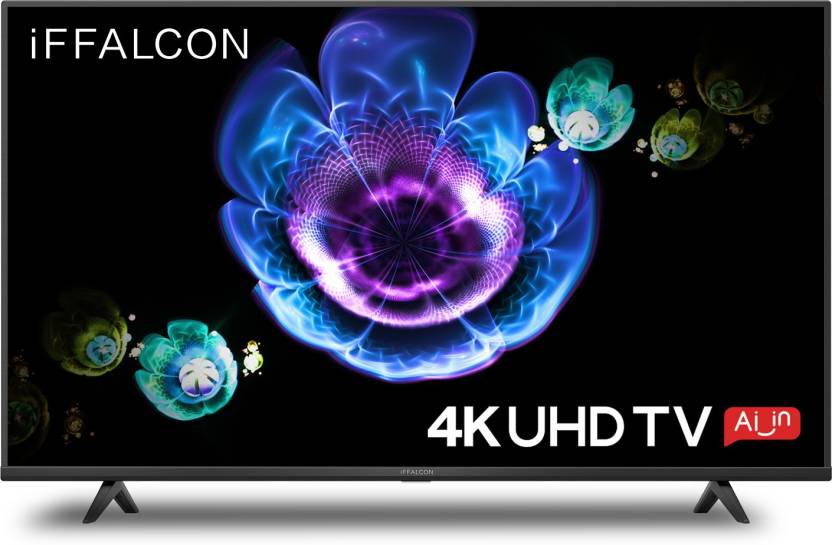
TCL‘s iFFALCON brand has launched a new K61 4K UHD TV in India. Announced almost two months back, the TV has a slim design, and has features like 4K, Dolby Audio, and more.

Credit: Flipkart/iFFALCON

TCL iFFALCON K61 4K UHD TV India Price, Availability

The iFFALCON K61 4K UHD TV comes in three sizes- 43, 50, and 55-inches. You can take a look at the pricing of the sizes as mentioned in the report, below:

  • 43-inch: ₹26,999*
  • 50-inch: ₹30,499*
  • 55-inch: ₹36,499

The iFFALCON K61 models are already up for sale on Flipkart. That said, the Gadgets360 report says that according to the company’s press release, the *43-inch price is ₹24,999 but the above price is listed on the Flipkart website. Additionally, Flipkart also lists the *50-inch variant for ₹33,999 (at the time of writing this).

Anyway, Flipkart has some offers like 5% unlimited cashback using Flipkart Axis Bank Credit Card, ₹1,750 instant discount on HDFC Credit and Debit/Credit(EMI) card transactions.

iFFALCON by TCL K61 UHD TV Features

All the models of the TCL’s iFFALCON K61 TV have display resolution up to 4K (3,840×2,160 pixels). The display also supports micro Dimming(512 different zones to analyze brightness, contrast), HDR10 support.

Plus, the display also supports 4K upscaling meaning it will scale non-4K contents to UHD resolution. Under the hood, the TVs are powered by an Amlogic 64-bit quad-core CPU. It is paired with 2GB RAM and 16GB storage. On the audio side of things, it has 2x12W speakers with a total output of 24W.

The TV also supports Dolby Audio, DTS and comes with Android TV certification featuring Android 9 Pie out of the box. It also has a Google Play Store which means you can download as many as 5000 apps including Netflix, YouTube, Amazon Prime Video, etc.

Other features include AI-X-IoT which is the company’s IoT ecosystem, hands-free voice control, Google Assistant and Chromecast built-in, Dynamic color enhancement, and frequency compensation.

Xiaomi confirms Android 11 update for select 2019 devices

Xiaomi is the only smartphone OEM to release weekly software builds for its devices. In the announcement post for this week’s builds on Mi Community China, the company confirmed the Android 11 update for a number of Xiaomi and Redmi phones from 2019.

Xiaomi Redmi POCO Black Shark Android 11 Eligible Supported Devices

Xiaomi unveiled MIUI 12 in late April. Since then, the world’s third-largest smartphone maker has been updating its devices to the latest version of its mobile software. As of now, the company’s flagship, mid-range, select budget phones have received the update. Only certain budget and older handsets are yet to get the update.

On the other hand, the 2020 premium devices that have been updated to MIUI 12 have also started receiving Android 11 update. Hence, the firm has now revealed the next batch of handsets that will be getting the latest version of Android.


The below-mentioned smartphones will start receiving MIUI 12 beta builds based on Android 11 once the program continues after its temporary halt.

  • Redmi Note 8
  • Redmi Note 8 Pro
  • Redmi K20 Pro / Mi 9T Pro
  • Redmi K30S Ultra
  • Mi CC9 / Mi 9 Lite
  • Mi CC9 Meitu Edition
  • Mi 9 SE
  • Mi 9
  • Mi 9 Pro

That said, it is not sure when Android 11 builds will be released for the above-mentioned phones. Because the company has suspended the beta program for an unspecific period of time from next week ahead of MIUI 12.5 release.

Anyway, even after the firm starts releasing those builds, the final stable update for different regions may take time to arrive.

Note: Redmi K30 4G, POCO X2, Redmi K30 5G, Mi CC9 Pro, Mi CC9 Pro Premium Edition, Mi Note 10, and Mi 10 Pro from 2019 are also eligible for Android 11 update. These handsets have been receiving MIUI 12 beta builds based on Android 11 for a few months now.

Latest Review: Redmi Note 9 Pro 5G

OPPO executive teases the launch of Reno5 Pro in India

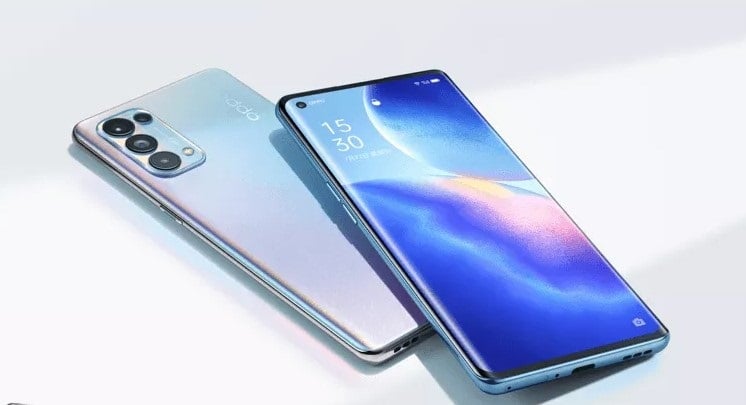
Yesterday, OPPO launched the next iteration of Reno smartphones, the Reno5 series in China. Today, an OPPO India executive has started teasing the launch of the Reno5 in India.

OPPO Reno5 Pro 5G

As spotted by MySmartPrice, Tasleem Arif, Vice President, and Head of OPPO R&D India has posted a tweet. He says the company recently revealed a smartphone that can shoot great videos. To quote about the photography and video, the Reno5 5G and Reno5 Pro 5G have a 64MP camera and a host of features live HDR, EIS(not OIS), bokeh videos, etc.

He further hints at the arrival of the Global Product in India. If you recall, the Reno5 series Global edition tipped to arrive both as 5G and 4G versions. Leaks say that the Reno5 Pro 5G version will have the Snapdragon 765G and the Reno5 4G version will retain the SoC of its predecessor, the Reno4 Global variant.

Besides, Arif has also hinted at the launch of the 5G device with a smiley to tipster Ishan Agarwal’s reply. The tipster has replied with a guess that the device is likely to be Reno5 Pro 5G. Hence, it will be interesting to see if the company brings both versions to India or just the Pro.

Previously, the company launched only the Pro version of the predecessor in the country back in July. In any case, the Reno5 Pro, if launches, should finally bring the 5G-support to the Reno series in India. Let’s wait for more details as we get closer to the launch.

Reno5 Series (China) Specifications

The OPPO Reno5 5G in China features a 6.43-inch OLED FHD+ 90Hz display, Snapdragon 765G SoC, 8/12GB RAM, 128/256GB UFS 2.1 storage, quad rear camera with 64MP f/1.7 main lens, 8MP ultra-wide, and two 2MP sensors, 32MP selfie shooter. The device has a 4,300mAh battery and supports 65W SuperVOOC 2.0 charging.

The Reno5 Pro 5G has a 6.55-inch curved OLED 90Hz display, MediaTek Dimensity 1000+ SoC, same cameras as the Reno5, 4,350mAh battery with the 65W SuperVOOC 2.0 charging. Both the devices run ColorOS 11 based on Android 11 out of the box.

Apple to embed Antennas and Touch ID in the display: Report

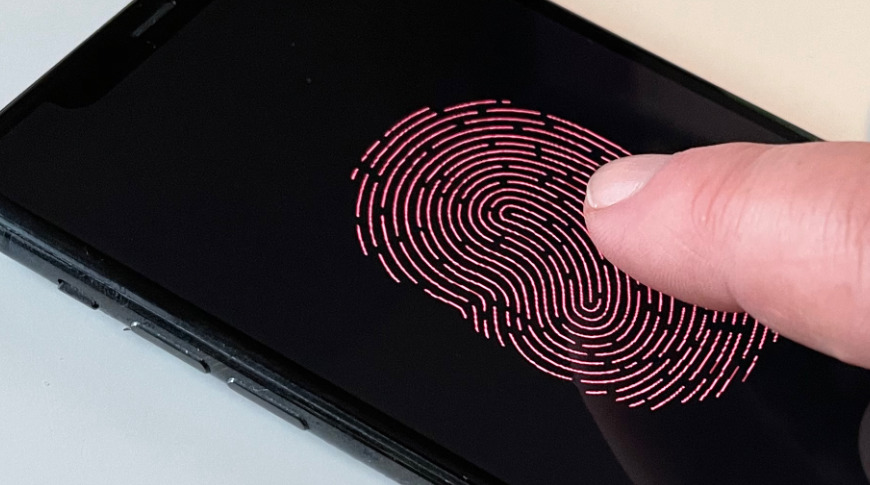
Future Apple iPhones might arrive with larger screens that could have Touch ID fingerprint reader and antennas embedded into the display. This could offer better WiFi and cellular connectivity and boost reception for the company’s devices.

According to an AppleInsider report, the Cupertino based giant might be working on offering its users better signal reception while still providing a secure user authentication system as well. This would also lead to thinner bezels and notches, offering more screen estate to its customers. The company could achieve this by having both the Touch ID and antennas being housed under the display.

Apple

In the past, it was reported on multiple occasions that Apple is working on an in display fingerprint reader for its Touch ID system. Various patents had surfaced over the course of last year, which touched on topics like acoustic imaging, infrared, and more. Furthermore, these features have also been subject to many rumors and claims from known analyst Ming-Chi Kuo and his leaks on Twitter.

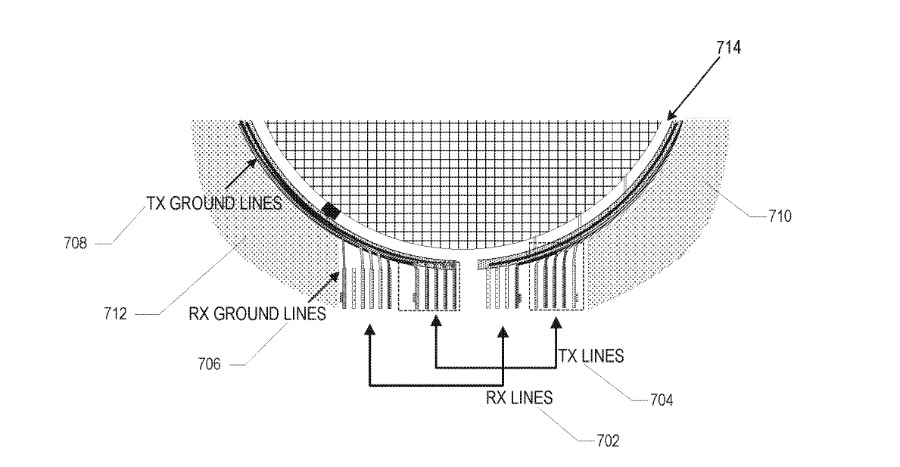
Apart from Touch ID being housed under the display, the company has also applied for related patents that cover using these layers to house an RF antenna into the display. Since signals require the WiFi and cellular antennas to be exposed, having one that takes up an entire side over a single thin band is better for the connectivity and reception for the device. This was described in Apple’s recent patent titled, “Display Integratable Hybrid Transparent Antenna.”

Apple

The patent application reads, “Today’s wireless systems (smart watches or other devices with a predominant display feature, for example) are striving to achieve an edge-to-edge display with a smaller bezel or bezel-less display solution. Especially for wearable devices, such as smart watches, smart glasses, or smart health-related monitoring devices, the display is small and the number of wireless radios (e.g., Bluetooth, GPS, WiFi, 3G/4G/LTE, FM, and so forth) that need to be supported and the related antennas is increasing.”


Realme seeks to become one of the top 5 brands in Taiwan

Realme aims on becoming one of the top 5 smartphone brands in Taiwan. The company seeks to achieve this by launching 5 to 6 handset models with support for either 4G and 5G in 2021, as per a senior official.

realme

For those unaware, the Chinese tech giant was once a sub brand of Oppo. It is planning to expand its presence in the region with new launches and grow to be one of the top 5 brands in the region, according to Chung Hsiang-wei, chief commercial officer of Realme Taiwan. To achieve this, the company plans on launched 5G enabled devices priced below 10,000 Taiwanese Dollars (roughly 355 US Dollars) in the second quarter of 2021, as per a DigiTimes report.

Despite multi lens and high pixel camera smartphones becoming common throughout the market, the senior executive believes that any device with 3 to 4 cameras would be sufficient for most photo apps. Furthermore, Realme is also planning on growing its connected devices or IoT portfolio as well, for personal, household, and traveling applications. This includes products like wearables, small size displays, health care gadgets, and other smart household devices.

Realme

Although the company is relatively young by the standards of other established players in the industry, it has quickly grown its presence in the market. While it aims to be within the top 5 brands in the Taiwanese region, it has already achieved this in other markets like India, which is the second largest smartphone market in the world. As of the third quarter of 2020, it held a 15 percent market share in the region, even beating its previous parent company Oppo and is even one of top brands for wearables in the same region.


Galaxy Tab M62 could be the first tablet in the Galaxy M series

Earlier in November, a report exposed that Samsung is working on Galaxy M62. Going by its name, the device was thought to be a mid-range smartphone back then. But now, another report reveals it to be a tablet instead.

Samsung Galaxy Tab Logo Featured

The Galaxy M series is Samsung’s online-exclusive device lineup with limited offline availability. So far, all the devices in this series have been entry-level, budget, and mid-range smartphones. Hence, the Galaxy M62 with model number SM-M625F was also expected to be a handset.

But it turns out that it will be the first-ever tablet in the Galaxy M series. According to the source of 91Mobiles, this device will go official as Galaxy Tab M62. But unfortunately, nothing else is known about this product except for the fact that it will be compact in size and will be available in a 256GB storage variant.

Currently, Samsung has two series of tablets. The premium and mid-tier models release with Galaxy Tab S branding. On the other hand, the budget models come with Galaxy Tab A branding.

Since the Galax M series’ placement is similar to the Galaxy A series, we can expect the Galaxy Tab M62 to be a budget tablet. Therefore, we think it could be the spiritual successor to the Galaxy J Max, the only tablet in the Galaxy J series that was launched in 2016.

But a benchmark listing says otherwise. Last week, a device going by the name of Galaxy F62 was spotted on Geekbench with Exynos 9825 and Android 11. For those unware, this is the same chipset that powers the last year’s Galaxy Note10 and Galaxy Note10+.

Further, since Galaxy M and Galaxy F series are idenntical except for their retailer exclusivity. Hence. this Galaxy F62 could be the Galaxy M62. If that is the case, then this device will be a mid-range tablet.


Samsung to shift its employees from Display to its Semiconductor unit

Samsung Electronics is planning on transferring hundreds of its employees from its display unit to its Semiconductor business. The news arrives as the company aims to exit the LCD (liquid crystal display) business.

Samsung

According to TheElec report, the South Korean tech giant is taking applications from its employees for the transfer and is also in the process of sorting through these applications to decide who to shift. As per the report, it is being estimated that hundreds of employees will be moved. Previously, Samsung Display had already transferred about 200 staff to the semiconductor unit back in August 2020.

For those unaware, the company is also planning to exit the LCD market completely by March of next year. While the initial plan was to quit the LCD business in 2020, but the coronavirus pandemic caused the company to delay its plans to 2021. This also arrived as Samsung witnessed a boom in the demand for LCD display panels, with it having to extend the deadline to meet customer demands.

Samsung

Furthermore, Samsung Display is also set to focus on the development of quantum dot (QD) displays. The company plans on investing 13.1 trillion Won (roughly 12 billion US Dollars). A spokesperson from the company’s display unit also confirmed this transfer, although, the official had yet to comment on the matter or offer any specifics either.

Apple survey hints at Touch ID on next iPhone, will ship without USB Cable in box

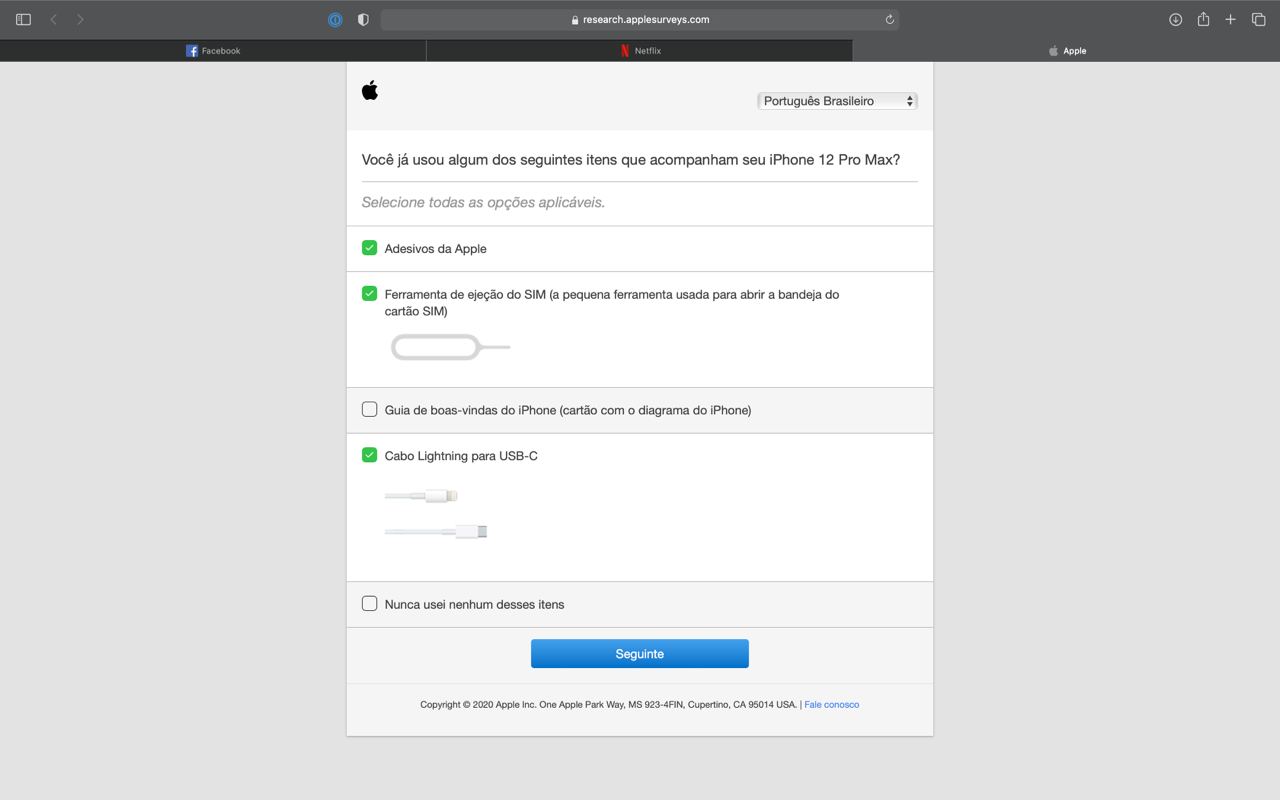
A new Apple survey for iPhone users asked them about their satisfaction with Face ID and if they used the USB cable that their handsets arrived within the box. This may suggest that the company might launch a new iPhone with a fingerprint reader but could also remove the USB cable from the retail box.

Apple

According to an 9To5Mac report, a recent survey from the Cupertino based giant asked users questions regarding various different aspects of their iPhones. One regarding the Touch ID had asked users if they were satisfied with Face ID, and if the person chose no, they would be met with these questions for further elaboration:

  • Security or privacy concerns
  • I don’t like having to pick up my phone to use Face ID
  • Slow performance
  • It does not detect my face in all situations (such as low light, different angles, lying down, wearing sunglasses)
  • I prefer Touch ID
  • Not reliable; does not always unlock the iPhone
  • Other
  • Not sure

This Apple survey also went on to ask customers what items they used from the box of the iPhone 12. This included a USB cable, the SIM ejection tool, and even the Apple sticker. Previously, the company had also released a similar survey earlier this year, which asked users if they used the power adapter and earphones that it offered in the box. The data from that survey is what led to Apple removing the charger and EarPods from within the iPhone 12 box.

Apple
Image Via 9To5Mac

At the moment, it is uncertain what the company plans for its future iPhones. But considering these questions, we might see Apple removing even more items from the box and bring back the Touch ID along with its existing Face ID biometric security system for iPhones. Since its removal the feature has been highly requested from its userbase, especially after the coronavirus pandemic that has prompted people to wear masks, which hinders facial recognition technology.


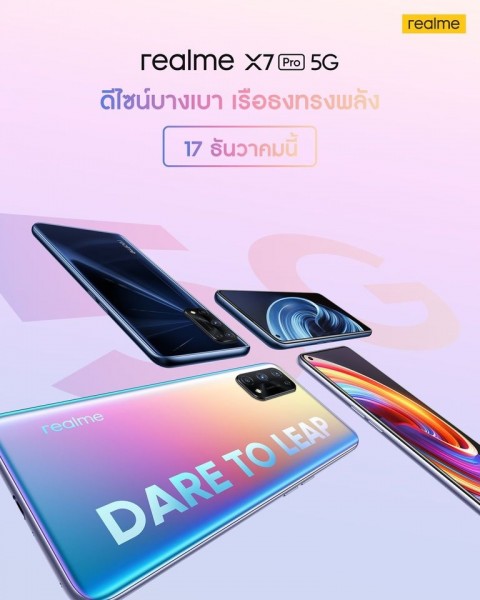
Realme X7 Pro global launch set to take place on December 17

In September, Realme announced the Realme X7 and Realme X7 Pro smartphones in China. These phones have not released yet outside the home market. The Chinese brand has now confirmed that it will be launching the Realme X7 Pro in Thailand on Dec. 17, which will mark its global debut.

Realme X7 Pro specifications

The Realme X7 Pro has a 6.55-inch AMOLED screen with a punch-hole design. It supports a Full HD+ resolution and a 120Hz refresh rate. For selfies, it has a front camera of 32-megapixel with f/2.0 aperture. The rear camera setup comprises of a 64-megapixel main camera with f/1.89 aperture, an 8-megapixel superwide lens with 119-degree FOV, a 2-megapixel macro shooter, and a 2-megapixel depth assist lens.

The smartphone boots to Realme UI based Android 10 OS. It is fueled by the Dimensity 1000+ chipset and a 4,500mh battery that supports 65W fast charging. The handset also features an in-screen fingerprint reader. In China, the phone arrives with 6 GB / 8 GB of LPPDR4x RAM and 128 GB of UFS 2.1 storage.

The Realme X7 has a smaller 6.5-inch AMOLED display and it is powered by the Dimensity 800U chipset and a 4,300mAh battery. The rest of its specs are identical to the Pro model. It is unclear when Realme X7 will make its global debut.

India is also expected to soon receive the Realme X7 series of smartphones. Speculations are rife that these phones will be available for purchase in India in January.


Nokia 4.3 renders expose the phone’s entire design

A few weeks back, HMD Global unveiled Nokia 2.4 and Nokia 3.4 budget smartphones. The company is also expected to announce Nokia 5.4 very soon. Ahead of it, a new leak reveals that the firm will be also launching Nokia 4.3 in the coming days.
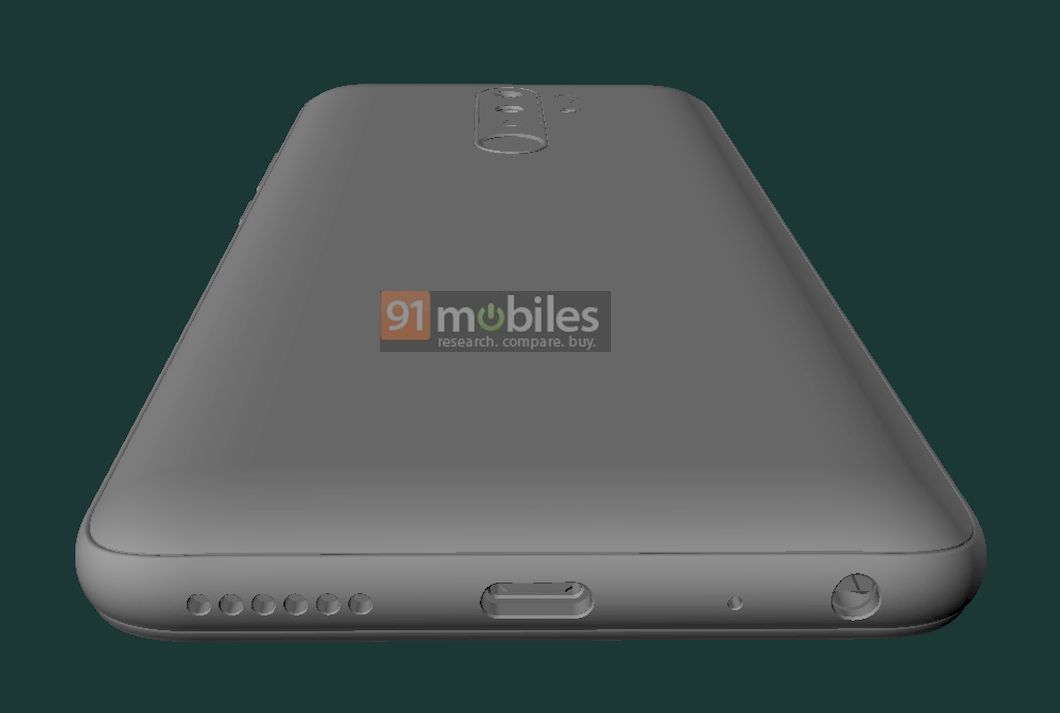
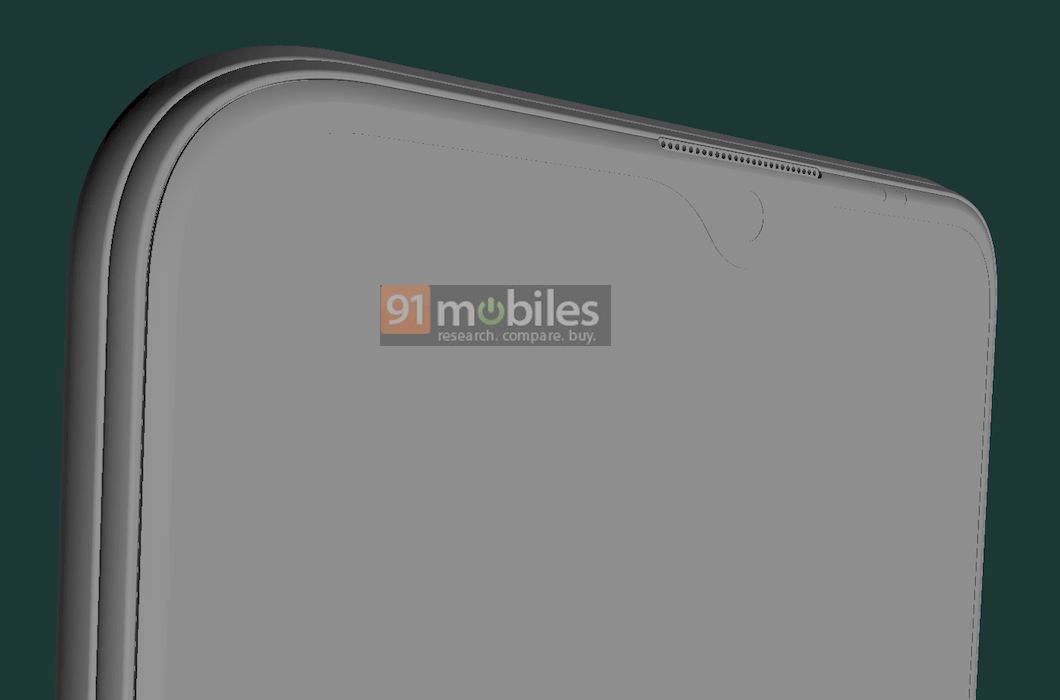
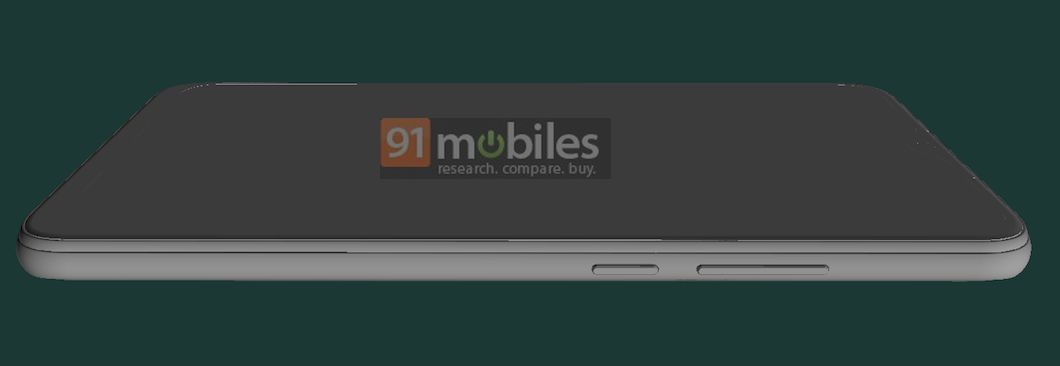
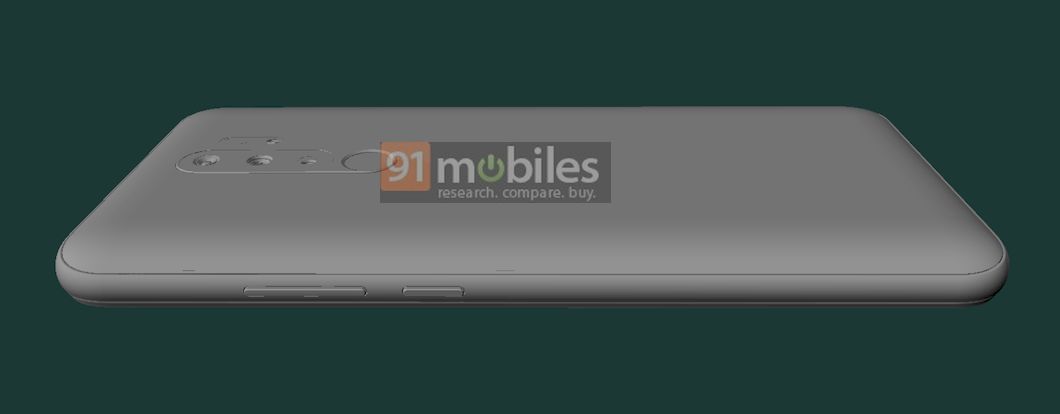
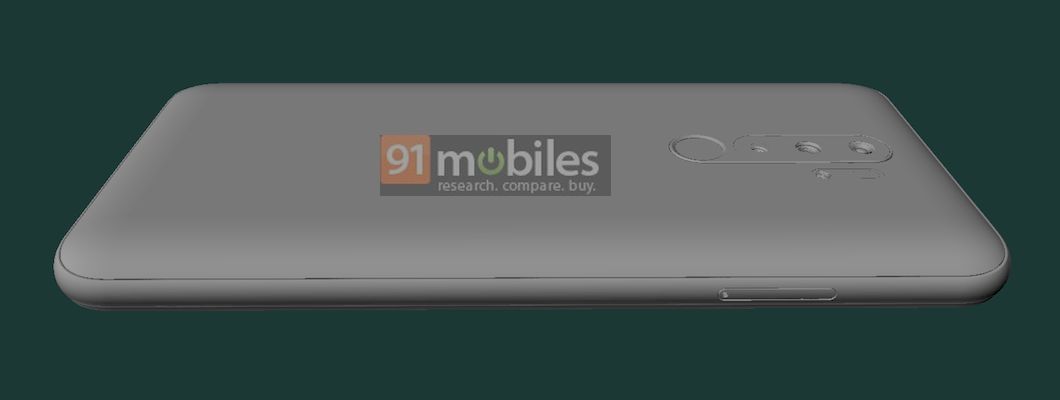
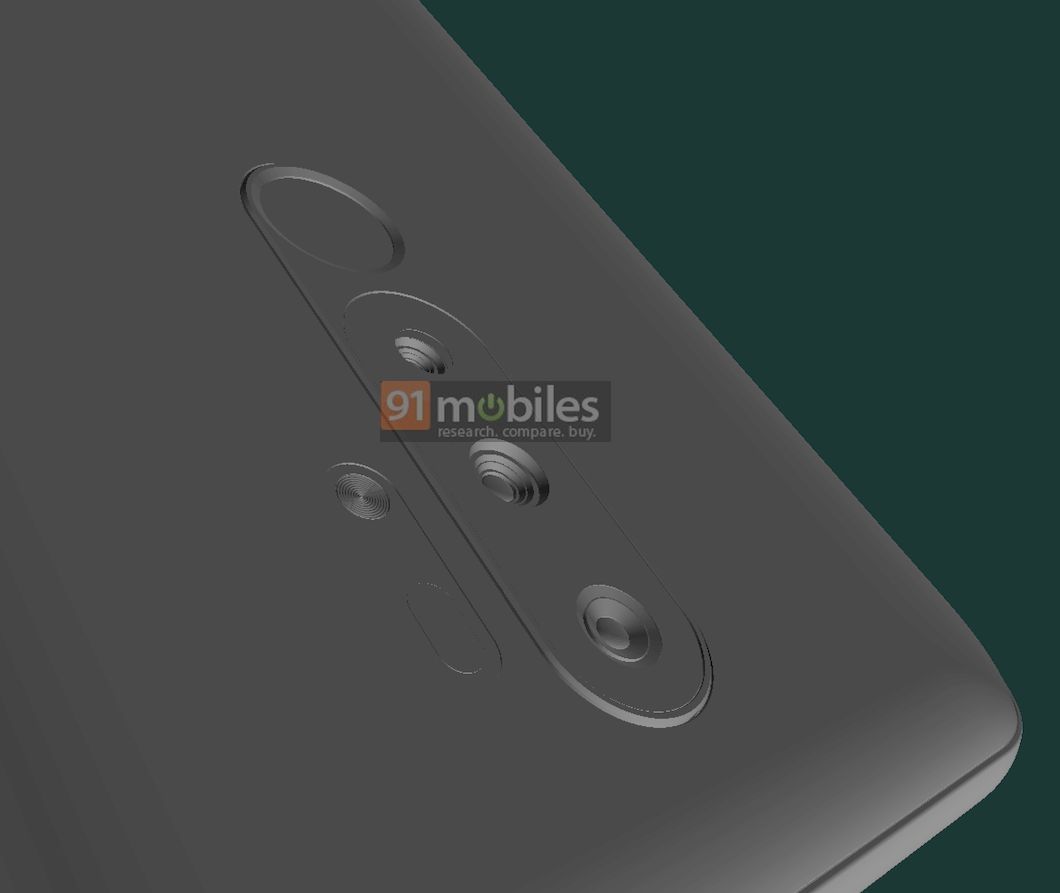
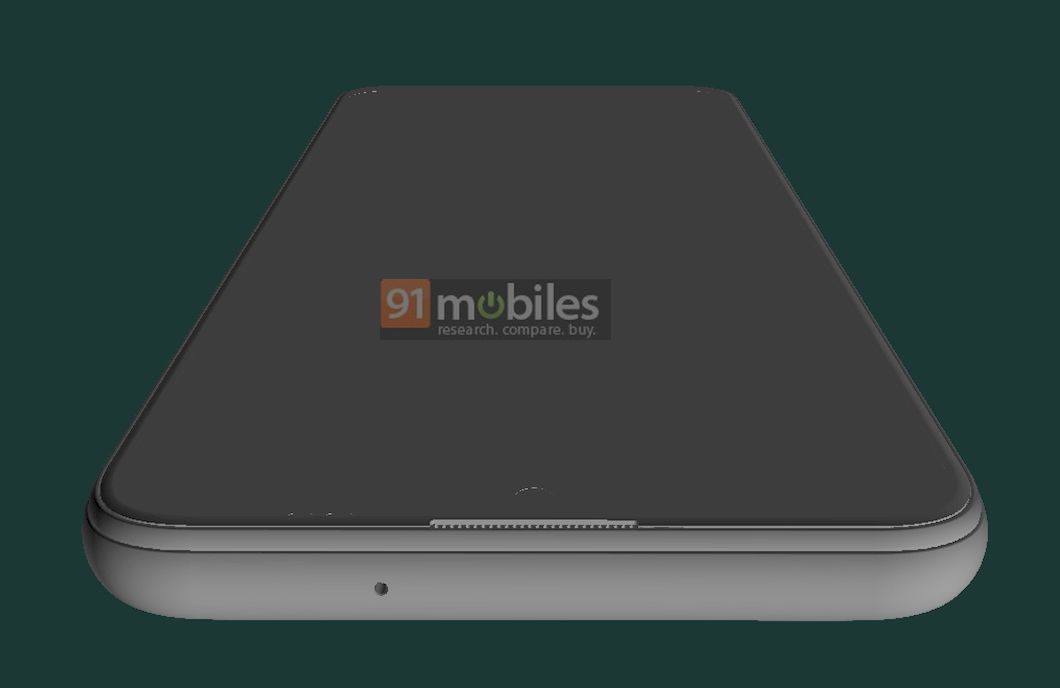
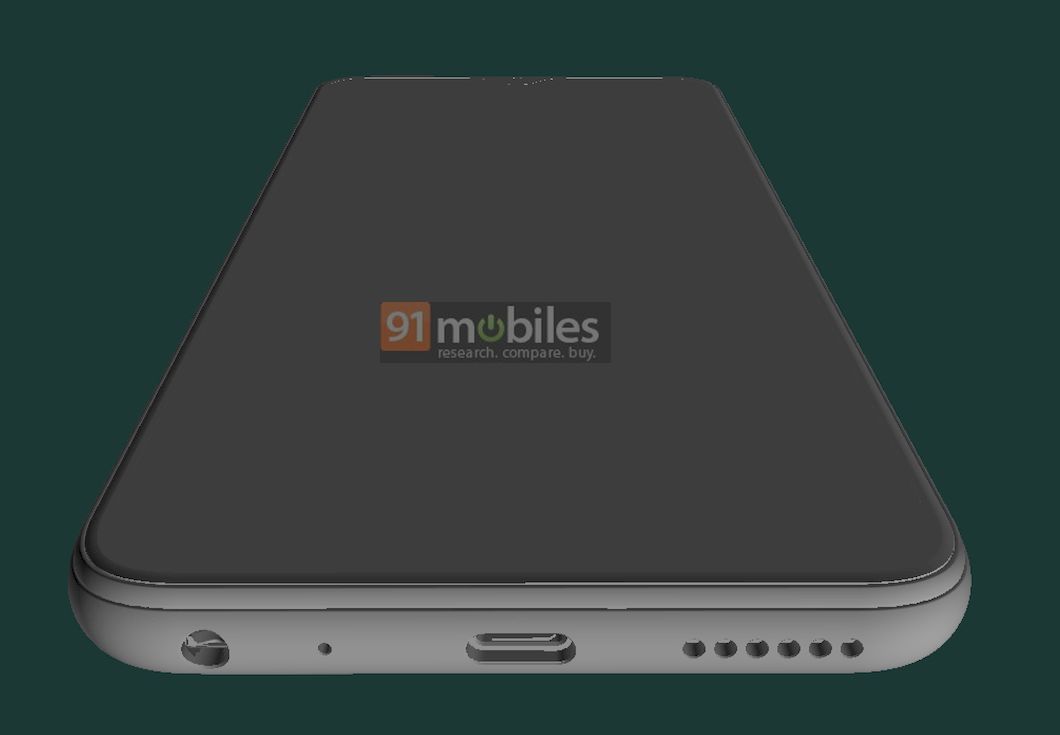
Nokia 4.3 3D CAD Renders Featured

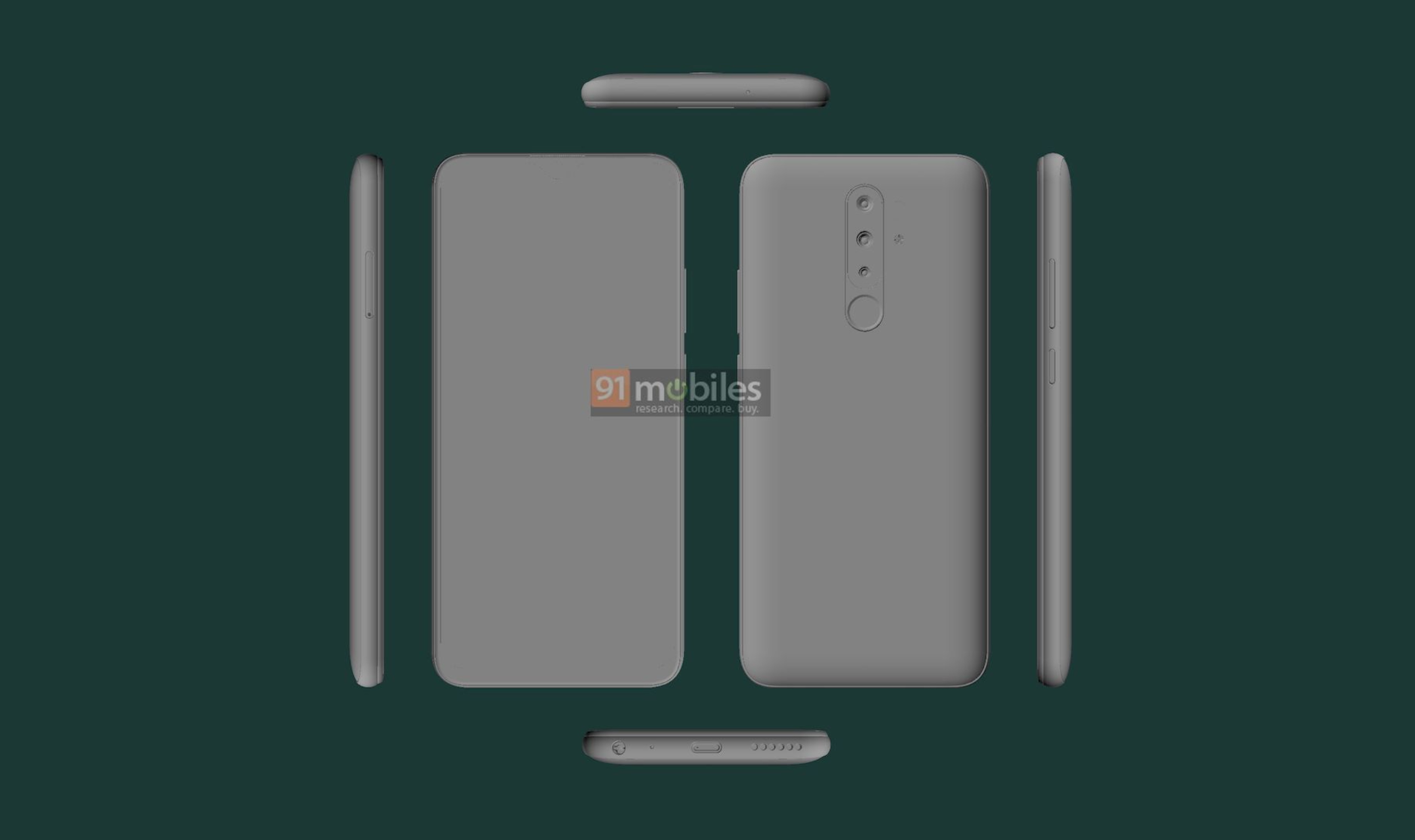
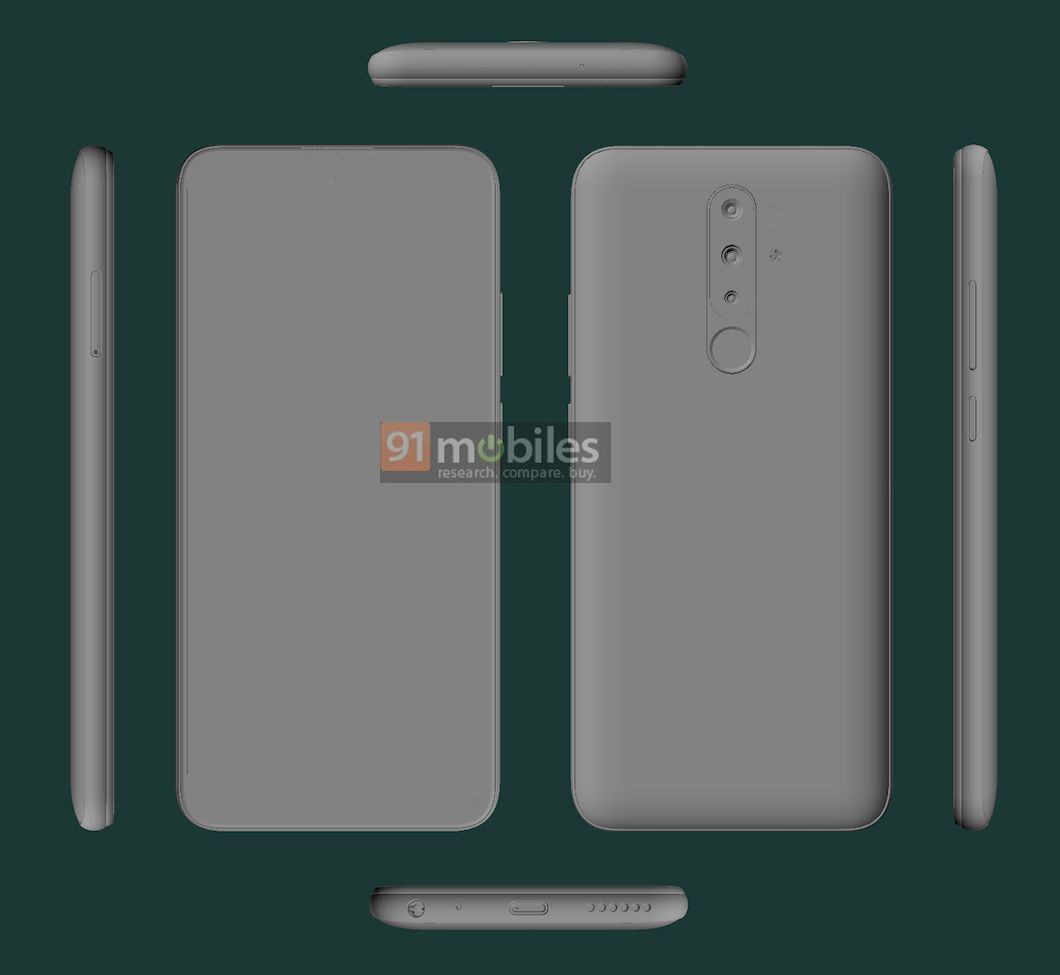
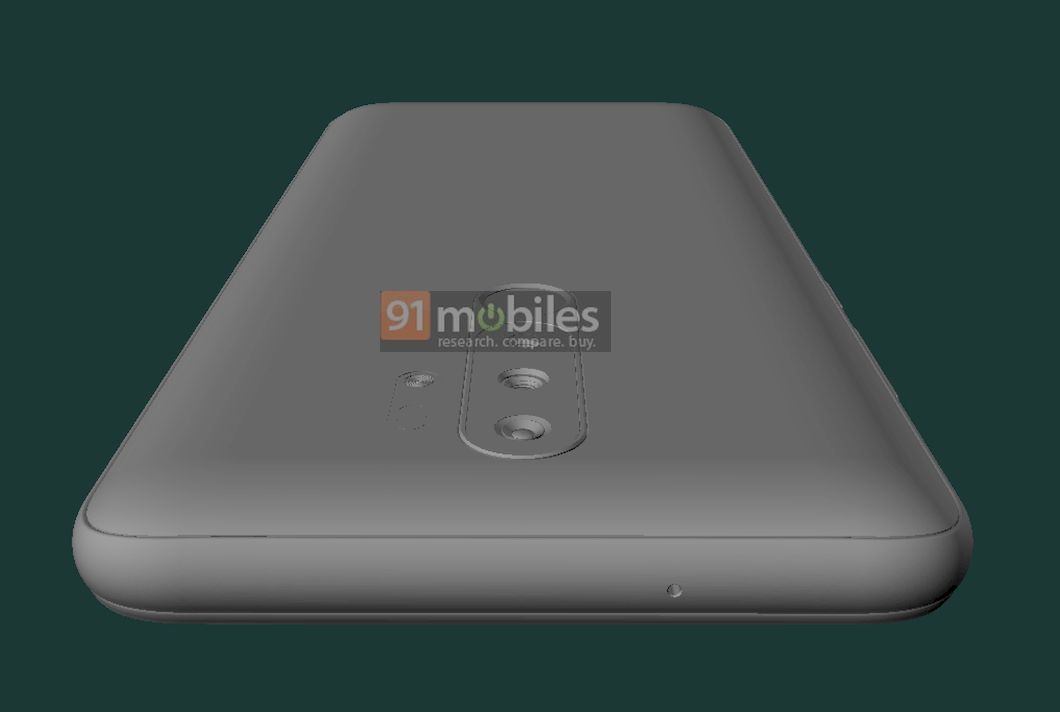
The information regarding the existence of Nokia 4.3 comes from 91Mobiles. The publication’s source has shared a large set of 3D CAD renders of this phone along with its screen size and its dimensions.

According to the leak, the upcoming Nokia 4.3 by HMD Global will flaunt a 6.5-inch flat display on the front with a dew-drop notch for the selfie camera. On the back, the handset will house a vertically aligned triple camera setup paired with an LED flash. The rear panel of the device will also include a capacitive fingerprint sensor.

Further, the bottom side of the smartphone will feature a USB Type-C port, a speaker grille, a primary microphone, and a 3.5mm headphone jack. Interestingly, this phone may not come with a dedicated Google Assistant key like its predecessor Nokia 4.2. Because the left side only includes the SIM card slot, whereas the right side sports a power key and a volume rocker.

Lastly, the top of the handset houses a secondary microphone, and the entire device measures 162.9 x 77.1 x 10.5mm in dimensions.

Having said that, the specifications of the forthcoming Nokia 4.3 is a mystery apart from the above-mentioned details. Anyway, we expect to learn more about this smartphone before its official launch.


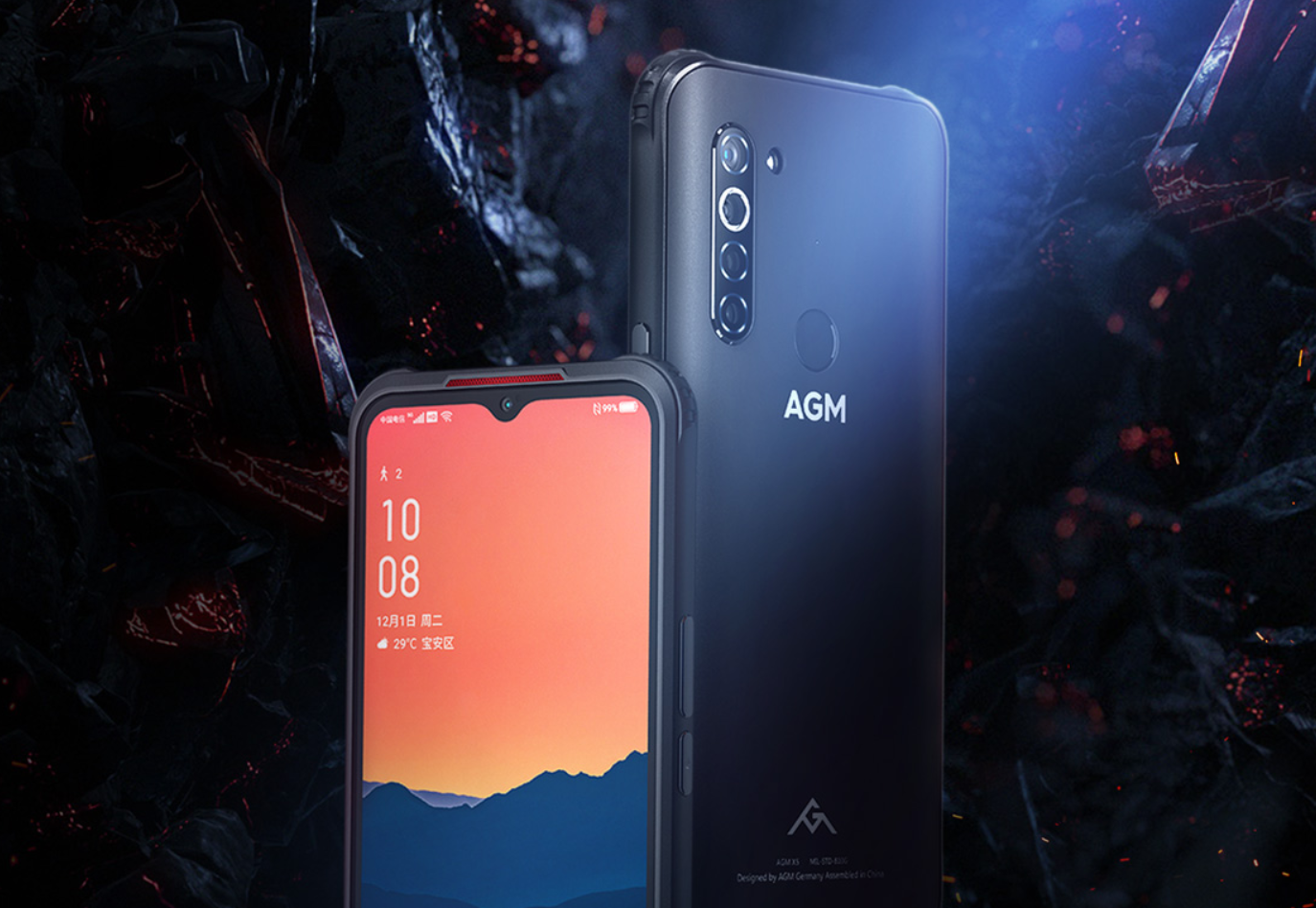
AGM X5 launched as world’s first 5G phone with ruggedized body

China-based AGM, which is well-known for making phones with rugged build has unveiled the AGM X5 smartphone in the home market. The AGM X5 has arrived as the world’s first 5G-ready ruggedized smartphone.

The AGM X5 comes with an armor-style shell structure and 6-sided protection to safeguard it from impacts. With IP68 certification, the X5 will work fine even if it is submerged in water with a maximum depth of up to 1.5 meters. The IP68 rating also makes it resistant to dust and dirt.

The AGM X5 is also equipped with the highest Ingress Protection rating of IP69K, which protects it from the high-pressure liquid. In addition, the smartphone comes with a military-grade MIL-STD-810G rating that guarantees a high level of durability. As far as build is concerned, the AGM X5 has a metallic frame with plastic protection and its rear shell is also made from metal manufactured using an injection mold process. The thickness of the device is 11.8mm and it weighs 274 grams.

AGM X5 specifications and features

The AGM X5 has a 6.5-inch LCD screen with a waterdrop notch that offers a Full HD+ resolution of 1080 x 2340 pixels and a 19.5:9 aspect ratio. The smartphone is preinstalled with XOS 5.0 based Android 10 OS. The Chinese brand claims that the new OS offers 48 precent fluid experience than its previous generation and it has no ads.

AGM X5
AGM X5

For snapping selfies, the AGM X5 has a 16-megapixel selfie camera. The vertical camera setup on its rear comprises of a 48-megapixel main camera, an 8-megapixel wide-angle lens, a macro lens with 4cm focal length, and an infrared background blur camera. It has a rear-facing fingerprint scanner, and it carries support for face unlock.

The AGM X5 draws power from the Unisoc T7510 5G-enabled chipset. The phone packs in an 8 GB of RAM, 256 GB of built-in storage, a 5,600mAh battery with 18W fast charging support. On the connectivity front, it supports dual SIM, Wi-Fi, Bluetooth, NFC, USB-C, and a 3.5mm audio jack.

AGM X5 price and availability

The AGM X5 is priced at 3,699 Yuan (~$565) and it will go on sale in China from Dec. 12. The company is expected to release the smartphone in global markets in 2021.


Xiaomi declared as India’s No. 1 Brand by TRA Brand Trust Report 2020

Earlier today (11th December 2020), Xiaomi received the title of being India’s No 1 brand by the TRA Brand Trust Report 2020. The company was declared the ‘Most Trusted Smartphone Brand’ and the second ‘Most Trusted Brand’ across all categories of products.

Xiaomi

The TRA Brand Trust Report 2020 arrives as the tenth edition of its annual research that analyzes and cover over 8,000 unique brands amongst of consumers across 16 cities in India. As per the report, Mi India, Xiaomi’s Indian unit, “redefined consumer experience through its innovative products and robust quality. Delivering strong consumer connect with trust has largely contributed to the brand’s success in India.”

According to Manu Jain, Xiaomi India Managing Director, “Trust is built over a period of time and being a consumer first company, we have always believed in delighting our fans with unique products and delivering high levels of quality & customer satisfaction. Over the last six years, our endeavor has been to deliver products and services with latest technology with highest quality at honest price to consumers across India.” He further added that “As we expand our portfolio in the market, we will continue delivering products & experiences that delight and help strengthen the strong foundation of trust that we have built in the market.”
Xiaomi

India has been one of the company’s key markets and since its entry into the country back in 2014, the company has since become one of the market leaders as well. For those unaware, TRA is a consumer insights and brand analytics company with its primary research revolving around consumer brands. This achievement also marks another milestone for Xiaomi and its operations in the Indian subcontinent.


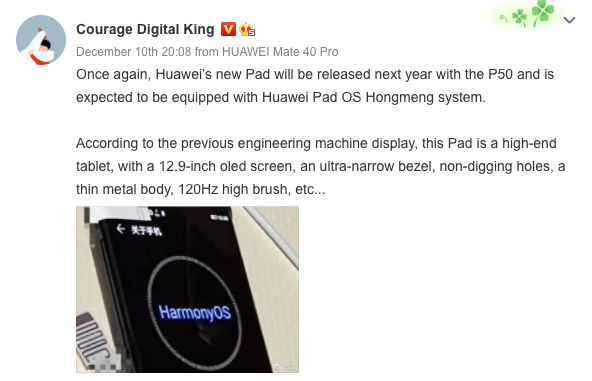
Huawei to launch HarmonyOS-powered tablet along with P50 series phones next year

Huawei has been severely impacted by the sanctions imposed by the United States. Despite facing major issues, the Chinese giant continues to advance its journey at its own pace, regularly launching new products.

Continuing the trend, Huawei is expected to launch its flagship P50 series smartphones early next year, as per the schedule. Now, a new report claims that along with the P50 series smartphones, the company will also launch a new tablet.

Huawei HarmonyOS-powered Tablet Leak

The highlight of the tablet is that it will be running the PadOS HongMeng operating system, which as the name indicates, has been designed especially for tablet devices. For those who are unaware, HongMeng is the Chinese name for Huawei’s own HarmonyOS.

The tablet in question is expected to come with a 12.9-inch OLED display, offering a 120Hz refresh rate and ultra-narrow bezels surrounding the screen. The body of the device, made up of metal, will be thin and light.

EDITOR’S PICK: Huawei ban will cost 5G “a lot more”, says Brazil Vice President

As for the processor, the device could come powered by the company’s own Kirin 9000 chipset — the same chipset that powers the Huawei Mate 40 lineup. The report mentions that the product will belong to the company’s MatePad lineup.

Ever since the United States cut-off Huawei’s access to Google’s Android operating system, the company boosted the development of its own operating system, which the company unveiled as HarmonyOS last year. Recently, it released HarmonyOS 2.0, which is expected to power upcoming smartphones, tablets, and wearable devices from the Chinese giant.


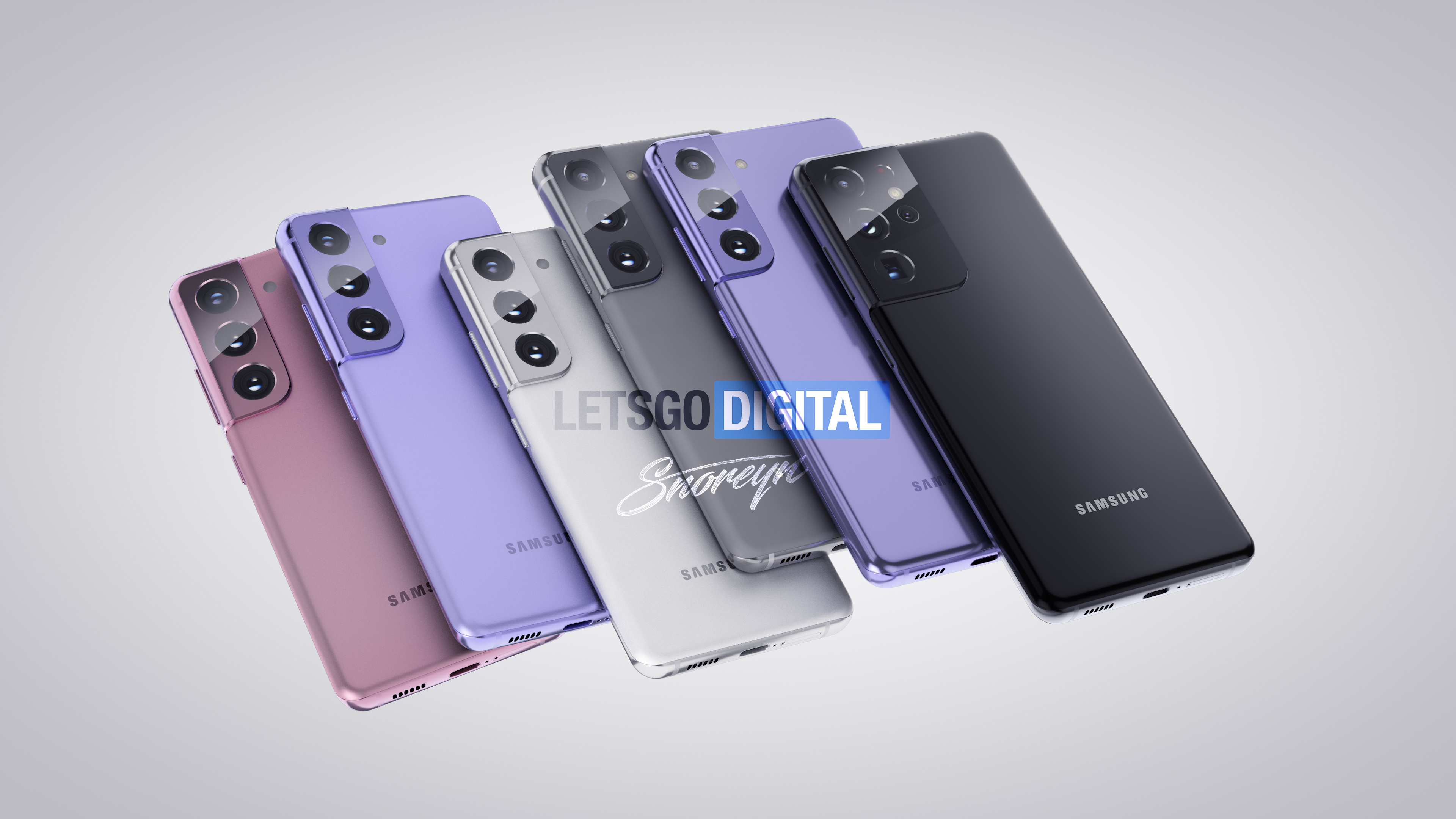
Report: Entire Galaxy S21 series will feature reinforced polycarbonate back panel

Samsung is expected to unveil the Galaxy S21 series on January 14. The world’s largest smartphone maker has even opened blind pre-orders in India. The three devices in the series have leaked extensively in the past few days revealing almost everything about them. Now, a new report sheds some more information about these handsets’ build.

Galaxy S21 Series Renders 02

According to a South Korean YouTube channel called Super Roader (via LetsGoDigital), the entire Galaxy S21 lineup will come equipped with a reinforced polycarbonate back panel just like the Galaxy Note20 and Galaxy S20 FE.

Anyway, this is not the first time we are hearing about Samsung using a plastic back for the Galaxy S21 series. But the previous reports suggested that only the regular Galaxy S21 and Galaxy 21+ will feature this material. On the other hand, the new piece of information says that even the ultra-premium Galaxy S21 Ultra will come with a plastic rear panel.

The YouTuber(Johyun Lee) who shared this detail is an ex-Samsung employee and he has previously revealed some accurate details about unreleased products. Hence, if his new tip happens to be true, then Samsung will be ditching the glass back design for the Galaxy S series after six years since it was introduced in the Galaxy S6 series.

What are your thoughts on Samsung giving up on glass build for its flagship smartphones? Do let us know in the comment section below.


Xiaomi to double its R&D staff in Japan as Huawei struggles

Xiaomi plans on doubling its number of engineers at its research and development center in Japan. The company seeks to expand its presence in the region as its rival Huawei struggles due to pressures from US sanctions.

Xiaomi

The Chinese tech giant made the announcement earlier this week, marking a year after the company made an entry into the Japanese market. Furthermore, Xiaomi even plans to relocate to new offices in Japan to double its overall employee count in the region. At the moment, Xiaomi is the world’s fourth largest smartphone manufacturer, but it aims to surpass Apple and Huawei in terms of global output next year, as per a NikkeiAsia report.

Thus, the company is focusing on the Japanese market, which it believes has a potential for growth. It even plans to roll out more than 15 consumer electronic appliances and other gadgets in the country as well, which can be paired with smartphones in the arriving year. At the moment, Xiaomi has not disclosed the exact number of engineers that it employees. Notably, the Chinese competitor Huawei arrived in the Japanese market before Xiaomi, although, it is currently on uneven grounds as it struggles after the impacts of the US sanctions that have disrupted its supply chain.

Xiaomi

Back in 2019, Huawei only held a 5 percent market share in Japan, which leaves a lot of space for other Chinese tech giants to capitalize on. Since it has arrived in Japan, Xiaomi has offered products like budget friendly handsets, rice cookers, and even air purifiers. It even launched its first 5G enabled handset in September 2020. As the company is expanding its production capacity, we can expect it to rival if not beat Huawei, which is in dire straits.


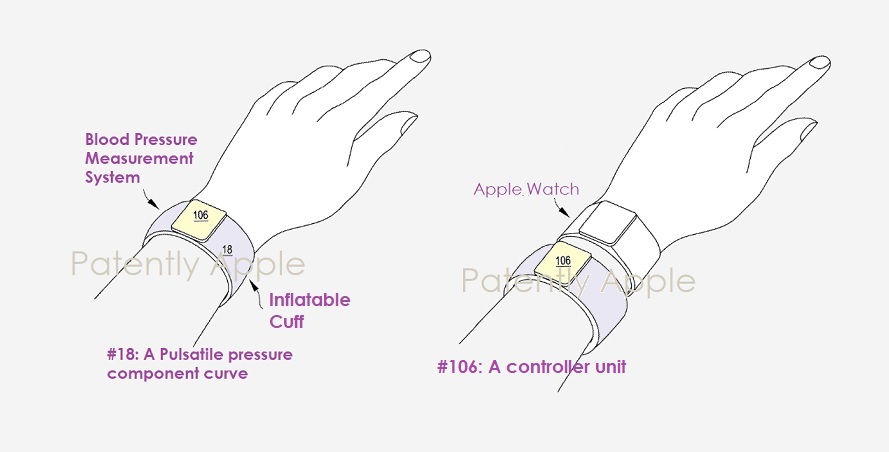
Apple patent application reveals a new wearable blood pressure device

Apple has been actively improving health and fitness-related features for its devices, especially the wearable ones. In line with that, the tech giant has been granted a new patent related to a major blood pressure monitoring system.

Now, a new patent application from Apple, published by the US Patent & Trademark Office reveals a major shift in the company’s blood pressure system. It includes an all-new wearable device, which is separate from Apple Watch.

Apple Blood Pressure Device

It seems that instead of a watch interface, the cuff comes with a control unit and the company confirms that the control unit can offer a user interface, including Watch-related functionalities. The product is aimed at estimating the blood pressure value of a patient.

The method covered in this patent includes receiving feature vector data corresponding to a pressure variation of the blood pressure cuff. The data is derived from one or more physiological signals of the patient measured over the pressure variation of the blood pressure cuff.

EDITOR’S PICK: United State’s FCC to take action against Huawei and China Telecom over Security concerns

A first blood pressure value is estimated using the first algorithm with feature vector data as input data. It is then configured to be an estimate of one of the systolic blood pressure of the patient, the diastolic blood pressure of the patient, and the mean arterial blood pressure of the patient.

It is noted that the algorithm is configured to estimate the first blood pressure value of the patient to account for differences between changes in the shape, and/or timing of the one or more physiological signals of the patient measured over the pressure variation of the blood pressure cuff.


Huawei ban will have 5G cost “a lot more”: Brazil Vice President

The Brazilian Vice President, Hamilton Mourão, has spoken in support for Huawei, sparking a controversy. The official stated that the cost of 5G networking in the region will significantly rise if the Chinese tech giant is banned from providing its telecom equipment for the newer and faster bandwidth.

huawei

Earlier this week, the Vice President attended an industry event held by the São Paulo Trade Association where he revealed an estimate provided by the Brazilian telecommunications agency Anatel, which reported that gear from Huawei represents about 40 percent of the 3G and 4G infrastructure in the country. So, Mourão issued a warning that outright banning the company will have various additional costs, as per a ZDNet report.

Mourão stated that, “If Huawei can’t supply the [5G] equipment, the cost will be a lot higher.” He further added that an infrastructure review will incur additional costs that would have to relayed to the consumers as well. The Vice President even went on to talk about the Brazil 5G auction that was set to take place in March 2020, but has since been postponed to 2021. Mourão noted that any company that “demonstrate respect to [Brazil’s] sovereignty, privacy and cost efficiency” will be able to carry out operations in the nation.

Huawei Logo MWC 2019

However, increasing pressures from the US and the Trump administration to ban the Chinese tech giant last year, after the US President met the Brazil President Jair Bolsonaro. The Vice President believes that Brazil “can’t miss out on the 5G opportunity” and that the government should not interfere with Chinese company’s activities as long as the firm creates local jobs and complies with the local laws.