Advertisement

Chip Battle: Snapdragon 888 versus Kirin 9000

The Snapdragon 888 launched earlier this week at the Qualcomm Digital Summit 2020. The 5nm processor will power next year’s flagship phones from several manufacturers, a large percentage of which are Chinese. The new Snapdragon 888 joins the HiSilicon Kirin 9000 and Samsung Exynos 1080, the other two 5nm chips that have been announced for Android devices.
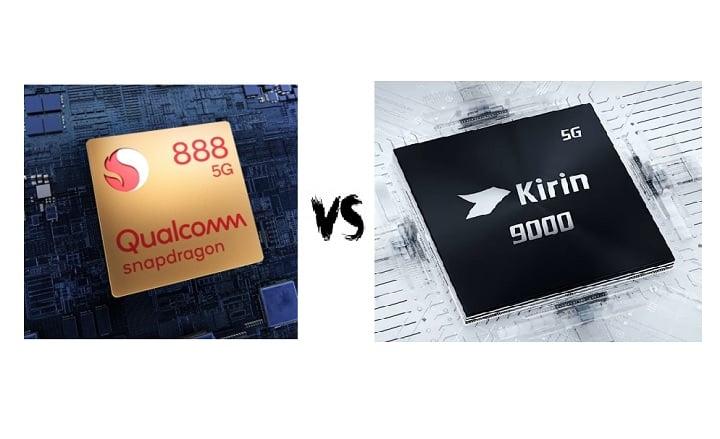
Snapdragon 888 vs Kirin 9000 We know our readers are curious as to which of these three chipsets is the best but at the moment, only the Kirin 9000 is found in a commercially-available phone, so the only way to compare these chipsets will be on “paper”. For this article, we will be comparing the Snapdragon 888 against Huawei’s most powerful chipset, the Kirin 9000.

The table below shows the major specs of the two processors:

ProcessorSnapdragon 888Kirin 9000
Node5nm5nm
CPU1 x 2.84GHz (Cortex-X1)
3 x 2.4GHz (Cortex-A78)
4 x 1.8GHz (Cortex-A55)
1 x 3.13GHz (Cortex-A77)
3 x 2.54GHz (Cortex-A77)
4 x 2.04GHz (Cortex-A55)
GPUAdreno 660Mali-G78 (24-core)
ISPSpectra™ 580ISP 6.0
AI Engine/NPUHexagon 780Dual Big Core + Tiny Core NPUs
ModemSnapdragon X60 5GBalong 5000 5G
ConnectivityWi-Fi 6E, Wi-Fi 6Wi-Fi 6+

CPU

The CPU configuration is the first major difference between the Snapdragon 888 and the Kirin 9000. Both processors are octa-core chipsets with the same 1+3+4 CPU core arrangement, however, save for the four Cortex-A55 efficiency cores, the rest are different.

The Kirin 9000 may be Huawei’s most powerful chipset but its prime core and three other performance cores are last-gen Cortex-A77 cores. When compared to the prime core of the Snapdragon 888 which is the Cortex-X1, and its performance cores which are Cortex-A78 cores, the Kirin 9000 has some catching up to do even though all of its cores are clocked higher.

According to Arm, the Cortex-A78 offers a 20% improvement in performance over Cortex-A77 while the Cortex-X1 offers a 30% improvement in performance over the Cortex-A77.

When it comes to performance tasks, the Snapdragon 888 should take the lead. However, for tasks relegated to the efficiency cores (Cortex-A55), the Kirin 9000 should be faster due to the cores’ higher clock speed.

Overall performance should show the Snapdragon 888 taking the lead.

GPU

Qualcomm may have won the CPU category but the Kirin 9000 is the winner when it comes to the GPU. The Adreno 660 is said to bring a 35% increase in performance over the previous generation but Huawei claims its Mali-G78 GPU boasts a 52% increase in performance over Qualcomm’s last-generation GPU which is present inside the Snapdragon 865 Plus.

Benchmark results indeed show that the GPU inside the Kirin 9000 is no joke. It scores 6261 points on the GPU benchmark app, 3D Mark, leaving the Adreno 650 GPU of the Snapdragon 865 Plus with a score of 4286 points in the dust. We expect the Adreno 660 to do significantly better but we doubt it will be able to outscore the Mali-G78.

AI

The Snapdragon 888 comes with the new Hexagon 780 AI Engine that boasts up to 26 TOPS in performance. The Kirin 9000 also features a powerful tri-core NPU (Dual Big Core + Tiny Core) and currently sits at the top of the AI benchmark table. Qualcomm’s processor is yet to get benchmarked but the semiconductor company promises big gains. It remains to be seen if it can challenge the Kirin 9000.

Conclusion

The Kirin 9000 and Snapdragon 888 definitely bring huge improvements to the mobile chipset space, especially in the Android ecosystem. However, they have their individual strengths, the sum of which determines which of them is the more powerful one.

The Snapdragon 888 wins in terms of CPU performance while the Kirin 9000 seems to be the one with the better GPU and AI capabilities. However, there are other factors to consider such as power efficiency where the Kirin 9000 already does excellently well as shown in our review video. So until there is an in-depth device-to-device comparison, we can’t say which chipset is the clear winner.


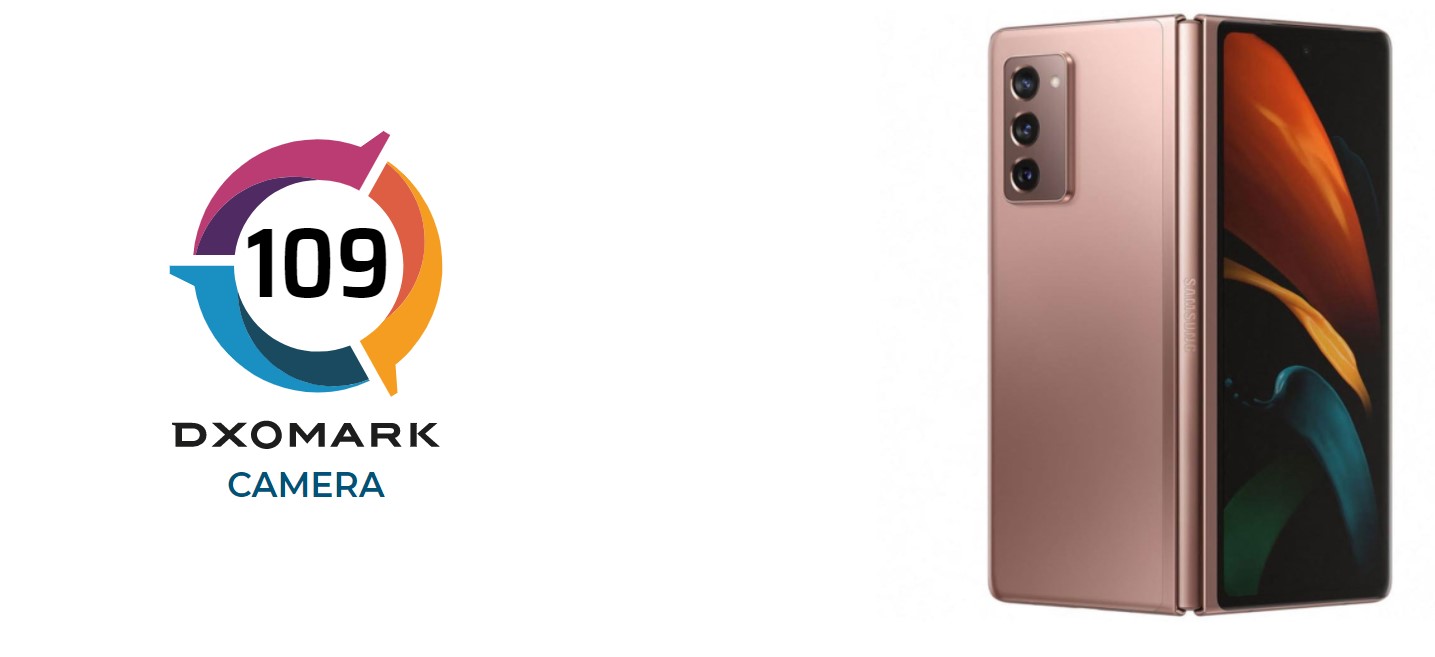
Samsung Galaxy Z Fold2 scores 109 points in DXOMARK camera test

Samsung Galaxy Z Fold2 has undergone the DXOMARK‘s stringent rear camera test. And it scores just about the OnePlus Nord but doesn’t even cut Xiaomi’s 2019 flagship and mid-range Pixel 4a in rankings.

According to the DXOMARK report, the Samsung Galaxy Z Fold2 gets an overall score of 109. It’s worth noting that the device’s triple-camera sits below the 2019 flagship Xiaomi Mi 9‘s 110 points and even the Google Pixel 4a which recently got rated for 111 points with just a single camera. Precisely, the Z Fold2 scores 108 points in the Photo, 102 in video, and 63 in zoom categories.

Also, Galaxy Z Fold2‘s score is just a point above the 108 score of the recently reviewed OnePlus Nord. It is understandable that comparing a foldable flagship to a mid-range device would be annoying. But looking at scores and the rankings of DXOMARK, it is duly noted. Anyway, the report says that the device often lacks details in images from the main lens. Additionally, it suffers from noise and auto-focus issues in low-light and indoor situations.

This is surprising considering it has an f/1.8 wider aperture in a 12MP main camera which is a 1.8µm sensor. Essentially, the wider the aperture in a lens, the more light it can gather to produce great quality images. But that doesn’t seem to the case here. Besides, talking about the cameras, the device has a triple-camera setup and all of them are 12MP sensors. You can take a look at the specs below:

  • Primary: 12MP 1.8µm sensor, f/1.8-aperture, OIS, PDAF(Phase Detection Auto-Focus)
  • Ultra-wide: 12 MP 1.12µm sensor, f/2.2-aperture.
  • Telephoto: 12 MP 1.0µm pixel, f/2.4-aperture.
  • LED flashlight.
  • Features: 4K video @ 60fps.

Coming back, the device also has few other Artifact issues(visible effects of image that doesn’t exist in real life) like color fringing, hue shift, etc. That said, the device’s rear cameras do have some positives like good exposure, vivid & punchy color images, ultra-wide lens’ FOV, white balance, and stabilization in static videos.

Even though the device’s talking point is that folding display, one would expect at least a decent performance over mid-rangers. Samsung needs to address certain areas in future updates like the Artifacts, Autofocus, improper texture(photo&video) in the coming updates.

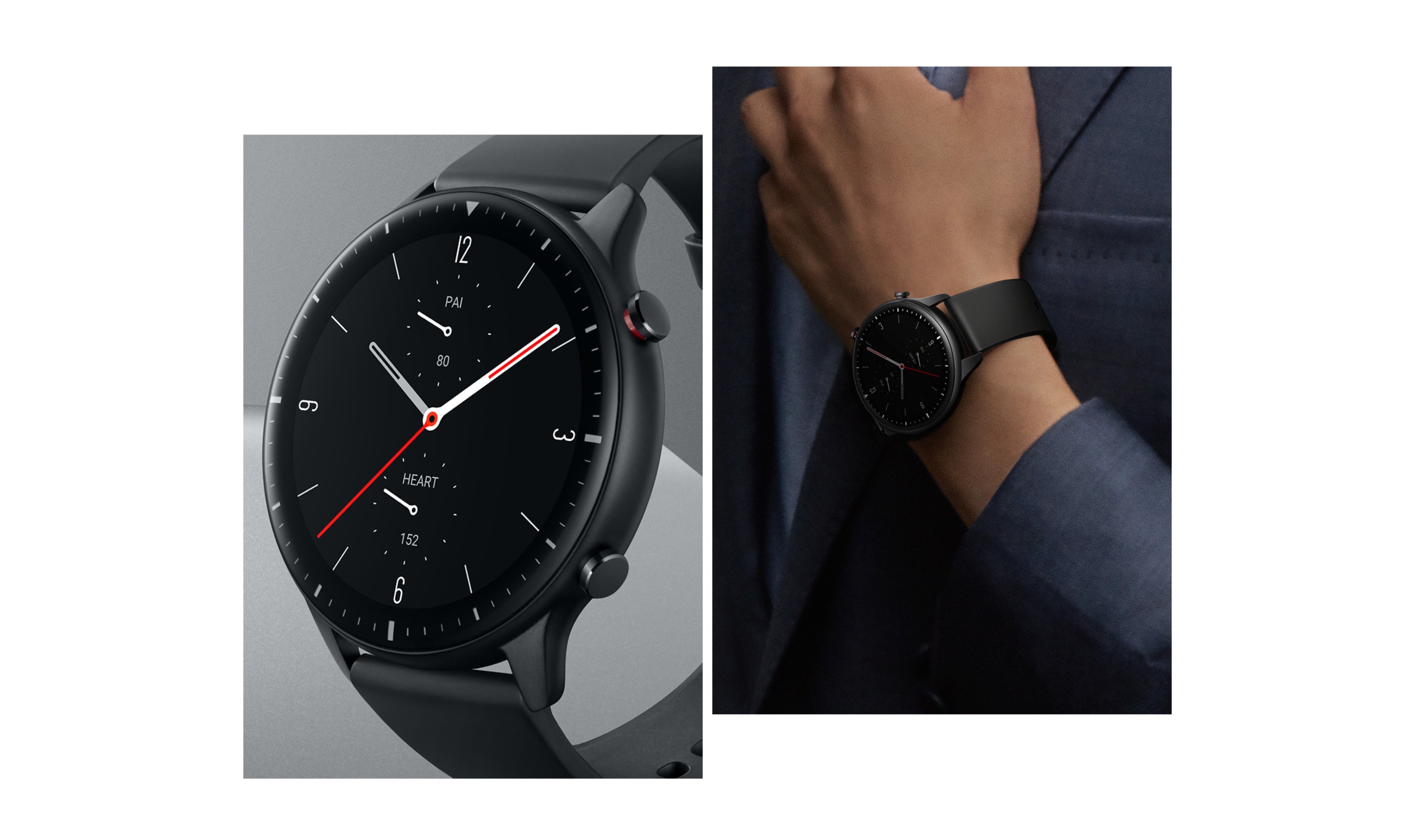
Amazfit GTR 2 India launch date is December 17

Huami launched Amazfit GTR 2 alongside Amafit GTS 2 in late September in its home country China. More than a month later, the duo made their debut in global markets at the end of October. Now, the company has revealed to launch the first model in the series in India on December 17.

Amazfit GTR 2 Featured

In a press release, Huami confirmed that it will be bringing the entire Amazfit GT 2 series to India. For those unaware, the series consists of three models namely Amazfit GTR 2, Amazfit GTS 2, and the recently unveiled Amazfit GTS 2 Mini.

For now, the firm has confirmed to launch the first wearable in the series – Amazfit GTR 2 in India on December 17. This is the only model in the series to feature a circular display and it is denoted by the ‘R’ in its name, which stands for ‘Round’.

Like any other Huami wearable product, the Amazfit GTR 2 is a fitness tracker disguised as a smartwatch. It is the successor to the original Amazfit GTR launched in 2019. Since the company debuted its predecessor in India, it was obvious that the brand would bring its successor to the country.

Having said that, we expect the company to debut the global variant in India with Amazon Alexa and 3GB internal storage, instead of the Chinese variant that comes with Xiaomi XiaoAI voice assistant and 4GB internal storage.


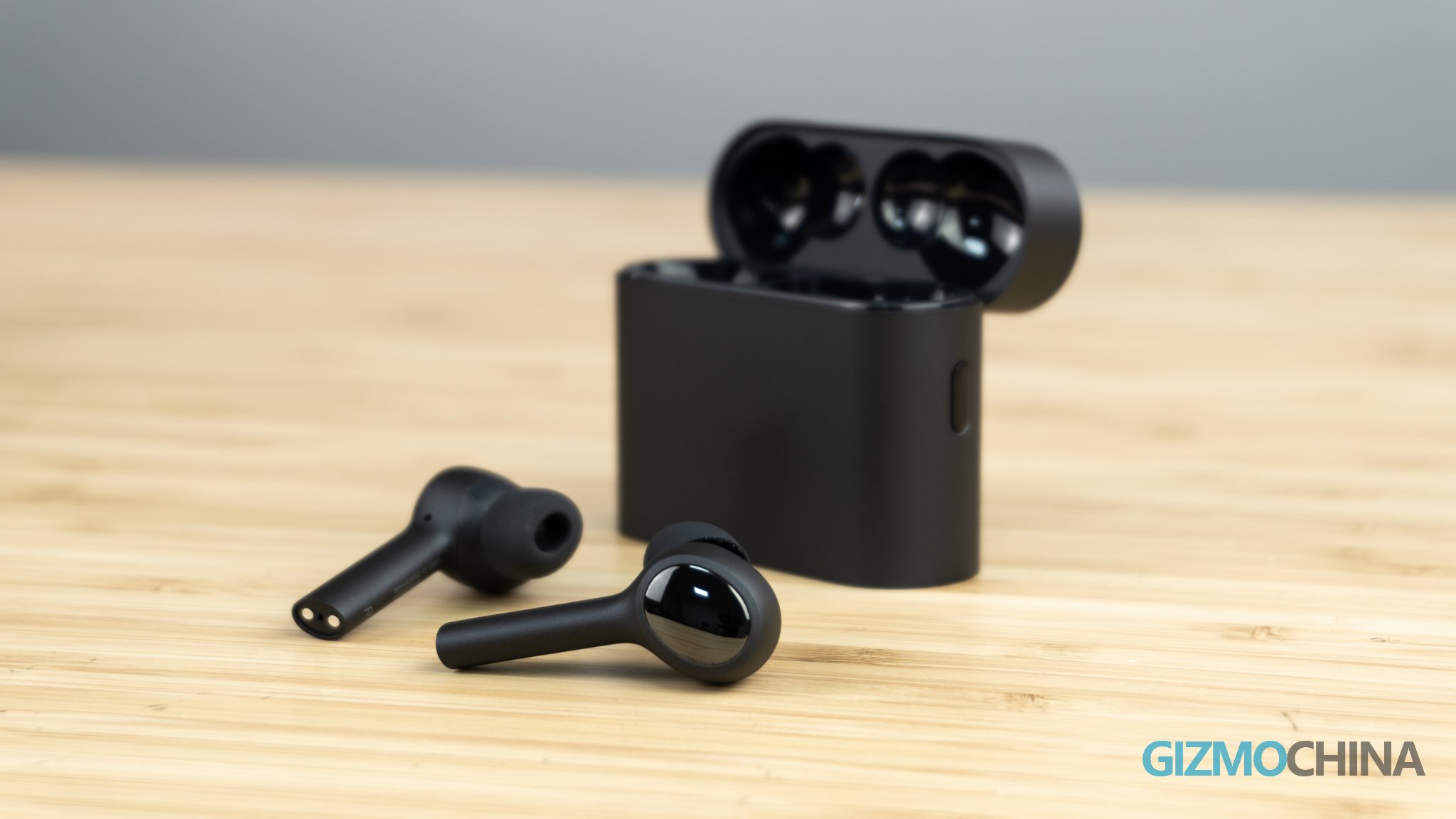
New Firmware update fixes sound quality, noise reduction issues of Xiaomi Air 2 Pro TWS

Xiaomi launched the Xiaomi Air 2 Pro in China on October 13. The Truly Wireless Earbuds have improved design, audio quality, and battery life over the Xiaomi Air 2. However, in our review, we found that the earbuds have certain issues like average ANC effect, interference of wind noise, hassles in mode switching, etc. It looks like the company has overheard the users’ request as the latest firmware update aims to solve some issues.

Xiaomi Mi Air 2 Pro ANC earbuds 05

First, to get things out of the way, we found certain problems during our review of the Xiaomi Air 2 Pro. You can take a look at them below:

  • Mediocre ANC(compared to Freebuds Pro)
  • Interference of wind noise
  • Not so good Higher frequency sound quality
  • Hassle in switching between ANC & transparency mode
  • Absence of lower-latency mode(better than 0.6s), LHDC audio codec support(in 3.0.12 firmware).

Now, as reported by ITHome, users in China have received a firmware update for the Xiaomi Air 2 Pro wireless earbuds. Accordingly, the new update focuses more on sound effects, noise, and disconnection of one earbud. Precisely, you can take a look at the changelog below:

  • Optimize Sound effects: Volume and Bottom Noise.
  • Solve Noise reduction when switching and playing.
  • Solve the problem where one earbud cannot be used.

That said, the update looks to improve the noise reduction and audio issues of the earbuds. As per the report, it optimizes the quality at higher frequencies(volumes) whilst maintaining less noise levels at low(bottom) volume. Additionally, it fixes the noise reduction problem when switching between modes(ANC & Transparency), disconnection issues.

If you ask me, from the report, it looks like the noise cancellation, and sound quality are addressed more. However, we don’t have any info regarding the LHDC audio codec support and improvement of lower latency modes. If you are someone in China, and own a Xiaomi Air 2 Pro, do let us know if the update improves the experience any better.

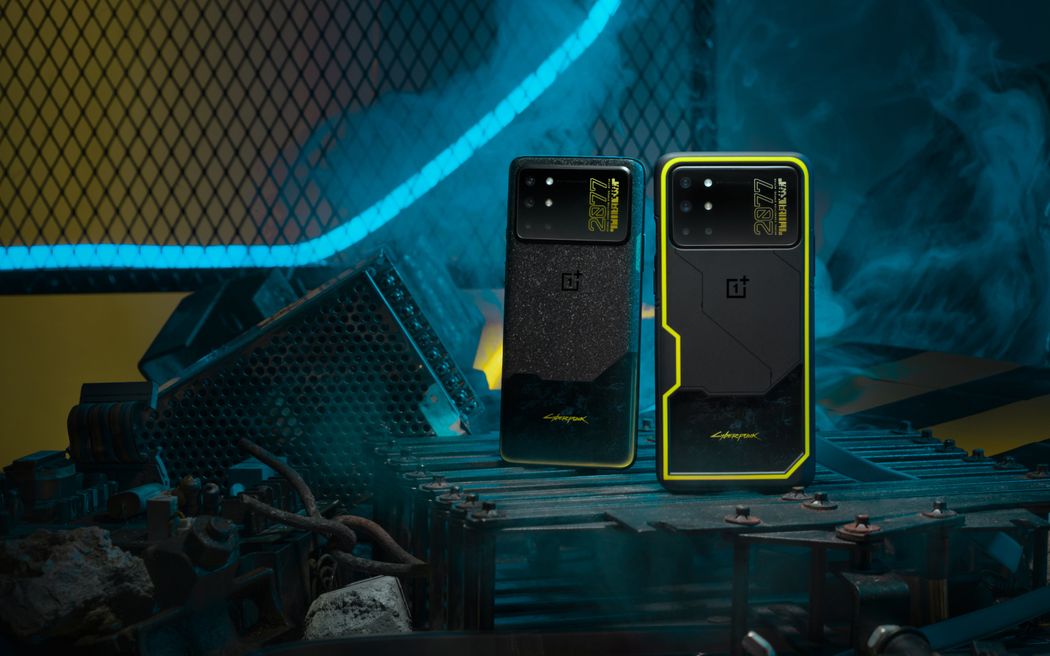
Malaysians can get the OnePlus 8T Cyberpunk 2077 for only RM49 ($12)

OnePlus unveiled the OnePlus 8T Cyberpunk 2077 Limited Edition in early November exclusively for China. This version of the company’s latest flagship smartphone features a unique design inspired by one of the most anticipated video games of all time. Now, the brand has announced to bring this handset to Malaysia but with a big twist.

OnePlus 8T CyberPunk 2077 Limited Edition 02

According to a Facebook post by Oneplus Malaysia (via Lowyat), the company will be selling 1,000 units of  ‘OnePlus 12.12 Cyberpunk Mystery Box’ on Lazada on December 12 at 12 AM (local time). These boxes will be limited to one per customer and will only cost RM49 ($12).

Out of these 1000 boxes, 10 of them will include the OnePlus 8T Cyberpunk 2077 Limited Edition smartphone. To mix up the chances of getting gifts, Onplus will also be placing 10 units of the following four products in one of these boxes.

  • OnePlus Buds White
  • OnePlus Warp Charge 65 Power Adapter
  • OnePlus Warp Type-C to Type-C Cable (150cm)
  • OnePlus Type-C Bullet Earphones

OnePlus 12.12 Cyberpunk Mystery Box Lazada Malaysia

Therefore, customers who buy the OnePlus 12.12 Cyberpunk Mystery Box, will have a 1% chance of obtaining any of the above products, including the said smartphone.

But thankfully, all of these boxes will come with an RM50 ($12) OnePlus Lazada Store gift voucher. Hence, customers won’t be losing any money if and only if they have plans to buy any other OnePlus product before February 24, 2021, at 11:59 PM when this voucher will expire.


realme X50 Pro gets realme UI 2.0 (Android 11) stable update

The world’s fastest-growing smartphone brand realme launched realme X50 Pro earlier this year as its as well as India’s first 5G smartphones. It is the brand’s flagship handset for the year 2020. And therefore, it was the first to realme UI 2.0 (Android 11) beta builds in September. Now, months later, the company has finally started rolling out the stable update.

realme X50 Pro realme UI 2.0 Stable Update

Smartphones from realme used to run ColorOS but that changed with the release of realme UI alongside ColorOS 7. The brand’s own Android skin is nothing but a slightly modified version of ColorOS. In other words, it is similar to HONOR’s Magic UI and HUAWEI’s EMUI.

Hence, the latest realme UI 2.0 based on Android 11 has the same features as OPPO ColorOS 11 with some minor changes here and there. So far, realme has rolled out beta builds to three of its devices namely realme X50 Pro, realme 7 Pro, and realme narzo 20.

Being a flagship smartphone, the realme X50 Pro has become the first to get the realme UI 2.0 stable update with build number RMX2076PU_11.C.16. According to the official announcement post on realme Community, the update is currently being rolled out in batches. 

Therefore, it may take time to reach every unit. Nevertheless, the brand has confirmed to provide a manual update download link soon. Hence, if the OTA does not reach your phone for some unknown reason, you can install the update manually.

Similarly, users who have updated to realme UI 2.0 (Android 11) can also downgrade to older realme UI based on Android 10 if they want to by downloading and installing the ROM file from realme’s ‘Software Update’ page.


Huawei showcases Kirin 9000’s AI Video Super Resolution technology, turns old blurry videos into FHD

Huawei has just demonstrated its new video technology. The AI powered super resolution system on the Kirin 9000 processor is capable of turning old videos of 540p resolution into FHD 1080p content in real time.

Huawei

Earlier today (4th December 2020), the Chinese tech giant took to Weibo, a Chinese microblogging website, to demonstrate the technology at work. In the online post, we can observe the Kirin 9000’s AI powered super sampling technology turning ow quality videoes into high definition content. An example of this was sharing certain images of a lizard, where the lower resolution 540p content carrying a lot more noise in the shot, while the super sampled 1080p version offers us brighter colors with much more details being retained as well.

This was further backed by images of a screen that was displaying various numbers and of a female subject. The former showcased that the numbers on the enhanced image are a lot more clearer, which makes it easier to read, while the latter showcases details being visible in the seams of the dress and accessories being worn by the subject. This technology also works on quality as low as 360p and even 270p as well. Another interesting aspect regarding this technology is that it can also detect faces and offers partial optimizations.


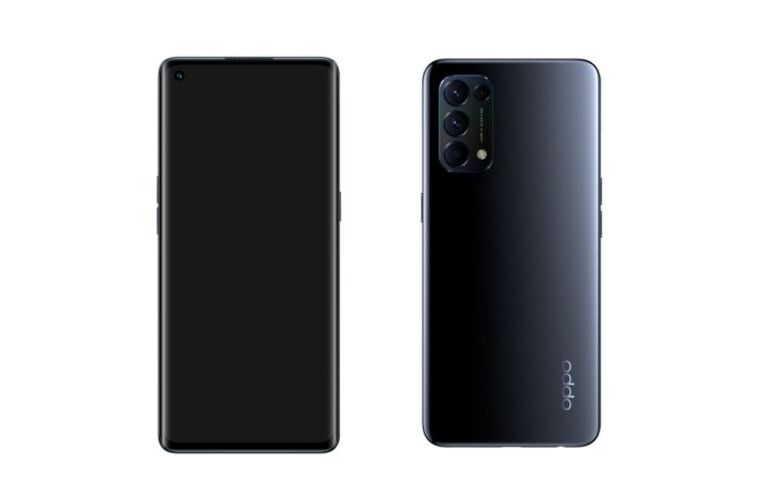
OPPO Reno5 and Reno5 Pro 5G pricing, full specifications emerge ahead of launch

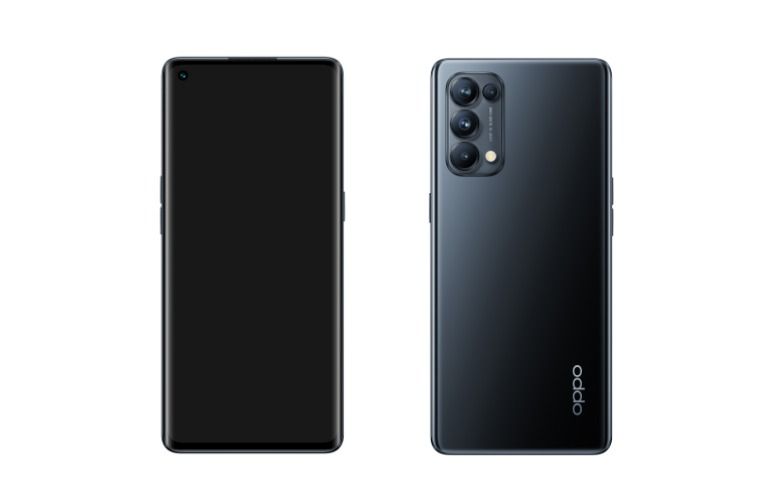
OPPO is all set to launch the Reno5 series of smartphones on Dec. 10. Past reports have revealed that the series includes three phones such as Reno 5 (PEGM00/PEGT00), Reno5 Pro 5G (PDSM00/PDST00), and Reno5 Pro+ 5G (PDRM00/PDRT00). Recently, the Reno5 5G and Reno5 Pro 5G had appeared at Chinese retailer platforms for reservations. Today, both phones have emerged with full specifications and pricing in the product library of China Telecom.

OPPO Reno5 5G and Reno5 Pro 5G specifications

The Reno5 5G has 159.1 x 73.4 x 7.9mm dimensions and it houses a 6.43-inch FHD+ AMOLED display. On the other side, the Reno5 Pro 5G has 159.7 x 73.2 x 7.6mm dimensions and it has a 6.5-inch FHD+ AMOLED screen. The Reno5 duo has punch-hole displays with a punch-hole design. The images revealed both handsets have a display with curved edges. However, the official renders of the Reno5 5G had revealed it has a flat display.

OPPO Reno5 5G
OPPO Reno5 5G

The backside of both phones has an identical quad-camera setup that comprises of a 64-megapixel primary camera, an 8-megapixel ultrawide lens, and a pair of 2-megapixel auxiliary sensors. Both smartphones have 32-megapixel front-facing cameras. These phones are preloaded with Android 11 OS.

Reno5 Pro China Telecom
OPPO Reno5 Pro 5G

The listings confirm previous leaks that revealed that the OPPO Reno5 5G has a Snapdragon 765G chipset and the Reno5 Pro 5G has the Dimensity 1000+ SoC. Both handsets have 4,300mAh batteries that support 65W fast charging. The Reno5 and Reno5 Pro weigh 180 grams and 175 grams, respectively.

OPPO Reno 5 5G and Reno5 Pro 5G pricing (Unconfirmed)

The Reno5 5G and Reno5 Pro 5G are both listed in two variants such as 8 GB RAM + 128 GB storage and 12 GB RAM + 256 GB storage. The Reno5 5G variants are priced at 3,299 Yuan and 3,699 Yuan, respectively, whereas the Reno5 Pro 5G models cost 3,899 Yuan and 4,299 Yuan, respectively. Both phones will be available in color variants such as Starry Dream, Aurora Blue, and Moonlight Night.


Moto G9 Power is set to launch in India on December 8

Earlier last month, Motorola officially unveiled Moto G9 Power with a large capacity battery. This smartphone was initially made available in select western countries. Now, almost a month later, the company has confirmed to launch it in India on December 8.

Motorola Moto G9 Power Featured
Motorola Moto G9 Power

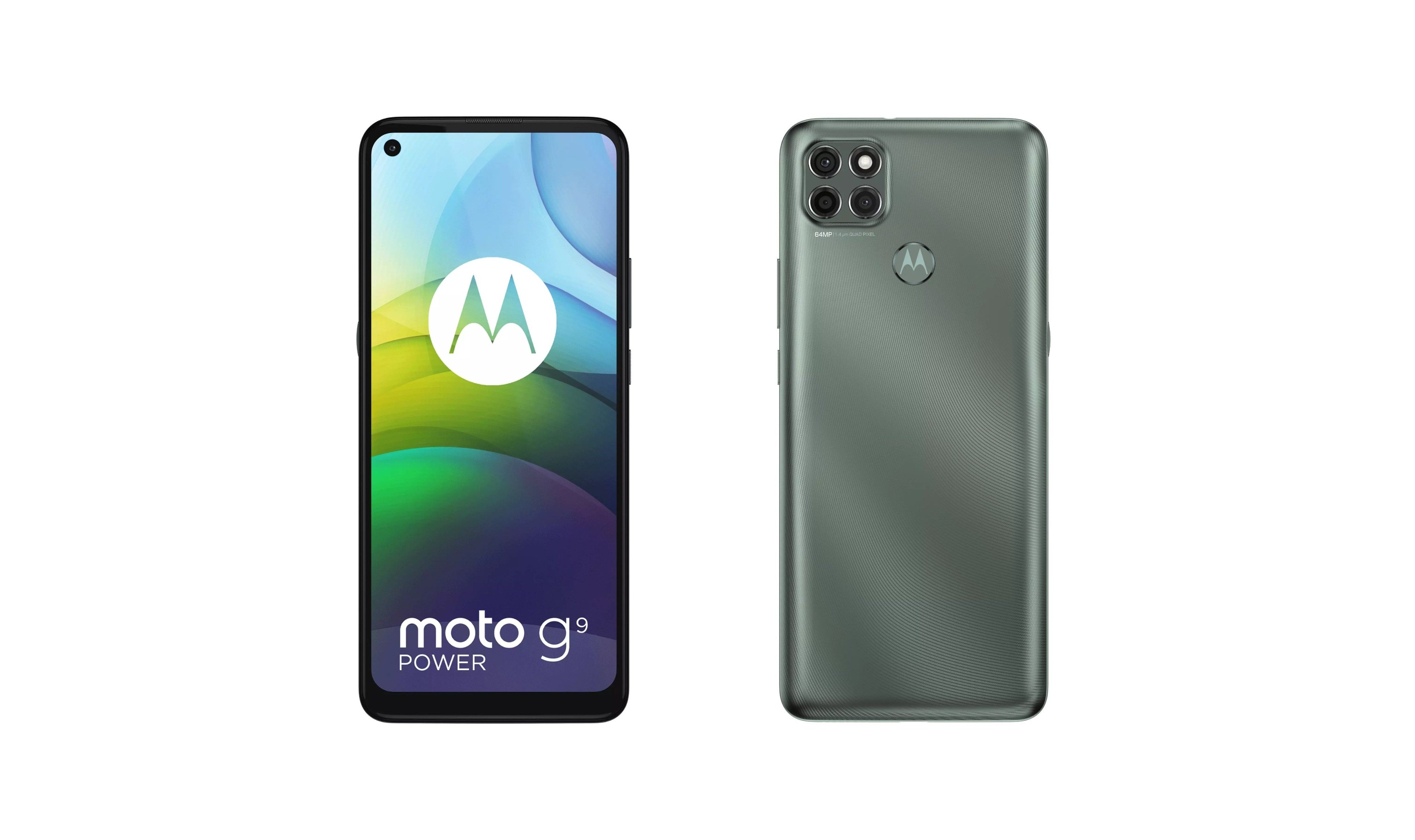
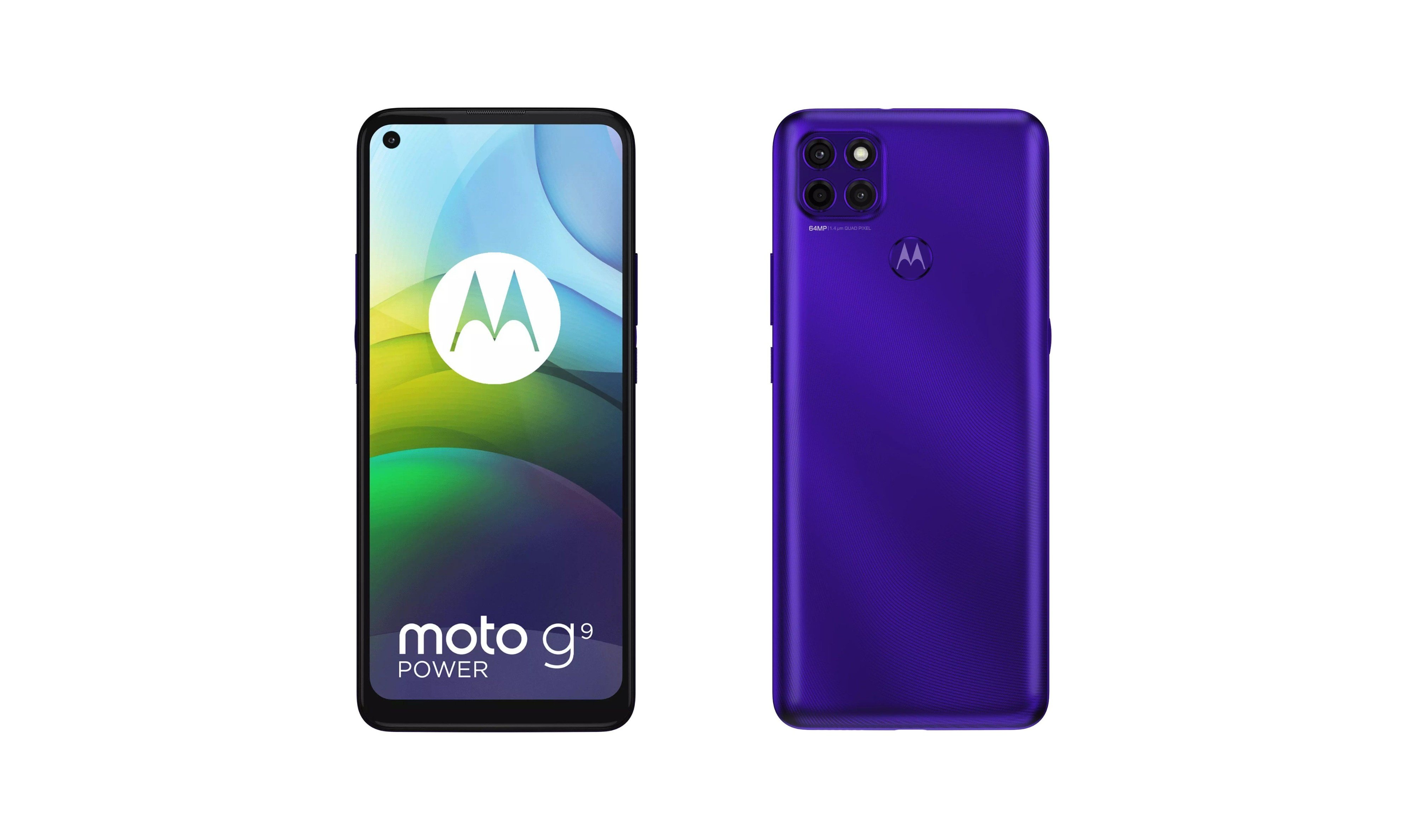
The Moto G9 Power is just another budget smartphone with a massive 6,000mAh battery with support for TurboPower 20 fast charging (20W). Because of the huge battery, the device also sports a large 6.8-inch IPS LCD panel on the front with a punch-hole nesting a 16MP camera for selfies and video calls.

But unfortunately, this display only comes with a resolution of 720 x 1640 pixels (HD+) with 264 ppi, 20:5:9 aspect ratio, and 87.2% screen-to-body ratio. Further, it is powered by Qualcomm Snapdragon 662 chipset coupled with 4GB RAM and 64GB internal storage (India and China) along with support for microSD cards (up to 512GB). Whereas, in other regions, the same handset and comes with 128GB storage.


Moving on, the back of the phone is made of plastic and houses a 64MP (wide) + 2MP (macro) + 2MP (depth) triple camera setup paired with an LED flash in a matrix-like alignment. The rear panel of the device also includes a fingerprint sensor with the iconic ‘Motorola Batwing’ logo.

Other features of this phone include Android 10 operating system with My UX skin on top of it, dual-SIM (market dependent), dual-band WiFi, Bluetooth 5.0, GNSS (GPS, AGPS, LTEPP, SUPL, Glonass, Galileo), NFC (varies by market), 3.5mm headphone jack, dual-microphone, USB Type-C port, accelerometer, gyroscope, proximity sensor, ambient light sensor, and two colors – Purple & Green.

Last but not least, the Moto G9 Power measures 172.14 x 76.79 x 9.66mm in dimensions, weighs 221g, and it is also expected to launch as Lenovo K12 Pro in some markets as well as one of the three Lemon K12 smartphones in China.


Intel to outsource its Atom and Xeon series of processors to TSMC

A recent job description on the official Intel website has revealed some interesting information. While it wasn’t a secret that the known chipmaker wanted to outsource production to TSMC in the future, but details regarding this shift were rather vague so far. However, the new job listing has revealed that Intel will be shifting its Atom and Xeon processors over to the world’s largest contract chipmaker.

According to a TomsHardware report, the job description states that “As a member of the QAT design team, you will work as the RTL integration lead within the Custom Logic ASIC Engineering group in DCG [Data Center Group]. You will play a key role in the development and integration of QAT into Atom & Xeon based SoC on Intel and TSMC process, you will work with the IP/SoC integration team and collaborate with the SoC design, validation, and emulation teams to ensure successful integration validation of the QAT IP.”

This clearly states that the company aims on shifting the production of its Atom and Xeon based SoCs to TSMC. At the moment, Intel currently produces several specialized variants of the Atom and Xeon based processors. Earlier this year, the Atm ‘Snow Ridge’ SoC with up to 24 Tremont cores was unveiled for 5G base stations. Similarly, it also Intel Xeon D series SoCs, which were powered by Skylake-SP cores that were aimed at networking and storage applications.

Intel

Furthermore, since the Xeon platform utilizes high performance cores and is sold at premium prices, it might not seem practical for Intel to outsource it to TSMC. This is due to the fact that it needs to recoup the cost associated with its own fabs. On the other hand, Intel’s Atom processors aren’t cheap to make, but utilize low powered cores and are less complex than the Xeon processors. So, it might be safe to assume that Intel might be shifting another lineup of processors to TSMC in the future as well.


Vivo X60 hands-on photos leak online showcasing the smartphone’s design

Samsung recently unveiled its new mobile processor — Exynos 1080 and now Chinese device maker Vivo is ready to launch the world’s first phone powered by the newly launched chipset — Vivo X60 series.

However, ahead of the official launch of the Vivo X60 smartphone, the phone’s hands-on images have leaked online on Weibo, which showcased almost everything about the upcoming smartphones.

Vivo X60 Hands-on Leak

Vivo X60 Hands-on Leak

The Vivo X60 smartphone features a display with narrow bezels at the sides and there’s a punch-hole cutout in the top-center position on the screen for housing the front-facing camera sensor.

As for the cameras, the leaked image confirms that the phone features a rectangular camera module for the back panel which hosts the camera sensors as well as the LED flash. The module is placed in the top-left corner.

EDITOR’S PICK: Huawei and ZTE global telecom market share grows, thanks to 5G in their home country China

The Samsung Exynos 1080 is a 5nm processor with four Cortex-A78 CPU cores and four Cortex-A55 cores. It also packs Mali-G78 GPU and an AnTuTu benchmark result puts it ahead of the Snapdragon 865+ processor.

Recently, a report revealed that the Vivo X60 could be priced around ¥3,500 (~$528). It was also mentioned that the phone won’t compete against the Reno5 but it is pitted against the OPPO Reno5 Pro, both of which are set to launch on 10th December in China.


Tecno Pova gaming focused phone with Helio G80 and 6,000 battery launched for Rs 9,999 (~$135)

Tecno introduced its POVA gaming smartphone line by announcing the Tecno POVA smartphone in markets like Nigeria and the Philippines in the recent past. Today, the company introduced the gaming-focused mid-range phone in India with an enticing price tag of Rs 9,999 (~$135)

Tecno POVA price in India

The Tecno POVA has arrived in two editions in India such as 4GB RAM + 64GB storage and 6GB RAM + 128GB storage. They are priced at Rs 9,999 (~$135) and Rs 10,999 (~$149), respectively. The phone will go on sale in India through Flipkart starting at 12 PM on Dec. 11. It can be bought in colors like Magic Blue, Speed Purple, and Dazzle Black.


Tecno Pova
Tecno Pova

Tecno POVA specifications and features

The Tecno POVA houses a massive 6.8-inch LCD screen with a punch-hole design. It supports an HD+ resolution of 720 x 1640 pixels and a 20.5:9 aspect ratio. It comes with a rear-positioned fingerprint reader and it boots to HiOS 7.0 based Android 10 OS.

The MediaTek Helio G80 powers the smartphone with up to 6 GB of RAM. For storage, it offers up to 128 GB of internal storage and a dedicated microSD card slot. The handset comes with 18W fast charging support for its 6,000mAh battery.

POVA is fitted with a front camera of 8-megapixel. The rear camera module of the phone has a 13-megapixel primary camera, a 2-megapixel macro lens, a 2-megapixel AI lens, and a quad-LED flash unit. The phone comes with other features like a dual SIM slot, 4G VoLTE, Wi-Fi 802.11ac, Bluetooth 5.0, GPS, and a 3.5mm audio jack.


Xiaomi Mi 11 concept render surfaces online, offers clear look at the next gen flagship

With the new year being just around the corner, a new wave of 2021 flagship smartphones is expected to hit the market soon. Xiaomi is one of the relatively early launches for the year and now, a render of the device has surfaced online, which offers us a clear look at the Mi 11.

The render was first shared by known designer Ben Geskin (@BenGeskin) on Twitter. The tweet carried an image of the Xiaomi Mi 11 render and hinted at it being the first look for the 2021 flagship from the Chinese tech giant. Looking at this image, we can observe a full front display body with curved edges on every side, with a single punch hole selfie shooter on the front.

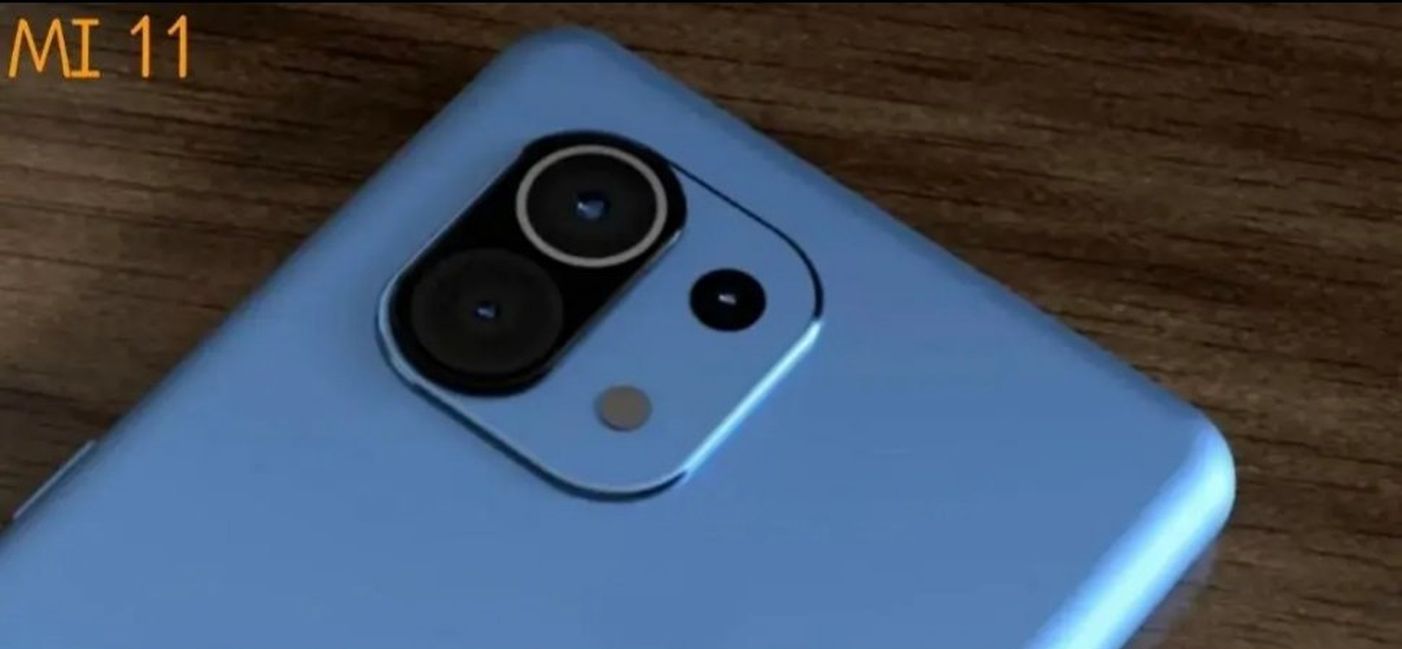
On the rear, a triple camera setup can be found, with a square arrangement with what appears to be a primary lens along with two other sensors of unknown make and function. At the moment, we do not have a lot of information to go on regarding the device, but a few educated speculations can be made. The Xiaomi flagship will likely sport Qualcomm’s latest Snapdragon 888 SoC, and would at least feature 2K resolution on its display, with support for 120Hz high refresh rate.

Xiaomi Mi 11 camera module and side design

Notably, the most striking aspect of this render is the display, which is seemingly curved on all four edges of the smartphone. Furthermore, the render is also in line with the recently leaked images of the Mi 11. This leak also revealed the camera specs of the device, which is a 108 megapixel + 13 megapixel (ultrawide) + 5 megapixel (macro) triple camera setup. Unfortunately, this is still a render and we will have to wait for an official company announcement to know for sure, so take this report with a pinch of salt and stay tuned for more updates.


Huawei 5G equipment helps Soy farmers battle crop diseases in Brazil

Goias, the Brazilian farm state, has rolled out its new pilot project earlier this week to increase the productivity of its yields. This is being achieved through effective and quick actions against diseases, which is backed by 5G technology and equipment provided by Huawei.

Huawei

The rollout for the new agricultural support system is first being tried by soy farmers in the region. Notably, this arrives during the time when the Brazilian government is considering enforcing a ban on Huawei equipment from its 2021 5G frequencies spectrum auctions for telecom operators in the country. At the moment, the 5G technology being offered to producers will help improve crops through the collection of information through a system of sensors.

These sensors will be placed on the fields, on the harvesters, and even on drones, which will offer immediate and accurate meteorological and humidity data, as per Tiago Fontes, Huawei Brasil marketing director. According to a Reuters report, the combination of fast broadband communications with real time cloud data processing will offer farmers information within one hour that would’ve otherwise taken them at least three days to gather.

Huawei

This would enable rapid action for these farmers that can quickly work to remove diseases and other potential threats to the crops. Fontes further added that “We launched this application for soy to show how 5G used with drones can raise productivity and reduce herbicide costs.” This pilot was first launched in the soy farming town of Rio Verde and utilized the 5G network built by telecom operator Claro. At the moment, it is still unsure what role the company would be allowed in the country’s 5G building, so stay tuned for more updates.


Apple patents a unique hinge design, could be for a foldable iPhone

A new Apple patent has surfaced again, which has the company detail the mechanism of a unique hinge design. It is known that the company has been working on many different ideas through these patents, with the latest one showcasing how a display can expand along with the hinge articulation points for what could possibly be a future foldable iPhone.

According to an AppleInsider report, the Cupertino based had one of its patent applications be recently published earlier this week. The patent was titled “Electronic devices having folding expandable displays.” Apple has patented certain designs for a foldable iPhone in the past, and this arrives as another proof that the company will launch a foldable handset sometime in the future.

Apple

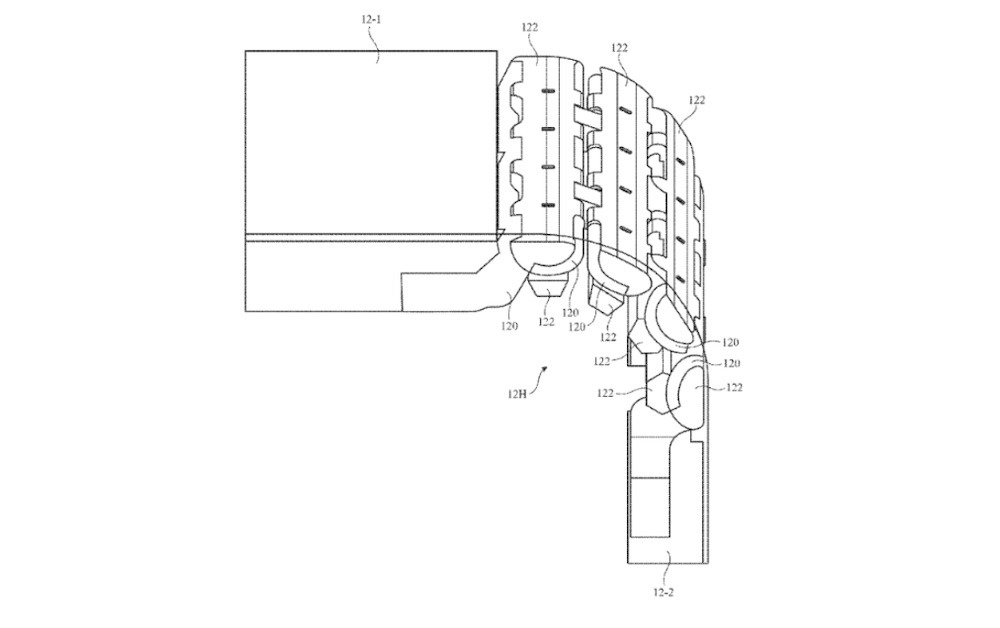
However, a notable aspect regarding the latest patent is the company’s work on the hinge structure. Looking at the patent, a multi link hinge structure can be observed, which means that the hinge isn’t comprised of one single mechanism but multiple complex structures in its entirety. The patent also states that the hinge structure could include “gear teeth, belts, and/or other movement synchronization structures” and may also feature “members that move relative to each other during bending.”

Furthermore, these moving components could also include compromise bars and links with opposing curved bearing surfaces. This would include stop surfaces as well that can “prevent excessive rotation of the bars and links with respect to each other.” The links might even be able to rotate around a pivot point that lies somewhere in the display separate from the hinge structure “living within the thickness of the display.”

Apple
A previous Apple patent with a dual hinge mechanism

In simpler terms, the patent could possibly be for a form of expandable display iPhone or even an iPhone with a slide out display. This is indicative by the “housing structures that support folding motions, sliding motions, scrolling motions, and/or other behavior,” which might be for a compact device that can offer additional screen real estate. Unfortunately, it is still too early to tell what this display technology is actually for. Apple might just include it in a product apart from the iPhone as well. So stay tuned for more updates.


Huawei and ZTE global telecom market share rises thanks to 5G in China

Chinese telecommunications equipment providers, Huawei and ZTE, have seen gains in their respective global market share in the telecom networking market. This growth is primarily driven by their home country China and its 5G network.

Huawei

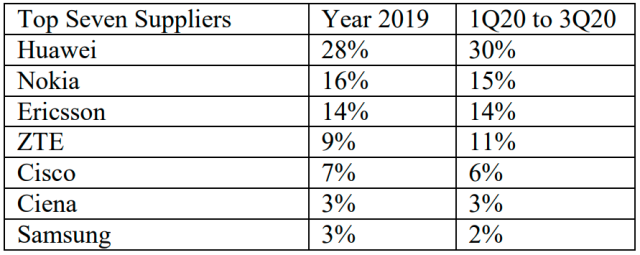
For those unaware, Huawei, Nokia, Ericsson, ZTE, Cisco, Ciena, and Samsung are the top seven telecom equipment providers in the world; and in the third quarter of this year, Huawei arrived first with a 30 percent market share, which is up from 28 percent during the same period from back in 2019. Similarly, ZTE also saw a 2 percent rise from 9 percent in Q3 2019, to 11 percent in the third quarter of this year.

The primary reason for the growth in market share is apparently due to either company working on providing 5G infrastructure in China. The country is one of the first nations to offer commercial 5G and has been putting in efforts to raise its adoption rates and coverage for the newer and faster bandwidth. However, during this same period,, the other major telecom equipment providers like Nokia, and Samsung saw a fall in market share, as per a TelecomLead report.

Huawei

Apart from the Chinese firms, most others saw a fall during Q3 2020, with Samsung’s market share falling from 3 percent to 2 percent year on year. Furthermore, Nokia, the second largest network equipment provider also had its share fall from 16 percent in 2019, to 14 percent in 2020. Both Ericsson and Ciena saw no rise and fall during this period with a steady 14 percent and 3 percent respective market share. Although, Cisco also saw a fall from 7 percent to 6 percent in the third quarter.


OPPO Reno5 series reportedly uses luminous materials; launching on December 10

OPPO is gearing up to launch its next-generation smartphone lineup and as per the reports, the company is expected to launch the OPPO Reno5 series in its home country China on 10th December. However, the company is yet to officially confirm this, even though the phones are now up for reservation on JD.com.

Now, ahead of the official launch in the coming days, some interesting details about the phones have surfaced online. As per the report, the upcoming OPPO Reno5 series smartphones use luminous materials, making it the first in the world to do so.

OPPO REno5 and Reno5 Pro
OPPO Reno5 and Reno5 Pro

EDITOR’S PICK: Here’s why Qualcomm’s flagship chipset is named Snapdragon 888 instead of Snapdragon 875
The usage of luminous materials on the smartphone will offer a significant improvement in terms of face recognition. Previous reports have revealed that the Reno5 and Reno5 Pro will be powered by the Qualcomm Snapdragon 765G and MediaTek Dimensity 1000+ chipsets, respectively. There will also be a PRo+ model powered by SD865 SoC.

The smartphones will be featuring a quad-camera setup on the back, consisting of a 64-megapixel primary sensor. On the front side, it seems that the devices will feature a 32-megapixel snapper for taking selfies and video calling.

The Reno5 series models are also confirmed to sport Reno Glow 2.0 design and will come with support for the 65W fast charging technology. We expect to know more about the devices in the coming days.


United States adds China-based chipmaker SMIC to the Entity List

The Trump administration has confirmed that two major Chinese companies — chipset maker SMIC and oil producer CNOOC have been added to the trade blacklist, alleging them to be Chinese military companies.

The Department of Defence has designated four companies for being owned or controlled by the People’s Liberation Army. The list includes Semiconductor Manufacturing International Corp (SMIC), China National Offshore Oil Corp (CNOOC), China Construction Technology Co. Ltd, and China International Engineering Consulting Corp.

SMIC Logo

With the addition of these four companies to the trade blacklist of the United States, there are now 35 countries on the list. Companies on the list are barred from procuring or using technologies or goods made in the United States.

A couple of months ago, it was reported that the Pentagon was holding discussions to determine id the SMIC should be added to the Commerce Department Entity List. SMIC is one of the biggest players in China when it comes to chip manufacturing.

EDITOR’S PICK: Semiconductor equipment sales jump by 30 percent globally in the third quarter of 2020

Semiconductor Manufacturing International Corp (SMIC) heavily relies on the United States for supplies and getting blacklisted will make it a bit difficult for the company and will also hinder China’s plan to boost its chipset manufacturing technology.

However, blocking these companies from trading with US-based firms also hurts the suppliers, in this case, the US companies, as several of the companies highlighted in their request to the government to allow them to continue doing business with Huawei after the Chinese giant was added to the Entity List in May last year.


Honor V40’s YORK codename and YOK-AN10 model number revealed

Honor was expected to announce the Honor V40 series in China in December. A recent report revealed that the launch date of the series has been postponed to January 2021. A fresh leak reveals that Honor will be announcing only one Honor V40 model.

Last year, Honor had announced the Honor V30 and Honor V30 Pro in November. Hence, the rumor mill has been speculating for a couple of months that these devices will be succeeded by the Honor V40 and Honor V40 Pro phones.

A Chinese tipster has found a record of the first Honor phone that the company will launch after it was recently reorganized as an independent brand. He revealed that the device is codenamed YORK and its model number is YOK-AN10. This device could be the Honor V40 smartphone.

Honor V30 series
Honor V30 series

The leakster added that the company had originally planned to launch more than one V40 model. However, now that the Kirin chipset edition has been axed, there will be only one version of the V40. This remaining model is powered by a Dimensity chip. A recent report had revealed that the Honor V40 series had two models, one powered by the Kirin 9000 and another one by the Dimensity 1000+ SoC version

Vague rumors have revealed in the past that the Honor V40 will have a 6.72-inch FHD+ curved display with 120Hz refresh rate support. Its rear-facing camera module may have a 40-megapixel Sony IMX700 RYYB lens as the primary shooter. It could be equipped with dual front cameras for capturing selfies. The V40 may come with support for 66W SuperCharge and 40W wireless charging. It is expected to arrive with other features like stereo speakers, 5G, Wi-Fi, USB-C, and glass build. There is no information available on the pricing of the device.


Samsung Galaxy M12 gets certified by Bluetooth SIG and Wi-Fi Alliance

Samsung is working on a new mid-range smartphone under its M-series, dubbed Samsung Galaxy M12. Ahead of the company making anything about the phone official, leaks have revealed some of the phone’s specifications.

Now, the Galaxy M12 moniker has been confirmed as the smartphone has been certified by Bluetooth SIG and Wi-Fi Alliance (via MySmartPrice). The certification has confirmed that the phone carries the model number SM-M12FG/DS.

Samsung Galaxy M12 Render

Interestingly, there’s another model of Samsung getting certified — SM-F12G/DS, which is believed to be named Samsung Galaxy F12 for some regions. However, this is just speculation at this point in time.

It has also been confirmed that both the phones will be running the latest Android 11 operating system out-of-the-box, most likely with the company’s own One UI custom user interface on top. Other than this, nothing else has been revealed by the certificate.

EDITOR’S PICK: One-Netbook OneGx1 Pro Gundam Limited Edition with detachable gaming pads unveiled

Earlier, it was leaked that the Samsung Galaxy M12 will come with a 6.5-inch display with an Infinity-V notch, which contradicts previous reports of a 6.7-inch display. The device is said to be a bit thick compared to its predecessor.

On the back, the phone will be featuring a square-shaped camera module that will be housing four sensors but the camera resolution of the sensors remain unknown. We expect to know more about the phone in the coming weeks.