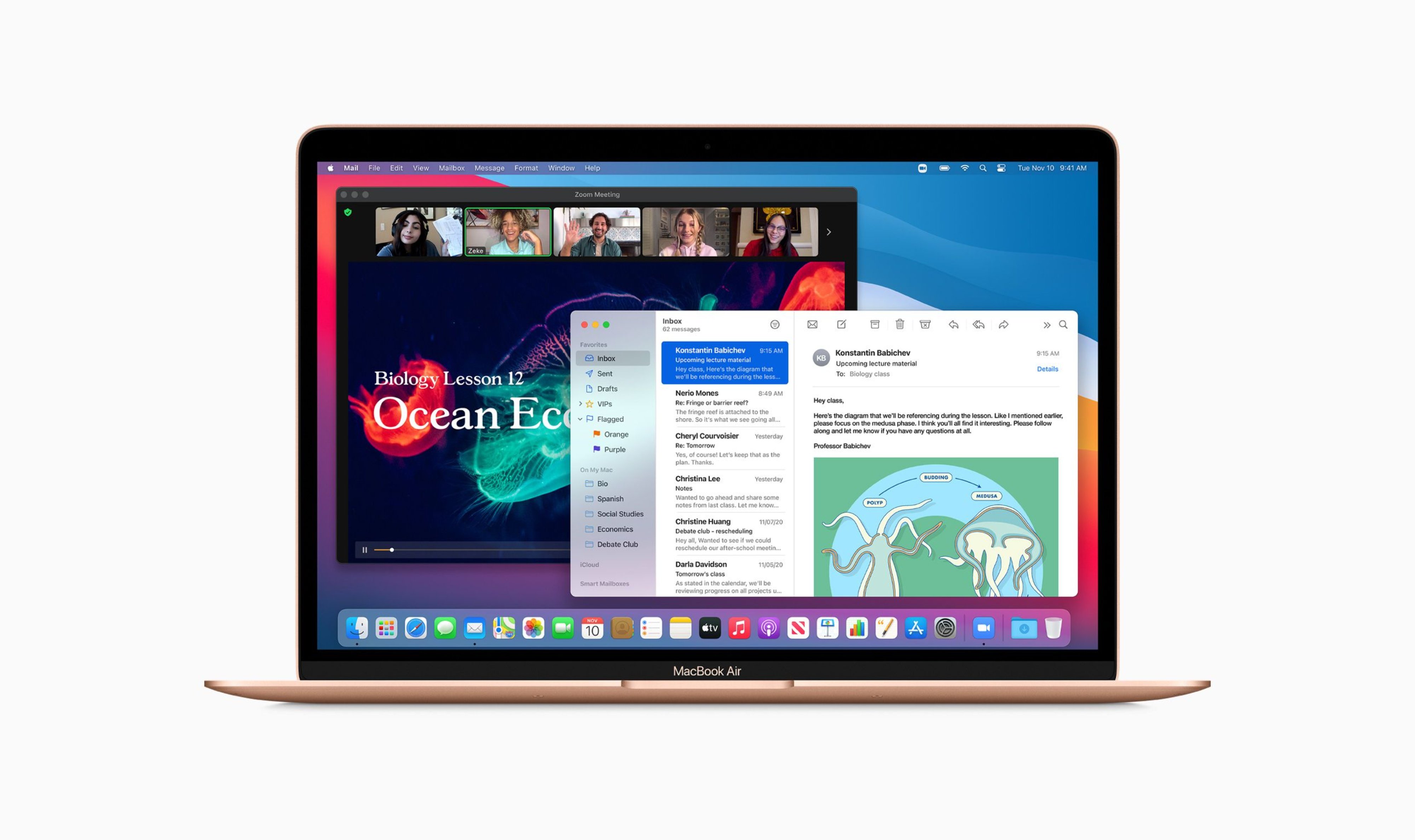
After promising Apple Silicon-powered MacBook devices, the Cupertino-based tech giant officially launched its new ARM-based M1 chipset and three new Mac devices — MacBook Air, MacBook Pro, and Mac Mini. With that, the company officially kicked-off the transition from Intel to its own ARM-based Apple Silicon.
So far, the response for the new M1-powered Mac devices is pretty good, thanks to the solid performance and improved battery life. Now, there are reports about the company’s new and more powerful chipset for Mac devices — Apple M2.
While the company has not yet confirmed this, several reports hint that the company will soon be launching new MacBook and iMac devices with a more powerful Apple Silicon processor, likely to be named M2.
Now, a new report coming from China claims that Apple will be launching the M2 chipset, manufactured using the 5nm process, and a new MacBook Pro 13-inch and MacBook Pro 16-inch powered by the same chipset, in early 2021.
It is also being reported that Apple is planning to launch two newly designed MacBook Pro models next year. In the year 2022, the company is expected to launch a refreshed MacBook Air along with MacBook Pro and MacBook, equipped with a Mini-LED display.
Interestingly, the report also claims that Apple will be launching a couple of GaN chargers in 2021. So far, nothing is known about the said chargers but if it’s true, then expect a smaller charger with the new MacBook purchases.
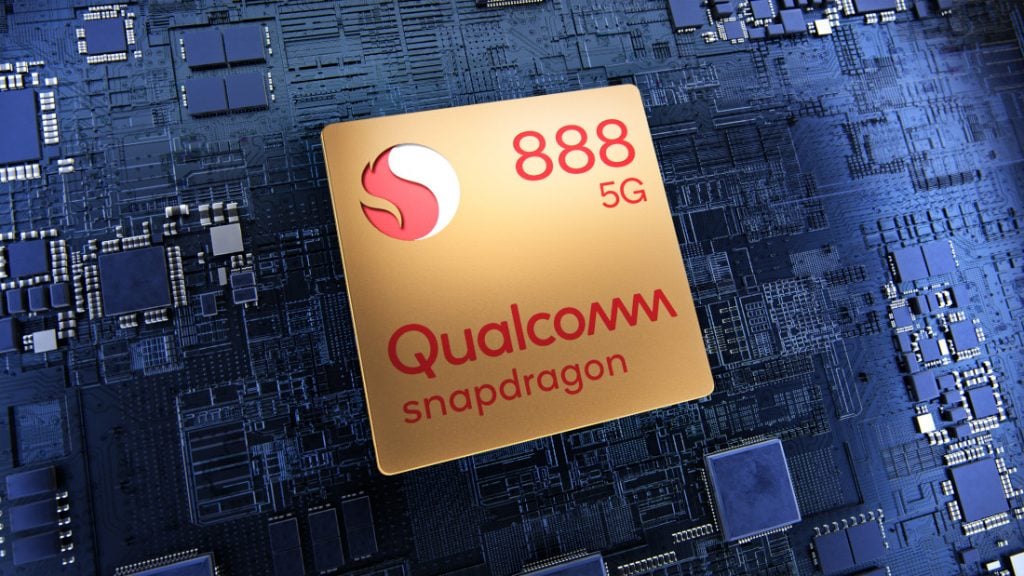
The Snapdragon 888 5G mobile platform that went official earlier is the most advanced mobile chipset from Qualcomm. The official specs page of the Snapdragon 888 is now live on Qualcomm’s website. The new SoC that is expected to power Android flagship phones in 2021 comes with several new improvements over its predecessor i.e. the Snapdragon 865 SoC.
The Snapdragon 888 is a 5nm chipset that comprises of the first-ever ARM Cortex-X1 performance CPU that works at 2.84GHz, three big Cortex-A78 that peaks at 2.4GHz, and four Cortex-A55 low power CPU that clocks at 1.8GHz. Compared to its predecessor, the SD888 promises 25 percent better performance. The Adreno 660 GPU promises 35 percent faster graphics rendering than its previous generation. It reportedly supports up to 16 GB of LPPDR5 RAM working at 3,200MHz and UFS 3.1 storage.
For AI processing, the Snapdragon 888 has the 6th generation Qualcomm Engine with the new Hexagon 780 DSP. The scalar accelerator which is now 50 percent more powerful, the tensor accelerator which is twofold fast, and the vector processing units are fused inside the Hexagon 780 DSP with 16x shared AI memory. Hence, it is dubbed as the fused AI accelerator architecture by the company. According to Qualcomm, the Hexagon 780 DSP offers a 26 TOPS AI performance, which brings 3 times performance per-watt improvement. The 2nd gen Sensing Hub comes with a dedicated low-power always-on AI processor for handling background tasks like screen awake, lift and activity detection, and audio event detection.
The Snapdragon X60 5G modem promises peak download speeds of 7.5G bps on 5G and peak upload speeds of 3 Gbps on 5G. It supports mmWave and sub-6GHz 5G networks, SA/NSA 5G networks, FDD and TDD networks. I t also supports Wi-Fi 6E, NFC, and Bluetooth 5.2. Support GPS systems include Beidou, Galileo, GLONASS, Dual-frequency GNSS, NavIC, NavIC enabled, GPS, GNSS, QZSS, and SBAS.
The Spectra 580 ISP is a triple image signal IPS which will make it possible to record video from three different simultaneously in 4K HDR quality. It supports up to 200-megapixel single camera, up to 64-megapixel dual cameras, and up to 28-megapixel triple cameras. It can shoot photos in 10-bit color depth, 120 images of 12-megapixel in one second, and record 4K videos at 120 fps. Phones featuring the SD888 chip will support a maximum resolution of 4K at 60Hz, and quad HD+ resolution at 144Hz. For gamers, the SD888 has Snapdragon Elite Gaming with Game Quick Touch feature that can reduce touch response latency and there is Variable Rate Shading (VRS) that can improve game renderings by up to 30 percent.
All the major smartphone brands like Samsung, OnePlus, Xiaomi, and others are expected to launch SD88 powered flagships in 2021. The first SD888 smartphones are expected to go official in Q1 next year.
Qualcomm recently unveiled its latest flagship chipset for smartphones, dubbed Snapdragon 888. This next-generation mobile platform will be powering most of the upcoming premium smartphones.
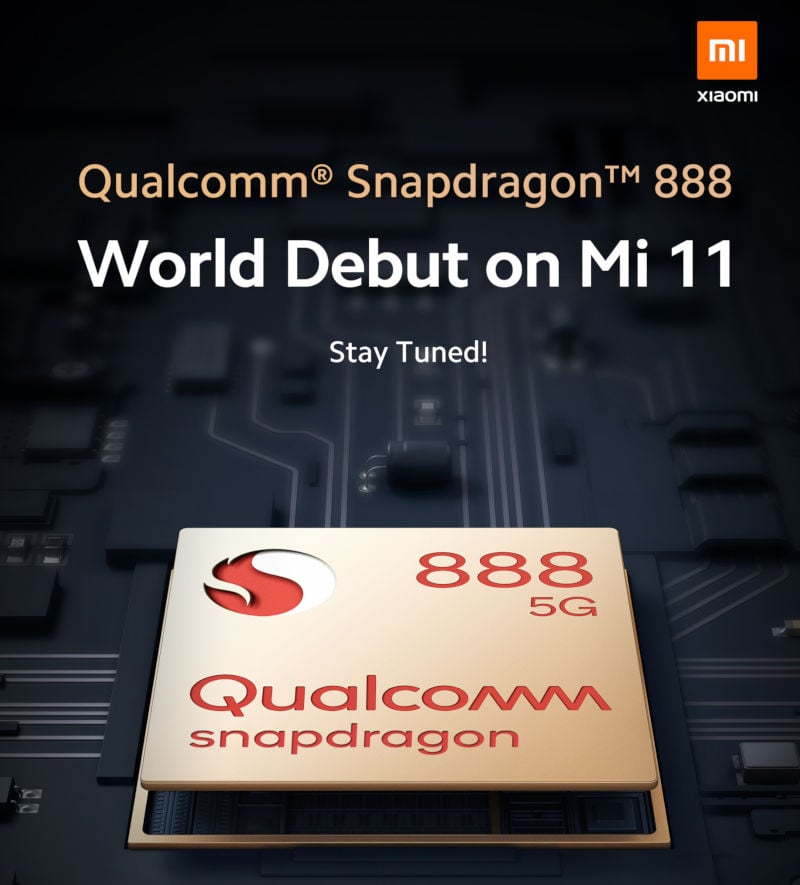
Soon after the SD888, SoC was unveiled, Chinese smartphone maker Xiaomi confirmed that the company will be among the first to launch a flagship device powered by the Snapdragon 888 chipset.
Recently, it was reported that Xiaomi’s upcoming flagship smartphone — Mi 11 could get launched in January 2021. However, a new report coming from well-known leaker ‘Ice Universe’ claims that the Mi 11 will be launched by the end of this month.
This is an interesting claim given that Xiaomi usually launches its flagship smartphone in the month of February. The company has reportedly sent the Mi 11 for network certification, which indicates that the launch isn’t far away.
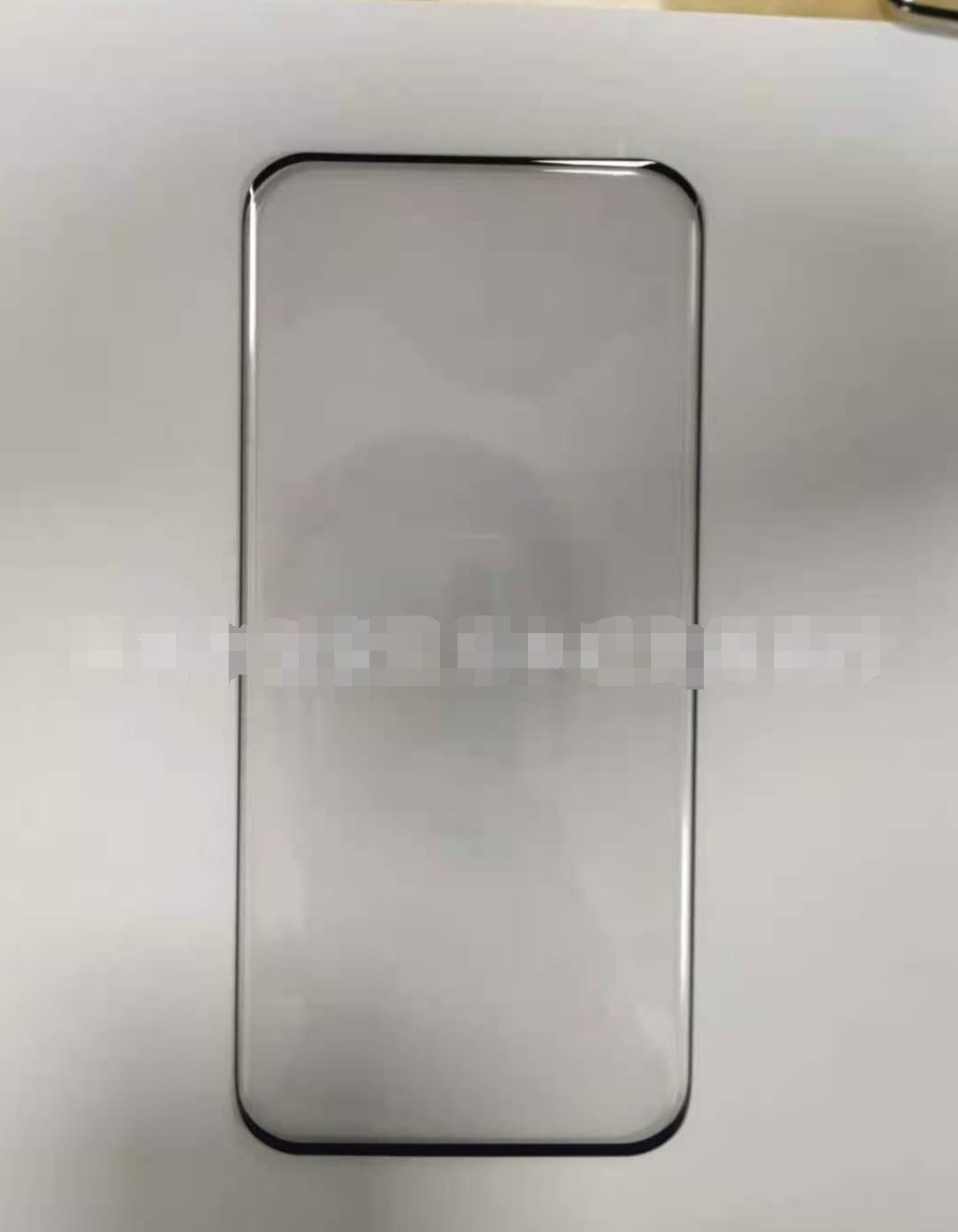
Apart from that, it is also claimed that the smartphone will come with a four-curved screen design. Earlier leaks indicate that the phone will have a Quad HD+ display with a punch-hole cutout for the front-facing camera. Both the Mi 11 and Mi 11 Pro are expected to feature a 120Hz refresh rate screen.
If Xiaomi is indeed planning to launch the Mi 11 in December 2020, then we expect to start getting teasers about the upcoming phone’s features and specifications in the coming weeks. In that case, the company should also be revealing the launch date soon.
The Qualcomm Snapdragon 888 chipset is built using the 5nm process and comes integrated with the third-generation Snapdragon X60 5G modem that supports mmWave and sub-6 5G across all major bands worldwide.
Xiaomi isn’t the only company that has confirmed its SD888-powered smartphone. Several other brands, including Black Shark, Nubia Red Magic, OPPO, Realme, LG, Vivo, iQOO, and OnePlus have confirmed to launch their Snapdragon 888-powered flagship smartphones in the coming months.
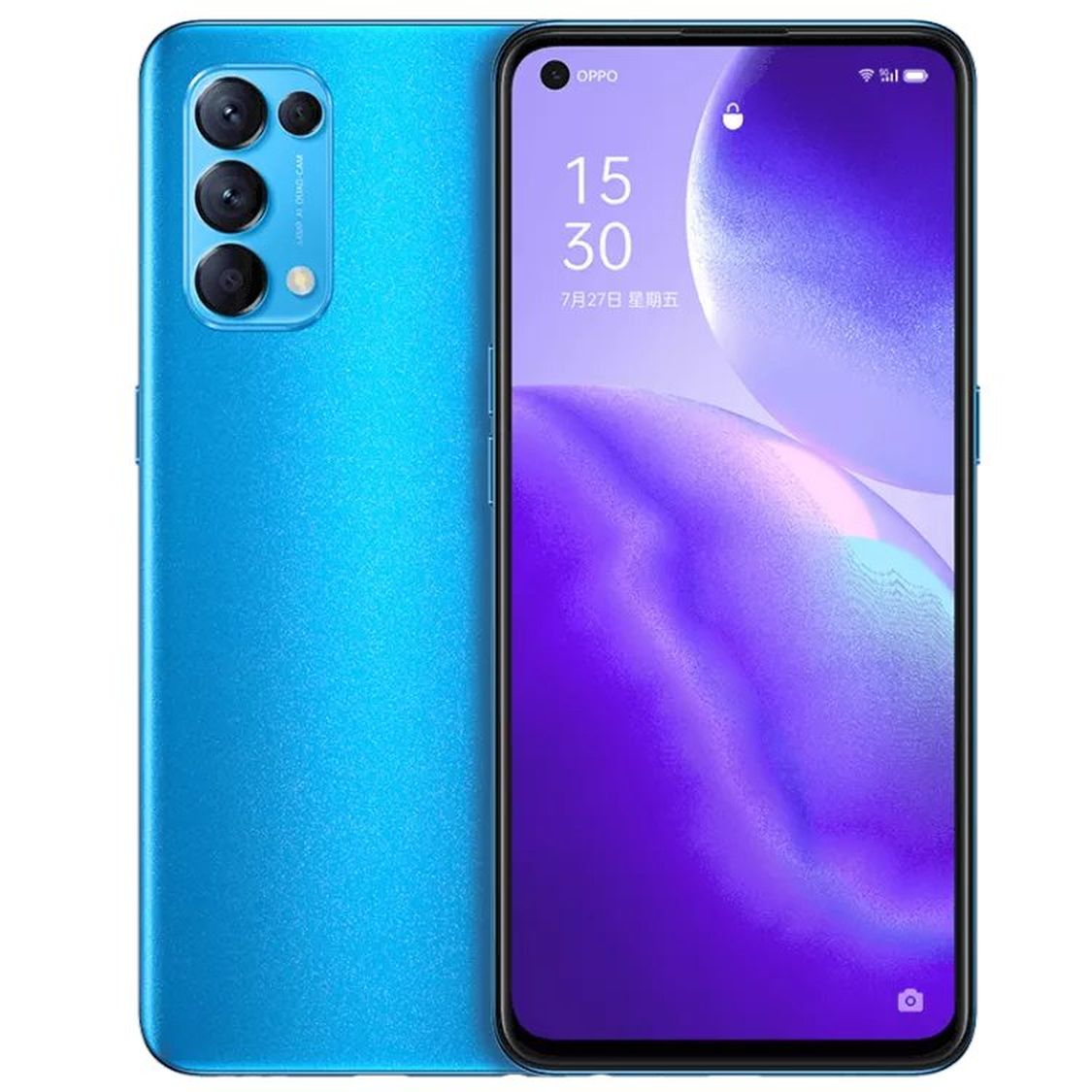
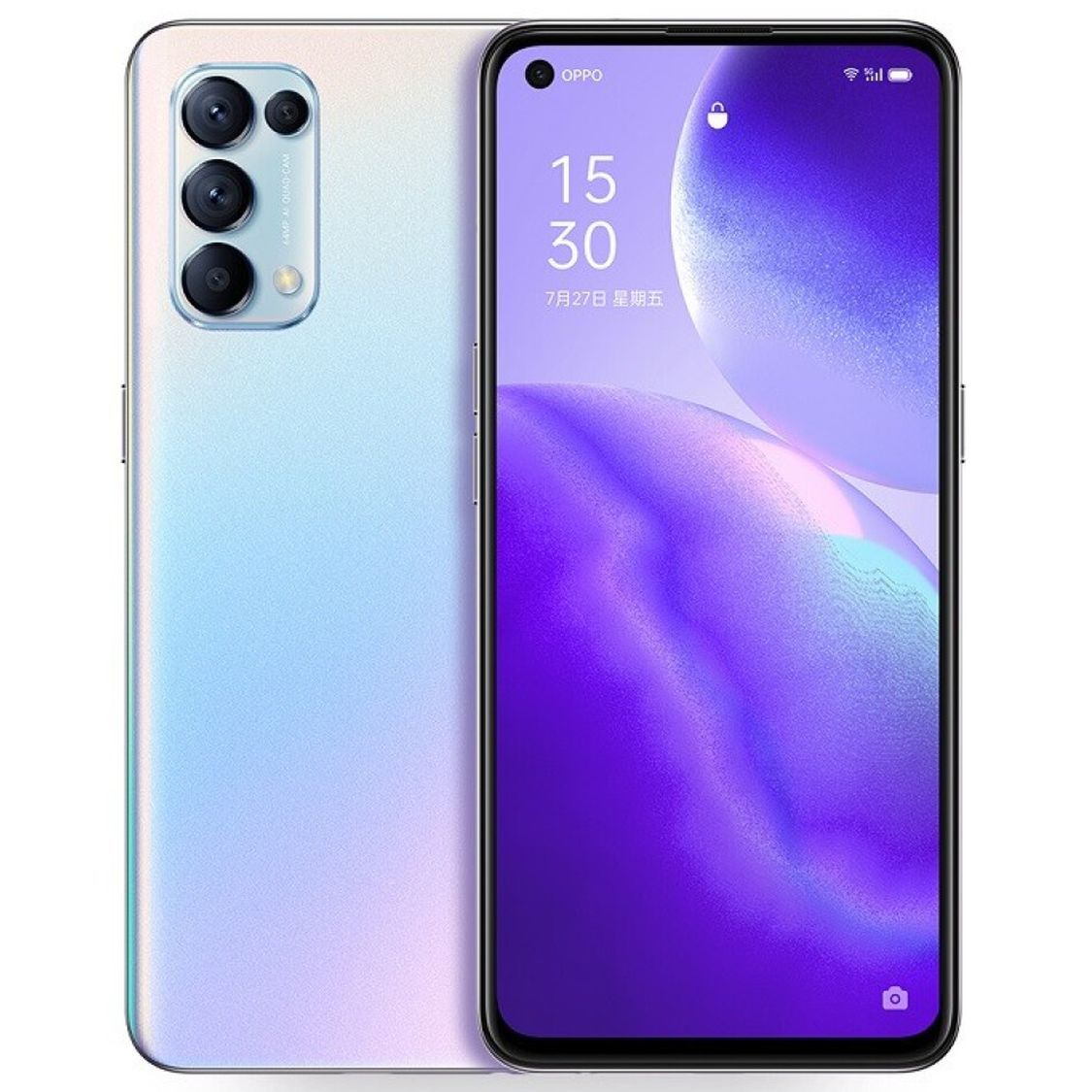
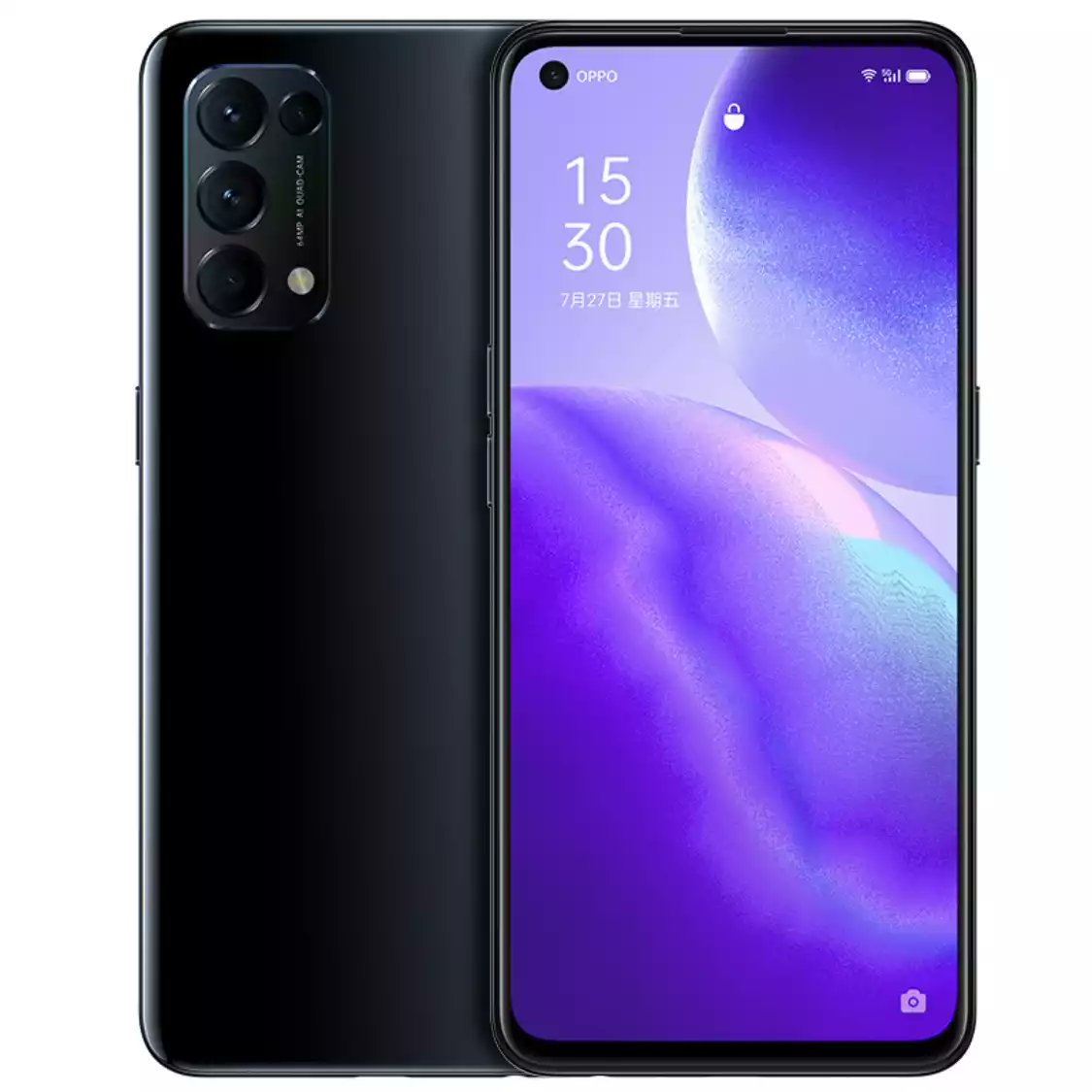
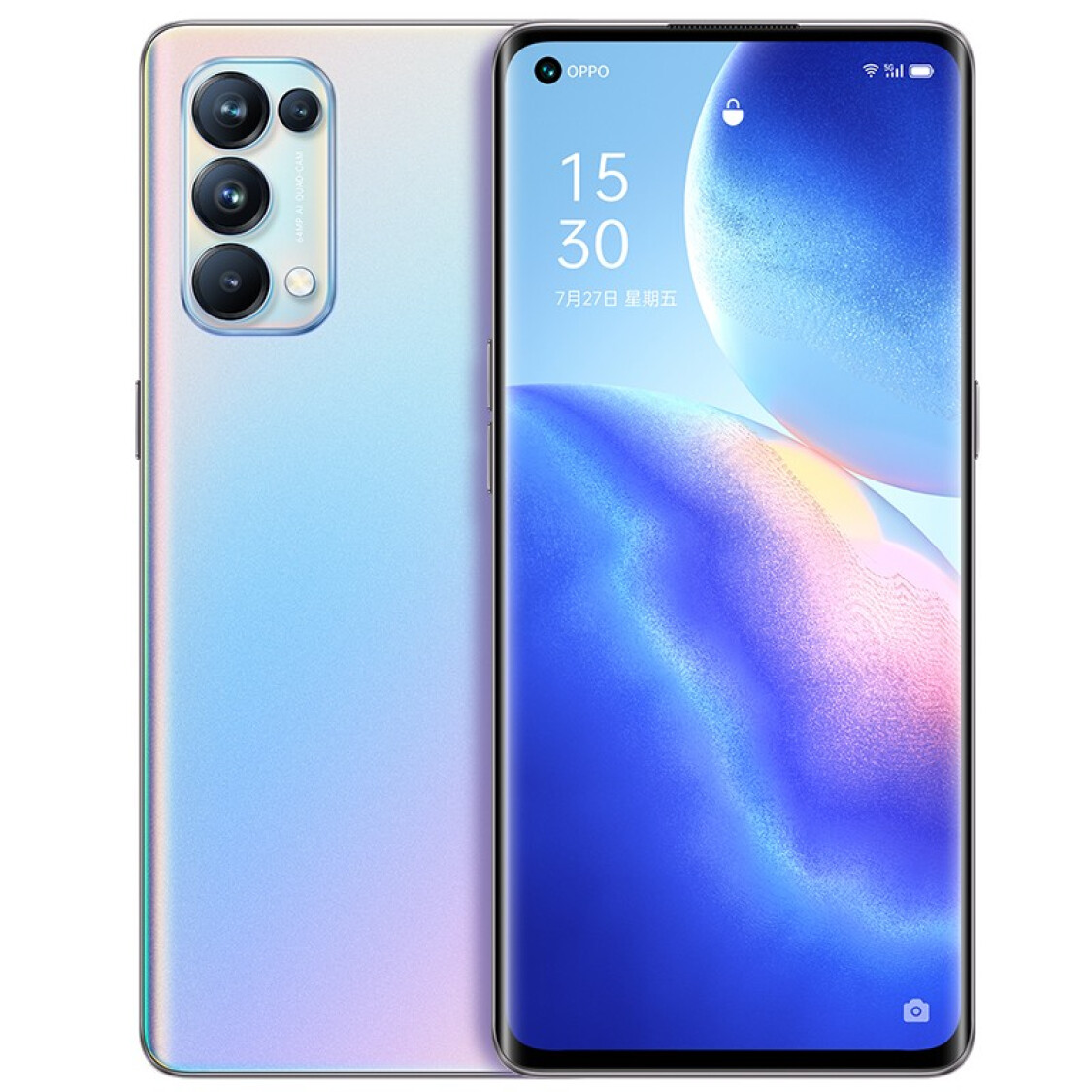
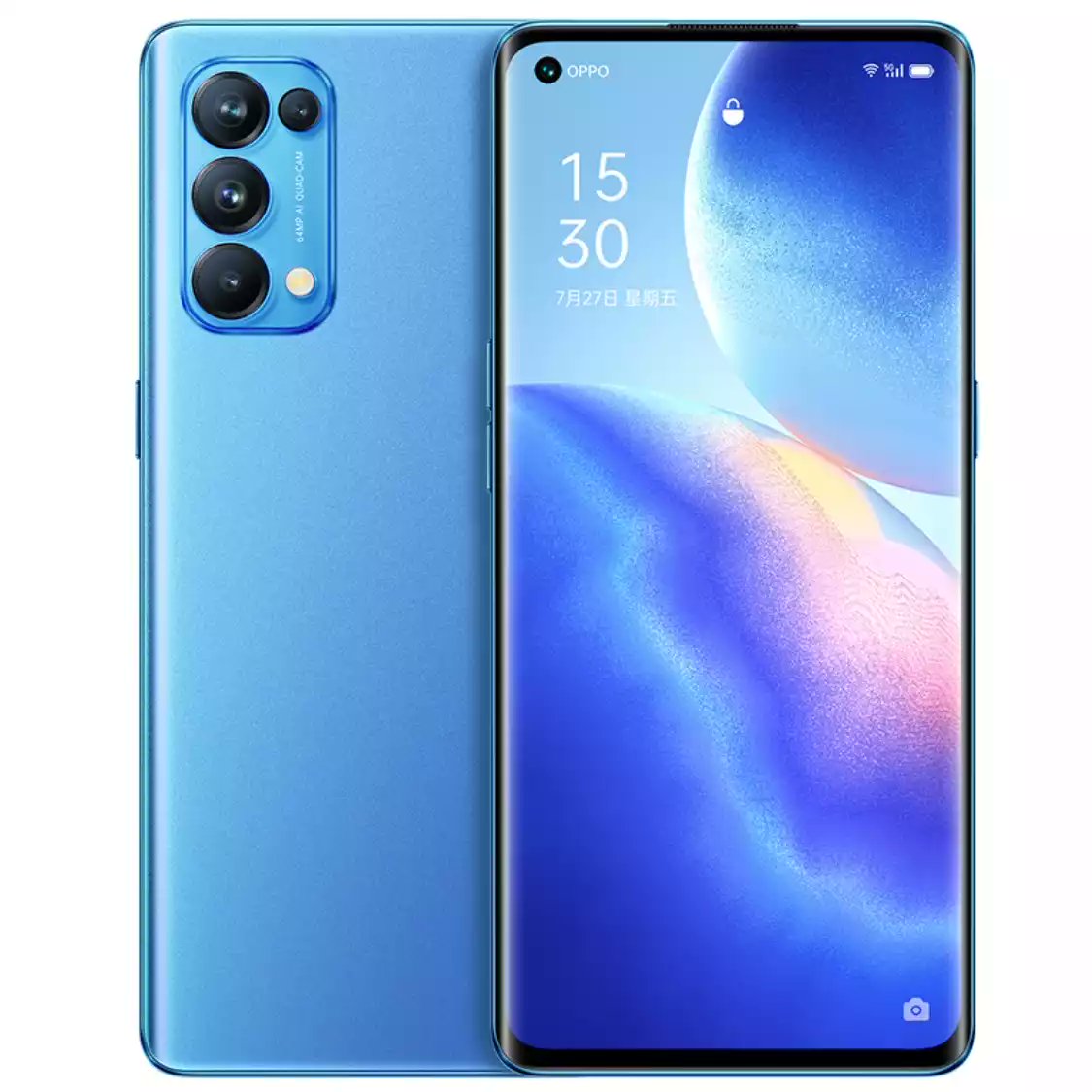
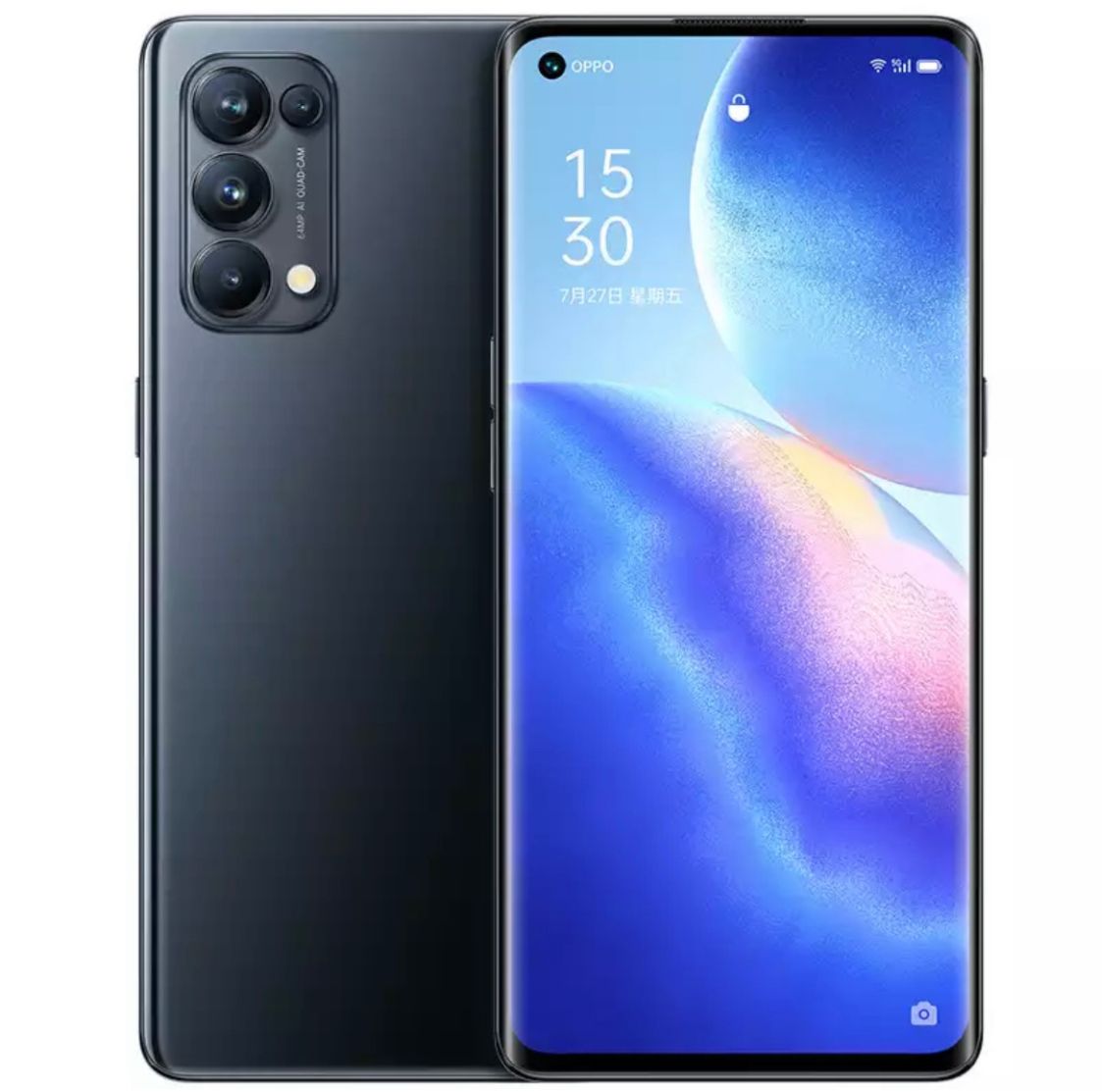
It is likely that the Reno5 5G and Reno5 Pro phones may go official in China on Dec. 10. Before its announcement, both the OPPO smartphones are now available for reservations on retailer platforms like JD.com and Tmall. The listings have not only revealed the keys specifications of the Reno5 5G and Reno5 Pro 5G but also their design through official renders.
OPPO Reno5 5G and Reno5 Pro 5G renders
The Reno5 5G and Reno5 Pro 5G renders show that these phones will in three colors such as Galaxy Dream (gradient white), Aurora Blue, Moonlight Night (black). Both smartphones are listed in two choices such as 8 GB RAM + 128 GB of storage and 12 GB RAM + 256 GB of storage. The pricing of these variants has not been revealed yet.
1 of 3
The Reno5 5G and Reno5 Pro 5G’s rear design resembles their predecessor models. The back panel has a rectangle-shaped camera module housing a 64-megapixel quad-camera system. At the front, the OPPO Reno5 5G sports a flat-screen with a punch-hole design. It is speculated to be equipped with a 6.43-inch OLED screen with 90Hz refresh rate support. On the other side, the Reno5 Pro 5G features a punch-hole screen flanked with curved edges. It is said to be fitted with a 90Hz 6.55-inch OLED display.
The reservations listings confirm that both phones will be sporting the Reno Glow 2.0 design, which seems to be a refined version of the Reno4’s Reno Glow design. Both phones are equipped with support for 65W fast charging. Recent reports have revealed that the Reno 5G and Reno5 Pro 5g are powered by Snapdragon 765G and Dimensity 1000+, respectively.
TENAA appearances of both phones have revealed that they have a 64-megapixel + 8-megapixel + 2-megapixel + 2-megapixel quad-camera setup and a 32-megapixel selfie camera. The Reno5 5G could be housing a 4,300mAh battery, whereas the Pro model could be packed with a slightly large battery of 4,350mAh capacity.
Fans of Huawei have a lot to look up to in the next few months as a lot of details regarding their plans have surfaced. The leak mentions upcoming products that include phones and smart displays and when they are expected to arrive.
The source of the leak is Teme (@RODENT950) and he begins with the Huawei Watch GT 2 Pro ECG which is expected to launch on December 12. According to him, the smartwatch will go on sale on December 21, this is the same date Huawei says the standard Mate 40 will go on sale too. That is nearly two weeks after it would have been announced. It has been reported that the ECG version will sell for ¥2688 (~$410) when it launches. While he didn’t say, we believe the ECG version of the watch will get a global release next year.
To round off the year, Huawei is also expected to announce a new smart screen too. There are also some other products that should launch and one of them may be the smart display that leaked last month. While Huawei has announced a few smart speakers, it is yet to announce a smart display.
Nova 8 series December/January like V40 Smart screen launch have new version of HarmonyOS for big screens P50 launch have EMUI 11.1 with Android 11
A second tweet says that the smart screen will launch with a new version of HarmonyOS designed for large displays. There is also mention of the Nova 8 series which may launch this year or might be moved to January like the Honor V40 series.
The tweet also mentions the Mate X2 foldable phone but there is no launch date yet, however, MWC 2021 does seem like a possible time for it to launch. Huawei announced its second foldable device, the Mate Xs back in February, so MWC (Shanghai) 2021 does seem like a plausible time for the Mate X2 to launch. For those who don’t know, the GSMA announced a reshuffle of its events a few months ago. The new calendar puts MWC Shanghai in the first half of the year (February 23 – February 25 next year) while MWC Barcelona will be held between June 28 and July 1.
In March, Huawei will announce the P50 series which is expected to bring new features. Unfortunately, as excited as the phones may be, the flagships will suffer from availability issues just like the Mate 40 series. The Huawei P50 series will run EMUI 11.1 based on Android 11 out of the box.
He also mentions that Huawei will unveil its next-gen flagship tablet, the MatePad Pro 2 later in Spring. The new tablet should come with a new chipset and be available in Wi-Fi and 5G variants.
These dates are unconfirmed and even though the leaker has a good track record, dates can change, so take the info with a pinch of salt.
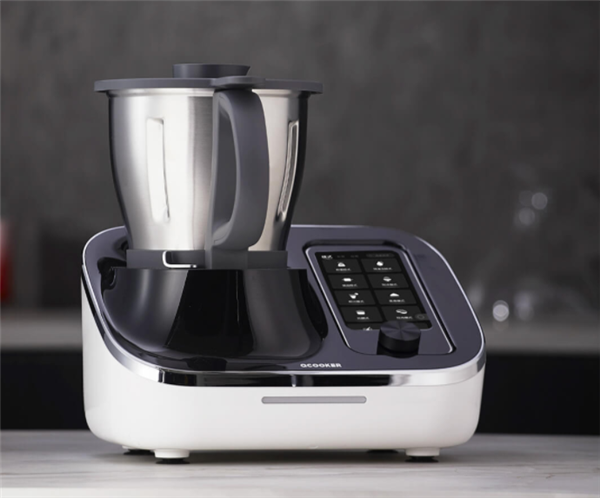
Xiaomi‘s ecological chain company OCooker is known for its wide range of products for the home kitchen. The company already has a wide array of products under its sleeve but has continued to expand in uncommon style. A new innovative product has just been launched by Xiaomi for crowdfunding on the Youpin platform. The product is dubbed OCooker Multi-purpose Cooking Robot. It carries a crowdfunding price tag of 3999 yuan (~$609) but the actual retail price will peak at 5999 yuan (~$914) outside crowdfunding.
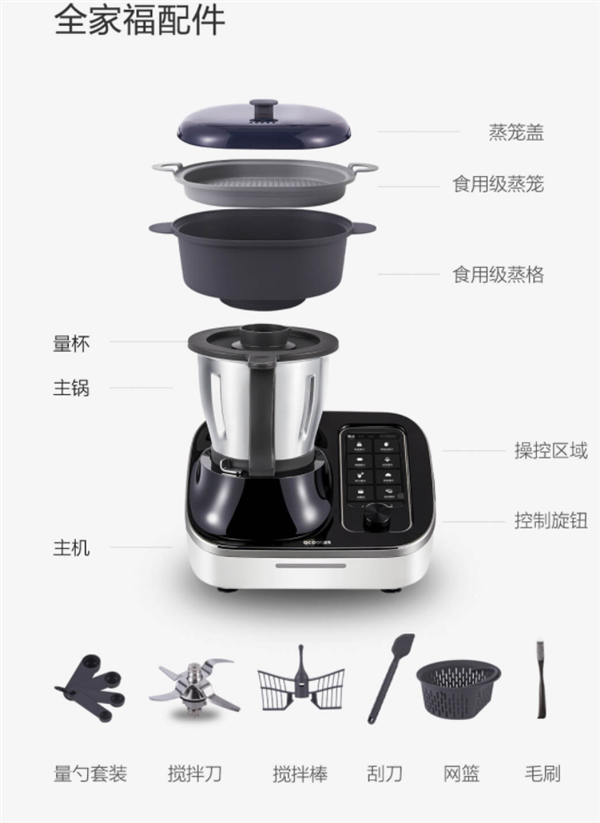
The OCooker Multi-purpose Cooking Robot can solely perform the functions of a staggering 21 different kitchen equipment. It can be used for stir-frying, braising, steaming, kneading, mincing meat, shaved ice, juicing, etc.
This can be regarded as a portable smart kitchen and it is mobile. The compact size makes it easy to store the gadget. It can replace rice cookers, wall breakers, slow cookers, juicers, ice crushers, sauce machines, hot pots, meat grinders, dough kneaders, Whisks, stir bars, yogurt machines, fermentation machines, electronic scales, grinders, electric steamers, and other kitchen appliances.
The device is equipped with a large 7-inch touch screen which gives you the leverage to select a recipe and also complete video preview as well as the ingredient ratio. The device also features voice guidance, automatic temperature control, timer and you can also adjust the cooking speed.
The OCooker Multi-purpose Cooking Robot features the self-developed Cookinglot intelligent auxiliary system, including rich big data support, real-time optimization of algorithms, and content available online. It can achieve precise temperature control in a wide range of 35℃-120℃, so that each dish can be in a suitable temperature range for cooking.
The large-capacity double-layer steamer and the superimposed structure design can easily achieve three dishes in one pot. It also has a built-in high-precision weighing sensor that can measure the weight of ±1g ingredients.
Oukitel WP10 – a 5G rugged smartphone is on pre-orders for the past month after the device went official. The device was available on pre-orders at a significantly lower price between November 23-27, but the company has extended the offer. The interested users can book Oukitel WP10 for $399 from December 7-11. Moreover, the first 500 buyers will get an additional $40 TWS Bluetooth earpiece for free.
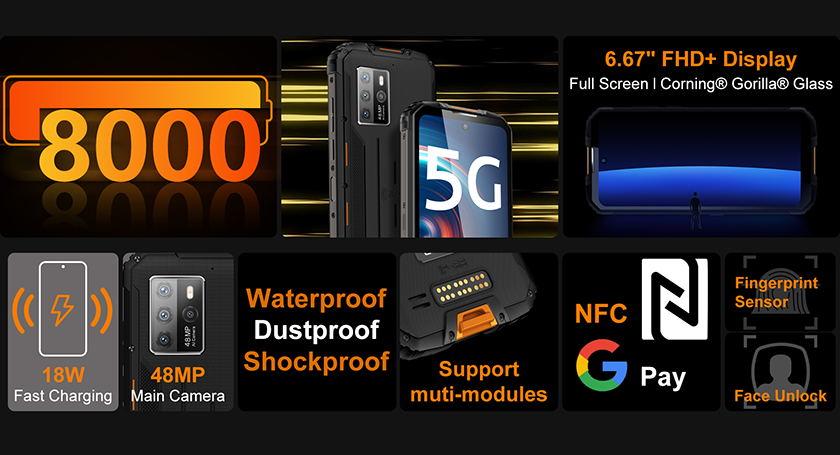
Oukitel WP10 comes with a 6.67-inch punch-hole display featuring a 2400 x 1080 pixels resolution. The smartphone is protected with Corning Gorilla Glass which makes it drop-proof. However, the massive display enables a wider viewing experience.
It carries MediaTek Dimensity 800 chipset built on 7nm process technology with a 5G integrated modem. The device can easily run the 5G/4G network across the globe. OukiTel WP10 couples 8GB LPDDR4AX RAM and128GB UFS 2.1 ROM. There’s a huge 8000 mAh battery that can easily work for more than 2 days upon normal usage.
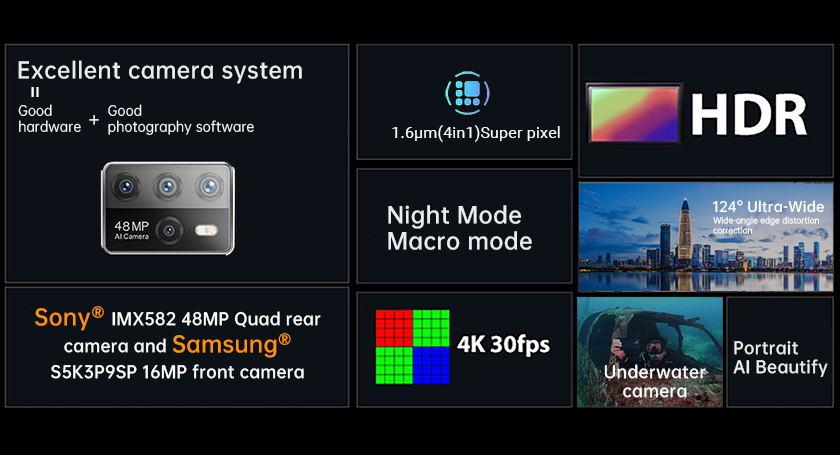
In the camera section, Oukitel WP10 comes with a quad-rear camera sensor featuring Sony IMX582 48MP camera, a 13MP wide-angle lens, a 2MP depth sensor for the bokeh effect, and a 2MP macro lens for shooting nearby objects. The device’s software makes the camera more competent with built-in HDR algorithms, ultra-wide-angle edge distortion, and several other such features. It can record 4K ultra-smooth videos in 30 fps.
To improve accessibility, Oukitel is providing a customizable physical button on the side of the smartphone. A side-fingerprint sensor enhances productivity with an easy unlock process. The support for NFC enables wireless payments.
Oukitel WP10 ruggedness and sturdiness is IP68 and IP69K certified. The device can remain underwater up to a depth of 1.5 meters for 30 minutes. It is designed for rough and tough use and is even MIL-STD-810G certified.
Oukitel WP10 will be available from AliExpress for $399 between December 7-11. The first 500 buyers will get a $40 TWS Bluetooth earpiece for free. We suggest the buyers to hurry if interested. You can know more about the device by heading over to the official website.
Xiaomi’s MIJIA Air Purifier should rank among the most popular brands in the market presently. Xiaomi celebrated the sales of 10 million units in five years as of December 2019. That figure has definitely gone up, especially as the sales of air purifiers are presently driven by the COVID 19 pandemic.
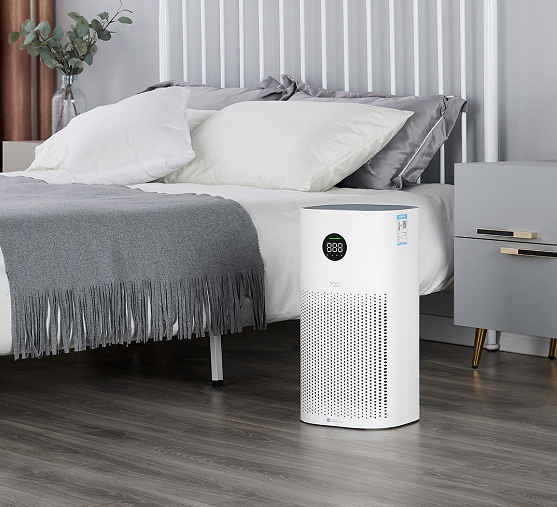
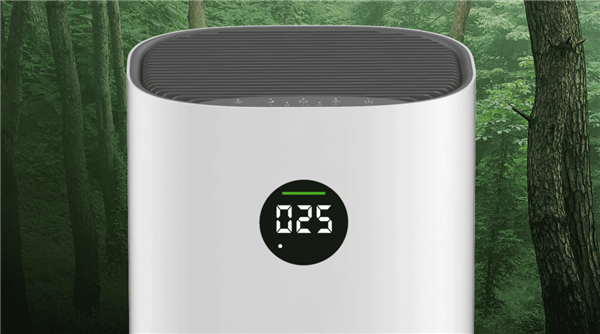
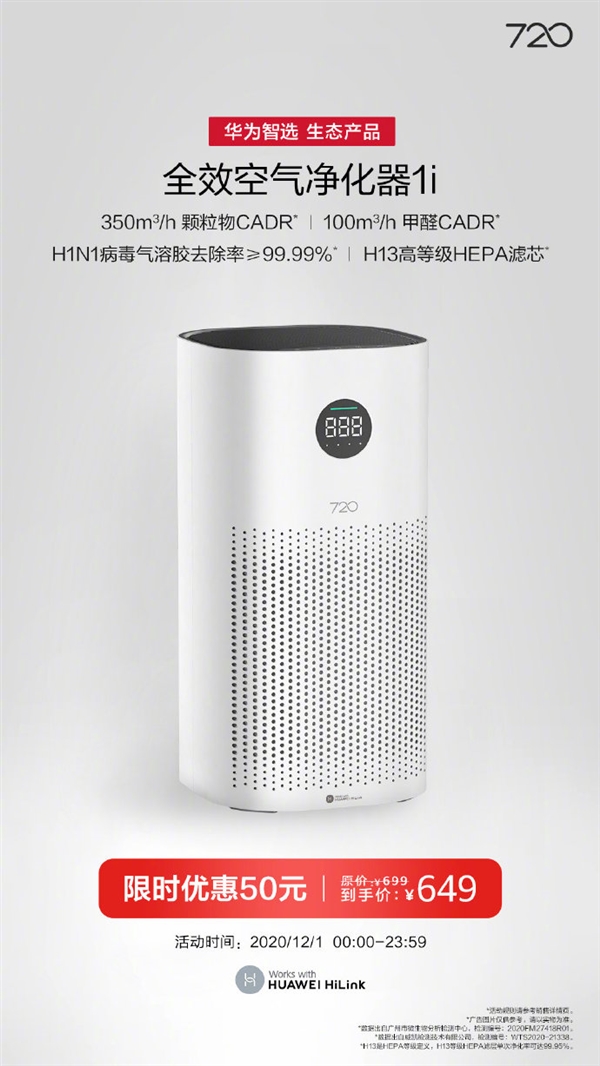
Huawei is looking to grab a share of the air purifier market as it has launched a new air purifier dubbed Huawei Smart Selection 720 Full Effect Air Purifier 1i. The gadget adopts a design similar to the Mijia Air Purifier Pro. It features a compact body design with a length and width of 24cm and a height of 47.3cm. It covers an area smaller than A4 paper and so, is suitable for use in small apartments, rental rooms, baby rooms, and others. The device adopts a three-sided air intake design and the CADR value is up to 350m3/h. The air purifier can cover a usable area of 42 square metres.
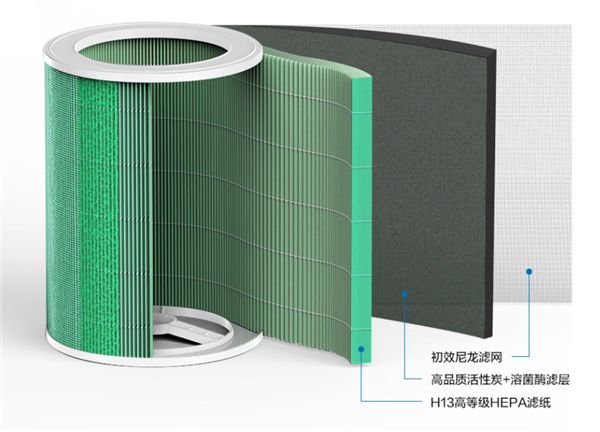
Huawei Smart Selection 720 Full-Efficiency Air Purifier 1i is equipped with an H13 high-efficiency filter element, which filters the main pollutants in the home layer by layer. The H13 is a high-grade HEPA filter layer 99.95% filter out particles with a particle size of 0.3μm or more, focusing on PM2.5, pollen allergens, and dust.
At the same time, this air purifier is equipped with a high-precision laser particle sensor, which can detect tiny particles and feedback changes in indoor air quality in real-time. When the automatic mode is turned on, the purifier will automatically adjust accordingly to obtain a more efficient purification effect.
It is equipped with a circular screen, which can change according to the PM2.5 concentration. The green, yellow, and red air quality indicator will automatically change the color, giving intuitive feedback on the indoor air quality.
It also supports intelligent autonomous power on and off, which automatically starts when PM2.5 exceeds the standard and then automatically shut down when PM2.5 reaches the standard.
In sleep mode, Huawei Smart Selection 720 full-effect air purifier 1i has a noise level as low as 31db which is as if there is almost no sound. At the same time, in sleep mode, the screen and button indicators are turned off so they don’t disturb sleeping family members. The device can also be controlled via a smartphone as it supports Huawei HiLink smart assistant app.
Huawei Smart Selection 720 Full Effect Air Purifier 1i carries a decent 699 yuan (~$106) price tag and is presently available at Vmall.
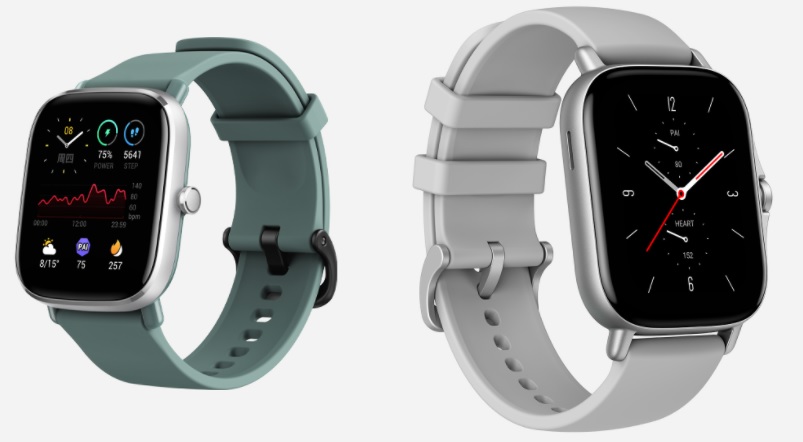
Huami announced the Amazfit GTS 2 Mini yesterday as a more affordable version of the Amazfit GTS 2 which itself is still a new smartwatch. After comparing the specs of the two watches, I can not come up with a justifiable reason to choose the latter.
The Amazfit GTS 2 Mini packs the necessary upgrades that earn it the tag of the true successor to the original Amazfit GTS that launched a year ago. It does this while keeping the price tag affordable. A few reviews I have come across said the Amazfit GTS 2 doesn’t offer enough to justify its price tag. For those who share a similar sentiment, I believe the GTS 2 Mini may be the smartwatch for them to purchase. I hope the points below help to convey why I believe so:
A smaller display but still AMOLED
The Amazfit GTS 2 Mini has an AMOLED screen. It is a 1.55-inch display with a 354 x 306 resolution and a ppi of 301. The screen is smaller than that of the original Amazfit GTS and the Amazfit GTS 2 and its resolution is also lower but it should suffice.
The display is housed in an aluminum alloy case with a plastic bottom shell. These are the same materials used for the Amazfit GTS 2. So just because it is cheaper doesn’t mean it comes with lower-quality materials. It is important to mention that Huami doesn’t say if the GTS 2 Mini has any form of protection for the screen but the GTS 2 drops the Gorilla Glass 3 protection of its predecessor for a diamond-like carbon coating that makes the screen more resistant to scratches and wear.
More than enough sports modes
The Amazfit GTS 2 launched with 12 sports modes out of the box but a recent update brought the total number to 90. That is definitely a lot and we are sure only a fraction of them will be used. The Amazfit GTS 2 Mini doesn’t disappoint either as it comes with 70 sports modes right out of the box. That is fewer than 90 but a lot more than the 12 sports the original Amazfit GTS has.
SpO2 Sensor? Women’s Health? Check!
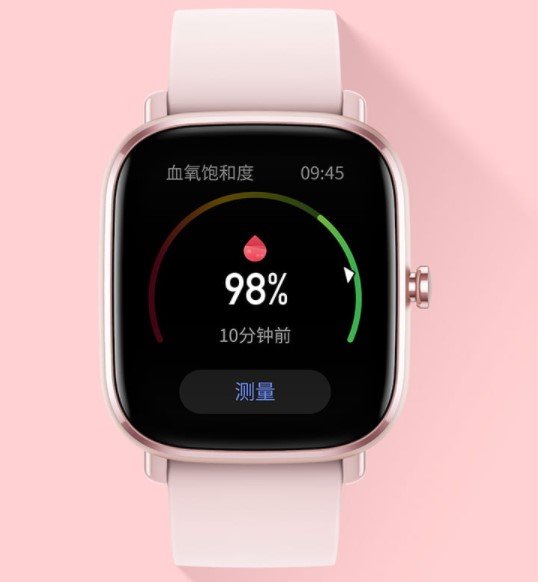
One of the upgrades the Amazfit GTS 2 brings over the first-gen model is support for blood oxygen level (SpO2) detection. The Amazfit GTS 2 Mini also comes with a SpO2 sensor. Another feature that the mini has is Women’s Health Management which tracks period and ovulation dates. Surprisingly the Amazfit GTS 2 doesn’t have this feature.
Huami is known to remove GPS from the more affordable models of its smartwatches. The Amazfit Bip Lite and Amazfit Bip S Lite are examples. Thankfully, that is not the case with the Amazfit GTS 2 Mini. It has GPS and GLONASS for positioning when exercising outdoors. It also has an accelerometer, geomagnetic sensor, and gyroscope.
AI Assistant and NFC on board
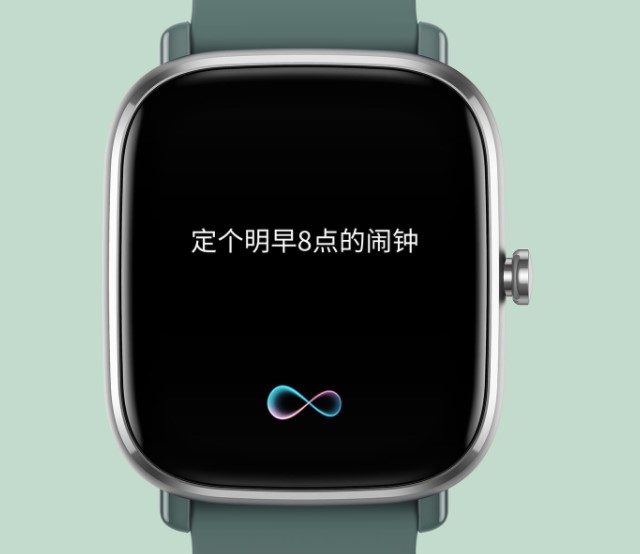
Just like the Amazfit GTS 2, the Amazfit GTS 2 Mini has Xiaomi’s XiaoAI Assistant, so you can set reminders, ask questions, and control compatible smart home products. We believe the global version will swap the Chinese assistant for Amazon’s Alexa assistant when it launches. The watch also has NFC but this will most likely not be available for the global version. The global version of the Amazfit GTS 2 also doesn’t have NFC but the one sold in China has.
Longer Battery Life
The Amazfit GTS 2 Mini has a smaller 220mAh battery capacity but its battery life – 14 days for typical usage is double that of the Amazfit GTS 2 which has a slightly larger 246mAh capacity.
What is missing?
To keep the price tag low, the GTS 2 Mini doesn’t have built-in storage so you can’t store songs or audiobooks on it but it does support music playback control when linked to a phone. It also doesn’t have a speaker so you cannot accept calls on it. Another missing feature is that its screen doesn’t rotate to accommodate both left and right-handed users. Other missing features are offline voice assistant, stress-level monitoring, and an air pressure sensor.
Conclusion
With a price tag of ¥699 (~$107), the Amazfit GTS 2 Mini costs even less than the original Amazfit GTS which launched for ¥899 (~$137). The Amazfit GTS 2 is ¥999 (~$152) in China, $179.99 in the US, €169 in Europe, and £159 in the UK.
We expect the global version of the GTS 2 Mini to be priced between $120 – $130 which makes it $50 to $60 cheaper than its sibling. For that price difference, and seeing that you are not missing much, the GTS 2 Mini will likely sell faster than its sibling.
One of the new features on the new iPhone 12 models is MagSafe, which is nothing but a magnetic charging and mounting system. Apple has introduced it to build an ecosystem of accessories. Apple offers two first-party MagSafe chargers and both of them are costlier like any other product from the company. But a similar charger from Baseus is 56% cheaper.
Baseus MagSafe Charger (BS-W517) Specifications and Features
Baseus is one of the popular Chinese accessory brands. The company sells a wide variant of products like chargers, power banks, cases, cables, earphones, and more.
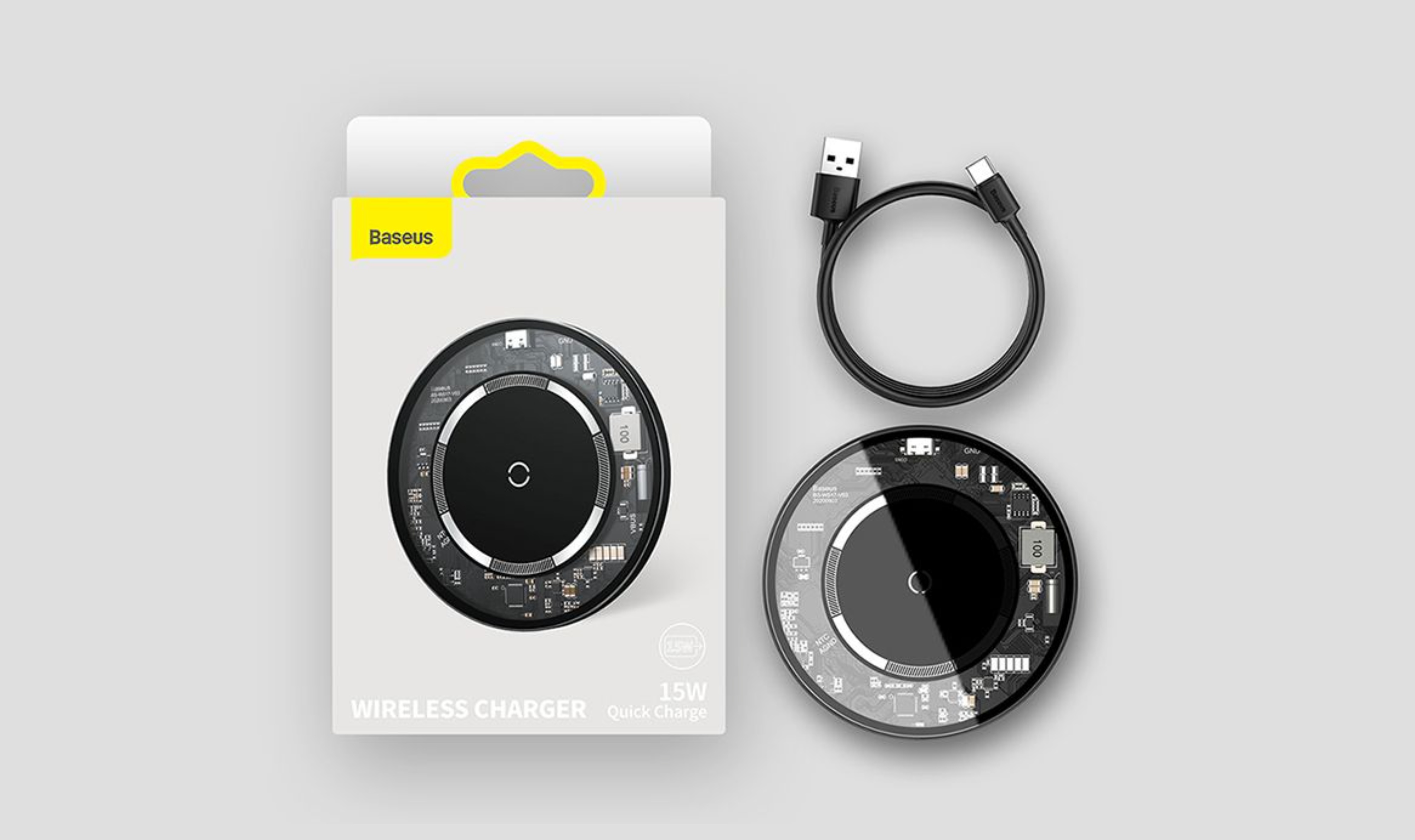
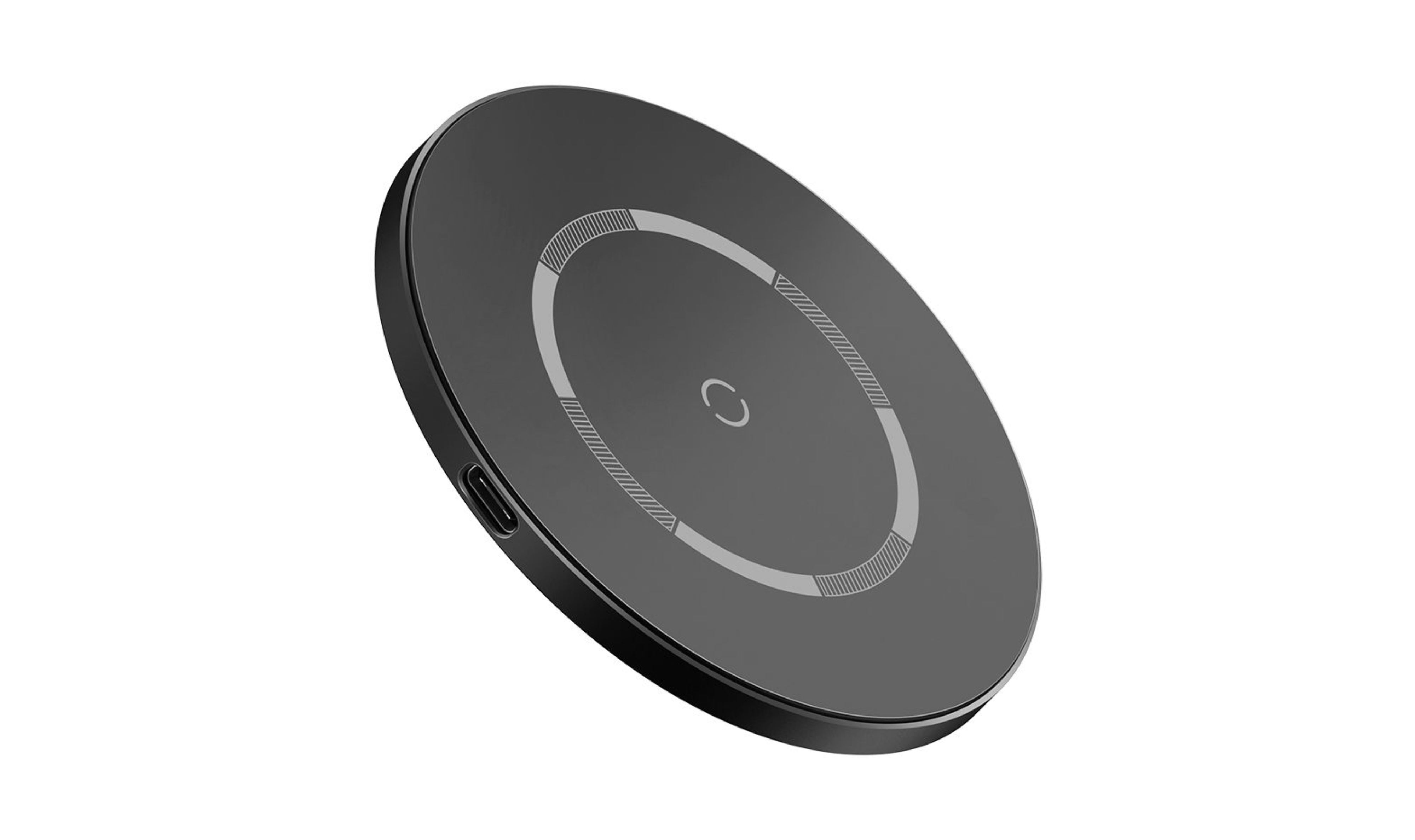
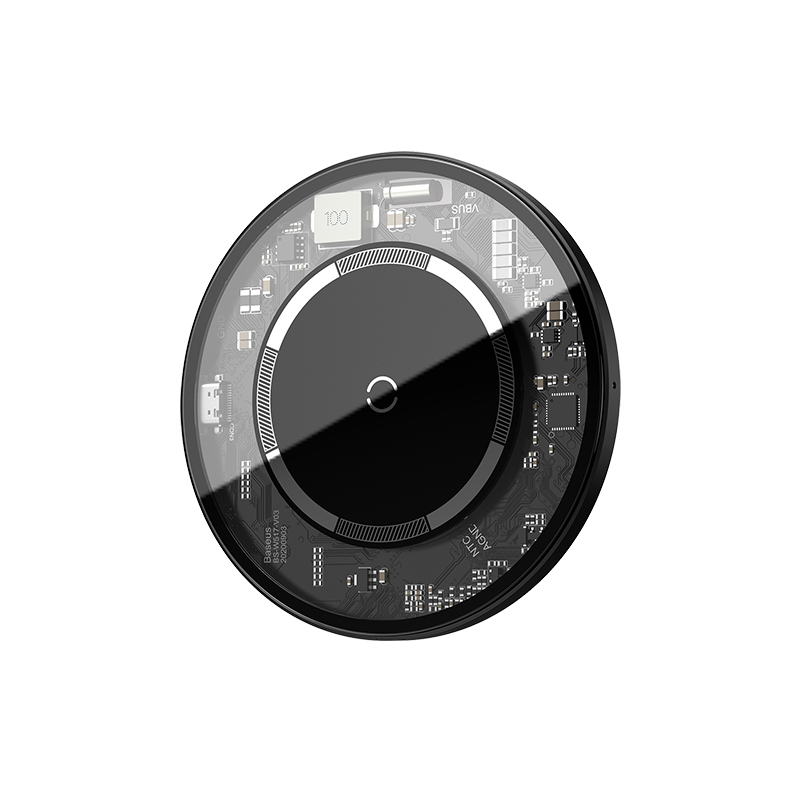
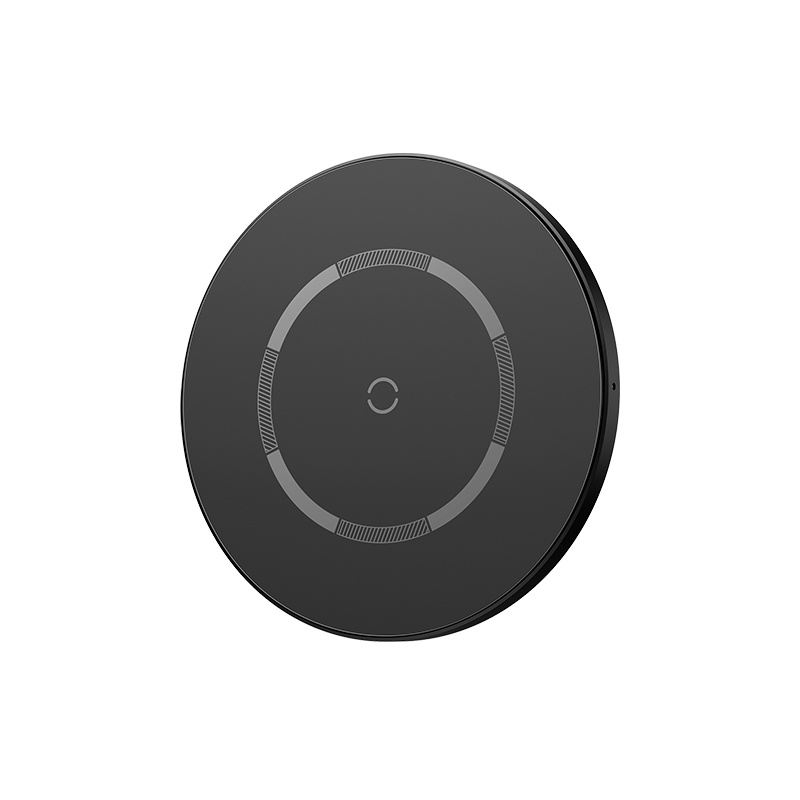
It has quietly launched a new product called Baseus MagSafe Charger with model number BS-W517. The charger is made of aluminum alloy and tempered glass. Further, it measures 93 x 93 x 6.2mm in dimensions and comes in three colors – Black, Gold, and Transparent. In other words, it is larger than the official Apple MagSafe charger but sports a striking design.
For input. the charger features a USB Type-C and ships with a USB Type-A to USB Type-C cable, manual, and warranty card. The charger also comes with a green-colored LED indicator. This light will glow brightly when the charger is in an idle state, whereas it will blink when in use. Additionally, it also turns on half when any external object is detected.
Talking about charging speeds, the Baseus charger offers the maximum 15W threshold for iPhone 12, iPhone 12 Pro, and iPhone 12 Pro Max. It also supports slower speeds such as 12W for iPhone 12 Mini along with 10W, 7.5W 5W, and 2.5W charging modes. As for input, the charger supports up to 24W and is compatible with USB PD (Power Delivery) as well as Qualcomm Quick Charge 3.0.
1 of 2
Last but not least, since the product uses the Qi wireless charging standard, it can be used to charge literally any compatible smartphone and accessory available in the market.
Baseus MagSafe Charger (BS-W517) Pricing and Availability
The Baseus MagSafe Charger costs only ¥109 ($17) but unfortunately, it is only available in China for the time being. Hopefully, it makes its way to other markets as the official Apple MagSafe Charger is priced at $39.
Xiaomi released several 5G devices this year, even in the affordable segment. If you want an affordable 5G phone you have a lot of choices and the latest one is the Redmi Note 9 5G. But is it also the best besides being the last? In order to establish this, we decided to compare the Redmi Note 9 5G with other Xiaomi affordable phones supporting 5G connectivity, in order to decrease the confusion around them. We chose the Xiaomi Mi 10T Lite and the Redmi 10X 5G because they belong to the same price segment. Note that the Xiaomi Mi 10T Lite is the only one available in the European market, while the Redmi devices are still Asia-exclusive.
Xiaomi Redmi Note 9 5G vs Xiaomi Mi 10T Lite vs Xiaomi Redmi 10X 5G
Triple 48 + 8 + 2 MP f/1.8, f/2.2 and f/2.4
16 MP f/2.3 front camera
BATTERY
5000 mAh
Fast charging 18W
4820 mAh, fast charging 33W
4520 mAh, Fast charging 22.5W
ADDITIONAL FEATURES
Dual SIM slot, 5G
Dual SIM slot, 5G
Dual SIM slot, 5G
Design
The ugly shape of the camera module and the waterdrop notch do not make the Redmi 10X 5G the most modern and beautiful device of the trio. The Xiaomi Mi 10T Lite is definitely better with its glass back, punch-hole display, and overall better look with more attractive color variants. The Redmi Note 9 5G comes right after, but it has a plastic back instead of a glass cover. On the other hand, Redmi Note 9 5G and Redmi 10X 5G have water-repellent coatings, while the Xiaomi Mi 10T Lite does not. You should also consider that Redmi 10X 5G has an in-display fingerprint reader, while on the Mi 10T Lite it is side-mounted.
Display
The most impressive display belongs to the Redmi 10X 5G: it is the only one to feature an AMOLED panel showing better colors and deeper blacks. It even supports the HDR10+ certification allowing for better image quality. The second place goes to the Xiaomi Mi 10T Lite which sports an IPS display with a 120 Hz refresh rate. Redmi Note 9 5G has an IPS display with a standard 60 Hz refresh rate, really nothing special. Unfortunately, Redmi 10X 5G lacks stereo speakers, or it would have been a perfect multimedia phone.
Hardware/Software
The MediaTek Dimensity 820 chipset found on the Redmi 10X 5G is a more powerful processor than the Dimensity 800U and the Snapdragon 750G found on the Redmi Note 9 5G and the Xiaomi Mi 10T Lite. And this is not the only element that makes the Redmi 10X 5G the winner of the hardware comparison. Redmi 10X 5G also offers a higher amount of RAM: up to 8 GB instead of 6 GB like its two rivals. The software you get with these phones is the same, if we exclude the fact that Redmi 10X 5G ships with MIUI 11 out of the box, while the other twos run MIUI 12.
Camera
The most advanced camera is on board the Xiaomi Mi 10T Lite: we are talking about the 64 MP main sensor paired with an 8 MP ultrawide lens and two 2 MP sensors for macro and depth. With the Redmi Note 9 5G and the Redmi 10X 5G you get the same rear cameras, but the front camera is better on the Redmi 10X 5G.
Battery
The Redmi Note 9 5G packs a bigger battery and its battery life is longer. But the Redmi 10X 5G and the Xiaomi Mi 10T Lite are still great battery phones with their above-average batteries. The Xiaomi Mi 10T Lite wins the fast charging comparison with its 33W power.
Price
Redmi 10X 5G is priced at about €205/$248 in China, Redmi Note 9 5G goes for €170/$205, and Xiaomi Mi 10T Lite costs €249/$300 globally. Technically, the most convincing phone of this trio is the Redmi 10X 5G due to its stronger chipset and AMOLED display. But some may prefer the Mi 10T Lite due to its Snapdragon chipset, faster charging, and better camera. Redmi Note 9 5G can let you save a lot of money, but it is inferior.
A good percentage of the world’s population live alone and as a result, there is a growing need for pets. As a matter of fact, kittens and puppies have become the companions of many young people. Xiaomi just launched a product that pet owners would find useful. The product dubbed Homerun Pet Water Dispenser is presently available for preorder on Xiaomi Youpin for 199 yuan (~$30). The actual retail price is 299 yuan (~$45).
The product is equipped with Homerun’s core patented wireless water pump technology which is safe and easy to disassemble and wash. This ensures that there is no need to worry about the difficult disassembly and cleaning associated with ordinary water dispensers.
Through the use of magnetic induction wireless power supply, combined with the technology of mobile phone wireless charging, this pet water dispenser truly realizes the separation of water and electricity. With the internal and external three-fold physical isolation, the known safety level is increased by 100%.
In addition, for the noise problem of ordinary pet water dispensers, Homerun has carefully designed 20 seamless and silent water channels to reduce the working decibel to 38dB. Thus, the quiet operation does not affect the normal life of the owner.
It is worth mentioning that the bucket and outer bucket of the Homerun Pet Water Dispenser are of separate design. The bucket has a smooth inner wall that has no corners and which is easy to clean.
Inside the machine, an integrated water level sensor is installed to monitor the water level more accurately. When the water level is lower than the safe water level, the water pump will stop working to prevent the water pump from burning due to overheating.
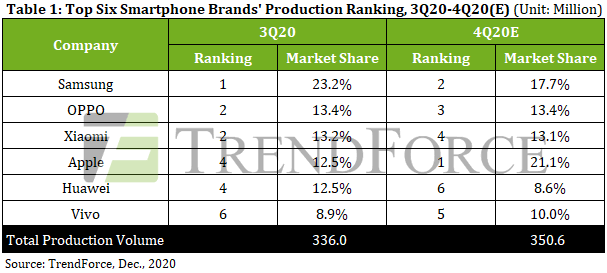
The smartphone industry is getting ready for a revival from the pandemic ever so slightly. And this is evident in the latest TrendForce Q3 2020 report. Accordingly, Chinese companies like Xiaomi, OPPO have raised the stakes in Q3 2020 Smartphone production by a huge QoQ margin. And the report predicts that the trend will continue into 2021.
TrendForce has released the report on Global Smartphone production for Q3 2020 along with predictions for Q4 2020, and beyond. As per the report, global smartphone production reaches a total of 336 million in Q3. This is a 20% QoQ(Quarter over Quarter) from Q2 and the highest QoQ increase in recent years. Plus, the rise is reportedly due to easing pandemic, holiday season, high targets of companies.
As you can see below, Chinese companies like Xiaomi, OPPO are next to Samsung(23.2%) with 13.2, and 13.4% market shares respectively. However, despite the lower shares, production of Xiaomi, OPPO has grown 51%, and 64% respectively QoQ in Q3 2020. To compare, Samsung only grew about 42%. Further, both Xiaomi and OPPO will reportedly ramp up production in Q4 and reach about 47 and 46 million production units respectively.
Credit: TrendForce
Apple gets a meager rise of 2% QoQ for production in Q3. Thus, it sits behind the Chinese giants at 4th place with 42 million units. However, with iPhone 12 series launch it will substantially improve in Q4 2020. Despite showing a 19% decline QoQ, Huawei manages to make 42 million units in 2020. With this, it has not only managed to equate Apple in production but retain the market position in certain regions.
Regarding inventories, Huawei has already stockpiled enough chipsets by bulking the orders before the September deadline of the US came up. To recall, the USA had altered regulations and made getting a license for supplying Huawei mandatory. As a result, report says the company might enter the scarcity stage in Q1/Q2 2021 if licensing becomes an issue. In the table, Vivo manages to get only the last place with just 30 million unit production in 2020 despite a 13% QoQ rise.
Going into Q4 2020, the report predicts a production range of 351 million units with a 4% QoQ rise. Despite a YoY decline, the production will continue to revive gradually from the pandemic. But it is subject to responses from the semiconductor industry and geopolitical scenarios. To sum up, Global smartphone production will sit somewhere around 1.25 billion units for 2020. However, it could increase to 1.36 billion units in 2021 with 5G continuing to be the center of attraction.
Ulefone is the world’s renowned rugged smartphone maker. The company has launched exceptional rugged smartphones in the past offering value-for-money. Similarly, the company earned another laurel by introducing the world’s first 5G rugged smartphone – Ulefone Armor 10 5G. The primary highlights of the device are its Dimensity 800 5G SoC, 8GB RAM, 128GB ROM, and 64MP quad-camera among others. It has recently undergone a performance test and the benchmark scores prove its worth.
In the video, the MediaTek Dimensity 800 powered device scored 307,629 points in the AnTuTu benchmark. The octa-core processor performed on par with Qualcomm’s Snapdragon 700 series chipsets. The AnTuTu benchmarks test the CPU, GPU, memory, and UX of the device to calculate the final scores.
In a world where every electronic item is turning into a smart device. While, software gets AI prowess to improve performance, battery efficiency, and camera productivity. In such an environment, it equally becomes important to test the AI processing of the smartphone. Ulefone Armor 10 5G has scored 85.3 points in the AI benchmark. Meanwhile, it scored 182,507 points on the AntuTu benchmark.
The device is a rugged masterpiece with splendid hardware features.
Ulefone Armor 10 5G features a 6.67-inch FullView display and carries an ultra-high resolution camera. The smartphone houses a 5800 mAh battery with 15W fast charging support. It supports contactless payments with NFC via Google Pay.
It will officially go on sale from December 7 for the price of $399 via Banggood. Moreover, the first 200 buyers will get a free Ulefone Watch. You can head over to the Ulefone official website to learn more about the device.
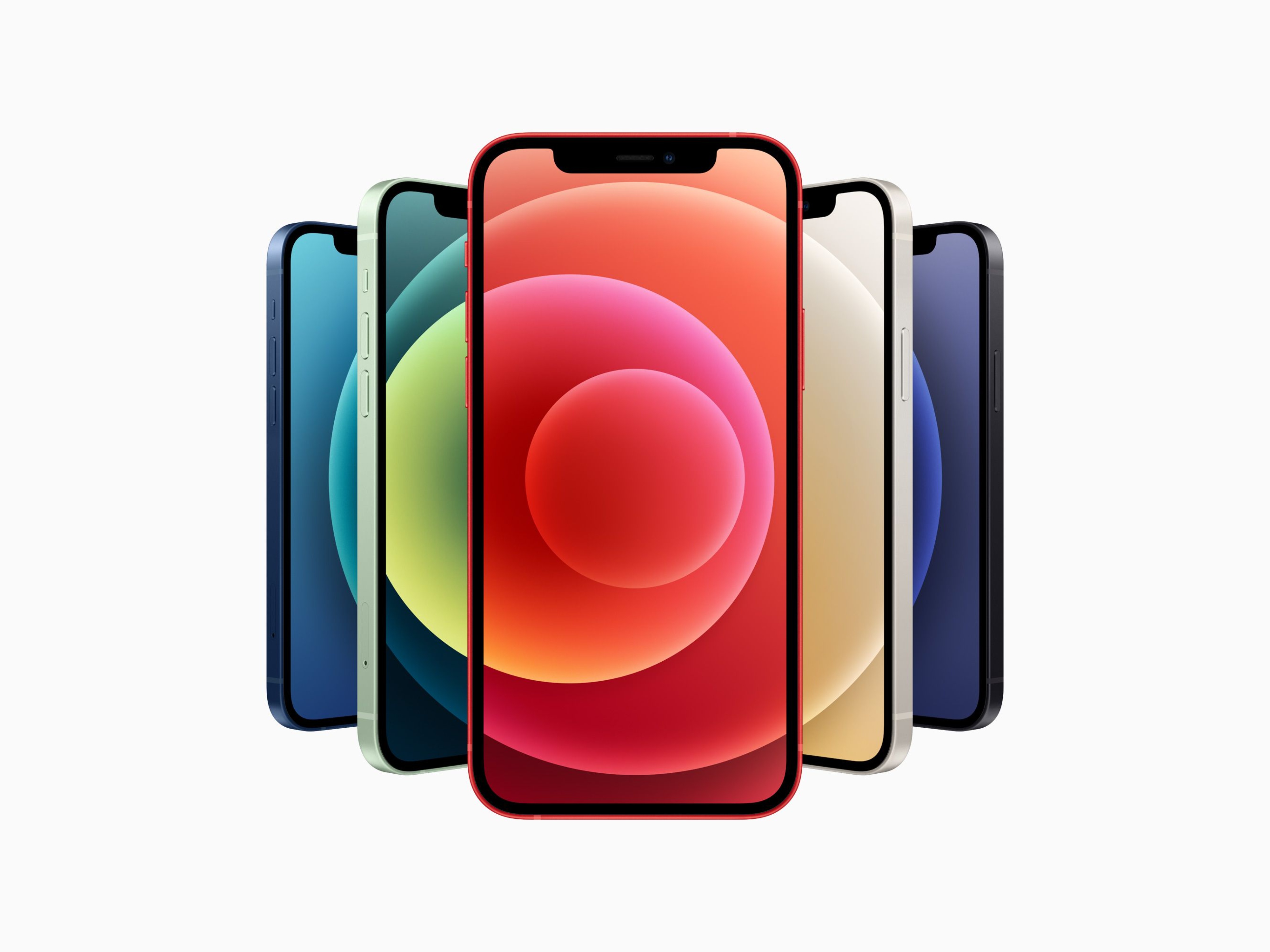
Reports emanating from Apple‘s support online communities have quoted many iPhone 12 series owners saying that the new iPhone models might be having difficulties connecting to 4G and 5G networks. The problem has not yet been fixed by Apple as of the start of this week.
According to the concerned phone users (via), their iPhone 12 models usually lose all signal bars and the message on the display says “Your iPhone is not Activated.” This problem occurs on both 4G LTE and 5G networks and toggling Airplane mode on and then off will usually restore the connection. Others said that they had to restart their phone or remove and replace their SIM card to get their phone to sync with their carrier’s network.
Apple iPhone 12
Apple iPhone 12 series users also voiced the problem on Reddit, with suddenly dropped signals being observed at short intervals. The only regular solution under such circumstances, that works to restore service is to reboot the phone, as claimed by one of the users.
Network carriers Verizon and AT&T seem to be most affected by this bug with some users seeing their iPhone lose signal whenever there is a switch of towers. The problem was also reported by some users outside the US. For example, an Australian iPhone 12 Pro owner said that “I have the same problem on Vodafone in Australia. After coming from an iPhone 11pro to iPhone 12 pro. My new phone just loses service completely sometimes and in some instances just shows 3G. I haven’t seen 3G for many years but now I find myself dropping to 3G more often than not – or no service completely”.
Users of the four iPhone 12 models have experienced a few problems with the phone. In November, it was discovered that the display on some units was glowing green and gray. In response, Apple told technicians not to service those units having this problem. Rather, iPhone owners should regularly update their devices. Therefore, we should expect a software update soon, and it is hoped that the present signal glitch might also be fixed with the software update.
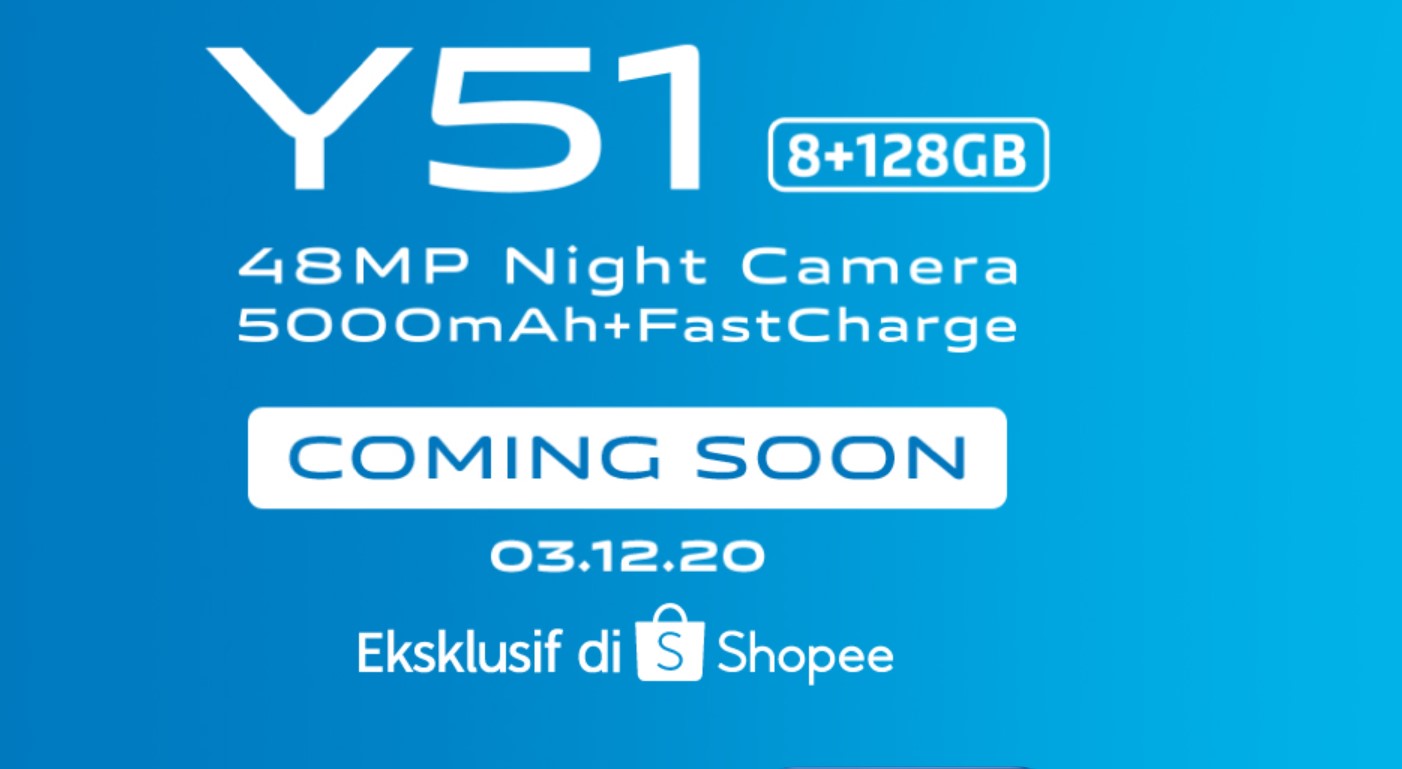
Earlier today, a report exclusively tipped the price of the upcoming Vivo Y51 for India. The device is coming to both India and Indonesia as per early certifications. Now, it has officially been listed online in Indonesia along with renders, and specifications. The listing also shows that it is different from the Vivo Y51 that launched in Pakistan.
Vivo Y51 Indonesia
As spotted by MySmartPrice, the Vivo Y51 is now officially listed on the Indonesian website. The website’s ‘buy now’ redirects to Shopee’s website which is a popular retailer in the country. Accordingly, the poster inside the website shows a ‘coming soon’ tag and December 3, 2020 date. This suggests that the device might go live tomorrow in Indonesia.
That said, the website doesn’t hint anything about the pricing apart from a few discount vouchers, special gifts that will probably tag along the Vivo Y51 purchase. However, as mentioned above, a report says that the Y51 for India will debut under ₹20,000($272) in India. While we don’t exactly know about the Indian launch, it is likely to replace the Vivo S1 Pro that’s already retailing in the country.
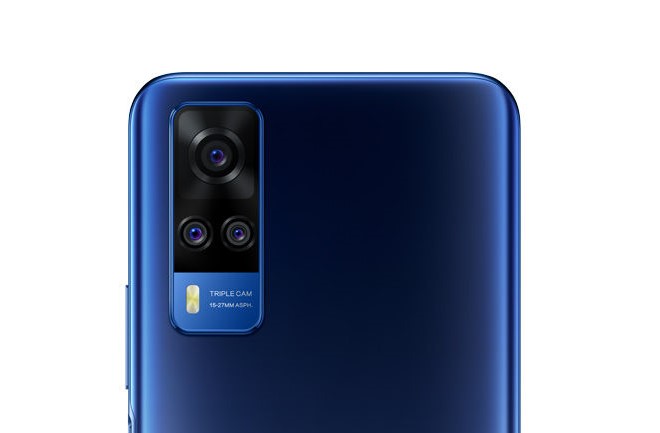
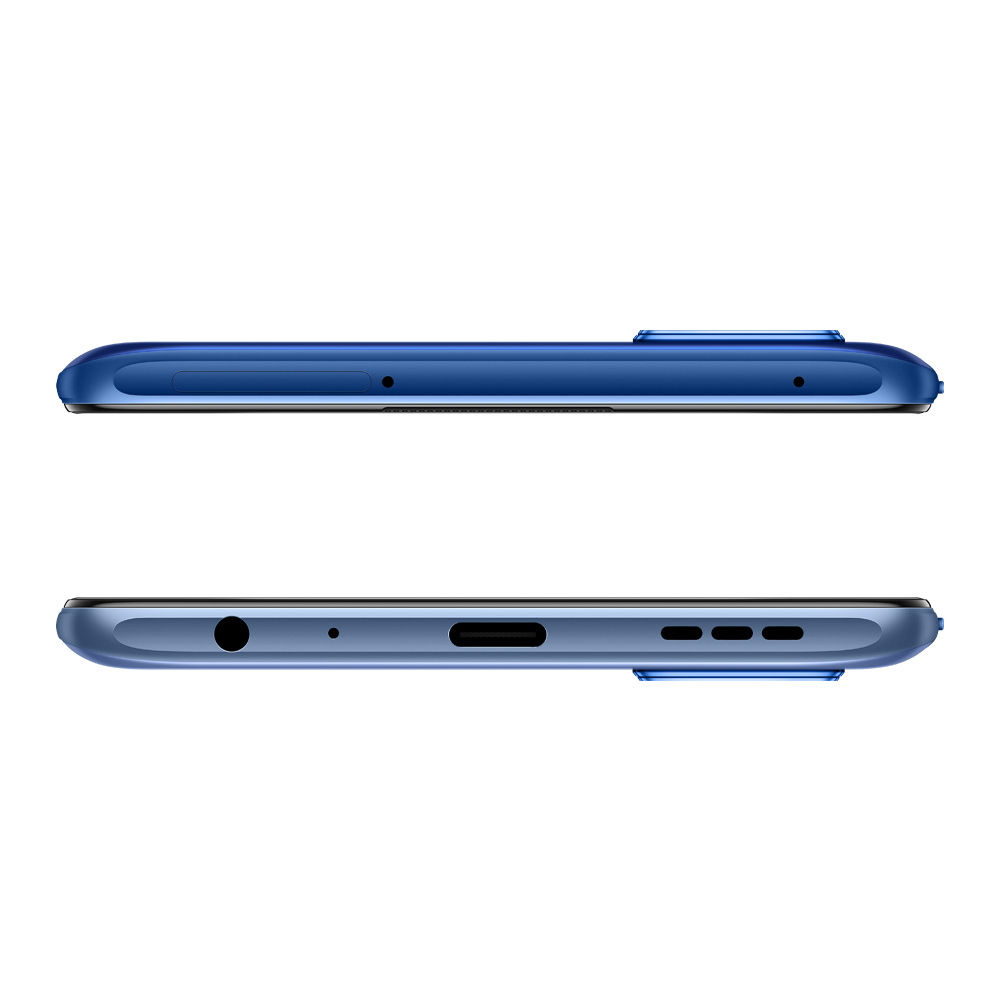
To compare, the Vivo Y51 in Pakistan has a lot of similarities to the Vivo S1 Pro in India. This includes design, colors, diamond-shaped camera layout, display, 48MP rear camera. Take a look at the Indonesian renders below:
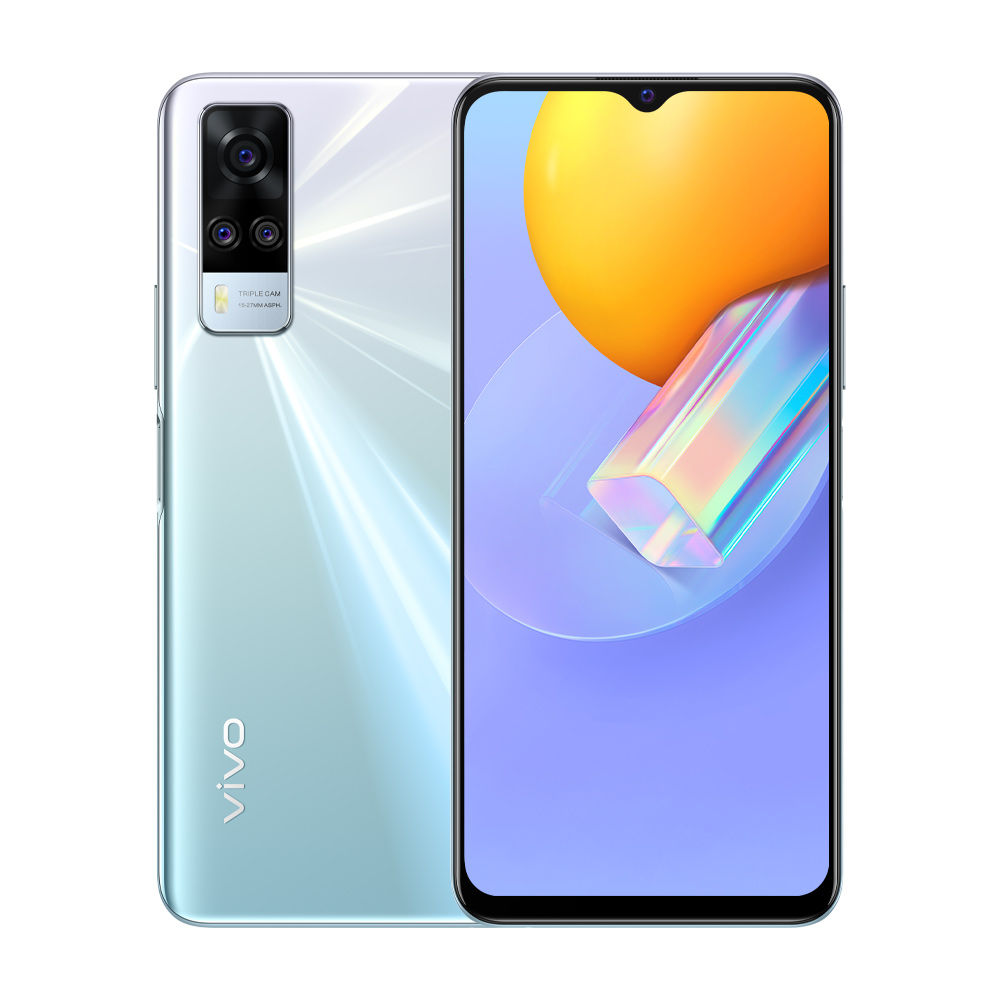
First off, the renders on the Indonesian website reveal that the display has a v-notch upfront and a rectangular triple-camera layout at the back. The layout looks like it has taken cues from the Vivo X50 series. There is a single large lens that accompanies two smaller lenses beneath. The colors listed are Titanium Sapphire(Blue), and Crystal Symphony(Green gradient).
Talking about specs, the device measures 163.86 × 75.32 × 8.38mm and weighs 188g. It features a 6.58-inch FHD+(1080p) IPS LCD display, Snapdragon 665 SoC paired with 8GB RAM, 128GB storage, 16MP front camera, triple-rear camera with 48MP f/1.79 main, 8MP f/2.2 ultra-wide, and a 2MP macro lens.
Other features include a 5,000mAh battery with 18W fast charging, Funtouch OS 11 based on Android 11, Wi-Fi 802.11ac, Bluetooth 5.0, 4G LTE, GPS, microSD(up to 1TB), 3.5mm audio jack, Type-C port for connectivity. Let’s wait for the official pricing for Indonesia.
Motorola had a segment during Qualcomm’s Tech Summit and the phone maker revealed some interesting details for next year. One of the announcements made is that the Moto G series will be getting a model with a Snapdragon 800 series processor in 2021.
Moto G 5G
The Moto G series will celebrate its 10th year anniversary next year and one of the ways Motorola plans to mark it is by launching a model with a Snapdragon 800 series processor. The announcement was made by Sergio Buniac, the Senior Vice President of Motorola.
While there is no specific mention of what chipset it is, there are speculations that it might be the new Snapdragon 888 processor. There is also a possibility that the phone may actually come with the Snapdragon 865 or Snapdragon 865+ processor that powers this year’s flagship. Regardless, this is a big shift for the Moto G series which usually comes with a Snapdragon 400, Snapdragon 600, or Snapdragon 700 series chipset.
Since the Moto G series is known as a budget series, there is a chance that the upcoming device will have an affordable price tag. This year, Motorola launched affordable Moto G phones with support for 5G such as the Moto G 5G and Moto G 5G Plus. We expect to see new affordable models next year.
Alongside the info about a Snapdragon 800 series Moto G phone, Motorola also revealed that its phones will get a desktop mode which will allow users to connect their phone to a screen and use it as a desktop computer. There will also be a Media Launcher mode which users can turn on when they want to watch content on a TV. This interface lists the streaming apps and games on the phone in an interface similar to Android TV.
Another feature that Motorola mentioned is the support for video calling using the ultrawide angle camera on the phone. This way, users will be able to fit in more people when making a video call.
These features have been reported to come with the Android 11 update but there is a possibility not all the features will be available on all the models.
OnePlus 8T is the latest high-end smartphone from OnePlus. The brand has released multiple updates to this device ever since its release to fix a wide variety of bugs. Thankfully, this may end soon as the company has started recruiting Closed Beta testers.
OnePlus 8T
For those unaware, OnePlus releases OxygenOS builds in three channels namely Closed Beta, Open Beta, and Stable. The latter two types of builds can be downloaded and installed by any user. Whereas, the former build is limited to select users.
The Chinese smartphone maker runs a Closed Beta program for all of its smartphones. This program includes a limited quantity of members. For instance, the brand has only allocated 200 seats for OnePlus 8T. Hence, if you are interested in this program, then make sure to register as soon as possible from OnePlus Community.
If you get selected, you will be working closely with OnePlus engineers. Hence, you will have to sign an NDA (Non-Disclosure Agreement) with the company.
That said, users part of this program play an important role in the development of future software builds. Because these users will be testing the new builds before they make it to the other two channels. And hence, their feedback will be crucial for bug fixes and new features.
Anyway, this initiative is not everyone’s cup of tea. Therefore, stay away from it if you don’t like countless bugs on your beloved OnePlus 8T smartphone.
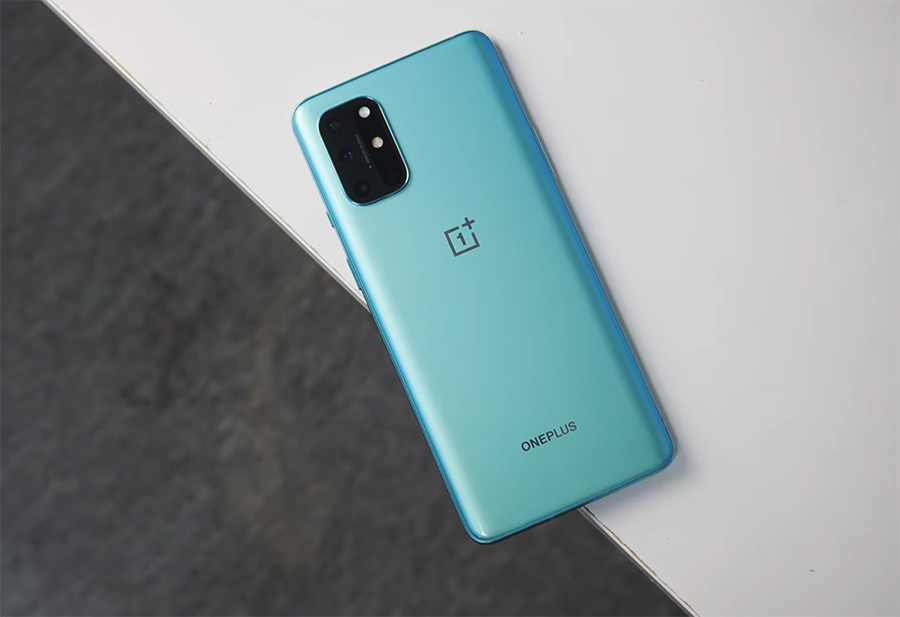
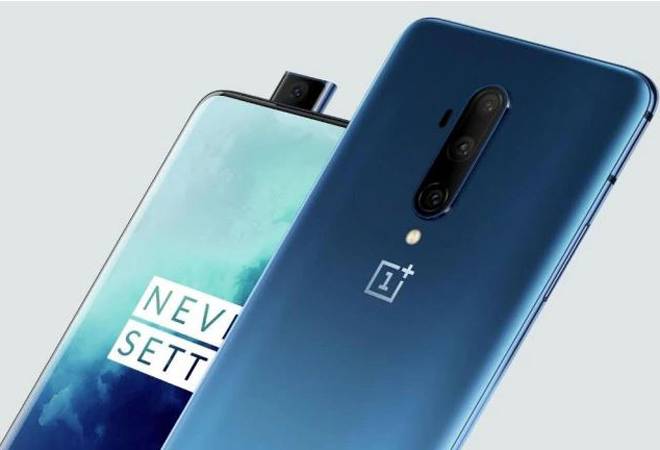
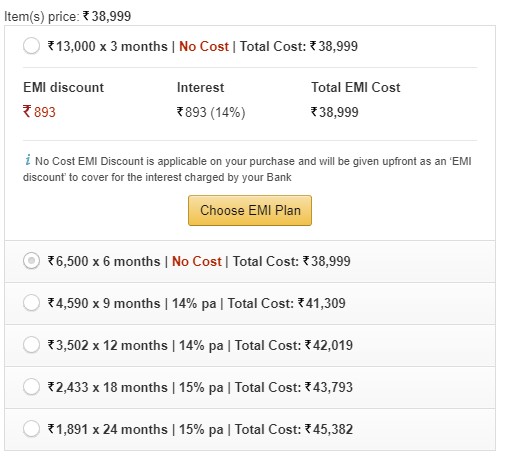
Under the Anniversary sale, OnePlus is offering massive discounts on all its smartphones on Amazon. However, there’s a special coupon discount of Rs 5000 on the OnePlus 7T Pro 8GB RAM and 256GB storage variant. It usually retails for the price of Rs 43,999, but with the coupon discount, the buyers can get it for Rs 38,999 via Amazon. It is the best price until now for the OnePlus 7T Pro 8GB RAM variant.
The company is providing a no-cost EMI of up to 6 months with HDFC credit/debit card and other partner institutions. Moreover, you can grab an instant discount of up to Rs 3000 on other OnePlus smartphones available at Amazon. Unfortunately, the instant discount offer can’t be clubbed with a Rs 5000 off coupon on OnePlus 7T Pro.
OnePlus 7T Pro Specs
It sports a 6.67-inch fluid display featuring 3120 x 1440 pixels resolution and 516 PPI pixel density. OnePlus 7T sports a triple rear camera module featuring a 48-megapixel primary sensor, an 8-telephoto lens, and a 16-megapixel ultrawide angle. There’s a 16-megapixel lens on the front for video calling and quality selfies.
It is powered by a Qualcomm Snapdragon 855 Plus chipset consisting of an octa-core processor and Adreno 640 GPU. The device is available in 8GB RAM + 128GB and 8GB RAM + 256 GB storage variant. The smartphone carries a 4085 mAh battery that supports 30W fast Warp charge technology.
It’s a one-time offer for interested users. You can grab it now by hitting the button below.
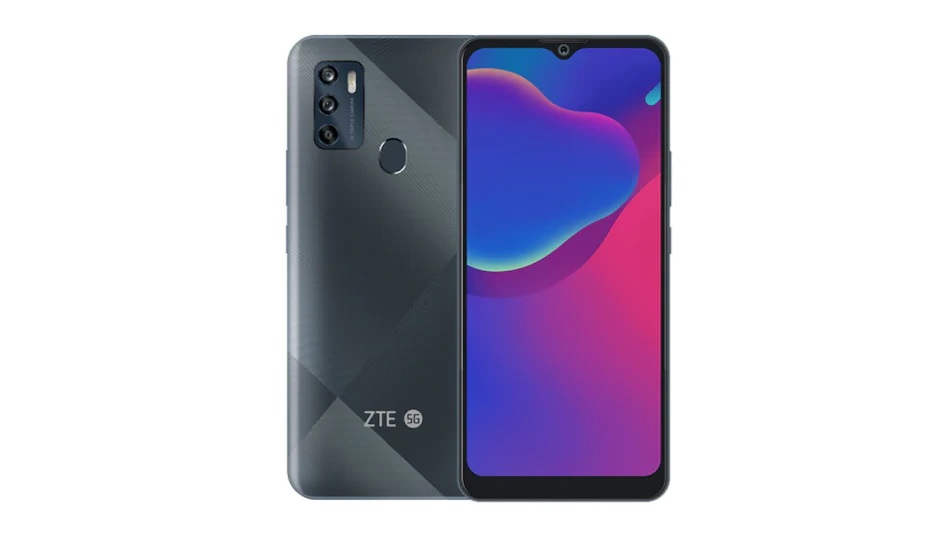
ZTE has finally launched the Blade V2021 5G in China. The device is a watered-down version of the ZTE Blade V2020 that launched back in October. Despite starting at a lower price of 999 yuan($152.21), the device retains features like a 48MP camera, 5G from the predecessor.
ZTE Blade V2021 5G Price, Availability, Offers
The company took to Weibo to confirm the pricing, and specifications of the device. Accordingly, ZTE Blade V2021 5G comes in three colors- Space Gray, Fantasy Blue, Space Silver. You can take a look at the pricing and storage variants below:
4GB RAM, 64GB storage- 999 yuan($152.21)
6GB RAM, 128GB storage- 1399yuan($213.16)
The ZTE Blade V2021 5G will be available on JD.com(Jingdong) starting tomorrow(December 3). The official listing on the website shows that the sale will start around 10:00 AM China time(UTC+08:00). The company is also giving initial discounts of up to 100 yuan($15.24) for the 6GB/128GB model. Hence, the effective price of it is 1299 yuan($197.92).
The ZTE Blade V2021 5G is totally different from the predecessor in design. It has a polycarbonate back with a vertical camera setup, a notch display, and a slightly underpowered CPU. Measuring 165.9×75.8×8.9mm, the device weighs around 188g. Upfront, there is a 6.52-inch TFT display with a 60Hz refresh rate.
Under the hood, MediaTek’s Dimensity 720 5G SoC powers the device. As mentioned above, the SoC is paired with 4/6GB RAM and 64/128GB storage. However, you also get a storage expansion via a MicroSD slot up to 512GB. For cameras, you get a 48MP f/1.79 main lens, 8MP 120° ultra-wide, and 2MP macro sensor. An 8MP selfie shooter sits at the front tucked under the notch.
Other specifications include a 4,000mAh battery, Bluetooth 5.1, Wi-Fi 802.11ac, 3.5mm audio jack, DTS sound, Type-C port, 5G SA/NSA, GPS for connectivity.
We use cookies on our website to give you the most relevant experience by remembering your preferences and repeat visits. By clicking “Accept”, you consent to the use of ALL the cookies.
This website uses cookies to improve your experience while you navigate through the website. Out of these, the cookies that are categorized as necessary are stored on your browser as they are essential for the working of basic functionalities of the website. We also use third-party cookies that help us analyze and understand how you use this website. These cookies will be stored in your browser only with your consent. You also have the option to opt-out of these cookies. But opting out of some of these cookies may affect your browsing experience.
Necessary cookies are absolutely essential for the website to function properly. This category only includes cookies that ensures basic functionalities and security features of the website. These cookies do not store any personal information.
Any cookies that may not be particularly necessary for the website to function and is used specifically to collect user personal data via analytics, ads, other embedded contents are termed as non-necessary cookies. It is mandatory to procure user consent prior to running these cookies on your website.