Advertisement

Vivo V20 Pro 5G may launch on December 2 in India

India has already received the Vivo V20 SE and Vivo V20 smartphones. Recent reports have revealed that the Vivo V20 Pro 5G phone will be made official in the country in December. Yesterday, Vivo India took to Twitter to tease the arrival of the Vivo V20 Pro 5G’s for the first time. The tweet that showcases the appearance of the phone only mentions that it is “coming soon” to the country. Tushar Mehta From XDA Developers retweeted the Vivo’s tweet and claimed that the Vivo V20 Pro 5G on Dec. 2.

Vivo V20 Pro 5G price in India

According to a recent report, the Vivo V20 Pro 5G could be landing in India with a starting price of Rs 29,999 (~$405). Vivo is yet to officially start the pre-orders of the smartphone, but a leaked poster that appeared earlier this week revealed that customers will get a 10 percent cashback on ICICI credit and debit cards, a 10 precent cashback from ZestMoney Finance, and a 10 precent cashback through Bank of Baroda credit cards. Buyers of Vivo V20 Pro 5G will also get Jio benefits worth up to Rs 10,000 (~$135), Vivo upgrade offers, and one EMI cashback from IDFIC First Bank.

Vivo V20 Pro 5G specifications

The specifications of the Vivo V20 Pro 5G are no secret since it has already launched in some of the Southeast Asian markets. The Vivo V20 Pro 5G has a 6.44-inch AMOLED display with a big notch for housing an eye-focus enabled 44-megapixel + 8-megapixel dual selfie camera system.

The backside of the Vivo V20 Pro 5G has a 64-megapixel main camera, an 8-megapixel ultrawide lens, and a 2-megapixel mono sensor. The device is preinstalled with Android 11 OS and FunTouch OS UI. It is powered by the Snapdragon 765G chipset, 8 GB of RAM, and a 4,000mAh battery with 33W fast charging support. It has an internal storage of 128 GB and it has a microSD card slot for additional storage.


Vivo V2054A full specifications revealed through TENAA appearance

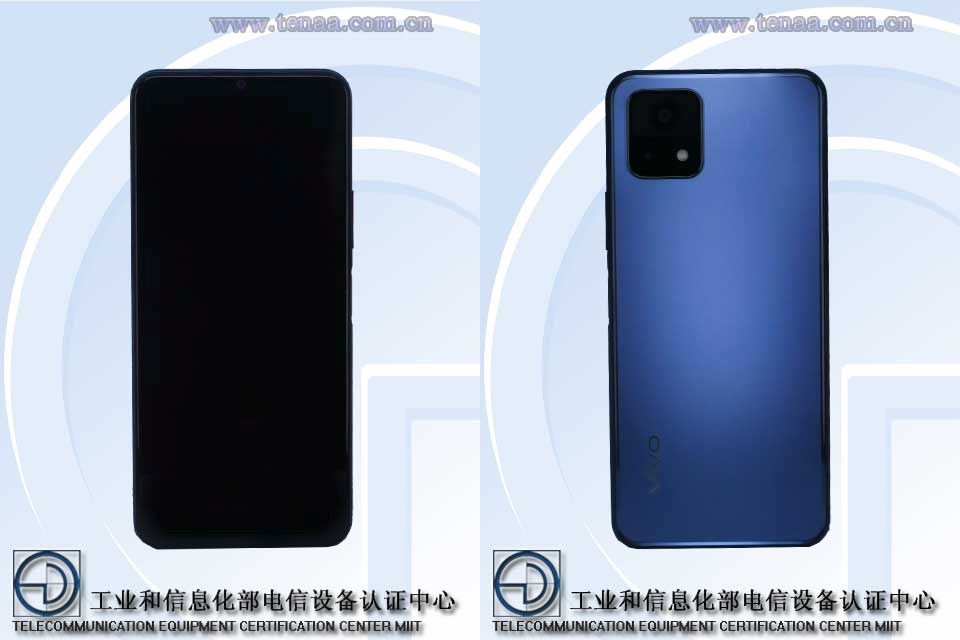
It appears that Vivo will be soon launching a midrange smartphone before the end of 2020 in China. The reason behind it is that an unknown Vivo phone with model number V2054A has received approval from China’s TENAA authority. The TENAA listing has revealed all its specifications and images.

The Vivo V2054A smartphone measures 164.15 x 75.35 x 8.4mm and it weighs 185.5 grams. It seems to feature a waterdrop notch display and its back panel has a square-shaped camera module. A volume rocker and a fingerprint scanner can be found on the right edge of the Vivo V2054A.

Vivo V2054A specifications             

The handset features a 6.58-inch LCD panel that produces a full HD+ resolution of 1080 x 2400 pixels and a 20:9 aspect ratio. It has a front camera of 8-megapixel. The rear shell of the device seems to be fitted with a dual-camera setup that includes a 13-megapixel main camera and a 2-megapixel secondary lens.

IQOO V2054A TENAA

The Vivo V2054A is powered by an unknown octa-core chipset that clocks at 2.0GHz. The handset has 128 GB of storage and it is expected to arrive in China in three RAM editions like 4 GB, 6 GB, and 8 GB. It does not feature a microSD card slot.

The Vivo V2054A will be the first phone from the brand to come preinstalled with Android 11 OS. It is powered by a rated battery with 4,910mAh capacity, which carries support for rapid charging.  It carries support for 5G connectivity.

The final product name of the V2054A is yet to be revealed. With TENAA certification in tow, the handset is likely to go official in the next few days in China.


Xiaomi Q3 2020 financial report reveals it recorded 46.6 million shipments

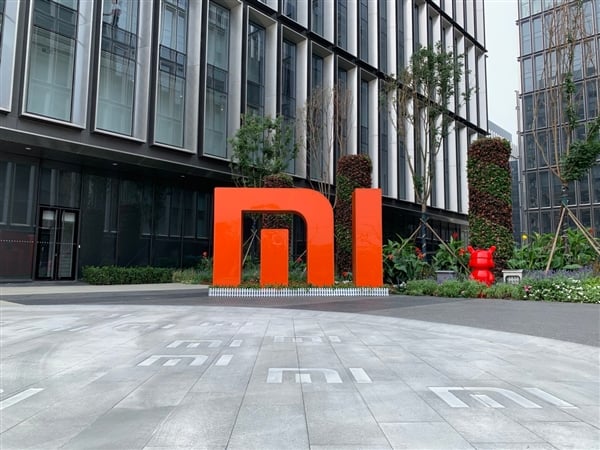
Yesterday, we reported that Huami had released its third-quarter financial report which revealed big wins for the wearables manufacturer. Now, it is the turn of Xiaomi, and the Chinese tech giant’s report includes some gigantic figures.

Xiaomi

According to an excerpt of the report posted on Weibo by Lei Jun, Xiaomi’s total revenue for the third quarter of 2020 was RMB 72.2 billion (~$10.9 billion), an increase of 34.5% year-over-year. Its adjusted net profit for the quarter was RMB 4.1 billion (~$622 million), an increase of 18% from Q3 2019. Both values exceeded their expectations for the quarter.

Xiaomi says its total smartphone shipments for the last quarter was 46.6 million units, a year-over-year growth of 45.3%. Xiaomi says this year, it has shipped more than 8 million premium smartphones (price tag of RMB 3000 (~$) and above in China and €300 and above overseas). The recorded revenue from the smartphone business was RMB 47.6 billion (~$), an increase of 47.5% year-over-year.

Xiaomi Q3 2020 Smartphone x AIoT

The increase in smartphone shipments propelled Xiaomi to the third spot, with a global market share of 13.5%, on the list of manufacturers with the highest number of shipments. Canalys, reports that Redmi, Xiaomi’s subsidiary accounted for three of the world’s top ten best-selling smartphones in the third quarter of the year.

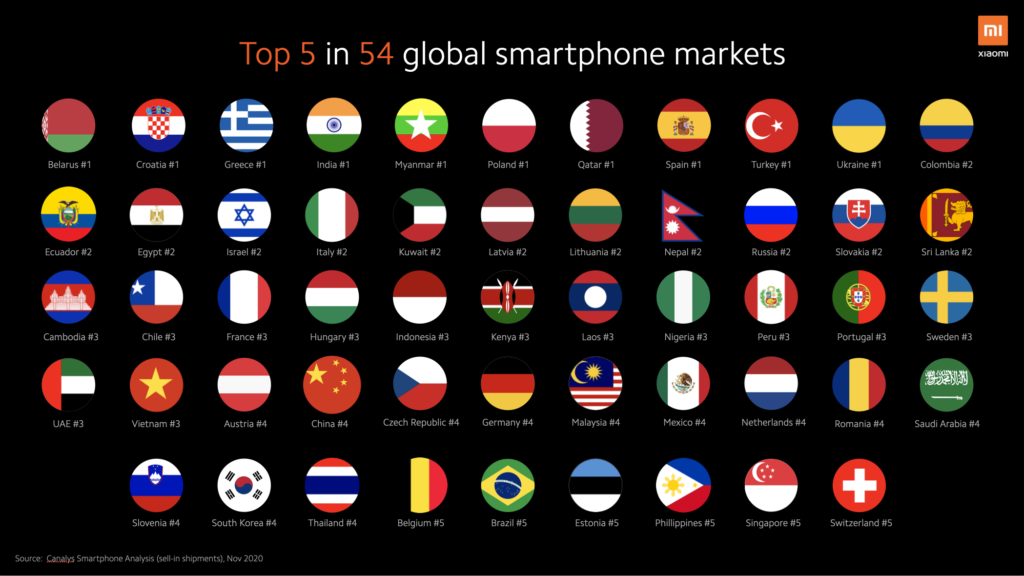
Xiaomi also claims that its overseas market is growing rapidly as more than half of its total revenue came from markets outside China. In Western Europe, it recorded a 107.3% increase in smartphone shipments. IoT and lifestyle product revenue from overseas markets grew 56.2% year-over-year. A summary of the financial report says that Xiaomi is among the top 5 brands in 54 global smartphone markets.

Xiaomi global position

Xiaomi says its MIUI Monthly Active Users (MAU) increased from 292 million in Q3 2019 to 368 million in Q3 2020. It also recorded significant growth in the AIoT segment. The report says there are now 289 million connected IoT devices on its platform and 5.6 million users have five or more devices connected to its AIoT platform, a 59.0% increase compared to the same quarter last year.

Xiaomi revealed it has continued to invest in R&D. Earlier this month, at its 2020 edition of its Mi Developer Conference, it announced Xiaomi Vela, an IoT platform that is built on the Nuttx open-source embedded operating system. The new platform is said to be aimed at enhancing the interconnectivity across all everyday scenarios to build out a thriving IoT ecosystem. It also announced XiaoAI AI Assistant 5.0, the latest version of the smart assistant that powers its smart products in China.


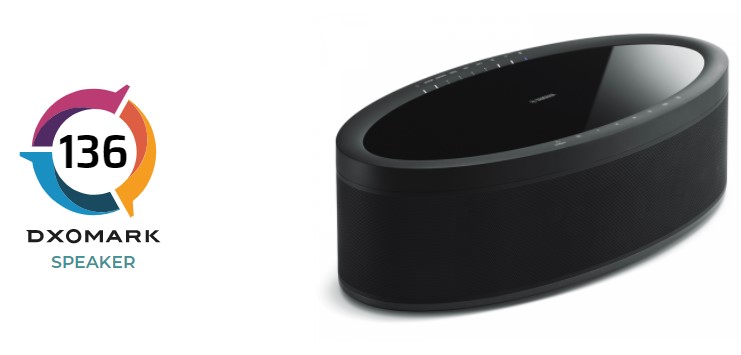
DxOMark Speaker: Google Nest Audio smart speaker scores 112; Yamaha MusicCast 50 scores 136

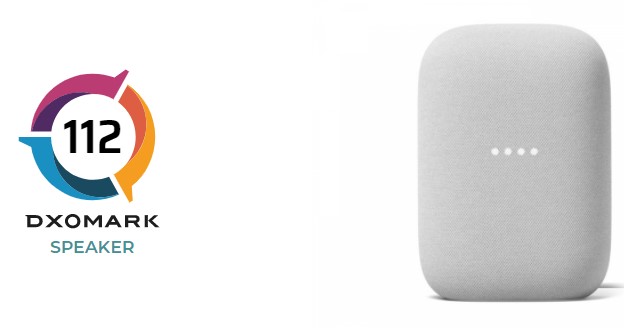
DxOMark has added two more devices to its speaker rankings. The first is the Google Nest Audio smart speaker which falls under the Essential category while the other speaker is the Yamaha MusicCast 50 which falls under the Advanced category.

Google Nest Audio DxOMark

Google Nest Audio

With an overall score of 112, the Nest Audio grabs the second spot on the Essential category, trailing behind the Amazon Echo Studio which has a score of 124.

The review says the Nest Audio delivers “remarkable maximum volume for its size”. However, the fact that it has a mono speaker and is front-firing means “the sound reproduction isn’t consistent”. There is also a lack of bass in most use cases according to DxOMark. The review also commends the speaker’s Ambient IQ feature which allows it to automatically adapt to its acoustic environment when streaming vocal content such as news, podcasts, and audiobooks from the internet. This means the feature is not available when playing content locally.

You can read the full review here.


Yamaha MusicCast 50

The Yamaha MusicCast 50 is the latest addition to DxOMark’s speaker ranking. The MusicCast series was announced in 2015 but the MusicCast 50 didn’t launch until September 2018.

The speaker which weighs 4.5 kilograms is not designed to be moved around. It has two 30mm dome tweeters and two 100mm woofers and supports Google Assistant and Amazon Alexa. It also supports AirPlay 2 in addition to MusicCast, Bluetooth, and Google Cast. It also has an optical input port and a mini 3.5mm jack.

Yamaha MusicCast 50 Speaker

Its overall score of 136 puts it behind the Harman Kardon Citation 200 and
Google Home Max. The speaker gets praise for its maximum volume, great bass, wide sound field, strong punch, and few artifacts making it great for watching movies.

The speaker is not perfect. For starters, the Yamaha MusicCast is also a front-firing speaker just like the Nest Audio, which means you don’t get surround sound and makes it unsuitable for outdoor use. Considering this speaker weighs 4.5 kilograms, we don’t know why you will want to move it around in the first instance.

The full review goes in-depth with a focus on dynamics, spatial, and timbre tests.


HUAWEI reveals EMUI 11 update timeline for global markets

Huawei unveiled EMUI 11 as the latest version of its mobile operating system in September at the HUAWEI DEVELOPER CONFERENCE 2020. The Chinese telecom giant has been running beta programs for eligible devices in its home country China since the day of the announcement. Some of the devices have already received stable release as well. Now, over two months later, the company has finally revealed the update timeline for global markets along with eligible devices.

EMUI 11 Logo White Background Featured

Huawei has divided the EMUI 11 update schedule into seven market categories and they are as listed below.

  • The Middle East, Africa, and Russia
  • Asia Pacific
  • Western Europe
  • Northeastern Europe
  • Latin America
  • Japan
  • India


Before listing the update roadmap for eligible smartphones and tablets, we would like to inform you that this information comes directly from Huawei (via XDA Developers) and the schedule mentioned below is tentative and the actual final stable rollout may differ based on various factors.

Also, the carrier versions of the below-listed smartphones may have a different update timeline. So if you are using one of those models, do check with your carrier for details regarding the EMUI 11 update.

With that out of the way, let us take a look at the EMUI 11 update roadmap for global markets.

EMUI 11 Update Timeline for Global Markets

The Middle East, Africa, and Russia

Device
Model Name
Schedule

HUAWEI P40

ANA December 2020

HUAWEI P40 Pro

ELS

December 2020

HUAWEI P40 Pro+ ELS

December 2020

HUAWEI Mate30 Pro LIO December 2020
HUAWEI Mate30 Pro 5G LIO December 2020
HUAWEI Mate Xs TAH January 2021
HUAWEI nova7 JEF January 2021
HUAWEI P30 ELE Q1 2021
HUAWEI Mate20 X EVR Q1 2021
HUAWEI Mate20 X 5G EVR Q1 2021
HUAWEI Mate20 HMA Q1 2021
PORSCHE DESIGN HUAWEI Mate20 RS LYA Q1 2021
HUAWEI Mate20 Pro LYA Q1 2021
HUAWEI P30 Pro VOG Q1 2021
HUAWEI nova 5T YAL Q1 2021
HUAWEI MatePad Pro MRX Q1 2021
HUAWEI MatePad Pro 5G MRX Q1 2021
HUAWEI MediaPad M6 10.8” SCM Q1 2021


Asia Pacific

Device
Model Name
Schedule
HUAWEI P40 ANA December 2020
HUAWEI P40 Pro ELS December 2020
HUAWEI P40 Pro+ ELS December 2020
HUAWEI Mate30 Pro LIO December 2020
HUAWEI Mate30 Pro 5G LIO December 2020
HUAWEI Mate30 TAS December 2020
HUAWEI Mate Xs TAH January 2021
HUAWEI nova7 JEF January 2021
HUAWEI P30 ELE Q1 2021
HUAWEI Mate20 X EVR Q1 2021
HUAWEI Mate20X 5G EVR Q1 2021
HUAWEI Mate20 HMA Q1 2021
HUAWEI Mate20 Pro LYA Q1 2021
PORSCHE DESIGN HUAWEI Mate20 RS LYA Q1 2021
HUAWEI P30 Pro VOG Q1 2021
HUAWEI nova 5T YAL Q1 2021
HUAWEI MatePad Pro MRX Q1 2021
HUAWEI MatePad Pro 5G MRX Q1 2021
HUAWEI MediaPad M6 10.8” SCM Q1 2021


Western Europe

Device
Model Name
Schedule
HUAWEI P40 ANA December 2020
HUAWEI P40 Pro ELS December 2020
HUAWEI P40 Pro+ ELS December 2020
HUAWEI Mate30 Pro LIO December 2020
HUAWEI Mate Xs TAH January 2021
HUAWEI P30 ELE Q1 2021
HUAWEI P30 Pro VOG Q1 2021
HUAWEI Mate20 HMA Q1 2021
HUAWEI Mate20 Pro LYA Q1 2021
PORSCHE DESIGN HUAWEI Mate20 RS LYA Q1 2021
HUAWEI Mate20 X EVR Q1 2021
HUAWEI Mate20 X 5G EVR Q1 2021
HUAWEI nova 5T YAL Q1 2021
HUAWEI MatePad Pro MRX Q1 2021
HUAWEI MediaPad M6 10.8” SCM Q1 2021


Northeastern Europe

Device
Model Name
Schedule
HUAWEI P40 ANA December 2020
HUAWEI P40 Pro ELS December 2020
HUAWEI P40 Pro+ ELS December 2020
HUAWEI Mate30 Pro LIO December 2020
HUAWEI Mate Xs TAH January 2021
HUAWEI P30 ELE Q1 2021
HUAWEI P30 Pro VOG Q1 2021
HUAWEI Mate20 HMA Q1 2021
HUAWEI Mate20 Pro LYA Q1 2021
PORSCHE DESIGN HUAWEI Mate20 RS LYA Q1 2021
HUAWEI Mate20 X 5G EVR Q1 2021
HUAWEI nova 5T YAL Q1 2021
HUAWEI MatePad Pro MRX Q1 2021
HUAWEI MediaPad M6 10.8” SCM Q1 2021


Latin America

Device
Model Name
Schedule
HUAWEI P40 ANA January 2021
HUAWEI P40 Pro ELS January 2021
HUAWEI P40 Pro+ ELS January 2021
HUAWEI Mate30 Pro LIO January 2021
HUAWEI Mate Xs TAH January 2021
HUAWEI P30 ELE Q1 2021
HUAWEI Mate30 Pro VOG Q1 2021
HUAWEI Mate20 HMA Q1 2021
HUAWEI Mate20 Pro LYA Q1 2021
HUAWEI nova 5T YAL Q1 2021
HUAWEI MatePad Pro MRX Q1 2021
HUAWEI MediaPad M6 10.8” SCM Q1 2021


Japan

Device
Model Name
Schedule
HUAWEI P40 Pro ELS January 2021
HUAWEI Mate30 Pro 5G LIO January 2021
HUAWEI P30 ELE Q1 2021
HUAWEI nova 5T YAL Q1 2021
HUAWEI Mate20 Pro LYA Q1 2021
HUAWEI MatePad Pro MRX Q1 2021


India

Device
Model Name
Schedule
HUAWEI Mate20 Pro LYA Q1 2021
HUAWEI P30 Pro VOG Q1 2021


Everything you need to know about EMUI 11


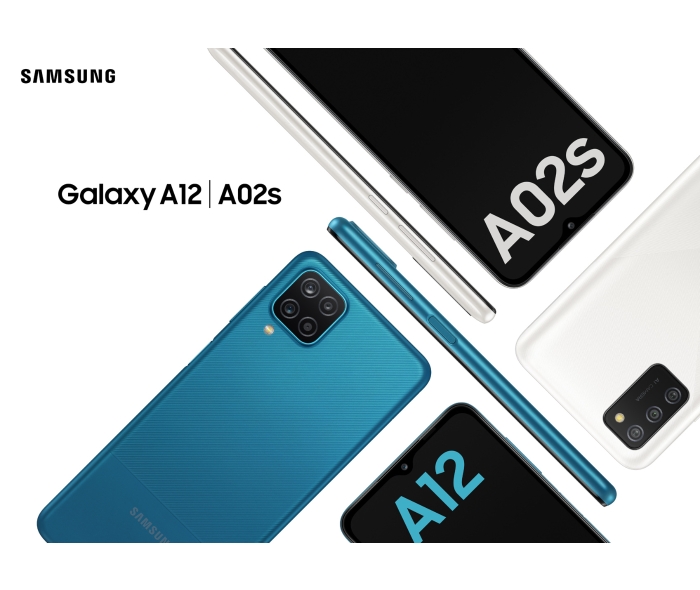
Samsung unveils Galaxy A12 and Galaxy A02s with Infinity-V displays and 5000mAh batteries

Samsung has announced two new phones but you won’t be able to purchase them until next year. The two new phones are the Galaxy A12 and Galaxy A02s and they both have Infinity-V displays and 5000mAh batteries.

Galaxy A12 and Galaxy A02s featured

Galaxy A12

The Galaxy A12 has a 6.5-inch screen with an HD+ resolution. The screen has moderately sized bezels and inside the notch is an 8MP camera. The back of the phone is a slab of polycarbonate that has 75% of its area textured and the remaining part smoothened out.

At the top left corner is a squircle camera housing that has four cameras – a 48MP primary camera, a 5MP ultrawide angle camera, a 2MP macro camera, and a 2MP depth camera.

Inside the phone is an unnamed octa-core processor with some of its cores clocked at 2.3GHz and the rest clocked at 1.8GHz. There are speculations that the processor is the Helio P35 from MediaTek. Buyers will be able to choose from three configurations – 3+32GB, 4+64GB, and 6+128GB. There is also support for storage expansion.

The battery capacity is 5000mAh and it supports 15W fast charging. There is a side-mounted fingerprint scanner and the bottom is home to an audio jack and USB port. Samsung does not say which operating system the phone is running but once we can confirm, we will update the post.

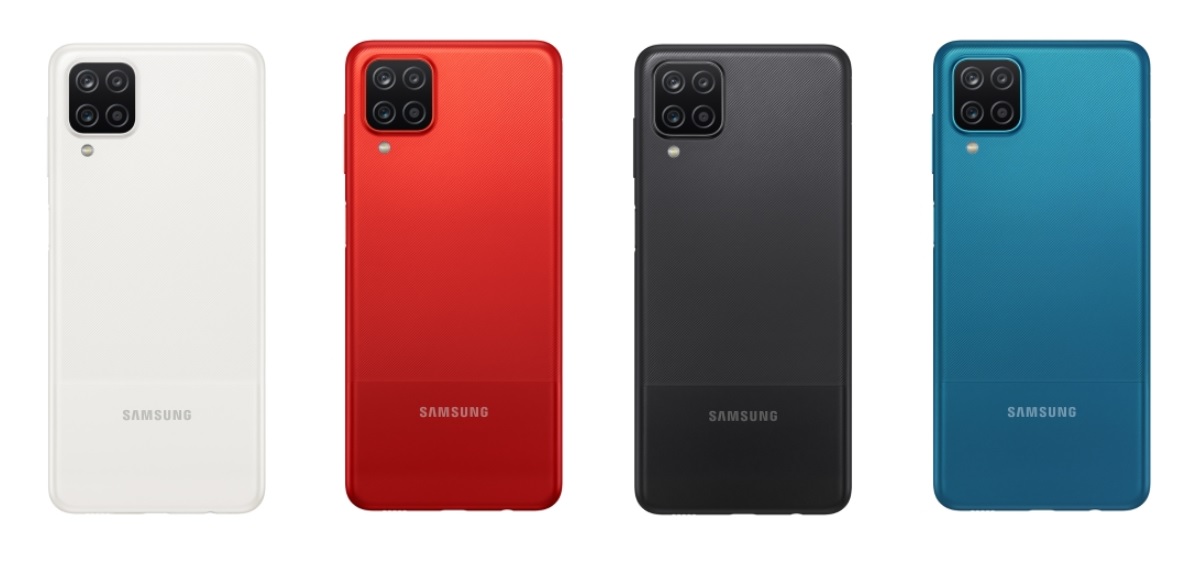
Galaxy A12 all colors

The phone will come in Black, Blue, Red, and White when it goes on sale in January 2021. The 64GB version will sell for €179 while the 128GB version will sell for €199. There is no info on the price of the 32GB version.


Galaxy A02s

The Galaxy A02s also has a 6.5-inch screen with an HD+ resolution. It also has a polycarbonate back that has a diamond pattern design. There is a 5MP selfie camera inside the notch while the rear has a 13MP + 2MP + 2MP triple camera setup.

The phone has an octa-core processor clocked at 1.8GHz and it comes with 3GB of RAM and 32GB of storage with support for storage expansion (1TB max). Sadly, there is no fingerprint scanner on this phone.

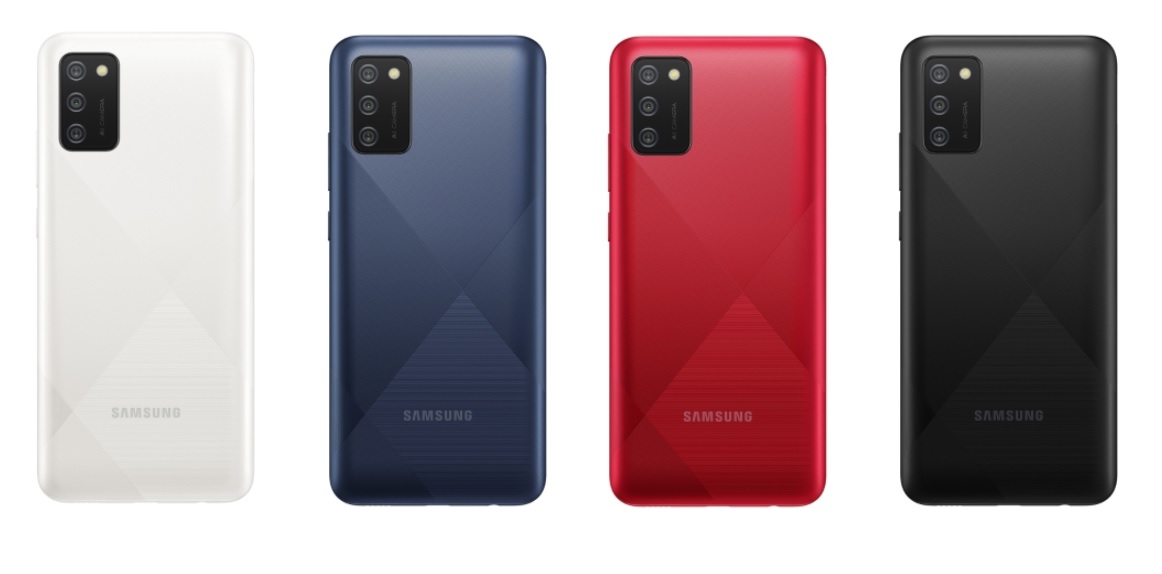
Galaxy A02s all colors

Its 5000mAh battery also supports 15W fast charging and it will come in Black, Navy Blue, Red, and White when it goes on sale in February 2021 with a price tag of €150.


Black Friday Deal: Get free Google Nest Hub in a bundle with Pixel 4a [UK Only]

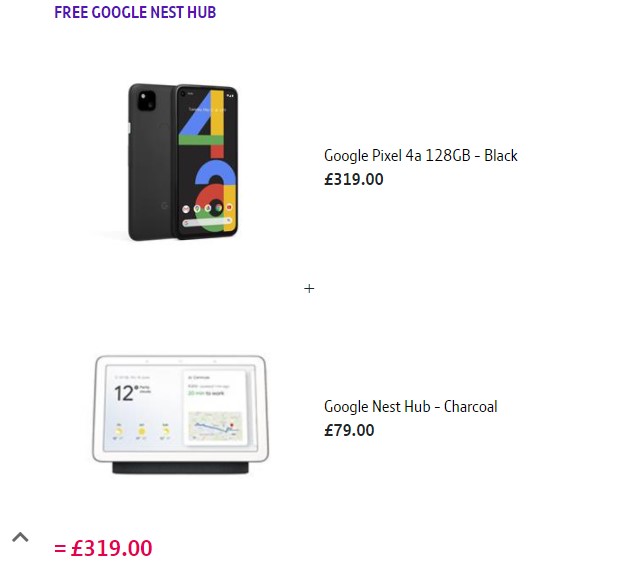
The major consumer electronics makers are offering massive discounts, and the retailers are further making the deals even sweeter by bundling some products together. In such a similar deal, a major UK retailer – BT is offering Google Nest Home for free if the buyer grabs Pixel 4a/Pixel 4a 5G in a bundle for £319.

Must See: Google’s Black Friday discount shaves $150 off the Google Home Max, $50 off the Pixel 5

The offer is applicable on both the Pixel 4a and Pixel 4a 5G edition which costs £319 and £459, respectively. However, the Pixel 4a 128GB is available only in Black color on BT and the offer is limited to the user residing in the UK. You can head over to the product page and can scroll down to the “Bundle” section to get the deal.

We suggest the interested buyers grab it as soon as possible, otherwise, it may get out of stock. Bringing Google Nest Home can be like icing on the cake along with the Google Pixel 4a smartphone. It will enhance the Google experience at your home or workplace.

Google Pixel 4a was launched earlier this year in two variants – 5G and non-5g variant. The smartphone carries a 5.8-inch OLED display with Full HD+ resolution. It offers powerful performance with Snapdragon 730G chipset which couples 6GB RAM and 128GB storage. As with other Pixel smartphones, Pixel 4a offers an excellent photography experience with its 12.2-rear camera lens.

Google Nest Hub, on the other hand, can be your entertainment console and also acts as a smart device manager. It’s a door to automation at your place with minimum investment.

Grab Now

Related: Black Friday Deals: OnePlus 8 series now starts at $499; free buds with Pro model


Xiaomi, OnePlus & Sony execs to share the spotlight at Qualcomm’s Snapdragon Summit

Leading United chip maker, Qualcomm will announce the release of its latest 5G chipsets at its annual Snapdragon Summit, as well as its next premium offering – the Snapdragon 875. The two-day event will hold in Hawaii, and it was revealed today by the company that all of the high-profile executives invited to give keynote speeches have indicated their readiness for the event.

Qualcomm Tech Summit 2020

Some of the notable tech executives that would grace the event are Lei Jun, CEO at Xiaomi, Mitsuya Kishida, President of Sony Mobile, and Kyle Kiang from OnePlus.

The event is expected to be declared open by Cristiano Amon, the president of Qualcomm. He will be joined on the stage by representatives of Verizon and NTT Docomo, the largest carriers in the US and Japan, respectively.

With the spotlight on smartphone producers, it is expected that there could be big announcements about the release of new smartphones with the flagship Snapdragon chipset within the first half of the new year, 2021.

The new Snapdragon 875 chipset will have innovative face recognition capabilities and AI technologies. Its implementation will be explained in detail by Clement Delangue, co-founder and CEO of Hugging Face, a neural language processing platform that has collaborated with Qualcomm on their flagship and game-changing chipset.

As a consequence of the coronavirus pandemic, all the keynote speeches will be streamed live on multiple platforms for greater viewership by the teeming global audience holding her breath for a revolutionary shift in wireless communications.

The Snapdragon Tech Summit holds from December 1-2, 2020 in Hawaii. It is the fifth in the series and is expected to chart the way in the next generation 5G technology.

UP NEXT: Oppo X 2021 unveiled as the world’s first smartphone concept with an extending display


South Korea’s new remote Infrared Wireless charging could challenge Huawei’s Laser-based charging

South Korea may have just got an answer to the Huawei‘s Truly Wireless laser Charging tech. A professor in South Korea has developed an infrared-wireless charging technology that will work for devices with several meters apart.

Huawei Freebuds Pro earbuds reverse wireless charging featured
Representative Image: Inductive Wireless Charging

As reported by Korean media(via Sina Technology) Professor Ha Jin-Yong of Sejong University said that he has developed a wireless charging technology and registered a patent locally. Apparently, it is infrared-based and can reach devices at several meters. Additionally, users can select different bandwidths of the infrared spectrum to charge multiple devices simultaneously.

The present wireless charging is merely a wireless charging tech. Precisely, it is based on the electromagnetic induction principle where the devices need to be attached with each other. It has limitations like low conversion rates, inability to use your phone while it is charging(since you need to keep it on the base), heating issues, expensive, and more. Also, you need wires to connect the power source and the charging base.

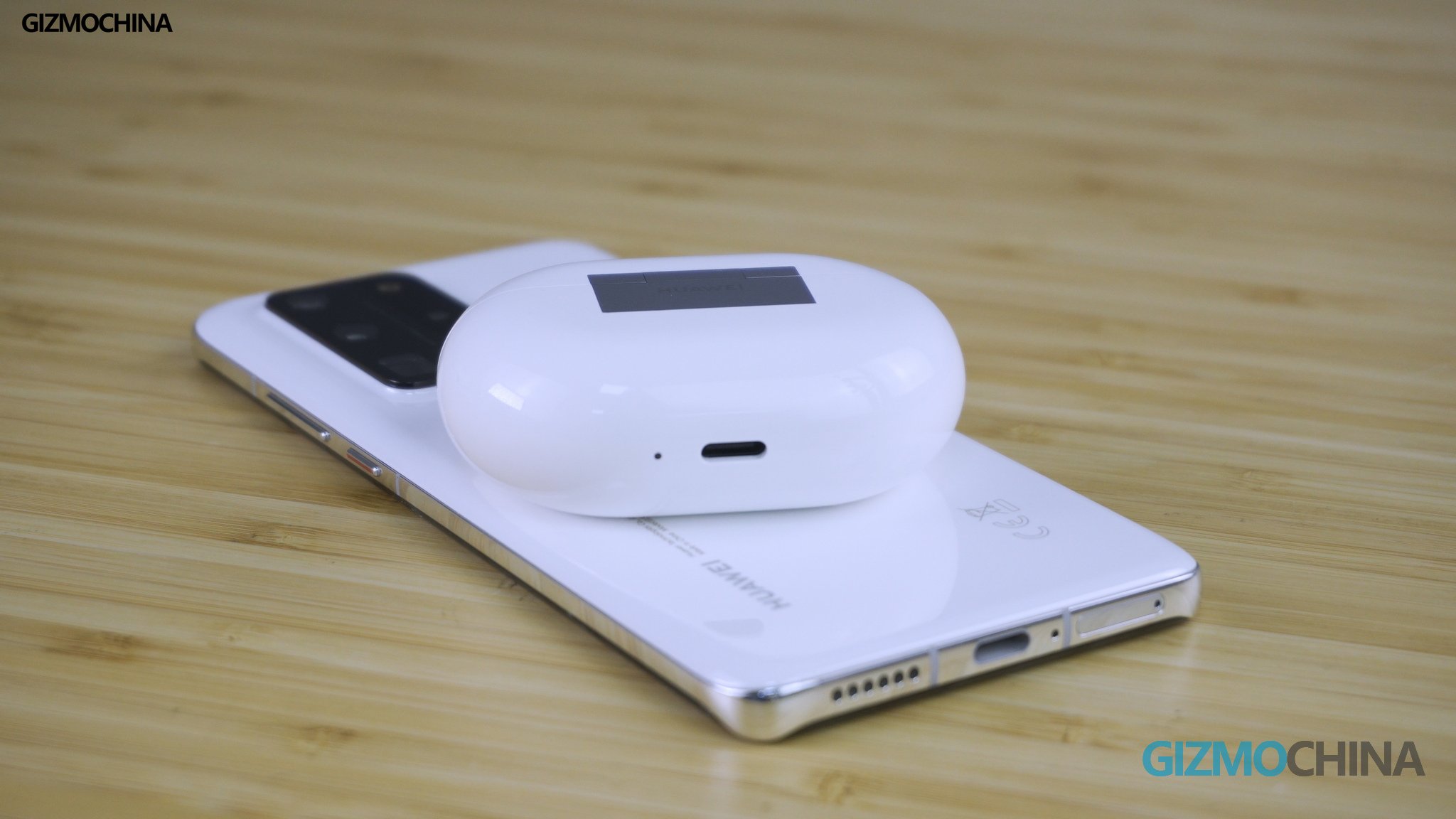
However, Huawei’s recently filed a patent which allows your devices to charge 100% wirelessly via laser tech. That is, it uses a laser charging module to beam safe, invisible lasers that your devices can capture. Similarly, the latest infrared charging tech is truly wireless.

It uses a high-power infrared light generated by optical amplifiers. Henceforth, as mentioned above, the bands can be varied to charge multiple devices wherein each device can pick a band to receive the power. This not only overcomes the loss while sharing the energy across devices, but it also ensures that it reaches your device across several meters.

That said, Ha Jin-Yong says this patent opens a world where the country’s domestic tech can respond to Huawei’s laser-based wireless charging technology in China. Apparently, the university has been receiving multiple proposals for commercialization from companies around the world.

Nevertheless, the future looks bright for charging technology but we really hope that companies find a way to bring them to the masses as not all can afford wireless charging smartphones at present.

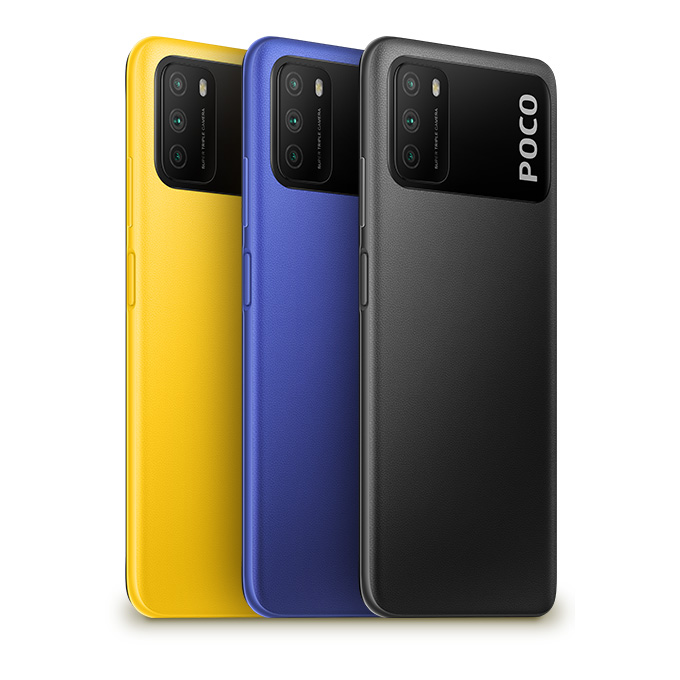
Realme 7 5G vs Redmi Note 9 Pro vs POCO X3: Specs Comparison

A few days ago, Realme launched the most affordable 5G phone in Europe: the Realme 7 5G. But as you probably know, 5G phones are more expensive than 4G ones, even when they have similar specifications. Is it worth going for the Realme 7 5G despite it comes with an inferior specs sheet to 4G phones or it is better to opt for LTE devices with better specifications? We will try to answer this question in this comparison between Realme 7 5G and two best-sellers of the most recent period: Redmi Note 9 Pro and POCO X3 NFC. Note that we are referring to the Global version of the Redmi Note 9 Pro, not the Indian one.

Realme 7 5G vs Xiaomi Redmi Note 9 Pro vs Xiaomi POCO X3

Xiaomi Redmi Note 9 Pro Xiaomi POCO X3 NFC Oppo Realme 7 5G
DIMENSIONS AND WEIGHT 165.8 x 76.7 x 8.8 mm, 209 grams 165.3 x 76.8 x 9.4 mm, 215 grams 162.2 x 75.1 x 9.1 mm, 195 grams
DISPLAY 6.67 inches, 1080 x 2400p (Full HD+), 395 ppi, IPS LCD  6.67 inches, 1080 x 2400p (Full HD+), IPS LCD 6.5 inches, 1080 x 2400p (Full HD+), 405 ppi, IPS LCD
PROCESSOR Qualcomm Snapdragon 720G, octa-core 2.3 GHz Qualcomm Snapdragon 732G, octa-core 2.3 GHz Mediatek Dimensity 800U, octa-core 2.4 GHz
MEMORY 6 GB RAM, 64 GB – 6 GB RAM, 128 GB – micro SD dedicated slot 6 GB RAM, 64 GB – 6 GB RAM, 128 GB – micro SD slot 6 GB RAM, 128 GB – 8 GB RAM, 128 GB – micro SD slot
SOFTWARE Android 10, MIUI  Android 10, MIUI Android 10, Realme UI
CONNECTIVITY Wi-Fi 802.11 a/b/g/n/ac, Bluetooth 5, GPS  Wi-Fi 802.11 a/b/g/n/ac, Bluetooth 5.1, GPS Wi-Fi 802.11 a/b/g/n/ac, Bluetooth 5.1, GPS
CAMERA Quad 64 + 8 + 5 + 2 MP f/1.8, f/2.2, f/2.4 and f/2.2
16 MP f/2.5 front camera
Quad 64 + 13 + 2 + 2 MP, f/1.8 + f/2.2 + f/2.4 + f/2.4
20 MP f/2.2 front camera
Quad 48 + 8 + 2 + 2 MP f/1.8, f/2.3, f/2.4 and f/2.4
16 MP f/2.1 front camera
BATTERY 5020 mAh, fast charging 30W  5160 mAh, fast charging 33W 5000 mAh, fast charging 30W
ADDITIONAL FEATURES Dual SIM slot Dual SIM slot, splash proof Dual SIM slot, 5G

Design

The POCO X3 NFC has the sturdiest design: instead of a classic plastic body, it sports an aluminum frame allowing for better resistance and a more elegant look. But it is thicker and less beautiful than the Realme 7 5G if we only consider the look. I prefer the Realme 7 5G because it has a more modern look, better color variants (imho), and a thinner design. I do not like the design of the Redmi Note 9 Pro due to its ugly and square-shaped camera module, but unlike the Realme 7 5G, it offers a glass back. Which is your favorite one?


Display

The most advanced display belongs to the POCO X3 NFC. Its panel comes with the Full HD+ resolution, the HDR10 certification for better image quality ad a 120 Hz refresh rate for a smoother viewing experience. The Realme 7 5G has a Full HD+ display with a 120 Hz refresh rate as well, but it lacks the HDR10 certification. The Redmi Note 9 Pro is inferior because it lacks both HDR and a high refresh rate, so do not choose it if you need the best display.


Specs & Software

The Snapdragon 732G chipset found on the POCO X3 NFC is actually superior to the Snapdragon 720G SoC you can find on the Redmi Note 9 Pro and a lot of people trust it more than the Dimensity 800U of the Realme 7 5G. But with the Realme 7 5G, you can get up to 8 GB of RAM, while Redmi Note 9 Pro and POCO X3 NFC only offer 6 GB of RAM. Further, Realme 7 5G is the only one that supports 5G connectivity. And, at the end of the day, the MediaTek Dimensity 800U is at the same level as the Snapdragon 732G if not superior. For these last reasons, Realme 7 5G wins the hardware comparison.


Camera

On paper, the POCO X3 NFC has the best camera setup on the rear side. It sports a 64 MP main sensor just like the Redmi Note 9 Pro, but its secondary ultrawide sensor with its 13 MP resolution is actually better than the 8 MP sensors found on its rivals. The POCO X3 NFC also sports a great 20 MP front camera. Redmi Note 9 Pro has a better main camera than Realme 7 5G (64 MP vs 48 MP).


Battery

The king of battery life in this comparison is the Redmi Note 9 Pro: it has a smaller battery than POCO X3 NFC, but it is able to last more because it has a lower refresh rate. Naturally, if you do not use 120 Hz, you can get a longer battery life with the POCO X3 NFC.


Price

Redmi Note 9 Pro is actually priced less than €200/$237 globally, while you can find the Realme 7 5G and the POCO X3 NFC for €230/$273. If you care about 5G and you need to have the best connectivity options for the coming years, choose the Realme 7 5G as it sports similar specifications to its opponents. But if you need better cameras, then go for the POCO X3 NFC. With the Redmi Note 9 Pro, you can save some money, but for just 30€ it is worth going for the POCO X3 NFC.


Realme 7 5G vs Xiaomi Redmi Note 9 Pro vs Xiaomi POCO X3: PROs and CONS

Xiaomi Redmi Note 9 Pro

PROs

  • Very affordable
  • Big battery
  • HDR10
  • Wide display

CONS

  • Standard refresh rate


POCO X3 NFC

PROs

  • Great price
  • Best hardware
  • Good cameras
  • Stereo speakers
  • 120 Hz HDR10 wide display
  • Huge battery

CONS

  • Nothing particular


Oppo Realme 7 Pro

PROs

  • 120 Hz display
  • Reverse charging
  • 5G
  • Compact
  • Big battery

CONS

  • Inferior camera

Xiaomi Redmi 9C, Xiaomi Redmi 9A, & POCO X3 discounted on Gearbest

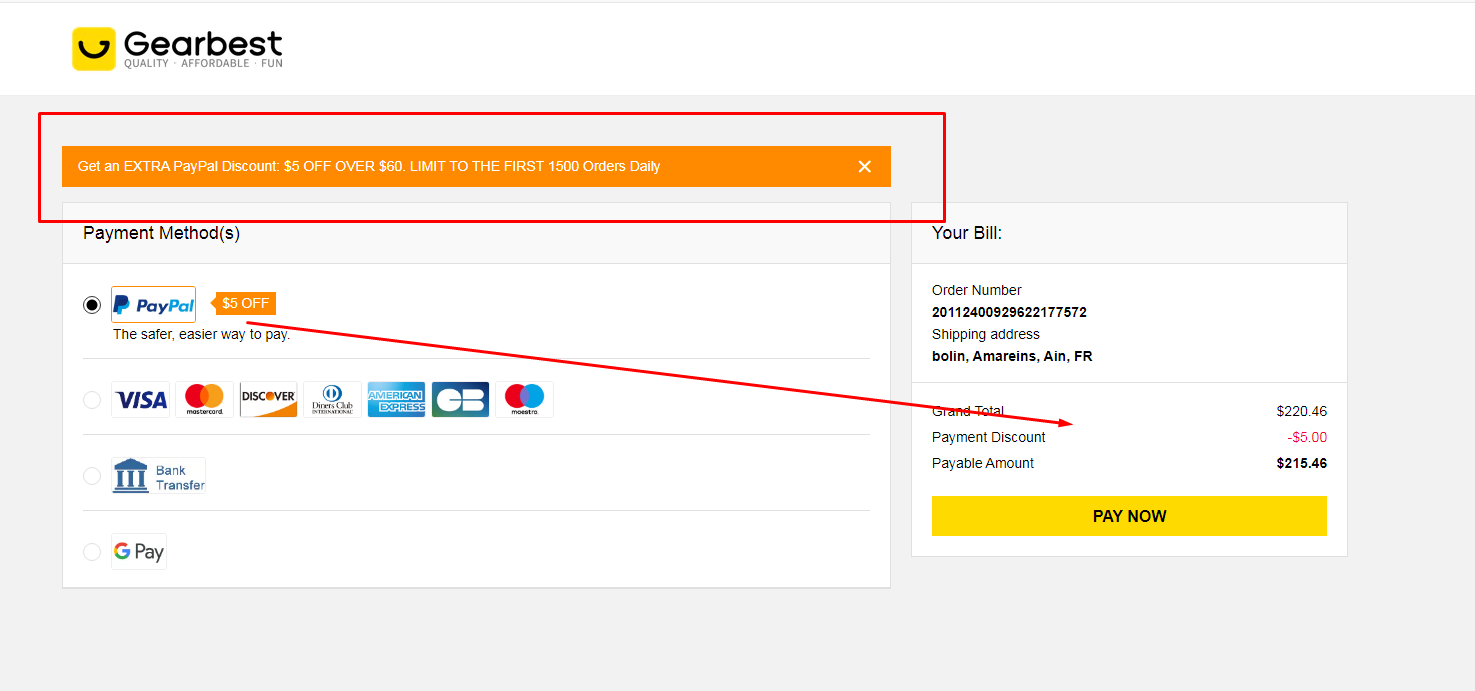
With Black Friday just around the corner, all the brands are gearing up for huge sales by offering massive discounts on their products. Xiaomi, too, has participated in this festive sale and is has put up to 57% off on various smartphones on Gearbest. And as an added bonus, the website is also offering an additional $5 discount on products above $60 through PayPal payments. This might prove to be the right time to upgrade your existing devices, after all.

To make things easier, we have narrowed down the best smartphone deals offered by Xiaomi.

Gearbest Paypal Discount

Xiaomi POCO X3

Xiaomi POCO X3 is powered by Qualcomm Snapdragon 732G based on Kyro 470 Octa-core CPU with Adreno 618 Elite GPUs offering a 120Hz refresh rate. Its 6.67-inch DotDisplay offers an immersive experience while LiquidCool technology 1.0 Plus enhances its performance. Other features include a 5160mAh battery with 33W fast charging, 64MP AI quad-camera, blue light protection, dual stereo speakers, gaming turbo 3.0, and much more.

Xiaomi POCO X3 is currently being sold at a discount of 57%, which brings its price down to just $209.

Xiaomi POCO X3 Xiaomi POCO X3 Black Friday


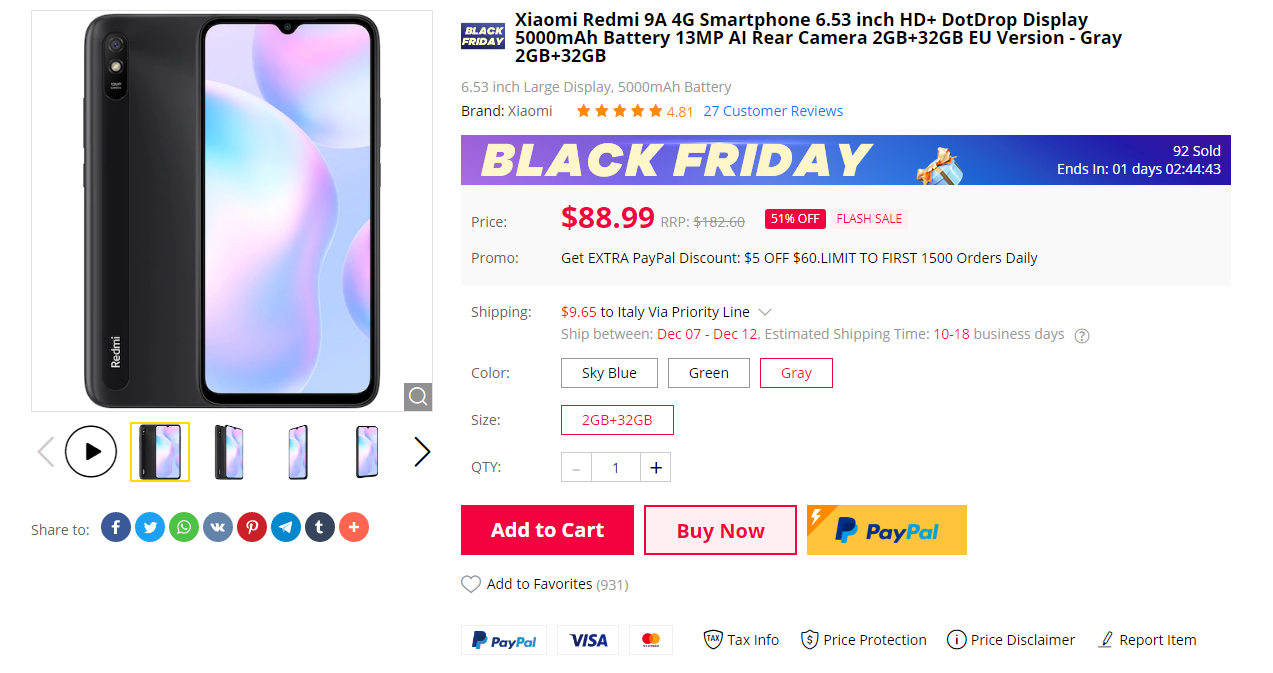
Xiaomi Redmi 9A

Xiaomi Redmi 9A features a 6.53-inch HD+ DotDrop multi-touch display with a 1600 x 720p resolution. It is powered by a MediaTek Helio G25 processor octa-core chip. Furthermore, 9A boasts a 13MP AI rear camera and 5MP selfie camera that helps click decent pictures and unlock the phone with AI face recognition. Its 5000mAh battery can last throughout the day in just a single charge.

Xiaomi Redmi 9A is up with upto 51% off, reducing its price to just $88.99.Xiaomi Redmi 9A Black Friday

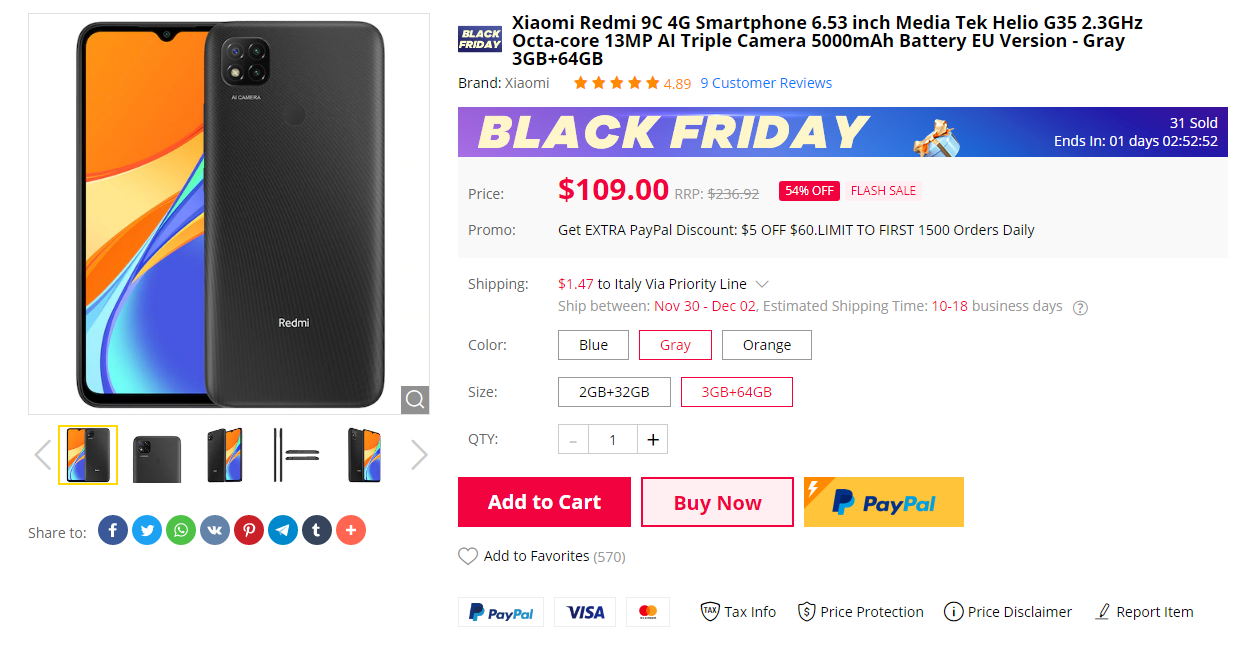
Xiaomi Redmi 9C

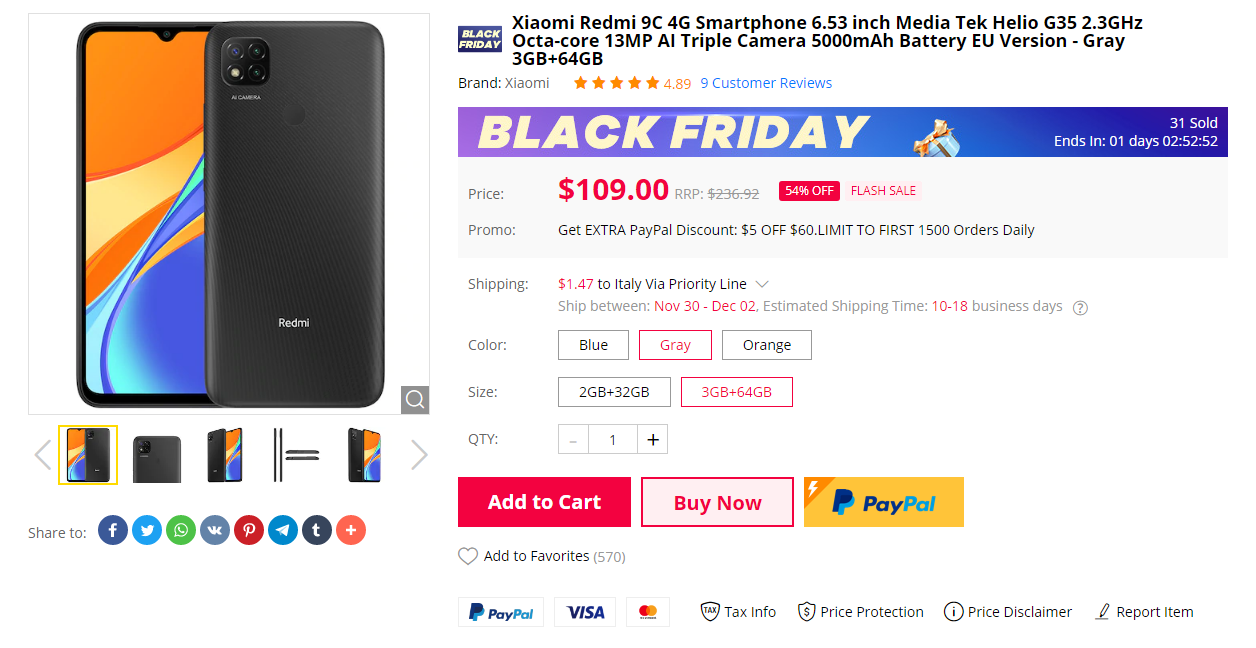
Xiaomi Redmi 9C has an immersive 6.53-inch HD+ Dot Drop display with 1600 x 720p resolution and 269 ​​PPI. It is powered by an octa-core Media Tek Helio G35 processor having a PowerVR8320 GPU. With a 5000mAh battery, Redmi 9C offers all-day operation on a single charge. Features like fingerprint sensor, facial recognition, Gyroscope, proximity sensor further add to the user convenience.

Xiaomi Redmi 9C is currently being sold with a huge discount that brings its price down to just $109.

Xiaomi Redmi 9C Black Friday

Black Friday sale is the best time to save huge bucks while giving your device an upgrade. So bank on the opportunity as these deals by Xiaomi on Gearbest are up only for a limited time; hurry and get a smartphone upgrade now.


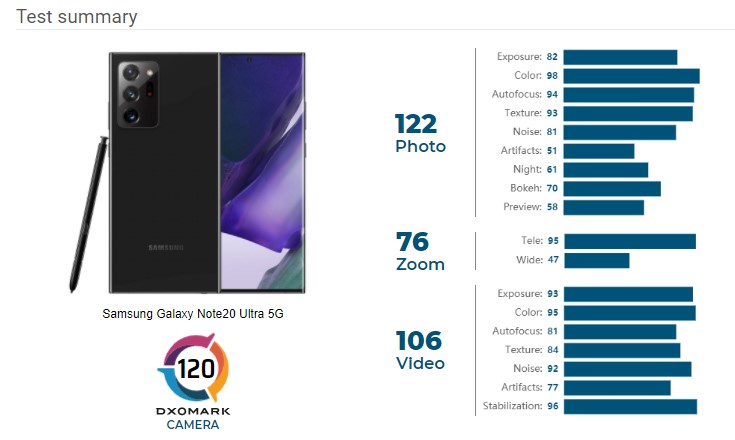
DxOMark gives the Galaxy Note 20 (Exynos) a camera score of 120

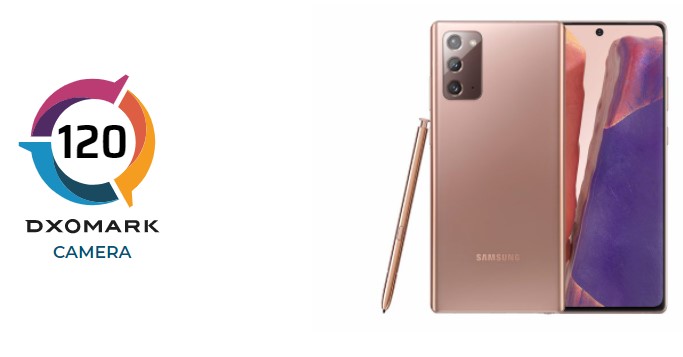
Early in October, DxOMark released the camera review for the Galaxy Note 20 Ultra 5G. The flagship phone was awarded an overall score of 120 points (originally 121 points) which put it behind several other phones. Today, DxOMark has released the camera review for the Exynos version of the Galaxy Note 20.

DxOMark Galaxy Note 20 Exynos Version

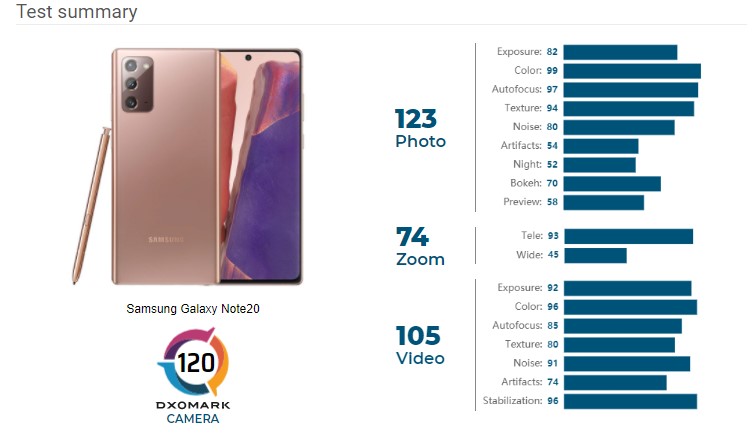
DxOMark has given the Galaxy Note 20 Exynos version an overall score of 120 points in its review just as it did for the Galaxy Note 20 Ultra. However, the breakdown of the score is different for both devices.

The standard Galaxy Note 20 has a photo score of 123 points, a zoom score of 74 points, and a video score of 105 points. The Note 20 Ultra 5G’s own score is broken down into 122 points for photo, 76 points for zoom, and 106 points for video. As we know, the camera configuration is different for both phones but surprisingly, their scores are really close.

The review praises the phone’s exposure and color rendering both indoor and outdoor. While missing a laser autofocus sensor, the autofocus is said to be accurate. For its zoom performance, the Galaxy Note 20 is called “a solid performer”. Its ultrawide camera also trumps several of its competitors’ thanks to its wide field of view and excellent exposure and color.

Coom issues seen in the photos taken with the Galaxy Note 20 are ringing, color fringing, and lower sharpness in ultrawide photos. There is also noise and white balance color casts are said to be often visible in low-light photos.

The Galaxy Note 20 is also regarded as an overall very competent device when it comes to video recording. The exposures are accurate and color rendering is nice. However, the texture is reported to be slightly weak even when outdoors. Just as in photos, autofocus is fast when recording.

DxOMark concludes that the Galaxy Note 20 is a good choice for anyone who is considering it instead of the more expensive ultra model as even with the different camera configurations, camera performance is “very comparable overall”.

Latest Gizmochina Review:

Poco M3 Review: All you need to know

India bans 43 more Chinese apps including AliExpress

India has wielded the big stick again on Chinese interests by adding 43 more apps to its growing list of apps banned in the country. The latest casualties include AliExpress and Lalamove. This latest offensive by the Government of India is the fourth of such clamp-down has now affected a total of 267 Chinese apps. Popular ones include TikTok, Mi Community, PUBG Mobile, WeChat, Weibo, Xender and several others.aliexpress

The reason given by the Indian government for these drastic measures remains that these apps have been found to pose serious security risks and their operations in India will constitute acts that are “prejudicial to the sovereignty and integrity of India, defence of India, security of state and public order.” Section 69A of the Information Technology Act, 2000 was cited as the enabling law that has made provisions for the actions taken in banning the apps.

List of apps banned in Wave 4
The affected apps are:

  • AliSuppliers Mobile App
  • Alibaba Workbench
  • AliExpress – Smarter Shopping, Better Living
  • Alipay Cashier
  • Lalamove India – Delivery App
  • Drive with Lalamove India
  • Snack Video
  • CamCard – Business Card Reader
  • CamCard – BCR (Western)
  • Soul- Follow the soul to find you
  • Chinese Social – Free Online Dating Video App & Chat
  • Date in Asia – Dating & Chat For Asian Singles
  • WeDate-Dating App
  • Free dating app-Singol, start your date!
  • Adore App
  • TrulyChinese – Chinese Dating App
  • TrulyAsian – Asian Dating App
  • ChinaLove: dating app for Chinese singles
  • DateMyAge: Chat, Meet, Date Mature Singles Online
  • AsianDate: find Asian singles
  • FlirtWish: chat with singles
  • Guys Only Dating: Gay Chat
  • Tubit: Live Streams
  • WeWorkChina
  • First Love Live- super hot live beauties live online
  • Rela – Lesbian Social Network
  • Cashier Wallet
  • MangoTV
  • MGTV-HunanTV official TV APP
  • WeTV – TV version
  • WeTV – Cdrama, Kdrama&More
  • WeTV Lite
  • Lucky Live-Live Video Streaming App
  • Taobao Live
  • DingTalk
  • Identity V
  • Isoland 2: Ashes of Time
  • BoxStar (Early Access)
  • Heroes Evolved
  • Happy Fish
  • Jellipop Match-Decorate your dream island!
  • Munchkin Match: magic home building
  • Conquista Online II

Of course, the biggest casualty in this latest onslaught is AliExpress, who had been making decent inroads into the Indian market. Further, the list also includes a few upcoming dating apps and delivery apps.

With the ban still subsisting, none of the previously banned apps have made a return to the Indian market. Tencent has divested its interest from PUBG Mobile and the gaming app is about to make a return under a new licensee.

Recall that the Indian government announced the ban of 59 Chinese apps in June this year including some of the most popular apps such as TikTok, ShareIt, UC Browser, WeChat, CamScanner, and more. In September, 118 more apps were added to the banned apps list.

UP NEXT: Oppo X 2021 unveiled as the world’s first smartphone concept with an extending display


Grab Poco M3 at best price using the discount coupons – here’s how

Poco is here with another affordable device – Poco M3 with some modest hardware specifications at a super competitive price. Some discount coupons on AliExpress makes the deal even sweeter as you can get the Poco M3 64GB version at the starting price of $129 from November 26. Buyers can avail of an additional $10 discount coupon from the Mi World Store on AliExpress.

Poco M3

Poco M3 128GB variant can be yours at the effective price of €149 after availing Coupon discount from the Mi World Store. The flash sale will commence from 8:00 am UTC on November 26 and will continue till November 30. Poco M3 price will return to the actual retail price after the sale. Interested Users from around the globe can benefit from the discount coupons. You can follow the links below if you’re interested to grab either of the two Poco M3 storage variants – 64GB, 128GB.

Note: Make sure to keep the date and time in mind before hitting the links in order to grab a coupon discount.

Poco M3 64GB Sale 

November 26 (8:00am UTC – 8:00am UTC)

November 27-30 (8:00am UTC – 8:00am UTC)

Poco M3 128GB Sale

November 26 (8:00am UTC – 8:00am UTC)

November 27-30 (8:00am UTC – 8:00am UTC)

Poco M3 Specifications

The newest affordable smartphone – Poco M3 carries Qualcomm Snapdragon 662 featuring an octa-core processor and Adreno 610 GPU. There’s a 6.53-inch Full HD+ dewdrop display having 2340 x 1080 pixels resolution and 395ppi.


It is available in two storage options of 4GB RAM + 128GB and 4GB RAM + 64GB internal storage.

A beautiful triple camera module is present on the rear side with a 48MP AI primary camera lens. It is accompanied by a 2MP macro lens and another 2MP depth sensor. An 8MP snapper sites on the front side for beautiful selfies with features like AI Beautify and AI portrait mode.

It can sustain for a couple of days with its 6000 mAh battery which even supports 18W fast charging.

Related: POCO M3 launched with a Refreshing Design & 6000mAh battery, Starts at just $129

realme narzo 20 ‘realme UI 2.0 Early Access’ program goes live

In September, realme announced realme UI 2.0 based on Android 11 as the latest version of its mobile operating system. It is nothing but a slightly modified version of ColorOS 11 by OPPO. So far, the company has only rolled out beta builds for realme X50 Pro. Yesterday, it opened registrations for realme 7 Pro ‘Alpha Squad’, and today, the brand has announced ‘Early Access’ program for realme narzo 20.

realme narzo 20 realme UI 2.0 Android 11 Early Access

According to the ‘realme UI 2.0 Early Access‘ roadmap shared by the brand, the realme 7 Pro and the realme narzo 20 should start receiving beta builds from November. And therefore, as per the schedule, the company has begun to recruit testers.

That said, unlike the realme 7 Pro Alpha Squad program, the realme narzo 20 Early Access program does not have many caveats. What we mean is testers can easily rollback to stable build themselves if needed without visiting a realme service center. 

The only issue is that users will encounter data loss when switching between beta and stable channels. However, this can be mitigated by backing up the data beforehand.

Having said that, realme has 500 seats for this program and users need to be on RMX2193_11_A.17 build. To enroll, interested users have to navigate to Settings > Software Update > Gear Icon > Trial version > realme UI 2.0 Early Access and enter details on their realme narzo 20 smartphone.

Last but not least, since it is already late November, we expect the brand to release the final stable build in January or later for the general public.


(Source / Via)

Infinix Zero 8i will launch in India on December 2

Infinix launched the Zero 8 and 8i in Pakistan back in October. The device has a MediaTek gaming SoC and a 90Hz display. A month later, the brand is now bringing the Zero 8i to India.

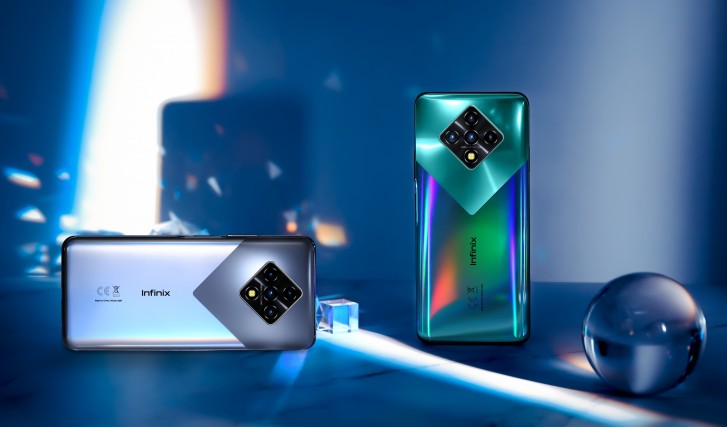
Infinix Zero 8
Infinix Zero 8

The company took to Twitter(via MSP) to confirm the launch a couple of days back. According to the Twitter post, Infinix Zero 8i will launch in India on December 2. Surprisingly, the brand doesn’t mention anything about the slightly tweaked Zero 8’s launch.

That said, if you look at the Zero 8 and Zero 8i, they only differ in Cameras. Excluding that, the device shares a similar design, CPU, battery, display, and more.

Infinix Zero 8i Specifications

Thanks to the company’s launch in Pakistan, we already know what the device has on offer for us. The Infinix Zero 8i features a similar gem-cut design like the Zero 8. In Pakistan, the device launched in Black Diamond, Green Diamond, and Silver Diamond color options. Hence, we can expect the same to debut in India.

Besides, the device has a 6.85-inch FHD+ display with 180Hz touch sampling and 90Hz refresh rate. Under the hood, it is powered by Mediatek Helio G90T paired with 8GB RAM and 128GB storage. However, let’s wait and see if Infinix introduces additional variants for India. For cooling, the 8i has 10-layer heat dissipation cooling material, TUV Rheinland certification for high-performance gaming, Smart Turbo V1.0 acceleration engine.

For Cameras, you get a 48MP main lens, 8MP ultra-wide, two 2MP depth and AI lenses, and an LED flash on the rear. Upfront, the pill-shaped punch-hole features a 16MP and an 8MP sensor for selfies. Other features include a 4,500mAh battery with 33W fast charging, 4G, Wi-Fi, GPS, Bluetooth for connectivity, and MicroSD slot for storage expansion.

That said, the device launched with XOS 7 UI based on Android 10 out of the box in Pakistan. Additionally, it was priced at PKR 34,999($218) for the 8GB RAM, 128GB storage there. Hence, we can expect a similar pricing of ₹16K-18K in India.

Apart from the Zero 8i, the company is also expected to launch its own Android TV and SNOKOR Soundbar. But there isn’t an exact launch date for them yet. Anyway, let’s wait for the official announcement of Zero 8i as it is now just a week away.

Report: Samsung removes Galaxy Z Flip 2 from January 2021 launch to evade cannibalization

Earlier this month, it was reported that  Samsung Galaxy Z Flip will launch in Summer 2021. While the reasons for the postponement were unknown, TheElec now says that Samsung has removed it to avoid the overlap of demand for both the S series and Foldable devices.

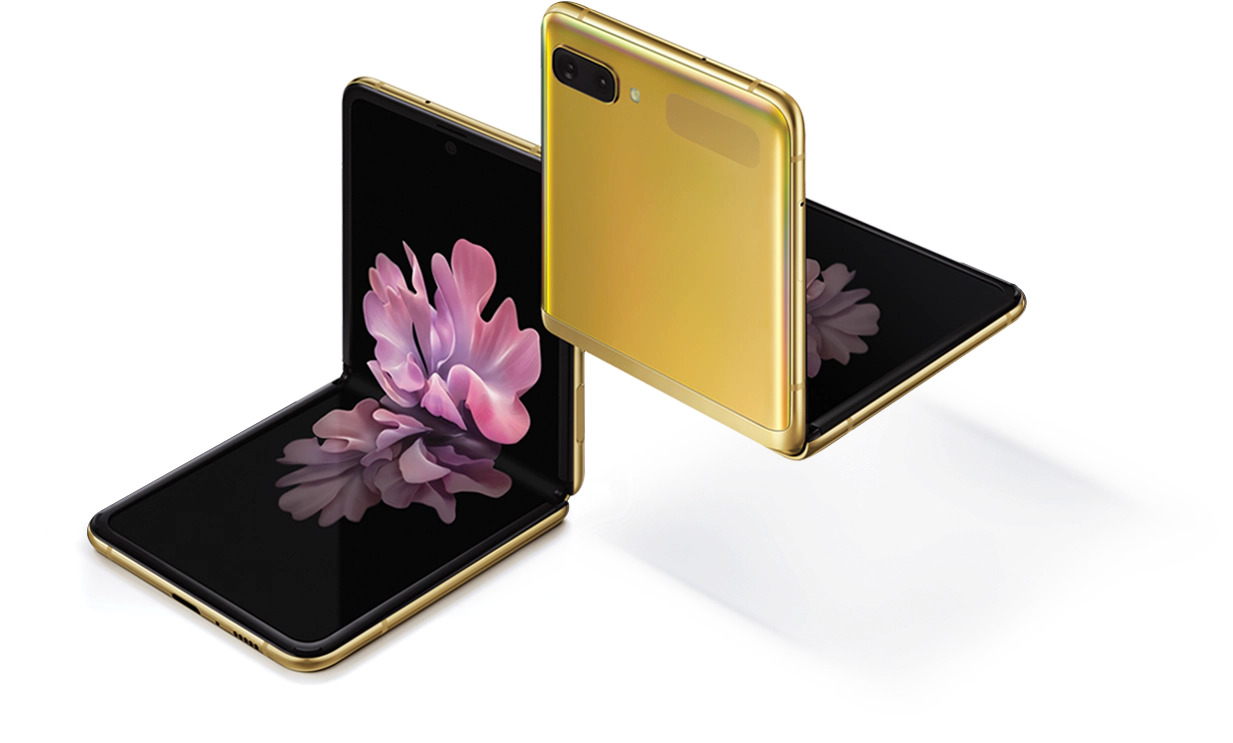
Galaxy Z Flip Mirror Gold

According to the report, Samsung will focus on popularizing the foldable after the Galaxy S21 launch. It apparently sensed the attraction of foldable devices. Similarly, a DSCC report recently predicted Galaxy Z Flip as the top-selling foldable for 2020. All this means that Samsung can’t afford to lose one eye for another. The company began the year with a vision of spearheading the foldable devices market individually.

However, the S series got over-shadowed by the Galaxy Z Flip. This was evident with poor sales of Samsung Galaxy S20 in Q1. Add to this, the S20 Ultra’s Exynos version had various issues like throttling in Performance, Camera, and Battery life. And now, with the report saying that Samsung has already limited the initial production of Galaxy S21 to 6 million units, it just can’t repeat the mistake again.

Accordingly, the Galaxy S21 series is likely to launch a month earlier. That said, the Galaxy Z Flip 2 is reportedly going to be one of the five foldable models next year. Citing industry insiders, the report says that successors of Galaxy Z Flip(likely Z Flip2) and Z Fold(likely Z Fold3) will launch next year.

Additionally, three new foldable smartphones are under development. And we feel that one of them could very well be the affordable Galaxy Z Flip Lite that is said to come with a UTG display. Anyhow, the Galaxy Z Flip2 itself hasn’t appeared much on the radar of leaks.

It is likely to darn a display larger than the Z Flip(1.1-inch) but smaller than the Motorola Razr. Considering, it’s coming in June 2021, we can expect features like Snapdragon 875 SoC, 5G, fast charging, and more.

POCO Global announces that it is now an independent brand

Does the above headline sound familiar? Yes, it does. Back in mid-January, the CEO of Xiaomi India, Manu Kumar Jain, revealed in a tweet that POCO will now be an Independent brand. Today, POCO released an official statement saying it is “going independent”.

The press release was posted on Twitter via the official POCO Global account and it mentions some of its accomplishments as well as its popular models and “brand promises”.

According to POCO, it has made its entry into more than 35 global markets in the span of three years. Some of these markets include India, the UK, Spain, and Italy. POCO also mentions its very first phone, the POCO F1, which reached over 2.2 million shipments according to data from its internal sales team and Canalys.

POCO has revealed it has sold over 6 million POCO phones globally. This figure represents the total number of POCO-branded phones sold since 2018. While POCO didn’t launch its second smartphone until early this year following the release of the POCO F1 in 2018, 6 million does sound small. It is a really competitive market.

The Chinese manufacturer says it will be staying firm with the three brand promises below:

  • Technology that matters
  • Feedback-based product design
  • Ever evolving

Now that POCO has revealed that it is going to become an independent brand, we expect that future phones will not be rebadged Redmi phones but originally designed products. We also expect POCO to branch out into other products such as portable battery packs and wearables. Maybe the POCO Pop Buds can finally launch and come along with other audio products.

Latest Gizmochina Review
Poco M3 full review: All you need to know

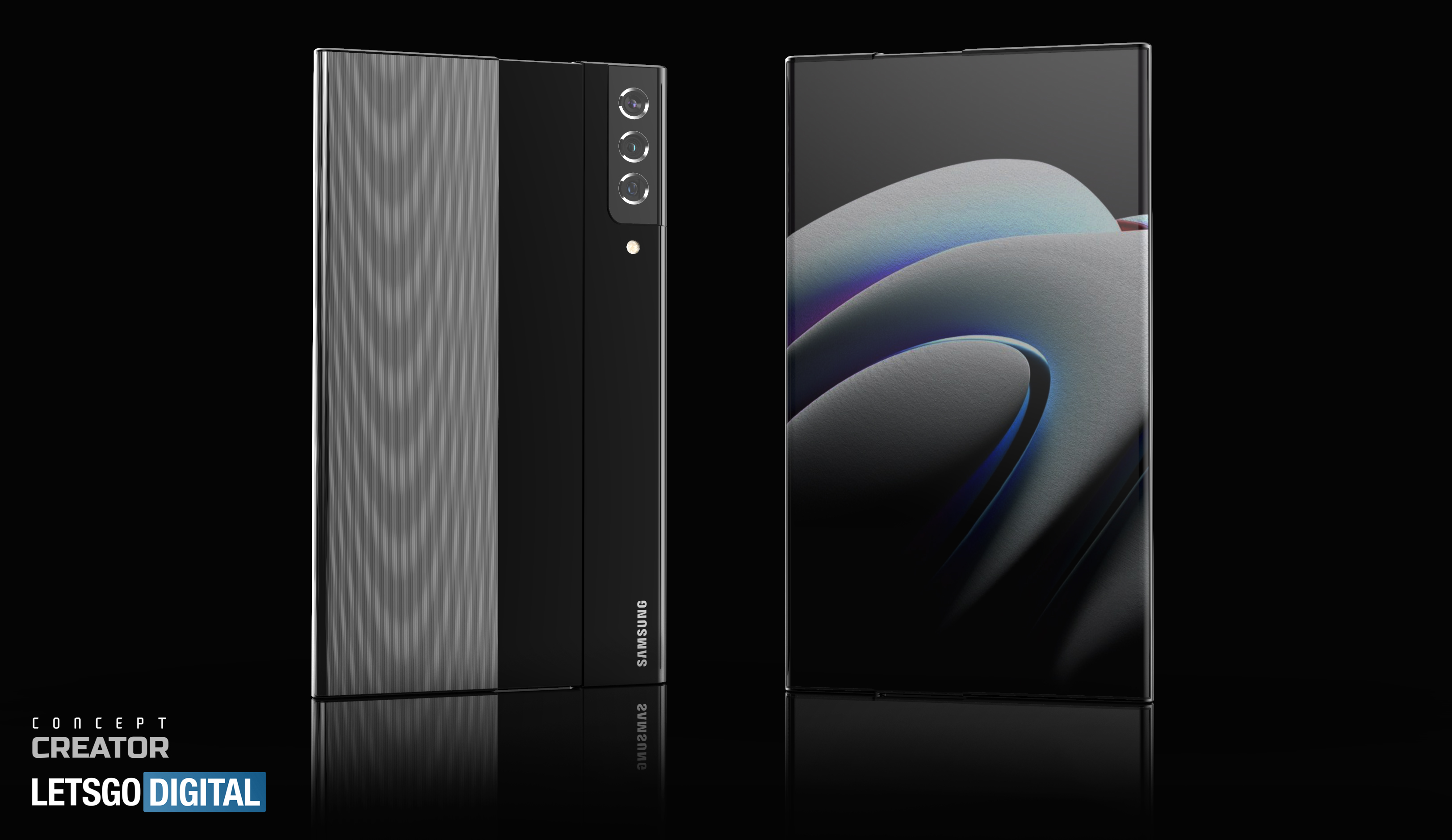
A concept design imagines Galaxy Note as a rollable smartphone

Samsung is the market leader in both regular smartphones as well as foldables. But now, all eyes are on rollables, thanks to OPPO X 2021 concept smartphone. However, there’s no solid report on Samsung launching a such smartphone in near future. Nevertheless, a concept video has been released by a well-known patent-related publication in collaboration with a popular concept designer.

Samsung Galaxy Note Rollable Concept Design 01

According to a report, the launch of Galaxy Z Fold3 with S Pen stylus in June 2021 will mark the end of the Galaxy Note series. And it totally makes sense as the upcoming Galaxy S21 Ultra is said to have support for S Pen but will not have a silo to accommodate it. In other words, interested customers can pick up the stylus as an additional accessory if required. Above all, the Galaxy Z Fold series has always been looked at as the successor to the popular Galaxy Note series. 

Ahead of this report, LetsGoDigital and Concept Creator (Jermaine Smit) started working on a concept design for Galaxy Note as a rollable smartphone. Coincidentally, their video was released earlier today, a day after the report on the discontinuation of Galaxy Note.

That said, one might be wondering why not imagine a Galaxy Note as a Galaxy Z Fold foldable smartphones as it is intended to. We think the publication and the designer went with the rollable form factor because it simply feels refreshing and there have been already plenty of Galaxy Z Fold2 concepts with an S Pen stylus.


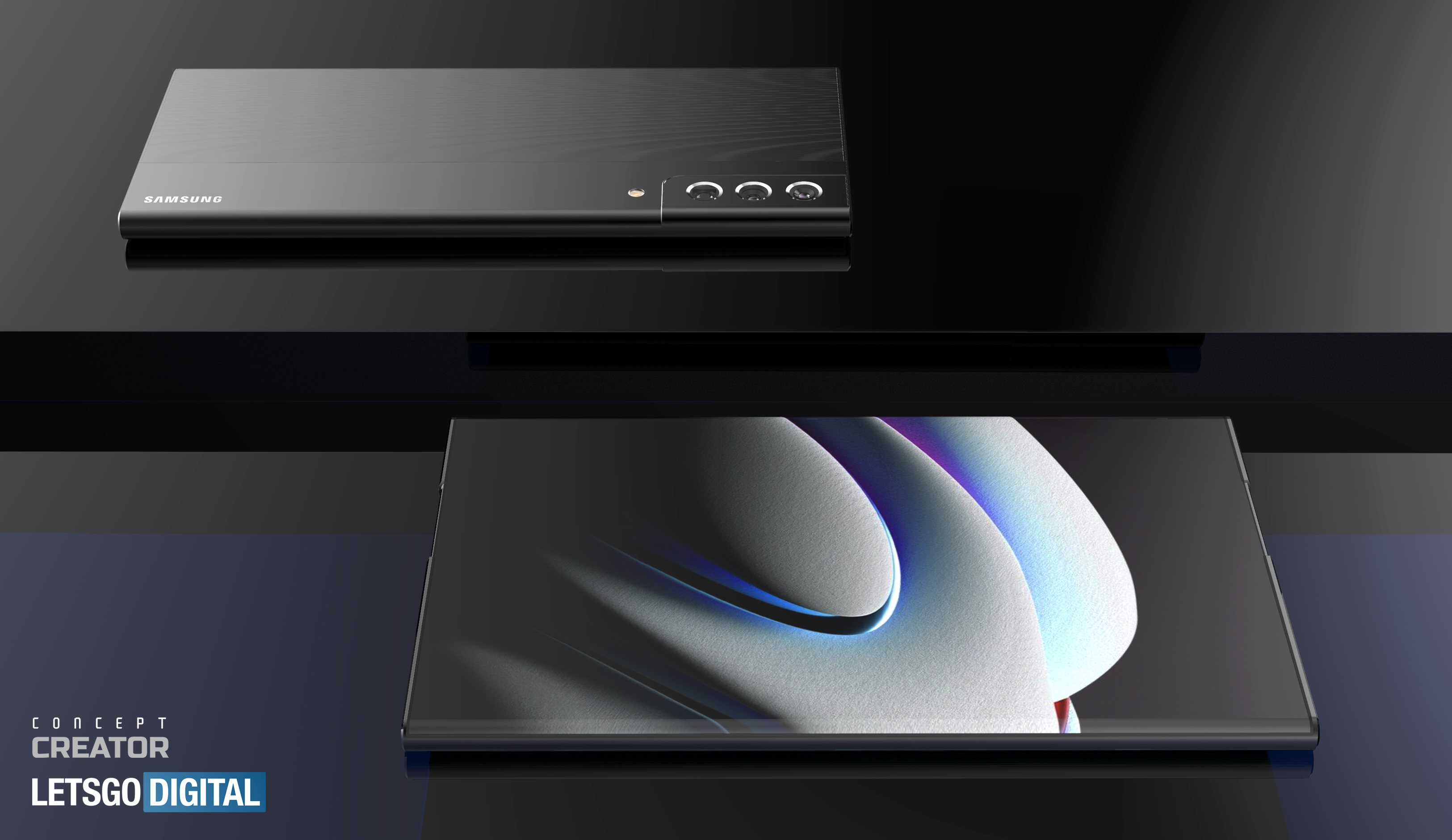
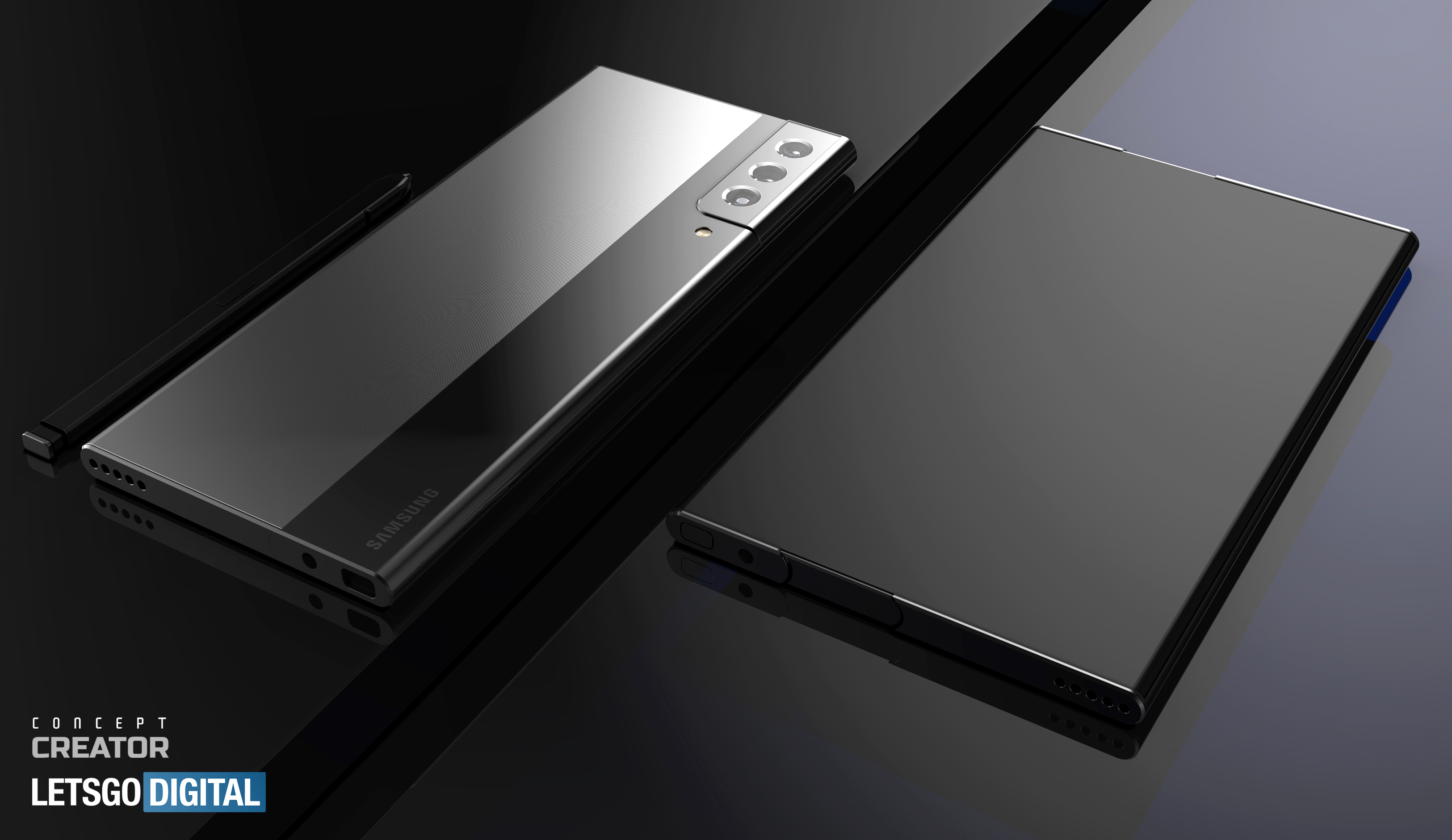
With that out of the way, let us discuss this concept design. First and foremost, this design is inspired by the forthcoming Galaxy S21 series, however, it also includes design cues from the current-gen Galaxy Note20 series.

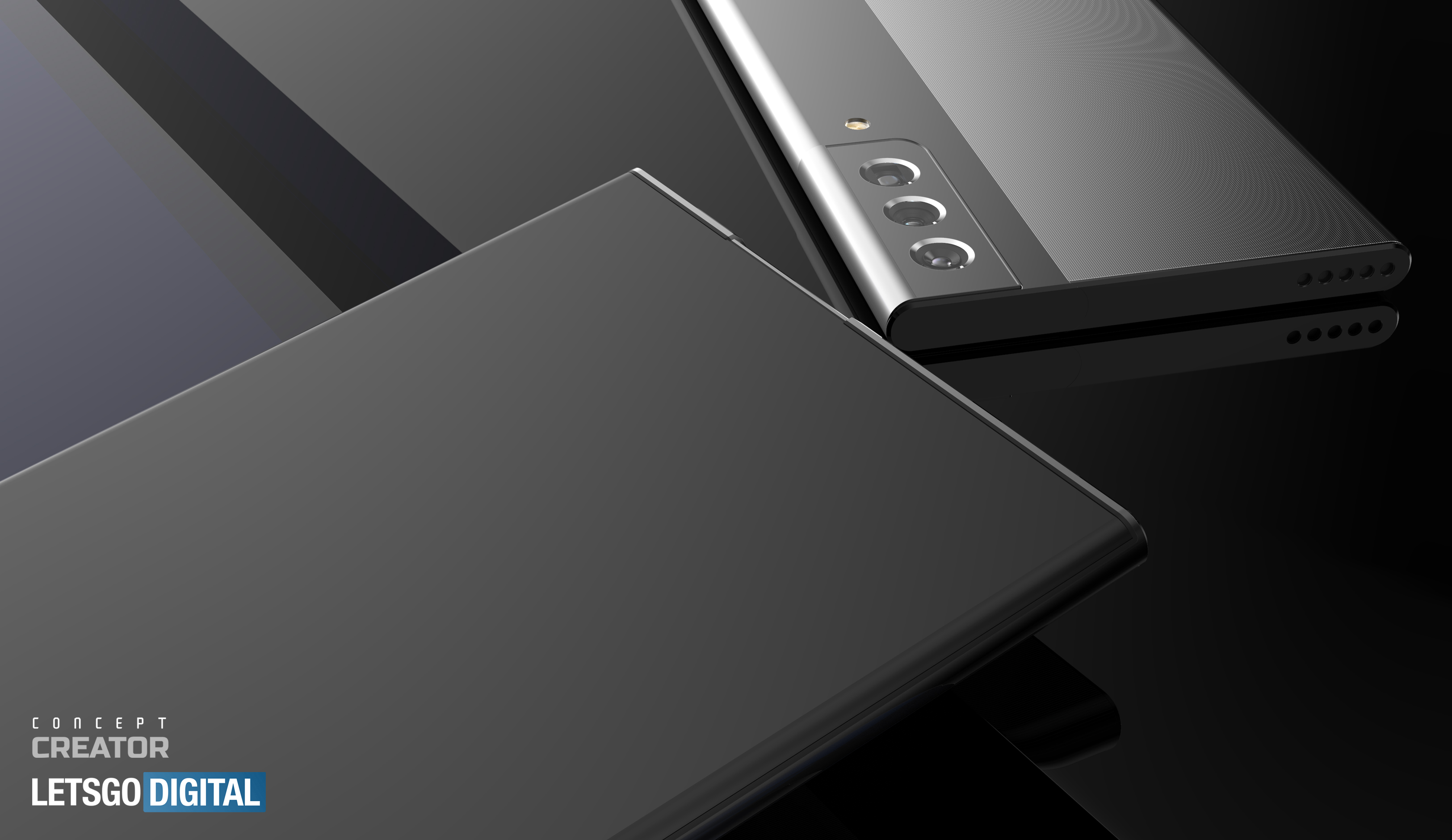
For instance, the triple camera module looks straight out of the Galaxy S21 smartphones. Whereas, the boxy footprint along with S Pen silo a the bottom right corner tells us that it is indeed a Galaxy Note. As an added bonus, Jermaine, the designer has also included stereo speakers and the fan-favorite 3.5mm headphone jack.

Lastly and most importantly, the display with an in-screen camera can be unrolled by pulling the left side of the phone. The separation part remains hidden in normal mode as a result of a dual-tone finish that runs along the camera array with Samsung branding at the bottom.

Having said that, what are your thoughts on this design? Should Samsung release a similarly designed smartphone in the future? Do let us know in the comment section below.


Xiaomi launches the ZMI Hand Warmer/Power bank priced at 89 yuan (~$13)

Xiaomi‘s ecological chain company has launched the ZMI Hand Warmer/Power bank. The device is both a hand warmer and a power bank. It carries a price tag of 89 yuan (~$13) and is currently on sale at ZMI’s Tmall, JD flagship store, Xiaomi Youpin, and Suning Tesco.ZMI Hand Warming Power bank

The hand warmer is equipped with a PTC self-limiting temperature heating technology, which is a patented design that is safe and reliable. The technology consists of the PID constant temperature control for precise control of the heating temperature, safe and stable. In the safe temperature range, it will heat up to the comfortable temperature of the human body, and the surface temperature can reach up to about 52℃.

The ZMI Hand Warmer/Power bank packs a huge 5000mAh battery capacity and when it is fully charged, the device can switch between low temperature and high temperature and can also be used continuously for 2~4 hours.

Apart from coming in handy during the winter the gadget will also prove useful during emergency situations to help you charge other gadgets. The power bank is capable of charging the iPhone12 and with ZMI’s USB cable, the charging time is touted to be 54 minutes shorter than using a 5W charger.

It is also intelligently compatible with smart devices such as mobile phones of different brands. It can also charge low-current devices such as Bluetooth headsets and fitness bands. Further, the device is equipped with an LED light which can be used a torchlight.ZMI Hand Warming Power bank

The device uses high-quality lithium-ion batteries to provide multiple circuit protection but it should be noted that the hand warmer and the mobile power bank functions cannot be turned on at the same time for safety purpose.

UP NEXT: Oppo X 2021 unveiled as the world’s first smartphone concept with an extending display