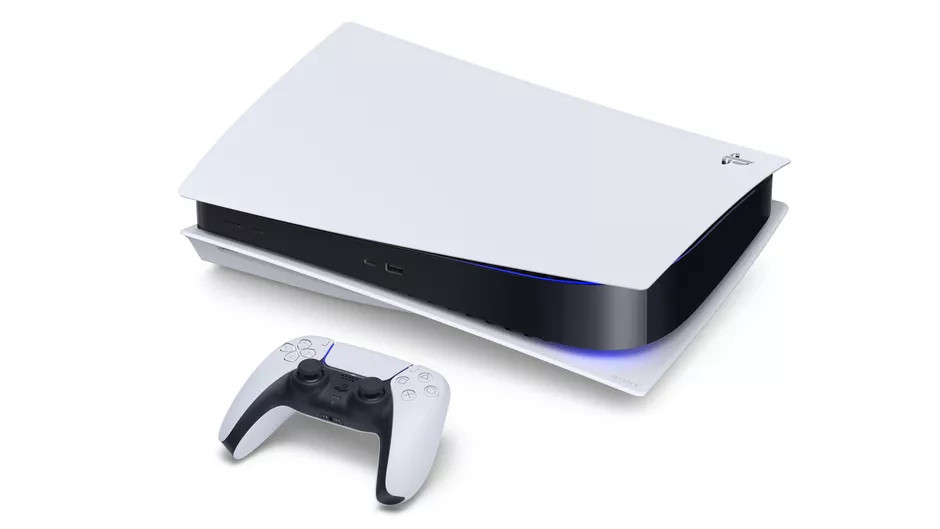
After Sony launched its next-generation gaming console Sony PlayStation 5 in select regions like the United States and Japan on 12th November, the company finally made it available in more regions on 19th November.
Hong Kong was one of the countries where the Sony PS5 was launched yesterday. While the devices are launched in several countries, the company is struggling to meet the demand, and that has caused price inflation.
As per the reports, in Hong Kong, the PlayStation 5 is being sold for as much as HK$7,980, which is approximately $1,029 by resellers. This is twice the cost of the console, which is priced at $499 for the standard model.
With the on-going holiday season, it seems that the situation related to PS5 won’t get better anytime soon, not until Christmas. However, the shortage of newly launched gaming consoles isn’t new but COVID-19 has worsened the situation as the pandemic has significantly impacted the supply chain.
Sony PlayStation 5 comes powered by a custom octa-core AMD Zen 2 CPU and a custom AMD Radeon RDNA 2-based GPU which is promised to provide 10.28 teraflops of raw graphical power. Both of these gaming consoles have 16GB of GDDR6 RAM.
It comes packed with 825GB of SSD storage that has 5.5GB/s throughput. Users will be able to expand the storage using Sony-certified M.2 SSD, but the company has confirmed that it will be available sometime in the future but not at the time of launch.
The difference between the Standard Model and the Digital Edition is that the digital model lacks Disc Drive that supports 4K UHD Blu-ray. The Sony PS5 supports up to 8K output and promises 4K graphics at up to a 120Hz refresh rate.
Intel has the Next Unit of Computing, known as NUC branding under which the company launches computing devices. So far, the company used to launch small form factor desktop device designs but now it is expanding its portfolio.
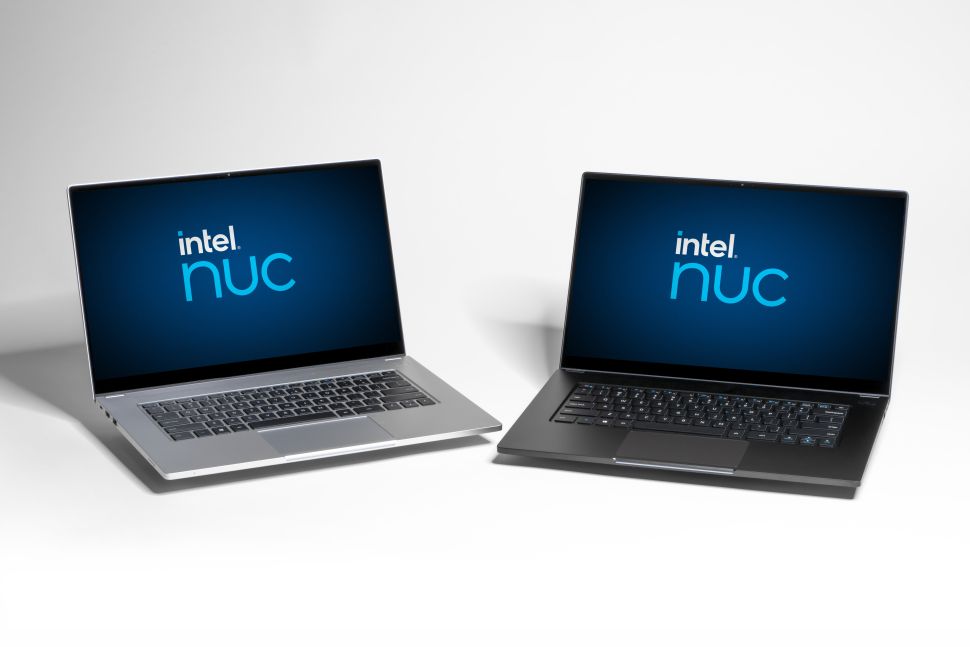
The company has unveiled its new NUC M15 laptop kit, which is basically a pre-built laptop that comes powered by the company’s own 10nm Quad-Core Tiger Lake processors.
The NUC M15 Laptop Kit from Intel, which was codenamed Bishop County, is a whitebox laptop that can be easily configured by manufacturers to be sold to consumers. One advantage for companies to adopt this method of making devices is that they don’t need to spend much on research and development.
It comes with a 15.6-inch 1080p IPS display and the company is offering a choice of opting for a touch or non-touch panel. The device is powered by Intel’s 11th generation Core i5-1135G7 or Core i7-1165G7 quad-core processor.
The laptop doesn’t feature a discrete graphics card but instead, it features Intel Iris Xe integrated graphics. As for the memory, there’s an option to get 8GB or 16GB RAM, which is soldered so there’s no way to upgrade it after purchasing the device.
As for the storage, there’s room for one m.2 NVMe SSD but the capacity will be determined by the final seller. The product measures around 0.6-inch in thickness and weighs about 1.7 kilograms. The company says that the device comes packed with a 73Whr battery which can provide 16 hours of video playback.
Do note that the device isn’t coming to the end-user directly from Intel. The company’s laptop partners can get the NUC M15 Laptop Kit and then re-brand the devices apart from configuring them as per their choice, and then resell in the market.
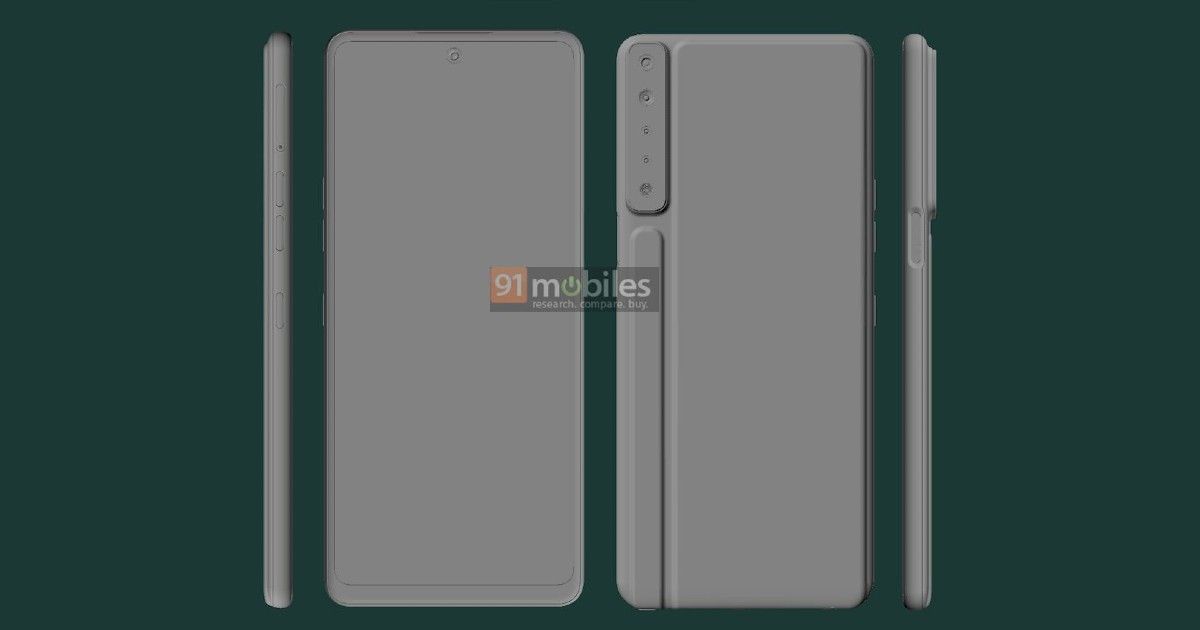
In May, LG unveiled the LG Stylo 6 mid-range phone in the U.S. Fresh information reveals that the South Korean company is now working on the LG Stylo 7 as its successor phone. 91mobileshas shared CAD renders of the Stylo 7 to reveal its design from all angles.
LG Stylo 7 CAD renders
The LG Stylo 7 renders show that it is fitted with a display that has a selfie camera cutout at the top-center. The leak claims that the device is fitted with a massive display of 6.8 inches. The chin of the Stylo 7 appears to be a bit thick. As far as measurements are concerned, the handset has 170.6 x 77 x 8.6mm dimensions.
There are two protruding portions on the backside of the LG Stylo 7. The first one is for the quad-camera setup and the second one is for the stylus. It is unclear whether the smartphone has a plastic or glass rear. The bottom edge of the device has a stylus compartment, a loudspeaker grille, a USB-C port, a microphone, and a 3.5mm audio jack.
A fingerprint scanner is integrated with the power button available on the right edge of the Stylo 7. Its left spine is populated with a SIM tray slot, a volume rocker, and a dedicated button for accessing the voice assistant. The other specs of the Stylo 7 are under wraps.
LG Stylo 6 specifications
Priced $220 at launch, the LG Stylo 6 came with specs like 6.8-inch IPS LCD FHD+ display with a waterdrop notch, an Helio P35 chipset, 3 GB of RAM, 64 GB of storage, 13-megapixel + 5-megapixel + 5-megapixel triple rear cameras, a 13-megapixel selfie snapper, and a 4,000mAh battery.
ARM-based processors have been getting a lot of attention lately and companies are now coming up with ARM-supporting variants of their operating system as well as apps. With Apple transitioning from Intel to its own Apple Silicon, we expect to see a lot of developments for ARM-based Windows 10 in the near future.
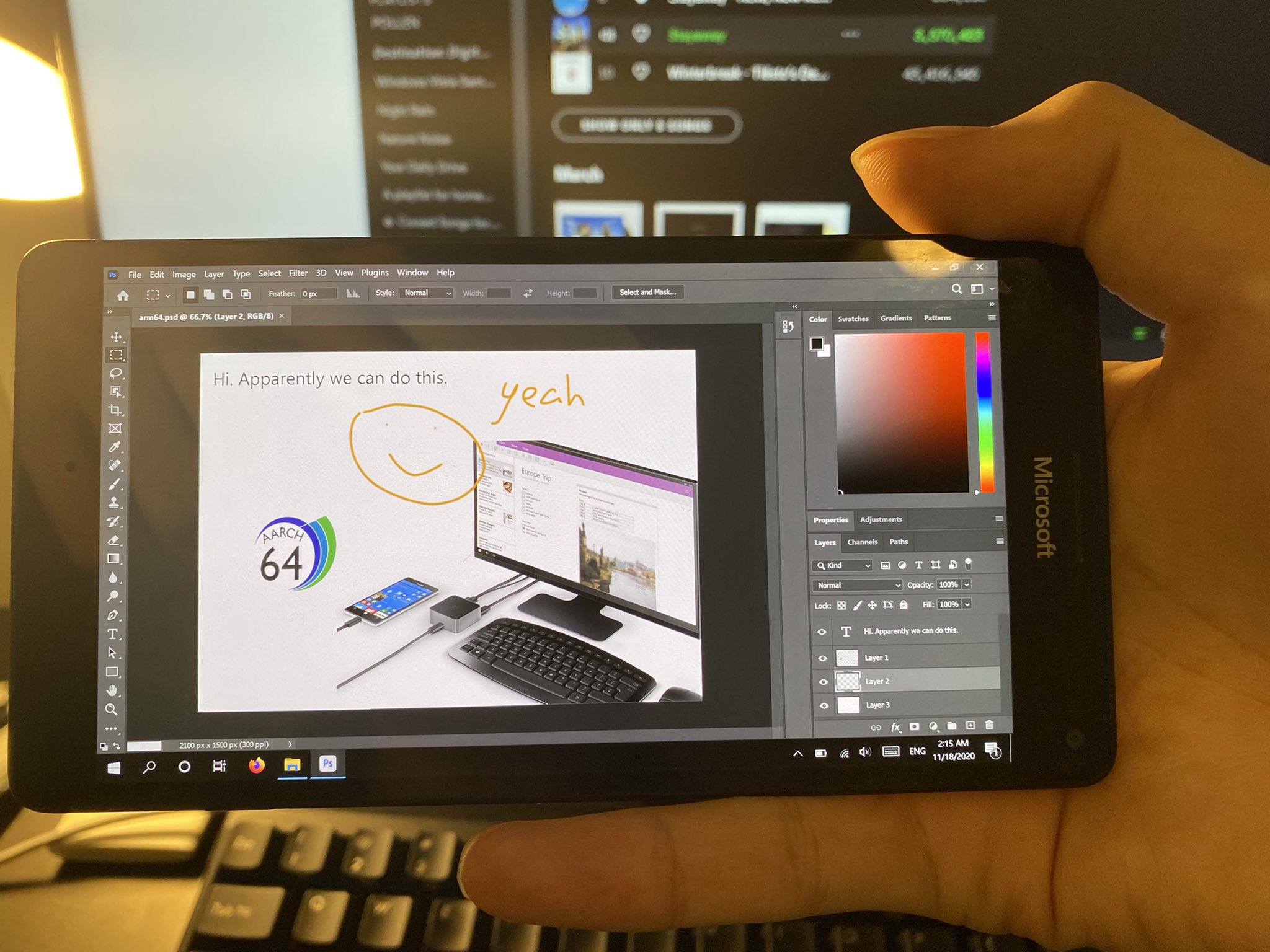
However, there are already a few devices available in the market which runs Windows 10 on ARM. And take advantage of that, Adobe recently released a beta version of its Photoshop for Windows on ARM devices.
Now, a user who goes by “imbushuo” on Twitter has managed to run the Photoshop app on Microsoft’s Lumia smartphone. However, it’s noteworthy that the device is running a modified version of the Windows 10 on ARM operating system.
Although Microsoft has given up on its Lumia smartphones, users are still tinkering with the older models. Earlier this year, a group of developers managed to port the full Windows 10 operating system on Lumia 950 and 950 XL smartphones.
Developers have also managed to add Continuum support as well as a custom phone dialer app on a Lumia smartphone running Windows operating system. They even reached the ability to detect the SIM card on the device.
We don’t expect the Photoshop app to run properly on a modified smartphone which is about five years old, but it’s interesting to see developers making such progress, boosting the development of Windows on ARM project.
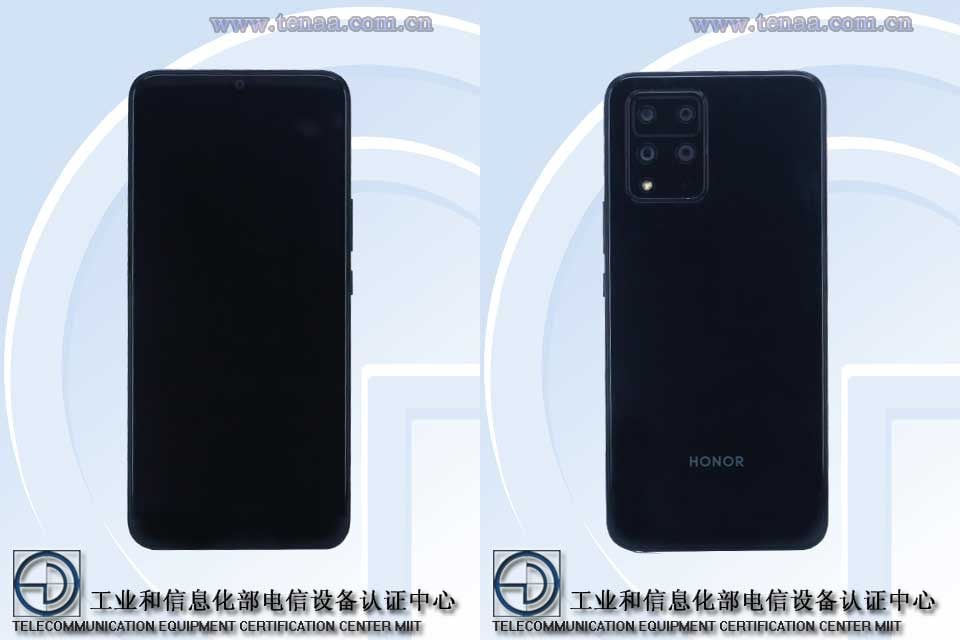
Last week, an Honor phone with model number HJC-AN00 / HJC-TN00 was approved by the TENAA authority. The certification listed the entire specs of the phone, but the images were not revealed. The TENAA listing revealed that it will be a rebranded version of the Huawei Nova 8 SE that went official earlier this month in China. The TENAA listing of the HJC-AN00 / TN00 Honor phone is now updated with its images. The rear image reveals that its rear camera setup is not identical to the Nova 8 SE.
The Honor HJC-AN00 / TN00 has a 6.53-inch AMOLED display that offers a Full HD+ resolution and a 20:9 aspect ratio. It is likely to support a high refresh rate. The front image of the phone reveals that it has a waterdrop notch on the display. The notch houses a 16-megapixel selfie camera. A fingerprint scanner is embedded under the display of the phone.
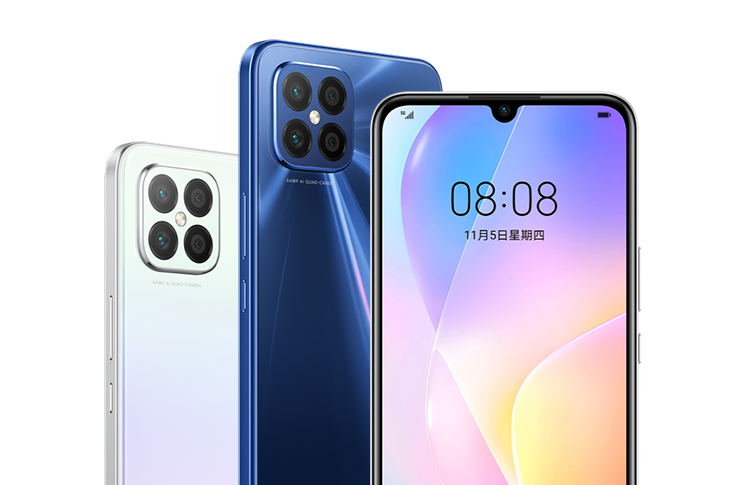
The Huawei Nova 8 SE has a squarish camera system on the rear. An LED flash can be seen at the center of the quad-camera setup. The Honor HJC-AN00 / TN00 has a larger rectangle-shaped camera module. The LED flash unit can be seen below the quad-camera setup that includes a 64-megapixel main shooter, an 8-megapixel lens, and a pair of 2-megapixel auxiliary cameras.
The Nova 8 SE was introduced in Dimensity 720 and Dimensity 800U CPU variants. The Honor HJC-AN00 / TN00 is said to be powered by the Dimensity 800U SoC. The handset has 8 GB of RAM and 128 GB / 256 GB of internal storage. It lacks a microSD card slot. The phone comes loaded with Android 10 OS.
The Honor HJC-AN00 / TN00 has a 3,800mAh battery with 66W rapid charging support. The final product name of the device is not known yet. It will be debuting soon in China in colors like Magic Night Black, Iceland Fantasy, Titanium Silver, and Emerald Blue.
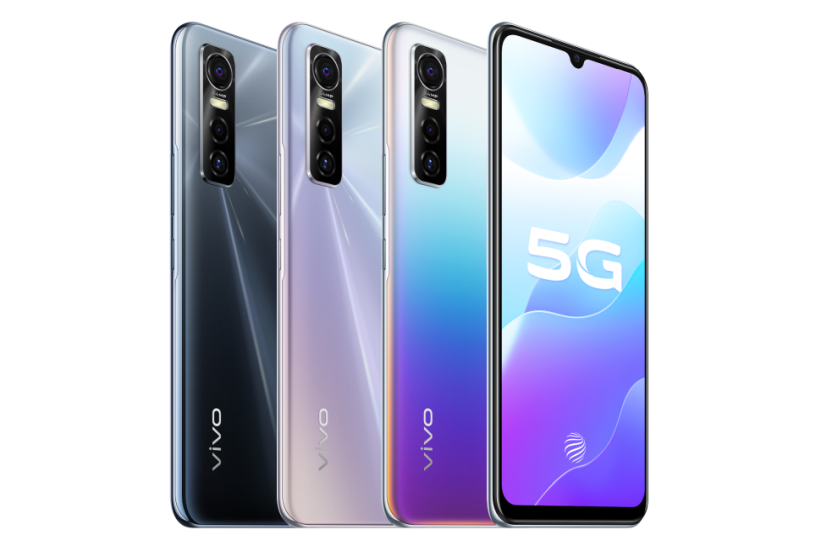
On Nov. 4, Vivo announced the Vivo S7e smartphone in China. It is the weaker sibling of the Vivo S7 5G that went official a few months back in China. It was reported earlier this week that the Vivo S7e 5G will officially go on sale sixteen days after the announcement. The day has arrived, and the device is now up for purchase in the home market.
Vivo S7e 5G specifications and features
The Vivo S7e 5G has a 6.44-inch AMOLED display with a teardrop notch. The 60Hz screen produces a Full HD+ resolution of 1080 x 2400 pixels. The phone offers a screen-to-body ratio of 90.1 percent. The Vivo S7e 5G has an in-screen fingerprint reader and it also supports face unlock.
The Dimensity 720 5G chipset by MediaTek is present under the hood of the device. The phone ships with LPPDR4x RAM and UFS 2.1 storage. It has a dedicated microSD card slot for additional storage. The phone is preinstalled with FunTouch OS 10.5 based Android 10 OS. The handset will be treated with the latest OriginOS upgrade in the coming year.
The Vivo S7e 5G has a selfie camera of 32-megapixel and its rear-facing triple camera system has a 64-megapixel main shooter, an 8-megapixel ultrawide lens with 120-degree FOV, and a 2-megapixel depth sensor. It houses a 4,100mAh battery that supports 33W fast charging.
Vivo S7e 5G pricing and availability
The Vivo S7e 5G comes in a sole version of 8 GB RAM + 128 GB storage. It is priced at 2,398 Yuan (~$447) and it comes in colors like Phantom Blue, Mirror Black, and Silver Moon. It is unclear whether Vivo will release the Vivo S7e 5G in other markets.
Xiaomi-backed Redmi today officially announced that the company’s upcoming Redmi Note 9 series smartphones will be launched in China on 26th November. Soon after that, Lu Weibing, General Manager of the Redmi brand the President of Xiaomi Group China took to Weibo to reveal more details about the phones.
He added that the company’s Redmi Note lineup offers flagship-grade smartphones at an affordable price point and thus, it has been effective in popularizing some of the high-end technologies used in smartphones.
Explaining the philosophy behind this successful product lineup, Lu Weibing adds that the company aims to offer an 80% flagship experience to the users, for a cost of 20%, and this is the strategy that has worked for Redmi.
The company also has impressive numbers to back its claims. The company has managed to sell more than 140 million units of its Redmi smartphones in the market, confirming that its products are well-received by the users and the company’s strategy is working.
Redmi is expected to launch at least two devices on 26th November in China — Redmi Note 9 5G and Redmi Note 9 Pro 5G. As for the specifications, the Pro variant is expected to feature a 6.67-inch 120Hz display and come powered by a 4,820mAh battery that supports 33W fast charging technology.
On the other hand, the Redmi Note 9 5G is said to feature a 6.53-inch display and be powered by MediaTek Dimensity 800U chipset, along with a bigger 5,000mAh battery with 22.5W fast charging support. It is fitted with 48-megapixel triple rear cameras and a 13-megapixel front camera. To know for sure, we will have to wait a few more days.
After launching the Realme Watch S in Pakistan earlier this month, the company has now launched the same product in Europe, along with the Realme 7 5G smartphone. This is the second smartwatch from Realme after it debuted in this category in June this year.
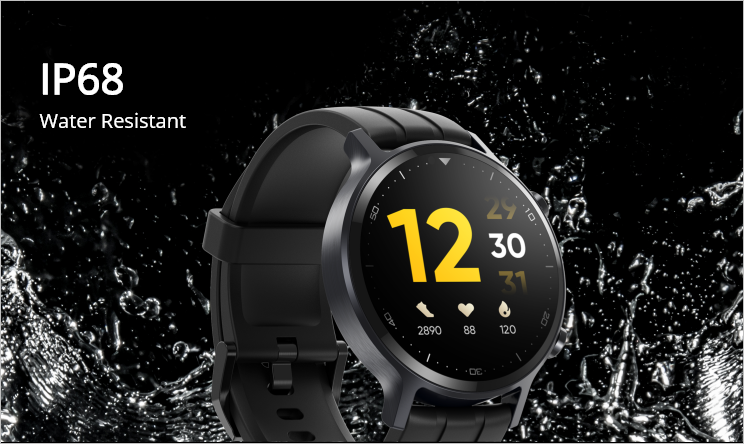
The Realme Watch S features a 1.3-inch LCD touchscreen display that offers 360 x 360 pixels screen resolution and comes with an auto-brightness sensor. The display panel is protected by a layer of Corning Gorilla Glass 3 on top.
The company is offering 12 watch faces onboard and has said that over 100 watch faces will be available in the near future. Key features on the device include Sleep Monitoring, Call Rejection, Smart Notifications, and Music and Camera Control.
It comes with an optical heart rate sensor as well as a blood oxygen level monitoring sensor (SpO2). There are 16 sports modes, which include the likes of Walk, Indoor Run, Outdoor Run, among others.
In the software department, the wearable device is running a proprietary operating system which is similar to the one found on the original Realme Watch. As it is a forked version of the FreeRT OS, there are several major functionalities missing.
The smartwatch also comes with IP68 ratings, making it waterproof for up to 1.5m of water depth. The company has warned users not to take the device along when taking shower or going for a swim. It is powered by a 390mAh battery that the company says can last up to 15 days on a single charge.
The Realme Watch S is priced at €79.99 in Europe and will be available for purchase through the company’s official website Realme.com in Belgium, Germany, Luxembourg, Netherlands, and Portugal regions.
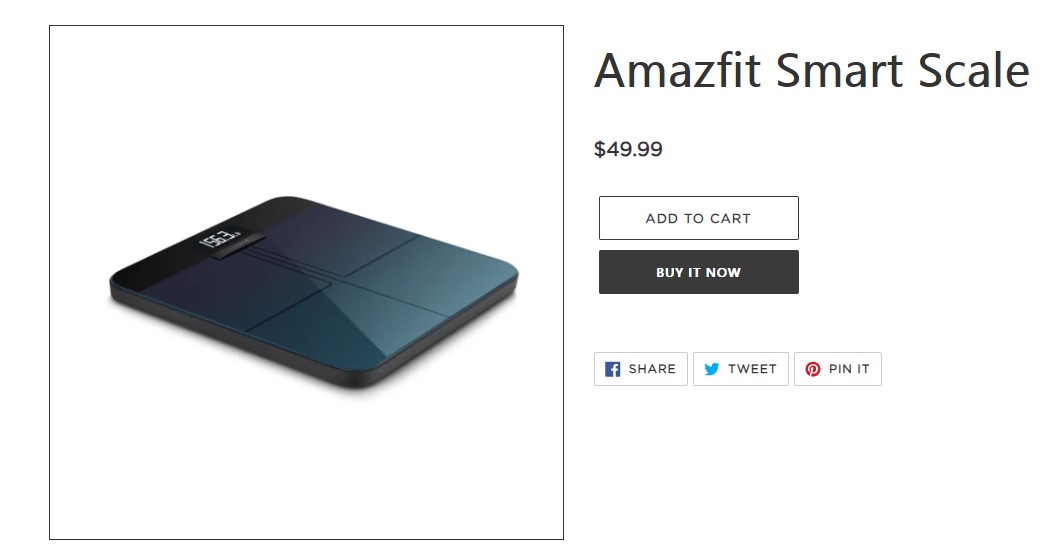
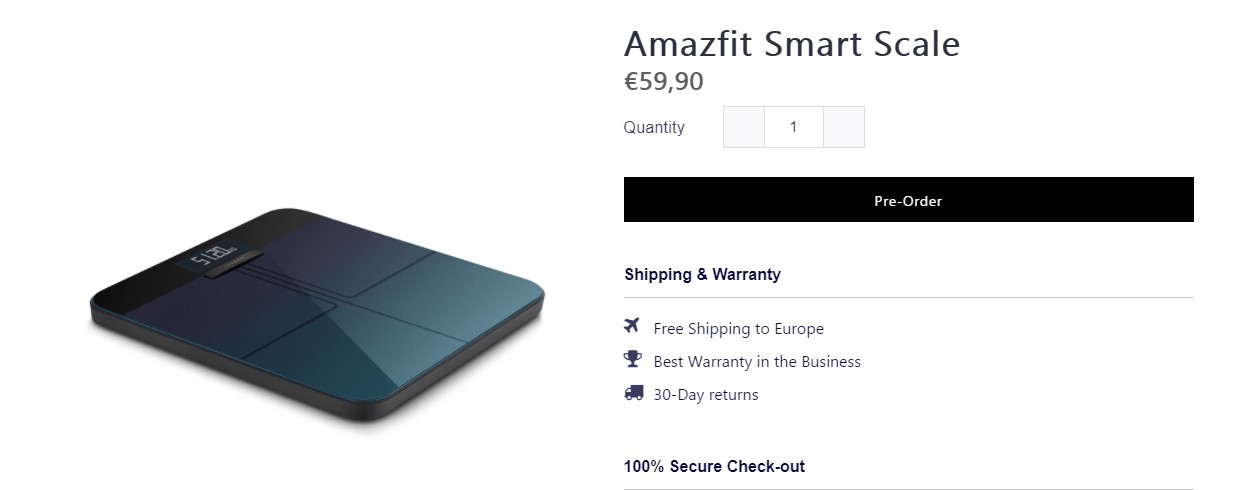
Huami had a silent launch for the Amazfit Smart Scale last month. We were surprised it didn’t have an event launch since this is the manufacturer’s first smart scale. While details about price and availability were not mentioned then, we have discovered that the smart scale is now available for purchase in the US while those in Europe can pre-order it. We have also found out that a second-gen model called the Amazfit Smart Scale2 is in development.
The Amazfit Smart Scale is priced at $49.99 on the US site and can be purchased right away. In Europe, Huami is charging €59.90 for the smart scale and it is only on pre-order with no info stating when it will begin shipping.
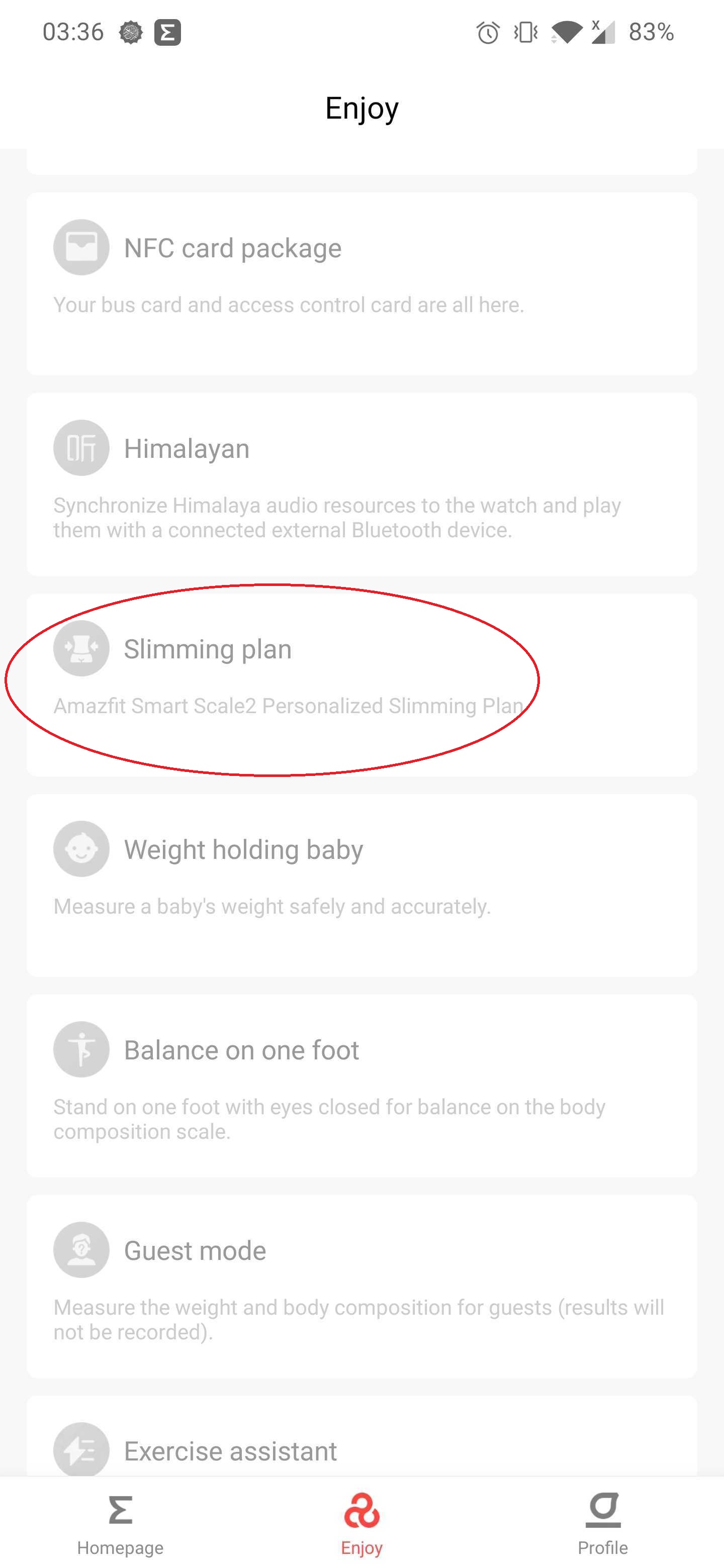
We found evidence of the second-gen smart scale in the Zepp app. Listed under the Enjoy tab is a feature called “Slimming Plan” and the description under the feature read “Amazfit Smart Scale2 Personalized Slimming Plan”, confirming that this is a feature of the yet-to-be-announced 2nd-gen Amazfit smart scale.
This is the only feature we have found of the Amazfit Smart Scale2 but we expect more details will surface in the future, though a lot of them will be similar to that of the 1st-gen model.
Huami has also announced its Early Black Friday deals which are limited to just two products and the US. There is the Amazfit Band 5 which has been discounted to $34.99 from its regular price of $49.99 and can be purchased in Black, Olive, and Orange. The second is the Amazfit GTR 47mm, and it has gotten a price cut from $139.99 to $109.99 for the stainless steel and aluminum alloy versions while the titanium version which normally sells for $179.99 can be gotten for $139.99.
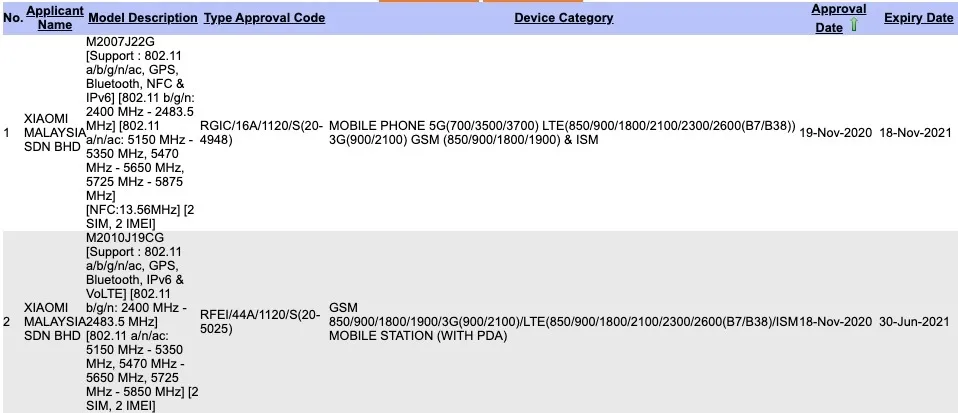
Redmi has confirmed that the company is all set to launch its new Redmi Note 9 series smartphones in the Chinese market on 26th November. Now, ahead of the launch, the Redmi Note 9T 5G smartphone has appeared on a certification website.
Along with that, another smartphone from Xiaomi — POCO M3 has also passed through the same certification process in Malaysia. It confirms that the Redmi Note 9T has model number M2007J22G while the POCO M3 has model number M2020J19CG.
The certification has revealed that the Redmi Note 9T will come with support for NFC as well as the 5G connectivity. On the other hand, the connectivity options on the POCO M3 will be limited to just 4G.
From the leaks so far, it seems that the POCO M3 will feature a 6.53-inch Full HD+ display and will be powered by the Qualcomm Snapdragon 662 SoC. It is said to have a 48MP triple-camera setup and will be packing a 6,000mAh battery with 18W charging support.
On the other hand, the Redmi Note 9T 5G is expected to have a 6.53-inch display with Full HD+ screen resolution and be powered by MediaTek Dimensity 800U chipset. It is also said to feature a 48MP triple-camera configuration and powered by a 5,000mAh battery along with support for 22.5W charging.
Both these smartphones are expected to run the Android 10 operating system out-of-the-box along with a custom user interface on top. The POCO M3 render leak reveals that the phone will come in Yellow, Blue, and Gray color options.
As per the reports, the Redmi Note 9T 5G will be a global variant of one of the devices getting launched on 26th November in China. Similarly, the POCO M3 is also expected to be a rebranded model of either the Mi or Redmi series smartphone.
Future devices with NFC may gain the ability to wirelessly charge active styluses following the announcement of a partnership between the NFC Forum and the Universal Stylus Initiative (USI).
The new feature will be possible as a result of the integration of the NFC Forum’s Wireless Charging Specification (WLC) into devices that meet USI standards. The charging specification, which was announced back in May, brings support for 1W wireless charging of small devices. It doesn’t require the smartphone or tablet with NFC to have a charging coil as the NFC antenna doubles as a charging coil.
While 1W is definitely low when it comes to wireless charging devices such as earbuds or smartwatches (though the NFC Forum does mention them as devices that will take advantage of the new feature), it should suffice for smaller devices like styluses as they have much smaller batteries.
According to XDA Developers, the NFC communication link will control power transfer and the charging specification will use the 13.56 MHz base frequency. Devices will also be able to charge using two modes: a static mode that uses standard radio frequency and provides fixed power output and a negotiated mode that uses a higher radio frequency but can cycle the power output from 0.25W to 0.5 to 0.75W to 1W.
There is no info yet on when we can expect the feature to begin appearing in devices but we expect to see phones launched next year have it. However, we won’t be surprised if most manufacturers prefer to use the current NFC chips which do not support wireless charging if they believe it is not an important feature to add to their device.
A screenshot had surfaced yesterday that Redmi will be announcing the Redmi Note 9 5G series on Nov. 26 in China. Today, the company officially confirmed that the Note 9 lineup will be made official at 8 PM on Nov. 26. The Chinese brand also shared a poster through Weibo to reveal that the design of what appears to be the Note 9 Pro 5G. The machine-translated text on the Weibo post suggests that the company will announce Note 9 series phone.
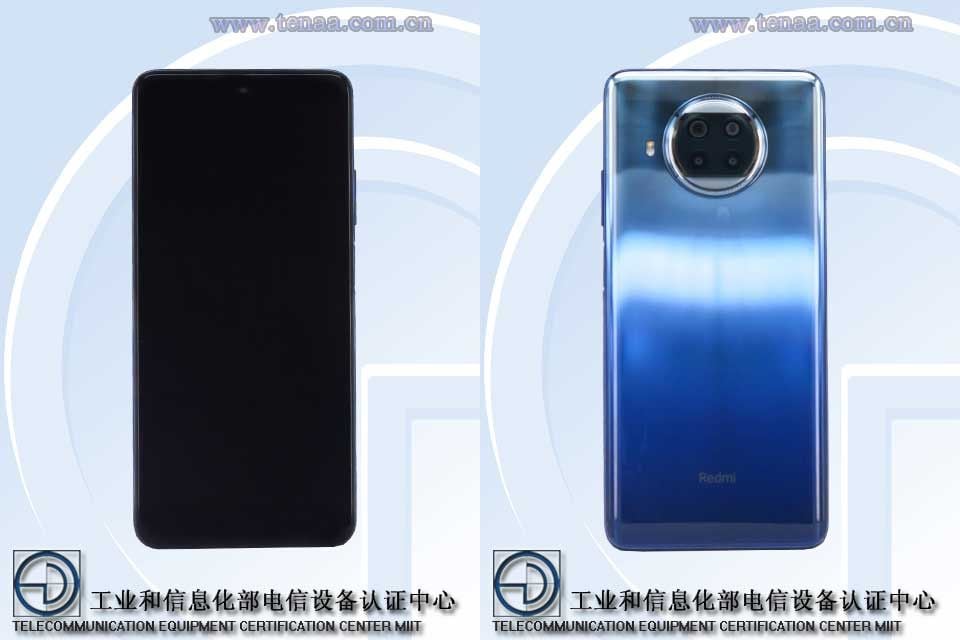
In the launch poster, the Redmi Note 9 Pro 5G can be seen in two colors such as purple and aqua. The circular camera housing has four cameras inside it. An LED flash unit is placed on the left side of the camera module. Previous reports have revealed that it has a 108-megapixel primary shooter. The handset appeared at Geekbench yesterday to reveal that it is driven by the Snapdragon 750G chipset and 8 GB of RAM. This confirms that the Note 9 Pro 5G has a tweaked version of the Xiaomi Mi 10T Lite.
The front side of the Redmi Note 9 Pro 5G is not visible in the poster. However, it is already known that its screen has a top-center positioned punch-hole. It has a 6.67-inch 120Hz IPS LCD panel with FHD+ resolution support. For capturing selfies, it has a 16-megapixel selfie camera. The device flaunts a side-mounted fingerprint scanner. It is backed by a 4,820mAh battery that supports 33W rapid charging.
The Redmi Note 9 5G has a 6.53-inch IPS LCD FHD+ display. It is also expected to support a high refresh rate. It is fueled by a Dimensity 800U chipset and a bigger 5,000mAh battery with 22.5W fast charging support. It is fitted with 48-megapixel triple rear cameras and a 13-megapixel front camera.
Redmi is expected to confirm the launch date of the Redmi Note 9 5G series for China today. Multiple reports including the TENAA listing of the Redmi Note 9 Pro 5G have revealed that it will be a rebadged version of the Xiaomi Mi 10T Lite. However, the only major difference between the two devices will be that the Note 9 Pro 5G will have a 108-megapixel primary shooter. Ahead of the rumored Nov. 26 launch date, the Note 9 Pro 5G has appeared on the Geekbench benchmarking platform.
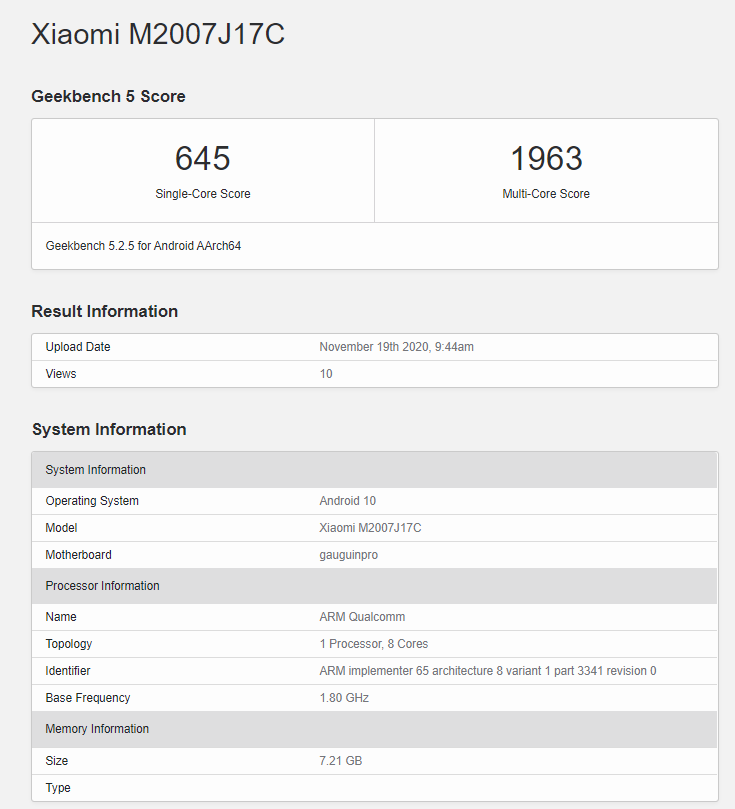
The Geekbench listing (via) mentions the Note 9 Pro 5G with its M2007J17C model number. The “gauguinpro” text in the motherboard field is the codename of the phone. The listing reveals that it is powered by an octa-core processor by Qualcomm. The SoC has a base frequency of 1.80GHz.
1 of 2
Redmi Note 9 Pro 5G Geekbench
Redmi Note 9 Pro 5G Geekbench
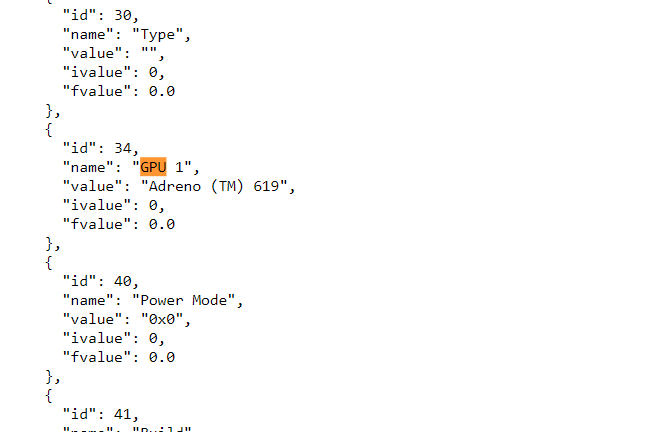
The source code of the Geekbench listing shows that the SoC tags along with Adreno 619 graphics. This reveals that the Note 9 Pro 5G is driven by the Snapdragon 750G chipset. The SoC is coupled with 8 GB of RAM and the device is loaded with Android 10 OS. In the single-core test, the Note 9 Pro 5G has 645 and it recorded a score of 1963 in the multi-core test.
The Redmi Note 9 Pro 5G has a 6.67-inch punch-hole display. The IPS LCD panel supports a Full HD+ resolution and a 120Hz refresh rate. It has a 16-megapixel front-facing camera and a 108-mgeapixel quad-camera setup on its back.
The SD750G powered phone is expected to arrive with up to 8 GB of RAM and up to 256 GB of storage. It has a 4,820mAh battery with 33W fast charging support. It also features a side-facing fingerprint reader.
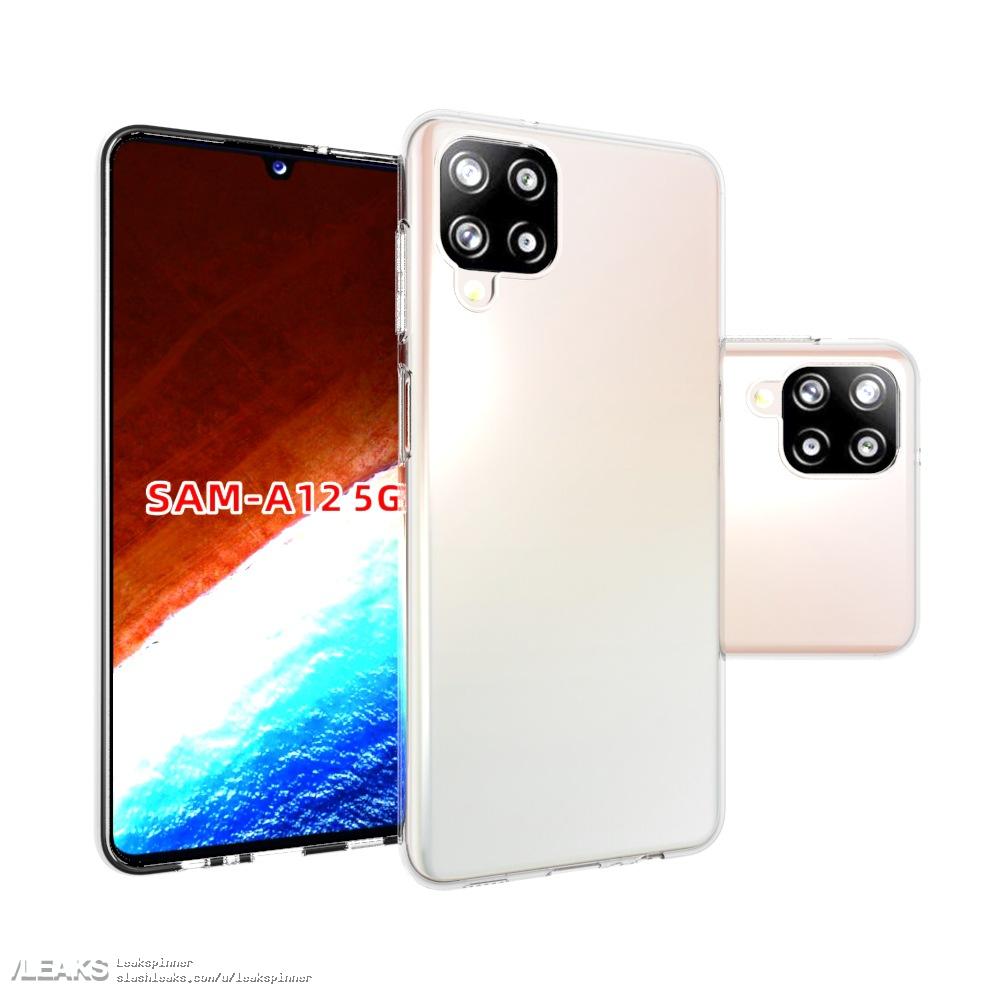
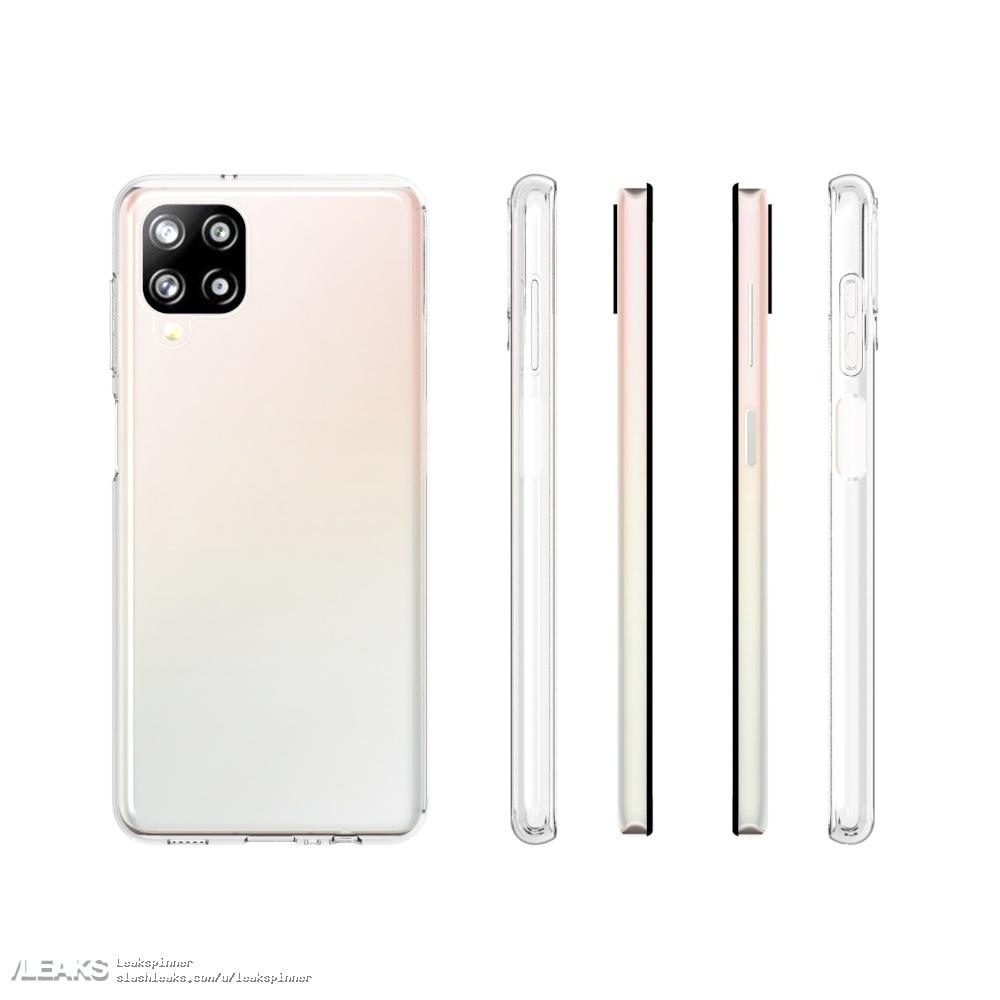
Since August, the rumor mill has been spilling information about the upcoming Galaxy A12 smartphone. All the recent leaks have that it will be a 4G device. However, it appears that Samsung is also preparing a 5G variant of the device. SlashLeakshas listed the case renders of the upcoming Galaxy A12 5G to reveal its design. Its rear design is similar to the upcoming Galaxy M12, which in turn resembles the Galaxy A42 5G.
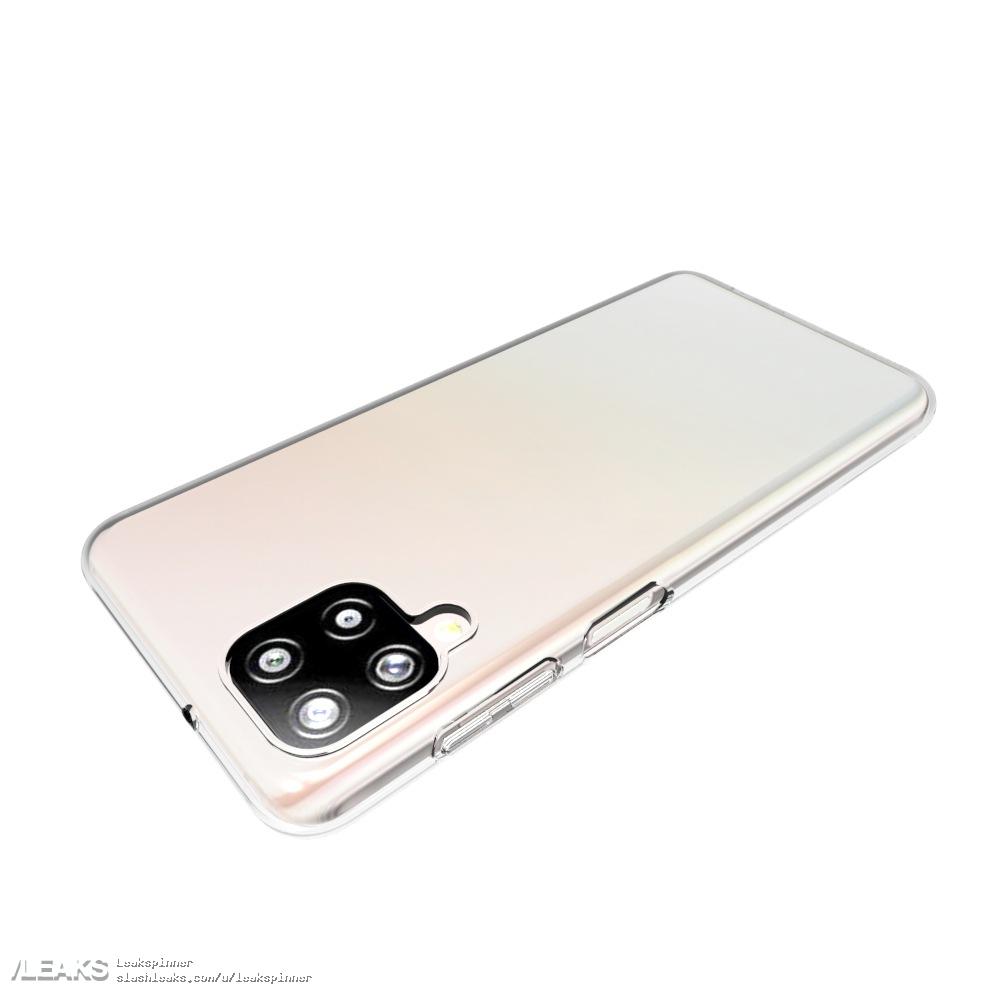
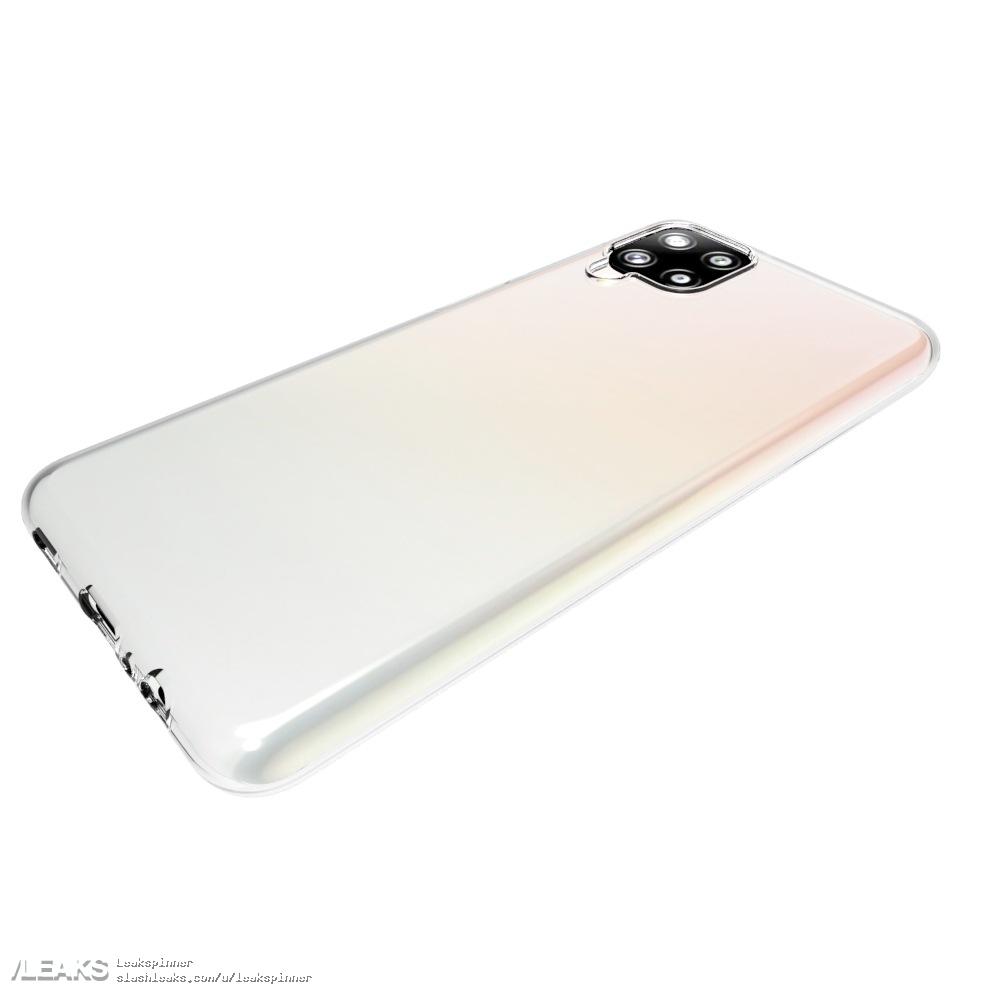
The Galaxy A12 5G case renders show that its rear design will be similar to the Galaxy M12. The 3D CAD renders of the M12 that were shared by the popular tipster Steve Hemmerstoffer earlier this week had revealed that it will be sporting a dual-tone rear design. The Galaxy A12 5G case renders reveal that it does not have a dual-tone rear shell, but it appears like a fancier version of the M12.
A square-shaped camera module can be seen at the top-left corner of A12’s rear panel. The camera housing suggests that it could be equipped with three rear-facing cameras. An LED flash is present below the camera unit.
The handset is equipped with a side-facing fingerprint scanner. Its bottom edge has a 3.5mm audio jack, a USB-C port, and a loudspeaker grille. At the front, it features a teardrop notch display. There is a possibility that the 4G edition of the Galaxy A12 could be sporting the same design as its 5G sibling.
So far, the rumor mill has revealed that the Galaxy A12 (SM-A125F model number) will be equipped with an LCD panel and it will be arriving in 32 GB and 64 GB storage models. It was recently spotted with an Helio P35 chipset, 3 GB of RAM, and Android 10 OS at the Geekbench benchmarking platform. It is speculated to launch soon as its support page was found listed on the Samsung Russia website recently.
The sale of Honor to new owners is going to bring big changes to the brand’s business. Up until before the sale, Huawei and Honor have shared technologies just the way Xiaomi and Redmi does. Now that they have cut the ties between them, a necessary move to ensure the survival of Honor, there are expected changes to the way Honor’s business operates.
The joint statement announcing the sale says that Huawei will not own any share in the new company, and it has been reported that operations and after-sales services will not be impacted. However, Honor will have to make new changes to show that it is no longer a Huawei-owned business.
Huawei phones released in the past year have launched with Huawei Mobile Services. While Huawei’s answer to Google Mobile Services (GMS) is gaining new features rapidly, lots of folks are not keen to pick up a phone that doesn’t have support for Google services right out of the box.
Now that Honor is now an independent company not related to Huawei, we expect new Honor-branded phones made for the international market will come with GMS.
A redesigned Magic UI or a New UX Skin entirely
Honor phones come with an Android skin called Magic UI. Now in its fourth iteration, Magic UI is closely related to Huawei’s own EMUI but with a few additions. If Honor intends to continue with the Magic UI skin, its next version will have to be very different from EMUI and not just a rebadge. We speculate that Honor may eventually ditch Magic UI and launch a new skin entirely just as Vivo did recently by dropping Funtouch OS and announcing OriginOS.
Snapdragon-powered Honor Phones
It has been a while since we saw a Honor smartphone powered by a Snapdragon processor. The ones that come to mind are the Honor 8C which has a Snapdragon 632 processor and the Honor 8X Max which is powered by the Snapdragon 660. Both phones were launched in 2018.
Most Honor phones released since 2019 have come with Huawei’s Kirin processors, and this year, we have seen Honor also launch phones with MediaTek 5G processors.
We expect this to be good news for markets where Honor has continued to release phones with the already old Kirin 710 processor.
Conclusion
These are the changes we expect to see in the near future from Honor. However, these changes may take a while to arrive and not be immediate. Nevertheless, we look forward to seeing what the future holds for Honor as it forges a new path.
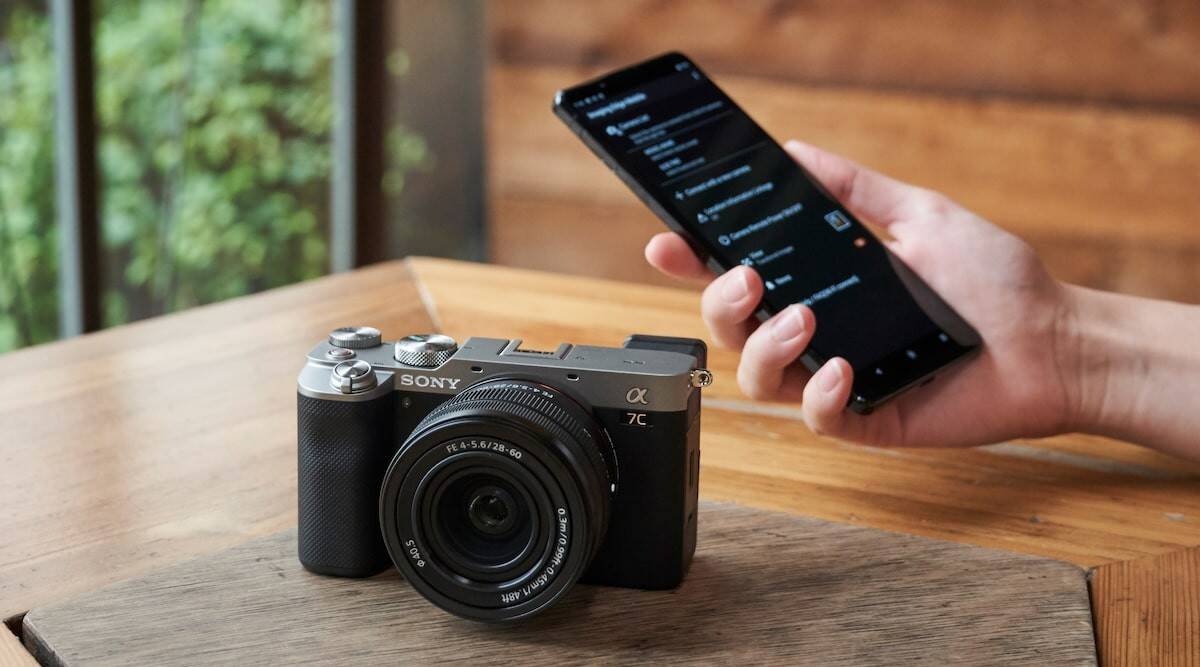
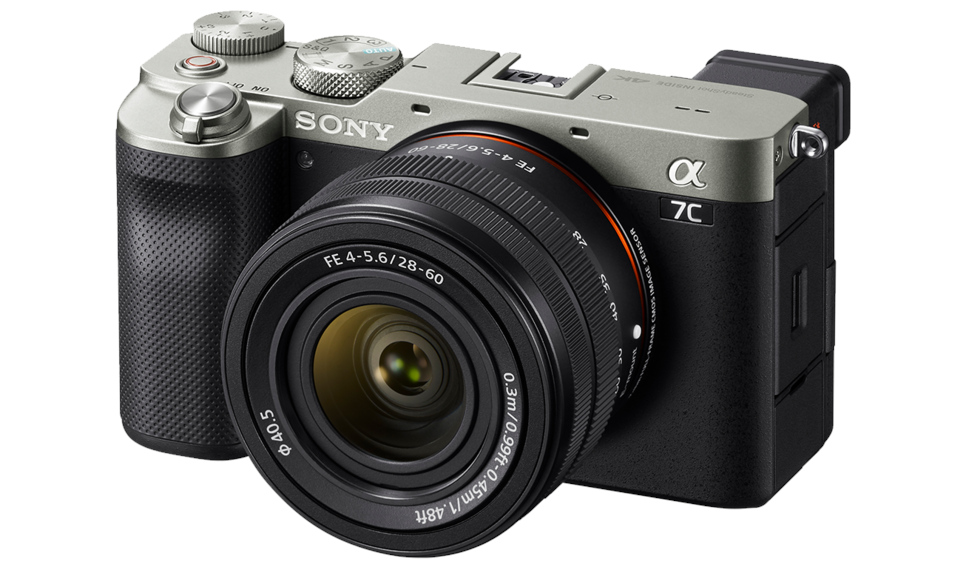
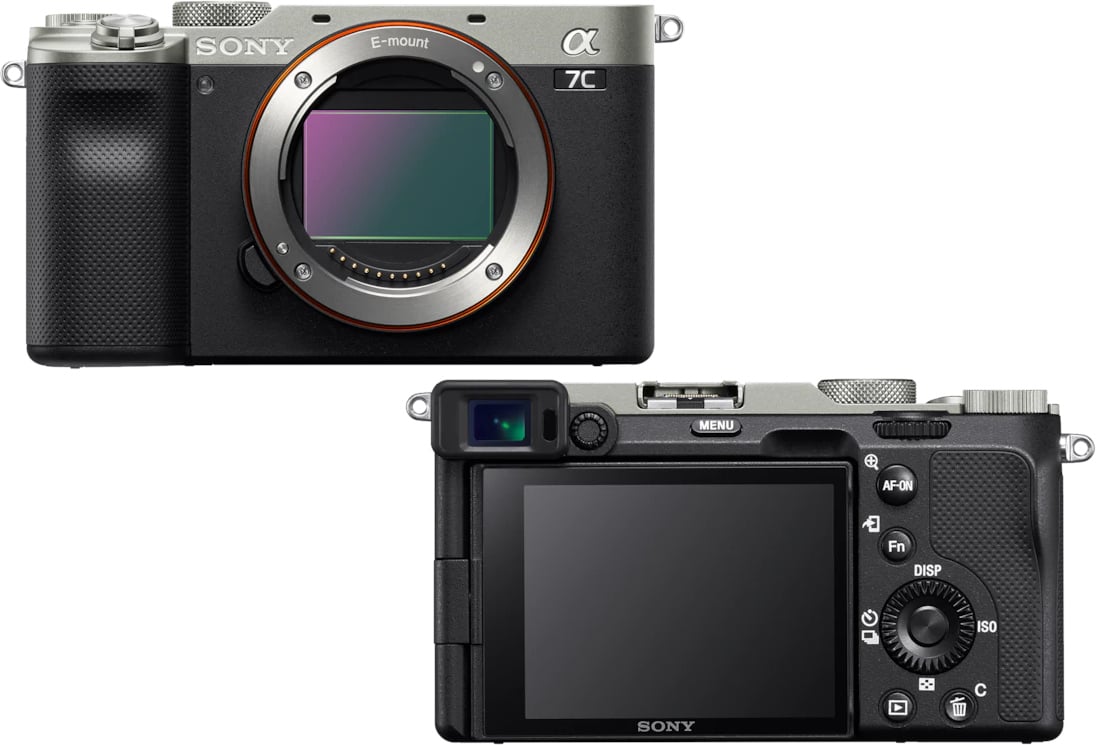
Global leader Sony has launched its latest camera, the Alpha 7C into the Indian market. It has a full-frame 24.2MP CMOS sensor housed in a sleek and compact body. The camera is headlined by Sony’s advanced autofocus technology system, 4K video capabilities and several other exciting features.
The compact and lightweight body is the result of Sony’s innovative technology embedded in several new components like the shutter and optical stabilization unit, whose sizes have been greatly optimized from previous models. The full-frame sensor and several other features provide top-notch image processing which substantially enhances the performance of the camera in scarcely illuminated settings. The camera also comes with 15-stops of dynamic range and greater image depth.
The camera supports high dynamic range capabilities, as well as HLG and S-Log/S-Gamut options, thereby providing a wide array of shooting options.. It uses Sony’s E-mount technology for the lenses while the kit lens is a FE 28-60mm F4-5.6 zoom lens. The side-opening 3-inch LCD screen is capable of articulating and the camera has many AF tracking options such as Real-time Eye AF for Humans and Animals, among a few others.
The Sony Alpha 7C camera will cost interested buyers Rs. 1,67,990 for the camera alone and Rs. 1,96,990 along with the SEL2860 lens kit. It will be available at all accredited Sony Centers, Alpha Flagship stores, ShopatSC.com, and major electronic stores across the country from today.
In his remarks on the launch, Sony India’s Digital Imaging Head, Mukesh Srivastava stated that the FE 28-60mm F4-5.6 zoom lens is the fallout from advanced imaging technologies used in the phone to make it the smallest and lightest full-frame camera and lens system in the world. While stressing new possibilities with the launch in the Indian market, he noted that Sony has delivered on its promise to provide excellent solutions to users via a great camera on their hands.
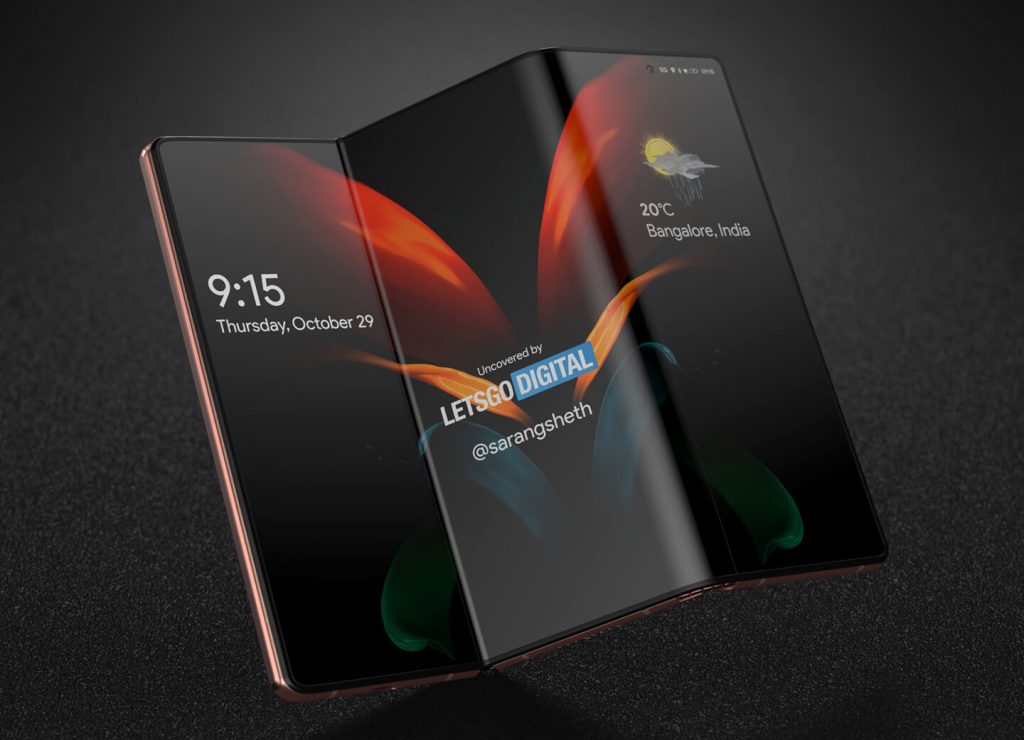
The under-display camera has been showcased by several brands in the past couple of years. However, ZTE is currently the only manufacturer that offers a smartphone featuring the technology. Feelers from the grapevine, however, point in the direction of Xiaomi who are in the process of mass-producing the third-generation under-display camera for its smartphone models from 2021. Another OEM likely to join ZTE and Xiaomi is Samsung. The tech giant is working on an under-display camera likely to come on board early 2021 with the launch of the Galaxy Z Fold 3. The Galaxy Z Fold 3 will be the first Samsung device to feature this emerging technology in its camera.
The first Galaxy Fold was released in 2019 and there were modifications in the main display for the selfie camera. The Galaxy Z Fold 2 was released in September 2020 and showed marked improvement from the first model and featured a circular hole-punch cutout. A news flash from ETNews showed that Samsung is planning to move a step further by introducing its under-display camera solutions with the release of the Galaxy Z Fold 3 smartphone. It has been projected that the latest Z Fold smartphone could be launched in the second half of next year. This tech innovation is expected to improve the ratings of the device among its peers and position it for greater patronage.
It is reported that the phone will have a special display from Samsung Display, while the image sensor will be gotten from the LSI division of Samsung Electronics, together with specialized hardware. Samsung will also display an image correction algorithm to enhance the camera’s overall performance.
Inside sources said that the display is designed in such a way that only the part where the camera is placed is enlarged to get an aperture for taking photos seamlessly.
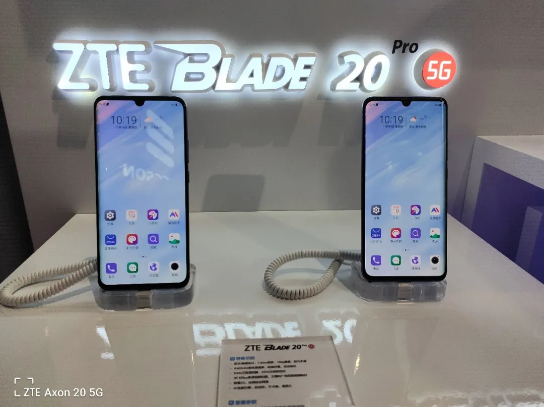
ZTE today at the China Mobile Global Partner Conference launched the Axon20 5G Extreme Edition. The company also took the wraps off the Blade 20 Pro 5G mobile phone. The model is a high-end version of Blade 20 5G which was launched earlier this month.
In terms of configuration, the Blade 20 Pro 5G mobile phone uses the Snapdragon 765G chip, which is built using Samsung’s 7nm EUV process, and integrates an eight-core kryo 475 CPU with a clock speed of up to 2.3GHz. The processor integrates the Adreno 620 GPU. The chip can run current mainstream games smoothly.
For photography, there is a 20-megapixel selfie camera that supports AI beauty. At the rear, there is a Quad camera setup made up of a 64-megapixel main camera.
The Blade 20 Pro 5G is an upgrade of the Blade 20 5G which was launched not too long ago. To recall, the Blade 20 5G sports a 6.52-inch IPS LCD waterdrop screen with an HD+ resolution of 720X1600 pixels.
The Blade 20 5G is equipped with a Dimensity 720 chip, which is based on the ARM architecture and has two Cortex-A76 cores clocked at 2.0GHz and six energy-efficient cores clocked at 2.0GHz. The phone is backed by a 4,000mAh battery, which lacks support for fast charging. The Blade 20 5G comes with other features like a built-in FM radio antenna and a rear-facing fingerprint sensor. While the Pro version packs a Quad camera setup, the Blade 20 5G has three rear cameras, a 16-megapixel main camera and an 8-megapixel wide-angle camera, and a 2-megapixel depth-of-field lens.
Finally, the ZTE Blade 20 Pro 5G comes with 6G RAM and 128GB storage. It packs a similar 4000mAh battery as its predecessor but does not support fast charging.
ZTE is yet to release the pricing details but the model is expected to go on sale on November alongside the Axon20 5G Extreme Edition.
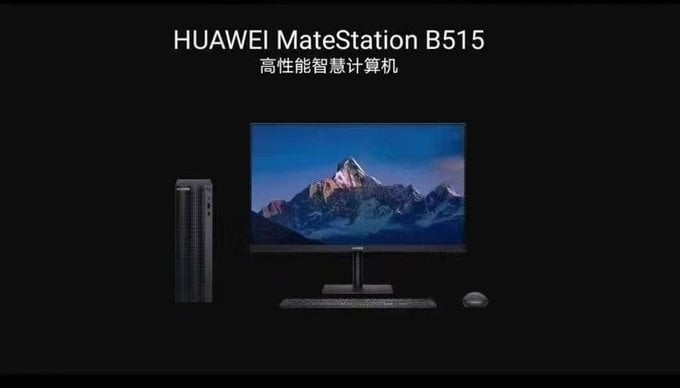
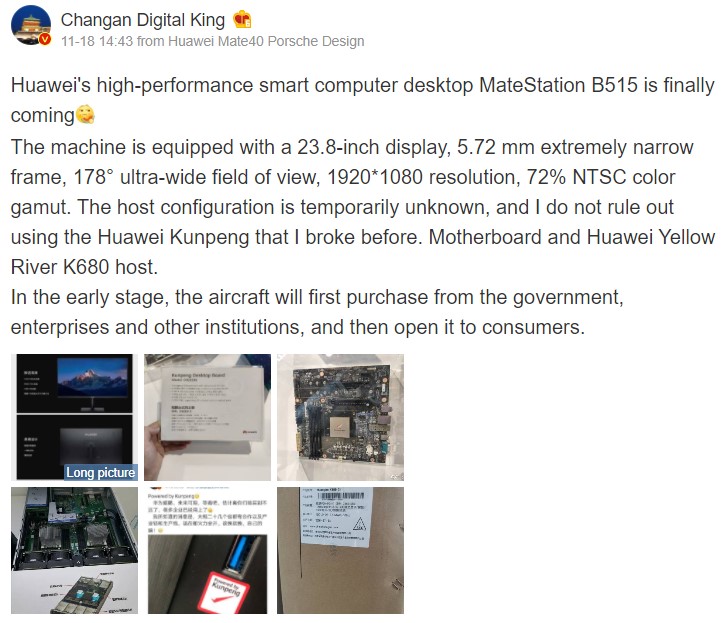
A few months ago, in July to be precise, we reported that Huawei had applied for a trademark for “Huawei MateStation”. We guessed the trademark was related to a dock for the Mate 40 series, something similar to Samsung’s Dex Station. Turns out our guess was far from correct. The Huawei MateStation is a desktop PC and the first model is the MateStation B515 which has just leaked.
Huawei made its entry into the PC business a few years ago but it has kept the category limited to notebooks. With the Huawei MateStation B515, it has officially announced its entry into the desktop category.
The new computer is going to be a big deal as it will most likely not be powered by a CPU from Intel or AMD but a Kirin processor that is based on ARM architecture, just like Apple’s M1 silicon. That processor is the Kunpeng 920.
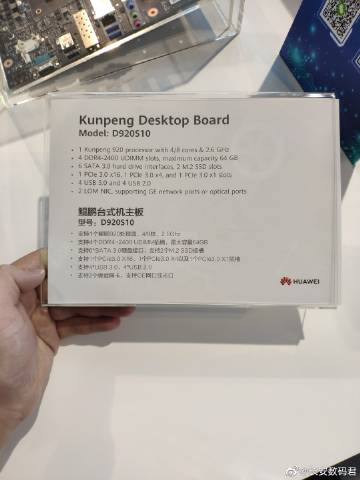
Kunpeng 920 Desktop Board
The 7nm Kunpeng 920 processor is the name of the CPU and it comes in 4-core and 8-core configurations with a clock speed of 2.6GHz. Images posted by the Chinese leaker, Changan Digital King, show a desktop board based on the processor. He speculates that this may be the board that will be found in the MateStation B515.
The specs of the board mention that it has 4 DDR4-2400 UDIMM slots with a maximum capacity of 64GB. It also has 6 SATA 3.0 hard drive interfaces, 2 M.2 SSD slots; 1 PCIe 3.0 x 16, 1 PCIe 3.0 x4, and 1 PCIe 3.0 x1 slots; 4 USB 3. ports, 4 USB 2.0 ports, and 2 LOM NIC supporting GE network ports or optical ports.
The MateStation B515 is said to come bundled with a 23.8-inch monitor with narrow bezels that measure 5.72 mm, a 1920 x 1080 resolution, a 178° field of view, and a 72% NTSC color gamut.
The MateStation B515 will most likely be marketed towards use in offices and professional spaces, allowing it to compete with workstations from Lenovo, Dell, and HP.
Compact phones became very rare, yet Apple launched two compact devices this year. The latest one is the iPhone 12 Mini, already considered the king of compact phones by a lot of people. But is it really so or there is something at the same level in the Android world? This is a specs comparison between compact phones including the iPhone 12 Mini, the Sony Xperia 5 II, and the Samsung Galaxy Z Flip 5G. The Samsung device is not among the most compact ones, but it is a clamshell phone with a foldable display and it becomes incredibly small while folded: that is why we included it in this comparison despite it may look like an atypical choice.
Apple iPhone 12 Mini vs Samsung Galaxy Z Flip 5G vs Sony Xperia 5 II
Apple iPhone 12 Mini
Samsung Galaxy Z Flip 5G
Sony Xperia 5 II
THICKNESS
131.5 x 64.2 x 7.4 mm,
135 grams
167.3 x 73.6 x 7.2 mm (unfolded)
87.4 x 73.6 x 17.3 mm (folded)
183 grams
158 x 68 x 8 mm,
163 grams
DISPLAY
6.2 inches, Super Retina XDR OLED 1080 x 2340p (Full HD+), 476 ppi
6.7 inches, 1080 x 2636p (Full HD+), Foldable Dynamic AMOLED
External display: 1.1 inches, Super AMOLED, 112 x 300 pixels
Dual 12 + 12 MP f/1.6 + f/2.4
Dual 12 MP + SL 3D f/2.2 front camera
Dual 12 + 12 MP, f/1.8 and f/2.2
10 MP f/2.4 selfie camera
Triple 12 + 12 + 12 MP, f/1.7, f/2.4 and f/2.2
8 MP f/2.0 selfie camera
BATTERY
2227 mAh
Fast charging 20W and fast wireless charging 12W
3300 mAh, Fast Charging 15W, and fast wireless charging 9W
4000 mAh, Fast Charging 21W
ADDITIONAL FEATURES
5G, waterproof IP68, optional eSIM, Face ID
5G, eSIM
5G, optional dual SIM, IP65/68 waterproof
Design
The verdict may change depending on your tastes, but the most impressive design belongs to the Samsung Galaxy Z Flip 5G. The reason why it is the most attractive is the fact that it is a foldable phone and it features a foldable display. Thanks to this solution, the phone is able to become extremely compact while folded, so that you can keep it in a small pocket. And while the phone is folded, you can use a small external display to check the notifications and shoot selfies with the rear cameras. The iPhone 12 Mini comes right after with its compact and symmetric borderless design, and it even features a sturdier build quality with Ceramic Shield and a waterproof body offering water resistance up to 6 meters deep.
Display
Maybe it does not offer the most realistic image quality, but the most interesting display belongs to the Sony Xperia 5 II for a simple reason: it has a 120 Hz refresh rate. But do not underestimate the foldable screen of the Samsung Galaxy Z Flip 5G with the HDR10+ certification. Despite being more compact, the Samsung Galaxy Z Flip 5G has the widest display with a 6.7-inch diagonal. The iPhone 12 Mini offers an astonishing image quality with HDR10, Dolby Vision, and a wide color gamut. And it is the device with the smallest display. iPhone 12 Mini relies on Face ID for authentication, while Samsung Galaxy Z Flip 5G and Sony Xperia 5 II feature a fingerprint scanner.
Specs & Software
The most advanced device in terms of performance is the iPhone 12 Mini thanks to the Apple A14 Bionic chipset built at 5 nm. No matter if it comes with less RAM because the iOS operating system knows how to manage it. The silver medal goes to the Samsung Galaxy Z Flip 5G powered by the Snapdragon 865+ mobile platform paired with 8 GB of RAM and UFS 3.0 native storage. But the Sony Xperia 5 II is still a top-tier flagship with its Snapdragon 865. iPhone 12 Mini runs iOS 14, while its rivals run Android 10.
Camera
The most complete camera department belongs to the Sony Xperia 5 II. Besides the classic 12 MP main sensor and an ultrawide lens, unlike its two rivals, it even comes with a telephoto sensor with 3x optical zoom. You do not get that on the iPhone 12 Mini and Samsung Galaxy Z Flip 5G. But the iPhone 12 Mini actually provides better photo quality, if we exclude zoom capabilities. Samsung Galaxy Z Flip 5G is a very nice camera phone, but it is not among the best ones.
The battery award goes to the Sony Xperia 5 II featuring a satisfying 5000 mAh battery. But it is the only one to lack wireless charging. iPhone 12 Mini and Samsung Galaxy Z Flip 5G have below-average batteries, but they are not disappointing in terms of battery life.
Price
The prices of the iPhone 12 Mini start from €800/$700, Sony Xperia 5 II is priced €800/$890, and Samsung Galaxy Z Flip 5G costs about €1600/$1500 (prices vary depending on the market). At the end of the day, the iPhone 12 Mini is a better compact phone for several reasons. It is very compact thanks to its 5.4-inch display, it has a great chipset, very nice camera capabilities, and more interesting minor features. But the choice mostly depends on your needs: you may need an even more compact device like the Samsung Galaxy Z Flip 5G while folded, or you may prefer having a longer battery life with the Sony Xperia 5 II. In each case, you would get an awesome device.
Apple iPhone 12 Mini vs Samsung Galaxy Z Flip 5G vs Sony Xperia 5 II: PRO and CONS
We use cookies on our website to give you the most relevant experience by remembering your preferences and repeat visits. By clicking “Accept”, you consent to the use of ALL the cookies.
This website uses cookies to improve your experience while you navigate through the website. Out of these, the cookies that are categorized as necessary are stored on your browser as they are essential for the working of basic functionalities of the website. We also use third-party cookies that help us analyze and understand how you use this website. These cookies will be stored in your browser only with your consent. You also have the option to opt-out of these cookies. But opting out of some of these cookies may affect your browsing experience.
Necessary cookies are absolutely essential for the website to function properly. This category only includes cookies that ensures basic functionalities and security features of the website. These cookies do not store any personal information.
Any cookies that may not be particularly necessary for the website to function and is used specifically to collect user personal data via analytics, ads, other embedded contents are termed as non-necessary cookies. It is mandatory to procure user consent prior to running these cookies on your website.