Lenovo Legion Phone Pro is the company’s gaming smartphone and comes with top-of-the-line specifications and some impressive features. It also has dual front-facing speakers and a quad-microphones setup with Qualcomm’s noise reduction technology.
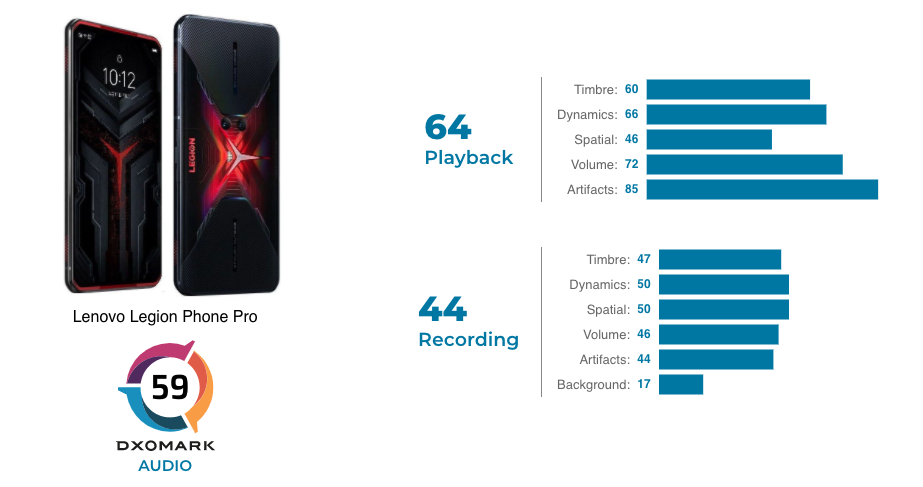
Now, DxOMark has published a new report related to the smartphone’s audio performance and gave it 59 points, with playback being rated at 64 and recording at 44.
The phone’s score of 59 points puts it in the lower ranks of devices for audio performance. However, the audio score for gaming use-case is better. Comparing it to other gaming smartphones, the Asus ROG 3 scored 75 points while Nubia Red Magic 3S scored 64 points.
The report from DxOMark says that the phone good dynamics performance. But, it says that tonal balance is off due to the lack of clarity. It notes that treble is muffled while the mid-range is inconsistent and the bass gets distorted even at nominal volume.
The Lenovo Legion Phone Pro was launched in August this year, marking the brand’s debut in the gaming smartphone category. The device features a 6.65-inch Full HD+ AMOLED display with a refresh rate of 144Hz.
It is powered by the Qualcomm Snapdragon 865 Plus flagship platform with up to 16GB of RAM and 512 GB of internal storage. The device comes packed with a 5,000mAh battery that supports 90W fast charging technology.
The device is equipped with a game acceleration engine (GAE) and has ultrasonic buttons on both sides to start the game acceleration engine. During gaming, players can quickly switch perspectives through the shaking of the phone. As for the pricing, the 8GB RAM variant starts at 3,499 yuan (~$521) in China.
Earlier this year, bowing down to the pressure from the Trump administration, United Kingdom (UK) banned Chinese giant Huawei from participating in the country’s 5G infrastructure and ordered companies to remove Huawei equipment by 2027.
Now, Huawei’s Vice President Victor Zhang has urged UK Prime Minister Boris Johnson to revisit the decision to ban Huawei from the 5G network development and claimed that it will worsen England’s north-south divide.
He also urged the UK to stay true to its roots as the birthplace of the first Industrial Revolution and added that the government could not afford to fall behind others in the 5G communication revolution.
Victor Zhang also added that this is worrying because the UK is more focused on the geopolitical conflict rather than focusing on improving the economy and making sure that the country grabs the opportunity to be a global leader post-Brexit.
UK’s Culture Secretary Oliver Dowden had said in July that the decision to completely remove Huawei from the UK’s 5G network could delay the rollout of 5G by up to three years and cost around £2 billion.
There are concerns related to using Huawei’s equipment in 5G development because of the company’s alleged ties with the Chinese Communist Party. Critics of the company say that China could use Huawei as a backdoor to spy on communications. However, Huawei has denied all such allegations time and again.
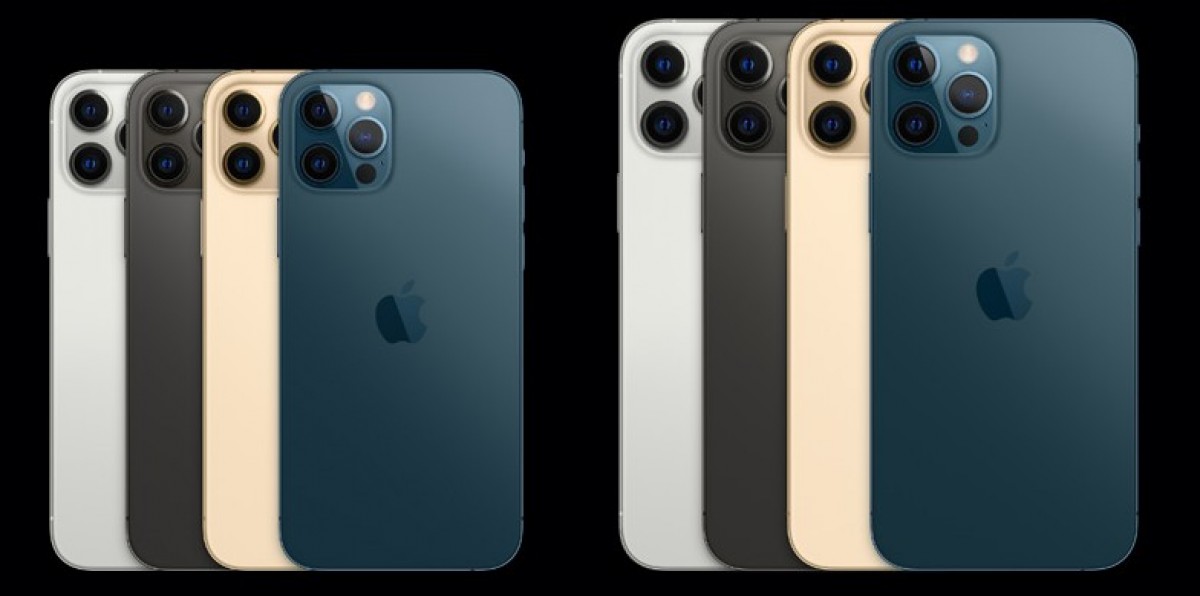
The Apple iPhone 12 Pro Max and iPhone 12 mini are finally available for sale. Early adopters are already getting their hands on Apple’s latest flagship, and rest assured these handsets are as well built as the iPhone 12 and 12 Pro, which were launched prior.
JerryRigEverything, a known YouTuber that is known for making newly launched smartphones undergo a durability and stress test had previously reviewed the iPhone 12 and 12 Pro. Now, the higher end 12 pro Max and the lowest end 12 mini have been subjected to his tests as well, and unsurprisingly, they performed just as well as the iPhone 12 and 12 Pro.
In the video, the two iPhones were subjected to the scratch test on the Mohs scale of hardness. While the Ceramic Shield screens have better shatter resistance, scratches does appear by level 6 but it is less noticeable. Another notable finding was that the iPhones survived a 50 second lighter test, which caused no permanent damaged either unlike any other smartphone with an OLED panel.
This might be another additional protection from the ceramic molecules on the display’s glass, although, that is just a speculation. Overall, the Apple iPhone 12 Pro Max and iPhone 12 mini performed quite well and received praise for their durability. These handsets didn’t bend either, meaning, the Cupertino based giant placed an emphasis on the devices’ structures and build quality.
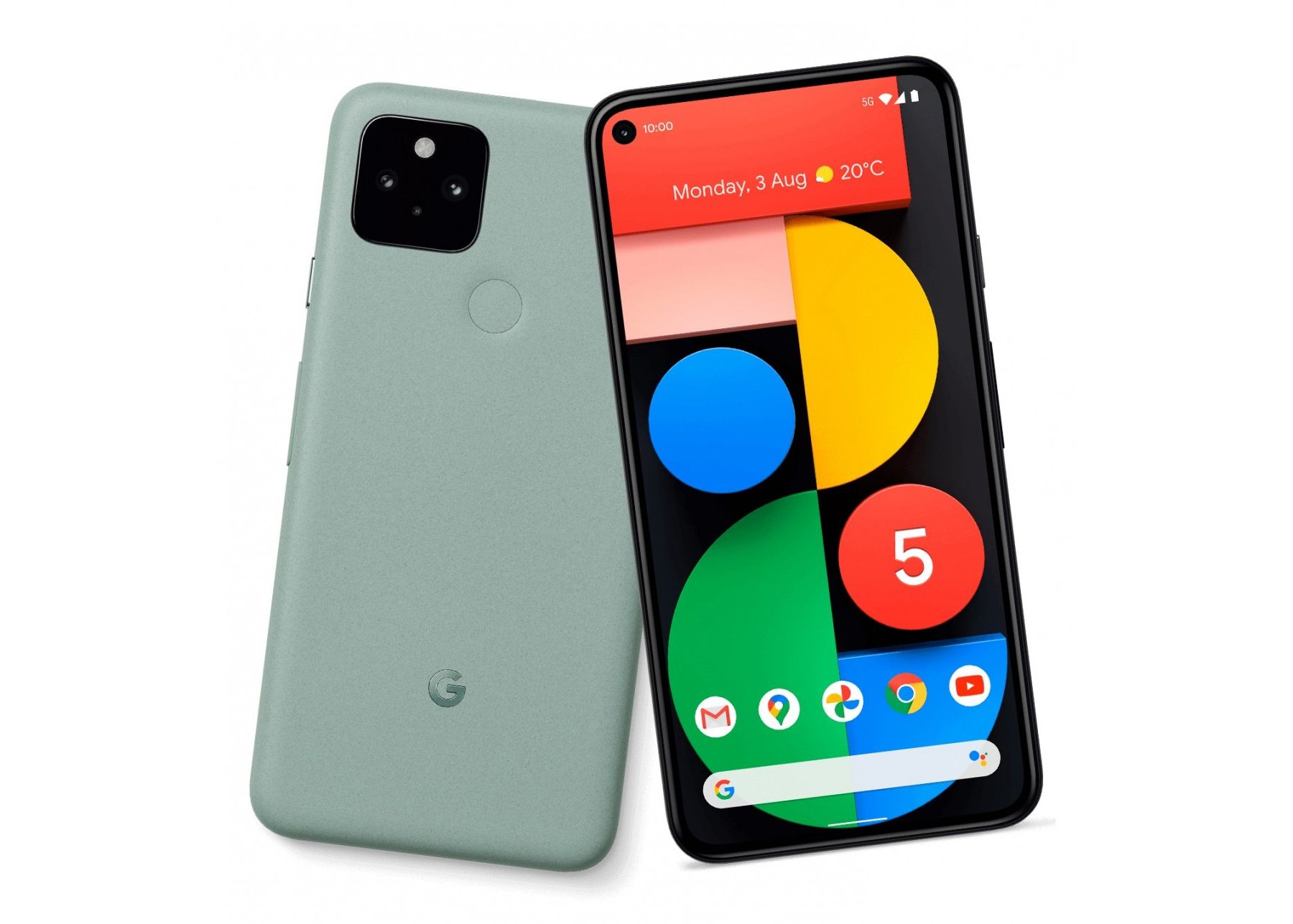
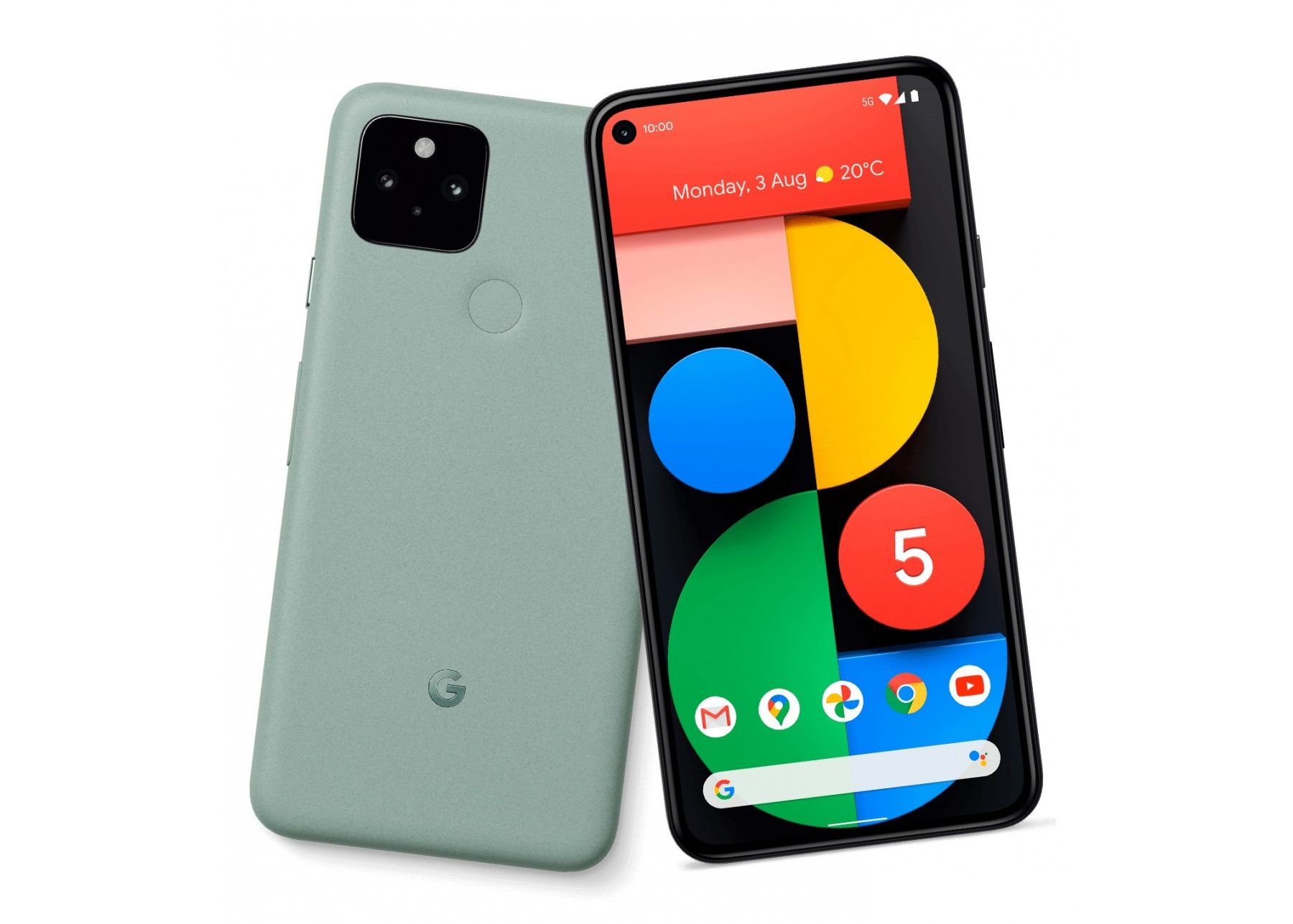
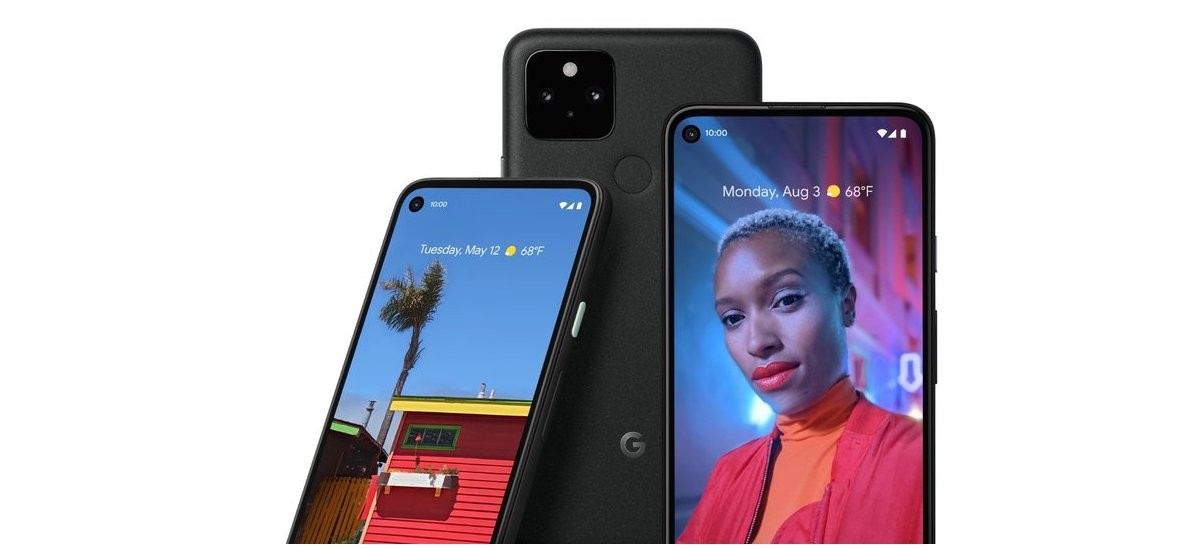
The Google Pixel 5 was launched just about a month ago and has been quite positively received in the market. But now, it seems that a bug is scaring Pixel 5 users as a new issue is causing the system volume to behave erratically.
While the latest Google flagship Pixel has already seen a few issues in the past, which includes a battery indicator bug and a screen gap that has since been declared as a non issue, the recent problem has yet to be acknowledged by the search engine giant. Users have taken to the official Google Pixel support forums to complain about issues with the Pixel 5’s volume controls, as reported by AndroidCentral.
The problem seems to surface in one of either two ways. Firstly, the volume controls either have the audio levels drop randomly while watching a video, which can be quite annoying. However, the other way the bug appears is even more of an issue, as some Pixel 5 units are randomly pushing the audio levels to an uncomfortably loud levels even if the user had originally set it to the lowest settings.
Google Pixel 5
This issue seems to also affect other aspects like the dial tone, camera shutter button, and taking screenshots, and more. Furthermore, the volume slider doesn’t seem to work either in this situation. In other words, no matter how the volume slider is adjusted, the system sounds will remain elevated unless the system is set to vibrate or silent. At the moment, a fix has yet to be released by Google, but a representative has acknowledged the issue, albeit in a rather vague and unhelpful manner. We’ll provide more updates when additional information is available, so stay tuned.
A few days ago, Apple officially unveiled its new M1 chipset for Mac devices, which is a part of the company’s Apple Silicon ARM-powered processors. Now, with the new M1-powered Mac devices going on sale, details about its performance are surfacing online.
A Cinebench benchmarking result of the MacBook Pro powered by the M1 processor, 8GB RAM, and 512GB internal storage reveals that the laptop scored 7,508 points in the multi-core test and 1,498 in the single-core test.
To put that into perspective, the scores are similar to Intel’s 11th-generation chipsets. The 2019 16-inch low-end MacBook Pro with a 2.6GHz processor scored 6912 points in the multi-core test and 1,113 points in the single-core test.
Recently, the M1-powered MacBook Pro was spotted on Geekbench 5 which revealed that the newly launched machine outperforms the Core i9-9880H powered 16-inch MacBook Pro in both single- and multi-core tests.
Apple’s newly launched M1 chipset is made using the 5nm process and packs 16 billion transistors, which is significantly higher than the 11.8 billion used in the iPhone 12’s A14 Bionic. The CPU core has an eight-core arrangement, which includes four high-performance cores for heavy-duty work and four high-efficiency cores for low-priority tasks.
It also has dedicated circuitry for graphics and artificial intelligence processing. The memory chips are also housed within the same chip package alongside the processor, which should result in better speed.
Apple Silicon’s M1 chipset-powered Mac devices are claimed by the company to be three and a half times faster than the previous Intel-based models. The graphics speed also comes in five times faster, according to Apple.
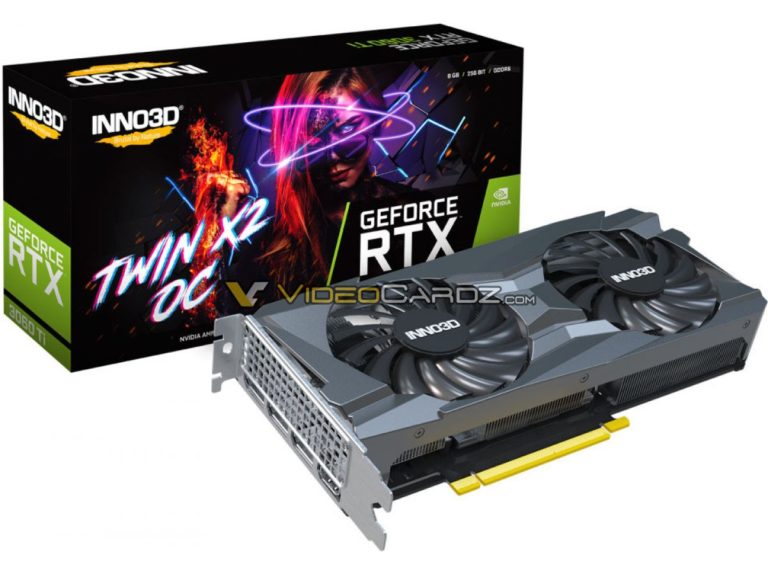
Nvidia had recently announced its RTX 3000 series graphics card. Although, the company only released three high end cards and has yet to launch an entry or mid range level GPU. But now, images of the RTX 3060 Ti have been spotted online, which could signify an imminent launch.
As first spotted by Videocardz, the official Inno3D website displayed a filter that let users select the RTX 3060 Ti under its GPU category. The website displays the option despite no listing being currently available. However, Videocardz also shared an Inno3D variant of the RTX 3060 Ti on Twitter. In the tweet, the Inno3D Nvidia GeForce RTX 3060 Ti iChill X3 can be observed, which, as the name suggests, is a triple fan variant.
The Inno3D website listing basically confirms the existence of the card being in the works. Furthermore, there have already been other images of the card surfacing online as well. So, we can expect the graphics card to launch soon. As per the report, the two variants of the RTX 3060 Ti includes the Inno3D iChill X3 and the Twin X2. The former will feature three 9cm scythe blade fans alongside an RGB Tail Fin, while the Twin X2 will feature a design similar to the dual fan variant of the RTX 3070.
Notably, there have been leaks surfacing that had pictured the retail box of a Gigabyte RTX 3060 Ti as well. This card featured 4,864 CUDA cores along with 8GB of GDDR6 VRAM. But unfortunately, these are still unconfirmed reports and we suggest taking them with pinch of salt for now. Nvidia is expected to launch the card around 2nd December 2020 around a price tag of 399 US Dollars. Still, we would have to wait for an official announcement to know for sure. So, stay tuned for more updates.
MediaTek, one of the leading company making mobile chipsets, has today announced that it will be spending around 2.4 billion yuan (approximately $85 million) to acquire Intel Enpirion power management chip product line related assets through its subsidiary Richtek.
While there’s no timeline revealed for the transaction, the company says that it expects the deal to get closed by the end of this year after all the relevant documents and legal proceedings are cleared.
With this acquisition, MediaTek is now planning to expand its product line to offer integrated high-frequency and high-efficiency power solutions used in FPGA, SoC, CPU, and ASIC for the enterprise-level system applications.
The company believes that expanding its offering in this segment will help it to grow the scale of operations, improve its business performance, and increase competitiveness.
MediaTek has been actively developing its server ASIC business and has also reportedly obtained orders from Google to integrate the Intel Enpirion product line. With the server layout, the company can provide more complete solutions, especially in 5G base stations.
Earlier this year, in July, ADI had announced the acquisition of Maxim, with which the company is expecting an increased global market share of 14 percent. Along with Texas Instruments, it holds about 33 percent of the market share. So, it will be interesting to see if MediaTek is able to shift the market which is being monopolized by two giants.
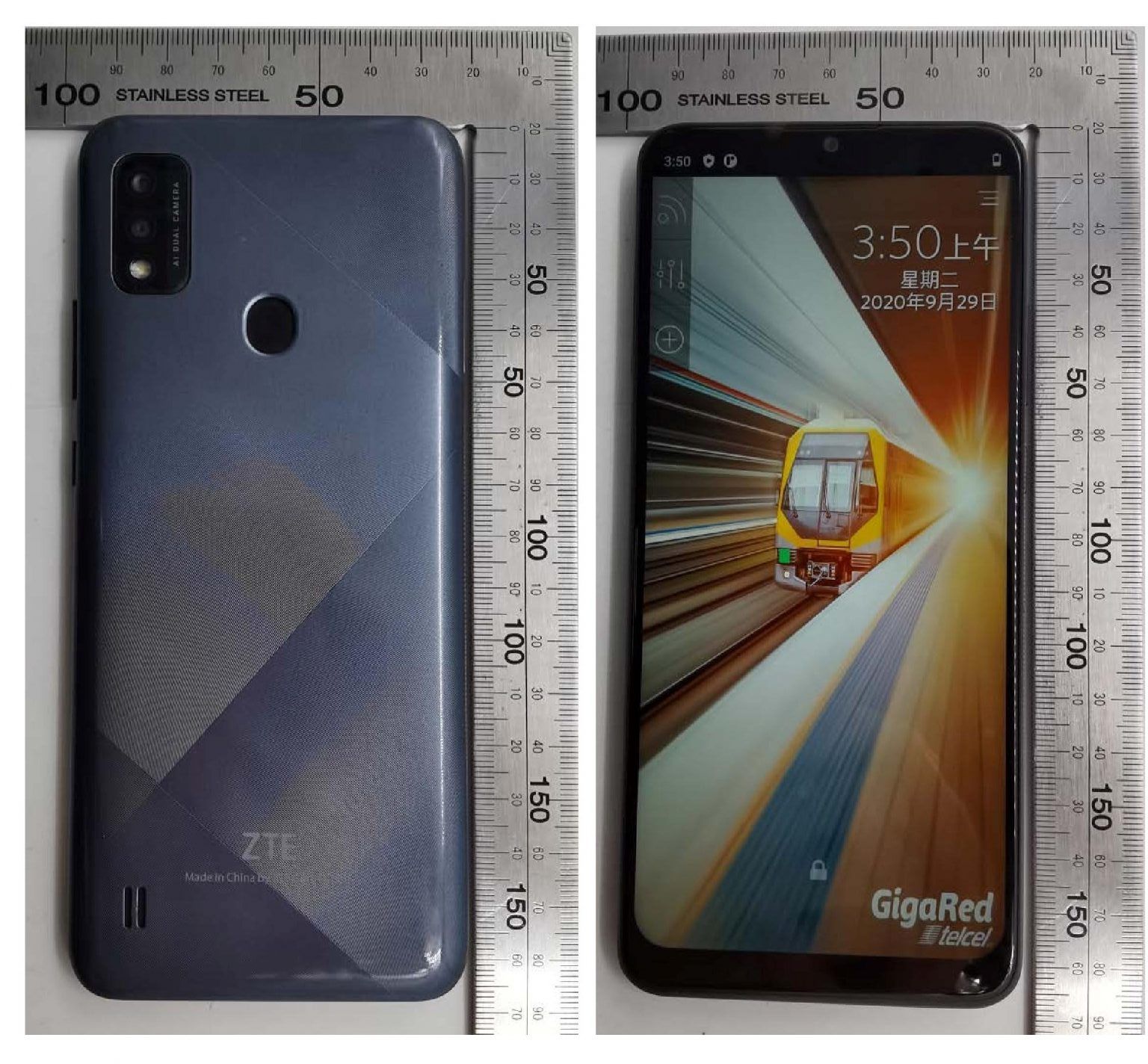
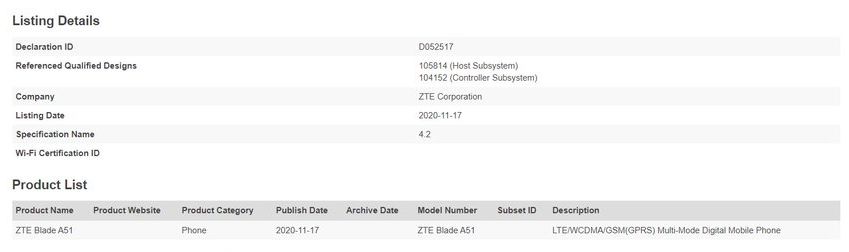
A new phone named the ZTE Blade A51 has received certifications from the Bluetooth SIG and Federal Communications Commission (FCC) authorities. The Bluetooth listing has revealed that it carries support for Bluetooth 4.2 connectivity. The key specs and live shots that have surfaced through FCC listing reveals that the Blade A51 is an entry-level phone.
The live shots show that the ZTE Blade A51 has a waterdrop notch screen of around 6.1 inches. Being in a low-budget phone, it seems to be with an LCD panel.
The backside of the smartphone is made of polycarbonate material. A fingerprint scanner and a rectangle-shaped camera module are present on the rear shell. The right edge of the phone has a volume rocker and a power key. A SIM card slot is placed on the left spine.
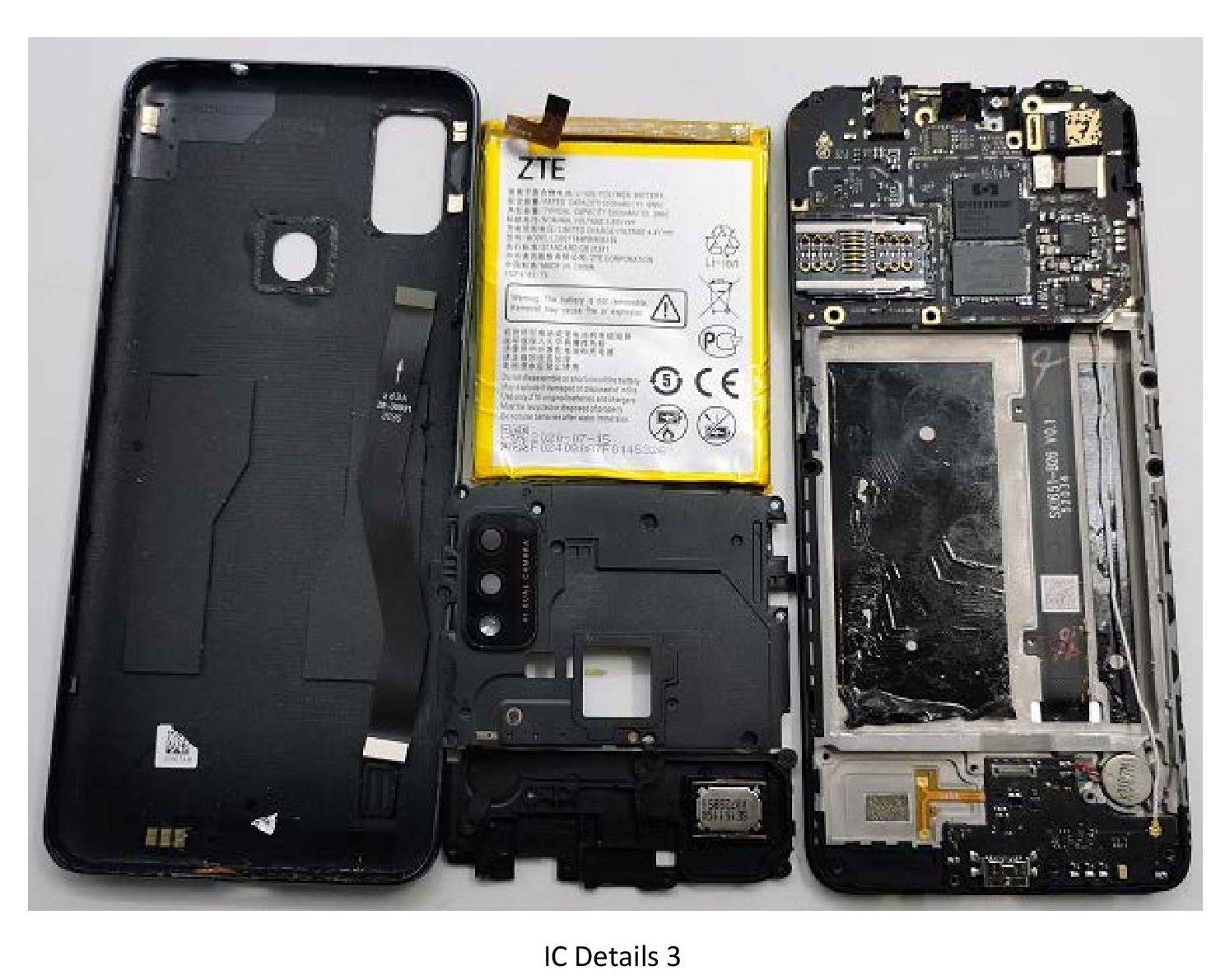
The handset houses a 3,200mAh battery and the charger that will accompany it supports only 5W charging. The bottom edge of the phone has a USB-C slot and a speaker grille. A 3.5mm audio jack is available on the top side of the phone.
The ZTE Blade A51 is driven by a Spreadtrum branded chipset and carries support for LTE and 2.4GHz Wi-Fi. The retail package of the device is likely to include a charger cable and a pair of earphones.
The other specifications of the ZTE Blade A51 are under wraps. Also, there is no word on its pricing and availability. With FCC and Bluetooth certifications under the belt, the Blade A51 is expected to go official soon.
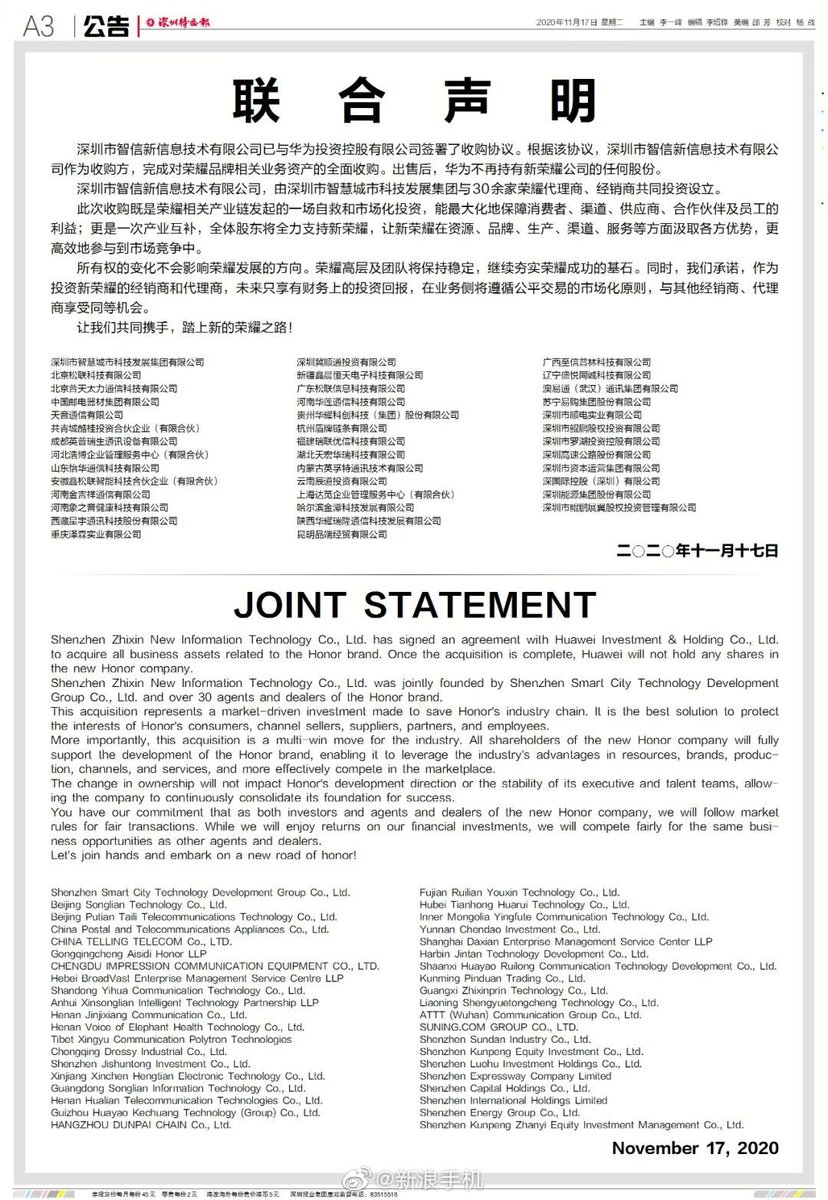
As expected, Chinese giant Huawei has confirmed that the company has sold off its sub-brand Honor to Zhixin New Information Technology Co. Ltd. The new owner is a consortium of over 30 agents and dealers of the Honor brand and the Shenzhen Smart City Development Group Co. Ltd.
The deal includes Huawei selling “all business assets related to the Honor Brand”, and it also states that “once the acquisition is complete, Huawei will not hold any shares in the new Honor company.” While the financials for the deal remains unknown, it is believed to about $15.2 billion.
Zhao Ming, who was working as President of Honor when the company was a part of Huawei, has now become the independent entity’s Chief Executive Officer. Along with him, several other senior executives of Huawei are joining the new Honor brand.
The company has assured that the company’s operations will remain stable and there will be no issue in terms of after-sales services. It also added that customers will be able to enjoy all the original services as earlier and only new products getting launched from now onwards will be serviced through its own Service System.
Huawei decided to sell off its Honor brand at a time when the company is facing several hurdles to keep doing business. With Honor being an independent brand, it can continue to make and launch new smartphones and other devices, without having to worry about the restrictions imposed by the United States.
Honor is among the leading smartphone brands globally, thanks to its strong portfolio of low-end and mid-range devices. It will be interesting to see what’s up the company’s sleeves and how it performs after stepping away from the umbrella of Huawei.
Recent reports have revealed the existence of at least four upcoming M-series phones by Samsung. There is a Galaxy M02 entry-level phone that is likely to go official as early as by the end of this month. The Galaxy M12 was spotted in CAD renders yesterday. Apart from these, the South Korean company is also working on the Galaxy M42 and M62 smartphones. The M42’s battery has been spotted at the 3C certification platform in China. The listing has confirmed the battery capacity of the device.
The 3C listing reveals that the EB-BM425ABY battery has a rated capacity of 5,830mAh capacity. This indicates that the upcoming Galaxy M42 could be backed by a 6,000mAh typical capacity battery. The battery has also received DEKRA and BIS certifications. The BIS listing hints that the Galaxy M42 could be heading to India.
It was revealed in September that the Galaxy M42 will be arriving with a primary camera of 64-megapixel and it will offer users with large internal storage of 128 GB. Since the South Korean company was reportedly developing its software in September, it is speculated that the device may go official before the end of this year. At present, no other information is available on the specs of the Galaxy M42.
In related news, popular tipster OnLeaks shared the CAD renders of the Galaxy M12. The renders revealed that its rear design will be similar to the Galaxy A42 5G. It is expected to come with features like a 6.5-inch display, quad rear cameras, and a side-facing fingerprint scanner. As far as the Galaxy M62, it is speculated to arrive with massive internal storage of 256 GB.
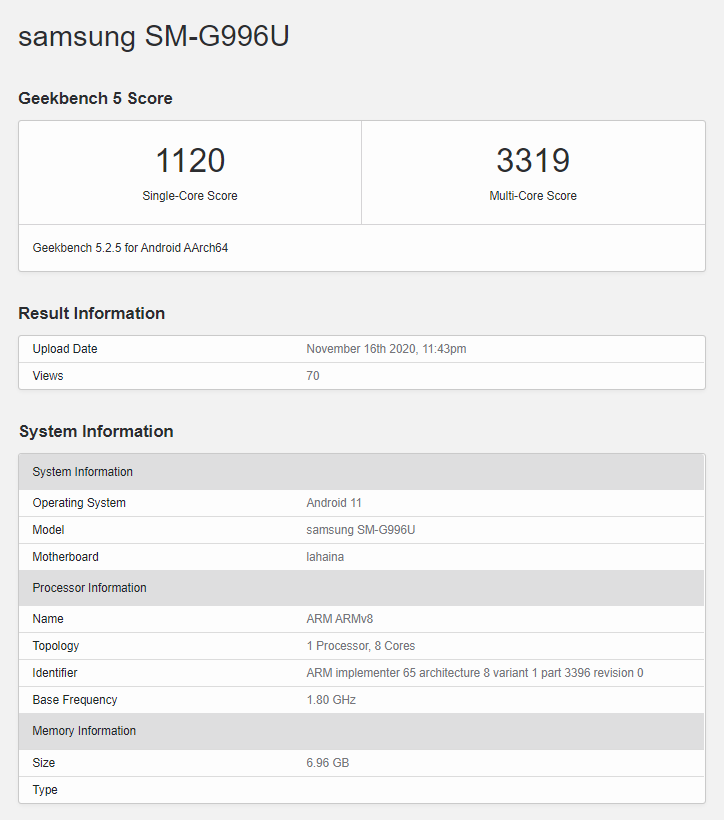
Earlier in July, it was revealed the Galaxy S21, Galaxy S21+, and Galaxy S21 Ultra have SM-G991, SM-G996, and SM-G998 model numbers, respectively. The Samsung Galaxy S21+ phone has appeared on the Geekbench benchmarking platform. It suggests that the company could be internally testing the device’s performance before making it official. As it is known, the Galaxy S21 series is likely to go official in January.
Labeled as SM-G996U, the Galaxy S21 Plus can be seen with an 1120 single-core test score and a 3319 multi-core test score. The processor is mentioned with its “Lahaina” codename, which suggests that it is powered by the Snapdragon 875 mobile platform. The SoC is coupled with 8 GB of RAM and the device is preinstalled with Android 11 OS.
In September, the 8 GB RAM variant of the Galaxy S21 driven by the forthcoming Exynos 2100 was spotted at Geekbench. It was recorded a 1040 single-core test score and a 3107 multi-core test score. The S21+ with SD875 has outscored the Exynos variant which suggests that the Qualcomm chip may offer better performance than Samsung’s homebrewed chip.
As far as specs are concerned, the Galaxy S21+ to arrive with a 6.7-inch OLED LTPS FHD+ flat display with 120Hz refresh rate support. The rear shell of the phone is expected to house a triple camera setup comprising of a 12-megapixel main camera, a 12-megapixel ultrawide lens, and a 64-megapixel telephoto sensor. It is likely to house a 4,800mAh and it may support at least 25W fast charging. The Android 11 OS will be overlaid with the latest One UI 3.1 skin on the device. It is expected to arrive in paint jobs like Phantom Silver, Phantom Black, and Phantom Violet.
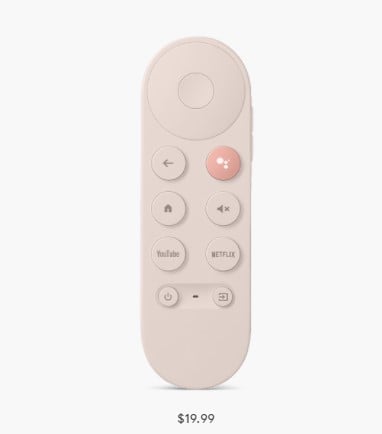
The Chromecast with Google TV was announced about six weeks ago for a price tag of $49.99. The streaming device, which comes with a new interface different from that of Android TV, is bundled with a voice remote. Now, Google has put up a listing on the Google Store for those who want to pick up a replacement remote.
Yes, a replacement because there is no reason why anyone would want to buy an extra remote if the one that ships with the device still works. The Voice Remote for Chromecast with Google TV is priced at $19.99 and comes in the same three color options as the dongle. Google will also ship the remote with batteries included which also match the color of the remote.
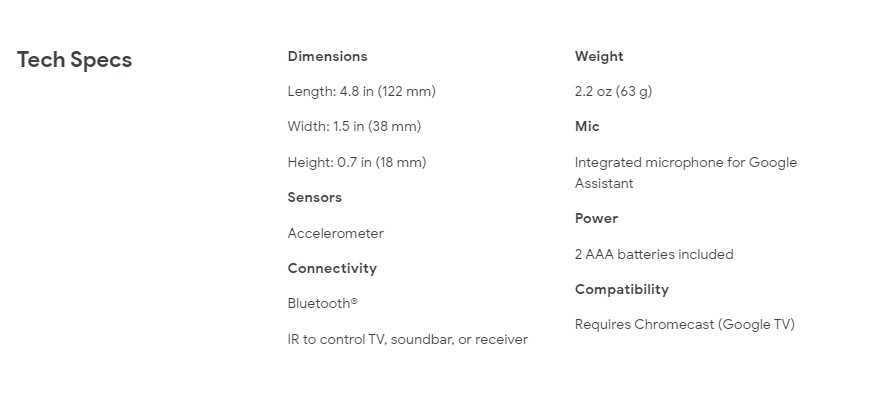
Alongside the listing is a spec sheet that reveals an important feature of the remote we didn’t know before. First spotted by Android Police, the spec sheet says that the voice remote has an accelerometer inside.
This is quite surprising as Google never stated that the remote comes has an accelerometer sensor when the device was announced. An accelerometer detects the position of a device in space which is why phones with the sensor can tell if you are holding it in landscape or portrait mode. There are speculations that with the sensor, the remote will be able to tell when it is picked up and maybe wake up the TV if it’s in screensaver mode.
The remote also has an IR sensor so you can use it to control the TV, soundbar, or receiver. It connects via Bluetooth and weighs 63 grams. You can order yours from the US Google Store.
Honor is no longer a subsidiary of the Huawei Consumer Business Group. The consumer electronics company which was founded in 2011 as an online-only brand has now been sold to a new owner called Zhixin New Information Technology Co. Ltd.
The new owner of the Honor brand was born from a consortium of over 30 agents and dealers of the Honor brand and the Shenzhen Smart City Development Group Co. Ltd according to a joint statement released confirming the acquisition.
It has been reported that Shenzhen Smart City Development Group which is a subsidiary of Shenzhen SASAC holds 98.6% of the shares while the Shenzhen state-owned Assets Cooperative Development Private Equity Partnership holds 1.4% of the shares.
The statement says Zhixin New Information Technology will “acquire all business assets related to the Honor Brand”, and “once the acquisition is complete, Huawei will not hold any shares in the new Honor company”. Details about how much the acquisition cost was not revealed but earlier reports put the figure at about $15 billion.
It is the best solution to protect the interests of Honor’s consumers, channel sellers, suppliers, partners, and employees.
The decision to sell the Honor brand comes as a necessary one to save the brand from the woes which have plagued its former parent company since it was placed on the US Commerce Department’s entity list.
The joint statement also revealed that the change in ownership will not affect Honor’s development direction or the stability of its executives and talent teams. The consortium also states that they will follow market rules and compete fairly for the same business opportunities as other agents and dealers.
With Double 11 behind us, Black Friday is the next shopping festival on the horizon. Google has announced its Black Friday deals as well as the dates when you will be able to grab these amazing deals.
The discount cuts across a variety of products from the Pixel 5 to Nest products and even the Google Home Max. Below are some of the major deals and the dates they will be live:
Pixel 5 for $649
The Pixel 5 launched on September 30 for $699. The Snapdragon 765G-powered phone packs a display with a hole punch, triple rear cameras, 5G support, and wireless and reverse wireless charging.
If you have got your eyes on the 5th gen Pixel phone, then you can grab it for $50 less ($649) on Sunday, November 22.
Nest Audio (2-pack) for $169.98
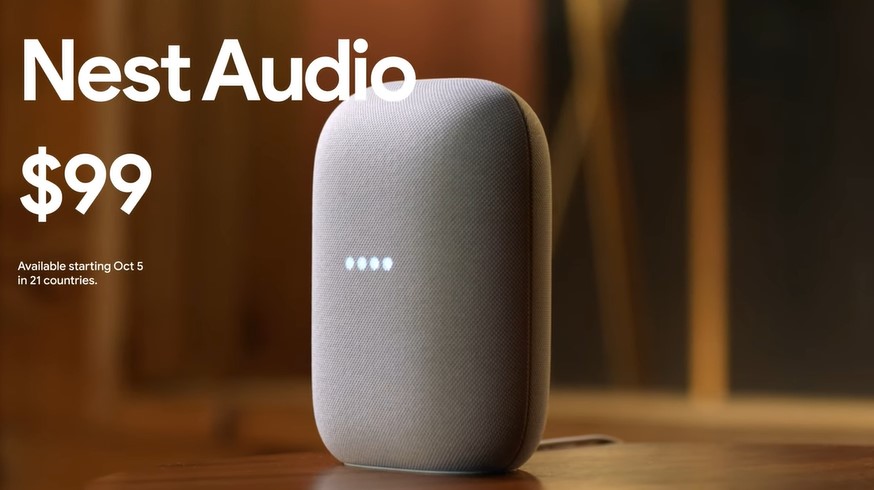
The Nest Audio is Google’s latest smart speaker. Technically, it is the successor to the original Google Home with better features and improved sound. Priced at $99, a pack of two should sell for $169.98 but Google will sell it for $169.98 ($30 off) on November 22.
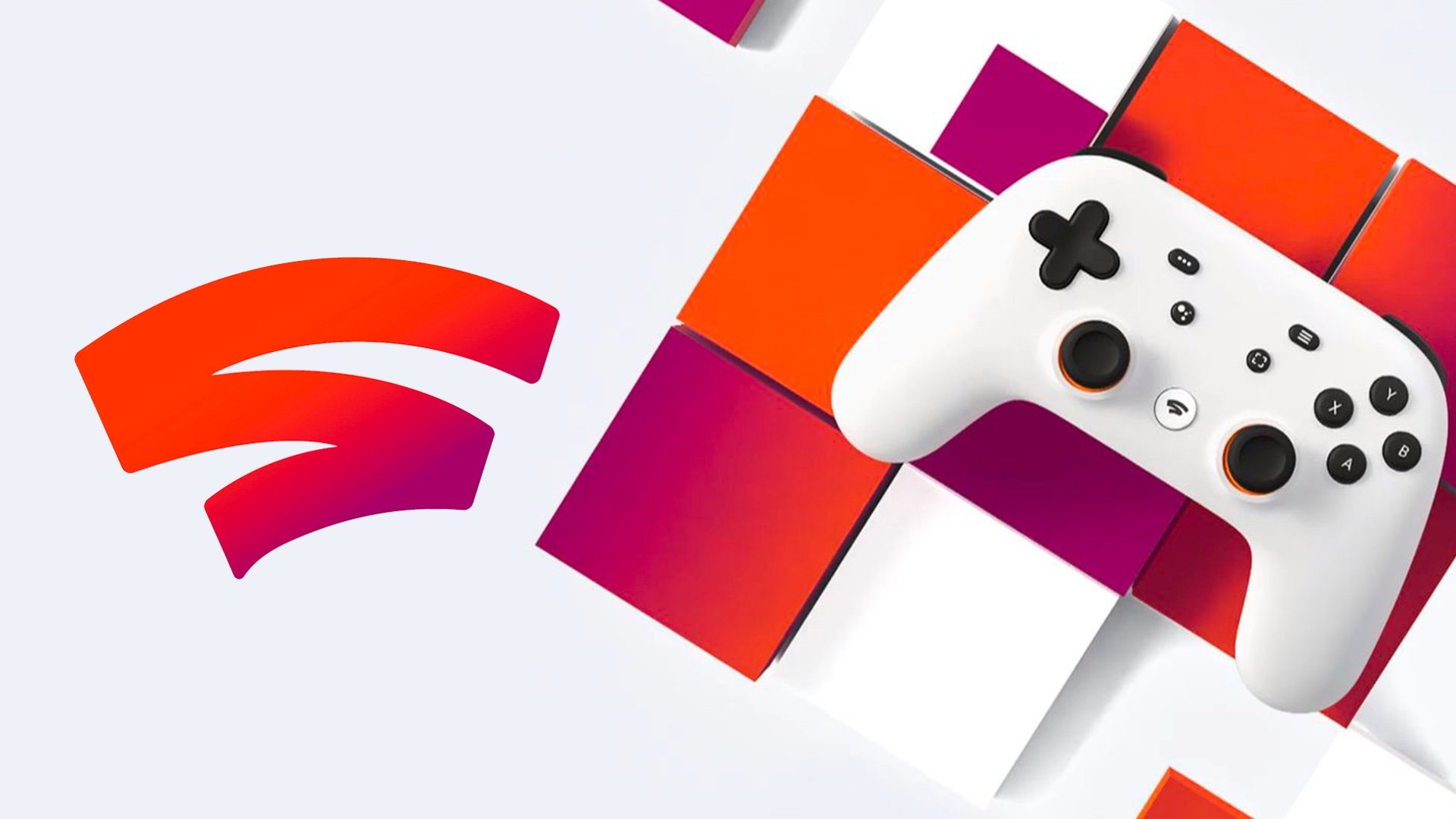
Google Stadia Premiere Edition for $69.99
Stadia is Google’s game streaming service and is available in a number of countries already. The Premiere Edition includes a Google Chromecast Ultra and a Stadia Controller, Currently priced at $99.99, you can get a 30% discount and pay $69.99 instead if you buy it on November 25 (7 PM PST).
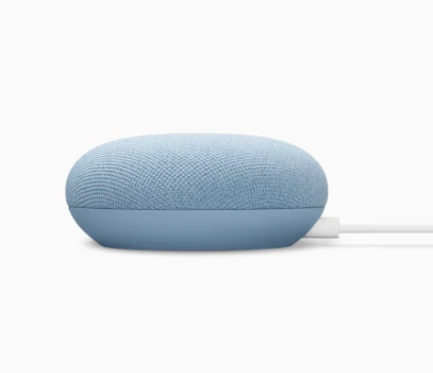
Google Nest Mini for $18.99
The Google Nest Mini is the second generation Google Home Mini smart speaker. It launched for $49 almost a year ago but can be picked up for just $18.99 on November 25 at 7 PM PST.
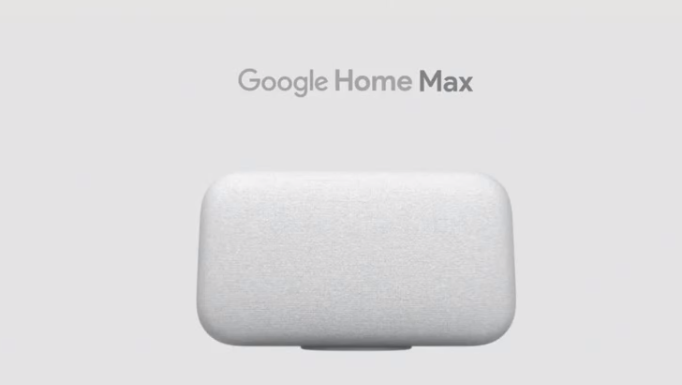
Google Home Max for $149
Google is definitely trying to get its speakers into your home with the deals it is offering on its speakers. The 2017 Google Home Max which launched for $299 and is practically its most powerful speaker to date will be available for $149 on November 22. That is $150 off the launch price. Don’t forget that you can pair two of the speakers together for stereo sound. If you opt for that, it means you will be selling out the original $299 price but you get two speakers.
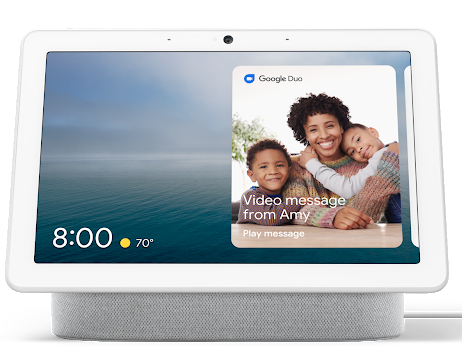
Nest Hub Max for $179
Want a smart speaker with a display? Then the Nest Hub Max can be yours for $179 instead of $229 on November 22. The addition of a 10-inch touchscreen display means that you can ask the Google Assistant to play a YouTube video or a show on Netflix. You can also make video calls as it has a camera or join a Google Meet meeting. The Nest Hub Max can also double as a digital frame that pulls photos from your Google Photos account. It also doubles as a Nest Cam, so you do not need to pick up an additional security camera for whatever room you put it.
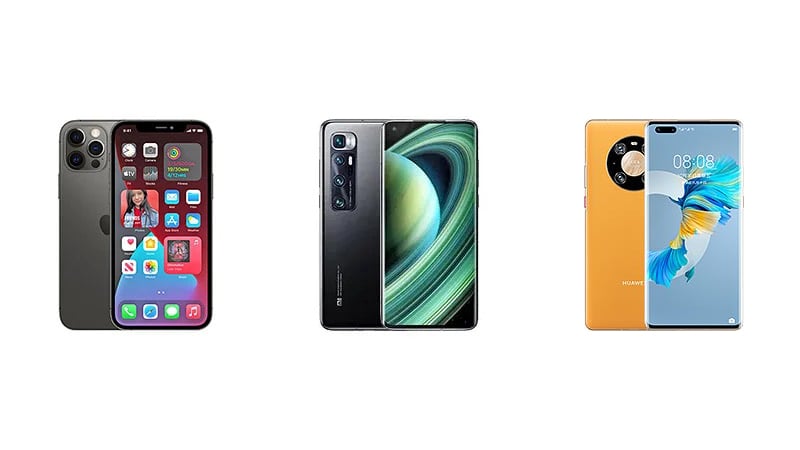
iPhone 12 Pro Max, aka the most advanced variant of the iPhone 12 lineup, is finally on sale. But is it worth the huge amount of money asked? It is not an easy question to answer. We believe one of the best ways to answer it is by comparing it to the most advanced flagships in the Android market. For this comparison, we chose two of the best Chinese flagships out there: the Xiaomi Mi 10 Ultra and the Huawei Mate 40 Pro. In case you do not know, the Xiaomi Mi 10 Ultra is only available in China, so, in case you need to buy one of these flagships and you are not from China, only consider the iPhone 12 Pro Max and the Huawei Mate 40 Pro.
Apple iPhone 12 Pro Max vs Xiaomi Mi 10 Ultra vs Huawei Mate 40 Pro
Huawei Mate 40 Pro
Xiaomi Mi 10 Ultra
Apple iPhone 12 Pro Max
DIMENSIONS AND WEIGHT
162.9 x 75.5 x 9.1 mm, 212 g
162.4 x 75.1 x 9.5 mm, 221 g
160.8 x 78.1 x 7.4 mm, 228 g
DISPLAY
6.76 inches, 1344 x 2772p (Full HD+), OLED
6.67 inches, 1080 x 2340p (Full HD+), OLED
6.7 inches, 1284 x 2778p (Full HD+), Super Retina XDR OLED
PROCESSOR
Huawei Hisilicon Kirin 9000 5G, octa-core 3.13 GHz
Dual SIM slot, 5G, waterproof IP68, optional eSIM, Face ID
Design
iPhone 12 Pro Max, Xiaomi Mi 10 Ultra, and Huawei Mate 40 Pro all come with an astonishing design. The iPhone 12 Pro Max is composed of a glass back with Ceramic Shield protection and a stainless steel frame. The Xiaomi Mi 10 Ultra comes with a very attractive transparent glass back and an aluminum frame. The Huawei Mate 40 Pro is available in a classic glass sandwich version and in a leather variant making it my favorite phone of the trio. In terms of water resistance, the iPhone 12 Pro Max is the best as it is waterproof up to 6 meters deep. Huawei Mate 40 Pro has the IP68 certification as well (but it is waterproof up to 1.5m), while Xiaomi Mi 10 Ultra does not offer any kind of certification against water and dust.
Display
The most interesting display belongs to the Xiaomi Mi 10 Ultra which can show one billion colors and features a 120 Hz refresh rate. But this does not mean that Xiaomi Mi 10 Ultra guarantees the highest image quality. The iPhone 12 Pro Max is actually better in terms of image quality and it even features a higher brightness, but unfortunately, it lacks a high refresh rate. The display found on the Huawei Mate 40 Pro is inferior as it provides lower image quality, but it has a 90 Hz refresh rate. Note that Huawei Mate 40 Pro and iPhone 12 Pro Max can rely on 3D facial recognition for authentication, while on the Xiaomi Mi 10 Ultra you only get an in-display fingerprint reader.
Hardware/Software
The Kirin 9000 5G chipset found on the Huawei Mate 40 Pro is the most powerful of the trio, but the iPhone 12 Pro Max provides very fast and smooth performance thanks to iOS 14. Despite having a weaker chipset (the Snapdragon 865), the Xiaomi Mi 10 Ultra looks more interesting than Huawei Mate 40 Pro because it packs up to 16 GB of RAM (instead of just 8 GB found on the Huawei Mate 40 Pro) and up to 512 GB of UFS 3.1 native storage. Further, note that Huawei Mate 40 Pro does not include Google services in the global market (but the Xiaomi Mi 10 Ultra is not even available globally).
Camera
The cameras of these three devices are very close, but according to tests, it looks like Huawei Mate 40 Pro is slightly better. It packs a triple camera composed of a 50 MP main sensor with omnidirectional autofocus and laser autofocus, a 12 MP periscope sensor with 5x optical zoom, and a 20 MP ultrawide sensor. While the Huawei Mate 40 Pro provides better photo quality, Xiaomi Mi 10 Ultra has better zoom capabilities.
Battery
Xiaomi Mi 10 Ultra has the biggest battery, but the Huawei Mate 40 Pro can last more on a single charge in several scenarios because it features a lower refresh rate and a more efficient chipset (the Kirin 9000 is built at 5 nm). Despite its smaller battery, do not underestimate the iPhone 12 Pro Max. When it comes to fast charging, Xiaomi Mi 10 Ultra wins the comparison thanks to its 120W technology.
Price
Xiaomi Mi 10 Ultra is only available in China where it is priced at €840/$1000, iPhone 12 Pro Max costs €1289/$10999 globally and Huawei Mate 40 Pro starts from €1199/$1012. There is not a definitive winner in this comparison and it mostly depends on the users’ needs. The iPhone 12 Pro Max has great performances and excellent build quality, the Huawei Mate 40 Pro has an amazing camera, and Xiaomi Mi 10 Ultra has a great 120 Hz display. It is essentially a draw if we do not specifically know what the specific user is searching for.
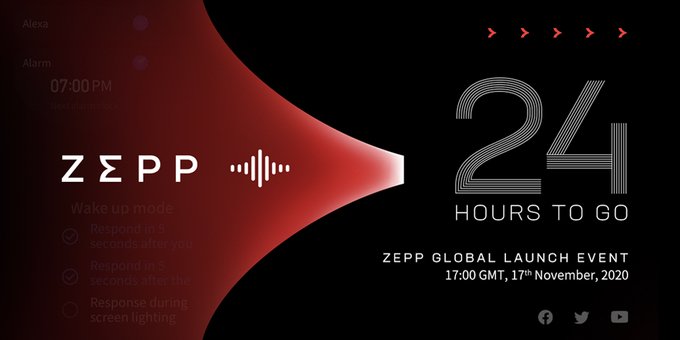
Tomorrow, Huami-owned Zepp will announce a new smartwatch that will launch as the Zepp Z. This will be the second watch, the first being the Zepp E, from the acquired company. Teasers shared on the official Zepp Twitter account point at the Zepp Z being a hybrid watch.
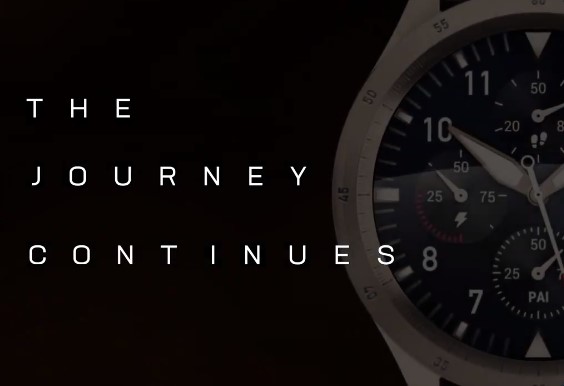
First, a video posted a few days ago shows the Zepp Z will have a stainless steel case with tachymeter markings and a brushed metal finish. The right side of the watch is home to two buttons and a crown, and attached to the case are leather straps with a stitched design.
The caption for the tweet above reads “Classic design meets contemporary technology” which we believe is a hint that the Zepp Z is a combination of a classic (read as regular) watch with modern smartwatch features.
The design is also another nod to it being a hybrid watch. As you can see, there are two buttons and a crown, unlike most other smartwatches that have either a single button or two at most. This three-button style design is one we have seen on other hybrid smartwatches such as the NoiseFit Fusion Hybrid and the Fossil Hybrid HR.
The image above also shows that the Zepp Z will have small displays within the dial that show info such as battery life, steps, and PAI score. This display-within-the dial design is one we have seen on quite a lot of hybrid watches such as the Withings ScanWatch and Withings Steel HR.
1 of 2
Zepp has also teased some features of the upcoming watch. One teaser image shows the watch will be to measure blood oxygen level and heart rate while another shows the Zepp Z will also have Amazon’s Alexa voice assistant.
The Zepp Z launches tomorrow at 5 PM GMT and the event will be live-streamed on YouTube. With the aforementioned features, we expect it to have a price tag no less than $250.
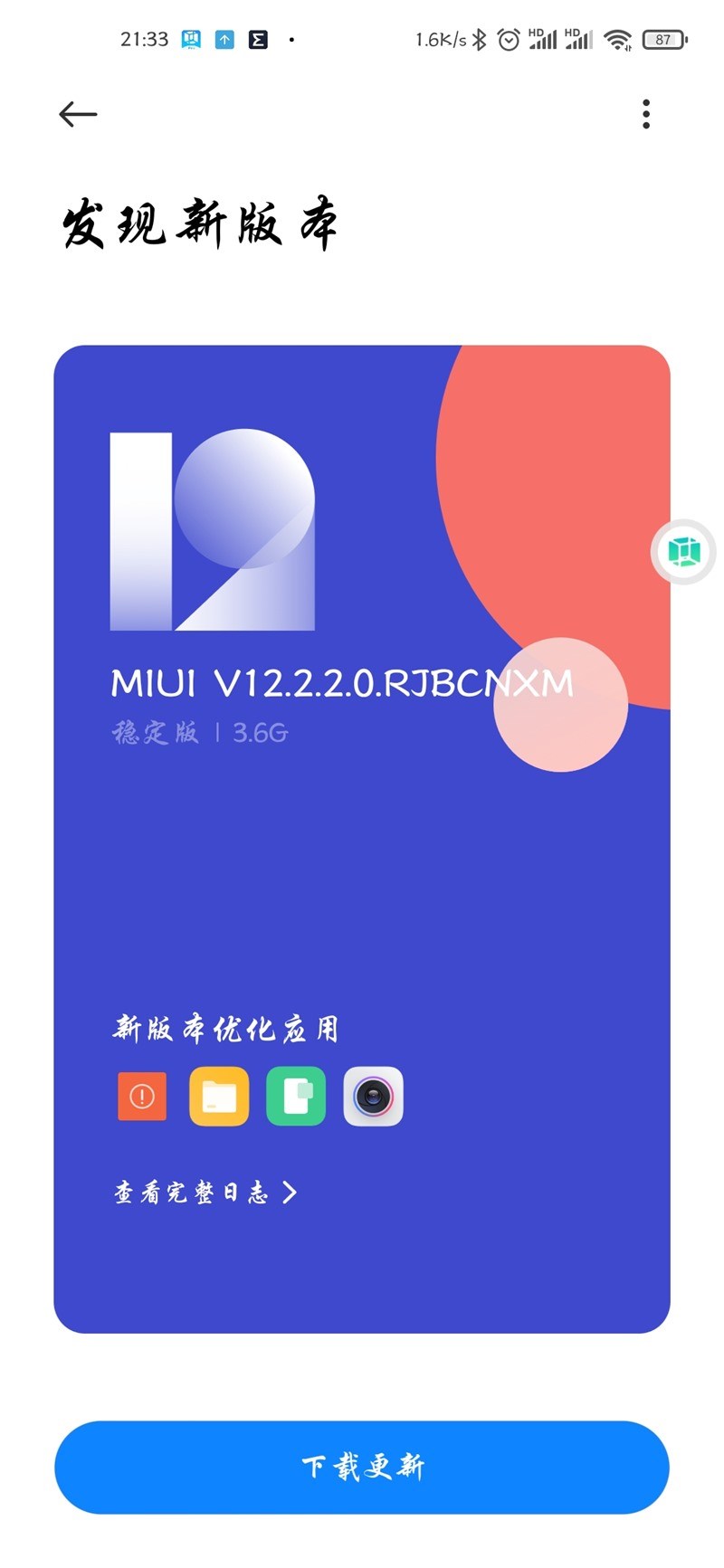
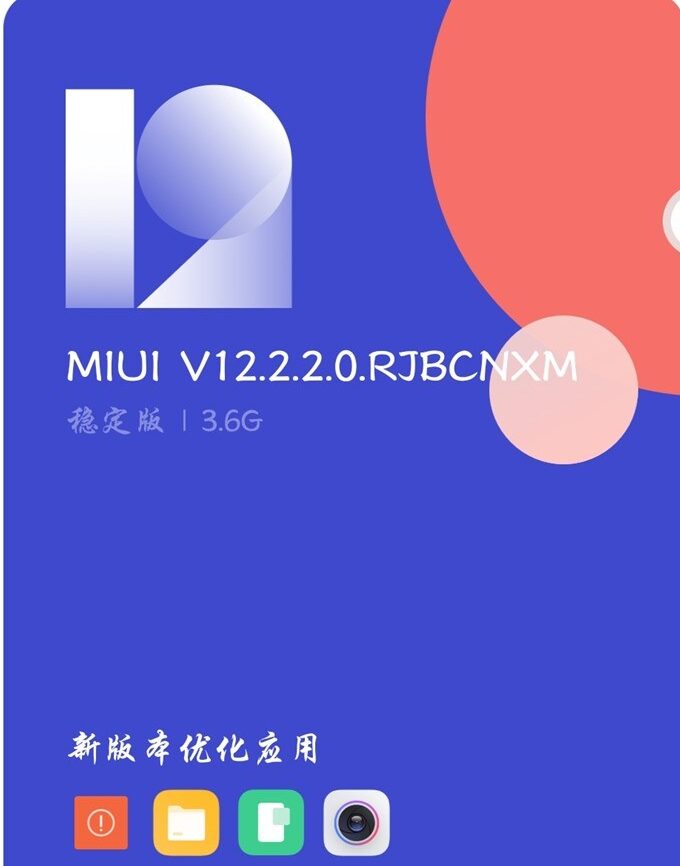
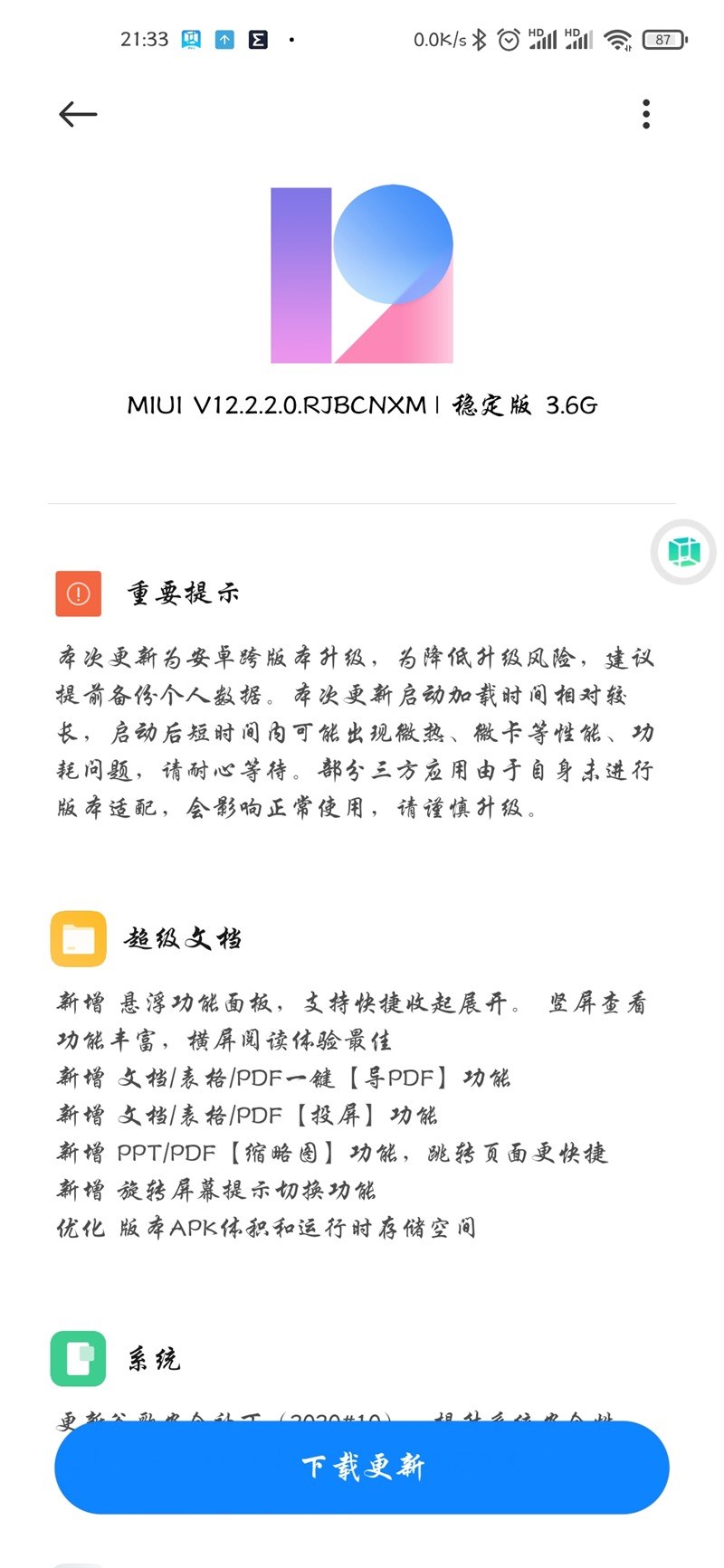
It’s been a week already since some users of Xiaomi‘s Mi 10 flagship reported the rollout of the update to MIUI V12.2.2.0.RJBCNXM stable version based on Android 11 OS. But then, Xiaomi rolled back the package, perhaps due to bugs. However, the update has now started rolling out again to the Mi 10 which happens to be Xiaomi’s first flagship model for the year.
The update package has a file size of 3.6GB. Apart from the latest Android version which it brings, the update brings a number of functions such as super document, camera VLOG and AI watermark.
Xiaomi warns that since this update upgrades the Android version, it is recommended to back up personal data in advance. The update also takes a relatively long time to start and load. Thus, performance and power consumption problems such as heating may occur within a short time after startup. In addition, some third-party applications may not work well.
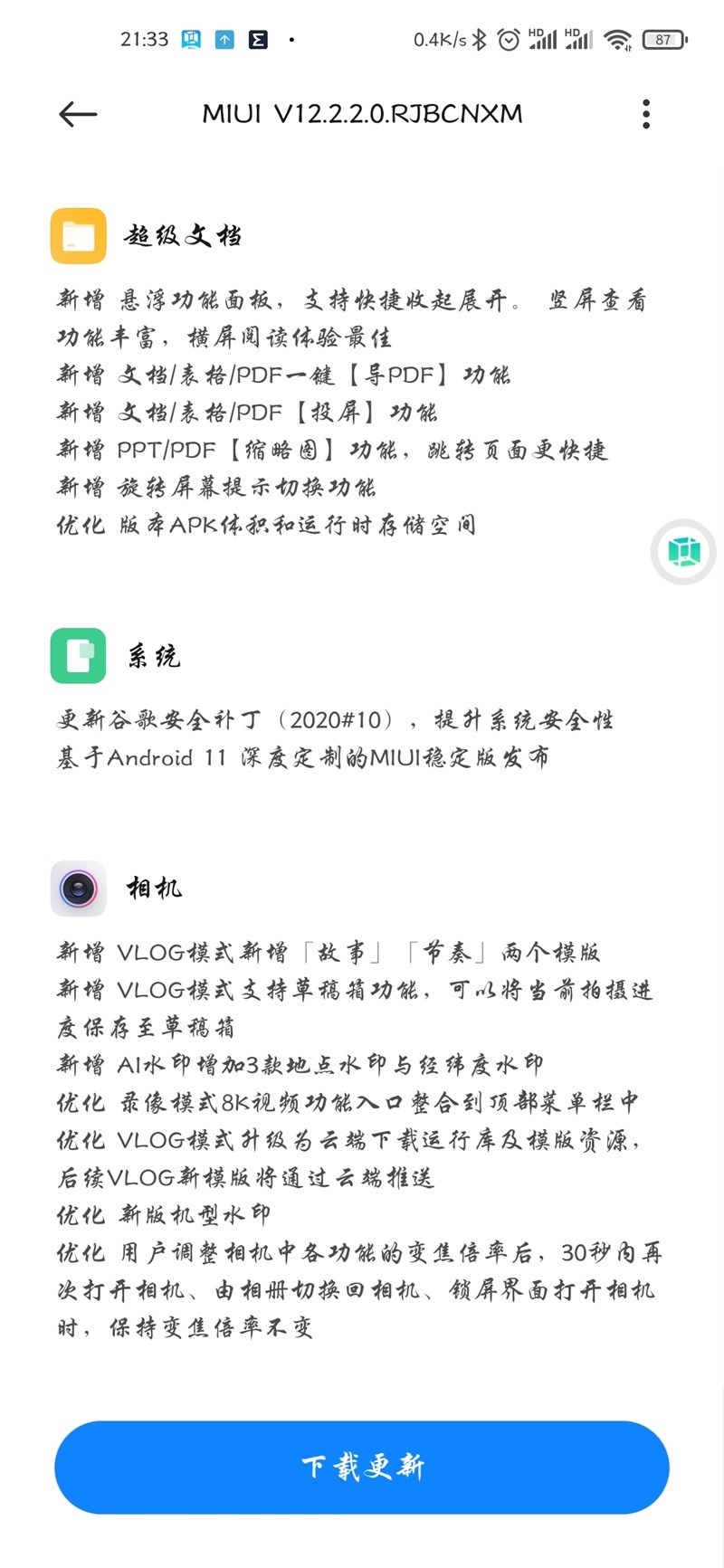
Newly added floating function panel, support quick collapse and expand. Rich viewing functions in portrait mode, best reading experience in landscape mode.
Added one-click [Import PDF] function for documents/forms/PDFs
Added document/form/PDF [Screencasting] function
Added PPT/PDF [Thumbnail] function, faster to jump to pages
Added rotating screen prompt switching function
Optimized version APK size and runtime storage space
System
Update Google security patch (October 2020) to improve system security
MIUI stable version based on Android 11 deep customization is released
Camera
Added VLOG mode. Added two templates “Story and Rhythm”
Added VLOG mode to support the draft box function, you can save the current shooting progress to the draft box
Added AI watermarksAdd 3 location watermarks and latitude and longitude watermarks
Optimized recording mode 8K video function entrance integrated into the top menu bar
Optimize the VLOG mode and upgrade to the cloud download runtime and template resources. The new VLOG template will be pushed through the cloud in the future
Optimize the watermark for new models
After optimizing the user to adjust the zoom ratio of each function in the camera, within 30 seconds, turn on the camera again, switch back to the camera from the album, and turn on the camera on the lock screen, keep the zoom ratio unchanged
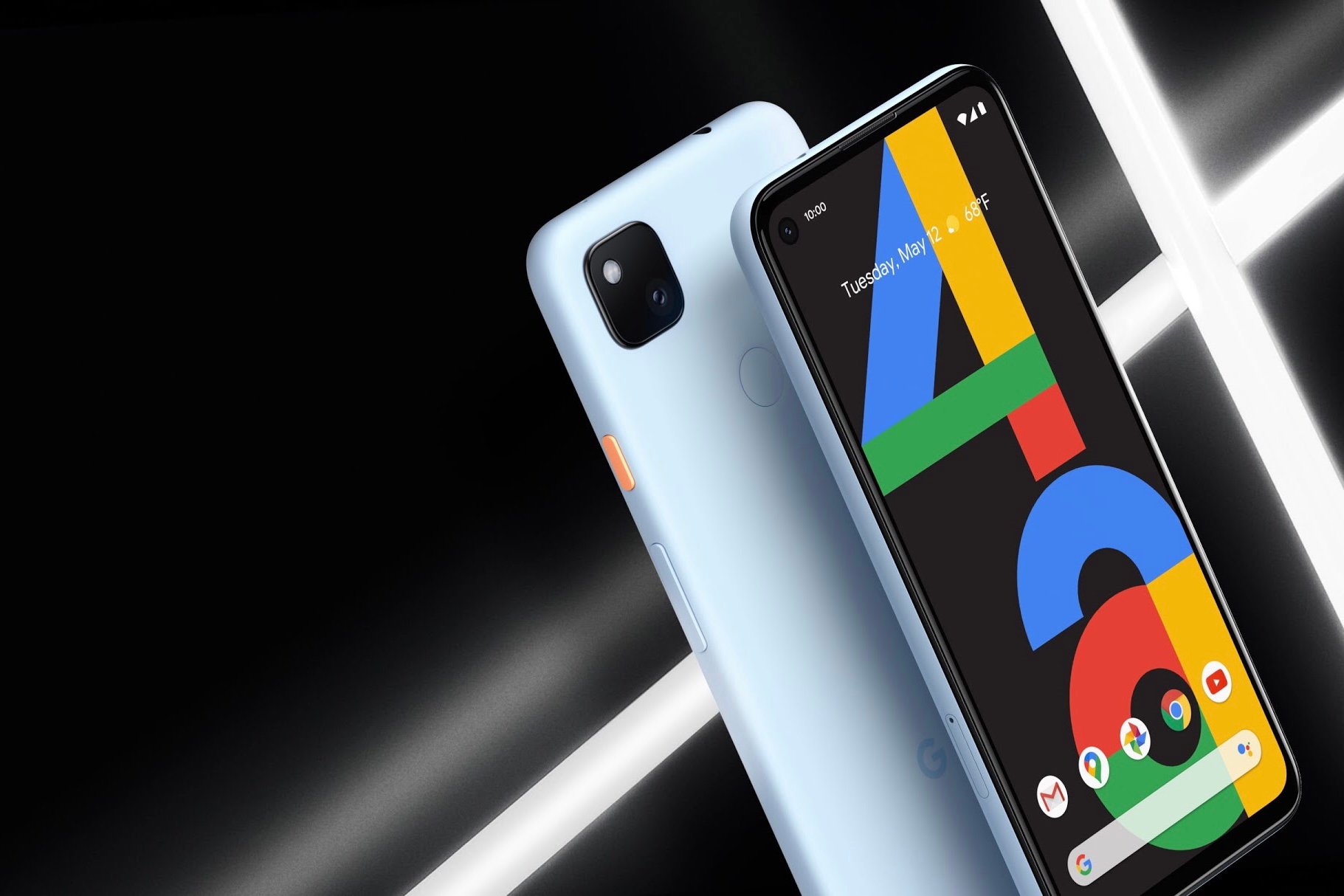
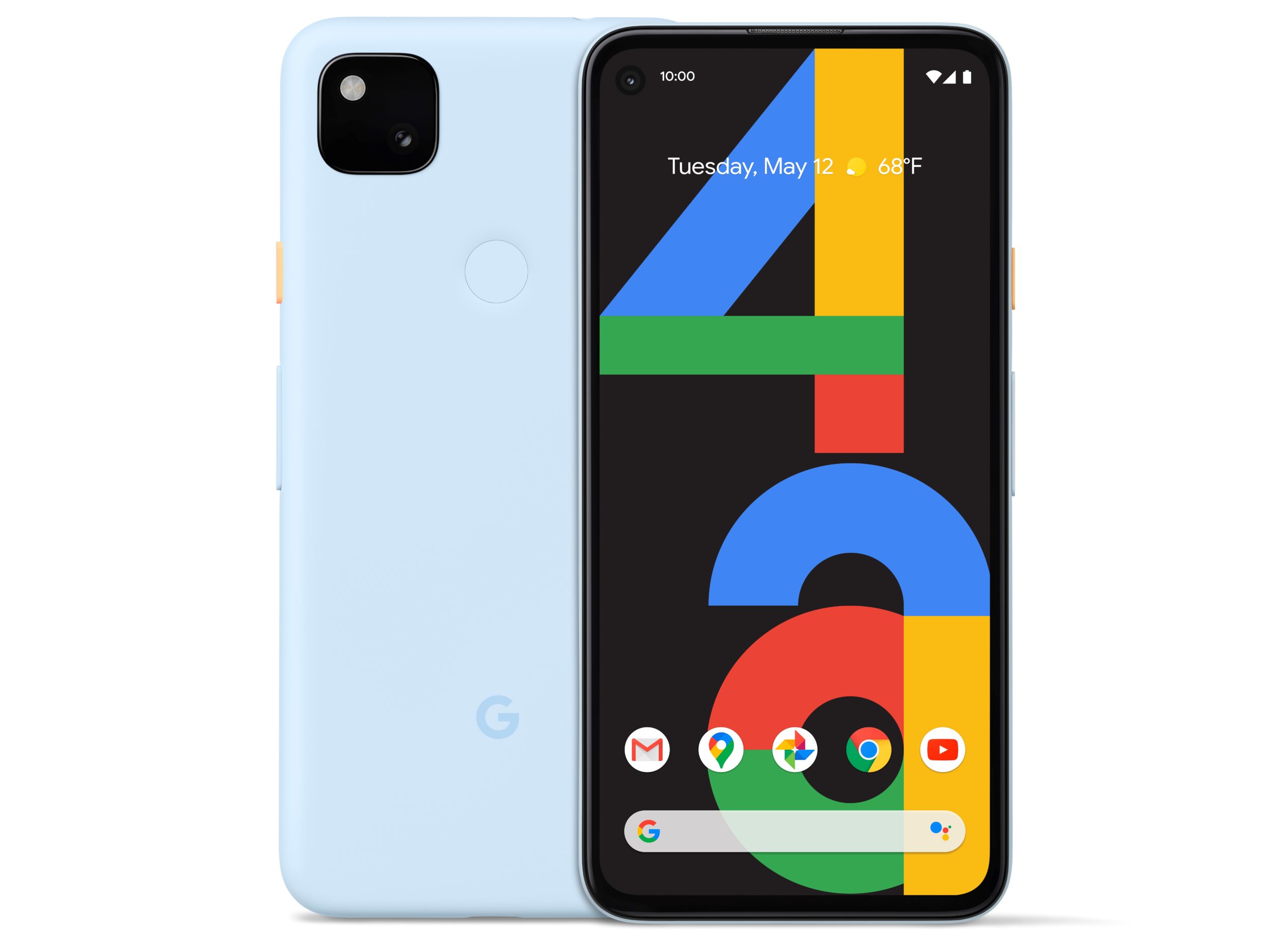
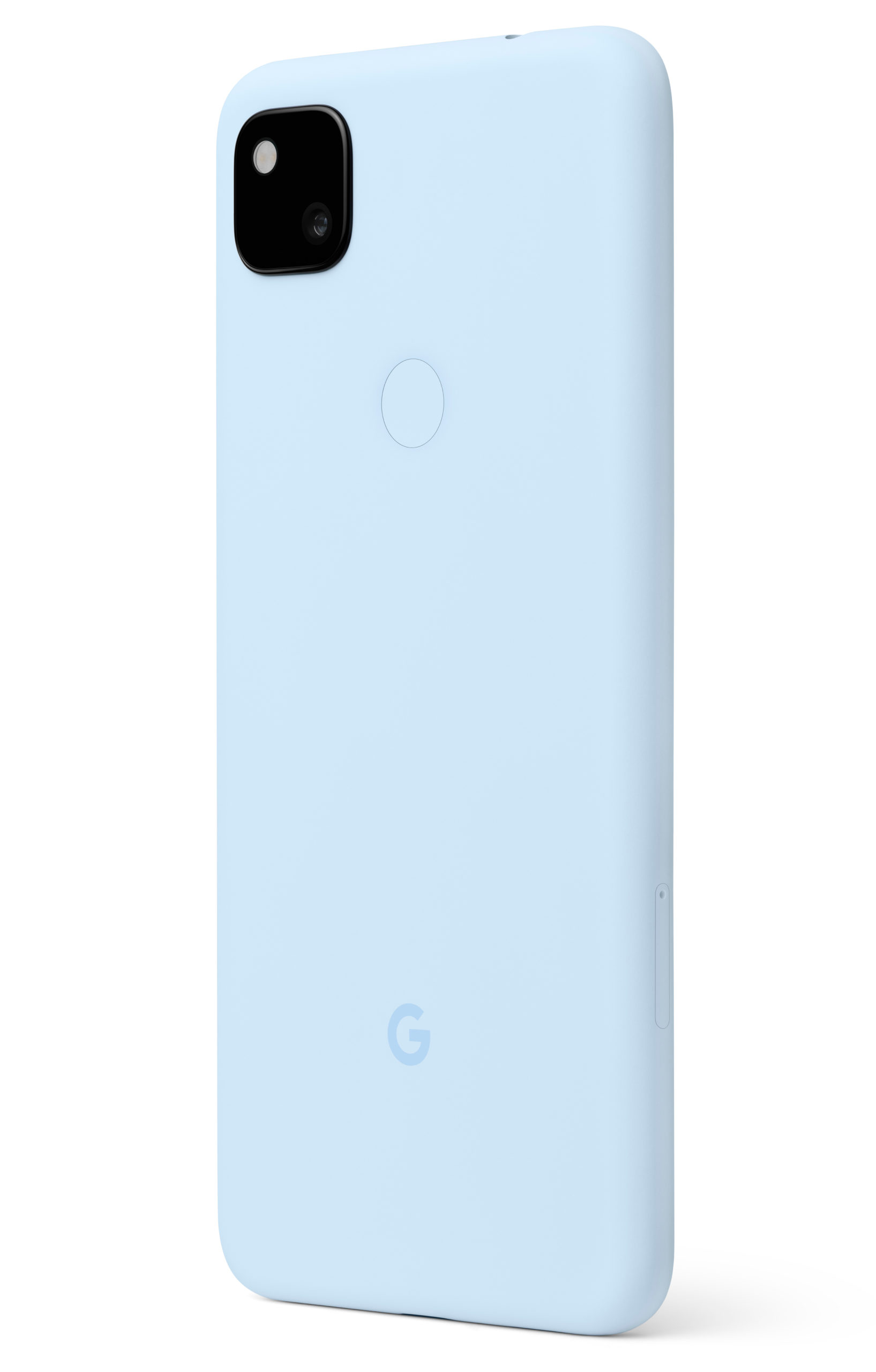
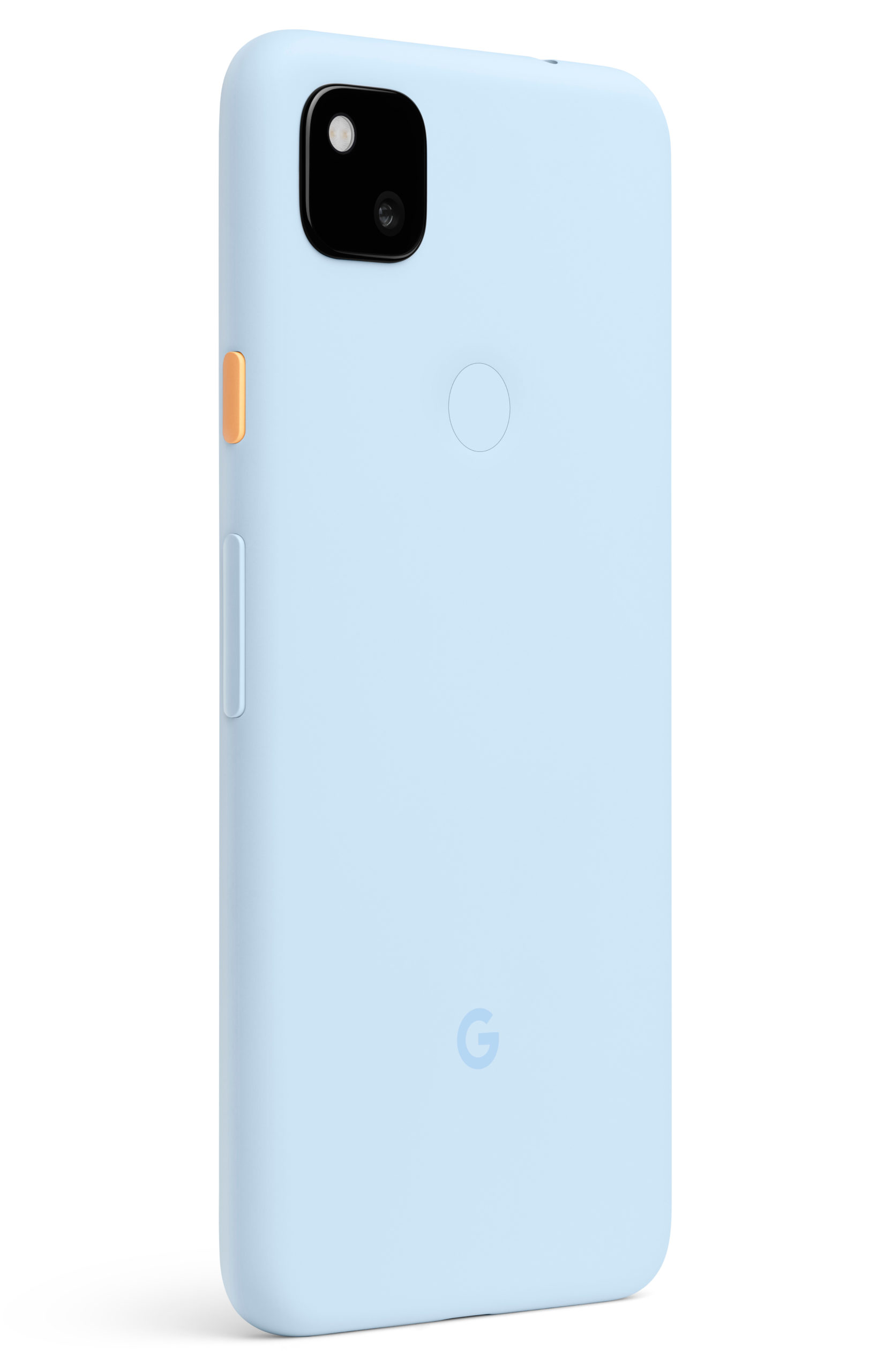
The Google Pixel 4a debuted in August after a long delay due to the global pandemic. It is Google’s most affordable smartphone of 2020. The handset is the direct successor to last year’s Pixel 3a. But unlike its predecessor, the new phone only launched in a single ‘Just Black’ color option. But now, after months from its release, the Pixel 4a gets a new colorway called ‘Barely Blue’.
Like any other Pixel smartphone, the Pixel 4a is also one of the most leaked products. Before its official launch, the phone was rumored to debut in two colors namely ‘Just Black’ and “Barely Blue’.
Instead, the company only unveiled it in the former color because of supply chain issue. Hence, it has brought the latter version of the handset in the form of ‘limited edition’ as the search giant does not have enough capacity to produce its cheapest 2020 smartphone in two colors.
That said, talking about the new variant of the handset, this version of the phone sports a light blue color paint job with an orange-colored power button. It is already up for sale in the US for the same $349 asking price like the ‘Just Black’ variant.
1 of 4
Going by the demand for 2019’s Oh So Orange Pixel 4, the 2020 Barely Blue Pixel 4a may also get sold out within a short period of time. Hence, if you are interested in this unique hue, order it as soon as possible.
Last but not least, there’s no word on this edition’s availability in other markets and therefore, we can conclude it to be exclusive to the US, at least for now.
Apple‘s latest smartphones, the iPhone 12 series are on the high end of the spectrum and highly desirable among consumers globally. These beautiful, and expensive tech marvels are now at the centre of various dubious schemes to trick buyers at this period when the device is still enjoying rave reviews.
A report today by Spanish tech site iPadizate, says five Amazon employees were arrested for stealing €500,000 (about $591,155) worth of iPhones from a logistics centre in the capital, Madrid. Among several incriminating items found on the five suspects were ten iPhones and a large cache of IMEI numbers (possibly stolen from phone boxes).
The suspects were uncovered by Amazon after launching an internal and covert operation after significant disparities were observed in the weights of several phone boxes. Hidden cameras at the logistics centre subsequently unmasked the culprits, who had replaced the phones in the boxes with other things.
One of the suspects voluntarily reported himself to police and another was arrested while still at work. The remaining three suspects were apprehended after leaving the logistics centre at the close of work. All five men have been relieved of their jobs by Amazon and would be put on trial shortly. Amazon’s internal investigation is still ongoing to determine whether there were collaborators still within and to also determine the full extent of items stolen.
The news was just a dent on Amazon who recently launched GameOn, a video-sharing platform for mobile Android gamers. The GameOn platform allows players to record and share exciting clips of their favourite games while also simultaneously recording their reactions via “Facecam” from the Android app.
Amazon has shown that it will continue to root out criminal elements while expecting continued patronage from consumers.
A few days out, news broke out that HMD Global will be launching Nokia 2.4 at the end of November in India. Now, the company itself officially teases to launch this smartphone along with Nokia 3.4 on November 26.
Earlier today, the official Twitter account of Nokia Mobile India tweeted a launch teaser video for Nokia 2.4 and Nokia 3.4 with a caption ‘only 10 days to go’. The tweet clearly suggests the brand’s latest budget smartphones will be officially announced in the country on November 26.
Also, this goes in line with the report from last week. However, the report only mentioned the arrival of Nokia 2.4 to India and not Nokia 3.4. So that means that the former should go on sale soon after the announcement, whereas the latter could be made available later.
Having said that, it is weird for HMD Global to launch smartphones targeted at India’s hottest price segment after the Diwali festive season, the period in which the most sales occur. All the major brands had already released their devices a month earlier to capture the market.
If HMD Global really wants to break into the Indian phone market, they should first work on their launch cycle and supply chain. Even after nearly one month from the announcement of Nokia 215 4G and Nokia 225 4G, the latter is only available in Black color and the former is yet to go on sale.
We use cookies on our website to give you the most relevant experience by remembering your preferences and repeat visits. By clicking “Accept”, you consent to the use of ALL the cookies.
This website uses cookies to improve your experience while you navigate through the website. Out of these, the cookies that are categorized as necessary are stored on your browser as they are essential for the working of basic functionalities of the website. We also use third-party cookies that help us analyze and understand how you use this website. These cookies will be stored in your browser only with your consent. You also have the option to opt-out of these cookies. But opting out of some of these cookies may affect your browsing experience.
Necessary cookies are absolutely essential for the website to function properly. This category only includes cookies that ensures basic functionalities and security features of the website. These cookies do not store any personal information.
Any cookies that may not be particularly necessary for the website to function and is used specifically to collect user personal data via analytics, ads, other embedded contents are termed as non-necessary cookies. It is mandatory to procure user consent prior to running these cookies on your website.

 The live shots show that the ZTE Blade A51 has a waterdrop notch screen of around 6.1 inches. Being in a low-budget phone, it seems to be with an LCD panel.