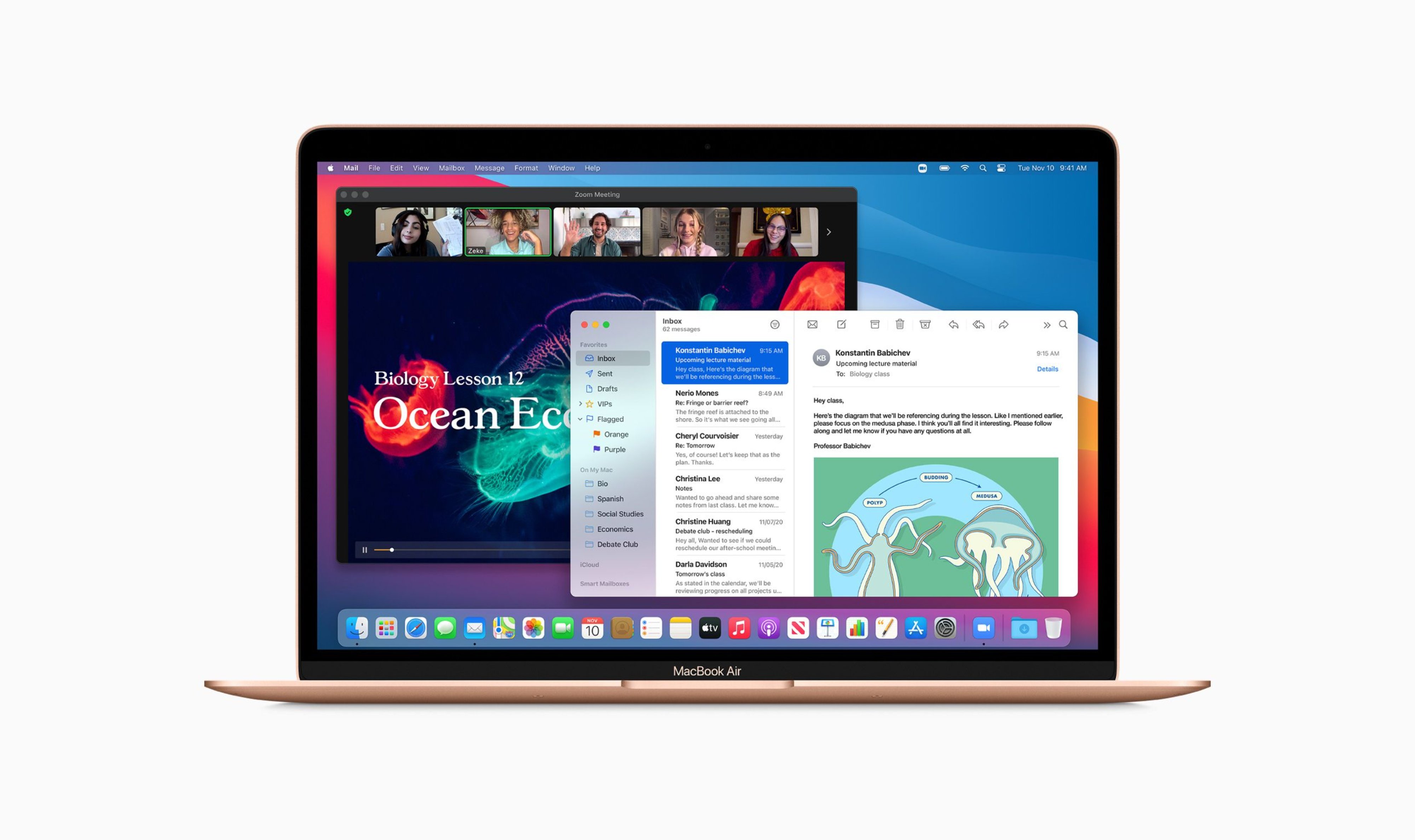
Last week, Apple announced its first ARM-based chipset for Macs called Apple M1. At the same virtual event, the American tech giant also launched new MacBook Air, MacBook Pro, and Mac Mini powered by its new silicon. Now, a week later, a new entry-level variant of MacBook Air with 128GB storage has been spotted.
Apple products have always been expensive but the company also has an education program through which schools, colleges, students, and teachers can buy them at discounted prices. At times, the firm even releases special low-storage models to make its products even more appealing to institutions who buy in bulk.
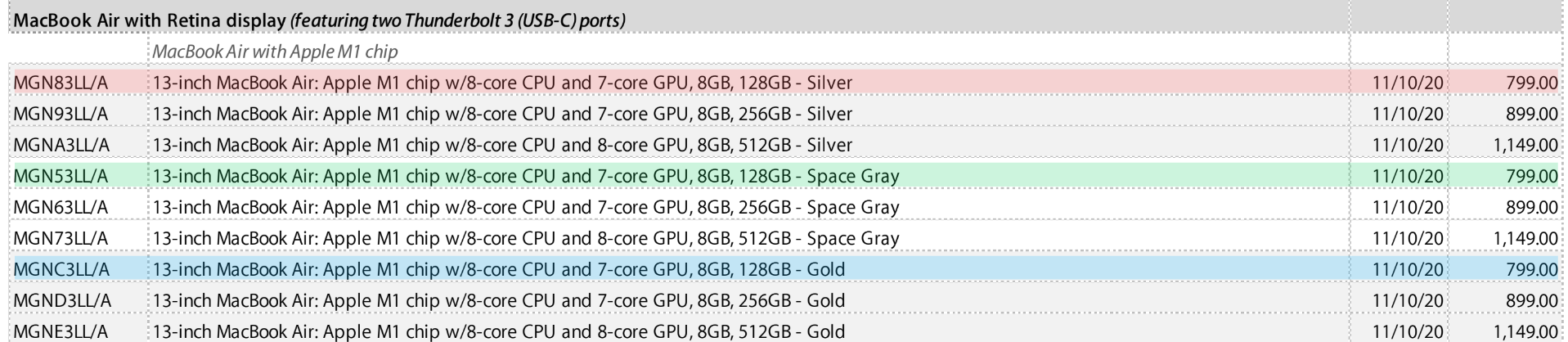
Hence, Apple has quietly listed (via 9to5Mac) a new 128GB variant of MacBook Air with M1. This version is only available under education production and comes in all three colors namely Silver, Space Gray, and Gold. Apart from less storage, it has the exact same specs as the regular retail model that can be bought by everyone.
That said, 128GB storage may sound less for most users but it makes sense for educational institutions. Because multiple students share the same computers and when their work is done, they are mostly asked to delete their files.
Further, this special 128GB variant costs only $799, which is $100 cheaper than the 256GB variant. Since schools and colleges buy products in bulk, they will be saving a lot of money.
Anyway, do you think Apple should sell this variant to regular customers as well? Do let us know in the comment section below.
Founder of Xiaomi, Lei Jun has teased the price of the upcoming Redmi Note 9 series in China. His latest post on Weibo hints that the new Note 9 series will start around 1,000 yuan($152) pretty much confirming the earlier leaks.
Lei Jun, via a post on his official Weibo account, says that the upcoming Redmi Note 9 series will be the best in Performance, Camera, and Battery life segments. This further strengthens the leaks about the Redmi Note 9 series’ devices. Besides, he also questions the users about the configuration they prefer the most in a 1,000 yuan($152) smartphone.
Hours before, Lei Jun ran a poll on Weibo earlier to check people’s favorite Note device. As per the results, Redmi Note 7, Note 8, Note 3 came in the top 3. He shared the results of the poll and asked users’ preferences on the upcoming device. All these, in addition to reports, suggest that the base model, at least the 4G variant might start from 1,000 yuan.
Precisely, a report(via ITHome) says that Redmi Note 9 5G variants will go slightly above 1,000 yuan with the Pro 5G(High-end) version priced around 1,500 yuan($228.5). However, this contradicts the earlier report which said that the entire series will be 5G friendly and begin at 1,000 yuan. In any case, we are just five days away, and hence, let’s wait for the official announcement.
Anyway, the Redmi Note 9 series will break cover on November 26 in China. It is likely to feature three models- two 5G(Redmi Note 9, Note 9 Pro) devices, and an alleged 4G device. Previous reports reveal that Redmi Note 9 Pro 5G will likely be a tweaked version of Xiaomi Mi 10T-Lite and sport a 6.67-inch FHD+ 120Hz display, Snapdragon 750G paired up to 8GB RAM, 108MP camera, 4,820mAh battery with 33W charging.
The Redmi Note 9 5G likely has a 6.53-inch display, MediaTek Dimensity 800U SoC, 48MP rear and 13MP front camera, 5,000mAh battery with 22.5W charging. The alleged 4G variant of the Redmi Note 9, from the TENAA listing, looks a lot similar to the upcoming POCO M3. It will likely feature a 6.5-inch FHD+ display, Snapdragon 662 SoC, 48MP camera, 6,000mAh battery with 18W fast charging.
Qualcomm has been granted a license to sell mobile phone chips to Huawei, however, the caveat is that they are limited to 4G chips. Now, a new leak says we may see the first Snapdragon-powered Huawei phone in a while and it may launch as the Huawei Enjoy 20e.
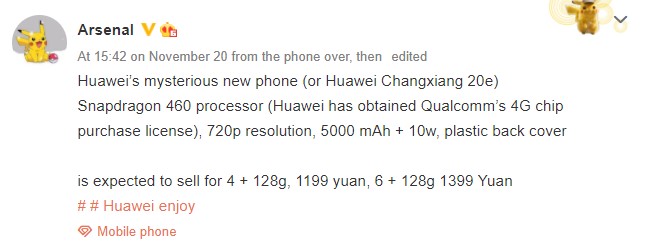
The info comes from the Chinese leaker that goes by Arsenal on Weibo and according to him, the Chinese manufacturer has a new phone in development that may launch as the Enjoy 20e.
The upcoming phone will have a Snapdragon 460 processor. The processor will be paired with 4GB of RAM and 128GB of storage. There will also be a 6GB RAM version which will also have 128GB of storage.
The leak also mentions that the phone will have an HD+ display but doesn’t mention if it will have a notch, a punch hole, or bezels. However, seeing as the Enjoy 20 5G and Enjoy 20 Pro have a waterdrop notch, that may be the case with the Enjoy 20e.
There will also be a 5000mAh battery with support for 10W charging. With a battery capacity this big, users should get at least 2 days of usage on a single charge, though 10W will be painfully slow charging. Huawei will also use polycarbonate for the phone.
Alongside some of the key specs, the leaker also reveals the possible price tags for the phone. The 4GB RAM version is expected to sell for ¥1199 (~$183) while the 6GB RAM version is expected to sell for ¥1399 (~$213).
There is no info regarding a launch date but we expect it to be announced before the end of the year. We also expect there will be more Huawei phones powered by other Qualcomm 4G processors such as the Snapdragon 720G, Snapdragon 665, and the Snapdragon 662 coming in the future. So fans of Huawei who are already tired of the plethora of Kirin 710/Kirin 710F chipsets have what to look forward to.
Tech giants like Google, Facebook, Twitter might leave Pakistan if the country doesn’t back out of a new regulation change. Reports say that the law aims to curb freedom of expression for social media companies.
Credit: AIC. Asia Internet Coalition represents companies like Google, Facebook, Twitter and fights internet policy issues in Asia-Pacific region
As reported by AP(via Gadgets360), Pakistan Government has granted more powers to the Media Regulators. Accordingly, the new change affects Internet Service Providers(ISP)/ Social Media Companies. It says that social media companies should remove obscene content from the internet within 24hours. They will face a fine of up to $3.14 million(~₹23.28 Crores) if they fail to restrict defamatory content. Precisely, the content that is against Islam and National security, Promotes terrorism, hate speech, and pornography.
Additionally, Social media companies should provide(via DAWN) any data in “decrypted, readable and comprehensive format” whenever demanded by Pakistan’s Investigation Agency. The World’s fifth-most populous country also wants the companies to set up offices locally. That said, this has drawn a lot of criticism especially from the Asia Internet Coalition(AIC).
For the unware, AIC was established in 2010 as an Industry association. It aims to promote the understanding of Internet policy issues in the Asia-Pacific region. Coming back, AIC says that the new law is alarming as it targets internet companies. It goes on to say that the draconian data localization requirements will hamper the Internet’s affordability and accessibility. In turn, it will reportedly cut off Pakistan’s digital economy from the rest.
For the unware, Pakistan govt banned short-form video platform TikTok after observing a lot of obscene anti-Islamic videos on it. It then went on to remove the ban after TikTok promised to moderate the content. Although Pakistan’s Govt is yet to comment on AIC’s response, we feel that it needs to act swiftly to coordinate with the relevant parties and find a solution.
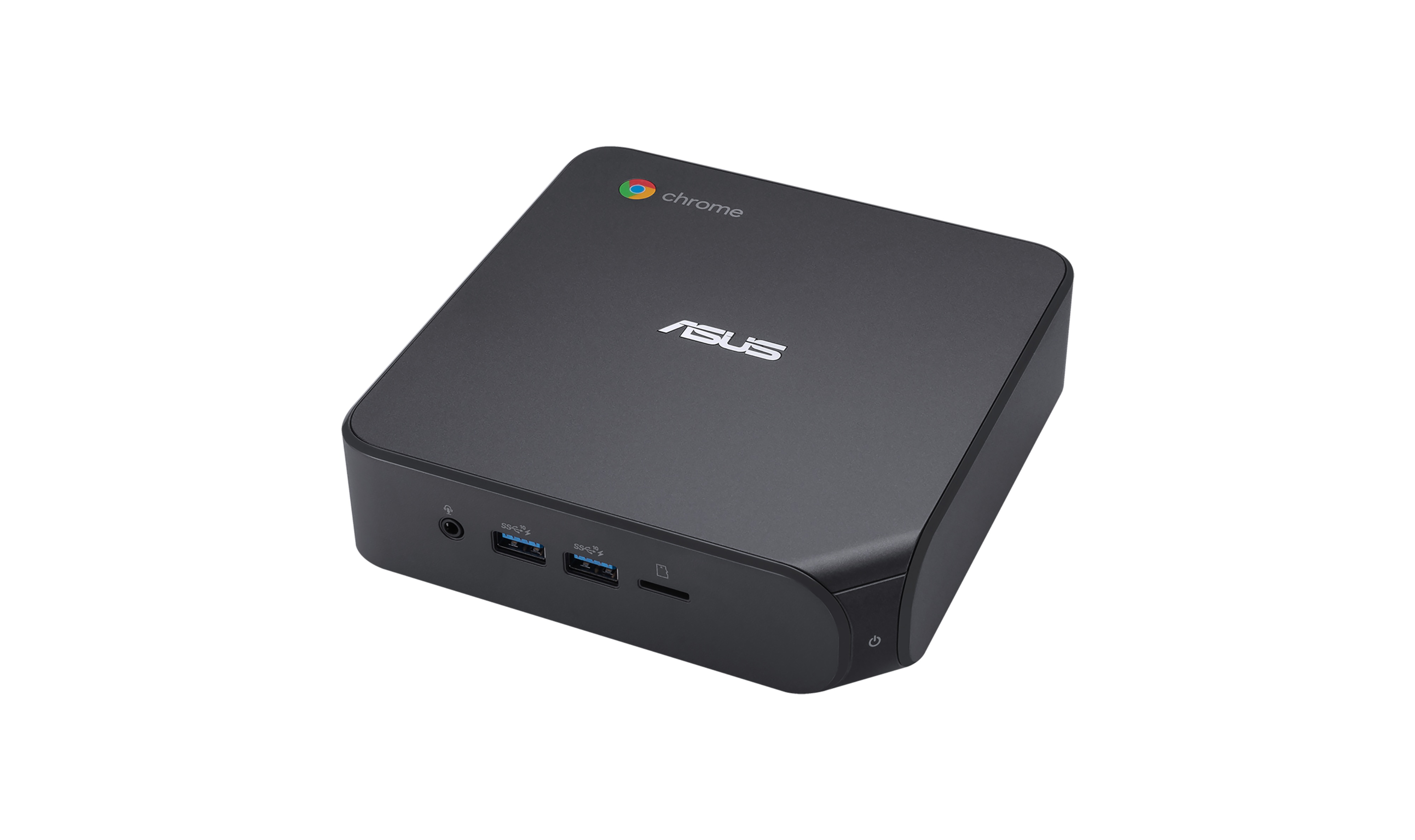
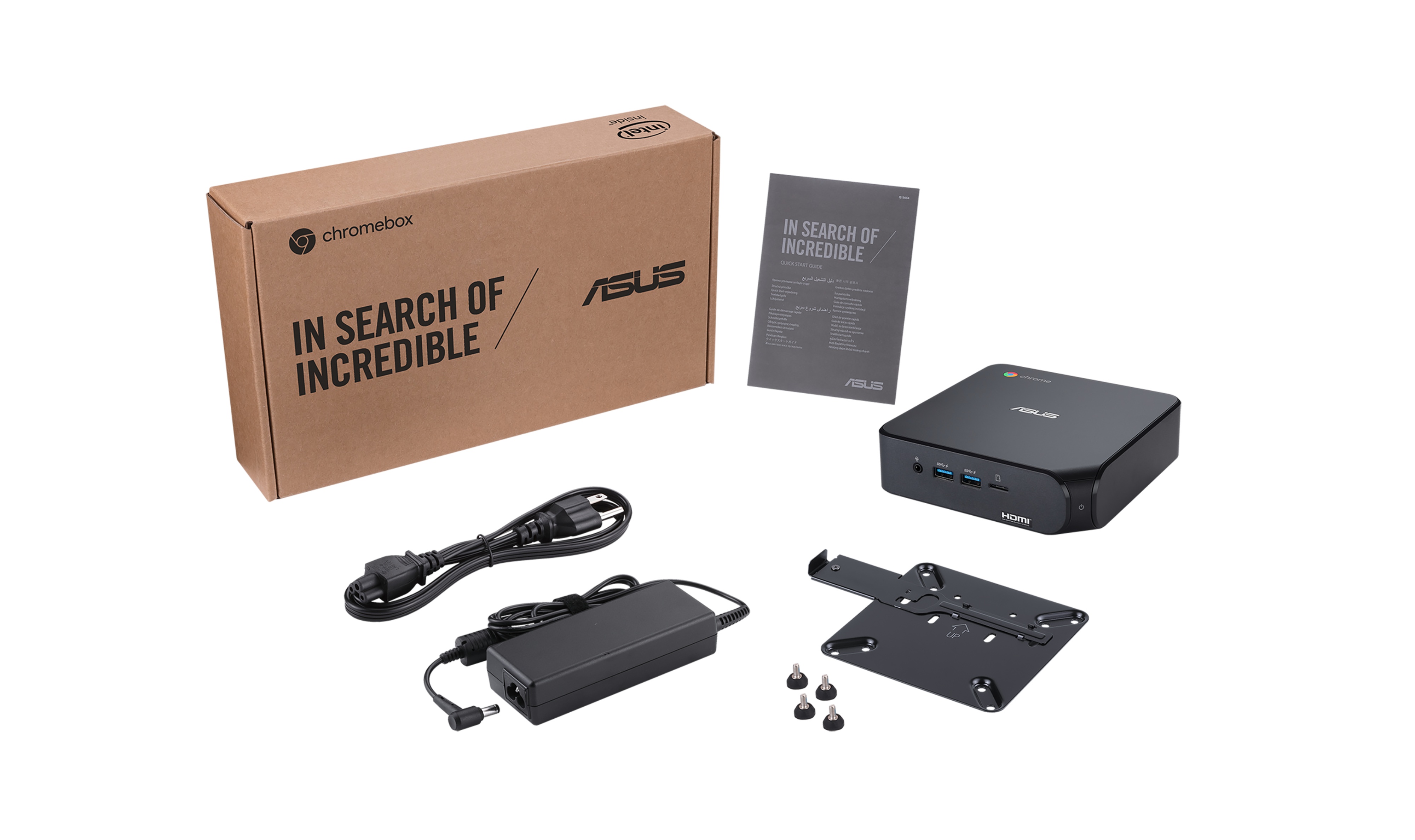
Taiwanese computer hardware maker ASUS has launched Chromebox 4 as the successor to the Chromebox 3 from 2018. The new model is powered by 10th Gen Intel processors and comes in four different CPU variants, two RAM versions, and four storage variants. Let us take a look at its entire specs and features along with price and availability.
ASUS Chromenox 4 Specifications & Features
The ASUS Chromebox 4 is powered by the following four 10th Gen Intel processors with integrated Intel HD graphics.
Intel Celeron 5205U Processor 1.9 GHz (2M Cache, up to 1.9 GHz)
Intel Core i3-10110U Processor 2.1 GHz (4M Cache, up to 4.1 GHz)
Intel Core i5-10210U Processor 1.6 GHz (6M Cache, up to 4.2 GHz)
Intel Core i7-10510U Processor 1.8 GHz (8M Cache, up to 4.9 GHz)
The Celeron version is paired with 4 GB DDR4 2400 RAM ( 1 x SO-DIMM), which can be expandable up to 8GB. On the other hand, the Core versions ship with 8GB DDR4 2666 RAM (2 x SO-DIMM) and can be expanded up to 16GB.
Whereas, for storage, the former variant can be purchased with either MMC (32GB or 64GB) and M.2 SSD (128 GB or 256 GB) storage. However, the latter models only come with SSD storage. Further, all the variants feature Intel HrP2 dual-band WiFi 6 + Bluetooth 5.0 CNVi network adapter.
As for I/O, the ASUS Chromebox 4 feature the following ports.
Front and Side
Celeron
2 x USB 3.2 Gen 1 Type-A (supports BC1.2)
Core
2 x USB 3.2 Gen 2 Type-A (supports BC1.2)
Common
1 x 3.5mm headphone jack
1 x microSD card
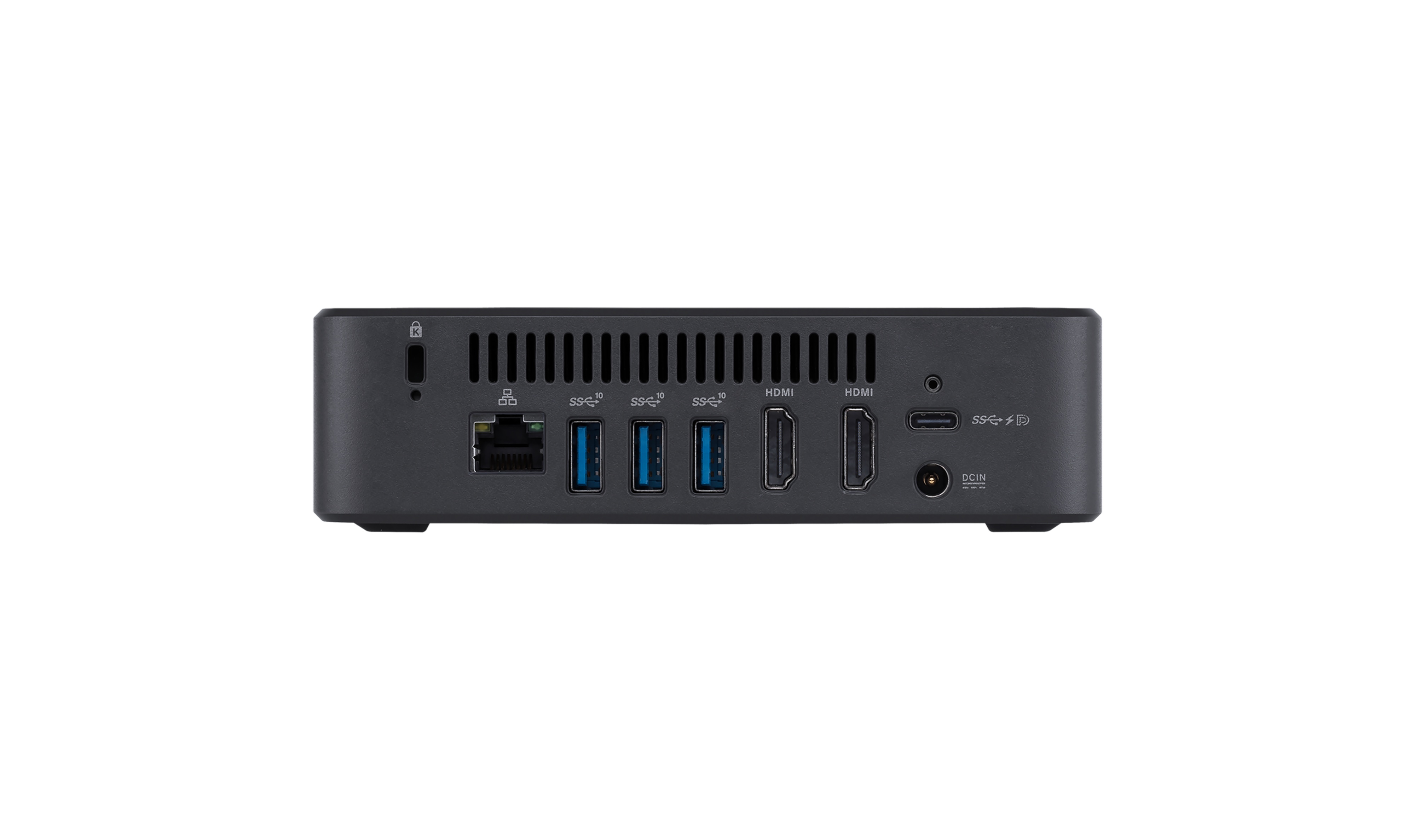
Rear
Celeron
1 x USB 3.2 Gen 1 Type-A
2 x USB 2.0 Type-A
Core
3 x USB 3.2 Gen 2 Type-A
Common
1 x USB-C® 3.2 Gen 1 (USB 3.0/Power Delivery/DisplayPort)
2 x HDMI
1 x LAN (RJ45) port (Gigabit Ethernet)
1 x DC-in
1 x Kensington lock
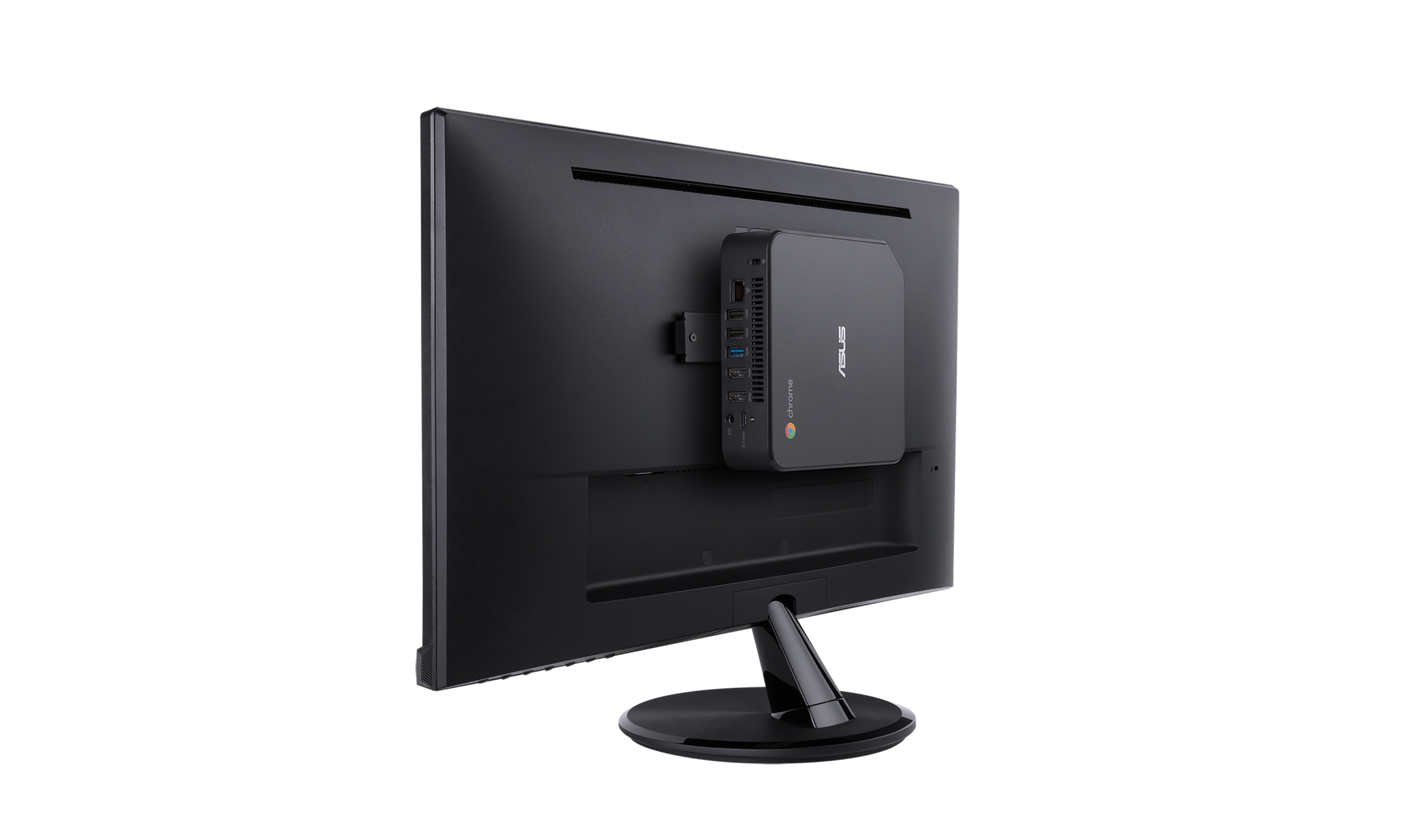
With these many ports, users can hook up this tiny computer with up to three 4K monitors for multi-tasking. That’s not all, the new model, unlike its predecessors, comes with a lockable VESA mount so that it can be mounted behind monitors for better cable management.
Last but not least, the product measures 148.5 x 148.5 x 40mm dimensions, weighs about 1Kg, and uses 65W (Celeron)/90W (Core) power adapter.
ASUS Chromebox 4 Pricing & Availability
The ASUS Chromebook 4 starts from $289 and will go on sale in North America from December. The company is yet to confirm availability for other regions.
POCO India has been focusing on budget, and mid-range smartphones lately. It began the year with POCO X2 and then carried over to the POCO M2 Pro. While everyone was expecting that the next device would be a flagship, it came out with a POCO X3 and finally POCO C3. However, the company has finally spilled the beans on the next plan. Before you start guessing, yes it’s an answer to the million-dollar question, “when is the next POCO F smartphone coming?”.
Anuj Sharma, Country Director of POCO India, and Manmohan, General Manager of Poco India, confirmed(via Mukul Sharma) in the latest AMA(ASK ME ANYTHING) session that they are working on the POCO F series right now. Now, after this, one would pretty much expect that POCO’s next launch will be an F series device. But POCO didn’t say anything about the launch and hence, we will have to wait for a bit.
Anyway, we really hope that POCO surprises everyone by bringing back the budget flagship series sooner to India, maybe in a few months. That said, if you ask me, going by the numbers, the next device will mostly be the POCO F2 and not darn the ‘Pro’ branding. This is because the naming has reached everywhere and currently, it is probably the most asked question regarding POCO. Additionally, Anuj had earlier confirmed that POCO F2 Pro won’t come to India.
He had said in an interview with Indian Express that POCO F2 Pro isn’t a true successor to the POCO F1. Coming back, while answering another question regarding creating the magic of POCO F1 again, Manmohan says that it’s very difficult. This is understandable considering 2020 has been different and the cost of production and supply chain including other issues, has bothered companies during the pandemic.
However, if POCO manages to follow the “Everything you need, Nothing You don’t” trend of F1, we feel that it has a chance to grab the attention back. Anyway, the team including Anju didn’t reveal anything apart from this.
So, if POCO were to launch the next device as POCO F2, what should it have to draw your attention?do let us know in the comments below.
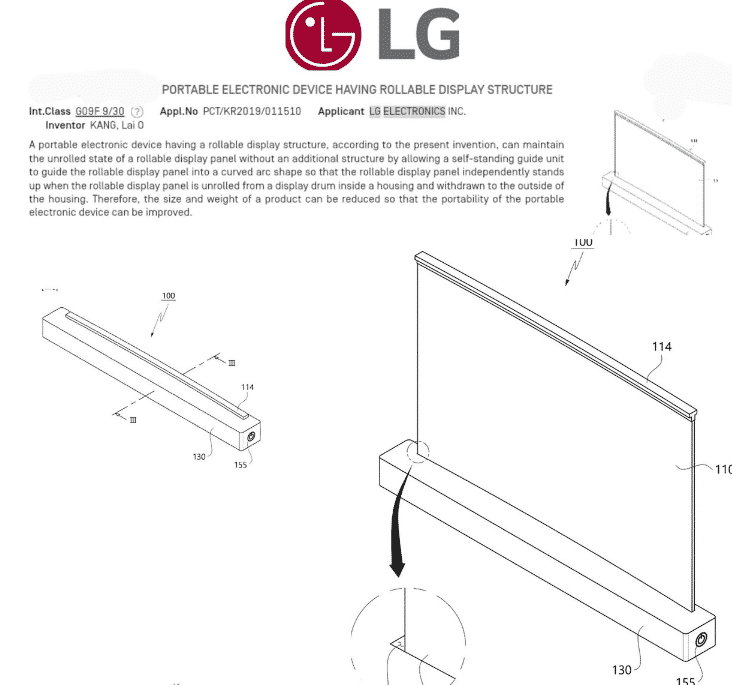
A few days back, OPPO unveiled OPPO X 2021 as the world’s first working concept of a rollable smartphone. The company only revealed minute details of this device and did not say if it will be ever hit the shelves. On the other hand, LG has already confirmed that it will release such a phone next year for the public. Ahead of it, the South Korean electronics giant has patented a design for a rollable laptop.
LG is yet to launch a foldable smartphone, however, it has released other interesting products. First and foremost, LG is the only company to commercially sell a rollable smart TV called LG Signature OLED TV R. Also, it is the only brand in the world selling a modern smartphone with a swivel display in the form of LG Wing.
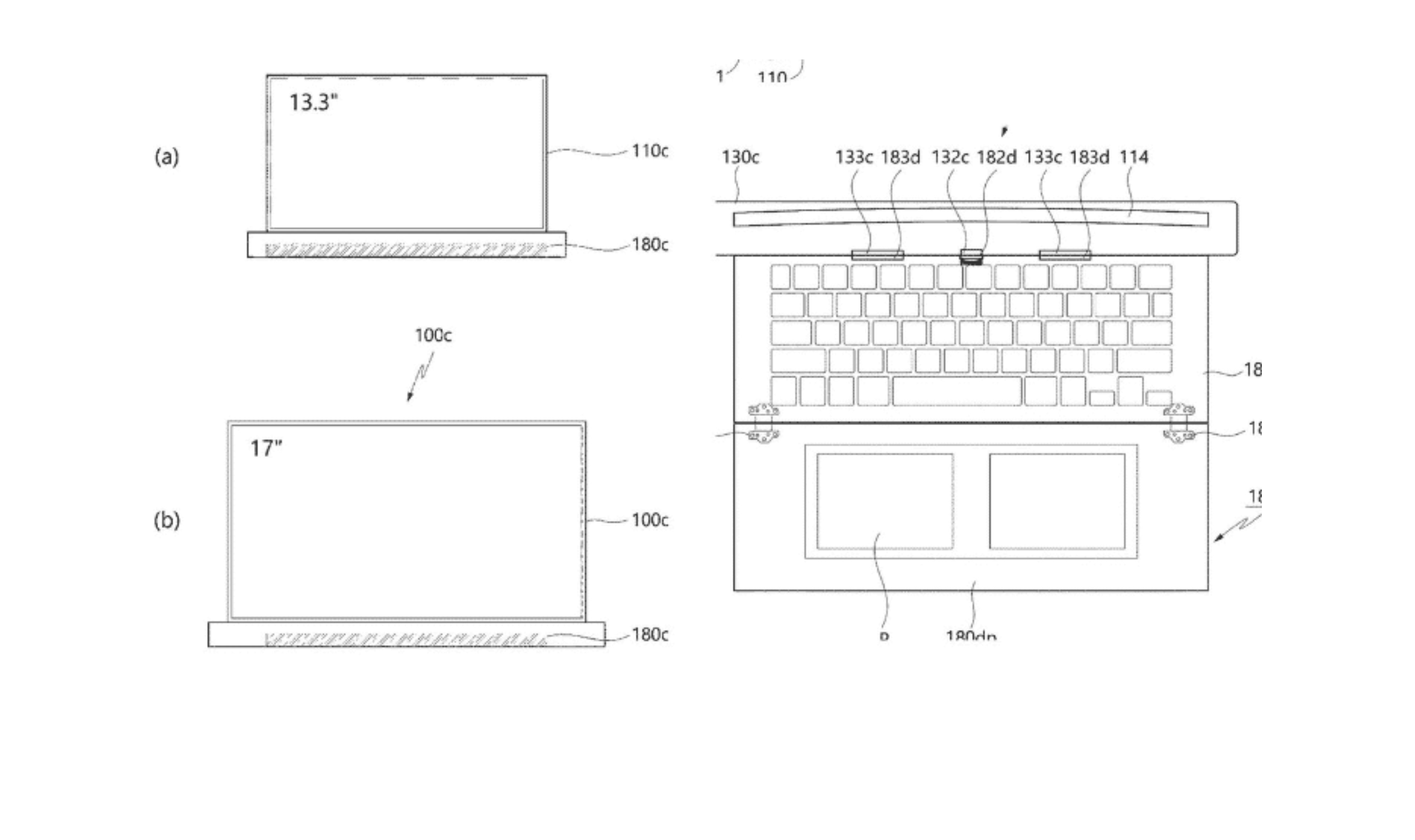
Though the company has confirmed to launch a rollable smartphone next year, it seems to even have plans for a laptop with this very same tech. Because it has filed a design patent for the same. This LG patent was first reported by Root MyGalaxy but the publication does not say anything about when and at which office this patent was filed.
According to the diagrams, the display in this laptop can be unrolled from 13.3-inch up to 17-inch. That’s not all, even the keyboard with a touchpad can be rolled inside the display drum. So when the notebook is completely rolled, it looks like a soundbar.
So what are the use cases of this design? The only one we could think of is that it will take less space in bags. But since flexible technology is fragile, it will take time to perfect this. Hence, we don’t see LG launching a rollable laptop in the near future.
Having said that, if you still want a futuristic computer, Lenovo sells a foldable laptop called ThinkPad X1 Fold, which is limited to certain regions for now.
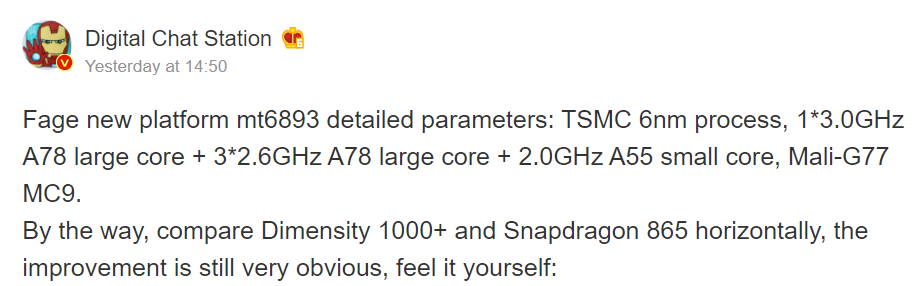
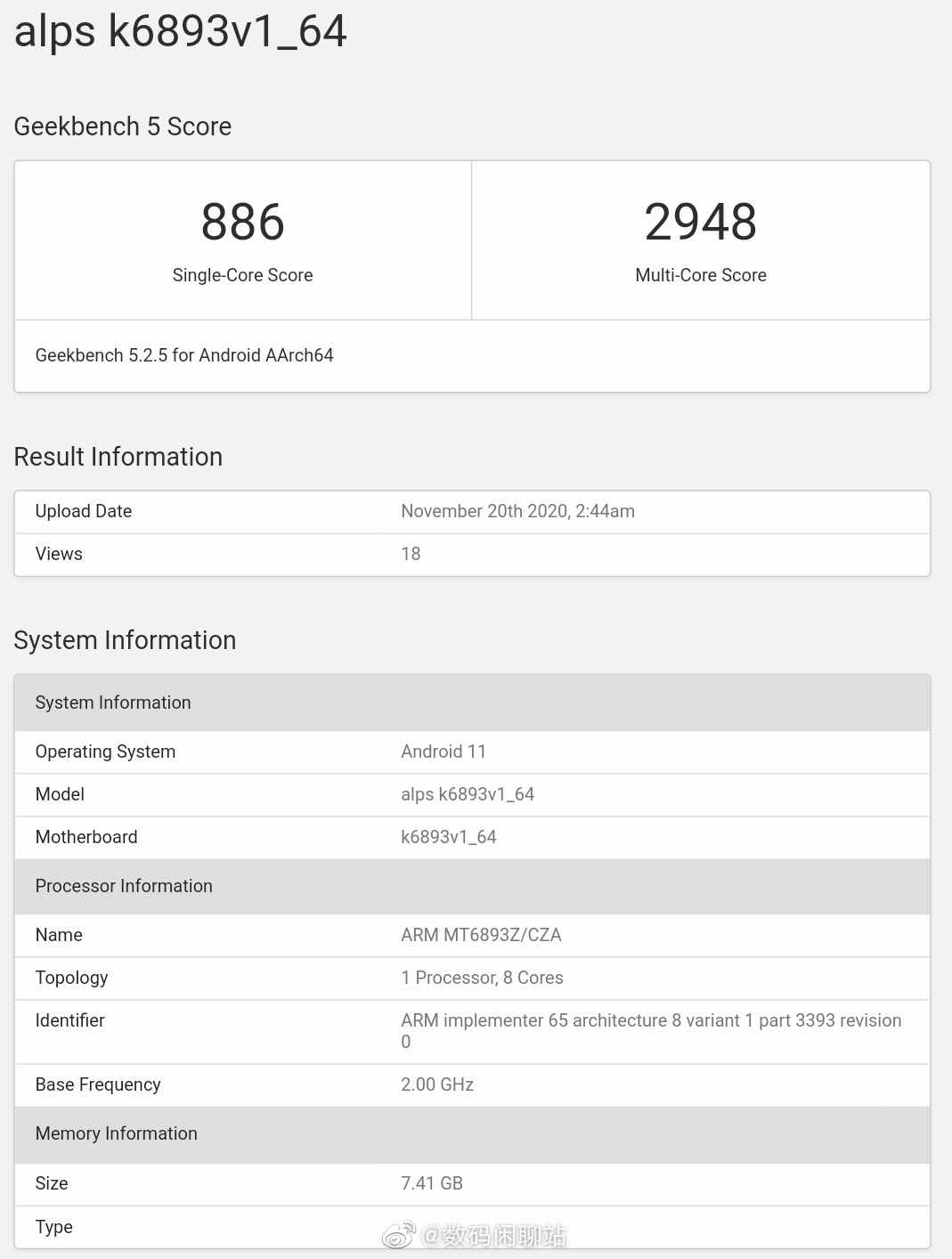
It was revealed in October that MediaTek is working on MT6893 and MT6891 chipsets with Cortex-A78 CPU core. Last week, an engineering product driven by the upcoming MT6893 SoC had appeared at Geekbench. It recorded 4108 and 11204 in the single-core and multi-core tests of the benchmarking platform, respectively. A reliable tipster from China has shared key details of the MT6893 chipset.
According to the tipster (via), the MediaTek MT6893 is a 6nm chipset manufactured by the Taiwan-based TSMC chipmaker. The SoC has 1 x Cortex-A78 CPU core working at 3.0GHz, 2 x Cortex-A78 CPU cores ticking at 2.78GHz, and 4 x Cortex-A55 CPU core clocking at 2.0GHz. The SoC as Mali-G77 to take care of graphics. There are speculations that there could be two variants of the chipset.
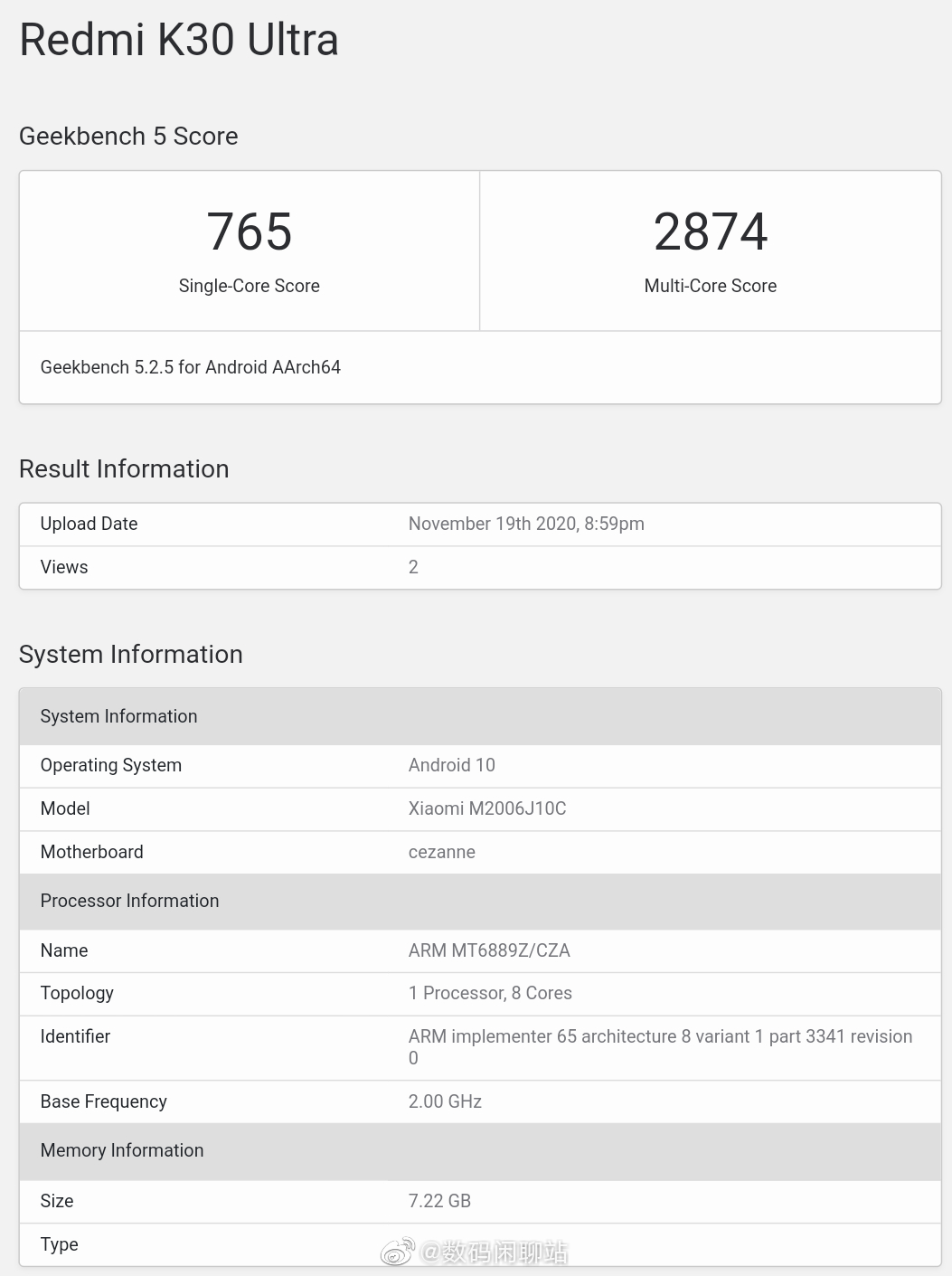
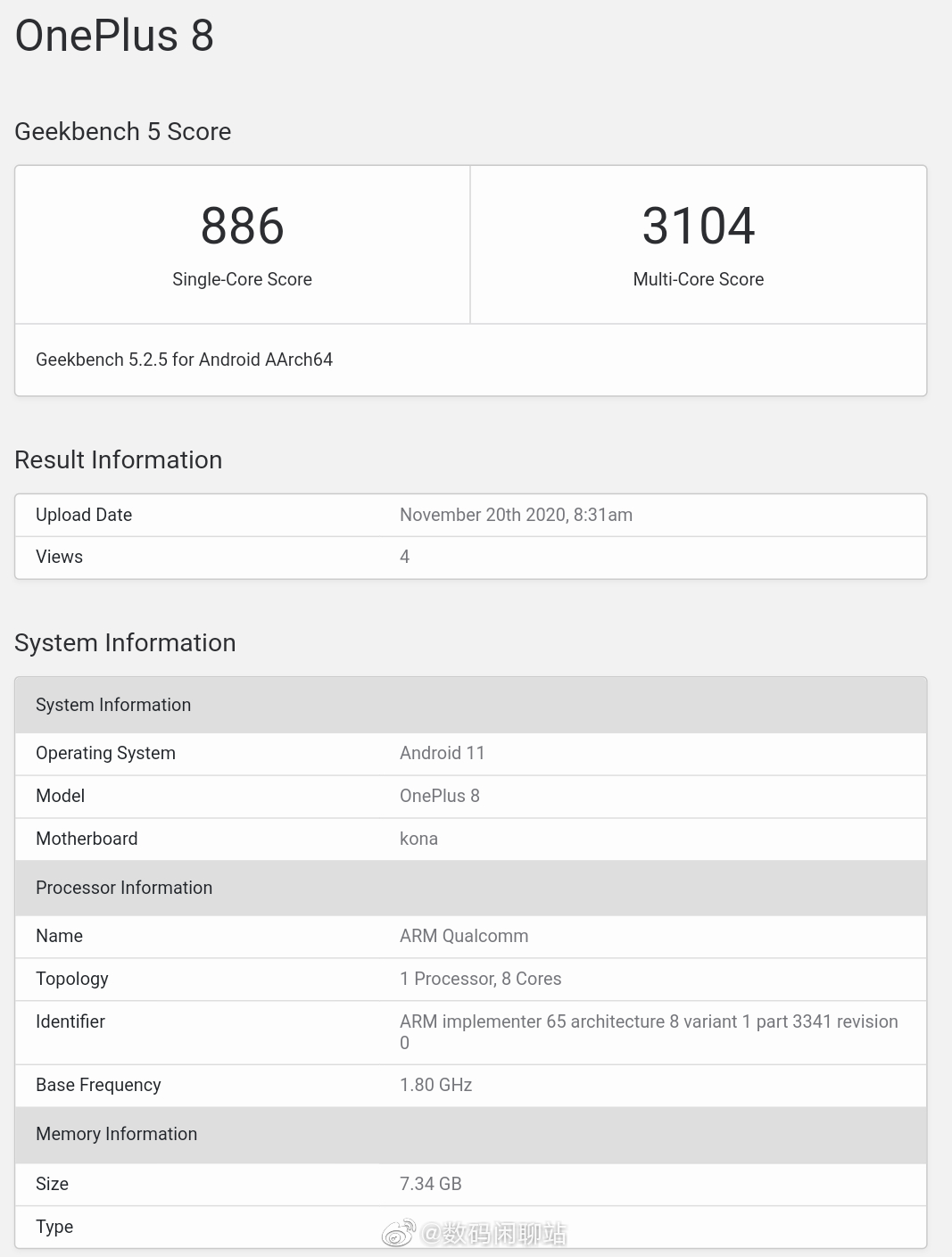
The Geekbench listing suggests that the performance of the MT6893 appears to be better than the Dimensity 1000+, which is the most powerful Dimensity chipset currently. A comparison of the MT6893 powered engineered unit and the Snapdragon 865 powered OnePlus 8 shows the performance of the MediaTek chip is close to Qualcomm’s SoC.
The Dimensity 1000+ that was designed to power high-end phones arrived with support for LPPDR4x RAM and UFS 2.0 storage. Hopefully, the Dimensity MT6893 chip will arrive with support for LPPDR5 RAM and UFS 3.0 storage. The MT6893 is expected to break soon. At present, it is unclear which company will launch the first MT6893 powered smartphone.
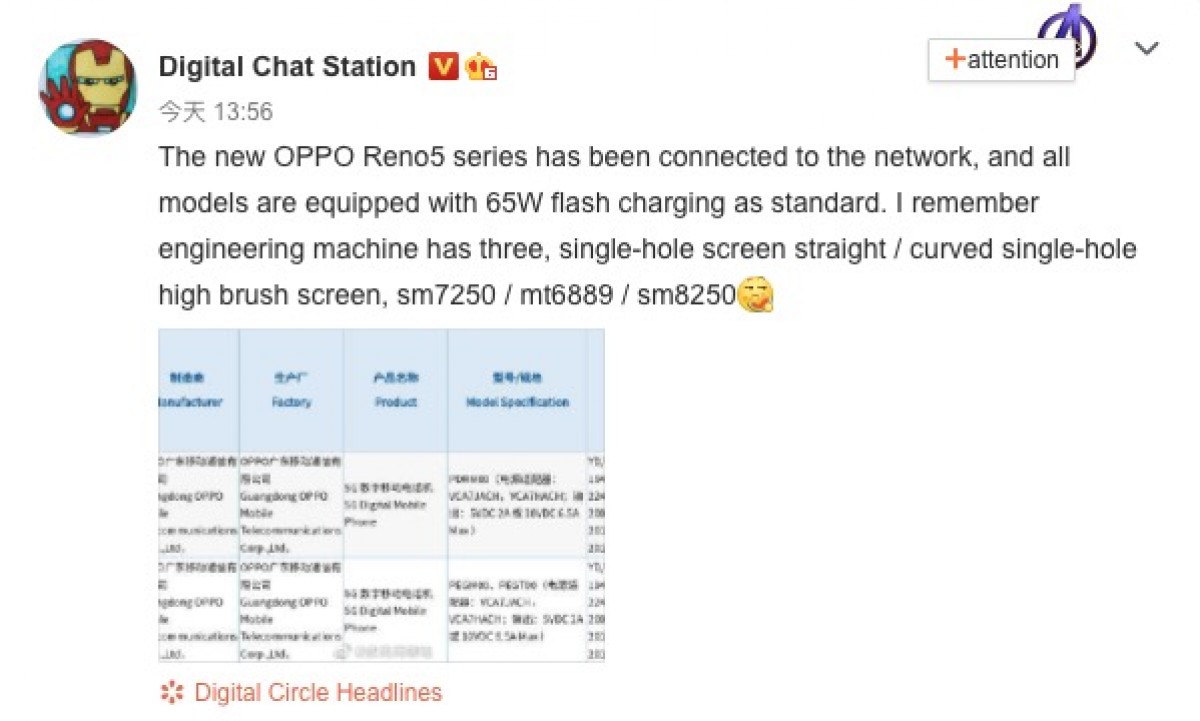
Recent reports suggest that OPPO will be announcing the OPPO Reno5 series of smartphones in December. A Chinese tipster has revealed that the Reno5 lineup will include three smartphones powered by three different chipsets.
According to the tipster, the three Reno5 series smartphones will be sporting a single punch-hole display design. The highest model in the series will have the same display design along with curved edges and refresh rate support. The leak reveals that the three devices will be powered by the Snapdragon 765G, Dimensity 1000, and Snapdragon 865 chipsets.
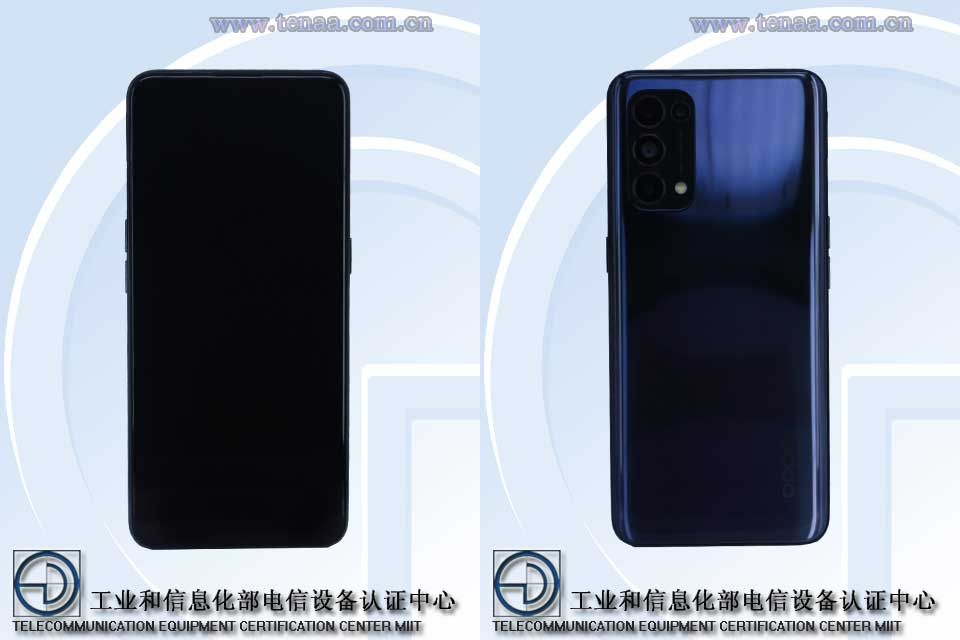
The tipster shared an image of the 3C listings of the OPPO PEGM00 and PDRM00 smartphones. The listings show that both phones could be coming with 65W fast charging support.
The PEGM00’s specs are already known since it has already appeared at TENAA. Its seems that the PEGM00 could be the Snapdragon 765G powered Reno5 smartphone. The PDRM00 phone is yet to get spotted at TENAA. Recently, an OPPO phone with model number PDSM00 had emerged at Geekbench. It had revealed that it is equipped with specs like Dimensity 1000 / 1000+ chipset, 8 GB of RAM, and Android 11 OS. The PDSM00 could be the second phone in the Reno5 series. This suggests that the PDRM00 could be the highest model in the Reno5 lineup powered by the Snapdragon 865 mobile platform.
OPPO Reno5 specifications (Rumored)
The Reno5 has a 6.43-inch AMOLED FHD+ display. Its SD765G is assisted by up to 12 GB of RAM and up to 256 GB of storage. It is preinstalled with Android 11 OS and is fueled by a 4,300mAh battery. For photography, it has a 32-megapixel selfie camera and a 64-megapixel quad-camera system.
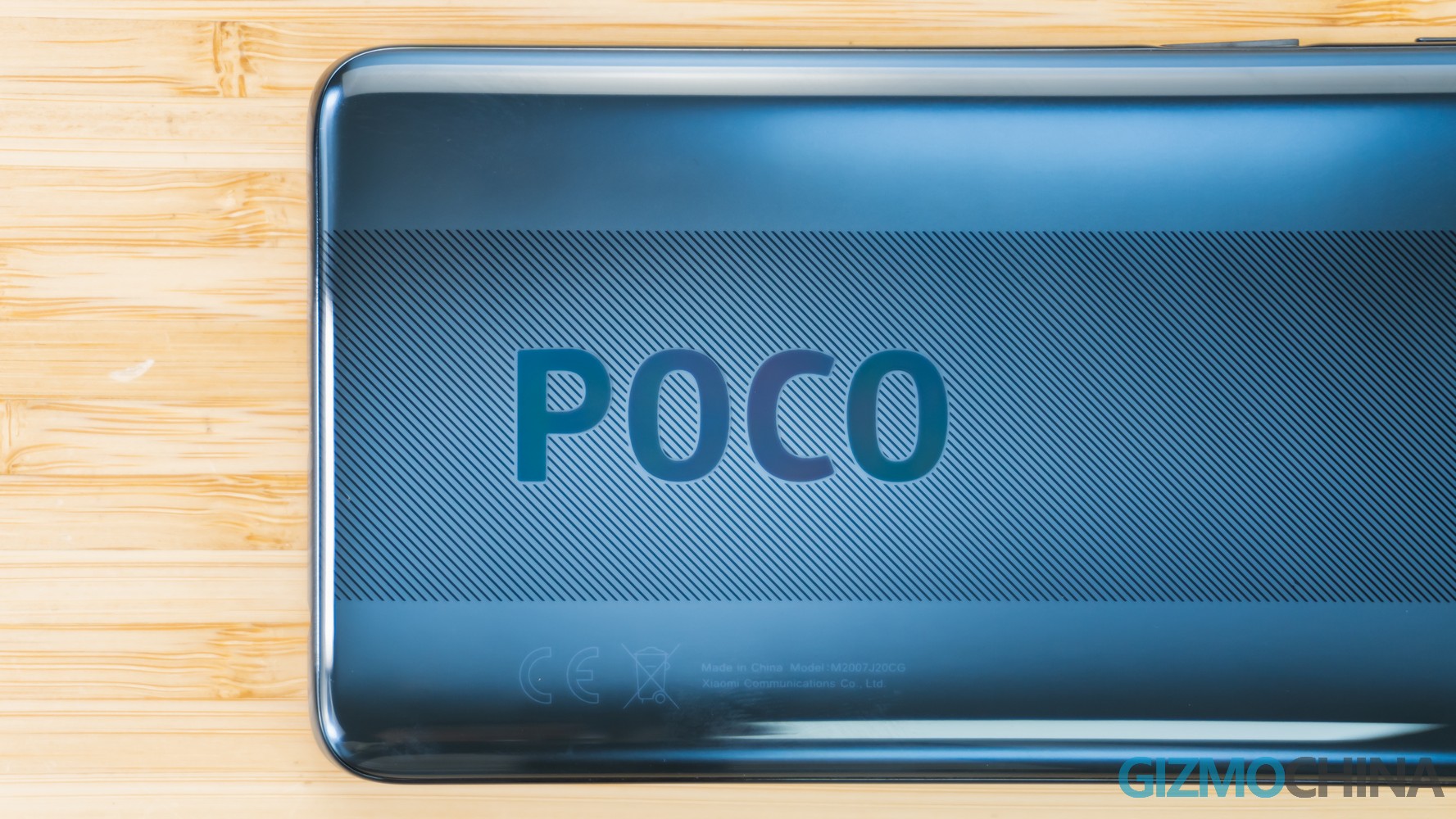
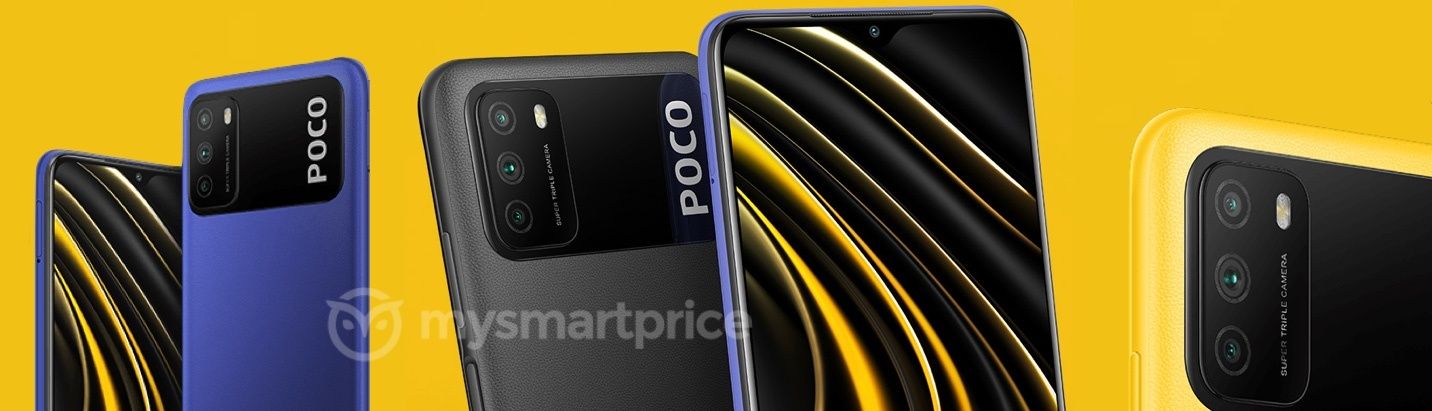
Earlier this week, 91mobiles teamed up with reliable tipster Ishan Agarwal to share the first leaked render of the upcoming POCO M3 smartphone. Yesterday, MySmartPricecollaborated with Agarwal to share the new renders of the phone to give better look at its appearance. As can be seen, the POCO M3 sports a unique rear-facing camera module.
The renders show that the POCO M3 will be available in three color options such as black, blue, and yellow. The handset has a textured pattern on its back for better grip. The major attraction in terms of its design is the presence of a big black-colored camera module that looks like the camera housing of the OnePlus 8T Cyberpunk 2077 Edition.
At the left side of the POCO M3’s rectangle-shaped camera module is a triple camera system with LED flash and on its right is the POCO branding. At the front is a waterdrop notch display and the fingerprint scanner is placed on the device’s right edge.
The POCO M3 has a 6.53-inch IPS LCD display that offers a Full HD+ resolution. It is powered by a Snapdragon 662 chipset and 4 GB of RAM. It will come loaded with MIUI 12 based Android 10 OS. It has a 48-megapixel triple camera system and a front camera of 8-megapixel. Its 6,000mAh battery supports 18W fast charging. At present, there is no word on its pricing.
The POCO M3 will be debuting on Nov. 24 in Europe. The same device is expected to break cover as a Redmi Note series phone in China on Nov. 26.
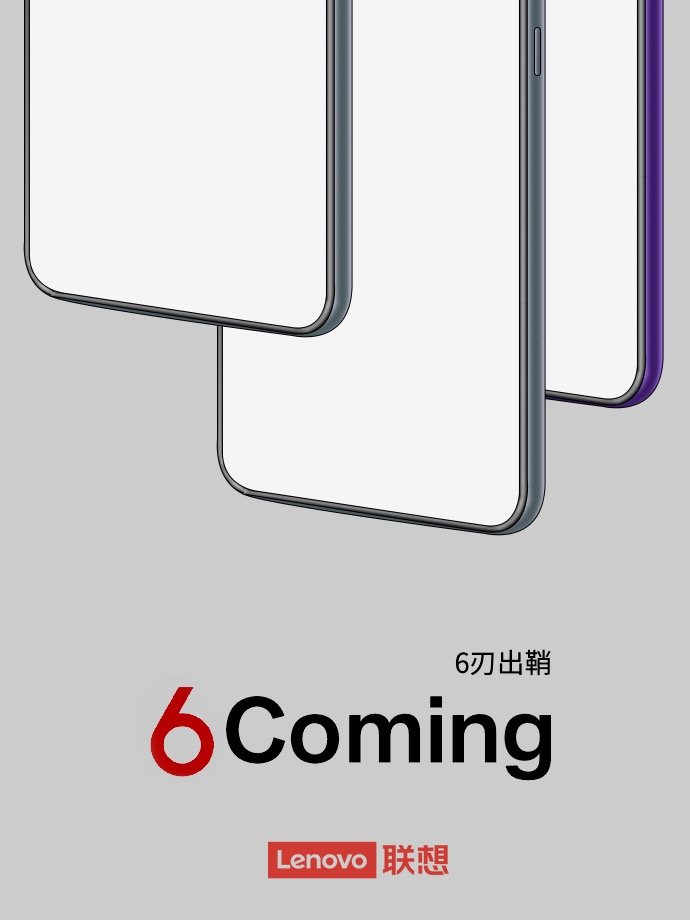
Yesterday, Redmi took to Weibo to confirm that it will be launching the Redmi Note 9 5G series on Nov. 26 in China. The lineup includes two 5G-enabled smartphones and a 4G phone. Soon after Redmi’s announcement, Lenovo teased the arrival of new phones through its Weibo handle.
Yesterday, Redmi teased the Note 9 series’ arrival with the “Three Swords Together” tagline. The machine-translated text of the Weibo post by Lenovo reads, “Where there are people, there are rivers and lakes. Three swords in one? Or is it a 6-blade sheath? If you want to compete with the rivers and lakes, meet on high.“ It appears Lenovo will be rivaling the Note 9 series with its upcoming smartphones. Lenovo’s teaser poster reads “6 Coming” and it shows three handsets with a bezel-less design.
A few years, Lenovo used to sell Lemon-branded midrange phones. However, with increased competition from other brands, Lemon phones gradually started disappearing from the market. Recently, Lenovo confirmed that it will once again release Lemon smartphones in China. There is a possibility that Lemon could be a rebranded edition of Motorola phones that are available in other markets.
Lenovo’s General Manager for Mobile Business Department Chen Jin had recently said in an interview that Lenovo and Motorola will position their products differently. Motorola will release mid-to-high smartphones and Legion brand will have performance-driven smartphones. The entry-level smartphone will receive Lemon-branded phones.
A new phone with XT2091-7 model number has surfaced in the database of China’s TENAA telecom authority. The preliminary listing at TENAA reveals that the handset measures 172 x 76.7 x 9.6mm and it has a 6.78-inch display. The device houses a 5,640mAh battery. The dimensions and display of the phone are similar to the Moto G9 Power, but its battery size differs slightly. Probably, a slightly modified version of the Moto G9 Power could be coming to China as a Lemon series phone.
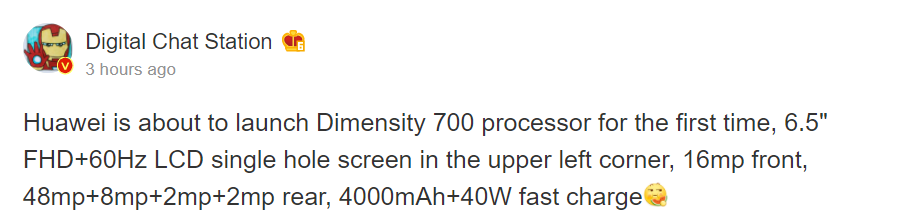
MediaTek announced the 5G-ready Dimensity 700 chipset earlier this month. The chip is designed to bring support for 5G connectivity on affordable phones that are priced under $200. It appears that Huawei could be the first brand to launch a Dimensity 700 SoC powered phone. A fresh leak by Digital Chat Station has revealed the key specifications of the upcoming Dimensity 700 powered Huawei phone.
Specifications of Huawei’s upcoming Dimensity 700 SoC powered phone
According to the tipster, the forthcoming Dimensity 700 SoC powered phone will be equipped with a 6.5-inch LCD screen with a punch-hole at its top-left corner. It will carry support for a 60Hz refresh rate and a Full HD+ resolution. The leak has no information about its RAM and storage capacities.
It has a front-facing camera of 16-megapixel. Its back panel has a 48-megapixel + 8-mgeapixel + 2-megapixel + 2-megapixel quad-camera system. The handset is backed by a 4,000mAh battery that supports 40W fast charging
It seems that the mysterious smartphone could be the CDL-AN50 phone that has appeared at TENAA and 3C certification platforms. At 3C, it was spotted with a 40W charger. There is no word on its pricing. It remains to be seen whether the phone arrives as a Y or Enjoy series phone from the brand.
The 7nm Dimensity 700 5G chipset includes 2 x Cortex-A76 CPU cores clocking at 2.2GHz and 6 x Cortex-A55 CPU cores working at 2.0GHz. For graphics, the SoC has Mali-G7 MC2 GPU that works at 950MHz. Other features of the Dimensity 700 SoC include up to 12 GB of LPDDR4x RAM, UFS 2.2 storage, up to 2520 x 1080 pixels screen resolution, up to 90Hz refresh rate, up to 64-megapixel cameras, dual-frequency GPS, Bluetooth 5.1, and Wi-Fi 802.11ac.
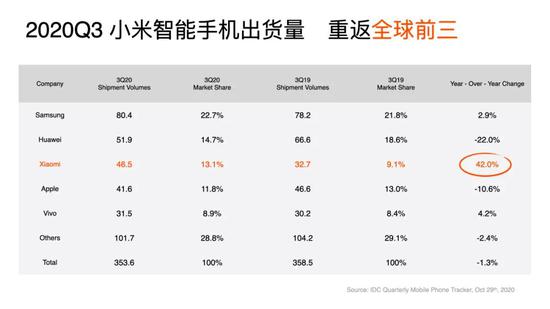
Xiaomi founder and CEO Lei Jun was among the participants at the 2020 Yabuli Forum Annual Meeting held on November 18. As would be expected, he spoke about the Chinese company and his speech focused on three common misconceptions about Xiaomi in the society.
There are likely more than three misconceptions people hold about Xiaomi but Lei Jun narrowed it to three which he considers as the major ones. One of them, he says, is that most people consider Xiaomi products as all low-end products. This is likely a function of the company being a Chinese brand and the average price of the models which are often cheaper than what you’ll find elsewhere.
To correct this wrong notion, he stated that the company started manufacturing high-end products starting with the Mi 10 Extreme Commemorative Edition. Lei Jun says the phone is one of the best-selling mobile phones this year. Also, the 98-inch smart TV priced at 20,000 yuan was also released and it is also extremely popular.
The second misconception is that Xiaomi’s products are all manufactured by OEM. Lei Jun admitted that he was disappointed hearing this repeatedly. He clarified that it deploys the foundry model which is also a very advanced production model.
He also disclosed that the company set its sight on establishing itself as a force in the manufacturing industry. The company commissioned the most sophisticated smart production line in China which is almost fully automated. The smart factory which is located in Yizhuang, Beijing can produce 10 million ultra-high-end smartphones annually and has only 100 staffs including engineers. The interesting thing about the factory is that all the equipment, except the placement machine, is self-developed by Xiaomi or a company Xiaomi invested in. In order to build this factory, reportedly invested in 110 smart equipment companies in three years.
Finally, the third misconception is that Xiaomi has no technology. Lei Jun didn’t answer directly but talked about the growth of Xiaomi’s business in the past 10 years. In 2011, Xiaomi’s revenue was only 500 million, and by 2019 it has reached 205.8 billion, ranking 422 in the Fortune Global 500. Xiaomi is in the most fiercely competitive field in the world. There are Apple, Samsung, and Huawei. He noted that to achieve such growth, you cannot live without technology as a foundation.
The leading camera technology on the flagship Mi models is another example the CEO used to squash talks of the brand not having its own technology. Lei Jun hinted that Xiaomi made the decision to smash camera technology four years ago which is 2016 when Xiaomi’s mobile phone business established a core device department with a camera group under it.
In May 2018, it strengthened the establishment of a single-level camera department, Lei Jun says. When it was first established, there were only 122 engineers in the camera department. Today, the number of engineers in the camera department has reached 826, an increase of nearly 6 times. This does not include the more than 350 engineers who provide technical support for cameras such as AI.
Lei Jun also hinted that the company set up its camera R&D centres in cities across the world where they recognise there are talents. Thus, there are nine R&D centres located in Beijing, Paris, Tokyo, Santiago and other cities. the results Xiaomi’s flagship devices attaining the top ranking on DXOMark with rave reviews.
The CEO also talked about the brand’s charging technology including its GaN charging adapter. Although a minor tech product, the popularity and speed with which Xiaomi started manufacturing cheap GaN adapters shows its determination to help more persons adopt leading technological solutions.
Finally, Lei Jun expressed the hope that in the next ten years, Xiaomi will promote Chinese manufacturing and Chinese design to truly become a world-renowned, world-class brand.(via)
US chipmaker Qualcomm traditionally announce its next-gen flagship smartphone processor in December. This year isn’t likely going to be an exception as the company is expected to announce the Snapdragon 875 chipset on December 1.
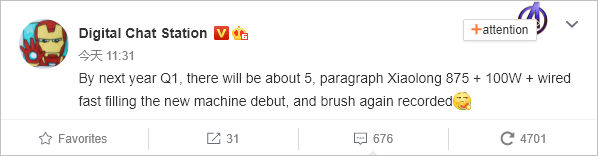
Already, a few details of the Snapdragon 875 is out in the open and more keeps coming. Noted Chinese tipster Digital Chat Station recently reeled out the models that will likely be among the first set that would be launched with the SD 875 chip. The tipster did mention Xiaomi, Black Shark, OPPO, Vivo, OnePlus models, among others.
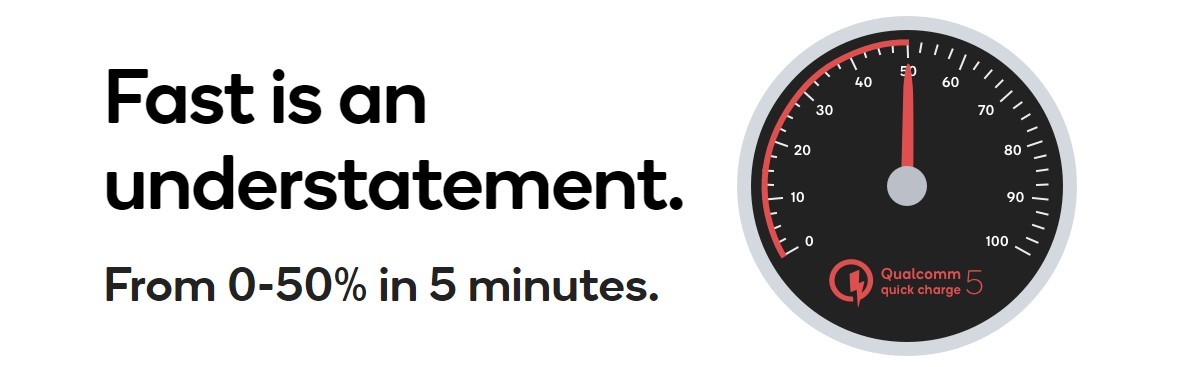
Digital Chat Station has once again disclosed that five models will be launched with the new chip in Q1 2021. He also disclosed that the device will arrive with support for 100W fast charging thanks to the latest Quick Charge 5.
While he left off the names of the models, we can guess the Galaxy S21 will be among them. The OnePlus 9 Pro and Xiaomi Mi 11 are also expected to make the cut for release in Q1 2021. All three models have at different times hopped on the database of GeekBench.
The Snapdragon 875 will come with support for 100W fast charging and that may have prompted the rumour by the tipster that all the five models for release in Q1 will have support for 100W charging. The latest leaks suggest that Samsung will stick with 45W for the S21 Ultra, OnePlus and Xiaomi will probably want to promote their own charging solutions as well.
Whether the rumour turns out to be true or not, it is exciting to look forward to what the new Cortex-X1 core can do. The core allegedly promises 20% higher sustained performance than the Cortex-A78. The Snapdragon 875 and the Exynos 2100 will be the first chips to use the X1 core.
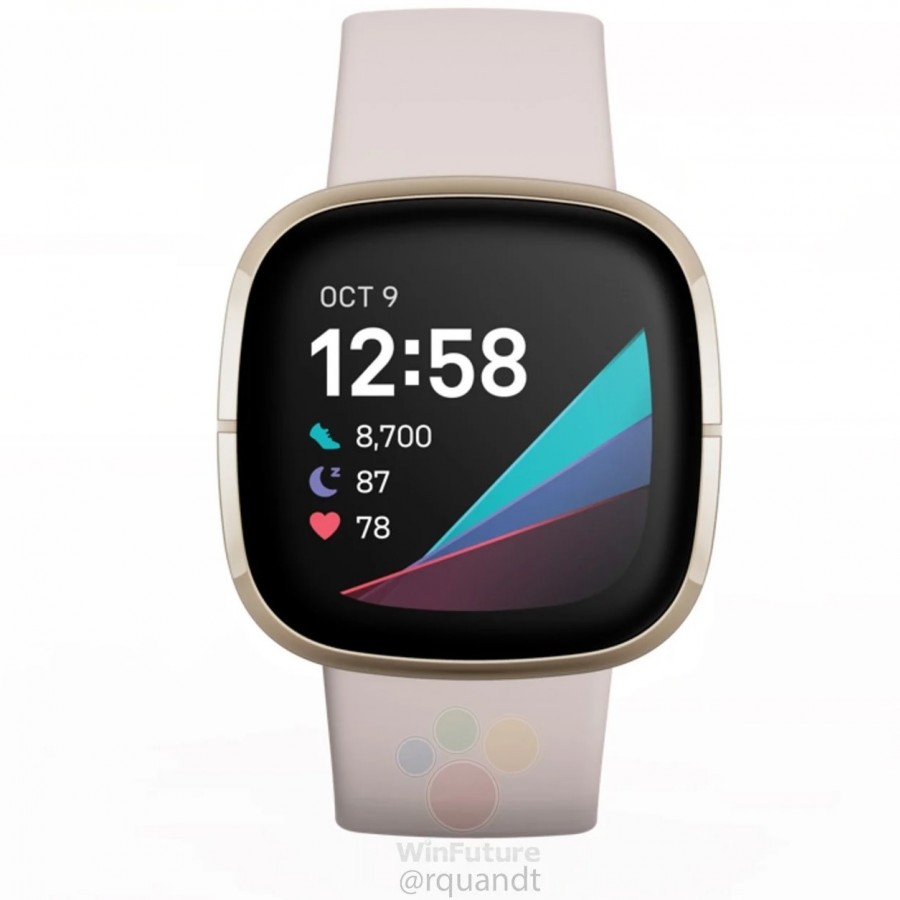
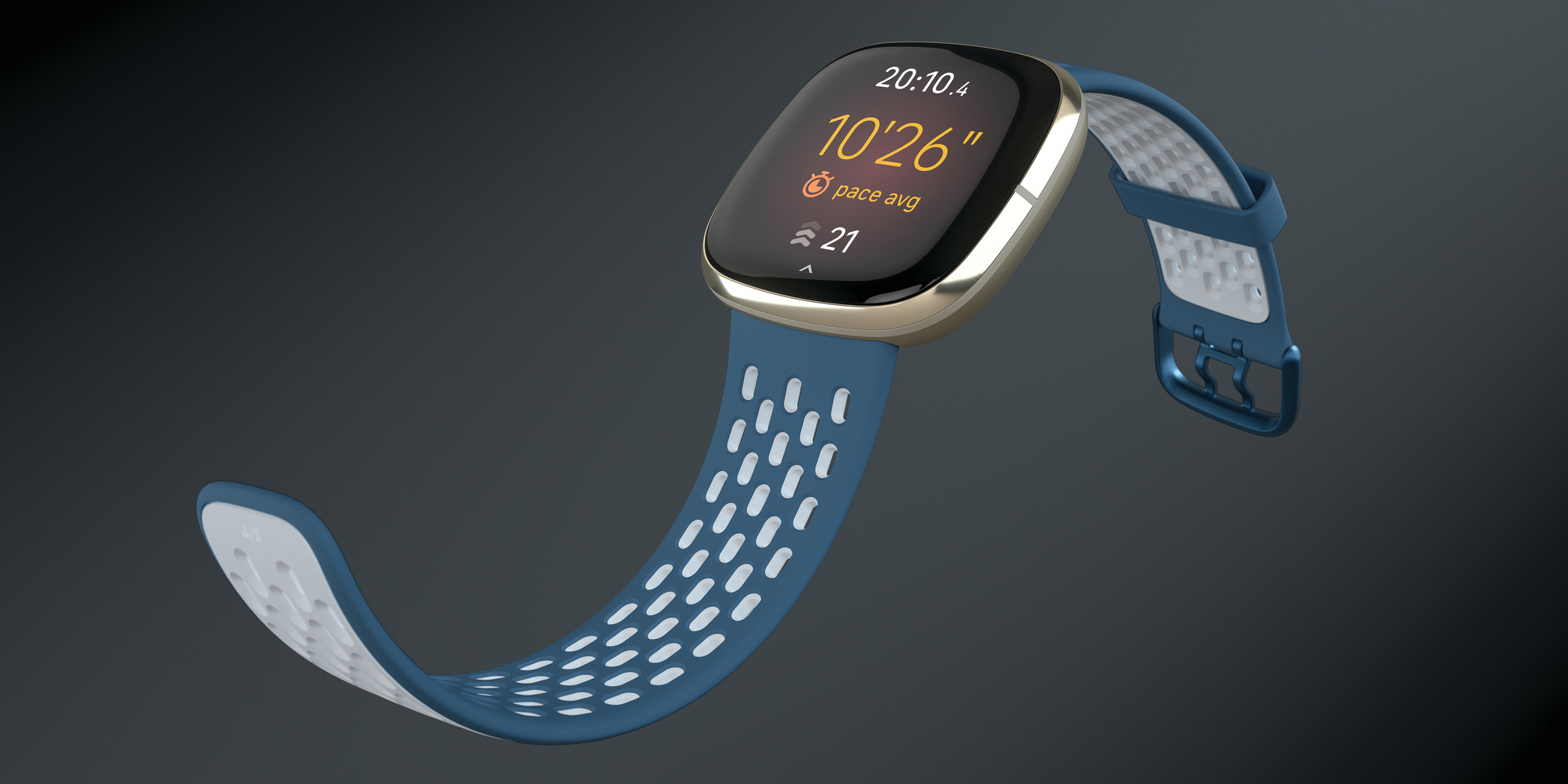
American consumer and fitness electronics company Fitbit has announced that Google Assistant will be part of some of its devices when its next firmware update commences. The fitness tracker company is projected to finalize its takeover by Google within Q1 2021, will incorporate the voice assistant to the Fitbit Sense and Versa 3 when they are upgraded to Fitbit OS 5.1 which rolls out today.
Industry watchers say that the update implies that both gadgets will now be able to offer Google Assistant and Amazon Alexa, which is already available on the Versa 2 and 3. At launch, Google Assistant will still lack some functionalities. For example, Google Assistant would be unable to reply to voice prompts by the user via the built-in speaker as happens with Alexa, but this is expected to be activated in a subsequent upgrade, slated for mid-2021. Instead, responses will appear as text on the screen.
With the introduction of Google Assistant to these devices, Android users would now be able to dictate replies to SMS text messages on their wrists, as well as being able to use the speaker and microphone to make or answer calls via Bluetooth. In fact, the bulk of these activities could only be achieved with your phone, as there is very little Google Assistant functionality in the watch itself- all voice prompts are routed via Bluetooth back to the phone for processing. Without your phone, it cannot function.
Google Assistant will be available in Fitbit OS 5.1 for the Sense and Versa 3, from today. There is only the US-English at this time for English speaking countries. However, by early 2021, we expect to see it roll out in many more countries when these languages would have been incorporated. The upgrade will thus be available to the global market in the major languages and dialects by early 2021.
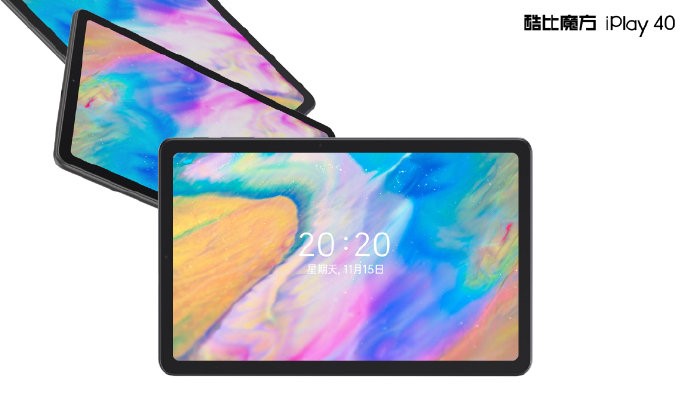
Alldocube has announced a new tablet in China. Going by the name, it is likely a successor to the iPlay 30 that went on sale a month ago. One of the highlighting points is that the tablet is powered by a UNISOC SoC.
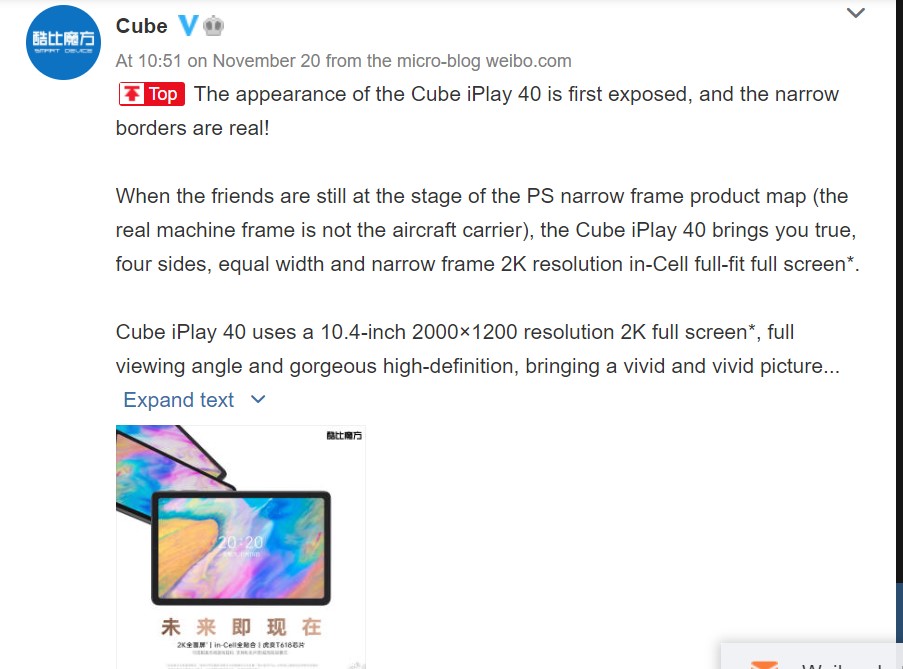
Alldocube took to Weibo(via ITHome) to showcase the tablet design along with key specifications. Design-wise, it has a micro-frame design with equal bezels on all sides. A selfie camera is barely visible at the top. The company says that the device has a thickness of about 7.8mm.
That said, the render doesn’t reveal any other info like ports, colors, rear camera, and more. But the display is a slight improvement over the iPlay 30 which has 1920×1200 pixels. For the unware, Alldocube is a Chinese digital brand and focuses on Android tablets, Windows 2-in1 PCs, MP3 & MP4 Players, E-books, and more.
Accordingly, the tablet features a 10.4-inch 2K in-Cell full-screen display with equal borders. The display supports a resolution of 2000×1200 pixels and the company says the High-end in-Cell tech will help in a better viewing experience. Further, the company also mentions that the above tech will improve touch response. This is something we will have to wait till the entire specs are out to know more.
Moving on, the device is powered by the UNISOC Tiger T618 chipset. If you recall, ZTE launched a UNISOC version of the Axon 20 5G, a few days ago. The chipset is UNISOC next-gen octa-core CPU built on a 12nm process. Regarding the cores, it has 2xCortex-A75 cores clocked at 2GHz, and 6xCortex-A55 clocked at 2GHz. It has a Mali G52 3EE game-level GPU.
In case you don’t know, UNISOC is China’s fabless semiconductor company headquartered in Shanghai. It is primarily known for making mobile chipsets like T7520, T7510, T710, and more. Some of the notable devices launched with UNISOC SoCs include HiSense F50 5G, Nokia C3,ZTE Blade V2020, HiSense R11 5G, and more. And more smartphones with it’s latest Tiger T7520 5G chipset will debut in 2021.
Coming back, other specs of iPlay 40 includes four speakers, a customized UI, and more. Sadly, Alldocube hasn’t revealed anything other than these about the device. In fact, we don’t have a price or a launch date just yet. However, considering it’s already been announced, we think it won’t take much longer for the tablet to hit the markets.
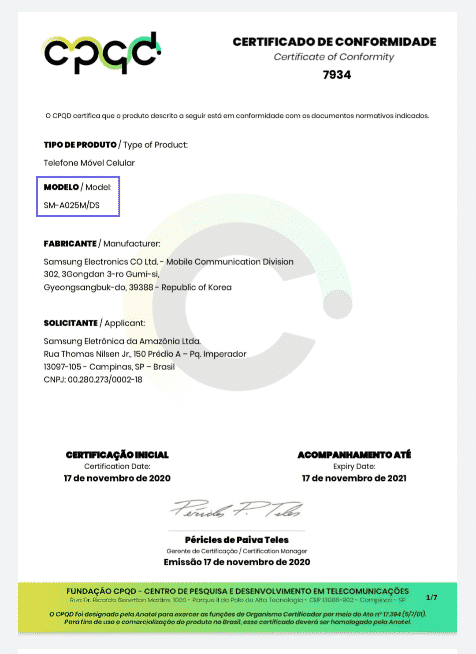
Samsung is said to be working on two budget devices, Galaxy A02, and Galaxy M02. Among this, the Galaxy A02 hit several certifications like Bluetooth SIG, FCC, NBTC. Now, the device has appeared on TUV Rheinland Certification revealing battery and charging specs.
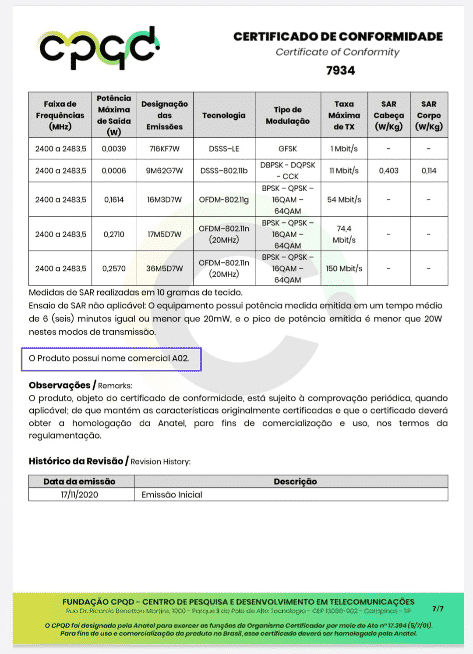
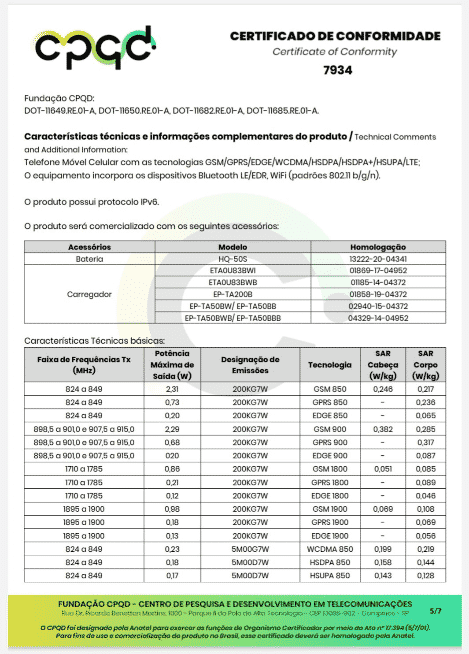
As reported by Root MyGalaxy(via Sammobile) a Samsung smartphone with model number SM-A025M appears on CPQD R&D center of Latin America and has an ‘A02’ moniker. This is similar to earlier Bluetooth certifications which showed a model number SM-A025F. All these suggest that the device is indeed Galaxy A02. Next, the listing also shows that the device’s battery and charger have model numbers HQ-50S and EP-TA200B.
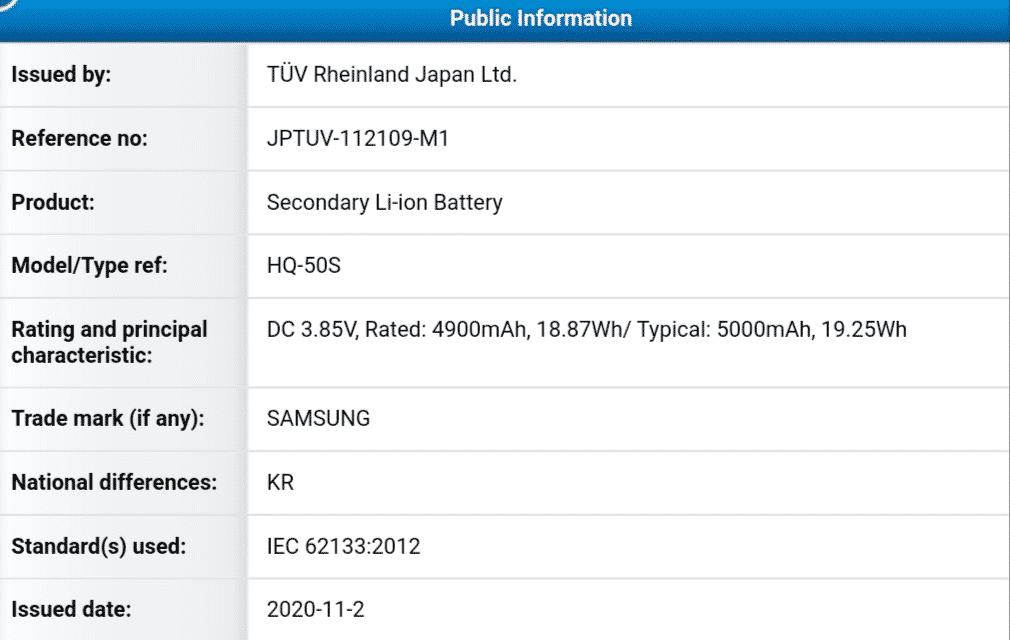
Further, a device with a similar battery model number is spotted on TUV Rheinland Certification. It shows that the device has a 5,000mAh battery. Also, an earlier SGS Fimko listing reportedly suggests that EP-TA200B could indicate 15W charging on the A02. In any case, the battery is about 60% improvement in battery from the predecessor Galaxy A01 which had only 3,000mAh capacity.
Anyway, talking about specs, the Galaxy A02 is likely to feature a 5.7-inch HD+ display. Early reports say that the device could sport Qualcomm Snapdragon 450 SoC paired with 2/3GB RAM, and likely have 32/64GB storage. As for the optics, it is likely to sport a 13MP main and a 2MP sensor on the rear, and an 8MP selfie camera.
Early Bluetooth and Wi-Fi certifications reveal that the device will have Bluetooth 4.2, Wi-Fi 802.11b/g/n for connectivity. That said, we can also expect others like 4G LTE, GPS, GLONASS for navigation. Also, considering this is likely a budget device don’t expect it to have the latest Android 11 out of the box just yet.
Considering the device’s model number is already on Latin America’s Samsung Support page, we feel that the device isn’t that far away from launch.
Do you need a phone supporting 5G connectivity sold at the most affordable price? Then you should have a look at Realme 7 5G, OPPO A73 5G, and Motorola Moto G 5G. THanks to their midrange chipsets, they are actually available at very good street prices and you can get them for less than €300 or €250 in the global market. But which one is the best affordable 5G phone in the lowest price range between these three devices? This comparison will help you find out by highlighting the main difference between their specifications.
Triple 16 + 8 + 2 MP f/1.2, f/2.2 and f/2.4
8 MP front camera
Triple 48 + 8 + 2 MP f/1.7, f/2.2 and f/2.4
16 MP f/2.2 front camera
BATTERY
5000 mAh, fast charging 30W
4040 mAh
Fast charging 18W
5000 mAh, Fast charging 20W
ADDITIONAL FEATURES
Dual SIM slot, 5G
Dual SIM slot, 5G
Dual SIM slot, 5G
Design
When it comes to affordable phones, the look is never a priority. These devices are all built with plastic materials, their designs are good but not amazing. What really makes the difference to me is dimensions. The OPPO A73 5G has a more compact body, a thinner design and it is even lighter than its rivals. That is why I would pick the OPPO A73 5G if you would ask me to pick the handset with the best aesthetics. I do not like the Moto G 5G with its rear-mounted fingerprint reader; the Realme 7 5G is the most elegant if we only consider the look.
Display
I appreciate a lot the display of the Realme 7 5G because it provides a very high 120 Hz refresh rate. It is very rare to find a 120 Hz display among very affordable phones. On the other hand, the Motorola Moto G 5G offers a very good image quality with its LTPS panel supporting the HDR10 certification. Even finding an HDR display on affordable phones is very rare. If you want a smoother viewing experience, then go for the Realme 7 5G, otherwise you should choose the Motorola Moto G 5G.
Hardware/Software
The Snapdragon 750G found on the Moto G 5G is a slightly better processor than the MediaTek Dimensity 800U found on the Realme 7 5G. However, in order to get similar performance to the Realme 7 5G, you should go for the most expensive variant of the Motorola Moto G 5G featuring 6 GB of RAM and 128 GB of internal storage, because the base variant is just 4/64 GB. With the Realme 7 5G you get min 6/128 GB and up to 8 GB of RAM. The OPPO A73 5G is inferior to both with its Dimensity 720.
Camera
The most complete camera department belongs to the Realme 7 5G featuring a 48 MP quad camera including an ultrawide sensor and a pair of 2 MP sensors for macro and depth calculation. But despite it has just three sensors, in various scenarios the Moto G 5G may shoot better photos thanks to its brighter focal aperture. Unfortunately, the OPPO A73 5G is not a great device as a camera phone. You get a below-average 16 MP triple camera.
Battery
Both Realme 7 5G and Moto G 5G offer a big 5000 mAh battery, but the Moto G 5G should last more in most of the scenarios because it lacks a high refresh rate. On the other hand, the Realme 7 5G charges faster thanks to its 30W fast charging technology which is able to charge the handset from 0 to 50 percent in just 26 minutes (100 percent in 65 minutes). The OPPO A73 5G is thinner and more compact, but it has a smaller 4040 mAh battery which can not compete with Realme 7 5G and Motorola Moto G 5G.
Price
If you want a unit of the OPPO A73 5G or the Moto G 5G, you need €300/$355 (listing price). The Realme 7 5G starts from €279 but it is available for €229/$270 for a few days thanks to the launch promo. If you find it for €229, go for the Realme 7 5G without thinking twice. Otherwise, Moto G 5G may be a slightly better handset for your needs.
The festival season is here and so are the discounts on smartphones, TVs, and other electronic items. Significant discounts on almost each technology product bring enough motivation to plunge buyers into making a purchase. Most of the smartphone manufacturers offer bargaining deals to make the most during the onset of the festive season. Realme is among the first smartphone manufacturers to barge into the Black Friday sale bandwagon.
The Chinese smartphone electronics maker is aggressively bringing new devices including smartphones, wearables and other IoTs. The company recently launched the Realme 7 5G smartphone in Europe and India at an affordable price. On the eve of Black Friday, Realme is offering massive discounts on its popular smartphones in Europe via Amazon and its own official website. The Black Friday Deals will end on Novemeber 30 or till the stocks last. Here’s the list of devices which are on sale
Realme devices on Black Friday Sale
Realme 7 5G
It is an ultra-affordable 5G smartphone launched for users in Europe and India. The smartphone features MediaTek Dimensity 800U SoC.
A flagship 5G smartphone is available at a compelling price of £529 which is £100 off than the actual price. The smartphone sports 65W charging technology which can fully charge the battery within 35 minutes (0%-100%).
Other devices including Realme 6i and Realme Buds Q wireless earbuds are also available at reduced prices. Most of the deals are applicable until the stocks last. So, we suggest grabbing the deal as soon as the sale goes live.
Rising Chinese tech brand OPPO recently announced what looks to be the world’s first rollable smartphone, aptly referred to as OPPO X 2021 ‘concept’ device. The company has also stated that the device is more durable than could be imagined.
A few visuals of the OPPO concept device shows that it is an amazing device that phone lovers will find intriguing and the reviews have been impressive. The device works fine and is a reflection of the creative team at OPPO. During the unveiling event, the company’s hardware structural engineer, Jin Xiang, provided some exciting perspectives on the OPPO X 2021, stating that the smartphone has been extensively tested and performed admirably.
He states that the phone has been put through 100,000 curls/rolls testing without any damage. The test involves expanding and retracting the display 100,000 times. The OPPO hardware executive also said the limit was even not breached with this test. It is therefore indicative of the power of the smartphone to withstand consistent rollings for several years, without any damage.
This is quite an impressive milestone for the OPPO brand. The OPPO X 2021, however, is yet to go on sale, as there are still several hurdles before it is passed for production. A recent report hinted that the expected launch date is 2022, as the display is being fine-tuned.
OPPO hardware structural engineer Jin Xiang at a recent press conference said, OPPO X 2021 has been tested rigourously for 100,000 curls. 50 times a day shouldn't be a problem. It can be used for five years, and 100,000 times is not the limit. pic.twitter.com/OYMvRZJZEq
That display’s manufacturer is BOE, and a tipster has pointed out that it may not be ready for mass production until 2022. That’s quite a long wait that could tip the scales away from OPPO, as LG is planning to release a rollable smartphone within the first half of 2021. Samsung is also known to be working on this concept as well.
OPPO, however, is the first manufacturer that presented watchers with a view of a working unit of the device. They may as well pip others to the record of the first rollable smartphone if it is released earlier than the projected 2022 release date.
We use cookies on our website to give you the most relevant experience by remembering your preferences and repeat visits. By clicking “Accept”, you consent to the use of ALL the cookies.
This website uses cookies to improve your experience while you navigate through the website. Out of these, the cookies that are categorized as necessary are stored on your browser as they are essential for the working of basic functionalities of the website. We also use third-party cookies that help us analyze and understand how you use this website. These cookies will be stored in your browser only with your consent. You also have the option to opt-out of these cookies. But opting out of some of these cookies may affect your browsing experience.
Necessary cookies are absolutely essential for the website to function properly. This category only includes cookies that ensures basic functionalities and security features of the website. These cookies do not store any personal information.
Any cookies that may not be particularly necessary for the website to function and is used specifically to collect user personal data via analytics, ads, other embedded contents are termed as non-necessary cookies. It is mandatory to procure user consent prior to running these cookies on your website.