Advertisement

DxOMark announces new benchmark for Wireless Speakers

Earlier today (5th November 2020), DxOMark announced a new benchmark to test the sound quality of wireless speakers. The new benchmark would be called DxOMark Speaker and will have the firm test a variety of speakers.

DxOMark

For those unaware, DxOMark is a known brand that reviews and tests professional grade and consumer grade cameras as well as the cameras found in smartphones. The ratings it provides are known to be taken with great regards in the industry, so the expansion will also open up more avenues for the firm. The company will use scientific rating and aggregate hundreds of test results for each speaker that they test.

According to Nicolas Touchard, VP Marketing at DxOMark, “the speaker market offers a wide range of products and audio technologies. Consumers purchasing speakers require more information beyond what is communicated by manufacturers. With our new performance benchmark, we provide relevant objective information that helps buyers make more informed purchasing decisions, similar to what we have been providing for smartphone and camera consumers across the world.”
DxOMark
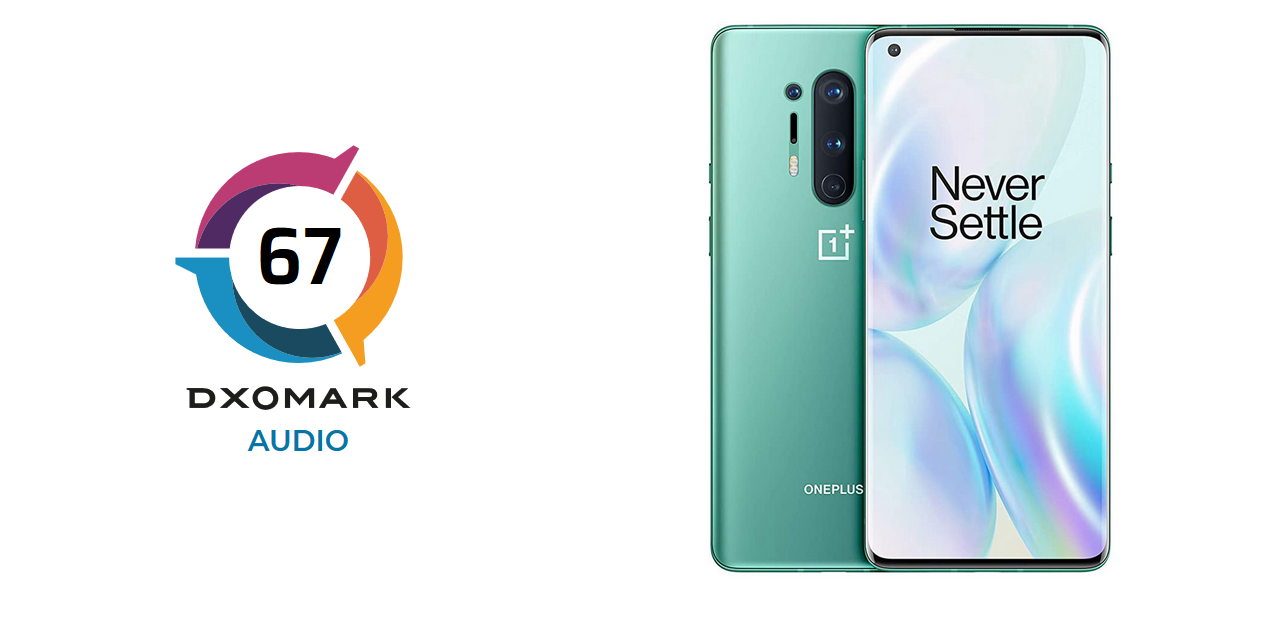
Audio Rating for the OnePlus 8 Pro

Notably DxOMark has performed audio testings since 2018 and even included smartphones in this category by 2019. Now, the firm will have a dedicated team of sound engineers perform tests for wireless speakers using state-of-the-art lab systems and proprietary test protocols, which will be based around the consumers’ experience.


Samsung Vizion 33D ToF lens can track objects at 120 fps from up to 5m away

The new Samsung ISOCELL Vizion 33D is a ToF (Time of Flight) 3D sensor, which can accurately map the distance and even track fast moving with faster autofocus and video bokeh effects as well.

Samsung

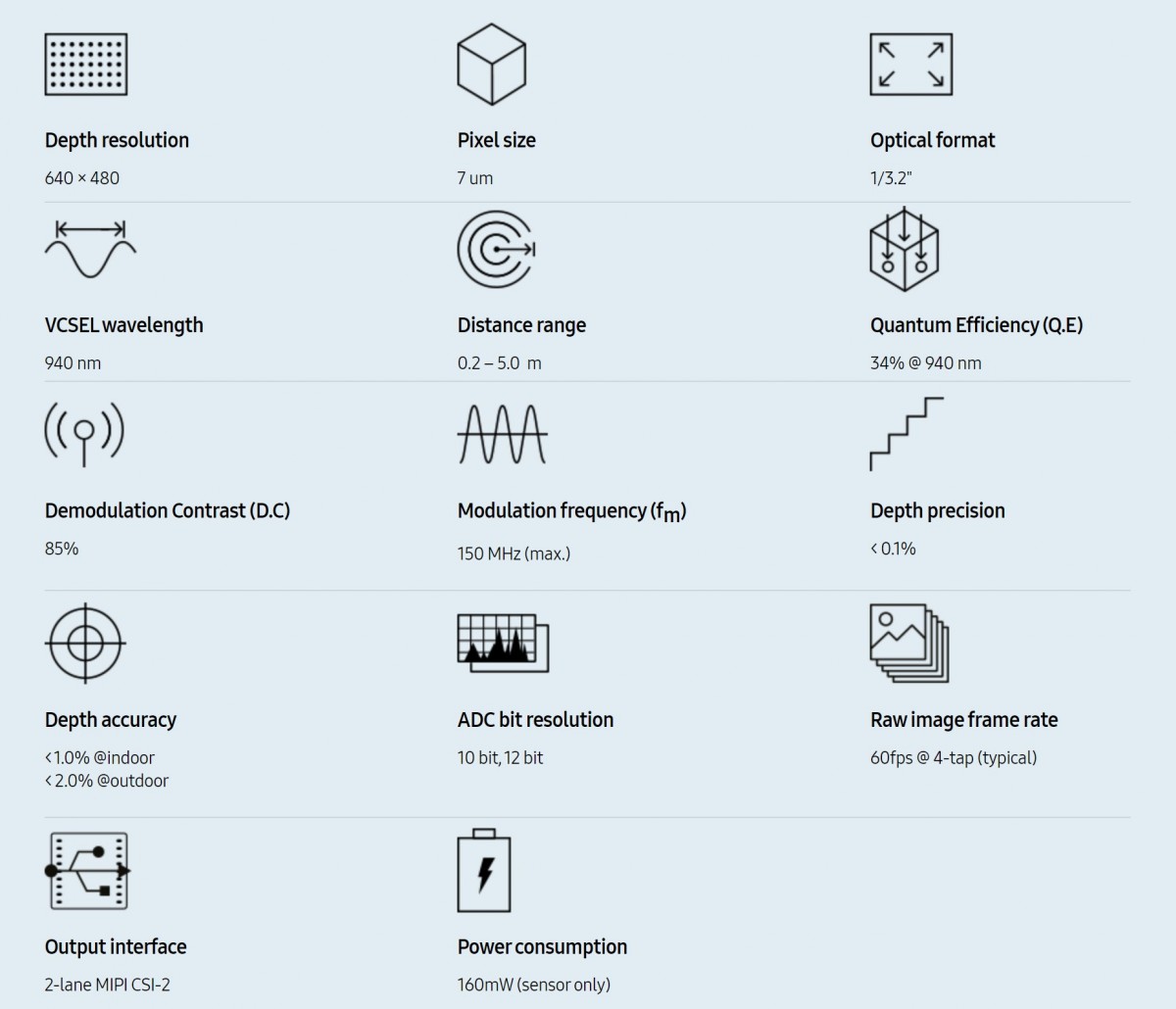
The new sensor from the South Korean tech giant can produce depth maps with 640 x 480 px resolution and can even measure the distance between 0.2 meters to up to 5 meters with 10 or 12 bit resolution. Furthermore, another notable aspect of the sensor is that it can go up to 120 frames per second when capturing for low latency tracking, as per a GSMArena report.

The Samsung ISOCELL Vizion 33D sensor only requires 200 mW of power when used as an autofocus assist (both for sensor and IR illumination). Although, it does require up to 400mW of power when being used for continuous tracking, AR games, and for video bokeh rendering. But regardless, this amount still shouldn’t noticeably impact the smartphone’s battery life.

Samsung

Interestingly, this new sensor can also be used to serve as a Face ID component. In other words, it can be used for biometric security to make secure payments through apps. So we might see this sensor being placed on the front as well as the back in future Samsung devices. The previously launched Galaxy S20 Ultra also uses a ToF sensor, so additional future Galaxy devices might soon sport this new sensor as well.


Xiaomi Mi Pocket Power Bank Pro with 22.5W charging support launched for ₹1,099 ($15)

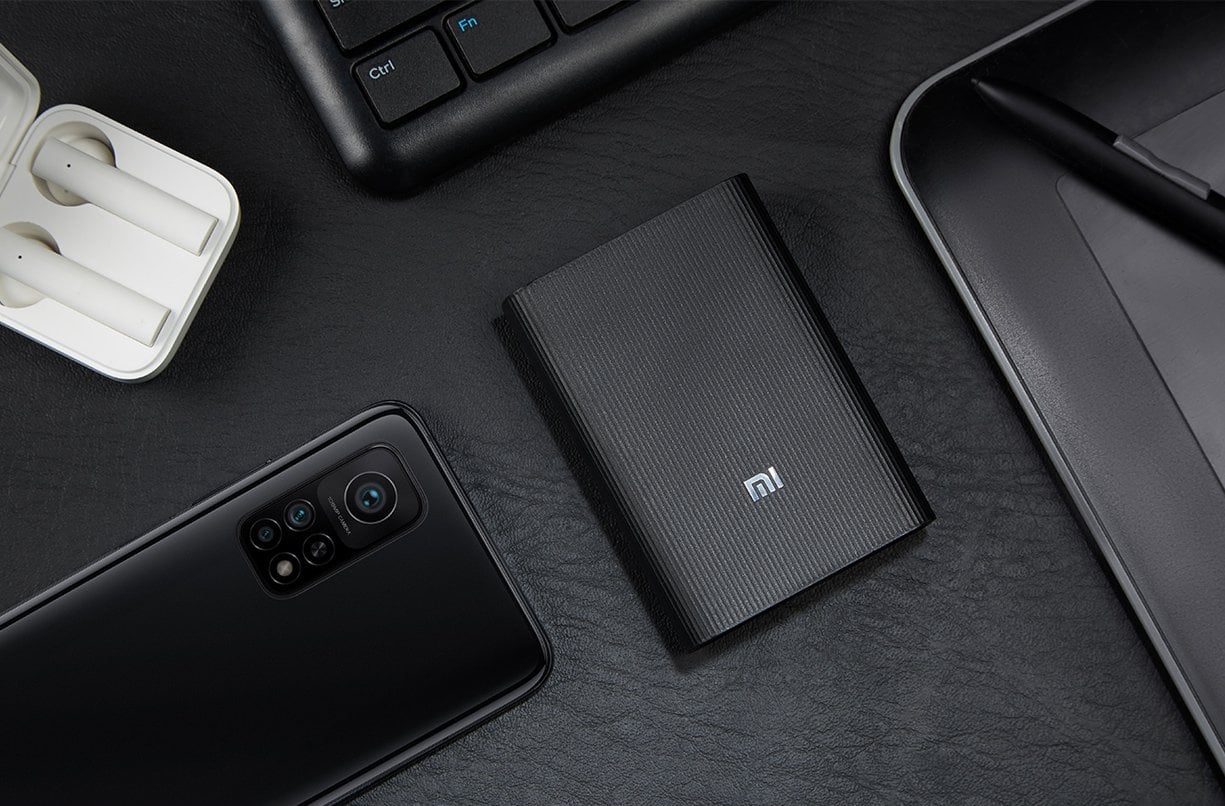
Apart from Mi Notebook 14 e-Learning Edition, Xiaomi has also launched Mi Pocket Power Bank Pro in India. As we predicted, it is a rebranded Mi Power Bank 3 Pocket Edition, which debuted in China recently. However, unlike the original, the version announced for India features a black color paint job and is assembled in the country itself.

Xiaomi Mi Pocket Power Bank Pro Featured

Mi Pocket Power Bank Pro Specifications & Features

The newly launched Xiaomi power bank in India is the company’s smallest as well as fast charging power bank ever in the country. But it comes with the standard 10,000mAh capacity and the body is made of PC (Polycarbonate) + ABS (Acrylonitrile Butadiene Styrene) material.

Further, it features the following ports.

  • 2 x USB Type-A (Output)
  • 1 x USB Type-C (Input/Output)
  • 1 x MicroUSB (Output)


It can output current at a maximum rate of 22.5W and also supports other charging speeds such as 22.2W, 15W, 12W (only via Type-A), and a minimal charging mode for accessories like TWS, fitness trackers, and similar products.

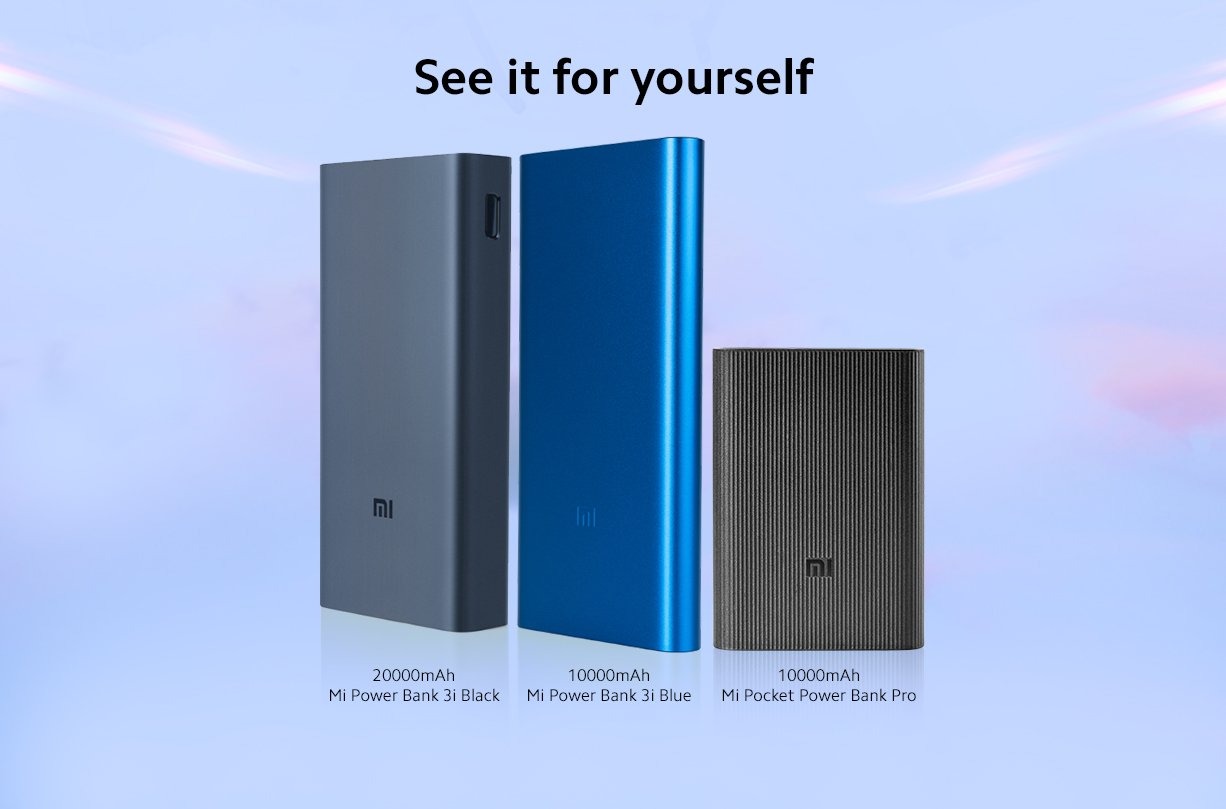
Xiaomi Mi Pocket Power Bank Pro Size Comparison
Xiaomi Mi Pocket Power Bank Pro Size Comparison with Mi Power Bank 3i

As for input, the power bank charges at a rate of up to 22.W via Type-C but also supports 15W, as well as, 18W and 10W via MicroUSB. Since it works over USB Power Delivery (PD), it can be used to charge a wide variety of devices and any high power PD charger can fill it up at the maximum rate.

Last but not least, the power bank bears model number PB1022ZM, measures 9.0 x 6.39 x 2.44cm in dimensions, weighs about 200g, and ships with a USB Type-C cable.

Mi Pocket Power Bank Pro Pricing & Availability

The Xiaomi Mi Pocket Power Bank Pro is priced at ₹1,099 ($15) and is already up for sale on Mi.com. Customers can also buy it from Mi Home retail stores across India.


Apple to produce 2.5 million MacBooks with in house chips by February 2021

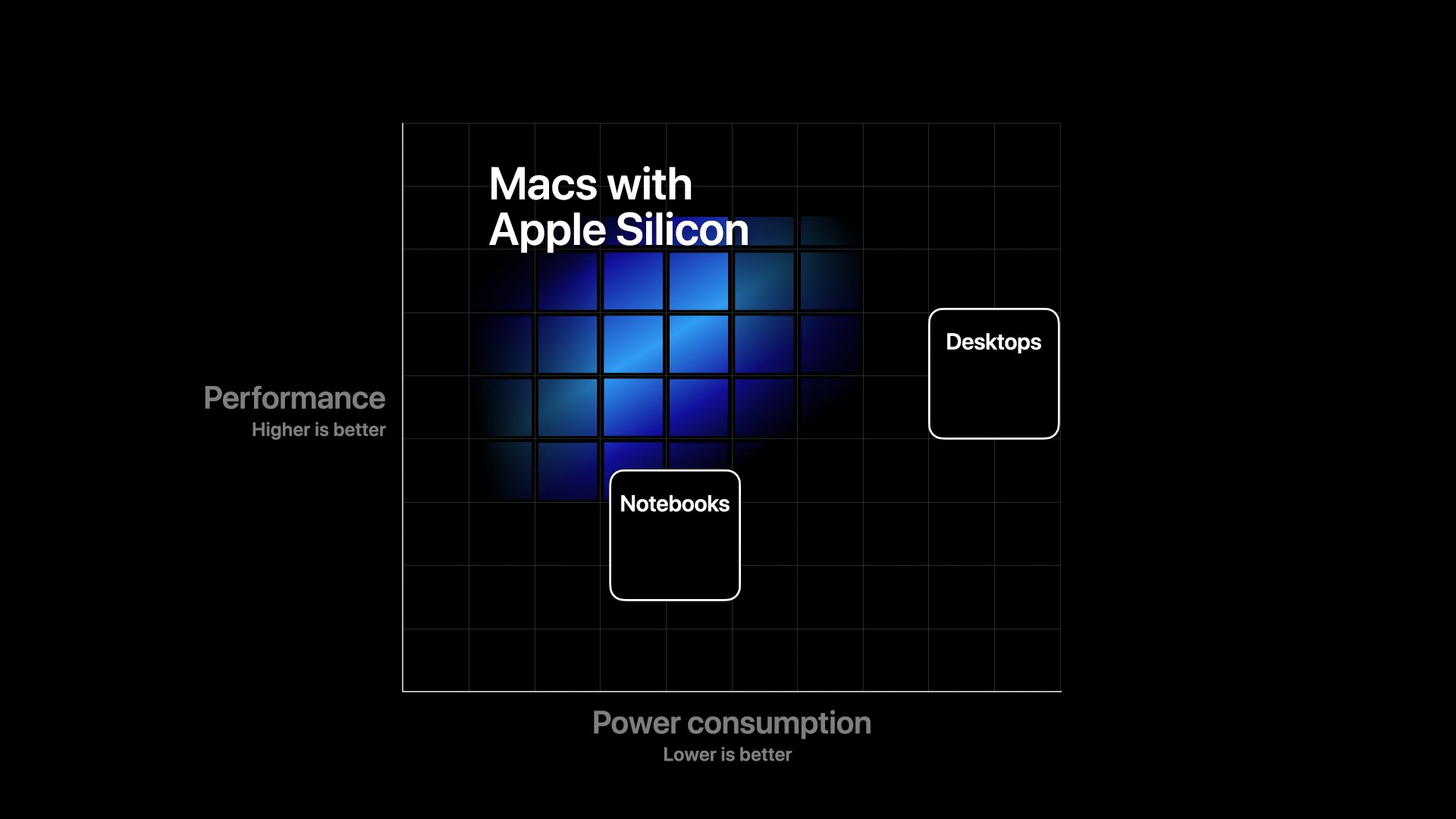
Apple is planning on making about 2.5 million MacBook laptops powered by its in house CPUs by February 2021. The Cupertino based giant has asked its suppliers to produce the amount and is looking to rapidly shift away from its reliance on Intel processors.

Mac Apple Silicon Performance

According to an AsiaNikkei report, the company is giving out these initial orders for the first MacBooks that will be powered by the new Apple Silicon processors. The figure amounts to about 20 percent of the total MacBook shipments from 2019, which had a total of 12.6 million units being shipped, as per sources. Furthermore, Apple has already placed orders for its previous gen iPhones as they are expected to see robust sales during the holiday season since its 2020 flagship has already seen a month long delay due to the pandemic.

For those unaware, Apple announced that it would be shifting to a proprietary chip design for its laptops and desktops earlier this year. The move would essentially have the company reduce its reliance on Intel and bring it more in line with its other products like the iPhone, which have always used proprietary chips. Apple is scheduled to host an online launch event on 10th November 2020, in which, the company will announce the MacBooks with Apple Silicon CPUs.

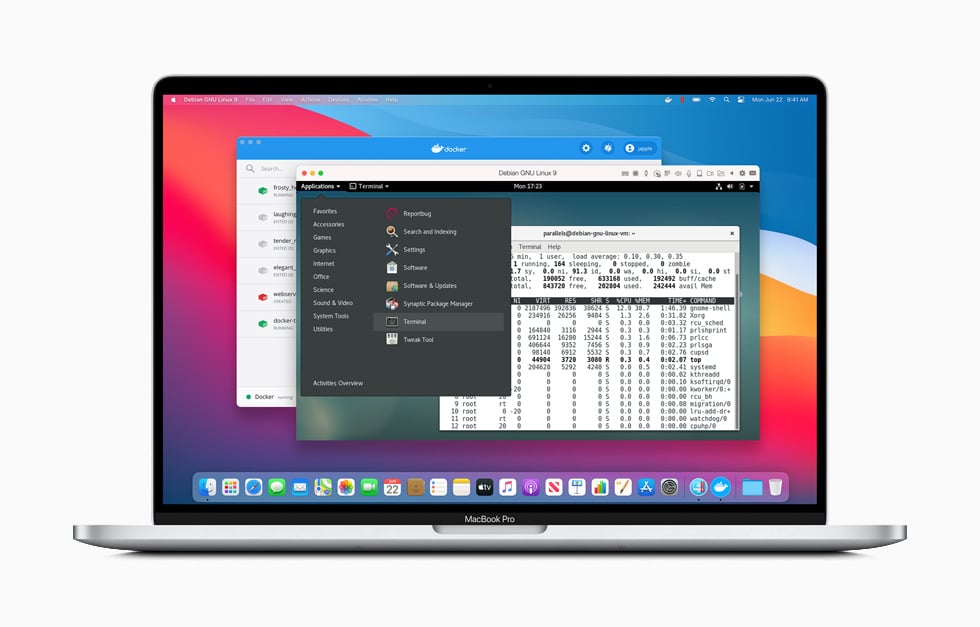
MacBook Apple Silicon

Additionally, next week is also when the iPhone 12 Mini and iPhone 12 Pro Max also start shipping after their initial delay. The company is already seeing higher than expected demand for its latest iPhone lineup, which has also caused it to struggle due to supply constraints. Thus, Apple is also reallocating resources from iPads towards iPhone 12 Pro, as per sources close to the matter.


Samsung Galaxy S21 Ultra receives NFC certification

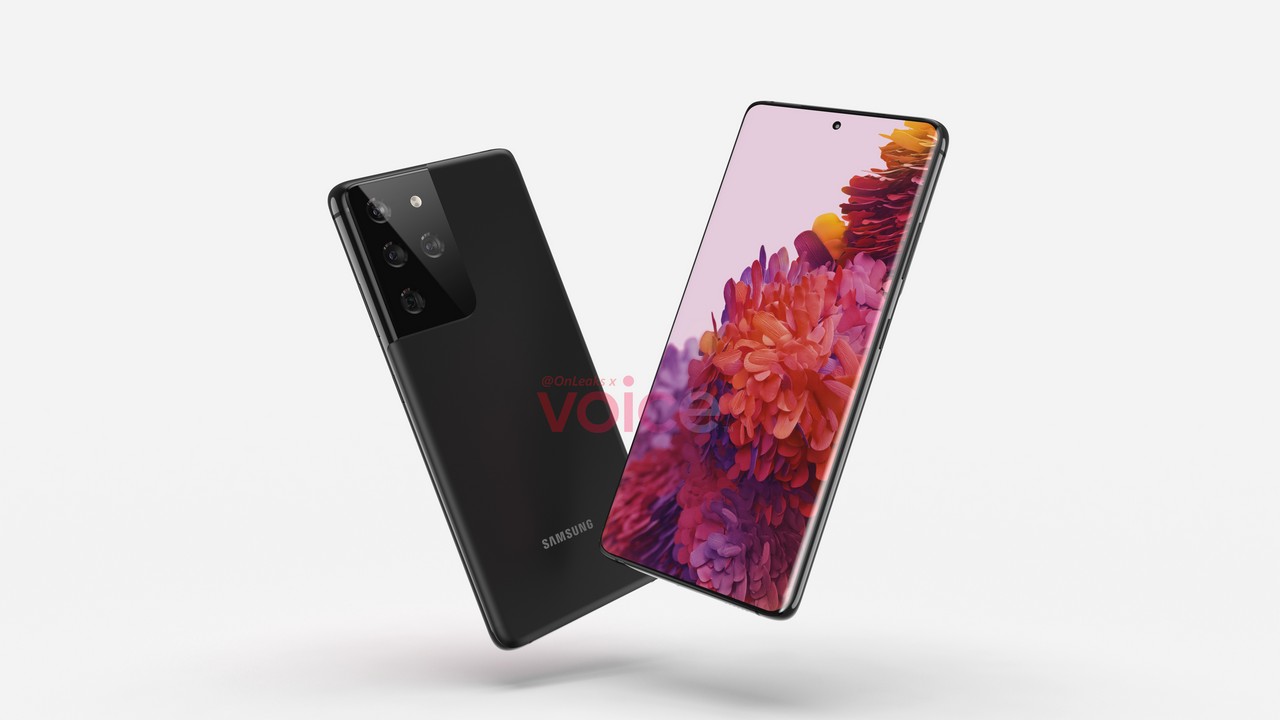
Multiple reports have claimed that Samsung is gearing up to launch the Samsung Galaxy S21 series in January. It was revealed in July that the lineup includes three models such as the Galaxy S21, Galaxy S21+, and Galaxy S21 Ultra. The report also revealed that the SM-G991, SM-G996, and SM-G998 are the model number of three models. Today, the Galaxy S21 Ultra bagged certification by the NFC Forum. This certification serves as another hint the Galaxy S21 series will debuting earlier next year in January.

Except for the SM-G998U model number, the NFC listing has no information on the specs of the Galaxy S21 Ultra. A battery of the device with model number EB-BG998ABY was approved by the TUV Rheinland certification platform in September. It revealed that the S21 Ultra will arrive with a 5,000mAh battery.

Recent reports have also revealed plenty of vital information on the specs of the S21 Ultra. The handset is expected to house a 6.8-inch AMOLED screen with a punch-hole design and curved edges. The display will offer Quad HD+ resolution and a 120Hz or 144Hz refresh rate.

Galaxy S21 Ultra
Galaxy S21 Ultra render

Based on the region, the S21 Ultra will either feature the Snapdragon 875 or Exynos 2100 chipset. The Android 10 OS with One UI 3.0 will come preloaded on the device. The smartphone is expected to arrive with a 108-megapixel quad camera setup. Some leaks have claimed that it has five rear-facing cameras. It may arrive with 60W or 66W fast charging support.

The Galaxy S21 Ultra may come in black, silver, and violet. The handset along with its Galaxy S21 and Galaxy S21 Plus siblings are rumored to launch on Jan. 14 followed by a market release on Jan. 29.


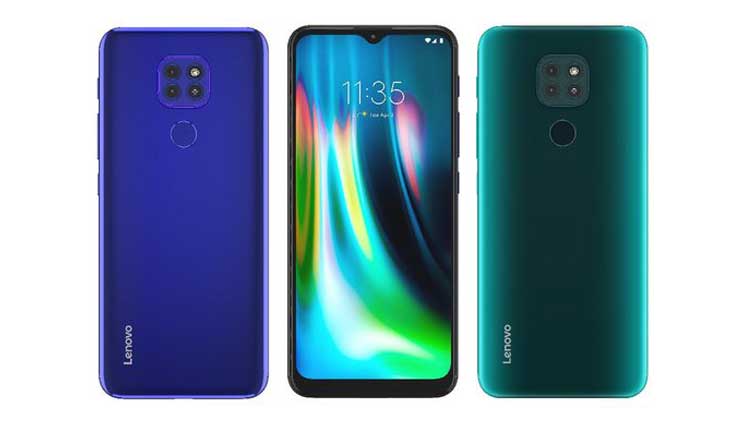
Lenovo K12 Note with Snapdragon 662, 48MP triple cameras, and 5,000mAh battery launched

The Lenovo K12 Note mid-range phone went official earlier this week. The discreetly announced phone arrived as a rebranded version of the Indian Moto G9 (also known a Moto G9 Play in Europe). The K12 features a tall aspect ratio display, a 48-megapixel triple camera setup, and a large-sized battery.

Lenovo K12 Note specifications and features

The Lenovo K12 Note has a 6.5-inch IPS LCD display that offers an HD+ resolution of 720 x 1600 pixels. The Android 10 OS comes preloaded on the device. The rear side of the phone features a fingerprint sensor, and it has a dedicated button on the right side for accessing the Google Assistant.

Lenovo K12 Note
Lenovo K12 Note

The Snapdragon 662 chipset along with 4 GB of RAM powers the device. It offers big internal storage of 128 GB and a shared SIM slot for more storage. It is backed by a 5,000mAh battery that comes with support for 15W fast charging.

The Lenovo K12 Note possesses a front-facing camera of 8-megapixel. The rear side of the phone features a square-shaped camera module that includes a 48-megapixel main camera, a 2-megapixel macro shooter, and a 2-megapixel depth assist lens. The phone offers users other features such as dual SIM support, 4G VoLTE, Wi-Fi 802.11ac, Bluetooth 5.0, GPS, USB-C, and a 3.5mm audio jack.

Lenovo K12 Note pricing and availability

The Lenovo K12 Note has landed in Saudi Arabia with a price tag of SAR 599 (~$160). It comes in colors like Sapphire Blue and Forest Green color editions. It is unclear which other markets will be treated with the K12 Note.


Xiaomi India launches Mi Smart Upgrade, a buyback scheme on smartphones

Xiaomi has just launched a new buyback scheme for smartphones in India. Earlier today (5th November 2020), the company announced its Mi Smart Upgrade scheme that is eligible for both Mi and Redmi smartphone users.

For those unaware, a buyback scheme essentially allows users to take their old smartphones back to the same brand in exchange for a new device with a discounted price. In other words, it lets users upgrade to newer models at a more affordable price point. As per reports, an average Indian consumer tends to change their device almost every year, with the value of the smartphone depreciates immediately after buying it. Thus, Mi India seeks to challenge this issue of low resale value through the Mi Smart Upgrade plan.

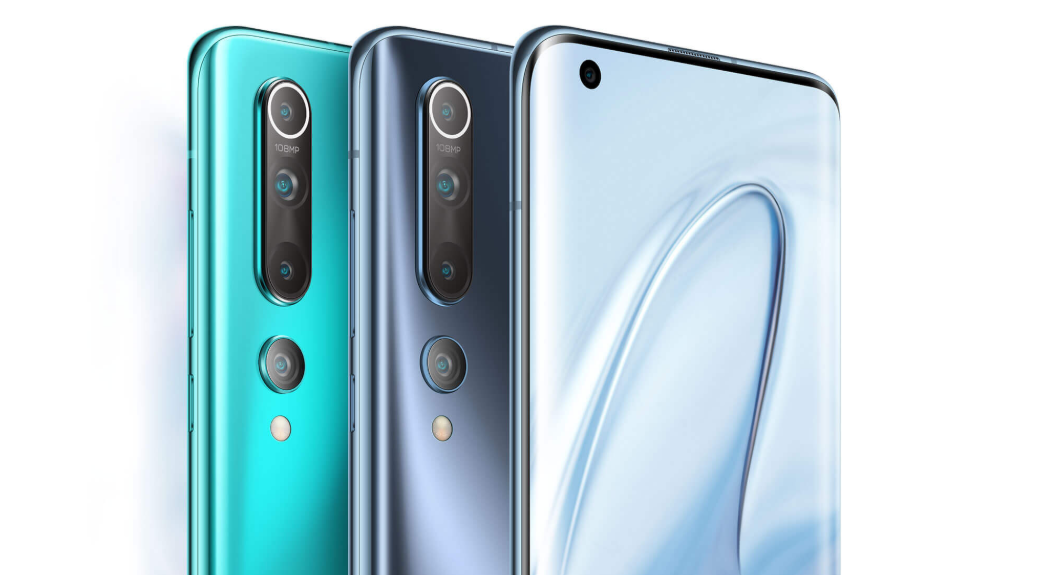
Xiaomi Mi 10 color variants
Xiaomi Mi 10

According to Muralikrishnan B, Chief Operating Officer at Mi India, “We are thrilled to announce our latest offering – Mi Smart Upgrade which is an assured buyback offer from Mi India. We are confident that this plan will create more opportunities for technology lovers to experience innovation through our latest smartphones and also address the need of the hour by making upgrade options affordable, easy, and convenient for our users.”

Through the Mi Smart Upgrade, customers can encash their devices from anywhere between 3 to 15 months from the date of purchase, with the exchange value being anywhere between 40 to 70 percent of the original SRP value of the handset. Furthermore, users can also be assured of 70 percent buyback value for the device under 6 months old, 60 percent for those between 7 to 9 months old, 50 percent on 10 to 12 months, and 40 percent from devices that are 13 to 15 months old.

Xiaomi
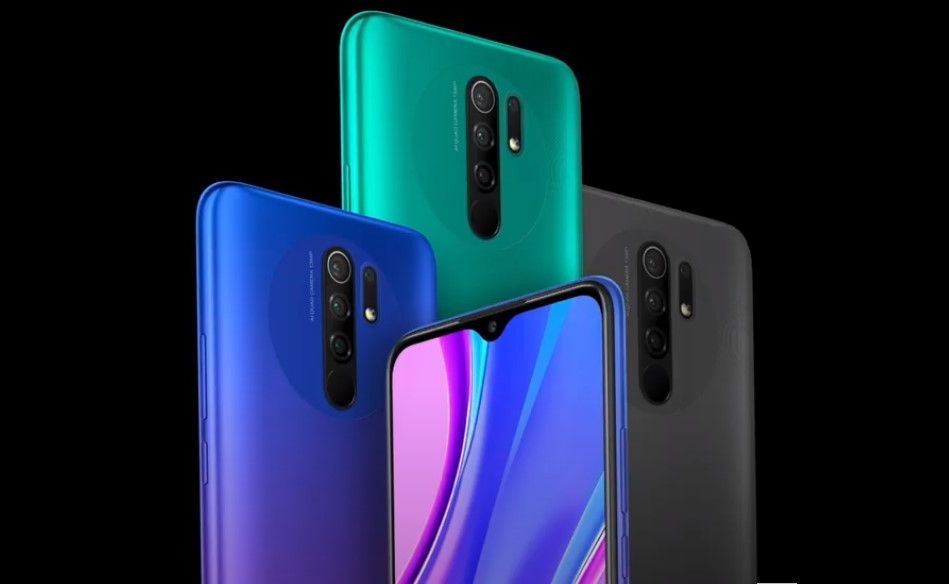
Redmi 9 Prime

The Xiaomi buyback scheme will be available through authorized Mi retailers and can be activated through a simple enrolment process that requires only minimal documentation. Furthermore, users can also purchase buyback options which start from 399 INR (roughly 5 US Dollars) for devices like the Redmi 9 Prime and up to 1,999 INR (roughly 27 US Dollars) for the Mi 10. Customers can also buy the Mi Smart Upgrade plans alongside a new device from authorized Mi retailers.


Xiaomi Mi Notebook 14 e-learning Edition launched in India with Intel Core i3-10110U, 8GB RAM, 256GB SSD & more

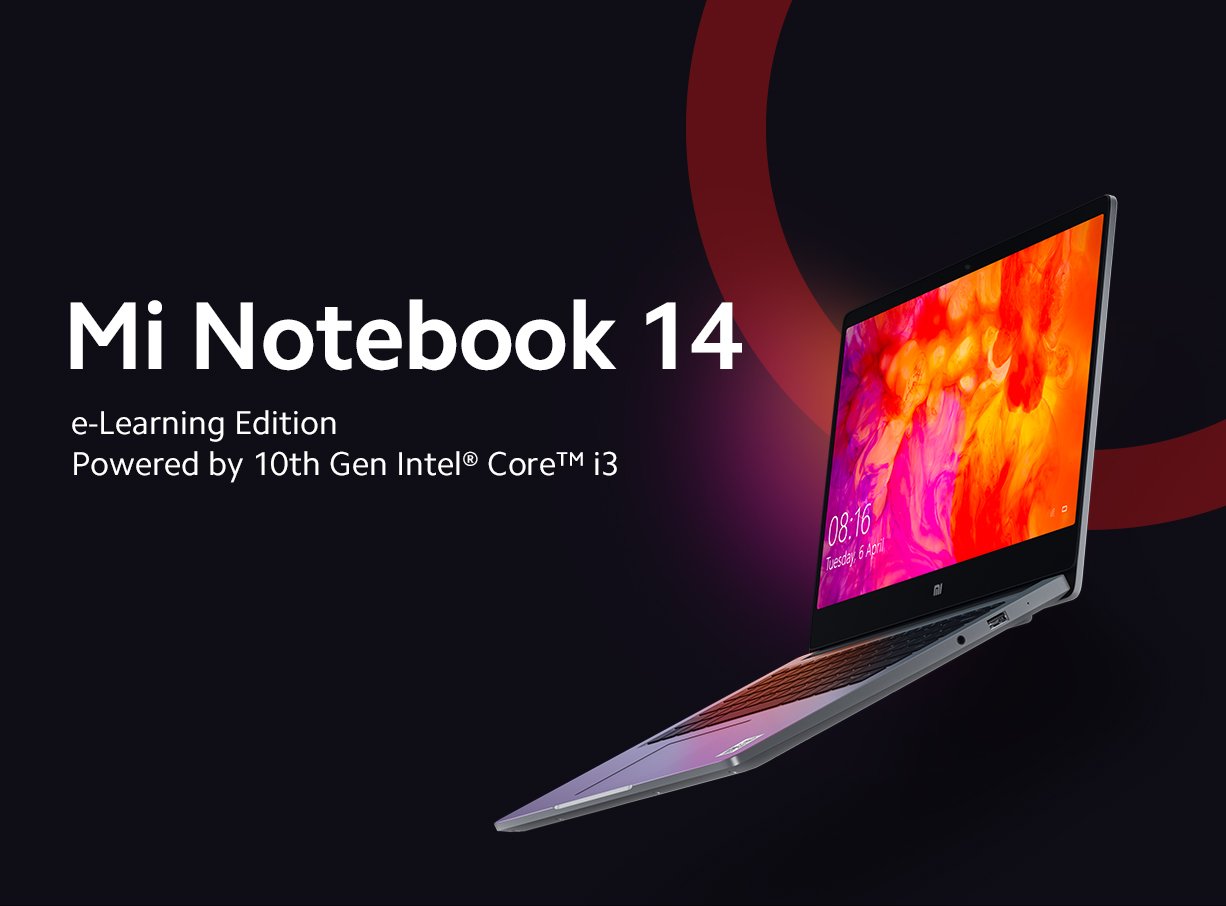
As expected, Xiaomi has launched Mi Notebook 14 e-Learning Edition in India. Unlike the regular Mi Notebook 14 models, this laptop features a less powerful Intel Core i3 processor but comes with a built-in webcam. Above all, it is even more affordable.
Xiaomi Mi Notebook 14 e-Learning Edition Featured

Xiaomi Mi Notebook 14 e-Learning Edition Specifications and Features

The newly launched Xiaomi laptop in India sports a  14-inch FHD (1920 x 1080 pixels) LCD panel with anti-glare protection, 16:9 aspect ratio, 81.2% screen-to-body ratio, and 178° viewing angle. Further, the top bezel of the display houses an HD (720p) webcam, which is missing in the expensive models.

The notebook is powered by a 2.1GHz dual-core 10th Generation Intel Core i3-10110U processor with Turbo Boost up to 4.1GHz and Intel UHD Graphics 620. The chipset is further paired with  2,666Mhz 8GB DDR4 RAM and 256GB SATA 3 SSD.


The laptop comes with a full-size keyboard with scissor switches without Numpad. Then, there’s also a touchpad with multi-touch support. Whereas, for audio, it features 2 x 2W speakers powered by DTS.

As far as connectivity and ports are concerned, the affordable Xiaomi laptop supports dual-band WiFi 5, Bluetooth 5.0, 2 x USB Type-A (USB 3.1 Gen 1), 1 x USB Type-A  (USB 2.0), 1 x HDMI, a 3.5mm headphone jack, and a DC power-in.

Lastly, the new Mi Notebook features a metal unibody design, weighs 1.5Kg, measures 323 x 228 x 17.95mm in dimensions, runs Microsoft Windows 10 Home operating system, and is backed by a 46Whr battery (3,220mAh), which the company claims to offer up to 10 hours battery life. 

Xiaomi Mi Notebook 14 e-Learning Edition Pricing & Availability

The Xiaomi Mi Notebook 14 e-Learning Edition is priced at ₹36,999 ($498) but will be available at an introductory price tag of ₹34,999 ($471) for a limited time. It is already up for sale on Mi.com and Amazon India.


Nokia 6300 and Nokia 8000 4G’s key specs, color options, and more have been revealed
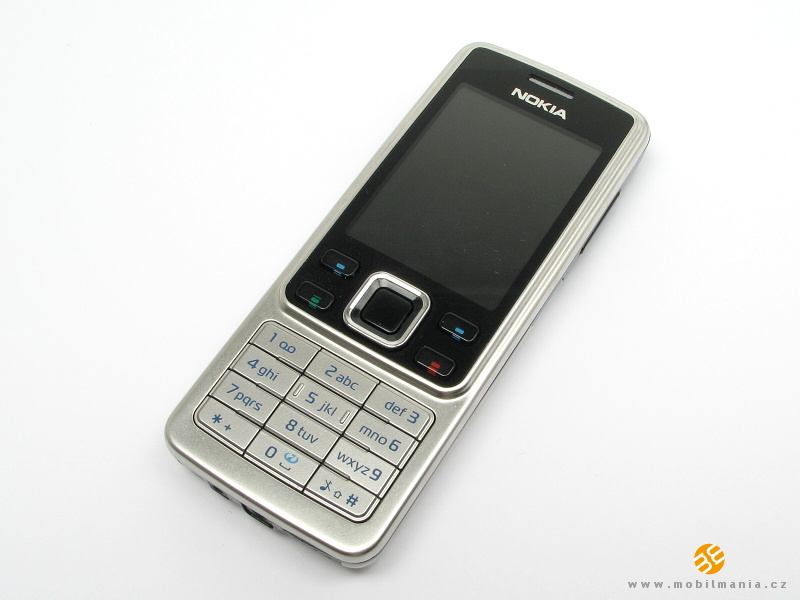
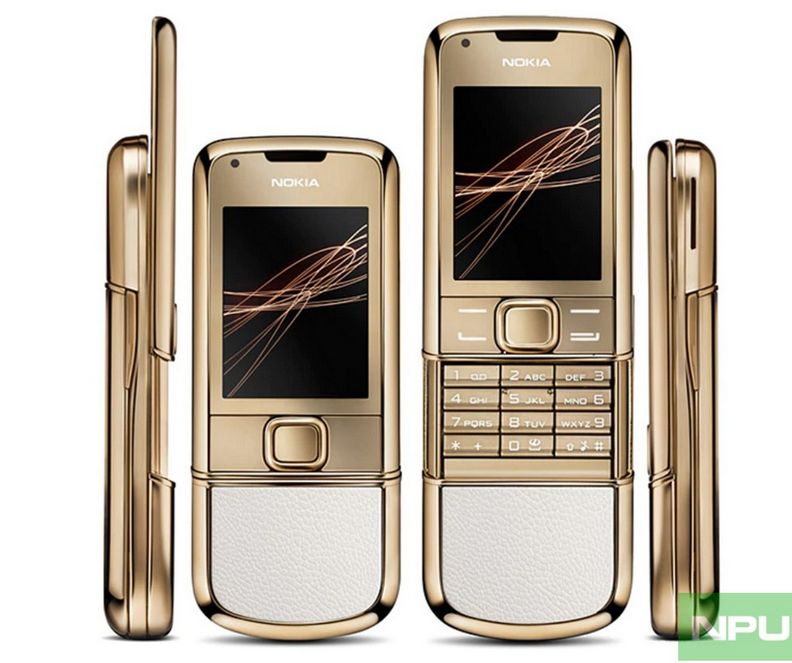
The key specifications of the Nokia 6300 4G and Nokia 8000 4G have been revealed alongside their color variants and other details as well. Both devices are feature phones that will be powered by KaiOS.

Nokia 6300 4G

The Nokia 6300 4G is based on the classic 6300 mobile phone. It will arrive in a single and dual SIM card variant (TA-1294) and will run KaiOS out of the box. The device will be powered by a 1,500mAh battery pack and sports a 2.4 inch display. Under the hood, a single core processor runs the 6300 4G along with 512MB of internal storage and 4MB of RAM, with support for up to 32GB of expandable storage via a microSD card.
Nokia 6300
Nokia 6300 Classic

According to a NokiaPowerUser report, the new Nokia 6300 4G weighs just 104.7 grams with 53 x 131.4 x 13.7mm dimensions. It will be available in multiple color options, including Charcoal, Cyan, and White. For connectivity, the feature phone will offer LTE, GSM/WCDMA, BT v4.0, GPS, GLONASS, and a Micro-USB port.
Nokia 8000 4G

The Nokia 8000 4G isn’t a modern version of any classic device but is likely a successor to the 8800 of the past since it also sports a 2.8 inch display. It will also arrive with a Dual SIM variant (TA-1303) with KaiOS and an identical battery capacity as well. Similar to the 6300 4G, the memory configurations with 512MB storage and 4MG RAM with 32GB expandable storage remains the same.

Nokia
Image Via NokiaPowerUser

The 8000 4G will also offer LTE, GSM/WCDMA, BT v4.0, GPS, GLONASS, and Micro-USB connectivity options as well. It weighs slightly heavier at 110 grams with 56.5 x 132.2 x 12.3 mm dimensions. The upcoming feature phone will launch in multiple color options like Black, Gold, Blue, and White. Both new devices are a part of the company’s efforts to bring refreshed 4G variants of classic devices. But this is all we have to go on, for now, so stay tuned for more updates.


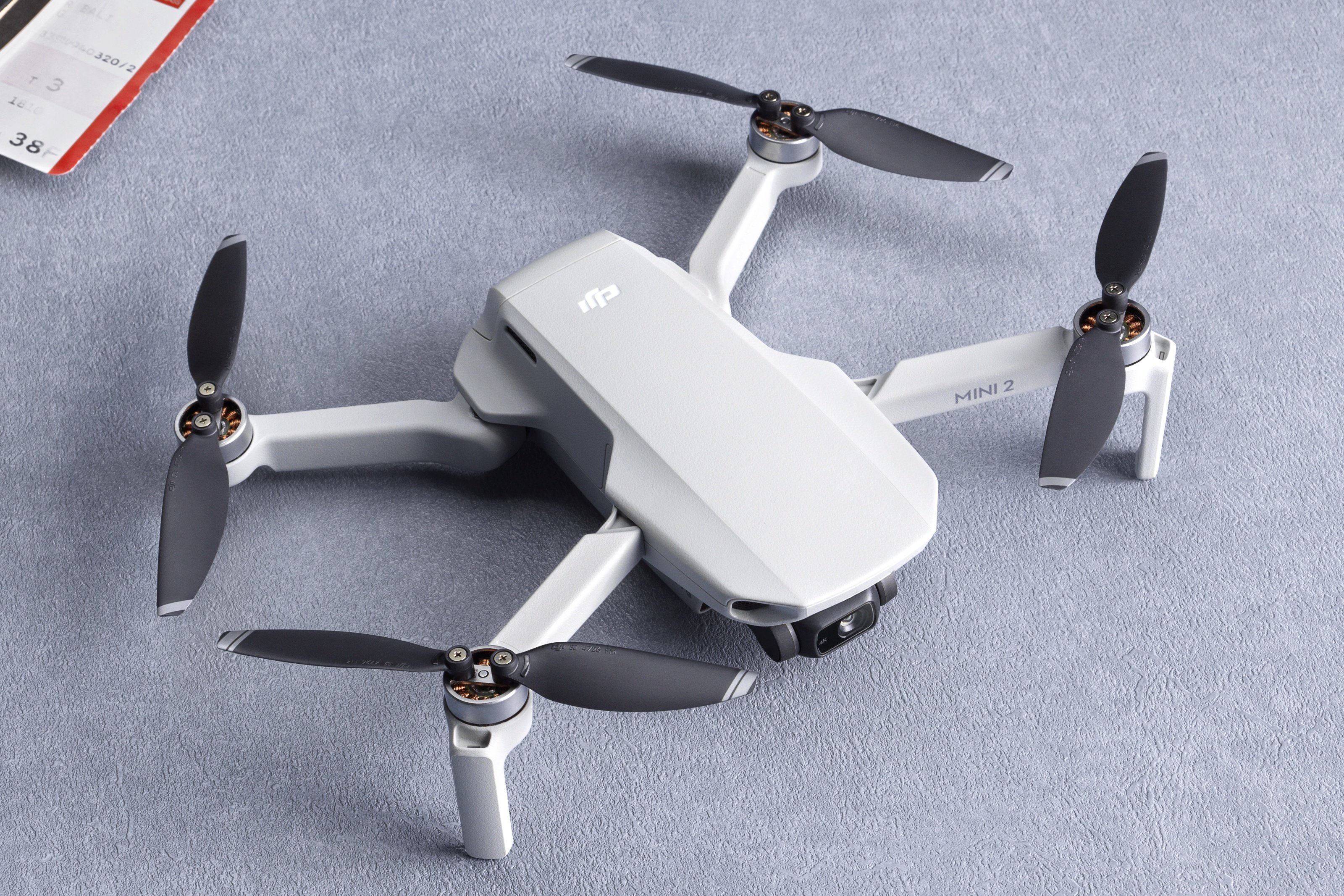
DJI Mini 2 goes official with support for 4K recording; priced at $449

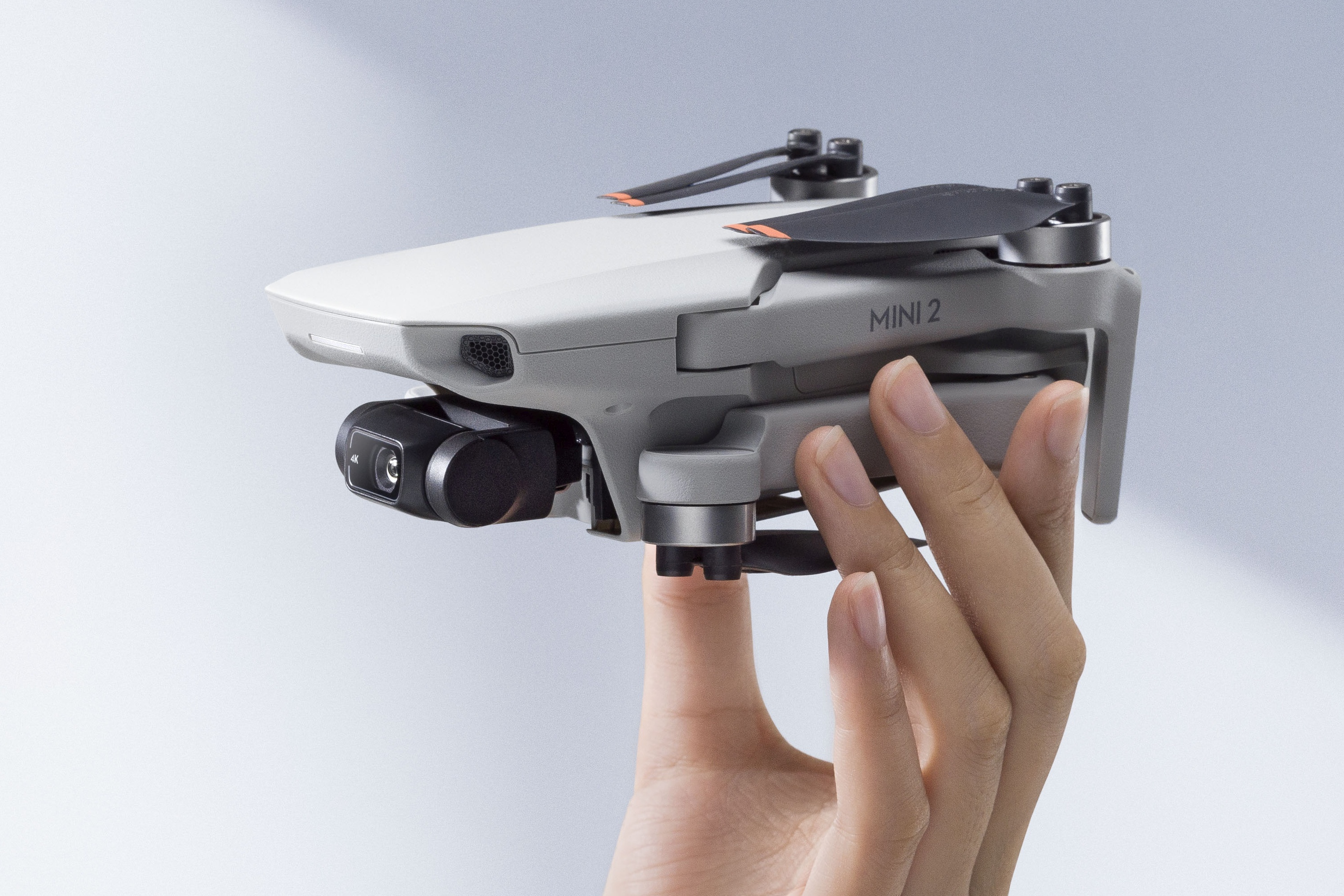
DJI has been announcing new products for the past few weeks and now the company has launched yet another device — DJI Mini 2. As the name indicates, the product is a successor to the Mavic Mini — the company’s smallest drone, but the company seems to have dropped with Mavic branding.

Being a second-generation product, the newly launched DJI Mavic Mini 2 comes with some additional and improved features. It now supports shooting 4K videos at 30fps, an upgrade compared to its predecessor that supports 2.7K recording.

DJI Mini 2

EDITOR’S PICK: LG Rollable might be the company’s first rollable smartphone

The company is still using the same 1/2.3-inch 12-megapixel camera sensor that was found on the original model. This new version also offers support for 4X zoom, where 2X zoom is lossless. Additionally, it also allows users to shoot in RAW format.

DJI has replaced the “enhanced Wi-Fi” feature with its own OcuSync 2.0 for transmission or video streaming. With this, the maximum range has been doubled from 4km to 10km. In the software department, along with QuickShot, it now supports features like QuickTransfer, Enhanced Photo, and Trimmed Download.

DJI Mini 2

As for the flight time, the company adds that it can fly for around 31 minutes on a single charge, almost the same as the original model, with a top speed of 35.8mph. It weighs 249 grams, which means that users won’t need to register this drone with the FAA.

The DJI Mavic Mini 2 is priced at $449 in the United States, which is $50 more than the original model. The device is now available for purchase.


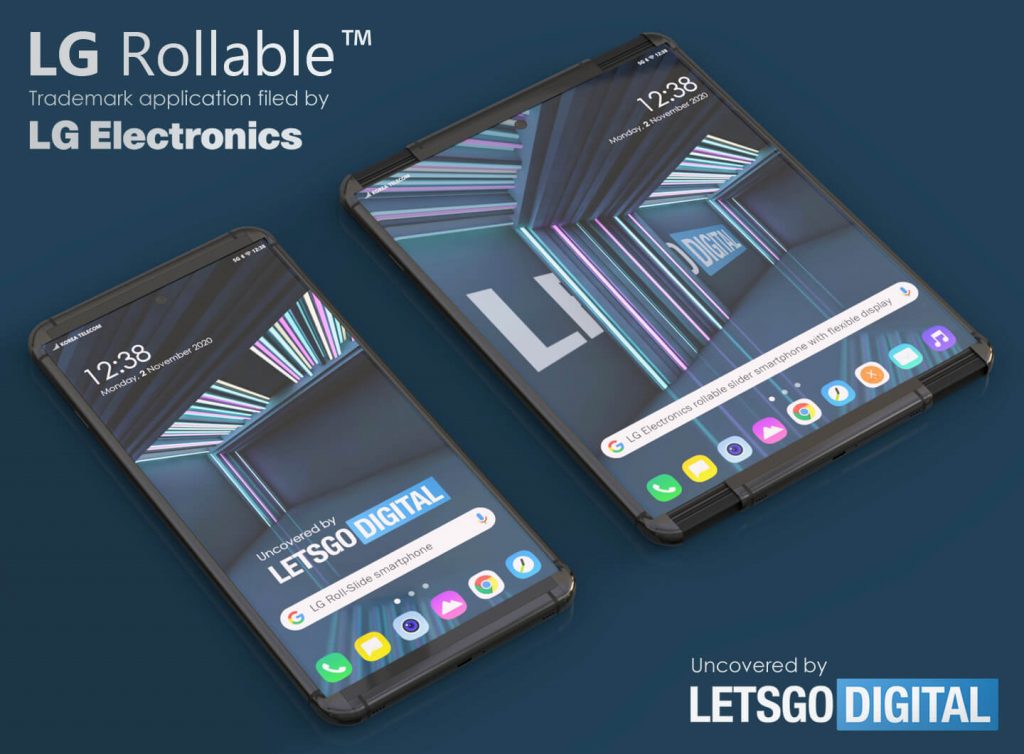
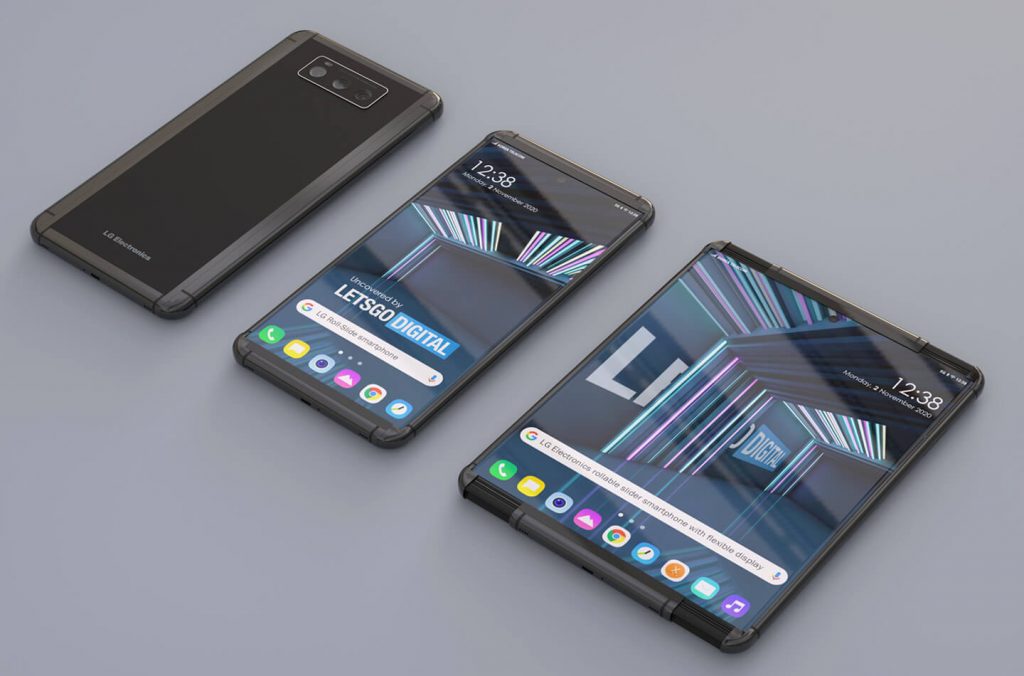
LG Rollable might be the company’s first rollable smartphone

LG is known to have been working with rollable displays for a while now. The company has already unveiled TVs with rollable displays, and now, the South Korean tech giant has also trademarked the name LG Rollable in Europe.

LG

The company had recently launched the LG Wing under its Explorer Project, which basically is an initiative from the brand to launch innovative new products. Thus, we can expect the LG Rollable to also be a part of this project as well. Previously, we had also reported on a patent from the company, which described a device with roll up display that extended from either side of the smartphone.

Shortly after, LG has now registered a trademark for the name LG Rollable with the EUIPO (European Union Intellectual Property Office). This trademark also carried a short description of the product, which suggests that the device might also feature a stylus pen support. Furthermore, the company is also aiming for a very direct and simple branding for its first handset with a rollable device, as per a LetsGoDigital report.

LG

The South Korean company is expected to launch its first rollable device within the first quarter of 2021. Unfortunately, finer details regarding the device are also currently unknown as well. So we will have to wait for an official company announcement or a leak to know to have more information regarding the rollable device. So stay tuned for more updates.


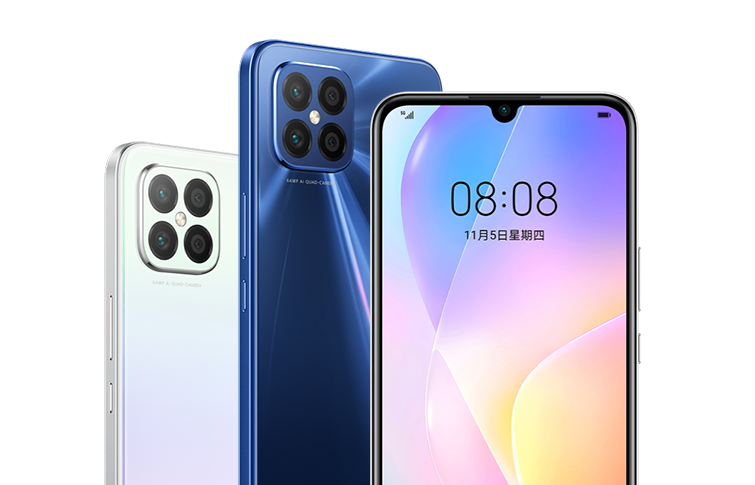
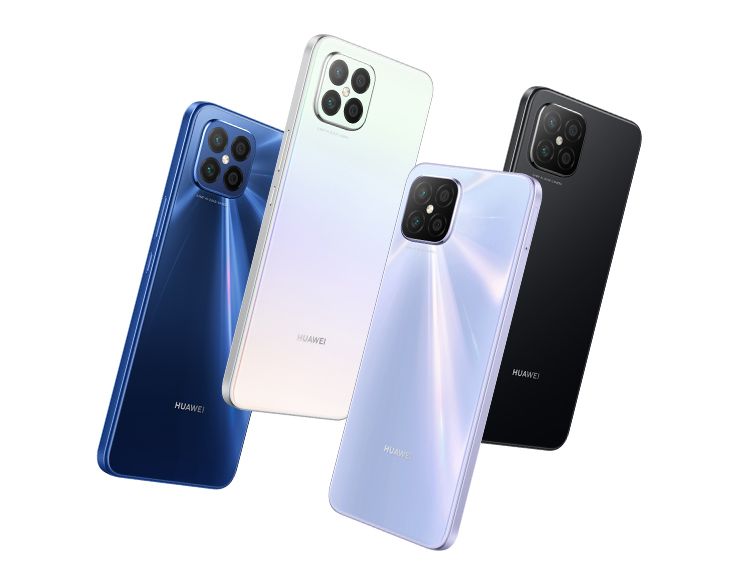
Huawei Nova 8 SE with Dimensity 720/800U chipset, 64MP quad cameras and 66W fast charging launched for 2,599 Yuan (~$391)

In April, Huawei announced the Huawei Nova 7 SE smartphone as the base model of the Nova 7 family. Today, the Chinese manufacturer took off covers from the Huawei Nova 8 SE through an offline launch in China. The new phone has arrived in two chipset variants. While the predecessor model sported an LCD screen with a punch-hole design, the Nova 8 SE features an OLED panel with a waterdrop notch. It comes equipped with 64-megapixel quad cameras and it ships with the same rapid charging that comes along with the Huawei Mate 40 models.

Huawei Nova 8 SE featured

Huawei Nova 8 SE specifications and features

The Huawei Nova 8 SE has a 20:9 aspect ratio supporting display of 6.53 inches. The OLED screen produces a Full HD+ resolution and it is integrated with a fingerprint reader. The phone features a front-facing camera of 16-megapixel. The backside of the device is fitted with a square-shaped camera module that features a 64-megapixel main camera with f/1.9 aperture, an 8-megapixel ultrawide lens with f/2.4 aperture, a 2-megapixel macro lens with f/2.4 aperture, and a 2-megapixel depth assist lens with f/2.4 aperture.

The Huawei Nova 8 SE Standard Edition is powered by the Dimensity 720 chipset. It brings support for 5G + 4G dual SIM connectivity. On the other side, the Nova 8 SE High Edition is driven by the Dimensity 800U chip and it supports 5G + 5G dual SIM connectivity. Apart from differing chipsets, the Standard and High Editions of the Nova 8 SE carry the same specs.

Huawei Nova 8 SE
Huawei Nova 8 SE

The Nova 8 SE is preinstalled with Android 10 OS and EMUI 10.1 UI. The phone ships with 8 GB of LPDDR4x RAM and 128 GB of UFS 2.1 storage. There is a microSD card slot on the device for extra storage. The Nova 8 SE is backed by a 3,800mAh battery that supports 66W fast charging. The phone comes with usual connectivity features like dual SIM support, 5G, Wi-Fi 802.11ac, Bluetooth 5.1, GPS, USB-C, and a 3.5mm audio jack.

Huawei Nova 8 SE pricing and availability

The Nova 8 SE has arrived in China with a price tag of 2,599 Yuan (~$391) for the Dimensity 720 variant. The Dimensity 800U model is priced at 2,699 Yuan (~$406). It comes in colors like Magic Night Black, Dark Blue, Silver Moon Start, and Sakura Snow Clear Sky.


Apple AirPods 3 parts leak indicates it could feature design similar to AirPods Pro

Apple’s AirPods lineup of true wireless earphones have become one of the best-selling products from the company and now the company is gearing up to launch the third-generation model of the same.

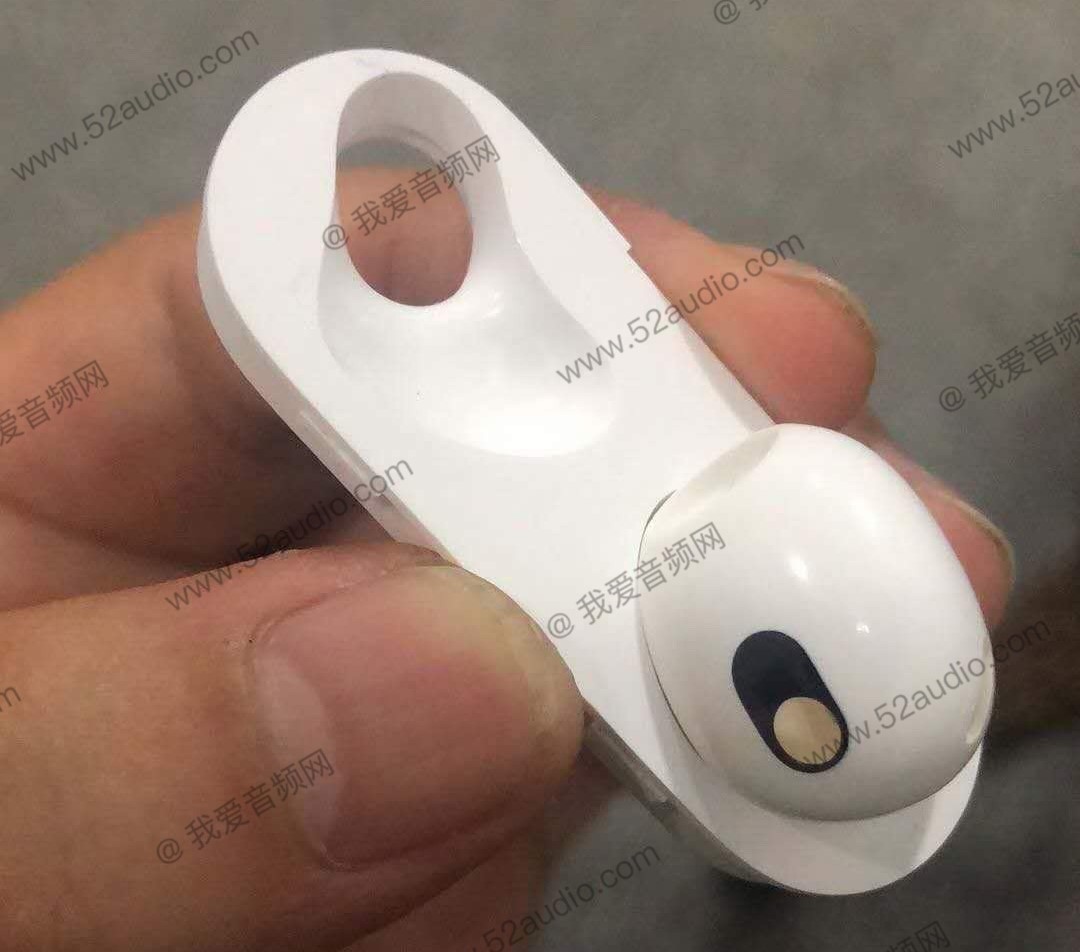
The upcoming TWS earphones from Apple, which is likely to be called AirPods 3, have been leaked online. A photo of the same has been leaked, which showcases the new design for the new headsets.

Apple AirPods 3 Leak

As per the leak, the rumored AirPods 3 will feature a design that is similar to the AirPods Pro, completely reshaping the earbuds. However, do note that the report indicates that the parts of the upcoming earphones that have been leaked are similar in terms of design to AirPods Pro but not identical.

Additionally, unlike the regular design with a narrow exterior, the leaked design of the earphones show a larger circular driver output onto which users can attach silicone ear tips for a better fit, similar to the AirPods Pro.

EDITOR’S PICK: Qualcomm confirms applying for a license to supply chipsets to Chinese giant Huawei

Apple has been rumored to gearing up to launch a newly refreshed audio product lineup in the market. Recently, it was reported that the third-generation AirPods as well as the second-generation AirPods could get launched in early 2021.

While the exact details of the AirPods 3 specs, features, and launch are not yet available, Apple has scheduled a “One More Thing” launch event on 10th November, where the company is expected to announce its Apple Silicon-powered Mac devices.


Amazfit’s Zepp to launch a new Z-series smartwatch on November 17

Amazfit has been a popular wearable devices brand, especially in the smartwatch sector given its strong presence in the budget segment. The company is now gearing up to launch a new smartwatch under its Zepp brand.

A new teaser poster shared by the company confirms that a new Z-series smartwatch under the Zepp brand will be launched on 17th November. From the teaser, it seems that the device will come with a classic design and circular dial.

Zepp Z Series Smartwatch Teaser

EDITOR’S PICK: Honor Band 6 launched in China as the world’s first full-screen fitness tracker

It also seems that the device will have a metal body with a leather strap. There are also two buttons visible on the right side of the watch, but we expect at least one more such button, which is not visible in the teaser image.

Earlier, the company had launched the Zepp E smartwatch in the market which is offered in two models — one with a square-shaped dial and the other with a circular dial. It has a 3D curved bezel-less design and offers an always-on display along with health and activity tracking features.

For those who are unaware, Amazfit’s parent company Huami acquired California-based Zepp in 2018, and earlier this year, the company rebranded its Amazfit app to Zepp. It is planning to keep the Amazfit brand for the smart wearable hardware product whereas Zepp will be a platform for the management of personal well-being.


Vivo teases launch of its new custom user interface OriginOS

Most smartphone manufacturers have their own custom user interface for the Android operating system and similarly, China-based Vivo has been offering FunTouch OS on its smartphones. But, that is about to change soon.

The company has confirmed that the FunTouch OS will be replaced by a new OriginOS, as confirmed by Vivo a couple of weeks ago during the 2020 Developer Conference.

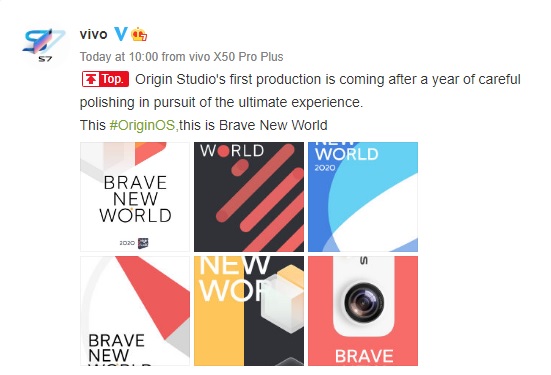
Vivo OriginOS Teaser

Now, Vivo has teased this new OriginOS on its official Weibo account. The custom user interface, which is being developed under Origin Studio carries the tagline “Brave New World”, hinting at a complete rehaul of the UI.

Earlier reports reveal that the company will be offering two different types of interface for the users — OriginOS and Stock Android and the users will be able to choose and switch between the two options.

EDITOR’S PICK: Qualcomm confirms applying for a license to supply chipsets to Chinese giant Huawei

Recently, a product manager of iQOO, which is Vivo’s sub-brand for premium devices, revealed that the new user interface for the company has been designed by an Apple designer and it will offer several new features.

Vivo is expected to officially launch the OriginOS on 19th November in China, along with the announcement of several other products from the company, including apps, games, business partnerships, etc.

The company had previously stated that the upcoming custom user interface will be available for Vivo’s existing smartphones as well. To know for sure which devices will be compatible with the OriginOS, we will have to wait for the official launch.


[Update: Global rollout started] Honor 10X Lite global launch to take place on November 10

Update: The global rollout of Honor 10X Lite has started. Russia is the first market to receive it with a price tag of RUB 16,990 (~$215)

The original story continues…

The Honor 10X Lite smartphone went official recently in Saudi Arabia. The company has revealed that it will be globally announcing the handset at 2 PM CET on Nov. 10.

Honor 10X Lite global launch

Honor 10X Lite specifications and price

The Honor 10X Lite features a 6.67-inch LCD panel that produces a Full HD+ resolution of 1080 x 2400 pixels and an aspect ratio of 20:9. The punch-hole that is placed at the top-center position of the screen is the home for its 8-megapixel selfie camera.

The back panel of the phone has a rectangle-shaped camera housing. It houses an LED flash, a 48-megapixel main camera, an 8-megapixel superwide lens, a 2-megapixel macro camera with a 4cm focal length, and a 2-megapixel depth assist lens. The phone is equipped with a side-mounted fingerprint reader.

Honor 10X Lite
Honor 10X Lite

The Honor 10X Lite is powered by the older Kirin 710 chipset and 4 GB of RAM. The device ships with built-in storage of 128 GB and it has a microSD card slot for additional storage. The phone lacks support for Google apps and services. The handset is preinstalled with Android 10 OS that tags along with Magic UI 3.1 and Huawei Mobile Services (HMS).

The Honor 10X Lite houses a 5,000mAh battery that is equipped with support for 22.5W SuperCharge rapid charging technology and 2.5W wireless charging. It has other features such as dual 4G VoLTE, Wi-Fi 802.11ac, Bluetooth 5.1, GPS, USB-C, and a 3.5mm audio jack.

The handset is available in Saudi Arabia for SAR 799 and its three color editions are Midnight Black, Emerald Green, and Icelandic Frost.


Qualcomm confirms applying for license to supply chipsets to Huawei

Since the past few weeks, more and more companies are getting approval from the United States to resume doing business with the Chinese giant Huawei. In line with that, the world’s leading chipset maker Qualcomm has now confirmed that the company has applied for a license to supply chipsets to Huawei.

The confirmation comes from Qualcomm’s CEO Steven Mollenkopf when he was revealing the company’s performance for the fiscal year 2020. However, it has been confirmed that Qualcomm has applied for the license but hasn’t been granted it yet.

Qualcomm Logo

In the past few weeks, companies like Intel, AMD, Samsung Display, and Sony among others have received permission from the United States government to continue doing business with Huawei.

This is an important development for the Chinese giant, which is currently working on its options to keep its business afloat as more and more restrictions imposed on the company threatens its survival.

EDITOR’S PICK: OEMs ramp up IC parts orders in a bid to fill the vacuum created by Huawei’s slump

As per the reports, more than 300 companies have applied for a special license that is needed from the U.S. government to continue conducting business with Huawei. From that, about one-third have been granted a license.

Recently, it was reported that the United States is providing licenses to the companies as long as the components supplied to Huawei are not being used for the 5G business. Apart from Qualcomm, Samsung Electronics is also waiting for approval.

In the fourth-quarter results published by Qualcomm for the fiscal year 2020, it reported $6.5 billion in revenue, higher than its estimation of $5.93 billion. The company had reported $4.8 billion in revenue over the same period last year, making this a 35% year-over-year increase.


Lenovo Legion Pro Extreme Transparent Edition to release on November 11

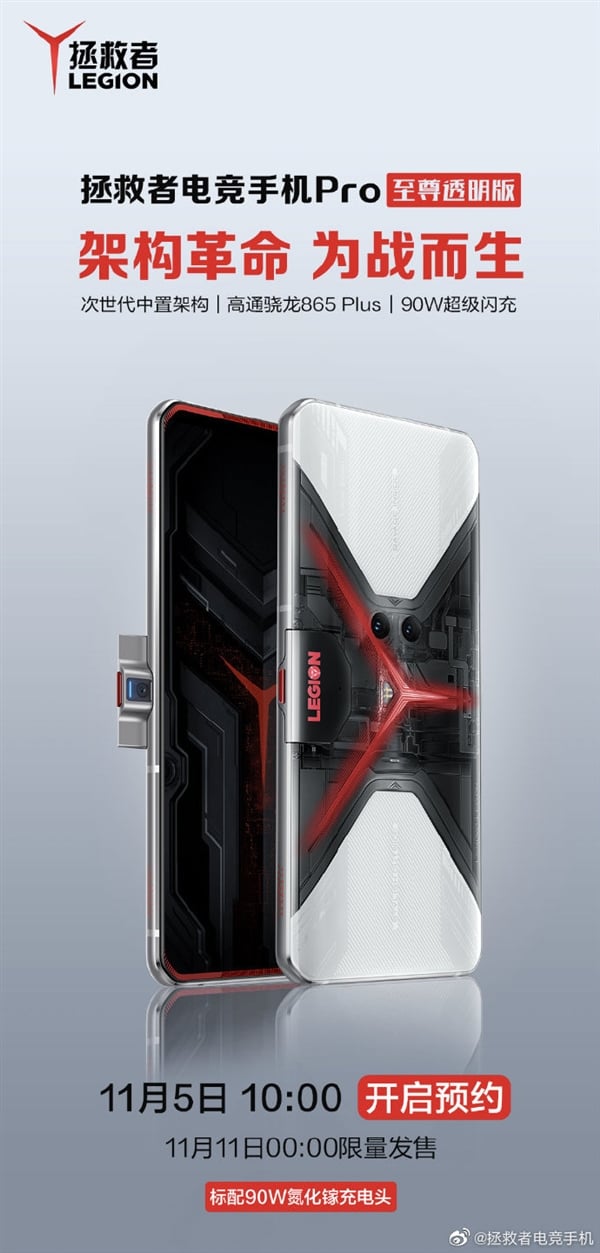
In August, Lenovo unveiled the much-hyped Lenovo Legion Pro gaming smartphone in China. The same device is dubbed as the Legion Duel in markets outside of China. It is one of the few phones that are powered by the Snapdragon 865 Plus mobile platform. At the end of the previous month, Lenovo Mobile’s General Manager Chen Jin took to Weibo to confirm that there a transparent edition of the device. Today, the company that it will be officially announcing the Lenovo Legion Pro Extreme Transparent Edition on the Double Eleven (Nov. 11) shopping festival day of China.

Lenovo Legion Pro Extreme Transparent Edition poster

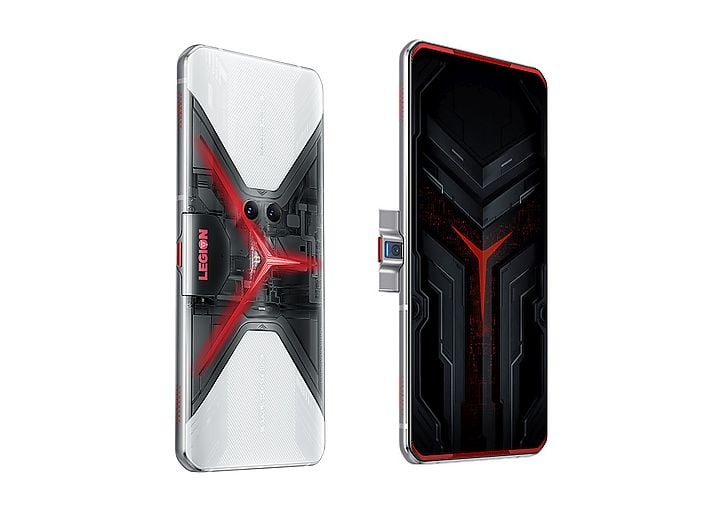
The Explorer Edition of the Xiaomi Mi 8 and Mi 9 were touted as transparent devices. However, the real internals of these devices was not visible. The official images of the Lenovo Legion Pro Extreme Transparent Edition that were released last month and the official poster that was shared today show that its transparent rear will allow users to view its real internal components.

The Lenovo Legion Pro Extreme Transparent Edition has 16 GB of RAM and 512 GB of storage. The regular version of the phone with the same RAM and storage was priced at 5,999 Yuan. Its transparent version also carries the same pricing. It is now up for reservations in China and its limited sales will be carried out on Nov. 11. The handset ships with a 90 GaN charger.

Lenovo Legion Pro Extreme Transparent Edition specifications

The Lenovo Legion Pro Extreme Transparent Edition has a 6.5-inch AMOLED FHD+ display that supports a 19.5:9 aspect ratio and a 144Hz refresh rate. The Legion OS based Android 10 OS comes preinstalled on the device. Its SD865+ chip is coupled with LPDDR5 RAM and UFS 3.1 storage.

Lenovo Legion Pro Extreme Transparent Edition

It has a side-facing pop-up selfie camera of 20-megapixel and a rear-facing 64-megapixel + 16-megapixel dual camera setup. The device is backed by a 5,000mAh battery.


OPPO PEGM00 / PEGT00 phone’s full specifications revealed; Could be launching soon

An unidentified OPPO phone that has a model number of PEGM00 was certified by China’s TENAA authority. Its network variant that has the PEGT00 model number was also approved by TENAA. At present, the TENAA listings of PEGM00 / PEGT00 phone have only preliminary specs. However, a reliable tipster from China has revealed the other specs of the phone.

The TENAA listings first spotted by Nashville Chatter Class states that it measures 159.1 x 73.4 x 7.9mm and it houses a 6.43-inch display. The device has a dual-part battery setup. The rated capacity of one of the batteries of the PEGM00 / PEGT00 phone is 2,100mAh. While the TENAA listings of the phone are yet to be populated with full specs, a tipster has its other details.

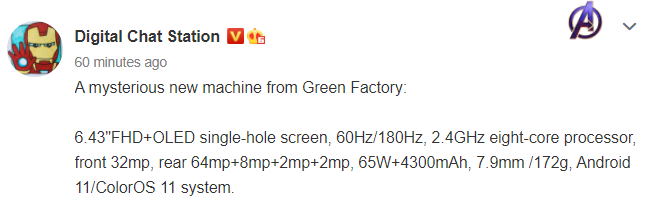
The leakster revealed that the smartphone is equipped with an OELD panel with a punch-hole design. The screen supports a refresh rate of 60Hz and a touch sampling rate of 180Hz. The handset is powered by a 2.4GHz octa-core processor. There is no word on the RAM and storage variants of the phone.

OPPO PEGM00, PEGT00 Specs Leak

The OPPO PEGM00 / PEGT00 smartphone has a 4,300mAh battery that supports 65W rapid charging. The ColorOS 11 based Android 10 OS comes preinstalled on the device.

The PEGM00 / PEGT00 handset has a 32-megapixel camera for shooting selfies. The rear side of the phone has a 64-megpaixel + 8-megapixel + 2-megapixel + 2-megapixel quad-camera system. The leak has no information on its product name and pricing. With TENAA certification in tow, the OPPO PEGM00 / PEGT00 is likely to go official as early as this month.


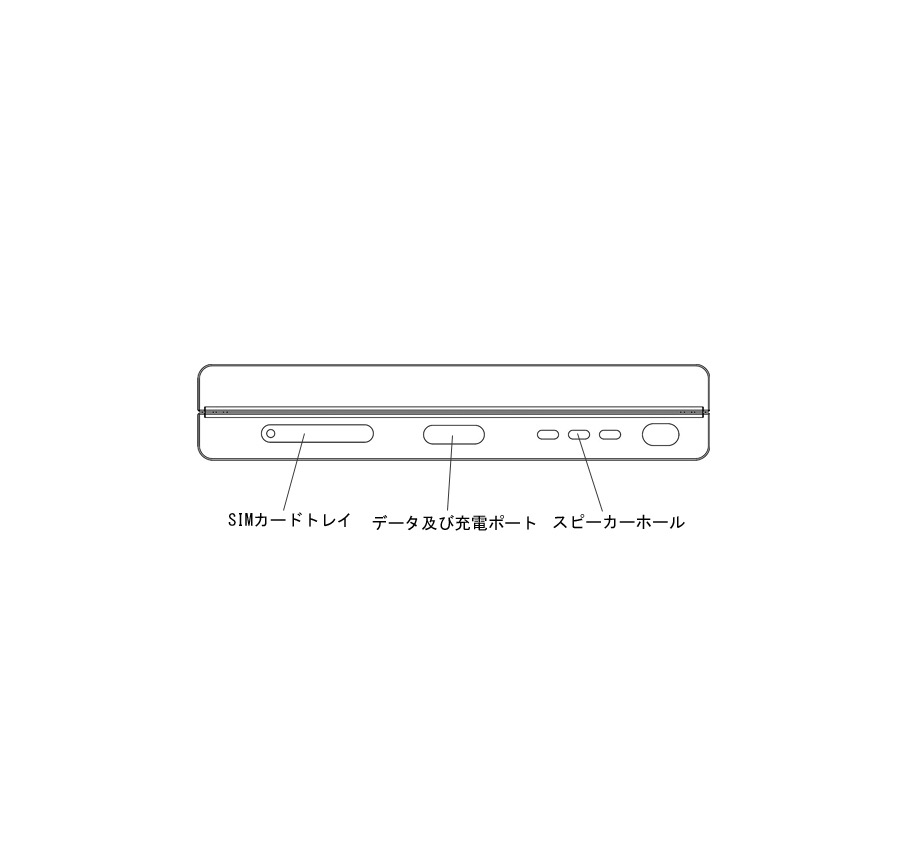
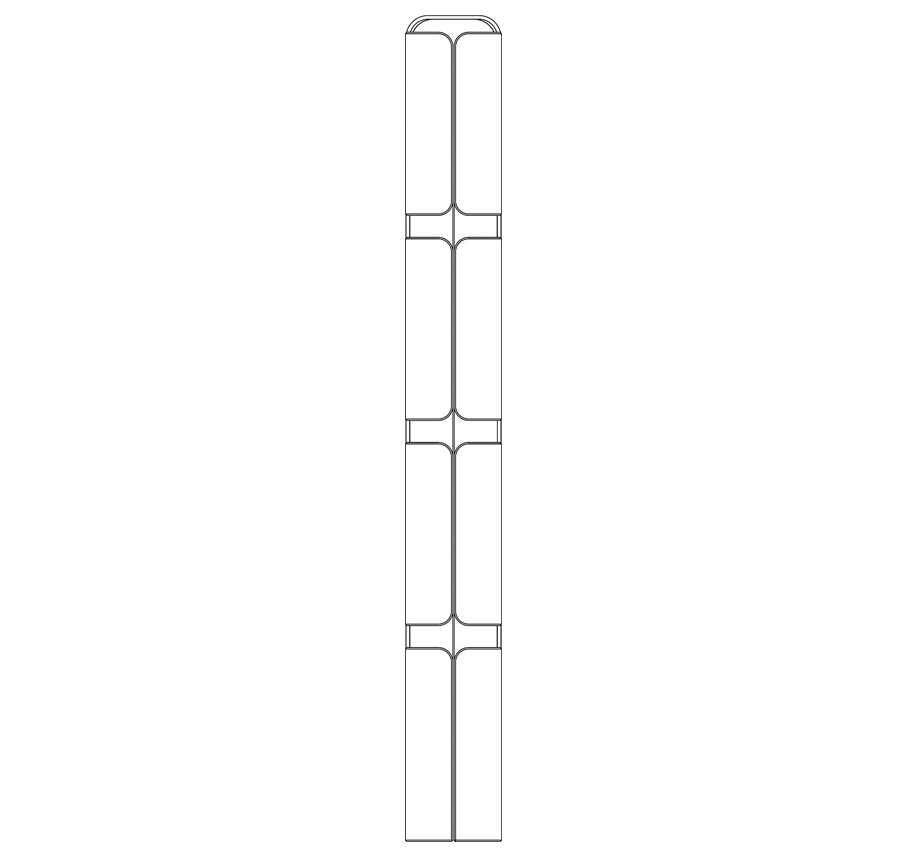
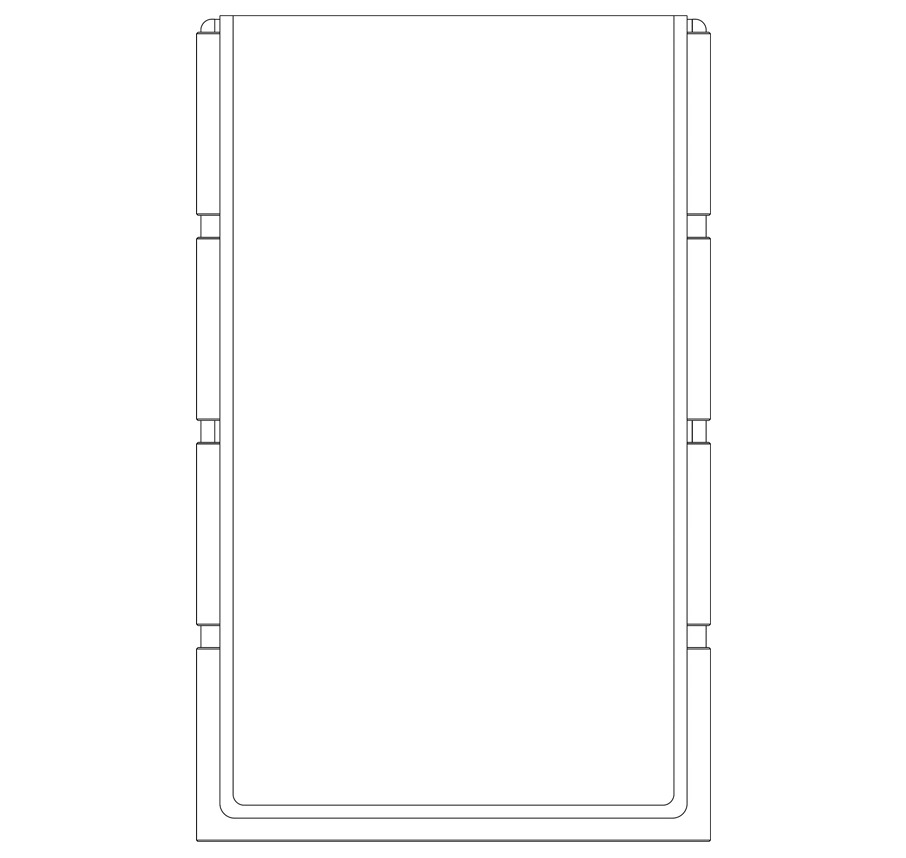
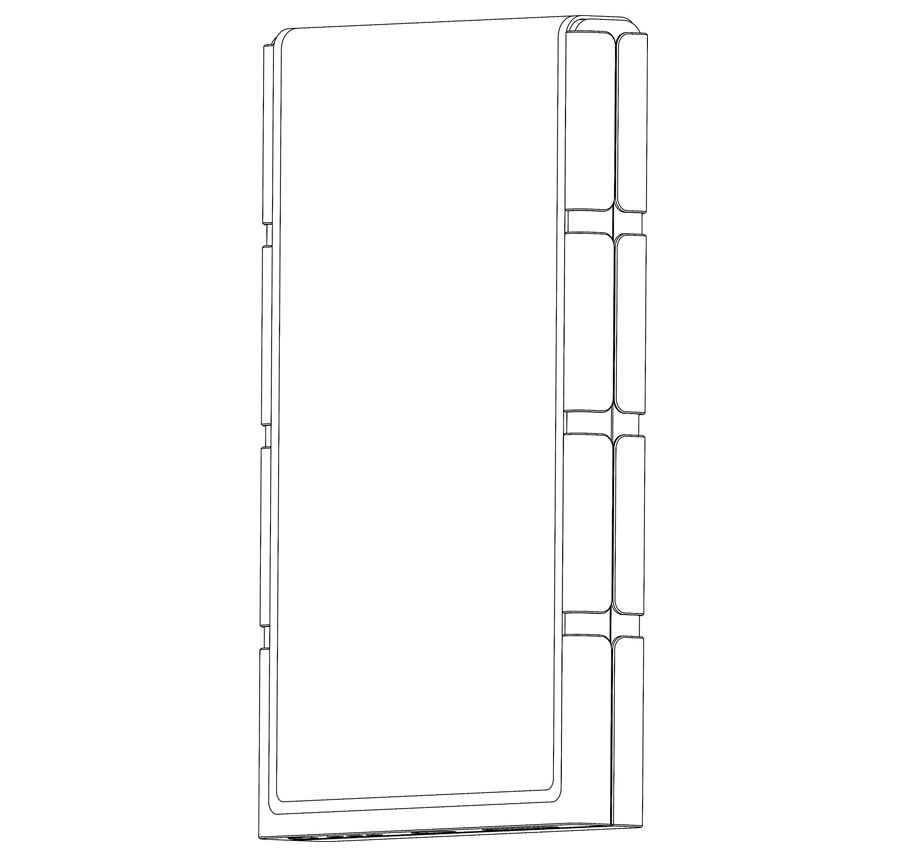
OPPO patents Unique Foldable Smartphone designs with a weird Block structure

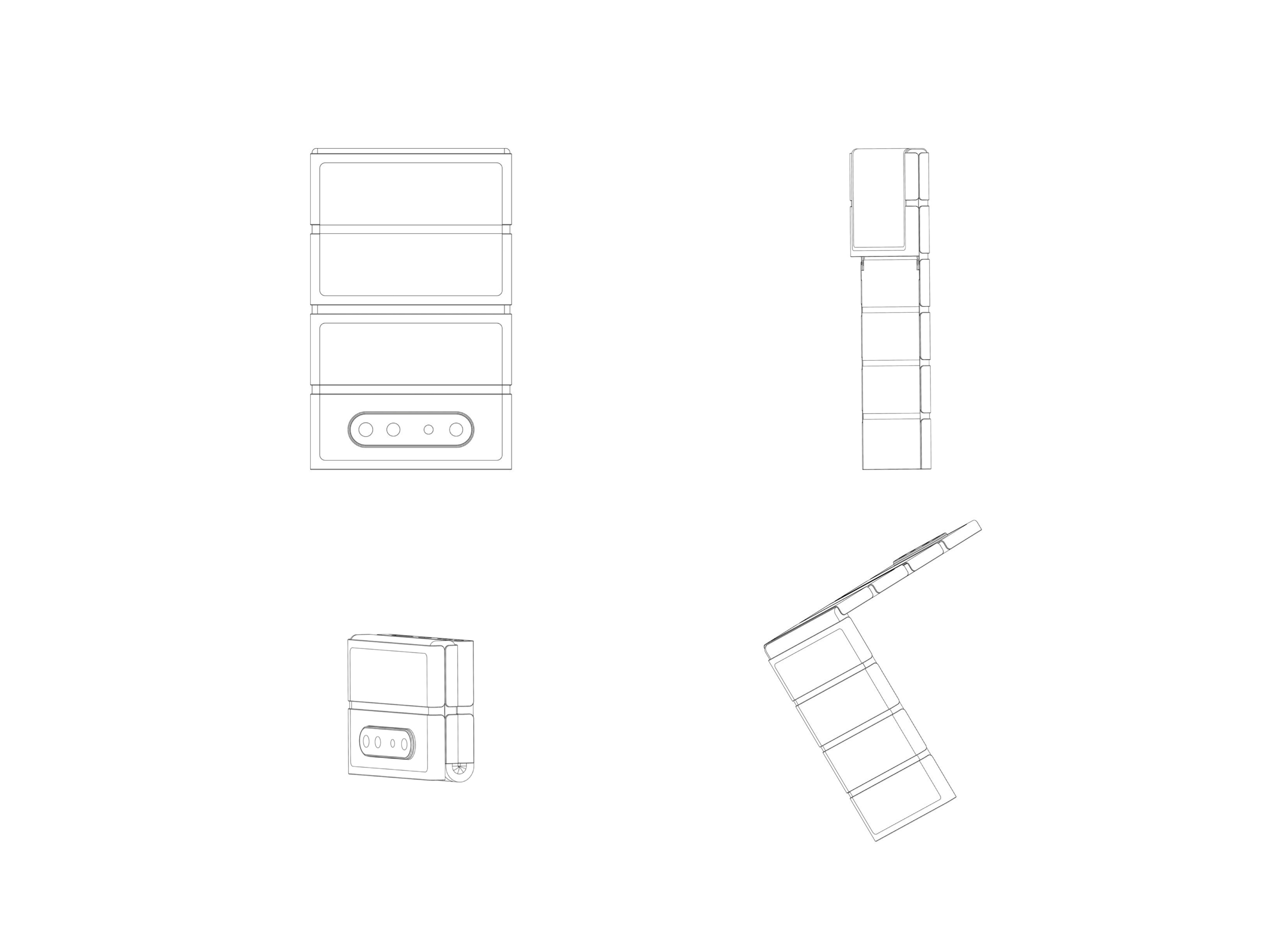
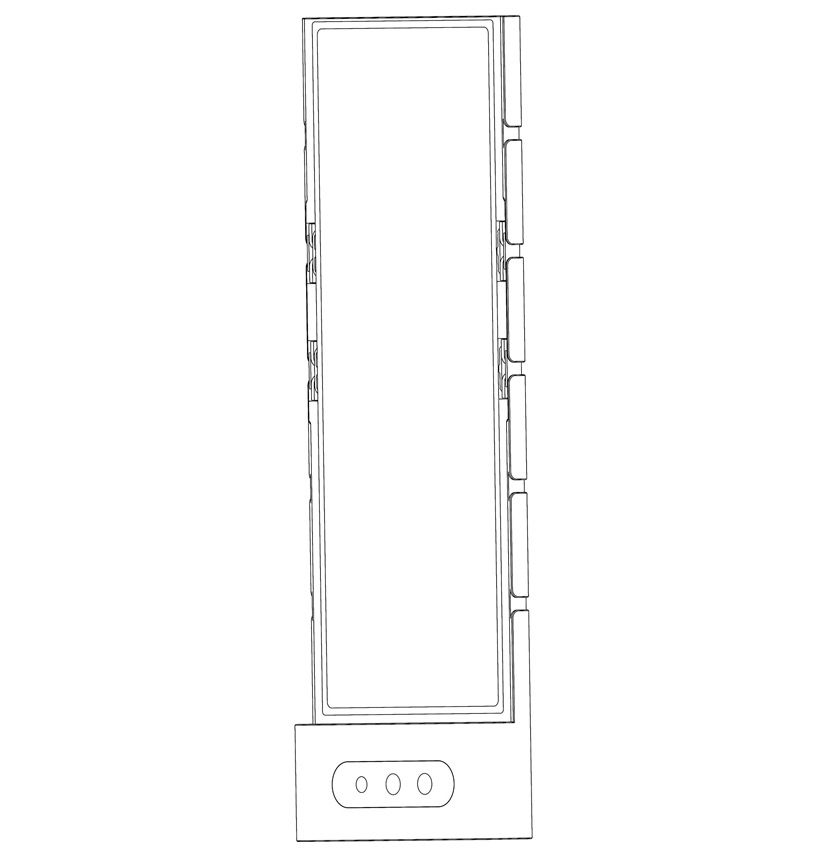
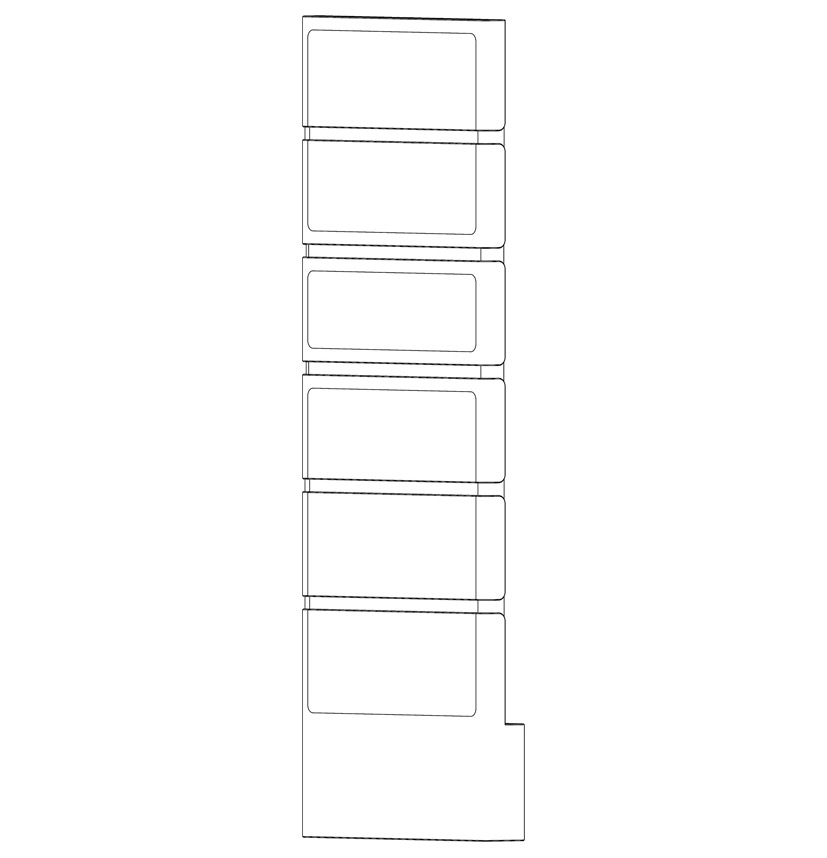
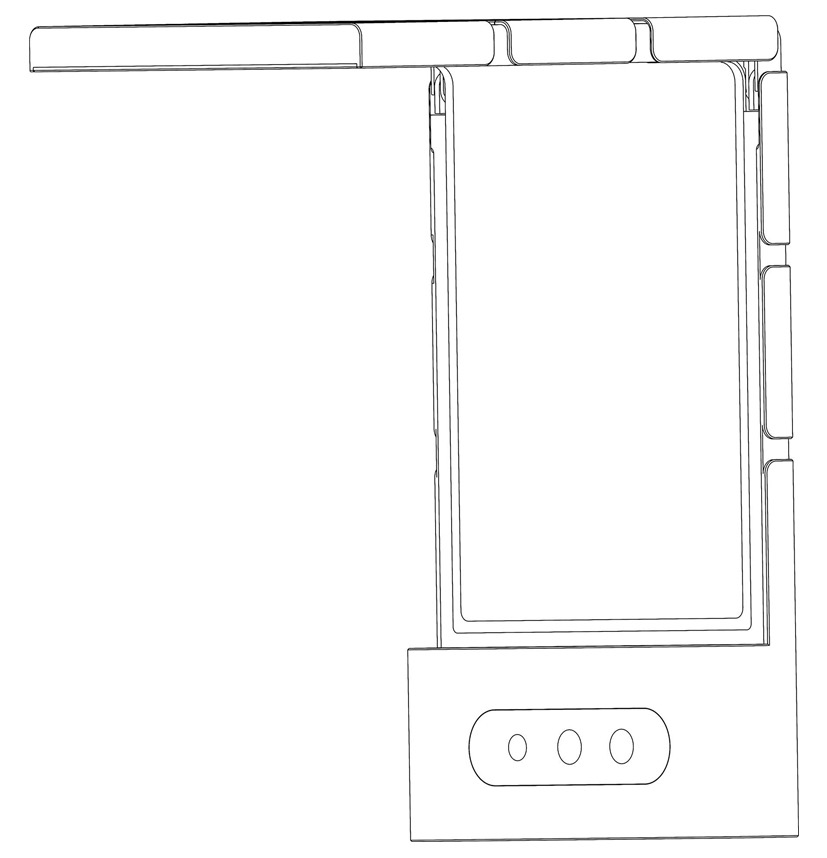
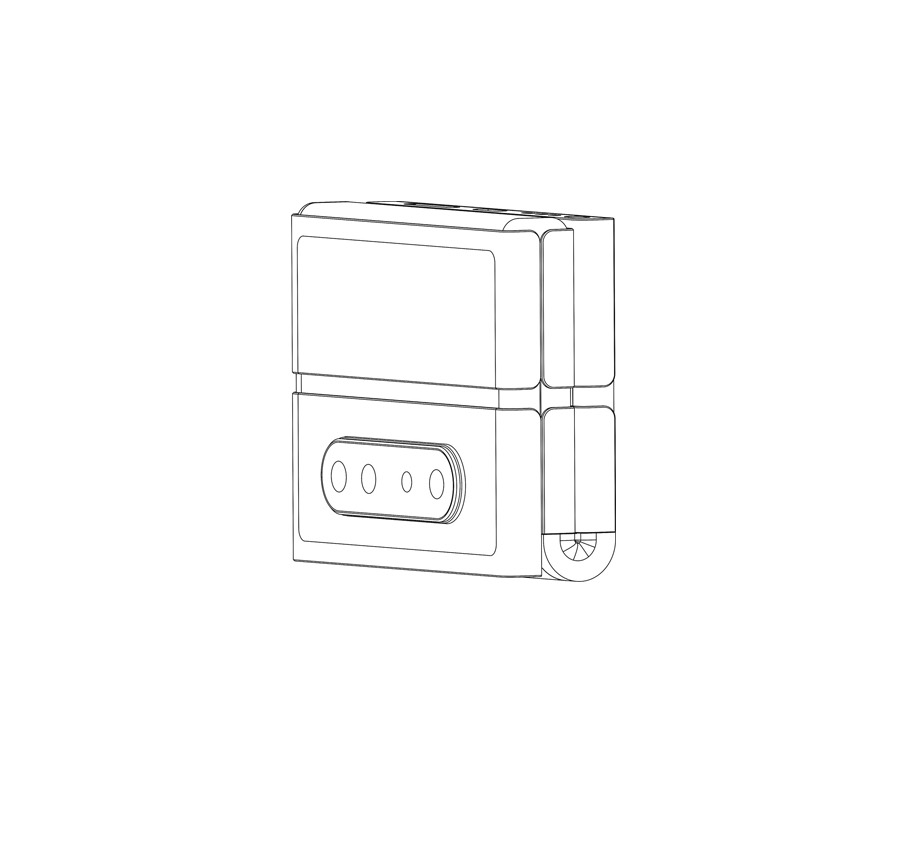
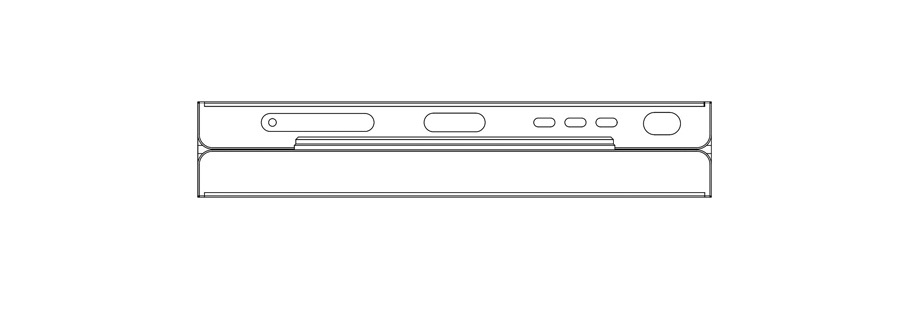
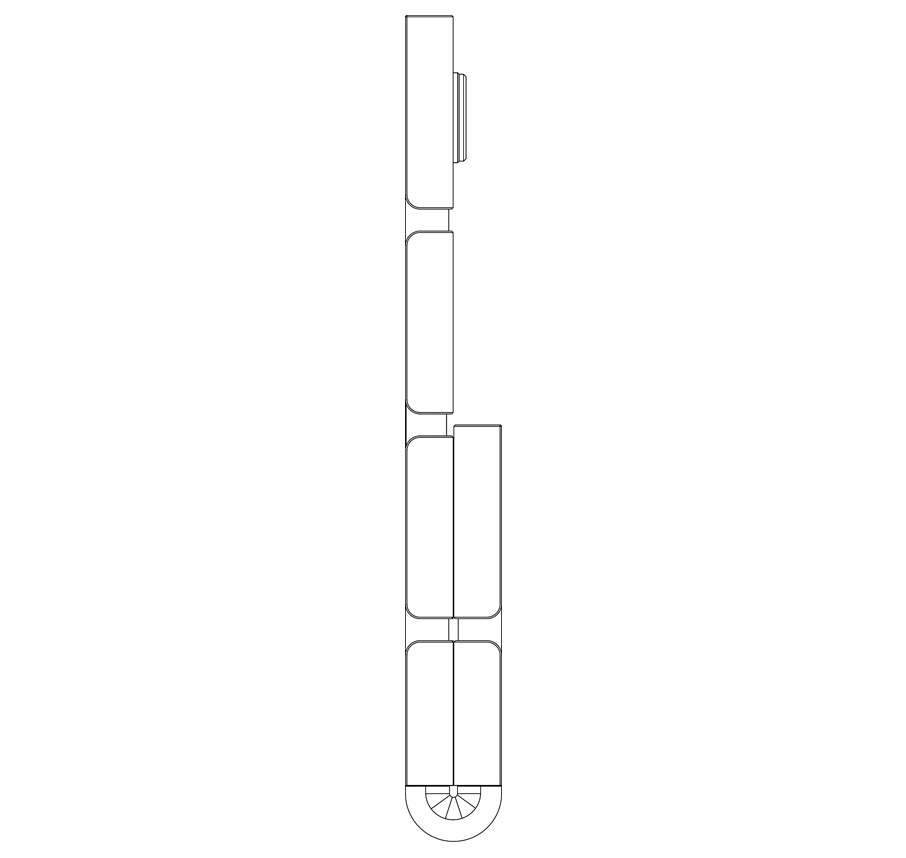
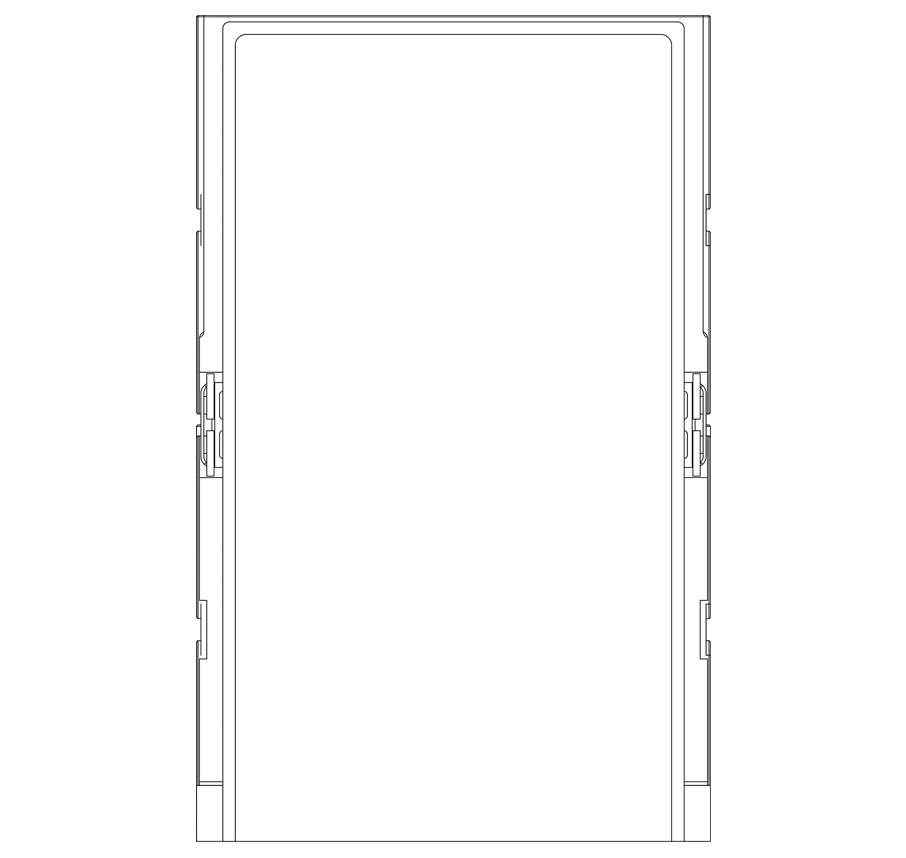
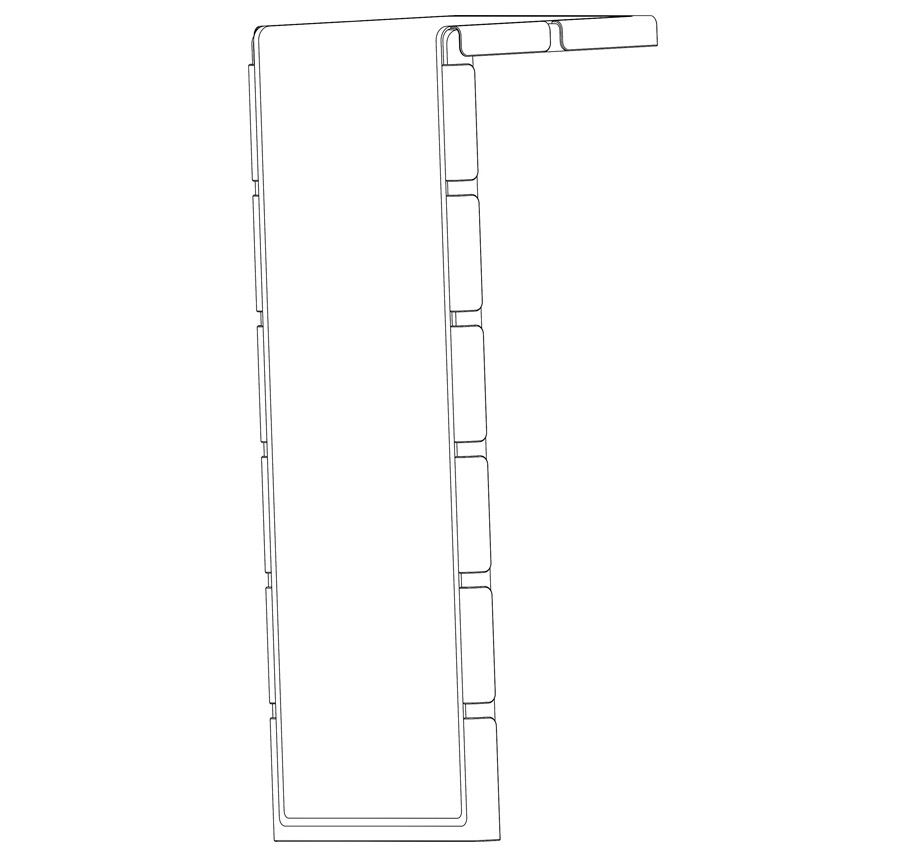
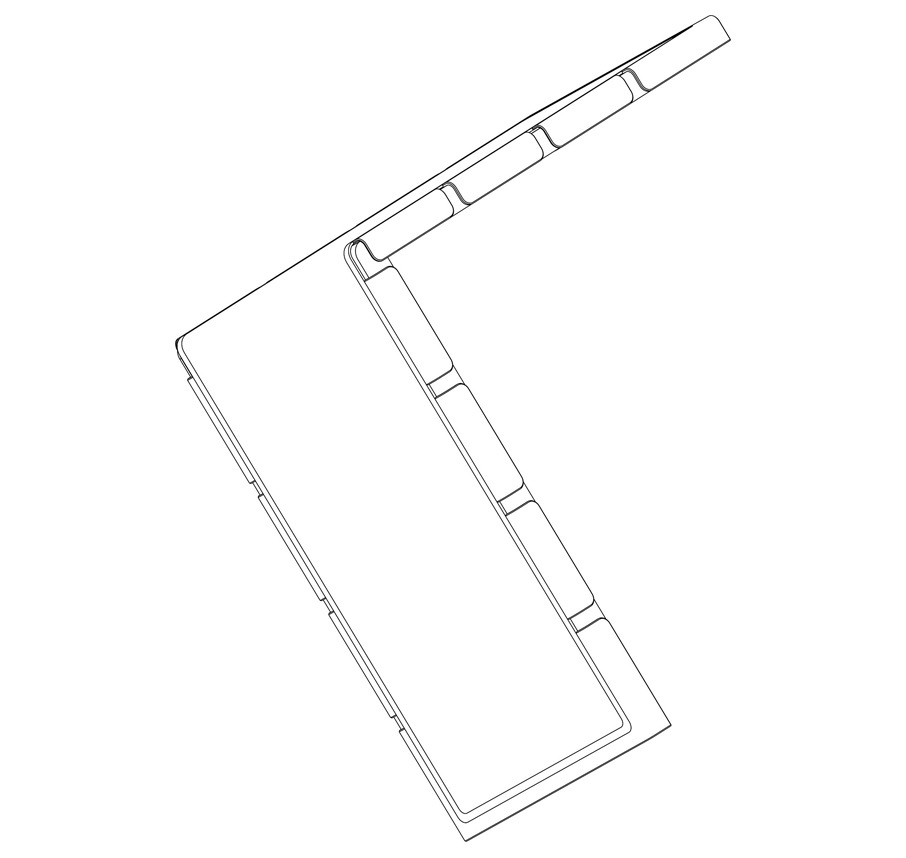
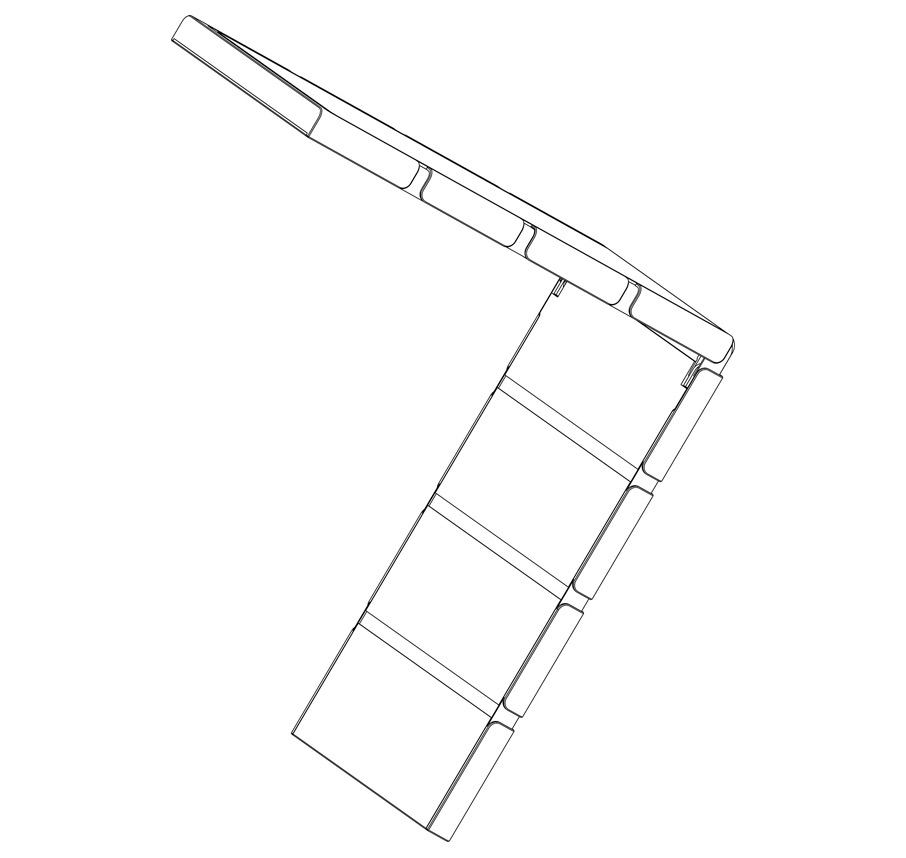
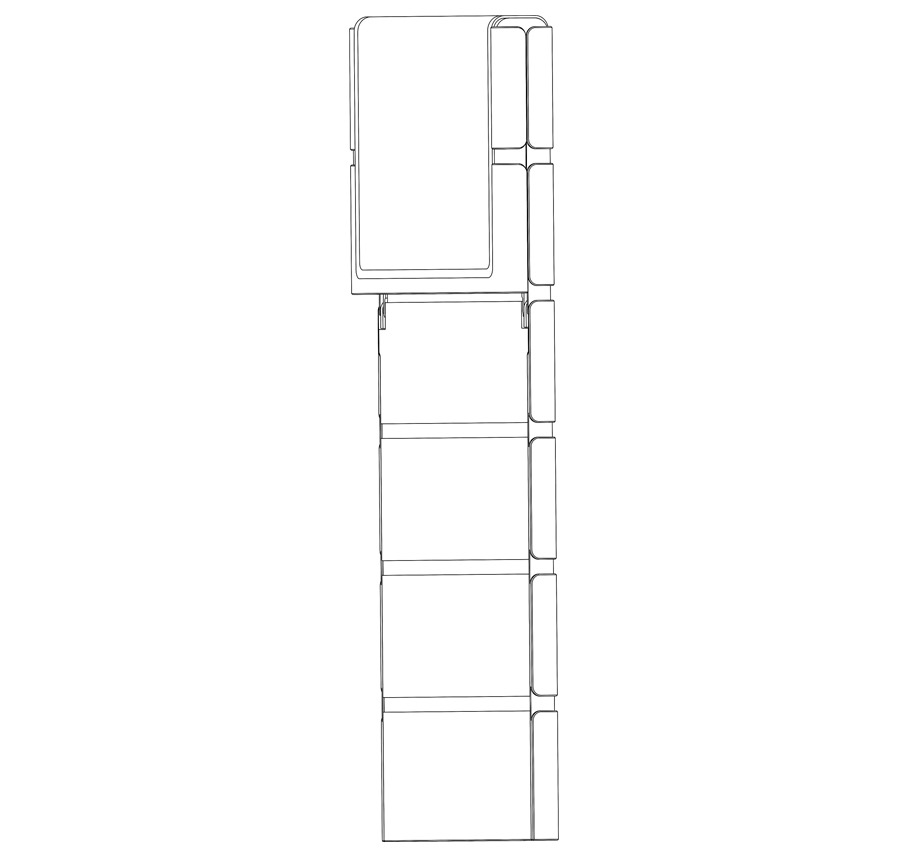
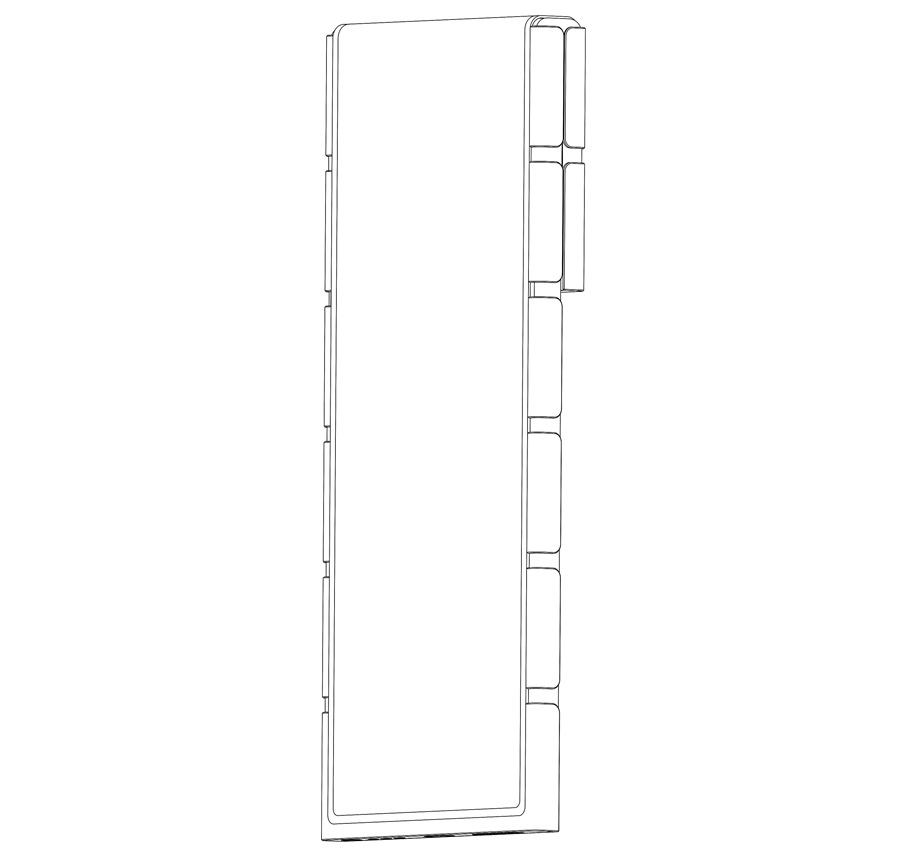
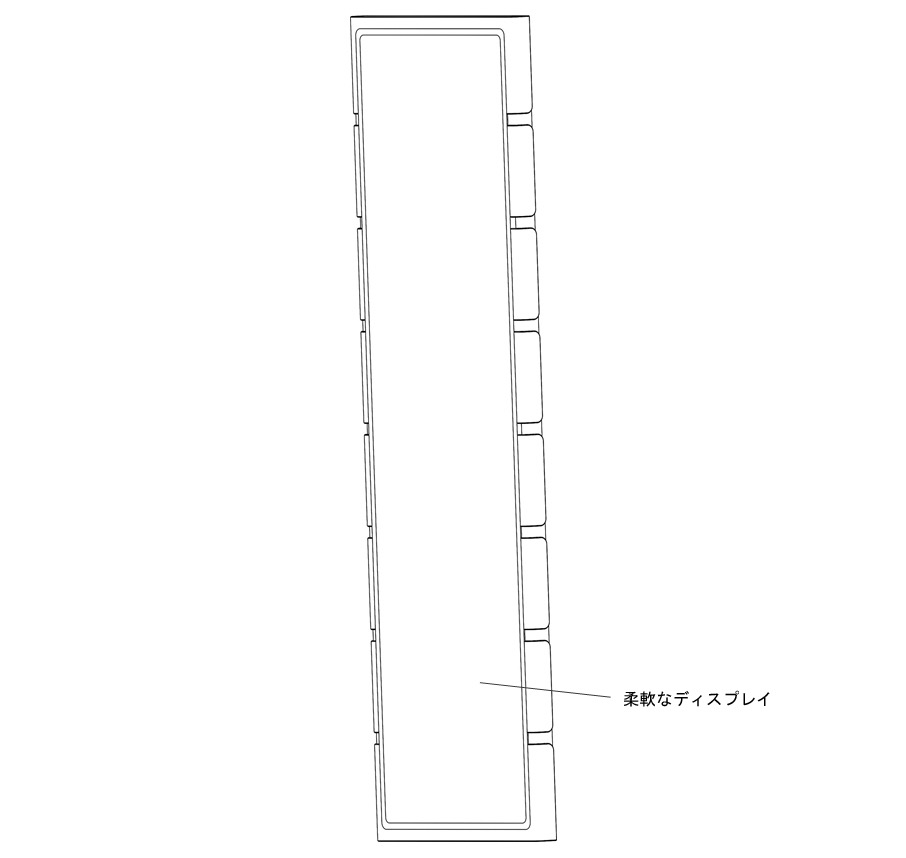
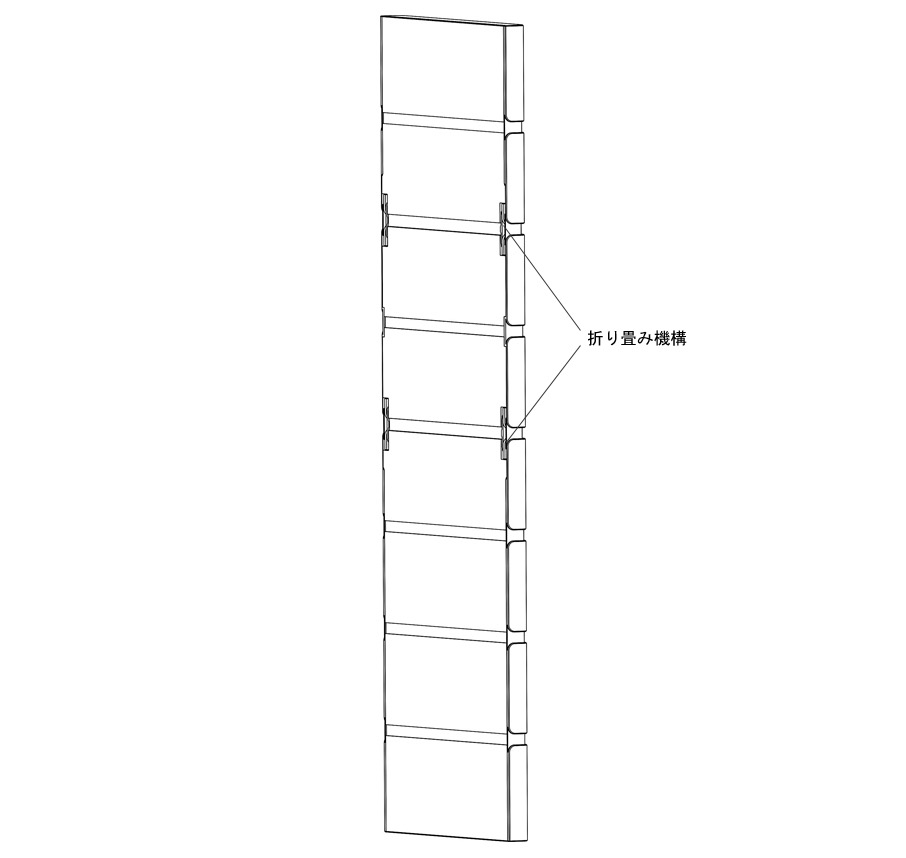
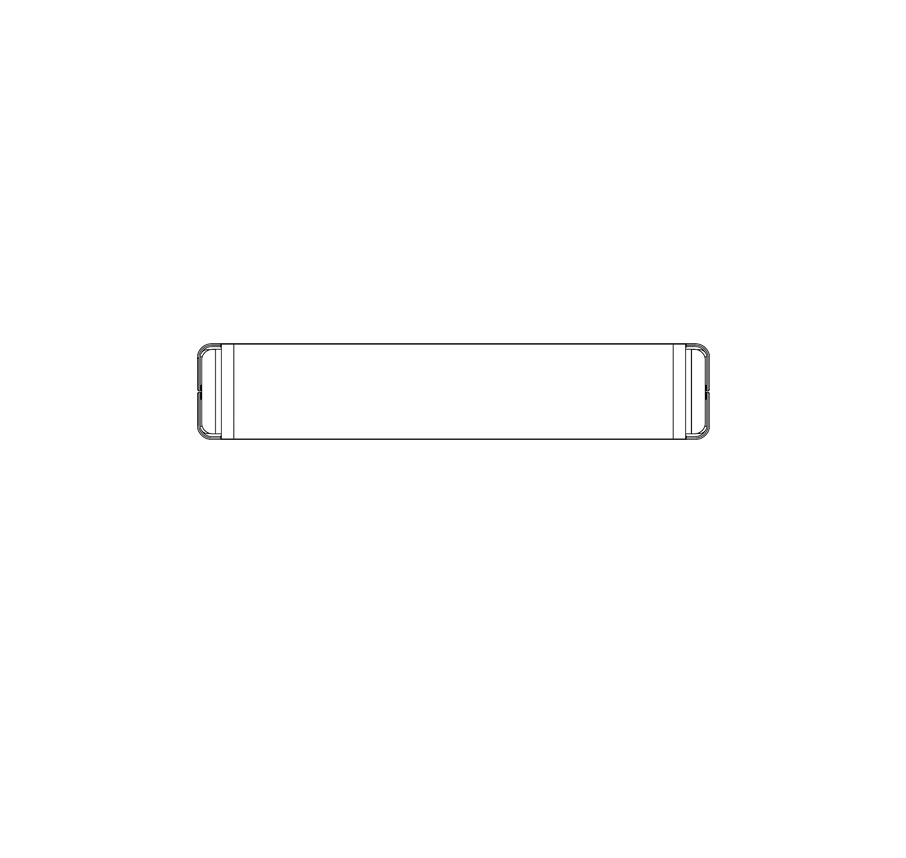
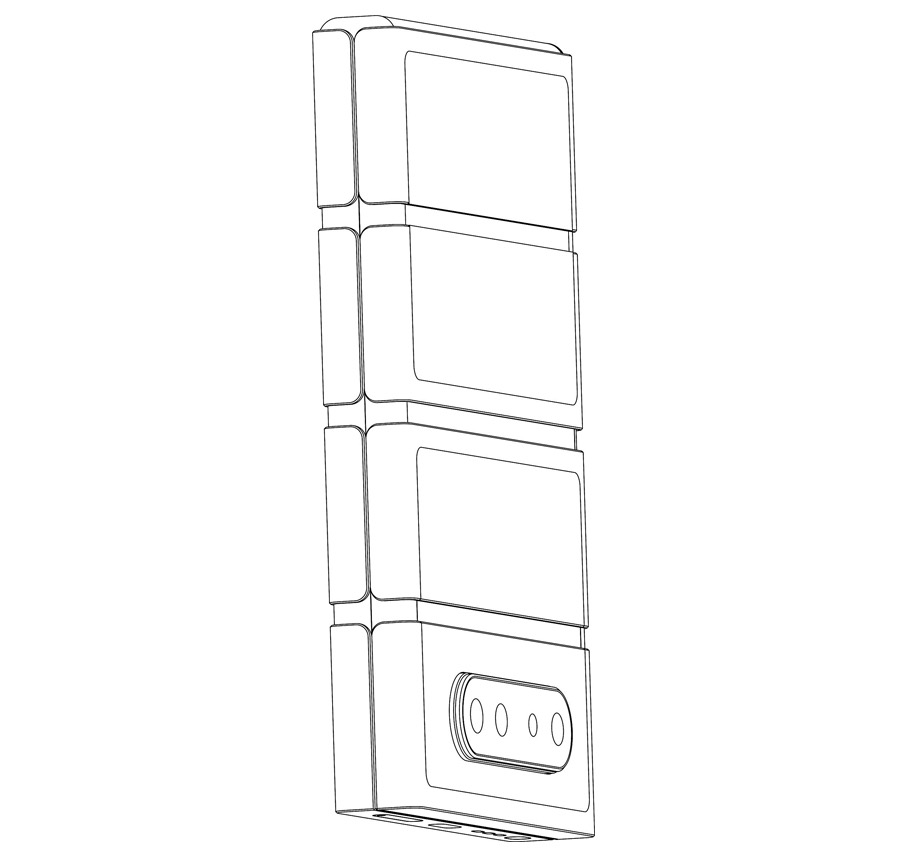
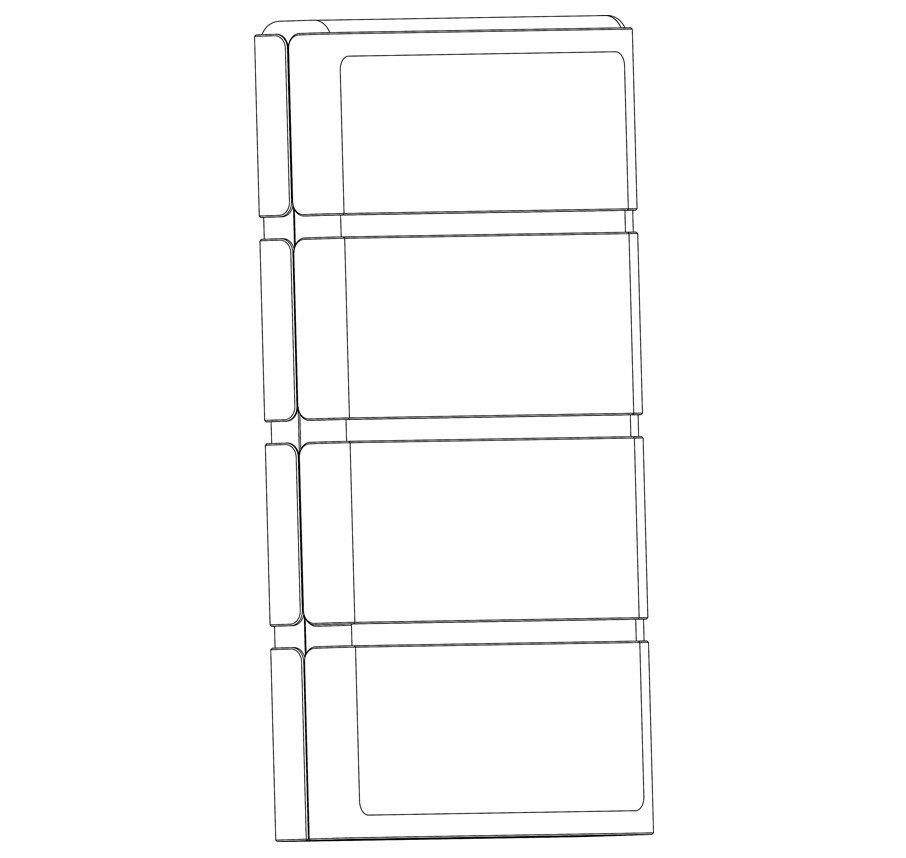
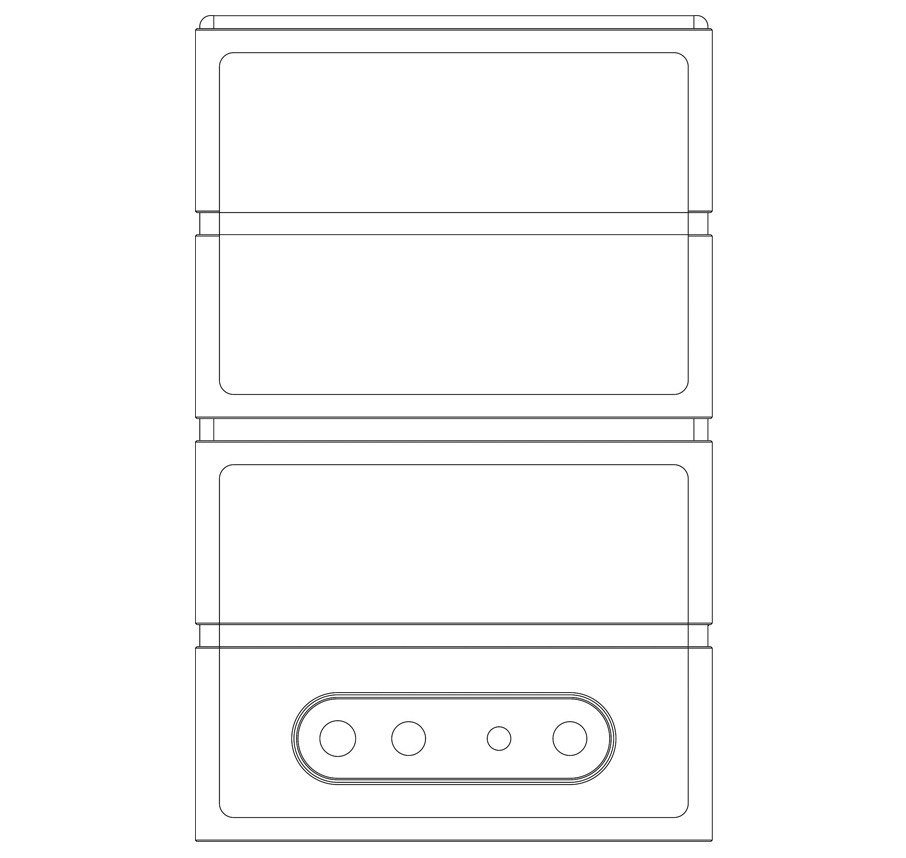
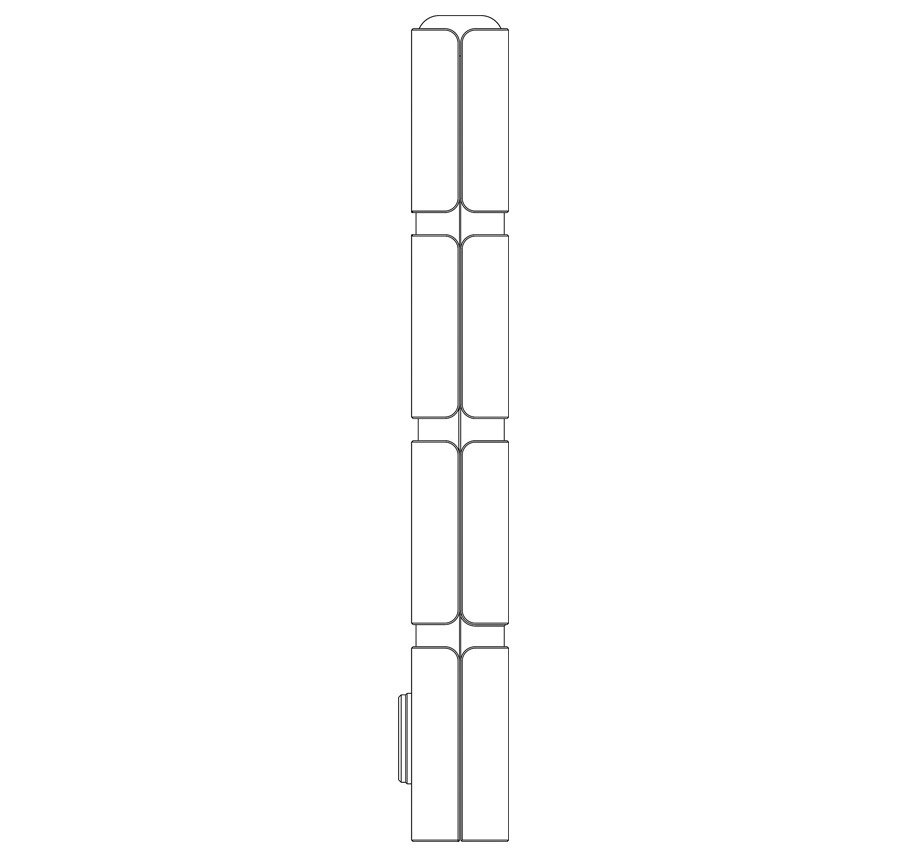
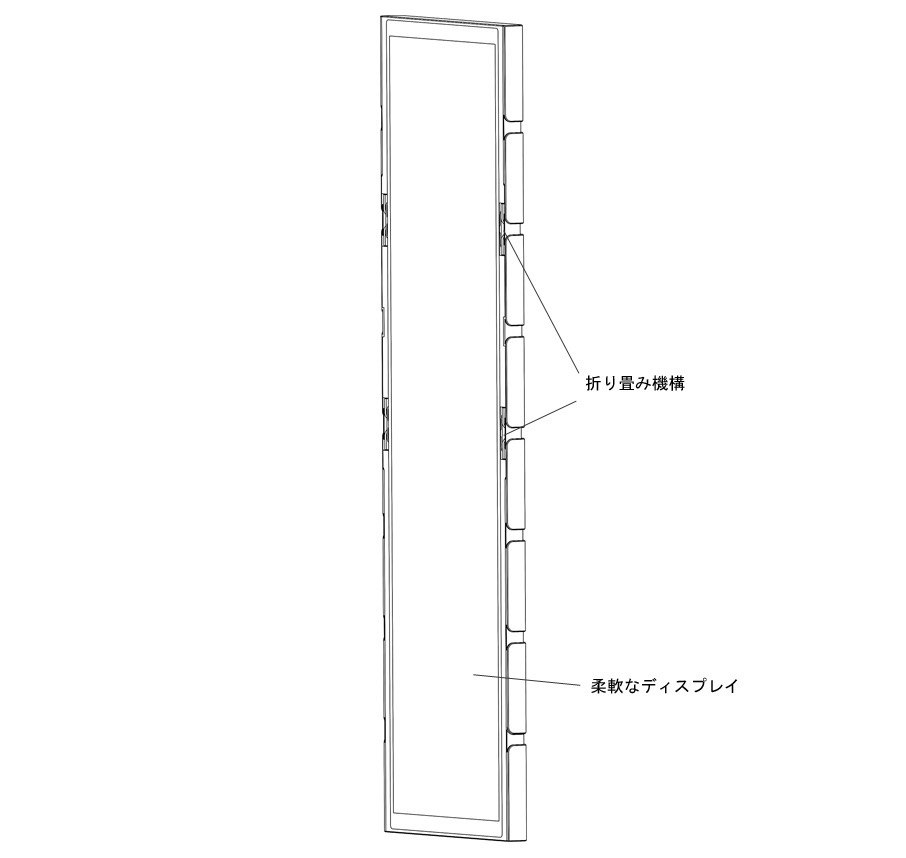
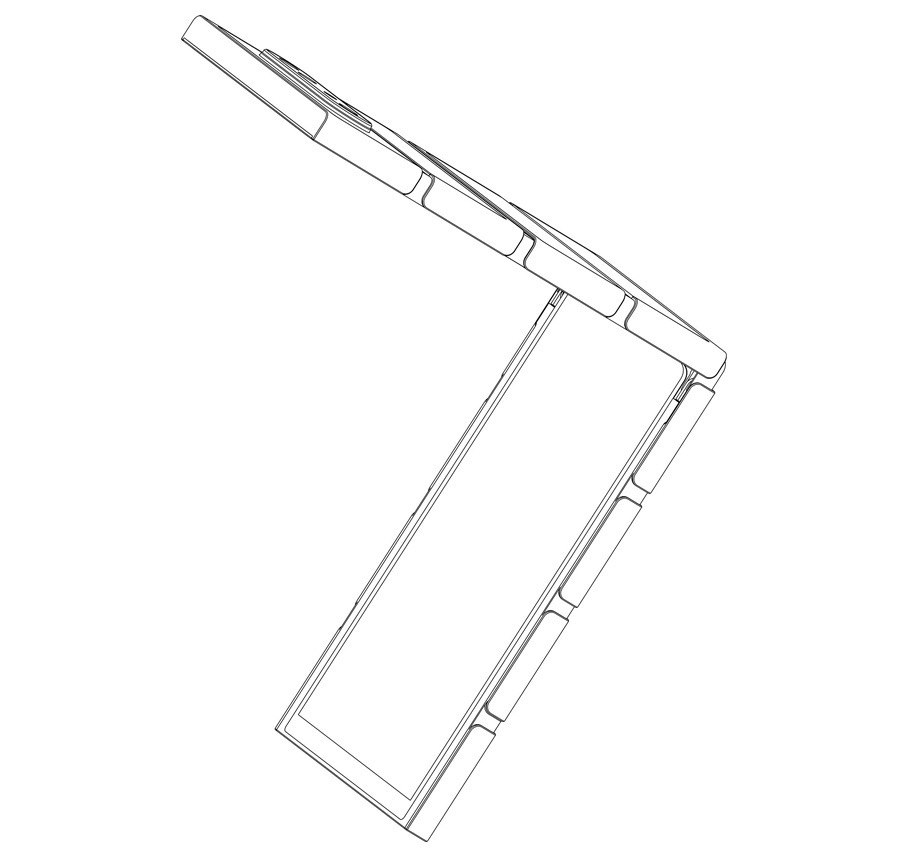
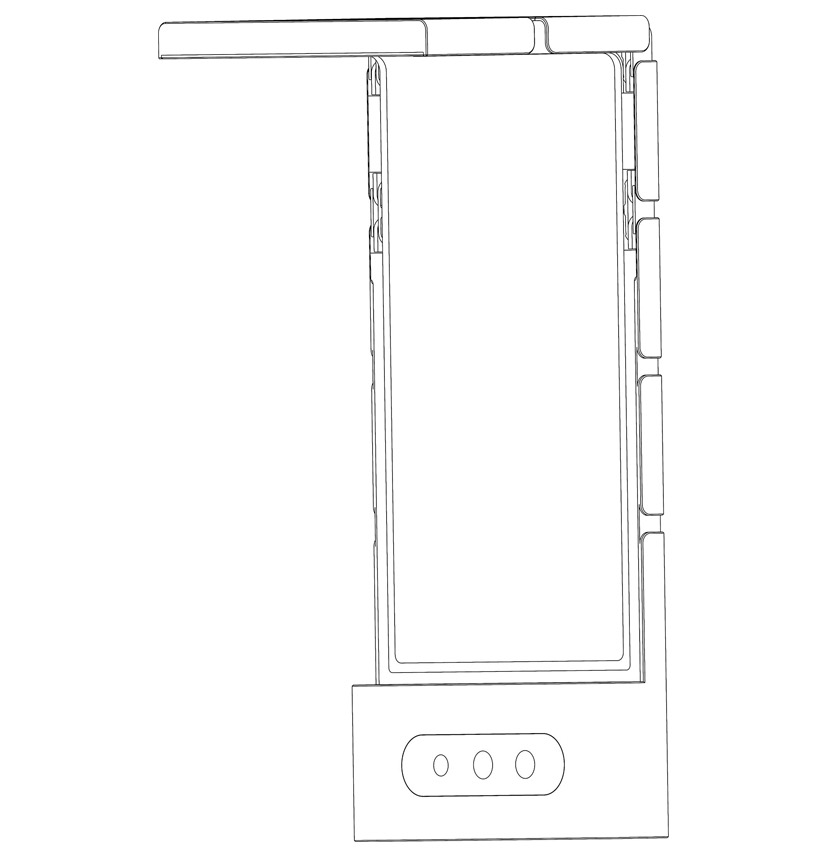
OPPO is yet to launch a foldable smartphone but the company has been patenting designs for such devices for a while now. So far, almost all of them have been generic without much to brag about. But now, the company has filed four different patents that showcase smartphones that can fold multiple times sporting a unique block structure.

These four patents were filed by Guangdong Oppo Mobile Telecommunications Corp Ltd. with the Japan Patent Office (JPO) on May 11, 2020. But they got approved and published on November 2, 2020. We stumbled across them while confirming some details of the company’s under-display camera smartphone design patent earlier today.

Now that being said, let us have a look at all the four foldable smartphone design patents by OPPO.

Patent 1

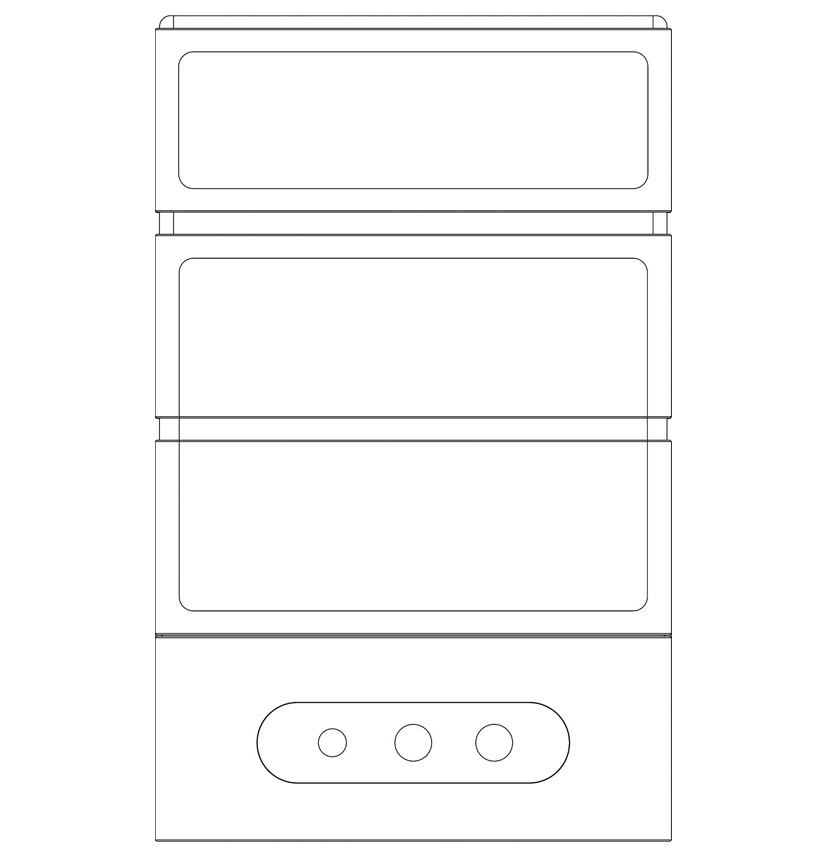
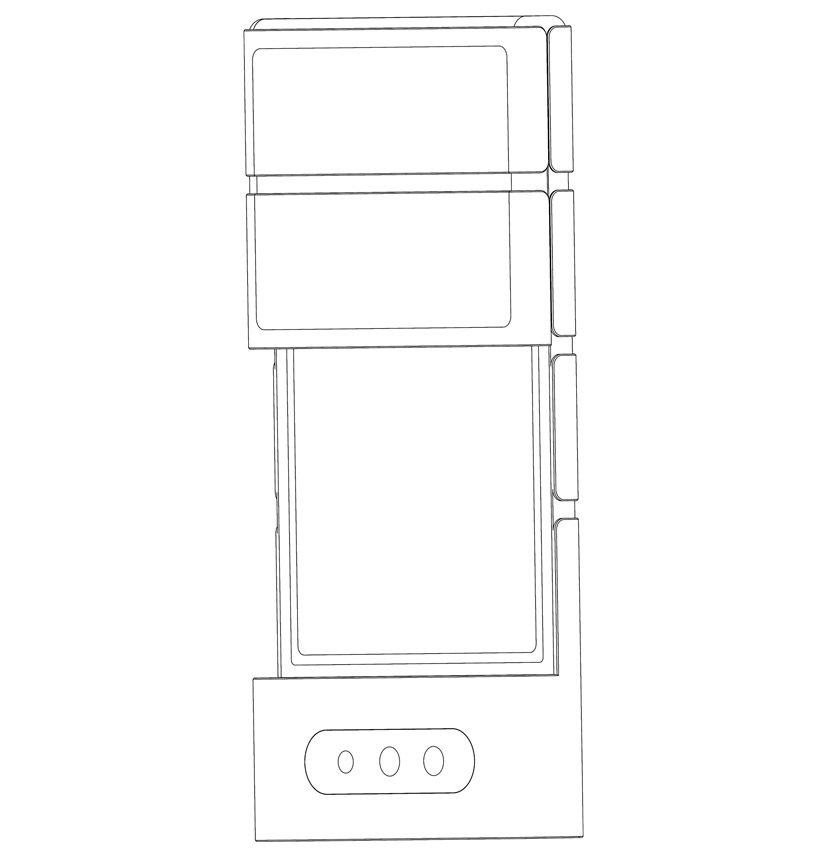
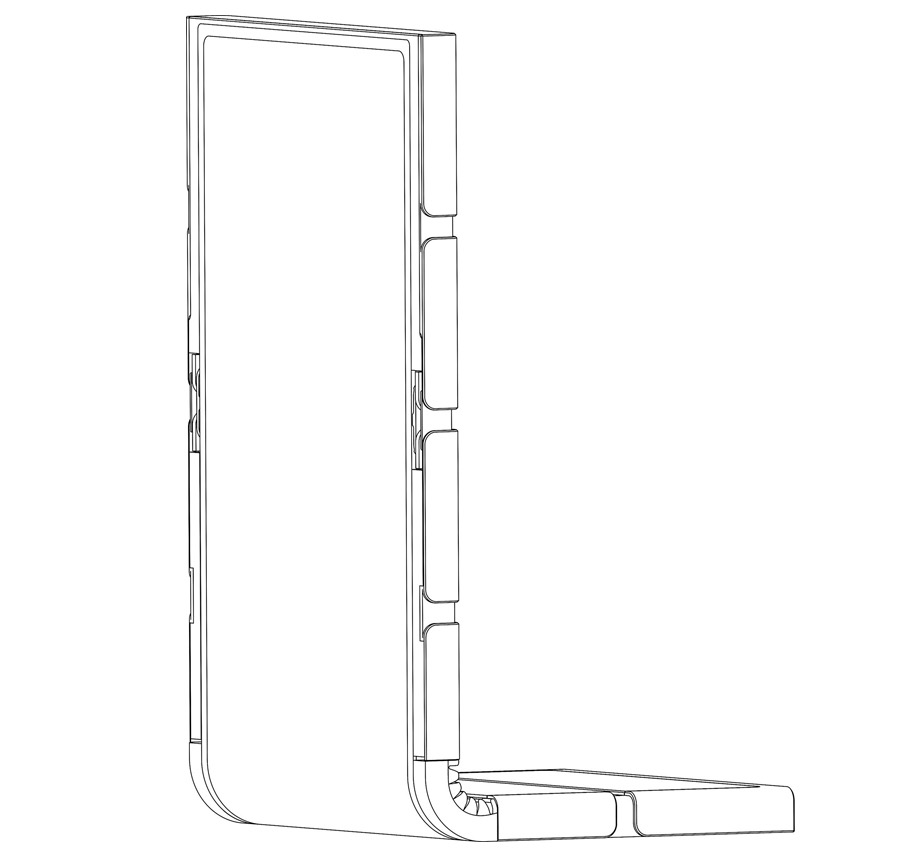
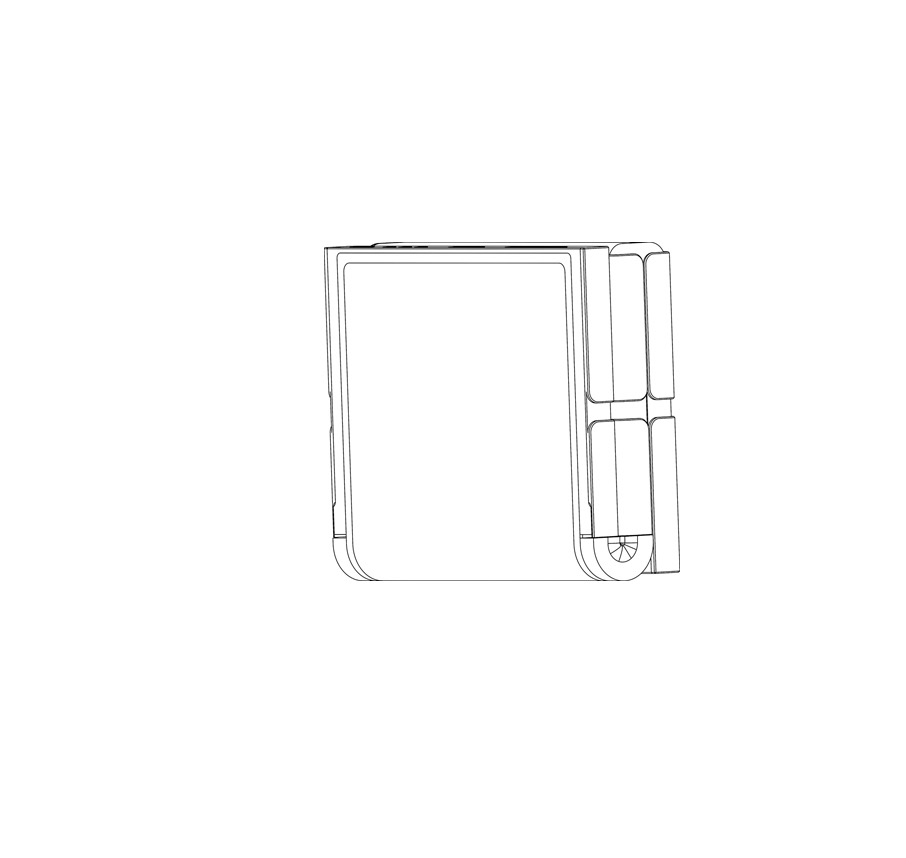
This patent details a design with six blocks and two hinges. The phone folds inwards and the dual-camera setup with an LED flash is located at the bottom front. Whereas, the rear of the handset is blank.

Lastly, due to the two hinges, this handset can be folded either completely or half.

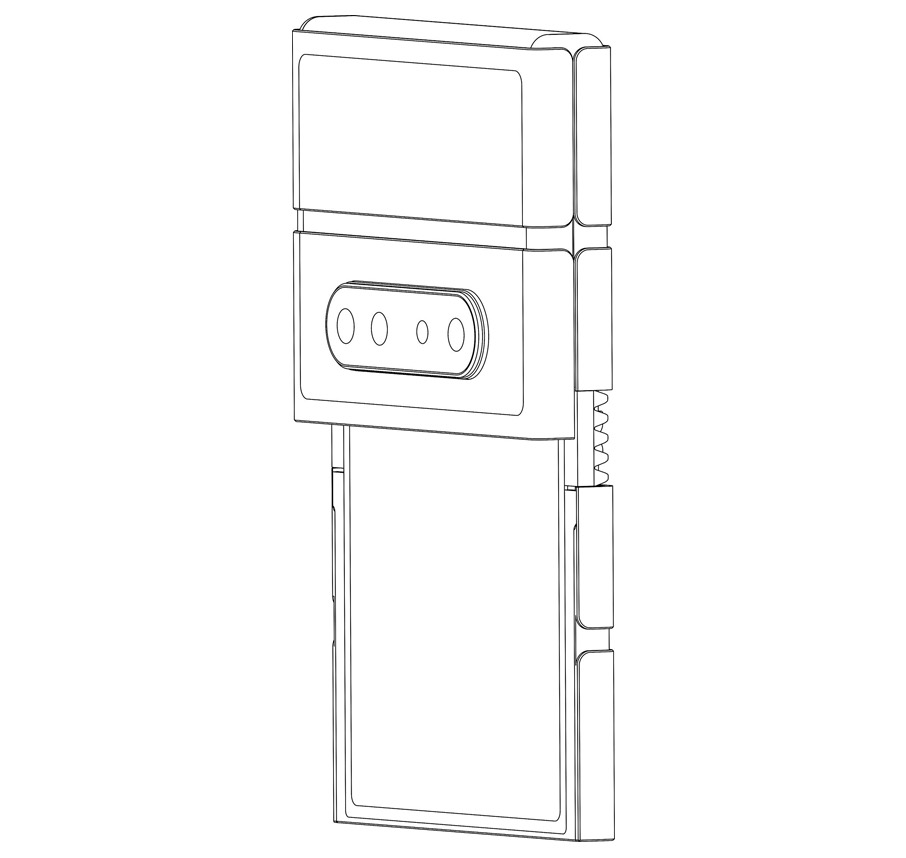
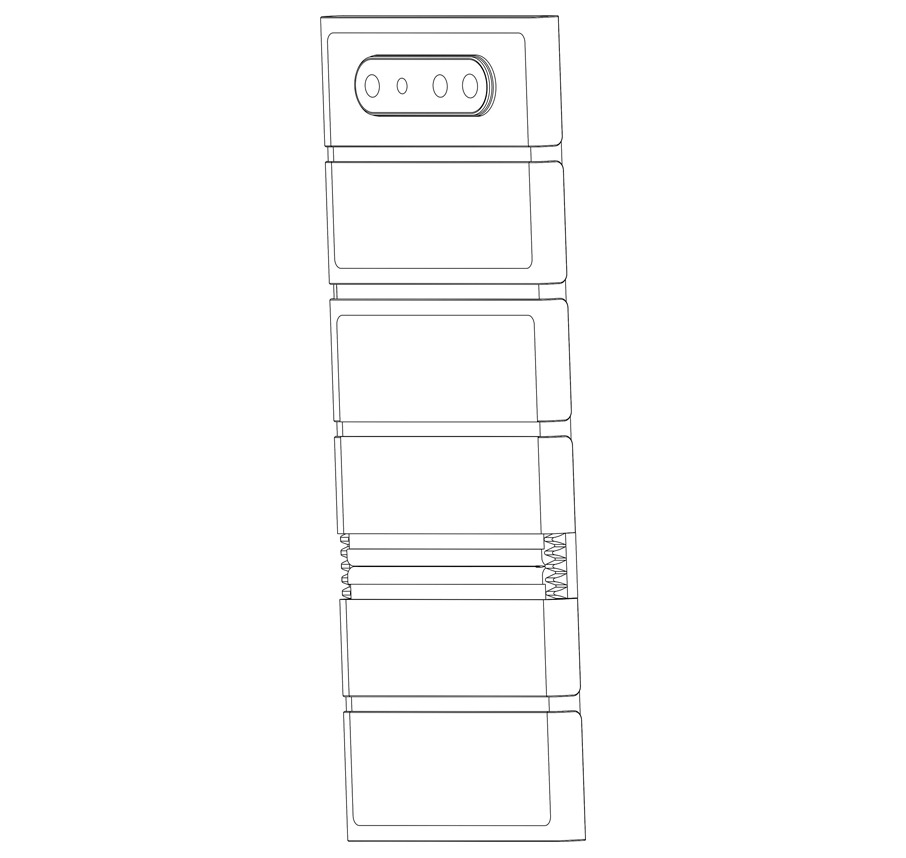
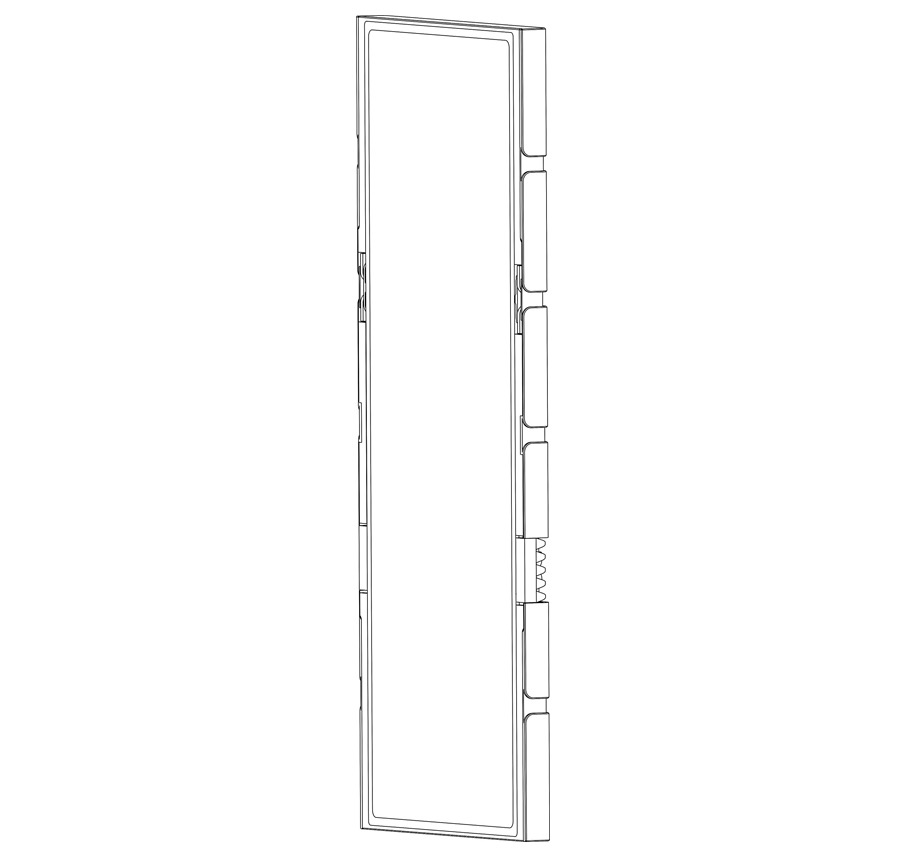
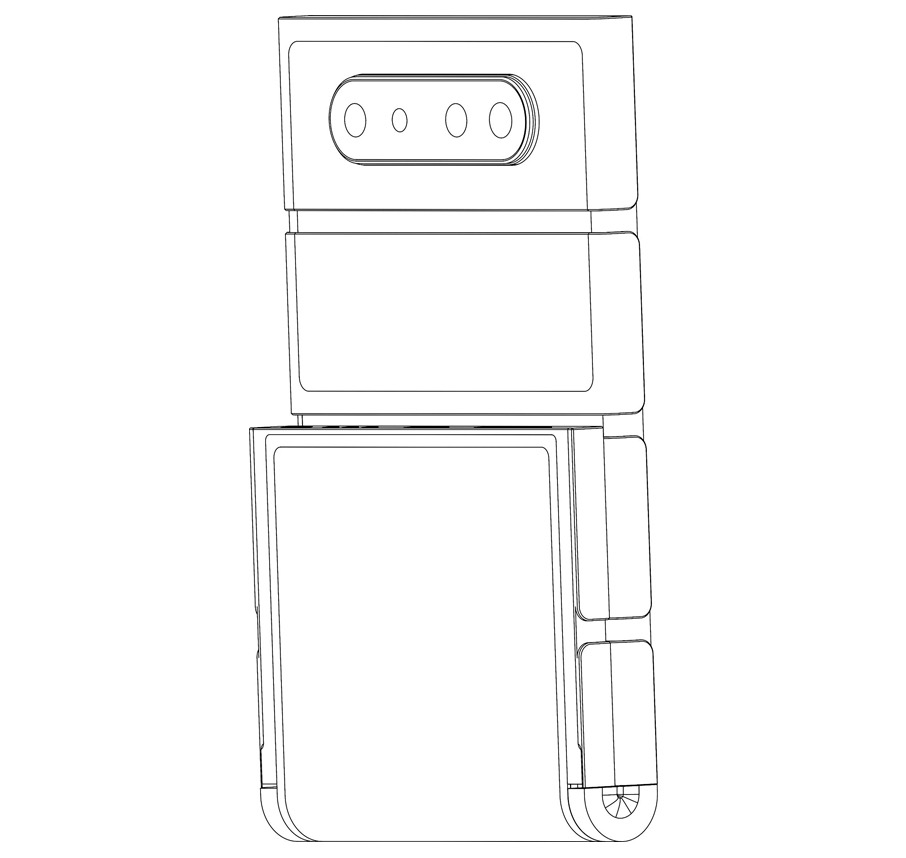
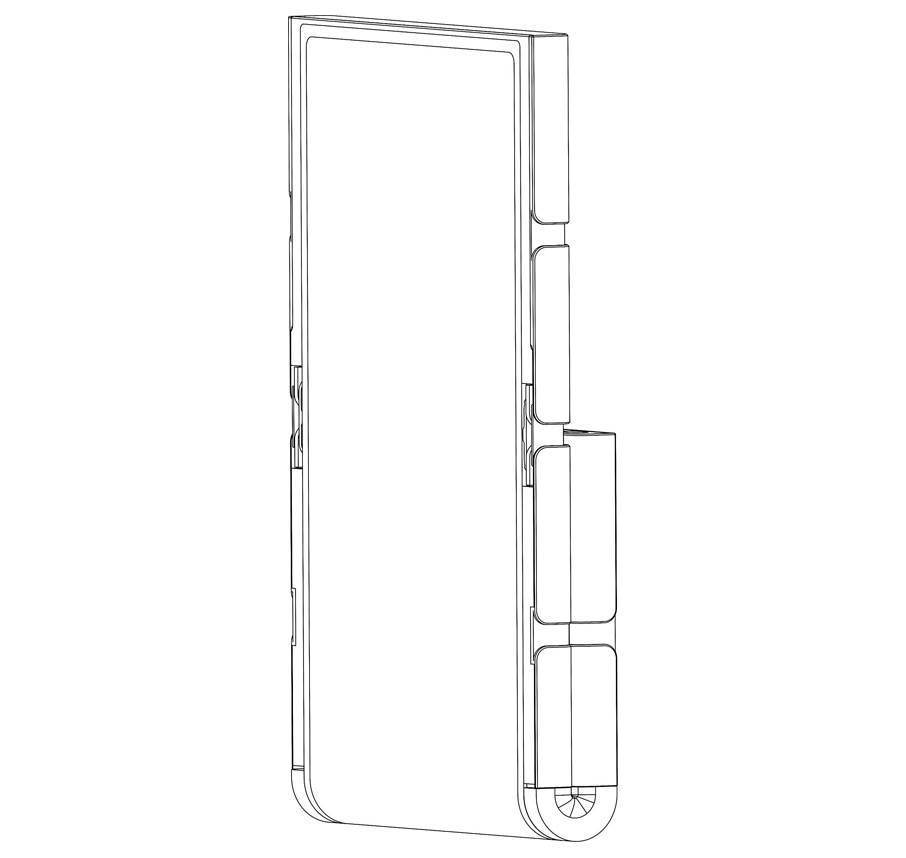
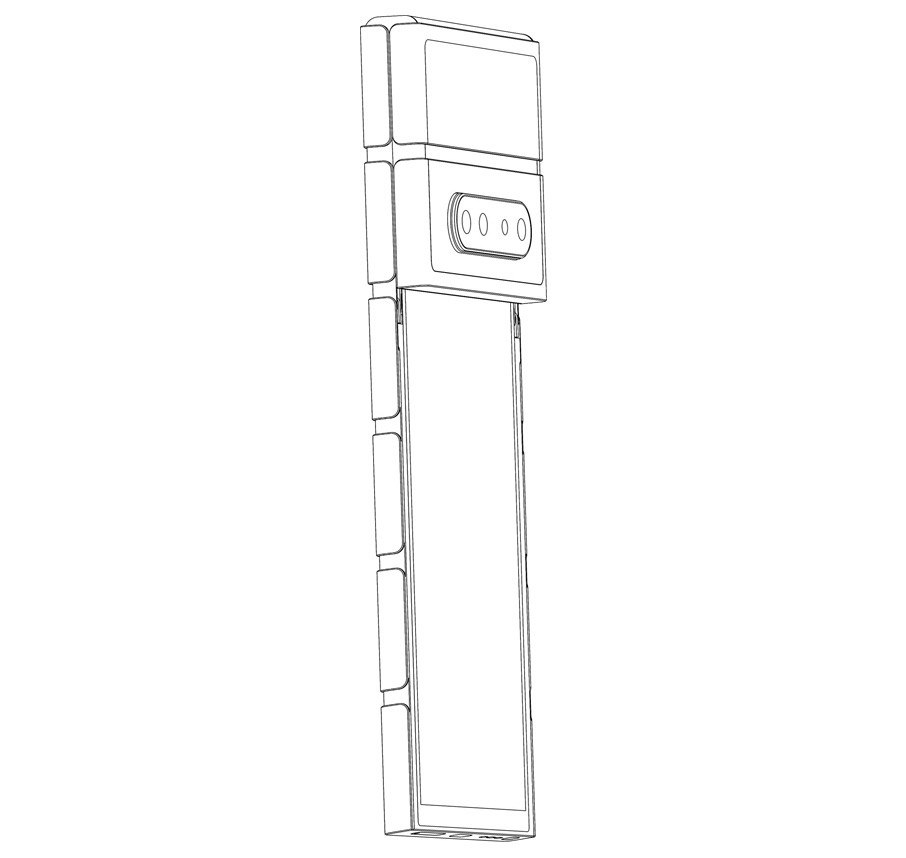
Patent 2

This design patent also has two hinges and six blocks. However, the triple camera setup with an LED flash is located at the back of the phone instead of the front. Above all, it is the only design out of four to fold both inwards and outward.

To be clear, the top portion of the phone folds inwards while the bottom section of the device folds outwards. Hence, it can be folded at both the hinges at a time, making it smaller to carry in pockets easily.

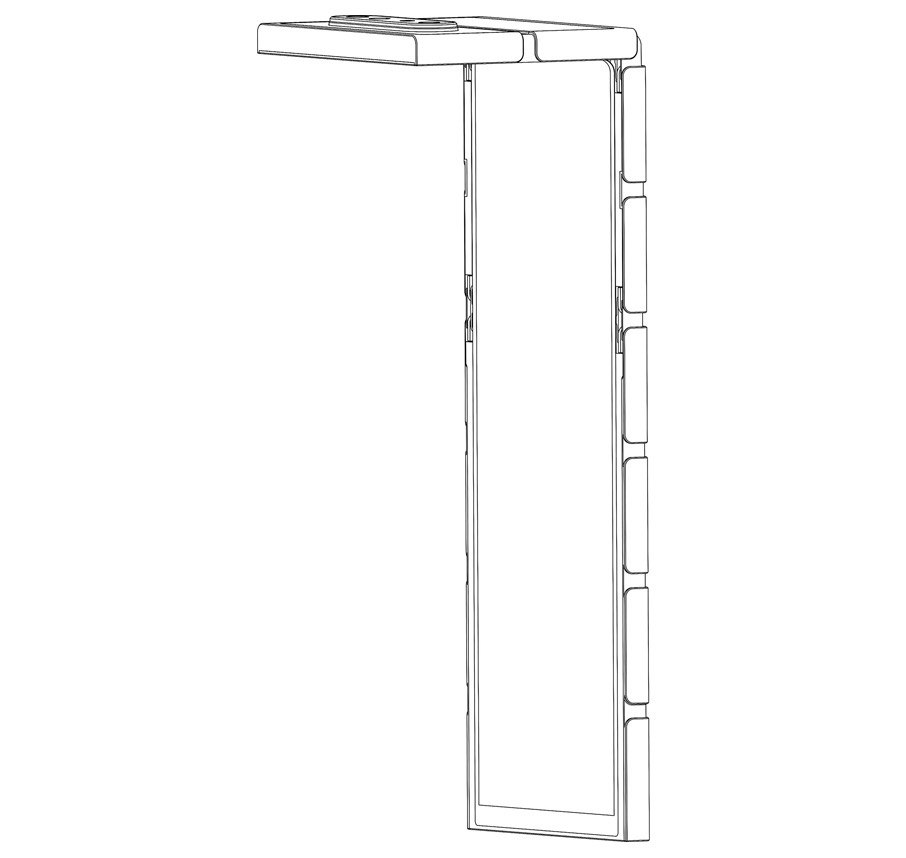
Patent 3

Unlike the first two patents, this one has a total of eight blocks but the number of hinges remains two. Interestingly, there are no cameras on this one. Maybe it features under-display cameras.

As far as folding is concerned, both the hinges fold outwards.

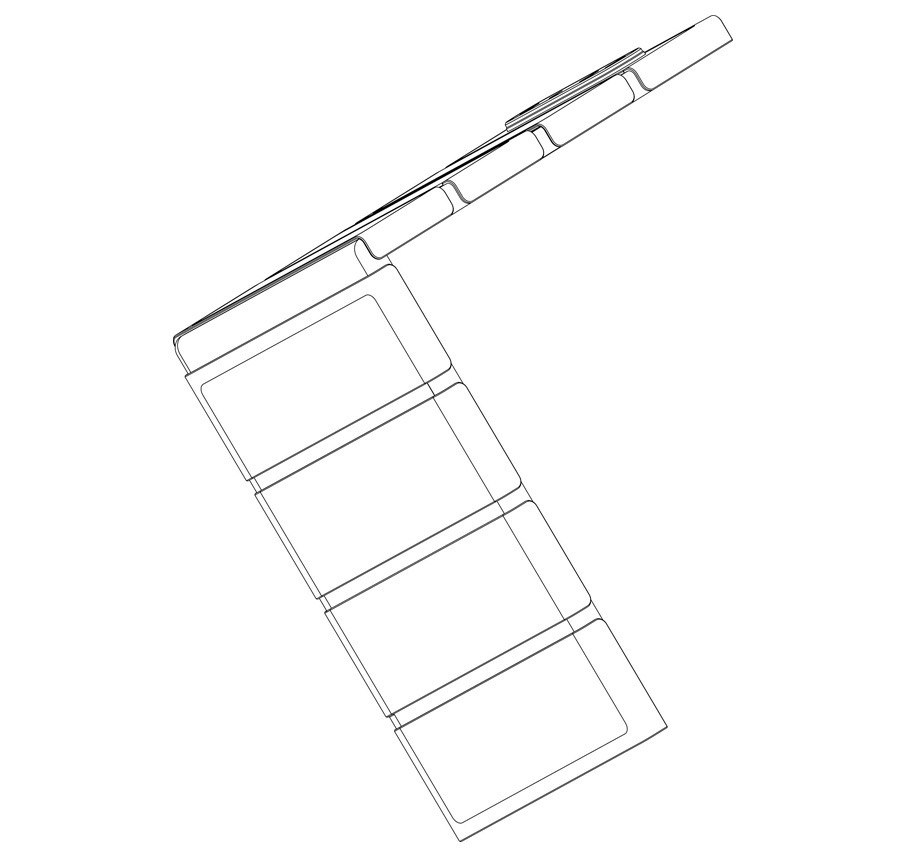
Patent 4

The last patent is similar to the previous one but with two differences. That means it also has two hinges and eight blocks.

But it folds inwards and also sports a triple camera setup on the back accompanied by an LED flash.

Having said that, we are not sure if these designs will ever make it to the hands of consumers in near future. Maybe they will but probably not now as foldables are still a new category of devices with risks like durability and app compatibility.