India’s relationship with health took a sharp turn in 2025, and Noise’s Year-End Wellness Report has the receipts. Eight in ten Indians now see wellness as something you build over time, not chase in January and abandon by March. Preventive healthcare is growing at 18% annually, which means people are finally thinking ahead instead of scrambling after things go wrong.
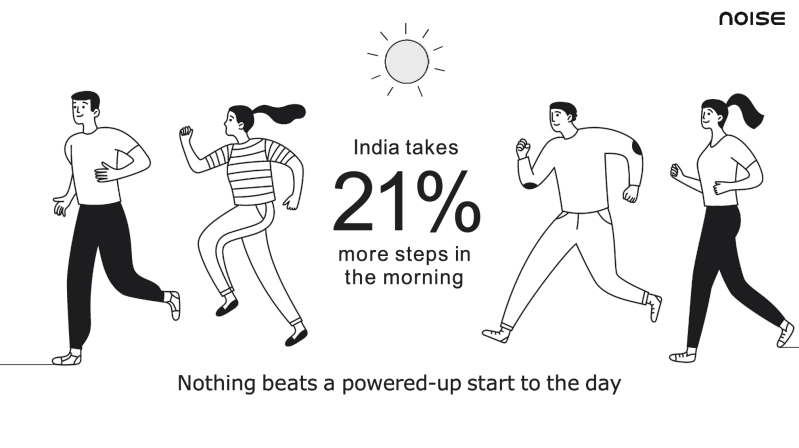
The numbers tell a clear story. Indians walked 99 trillion steps this year, not from New Year’s resolutions, but actual everyday movement. Mornings won the battle for most active time, with 21% more steps logged before lunch than later in the day. Turns out, people prefer getting it done early rather than dragging themselves to the gym after work.
Weekends look different though. Step counts and calorie burn dropped 40% on average, showing that rest is finally being treated as part of the plan, not a guilty deviation from it.
Most Indians still prefer exercising outdoors. Nearly 90% of users train outside. But there’s regional drama: people in Andaman and Nicobar Islands walk 40% more than folks in Tripura. Delhi broke the mold entirely, with residents moving workouts indoors thanks to air quality issues and a growing preference for filtered air spaces.
Running remains the go-to activity for two in five users. Strength training holds steady in cities like Delhi, where one in seven people are regularly lifting weights.
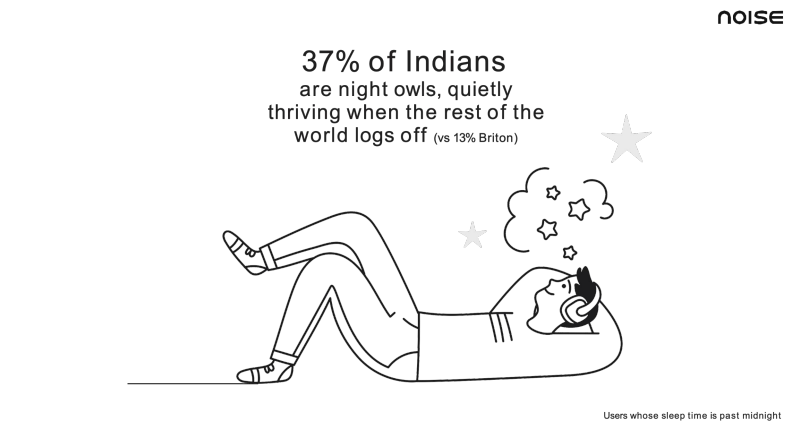
Sleep data revealed something interesting: 37% of Indians are night owls, hitting the pillow well past midnight, way higher than global norms.
What’s changed isn’t just the habits but the mindset. Fitness is no longer about looking a certain way. It’s about moving consistently, resting intentionally, and actually listening to your body.
Reports have revealed that the upcoming Oppo Reno 15 series will include multiple models, depending on different markets. So far, leaks have pointed to monikers such as the Reno 15 Mini, Reno 15, Reno 15F (4G and 5G versions), Reno 15 Pro, and Reno 15 Pro Max. A new development reveals that the Pro and Pro Max models, which were previously spotted on certification platforms with model numbers CPH2813 and CPH2811, have now emerged on the Geekbench benchmarking platform, revealing key details about them.
Oppo Reno 15 Pro Max, Reno 15 Pro appear on Geekbench
The Geekbench listings show that both the Reno 15 Pro Max and the Reno 15 Pro are powered by the Dimensity 8450 chipset. While the chip’s name is not directly mentioned in the listings, the CPU and GPU details (via metadata) suggest that both models use the same processor, which also powers the Reno 14 Pro.
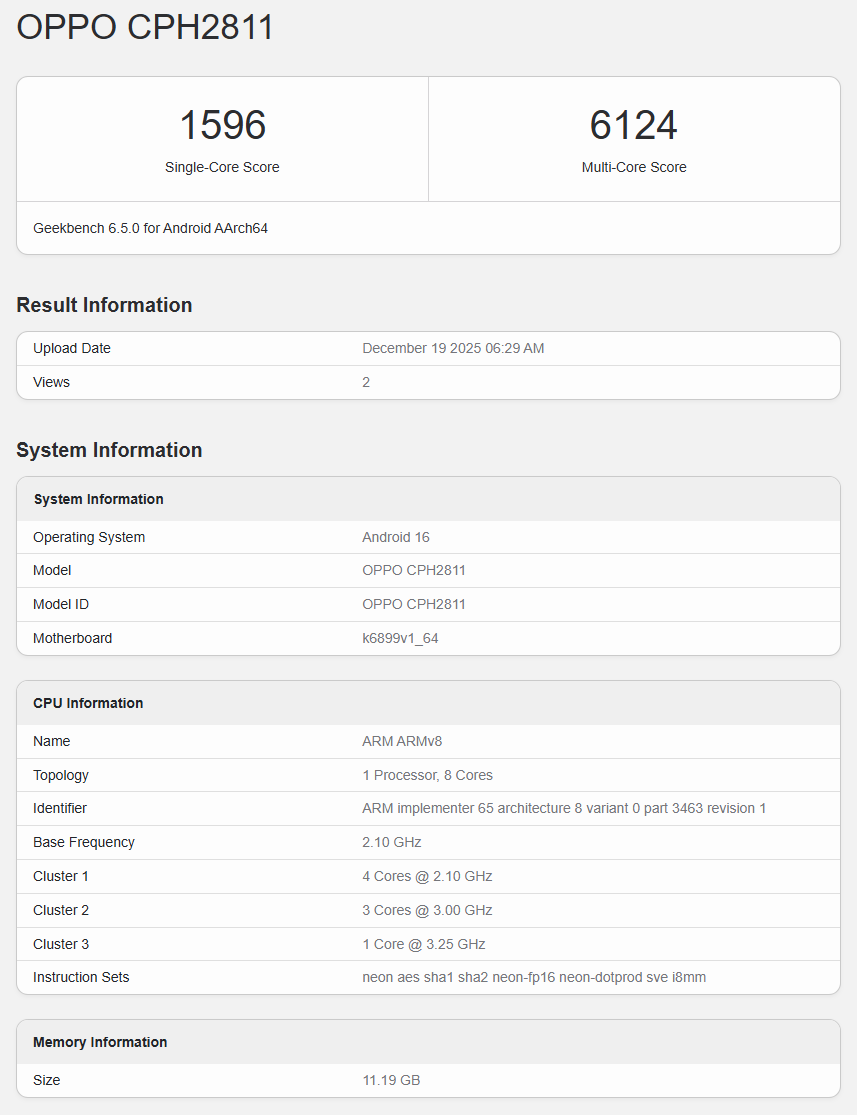
The listings further reveal 12GB of RAM and Android 16. The Reno 15 Pro Max scored 1,596 in the single-core test and 6,124 in the multi-core test. Meanwhile, the Reno 15 Pro recorded scores of 1,620 and 6,140 in the single-core and multi-core tests, respectively.
According to reports, the Reno 15 series will debut in multiple markets in January 2026. Official teasers are yet to be released, but they are expected to provide more clarity once announced.
In China, the Reno 15 series include three models: the Reno 15c, Reno 15, and Reno 15 Pro. The Reno 15c features a 6.59-inch display and a Snapdragon 7 Gen 4 chipset, while the Reno 15 and Reno 15 Pro are powered by the Dimensity 8450. The standard Reno 15 sports a 6.32-inch display, whereas the Reno 15 Pro houses a larger 6.78-inch screen.
All three phones feature a 50-megapixel front camera. The Reno 15 and Reno 15 Pro are equipped with triple 50-megapixel rear cameras, while the Reno 15c has a triple camera unit consisting of a 50-megapixel + 8-megapixel + 50-megapixel setup on the back. The smaller Reno 15c packs a 6,200mAh battery, whereas the other models house a larger 6,500mAh battery. All three devices support 80W wired charging, while only the Pro version offers 50W wireless charging.
For more daily updates, please visit our News Section.
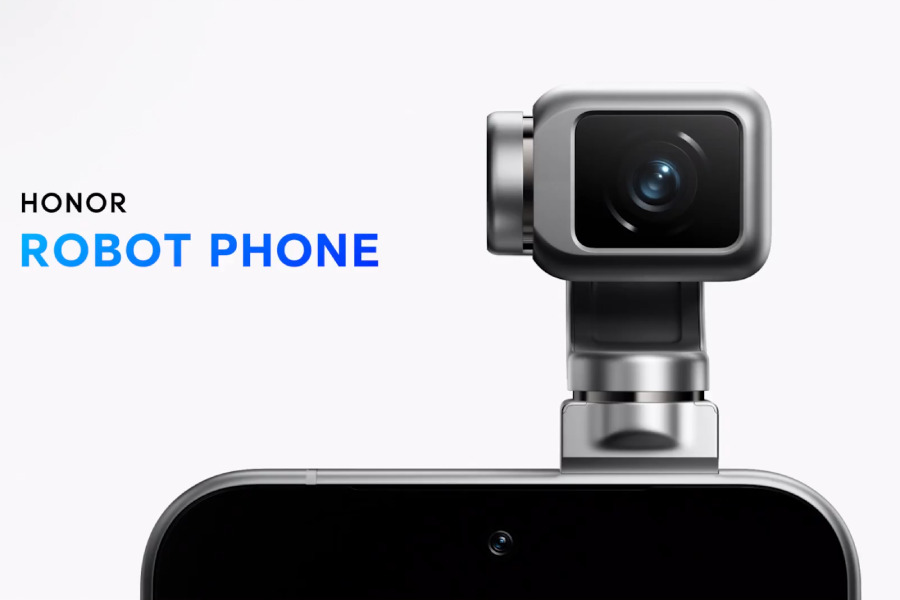
Honor is clearly thinking beyond the usual smartphone rivals with its upcoming Robot Phone. The idea alone shows just how far the company is willing to stretch what a phone can be.
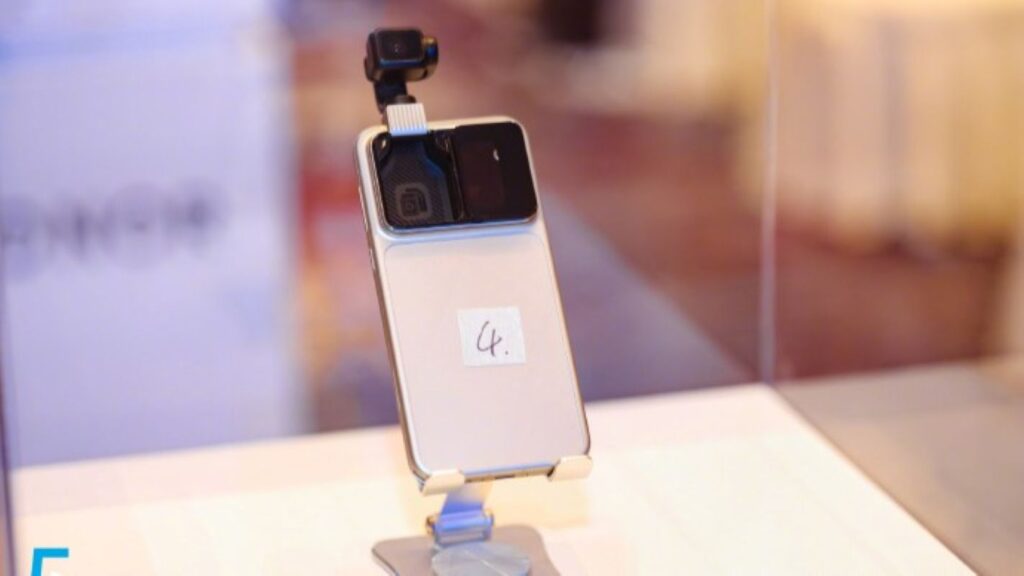
We already know the Honor Robot Phone is real. The company showed a working prototype at the Honor User Carnival in China last month. And at first glance, the device looks like a regular phone.
However, the rear camera module hides an unusual piece of hardware. It has a whole mechanical camera arm that can move on its own. Never seen anything like this, but it’s coming next year.
Now it seems like Honor wants to target more than just other smartphone brands with the Robot Phone. The company has its sights set on DJI, which is best known for stabilized video and precise camera movement.
The official gave us a hint
This recently became clearer after a post from Honor’s Chief Imaging Engineer, Luo Wei.
In what he described as an “official announcement,” Luo said he had wrapped up an extremely important project that had been in development for nearly a year. According to him, Honor’s video technology next year should be strong enough to leave competitors far behind.
When some commenters pointed out that Apple’s video performance is often considered the industry benchmark, Luo pushed back directly. “The benchmark for mobile video is DJI, right?” he replied. “Let’s compete with them next year.” It’s a blunt statement, and an unusual one for a smartphone brand to make so openly.
Based on online reactions and speculation, many believe Luo’s comments are tied to the Robot Phone. If that’s the case, the built-in camera arm may be more than a visual gimmick. It could be Honor’s attempt to bring gimbal-like movement, tracking, and stabilization directly into a phone body—territory where DJI has built its reputation.
English translation from Google Images. Via: Weibo
Honor is planning to launch the Robot Phone next year, with an official unveiling expected in Barcelona in 2026. The device is said to combine AI, intelligent systems, and high-definition imaging, powered by what Honor describes as a powerful “AI brain.” It’s also positioned as a personal camera that can move and adapt, rather than a static slab of glass.
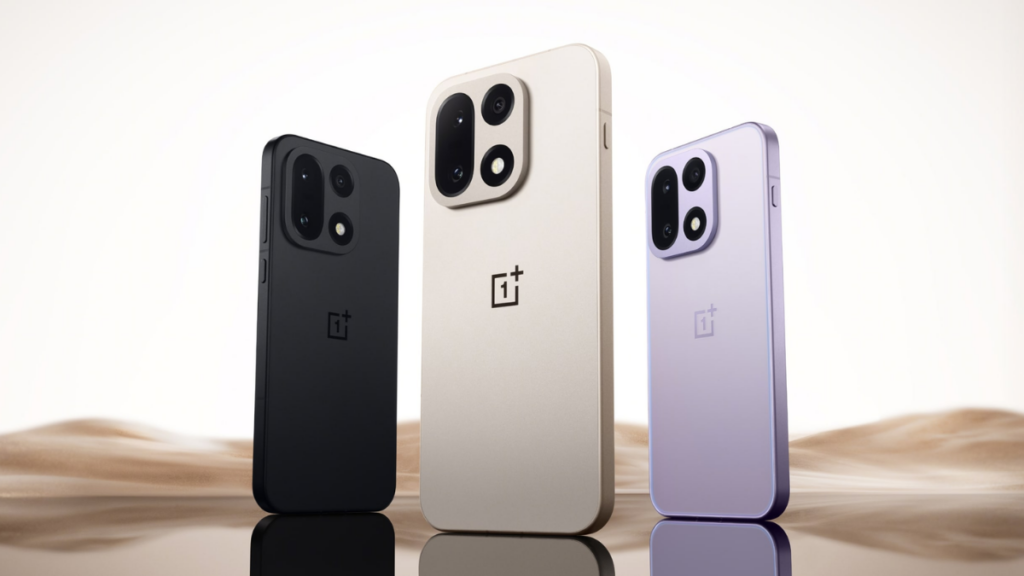
At first glance, the OnePlus 15 and OnePlus 15R look like the same phone split by price, but the intent behind them is very different. One is built to be the definitive OnePlus flagship, the other to challenge how much “flagship” you actually need. Buyers cross-shopping these two aren’t choosing between phones; they’re choosing between restraint and indulgence. This comparison matters because the gap isn’t just about cost, it’s about whether the extra polish and features genuinely change everyday ownership or simply look better on paper.
Major Differences:
Feature Category
OnePlus 15R
OnePlus 15
Key Difference
Processor
Snapdragon 8 Gen 5
Snapdragon 8 Elite Gen 5
15 has newer, more powerful chip for sustained performance
Display Tech
Standard 165Hz AMOLED
LTPO 165Hz AMOLED with Dolby Vision
15 supports adaptive refresh and richer HDR
Camera System
Dual-camera (no telephoto)
Triple-camera with periscope telephoto
15 offers true optical zoom and more versatility
Charging & Battery
80W wired, larger battery
120W wired + wireless + reverse charging
15 wins in charging features despite slightly smaller cell
Both phones follow OnePlus’s mature design language, but the OnePlus 15 feels more refined in hand. Its glass options, Victus 2 protection, and broader material choices give it a more premium identity, while added eSIM support also makes it feel more future-ready. OnePlus 15R doesn’t feel cheap by any means; its ceramic-like coating and solid frame still deliver flagship-grade durability, but it leans toward functional rather than luxurious. Subtle finishing details and added polish clearly favor the standard OnePlus 15.
Display Quality
OnePlus 15 pulls ahead with its LTPO AMOLED panel, enabling smarter refresh rate scaling and better efficiency during daily use. Dolby Vision support also gives it an edge for streaming. The 15R counters with higher peak brightness and a punchy, vibrant look that feels instantly impressive, especially outdoors. However, the lack of LTPO means it’s less adaptive over time.
Verdict
OnePlus 15 wins on refinement and efficiency, while the 15R delivers impact and value. The former feels more complete; the latter feels more aggressive.
Please Note: When you buy something using the links in our articles, we may earn a small commission at no cost to you.
2. Specifications
Performance
Performance is where the gap becomes more noticeable. The OnePlus 15’s Snapdragon 8 Elite Gen 5 is clearly tuned for sustained peak performance, handling intensive gaming, AI tasks, and long workloads with ease. It feels effortless and unstrained, especially over extended sessions. The OnePlus 15R’s Snapdragon 8 Gen 5 is still extremely powerful and more than sufficient for almost all users, but side-by-side, it feels like a slightly detuned flagship rather than the absolute best.
Battery and Charging
The 15R impresses with a larger battery that prioritizes longevity, making it ideal for users who value long screen-on time. The OnePlus 15, however, dominates charging technology with ultra-fast wired speeds, wireless charging, reverse charging, and bypass charging. It feels engineered for convenience and flexibility rather than just endurance.
Verdict
OnePlus 15 is the performance and charging king, while the 15R quietly excels at lasting longer between plugs.
3. Camera
Main and Secondary Lenses
Camera hardware is where the OnePlus 15 decisively separates itself. Its triple-camera setup adds a periscope telephoto lens, unlocking true optical zoom and more creative flexibility. Video capabilities also step up significantly with 8K recording, Dolby Vision, and LUT support, making it far more appealing to content creators. The OnePlus 15R sticks to a simpler dual-camera approach that focuses on reliability rather than versatility. Its main sensor performs well in good lighting and remains consistent, but the lack of a telephoto lens limits its range.
Selfie Camera
Both phones offer high-resolution selfie cameras, but the OnePlus 15 benefits from autofocus and stronger video options. This makes it more dependable for video calls and social content, especially in mixed lighting.
Verdict
OnePlus 15 is clearly built for camera-focused users, while the 15R is adequate but conservative in comparison.
4. Pricing
With an approximate price gap of $200, the pricing difference is substantial and meaningful. The OnePlus 15R positions itself as a near-flagship at a more accessible price, offering top-tier performance, a strong display, and excellent battery life without pushing into ultra-premium territory. It feels designed for users who want flagship power but are comfortable skipping luxury extras.
The OnePlus 15 justifies its higher price through depth rather than raw specs alone. Faster and more flexible charging, a superior camera system, LTPO display tech, higher performance ceilings, and premium software features all add up. It doesn’t merely improve one area; it improves everything slightly, which compounds over time.
For many buyers, the 15R will feel like smarter value. For others, the OnePlus 15’s added polish and future-proofing will feel worth the premium.
Disclaimer: Prices are approximate and may vary based on country, region, and applicable taxes.
5. Conclusion
OnePlus 15 stands out with its elite chipset, advanced camera system, wireless and reverse charging, LTPO display, and deeper multimedia support. It feels like a device built to age gracefully and handle evolving demands. The OnePlus 15R, meanwhile, shines with its large battery, aggressive brightness, and flagship-grade performance at a lower cost. It prioritizes practical strengths that matter day to day.
Verdict
OnePlus 15 is the more complete and future-facing flagship, designed for users who want the best OnePlus currently offers without compromise. The OnePlus 15R is the smarter choice for value-focused buyers who still want a powerful, modern flagship experience.
The decision ultimately comes down to whether refinement and features matter more than saving money; both phones succeed, just for very different priorities.
Xiaomi says it has completed the construction of a new Sports and Health Lab, a large research facility meant to improve the accuracy and reliability of its wearable devices.
The lab spans more than 5,000 square meters and is designed to test how its fitness and health algorithms perform in situations that closely resemble real-world use.
The lab includes 23 different sports testing zones, which Xiaomi says are equipped with 41 types of professional sports testing equipment and 29 so-called “gold standard” testing devices typically used in medical or scientific research.
The goal is to simulate realistic exercise and health scenarios, collect large amounts of data, and use that data to verify and fine-tune Xiaomi’s algorithm models.
According to the company, the facility will serve as a central hub for algorithm optimization, early-stage technology research, and collaboration with universities and medical institutions. The systematic data collection and analysis from this lab will help close the gap between consumer-grade smartwatches and professional health equipment.
The results are measurable
Xiaomi is already pointing to measurable results. After repeated testing and optimization inside the lab, the company claims its wearable devices have improved calorie consumption accuracy by 17 percent. Accuracy for estimating maximum oxygen uptake (VO₂ max) has increased by 15 percent. These are key metrics often used to evaluate fitness performance and cardiovascular health.
Health tracking has also seen changes. Xiaomi says its devices now detect sleep onset and wake-up times with 11 percent higher accuracy, while deep sleep and light sleep stage recognition have improved by 14 percent.
The company adds that these indicators are gradually approaching the standards of professional medical devices, though it does not say they are meant to replace them.
Xiaomi says the lab could also serve as a collaboration space. It is working closely with institutions such as Peking University Third Hospital, Beijing Sport University, and Tongren Hospital of Capital Medical University for research on menstrual cycle prediction, heart health monitoring, sleep apnea risk screening, and motion sickness intervention.
On the certification side, the lab has received testing qualification approvals from organizations including TÜV SÜD and SGS-CSTC. Xiaomi also says it plans to continue opening up its underlying research to the broader wearable industry over time.
For more daily updates, please visit our News Section.
We first of the Vivo X200T back in November. A surprise new model in the brand’s flagship lineup from 2024, which is expected to be released in the Indian market soon. But ahead of any official teaser or announcement, a new report has revealed key details of this new device. So here’s what you need to know.
Vivo X200T Leaked Specifications
The latest leak arrives from known tipster Abhishek Yadav, who shared the details in a recent tweet. To recall, the Vivo X200T is expected to be similar to the compact flagship, the Vivo X200 FE model. But the rumored specs hint at improved hardware. One of these big upgrades is the MediaTek Dimensity 9400+ over the X200 FE’s Dimensity 9300+.
Vivo X200 FE
He claims that the smartphone will also house a 3D ultrasonic in-display fingerprint scanner for security. This model likely packs a massive battery pack. Abhishek further added that the device will support 90W wired fast charging and 40W wireless fast charging as well. For photography, you are reportedly getting three 50MP cameras that likely consists of a main, telephoto, and ultra wide angle shooter. Apart from this, there were other key features that were highlighted, like a virtual graphics card, super resolution and frame interpolation technologies, and a 4.5K nanofluids VC heat dissipating system.
All of this makes it clear that this will be a performance focused device, which probably targets gamers. It seems we are getting 5 years of major Android OS updates on the Vivo X200T, along with 7 years of security patches. Vivo is expected to launch this phone in India near the end of January 2026. But keep in mind that this is still just speculation at the moment, so take this news with a pinch of salt for now.
For more daily updates, please visit our News Section.
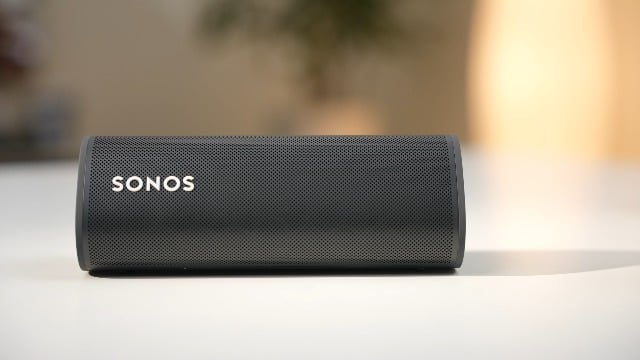
Premium audio products rarely witness deep discounts. However, the Sonos Roam 2 is currently grabbing attention with a considerable 22% to 25% price cut on Amazon. Generally retailing for $179, the portable smart speaker is now available for just $139.
Read further to know what Sonos Roam 2 has up its sleeve to justify the price tag.
Premium Audio in a Small Package
The Roam 2 isn’t just a random Bluetooth speaker; it’s a dual-purpose device. Indoor, it functions as a fully integrated Sonos smart speaker over WiFi, supporting Apple AirPlay 2 and voice assistants like Amazon Alexa. When you head out, it seamlessly switches to Bluetooth 5.2, allowing you to take that signature Sonos sound wherever you go.
Despite being compact in size, the Roam 2 packs more than it looks. It features two ClassH digital amplifiers, a dedicated tweeter for crisp highs, and a mid-woofer that ensures surprisingly deep bass for its size. One of its standout features is Automatic Trueplay, which uses the built-in microphones to continuously tune the audio output to match your surroundings. No matter whether you’re in a tiled bathroom or an open field
Designed for the rugged outdoors, the Roam 2 boasts an IP67 rating, making it completely dustproof and waterproof(able to survive being submerged in a meter of water for 30 minutes). With up to 10h of battery life on a single charge and tactile buttons that prevent accidental presses, it’s the perfect travel companion.
So in case if you’re looking to expand your existing Sonos ecosystem or simply want a high-end portable speaker that doesn’t compromise on audio quality, this $40 discount seems to be a good deal. Historically, Sonos sales don’t last long, so if you’ve been eyeing a Roam 2, available in white and black hues, waste no more time to check this deal out on Amazon.
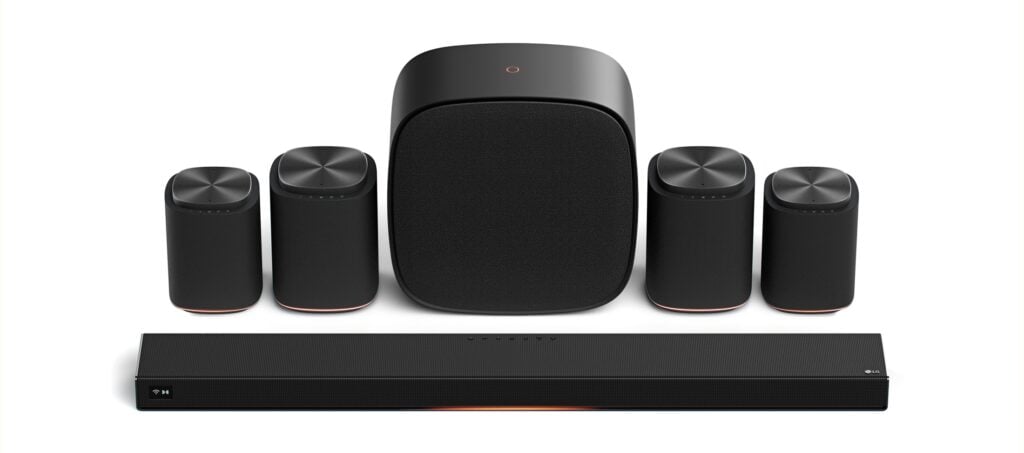
LG Electronics is launching LG Sound Suite at CES 2026, a wireless home audio system that makes setting up surround sound simpler and more flexible. The system centers on the H7 soundbar, the world’s first soundbar with Dolby Atmos FlexConnect. This technology lets Dolby Atmos sound adjust to your room’s layout without needing to place speakers in specific spots or deal with complicated setup.
LG Sound Suite works with LG’s premium TVs. You can mix and match wireless components like the M7 and M5 surround speakers and the W7 subwoofer, with or without the H7 soundbar. This gives you 27 different system configurations. You can start small and expand later to a full 13.1.7-channel home theater. When you use the H7 soundbar as the main unit, Dolby Atmos FlexConnect works with any TV through HDMI. LG will also add Dolby Atmos FlexConnect to its 2026 premium TVs and some 2025 models through a software update.
The system addresses how people watch content at home now. Streaming platforms offer movies, shows, and sports in Dolby Atmos and other high-quality audio formats, so more people want better sound at home. LG Sound Suite delivers wireless setup with real surround sound performance. Bluetooth and Wi-Fi connectivity make pairing and connecting to streaming devices straightforward.
LG includes its own audio technologies for better customization. Sound Follow uses ultra-wideband technology to shift the best listening spot based on where you’re sitting. Combined with Dolby Atmos FlexConnect, you get quality sound from any seat. Room Calibration Pro checks your room’s acoustics and uses AI to adjust the sound for balanced output throughout the space.
The H7 soundbar runs on LG’s α11 AI Processor Gen 3, the same processor in LG’s top OLED TVs. It uses deep learning and a Neural Processing Unit to power AI Sound Pro+, which converts stereo audio into multi-channel surround sound. AI-powered object separation makes voices, music, and sound effects clearer and more distinct. The system also adjusts audio based on what type of content you’re watching.
All LG Sound Suite components use Peerless speaker units, which have over a century of audio engineering behind them. LG Sound Suite will be showcased at CES 2026, running from January 6 to January 9, at LG’s booth. The company will also present its latest Micro RGB evo TVs, which feature a new Micro RGB backlight system made up of ultra-small individual RGB LEDs.
For more daily updates, please visit our News Section.
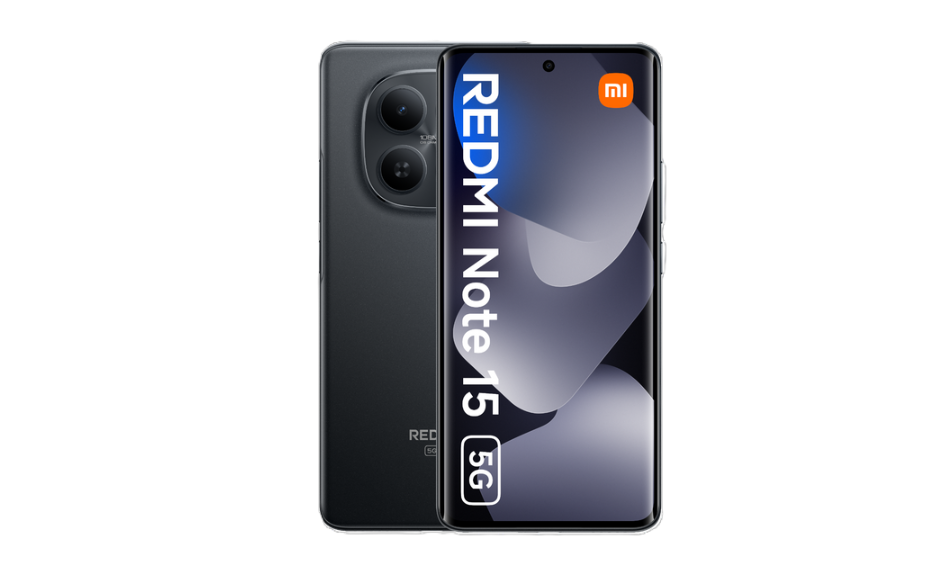
Xiaomi’s next generation of Redmi Note smartphones is right around the corner. Over the last few days, the company has shared teasers for the upcoming mid range device in India. Now, a fresh leak has even revealed some of its pricing details. So here are all the details.
Redmi Note 15 5G India Pricing
The latest leak arrives from known tipster Abhishek Yadav, who shared the details on X (formerly Twitter). He claims that the base Redmi Note 15 5G model will be released in the Indian market in two storage configurations. This includes an 8GB + 128GB and an 8GB + 256GB variant. The tipster states that the 128GB model will launch for Rs 22,999 (roughly 257 US Dollars), while the 256GB variant costs Rs 24,999 (roughly 279 US Dollars).
Redmi Note 15 5G
He further adds that the smartphone will pack a 108MP main camera on the rear, which was already teased before, and that we’ll also get the budget Redmi Pad 2 5G model as well in India. Based on what we know so far, the Chinese tech giant plans to release the Redmi Note 15 5G with the Qualcomm Snapdragon 6 Gen 3 SoC. A sizeable 5,520mAh battery pack is set to power this device, which might support 45W wired fast charging.
Since the device is similar to the Chinese variant of the Note 15, we can expect it to sport a tall 6.77-inch AMOLED display with an FHD+ resolution, a 120Hz refresh rate, and an in-display fingerprint scanner. You could get an IP65 rating for water and dust resistance as well. Xiaomi will unveil the device on 6th January 2026, so stick around for more.
Android brands typically roll out software updates in a similar fashion: high-end devices usually receive updates first, followed by mid-range and lower-end models. However, with Motorola, that’s a completely different story.
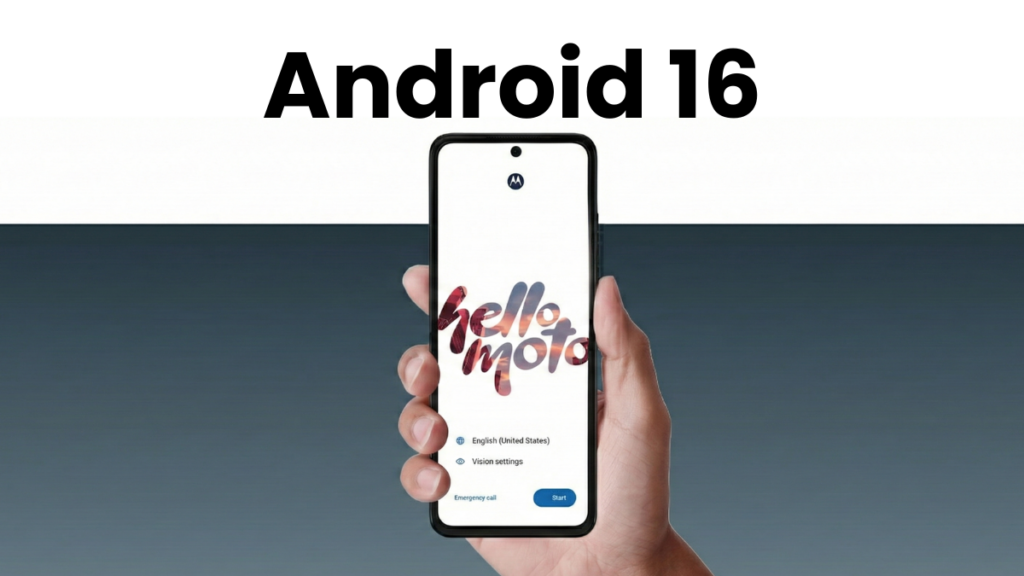
The brand kicked off its Android 16 rollout with the Edge series phones, and later it expanded the update to the more affordable Moto G lineup. Now, after a long wait, the premium Razr lineup is getting the Android 16 update, starting with the Razr 50 Ultra.
A Reddit user claims that the stable Android 16 update is now available for the Razr 50 Ultra in Japan, as spotted by folks at Ytechb. For now, it appears to be rolling out in Japan only. However, the expansion shouldn’t take more than a few days. If you’re rocking a Razr 50 Ultra anywhere in the world, don’t forget to manually check for updates from the software update section inside the Settings app.
Android 16 is the second major Android upgrade for the Razr 50 Ultra. Motorola promises three major upgrades for this device, so it’ll receive another OS upgrade to Android 17 before it reaches its quota of major updates. However, it will continue to receive security updates at least until mid-2028.
What’s new in Android 16 for the Razr 50 Ultra?
While it’s a major upgrade, you won’t see a lot of visual changes. However, there’s still a host of useful changes and improvements to look forward to, including the new Notification cooldown feature. This feature prevents users from getting annoyed when an app sends too many notifications in a short burst by lowering the volume of incoming notifications from the same app.
The Settings app now features Custom modes, enabling users to create profiles tailored to various activities. The update also introduces a Flash notification feature, which can be configured to flash the camera or screen upon receiving calls and notifications.
Additionally, the update introduces Advanced protection — a suite of security features designed to safeguard the device against various security threats. Furthermore, it brings improvements to compatibility with Bluetooth LE audio devices, Wi-Fi connection, and device stability.
You can visit the Motorola section on Gizmochina regularly to stay up-to-date with the latest news and developments. Or, if you prefer instant updates, don’t forget to join our Telegram channel.
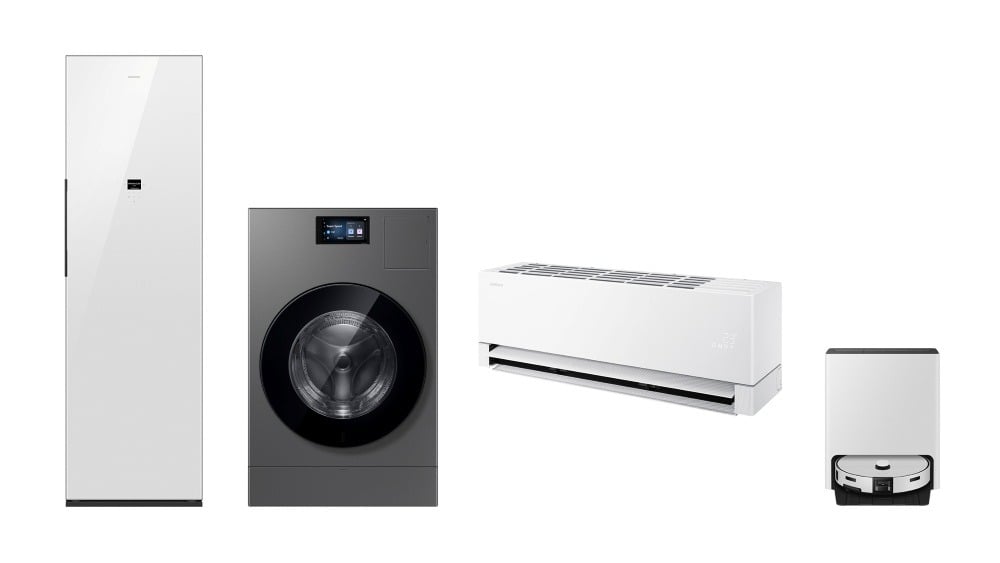
At CES 2026, Samsung Electronics will showcase its latest AI-powered home appliances designed around practical, everyday use. The company says its focus this year is on combining AI-based personalization with strong hardware performance, allowing appliances to adjust automatically to user habits with minimal manual input. The spotlight will be on Samsung’s 2026 Bespoke AI lineup, covering laundry, garment care, air conditioning, and robotic cleaning. The show will be held in Las Vegas, between January 6 to January 9.
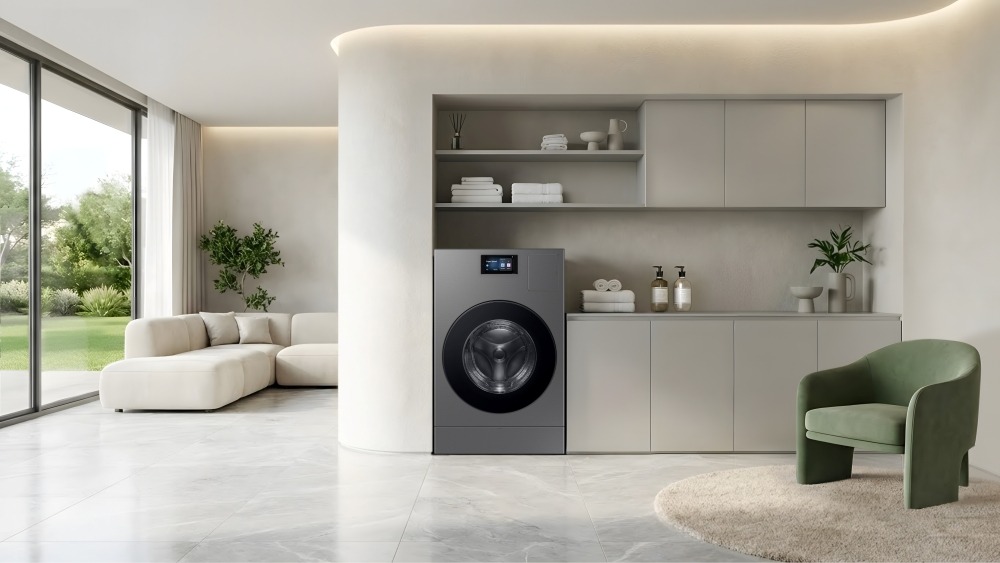
The updated Bespoke AI Laundry Combo is positioned as a faster and more efficient all-in-one washer and dryer. Samsung has shortened wash-to-dry times by upgrading both washing and drying systems. The Super Speed cycle uses a high-pressure Speed Spray that improves detergent penetration and speeds up rinsing. Drying performance is improved through a newly added Booster Heat Exchanger. To prevent odor buildup after wash-only cycles, Auto Open Door+ automatically opens the door and activates internal air circulation once washing is complete.
The AI Wash & Dry+ system has also been refined. Multiple sensors measure load weight, detect soil levels in real time, and identify five fabric types, including Outdoor and Denim. Based on this data, the machine automatically adjusts water usage, detergent levels, and cycle settings. Samsung has redesigned the lint management system with a Wide Lint Filter that has a dual-layer structure, a larger capture area, and a one-touch cleaning mechanism. In addition to the existing 7-inch LCD screen model, Samsung is introducing a more affordable version with a 2.8-inch LCD display and a jog dial.
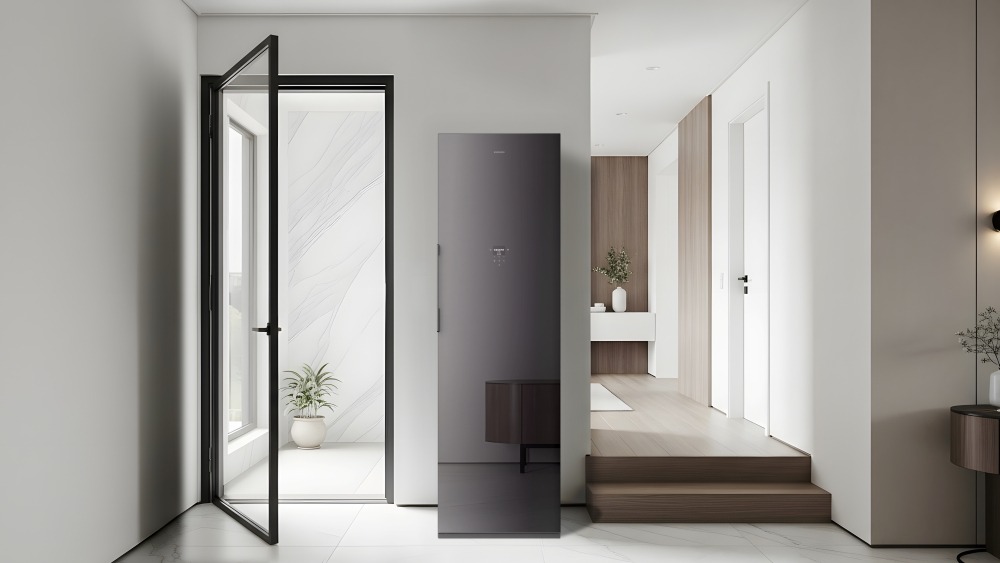
Samsung is also updating its Bespoke AI AirDresser, marking its return three years after the previous model. The new unit adds Auto Wrinkle Care, which uses an enhanced Dual AirWash and Dual JetSteam system to reduce wrinkles quickly. Dual JetSteam sends high-temperature steam deep into fabrics to maintain freshness, reducing 99.9 percent of certain viruses and bacteria and 99 percent of odors. The AirDresser includes an intelligent drying course that adjusts drying time based on whether the load is small, medium, or large. This helps avoid over-drying or under-drying and protects fabric quality.
The AirDresser works closely with the Bespoke AI Laundry Combo through Auto Cycle Link. When a wash cycle finishes, the system automatically recommends a suitable drying course on the AirDresser. If a special care cycle such as the Blouse Cycle is selected on the Laundry Combo, the same option is automatically queued on the AirDresser. The refreshed design includes a One Body Door and a 2.8-inch LCD screen.
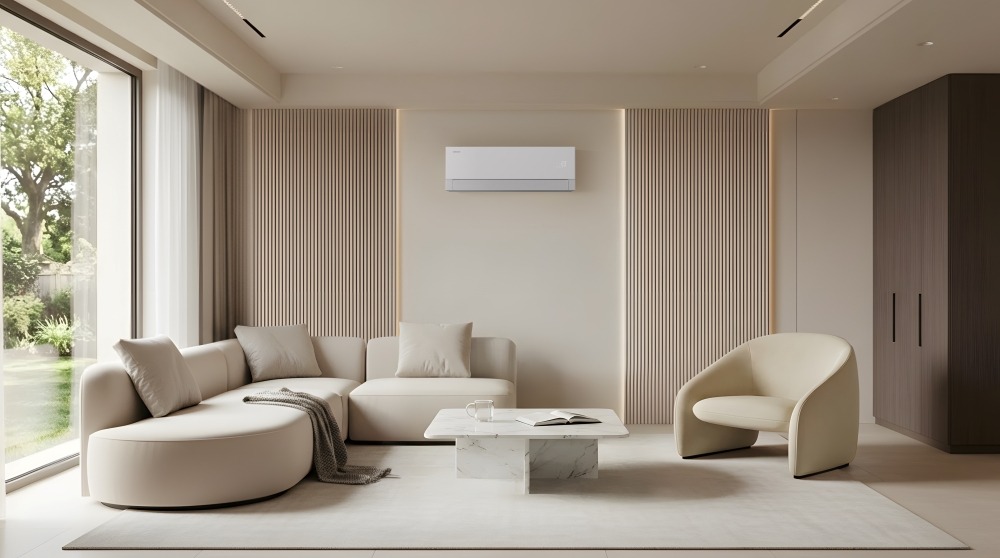
For climate control, Samsung is introducing the Bespoke AI WindFree Pro Air Conditioner. The unit uses three blades instead of one, allowing airflow to be directed in multiple ways. The Triple Motion Wings enable seven wind modes, including Max Wind for 15 percent faster cooling, Surround Wind for even airflow, Long Reach Wind that pushes air twice as far, and Down Wind that directs cool air downward quickly. Radar-based AI Direct and Indirect Wind detects user presence and adjusts airflow direction automatically.
The air conditioner also includes AI Fast & Comfort Cooling, which analyzes temperature, humidity, and room size to select the most suitable cooling mode. Based on usage patterns, it switches between Fast Cooling, WindFree comfort, and Dry Comfort. An AI Energy Mode monitors usage behavior and external conditions to reduce compressor fluctuations, lowering energy use by up to 30 percent.
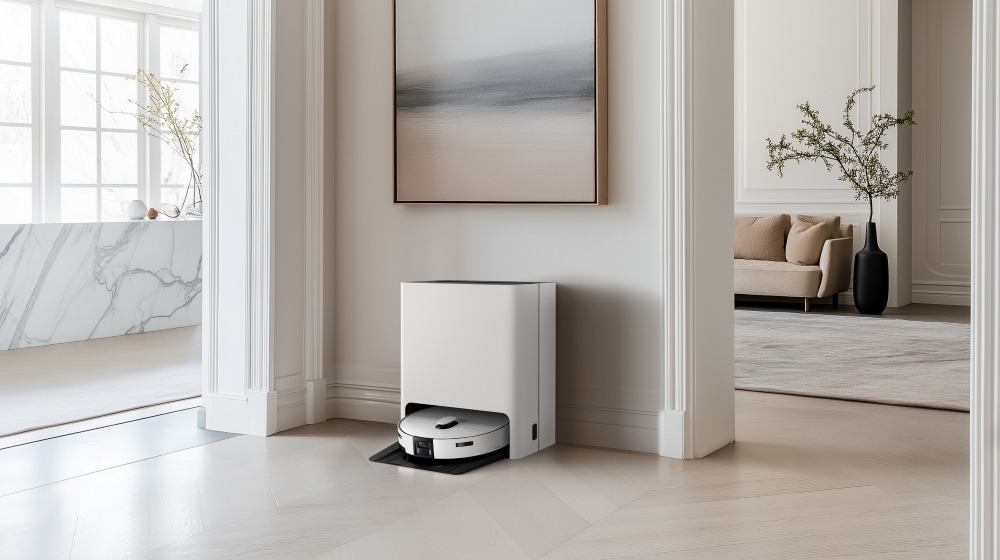
Completing the lineup is the Bespoke AI Jet Bot Steam Ultra robot vacuum. Powered by a Qualcomm Dragonwing processor, it uses deep learning-based AI Object Recognition to detect humans, cats, dogs, cables, and rugs. AI Liquid Recognition allows the robot to detect liquid spills and decide whether to clean or avoid them based on user settings. Upgraded Easy Pass Wheel technology lets the robot climb thresholds up to 2.4 inches.
Samsung will also showcase its expanded Micro RGB TV lineup at CES 2026. Visitors can view all featured products at Samsung’s showroom inside Wynn Las Vegas during the event.
For more daily updates, please visit our News Section.
The smartphone industry is at a strange crossroads. On one hand, AI is reshaping what phones are capable of, demanding more memory and faster storage. On the other hand, a global RAM crisis is forcing manufacturers to scale back specs.
In 2026, we might be heading into a world where 24GB and 16GB phones quietly disappear, and 12GB emerges as the new ceiling for most flagship devices.
The global RAM shortage is creating a strange situation for smartphones. While artificial intelligence needs more memory to work efficiently, the hardware is heading in the opposite direction. Chipmakers like Samsung and SK Hynix are shifting focus from smartphone DRAM to more profitable HBM for AI servers. This shift has pushed up DRAM prices by nearly 40%, affecting phone makers directly.
The same AI features that promise to redefine smartphones now demand more local memory than ever. Phones running models like Google’s Gemini Nano or Samsung’s Galaxy AI reserve up to 3-4GB of RAM just for on-device inference. As RAM prices increase, manufacturers may start cutting down memory to control costs. Ironically, the very AI revolution that needs more RAM might suffer from this shortage, AI ends up slowing its own progress.
This is not just a mobile problem. The desktop and laptop markets face the same issue as PC makers struggling with rising component costs.
2. Flagship Phones
For premium phones, this creates a pricing dilemma. Devices like the Galaxy S Ultra, Pixel Pro series, and ROG, Red Magic gaming phones have built reputations on high-end specs. These devices rely on at least 12GB RAM to handle local AI processing, multitasking, and high-resolution video capture.
Cutting RAM on these models would weaken their value proposition. Manufacturers would be forced to either raise prices or accept a noticeable performance compromise. Neither option works well for brands or consumers. As AI becomes central to smartphone marketing, reducing memory sends the wrong signal. At the same time, pushing retail prices beyond current comfort levels risks alienating mainstream buyers.
There is a middle ground, though. In 2026, many flagship phones may settle for 8GB RAM to keep prices in check, while only top-tier Pro or Ultra variants retain 12GB, down from the 16GB seen previously. Those higher-end models will be positioned for creators, professionals, and gamers who genuinely benefit from the extra memory bandwidth.
3. Midrange and Budget Phones
The most visible impact of the RAM crisis will show up in midrange and entry-level phones. In 2024 and early 2025, 8GB to 12GB RAM became common in phones under $300, but that momentum may reverse in 2026. Brands trying to keep prices stable are likely to cut back to 6GB or even 4GB RAM on cheaper models.
While 4GB RAM can handle basic tasks like messaging and video calls, it struggles with multitasking or gaming. The realistic standard for most midrange devices in 2026 will likely be 6GB RAM. In lower midrange and budget phones, memory could drop to 4GB, which would be a clear step backward.
It is also worth noting that many manufacturers may stop clearly disclosing the actual physical RAM and its type. Instead, brands are likely to promote inflated RAM figures by combining hardware RAM with so-called virtual RAM. This approach can mask lower physical memory configurations on spec sheets, even though virtual RAM cannot truly replace real RAM in everyday use.
4. How Much RAM Do You Really Need?
For daily use, the difference between 8GB and 12GB is more about convenience than capability. Most apps are optimized to work within tight memory constraints, especially on iOS, where 8GB still powers AI-driven features like Apple Intelligence. Android, while more RAM-hungry, has matured in memory management, with 8GB now considered the safe minimum for a smooth experience.
If you’re a multitasker, heavy gamer, or rely on AI features like live transcription or photo remastering, 12GB is the sweet spot. It gives enough overhead to keep things running without bottlenecks, even with on-device AI like Google’s Gemini Nano or Samsung’s Galaxy AI reserving a few gigs in the background.
Going above 12GB? That’s mostly for niche users, think professional mobile video editors or esports gamers. For the rest, 16GB won’t feel significantly faster than 12GB.
For more daily updates, please visit ourNews Section.
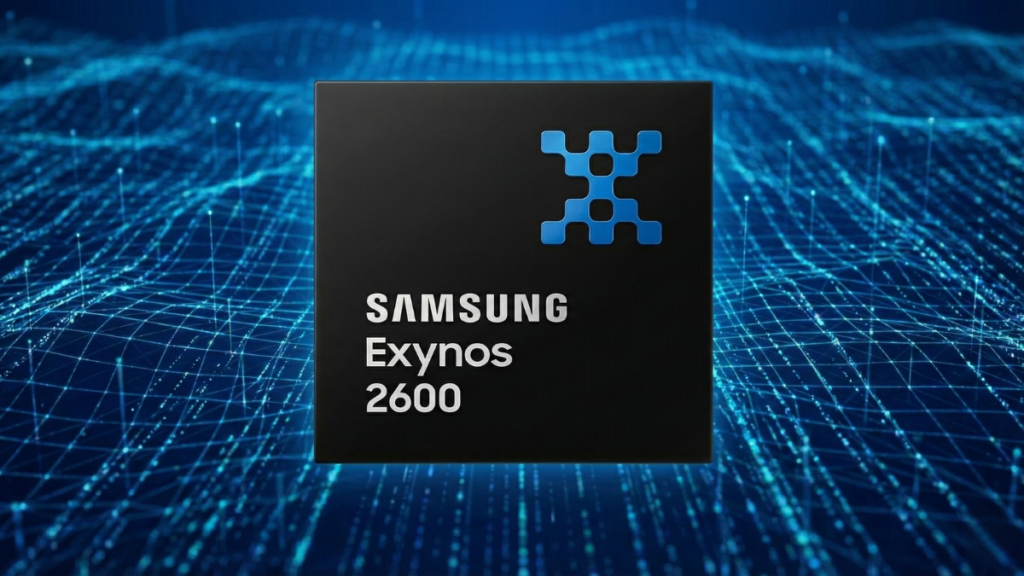
Qualcomm and MediaTek were earlier supposed to be among the first brands to push 2nm smartphone chips into the market, but Samsung has quietly taken the crown by announcing Exynos 2600 — the world’s first smartphone chip built using 2nm GAA (Gate-All-Around) manufacturing process.
The Exynos 2600 sits above the Exynos 2500, promising notable improvements in performance, thermal efficiency, and AI capabilities. Although not officially confirmed, this chip is likely to power some of the upcoming Galaxy S26 series phones in many regions.
The latest Exynos chip features a 10-core CPU based on Arm’s latest v9.3 architecture, which includes C1-Ultra and C1-Pro cores. Samsung didn’t include any low-power little cores, as the CPU only comprises big and high-performance cores.
The Exynos 2600’s CPU comprises one prime C1-Ultra core clocked at 3.8GHz, three high-performance C1-Pro cores at 3.25GHz, and six efficiency-tuned C1-Pro cores at 2.75GHz. This new structure is claimed to have improved the CPU performance by up to 39%.
Gamers should also notice some improvements, as the new Xclipse 960 GPU is claimed to offer twice the compute performance of its predecessor and up to 50% better ray tracing performance. The chip also introduces Exynos Neural Super Sampling (ENSS) technology, which further improves gaming performance by leveraging AI-based resolution upscaling and frame generation technologies.
The South Korean giant has taken a step forward towards fixing the heating issues associated with Exynos chips by introducing the new Heat Path Block (HPB) technology. It improves heat transfer using High-k EMC materials, which are said to be as effective as a heat sink, and lowers thermal resistance by up to 16%.
The Exynos 2600 chip features an AI engine with a 32K MAC NPU and brings support for ARM’s Scalable Matrix Extension 2 (SME 2), which can accelerate AI and ML-based applications and provide enhanced support for matrix operations. Samsung claims the upgraded NPU delivers a 113% increase in AI performance over its predecessor, Exynos 2500.
The chip supports up to 320MP single-camera or 64MP + 32MP dual-camera configurations. Additionally, it enables zero shutter lag for 108MP shots. The chip can do 8K/30fps and 4K/120fps HDR video recording, with support for Samsung’s APV codec for higher-quality videos. Samsung claims the improved ISP is also up to 50% more efficient.
Other specs include LPDDR5x RAM, UFS 4.1 storage, 4K displays at a refresh rate of up to 120Hz, and HDR10+ playback.
Eynos 2600
Announced
December 2025
Process node
Samsung’s 2nm (GAA)
CPU cores
10-core
CPU cores
1 x 3.8 GHz — C1-Ultra 3 x 3.25 GHz — C1-Pro 6 x 2.75 GHz — C1-Pro
GPU & gaming
Samsung Xclipse 960 GPU Ray tracing support Heat Path Block (HPB) Exynos Neural Super Sampling (ENSS)
NPU
AI engine with 32K MAC NPU
Memory
LPDDR5X
Storage
UFS 4.1
Camera
up to 320MP single camera 64MP + 32MP dual cameras up to 108MP camera with zero shutter lag 8K/30fps video recording 4K/120fps HDR video recording Visual Perception System Deep Learning Video Noise Reduction Advanced Professional Video (APV) codec
Qualcomm and MediaTek will join in next year
From the specs sheet and brand claims, the Exynos 2600 appears to offer solid gains across CPU, GPU performance, and API capabilities. Particularly, the latest measures to fix heating issues could build more confidence in potential buyers. However, Qualcomm and MediaTek aren’t sleeping either.
The two chip giants are working towards announcing their 2nm smartphone chips. According to reports, those could be called: Snapdragon 8 Elite Gen 6 and Dimensity 9600. Both will reportedly use TSMC’s 2nm (N2P) manufacturing process.
MediaTek and Qualcomm usually release their latest flagship chips around September. That’s when you can expect them to unveil their 2nm flagship chips. That’s still months away, but in the meantime, we’re likely to hear more about these chips through various leaks.
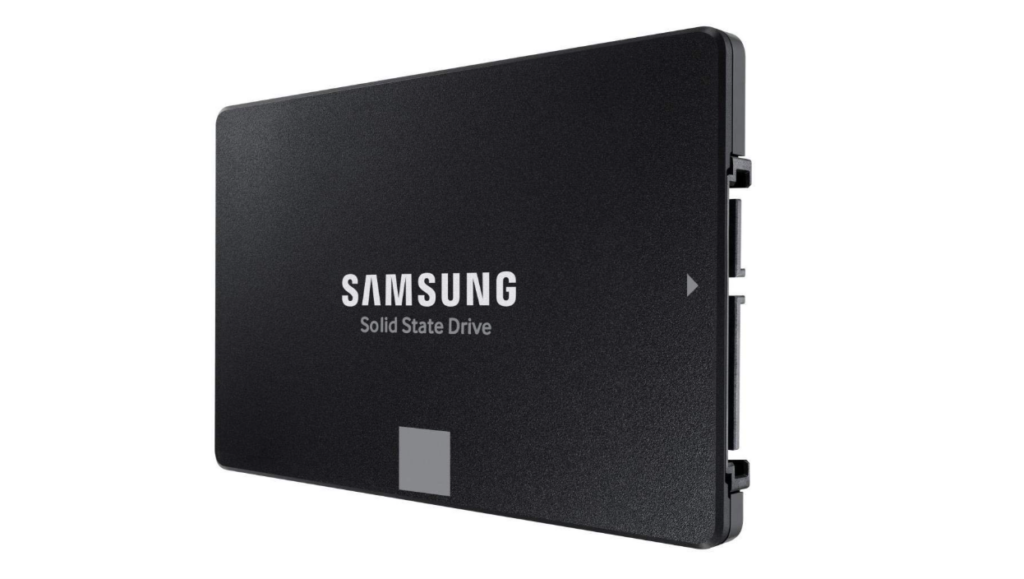
Recent rumors suggesting Samsung was preparing to discontinue its SATA SSD lineup have stirred anxiety across the storage market, but the company has now stepped in to shut those claims down.
The speculation originated from a report by YouTube channel “Moore’s Law Is Dead”, which claimed Samsung was planning to phase out its SATA-based consumer SSDs. The timing of the report only amplified concerns, arriving shortly after Micron confirmed it was exiting the consumer SSD space altogether. With SATA drives still playing a key role in PC upgrades and budget systems, fears of shortages and price spikes quickly followed.
For those less familiar with the topic, SATA SSDs use the same interface as older hard drives and are typically limited to speeds of around 500–550 MB/s. They remain widely compatible with older desktops and laptops, making them one of the most affordable and popular upgrade options. NVMe SSDs, by comparison, are significantly faster but usually come at a higher cost and require newer hardware support. If Samsung were to discontinue SATA SSDs, the impact would be felt most by people upgrading or building a budget PC. SATA SSDs are also a very good option for use cases that require bulk storage rather than speed.
Fortunately, Samsung has made its position clear. Responding directly to the circulating reports, a company spokesperson stated that “the rumor regarding the phasing out of Samsung SATA or other SSDs is false.” In other words, Samsung has no plans to pull the plug on its SATA SSD business at this moment.
That said, broader pressures in the memory and storage market haven’t disappeared. Ongoing supply constraints, largely driven by surging demand for AI-focused hardware, are expected to push prices higher across various memory products, including SSDs, over the coming months.
For now, though, Samsung’s statement removes one major uncertainty. While the storage market may still be heading into a turbulent period, SATA SSD users can at least be confident that Samsung isn’t abandoning the segment just yet.
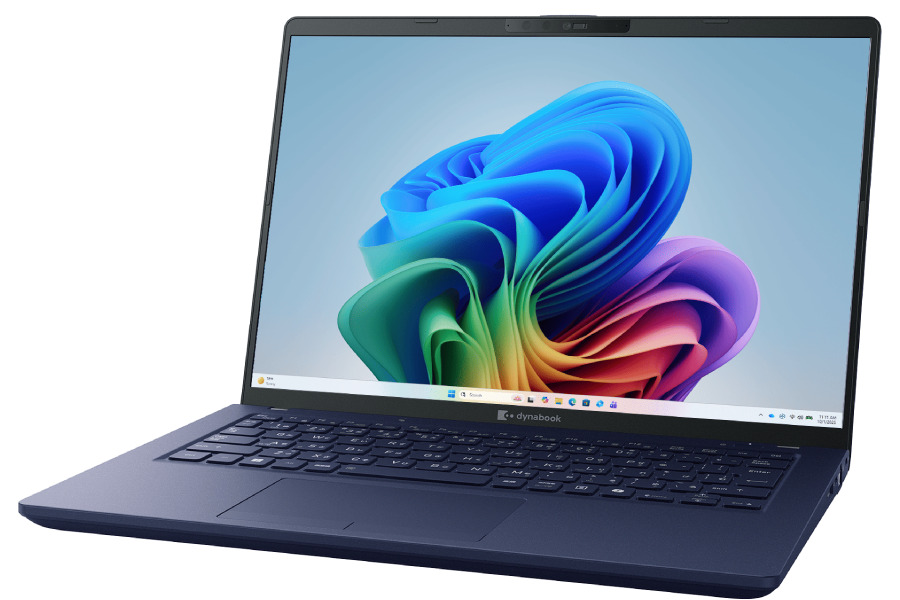
Japanese PC brand Dynabook has quietly stepped into the Snapdragon-powered PC era. The company has launched the Dynabook XD5 in Japan, and it’s the first Dynabook laptop powered by a Qualcomm Snapdragon processor.
Dynabook XD5 Specifications
At the heart of the XD5 is the Snapdragon X Plus X1P-42-100, an 8-core chip with a boost clock of up to 3.4GHz. It’s paired with 16GB of RAM and 512GB of SSD storage. Qualcomm says the chip’s NPU can deliver up to 45 TOPS, making the XD5 ready for on-device AI features.
But specs only tell part of the story. The XD5 is also impressively light. It weighs just 974 grams and flaunts a 14-inch display. The screen itself is a 1920 × 1200 TFT LCD panel.
Since this is a Snapdragon-powered laptop, the Dynabook XD5 is rated to deliver up to 28 hours when idle and around 16 hours of video playback. The laptop uses a user-replaceable lithium polymer battery, which is becoming increasingly rare in modern thin-and-light designs.
For connectivity, the XD5 includes two full-function USB4 ports, two USB-A ports (5Gbps), HDMI 2.1 (TMDS), a 1GbE Ethernet port, a microSD card reader, and a 3.5mm combo audio jack. Wireless options are equally modern, with Wi-Fi 7 and Bluetooth 5.4 on board.
On the software side, Dynabook is adding its own touches. The XD5 comes with Dolby Atmos support and a smartphone integration feature called “Dynabook Smartphone Connection,” which lets you sync your phone and PC a bit smoothly. There’s also a physical webcam shutter.
Dimension-wise, the laptop measures roughly 312.4 × 222.5 × 18.7–18.9mm.
Price and Availability
The Dynabook XD5 retails for 219,780 yen (~ USD 1400) in Japan for the sole 16/512GB model. And it’s available for purchase starting today.
For more daily updates, please visit our News Section.
Xiaomi is all set to announce the Xiaomi 17 Ultra next week in China, but so far, the brand hasn’t shared any significant details about its specifications or design. A new leak that surfaced today has revealed that the Xiaomi 17 Ultra will house a massive battery, much bigger than that of the Xiaomi 15 Ultra.
According to a Weibo post by tipster Bald Panda, the Xiaomi 17 Ultra will house a 6,800mAh battery. It will offer 100W wired charging and wireless charging support. The same leak also reveals that it will be available in shades, such as black, white, green, and purple.
In comparison, the Xiaomi 15 Ultra, which debuted at the beginning of this year, features a 6,000mAh battery. However, the 17 Ultra’s battery is still smaller than that of the 17 Pro, which houses a 7,500mAh unit.
Coming back to the 17 Ultra leak, its dimensions are 77.6 x 8mm, and it weighs 227 grams. In comparison, the 15 Ultra measures 75.3 x 9.4mm and weighs either 226 or 229 grams.
According to other reports, the Xiaomi 17 Ultra will arrive with a flat 6.8-inch 2K LTPO display, moving away from previous curved panels. Under the hood, it is tipped to run the Snapdragon 8 Elite Gen 5 chipset, paired with up to 16GB of LPDDR5x RAM and up to 1TB of UFS 4.1 storage.
The standout feature is a redesigned triple-camera system co-created with Leica. It features the industry’s first Leica APO-certified 200-megapixel periscope telephoto lens, designed to virtually eliminate chromatic aberration. This is joined by a 1-inch OmniVision OV50X 50-megapixel main sensor and a 50-megapixel ultra-wide lens, ensuring professional-grade optics for every shot. For selfies, it will feature a 50-megapixel front camera.
For more daily updates, please visit our News Section.
Realme has confirmed that the Realme 16 Pro Series will launch in India on January 6, 2026. The upcoming Number Series refresh focuses on two areas: a new design language and advanced portrait photography.
For this generation, Realme has once again partnered with industrial designer Naoto Fukasawa. The design is called “Urban Wild Design” and combines natural textures with a clean, modern look. A major highlight is the use of an industry-first bio-based organic silicone material. Realme says this material improves durability while offering a softer and more comfortable feel. The phones also feature handcrafted “all-nature” curves, which are designed to improve grip and overall in-hand comfort.
Realme 16 Pro+
The Realme 16 Pro Series will be available in four Master Design colour options: Master Gold, Master Grey, Camellia Pink, and Orchid Purple.
Cameras are a key focus for the series. The devices will feature a 200MP Portrait Master system built around a 200MP LumaColor Camera. According to Realme, the setup is designed for high-definition solo and group portraits, consistent bokeh across multiple focal lengths, and more accurate skin tone reproduction. The series will also debut LumaColor IMAGE, Realme’s self-developed portrait imaging technology. This software is said to balance light and color intelligently to produce more layered images in different lighting conditions. To support its claims, Realme has set up the LumaColor IMAGE LAB in collaboration with TÜV R. Teaser images showing 3.5x and 10x zoom hint at the return of a periscope telephoto camera.
Recent certification listings have revealed details about the higher-end Realme 16 Pro+. A device believed to be the Chinese variant has appeared on TENAA with model number RMX5130. It measures 162.45 x 76.27 x 8.49mm and weighs 203 grams. The phone is listed with a 6.8-inch AMOLED display with a 2800 x 1280 resolution and over one billion colours. It features a quad rear camera setup including a 200MP primary sensor, an 8MP ultra-wide camera, and a 50MP sensor, with support for up to 3.5x optical zoom. A 50MP front camera is also listed.
The Realme 16 Pro+ is expected to run Android 16 with Realme UI 7, be powered by a tweaked Snapdragon 7 Gen 4 chip, offer up to 24GB RAM and 1TB storage, and pack a 6,850mAh rated battery with possible 80W fast charging. The Realme 16 Pro also recently made an appearance on Geekbench featuring the MediaTek Dimensity 7300 processor, which is notably a downgrade compared to the Snapdragon 7 Gen 4 present on the Realme 15 Pro.
For more daily updates, please visit our News Section.
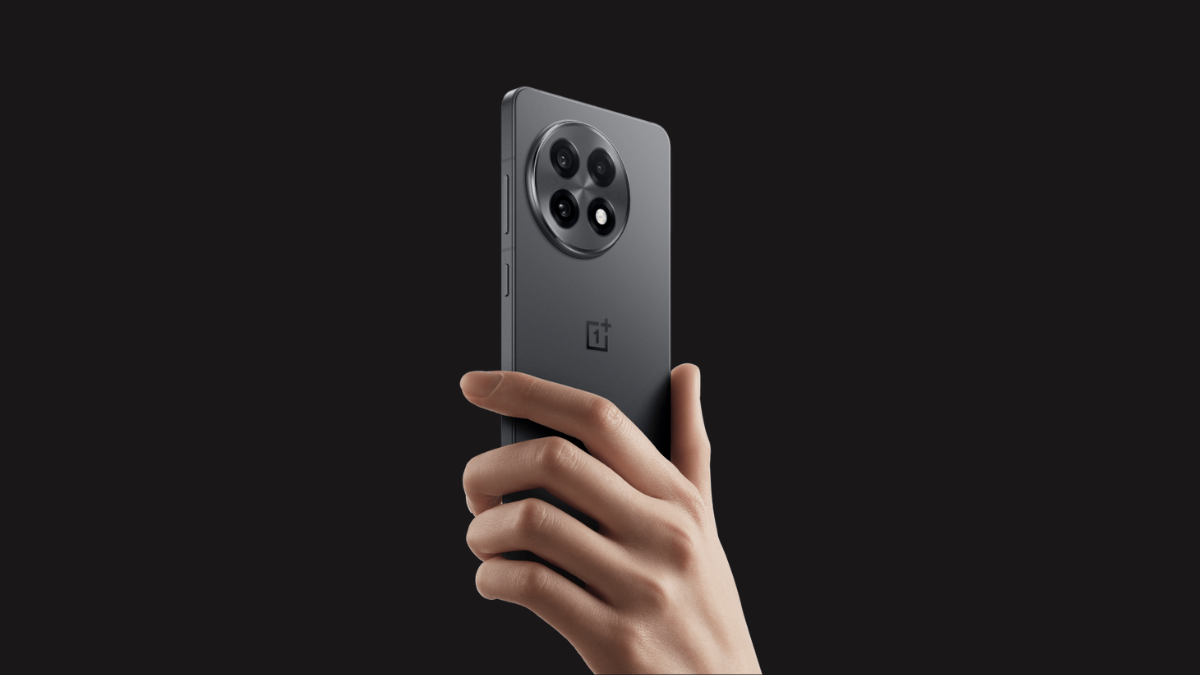
The budget flagship segment is heating up again with the launch of the OnePlus 15R, which is positioned as a lite flagship that builds on the successor to the OnePlus 13R. While both phones belong to the powerful yet affordable OnePlus R series, the newer 15R promises a fresh design, bigger battery, faster performance, and more. But when pitting it against the 13R, which still delivers strong performance and a versatile camera system, the choice isn’t as clear-cut as it might seem at first glance. So here’s how these two stack up.
The biggest difference between these two phones lies under the hood. The OnePlus 15R is powered by Qualcomm’s Snapdragon 8 Gen 5, a 3nm chipset that offers noticeable gains in both CPU and GPU performance compared to its predecessor, helping it handle heavy multitasking and gaming more smoothly. In comparison, the OnePlus 13R is based on the older Snapdragon 8 Gen 3 platform.
While this is still a capable and reliable processor for gaming and other intensive workloads, the 15R definitely pulls ahead thanks to its newer silicon, improved cooling solution. You won’t notice any difference in general use like social apps, web browsing, and media playback, but if performance longevity and future-proofing are priorities, the 15R’s edge is clear.
Please Note: When you buy something using the links in our articles, we may earn a small commission at no cost to you.
2. Visual Experience
Both phones feature a tall AMOLED display with a 1.5K resolution. However, there are some notable pros and cons to the panels on both phones. The OnePlus 15R upgrades the refresh rate to 165Hz, but this is only accessible in certain games and not unlocked by default (which is still 120Hz).
On the other hand, the 13R has a 120Hz LTPO panel that brings improved power efficiency since the refresh rate can go as low as 1Hz. While neither display radically changes how you consume videos or browse content, the higher refresh rate on the 15R gives it a slight advantage for competitive gaming.
3. Different Approaches to Photography
OnePlus brought a major shift in focus with its entire OnePlus 15 series, which is evident when you compare to last year’s OnePlus 13 lineup. The OnePlus 13R has a more versatile camera setup that consists of a triple camera module on the rear. You get a 50MP main camera along with an 8MP ultra wide angle lens and a 50MP telephoto shooter with 2x optical zoom.
In contrast, the 15R simplifies the experience with a dual camera system on the rear. The 50MP + 8MP camera setup returns, but the telephoto shooter is dropped entirely. So you miss out on the versatility this year. But it does have an edge in selfie shots thanks to a 32MP front camera that also supports autofocus.
4. Battery & Charging
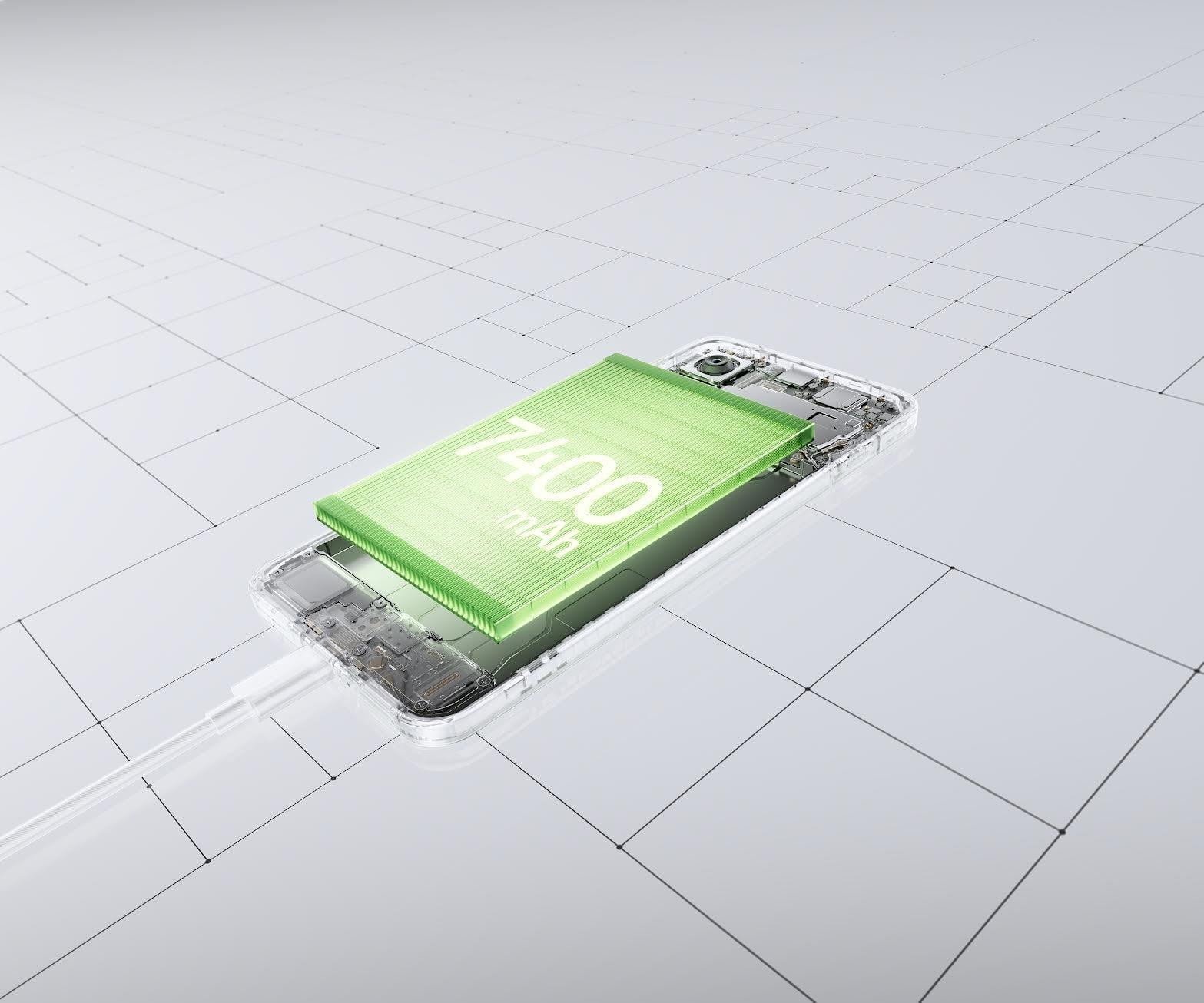
Battery life has become a major selling point for the 15R. It packs a huge 7,400mAh cell, one of the largest in the OnePlus lineup. In other words, you can expect a noticeably longer battery life even with heavy use. Meanwhile, the OnePlus 13R has a 6,000mAh battery pack. While this is a smaller cell, it still brings all day battery life. Both models also get 80W wired fast charging.
5. Pricing & Verdict
The OnePlus 15R is the more future-proof device with an advanced chipset, bigger battery, smoother display, enhanced selfie camera, and updated software. But the OnePlus 13R still holds strong as a balanced, more affordable option with a more versatile camera setup, especially if you consider the recent discounts. Unless you’re upgrading from an older phone, it is hard to recommend upgrading from the 13R to the 15R.
Sharge is getting ready to expand its lineup of high-powered charging accessories with a new 300W powerbank. Called the Shargeek 300, the company has started teasing the battery pack with a semi-transparent design and RGB lighting.
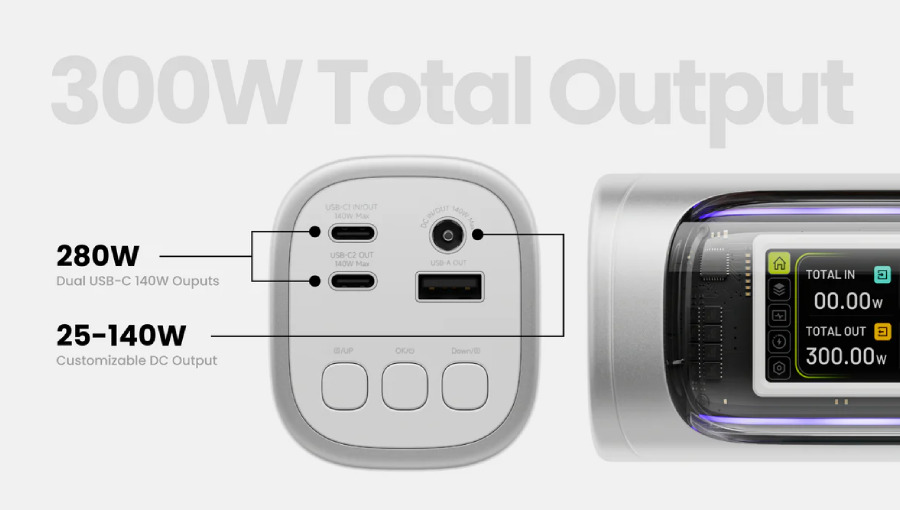
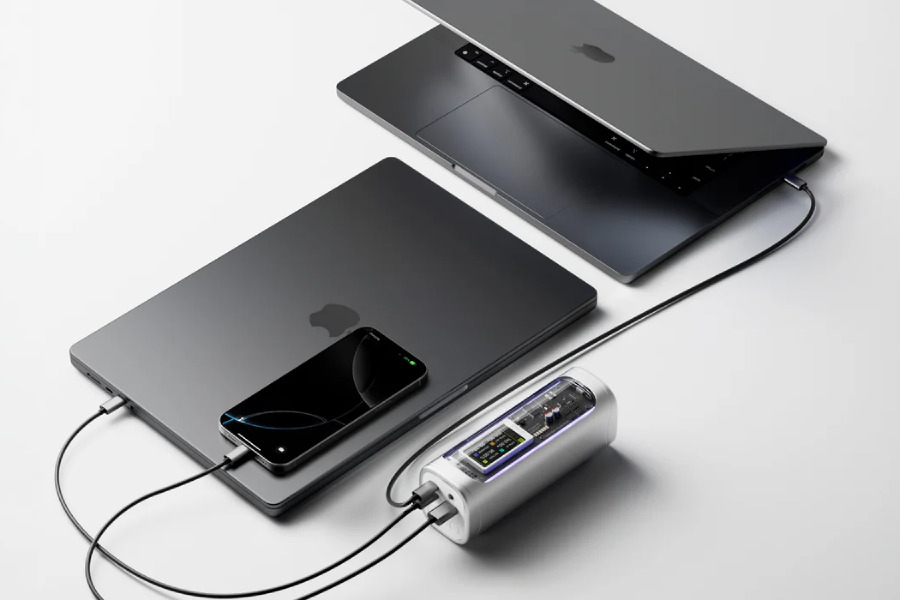
The headline feature is right in the name. The Shargeek 300 can deliver up to 300W of combined output across its ports. That’s enough to run or charge devices that are usually off-limits for power banks, including gaming laptops.
To make that possible, Sharge has included a DC output port alongside more familiar USB options. The DC port can supply up to 140W on its own, making it suitable for a wide range of gear, from laptops and game consoles to monitors.
Alongside the DC output, the Shargeek 300 comes with two USB-C ports and one USB-A port. The dual USB-C ports support the PD 3.1 fast charging standard and can deliver up to 140W each, or 280W combined.
Shargeek 300W powerbank has 24000mAh battery
Inside, the power bank packs a 24,000mAh battery, which sits right at the upper limit allowed for carry-on air travel in many regions. It can be recharged with up to 140W of input power.
As with other Shargeek products, design plays a big role here. The aluminum alloy body has a silver-gray finish, and one side is partially transparent. Behind that window is a color display that shows real-time information such as input and output power, temperature, and remaining battery capacity. There’s also an RGB light strip if you want an extra visual flair.
The Shargeek 300 made its public appearance at CES 2025 and has already been through a crowdfunding campaign.
Now, Sharge is offering an early-bird sign-up with a promised 20 percent discount for subscribers. However, the company hasn’t confirmed a final launch date, retail price, or whether the product will fully rely on crowdfunding when it becomes available.
For more daily updates, please visit our News Section.
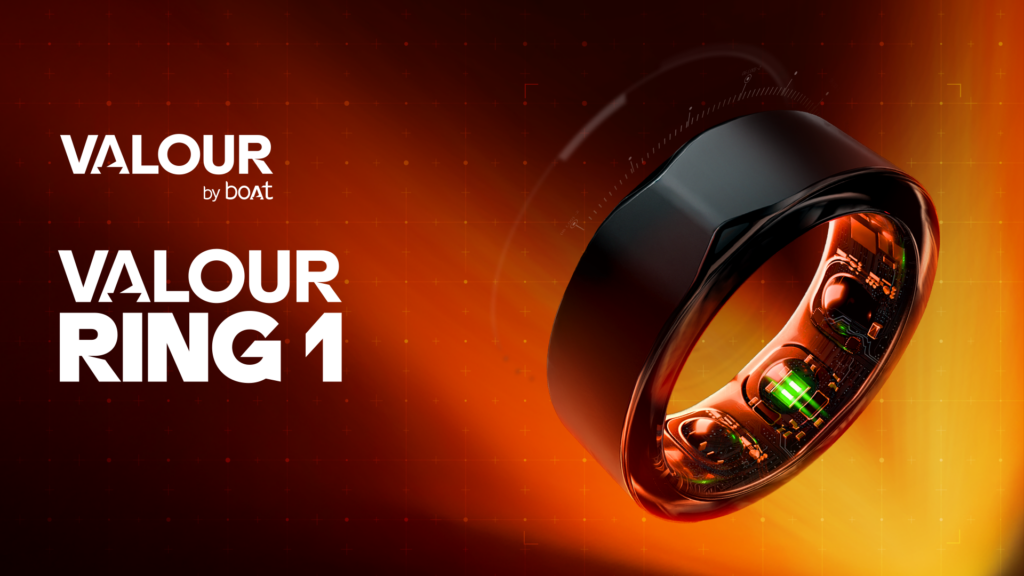
boAt has launched the Valour Ring 1 under its performance-focused Valour sub-brand. The smart ring is built for users who treat fitness as a daily habit and want continuous health tracking without relying on a smartwatch or a screen.
The ring is designed to work quietly in the background, collecting health data throughout the day and night. It is meant for users who want consistent insights into recovery, workouts, and daily movement without relying on a screen. The focus is on simplicity, accuracy, and comfort, making it suitable for long-term, everyday wear.
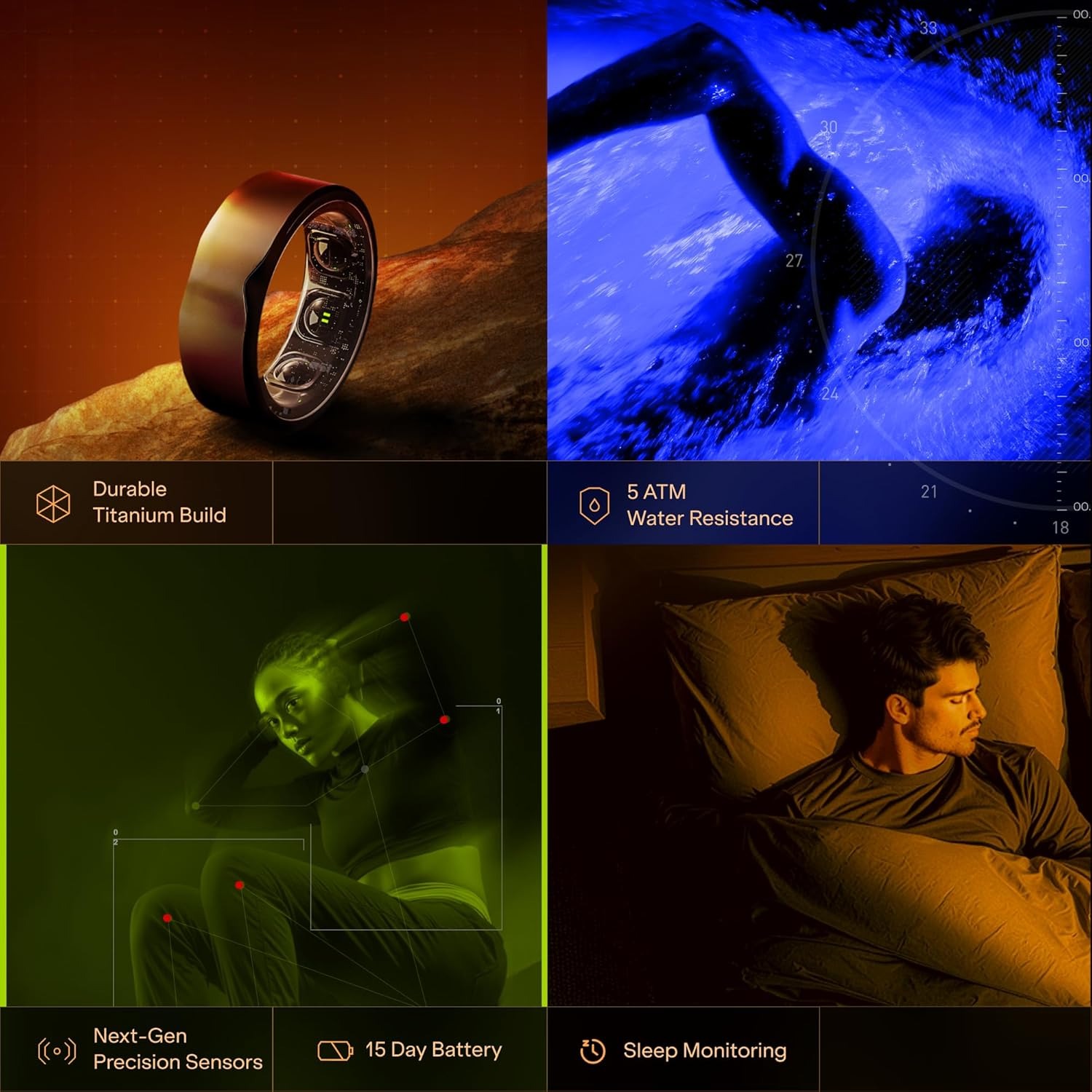
The Valour Ring 1 features a lightweight titanium frame and weighs less than 6 grams. It comes in a Carbon Black matte finish with a clean and minimal design. boAt offers the ring in sizes 7 to 12 to ensure a secure fit across different users. To avoid sizing issues, boAt provides a home sizing kit that allows users to measure their finger before confirming the order, ensuring a precise and comfortable fit.
Health tracking is the main strength of the Valour Ring 1. It supports 24×7 heart rate monitoring, heart rate variability insights, SpO₂ measurement, step and activity tracking, skin temperature insights, stress monitoring, and VO₂ Max estimation through the boAt Crest app. Sleep tracking includes detailed sleep stage analysis along with daytime nap detection. The ring also supports more than 40 sports modes, covering activities such as running, cycling, strength training, and walking. The Crest app has received an updated interface that is simpler and easier to use. boAt is also bundling a health benefits package worth INR 5,000 with the ring.
The Valour Ring 1 is powered by an advanced chipset and next-generation precision sensors to ensure reliable tracking throughout the day. Battery life is rated at up to 15 days on a single charge. Charging is handled through a Type-C charging dock, with a full charge taking under 90 minutes. The ring is built for daily use, with a 5 ATM water resistance rating for swimming and showers, and a 6H pencil scratch resistance rating for durability.
We use cookies on our website to give you the most relevant experience by remembering your preferences and repeat visits. By clicking “Accept”, you consent to the use of ALL the cookies.
This website uses cookies to improve your experience while you navigate through the website. Out of these, the cookies that are categorized as necessary are stored on your browser as they are essential for the working of basic functionalities of the website. We also use third-party cookies that help us analyze and understand how you use this website. These cookies will be stored in your browser only with your consent. You also have the option to opt-out of these cookies. But opting out of some of these cookies may affect your browsing experience.
Necessary cookies are absolutely essential for the website to function properly. This category only includes cookies that ensures basic functionalities and security features of the website. These cookies do not store any personal information.
Any cookies that may not be particularly necessary for the website to function and is used specifically to collect user personal data via analytics, ads, other embedded contents are termed as non-necessary cookies. It is mandatory to procure user consent prior to running these cookies on your website.