Advertisement

EMUI 11 may be the final version before the transition to HongMeng OS

Huawei’s EMUI 11 is based on Android 10 and not Android 11. That is no surprise based on the manufacturer’s current predicament. However, the tech giant is working on its own operating system too called HongMeng OS/Harmony OS and it turns out that the new OS is linked to EMUI 11, and the latter may be the end of EMUI before the transition to HongMeng OS.
HUAWEI EMUI 11 Logo Featured

According to a post by the Chinese blog, Mydrivers, Wang Chenglu, the head of the software department of Huawei Consumer Business Group, revealed EMUI 11 shares some features with Hongmeng as part of HongMeng’s framework. In simpler terms, there seems to be a partial transitioning going on already.

Huawei plans to launch phones powered by HongMeng OS in the second half of next year, and there are speculations there will be no need for EMUI to exist anymore, making EMUI 11 the last version. This makes sense seeing as Huawei is making a switch to a new OS next year, so there is no sense in developing EMUI 12.

A beta version of HongMeng OS will be available for eligible devices to test later this year and it has been reported that some of those devices will include its high-end tablets. Huawei has also revealed that devices running EMUI 11 will be the first to get the upgrade to HongMeng OS.


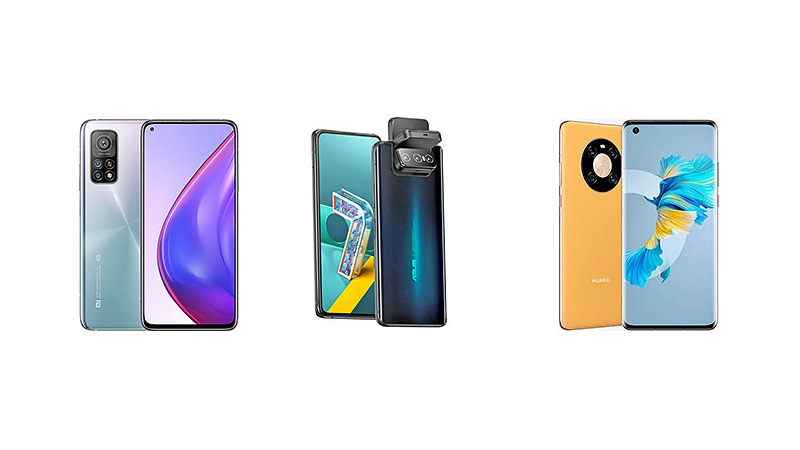
Xiaomi Mi 10T Pro vs Asus Zenfone 7 vs Huawei Mate 40: Specs Comparison

Our flagship killers comparison continue: after comparing the Xiaomi Mi 10T Pro with the Realme X7 Pro and the Realme X50 Pro 5G, we decided to make another comparison because we believe Xiaomi Mi 10T Pro is one of the phones with the highest value for money at the moment. For this comparison, we chose the Asus Zenfone 7 and the Huawei Mate 40 not only because they are recent, but because they are among the most competitive phones when it comes to the quality price ratio. Through this comparison, you will learn the main differences between these three fabulous handsets.

Xiaomi Mi 10T Pro vs Asus Zenfone 7 vs Huawei Mate 40

Xiaomi Mi 10T Pro Asus Zenfone 7 Huawei Mate 40
DIMENSIONS AND WEIGHT 165.1 x 76.4 x 9.3 mm, 218 g 165.1 x 77.3 x 9.6 mm, 230 g 158.6 x 72.5 x 8.8 mm, 188 g
DISPLAY  6.67 inches, 1080 x 2400p (Full HD+), IPS LCD 6.67 inches, 1080 x 2400p (Full HD+), Super AMOLED 6.5 inches, 1080 x 2376p (Full HD+), OLED
PROCESSOR Qualcomm Snapdragon 865, octa-core 2.84 GHz Qualcomm Snapdragon 865, octa-core 2.84 GHz Huawei Hisilicon Kirin 9000E 5G, octa-core 3.13 GHz
MEMORY  8 GB RAM, 128 GB – 8 GB RAM, 256 GB 6 GB RAM, 128 GB – 8 GB RAM, 128 GB – micro SD dedicated slot 8 GB RAM, 128 GB – 8 GB RAM, 256 GB – nano memory card slot
SOFTWARE  Android 10, MIUI Android 10, Zen UI Android 10, EMUI
CONNECTIVITY  Wi-Fi 802.11 a/b/g/n/ac/ax, Bluetooth 5.1, GPS  Wi-Fi 802.11 a/b/g/n/ac/ax, Bluetooth 5.0, GPS Wi-Fi 802.11 a/b/g/n/ac/ax, Bluetooth 5.2, GPS
CAMERA Triple 108 + 13 + 5 MP, f/1.7 + f/2.4 + f/2.4
20 MP f/2.2 front camera
Triple 64 + 8 + 12 MP, f/1.8 + f/2.4 + f/2.2 Triple 50  + 8 + 16 MP, f/1.8 + f/2.4 + f/2.2
13 MP f/2.4 front camera
BATTERY  5000 mAh, fast charging 33W 5000 mAh, fast charging 30W 4200 mAh, fast charging 40W
ADDITIONAL FEATURES Dual SIM slot, 5G Dual SIM slot, 5G Dual SIM slot, 5G, water resistant

Design

If you still like full-screen display, you will love the Asus Zenfone 7. Thanks to its flip-up camera, it has a display with no notch and no holes. If you desire the highest screen-to-body ratio, then you should go for the Huawei Mate 40 sporting a punch-hole display. The Huawei Mate 40 also provides the best build quality as it is waterproof with the IP68 certification. But all the phones come with a premium design composed of a glass back and an aluminum frame, so you always get an elegant look and a great build quality.


Display

Besides having a full-screen display, the Asus Zenfone 7 also provides an amazing image quality. It has an AMOLED display with a wide 6.67-inch diagonal, the HDR10+ certification, a 90 Hz refresh rate, and a high 700 nit brightness. The silver medal goes to the Huawei Mate 40 sporting an AMOLED display with a 90 Hz refresh rate and HDR10. These evaluations are based on the specs on the paper. We discard the Xiaomi Mi 10T Pro because despite offering a 144 Hz refresh rate, it has an IPS display instead of an OLED panel. But this does not mean Xiaomi Mi 10T Pro does not have a pretty nice display, especially for gamers.


Hardware/Software

The most interesting device in terms of hardware is the Huawei Mate 40 because it packs the Kirin 9000E chipset built at 5 nm. It is one of the first SoCs built at 5 nm and it has an integrated 5G modem. The Huawei Mate 40 also offers 8 GB of RAM and up to 256 GB of UFS 3.1 native storage. Xiaomi Mi 10T Pro and Asus Zenfone 7 offer the same memory configurations, but they are fueled by the Snapdragon 865 mobile platform. In each case, you get Android 10 out of the box, but the Huawei Mate 40 customized by the EMUI 11 lacks Google Play Services in the global market.


Camera

If you need the best camera you should grab a unit of the Huawei Mate 40 as it is the top camera phone of this trio. It sports a triple camera including a 50 MP main sensor, a telephoto lens with OIS and optical zoom, and a 16 MP ultrawide sensor. Right after, we got the Xiaomi Mi 10T Pro: it lacks a telephoto sensor, but it has an amazing 108 MP main sensor with OIS. Despite the Asus Zenfone 7 loses the photo quality comparison it deserves to be considered because of its flip-up camera allowing to use the rear cameras as front cameras too. With the Asus Zenfone 7, you get a 64 MP main sensor, a telephoto sensor with 3x optical zoom, and a 12 MP ultrawide sensor.


Battery

Xiaomi Mi 10T Pro and Asus Zenfone 7 have the same battery capacity: 5000 mAh. But Asus Zenfone 7 lasts more in a lot of scenarios because it has an AMOLED display and a lower refresh rate. It even supports reverse charging.


Price

Xiaomi Mi 10T Pro is priced at €599 in its base variant, Asus Zenfone 7 starts from €699/$699, Huawei still did not reveal the global price of the Mate 40. If we exclude the battery life, Huawei Mate 40 is actually a better handset, but the lack of Google services does not make it suitable for everyone. Asus Zenfone 7 and Xiaomi Mi 10T Pro are not very different: the former has a better display and allows using the main cameras as front cameras, while the latter has a better main camera sensor. Asus Zenfone 7 looks more interesting to me, but it costs more.


Xiaomi Mi 10T Pro vs Asus Zenfone 7 vs Huawei Mate 40: PRO and CONS

Xiaomi Mi 10T Pro

PROS

  • Great main camera
  • 144 Hz refresh rate
  • Stereo speakers
  • Big battery

CONS

  • IPS display


Asus Zenfone 7 

PROS

  • Flip-up camera
  • AMOLED display
  • Big battery
  • Stereo speakers
  • Reverse charging
  • Micro SD slot

CONS

  • Inferior photo quality


Huawei Mate 40

PROS

  • Amazing cameras
  • Great performance
  • Water resistant
  • Faster charging

CONS

  • No Google services

Leaker reveals OnePlus Watch’ launch has been postponed; no new date yet

Just like its sister companies OPPO and Vivo, OnePlus was also expected to announce its first smartwatch this year. There were a number of leaks, one of which revealed the wearable will launch as the OnePlus Watch and have a round dial. Now, the same source has revealed that the watch has been postponed indefinitely.

OnePlus Watch teaser

The source of the info is the leaker Max Jambor (@MaxJmb) and he revealed in a post on Voice that the watch has now been postponed. The OnePlus Watch was expected to launch this October and OnePlus even confirmed a watch has been in development for a while now.

The leaker says he has been informed by multiple sources that the OnePlus Watch has now been postponed. Unfortunately, there is no new date or timeline for the launch of the watch. Max says he presumes that the launch may have been postponed due to complications with production or software development.

There is a lot we do not know about the watch such as its specs and features. We also do not know if it will be running a custom version of WearOS or OnePlus will design a custom OS for it similar to Huawei’s LiteOS for its wearable.

We do not want to think that OnePlus will cancel its watch but we may see it launch next year alongside the OnePlus 9 series.


UK’s Ofcom bans sales of carrier-locked handsets starting from December 2021

The UK’s communications regulator Ofcom has announced that mobile carriers in the United Kingdom will be prohibited from selling mobile phones that are locked to their network. The regulator hinted that the move is necessary to encourage users to switch network as desired. This will in turn enhance competition and service delivery.

It is common practice for carriers to lock devices sold via their retail outlets to their network but that practice has since started waning as many operators including the heavyweights like O2, Three, Sky Mobile, and Virgin Mobile have already switched to selling unlocked generic versions. Even those who still indulge in the practice like EE/BT, Vodafone, and Tesco Mobile offer a blend of locked and unlocked handsets.

The regulation will bring the UK place the UK in compliance with the European Union regulations under the European Electronic Communications Code that would be announced soon. Even though the UK will be exiting the EU soon, the government has previously pledged to comply with the same standards as the EU on mobile telecoms.

Also, Ofcom decided to act on this legislation because of the faulty process that is needed to unlock a handset when the contract ends. In most cases, users are made to wait for an unlock code which usually takes a while to come. Even when the code finally arrives, in some cases they don’t work. Ofcom observed that this is preventing users from switching networks even when they don’t get the best services. Further, a study shows that the networks usually don’t specify at the point of purchase if a handset is locked to a network or not. The end-user only finds out after the deal is sealed.

These reasons seem to outweigh the reason the carriers adduce for locking the phones to their network and this bothers on security. Carriers believe locking the mobile phone to a network can reduce fraud and makes it more difficult for thieves to sell off a stolen handset.

Ofcom also disclosed that the new regulation will become effective from December 2021.


Upcoming Netflix app feature will allow you to listen to your favorite shows

There are certain media player apps that support background play, and an example is MX Player. YouTube, the popular video-sharing platform also supports background play if you have a YouTube Premium subscription. Now, it appears Netflix will also get support for a similar feature soon.

Netflix Logo

A teardown of the APK of version 7.9.1 of the Netflix app by the folks at XDA Developers has revealed that the streaming service may soon get a feature similar to background play called Audio Mode. What this means is that you should be able to switch to a different app and still have your playback continuing in the background. So you are sort of “listening to a show“ instead of watching it.

Netflix Audio Mode

The strings found in the APK also reveal Netflix will also allow users to turn off the video, so its just the audio you are streaming. This feature should allows users save data since you are not streaming video.

There is no news yet on when the feature will be activated and just because evidence for the feature is there now doesn’t mean it will eventually be released. We also won’t be surprised if Netflix decides to test the feature in certain regions first before deciding on a global release.


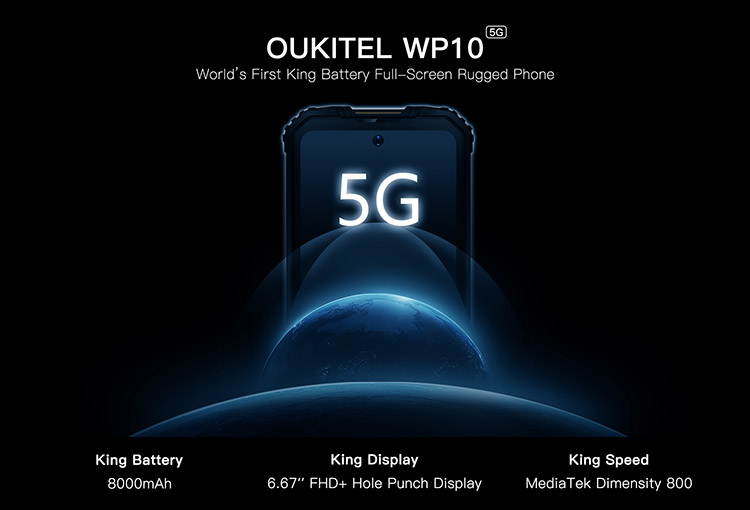
OUKITEL WP10 Will have 5G Connectivity and 8000mAh Battery

According to a recent update from the OUKITEL website and its posters, one can expect a new smartphone to be launched sometime around next month. The company has named the latest addition WP10 and plans for it to lead their future lines of 5G devices.

It is a well-known fact that the OUKITEL WP series belongs to a rugged smartphone line. These phones are built for the toughest terrains, industrial environments, and extreme weather conditions as they are drop-proof, shockproof, and waterproof. The OUKITEL WP series are hence coined as ultra-tough and ultra-rugged smartphones.

Through the limited information revealed by the company, it is a known fact that OUKITEL WP10 will be equipped with a powerful battery and a fast 5G network. The company is known for offering excellent battery life, and hence this handset is going to be no exception. WP10 will have a mega capacity of up to 8000mAh that will keep your phone running for more than a day. One can easily play games and keep streaming videos for hours without the phone being disconnected. Couple that with the new power-saving technology that allows seamless use for a prolonged period in a single charge.


Oukitel WP10

According to the given information, the OUKITEL WP10 will come with a 6.67’’ FHD+ hole-punch display. Keeping in mind the importance of display quality, one can expect them to offer immersive gaming and viewing experience that is expected by the consumer. As the phone belongs to the rugged smartphone series, it is expected to have IP68, IP69K, and MIL-STD-810G rating. The users can carry this device for their adventures to capture special moments.

The Oukitel WP10 comes with MediaTek Dimensity 800 which uses advanced 7nm process technology to bring incredible Internet speed. It supports global mainstream frequency 4G and 5G bands. The most talked-about 5G network will supposedly be 10 times faster than the 4G network carrier. With 2.3GBp/s downloading and 1.2GBp/s uploading capacity, this network is here to save all the buffering time and make life convenient for its users. Naturally, the high-speed connection will enable one to download HD movies within seconds, enjoy a clear and uninterrupted live stream of 4K videos, online gaming experience, and much more. The Oukitel WP10 flagship rugged phone is also expected to support SA and NSA 5G/4G global band networks. The 5G NR modem provides full 2G-5G compatibility for added versatility. Equipped with an 8-core CPU including four big performance cores, this means faster games, faster app loading, and everything that needs big core muscle. It also supports 4K video shooting 30fps.

For now, there are hardly any specifics on the cameras and processor. However, there is a high possibility of a MediaTek 5G chipset. The launch date and price range of this device are not yet hinted at by the company, but one can expect it to create a stir for the first few days after launch.

Overall, one can expect to see a decent rugged phone from OUKITEL with a mega battery, a punch display, and 5G connectivity. Stay tuned to be updated about the latest features of the OUKITEL WP10 smartphone and other such devices.

Demo video of a prototype of TCL’s first rollable display-packing phone leaks

Apparently, the rollable display is the next big thing waiting to happen in the smartphone industry even though we are yet to see the full potential of foldable phones as they are yet to hit the mid-tier and budget segments. A number of manufacturers are already working on their own foldable models considering the number of patent filings and prototypes that have been demoed recently. TCL Rollable display

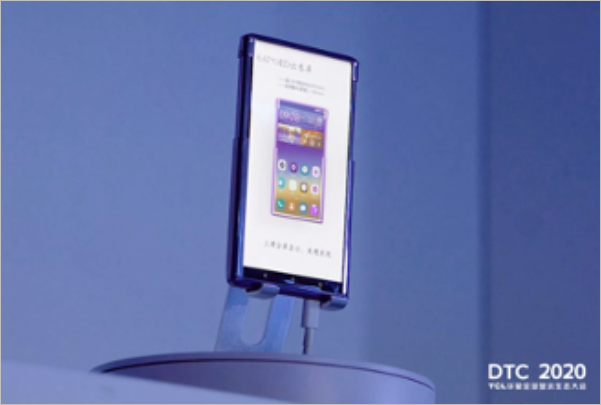
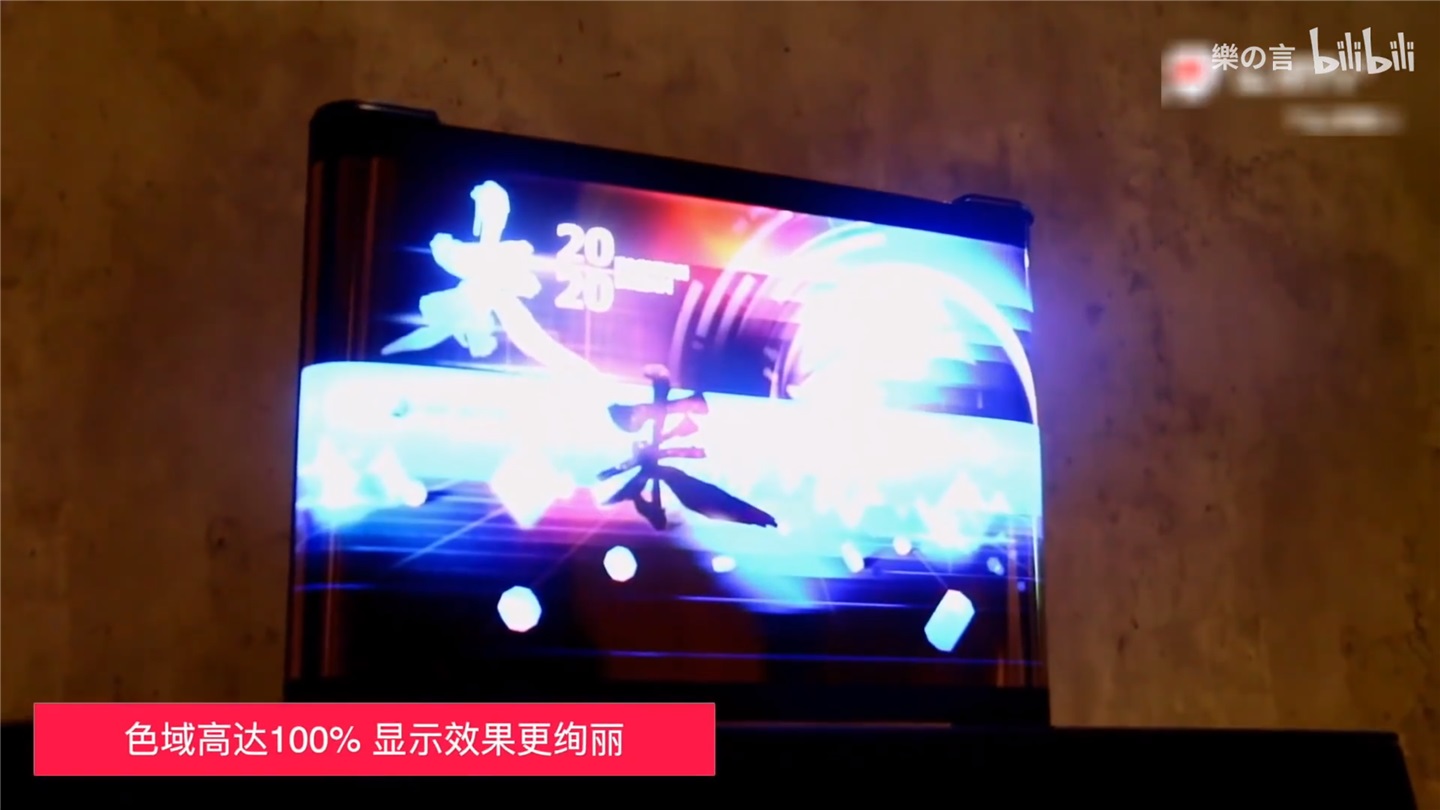
Earlier this year, TCL’s China Star Optoelectronics Technology (TCL-CSOT) showcased a concept smartphone with a rollable display. A couple of days back, TCL held its Display Technology Conference (DTC 2020) and the rollable display smartphone was one of the products that took the spotlight. A YouTube video has now leaked showing the official demo of the rollable display in action.

The prototype comes with a 6.7-inch AMOLED cloud scroll screen. From the demo, the display can expand in the horizontal direction to attain a bigger size. We don’t know what size it would attain when it is fully unrolled. However, TCL seems to have achieved a software fluidity which ensures the interface and adjusts to the change in the display size.

The company is yet to release details of the rollable display technology but we believe mass production may soon be achieved. If this happens, we could see a rollable display phone hit the market soon, perhaps at CES 2021.


Xiaomi’s MIUI will soon get a horizontal Recent Apps screen reminiscent of other Android UIs

Despite issues like the Mi community ban in India, Xiaomi has had a hardcore fanbase across the globe to rejoice the Chinese MIUI. Like it does with every update, the company introduced a new app drawer earlier this year. Now, looks like it is altering the way recent apps screen looks on the latest MIUI 12.
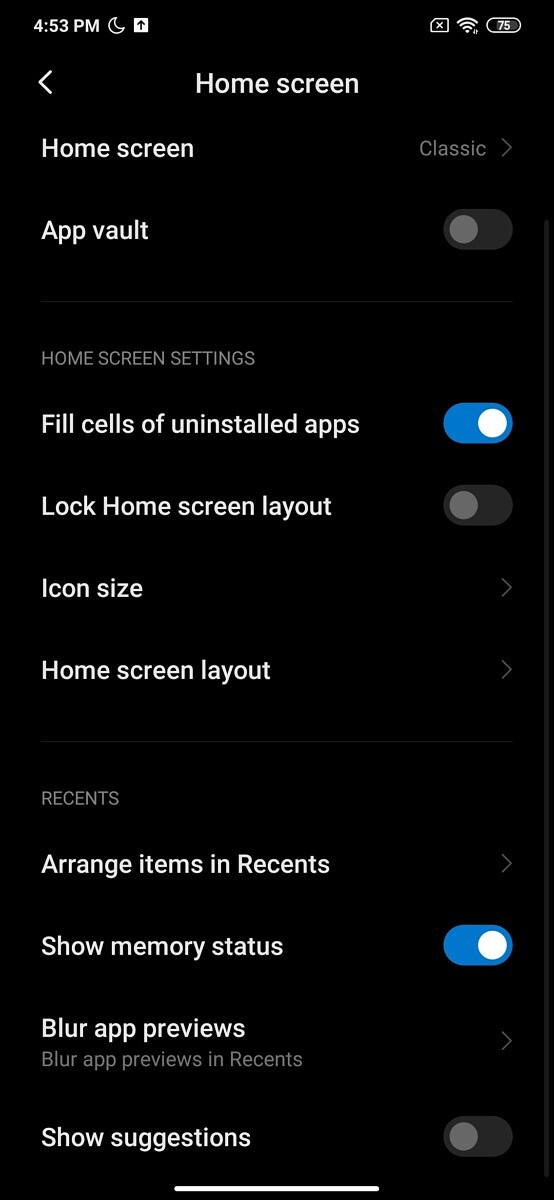
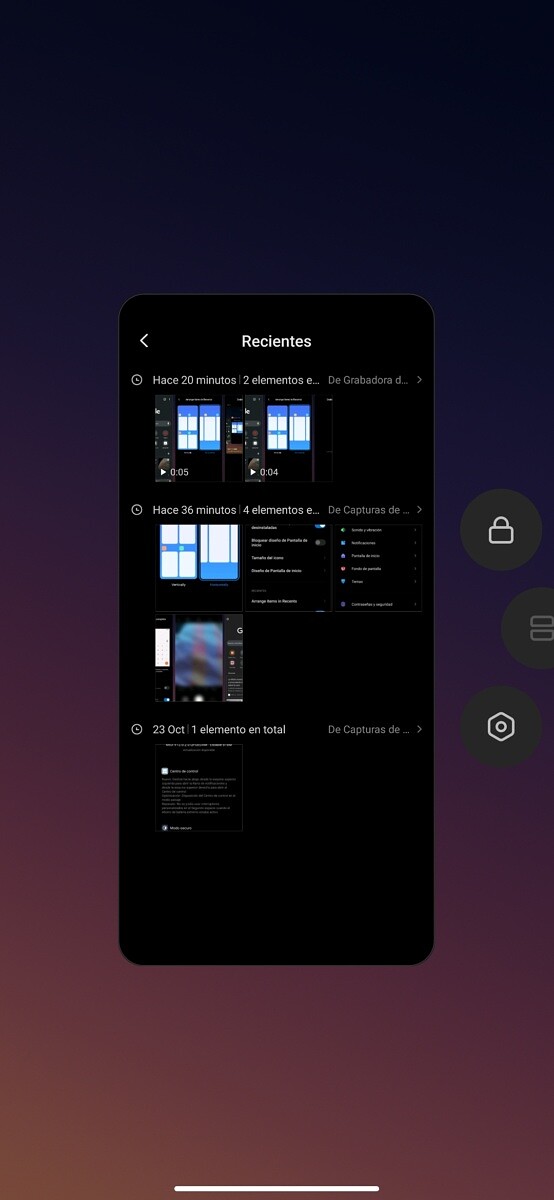
As reported by XDADevelopers, Telegram Channel @Xiaomiui has shared a new version of the MIUI launcher. Accordingly, this has the option of using a horizontal recent apps screen. Besides, the MIUI launcher for MIUI 12 reportedly has a build number Alpha v4.21.0.2425-10261728 where Alpha probably means ‘test’ version. As you can see in the screenshots(courtesy of users @Deiki) below, there is a new option added in the Home Screen section.

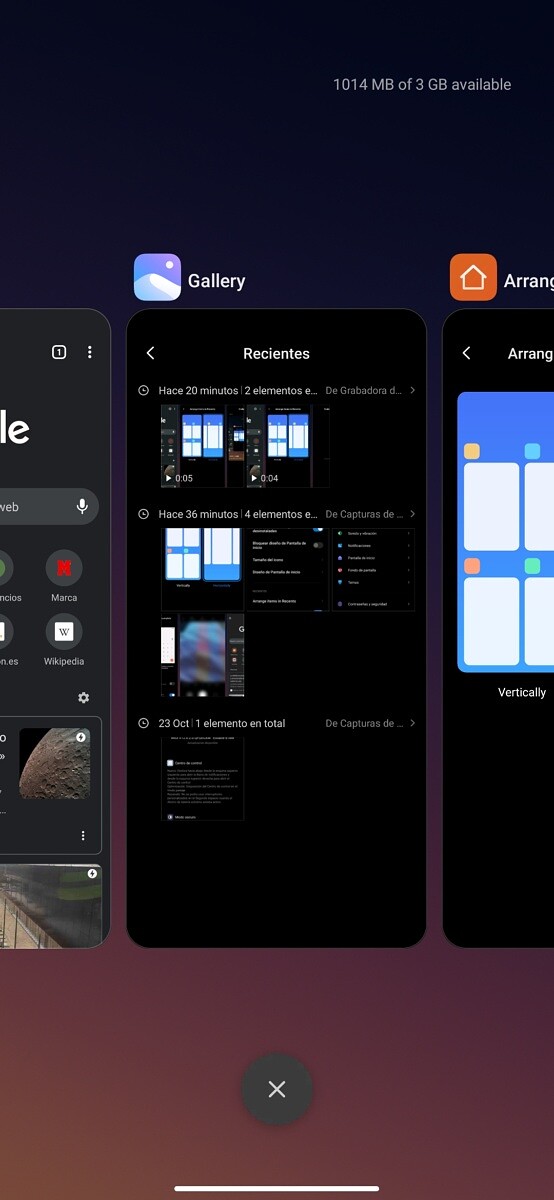
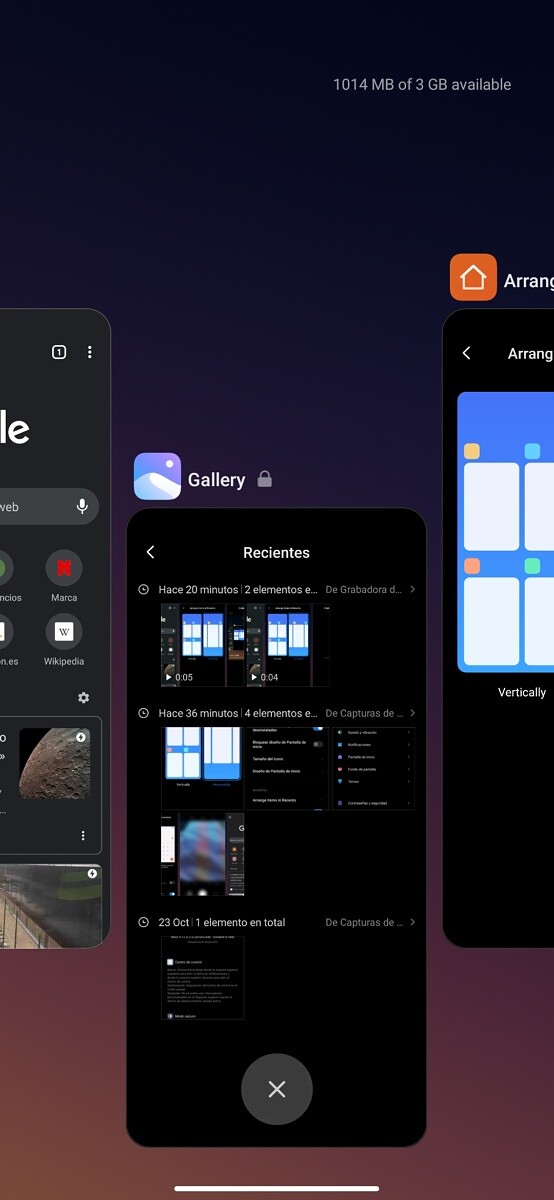
Tapping on “Arrange items in Recents” takes you to another page with two options. One is vertical and the other is horizontal scrolling. You can scroll either way to manage the opened apps. Also, swiping up will terminate the app while long-press/swiping down will lock it in memory. The new recent app viewing finally looks like the one on OnePlus, Samsung, Apple, and Google’s Pixel Experience. Hence, users wouldn’t feel it odd when they switch devices.

Also, the alpha version of the launcher comes with a changelog as follows:

  • Added-Horizontal Recents option.
  • Fixed- Incorrect points on some models.
  • Adjust- Gaussian blur scheme.
  • Fixed- Dragging folder icon bug.
  • Optimized- Unloading application freeze.
  • Adjust- Recent task animation.

Xiaomi has been improving a lot with every version of MIUI. Previously, MIUI 11 brought features like Dark Mode, Ambient display, Productivity suit, Easy screencast, and more. But the latest MIUI 12 improved overall design with sleek UI, and animations. It also had an emphasis on Privacy, Health, Assistant, Themes etc. That said, the next MIUI, the MIUI 13 is already under development and is expected to bring a host of features including a new power menu.

Coming back, the new launcher is luckily available as an APK. Thus, users willing to dive in for a change can install and try it out on their MIUI 12 device. However, it’s an Alpha build, and hence, expect it to go haywire in some situations. Nonetheless, there are chances that the feature might end up on the stable build soon.


Google pledges to make Plastic-free Packaging for all of its products by 2025

After the success of using recycled materials as planned on its products, Google is taking yet another leap. This time, it says the amount of recycled materials will increase, and come with plastic-free packaging by 2025.

google-office

Google explains its new sustainable development goals in a blog post(via XDADevelopers). It says, it has hit the target of using recycled materials on all of google products by 2022, two years earlier. As per Google, Pixel 5 is made of 100% recycled aluminum. The company says the mined aluminum in the enclosure lowers waste, and carbon footprint by 35% compared to Virgin aluminum. Furthermore, Nest products like the Nest Audio and Nest Thermostat have 70% including acoustic fabric and 75% recycled plastics respectively but doesn’t mention Chromecast with Google TV.

As a part of the new plan, all of Google’s hardware products will have 50% recycled plastics by 2025. It adds that this goal is well beyond the industry standards. And to achieve this, it’s going to use recycled materials to the maximum possible limits. Google also feels that waste generated after manufacturing should be sustainable. And hence, it is perpetrating to achieve UL 2799 Zero Waste to Landfill Certification at all final assembly sites by 2022.

The certification indicates that a company is effectively recycling a vast majority of waste from the operations. However, the most highlight of all is the packaging. The company is planning to ship its products to&fro safely whilst maintaining 100% carbon neutral packaging. Simply put, by 2025, it’s plans to make the entire packaging plastic-free and 100% recyclable.

That said, it’s going to be a long road for Google as it tackles the Logistics issues through a lot of hard work. Apart from planning to partner with suppliers, Google has reportedly invested in bringing sustainability to all of its products including operations. And its communities.

Nokia tops Counterpoint’s trust ranking for software, security updates & build quality

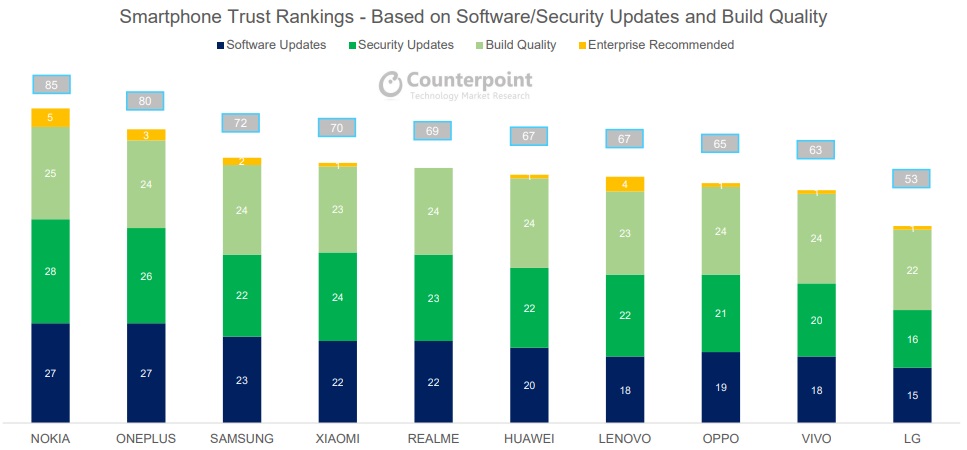
Counterpoint Research today released a ranking report on smartphone manufacturers’ software, security updates and build quality. The report shows that HMD Global’s Nokia mobile phones are among the best on the list with updated operating systems and security updates, and mobile phones with durability exceeding the industry average (currently all of Nokia’s 20 compliant models are Android 10).nokia

Nokia is closely followed by OnePlus, Samsung, Realme, Xiaomi, Huawei, OPPO, Lenovo, LG and Vivo.

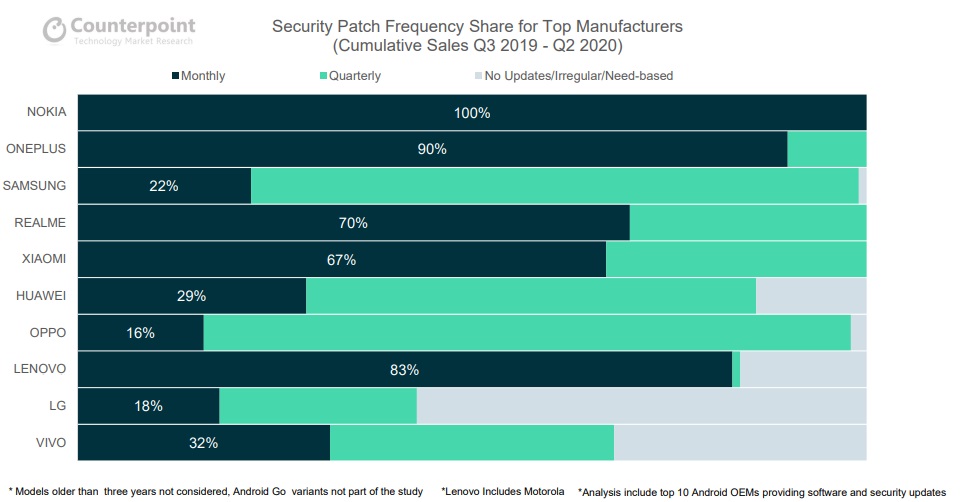
Counterpoint analysts say HMD’s mobile phone product line has the highest-ranking compared to other competing brands, partly because all of its mobile phones receive security patches every month. OnePlus equally has a near-perfect score as 90% of all its supported devices get security patches every month.

Furthermore, for Samsung and Huawei, the proportions are 22% and 29% respectively, which means that most of their phones are on the quarterly patch plan. Realme and Xiaomi also performed relatively better in this regard. Two-thirds of all Realme and Xiaomi mobile phones are updated with monthly security patches.

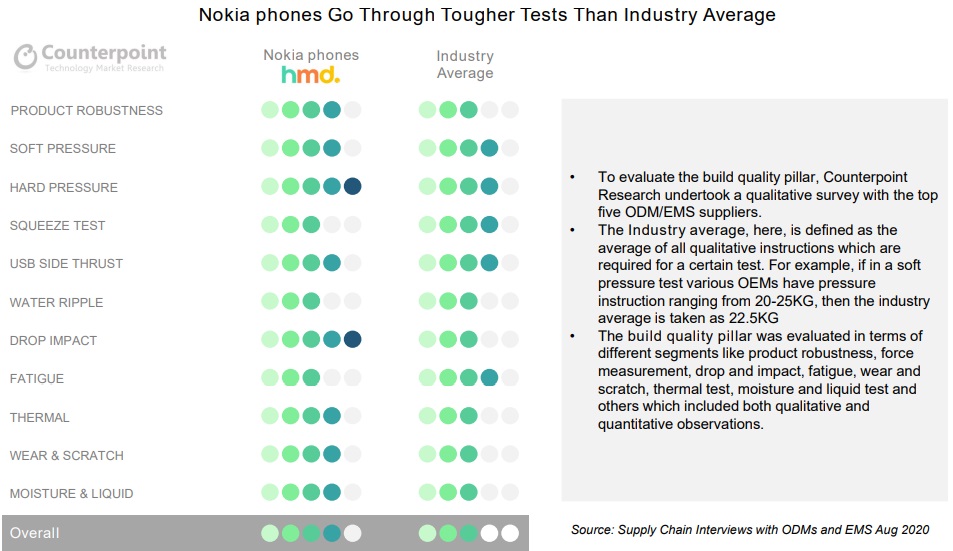
Regarding quality, the report noted that HMD Global’s testing procedures are stricter than the industry average. Commenting on build quality results, Counterpoint Research’s Associate Director, Tarun Pathak stated, “The build quality pillar was evaluated on several criteria including product robustness, force measurement, drop and impact, fatigue, wear and scratch, thermal tests, moisture and liquid tests, and others which included both qualitative and quantitative observations. We found that Nokia phones undergo tougher tests than the industry average. We, therefore, concluded that when considered alongside the faster software and security updates the strong build quality means Nokia phones will last the test of time which is increasingly important at a time when global device replacement cycles are getting longer, now approaching 30 months.”

You can download the full report from here.


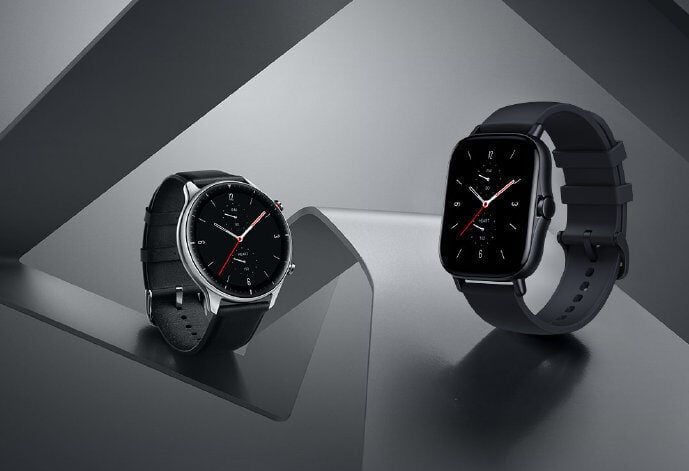
Amazfit GTS 2 and Amazfit GTR 2 global version launches with Amazon Alexa built-in

Huami had a global event today during which it announced the global versions of the Amazfit GTR 2 and Amazfit GTS 2 smartwatches. Unfortunately, the Amazfit Smart Scale was not unveiled at the event.Amazfit GTR 2 and Amazfit GTS 2

The Amazfit GTR 2 and Amazfit GTS 2 were first announced last month in China, however, their global versions come with slightly different features. Since we already covered the specs of the two watches when they launched in China, we will only list the new features of the global version as well as price and availability details.

Amazon Alexa Voice Assistant

The Amazfit GTR 2 and Amazfit GTS 2 swap the XiaoAI assistant on the Chinese models for Amazon’s Alexa voice assistant. The voice assistant works offline too and there are more than 65 offline voice commands. Huami says the Alexa voice assistant will be available in 15 languages.

Built-in Storage

The Chinese version also has built-in storage but the global version comes with 3GB of storage space, unlike the Chinese version that has 4GB. Huami says users will be able to store up to 600 songs on the smartwatch

Price and Availability

The Amazfit GTS 2 and Amazfit GTR 2 will sell for $179 in the US and £159 in the UK. The GTR 2 will go on sale in the US and UK on October 30 while the GTS 2 will go on sale on November 1 in the US. The Amazfit GTS 2 will be available in the UK on November 15. Pre-order starts today in the US for both watches.

The watches will also be sold in Spain, Germany, Japan, South Korea, Thailand, Malaysia, Russia, Italy, Indonesia, and Singapore.

Buyers will be able to get the Amazfit GTR 2 in Obisidian Black while the Amazfit GTS 2 will be available in Midnight Black, Desert Gold, and Urban Grey.
 

Xiaomi crowdfunds 17Pin Star Travel Mug Electric Kettle for 79 yuan ($12)

Xiaomi is known for crowdfunding a wide variety of products on its dedicated crowdfunding platform called Youpin in China. Other than gadgets and accessories, the company also crowdfunds everyday products. One such product called 17Pin Star Travel Mug is now up for crowdfunding for only 79 yuan ($12).
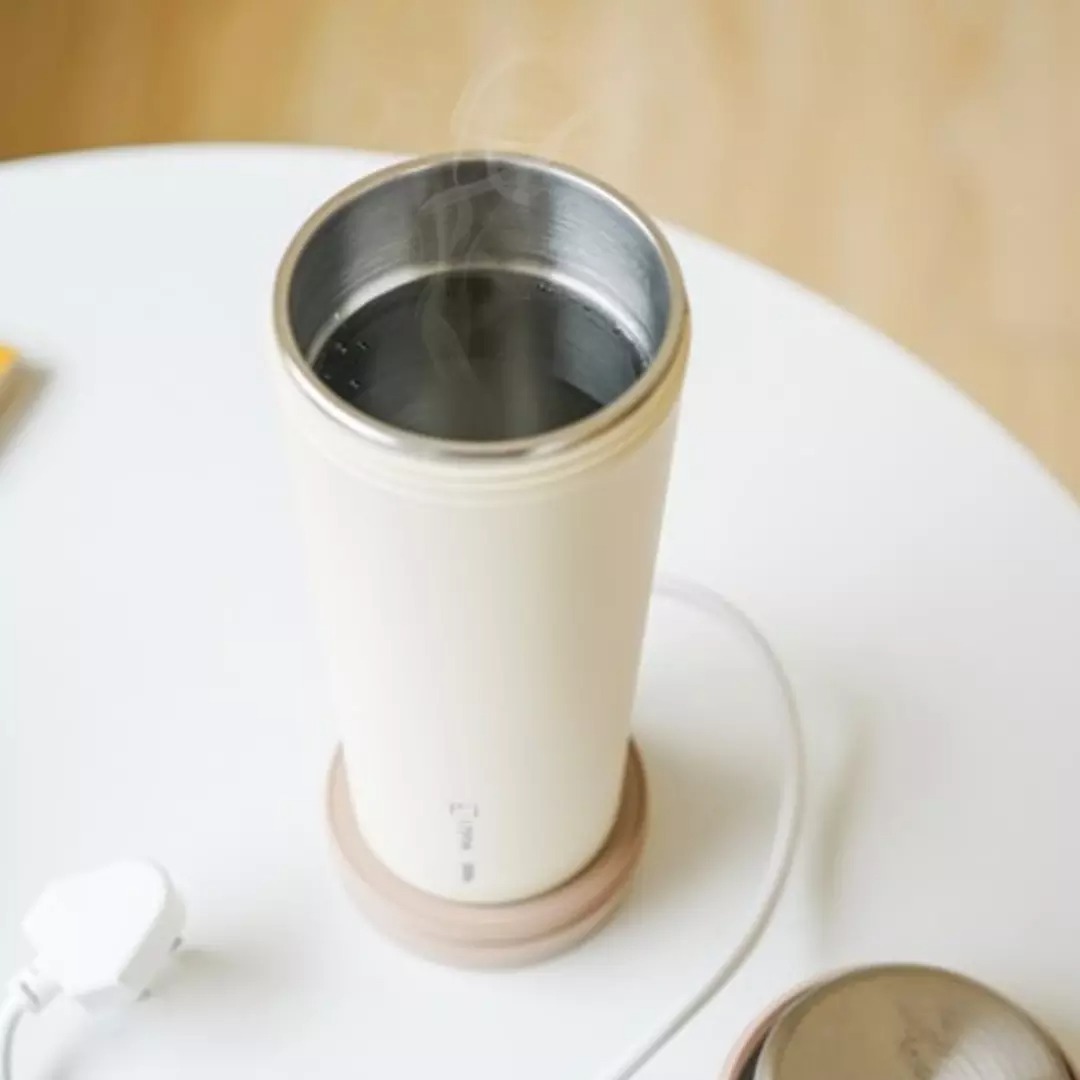
17Pin Star Travel Mug Electric Kettle - Xiaomi Crowdfunding Featured

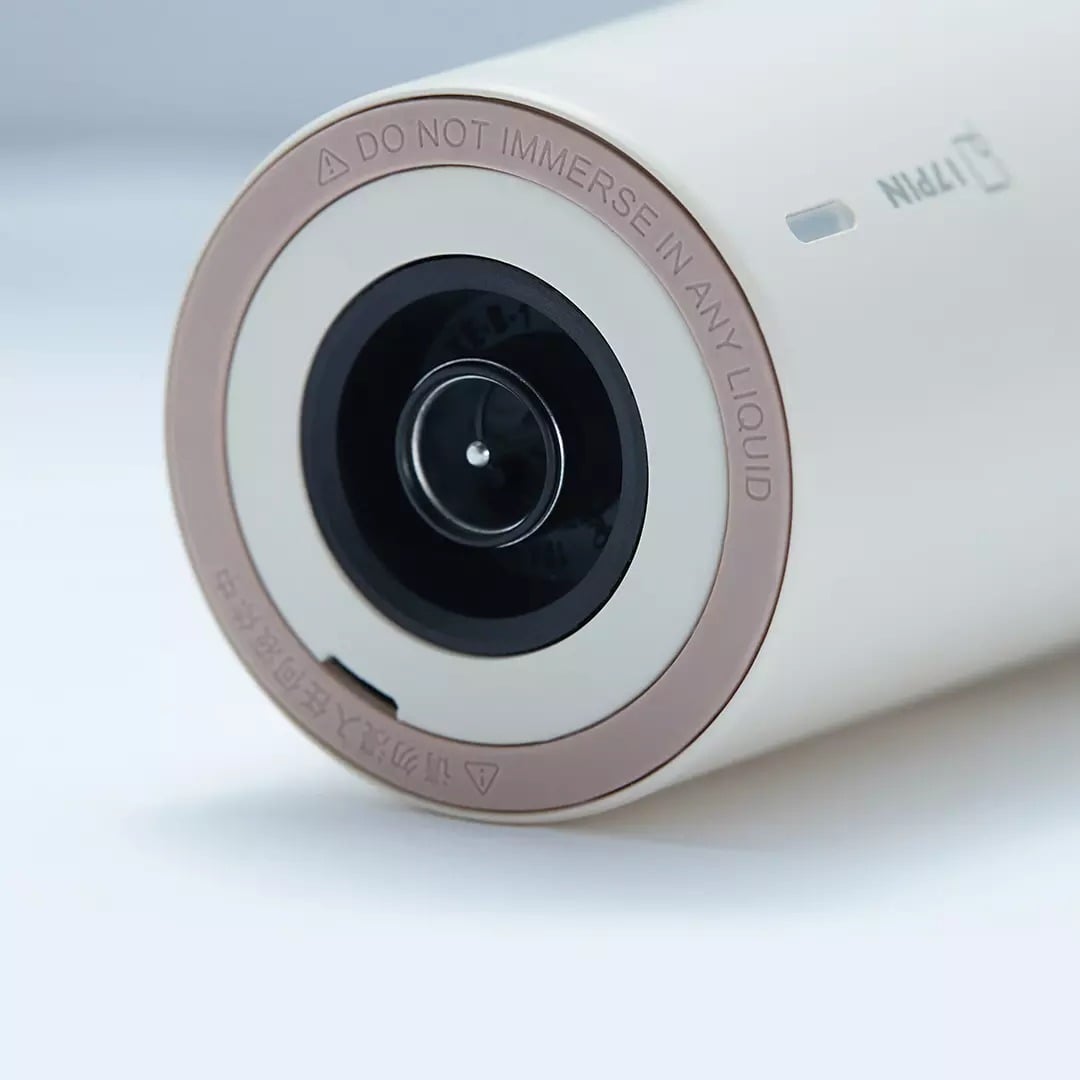
The 17Pin Star Travel Mug is a portable electric kettle that looks more like a bottle than a kettle. It comes in two colors – White & Beige.

The product can hold 400ml of water. It measures 95 x 95 x 221mm in dimensions and weighs 550g. The internal wall of the kettle features 304 stainless steel, whereas its outer body is made of polypropylene, which is commonly known as PP.

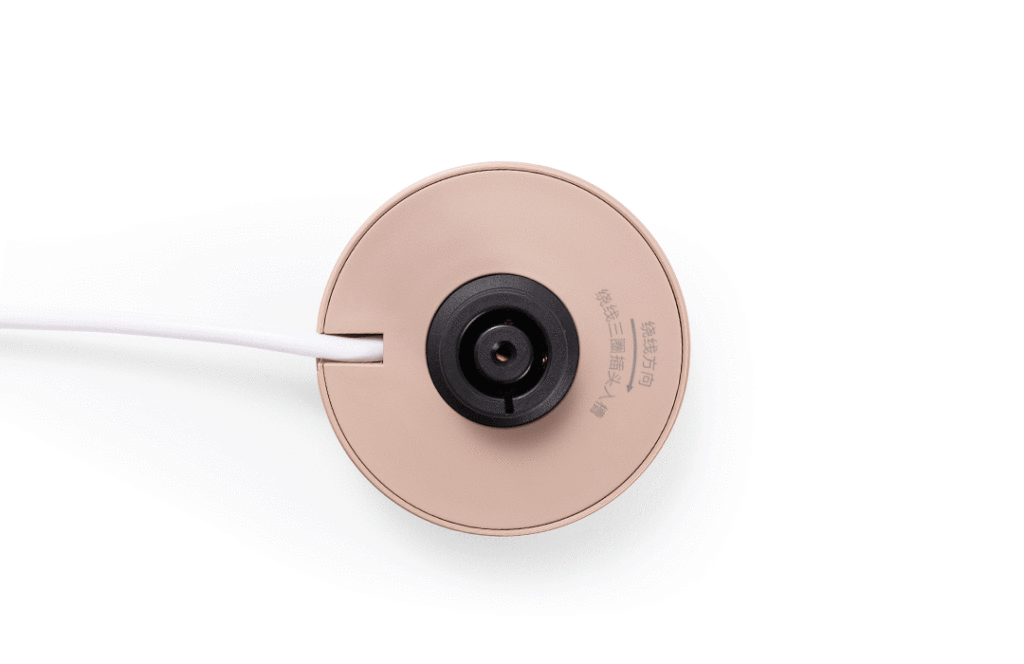
17Pin Star Travel Mug Electric Kettle Base - Xiaomi Crowdfunding

The company claims that it can boil water within 6 minutes. That’s because the product operates at 400W. Further, similar products in the market come with a single-body design with a separate cord. Whereas, this one features a dual-body design with a detachable base + cord.

This design makes it safer than other comparable products. Also, it allows hiding the cord inside the base while traveling. Whereas, with most products from other brands, users will have to carry the cord separately.

As far as its usage is concerned, the 17Pin Star Travel Mug can be carried almost everywhere whether it’s work or travel. Users can not only drink warm water out of it but also use that water to make tea, coffee, or even instant noodles.


F(x)tec Pro 1-X is XDA’s first-ever Smartphone priced at $899; runs LineageOS out of the box

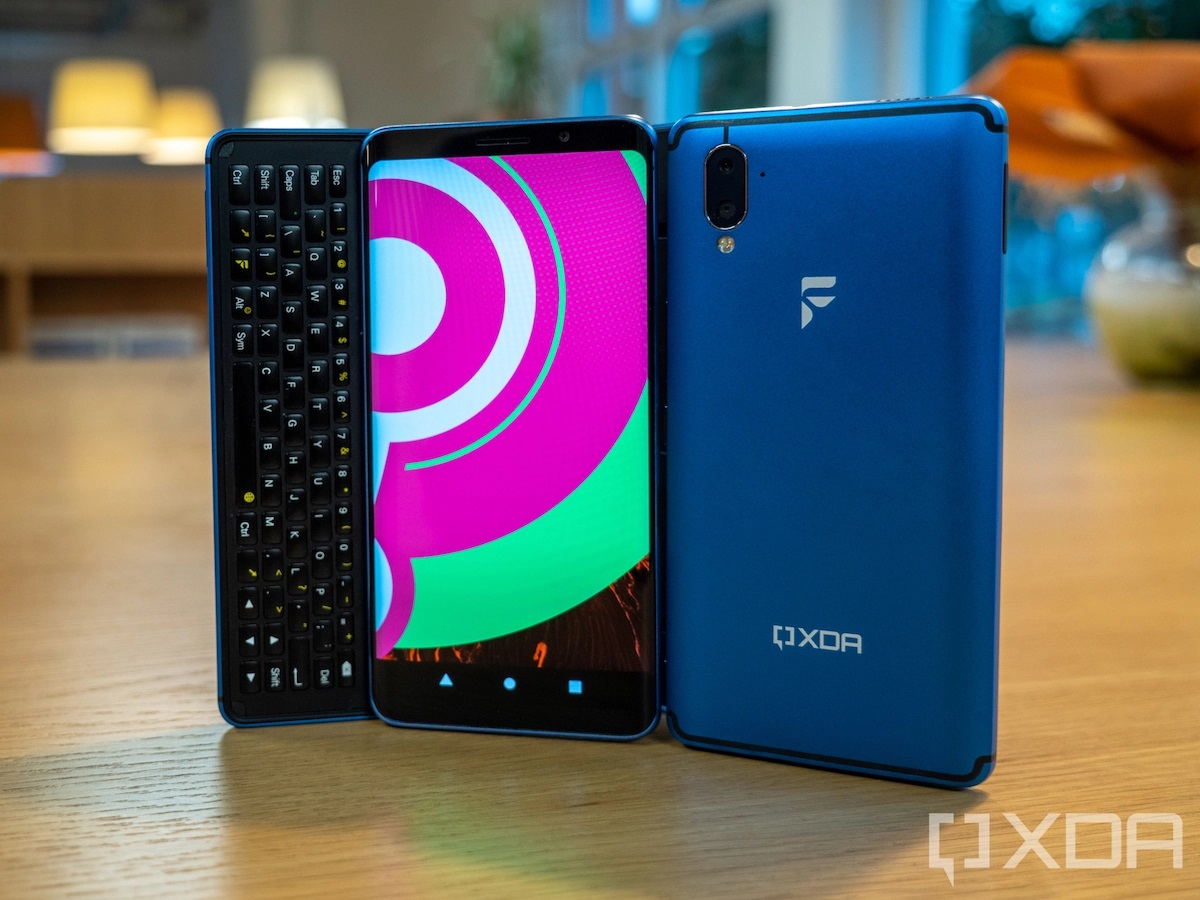
Famous software development community XDA has partnered with London-based F(x)tec to make its first-ever smartphone, the Pro 1-X. The retail price of the device is $899 and it is already up for crowdfunding on the Indiegogo website.

Credit: XDA/F(x)tech

XDA says the F(x)tec Pro 1-X is the World’s first device to run Lineage OS out of the box. For the unware, Lineage OS is a custom ROM based on Android. It is an open-source software and is a successor to the ever-popular CyanogenMod. The device also has variants running Ubuntu Touch, and Android. And the team is apparently working to include more options in the future.

Talking about the Pro 1-X, the device is a slightly modified version of the F(x)tec Pro 1 from 2019. It has a physical Qwerty Keyboard at the back with 66-keys and pops-out using a slider mechanism. The XDA version hasn’t changed the looks much but adds an XDA logo at the back and gets a new Discovery Blue Color.

Pro 1-X Specifications

The Pro 1-X features a 5.99-inch FHD+ AMOLED display with 1080p resolution. It has curved edges with Corning’s Gorilla Glass 3 protection. Under the hood, Qualcomm Snapdragon 835 SoC powers the device. However, XDA has increased the memory variants to 8GB RAM, and 256GB storage.

At the back, there is a 12MP main lens and a 5MP secondary sensor along with an LED flash. And up front, there is an 8MP selfie shooter. The device has other features like Dual-SIM, dedicated camera shutter, USB-C, HDMI-out, side-mount fingerprint sensor, 3,200mAh battery, and more. The keyboard also has other layouts like QWERTZ, AZERTY, and Scandinavian versions.

As mentioned above, the device comes with either LineageOS 16.0, Ubuntu Touch, or Android out of the box. However, the 16.0 version of LineageOS can be upgraded to the latest LineageOS 17.1. XDA says, the popularity, along with the option of customizations, controlling data, and privacy more made it choose the LineageOS.

That said, this is not the only device to come out with Custom ROM out of the box. Previously, devices like Oppo N1, OnePlus One, and Micromax and Wileyfox devices have launched with CyanogenMod.

Price, and Availability

The retail price of F(x)tech Pro 1-X is $899(₹66,290). However, limited stocks for the XDA community will be available at 29% off which is $639(₹47,118). There is also a pre-early bird offer of $599(₹44,169).

As mentioned earlier, the device is up for crowdfunding that will run for 46 more days and discounts work only with this link.


Google introduces gesture controls and other new features for the YouTube app

Google has announced the roll out of a series of features for the YouTube app both for they Android and iOS versions. The features come in a major update and brings several functions, a simplified user interface (UI) and gesture control. Here is a summary of all the new features hitting the Youtube app.

Google is introducing the Video Chapters feature for the first time and it will help users navigate videos seamlessly. Already, it is possible to skip to a particular section of a video or replay a specific portion of a video and more. The new feature introduces a new list view that can be found when the chapter title is tapped or clicked in the player. This action allows you to see a complete list of all chapters included in the video that is playing, each with a preview thumbnail of what you’ll find in that chapter. This makes it easy to find the section that is relevant to you.

Google has moved the caption button to a more prominent location on the mobile video player. The autoplay toggle button is also moved to a prominent position that makes it easier to turn on or off while you’re watching. Google says it will be testing this on the desktop version soon. Google also re-arranged the buttons on the app to further simplify its look while also increasing the responsiveness of the controls.

One of the important features announced is the inclusion of gestures “to make YouTube more efficient and work for you”.This is similar to the gestures you find on Android 10 just that the actions may differ. Here, you double-tap to the left or right of a video to fast forward or rewind 10 seconds. To enter and exit full-screen mode, all you need to do is swipe up to enter full screen and down to exit.

Other stunning features include new suggested actions which prompt you to rotate your phone or play a video in VR when we think you can have a better experience. There is also bedtime reminders which are aimed at enhancing our digital wellbeing.


Vivo V20 SE spotted with Rs 20,990 (~$285) pricing before launch in India

Earlier in this month, Vivo announced the Vivo V20 smartphone in India with a price tag of Rs 24,990 (~$339). At the unveiling event, the company also unveiled the Vivo V20 SE mid-range phone by announcing only its key specs. However, it did not confirm its pricing and availability. Ahead of the official announcement, the pricing of the Vivo V20 SE has appeared on online retailer platforms.

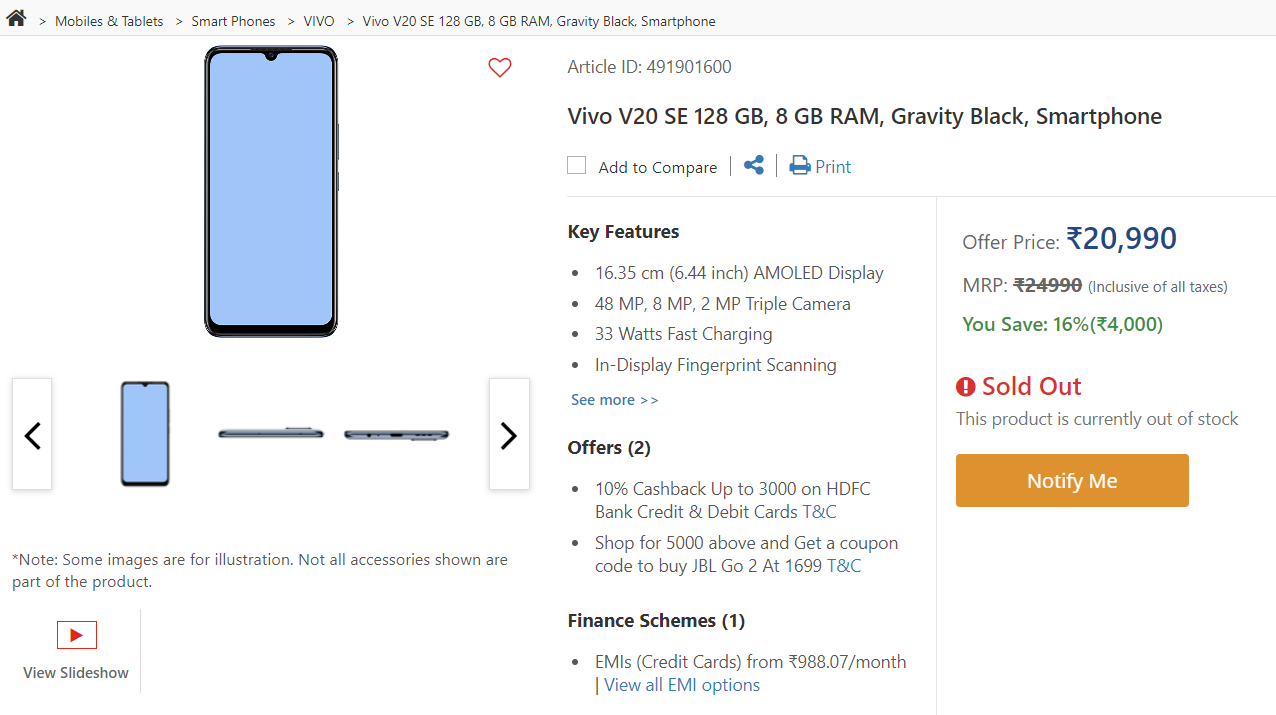
According to MySmartPrice, the Vivo V20 SE smartphone was found listed on Croma and Reliance Digital retailer platforms. The Croma listing of the phone could not be found at the time of writing this post. It appears that the listing has been taken. The publication revealed that the Vivo V20 SE was listed with a pricing of Rs 20,990 (~$285) for the 8 GB RAM + 128 GB storage edition. Also, the phone was listed in Gravity Black color.

Vivo V20 SE Reliance Digital listing
Screenshot of the Vivo V20 SE’s listing at Reliance Digital

The Vivo V20 SE is listed with the same pricing and color at Reliance Digital. However, it is not yet available for purchase. Vivo had previously confirmed that the handset will be also available in Aquamarine Green color in India.

Vivo V20 SE specifications

The Vivo V20 SE has a 6.44-inch AMOLED display that offers a Full HD+ resolution of 1080 x 2400 pixels and a 20:9 aspect ratio. The Snapdragon 665 mobile platform powers the device with 8 GB of RAM. It has 128 GB of storage and a microSD card slot. It is preinstalled with Android 10 OS and FunTouch OS 11 UI.

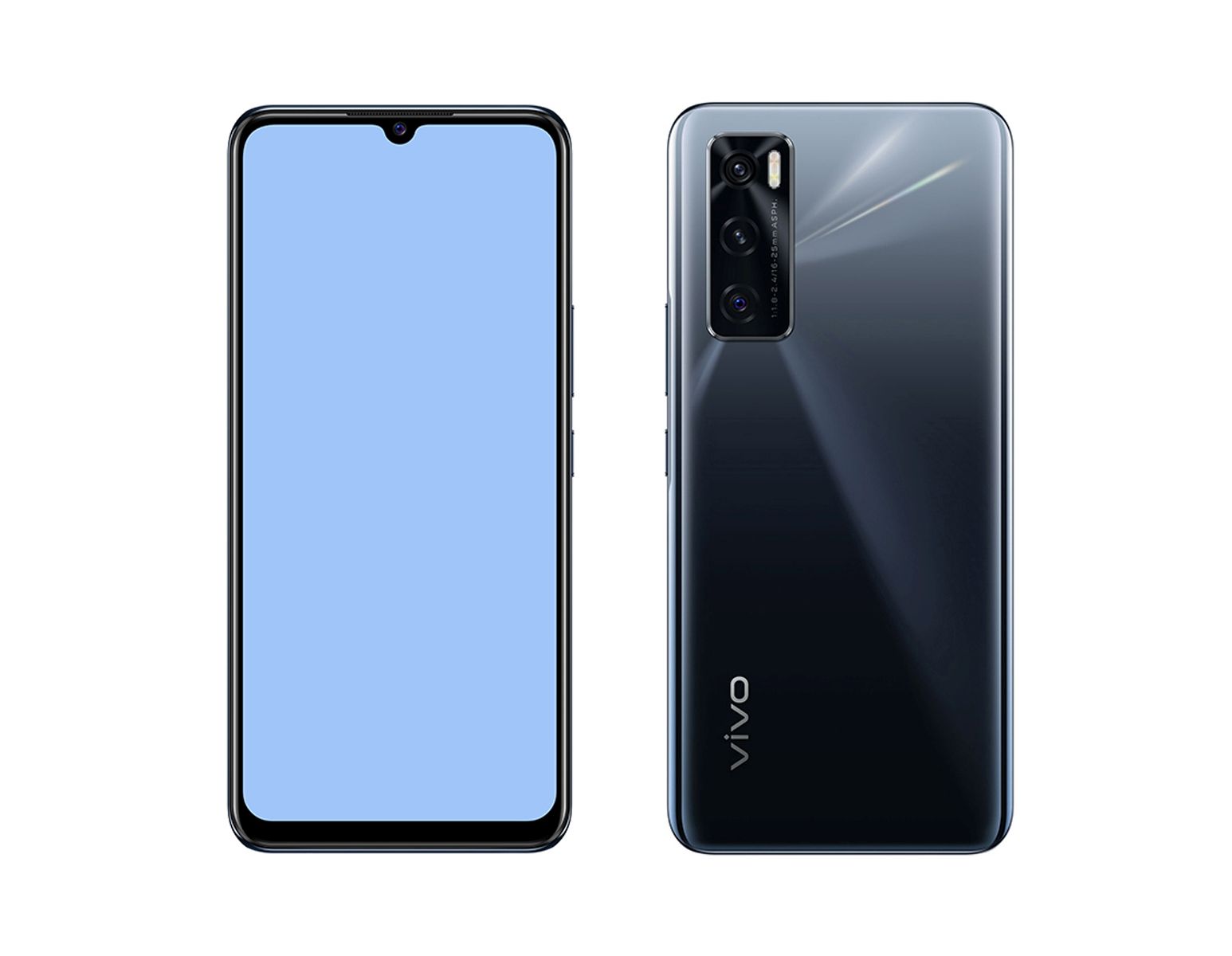
Vivo V20 SE
Vivo V20 SE

The Vivo V20 SE has a front-facing camera of 32-megapixel. The triple camera setup on its back has a 48-megapixel main camera, an 8-megapixel secondary lens, and a 2-megapixel sensor. It has a 4,100mAh battery that supports 33W fast charging. For security, it has an in-screen fingerprint reader.


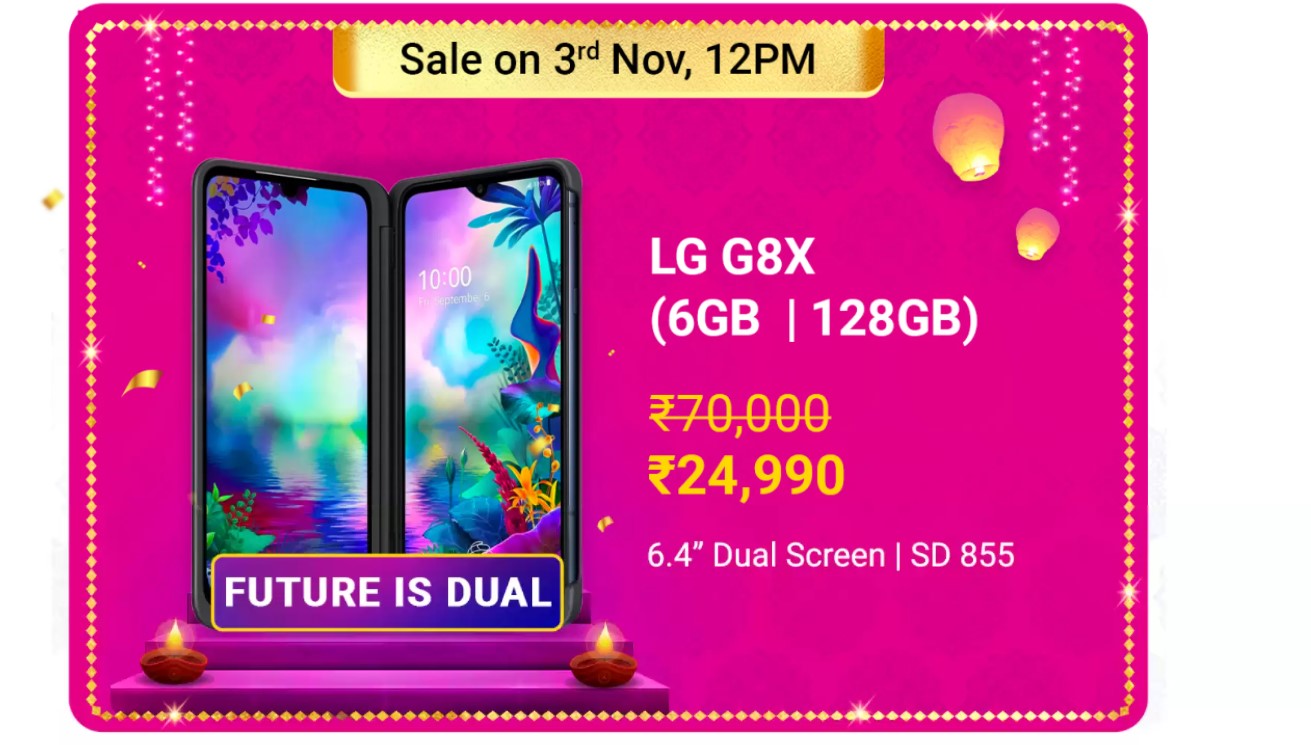
Flipkart’s Big Diwali Sale will bring back the LG G8X Smartphone on stock for ₹24,990($339)

After a big round of sales, e-commerce giant Flipkart is back with yet another “Big Diwali Sale” in India. The new sale will run from October 29 till November 4. Of all the categories, Smartphones get the best attention, and by no doubt, LG’s G8X was a great hit during the last sales. If you are someone, who missed your chance earlier, you get one more chance to grab one of the Cheapest Snapdragon 855 SoC smartphones.

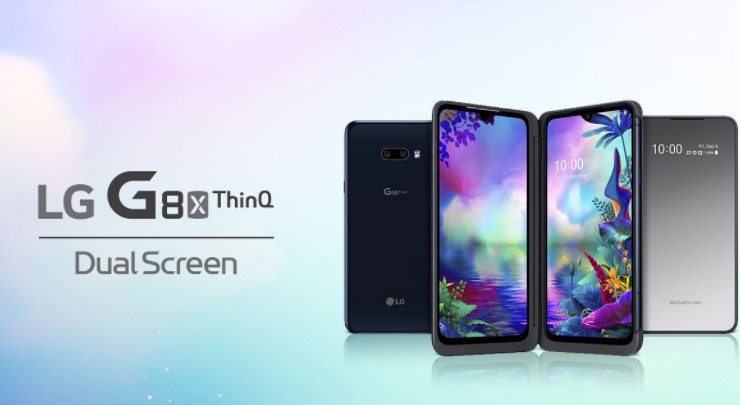
LG G8X featured

The LG G8X will go on sale once again during the Big Diwali Sale of Flipkart on November 3, at 12 PM IST. However, the device is now priced at ₹24,990($339) for 6GB RAM, 128GB storage. This is a bit disappointing considering the device was available at the lowest ₹19,990($271) on early BBD sales(Oct 16-21).

However, even at this price, it is one of the best value for money smartphones you can get right now. Originally, the device was listed at ₹54,990 ($746) before all these sales began. In fact, it is one of the cheapest smartphones with Qualcomm Snapdragon 855 SoC right now. The other notable ones are Realme X3(SD 855+), and Redmi K20 Pro but the latter is currently sold out on Flipkart. Also, on top of the ₹24,990 list price, you get a 10% instant discount on Axis Bank Credit, Debit, and EMI transactions.

Credit: Flipkart/LG

Additionally, do note that the listing on the Flipkart offer page redirects to the G8X product page. It mentions that this LG G8X unit won’t come with Charger inside the box. That said, you will get the second screen with Cover, Cable, earphones, with the device. It will be interesting to see if LG can pull-off the same crowd it did with the earlier sale. As per LG’s official statement, it nearly sold 1.75 Lakh units of G8X in just 12 hours during the BBD sale.

The LG G8X actually launched as the G8X ThinQ in India at a price tag of ₹49,999($678). However, LG lists it currently at ₹54,999($746) on its official website. It features a 6.4-inch FullVision OLED screen. The additional screen is also an OLED screen and a 2.1-inch monochrome display for notifications. Other features include a 13+12MP rear camera, 32MP front camera, 4,000mAh battery, IP68 rating, NFC. And a 3.5-mm audio jack with a HI-FI Quad-DAC.


Vivo Watch to get a new orange fluoroelastomer strap on November 1

The Vivo Watch launched last month as Vivo’s very first smartwatch. The watch comes in two sizes – 42mm and 46mm – and each is available in two colorways, bringing the total options buyers can choose from to four. Today, Vivo has announced that the watch will be getting a new strap next month.

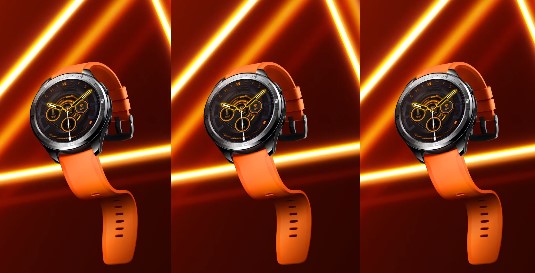
Vivo Watch Rally Orange strap

The new strap is called Rally Orange and it is a fluoroelastomer strap. Unfortunately, Vivo didn’t say if it is going to be available for the 42mm or 46mm version or if it will be available for both sizes.

The Orange Rally strap brings the number of fluoroelastomer straps you can purchase for the Vivo Watch to four. The other colors are gray, black, and brown. However, none of these straps are available for the 42mm version. There is a chance this new orange strap will be for the 46mm version since the 42mm version already has an orange leather strap.

Vivo sells extra straps for ¥169 (~$25) regardless of if it is leather or fluoroelastomer, so this new Orange Rally strap should have the same price tag.

The Vivo Watch has an AMOLED display, SPO2 monitor, NFC, heart rate monitor, and can track up to 11 different sports. It is also water-resistant up to 50 meters and comes with Vivo’s Jovi AI Assistant built-in. It is priced at ¥1299 (~$194) for both the 42mm and 46mm version.


Huawei Mate 40 Pro Hands On: Space Ring Camera in Mystic Silver makes it Unique

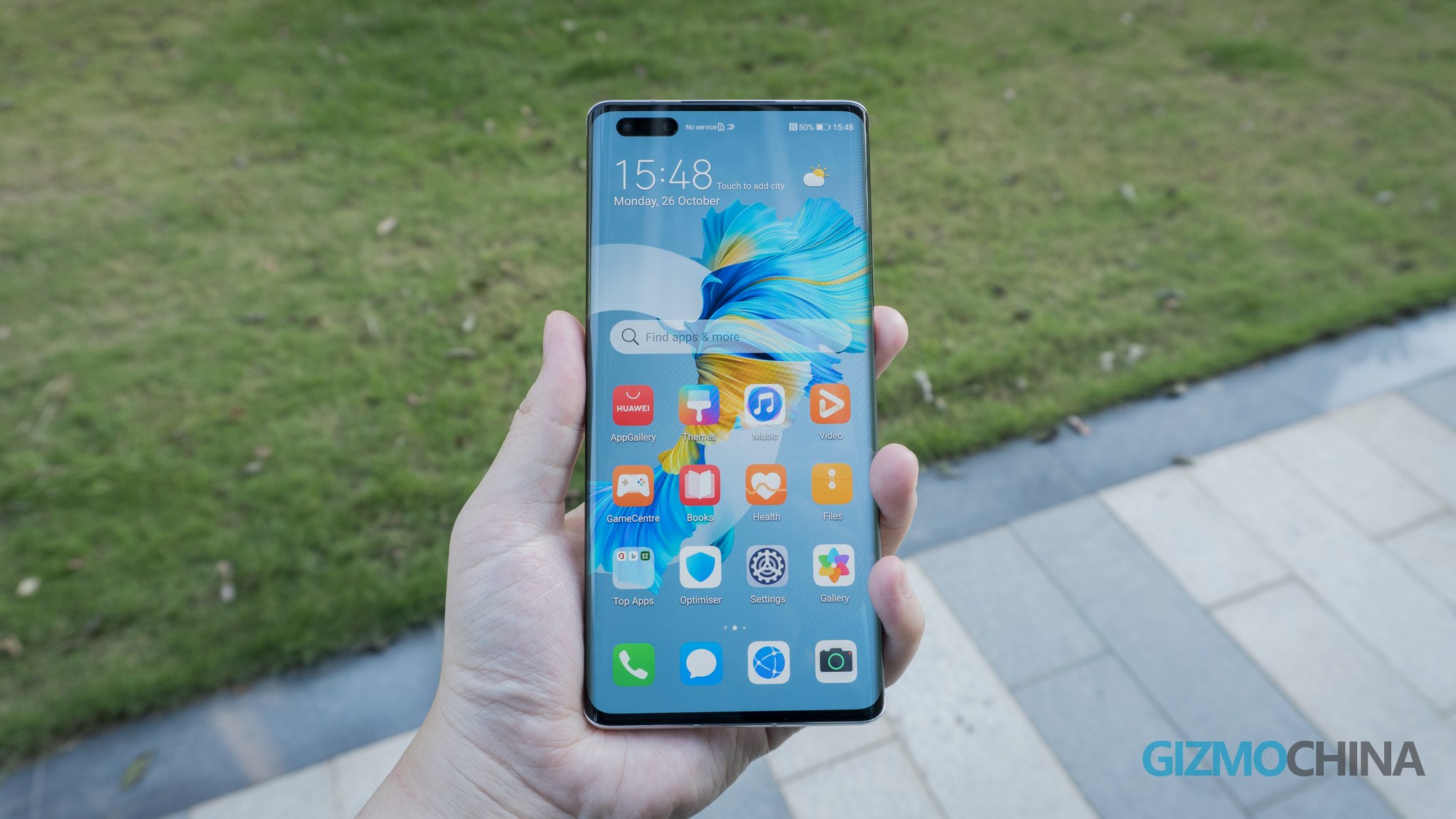
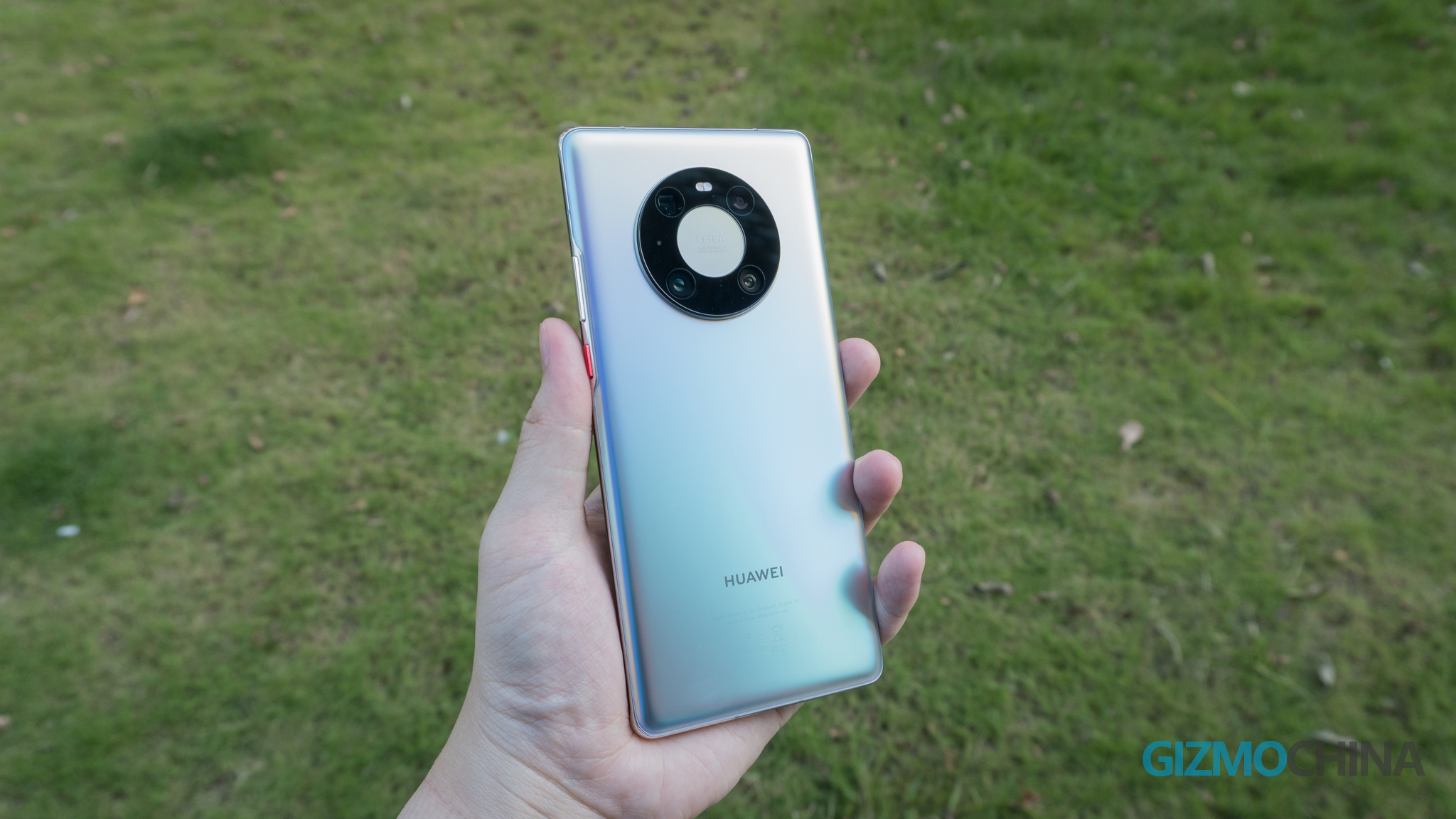
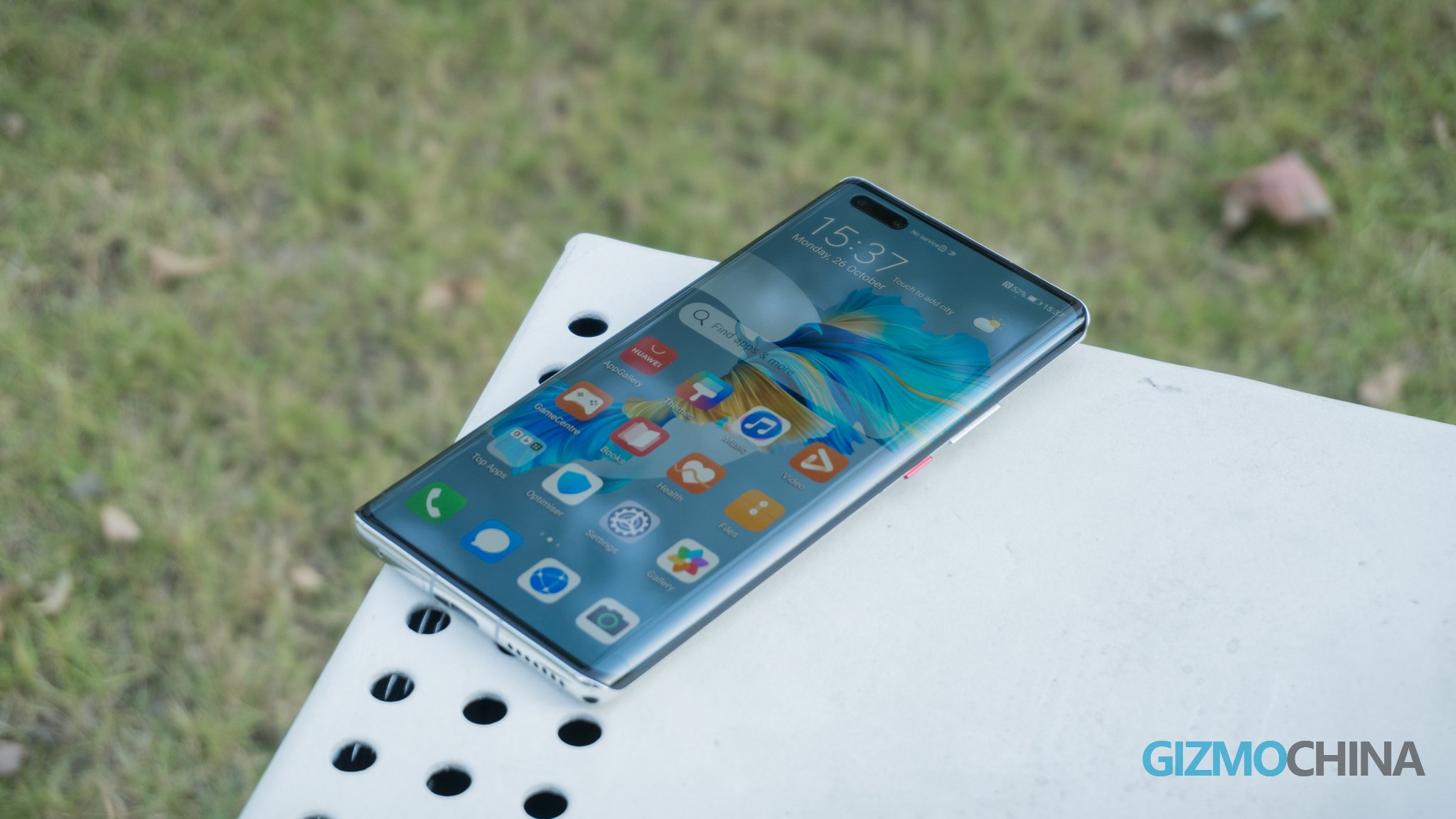
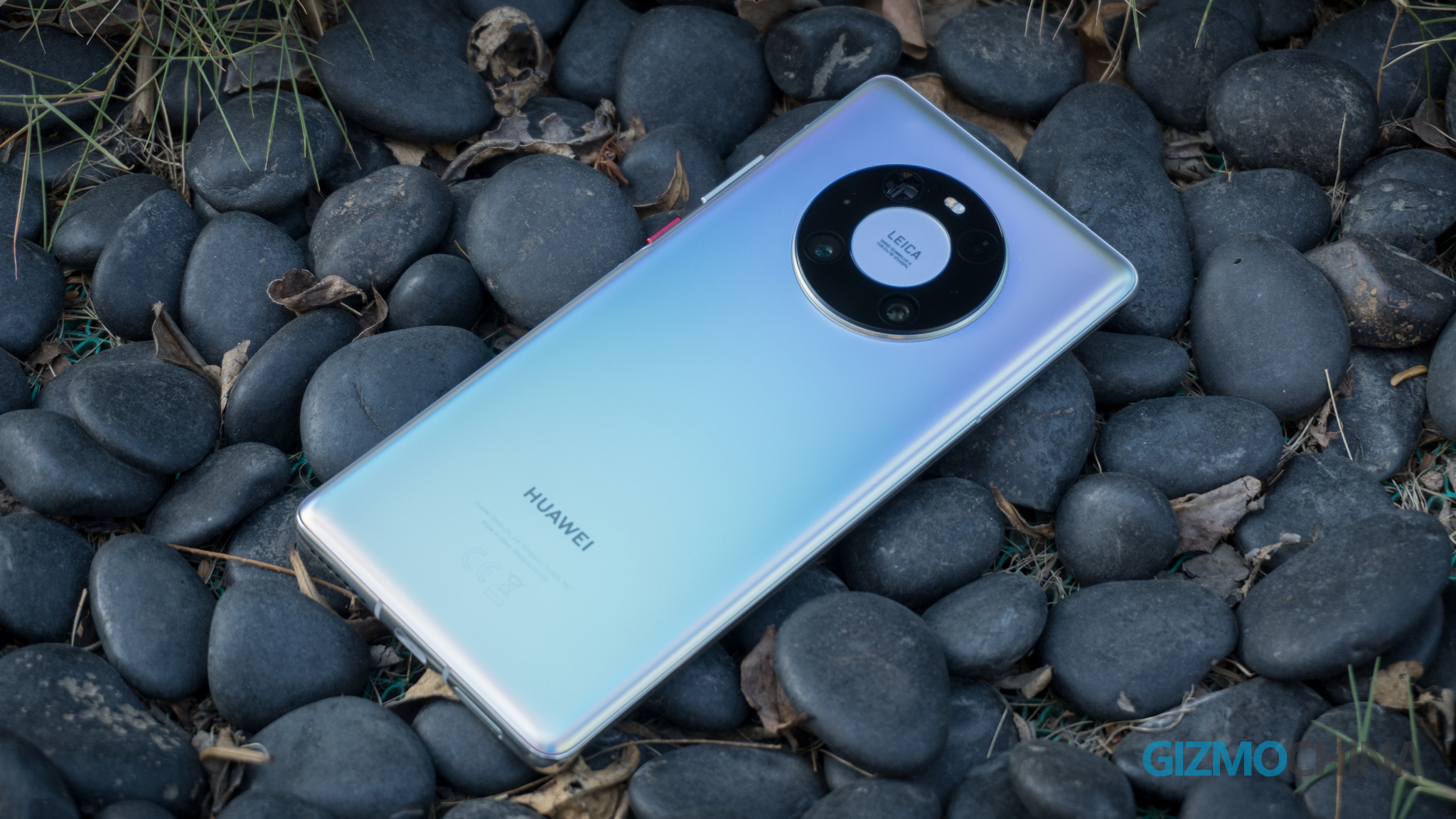
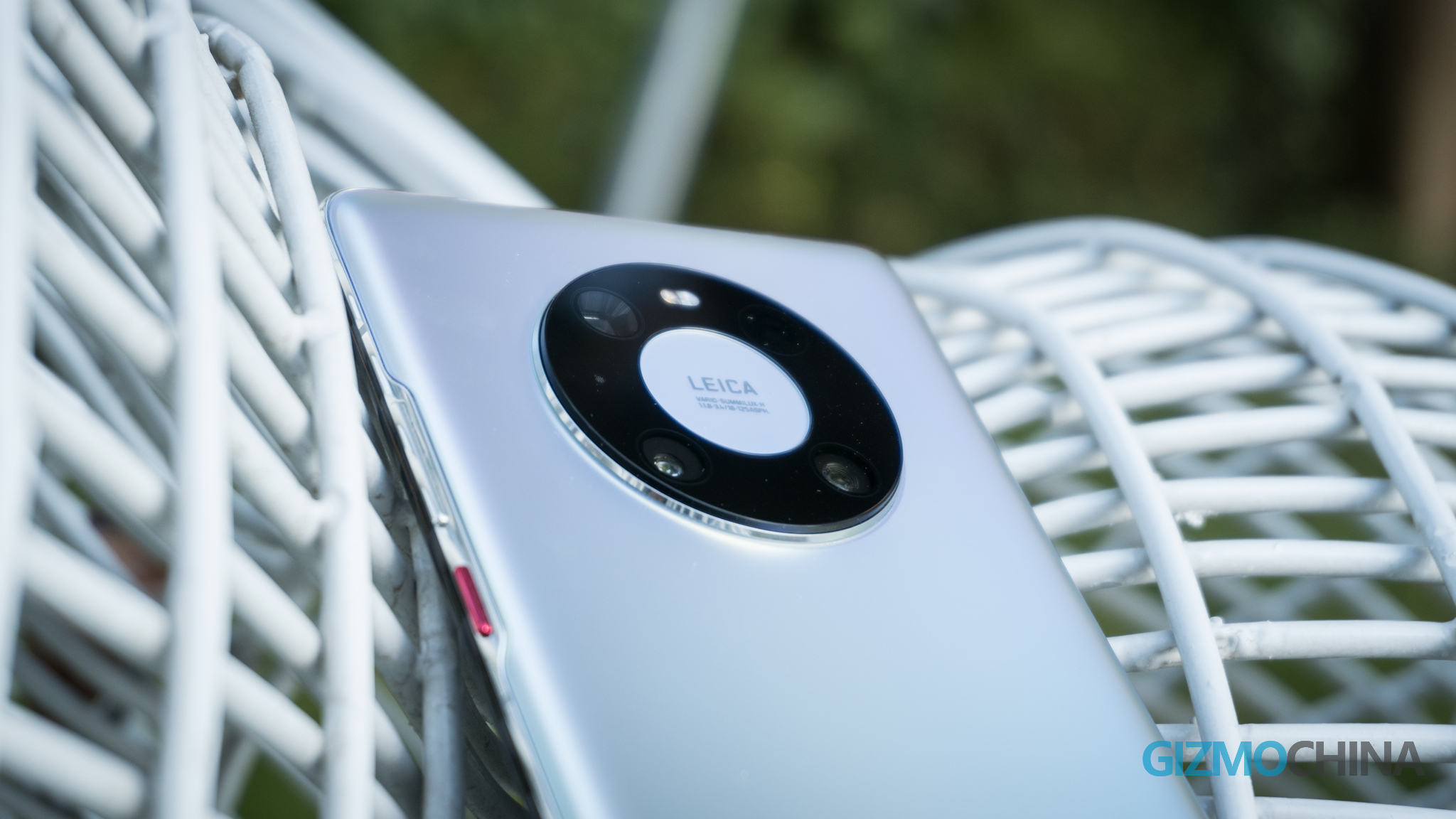
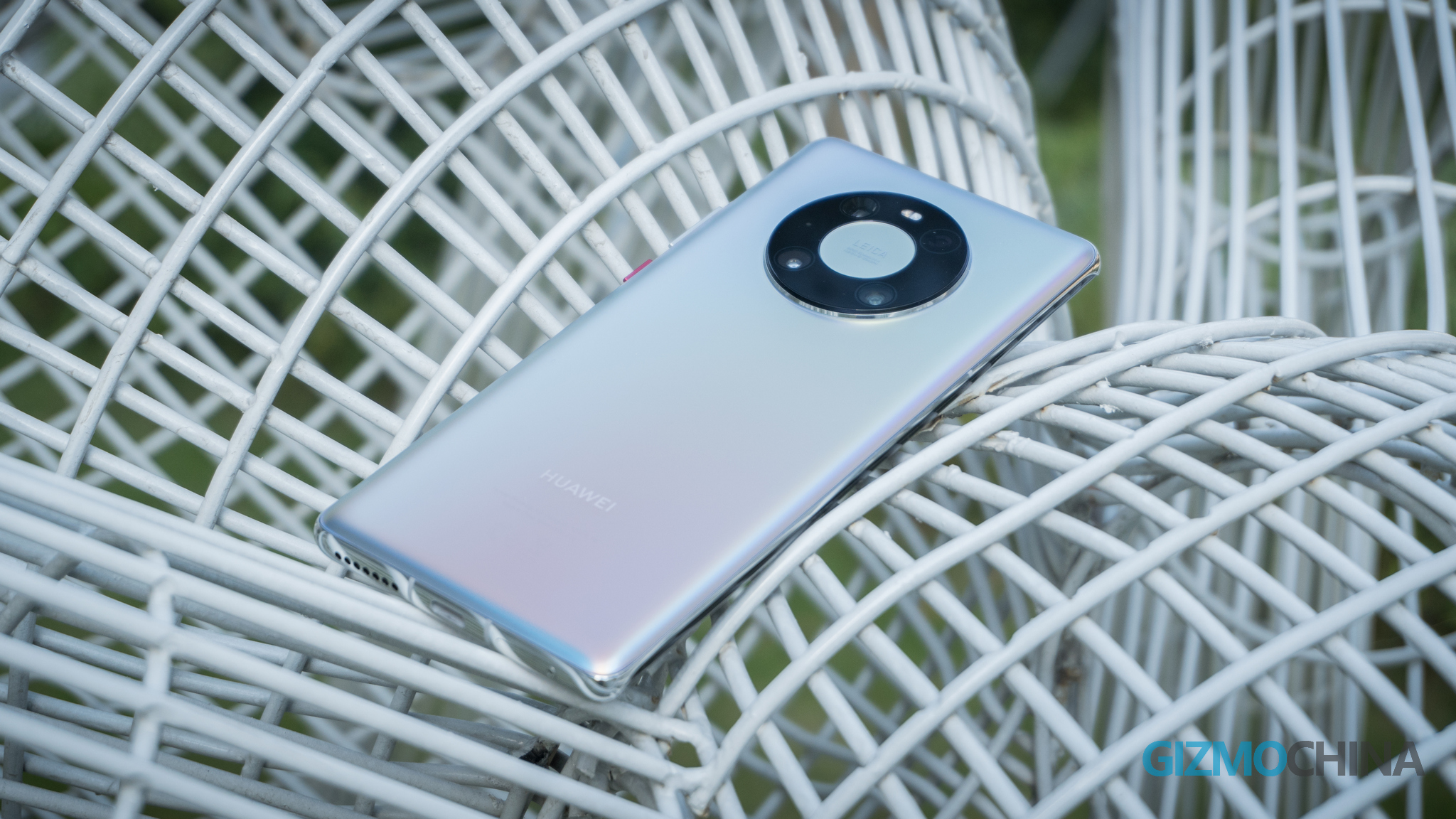
Huawei announced its most powerful flagship of 2020, the Huawei Mate 40 Pro at an official event last week. The flagship builds on the excellent hardware of its predecessor but brings new upgrades like a 5nm Kirin 9000 5G processor and a unique circular camera housing at the back that sets it apart from the competition. Huawei Mate 40 Pro featured EMUI 11We have got the Mystic Silver color variant of the phone and here’s our initial impression and hands on with the Huawei Mate 40 Pro.

Huawei Mate 40 Pro featured

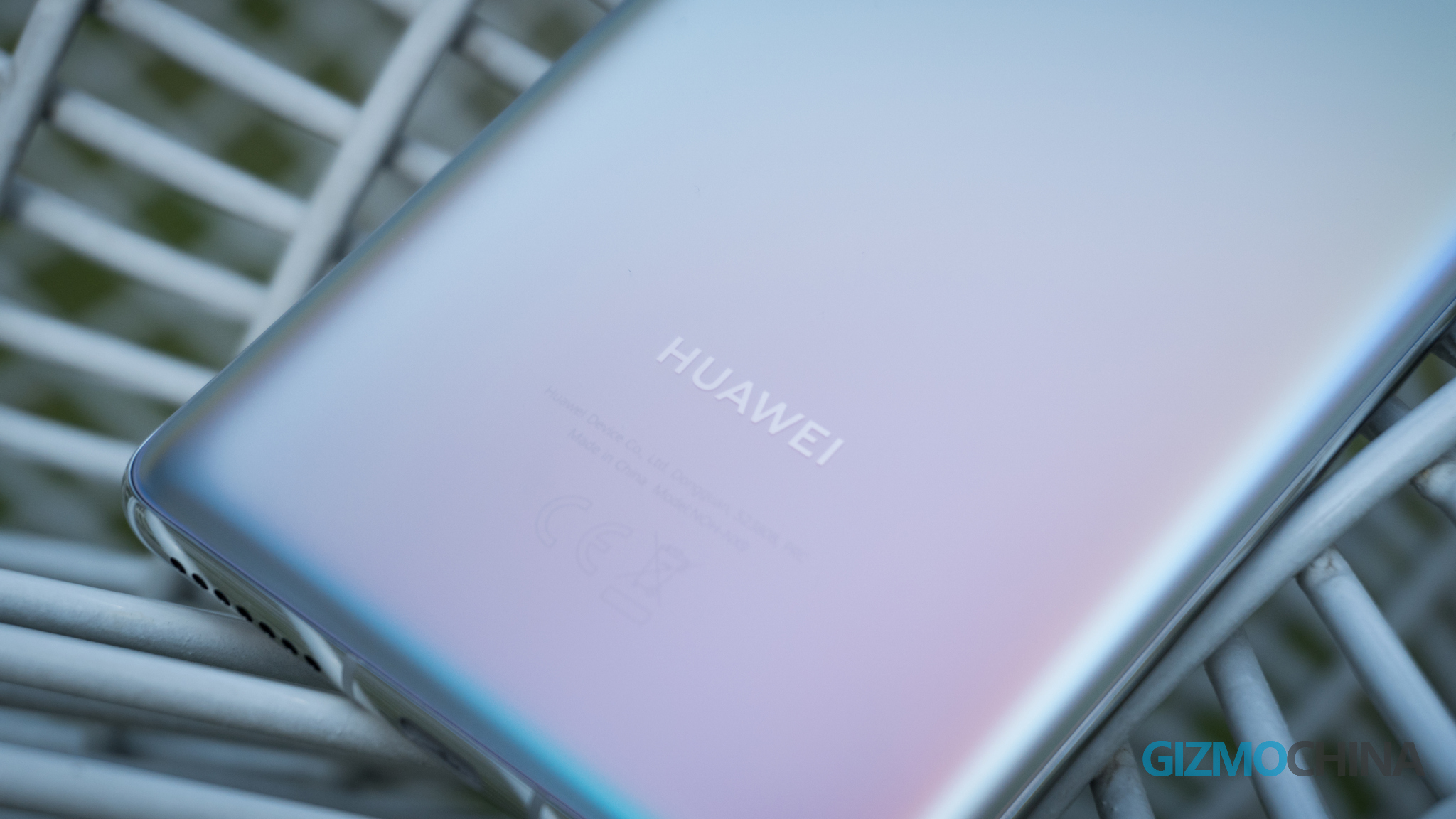
The new Mate series phone, just like its predecessors, screams of quality. The phone retains the steep 88 degree curved display of its predecessor while bringing in a new and unique color scheme, Mystic Silver. Its a really cool color option for the Mate 40 Pro as the colors shift at different angles. The circular space ring camera setup completes the unique design of the device. The phone is wider than the P40 series and has a larger display too. However, it weighs 212 grams which is almost the same as the P40 Pro.

Huawei Mate 40 Pro hands on (1)

The 88-degree Horizon Display looks premium as it feels as if the display extends to the back. The 6.76-inch FHD+ 2772 x 1344 pixel display with 90Hz refresh rate looks excellent, but we feel that the Mate 30 Pro has a slightly better screen quality. One disadvantage of the curved screen is that the information on the edges are often not visible.

It’s worth adding that the in display fingerprint sensor position has been moved up a bit, which makes it easier to use the scanner than the previous models. The Mate 40 Pro also has dual speakers at the back (unlike the single speakers on the P40 series) so the sound output is sufficiently loud. The physical volume buttons make a comeback in this new model but you can still double tap on either display edges to pop up the volume slider.

Editor’s Pick: Huawei goofs up with the €899 Mate 40’s lack of wireless charging and low IP rating

Huawei Mate 40 Pro featured 2

We’ll talk about the Huawei Mate 40 Pro’s camera quality in our review that’s coming up soon. However, in our initial hands-on, we can say that the phone captures images similar to the P40 Pro+ but with slightly better colors. There’s no doubt that the phone has one of the best camera setups in the market in 2020 but we’ll reveal our findings in detail in our review.

Overall, the software, hardware, and design are all top notch on the Huawei Mate 40 Pro. With Kirin 9000 5G on board, everything on the phone including the animations are very smooth and fluid.

You can check out more images of the Huawei Mate 40 Pro down below.


WHERE TO BUY

Huawei Mate 40 Pro: GIZTOP


** We may earn a commission when you buy using one of our links

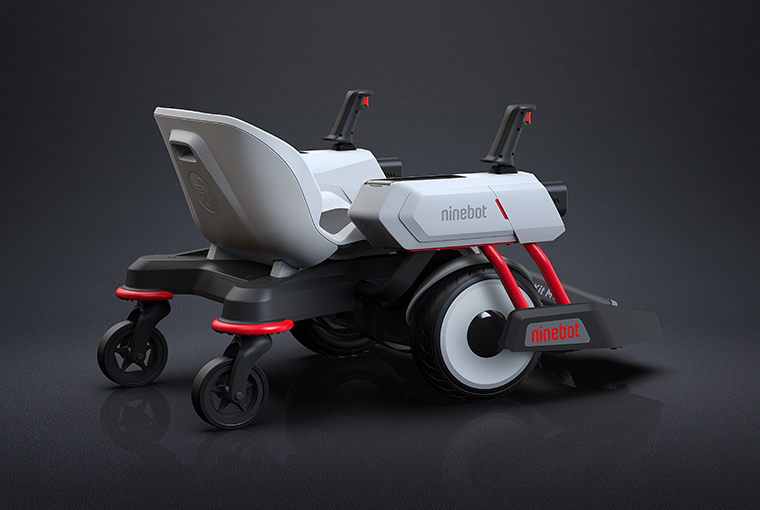
Ninebot Self-balancing Scooter Mecha Kit M1 launched for 1399 yuan ($208)

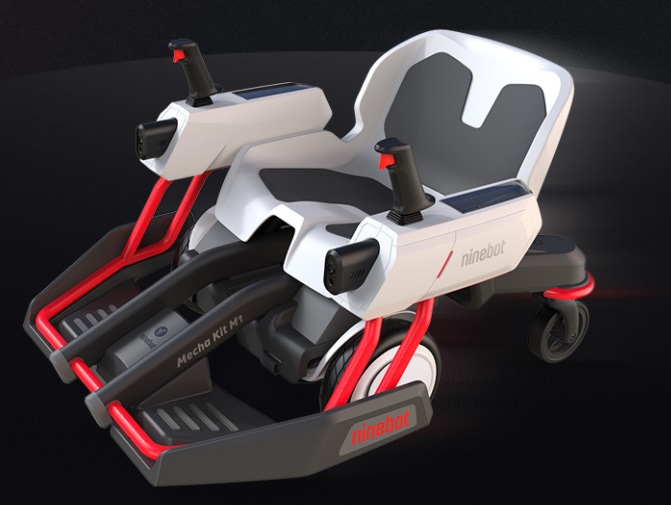
Ninebot has unveiled a new product will be put up on crowdfunding from November 1st to November 30th on Taobao. The product is dubbed Ninebot Self-balancing Scooter Mecha Kit M1. The kit carries a price tag of 1399 yuan ($208) but with the self-balancing scooter, the price is 2498 yuan ($372).

This is the second product Ninebot is spinning from its self-balancing scooter, the first being the Gokart. The product is themed after Mecha, a genre of Japanese manga and anime that heavily features or focuses on mechanical innovation. Robots, cyborgs, androids, and space stations, for example, all fall under the wide umbrella of mecha; however, robots are usually the primary focus.

The Ninebot Self-balancing Scooter Mecha M1 Kit adopts a unique handle control design which requires a forward push to move forward and a backward pull to move backwards. When turning, the left and right handles control each side wheel separately, which can realize in-situ rotation and flexible tail swing.Ninebot Mecha Kit M1

The kit is integrated with the self-balancing scooter which propels it. It is also equipped with a water bomb launcher, which supports burst and strafing. The official said this function is suitable for people over 14 years of age.Ninebot Mecha Kit M1

The kit adopts a buckle with screw quick release design which can be assembled in five minutes. It can also be connected to the Ninebot app and experience remote control gameplay.


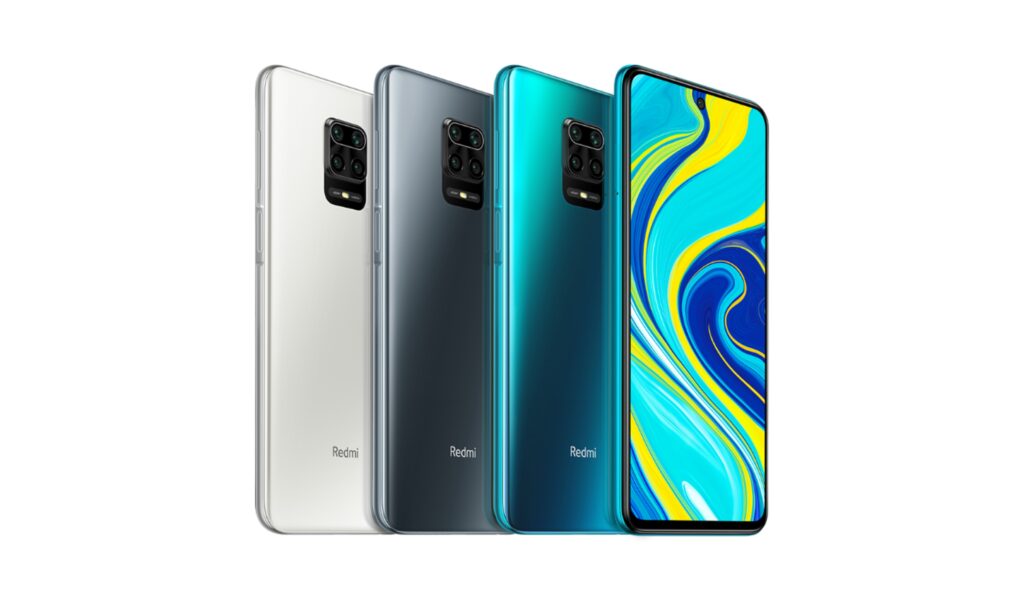
Redmi Note 9S is receiving MIUI 12 update worldwide

MIUI 12 is the latest version of Xiaomi’s Android skin. It marks the 10th anniversary of the company’s existence. The Chinese smartphone maker unveiled it in late April and since then, it has been updating its devices to the newest version of its mobile operating system. The Redmi Note 9S is the latest device to get this update worldwide.

Redmi Note 9S Featured

The rollout of the MIUI 12 update is happening globally in a staged manner for a plethora of devices. Unfortunately, the Redmi Note 9S, despite being a smartphone announced in March 2020 has begun to receive the update only now. Anyway, better late than never.

For those unaware, this handset is sold as Redmi Note 9 Pro in India. This particular version of the device has already started receiving MIUI 12 update in September. But the other variants of the smartphone namely Global, EEA, Turkey, and Russia have begun to get the update recently.

The update for the Global and EEA versions of the Redmi Note 9S is still in the stable beta phase. That means the final stable build may change for these variants depending on the build’s stability. On the other hand, Xiaomi is seeding the final stable build to the remaining three versions.

Having said that, here are the build numbers of the MIUI 12 update for all the variants of Redmi Note 9S.

  • India – V12.0.1.0.QJWINXM
  • Global – V12.0.1.0.QJWMIXM
  • EEA – V12.0.1.0.QJWEUXM
  • Turkey – V12.0.1.0.QJWTRXM
  • Russia – V12.0.1.0.QJWRUXM