Microsoft announced the Surface Duo dual display device in October last year. However, it was made available for purchase this year starting in September. It carried a price tag of $1,399. The Surface Duo has now received its price cut, which brings down its cost to $1,199.
The 128 GB edition of the Microsoft Surface Duo previously sold for $1,399 and its 256 GB variant was made available for $1,499. At Microsoft’s online store, both models are now available with revised pricings of $1,199 and $1,299, respectively. It is unclear whether it is a limited period offer. At present, the Surface Duo is only available for purchase in the U.S.
The Microsoft Surface Duo has a pair of 5.6-inch PixelSense AMOLED screen that combines to offer a screen space of 8.1 inches. The front and rear sides of the device have Gorilla Glass 5 protection. It runs on Android 10 OS and it is fueled by the Snapdragon 855 mobile platform.
The device comes with 6 GB of RAM and 128 GB / 256 GB of UFS 3.0 storage. It has a 3,577mAh battery that supports 18W fast charging. It has a single camera of 11-megapixel with supports EIS and 60fps 4K video shooting. It lacks support for external storage and a 3.5mm audio jack.
Around a month back, a 4G-ready Xiaomi phone with model number M2010J19SC was spotted in the database of MIIT authority of China. At that time, it was speculated that it could be a 4G version of the upcoming Redmi Note series. The alleged Redmi Note 10 4G has today received approval from the 3C regulatory of China.
The 3C certification of the M2010J19SC has revealed that it could be shipping with a charger that has an “MDY-11-EM” model number. The charger carries support for up to 22.5W fast charging.
The upcoming Redmi Note series also includes two other smartphones with model numbers such as M2007J17C and M2007J22C. The 3C certifications of both phones have revealed that these two phones could be coming with 33W and 22.5W chargers, respectively. The M2007J17C, M2007J22C, and M2010J19SC phones are expected to soon appear at TENAA with full specifications and images in the coming days.
Coming back to the M2010J19SC phone, its international edition that has the M2010J19CG model number was approved by the Eurasian Economic Commission (EEC) body last week. The listing revealed that it will be branded as a POCO device in Europe. Hence, it appears that the Redmi Note 10 4G will be yet another rebadged POCO phone for global markets.
Among the above-mentioned phones, it is believed that the M2007J17C will be a tweaked version of the Xiaomi Mi 10T Lite 5G phone. Instead of the 64-megapixel lens, the M2007J17C could be flaunting a 108-megapixel primary camera, and the rest of its specs could be identical to the Mi 10T Lite 5G.
In August, Realme announced the Realme C15 mid-range phone with a starting price of Rs 9,999 (~$135). The handset is fueled by the Helio G35 chipset by MediaTek. Leaked information shared by popular tipster Mukul Sharma reveals that the Chinese firm could be planning to launch the Realme C15 Qualcomm Edition phone. The tipster has shared the key details of the new CPU variant of the Realme C15.
Realme recently launched Realme C11, Realme C12, and Realme C15 phones in India. All of them are equipped with MediaTek chipsets. In an interview with 91mobilesin August, Realme CEO Madhav Sheth said, “Maybe we will launch the Qualcomm version of C11, C12, and C15 if the customers ask for it in the near future.” Hence, it appears that after the Realme C15 Qualcomm Edition, the company may also bring Qualcomm versions of the C11 and C12 phones.
Coming back to the Realm C15 Qualcomm Edition leak, it will come in two variants such as 4 GB RAM + 64 GB storage and 3 GB RAM + 32 GB storage. It will be available in colors like Power Blue and Power Silver. There is no information on the other specs of the device.
In related news, a new Realme phone with RMX2195 has bagged multiple certifications such as Wi-Fi Alliance, SIRIM (Malaysia), IMDA (Singapore), and CQC (China). It is believed that it could be a C-series phone. The CQC listing revealed that it has a 5,860mAh rated battery and it supports 18W fast charging. Its typical capacity could be 6,000mAh.
1 of 2
Among the recently released C-series phones in India, the C15 is the only phone that has a 6,000Ah battery with 18W charging support. Hence, there is a possibility that the RMX2195 could be the Realme C15 Qualcomm Edition. It is advisable to wait for further reports to know the identity of the RMX2195 phone.
One of the most unique and interesting phones released in 2020 is the iPhone 12 Mini: it is one of the smallest flagship phones of this year and it looks gorgeous, despite it is still not in commerce. But it is not the only compact phone released by Apple in 2020. Did you already forget the iPhone SE 2020 or it is still in your mind like the first day it was launched? Is it worth spending a lot more money to grab a unit of the iPhone 12 Mini once it will be available or the iPhone SE 2020 is enough for your needs? Through this comparison, we will try to let you find out.
Apple iPhone 12 Mini vs Apple iPhone SE 2020
Apple iPhone 12 Mini
Apple iPhone SE 2020
THICKNESS
131.5 x 64.2 x 7.4 mm, 135 grams
138.4 x 67.3 x 7.3 mm, 148 grams
DISPLAY
5.4 inches, 1080 x 2340p (Full HD+), 476 ppi, Super Retina XDR OLED
Dual 12 + 12 MP f/1.6 + f/2.4
Dual 12 MP + SL 3D f/2.2 front camera
Single 12 MP, f/1.8
7 MP f/2.2 selfie camera
BATTERY
2227 mAh
Fast charging 20W, fast wireless charging 15W
1821 mAh, Fast Charging 18W, and wireless charging
ADDITIONAL FEATURES
5G, waterproof IP68, optional eSIM
Optional eSIM, water resistant IP67
Design
The iPhone SE 2020 has a very outdated design. It has the same aesthetics as the iPhone 8, with very thick bezels around the display and still Touch ID instead of Face ID. Even the rear side is almost identical. This handset has a very good build quality, including a glass back, an aluminum frame, and water resistance with the IP67 certification, but it has a very old design. The iPhone 12 Mini is a lot fresher with its narrow bezels around the display and its notch. Further, despite having a wider display than the iPhone SE 2020, it is even more compact. Last but not least, it is a lighter phone weighing just 135 grams. If you need the best and most compact design, there are no reasons why you should go for the iPhone SE 2020.
Display
Besides being more beautiful, the iPhone 12 Mini has a better display than the iPhone SE 2020. We are talking about an OLED panel with more brilliant colors, higher resolution (Full HD+), and deeper blacks, against a classic IPS panel with a lower resolution. Both are great displays, but there is no way the iPhone SE 2020 can compete with the iPhone 12 Mini. However, if you do not need an awesome quality and you are an average user, the iPhone SE 2020 should be enough for you.
Specs & Software
Both the iPhone SE 2020 and the iPhone 12 Mini provide high-end performance: they are incredibly fast and stable thanks to their powerful chipsets and the great optimization of the iOS operating system. With the Apple A14 Bionic processor found on the iPhone 12 Mini, you get higher performance and lower energy consumption. Further, the iPhone 12 Mini offers one more gig of RAM. The memory configurations are the same for each device and they range from 64 GB to 256 GB. iPhone SE 2020 runs iOS 13 out of the box, while iPhone 12 Mini runs iOS 14.
Camera
With the iPhone 12 Mini, you get one more camera on the rear side and a brighter focal aperture, so better photos in low light conditions and ultrawide shots. The iPhone SE 2020 has just a single camera on the rear side. Both support OIS and click great shots. The iPhone 12 Mini also comes with a superior front camera: a 12 MP sensor against the 7 MP one found on the iPhone 12 Mini. Further, the iPhone 12 Mini has an additional sensor for 3D facial recognition.
Despite its bigger dimensions, the iPhone SE has a smaller battery than the iPhone 12 Mini. Besides having a bigger battery, the iPhone 12 Mini has a more efficient display (thanks to the OLED technology) and a more efficient chipset (thanks to the 5 nm production process), so it lasts more than iPhone SE 2020 on a single charge. The iPhone 12 Mini even supports faster charging technologies (both wired and wireless charging).
Price
If we compare it with the iPhone 12 Mini, the only advantage of the iPhone SE 2020 is the price. The handset starts from just €499/$399, making it the most affordable and value for money phone released by Apple. For the iPhone 12 Mini, you need at least €839/$699: the price is more than 50 percent higher if you choose the latest compact phone by Apple. The iPhone 12 Mini offers a better design, a better display, higher performance, better cameras, and even a bigger battery. But for average users, the price difference might not be justified. The differences between the two phones are definitely noticeable by everyone, but a lot of average users should not need the advantages offered by the iPhone 12 Mini. Despite that, the iPhone 12 Mini wins the comparison without any doubt.
Apple iPhone 12 Mini vs Apple iPhone SE 2020: PRO and CONS
We are approaching winter and as usual, this is the ideal time to shop for gears that would help keep us warm all through the winter. Manufacturers are also pushing out new winter gears. Xiaomi’s ecological chain company Smartmi Technology has officially released its latest GR-H new graphene heater. The product will go on sale on October 20 priced at 799 yuan (~$119). It is also scheduled to be sold during the 11.11 shopping festival for 599 yuan (~$89).
Smartmi’s new graphene heater uses a new material, graphene, which has a 99% conversion rate of electric heat, which reduces energy loss during heating. In terms of the heating element structure, the graphene heater uses an innovative GFM structure with a heat dissipation area of 7116cm², which is 48% larger than before.
In addition, it is coated with a 3322cm² graphene far-infrared heating element coating on the surface of the heating element, which effectively improves the overall heat dissipation efficiency of the heater, and the heating rate is 60% higher than other electric heaters.
In the heating method, the combination of thermal convection and thermal radiation can achieve rapid and balanced heating. This effectively solves the problems of uneven heating and slow heating speed of heaters with a single heating method.
The Smartmi graphene heater has an IPX4 waterproof rating and can be used in the bedroom and living room as well as in the bathroom. The internal fully enclosed circuit design is equipped with a waterproof protective shell. Even if the shower water splashes on the heater while taking a bath, it can still be used normally and safely.
The power knob has three gear options of 900W, 1300W, and 2200W There is also a temperature control button which can be used to set the desired temperature. After heating to the set temperature, it will automatically stop heating and enter the heat preservation state.
Further, the heater is designed to support two placement methods: vertical and wall-mounted, which can be hung at a height that children cannot touch. In addition, triple power-off protection is added, such as the heater will automatically power off in the event of overheating or high temperature.
With the release of the Mate 40 series, Huawei equally took the veil off the Kirin 9000 processor. The chipset is the brand’s first chip built on a 5nm silicon. It also integrates 15.3 billion transistors, the first chipset to do so.
The Kirin 9000 integrates a 24-core Mali-G78 GPU which has an architecture that is more than the Kirin 990’s Mali-G76 GPU. The number of cores is also increased by half, and the performance is increased by 60%).
Several benchmark tests for the Kirin 9000 has emerged, thanks to GSMArena’s review of the Mate 40 Pro which is powered by the chipset. The tests which include GeekBench, 3DMark and GFXBench detail the performance of the flagship SoC. In all the tests, the Kirin 9000 performance surpasses the Snapdragon 865+ in terms of multi-core performance and equally outperforms Apple’s A13 Bionic.
The Mate 40 Pro model under review features 8GB of RAM and 256GB of storage. The phone was tested under the Performance mode which can be tweaked under the battery settings. The mode unlocks the full potential of the phone. Also, the test was carried out under the normal mode.
The Mate 40 Pro outperforms the iPhone 11 Pro Max and all the flagship Snapdragon processors released this year in GeekBench’s multi-core CPU test. The Kirin 9000 also floors the Snapdragon 865+ in the single-core test.
In terms of the graphics performance, 3D Mark test shows the Mali-G78 GPU in the Mate 40 Pro posts superb numbers for both OpenGL and Vulcan based applications. The processor has a 20-30% advantage over the Snapdragon 865 and SD865+ devices.
On the GFXBench test, the Mate 40 Pro display doesn’t perform better than other models in onscreen tests as the higher resolution seems to affect its performance against 1080p rivals in the onscreen tests. However, it performs better than 2020 flagship models that have 1440p displays by a wide margin.
Mi India has sold 5 million smartphones during the festive season sales in the country. The company, through a press release, says it’s offline retail partners also plays a part in doubling the business this time.
India’s biggest festive season held between (October 15- October 21) and Xiaomi tagline it as “Diwali with Mi”. The offers were across the board on online e-commerce sites like Amazon, Flipkart, it’s own mi.com, and offline stores. Apart from online, Xiaomi says the biggest highlight was the aid of 15,000+ retail partners and their discounts. However, it’s really surprising to see people turn up to offline stores in lots. And buy products considering the current scenario.
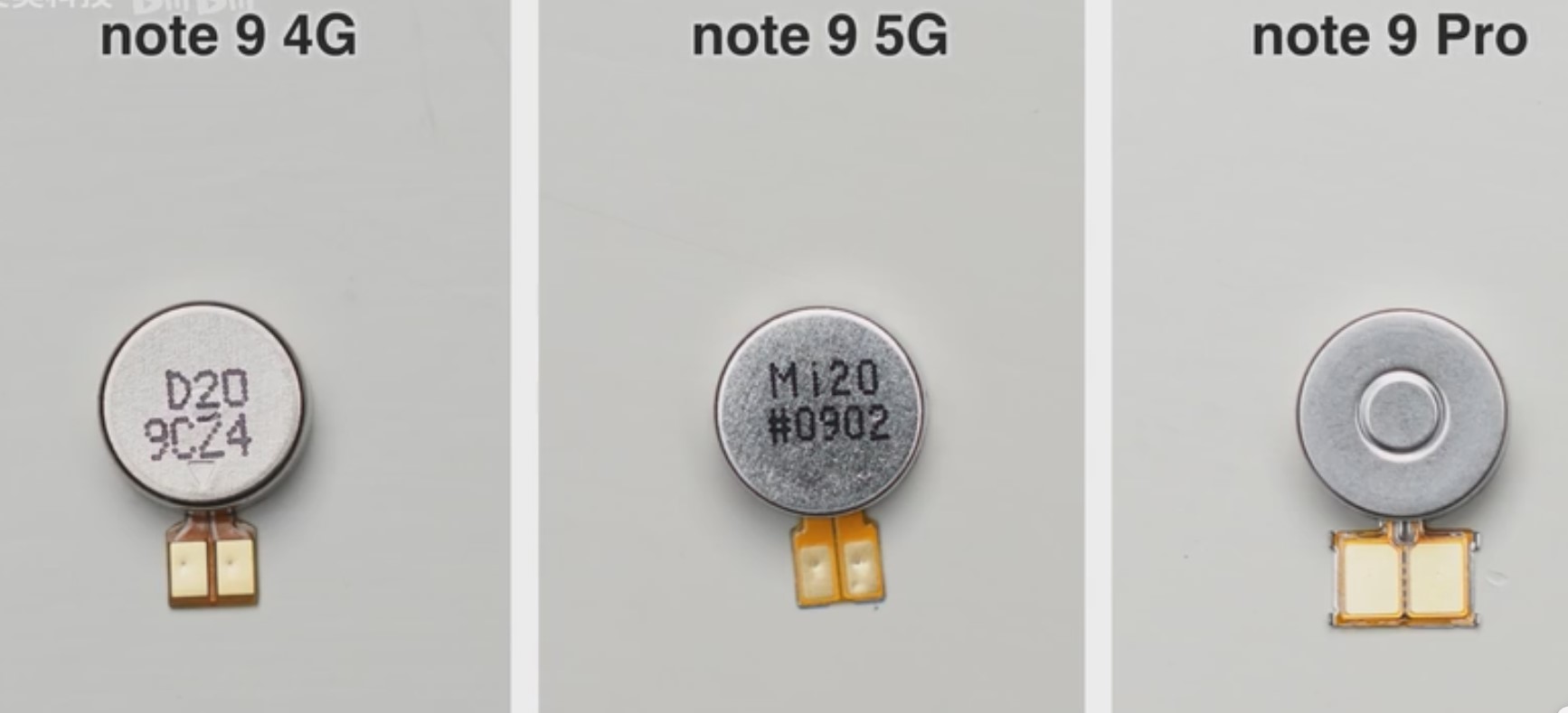
Additionally, Amazon, Flipkart, and mi.com has reportedly received orders from over 17,000 pin codes. This is understandable considering online sites turned the tide this year with offers. Both Redmi, and Xioami Mi smartphones fell under the radar of huge discounts, easy EMI options, cashback etc. Some of the notable ones include Mi 10 flagship which received a huge ₹5,000 off and started at ₹44,999. As for the budget series, the Redmi Note 9, 9 Pro Max had received a ₹1,000 discount. But the Note 9 Pro got an even higher ₹1,500 additional discount on the original price.
Xiaomi says the sales were mixed with first-time buyers and people who upgraded to a higher price range. Raghu Reddy, Chief Business Officer, Mi India, says, “The 5 million mark is a testimony of our consumers’ trust in our products. To the best of our knowledge, no other brand has ever achieved this before. We, at Mi India, aim to keep delivering the highest quality products at honest prices.””.
Xiaomi has become an inevitable brand in India. From a small team in 2015, it has risen to a point where Giants like Samsung have skipped a beat looking at the numbers. Although it has recently lost the crown to Samsung by a meager margin of 4%, sales like these and future smartphone launches mean they are here to stay. And could snatch the crown back anytime.
Apple unveiled the new iPhone 12 smartphones with major improvements than its predecessors. However, the smartphones are not yet retailing as the sale is scheduled to commence on November 6 and shipping from November 13. In the meantime, the users can enjoy the iPhone 12 and 12 Pro wallpapers on their old smartphones.
Apple brings a slew of exceptional wallpapers for both the iPhone 12 and 12 Pro smartphones. iPhone 12 ships with ten wallpapers for use with dark and light mode. Similarly, the iPhone 12 Pro features eight different wallpapers in both the dark and light mode. These wallpapers will surely match with the different colors of both the iPhone 12 and iPhone 12 Pro.
iPhone 12 Wallpapers Preview
These are not full resolution images. The gallery above is for only view purposes. You can download full-resolution images from the link below.
iPhone 12 Pro Wallpapers Preview
The above wallpapers are pulled from iOS 14.1. You can download the iPhone 21 and 12 Pro wallpapers in full resolution from the lin below.
Apple iPhone 12 features a 6.1-inch OLED display with 2532 x 1170 pixels resolution. The display offers 460 pixels per inch density and 1200 nits of maximum brightness. Furthermore, it supports a 60Hz refresh rate and retains a wide notch is like iPhone 11. On the top, it is protected with Ceramic Shield which offers 4x better drop performance and tougher than any smartphone glass.
It is powered with Apple’s A14 Bionic chipset coupled with a six-core CPU and quad-core CPU. The users can enjoy 5G support for mmWave and sub-6GHz.
iPhone 12 features a dual rear camera with 12-megapixel wide lens having f/1.6 aperture. The smartphone is capable of capturing quality photos in normal as well as the dark environment. It supports 15W wireless charging.
iPhone 12 is available in five different colors of Blue, Green, Product Red, White, and Black. You can pre-order the device for $799.
iPhone 12 Pro Specs
It also packs a 6.1-inch Super Retina XDR OLED touchscreen with 1170 x 2532 pixels resolution and HDR10 display. The smartphone houses a quad-rear camera consisting of a 12-megapixel wide sensor, a 12-megapixel telephoto lens, a 12-megapixel ultrawide lens, and a TOF 3D LiDAAR scanner. On the front, a dual camera with a 12MP camera and SL 3D depth sensor.
iPhone 12 Pro also packs Apple A14 Bionic chipset. It measures 146.7 x 71.5 x 7.4 mm and weighs 189 grams. There’s support for 18W fast charging and 15W Qi wireless fast charging.
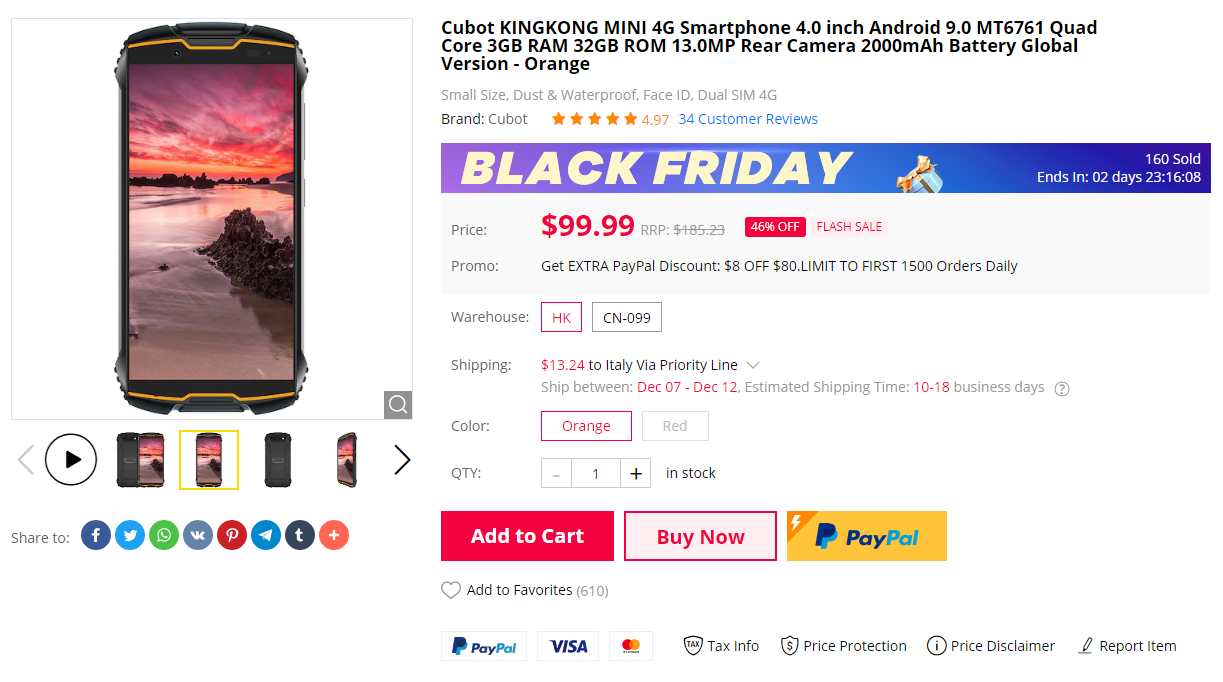
In early 2019, Samsung introduced Galaxy M series as an online-exclusive lineup of smartphones in India. The devices in this series were initially exclusive to Amazon India and Samsung online store. Later, they were made available in select offline stores and other countries.
Earlier this month, the South Korean tech giant unveiled another new series called Galaxy F. This one is exclusive to India’s largest online retailer Flipkart. The first phone in this series is Galaxy F41. Now, the company is readying to launch the second smartphone in the series.
The information about Samsung’s next Galaxy F series device comes from SamMobile. According to the publication, it will bear the model number SM-F127G.
That publication suggests that this device could go official as Galaxy F12. That means we can expect it to feature similar specs as the upcoming Galaxy M12. Because the Galaxy F41 is literally a Galaxy M31 without the fourth camera sensor.
That said, it is good to have options at every price range. However, the Galaxy M and Galaxy F series may collide with each other as they feature identical design, specs, and price (at least the first model) in the long run. The only difference between the two is their availability.
We hope Samsung will work on to differentiate between these two online-exclusive series so that customers don’t get confused with the launch of new models.
Yesterday(October 22), a teardown of Apple iPhone 12 revealed Qualcomm’s 5G modem inside. Now, a document of Apple reveals that it will continue to use Qualcomm’s 5G modems at least until 2024.
First reported by Macrumors(via GSMArena), page 71 of the document that was pointed out on Twitter, shows the details of the Apple-Qualcomm settlement from 2019. Apple’s statement reportedly begins with the intent to launch some commercial products with Qualcomm X55 5G modems between June 1, 2020, to May 31, 2021. If we recall, a recent teardown of the Apple iPhone 12 revealed that Qualcomm X55 5G modem on it.
By now, Apple has already kickstarted the agreement. Also, since it has mentioned the end date till May of 2021, we might see them on iPad Pros if Apple decides to launch one with 5G connectivity.
Apple’s commitment will continue at least until 2024
As per the agreement, Apple intends to use Qualcomm X60 5G modem in some models between June 1, 2021, to May 31, 2022. If we were to guess, it could be on the next iPhones, and subsequently on other products. Additionally, Apple is also committed to use the upcoming modems of Qualcomm. The agreement mentions unannounced modems like X65 and X70. If we take the X60 5G modem, it is built on an improved 5nm process instead of 7nm on the predecessor, i.e., X55.
Hence, the upcoming modems should have improved battery efficiency, cover more bandwidth, etc. Besides, not only did the statement spill beans about the new modem, but it might have confirmed the naming as well. That said, Apple will use the X65 and X70 modems from June 1, 2022, to May 31, 2024. Although it’s a long way up from now, the statement does strongly hint that Apple’s future products will carry Qualcomm chipsets and transition to 5G.
For the unware, Apple and Qualcomm entered into a legal battle over royalty payment dues last year. However, before the case filing could gain steam, they settled over an agreement and withdrew the plea. As per the settlement, Apple paid a certain amount and signed an agreement with Qualcomm to procure its 5G chips.
The US chip ban on Huawei in September was the final nail in the coffin for the brand’s smartphone business. Even though the Chinese smartphone giant has reportedly stockpiled chipsets for the next few months, it still won’t be enough to sustain the level of production and sales it has managed to achieve over the past few years. Considering the ban affects both its smartphone brands – Huawei and Honor, it will be difficult for the parent company to continue managing them with these constraints in place.
Huawei P40 Pro+
One viable option for Huawei would be to sell off its Honor business to someone who is not under the US’ radar. And according to Reuters, Huawei is in talks with several companies for the same. One of the likely candidates is a company called the Digital China Group. Other potential buyers include Xiaomi and even TCL.
While we have very little information on what’s happening behind the scenes, the Reuters report states that Digital China is one of the favorites to acquire a part of Honor’s smartphone business.
But who is Digital China and why would Huawei consider selling its booming Honor business to a company that’s relatively unknown in the international markets?
Who is Digital China Group?
Digital China Group is a popular name in the IT industry in China but has little presence outside of the domestic market.
Digital China Group was established in 1981 and is headquartered in Beijing, China. It is listed on the Shenzhen Stock Exchange. The company has a close relationship with Lenovo as it was once a part of its parent entity (Legend Holdings) before splitting off as an independent company in 2001.
Lenovo and Digital China were part of the Legend Holdings in the 80s. The parent company started off its business working as an agency for top PC companies like IBM, AST, and HP before rolling out its own Lenovo PC brand in 1990.
By 2000, Legend (Lenovo) was the No.1 PC brand in both China and the Asia Pacific. The company had grown to such an extent that it became necessary to split it off into two separate entities, one handling the Lenovo PC business and the other one, called Digital China Holding, focused on its agency and IT service businesses. The company’s agency business had tie-ups with hundreds of international brands. So the parent company decided to establish the agency division as a separate company to avoid internal conflicts with its own Lenovo PC brand.
In 2015, Digital China Holding sold its sales and distribution business to Shenzhen Shenxin Taifeng Co Ltd for 4.01 billion yuan ($645.87 million). The resulting company was renamed as the Digital China Group Co Ltd in April 2016.
The Shenzhen listed Digital China Group Co. Ltd is China’s largest reseller of computers, servers, and network equipment. This includes the responsibility of distributing PC and smartphones for brands like Honor in the domestic market. The group has over 4000 employees and offices in over 50 cities across China.
According to Bloomberg, “Digital China Group Co., Ltd. engages in the communication service operation; research, development, production, and sale of communication equipment; and software development businesses. It also provides data and voice, cloud computing and digital transformation, IT distribution, and value-added services.”
Reuters report confirmed that Digital China is one of the main distributors of Honor smartphones in China. But the company’s relationship with Huawei goes a lot deeper, spread across multiple businesses.
Digital China is Very Close to Huawei
Digital China has been Huawei’s distribution partner for over a decade. The company has been the general distributor of Huawei’s enterprise products since 2011. And Huawei and Digital China have further deepened their partnership in the past couple of years.

Digital China Huawei Joint Event in 2016
In fact, Canalys reports that Huawei Enterprise Business Group (EBG) accounted for 25% of Digital China’s overall enterprise distribution business in 2016. In 2018, the two companies announced a joint strategy called ”Greater Huawei” to further strengthen its relationship in a number of emerging fields.
It is also worth mentioning that Digital China was one of the only two partners of Huawei Business Group to have exceeded sales worth 10 billion yuan ($1.49 billion) in 2018. The two companies work together in a variety of fields like smart agriculture, smart medical care, smart city development, and enterprise cloud services.
The deep relationship with Digital china could be one of the big reasons why Huawei might consider selling of a part of its Honor business to the company.
Why Digital China Group would want to buy Honor’s smartphone business?
While Digital China Group is primarily engaged in sales and distribution of enterprise and network products, it has shifted its focus on other businesses too. The company revamped its strategy recently, aggressively expanding into newer fields like smart city development and cloud services.
Digital China’s close relationship with Huawei is another reason why it could be interested in this acquisition. Instead of selling off Honor to rival companies like Xiaomi or even TCL, Huawei would be more likely to accept a bid from someone who has experience dealing with the Honor brand and is close to the parent company.
The Reuters report states that the deal could be valued anywhere between 15 billion yuan to 25 billion yuan (US$2.24-$3.7 billion). If Digital China is successful in its bid for Honor, it plans to finance this acquisition with bank loans in the coming weeks.
Win-Win for both the Companies
Honor is a very popular smartphone brand in China and is known in the international markets too. The brand has the ability to develop value for money smartphones targeted at the younger generation. If the company which purchases the brand manages to procure SoCs from chipmakers like MediaTek and Qualcomm, it could keep on selling a lot of Honor branded smartphones in China and abroad. Further, it could also reestablish the partnership with Google for GMS for Honor branded smartphones, opening up possibilities in the international market.
As for Huawei, it will be relieved to see that the Honor brand stays alive. Huawei along with Honor has captured 40% of the Chinese smartphone market. And Honor accounted for over 25% of Huawei’s sales in the second quarter of 2020 (14.6 million) according to Canalys.
Selling off Honor is probably the right move for Huawei. Even Ming-Chi Kuo, the popular analyst from TF International Securities says so. In his research note published last week, he mentioned, “If Honor is independent from Huawei, its purchase of components will no longer be subject to the U.S. ban on Huawei. This will help Honor’s smartphone business and the suppliers.”
Honor logo – Gizmochina
But there are still a lot of questions regarding the potential sale of Honor. The biggest one is whether a change of ownership will allow Honor to procure components and software from US brands like Google and Qualcomm.
The Digital China Group has worked closely with state-owned clients in China to integrate IT services in the past couple of decades. But then it’s also close to Lenovo which so far has had a good relationship with the US. So it remains to be seen if a company like Digital China can be considered as the right candidate to bring Honor back into the market.
The Galaxy S20 FE is the most affordable Galaxy S series smartphone released this year. It features all the core features of its expensive siblings with some minor shortcomings allowing Samsung to sell it for a cheaper price. Unfortunately, certain early adopters began to face display touch issues. But now, the South Koream tech giant has fixed it via a software update.
Last week, we reported that a few sets of Galaxy S20 FE users were experiencing issues related to touch input on their unit. The problems faced by users included ghost touches, inability to difference between tap and gesture, and not responding to touch at all.
Now, according to SamMobile, Samsung is rolling out a new software build for this device worldwide fixing the issues related to the display. The update is available for both 4G Exynos 990 version (SM-G780F) and 5G Snapdragon 865 version (SM-G781B) of the handset.
The firmware version of the new software build is G78xxXXU1ATJ5. The publication says that the changelog for this update does not mention the fix for display touch issues. However, as per users who have updated to the latest build, the issues have been now resolved.
Therefore, if you own a Galaxy S20 FE or about to buy one, then make sure to download and install the latest available software build from Settings > Software update.
During yesterday’s Mate 40 series launch conference, Huawei‘s Consumer Business CEO Yu Chengdong spent some time talking about the US ban and how Huawei was coping with this third round of ban. He admitted that this was indeed a difficult time for the Chinese tech giant, describing the ban as unfair.
However, Yu Chengdong emphasized that Huawei will continue to innovate and will not give up. “For Huawei, no matter how difficult the situation is, we promise to continue to carry out technological innovation, bring the best technology and innovation to consumers, improve people’s lives, and improve everyone’s work efficiency. We will keep our promise, thank you Everyone’s trust and support,” he reportedly said.
The U.S government effectively cut off Huawei from the supply of System-on-Chips, memory, flash memory and other components manufactured using US tech in its latest ban which took effect on September 15. This is the third round of ban the company was suffering. Even Japanese and Korean suppliers will have to apply for licenses in the U.S.
With the current situation, Huawei may not have access to chip for its flagship mobile phones in six months time. The Huawei CEO did not specifically outline the company’s plan in this regard.
Xiaomi has launched the MIJIA Desktop Air Purifier under crowdfunding on Xiaomi Mall app. The air purifier comes with a crowdfunding price of 349 yuan ($52) but will retail for 399 yuan ($59) after the exercise.
Unlike previous large-scale air purifiers that purify the whole house, the MIJIA Desktop Air Purifier released this time aims to purify the private space of the open office area and achieve one-to-one precise purification. It uses a front wide-angle air outlet to cover the facial breathing area. It also supports up and down rotation to adjust the angle according to the user’s sitting height to ensure that the clean air can be sent directly to the front and accurately purify the personal breathing circle.
At the same time, the MIJIA Desktop Air Purifier can preset a comfortable air volume of 4 blocks, the wind feels soft, and there is no obvious discomfort when blowing directly on the nose and mouth. The air duct is also optimized in order to reduce the running wind noise, and use it on the desk without being disturbed.
The portable air purifier utilises a magnetic induction cover which is convenient to remove and replace the filter element. The device will automatically stop running when it senses that the cover is removed.
In addition, the MIJIA Desktop Air Purifier also has a good cleaning ability against common pollutants in the office. The filtration system uses a high-precision filter, which can filter 99.6% of particles with a particle size of 0.3μm or more, and deal with PM2.5, pollen allergens, dust, second-hand smoke and other pollutants in the office air.
In addition, antibacterial and antiviral coatings are used to inactivate some common bacteria and viruses. The inactivation rate of bacteria and viruses can reach 99.99%, avoiding secondary pollution of the air by filtered viruses and bacteria, and reducing the risk of infection for office workers during the flu season. It also absorbs formaldehyde molecules through high-quality activated carbon, which also purifies some odors and provides air cleanliness.
At the same time, the desktop air purifier supports Wi-Fi to connect to the MIJIA app. From the phone app, you can check the life of the filter element at any time and can also remotely control and switch on/off the purifier. If you forget to turn off the air purifier after work, you can turn it off from the phone.
At the same time, it supports linkage with other Mijia smart devices as well as voice control via a XiaoAI-enabled device.
In shocking news, the USA Government agencies say that hackers from Russia have been trying to get into many of the USA’ State Government computer networks. Unfortunately, they have already stolen data from two of them.
A Reuters report quotes US agencies mentioning a Russian group called Berserk Bear or Dragonfly by researchers. Apparently, they were after dozens of state, local, tribal and territorial US governments. The list, which also includes aviation networks, is unspecified in total. Further, the FBI, and Homeland Security Dept. says a Russian state-sponsored actor has conducted a campaign. He has been targeting the US since September 2020.
And out of the vulnerable, they reportedly broke into two of the governments and stole the data. But we don’t know the names of the governments and details of the attack yet. However, the Russian Embassy, when contacted, has rejected these claims as groundless. The attack comes amidst a nearing “US Presidential election 2020” that is scheduled on November 3.
Further, US Director of National Intelligence John Ratcliffe says Russia and Iran are trying to interfere with the Presidential election. He adds that Russia has already obtained a few voters’ information, and Iran sent spoof emails to confuse users. Previously, in 2016, US agencies had said that hackers allegedly working for Russia’s military intelligence accessed emails of various US Democrats and other political figures, and exposed them.
Coming back, the US officials didn’t exactly say if this attack will disrupt elections or the government’s business. But they didn’t rule out the possibility of such motive in the future either.
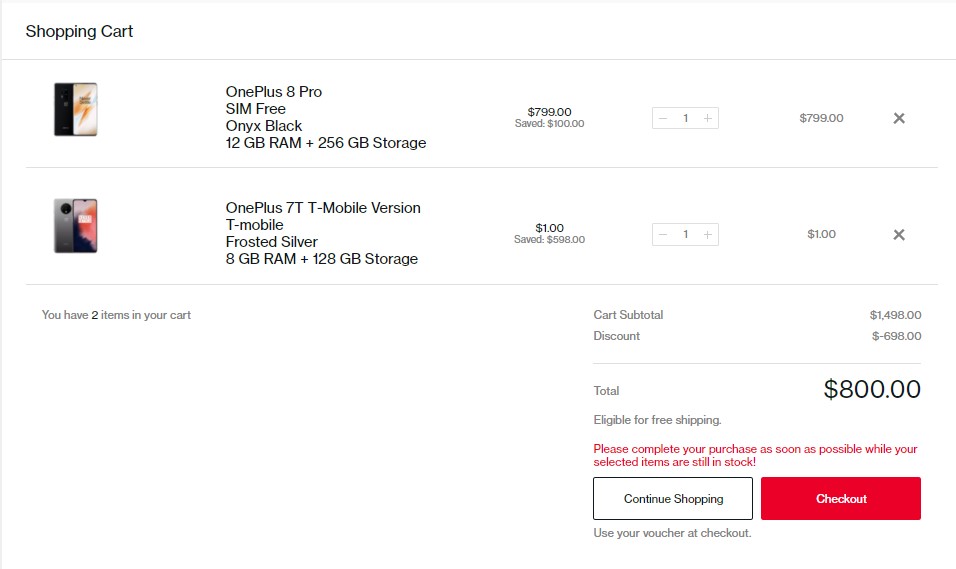
Earlier this month, OnePllus rolled out September 2020 security patch for the OnePlus 7 and Oneplus 7T series along with OnePlus Nord worldwide. Now, once again, the company is seeding a new build for four of these smartphones with bug fixes. It is interesting to see OnePlus rolling out two stable builds in a month as they are reserved for only once per month.
The new system update for OnePlus’ last year’s flagship smartphone series comes with a similar changelog with some minor differences. It still comes with the previous month’s security patch although October is about to end.
Talking about the builds, the new software update for OnePlus 7 and OnePlus 7 Pro comes with build numbers OxygenOS 10.3.6 for Global/India and OxygenOS 10.0.9 for EU respectively.
OnePlus 7/7 Pro OxygenOS 10.3.6 / 10.0.9 Official Changelog
System
Newly added user assistance feature to help user master usage skills quickly (Route: Settings>OnePlus Tips&Support)
Optimized power consumption of the system and improve user experience (OP7 Pro Only)
Fixed the flashback issue with some third-party apps
Fixed known issues and improved system stability
Updated Android Security Patch to 2020.09
As for the OnePlus 7T, the new update bears build number OxygenOS 10.0.14 for the Global variant, OxygenOS 10.3.6 for India, and OxygenOS 10.0.14 for EU respectively.
Similarly, the update for OnePlus 7T Pro comes with OxygenOS 10.0.12 for the Global version, OxygenOS 10.3.6 for the Indian model, and OxygenOS 10.0.12 for the EU variant.
OnePlus 7T/7T Pro OxygenOS 10.0.14 / 10.3.6 / 10.0.12 Official Changelog
System
Newly added user assistance feature to help user master usage skills quickly(Route: Settings>OnePlus Tips&Support)
Optimized power consumption of the system and improve user experience
Fixed the issue that the alarm clock does not ring in certain scenarios
Fixed the unstable issue with Messages in special cases
Fixed the flashback issue with some third-party apps
Apple launched the iPhone 12 series exactly ten days back. People have already started pre-ordering some of the models. However, in Taiwan, there seems to be a shortage of iPhone 12 supply initially, and looks like the shipment of pre-orders might get affected.
A report from Digitimes says Taiwan’s telecom and channel operators will face a shortage of supply. They will face it more when delivering the outstanding orders of the iPhone 12 from October 24. Market sources reportedly say that the deficit will continue but likely solved in two weeks. Unfortunately, the said telecom and channel operators have received less quota for this year’s iPhones. And if reports are true, it’s about 10-15% less than the quota for iPhone 11 in 2019.
The reason for the delay in the consignments is obvious. Coronavirus has disrupted the entire world including the smartphone industry. Accordingly, the slack of newer iPhones is due to labor shortages. And in turn, affecting the ramp in production and yield. Forecasts already predict a decline in smartphone shipments this year albeit 5G trying to revive it. If we look from a similar perspective, it seems like Apple faced a sudden surge in demand for iPhone 12 series.
Add to this, the pandemic had already triggered a supply disruption everywhere. Further, Apple could have its own distribution priority list. All of this means the magnitude of shortages for the initial phase has only increased, says the report. That being said, sources do point out that Apple has reduced the delayed cycle of shipments by working on the logistic issues. It is apparently trying its best to make sure all distributors receive their units every week.
If we recall, Pegatron and Foxconn, who are the vendors of Apple, are working day in and out amidst concerns of missing the target. Also, the report says they are offering more wages in their factories to attract workers and ramp up production in China.
Apple has just been hit by another lawsuit. This legal action arrives after a woman filed a lawsuit against the Cupertino based giant for hosting gambling apps, on which she spent thousands of dollars for in game currency.
Earlier this week, the lawsuit was filed in the U.S. District Court for the District of Connecticut, which claimed that Apple “promotes, enables, and profits” from gambling games on the App Store. The case was against the free to play games in the app store, which is allegedly considered illegal gambling. The plaintiff, Karen Workman, stated that she downloaded the app called “Jackpot Mania” back in 2017.
Since then she “began purchasing coins through the app so he/she could continue to play for a chance to win free coins that would enable him/her to enjoy the game(s) for a longer period of time.” Just six months prior to the lawsuit being filed, Workman had spent over 3,312 US Dollars on in game currency. The argument being presented here is that apps with in game currency also fall under the “gambling” category, which is banned on the App Store.
According to an AppleInsiderreport, the lawsuit alleged that the game is still considered if the users have “the ability to win and therefore acquire more playing time.” It further argues that credits that are “recorded and allow one to extend play” are a thing of value.” Furthermore, the complaint also read that “Apple is not some minor or incidental participant in these illegal gambling games. It is the principal promoter and facilitator of the illegal activity. Apple maintains dictatorial control over what apps can be downloaded from the App Store, and the payment method to purchase in-app items.”
At the moment, the lawsuit is seeking a class status and has also asked for a whole refund of “all money paid through the illegal gambling games described herein.” This payout would also include the attorney’s fees and an award for the plaintiff for “his/her services in this case on behalf of the class.” That is all we have to go on for now, and we’ll add more updates to the story, so stay tuned.
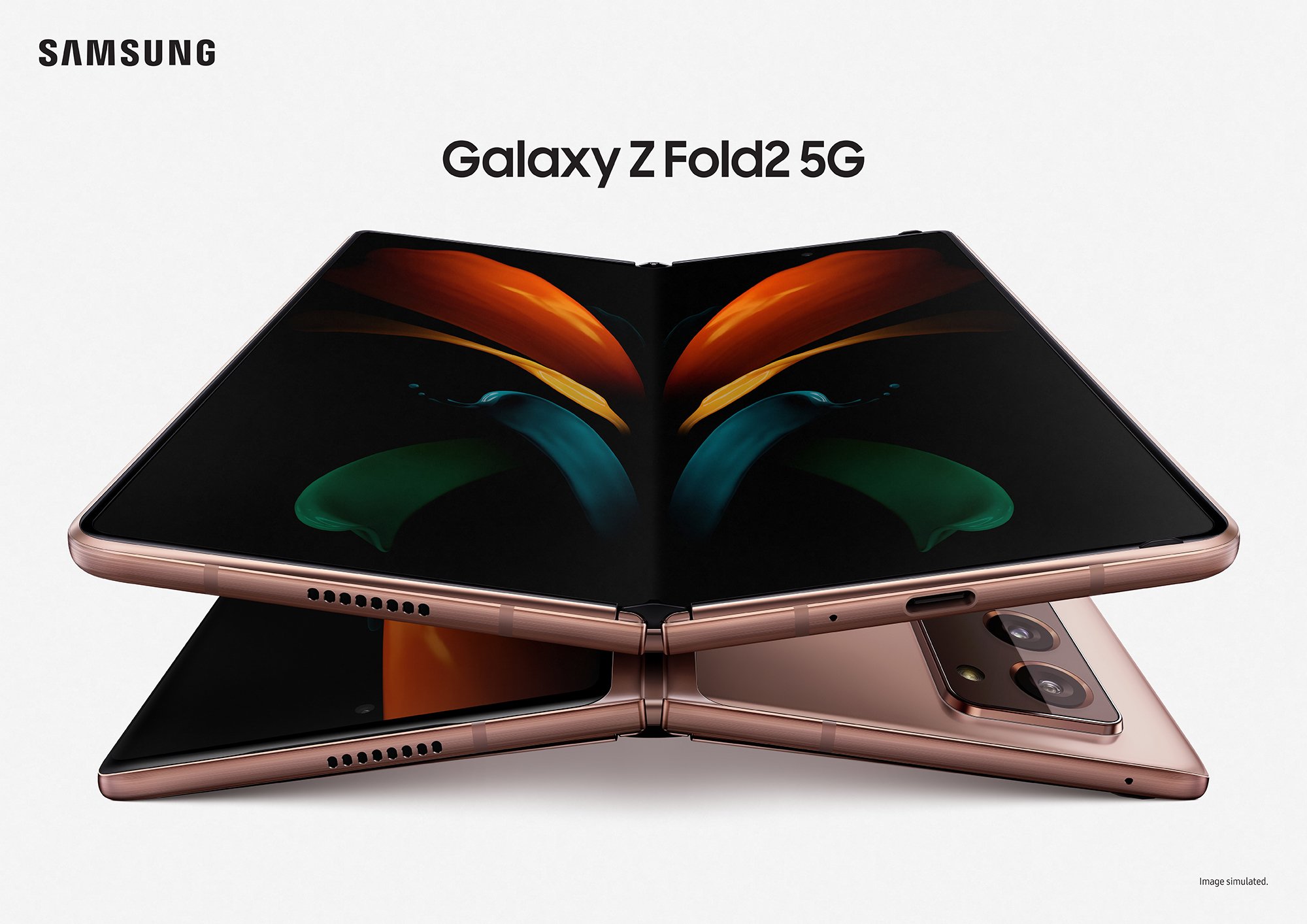
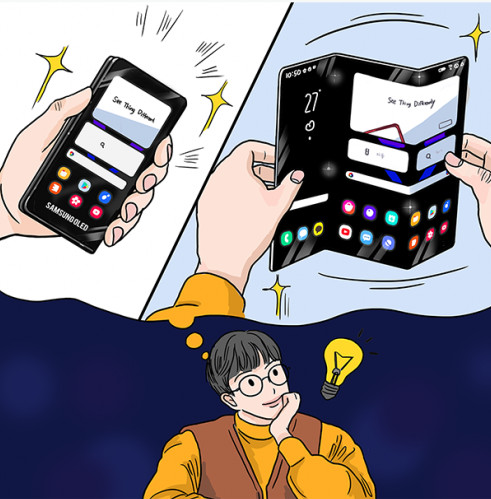
Samsung is ahead of any other company in terms of foldables and it continues to patent new designs and utilities. Similarly, companies that haven’t released any foldable device yet are also patenting for a while now. One of those firms is Xiaomi and its software department has filed another design patent for a foldable smartphone.
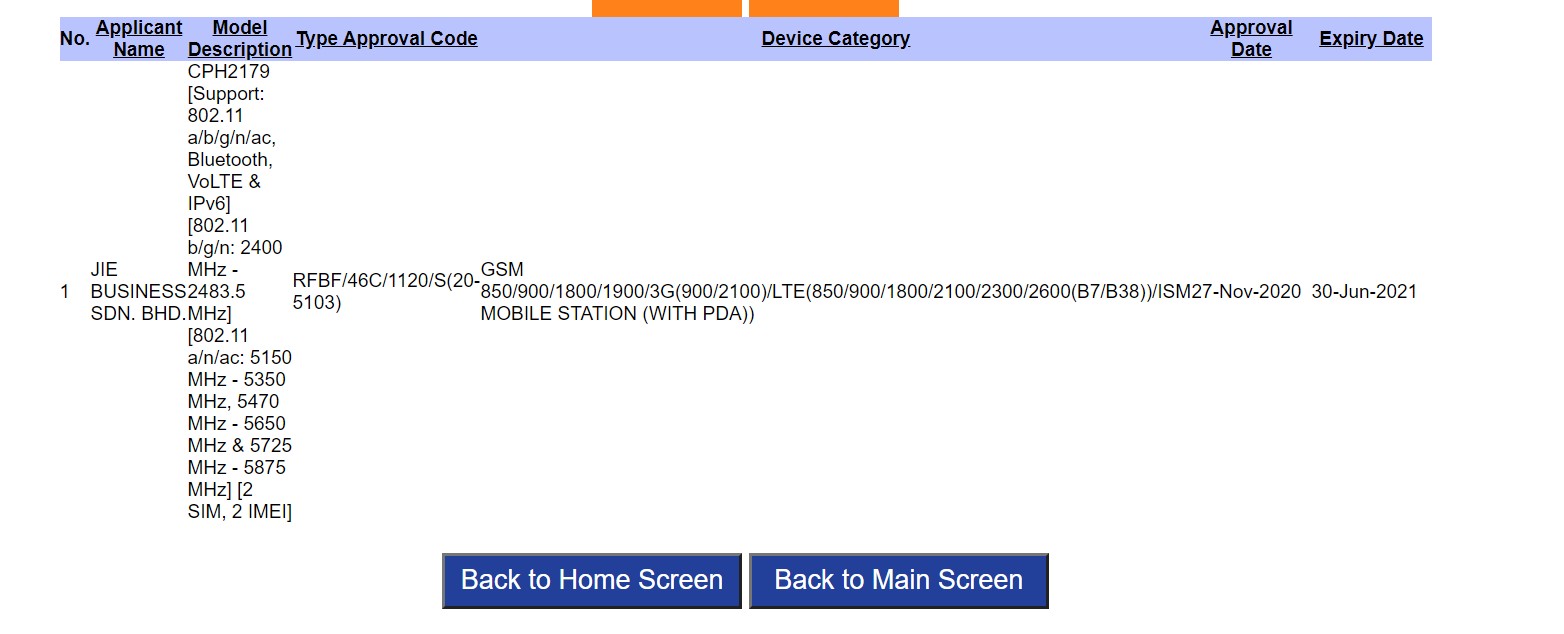
This new foldable smartphone design patent was filed by Beijing Xiaomi Mobile Software with the CNIPA (China National Intellectual Property Administration) in April. It got approved and published on October 23. As usual, it was spotted by none other than LetsGoDigital.
The documentation for the new Xiaomi patent describes an inward folding foldable smartphone with a slider cover display. In other words, this design is a fusion of Galaxy Z Fold2 and Mi Mix 3.
First of all, the design looks identical to the Samsung Galaxy Z Fold series. However, the inward folding display does not have any notch or punch hole. Even the outer cover screen lacks them because the front-facing dual-camera and earpiece are hidden below the slider panel.
Further, the back of the device includes a quad-camera setup, power key and volume rockers on the right side, and a microphone as well as a SIM card slot on the top. Since none of the diagrams show the bottom of the phone, we are not sure what else that holds.
Having said that, we don’t think Xiaomi will ever launch this kind of foldable smartphone. Because foldables are already costly and adding a slider display will further increase the cost as well as weight.
The Chinese tech giant has also officially unveiled its new Kirin 9000 chips earlier this week. These were built on the new 5nm process from TSMC and boasts improvements in performance and energy efficiency over its predecessor. Furthermore, while the company had stated that the NPU has also been greatly improved with the new chips, no official figures were revealed. But now, the AI Benchmarklist of ETH Zurich has the Huawei Mate 40 Pro take the top spot with the Kirin 9000 SoC.
In the list, the HiSilicon Kirin 9000 is in the 1st position with a total of 216.6 points, beating both the MediaTek Dimensity 1000+ chip and even the Qualcomm Snapdragon 865+ SoC. For those unaware, the Kirin 9000 from Huawei is an 8 core CPU with a 24 core Mali-G78 GPU, alongside a 2 Big and 1 Tiny core NPU. It also houses Huawei’s most advanced ISP technology to date.
According to Huawei, the Kirin 9000 is by far one of the most powerful mobile processors in the market. It consists of 30 percent more transistors that Apple’s A14 chip and its CPU performs 10 percent faster than the Snapdragon 865+ as well. Furthermore, it beats its Qualcomm rival by a large margin of 240 percent in terms of NPU performance and offers double the network download speeds than the Snapdragon X55 5G Modem as well.
We use cookies on our website to give you the most relevant experience by remembering your preferences and repeat visits. By clicking “Accept”, you consent to the use of ALL the cookies.
This website uses cookies to improve your experience while you navigate through the website. Out of these, the cookies that are categorized as necessary are stored on your browser as they are essential for the working of basic functionalities of the website. We also use third-party cookies that help us analyze and understand how you use this website. These cookies will be stored in your browser only with your consent. You also have the option to opt-out of these cookies. But opting out of some of these cookies may affect your browsing experience.
Necessary cookies are absolutely essential for the website to function properly. This category only includes cookies that ensures basic functionalities and security features of the website. These cookies do not store any personal information.
Any cookies that may not be particularly necessary for the website to function and is used specifically to collect user personal data via analytics, ads, other embedded contents are termed as non-necessary cookies. It is mandatory to procure user consent prior to running these cookies on your website.