Advertisement

Xiaomi Mi 10T Lite to go on sale in the UK from October 26, pricing starts at £199

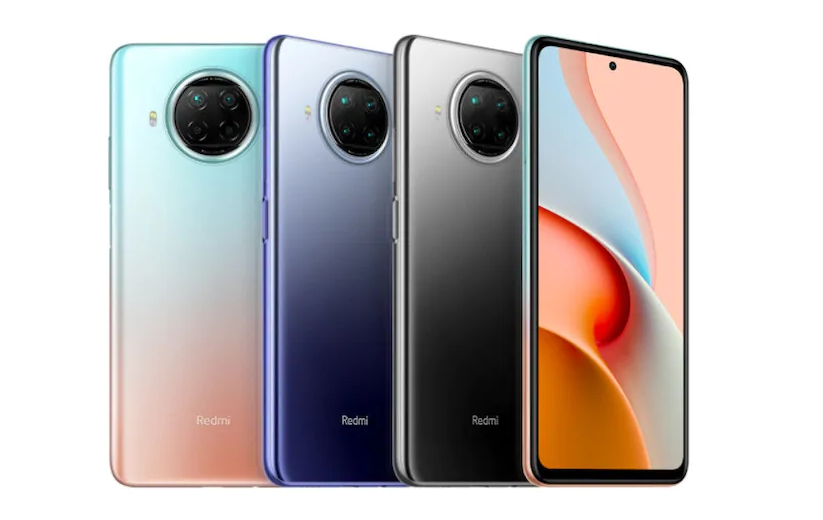
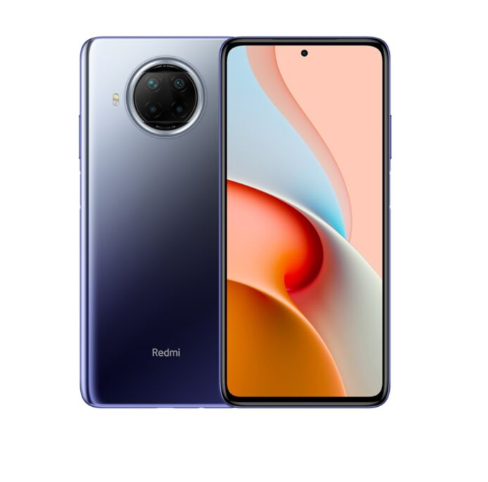
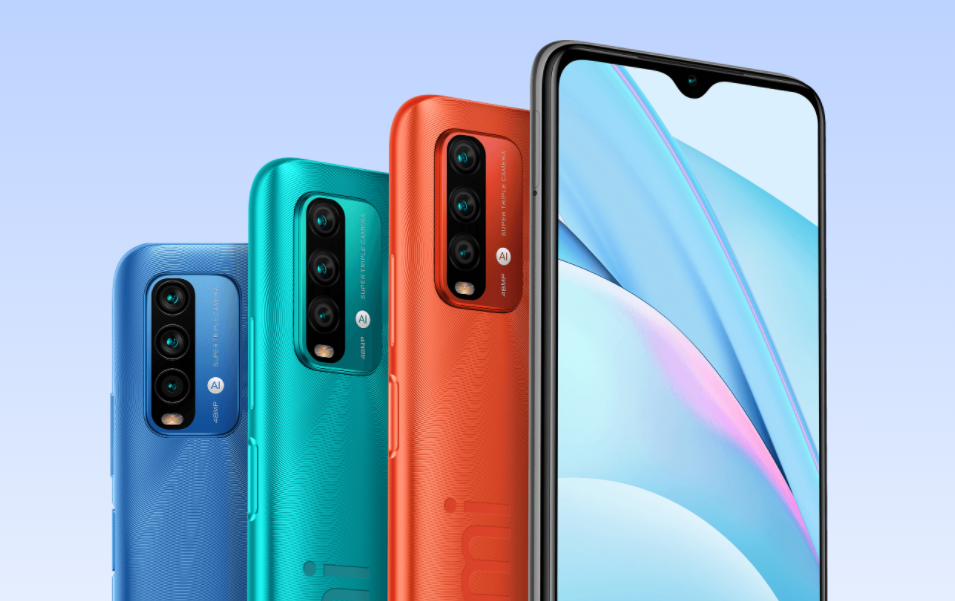
Xiaomi UK has taken to Twitter to announce that the Mi 10T Lite will be going on sale in the UK from October 26. The Mi 10TLite was first launched alongside the mi 10T and mi 10T Pro in Europe on September 30. The model is a mid-range smartphone and emerged as the first Snapdragon 750G-powered phone. The model will retail for £229 for the 6GB+64GB variant but there is an early bird offer of £199. This offer will open at 0.00 on October 26 and will be up for 24 hours only via Mi.com and Amazon.

The Mi 10T Lite features a 6.67-inch LCD with an adaptive refresh rate of 120Hz which can also be reduced down to 30Hz. The display comes with an FHD+ resolution of 1080p+, an aspect ratio of 20:9 and is covered with a layer of Corning’s Gorilla Glass 5.

The display is HDR10-certified and has 450 nits of brightness and equally promises 84% NTSC colour coverage. The phone is also armed with dual speakers and a Hi-Res Audio certification.

For photography, the Mi 10T Lite packs a Quad-camera setup at the rear comprising a 64MP main camera with a 1/1.7-inch sensor. There is also an 8MP ultrawide camera as well as a 2MP macro cam and 2MP depth sensor. At the front, the phone packs a 16MP selfie camera is inside a centrally placed punch hole.Xiaomi Mi 10T Lite

As stated earlier, the Mi 10T Lite is the first phone to be powered by the new Snapdragon 750G chipset. The chipset is built on the 8nm silicon wafer and has a built-in 5G modem. It offers sub-6 connectivity along with a slight performance boost over the S730G (+20% CPU performance, +10% GPU). The processor is paired with 6GB of RAM while there is the option of 64GB storage and 128GB storage.

Under the hood, there is a 4,820mAh battery with 33W fast charger.


Amazfit Smart Scale product page is live; supports up to 16 body health metrics

The Amazfit Smart Scale has been a long time coming. We first reported about the smart scale in August when we spotted it on the Bluetooth SIG website and also found that the Amazfit app has added support for a smart scale. Now, Huami has put up a listing of the Amazit Smart Scale on its site even though it is yet to officially announce it.

Amazfit Smart Scale featured


The tempered glass top of the Amazfit Smart Scale has an aurora gradient design that should make the scale stand out, though not jarringly, in your home regardless of where you put it. The ABS plastic frame is gray while the top part where the display sits is black. The LCD display is 3.4-inches and should be large enough for users to see the readings clearly.

The smart scale has a high-precision G-shaped sensor that is sensitive enough to detect minor weight changes up to 50 grams. Huami says this means it can detect the change in weight even if you drink just a cup of water. The scale has a weighing range of 5 kg – 180 kg. The product page says the screen can display up to 8 different metrics depending on the user configuration.

Amazfit Smart Scale Body Health Metrics

The Amazfit Smart Scale measures not only weight but also 15 other body health metrics including body fat range, muscle mass, body water percentage, bone mass, physical age, visceral fat, and body type. It is able to achieve this thanks to its high-precision data processing chip.

Huami says it also has a feature called Calorie Cost that calculates the calories burned every 30 minutes for 18 supported sports. The supported sports include walking, jogging, cycling, swimming, mountain climbing, aerobics, table tennis, rope skipping, taekwondo, and golf. The Calorie Cost feature allows users to formulate a personalized exercise plan for bodybuilding. The feature isn’t available right out of the box but will be added via an OTA update.

The smart scale also has a feature called Balance Ability Analysis that evaluates your body’s skill at supporting movements. An improved balance ability is said to lower the risk of injury while exercising. The feature will be available via an OTA update. Another feature it has is Standing Heart Rate detection which assesses your overall fitness level.

The Amazfit Smart Scale can also be used by pregnant women as there is a feature that allows you to turn off body composition measurement and safely measure weight at zero current. There is also a baby weighing feature that calculates the weight of your baby on your phone when you stand on the scale with the baby in your arms.

The Amazfit Smart Scale connects via Bluetooth 5.0 and 2.4GHz Wi-Fi. It works with the Zepp app and is compatible with devices running Android 5.0 and above and iOS 10 and above. It supports 10 accounts and each account can be used by up to 12 family members. It will identify family members sharing the same account and also has a guest mode whose data gets erased later.

The scale weighs 2.2 kilograms and is powered by four AAA batteries which will not be included in the box. There is no info on a launch date yet but Amazfit has a global event on October 27 and we believe the scale will be announced on that day.


Amazfit global event scheduled for October 27; expect the launch of GTR 2 and GTS 2 global versions

Fresh from launching the Amazfit Bip U in India and the Amazfit Pop in China, Huami has another launch, this time, a global one, set for Tuesday, October 27.

The announcement was made on Twitter by the official Amazfit account, and the tweet teases the arrival of the global version of the Amazfit GTR 2. Huami is also expected to announce the Amazfit GTS 2 on the same day.

The Amazfit GTR 2 and Amazfit GTS 2 were announced in China last month at an offline conference, however, Tuesday’s event will most likely be live-streamed. The two smartwatches bring new features such as blood oxygen saturation measurement, built-in storage, and improvements in heart rate measurement and sleep tracking. The two smartwatches also feature a refined design.

The global versions of the two watches should pack practically the same features save for the replacement of the XiaoAI voice assistant with Amazon’s Alexa assistant.

With respect to price, the Amazfit GTR 2 and Amazfit GTS 2 both sell for ¥999 in China which converts to about $149/€126. We expect a global price of €149 since they will be announced first in Europe. However, the classic version of the Amazfit GTR 2 which is ¥1099 (~€139) should cost more. We also expect the Amazfit Bip U to get a European launch on Tuesday.


PlayStation 5’s DualSense Controller works with Android and Windows

The DualSense Controller is what you will find in the box when you purchase a PlayStation 5. The controller has a new design, a handful of new features, and apparently, compatibility with other devices.

DualSense Controller featured

Sony has begun sending out PlayStation 5 units to influencers including YouTubers, and one of them has made a video showing the new controller work with Android and Windows.

An unboxing video of the DualSense Controller made by YouTuber, Austin Evans, shows the controller work with the Windows-powered Surface Laptop Go and the Pixel 5 even though the box clearly states that it is only compatible with the PlayStation 5.

Austin plugs it into an Xbox Series X but it doesn’t work however it works mostly well with the Surface Laptop Go. He also connects it to the Pixel 5 via Bluetooth and even uses it to play a game via Xbox Game Streaming. The controller is also connected to a PlayStation 4 successfully but doesn’t work.
It is nice to know that the $70 DualSense Controller works not only with the PlayStation 5. However, its features such as haptic feedback and adaptive triggers don’t work with these unofficially supported devices.

There are speculations that the controller may eventually work with the PS4 with a future update but don’t bank on it. The DualShock 4 controller works with the PS5 but only with PS4 games. You will also be able to use license third-party controllers and the DualSense Controler to play PS4 games on the PS5.


iPhone 12 Pro Max vs Huawei Mate 40 Pro vs Samsung Galaxy Note 20 Ultra: Specs Comparison

The most powerful variant of the latest Apple lineup is the iPhone 12 Pro Max. It packs amazing specifications but it is sold at a very expensive price: it is one of the most expensive phones in the market. But is it also the best phone out there? There is no better way to understand it than comparing it to the best top-tier Android flagships. For this comparison, we choose the most powerful flagships from the most important smartphone manufacturers in terms of sales (alongside Apple): Huawei Mate 40 Pro and Samsung Galaxy Note 20 Ultra 5G.

Apple iPhone 12 Pro Max vs Huawei Mate 40 Pro vs Samsung Galaxy Note 20 Ultra

Apple iPhone 12 Pro Max Samsung Galaxy Note 20 Ultra 5G Huawei Mate 40 Pro
DIMENSIONS AND WEIGHT 160.8 x 78.1 x 7.4 mm, 228 g 164.8 x 77.2 x 8.1 mm, 208 g 162.9 x 75.5 x 9.1 mm, 212 g
DISPLAY  6.7 inches, 1284 x 2778p (Full HD+), Super Retina XDR OLED 6.9 inches, 1440 x 3088p (Quad HD+), Dynamic AMOLED 2X 6.76 inches, 1344 x 2772p (Full HD+), OLED
PROCESSOR Apple A14 Bionic, hexa-core Samsung Exynos 990, octa-core 2.73 GHz or
Qualcomm Snapdragon 865+, octa-core 3.1 GHz
Huawei HiSilicon Kirin 9000 5G, octa-core 3.13 GHz
MEMORY 6 GB RAM, 128 GB – 6 GB RAM, 256 GB – 6 GB RAM, 512 GB 12 GB RAM, 128 GB – 12 GB RAM, 256 GB – 12 GB RAM, 512 GB – micro SD slot 8 GB RAM, 256 GB – 8 GB RAM, 512 GB – nano memory card slot
SOFTWARE  iOS 14 Android 10, One UI Android 10, EMUI
CONNECTIVITY  Wi-Fi 802.11 a/b/g/n/ac/ax, Bluetooth 5, GPS  Wi-Fi 802.11 a/b/g/n/ac/ax, Bluetooth 5.0, GPS Wi-Fi 802.11 a/b/g/n/ac/ax, Bluetooth 5.2, GPS
CAMERA  Triple 12 + 12 + 12 MP, f/1.6 + f/2.2 + f/2.4
Dual 12 MP + SL 3D f/2.2 front camera
Triple 108 + 12 + 12 MP, f/1.8 + f/3.0 + f/2.2
10 MP f/2.2 front camera
Triple 50 + 12 + 20 MP, f/1.9 + f/3.4 + f/1.8
Dual 13 MP + TOF 3D f/2.4 front camera
BATTERY  3687 mAh, fast charging 20W, fast wireless charging 15W 4500 mAh, fast charging 25W, Fast wireless charging 4400 mAh, fast charging 66W, and fast wireless charging 50W
ADDITIONAL FEATURES 5G, Dual SIM slot, IP68 waterproof, eSIM Hybrid Dual SIM slot, reverse wireless charging 9W, waterproof IP68, 5G, eSIM Dual SIM slot, reverse wireless charging 5W, 5G, IP68 waterproof

Design

iPhone 12 Pro Max, Huawei Mate 40 Pro, and Samsung Galaxy Note 20 Ultra 5G all feature an astonishing design. The first has a stainless steel frame and narrow bezels with a symmetric look, the second distinguishes from its rivals for its extremely curved display which allows replacing physical keys with touch controls to regulate the volume. The third has a very high screen-to-body ratio, stainless steel frame, and a single punch hole. In each case, you get an amazing build quality and a waterproof device with the IP68 certification, but the iPhone 12 Pro Max is waterproof up to 6 meters deep, while Huawei Mate 40 Pro and Samsung Galaxy Note 20 Ultra 5G go up to 1.5 meters. The design of the iPhone 12 Pro Max is the trendiest one, but my favorite one is the Samsung Galaxy Note 20 Ultra 5G, despite it is the biggest device from the trio.


Display

The most stunning display belongs to the Samsung Galaxy Note 20 Ultra 5G. First of all, it has a higher resolution with 1440 x 3088 pixels. Further, the refresh rate goes up to 120 Hz, while on the iPhone 12 Pro Max and on the Huawei Mate 40 Pro it stops at 60 and 90 Hz, respectively. The Samsung Galaxy Note 20 Ultra 5G has a wider diagonal and it is protected by Gorilla Glass Victus, while iPhone 12 Pro Max has Ceramic Shield to improve the protection. Samsung Galaxy Note 20 Ultra 5G and Huawei Mate 40 Pro support a stylus (S Pen and M Pen 2 respectively) which allows handwriting and drawing with up to 4096 pressure levels.


Hardware and Software

The iPhone 12 Pro Max is fueled by the most powerful and efficient processor of the trio: the Apple A14 Bionic built at 5 nm. Further, the high optimization of the iOS operating system makes the phone even faster. Despite it sports just 6 gigs of RAM, the iPhone 12 Pro Max should be the most performing device of the trio. But in each case, we are talking about top-tier flagship smartphones with no limits in every scenario. You can play the most demanding games, use the most demanding apps and you can do everything you want. Samsung Galaxy Note 20 Ultra 5G and Huawei Mate 40 Pro run Android 10 out of the box, but Huawei Mate 40 Pro will lack Google apps in the global market, replaced by Huawei Mobile Services.


Camera

It looks like the Huawei Mate 40 Pro provides the best camera performance. It is not the most advanced device of this comparison to record videos, but it clicks the best photos. But you do not need to necessarily go for the Huawei Mate 40 Pro if you need a top camera phone: Samsung Galaxy Note 20 Ultra 5G and iPhone 12 Pro Max are still amazing camera phones and they are even better at video recording.


Battery

The Samsung Galaxy Note 20 Ultra 5G has the biggest battery, but its battery life is not so good. The Huawei Mate 40 Pro should be able to last a lot more on a single charge thanks to its more efficient display (with Full HD+ resolution and 90 Hz refresh rate) and more efficient chipset (the Kirin 9000 built at 5 nm). Unfortunately, no one tested the iPhone 12 ProMax because it will be available to purchase starting from November. Huawei Mate 40 Pro supports the fastest technology to charge the battery.


Price

The iPhone 12 Pro Max has a €1289/$1099 starting price, Huawei Mate 40 Pro costs €1249/$1480 globally, and Samsung Galaxy Note 20 Ultra 5G begins at €1309/$1299 There is not a definitive winner of this comparison: I love the Samsung Galaxy Note 20 Ultra due to its advanced S Pen and better display, but its battery life is disappointing. Huawei Mate 40 Pro has better cameras, while iPhone 12 Pro Max offers higher performance.


Apple iPhone 12 Pro Max vs Huawei Mate 40 Pro vs Samsung Galaxy Note 20 Ultra: PRO and CONS

Samsung Galaxy Note 20 Ultra

PROS

  • S Pen
  • Widest display
  • Micro SD slot
  • Ultrasonic fingerprint reader

CONS

  • Dimensions


Huawei Mate 40 Pro

PROS

  • Super cameras
  • Fastest wireless charging
  • Fastest wired charging
  • 3D facial recognition

CONS

  • Inferior display


Apple iPhone 12 Pro Max

PROS

  • Better water resistance
  • MagSafe connectors
  • Awesome build quality
  • Great performance

CONS

  • Price

Vivo: Smartphones, AR/VR Glasses, and Robots will be inevitable in building a 6G network

While countries like the USA vouched for 6G long back, it looks like Chinese companies are now hopping on the train slowly. Qin Fei, who is a Dean of Vivo Communications Research Institute, says 6G requires smartphones, AR, VR, and Robotics to build a better wireless network.
At a 6G series meeting held by Vivo, he says(via ITHome) Vivo has begun the 6G research and subsequent scenarios. He feels 6G will emphasize more on AR(Augmented Reality), VR(Virtual Reality), and other adjacent technologies. According to him, future AR/VR glasses will be much thinner, comfortable. And will be in sync with a brain-computer to read people’s minds.
After 2030, multi-function robots will replace the current primary ones with updated AI-intelligence. And advancement in other technologies, predicts Fei. However, he says Smartphones are less likely to get replaced in 6G era. Complexity of touch screen, custom communication modules, computing unit, ARM cores, etc., are reportedly the reasons for that.

Furthermore, he says Vivo prefers to develop more 2C(To C) terminals in the future. When asked about the differences between 5G and 6G, he says, 6G will focus on strengthening to predecessors like 5G, 4G. Also, 6G will combine AI to become a complete service by integrating communication, computation, and storage. However, he says 6G≠5G+AI.

That said, Vivo is not the only company to embrace the next generation of wireless communication technology. South Korean giant LG, and Samsung have already begun its R&D. And Samsung is expecting that 6G will launch commercially by 2028. Nevertheless, 6G will probably have improvements like 1 terabyte per second(1 Tbps) speed, MEC(multi-access edge computing), faster sampling rates, combination of sub-mmWave, and Frequency Selectivity for better EM absorption rates, etc.

How the Kirin 990E 5G differs from the Kirin 990 and Kirin 990 5G

Other than the Mate 40 series, Huawei also announced a new model for the Mate 30 series called the Mate 30E Pro 5G. The new flagship is powered by a new processor dubbed the Kirin 990E 5G. If you are wondering how this chipset differs from the Kirin 990 and Kirin 990 5G, then you are at the right place.

Kirin 990E 5G featured

The Kirin 990E 5G is a mix of the Kirin 990 and Kirin 990 5G. It is a 7nm+ EUV processor that has the same CPU configuration and clock speeds as the Kirin 990 5G. However, its GPU is less powerful than that of the Kirin 990 5G and Kirin 990. It also shares the same NPU as the Kirin 990 and has a 5G modem.

The table below should make it easier to understand the differences between the three processors.

ProcessorKirin 990Kirin 990E 5GKirin 990 5G
Process7nm Process7nm+ EUV Process7nm+ EUV Process
No. of cores and arrangementOcta-core CPU (2+2+4)Octa-core CPU (2+2+4)Octa-core CPU (2+2+4)
CPU2 x Cortex-A76 clocked at 2.86 GHz

2 x Cortex-A76 clocked at 2.09 GHz

4 x Cortex-A55 clocked at 1.86 GHz
2 x Cortex-A76 clocked at 2.86GHz

2 x Cortex-A76 clocked at 2.36GHz

4 x Cortex-A55 clocked at 1.95GHz
2 x Cortex-A76 clocked at 2.86GHz

2 x Cortex-A76 clocked at 2.36GHz

4 x Cortex-A55 clocked at 1.95GHz
GPU16 core Mali-G76 GPU14 core Mali-G76 GPU16 core Mali-G76 GPU
NPULarge core NPU + micro core NPULarge core NPU + micro core NPUDual large core NPU + micro-core NPU
Modem4G modem5G modem with support for 5G/4G/3G/2G bands of all three major domestic operators5G modem with support for 5G/4G/3G/2G bands of two out of the three major domestic operators

Kirin 990 versus Kirin 990E 5G versus Kirin 990 5G

As you can see, the new Kirin 990E 5G processor offers the same CPU performance as the Kirin 990 5G. However, its GPU is not as powerful as that of the Kirin 990  and Kirin 990 5G.

Huawei also seems to have slightly upgraded the modem of the Kirin 990E 5G as it supports all frequencies of the three main domestic operators in China with the exception of China Mobile’s TD-SCDMA 3G band which the Kirin 990 5G also doesn’t support.

The Kirin 990E 5G is a result of Huawei tweaking its existing chipsets. It is a smart move based on its current predicament and we expect it to power more devices in the future.


Huawei goofs with the €899 Mate 40’s lack of wireless charging and low IP rating

I really like the Mate series and I look forward to the launch of new models every year. Huawei never misses the chance to announce new and impressive features and this year’s Mate 40 series is no different. However, the standard Mate 40 disappoints in two areas – lack of wireless charging support and a low IP rating.

Huawei Mate 40 featured

Wireless Charging

The Mate 40 doesn’t have support for wireless charging which is very surprising since its predecessor, the Mate 30 (and Mate 30 5G), has support for not just wireless charging but 27W fast wireless charging, putting to shame the wireless charging on iPhones and Samsung flagships. The phone even has support for reverse wireless charging. So why did Huawei launch the Mate 40 without support for wireless charging? We have no idea why but it will be hard to justify. What is worse is that Huawei didn’t stop there.

Huawei P40 Wireless Charging Case

When Huawei announced the P30 series, the standard P30 model didn’t have support for wireless charging but Huawei announced a case that you could slap on the phone that allows you to wirelessly charge it at 10W. The standard Huawei P40 also has a case that allows you to charge the phone wirelessly at 22.5W.

Is there a wireless charging case for the Mate 40? No there isn’t. We also checked Huawei’s China site which has a different set of cases from those announced globally but there isn’t one there too.

Wireless charging should not be a distinguishing feature between standard and pro models

It is disappointing that the Mate 40 costs €899, which is far from a flagship killer price, and doesn’t have wireless charging. If anyone is paying this much for a phone, this is a feature that should be standard on such a device. This is 2020 and distinguishing pro and standard models of a flagship series with a feature such as wireless charging should stop.

All of Samsung’s Galaxy S20 phones have wireless charging including the Galaxy S20 FE. Even the Galaxy S10e launched last year has wireless charging. Apple also doesn’t use wireless charging as a distinguishing factor between pro and standard models. The iPhone XR supports wireless charging and so do the iPhone 11 and the iPhone 12 Mini.


IP Rating

Wireless charging is not the only feature Huawei uses to distinguish between standard and pro models of its phones. The IP rating is another feature. While Pro models have an IP67/IP68 rating, standard models have an IP53 rating. This is the case with the Mate 40.

Huawei P40 Series Snorkeling Case

Unlike Huawei, Samsung and Apple launch their phones with the same or very close IP ratings. All models of the Galaxy S10 and Galaxy S20 have the same IP rating. The same applies to all the models of the iPhone 11 and iPhone 12 series.


The current situation can still be partly saved

Huawei can still announce a wireless charging case for the Mate 40. Though we won’t deny that paying extra for a feature an €899 phone should have isn’t annoying. Nevertheless, it is high time it makes wireless charging support and IP rating uniform among models.


An older patent reveals designs and multiple use-case scenarios of Apple’s AirTags

Apple hasn’t announced the AirTags yet. However, the small tracking device has been out in the wild before. Now, an old patent from Q3 2019 reveals the use-case scenarios and designs of the AirTags.

Credits: Apple/USPTO

First spotted by Patently Apple(via Pocket-lint), the patent shows two major designs – “Mounting base for a wirelessly locatable tag”. “And fastener with a constrained retention ring”. Apple has filed it at the USPTO(US Patent and Trademark Office) which got published recently.

For the unware, AirTags is a small battery-powered Tile-like Puck tracker that can locate an object wirelessly by sending a signal to a receiver like the iPhone. And just like we use GPS to find location, the signal is used to detect the object. Methods mentioned in the patent include localization techniques such as time of flight, received signal strength indication, triangulation, etc.

Find objects, display maps of a building

Some of the use-cases mentioned in the patent are tracking the location of keys, purse, backpack, clothing, or any other suitable personal item. So if one of these is lost, they can easily find them, probably using an iPhone.

Additionally, the AirTags can also trigger actions on devices like smartphones when nearby. For instance, if the tag is attached inside a building. And if an individual enters its threshold distance, the smartphone detects the tag. Following this, it can display the map of the building on the device.

Further, the patent says, AirTags’ ultra-wideband technology could help locate the device with an accuracy of a feet or less. In turn, the tags can produce audible sound/haptics to find them. However, if you are not within a certain range, it can transmit data through other people’s devices as well.

Posture measurement, Motion Tracking

However, this is not the only intended scenario. The patent filing shows designs of various use-cases like measuring a human posture, control a character on screen by sticking it onto your body. For instance, to facilitate AR experience, it can be used as an in-game piece. A game of chess can be played with each Tag piece representing a chess piece in the game. Also, other examples include exercise, where a trainer can track and evaluate the movements performed by the trainee with AirTags attached to him via the TV.

That being said, the patent shows a lot of illustrations which will be more exciting to use, and experience only when Apple brings it to the stores.


Roidmi Mojietu T1 Anti-UV Sunglasses launched on Indiegogo

Xiaomi‘s ecological chain company Roidmi has launched the Mojietu T1 anti-ultraviolet sunglasses. This coming just a couple of months after the Mojietu Portable tire inflator was launched under crowdfunding by the brand on Indiegogo.

The Mojietu T1 is the first polarized anti-ultraviolet sunglasses with integrated lens design, which can help protect the eyes from strong glare. With high-quality UV protection and waterproof design, made for all-day, everyday comfort.Roidmi Mojietu T1

The German TAC night photochromic lens uses the yellow lens to physically increase the brightness and color clarity, thereby improving the contrast and human eye resolution, providing a more accurate vision. The polarization rate is 20% and the partial polarization can effectively reduce dazzling light. It can also sense ultraviolet rays, the shade of the lens color can change with the intensity of sunlight.Roidmi Mojietu T1

German TAC gray progressive lens uses progressive color, the color goes deep up and goes light down, real color, comfortable to wear. The polarization rate is 99% and the partial polarization can effectively reduce dazzling light.

Night yellow-background photochromic lens could automatically adjust the color according to the intensity of ultraviolet light; light gray in cloudy and rainy conditions, lens color becomes darker when the ultraviolet light is strong in the sun, providing UV protection.

The one-Piece integrated curved lens design is anti-droplet which can effectively protect against droplet pollution by blocking saliva spray during close conversations, laughing, coughing and sneezing. Help to prevent unnecessary risks of transmitting virus in daily life.

The Mojietu T1 polarizer is selected from a Taiwanese factory (50 years of lens making experience) designated for the world’s top-tier glasses’ cooperated partner, with 56 craftsmanship and ingenuity.

The surface of the plastic parts of the frame is sprayed with multi-layers nano-level materials. The metal parts have to be made through multiple stamping, electroplating, laser carving and other precision processes, just to bring you an excellent wearing comfort

The product is available on Indiegogo with a Super Early bird price of $59.


Acer launches a new ConceptD 300 Desktop, and two ConceptD 7 series of Laptops

Acer recently unveiled its new Laptops with Tiger lake CPUs. Now, the company has launched new models on the ConceptD lineup. The models include Acer ConceptD 7, 7 Pro laptops, and a ConceptD 300 desktop. Pricing starts at €1,299($1541).


Acer ConceptD Laptops, and Desktop- Price, Availability

A. ConcetpD 7 series Laptops

  • ConceptD 7: Starts at $3,300(€2,782)
  • ConceptD 7 Pro: Starts at $3,500(€2,950).
  • Availability: North America- December 2020, EMEA*-October 2020.

B. ConceptD 300 Desktop

  • Price: €1,299($1541).
  • Availability: China-October 2020, EMEA*- November 2020.

*EMEA- Europe, Middle East, and Africa.

Acer’s introduced the new ConceptD series back in 2019. Acer markets them for content creators, engineers and the lineup includes mobile workstations, professional displays, AR/VR headset etc. Accordingly, the new models also target(via Windows central) the creators with “desktop caliber performance”. First, the new ConceptD laptops have two models- ConceptD 7, ConceptD 7 Pro. Both of them share similar specs like Intel’s 10th gen CPU but differ in graphics.

The ConceptD 7 has NVIDIA’s RTX 2080 Super Max-Q GPU while the ConceptD 7 Pro comes with Quadro RTX 5000 Max-Q and Quadro RTX 3000 options.

ConceptD 7, 7 Pro Laptops Similarities

They both feature a 15.6-inch IPS display with a maximum brightness of 400 nits. It is a 4K display with a 3840×2160 pixel resolution and “PANTONE” validated. It covers 100% Adobe RGB and has an accuracy of Delta E<2. Measuring in at 358.5mm x 255mm x 17.9mm, both weigh about 2.1kg. Under the hood, the laptops come in three Intel 10th gen CPU options- Core i5-10300H, Core i7-10750H, and 10875H.

This is paired with 16GB DDR4 dual-channel RAM that is upgradable to 32GB. Storage options include 512GB, 1TB, and 2TB M.2 PCIe NVMe SSD with RAID 0 configuration. Other features include DTS X: Ultra Audio, Wi-Fi 6 AX1650i, Thunderbolt 3 port, battery life of up to 7 hours, and Windows 10 Pro out of the box.

ConceptD 300 Desktop

Acer’s ConceptD 300 is targeted at people who work more with BIM and CAD projects. Acer says the powerful mid-tower desktop can handle 3-D modeling and animation. The dimensions of the 18L tower case measures 200mm x 406mm x 375mm and can fit on a desk.

The ConceptD 300 desktop comes in two options- Intel’s 10th gen Core i5, and i7 configurations. For GPU, we have NVIDIA’s Quadro P2200, RTX 2070 Super, and RTX 3070 options. For faster memory, the intel’s CPU is paired with up to 64GB DDR4 RAM at 2666MHz. Storage options include up to 4TB HDD, and 1TB M.2 PCIe SSD.

As for connectivity, we have Wi-Fi 6, Bluetooth 5.1. Also, there is One PCIe x16, and Two M.2 expansion slots. It runs Windows 10 Pro OS out of the box.


Xiaomi’s Mi 10 starts at a crazy price of ₹35,999($488) in India for a limited time

Mi India has had a great run when it comes to sales in the country. After selling a good chunk of smartphones during the festive season, the company is back with yet another walloping discount. This time for its most powerful flagship, the Mi 10.

Xiaomi Mi 10 Global Version

Xiaomi’s Twitter handle Mi India has tweeted details of the discounts for Mi 10. First off, the device usually retails at ₹44,999($677) for the base 8GB RAM, 128GB storage. And ₹54,999($745) for 8GB RAM, 256GB storage. It is available in Coral Green and Twilight Grey options. However, during the festive season sale, the device got a huge ₹5,000($68) cut on the prices. And now, with the Dusshera special rale, “Diwali with Mi” running on mi.com through October 24-28, the price tag from the festive season is retained.

On top of that, Xiaomi’s tweet makes it’s more interesting. The device starts at a crazy ₹35,999($488) for a limited period. That is, from 24th October 00:00 to 28th October 2020 23:59 IST on Amazon India website. You can take a look at the offer below:

Mi 10: Huge ₹9,000 off on Amazon India

  • Flat ₹8,000 off on ICICI/AXIS/CITI Bank Credit/Debit/Credit&Debit with EMI*.
  • Additional ₹1,000 off on exchanging old device.
  • New Starting Price: ₹44,999-₹9,000= ₹35,999($488) for base 8GB RAM, 128GB variant.

*Among the three, CITI Bank alone doesn’t have Debit Card EMI.

Other offers on Amazon India

The other offers for Mi 10 on Amazon India includes:

  • No cost EMI on select cards*.
  • Exchange offer up to ₹16,400.
  • 5% cashback with Amazon Pay ICICI Credit Card for Prime-members, and 3% cashback for non-prime members.
  • Get a ₹500 off coupon for Mi Watch Revolve. Offer Valid till October 31.
  • Up to ₹250 off on using Amazon Pay Later. Valid only for First-time users.

*check Amazon for Bank partners list.

Offers on mi.com

In addition to partner Amazon, Xiaomi is also running a sale for itself on mi.com. For the same period, Diwali with Mi has loads of offers. You can take a look at the offers for Mi 10 below:

  • A maximum of ₹1,000 instant discount with HDFC Credit/Credit EMI, and ₹500 off with HDFC Debit(No EMI)*.
  • No cost EMI of either 3/6/9/12 months.
  • No cost EMI with Bajaj Finance Ltd. EMI Network card.
  • Mi screen protection at ₹2,999 valid for one year. Two claims per year allowed.

*The offer is valid from October 24 at 00:00 to November 14 at 23:59:59.

That said, the offers are huge, and if you are planning on getting a Mi flagship, we feel this is the right time.


Huawei Sound Smart Speaker now on presale on Jingdong for ¥899 (~$134)

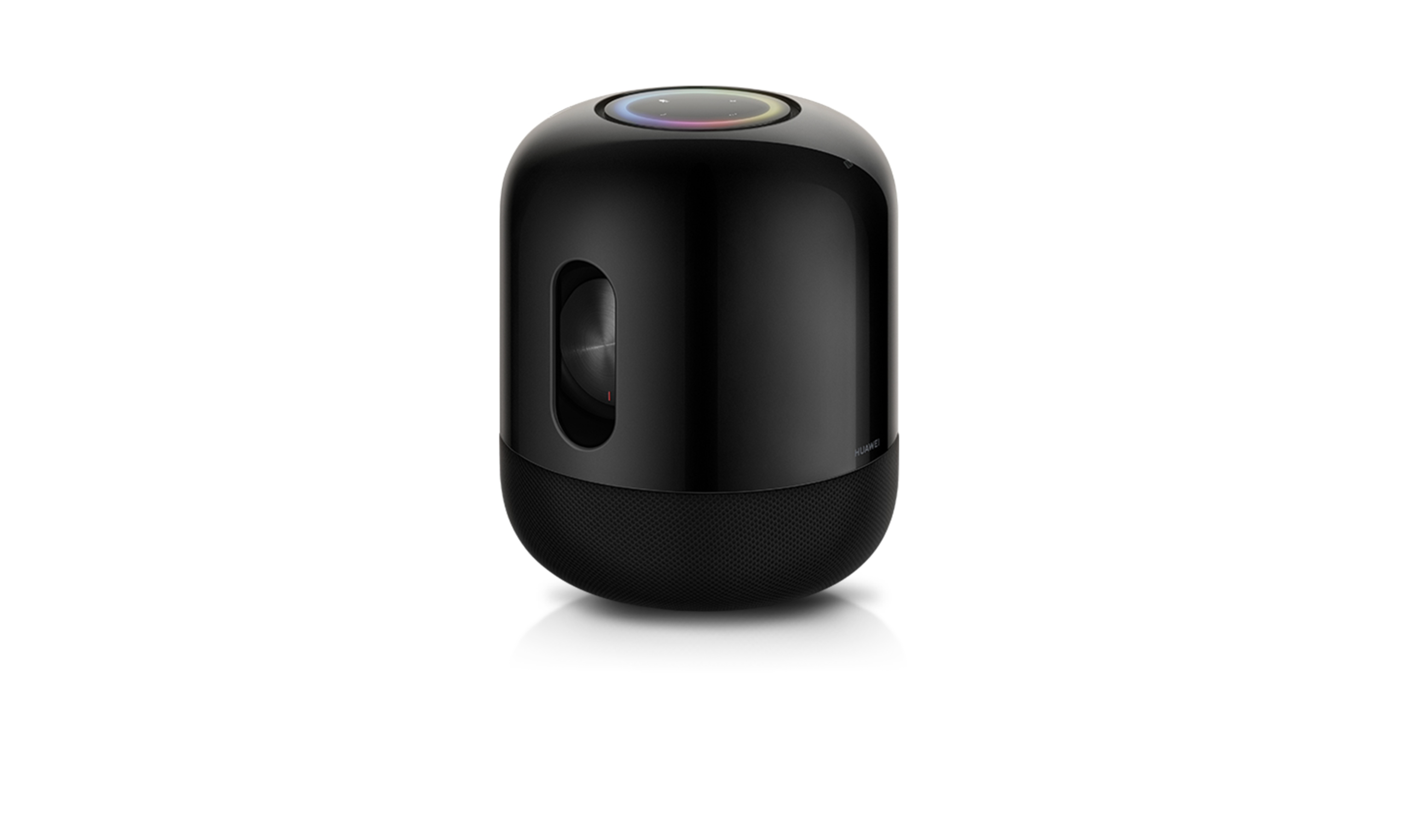
Huawei recently unveiled the Huawei Sound, a smart speaker touted to be smaller but more powerful than the Sound X. The speaker is billed to go on sale in November and would retail for €199 in Europe. The Huawei Sound is now available to pre-order in China on Jingdong (JD.com). The product comes with a price tag of 899 yuan (~$134) which is way cheaper than the price it adopts for Europe. Huawei Sound Smart Speaker

Huawei Sound is jointly designed by Huawei and DEVIALET. It adopts DEVIALET’s four-speaker acoustic structure design. The interior consists of a 4-inch woofer and three full-range speakers. The four speakers are all tuned by DEVIALET.

The Huawei Sound is said to use DEVIALET’s unique SAM to control the accurate displacement of the dual passive units, giving the woofer a stronger transient response, and the iconic Push-Push symmetrical acoustic design, which can attenuate vibration noise.Huawei Sound Smart Speaker

It is worth mentioning that Huawei Sound also supports stereo sound output and a more full sound effect can be obtained through the combination of the dual speakers. This enhances the immersive effect when watching movies or dramas.Huawei Sound Smart Speaker

In addition, Huawei Sound continues the highly acclaimed one-touch sound transmission function that was utilised on the Sound X last year. This feature allows you to transfer music with the touch of a speaker with your mobile phone, making it faster to play music.Huawei Sound Smart Speaker

The smart speaker is expected to start shipping on November 1 in China. It comes in white and black colour options. You can check out the Jingdong (JD.com) product page from here.


Huawei patents a clamshell foldable smartphone design with a larger cover display

Lately, we have been covering a number of patent stories related to foldable smartphones. Because companies have been filing so many as these devices are expected to be the future of smartphones. That said, Huawei has now patented another clamshell foldable phone with an uncanny resemblance to the Galaxy Z Flip.

Huawei Clamshell Foldable Smartphone Design Patent Featured

A few days back, the Chinese telecom giant Huawei launched the HUAWEI Mate40 series as its latest flagship smartphones. These devices could be the last high-end phones from the company in a very long time. However, the firm continues to patent and invest in new technology despite its inability to produce them due to the US ban.

The latest Huawei foldable smartphone design patent was filed by Huawei Technologies with the CNIPA (China National Intellectual Property Office). It got approved and published on October 23. As usual, LetsGoDigital was first to find it.


This patented design looks identical to 2020’s most popular foldable smartphone – Samsung Galaxy Z Flip. The only major differences between the two are the inclusion of a larger cover display, an inner screen without punch-hole or notch, a vertically-aligned dual-camera setup, and placement of the physical buttons.

In other words, Huawei fixed the biggest con of the Galaxy Z Flip by adding a larger screen to its design. However, this panel is uneven with cursed corners on one side and flat on the other.

Further, the volume rockers sit on the left side, whereas the power button is placed on the right side. There’s also HUAWEI branding etched on the back of the device along with the logo. Also, since the inner display is without any obstructions, it may feature an under-screen camera if Huawei ever plans to use this design.

Having said that, we don’t expect Huawei to launch a clamshell foldable smartphone or any premium smartphones for that matter in near future. It will happen only when the US ban is lifted.


Samsung Galaxy S21 series colors and production countries tipped

The Galaxy S20 series did not sell well as a result of the global pandemic and higher price tags. Therefore, Samsung introduced a cheaper version in September called Galaxy S20 FE (Fan Edition). According to a report, the company may launch the Galaxy S21 series in January itself. Hence, the devices in the series have already started leaking in the form of renders. Now, their color options and production countries have also been tipped.

Galaxy S21 Ultra Render

The Galaxy S21 series is said to include a total of three devices just like its predecessor Galaxy S20 series. The design of all these three phones has leaked already in the form of 3D CAD renders, courtesy of @OnLeaks and MySmartPrice.

Those renders revealed Galaxy S21 and Galaxy S21+ to arrive with flat panels. On the other hand, the Galaxy S21 Ultra will feature a slightly curved display. However, all of them will come with a new camera array design.

That said yesterday, Ross Young of DSCC (Display Supply Chain Consultants) tweeted that Galaxy S21 seris will be available in the following color options.

  • Galaxy S21

    • Gray
    • Pink
    • Violet
    • White
  • Galaxy S21+

    • Black
    • Silver
  • Galaxy S21 Ultra

    • Black
    • Silver
    • Violet

In the same tweet, he also mentions that these smartphones will be manufactured in Brazil, Indonesia, Korea and Vietnam. Interestingly, Samsung’s largest smartphone manufacturing plant (also the world’s largest) located in India is still not capable of producing flagship Galaxy S series yet.

Having said that, the above-mentioned colors may not be the final list. Because Samsung has a habit of introducing new colors months after the initial launch.


MIJIA Vertical Heater brings support for infrared induction heating for ¥399 (~$59)

Xiaomi is also launching products targeted at helping us wade through the writer season seamlessly. The MIJIA Vertical Heater is one of such products. The portable gadget was recently released by Xiaomi with a starting price tag of 399 yuan (~$59). MIJIA Vertical Heater

The MIJIA Vertical Heater has as its biggest feature, the support for infrared induction heating. Although it is portable, the heater has a strong power rating of 2100W. It utilises a non-optical semiconductor ceramic PTC heating element which delivers hot air instantly when it is turned on.

At the same time, in order to meet the needs of users for different usage scenarios, this heater has 5 modes to choose from, namely, Smart mode (intelligent heating for the whole house), Sleep mode (low-noise heating in the bedroom), Hot air mode (strong heating in cold), Warm wind mode, natural wind mode (cool air supply).

Users can also select from the three circulation modes after connecting to the MIJIA app. There is the induction circulation mode that can deliver a small range of air supply for one person. There is also symmetrical circulation mode with optional angles and finally, a customized circulation mode where the user can customize the air supply range as desired.MIJIA Vertical Heater

The device is equipped with an infrared probe which senses the position of the human body. It then directs the air supply to the side where the human body is detected. The warm air moves in the direction of the human body within its range, providing adequate warmth at all time.


realme Watch S will make its global debut in Pakistan on November 2

Chinese smartphone brand realme forayed into the connected devices category last year to build an ecosystem of its own. So far, the company has launched a plethora of devices. However, it only offers a single smartwatch as of now though the brand teased more at IFA 2020 in September. Those two wearables were revealed to launch in Q4. Now, as promised realme has confirmed to debut one of them, realme Watch S on November 2 in Pakistan.

realme Watch S Teaser

The upcoming realme Watch S was spotted on the websites of multiple certification bureaus exposing some of its specs after it was teased by the brand. Even the launch announcement teaser poster for Pakistan reveals certain features as well as design.

According to both certifications and teasers, the realme Watch S will come equipped with a 1.3-inch circular display and a brightness sensor. For those unaware, the original realme Watch features a squircle screen and lacks a brightness sensor. 

That said, the type of the panel in the newer model is a mystery at the moment. The older version comes with an LCD screen but since the realme Watch S screams premium (as per its design), it may sport an OLED panel.

Realme Watch
The original realme Watch

The tweet by realme Pakistan says the new smartwatch will support 16 sports modes and feature multiple health monitors. The brand also confirms it to come with a heart-rate and a SpO2 sensor for blood oxygen monitoring. 

The latter is missing on the recently launched Mi Watch Revolve / Mi Watch aka Mi Watch Color. Therefore, Xiaomi launched a new edition of this smartwatch called Mi Watch Color Sports Edition in China with a SpO2 sensor.

Having said that, realme claims a maximum of 15-battery life for realme Watch S. Last but not least, it will bear the model number RMA207 and its straps will be available in black, orange, blue, and green color options.


(Via)

Samsung Galaxy A02s visits Geekbench with Snapdragon 450

Recently, Galaxy A02 and Galaxy M02 received Bluetooth certification. The latter was even spotted on Geekbench revealing some of its primary specifications. Now, another new device called Galaxy A02s visits Geekbench as well. This handset could be a higher variant of the standard Galaxy A02.

Galaxy A01 Featured
Galaxy A01

The Geekbench listing of Samsung Galaxy A02s was first spotted by MySmartPrice. The listing exposes the phone to arrive with 3GB RAM. Also, despite Android 11 is out, it will launch with Android out of the box. Anyway, that’s fine for a budget smartphone.

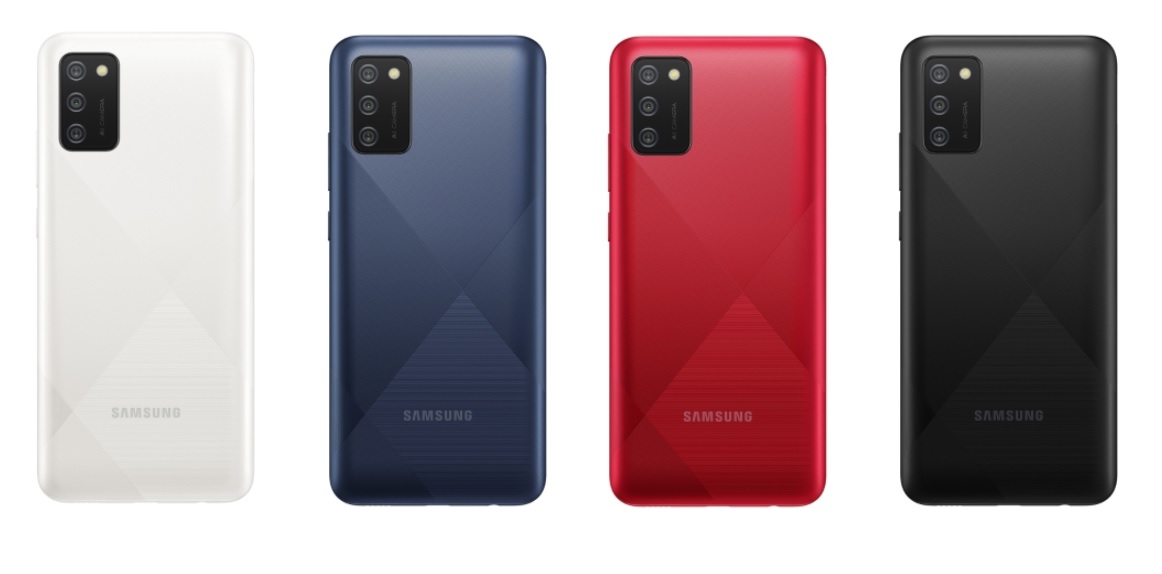
This handset will come with model number SM-A025G, whereas the regular Galaxy A02 was spotted on Bluetooth SIG with model number SM-A025F. 


Further, the listing mentions the motherboard of Galaxy A02s to be “QC_Reference_Phone”. This suggests that this device is still in development. That said, the source code reveals the phone to powered by Qualcomm Snapdragon 450 chipset with Adreno 506 GPU.

Apart from the above-mentioned parameters, nothing else is known about the forthcoming Galaxy A02s. Going by its predecessor Galaxy A01, Samsung may announce in December, however, it might be available for purchase only in early 2020.

Samsung Galaxy A02s Geekbench

Since the Galaxy M01 will be featuring similar specifications, it should be also launching around the same time. However, being a Galaxy M series phone, its availability will be limited to online stores and select offline retailers.


Microsoft Surface Duo price slashed to $1,199

Microsoft announced the Surface Duo dual display device in October last year. However, it was made available for purchase this year starting in September. It carried a price tag of $1,399. The Surface Duo has now received its price cut, which brings down its cost to $1,199.

The 128 GB edition of the Microsoft Surface Duo previously sold for $1,399 and its 256 GB variant was made available for $1,499. At Microsoft’s online store, both models are now available with revised pricings of $1,199 and $1,299, respectively. It is unclear whether it is a limited period offer. At present, the Surface Duo is only available for purchase in the U.S.

Microsoft Surface Duo price cut

A recent report revealed that the Surface Duo it is not a durable device since the plastic around the USB-C can crack easily. Also, its teardown revealed that it is not easy to repair the device. Some users have also complained about encountering network signal issues. Microsoft is providing a 2-year Accidental Damage Coverage plan at $199 for mechanical and accidental damage.

Microsoft Surface Duo specifications

The Microsoft Surface Duo has a pair of 5.6-inch PixelSense AMOLED screen that combines to offer a screen space of 8.1 inches. The front and rear sides of the device have Gorilla Glass 5 protection. It runs on Android 10 OS and it is fueled by the Snapdragon 855 mobile platform.

Microsoft Surface Duo

The device comes with 6 GB of RAM and 128 GB / 256 GB of UFS 3.0 storage. It has a 3,577mAh battery that supports 18W fast charging. It has a single camera of 11-megapixel with supports EIS and 60fps 4K video shooting. It lacks support for external storage and a 3.5mm audio jack.


(via)

Redmi Note 10 4G (M2010J19SC) bags 3C certification

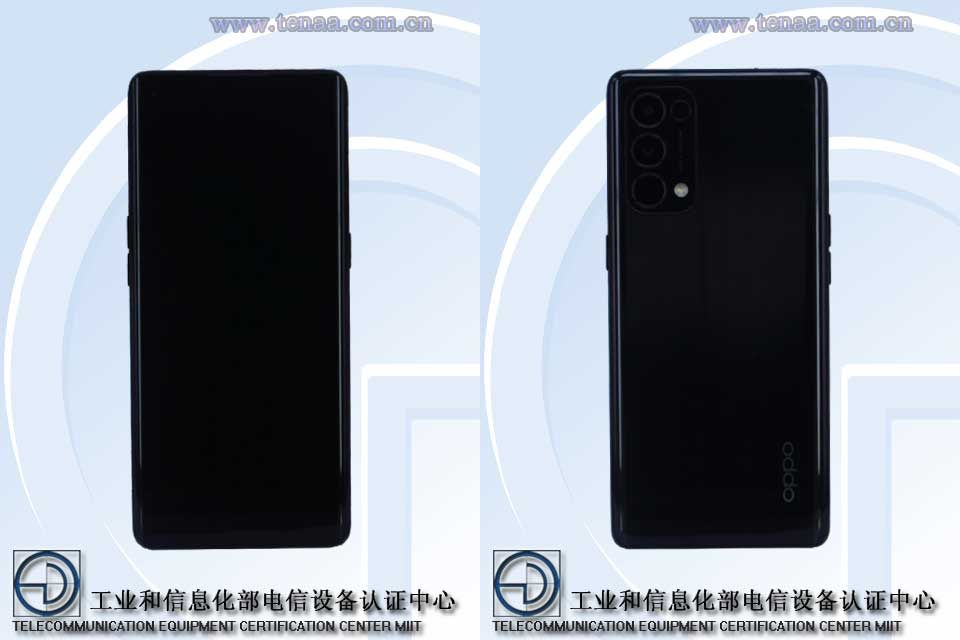
Around a month back, a 4G-ready Xiaomi phone with model number M2010J19SC was spotted in the database of MIIT authority of China. At that time, it was speculated that it could be a 4G version of the upcoming Redmi Note series. The alleged Redmi Note 10 4G has today received approval from the 3C regulatory of China.

The 3C certification of the M2010J19SC has revealed that it could be shipping with a charger that has an “MDY-11-EM” model number. The charger carries support for up to 22.5W fast charging.

Xiaomi M2010j19SC 3C

The upcoming Redmi Note series also includes two other smartphones with model numbers such as M2007J17C and M2007J22C. The 3C certifications of both phones have revealed that these two phones could be coming with 33W and 22.5W chargers, respectively. The M2007J17C, M2007J22C, and M2010J19SC phones are expected to soon appear at TENAA with full specifications and images in the coming days.

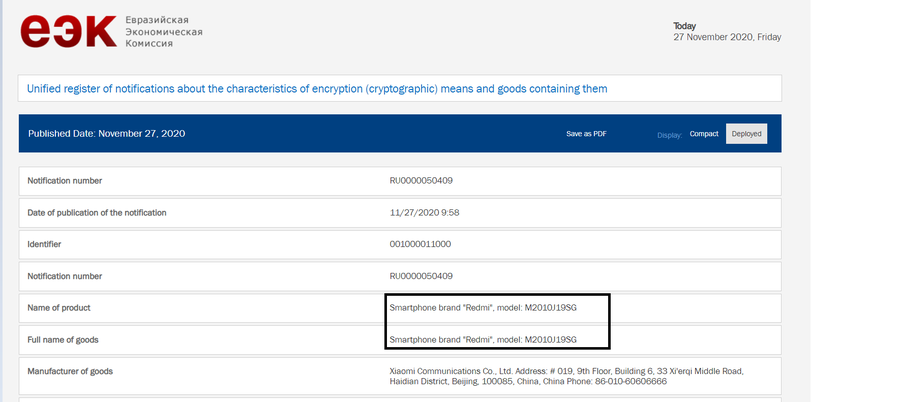
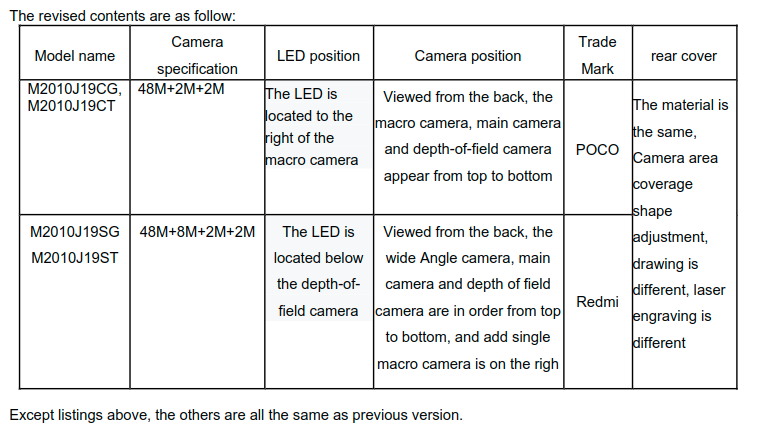
Coming back to the M2010J19SC phone, its international edition that has the M2010J19CG model number was approved by the Eurasian Economic Commission (EEC) body last week. The listing revealed that it will be branded as a POCO device in Europe. Hence, it appears that the Redmi Note 10 4G will be yet another rebadged POCO phone for global markets.

Among the above-mentioned phones, it is believed that the M2007J17C will be a tweaked version of the Xiaomi Mi 10T Lite 5G phone. Instead of the 64-megapixel lens, the M2007J17C could be flaunting a 108-megapixel primary camera, and the rest of its specs could be identical to the Mi 10T Lite 5G.