Advertisement

Apple lobbies US government for tax breaks to boost local chipset production

Earlier this year, Apple announced that the company will be adopting its own ARM-powered Apple Silicon to power the upcoming MacBooks. While it has not yet confirmed the launch date, the company has said that the new laptops powered by its own chipset are coming later this year.

Now, as per the report from Bloomberg, Apple has been lobbying the United States government for tax breaks as the company aims to boost chip production domestically. The company has also suggested that it is keen to move more of its supply chain to the U.S.

In the disclosure reports for the second and third quarters of this year, Apple revealed that it lobbied officials from the U.S. Treasury Department, U.S. Congress, and the White House. The lobbying efforts, as revealed through the reports, are related to tax topics, including “issues related to tax credits for domestic semiconductor production.”

Apple has been designing its own chipsets for years but outsources its manufacturing to Taiwan Semiconductor Manufacturing Company (TSMC). Also, several parts of Apple devices are manufactured in China.

EDITOR’S PICK: Samsung Electronics asserts that it has developed a new industry-leading Blue QLED technology

With the US-China trade tensions rising, the company has been trying to reduce its dependence on China as much as possible. Some of the suppliers and contract manufacturers of Apple are also moving their production outside of China.

Apple’s chipset manufacturer, TSMC has also announced that the company will be spending around $12 billion to set up a new chip production plant in Arizona, U.S. It is also lobbying the government for tax breaks.

As for the upcoming ARM-based Apple Silicon-powered MacBook laptops, while the company has not yet revealed the launch date, recent reports claim that Apple is all set to launch the new devices on 17th November and the official announcement of the same could take place sometime around 10th November.


Xiaomi crowdfunds the MIJIA Smart Switch, starts at 49 yuan (~$7)

Xiaomi‘s smart home continues to expand its product offering with the launch of the MIJIA Smart Switch under crowdfunding. The product comes in two types; a single button model and a double button version. During the crowdfunding exercise, the single button version will be sold for 49 yuan (~$7) while the double button model will go for 59 yuan (~$8). Both comes with free shipping in China. MIJIA Smart Switch

The MIJIA Smart Switch is yet another was of simplifying tasks in the home. It allows users to control their light bulbs right from the comfort of their beds without having to stand up to go turn off the lights. It is usually difficult to get up from bed during cold weathers like winter period but with this smart switch, that can be done without standing up.

The smartness of the MIJIA Smart Switch come to play in three different aspects of being able to access XiaoAI speakers, Bluetooth gateways and mobile app so as to allow you to control the light using voice control, from the mobile phone and from an IoT multi-device gateway.MIJIA Smart Switch

In terms of durability, Xiaomi claims that the switch has undergone 80,000 repeated pressing tests, and is V0 fire-resistant and flame-retardant.

In terms of convenience, Xiaomi claims that there is no need for rewiring, it can directly replace traditional switches and can be applied to most lamps on the market. It can control energy-saving lamps with a minimum of 3W.

After the crowdfunding exercise, the device will start shipping on November 7.


Huawei launches one-click internet speed test app in China

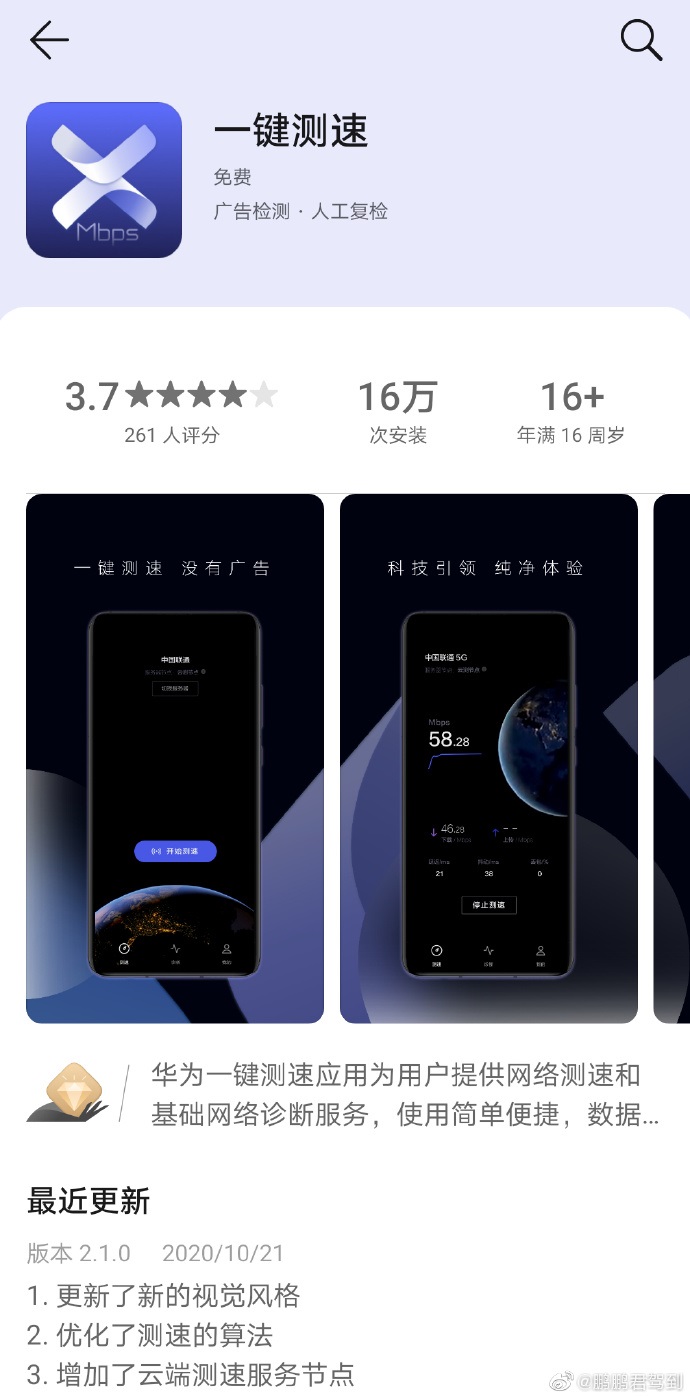
If you want to check the speed of your internet connectivity, there are different sites you can visit to do so. Some of these sites also have apps you can download on to your device – the Play Store is packed full of them. It has been reported that Huawei has also announced its own internet speed test app in China.

The One-Click Speed Test app lets you check your network speed and router speed. The app which is free has also been reported by ITHome to have no ads, thus providing a distraction-free experience.

Huawei One-Click Internet Speed Test

We can’t say why Huawei decided to make its own app seeing as the Huawei App Gallery is also packed full of speed test apps including the popular ones such as Speedtest by Ookla. Nevertheless, if you reside in China and you are not satisfied with the speed test apps out there, you can check out Huawei’s app.


The Acer Halo is the coolest Google Assistant smart speaker

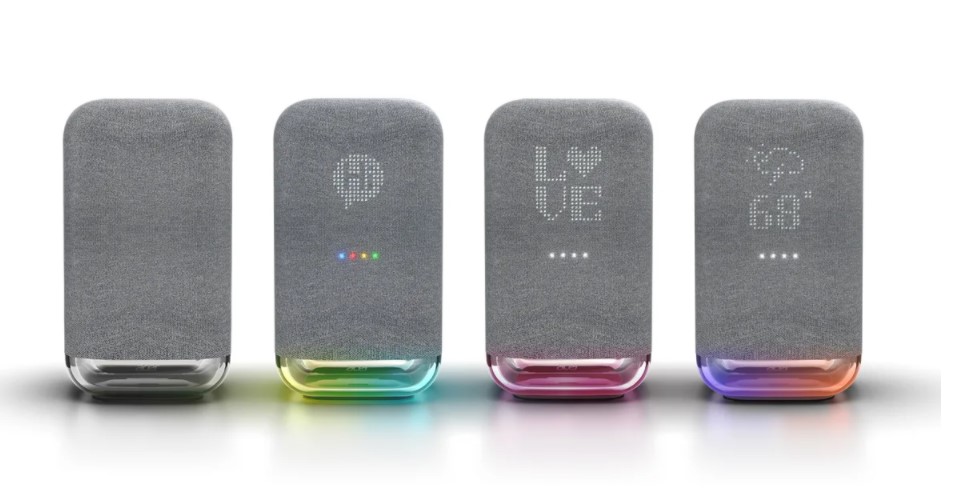
Acer has made its entry into the smart speaker market with what can be termed the coolest Google Assistant smart speaker. The Acer Halo, as it is called, seems like a mashup between several speakers but the result is best described as very interesting.

Acer Halo

The Acer Halo is not cylindrical like a lot of smart speakers but a large cuboid with curved corners. There is a recess at the top that houses the controls including a switch to mute the microphone. The body, which has a LED display on one side, is wrapped in a fabric material while the base is transparent.

Acer Halo

The addition of the display means users can get visual feedback with respect to inquiries. As shown in the video below, the speaker can display weather info, countdown timer, and icons and animations for a bunch of other things you ask it to do. The transparent base has an LED that reacts to the music the speaker plays.

The Halo speaker has two far-field microphones and is one of the first Google Assistant-powered speakers with DTS surround sound according to Acer. The speaker will control compatible smart home devices, play podcasts, and answer questions.

The Acer Halo Smart Speaker will sell for €119 in Europe when it goes on sale in December and $109 in the US when it launches in North America in the first quarter of 2021.


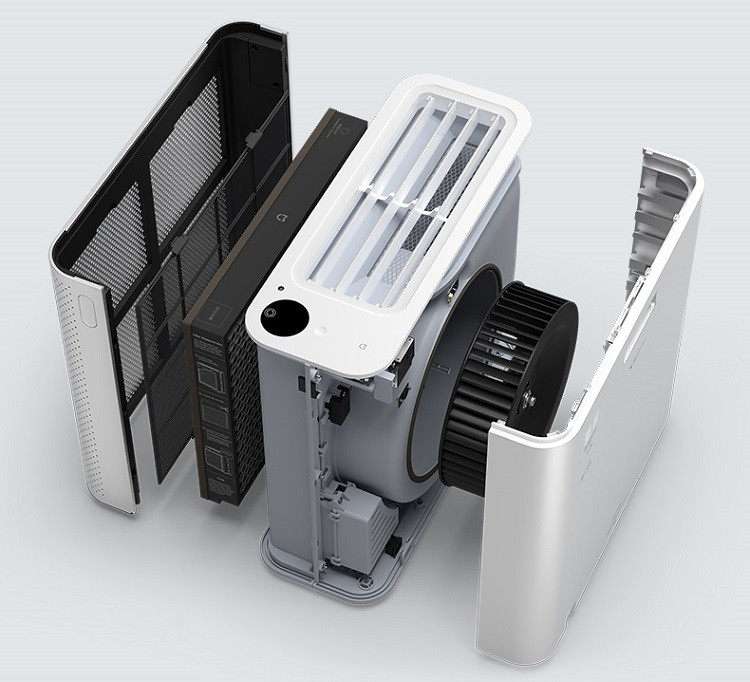
Xiaomi’s latest MIJIA Air Purifier X looks like a mini tower PC

Xiaomi has launched a new flagship air purifier dubbed MIJIA Air Purifier X. The air purifier adopts a design style that is entirely different from all of MIJIA’s previous air purifiers. It is presently on pre-sale on JD.com for 1999 yuan (~$300).MIJIA Air Purifier X

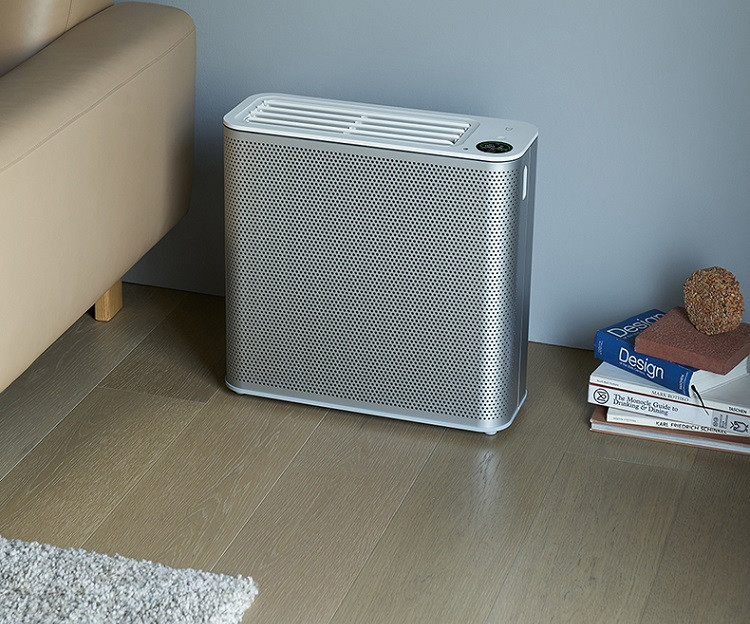
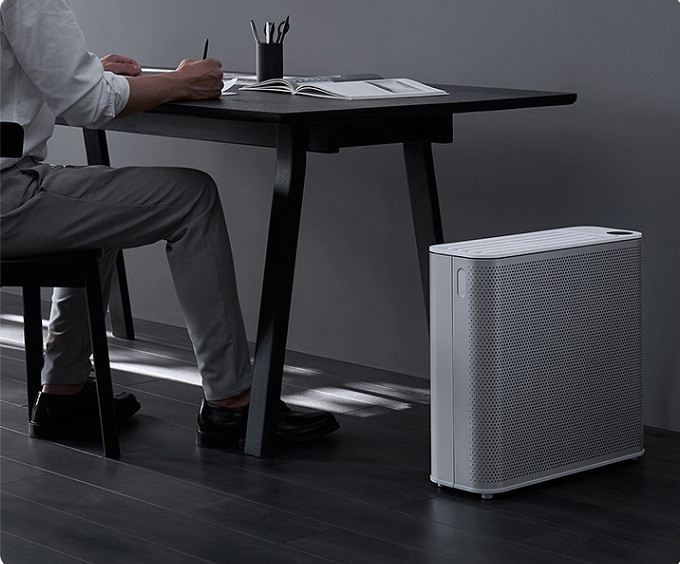
The MIJIA Air Purifier X adopts a brand-new metallic appearance design which looks a bit like a normal mini-tower computer. The body looks like the tiny pores are air vents but that doesn’t seem to be the case. The air vent is at the top alongside an LCD screen for checking the quality of the air inside the apartment.

In addition, the MIJIA Purifier X is also equipped with a more sensitive VOC sensor imported from Switzerland, which can more sensitively detect the content of indoor VOC pollutants, supports 5-fold high-precision filtering and powerfully removes VOC and formaldehyde. Data will be displayed on the screen to help users understand the indoor VOC pollution situation more intuitively.

The purifier can display the newly defined AQ (Air Quality)-comprehensive air quality level, VOC, PM2.5 pollution level and change curve allowing users to more simply and comprehensively understand the VOC pollution status in the past period of time.

The MIJIA Air Purifier X is equipped with an integrated H13 grade HEPA filter element that supports 5-fold high-precision filtration.

Further, the Air Purifier X can provide 6660 litres of clean air per minute, supports wind angle adjustment, and sleep mode sound volume is only 30.7dB. It also supports smartphone control via the MIJIA app. There is equally support for voice control and it can be paired with other smart home appliances.


Gionee F8 Neo is an entry-level smartphone priced at ₹5,499 ($75)

Last week, Gionee F8 Neo was spotted on Google Play Console. The handset’s listing revealed some of its specifications. Now, this smartphone has launched officially in India for an affordable price tag of ₹5,499 ($75). 

The Gionee F8 Neo is an entry-level smartphone. This device is aimed at first-time smartphone buyers. It competes directly with Samsung’s cheapest 2020 smartphoneGalaxy M01 Core.

Gionee F8 Neo Featured

On the front, the phone features a 5.4-inch HD+ (720 x 1440 pixels) LCD panel without any notch or punch-hole. Therefore, the 5MP selfie camera resides in the bezel above the screen along with an LED flash and an earpiece for calls.

The back of the handset sports geometric patterns like certain realme devices and houses an 8MP main camera accompanied by an LED flash. Being a super cheap smartphone, it lacks a fingerprint sensor but does support the less secure face unlock via the front-facing camera.

Although the brand did not reveal it, as per the Google Play Console listing, it is powered by UNISOC (formerly Spreadtrum) SC9863A chipset paired with 2GB RAM and 32GB internal storage. If required, users can further expand the storage up to 256GB via microSD card.

Further, the phone runs Android 10 and is backed by a 3,000mAh battery with support for 10W charging. Lastly, it will be available in Black, Blue, and Red color options across 1.5 to 2 lakh offline stores in India ahead of Diwali festive season.


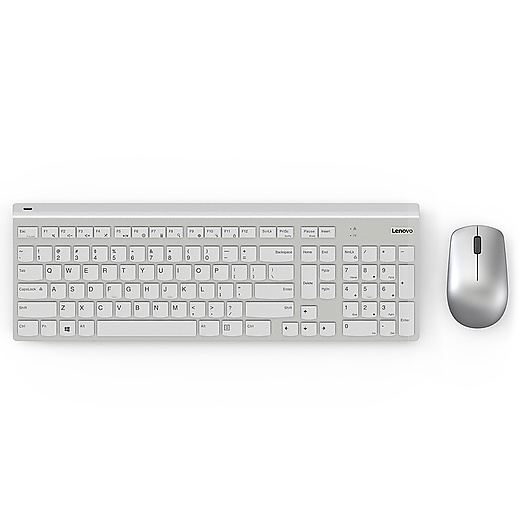
Lenovo YOGA Life Wireless Keyboard and Mouse Combo launched for 299 yuan ($45)

On October 20, Lenovo launched a number of computers in its home country China. Alongside them, the company also announced certain accessories. One of those was YOGA Life Wireless Keyboard and Mouse Combo. Let us take a look at this product in this article.

Lenovo YOGA Life Wireless Keyboard and Mouse Combo Featured

Lenovo YOGA Life Wireless keyboard and Mouse Combo Specifications, Features & Price

The newly launched Lenovo YOGA Life Wireless Keyboard and Mouse Combo is a regular accessory like its name suggests. But unlike those normal peripherals available in the market, this one is designed for Lenovo YOGA 27 AIO (All-in-One) PC, however, it can be used with any computer or laptop with a USB Type-A port.

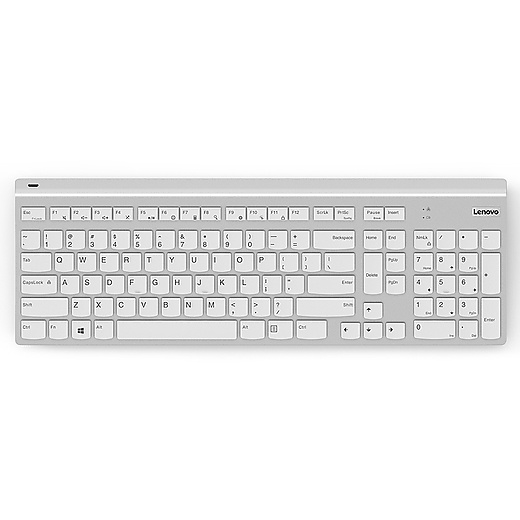
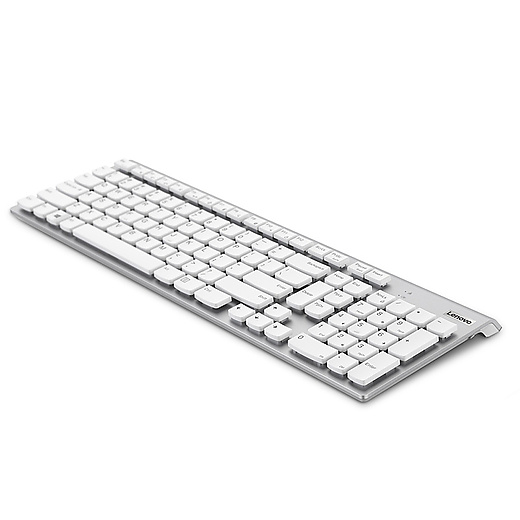
Talking about the keyboard first, it features full-size layout but no numeric keypad. The keys sport floating design and the company claims them to be quiet, offering a comfortable typing experience.

It measures 416 x 140 x 26mm in dimensions and weighs 620g. It is backed by a 250mAh built-in battery and charges via USB Type-C.


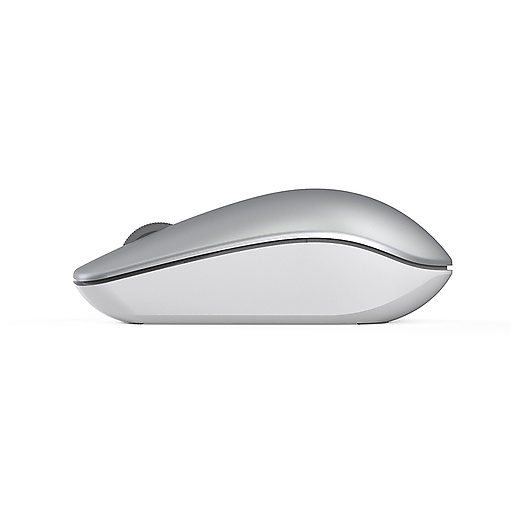
On the other hand, the mouse comes with an ergonomic curved design. It does not include extra keys apart from the left-right button and a scroll wheel, however, the optical sensor present in it features 1,600 DPI precision.

Lastly, it weighs 83g with an AA battery and measures 105 x 62 x 37mm in dimensions.

Unfortunately, despite their premium look, they operate over 2.4GHz via an included USB receiver and not Bluetooth. On the plus side, they don’t require any driver.

The Lenovo YOGA Life Wireless Keyboard and Mouse Combo is priced at 299 yuan ($45) and is available for pre-order starting today (October 21) in China. On November 1, the first day of its sale, this product can be purchased for a discounted price tag of 199 yuan ($30).


Xiaomi crowdfunds the Hipee Smart Posture Correction Wizard for 99 yuan (~$14)

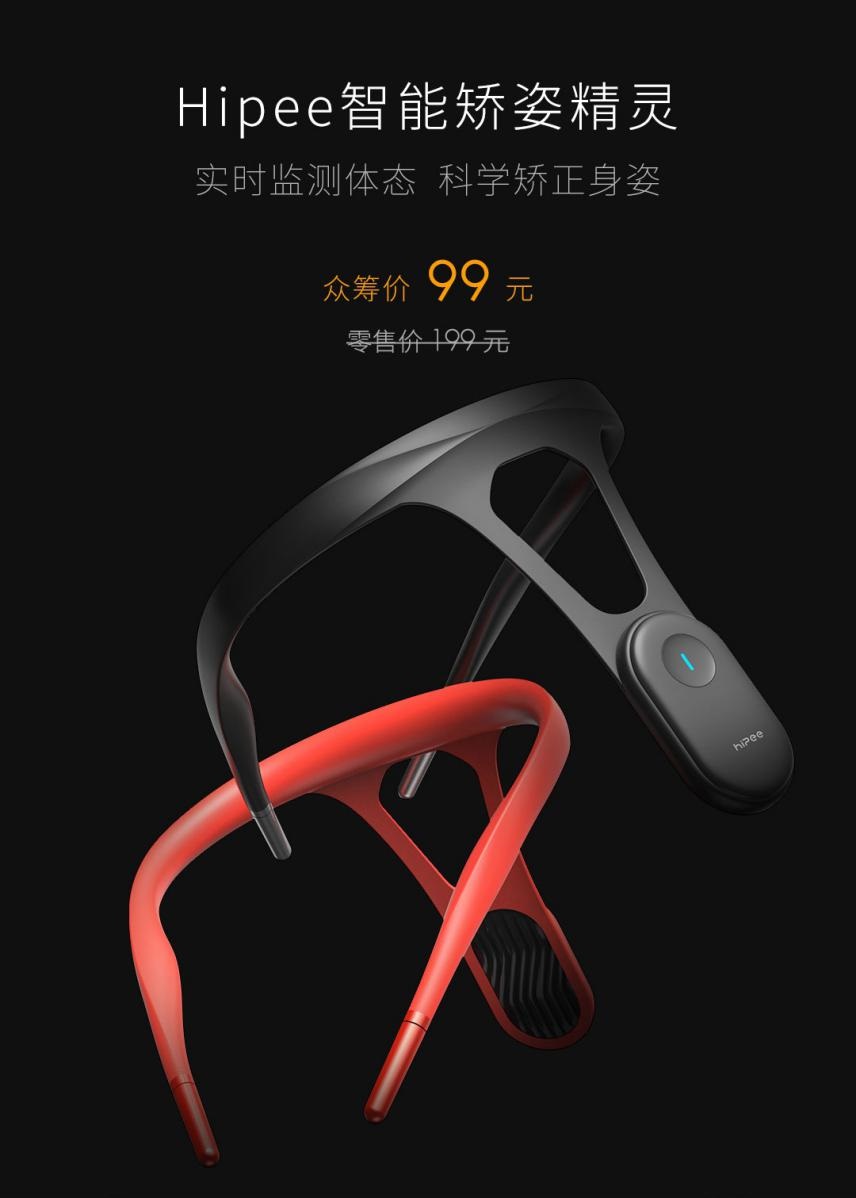
Xiaomi has launched the Hipee Smart Posture Correction Wizard under crowdfunding. The device is designed to help users to actively develop good postures through real-time monitoring, reminders and interesting somatosensory exercises and habits. The device carries a crowdfunding price is 99 yuan (~$14).Hipee Smart Posture Correction Wizard

The traditional kyphosis (hunchback) correction belt is to force the body to straighten by an external force. The long-term wearing of the belt can not get the corresponding effect but may aggravate the posture problem. Correct posture correction requires the use of one’s own muscles to maintain the correct posture, exercise the back muscles, and fundamentally solve the posture problem.

Hipee intelligent posture correction wizard breaks the traditional concept and helps users actively develop good posture habits through real-time monitoring reminders + interesting somatosensory exercises. After the user wears the device and records the correct posture according to the instructions, when the device detects that the posture is incorrect, it will vibrate to remind the user until the user returns to the correct posture, and actively develop good posture habits.Hipee Smart Pose Correction Wizard

Hipee Smart Posture Correction Wizard adopts a new concept of posture correction which involves real-time monitoring and wrong posture reminder. The device is equipped with a built-in high-precision motion sensor chip and intelligent posture correction recognition algorithm. It also comes with a companion Wechat applet through which you can visualize the posture correction data. You can view posture changes in real time through the WeChat applet. There are also innovations in posture recognition algorithms that can recognize human postures in different scenarios such as sitting, bending, writing, and standing, and accurately capture posture changes.Hipee Smart Pose Correction Wizard

In order to exercise weak muscles and allow users to develop good posture habits, Hipee Smart Posture Correction Wizard also features professional posture training courses and interesting somatosensory interactive games for users, allowing users to complete professional posture corrections while playing and training so that training is no longer boring.Hipee Smart Pose Correction Wizard

In order to meet the needs of different ages, Hipee Smart Pose Correction Wizard features adult styles and children styles. The metal head for adults is cool and fashionable, and the cat paw head for children is cute and interesting. The one for kids is dedicated to improving the child’s poor posture when studying, reading, and writing homework, and can effectively prevent children’s scoliosis, myopia and other problems.

You can check out the Youpin crowdfunding page from here.


Acer’s latest Chromebooks powered by the Snapdragon 7c boast a 14-hr battery life

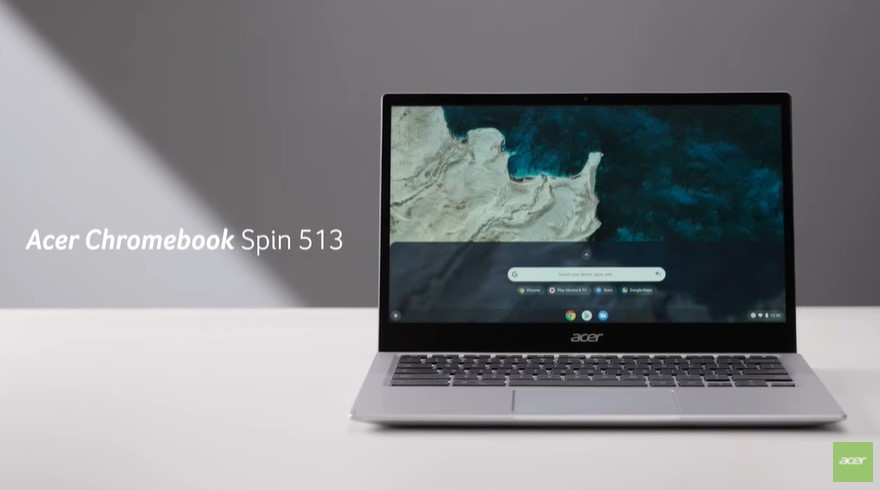
Acer has announced two new Chromebooks that are powered by Qualcomm’s Snapdragon 7c processor. The two devices, the Chromebook Spin 513 and Chromebook Enterprise Spin 513 are the first Chromebooks powered by Snapdragon processors.

Acer Chromebook Spin 513 featured

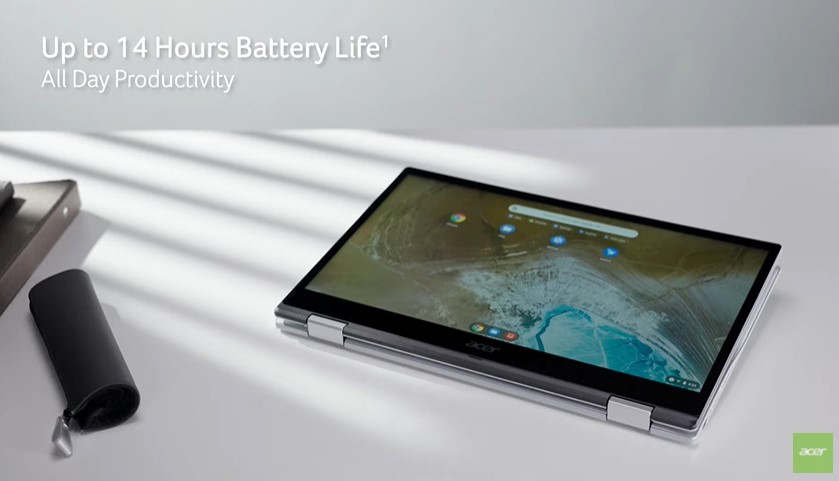
The Acer Chromebook Spin 513 starts at $399 and has the 8nm Snapdragon 7c Compute Platform powering it. The 2-in-1 has a 13.3 FHD IPS display with moderate-sized bezels, Gorilla Glass protection, and a 360° hinge that allows you to fold it completely backward. The Chromebook comes with up to 8GB of RAM and 128GB of storage.

For ports, the Chromebook Spin 513 has a full-sized USB 3.0 port, two USB-C ports with one serving as a power input port, and a microphone+headphone combo jack. It has an island-style keyboard with an optional backlight and a trackpad that is also covered with Gorilla Glass.

Acer Chromebook Spin 513

There is optional LTE and Acer claims a battery life of up to 14 hours on a single charge. The Acer Chromebook Spin 513 weighs under 1.2 kilograms and will be available for purchase in the EMEA in January 2021 for €429. Those in North America will get it the following month. The Enterprise Edition will be available in March for $699.99.

Following Acer’s announcement, we expect more manufacturers will announce Chromebooks with the same processor in the coming weeks or months. Maybe they will hit the market before Acer’s own.


This is what the OnePlus Nord N10 5G will look like

OnePlus’ Nord line is expected to get two new models soon, and one of them is the made-for-US Nord N10 5G. A leak has now revealed what the budget 5G smartphone will look like.

An image posted on Twitter today by Max J. (@MaxJmb) shows the back of the design or what it will look like. The photo shows the Nord N10 5G has a rear design similar to that of the recently-launched OnePlus 8T. The camera housing is a rectangle with curved corners while the phone itself has curved sides. The caption of the tweet also hints at the phone coming in a blue colorway

It has been reported that the OnePlus Nord N10 5G will come with a 64MP quad-camera setup on its back. Under the hood is a Snapdragon 690 processor with up to 6GB of RAM and 128GB of storage. In front, the phone will sport a 6.4-inch FHD+ screen with a 90Hz refresh rate.

OnePlus will launch the phone with a price tag under $400, positioning it as a competitor to the Pixel 4a and Pixel 4a 5G.

It was revealed in a leak that the Nord N10 5G will be unveiled on October 26 but OnePlus is yet to officially announce a launch date. A 4G mid-range phone called the OnePlus Nord N100 is also expected to arrive alongside the Nord N10.


Lenovo Xiaoxin Pad & Xiaoxin Pad Pro launched in China as rebranded Tab P11 series

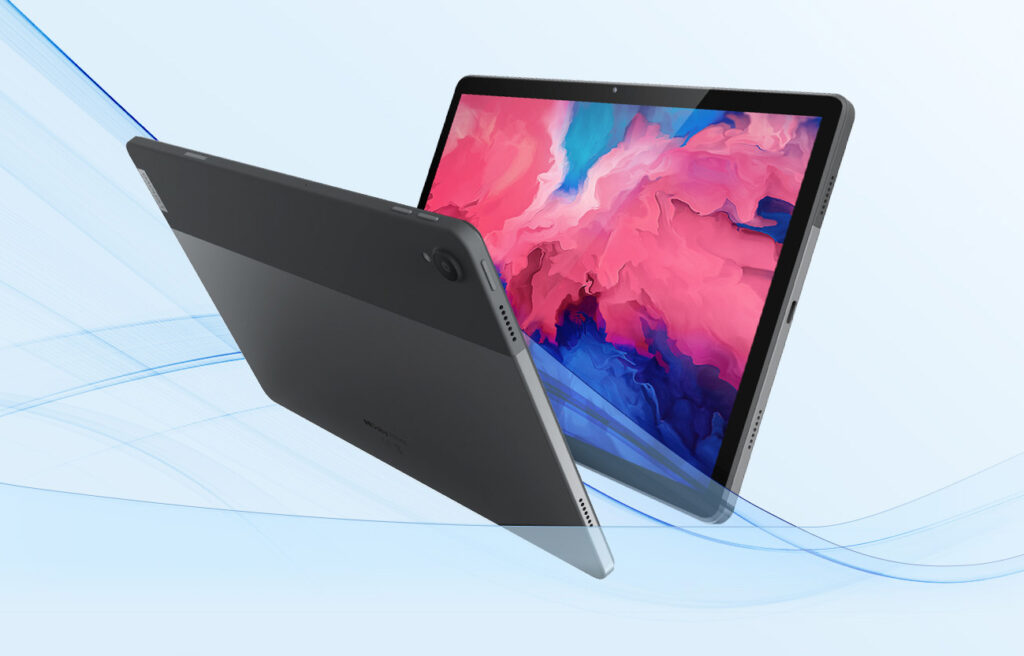
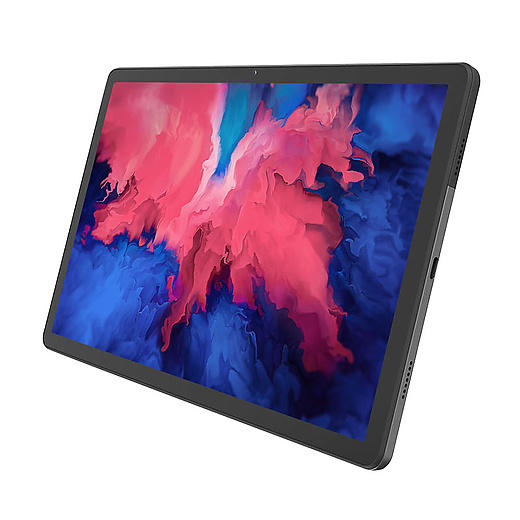
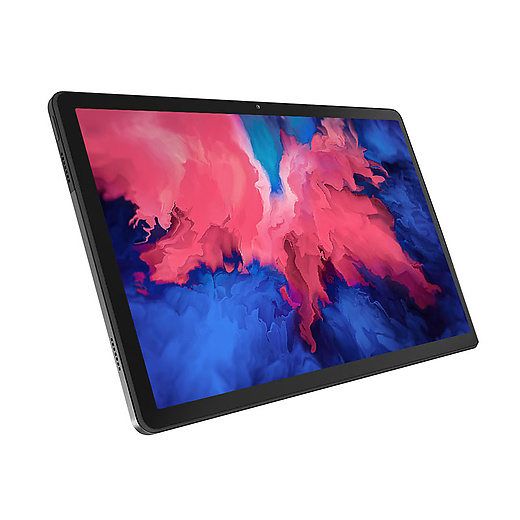
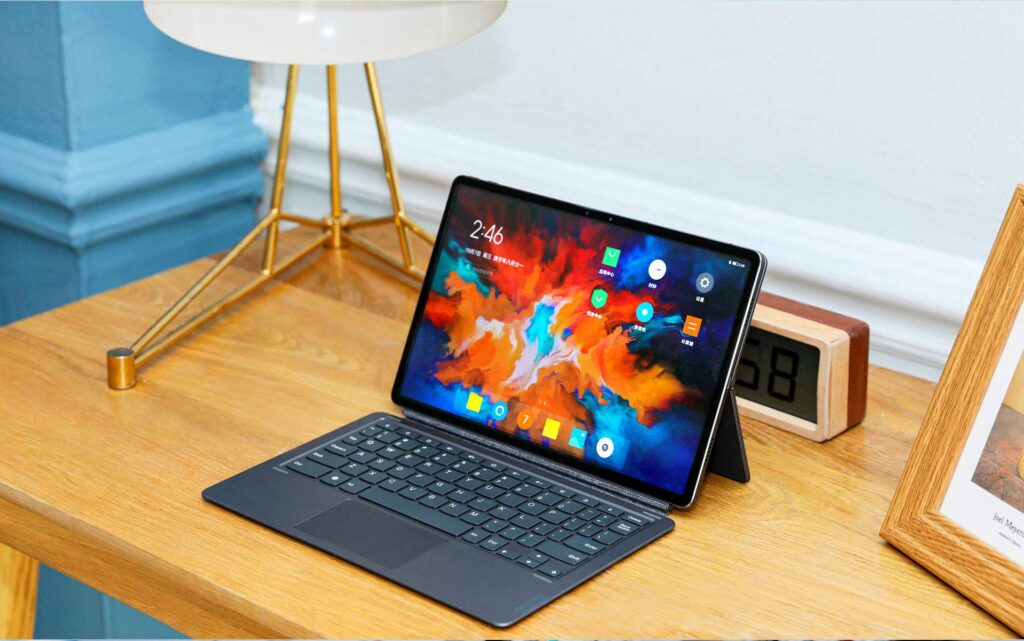
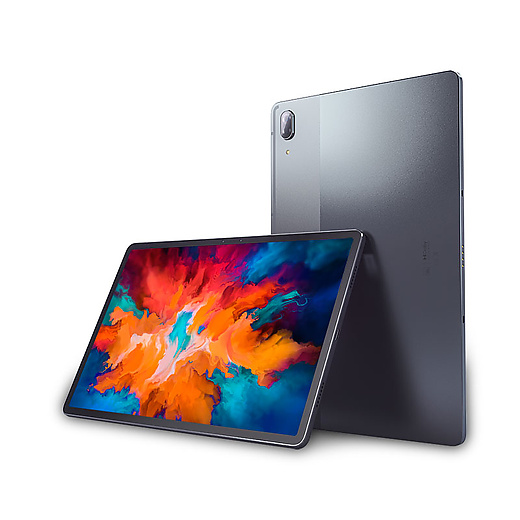
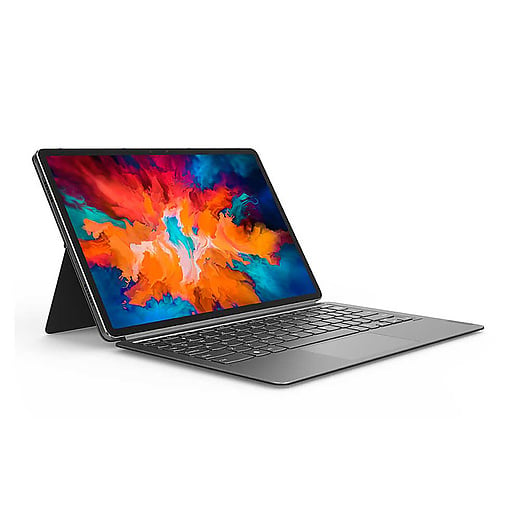
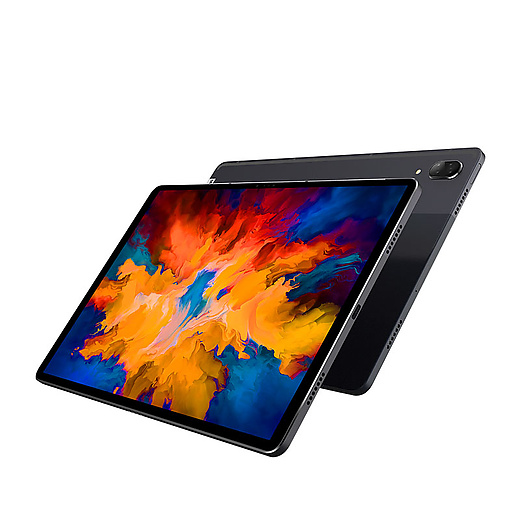
Apart from a number of laptops and an AIO PC, Lenovo also launched two new Xiaoxin tablets called Xiaoxin Pad and Xiaoxin Pad Pro respectively. These two are nothing but the Chinese versions of the upcoming Tab P11 and the already unveiled Tab P11 Pro. The only difference between them and the international versions is that they run different software.

Lenovo Xiaoxin Pad Specifications, Features & Price

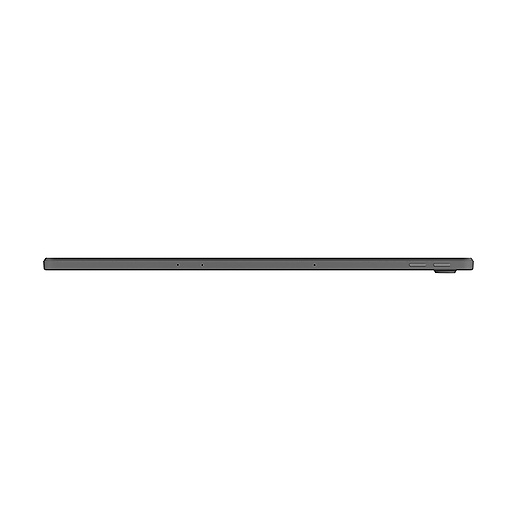
The Lenovo Xiaoxin Pad’s rear design is identical to the IdeaPad Duet Chromebook. However, on the front, it sports a 2K 11-inch TDDI LCD panel with a resolution of 2000 x 1200 pixels and a peak brightness level of 400 nits. The display also supports input from Xiaoxin Stylus with 4096 pressure levels and it is TÜV Rheinland-certified for low blue light emission.

Lenovo Xiaoxin Pad Featured

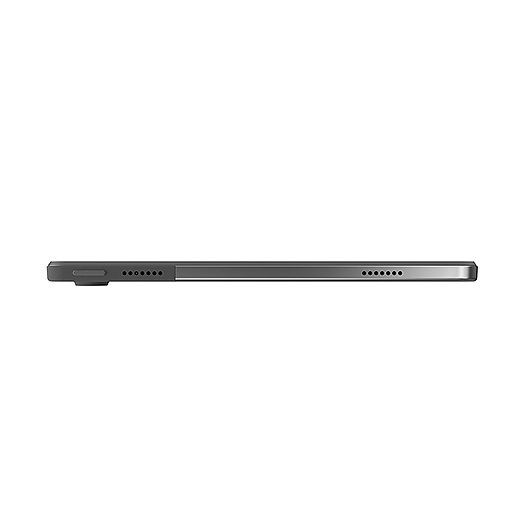
Under the hood, the tablet features Qualcomm Snapdragon 662 chipset paired with 6GB RAM and 128GB internal storage. If needed, users can expand the memory space using a microSD card. The internals of the device also includes dual-band WiFi 5, Bluetooth 5.0, and GPS + BeiDou.

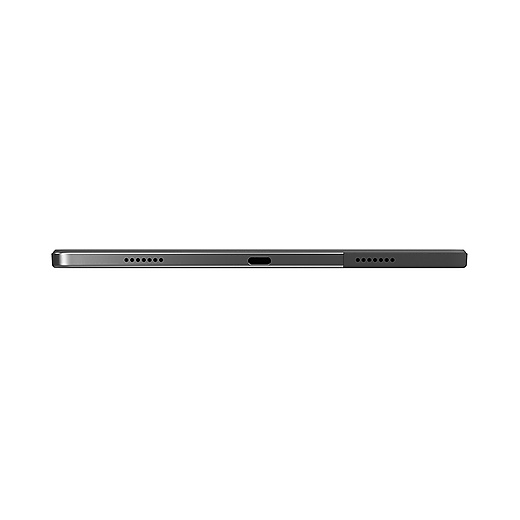
Further, it flaunts a 4W quad-speaker setup powered by Dolby Atmos and dual-microphone. It also comes with a 13MP A rear accompanied by an LED flash and an 8MP front-facing TOF camera for video calls, selfies as well as face authentication.


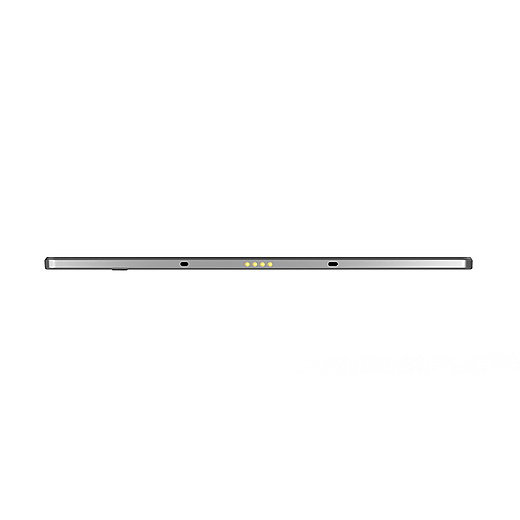
Like most tablets, it also features a 4-pin POGO for keyboard accessory. But unlike other tablets (except rugged), it is also IP52-certified for dust and water resistance.

Whereas, in terms of software, the tablet runs ZUI based on Android 10 and is backed by a 7,700mAh battery with support for 20W fast charging via USB Type-C port.

Lastly, the tablet measures 258.4  x 163 x 7.5mm and weighs 490g.

The Lenovo Xiaoxin Pad is priced at 1699 yuan ($255) and is already up for pre-order in China starting today (October 21). The tablet will be available for only 1,299 yuan ($195) on November 1, the first day of its sale.

Lenovo Xiaoxin Pad Pro Specifications, Features & Price

As mentioned in the beginning, the Lenovo Xiaoxin Pad Pro is a rebadged Tab P11 Pro for China. Hence, it comes with the same set of specifications except for ZUI based on Android 10.

This tablet flaunts a 2K 11.5-inch OLED display with a resolution of 2560 x 1600 pixels and 350 nits maximum brightness level. The company claims 100% DCI-P3 color gamut and 108% NTSC color gamut. 

Lenovo Xiaoxin Pad Pro Featured

Further, the panel supports Dolby Vision, HDR 10, DC Dimming, and Xiaoxin Stylus for input with 4096 pressure levels. It is also TÜV Rheinland-certified for low blue light emission.

The tablet comes powered by Qualcomm Snapdragon 730G chipset paired with 6GB RAM and 128GB internal storage. Whereas, on the connectivity front, It features dual-band WiFi 5, Bluetooth 5.0, and GPS + BeiDou + A-GPS.


As for cameras. It features a 13MP (wide) + 5MP (120° ultra-wide) dual-camera setup on the back with an LED flash and another 8MP (RGB) + 8MP (IR) dual-camera setup on the front along with a ToF sensor for selfies, video calls, and face authentication.

Other features of this tablet include a microSD card slot, 4-pin POGO connector for keyboard accessory, 6W JBL quad-speaker with support for Dolby Atmos, and an 8,600mAh battery that charges via USB Type-C 3.2 with support for 20W fast charging.

Last but not least, the tablet measures 264.28 x 171.4 x 5.8mm in dimensions and weighs 485g.

The Xiaoxin Pad Pro costs 2,499 ($376) and is up for pre-order starting today, however it will go on sale on November 1. On the first day of sale, it will be available for purchase at a discounted price tag of 1999 yuan ($301).


Huawei Mate 40 Pro listed on Amazon Germany priced at €1,199

Huawei will officially take the wraps off the much toutedest top flagship Mate 40 series next week.  Ahead of the launch, the media has been awash with renders of the models in the series as well as some of the specifications. 

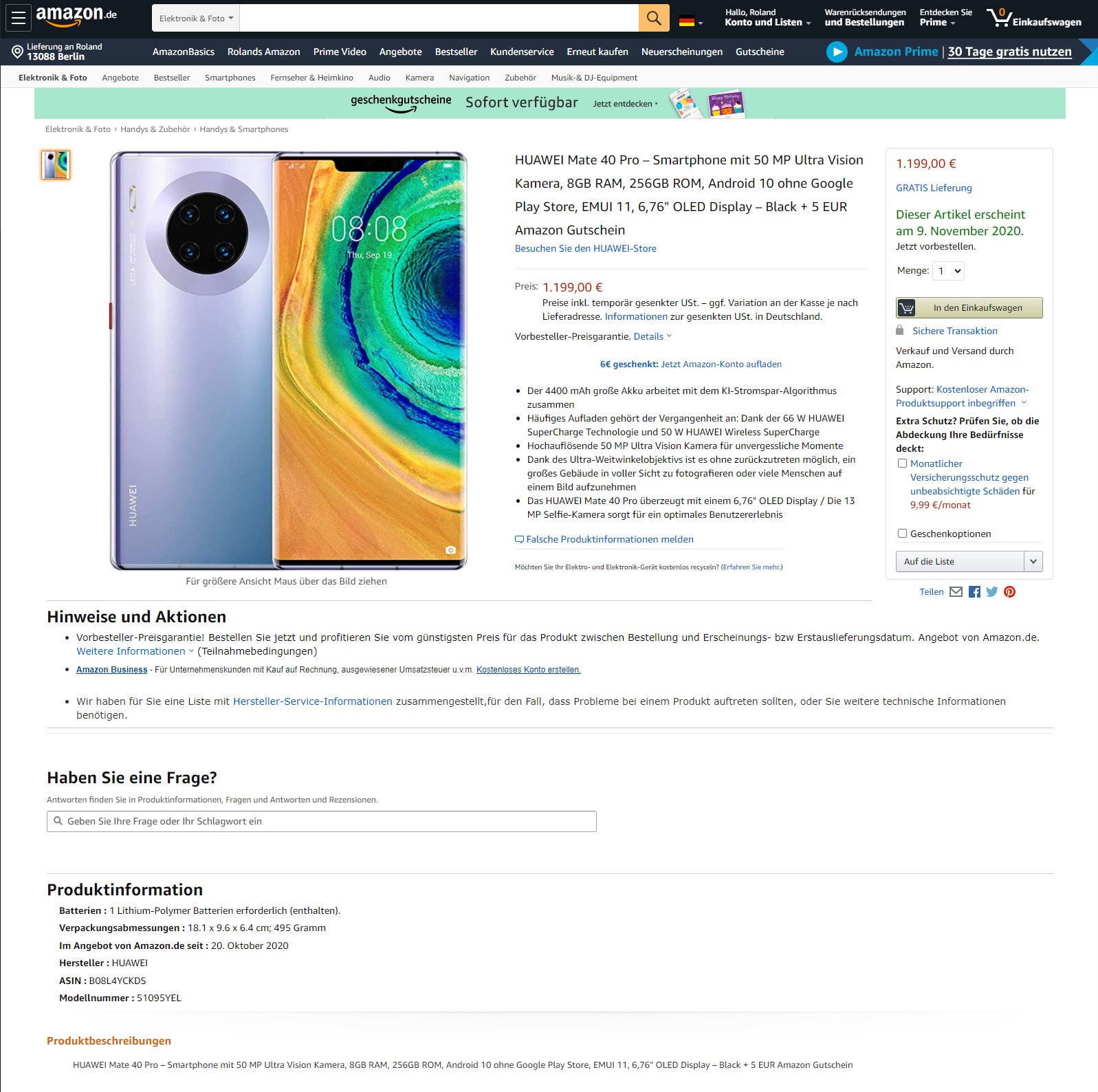
A first listing for the Huawei Mate 40 Pro has now appeared on Amazon Germany . The listing which has been pulled down gives the price of the Mate 40 Pro as 1,199 euros and also reveals that the  flagship will start shipping on November 9, 2020.

The Huawei Mate 40 Pro is expected to feature a 6.76-inch OLED display that has a resolution of 2772×1344 pixels and thus achieves a pixel density of 456 PPI. We don’t yet know whether the screen supports an increased refresh rate.


What is certain, however, is that the panel is strongly curved back at the edges, so that the impression of a borderless screen is created when the phone is viewed directly from the front. An optical fingerprint reader, which is supposed to unlock the smartphone quickly and reliably, is located directly under the display surface.Huawei Mate 40 Pro

The HiSilicon Kirin 9000 is the last new high-end SoC manufactured by TSMC for before Huawei  the US embargo came into force. The chip offers a total of eight cores, four of which use the ARM Cortex-A55 architecture and work with a maximum of 2.04 gigahertz.

In addition, there are three further high-end cores which, according to current knowledge, use the ARM Cortex-A77 architecture and offer a maximum clock rate of 2.54 gigahertz. On top of that, Huawei runs a fourth Cortex-A77 core with a maximum clock rate of at least 3.13 gigahertz, so that, according to the first benchmarks, the overall package offers more than sufficient performance that overtakes the current Snapdragon 865 Plus with similar clock rates.

In addition to the fast CPU cores, the chip also has an ARM Mali-G78 graphics unit, the Huawei-typical neural processing engine for processing data from the field of artificial intelligence and an integrated 5G modem, which is probably only in Sub -6 GHz networks. The Kirin 9000 is also the first SoC from Huawei that was manufactured on a 5 nanometer scale and thus offers an even narrower structure than its predecessor.

Huawei sells the Mate 40 Pro in Europe in only one version: this has 8GB of RAM and 256 GB of internal flash memory based on UFS 3.1, which cannot be expanded using a microSD card slot. In China, there will also be variants with up to 12GB of RAM. In addition, special editions are planned, including a Mate 40 RS and a “Pro +” model, which differ primarily in terms of adapting the design and the camera equipment.

Speaking of cameras, with the Huawei Mate 40 Pro packs three main sensors at the rear which consist of a 50-megapixel sensor with an F / 1.9 aperture and an optical image stabilizer, a 20-megapixel sensor for ultra-wide-angle shots with an F / 1.8 aperture and a zoom camera with 12 megapixels resolution and F / 3.4 maximum aperture size. Among other things, the camera system should be able to record 8K videos and offers a 5x physical magnification for zoom recordings.

In the pill-shaped cutout on the front of the Mate 40 Pro there is a 13-megapixel camera with an F / 2.4 aperture, which Huawei provides with a 3D sensor. In combination, this system should enable the smartphone to be operated with gestures, similar to what is already known from other devices. All the user has to do is move his hand over the display in order to interact with the phone.

The version intended for Europe of the Huawei Mate 40 Pro has a 4400mAh battery. Huawei always supplies a new SuperCharge power adapter, which is connected to the device via USB Type-C port (3.1 Gen 1) and provides a maximum charging power of up to 65 watts.

Huawei will offer the new Mate 40 Pro in black and silver in Europe. Other colors may be unveiled in China.


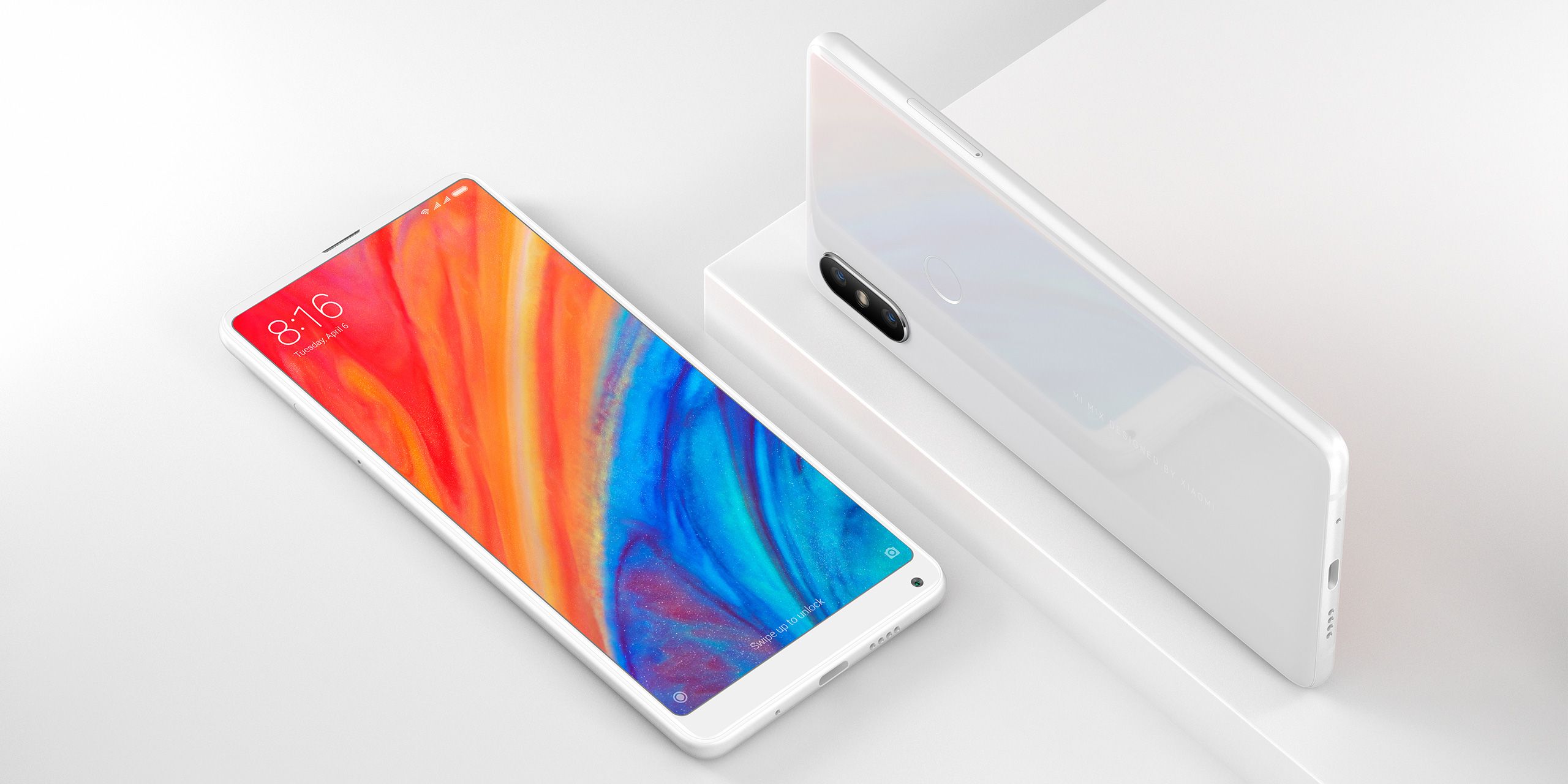
Xiaomi Mi Mix 2S and Mi Mix 3 get a taste of Android 11 through Custom ROM

Xiaomi’s Mi Mix 2S and Mi Mix 3 recently got their MIUI 12 update based on Android 10 in China. The devices, being more than a year old, aren’t going to get the Android 11 which is a no brainer. However, if you own one of these devices, and are wanting to try out the new features of Android 11, you just got lucky.

Xiaomi Mi Mix 2S Featured

Both the Mi Mix 2S and Mix 3 have got(via Notebookcheck) a new Custom ROM based on Android 11. The ROM is called ArrowOS. ROMs of both the devices are developed by an XDA member with username palaych. For the unware, ArrowOS is a custom ROM based on AOSP/CAF. AOSP is an Android Open Source Project while CAF is Code Aurora Forum. The ROM has a simpler UI with no bloatware and is closer to the stock android experience. The ROM has two versions- VANILLA and GApps. VANILLA is without Google Apps(pure AOSP) and the latter includes one.

Mi Mix 2S Android 11

The Android 11 build for Mi Mix 2S(codename: Polaris) is ArrowOS 11.0 with Linux Kernel 4.x. The ROM is official meaning it is constantly supported by the Developer but is currently in Alpha state. This means the ROM might have a few bugs here and there. The dev says almost everything works well in the custom ROM so you don’t have to worry about broken LTE or major glitches. Below are that’s not working as of now:

  • Encryption(disable it)
  • Wi-Fi display
  • Android Auto
  • SELinux status: permissive.

Mi Mix 3 Android 11

For the newer of the two, Mi Mix 3, Android 11 ROM is the same ArrowOS 11.0 with Linux Kernel 4.x. The codename of the device is Perseus. The developer says almost everything is working as usual. It is currently listed as an Alpha build just like the Mix 2S. Below are few bugs spotted as of now:

  • WiFi Display
  • Android Auto doesn’t work.
  • “Ok, Google” doesn’t work with display off.

If we recall, Mi Mix 2S launched with Android Oreo(8), whereas Mix 3 launched with Android 9 Pie. They got their Android 10 update but didn’t make the cut for the list of devices to get Android 11 from Xiaomi.

Hence, this custom ROM compiled by developers is a blessing for the users whose devices aren’t sure to get the next MIUI 13 in the first place.


No sign of mini Android Chinese smartphones in the near future: tipster

Smartphones with smaller screens are a thing of the past. Companies have been changing the standard size of a smartphone every year. And in 2020, it has already gone past the 6-inch size displays. In the light of this, a tipster on Weibo says he has not heard any news about the launch of mini Android devices from China.

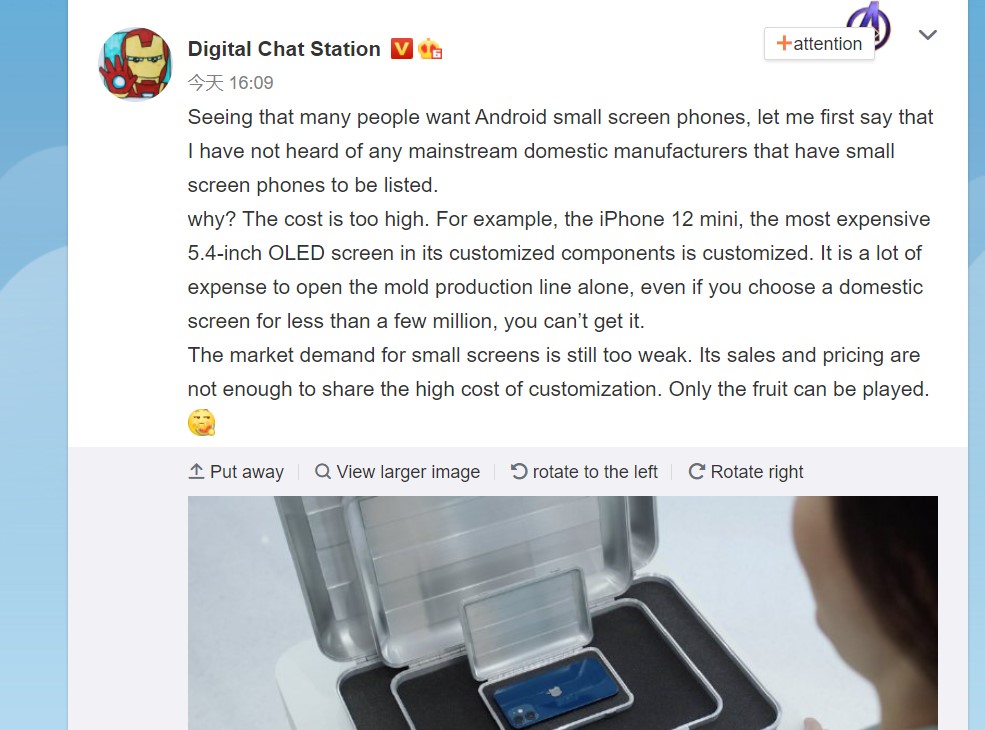
Tipster Digital Chat Station(translated) on Weibo says(via ITHome) he hasn’t heard of any domestic manufacturers listing new Android small-screen phones. He feels that their cost is too much and requires a modified production line. He adds that even if companies were to procure displays from the local market, there aren’t many options.

Also, a component market that operates based on the supply chain requirement doesn’t work that way. If we take smaller smartphones like the iPhone 12 mini, Apple had to heavily customize it. Right from the body, display, to the internals, and battery, they add to the cost of production more than a device that has a ubiquitous design. This is because it is simply easier to purchase the components ready-made rather than modifying it yourselves.

To assert this, the tipster also mentions the 5.4-inch OLED screen on iPhone 12 mini is the most expensive component of all. Even if you take the risk of doing it, the returns are weak due to less demand. Small screen phones don’t share a large percentage of the shipments. And as the tipster says, a mismatch happens with selling price and cost of production.

Goodbye to compact Android devices?

However, this negates the hints which company’s executives like Redmi were leaving behind recently. Product director of Redmi, Wang Teng said that the company was considering launching a small screen device. Later Redmi GM teased a mini smartphone whilst warning about reduced battery life.

Currently, very few companies like Google, Sony make small screen Android devices. This year Google launched the budget Pixel 4a with a 5.81-inch OLED display. It also has the higher-priced Pixel 5 with a display just about the same size as 4a. On the other hand, Sony has launched Xperia 5 II with Qualcomm Snapdragon 865. It is a flagship device at a compact size.

Not to mention Apple’s commitment to compact devices is high as well. It resurrected the iPhone SE lineup after many years and launched an iPhone SE 2020 that basically has the shell of an iPhone 8. That said, considering the tipsters’ track record and his reported contacts with vendors of Huawei, Redmi, and others suggests that he could be right in this regard.


Samsung Electronics asserts that it has developed a new industry-leading Blue QLED technology

Samsung has immense experience in various technologies including consumer electronics, networks, semiconductors, cameras, displays, and more. Out of these, it has mastered the display department with technologies like QLED(Quantum dot LED). And now, it’s asserting that it has developed yet another industry-leading QLED tech.

Samsung

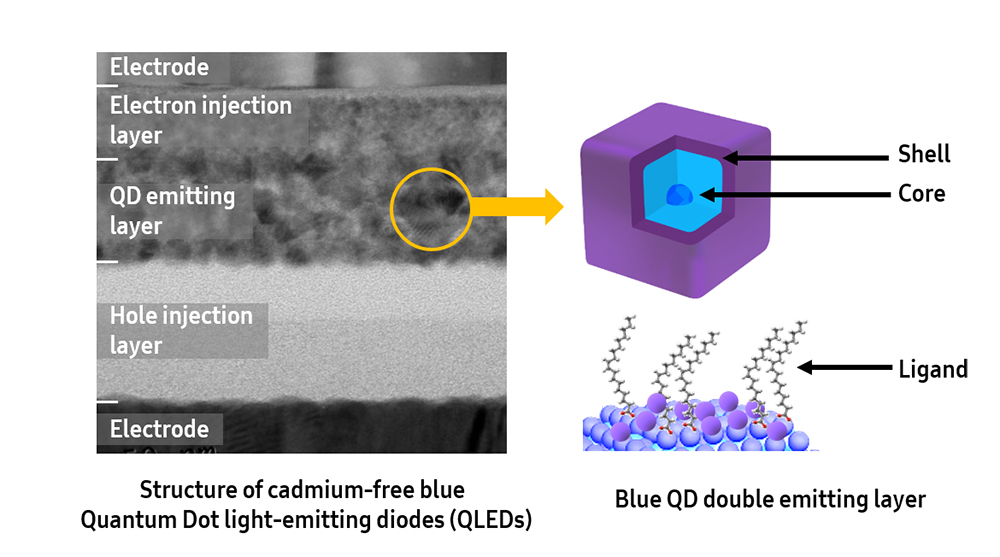
Samsung’s research has been published by the journal ‘Nature‘ recently(via Sammobile). It says Samsung has developed a cadmium-free blue Quantum Dot light-emitting diodes (QLEDs) technology. Samsung’s R&D hub SAIT(Samsung Advanced Institute of Technology) has done the research. Further, the report says the new tech has 20.2% improved luminous efficiency, offers maximum luminance up to 88,900 nits, and 16,000 hours of QLED lifetime. However, the lifespan is measured at 100-nit luminance half brightness.

 What is a Quantum Dot display?

A Quantum dot display uses quantum dots, semiconductor nanocrystals which can produce pure monochromatic red, green, and blue light. Now, for the unware, Quantum Dots are nanoparticles that manufacturers are adding to the layers(sandwiches) of films, filters, glass, and electronics that make up a display. Ranging between two to ten nanometers, when they are hit by a light wave, they emit color. However, they differ depending on size. Larger dots lean towards red, and smaller dots towards green.

What is a QLED TV?

QLED is basically a Quantum Dot Light Emitting Diode(QLED). Accordingly, QLED TVs are the ones that have the dots inside a film and an LED backlight as a light source. After hitting the film, the light then travels other layers including a liquid crystal (LCD) layer, to create the picture. It’s then transmitted to the screen surface as visuals.

Why is Blue QLED difficult to develop?

Samsung says the Blue QLED has the largest bandgap among the three primary colors(Red, Green, and Blue). It rapidly oxidizes on exposure to an external light source which results in a shorter lifespan and low luminous efficiency.

Samsung’s solution

Samsung says the Quantum dots are made up of a basic structure of a core, a shell, and multiple ligands. Hence, it had to stabilize the QD materials better and achieve reliable photoresponse functionality. Accordingly, the researchers applied a structure with Quantum Dot double emitting layers and shorter ligands on the surface of the blue-light-emitting QDs whilst improving the injection rates.

Samsung recently launched QLED TVs with high energy ratings in South Korea. In addition to QLED, Samsung is also working on mini-LED and is targeting around 2 million mini-LED TV sales in 2021.

Xiaomi Mi Water Purifier H600G launched with a dual outlet design

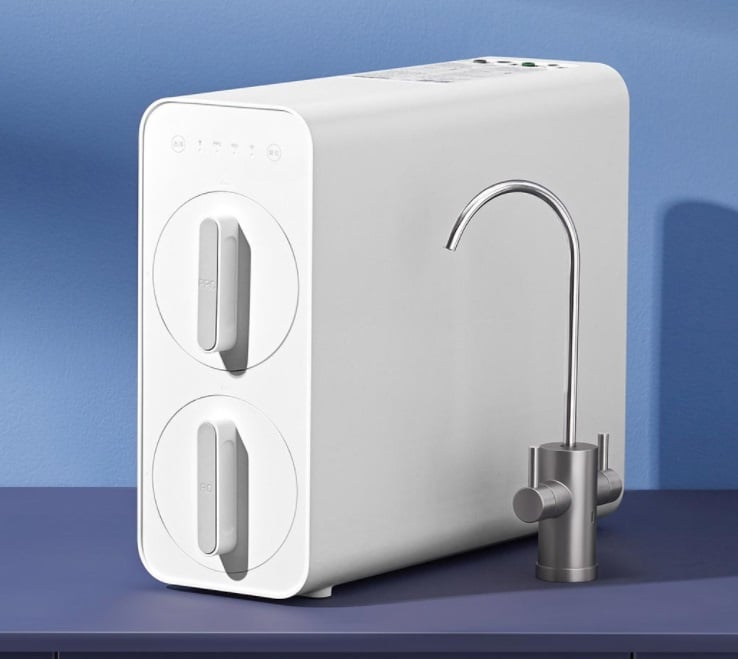
Xiaomi has just launched a new product earlier today (21st October 2020). It is the Mi Water Purifier H600G that arrives with a dual outlet design with a starting price of 1899 Yuan (roughly 285 US Dollars).

The new Mi Water Purifier H600G uses a 600G high flux RO membrane, and it only takes 6 seconds to fill a glass of water. According to official notes, the RO reverse osmosis membrane offers a six stage filtration that can filter out rust, bacteria, lead and other impurities. This filter can also absorb residual chlorine and other odors from the water.

Xiaomi

Xiaomi Mi Water Purifier H600G is also equipped with a dual outlet faucet, with the water being filtered in the left through a composite filter element, which can be used for washing fruits and vegetables, other kitchen utensils, and more without using the RO reverse osmosis membrane filter element. The new water purifier is also a smart home product, which means it can be paired with the MIJIA app. Through the app, users can check water quality, filter life, and other information in real time.


Android 11 bug prevents app from going into fullscreen

Android 11 is just over a month old at this point and is slowly rolling out for various smartphones. While the new OS arrives with improvements and other new features, it is also plagued with a couple of bugs. An annoying one, in particular, prevents applications from going into fullscreen.

Android 11

At the moment, there are several minor bugs that surface in the relatively new and latest Android version. This includes glitchy media controls, issues with multitasking, and now a bug that affects mobile games, that do not completely go into fullscreen. In other words, the navigation bar from the bottom can still be found on one of the sides while the status bar is also visible on the top.

This makes for a very inconsistent experience and can also lead to mistaken inputs quite often. Usually, a media app like YouTube or a mobile game like PUBG Mobile takes up the entire screen and the status and navigation bars are only seen after a swipe or a system prompt. But with the new Android OS, it is ever present even during intense gaming or a simple movie session. This wouldn’t have been such a major problem, but the fact that crucial UI aspects from various applications are covered by these bars.

Android 11
Image Via AndroidPolice

Currently, there is no particular fix to this issue. However, certain users have found success in closing and restarting the application. Although, this also depends on the app in question. The bug is also reflected in custom skins like the One UI 3.0 from Samsung, as per an AndroidPolice report. Unfortunately, it seems that people had reported this bug to Android Issue Tracker but since they couldn’t reproduce the it, the case has since been closed. So stay tuned for more updates and hopefully a fix is one the way.


OnePlus 9 series could arrive sometime around mid-March: Report

OnePlus is raining smartphones since it altered the strategy with a T-lineup, and Nord. It’s been just a week past the OnePlus 8T launch, and we already have rumors of the company launching more Nord Smartphones in the coming days. Add to this, a new tip from Android Central suggests that the next OnePlus flagship series, supposedly the OnePlus 9, will launch four weeks earlier than expected.

OnePlus 8T 5G

The report says OnePlus is planning to prepone the launch of the next flagship series(OnePlus 9 tentative). Accordingly, sources for Android Central say that the OnePlus will hold a launch event sometime around mid-March of 2021. However, there is no exact information on the launch date yet. Although this seems like an all-over-the-place kind of strategy, it is understandable that OnePlus is trying to streamline its launches. And in turn, give a breather for the number series to sell more.

Right from introducing the OnePlus 3T, OnePlus is launching two flagship series every year. One with number series, and the other, T series. Recently, it expanded to mid-range smartphones with the OnePlus Nord series as well. Also, if we take the launch window of the OnePlus number series, OnePlus 7 launched around May, and 8 around Mid-April. Similarly, if we look all the way back, 3T began the series sometime in November 2016. But the latest 8T has come a month earlier in October 2020.

Although OnePlus is adjusting the gap between the T and Number lineup to its best, the introduction of Nord changes the game. And, if you look at it this way, if OnePlus launches its flagship in March, it can compete with companies like Xiaomi, Samsung who are generally known to launch flagships in Q1, are also preponing their launches a bit. Samsung is looking for an early January launch of the Galaxy S21 series(tentative), and Xiaomi is already in the race to make it’s Mi 11(tentative) the first smartphone with Snapdragon 875 SoC.

OnePlus 9: Expected Specifications

That said, nothing is known about the 9 series yet except for its codename “Lemonade“. Being a flagship lineup, the OnePlus 9 series will surely have the next Snapdragon 8 series SoC(probably Snapdragon 875), AMOLED display with at least a 120Hz refresh rate, a minimum of 65W charging(or more), SA/NSA 5G, may have a 64MP camera sensor(long-awaited), and more.


Vivo X51 vs OPPO Reno4 Pro 5G vs OnePlus 8T: Specs Comparison

Vivo is officially landed in the European market! And while doing it, the company also launched a new upper-midrange smartphone. The first Vivo phone launched in Europe is the Vivo X51 5G: it does not carry an affordable price tag, but it has great potentialities, especially on the camera side. Is it actually better than the latest upper-midrange phones and flagship killers released by other top manufacturers in the global market? In order to let you find out, we decided to publish a specs comparison between Vivo X51 5G and its BBK rivals which went global in the last period: OPPO Reno4 Pro 5G and OnePlus 8T.

Vivo X51 5G vs OPPO Reno4 Pro 5G vs OnePlus 8T

Vivo X51 5G OnePlus 8T OPPO Reno4 Pro 5G
DIMENSIONS AND WEIGHT 158,46 × 72,80 × 8,04 mm, 181.5 g 160.7 x 74.1 x 8.4 mm, 188 g 159.6 x 72.5 x 7.6 mm, 172 g
DISPLAY  6.56 inches, 1080 x 2736p (Full HD+), AMOLED 6.55 inches, 1080 x 2400p (Full HD+), Fluid AMOLED 6.55 inches, 1080 x 2400p (Full HD+), Super AMOLED
PROCESSOR Qualcomm Snapdragon 765G, octa-core 2.4 GHz Qualcomm Snapdragon 865, octa-core 2.84 GHz Qualcomm Snapdragon 765G, octa-core 2.4 GHz
MEMORY  8 GB RAM, 256 GB 8 GB RAM, 128 GB – 12 GB RAM, 256 GB 8 GB RAM, 128 GB – 12 GB RAM, 256 GB
SOFTWARE  Android 10, Funtouch OS Android 10, Oxygen OS Android 10, ColorOS
CONNECTIVITY  Wi-Fi 802.11 a/b/g/n/ac/ax, Bluetooth 5.1, GPS  Wi-Fi 802.11 a/b/g/n/ac/ax, Bluetooth 5.1, GPS Wi-Fi 802.11 a/b/g/n/ac, Bluetooth 5.1, GPS
CAMERA  Quad 48 + 13 + 8 + 8 MP, f/1.6 + f/2.46 + f/2.2 + f/3.4
32 MP f/2.45 front camera
Quad 48 + 16 + 5 + 2 MP, f/1.7 + f/2.2 + f/2.4 + f/2.4
16 MP f/2.4 front camera
Triple 48  + 13 + 12 MP f/1.7, f/2.4 and f/2.2
32 MP f/2.4 front camera
BATTERY  4315 mAh, fast charging 33W 4500 mAh, fast charging 65W 4000 mAh, fast charging 65W
ADDITIONAL FEATURES Dual SIM slot, 5G Dual SIM slot, 5G Dual SIM slot, 5G

Design

The Vivo X51 5G has a stunning design, but the OPPO Reno4 Pro 5G is actually more stylish. It is a thinner and lighter phone, it has a more invisible camera module, elegant color variants (including the limited Green Glitter version), a curved screen and very narrow bezels around the display: it is one of the sleekest phones of the year. Right after, we got the Vivo X51 5G with its curved display and a still thin and lightweight body. OnePlus 8T lacks a curved screen and it is definitely less elegant than its two rivals.


Display

While Vivo X51 5G and OPPO Reno 4 Pro 5G come with more attractive aesthetics, the OnePlus 8T has a better display. It is not a top-tier display like the one found on the OnePlus 8 Pro, but it is still amazing with its high 120 Hz refresh rate (OPPO Reno4 Pro 5G and Vivo X51 5G stop at 90 Hz) and the HDR10+ certification. The Vivo X51 5G and the OPPO Reno4 Pro 5G are more or less at the same level when it comes to the display, but OPPO Reno4 Pro 5G mounts stereo speakers, while the audio of the Vivo X51 5G is mono. In each case, you get an AMOLED panel with an in-display fingerprint reader.


Hardware/Software

The OnePlus 8T is the winner of the hardware comparison and one of the most powerful flagship killers in the market. It is powered by the Snapdragon 865 mobile platform which is currently one of the best flagship chipsets out there, while Vivo X51 5G and OPPO Reno4 Pro 5G are fueled by the upper-midrange Snapdragon 765G mobile platform. All the phone feature memory configuration up to 12/256 GB, but the OnePlus 8T has a faster UFS 3.1 internal storage, while OPPO Reno4 Pro 5G and Vivo X51 5G have UFS 2.1 memories. Last but not least, the OnePlus 8T runs Android 11 out of the box, while Vivo X51 5G and OPPO Reno4 Pro 5G are still based on Android 10.


Camera

OnePlus 8T loses the camera comparison and, while it retains pretty nice camera capabilities, we do not consider it a high-end camera phone. It is a hard fight between Vivo X51 5G and OPPO Reno4 Pro 5G, at least on paper. The Vivo X51 5G has better zoom capabilities (up to 5x optical zoom!) and a very nice portrait lens, and it should also offer better stabilization (thanks to gimbal OIS). The OPPO Reno4 Pro 5G seems to offer better video recording capabilities thanks to its 12 MP dedicated ultrawide video camera.


Battery

OnePlus 8T has the fastest charging technology, but it is not said that it will last more than Vivo X51 5G in every scenario because it has a less efficient display and an external 5G modem, unlike the Vivo handset. OPPO Reno4 Pro 5G has a smaller battery than its rivals but it charges faster thanks to its 65W SuperVOOC technology. OnePlus 8T supports 65W fast charging as well, but due to its bigger battery, it needs more time to fully charge.


Price

Vivo X51 5G and OPPO Reno4 Pro 5G are priced at €799/$947 globally (12/256 GB), while OnePlus 8T starts from €599/$710 (8/128 GB). There is no definitive winner in this comparison: if you are looking for higher performance and a more interesting display, go for the OnePlus 8T. If you want the best design, stereo speakers, and faster charging, get OPPO Reno4 Pro 5G. Both OPPO Reno4 Pro 5G and Vivo X51 5G are amazing camera phones: with Vivo X51 5G you get a bigger battery than OPPO Reno4 Pro, but it lacks stereo speakers and it has slower charging speeds (33W).


Vivo X51 5G vs OPPO Reno4 Pro 5G vs OnePlus 8T: PRO and CONS

Vivo X51 5G

PROS

  • Gimbal camera
  • 5x optical zoom
  • Curved display
  • Wide panel

CONS

  • Price


OPPO Reno4 Pro 5G

PROS

  • Amazing video capabilities
  • Thinner and lighter
  • Fastest charging
  • Curved display

CONS

  • Price


OnePlus 8T

PROS

  • Android 11 out of the box
  • Fastest charging
  • Best hardware
  • Best display

CONS

  • Inferior cameras

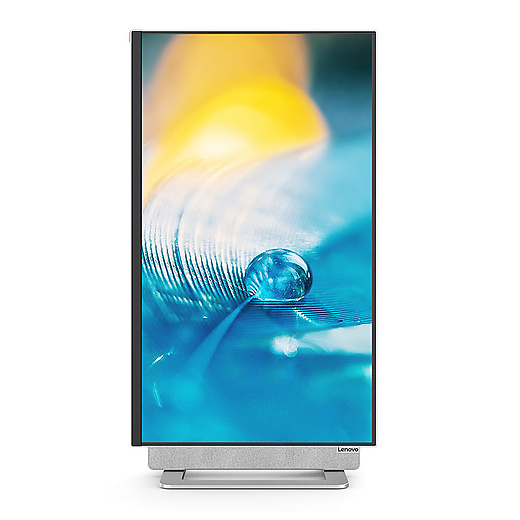
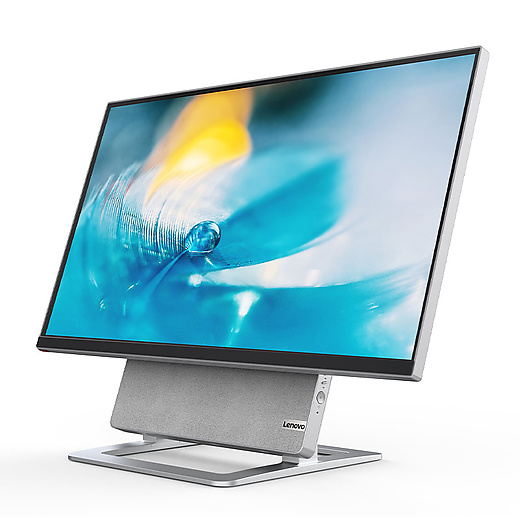
Lenovo YOGA 27 AIO PC launched with rotatable 4K QLED display, JBL speaker, and more

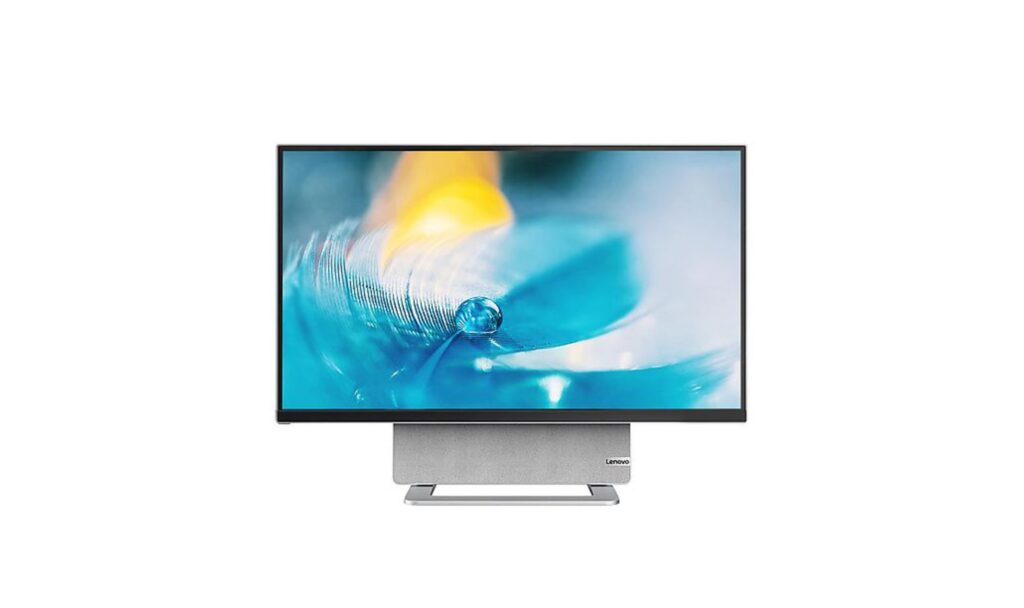
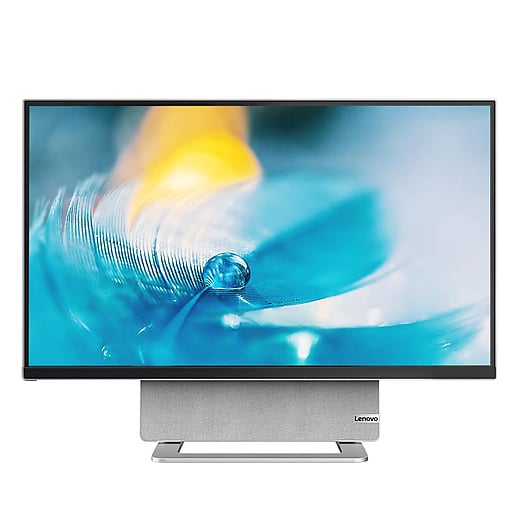
On October 20, Lenovo launched a plethora of devices in its home country China. One of them was the Lenovo YOGA 27 AIO (All-in-One) computer. It comes in three variants based on differences in their internals. Let us take a look at the specifications, features, and price of this new product from the world’s largest PC vendor.

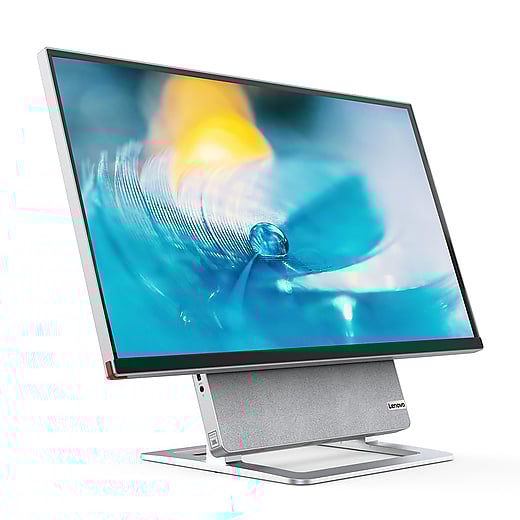
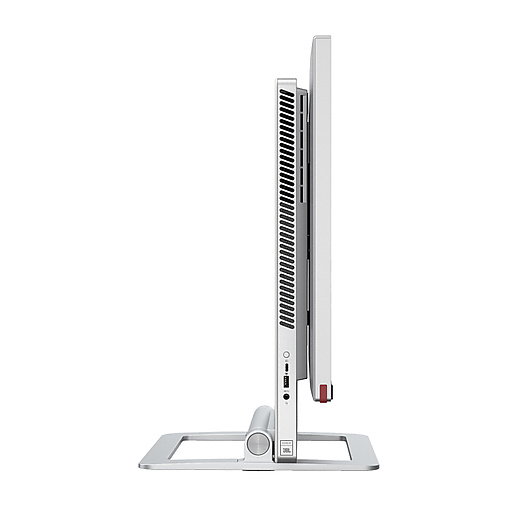
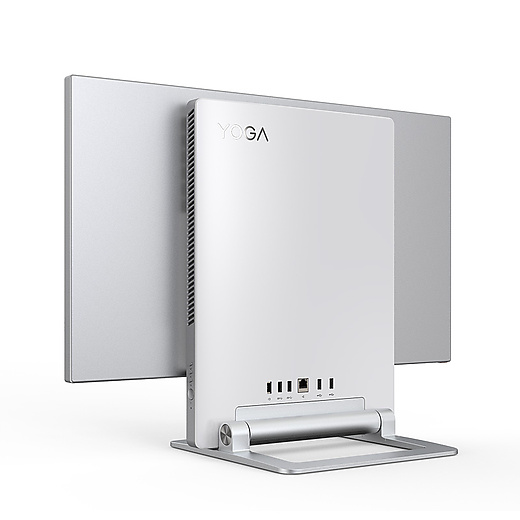
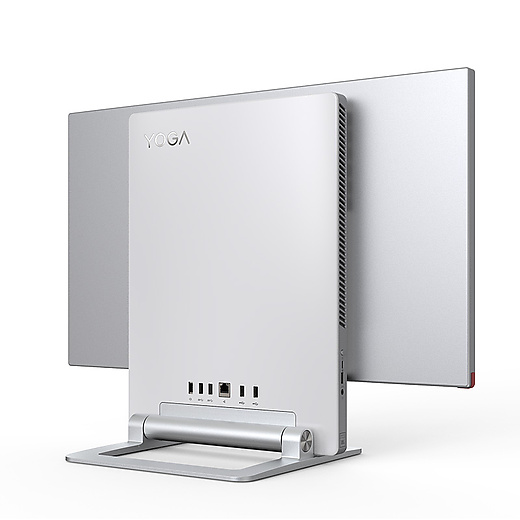
Lenovo YOGA 27 AIO All In One PC Computer Featured

Lenovo YOGA 27 AIO Specifications & Features

The newly announced Lenovo YOGA 27 All-in-One PC comes equipped with a 27-inch rotatable QLED panel with 4K (3840 x 2160 pixels) resolution. The company claims 100% sRGB color gamut, 99% Adobe RGB, 93.6% screen-to-body ratio, and Delta-E<2 color accuracy.

Being a QLED screen, the display supports local dimming and is also TÜV Rheinland-certified for flicker-free and as well as low blue light emission. The highlight of this display apart from the type of its panel is that it can be rotated at an angle of 90° if needed.

The latest Lenovo AIO also comes with a 10W JBL speaker at the bottom with a 1.75-inch full-frequency magnetic driver unit, S.A DSP, and supports Dolby Audio Premium. It also features two microphones to offer a 64dB signal to noise ratio.


Talking about internals, as we mentioned above, it is available in the following three variants and all of them run Microsoft Windows 10.

  • AMD Ryzen 5 4600H 
    • 16GB DDR4 RAM (2 x 8GB)
    • 2TB HDD
    • 256GB SSD
    • 4GB Integrated Graphics
  • AMD Ryzen 7 4800H 
    • 16GB DDR4 RAM  (2 x 8GB)
    • 2TB HDD
    • 512GB SSD
    • 4GB Integrated Graphics
  • AMD Ryzen 7 4800H 
    • 32GB DDR4 RAM (2 x 16)
    • 2TB HDD
    • 256GB SSD
    • 6GB NVIDIA GeForce RTX 2060

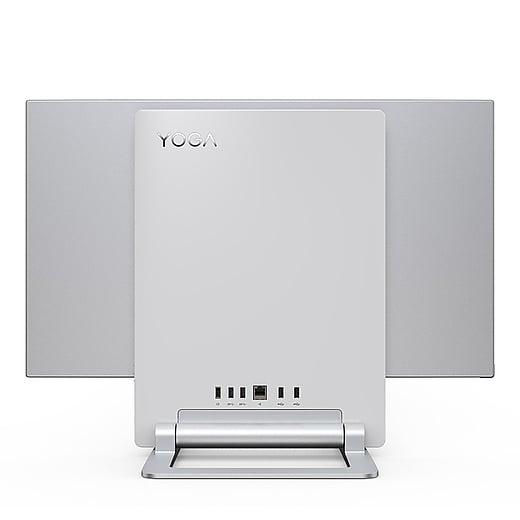
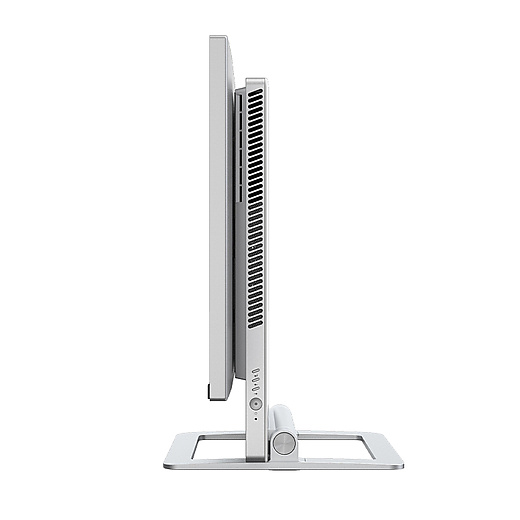
As for I/O, all the three variants sport a USB Type-C 3.2 Gen 2 and a 3.5mm headphone jack on the side. Whereas, on the back, they feature 2 x USB 3.2 Gen 2, 2 x USB 2.0, RJ45, and power input. Lastly, for connectivity, they come with an Intel AX200 network card for dual-band WiFi 6 and Bluetooth 5.0.

Lenovo YOGA 27 AIO Pricing & Availability

The Lenovo YOGA 27 AIO PC only comes in a single Silver color option and is currently limited to China. The prices of the three variants are as mentioned below.

  • AMD Ryzen 5 4600H – 6,299 yuan ($947)
  • AMD Ryzen 7 4800H – 6,999 yuan ($1,052)
  • AMD Ryzen 7 4800H + NVIDIA GeForce RTX 2060 – 10,499 yuan ($1,578)

All three of them are up for pre-order starting today (October 1) and will go on sale on November 1. Like most Chinese companies, Lenovo will be offering them at discounted price tags of 5,699 yuan ($856), 6,399 yuan ($962), and 9,488 yuan ($1,426) on the first day of sale.