Wearable devices maker Huami has today confirmed through a post on Weibo that the company is all set to launch a new smartwatch under its Amazfit lineup. Huami revealed that it will launch Amazfit Pop for the “Double 11” sale.
Huang Wang, founder and CEO of Huami Technology has revealed that the upcoming smartwatch — Huami Amazfit Pop is colorful and lightweight and will go on sale during the Double 11 period in China.
While the product will be available for purchase during the sale event period in November this year, it will be up for pre-order a couple of weeks ago, from 21st October. The company has also shared a teaser video, revealing some key features.
From the video, it seems that the Amazfit Pop will feature a 1.43-inch HD color screen with around 50 watch faces to choose from. Apart from the basic smartwatch functions, it is expected to have support for Alipay offline payment, NFC access control bus card, etc.
There will be more than 60 exercise modes on the device and can also record the exercise data along with blood oxygen level monitoring and sleep monitoring. It is said to weigh 31 grams and will be water-proof up to 50 meters. As for the battery life, it could last up to nine days on a single charge.
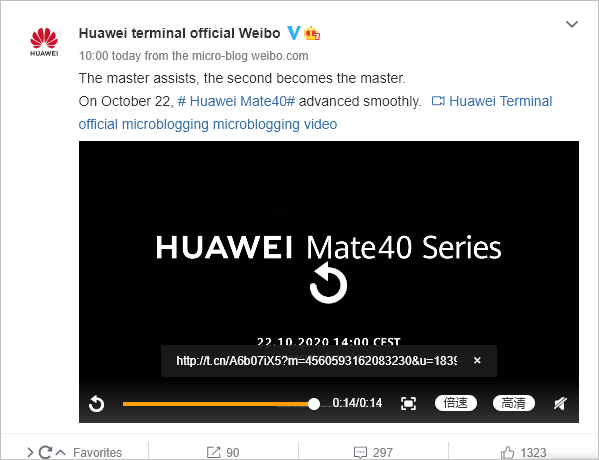
It is less than a week before Chinese tech giant Huawei officially unveils the Mate 40 series in an event scheduled for October 22. Teasers of the Mate 40 have been coming out in bits. The latest teaser comes in form of a video released by Huawei’s terminal official Weibo page. The teaser video is accompanied by the text – “Master assists, the second becomes the master. October 22, # Huawei Mate40# advanced smooth. ” The video itself is that of an interstellar space combat game. Some careful netizens found that as the frame number of the game in the lower-left corner becomes 90, the spacecraft equipment in the game is upgraded, which should imply that the Mate 40 series will upgrade the entire system to a 90Hz screen. This should further improve the fluency and should be an upgrade over the Mate 30 which came with 60Hz refresh rate.
Flagship phones have improved beyond 90Hzto 120Hz and even 144Hz on gaming phones. Thus, while 90Hz may not offer the most fluent display, it offers some improvements over 60Hz. We can’t even say if the top-end Mate 40 Pro will top at 120Hz. That is a possibility as Huawei won’t want to lag behind.
The mate 40 is expected to feature the 5nm Kirin 9000 chipset and will utilise a curved screen. A recent teaser also points to the presence of octagonal rear camera design. The phone is tipped to have 66W fast charge support and will run on EMUI 11 but don’t expect GMS on board.
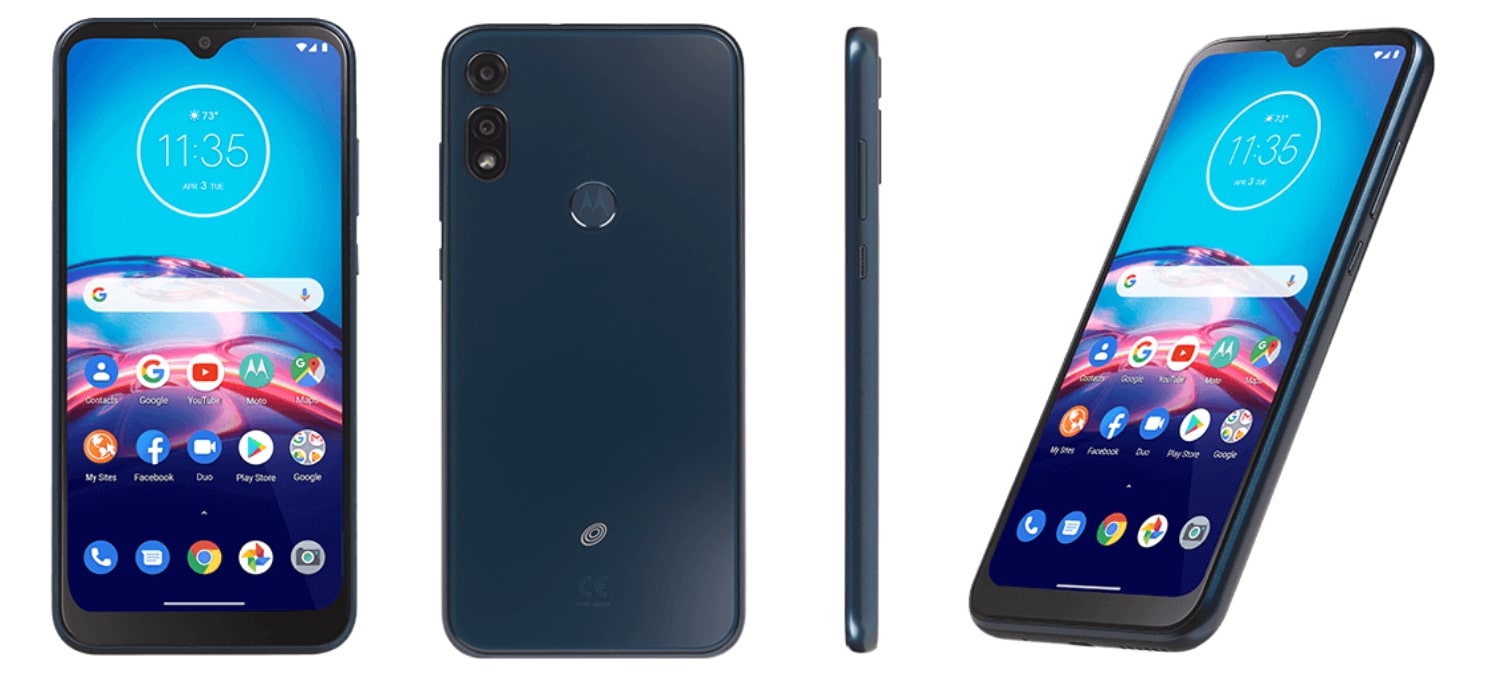
Last month, Motorola announced the Moto E7 Plus smartphone in India. It appears that the Lenovo-owned brand is now gearing up for its inferior sibling i.e. the Moto E7. The reason behind it is that the DealnTechpublication has now come across an online retailer listing of the unannounced Moto E7 smartphone. The listing carried its images and entire specifications.
Moto E7 specifications
The Moto E7 has 159.8 x 76.6 x 8.7mm dimensions and it weighs 181.2 grams. The device is fitted with a 6.2-inch Max Vision display that delivers an HD+ resolution of 720 x 1520 pixels. The teardrop notch on the screen is the home for its 5-megapixel selfie snapper.
The backside of the device has a dual-camera system, an LED flash, and a fingerprint scanner. The camera setup includes a 13-megapixel main camera and a depth sensor of 2-megapixel. The main camera supports 1080p video recording.
It is unclear which chipset is present at the helm of the Moto E7. Past leaks have revealed that it could be driven by the Snapdragon 632 chipset. The phone has 3 GB of RAM and internal storage of 32 GB. For more storage, there is a microSD card slot.
The Moto E7 handset boots to Android 10 OS and it is backed by a 3,550mAh battery that promises a battery backup of 2 days. The other features of the Moto E7 include 4G LTE, Wi-Fi, Bluetooth, GPS, microUSB, and a 3.5mm audio jack.
Motorola is not yet talking about the arrival of the Moto E7. It is speculated to go official later this month. In July, the Moto E7 was found listed on a Canadian retailer site with a price tag of CAD 189 (~$142).
In April, Huawei unveiled the Huawei Nova 7 SE 5G as the cheapest phone in the Nova 7 series for China. Today, the company silently unveiled the Huawei Nova 7 SE 5G Vitality Edition smartphone in the homeland. The smartphone is now listed at Vmall online store with all its specifications and pricing.
Huawei Nova 7 SE 5G Vitality Edition specifications and features
The Huawei Nova 7 SE 5G Vitality Edition has a 6.5-inch IPS LTPS LCD screen with a punch-hole design. It produces a 1080 x 2400 pixels Full HD+ resolution, a 20:9 aspect ratio, and 405ppi pixel density. At the front, it has an f/2.0 aperture 16-megapixel selfie camera, which supports 1080p video recording.
The backside of the Huawei Nova 7 SE 5G Vitality Edition features a vertical camera module. It comprises of an f/1.8 aperture 64-megapixel main camera, an f/2.4 aperture 8-megapixel ultrawide lens, an f/2.4 aperture 2-megapixel macro shooter, and an f/2.4 aperture 2-megapixel depth sensor. The rear cameras support photography features like HDR, night scene mode, and 4K video recording.
The Dimensity 800U that powers the likes of Realme X7 and Realme Q2 Pro is present under the hood of the Huawei Nova 7 SE 5G Vitality Edition. It ships in a single trim that includes 8 GB of RAM and 128 GB of storage. The EMUI 10.1 based Android 10 OS comes preinstalled on the Nova 7 SE 5G Vitality Edition. The device houses a 4,000mAh battery that supports 40W rapid charging. The other features of the smartphone include face unlock, a side-facing fingerprint scanner, 5G, dual-SIM support, Wi-Fi 802.11ac, Bluetooth 5.1, GPS, USB-C, and a 3.5mm headphone jack.
The Nova 7 SE 5G Vitality Edition has identical specs as the Nova 7 SE 5G. The only major difference is that the original phone was driven by the Kirin 820 chipset, whereas the new one has a MediaTek chip.
Huawei Nova 7 SE 5G Vitality Edition pricing and release date
The Huawei Nova 7 SE 5G Vitality Edition is priced at 2,299 Yuan (~$342). It comes in four colors such as Silver Moon Star, Qijijng Forest (Green), Midnight Black, and Midsummer Purple.
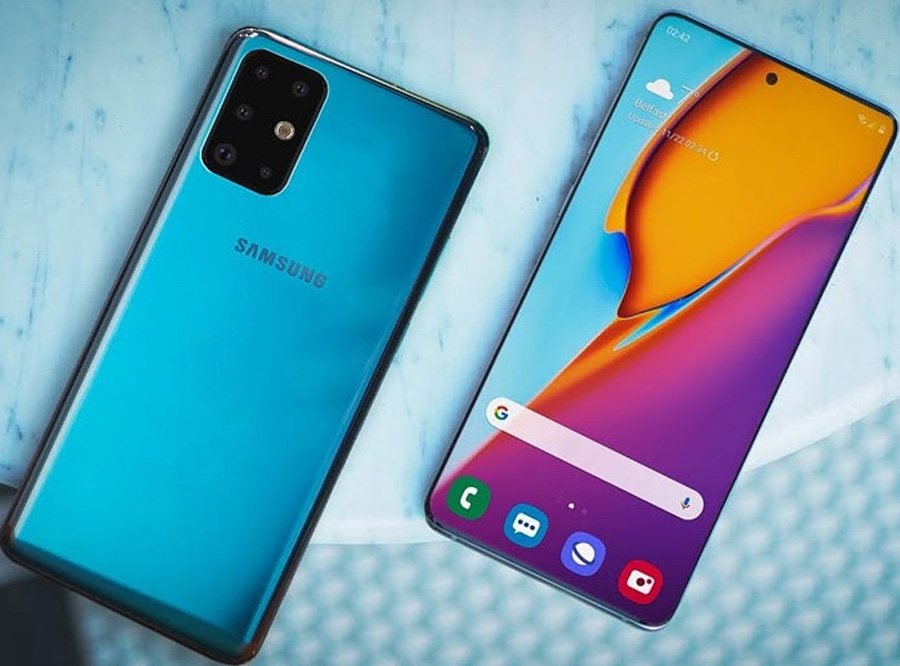
Samsung has launched all the premium smartphones that the company had planned to launch this year. Now, the South Korean giant is focusing on its next-generation S-series flagship device — the Samsung Galaxy S21 series.
Ahead of the launch, the Galaxy S21 lineup has been in the news and with the launch just a few months away, we expect to get more and more information about the upcoming flagship smartphone from Samsung.
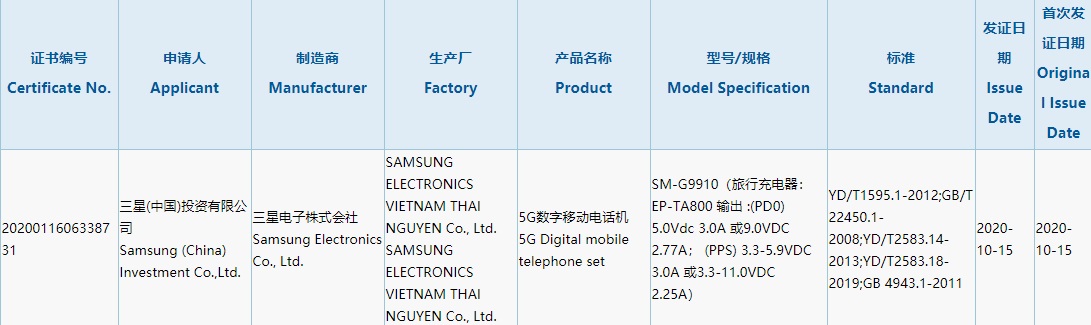
As the company is gearing up to launch the smartphone, the Galaxy S21 has passed through the 3C certification process. The device is listed with model number SM-G9910 and will come 25W charger in the box.
The 3C certification reveals that the applicant for the smartphone was Samsung (China) Investment, while the manufacturer is Samsung Electronics. The device has been manufactured in the Samsung Electronics Vietnam THAI NGUYEN production plant.
It is also reported that the phone packs a 3880mAh battery which will be referred to as 4000mAh. Also, the Samsung Galaxy S21 is the first smartphone powered by the upcoming Qualcomm Snapdragon 875 chipset to pass through this certification process.
So far, it has been reported that the Samsung Galaxy S21 Ultra, the top-of-the-line offering in the series, will come with the company’s own Samsung HM2 108-megapixel primary camera in the Penta-camera. The usage of the ISOCELL HM2 sensor in line with the previous report.
It is also said that the phone will have support for 1080p recording at 240fps, 4K recording at 120fps, and 8K recording at 30fps. It will reportedly feature a 1440p display with either 120Hz or 144Hz refresh rate. It is also being reported that the Ultra variant will be powered by a 5,000mAh battery and will have support for 65W fast charging technology, which the company is already working on.
Samsung expected to launch three devices in the series — Galaxy S21, S21 Plus, and S21 Ultra — powered by either Snapdragon 875 or Exynos 2100 chipset. The launch is still months away, so we expect more details to surface online as the launch date nears.
At the beginning of this month, a new Redmi phone with model number M2007J3SC had received approval from the 3C regulatory body of China. The same phone has now emerged with full specifications and images in the database of TENAA certification platform of China. The listing reveals that it is a rebadged version of the Xiaomi Mi 10T that was announced in global markets and India recently. Rumors are rife that the M2007J3SC will break cover as the Redmi K30S.
Redmi K30S specifications (Rumored)
The TENAA listing states that the RedmI M2007J3SC has an LTPS display of 6.67 inches. It is a 20:9 aspect ratio supporting screen that produces a Full HD+ resolution of 1080 x 2400 pixels. It has a rated battery of 4,900mAh capacity, which indicates its typical value could be 5,000mAh. The 3C listing o the phone had revealed that it may ship with a 33W fast charger.
At front, the purported Redmi K30S has a 20-megapixel selfie camera. The backside of the device has a triple camera module that includes a 64-megapixel primary camera. The configurations of the other two sensors are mentioned. Since it is a rebranded Mi 10T, it could be having a 13-megapixel ultrawide lens and a 5-megapixel macro shooter.
The Redmi M2007J3SC is powered by an octa-core processor that clocks at 2.4GHz. This SoC could be the Snapdragon 865 flagship chipset. It will be heading to China in RAM options such as 6 GB, 8 GB, and 12 GB and storage editions like 128 GB, 256 GB, and 512 GB. It lacks a microSD card slot.
The device is fitted with a side-facing fingerprint sensor. Its dimensions are 165.1 x 76.4 x 9.33mm and it weighs 216 grams. The phone may arrive in multiple color variants such as black, red, blue, pink, white, green, purple, and gray in the homeland.
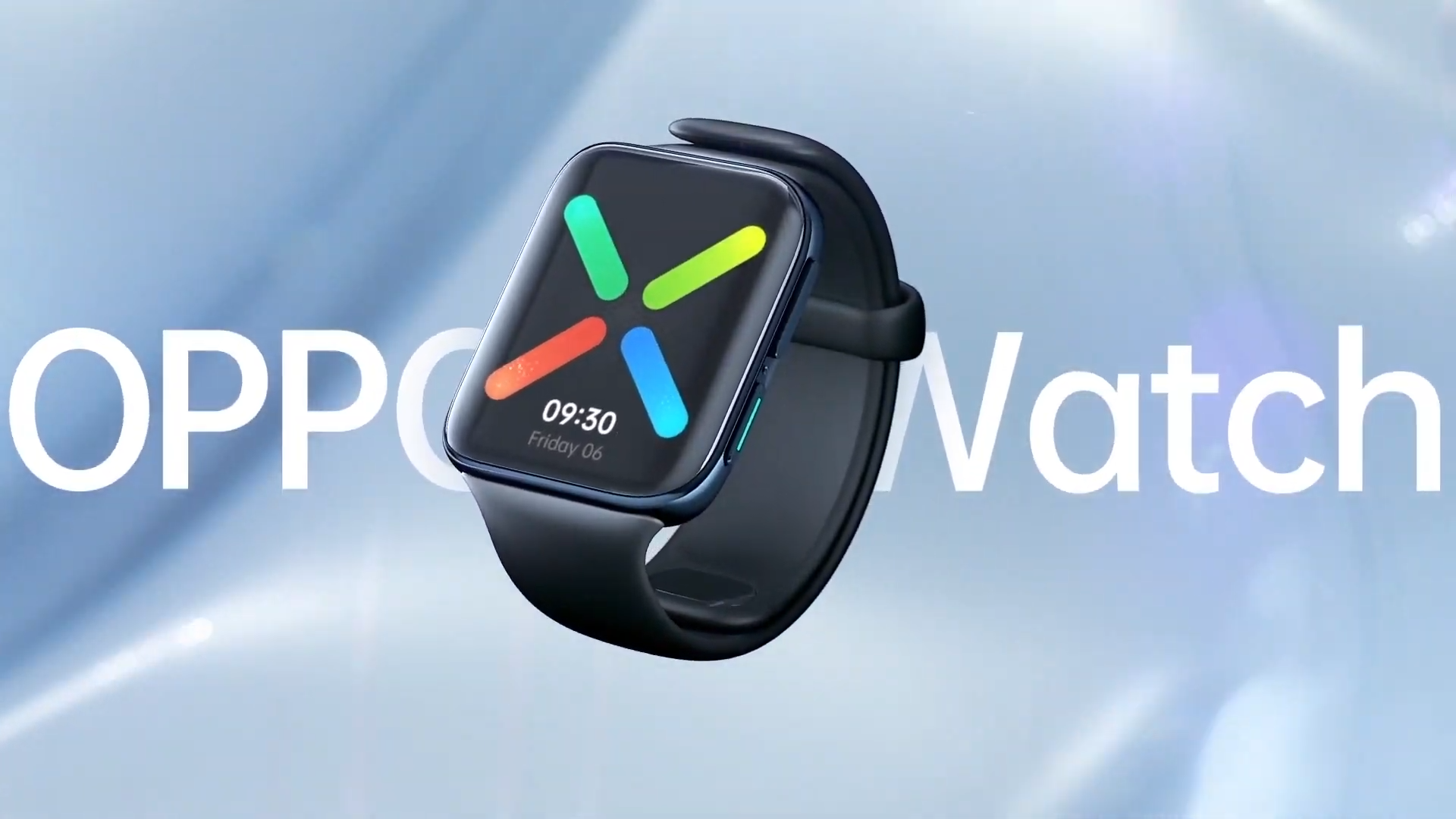
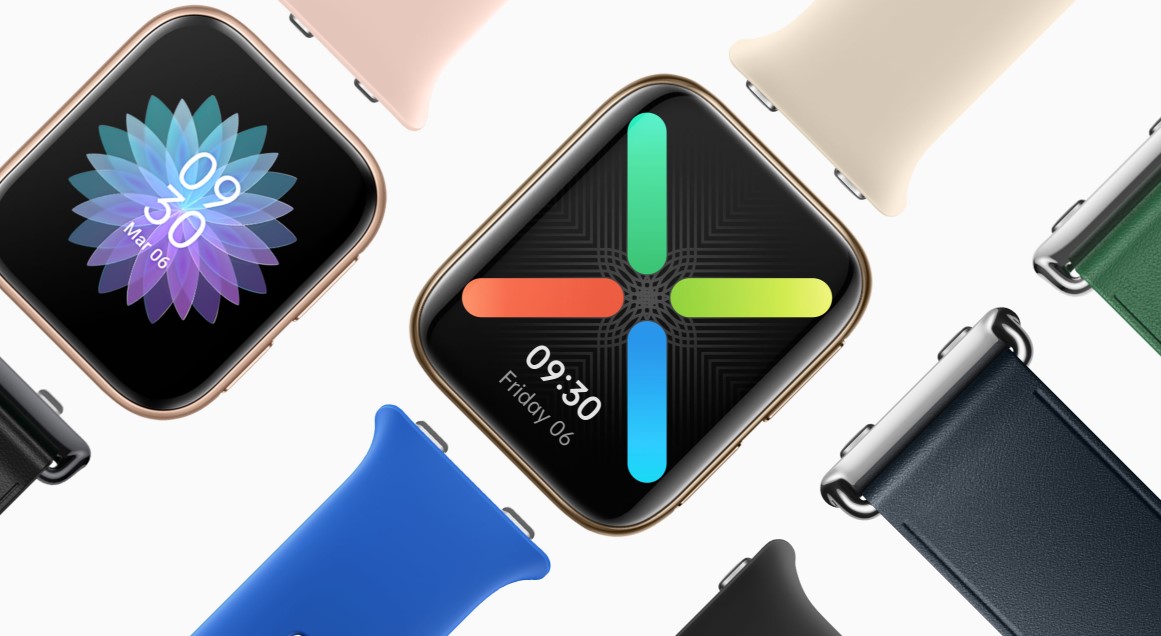
OPPO has today announced that the company has entered into a partnership with telecom operator Orange (France Telecom) to launch an eSIM variant of the OPPO Watch in the European market.
Not just the OPPO Watch, more products from the company will also be adopted for the Orange network, including two new 5G smartphones — Reno 4Z 5G and Reno 4 Pro 5G, along with a 4G smartphone named OPPO A72.
OPPO has now established a partnership with major telecom operators in the European market, including Orange, Vodafone, and Deutsche Telekom.
The OPPO Watch features a large 1.91-inch 3D curved flexible AMOLED display with 326 PPI and 100% DCP-P3 color gamut. The company says that it opted for the square design because it feels squares are more efficient at displaying information.
The device comes powered by Qualcomm Snapdragon Wear 2500 platform and paired with Apollo 3 co-processor. The wearable runs ColorOS-based Watch OS, which is a custom skin based on the Android operating system.
It has 8GB of internal storage, built-in GPS, NFC, and Bluetooth 4.2 for connectivity. The smartwatch is powered by a 300mAh or 430mAh battery (depending on the variant) and has support for VOOC fast charging technology.
It features a quad-optic heart rate sensor that keeps the user updated on the heart’s health and can also detect anomalies. Other modes standard to a smartwatch is also present, along with some special modes for beginners like ‘easy 5km run’ and ‘5-minute easy fitness’ mode. The watch is also waterproof up to 50m in water.
Thanks to the eSIM support on the device, the OPPO Watch allows users to make and receive phone calls on the device as well as independently access the internet, without the need of connecting the wearable device to a smartphone.
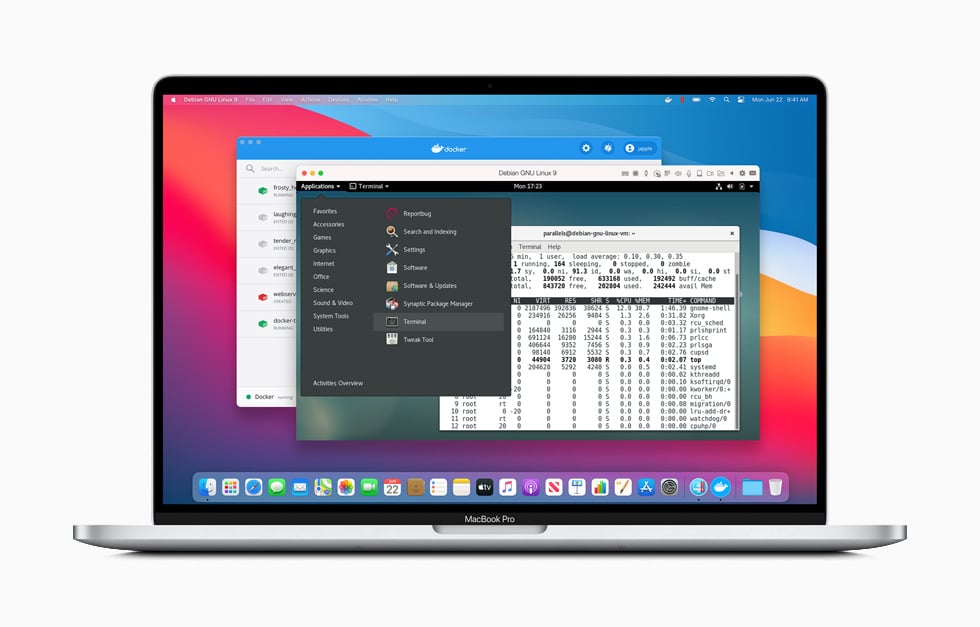
A couple of months ago, Apple confirmed that the company is working on its own ARM-powered Apple Silicon which will power the upcoming MacBook. It has also said that the first such devices will go official this year.
While the company has not yet officially confirmed the launch date of the upcoming ARM-powered MacBook, Jon Prosser has claimed that the Apple Silicon powered MacBooks could get launched on 17th November.
Even though Apple has confirmed that it is adopting an ARM-based chipset for the MacBook, the company has also revealed that it isn’t moving away from Intel. So, there’s a possibility that the company could also unveil newly updated Intel-powered MacBooks at the same event in November.
As per the previous reports, the Cupertino-based tech giant is expected to launch MacBook Air and 13-inch MacBook Pro powered by this new Apple Silicon. Soon after that, in the first quarter of 2021, the company will unveil 14-inch and 16-inch MacBooks powered by the ARM-based Apple Silicon.
In the latest development, Apple has reportedly submitted certification documents to Eurasian Economic Commission (ECC) for two new MacBooks. Given that the ECC certification usually comes a few weeks before the launch, it seems that the company is indeed on track to launch new ARM-powered MacBooks in November.
The Apple MacBook powered by Apple Silicon is expected to offer better performance and longer battery life. They are also expected to be cheaper in pricing compared to the current models available in the market.
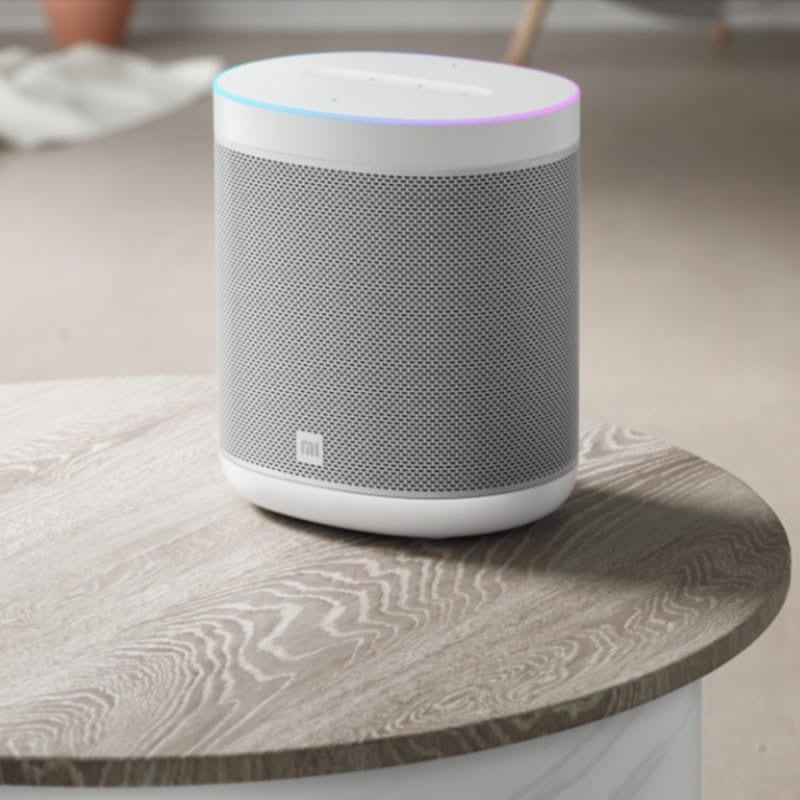
Xiaomi launched its first Google Assistant-powered speaker in India last month. With a special introductory price tag of ₹3,499 (~$48), the Mi Smart Speaker. costs less than half the price of Google’s latest smart speaker, the Nest Audio, which has a special price of ₹6,999 (~$95) in the country.
If you live in Europe and have been looking for a way to get your hands on the speaker all the way from Asia, it has been reported by Winfuture that Xiaomi will be bringing it to the old Continent.
The source says they have been informed by retailers that the speaker will soon be announced in Europe. It appears the speaker will come in a different color from the one sold in India as shown in the images we have attached to the post. Good luck telling people it isn’t a Sonos One.
Notwithstanding, it will retain its affordable price tag as the source said they have been informed it will sell for €52.99 in Spain and €59.95 in Portugal. Google’s Nest Audio speaker is not available in a lot of countries in Europe but is priced at €97.47 in Germany.
The Mi Smart Speaker has a 12W 2.5” speaker unit that pumps out sounds loud enough to fill whichever room you place it in. It has touch-sensitive buttons including a mute button at the top as well as two far-field microphones to pick up your voice commands. The speaker connects via 2.4GHz and 5GHz Wi-Fi and also has Bluetooth 4.2. You can pair two units together for a stereo setup. It weighs 853 grams but since it is not battery operated, you won’t be moving it around.
There is no date yet for the launch but we can expect it to go on sale before the end of October.
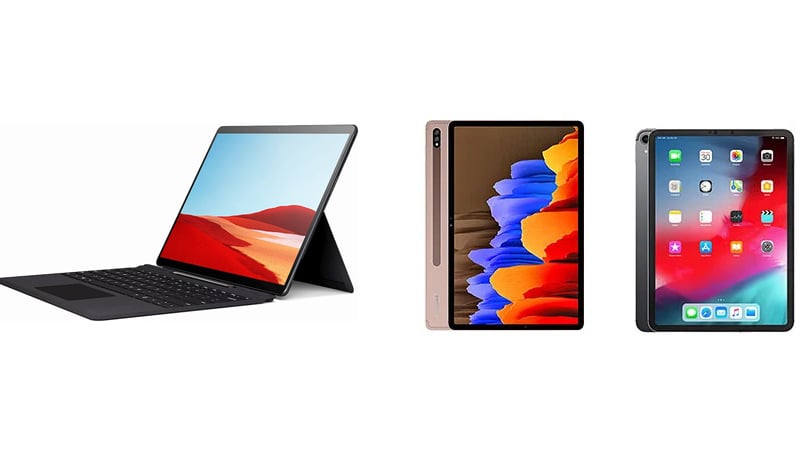
Microsoft entered the world of connected tablets with the Surface Pro X. Now, the Redmond giant upgraded the model by launching a new version: the Surface Pro X 2020. While it can be considered the best last-generation Windows 10 tablet, this does not necessarily mean it is the best tablet for productivity out there. Now, even in the Android and Apple world, there are several professional tablets. This is a comparison between the three tablets which we consider the best for productivity and advanced users: Microsoft Surface Pro X 2020, the latest iPad Pro and the Samsung Galaxy Tab S7+. Note that we refer to the 12.9-inch version of the iPad Pro, not the 11-inch one.
Microsoft Surface Pro X 2020 vs Apple iPad Pro vs Samsung Galaxy Tab S7+
Microsoft Surface Pro X 2020
Samsung Galaxy Tab S7+ 5G
Apple iPad Pro 11 2020
DIMENSIONS AND WEIGHT
208 x 287 x 7.3 mm, 774 g
285 x 185 x 5.7 mm, 575 grams
280.6 x 214.9 x 5.9 mm, 641 g
DISPLAY
13 inches, 2880 x 1920p (Quad HD+), LCD
12.4 inches, 1752 x 2800p (Quad HD+), Super AMOLED
If you are looking for the most attractive design, you should opt for the Samsung Galaxy Tab S7+: it is a more compact tablet, it is thinner and lighter. Its design is entirely made of aluminum and the bezels around the display are very narrow. At the same level, there is the iPad Pro which is heavier but comes with even narrower bezels around the screen. Just like the Samsung Galaxy Tab S7+, the iPad Pro 2020 has an aluminum unibody design. Even the Surface Pro X 2020 is built with premium material, but we recommend its rivals due to their narrower bezels and more compact dimensions. In each case, you get the pen and keyboard support with high-quality accessories.
Display
The most convincing display is on board of the Samsung Galaxy Tab S7+, in my honest opinion. The reason is simple: it is the only one with an AMOLED panel and it shows more brilliant colors, as well as deeper blacks. Further, it has a 120 Hz refresh rate and the HDR10+ certification: the former offers a smoother viewing experience, while the latter improves the image quality, especially on streaming platforms. Thanks to the active digitizer, you can use the S Pen with up to 4096 pressure levels.
Hardware/Software
On the performance side, the iPad Pro 2020 is the winner. Thanks to its powerful Apple A12Z Bionic chipset and the iPadOS operating system, it is the smoothest and fastest tablet of the trio. On the other hand, the Microsoft Surface Pro X 2020 runs Windows 10 which may be better for a lot of users seeking the best productivity tablet. iPadOS is a great operating system for productivity, but a lot of professional programs for Windows 10 are lacking and it only supports apps. That is why Microsoft Surface Pro X 2020 is more interesting. With the Microsoft Surface Pro X 2020, you can even play PC games (if the hardware allows it, naturally). Android for tablets is the worst operating system for productivity users, but it is good for multimedia. Microsoft Surface Pro X 2020, Samsung Galaxy Tab S7+, and Apple iPad Pro are connected tablets, but the Samsung Galaxy Tab S7+ is the only one with 5G support.
Camera
Do you need the best camera tablet in the world? Choose iPad Pro without thinking twice. It has a rear triple camera including the best main sensor, as well as a great 10 MP ultrawide lens and an additional LiDAR scanner to calculate depth in a very accurate way for AR appliances. The second place goes to the Samsung Galaxy Tab S7+ sporting a dual ultrawide front camera, while the Microsoft Surface Pro X 2020 lags behind with its single 10 MP camera.
Battery
Samsung Galaxy Tab S7+’s battery lasts about 15 hours in video playback, just like Microsoft Surface Pro X 2020 with normal usage, while iPad Pro 2020 lasts about 12 hours. Samsung Galaxy Tab S7+ has the fastest charging tech with a 45W power.
Price
You can find the Samsung Galaxy Tab S7+ at about €900/$1054, iPad Pro 2020 starts from about €1000/$1170, and Surface Pro X 2020 costs more than €1200/$1405. Which tablet is the best? It mostly depends on the usage. If you are a casual/multimedia user, then you might prefer the Samsung Galaxy Tab S7+. But avoid it in all the other cases. If you need professional desktop programs and games, then go for the Microsoft Surface Pro X 2020. If you sit in the middle and you are a professional user, but you do not need advanced desktop programs, then the iPad Pro 2020 is the best choice for you.
Flipkart andAmazon’s biggest sale is about to be live for everyone from October 16(tomorrow). And, here are the best deals for popular Smartphones on both Amazon’s Great Indian Festival and Flipkart’s Big Billion Days. The list includes prominent brands like Samsung, OnePlus, Oppo, Vivo, Realme, Moto, iQOO, and more.
As a head starter, you get a 10% instant discount on HDFC Credit, Debit cards including the EMI options on Amazon. And, 10% instant discount on SBI Debit, and Yono SBI cards on Flipkart. Additionally, Flipkart is also offering cashback while using Paytm. Do note that these are applicable only for prepaid transactions.
Flipkart Smart Upgrade
Also, Flipkart has a Smart Upgrade Plan offer wherein you pay only 70% of the price and keep it for 1 year(12-months). After this, you can buy another phone on Flipkart and return this back or pay the remaining 30% of this device to continue using it. This offer is applicable for Credit card, Credit Card EMI, and Bajaj Finserv transactions only.
Disclaimer: Do note that Flipkart has the right to lock your phone under Smart Upgrade Program if you don’t pay the remaining amount after 12-months.
Best deals on Smartphones
1. LG
First off, probably the biggest deal of all is from LG. LG’s G8 X gets a huge discount which makes it the cheapest Snapdragon 855 phone yet. However, LG says, this device won’t come bundled with a charger.
LG G8 X(6GB/128GB)– Gets a huge ₹35,000 discount which brings its price down to ₹19,990.
1. Samsung
A. Flipkart
Samsung S20+ (8GB/128GB) – A huge ₹28,000 discount on older ₹77,999 puts it at an offer price of ₹49,999. Additionally, if you opt for the Smart Upgrade plan, it fetches an extra discount of ₹14,801 bringing the price to ₹35,198.
Galaxy Note 10+(12GB/256GB) – It gets a discount of ₹30,000. The new offer price is ₹54,999. And, the Smart Upgrade Plan gets you an extra ₹16,001 to bring the price to as low as ₹38,998.
Galaxy F41(6GB/64GB)– Starts at ₹14,490. But you can buy it as low as ₹10,850 with Flipkart Smart Upgrade.
B. Amazon
Galaxy S10(8GB/128GB)– Its new offer price is ₹39,999 as it gets a discount of ₹10,000
Galaxy Note 20/Note 20 Ultra– Galaxy Note 20(8GB/256GB) gets an extra ₹10,000 off on exchange while Note 20 Ultra(12GB/256GB) gets a ₹13,000 off on exchange.
OPPO A52(4GB/128GB)– You get a ₹2,000 discount off ₹14,990. The new price is ₹12,990.
OPPO A5s(2GB/32GB)– There is a ₹1,000 discount and the new price is ₹7,990.
OPPO F15(4GB/128GB)– The old price of ₹16,990 gets slashed to ₹14,990 on ₹2,000 off.
OPPO Reno 2F(6GB/256GB)– Highest storage gets a ₹2,000 discount on ₹18,990. The new price is ₹16,990. You also get an extra ₹1,000 off on prepaid transactions.
OPPO A31(6GB/128GB)– This gets a huge ₹4,000 off and the offer price is ₹10,990.
4. Vivo
A. Amazon
Vivo V17(8GB/128GB)– This gets a ₹2,000 discount. New offer price is ₹17,990.
Motorola Razr(6GB/128GB)– Gets a huge ₹40,000 discount. New Price:₹84,999. Motorola has listed the Razr 5G on the offer page. But the mail we got doesn’t have 5G. Hence, we have listed the old 4G variant. We will update it once the sale is live.
The Galaxy A71 is one of the best-selling Samsung smartphones in 2020. The handset did so well in sales that the company has promised three generations of Android updates for it. The South Korean tech giant even rolled out some Galaxy S20 features to this phone and Galaxy A51 along with an exclusive AltZLife feature. Now, surprisingly, it has also begun to receive One UI 2.5 update as well.
When Samsung announced One UI 2.5, it was revealed that the update will be only available for Galaxy S, Galaxy Note, Galaxy Tab S, and Galaxy Z series. However, the company is now seeding this update even to the Galaxy A71 that comes under Galaxy A series.
That said, though the update is called One UI 2.5, it does not bring all those high-end features. Instead, it comes with some minor additions that anyway still improves the overall experience of the software.
Some of these features include “Network Quality information Display” that shows the speed of WiFi connections, “Request Password” to request WiFi password from the nearby connected person who is in the user’s contact list, support for Bitmoji stickers on AOD, YouTube search within Samsung Keyboard, support for split keyboard in landscape mode, and an SOS feature in Messages app that sends location information to selected contacts for every 30 minutes for 24 hours.
Last but not least, according to SamMobile, the One UI 2.5 update for Galaxy A71 comes with October 2020 security patch and bears firmware version A715FXXU3ATI8. It is currently being rolled out in batches globally and therefore, it may take time to reach your device.
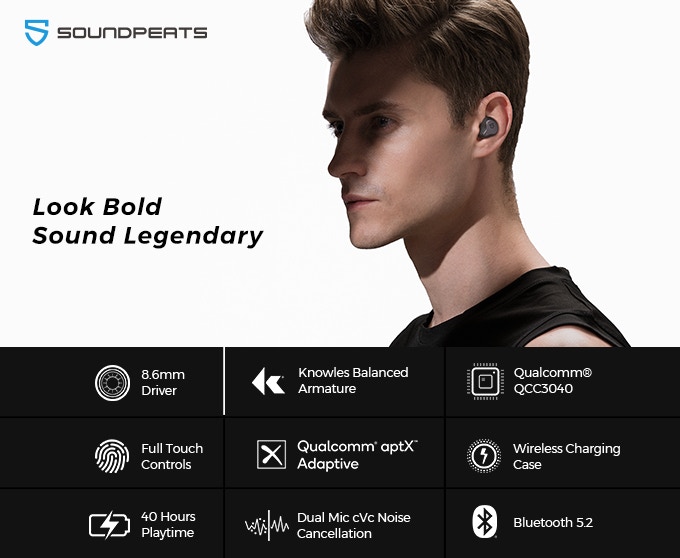
Wireless earpieces are one of the most sought after accessories for their hands-free and practical design. SOUNDPEATS H1 is one such product that offers a crisp sound-quality with a hybrid dual-driver system for a pocket-friendly price. The company has raised up to $90k via Kickstarter within just a week.
Sound Quality
SOUNDPEATS H1 earbuds feature a hybrid driver integrated with a balanced armor driver, a customized dynamic driver, and a patented crossover. The crossover divides different frequencies accurately and sends them to the dedicated driver to produce the separate frequency regions precisely. Its 8.6mm dynamic driver recreates the rich details in the midsoles and the trench’s resonance depth to give the user a lively feel. SOUNDPEATS H1 comes with a Knowles balanced armature driver.
This pair boasts APTX Adaptive Audio Codec that features an auto-adjusting bitrate for superior sound quality. It is compatible with aptX, aptX LLC, and aptX HD enabled devices. Furthermore, the low latency mode puts audio in perfect sync with the media. Triple tap helps the user enter this mode and engage in a lag-free gaming experience. SOUNDPEATS H1 also features a deep passive noise cancellation mode that tunes out the surrounding sounds. These wireless earbuds employ an ear-conforming design that molds into the ear canal to form a proper seal for optimum noise isolation. With cVc 8.0 algorithm, this pair allows the user to make clear calls even in noisy surroundings.
Wireless Connectivity
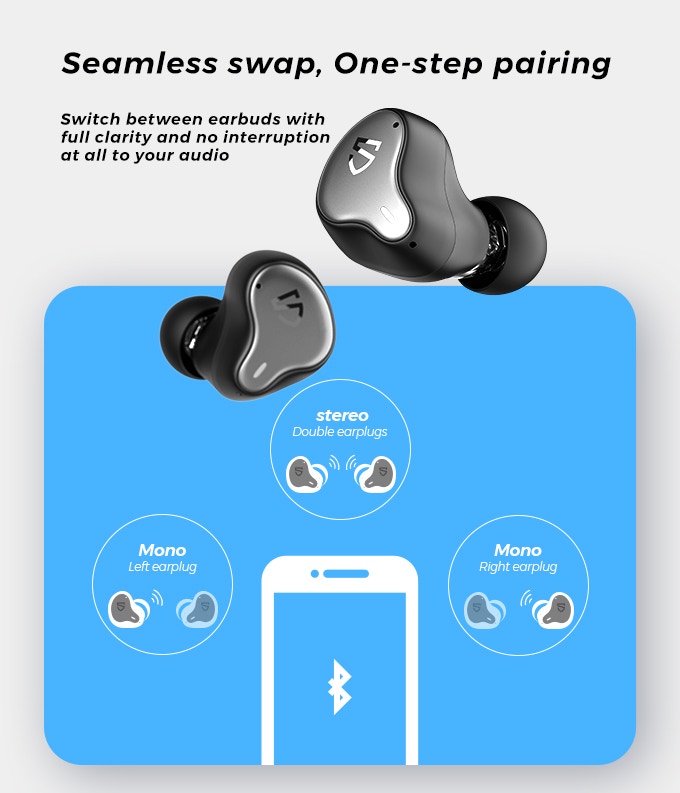
SOUNDPEATS H1 earphones run on one of the latest Qualcomm chipset- qcc3040. This pair hereby consumes less power and provides seamless wireless connectivity for an immersive, on-the-go listening experience. This chipset needs only one earbud to maintain the BlueTooth connection, while the other one mirrors it. This feature comes in handy when the primary pairing is cut-off or detected to be weaker than that of the mirroring bud. It helps the user get optimized sound quality, free of glitches and dropouts.
Battery and Controls
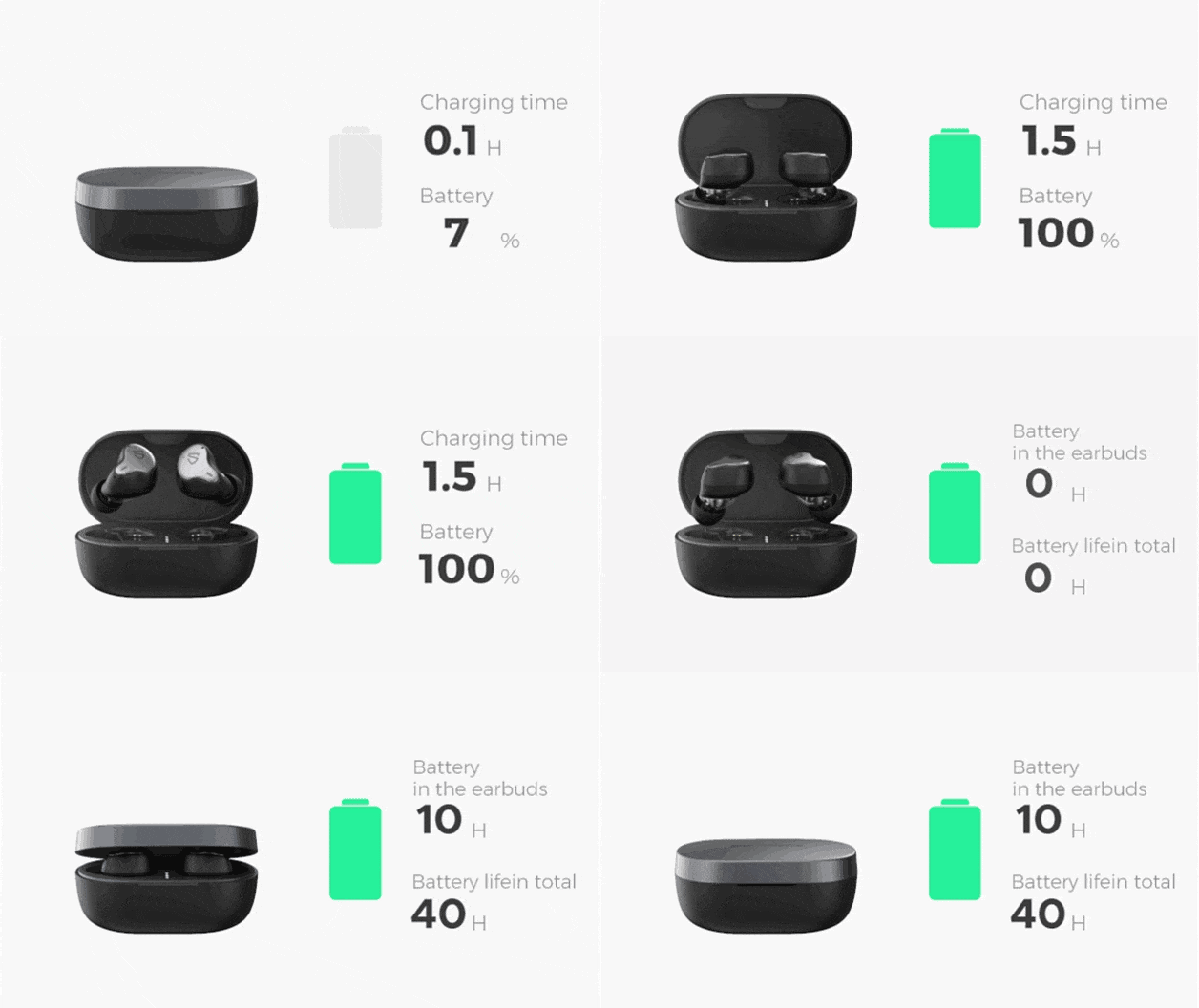
SOUNDPEATS H1 features 40 hours of battery life with the case and up to 10 hours normally in a single charge. The charging mode allows this pair to power up via a Type C cable or a wireless charging case. Gentle taps on the earbuds enable the user to control various functions. One can also use Siri or Google Assistant with multi-tap and hold. When the user is occupied, an AI voice assistant can be invoked by saying “Hi, SOUNDPEATS” for hands-free control. This function can be used for accepting or rejecting calls or calling someone from the contact list.
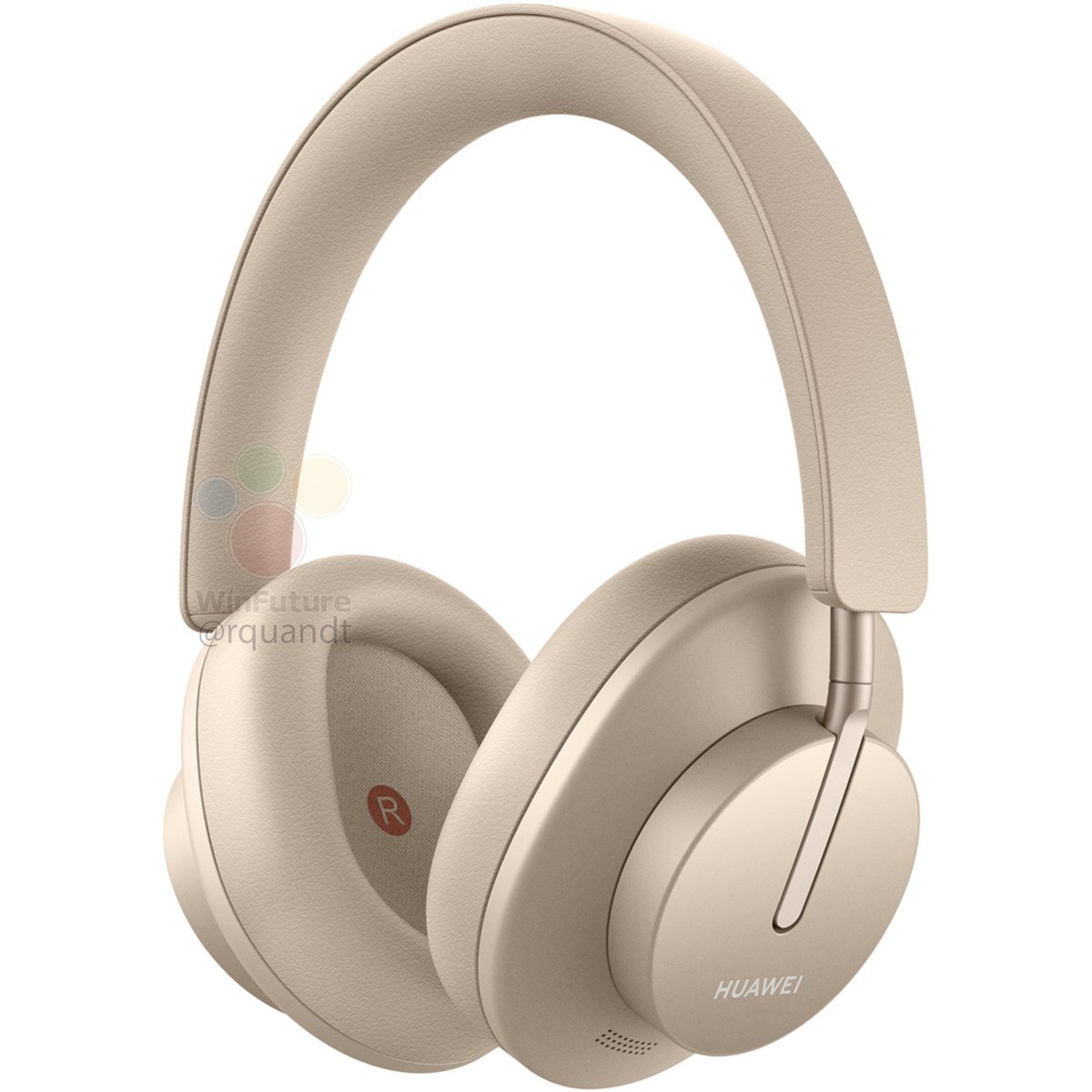
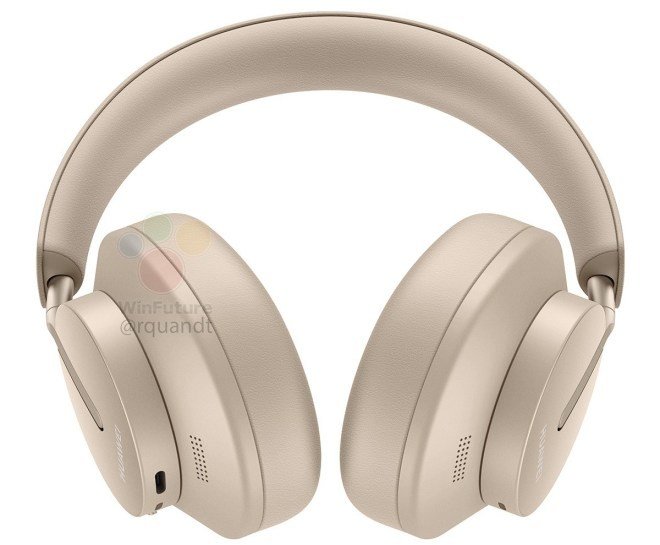
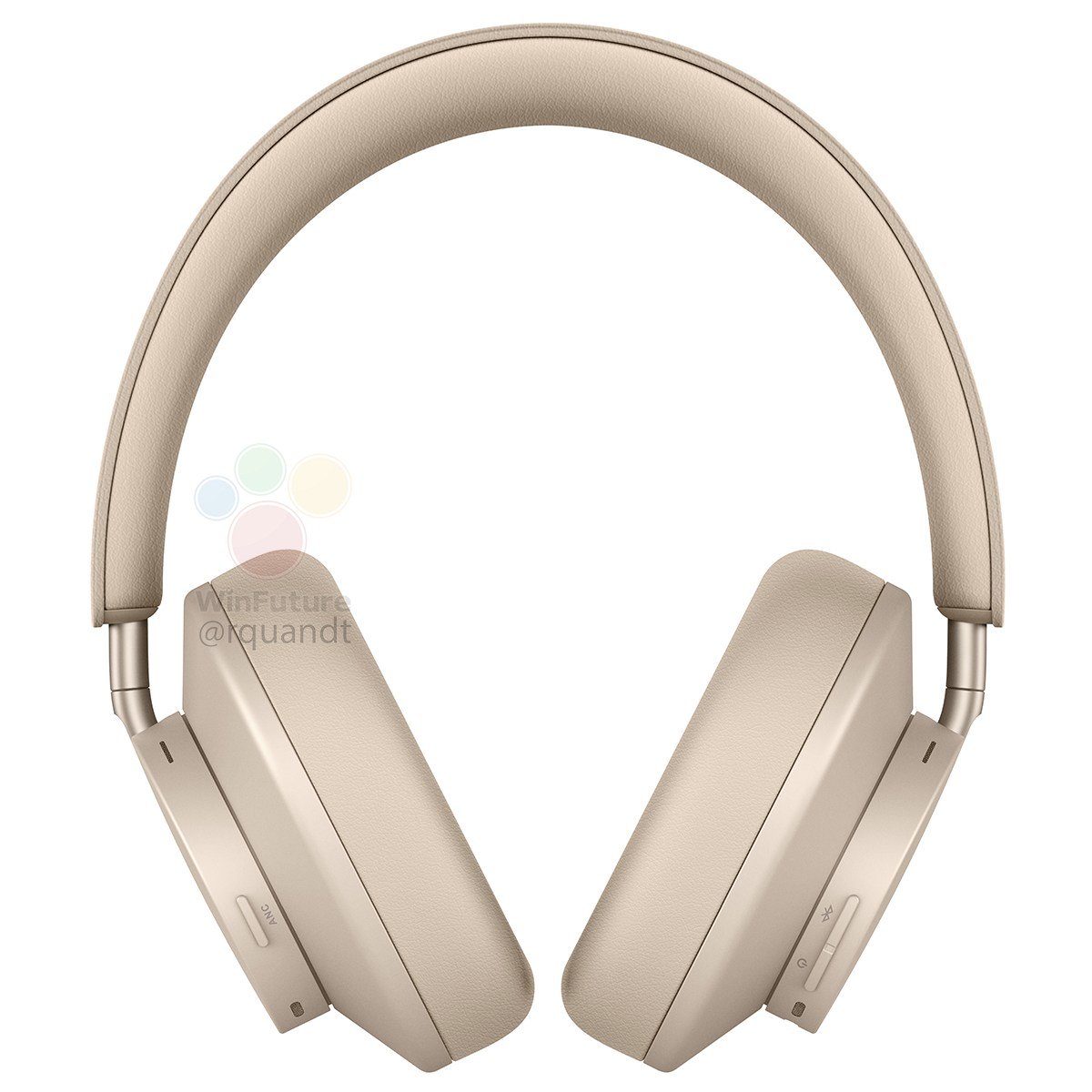
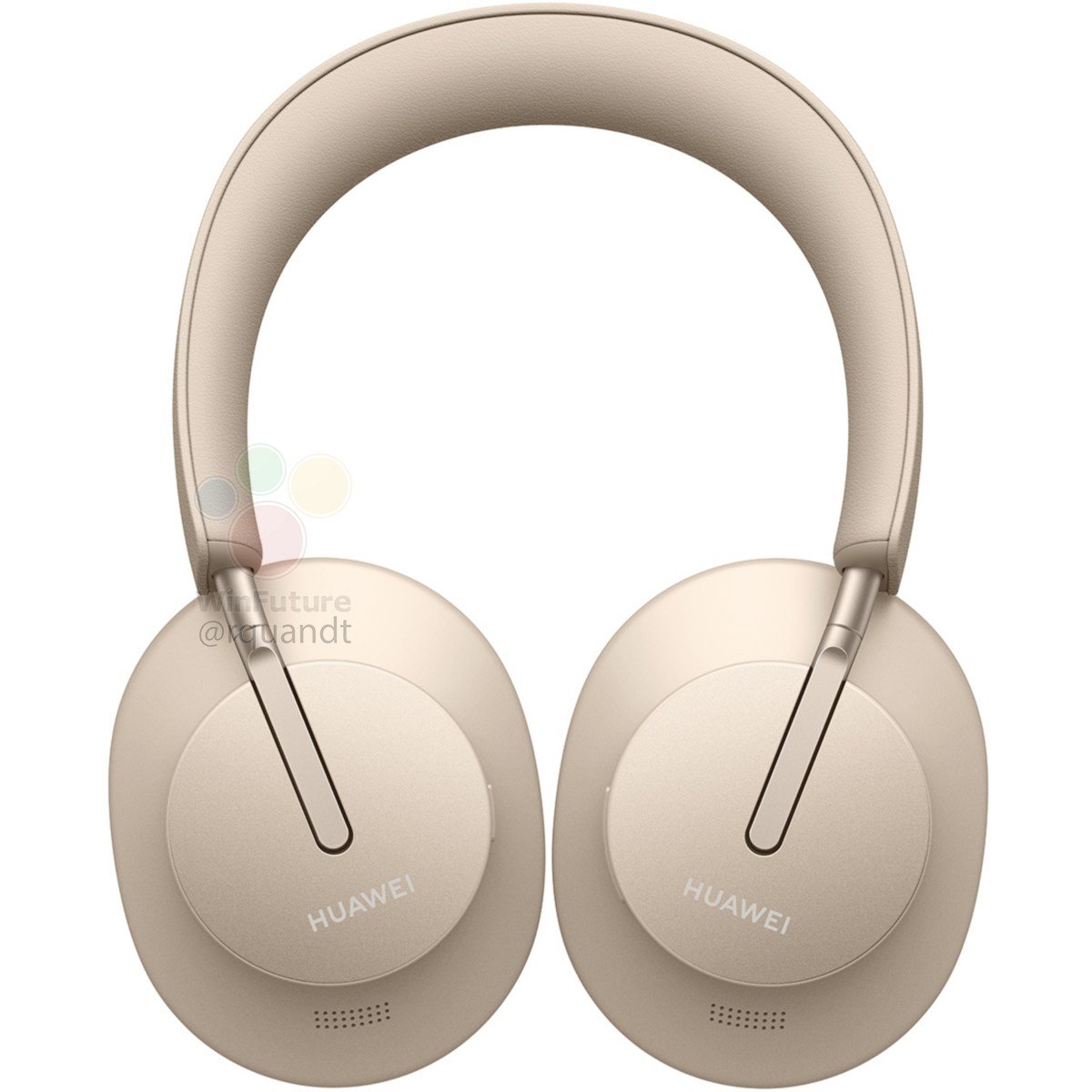
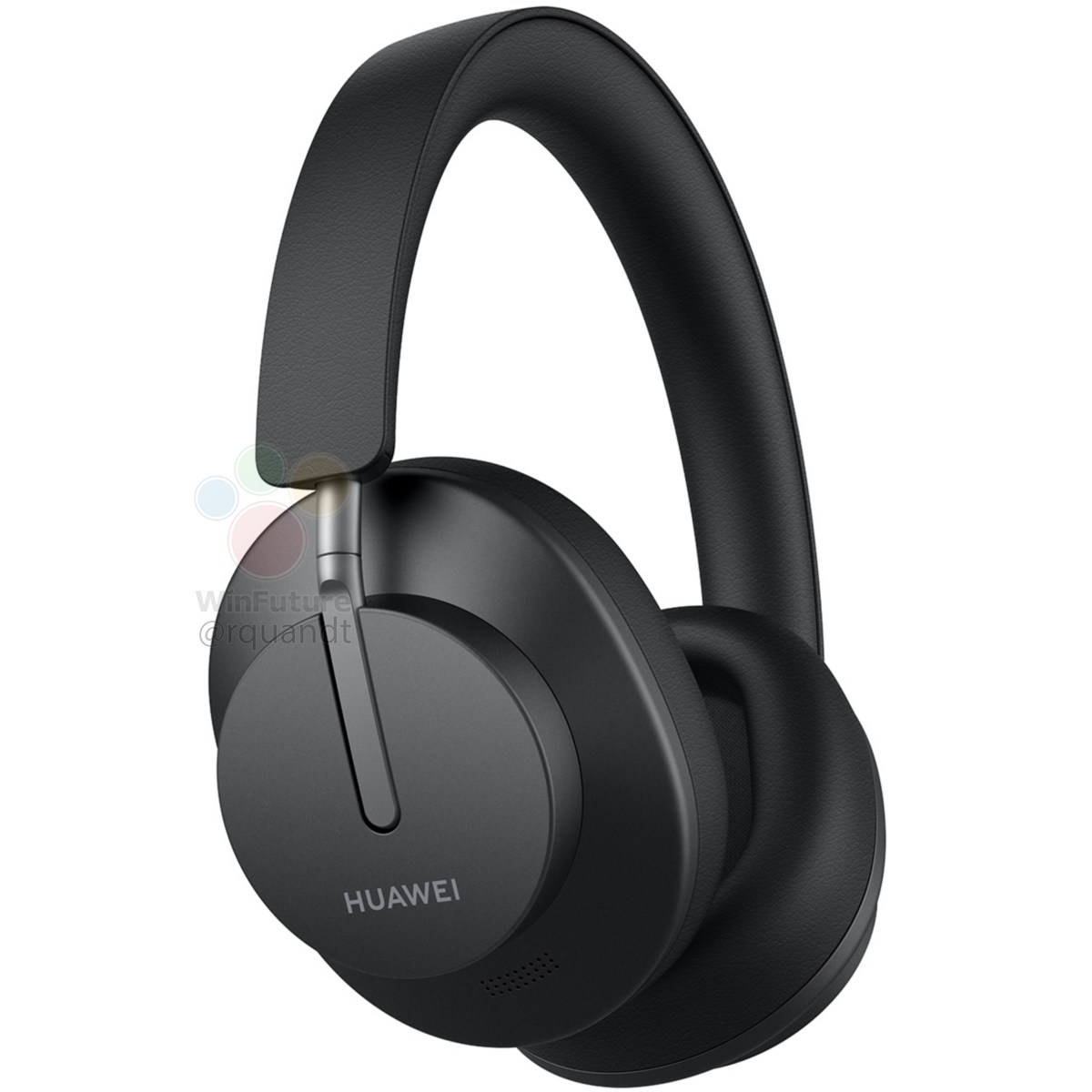
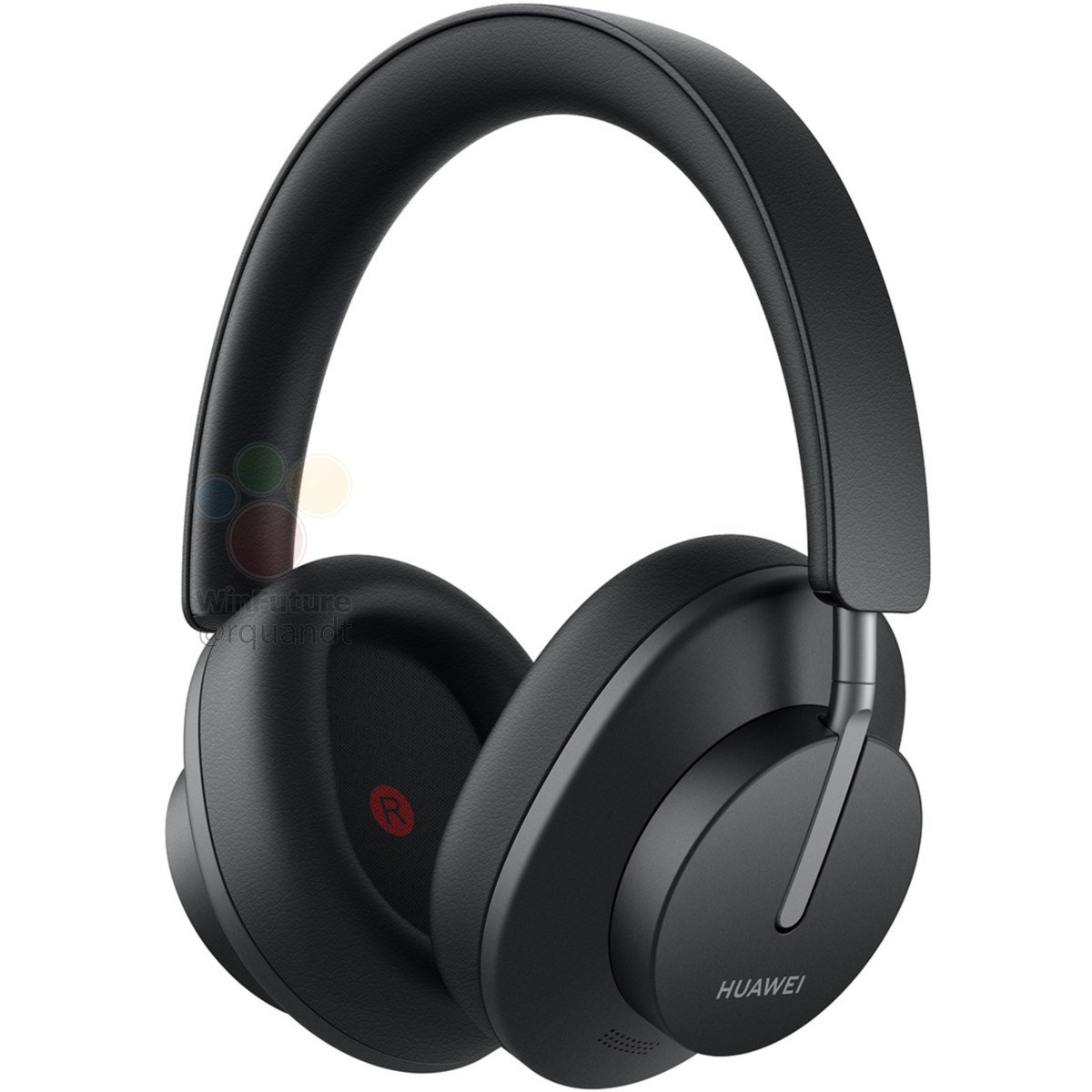
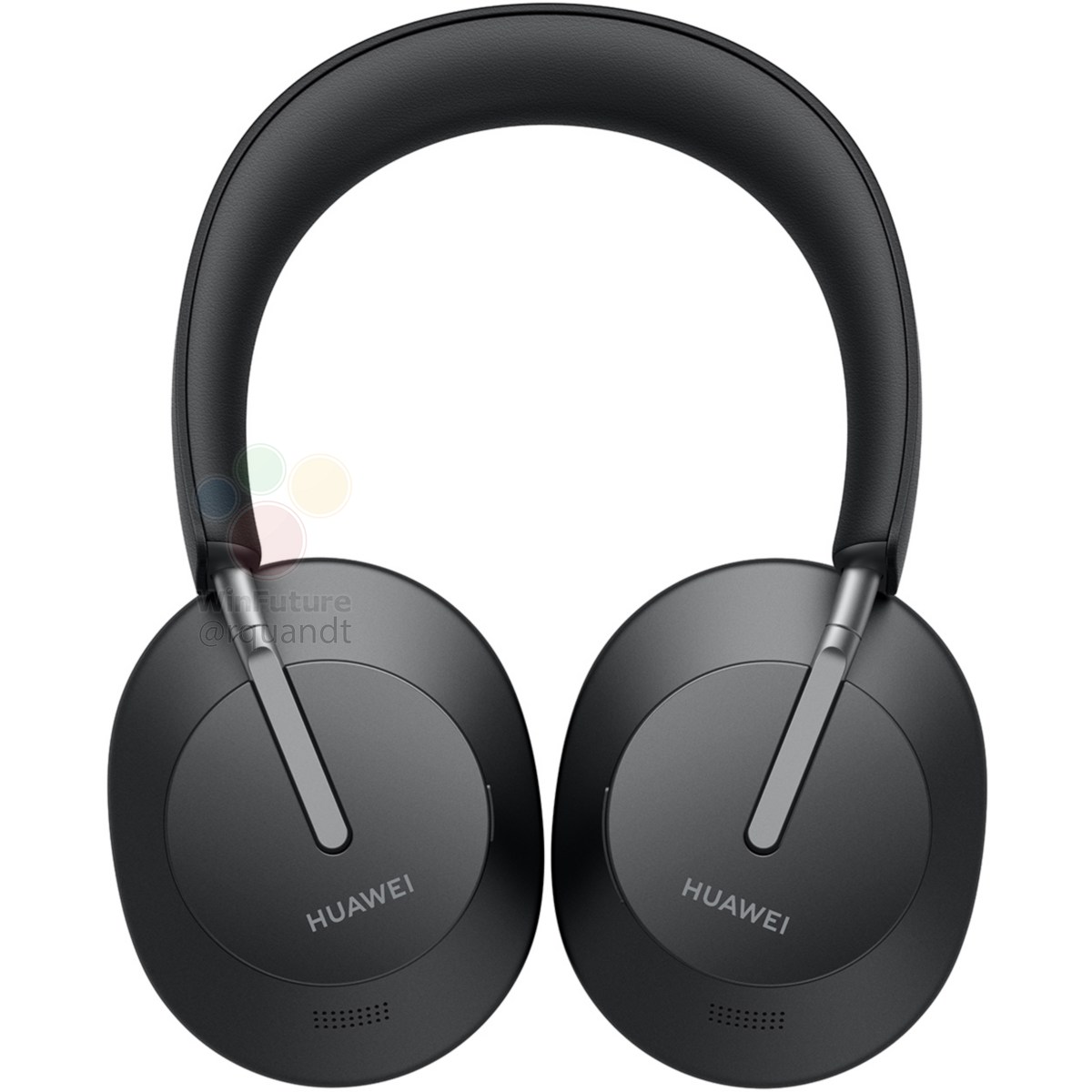
Huawei is expanding its FreeBuds line of earbuds to now include over-the-ears wireless headphones. The headphones will launch as the FreeBuds Studio and a leak has revealed its features, as well as high quality, renders that give us a good look at the upcoming product.
The FreeBuds Studio is a premium pair of headphones and the design shows it. From the images, the headband appears to be covered in leather. The cups should be memory foam while the rest of the body seems to be anodized aluminum. The German tech blog, Winfuture, which is the source of the leak, says it weighs 265 grams and it will be available in Blush Gold and Graphite.
The headphones have 40mm drivers and are powered by Huawei’s Kirin A1 chip. The FreeBuds Studio has Active Noise Cancelation (ANC) and Huawei claims it can reduce ambient noise by up to 40 decibels. And just like we have seen on some headphones, there is a button on one of the cups to turn off the feature. The other cup is home to a Bluetooth button and a power button.
It has been reported that the FreeBuds Studio has two 410mAh batteries which will provide up to 20 hours of listening time. It is not known if this figure is with ANC on or turned off. However, battery life drops to 15 hours when you use it for calls. The headphones charge via USB-C and support fast charge – a 10-minute charge will provide 5 hours of playback time. A full charge takes 70 minutes.
The Huawei FreeBuds Studio connects via Bluetooth 5.2 and devices running EMUI 10 and above get features such as quick pairing and battery status indicator.
Unfortunately, there is no mention of the price of the device but we won’t be surprised if it leaks before the unveiling next week.
Amazon and Flipkart are two of the biggest online retailers in India and it has become a tradition for them to launch simultaneous sales for some of the best gadgets in India. This year, the tradition continues with both the retailers kicking off their sale day from tomorrow. Given that there are hundreds of interesting deals and discounts on products from your favorite brands across multiple categories, we have decided to make your life easier by listing out the notable deals from Xiaomi, Redmi, and Poco down below in this article.
In addition to the deals mentioned below, Amazon is offering up to 10% cash back on purchases made via HDFC credit/ debit and EMI transactions. On the other hand, Flipkart is offering 10% off on transactions via SBI debit/ credit and EMI transactions in addition to assured cashback on transactions made via PayTM Wallet and Bank Account transactions.
Note that most of these deals will go live when the sale day kicks off in a few hours. We are not sure how long they’ll be available, so make sure you check out the deal as soon as it goes live.
BEST DEALS on Amazon & Flipkart On Xiaomi Phones
FLAGSHIPS
On Amazon, the Xiaomi Mi 10 5G (8GB + 128GB) model will be available for just ₹44,999 (usually ₹49,999) which is a solid ₹5,000 OFF on the current selling price. Plus you can avail an additional ₹1,000 off in exchange.
On Flipkart, the Xiaomi Mi 10 5G (8GB + 256GB) model will be available for just ₹49,999 (usually ₹54,990) which is a discount of ₹5,000.
BEST DEALS on AMAZON & FLIPKART on Redmi Phones
MID-RANGE
On Amazon, Redmi Note 9, and Redmi Note 9 Pro both get ₹1,000 OFF their current selling prices on all their variants. The Redmi Note 9 will be available for ₹10,999(usually ₹11,999) while the Redmi Note 9 Pro will be available for ₹12,999(usually ₹13,999). Note that the 4GB + 128GB variant of the Note 9 Pro gets a larger ₹1500 discount.
The good old Redmi Note 8 is also getting a ₹1,000 discount. It will retail at ₹11,499(usually 12,4999) on Amazon. Even Flipkart is offering the exact same deal price (₹11,499).
BUDGET
Amazon is offering ₹500 cashback via Amazon Pay Balance when you buy the Redmi 9, which is already pretty cheap.
Poco M2 Pro will be available for ₹12,999 (usually ₹13,999) on Flipkart during the sale day, which is a solid ₹1,000 discount.
The cheaper Poco M2 will also get a ₹1,000 discount on Flipkart, priced at ₹9,999 (usually 10,999).
One of the best selling mid-rangers, the Poco X2 also gets a ₹1,000 discount with a sale day price of ₹16,499 (usually 17,499).
Overall, both Amazon and Flipkart are offering pretty decent deals on Xiaomi, Redmi, and Poco models. Note that you’ll get an additional 10% off via Bank deals on some models, bringing their prices further down during the sale day.
Flipkart and Amazon’s biggest sale is about to be live from October 16 (tomorrow). And, here are the best deals for Apple’s iPhones on both Amazon’s Great Indian Festival and Flipkart’s Big Billion Days. The biggest iPhones in the list include iPhone XR, SE, 7, 11, and 11 Pro.
As a head starter, you get a 10% instant discount on HDFC Credit, Debit cards including the EMI options on Amazon. And, 10% instant discount on SBI Debit, and Yono SBI cards on Flipkart. Additionally, Flipkart is also offering cashback while using Paytm. Do note that these are applicable only for prepaid transactions and they go live tomorrow when the sale officially kicks off.
Best APPLE iPhone deals on AMAZON
iPhone 11 (64GB)– iPhone 11 gets a discount of ₹6,991 and the new price is ₹47,999. The original price listed on Apple’s website is ₹54,990.
iPhone 7 (32GB) – iPhone 7 gets a discount of ₹6,501 from its old price. So, the offer price will be ₹24,999.
Best APPLE iPhone deals on FLIPKART
iPhone XR(64GB)– iPhone XR gets the biggest ever discount of ₹9501 on ₹47,500. New Price is ₹37,999.
iPhone SE(64GB)– A discount of ₹11,901 on ₹37,900 puts the iPhone SE at best ever price of ₹25,999.
iPhone 11 Pro(64GB)– Apple’s last year flagship gets a huge discount of ₹26,601 on ₹1,06,600 which brings its original price down to ₹79,999 only.
In late September, ASUS started recruiting Android 11 beta testers for its 2020 flagship smartphone – Zenfone 7 Pro. Now, almost a month later, the company has begun to roll out the first-ever beta build for selected users. This smartphone has now become the second device from the brand to receive Android 11 beta update after Zenfone 6.
A number of OEMs are running Android 11 beta program for select devices worldwide. Some of them like OnePlus has already begun to seed stable builds. On the other hand, ASUS was one of the last companies to kick start beta initiative in late August starting with Zenfone 6.
Once the company rolled out the first Android 11 beta build for Zenfone 6, it began to recruit testers for Zenfine 7 Pro. Now, the latter device has also started receiving its initial beta build.
According to XDA Developers, the first-ever Android 11 beta build for Zenfone 7 Pro comes with build number 30.04.31.30 and weighs around 1.1GB in size.
As per the changelog, in addition to Android 11-specific features, the update also brings revamped Mobile Manager, Contacts, Phone, File Manager, Calculator, Clock, Gallery, Weather, Sound recorder, Settings, Data Transfer, and Local backup apps. Further, the update also removes screenshot option from the power menu.
Having said that, ASUS is yet to announce Android 11 eligible devices. Also, it is not sure when it will roll out stable builds for Zenfone 6 and Zenfone 7 Pro.
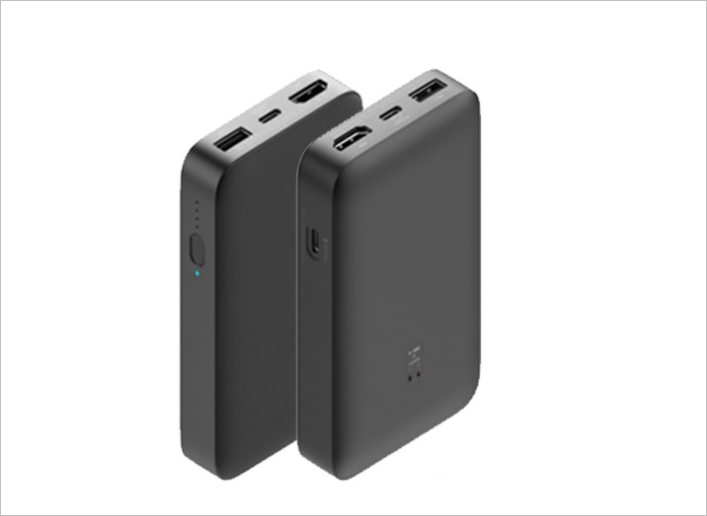
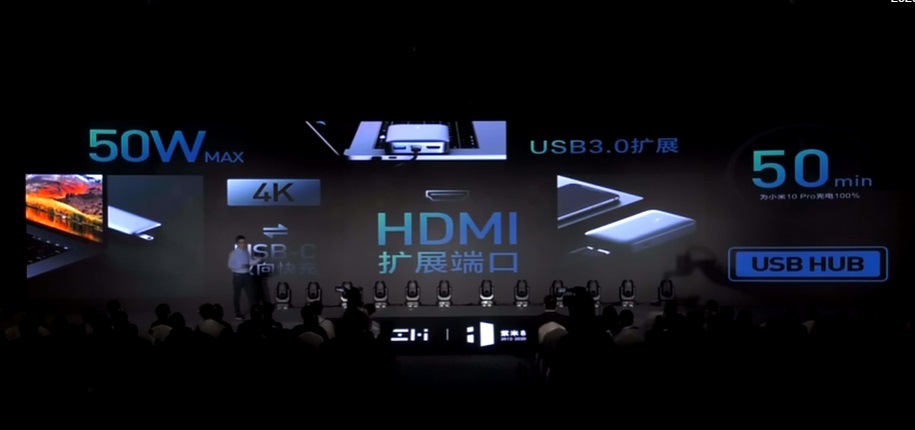
The ZMI multi-function mobile power bank supports a charging rate of up to 50W. It takes 50 minutes to fully charge the Xiaomi Mi 10 Pro. It equally has a battery capacity of 10000mAh which is enough to charge a notebook.
The power bank supports two-way USB-C fast charging and perhaps, a major highlight is the USB Hub function which it features. The gadget supports USB-3.0 expansion and HDMI expansion interface which supports 4K video output.
ZMI’s 10000mAh multifunctional HDMI power bank will go on sale on October 21st.
Honor is expected to announce a new smartphone in Europe which has been reported will launch as the Honor 10X Lite. Ahead of the announcement, a leak has revealed all there is to know about the upcoming mid-range device.
The Honor 10X Lite will have a hole in the middle of the display as shown in the image above. The panel is an LCD that measures 6.67-inches and has a resolution of 2400 x 1080 reports Winfuture.de.
It is no news that Huawei’s woes are also affecting its Honor subsidiary and it reflects on the Honor 10X Lite as it comes with the already overused Kirin 710A processor. There is 4GB of RAM and 128GB of storage which can be expanded.
The back of the phone is home to four cameras – a 48MP primary sensor, an 8MP ultrawide angle camera, a 2MP macro camera, and a 2MP depth sensor. The selfie camera is an 8MP sensor.
Honor has included a 5000mAh battery in the device which should last up to two days and a 22.5W charger should let you refill it in 80 minutes. For connectivity, users get Bluetooth 5.1 and surprisingly just 2.4GHz Wi-Fi. There is no mention of NFC but there is a side-mounted fingerprint scanner, a USB-C port, and an audio jack.
The Honor 10X Lite runs Android 10 with Magic UI 3.1 on top. It also runs Huawei Mobile Services and not Google Mobile services, so you get Huawei’s AppGallery instead of the Play Store.
The phone will be available in black and green and will cost about €200.
Just as promised, Xiaomi has officially unveiled the Mi True Wireless Earphones 2C in India. The headset is a cheaper version of the Mi True Wireless Earphones 2 which was earlier launched in India. It comes with some trimmed down specs.
The Mi True Wireless Earphones 2C brings support for Bluetooth 5.0, dual microphones for environmental noise cancellation (ENC) during calls. The basic version has the same 14.2mm drivers, but only comes with AAC codec and not the LDHC Hi-Res audio codec that is available in the standard version.
Each of the earbuds feature a semi-in-ear design to fit your ear canal, making it comfortable to wear and doesn’t fall off easily. Each headset weighs just 4.7 grams which the carry case weighs 48 grams.
The Mi TWS Earphones 2C also features support for automatic connection with phones running MIUI after removing the headset from the charging case. The earbuds offer up to 5 hours of standalone battery life and a total battery life of 20 hours with the case. The case charges via USB Type-C and will be fully charged in 1.5 hours. It also comes with touch controls for volume and track change as well as infrared sensor for intelligent wear detection so it automatically pauses when you remove them.
The Mi True Wireless Earphones 2C will retail for Rs. 2499 ($34) and will be sold on Flipkart, mi.com and other retail stores. The earbuds will be available in White colour only.
We use cookies on our website to give you the most relevant experience by remembering your preferences and repeat visits. By clicking “Accept”, you consent to the use of ALL the cookies.
This website uses cookies to improve your experience while you navigate through the website. Out of these, the cookies that are categorized as necessary are stored on your browser as they are essential for the working of basic functionalities of the website. We also use third-party cookies that help us analyze and understand how you use this website. These cookies will be stored in your browser only with your consent. You also have the option to opt-out of these cookies. But opting out of some of these cookies may affect your browsing experience.
Necessary cookies are absolutely essential for the website to function properly. This category only includes cookies that ensures basic functionalities and security features of the website. These cookies do not store any personal information.
Any cookies that may not be particularly necessary for the website to function and is used specifically to collect user personal data via analytics, ads, other embedded contents are termed as non-necessary cookies. It is mandatory to procure user consent prior to running these cookies on your website.