Advertisement

New evolving Ransomware discovered, “kidnaps” user data on Android devices

As the name suggests, ransomware is malicious software that is built to steal and “kidnap” users’ data. The data is them held to ransom, with users having to pay to receive the data back. Now, a new sophisticated ransomware has just been discovered that is rather hard to detect and becoming a new threat.

Ransomware Attack Featured

Earlier this month, the Microsoft 365 Defender Research Team wrote a report to the about the latest evolution of mobile Ransomware. In the report, the research team “found a piece of a particularly sophisticated Android ransomware with novel techniques and behavior, exemplifying the rapid evolution of mobile threats that we have also observed on other platforms. The mobile ransomware, detected by Microsoft Defender for Endpoint as AndroidOS/MalLocker.B, is the latest variant of a ransomware family that’s been in the wild for a while but has been evolving non-stop.”

This ransomware family has been known for a while and has been found on various websites and has been circulating online through forums, various pop up ads, cracked games, and other forms of media. According to the PhoneArena report, the report also added that “the new variant caught our attention because it’s an advanced malware with unmistakable malicious characteristic and behavior and yet manages to evade many available protections, registering a low detection rate against security solutions.”

Ransomware

Furthermore, the hackers apparently are “evolving” this malware by using various accessibility features and the virus is continuously getting better at its intended purpose. Viruses and malware aren’t just for laptops and computers, with the number of smartphone users growing, the amount of harmful software like ransomware has been growing. So make sure to be safe never click on any flashy links, ads, or pop ups.


Huawei tipped to launch the Mate 30 Pro E alongside the Mate 40 series on October 22

It is already in the open that Huawei will be holding a launch conference on October 22 where the Mate 40 series are expected to make their first official appearance. It looks like the Chinese tech giant will also be launching a new smartphone on that day aside from the mate 40 series.

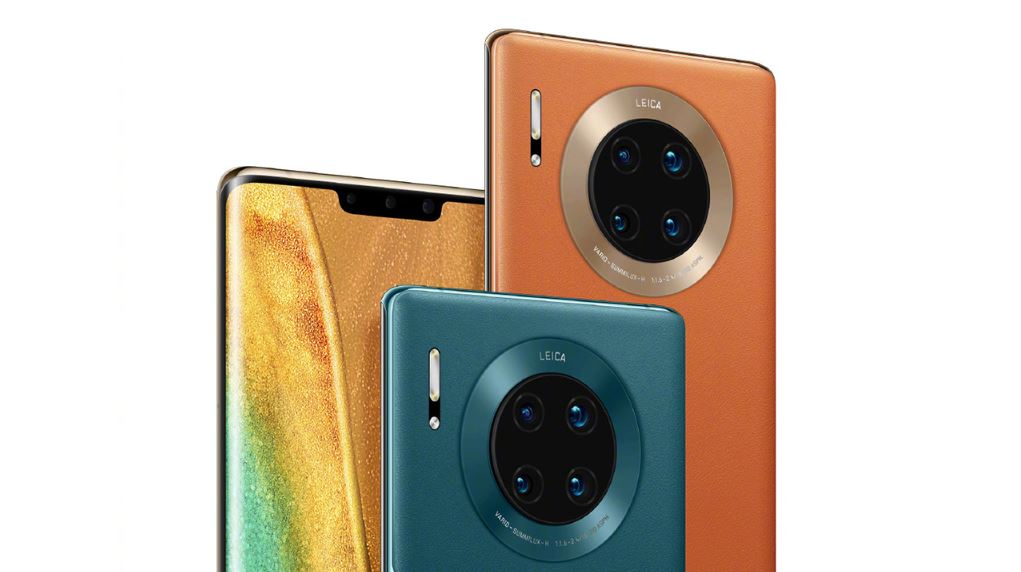
A Weibo tipster has now hinted that the tech giant will also be launching a new variant of last year’s Mate 30 series on the same date. The device is said to bear the moniker Huawei Mate 30 Pro E. The tipster even shared an image which suggests that the phone has already received certification from China’s Telecoms Regulatory agency (TENAA). The device hits TENAA with the model number LIO-AN00m.

The TENAA listing shows the device will have a similar design with the Mate 30 Pro. It will sport a 6.53-inch display with an FHD+ resolution and a waterfall design. The phone will be powered by an unknown chipset with a clock frequency of 2.86GHz. The device will be available in 6GB, 8GB and 12GB RAM options all coming with 256GB storage across the board. The processor type is still unknown but we expect it to be the Kirin 990 5G chipset utilised on the Mate 30 series from last year.

This device also features a quad camera setup of which one may likely be a zoom lens. At the front, there will also be a triple camera setup.

Huawei is yet to confirm the existence of this model but it won’t be a surprise if the company chooses to rebrand the Mate 30 Pro and relaunch. It will help rake in some new sales while making up for the shortage of Kirin 9000 chipset which the company will encounter due to the US ban.

UP NEXT: POCO C3 for Rs 7,499 (~$102) brings 6.53-inch display, Helio G35, 13MP triple cameras and 5,000mAh battery


Oppo TV listed on JD.com, arrives in 3 different models

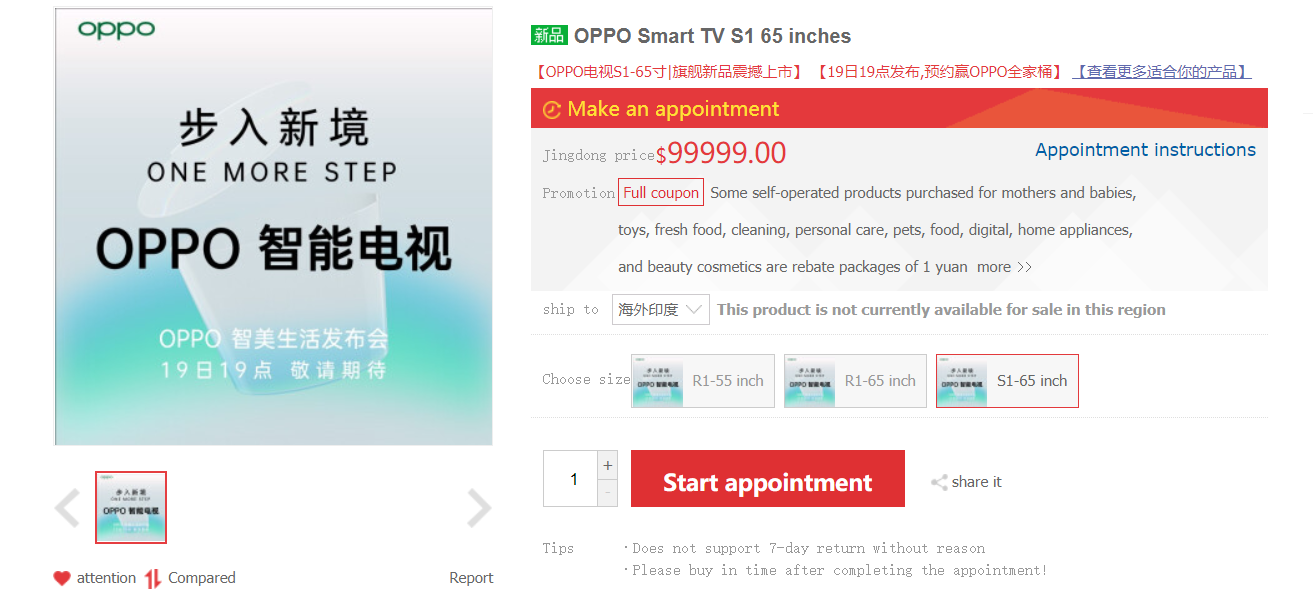
Oppo is gearing up for the launch of its new TV lineup. This would mark the first time the Chinese tech giant enters the TV market. However, just prior to its launch, three models of the Oppo TV were found listed on JD.com.

Oppo

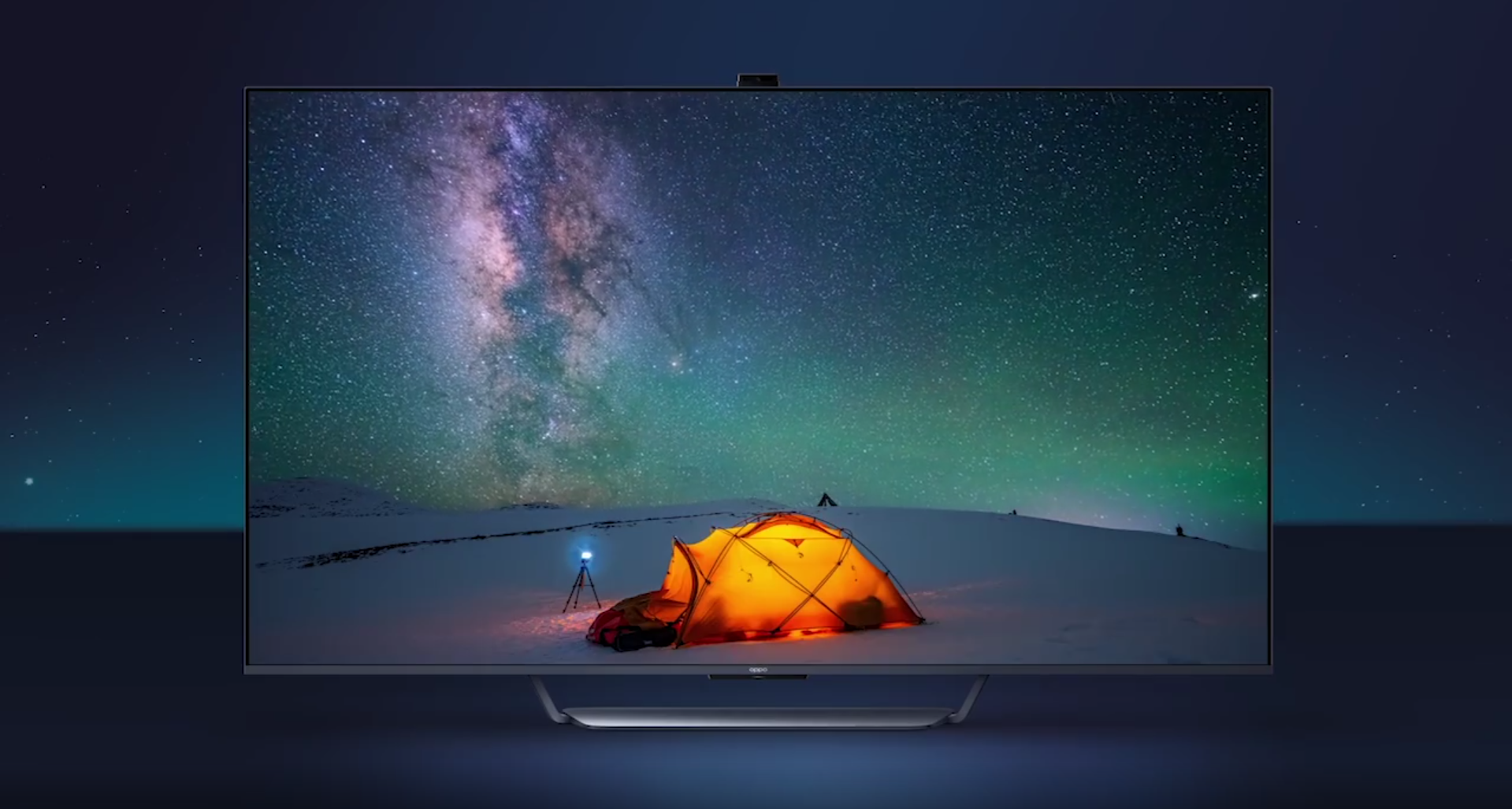
On the popular Chinese e-retail site, three models of the upcoming Oppo TV lineup were found. These carried the name Oppo R1 55 inch, R1 65 inch, and S1 65 inch. This unveils the sizes of the TVs and also showcases its imminent launch. Furthermore, previous reports had revealed that the upcoming TV lineup will feature a pop up selfie camera with thin bezels on every side as well.

The new TVs are also a part of the company’s efforts to diversifies its consumer electronic products portfolio. Looking at the JD.com listing, Oppo has opened up the reservations for its TVs on the popular website. The launch is still about a week away, with the date being 19th October 2020. At the moment, the online listing only showcases placeholder prices, so we will have to wait for the official launch to know the actual pricing and complete specifications regarding the new TVs.

OPPO TV Render Official Teaser
OPPO TV

However, a few reports circulating online have revealed that the TVs will sport 4K panels that arrives with a 120Hz high refresh panel, with support for Bluetooth connectivity and more. The new products were also recently spotted receiving the 3C certification as well. So stay tuned for more updates and the launch event, as we will be covering the live conference.


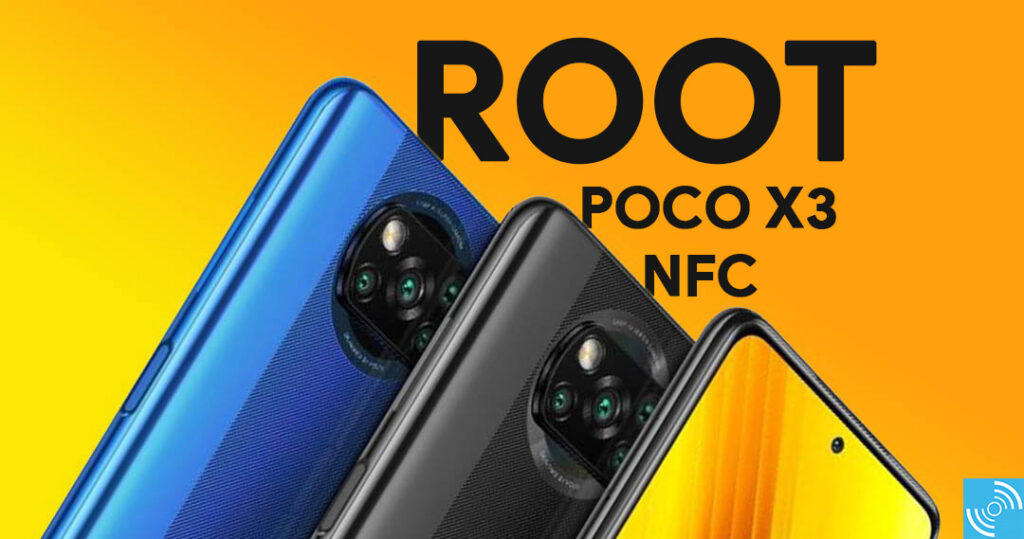
How to unlock bootloader and root Poco X3 NFC

Poco is slowly and gradually expanding its products portfolio after parting ways with Xiaomi as a separate brand. The company recently unveiled the Poco X3 NFC edition featuring some advancements over the Poco X2 which was launched back in December 2019. The new device features a lot of exciting specifications at a much affordable price. Such devices are a delight for the custom development community too as the companies indirectly support third-party development.

Must See: First custom ROM for POCO X3 arrives within a month of its launch

It’s just been a few weeks and the root access Poco X3 NFC is already here. The interested users can easily root their Poco X3 NFC units after easily unlocking the bootloader.

Poco X3 NFC Specifications

Unlike Poco X2, the Poco X3 NFC features a single punch hole camera cutout in the display for a better viewing experience. It houses a 6.67-inch full HD+ IPS LCD display protected with Corning Gorilla Glass 5 protection. It can bring exemplary gaming experience with a 120Hz refresh rate using Dynamic Switch.

In the camera department, the smartphone comes with a quad-camera setup featuring a 64-megapixel Sony IMX682 camera sensor for quality photos. It is accompanied by three additional cameras on the rear including a 13-megapixel ultrawide sensor, a 2-megapixel depth assist sensor, and another 2-megapixel macro lens.

The smartphone is powered with Snasdpragon 732G chipset coupled with LPDDR4x RAM and UFS 2.1 storage. Itis available in two different storage variants including a 6GB RAM + 64GB storage and 6GB RAM + 128GB storage. The smartphone is available in two color options of Shadow Grey and Cobalt Blue.

It measures 165.3 x 76.8 x 9.4mm and it weighs 215 grams. Moreover, you will find a side-mounted fingerprint reader, an IR blaster, dual SIM support, 4G VoLTE, Wi-Fi 802.11ac, Bluetooth 5.1, GPS, USB-C, and a 3.5mm headphone slot.

Note: Gizmochina.com is not responsible in any way for the loss of data and devices. You’re proceeding at your own risk as in some cases it will even void your warranty. 

Overview

  1. Unlock Bootloader
  2. Install TWRP
  3. Root Using Magisk

Unlock Bootloader of  Poco X3 NFC

Unlocking Poco X3 NFC will allow the user to root the device and install custom MODs and ROMs without any issue. It is advised to follow each step and download the required pre-requisites from the links below.

Pre-Requisites

Steps to install TWRP on Xiaomi Mi A3

Follow the below-mentioned instructions carefully to successfully install TWRP. Before proceeding, please ensure your Xiaomi Mi A3 bootloader is unlocked.

  1. Enable Developer Mode by tapping the MIUI version 7 times after heading to the Settings > About Phone.
  2. Enable USB Debugging by heading to the Settings>Developer Option and toggle USB Debugging.
  3. Bind your Mi Account which means sign in to the Poco device using your Mi account by heading to Settings > Additional Settings > Developer Options > Add account and device and log in.
  4. Connect your smartphone with the PC via USB Cable.
  5. Now boot into the Fastboot mode by pressing and holding Volume Down + Power Button for about 10 seconds. You need to release buttons once the Fasstboot appears on the screen.
  6. Download and Extract Mi Unlock Tool from the Pre-Requisite section above.
  7. Open the Miflash_unlock.exe file from the extracted folder.
  8. Now, Login with the same Mi Account that you used on the Poco X3 NFC.
  9. It will take some time to verify your smartphone, and will show “Phone Connected.
  10. Now, tap on the “Unlock button” and select “Unlock anyway” when prompted.
  11. The unlocking process will start, and you will receive “Unlocked successfully” once completed.
  12. Now, Reboot the device, and that’s it!

Root Poco X3 NFC (TWRP)

Make sure you’ve unlocked the bootloader in order to root your Poco X3 NFC.

Pre-Requisites

Steps

  1. Download and Extract ADB and Fastboot utilities in a folder.
  2. Now, Connect your Poco X3 NFC with PC using a USB cable. (Note: If prompted to “Allow USB Debugging” comes then tap OK on your phone.)
  3. Open Command Prompt or Powershell by pressing SHIFT + RIGHT-Click in ADB and Fastboot folder.
  4. Type the below command to restart the phone.
    adb reboot bootloader
  5. Now Flash the TWRP on the recovery partition using the below-mentioned command. (Note: Make sure to replace the twrp-3.4-xx.img name with actual twrp filename.)
    fastboot flash recovery twrp-3.4.x-xx.img
  6. That’s it! You have successfully Installed TWRP. Now, we need to install Magisk to gain root access.
  7. Reboot into TWRP Recovery by executing the following command. (Or you can press and hold the Power button + Volume Up button to boot into recovery mode.)
    adb reboot recovery
  8. Once in TWRP, then select Install>Select Magisk.zip>Swipe to Confirm Flash.
  9. Reboot System after installation completes, and enjoy!

You’ve successfully installed TWRP and gained root access on Poco X3 NFC using Magisk. If you’ve any queries then do let us know via the comments below.

Related: POCO X3 NFC launching in Indonesia on October 15

Android bug in China causes smartphones to display the wrong time

Earlier this week, an odd occurrence took place in Beijing, China. On the evening of 12th October 2020, numerous netizens found that the time displayed on their Android smartphones were more than 10 minutes behind the actual Beijing time.

Android

According to a MyDrivers report, many Android users reported on their handsets showing the time that was behind the actual time, with most instances being around 16 to 17 minutes delayed. This strange incident occurred out of nowhere and had caused quite a bit of confusion for many Android smartphone users, who believed that their devices had broken down.

Notably, this issue was not reflected in handsets from Apple. In other words, iPhones were completely unaffected by this issue, and it was found that the brand and region had nothing to do with the Android smartphones displaying the wrong time. Users even tried to restart their devices, but this did not fix the issue. Furthermore, this even led to additional problems since a large number of people weren’t able to use their smartphones to get into subways as there was a discrepancy between the timings.

Android

A few individuals even planned on replacing their smartphones. Reportedly, some of the unofficial fixes to this problem include toggling flight mode on and off once, others believe that turning off the automatic time update settings helps as well. Unfortunately, it is currently unknown what appears to be the issue, but it is clearly something broader and related to the Android OS rather than any particular brand since it affected users from multiple brands.


Huawei Mate 40 Pro with Kirin 9000 scores 690K+ on AnTuTu benchmarks, scores slightly lower than Exynos 1080

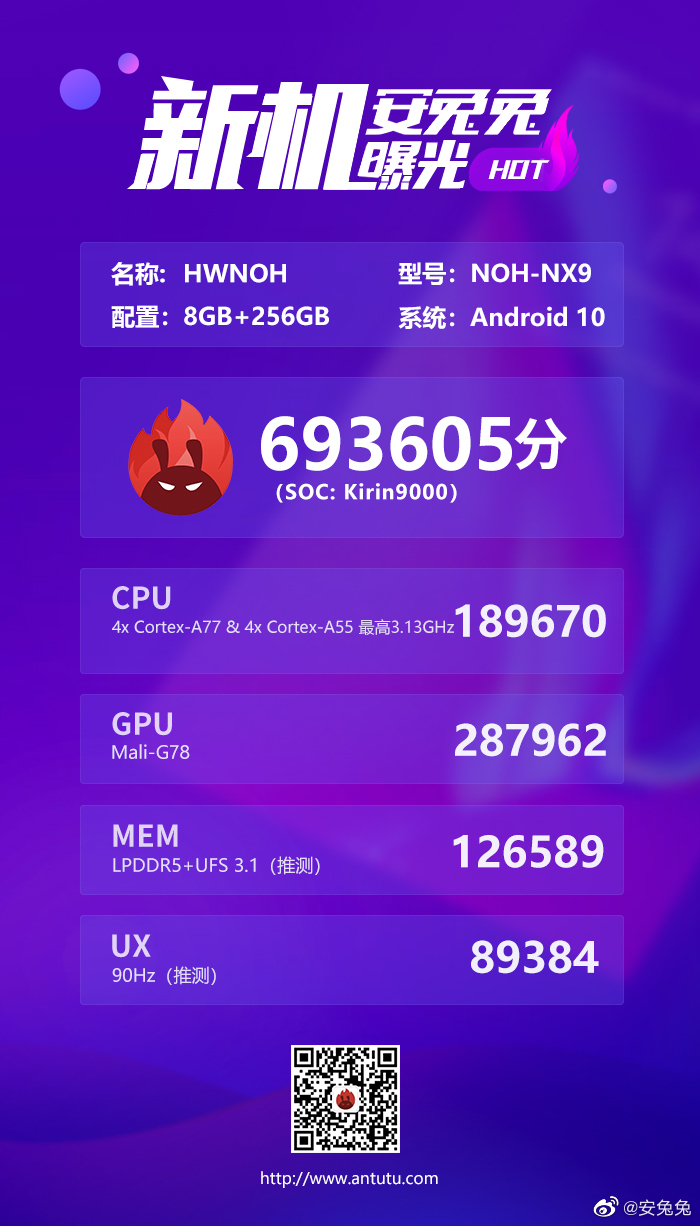
The upcoming Huawei Mate 40 series will be driven by the Kirin 9000E and Kirin 9000 chipsets. While the Kirin 9000Ev is believed to be an upgraded version of the last year’s Kirin 990 5G, the Kirin 9000 will be the advanced flagship from Huawei. The Mate 40 Pro and Mate 40 Pro+ are rumored to be driven by the Kirin 9000. Ahead of the Oct. 22 launch event, the Mate 40 Pro (NOH-NX9 model number) has appeared on AnTuTu and Geekbench benchmarking platforms.

Huawei Mate 40 Pro with Kirin 9000 5G at AnTuTu

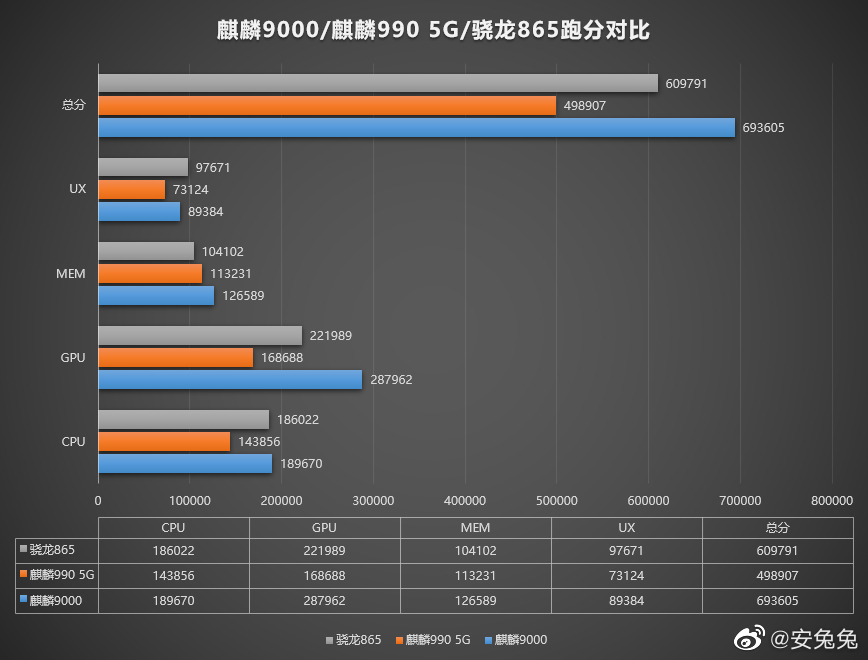
The 5nm Kirin 9000 powered Mate 40 Pro’s AnTuTu listing reveals that it has scored 690,605, which is slightly lower than the 693K+ AnTuTu score of the newly announced Exynos 1080 upper mid-range chipset. Still, the Kirin 9000 has managed to outscore Snapdragon 865 mobile platform in the memory, CPU, and CPU departments.

The Mate 40 Pro variant that appeared in AnTuTu benchmarks runs on Android 10 OS and it has 8 GB of LPDDR5 RAM and 256GB of UFS 3.1 storage. The UX test has revealed that the Mate 40 Pro’s display supports a 90Hz refresh rate.

Huawei Mate 40 Pro with Kirin 9000 5G at AnTuTu-

The Kirin 9000 5G has 3.13GHz four Cortex-A77 big cores, 2.04GHz four Cortex-A55 small cores, and Mali-G78 graphics. In the CPU, GPU, memory, and UX tests of AnTuTu, the Mate 40 Pro scored 189,670, 287,962, 126,589, and 89,384, respectively.

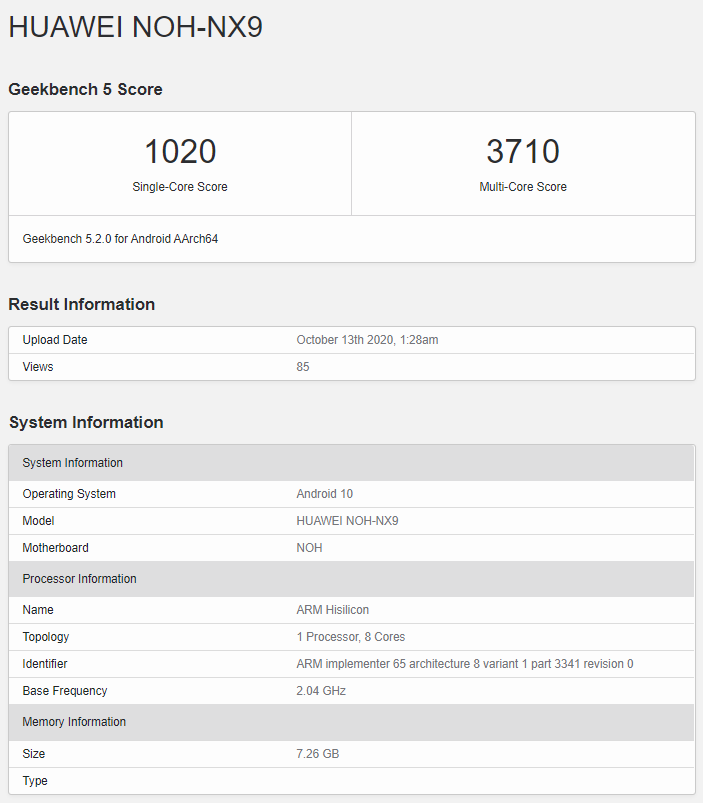
Huawei Mate 40 Pro with Kirin 9000 5G at Geekbench-

The Mate 40 Pro’s 8 GB RAM variant has also paid a visit to the Geekbench 5 benchmarking platform. In the single-core and multi-core tests of Geekbench 5, it recorded 1020 and 3710 points, respectively. In comparison, the Snapdragon 865 powered Galaxy Note 20 Ultra had scored around 900 in the single-core test and around 3,100 in the multi-core test.


Xiaomi launches Mi KN95 Masks in India, offers over 95% Bacterial and Particle Filtration

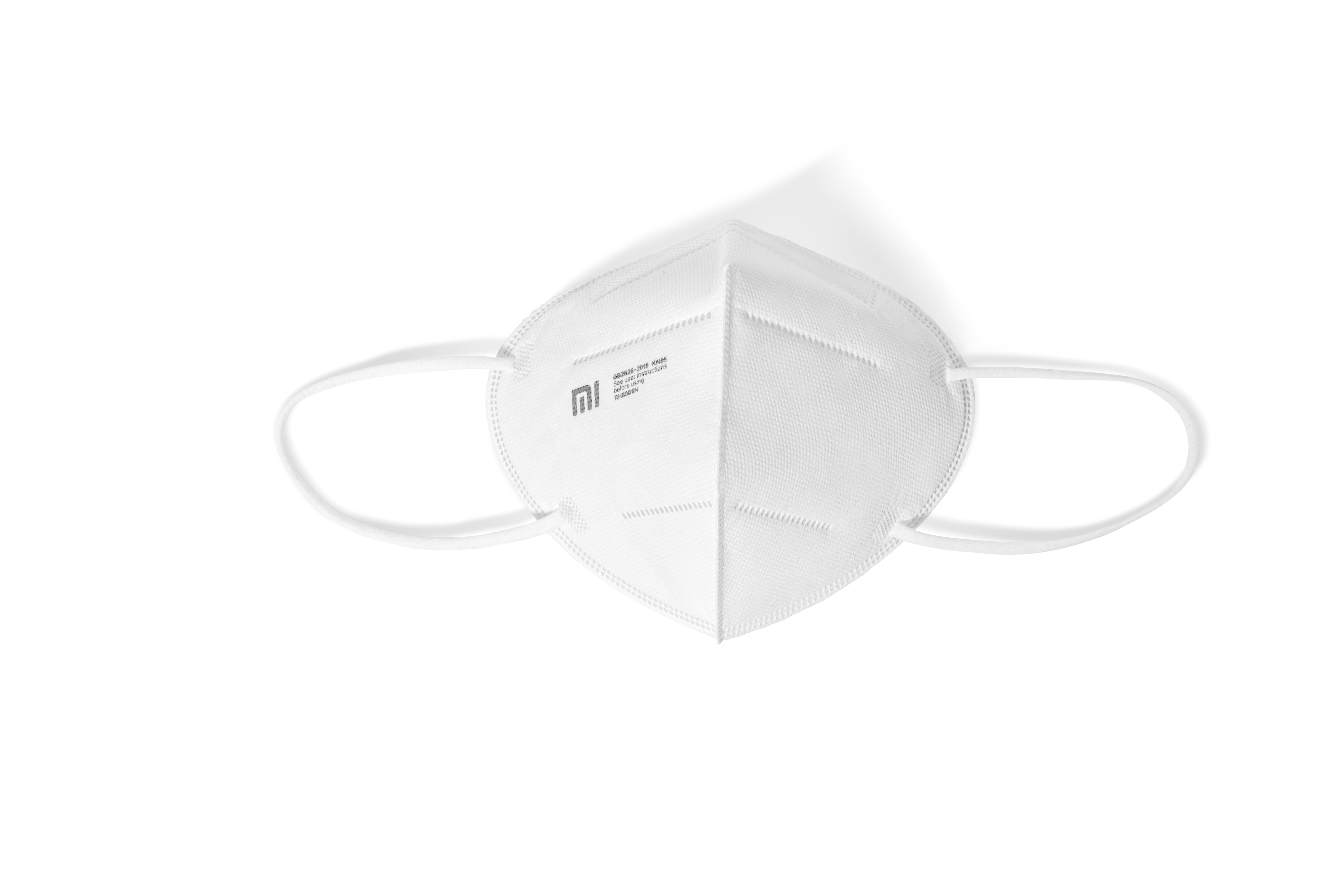
Xiaomi, the known smartphone brand, has just launched a new product in its key market, India. The Mi KN95 Masks has just been launched earlier today (13th October 2020) and is aimed at consumers amid the growing health concerns.

Xiaomi

The Mi KN95 Mask is being launched in the country as a daily driver for those looking for better protection during the ongoing Coronavirus pandemic. It offers four layers of protection, which is fabricated with a non woven material on the outermost part for filtering particles and the innermost layer for optimal breathing. The Mi KN95 Masks from Xiaomi also offers two layers of melt blown fabric that help in filtering bacteria and small particles.

The mask also conforms with the standard values and arrives with a 95 percent + Bacterial Filter Efficiency (BFE). In other words, it prevents any particles between the size of 1-5 microns while the bacterial filter helps in preventing the entry of any nonviable particles that are between 0.1 microns to 1 micron in size. Furthermore, the microfiltration material used in the mask is soft, lightweight, and is even gentle on the skin, offering comfortable wear for long periods of use.

Xiaomi

Notably, the Inspiratory Resistance of Mi KN95 masks is 153.9 Pa while the Expiratory Resistance is 137.9 Pa. Meaning, it offers good breathability and airflow. The mask is also designed with a nose pin that helps in providing a firm grip and prevents any leakage as well that would potentially fog glasses as well. A pack of 2 Mi KN95 masks is priced at 250 INR (roughly 3.5 US Dollars), while a pack of 5 is available for 600 INR (roughly 8 US Dollars) from Mi.com, Mi Homes, and select retail stores.


Mysterious Honor DNN-LX9 smartphones appear in live shots

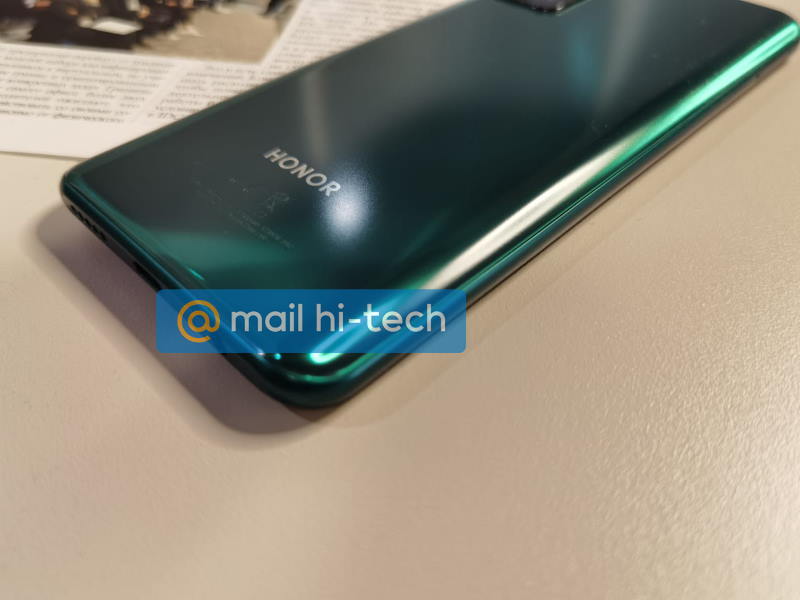
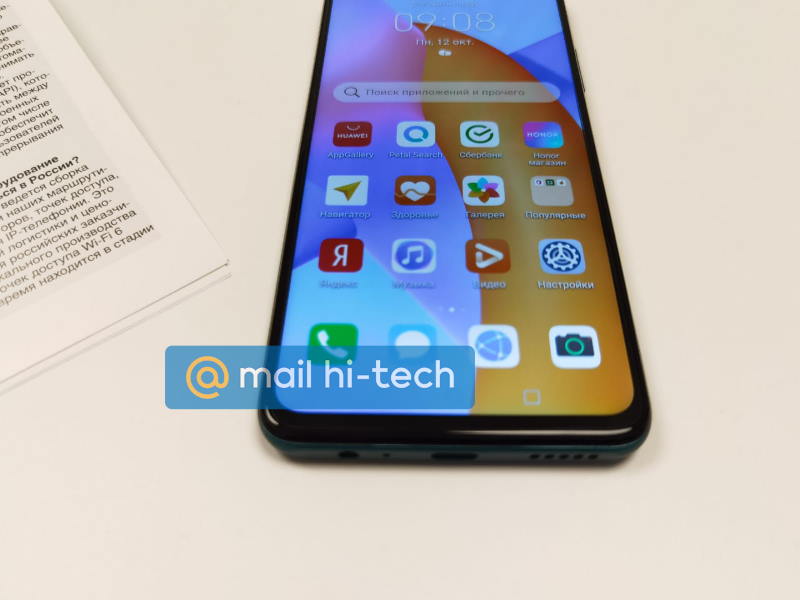
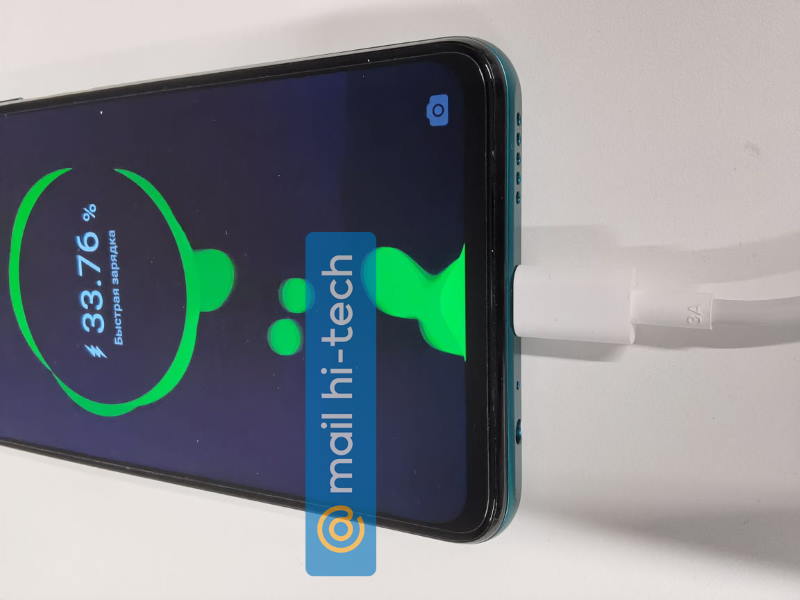
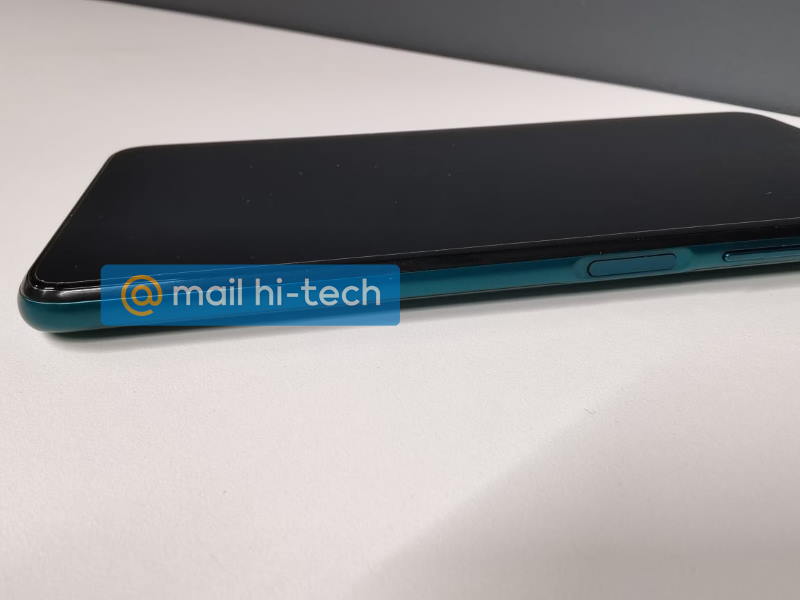
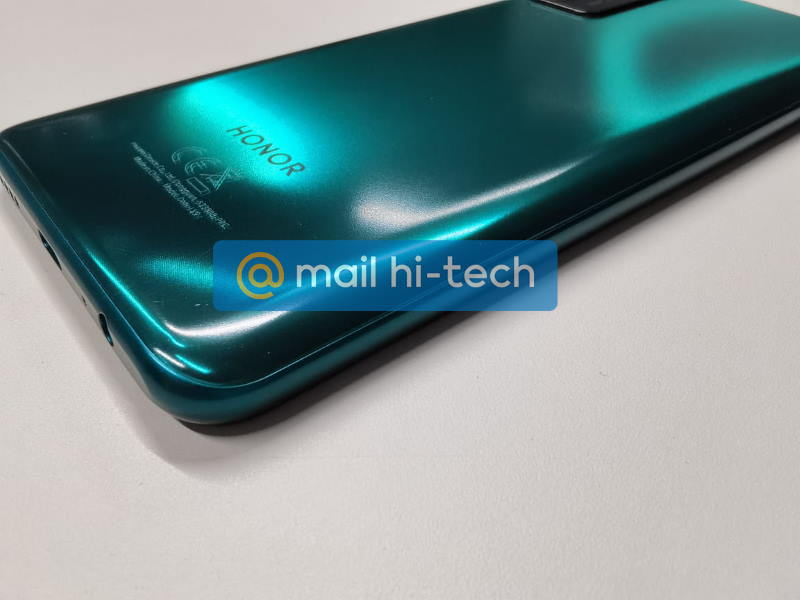
Fresh information reveals that Huawei’s sub-brand Honor is gearing up to launch a new phone in Russia. The name of the device is not known yet, but an exclusive report by Hi-Tech Mail reveals that Russia will be the first market to receive it. The publication has also shared the live shots of the device.

The DNN-LX9 is believed to be packed with mid-range specs like the Honor 10X Pro. It is speculated that Honor will soon hold a launch event for the mysterious phone. However, Honor is yet to confirm any information on the next launch event for Russia.

The Honor DNN-NX9 smartphone has a 6.67-inch display. None of the leaked shots show the top portion of the phone’s screen. Hence, it is unclear whether the phone has a notch-less or a punch-hole display design.

The rear camera setup is also not visible in the live shots Probably, the phone has a polycarbonate exterior with a glossy appeal. It is equipped with a side-facing fingerprint reader. The Honor DNN-NLX9 carries support for fast charging, but the exact charging rate is not known yet. The bottom edge of the device has a 3.5mm audio jack, a microphone, a USB-C slot, and an external speaker.

The specifications of the Honor DNN-LX9 smartphone is currently under wraps. There are some speculations that the device could debut as an Honor 30 series device. Hopefully, upcoming reports will spill all the important details of the phone.


Huawei Nova 7 SE 5G Vitality Edition with Dimensity 800U may debut on October 16

The Huawei Nova 7 SE 5G that debuted in April in China is the most affordable Nova 7 series smartphone. Recent rumors have claimed that it has gone out of stock in China and it will be replaced by the Nova 7 SE 5G Vitality Edition phone. The new phone is said to feature the Dimensity 800U chipset instead of the Kirin 820. A tipster has revealed that the Nova 7 SE 5G will hit the Chinese markets on Oct. 16.

According to the leak, the Huawei Nova 7 SE 5G Vitality Edition with 8 GB of RAM and 128 GB of storage will arrive in China on Oct. 16 with a price tag of 2,399 Yuan (~$355). The leaked poster reveals that its design will be identical to the Nova 7 SE. It is equipped with a gradient rear that features a vertical quad-camera system, a side-facing fingerprint reader, and a punch-hole screen.

Huawei Nova 7 SE 5G Vitality Edition

Huawei Nova 7 SE 5G Vitality Edition specifications

It appears that the CDN-AN00 Huawei phone that was approved by TENAA last month will debut as the Huawei Nova 7 SE 5G Vitality Edition. It has a 6.5-inch IPS LCD screen that offers full HD+ resolution and a 20:9 aspect ratio. The TENAA listing has revealed that it will be available in a single version featuring 8 GB of RAM and 128 GB of storage.

The Huawei Nova 7 SE 5G Vitality Edition has a 64-megapixel + 8-megapixel + 2-megapixel + 2-megapixel quad-camera system and a front-facing camera of 16-megapixel. It is loaded with Android 10 OS and has a microSD card slot for additional storage. The 4,000mAh battery of the smartphone supports 40W fast charging.

At present, there is no official confirmation on the existence of the Huawei Nova 7 SE 5G Vitality Edition


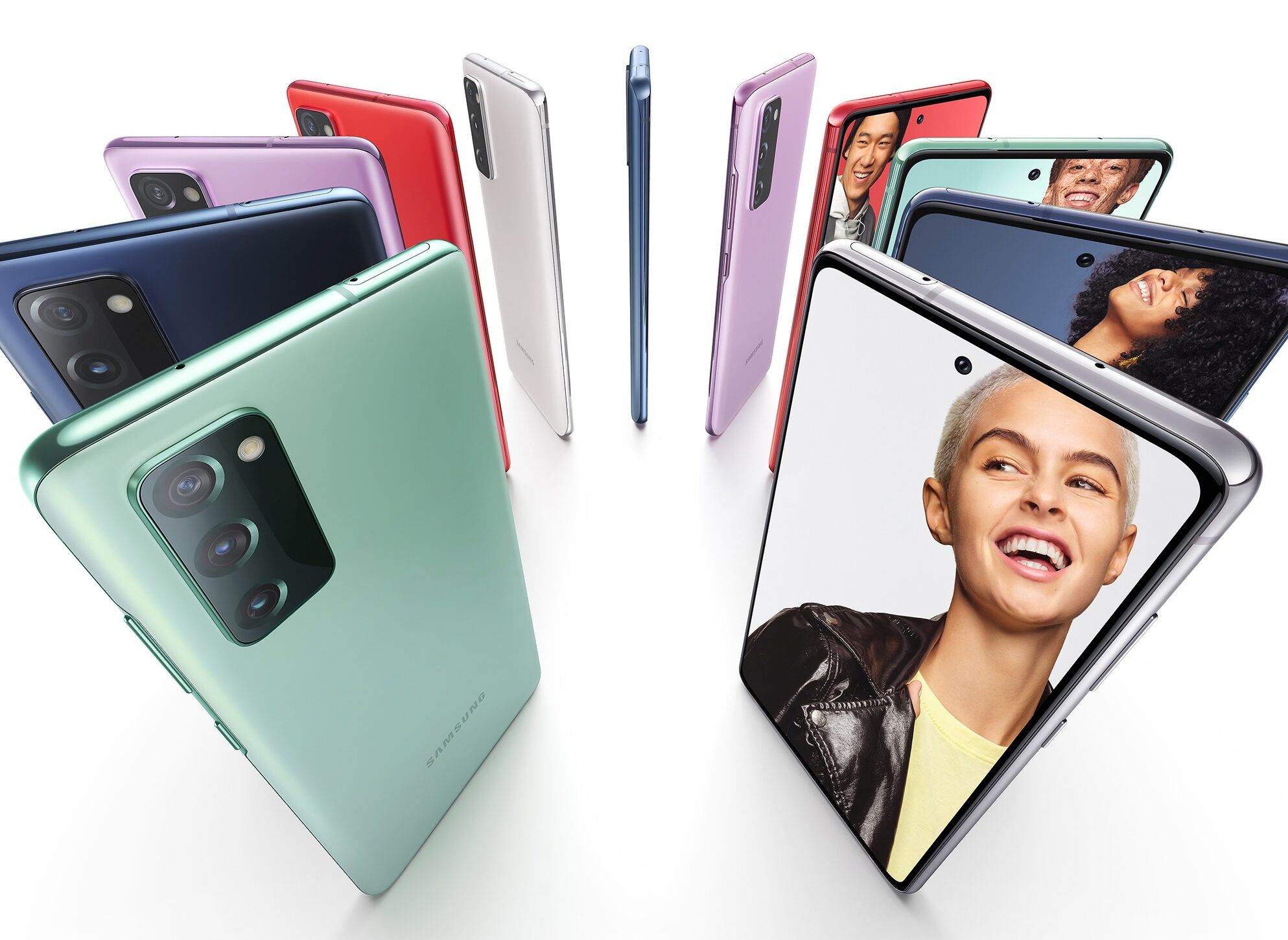
Samsung Galaxy S20 FE units are suffering from touchscreen issues

The Samsung Galaxy S20 Fan Edition recently hit the markets with a rather affordable price tag. Although, despite its great features, a few early buyers are reporting on their new devices suffering from touchscreen issues.

Galaxy S20 FE

According to a 9to5Google report, people have taken to Reddit and Samsung’s Community Forums to share their experiences with the new Galaxy Fan Edition handset. It seems that a few such reports have the users’ smartphones suffering from touchscreen related problems. This has varied from person to person in terms of what the issue actually is. In certain cases, the problem is the lack of response to taps and swipes or ghost inputs without the users’ input.

At the moment, the issues with the Galaxy S20 Fan Edition’s touchscreen isn’t that common apart from a few cases. However, such issues arriving just a few weeks into the launch of the device, so additional cases might be seen later on if it is related to the hardware of the device. The report also mentioned the device automatically entering “pocket” mode even when it is being held and used normally.

Galaxy S20 FE White Render Leak
Galaxy S20 FE White

Thus, the diversities of these issues might be suggestive of a software bug, which can soon be patched out. However, if the display is actually faulty in certain units, then a replacement might be required. Unfortunately, it is still too early to tell what the actual issue is. So stay tuned for more updates, and hopefully, Samsung offers a fix soon.


Samsung Electro-Mechanics will supply main camera modules for Galaxy A52/A72

The upcoming Galaxy A52 and Galaxy 72 are expected to be the next best-selling smartphones from Samsung. Both these handsets have been leaked once in the past few days. The reports were regarding their cameras. Now, once again, another report from South Korea says that Samsung Electro-Mechanics will be supplying camera modules for the main cameras on these two phones.

Samsung Logo Blue Featured

According to previous reports, the Galaxy A 52 is said to come with a 64MP quad-camera setup. On the other hand, the Galaxy A72 will be Samsung’s first smartphone with a penta-camera setup. It will also have a 64MP primary sensor and also an 8MP sensor with a 3x telephoto lens. You can learn more about them from here.

Now, a new report by The Elec says that Samsung Electro-Mechanics has won the deal to supply camera modules for the primary (main) cameras on the above-mentioned smartphones. 

This is expected to intensify the competition between other camera module makers in South Korea. That’s because Samsung is reported to launch more multi-camera setup handsets in the coming months. Additionally, some of the high-end Galaxy A series phones are also said to come with OIS (Optical Image Stabilization).

Samsung has been lately focussing more on mid-range smartphones as the Galaxy S20 series did not sell well on account of higher price tags and pandemic. Samsung Electro-Mechanics is known for supplying camera modules for high-end devices but given the current situation, the company announced its plans to enter the mid-range market in July.


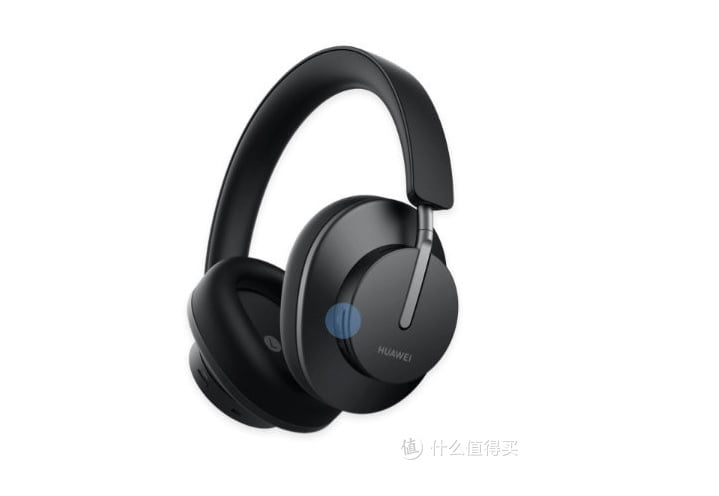
Huawei FreeBuds Studio headphones officially announced, will arrive alongside Mate 40 series

Earlier today (13th October 2020), the Huawei FreeBuds Studio Headphones have been officially announced. This marks the company’s entry into the studio grade headphones category, which will be launched alongside the upcoming flagship Mate 40 series.

Huawei

The Huawei Mate 40 series of smartphones is scheduled to be unveiled on 22nd October 2020. So, we can expect that the launch conference will also have the Chinese tech giant release the FreeBuds Studio Headphones as well. Previously, we had reported on the headphones being spotted on the company’s AI Life app with images circulating online. However, now, Huawei has officially revealed the launch date of the headphones.

For those unaware, images of the FreeBuds Studio Headphones have showcased a black design with what appears to be calfskin leather on the earcups and band. It is expected to feature the company’s Kirin A1 chip and may also have support for Bluetooth 5.1 or Bluetooth 5.2. Furthermore, the inclusion of active noise cancelation is also expected and will likely also support AI voice assistants as well.

Huawei FreeBuds Studio

Unfortunately, the company has yet to divulge any additional details regarding these headphones at the moment and the specs mentioned above are just speculations. Thus, we will have to wait for the official launch event to know for sure. So stay tuned for more updates and the conference, since we will be covering the launch as well.


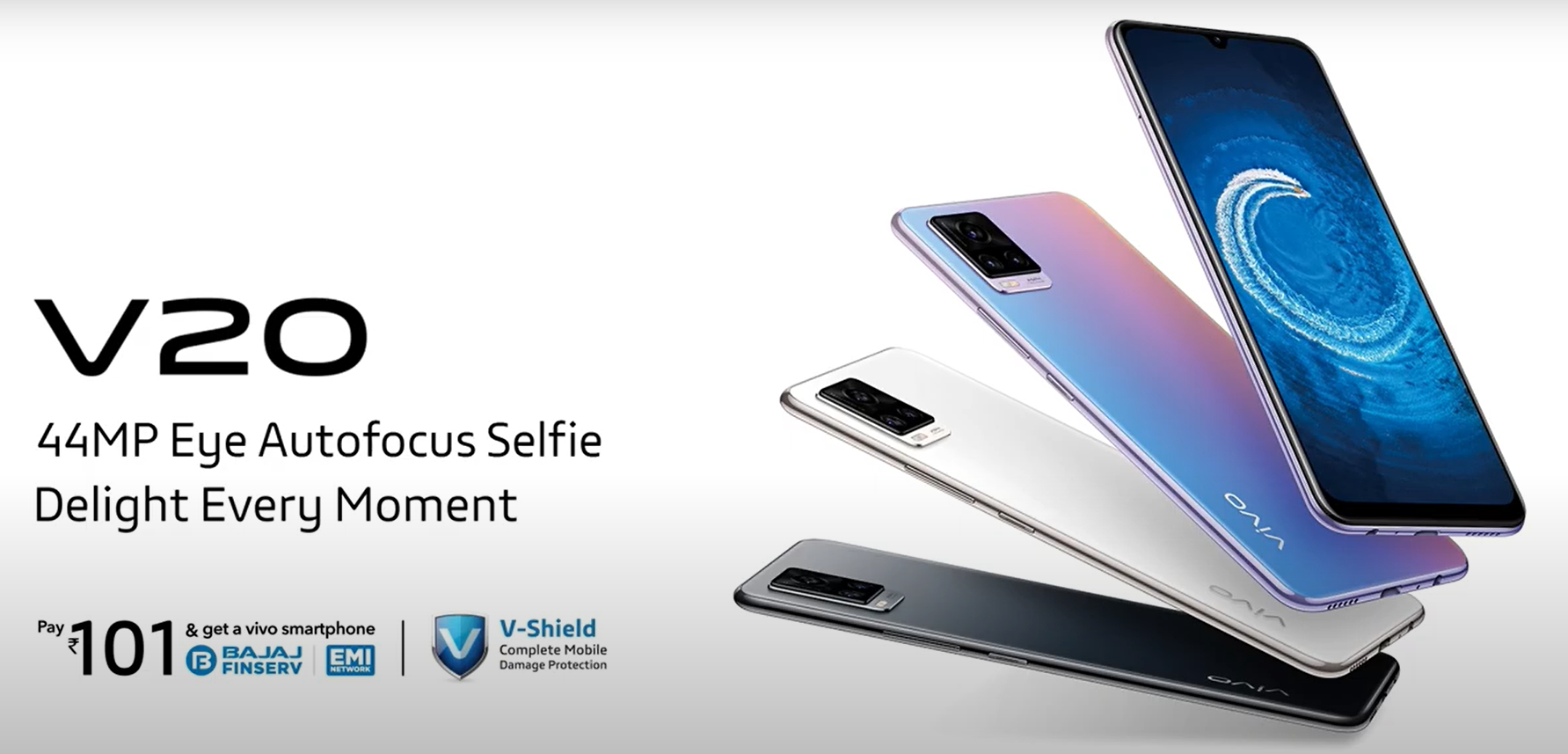
Vivo V20 with 44MP selfie camera, 64MP triple rear cameras, and Snapdragon 720G launched in India for Rs 24,990 (~$340)

Last month, Vivo announced the Vivo V20, Vivo V20 SE, and Vivo V20 Pro phones in Southeast Asian markets. Today, the Chinese firm held a dedicated launch event in India to announce the Vivo V20 smartphone. Like the predecessor V-series phones, the V20 offers top-notch photography experience as it is equipped with a 44-megapixel front-facing camera and a 64-megapixel triple camera system.

Vivo V20 specifications and features

The Vivo V20 sports a glass rear and it measures 161.3 x 74.2 x 7.38mm. The device weighs 171 grams, and it houses a 6.44-inch S-AMOLED display with a waterdrop notch. The 20:9 aspect ratio supporting full HD+ display is integrated with a fingerprint sensor. The predecessor Vivo V19 had the same-sized display, but it featured a dual punch-hole cut for its 32-megapixel + 8-megapixel dual selfie camera system. The newly announced Vivo V20 has autofocus enabled 44-megapixel selfie camera with f/2.0 aperture. It offers users with features like eye autofocus, super night selfie, dual-view video, steadiface selfie video, 4K selfie video shooting, and slow-motion selfie video.

Vivo V20

The Vivo X50 series like camera housing on the backside of the Vivo V20 houses a 64-megapixel main lens with f/1.89 aperture, an 8-megapixel multi-function camera for wide-angle, macro, and bokeh shots, and a 2-megapixel mono lens. The rear cameras support features like motion/eye/object autofocus, super night mode, super wide-angle video, art portrait video, ultra-stable video, 4K video recording, and more.

The Snapdragon 720G mobile platform fuels the Vivo V20. It is the first-ever phone to ship with the newest Android 11 OS preinstalled. The OS is skinned with the latest FunTouch OS 11 UI. It has up to 8GB of LPPDDR4x RAM and up to 256GB of UFS 2.1 storage. There is a microSD card slot onboard for more storage. The 4,000mah battery of the Vivo V20 is blessed with 33W FlashCharge support. The phone comes with connectivity features like dual 4G VoLTE, Wi-Fi 802.11ac, Bluetooth 5.1, GPS, USB-C, and a 3.5mm headphone jack.

Vivo V20 price in India

The Vivo V20 variants such as 6 GB RAM + 128 GB storage and 8 GB RAM + 128 GB storage are priced at Rs 24,990 (~$340) and Rs 27,990 (~$382). It comes in three colors such as Midnight Jazz, Moonlight Sonata, and Sunset Melody. The handset is up for pre-booking through Flipkart in India and it will go on sale from Oct. 20.

At the event, Vivo India also revealed that the country will be soon receiving the Vivo V20 SE. It confirmed only few details of the phone such as 32-megapixel selfie camera, 33W fast charging support, and Gravity Black and Aquamarine Green color variants. The company is expected to reveal the Vivo V20 SE’s price in India and availability in the near future.

OnePlus 8T Pop Up Event will be hosted within OnePlus World starting October 14

With the OnePlus 8T launch being just one day ahead, the company has announced the smartphone’s Pop Up Event for the device that will take place in its virtual reality platform, OnePlus World, which it had previously unveiled.

OnePlus World

For those unaware, OnePlus World is a VR platform from the smartphone maker and is designed as an interactive experience for its users. The Chinese brand will likely add other inclusions and events in this platform and is now even bringing the OnePlus 8T Pop Up event to the digital 3D realm. This event is said to begin starting from 14th October 2020 at 8:20 pm IST (Indian Standard Time).

The company is also promising to offer a “unique engagement experience for the community including a virtual unboxing of the pop up bundle, a virtual experience of the device in AR and purchase.” For those interested, you can get the pop up bundle through the OnePlus World platform by going to the Ultra Store and clicking on ‘Get OnePlus Pop-Up Box’ and then on ‘Buy Now.’

OnePlus 8T Render Color Options
The OnePlus 8T in Silver and Green

The OnePlus 8T 5G launch event will be held on October 14, 7:30 pm IST globally. It is the latest flagship from the company and arrives as the late premium device launch the company typically announced later in the year. The handset is expected to feature top notch specs like the Qualcomm Snapdragon 865 SoC that will power its 120Hz refresh rate display. So stay tuned for more updates.


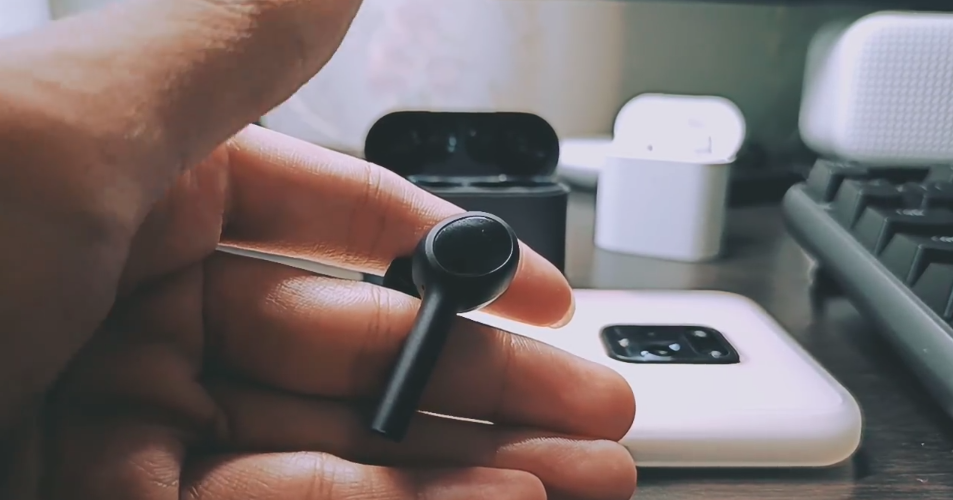
Xiaomi Mi Air 2 Pro TWS earphones up for pre-sale in China; priced at 699 yuan ($104)
Xiaomi is gearing up to launch its latest truly wireless earphones in its home market China — Mi Air 2 Pro. Ahead of the launch, the company has now started taking pre-orders for the same through JD.com.

The upcoming TWS earphones from Xiaomi are priced at 699 yuan, which roughly converts to $104. While the pre-sale is now on, the company has not yet revealed the exact date for the launch or shipment.

Xiaomi Mi Air 2 Pro

The Mi Air 2 Pro adopts a design which is similar to Apple’s AirPods Pro design with an angled earpiece with silicone tips. It will reportedly weigh 6.5 grams and boast in-ear design with three microphones.

The highlighting feature is the ANC (Active Noise Cancellation) and additionally, the TWS earphones also have hybrid digital noise reduction, similar to AirPods Pro from Apple. The Mi Air 2 Pro comes with a 12mm driver with an LCP composite diaphragm, along with the noise reduction intensity of 35dB.

EDITOR’S PICK: Smartisan Nut Pro 4 revealed to pack SD865 SoC, 108MP primary camera, 16GB RAM, and more

The company is also offering four different sizes of ear tips in the box to ensure a proper fit for the users — Small, Medium, Large, and Extra Large. Xiaomi also revealed that the earphones are tuned by Grammy-winning musician Luca Biggardi.

It will also have support for features like wireless charging, wake-up, auto-connect, and more. As for the battery life, the company has revealed that it can offer seven hours of usage on a single charge and up to 28 hours using the charging case.


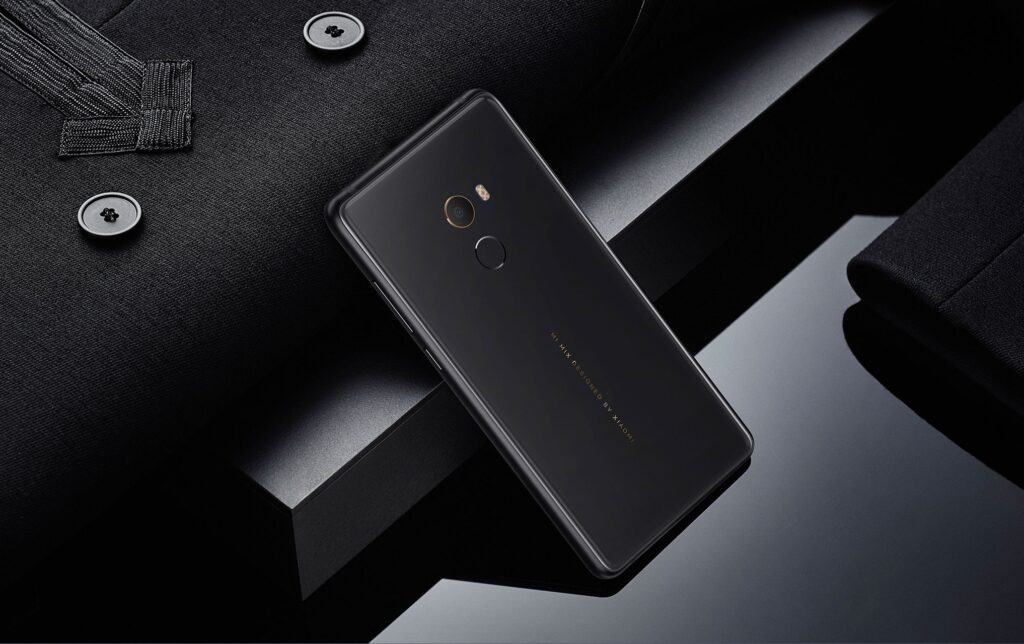
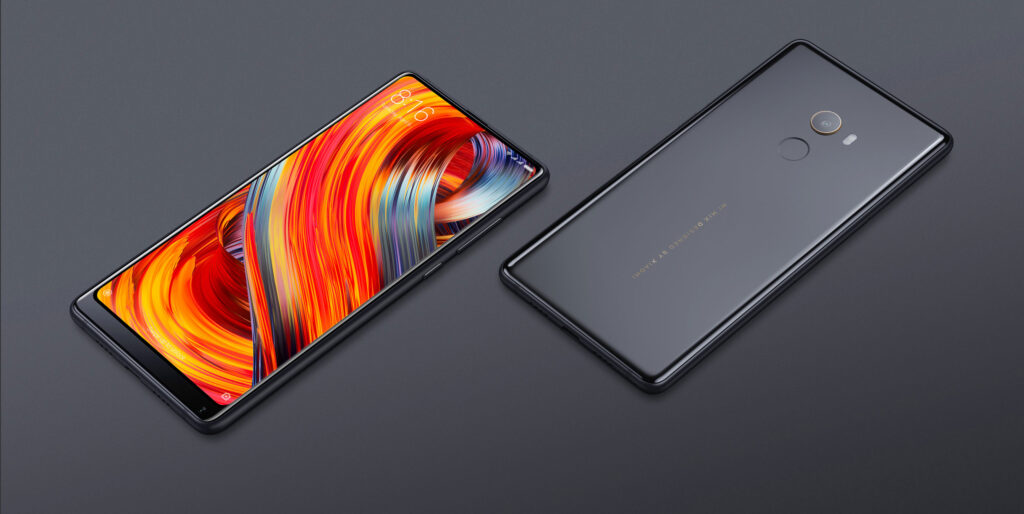
Xiaomi Mi Mix 2 finally gets MIUI 12 update globally

Xiaomi launched Mi Mix 2 in the second half of 2016 as the successor to the original Mi Mix from 2016. The smartphone debuted with MIUI 9 based on Android Nougat. It was later updated to MIUI 10 and MIUI 11 in the following years along with Android Oreo and Android Pie. Now, after three years from its release, the handset has begun to receive its last major update in the form of MIUI 12.

Xiaomi Mi Mix 2 02 Featured

Chinese smartphone maker Xiaomi has been rolling out MIUI 12 update to its devices since late April. However, the company is yet to finish the rollout. That said, Mi Mix 2 has now become the latest handset to get this update.

The MIUI 12 update for Mi Mix 2 is being rolled out to both China and Global variants of this smartphone. The build number for the former is V12.0.1.0.PDECNXM, whereas the latter variant is receiving V12.0.1.0.PDEMIXM.


In China, the rollout began in early September and hence, we believe the company to have pushed the updates to all the units by now. On the other hand, the global variant has only begun to receive the update now and it is currently in “Stable Beta” form.

That means the said MIUI 12 build is being only pushed to limited users in international markets. If these early adopters don’t face any major issues, the update will be made available for more users in the coming days.

Xiaomi Mi Mix 2 01 Featured

Having said that, as we stated in the beginning, MIUI 12 is the last major update for Xiaomi Mi Mix 2. The device may now only receive critical security patch if required down the line.


Realme launches Buds Air Pro, Buds Wireless Pro, Electric Toothbrush M1 and and more in China

Realme today launched its three new smartphones under the Realme Q2 series in China. Along with that, the company also launched a few more products in the market, including Buds Air Pro, Buds Wireless Pro, Electric Toothbrush M1, and, Smart Cam 360°, and GaN 65W Super Flash Charging Kit.

Realme Buds Air Pro

realme Buds Air Pro Black Render

The latest true-wireless earphones from the company come with 10mm drivers and have support for Active Noise Cancellation up to 35db. The company is also offering a Transparency mode.

Another important feature of the TWS earphones is 94ms Low Latency Gaming Mode. The headset, which is rated IPX4 for water resistance, comes with support for touch controls and offers 25 hours of battery life using the charging case.

The Realme Buds Air Pro was launched in India earlier this month. In China, it is priced at 449 yuan (~$67) and will go on sale from 19th October.

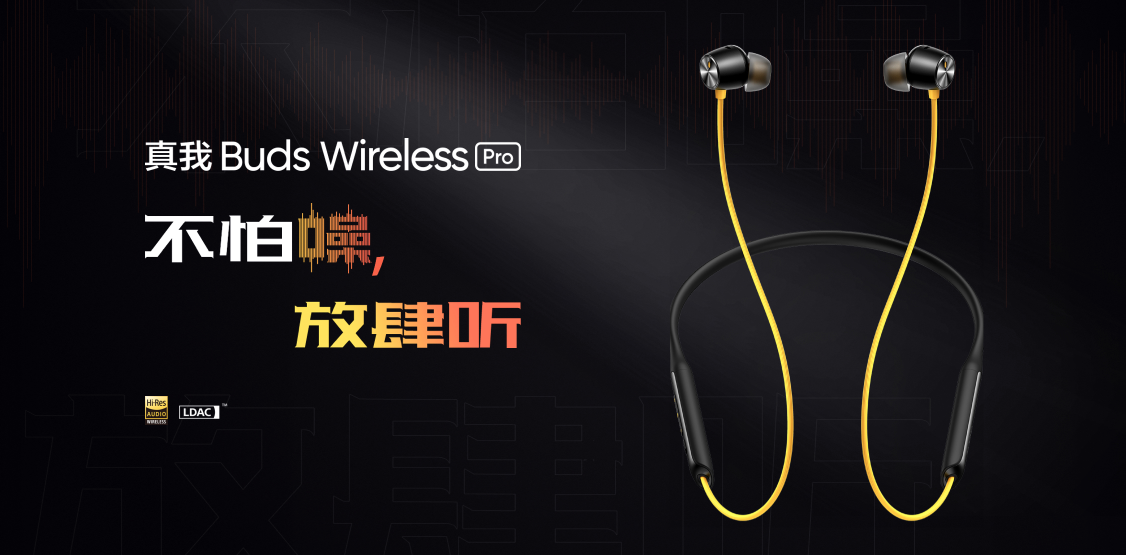
Realme Buds Wireless Pro

Realme Buds Wireless Pro

It comes with a design that is identical to the regular Realme Buds Wireless but without wings. There’s also a different inline remote control with four buttons instead of three. The new model comes with Active Noise Cancellation up to 35dB and support for Sony LDAC as well as Hi-Res Audio.

The company has also increased the size of the drivers to 13.6mm compared to 11.2mm in the standard model. Further, the Realme Buds Wireless Pro comes with 22-hour battery life, almost double the 12 hours of battery life on the regular version.

As for the pricing, the wireless earphones are priced at 399 yuan in China, which is about $59 and is set to go on sale from 19th October.

EDITOR’S PICK: Realme Q2, Q2 Pro, and Q2i smartphones launched in China with 998 Yuan (~$148) starting price

Realme M1 Electric Toothbrush

Realme M1 Sonic Electric Toothbrush

This new elective toothbrush from Realme is powered by an advanced sonic motor from LEBOND which is claimed to vibrate 34,000 times per minute. It is also equipped with Dupont bristles that contain 99.9% antibacterial properties.

It can be operated in four different modes — Soft Mode for very sensitive teeth, Clean Mode for daily routine, White Mode for deep cleaning, and Polish Mode for achieving brighter teeth. It is water-resistant with IPX7 ratings.

The Realme M1 Electric Toothbrush is powered by an 800mAh battery which is claimed to offer 90 days of battery life when used twice a day. Offered in two colors — White and Blue, it is priced at 169 yuan (~$25) and will go on sale from 19th October.

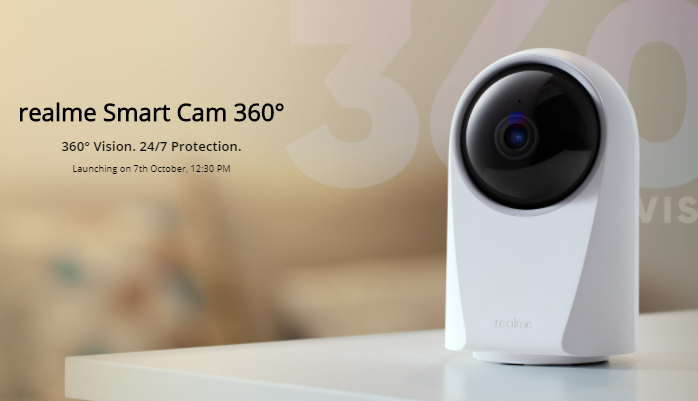
Realme Smart Cam 360°

Realme Smart Cam 360° featured

It is designed to offer 24/7 protection and comes with features like 1080p video recording with H.265 video encoding, wide dynamic range support, and 3D noise canceling.

The product also comes with support for AI motion detector, infrared night vision, voice talkback, and 360-degree rotation. There’s an AES-128 data encryption and TLS 1.2 transmission encryption.

It has support for a microSD card of up to 128GB and comes with a built-in Wi-Fi extender and it can be inverted or upright. It is priced at 179 yuan (~$27) and will be available for purchase in China from 19th October.


Smartisan Nut Pro 4 revealed to pack SD865 SoC, 108MP primary camera, 16GB RAM and more

Smartisan, a China-based smartphone maker, has scheduled a launch event on 20th October where the company is expected to launch its Nut Pro 4 smartphone. Now, ahead of the launch, the company has revealed key specifications of the device.

The poster shared by the company confirms that the smartphone will be powered by the Qualcomm Snapdragon 865 flagship chipset. It has also confirmed that the primary camera sensor on the device will be of 108-megapixel.

Smartisan Nut Pro 4 Key Specs

Further, it has been revealed that the smartphone will pack up to 16GB of RAM and 512GB of internal storage. The device will also have dual-mode SA/NSA 5G connectivity support, thanks to the chipset powering the phone.

The Chinese company will hold this new product launch conference physically at Wukesong·M Space at 19:30 local time on October 20th. While the company has not confirmed the name, we expect it to be the Nut Pro 4 which could have a white-colored back panel and a full-screen design.

EDITOR’S PICK: Huawei 5G base station teardown reveals almost 30 percent of parts sourced from the United States

The last time Smartisan launched a major smartphone product was on 31st October last year when the Nut Pro 3 was unveiled. The phone is a flagship model powered by the Snapdragon 855 Plus processor and packing a quad-camera setup.

The specs of the upcoming smartphone from the company seem promising but it remains to be seen how the device is priced in the market, what memory variants get launched, and when it will go on sale. To know those details, we will have to wait a few more days.


Huawei 5G base station teardown reveals almost 30% US-based parts

Huawei, the world’s leading manufacturer of telecom equipment, has been facing various sanctions from the United States at a time when there’s a fierce competition between the US and China for controlling the 5G technology.

Now, Nikkei Asia reports that the breakdown of the core base station unit from Huawei for the fifth-generation wireless network shows that the phone is using about 30 percent of the parts from US-based suppliers.

Huawei Logo MWC 2019

It is also revealed that the main semiconductor device in the unit, which has codename “Hi1382 TAIWAN” representing HiSilicon chipset, was supplied by a Taiwan-based contract manufacturer TSMC.

The report sheds light on the fact that the Chinese giant is still not totally independent from sourcing components from the US-based firms. But given that the company has been restricted, it will have to make do with the stockpiled components for the time being.

The Huawei baseband unit measures 49cm x 9cm x 34cm and weighs about 10kg. The device is usually placed on the roof of a building to process voice signals for transmission to and from mobile phones.

EDITOR’S PICK: Smartphones with support for 100W fast wireless charging are reportedly coming next year

The estimated production cost for the unit is $1,320, of which Chinese-made components account for 48.2 percent, which higher than the comparative figure for the 5G model of Huawei’s top-of-the-line smartphone, the Mate30, which is 41.8 percent. The US-made chips and other components account for a large 27.2 percent of the total cost.

The United States imposed a few new restrictions on Huawei, which went into effect last month. With that, it has now been banned from sourcing chipsets from US-based companies or companies that use US technologies.

However, the companies have now started applying for special licenses with the United States to continue doing business with Huawei. While Intel and AMD have already been granted a license, companies like Qualcomm, Samsung, MediaTek, etc. have also applied for a special license from the U.S.


Xiaomi launches the OPPLE Self-powered Wireless Doorbell for 55 yuan (~$8)

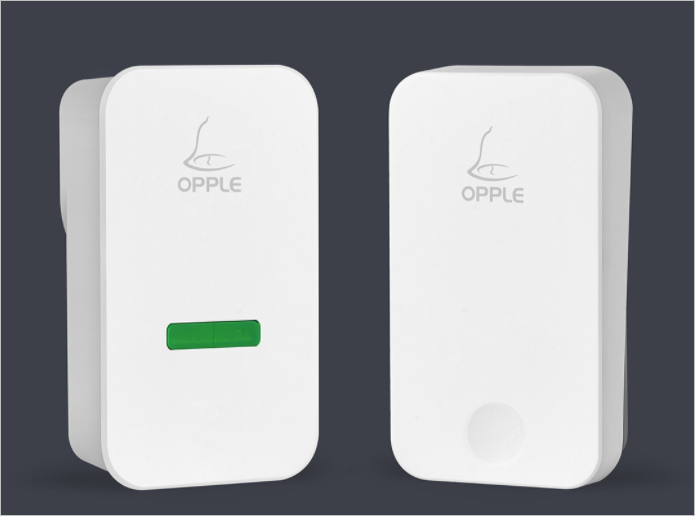
Xiaomi Youpin has played host to yet another innovative product. An innovative product dubbed OPPLE Self-powered Wireless Doorbell has been launched for open sale on the Youpin website. The product carries a  price tag of 55 yuan (~$8).OPPLE self-powered wireless doorbell

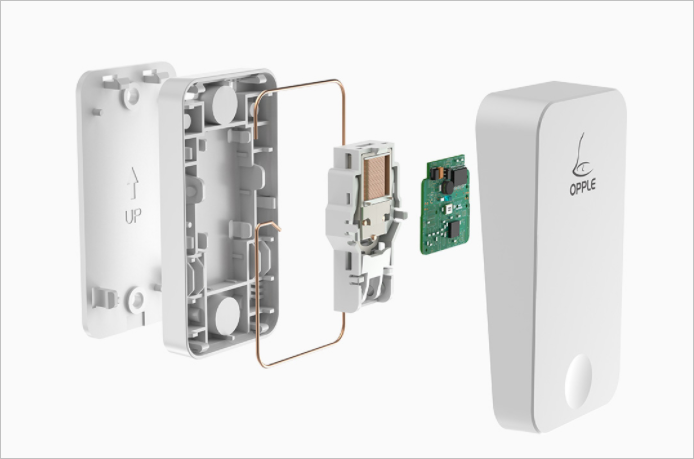
The OPPLE Doorbell is an entirely wireless device with up to 80 metres of wireless transmission. It is equipped with an external unit (doorbell) and an internal unit (receiver). When the visitor presses the external button on the doorbell, it generates power and 80 meters of wireless transmission.

The button outside the door has a built-in power generation module. When pressed by a finger, the kinetic energy is converted into electrical energy, and the power generation and wireless signal transmission are completed instantly, without wiring or battery.OPPLE self-powered wireless doorbell

The doorbell switch is pressed with a force of <5N, and it can be activated by lightly touching with your fingertips. It can be easily be triggered by the elderly and children at home. The button has been subjected to over 100,000 press tests and is durable.

Its innovative floating antenna design effectively reduces the problem of signal attenuation. It can transmit signals stably at 30 meters indoors and 80 meters outdoors.

OPPLE wireless doorbell’s volume is set to 5 levels of loudness. The highest volume is not too low such that even in noisy environments such as cooking, you can hear the knock on the door. There are 36 polyphonic ringtones onboard which can be switched freely. It also supports the silent mode. In the silent mode, only the light flashes to alert the homeowner and there is no ringing, so as to avoid disturbing family members sleeping and resting.OPPLE self-powered wireless doorbell

It also has a power-off memory function, set ringtones and volume, after an unexpected power-off and restart, it will still remember the last set value instead of restoring the default file, reducing the trouble of repeated settings.

Apart from the doorbell function, the OPPLE self-powered wireless doorbell can also be a pager. It can be placed in a room that needs care for children, the elderly, or pregnant women such that they press a button when in need of attention. It can be flexibly configured according to your needs.

Apart from the one doorbell and one receiver set, users also get the option to buy one doorbell and two receiver or two doorbells and one receiver, for slightly higher prices.