Infinix, today, announced a new smartphone in India. The Infinix Hot 10 is a mid-range phone that packs quite a lot for its price tag of ₹9,999 (~$137).
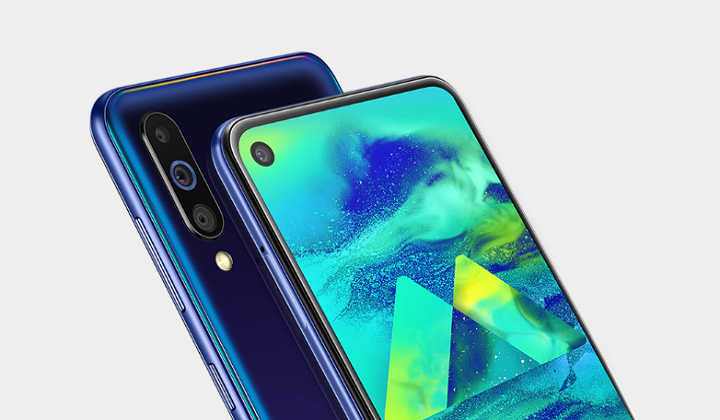
The Infinix Hot 10 has a 6.78-inch HD+ (1640 x 720) Full View-O display. The hole at the top left corner of the screen houses an 8MP f/2.0 camera. The spec sheet says there is even a dual-LED flash in front.

Under the hood is an Helio G70 processor and it is paired with 6GB of RAM and 128GB of storage. A dedicated MicroSD card slot is available if you want to add more storage.
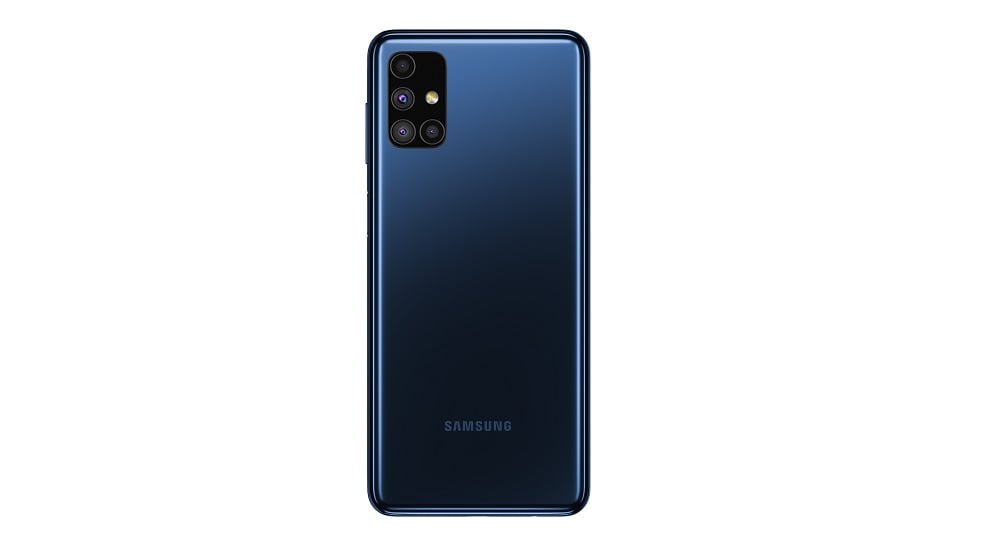
The Infinix Hot 10 has four cameras on the back. The primary camera is a 16MP f/1.85 sensor and it comes along with a 2MP depth sensor, a 2MP macro camera, and a “Low Light Sensor”. All four cameras are in a rectangular housing along with a quad-LED flash. The camera app is packed with lots of features including Super Night Mode and AR Animoji.
The phone has a rear-mounted fingerprint scanner, dual-SIM support, and an audio jack. It packs a 5200mAh battery and has support for 18W fast charging. Infinix ships the phone with XOS 7.0 based on Android 10.
The Infinix Hot 10 will be available in Moonlight Jade, Obsidian Black, Amber Red, and Ocean Wave. It will be sold on Flipkart, starting October 16.
Realme has announced it has a launch event scheduled for October 7. Some of the products launching on that day are the Realme Buds Wireless Pro and the Realme Buds Air Pro. It has also been confirmed that Realme will launch its first home security camera on that day which will launch as the Realme Smart Cam 360°.
Realme has put up a banner on its Indian website that confirms the smart camera will launch in the country on October 7. We checked the European site but didn’t find it there. However, that is not to say that the security camera will not be sold in the region, it may just launch at a later date.
The Realme Smart Cam 360° has a white polycarbonate body that wraps around a black globe which houses the camera. The main body sits on a round base. Since this is a 360° camera, we believe the camera will be able to rotate on the round base to provide a 360° view of the room. While the image doesn’t show a power cord, we can’t say if the smart camera has a built-in rechargeable battery. Nevertheless, we hope it does.
There are lots of details we do not know about the camera but we believe it should have night vision, motion detection, storage expansion support, and an affordable price tag. The Realme Smart Cam 360° will be the manufacturer’s first home security camera. Realme will be going up against Xiaomi which has been offering home security cameras for years now. Its lineup includes the Mi Home Security Camera 360° which is priced at ₹ 2,899 (~$40).
Shortly after the launch of the Galaxy Note 20 series, it was reported that Samsung may kill the popular series in 2021. Now a new report out of Korea says new Galaxy Note phones will launch next year but confirms that indeed, there are plans to kill the series.
Samsung Galaxy Note 20 Ultra and Galaxy Note 20
The original source of the info is said to be The Korea Herald by the Chinese blog IT Home. The publication reported that Samsung is indeed planning to axe the series and is moving some of its features to the S series such as the S Pen stylus which has been reported will be included in the Galaxy S21 Ultra. Apparently, the decision to bring some of the features of the Galaxy Note line to the S series is a marketing strategy to increase sales of the S series.
The source doesn’t mention when the Galaxy Note series will be killed but it does confirm that it is in Samsung’s plans.
Next year’s Galaxy Note line should arrive as the Galaxy Note 21. It should feature the same processors as the Galaxy S21 series such as the Exynos 2100 and the Snapdragon 875.
Little Pepper is a Chinese smartphone manufacturer that is known for shamelessly copying the designs of other smartphones. The company is back with a new phone called the Little Pepper X50 Pro and it borrows more than its name from the Vivo X50 Pro.
The Little Pepper X50 Pro is not a 1:1 clone of Vivo‘s phone. As you can see, it opts for a waterdrop notch and not a punch-hole. The 6.5-inch HD display is curved too and the size of its bezels is similar to those of the Vivo X50 Pro.
On the rear, is where the Little Pepper X50 Pro looks more like the Vivo X50 Pro with its camera design. The large rectangular camera housing is home to four cameras. The main camera is a 16MP sensor and it is not only significantly smaller than the 48MP main sensor on the Vivo X50 Pro but also lacks its gimbal stabilization. Sadly, the specs of the other rear cameras are not known but the spec sheet says the selfie camera is an 8MP sensor with support for Face Unlock.
The Little Pepper X50 Pro is powered by the Helio P60 processor and it is paired with 8GB of RAM and 128GB of storage. It has a side-mounted fingerprint scanner, a 3900mAh battery, and dual SIM support. The spec sheet says it runs Android but doesn’t mention the version.
The device is priced at ¥999 and comes in Blue, Gray, and Cherry Blossom.
After taking a break, DxOMark is back to releasing smartphone camera reviews. The camera review labs had said it will resume posting reviews in late October but surprised us with the camera review of the Vivo X50 Pro Plus on the first day of the tenth month. Now it has announced that the camera review for the Samsung Galaxy Note 20 Ultra is next.
According to a tweet by the official DxOMark account, the camera score and review for the Galaxy Note 20 Ultra will be published on Monday, October 5. This is a very important review and it will be interesting to see if Samsung’s flagship phone can take the crown from the Mi 10 Ultra which currently sits at the top with a score of 130 points. At the moment, there is only one Samsung phone on the top 10 list and it is the Galaxy S20 Ultra.
The Galaxy Note 20 Ultra has a 108MP f/1.8 main camera with optical image stabilization. It also has a 12MP f/3.0 periscope telephoto camera with OIS 5x optical zoom, and 50x hybrid zoom. Samsung adds another 12MP sensor, this time with an ultrawide lens to complete the triple camera setup.
Do you think the Galaxy Note 20 Ultra will score higher than the Mi 10 Ultra? Let us know in the comment box.
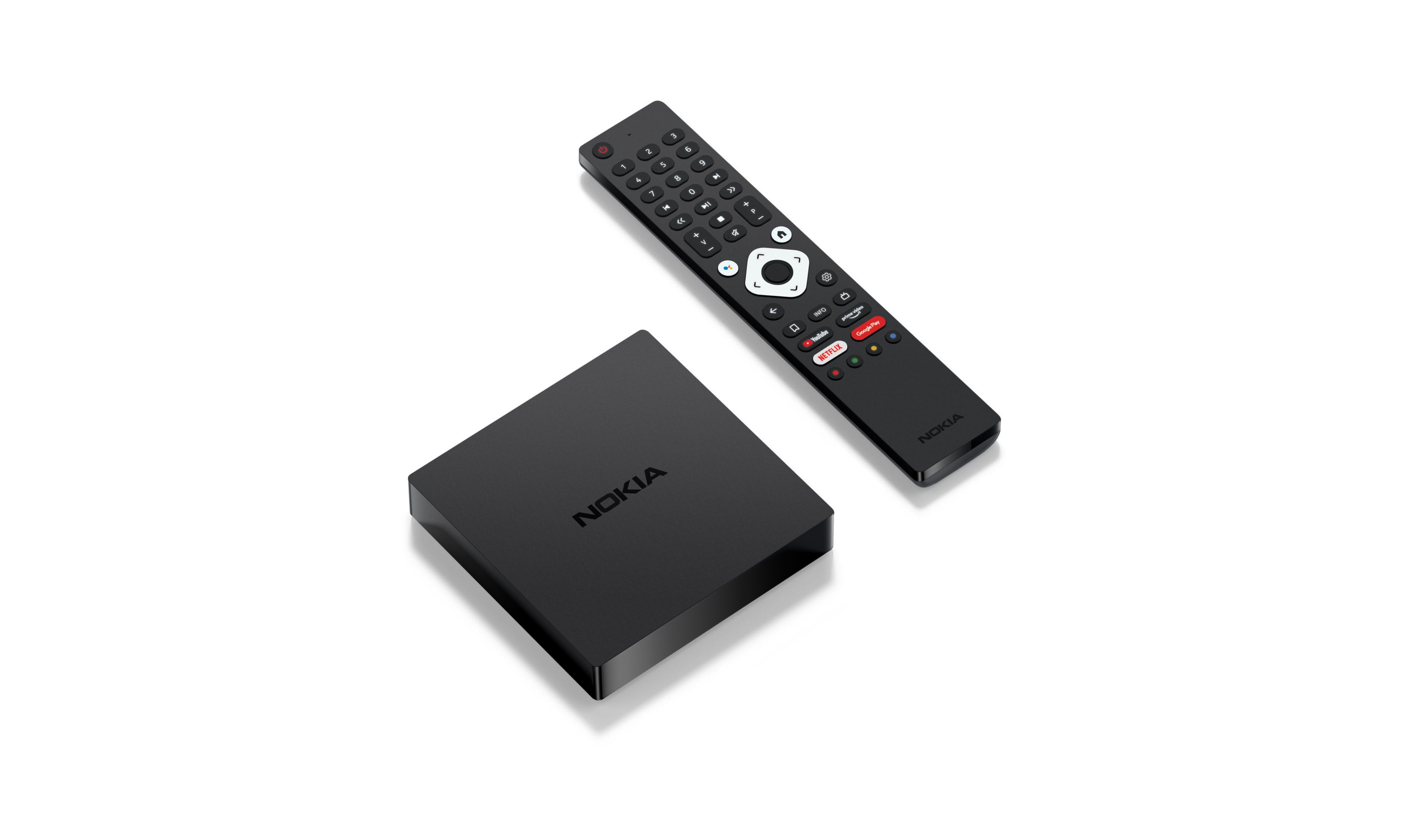
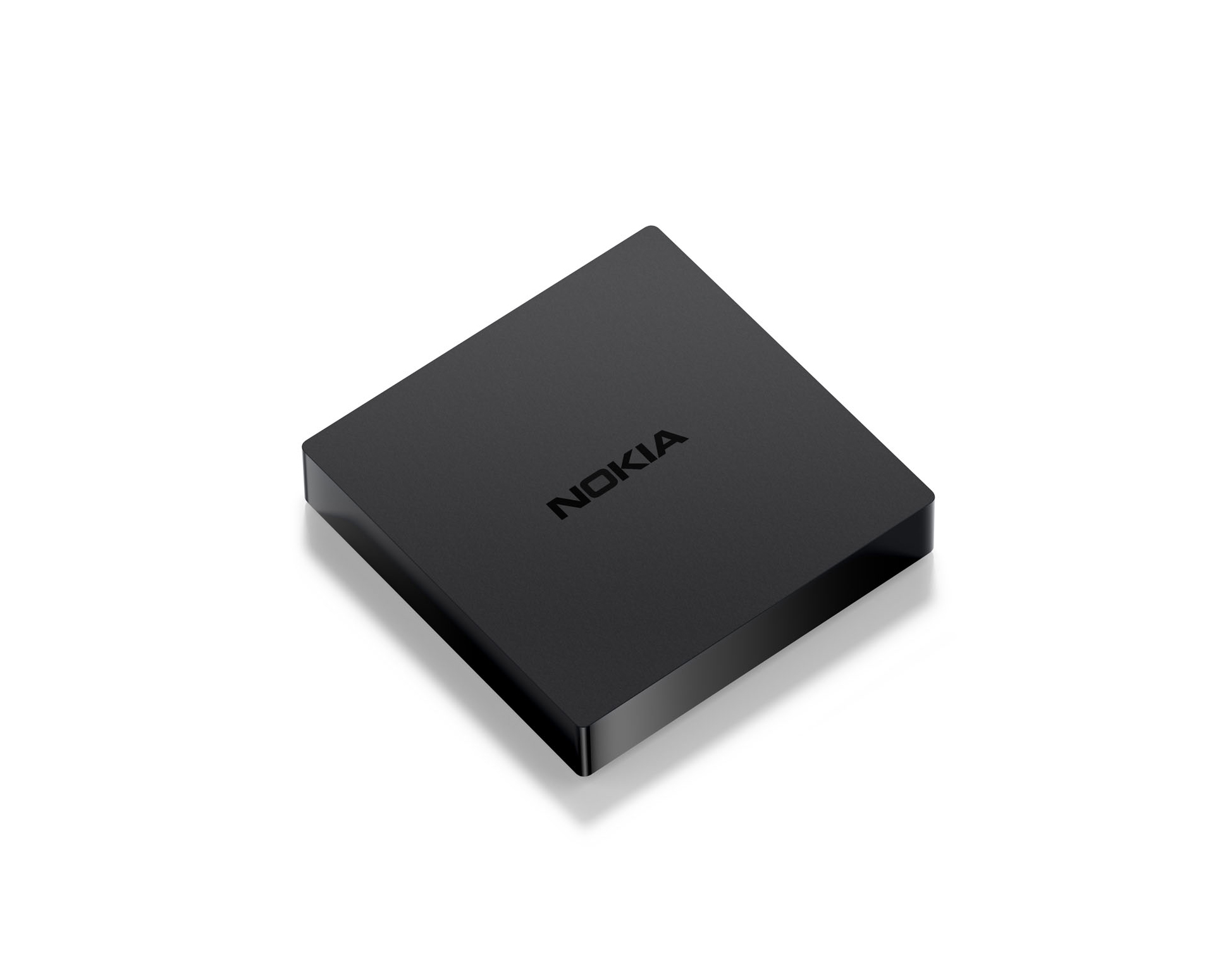
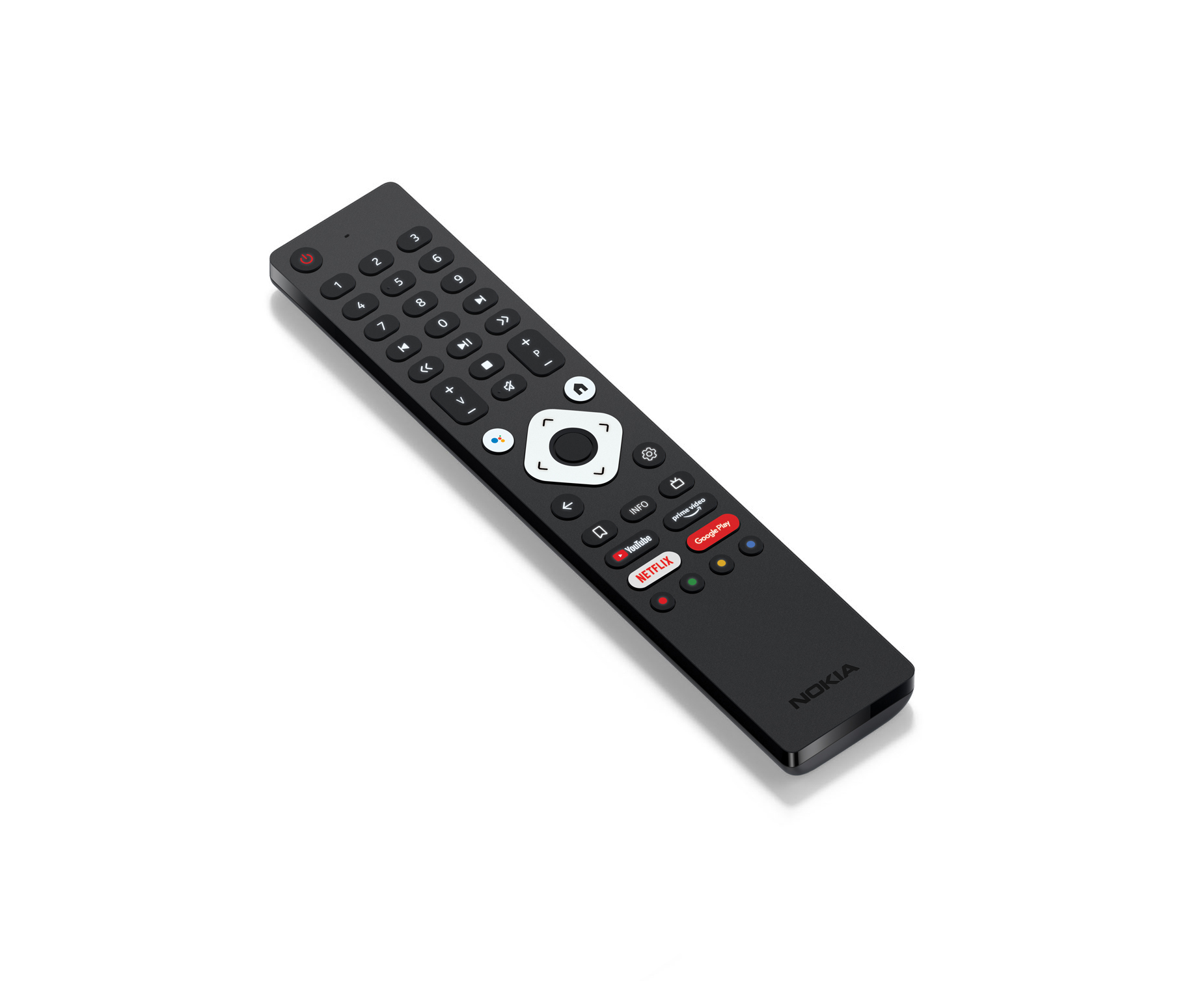
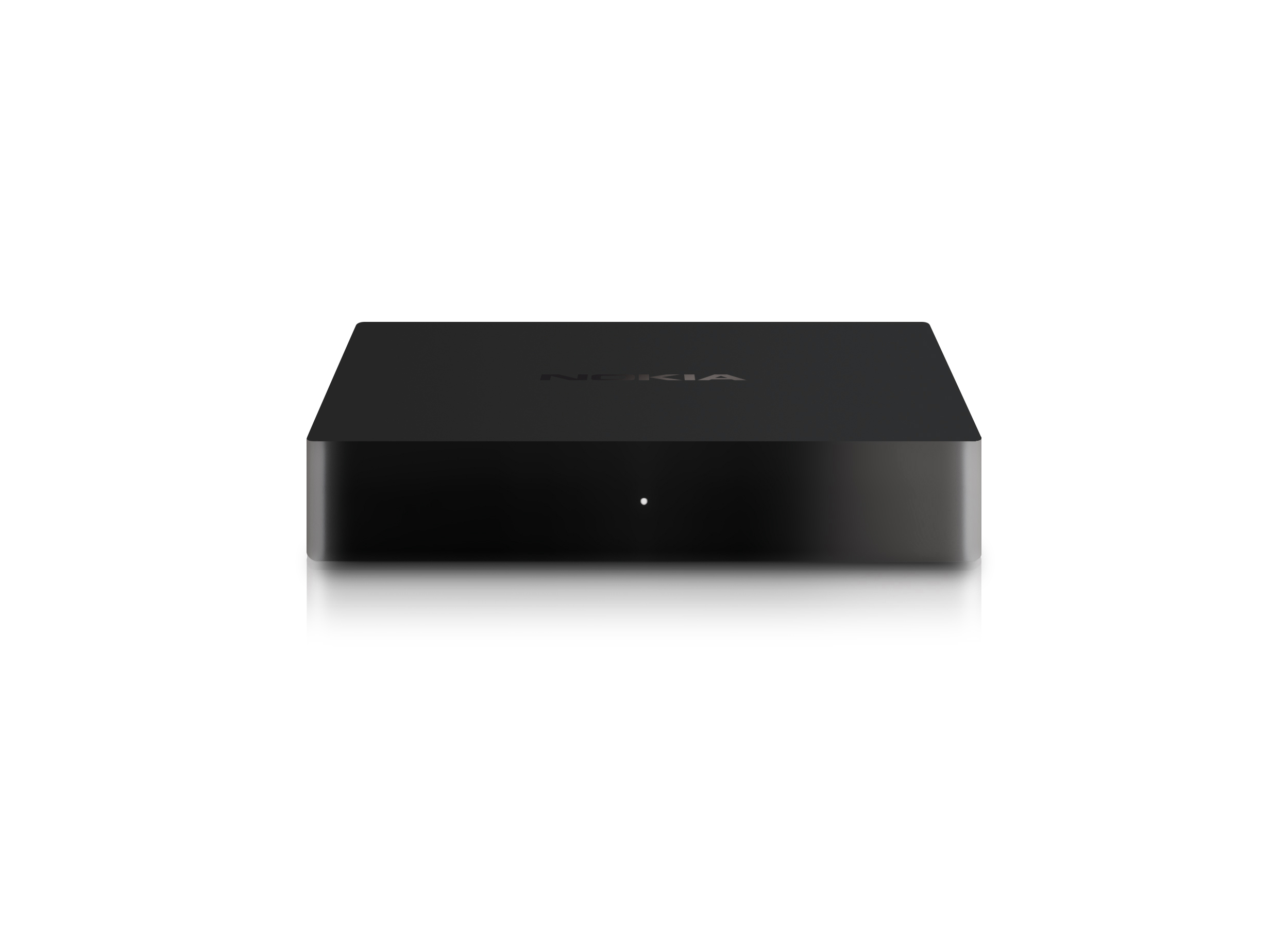
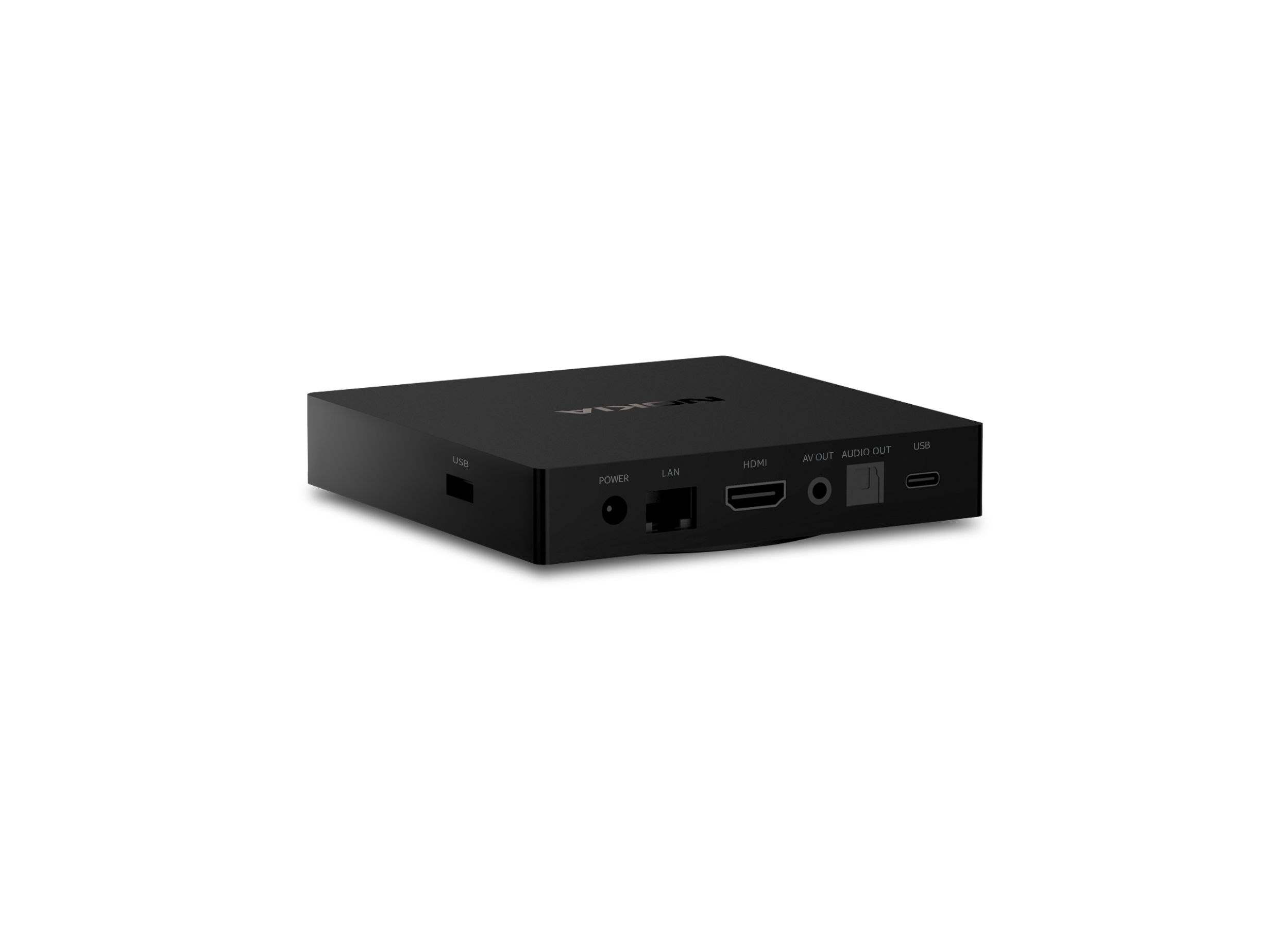
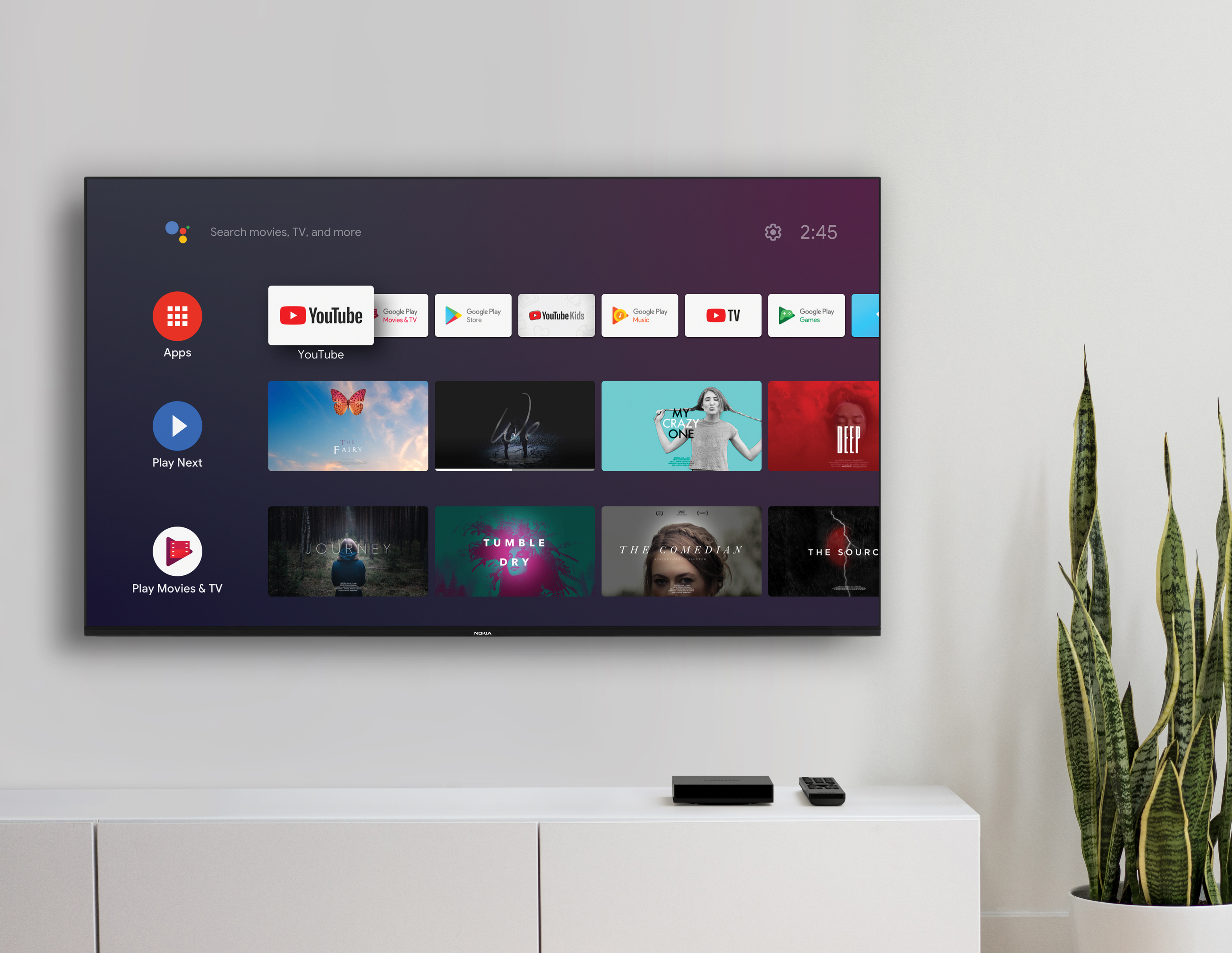
Last year, Flipkart launched the very first Nokia-branded smart TV in India, following the licensing of the Nokia name to the Walmart-owned retail giant. In the last six months, the 55-inch TV has gotten 43-inch and 65-inch siblings. Flipkart also announced a Nokia Android TV box in August. Now, it has been officially announced that new TV models are coming in a few days.
The official Nokia India site has revealed that a new range of Nokia Smart TVs will be launching on Tuesday, October 6. According to NokiaPowerUser, the new TVs should be a 32-inch model and a 50-inch model. The two TVs are reported to have been certified by the Bureau of Indian Standards back in early August.
The Nokia-focused blog has a different image of the poster which says that the TVs will feature Onkyo speakers. This is surprising as Nokia’s current smart TVs feature JBL speakers. It will be interesting to know why it has now switched to Japan-owned Onkyo.
The new smart TVs should run Android 9.0 out of the box and be pre-loaded with apps such as Netflix, Prime Video, and Disney+Hotstar. The 32-inch version will most likely have an FHD resolution, making it the cheapest of the lineup, while the 55-inch version should have a 4K panel.
Google Play Services for AR allows compatible devices to use apps built on the ARCore SDK. This means if your phone supports the service, you can use features such as the measure app which allows you to use your phone as a tape rule to measure dimensions or Live View in Google Maps.
Devices don’t usually have support for Google Play Services for AR out of the box. So it is no surprise that there are periodic announcements of the phones that now support the services. The new list of supported devices gotten from XDA-Developers is a pretty long one and includes mostly phones announced in the last quarter such as the Vivo X50 series, the Realme 7 series, and OnePlus Nord. Below is the full list:
If you own any of the above devices, you can confirm if there is support by heading to the Play Store and downloading the Google Play Services for AR app.
Xiaomi just launched its new flagship killer in the global market: the Mi 10T Pro. It is the successor of the Mi 10 Pro and it is currently one of the hottest devices out there. But despite Xiaomi Mi 10T Pro is the latest Xiaomi flagship, it is not the most advanced one. If you do not think so, you are not considered the Xiaomi Mi 10 Ultra: it did not launch globally, but it is actually better than the Mi 10T Pro. Let’s discover the reasons why the Mi 10 Ultra is more advanced and which one you should go for.
Xiaomi Mi 10T Pro vs Xiaomi Mi 10 Ultra
Xiaomi Mi 10T Pro
Xiaomi Mi 10 Ultra
DIMENSIONS AND WEIGHT
165.1 x 76.4 x 9.3 mm,
218 g
162.4 x 75.1 x 9.5 mm,
222 g
DISPLAY
6.67 inches, 1800 x 2400 pixels (Full HD+), IPS LCD
4500 mAh, Fast Charging 120W, fast wireless charging 50W
ADDITIONAL FEATURES
5G
Reverse wireless charging, 5G
Design
With both the Xiaomi Mi 10 Ultra and the Mi 10T Pro you get a premium design, including a glass back and an aluminum frame. The Xiaomi Mi 10 Ultra looks more elegant thanks to its curved display, but the Xiaomi Mi 10T Pro has a smaller camera module. I personally prefer the Xiaomi Mi 10 Ultra, but not everyone likes curved and edge-to-edge displays. These devices have high build quality, but despite they are flagships, they do not offer any kind of protection against water and dust.
Display
Xiaomi Mi 10T Pro has the highest refresh rate of this comparison and even the highest refresh rate ever seen on a phone, but this does not mean it has a better display. The Xiaomi Mi 10 Ultra is actually superior because it is equipped with an OLED panel instead of the IPS panel of the Mi 10T Pro. You get a better image quality with the Xiaomi Mi 10 Ultra, as well as a higher brightness. Both support the HDR10+ standard, both are protected by Gorilla Glass 5, both have the same 6.67-inch diagonal and the Full HD+ resolution. So, the element which makes the difference is the panel technology.
Specs & Software
Xiaomi Mi 10 Ultra and Xiaomi Mi 10T Pro both are powered by the Snapdragon 865 mobile platform which is actually the best Qualcomm’s chipset if we exclude the Snapdragon 865+ which offers a 10% performance boost. The SoC is paired with LPDDR5 RAM and UFS 3.1 native storage. The Xiaomi Mi 10 Ultra wins because it is available in a pair of memory configuration with 12 GB of RAM, while Xiaomi Mi 10T Pro stops at 8 GB. Further, you can get more internal storage with the Xiaomi Mi 10 Ultra: up to 512 GB. Xiaomi Mi 10 Ultra and Xiaomi Mi 10T Pro run Android 10 out of the box, customized by MIUI 12.
Camera
The best camera phone is the Xiaomi Mi 10 Ultra. It lacks the 108 MP sensor of the Xiaomi Mi 10T Pro, but it has a dual 48 MP sensor with up to 120x hybrid zoom, a 12 MP telephoto lens, and an ultrawide lens with a 20 MP resolution, as well as dual OIS. Xiaomi Mi 10T Pro lacks the periscope lens and the telephoto sensor of the Xiaomi Mi 10 Ultra and it is an inferior camera phone packing just a 108 MP main sensor, a 13 MP ultrawide camera, and a 5 MP macro shooter. The 108 MP sensor of the Xiaomi Mi 10T Pro is a great camera, but thanks to its better secondary sensors, the Xiaomi Mi 10 Ultra is able to click way better photos in a lot of situations. That is why the Xiaomi Mi 10 Ultra wins the camera comparison too.
The Xiaomi Mi 10T Pro packs a bigger battery than Mi 10 Ultra: 5000 mAh against 4500 mAh. But this does not necessarily mean that Xiaomi Mi 10T Pro will last more than Mi 10 Ultra on a single charge. The Xiaomi Mi 10 Ultra has a more efficient display thanks to the OLED technology and a lower refresh rate. That is why there should not be big differences between these two handsets in terms of battery life. Things change totally when it comes to charging speeds. Xiaomi Mi 10 Ultra supports a 120W fast charging technology, 50W wireless charging, and 10W reverse wireless charging. Xiaomi Mi 10T Pro stops at 33W for wired charging and it does not support wireless charging and reverse charging. This is what lets us give our battery award to the Xiaomi Mi 10 Ultra.
Price
Xiaomi Mi 10 Ultra is priced about €850/$1000 in China, while Xiaomi Mi 10T Pro costs €600/$700 in the global market. The Xiaomi Mi 10 Ultra is a superior device from every point of view: it has a better display thanks to the OLED technology, higher-end memory configurations with up to 12 GB of RAM, better cameras thanks to superior secondary sensors (periscope and telephoto), and more. But unfortunately, unlike the Mi 10T Pro, the Xiaomi Mi 10 Ultra will never come in the global market and it will remain China-exclusive. While the Xiaomi Mi 10 Ultra is a top-tier flagship (just like the Xiaomi Mi 10 Pro which did not have a lot of success in the global market), the Mi 10T Pro is more like a flagship killer: two devices belonging to different segments. The Xiaomi Mi 10 Ultra is the best Xiaomi device to date, while the Mi 10T Pro is one of the Xiaomi phones with the highest value for money.
A few days ago, OnePlus teased that it has a new audio product coming soon. We deduced that the new product is a pair of TWS earbuds which should launch as the OnePlus Buds Z. Today, OnePlus confirmed that it will indeed launch a new pair of earbuds on October 14.
According to a post made on Twitter, the new Buds will have an IP55-rating. The teaser from earlier this week showed that the earbuds will have silicone ear tips.
No matter the weather, you won't miss a beat with our new IP55-rated Buds. See them October 14.
The OnePlus Buds Z will be more affordable than the OnePlus Buds that was announced a few months ago. It has bee reported that the earbuds will also weigh less at 4.35 grams per earbud compared to the OnePlus Buds which have a weight of 4.6 grams per earbud. The OnePlus Buds Z should connect via Bluetooth 5.0 and work with the OnePlus Buds app.
The new earbuds will launch alongside the OnePlus 8T flagship smartphone.
The source of the leak is IT Home who said they were provided with the info by one of their readers. The image shows the monitor with a bezel-less design. Actually, Huawei has trimmed the bezels down on three sides save for the bottom which has the manufacturer’s name. The monitor stands on a metal stand with a cylindrical stem and a flat base.
The monitor which has model number AD80HW has a 23.8-inch FHD IPS LCD display with a 90° screen-to-body ratio and a 178° viewing angle. It has a 72% NTSC color gamut and is capable of displaying 16.7 million colors. It also has a TÜV Rheinland low-blue light certification.
There is also an image that shows the back of the display which has a gray matte finish. There are some ports on the back including a single HDMI port.
The source says that the monitor will be outsourced to an ODM (original design manufacturer), BOE Video Technology Co. Ltd, which is a subsidiary of BOE Technology Group. Huawei will also offer curved screen monitors that will be built by TPV Technology and will come in 27-inch and 34-inch variants.
The new monitors should be announced before the end of the year.
Zack Nelson of YouTube channel JerryRigeverything is well-known for his smartphone durability test videos. Recently, he posted a video on Samsung’s latest foldable handset – Galaxy Z Fold2. Surprisingly, it passed his rigorous fragility assessment.
Last year, when the original Galaxy Fold was re-released, Zack made a video on it. Although the phone survived much of his durability test, some sand particles managed to enter the hinge and never came out. Above all, the folding display was fragile as it featured a CPI (Colorless Polyimide) layer.
Now this year, the Galaxy Z Fold2 comes with a redesigned hinge and UTG (Ultra Thin Glass) cover for its inner 120Hz foldable panel with a single punch-hole instead of a notch. Anyway, the screen did get damaged easily by fingernails but not as much as its predecessor. However, the sand particles came out thoroughly from the hinge.
Further, the handset even survived the infamous bend test, in which the OnePlus Nord and iPad Pro 2020 gave up. But unfortunately, the side-mounted fingerprint sensor got destroyed with scratches. In fact, that was the only negative point of this phone apart from the fragile (still) inner display.
We believe the fingerprint sensor can be easily fixed in the next iteration but the durability of the foldable panel may still take years to be as good as normal glass-covered displays.
Google has killed its VR platform dubbed Daydream. The info was shared via a support page, thus adding the platform to the growing list of products Google has killed.
The post says that the “Daydream app is no longer supported by Google and may not work properly on some devices running Android 11 or later”. What this means is that devices that supported the platform originally and get updated to Android 11 will no longer work with Daydream. This includes phones such as the Pixel 2 and Pixel 3. Last year’s Pixel 4 didn’t even support the feature, which was a sign that it was going to get axed eventually.
It goes on to say that many of the third-party apps and experiences within Daydream may still be available as standalone apps in the Google Play Store. It also says that the Daydream View headset used to view VR content is no longer available for sale.
Google is not the only manufacturer that has abandoned VR. Chinese manufacturer, Xiaomi, who launched a couple of VR headsets including the Mi VR headset has ditched the platform.
If you are still invested in VR, Facebook-owned Oculus is very much still in business. Just recently, it announced the Oculus Quest 2, a $299 standalone VR headset.
OPPO has officially launched OPPO Reno4 5G, OPPO Reno4 Pro 5G, and OPPO Reno4 Z 5G in Europe just like the company announced last month. The first two handsets are exactly the same devices that debuted initially in China in June. Whereas, the third device is nothing but a rebranded OPPO A92s that first went official in April in the firm’s home country.
Since these devices are already known, we won’t be talking too much about their specifications. But sill we will point out some primary features, which make them different from each other.
OPPO Reno4 5G, Reno4 Pro 5G & Reno4 Z 5G Specifications
Just to refresh your memory, the regular Reno4 5G and Reno4 Pro 5G are powered by Qualcomm Snapdragon 765G SoC. On the other hand, the Reno4 Z 5G features MediaTek Dimensity 800 chipset. The former two come equipped with a 90Hz AMOLED display, whereas the latter features an LCD panel with 120Hz.
All three of them sport a 48MP primary camera but only the Pro variant comes with OIS. The remaining rear cameras are 8MP (ultra-wide) + 2MP (depth) on the regular Reno4, 13MP (ultra-wide + 12MP (telephoto) on the Reno4 Pro, and 8MP (ultra-wide) + 2MP (macro) + 2MP (depth) on the Renno4 Z.
For selfies, the Reno4 and Reno4 Z feature a dual-camera setup – 32MP (wide) + 2MP (depth) & 16MP (wide) + 2MP (depth) respectively. Whereas, the Pro comes with a single 32MP shooter.
Further, though all of them feature UFS 2.1 storage and USB Type-C, only the Reno4 Z sports a 3.5mm headphone jack and the Reno4 Pro comes equipped with stereo speakers.
Interestingly, all three modes are backed by a 4,000mAh battery but only the first two models support 65W SuperVOOC 2.0 fast charging while the last one (Reno4 Z) is limited to 18W.
Ahead of the launch, realme has officially released the specs and renders of the upcoming realme Buds Air Pro. It comes with ANC (Active Noise Cancellation) just like the realme Buds Wireless Pro and will be exclusive to Flipkart.
1 of 2
realme Buds Air Pro Specifications
10mm drivers
ANC (up to 35dB)
Transparency Mode
94ms Low Latency Gaming Mode
Touch Controls
IPX4 Water-resistant
25-hour Battery Life
Original Story: October 1
Chinese smartphone maker realme has been launching a variety of ecosystem products since the past few months. At IFA 2020, the brand teased its next wave of connected products scheduled to be unveiled in Q4 2020. One of them is realme Buds Air Pro and now, it has been even confirmed by the company to launch on October 7 in India.
Back in December 2019, realme launched its first-ever true wireless earphones in the form of realme Buds Air. Then, in the first half of 2020, the company debuted more affordable TWS models like the realme Buds Air Neo and realme Buds Q.
Now, the firm is all set to launch its most-expensive as well as feature-packed TWS called realme Buds Air Pro. Just like the company’s first truly wireless earphones, this one will be also debuting first in India and will be exclusive to Flipkart.
That said, the design patent of this TWS’ charging case was recently spotted in the database of CNIPA (China National Intellectual Property Administration). According to which, the case will resemble a hockey puck with USB Type-C port, a pairing button, and an LED indicator.
Apart from the above-mentioned features, we expect it to come with ANC (Active Noise Cancellation) and silicone tips.
Recently, OPPO rebranded OPPO F17 Pro into three devices namely OPPO Reno4 Lite, OPPO Reno4 F, and OPPO A93 for different markets respectively. Now, a new OPPO smartphone with model number CPH2185 visits FCC with a similar design as the realme narzo 20.
OPPO CPH2185
Just like Samsung, OPPO sells smartphones at every price point but not as cheap as the South Korean tech giant’s Galaxy M01 Core. Some of these devices sell with a different name in different countries.
However, the company never rebrands device from its sister brands – realme and OnePlus, rather it’s opposite. For instance, the realme 1 and realme 2 were rebadged OPPO A3 and OPPO A7 respectively. Similarly, almost all OnePlus smartphones either share their design or components with OPPO.
But now, for the very first time, we could witness OPPO launching a device already debuted by its sister brand realme. The smartphone in question is OPPO CPH2185, which has been recently spotted on FCC (via @_the_tech_guy).
One of the documents includes a design schematic of the phone’s back, which reveals it to look similar to the recently launched realme narzo 20. Another document confirms it to run ColorOS 7.2 and come with a 3.5mm headphone, a USB Type-C port, and a 4,230mAh battery with support for 10W charging.
These specs suggest that its battery and charging speed will be comparatively less than narzo 20’s 6,000mAh battery and 18W fast charging. Maybe, even the chipset and camera could be different on this phone.
Hence, we feel that the only things that could be identical are its design and display. Nevertheless, it is bizarre to see OPPO rebadging a realme smartphone.
Chinese brand Tecno has silently unveiled a new smartphone called the Tecno Pova. The company is yet to confirm the pricing of the device. Also, there is no word on the market that will be receiving the Tecno Pova smartphone. Here is all the information that is known about the smartphone.
Tecno Pova specifications and features
The Tecno Pova has 171.23 x 77.57 x 9.4mm dimensions and it is equipped with a massive 6.8-inch display with punch-hole design. The screen produces an HD+ resolution of 720 x 1640 pixels and a 20.5:9 aspect ratio.
The smartphone boots to HiOS based Android 10 OS and it is fueled by the Helio G80 chipset by MediaTek. The phone is equipped with 6 GB of RAM and 128 GB of built-in storage. It draws power from a 6,000mAh battery that supports 18W rapid charging. The massive battery promises 30 days of standby time, 64 hours of voice calling, and up to 20 hours of gaming.
The Tecno Pova has an 8-megapixel front-facing camera with a dual flash unit. Its backside is fitted with a 13-megapixel quad-camera system that tags along with a quad flash unit. The official listing has no information on the configurations of its quad cameras. It is also fitted with a rear-mounted fingerprint scanner.
The Tecno Pova will be available in three colors such as Magic Blue, Speed Purple, and Dazzle Black. Hopefully, the Chinese brand will confirm the pricing of the smartphone at some point this month.
At the beginning of September, Samsung announced the Galaxy A42 5G smartphone. The handset is expected to go on sale in Germany starting from the coming month. Priced at 369 euros, the Galaxy A42 5G is the cheapest 5G smartphone from the brand. The press release that the company last month had shown the phone in black color. Now an official listing of the phone has emerged to showcase its other color variants.
In the below-shown renders, the Galaxy A42 5G can be seen in colors such as black, white, and gray. The smartphone can be seen sporting a unique quad-tone design. The smartphone has a square-shaped camera module for its quad-camera setup and its front is fitted with a waterdrop notch display.
The Samsung Galaxy A42 5G has a 6.6-inch AMOLED screen that offers a 1080 x 2400 pixels Full HD+ resolution and 20:9 aspect ratio. The screen is integrated with a fingerprint sensor.
The One UI 2.5 based Android 10 OS comes preinstalled on the smartphone. The smartphone is said to be powered by the Snapdragon 750G chipset and 6 GB of RAM. The phone houses a 5,000mAh battery.
For selfies, the Galaxy A42 5G possesses a 20-megapixel front camera. The rear side of the phone has a quad-camera system that comprises of a 48-megapixel main camera, an 8-megapixel ultrawide sensor, a 5-megapixel macro sensor, and a 5-megapixel depth effects lens.
The iPhone 12 series is one of the most anticipated smartphones of 2020, however, Apple is yet to reveal the date for its launch event. Over the past few months, a ton of information about these handsets popped up from various sources. Now, even their prices are out.
The 2020 Apple iPhone 12 series will consist of four models namely, iPhone 12 Mini, iPhone 12, iPhone 12 Pro, and iPhone 12 Pro Max. Out of these, the first two devices will start from 64GB and max at 256GB. On the other hand, the base variant of the remaining two Pro models will feature 128GB, whereas their high-end versions will come with 512GB.
Now, as we are done with the iPhone 12 series storage, here are their prices as well.
iPhone 12 Mini
64GB – $649
128GB – $699
256GB – $799
iPhone 12
64GB – $749
128GB – $799
256GB – $899
iPhone 12 Pro
128GB – $999
256GB – $1,099
512GB – $1,299
iPhone 12 Pro Max
128GB – $1,099
256GB – $1,199
512GB – $1,399
To jog your memory, the iPhone 12 Mini, as the name suggests, will be the smallest of all with a 5.4-inch display. Whereas, the screen on the standard iPhone 12 and iPhone 12 Pro will measure 6.1-inch. Lastly, the iPhone 12 Pro Max will come equipped with a 6.7-inch display.
That said, although all the four models will feature OLED panels, none of them will have 120Hz refresh rate like Android flagships. But they will come with Face ID, 5G connectivity (mmWave only in Pro models), and LiDAR scanner (again, only Pro models).
The Legion Duel phone by Lenovo was made official in China in July. The beefed gaming smartphone has now landed in Europe with a pricing of 999 euros (~$1,170). The shipments of the Legion Duel will begin on Oct. 15 in the European markets.
The Lenovo Legion Duel which is priced at 999 euros can be availed through for installments of 250 euros (~$293) in some European markets. Early-bird buyers can make use of the LEGIONEARLYBIRD promo code to avail a Lenovo Smart Clock wroth 90 euros (~$105) or the Lenovo Yoga ANC on-ear headphones worth 150 euros (~$176).
In the European markets, the Lenovo Legion Duel will come with 16 GB of RAM and 512 GB of massive UFS 3.1 storage. While the phone sells with 90W fast charging in China, the European edition ships with 65W rapid charger. The Legion Duel is also expected to hit other markets like the Middle East, the Asia Pacific, and Latin America. However, the Chinese firm is yet to confirm the arrival of the gaming phone in these markets.
The Lenovo Legion Duel has a 6.65-inch full HD+ AMOLED display that supports a 144Hz refresh rate and is equipped with an in-screen fingerprint reader. The LegionOS based Android 10 OS comes preinstalled on the smartphone. The device is backed by a 5,000mAh battery.
Lenovo Legion Duel
The Legion Duel is one of the few Snapdragon 865+ mobile platform powered smartphones. It comes with LPPDR5 RAM and UFS 3.1 storage. It has a side-mounted pop-up selfie camera of 20-megapixel. It houses a 64-megapixel + 16-megapixel (ultrawide) rear-facing dual-camera system.
Xiaomi recently launched the Xiaomi Mi 10T Lite, Mi 10T, and Mi 10T Pro smartphones in the European markets. It appears that the Chinese firm will also bring the Mi 10T series to India. Yesterday, Xiaomi India Managing Director Manu Kumar Jain carried out a poll on Twitter to know whether fans would like to see the Mi 10 series in India.
The poll revealed that approximately 80 percent of Mi fans want Xiaomi to launch Xiaomi Mi 10T and Mi 10T Pro smartphones in India. Through another tweet, Jain said that the company will try to bring the Mi 10T series to India.
Super stoked with the response to #Mi10TSeries poll. 😍
Approx. 80% of Mi Fans want us to launch #Mi10TPro & #Mi10T in India. And half of them want it NOW.
Thank you all. 🙏 We'll try our best to bring it to #India. 🇮🇳
While Jain teased the arrival of the Mi 10T series in India, his tweet does not mention the Mi 10T Lite smartphone. Hence, it appears that the company could be only bringing the Mi 10T and Mi 10T Pro smartphones to India.
Xiaomi Mi 10T Lite, Mi 10T, and Mi 10T Pro specifications
The Xiaomi Mi 10T series of 6.67-inch IPS LCD full HD+ panels with punch-hole design. The Mi 10T and Mi 10T Pro support a 144Hz refresh rate, and the Mi 10T Lite supports a 120Hz refresh rate.
The Lite model features Snapdragon 750G, whereas the Mi 10T and Mi 10T Pro are equipped with Snapdragon 865 mobile platform. The Mi 10 Lite comes with 6 GB of RAM and 64 GB UFS 2.1 / 128 GB UFS 2.2 storage. The Mi 10T and Mi 10T Pro come with up to 8 GB of RAM and up to 256 GB of UFS 3.1 storage.
The Mi 10 Lite has a 64-megapixel + 8-megapixel (ultrawide) + 2-megapixel (macro) + 2-megapixel (depth) quad rear cameras and it has a 16-megapixel front camera. The Mi 10T and Mi 10T Pro have 20-megapixel front-facing cameras. The Mi 10T has a 64-megapixel + 13-megapixel (ultrawide) + 5-megapixel (macro) triple rear cameras. The Xiaomi Mi 10T Pro’s rear camera system has an OIS assisted 108-megapixel main camera instead of a 64-megapixel lens.
The Mi 10 Lite has a 4,820mAh battery and the Mi 10T and Mi 10T Pro models are fueled by 5,000mAh batteries. All three phones support 33W fast charging and they are equipped with side-mounted fingerprint readers.
We use cookies on our website to give you the most relevant experience by remembering your preferences and repeat visits. By clicking “Accept”, you consent to the use of ALL the cookies.
This website uses cookies to improve your experience while you navigate through the website. Out of these, the cookies that are categorized as necessary are stored on your browser as they are essential for the working of basic functionalities of the website. We also use third-party cookies that help us analyze and understand how you use this website. These cookies will be stored in your browser only with your consent. You also have the option to opt-out of these cookies. But opting out of some of these cookies may affect your browsing experience.
Necessary cookies are absolutely essential for the website to function properly. This category only includes cookies that ensures basic functionalities and security features of the website. These cookies do not store any personal information.
Any cookies that may not be particularly necessary for the website to function and is used specifically to collect user personal data via analytics, ads, other embedded contents are termed as non-necessary cookies. It is mandatory to procure user consent prior to running these cookies on your website.