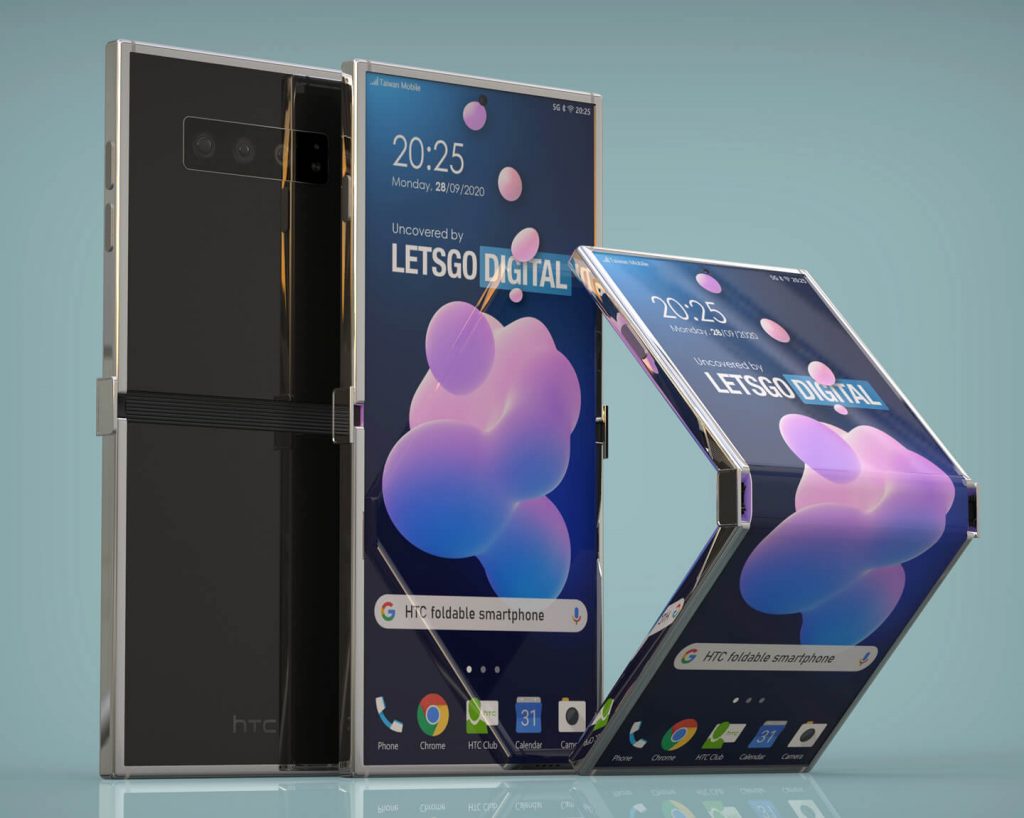
While HTC has been relatively in the sidelines with its smartphones in recent times, the company’s CEO is expecting to make its smartphone division profitable by 2025. Now, a new patent suggests that the company might be working on a new foldable smartphone.
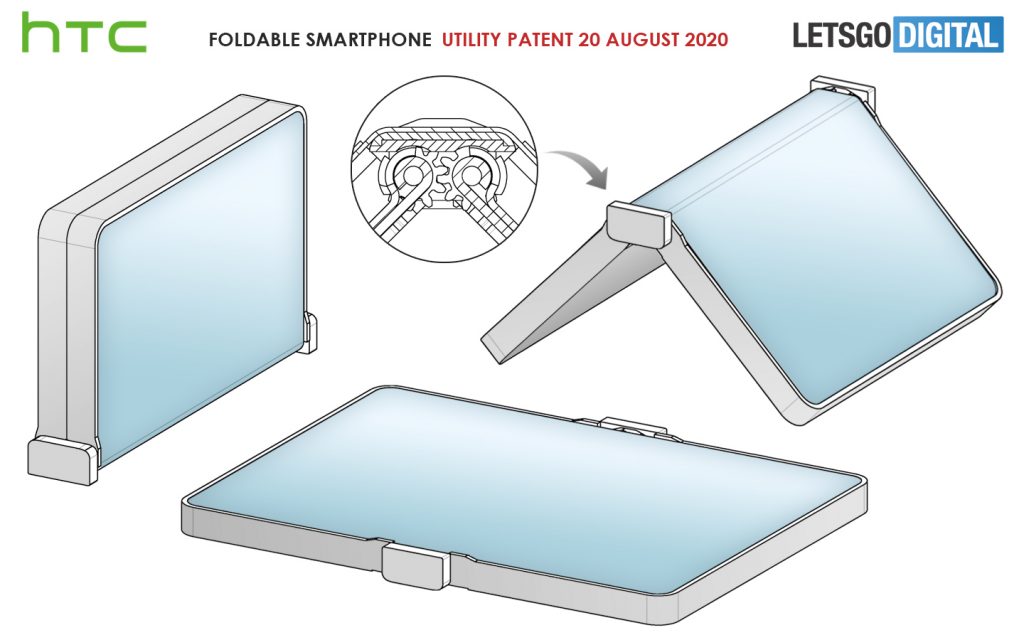
Back in late 2019, HTC had filed a patent with the WIPO (World Intellectual Property Office) that finally got published in August 2020. According to a LetsGoDigitalreport, the patent on the WIPO database reveals a smartphone with an outward folding clamshell design. In other words, unlike the Moto Razr 2019, this device folds towards the back rather the into itself.
Notably, by having the display on the outside, it allows for the screen to cover both the rear and the front when folded. This is somewhat similar in design when compared to Huawei Mate X and Mate Xs that also have the display on the outside when folded. While this may look attractive, it also means that the flexible display has a higher chance of being damaged when being carried around. The patent documents also heavily focus on the hinge mechanism of the device rather than the device itself.
The documents regarding HTC’s first foldable smartphone is still in the early stages so it is also unknown whether the company is actually working on such a handset, or if it is just covering all bases. Regardless, HTC is planning on making a comeback in the smartphone market, so having an innovative high end product might serve to bring back attention to its branding again.
Samsung Electronics was dethroned from its world’s leading smartphone brand as China-based Huawei surpassed it in the second quarter of this year. This was mainly because of lower-than-expected sales of the flagship Galaxy S20 lineup.
However, now it seems that the company is in a better position. As per the reports, analysts believe that the company could report strong earnings for the third quarter of this year, mainly because of solid semiconductor business and smartphone sales.
It is being estimated that the South Korean giant could post a 20.7 percent increase in sales and about a 27.6 percent increase in operating profit compared to the numbers shared by the company for the previous quarter.
The prices for memory chips have declined in the market by 10 percent to 15 percent and despite that, Samsung has managed to sail through without a big drop in sales. In fact, analysts estimate that the chip business of Samsung could post an operating profit of around 5 trillion won for the third quarter.
Further, the company’s foundry business also reported growth in Q3 2020 as it managed to secure chipset manufacturing orders from Qualcomm and NVIDIA. Another department where the company registers growth is smartphones.
As per the reports, Samsung’s smartphone business is estimated to report about 4 trillion won in operating profit for the third quarter of the year, more than double compared to 1.95 trillion won in Q2 2020.
The company reportedly managed to ship 80 million units of smartphones in Q3 2020, which is about 50 percent more than the previous quarter. On the other hand, sales of tablets reached 10 million units, an increase of 45 percent.
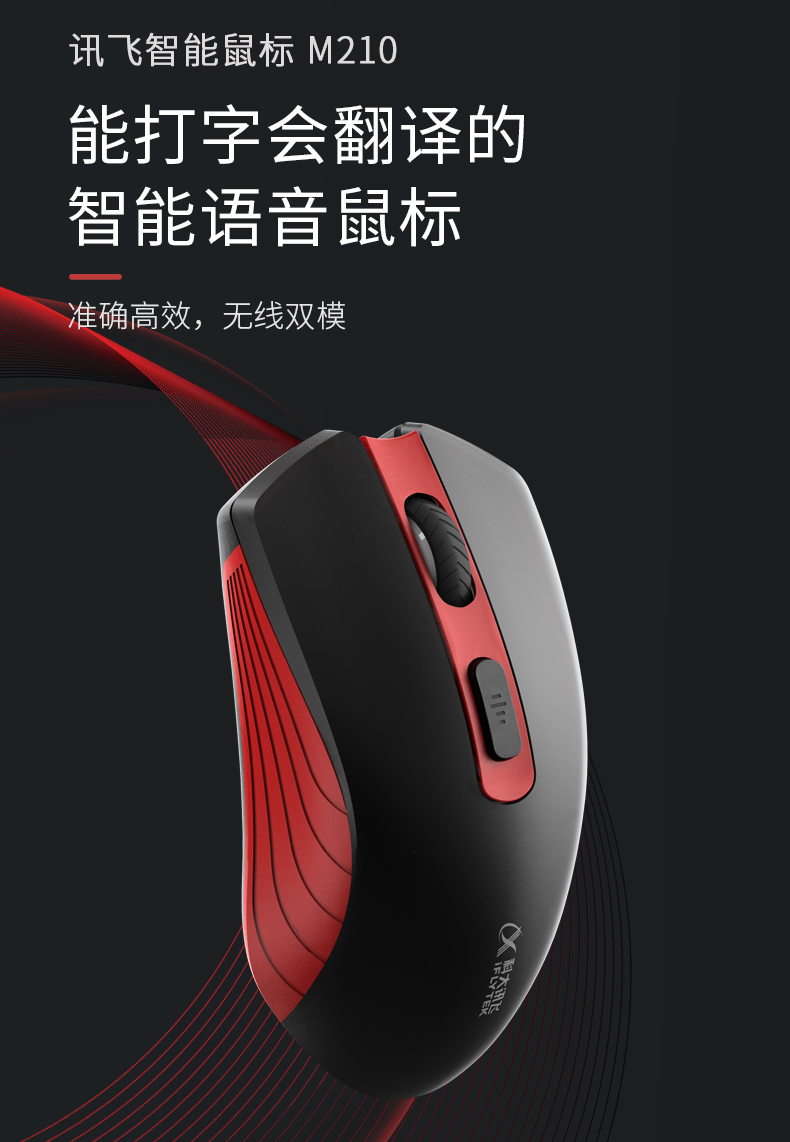
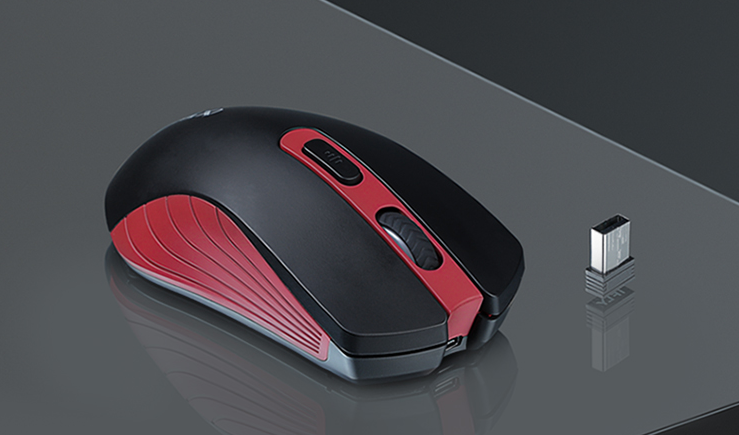
iFLYTEK has today launched its new computer peripheral product in the market — Smart Mouse. The company has launched the iFLYTEK Smart Mouse M210 with some really interesting features.
In terms of design, the company says that the mouse has an ergonomic left-right symmetrical design, ensuring comfortable usage and a good grip for both left-handed and right-handed users.
The device has the “3+1” key system and has a dedicated voice key beside the scroll wheel. The button seems like an all-in-one multi-function button that can switch between dictation and translation modes.
To turn the voice recognition feature on, all you need to do is long-press the button and it will be triggered. The company claims that it supports voice input of around 400 words in just a minute and can replace manual typing on the keyboard.
It is also said that the recognition accuracy is about 98 percent. There’s also support for 23 different dialects, covering mainstream dialects and a few regional dialects. Further, there’s support for 28 different languages.
As for the connectivity feature, it supports dual-mode wireless connection as well as Bluetooth Low Energy. The smart mouse is priced at 179 yuan which is roughly $23 and is available for purchase in China through JD.com. It comes in two color options — Black & Red, and White & Black.
Kioxia Holdings, the former Toshiba memory unit, and the world’s second largest NAND flash memory chipmaker has announced that it has postponed its initial public offerings plan amid US-China trade tensions.
According to Nobuo Hayasaka, Kioxia CEO and President, “While we received significant interest from many investors, the lead underwriters and Kioxia do not believe it is in the best interest of current or prospective shareholders to proceed with the IPO at this time of continued market volatility and ongoing concerns about a second wave of the pandemic.” In other words, the company is bracing for the impact of the US sanctions on Huawei alongside the ongoing pandemic.
As per a Nikkeireport, the recent reinforcement of regulations against the Chinese tech giant, Huawei, had also affected the decision for the Japanese company. For those unaware, Huawei is a known client of Kioxia. Furthermore, the IPO itself had also garnered a lot of criticism from investors as the company was planned to list at a value of around 14 billion US Dollars, which would have been Japan’s largest IPO this year. However, the company was only actually offering just over 800 million US Dollars for the initial prospectus, which is nowhere near the funding it requires for its planned investments.
Kioxia has said that it would not give up on its IPO and would reschedule for the end of this year or the beginning of 2021. However, a source close to the matter stated that the “Huawei concerns will hardly be solved in the next three to four months.” 40 percent of all Kioxia sales are contributed by smartphone memory chips, and with the US sanctions taking effect from 15th September 2020, the company will lose a notable customer that made up just under 10 percent of its total sales.
Xiaomi launched its Mi Air 2 true wireless earphones in the market last year and now it seems that the company is gearing up to launch a Pro variant of the same. An alleged leaked image of the earphones has been circulating on Weibo, giving us an idea about what the product could look like.
The leaked image indicates that the earphones are named Mi Air 2 Pro and will feature support for active noise cancellation. In terms of the design of the earphones, it has the same cylindrical design that we have seen before.
Earlier, it was leaked that the Mi Air 2 Pro could also come with support for wireless charging support. It is also expected to come with an auto-connect feature when the cover of the earphones is opened, but it could be limited to MIUI devices only.
It is also said that the earphones have already passed through all the necessary certification process. This means that the company is all set to launch them and it could go official in the coming weeks. As for the pricing, the upcoming TWS earphones could be priced around 500 yuan (~$73) to 600 yuan (~$88) in China.
The US has imposed another ban on another Chinese firm. This time the export restrictions have targetted Semiconductor Manufacturing International Corp (SMIC), China’s largest semiconductor foundry based company.
According to a Bloombergreport, the recent ban will deal another blow to China’s technology industry and are indicative of the rising friction over intellectual property and national security claims. Similar to the situation Huawei is in, US based firms will now require a license to export certain products to Chinese chipmaker. Apparently, the reason for the recent sanction is due to an “unacceptable risk,” as these products might be used for military purposes.
The risk of military use was reported by the Financial Times, which cited a letter from the US Commerce Department that was sent to the company. In an email statement, SMIC said that it had yet to receive any official notice of the sanctions and has no relations with the Chinese armed forces. It further added that it does not manufacture any military grade goods or products.
The new regulations imposed on SMIC marks the rise in trade tensions between the US and China. In recent times, the political frictions between the two superpowers have led to various clashes, with the Coronavirus pandemic only making matters worse. The Trump Administration has already reinforced various restrictions against Huawei, although, SMIC has yet to face a similar degree of treatment. However, that might soon change as the US might be planning on taking further actions and adding the semiconductor giant to the “Entity List” as well.
A recent leak revealed that Realme could be announcing multiple products in October. Apart from the mysterious Realme 7 Pro SE, the other products that are expected to get announced are the same devices that were teased by the company at the IFA 2020 tech trade exhibition that was held earlier this month. A new tweet by Realme India CEO Madhav Sheth carries an image that showcases multiple leather cases. Probably, the company is gearing up to announce new leather cases for the Realme 7 Pro. Some are speculating that the executive could be teasing the Realme 7 Pro SE smartphone with a leather back.
We are days away from the reveal! However it was not an easy task, we came up with lots of designs that took days of hard work.
Sheth’s tweet has a #Realme7Pro hashtag which indicates the cases have something to do with the Realme 7 Pro smartphone. It is advisable to wait for newer details to surface to know whether Sheth is really teasing the arrival of the Realme 7 Pro SE or just a leather case for the Realme 7 Pro.
As far as the Realme 7 Pro SE is concerned, the rumor mill is silent on the specifications of the smartphone. Probably, it may arrive as a weaker version of the Realme 7 Pro. Whether or not Realme 7 Pro SE is coming to India, the country is very likely to receive the Realme 7i since its name has popped up on the official support page.
The Realme 7i is expected to arrive in India in Fusion Blue and Fusion Green colors. It is likely to come in 4 GB RAM + 128 GB storage and 6 GB RAM + 128 GB storage versions. The device may carry a starting price of less than Rs 15,000 (~$204).
The Realme 7i has a 6.5-inch IPS LCD HD+ display that offers a 90Hz refresh rate. The Snapdragon 662 powers the device with LPPDR4x RAM and UFS 2.1 storage. It features a 64-megapixel + 8-megapixel (ultrawide) + 2-megapixel (macro) + 2-megapixel (B&W) quad-camera setup and it a 16-megapixel front camera. The device houses a 5,000mAh battery with 18W fast charging support.
Ever since Xiaomi announced MIUI 12 in late April, it has been continuously seeding it out to a plethora of its smartphones in the form of beta and stable builds. The latest handsets to receive it in the form of stable release are the Chinese variants of Mi 8 SE and Redmi 9.
Xiaomi launched the Mi 8 SE in May of 2018 in China. The smartphone remained exclusive to the company’s home country. It debuted with MIUI 9.5 based on Android Oreo and was subsequently updated to MIUI 10 and MIUI 11.
The handset even received two Android updates – Android Pie and Android 10 respectively. That said, like any other Xiaomi device launched in 2018 (including POCO F1), the currently rolling out MIUI 12 is the last major update for this phone. It may only receive certain bug fixes and critical security patches if needed.
The MIUI 12 update for Mi 8 SE comes with build number V12.0.2.0.QEBCNXM. At the moment, it is being rolled out in batches in the form of ‘Stable Beta’ (limited to certain users and beta testers).
On the other hand, the MIUI 12 update is also being seeded out to limited Redmi 9 users in China with build number V12.0.4.0.QJCCNXM. This device is also known as Redmi 9 Prime in India.
Since international versions of Xiaomi phones have been receiving new updates nearly after a month from their initial releases in China, we expect global, European, Indonesian, and Indian variant of Redmi 9/Redmi 9 Prime to get the MIUI 12 update in mid to late October.
Last but not least, although POCO M2 (shiva) shares its design and internals with Redmi 9 (lancelot), it runs a different MIUI build. Hence, the update for it may come late as indicated by the brand executives in a recent AMA (Ask Me Anything) session.
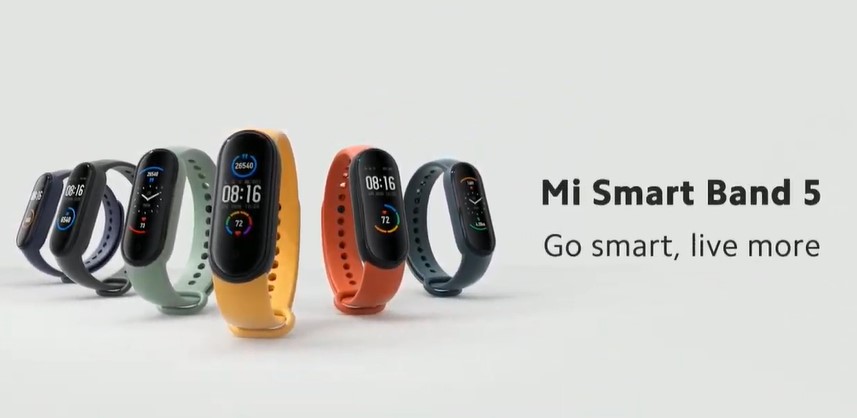
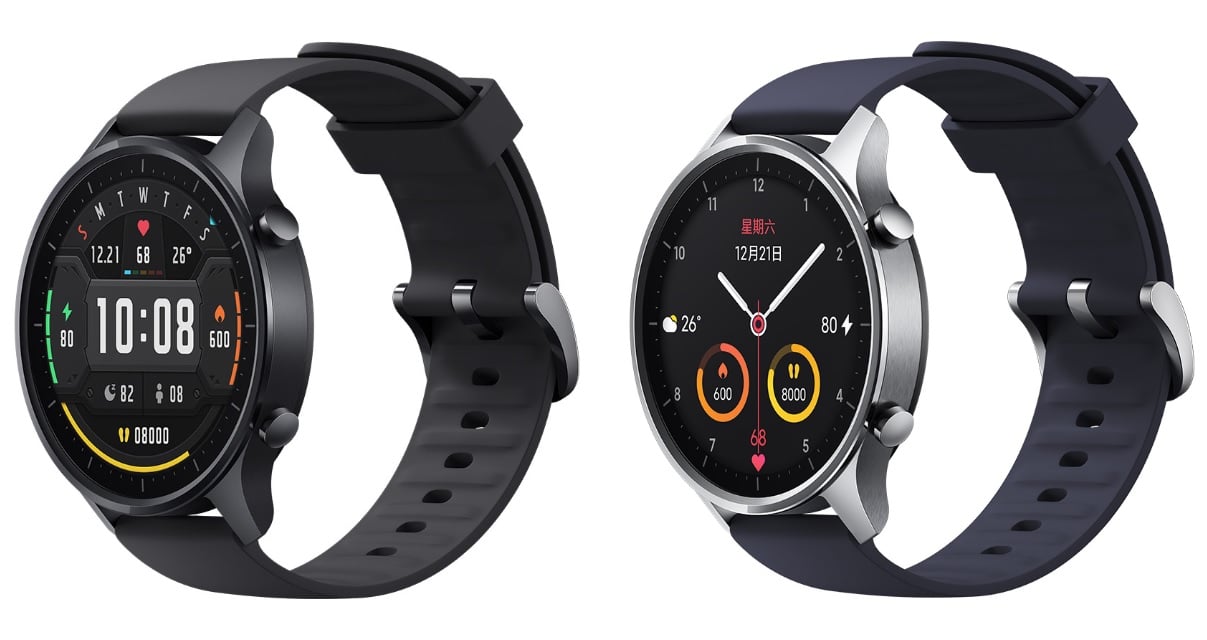
Tomorrow, Xiaomi will be holding a launch event in India to announce a couple of new smart products. Rumors have that the Chinese firm will announce at least three new devices namely, Mi Band 5, Mi Watch Revolve, and Mi Smart AI Speaker. Reliable tipster Ishan Agarwal has shared the MRPs of the new wearable devices that are heading to India.
According to the tipster, the Mi Band 5 has an MRP of Rs 2,999 ($41), which indicates that may sell lower than this price. He has speculated that it could be priced at Rs 2,499 (~$34). The Mi Watch Revolve has an MRP of Rs 10,999 (~$149), claims the tipster. It could be selling for lower than Rs 9,999 (~$136). He did not share information on the pricing of the MI Smart AI Speaker.
Xiaomi Mi Band 5 and Mi Watch Revolve specifications
The Xiaomi Mi Band 5 has a 1.1-inch AMOLED color display and it has a 125mAh battery that promises up to 14 days of battery life. The device comes with support for magnetic charging. It comes with support for Bluetooth 5.0 and it has an optical heart rate sensor. There is a Mi Band 5 version with NFC in China. However, there is no confirmation whether India will be receiving the NFC variant.
Xiaomi Mi Watch Color will launch as the Mi Watch Revolve in India
The Xiaomi Mi Watch Revolve has a round-shaped 1.38-inch AMOLED display and it also comes with support for Bluetooth 5.0 and NFC connectivity. It also offers users up to 50ATM water resistance. The smartwatch has a 420mAh battery.
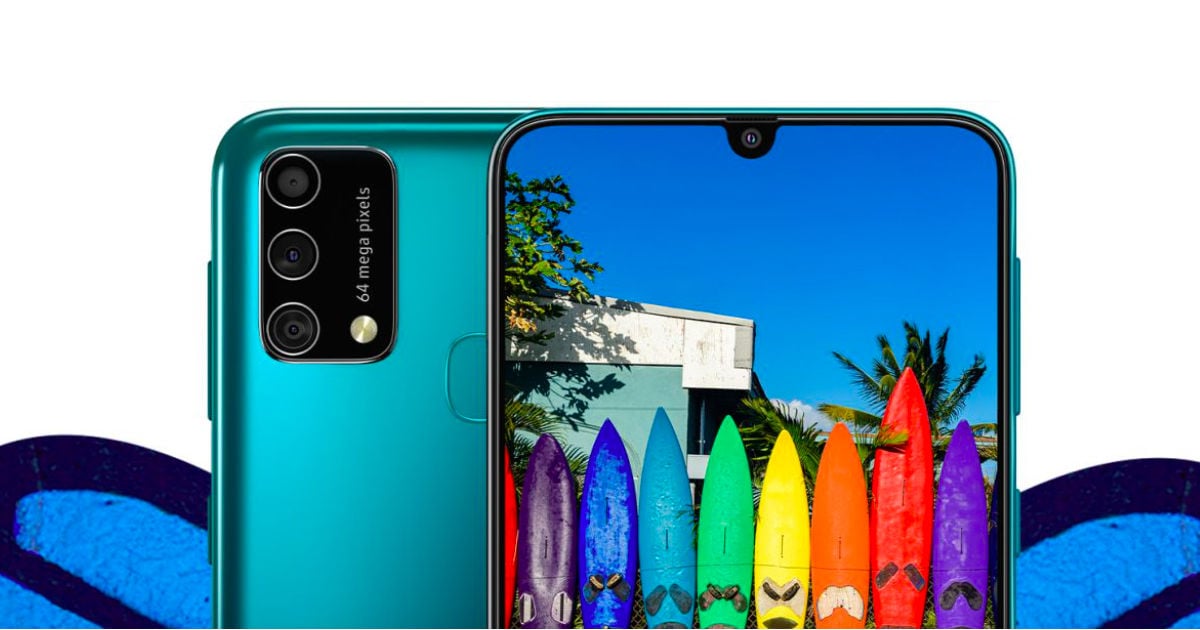
Last week, Samsung India confirmed that it will be launching the Galaxy F41 smartphone at 5:30 PM IST on Oct. 8. The smartphone’s appearance has already been revealed through its microsite at Flipkart retailer site. The listing is now updated with a new image of the phone that confirms that it is equipped with a 64-megapixel triple camera system on its rear.
So far, the South Korean company has revealed that the Galaxy F41 will be arriving with an S-AMOLED display with Infinity-U notch, a 6,000mAh battery, a 64-megapixel triple camera setup, and a rear-facing fingerprint scanner. The company is expected to reveal some of its other specs and features through the Flipkart microsite in the upcoming days before launch. It is speculated that the Galaxy F41 as well as other F-series in the future will be exclusively available through Flipkart in India.
It is unclear whether the 64-megapixel primary camera of the Galaxy F41 is a Samsung or Sony lens. The Galaxy F41 is speculated to borrow many of its specs from the Galaxy M31 smartphone that debuted earlier this year. Rumors have it that the device could be priced around Rs 15,000 (~$203). The smartphone is rumored to arrive in color options such as black, blue, and green.
The Galaxy M31 has a 6.4-inch S-AMOLED display that offers 1080 x 2340 pixels full HD+ resolution and 19.5:9 aspect ratio. The One UI 2.1 based Android 10 OS runs on the device and it is equipped with Exynos 9611 SoC. The chipset is accompanied by 6 GB of RAM and up to 128 GB of storage.
It has a 32-megapixel selfie camera and a 64-megapixel main camera, an 8-megapixel ultrawide lens, a 5-megapixel macro shooter, and a 5-megapixel depth sensor. The smartphone features a 6,000mAh battery that supports 15W charging.
On Sept. 3, Realme unveiled the Realme 7 and Realme 7 Pro smartphones in India. Later, the company announced the Realme 7i smartphone in Indonesia. Rumors have claimed that the Chinese firm may soon bring the Realme 7i handset in India. The Realme 7i moniker has appeared on the official page of Realme India’s website. This indicates that the smartphone will go official soon in the country.
There is a possibility that Realme India may announce the Realme 7i in October. The 6 GB RAM + 64 GB storage and 8 GB RAM + 128 GB storage editions of the Realme 7 are selling in India for Rs 14,999 (~$203) and Rs 16,999 (~$231) in India. The Realme 7i with weaker specs may arrive with a cheaper price tag. In Indonesia, the Realme 7i is available with a starting price of IDR 3,199,000 (~$215; ~Rs 15,800) for its sole 6 GB RAM + 128 GB storage edition whereas the Realme 7 with 8 GB RAM + 128 GB storage is priced at IDR 3,999,000 (~$267; ~Rs 19,200).
Realme 7i arrived in Polar Blue and Aurora Green colors in Indonesia
A recent leak revealed that Realme 7i will be landing in India in two variants like 4 GB RAM + 128 GB storage and 6 GB RAM + 128 GB storage. It is expected to arrive in Fusion Green and Fusion Blue.
The Realme 7i features a 6.5-inch IPS LCD screen with top-left corner positioned punch-hole. It supports HD+ resolution, a 20:9 aspect ratio, and a 90Hz refresh rate. The Snapdragon 662 chipset along with LPDDR4x RAM and UFS 2.1 storage fuels the device.
The Android 10 OS with Realme UI skin comes loaded on the Realme 7i. It has a front camera of 16-megapixel and it has a 64-megapixel + 8-megapixel (ultrawide) + 2-megapixel (macro) + 2-megapixel (B&W) quadruple-camera setup on its back. The 5,000mAh battery of the Realme 7i supports 18W rapid charging.
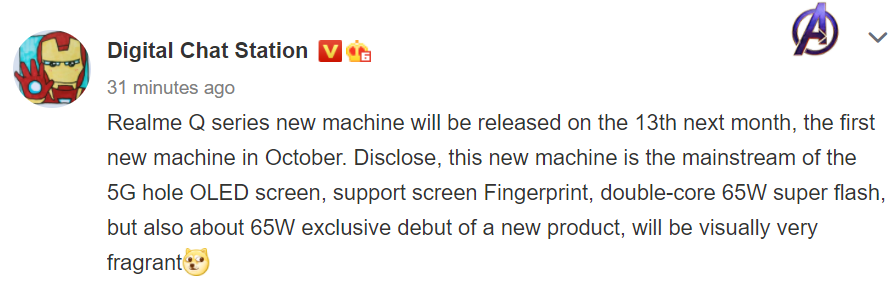
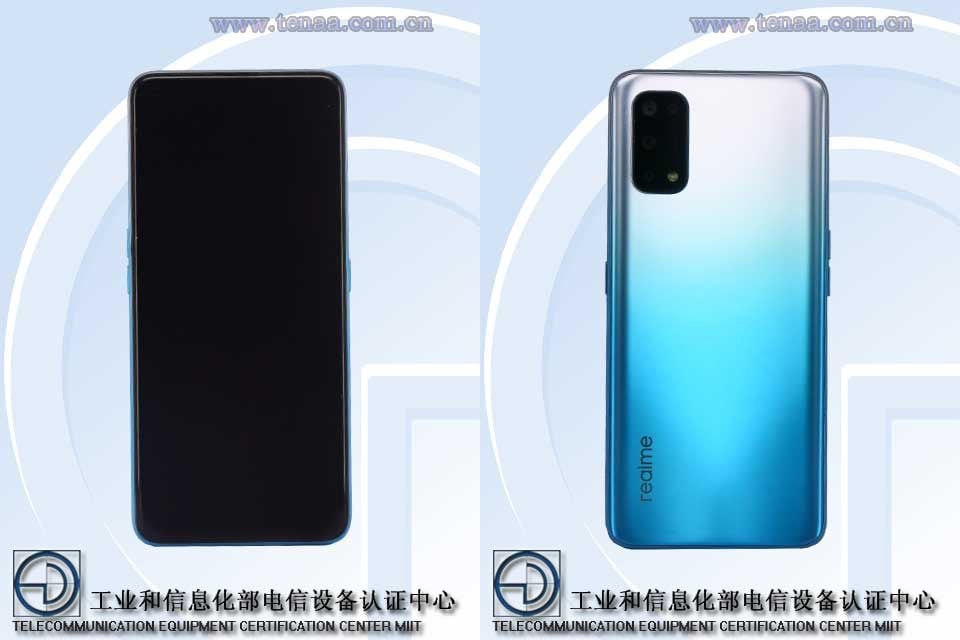
Earlier this week, two Realme phones with model numbers RMX2173 and Realme RMX2117 were approved by the TENAA authority of China. Since the RMX2173 phone has specs similar to the Realme X7 that has a model number of RMX2176, it was speculated that the RMX2173 may break cover as the Realme X7 Lite. The reason behind it is that its specs are an exact match with the Realme X7v and the only major difference is that it has downgraded cameras. According to the Chinese tipster, the Realme RMX2173 will debut as a Realme Q series phone.
The first phone in the series was Realme Q and had debuted in September 2019 as rebranded Realme 5 Pro. While the rumor mill has dubbed the next Realme Q phone as the Realme Q2, the company is yet to officially confirm its moniker. Also, the October 13 launch date suggested by the tipster is also not yet confirmed by the firm.
The alleged Realme Q2 measures 160.9 x 74.4 x 8.1mm and weighs 175 grams. The device is equipped with a 6.43-inch S-AMOLED punch-hole full HD+ display that offers a 20:9 aspect ratio. The screen is integrated with a fingerprint sensor. It has a dual-cell battery and it is rumored to arrive with support for 65W charging. The device draws power from a 2.4GHz octa-core and up to 6 GB of RAM.
The Android 10 OS flavored with Realme UI 2.0 is likely to come preloaded on the purported Realme Q2. It will offer users with up to 256 GB of storage. It has a front camera of 16-megapixel and its rear is fitted with 48-megapixel + 8-megapixel + 2-megapixel + 2-megapixel quadruple cameras.
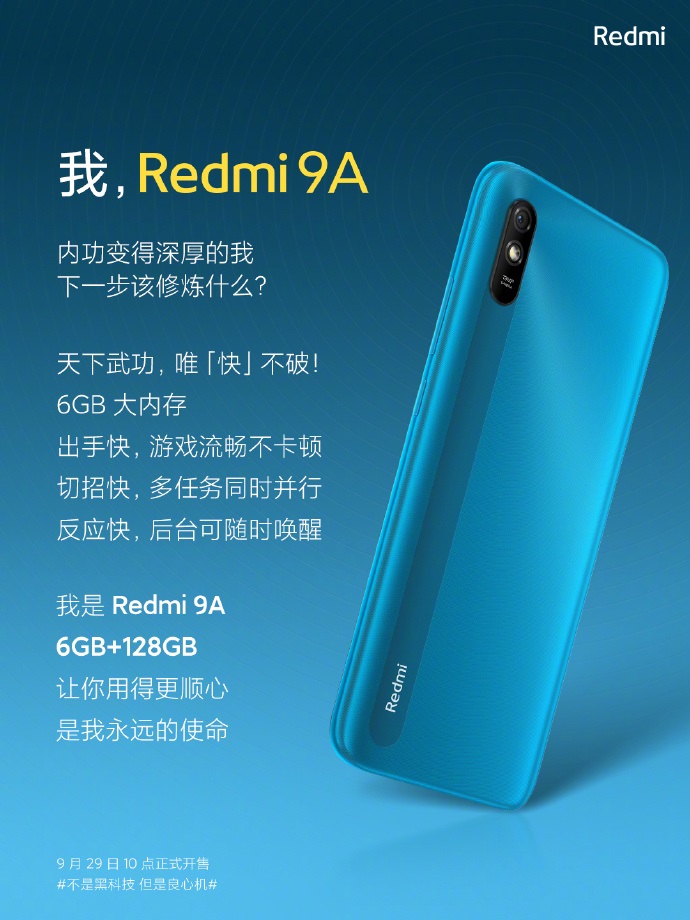
When Redmi announced the Redmi 9A phone at the end of July, it was made available in a single variant featuring 4 GB of RAM and 64 GB of storage. Soon, it added two variants such as 2 GB RAM + 32 GB storage and 4 GB RAM + 128 GB storage. Today, the company announced a new variant that has 6 GB of RAM and 128 GB of storage. The new model is scheduled to go on sale from tomorrow in the homeland.
The new 6 GB RAM + 128 GB storage Redmi 9A variant is priced at 999 Yuan (~$146) and it will be available for purchase at 10 AM (local time) tomorrow in China. The existing variants such as 4 GB RAM + 128 GB storage, 4 GB RAM + 64 GB storage, and 2 GB RAM + 32 GB storage are priced at 799 Yuan (~$118), 599 Yuan (~$89), and 499 Yuan (~$73). The handset can be availed in China in color options such as Clear Sky Blue, Sand Black, and Lake Green.
The Redmi 9A is fitted with a 6.53-inch IPS LCD HD+ screen with a waterdrop notch. The Helio G25 chipset drives the smartphone along with a big battery of 5,020mAh capacity. The phone supports 10W charging.
The Redmi 9A has a rear camera of 13-megapixel and a front-facing snapper of 5-megapixel. One of the major highlights of the smartphone is that it comes preinstalled with MIUI 12 based Android 10 OS. The device lacks a fingerprint scanner.
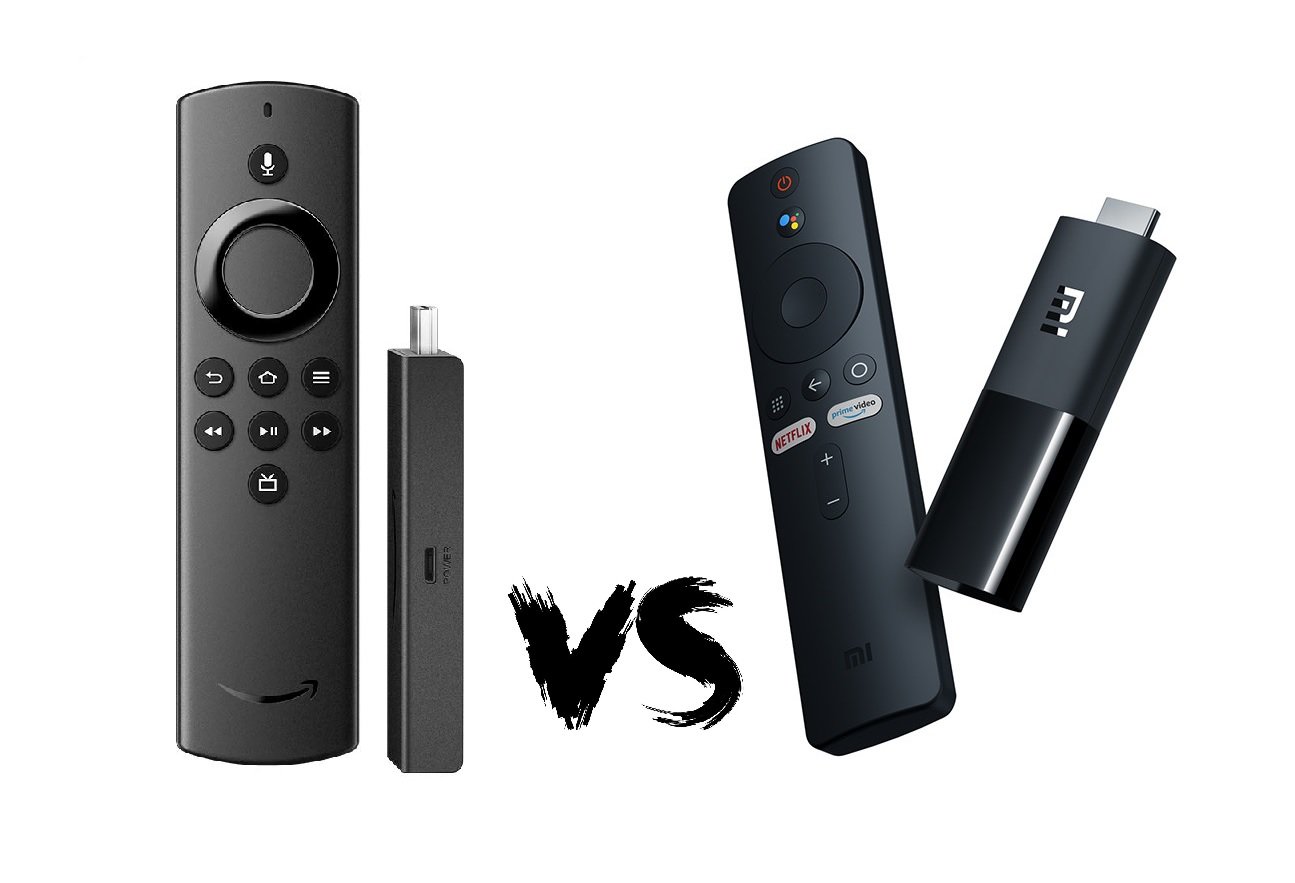
A few days ago, Amazon announced a new streaming stick called the Fire TV Stick Lite. The new streaming stick is its cheapest yet with a price tag of just $29.99 in the United States, €29.99 in Europe, and ₹2,999 in India.
The Fire TV Stick Lite arrives as a competitor to Xiaomi’s Android TV-powered Mi TV Stick which is sold for €39.99 in Europe and ₹2,799 in India. Both devices have certain similarities such as 1080p streaming, voice remote, and 8GB of built-in storage. They are also quite different in other ways – the main difference being their operating systems.
For this week’s poll, we want to know which streaming stick our users prefer. Is it the Fire TV Stick Lite or the Mi TV Stick? So please take the poll and also let us know in the comment box why you prefer one over the other.
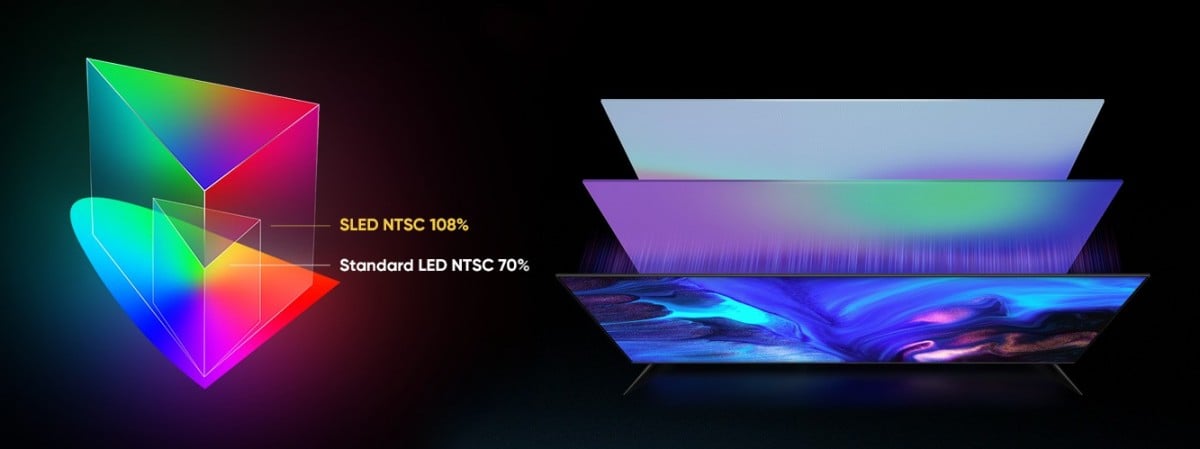
Realme, over the weekend, officially unveiled what it claims is the world’s first SLED 4K smart TV. This is the first time the technology is making an outing and even though the product isn’t going official, the company is showcasing the potential of the new technology.
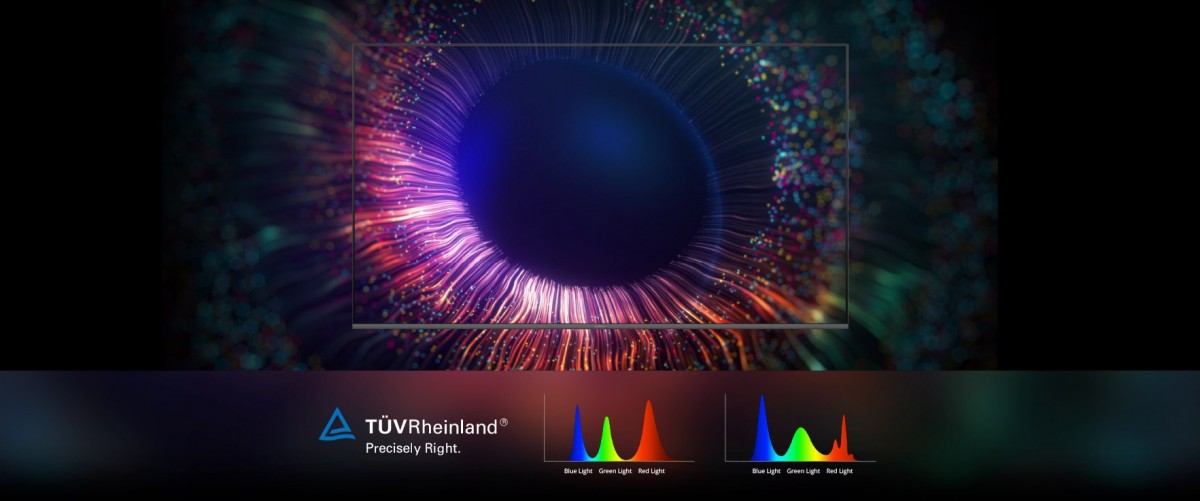
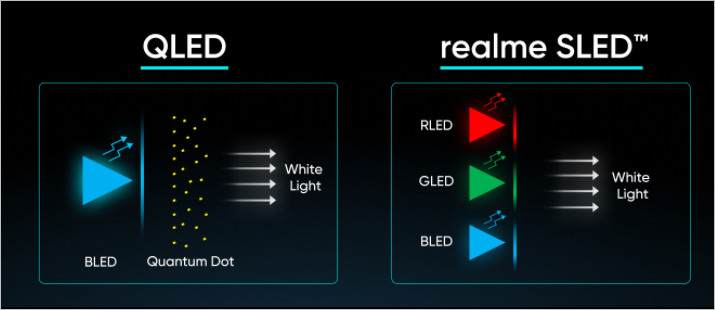
SLED technology is an awesome alternative to Quantum Dot based displays (QLED). The SLED panel utilises a backlight different from the white backlight on the LCD panel. This time around, the backlight uses red, green and blue LEDs to create the triplet as it has polarizers and a liquid crystal layer.
The SLED technology is also said to be different from QLED. In the case of QLED panel, it has a blue backlight and uses quantum dots that absorb blue light and emit red or green. Then an LCD layer helps control the amount of light that passes through each pixel.
The TV it was showcased onboard is a 55-inch smart TV which delivers 108% coverage of the NTSC color spectrum. However, the panel is said to come with controlled Bluelight and is TÜV Rheinland certified.
Realme claims the SLED technology will deliver superior results to the problem of blue light than QLED. There is no doubt that this new technology is aimed at taking on competitors like Samsung and OnePlus who have already released QLED TVs in the Indian market. It is left to be seen if this new technology will gain traction when the product goes commercial.
MIUI 12 is still rolling out to devices but Xiaomi is already developing the next version which should arrive as MIUI 13. The new version of Xiaomi’s custom Android OS will not arrive until next year; seven months from now at the earliest. However, details of new features have begun popping up.
A few days ago, a user by the name Enes Keskin shared on Telegram what he says is the new power menu animation for MIUI 13. The short clip shows that the power menu has a slider that can be dragged up to restart the device or dragged downwards to shut it down.
For devices running MIUI 12, when you hold down the power button, the power menu covers the whole screen and shows four buttons – Airplane, Silent, Reboot, and Power Off. The power menu for MIUI 13 that is shown above doesn’t cover the whole screen but it appears it still blurs out what is on the screen when it comes up.
It is too early to say if this redesigned power menu will make it to the final stable release when MIUI 13 is announced next year. Nevertheless, fans of MIUI will have something to debate on until then.
Do you like the MIUI 13 power menu or prefer the one for MIUI 12? Do let us know what you think in the comment box below.
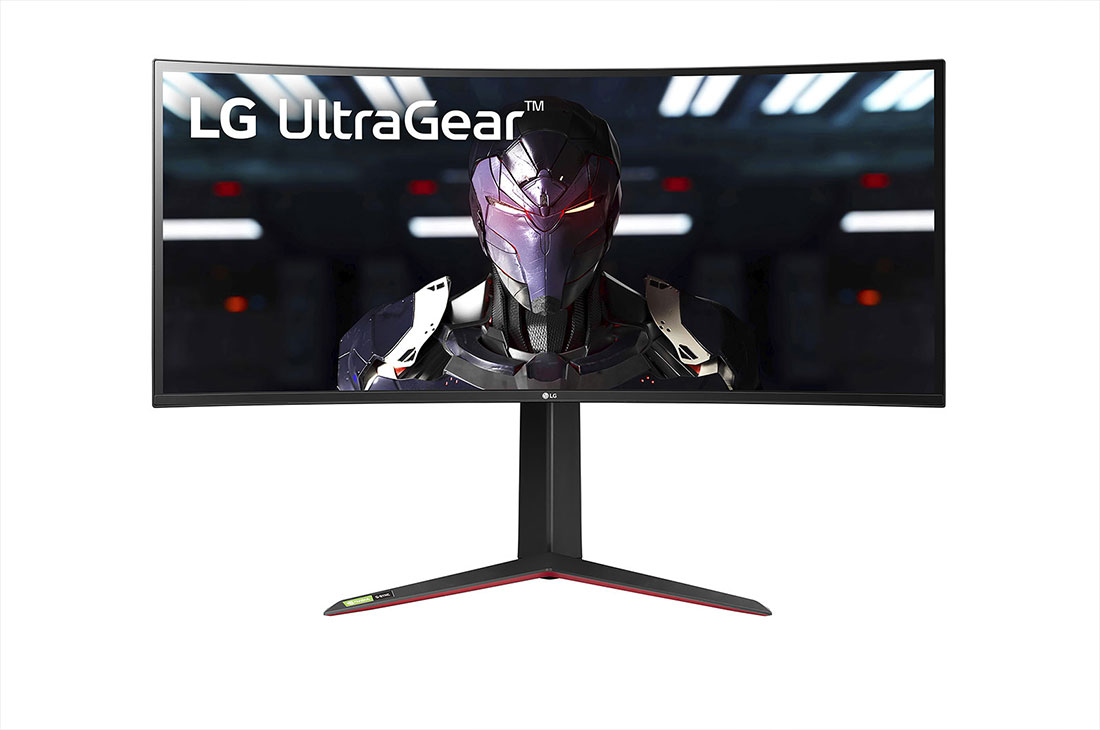
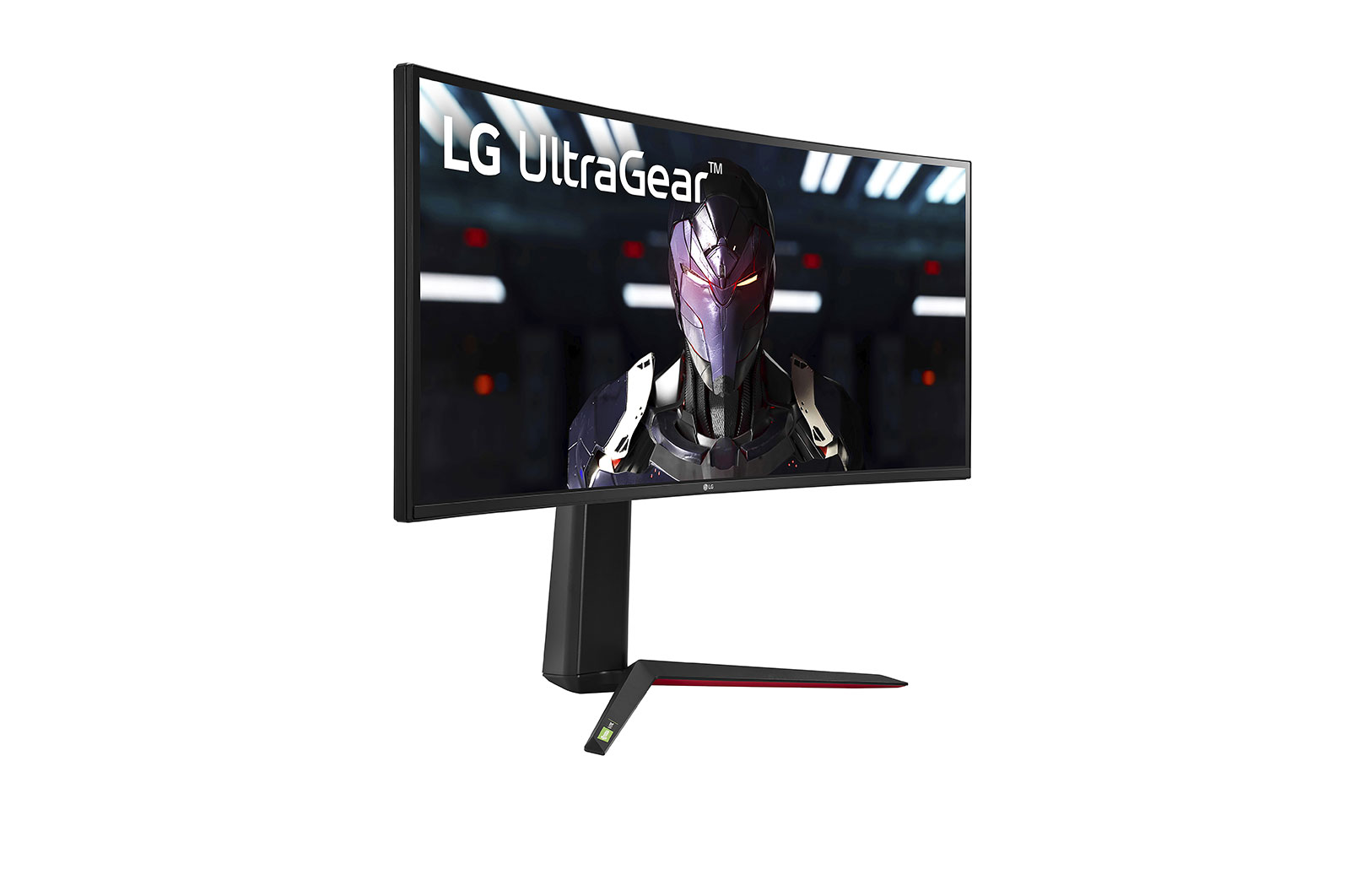
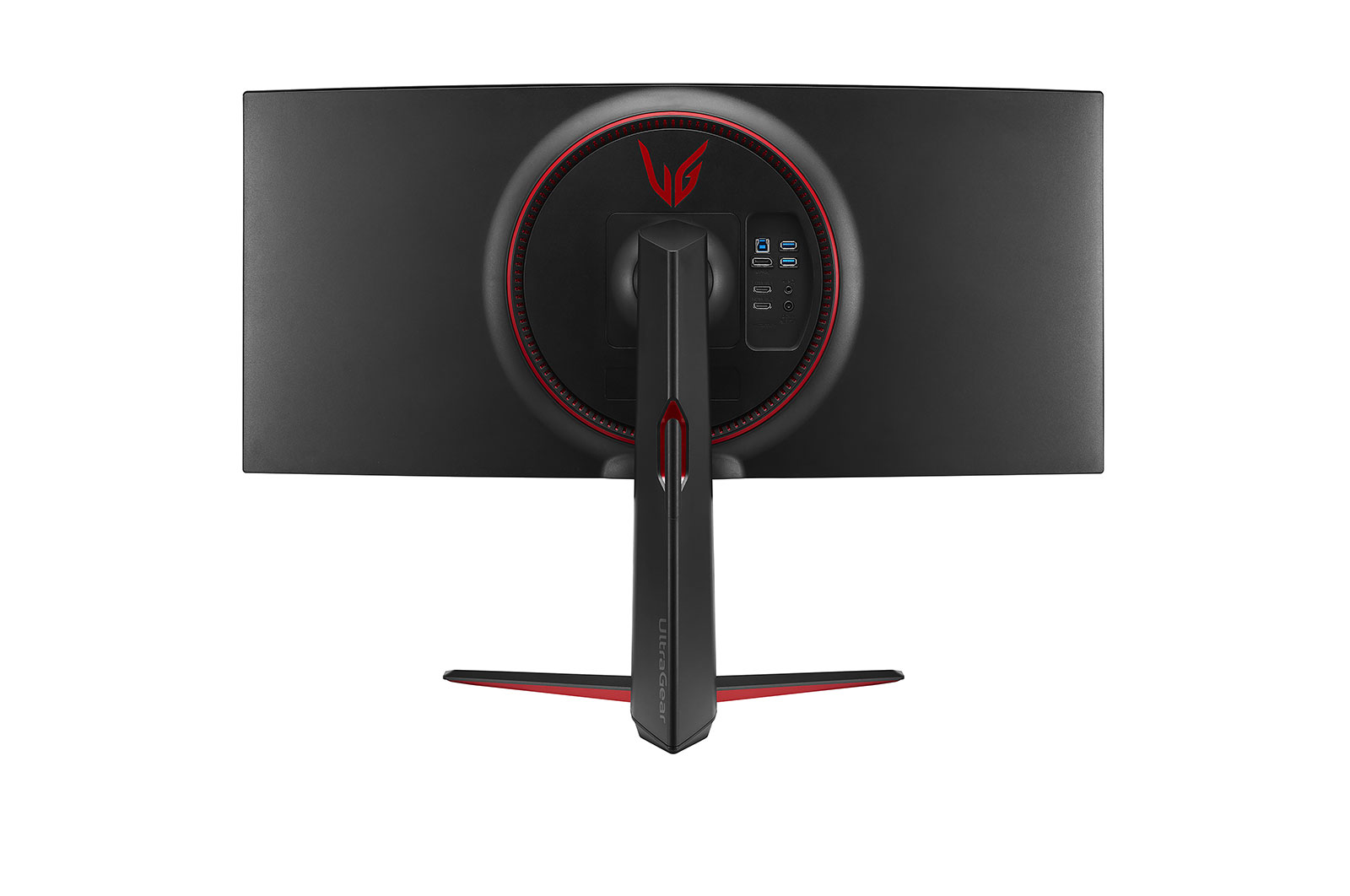
LG has launched a new gaming monitor under its UltraGear series. Recall that the UltraGear was announced alongside the UltraWide and UltraFine Ergo displays at CES 2020. The device comes with the model number “34GP83-A”. The monitor is similar to the LG 27GN950-B launched in July in that it features a curved Nano IPS panel with fast response times, G-Sync compatibility, and a high refresh rate delivering “the latest hardware, specs, ergonomics, sleek design and sensory experience” needed to complete your gaming setup.
The gaming monitor packs a 34-inch ultrawide, curved Nano IPS panel with a resolution of 3440×1440 pixel, 1ms G2G response time, a 144Hz refresh rate. This monitor alsocomes with 178º (R/L), 178º (U/D) wide viewing angles. This 10-bit panel has a contrast ratio of 1000:1 and 400nits of brightness, covering 98% of the DCI-P3 wide colour gamut. Additionally, it comes colour calibrated out-of-the-box.
Further, the LG 34PG83-A UltraGear monitor is certified with VESA DisplayHDR 400, allowing the monitor to playback HDR content for an enhanced viewing experience. It also features Nvidia G-Sync and AMD FreeSync (Premium) allowing users to enjoy gaming sessions without stutter and tearing. Other gaming-oriented features include Dynamic Action Sync, to reduce input lag, Black Stabilizer, to improve clarity in darker areas, and a crosshair overlay, to elevate you aiming to the next level, are included. Reader mode and flicker-free technology to reduce the user’s eye strain are also present.
Connectivity options include 2x HDMI ports, a DisplayPort, an audio-out 3.5mm jack, a USB upstream ports, and 2x USB downstream ports. The monitor’s stand allows you to adjust its height by 110mm and tilt it, but you can also increase its ergonomics with a monitor bracket thanks to the VESA 100x100mm support.
The LG 34PG83-A UltraGear monitor is presently available to pre-order on LG’s website. It carries a price tag of $999.99.
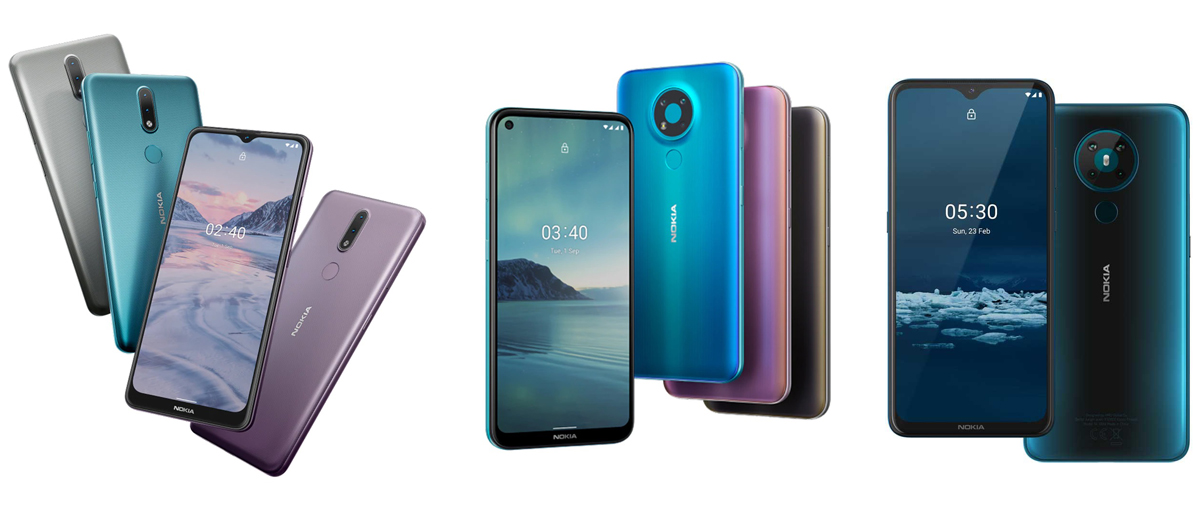
Do you need a very affordable phone with long-term software support? If so, HMD Global is one of the best choices you can make. The Finnish company which owns Nokia always releases devices that get long software support, even in the most affordable segment. This is a comparison between the latest Nokia entry-level phones: Nokia 2.4 is the most affordable one, the Nokia 3.4 sits in the middle and the Nokia 5.3 is the most advanced device of the trio. Is it worth spending more to grab a unit of the 5.3, is the Nokia 2.4 enough for your needs or you should reach a compromise such as the Nokia 3.4? This comparison will clear your ideas in regards.
Quad 13 + 5 + 2 + 2 MP f/1.8
8 MP f/2.0 front camera
Triple 13 + 5 + 2 MP
8 MP front camera
BATTERY
4500 mAh
4000 mAh
4000 mAh
ADDITIONAL FEATURES
Dual SIM slot
Dual SIM slot
Dual SIM slot
Design
Despite it is not the most expensive and advanced device of this comparison, the Nokia 3.4 is definitely the most attractive one when it comes to the design. Indeed, it is the only one with a punch-hole display instead of a waterdrop notch. Its rear side is very similar to the Nokia 5.3, with a circular camera module and a rear-mounted fingerprint reader. Nokia 2.4 is different from its more expensive siblings, but it is still a beautiful device compared to other entry-level phones. With these handsets, you do not get premium materials: they all come with polycarbonate bodies, but the display of the Nokia 5.3 is protected by Gorilla Glass 3.
Display
Nokia 2.4, Nokia 3.4, and Nokia 5.3 are equipped with below-average, displays, but they can still be considered sufficient panels. They come with HD+ resolution, so not a very high level of detail. With the Nokia 3.4, you get a higher pixel density, but at the same time, you get a smaller display. The best panel belongs to the Nokia 5.3 which provides a higher brightness. It even comes with a wider panel than its siblings. In each case, you get an IPS panel which is not disappointing.
Specs & Software
The best components belong to the Nokia 5.3 which has a lower-midrange hardware department. It includes a Snapdragon 665 chipset paired with up to 6 GB of RAM and up to 64 GB of eMMC 5.1 internal storage which you can furtherly expand with a micro SD slot. Right after, we got the Nokia 3.4 with a still pretty nice Snapdragon 460 chipset which behaves pretty well in every scenario (but do not expect a lot if you are not a basic user). Unless you are a basic user, you should not go for the Nokia 2.4 as its Helio P22 is not a very powerful chipset. Nokia 2.4, 3.4, and 5.3 are all devices that will get 2 years of software support, despite they are budget phones. This is actually the strongest point of Nokia.
Camera
Nokia 5.3 wins the camera comparison, but it is not so different from the Nokia 3.4. It only adds an additional 2 MP macro camera on the rear side, but for the rest, it has the same camera setup including a 13 MP main sensor, a 5 MP ultrawide lens, and a 2 MP depth sensor. Even the front camera is identical: a sufficient 8 MP snapper. Nokia 2.4 is totally different with its 8 MP main sensor paired with a 2 MP depth sensor, as well as an inferior 5 MP front camera.
Battery
Nokia 2.4 is inferior to the Nokia 3.4 and 5.3 under all the aspects except battery life. With its bigger 4500 mAh battery, it is able to last more on a single charge. With Nokia 3.4 and 5.3 you will get more or less the same battery life (4000 mAh battery), but the Nokia 3.4 should last a bit more due to its smaller display.
Price
Nokia 2.4 is priced €120/$140 in its base variant, for the Nokia 3.4 you need €160/$185, and Nokia 5.3 costs €219/$255. The Nokia 5.3 is the winner of the comparison, but if you want to save some money, you won’t face a lot of compromises with the Nokia 3.4. It has lower performance than the Nokia 5.3, but it is still fast and reliable, and the rest of the specs sheet is very similar. We do not recommend the Nokia 2.4 due to its definitely weaker chipset and inferior camera department, but it has longer battery life.
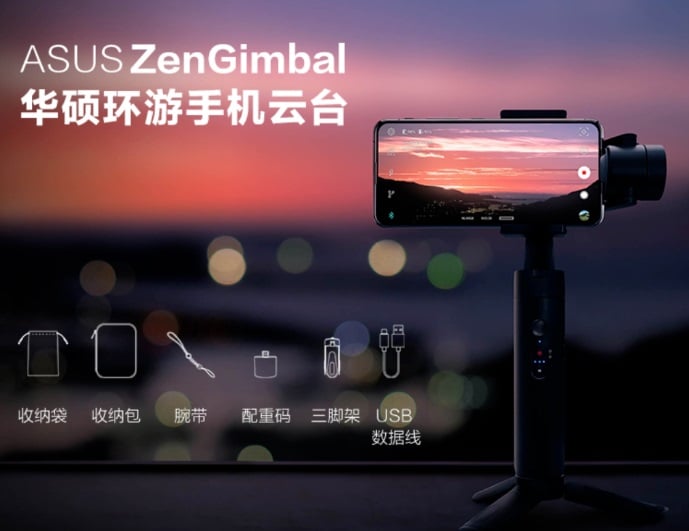
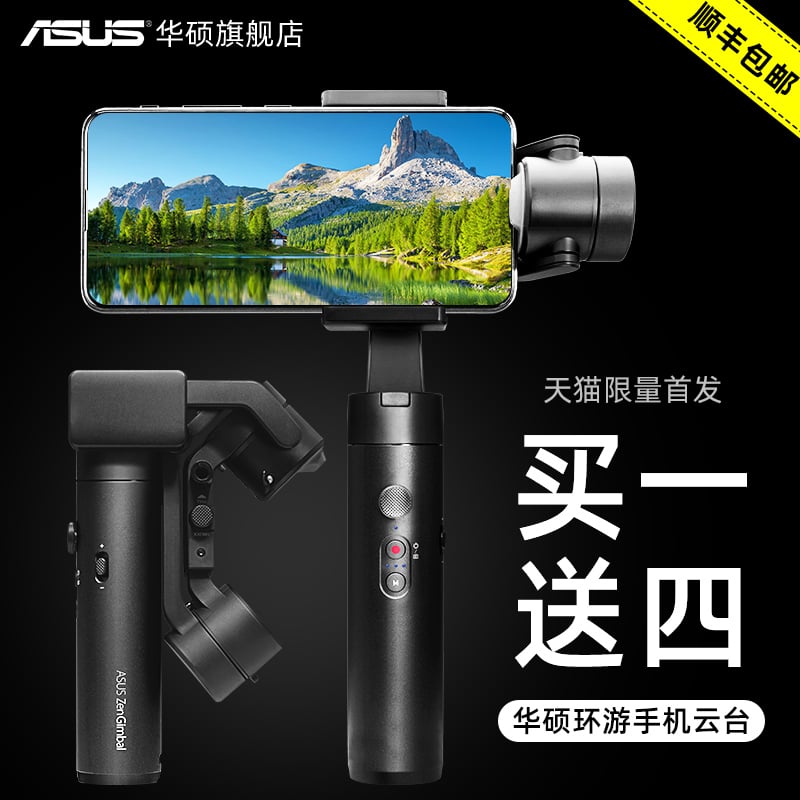
ASUS launched its first mobile phone pan/tilt product, ASUS ZenGimbal mobile phone pan/tilt, which supports super wide-angle, inception, and free shooting. The gimbal is priced at 1099 yuan (~$161) and is available on ASUS’ flagship store on Tmall.
The ZenGimbal phone gimbal uses an innovative three-fold trigger design which can be placed directly in your pocket. The body is equipped with a 3050mAh large-capacity battery and has up to 10 hours of battery life. This mobile phone PTZ is also equipped with a unique shooting indicator, which can display the shooting status at any time. Through the retractable crossbar, this mobile phone PTZ is also compatible with the lighter GoPro camera.
The ASUS ZenGimbal mobile phone gimbal has a variety of shooting modes, an infinitely rotating pan axis, and can shoot freely in 360° without dead angles. This mobile phone PTZ also has professional low-angle shooting, unlimited rotation, sports mode, and POV mode.
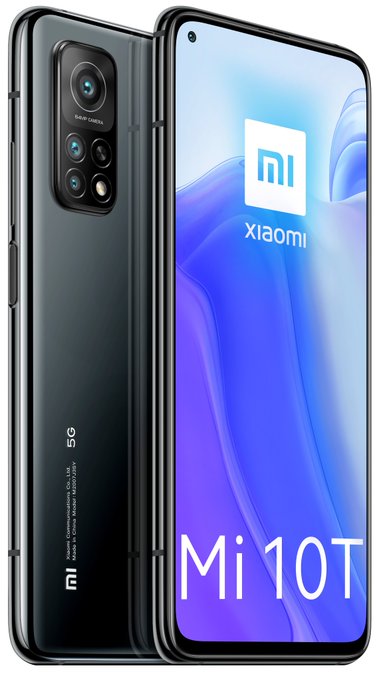
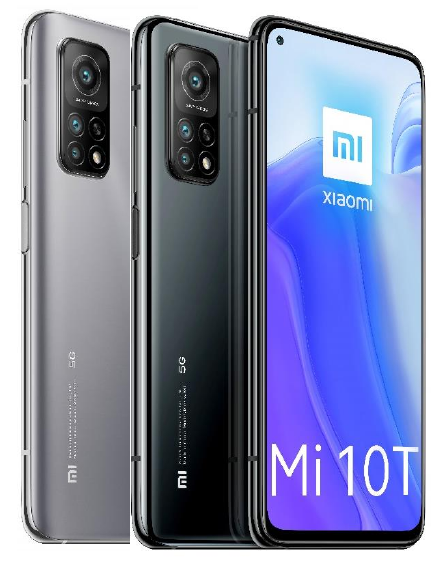
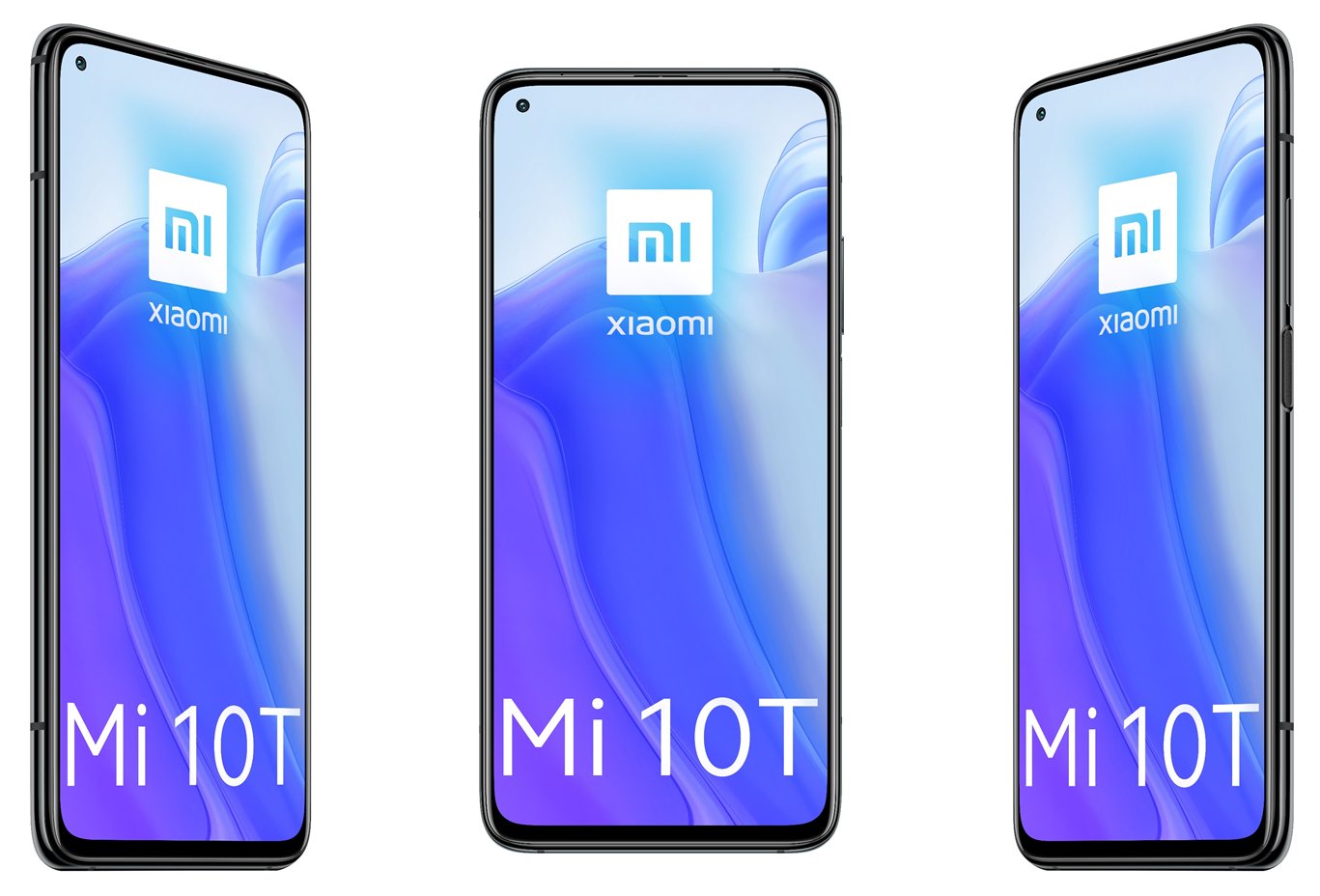
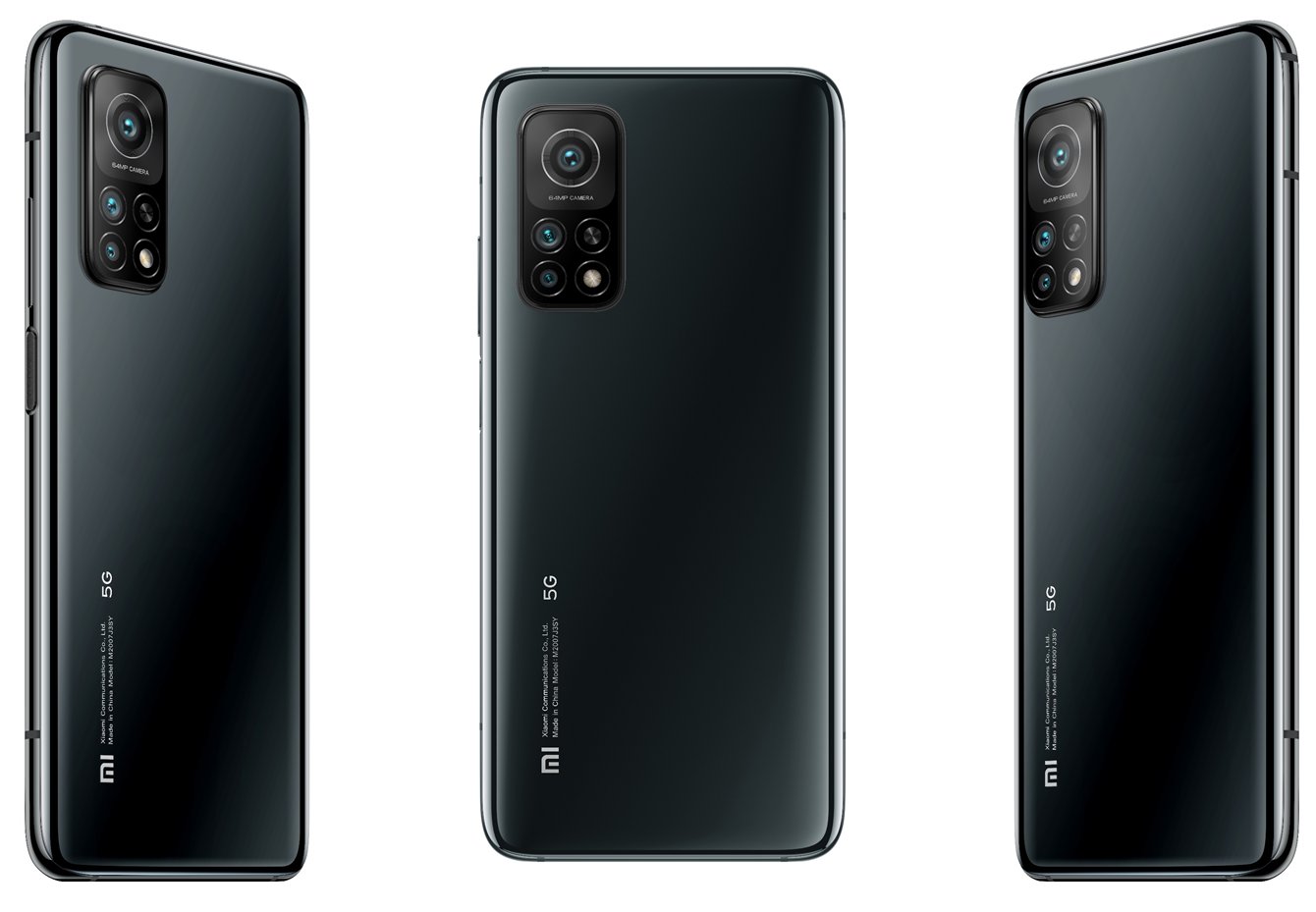
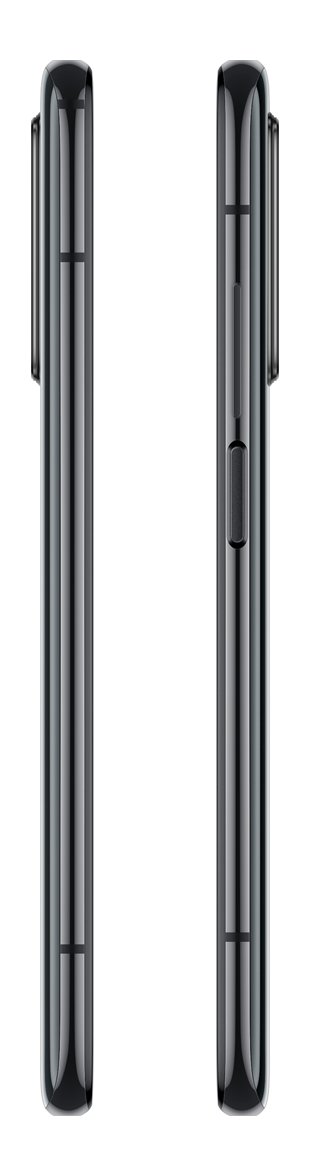
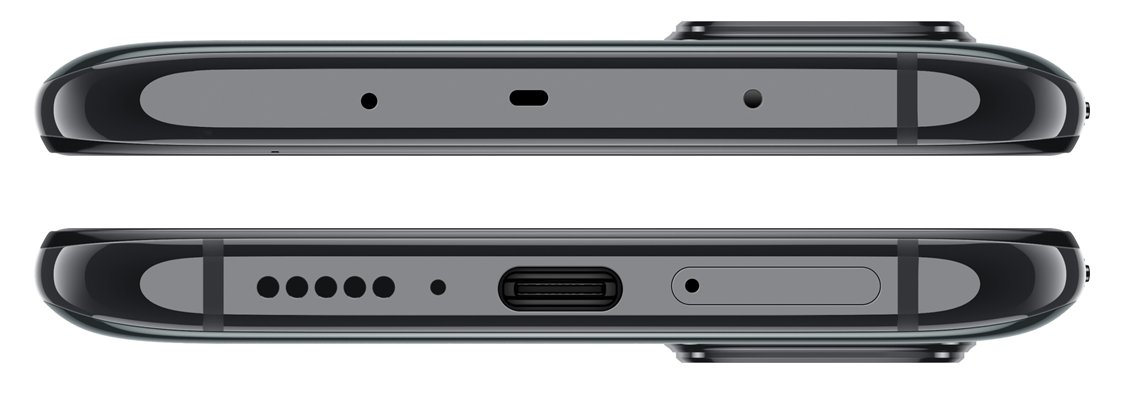
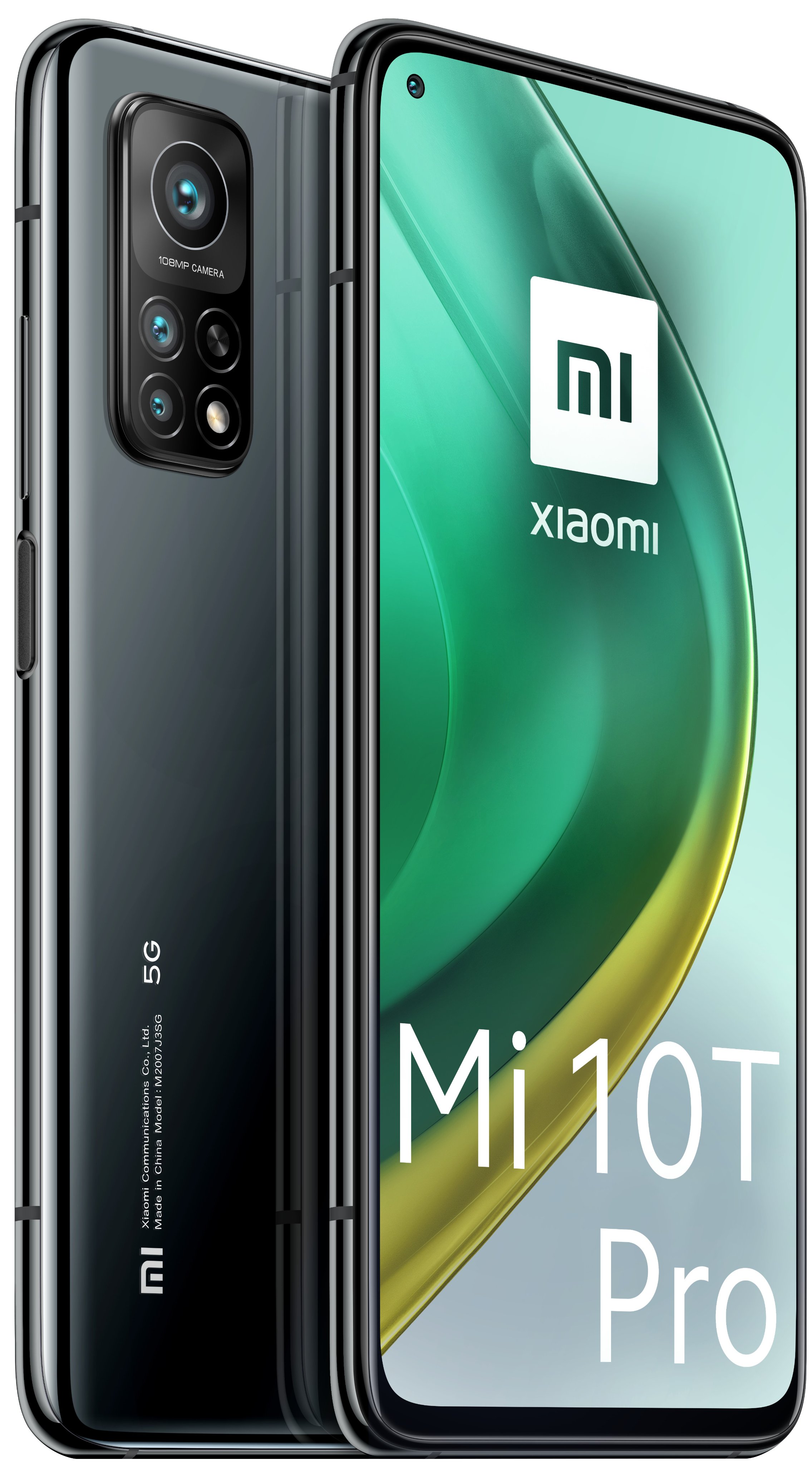
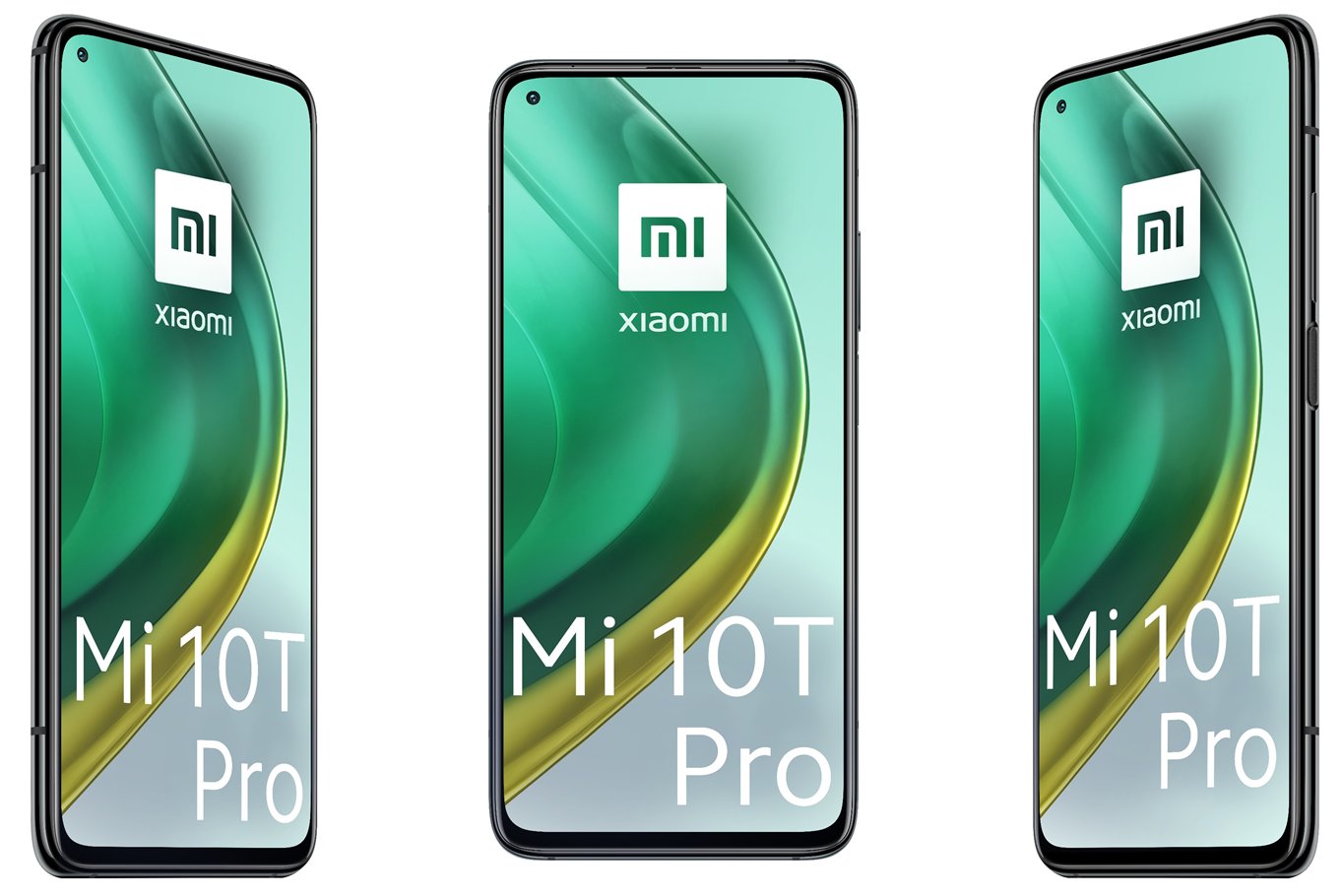
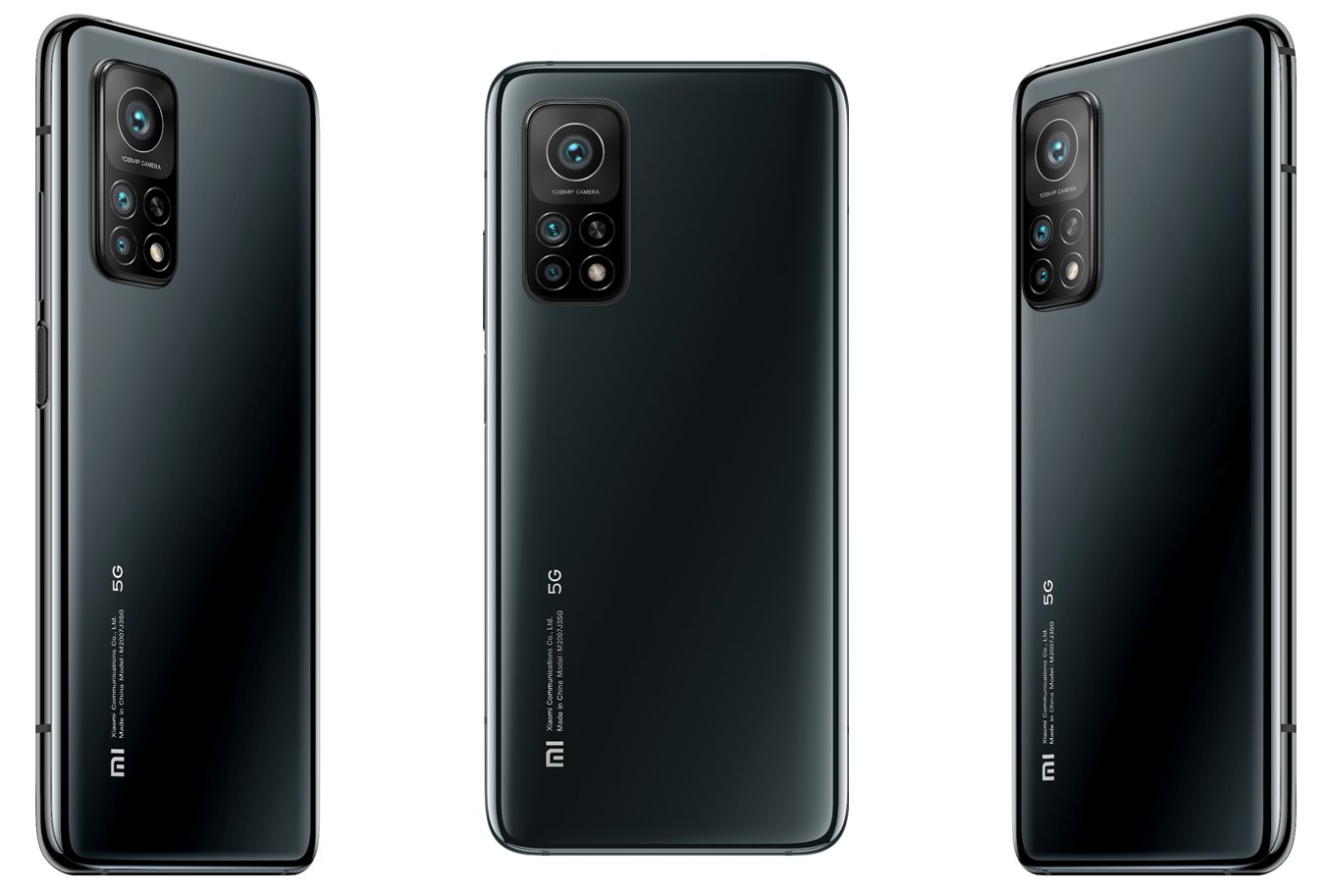
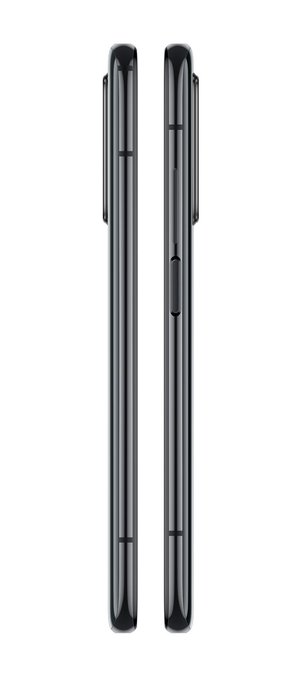
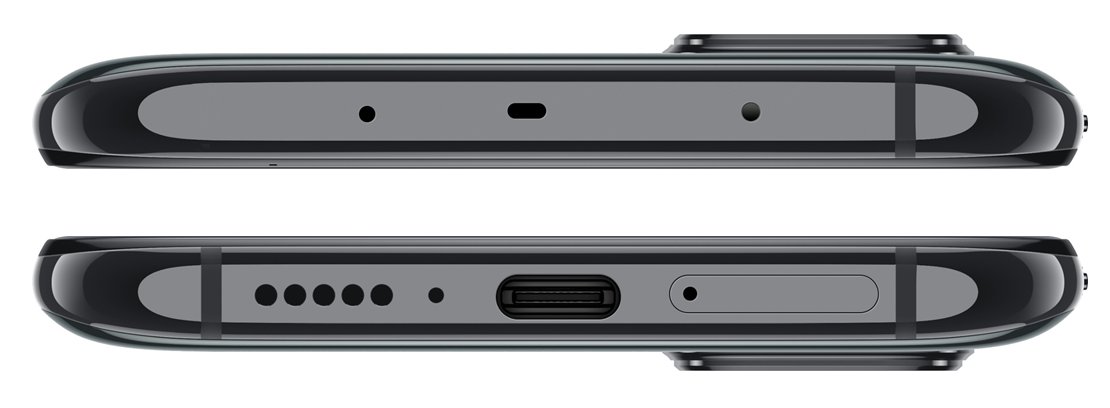
We are a few days from the launch of the Mi 10T series. The new smartphones from Xiaomi will be unveiled on September 30 and the launch will be live-streamed. While we already know what the Mi 10T and Mi 10T Pro look like, more press renders have leaked that show the phones from all angles. The images are also accompanied with the full specs of the two devices.
The photos and spec sheet were posted on Twitter by Sudhanshu Ambhore (@sudhanshu1414) and they show the two phones in black and reveal that the new phones will have high refresh rates, side-mounted fingerprint scanners, and a Snapdragon 865 processor.
Mi 10T 5G
The Mi 10T 5G will have a 6.67-inch IPS LCD display that has a hole in the top left corner for a 20MP camera. The display has an FHD+ resolution, a 20:9 aspect ratio, and a 144Hz refresh rate. It also has a DCI-P3 color gamut and Gorilla Glass 5 protection.
As previously reported, the Snapdragon 865 is the processor under the hood and it comes along with 8GB of LPDDR5 RAM and 128GB of UFS 3.1 storage. The phone will pack a 5000mAh battery with support for 33W wired fast charging.
There are three cameras on the Mi 10T and not four though the design makes it look like there are four. The circle above the LED flash doesn’t house a camera. The main camera is a 64MP sensor and the other two are a 13MP ultrawide angle camera and a 5MP macro camera. The spec sheet says the back is also covered in Gorilla Glass 5.
1 of 5
Mi 10T 5G all colors
Xiaomi Mi 10T 5G
Xiaomi Mi 10T 5G
The Mi 10T 5G also has stereo speakers, Hi-Res Audio, dual-band Wi-Fi, NFC, Bluetooth 5.1, a USB-C port flanked by the SIM tray and speaker grille, and an IR blaster at the top. As seen in the renders, the Mi 10T 5G also has a side-mounted fingerprint scanner. There is no audio jack, which should not be a surprise. The phone will be available in Black and Silver, will weigh 218 grams, and measure 165.1 x 76.4 x 9.33 millimeters.
The Mo 10T Pro 5G also has a 6.67-inch FHD+ IPS LCD display. Its refresh rate is also 144Hz and the hole in the screen is home to a 20MP front-facing camera too.
Those who opt for the Pro version also get a Snapdragon 865 processor and 8GB of RAM. However, they have the option of choosing between purchasing the phone with 128GB or 256GB of storage space.
Where the Pro gets its name from is actually the camera department. It swaps the 64MP sensor of the standard model for a 108MP sensor with optical image stabilization. It also has a 13MP ultrawide angle camera and a 5MP macro camera.
1 of 5
The Mi 10T Pro 5G has stereo speakers, a side-mounted fingerprint scanner, NFC, dual-band Wi-Fi, an IR blaster, Bluetooth 5.1, dual SIM, and Gorilla Glass 5 on both sides. It has the same 5000mAh battery capacity with support for 33W fast charging too. It will be available in Black, Blue, and Silver.
We use cookies on our website to give you the most relevant experience by remembering your preferences and repeat visits. By clicking “Accept”, you consent to the use of ALL the cookies.
This website uses cookies to improve your experience while you navigate through the website. Out of these, the cookies that are categorized as necessary are stored on your browser as they are essential for the working of basic functionalities of the website. We also use third-party cookies that help us analyze and understand how you use this website. These cookies will be stored in your browser only with your consent. You also have the option to opt-out of these cookies. But opting out of some of these cookies may affect your browsing experience.
Necessary cookies are absolutely essential for the website to function properly. This category only includes cookies that ensures basic functionalities and security features of the website. These cookies do not store any personal information.
Any cookies that may not be particularly necessary for the website to function and is used specifically to collect user personal data via analytics, ads, other embedded contents are termed as non-necessary cookies. It is mandatory to procure user consent prior to running these cookies on your website.