In shocking news, a Huawei building has caught fire today in China. Reports from China say that a building near the company’s research laboratory caught fire at around 3:16 PM local time. The premises is located in the industrial city of Dongguan, China.
Chinese media SCMP says that the fire broke out in the building under construction. It is located on the Alishan Road at Songshan lake in Dongguan, China as per the fire department. Footage spread on social media shows a huge chunk of smoke coming out of the building. Reports say that the building is a steel structure, and remained unused at the time of incident. Further, reports say that the cause of the fire might be due to the sound-absorbing flammable materials like Cotton present inside the building.
Moreover, the report adds that the fire was extinguished around 4:50 PM. While there is no exact information on the casualties, three people were apparently found dead at the facility after the fire was put-off.
Location of Fire at a Huawei building Credit: SCMP
However, the report quotes that Huawei was not available for an official comment on the incident. That said, the report says the building is near a research facility in which testing of 4G and 5G antennas are done. Apparently, it is a part of the Huge manufacturing facility which is related to the company’s network business.
Dongguan is located in the Guangdong province of China. Although Huawei’s HQ is in Shenzen, it has assets worth more than $1.5 billion at the Songshan lake campus near-by. Also, the campus is famous for its European-themed buildings and has around 25,000 employees. Nevertheless, we will have to wait for official confirmation from Huawei to know the exact amount of damage and casualties.
As a computer manufacturer, Lenovo has been launching a number of laptops since earlier this year as most people are working as well as continuing their education from home. During this period, the company also witnessed growth in the shipments of its tablets. Late last month, it even announced a mid-range Android tablet called Tab P11 Pro. Now, almost a month later, the official Lenovo Xiaoxin Weibo account has posted a teaser hinting its launch in China.
Xiaoxin is a series of Lenovo laptops and tablets exclusive to China. The company is now teasing to launch a new tablet under this series without a launch date in its home country. Going by its design in the poster and the history of Xiaoxin tablets, the upcoming tablet should be nothing but the recently announced Tab P11 Pro.
In case you are not aware of, the Lenovo Tab P11 Pro comes equipped with an 11.5-inch 2K (2560 x 1600 pixels) OLED display with 16:10 ratio, HDR10, Dolby Vision, and support for Lenovo Precision Pen 2.
It comes powered by Qualcomm Snapdragon 730G paired with 4GB/6GB RAM and 128GB internal storage. Further, the tablet features JBL quad-speaker, 13MP (wide) + 5MP (ultra-wide) dual-camera setup on the back, an 8MP front-facing camera, and a ToF 3D sensor for face unlock.
Other features of this tablet include Android 10 with an optional desktop-like UI, pogo-pins for keyboard accessory, and an 8,600mAh battery that charges via USB Type-C.
Last but not least, the Lenovo Tab P11 Pro will be available in WiFi-only and WiFi + LTE variants for a starting price of €699 from November in global markets. Whereas, in China, as a Xiaoxin tablet, it may debut at a cheaper price tag.
Gadgets like Smartphones, tablets are the need of the hour particularly when users are still studying and working from home. However, the global smartphone market faced a decline due to COVID-19 problems when compared to 2019. It will likely revive only by 2022. Accordingly, a recent report by Counterpoint indicates that the wholesale Average Selling Price(ASP) of the global smartphone market increased by 10% despite a decline in shipments.
As per the report, regions like APAC, China, Europe, MEA, North America contributed to the overall 10% YoY increase in ASP in Q2 2020. However, Latin America is the only country where ASP decreased YoY by 5%. Although COVID had an impact on the overall market, the premium segment didn’t slope down aggressively. It faced only an 8% decline YoY compared to the overall market decline. That said, the reason for this less economic impact on premium smartphone users.
Accordingly, Counterpoint says that Apple gained the most with a 3% YoY increase in shipments and 2% YoY in iPhone revenue. Also, the 5G shipments added to the growth of ASP. Overall shipments of 5G devices as of Q2 are 10% of the total but it takes 20% of revenue. This is because many 5G phones in Q2 like the OnePlus 8 series, Samsung’s S & A series in the premium segment sold well. An increase in demand for education, work, gaming, entertainment is also said to be a factor for users’ liking towards premium phones.
Of all, China is the largest contributor of 5G. 72% of the shipments are from China most of which is contributed by Huawei. Consequently, it takes the top spot with about a 13% YoY increase of ASP as of Q2 2020. In spite of hurdles like the US sanctions, China showed a great potential because it recovered quickly from COVID-19 when others are still facing the heat.
However, budget devices performed sluggish due to extension of lockdown, closure of offline stores, less attraction, and caution among low-middle class people. To sum up, the demand for premium phones with contributions from 5G increased the overall ASP of the global market. That said, the report says global shipments revenue shares for Q2 2020 are split between Apple, Samsung, Huawei, Vivo, Oppo. And they captured 34%, 17%, 20%, 7% ,6% ,16% respectively.
Rumors are rife that Huawei will announce the Nova 8 series of smartphones in China in December this year. The Nova 8 lineup is rumored to include three handsets Nova 8 SE, Nova 8, and Nova 8 Pro. Recent reports have revealed that these phones will be powered by Dimensity chipsets and not Kirin SoCs. Earlier today, a Weibo user shared a couple of live shots of the alleged Nova 8 Pro smartphone.
The Huawei Mate 40 Pro is expected to arrive with a waterfall display that has extremely curved left and right edges. The Mate 40 Pro is also rumored to be equipped with a pill-shaped punch-hole at the upper-left corner of the screen.
The alleged Nova 8 Pro can be seen sporting a similar display design. However, there are some elements that suggest that the handset that has appeared is not the Mate 40 Pro. First, the curved edges of the smartphone in the leaked shots are not as curvy as the waterfall screen that will be available on the Mate 40 Pro. Also, the top edge of the phone seems to be fitted with an earpiece, which the Mate 40 Pro is unlikely to feature.
Recent reports have revealed that the Huawei Nova 8 Pro will come with specs like 120Hz OLED screen and Dimensity 1000+ 5G chipset. It is likely to be priced at 3,999 Yuan (~$585).
The Huawei Nova 8 may come with a 90Hz display and Dimensity 820. The device could be priced at 3,299 Yuan (~$483). The Nova 8 SE with specs like Dimensity 800, 8 GB of RAM, and 128 GB of storage could be coming with 2,799 Yuan (~$410).
Launched at the start of this month, the OUKITEL WP8 Pro Sports Phone is the latest addition to OUKITEL’s range of rugged smartphones. Priced at $119.99, this smartphone features a 6.49-inch HD+ display with in-cell waterdrop technology and a resolution of 720x1560p.
The triple rear camera of 16MP and 8MP front camera allows a decent camera experience. Equipped with an octa-core processor and a 5000mAh battery, the WP8 Pro sports phone can easily last the whole day while offering efficient usage. Designed to withstand rough use with IP69K certification, this OUKITEL sports phone can keep up with your daily adventures by offering durability and versatility.
To top all of these features off, OUKITEL is offering a free pair of TWS earphones as a gift to the first 400 buyers. This is no ordinary deal, as these earbuds itself costs around $30 and is a good companion for the OUKITEL WP8 Pro Sports Phone. You can easily slip the earphones in your pocket and carry it around for hands-free music-listening and calling.
The OUKITEL WP8 Pro Sports Phone goes on sale on the 25th of September for $119.99. Once again, note that ONLY the first 400 WP8 Pro buyers will get the free earbuds with the purchase.
You can also participate in the Giveaway campaign to win a free WP8 Pro.
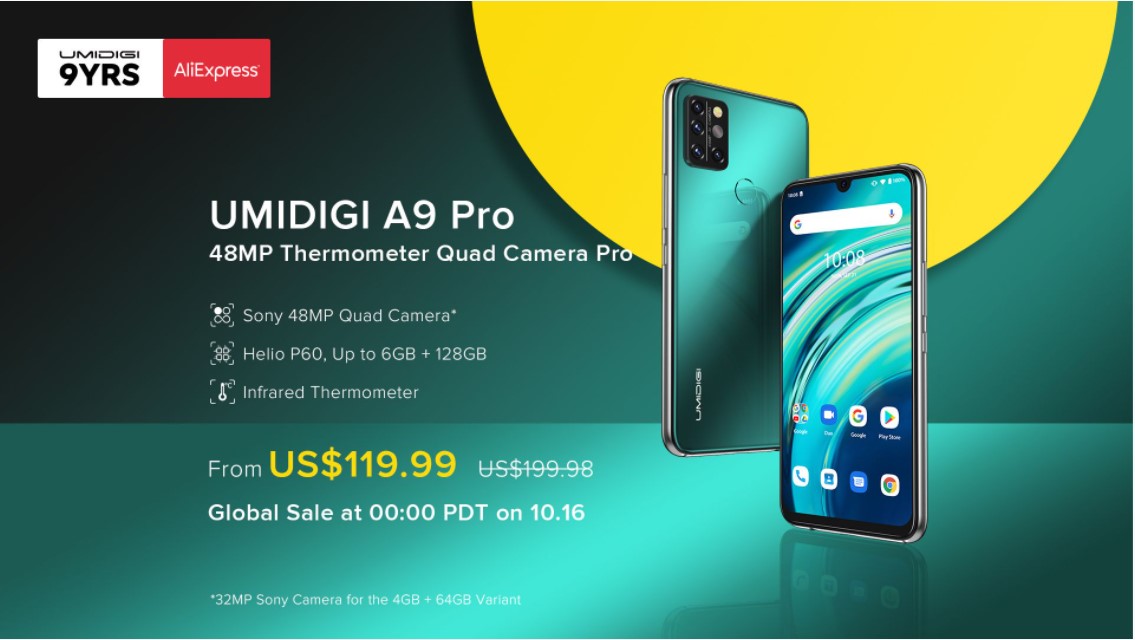
Chinese smartphone maker UMIDIGI has launched a new budget smartphone, the A9 Pro. Touted to be a pro in camera, the device has a Sony sensor on both the rear and front camera setups. The phone starts at an aggressive price of $119.99 and will go on sale from October 16 at 00:00 PDT.
UMIDIGI A9 Pro Price, and Availability
UMIDIGI shared a product video along with a press release to highlight the features of the A9 Pro. The device looks just like any other entry-level UMIDIGI smartphone. The company says it is a direct successor to the UMIDIGI A7 Pro that launched a few months back. The new budget smartphone will be available on AliExpress starting from October 16th. The device is priced aggressively at $119.99 as opposed to $199.99 for the 4GB/64GB variant, while the 6GB/128GB variant is priced at $139.99
Giveaway details
UMIDIGI is also running a global giveaway of 10 A9 Pro smartphones. It will run for the next 20 days and there are 13 different ways to enter the giveaway. A few of the rules where users need to:
Add A9 Pro and BISON smartphones to Cart
Subscribe and watch the intro video on YouTube
Follow UMIDIGI on Facebook, Instagram, Twitter, and Retweet it.
There are 10 other entries. You can click here to check and enroll for the giveaway.
The entry-level device features a 6.3-inch FHD+ display with 2340×1080 pixels and 2.5D glass a water-drop notch. The power and volume buttons are on the right, while the left has a dedicated shortcut key(Temperature measurement/PTT) and SIM Card slot. The rear panel has a fingerprint sensor and a quad-camera layout. Powering the device is Mediatek Helio P60 SoC along with Mali G72 MP3 GPU. The device is available in two storage variants- 4/6GB LPDDR4x RAM and 64/128GB UFS 2.1 storage respectively.
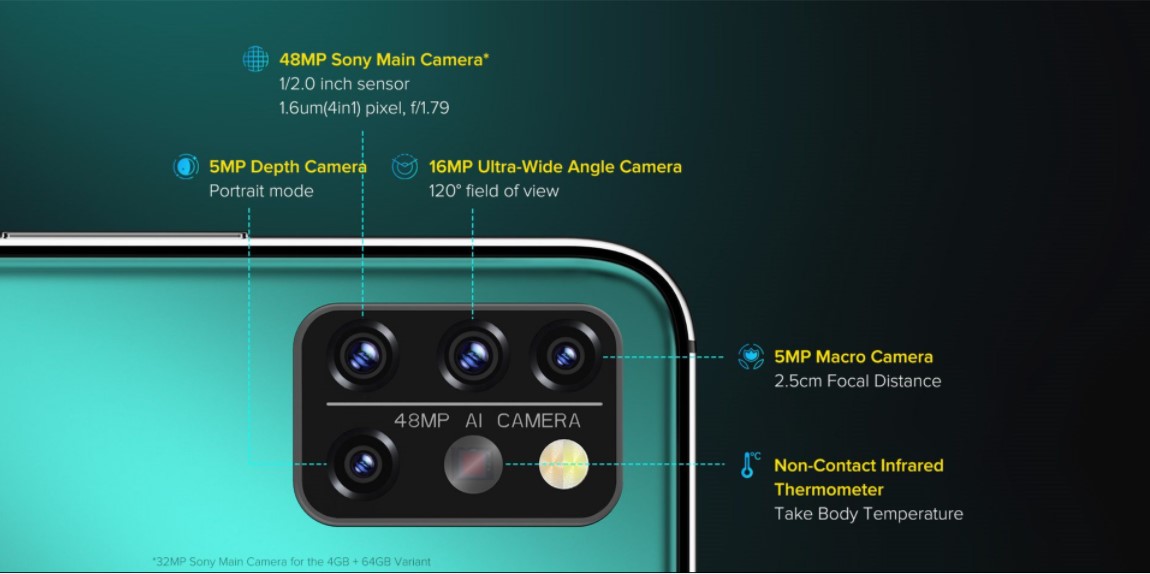
At the back, it has a rectangle camera layout with four sensors. The main lens is a 48MP f/1.79 Sony sensor. However, this is found only on the 6/128GB variant. The 4/64GB model has a 32MP Sony sensor. Other lenses are the same on both which include 16MP 120° FOV ultra-wide, two 5MP depth, and macro sensors. Front has a 32MP selfie shooter.
Additionally, A9 Pro also has an infrared sensor on the rear panel to measure the body temperature of people without touching them. Other features include 4G, Wi-Fi, Bluetooth 4.2, GPS, GLONASS, Galileo, 4,150mAh battery with 10W charging via USB-C. The device comes in Forest Green and Onyx Black color options.
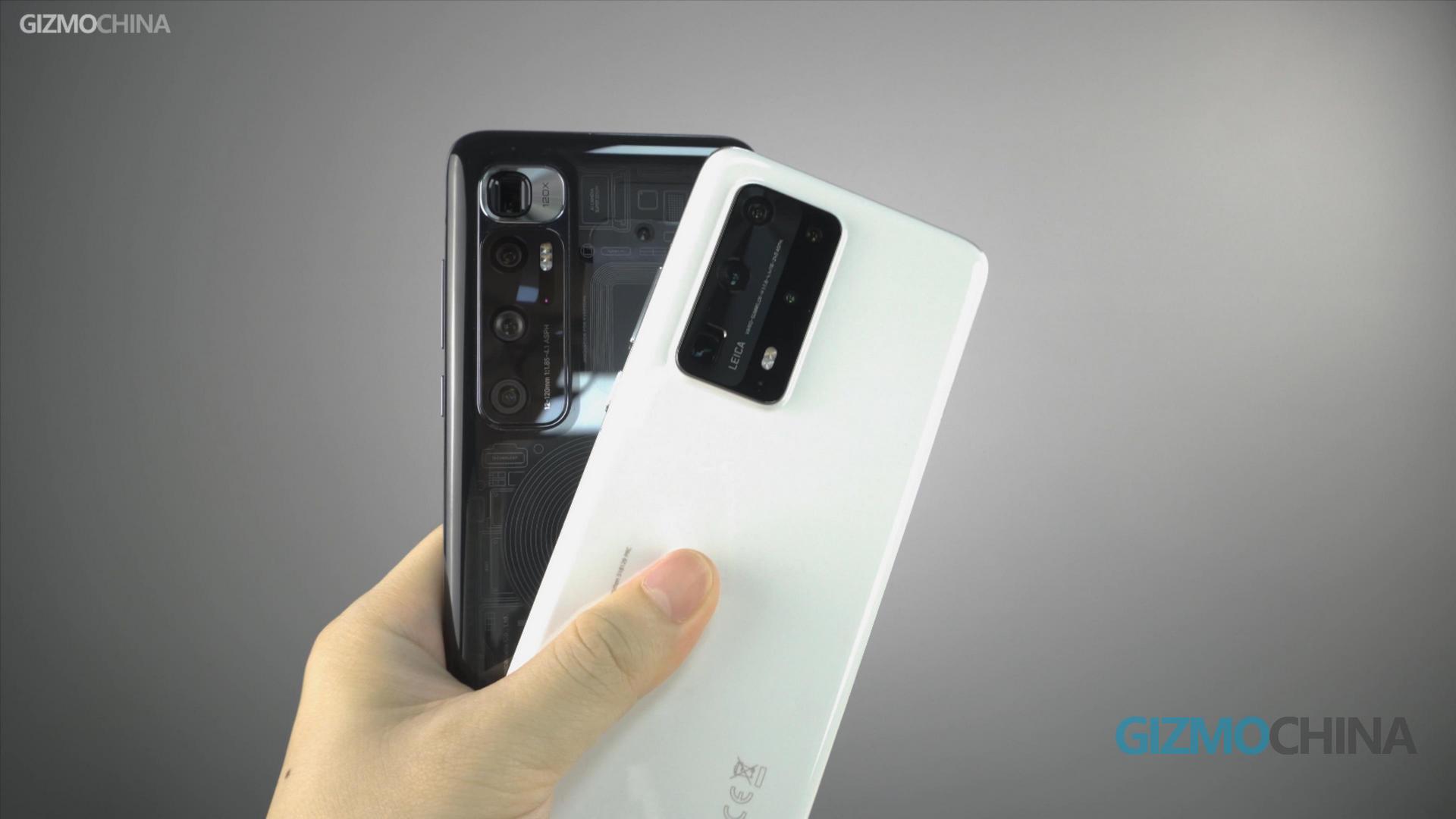
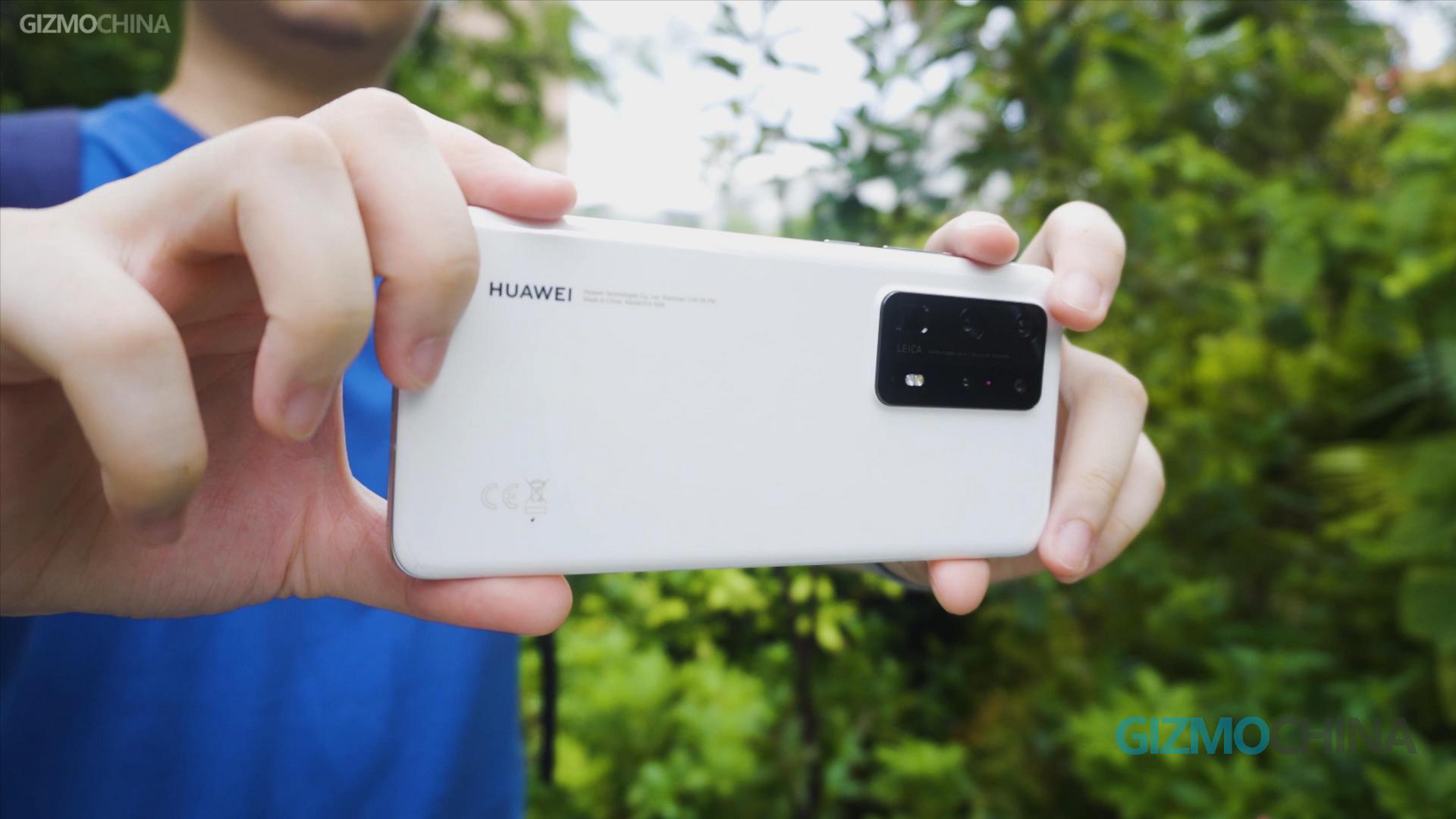
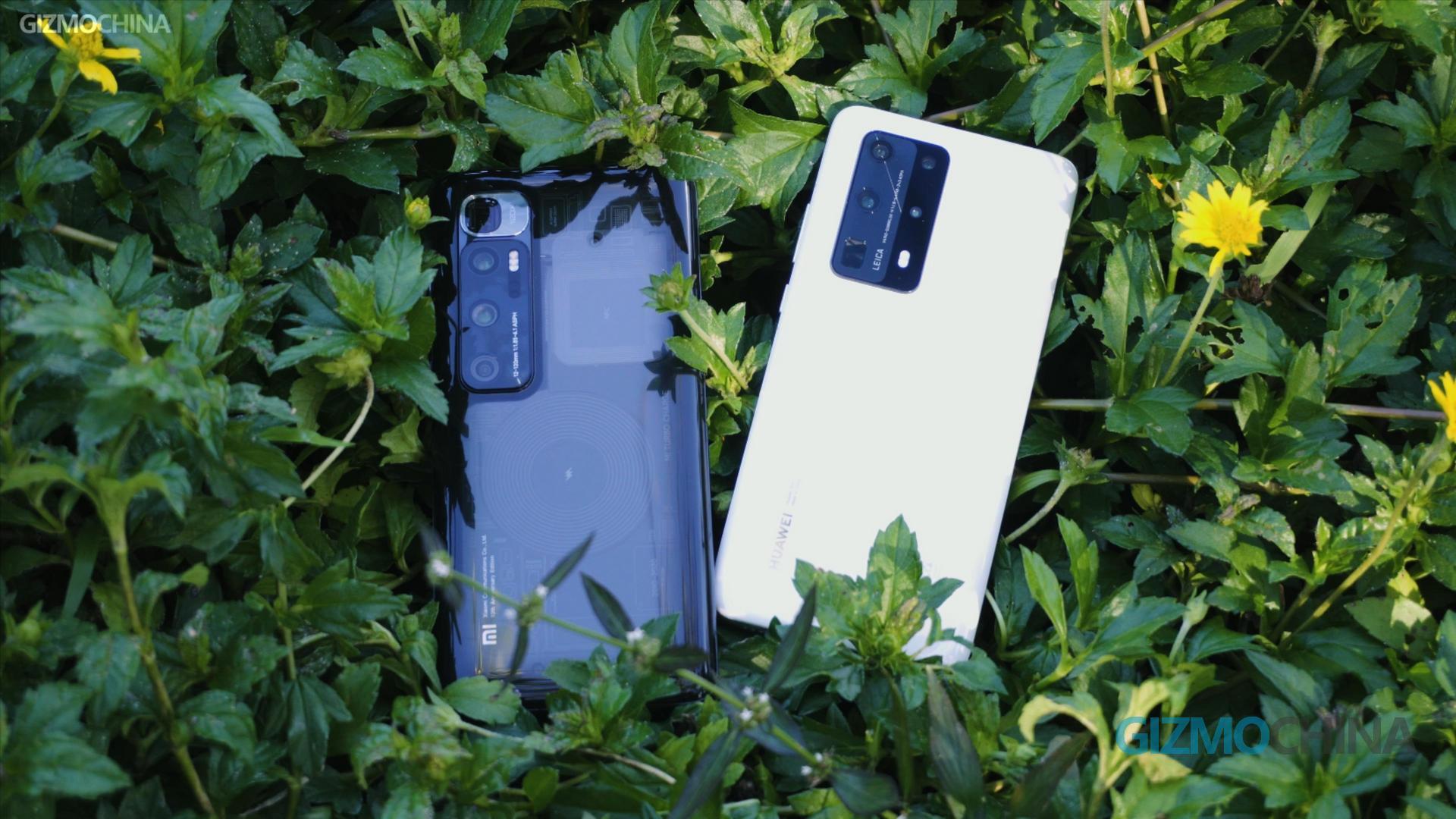
When you consider which smartphone has the best camera, there are only a few options every year. Until 2020, the winner was one of the iPhones, Samsung’s Galaxy flagship or HUAWEI’s P-series phone. Especially since last year, Huawei has become the most powerful candidate. However, this year, Xiaomi’s Mi 10 Ultra has broken this dominance. And a lot of friends asked us which one has the best camera performance. Well, today let’s take a closer look at these two top camera phones and check out which one is better in the camera department-whether it’s the HUAWEI P40 Pro Plus or the Xiaomi Mi 10 Ultra.
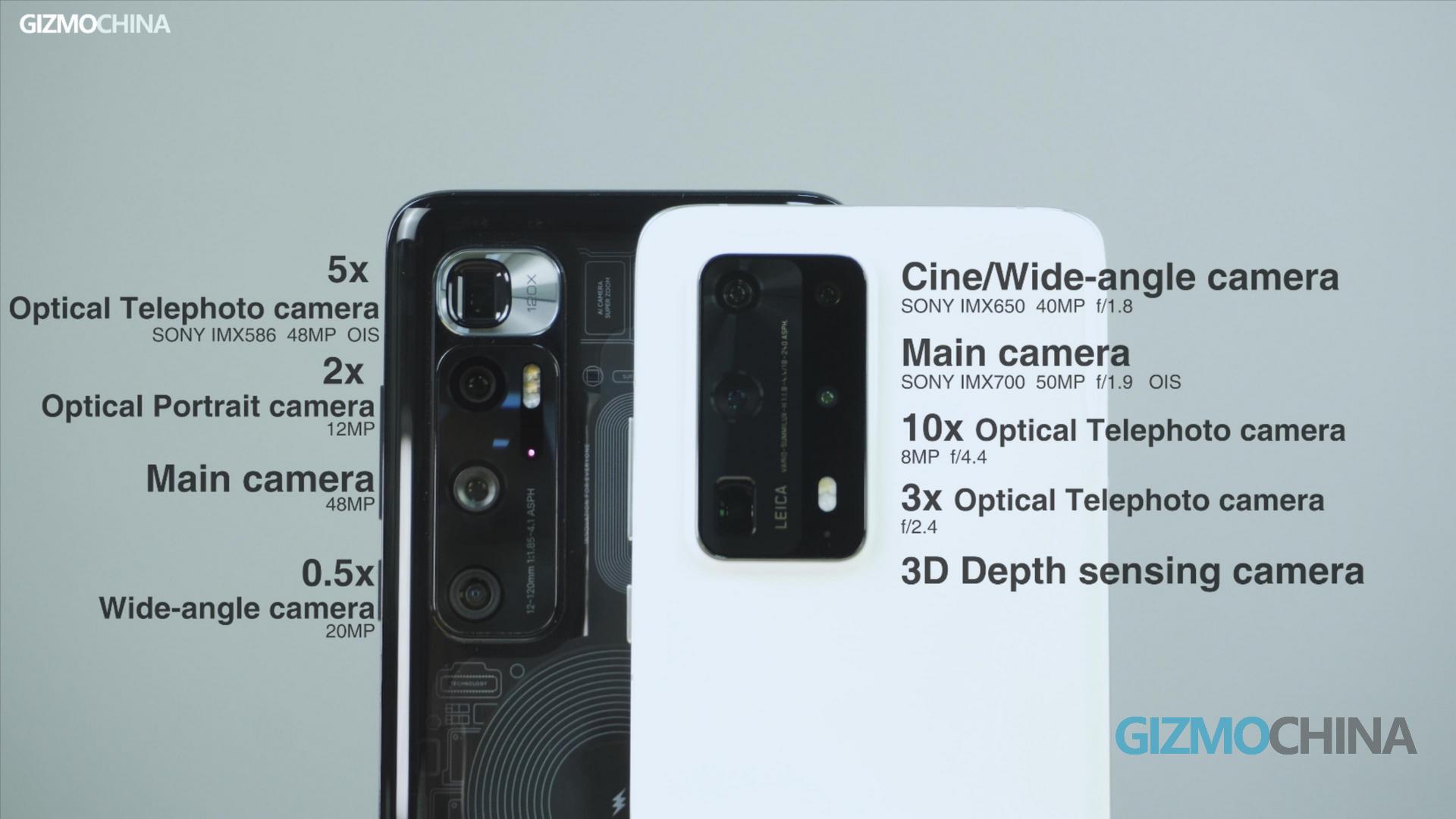
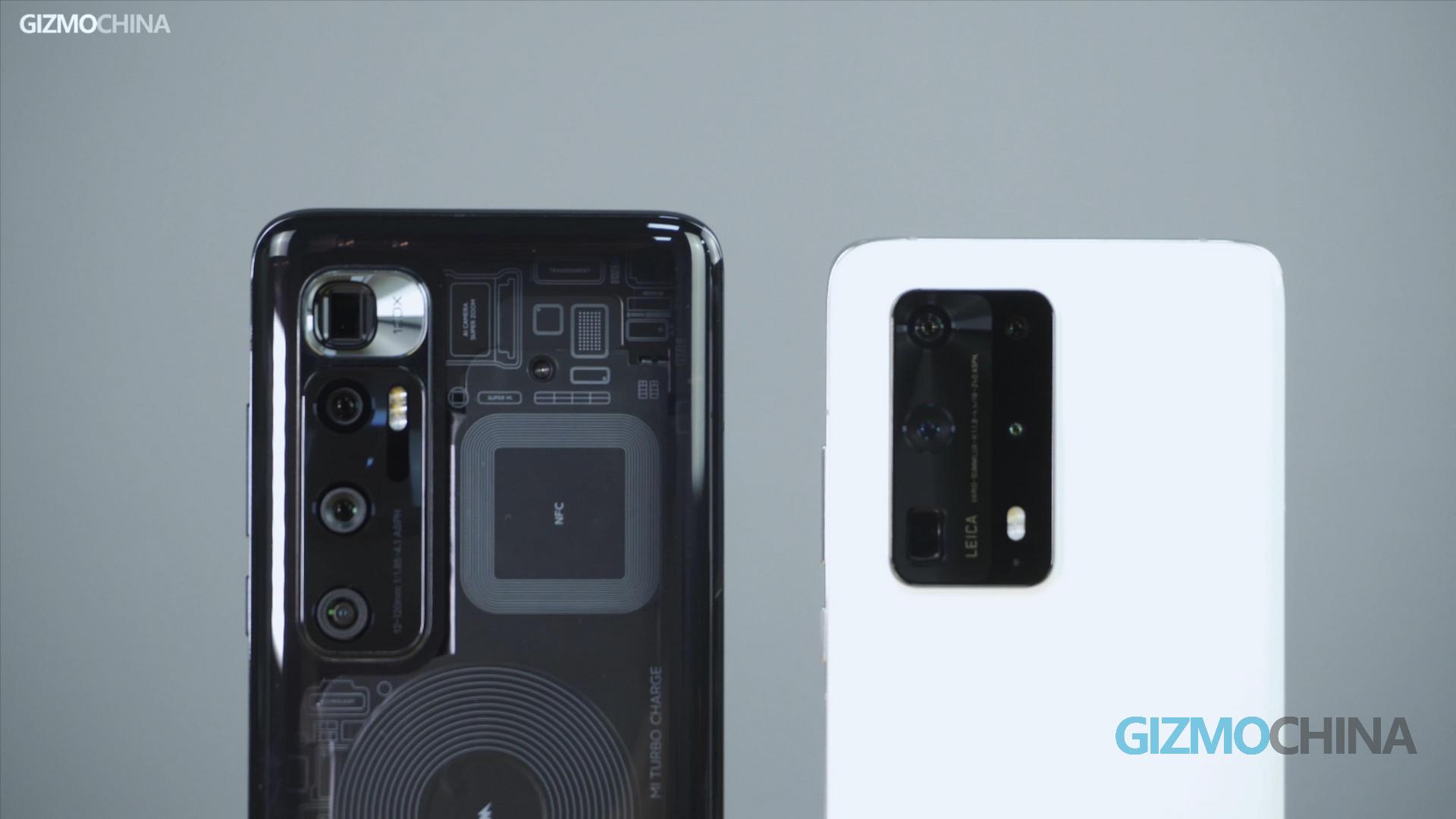
Let’s look at their cameras specs first. Both of them come equipped with insane camera setups and both rear cameras occupy a large area of the back. And when taking pictures or videos, you may even have no idea which camera sensor is doing the job.
For HUAWEI P40 Pro plus, it has a Penta-camera setup, while the Mi 10 Ultra equips 4 cameras. We’ve had already introduced their setups in our review before, so just check them out here if you’ve missed it — Xiaomi Mi 10 Ultra Review and Huawei P40 Pro Plus Review.
Huawei P40 Pro Plus vs Mi 10 Ultra 10 camera
To be honest, both of them are excellent camera phones in 2020 and it’s really hard to perceive the differences in their camera samples on their small 6.6-inch displays. So, the difference between these two camera setups is pretty small, especially over good lighting conditions, which means that if you use it for daily or travel photography, you should probably care more about their tones or image style.
Xiaomi Mi 10 Ultra vs Huawei P40 Pro Plus: Main Cameras
1 of 6
Xiaomi Mi 10 Ultra 1x main cam (39)
Huawei P40 Pro Main Cam (1)
Xiaomi Mi 10 Ultra 1x main cam (36)
Huawei P40 Pro Main Cam (3)
Xiaomi Mi 10 Ultra 1x main cam (35)
Huawei P40 Pro Main Cam (2)
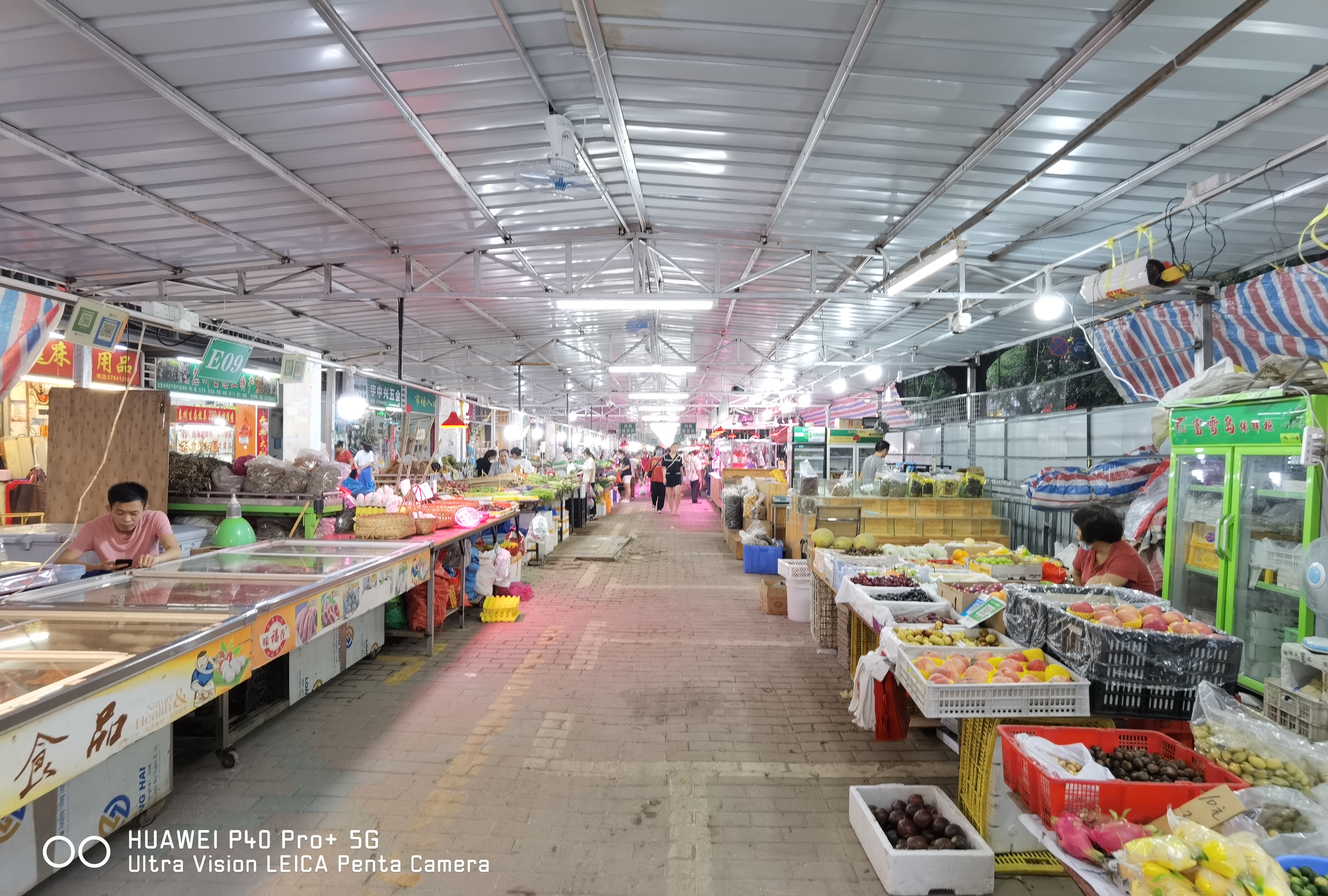
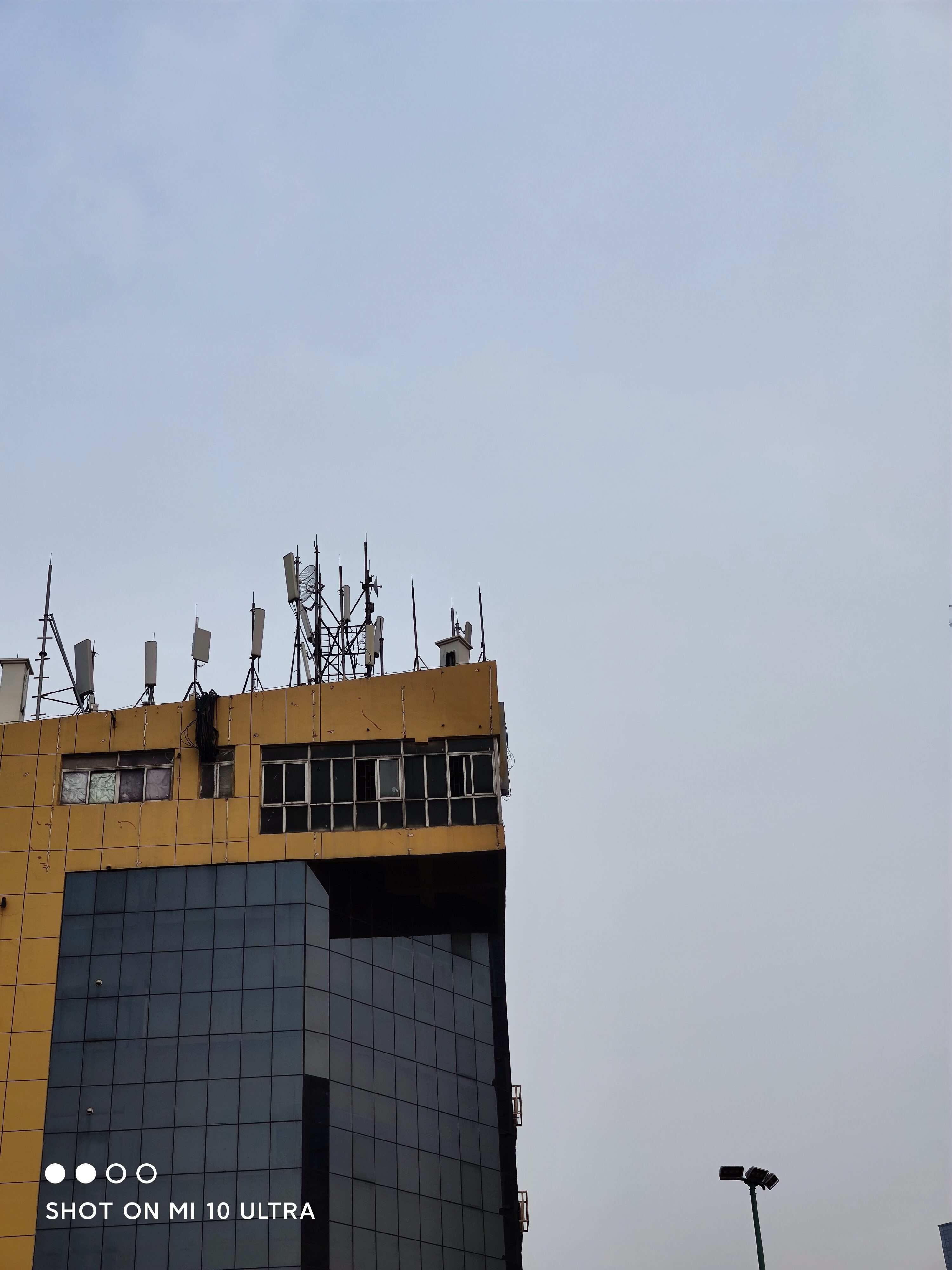
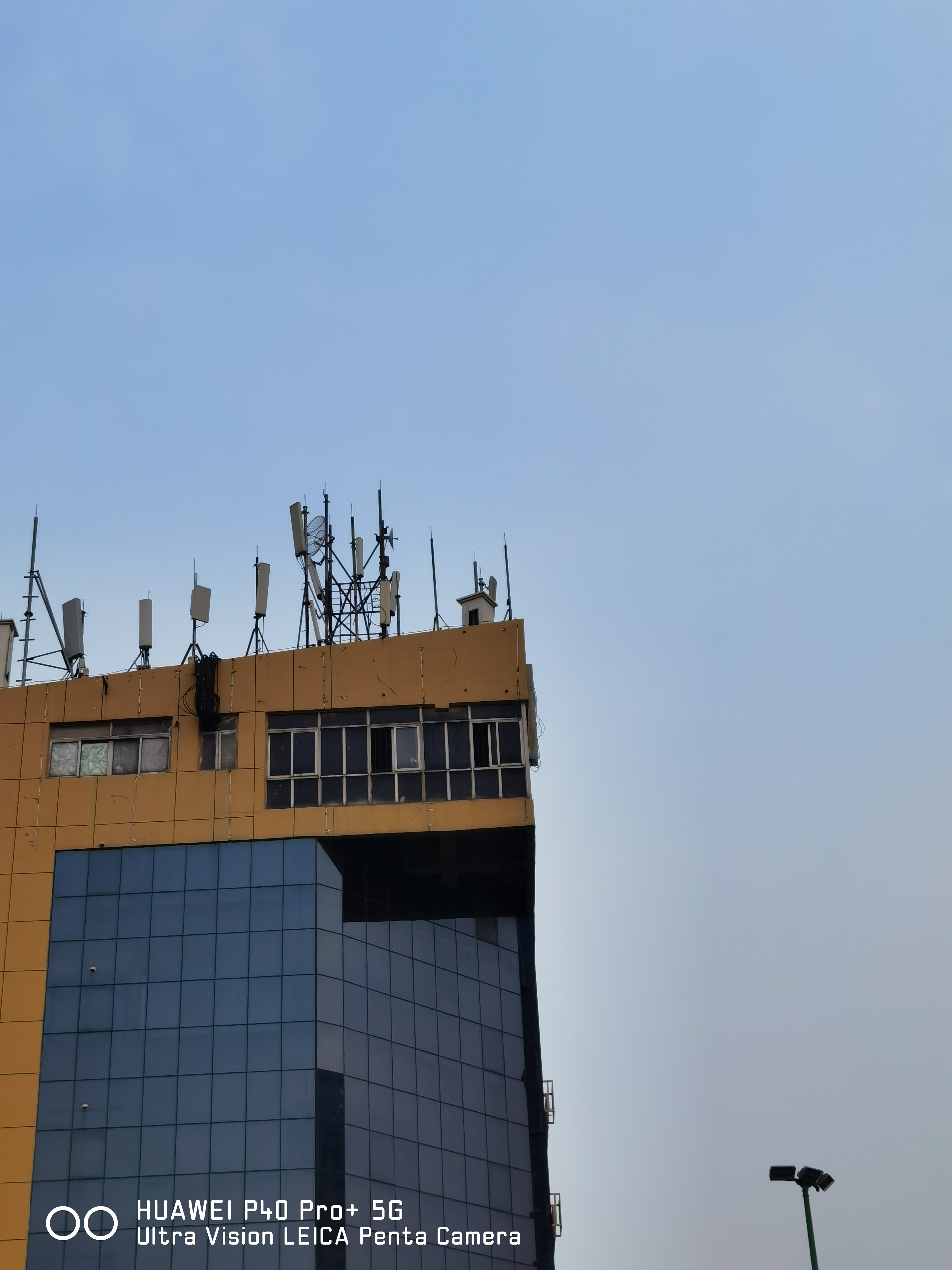
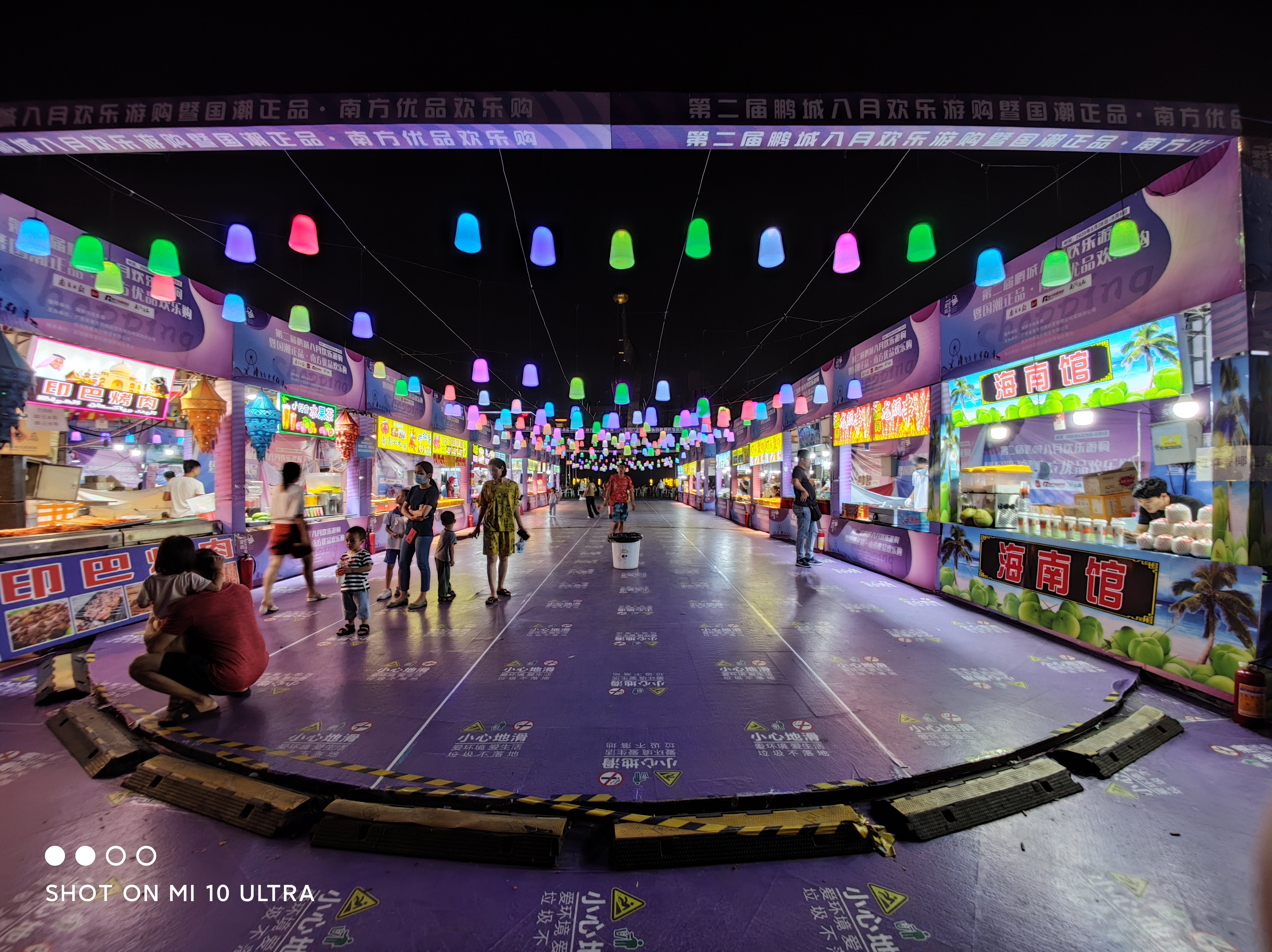
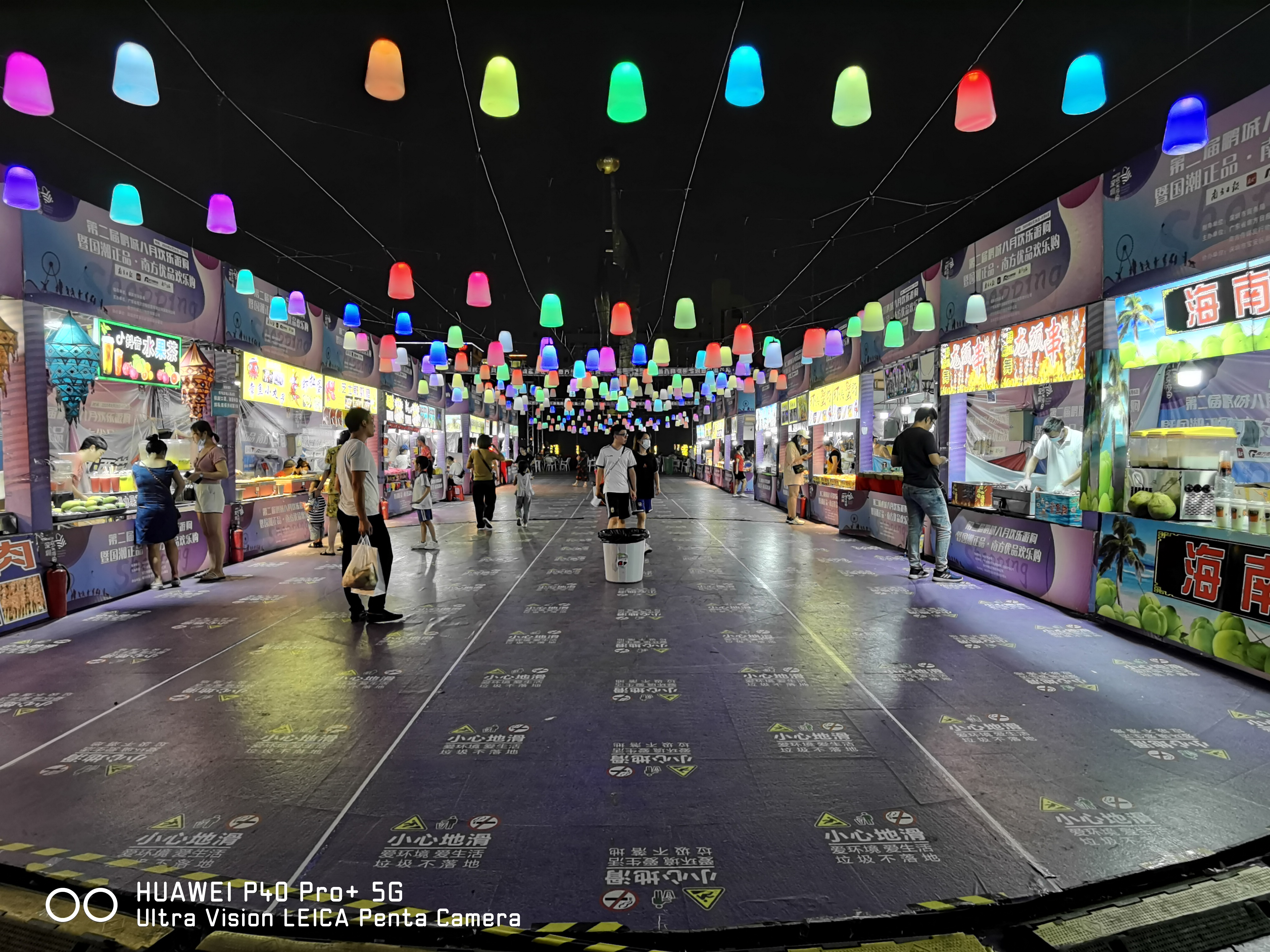
Let’s look at the samples from their main cameras – the biggest difference is their shooting angles. Huawei’s main camera has a much narrower angle, which sometimes was not able to provide the same stunning visual effects for landscape or building shots as the Xiaomi model. But when you look closer, we found that the Mi10 ultra didn’t suppress contour jaggies well while sharpening the image. So at first glance, it seems that Xiaomi’s samples create an illusion that it could have better and sharper detail, but the fact is that the HUAWEI model also produces sharp images and did a better job in anti-aliasing.
And then let us focus on their white balance and color reproduction. The Mi 10 ultra was more stable to adapt accurate white balance, but it generally had cooler tones compared to the Huawei samples. But both of them have excellent contrast detail and wide dynamic range. And it’s really, really hard to pick a winner here. It simply comes down to individual preference.
Xiaomi Mi 10 Ultra vs Huawei P40 Pro Plus: Ultra Wide Cameras
1 of 6
Xiaomi Mi 10 Ultra wide-angle (6)
Huawei P40 Pro Plus wide-angle (7)
Xiaomi Mi 10 Ultra wide-angle (5)
Huawei P40 Pro Plus wide-angle (6)
Xiaomi Mi 10 Ultra wide-angle (4)
Huawei P40 Pro Plus wide-angle (5)
As we mentioned in Mi 10 Ultra’s review, the phone’s wide-angle camera has a stunning view with a really wide angle. However, a wider angle isn’t everything. It also leads to some drawbacks, such as blurring and noisy detail over at the corners, while the Huawei model maintains excellent reproduction no matter for the corners or the quality at the center.
Well, unlike what we saw in the main camera comparison, this time Xiaomi did a better job in anti-aliasing, but other than that, its wide-angle cameras’ samples were not so different from what we got from their its main cameras under good light conditions.
Xiaomi Mi 10 Ultra vs Huawei P40 Pro Plus: Macro Cameras
1 of 4
Xiaomi Mi 10 Ultra 1x macro (45)
Xiaomi Mi 10 Ultra 1x macro (44)
Huawei P40 Pro Plus MAcro (2)
Huawei P40 Pro Plus MAcro (1)
As for their macro performance, both of them are NOT equipped with an exclusive macro camera but utilize the wide-angle camera for macro use. The Mi10 Ultra can shoot subjects with a closer view, while the Huawei’s macro mode is able to produce purer images.
Xiaomi Mi 10 Ultra vs Huawei P40 Pro Plus: Telephoto Zoom
For both models, the amazing zooming performance is advertised as one of their most attractive selling points. The Mi 10 Ultra can shoot up to 120-times zoomed-in photos, while the maximum zoom-in capacity for the HUAWEI model is 60 times. However, we don’t suggest shooting over 20-times zoomed-in photos on these two models. You would find out how meaningless it is and will definitely get frustrated with the outcome at extremely high zoom levels. However, using the phones to capture photos under 10x zoom is very satisfying.
The Huawei P40 Pro features two telephoto cameras, one with 3x zoom and another one with true optical 10x zoom. On the other hand, the Mi 10 Ultra comes with one 2x optical zoom telephoto camera and another one with 5x zoom. Therefore, technically, the Mi 10 Ultra is better at shooting photos between 2x and 3x zoom, and then between 5x and 10x zoom. While the setup on the P40 Pro Plus should enable better zoom photos between 3x and 5x zoom and then 10x and beyond.
1 of 12
Xiaomi Mi 10 ultra 10x
10x Huawei P40 Pro Plus
10x Huawei P40 Pro Plus
10x Huawei P40 Pro Plus
Xiaomi Mi 10 ultra 5x
5x Huawei P40 Pro Plus
Xiaomi Mi 10 ultra 3x
3x Huawei P40 Pro Plus
Xiaomi Mi 10 ultra 2x
Huawei P40 Pro Plus 2x
And as expected, our camera test samples roughly proved this theory. The biggest difference between these two models is image resolution. However, thanks to good software optimization, the Huawei model is not far behind in the range, where the Xiaomi model was leading. Especially the Huawei model was more likely to produce a purer image with better noise control. On the other hand, although Xiaomi only features a hybrid 10x zoom, its 10x photos were so impressive that it almost catches up with the optical 10x zoom of the HUAWEI model. But strictly speaking, the HUAWEI phone still won a narrow victory in the race of 10x zoom.
Huawei P40 Pro Plus vs Mi 10 Ultra ZOOM
1 of 10
10x Xiaomi Mi 10 Ultra
10x Huawei P40 Pro Plus
5x Xiaomi Mi 10 Ultra
5x Huawei P40 Pro Plus
3x Xiaomi Mi 10 Ultra
3x Huawei P40 Pro Plus
2x Xiaomi Mi 10 Ultra
2x Huawei P40 Pro Plus
1x Xiaomi Mi 10 Ultra
1x Huawei P40 Pro Plus
Xiaomi Mi 10 Ultra vs Huawei P40 Pro Plus: Portrait Mode
1 of 4
Xiaomi Mi 10 Ultra 1x main cam (41)
Huawei P40 Pro Plus aperture (4)
Xiaomi Mi 10 Ultra 1x main cam (42)
Huawei P40 Pro Plus aperture (2)
About the portrait mode, Huawei has an exclusive depth-sensing camera to catch the depth information, while the Mi 10 Ultra only uses the 2x telephoto camera for portrait use. And from the samples, we can see that the HUAWEI phone is more accurate in detecting edges and creating the correct depth information, while the Xiaomi phone can get confused when there are multiple subjects.
Xiaomi Mi 10 Ultra vs Huawei P40 Pro Plus: Night Mode
1 of 4
Xiaomi Mi 10 Ultra wide-angle night (4)
Xiaomi Mi 10 Ultra wide-angle night (4)
Huawei P40 Pro Plus 1x NIGHT EXTREME LOW LIGHT (3)
Xiaomi Mi 10 Ultra 1x NIGHT (7)
Huawei P40 Pro Plus 1x NIGHT EXTREME LOW LIGHT (4)
These two models both have a night mode for night shooting and the improvement in quality in these two models was also remarkable. but their production is a bit different. For example, the optimized solution of Huawei is a bit smarter to reproduce natural images with a good balance of exposure, while the night mode of the Mi 10 Ultra is dedicated to improving the overall brightness, which leads to lower contrast and strange reproduction in low-light scenes. In addition, sometimes the Mi 10 Ultra was incapable of making adjustments with correct exposure balance and good stabilization under extreme low-light conditions. But thanks to the RYYB sensor, Huawei’s samples looks much more comfortable with excellent brightness improvement.
1 of 4
Xiaomi Mi 10 Ultra wide-angle night (3)
Huawei P40 Pro Plus wide angle night (2)
Xiaomi Mi 10 Ultra 1x NIGHT (10)
Huawei P40 Pro Plus wide angle night (3)
Xiaomi hasn’t developed a night mode for the Ultra’s wide-angle camera, so from the samples, it’s not a good idea to use it in night scenes. On the other hand, you can apply night mode for wide-angle shooting on the HUAWEI phone. But actually, the wide-angle camera could also work well without night mode in night scenes, so Huawei no doubt won the race of night shooting. However, we did notice that the night mode samples from Huawei’s wide-angle camera couldn’t exactly present good saturation under extreme low-light conditions.
As for their ability of video shooting, their main cameras both can shoot up to 4k 60fps videos. However, Huawei’s wide-angle camera can also film 4k 60fps videos.
Thanks to HDR Hardware optimization, the Xiaomi model’s video quality is really amazing with a better dynamic range. And compared to the videos shot by the Huawei model, Xiaomi’s excellent image stabilization was also surprising.
Xiaomi Mi 10 Ultra vs Huawei P40 Pro Plus: Camera UI
About camera UI and editing experience, there are some things that we didn’t feel comfortable while using these two phones. For example, the Huawei phone has a relatively low-resolution view-finder when we’re shooting using the display. And when we use it to shoot horizontal photos, the zoom options were located at the bottom, which makes one-hand operation become impossible. And compared to the Mi 10 Ultra, there is no such a picture-in-picture view for Huawei’s zoom shooting, which sometimes made finding subjects under zooming a bit difficult. And for video shooting, the Huawei phone would start with the wide-angle camera, but not the main camera which had better image quality. And for the Mi10 Ultra, there is obvious shutter delay sometimes, even up to a couple of seconds.
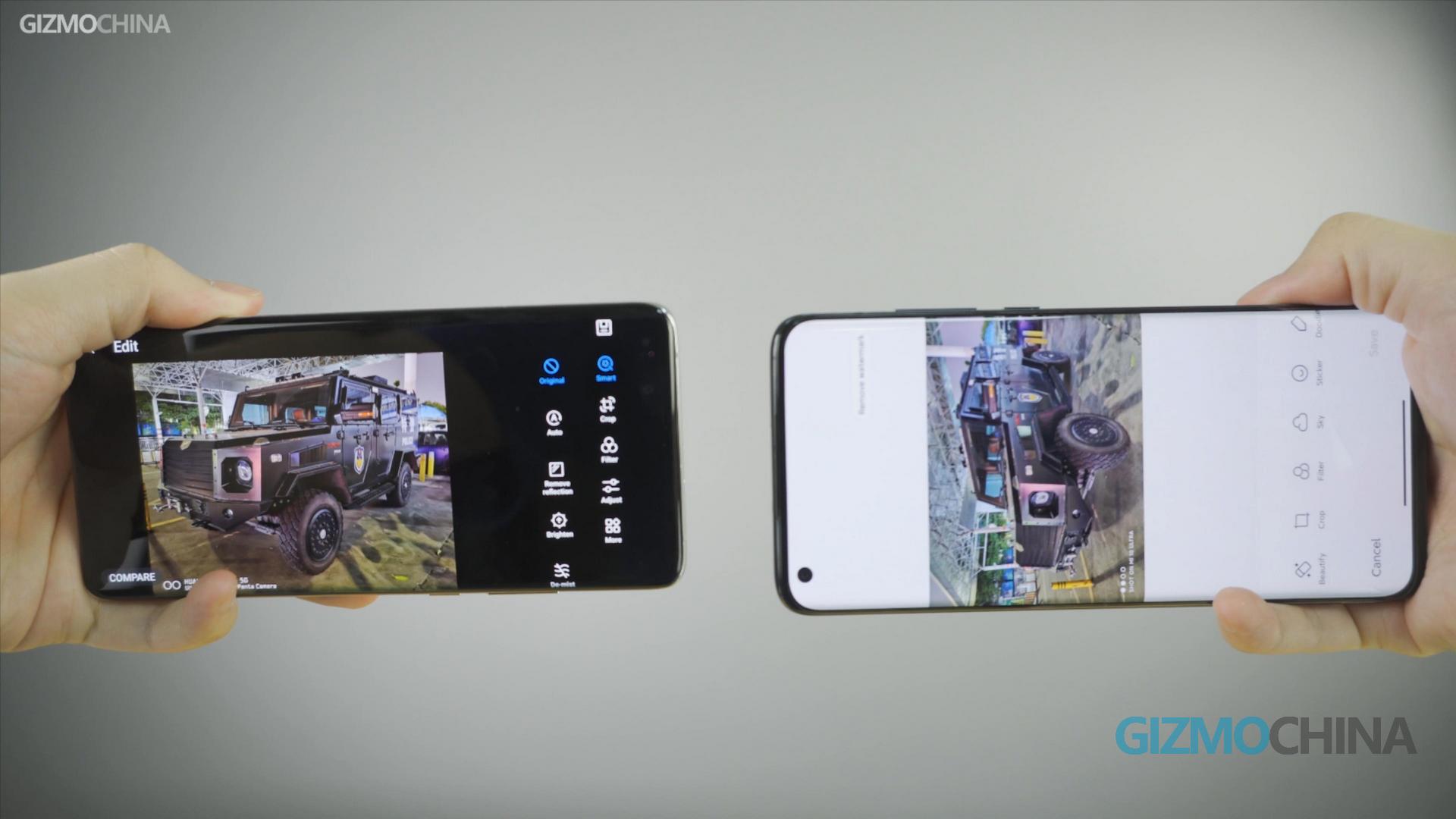
For photo editing, the experience on the Huawei phone is much better. It not only provides more professional adjustment but also comes up with a few auto-options for you to edit photos quickly. And it also allows users to get a horizontal view when editing photos, while on the Mi 10 Ultra it cannot switch the direction.
But for filter options, the Xiaomi phone no doubt provides more interesting filters. Most of them are pretty good choices for social media. And another highlight is the set of sky filters, which would auto-detect the sky in the image and replace it to the sky option you choose. And the effect is really amazing.
For video editing, they both can do simple editing and can apply filters. And the Xiaomi phone has an awesome auto-captions feature to detect voice and turns it into captions.
Xiaomi Mi 10 Ultra vs Huawei P40 Pro Plus: Verdict
These two models no doubt are great camera phones, but we cannot pick which one has won the whole camera race. The two phones have four to five cameras and each of them has its own advantage as well as shortcomings. So overall, the gap between each of their cameras is so small that you cannot simply pick one phone as the ultimate winner.
The Huawei P40 Pro plus is really a mature model as the brand has a few years of experience developing top-end mobile cameras, while the Mi10 Ultra is an all-around 10th-anniversary model bringing the most creative ideas from Xiaomi to life.
So which one do you think captures better pictures – Xiaomi Mi Ultra or the Huawei P40 Pro Plus?
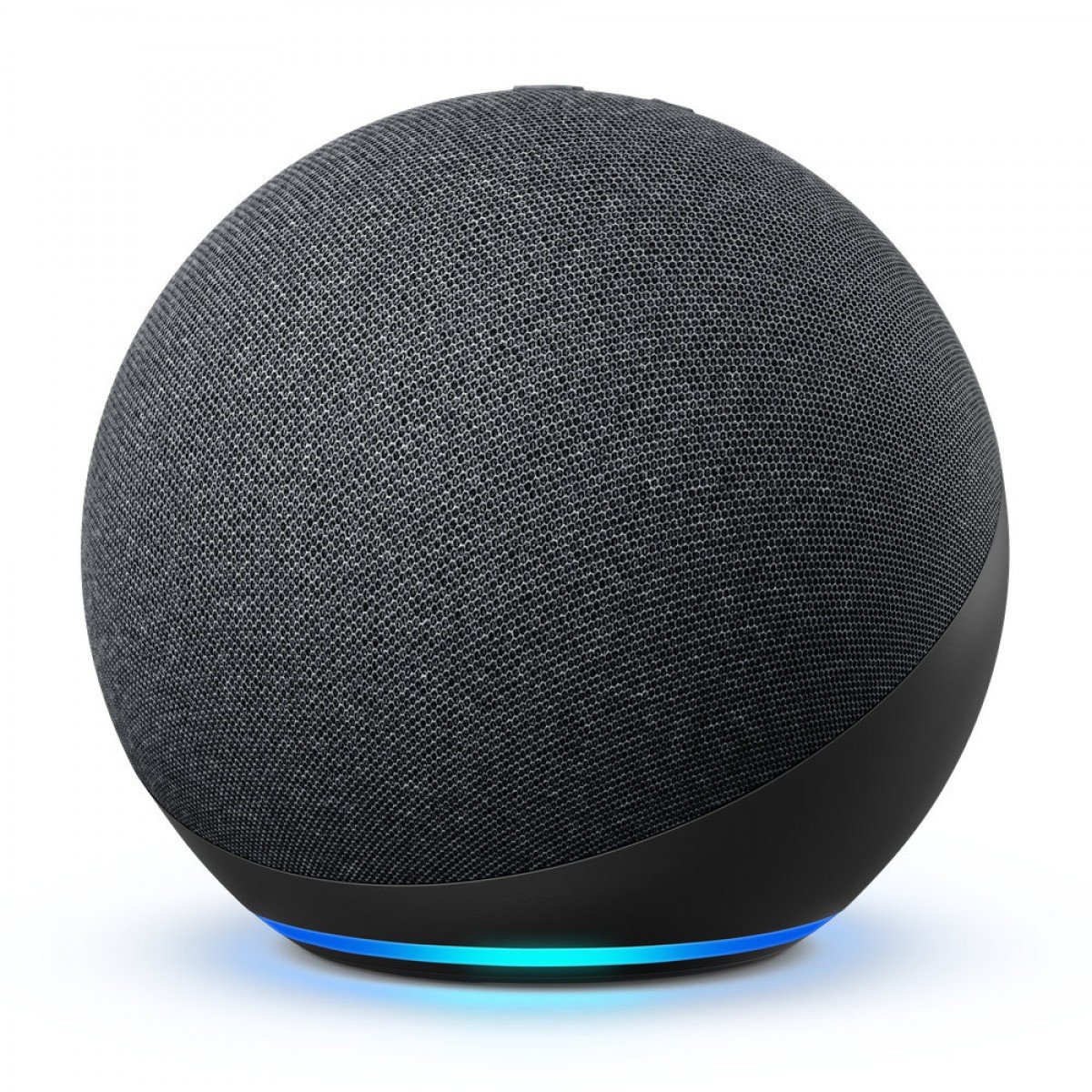
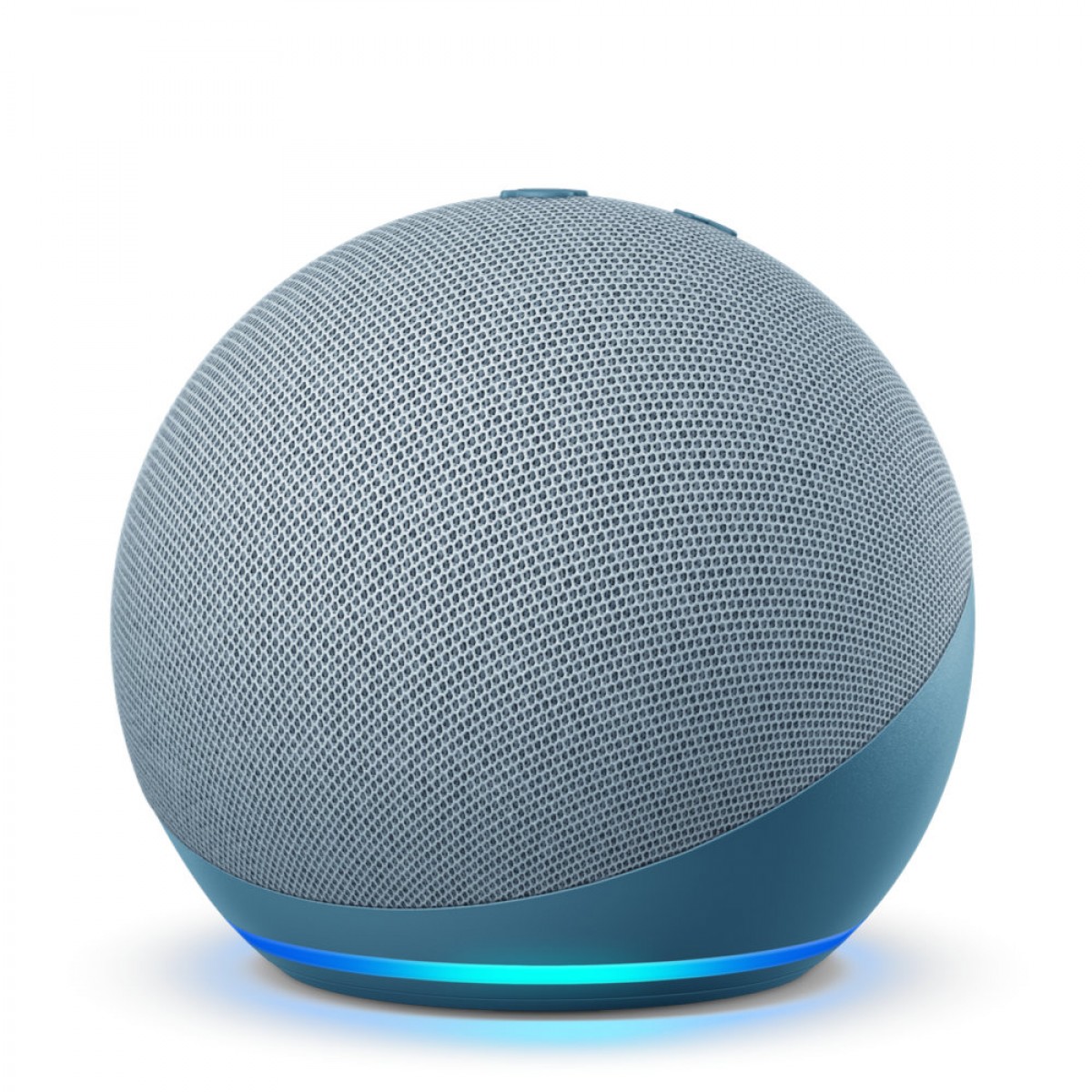
Amazon has launched a number of new products including four new Echo models. The models include the Amazon Echo, Echo Plus, Echo Dot, and Echo Show 10. The new Echo is a combination of the previous Echo and Echo Plus models. However, the new Echo ditches the tower-shaped design of the previous models for a new spherical shape. Most of the surface of this sphere is a grille while the plastic underside has a glowing ring of LED.
Amazon Echo
The new Amazon Echo comes with an upgraded speaker system and packs a single 3-inch woofer and dual tweeters along with Dolby audio processing. The Echo senses the acoustics of your space and automatically tunes its audio for it.
Further, the new Echo also packs a built-in smart home hub which has support for Zigbee, Bluetooth Low Energy, and Amazon Sidewalk. You will be able to connect your smart home devices directly to the Echo without requiring a dedicated hub.
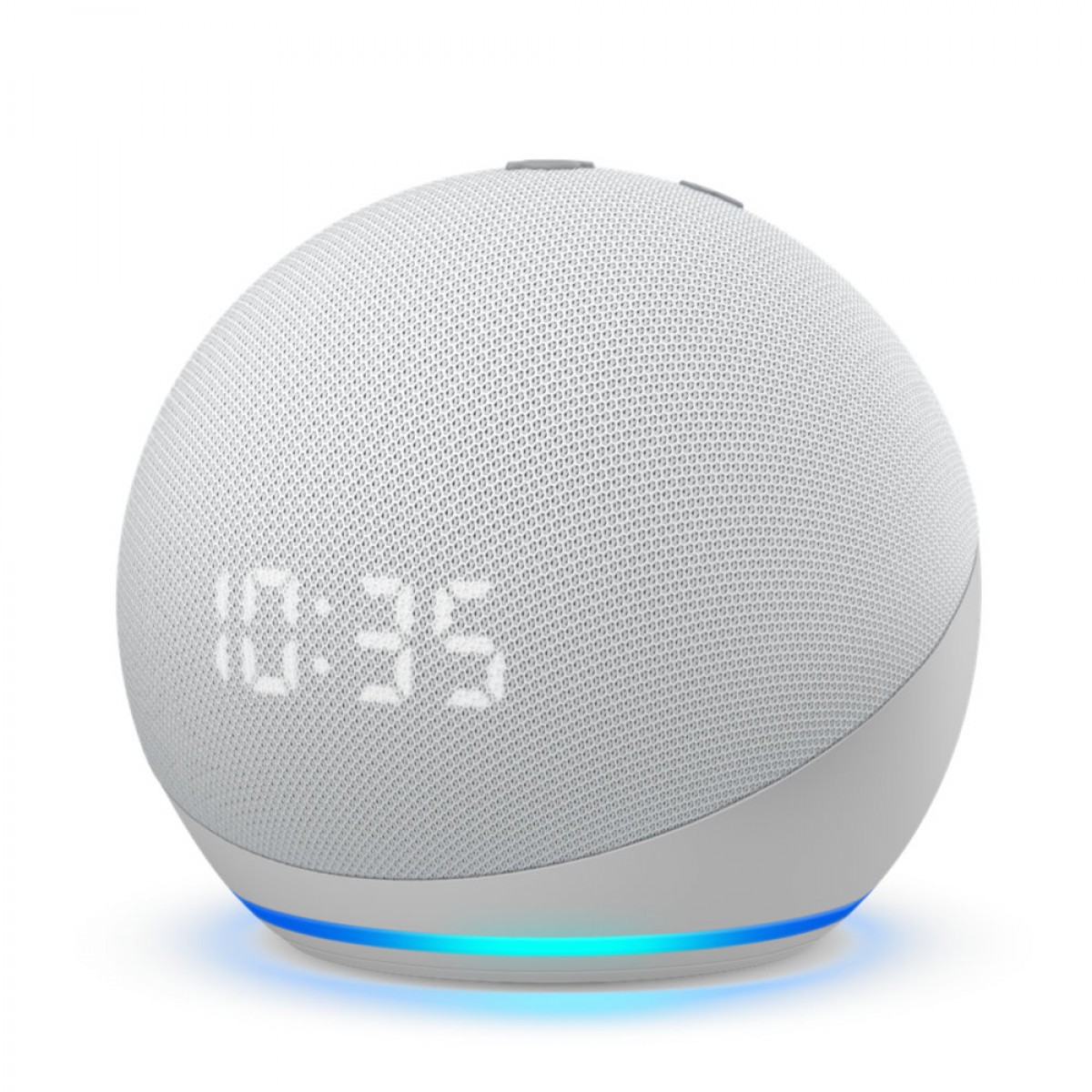
Amazon Echo Dot with clock
The smart speaker is powered by Amazon’s new first-generation AZ1 Neural Edge processor, which is designed to speed up machine learning applications and also includes an all-neural speech recognition model that processes Alexa requests faster.
Amazon Echo Dot
Amazon Echo Dot
The new Amazon Echo Dot is available in three different versions. All the versions pack a 1.6-inch full-range speaker and apart from the smaller size, it has the same design as the new Echo, just smaller. One of the Echo Dot versions come with an LED display that can show the time, temperature, timers, and alarms.
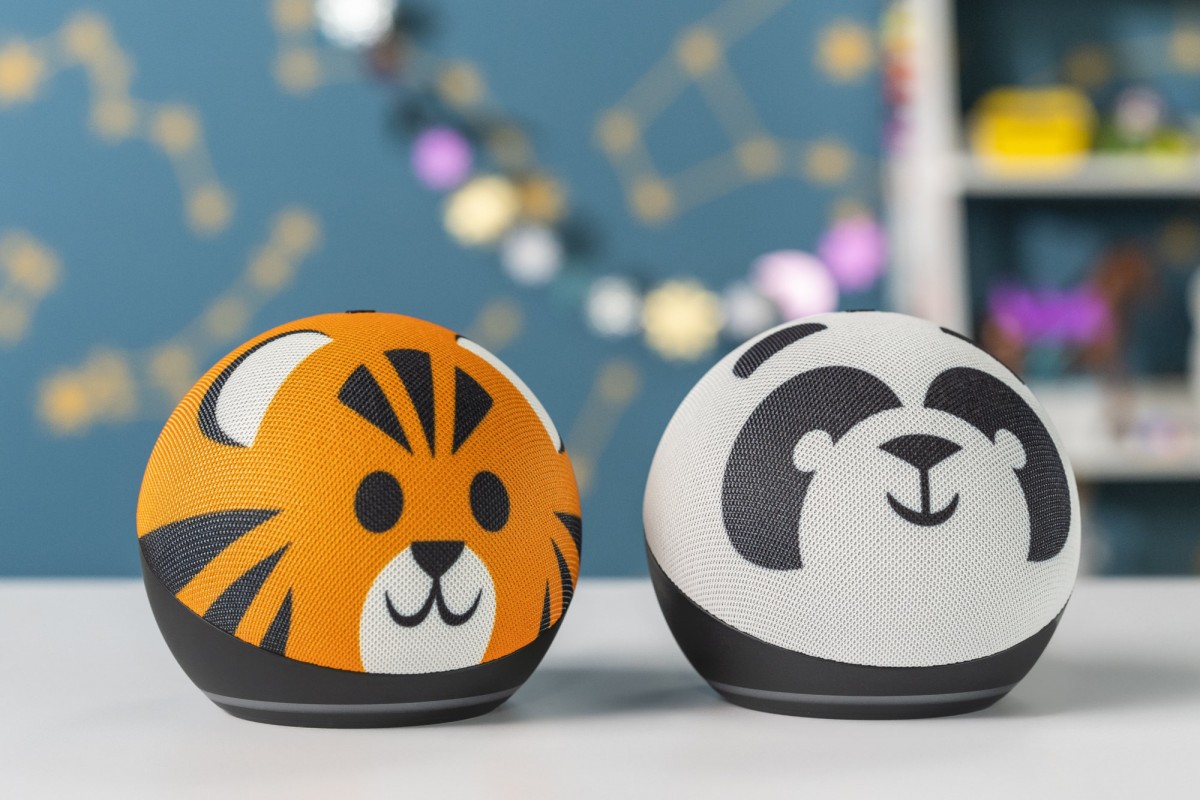
Amazon Echo Dot Kids Edition
A version of the Echo Dot is dubbed Echo Dot Kids Edition and as the name implies, it is designed for kids. It is similar to the standard Echo Dot except that it comes in two color prints – Panda and Tiger and has several features design for children, such as setting animal alarm sounds, getting help with homework, and calling approved family and friends. The Kids Edition also comes with a 1-year Amazon Kids+ subscription that includes child-friendly Audible books, interactive games, and educational skills. The device also comes with a 2-year worry-free guarantee. Alexa will also let you create a special voice profile for your child and when it detects a child’s voice it will automatically switch to that profile.
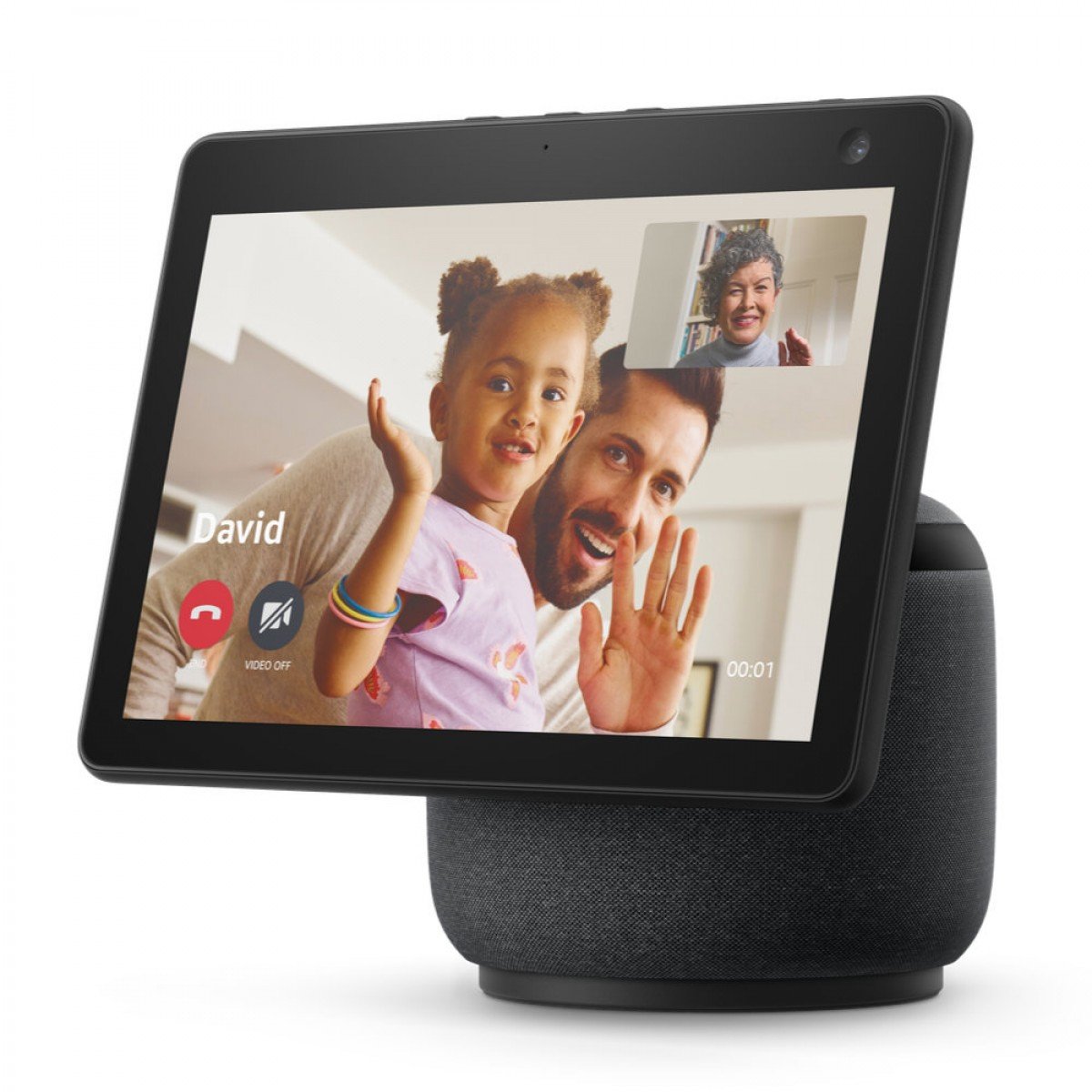
Amazon Echo Show 10
Amazon Echo Show 10
The Amazon Echo Show 10 is a fourth-generation model with an improved design. The device packs a unique rotating display that automatically turns to face you when you speak to it. The display can also track your movements and keep the screen facing towards you during video calls, recipes, or watching videos.
The Echo Show 10 packs a 10.1-inch display and triple speaker assembly which is placed on a rotating body that can spin 360-degrees using a brushless motor. There is a 13MP camera on the front to keep track of your movement and moves the display to face your direction. This feature is only active when the user is performing an activity on the device that requires your attention. Also, when a voice command is given, the device will recognize the direction the voice command came from and turn the display in that direction.
You also get a built-in smart home hub for connecting your devices on the Echo Show 10. The smart display comes with support for Spotify, Hulu, Apple Music, Prime Video and Music, and more based on the region. Amazon has also announced that support for Netflix and Zoom is coming later this year.
As regards the pricing, the Echo is priced at $100 while the Echo Dot at $50.The Echo Dot with a clock is priced at $60 and the Echo Dot Kids Edition is also on offer for $60. The Amazon Echo Show 10 is priced at $250 and will be sold later on. The other products are up for pre-order and will ship later this year.
Zeaplus has launched brand new Zeaplus buds which bring Active Noise Cancellation (ANC) to $25 earphones. Usually reserved for the top-end earbuds in the market like the AirPods Pro, it is one of the first earbuds to bring real noise cancellation to the budget earphone segment.
The Zeaplus buds is basically an AirPods Pro clone with a similar stem and tip design, featuring a white and black color scheme. Along with ANC, it also features a transparent mode – similar to the AppleAirPods Pro which allows you to hear what’s happening in your surrounding without having to remove your earbuds. While ANC and transparency features are not going to be at par with the AirPods Pro, it’ll enable better user experience at a budget price.
Zeaplus Buds Review:
The Zeaplus Buds offers 4 hours of battery life and an additional 20 hours with the case. Note that the case supports wireless charging too. The Zeaplus buds is available at just $25 (first 1000 units) instead of the usual $50 price tag.
However, if you want to grab a pair for FREE, participate in the giveaway below. All you have to do is follow the instructions mentioned in the gleam widget for a chance to win these earbuds with ANC.
Smartphone makers are lately keen on building an ecosystem of their own. Chinese brand realme, albeit new, have launched a wide variety of products in the past few months, in addition to smartphones. Now, according to a new leak from two different sources, the company will be launching a total of 9 products in October.
The information about realme ecosystem products was shared by both Abhishek Yadav and Mukul Sharma on Twitter. However, the former was the first to break their launch dates.
That said, according to them, the brand will unveil the following products in the second week of October, specifically 7th and 9th.
Almost all the above-mentioned products were teased officially by realme at IFA 2020. However, their specifications and price are a mystery. But we expect them to leak ahead of their launch in the coming days.
Having said that, what do you think about realme launching a plethora of products within a short interval of time from each other? Do let us know your thoughts in the comment section below.
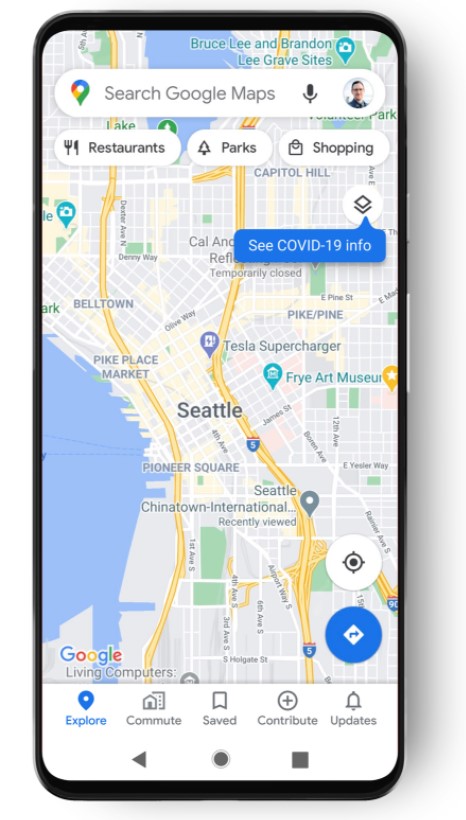
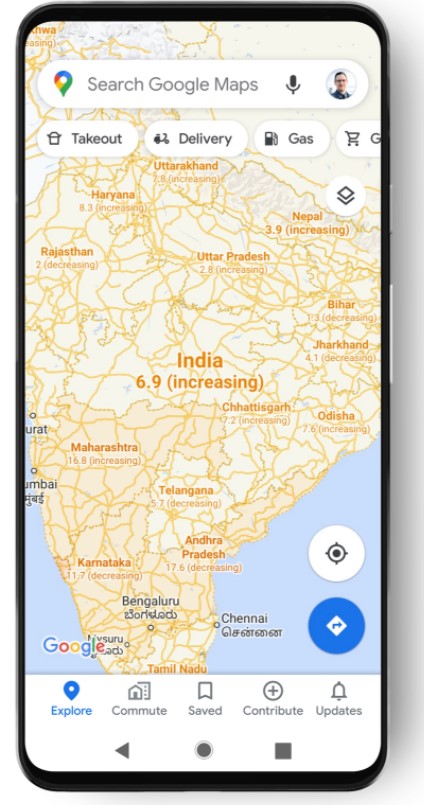
Google is constantly working to create awareness among people about COVID-19. It’s Google Maps has already has a COVID-19 alert, checkpoints. In fact, it has a section dedicated to the pandemic explaining the guidelines to be followed. And now, it has gone a step further to introduce a new layer, a tool that shows critical information about COVID-19 cases in a given area.
The new update will add a new “COVID-19 info” tab on the top-right corner. This is intended to help Google Maps users get access to data on the infections around them. Open Google Maps and Select Layers>COVID-19 info and it will reveal a 7-day average of COVID-19 cases. As per Google, this calculates the average per 100,000 cases in the selected area.
To make things easier, Google also has new color codes to indicate the amount of increasing/decreasing cases as shown below:
Google says through this distinctive color-coding, users can know what is the intensity of new cases around them. The data on trending cases will be available in 220 countries including their state, county, and city-level data wherever possible. However, this may be subject to delays as there are instances where cases have been reported late with few discrepancies.
1 of 2
Further, according to Google, the data that is shown is collected by sources from various Public Health Organizations like WHO, Government Health ministries along with state agencies and hospitals. Some of the legit sources include John Hopkins, the New York Times, and Wikipedia. It must be noted that some of them already help Google refine its search and display of COVID case information on Google Search. That said, the feature will start rolling out to users of both Android and iOS this week.
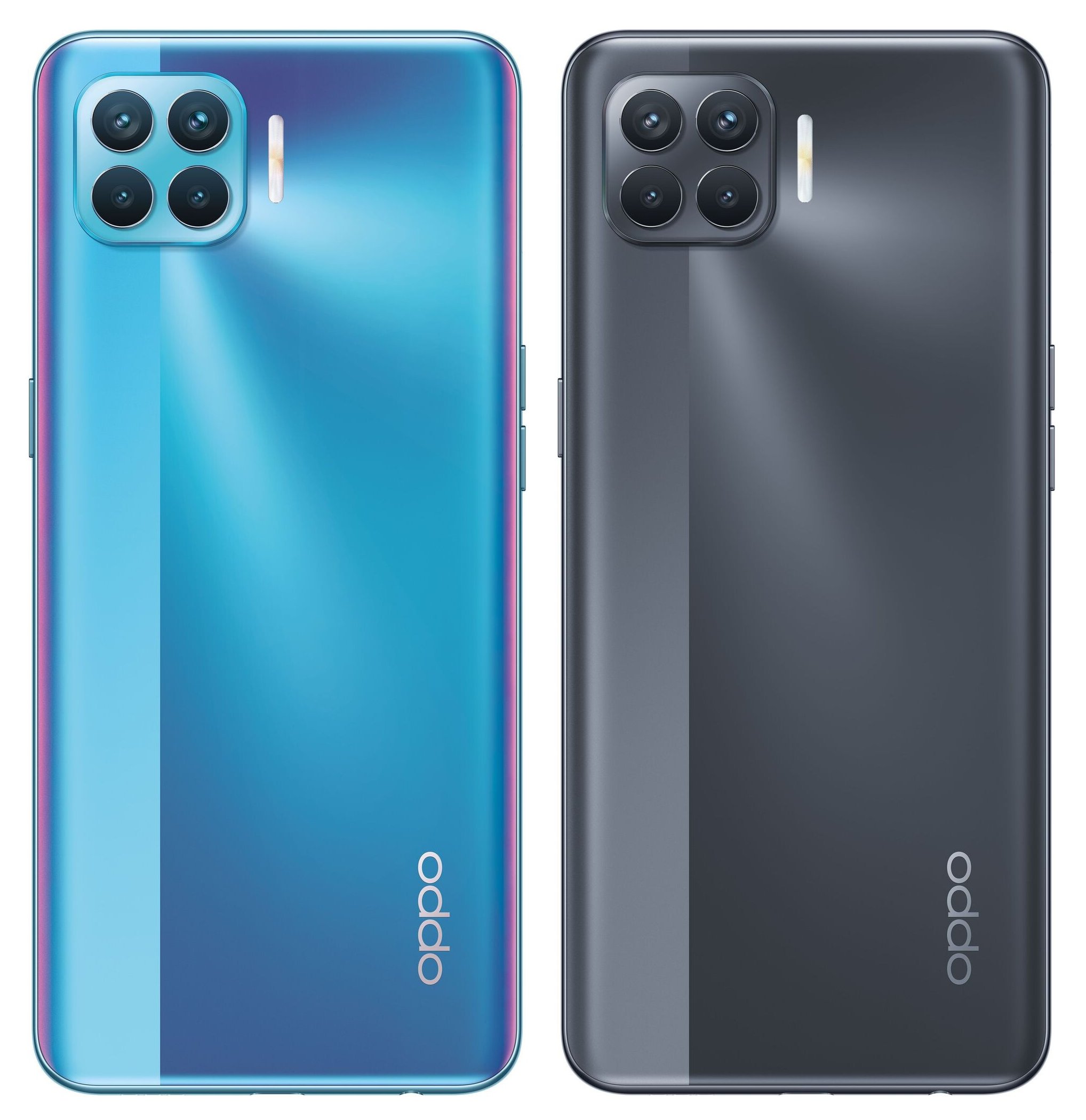
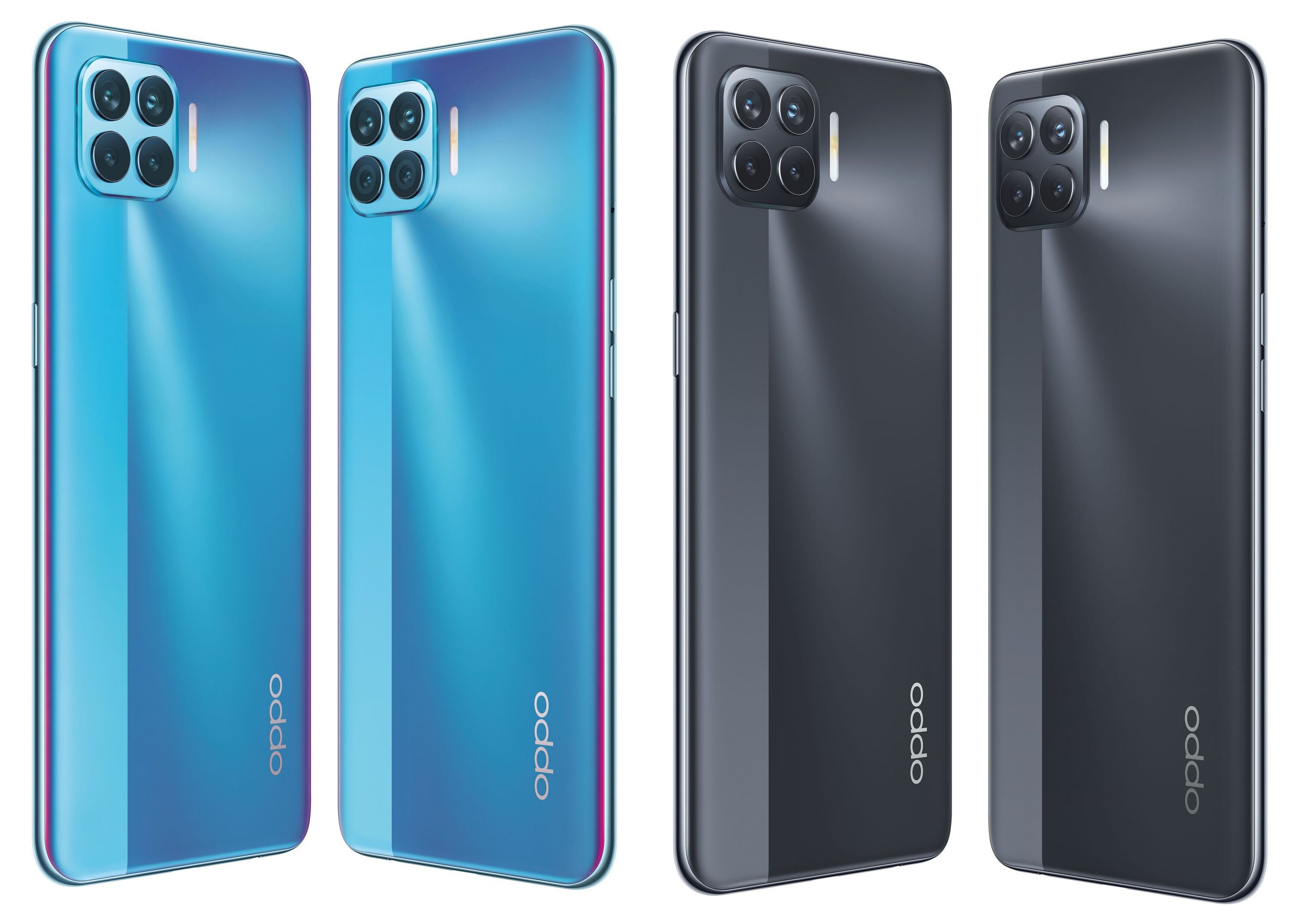
OPPO recently unveiled the OPPO F17 Pro and OPPO Reno4 Pro 4G smartphones in India. Recent reports have revealed that the F17 Pro will be rebranded in Europe as the OPPO Reno4 Lite. A new leak by tipster Sudhanshu Ambhore has revealed that the renders of the Black and Blue color variants of the Reno4 Lite. The tipster has also shared key information on the pricing of the two variants of the smartphone.
In the renders, the OPPO Reno4 Lite can be sporting a dual punch-hole display and a square-shaped camera setup with four cameras on its back. The tipster has claimed that the Reno 4 Lite will be available in two variants such as 8GB RAM + 128 GB storage and 8GB RAM + 256GB storage. The leak states that the base model will be priced under 300 euros whereas the higher version will cost around 450 euros to 500 euros.
OPPO is expected to announce the Reno4 Pro 4G smartphone in Europe on Oct. 1. The Reno4 Lite is now speculated to go official alongside the Reno4 Pro 4G. The Reno4 Lite is expected to arrive in Southeast Asian markets as OPPO A93.
OPPO Reno4 Lite specifications (Rumored)
The OPPO Reno4 Lite may come with a 6.43-inch S-AMOLED display with full HD+ resolution, 20:9 aspect ratio, and an in-display fingerprint reader. The MediaTek Helio P95 chipset may fuel the device with LPDDR4x RAM and UFS 2.1 storage. It could be equipped with a 16-mgeapixel + 2-megapixel (depth) dual front-facing camera. Its rear features a 48-megapixel main lens, an 8-megapixel ultrawide sensor, and two 2-megapixel lenses. It has a 4,015mAh battery with 30W VOOC 4.0 charging tech.
Last week, at the “Time Flies” event, Apple launched four new products but none of them was an iPhone. Anyway, it was not a surprise as there were multiple reports claiming there to be no iPhones in this year’s September event. But now, as we are about to enter October, new leaks have begun to pour in more information about the iPhone 12 series.
Various reports and leaks have been saying for months that there will be four iPhone 12 models this year varying by screen sizes. However, their marketing names have remained a mystery but not anymore.
A picture shared by a person going by the username @duanrui1205 on Twitter (via The Verge) showcases the stickers meant for iPhone 12 series’ silicone cases. These alleged labels for the packaging of the cases reveal the name of all the four iPhone 12 handsets.
We are aware that there will three different-sized iPhones for 2020 and they are 5.4-inch, 6.1-inch, and 6.7-inch. Also, it is known that the mid-size version will include a base iPhone 12 and an expensive model (hence three sizes despite four models).
That said, the picture describes the name of the Apple iPhone 12 series to be as listed below.
5.4-inch – iPhone 12 Mini
6.1-inch – iPhone 12
6.1-inch – iPhone 12 Pro
6.7-inch – iPhone 12 Pro Max
As you can see from the list above, the smallest of the bunch will be called “Mini”, making the iPhone the fourth product category after iPod, Mac, and iPad with this branding,
Since this very same account revealed the specs of the new iPad Air 4th Generation on point with a picture of its user manual, this leak could be legit too.
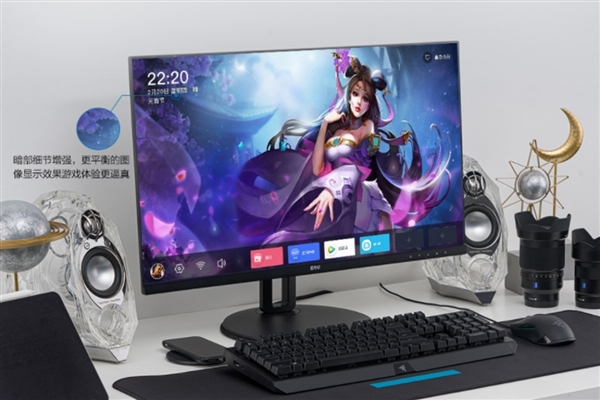
Chinese display panel manufacturer BOE technology is well-known globally as a supplier of display panels. What you may not know is that the company also manufacturers its own branded products. A new 27-inch BOE Smart Screen has been launched on BOE’s flagship store. The smart display screen integrates a USB-C interface and supports the use of peripheral devices such as mouse and keyboard.
BOE’s smart screen adopts a self-developed 27-inch ADS-IPS screen with a resolution of 2560 x 1440 pixels. The display is also equipped with BOE’s professional GAMMA technology which makes the details of the dark parts clearer while the image quality of the bright parts is not affected.
BOE Smart Screen uses a soft wide viewing angle matte screen with a visual range of 178 degrees, a refresh rate of 75 Hz, and a 122% sRGB wide colour gamut for richer colours and a more realistic experience.
For users who stay up late, the display will automatically be adjusted to low brightness. BOE’s smart screen adopts DC dimming with low brightness and no flicker. It is certified by the German TUV Rheinland low blue eye protection certification, reducing harmful blue light in the 415nm~455nm band, avoid long-term fatigue.
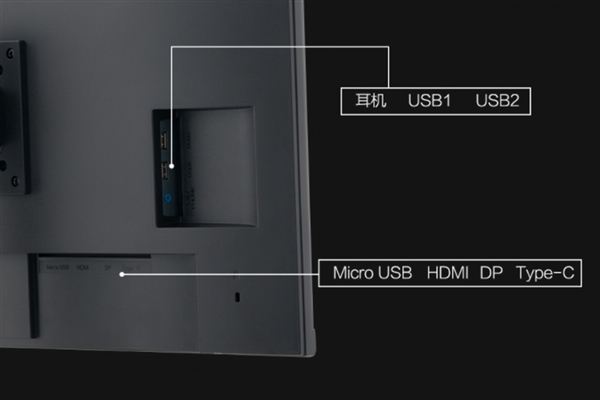
BOE’s Pickup Smart Screen has three video input ports- an HDMI port, a DP port, and a USB-C port. It also has a 3.5mm audio output port and two USB-A 3.0 peripheral ports. Among them, the USB-C interface supports video signal transmission. The USB-A port can also be used to add peripherals such as a mouse, a keyboard, and a headset.
BOE’s Smart Screen is equipped with a multifunctional rotating lifting bracket. The bracket supports 120mm vertical lifting, -6°+22° pitch angle, 90° rotation for horizontal and vertical screens, and -45°+45° left and right rotations, regardless of whether it is horizontal viewing. The screen can even be adjusted to portrait orientation depending on what suits the user.
The BOE Smart Screen is currently on the pre-sale for 1699 yuan (~$248) but will retail for 1999 yuan (~$292) after now.
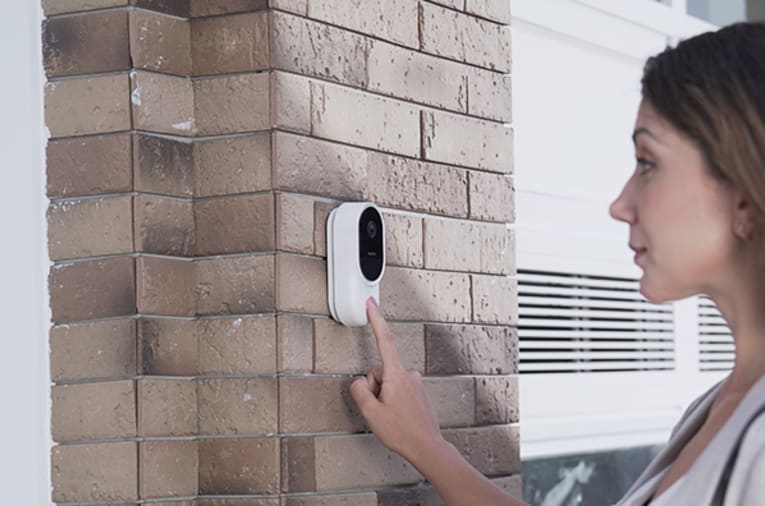
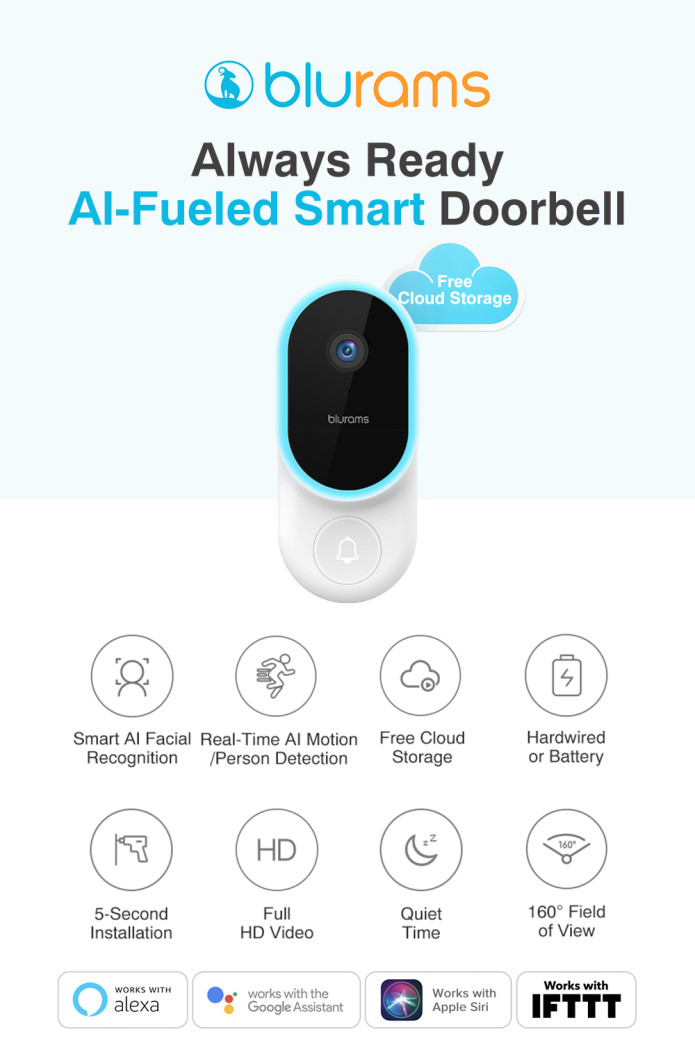
Keeping the house safe and monitored is a primary requirement for most people nowadays. To make that happen, many brands have come up with a range of innovative smart video doorbells. One such device by Blurams was crowdfunded on Indiegogo. Available for $69, the Blurams- Always Ready AI-Fueled Smart Doorbell is designed to provide safety in an innovative way.
The smart doorbell from Blurams keeps an eye on every visitor at the doorstep with a simple button-press or when the PIR sensor detects them from a distance. With a 1080p camera and 6*940nm IR LEDs, this unit effectively captures the faces even in low-light settings. Couple that with a wide-angled 160° field view and motion detection technology, this Blurams smart video doorbell covers maximum space and provides precise face analysis and reaction for added safety. Moreover, this doorbell starts recording and sends real-time notifications when the visitors are identified.
The Blurams smart video doorbell allows the user to record personalized messages and greetings for visitors, guests, and loved ones, acting as a personal doorman. One can choose from among 32 ringtone chimes to make the notifications louder and convenient. Furthermore, Blurams have added two-way audio that makes conversing with strangers convenient and safe.
To stay in sync with the current trends, one wishes to keep as many things automated as possible for convenience. To make that happen, Blurams allows the user to connect multiple devices to turn their house into a smart ecosystem with its AI-smart technology. The device can also be used to control light functions, run a robot vacuum, make a cup of coffee or play songs. One tap connection allows the user to monitor their home from anywhere in the world for monitoring and security.
With over half a year of battery life, the Blurams smart video bell allows long-term monitoring and safety without any interruption. Additionally, the company provides 72 hours of free cloud storage service for life. The recorded data is stored in Amazon Cloud AWS for one to review from time-to-time. Blurams offers different time-lapse packages for loop recording that the user can choose from.
If interested, check out the Blurams Smart AI Doorbell on Indiegogo here.
Last month, Google announced the Pixel 4a smartphone. At that time, it confirmed that the upcoming Google Pixel 4a 5G will be priced at $499. However, the company did not reveal the pricing of the Pixel 5. Reliable tipster Jon Prosser has claimed that the Pixel 5 will be priced at $699.
The tipster says that he is 100 percent sure that the Pixel 5 with 128 GB storage is priced at $699. As compared to the Pixel 4a 5G, Pixel 5 comes with notable differences such as a smaller 6-inch 90Hz display, 8 GB of RAM, a slightly big 4,000mAh battery with wireless charging and reverse charging support, and an IP68 rated aluminum build. Because of these differences, the Pixel 5 will command an additional premium of $200.
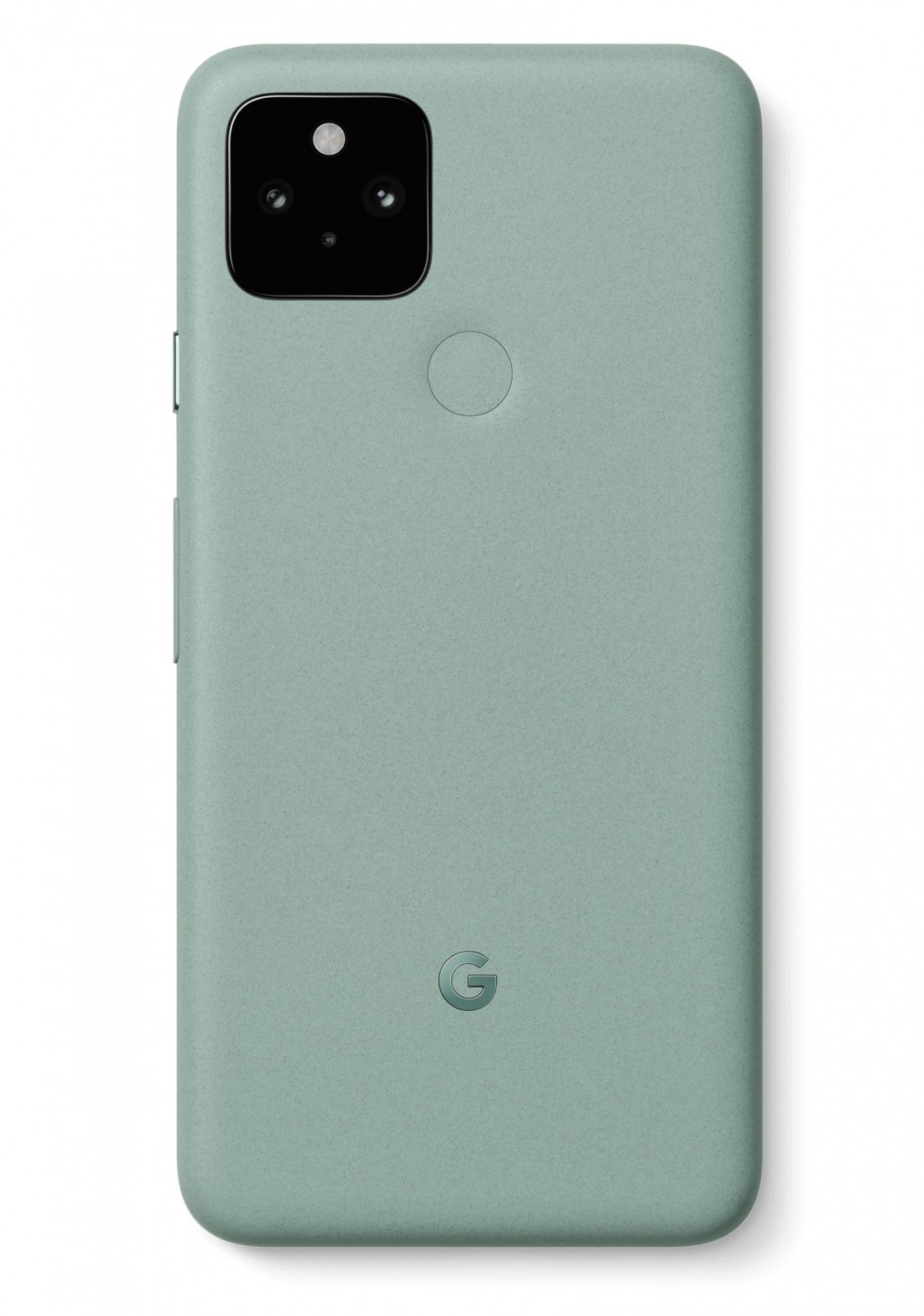
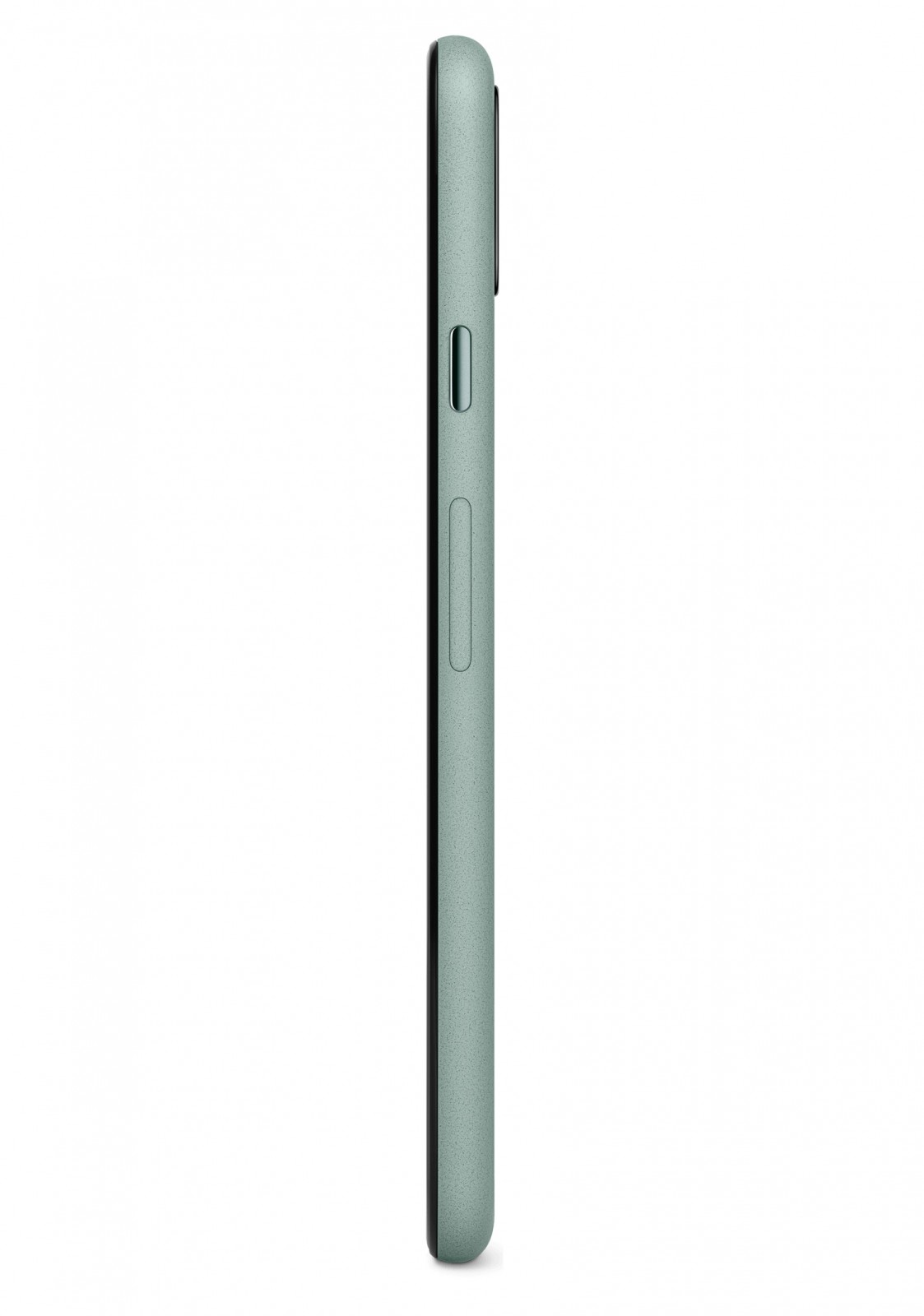
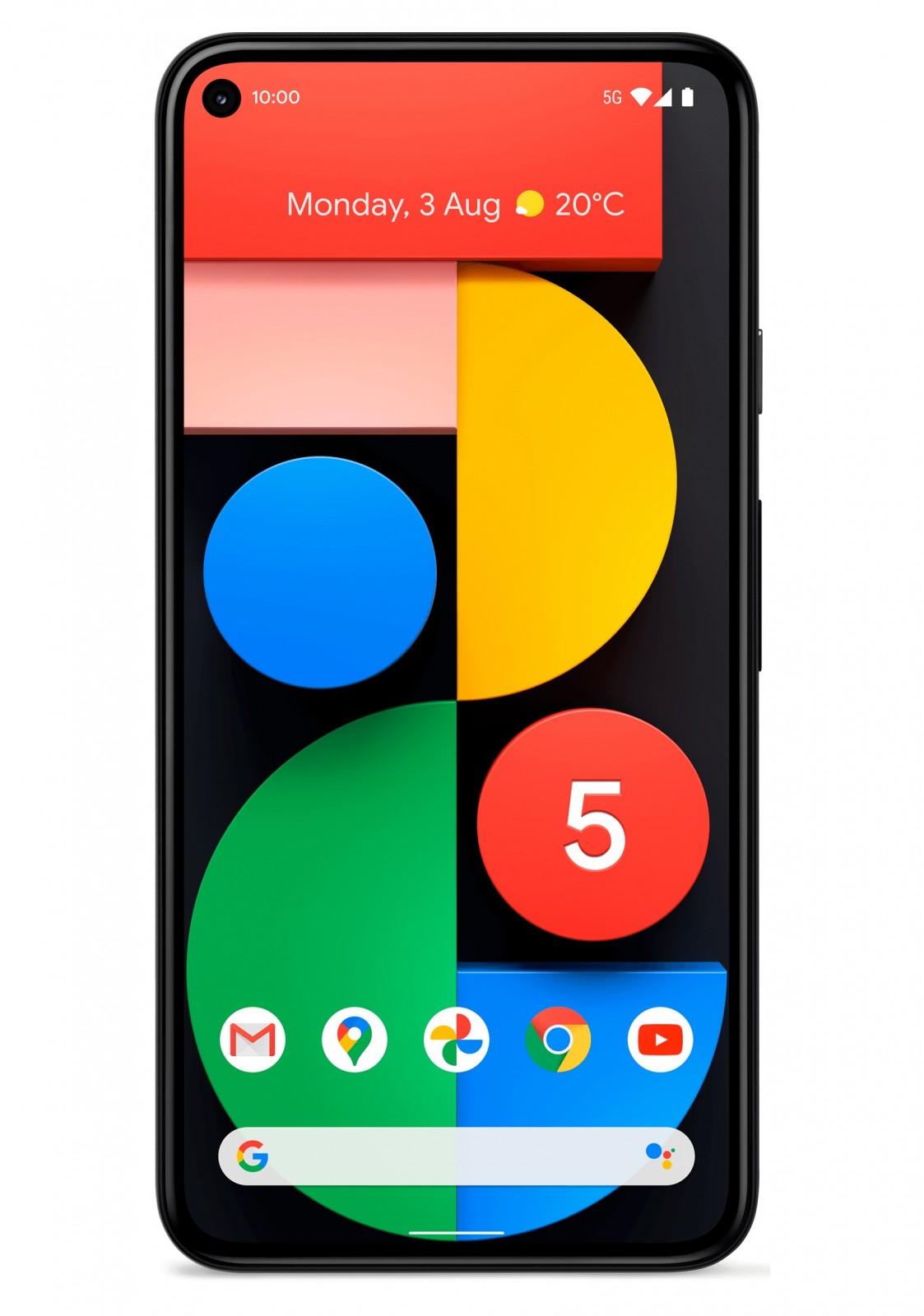
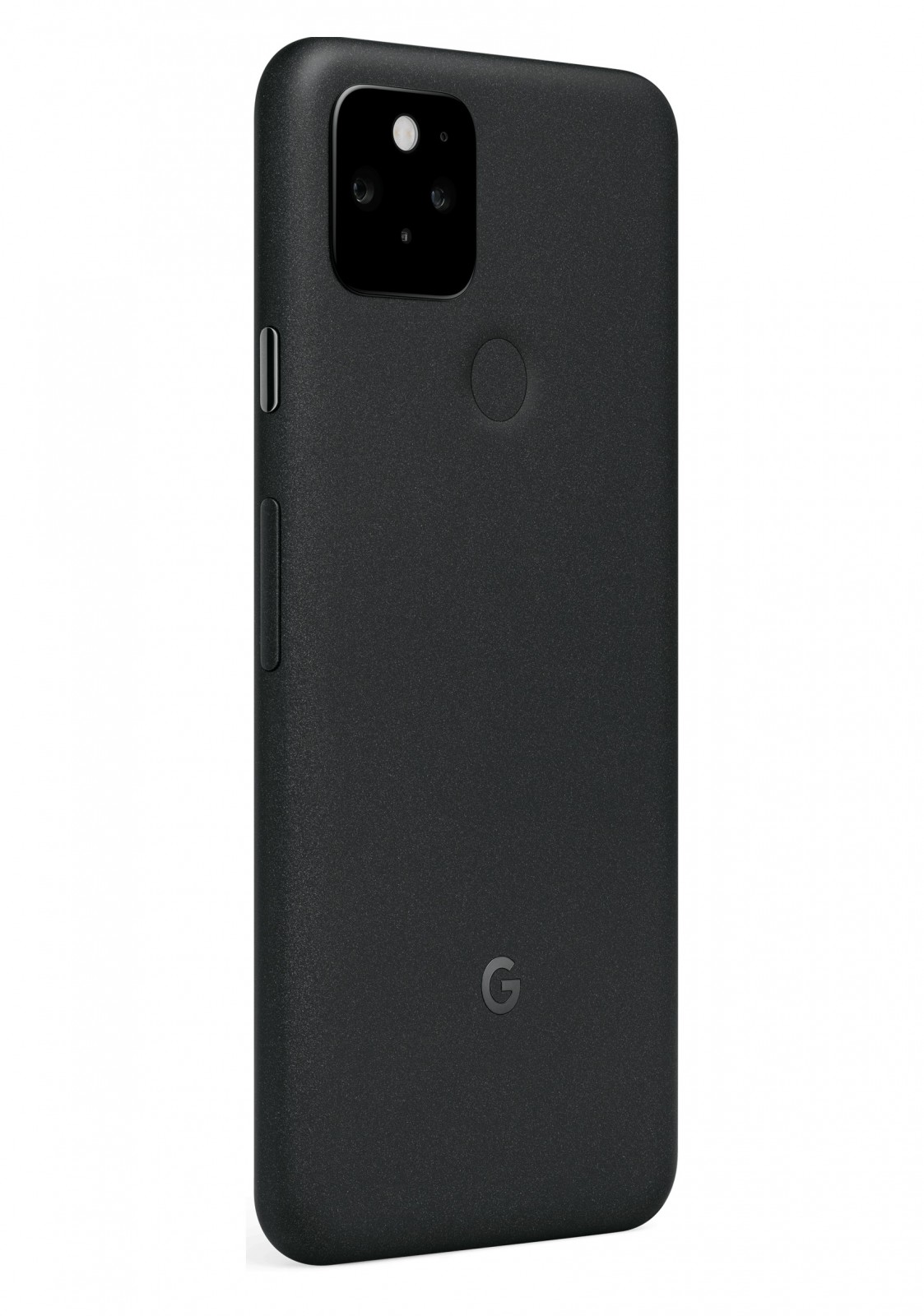
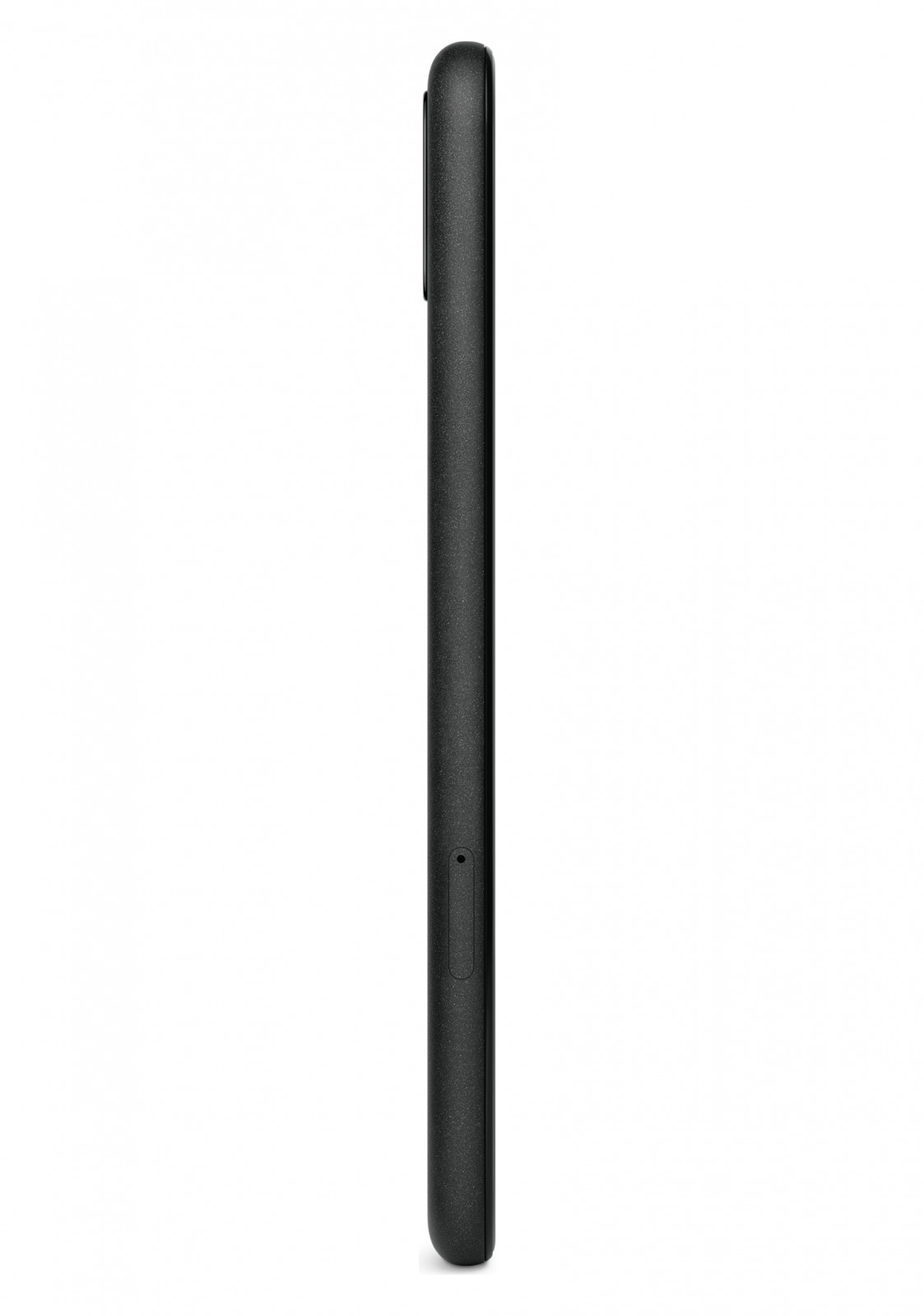
The Snapdragon 765G powers the Pixel 5 and Pixel 4a 4G. Both phones carry support for 18W charging and 8-megapixel front-facing cameras. The rear side of both phones features a square-shaped camera module with an OIS assisted 12-megapixel Sony IMX355 main lens and a 16-megapixel ultrawide sensor. Shown above are the leaked renders of the Black and Sage Green color variants of the Google Pixel 5 smartphone that were recently released by notable tipster Evan Blass.
The $499 Google Pixel 4a 5G has some different features such as 6 GB of RAM, a 3.5mm audio jack, and a polycarbonate chassis. The Pixel 5 lacks a 3.5mm headphone slot. Both devices are also equipped with rear-facing fingerprint scanners. These devices also come with other common features like spectral and flicker sensor, nano-SIM, e-SIM, GPS, Wi-Fi 802.11ac, Bluetooth 5.0, GPS, and USB-C. The Pixel 4a and Pixel 5 are slated to go official on Sept. 30.
With the advent of newer networking standards, connectivity has become the backbone of various fields especially related to technology. Thus, the Xiaomi IoT eSIM provider, Showmac Tech, is banking on eSIMs becoming the integral infrastructure that allows for seamless and stable communication between devices and has even raised a large sum in funding.
Back in 2017, Xiaomi had invested in the then startup company, Showmac, that has now convinced more investors as it raised over 100 million yuan (roughly 15 million US Dollars) in funding in a Series A+ round. Lily Liu, founder and chief executive of Showmac said in an interview with TechCrunchthat, “We believe cellular communication will become a mainstream trend in the era of IoT. WiFi works only when it’s connected to a small number of devices, but when the number increases dramatically it becomes unreliable.”
For those unaware, an eSIM basically acts like a traditional SIM card (subscriber identity module). However, it does not require a removable card, which also does away with the need for a SIM card slot on a device. In its place, dedicated eSIM is integrated into the device’s chip and is compatible with a number of telecom operators. In other words, an eSIM also works like an application or software development kit (SDK).
Showmac Tech began its pilot project when it supply Xiaomi’s ecosystem with eSIMs that helped in connect separate devices. At the moment, the company is currently targetting IoT products and a connection management software as a service. So far, Showmac has equipped more than 10 million devices, out of which over 30 percent are for Xiaomi.
For a while now, smartphone manufacturers have been working on different ways to bring an unobstructed view on full-screen displays. We have seen progress from bezels to the notch design, punch-hole, pop-up camera etc. Under screen camera technology is yet another solution that OEMs are working on. ZTE recently broke the record as the first OEM to release a commercially available under-screen phone – the Axon 20 5G.
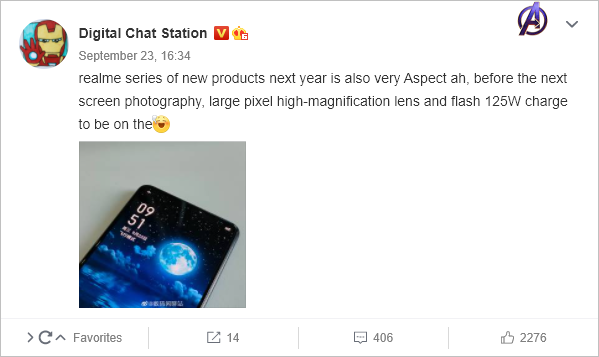
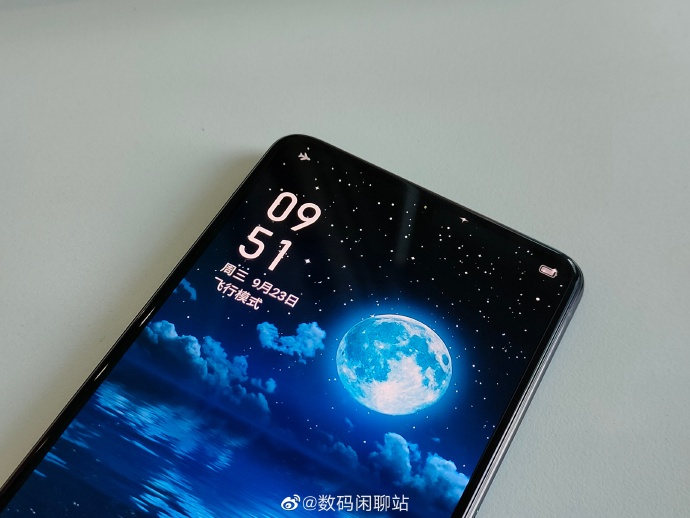
Apart from ZTE, Xiaomi has also showcased its own under-screen camera technology. Realme’s VP Xu Qi recently teased a smartphone that utilises the under-screen camera technology, showing the company is developing a phone with under-display camera technology. The exec did not reveal when the company will out the purported under-screen camera-packing phone but a trusted tipster Digital Chat Station has disclosed that Realme’s own screen tech will enter mass production and would be commercialized next year.
Xiaomi is also expected to release its solution next year. While this may be exciting news, we do hope the OEMs will make improvements in the camera out quality. The Axon 20’s selfie camera was below par even for a mid-range model.
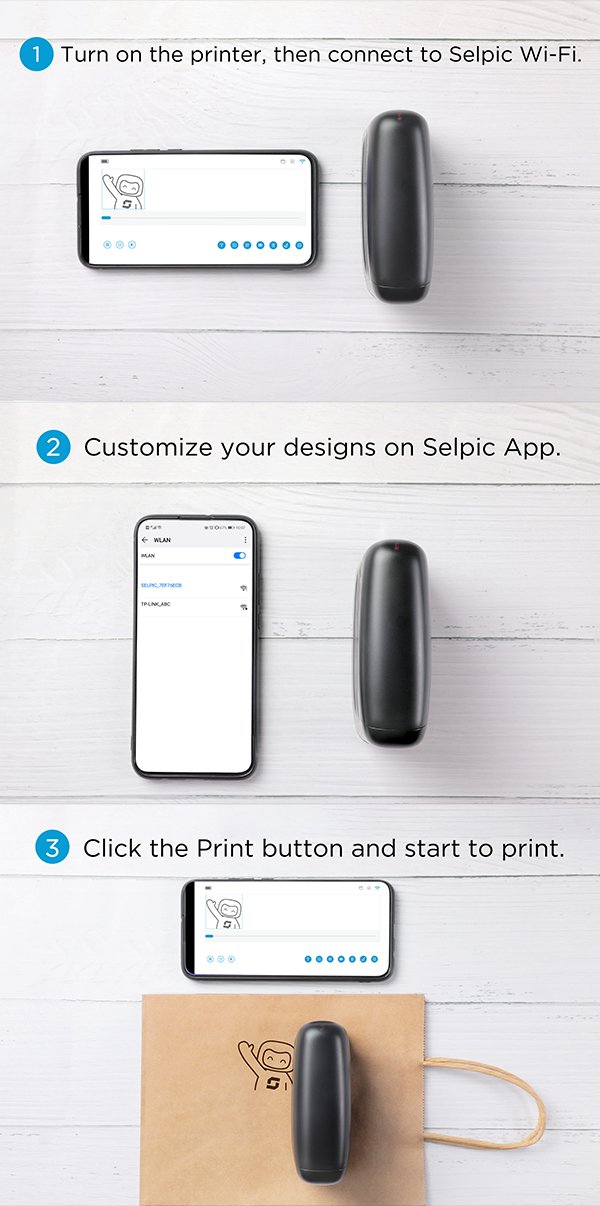
Ever thought of carrying an actual printer in your bag? The Selpic range of printers are offering just that. These portable printers are designed to be carried in a bag with their compact handheld design. The Selpic S1 Printer lets users print text, design, and customized pictures by just uploading the content using an app. With 600DPI and an optimal speed of 100mm/s, this printer provides crisp prints. A built-in roller sensor allows the printer to work even on uneven surfaces like wood, textiles, leather, glass, and walls for versatile use.
The upgraded version, S1+, can manage to spit out ink at a speed range of 30-300mm/s. While its predecessor supports 9 languages, this unit can print content in all languages that are compatible with the user’s phone. Similar to the S1, this model too can be used on various curved and even surfaces and be controlled by an app. Other features like vertical, curved, and multi-sentence printing make S1+ versatile.
Both models work with pigment-based ink that provides quick-drying to prevent smudges and ensure precise output. The water-resistant and skin-friendly formula of the cartilage delivers good-quality prints. Both Selpic S1 and S1+ have cartilages with a difference of just 0.5″ in the nozzle. Cartridges come in 5 colors, namely, black, white, yellow, green, and blue for vivid printing.
Selpic is offering 20% off on various items for its Autumn sale. The sale includes S1 and S1+ individual printer heads, a combo of S1 printer with 3 different inks and cartridge sets with quick-drying ink.
Guo Ping, Huawei Rotating Chairman, has stated that the company has sufficient semiconductor inventory to build telecom base stations. The senior executive made the statement during a press conference at Huawei Connect 2020.
According to TheElecreport, this is the first official confirmation from the Chinese tech giant that it has stocked up semiconductors last year to better prepare for the US sanctions. For those unaware, the recent reinforcements of regulations against the company have taken effect as of 15th September 2020. Guo Ping also said that the ban made it very difficult for Huawei, as the company used millions of semiconductors a year for its smartphone and telecom operations.
The senior executive mentioned that the company is looking at methods to overcome its current predicament. Notably, the Chairman said that the company would gladly opt for Qualcomm chips if it received approval from the US. Despite being a big consumer electronics brand, Huawei is also a major telecom equipment and infrastructure provider. In China, the company has worked to build multiple base stations for the latest 5G networking standards as well. The company also recently revealed that it had reached 96 percent of its 500,000 5G base station target for 2020.
We use cookies on our website to give you the most relevant experience by remembering your preferences and repeat visits. By clicking “Accept”, you consent to the use of ALL the cookies.
This website uses cookies to improve your experience while you navigate through the website. Out of these, the cookies that are categorized as necessary are stored on your browser as they are essential for the working of basic functionalities of the website. We also use third-party cookies that help us analyze and understand how you use this website. These cookies will be stored in your browser only with your consent. You also have the option to opt-out of these cookies. But opting out of some of these cookies may affect your browsing experience.
Necessary cookies are absolutely essential for the website to function properly. This category only includes cookies that ensures basic functionalities and security features of the website. These cookies do not store any personal information.
Any cookies that may not be particularly necessary for the website to function and is used specifically to collect user personal data via analytics, ads, other embedded contents are termed as non-necessary cookies. It is mandatory to procure user consent prior to running these cookies on your website.