Xiaomi is gearing up to launch the Mi 11 flagship series in China. The company has already confirmed that it will be the first to come with Snapdragon 888 SoC. Xiaomi will not only announce the device later this month but reportedly make it available for purchase as well. And now, a Xiaomi executive says the stocks of the device will be sufficient.
Xiaomi Mi 11 render by Benjamin Geskin
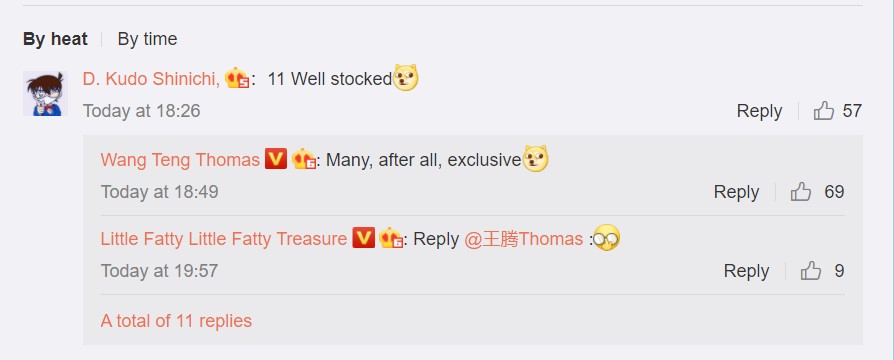
In fact, Redmi Product Director and a Xiaomi Executive, Wang Teng on Weibo has responded(via) to a user regarding the stocks of Mi 11. Accordingly, he replies that the company has sufficient stocks of the Mi 11. He also hints that the sale will not be a one-time exclusive with a ‘many’ keyword.
Along with a Mi 11 launch in December, rumors said that the company would have minimum quantities for an early sale. However, Wang Teng’s reply suggests that the company will likely hold exclusive sales for a period of time. And it corroborates the early sale rumor as well.
Regarding the series, Xiaomi is likely to debut two devices- Mi 11, Mi 11 Pro. The devices will have a top-left punch-hole cutout for the selfie sensor. While the Mi 11 likely hosts a FHD+ display, the Pro variant will likely support QHD+ resolution. Both the display are expected to have a 120Hz refresh rate.
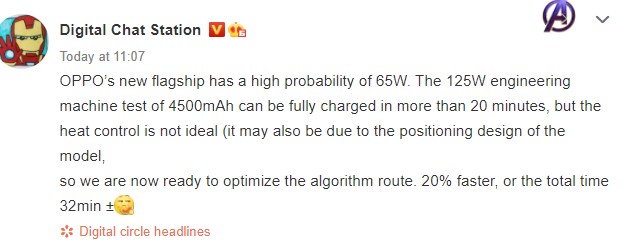
That news must have been disappointing for fans who have been looking forward to seeing the incredibly fast charging technology make its debut in the flagship Find X series. A Chinese leaker has now provided an explanation as to why OPPO is sticking to 65W fast charging.
According to a Weibo post by Digital Chat Station, the 125W fast charging technology has been tested in a prototype smartphone. And while it is really fast, charging the 4500mAh battery from empty to full in about 20 minutes, heat management has not yet been perfected. So OPPO will revert to 65W fast charging as it appears it may not fix the problem in time before the launch of the phone. Nevertheless, it is not all bad news.
Apparently, OPPO has optimized the charging algorithm for the 65W fast charging to make it faster. The source says that the phone will be able to fully charge in about 32 minutes. The Find X2 Pro charges in 38 minutes but don’t forget it has a smaller 4260mAh battery compared to the Find X3 Pro’s rumored 4500mAh battery capacity. It has also been reported that the Find X3 Pro will also support 30W fast wireless charging.
Other reported features are a 6.7-inch curved OLED display with a 120Hz refresh rate, quad cameras with two 50MP sensors, a 13MP telephoto camera, and a 3MP macro camera. It will also have a new NFC module and run ColorOS 11 based on Android 11.
Infinix launched the Zero 8i in India on December 3. A day before the launch, Anish Kapoor, Infinix India CEO revealed via an interview that he plans to launch the Infinix Smart HD 2021, before 2020 ends. Now, a report by MySmartPrice shares the launch date of the Smart HD and its first Android TV.
As per the report, Infinix has confirmed the launch of the device in a press briefing. Accordingly, the price of Infinix Smart HD 2021 will be announced on December 12. And it will launch via Flipkart on December 16 in the country.
To recall, Anish Kapoor in an earlier interview said that the company initially planned to launch the device in January 2021 but preponed it to December. Anyway, as per the company, the device will be media-centric and will be affordable price range. This suggests that the price could fall somewhere around ₹8-10K($108-135).
Infinix Smart HD 2021 Expected Specifications
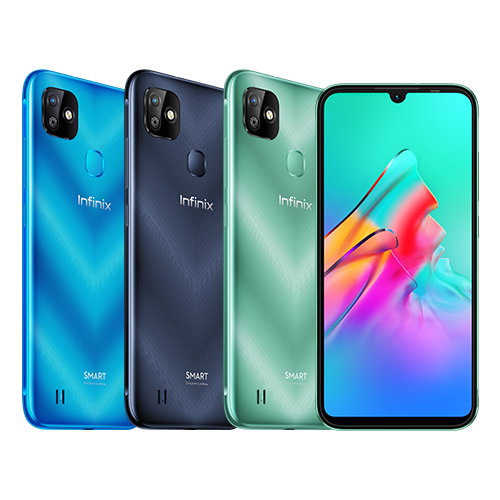
Although the company has said that it will reveal the specs via Flipkart, thanks to an early listing we know what to expect. The Infinix Smart HD 2021 will come in three colors- Green, Blue, and Gray. It has V-shaped light patterns on the rear panel resembling Honor smartphones.
The device will likely sport a 6.1-inch IPS HD+ display with 500nits brightness. The resolution will henceforth be a 1400×720 pixels. Under the hood, it will have an SoC powered by 1.2GHz.
Other specs include an 8MP cameras on front & rear, 2GB RAM, 32GB storage, microSD up to 256GB, rear fingerprint sensor, face unlock, 5,000mAh battery, DTS Audio, and more.
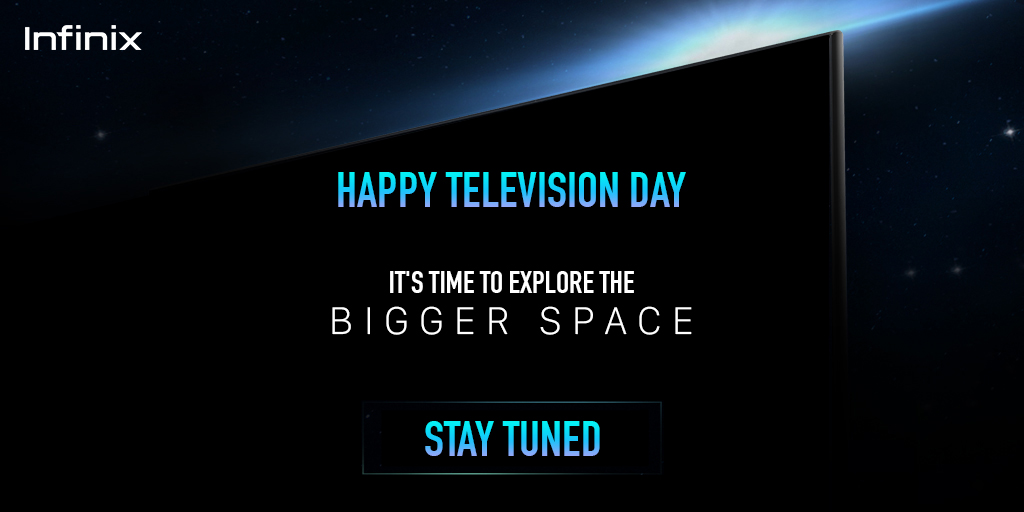
Apart from the smartphone, the company will reportedly launch its first Smart TV on December 14 in India. The report says that the TV will darn the Infinix X1 Android TV name. It will come in two sizes- 32-inch, and 43-inch variants.
Some of the key features of the TV include Bezel-less design, 400 nits brightness, HDR10 compatibility, 24W Box speakers, Dolby Audio, and more. The TV will also have Google’s Android TV certification.
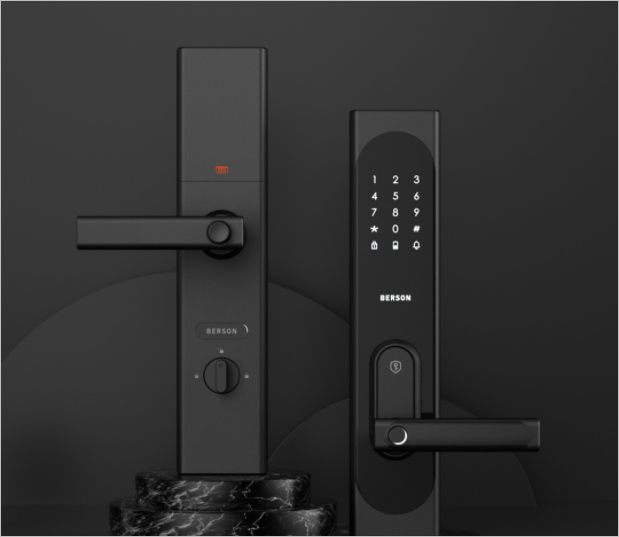
Smart door locks are increasingly becoming a trendy addition to the smart home ecosystem. Xiaomi has launched a new smart door lock under the Youpin crowdfunding platform. The product dubbed A-Link Smart Door Lock takes after the MIJIA Smart Door Lock in some aspects.
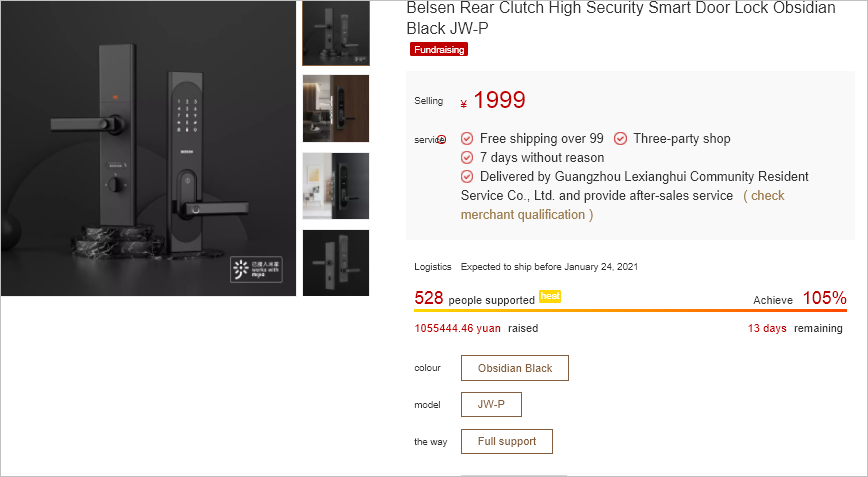
The product adopts a modular design with an upgradeable Berson rear clutch high-security smart lock and upgradeable smart hardware. Also, it can be connected to the MIJIA app and carries a crowdfunding price of 1999 yuan (~$305). The product is available on the Youpin website and is expected to be shipped on January 25, 2021.
The manufacturer puts the core components such as the motherboard and drives the motor inside the door, making it under the protection of the door, lock body, and shielding plate, which can prevent electromagnetic interference from the small black box Tesla coil.
The motherboard adopts a modular plug-in design, which can be easily removed from the door for subsequent troubleshooting, replacement, and equipment upgrades. This design not only reduces the maintenance cost of subsequent equipment but can also cope with the continuous improvement of future cracking methods.
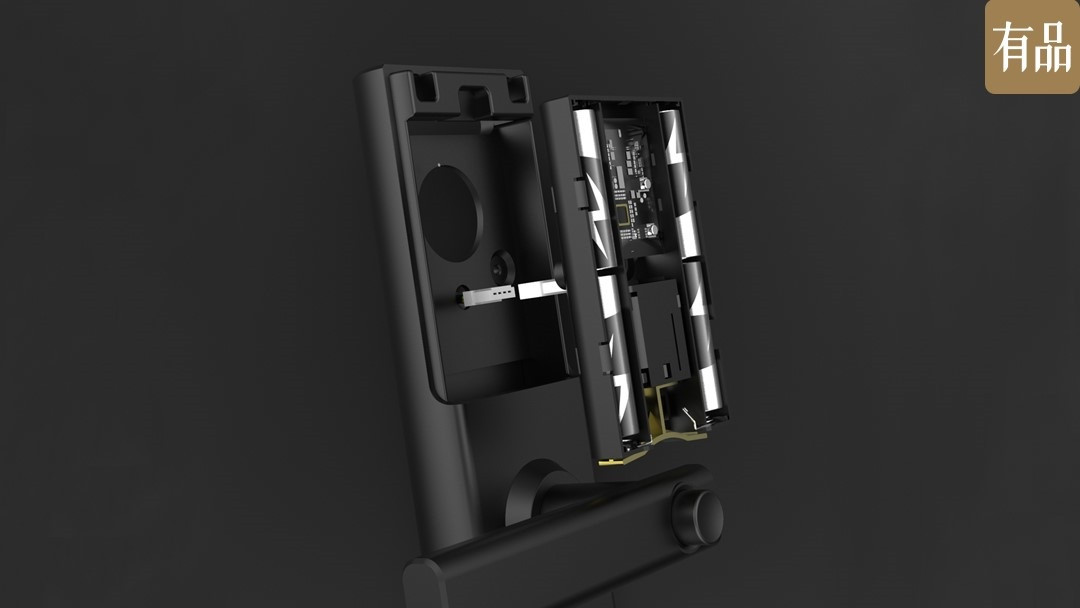
In addition, the Berson A-Link Smart Door Lock uses a precious metal superconducting slip ring fingerprint module with a lower failure rate. The device can also be connected to the Mijia app to support smart device linkage. It is powered by 4 AA batteries. According to statistics from the transit laboratory, it can be used continuously for 365 days if the lock is unlocked twice a day. There is also a Type-c interface that can be used for emergency power supply when it runs out of battery and there is no electricity.
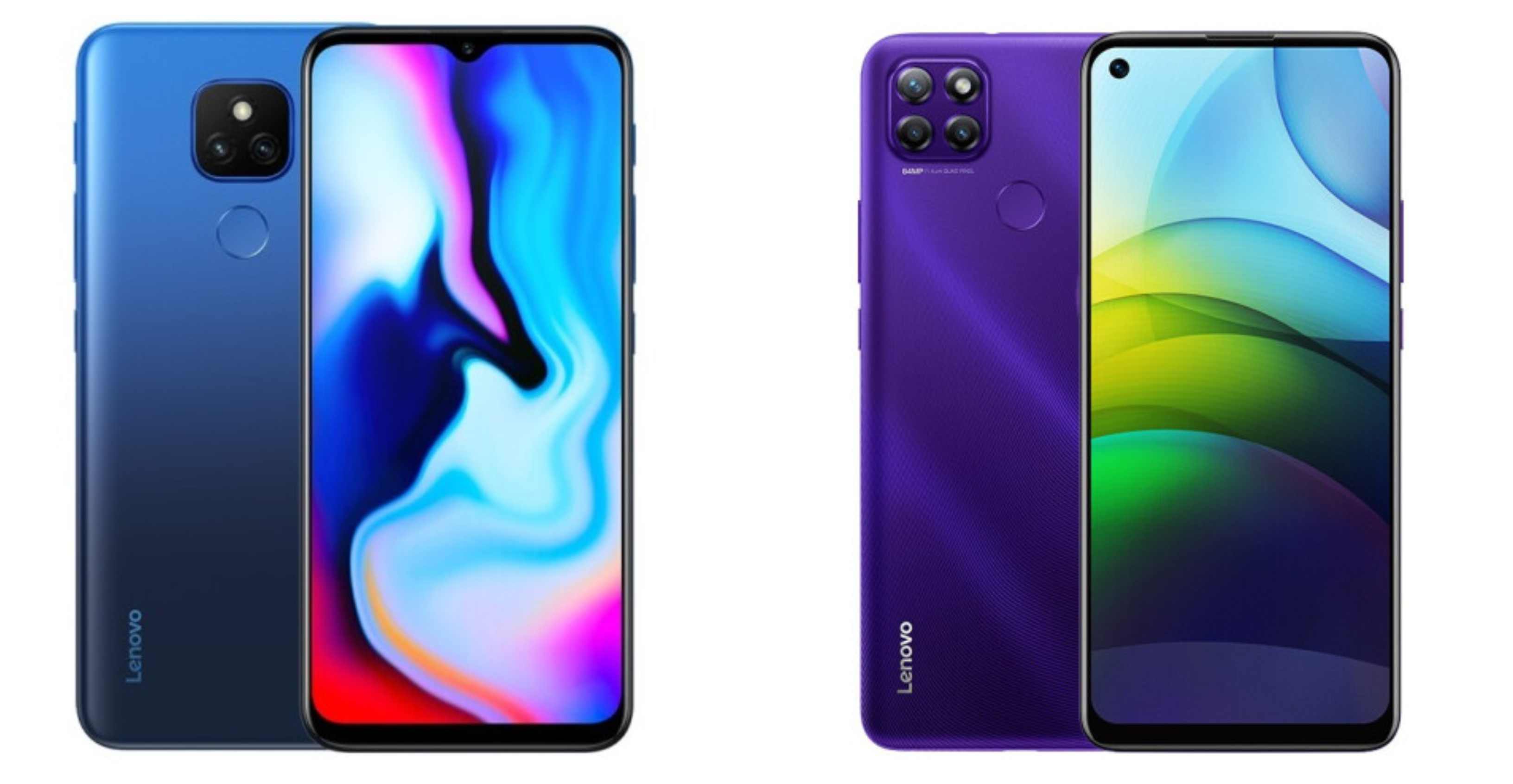
Lenovo has finally launched the Lemon K12 series in China. As expected, the two devices, Lemon K12 and Lemon K12 Pro are rebadged versions of Moto G-series devices. Lenovo has priced them aggressively and is targeting the entry-level segment in the country.
Lenovo Lemon K12 series – Price, Availability
The pre-orders of the Lenovo Lemon K12 series have already begun in Jingdong(JD.com). And if the indication on JD.com is anything to go by, the devices are already sold out as of writing this article. You can take a look at their original pricing below:
However, Lenovo has announced a special “Double 12 Starting Price”. It says that the first launch price of the Lemon K12, K12 Pro will be 699 yuan($106.92), and 899 yuan$137.51) respectively. The first sale of both devices will be on December 12 and will be sold on Jingdong, T-mall in China.
Lenovo Lemon K12 Series Specifications
Lemon K12 Pro
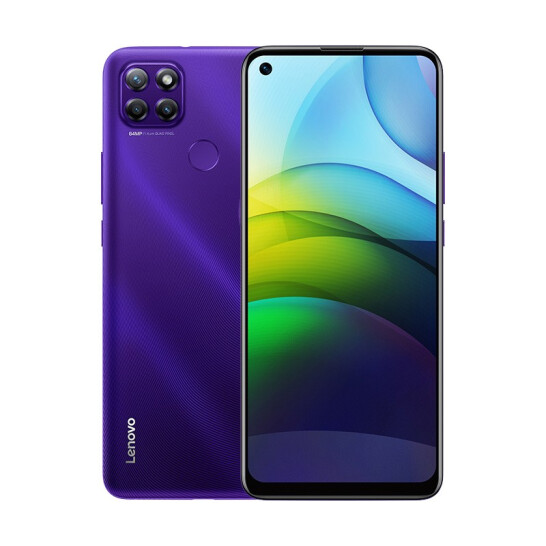
The ‘Pro’ version of all is essentially a Moto G9 Power that recently launched in India. Accordingly, the model number(XT2091) on JD.com gives away the designation. The device has a textured finish to the back where the fingerprint sensor and squircle layout with triple-cameras are present. Lenovo says the texture is an anti-sweat, non-slip design. The colors are also a result of the Non-metal oxide phase deposition process. It has a thickness of 9.6mm, weighs 221g, and comes in Purple, and Dark Cyan colors.
The device features a 6.8-inch IPS LCD HD+ display with a punch-hole design. Similar to the G9 Power, the punch-hole is on the top-left. Under the hood, it is powered by Qualcomm Snapdragon 662 SoC. This is paired with 4GB RAM, 64GB storage.
For cameras, the triple rear setup includes a 64MP f/1.79 sensor. This has a 1.4μm pixel size. Lenovo says the device has around 18 Photo & video modes enhanced by AI to choose from. The other two sensors are just 2MP Macro, and Depth sensors. Upfront, there is a 16MP f/2.2 selfie shooter.
All this is backed up by a 6,000mAh battery with 20W charging. The company says that it’s enough for a 31-day standby, 24hrs video playback. Apparently, the device also supports 2.5W OTG reverse charging turning it into a mini power bank. Other features include a 3.5mm audio jack, 4G LTE, Wi-Fi 802.11ac, Bluetooth 5.0, BeiDou, Type-C Port, a dedicated key on the left, MicroSD slot (up to 512GB).
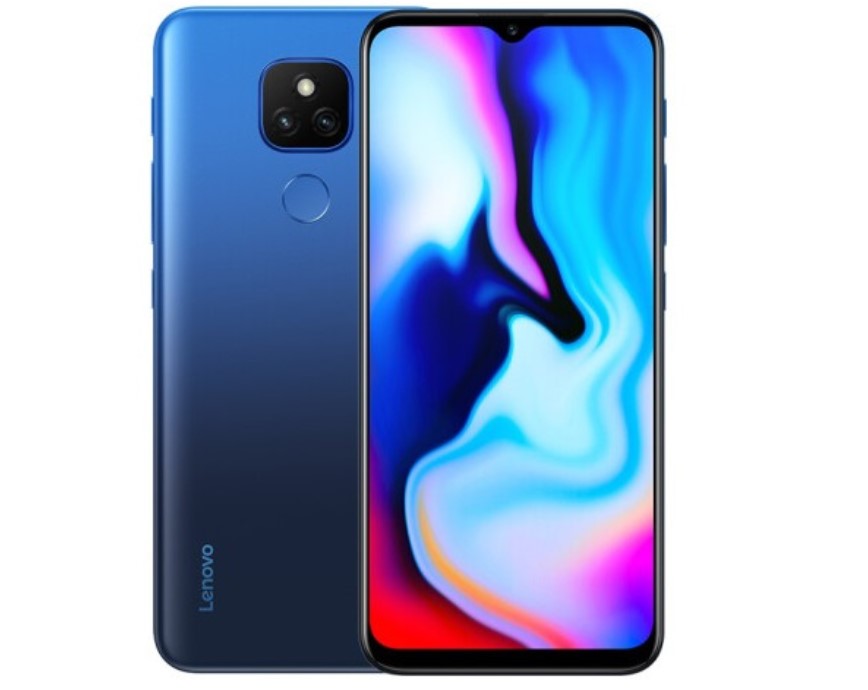
Just like the model number(XT2081) on JD.com says, the Lemon K12 is a rebadged version of the Moto E7 Plus. The device has a water-drop notch display at the front, and a squircle shaped dual-camera setup at the back. A fingerprint sensor also lies beneath the layout. The device comes in Gradient Blue, Gradient Gray colors. It has a thickness of 9.18mm, and weighs 200g.
The Lemon K12 features a 6.5-inch HD+ display with a 20:9 aspect ratio. Under the hood, it is powered by Qualcomm Snapdragon 460 SoC. This is again paired with 4GB RAM, 64GB storage. The device also has a 512GB of storage expansion via a MicroSD slot.
As for the optics, the rear setup has a 48MP f/1.7 main lens, a 2MP depth sensor, and an LED flash. Upfront, there is a single 8MP sensor for selfies. Just like the Pro, Lemon K12 also has a lot of modes but is limited to 14 including slow-mo, 360-degree panorama, and more.
Other features include a 5,000mAh battery with 10W charging & 2.5W OTG reverse charge, 4G, Wi-Fi, Bluetooth, BeiDou. Both the devices run Android-10 OS.
OnePlus is one of the few Android OEMs known for delivering regular security patches. According to the brand’s software policy, its devices are eligible for bimonthly security updates. But due to a certain error and misunderstanding, misinformation quickly spread that the company has reduced the security patches to quarterly. Hence, OnePlus has issued a statement assuring there’s no change in its policy.
A few months back, OnePlus 8, OnePlus 8 Pro, and OnePlus Nord became the first OnePlus smartphone to join the Android Enterprise Recommended Program. Therefore, the company had to set up a page on its website detailing the software support for these handsets.
As part of the AER program, these three devices are entitled to quarterly security updates only. Noticing this page, OnePlus users misunderstood the policy to be applicable for regular consumer models. The misinformation soon spread quickly on Reddit and other forums.
As a result, OnePlus had to issue an official statement (via XDA Developers) regarding the false news. The company clarified that the quarterly security updates are only meant for Android Enterprise Recommneded devices. On the other hand, the regular consumer smartphones will be receiving bimonthly security patches.
Having said that, the software support for OnePlus 8 and Oneplus 8 Pro will end in April 2023, whereas OnePlus Nord’s support will terminate in July 2023.
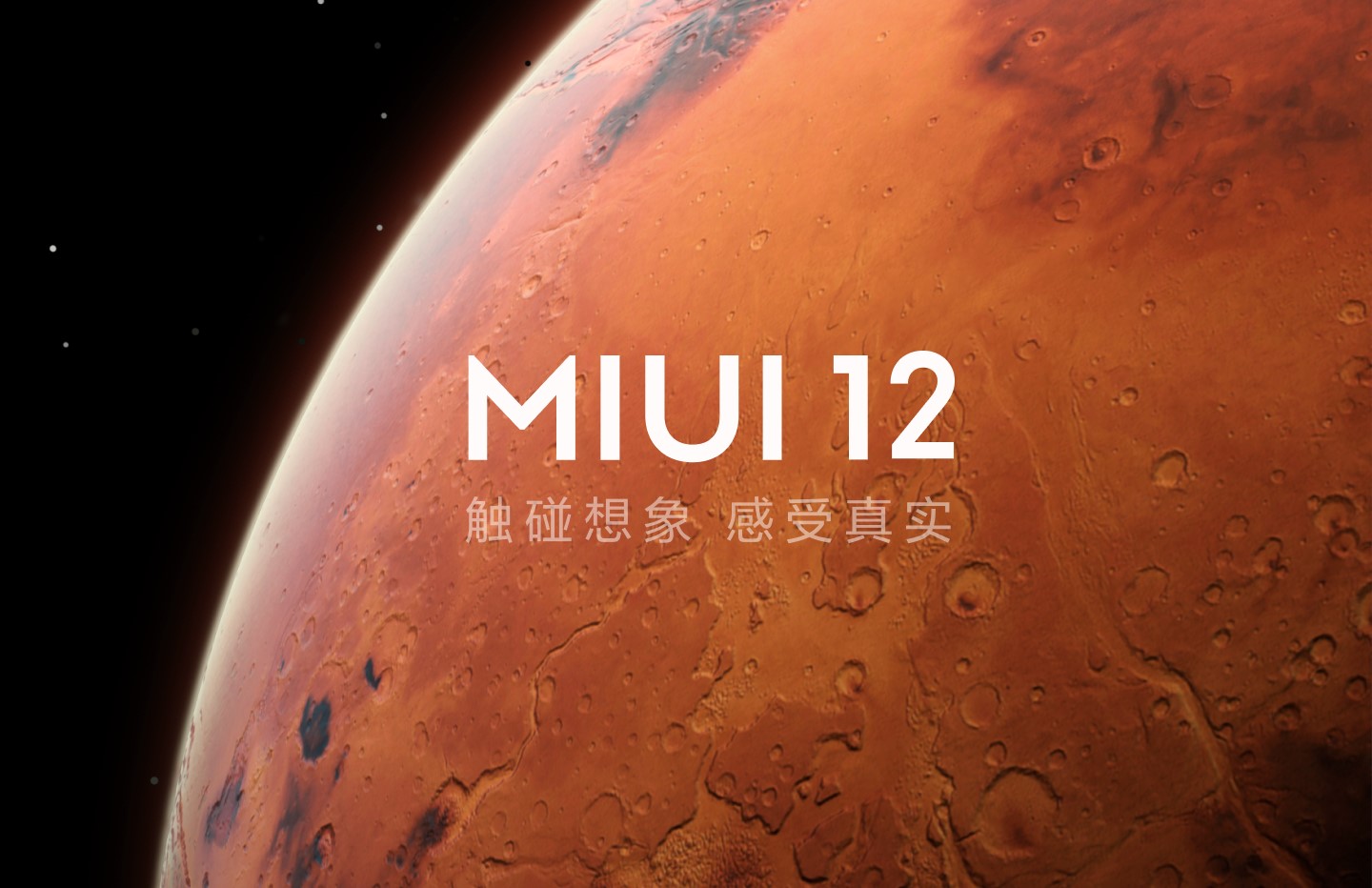
MIUI 12 was announced back in late April in China. Since then, Xiaomi has been rolling it to a number of eligible smartphones worldwide. Now, almost eight months later, the company confirms the arrival of a newer version of MIUI, dubbed as MIUI 12.5.
For those unaware, Xiaomi updates the new generation of MIUI months after their release. This version is usually called x.5. Therefore, the upcoming latest release of MIUI will go official as MIIUI 12.5.
The company confirmed it in a post on Mi Community China. According to the post, the firm will be suspending weekly MIUI beta builds from December 14, 2020. Because it will be focusing on the release of MIUI 12.5. That means we can expect the new version of MIUI to debut on the upcoming Mi 11 series, the OEM’s flagship smartphones for the year 2021.
Having said that, we believe MIUI 12.5 will bring minor changes and some new features. Going by the previous iterations of MIUI x.5 releases such as MIUI 11.5, MIUI 10.5, and MIUI 9.5, the forthcoming version will be a preparatory update for MIUI 13.
We expect Xiaomi to roll out this update to almost all the Xiaomi, Redmi, and POCO-branded smartphones that are currently on MIUI 12.
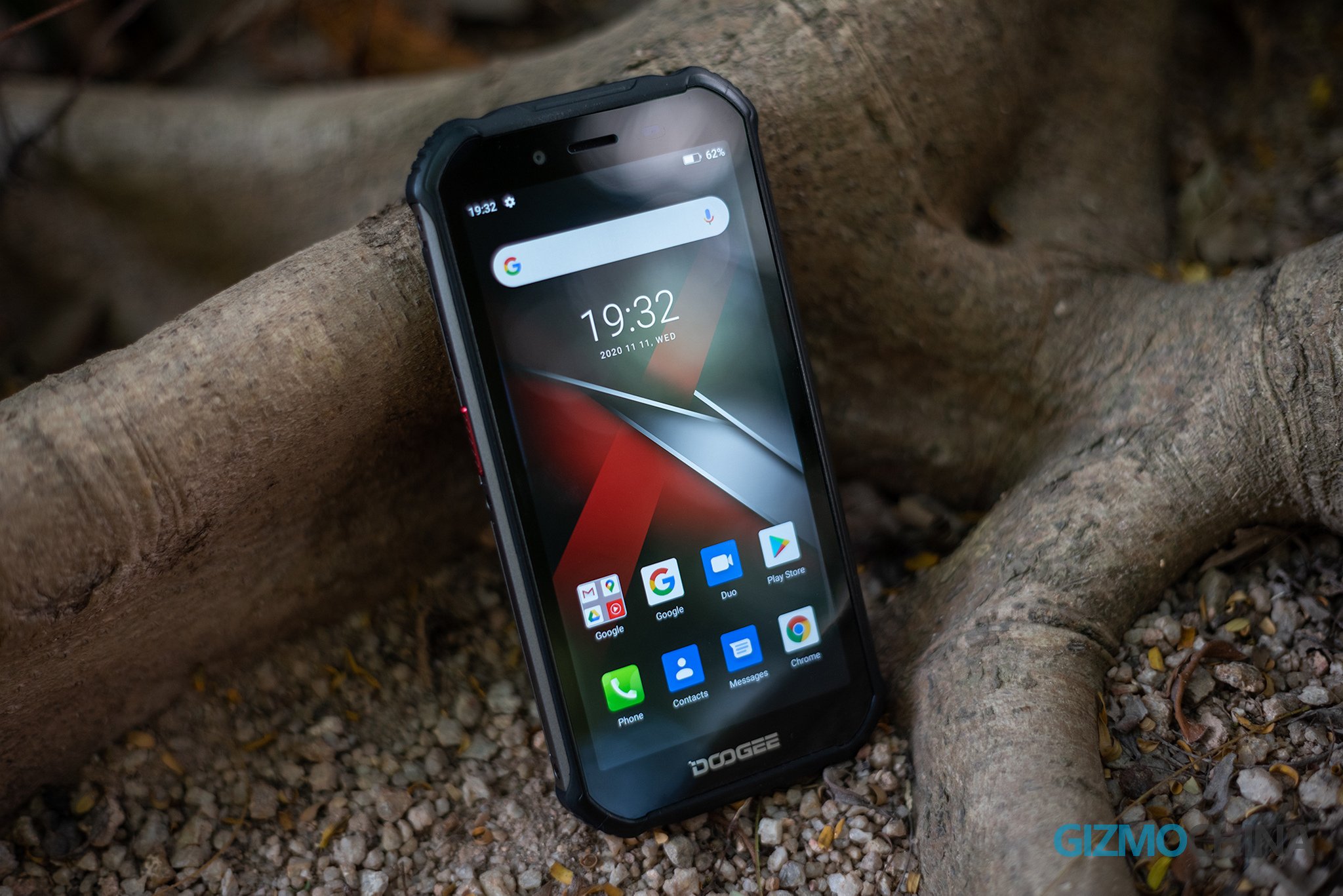
If you have been following the Chinese smartphone industry, DOOGEE should be a familiar name to you. Even if you haven’t used their phones, you’ve probably heard of the brand, which is known for making cheap and easy to use smartphones and accessories. And today, we’ll be checking out the DOOGEE S40 Pro, a phone that focuses on ruggedness and durability. So let’s see what it brings to the table.
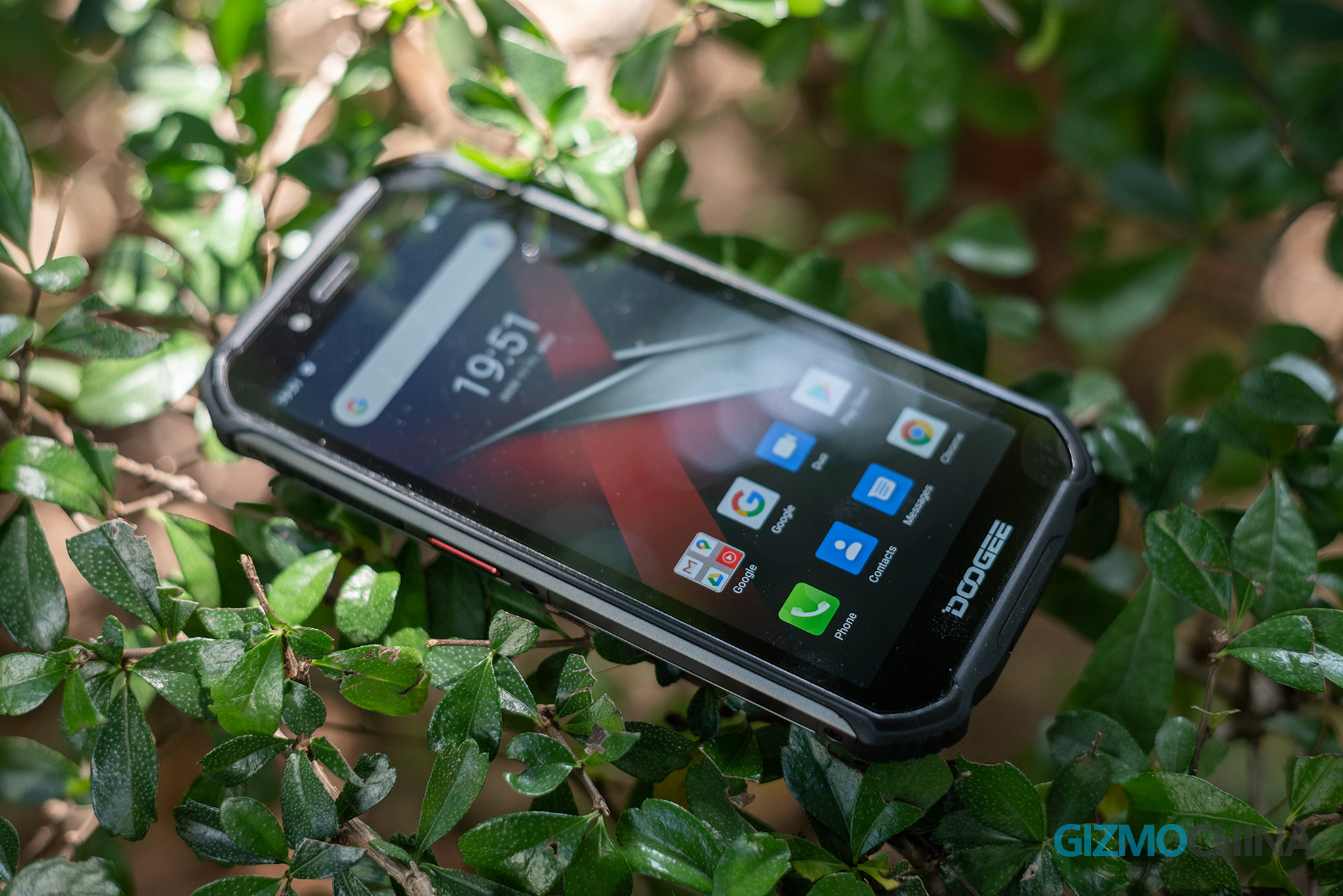
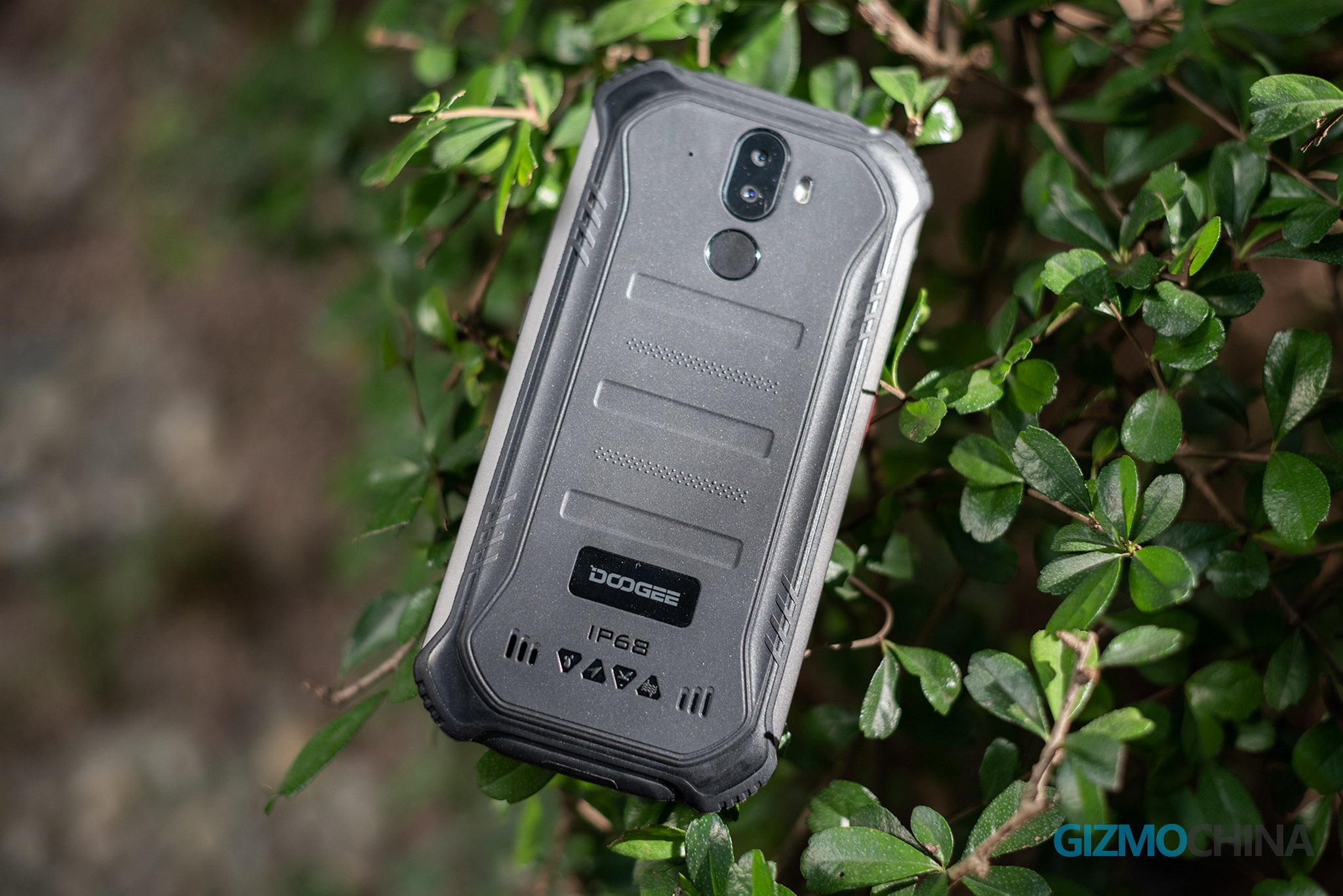
We’ve got the Mineral Black version of the DOOGEE S40 Pro and it’s obvious from its appearance alone that it is extremely well protected. The back panel, top and bottom bezels and all four corners are wrapped in rubber. The left and right bezels are metal. The screen uses Corning Gorilla glass, which feels very substantial in the hand. All the ports are protected with rubber plugs. This means that it’s not only drop-proof, but also waterproof. The phone is officially IP68 rated waterproof, and can withstand extreme temperatures between -55°C and 70°C. And it is also military 810G certified. So it’s very practical as a phone designed for the people who spend a lot of time outdoors. The practical design is traded for a huge body and 245g weight, which I think is acceptable.
Since it acts as a phone, the configuration is something that must be talked about. It comes standard with the MT6762D A25 SoC, which is MTK’s Helio P22. Although raw CPU power is not its strength, it can guarantee a very long battery life. For those who often work outdoors, guaranteeing the battery life is an obvious priority over performance. The screen is also only of 720p resolution, and with the 4650 mAh battery it can be said that the phone can last easily for up to 2 days.
There’s a 3.5mm headphone jack, rear-mounted fingerprint recognition, and a card slot for two nano sims or one nano sim and a TF card. It also has an additional custom button apart from the power and volume keys, which can be customized to quickly launch any specified function. The phone’s rear camera is composed of a 13mp main camera and a 2mp portrait camera. The front camera is 5MP and you cannot really expect a rugged military-grade phone to be good at photography. If I had to comment on its quality, “Barely enough” is my assessment of its camera.
Unfortunately, the phone comes with only 10 watts of charging, and to charge its 4650 mAh battery to 100% means you have to wait for a really long time. I hope that future DOOGEE phones can ship with at least 18 watts of charging. After all, most of the mainstream mobile phones and power banks all support 18 watts of charging. The other thing is that the charging port is hopefully replaced with a Type-C. MicroUSB interface devices are becoming less and less common these days. For people working outdoors, it’s especially convenient to have one less cable to carry.
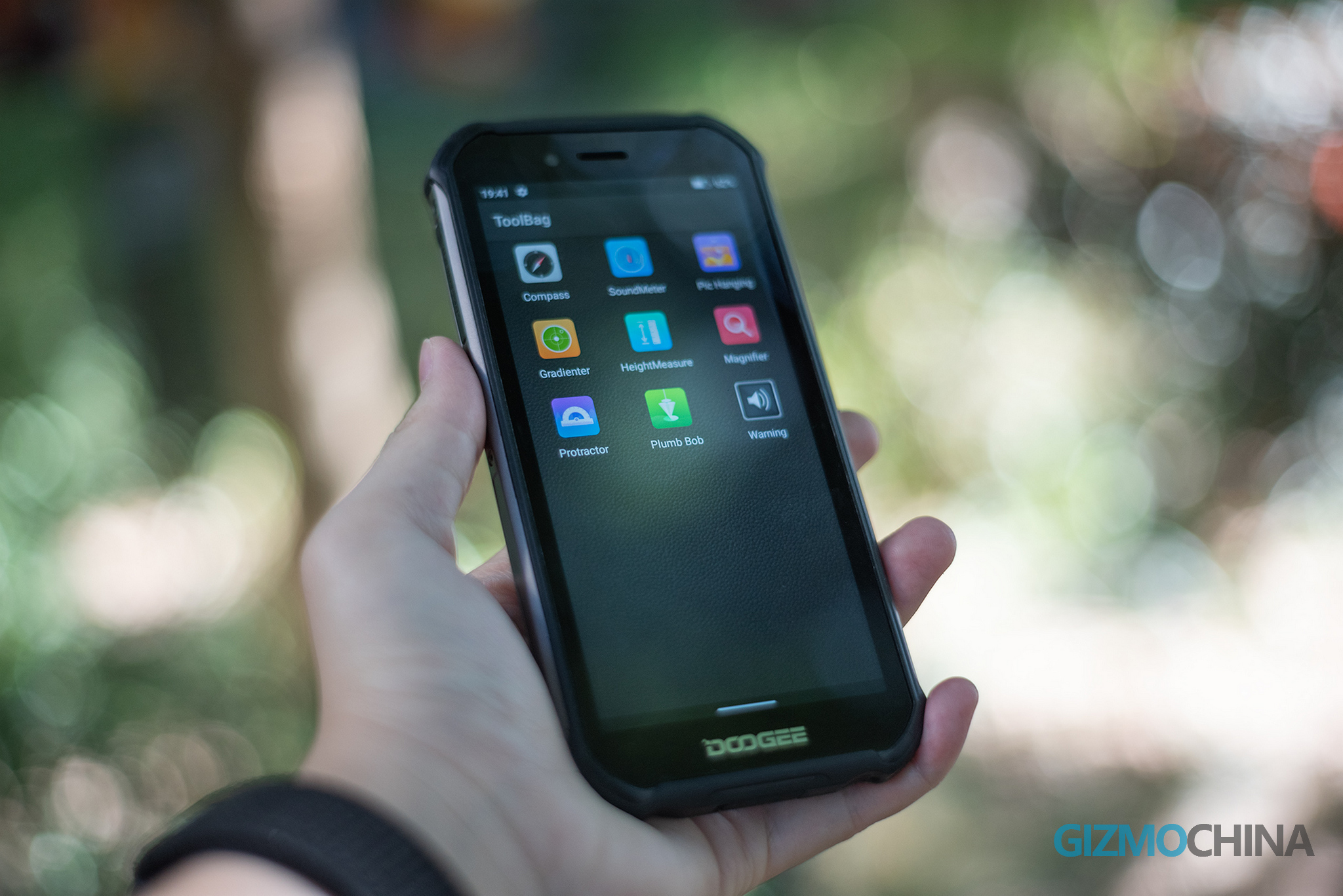
The phone also has some very useful features built-in such as a Magnifier, Protractor, Plumb Bob, and even a height measurement tool that uses the visual difference principle to measure the height of buildings. It probably won’t be very accurate. But it’s a handy feature nonetheless.
At this point, it’s clear as to the target audience of the DOOGEE S40 Pro — outdoor workers who demand a phone that can guarantee the most basic communications in extreme outdoor conditions. So if you are one of the target audience, the S40 Pro can be a good smartphone option.
But if you’re not, don’t buy it. It retails for $109 on the official website. Given its cheap price tag, it also wouldn’t be heartbreaking to lose it in an extreme environment all of a sudden, Overall, I’d still recommend the phone who needs the special features of the DOOGEE S40 Pro. The premise is that you consider carefully whether you really need a military grade rugged smartphone.
The finances Carl has raised arrives from his friends and family and is set to be unveiled sometime early next year. The lineup of seed investors for the new startup includes major names like iPod inventor Tony Fadell, YouTuber Casey Neistat, Twitch co-founder Kevin Lin, Reddit CEO Steve Huffman, PCH CEO Liam Casey, Web Summit founder Paddy Cosgrave, and Product Hunt CEO Josh Buckley.
According to an AndroidCentralreport, the upcoming venture will be based around audio and related technology. The first product from this startup will be launched sometime in 2021. Unfortunately, finer details regarding these products or its exact business is still unknownm, but Pei has stated that the company will have a broader focus rather than jut making hearables like headphones.
In statement to Wired, Pei stated that “I am grateful and tremendously excited to have friends of this caliber supporting us in building what’s next. We plan on moving aggressively against our vision, and can’t wait to see how the market will react. This seed investment will support the creation of a head office in London, hiring of the team, and finance ongoing product research and development efforts.” He further clarified that there were no fallout with OnePlus Co founder and CEO Pete Lau that might have caused him to leave the company.
Foxconn recently suffered from a Ransomware attack that has reportedly damaged its servers and backups. The company is reeling from the attack, which also had sensitive data being stolen.
According to a CRNreport, Foxconn suffered a ransomware attack on 29th Novermber 2020 in its North American facility, which is located in Ciudad Juarez, Mexico. The attack was from ransomware operator DoppelPaymer, who is now demanding 34.7 million US Dollars in Bitcoin. The ransomware operator even leaked certain generic Foxconn business documents on their data leak website earlier this week.
As per the ransom note, “Your files, backups and shadow copies are unavailable until you pay for a decryption tool,” DoppelPaymer wrote in a ransom note that appears on Foxconn’s servers. “If no contact [is] made in 3 business days after the infection, [the] first portion of data will be shared to [the] public … and all the rest will remain unreachable to you.”
DoppelPaymer apparently encryted about 1,200 servers, stole 100GB of unencrypted files, deleted 20 to 30TB of backups and more in their November 29 attack. The ransom for these files is 1,804 Bitcoins. Foxconn is a known supplier of Apple, and it remains to be seen what action the Taiwanese electronics manufacturer takes in response to this. The ransom note, which is actually a link, also stated that “This page and your decryption key will expire in 21 days after your systems were infected. Sharing this link or email will lead to the irreversible removal of the decryption key.”
With demand for PCs and smartphones booming across the globe, the tech supply chain has been strained this year. Tech giants are struggling to keep up with demand as their supply chains are working around the clock to deliver.
According to a NikkeiAsiareport, companies like Intel, MediaTek, and Realtek have all been asking UMC for more support. UMC is the one that supplies most WiFi and power chips to these chipmaking giants, and is being ‘squeezed’ by rising component demands, as per people close to the matter. As per one source, “Most of the time we are begging for more chip orders and chip developers are asking for price cuts. But this time even if they were willing to pay more, we do not have much additional capacity to support them.”
For those unaware, the boom in the PC market and smartphone industry arrives amid the coronavirus pandemic. The viral outbreak disrupted supply chain across the globe as demand for workstations grew worldwide due to shifting professional or even educational norms. Currently, work from home or remote working has become increasingly more common while education has shifted to the digital realm as well, which has caused a sudden rise in demand for laptops, PCs, and other large screened devices.
Another source added that, “The PC industry has seen unprecedented demand this year, driving record demand for Intel Wi-Fi products. We’re constantly working with our supply chain to ensure that we can support our customers.” Furthermore, both MediaTek and Realtek stated that they were working with their respective production partners to help with the component shortages issues.
The surge in orders with UMC, which is the the world’s fourth largest contract chipmaker by revenue, includes major clients like Qualcomm and Sony. However, this is still not as notable as TSMC (Taiwan Semiconductor Manufacturing Co.), where most of the chipmakers go for a majority of their production. At the moment, TSMC is fully booked toward the third quarter of 2021, as per sources familiar with the matter.
Xiaomi unveiled the Xiaomi Mi 10 Youth Edition smartphone in China in April. The handset was introduced with a starting price of 2,099 Yuan (~$321) and it was made available in multiple configurations and color options. Today, the Chinese firm that it has slashed the pricing of the Mi 10 Youth Edition by 200 Yuan (~$30) in the home market.
The Xiaomi Mi 10 Youth Edition comes in four models such as 6 GB RAM + 64 GB storage, 6 GB RAM + 128 GB storage, 8 GB RAM + 128 GB storage, and 8 GB RAM + 256 GB storage. At launch, these variants were priced at 2,099 Yuan (~$321), 2,299 Yuan (~$351), 2,499 Yuan (~$382), and 2,799 Yuan (~$428), respectively.
With the new discount of 200 Yuan (~$30), the 8GB+128GB and 8GB+256GB are now priced at 2,099 Yuan (~$321) and 2,399 Yuan (~$366). The 6GB+64GB and 6GB+128GB have been with reduced price tags of 1,899 Yuan and 1,999 Yuan for the past few months. The phone can be purchased in multiple colors like black, white, blue, green, and peach.
The Mi 10 Youth Edition has a 6.57-inch FHD+ AMOLED display with a waterdrop notch and an in-display fingerprint sensor. The Snapdragon 765G fuels the device and it runs on MIUI 12 based Android 10 OS. It has LPPDR4x RAM, UFS 2.1 storage, and a 4,160mAh battery with 20W charging support. It has a 16-megapixel front camera and a 48-megapixel (main) + 8-megapixel (ultrawide) + 8-megapixel (periscope telephoto lens) + 2-megapixel (macro) quad-camera system.
Samsung is expected to hold the global launch event for the Galaxy S21 series in mid-January. Ahead of it, these smartphones have leaked multiple times in the form of renders. live image, promotional videos, and whatnot. Now, a new leak reveals their availability and price for India.
The latest leak regarding the Galaxy S21 series comes from a website called TechQuila. According to their sources, Samsung’s next flagship smartphones will be indeed unveiled internationally on January 14. However, these handsets will be launching in India only a few weeks later.
Hence, the next big thing from the South Korean tech giant may reach the Indian shores as early as late January 2021. What’s more interesting is the entire lineup is already up for blind pre-order at the Samsung Opera House, the company’s flagship retail store in India located in Bengaluru.
Interested customers need to only pay ₹2,000 to pre-book either of the three phones – Galaxy S21, Galaxy S21+, and Galaxy S21 Ultra. As far as pricing is concerned, the trio is expected to retain its predecessor’s price tags. Therefore, they should cost between ₹60,000 and ₹1,00,000.
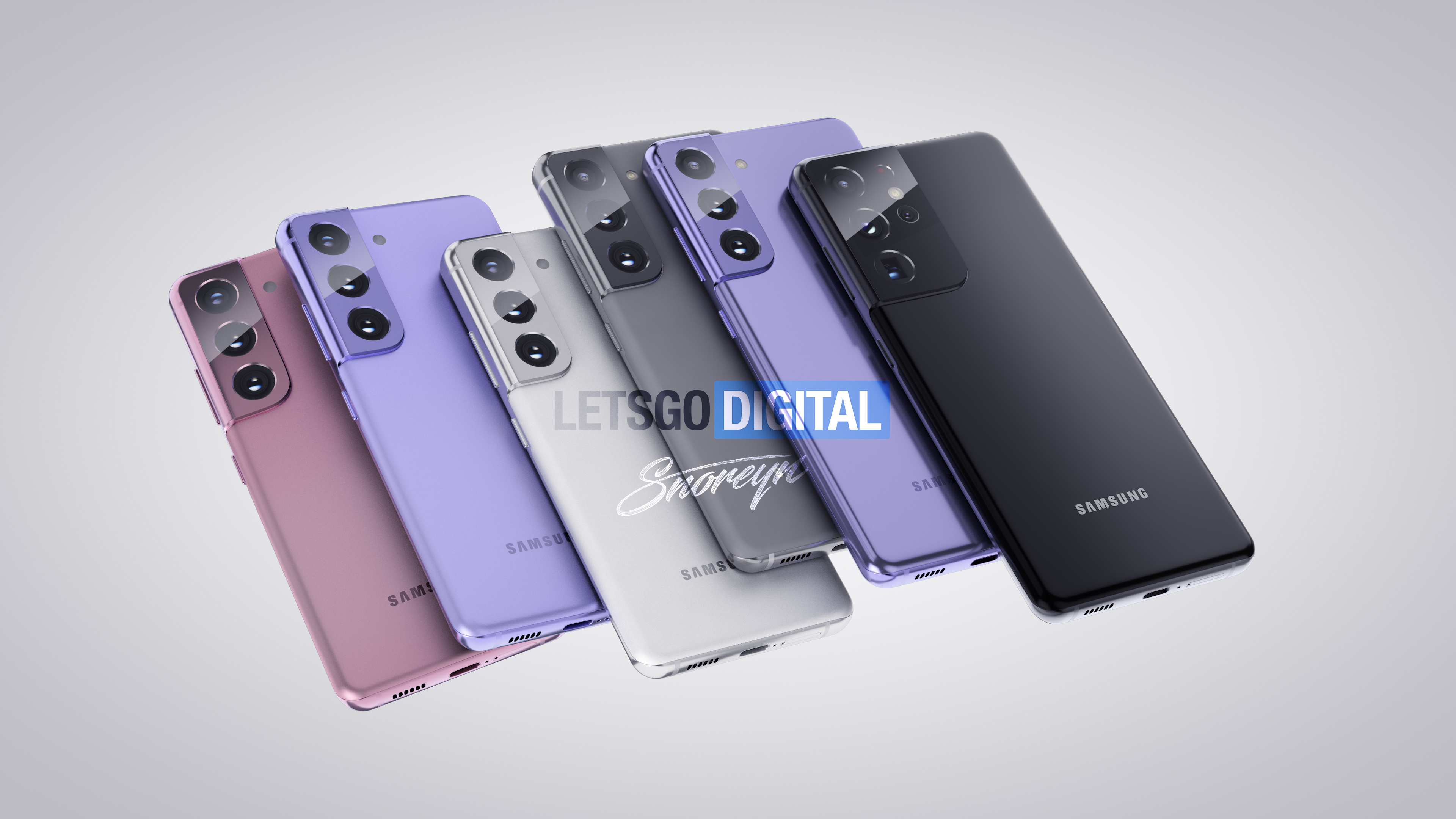
The upcoming Galaxy S21 series will be coming with a new design. As per leaks, these handsets will be a minor upgrade over the Galaxy S20 series.
The renders of the Galaxy S21 5G, Galaxy S21+ 5G, and Galaxy S21 Ultra 5G have already appeared in recent months to reveal their design. Today, Android Police carried an exclusive report to share the leaked video teasers ahead of the January launch. The publication has claimed that the Galaxy S21 5G series will break cover on Jan. 14 through the Galaxy Unpacked event and its sale may start on Jan. 29. The Galaxy S21 5G series is expected to carry cheaper price tags as compared to the previous generation mainly because of the existing global pandemic and economic difficulties.
The Galaxy S21 5G and Galaxy S21+ 5G video teasers show that they are equipped with identical designs. Both phones have flat displays with a top-center punch-hole cutout. Previous reports have revealed that the Galaxy S21 has a 6.2-inch AMOLED FHD+ display, whereas the Plus variant has a 6.7-inch FHD+ AMOLED screen. These have rumored to be packed with 4,000mAh and 4,800mAh batteries.
The Galaxy S21 5G and S21+ 5G are both shown in Phantom Violet color variant with bronze camera module in the video teasers. The camera housing blends with the edge on both devices. The triple camera setup on both smartphones has a 12-megapixel main lens, a 12-megapixel ultrawide sensor, and a 64-megapixel telephoto snapper.
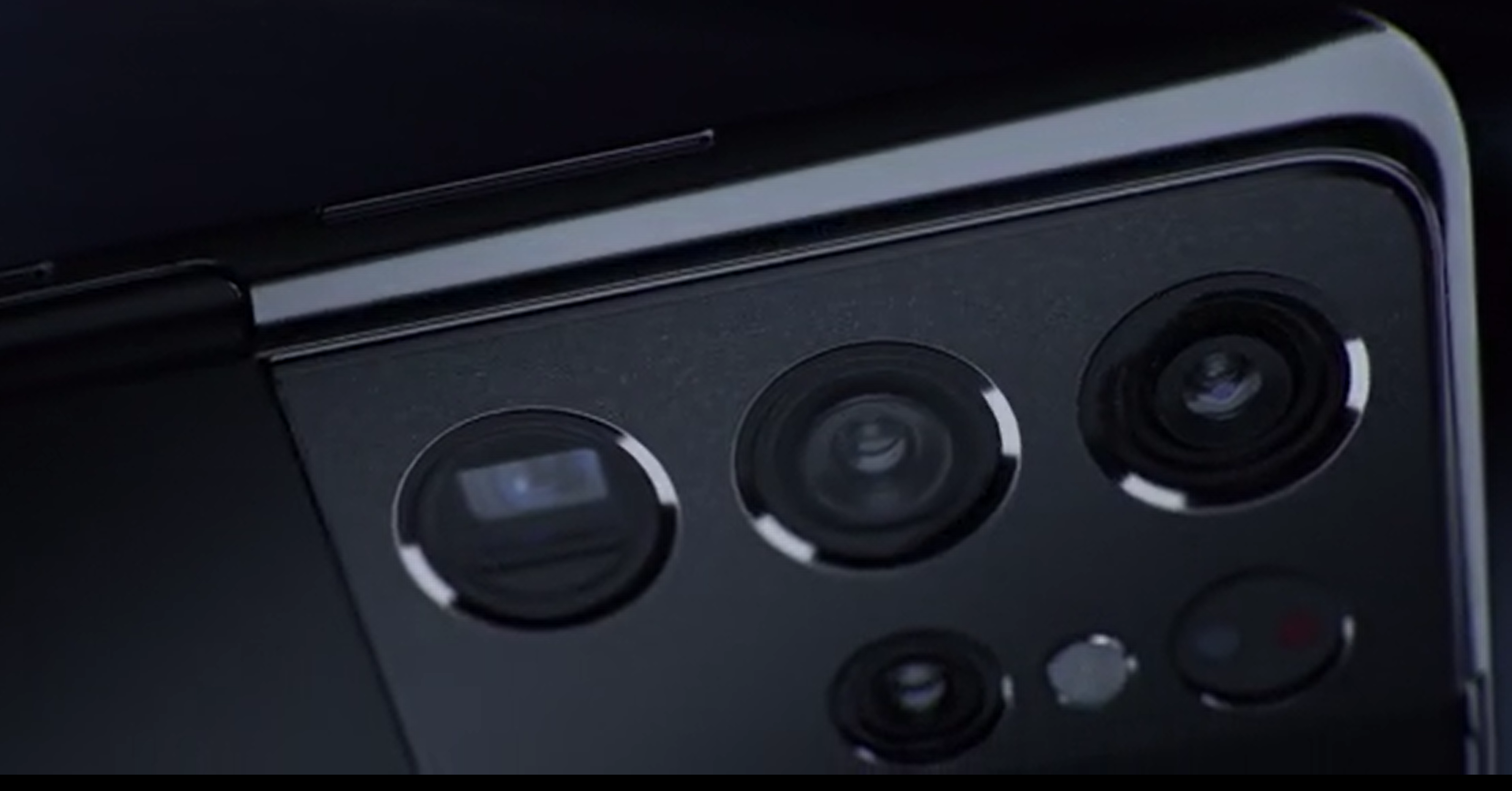
The Galaxy S21 Ultra 5G shown in black color appears similar to the S21 and S21+. However, the Ultra edition’s display is blessed with curved edges and it has a quad-camera setup. The latter features a laser autofocus unit, a 108-megapixel main camera, a 10-megapixel periscope lens with 10x super-telephoto zoom, a 10-megapixel telephoto lens with 3x optical zoom, and a 12-megapixel superwide lens. The S21 Ultra is rumored to arrive with a 6.8-inch QHD+ display, a 5,000mAh battery, and S Pen stylus support.
Earlier today (9th December 2020), a new report surfaced that suggested that Xiaomi could be working on a new curved monitor. This new monitor is said to launch in the first quarter of 2021 and will feature a 30 inch screen.
Xiaomi is known to diversify its consumer electronics portfolio, and had even added displays, monitors and gaming monitors to its vast arsenal of products last year. Back in October 2019, the Chinese tech giant launched the Xiaomi Mi Surface 34 inch Gaming Display. It was the first from the company and featured a resolution of 3440x1440px with a 21:9 aspect ratio. This display was primarily targeted for gamers and offered a high refresh rate panel with a 1500R curvature.
Notably, it was also recently reported that the last shipments of the Mi Surface 34 inch curved displays had been completed, and its production has been suspended due to the lack of supply from Samsung. According to an ITHomereport, a 30 inch variant is being announced by Videocom in partnership with AUO and is expected to hit the market sometime in the first quarter of next year. Thus, the new Xiaomi monitor could be expected to feature this panel. Unfortunately, we have no finer details or specifications regarding the upcoming monitor, so stay tuned for more updates
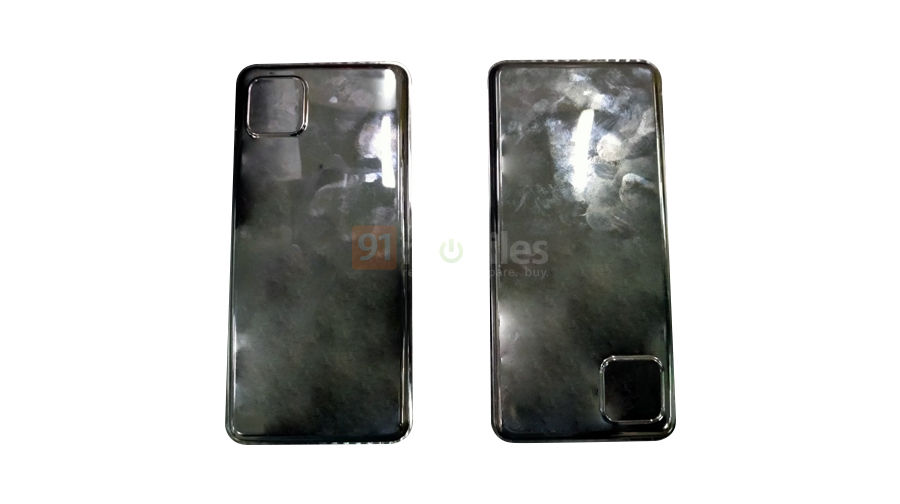
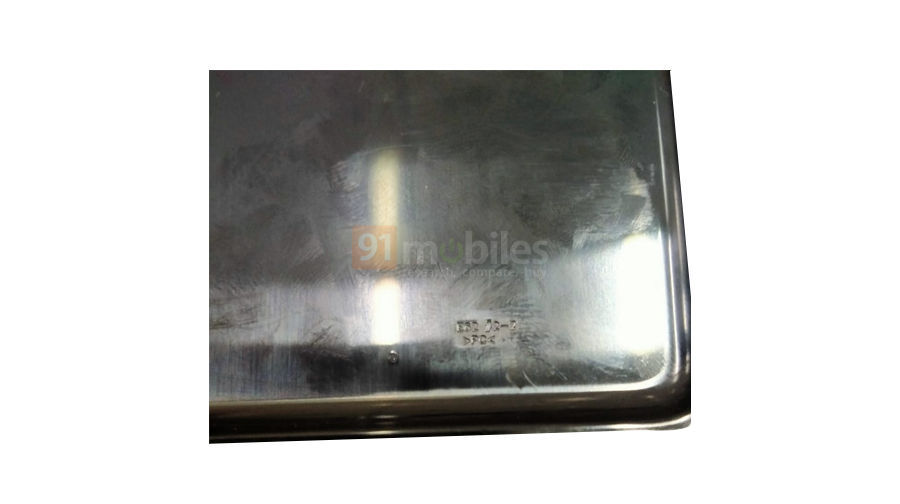
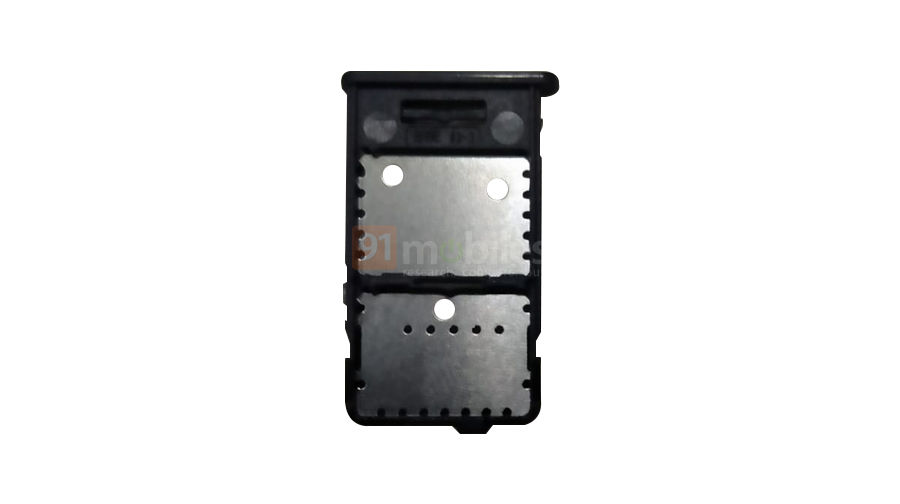
Samsung has reportedly started the production of a new phone that has a model number of SM-E625F. 91moblieshad previously claimed that the phone will be launching as the Galaxy F62. Today, the same publication shared the live shots of its rear shell. The new leak states that the device may debut as the Galaxy E62, and not Galaxy F62. In 2015, the South Korean company sold E-series phones like Galaxy E7 and E7. Since then, it has not launched any E branded phone. It appears that the company may bring back the Galaxy E series by launching the Galaxy E62.
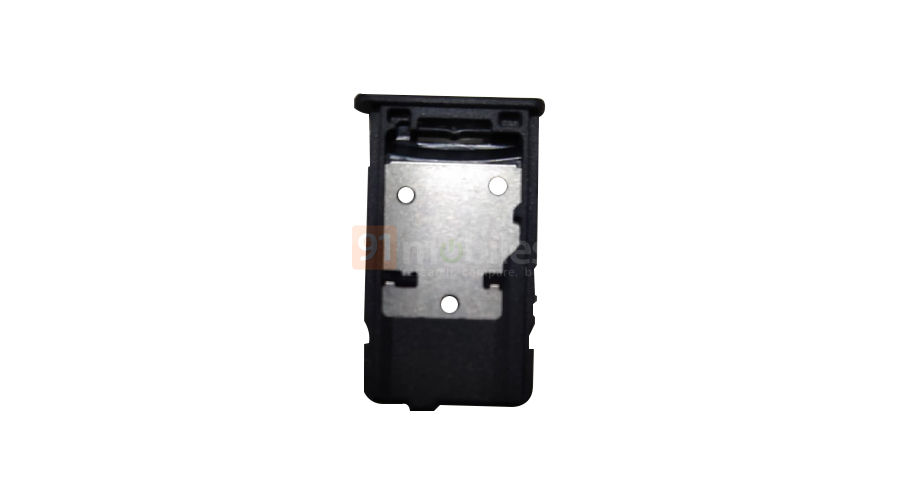
The live shots of the rear panel of the Galaxy E62/F62 reveal that it has a glossy back. It is fitted with a square-shaped camera module that may house three or four cameras. Since a fingerprint scanner cannot be seen on the backside of the phone, it could be embedded under the power button on the right edge or it could be integrated with the display. The images also reveal support for dual SIM connectivity.
The new leak has no information on the specs of the Galaxy E62. However, its recent appearance at the Geekbench benchmarking platform revealed that it is powered by the Exynos 9825 chipset. It is the same SoC that powered the Galaxy Note 10 series last year.
The Geekbench listing had revealed that the SoC is coupled with 6 GB of RAM. The phone was found to be running on Android 11 OS, which indicates that it may ship with the latest One UI Core 3.0. In the single-core test, the handset scored 763 points in the single-core test and it recorded a score of 1,952 in the multi-core test.
Hopefully, the rumor mill will reveal more details of the Galaxy E62/F62 in the coming weeks. The handset is expected to go official in the first quarter of 2021.
Big Tech companies have been facing a lot of scrutinies for some time now and demand for regulating such firms is increasing. Now, Britain’s competition watchdog has proposed that there should be tailored rules to regulate tech giants.
The companies affected by this include the likes of Google and Facebook. The Competition and Markets Authority (CMA) said that a legally binding code of conduct backed up by penalties could extend to fines of up to 10 percent of turnover.
It also proposed that the enhanced merger rules should be set up in legislation. It also reveals that the code will be enforced by a new Digital Markets Unit that will comprise of lawyers, data scientists, and other experts.
While the new unit will be set up in April, the legislation might not be in place until 2022. It will be part of a wider regulatory framework that will include new rules for harmful online content and data protection.
Further, the Department for Digital, Culture, Media, and Sport (DCMS) said that some of the world’s biggest tech companies may have to be more transparent about the services they provide and how they use consumers’ data.
This development from the Competition and Markets Authority (CMA) comes just a week before the European Union is set to outline its own rules for governing the digital services and markets.
Apart from regulatory changes, big tech companies are also facing antitrust scrutiny around the world. While countries like the USA, China, and India have a few ongoing antitrust investigations against Google or its subsidiaries, the state and federal authorities in the U.S. are expected to file antitrust lawsuits against Facebook in the coming days.
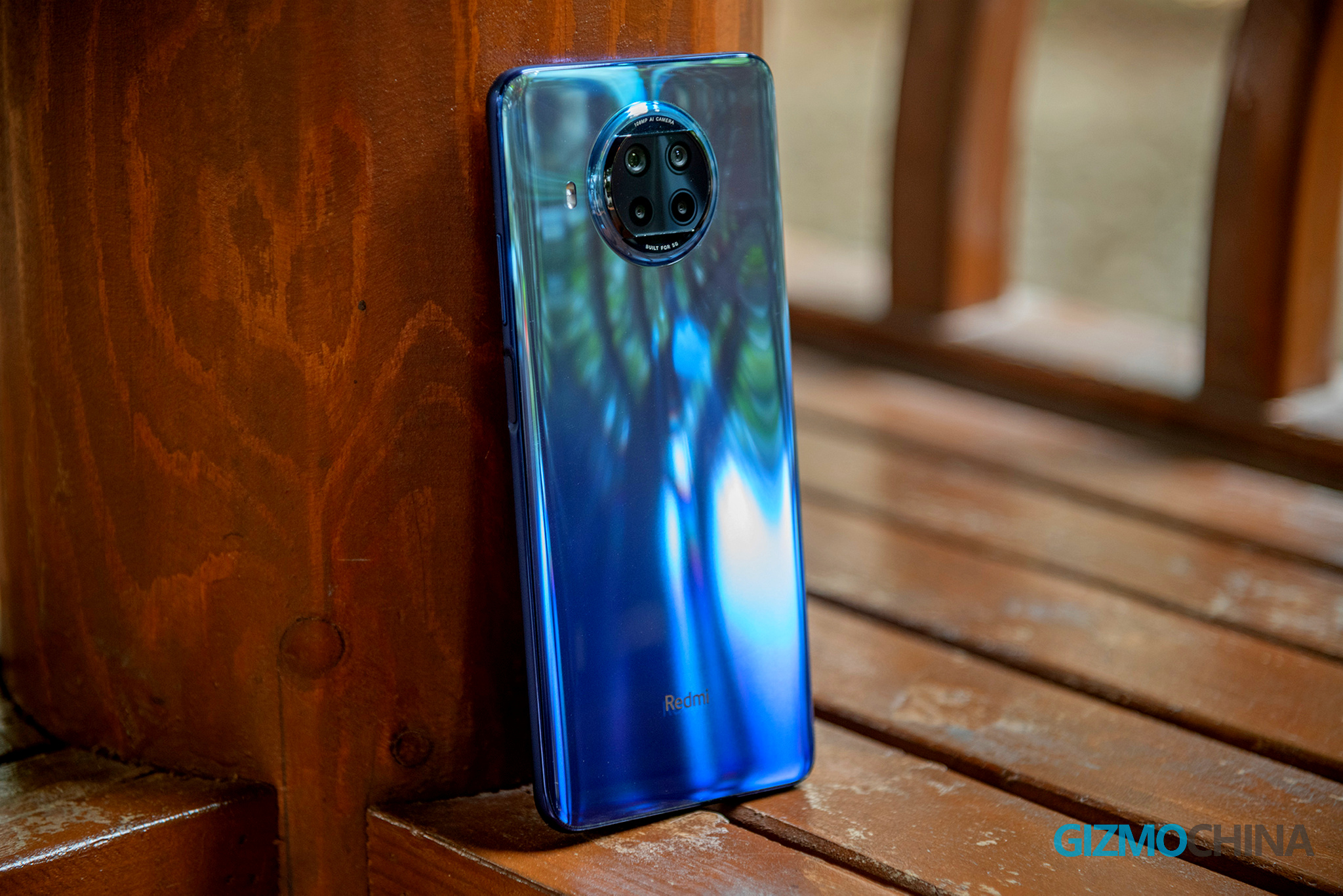
At the end of last month, Redmi, the sub-brand of Xiaomi launched Redmi Note 9 series in China. The series consists of three smartphones and these devices have been on sale for the past 13 days. Within this period, the company managed to sell 1 million units.
Xiaomi initially debuted the Redmi Note 9 series earlier this year in India. But the Redmi Note 9 models launched in China are different devices altogether. This series includes two 5G phones (Redmi Note 9 5G, Redmi Note 9 Pro 5G) and a single 4G handset (Redmi Note 9 4G).
Now, less than two weeks (13 days to be exact) from them being going on sale, Redmi accomplished to sell over 1 million units of these smartphones. The brand revealed its new achievement on Weibo.
In case you do not know, Xiaomi’s Redmi number, Redmi A, and Redmi Note series of handsets have always been global bestsellers. For instance, the company has sold over 140 million units of Redmi Notes worldwide as of November. These phones are popular because of the value they offer for the price.
That said, although the new Redmi Note 9 series is exclusive to China, the same phones are expected to release with different branding in global markets. The Pro variant is already available in Europe as Mi 10T Lite with a 64MP primary camera. This handset will be also launching as Mi 10i in India. Similarly, the 4G model will soon go official as Redmi 9 Power and Redmi 9T with an additional camera.
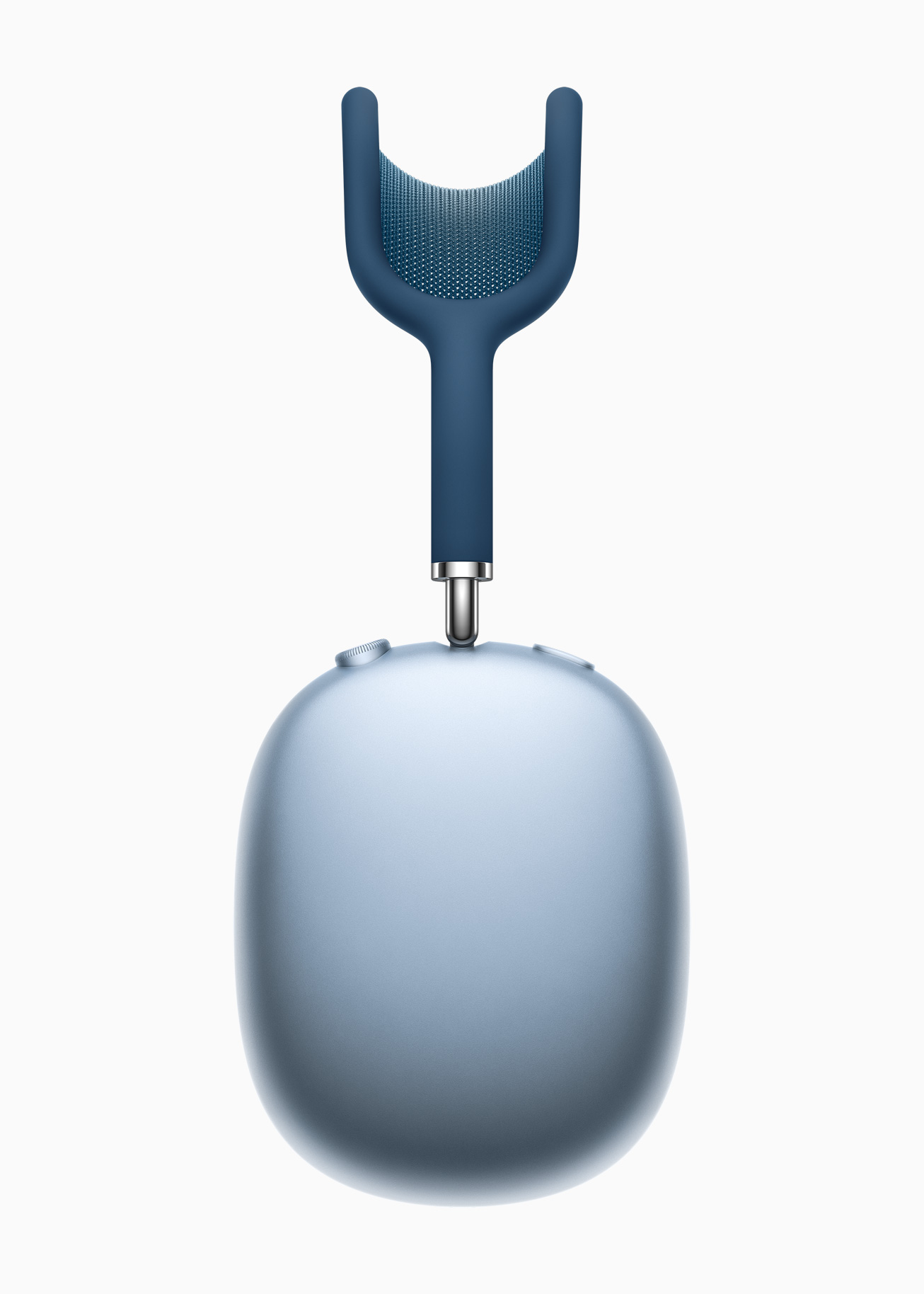
The Apple AirPods Max just launched earlier this week, after months of leaks and rumors. It had been known that the company has been working on a new hearable product for a while now, but its official launch arrives with certain features missing that were previously rumored.
Breathable Knit Mesh Canopy
Earlier this year, it was believed that the AirPods Max were originally rumored to be called AirPods Studio. Although, due to the coronavirus pandemic, Apple faced various several challenges in development, which might have led to the multiple delays and even scaling back of functionality or features, as per a MacRumorsreport. Later on, there were reports in September that stated that the launch was imminent with production originally planned for mid 2020, but got delayed over development issues.
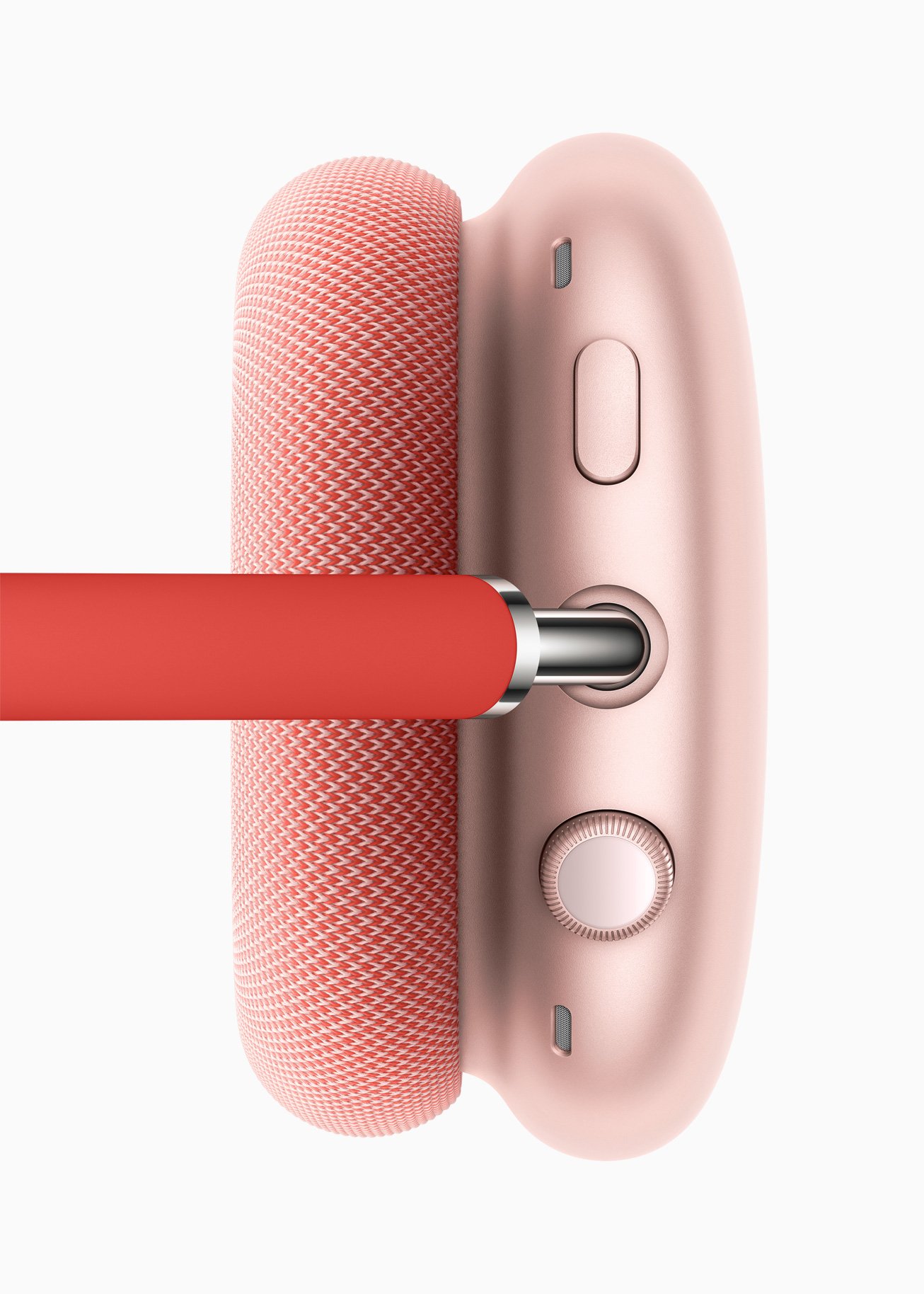
It was previously believed that the AirPods Max could offer unique customization, with interchangeable headbands and ear cups, resembling the concept behind the Apple Watch bands. However, Apple reportedly had to drop the idea to speed up the already behind production. Similarly, it was also rumored that the AirPods Max would feature touch controls through the pads on the side. But this was also dropped, as the Cupertino based giant ships the new headphones with a digital crown from the Apple Watch for user controls.
Digital crown, Noise cancellation button
Another rumor which has yet to receive any clarification was the launch of a more affordable ‘Sport’ variant of the AirPods Max. This model would arrive with a 350 US Dollar price tag and would launch alongside its expensive sibling. Unfortunately, there is no word on this version of the AirPods Max at the moment. It is possible that Apple might revisit these features in the future for the second iteration of the over the ear headphones, and may even launch a Sport version sometime in the near future. So stay tuned for more updates.
India is the second largest smartphone market in the world, with brands from all across the world competing for footholds in the market in the region. In recent times, Chinese brands have dominated the market, with Xiaomi being the leading smartphone manufacturer in the country. Now, it seems that its popularity is showing no signs of decline as 9 out of the 10 best selling smartphones on Amazon India is from the Chinese tech giant.
9⃣ out of top 🔟 selling smartphones on @amazonIN. 💪
Earlier today (9th December 2020), Xiaomi India’s Managing Director and Global VP, Manu Kumar Jain, shared a tweet on Twitter that shared the milestone achieved by the company. In the tweet, he shared a snapshot of Amazon India’s bestseller list. This list had 9 devices from the company’s Redmi subsidiary, showcasing the Chinese smartphone maker’s dominance on the online e commerce website.
The list had the Redmi Note 9 Pro lead the list with other models including, the Redmi Note 9 Pro Max, Redmi Note 9, Redmi 9 Prime, Redmi 9, and even the Redmi 9A. The sole handset that wasn’t from Xiaomi was the Samsung Galaxy M31 Prime Edition. For those unaware, the sub 300 US Dollars category is the most popular smartphone segment in the region with Chinese OEMs’ offerings focusing in this price range. The list also highlights Xiaomi’s popularity in the entry level market to the upper mid range segment as well.
Redmi Note 9 Pro
In the third quarter of 2020, Xiaomi held the top spot in India with a 26.1 percent market share, beating the likes of Samsung and other Chinese brands like Oppo, Vivo, and Realme. The company first entered India back in 2014, and in just a few years, it has become one of the most popular brands in the region. While it had exclusively focused on online channels at the start, it has since included offline sales as well. But, the Amazon India bestseller list is indicative of the popularity it still holds on e retail websites.
We use cookies on our website to give you the most relevant experience by remembering your preferences and repeat visits. By clicking “Accept”, you consent to the use of ALL the cookies.
This website uses cookies to improve your experience while you navigate through the website. Out of these, the cookies that are categorized as necessary are stored on your browser as they are essential for the working of basic functionalities of the website. We also use third-party cookies that help us analyze and understand how you use this website. These cookies will be stored in your browser only with your consent. You also have the option to opt-out of these cookies. But opting out of some of these cookies may affect your browsing experience.
Necessary cookies are absolutely essential for the website to function properly. This category only includes cookies that ensures basic functionalities and security features of the website. These cookies do not store any personal information.
Any cookies that may not be particularly necessary for the website to function and is used specifically to collect user personal data via analytics, ads, other embedded contents are termed as non-necessary cookies. It is mandatory to procure user consent prior to running these cookies on your website.