MIUI 12 is still rolling out to devices but Xiaomi is already developing the next version which should arrive as MIUI 13. The new version of Xiaomi’s custom Android OS will not arrive until next year; seven months from now at the earliest. However, details of new features have begun popping up.
A few days ago, a user by the name Enes Keskin shared on Telegram what he says is the new power menu animation for MIUI 13. The short clip shows that the power menu has a slider that can be dragged up to restart the device or dragged downwards to shut it down.
For devices running MIUI 12, when you hold down the power button, the power menu covers the whole screen and shows four buttons – Airplane, Silent, Reboot, and Power Off. The power menu for MIUI 13 that is shown above doesn’t cover the whole screen but it appears it still blurs out what is on the screen when it comes up.
It is too early to say if this redesigned power menu will make it to the final stable release when MIUI 13 is announced next year. Nevertheless, fans of MIUI will have something to debate on until then.
Do you like the MIUI 13 power menu or prefer the one for MIUI 12? Do let us know what you think in the comment box below.
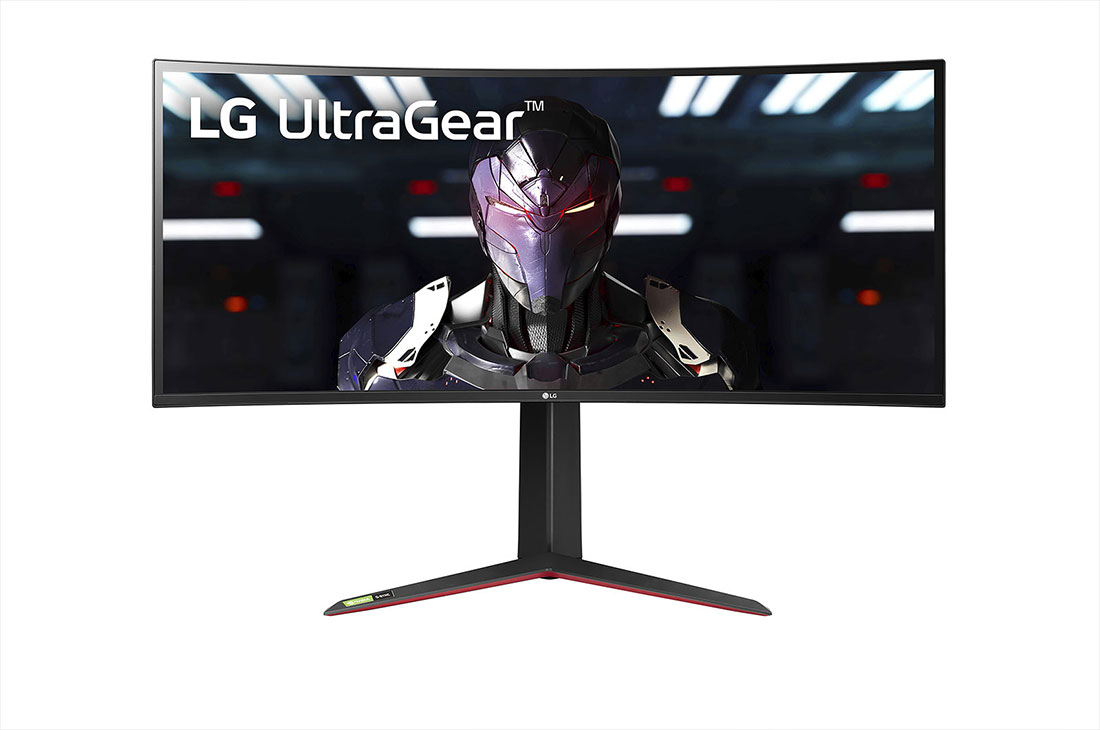
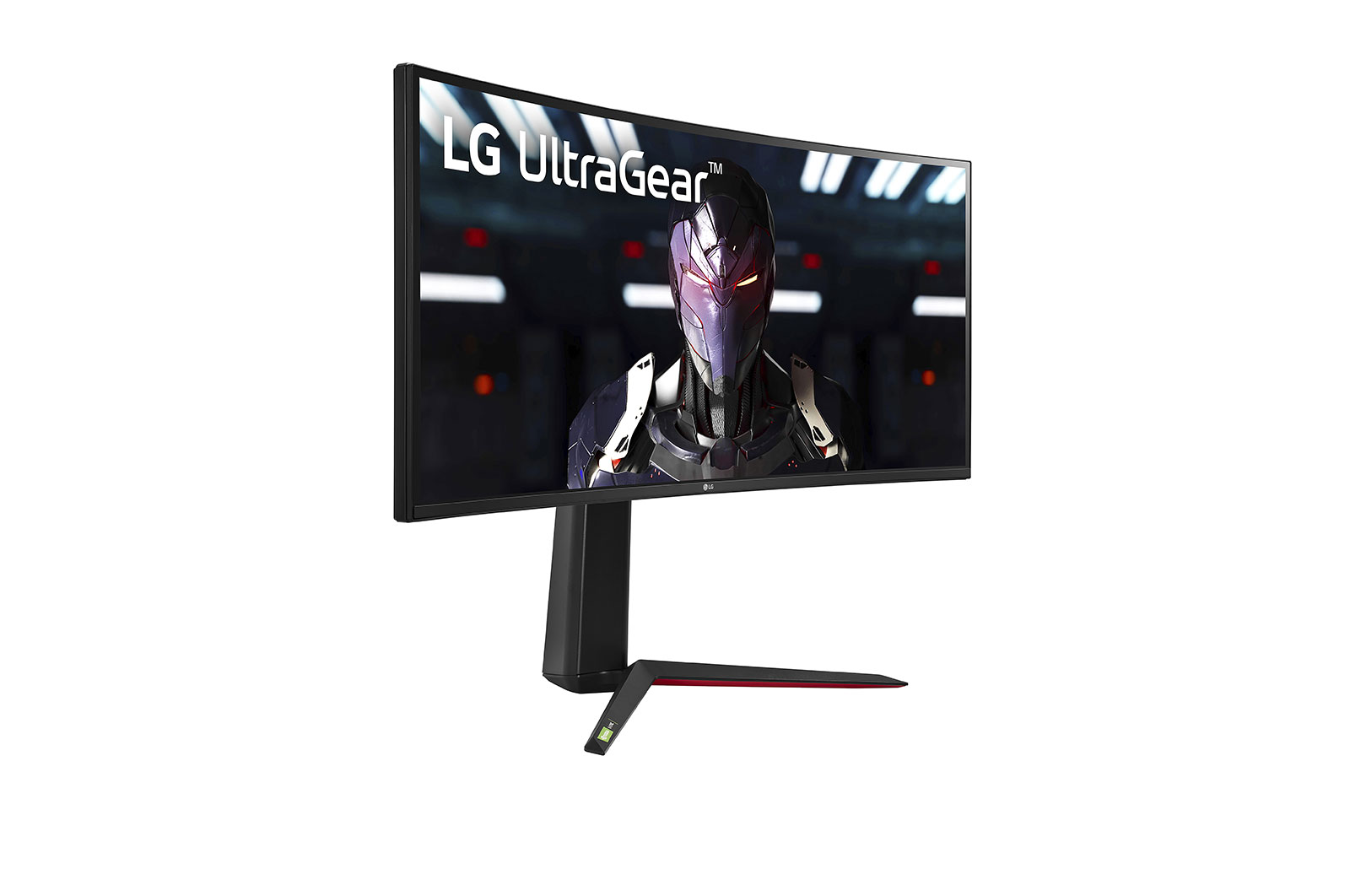
LG has launched a new gaming monitor under its UltraGear series. Recall that the UltraGear was announced alongside the UltraWide and UltraFine Ergo displays at CES 2020. The device comes with the model number “34GP83-A”. The monitor is similar to the LG 27GN950-B launched in July in that it features a curved Nano IPS panel with fast response times, G-Sync compatibility, and a high refresh rate delivering “the latest hardware, specs, ergonomics, sleek design and sensory experience” needed to complete your gaming setup.
The gaming monitor packs a 34-inch ultrawide, curved Nano IPS panel with a resolution of 3440×1440 pixel, 1ms G2G response time, a 144Hz refresh rate. This monitor alsocomes with 178º (R/L), 178º (U/D) wide viewing angles. This 10-bit panel has a contrast ratio of 1000:1 and 400nits of brightness, covering 98% of the DCI-P3 wide colour gamut. Additionally, it comes colour calibrated out-of-the-box.
Further, the LG 34PG83-A UltraGear monitor is certified with VESA DisplayHDR 400, allowing the monitor to playback HDR content for an enhanced viewing experience. It also features Nvidia G-Sync and AMD FreeSync (Premium) allowing users to enjoy gaming sessions without stutter and tearing. Other gaming-oriented features include Dynamic Action Sync, to reduce input lag, Black Stabilizer, to improve clarity in darker areas, and a crosshair overlay, to elevate you aiming to the next level, are included. Reader mode and flicker-free technology to reduce the user’s eye strain are also present.
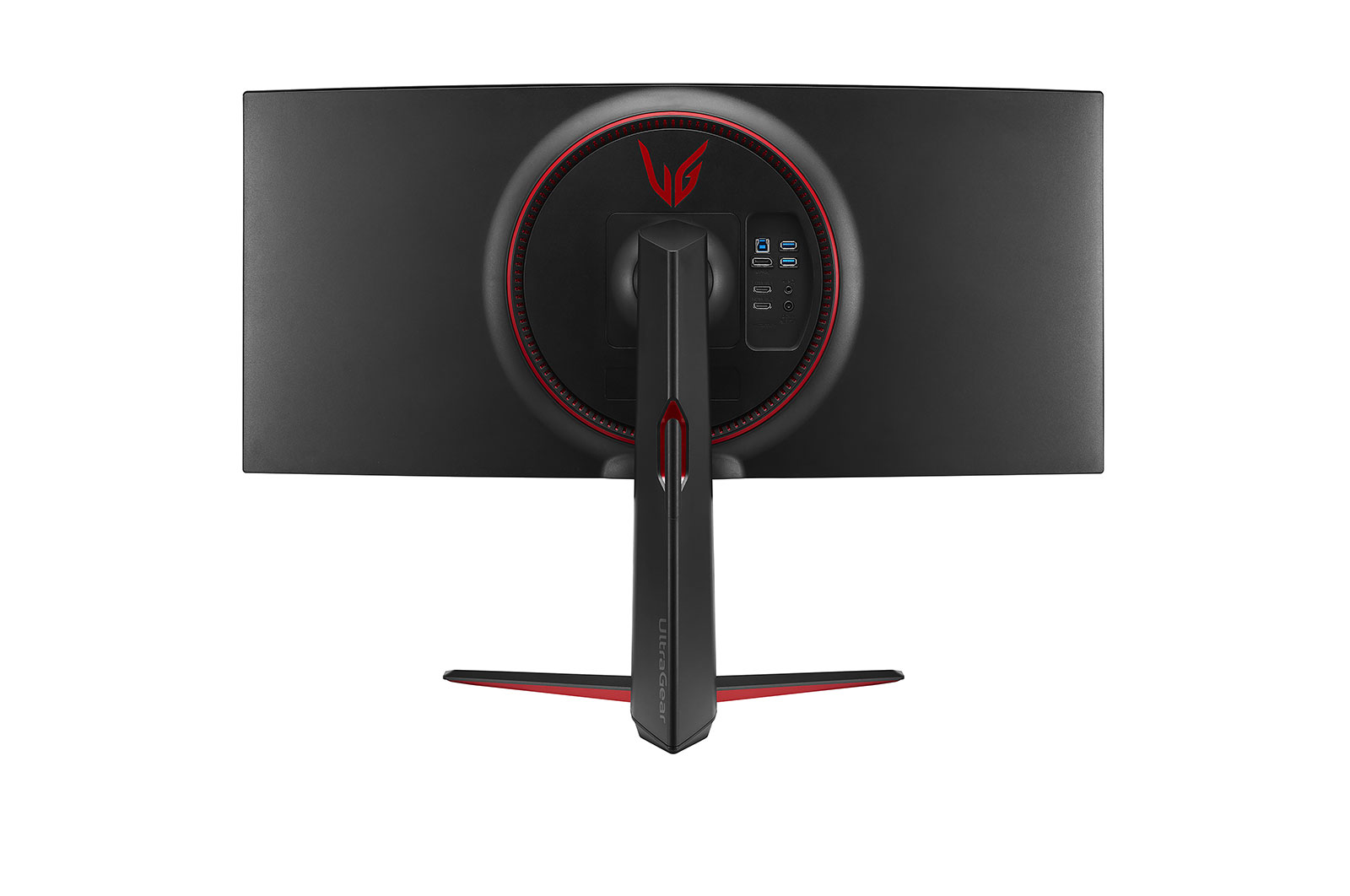
Connectivity options include 2x HDMI ports, a DisplayPort, an audio-out 3.5mm jack, a USB upstream ports, and 2x USB downstream ports. The monitor’s stand allows you to adjust its height by 110mm and tilt it, but you can also increase its ergonomics with a monitor bracket thanks to the VESA 100x100mm support.
The LG 34PG83-A UltraGear monitor is presently available to pre-order on LG’s website. It carries a price tag of $999.99.
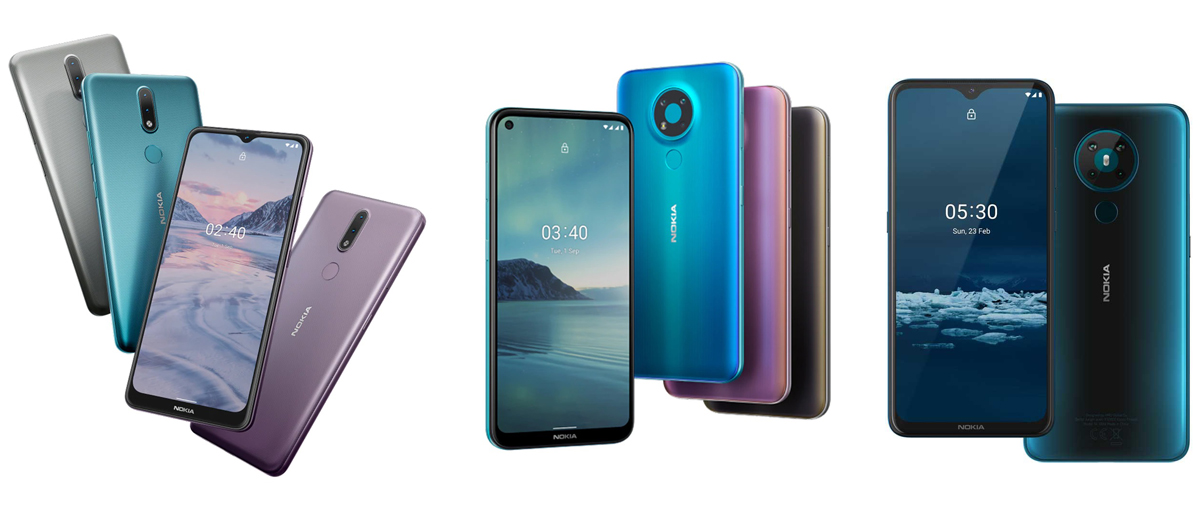
Do you need a very affordable phone with long-term software support? If so, HMD Global is one of the best choices you can make. The Finnish company which owns Nokia always releases devices that get long software support, even in the most affordable segment. This is a comparison between the latest Nokia entry-level phones: Nokia 2.4 is the most affordable one, the Nokia 3.4 sits in the middle and the Nokia 5.3 is the most advanced device of the trio. Is it worth spending more to grab a unit of the 5.3, is the Nokia 2.4 enough for your needs or you should reach a compromise such as the Nokia 3.4? This comparison will clear your ideas in regards.
Quad 13 + 5 + 2 + 2 MP f/1.8
8 MP f/2.0 front camera
Triple 13 + 5 + 2 MP
8 MP front camera
BATTERY
4500 mAh
4000 mAh
4000 mAh
ADDITIONAL FEATURES
Dual SIM slot
Dual SIM slot
Dual SIM slot
Design
Despite it is not the most expensive and advanced device of this comparison, the Nokia 3.4 is definitely the most attractive one when it comes to the design. Indeed, it is the only one with a punch-hole display instead of a waterdrop notch. Its rear side is very similar to the Nokia 5.3, with a circular camera module and a rear-mounted fingerprint reader. Nokia 2.4 is different from its more expensive siblings, but it is still a beautiful device compared to other entry-level phones. With these handsets, you do not get premium materials: they all come with polycarbonate bodies, but the display of the Nokia 5.3 is protected by Gorilla Glass 3.
Display
Nokia 2.4, Nokia 3.4, and Nokia 5.3 are equipped with below-average, displays, but they can still be considered sufficient panels. They come with HD+ resolution, so not a very high level of detail. With the Nokia 3.4, you get a higher pixel density, but at the same time, you get a smaller display. The best panel belongs to the Nokia 5.3 which provides a higher brightness. It even comes with a wider panel than its siblings. In each case, you get an IPS panel which is not disappointing.
Specs & Software
The best components belong to the Nokia 5.3 which has a lower-midrange hardware department. It includes a Snapdragon 665 chipset paired with up to 6 GB of RAM and up to 64 GB of eMMC 5.1 internal storage which you can furtherly expand with a micro SD slot. Right after, we got the Nokia 3.4 with a still pretty nice Snapdragon 460 chipset which behaves pretty well in every scenario (but do not expect a lot if you are not a basic user). Unless you are a basic user, you should not go for the Nokia 2.4 as its Helio P22 is not a very powerful chipset. Nokia 2.4, 3.4, and 5.3 are all devices that will get 2 years of software support, despite they are budget phones. This is actually the strongest point of Nokia.
Camera
Nokia 5.3 wins the camera comparison, but it is not so different from the Nokia 3.4. It only adds an additional 2 MP macro camera on the rear side, but for the rest, it has the same camera setup including a 13 MP main sensor, a 5 MP ultrawide lens, and a 2 MP depth sensor. Even the front camera is identical: a sufficient 8 MP snapper. Nokia 2.4 is totally different with its 8 MP main sensor paired with a 2 MP depth sensor, as well as an inferior 5 MP front camera.
Battery
Nokia 2.4 is inferior to the Nokia 3.4 and 5.3 under all the aspects except battery life. With its bigger 4500 mAh battery, it is able to last more on a single charge. With Nokia 3.4 and 5.3 you will get more or less the same battery life (4000 mAh battery), but the Nokia 3.4 should last a bit more due to its smaller display.
Price
Nokia 2.4 is priced €120/$140 in its base variant, for the Nokia 3.4 you need €160/$185, and Nokia 5.3 costs €219/$255. The Nokia 5.3 is the winner of the comparison, but if you want to save some money, you won’t face a lot of compromises with the Nokia 3.4. It has lower performance than the Nokia 5.3, but it is still fast and reliable, and the rest of the specs sheet is very similar. We do not recommend the Nokia 2.4 due to its definitely weaker chipset and inferior camera department, but it has longer battery life.
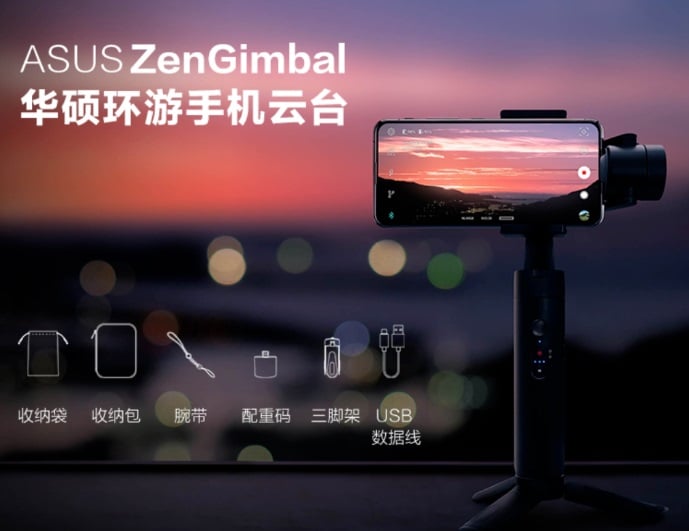
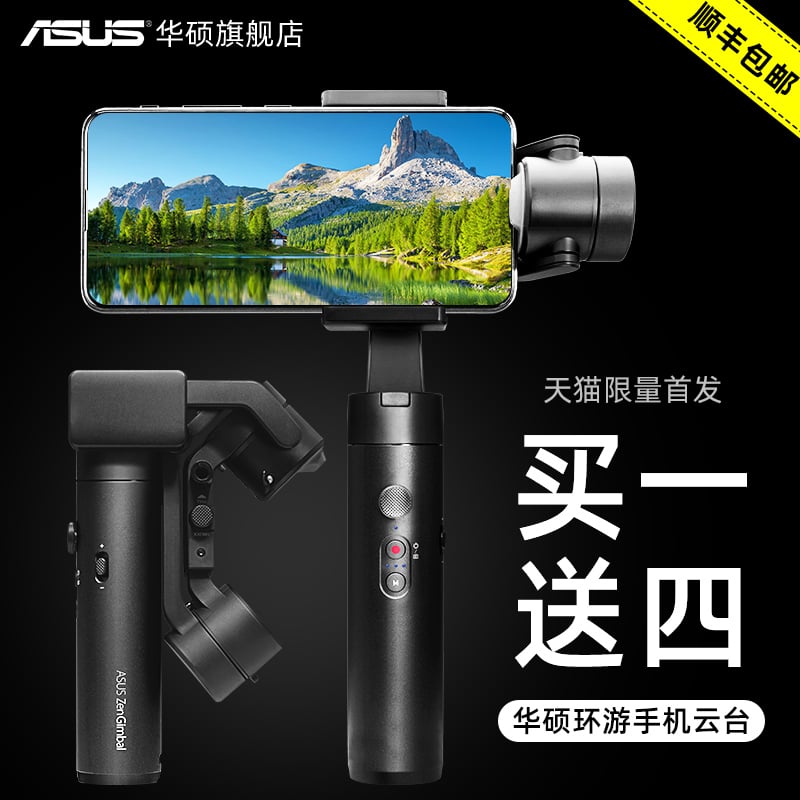
ASUS launched its first mobile phone pan/tilt product, ASUS ZenGimbal mobile phone pan/tilt, which supports super wide-angle, inception, and free shooting. The gimbal is priced at 1099 yuan (~$161) and is available on ASUS’ flagship store on Tmall.
The ZenGimbal phone gimbal uses an innovative three-fold trigger design which can be placed directly in your pocket. The body is equipped with a 3050mAh large-capacity battery and has up to 10 hours of battery life. This mobile phone PTZ is also equipped with a unique shooting indicator, which can display the shooting status at any time. Through the retractable crossbar, this mobile phone PTZ is also compatible with the lighter GoPro camera.
The ASUS ZenGimbal mobile phone gimbal has a variety of shooting modes, an infinitely rotating pan axis, and can shoot freely in 360° without dead angles. This mobile phone PTZ also has professional low-angle shooting, unlimited rotation, sports mode, and POV mode.
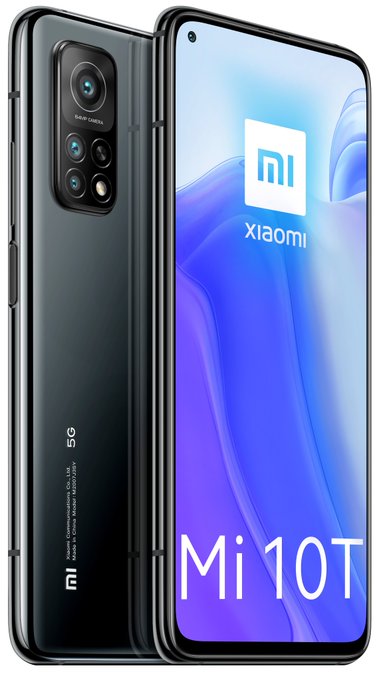
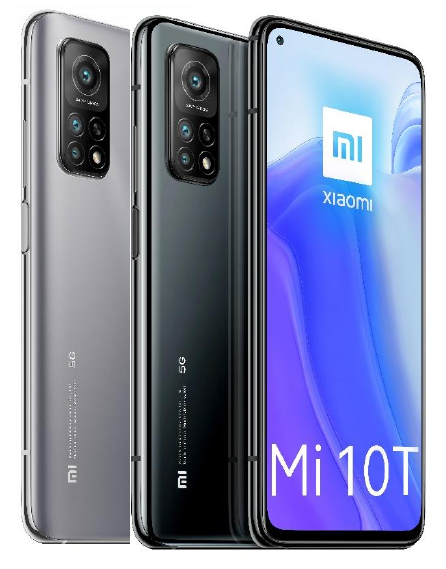
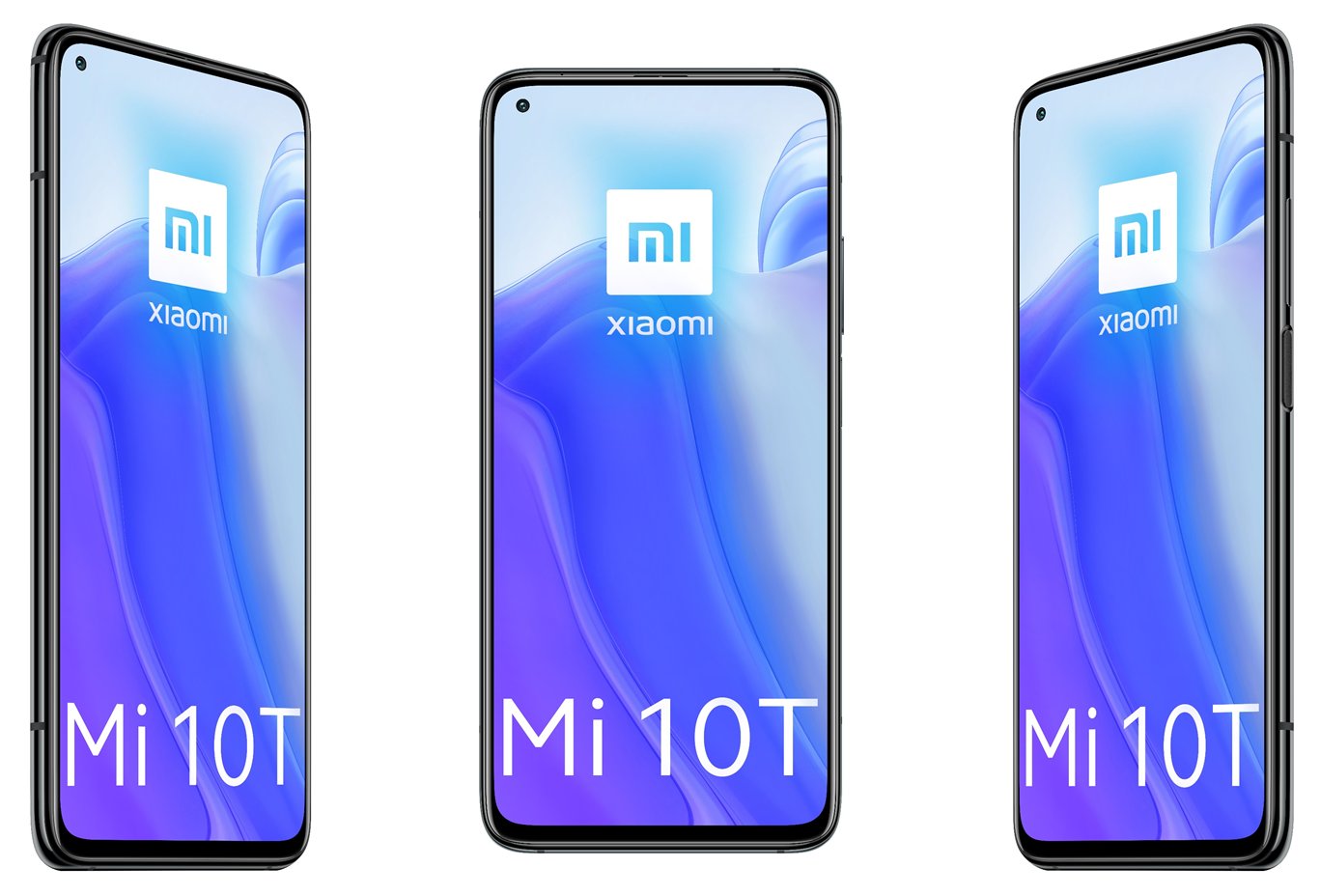
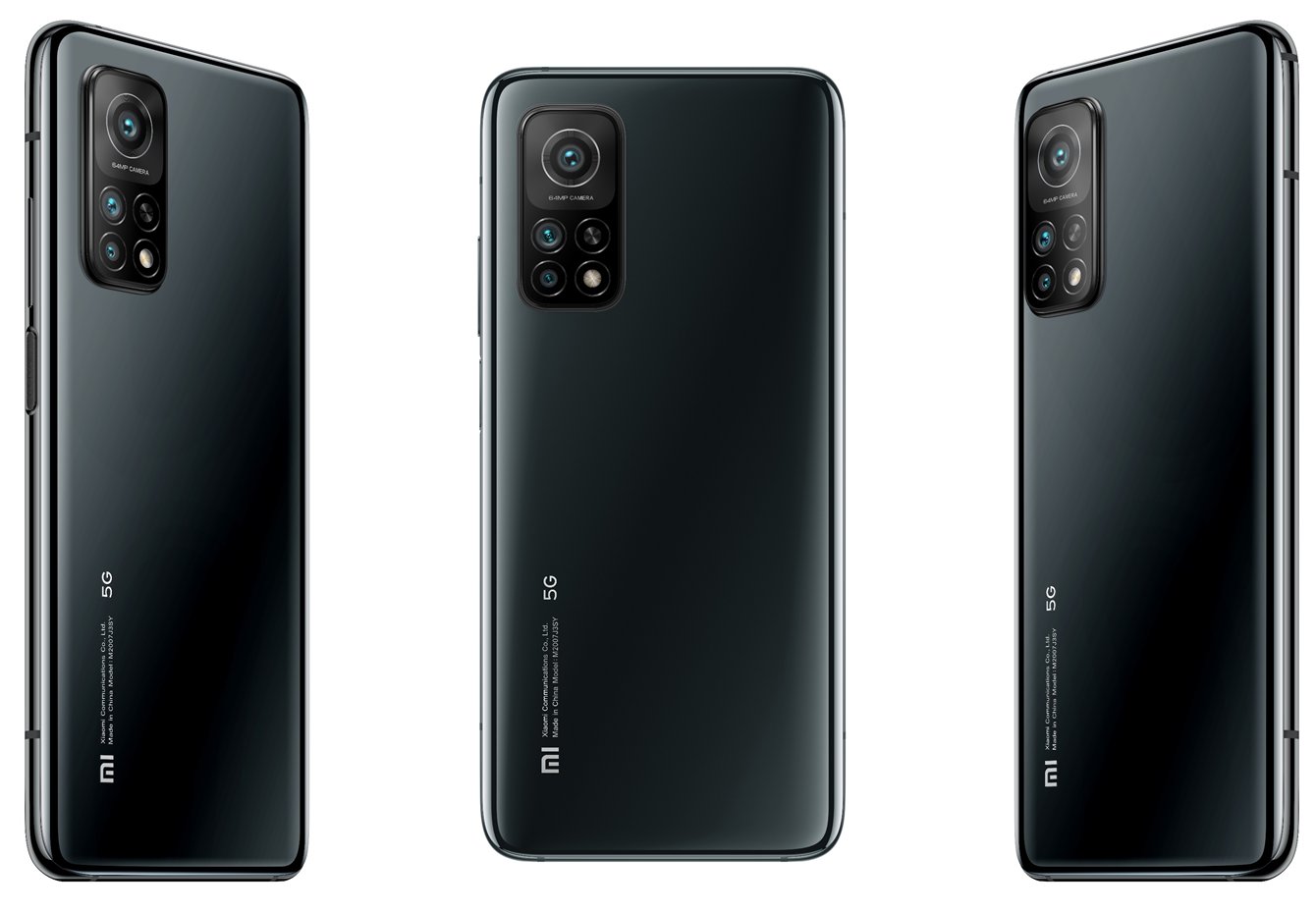
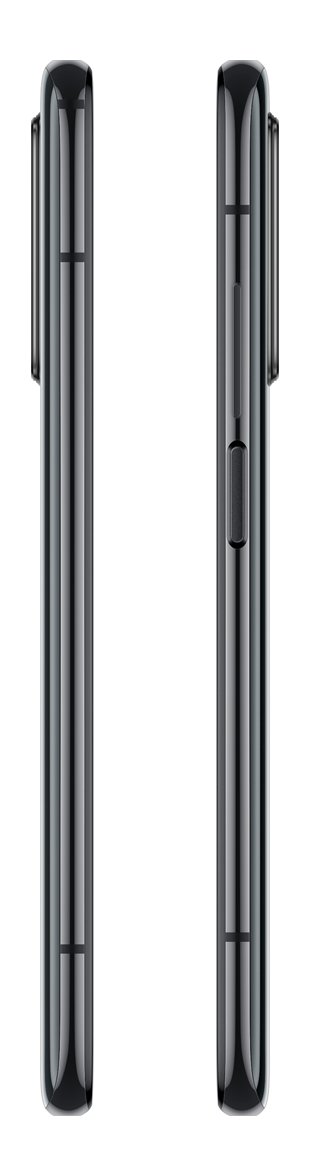
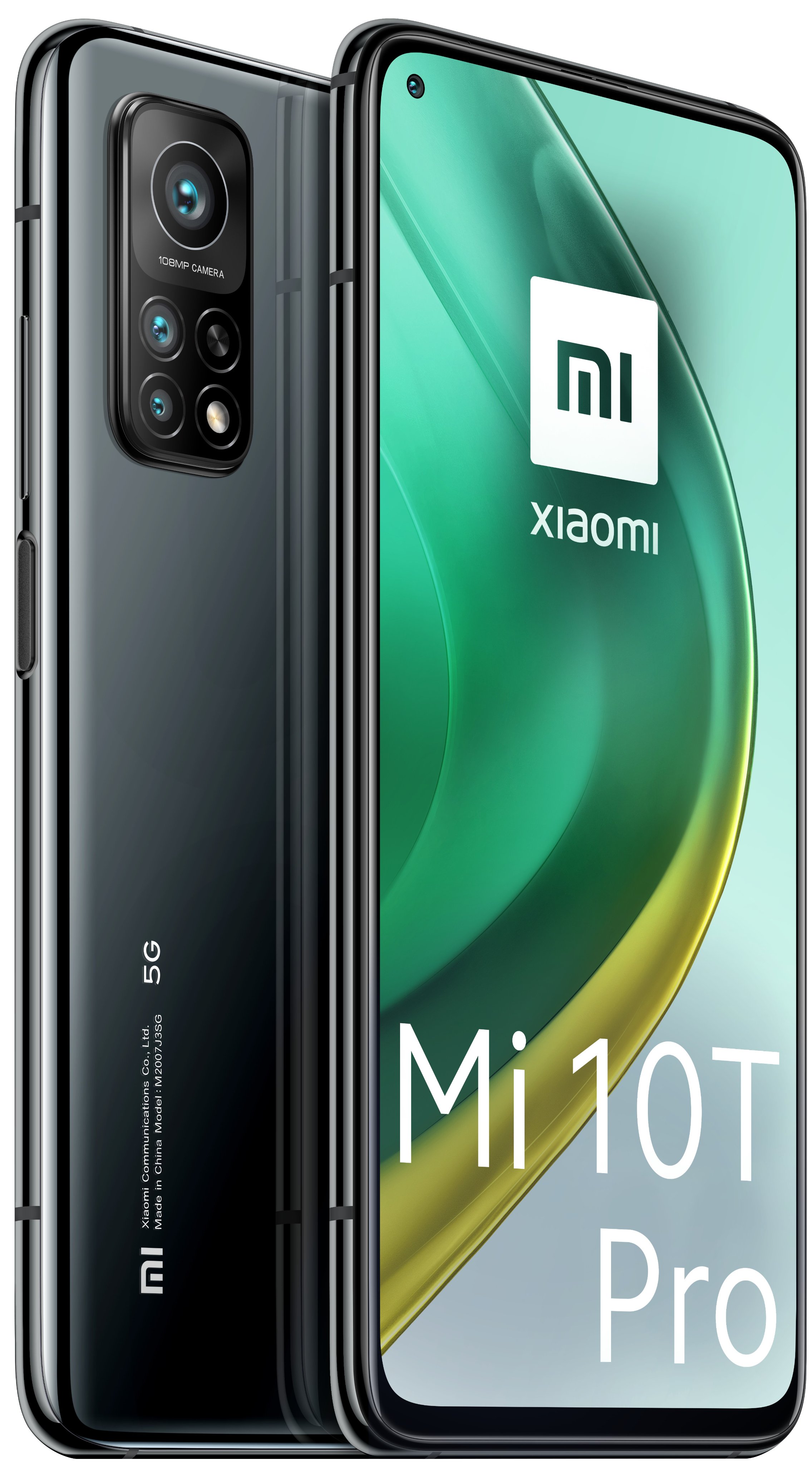
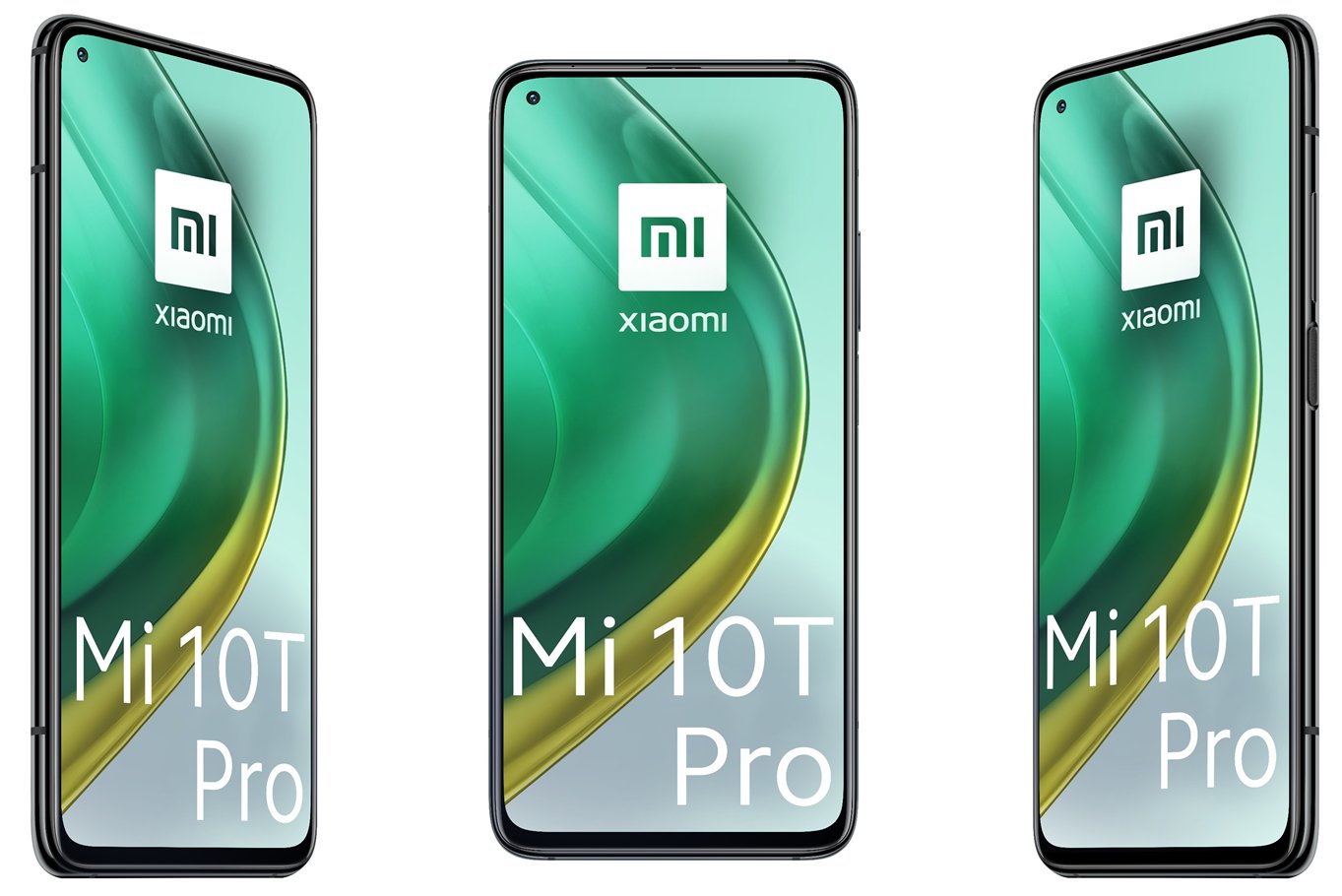
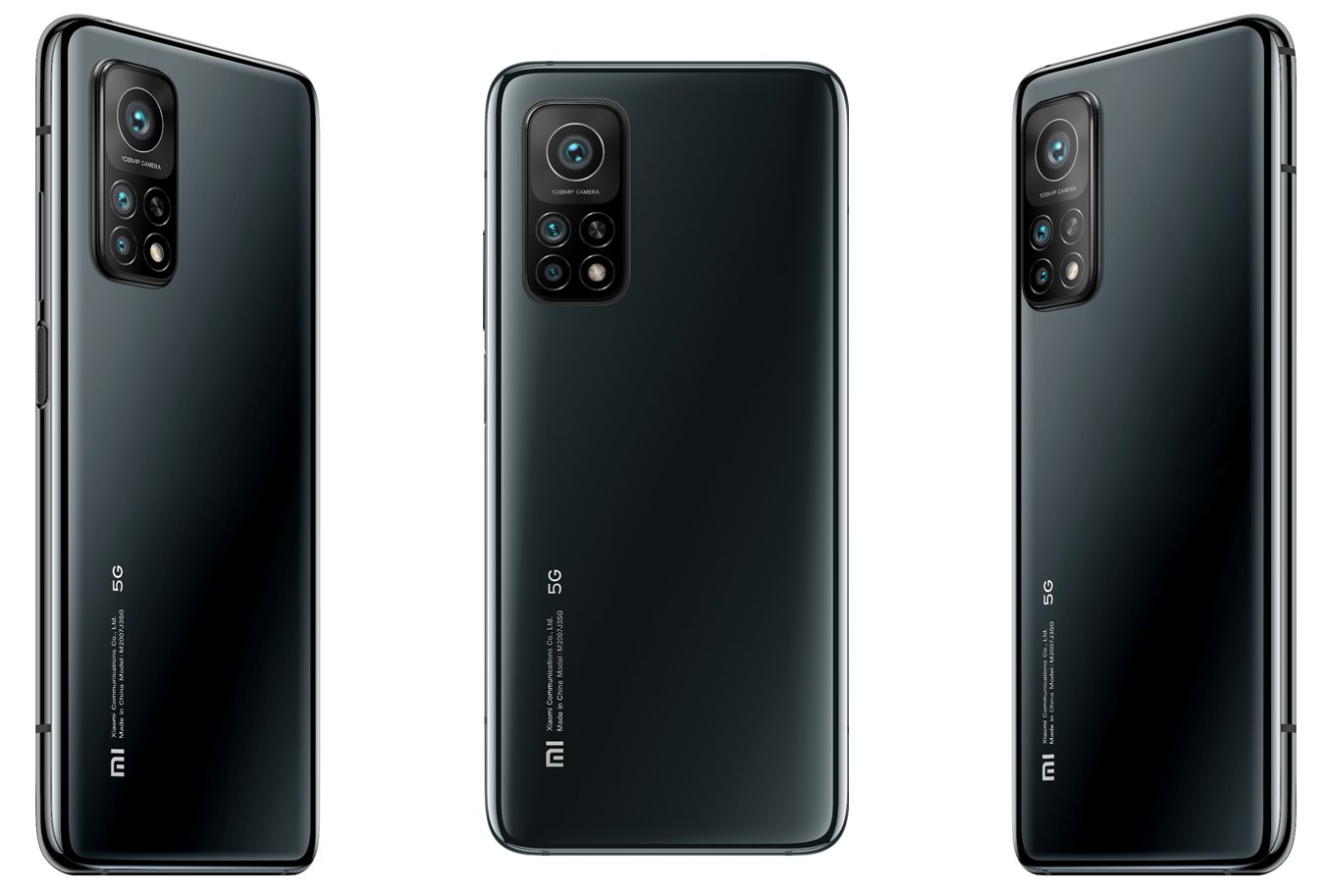
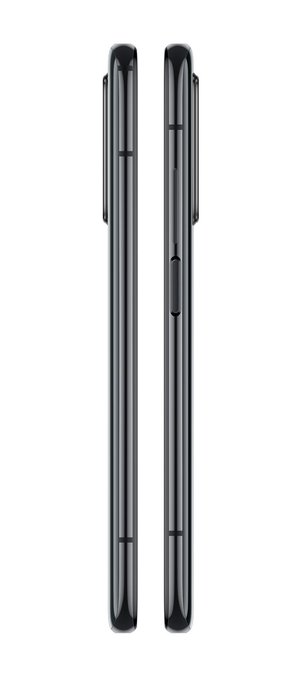
We are a few days from the launch of the Mi 10T series. The new smartphones from Xiaomi will be unveiled on September 30 and the launch will be live-streamed. While we already know what the Mi 10T and Mi 10T Pro look like, more press renders have leaked that show the phones from all angles. The images are also accompanied with the full specs of the two devices.
The photos and spec sheet were posted on Twitter by Sudhanshu Ambhore (@sudhanshu1414) and they show the two phones in black and reveal that the new phones will have high refresh rates, side-mounted fingerprint scanners, and a Snapdragon 865 processor.
Mi 10T 5G
The Mi 10T 5G will have a 6.67-inch IPS LCD display that has a hole in the top left corner for a 20MP camera. The display has an FHD+ resolution, a 20:9 aspect ratio, and a 144Hz refresh rate. It also has a DCI-P3 color gamut and Gorilla Glass 5 protection.
As previously reported, the Snapdragon 865 is the processor under the hood and it comes along with 8GB of LPDDR5 RAM and 128GB of UFS 3.1 storage. The phone will pack a 5000mAh battery with support for 33W wired fast charging.
There are three cameras on the Mi 10T and not four though the design makes it look like there are four. The circle above the LED flash doesn’t house a camera. The main camera is a 64MP sensor and the other two are a 13MP ultrawide angle camera and a 5MP macro camera. The spec sheet says the back is also covered in Gorilla Glass 5.
1 of 5
Mi 10T 5G all colors
Xiaomi Mi 10T 5G
Xiaomi Mi 10T 5G
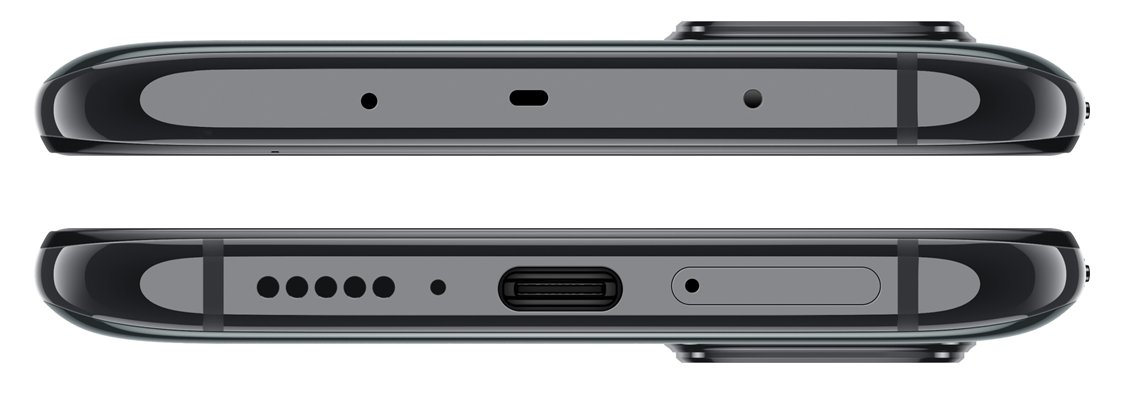
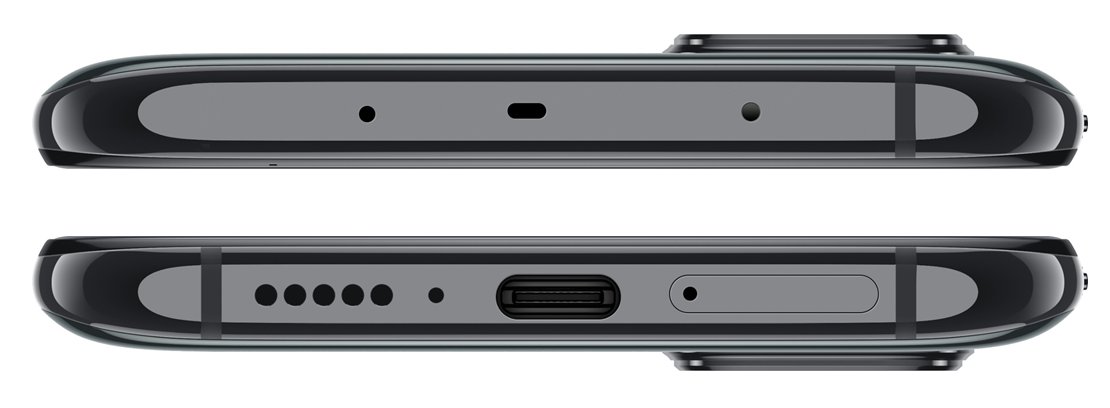
The Mi 10T 5G also has stereo speakers, Hi-Res Audio, dual-band Wi-Fi, NFC, Bluetooth 5.1, a USB-C port flanked by the SIM tray and speaker grille, and an IR blaster at the top. As seen in the renders, the Mi 10T 5G also has a side-mounted fingerprint scanner. There is no audio jack, which should not be a surprise. The phone will be available in Black and Silver, will weigh 218 grams, and measure 165.1 x 76.4 x 9.33 millimeters.
The Mo 10T Pro 5G also has a 6.67-inch FHD+ IPS LCD display. Its refresh rate is also 144Hz and the hole in the screen is home to a 20MP front-facing camera too.
Those who opt for the Pro version also get a Snapdragon 865 processor and 8GB of RAM. However, they have the option of choosing between purchasing the phone with 128GB or 256GB of storage space.
Where the Pro gets its name from is actually the camera department. It swaps the 64MP sensor of the standard model for a 108MP sensor with optical image stabilization. It also has a 13MP ultrawide angle camera and a 5MP macro camera.
1 of 5
The Mi 10T Pro 5G has stereo speakers, a side-mounted fingerprint scanner, NFC, dual-band Wi-Fi, an IR blaster, Bluetooth 5.1, dual SIM, and Gorilla Glass 5 on both sides. It has the same 5000mAh battery capacity with support for 33W fast charging too. It will be available in Black, Blue, and Silver.
Last week, OnePlus confirmed that the OnePlus 8T will come with support for 65W fast charging. They also revealed some key details about the power brick that will chip with the device. Today, the CEO of OnePlus, Pete Lau, decided to share a render of the charging brick.
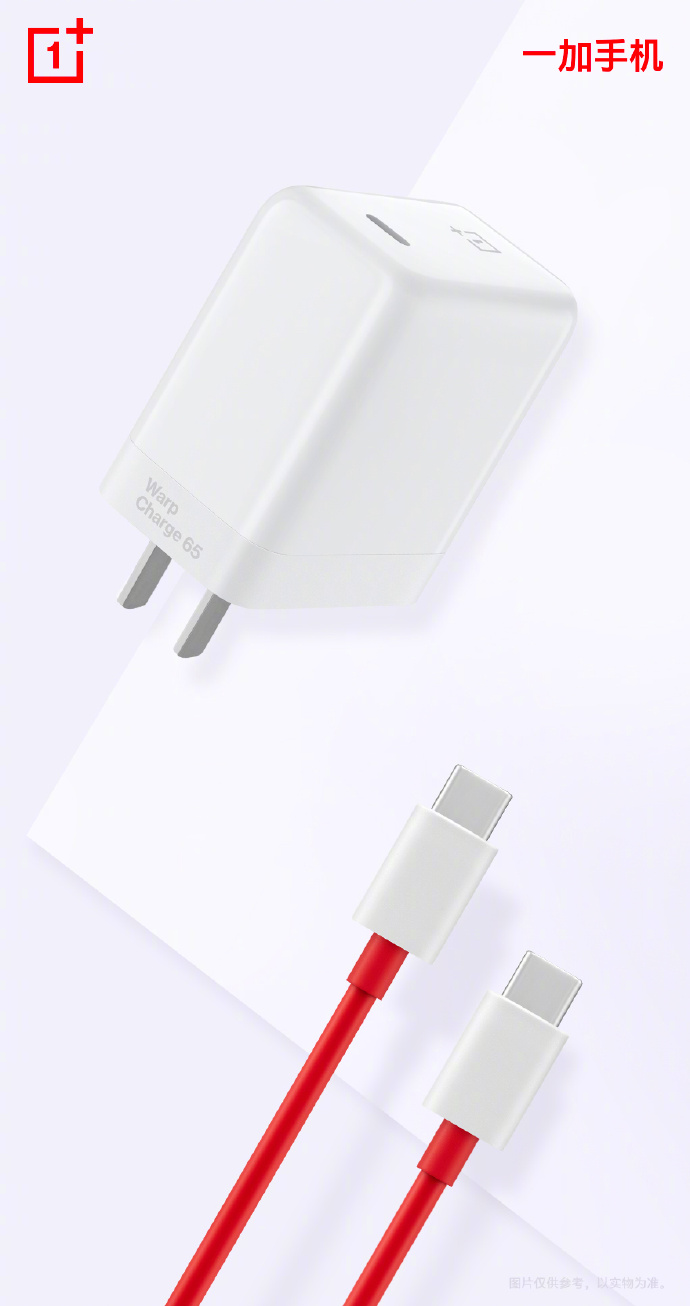
The image which was posted on Weibo confirms the fast charging technology will be officially called Warp Charge 65. The charger has rounded corners and appears to be slightly bigger than the Warp Charge 30T power brick.
As previously revealed, the power brick has a USB-C port, ditching the USB-A port of the previous models. The image also shows the USB-C to USB-C charging cable that will ship with the OnePlus 8T.
While the power brick will charge the OnePlus 8T at 65W, allowing users to charge the phone’s 4500mAh battery from empty to 58% in 15 minutes, and a full charge in just 39 minutes; it also supports other charging protocols. OnePlus says it is not only backward compatible with previous Warp Charge technologies, but it also supports 45W Power Delivery, making it suitable for use with compatible devices such as the MacBook Pro and the Dell XPS 13.
If you are concerned about safety, OnePlus says the Warp Charge 65 power brick has a built-in encryption chip. There is also an encryption chip in the cable and 12 temperature sensors inside the phone. The OnePlus 8T also has a new heat dissipation system to keep the temperature at a safe level.
While the power brick will be bundled with the OnePlus 8T, we expect it to be available for purchase separately for those who want a spare or want to get it for their other devices.
The OnePlus 8T launches on October 14 in India and on October 15 in China. OnePlus should disclose more details about the charger at the launch event.
At the launch of the Hunter Gaming Laptop series a few weeks ago, Honor also announced the Hunter Battle Armor Backpack. Starting today, you can now purchase the new backpack on Vmall for just ¥499 (~$73).
The Hunter backpack may have been designed for the Hunter Gaming Laptop line but owning Honor’s gaming laptop is not a requirement for purchasing the backpack.
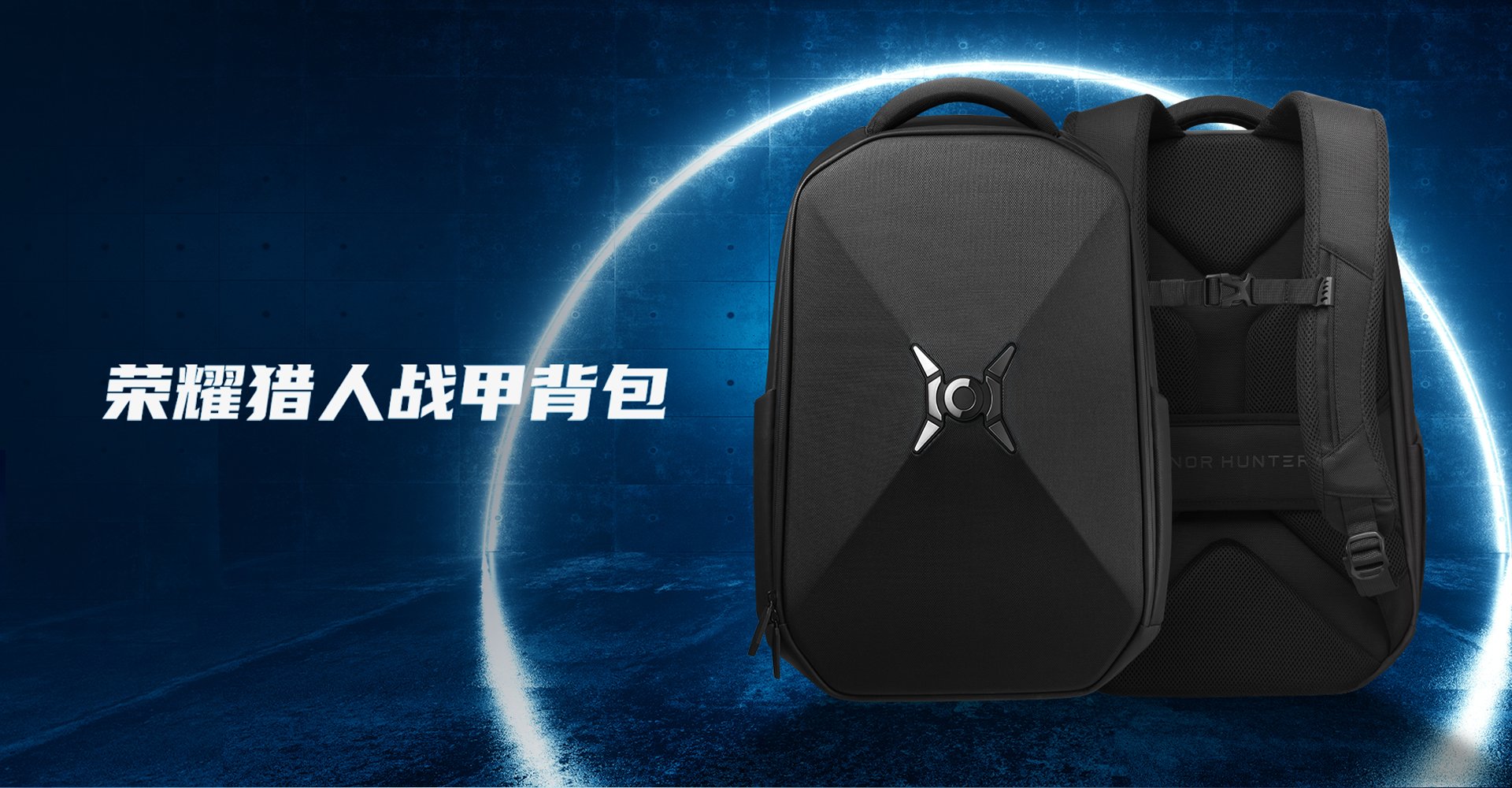
The Hunter Battle Armor Backpack is designed for laptops with screens up to 16-inches in size. It comes in black with the Hunter logo on the back and “Honor Hunter” written on the side. The backpack has a diamond-like design and is covered in a fabric with a honeycomb structure that protects against rain and wind.
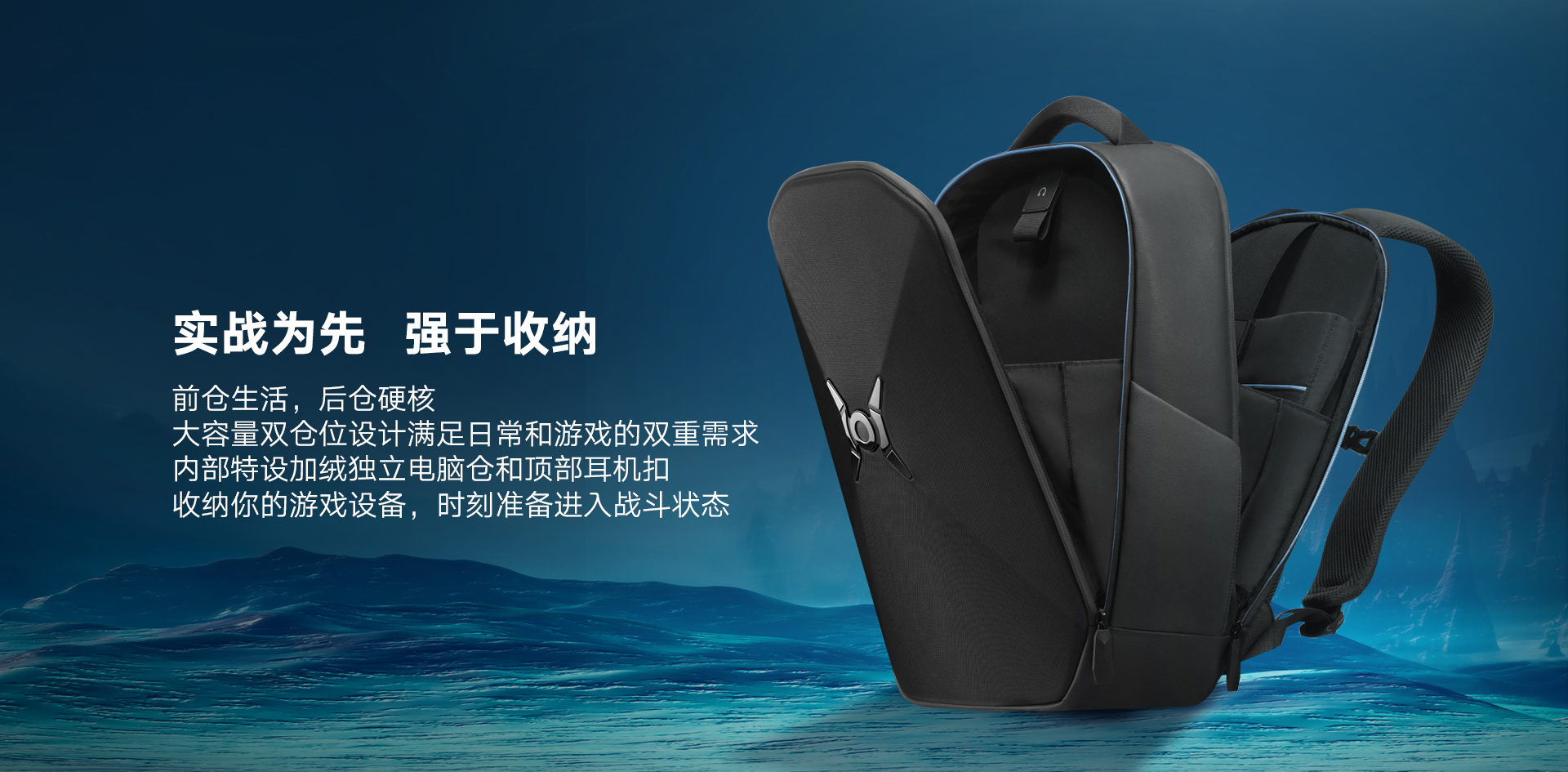
There are two large side pockets for holding bottles and small personal items. The bag has two main compartments, one of which has a dedicated hook for holding your headphones. The arms and back are padded with high-density foam that is up to 2 cm thick. You also have a buckle to connect the arms together.
The Hunter Battle Armor Backpack weighs 1.42 kg and measures 330 x 165 x 480 mm. Honor has not announced the new laptops outside China but when it does, it should bring them along with the backpack.
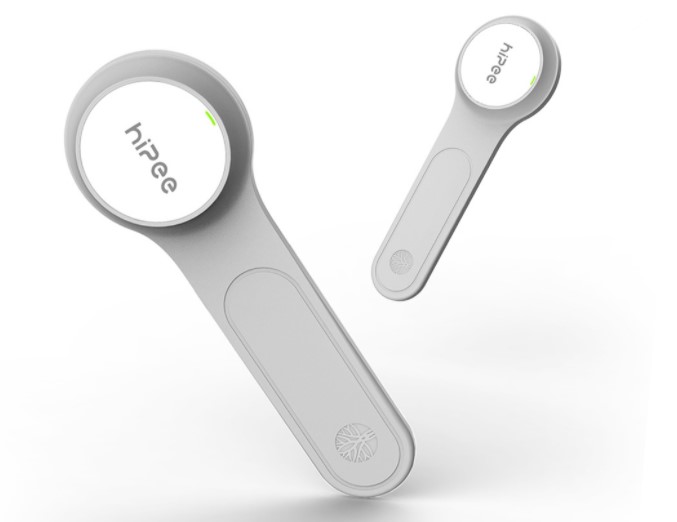
HiPee, one of the companies under Xiaomi’s ecosystem, has a new health product. The HiPee Dynamic ECG Recorder, as it is called, provides 24/7 heart rate monitoring and sends the data to a connected phone.
This is not HiPee’s first ECG product as it announced the HiPee Smart ECG Wizard last year. The new Dynamic ECG Recorder is attached to the chest, just above where your heart is, with a disposable electrode. Male users have to place it at an angle of 45° to their sternum while female users are to place it at an angle of 30° to their sternum. The HiPee Dynamic ECG Recorder is then paired to the user’s phone.
The recorder not only measures heart rate but also provides real-time medical-level ECG monitoring with a professional report. According to the manufacturer, it can detect up to 24 different types of heart problems. If it detects an irregular heartbeat, it notifies the user along with a message to see a doctor. The app also shows other details including the battery level of the device, so you know when it needs to be recharged.
Another feature of the app is support for family access. What this means is that up to two members can access the data from the device from their own devices. This comes in handy if the user is an elderly parent. The app will also notify the selected family members if an issue is detected.
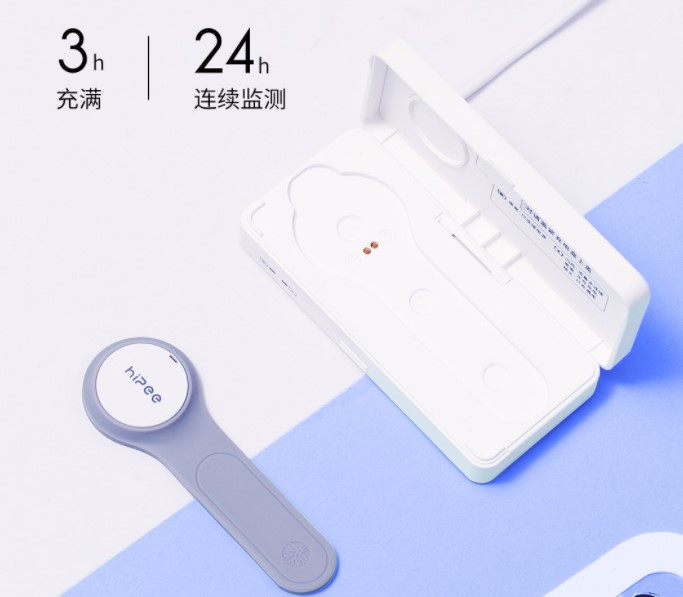
The device comes in a storage box that also doubles as the charger. The box charges via USB-C and comes with cable is included. HiPee says charging the device takes three hours and a full charge should provide 24 hours of use. The ECG recorder has an IPX7 rating, so you do not need to take it off when swimming or taking a shower. It weighs 8.9 grams and is 6.2 millimeters thick. Included in the box are five disposable electrodes.
The HiPee Dynamic ECG Recorder is listed on the Youpin store for crowdfunding for ¥499 (~$73) but will sell for ¥899 (~$132) when it launches. Owners will be able to buy extra electrodes but there is no info on the price yet. The monitor is expected to start shipping before the end of October.
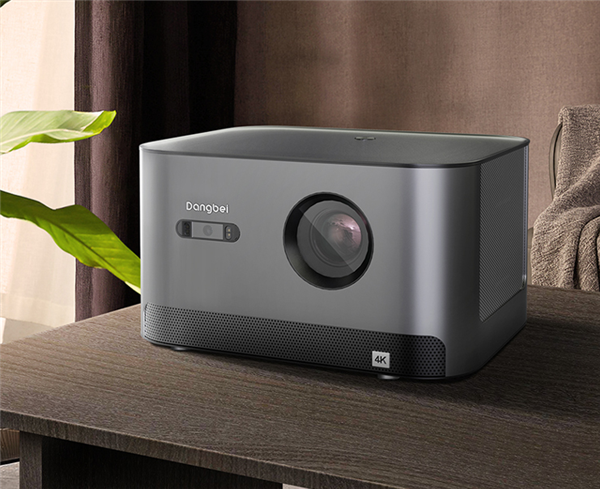
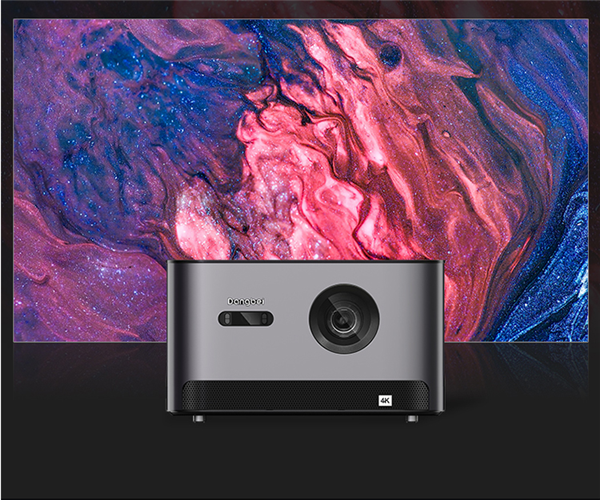
Dangbei has officially launched its first 4K projector dubbed Dangbei K1 Projector. The projector is on presale on JD.com at a price of 6,699 yuan ($1025)and will be on sale on September 29.The 4K resolution lens of Dangbei K1 Projector is composed of 9 special glass lenses . The light transmittance is excellent, the image is stable and not easily deformed. Among them, the low-dispersion lens coating can greatly retain the original color, making the projected 4K image closer to the true color of the movie.
It also supports dynamic HDR + HLG bis decoding technology can enhance screen contrast, full of bright and dark details.
Dangbei said that as a 4K projector, the color accuracy of Dangbei K1 projector is no worse than that of more expensive 4K projector.
The brightness of Dangbei K1 Projector is as high as 1850ANSI lumens, even in the daytime, you can enjoy the high-level and clear picture of the projector, without fear of the light source pressure during the day.
Global MEMC motion compensation, global speed autofocus, global non-inductive automatic keystone correction.
In terms of performance, Dangbei projection K1 uses the MStar6A848 chip, and is also equipped with a 3G RAM + 64GB flash memory super storage combination , which makes the overall use of the machine smooth and non- stuttering, with a larger storage capacity.
Dangbei K1 Projector uses dual independent sound cavity units to create a three-dimensional 3D surround sound effect, carefully adjusted by five-star golden ear acoustic craftsmen to restore the full range of audio and video, and has a more three-dimensional surround sound effect than before.
Right now, you can grab the 12GB+256GB version for $899, $100 off its launch price. Sadly, the 8GB RAM version is down to $799 from $899.
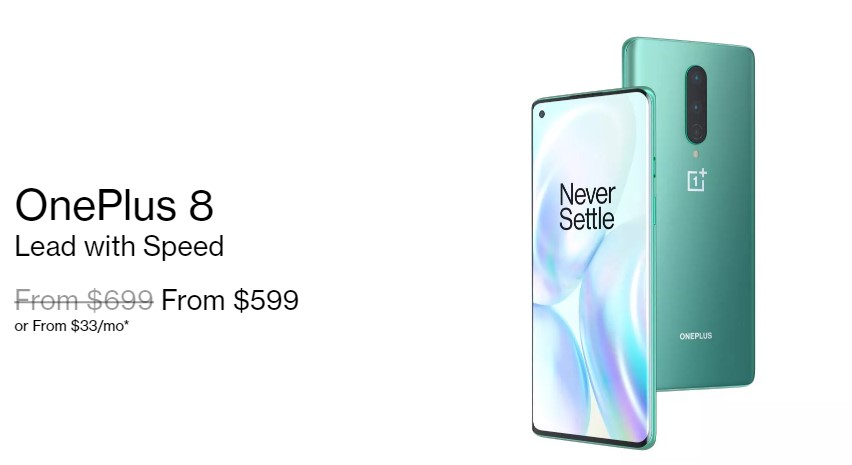
The OnePlus 8 which is $699 for the 8+128GB version is $599 but is only available in Glacial Green. The 12GB+256GB version is now $699 from its $799 launch price. Sadly, the price cuts are not available in India.
The price cut on the OnePlus 8 makes the phone a sweet deal when compared to the Samsung Galaxy S20 FE which is priced at $699 for the 5G version. However, while it has more RAM, Samsung’s new phone has a higher refresh rate, support for wireless charging, a larger battery, support for storage expansion, and better cameras.
The OnePlus 8 series is powered by the Snapdragon 865. Both phones have curved AMOLED displays with high-refresh rates and have punch-holes at the top left corner. Other features are 5G, NFC, Wi-Fi 6, Bluetooth 5.1, quad cameras on the OnePlus 8 Pro, and triple rear cameras on the OnePlus 8. The pro version also has a 4510mAh battery with support for 30W wireless fast charging while the standard version has a 4300mAh battery and supports Warp Charge 30T wired fast charging.
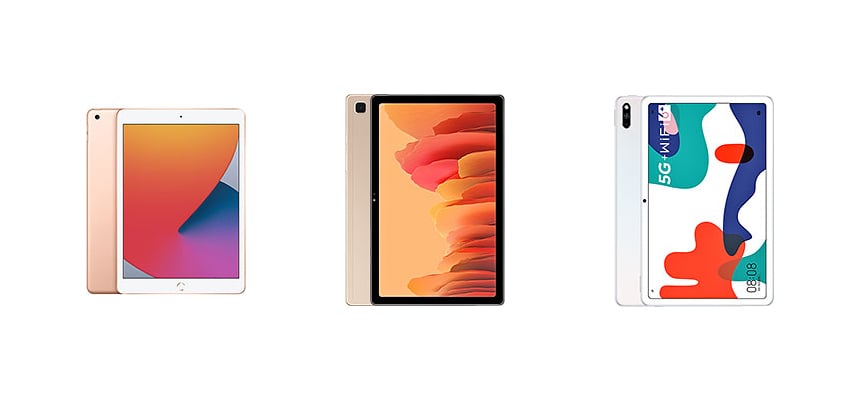
Tablets are trending devices again, thanks to the Covid-19 pandemic and the lockdown periods. And earlier this month, Apple released two new iPads, including the 8th generation of its most affordable iPad. But the most important Android tablets manufacturers released affordable models as well: is it worth spending the money asked for the new iPad 10.2 or you should choose a last-generation Android tablet in the affordable segment? This comparison between the new iPad 10.2, the Samsung Galaxy Tab A7, and the Huawei MatePad 5G will clear your ideas.
Apple iPad 10.2 8th gen vs Samsung Galaxy Tab A7 vs Huawei MatePad 5G
Huawei MatePad 5G
Samsung Galaxy Tab A7
Apple iPad 10.2 8th gen 2020
DIMENSIONS AND WEIGHT
245.2 x 155 x 7.5 mm, 460 g
247.6 x 157.4 x 7 mm, 476 grams
250.6 x 174.1 x 7.5 mm, 490 g
DISPLAY
10.4 inches, 1200 x 2000p (Full HD+), IPS LCD
10.4 inches, 1200 x 2000p (Full HD+), IPS LCD
10.2 inches, 1620 x 2160p (Quad HD+), Retina IPS LCD
PROCESSOR
Huawei Hisilicon Kirin 820 5G, octa-core 2.36 GHz
Qualcomm Snapdragon 662, octa-core 2 GHz
Apple A12 Bionic, hexa-core 2.5 GHz
MEMORY
6 GB RAM, 128 GB – micro SD slot
3 GB RAM, 32 GB – 3 GB RAM, 64 GB – micro SD slot
3 GB RAM, 32 GB – 3 GB RAM, 128 GB
SOFTWARE
Android 10, EMUI
Android 10, One UI
iPadOS 14
CONNECTIVITY
Wi-Fi 802.11 a/b/g/n/ac/ax, Bluetooth 5.1, GPS
Wi-Fi 802.11 a/b/g/n/ac, Bluetooth 5.0, GPS
Wi-Fi 802.11 a/b/g/n/ac, Bluetooth 4.2, GPS
CAMERA
Single 8 MP
8 MP front camera
Single 8 MP
5 MP front camera
Single 8 MP f/2.4
1.2 MP f/2.2 front camera
BATTERY
7250 mAh, fast charging 22.5W
7040 mAh, fast charging
32.4 Wh
ADDITIONAL FEATURES
Pen support, LTE, 5G
Optional LTE
Optional LTE, Pen support
Design
The Apple iPad 10.2 does not have the best design out there. It has a very outdated design, unlike the latest iPad Pro, with thick bezels around the display and Touch ID. Huawei MatePad 5G is the most stunning one because it sports very narrow bezels around the display and a full metal unibody design with great build quality. Samsung Galaxy Tab A7 is the thinnest tablet of the trio and it has narrow bezels as well, but it is made of cheaper materials and it comes with thicker bezels than the Huawei MatePad 5G. That is why the MatePad 5G wins the design comparison.
Display
The most advanced display belongs to the iPad 10.2. Not only it sports a higher resolution, but it also comes with higher overall image quality. The iPad 10.2 has a 4:3 aspect ratio which is actually better for reading, web browsing, and viewing images. On the other hand, the 5:3 aspect ratio of the Samsung Galaxy Tab A7 and the Huawei MatePad 5G is better for video playback. With the iPad 10.2 8th gen, you also get a higher brightness level. Note that iPad 8th gen and Huawei MatePad 5G support the stylus for handwriting and drawing, while the Samsung Galaxy Tab A7 does not.
Hardware/Software
The best tablet in terms of performance is the iPad 10.2 because it sports a more powerful processor: the Apple A13 Bionic which is the same you can find on the iPhone Xs series. The tablet has high-end performances and even a better optimized operating system. iPad OS is also better than Android for productivity thanks to its advanced features. For these reasons, the iPad 10.2 8th gen wins both the hardware and software comparisons. But some people may prefer Android to iOS due to more chances of personalizations. Note that Huawei MatePad 5G is the only one to support 5G.
Camera
You should not focus so much on the cameras while opting for an affordable tablet because you won’t get a great photo quality. These tablets are more or less at the same level, equipped with their 8 MP rear cameras, and they are nothing special. You can only get a sufficient photo quality for emergency shots, nothing more. When it comes to selfies, Huawei MatePad 5G wins thanks to its 8 MP front camera. Instead, if we talk about rear cameras, the iPad 10.2 8th gen is actually more convincing.
Battery
With iPad 8th gen, Samsung Galaxy Tab A7, and Huawei MatePad 5G have satisfying batteries which can last two days with moderate usage. We still can not tell you which one lasts more on a single charge because none had the chance to test all of them thoroughly until now. An important detail is the support of 22.5W fast charging on the Huawei MatePad 5G, which makes charging a lot faster. The Samsung Galaxy Tab A7 should have a shorter battery life than Huawei MatePad 5G if you keep 5G disabled on the MatePad 5G.
Price
The iPad 10.2 8th gen is priced €370/$430, Samsung Galaxy Tab A7 costs just €240/$280, and Huawei MatePad 5G has a €400/$465 listing price. If we exclude 5G support, the iPad 10.2 8th gen wins the comparison thanks to its more advanced hardware department, great display, and more interesting operating system, at least for productivity. Samsung Galaxy Tab A7 is the loser, but it has the highest value for money.
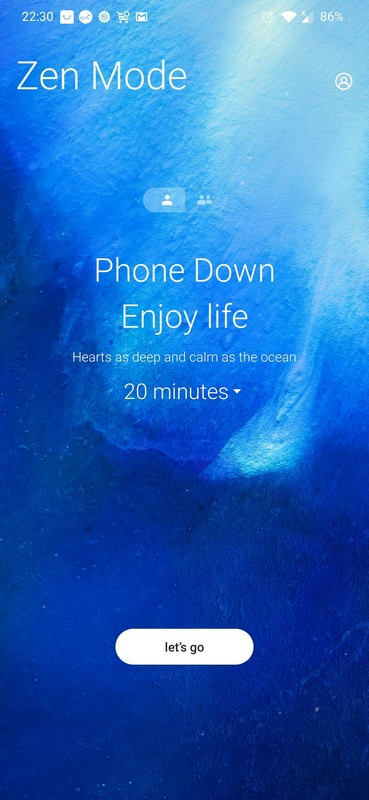
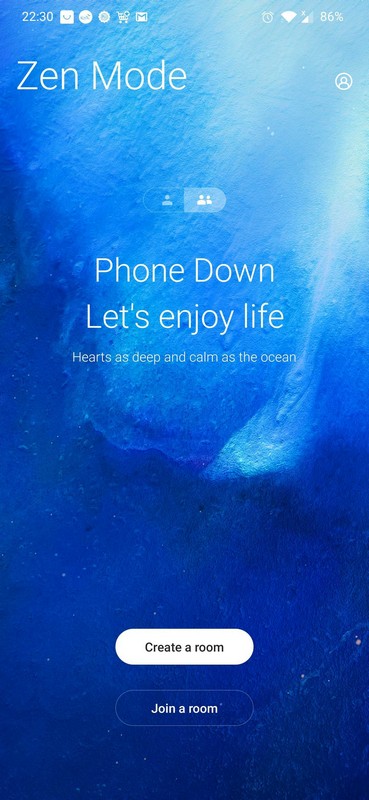
OxygenOS 11 brings a new UI to a number of OnePlus apps including the Zen Mode app. The redesigned app also brings new features and you can try it now if you own a OnePlus phone running Android 10.
The new Zen Mode app has version number 2.0.0.2 and is said to be available on the Play Store already according to XDA-Developers, although we found out it is not available for all. However, the APK is listed on APKMirror, so you can grab it from there and sideload it.
So what’s new? Apart from the redesign, the app now has a multi-person mode that allows you to create or join a room where others are also using Zen Mode and then start a challenge together. Below is the changelog:
Adding a variety of themes to bring you a more immersive meditation experience.
You can create a room and invite your friends to join you to start a focus challenge together.
Record daily Zen moments and review the journey of concentration.
Zen Mode is designed to keep you from being distracted and also to take a break from using your device. Users can choose from 1 minute to 120 minutes during which apps will be locked and notifications will be muted. However, you can still make or receive calls and also use the camera app.
Last month, Huawei announced the MateBook X 2020, a successor to the first model that was launched in 2017. The new notebook is the first windows laptop with a pressure-sensitive trackpad and keeps the lightweight and slim design of the series. A new Huawei laptop has appeared on a benchmark site and it is believed to be a new MateBook X/MateBook X Pro.
The device was spotted on UserBenchmark by the leaker _rogame (@_rogame) and it is revealed to be powered by Intel’s 11th-gen Core i7-1160G7 processor with 16GB of LPDDR4x RAM and 512GB of SSD storage.
[Userbenchmark]
Huawei TigerLake laptop
XXXX EULD-WXX9-PCB > i7-1160G7 > 16GB LPDDR4x 4266MHz > 3:2 screen with resolution of 3000×2000https://t.co/6Eoi31SO0v
The benchmark site reveals the motherboard as XXXX EULD-WXX9-PCB. The computer also has a 3:2 aspect ratio, a 3000 x 2000 resolution, and runs Windows 10.
There are speculations this may be a new MateBook X or MateBook X Pro. The models released this year are powered by 10th-gen Intel processors paired with LPDDR3 RAM. So the benchmarked computer is a big upgrade.
We do not know if Huawei will announce the notebook this year. The MateBook X Pro 2020 was unveiled 7 months ago., so it is not too early for a successor. However, the MateBook X 2020 was launched just last month and may not get a new model until next year.
Oppo has officially entered the South African(SA) market confirming the early reports on its arrival. The company’s Global division has confirmed via a Twitter post. It is expected to launch three Smartphones, the Oppo A72, A53s, and A15 on October 7th in the country.
The teaser video shared on the tweet has nothing but the company’s logo with some animations. However, media in SA seems to have already got (via GSMArena) the review units of Oppo A72 days before the official launch.
And as per publication named Stuff from SA, Oppo will be testing the market by launching three mid-range phones before venturing into flagships. If the reports are true, Oppo will be launching new flagships in the country going forward. That means, the country will get the next iteration of flagship phones in H1 2021 and not the old ones. Also, the report says that the Oppo A72 will be priced at R7000(ZAR- South African Rand) which is about 2793 Chinese yuan.
Moving on, out of the three devices, we already know about the Oppo A72. It is the best of the bunch with better specifications. However, A15 and A53s seems to be new on the list. That said, specifications of A53s quoted on the report suggests that the device might just be a rebadged version of the Oppo A53 that launched recently in India. And this is evident from the company’s official teasers on its SA website. The rear panel of A53s is very similar to the A53 with triple rear cameras and fingerprint sensor in the middle of the back panel. Besides, the website also has also listed the entire specifications of the budget Enco W11 TWS.
The Oppo A15 on the other hand, is still a mystery. But the report says the device will be a lower-midrange device with a 6.5-inch HD+ display, a triple-camera on the rear panel, and a 4,230mAh battery. Nevertheless, we are sure to get more details as we approach the launch.
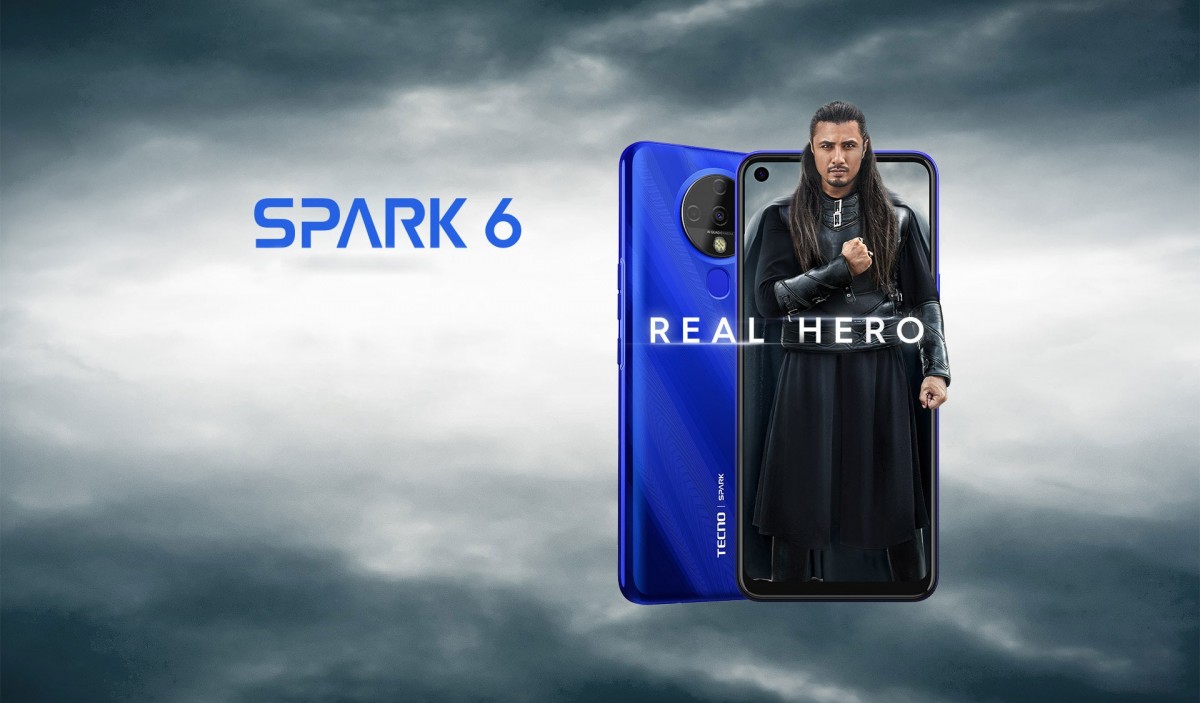
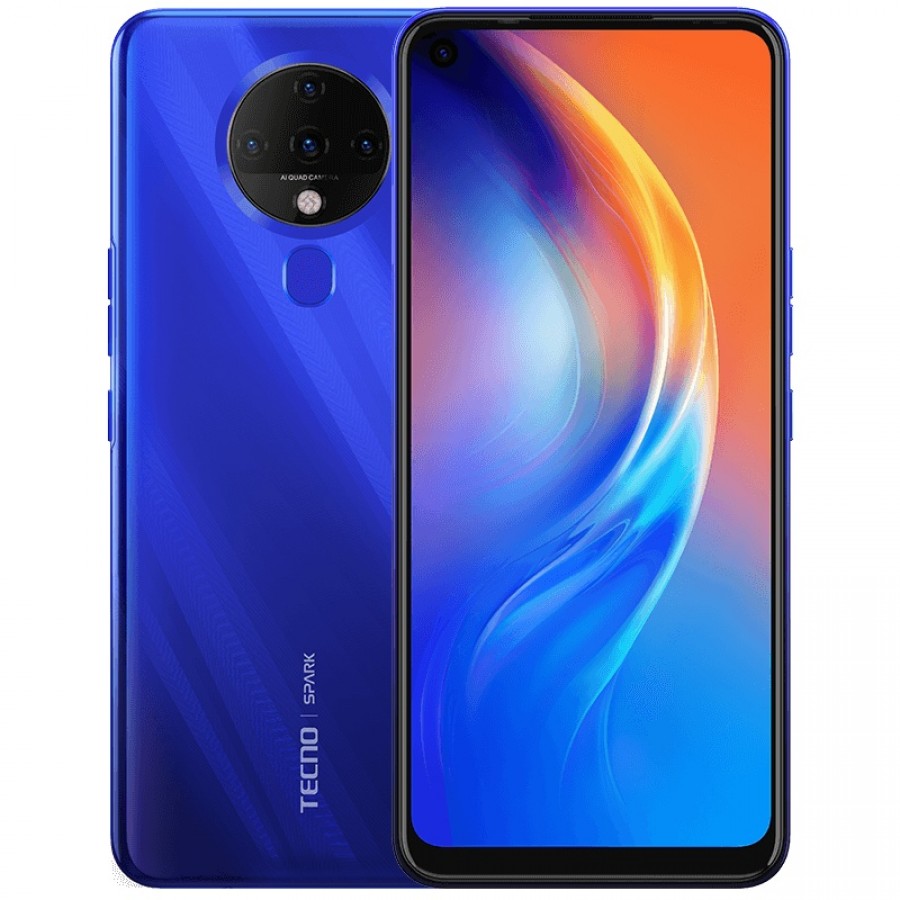
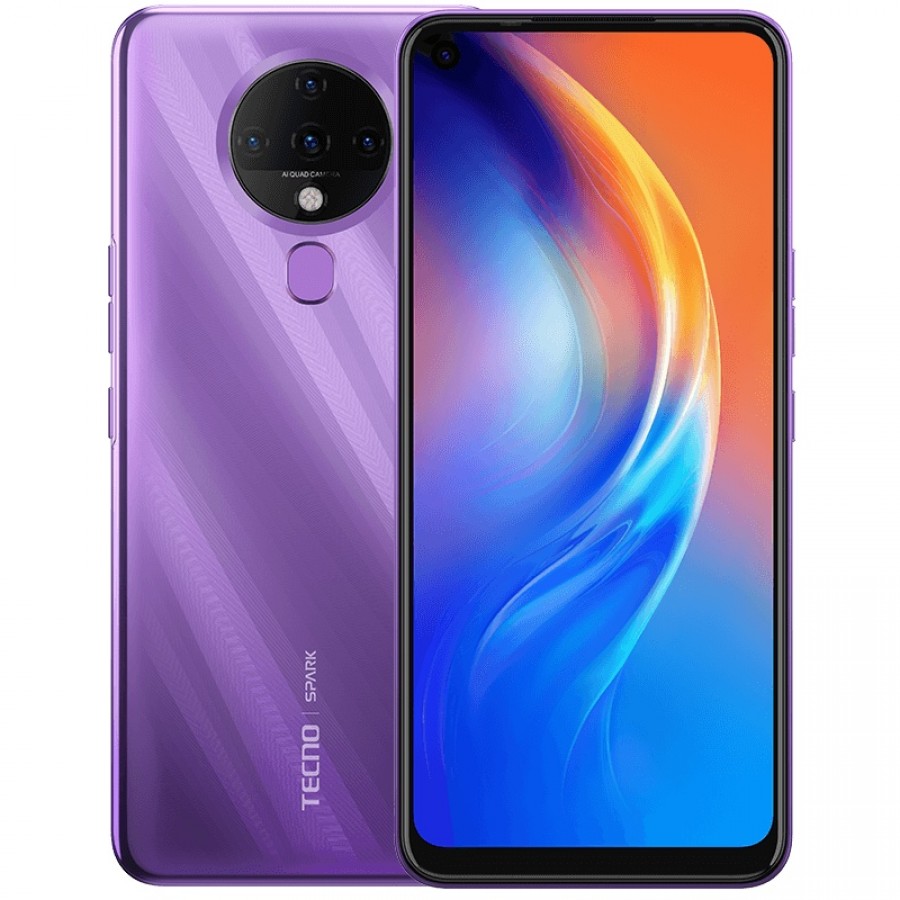
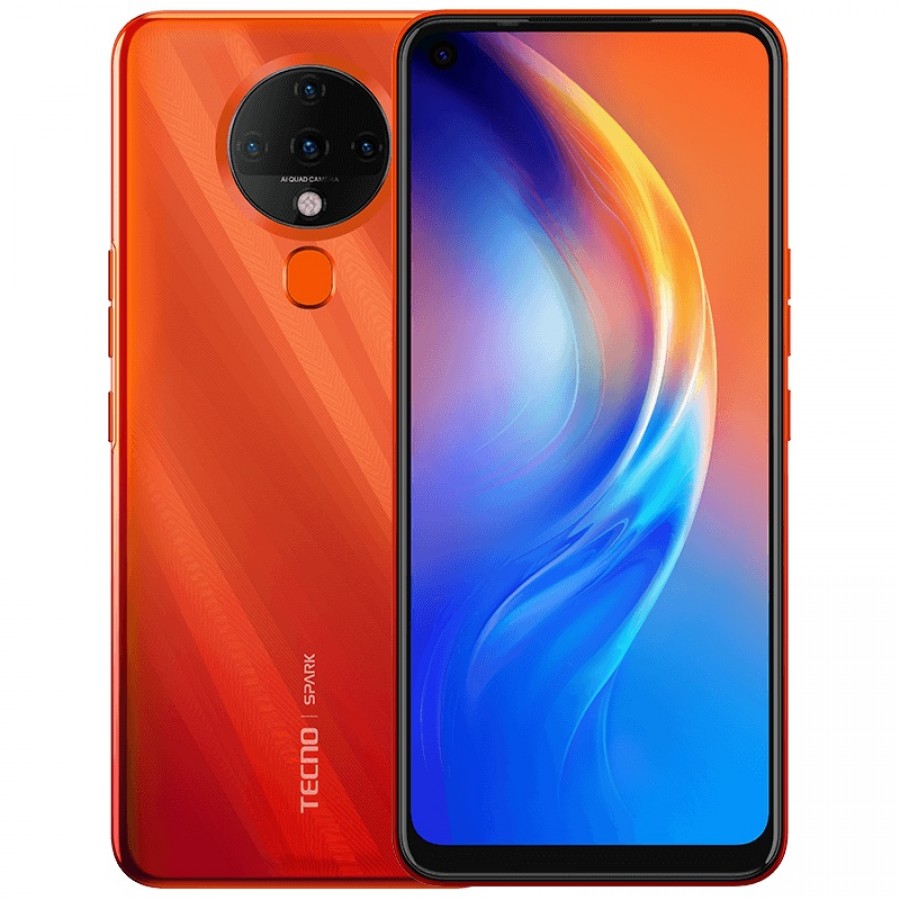
A couple of days back, Tecno officially announced the Spark 6 Air smartphone in India. The company is now expanded the Spark 6 series with the launch of the Spark 6 in Pakistan.
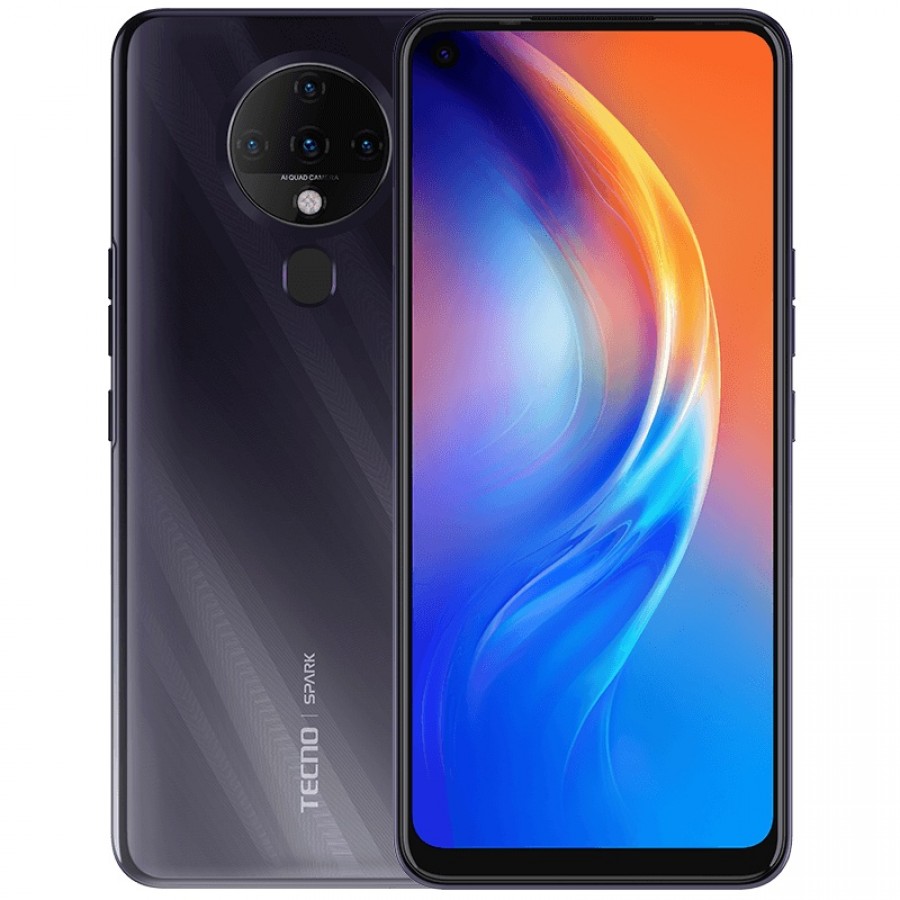
Tecno Spark 6 is budget model but comes with several upgrades over the Spark 5 which itself was launched in May this year. One of the upgrades is a larger 6.8-inch HD+ LCD display which adopts a punch-hole design housing an 8MP selfie camera. The display has a 20.5:9 aspect ratio.
The Spark 6 is powered by a MediaTek Helio G70 chipset paired with 4GB of RAM while there is 64GB of storage onboard. There is equally a MicroSD slot for expanding the storage.
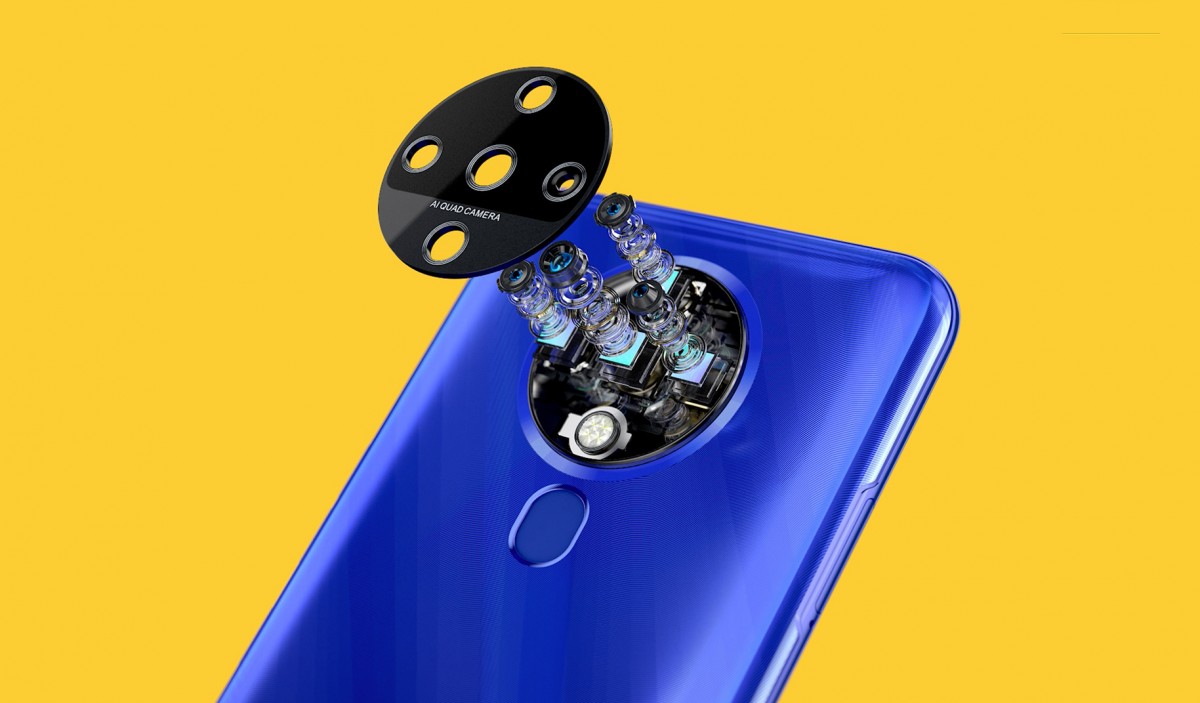
For photography, the device packs an improved 16MP primary camera as well as several cameras, audio and software tricks. The camera setup is a Quad sensor setup which has the 16MP sensor as the main camera coupled with a 2MP macro, 2MP depth sensor and 2MP sensor for AI scenes
1 of 4
Providing the interface is an Android 10-based HiOS 7.0 while keeping the lights on is a 5,000mAh battery. The phone also comes with Bluetooth Audio Share which allows it to connect up to 3 Bluetooth sources simultaneously.
The Tecno Spark 6 is available in black, blue, purple and orange colors. Pakistan is the first market that the device will grace and it is on offer for PKR 20,599 ($125).
DxOMark, the review lab known for its reviews of smartphone cameras and audios has explained why there has been a delay in phone reviews. The last camera review it posted was back more than a month ago and it was for the Mi 10 Ultra.
According to a tweet posted by the official DxOMark Twitter account, they are making changes to their test protocols and this has led to them having to postpone several of their reviews.
UPDATE: We’re making some exciting changes to our test protocols, and have postponed several of our #DXOMARK reviews while we do so. We know you’re anxious for new scores, which will be here in late October. Stay tuned for more info.
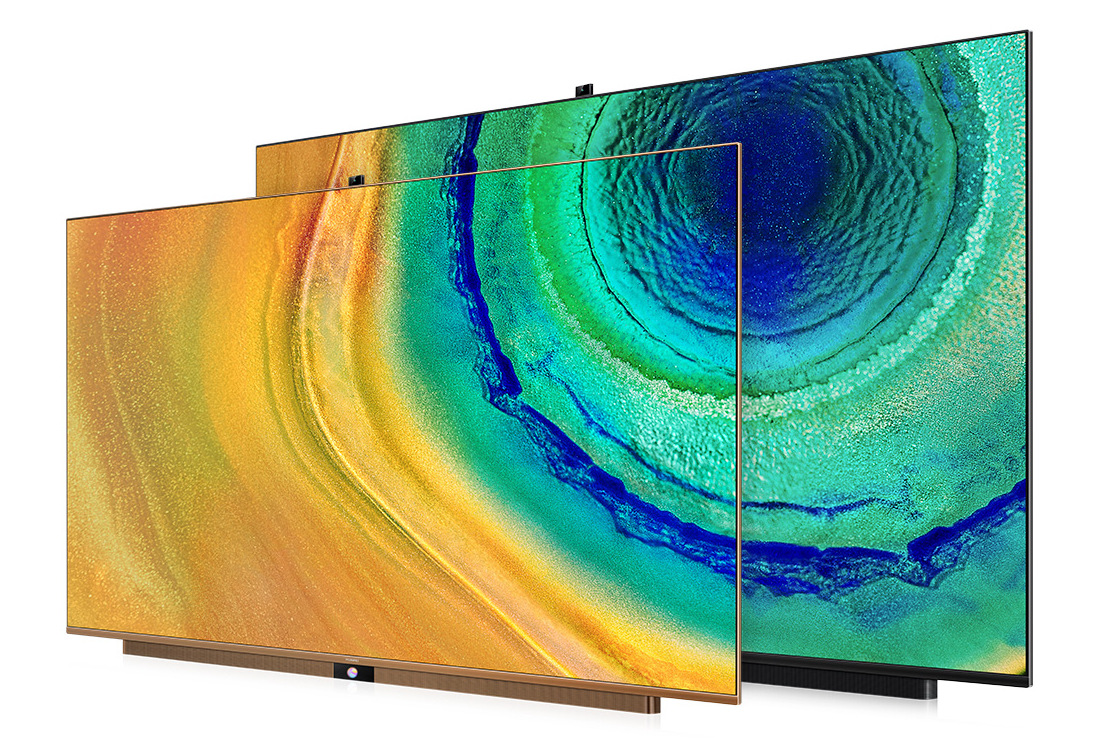
Huawei unveiled the HarmonyOS 2.0 at the company’s Developer’s Conference 2020. The company is spearheading a separate ecosystem and aims to power all of its products with the HarmonyOS (HongMeng OS in China) after the tussle with the US. Now, a report says that a beta version of HarmonyOS 2.0 will arrive as early as December 2020. And it will reach a few devices like the Smart screens first, and Smartphones by January/February 2021.
Smartphones to get HarmonyOS 2.0 by January/February 2021
President of Huawei Consumer BG Software Development, Wang Chenglu has given an interview to Tencent’s Deep Web. He has said (via ithome) that Huawei plans to roll out a beta version of HarmonyOS 2.0 by December exclusively for developers. That said, after initial testing, HarmonyOS 2.0 beta will be available for few smartphones by February 2021.
With this, it is confirmed that Smartphones will get it as early as Q1 of 2021. Besides, the testing will continue for several months before the final rollout. This suggests that the initial build could be a closed beta and in our guess, Huawei’s flagship P series might be the first smartphones to get it but that isn’t confirmed yet. And going by the company’s vision, HarmonyOS is projected as an infrastructure to get deep into the roots of smart IoT devices including Smart TVs as well.
Emphasis on Huawei Smart screen
Accordingly, President of Consumer Business IoT, Zhi Hao has said that Huawei Smart screens will be the first to get HarmonyOS 2.0. Previously, Huawei debuted the Smart screen Huawei Vision, its first TV with HarmonyOS last year. One year later, Zhi has told today that the company will soon launch a new series by end of 2020.
Considering the company is emphasizing more on Smart screen and its importance in completing the 1+8+N strategy, we can expect many models including the flagship X65, v55i to receive the new version.
Coming back, Wang also revealed a few interesting titbits about HarmonyOS. He says the word “HongMeng” comes from “Shan Hai Jing”. For the unware, Shan Hai Jing, a classical Chinese text, is a compilation of geography, the culture of Pre-Qin China. It also has a collection of Chinese mythologies. Furthermore, Wang said the project started as early as 2012 and by May 2018, Kernel 1.0 completed verification.
Despite being ready for smartphones, Wang says the reason for not launching it earlier is the lack of ecosystem and partnership with Google. But that is toast now with Google already stopped GMS support for Huawei. Also, He says that HongMeng OS was developed way before the chaos and it accelerated after the US ban.
The Motorola Razr 5G was announced in China a few weeks ago and on the first day of sale, it was sold out in just two minutes. Now, Motorola is planning to announce a special edition of the foldable smartphone made in collaboration with Montblanc.
Montblanc is a German luxury goods manufacturer. The Hamburg-based company makes a number of products including fountain pens, watches, bags, and even headphones.
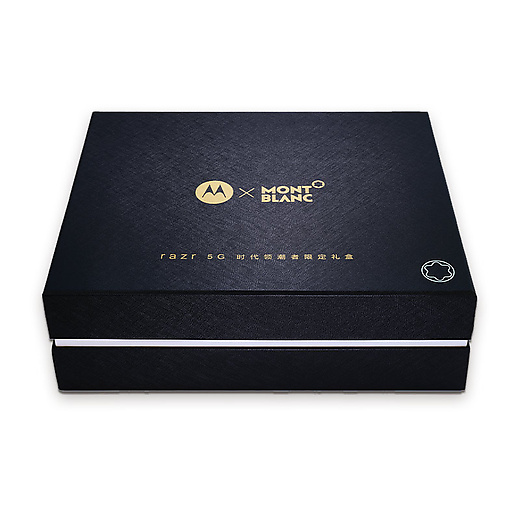
Lenovo has a listing on its Chinese website for the Motorola Razr 5G Montblanc special edition but it doesn’t reveal any details save for an image of the retail box. The box is quite large and has Motorola and Montblanc’s logo on top. We expect this special edition will most likely feature a custom version of the smartphone along with some luxury items from Montblanc.
The regular version of the Moto Razr 5G is ¥12,499, so this special edition should sell for a higher price tag.
The Motorola Razr 5G has an inner 6.2-inch flexible AMOLED display with an 876 x 2142 resolution. There is a smaller display that measures 2.7-inches on the outside of the phone. Under the hood is a Snapdragon 765G processor with 8GB of RAM and 256GB of storage.
The phone has a 48MP f/1.7 primary camera and a 20MP f/2.2 selfie camera that is positioned above the main display. The Razr 5G also has a 2800mAh battery with support for fast charging, NFC, Bluetooth 5.1, and a rear-mounted fingerprint scanner. It runs Android 10 out of the box.
At the beginning of the month, Realme announced the Realme 7 and Realme 7 Pro in India. A few weeks later, the Realme 7i was launched in Indonesia. Now, it has been reported that the series will be making its way to Europe, and ahead of the launch, the possible price range for the phones have been leaked.
The Realme 7 will launch in two color variants and two configurations in Europe. The colors are Mist Blue and Mist White, same as the ones sold in India; and buyers will be able to choose between having 6GB RAM with 64GB of storage and 8GB RAM with 128GB of storage.
#realme7series with NFC support will soon launch across European countries.#realme7 -Mist Blue, Mist White -6GB+64GB: €200 – €230 •8GB+128GB: €240 – €270#realme7Pro -Mirror Blue, Mirror Silver •8GB+128GB: €290 – €320 pic.twitter.com/neR8GoGzl0
The source, Sudhanshu Ambhore, says the 6GB RAM version will be priced between €200 and €230 while the 8GB RAM version will sell for between €240 and €270.
The Realme 7 Pro will be available in a single configuration – 8GB RAM + 128GB – with the option to choose between Mirror Blue and Mirror Silver color variants. The price tag is expected to be between €290 and €320.
The Realme 7 and Realme 7 Pro both have punch-hole displays but the latter is an AMOLED screen with a 60Hz refresh rate while the former has a 90Hz LCD panel. The standard version is powered by the Helio G95 while the Realme 7 Pro has a Snapdragon 720G processor. Both phones have 64MP quad rear cameras and 16MP selfie cameras.
Realme ships the Realme 7 with a 5000mAh battery with support for 30W fast charging while the Realme 7 Pro has a 4500mAh battery with support for 65W fast charging. Unlike the variants sold in India, the version heading to Europe will have NFC.
Realme Europe is yet to announce a launch date for the phones in Europe but we expect them to land in the old continent in the first week of October.
Google announced the launched date of the new Pixel devices a few days back. The invite had mention of smart speakers, Google Pixel devices(Pixel 4a 5G, Pixel 5 5G). And, now a tip reveals that the devices might only be available for pre-orders on the said September 30 but shipping will start a few weeks later.
The latest leak comes from tipster Jon Prosser(via GSMArena). He has already tipped the launch of Pixel 4a multiple times. The 4G device, however, jumped several dates before the final reveal on August 3. Now, he says that the Pixel 4a 5G and 5 5G will be up for pre-orders on the same day(September 30) as the event. However, Pixel 5, and 4a 5G will start shipping only from October 15, and November 19 respectively.
Pixel 5 5G (Just Black & Subtle Sage) – Preorder: Sep 30 – Launch: October 15
Further, Jon gives a final word before the announcement about the color variants too. He says the Pixel 5 5G will be available in Just Black and Subtle Sage colors. For those who are wondering, Sage resembles the Sage leaves. It is a quaternary color which is a mix of Citron(orange-green pigment) and Slate(Grey).
Jon also says that Google will bring the Just Black variant of the Pixel 4a 5G in November and the Clearly White color is delayed to 2021. He adds that there are also chances of the White variant getting canceled as a whole. While this is contrary to the early reports, it is not surprising as its 4G sibling also has only the Just Black variant.
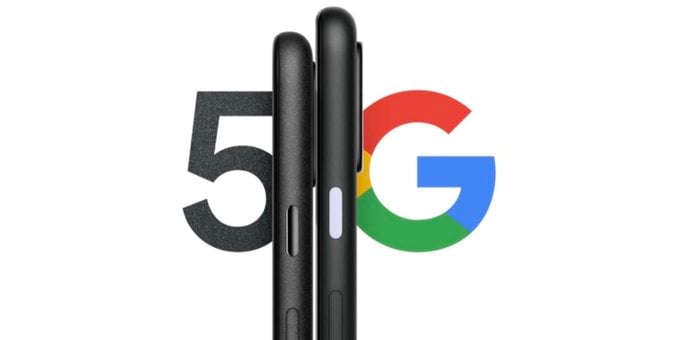
Google went ahead and announced the Pixel 4a 5G and 5 during the 4a launch. It didn’t disclose anything but a teaser image and price of 4a 5G. However, thanks to various leaks, we already know the entire specifications.
That said, the delay in shipments can attribute to various factors amidst a pandemic. Also, considering the Pixel 4a launched just a month ago, it makes sense for Google to push the Pixel 5 first rather than the 5G variant of 4a. Regarding the price, tipster Jon and Evan leaks have said that Pixel 5 will be priced at $699 for the 128GB variant, while Google has already confirmed that Pixel 4a 5G will start at $499.
We use cookies on our website to give you the most relevant experience by remembering your preferences and repeat visits. By clicking “Accept”, you consent to the use of ALL the cookies.
This website uses cookies to improve your experience while you navigate through the website. Out of these, the cookies that are categorized as necessary are stored on your browser as they are essential for the working of basic functionalities of the website. We also use third-party cookies that help us analyze and understand how you use this website. These cookies will be stored in your browser only with your consent. You also have the option to opt-out of these cookies. But opting out of some of these cookies may affect your browsing experience.
Necessary cookies are absolutely essential for the website to function properly. This category only includes cookies that ensures basic functionalities and security features of the website. These cookies do not store any personal information.
Any cookies that may not be particularly necessary for the website to function and is used specifically to collect user personal data via analytics, ads, other embedded contents are termed as non-necessary cookies. It is mandatory to procure user consent prior to running these cookies on your website.