Tecno Mobile has announced its Tyohar campaign for the 2025 festive season. According to details shared by the brand, the celebration will run between September 22 and October 31, offering consumers special discounts and rewards on select smartphones. The company is also partnering with Flipkart during its Big Billion Days sale to expand the festive benefits for buyers across India.
Tecno India announces Tyohar campaign
Teno kicks off Tyohar campaign in India
As part of the Tyohar campaign, Tecno is highlighting three models from its Pova family. The Pova Slim 5G is just 5.95mm thin yet carries a 5160mAh battery, paired with a 144Hz 1.5K 3D curved AMOLED screen and dynamic lighting design. Currently, the device is priced at Rs 19,999.
Priced at Rs 15,999, the Tecno Pova Curve 5G offers a 6.78-inch 144Hz curved AMOLED display, MediaTek Dimensity 7300 Ultimate chip, and a 64MP Sony IMX682 rear camera.
Meanwhile, the Pova 7 5G series features a 6000mAh battery with 45W charging, an intelligent light interface that responds to notifications, and an upgraded D7300 processor.
Every Tecno smartphone purchase during the company’s Tyohar campaign will qualify for a lucky draw. Prizes include the 2025 Mahindra BE 6, gold vouchers (1g and 0.5g), extended warranties of 3, 6, and 12 months, and one-time screen replacement protection for 3 or 6 months.
Flipkart Big Billion Days tie-up
From September 22, the Pova 7 5G series will be available at reduced prices during Flipkart’s Big Billion Days. The Pova 7 (8GB+128GB) drops from Rs 14,999 to Rs 11,499, while the Pova 7 Pro (8GB+256GB) goes from Rs 19,999 to Rs 16,499. With this partnership, Tecno is combining festival cheer with discounted pricing, offering consumers both value and rewards.
For more daily updates, please visit our News Section.
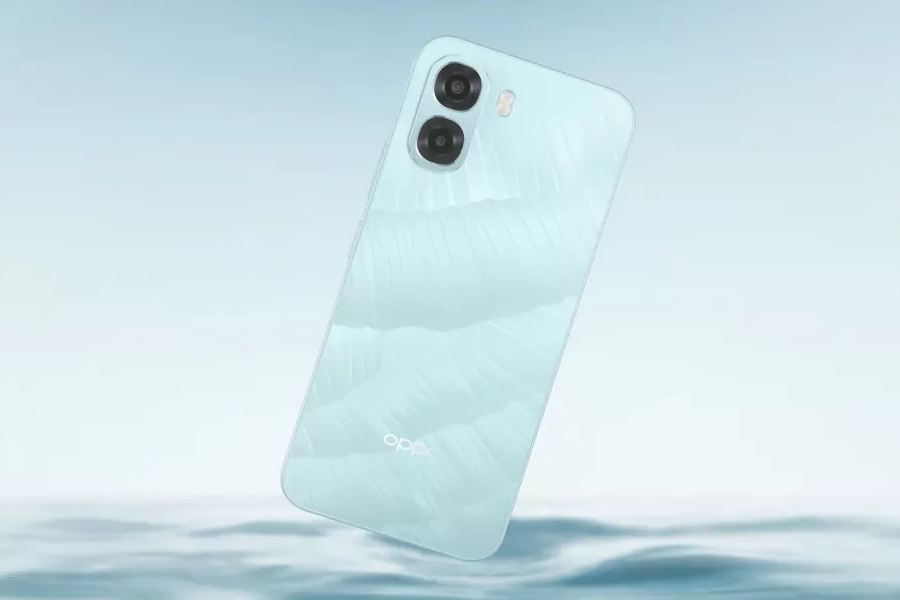
OPPO has begun rolling out the September 2025 update for ColorOS, introducing a range of new features and improvements. The update highlights efficiency, privacy, and overall system stability, with availability staggered across supported devices through September 30.
The headline addition is Map Album, a feature that allows users to view photos by their map locations. Powered by Google Maps, it provides a more visual way of organizing and recalling where specific images were taken.
ColorOS also expands on privacy controls. Users can now change their privacy password on secondary pages within Private Safe as well as in locked photo albums. Additionally, photos moved from the Private album back to public will now return to their original locations, making them easier to find.
For digital wellbeing, the update enhances Phone Manager, enabling users to track both daily and weekly screen time within app management.
Several refinements aim to improve usability. The IR Remote now features an improved layout for control panel buttons. Meanwhile, Live Alerts and notifications benefit from smoother animations when accessed on a locked screen. System stability has also been further optimized.
Rollout and Compatibility
The update is rolling out in phases from September 8 to September 30, and not all users will receive it immediately. Eligible devices include:
As with previous rollouts, timelines may vary by device and region. OPPO notes that upgrade notifications will be delivered gradually to ensure stability across models.
In other news,
Oppo will introduce ColorOS 16 at a launch event in Shenzhen on October 15, 2025, alongside its annual Developer Conference (ODC). The event will cover Oppo’s AI plans and include ten sub-forums, six exhibition areas, and an “inspirational street.”
ColorOS 16 will add a Liquid Glass UI with translucent design elements and animations. Other changes include performance improvements, a full-screen Always-On Display, updated lock screen widgets, more customization options, a redesigned Photos app, and system-level optimizations for smoother use.
For more daily updates, please visit our News Section.
It was reported at the beginning of this year that HMD Global had discontinued all Nokia-branded smartphones. Now, a new report by PTI reveals that Nokia has agreed to extend its licensing deal with HMD Global for several more years. While HMD Global will not be selling Nokia-branded smartphones, it will continue offering Nokia feature phones. Sources familiar with the matter said the extension will take the arrangement beyond the original expiry date of 2026. Both companies have not commented publicly on the development.
India remains the biggest market for Nokia feature phones
According to the report, HMD Global produces Nokia feature phones in India and China, with India serving as the largest market. The country not only absorbs the highest demand but also acts as an export hub for Nokia-branded devices.
Market data from IDC shows HMD dominates India’s feature phone landscape, with a 22.4 percent share by volume and about 30.7 percent by value. Shipments of feature phones in the country reached nearly 54 million units in 2024, underscoring the scale of demand that sustains Nokia’s presence.
For Nokia, extending the agreement secures its brand relevance in a segment it once defined worldwide. For HMD, the continued access to Nokia branding strengthens its presence in rural and urban markets where the name still resonates deeply.
Sources added that HMD’s future strategy involves expanding into HMD-branded smartphones, tablets, and potential collaborations with other companies, reducing its reliance on Nokia while continuing to build on the heritage of the brand. The extension effectively allows both companies to maintain operational stability in a market that remains central to global feature phone sales.
For more daily updates, please visit our News Section.
Creality has earned its reputation as a global leader in 3D printing and digital manufacturing solutions. Over the years, it has focused on making creative technology more accessible to hobbyists, DIY makers, and professionals. Under its Falcon sub-brand, the company has introduced a range of high-performance laser engravers designed for precision and reliability. The Falcon A1 Pro continues this legacy by combining advanced automation with professional-grade performance.
Falcon A1 Pro
The Falcon A1 Pro is an evolution of the already popular Falcon A1. Built around the idea of “Go Pro. Go Smart. Go Earn,” the new model pushes boundaries in speed, versatility, and control. Whether for creative hobbies, professional projects, or small business use, the Falcon A1 Pro offers the power and intelligence needed for high-quality results.
Key Features:
Laser Power
The engraver is equipped with a 20W laser, allowing it to engrave and cut across more than 350 materials, including coated metals and ceramics. For even greater flexibility, an optional 2W IR red laser is available, making it possible to work on dark surfaces and specific plastics that are typically challenging.
Smart Automation
The Falcon A1 Pro integrates smart technology for ease of use. Its AI Autofocus system can achieve perfect focus in under three seconds with ±0.012″ accuracy, even on uneven or curved surfaces. The 4.3-inch smart touchscreen provides a smartphone-like interface to preview designs, reopen past projects, or start work without needing a PC. Remote monitoring is also available through a mobile app, offering features like real-time project control, fire alerts, and time-lapse recording.
Professional Workflow
Designed for efficiency, the A1 Pro delivers engraving speeds up to 600mm/s. Safety is a top priority, with an 8-layer protection system. It also integrates smoothly with Creality’s ecosystem, including compatible materials, rotary attachments, and advanced software, making it suitable for professional use.
Falcon A1 vs Falcon A1 Pro
The Falcon A1 is designed as a beginner-friendly option with simple operation and basic engraving features. In contrast, the Falcon A1 Pro steps up with stronger laser power, faster cutting, and wider material support. It also includes AI Autofocus, a smart camera, touchscreen controls, and mobile app connectivity, making it a more powerful and versatile tool for professionals and entrepreneurs.
Why Choose the Falcon A1 Pro?
The Falcon A1 Pro appeals to a wide audience. For hobbyists, its automation and intelligent features make creative projects simpler and more enjoyable. For professionals, the higher speed, broader material compatibility, and precision deliver results that meet professional standards. Entrepreneurs can also benefit, as the machine enables turning creative ideas into profitable products and services.
Deal and Availability
Creality has launched an Autumn Flash Sale on the Falcon A1 Pro 20W Laser Engraver & Cutter, offering it at just $899, down from the regular price of $1,099. This limited-time deal saves buyers $200 and is available exclusively through the official Creality store, making it the perfect opportunity to grab a professional-grade laser engraver at a more affordable price.
Creality Falcon A1 opened doors to creativity for a broad audience, but the Falcon A1 Pro takes it further. With its blend of intelligence, versatility, and control, it is designed for anyone who wants to elevate their work, whether for personal projects, professional design, or building a business. From custom gifts to functional prototypes, the Falcon A1 Pro sets a new standard in desktop laser engraving for 2025.
Realme is all set to unveil the Realme GT 8 and GT 8 Pro in October in China. Well ahead of the launch, the company has already started teasing the GT 8 Pro. The company claims that, despite being branded as Pro, the device will offer performance comparable to that of Ultra-branded flagships from other brands. Today, the brand released an official teaser to hint at the GT 8 Pro’s unique camera module design. Soon after, well-known tipster Digital Chat Station took to Weibo to share a new image that showcases the GT 8 Pro’s entire back panel.
Realme GT 8 Pro design revealed
Realme GT 8 Pro camera module teaserRealme GT 8 Pro image
As can be seen, the standout change in the Realme GT 8 Pro is the redesigned camera module, which combines two circular lenses with a square-shaped periscope telephoto unit. This design aligns with a recent leak that showed the phone in a concealed case. A recent report claimed that Realme will collaborate with Ricoh for the GT 8 Pro to provide users access to the camera brand’s signature “Negative Film” color style and humanistic photography approach.
According to reports, the Realme GT 8 Pro’s camera setup will include a 50-megapixel primary sensor, an ultra-wide lens, and a 200-megapixel periscope telephoto camera. It is expected to house a 6.78-inch flat OLED screen offering 2K resolution, along with an ultrasonic fingerprint scanner embedded beneath the display. Additional features reportedly include 115E dual master-grade speakers, an X-axis linear motor, and IP68/68 water and dust resistance.
Realme GT 8 Pro Geekbench AI listing spotted
Realme GT 8 Pro Geekbench AI listing
A new Realme device bearing the RMX5210 model number has appeared on Geekbench AI. The inclusion of specs like the Snapdragon 8 Elite Gen 5, 16GB of RAM, and Android 16 suggests that this could be the upcoming Realme GT 8 Pro.
Based on the provided Geekbench AI scores, the upcoming Realme GT 8 Pro (RMX5210) demonstrates very low AI performance. The scores of 320 for Single Precision, 342 for Half Precision, and 678 for Quantized indicate that its AI processing capabilities are significantly below what is expected from an Android flagship. This may not reflect the final performance because these are likely early benchmark scores from what appears to be an unoptimized engineering sample.
For more daily updates, please visit our News Section.
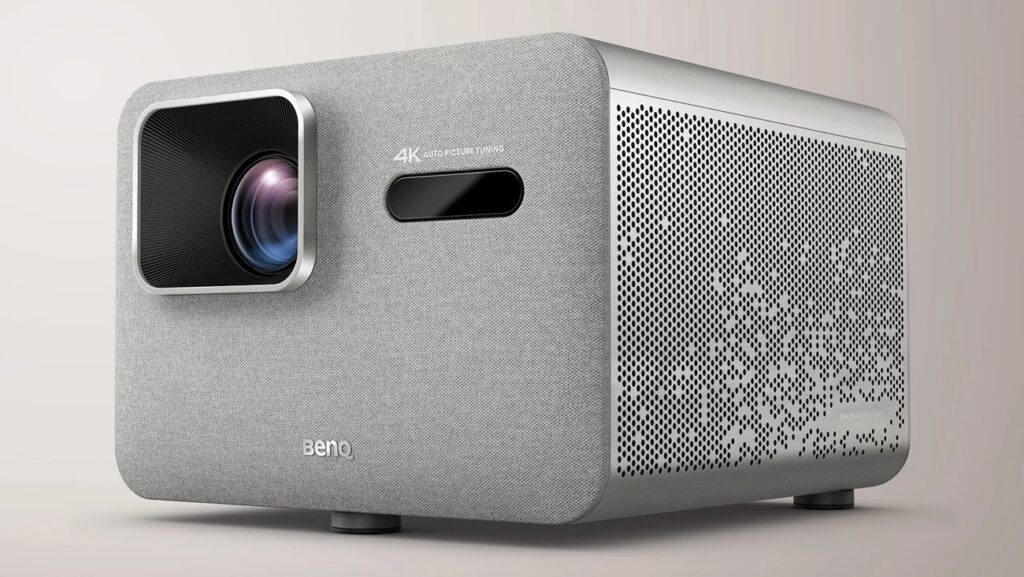
Samsung Display has revealed that the upcoming iQOO 15 will introduce its 2K LEAD OLED screen. It will be the world’s first handset to carry this new generation display technology. Rumors are rife that the said display will be also available on the Galaxy S26 Ultra, which is expected to launch in January 2026.
iQOO 15’s LEAD OLED display officially confirmed
According to Samsung, the LEAD OLED incorporates the company’s latest luminous materials, designed to improve screen clarity and energy efficiency. Compared with previous panels, peak brightness has been raised by 740 percent, while power consumption is down by 44 percent. The lifetime of the luminous material is extended by 50 percent and overall efficiency has improved by 76 percent.
A major shift comes from the removal of the traditional polarizer layer, which increases light transmittance, reduces energy loss, and enhances brightness output. In addition, LEAD technology was awarded “Display of the Year” by the Society for Information Display in 2025. It emphasises low power design, environmentally friendly materials, stronger colour reproduction, and differentiation in design, marking it as a new standard in OLED panels.
The iQOO 15 is the first smartphone to integrate this display, positioning it as a showcase of Samsung’s advanced screen innovations. The companies have previously worked together, but this marks the start of deeper collaboration in visual technologies. iQOO’s upcoming flagship will now combine Samsung’s LEAD OLED with other premium hardware, promising a balance of design, clarity and performance. Pricing in Rs and full specifications will be confirmed at the launch event.
iQOO 15
The iQOO 15 is all set to launch in October in China. It will be a performance-focused smartphone featuring the Snapdragon 8 Elite Gen 5 and a battery of around 7,000mAh capacity with 100W charging support. A recent image released by the brand revealed that it will feature a color–changing back panel.
For more daily updates, please visit our News Section.
Oppo has officially announced the upcoming launch of its Find X9 series on Oct. 16. According to details shared on the company’s official channels, the new flagship lineup, which includes the Find X9 and X9 Pro, will feature refreshed design elements, upgraded imaging, and significant battery improvements.
Oppo Find X9 series key details confirmed
Oppo Find X9Oppo Find X9Oppo Find X9
The Find X9 and Find X9 Pro feature flat displays with extremely narrow symmetrical bezels, available in 6.59-inch and 6.78-inch sizes for comfortable handling. Both devices adopt a velvet sand finish, giving the rear panel a refined texture while retaining a soft grip.
Cold carving technology has been applied to merge the lens module seamlessly with the back, reducing any noticeable junction lines. The display itself introduces a full-scene 1nit eye-care mode, supported across all apps, along with 3840Hz high-frequency PWM dimming for better visual comfort.
The new images shared by the brand have, for the first time, revealed the rear design of the Find X9 series. The company confirmed that the series will be available in the following shades: Velvet Sand Titanium, Velvet Light Titanium, Frost White, and Mist Black.
Oppo Find X9 Pro Oppo Find X9 Pro
On the imaging front, the series integrates a Hasselblad quad camera system, designed within a compact square housing that increases light intake without adding bulk. Powering the series is MediaTek’s Dimensity 9500 platform, built on a 3nm process, featuring a redesigned CPU, G1-Ultra GPU and Imagiq 1190 image processor.
Oppo has also introduced a new Tidal Engine software layer to optimize efficiency and performance across usage scenarios. The Find X9 and X9 Pro are confirmed to pack 7,025mAh and 7,500mAh batteries, respectively. Both phones will have 80W wired and 50W wireless charging support.
Oppo has also confirmed that the Find X9 and Find X9 Pro also soon debut globally. A recent report claimed that the global launch event will be held on Oct. 28.
For more daily updates, please visit our News Section.
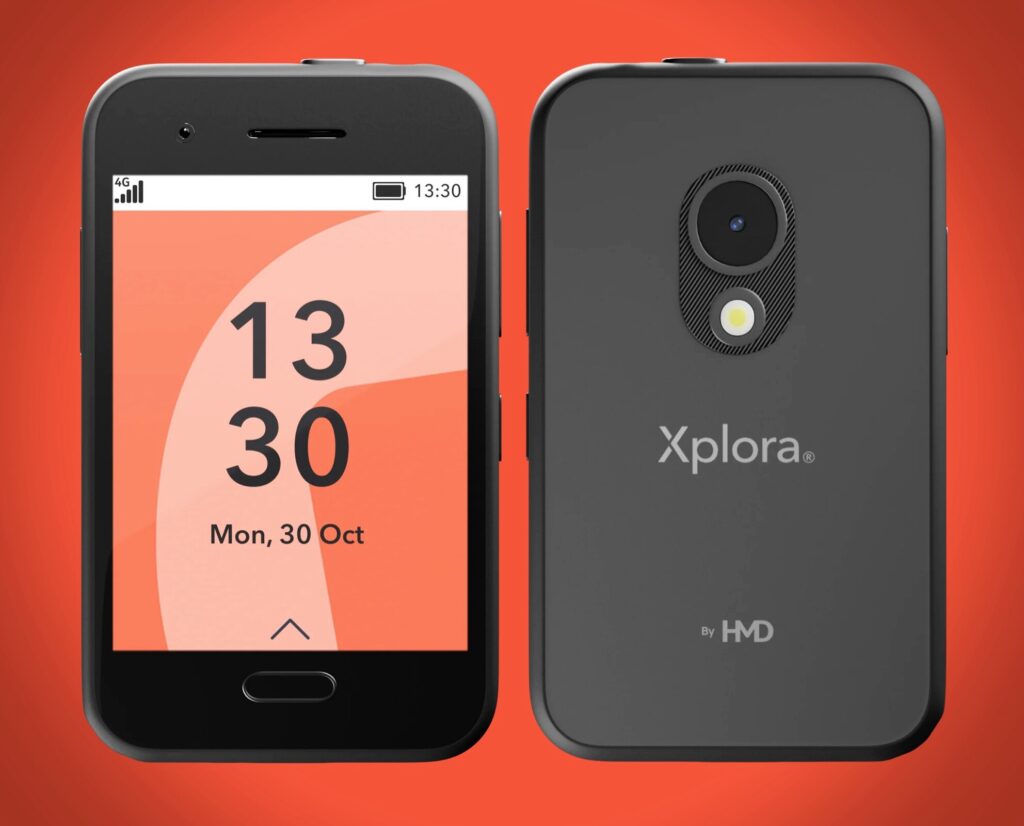
Yesterday, Vivo confirmed that the Vivo X300 series will break cover on Oct. 13 in China. Ahead of the launch, the brand has released official images to confirm the design and color options of the Vivo X300 and X300 Pro. Here’s a look
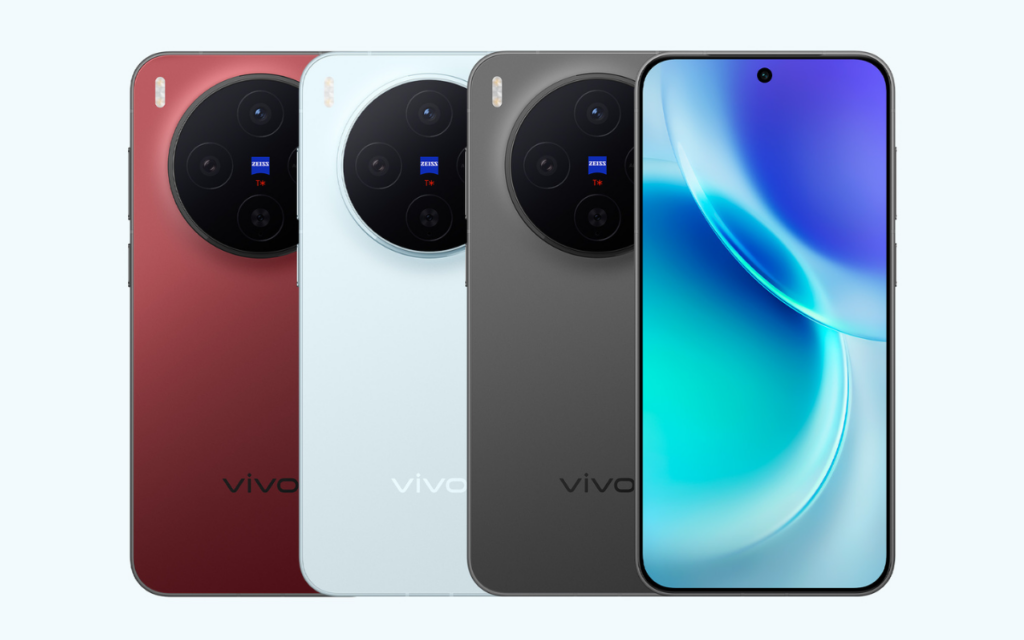
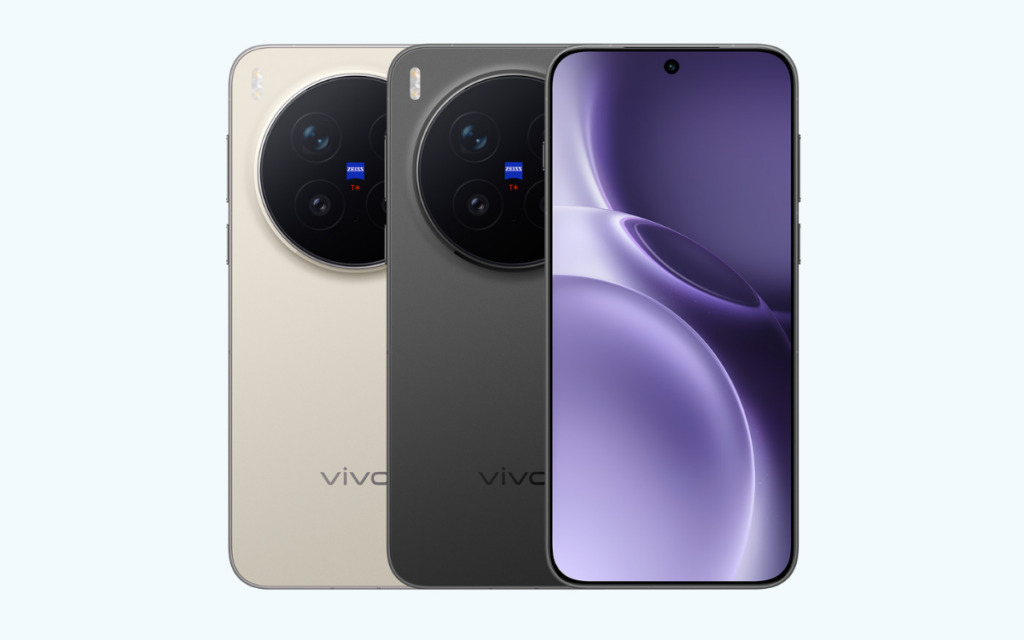
Vivo X300 series color options
Vivo X300 color optionsVivo X300 Pro color options
Vivo has confirmed that the Vivo X300 Pro will be offered in four shades inspired by natural tones: Wilderness Brown, Simple White, Free Blue and Pure Black. All models come with a velvet glass finish combined with a sculpted cold-carving process that enhances grip and comfort.
The X300 Pro features a slim 7.99mm profile and a 6.78-inch flat display with a metal frame designed for a sharper edge feel. In comparison, the standard X300 is slightly smaller at 6.31 inches, 7.95mm thick, and comes in Lucky Color, Cozy Purple, Free Blue and Pure Black. The X300 will also have a velvet glass finish and a metal frame.
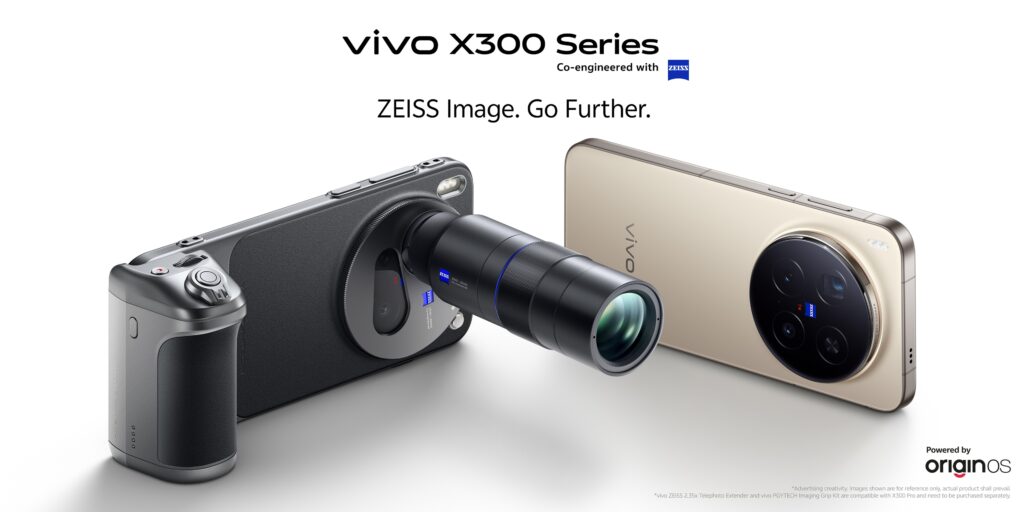
Both X300 and X300 Pro support the Zeiss 2.35x telephoto extender, the same accessory first introduced on the X200 Ultra. This add-on uses a Kepler optical structure with 13 glass elements to deliver a 200mm equivalent focal length at f/2.3 aperture, improving long-distance clarity in concerts and landscapes.
Vivo X300 with 2.35x telephoto extenderVivo X300 Pro with 2.35x telephoto extender
The X300 carries a 200-megapixel Zeiss primary camera paired with a 50-megapixel telephoto module, while the X300 Pro steps up to an 85mm 200-megapixel Zeiss APO telephoto along with a Sony LYT-828 main sensor offering 50 megapixels, f/1.57 aperture and a large 1/1.28-inch size. Powering the series is MediaTek’s Dimensity 9500 chip combined with Vivo’s V3+ imaging processor and OriginOS 6, with launch pricing in Rs to be revealed during the event.
For more daily updates, please visit our News Section.

The Linux phone market has never been crowded, but a new entrant is hoping to make some noise. FuriLabs has announced the FLX1s, a $550 smartphone that ships with the company’s Debian-based FuriOS while leaving room for users to run other operating systems. It’s also designed to support Android apps and can handle virtualization via KVM.
FuriLabs FLX1s Specifications
On the hardware side, the FLX1s isn’t exactly chasing flagship specs. It features a 6.7-inch display with a 1600 x 720 resolution and a 90Hz refresh rate, a step down from the earlier FLX1’s higher-resolution 120Hz panel.
The device includes a 20-megapixel main camera, a 2-megapixel macro lens, and a 13-megapixel selfie shooter. Its body combines a polycarbonate frame with a glass back, weighing in at 201 grams.
What makes the FLX1s stand out is their approach to privacy. The phone has hardware-level privacy switches along the mid frame that cut power directly to the microphone, cameras, and baseband chip.
Inside, the phone runs on a MediaTek Dimensity 900 processor paired with 8GB of RAM and 128GB of storage, expandable via microSD up to 1TB. A 5,000mAh battery powers the device, though charging is limited to wired speeds over USB-C 2.0. Connectivity covers Wi-Fi 6, Bluetooth 5.2, dual SIM, and 5G support across a wide range of bands.
Compared to the original FLX1, the new model scales back in some areas — lower-resolution screen, smaller camera sensor, and no wireless charging — but also trims down size and weight. It’s splash-resistant rather than IP68 rated, and drops the headphone jack, a trade-off for its slimmer profile.
The FLX1s isn’t a phone for an average Android or iOS user. Instead, it’s targeting a niche crowd that values open-source software, multi-OS flexibility, and privacy-first hardware.
You know how Apple has always been that company? The one that does things differently just because they can. For over ten years, they’ve stuck to their guns with premium materials like stainless steel and titanium, kept their software locked down tight, and basically ignored whatever everyone else was doing in the Android world.
The iPhone 17 Pro feels like Apple finally looked around the room and said, “You know what? Maybe those Android folks were onto something.” And honestly? It’s the most exciting thing that’s happened to the iPhone in years.
Design Language
Apple has swapped out polished titanium for a brushed aluminum unibody on the iPhone 17 Pro, bringing its design much closer to Android flagships from OnePlus and Xiaomi. The new aerospace-grade 7000-series aluminum gives the device a matte, textured feel while cutting weight and boosting durability.
The plateau-style rear housing is not just aesthetic. It creates room for a larger battery and thermal chamber. The vapor chamber cooling system handles heat way better during gaming or AI tasks. Android makers have been doing this for years, and Apple is finally catching up.
That Cosmic Orange finish adds some personality to a phone that now feels more about performance than fashion. The iPhone 17 Pro honestly looks and feels like a premium Android device, just with Apple’s usual precision.
Software
iOS 26 delivers the biggest visual shake-up to Apple’s software in years. The new Liquid Glass interface brings translucent, layered looks to app icons and widgets. Both home and lock screens now support motion wallpapers and dynamic layouts that respond to how you use the phone, very similar to Android’s Material You.
The update finally gives users real customization options, including fully transparent app icons. The lock screen clock now adapts around your images, making everything feel more personal and dynamic.
Apple has also cleaned up core apps like Safari, Photos, and Camera with simpler layouts and more screen space. Apple Music gets floating tab bars that shrink while scrolling, something Android apps have done forever.
Camera Strategy
Apple has gone all-in on camera specs with the iPhone 17 Pro. All three rear cameras pack 48MP sensors now. The new 200mm 8x telephoto lens gives Apple its longest optical zoom yet, putting it head-to-head with flagships like the Galaxy S25 Ultra.
The front camera uses a square 18MP sensor with Center Stage for smarter group selfie framing. Apple also adds dual-camera video recording and macro support, finally matching what Chinese brands have offered for years.
Portrait mode gets better hair detection and background blur, while digital zoom reaches 40x. This hardware push is new for Apple, but Android users will find it familiar territory.
Apple Embraces Change
Apple Intelligence in iOS 26 brings on-device AI for message summaries, custom Genmoji, and image creation. Visual Intelligence lets you act on what’s displayed on screen, basically Apple’s take on Google‘s Circle to Search.
Call Screening, Hold Assist, and Live Translation add Pixel-like convenience to Phone and FaceTime. Apple Maps gets trip tracking and location history, while Wallet adds flight updates and boarding passes that connect with Maps and Find My.
System-level developer access to Apple’s AI models shows a more open approach than usual. Apple Games centralizes gaming like Google Play Games does. For once, Apple’s ecosystem feels willing to work better with third-party tools.
The Bottom Line
The iPhone 17 Pro shows a new Apple that borrows from Android without hesitation. From design to UI flexibility to camera specs, Apple is using strategies that have driven Android’s growth for years. The result feels more modern and competitive where Apple used to lag behind.
For longtime iPhone users, this makes the 17 Pro a genuinely smart upgrade. For Android users thinking about switching, it makes the iPhone feel less restrictive. Apple hasn’t lost its identity, but it has clearly learned from competitors, and this time, it shows.
Redmi has teamed up with Airtel once again to launch a new “exclusive” version of its budget-friendly smartphone. The company has officially launched the Redmi A5 Airtel Exclusive Edition in India today, which succeeds the Redmi A4 Airtel Edition from last year.
As you might have guessed, the twist here isn’t in the hardware, but in the offers. Buyers will need to unlock the device using an Airtel prepaid SIM and keep it active with a recharge of ₹299 or more on Airtel’s Truly Unlimited plans for at least 18 months. In return, customers get a few extras, like a 7.5 percent discount (up to ₹750 off the sticker price) and 50GB of free data.
The phone itself is priced at ₹5,999 and comes in a single variant with 3GB of RAM and 64GB of storage. If interested, you can pick it up in three color options, Jaisalmer Gold, Just Black, and Pondicherry Blue, through Flipkart.
Redmi A5 Airtel Exclusive Edition Specs
On the hardware side, the Airtel edition is no different from the standard Redmi A5. It features a large 6.88-inch display with a 1650×720 resolution, a smooth 120Hz adaptive refresh rate, and up to 240Hz touch sampling.
The screen is backed by TÜV certifications for low blue light, flicker-free use, and circadian-friendly brightness. Powering it is the Unisoc T7250 chipset clocked up to 1.8GHz.
The Redmi A5 runs Android 15 out of the box, and Redmi promises two years of Android updates and four years of security patches. For cameras, there’s a 32MP AI dual setup on the back and an 8MP selfie camera on the front. A 5200mAh battery keeps things running, with support for 15W fast charging.
Other practical features include a side-mounted fingerprint reader, IP52 dust and splash resistance, dual-band Wi-Fi, Bluetooth 5.2, USB-C, a 3.5mm headphone jack, and what Redmi calls a “150% volume boost.”
The phone, launched in August 2025 and priced at $1,199, scored the highest marks in both the global and ultra-premium categories. On paper, its 6.8-inch LTPO OLED panel doesn’t look like a huge leap over last year’s Pixel 9 Pro XL, with the same 2,992 x 1,334 resolution, 120Hz refresh rate, and Gorilla Glass Victus 2 protection. But DxOMark highlights a number of refinements that together make it the best display they’ve tested.
Among them is a new 480Hz PWM mode designed to reduce flicker, a dim 4-nit minimum brightness for comfortable use in the dark, and improved HDR performance that peaks at 2,200 nits outdoors. The lab also praised Google’s color tuning, calling it both vivid and accurate, with smooth adaptation to changing light conditions. Touch responsiveness, gaming performance, and the inclusion of a TÜV Eye Comfort certification also played a role in its high score.
The regular Pixel 10 wasn’t far behind, finishing just a single point lower and sharing many of the same strengths. Both models stood out for readability, color accuracy, and motion handling, though the Pro XL had a slight edge outdoors.
There are still a few quirks—DxOMark noted faint color shifts at extreme angles and some visible PWM flicker—but overall the Pixel 10 Pro XL came out ahead of the Galaxy S25 Ultra in everyday usability. Until Apple’s iPhone 17 results arrive, Google holds the display crown.
With the Xiaomi 17 series set to launch in China later this week, the company’s next generation of flagship Android smartphones will finally make their debut. These models will boast the new Snapdragon 8 Elite Gen 5 chip, Leica branded cameras, and new dual displays. However, there are plenty of ways the Xiaomi 17 series is inspired by Apple’s latest iPhones. So let’s talk about Xiaomi’s take on the iPhone 17 lineup.
Xiaomi will introduce three models, namely the Xiaomi 17, Xiaomi 17 Pro, and Xiaomi 17 Pro Max, on 25th September 2025. The launch date and the design of the lineup were confirmed via a recent teaser image poster. These are the latest flagship phones from the brand, bringing cutting edge hardware like the Qualcomm Snapdragon 8 Elite Gen 5 with a refreshed design. The entire lineup is getting an update in the design, with the Xiaomi 17 Pro and Xiaomi 17 Pro Max getting the most drastic change.
These two models now feature a secondary screen on the back, housed within the rectangular camera module. This panel will bring added functionality and offer a rear facing camera viewfinder as well. But all three models, including the standard Xiaomi 17, appear to be getting more rounded corners, which seems quite similar to the iPhone’s design language. Last year’s Xiaomi 15 also had rounded corners, but the curve on the edge was a lot more subtle at the end for a more boxy look.
Please Note: When you buy something using the links in our articles, we may earn a small commission at no cost to you.
2. Overlaps & How Xiaomi Matches Up
Apple unveiled the iPhone 17 series with various refinements, like narrower bezels. However, the Xiaomi 17 takes on these devices with an ultra slim 1.18mm bezel. But this is quite minor considering the rest of the things that seem more directly inspired by the 2025 iPhones.
One of these major “inspirations” is the Xiaomi Super Island. Just as the name suggests, the Dynamic Island first debuted on the iPhone 14 series. Many companies have offered their own iteration of this feature, and Xiaomi is the latest one to adopt this. HyperOS 3 is bringing Xiaomi Super Island with added functionality for improved multitasking as well.
There are also rumors of HyperOS 3 bringing a bunch of refinements to the UI. But leaked screenshots have also revealed what appears to be a Liquid Glass inspired transparent glass like search bar. Xiaomi is skipping the Xiaomi 16 series for the Xiaomi 17, which was a surprising change that was likely made to match the new iPhone 17s. Even the new flagship Xiaomi 17 Pro Max appears to be directly named after Apple’s top of the line iPhone Pro Max models.
3. Xiaomi x Apple Integration?
Xiaomi Super Island
Even if we ignore the clear inspiration in design, software, and naming, Xiaomi also has another trick up its sleeve to make sure you know it’s “close to Apple”. In a sense, HyperOS 3 is cozy with Apple, blurring ecosystem boundaries with seamless Apple ecosystem integration. Your Apple iPad and Macs can now run multiple floating app windows and even unlock your Xiaomi device using Face ID or Touch ID. Push notifications, photos, files, and even replies on messaging apps sync seamlessly across devices. Sharing pictures and media between Xiaomi devices and even iPhones is effortless as well.
For more daily updates, please visit our News Section.
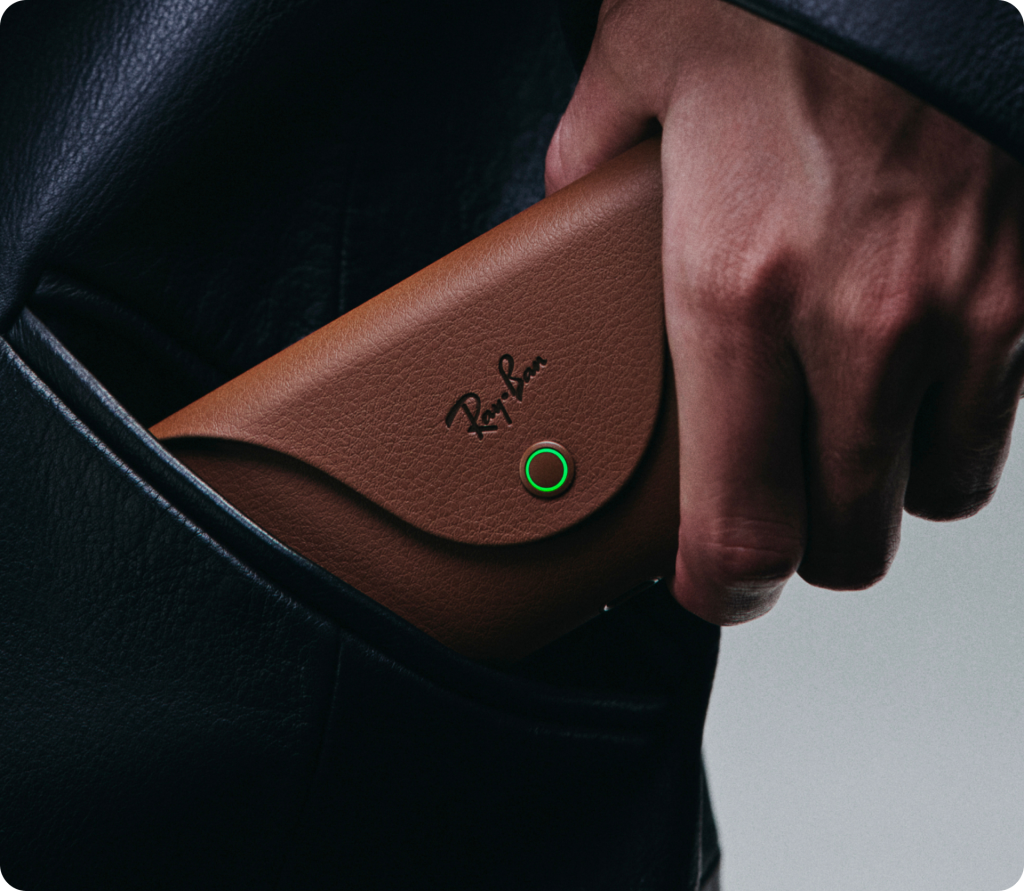
Haier Appliances India has launched its new premium M92 and M96 Series QD-Mini LED AI TVs. The M92 Series is available in 65-inch and 75-inch sizes, while the M96 Series starts with a 100-inch model. An 85-inch version of the M96 will be added soon.
Both series come with a near bezel-less design and a 98 percent screen-to-body ratio. They include an adjustable two-height stand, designed to fit setups with or without a soundbar. The TVs use QD Mini LED technology, which improves brightness control, delivers deeper blacks, and produces more vivid highlights. The 75-inch M92 includes 576 independent dimming zones, while the M96 focuses on providing a larger viewing experience.
Haier M92 series
Color and contrast are managed with 99 percent DCI-P3 coverage and 16-bit light control. HDR10+ Adaptive and Dolby Vision IQ adjust brightness and color automatically, while the M96 also features 2 percent reflectance and a wide 178-degree viewing angle.
Audio is tuned by KEF UK. The M92 comes with a 2.1-channel system, and the M96 includes a 6.2.2-channel system with a subwoofer. Both support Dolby Atmos and Total Sonics for surround sound, clear dialogue, and stable volume levels.
For gaming, both models support 144Hz refresh rate, VRR, ALLM, HDMI 2.1, Dolby Vision Gaming, and AMD FreeSync Premium Pro. They are powered by 4GB RAM and 64GB storage and include Game Picture Modes, Shadow Enhancement, and Crosshair Assist for smoother gameplay with lower latency.
The TVs run on Haier’s AI Ultra Sense Processor, which enables AI Center MAX, AI Scene Detection, AI-Color Boost Pro, AI-HDR Enhancer Pro, AI-Depth, AI-Motion, and AI-SR upscaling to near-4K quality.
They operate on Google TV with AI-based recommendations and Google Assistant voice control. Smart home devices can be managed through HaiSmart. HaiCast supports wireless projection from Android and Windows, while Bluetooth Speaker Mode allows audio playback even when the display is off.
Pricing & availability
The M92 Series starts at Rs. 1,05,990 and is available now. The M96 100-inch model is priced from Rs. 3,99,999 and will be available from September 30, 2025.
Xiaomi’s next flagship phones are getting closer to launch, and the company isn’t holding back on the teasers. Just days before the official unveiling, Xiaomi has shared promotional photos of the entire Xiaomi 17 lineup, giving us a clear look at all design changes. Now, a hands-on video reveals all the color options.
Xiaomi 17, 17 Pro, 17 Pro Max
The series will include the Xiaomi 17, Xiaomi 17 Pro and Xiaomi 17 Pro Max, all set to go official on September 25. That’s noticeably earlier than last year, when the Xiaomi 15 (review) and 15 Pro (review) debuted towards the end of October. The timing suggests Xiaomi wants to get a head start in what’s shaping up to be a busy flagship season.
Following the announcement, Xiaomi released a batch of high-resolution images highlighting the design of each model. To add to the excitement, one of the company’s executives also posted a short hands-on video that shows twelve units lined up together, giving the clearest look yet at the range of colors.
From the video, the standard Xiaomi 17 appears in four colour variants, while both the Pro and Pro Max are shown in three colours each. Xiaomi hasn’t revealed the official names of these shades, but given its past launches, we can expect a mix of classic finishes and possibly some limited-edition models later down the line.
What Xiaomi hasn’t clarified yet is its global strategy. It’s still unclear if all models will launch globally, or when that might happen. Either way, with just days left until the reveal, fans now have a much better idea of what to expect— and it looks like Xiaomi is putting just as much emphasis on design as it is on hardware this year.
Running out of battery on the road is a nightmare for travelers, and Ampsos is hoping to solve that with its new all-in-one power bank. The company has just launched a Kickstarter for what it calls a “5-in-1 25,000 mAh Laptop-Grade Power Bank Hub with Solar Boost.” It’s a mouthful, but the idea is simple: a compact, flight-friendly battery pack that can keep just about everything charged—laptops included.
This power bank carries a 25,000 mAh capacity (roughly 90 Wh), which makes it airline-safe and easy to slip into a carry-on without raising eyebrows at security. Ampsos says the hub can push out up to 170W total. Three USB-C ports handle the heavy lifting—each capable of 100W—while there’s also a 33W USB-A for older gadgets and even a 3W wireless pad for earbuds. Two of the USB-C ports have built-in cables, which means one less thing to remember when packing.
A small OLED screen shows real-time stats like battery level, charging status, and even solar input. That’s because the bank doesn’t just recharge from the wall (100W input for a full refill in about 90 minutes), but also from the sun. With 36W solar charging (thanks to its integrated MPPT controller), you can top it up outdoors and even power devices while it’s charging.
Size-wise, it’s fairly compact—175 x 55 x 51.6 mm and about 600 g—lighter than many competing high-capacity bricks. Ampsos is pitching it as a versatile travel companion that replaces carrying multiple chargers and cables.
The Kickstarter price starts at $109, with shipping expected in November 2025. As always with crowdfunding, delivery timelines are a question mark, but if Ampsos delivers, this could be one of the more practical solar-powered hubs we’ve seen.
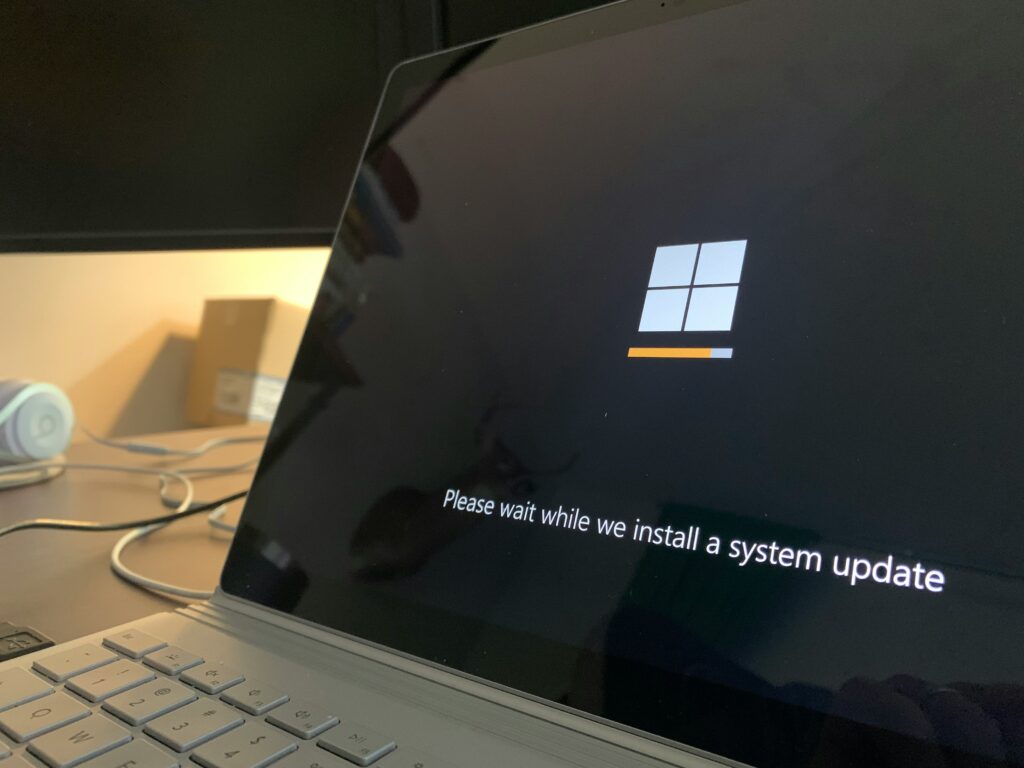
Microsoft is testing a feature in Windows 11 that brings video wallpapers back to the desktop. The option was spotted in the latest Insider builds and will allow users to set looping videos—like MP4 or MKV files—as their background, all without third-party apps.
If that sounds familiar, it’s because Microsoft tried something similar before. Windows Vista launched with DreamScene, a feature that let you run short videos as your wallpaper. It didn’t make it into Windows 7, and over time apps such as Wallpaper Engine stepped in to fill the gap. For many younger Windows users, the idea of built-in video wallpapers might actually feel new.
From what’s been seen so far, the setup looks simple. Instead of using extra software, you’ll be able to pick a video straight from the Personalization menu, much like choosing a static wallpaper or slideshow today. Microsoft hasn’t shared details on performance or battery impact yet, which will matter a lot for laptops. Third-party apps can sometimes be heavy on resources, and the hope is that Microsoft’s native support will be more efficient.
The timing makes sense. Windows 11 has leaned on customization as one of its selling points, with new themes, widgets, and visual tweaks arriving in updates. Adding video wallpapers feels like an easy way to give users more control over how their desktops look and feel.
It also raises questions about how this will affect Wallpaper Engine and other apps that have built strong communities over the years. Those tools still offer deeper libraries and effects, but for casual users who just want a moving background, Windows 11’s built-in option could be enough.
The feature is still in testing, but if it rolls out widely, desktops are about to get a lot livelier.
Vivo has officially revealed the design of its upcoming smartwatch and true wireless earbuds. The company confirmed that the Vivo Watch GT 2 and TWS 5 earbuds will launch alongside the Vivo X300 series and Pad 5e tablet on October 13 at 7 PM (China time).
The Watch GT 2 features a high-brightness display with ultra-narrow bezels. It supports one-tap photo watch faces and offers up to 33 days of Bluetooth standby. Vivo will offer the smartwatch in two case finishes and three strap colors.
Vivo also confirmed that the TWS 5 earbuds will be introduced at the same event. The earbuds support “Deep Sea Smart Noise Cancellation” technology, which allows up to 60dB noise reduction. The TWS 5 can switch between three devices across different ecosystems and comes in white, purple, and blue color options. The earbuds feature an in-ear design with sharper contours compared to the previous TWS Air 3 series.
The product listing also mentions a Hi-Fi variant of the TWS 5. Vivo has not shared additional specifications for this version yet. Pre-orders for both TWS 5 earbuds and Watch GT 2 are already live across major Chinese e-commerce platforms.
Vivo will also unveil its next-generation flagship smartphones, the Vivo X300 and X300 Pro, at the same launch event. Both models feature a minimalist circular camera module, “suspended water droplet” rear design, and a sculpted glass finish. The X300 Pro will include a Zeiss-branded 200MP APO super telephoto lens with 85mm focal length. The standard model also features a 200MP Zeiss camera.
Both phones support advanced optical stabilization, use MediaTek’s Dimensity 9500 chip, and run on OriginOS 6. Vivo also confirmed support for its Blueprint V3+ imaging platform and the use of BOE’s Q10 Plus OLED display panel.
The launch event will mark Vivo’s biggest hardware update of the year. The company plans to position the X300 series as its annual “imaging flagship” alongside new wearable and audio devices.
For more daily updates, please visit our News Section.

Samsung may be preparing one of its biggest display overhauls yet for the upcoming Galaxy S26 Ultra, according to a new report from ET News. The top-end model in the 2026 lineup is expected to debut with new OLED technology that promises higher brightness, better efficiency, and slimmer panels—though these upgrades may not reach every model in the series.
Galaxy S25 Ultra
The S26 Ultra will reportedly use Samsung Display’s M14 material set paired with CoE (Color filter on encapsulation) technology. Together, these changes could push brightness beyond 2,600 nits, or deliver the same brightness with lower power consumption.
Unlike current M13-based panels, which use polarizers that add thickness and increase energy use, CoE builds the color filter directly into the OLED encapsulation layer. A new “Black Pixel Define Layer” further reduces reflections, improving contrast. The M14 upgrade also reportedly introduces Deuterium hosts across all red, green, and blue emitters, improving efficiency and extending panel lifespan.
Interestingly, Apple’s iPhone 17 series is also rumored to use M14, but Samsung’s addition of CoE could give its Ultra model a clear edge. There’s also talk of extra features like a “Private Display” mode, limiting viewing angles to protect on-screen content from prying eyes.
However, the report suggests that only the S26 Ultra will get these upgrades. The Galaxy S26 Pro and S26 Edge are expected to stick with M13 panels, continuing Samsung’s trend of reserving its most advanced tech for the Ultra tier.
Samsung hasn’t confirmed these details, but if accurate, the Galaxy S26 Ultra could set a new standard for flagship displays when it launches in early 2026.
iQOO has officially shared the first look at its upcoming flagship, the iQOO 15. The company had already teased a flashy RGB lighting setup for the device, but now we know that the back panel itself can change color depending on how light hits it.
The iQOO 15 is expected to debut in China soon, alongside a lineup of new products including the iQOO Pad 5e, iQOO Watch GT 2, and iQOO TWS 5 earbuds.
While the company hasn’t confirmed an exact launch date, pre-reservations have already opened in China, so an official announcement isn’t far away.
On the back, the phone carries a square-shaped camera island housing three sensors and an LED flash. There’s also a text that reads “100x Tele lens,” confirming a telephoto unit on the rear. It will be joined by a 50MP wide and a 50MP ultrawide lens.
What’s been revealed so far
Under the hood, iQOO 15 features a Snapdragon 8 Elite Gen 5 chipset — as confirmed by Geekbench — paired with up to 16GB of RAM. It will also have iQOO’s dedicated Q3 gaming chip. Perhaps just as notable, the iQOO 15 will be among the first smartphones to ship with Android 16-based OriginOS 6 out of the box.
Other hardware details have also surfaced on the web. According to previous reports, the phone will come equipped with a 6.8-inch Samsung AMOLED display that supports a 2K resolution.
Keeping all things powered will be a 7,000mAh battery with 100W wired and wireless charging support. And last but not least, iQOO 15 is expected to have an ultrasonic in-display fingerprint reader and an 8K vapor chamber cooling system.
For more daily updates, please visit our News Section.
We use cookies on our website to give you the most relevant experience by remembering your preferences and repeat visits. By clicking “Accept”, you consent to the use of ALL the cookies.
This website uses cookies to improve your experience while you navigate through the website. Out of these, the cookies that are categorized as necessary are stored on your browser as they are essential for the working of basic functionalities of the website. We also use third-party cookies that help us analyze and understand how you use this website. These cookies will be stored in your browser only with your consent. You also have the option to opt-out of these cookies. But opting out of some of these cookies may affect your browsing experience.
Necessary cookies are absolutely essential for the website to function properly. This category only includes cookies that ensures basic functionalities and security features of the website. These cookies do not store any personal information.
Any cookies that may not be particularly necessary for the website to function and is used specifically to collect user personal data via analytics, ads, other embedded contents are termed as non-necessary cookies. It is mandatory to procure user consent prior to running these cookies on your website.