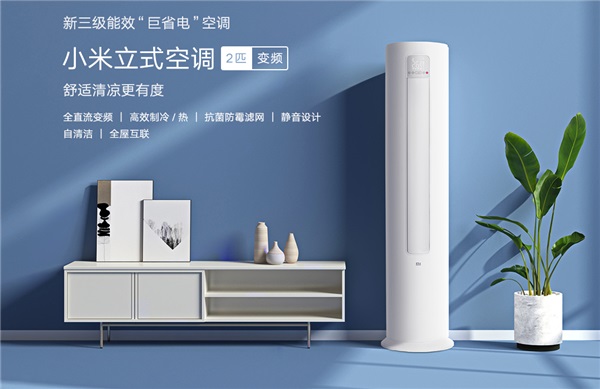
Xiaomi recently launched three-level energy-efficient air conditioners with 1hp and 1.5hp capacity and now the company has launched yet another similar product. The company has today launched Mi Vertical Air Conditioner with 2hp capacity. The product is priced at 3,699 yuan (~$543) and can be pre-booked with a deposit of 100 yuan (~$15).
This new three-level energy-efficient Mi Vertical Air Conditioner comes with a compact cylindrical design that has a touch panel on top for controls. The effective area covered by the device is 20-30 sq. mt. and the circulating air volume is 1000m³/h. The company adds that the fan and air duct are optimized for design and noise as low as 33dB(A).
It comes equipped with an anti-bacterial and anti-mildew filter. As per the company, the fins on the device are cleaned automatically when clogged. There’s also support for Mi App for controlling the device along with XiaoAI voice control support.
The company had first launched the vertical air conditioners in November last year and a couple of months ago, it launched 3hp vertical air conditioner for 5,999 yuan which covers an area as large as 30 square meters.
Recently, a new Xiaomi phone with model number M2007J17G was seen at the database of the Federal Communications Commission (FCC). It is speculated that the device could be heading to global markets as Xiaomi Mi 10 Lite. Vague information suggests that the device could be rebranded as Redmi Note 10 series smartphone in China.
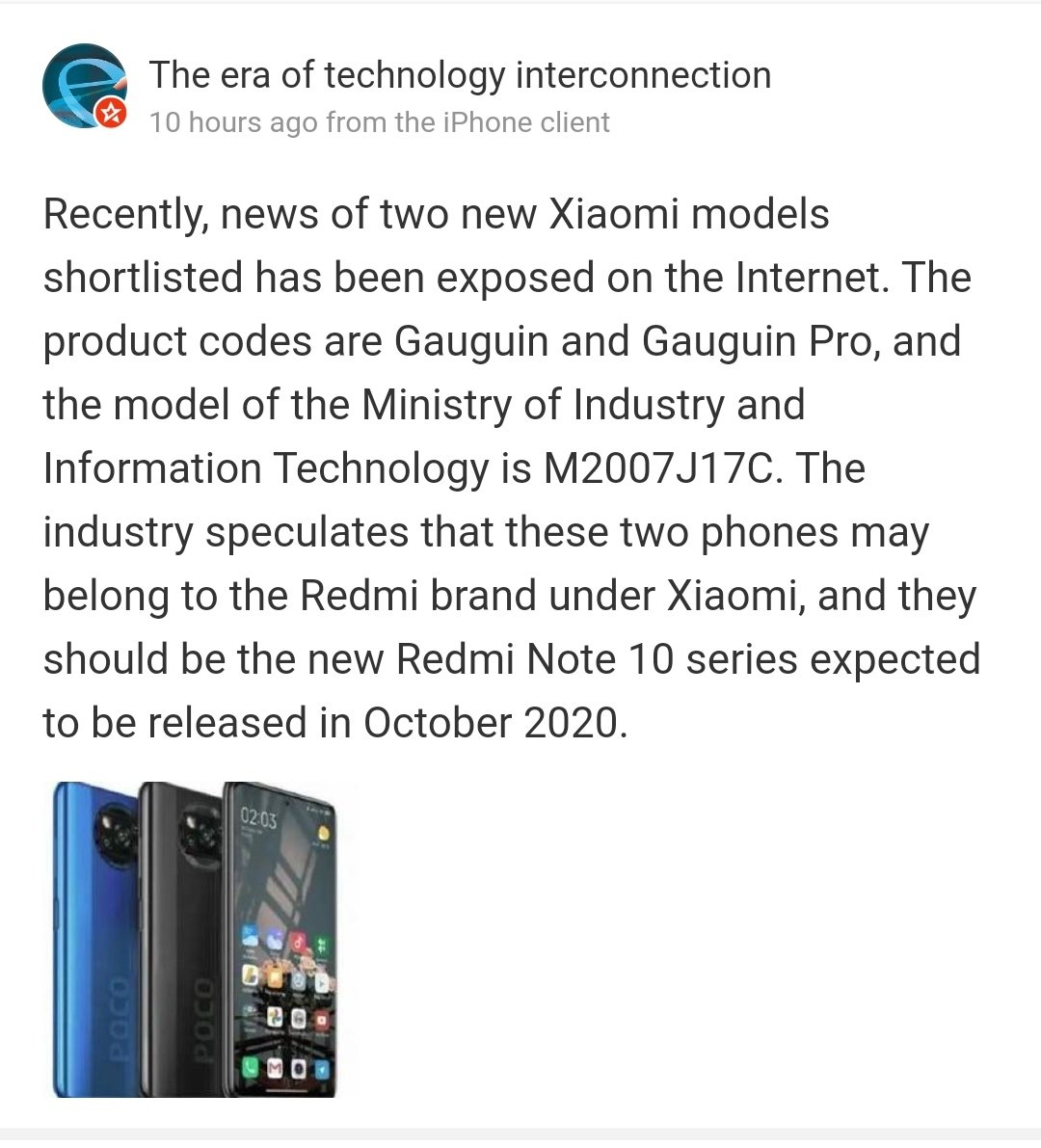
In July, XDA had revealed that two of the upcoming phones by Xiaomi are codenamed as Gauguin and Gauguin Pro. A reliable tipster has claimed that the M2007J17C model number belongs to the Gaugin smartphone. The XDA report had claimed that Gauguin and Gauguin Pro smartphones heading to China have 108-megapixel main cameras. However, the same devices heading to global markets and India will have 64-megapixel main cameras.
The global edition of the M2007J17C smartphone has an M2007J17G model number. The FCC certification that the M2007J17G device has revealed that it will be arriving with specs like a 4,720mAh rated battery (4,820mAh typical value), NFC, and 5G support.
Speculations are rife that the device will break cover in the global markets as the Xiaomi Mi 10 Lite 5G and it could be driven by the all-new Snapdragon 750G chipset. The China variant of the device with model number M200717C was recently approved by the MIIT authority.
Coming to the new information shared by a Weibo user, Gauguin (Mi 10 Lite 5G) and Gauguin Pro phones will be heading to under Redmi branding. He further mentioned that the two devices will be debuting in China in October as Redmi Note 10 series smartphone. The Mi 10 Lite 5G is also expected to arrive as the Redmi Note 10 series handset in China.
Earlier this month, a Xiaomi phone with the M2007J22C model number was approved by the MIIT authority. It is speculated to debut in China as Redmi Note 10. A few months ago, the Redmi Note 10 with Dimensity 820, 8 GB of RAM, and Android 10 OS had appeared in AI benchmarks. It is advisable to wait for further reports to get clearer information on the mystery surrounding the Redmi Note 10 series.
TSMC has apparently made another major breakthrough in its research and development process. This time the world’s largest contract chipmaker has made strides in the development of its 2nm architecture that will be seen in processors in the near future.
According to a PatentlyApplereport, sources from its supply chain have revealed that the upcoming 2nm process will adopt a new multi-bridge channel field-effect transistor (MBCFET) architecture unlike the fin-type field-effect transistor (FinFET) architecture used in the 3nm and 5nm processes. This development also marks TSMC making another progress far ahead of its competition at the moment, like Samsung.
A TSMC official also stated to a publication that “We are optimistic that the yield rate of risk trial production in the second half of 2023 will reach 90%, which will help us continue to win large orders from major manufacturers such as Apple and Huida in the future.” Furthermore, the company plans on reaching mass production capabilities sometime in 2024.
Back in 2019, TSMC had dedicated an R&D team to find a feasible path for the development of the 2nm process. This team had to consider costs, equipment compatibility, technology maturity and performance, and other conditions as well. Notably, 2nm architecture adopts the MBCFET based on the surround gate (GAA) process, which solves the physical limitations of current control leakage caused by the FinFET process.
While the chipmaker is already working on 2nm processors for 2024, it has also begun studies into the processes that lay beyond it. This includes the possibility of the 1nm process and other ventures in the near future. TSMC is also gearing up to expand its factory site in central Taiwan for the 2nm process, as per a DigiTimesreport. This report also signifies the widening gap between the Taiwanese firm and its rival, Samsung.
Chinese giant Huawei is currently gearing up to launch its next-generation Mate-series flagship smartphone — Huawei Mate 40 Pro, which will reportedly have four variants in the lineup. Now, ahead of the launch, real-life images of the phone have leaked online.
The leaked image shows that the alleged Mate 40 Pro smartphone has a dual punch-hole cutout on top of the display for housing the front-facing camera sensors in the top-left corner. Along with narrow bezels, the phone also seems to have a large curvature.
The flagship smartphone has a red-colored power button as well as volume rocker keys locked on the right side of the device. This is in line with the previous leaks related to the smartphone. In the leaked images, the phone has a protective cover on top.
Previously leaks have hinted that the device will also come with dual-speaker support for better audio output. It is also reported that the phone will come with a circular camera module on the back.
As per the reports, the Mate 40 and Huawei Mate 40 Pro smartphones are expected to come with OLED display panels along with support for the 90Hz refresh rate. The Mate 40 may feature a 6.5-inch FHD+ display, whereas the Mate 40 Pro could be equipped with a 6.78-inch QHD+ display.
A recent report revealed that OCE-AN00, NOH-AN00, and NOP-AN00 models that belong to Mate 40, Mate 40 Pro, and Mate 40 RS Porsche Design or Mate 40 Pro+ have appeared in TENAA’s database. However, the listings are yet to populated with specs and images.
The company has already confirmed that the Kirin 9000 flagship chipset will be powering the smartphone, of which Huawei has less than 10 million units in stock because of the newly imposed restrictions by the United States.
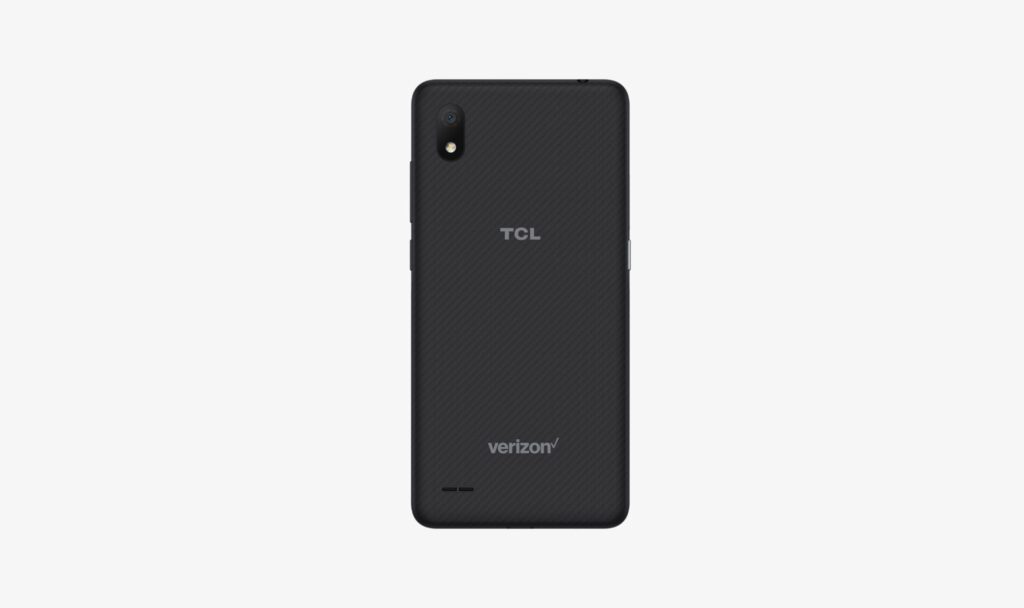
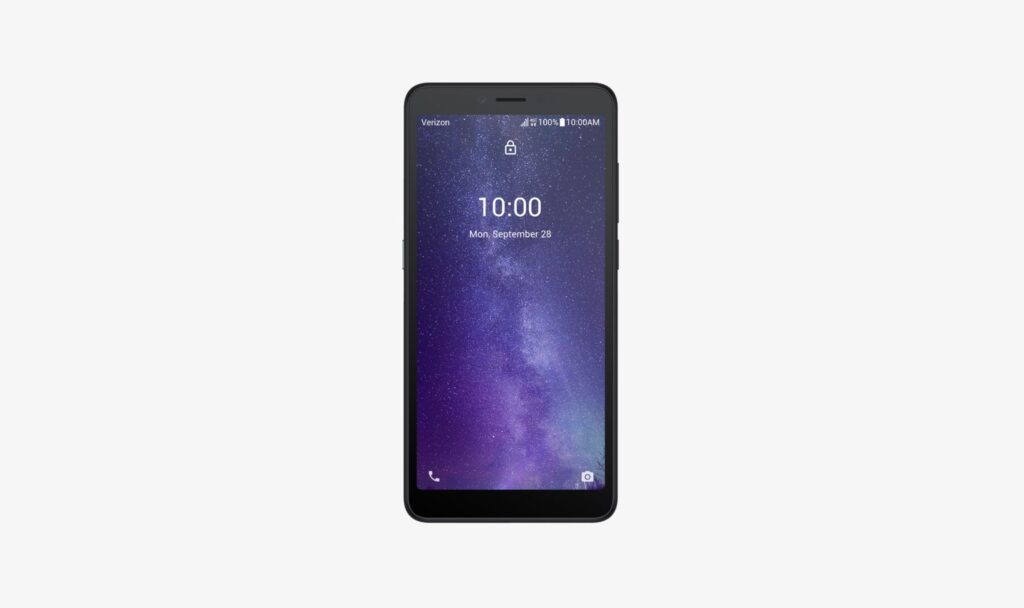
Verizon Wireless launches a new entry-level smartphone in the form of TCL SIGNA priced at $79.99. For $10 more, it offers better features than Cricket Wireless’ ALCATEL APPRISE, which was released earlier this month. The phone is already on sale on the carrier’s official website and should be also available at its retail stores across the US.
The newly launched TCL SIGNA flaunts a 5.5-inch HD+ LCD panel with 18:9 aspect ratio and Asahi Dragontrail glass protection. Under the hood, it comes with Qualcomm Snapdragon 429 chipset paired with 2GB RAM and 16GB internal storage with support for microSD card up to 256GB.
The phone is available in a single black color and its body is made of polycarbonate with stipe patterns mimicking fiber carbon. The right side of the device houses the volume rocker and the power key, whereas the left side includes a dedicated Google Assistant key.
The handset sports a single 8MP rear-facing camera accompanied by an LED flash and a 5MP selfie camera. For connectivity, it comes with 4G LTE, dual-band WiFi 5, Bluetooth 4.2, 3.5mm headphone jack, and USB Type-C port. Further, like most devices, it features a solo bottom-firing speaker and dual-microphones.
Last but not least, it runs Android 10 with bloatware from Verizon and gets its power from a 3,000mAh battery.
Huawei is one of the few smartphone manufacturers that have launched its very own foldable handsets into the market. The company has previously released the Mate X and Mate Xs, with both of them featuring an outward folding display. Now, a new patent suggests that the next generation of this lineup might arrive with an inward folding screen, which is similar to the Samsung Galaxy Z Fold 2.
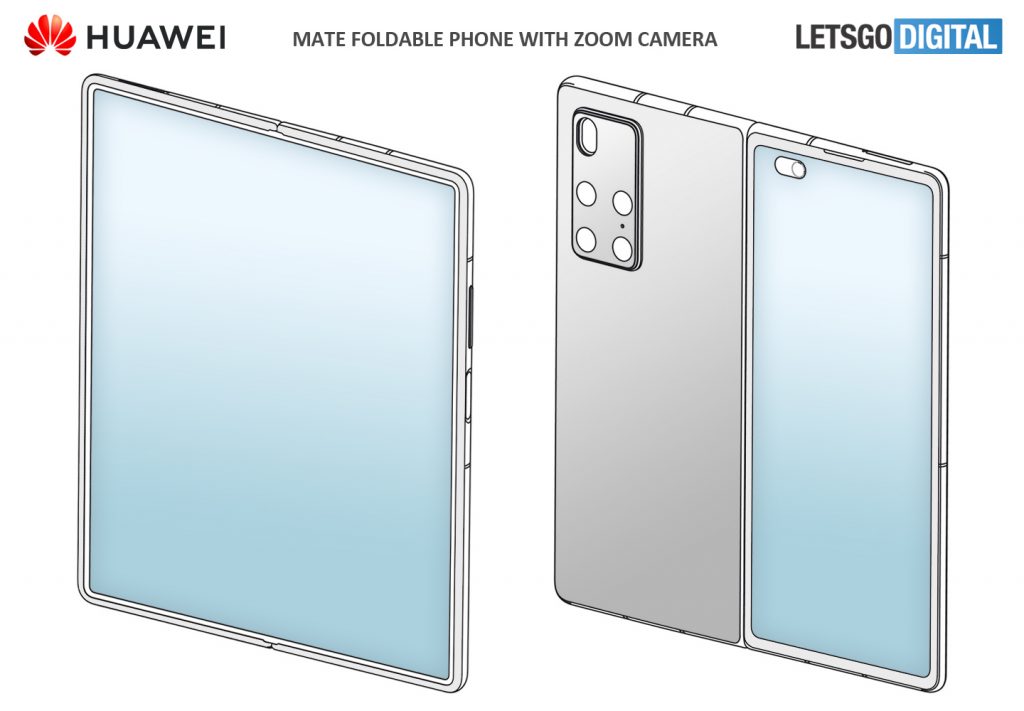
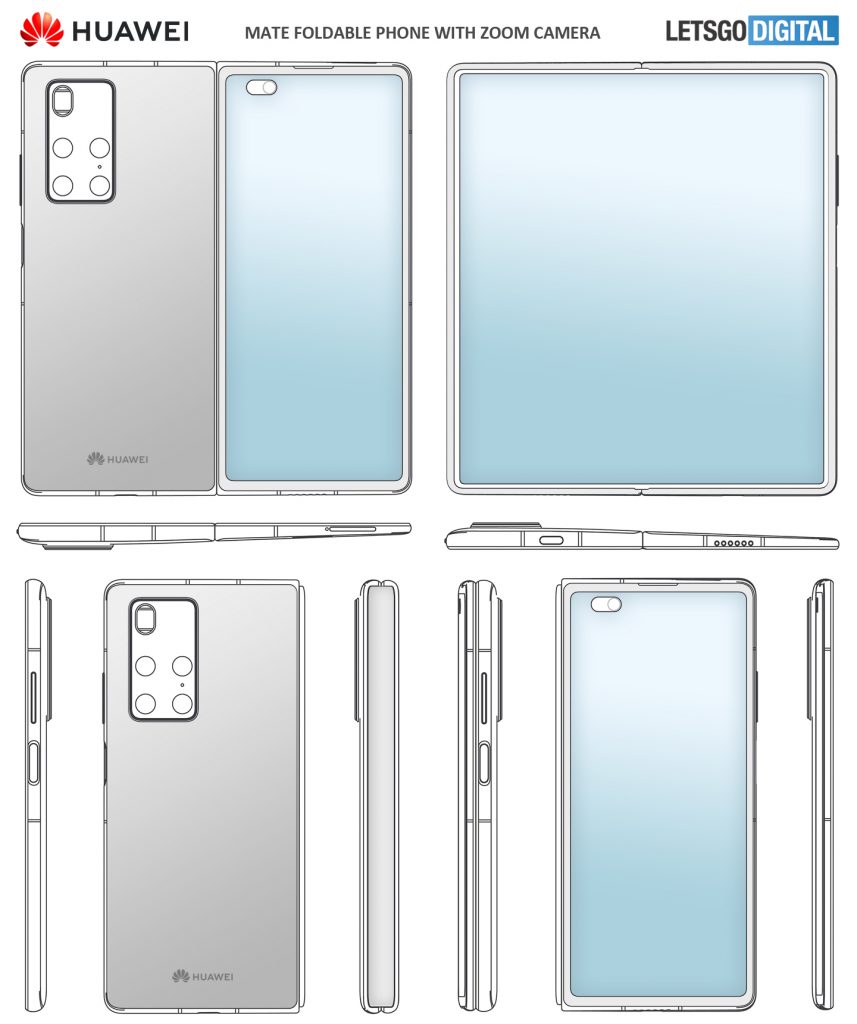
According to a LetsGoDigitalreport, the Chinese tech giant filed a patent for the device back in 2019 with the CNIPA, which finally got approved earlier today (25th September 2020) and arrives with 32 product sketches and more. Looking at these images, it is clear that the smartphone features a foldable design and will be a premium grade flagship. It features both a large primary display along with an external screen as well.
The one on the outside acts as the primary display when the device is folded and features a dual punch hole selfie camera on the front. On the other hand, the large display on the back covers the majority of the rear panel, with its hinge mechanism bending inward, which is quite different from what the company has offered so far. Furthermore, the rear camera system’s design resembles the Huawei P40 Pro+, although, the sensor configurations are a bit different, with a periscopic zoom lens also being found on the back.
The inward folding design with an external display is quite similar to what Samsung has been offering in its foldable smartphones. However, the design isn’t just a simple replication. A very notable aspect is that the device gets thinner when we move away from the primary portion of the device. In other words, when the smartphone is fully unfolded, one can see that the area that houses the camera and all the necessary specs is thicker than the region that just houses the inner and outer displays. Unfortunately, this might be an attempt from Huawei to cover all bases and not something it is actively working on. So stay tuned for more updates.
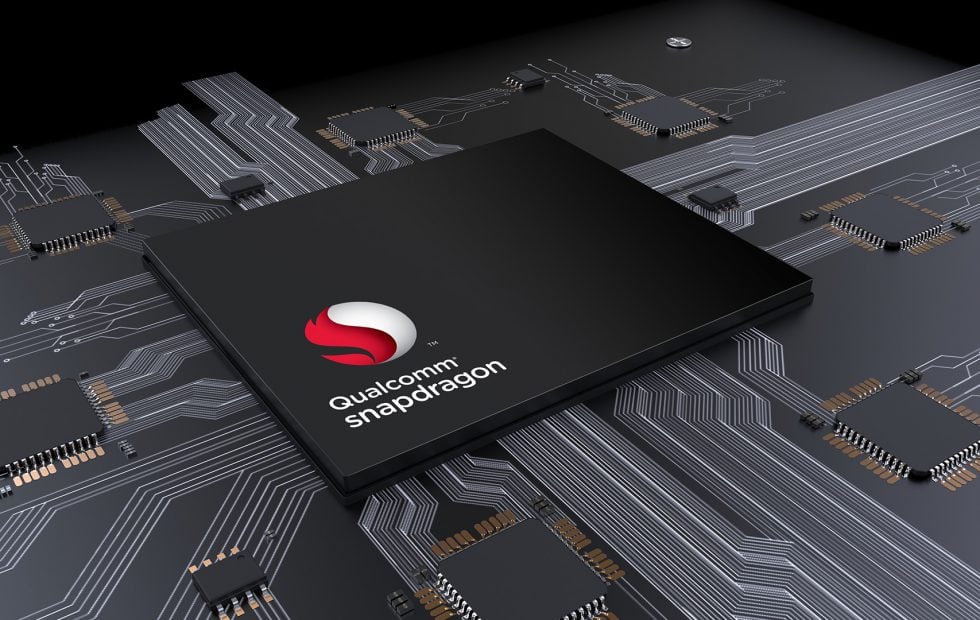
Qualcomm has been working on its next-generation flagship chipset — Snapdragon 875, which is based on the 5nm process. It is expected to get launched by the end of this year and we could get devices powered by the same soon after the launch.
The upcoming flagship chipset is codenamed SM8350 and is internally known as Lahaina. Tipster Roland Quandt claims that there will also be Snapdragon 865 Plus variant, similar to what we have seen with the SD855 and SD865 chipsets.
Now, as per the report, apart from the SD875 SoC with 5nm node, we will see Qualcomm launching its first 6nm processor — Qualcomm Snapdragon 775G. Going by the name, it will be a successor to the SD765G which powers the OnePlus Nord and LG Velvet.
It is reportedly based on a 6nm architecture and is expected to have a 40 percent faster CPU and 50 percent better graphics than the Snapdragon 765G. It is also said to support 120Hz display, 12GB LPDDR5 RAM, and 256GB UFS 3.1 storage.
As for the flagship Snapdragon 875 chipset, it is manufactured using Samsung’s 5nm EUV process as TSMC’s 5nm capacity has been reserved by Apple for its A14 Bionic chipset. The chipset is expected to be 25 percent smaller and 20 percent more power-efficient compared to the current-generation 7nm SoCs.
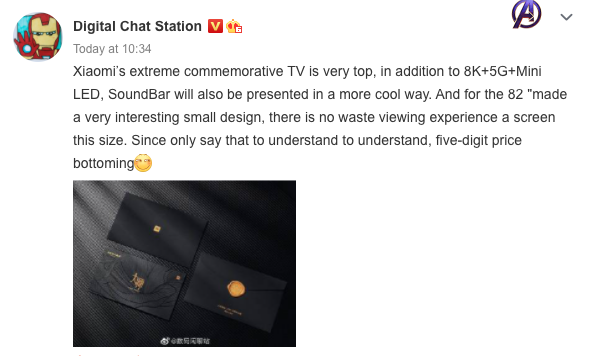
Xiaomi has confirmed that the company will be launching a new Mi Master Ultra TV model in its home market on 28th September. With just a few days to the launch, details about its pricing have surfaced online.
As per the report, the upcoming Xiaomi Mi Master Ultra TV model will have five-digit pricing, but the exact price range is now yet known. It is also said that along with the TV, the company will also introduce a soundbar.
Given that the Xiaomi Mi TV Master 65-inch OLED model is priced at 12,999 yuan in China, the pricing of the upcoming Ultra variant will definitely be higher than this. To know for sure, we wll have to wait for the official launch event.
Recently, an 82-inch Smart TV from Xiaomi with support for 8K and 4K resolutions were spotted on 3C certification. The 82-inch Mi TV 8K has a model number L82M6-8K and is reportedly using a panel from LG Display.
It is also said that the TV will come with a Mini LED display that offers features like high brightness, high contrast, fast refresh rate, and wide color gamut. The smart TV has an integrated 5G modem for streaming 8K content.
The Xiaomi Mi TV Master 65-inch OLED model comes with support for 4K display with a 120Hz refresh rate and offers a screen-to-body ratio of 98.8 percent. It has support for features like high-speed motion compensation, AI image quality engine, and Dolby Vision, among others.
In November 2019, Xiaomi unveiled the Xiaomi Mi Watch in China with a price tag of 1,299 Yuan (~$190). It appears that the company is now planning to launch a more affordable version of Mi Watch as a device named Xiaomi Mi Watch Lite has bagged a vital certification.
As can be seen in the screenshot, the UL (Demko) authority has approved the Xiaomi Mi Watch Lite. The listing reveals that the model number of the device is REDMIWT02 and it carries support for 5Vdc and 0.4A charging.
Yesterday, the REDMIWT01 had received approval from the MIIT authority of China. A reliable Chinese tipster had claimed that the REDMIWT01 will be debuting as Redmi Watch in China soon. The REDMIWT02 that has been approved by UL (Demnko) seems to be a variant of the REDMIWT01. Hence, it appears that the Redmi Watch could be rebranded version as the Xiaomi Mi Watch Lite in some markets. At present, there is no word on the specifications of the Mi Watch Lite.
Xiaomi Mi Watch specifications
The Xiaomi Mi Watch has a 1.78-inch S-AMOLED display that offers 360 x 448 pixels. The Snapdragon Wear 3100 chipset is present under the hood of the device. It comes with 1 GB of RAM and 8 GB of internal storage. The smartwatch is backed by a 570mAh battery and it offers connectivity features such as NFC, Wi-Fi 802.11 b/g/n, and Bluetooth 4.2. It carries support for wireless charging.
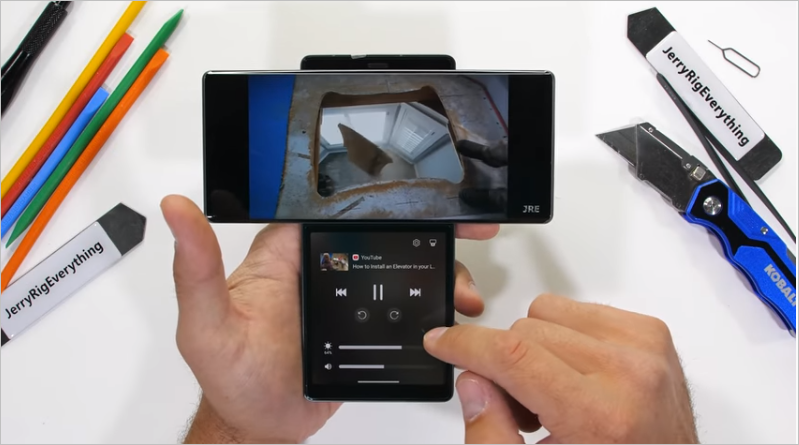
LG has proven itself to be an innovative company over the years despite its smartphone business struggling in recent times. In its bid to relaunch its smartphone business, we have seen the South Korea company release a host of new smartphones in the mid-range and budget segment. But what has caught the attention of tech enthusiasts is definitely the LG Wing.
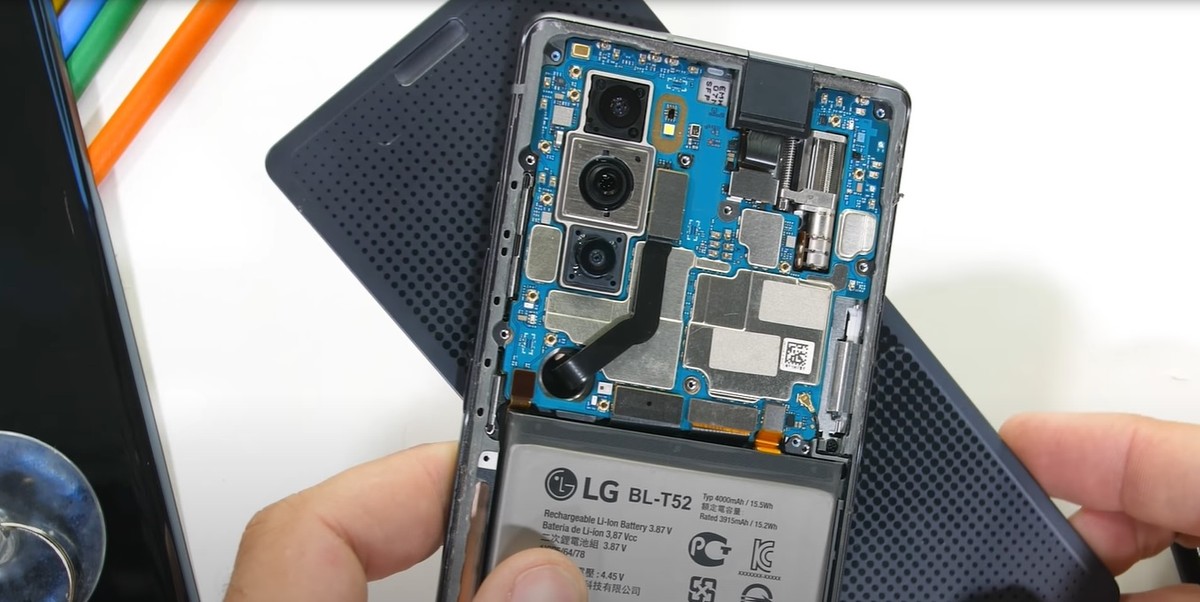
The Wing smartphone is a dual phone with a design like we have never seen before. The top display has a swivel which can rotate to an angle of 90-degrees. This is the main highlight of the phone and it would be interesting to see how that works from the inside. Zack Nelson of the YouTube channel JerryRigEverything has given us the opportunity to see the internals of the premium smartphone.
One of the noticeable thing about the Wing is the presence of some level of water and dust protection but there is no IP rating. The phone’s pop-up camera system is basically the same as that of others.
However, the major highlight of the device is definitely the rotating screen. The swivel design brings along some unique challenges. LG utilised a kind of lubricated plastic to ensure the swivel moves smoothly. Also, the two halves are slightly concave creating a void, which prevents any dirt and sand getting caught between the halves from being dragged along and scratching the secondary display.
LG had earlier claimed that the swivel will survive at least 200,000 cycles. The mechanism itself uses an O-shaped hinge that allows a ribbon cable to pass through the middle and power the main display.
One spring helps the top half fully rotate 90° when opening, then another spring helps you close the wing. Interestingly, there’s a tiny hydraulic damper that smooths out the motion.
You can check out the teardown video from above. Zack also promised to publish a durability test video soon. Watch out for that too.
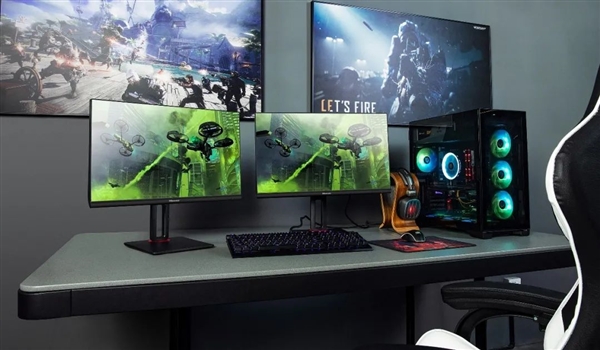
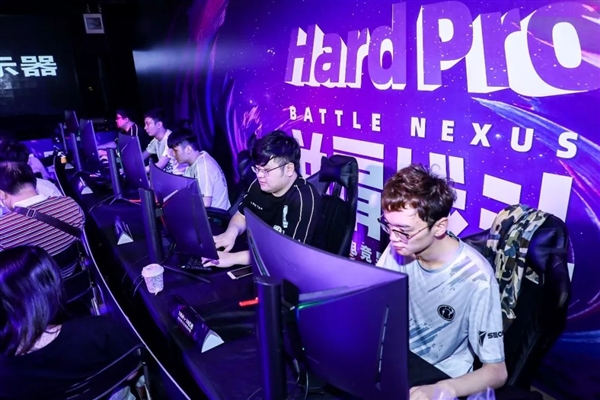
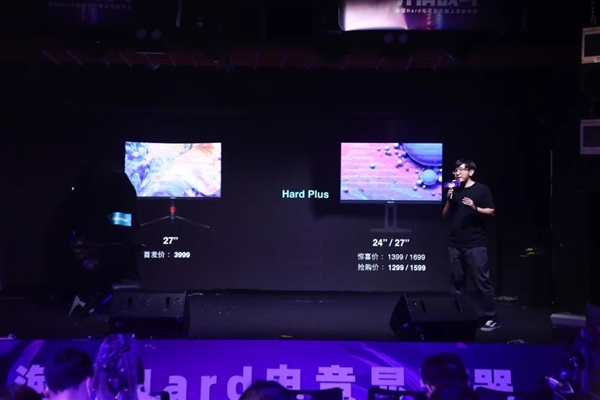
Chinese home appliances giant Hisense announced at the end of July that it would be entering the gaming display market. Two months after, Hisense has now officially released its own gaming monitor series called Hard series. Two new gaming monitors were unveiled dubbed Hard Plus and Hard Pro gaming monitors.
Hisense Hard Pro gaming monitor uses a 27-inch fourth-generation 1000R super-curvature screen which is more curved than the common 1500R curved screen. The gaming monitor has a smaller full-screen parallax and a stronger sense of immersion.
As a professional gaming monitor, it has a resolution of 2560×1440 pixels, a high refresh rate of 240Hz, a gray-scale response time of 1ms and a peak brightness 600nits. The monitor also supports adaptive synchronization technology (Adaptive-Sync) which can prevent smear, tearing, and stuttering. It also supports HDR Technology.
As a professional image quality display, it supports QLED quantum dot technology, and after professional image quality tuning. The three colour gamut indicators are far beyond those of other monitors at the same level. First, the sRGB coverage is 130%, suitable for playing games. Further, the DCI-P3 coverage is 103% which is suitable for watching movies while the Adobe RGB coverage reaches 112%, suitable for professional design.
In addition, it supports 1024 gray scales, 1 billion colors, and the ultra-low color difference ΔE<2.
In terms of experience, it supports power-on signal, smart switching, and power-on direct connection . It can meet the needs of PC, PS, Xbox and other game platforms without debugging one by one.
As for the pricing, the Hisense Hard Pro 27-inch monitor is priced at 3,999 yuan ($585). On the other hand, the Hard Plus 24-inch model is priced at 1,399 yuan ($204) and the 27-inch version goes up for 1,699 yuan (~$248).
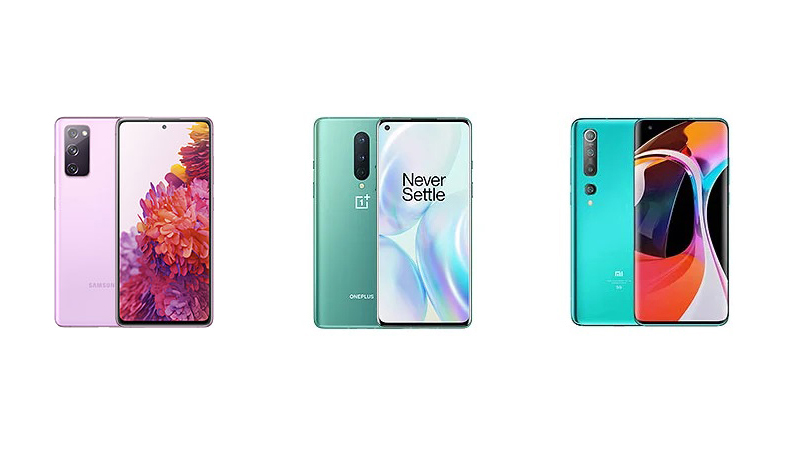
Samsung released a new affordable flagship to cannibalize the sales of Chinese manufacturers in that segment: the Galaxy S20 FE offers a lot of things but, unlike other Samsung flagships, it comes with a very interesting price tag. Is it enough to beat Chinese flagship killers or you can get something better in the same range? In order to understand it, we decided to compare it with the above-mentioned devices. This is an in-depth specs comparison between Samsung Galaxy S20 FE, OnePlus 8, and Xiaomi Mi 10 Pro. Not the most affordable flagships out there, but three devices that can give you a complete user experience at a non-excessive price. Note that in this comparison we are referring to the 5G variant of the Samsung Galaxy S20 FE sporting a Snapdragon 865 chipset sold in the global market, not the 4G variant with Exynos 990.
Samsung Galaxy S20 FE 5G vs OnePlus 8 vs Xiaomi Mi 10 Pro 5G
Xiaomi Mi 10 Pro 5G
OnePlus 8
Samsung Galaxy S20 FE
DIMENSIONS AND WEIGHT
162.6 x 74.8 x 9 mm, 208 g
160.2 x 72.9 x 8 mm, 180 g
159.8 x 74.5 x 8.4 mm, 190 g
DISPLAY
6.67 inches, 1080 x 2340p (Full HD+), Super AMOLED
6.55 inches, 1080 x 2400p (Full HD+), Fluid AMOLED
I would personally exclude the Samsung Galaxy S20 FE from the design comparison at the beginning because of its materials. While OnePlus 8 and Xiaomi Mi 10 Pro 5G come with premium materials including a glass back and an aluminum frame, the Samsung Galaxy S20 FE has a plastic body. Further, OnePlus 8 and Xiaomi Mi 10 Pro 5G come with a more elegant curved display, while Samsung Galaxy S20 FE has a flat display. On the other hand, Samsung Galaxy S20 FE is the only waterproof phone of the trio and it carries the IP68 certification which offers protection against dust and water.
Display
Samsung Galaxy S20 FE has the most advanced display. Not the best panel out there, but still the only one in this comparison to offer a 120 Hz refresh rate. OnePlus 8 and Xiaomi Mi 10 Pro 5G stop at 90 Hz, while the rest of the display specifications of these three devices are pretty similar. With all of them, you get a Full HD+ resolution (so a similar level of detail) and the HDR10+ certification to stream content with great image quality.
Hardware/Software
Samsung Galaxy S20 FE, OnePlus 8, and Xiaomi Mi 10 Pro 5G are all powered by the Snapdragon 865 mobile platform which is currently one of the best chipsets you can get in the smartphones market. But with the OnePlus 8 and the Xiaomi Mi 10 Pro 5G, you can actually get a higher amount of RAM if you choose the most expensive configuration: up to 12 GB. If you go for the Xiaomi Mi 10 Pro 5G, you even get more internal storage (up to 512 GB). On the other hand, Samsung Galaxy S20 FE may be blessed with longer software support than Xiaomi Mi 10 Pro as Samsung flagships get 3 years of major Android updates.
Camera
The best camera setup belongs to the Xiaomi Mi 10 Pro 5G which includes a 108 MP main sensor, a 12 MP telephoto lens with 2x optical zoom, an 8 MP telephoto lens with 3.7x optical zoom, an ultrawide 20 MP sensor, dual OIS, and laser autofocus. Right after, we got the Galaxy S20 FE with a 12 MP triple camera including a telephoto sensor with 3x optical zoom (but it wins the selfie comparison thanks to its 32 MP front snapper). OnePlus 8 is disappointing since it lacks a telephoto sensor and it provides an overall inferior photo quality.
Battery
We had no chance to test all of these devices, but judging from the specs on the paper, Xiaomi Mi 10 Pro 5G has more chances to provide a longer battery life with its 4500 mAh battery and its 90 Hz display. OnePlus 8 has a smaller battery and, unlike Xiaomi Mi 10 Pro and Galaxy S20 FE, it lacks wireless charging and reverse wireless charging.
Price
You can currently find the Xiaomi Mi 10 Pro for less than €800/$900 thanks to online street prices, Samsung Galaxy S20 FE costs less than €800/$900 too. With a bit of luck, you can get the OnePlus 8 for less than €650/$760. While OnePlus 8 only wins the value for money comparison, the Xiaomi Mi 10 Pro and the Galaxy S20 FE are very close. I would go for the former due to its better camera department, charging speeds, and materials, but Galaxy S20 FE 5G has a better display and it is waterproof.
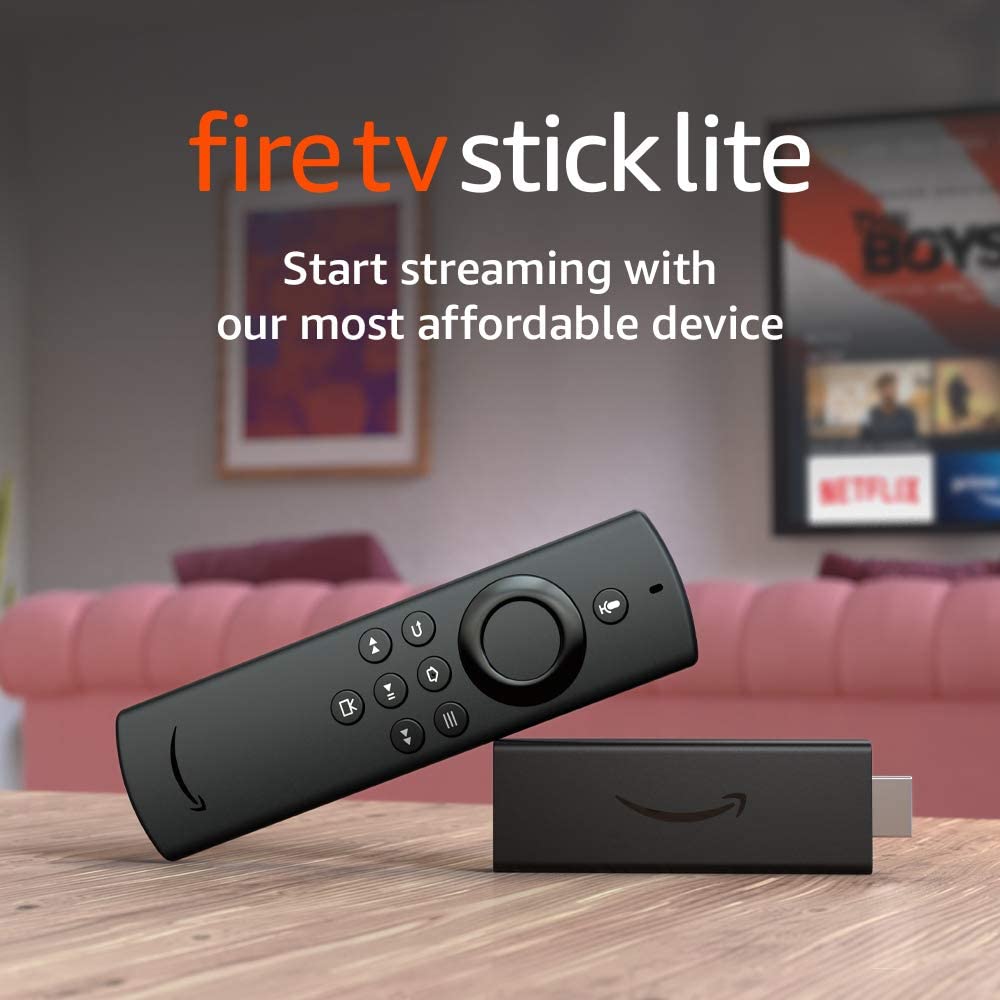
Amazon had an invite-only launch event today during which it announced several new products. Among the products announced is the Fire TV Stick Lite and 3rd-gen Fire TV Stick.
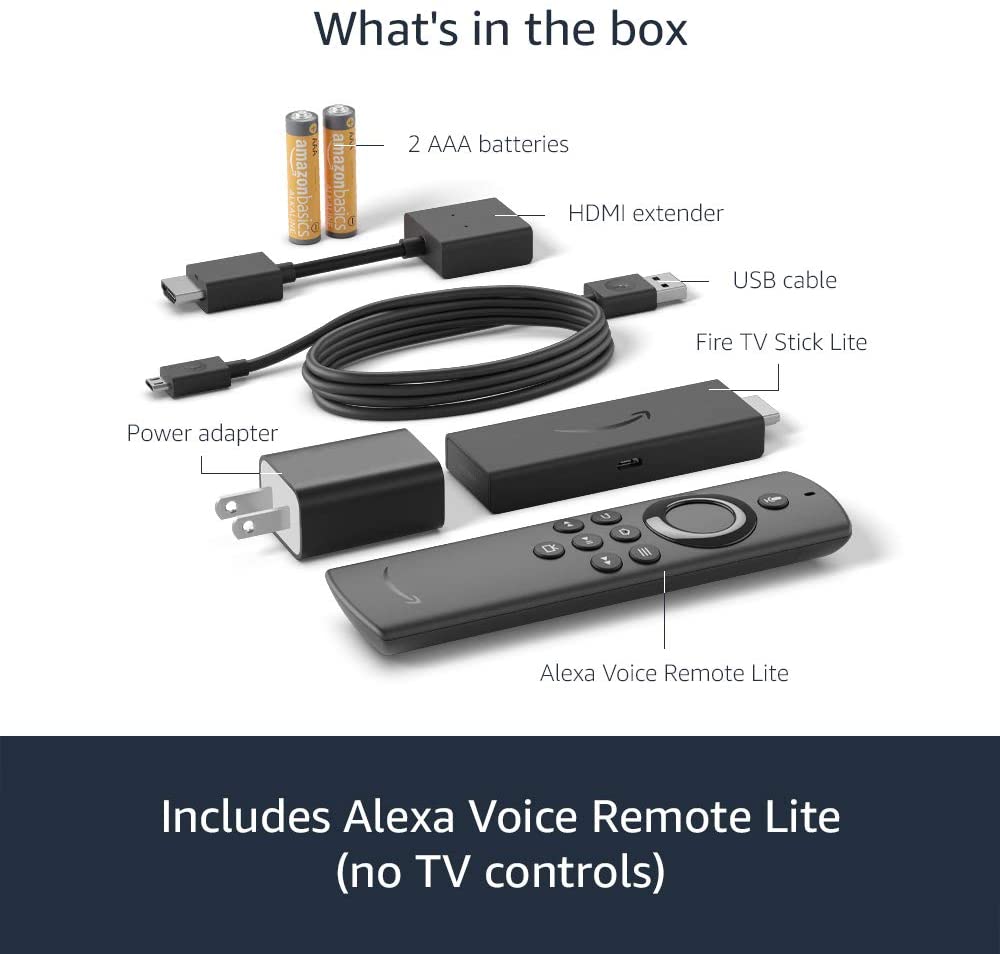
The new streaming stick is priced at $29.99, undercutting the Mi TV Stick which is priced at ~$39.99. The Fire TV Stick Lite supports 1080p streaming at 60fps and comes with an Alexa Voice Remote Lite that ditches some of the buttons on the remote for its other streaming devices.
The Fire TV Stick Lite supports HDR, HDR 10, HDR10+, HLG, and Dolby Audio (pass-through HDMI only). Amazon says it doesn’t support TV controls. It has an unnamed quad-core processor clocked at 1.7GHz and comes with 8GB of built-in storage. The streaming stick has Bluetooth 5.0 and Bluetooth Low Energy, Dual-band Wi-Fi, a micro-USB port for power, and an HDMI port.
The Fire TV Stick Lite is available for pre-order on Amazon and will be available for purchase on September 30.
Amazon also announced an upgraded version of its $39.99 2nd-gen Fire TV Stick. Amazon says it is 50% more powerful than the previous generation but it still only supports 1080p streaming. Unlike the lite version, this one has TV controls.
The new Fire TV Stick has a 1.7GHz quad-core chipset with a PowerVR GE8300 GPU. There is 8GB of storage onboard for apps, dual-band Wi-Fi, Bluetooth 5.0, Bluetooth Low Energy, a MicroUSB port, and an HDMI port.
The new TV stick keeps the $39.99 price tag and is already available for pre-order. It will go on sale on September 30 too.
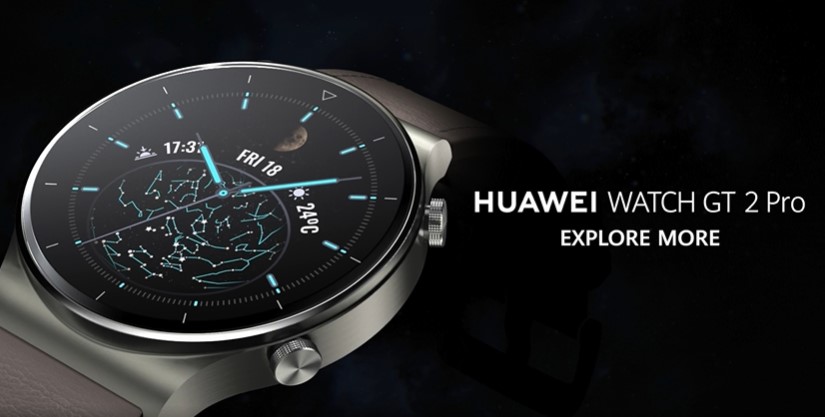
Huawei sees Japan as one of its important territories as it recently got more supplies from the country amidst a tussle with the US. Although its own products are limited in Japan, the company is looking to launch two new Huawei Smartwatches in the country next month.
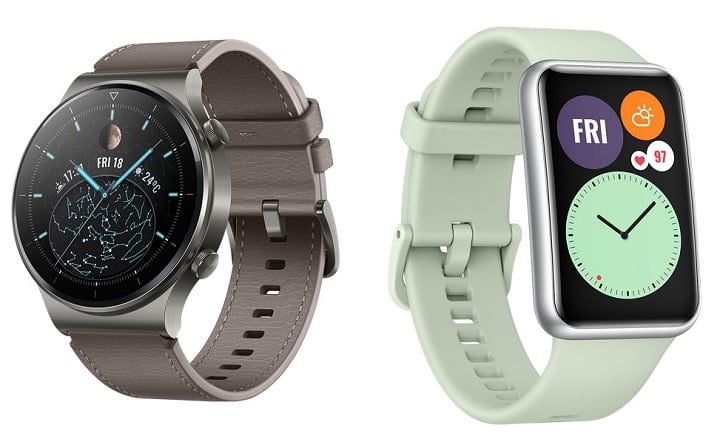
A report from Nikkei says two new Smartwatches will be Huawei Watch GT 2 Pro and the Huawei Watch Fit. In fact, the company has already launched the Watch GT 2 in Japan back in November. The report adds that two versions of Huawei’s GT 2 Pro, and Watch Fit will retail for 30,000($285) and 13,800($131) Japanese Yen respectively.
In a conference, Huawei is quoted highlighting the seamless integration and ability of Watch GT 2 Pro. Apparently, he highlighted its ability to convert images from a Huawei phone to its wallpaper seamlessly.
Will Huawei retain its Smartwatch segment in Japan?
However, Huawei has only a handful of Smartphones in Japan to succeed in its 1+8+N strategy. Nikkei’s report says it had only 5% of the Smartphone share in Japan as of 2019 according to Euromonitor Intl. With the US restricting Huawei more in 2020, that hasn’t improved a lot. Also, it hasn’t launched many of its 5G outside of China after the USA ban let alone Japan.
In spite of all this, its Smartwatch market share has remained healthy at 15.6% as of Q2 2020 as per an IDC report. This could due to the value-for-money features they offer for the price. Hence, it might play the trick of launching new Smartwatches in a bid to maintain a healthy position second to Apple. That being said, it will be interesting to see how Japan welcomes the new Smartwatches considering Huawei’s products lack GMS(Google Mobile Services) as well.
Huawei Watch GT 2 Pro and Watch Fit Specifications
Huawei’s Watch GT 2 Pro has a 1.39-inch 454×454 AMOLED rounded display with scratch-resistant glass, titanium body, and ceramic underside. It has two versions- Classic, Sport. There are more than 100 workout modes, many watch faces to choose from. Other features include Kirin A1 SoC, 4GB RAM, Huawei Lite OS, offline navigator, SpO2 and heart-rate monitor, GPS, NFC, and 14-days battery life.
Huawei recently launched the budget Watch Fit in the UAE. It has a squircle 1.64-inch 280×456 AMOLED display. The Smartwatch features GPS, SpO2 and heart-rate sensor, 6-axis IMU sensor, 11-sport modes, 10 days of battery life.
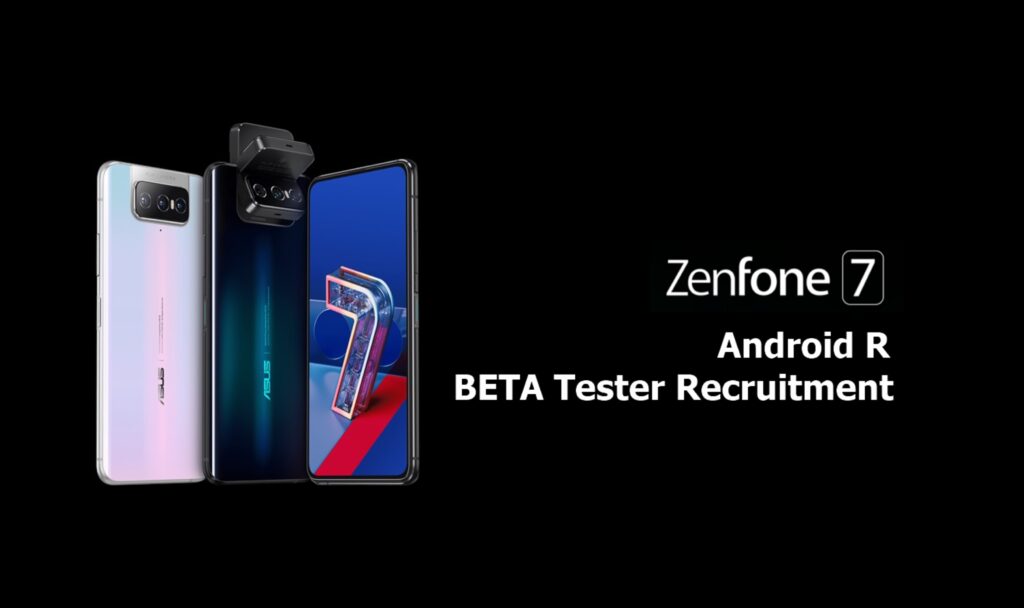
Smartphone OEMs have begun to work on delivering Android 11 to their devices. In late August, ASUS opened beta recruitments for ZenFone 6 and even seeded out the initial build last week. Now, the company has started recruiting Android 11 beta teasers for its newly launched ZenFone 7 and ZenFone 7 Pro.
ASUS has only launched a handful of smartphones this year – ASUS ROG Phone3 series and ASUS ZenFone 7 series. All the four devices in these two series ship with Android 10 out of the box. Although the company has not confirmed it yet, all of them should get an update to Android 11.
After rolling out the first Android 11 beta build to Zenfone 6, the company has now opened beta registrations for its latest ZenFone 7 and ZenFone 7 Pro. Interested users on build number 29.12.18.16 can apply for it by heading over to Settings > System update > Gear icon on the top right > Enroll in the Beta Test Program.
According to the official announcement on ZenTalk Community (via XDA Developers), the registrations will be open till October 5. Further, the eligibility criteria for the program include locked bootloader and the user should be an active member in the official forums.
That means, we can expect the first Android 11 beta build for the ZenFone 7 series to drop in either the second or the third week of October.
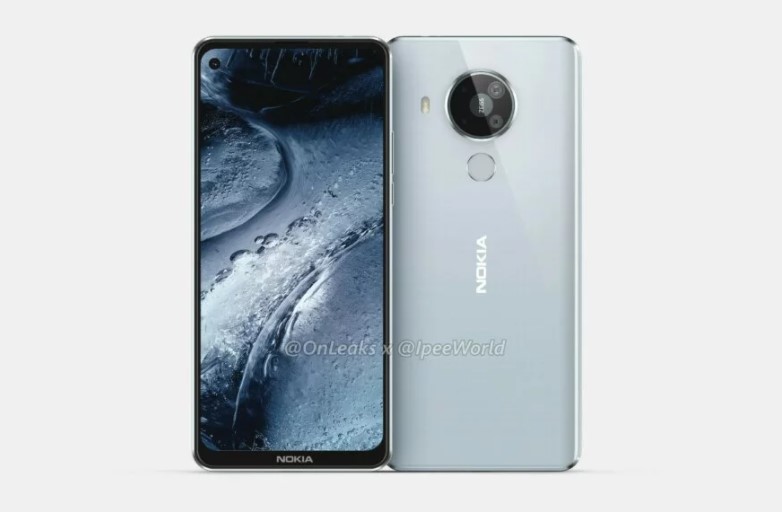
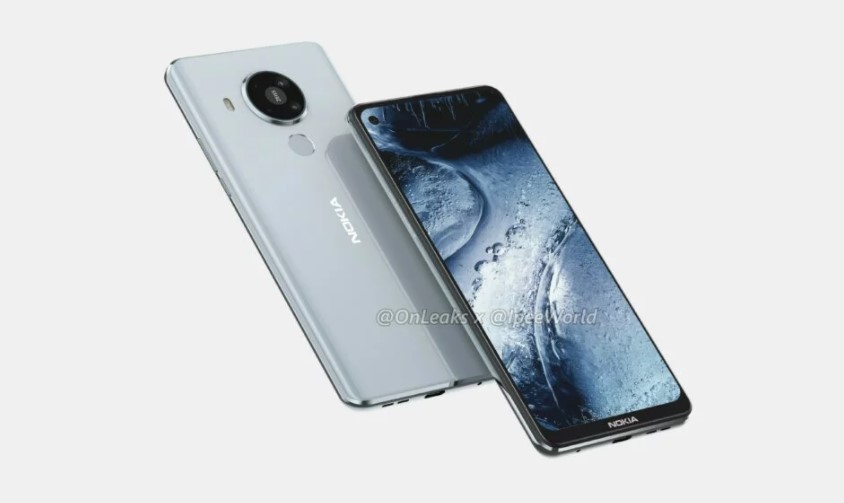
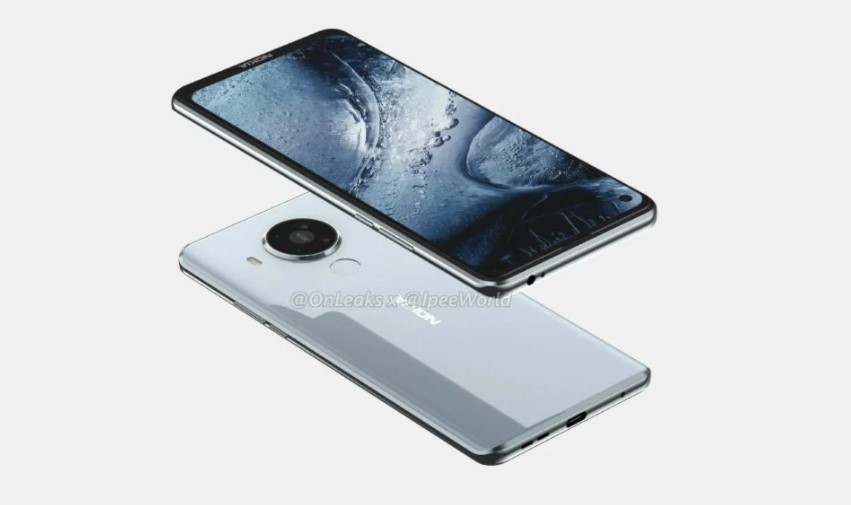
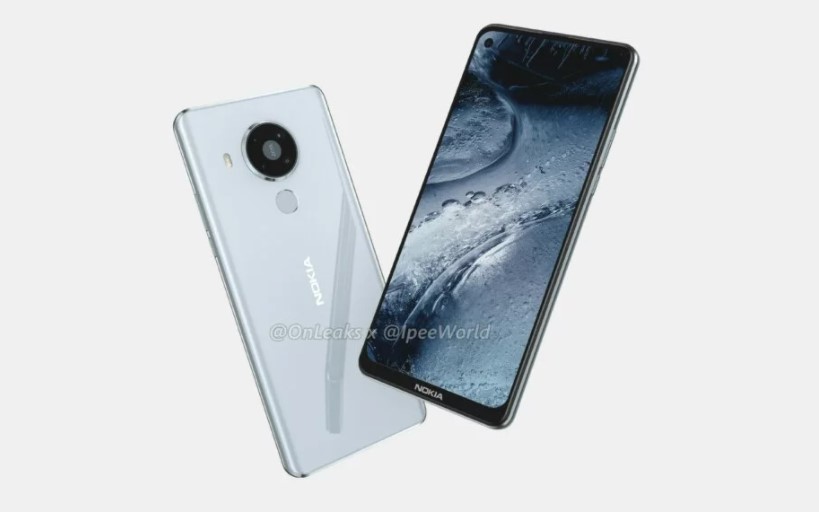
Prior to the Nokia Mobile event a few days ago, there were reports that the Nokia 7.3 will launch on September 22. However, that was not the case as HMD global only announced the Nokia 2.4 and Nokia 3.4 alongside a number of accessories. While a launch date is still unknown, renders and a 360° video of the Nokia 7.3 has surfaced on the web.
The renders and images are from Steve Hemmerstoffer who is best known as OnLeaks and he has partnered with the tech blog, IPEEWorld, to give us a first look at the mid-range phone.
The Nokia 7.2 has a waterdrop notch but the Nokia 7.3 makes the switch to a punch-hole display. The hole in the screen is at the top left corner as we have seen on many phones. The screen is said to be 6.5-inches in size with an FHD+ resolution, rounded corners, and a moderate-sized bottom bezel.
1 of 3
Nokia 7.3
The back of the phone is similar to that of its predecessor with some slight changes. The camera housing now holds four cameras and the additional camera has forced the LED flash to a new position. The Nokia 7.3 still has its fingerprint scanner on the back. Surprisingly, the source says the phone has a plastic back unlike the Nokia 7.2 which has a Gorilla Glass back.
The images show there is an audio jack at the top of the phone while the bottom is home to the USB-C port, primary microphone, and speaker. The dimensions are given as 165.8 x 76.3 x 8.2 millimeters.
The Nokia 7.3 has been reported to have a Snapdragon 690 processor that brings 5G support. It is also rumored to have a 4000mAh battery with support for 18W fast charging.
At the Nokia event on Tuesday, it was revealed that there are more products coming soon, so we should expect at least two more announcements before the end of the year, one of which should be for the Nokia 7.3.
Google’s Pixel lineup of devices is equally known for its controversy like software bugs, hardware issues. Devices like Pixel 3, 4, 4XL have faced hardware issues. And users of older 2XL have faced random reboots, freeze, and whatnot. Now, Google is once again under the radar of blame as quite a few users of Google Pixel 4a have reported touch sensitivity problems.
Soon after the release of Android 11, several users of Pixel 4a took to forums like XDA, Google, and Reddit(via Android Police) to point out the touch sensitivity problems. The issue seems to mainly pop-up for people who use screen protectors.
It is not clear if the issue is present on every Pixel 4a but it’s probably a touch sensitivity mishap. Users experience phantom aka ghost touches, unresponsive scrolling. Ghost touch is when the phone automatically performs a touch function but the user hasn’t really touched the screen.
Apart from this, the issue includes unresponsiveness in navigation gestures and gesture-based keyboard actions. And factory resetting, clearing cache, rebooting doesn’t seem to help. That said, few users said that removing the screen protectors solved the issue. And few others suggested that by setting the accessibility>touch and hold delay>short, the issue got resolved.
Is it hardware or software related?
Also, according to a few users, the issue started popping after upgrading to Android 11. To ascertain this, some said that the issue vanished on downgrading to Android 10. Additionally, a user on Google’s Issue Tracker says that the issue could also be due to the absence of a touch sensitivity toggle which the Pixel 4 already has, to improve touch response with screen protectors.
Google might have carried this change mistakenly over to the Pixel 4a but without a toggle. On the contrary, an employee responded to the issue saying that it is hardware related. While this needs more light, it is certain that Google is working on a fix already.
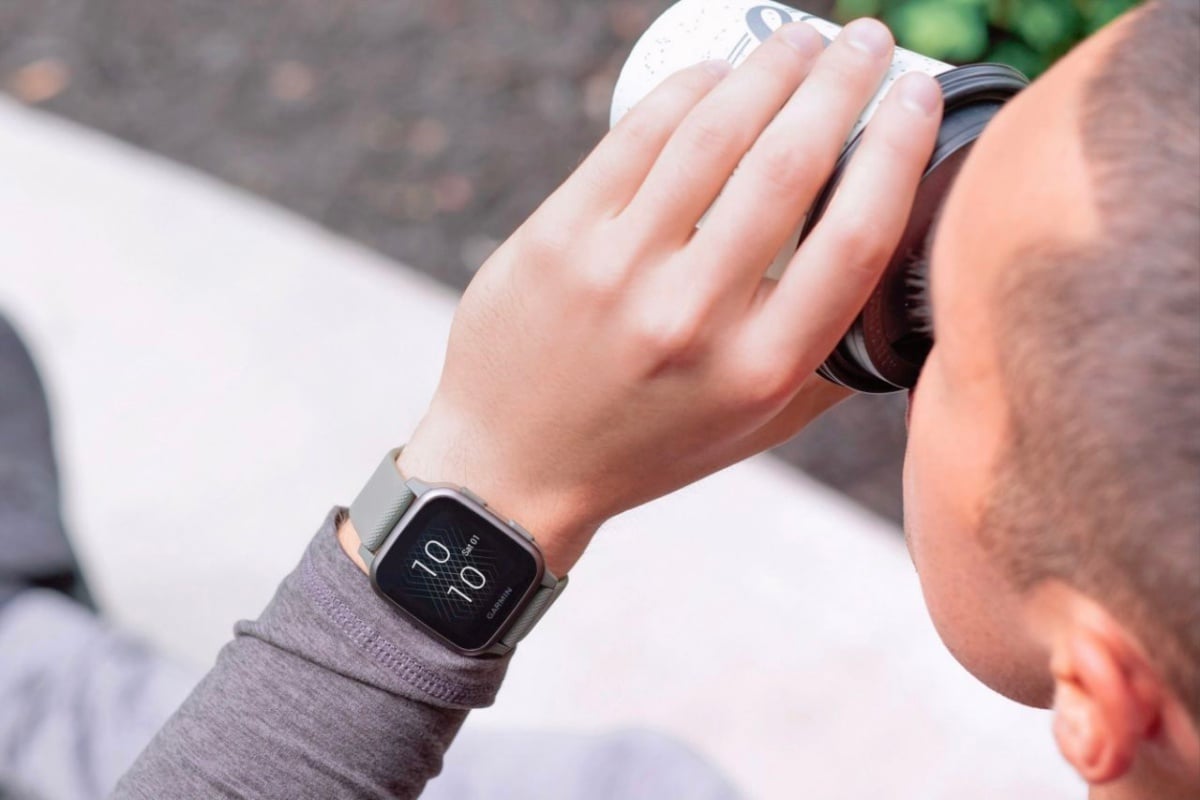
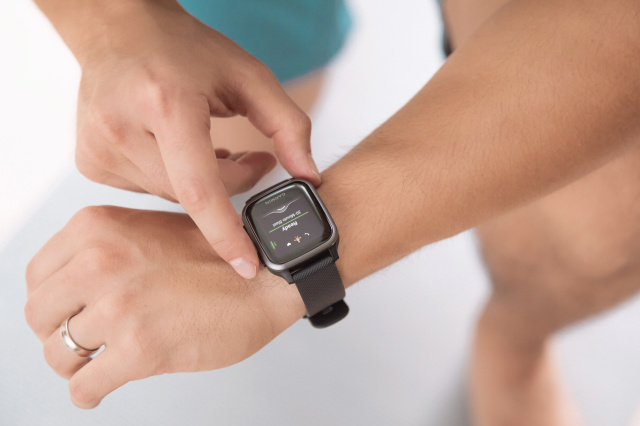
Garmin is presently ranked as the fifth as the world’s largest wearble manufacturer in Q2 2020 and the second-largest smartwatch vendor in the first half of the year. In order to consolidate on its standing, the company has lauched a new smartwatch that looks like Apple’s budget-friendly Watch SE.
The watch is dubbed Garmin Venu Sq and is a trimmed down version of the premium Venu smartwatch launched last year. This new model takes a detour from the round shape used by the Venu to feature a square-shaped design reminiscent of the Apple Watch series.
The watch weighs 37.6 grams and has a thickness of 11.5mm. The watch features a 1.3-inch display which is made of an LCD screen instead of AMOLED as used on the Venu. The resolution is also downgraded from 390 x 390 pixels to 240 x 240 pixels. Further, the watch packs an aluminium frame and Gorilla Glass 3 screen protection.
The device can remain on for up to six days on a single charge but when the GPS mode is turned on, the battery can last up to 14 hours. Apart from GPS, the watch also comes with all-day health monitoring capabilities going for it, as well as sleep, menstrual cycle, and stress tracking. There is also a Pulse Ox sensor which keeps an eye on your blood oxygen saturation levels.
The Garmin Venu Sq is priced at $199.99 and is available to buy from Garmin’s website and Amazon. It is available in orchid/metallic orchid, white/light gold, and shadow gray/slate combos. There is also a Venu Sq Music Edition which comes with phone-free listening support thanks to on-device music storage and the ability to download songs and playlists from a number of different services, Spotify, Amazon Music, and Deezer included, for easy access on your wrist. This model is priced at $249.99 and is available in light sand/rose gold, navy/light gold, moss/slate, and black/slate colours.
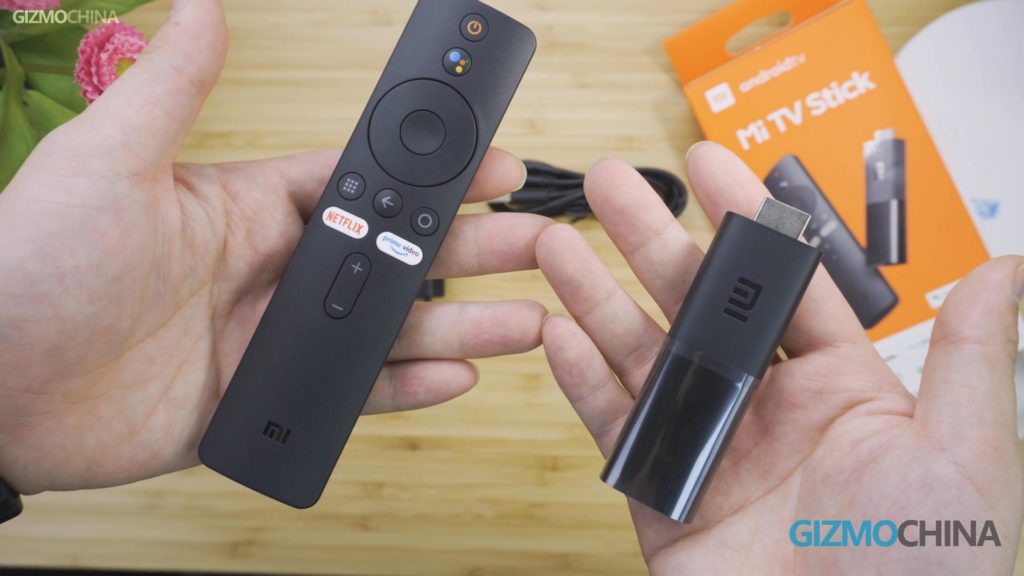
Earlier in August, Xiaomi launched Mi TV Stick in India at an affordable price tag of ₹2,799 ($38). With this streaming stick, users can turn their dumb TV into smart without spending too much. It runs Android TV Pie with support for all the leding streaming platforms. Now, more than a month later from its release in the country, it has begun to receive its first OTA update.
Xiaomi became India’s top smart TV brand within a few quarters from its entry, thanks to its affordable feature-packed televisions. Though it now has a larger number of competitors than before, it still continues to lead the market with brand recognition and reliability achieved through its smartphones.
To further increase its market share in streaming devices in India, Xiaomi launched Mi Box 4K, a rebadged Mi Box S and Mi TV Stick this year. The latter is now receiving its first-ever system update with two fixes and one improvement.
The rollout of this update with build number R536 was announced by Sudeep Sahu, the Product Manager of Mi TV India on Twitter. He even described the changelog of this new OTA update. According to him, the update improves system performance and brings fixes for Bluetooth disconnection and audio delay issues.
Hence, if you are a Mi TV Stick user, then make sure to download and install this update when you receive it. Like any other over the air system update, it is currently being pushed in batches.
Having said that, if you don’t own a Mi TV Stick and are interested in buying it, then do check out our review of this product in both written and video formats.
OnePlus already announced that the OnePlus 8T will be unveiled on October 14. That launch date is for India and the rest of the world. However, China will be getting it at a later date.
OnePlus has announced that the new flagship will be launched in China on October 15, a day after the global launch. OnePlus will also have a pop-up event in the country where fans will be able to experience and purchase the new phone.
The OnePlus 8T launch event will be held in Beijing and will begin at 14:00 hrs local time.
The OnePlus 8T will have a flat AMOLED display with a punch hole at the top left corner of the screen and a 120Hz refresh rate. It will be powered by a Snapdragon 865 processor paired with up to 12GB of RAM and 256GB of storage. It will also have 48MP quad rear cameras, a 32MP selfie camera, and support for 65W fast charging.
We use cookies on our website to give you the most relevant experience by remembering your preferences and repeat visits. By clicking “Accept”, you consent to the use of ALL the cookies.
This website uses cookies to improve your experience while you navigate through the website. Out of these, the cookies that are categorized as necessary are stored on your browser as they are essential for the working of basic functionalities of the website. We also use third-party cookies that help us analyze and understand how you use this website. These cookies will be stored in your browser only with your consent. You also have the option to opt-out of these cookies. But opting out of some of these cookies may affect your browsing experience.
Necessary cookies are absolutely essential for the website to function properly. This category only includes cookies that ensures basic functionalities and security features of the website. These cookies do not store any personal information.
Any cookies that may not be particularly necessary for the website to function and is used specifically to collect user personal data via analytics, ads, other embedded contents are termed as non-necessary cookies. It is mandatory to procure user consent prior to running these cookies on your website.