Last month, Google announced Nearby Share for Android, a feature similar to AirDrop on iOS, that allows users to share photos, links, files, and more with users near them.
The feature which began rolling out to Pixel and Samsung phones is now more widely available to other Android phones as long as they are running Android 6.0 Marshmallow and above.
For this week’s poll, we want to know if you have already gotten it and if you have used it since you did. So please take the poll and also let us know in the comment box below what you think about the feature and if you believe it will see much use or replace other methods you use to share things before.
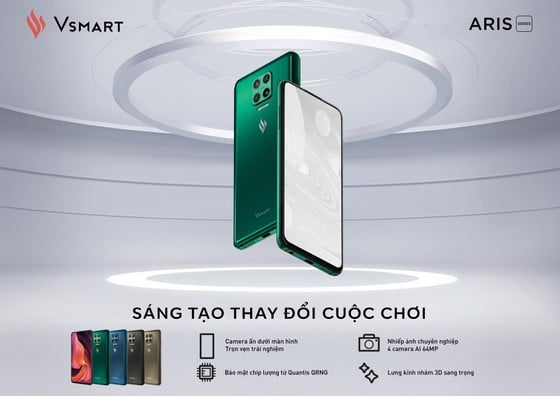
The ZTE Axon 20 5G is no longer the only phone in the world with an under-display camera. It has now been joined by the Vsmart Aris Pro, a phone manufactured by Vietnam’s VinSmart.
The Vsmart Aris Pro has a 6.39-inch FHD+ AMOLED display that has a 20MP camera buried under it. VinSmart says it has partnered with VinAI Research Institue for Artificial Intelligence to develop an AI image processing algorithm specifically for phones with cameras under the screen.
The phone is powered by a Snapdragon 730 processor with 8GB of RAM and 128GB of storage. The processor draws power from a 4000mAh battery with support for Quick Charge 3.0.
The Vsmart Aris Pro has quad rear cameras arranged in a squircle that sits in the middle of the phone. The setup includes a 64MP main camera, an 8MP ultrawide angle camera, an 8MP telephoto camera with 2x optical zoom, and a 2MP macro camera.
The phone ships with Android 10 out of the box, has dual SIM support (nano-only). It is available in Blue, Black, Gray, and Green and is already available for pre-order. The phone is priced at VND 9,990,000 (~$431) and the first 5000 pre-orders get a VND 500,000 (~$22) voucher and a free pair of Anker TWS earphones worth VND 1,700,000 (~$73).
The Mi 10T series of smartphones from Xiaomi are the successors to the Mi 9T and Mi 9T Pro that launched last year. While we know the series is for the international market including countries in Europe, new info has revealed the phones will launch in Thailand too.
The info comes from a picture that was taken at a store (probably a Mi Home Store) in Thailand. The image, which was posted on Twitter by Sudhanshu Ambhore, shows a large display showing the Mi 10T series.
A source from Thailand exclusively send me this Mi 10T series poster displayed in a Mi Store, confirming that the phones will launch in Thailand too. Apparently the machine translated tagline for Mi 10T series is "Awakening Your Creativity In Camera"#Mi10TPro#Mi10T#Mi10Tseriespic.twitter.com/VnXMLaqON9
The photo confirms the design of the phones and also the support for 5G. As you can see, the Mi 10T/Mi 10T Pro is shown with a flat display with a punch hole at the top left corner of the screen. We can also see that the phone has four rear cameras and will be available in black and white colorways.
The Mi 9T and Mi 9T Pro were both announced in Thailand, so it is no surprise that their successors will also be launched in the country. At the moment, the Mi 9T Pro is no longer available on the Xiaomi Thailand website. It is not also available on partner stores Lazada, Shopee, and JD.com. This most likely means stock has been cleared to make way for the new model.
The Mi 10T is reported to have a Snapdragon 865 processor which means it is a flagship phone, unlike the Mi 9T that launched with a Snapdragon 730 processor. It will have up to 8GB of RAM, up to 256GB of storage, and a 64MP main camera. The pro version will also have a Snapdragon 865 processor, an AMOLED display with a high refresh rate, and a 108MP primary camera.
We expect Xiaomi will announce a launch date for the new smartphones very soon.
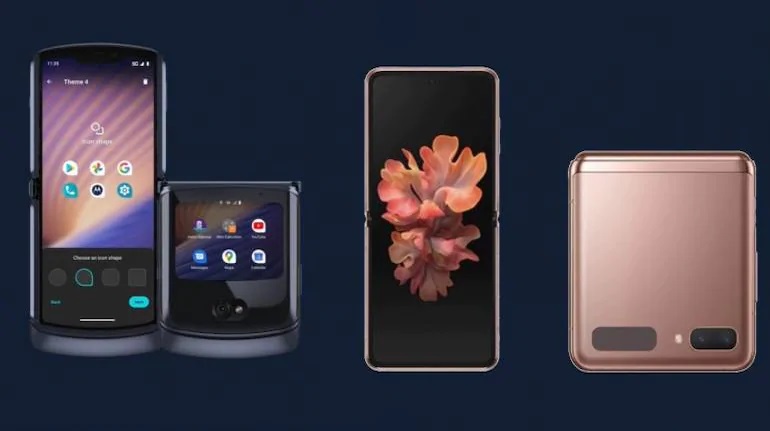
The new generation of clamshell foldable phones is here! After releasing the first-ever clamshell phones with a foldable display in 2019, Motorola and Samsung launched their successors and brought the support to 5G connectivity even in this innovative segment. If you only look at the names of the new handsets, you might think that they are just variants of the previous models with a 5G modem inside and the same specifications. But this is not the truth: the new Motorola Razr 5G and the Samsung Galaxy Z Flip 5G are very important upgrades compared to the previous generation. Let’s discover all the upgrades done and the differences between the two handsets.
Motorola Razr 5G vs Samsung Galaxy Z Flip 5G
Motorola Razr 5G
Samsung Galaxy Z Flip 5G
THICKNESS
169.2 x 72.6 x 7.9 mm (unfolded)
91.7 x 72.6 x 16 mm (folded)
192 grams
167.3 x 73.6 x 7.2 mm (unfolded)
87.4 x 73.6 x 17.3 mm (folded)
183 grams
DISPLAY
Main display: 6.2 inches, 876 x 2142p (HD+), 373 ppi, Foldable P-OLED
External display: 2.7 inches, 600 x 800 pixels, G-OLED
6.7 inches, 1080 x 2636p (Full HD+), Foldable Dynamic AMOLED
External display: 1.1 inches, Super AMOLED, 112 x 300 pixels
PROCESSOR
Qualcomm Snapdragon 765G, octa-core 2.4 GHz
Qualcomm Snapdragon 865+, octa-core 3.09 GHz
MEMORY
8 GB RAM, 512 GB
8 GB RAM, 256 GB
SOFTWARE
Android 10
Android 10, One UI
CONNECTIVITY
Wi-Fi 802.11 a/b/g/n/ac, Bluetooth 5.1, GPS
Wi-Fi 802.11 a/b/g/n/ac/ax, Bluetooth 5, GPS
CAMERA
Single 48 MP f/1.7
20 MP f/2.2 front camera
Dual 12 + 12 MP, f/1.8 and f/2.2
10 MP f/2.4 selfie camera
BATTERY
2800 mAh
Fast charging 15W
3300 mAh, Fast Charging 15W, and fast wireless charging 9W
ADDITIONAL FEATURES
5G, water-repellent, optional eSIM
5G, eSIM
Design
The Motorola Razr 5G wins the design battle because of its iconic design which reminds of the old Razr feature phones. It has a more compact body, a more original look, and even amazing build quality. The Motorola Razr 5G is built very well and it includes a glass back protected by Gorilla Glass 5, a frame made of aluminum 7000 series, and a stainless steel hinge. It is even a water-repellent phone, so it offers some kind of protection against water despite being a foldable phone. The Samsung Galaxy Z Flip 5G is a beautiful and well-built phone as well, but it can not compete with the Motorola Razr 5G when it comes to aesthetics.
Display
If we talk about the internal foldable displays, the Samsung Galaxy Z Flip 5G is actually superior. Its internal foldable display with the Dynamic AMOLED technology has a higher 1080p resolution and the HDR10+ certification which is not present on the Motorola Razr 5G. Instead, if we talk about the external displays, Motorola Razr 5G is way better: the Samsung Galaxy Z Flip 5G houses a very small cover display which does not offer so many ways to interact. With the Motorola Razr 5G, you can do a lot of things without opening the phone thanks to its wide external display.
Specs & Software
Samsung Galaxy Z Flip 5G beats the Motorola Razr 5G 10-0 when it comes to the hardware department. It has a stronger chipset: the Snapdragon 865+ which is actually the best processor in the market, while the Snapdragon 765G found on the Razr 5G is just a mid-range SoC. The Snapdragon 865+ of the Samsung Galaxy Z Flip 5G is paired with 8 GB of RAM and 256 GB of UFS 3.0 internal storage. Samsung Galaxy Z Flip 5G and Motorola Razr 5G run Android 10 out of the box.
Camera
Both Razr 5G and Samsung Galaxy Z Flip 5G are pretty nice camera phones with OIS providing a good photo quality, but they are not top camera phones. Among these twos, I would go for the Samsung Galaxy Z Flip 5G because it offers a secondary ultrawide lens and because it is able to record better videos and shoot better selfies. Unfortunately, you do not get secondary sensors paired with the main rear camera of the Motorola Razr 5G. With both the handsets, you can click selfies with the rear camera by using the secondary display.
The battery of the Motorola Razr 5G is very small compared with the other Android smartphones released in 2020. The reasons are its small dimensions and the fact that it is a clamshell foldable phone: there is no space for a huge battery. The Samsung Galaxy Z Flip 5G is below-average too, but it has more space for a bigger 3300 mAh battery. And with its efficient components, it is enough for a day of moderate use. It even supports wireless charging.
Price
The prices of the Motorola Razr 5G and the Samsung Galaxy Z Flip 5G vary depending on the market. The former is priced €1599 in Europe and $1399 in the U.S. while the latter is priced €1599 in Europe and $1449 in the U.S. If the design (and usability while the phone is folded) is your main concern, then you should go for the Razr 5G. But for all the rest, Samsung Galaxy Z Flip 5G is a way better phone. It has a superior display, flagship-class hardware (you get midrange hardware with the Razr 5G and that is very disappointing for several potential users), a great camera, and even wireless charging.
Motorola Razr 5G vs Samsung Galaxy Z Flip 5G: PRO and CONS
The OnePlus 5 series is nearing its end of life. Actually, it has already received its last major OS upgrade in form of Android 10 last quarter. However, that update had some serious bugs which OnePlus is yet to fix with an update. An official statement was released a few days ago explaining the reason for the delay.
According to the statement which was published on the OnePlus Forums, a serious bug related to the communication module was found in the update that was to be released. The bug is said to have a serious impact on user experience and solving it has resulted in a series of back and forth with communication carriers.
While the statement also included an apology for not communicating to users the situation, it did not say when the update will eventually be made available to users as the bug is yet to be fixed. OnePlus says they will share progress henceforth and also announce when they have a release plan.
The original Android 10 update broke a number of features including Electronic Image Stabilization (EIS). Some OnePlus 5/5T users have requested that OnePlus make it up to them by releasing OxygenOS 11 based on Android 11 for them but we do not see that happening.
OnePlus India has created an event page for the phone and users can sign up to be notified. Those who sign up to get notified get a chance to win exclusive prizes including a OnePlus 8T 5G, free vouchers for the OnePlus Bullets Wireless, and discount vouchers for accessories. Do check here for the rules for the competition.
The page also includes a teaser video featuring OnePlus’ brand ambassador, Robert Downey Jr. The video doesn’t show the device but confirms that the device is coming soon.
The OnePlus 8T 5G will have a flat AMOLED display with a punch hole in the top left corner and a 120Hz refresh rate. It will be powered by the Snapdragon 865 processor with up to 12GB of RAM and up to 256GB of storage. The phone will also have four rear cameras that consist of a 48MP primary camera, a 16MP ultrawide angle camera, a 5MP macro camera, and a 2MP depth sensor.
It has also been reported that the phone will have a 32MP selfie camera, a 4500mAh battery, support for 65W Warp Charge, and will run Android 11 out of the box.
Xiaomi Youpin has launched the Little Whale Wash Antibacterial Smart Toilet with a starting price of only 1999 yuan (~$295).
The Little Whale Washing Antibacterial Smart Toilet includes two models, the Qingyun version and a more expensive model dubbed Net cloud version and priced at 2799 yuan.
Both smart toilets are designed without water tank, jet siphon, strong flushing force and are also water saving. The whole device comes with IPX4 waterproof. The seat ring material is antibacterial and also supports slowly falling to avoid noise.
Further, both models support foot-touch flushing, and you can flush with a light touch on the sensing area on the side of the toilet. It also supports automatic flushing function after leaving the seat for 5 seconds.
In addition, the two new products also support intimate designs such as seat heating and light-sensitive soft night light. The four-speed seat temperature can be adjusted at will. The sedentary automatic temperature control system will start to cool down to prevent low-temperature skin burns.
The net cloud version also supports unique functions such as hip washing, bidet washing, warm air drying, wide massage washing, spray bar self-cleaning, water purification filtration, wireless remote control, and smart digital display.
Vivo announced about a fortnight ago that it will launch a new smartphone called the Vivo V20 SE on September 24. Ahead of the launch, the complete specifications for the phone have been leaked.
The specs were posted on Twitter by Sudhanshu Ambhore (@Sudhanshu1414) and also includes renders of the phone. According to him, the Vivo V20 SE will have a 6.44-inch FHD+ display with a waterdrop notch. The screen is an AMOLED panel with Gorilla Glass 3 protection.
vivo V20 SE -6.44", FHD+, AMOLED, 1080×2400, 403ppi, 430nit, Corning Gorilla Glass 3 -Snapdragon 665 -48MP (F/1.8) + 8MP (F/2.2) Ultra Wide + 2MP (F/2.4) Bokeh -32MP (F/2.0) -Up to 4K 30FPS video recording -4100mAh, 33W FlashCharge, USB-C -8GB+128GB with microSD up to 1TB (1/2) pic.twitter.com/nJchMj5RmB
Inside the phone is a Snapdragon 665 processor, 8GB of RAM, and 128GB of storage. The Vivo V20 SE has three rear cameras – a 48MP f/1.8 primary camera, an 8MP f/2.2 ultrawide angle camera, and a 2MP f/2.4 camera for depth of field. The notch in the display is home to a 32MP f/2.0 selfie camera. The leaker says the phone is capable of recording 4K videos at 30fps.
Vivo will ship the phone with a 4100mAh battery with support for its 33W FlashCharge fast charging technology via USB-C. There is also support for storage expansion via a USB-C port.
The Vivo V20 SE will run FunTouch OS 11 based on Android 10. The phone also has an in-display fingerprint scanner, weighs 171 grams, and is 7.83 millimeters thick. It will be available in pale blue and black colorways when it launches on Thursday.
At the 2020 Zhongguancun Forum, Xiaomi founder and CEO Lei Jun talked about MIUI among other aspects of the company’s progress in the last 10 years. The speech was part of his eulogy to the team for their efforts that has seen the company grow in leaps and bounds this past 10 years.
According to the CEO (via), the company decided to start up with software since they didn’t have much knowledge about phone hardware. The MIUI custom ROM was thus birthed. Lei Jun revealed that the MIUI ROM burst into limelight on September 20, 2010 when a developer on XDA Developers forum posted a comment drawing the attention of other members of the forum to a new ROM.
At that moment, the first version of MIUI had only 100 users after it was released in China on August 16. Surprisingly, the ROM became popular first outside China before the domestic user base started to grow.
With the official recommendation received on XDA, the idea came to translate MIUI into various languages and to adapt it to local mobile phones. This signalled the beginning of Xiaomi’s globalization. He then hinted that Xiaomi’s revenue from its international business accounts for more than half of its entire revenue and attributes it to the positive seed MIUI planted in the mind of the global audience ten years ago. However, the Xiaomi CEO did not share any data showing the firms gross revenue from the global market compared to that of China.
Currently, MIUI is in its 12th generation (MIUI 12) with millions of users spread across various regions of the world.
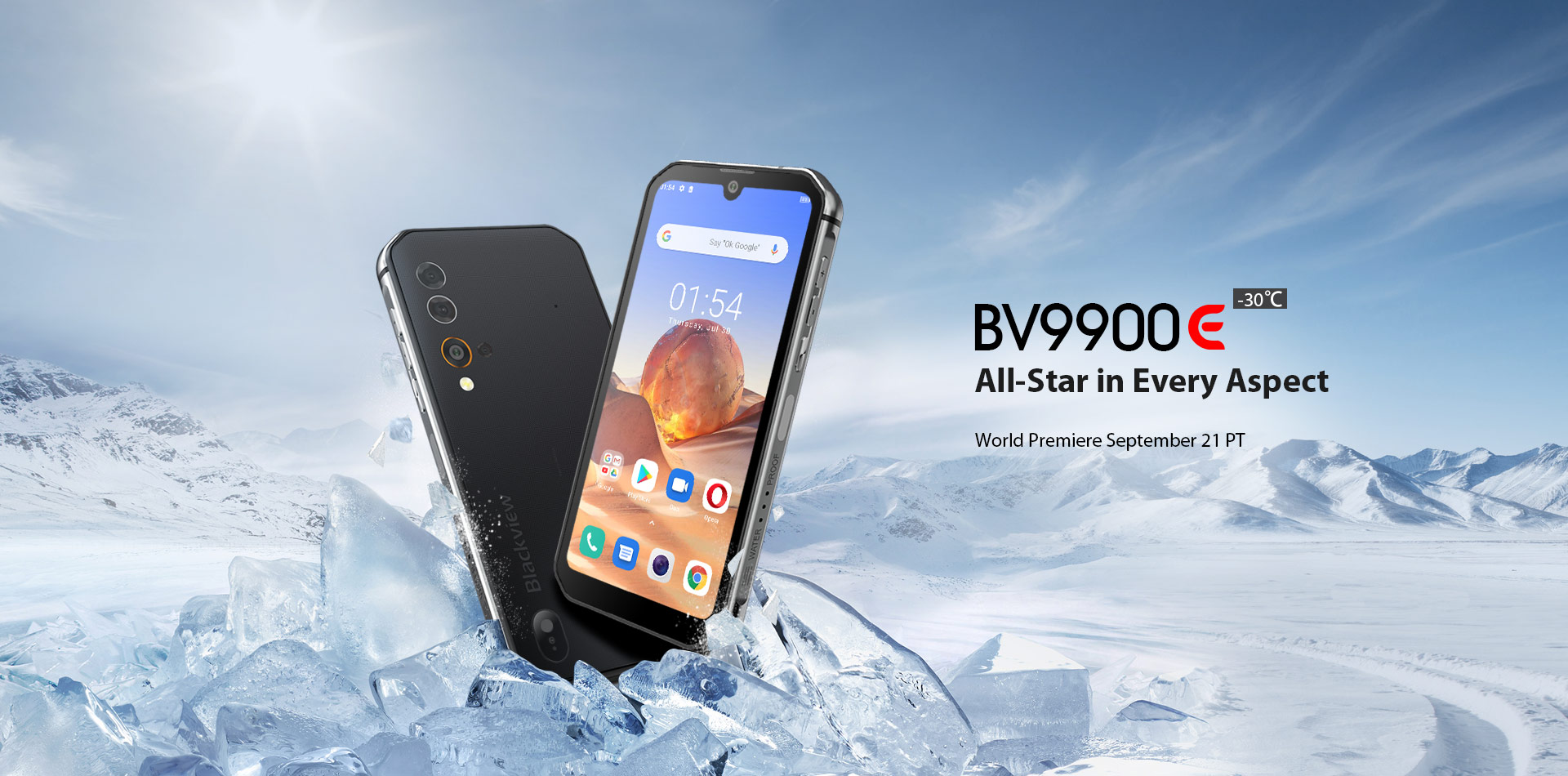
Blackview launched the BV990E rugged-smartphone a couple of weeks ago. The new outdoor smartphone starts at $399 but will be available at a discounted price for a limited price starting this Monday(September 21). There is an exclusive giveaway running on AliExpress and users have the chance to grab the device at just $0.99.
Blackview BV9900E Unboxing
The device will be sold globally on AliExpress from September 21. Interestingly, for a period of two weeks(Sept 21- Oct 5), users can purchase the device with a discounted price of $259.99. That said, unboxing the device gives us the following list of contents:
As you can see in the video, the device has power, volume buttons to the right along with a side-mounted fingerprint sensor. There is a triple-camera layout and an LED flashlight on the rear. There is a SIM tray to the left while the bottom has a charging port. On AnTuTu benchmarks, the device scored a total of 203,257 points with 71,937 for CPU and 43,670 for GPU respectively.
Besides the discount, an exclusive giveaway for the Blackview BV9900E is running on AliExpress till tomorrow(Sept 19). To win one, follow the steps below:
Add Blackview BV9900E to cart on AliExpress.
Follow Blackview’s Official Store.
Post some features about BV990E in the comments and get a chance to play the Flip’n Win game.
Each game u play will cost 5 coins. The game allows you to flip 2 cards and reveal either coins, coupons, or nothing. There is no need of matching the cards to win. if you play Flip’n win a 259 coupon, it means, you only pay $0.99 to get the BV9900E smartphone.
Note: The game can be played 10 times a day. However, Each AliExpress ID is allowed for only 2 comments a day. The game ends on September 19 23:59:59 PT and winners should contact the team by September 20. Additionally, winners will have to pay all the taxes applicable.
Blackview BV9900E Specifications
The Blackview BV9900E is a rugged-smartphone. It has Military standard MIL-STD 810G certification for durability and is built using a tough metal-frame and shockproof silicone material. There are IP68 and IP69K for dust, water pressure resistance up to 1.5m depth for 30 minutes, and drop-proof from a 1.5m height. The device can also work in -15°C to -30°C and also has a dedicated ice-mode built-in. Other specifications are as follows:
5.84-inch FHD+ display with Corning Gorilla Glass 5 protection
Mediatek Helio P90 AI SoC paired with 6GB RAM and 128GB UFS 2.1 storage
Rear quad-camera setup with 48MP Sony IMX 582, 16MP ultra-wide with 120° FOV, 2MP macro, and 0.3MP depth sensor. Has features like HDR, Night Mode, 4K video recording. Front has a 16MP selfie shooter.
4,380mAh battery with 10W wireless charging support.
Heart-rate Monitor and Barometer
Other features: Android 10, 4G Global LTE bands, NFC, WiFi, GPS, BeiDou, GLONASS, Galileo, NFC.
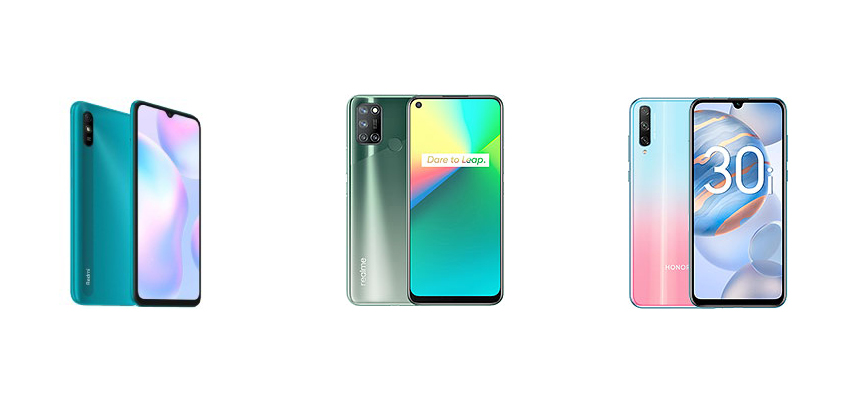
Xiaomi, Realme, and Honor released three variants of their latest smartphones lineup which are identified by the “i” letter in their names. But they do not share only that letter in common: these devices are all affordable phones with a very high value for money. The Redmi 9i is an entry-level handset, while Realme 7i and Honor 30i are lower-midrange devices. Is it worth spending more to get lower-midrange “i” variants or the Redmi 9i is enough for your actual needs? In this comparison, we will try to answer this question and highlight the main differences between these three handsets.
Xiaomi Redmi 9i vs Realme 7i vs Huawei Honor 30i
Xiaomi Redmi 9i
Realme 7i
Huawei Honor 30i
DIMENSIONS AND WEIGHT
164.9 x 77.1 x 9 mm, 194 grams
164.1 x 75.5 x 8.9 mm, 188 grams
157.2 x 73.2 x 7.7 mm, 171.5 grams
DISPLAY
6.53 inches, 720 x 1600p (HD+), 269 ppi, IPS LCD
6.5 inches, 720 x 1600p (Full HD+), IPS LCD
6.3 inches, 1080 x 2400p (Full HD+), 418 ppi, AMOLED
Triple 48 + 8 + 2 MP f/1.8, f/2.4 and f/2.4
16 MP f/2.0 front camera
BATTERY
5000 mAh
5000 mAh, fast charging 18W
4000 mAh
ADDITIONAL FEATURES
Dual SIM slot
Dual SIM slot
Dual SIM slot
Design
If you are looking for the most modern and elegant design, we believe you should go for the Realme 7i. Unlike the Redmi 9i and the Honor 30i sporting a waterdrop notch, the Realme 7i has a display with a single punch hole making the front panel way more elegant and futuristic. But if you just need a compact phone for better one-handed use which fits better in a pocket, then choose the Honor 30i which has smaller dimensions, it is thinner and even lighter (but it has a smaller display and battery).
Display
Despite its display is actually smaller, Honor 30i wins the display comparison for two reasons: first of all, it has a higher Full HD+ resolution with 1080 x 2400 pixels. Further, it has an AMOLED panel which shows more brilliant colors. The Honor 30i is also a device offering a higher brightness level. The silver medal goes to the Realme 7i which offers a 90 Hz refresh rate, but it has an IPS display with a lower HD+ resolution. Redmi 9i loses because it comes with an IPS HD+ display, as well as a standard refresh rate.
Specs & Software
If instead of a better display quality you need higher performance, get the Realme 7i without thinking twice. It is equipped with a Snapdragon 662 SoC by Qualcomm paired with 8 GB of RAM and 128 GB of UFS 2.1 internal storage. With the Honor 30i and the Redmi 9i, you get max 4 GB of RAM. In each case, you have Android 10 out of the box, but the Honor 30i launched without Google services due to the U.S. ban. The Honor 30i actually offers a better chipset than the Redmi 9i: the latter still performs well for an entry-level, but Kirin 710F is superior.
Camera
Just like happens in the hardware comparison, Realme 7i wins even the camera comparison. It has a better main sensor on its rear setup (a 64 MP lens with bright f/1.8 aperture) paired with more secondary sensors, including an 8 MP ultrawide camera and a pair of 2 MP lens for macro and depth calculation. Right after, we got the Honor 30i with a 48 MP triple camera including an ultrawide sensor and a pretty nice 16 MP front camera. Redmi 9i disappoints with its 13 MP main sensor.
Battery
The Redmi 9i is the handset that should provide the longest battery life because it has a huge 5000 mAh battery and it sports a standard refresh rate. Realme 7i sports the same battery capacity, but it has a 90 Hz refresh rate and it is more energy-demanding. On the other hand, unlike the Redmi 9i, it supports fast charging.
Price
Redmi 9i is priced about €100/$118, Realme 7i costs about €180/$213, and you need about €200/$237 to grab a unit of the Honor 30i. At the moment, none of these devices is on sale in the Old Continent: you can only find them in Asia. You should go for the Redmi 9i only if you want to save money: it offers a good user experience, but it can not compete with the Realme 7i and the Honor 30i in any way. Realme 7i has a bigger battery, great design, better hardware, and better cameras than Honor 30i, while the Honor 30i has a better display and it is a lot more compact. The Realme 7i wins this comparison.
It is no longer news that the Indian government slammed a ban on the popular gaming app PUBG Mobile, alongside 117 other apps that are of Chinese origin. The ban has resulted in Blue Hole Studio, a South Korean company and the original owner of the app, revoking the license given to Tencent to distribute the game in India.
Apparently, Blue Hole Studio is in talks with India telecom company Reliance Jio to get the game up and running in India once again. According to sources (via), negotiations commenced after the ban and are still in the early stages. Both sides are reportedly studying various aspects of the deal.
There is no official word about the negotiations but Blue Hole Studio in a blog post confirmed that talks are ongoing to ensure the app is unbanned. Since the app was banned in India as a result of its connection with Tencent, there is every possibility that the ban could be lifted as soon as an agreement is reached with a domestic distributor.
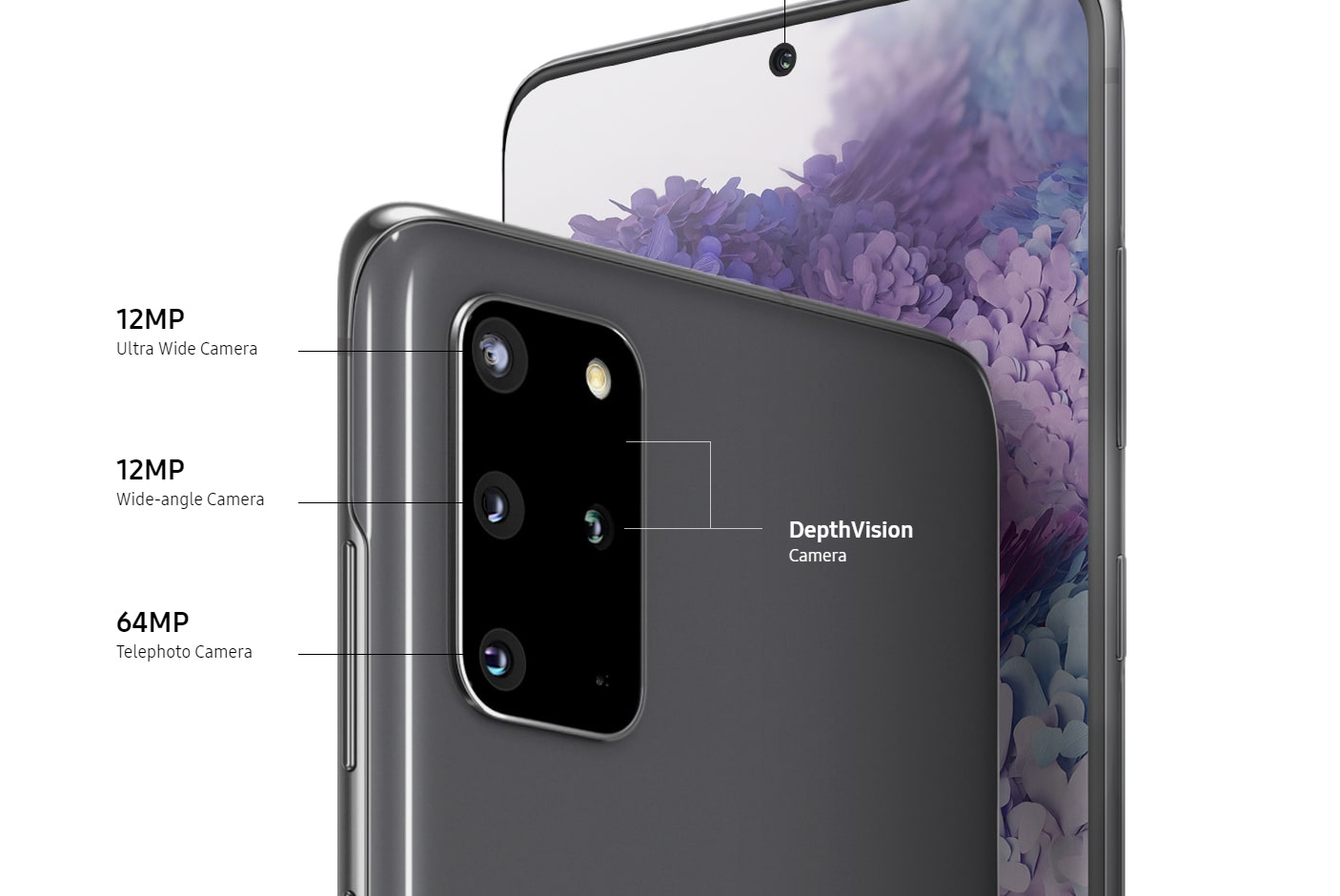
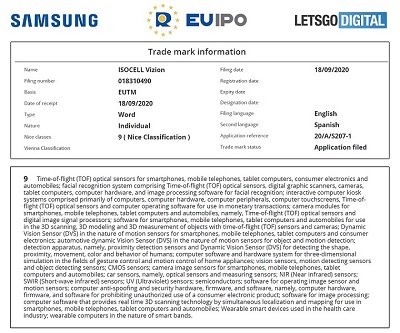
Samsung launched its Galaxy Note 20 series just a month ago. However, rumors of the next flagship S21/S30(Tentative) series have already started floating around. And now, Samsung has filed a trademark for the ISOCELL Vizion 3D ToF sensor at EUPIO(European Union Intellectual Property Office) and this could debut on the upcoming S series.
The trademark was first spotted by LetsGoDigital, a well-known publication for patents and trademarks. Applied on September 18 at EUIPO, Samsung has named the trademark “ISOCELL Vizion” and it is classified under Class 9. This class is exclusive to ToF(Time of flight) optical sensors for smartphones, 3D modeling, and measurement with ToF. Additionally, the class also includes Dynamic Vision Sensors(DVS) for detecting shape, proximity, movement, color, and behavior of objects.
All these hints to a possibility that the ISOCELL Vizion could be a ToF sensor. However, early reports suggested that Samsung had planned to ditch the ToF sensor on the next S series of smartphones. Recently, it was speculated that Samsung could include a second Telephoto lens in place of the ToF sensor. Nonetheless, the new trademark leaves a lot of skeptical thoughts on whether Samsung is planning to develop its own ToF sensor.
In addition to measuring distance and volume, a ToF sensor can perform other functions as well. Some include indoor scanning, object and gesture recognition, and mainly 3D imaging that is useful for AR and VR experience. However, the ToF sensor on Samsung is no match for rivals like Apple.
In fact, it has used an indirect ToF sensor so far which not only requires strong light but also fails to be accurate in long distances. The ToF sensors aka Depth Vision cameras present on flagships like S10, S20 had a maximum range of 3 meters. On the contrary, Apple used a direct ToF sensor with a range of 6 meters.
Has Samsung cracked a way to improve accuracy?
However, Apple procured these via an exclusive deal with Sony. This meant Samsung had to settle with a less efficient sensor. That said, the trademark also corroborates with earlier rumors where Samsung’s System LSI business was said to be developing a direct ToF module.
This suggests that Samsung might have cracked a way to improve the efficiency of the new direct ToF sensors. But these are early speculations and need concrete info to ascertain them. In addition, this new direct ToF sensor could be implemented on the next S series(S21/S30) of devices as well. However, there is no official confirmation yet and we will have to wait for a few more months to confirm the same.
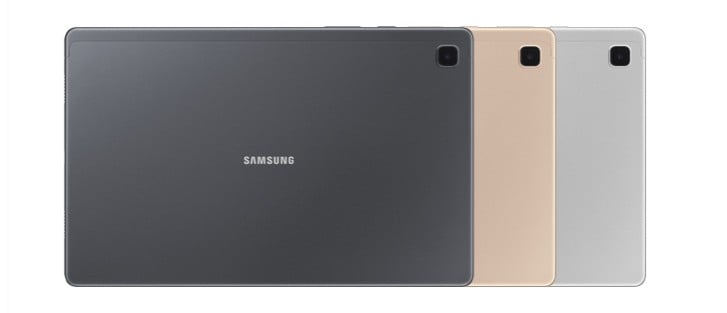
At a time when smartphones are approaching mini-tablets in size, Samsung is one of the few companies which sells proper Tablets in both midrange and flagship segments. Accordingly, the company recently unveiled the flagship Galaxy Tab S7 and S7+ in countries like the USA and India. Now, it is said to unveil the mid-range Galaxy Tab A7(2020) in India soon. A teaser page has gone live on Amazon and hints at processor and color variants of the tablet.
The tablet got listed on Samsung’s official website a week ago. It had the model number SM-T500 and SM-T505. While these match with the Galaxy Tab A7(2020), the latest teaser on the Amazon India website confirms the Galaxy Tab A7 moniker and gives away more details. The page also reveals Dark Grey, Silver, and Gold color options. Further, one of the images contains a dragon hinting at the presence of Qualcomm Snapdragon 662 SoC.
The teaser page also contains keywords like “epic game”, “digital classroom”. From these hints, it looks like Samsung is targeting kids and gamers who are looking for a budget tablet. Since the pandemic is not over yet, many schools and officers continue to remain shut. This has forced many to work from home and Samsung has sensed this rightly to launch tablets in India to aid online education and work. Apart from this, Samsung hasn’t revealed anything about the launch date yet, and hence, we will have to wait a bit more to find it out.
Samsung Galaxy Tab A7(2020) Specifications and Expected Price
We already know the specifications of Galaxy Tab A7(2020) from its earlier launch in Germany. We can expect it to launch in WiFi-only and LTE variants in India. As teased on Amazon, it is one of the slimmest tablets measuring in at 157.4×247.6×7.0mm(HxWxD) and weighs 476g. There is a 10.4-inch IPS LCD display with a resolution of 2000×1200 pixels.
Powered by Qualcomm Snapdragon 662 SoC, it comes paired with 3GB RAM and 32/64GB storage. There is an 8MP rear shooter and a 5MP front-facing camera for video calling. It has a huge 7,040mAh battery, 3.5mm audio jack, Bluetooth 5.0, Dual-band Wi-Fi, and Type-C port for connectivity.
As for the price, it is priced at EUR 233(~Rs.20,306) for the WiFi and EUR 282(~Rs.24,576) for the LTE variants. Hence, we can expect similar pricing in India.
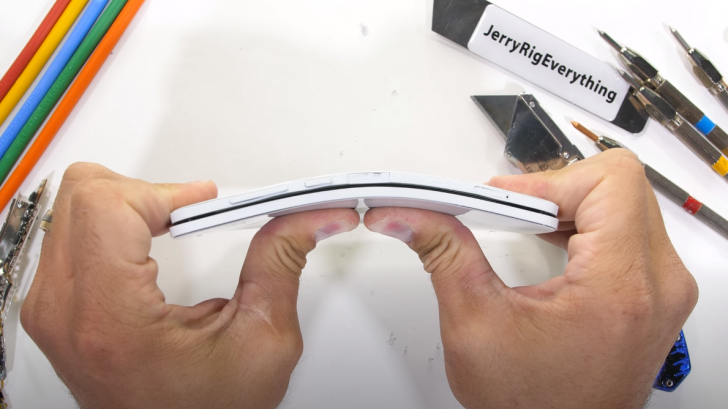
Microscope Surface Duo phone is a good come back for Microsoft after 4years since their last release of a mobile phone. This beautiful and expensive device was not spare by Zack Nelson a popular YouTuber with the handle JerryRigEverything who has put the device through his popular durability routine.
The result is actually surprising as the Microsoft Surface Duo seems to be one of the best foldable smartphone money can buy though expensive but could be bent to the back and front without damage to the screen.
The amount of effort put in by Zack Nelson is a little alarming as the phone was bent to both side and eventually heated with a flame and yet it was not damaged, though the screen was a bit expanded. Although the scratch test is nothing new, it still is impressive. The phone packs a Gorilla Glass 5 protection so deeper grooves appeared at a level 7.
Unlike other foldable devices, the Surface Duo is equipped with two screens and a well-crafted metal hinge on both sides to keep it whole. The plastic frame is able to hold the screens together. The device is not really fragile despite the choice of plastic as it passed the durability test. It is one of the most flexible phone money can buy and the price looks quite justifiable. However, the device can be permanently curved so maybe not too right to be placed in the back pocket and sat on.
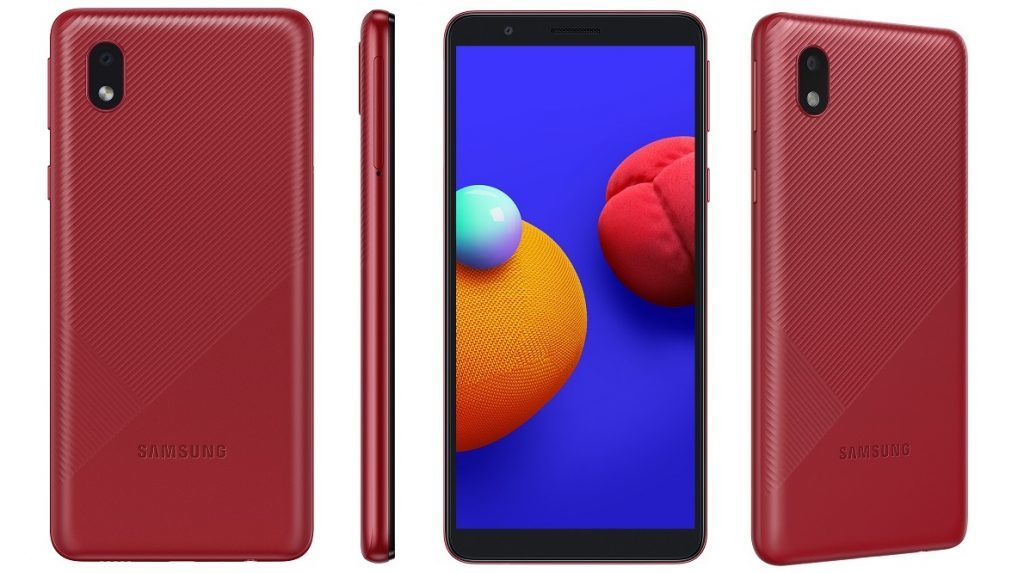
In late July, Samsung launched its cheapest 2020 smartphone in the form of Galaxy M01 Core in India. This device is also known as Galaxy A01 Core in certain markets. A few days ahead of its announcement, the company also launched one of its bizarre handsets of 2020 called Galaxy M01s. Now, within two months from their debut, both these devices have received a permanent price cut of ₹500 ($7).
Samsung Galaxy M01 Core Red
Samsung released the Galaxy M01 Core as its cheapest smartphone of 2020 in India for ₹5,499 ($75). This price was for the base variant with 1GB RAM and 16GB internal storage. Whereas, the higher 2GB + 32GB storage version debuted for 6,499 ($88).
Now with the latest ₹500 ($7) price cut, this handset is even more affordable at ₹4,999 ($68) and ₹5,999 ($81) respectively. The highlight of this device is Android 10 Go Edition with One UI.
Similarly, the South Korean tech giant has also slashed the price of Galaxy M01s by the same amount and therefore, it now retails for ₹9,499 instead of ₹9,999. It comes in a single 3GB + 32GB version.
We mentioned this phone as bizarre in the introduction because despite being a Galaxy M series smartphone, the features offered by this handset pale in comparison to products from other brands as well as its own siblings.
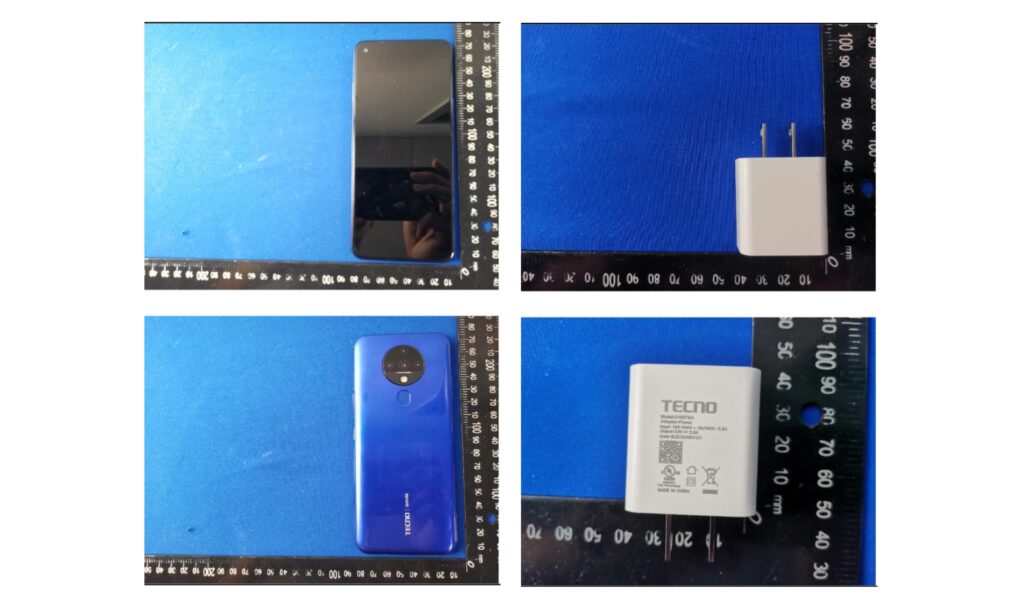
Earlier in May, TENCO Spark 5 was released by the brand in Ghana. Now, after four months, the company is all set to unveil its successor going by the name of TECNO Spark 6. This handset was spotted on FCC last Saturday and now this week, it visits Geekbench revealing its chipset as well as the amount of RAM.
The TECNO Spark 6 FCC and Geekbench listings were shared by Abhishek Yadav on Twitter. He tweeted the former last week but we missed to cover it. Since now with Geekbench, we sort of have all the primary specs of this upcoming phone, let us have a look at them together.
According to Geekbench, this forthcoming TECNO smartphone will be powered by MediaTek helio A25 paired with 4GB RAM and Android 10 operating system. It may also arrive in a lower RAM + internal storage configuration.
On the other hand, the FCC certification bureau exposes a lot about this phone, thanks to the pictures of the device and its 10W charger that are included in the certification documents. Hence, we know that it will come with a circular camera array for four cameras on the back with a fingerprint sensor below it.
Whereas, on the front, it will feature a punch-hole display. Lastly, the FCC also reveals this phone to arrive with support for a dedicated microSD card slot.
That said, TECNO is yet to announce the launch date of this smartphone. Going by its predecessor, it should be priced around $125.
There are only a few companies that sell Android tablets in 2020. The notable two brands are Samsung and Huawei. The South Korean tech giant had only recently launched Galaxy Tab S7 and Galaxy Tab S7+ as its flagship tablet devices. Now, it seems the company will soon release Galaxy Tab Active3 whose entire specs have been now leaked.
The upcoming Galaxy Tab Active3 will be the successor to Galaxy Tab Active2 from late 2017. Samsung’s Active series of tablets are targeted at industries, hence the long interval of 3 years between the launch of each new model. For those unaware, the first one in the series was unveiled back in December 2014.
That said, the 2020 model was first spotted on Geekbench with model number SM-T575 in July powered by Exynos 9810 paired with 4GB RAM and Android 10 operating system. In case you are wondering, this chipset made its debut inside Galaxy S9 in 2018.
Now, an exclusive leak by SamMobilereveals the other remaining specs of this forthcoming Galaxy Tab Active3. According to the publication, it will be MIL-STD 810 certified for durability and will be available in 64GB and 128GB storage configurations. Customers will also have an option to get it with LTE connectivity.
Further, on the front, the tablet will sport an 8-inch TFT LCD panel with a resolution of 1920×1200 pixels and three physical buttons below it for navigation as per SafetyKorea certification bureau. It will come with Bluetooth 5.0 and will also support S Pen with remote control option.
Last but not least, it will be backed by a 5,050mAh battery and its launch date is not known at the moment. Anyway, since its a niche product, we expect Samsung to announce it via press release in the coming days like the Galaxy S20 Tactical Edition.
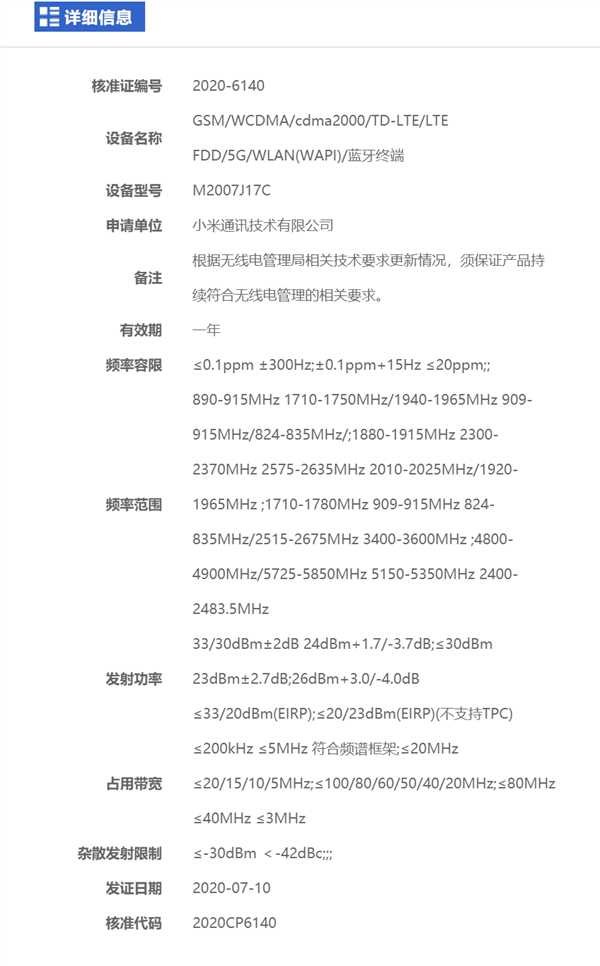
A rumour first emerged in July that Xiaomi has got a pair of smartphones in the works codenamed Gauguin and Gauguin Pro. A new Xiaomi model with model number M2007J17C has reportedly received network access permission.
The blogger who broke the news (Digital Chat Station) disclosed that the model is codenamed Gaauguin which has earlier featured in a leak. The phone will pack a 108MP main camera sensor and will be Xiaomi’s cheapest 100MP sensor-packing phone.
Since it is going to be the cheapest, that likely means it will drop under the Redmi brand. If that happens, it will make the phone Redmi’s first 100MP phone. At present, the Mi 10, Mi 10 Pro and Mi CC9 Pro are the only models from Xiaomithat uses Samsung’s 100MP sensor jointly developed by Samsung and Xiaomi. The sensor has a sensor area of 1/1.33 inches, and the photosensitive area is a full 48MP sensor. The larger the sensor size, the larger the photosensitive area, the more photons captured, the better the photosensitive performance, and the better the imaging effect.
At present, the new product of the Redmi brand that has not been released is the Redmi Note 10 series, so this model is likely a member of the Redmi Note 10 series. A new Redmi model with model number M2007J22C received network certification recently. Going by the model number, it is safe to suggest that this new M2007J17C model may be the top-end Redmi Note 10 Pro. There are speculations that the phone may be launched around October.
Chinese smartphone maker realme launched its first-ever smartwatch called realme Watch in the month of May in India. Though the brand calls it a smartwatch, it is merely a fitness tracker disguised as a watch. Earlier this month at IFA 2020, the company teased two new smartwatches – realme Watch S & realme Watch S Pro, both of which received certain certifications a few days back. Now, the regular version also passes through FCC and EEC.
The realme Watch S Pro was certified by FCC last week (September 8). The images of the product meant for FCC certification leaked anyway though there is a confidentiality letter requesting the wearable to be kept in secrecy for 45 days. We are not sure where those images came from but it is not in the database.
Similarly, the FCC certification for realme Watch S certified on September 18 (via @yabhishekhd on Twitter) also has the same confidentiality letter. Hence, its images are too not available for the public officially. Also, they did not leak. But we assume it to feature a similar design as the Pro model.
Further, this wearable also gets certified by Russia’s EEC, other than Malaysia’s SIRIM earlier this week. All the certifications of realme Watch S do not reveal any of its specifications except for its model number – RMA207.
That said, the company is yet to announce the exact launch date for its upcoming smartwatches. They may debut alongside realme Buds Air Pro whose design patent was recently approved by CNIPA.
We use cookies on our website to give you the most relevant experience by remembering your preferences and repeat visits. By clicking “Accept”, you consent to the use of ALL the cookies.
This website uses cookies to improve your experience while you navigate through the website. Out of these, the cookies that are categorized as necessary are stored on your browser as they are essential for the working of basic functionalities of the website. We also use third-party cookies that help us analyze and understand how you use this website. These cookies will be stored in your browser only with your consent. You also have the option to opt-out of these cookies. But opting out of some of these cookies may affect your browsing experience.
Necessary cookies are absolutely essential for the website to function properly. This category only includes cookies that ensures basic functionalities and security features of the website. These cookies do not store any personal information.
Any cookies that may not be particularly necessary for the website to function and is used specifically to collect user personal data via analytics, ads, other embedded contents are termed as non-necessary cookies. It is mandatory to procure user consent prior to running these cookies on your website.